Wordly Women: Joanne Major

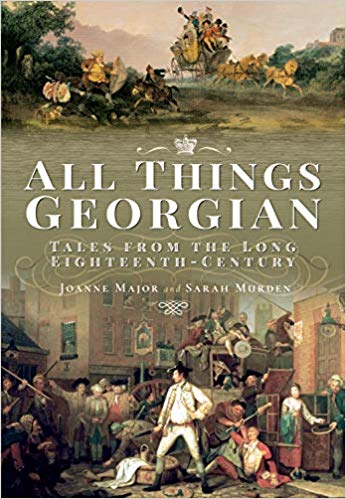
Today, it is an absolute pleasure to continue my Wordly Women interview series with my dear friend Joanne Major. Like me, Joanne likes to put the women back into the limelight, though she focuses on women of the Georgian era, rather than the medieval. Her book, All Things Georgian: Tales from the long Eighteenth Century, which she co-wrote with Sarah Murden, is one of the most beautiful books I have ever read. The sumptuous, colourful photos scattered throughout the book makes it esthetically pleasing to the eye. It also regales the reader with some of the best stories from the eighteenth century; scandals, love stories and mysteries fill the pages…

So, on with the interview…

Sharon: Welcome Joanne. First question is what got you into writing?

History ... the Interesting Bits

Joanne: I’ve always loved writing. I wrote stories as a child and taped the sheets of paper into homemade books. In my early 20s, I attempted to write a novel. Several, in fact, all of which still languish half-finished somewhere. Then, life got in the way and writing fell by the wayside, although I continued to make up stories in my head.

Then, via a genealogy forum, I met Sarah Murden. We stumbled upon a story, that of a Romany connection to the royal family. We began to research, intending it for an article in the Romany and Traveller Family History Society’s journal, but things snowballed, and it became a book. We discovered that we wrote in very different styles, so while the research was done together, I took on the writing duties.

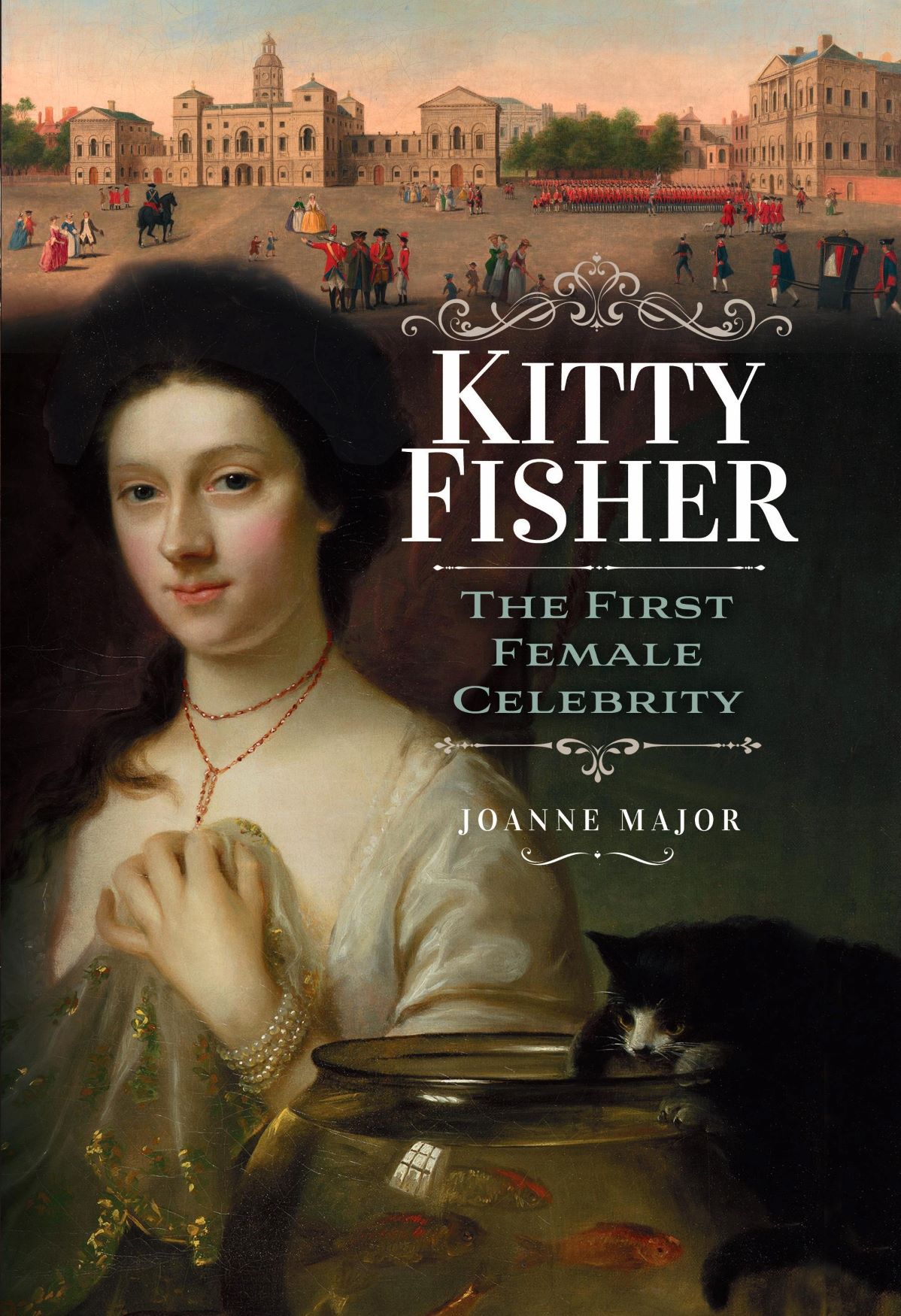
We ended up co-authoring five books, and then, at the age of 50, I made a whirlwind decision to enrol at university to study for a Creative Writing degree and continued onto an MA. I researched and wrote my first ‘solo’ nonfiction book whilst at university (Kitty Fisher: The First Female Celebrity). During that time, I also rediscovered my love of writing fiction (in short story form), and I now also enjoy writing short, angry poems.

So, it’s been a roundabout journey, one that started with wanting to write fiction, diverted into historical nonfiction, and along the way I found both my confidence and my ‘voice.’ I’m hoping it might end with me finally achieving my long-held ambition to write a novel, but I need a few more hours in the day for that right now.

Sharon: Tell us about your books.

History ... the Interesting Bits
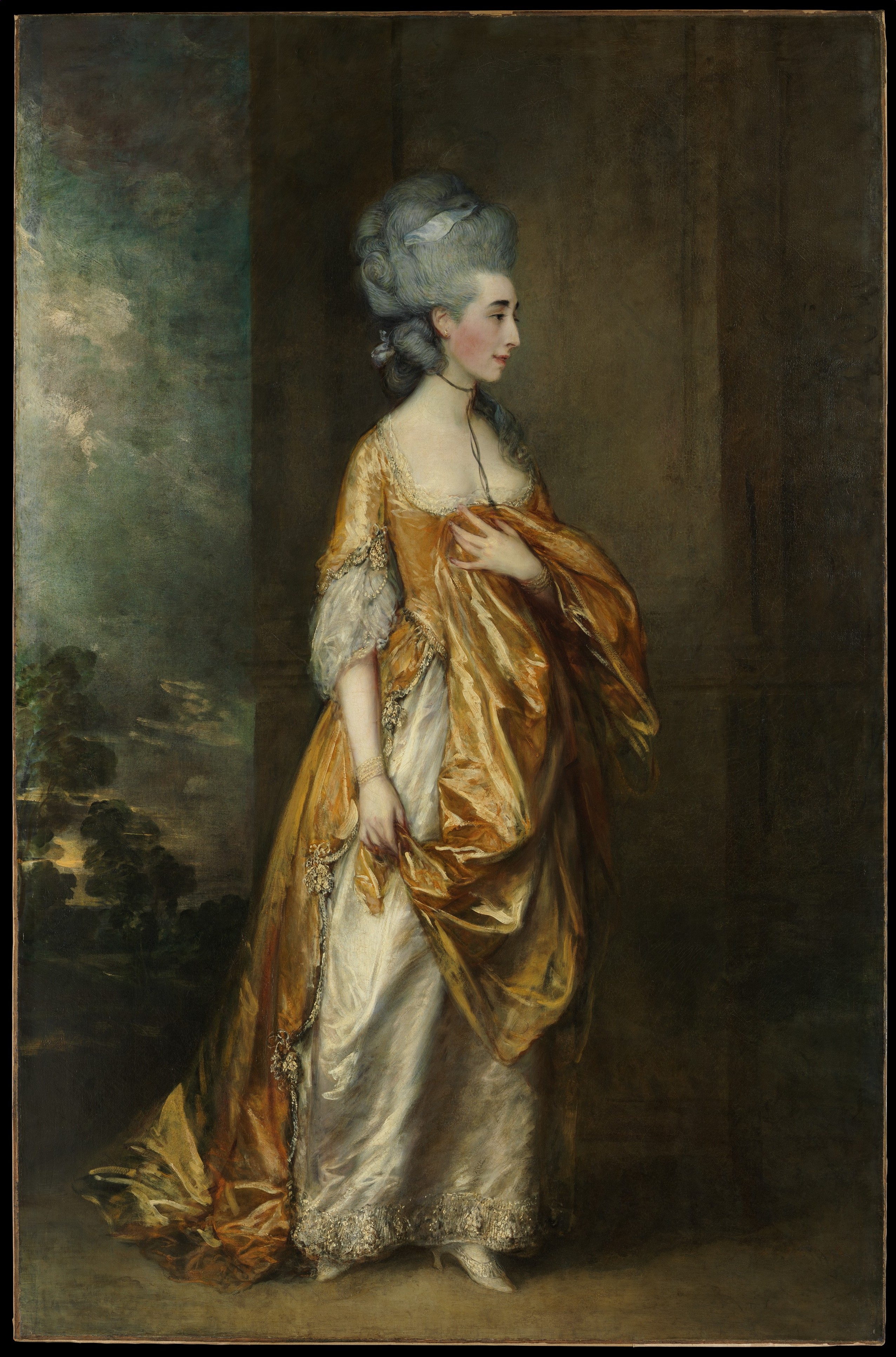
Grace Dalrymple Elliott by Thomas Gainsborough, 1778 – Met Museum

Joanne: I’ve had six historical nonfiction books published by Pen & Sword History, focusing on women’s history in the Georgian period, but with a little diversion into the 17th century and the Victorian era on occasion. I also have a book of historical short fiction.

The Extraordinary Life of a Georgian Courtesan: Grace Dalrymple Elliott, her Family, and Friends (originally issued in hardback as An Infamous Mistress): This is the biography of the Scottish-born Grace Dalrymple Elliott. Tall and beautiful, Grace was married to a doctor twice her age and about half her height, who divorced her while she was still in her teens. This launched her into a career as a courtesan, and her lovers included the Duke of Orléans (Philippe Egalité) and the Prince of Wales, later George IV (she bore him a child). Trapped in France during the revolutionary years, Grace left behind one of the few first-hand accounts of the time written by a woman.

A Right Royal Scandal: Two Marriages That Changed History: Although published second, this was the book that started it all. It looks at two generations of the royal family’s ancestors, the Cavendish-Bentincks of Welbeck Abbey. Just after the Battle of Waterloo, the Duke of Wellington’s married niece, Lady Anne Abdy, eloped with Lord Charles Bentinck. (He was a widower; his first wife was the daughter of Grace Dalrymple Elliott and King George IV.) The drama continued into the next generation when Anne and Charles’s eldest son made a secret marriage to a Romany girl he met while studying at Oxford, to the horror of his ducal relatives.

A Georgian Heroine: The Intriguing Life OF Rachel Charlotte Williams Biggs: If I floated this as the basis for a historical fiction novel, you’d say the story was too far-fetched. Mrs Biggs suffered horrendously. She was kidnapped and sexually abused twice and escaped to France, where she became trapped during the Revolution. Afterwards, she reinvented herself as a playwright and author, a ‘female politician’, and a spy. An ardent royalist who instigated George III’s jubilee celebrations almost single-handedly, if Mrs Biggs had been born a man, you’d already know all about her, but she was a woman and, during her lifetime, was anonymous.

All Things Georgian: Tales from the Long Eighteenth Century: A collection of 25 true tales from the era; for this one, the writing credits were shared between Sarah and me. It covers actresses, royalty, eccentrics, criminals, and inventions, and is lavishly illustrated in colour.

A History of the Dukes of Bolton, 1600-1815: Love Loyalty: The Bolton dukedom ran out of male heirs in the 1790s, and maybe this is why the family has been overlooked. In fact, over several generations they were crucial to events that shaped British history. The womenfolk were vital to the dynasty, too, with the estates passing through the female line more than once.

History ... the Interesting Bits

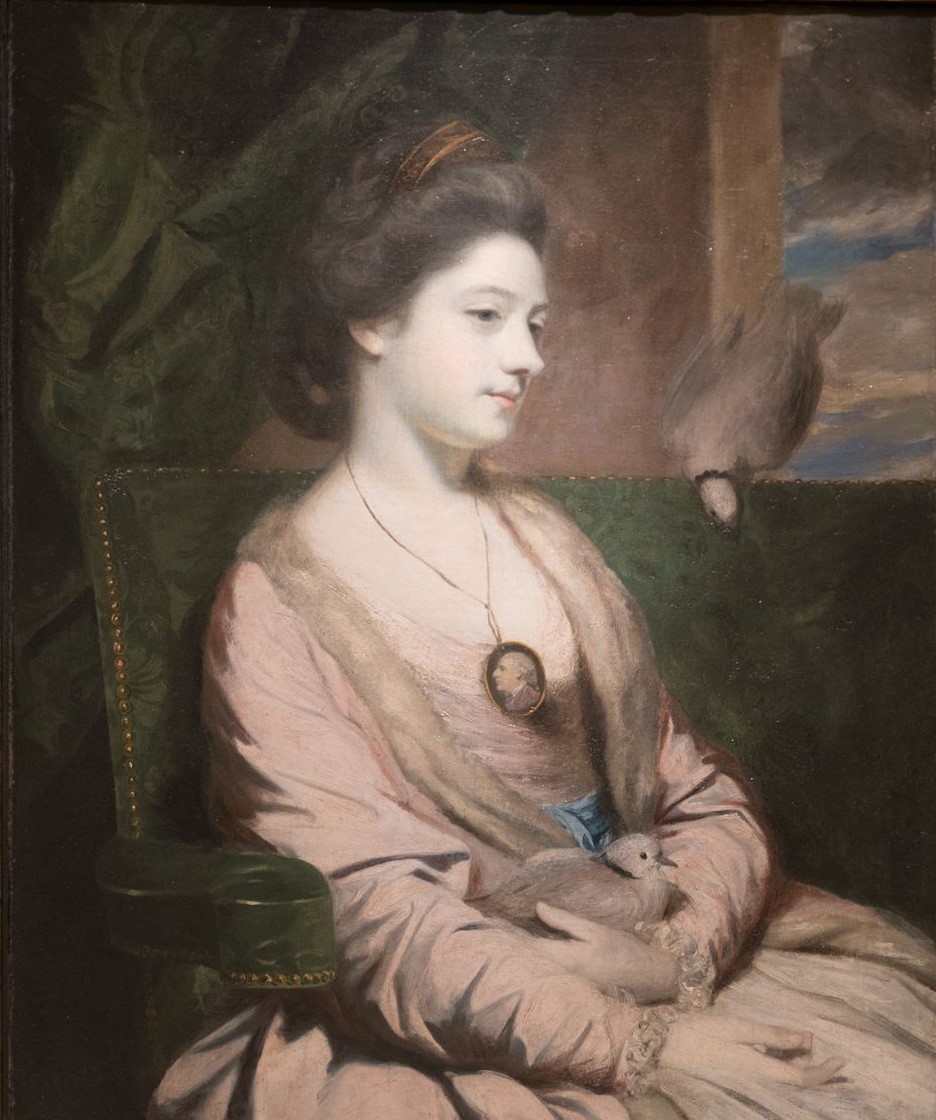
Kitty Fisher: The First Female Celebrity: I’ve described her thus because Kitty was a celebrity in the way we’d understand the concept today and was almost modern in how she approached her fame. Kitty would have loved TikTok and Instagram! Remembered as a courtesan, and the subject of several Joshua Reynolds’s portraits and a well-known nursery rhyme, I discovered a very different woman from the one I expected.

Castles, Conspiracies, and a Coronation: This is a (self-published) collection of short historical fiction, comprising two short stories, a novelette, and a novella in length, and ranging from medieval to the Victorian eras.

Sharon: What attracts you to the Georgian period?

Joanne: For me, it bridges ‘old’ and ‘new’ history. We see echoes of the Stuart and Tudor eras, but also the foundations of the modern world. I also love the fashion and the personalities. With the rise of the print industry (newspapers/satirical prints/magazines, etc.), people are brought to life in a way not always possible for earlier periods. (Having said all that, my stock, and only partly joking, answer is that Adam Ant’s ‘dandy highwayman’ may also have a lot to answer for!)

Sharon: Who is your favourite Georgian and why?

Joanne: It’s got to be Kitty Fisher. She surprised me more than once during my research. Although labelled as a famous courtesan, she wasn’t that successful and ended up being ‘kept’ by a syndicate of titled and well-to-do men who knew one another through a gambling club. As I researched, the woman behind the myth and legend emerged: Catherine Maria Fischer, an impetuous teenager who matured into an intelligent, kind, and fun-loving woman seeking love and security.

Sharon: Who is your least favourite Georgian and why?

History ... the Interesting Bits
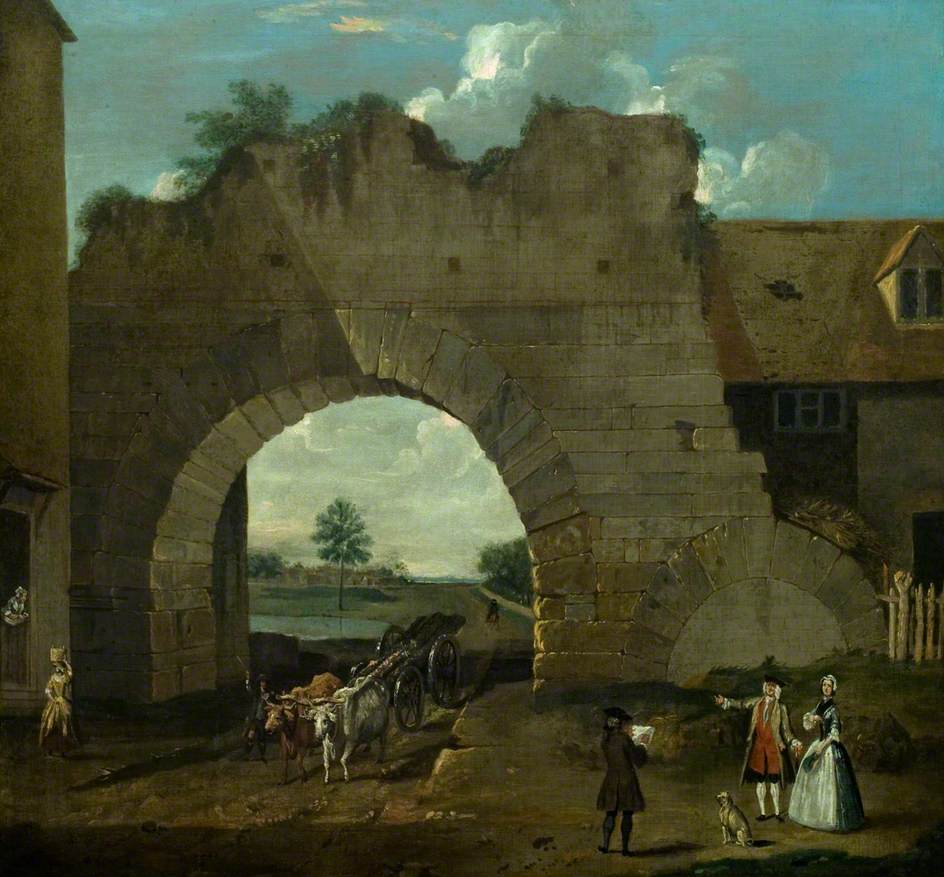
Drake, Nathan; Newport Arch, Lincoln; The Collection: Art & Archaeology in Lincolnshire (Usher Gallery); http://www.artuk.org/artworks/newport-arch-lincoln-81838

Joanne: There are quite a few I could mention, but because I live just outside Lincoln, I’m going to go for someone little-known, but who had a detrimental impact on the city. In the mid-eighteenth century, Sir Cecil Wray, 13th Baronet Wray of Glentworth, built a house on Eastgate in Lincoln. He named it Eastgate House, and all was perfect except for some old stone ruins in his garden. He had them demolished because they interrupted his view of the nearby Lincoln Cathedral. The old stonework was an archway and substantial remains of a wall which once formed the Roman Upper East Gate to the city. As an act of selfish stupidity, it ranks high. (For anyone who knows Lincoln, it was similar to the city’s Newport Arch. All that is left are some foundations in the grounds of The Lincoln Hotel.)

Sharon: How do you approach researching your topic?

Joanne: Everything I find out goes onto a timeline, to which I also add events of note. I find this helps in connecting dots that otherwise might be missed. The timeline becomes my ‘bible’ when writing and helps to ensure nothing is missed.

In terms of my research, I approach it as both a historian and a genealogist. Using genealogical techniques, such as interrogating the wills of extended family members or searching through parish registers, has yielded amazing results, often where it has long been believed no evidence survives.

My main difficulty is knowing when to stop researching and start writing.

Sharon: Tell us your ‘favourite’ true historical story you have come across in your research.

History ... the Interesting Bits
Kitty Fisher by Joshua Reynolds, New York Public Library

Joanne: My favourite true historical story starts with a false one. If you read anything about Kitty Fisher (other than my book!), you’ll hear that she met Casanova in a London brothel. He mentioned it in his memoirs and told a story about Kitty eating a banknote. I was looking forward to writing about this. Unfortunately, it became evident that it was a load of baloney. Kitty might have been in Casanova’s vicinity, perhaps at one of the capital’s pleasure gardens, but she never met him in a brothel. In fact, she was never in a brothel, full stop and Kitty never ate a bank note; that was a different courtesan, Fanny Murray.

Instead, other, more truthful stories about Kitty had been forgotten. It was reported that she started a trend for drinking tea in her box at the theatre, and I love the thought of her having a cuppa whilst in all her finery and jewels. Once, in the middle of winter, Kitty decided she wanted strawberries and set her admirers off on an expensive search to procure them. A fashion icon, she designed a hat, the ‘Kitty Fisher bonnet,’ which was advertised for sale as far away as Boston in the US.

Despite my initial disappointment that Kitty hadn’t in fact met Casanova, I enjoyed setting the record straight.

Sharon: Tell us your least ‘favourite’ true historical story you have come across in your research.

History ... the Interesting Bits
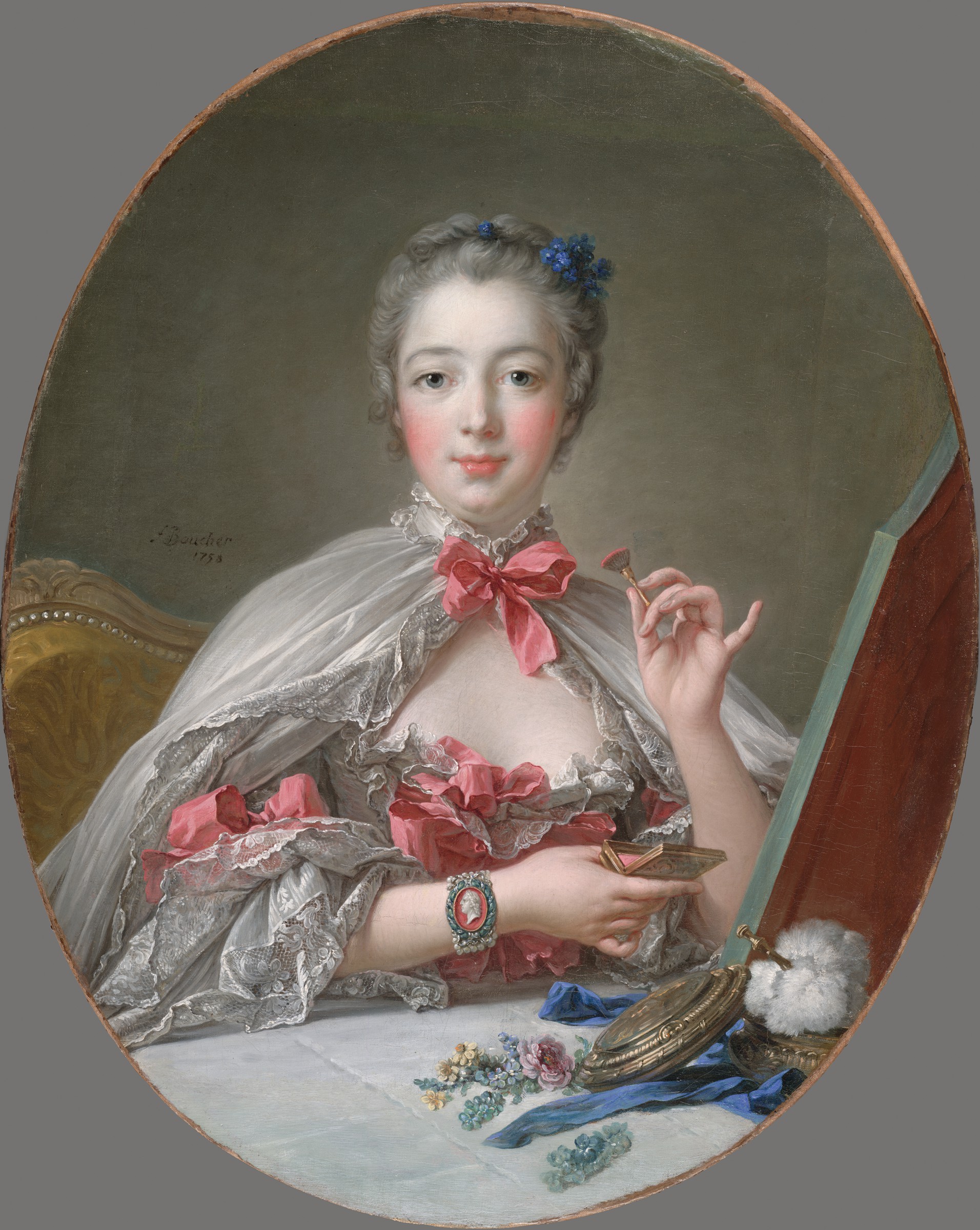
Madame de Pompadour at her toilette by François Boucher – Harvard Art Museums

Joanne: One of the downfalls of writing historical nonfiction is that you can’t rewrite history to give happy endings, however much you’d love to.

Women used a make-up item called ceruse, which whitened their skin. It contained lead. Heavy use was dangerous, and it hastened the fashion-conscious Kitty Fisher’s death. Believed to be suffering from TB, Kitty’s disease progressed at a speed that surprised everyone. Quite probably, the use of ceruse had damaged her immune system, leaving her body with little defence.

Sinetta Lambourne, the Romany girl who married Charles Cavendish Bentinck (A Right Royal Scandal), also used ceruse. She was described as ‘enamelled to her waist.’ In wanting to disguise her heritage, Sinetta fatally exposed both herself and her unborn children to lead poisoning. It’s particularly poignant as her husband obviously loved her exactly as she was, but Sinetta wanted to fit in with his world. (The Rev Charles Cavendish Bentinck made a second marriage. His granddaughter by his second wife was Elizabeth Bowes-Lyon, the ‘Queen Mother’.)

Sharon: Are there any other eras you would like to write about?

Joanne: In my 20s, I was involved in re-enactment, mainly with an English Civil War society, but dabbled in early medieval re-enacting, too. Whilst I am interested in earlier periods than those I write about, the scale of new research I’d have to do for nonfiction has so far ruled them out. I have set some of my short stories in other eras, however.

Sharon: What are you working on now?

Joanne: I have just written the biography of a Lincolnshire woman, Harriet Arbuthnot née Fane (1793-1834). Harriet married an MP (Charles Arbuthnot) and entered the inner circle of Tory politics. She was close friends with both Lord Castlereagh and the Duke of Wellington. Between 1820 and 1832, Harriet kept a journal which, as well as documenting politics, recounts her conversations with Wellington and others, and includes a bit of gossip, too.

I’ve used Harriet’s journal as a reference source in my books, and quoted her (for instance, her acid-tongued account of George IV’s coronation), but never realised she was from my home county. She’s always been known as either a diarist or as Wellington’s ‘best friend.’ (There were rumours, even in her lifetime, that their relationship was more, but it was a close friendship only.) My biography looks at Harriet as a woman in her own right, and I’ve got a lot of information about her life before she began to keep her journal. It’s due out in spring 2027.

Sharon: And finally, what is the best thing about being a writer?

Joanne: I’m not sure I can pick just one thing! I love words, and I enjoy losing myself in my writing. With historical nonfiction, it’s trying to bring the lives (and times) of my subjects to life in a way that will be accessible and interesting to readers. If I’m writing fiction, it’s the sheer pleasure of crafting a story and of creating the characters and settings.

With my nonfiction, I also enjoy the research immensely. I have a suspicion that all historians are frustrated detectives at heart, constantly looking for that last piece of the jigsaw. I’ve also been lucky enough, through my writing career, to visit some fascinating places that I’d never have gone to otherwise and met some amazing people along the way.

Author Bio

History ... the Interesting Bits

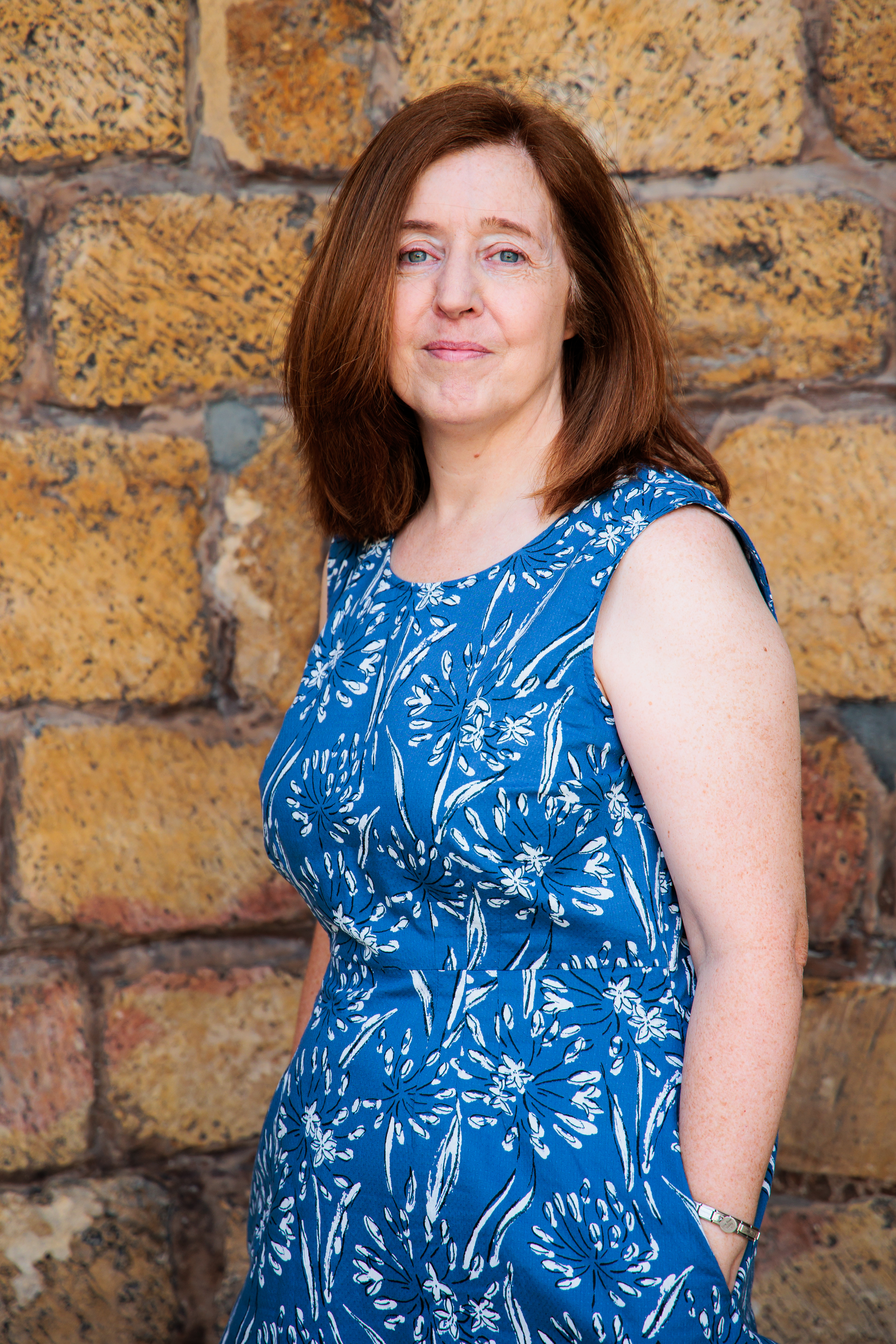
Joanne Major, author and historian, is captivated by the eighteenth and nineteenth centuries and in exploring the hitherto undiscovered women’s history of the period. She holds a BA (First Class) and MA (Distinction) in Creative Writing from the University of Lincoln. Joanne lives in Lincolnshire with her family and dogs, spending most days with one foot in the present and one in the past.

Joanne’s books are available via your bookshop of choice, direct from her publisher, or at Amazon UK and Amazon US.

Social Media

Website: Joanne Major, author, historian, and genealogist; Facebook; X/Twitter; Instagram

*

My Books

New releases in 2026:

New Hardbacks

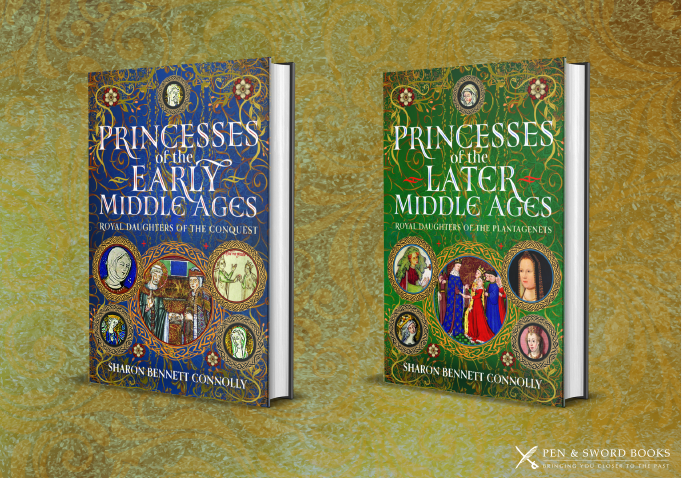
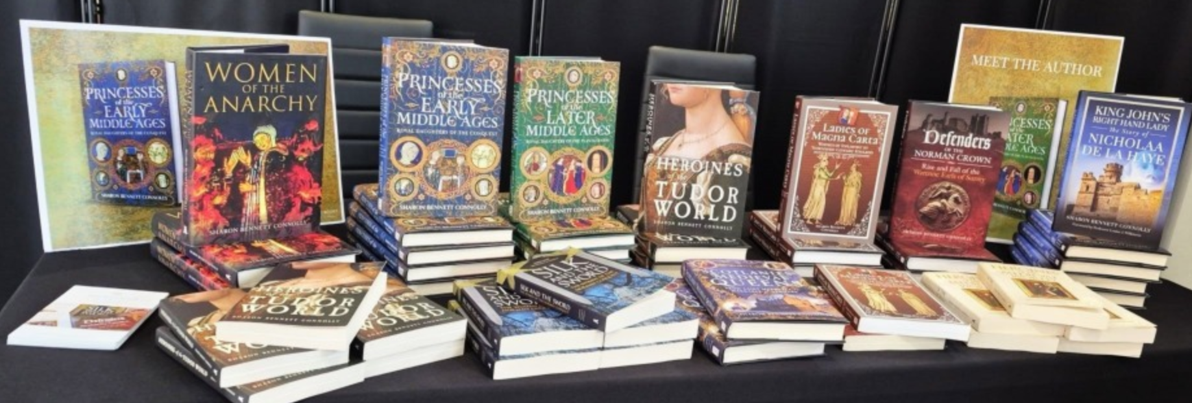
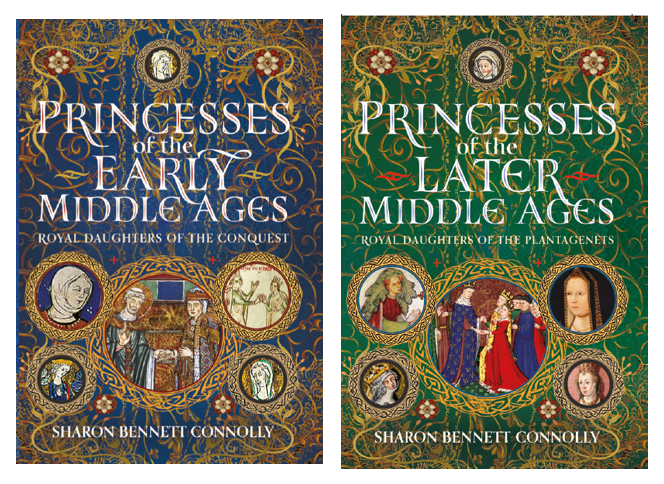
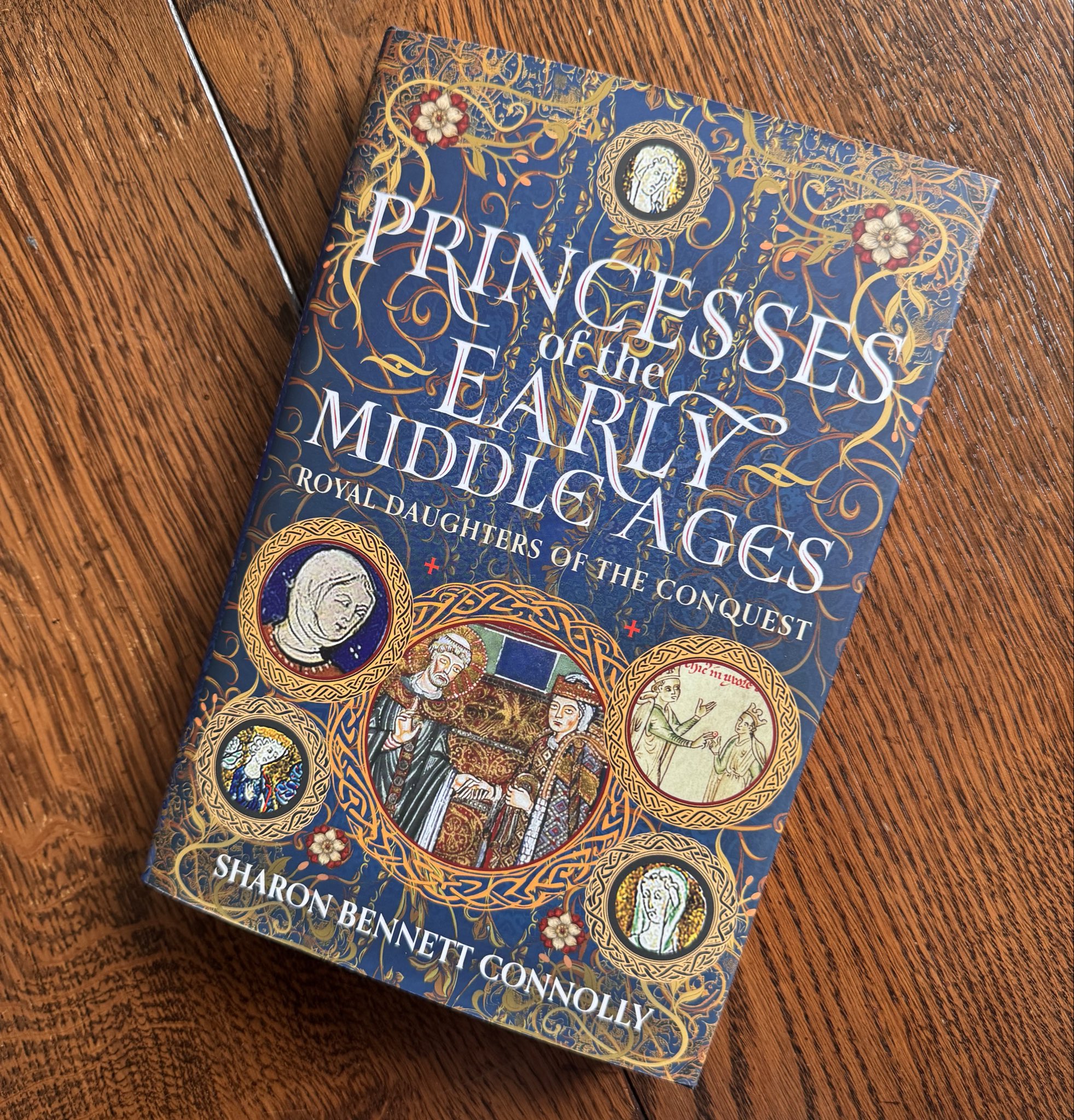
Out now: Princesses of the Early Middle Ages: Royal Daughters of the Conquest 

Books by Sharon Bennett Connolly

‘My daughter wanted me to treat her more like a princess. So, I married her to a stranger to strengthen the alliance with Poland!’

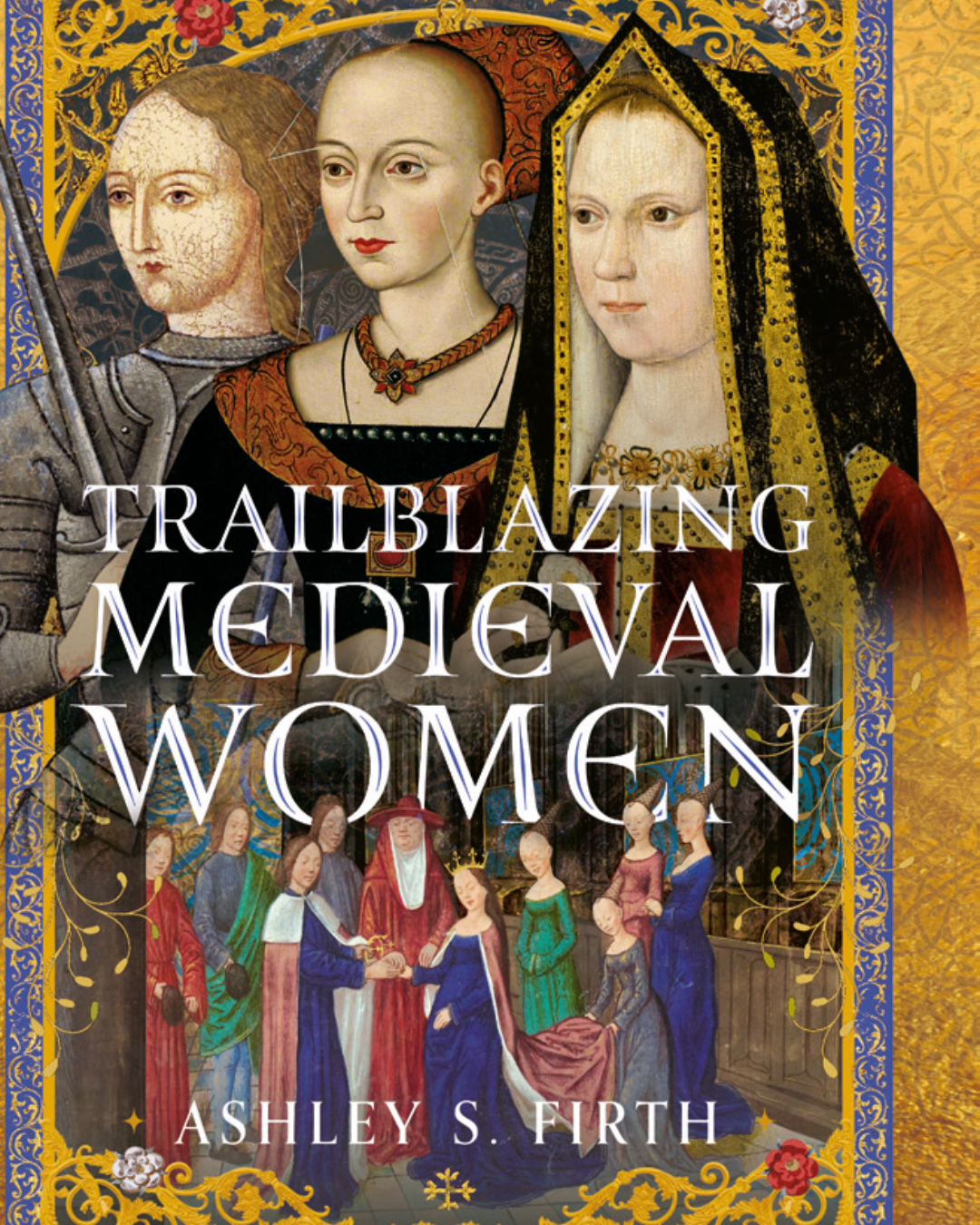
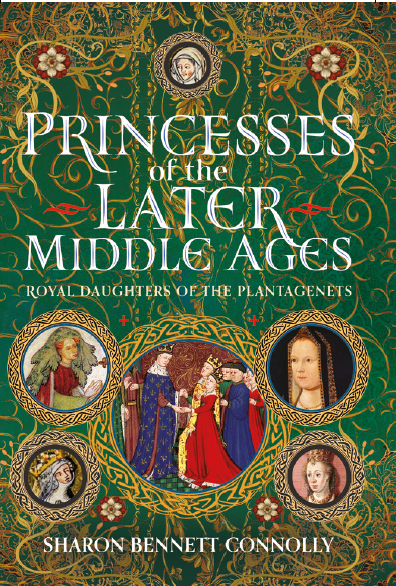
Princesses of the Early Middle Ages: Royal Daughters of the Conquest and Princesses of the Later Middle Ages: Royal Daughters of the Plantagenets tell the stories of England’s royal daughters from 1066 to the rise of the Tudors, from the last Anglo-Saxon princesses to the fall of the House of York.

Were they really pampered pawns sent off to marriages on the Continent, out of sight and out of mind?

Perhaps, there was different story, where a foreign marriage does not mean eternal exile, but a purpose in life, where a princess is a diplomat, an ambassador for England in her new country.

Where she is the bond between allies – most of the time.

Out now: Princesses of the Early Middle Ages: Royal Daughters of the Conquest

Pre-order: Princesses of the Later Middle Ages: Royal Daughters of the Plantagenets 

New in Paperback:
Books by Sharon Bennett Connolly

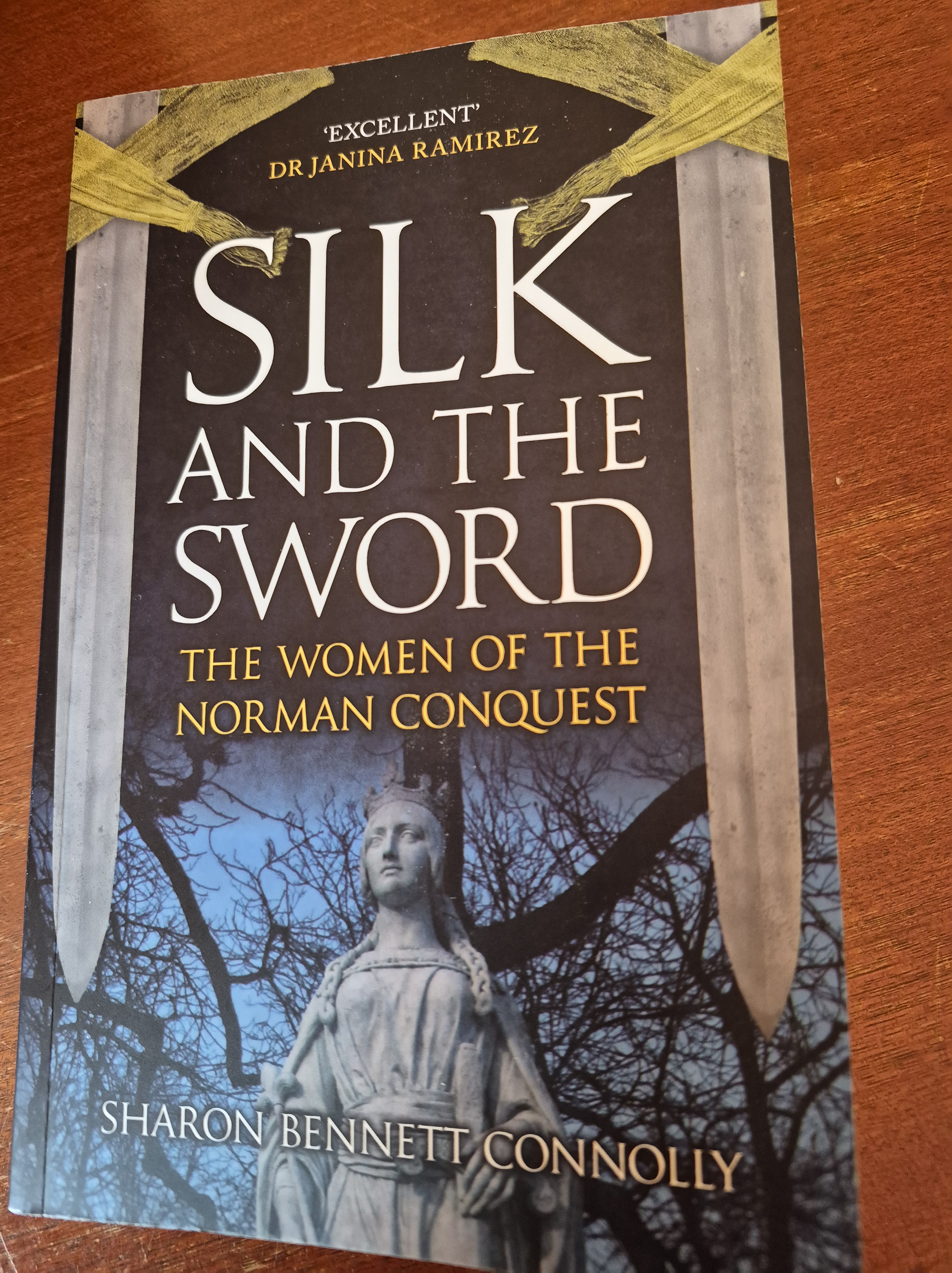
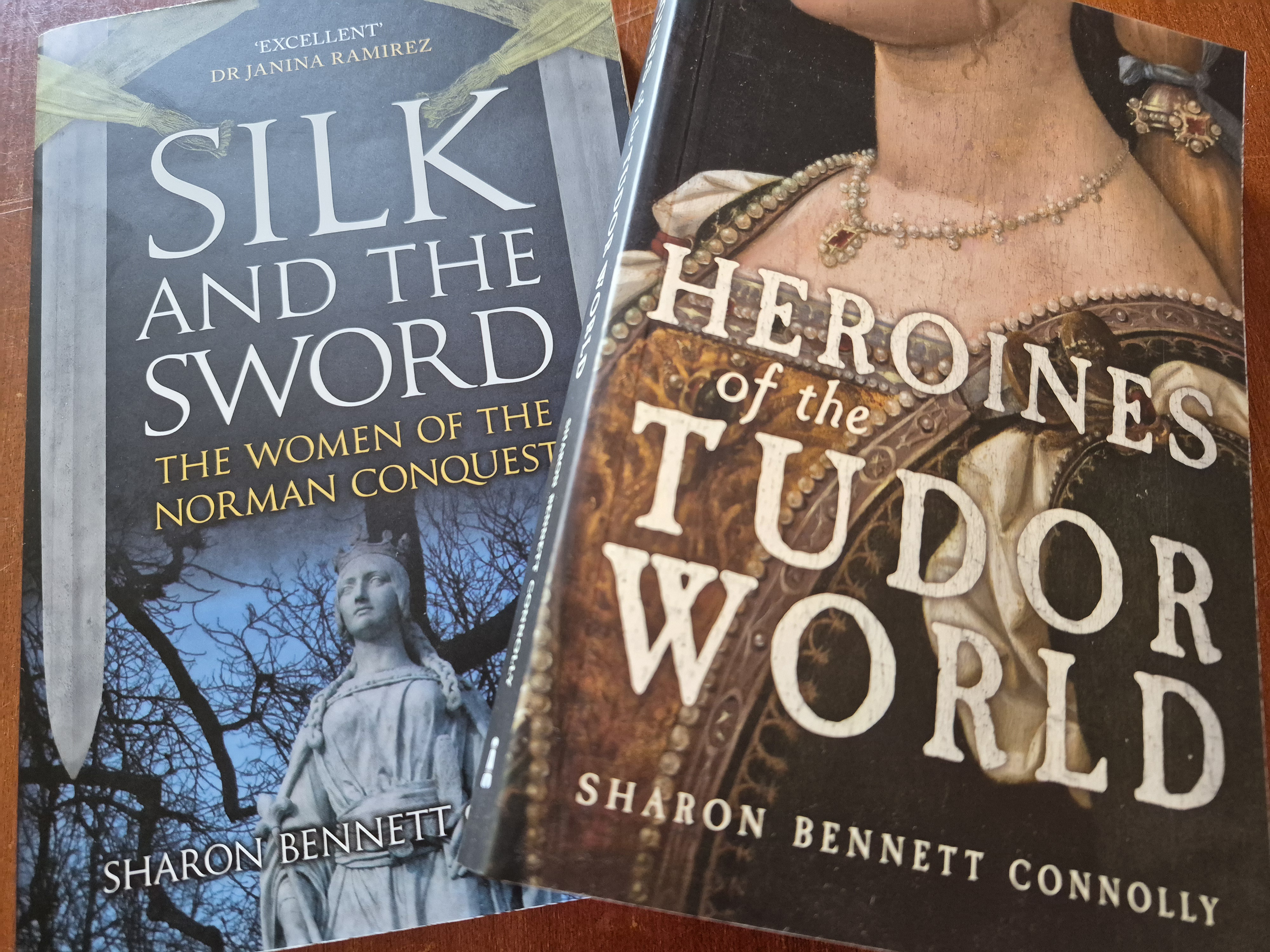
OUT NOW! The momentous events of 1066, the story of invasion, battle and conquest, are well known. But what of the women? Silk and the Sword: The Women of the Norman Conquest traces the fortunes of the women who had a significant role to play during the Norman Conquest – wives, lovers, sisters, mothers, leaders. These are lives full of drama, pathos and sometimes mystery: Edith and Gytha searching the battlefield of Hastings for the body of Harold, his lover and mother united in their grief for the fallen king. Who was Ælfgyva, the lady of the Bayeux Tapestry, portrayed with a naked man at her feet?
Janina Ramirez said it’s ‘Excellent’!

COMING 15 July 2026: Heroines of the Tudor World focuses on the women who lived through the Renaissance and Reformation, examining the threats and challenges they faced and how they overcame them. These are the women who ruled, the women who founded dynasties, the women who fought for religious freedom, their families and love. These are the women who made a difference, who influenced countries, kings and the Reformation.

Derek Birks: ‘An excellent account of the changing roles of women in Tudor society.’

Annie Whitehead: ‘What a treat this book was to read. Bennett Connolly has an easy, conversation style of writing which welcomes you from the opening pages and draws you into her story.

Also by Sharon Bennett Connolly:

Books by Sharon Bennett Connolly

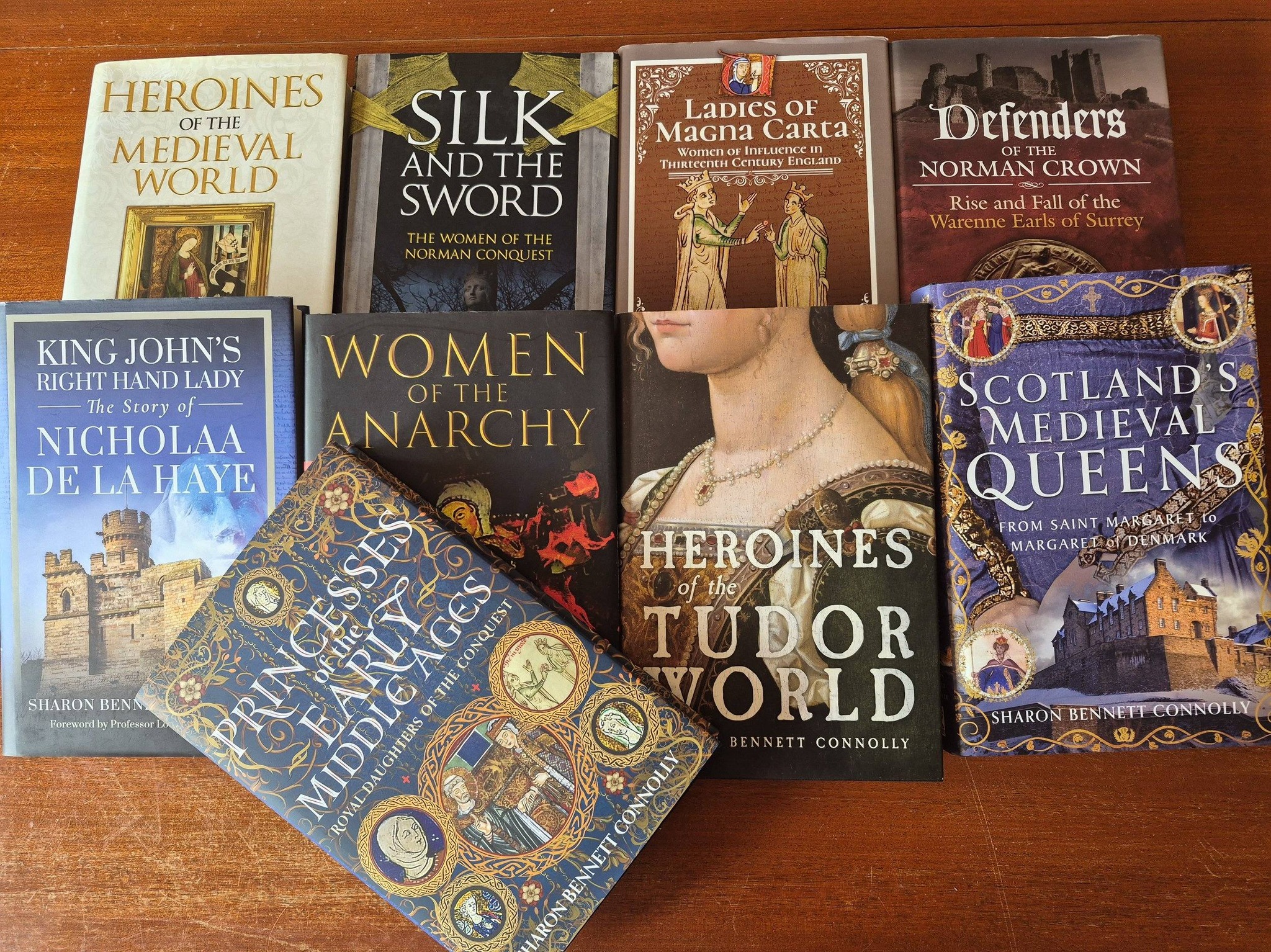
Heroines of the Medieval World; Silk and the Sword: The Women of the Norman Conquest; Ladies of Magna Carta: Women of Influence in Thirteenth Century England; Defenders of the Norman Crown: Rise and Fall of the Warenne Earls of Surrey; King John’s Right Hand Lady: The Story of Nicholaa de la Haye; Women of the Anarchy; Heroines of the Tudor World; Scotland’s Medieval Queens: From St Margaret to Margaret of Denmark; Princesses of the Early Middle Ages: Royal Daughters of the Conquest (March 2026); Princesses of the Later Middle Ages; Royal Daughters of the Plantagenets (August 2026)

Alternate Endings: An anthology of historical fiction short stories including Long Live the King… which is my take what might have happened had King John not died in October 1216. Available in paperback and kindle from Amazon.

All my books on Amazon and Bookshop.org . You can also order direct from my publishers, Pen and Sword Books and Amberley Publishing.

Podcast:

History...the Interesting Bits

Have a listen to the A Slice of Medieval podcast, which I co-host with Historical fiction novelist Derek Birks. Derek and I welcome guests, such as Ian Mortimer, Bernard Cornwell, Elizabeth Chadwick and Scott Mariani, and discuss a wide range of topics in medieval history, from significant events to the personalities involved. 

Every episode is also now available on YouTube.

*

Royal Historical Society

Don’t forget! 

Signed and dedicated copies of all my books are available through my online store.

For forthcoming online and in-person talks, please check out my Events Page.

You can be the first to read new articles by clicking the ‘Follow’ button, liking our Facebook page or joining me on Twitter and Instagram.

*

©2023 Sharon Bennett Connolly FRHistS and Joanne Major

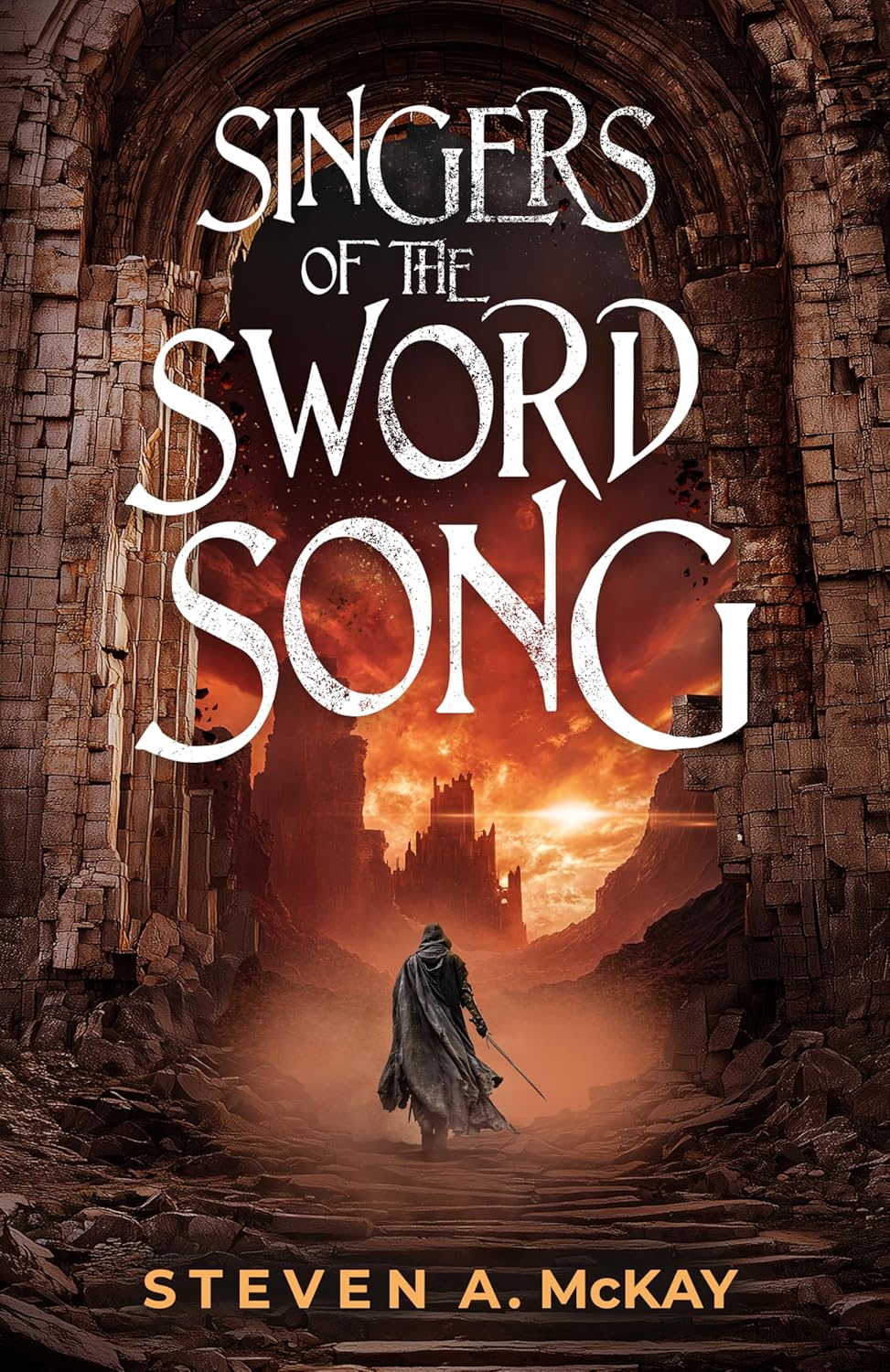
Book Corner: Singers of the Sword Song by Steven A. McKay

History...the Interesting Bits

He’d been quite a soft child before the Galnir got hold of him, the brutal sergeants turning the boy into the young man he was now. A man forged in blood, and fire, and steel, and death…
For thirty years war has raged across West Valkyros, an endless cycle of death and destruction ravaging two once-mighty kingdoms. In the aftermath of yet another vicious battle Wulfnoth, forced to serve in the elite Galnir infantry regiment since he was a child, attacks his own sadistic sergeant and deserts. Fleeing to the north, the desperate young warrior is joined on his travels by an experienced forester, and a beautiful singer they meet in a tavern brawl. Together the companions journey through the villages, towns, and great cities of Nemea sharing adventures, their bonds of loyalty and friendship growing as Wulfnoth struggles to navigate life outside the army and find his place in a world full of mythical monsters, murderous criminals, and powerful magical artefacts.
Unbeknown to the friends however, hunters are tracking their every move, intent on bringing the deserter to justice for his crimes. Just as Wulfnoth discovers that playing music can be as rewarding as wielding a sword in battle, a shocking revelation will give his life a new purpose and intertwine his fate with that of the very soldiers who seek to kill him.

Ooh, what a fabulous story!

Singers of the Sword Song: A heroic fantasy adventure by Steven A. McKay is the first book of a new series, The Sword Song Chronicles. Introducing our new heroes, Wulfnoth, Greybeard and Chrysanthe, caught in the midst of an epic struggle between two warring factions, Galnir and Nemea. Intent on escaping the Galnir he was forced to serve, Wulfnoth searches for new purpose, his sense of chivalry leading to both adventure and danger.

Singers of the Sword Song is Steven A. McKay’s first foray into fantasy and, I must say, I think he has a knack for it. To be fair, Steven’s Warrior Druid of Britain series borders on fantasy, with the exploits of Bellicus and Arthur drawing on the legends of King Arthur. But here, Steven has created a whole new world, with new lands for the reader to explore, strange beasts for him to defeat and magic.

Drawing on his knowledge of the medieval, Steven A. McKay has created a strange new world that is entirely credible and realistic. The fantasy is grounded in possibilities.

“How long will it take us to reach Herakas?” Wulfnoth asked as the little village called Kirea came into sight, woodsmoke curling into the air, the sounds of life already coming from the place even at that early hour.

“Depends how hard we ride,” said Greybeard. “I’ve been thinking about it – it’s going to be dangerous when we reach Herakas… Where would you go if I just led you to the next town along the road here and then we went our separate ways?”

Wulfnoth pursed his lips and shrugged. “I’ve no idea. I don’t know where I should go, or what I should do. My plan just now is simply to get as far away from the Galnir as possible. Whether that means travelling to Herakas or someplace else doesn’t seem important. I’ll be an outsider wherever I end up. The Galnir aren’t after you, though. If you don’t think it safe to go back to Herakas, why not just build a house here, in this village, and settle down?”

Greybeard’s contented smile faded as they rode past the first of the little round dwellings in the settlement, a haggard looking woman glaring out suspiciously at them. “You think the Galnir will stop pushing north when they’re finished doing whatever they’re up to in the Weeping Woods? No, neither do I. Sad to say, but Kirea, and other villages nearby, won’t be here for much longer. The war will sweep them away. I’m amazed they survived so long honestly.”

“We must warn them then.”

“You think they don’t know there’s been a battle not far to the south? Or that they didn’t feel those thumps like we did?”

“Then, by Balor, why are they still here?”

Greybeard frowned at him. “You don’t know much about people do you, lad? The Galnir really have changed since I was in their ranks. We can discuss it after – for now, let’s just get what we can here, and move on, eh? You might want to avoid mentioning the gods though. Balor is not worshipped in Nemea – his counterpart – here – is Terses. They don’t follow Ahrimaz either.”

“Well, who do they worship?”

“Like us, they have a vast number of gods and goddesses. Some reside in high Endomeros, and some in the Underlands. The most important ones are Noxis and Gerash. There’s also Pann, who some of our own people follow. Alectris and Dion are the most widely followed of the goddesses.” He smiled reassuringly. “You don’t need to know them all, or what they symbolise. Just remember not to mention any of our deities, like Balor or Ahrimaz, while you’re in Nemea.”

Wulfnoth felt quite excited as they dismounted and tied their animals to hitching posts that were set outside the largest building in the settlement. “What’s this place?” he asked, looking for a sign, or some other indication of what they might fid within.

“This is where the villagers bring their produce and goods to be bartered, or sold,” Greybeard told him, lifting the saddlebags from both horses and handing one to the young warrior. “Don’t expect anything fancy. We’ll be lucky to get much, and even luckier if we can sell any of this looted gear for a reasonable price.”

Steven A. MacKay builds a world that is, for the reader, at the same time strange and familiar. And deeply atmospheric. There are villages, taverns, caves, rivers and woods. Familiar animals live alongside fantastical beasts and people are the same as everywhere; looking after their own families, participating in conflicts they don’t know the reason for and trying to survive from day to day.

Wulfnoth is a wonderful, sympathetic hero. He is a young man who, having left the only life he has ever known, is now looking for purpose and a new place to belong. With his companions, Greybeard and Chrysanthe, he goes in search of a new life. Along the way, he learns that his own past is shrouded in secrets and betrayal, that those hunting him are not necessarily enemies and that the life he is lived is not the life he was born to.

Singers of the Sword Song by Steven A. McKay is the sum of all its parts. Wonderful characters navigating a strange world that is oddly familiar. The worlds of the medieval and fantasy merge into one to give the reader a wonderful adventure, leading them down unpredictable valleys and into dark, mystical caves, facing enemies of both the human and creature varieties.

This is escapism at its best, and one of those books that you will want to read long into the night, just to see what happens next. As the first in a series, it holds the promise of more stories to come, written in the familiar and engaging style of an author who has been one of my ‘must read’ authors for the last 10 years, at least. Steven A. McKay has pulled of yet another riveting story!

I cannot recommend it highly enough.

Buy the book: Singers of the Sword Song by Steven A. McKay is now available on Amazon

About the author:

Steven A. McKay was born in Scotland in 1977 and always enjoyed studying history. He decided to write his Forest Lord novels after seeing a house called “Sherwood” when he was out at work one day. Since then he’s started a new series, the Warrior Druid of Britain Chronicles, and just completed a trilogy about Alfred the Great.

In 2021 the Xbox game HOOD: Outlaws and Legends was released, featuring Steven’s writing.

Steven wrote the theme song for the podcast he co-hosted, Rock, Paper, Swords! with Matthew Harffy.

*

My Books:

Signed, dedicated copies of all my books are available through my online bookshop. or by contacting me.

Out Now: Princesses of the Early Middle Ages

Daughters of kings were often used to seal treaty alliances and forge peace with England’s enemies. Princesses of the Early Middle Ages: Royal Daughters of the Conquest explores the lives of these young women, how they followed the stereotype, and how they sometimes managed to escape it. It will look at the world they lived in, and how their lives and marriages were affected by political necessity and the events of the time. Princesses of the Early Middle Ages will also examine how these girls, who were often political pawns, were able to control their own lives and fates. Whilst they were expected to obey their parents in their marriage choices, several princesses were able to exert their own influence on these choices, with some outright refusing the husbands offered to them.

Their stories are touching, inspiring and, at times, heartbreaking.

Princesses of the Early Middle Ages: Royal Daughters of the Conquest is now available from Pen & Sword and Amazon.

Coming 30 August 2026: Princesses of the Later Middle Ages: Royal Daughters of the Plantagenets

Princesses of the Later Middle Ages examines the lives and experiences of England’s princesses, from the treasured daughters of Henry III to the children of Edward IV, whose lives were turned upside down when they were declared illegitimate.

What we see is a very different story, where a foreign marriage does not mean eternal exile, but a purpose in life, where a princess is a diplomat, an ambassador for England in her new country. She is the bond between allies – most of the time.

Princesses of the Later Middle Ages shines a light on the lives and experiences of these remarkable women.

Princesses of the Later Middle Ages: Royal Daughters of the Plantagenets is now available for pre-order through Pen & Sword and other booksellers.

Sharon is also the author of:

Books by Sharon Bennett Connolly

Heroines of the Medieval World; Silk and the Sword: The Women of the Norman Conquest; Ladies of Magna Carta: Women of Influence in Thirteenth Century England; Defenders of the Norman Crown: Rise and Fall of the Warenne Earls of Surrey; King John’s Right Hand Lady: The Story of Nicholaa de la Haye; Women of the Anarchy; Heroines of the Tudor World; Scotland’s Medieval Queens: From St Margaret to Margaret of Denmark; Princesses of the Early Middle Ages: Royal Daughters of the Conquest (March 2026); Princesses of the Later Middle Ages; Royal Daughters of the Plantagenets (August 2026)

Alternate Endings: An anthology of historical fiction short stories including Long Live the King… which is my take what might have happened had King John not died in October 1216. Available in paperback and kindle from Amazon.

All my books on AmazonBookshop.org . You can also order direct from my publishers, Pen and Sword Books and Amberley Publishing.

Podcast:

History...the Interesting Bits

Have a listen to the A Slice of Medieval podcast, which I co-host with Historical fiction novelist Derek Birks. Derek and I welcome guests, such as Ian Mortimer, Bernard Cornwell, Elizabeth Chadwick and Scott Mariani, and discuss a wide range of topics in medieval history, from significant events to the personalities involved. 

Every episode is also now available on YouTube.

*

Royal Historical Society

Don’t forget! Signed and dedicated copies of all my books are available through my online bookshop.

For forthcoming online and in-person talks, please check out my Events Page.

You can be the first to read new articles by clicking the ‘Follow’ button, liking our Facebook page or joining me on TwitterThreadsBluesky and Instagram.

*

©2026 Sharon Bennett Connolly FRHistS

Nicholaa: The Woman Who Saved England

Books by Sharon Bennett Connolly
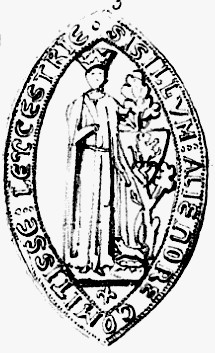
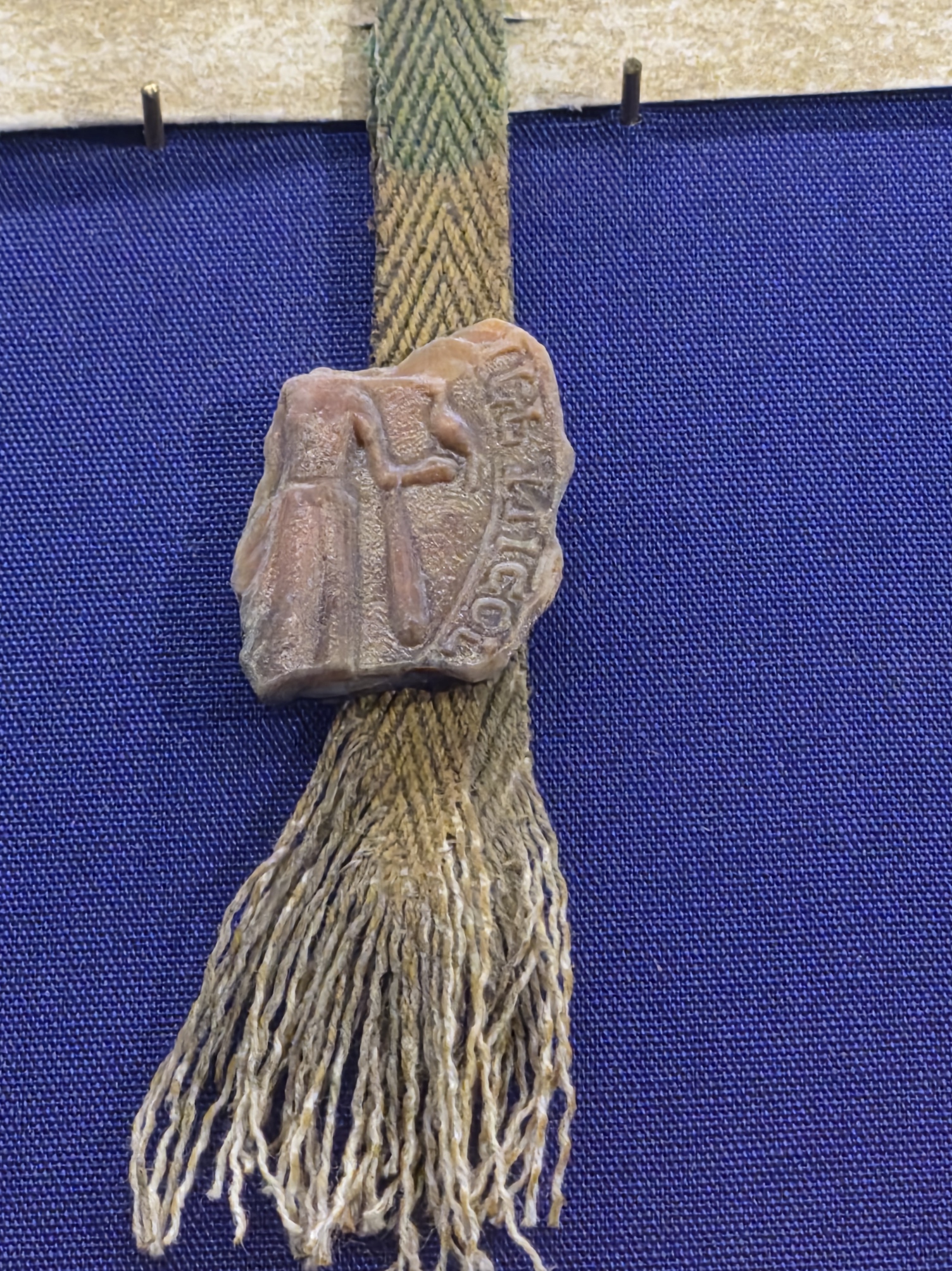
Seal of Nicholaa de la Haye, Lincoln Cathedral

In 1217, England was suffering the triple calamity of civil war, foreign invasion and a child king on the throne. The barons who had rebelled against King John in 1215 had appealed to the French king for support. That support had come in the form of Prince Louis, the future King Louis VIII of France, whose wife, Blanche of Castile, had her own claim to the English throne as a granddaughter of King Henry II and Eleanor of Aquitaine.

By the time of King John’s death, in the night of 18/19 October 1216, England was in a desperate state, with Louis controlling most of the country and having been proclaimed king in London, though he was not yet crowned. Only three royal castles held out against the French onslaught: Dover, Windsor and Lincoln. At the time, the defence of Lincoln Castle was being led by one of the most remarkable people of medieval history: Nicholaa de la Haye.

Almost forgotten by history, Nicholaa was not some fresh-faced beauty in need of rescue, when the French came knocking at the door. She was a mature woman in her 60s and the highly experienced castellan of Lincoln Castle. A formidable matriarch if ever there was one. And she already had one successful defence of Lincoln Castle under her belt, in 1191.

Nicholaa was probably born sometime in the early 1150s. She was the eldest daughter of Richard de la Haye, a minor Lincolnshire lord and hereditary castellan of Lincoln Castle, and his wife, Matilda de Vernon, niece of Baldwin de Redvers, Earl of Devon. When her father died in 1169, Nicholaa inherited his lands in Lincolnshire and Normandy – and his position as castellan of Lincoln Castle, a post she would hold for over 50 years, with a brief gap in the 1190s when Nicholaa and her husband were out of royal favour. Nicholaa was married twice, her husbands each successively holding the position of castellan at Lincoln by right of his wife, Nicholaa.

Nicholaa’s first husband, William Fitz Erneis, died in 1178. The couple had one child, a daughter named Matilda. Nicholaa had married again, before 1185, to Gerard de Canville, or Camville, whose brother, Richard, had accompanied Richard I on the Third Crusade. Nicholaa and Gerard had at least two children, sons named Richard and Thomas and possibly a daughter named Nicola. Nothing is known of Thomas beyond his name, but Richard married and fathered at least one child, a daughter named Idonea who married the oldest son of William Longespée, Earl of Salisbury. A son named Richard is mentioned but must have died young . Another daughter named Eustachia, is recorded as being in the custody of the earl of Salisbury in 1219; it may be that Eustachia died shortly afterwards or retired to a convent as it appears that Idonea was Nicholaa’s sole heir.

Books by Sharon Bennett Connolly
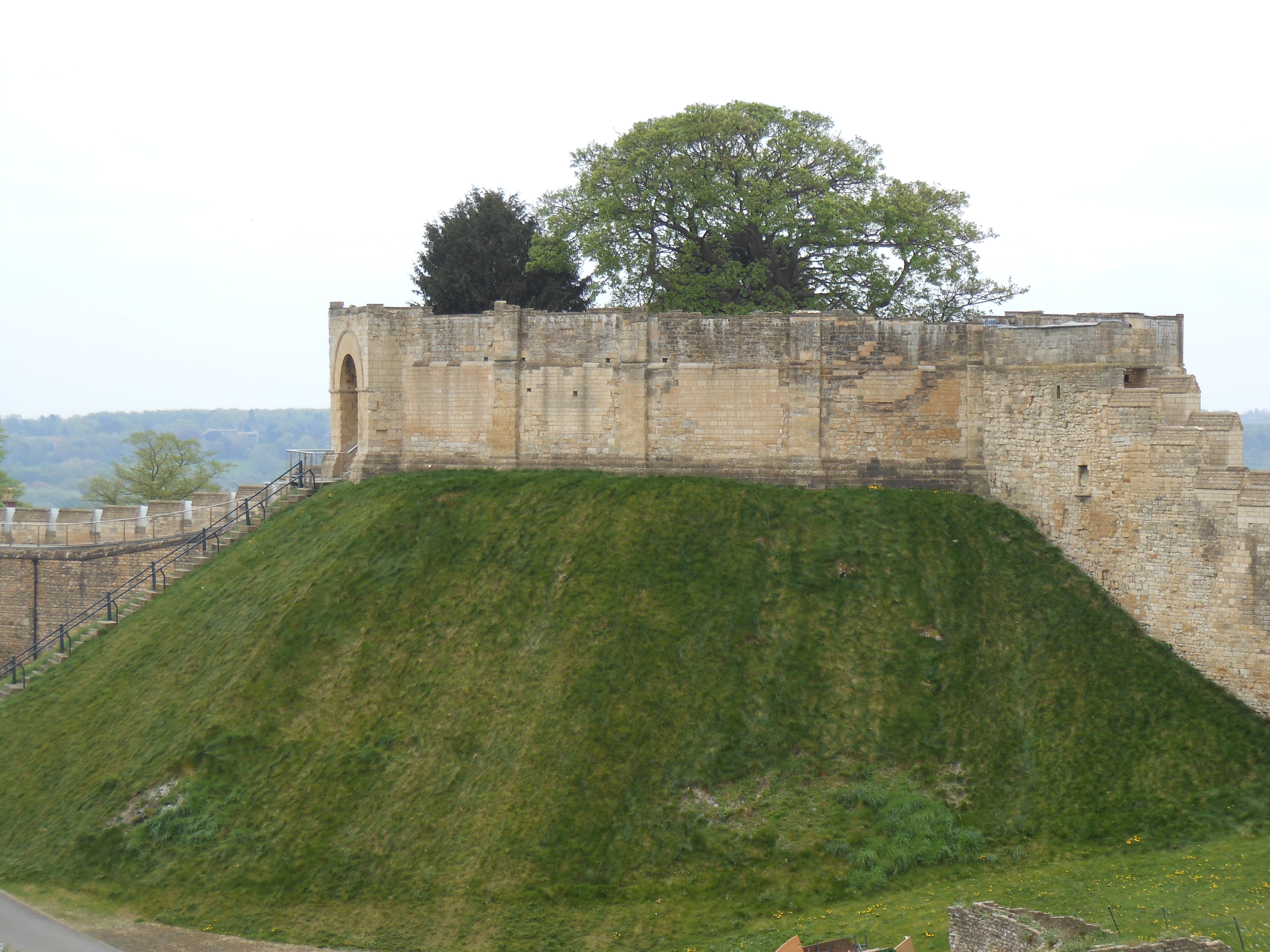
The Lucy Tower, Lincoln Castle

Nicholaa de la Haye first comes to the attention of chroniclers in 1191, when Prince John led a revolt against the rule of Richard I’s justiciar, William Longchamp. Many barons bridled under the harsh rule of Longchamp. John had set up his court at Nottingham Castle and Gerard de Camville, a supporter of John, joined him there, leaving Nicholaa in command of Lincoln. William Longchamp had headed north to halt John’s coup and laid siege to Lincoln Castle, intending to oust Nicholaa and install one of his own supporters, William de Stuteville.

The formidable Nicholaa refused to yield, successfully holding out for 40 days before Longchamp gave up the siege following the fall of the castles of Tickhill and Nottingham. In 1194, on King Richard’s return to England, Camville was stripped of his positions as Sheriff of Lincolnshire and castellan of the castle; the castle was only returned to Nicholaa and Gerard on John’s accession to the throne in 1199. His lands were also declared forfeit, but he was able to buy them back after paying a fine of 2,000 marks.

Nicholaa was widowed for a second time when Gerard de Camville died in December 1214. It seems, however, that, rather than passing control of the castle to her son, Richard, it remained in Nicholaa’s more than capable hands. It is thought that Richard Camville joined the rebellion against King John at some point, so leaving Nicholaa in charge was probably the sensible decision. Nicholaa had herself officially declared femme sole, so that she was legally responsible for her own lands and property.

Books by Sharon Bennett Connolly
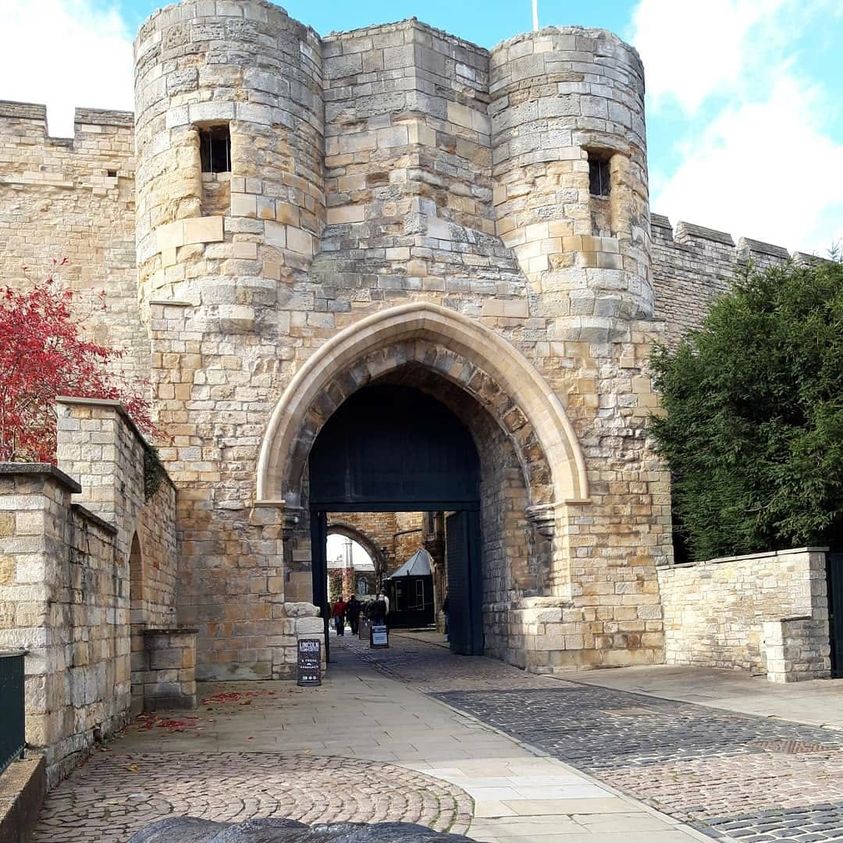
Lincoln Castle’s East Gate

On one of King John’s visits to inspect the castle’s defences, in either 1215 or 1216, there was a rather dramatic display of fealty from Nicholaa:

‘And it once happened that after the war King John came to Lincoln and the said Nicholaa went out of the eastern gate of the castle carrying the keys of the castle in her hand and met the king and offered the keys to him as her lord and said she was a woman of great age and was unable to bear such fatigue any longer and he besought her saying, “My beloved Nicholaa, I will that you keep the castle as hitherto until I shall order otherwise.”’1

Nicholaa’s greatest hour came shortly after the death of King John, but as a result of the late king’s tyrannical actions. As we all know, King John’s reign was not exactly smooth sailing. He lost his French lands and was held to account by the barons of England for numerous examples of maladministration, corruption and outright murder! In June 1215 he had been forced to put his seal to Magna Carta in order to avoid war with his barons. However, within a matter of weeks, John had appealed to Pope Innocent III and the charter had been declared null and void; the barons were up in arms.

The rebel barons invited the king of France to take the throne of England; Philip II was not really interested but his son, Louis (the future Louis VIII), was. He had a claim to the English throne through his wife, Blanche of Castle, niece of King John, and so accepted the offer and launched an invasion. Landing on the Isle of Thanet in May 1216, Louis was proclaimed king of England in London in June. He was never crowned.

By the summer of 1216, rebel forces led by Gilbert de Gant had seized the city of Lincoln and laid siege to the castle. Nicholaa arranged a truce and ‘freed herself from this siege with a money payment.’2 King John came north – chasing the rebels into the marshes of the Isle of Axholme, devastating the area with ‘fire and sword’.3

Books by Sharon Bennett Connolly
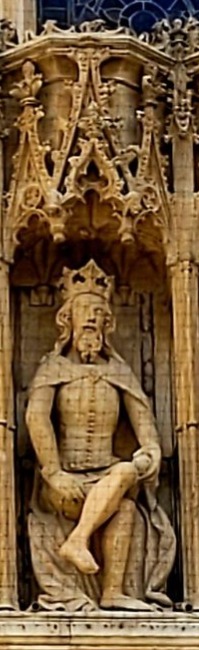
King John from the Gallery of Kings, Lincoln Cathedral

As Louis consolidated his position in the south, John made an inspection of Lincoln Castle in September 1216. Moving south, just two weeks later, the king’s baggage train was lost as he crossed the Wash estuary and within a few more days, John lay desperately at the bishop of Lincoln’s castle at Newark. On 18 October 1216, just hours before his death, John appointed Nicholaa de la Haye as Sheriff of Lincolnshire in her own right. She is the first woman on record to be given the position; the second would be her granddaughter’s mother-in-law Ela, Countess of Salisbury. When the king died that night, as a storm raged overhead, half of his kingdom was in the hands of a foreign invader and his throne was now occupied by his 9-year-old son, Henry III. The elder statesman and notable soldier, William Marshal, Earl of Pembroke, was appointed regent for young Henry and set out to save the country.

Meanwhile, the English rebels, who had been driven from Lincoln in the summer of 1216, returned and took the city, once again laying siege to the castle. Reinforcements were sent north by Louis, under the Comte de Perche, arriving in March 1217 with siege machinery that were set to bombard and weaken the castle’s walls. Although in her 60s, Nicholaa de la Haye took charge of the defences and refused to be daunted by her position, with her newly-appointed deputy, Geoffrey de Serland, commanding the garrison as ‘the barons then made fierce assaults upon the castle, whilst the besieged returned their showers of stones and missiles with stones and deadly weapons with great courage.’4

With William Marshal declaring it would be ‘dishonourable not to help so brave a lady,’ the loyal English forces mustered at Newark on 17 May, with the intention of marching to Nicholaa’s relief.5 The English commanders included William Marshal, earl of Pembroke, his son, young William Marshal, and nephew John Marshal, in addition to Ranulph, Earl of Chester, William Longespée, Earl of Salisbury, Peter des Roches, Bishop of Winchester, and Faulke de Bréauté.

They led 406 knights, 317 crossbowmen and a large number of sergeants-at-arms, foot soldiers and camp followers. The enemy forces in Lincoln were led by Thomas, Comte de Perche, himself a grandson of Henry II’s daughter Matilda and therefore a cousin of King Henry III. The commanders of the English rebels in the city included Robert FitzWalter and Saer de Quincy, Earl of Winchester. They led approximately 600 knights and several thousand infantry.

From Newark, Marshal’s forces marched on Lincoln using a roundabout route, keeping close to the river, they marched past the city and were camping at or near Torksey by the 19 May. They came upon the city from the north in the early morning of 20 May. Before battle, William Marshal made a rousing speech, telling his men: ‘Now listen, my lords! There is honour and glory to be won here…’6

On seeing the arrival of the English forces, Nicholaa sent her deputy, Geoffrey de Serland, to meet with the regent. Serland returned with Peter des Roches, entering the castle by a postern gate, who told Nicholaa of Marshal’s plans for the battle, and then sneaked into the city via another postern gate to do a little reconnaissance. Des Roches discovered a barricaded gate in the city wall, which could be cleared in a matter of hours.

Marshal split his forces, sending Faulke de Bréauté into the castle with his crossbowmen. He entered through a postern gate and positioning his men on the walls to rain a fire of bolts on the besiegers. The earl of Chester was directed to attack the North Gate as William Marshal’s men attacked the newly cleared gate in the north western part of the city wall. According to the Histoire de Guillaume le Maréschal (History of William the Marshal), Marshal was so eager to advance that he almost forgot to don his helmet and had to be reminded.

History...the Interesting Bits
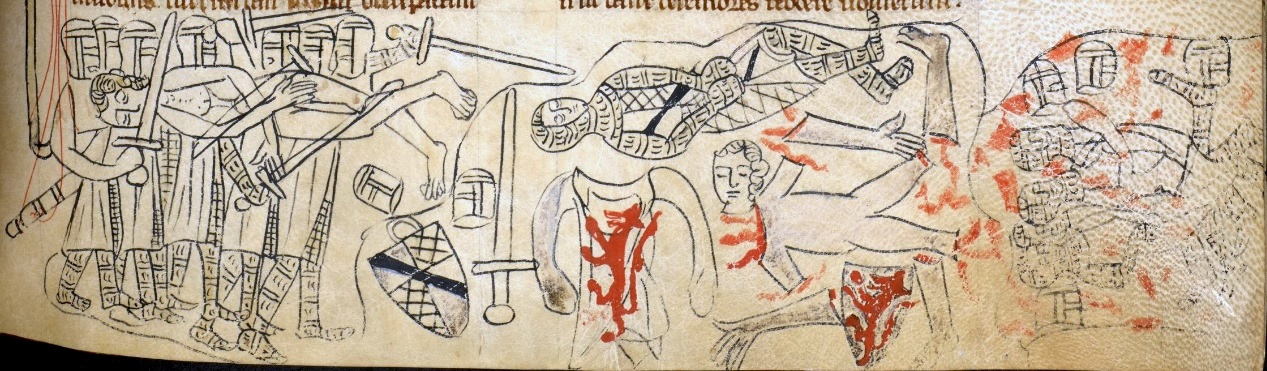
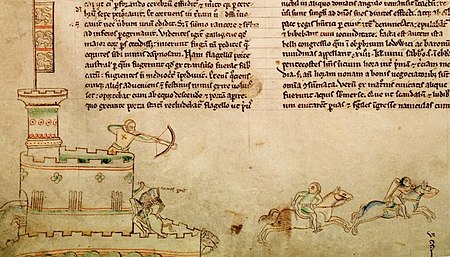
The Battle of Lincoln from Matthew Paris’s Chronica Majora

It is not hard to imagine Nicholaa standing on the castle’s battlements, watching the initial charge, relieved that help had arrived, but desperate for victory.

The battle lasted a matter of hours. The fiercest fighting took place in the ground between the castle and cathedral; with the enemy’s commander, the Comte de Perche, killed in front of the cathedral itself. And with the death of their leader, the French and rebel barons lost heart and started pulling back. The rebel leaders, Saer de Quincy and Robert FiztWalter were both taken prisoner, as were many others. In total, about half of the enemy knights surrendered. The fleeing rebels were chased through the city streets. The city itself, which had supported the rebels and welcomed the French, was sacked and looted by the victorious army.

The Battle of Lincoln turned the tide of the war. By the summer, following a second defeat at sea off Sandwich in Kent, the French were forced to seek peace and eventually returned home. Magna Carta was reissued and Henry III’s regents could set about healing the country.

In a magnificent demonstration of ingratitude, within four days of the Battle of Lincoln, Nicholaa was relieved of her position as sheriff of Lincolnshire; the post was given to the king’s uncle William Longespée, Earl of Salisbury, who took control of the city and seized the castle. As the father-ion-law of Nicholaa’s granddaughter and heir, Salisbury most likely thought he had more right to hold Lincoln Castle than Nicholaa did. Nicholaa disagreed. Not one to give up easily, she travelled to court to remind the king’s regents of her services, and request her rights be restored to her. Eventually a compromise was reached whereby Salisbury remained as sheriff of the county, while Nicholaa held the city and her beloved castle.

Books by Sharon Bennett Connolly
Tomb effigy of Nicholaa de la Haye

A staunchly independent woman, Nicholaa issued some 25 surviving charters in her own name. She made grants to various religious houses, including Lincoln Cathedral, and even secured a royal grant for a weekly market on one of her properties. A most able adversary for some of the greatest military minds of the time, and a loyal supporter of King John, Nicholaa de la Haye was unique among her peers.

Nicholaa died at her manor of Swaton on on 20 November, 1230 and was buried in St Michael’s Church there.

The chroniclers were full of praise for Nicholaa, though they seemed to have difficulty in finding the right adjectives to describe her. Richard of Devizes said of her 1191 defence of Lincoln Castle, against William Longchamp, that she did it ‘without thinking of anything womanly’. The Dunstable annals refer to her as a ‘noble woman’, saying she acted ‘manfully’. And William Marshal called her ‘brave’.

Nicholaa’s stoic defence of Lincoln Castle gave Marshal the time to organise his forces, march to her aid and set the scene for one definitive battle that would prove to be the beginning of the end of the war. Within 3 months, the French invaders would be agreeing to peace and sailing for home. One cannot fail to feel admiration for a woman who managed to hold her own in a man’s world, who fought for her castle and her home in a time when women had so little say over their own lives – and at such an advanced age. Her bravery and tenacity saved Henry III’s throne. Not surprisingly, King Henry referred to her as ‘our beloved Nicholaa de la Haye’.

Nicholaa de la Haye was the woman who saved England.

*

Nicholaa’s story is told in greater detail in my book King John’s Right Hand Lady: the Story of Nicholaa de la Haye

Images:

©2026 Sharon Bennett Connolly FRHistS except Battle of Lincoln which is courtesy of Wikimedia Commons

Footnotes:

1. Irene Gladwin, The Sheriff; The Man and His Office; 2. The Barnwell Annalist quotes in The Plantagenet Chronicles, edited by Elizabeth Hallam; 3. ibid; 4. Roger of Wendover, Roger of Wendover’s Flowers of History; 5. Histoire de Guillaume le Maréschal translated by Stewart Gregory; 6. ibid

Sources:

Irene Gladwin, The Sheriff; The Man and His Office; The Plantagenet Chronicles, edited by Elizabeth Hallam; Roger of Wendover, Roger of Wendover’s Flowers of History; Histoire de Guillaume le Maréschal translated by Stewart Gregory; J.W.F. Hill, Medieval Lincoln, Louise Wilkinson, Women in Thirteenth Century Lincolnshire; David Stocker; Daniel Power; Richard Huscroft, Tales from the Long Twelfth Century: The Rise and Fall of the Angevin Empire; magnacarta800th.com; Oxforddnb.com; Danny Danziger & John Gillingham, 1215 The Year of Magna Carta; Robert Bartlett, England Under the Norman and Angevin Kings; Marc Morris, King John: Treachery, Tyranny and the Road to Magna Carta; History of William Marshal, edited by David Crouch and Anthony J. Holden; finerollshenry3.co.uk; Ralph of Coggeshall, The English Chronicle.

*

My Books:

Signed, dedicated copies of all my books are available through my online bookshop. or by contacting me.

Out Now: Princesses of the Early Middle Ages

Books by Sharon Bennett Connolly

Daughters of kings were often used to seal treaty alliances and forge peace with England’s enemies. Princesses of the Early Middle Ages: Royal Daughters of the Conquest explores the lives of these young women, how they followed the stereotype, and how they sometimes managed to escape it. It will look at the world they lived in, and how their lives and marriages were affected by political necessity and the events of the time. Princesses of the Early Middle Ages will also examine how these girls, who were often political pawns, were able to control their own lives and fates. Whilst they were expected to obey their parents in their marriage choices, several princesses were able to exert their own influence on these choices, with some outright refusing the husbands offered to them.

Their stories are touching, inspiring and, at times, heartbreaking.

Princesses of the Early Middle Ages: Royal Daughters of the Conquest is now available from Pen & Sword and Amazon.

Coming 30 August 2026: Princesses of the Later Middle Ages: Royal Daughters of the Plantagenets

Books by Sharon Bennett Connolly

Princesses of the Later Middle Ages examines the lives and experiences of England’s princesses, from the treasured daughters of Henry III to the children of Edward IV, whose lives were turned upside down when they were declared illegitimate.

What we see is a very different story, where a foreign marriage does not mean eternal exile, but a purpose in life, where a princess is a diplomat, an ambassador for England in her new country. She is the bond between allies – most of the time.

Princesses of the Later Middle Ages shines a light on the lives and experiences of these remarkable women.

Princesses of the Later Middle Ages: Royal Daughters of the Plantagenets is now available for pre-order through Pen & Sword and other booksellers.

Sharon is also the author of:

Books by Sharon Bennett Connolly

Heroines of the Medieval World; Silk and the Sword: The Women of the Norman Conquest; Ladies of Magna Carta: Women of Influence in Thirteenth Century England; Defenders of the Norman Crown: Rise and Fall of the Warenne Earls of Surrey; King John’s Right Hand Lady: The Story of Nicholaa de la Haye; Women of the Anarchy; Heroines of the Tudor World; Scotland’s Medieval Queens: From St Margaret to Margaret of Denmark; Princesses of the Early Middle Ages: Royal Daughters of the Conquest (March 2026); Princesses of the Later Middle Ages; Royal Daughters of the Plantagenets (August 2026)

Alternate Endings: An anthology of historical fiction short stories including Long Live the King… which is my take what might have happened had King John not died in October 1216. Available in paperback and kindle from Amazon.

All my books on AmazonBookshop.org . You can also order direct from my publishers, Pen and Sword Books and Amberley Publishing.

Podcast:

History...the Interesting Bits

Have a listen to the A Slice of Medieval podcast, which I co-host with Historical fiction novelist Derek Birks. Derek and I welcome guests, such as Ian Mortimer, Bernard Cornwell, Elizabeth Chadwick and Scott Mariani, and discuss a wide range of topics in medieval history, from significant events to the personalities involved. 

Every episode is also now available on YouTube.

*

Royal Historical Society

Don’t forget! 

Signed and dedicated copies of all my books are available through my online bookshop.

For forthcoming online and in-person talks, please check out my Events Page.

You can be the first to read new articles by clicking the ‘Follow’ button, liking our Facebook page or joining me on TwitterThreadsBluesky and Instagram.

*

©2026 Sharon Bennett Connolly FRHistS

Juliane of Fontevrault, Henry I’s Rebellious daughter

History...the Interesting Bits
The Sinking of the White Ship

One of the primary duties of a king is to marry and produce heirs; at least one son, preferably two (just in case anything happened to the first). This guarantees the succession and offers stability to a country. Even daughters were useful to a king, their marriages cementing alliances with friends and enemies alike. Although he only had one legitimate son, William the Ӕtheling, and one legitimate daughter, Empress Matilda, Henry I had more than 20 illegitimate children by a succession of mistresses, including at least 10 daughters.

The king recognised his illegitimate children and the taint of bastardy, especially for his daughters, did not unduly affect their marriage prospects. They were used to strengthen and cement alliances just as legitimate princesses would have been. However, they did not pass on any claim to the English throne, thus being no threat to the king’s heirs, William and Matilda.

One of the most colourful of Henry I’s illegitimate daughters is Juliane (or Juliana), possibly the king’s daughter by his mistress, Ansfride. Ansfride was the widow of Anskill, a knight who was a tenant of Abingdon Abbey who had died following his imprisonment by King William II. It is thought that Ansfride had at least three children by Henry, including Richard of Lincoln, who had perished in the White Ship disaster. Little is known of another son, Foulques, who may have died young or become a monk.

The fact Richard and Juliane were close in age, and that Richard would later intercede for Juliane with their father, suggests they may have shared a mother. Although the argument is not infallible, Henry was known to be promiscuous and may have had more than one mistress at the same time.

Juliane was probably born in the late 1080s or early 1090s. Shortly after her father’s accession to the throne in 1100, Juliane was married to Eustace de Pacy, also known as Eustace de Breteuil, the illegitimate son of William de Breteuil. Orderic Vitalis recorded the marriages of both Juliane and her half-sister Matilda, saying of Eustace ‘The king gave him his daughter Juliana in marriage, and promised effective help against Gael and all his other enemies. At that time too the king married another of his daughters to Rotrou, count of Mortagne and she bore her husband a daughter called Philippa.’1

History...the Interesting Bits
Chateau d’Ivry la Bataille, Normandy (wiki)

The death of Eustace’s father caused conflict between William de Breteuil’s possible heirs. Eustace’s main rivals were his cousins William de Gael and Reginald de Grancey. De Gael died shortly afterwards, leaving Reginald and Eustace to fight it out, each drawing in neighbouring lords and magnates as allies, devastating and destabilising the region. When Eustace approached Henry I for aid, the marriage was arranged between Eustace and Juliane. The Normans, according to Vitalis ‘accepted Eustace, his son by a concubine, because they chose to be ruled by a fellow countryman who was a bastard rather than by a legitimate Breton or Burgundian.’2

Henry I’s direct involvement thus brought the conflict quickly to an end, securing Eustace’s position and, by extension, his loyalty. The king then took the opportunity to impose his own garrison on the strategically important castle at Ivry, giving him a direct military presence in the region, in addition to the family connections fostered through his daughter, Juliane.

Eustace and Juliane had at least three children. Their son, William, succeeded his father as Seigneur de Pacy and tried unsuccessfully to recover Breteuil, which had been given to Ralph de Gael, the son of William de Gael. Although we do not have their names, Juliane and Eustace also had 2 daughters, whose gruesome fate is often laid at Henry I’s door (more on that shortly). It was over Henry’s control of Ivry that the king and his son-in-law came into conflict in 1119. According to Orderic Vitalis, Eustace had made many appeals to King Henry over the years, asking for the stronghold’s restoration to his domains. Eustace was ‘urged by his compatriots and kinsmen’ to press the king for the restoration of Ivry.

History...the Interesting Bits
Henry I, Lincoln Cathedral Gallery of Kings

Henry prevaricated, saying that he would return Ivry at a future date and giving Eustace the son of Ralph Harenc, the castle’s custodian, as a hostage. In return, Eustace’s two daughters were sent to King Henry as hostages. An exchange of hostages as guarantees of good behaviour, or an adherence to an agreement, were commonplace in Norman times. And surely, Juliane and Eustace would have been reassured that their daughters were safe and well cared for in their grandfather’s custody.

For some unknown reason, and supposedly at the urging of his ally Amaury de Montfort, Eustace mutilated the boy, blinding him before sending him back to his father. Eustace may have believed that his familial relationship with King Henry would shield him from any reprisals. If he did, he was soon to be disabused of such confidence. Harenc went straight to the king and told him of the injuries Eustace had inflicted upon his son. Deeply moved by his vassal’s experience, the king handed over his two granddaughters:

‘Ralph Harenc took Eustace’s daughters with the permission of the angry king and avenged his son by cruelly putting out their eyes and cutting off the tips of their nostrils. So innocent childhood, alas! suffered for the sins of the fathers, and the feelings of both parents were roused by the suffering and maiming of their offspring.’3

The king also consoled Harenc with gifts and the return of the castle at Ivry. As you would expect, when Juliane and Eustace were informed of their daughters’ fate, they ‘were in great distress.’4 Eustace then fortified his castles at Lire, Glos, Pont Saint-Pierre and Pacy, and ‘sent his wife Juliana, who was the king’s daughter by a concubine, to Breteuil, and provided her with the knights necessary to defend the fortress.’5

Not wanting to anger King Henry, the burgesses of Breteuil sent messages to the king, informing him of Juliane’s occupation of the fortress. Henry I immediately rode to the town, where the gates were readily opened for him. He then ‘laid siege to the castle in which his defiant daughter had shut herself up.’6

History...the Interesting Bits
14th century depiction of a woman with a crossbow

Apparently, Juliane appealed to her father. Asking for a meeting, though, according to Orderic Vitalis, it was with evil intent. Juliane ‘hoped to murder him. She had a crossbow ready drawn for the purpose and shot a bolt at her father.’7 If you hadn’t yet worked it out, Juliane’s relationship with her father, by this point, was at an all-time low. There must have been hurt on both sides. Juliane’s two daughters had been maimed and permanently disfigured, if not by Henry’s orders, then at least by his acquiescence. Ralph Harenc would not have undertaken such a horrific action if he was not assured of the king’s support. Henry, on the other hand, now had his own grievance in his daughter’s attempt to kill him. In no mood to attempt appeasement or reconciliation,

‘The king immediately had the castle drawbridge destroyed, so that no one could enter or leave. Juliana, seeing that she was completely surrounded and that no one was at hand to help her, surrendered the castle to the king, but could find no means of persuading him to allow her to leave freely. Indeed by the king’s command she was forced to leap down from the walls, with no bridge or support, and fell shamefully, with bare buttocks, into the depths of the moat. This happened at the beginning of Lent, in the third week of February, when the castle moat was full to overflowing with winter rains, and the frozen waters naturally struck numbing cold into the tender flesh of the woman when she fell. The unlucky Amazon got out of the predicament shamefully as best she could and, withdrawing to her husband who was then at Pacy.’8

King Henry rewarded the burgesses of Breteuil with gifts and, not long after, gave the town to Ralph de Gael. Ralph had been one of the claimants of Breteuil on the death of Eustace’s father, William. He was the second son of William’s sister, Emma, and had been, according to Vitalis, William’s preferred heir at the time of his death. Ralph de Gael was given the entire lordship, save for Pacy which was still being held by Eustace. Eventually, Juliane and Eustace were reconciled with Henry I, possibly through the intervention of Juliane’s brother, Richard of Lincoln. Richard certainly spoke up for his sister in the king’s presence and ‘pleaded his sister’s cause.’9 He may well have been working behind the scenes to persuade their father to accept his sister’s submission, when it came. Friends of the couple also spoke up for them.

Rebellion against the king was not as fatalistic an action as it would be in the later medieval period. Nobles tended to keep their heads, at the expense of a forfeiture of lands. Which meant that submitting to the king meant a loss of pride and income but was not accompanied by a danger to life itself, not even if you had attempted to murder your royal father!

As always in the case of Eustace and Juliane, Vitalis credits their advisers in helping them make their decisions. And it is these counsellors, according to Vitalis, who persuaded Eustace and Juliane to approach the king whilst he was besieging Évreux. The couple

History...the Interesting Bits
The arms of the town of Breteuil

‘hurried to the siege, entered the king’s tent barefoot, and fell at his feet. The king said to them in astonishment, “Why have you dared to approach me without my safe-conduct, after provoking me by so many wrongs?” To which Eustace replied, “You are my natural lord. Therefore I come to you without fear as to my lord, to offer my service loyally to you, and to make full restitution for my misdeeds, as you in your just compassion judge to be right.”’10

Appeased, the king was moved to mercy and ordered that Juliane should return to Pacy, whilst Eustace was to accompany the king to Rouen to ‘hear what is my pleasure.’11 Eustace must have accompanied his father-in-law with trepidation, waiting to hear how much his rebellion will cost him. And Juliane, awaiting news at Pacy, must have been no less anxious as to her husband’s fate and that of their lands. The king had already given Breteuil to Eustace’s cousin but offered Eustace ‘an annual rent of three hundred marks of silver in England.’12 Eustace was not to lose any more land and retained Pacy as his own fief, that would descend to his son.

Eustace ‘fortified Pacy with walls and watch-towers, and lived for more than twenty years, enjoying great wealth.’13 Eustace died at Pacy in February 1136. It is not known by how long Juliane survived him, her date of death has gone unrecorded but she ‘abandoned the self-indulgent life she had led for the religious life and, becoming a nun, served the Lord God in the new abbey of Fontevrault.’14 No mention is made of the fate of the couple’s unfortunate daughters; disfigured as they were, it is possible they sought seclusion in an abbey. The poor girls had paid a high price for their parents’ rebellion.

Juliane of Fontevrault was by far the most adventurous and notorious of Henry I’s numerous illegitimate daughters.

Notes:

1. Vitalis, The ecclesiastical history of Orderic Vitalis, vol. 6, p. 41; 2. ibid; 3. ibid, p. 213; 4. ibid; 5. ibid; 6. ibid; 7. ibid, pp. 213-215; 8, ibid, p. 215; 9. ibid, p. 279; 10. ibid; 11. ibid; 12. ibid; 13. ibid; 14. ibid

Images:

Courtesy of Wikipedia except Henry I which is ©2026 Sharon Bennett Connolly FRHistS and the depiction of a woman with a crossbow which is Smithfield Decretals 1300, 1340 f.43, British Library

Sources:

Vitalis, The ecclesiastical history of Orderic Vitalis, vol. 6; oxforddnb.com; Donald Matthew, King Stephen; Robert Bartlett, England Under the Norman and Angevin Kings; David Williamson, Brewer’s British Royalty; the History Today Companion to British History; Dan Jones, the Plantagenets; englishmonarchs.co.uk; The Oxford Companion to British History Edited by John CannonMike Ashley, The Mammoth Book of British kings & Queens; Alison Weir, Britain’s Royal Families, the Complete Genealogy; medievalilsts.net; The Plantagenet Chronicles Edited by Elizabeth Hallam; The Warenne (Hyde) Chronicle, edited by Elisabeth Van Houts and Rosalind C. Love; Cockayne, G.E., The Complete Peerage of England, Scotland, Ireland, Great Britain and the United Kingdom, extant, extinct or dormant; fmg.ac, Catherine Hanely, Matilda; Henry of Huntingdon, The History of the English People1000-1154

*

My Books

Signed, dedicated copies of all my books are available through my online bookshop. or by contacting me.

Out Now: Princesses of the Early Middle Ages

Books by Sharon Bennett Connolly

Daughters of kings were often used to seal treaty alliances and forge peace with England’s enemies. Princesses of the Early Middle Ages: Royal Daughters of the Conquest explores the lives of these young women, how they followed the stereotype, and how they sometimes managed to escape it. It will look at the world they lived in, and how their lives and marriages were affected by political necessity and the events of the time. Princesses of the Early Middle Ages will also examine how these girls, who were often political pawns, were able to control their own lives and fates. Whilst they were expected to obey their parents in their marriage choices, several princesses were able to exert their own influence on these choices, with some outright refusing the husbands offered to them.

Their stories are touching, inspiring and, at times, heartbreaking.

Princesses of the Early Middle Ages: Royal Daughters of the Conquest is now available from Pen & Sword and Amazon.

Sharon is also the author of:

Books by Sharon Bennett Connolly

Heroines of the Medieval World; Silk and the Sword: The Women of the Norman Conquest; Ladies of Magna Carta: Women of Influence in Thirteenth Century England; Defenders of the Norman Crown: Rise and Fall of the Warenne Earls of Surrey; King John’s Right Hand Lady: The Story of Nicholaa de la Haye; Women of the Anarchy; Heroines of the Tudor World; Scotland’s Medieval Queens: From St Margaret to Margaret of Denmark; Princesses of the Early Middle Ages: Royal Daughters of the Conquest (March 2026); Princesses of the Later Middle Ages; Royal Daughters of the Plantagenets (August 2026)

Alternate Endings: An anthology of historical fiction short stories including Long Live the King… which is my take what might have happened had King John not died in October 1216. Available in paperback and kindle from Amazon.

All my books on AmazonBookshop.org . You can also order direct from my publishers, Pen and Sword Books and Amberley Publishing.

Podcast:

History...the Interesting Bits

Have a listen to the A Slice of Medieval podcast, which I co-host with Historical fiction novelist Derek Birks. Derek and I welcome guests, such as Ian Mortimer, Bernard Cornwell, Elizabeth Chadwick and Scott Mariani, and discuss a wide range of topics in medieval history, from significant events to the personalities involved. 

Every episode is also now available on YouTube.

*

Royal Historical Society

Don’t forget! 

Signed and dedicated copies of all my books are available through my online bookshop.

For forthcoming online and in-person talks, please check out my Events Page.

You can be the first to read new articles by clicking the ‘Follow’ button, liking our Facebook page or joining me on TwitterThreadsBluesky and Instagram.

*

©2026 Sharon Bennett Connolly FRHistS

Plantagenet Heroines

History... the Interesting Bits
Old Sarum

I have been quiet for a couple of weeks as I was preparing for – and then taking part in – the Plantagenet Heroines Tour organised by Plantagenet Discoveries. The inspiration of the wonderful Maxine Sommer, Plantagenet Discoveries allows guests to follow in the footsteps of some of the greats of medieval history.

The tour lasted 9 days, though I was only with it for the first 7 days, acting as the tour guide and answering any and all questions from the guests – and there were a LOT of questions.

It was my first time as a ‘resident historian’ and I was not quite sure what to expect or how I would handle being ‘always on’ from the moment I awoke to getting back to my room at night. I needn’t have worried. History is my ‘thing’ and talking about it from morning until night was an absolute pleasure, and quite the adrenalin rush.

I met the tour leaders and 6 guests at an informal ‘getting to know you’ gathering in London on the Friday night. All 6 guests were women travelling alone, with one each coming from Ireland and Sweden, 2 from Australia and 2 from the US. All of us had one thing in common – a love of history.

My fist day involved an early rise and breakfast at the hotel in London before meeting out minibus driver for the week, Roger, and setting off at 8.30 am for our first destination: Old Sarum. Arriving on the outskirts of Salisbury at 10.30, we had a good explore of the old ruins. Old Sarum was home to Ela of Salisbury, and prison – even if it was gilded – to Eleanor of Aquitaine. It also gave me the chance to talk about all 3 of Eleanor’s Plantagenet daughters. It is not hard to imagine the magnificence and splendour of the lost castle, especially given the size of the foundations that remain. Even as you can see the ‘new’ cathedral (the foundations were laid in 1220) in the distance, so too can you walk around the floor plan of the old cathedral.

History... the Interesting Bits
Coombe Abbey

If only these walls could talk, what stories they could tell.

I tried to do them justice. It was my first day and my narrative was a little stilted – I was still trying to find my feet but I was beginning to find my stride, answering questions, offering observations and analysis. Though I did often forget my place – I wasn’t on holiday. But talking history never feels like I’m working.

After lunch at the nearby Harvester – literally, you drove from the Old Sarum car park, turned right and the Harvester was on the left, with a view of Old Sarum from its door – we made our way to Coventry, and Coombe Abbey, our hotel for the night. I was particularly excited to stay at Coombe Abbey. Founded by the de Camville family, Nicholaa de la Haye‘s second husband, Gerard de Camville, is buried there – somewhere. Unfortunately, I did not find his burial place but the abbey itself did not disappoint. We enjoyed a 3-course meal that evening, breakfast and a wander around the grounds in the morning. The abbey retains many of its medieval features, with stone archways, a pulpit and the tomb of a murdered abbot, with a grand staircase and sumptuous bedrooms added to it. I didn’t want to leave!

And I definitely want to go back!

History... the Interesting Bits
Kenilworth Castle

Sunday was a 2-castle day.

The morning was spent at Kenilworth Castle. Famous for its links to Robert Dudley, Earl of Leicester – Queen Elizabeth I’s favourite – it was a vast castle belonging to the medieval earls of Leicester. Simon de Montfort and his royal wife, Eleanor of England, lived here. In fact, after Simon’s death, his supporters continued to hold the castle through a 9-month long siege – the longest siege on English soil. John of Gaunt turned Kenilworth from a medieval fortress into a royal palace and it became one of the favourite residences, outside of London, of Margaret of Anjou.

There was much to explore, from the ‘new’ building of Dudley to the old Great Hall of Gaunt. So many stairs!

Discussion ranged from Simon de Montfort (we don’t like him) to Edward I, Henry III, the Battles of Lewes and Evesham and Eleanor’s teenage vow of chastity that lasted until she saw Simon de Montfort and married him. Which inevitably led to a discussion of Sharon Penman novels and the fates of Simon and Eleanor’s daughter, Eleanor de Montfort, and granddaughter, Princess Gwenllian.

The history I told was inspired by the castle itself and the questions of the guests, giving as much information as I could about the women, in particular, who would have known Kenilworth in its glory days.

History... the Interesting Bits
The vaulted ceiling in the chapel at Conisbrough Castle

Our next stop was Conisbrough Castle. Definitely firmer ground for me. I was in my element. This is MY castle. I have told its story for over 30 years, both as a tour guide and writer. I wrote a book about the family who built it and, as you know, countless articles. So, I did my usual tour, going through the story of Ambrosius Aurelianus, through William de Warenne, the first earl, Hamelin, the man who built the keep, the visits of Henry II, King John and Edward II to the marital woes of John de Warenne, the 7th and last Earl of Warenne and Surrey. And not to forget the links to the house of York, to Richard III being the last to spend money on the castle in 1484.

We stood in the little chapel on the top floor of the keep, contemplating those kings who had knelt on those stones and prayed., You could feel the history around us.

That evening, we arrived at our base for the next 3 days, The Grand Hotel at York. And grand it was, indeed. A 5-star hotel with underfloor heating in the bathroom, it had once been the grand headquarters of LNER – the London and North Eastern Railways.. Once we were unpacked, we were treated to another sumptuous 3-course meal – I had a 50-layer lasagne. Even though I was walking over 10,000 steps a day, there was no way I would lose weight on this holiday – er, work trip!

Monday was spent in County Durham, with connections to the royal House of York everywhere!

History... the Interesting Bits
Paintings in the chapel of Raby Castle

In the morning, we were treated to a private tour of Raby Castle. the wonderful guide, Marian, answered questions, pointed out the must-see parts of the castle and took us ‘behind the scenes’ to see the room that had once been the bedroom of none other than Cecily Neville, Duchess of York and mother of Kings Edward IV and Richard III. The stunning chapel includes paintings of Cecily and her mother Joan Beaufort, daughter of John of Gaunt and Katherine Swynford.

After lunch, we had a short visit into Staindrop, to St Mary’s Church, where Joan’s husband, Ralph Neville, is buried alone, though in a triple tomb atop which lay the effigies of Ralph and both his first wife, Margaret Stafford, and Joan herself. And I got to tell the story of Joan, her marriages and children and the influence she had on the events of the 15th century.

It was then just a 15-minute drive up the road to Barnard Castle. But my joke about getting my eyes tested landed flat – only the driver got it.

Barnard Castle has links, of course, to the earls of Warwick and to Richard III but instead I indulged my love of Scottish History by telling our guests about John Balliol, Scotland’s king who was also lord of Barnard Castle. Which story, of course, led into Robert the Bruce, Elizabeth de Burgh, the women of Bruce‘s affinity imprisoned by Edward I as well as David II and Joan Makepeace and Scotland’s Wars of Independence.

History... the Interesting Bits
York Minster at sunset

I had definitely found my stride.

Dinner that evening was at a pub, the Guy Fawkes, in York and the next day we spent the morning in York Minster, where Edward III married Philippa of Hainault and where their baby son, William of Hatfield is buried. This was followed by a walk down the Shambles and a climb up Clifford’s Tower. The afternoon was free, so I joined a couple of the guests for lunch, followed by a wander around the Merchant Adventurers’ Hall and a visit to Jorvik Viking Centre.

After dinner in a quiet pub that evening, we took a wander to the Minster and saw the sunset on the River Ouse. The Minster bells were peeling. Indeed, the bells of all the churches in York were ringing to commemorate the centenary of the birth of Queen Elizabeth II.

We left York the next morning, heading for Lincoln.

But you cannot take international travelers to Yorkshire without taking them to our very own World Heritage Site, Fountains Abbey. The morning was spent in the peaceful surroundings of the abbey. Definitely a much-needed change of pace for a few hours. Though we did get into a little discussion about whether or not the story of Abelard and Heloise is a love story, or something more sinister…

History... the Interesting Bits
The view from my room in the White Hart Hotel, Lincoln

We arrived in Lincoln at 3.30 that afternoon and headed straight for the castle. Staying at the White Hart Hotel, situated between castle and cathedral, was perfect – my room even had a stunning view of the cathedral!

Now, we were on my home turf. We had already discussed Nicholaa de la Haye at Coombe Abbey, but now I could show everyone her castle. The staff at the castle were incredibly forthcoming about Magna Carta, the 1217 Battle of Lincoln and their visiting artefact – the Chronica Maiora of Matthew Paris which was opened at the image of the battle.

Another after dinner stroll took us around the cathedral close, a walk we repeated in daylight the following morning, so I could point out the statues of Eleanor of Castile, Edward I and Margaret of France, the gold crown to commemorate Elizabeth II and the two houses associated with Katherine Swynford.

One of the highlights of the whole tour was to be able to take the guests into Lincoln Cathedral and show them the tombs of Katherine and her daughter Joan. There was a graduation event going on, for the University of Lincoln, but that did not particularly hinder our visit. We could not access the nave but we could visit the Angel Choir, the chantry chapels and the shrine of St Hugh, as well as the cloisters, the Chapter House and the cathedral museum – I had to point out Nicholaa’s seal!

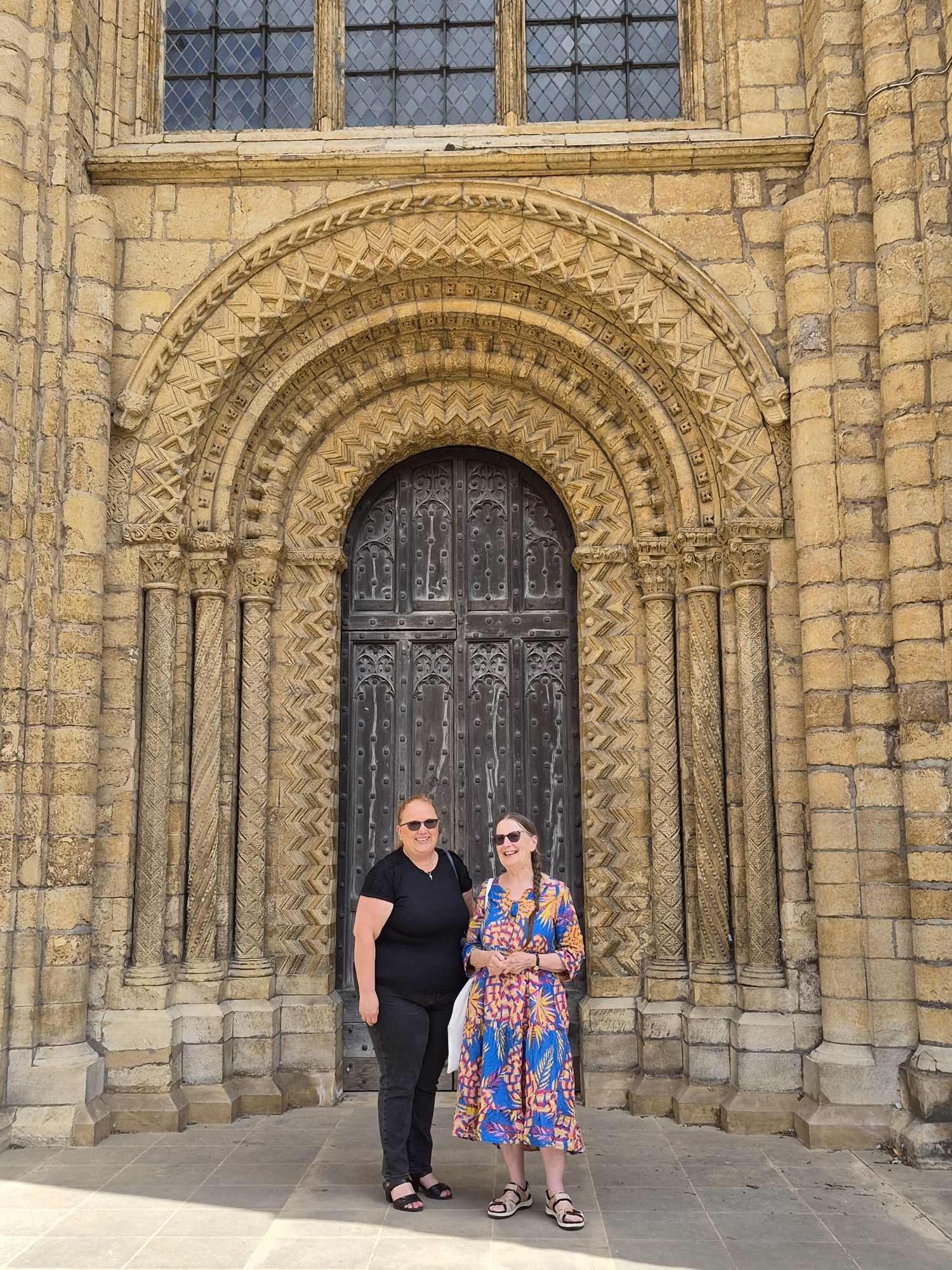
My final duty was to join everyone for lunch in the Magna Carta pub, which turned into an impromptu book launch celebration for Princesses of the Early Middle Ages, as I got my first sight of my new book. As the tour continued down to London, to visit Leeds Castle and Canterbury Cathedral on the Saturday, I said my goodbyes with hugs and a few tears – and instructions for each and everyone of them to get in touch the next time they are in England.

I slept for 12 hours that night.

I was exhausted. My throat was raw from all the talking. But I had had a fabulous time. I hope that my snippets of information throughout the tour – including texted instructions of what to look out for in Canterbury Cathedral – made the holiday experience that little bit better for the guests.

History... the Interesting Bits

Did I enjoy it? Most definitely!
Would I do it again? In a heartbeat!
Would I recommend the tour to anyone wanting to discover England’s rich history? Oh yes!

Do check out the website of Plantagenet Discoveries and have a look at the tours on offer.

*

My Books:

Signed, dedicated copies of all my books are available through my online bookshop. or by contacting me.

Out Now: Princesses of the Early Middle Ages

History... the Interesting Bits

Daughters of kings were often used to seal treaty alliances and forge peace with England’s enemies. Princesses of the Early Middle Ages: Royal Daughters of the Conquest explores the lives of these young women, how they followed the stereotype, and how they sometimes managed to escape it. It will look at the world they lived in, and how their lives and marriages were affected by political necessity and the events of the time. Princesses of the Early Middle Ages will also examine how these girls, who were often political pawns, were able to control their own lives and fates. Whilst they were expected to obey their parents in their marriage choices, several princesses were able to exert their own influence on these choices, with some outright refusing the husbands offered to them.

Their stories are touching, inspiring and, at times, heartbreaking.

Princesses of the Early Middle Ages: Royal Daughters of the Conquest is now available from Pen & Sword and Amazon.

Sharon is the author of:

History... the Interesting Bits

Heroines of the Medieval World; Silk and the Sword: The Women of the Norman Conquest; Ladies of Magna Carta: Women of Influence in Thirteenth Century England; Defenders of the Norman Crown: Rise and Fall of the Warenne Earls of Surrey; King John’s Right Hand Lady: The Story of Nicholaa de la Haye; Women of the Anarchy; Heroines of the Tudor World; Scotland’s Medieval Queens: From St Margaret to Margaret of Denmark; Princesses of the Early Middle Ages: Royal Daughters of the Conquest (March 2026); Princesses of the Later Middle Ages; Royal Daughters of the Plantagenets (August 2026)

All my books on AmazonBookshop.org . You can also order direct from my publishers, Pen and Sword Books and Amberley Publishing.

Podcast:

History...the Interesting Bits

Have a listen to the A Slice of Medieval podcast, which I co-host with Historical fiction novelist Derek Birks. Derek and I welcome guests, such as Ian Mortimer, Bernard Cornwell, Elizabeth Chadwick and Scott Mariani, and discuss a wide range of topics in medieval history, from significant events to the personalities involved. 

Every episode is also now available on YouTube.

*

Royal Historical Society

Don’t forget! Signed and dedicated copies of all my books are available through my online bookshop.

For forthcoming online and in-person talks, please check out my Events Page.

You can be the first to read new articles by clicking the ‘Follow’ button, liking our Facebook page or joining me on Twitter and Instagram.

©2026 Sharon Bennett Connolly FRHistS

Guest Post: Philippa of Hainault and the Power of Pregnant Queens by Gemma Hollman

We have a wonderful guest on History… the Interesting Bits today. To celebrate the paperback release of her wonderful dual biography of Philippa of Hainault and Alice Perrers, The Queen and the Mistress, Gemma Hollman is here to tell us about one of the primary duties of a queen.

Philippa of Hainault and the Power of Pregnant Queens

History...the Interesting Bits
Philippa of Hainault

Medieval queens had many duties in life. They were to act as symbols of peace, their choice of spouse often made to end wars or confirm alliances; they were to intercede for the needy, obtaining pardons for criminals; they were to be charitable to the poor; patrons of artists, writers, and architects; and support their husbands in their difficult task as ruler. But, most importantly of all, they were to produce heirs.

This last role is most notable to us peering back through the actions of Henry VIII, whose quest for a male heir was part of his motivation in cycling through an unprecedented number of English queens. Medieval monarchs did not generally go to such extremes, and childless queens could and did exist – and could still wield significant power. But for those who did succeed, they could find a new level of status and influence unlocked for them.

Philippa of Hainault was the daughter of the Count and Countess of Hainault, Holland and Zeeland, a collection of territories in the Low Countries. Her homeland was wealthy from trade, and positioned to require careful political manoeuvring between the kingdoms of England and France. When the queen of England, Isabella of France, approached the Count and Countess for a marriage alliance between her son Edward and their daughter Philippa, they leapt at the chance to know their daughter would one day become a queen.

History...the Interesting Bits
Isabella of France

The couple were teenagers, and the first few years of their marriage were hardly auspicious. Isabella of France had overthrown her husband, Edward II, and had her son made Edward III in his place. But though Philippa had thus become a queen far earlier than anticipated, she and her husband were kept under Isabella’s thumb. She did not want to give up her position at the top of the ladder. This was where Philippa would first discover the power of pregnancy for a queen.

Philippa fell pregnant around aged 15, and this was to change the course of her and her husband’s lives. Firstly, Philippa had never had a coronation, Isabella not wanting to have a rival as a consecrated consort. But now that Philippa would be giving birth to the new heir to the throne, it was unthinkable that she would remain uncrowned to do so. Whilst five months pregnant, she proceeded through London to receive her crown, the coronation sermons which reminded the queen of her duty to produce children seeming both poignant and redundant. Becoming pregnant had given Philippa her first taste of power.

That summer, Philippa gave birth to a healthy baby boy, and the English throne could breathe a sigh of relief that the succession was, for now, secured. The advent of a son also gave Edward III the push he needed to finally claim power for himself, overthrowing the rule of his mother and her lover. Philippa’s pregnancy had thus benefitted her husband, too.

Across the course of their marriage, Philippa was to give birth to twelve children, although sadly many did not outlive her. But each of these children bolstered Edward’s power, giving him bargaining chips to expand his empire through marriage alliances – or the promises of them. In turn, they provided status for Philippa, who was seen to have amply fulfilled the most important of queenly duties. They also gave her much comfort on a personal level, the queen being noted for keeping her children within her own household, rather than sending them away as was not uncommon.

History...the Interesting Bits
The Burghers of Calais

Pregnancy also became a powerful mythmaking tool for Philippa. In the 1340s, Edward III spent the best part of a year besieging the key French port city of Calais. If he could capture Calais, then he would show his might to the French kingdom, and have a huge victory on his road to attempting to claim the French throne for himself. Philippa, as a loyal and loving wife, spent many months outside the walls with her husband, keeping him company during the siege and providing morale to the soldiers. Finally, the city surrendered. Edward had his day of glory.

However, the citizens of Calais were mournful of their fate. Many of them had died of starvation and disease, and those who had survived now had to leave their homes and belongings behind, all of which were now property of the English king. More importantly, the most prominent men of the city, known as burghers, knew that their lives were forfeit. In the face of such a lengthy siege, the leaders were often executed. The men came out of the city with nooses around their neck and surrendered themselves into Edward’s hands.

According to legend, Edward wished to go ahead with this punishment, and would not listen to any of his lords who pled for mercy. Suddenly, Queen Philippa of Hainault, who was exceedingly heavy with child, fell to her husband’s feet, weeping and begging him to spare the men. Overcome with emotion at seeing his dear, pregnant wife in such a state, Edward agreed to pardon the men, and handed them into Philippa’s custody.

History...the Interesting Bits
Edward III

In reality, we know from records of Philippa’s other births that she could not have been pregnant at this time. The image of a pregnant queen was so powerful to medieval minds, that storytellers and chroniclers often leveraged it to make their story more meaningful. Philippa may well have interceded for the burghers, but she did not do so pregnant.

Philippa died in 1369 aged around 55, and she was surrounded by her husband and several of her surviving children. Asking Edward that he would be buried beside her when he died, so they could rest together forever, the king agreed; their tombs still stand in Westminster Abbey today. The country mourned the death of their great queen, who had been a steadying presence for four decades. Her many children and their spouses were represented on her tomb as little statues around the sides, reminding everyone even in death of the power of her pregnancies.

About the Book:

History...the Interesting Bits

IN A WORLD WHERE MAN IS KING, CAN WOMEN REALLY HAVE IT ALL – AND KEEP IT?

Philippa of Hainault was Queen of England for forty-one years. Her marriage to Edward III, when they were both teenagers, was more political transaction than romantic wedding, but it would turn into a partnership of deep affection. The mother of twelve children, she was the perfect medieval queen: pious, unpolitical and fiercely loyal to both her king and adopted country.

Alice Perrers entered court as a young widow and would soon catch the eye of an ageing king whose wife was dying. Born to a family of London goldsmiths, this charismatic and highly intelligent woman would use her position as the king’s favourite to build up her own portfolio of land, wealth and prestige, only to see it all come crashing down as Edward himself neared death.

The Queen and the Mistress is a story of female power and passion, and how two very different women used their skills and charms to navigate a tumultuous royal court – and win the heart of the same man.

To buy the book: Amazon

About the author:

History...the Interesting Bits

Author bio: Gemma Hollman is a historian and author who specialises in late medieval English history. A Fellow of the Royal Historical Society, she has a particular interest in the plethora of strong, intriguing and complicated women from the medieval period, a time she had always been taught was dominated by men. Gemma also works full-time in the heritage industry whilst running her historical blog, Just History Posts, which explores all periods of history in more depth. Gemma’s first book, Royal Witches, was a bestseller, and two more books have since followed: The Queen and the Mistress, and Women in the Middle Ages.

Where to find Gemma:

Websitehttps://justhistoryposts.com/Link for bookshttps://lnk.bio/GemmaHAuthorSocial media: Bluesky https://bsky.app/profile/gemmahauthor.bsky.social.

*

My Books:

Signed, dedicated copies of all my books are available through my online bookshop. or by contacting me.

Out Now: Princesses of the Early Middle Ages

Books by Sharon Bennett Connolly

Daughters of kings were often used to seal treaty alliances and forge peace with England’s enemies. Princesses of the Early Middle Ages: Royal Daughters of the Conquest explores the lives of these young women, how they followed the stereotype, and how they sometimes managed to escape it. It will look at the world they lived in, and how their lives and marriages were affected by political necessity and the events of the time. Princesses of the Early Middle Ages will also examine how these girls, who were often political pawns, were able to control their own lives and fates. Whilst they were expected to obey their parents in their marriage choices, several princesses were able to exert their own influence on these choices, with some outright refusing the husbands offered to them.

Their stories are touching, inspiring and, at times, heartbreaking.

Princesses of the Early Middle Ages: Royal Daughters of the Conquest is now available from Pen & Sword and Amazon.

Sharon is the author of:

Books by Sharon Bennett Connolly

Heroines of the Medieval World; Silk and the Sword: The Women of the Norman Conquest; Ladies of Magna Carta: Women of Influence in Thirteenth Century England; Defenders of the Norman Crown: Rise and Fall of the Warenne Earls of Surrey; King John’s Right Hand Lady: The Story of Nicholaa de la Haye; Women of the Anarchy; Heroines of the Tudor World; Scotland’s Medieval Queens: From St Margaret to Margaret of Denmark; Princesses of the Early Middle Ages: Royal Daughters of the Conquest (March 2026); Princesses of the Later Middle Ages; Royal Daughters of the Plantagenets (August 2026)

All my books on AmazonBookshop.org . You can also order direct from my publishers, Pen and Sword Books and Amberley Publishing.

Podcast:

History...the Interesting Bits

Have a listen to the A Slice of Medieval podcast, which I co-host with Historical fiction novelist Derek Birks. Derek and I welcome guests, such as Ian Mortimer, Bernard Cornwell, Elizabeth Chadwick and Scott Mariani, and discuss a wide range of topics in medieval history, from significant events to the personalities involved. 

Every episode is also now available on YouTube.

*

Royal Historical Society

Don’t forget! Signed and dedicated copies of all my books are available through my online bookshop.

For forthcoming online and in-person talks, please check out my Events Page.

You can be the first to read new articles by clicking the ‘Follow’ button, liking our Facebook page or joining me on Twitter and Instagram.

©2026 Sharon Bennett Connolly FRHistS and Gemma Hollman FRHistS

Book Corner: The Crownless Queen by Elizabeth Chadwick

History...the Interesting Bits

1360: Having left her days of rebellion behind, Jeanette of Kent has finally found contentment as a wife and mother. Then, she is delivered a new blow: her beloved husband, Thomas Holland, has died on duty overseas.

Though broken, Jeanette readies herself once more to fight to protect what is hers. And when Prince Edward, heir to the throne and her longtime friend, unexpectedly steps forward and offers marriage, she accepts for the sake of her family.

As their relationship deepens, love blossoms again for Jeanette, but it comes at a price. With great power comes great responsibility – not least bearing a future king – and, as the wheel of fortune climbs higher, it becomes harder and harder to hold on.

Jeanette has more to lose than ever before. But with the wolves gathering beneath her, can she survive the fall?

From the award-winning and bestselling author Elizabeth Chadwick comes the much-awaited second novel in the Jeanette of Kent duology, The Crownless Queen – bringing to a powerful conclusion the remarkable story of a woman who began life as a royal rebel and ended it behind the throne…

My new measure of how good is a book by Elizabeth Chadwick is the number of times it makes me cry – and how soon into the book it happens. With The Crownless Queen, I was an emotional wreck after the first chapter. This is the second book in a duology, telling the story of Joan, the Fair Maid of Kent, who had a rather chequered marital history. The book opens where The Royal Rebel ended, with Jeanette happily married to Thomas Holland. But the news (spoiler alert!) soon arrives of his death. Well, I was in tears. And it’s not like I don’t know the story – I have written about it myself on more than one occasion. But it was sad to read about the death of the man Joan had fought so hard to be with.

And it was an early indication of the emotional rollercoaster on which I was about to embark

Elizabeth Chadwick has a knack of making her historical characters feel ‘present’, and of getting her readers to feel invested in the lives of people who lived almost 700 years ago!

How does she do it?

The next day’s biting cold did not deter the men from their intention of riding out to hunt in the park beyond the palace complex. They gathered in the courtyard soon after a red sunrise and stood in breath-misted groups, talking, jesting, bonding as the grooms brought the horses and the dogs milled underfoot, snuffling, eager to be away.

Standing on the periphery to wave them off, Jeanette heard Edward ask Tom to hand him his gauntlets, which the boy did with careful alacrity, his cheeks rosy-bright with cold. Edward pulled them on, clenching his fists to ease the fit over his knuckles before turning to his black courses. He swung effortlessly into the saddle, long-legged, powerful. One hand on his thigh, the other gripping the reins, he observed Tom mounting his own pony and remarked positively on his horsemanship. Tom jutted his chin with pride and flicked Edward a worshipping look. Then Edward similarly complimented Johan and winked at him as he managed his sturdy little bay.

Jeanette smiled at the exchange while feeling a little sad. Her longing for Thomas was still strong this morning, like a shadow at her side. She wishes she had gone with him to Rouen, but there had been business to deal with at home and he had assured her it would not be for long. Nut it was three months now, and in the short winter daylight it felt like for evere.

The king gestured from the saddle of his dappled stallion and the fewterers blew the hunting horns, sounding the way. In a clatter of hooves and exuberant shouts, the company departed at the brisk trot, dogs straining their leashes and already giving excited tongue. Tom and Johan were too busy staying close to the Prince, their hero to turn and wave to her, and Jeanette recognised yet another sign of their all too rapid travel towards independent manhood.

When the last rider had clattered from the yard leaving the grooms to sweep up the dung, she set out with her two closest ladies, Hawise and Eleanor, to walk Hal and Nimble. Her daughters had remained behind in the communal royal nursery with their playmates, which meant Jeanette could stride out as she loved to do.

Elizabeth Chadwick conducts exemplary research for all her books. Her insistence on not changing the facts we do know adds an extra level of authenticity to her storytelling. Where Elizabeth excels is in the grey areas, where the facts are confusing or incomplete. Here, she presents the most likely scenario that will move the story along. It also means the reader gets a strong sense of the internal politics, familial alliances and machinations of the court of Edward III – and of the 14th century as a whole.

As The Crownless Queen demonstrates, Elizabeth Chadwick knows her characters so completely and intimately that she knows what they would do in most situations. And it is not just Edward and Jeanette (the Black Prince and Joan of Kent). John of Gaunt is a living, breathing character who grows and develops, nurturing his own relationship with Jeanette as a friend and sister. Other characters, prominent at Edward III’s court, such as Alice Perrers and Katherine Swynford, also play significant roles in the story, making the novel a fine-woven tapestry of the events of the 14th century.

The future Richard II, Jeanette’s youngest child, shows his personality at an early age. He is not just another child in the nursery, but one who is developing a personality and showing himself to be a big part of Jeanette’s story, just like his older Holland half-siblings. He has a fascination for pageantry and kingship; a foreshadowing of the king who defined ‘majesty’ and ‘tyranny’ in the same reign. Elizabeth Chadwick’s version of Richard reminded me of Helen Castor’s assessment of Richard’s childhood in The Eagle and the Hart and how the young prince was affected by his father’s ailing health, the hopes of the dynasty on his shoulders, and the lack of siblings his own age. All factors which contributed to Richard’s personality as king.

The Crownless Queen is an entertaining, engrossing novel that also gives plenty of food for thought for the historian. It flows beautifully through the story of the marriage of Jeanette and her prince. I loved every word!

It may rival The Greatest Knight as my favourite Elizabeth Chadwick novel – at least until her novel on Katherine Swynford comes out!

Buy the book: The Crownless Queen

About the author:

History...the Interesting Bits

New York Times bestselling author Elizabeth Chadwick lives in a cottage in the Vale of Belvoir in Nottinghamshire with her husband and their 4 terriers, Pip, Jack, Billy and Little Ted. Her first novel, The Wild Hunt, won a Betty Trask Award and To Defy a King won the RNA’s 2011 Historical Novel Prize. She was also shortlisted for the Romantic Novelists’ Award in 1998 for The Champion, in 2001 for Lords of the White Castle, in 2002 for The Winter Mantle and in 2003 for The Falcons of Montabard. Her sixteenth novel, The Scarlet Lion, was nominated by Richard Lee, founder of the Historical Novel Society, as one of the top ten historical novels of the last decade. She often lectures at conferences and historical venues, has been consulted for television documentaries and is a member of the Royal Historical Society.

For more details on Elizabeth Chadwick and her books, visit http://www.elizabethchadwick.com, follow her on Twitter, read her blogs or chat to her on her friendly Facebook page.

*

My Books:

Signed, dedicated copies of all my books are available through my online bookshop. or by contacting me.

Out Now: Princesses of the Early Middle Ages

Books by Sharon Bennett Connolly

Daughters of kings were often used to seal treaty alliances and forge peace with England’s enemies. Princesses of the Early Middle Ages: Royal Daughters of the Conquest explores the lives of these young women, how they followed the stereotype, and how they sometimes managed to escape it. It will look at the world they lived in, and how their lives and marriages were affected by political necessity and the events of the time. Princesses of the Early Middle Ages will also examine how these girls, who were often political pawns, were able to control their own lives and fates. Whilst they were expected to obey their parents in their marriage choices, several princesses were able to exert their own influence on these choices, with some outright refusing the husbands offered to them.

Their stories are touching, inspiring and, at times, heartbreaking.

Princesses of the Early Middle Ages: Royal Daughters of the Conquest is now available from Pen & Sword and Amazon.

Sharon is the author of:

Books by Sharon Bennett Connolly

Heroines of the Medieval World; Silk and the Sword: The Women of the Norman Conquest; Ladies of Magna Carta: Women of Influence in Thirteenth Century England; Defenders of the Norman Crown: Rise and Fall of the Warenne Earls of Surrey; King John’s Right Hand Lady: The Story of Nicholaa de la Haye; Women of the Anarchy; Heroines of the Tudor World; Scotland’s Medieval Queens: From St Margaret to Margaret of Denmark; Princesses of the Early Middle Ages: Royal Daughters of the Conquest (March 2026); Princesses of the Later Middle Ages; Royal Daughters of the Plantagenets (August 2026)

All my books on AmazonBookshop.org . You can also order direct from my publishers, Pen and Sword Books and Amberley Publishing.

Podcast:

History...the Interesting Bits

Have a listen to the A Slice of Medieval podcast, which I co-host with Historical fiction novelist Derek Birks. Derek and I welcome guests, such as Ian Mortimer, Bernard Cornwell, Elizabeth Chadwick and Scott Mariani, and discuss a wide range of topics in medieval history, from significant events to the personalities involved. 

Every episode is also now available on YouTube.

*

Royal Historical Society

Don’t forget! Signed and dedicated copies of all my books are available through my online bookshop.

For forthcoming online and in-person talks, please check out my Events Page.

You can be the first to read new articles by clicking the ‘Follow’ button, liking our Facebook page or joining me on Twitter and Instagram.

©2026 Sharon Bennett Connolly FRHistS

Publication Day! Princesses of the Early Middle Ages is out!

Books by Sharon Bennett Connolly

Just a quick post to let you all know that my latest book, Princesses of the Early Middle Ages: Royal Daughters of the Conquest is released today in the UK.

Unfortunately, Amazon don’t have their copies yet and so have changed the publication date, but they should get their books in the next couple of days. In the meantime, if you have ordered direct from my publisher, Pen and Sword, your books should be on their way shortly.

About the book:

Daughters of kings were often used to seal treaty alliances and forge peace with England’s enemies. Princesses of the Early Middle Ages: Royal Daughters of the Conquest explores the lives of these young women, how they followed the stereotype, and how they sometimes managed to escape it. It will look at the world they lived in, and how their lives and marriages were affected by political necessity and the events of the time. 

Princesses of the Early Middle Ages will also examine how these girls, who were often political pawns, were able to control their own lives and fates. Whilst they were expected to obey their parents in their marriage choices, several princesses were able to exert their own influence on these choices, with some outright refusing the husbands offered to them.

Their stories are touching, inspiring and, at times, heartbreaking.

Huge thanks to Historical Writers Association, Moniek Bloks, Matthew Harffy and Tony Riches for spreading the news today – your support means everything to me!

You can read about Princesses of the Early Middle Ages at:

History of Royal Women; The Writing Desk; the Pen & Sword blog and Historia Magazine

Or listen at:

Rock, Paper, Swords and A Slice of Medieval

And if you are across the pond, don’t worry, there’s not long to wait. The US release is just 2 months away, on 30 May 2026.

Princesses of the Early Middle Ages: Royal Daughters of the Conquest is now available from Pen & Sword and Amazon.

Coming 30 August: Princesses of the Later Middle Ages

Books by Sharon Bennett Connolly

‘My daughter wanted me to treat her more like a princess. So, I married her to a stranger to strengthen the alliance with Poland!’

The medieval princess has often been portrayed as a pawn in the political machinations of her father or brother, married off to distant lands for the sake of peace, or land, or both. Never to be seen or thought of again.

But was that really her fate?

Princesses of the Later Middle Ages: Royal Daughters of the Plantagenets examines the lives and experiences of England’s princesses, from the treasured daughters of Henry III to the children of Edward IV, whose lives were turned upside down when they were declared illegitimate.

What we see is a very different story, where a foreign marriage does not mean eternal exile, but a purpose in life, where a princess is a diplomat, an ambassador for England in her new country. She is the bond between allies – most of the time.

Princesses of the Later Middle Ages shines a light on the lives and experiences of these remarkable women.

Princesses of the Later Middle Ages is now available for pre-order.

My Books

Books by Sharon Bennett Connolly

Signed, dedicated copies of all my books are available through my online bookshop. or by contacting me.

You can also find all my books on Amazon, Bookshop.org .

You can also order direct from my publishers, Pen and Sword Books and Amberley Publishing.

Podcast:

Books by Sharon Bennett Connolly

Have a listen to the A Slice of Medieval podcast, which I co-host with Historical fiction novelist Derek Birks. Derek and I welcome guests, such as Ian Mortimer, Bernard Cornwell, Elizabeth Chadwick and Scott Mariani, and discuss a wide range of topics in medieval history, from significant events to the personalities involved. 

Every episode is also now available on YouTube.

*

Don’t forget! Signed and dedicated copies of all my books are available through my online bookshop.

For forthcoming online and in-person talks, please check out my Events Page.

You can be the first to read new articles by clicking the ‘Follow’ button, liking our Facebook page or joining me on TwitterThreadsBluesky and Instagram.

*

©2026 Sharon Bennett Connolly FRHistS

Lincoln Castle Talk

Lunchtime Talks: Nicholaa de la Haye, England’s Forgotten Heroine

I will be speaking about Nicholaa de la Haye – at HER castle!

History...the Interesting Bits
Seal of Nicholaa de la Haye

I am very happy to announce that Lincoln Castle have brought back their wonderful Lunchtime Talks program for 2026 and they have asked ME! to give a talk about my favourite medieval heroine and Lincoln Castle’s own Nicholaa de la Haye.

The constable of Lincoln Castle for more than 50 years, Nicholaa faced down three sieges and was created sheriff of Lincolnshire in her own right. During the First Barons’ War, in the aftermath of Magna Carta, and following the death of King John, Nicholaa helped the great William Marshal defeat the rebel barons and send their French allies home. Acting ‘manfully’ and ‘without thinking of anything womanly,’ Nicholaa was the woman who saved England.

Nicholaa was amazing!

Date: 11 April 2026

Time: 1-2pm

Place: Lincoln Castle

And at only £5 a ticket, with a complimentary cup of tea or coffee, what have you got to lose?

Places are limited, so book early. To book your ticket, just CLICK HERE!

*

For more forthcoming online and in-person talks, please check out my Events Page.

You can be the first to read new articles by clicking the ‘Follow’ button, liking our Facebook page or joining me on TwitterThreadsBluesky and Instagram.

*

©2026 Sharon Bennett Connolly FRHistS

Women’s History Month 2026

For a historian who focuses on the lives of medieval women, Women’s History Month is always exciting. And this year, it is even more so as I have a book coming out at the end of the month.

Schools

History... the Interesting Bits

On Friday 6 March I spent the day at the King’s Leadership Academy in Bolton, Manchester, where they were having a Drop-Down International Women’s Day and had invited me as a guest speaker. I presented two talks, one to the Year 7s on the Women of the Anarchy and the other to the Year 8s on my Ladies of Magna Carta. I love that the school is keen to incorporate the study of Women’s History into their curriculum, especially their Challenges to Kingship module which features my heroine, Matilda de Braose. The students were very impressive – both in their behaviour and in their own knowledge of the period.

Future generations will know that women had just as much input in our history as the men did. I will make sure of it!

I do love speaking in schools. The energy and enthusiasm of the students is always infectious. And even the kids who don’t love History (I know, does not compute – how can you not love History?) seem to enjoy my talks.

I can’t think of a better way to celebrate International Women’s Day or Women’s History Month.

I visited a school in February and spoke about the Women of the Anarchy and when the last slide went up (See image), the whole hall cheered. It made my day.

If you are a teacher and looking for a Historian to speak to your students, give me shout through my Contact me page. I don’t charge for schools, just ask that you cover my travel expenses.

Grantham Museum

History... the Interesting Bits

I will be speaking on Lincolnshire’s Tudor Heroines at Grantham Museum on Friday 13th March at 2pm.

Renaissance women from writers and mistresses to martyrs, duchesses and queens. Featuring the stories of Katherine Willoughby, Bessie Blount, Anne Askew and Katherine Parr, ‘Lincolnshire’s Tudor Heroines’ highlights the changes in society, religion and the royal court in the 16th century.

Come and hear the stories of these incredible women and their connections to Lincolnshire.

Tickets, include tea and coffee on arrival.
Friends of Grantham Museum: £5 | General Admission: £8 | On the Door: £10

Click HERE to reserve your ticket

Defining Moments in British History

History... the Interesting Bits

I am delighted to have been asked to take part in this year’s Online History Festival hosted by British History Events!

The theme and title of this year’s festival (their 6th) is Defining Moments in British History – exploring six defining moments that have shaped Britain today. The festival is all online, taking place from the evening of Friday, 20th March until the evening of Sunday, 22nd March 2026.

In my lecture, Magna Carta: From Inception to Legacy, I will explore the reasons for Magna Carta, the civil war that followed its creation and the people who fought for it and used it to assert their own rights. And we will look at how relevant it still is today, even beyond England’s shores.

There will be 6 talks from leading historians (including myself!), a live Q&A with all 6 historians, a live quiz, and a prize draw. Here is the line up!

Julian Humphrys explores ‘The Battle of Hastings: What Happened and What Followed’.
Sharon Bennett Connolly (me!) traces ‘Magna Carta: From Inception to Legacy’.
Matthew Lewis examines ‘How the Black Death Changed England Forever’.
Gareth Russell tackles ‘Crisis of Faith: The Reformation in British History’.
Jonathan Healey delves into ‘The British Civil Wars: How They Happened and Why They Matter’.
Gareth Streeter looks at ‘The Birth of Britain: How the Glorious Revolution and the Act of Union Forged a Modern Nation’.

History... the Interesting Bits

And I am really looking forward to the online Q&A and discussion.

Of course, Magna Carta is THE defining moment, but I will let the fellas have their say …

As it’s online, the event is open to everyone, worldwide. And at just £22 to listen to 6 lectures by leading historians – followed by the opportunity to join in the discussion and ask questions, it really is a steal!

Don’t worry if you can’t watch all the talks as they go out – your ticket will give you access to everything in the festival until 31st May 2026.

And you can watch them as often as you like.

Tickets are £22 + fees and are available now at: British History Events’ Online History Festival

If you have any questions, please ask. You can also email the event organisers at office@britishhistorytours.com.

We would all love to have you join us!

Coming 30 March: Princesses of the Early Middle Ages

I have just given my final approval for the jacket design, images section and edits for Princesses of the Early Middle Ages: Royal Daughters of the Conquest. So, it is off to the printers. And my 9th book will be a reality by the end of the month!

Books by Sharon Bennett Connolly

It never gets old, holding your own book in your hands!

It is always a nerve-wracking time, wondering if anyone will like your book – or even read it. But my partner-in-podcasting, Derek Birks, has had a read and said he really enjoyed it – such a relief! And this week we recorded a Book Launch episode which will go live on 25 March – so please look out for it!

I have a few other podcast interviews lined up, with the first already live. A few months ago, I had a fabulous time chatting with Matthew Harffy and Justin Hill, on Medieval Princesses, Power and the Norman Conquest over at Rock, Paper, Swords

Daughters of kings were often used to seal treaty alliances and forge peace with England’s enemies. Princesses of the Early Middle Ages: Royal Daughters of the Conquest explores the lives of these young women, how they followed the stereotype, and how they sometimes managed to escape it. It will look at the world they lived in, and how their lives and marriages were affected by political necessity and the events of the time. 

Princesses of the Early Middle Ages will also examine how these girls, who were often political pawns, were able to control their own lives and fates. Whilst they were expected to obey their parents in their marriage choices, several princesses were able to exert their own influence on these choices, with some outright refusing the husbands offered to them.

Their stories are touching, inspiring and, at times, heartbreaking.

Princesses of the Early Middle Ages: Royal Daughters of the Conquest is now available for pre-order from Pen & Sword and Amazon.

I am also in the process of planning an online Book Launch for the week Princesses of the Early Middle Ages is published, with a talk followed by a Q&A, so watch this space…

And one last bit of news….

Coming 15 April: Silk and the Sword: The Women of the Norman Conquest

Books by Sharon Bennett Connolly

It has been a long time coming, but publication of the paperback edition of Silk and the Sword: The Women of the Norman Conquest is finally just around the corner. In fact, it comes out next month!

The momentous events of 1066, the story of invasion, battle and conquest, are well known. But what of the women?

Harold II of England had been with Edith Swanneck for twenty years but in 1066, in order to strengthen his hold on the throne, he married Ealdgyth, sister of two earls. William of Normandy’s Duchess, Matilda of Flanders, had supposedly only agreed to marry the Duke after he’d pulled her pigtails and thrown her in the mud. Harald Hardrada had two wives – apparently at the same time. So, who were these women? What was their real story? And what happened to them after 1066?

These are not peripheral figures. Emma of Normandy was a Norman married to both a Saxon and a Dane ‒ and the mother of a king from each. Wife of both King Cnut and Aethelred II, the fact that, according to the Anglo-Saxon Chronicle, she had control of the treasury at the end of the reigns of both Cnut and Harthacnut suggests the extent of Emma’s influence over these two kings –and the country itself.

Then there is Saint Margaret, a descendant of Alfred the Great, and the less well known but still influential Gundrada de Warenne, the wife of one of William the Conqueror’s most loyal knights, and one of the few men who it is known beyond doubt was with the Duke at the Battle of Hastings.

These are lives full of drama, pathos and sometimes mystery: Edith and Gytha searching the battlefield of Hastings for the body of Harold, his lover and mother united in their grief for the fallen king. Who was Ælfgyva, the lady of the Bayeux Tapestry, portrayed with a naked man at her feet?

Silk and the Sword traces the fortunes of the women who had a significant role to play during the Norman Conquest – wives, lovers, sisters, mothers, leaders.

The paperback edition of Silk and the Sword: The Women of the Norman Conquest can be pre-ordered from Amberley Publishing and Amazon UK.

My Books

Signed, dedicated copies of all my books are available through my online bookshop. or by contacting me.

Books by Sharon Bennett Connolly

Scotland’s history is dramatic, violent and bloody and Scotland’s Medieval Queens have seen it all. This is the story of Scotland through their eyes. Available now from Amazon and Pen and Sword BooksHeroines of the Tudor World tells the stories of the most remarkable women from European history in the time of the Tudor dynasty, 1485-1603. These are the women who ruled, the women who founded dynasties, the women who fought for religious freedom, their families and love. Heroines of the Tudor World is now available from Amberley Publishing and Amazon UK. Women of the Anarchy demonstrates how Empress Matilda and Matilda of Boulogne, unable to wield a sword themselves, were prime movers in this time of conflict and lawlessness. It shows how their strengths, weaknesses, and personal ambitions swung the fortunes of war one way – and then the other. Available from Bookshop.orgAmberley Publishing and Amazon UKKing John’s Right-Hand Lady: The Story of Nicholaa de la Haye is the story of a truly remarkable lady, the hereditary constable of Lincoln Castle and the first woman in England to be appointed sheriff in her own right. Available from all good bookshops Pen & Sword Booksbookshop.org and Amazon

Royal Historical Society

Defenders of the Norman Crown: The Rise and Fall of the Warenne Earls of Surrey tells the fascinating story of the Warenne dynasty, from its origins in Normandy, through the Conquest, Magna Carta, the wars and marriages that led to its ultimate demise in the reign of Edward III. Available from Pen & Sword BooksAmazon in the UK and US, and Bookshop.orgLadies of Magna Carta: Women of Influence in Thirteenth Century England looks into the relationships of the various noble families of the 13th century, and how they were affected by the Barons’ Wars, Magna Carta and its aftermath; the bonds that were formed and those that were broken. It is now available in paperback and hardback from Pen & SwordAmazon, and Bookshop.orgHeroines of the Medieval World tells the stories of some of the most remarkable women from Medieval history, from Eleanor of Aquitaine to Julian of Norwich. Available now from Amberley Publishing and Amazon, and Bookshop.orgSilk and the Sword: The Women of the Norman Conquest traces the fortunes of the women who had a significant role to play in the momentous events of 1066. Available now from Amazon,  Amberley Publishing, and Bookshop.org.

Alternate Endings: An anthology of historical fiction short stories including Long Live the King… which is my take what might have happened had King John not died in October 1216. Available in paperback and kindle from Amazon.

Podcast:

A Slice of Medieval

Have a listen to the A Slice of Medieval podcast, which I co-host with Historical fiction novelist Derek Birks. Derek and I welcome guests, such as Ian Mortimer, Bernard Cornwell, Elizabeth Chadwick and Scott Mariani, and discuss a wide range of topics in medieval history, from significant events to the personalities involved. 

Every episode is also now available on YouTube.

*

Don’t forget! Signed and dedicated copies of all my books are available through my online bookshop.

For forthcoming online and in-person talks, please check out my Events Page.

You can be the first to read new articles by clicking the ‘Follow’ button, liking our Facebook page or joining me on TwitterThreadsBluesky and Instagram.

*

©2026 Sharon Bennett Connolly FRHistS