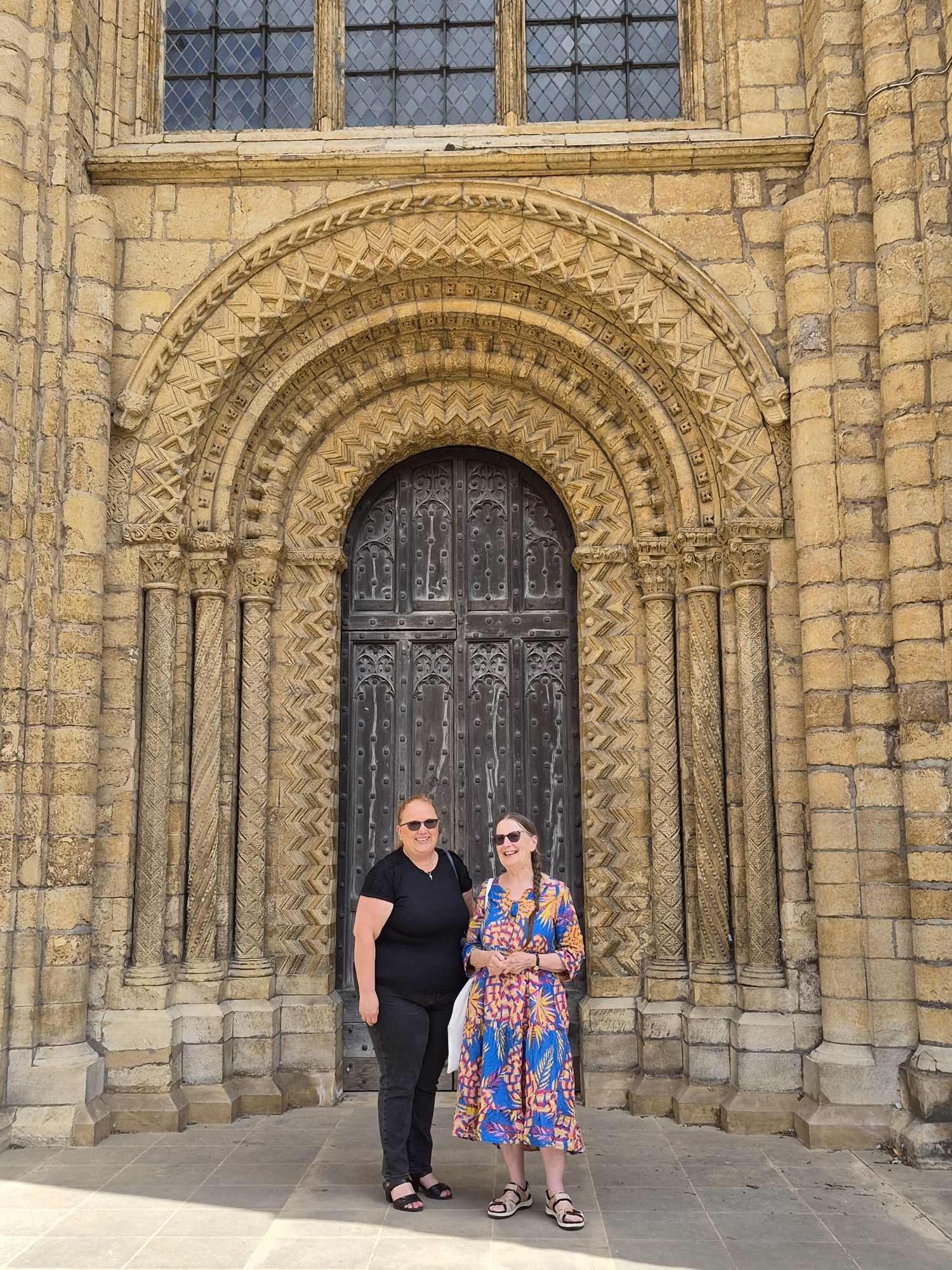
A couple of years ago, I met Rosemary Griggs at the Historical Novel Society Conference in Devon. We had a lovely chat between speaker sessions, but it wasn’t long enough. Earlier this year, Rosemary posted on Facebook that she was visiting Lincoln and I replied with ‘I’ll meet you there!’ We spent 4 hours, talking history and wandering around Lincoln Cathedral – and 4 hours still wasn’t long enough. But it was a fabulous day. Rosemary and I are kindred spirits when it comes to history.
We talk about all sorts!
But we also talked about her new book, her first foray into historical non-fiction. It is a book about a woman who most people with a love of Tudor history has heard of, but probably thought little more about her. After all, her charge, Elizabeth – the future Elizabeth I – is far more fascinating (or is she?).
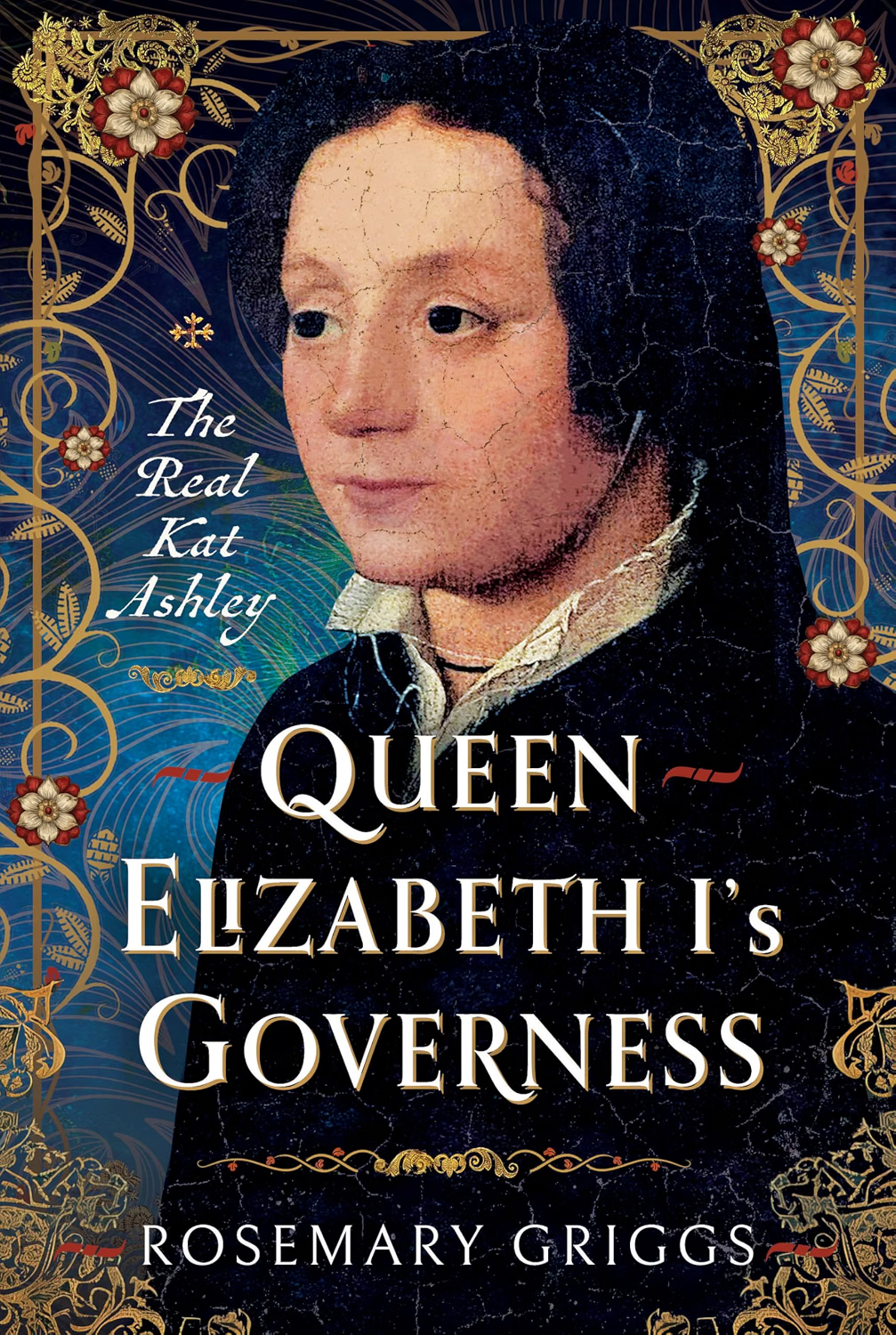
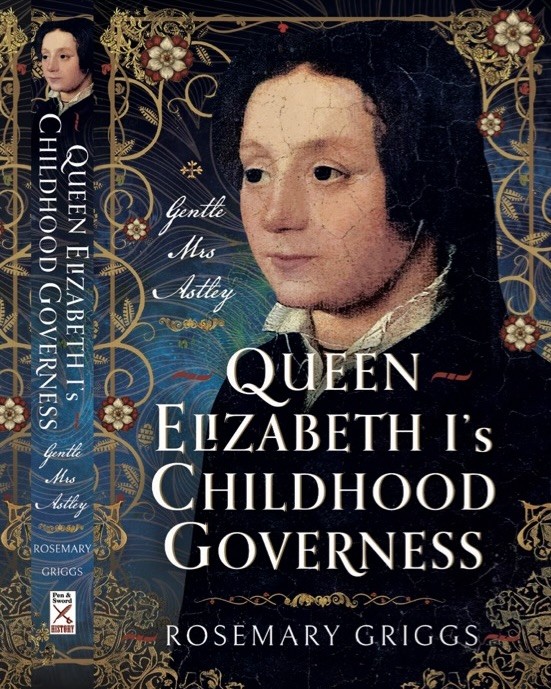
Rosemary’s book, Queen Elizabeth I’s Governess: The Real Kat Ashley, promises not only to fill in some gaps in Elizabeth I’s story, but to highlight the relationship between Kat and the queen, and the duties and responsibilities of a royal governess in the tumultuous times of Tudor England. There may also be some surprises along the way, things you thought you knew may not have been as they are traditionally presented.
So, it is a pleasure to welcome Rosemary to the website, with a little insight into her most recent work…
Elizabeth’s Governess
In many biographies of Elizabeth I, Kat Ashley, or Kate Astley, as I prefer to call her, appears only briefly as a supporting character in the drama of Elizabeth’s teenage encounter with Thomas Seymour. Yet she served Elizabeth for nearly thirty years. In my book, I explore Kate’s entire career in Elizabeth’s service, including the fraught years of Mary Tudor’s reign.
When studying the period from Edward VI’s death in 1553 until 1558, historians have, understandably, focused on Elizabeth herself. In this post, I’ll turn the spotlight away from Elizabeth to examine Kate Astley’s involvement during those critical years.
This was a difficult and often dangerous time. Elizabeth had to navigate a new political and religious landscape. Keeping her position in the succession and, at times, her very survival depended on having loyal and trustworthy servants and advisers she could call on. None were more important to her than those who had brought her up and seen her through the Seymour crisis.
As the gossip surrounding the infamous events of January 1549 subsided, Elizabeth enjoyed a calm interlude, spending much of her time at Hatfield. Sadly, Kate’s brother-in-law, Sir Anthony Denny, died in September 1549, meaning Elizabeth lost one of her most important advisers. However, William Cecil managed her estates after 1550, Thomas Parry returned to his duties as cofferer, and the old team came back together.
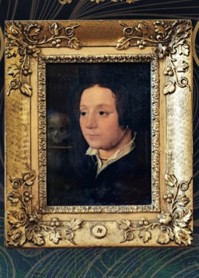
Kate held a trusted position at the top of the hierarchy. In the only surviving set of young Elizabeth’s household accounts, for the years 1551-1552 which bear her signature on every page, Kate received a salary of £7.15s per half year, roughly double that paid to another of her ladies, Blanche Parry. Kate had the authority to disburse payments to others and received payments for fine fabrics like crimson damask, satin, and linen, and ‘neccies’ (necessities). The crimson damask was perhaps for petticoats. During this period, perhaps on Kate’s advice, Elizabeth dressed demurely in black and white, going, as John Aylmer, Jane Grey’s Tutor observed, ‘clad in every respect as becomes a young maiden.’ In the portrait on the cover of my book, Kate dresses in a similar style, in a dark gown with few adornments.
Kate’s responsibilities extended beyond caring for Elizabeth’s wardrobe. She continued as Lady Mistress, overseeing Elizabeth’s education and acting as a friend and mentor. A new tutor named Johannes Spithovious arrived in April 1549, possibly to teach Elizabeth German, while she continued to study Italian with Batista Castiglione. Roger Ascham remained in post, and other Cambridge-educated scholars visited Hatfield and often joined Elizabeth’s tutors and Kate and her husband in learned discussions, earning Hatfield the reputation of being ‘an outpost of Cambridge University.
That peaceful time came to an abrupt end with the death of Elizabeth’s brother, Edward, in 1553.Elizabeth wisely kept well out of the way during the upheaval that followed Edward’s death. Once her sister Mary had prevailed, putting an end to John Dudley’s plan to place his daughter-in-law Jane Grey on the throne, Elizabeth made a great show of supporting her sister.
On 29 July 1553, Kate joined the cavalcade accompanying Elizabeth as she made a splendid entry into London to meet Mary. Elizabeth was popular and the people of London cheered as her two thousand strong procession, with all the men dressed in the Tudor colours of green and white, passed by. With a reduced escort she rode beside Mary to the Tower of London a few days later. The sisters presented a striking contrast. Mary was nearing 40, and her features showed clear signs of the years she had spent battling anxiety. Elizabeth was younger and full of life. At first, relations between the sisters were cordial, but soon soured. Perhaps hearing the loud cheers for her sister upset Mary, but it was Elizabeth’s clever prevarications about adopting Mary’s preferred form of worship that were a the heart of the rift between them.

Although everyone expected Mary would seek to bring the country back to the Catholic faith, Kate’s staunchly Protestant cousin, Sir Peter Carew, and her brother Sir Arthur Champernowne, declared for Queen Mary at Dartmouth and Newton Bushell in July 1554. It was not Mary’s religion that would lead them towards rebellion, but concerns that she might marry a foreign prince. To secure the succession, Mary must marry and give birth to an heir. However, even though she was Queen Regnant, once she married, like all other women of her time, she would be subservient to her husband. People like Sir Peter preferred an English husband.
Edward Courtenay, the son of the Champernownes’ relative and erstwhile patron, Henry Courtenay, Marquess of Exeter, had languished in the Tower of London since his father’s execution in 1539. Mary released him, and for a time seemed to consider him seriously as a potential husband. Kate’s family had been closely associated with Courtenay’s father, although they did not share his conservative views on religion. Perhaps that previous connection made them warm to Edward Courtenay as a possible suitor for the queen. They may have seen him as an easily manipulated figurehead who, if married to Mary, might keep a foreign prince from power in England. However, all attempts to encourage Mary to marry Courtenay failed, and she chose Philip of Spain. Concerns escalated towards outright rebellion.
Kate’s cousin, Sir Peter Carew, was one of the prime movers in a plot which would become known as the Wyatt Rebellion.The plan was to depose Mary in favour of Elizabeth, who would, the plotters envisaged, marry Courtenay. Kate was close to her Carew relatives. She knew Sir Peter well. It is inconceivable that she did not know about the plot. It is also hard to believe she did not pass on information to Elizabeth. With their narrow escape during the Seymour affair still fresh in their minds, however, Kate and Elizabeth were careful to leave no evidence of their involvement.
Elizabeth spent Christmas 1553/4 unwell at Ashridge, while Peter and others prepared. On Palm Sunday, they planned to ignite four consecutive uprisings in Devon, the Welsh borders, the Midlands, and Kent. Soon after Christmas the plot was discovered, causing the conspirators to bring their plans forward. Sir Thomas Dennys was ordered to arrest the Devon plotters. Sir Peter Carew escaped to France, aided by Kate’s brother-in-law, Walter Raleigh senior. Along with many others, Kate’s brother, Sir Arthur Champernowne, and her uncle, Sir Gawen Carew spent an uncomfortable few months in the Tower, until Mary eventually released them. Sir Thomas Wyatt was the only one to actually bring his followers into the field. After a few skirmishes with Mary’s forces, led by the ageing Duke of Norfolk, he marched on London. Unfortunately for Wyatt, Londoners did not turn out to assist him, forcing him to surrender on February 7, 1554. Convinced that Elizabeth had been involved, Mary had Wyatt questioned. However, he steadfastly refused to implicate Elizabeth, even when tortured.

Wyatt was executed on April 11, 1554. Other ring-leaders including Henry Grey, Duke of Suffolk, and his brother Lord Thomas Grey, also lost their lives. Kate’s husband, who may have acted as a go-between, left the country, taking with him Kate’s nephews, the Denny boys.
Perhaps because of Kate’s intimate connections with the plotters, Mary remained deeply suspicious. She ordered Elizabeth to London to face questioning. Even though she was genuinely ill, Mary’s doctors declared Elizabeth fit to travel. Elizabeth set off, travelling by very slow stages. It is probable that they separated Kate from her mistress when the party stopped overnight at the home of Sir Roger Cholmeley, a prominent lawyer, in Hampstead.
This began a long separation. Sir Roger questioned Kate, either at his mansion in the Old Bailey, or at his country house at Highgate. She gave nothing away that would implicate her Mistress, and remained under house arrest for fifteen months. Elizabeth, meanwhile, ended up in the Tower of London in fear of her life. Ironically, she arrived there on Palm Sunday, the day originally planned for the uprising. Mary eventually sent her to Woodstock, where she remained under close guard until called back to court in April 1555 to attend the expected birth of Mary’s child. By the autumn of 1555 it was clear the queen was not pregnant. Probably with the encouragement of her husband, Mary allowed Elizabeth to return to Hatfield and ordered Kate’s release from Sir Roger’s custody.
John arrived home from his ‘exile’ on the continent, and Kate joined Elizabeth at Hatfield. However, Kate soon found herself suspected of involvement in another plot. Sir Henry Dudley, a distant relative of the executed John Dudley, led another unsuccessful attempt to depose Mary and marry Elizabeth to Edward Courtenay.
At the end of May 1556, seditious pamphlets were found in Kate’s rooms at Somerset House. Mary had her interrogated at the Tower and then imprisoned for several months in the Fleet. This prison was more often used to house those accused of civil offences, and Mary often kept religious dissenters there. Imprisonment there cannot have been a pleasant experience. Although the conditions were somewhat better than at some other prisons, prisoners had to pay for their board and lodging. Hopefully John Astley could afford to pay for tolerable conditions and decent food, although he may have gone overseas again for a time. Later that year the queen released Kate, but she clearly still saw her as a threat. She forbade Kate’s return to Elizabeth’s household. It wasn’t until 1558, when Elizabeth claimed the throne after Mary died, that they were reunited.
In my book, I delve deeper into these events. Kate’s association with known plotters makes it almost certain that she, and possibly her husband too, acted as go-betweens during the most dangerous period of young Elizabeth’s life. Kate Astley was, throughout her career, a highly political actor, and her role during Queen Mary’s reign deserves further attention. She was much more than a governess.
Rosemary Griggs
Buy the book: Queen Elizabeth I’s Governess: The Real Kat Ashley
About the Author:
Author and speaker Rosemary Griggs has been researching Devon’s sixteenth-century history for years. She has discovered a cast of fascinating characters and an intriguing network of families whose influence stretched far beyond the West Country. She loves telling the stories of the forgotten women of history — the women beyond the royal court; wives, sisters, daughters and mothers who played their part during those tumultuous Tudor years: the Daughters of Devon.
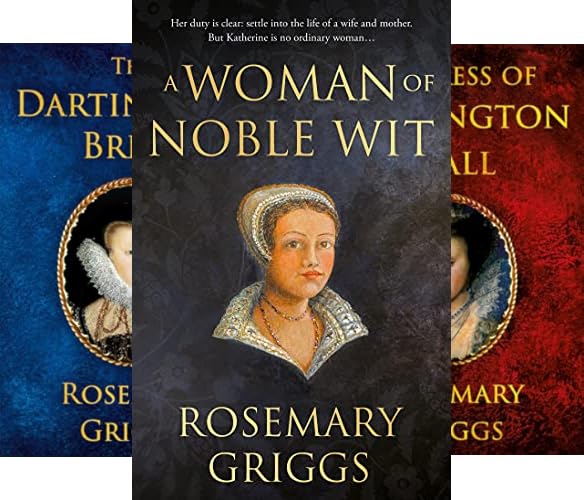
Her novel A Woman of Noble Wit tells the story of Katherine Champernowne, Sir Walter Raleigh’s mother, and features many of the county’s well-loved places. The Dartington Bride, published March 2024, is the extraordinary tale of Lady Gabrielle Roberda Montgomery who travelled from France to Elizabethan England to marry into the prominent and well-connected Champernowne family. Her third book, Mistress of Dartington Hall, set in the time of the Spanish Armada, is due for publication July 2025
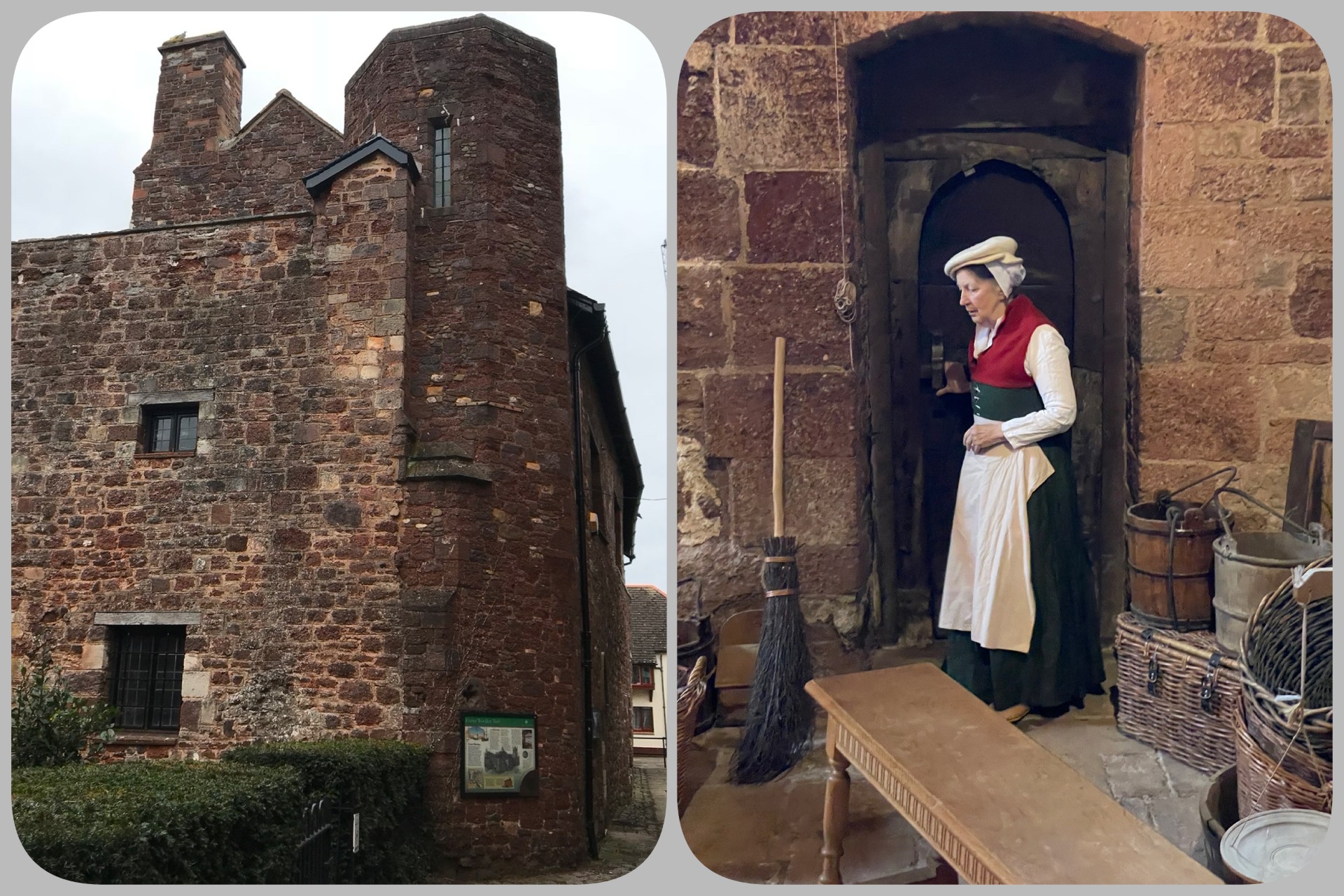
Rosemary creates and wears sixteenth-century clothing, a passion which complements her love for bringing the past to life through a unique blend of theatre, history and re-enactment. Her appearances and talks for museums and community groups all over the West Country draw on her extensive research into sixteenth-century Devon, Tudor life and Tudor dress, particularly Elizabethan. An Audience with the Lady Katherine includes a full demonstration of the costume of a wealthy sixteenth century woman.
Out of costume, Rosemary leads heritage tours of the gardens at Dartington Hall, a fourteenth-century manor house and now a historic visitor destination, events venue and thriving community of businesses, colleges and more.
Find out more on Rosemary’s website
*
My books
Signed, dedicated copies of all my books are available through my online bookshop or the Contact Me page.
New releases in 2026:
New Hardbacks
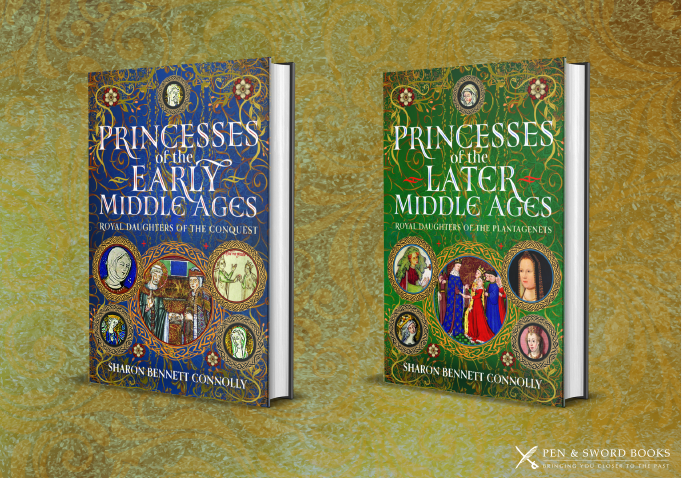
‘My daughter wanted me to treat her more like a princess. So, I married her to a stranger to strengthen the alliance with Poland!’
Princesses of the Early Middle Ages: Royal Daughters of the Conquest and Princesses of the Later Middle Ages: Royal Daughters of the Plantagenets tell the stories of England’s royal daughters from 1066 to the rise of the Tudors, from the last Anglo-Saxon princesses to the fall of the House of York.
Were they really pampered pawns sent off to marriages on the Continent, out of sight and out of mind?
Perhaps, there was different story, where a foreign marriage does not mean eternal exile, but a purpose in life, where a princess is a diplomat, an ambassador for England in her new country.
Where she is the bond between allies – most of the time.
Their stories are touching, inspiring and, at times, heartbreaking...
Praise for Princesses of the Early Middle Ages:
Heidi Malagisi: ‘This is another excellent book by Sharon Bennett Connolly. Extremely well researched and relatively easy to follow along, which is a great thing because there are so many Matildas and Eleanors in this book.‘
Tony Riches: “I challenge anyone with an interest in medieval Britain to not find something they will learn from this book.”
Anna Belfrage: “I just love how [Sharon] presents this huge cast of real life people in a casual, chatty tone that has me expecting the various female protagonists to suddenly pop their head up and add their own commentary.“
Buy now: Princesses of the Early Middle Ages: Royal Daughters of the Conquest
Praise for Princesses of the Later Middle Ages:
Elizabeth Chadwick: ‘Really interesting and informative and gives a great handle on the goings on surrounding these ladies!’
Kathryn Warner: ‘A deeply researched, richly detailed and fascinating account of late medieval England’s forgotten princesses. I loved it!’
Pre-order: Princesses of the Later Middle Ages: Royal Daughters of the Plantagenets
New in Paperback:
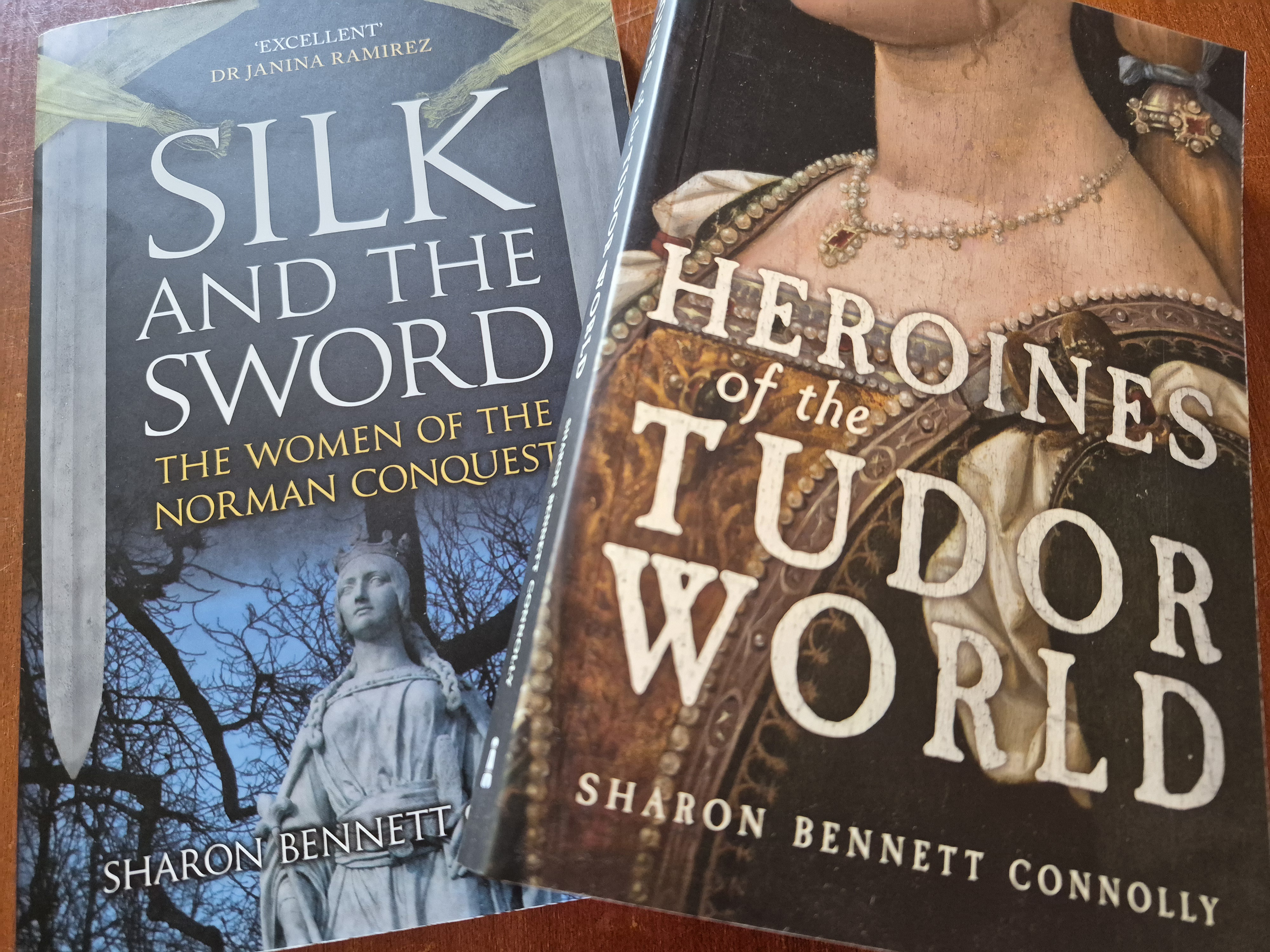
The momentous events of 1066, the story of invasion, battle and conquest, are well known. But what of the women? Silk and the Sword: The Women of the Norman Conquest traces the fortunes of the women who had a significant role to play during the Norman Conquest – wives, lovers, sisters, mothers, leaders. These are lives full of drama, pathos and sometimes mystery: Edith and Gytha searching the battlefield of Hastings for the body of Harold, his lover and mother united in their grief for the fallen king. Who was Ælfgyva, the lady of the Bayeux Tapestry, portrayed with a naked man at her feet?
Janina Ramirez said it’s ‘Excellent’!
Heroines of the Tudor World focuses on the women who lived through the Renaissance and Reformation, examining the threats and challenges they faced and how they overcame them. These are the women who ruled, the women who founded dynasties, the women who fought for religious freedom, their families and love. These are the women who made a difference, who influenced countries, kings and the Reformation.
Derek Birks: ‘An excellent account of the changing roles of women in Tudor society.’
Annie Whitehead: ‘What a treat this book was to read. Bennett Connolly has an easy, conversation style of writing which welcomes you from the opening pages and draws you into her story.‘
Available now from Amazon and Pen and Sword Books
Also by Sharon Bennett Connolly:
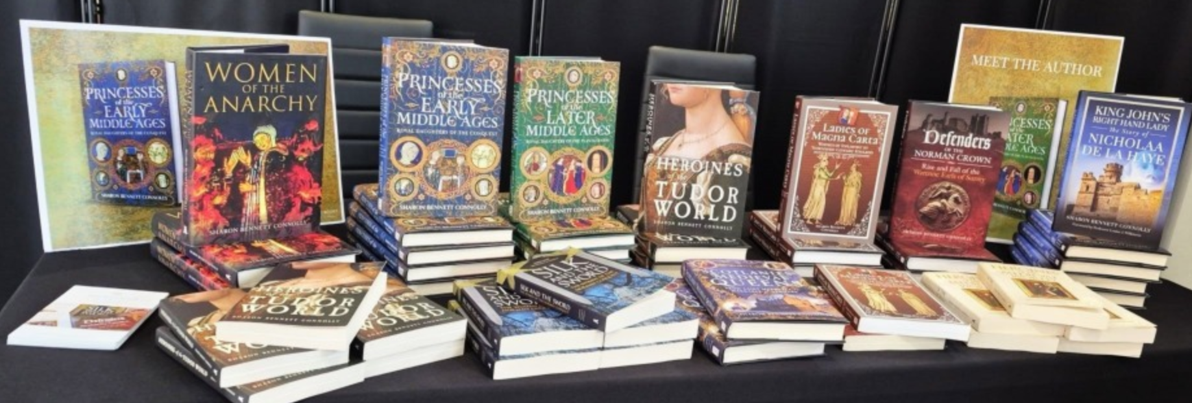
Heroines of the Medieval World; Silk and the Sword: The Women of the Norman Conquest; Ladies of Magna Carta: Women of Influence in Thirteenth Century England; Defenders of the Norman Crown: Rise and Fall of the Warenne Earls of Surrey; King John’s Right Hand Lady: The Story of Nicholaa de la Haye; Women of the Anarchy; Heroines of the Tudor World; Scotland’s Medieval Queens: From St Margaret to Margaret of Denmark; Princesses of the Early Middle Ages: Royal Daughters of the Conquest (March 2026); Princesses of the Later Middle Ages; Royal Daughters of the Plantagenets (August 2026)
Alternate Endings: An anthology of historical fiction short stories including Long Live the King… which is my take what might have happened had King John not died in October 1216. Available in paperback and kindle from Amazon.
All my books on Amazon and Bookshop.org .
You can also order direct from my publishers, Pen and Sword Books and Amberley Publishing.
*
Podcast:
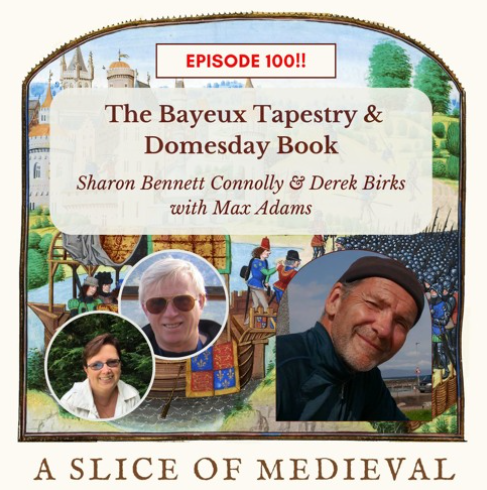
Have a listen to the A Slice of Medieval podcast, which I co-host with Historical fiction novelist Derek Birks. Derek and I welcome guests, such as Elizabeth Chadwick, Helen Castor, Ian Mortimer, Scott Mariani and Bernard Cornwell and discuss a wide range of topics in medieval history, from significant events to the personalities involved.
Every episode is also now available on YouTube.
We have just recorded our 100th episode which is a fabulous discussion with Max Adams about the significance of two historical treasures: the Bayeux Tapestry and Domesday Book.
*
Don’t forget!
Signed and dedicated copies of all my books are available through my online store.
For forthcoming online and in-person talks, please check out my Events Page.
You can be the first to read new articles by clicking the ‘Follow’ button, liking our Facebook page or joining me on Twitter, Threads, Bluesky and Instagram.
*
©2026 Sharon Bennett Connolly FRHistS and Rosemary Griggs





 History... the interesting bits!