‘My daughter wanted me to treat her more like a princess.
So, I married her to a stranger to strengthen the alliance with Poland!’
From dutiful daughters to runaway nuns, from empresses to rebels. The life of a medieval princess was, perhaps, not as predictable as we have been led to believe. At times, it is true, they were married off to a foreign prince, never to see England or their family again. But we can count the number of girls that happened to on one hand. Which is quite remarkable, given the distances and pace of travel in medieval times, when a horse could cover around 20 miles a day and a horse litter, the popular form of travel for noble women, would cover far less than that.
Some princesses even visited home after they married or were visited by members of their family; some never even left England.
Marrying your daughter to a prince in a distant land and never hearing from her again was not the purpose of a royal marriage. It was never in the king’s interest to abandon his daughter, or sister, once she was married abroad. Royal daughters were raised to be a personal and diplomatic link to their homeland. They were the means of keeping communications open when all other options failed; private letters were used to warn against treachery or prevent a breakdown in diplomatic relations.
Some did escape this destiny. For instance, a number of William the Conqueror’s daughters became nuns. Cecilia had that life decided for her from a young age, but Adelida appears to have chosen this course after a number of failed marriage proposals. Perhaps she had had enough of the royal marriage market? King Stephen’s daughter, Mary, was also destined for the Church, with her parents even founding a religious house for her. Kidnapped for her royal blood, and forced into marriage, she would return to the convent after becoming a mother. The scandal was not of her making, unlike Gunhild, the daughter of King Harold II, who seems to have had a rather relaxed attitude to marriage and relationships; a woman before her time – by about 1,000 years! Gunhild had spent time in the convent, possibly having sought sanctuary after the Norman Conquest. There is uncertainty as to whether she ever took her vows; though the church seemed to believe she had and sought her return to the cloistered life.
Mary of Woodstock
Edward I’s daughter, Mary of Woodstock, was also destined for a career in the church, though she does not appear to have been suited to the contemplative lifestyle. She managed to spend as much time as she could at court; her father and brother regularly paying off gambling debts. Controversy even followed her beyond the grave, when John de Warenne, Earl of Surrey, trying to obtain a divorce from Mary’s niece, Joan of Bar, claimed that he had had an affair with her, a nun!
The last medieval royal nun was Bridget of York, the seventh and youngest daughter of Edward IV and Elizabeth Woodville. Only 3 years old when her father died and she and her siblings were declared illegitimate, by 1489 Bridget was living at Dartford Priory, in the care of its Prioress, Elizabeth Cressener. Although she was cloistered, Bridget was not forgotten, nor isolated from her family. In 1492, she was able to attend her mother’s funeral. She was remembered in the will of her grandmother Cecily Neville, Duchess of York and Elizabeth of York’s wardrobe accounts from 1502 to 1503 indicate that the queen sent money to her sister at Dartford.
One English princess travelled far from home, into Kyivan Rus. King Harold’s oldest daughter, Gytha, came from a different society and generation. The Godwin family had strong Scandinavian ties, and it would have been natural for Gytha and her brothers to look for shelter and a future within that sphere, which stretched all the way to the court of the Grand Princes of Kyiv, as far away from the conquering Normans as possible.
Following the Norman Conquest, the focus of England’s foreign policy changed. Royal daughters were married into the European countries that would benefit England, those with close links geographically and culturally.
While English kings married French princesses, and Scottish kings married English princesses, the reverse happened rarely, if ever. Only one Scottish princess, Matilda of Scotland, married an English king, Henry I. And no English princess ever married a French king or an heir to the French throne, not in medieval times. The closest we came to it was Blanche of Castile, granddaughter of Henry II and niece of King John, who married the future Louis VIII. With John having no legitimate daughter at the time, he had to be creative and reach out to his wider family for a suitable princess to cement the fragile peace between him and Philip II of France.
Empress Matilda depicted at the coronation of her granddaughter, Matilda of England, as Duchess of Saxony, in an image from the Gospels of Henry the Lion.
Although no English princess became a queen of France, that is not to say English princesses did not marry Frenchmen. It is, perhaps, a clear indication of the animosity of Anglo-French relations in medieval times that kings of England were far happier to marry their daughters to the counts and dukes of the many semi-autonomous regions of France, such as Brittany, Toulouse and Blois; regions that challenged and stalled the expansion of the kingdom of France itself. The marriages of daughters into Germany, the Low Countries and Spain also served the policy of containing England’s biggest rival within its borders and preventing expansion into territories that could threaten England’s trading routes and sphere of influence.
Royal women journeyed great distances to marry. Empress Matilda is, perhaps, the most famous, but also Joanna Plantagenet, Henry II’s daughter and Richard I’s sister, and Isabella, Henry III’s sister, travelled further than most of the English princesses. While Empress Matilda remained close to her family through letters, there may also have been a meeting with her father on the borders of their respective domains in the late 1110s. Of Joanna and Isabella, each received visits from their brothers. Though in Isabella’s case it was her brother Richard, rather than Henry himself, she would also have met up with her younger sister, Eleanor, who stayed in Italy while her husband, Simon de Montfort, joined her brother Richard on Crusade. And in Joanna’s case, it was a little more than a visit, joining her brother, Richard the Lionheart, in the Third Crusade. But it seems apparent that both brothers, on their way to the Crusades, planned their routes to facilitate a meeting with their respective sisters.
And then there were the scandals, King Henry I’s illegitimate daughter, Juliane, who tried to kill her own father with a crossbow. And Joan, Lady of Wales, the illegitimate daughter of King John, the wife of Llywelyn the Great, who was found in her husband’s bedroom with another man. Such stories serve to demonstrate that life was did not always give royal women a ‘happily ever after’.
There were also royal daughters who were not born as princesses, but achieved that style through their father’s claiming of the English throne. Of William the Conqueror’s daughters, only the youngest, Adela, Countess of Blois, was born ‘in the purple’. We know this as Godfrey of Reims wrote a poem saying just that:
The duke’s child would rise to become an excellent woman, The goddess did not think it sufficient for her to be of ducal status. The royal virgin obtained by fate that her father would be king. In order for Adela to be the daughter of a king, the Fates allowed the father to establish himself as king. Because the virgin was not allowed to leave the womb Her father owed the kingdom of England to her
Philippa, Queen of Denmark, Norway and Sweden
Later, Henry of Bolingbroke’s seizure of the throne in 1399 created two new princesses of England, Blanche and Philippa. Their mother, Mary de Bohun, had died giving birth to Philippa in 1394 and in 1398, their father had been sent into exile; only to return the following year and force Richard II’s abdication. Their father’s accession as Henry IV saw the two girls’ marriage prospects improve dramatically. As the daughters of a duke, they would have expected to marry a rich heir to English lands. As the daughters of a king, they were now bargaining chips in international relations. Marriage would see Philippa become queen of Denmark, Norway and Sweden, while Blanche would travel to Germany to become Countess Palatine, taking with her a magnificent, jewel-encrusted crown that has survived to this day. Blanche fulfilled her duties by producing a son and heir, in what appears to have been a happy and loving marriage. Philippa never realised the joy of motherhood but ably attended to her duties as queen in other ways, as a protector and patron of her people, even leading the defence of Copenhagen, and a trusted consort and regent for her husband, King Eric.
Though not technically princesses, even illegitimate daughters could prove useful to kings. Henry I, in particular, would use his 10 illegitimate daughters to strengthen and cement alliances just as legitimate princesses could have been, with one Sybilla of Normandy becoming Queen of Scots, on her marriage to King Alexander I. The advantage to a king was that such marriages brought kings and rivals into the family, without passing on any claim to the English throne, thus being no threat to the king’s legitimate heirs.
As a usurpation can make princesses, as in the case of Henry IV’s daughters, it can also unmake them. With Richard III’s seizure of the throne in 1483, the daughters of Edward IV went from being the pampered darlings of England, with glittering futures ahead of them, to the bastardised daughters of a bigamous dead king.
What a change in fortunes!
The York sisters from the window in Canterbury Cathedral
As events unfolded in the summer of 1483, and the two princes were held in the Tower of London, gradually seen less and less within the precincts of the fortress, until they were no longer seen at all, Elizabeth of York and her sisters remained in sanctuary with their mother. A focus for political disaffection and an embarrassment to the new regime, it was a situation that Richard III could not allow to continue. Rumours abounded that plans were afoot to sneak the old king’s daughters out of Sanctuary and away to the Continent, safely beyond the reach of Richard and at the disposal of loyal Yorkists wanting to reinstate the line of Edward IV. To thwart such plans, Richard decided to open negotiations with Elizabeth Woodville, to persuade her to allow her daughters to leave sanctuary. Agreement was reached in March 1484, whereby Elizabeth of York and her sisters would be treated as befitted the king’s kinswomen.
After almost a year within the confines of Westminster Abbey, the daughters of Edward IV emerged from their sanctuary and were given lodgings at court. They had lost the prospect of dazzling futures as queens and duchesses and their status was now forever tainted by the questions over their legitimacy.
Richard III himself did have at least two illegitimate children and one of those was a daughter, Katherine. She would not be a princess, but as the natural daughter of a king, she has her place in history. Unfortunately, the information on Katherine Plantagenet is scant. Her date and year of birth are unknown. Given Richard’s reputation for piety and loyalty, it is assumed that she was born before Richard’s marriage to Anne Neville in 1472, as she herself was married in 1484. The minimum age for girls to marry was 12, but most parents waited until their daughters were 14 or 15, at least, before finding them husbands. Richard chose his friend William Herbert, Earl of Huntingdon, as his daughter’s husband. Herbert agreed to provide Katherine with a jointure worth £200 a year. For his part, the king agreed to bear the costs of the marriage and to endow that couple with lands and lordships that they could pass on to their male heirs. Katherine died before the coronation of Elizabeth of York in 1486 and was buried in the church of St James Garlickhithe, London.
Crown of Blanche of England
The experiences of the royal daughters throughout the the medieval era are disparate, not just in their futures but even in their family lives as they were growing up. Not all princesses were made in the same mould and each one found her own way to deal with her life and the cards that she was dealt. In my research I frequently discovered instances of happy medieval marriages – and even if a marriage was not based on love, it did not mean that it would not be successful. Indeed, in many such cases the young woman concerned found her own way of succeeding, whether it was through her children or the management of estates – or the fact that a lasting peace was achieved between her two countries.
Events in England would surely have taught them to weather the storms of married life – and international relations.
One thing is certain, these women were not mere pawns, or ornaments on the arm of a king, prince, duke or lord. They were not simply baby-making machines. Yes, in the masculine world they inhabited, a boy was always a prime requirement. A son was needed to continue the family line, to rule and command armies. But daughters were also necessary. They had a purpose – to seal alliances and to act as diplomats to protect English interests in the countries into which they married.
Their stories are quite remarkable.
*
Princesses of the Early Middle Ages: Royal Daughters of the Conquest and Princesses of the Later Middle Ages: Royal Daughters of the Plantagenets tell the stories of England’s royal daughters from 1066 to the rise of the Tudors, from the last Anglo-Saxon princesses to the fall of the House of York.
Were they really pampered pawns sent off to marriages on the Continent, out of sight and out of mind?
Perhaps, there was different story, where a foreign marriage does not mean eternal exile, but a purpose in life, where a princess is a diplomat, an ambassador for England in her new country.
Where she is the bond between allies – most of the time.
Their stories are touching, inspiring and, at times, heartbreaking...
Praise for Princesses of the Early Middle Ages:
Heidi Malagisi: ‘This is another excellent book by Sharon Bennett Connolly. Extremely well researched and relatively easy to follow along, which is a great thing because there are so many Matildas and Eleanors in this book.‘
Tony Riches: “I challenge anyone with an interest in medieval Britain to not find something they will learn from this book.”
Anna Belfrage: “I just love how [Sharon] presents this huge cast of real life people in a casual, chatty tone that has me expecting the various female protagonists to suddenly pop their head up and add their own commentary.“
Praise for Princesses of the Later Middle Ages:
Elizabeth Chadwick:‘Really interesting and informative and gives a great handle on the goings on surrounding these ladies!’
Kathryn Warner: ‘A deeply researched, richly detailed and fascinating account of late medieval England’s forgotten princesses. I loved it!’
Signed, dedicated copies of all my books are available through my online bookshopor the Contact Me page.
New in Paperback:
The momentous events of 1066, the story of invasion, battle and conquest, are well known. But what of the women? Silk and the Sword: The Women of the Norman Conquest traces the fortunes of the women who had a significant role to play during the Norman Conquest – wives, lovers, sisters, mothers, leaders. These are lives full of drama, pathos and sometimes mystery: Edith and Gytha searching the battlefield of Hastings for the body of Harold, his lover and mother united in their grief for the fallen king. Who was Ælfgyva, the lady of the Bayeux Tapestry, portrayed with a naked man at her feet?
Janina Ramirez said it’s ‘Excellent’!
Heroines of the Tudor World focuses on the women who lived through the Renaissance and Reformation, examining the threats and challenges they faced and how they overcame them. These are the women who ruled, the women who founded dynasties, the women who fought for religious freedom, their families and love. These are the women who made a difference, who influenced countries, kings and the Reformation.
Derek Birks: ‘An excellent account of the changing roles of women in Tudor society.’
Annie Whitehead: ‘What a treat this book was to read. Bennett Connolly has an easy, conversation style of writing which welcomes you from the opening pages and draws you into her story.‘
Also by Sharon Bennett Connolly:
Heroines of the Medieval World; Silk and the Sword: The Women of the Norman Conquest; Ladies of Magna Carta: Women of Influence in Thirteenth Century England; Defenders of the Norman Crown: Rise and Fall of the Warenne Earls of Surrey; King John’s Right Hand Lady: The Story of Nicholaa de la Haye; Women of the Anarchy; Heroines of the Tudor World; Scotland’s Medieval Queens: From St Margaret to Margaret of Denmark; Princesses of the Early Middle Ages: Royal Daughters of the Conquest (March 2026); Princesses of the Later Middle Ages; Royal Daughters of the Plantagenets (August 2026)
Alternate Endings: An anthology of historical fiction short stories including Long Live the King… which is my take what might have happened had King John not died in October 1216. Available in paperback and kindle from Amazon.
Have a listen to theA Slice of Medieval podcast, which I co-host with Historical fiction novelist Derek Birks. Derek and I welcome guests, such as Ian Mortimer, Bernard Cornwell, Elizabeth Chadwick and Scott Mariani, and discuss a wide range of topics in medieval history, from significant events to the personalities involved.
My dear friend and fellow author, Tony Riches, has a new book out! Tony is one of those authors who actively encourages his fellow author. He was one of the first people to offer to review my book, Heroines of the Medieval World, even before I had finished writing it. Even today, as I was congratulating him on the release of his new book, Tony was sharing posts on social media, celebrating the paperback publication of my own Heroines of the Tudor World. He will never know how much his support and encouragement has meant to me me over the last 10 years. Which is why it so great for me to be able to give a little of that back, by inviting Tony to talk about his new book. And it is the start of what promises to be a fabulous new series.
For the last few years, Tony has been concentrating on the Tudors with books such as Drake – Tudor Corsair and his fabulous Brandon Trilogy. Tony’s recent 6-part Elizabethan Series highlighted the likes of Robert Devereux, Earl of Essex and Bess Throckmorton. An accomplished historical fiction writer, Tony has a way of bringing the past to life, recreating the lives and experiences of the people of the past with his extensive research ensuring authenticity.
WithQueen Anna, the first book in his new Stuart Queens Trilogy, Tony is continuing his established ability to retell the history in a thoroughly entertaining and engaging manner.
So, what is the story behind Queen Anna? Over to Tony….
Anna of Denmark
Sketch for a portrait of the architect Inigo Jones, created by Anthony van Dyck around 1632. (Wikimedia Commons)
While researching my new book, ‘Queen Anna’, about the life of Anna of Denmark, I realised the significance of her unlikely relationship with Inigo Jones, the son of clothworker from Smithfield, London. Together, they led an artistic renaissance that transformed the ‘masque’ into an important diplomatic spectacle, laid the foundations of British classical architecture, and influenced the public perception of the Stuart dynasty.
Anna arrived in England after the death of Queen Elizabeth I in 1603 as queen consort of King James VI and I, she brought with her a bold, artistic sensibility that redefined the Jacobean court. Anna employed Inigo Jones as her stage designer, and found he was a visionary artist and aspiring architect who would become her ultimate creative partner.
Stagecraft and Spectacular Masques
Queen Anna was passionate about the court masque, extravagant theatrical spectacles combining poetry, music, dancing, and elaborate set design. Collaborating with playwright Ben Jonson, who probably recommended Inigo Jones as a set designer, Queen Anna transformed these performances into dazzling displays of royal majesty.
For landmark productions like The Masque of Blackness (1605) and The Masque of Queens (1609), Anna commissioned the works and took centre stage as a performer, ordering the late queen’s priceless gowns to be adapted as costumes. Inigo Jones brought her theatrical visions to life using innovative stagecraft he’d discovered while working in Italy.
He designed exotic, glittering costumes and introduced innovative, movable scenery, perspective stage sets, and hidden machinery that amazed the court. Through these masques, Anna asserted her independence and cultural authority, and Inigo Jones established himself as the master of illusion in England.
Redefining Royal Spaces: Denmark House
Masque costume “A Star” by Inigo Jones (Wikimedia Commons)
As their creative alliance deepened, Queen Anna entrusted self-trained architect Inigo Jones with grander architectural commissions. In the 1610s, Anna made Somerset House on the Strand her primary London residence and renamed it Denmark House to honour her Danish heritage.
She appointed Inigo Jones, by then appointed the Surveyor of the King’s Works, to modernise and remodel the aging Tudor mansion. Jones introduced classical renaissance ideas, remodelling the courtly apartments, designing a grand new cabinet room, and creating a sophisticated, continental venue where Anna hosted foreign ambassadors, literary figures, and intellectuals.
The Masterpiece: The Queen’s House at Greenwich
Anna’s most enduring legacy with Inigo Jones came in 1616, when she commissioned him to design a private pavilion at Greenwich. The site presented an unusual challenge, as the main road between Deptford and Woolwich cut directly through the royal grounds.
Inigo Jones devised an elegant, symmetrical ‘H’-shaped villa that bridged over the bustling road, connecting the royal gardens to the palace grounds. Inspired by the Italian Palladian style Jones had studied abroad, the Queen’s House featured white stonework and harmonious proportions.
Their Legacy
The Queen’s House at Greenwich (Wikimedia Commons)
Queen Anna never saw her Greenwich palace completed. She fell ill and passed away in March 1619, leaving the building half-finished. Construction stalled for over a decade until work resumed under Queen Henrietta Maria, who saw Jones’s grand design realised in the 1630s.
The partnership between Anna of Denmark and Inigo Jones transformed English art and architecture. Anna provided the dynamic patronage, European ambition, and financial
backing, while Inigo Jones supplied the artistic and architectural genius. Together, they pushed Jacobean court culture into a brilliant new era and began a renaissance which endures to this day.
About the Book:
A crown won in the eye of a storm. A queen who refuses to be broken…
Princess Anna of Denmark sails for Scotland to marry King James VI, but storms ravage her fleet, igniting a deadly obsession with witchcraft in her new home. Arriving in a strange and paranoid court, Anna finds her new husband’s bed is a treacherous place.
Surrounded by whispering courtiers and shifting alliances, Anna refuses to remain a passive pawn. When the court takes her children to raise them away from her, the young queen draws her line in the sand. From the windswept castles of Scotland to the glittering, dangerous English court, Anna is restored to her rightful place in history.
Buy Queen Anna
About the Author:
Tony Riches is a full-time UK author of historical fiction. He lives with his wife in Pembrokeshire, West Wales and is a specialist in the lives of the early Tudors. As well as his Elizabethan series, Tony’s historical fiction novels include the best-selling Tudor trilogy and his Elizabethan series. For more information about Tony’s books please visit his website tonyriches.com and his blog, The Writing Desk and find him on Facebook, Instagram, Bluesky and Twitter @tonyriches.
Signed, dedicated copies of all my books are available through my online bookshop or the Contact Me page.
New releases in 2026:
New Hardbacks
‘My daughter wanted me to treat her more like a princess. So, I married her to a stranger to strengthen the alliance with Poland!’
Princesses of the Early Middle Ages: Royal Daughters of the Conquest and Princesses of the Later Middle Ages: Royal Daughters of the Plantagenets tell the stories of England’s royal daughters from 1066 to the rise of the Tudors, from the last Anglo-Saxon princesses to the fall of the House of York.
Were they really pampered pawns sent off to marriages on the Continent, out of sight and out of mind?
Perhaps, there was different story, where a foreign marriage does not mean eternal exile, but a purpose in life, where a princess is a diplomat, an ambassador for England in her new country.
Where she is the bond between allies – most of the time.
Their stories are touching, inspiring and, at times, heartbreaking...
Heidi Malagisi: ‘This is another excellent book by Sharon Bennett Connolly. Extremely well researched and relatively easy to follow along, which is a great thing because there are so many Matildas and Eleanors in this book.‘
Tony Riches: “I challenge anyone with an interest in medieval Britain to not find something they will learn from this book.”
Anna Belfrage: “I just love how [Sharon] presents this huge cast of real life people in a casual, chatty tone that has me expecting the various female protagonists to suddenly pop their head up and add their own commentary.“
OUT NOW! The momentous events of 1066, the story of invasion, battle and conquest, are well known. But what of the women? Silk and the Sword: The Women of the Norman Conquest traces the fortunes of the women who had a significant role to play during the Norman Conquest – wives, lovers, sisters, mothers, leaders. These are lives full of drama, pathos and sometimes mystery: Edith and Gytha searching the battlefield of Hastings for the body of Harold, his lover and mother united in their grief for the fallen king. Who was Ælfgyva, the lady of the Bayeux Tapestry, portrayed with a naked man at her feet?
Janina Ramirez said it’s ‘Excellent’!
COMING 15 July 2026: Heroines of the Tudor World focuses on the women who lived through the Renaissance and Reformation, examining the threats and challenges they faced and how they overcame them. These are the women who ruled, the women who founded dynasties, the women who fought for religious freedom, their families and love. These are the women who made a difference, who influenced countries, kings and the Reformation.
Derek Birks: ‘An excellent account of the changing roles of women in Tudor society.’
Annie Whitehead: ‘What a treat this book was to read. Bennett Connolly has an easy, conversation style of writing which welcomes you from the opening pages and draws you into her story.‘
Also by Sharon Bennett Connolly:
Heroines of the Medieval World; Silk and the Sword: The Women of the Norman Conquest; Ladies of Magna Carta: Women of Influence in Thirteenth Century England; Defenders of the Norman Crown: Rise and Fall of the Warenne Earls of Surrey; King John’s Right Hand Lady: The Story of Nicholaa de la Haye; Women of the Anarchy; Heroines of the Tudor World; Scotland’s Medieval Queens: From St Margaret to Margaret of Denmark; Princesses of the Early Middle Ages: Royal Daughters of the Conquest (March 2026); Princesses of the Later Middle Ages; Royal Daughters of the Plantagenets (August 2026)
Alternate Endings: An anthology of historical fiction short stories including Long Live the King… which is my take what might have happened had King John not died in October 1216. Available in paperback and kindle from Amazon.
Have a listen to theA Slice of Medieval podcast, which I co-host with Historical fiction novelist Derek Birks. Derek and I welcome guests, such as Ian Mortimer, Bernard Cornwell, Elizabeth Chadwick and Scott Mariani, and discuss a wide range of topics in medieval history, from significant events to the personalities involved.
Dr Ashley Firth is a woman after my own heart. Her first book, Trailblazing Medieval Women, is hitting the shops as I type and includes some of my favourite women, giving readers an insight into how women navigated the patriarchal society of the medieval era. Ashley’s work will, no doubt, intersect with my own work and it will be interesting to read Ashley’s take on these amaaaazzzzzzzzing women.
Today, Ashley gives us a tantalising taste of some of the incredible women who made an impact on medieval history.
Oh, how I am looking forward to reading this book!
Think Medieval Women Had No Power? Think Again
Wife and mother are often assumed to have been the primary roles of medieval women. Confined to the household and subject to the authority of their husbands, it can seem difficult to imagine how women could overcome the limitations placed upon them and exert any real power. Medieval texts and theories reinforced this perception, portraying women as intellectually inferior and governed by bodily desires, thereby justifying their subordination. By perpetuating such myths, men kept the monopoly and controlled the lives of the women over whom they were placed. By virtue of his sex, the lowliest male peasant was set above the queen in this gender dynamic, yet theory does not always reflect reality, and the reality is far more complex.
Marriage of Edward IV and Elizabeth Woodville(Wikimedia Commons)
Not all women were content with the traditional vocations for women centred around the family and the household, and some rejected them entirely. Many took on roles traditionally assigned to men and led armies and perhaps even fought on the battlefield. Some women found a conduit for their voices by putting pen to paper and telling us in their own words about their experiences while simultaneously influencing the cultural milieu of their day. Women could exert significant political and social influence through traditionally assigned gender roles. As wives and mothers, they could persuade their male relatives and even become the loudest voices at the royal court by virtue of their position.
Queens and royal women are some of the most visible women in medieval society, and for whom we have the best documentation of their experiences. During the Wars of the Roses, women were highly influential and played a significant role in shaping the outcome of this bloody civil war. Margaret of Anjou, wife of the weak and mentally unstable King Henry VI, was forced to assume power and authority when her husband was incapable. The incarceration of her husband and defeat in battle did not deter Margaret from fighting for the throne of Henry and their only son, Edward. Margaret refused to remain silent and instead was a prominent voice at court, making a series of successful alliances in her efforts to restore her deposed husband to the throne. Like her successor, Elizabeth Woodville, Margaret was criticised by her contemporaries for her behaviour and sexual slander was used to discredit both women, who proved to be a powerful influence over their respective husbands.
Elizabeth Woodville’s power, however, could not save her young sons, cruelly snatched from her grasp and no doubt met a grisly end, forever known as the Princes in the Tower. Elizabeth was more successful in securing the fate of her eldest daughter, Elizabeth of York, working secretly with the incomparable Margaret Beaufort, mother of Henry Tudor, to secure a prestigious marriage for her daughter and ensure her daughter followed her as a queen of England. Margaret is often accused of overshadowing the more reserved Elizabeth of York, but there is no reason to doubt Elizabeth was privately steering the course of Henry’s kingship just as much as her mother-in-law was. As the mother of Henry VIII, it is worth pondering if the Reformation would have even occurred if not for the death of the incredibly devout Elizabeth in 1503, just six years before the beginning of her son’s turbulent reign.
The monument of Aethelflaed, Tamworth Castle. (Author’s own image).
Another way women could exert power and influence was in the arena of war. Aethelflaed, daughter of King Alfred the Great, ruled the kingdom of Mercia throughout her husband’s illness and then as a ruler in her own right after he died in 911. Alongside her brother, Edward the Elder, Aethelflaed halted the attacks of the Vikings and even reclaimed much territory lost to them in the previous generations. Aethelflaed can be found directly participating in warfare, fulfilling the role of a commander.
Later examples of the involvement of women in warfare can be found on the Continent. Matilda of Tuscany raised and led armies in her struggle to secure her inheritance. The mighty Holy Roman Emperor proved no match for Matilda, and he was forced to relinquish his claims to Matilda’s Italian domains in the late eleventh century. Sikelgaita, the wife of the Southern Italian Norman ruler, Robert Guiscard, earned a reputation equally formidable as that of her husband. No mere passive consort to a powerful Norman baron, Sikelgaita lent authority to her husband’s power in the region through her lineage. Guiscard trusted Sikelgaita as a military commander and is perhaps best remembered for her orders to the fleeing soldiers of her husband’s army, whereby she challenged them to fight and ‘be men’. Born in the early fifteenth century, Joan of Arc is one of the most famous examples of a medieval woman participating in warfare. From humble origins, Joan followed what she believed to be spiritual voices, which led her all the way to the French court. Joan proved to be a valuableasset to the French Dauphin, achieving a series of military victories over the English and even securing his coronation before finding herself discarded by the monarch once her usefulness had run its course. Some women found power and even fame through their military activities and accomplishments, with women such as Joan of Arc continuing to intrigue modern audiences.
Christine de Pizan lectures a group of men (Wikimedia Commons)
By putting pen to paper, some medieval women challenged the prevailing opinion on the intellectual inabilities of women and found power through their words. Anna Comnena, the daughter of the Byzantine Emperor Alexius Comnenus, is credited as the first female Byzantine author. With access to eyewitnesses for the key events in her father’s reign, her female perspective on the workings of the Byzantine court in the eleventh century remains a valuable source for historians. Anna’s own bid for the throne after her father’s death was an abject failure, but she found more success with her penmanship in her later life. Christine de Pizan is the first recorded female author to make a living solely from her writings. A remarkable achievement considering most medieval male authors supplemented their income with an additional occupation. Christine’s works were commissioned by members of the French royal family, and she offered commentary and advice during the Hundred Years’ War. Her voice seems to us the loudest in her writings on the defence of the female sex and her challenges to the traditional view of the position of women in society.
A contemporary of Christine’s, Margery Kempe, a fifteenth-century English self-proclaimed mystic, in many ways represents the repressed voice of the majority of women. Margery’s book offers an insight into her strife as she struggles to commit her story to writing. Challenged by the authorities and by the Church during a time of growing anxiety about religious dissidence, Margery shows us both the vulnerability of women in medieval society, but also the power they could attain. Writing was one of the ways in which medieval women could significantly influence medieval culture and society. Their experiences as female authors in themselves challenged the theoretical discourse of their contemporaries, and their writings offer us a fresh female perspective on contemporary events.
Queen Emma and her sons being received by Duke Richard II of Normandy (Wikimedia Commons)
The medieval period is filled with examples of extraordinary women who moved beyond the confines of being a consort and exerted significant political influence. Emma of Normandy, the only woman to be crowned Queen of England twice, undoubtedly shaped the course of English history. Married to King Aethelred the ‘Unready’ in the early eleventh century, her husband’s reign was dominated by his struggles against Viking incursions. After his death, his successor, the Viking King Cnut, seized the throne and sought Emma as a bride to legitimise his kingship and to offer her invaluable political experience to his new regime. She worked tirelessly to secure the succession of her son, Harthancut, whom she ruled alongside. The abandonment of her eldest children in her homeland of Normandy paved the way for the Norman Conquest of 1066.
Empress Matilda was another royal woman who fought to secure the succession of her son. The heiress was passed over as the successor of her father, and her cousin, Stephen, seized the English throne. A brutal civil war ensued, known as the Anarchy. Although never achieving the coronation for herself, Matilda nevertheless ensured the succession of her son, Henry II. In 1152, Eleanor, the wealthy Duchess of Aquitaine, a title she held in her own right, married Henry II, just weeks after her annulment from her first husband, King Louis VII, making her the only woman to be crowned both queen of England and of France. Eleanor was a successful politician, acting independently of Henry throughout her tenure as consort. Eleanor continued to be an imposing presence at court in the successive reigns of her sons, Richard the Lionheart and King John and often acted for them both as regent.
Isabella of France(Wikimedia Commons)
Isabella of France successfully launched an invasion of England and overthrew her husband, King Edward II, in 1326, demonstrating just how powerful medieval women could be.
The innumerable examples of women in power force us to reconsider the roles and experiences of medieval women. Power could be achieved in a variety of ways and with varying degrees of success. What these examples of trailblazing women have sought to highlight is the varied experiences and opportunities open to women, and to illustrate that theory does not always equate to practice.
*
About the Book:
“The greatest glory for a woman is not to be spoken of at all, either for good or ill,” declared Pericles. For centuries, this sentiment echoed through the corridors of history, shaping a narrative that often confined women to silence, invisibility and the margins of power. But history is far richer and more complex than we’ve been led to believe.
This book reveals the lives of remarkable, trailblazing medieval women who refused to be written out of history. In a world dominated by men, they defied convention, challenged gender expectations, and carved out legacies as rulers, consorts, warriors, authors, and visionaries. From Anglo-Saxon female rulership to the political intrigue of the Wars of the Roses, these women stepped beyond the roles assigned to them and transformed the world around them, as well as the course of history.
Through meticulous research, this book brings their voices to the fore, revealing the impact they had not only in their own time but on the generations that followed. These are not just tales of exception, but of courage, intellect, and influence—testaments to the fact that women have always shaped history.
Their names deserve to be remembered. Their stories deserve to be told.
Ashley Sarah Firth holds a BA (Hons), MA, and PhD in medieval history from the University of Huddersfield. Her research focuses on the history of women, medieval gender and the Crusades. Formerly a university lecturer, she taught a wide range of topics from the Anglo-Saxon period to the Stuart era. Now a full-time historian, author and Visiting Research Fellow at the University of Huddersfield, Ashley is dedicated to bringing the stories of the past, especially those of overlooked women, to life for a wider audience. She lives in Manchester with her husband, their two children, and three dogs, where her love of history continues to inspire her writing and research.
Signed, dedicated copies of all my books are available through my online bookshop or the Contact Me page.
New releases in 2026:
New Hardbacks
Out now: Princesses of the Early Middle Ages: Royal Daughters of the Conquest
‘My daughter wanted me to treat her more like a princess. So, I married her to a stranger to strengthen the alliance with Poland!’
Princesses of the Early Middle Ages: Royal Daughters of the Conquest and Princesses of the Later Middle Ages: Royal Daughters of the Plantagenets tell the stories of England’s royal daughters from 1066 to the rise of the Tudors, from the last Anglo-Saxon princesses to the fall of the House of York.
Were they really pampered pawns sent off to marriages on the Continent, out of sight and out of mind?
Perhaps, there was different story, where a foreign marriage does not mean eternal exile, but a purpose in life, where a princess is a diplomat, an ambassador for England in her new country.
Where she is the bond between allies – most of the time.
Heidi Malagisi: ‘This is another excellent book by Sharon Bennett Connolly. Extremely well researched and relatively easy to follow along, which is a great thing because there are so many Matildas and Eleanors in this book.‘
Tony Riches: “I challenge anyone with an interest in medieval Britain to not find something they will learn from this book.”
Anna Belfrage: “I just love how [Sharon] presents this huge cast of real life people in a casual, chatty tone that has me expecting the various female protagonists to suddenly pop their head up and add their own commentary.“
OUT NOW! The momentous events of 1066, the story of invasion, battle and conquest, are well known. But what of the women? Silk and the Sword: The Women of the Norman Conquest traces the fortunes of the women who had a significant role to play during the Norman Conquest – wives, lovers, sisters, mothers, leaders. These are lives full of drama, pathos and sometimes mystery: Edith and Gytha searching the battlefield of Hastings for the body of Harold, his lover and mother united in their grief for the fallen king. Who was Ælfgyva, the lady of the Bayeux Tapestry, portrayed with a naked man at her feet?
Janina Ramirez said it’s ‘Excellent’!
COMING 15 July 2026: Heroines of the Tudor World focuses on the women who lived through the Renaissance and Reformation, examining the threats and challenges they faced and how they overcame them. These are the women who ruled, the women who founded dynasties, the women who fought for religious freedom, their families and love. These are the women who made a difference, who influenced countries, kings and the Reformation.
Derek Birks: ‘An excellent account of the changing roles of women in Tudor society.’
Annie Whitehead: ‘What a treat this book was to read. Bennett Connolly has an easy, conversation style of writing which welcomes you from the opening pages and draws you into her story.‘
Also by Sharon Bennett Connolly:
Heroines of the Medieval World; Silk and the Sword: The Women of the Norman Conquest; Ladies of Magna Carta: Women of Influence in Thirteenth Century England; Defenders of the Norman Crown: Rise and Fall of the Warenne Earls of Surrey; King John’s Right Hand Lady: The Story of Nicholaa de la Haye; Women of the Anarchy; Heroines of the Tudor World; Scotland’s Medieval Queens: From St Margaret to Margaret of Denmark; Princesses of the Early Middle Ages: Royal Daughters of the Conquest (March 2026); Princesses of the Later Middle Ages; Royal Daughters of the Plantagenets (August 2026)
Alternate Endings: An anthology of historical fiction short stories including Long Live the King… which is my take what might have happened had King John not died in October 1216. Available in paperback and kindle from Amazon.
Have a listen to theA Slice of Medieval podcast, which I co-host with Historical fiction novelist Derek Birks. Derek and I welcome guests, such as Ian Mortimer, Bernard Cornwell, Elizabeth Chadwick and Scott Mariani, and discuss a wide range of topics in medieval history, from significant events to the personalities involved.
1191. For Will Bowman, newly restored to the service of King Richard ‘Lionheart’, the war against Saladin in the Holy Land now reaches its bloody climax.
HERO
No sooner is it over than the skulduggery of traitors conspiring against Richard’s kingdom threatens the outbreak of yet more conflict.
WARRIOR
Torn between his destiny and his allegiance, Will yearns for a life of peace. But when a deadly new danger threatens the king, only one man can save him.
RESCUER
Now, Will and his companions must embark on their most dangerous voyage yet, a covert rescue mission deep into the heartlands of a ruthless foreign power. Is Will’s loyalty to Richard strong enough to die for him?
A couple of years back I got an email, out of the blue, from one of my favourite authors, Scott Mariani. Scott didn’t even know I was a fan. He had found my blog and had a new historical fiction series coming out and wondered if I could feature it on History…the Interesting Bits. I have to admit that, at first, I thought it was a scam. One of my favourite authors contacting me out of the blue? How likely is that?
But, no. It really was Scott and I had the pleasure of interviewing him for the blog – and for A Slice of Medieval. I admit, I did have a few ‘fangirl’ moments. All the same, I was nervous about reading the first Will Bowman book. Scott had written 30 books in the fabulous Ben Hope series. They were modern thrillers, although most of them had a historical element – which is what drew me to them. But could a thriller writer move to full-on historical fiction and keep the tension, weave a story within the facts to the high standards that historical fiction fans expect? I needn’t have worried, The Pilgrim’s Revenge and The Knight’s Pledge lived up to Scott’s usual standard, taking me into a period I have myself written about in both Princesses of the Early Middle Ages and King John’s Right Hand Lady: the Story of Nicholaa de la Haye.
That is, the Third Crusade.
In The Pilgrim’s Revenge, we saw Will Bowman join the crusade as it sailed from England, pursuing the men who had killed his wife. In The Knight’s Pledge, Will proves himself the capable fighter and a man with convictions, opposed to the slaughter of prisoners, at the same time, enraging and endearing himself to Richard the Lionheart. And the tale continues in Die For A King, with Will, now one of the king’s most trusted knights, reaching the end of the Crusade and looking for new purpose.
No sooner has he pledge himself to the Knights’ Hospitallers than he receives a visit from two queens, Eleanor of Aquitaine and Berengaria of Navarre, with news of Richard’s capture on his way home and a plea that he lead a rescue mission into Germany. Die For A King is a fictional historical adventure built around a historic incident that sent shockwaves through Europe: the capture and imprisonment of King Richard the Lionheart.
Will jerked his head around to look to the east. From behind the very same sparsely wooded rise he had been about to ride over to reconnoitre, were streaming a large body of fast-moving cavalry. How many exactly was hard to say at this distance, but it was clear that they greatly outnumbered the party of pilgrim knights now setting up camp in blissful ignorance of this imminent attack. Perhaps by as many as eight or even ten to one: a ratio rapidly growing more disadvantageous with every passing moment that he went on watching the long line of riders emerging into the open, riding hard and sending up a dust cloud that rose like smoke and then was whipped away by the breeze. Curving around due west. Heading straight towards them. At their head fluttered the black and white Mussulman banner of holy war. Already Will could hear carried on the wind their blood-curdling cries of ‘Allahu Akbar!’ Ours is the greater god. We will destroy you in the name of Allah.
Grisel was prancing and tossing his head nervously, snorting and rolling his eyes with his ears laid flat back. Will could feel the latent power of the stallion fighting to break free. ‘Steady, steady, boy,’ he murmured reassuringly, patting the horse’s thick neck. ‘You were right. Renier may wish he had taken heed of your warning.’
‘I would say that somebody should perhaps go and wake up King Richard,’ Gabriel said dryly. ‘He is about to get an unpleasant surprise, else.’
But there was no need, as the alarm was already being raised across the camp with urgent cries of ‘Attack!’ and ‘They are coming!’ Those knights who had relieved themselves of their bothersome helmets, shields and weapons now hurriedly prepared for the imminent assault. Horses whinnied and reared up; one got loose of its handlers and galloped off in a panic. Man ran here and there, squires racing to get agitated animals under control; knights grabbing lances and spears from the rack, pulling on armour, helms, shoes; scurrying back from the privacy of the rocks where they had been urinating; yelling or receiving orders.
Amid this scene of woeful confusion King Richard burst out from hi stent with his drawn sword in his hand, glanced about him and quickly grasped the situation. Thankfully for him, he had had the foresight not to remove his hauberk, belts or boots in order to rest. Pulling the coif over his head and strapping on his helmet he leaped astride his tall dun warhorse, Fauvel, and began marshalling the men to repel the attackers. Meanwhile the charging Saracen cavalry column was fast closing in, and Will’s fear was confirmed that this had been an ill-chosen spot to make camp. The valley was far too open, permitting the enemy enough space to surround them and close in for the kill. They must be stopped before that could be allowed to happen.
Will’s powerful bow was the best longer-range weapon the king’s men possessed, markedly superior in both reach and accuracy to the handful of crossbows some of the squires and one or two of the knights had brought along. But unlike the handy little bows that the Saracen riders favoured, it did present the serious disadvantage of being virtually unusable from the back of a horse, on account of its unwieldy length. Will had faced an enemy cavalry charge on foot before now, and was loathe to repeat the experience, given the choice: so, reluctantly abandoning the use of the bow for now, he hurried Grisel over to where a couple of lances remained among the rack of weaponry.
Will was as yet no great expert in the use of the lance, but under the tutelage of his mentor Robert Leighton he had come to appreciate its great effectiveness to the mounted warrior. Grabbing up one of them by its long, slim oak shaft, he reined Grisel back around to face the incoming Saracens.
Die For A King by Scott Mariani is a fabulous adventure, set in two parts and in two arena: the Holy Land and Germany. A rescue mission that is so audacious it may just succeed. Scott Mariani has woven fact – of the Third Crusade and Richard the Lionheart’s kidnapping – with the fictional rescue attempt. Though, as Scott says in his Historical Note, it may be fictional but it is entirely plausible. Eleanor of Aquitaine was a wily political operator and it is entirely conceivable that she had a back-up plan, should negotiations fail.
Die For A King portrays the best and worst in men: those willing to die for their friends against the mercenaries who are in it solely for the money. Will has been consistently loyal to King Richard but some of the characters he employs in his mission are not so nobly minded. One thing they all have in common, however, is their ability to fight. Will Bowman is a fascinating character. A young man who set out on a mission of revenge who has become a trusted member of King Richard’s household, and who will not compromise his principles, even when he incurs the wrath of the king. He is also a man you definitely want on your side in a fight. He is resourceful and resilient.
Scott Mariani creates an eminently plausible scenario. The characters are wonderfully colourful, playing to a strong storyline.
Tense and unpredictable, the story leaves the reader guessing to the very end.
This is storytelling at its very best – Scott is a master of the art.
Scott Mariani is the No.1 Sunday Times bestselling author of the multi-million-selling Ben Hope thrillers. From 2025 he is launching into a new historical adventure series featuring medieval English hero Will Bowman, who is forced from his home to join King Richard ‘the Lionheart’ on the Third Crusade and rises up to become a knight. Book 1, The Pilgrim’s Revenge, is available from April 2025 and is published by Hodder & Stoughton.
Scott lives and writes in west Wales, UK. You can find out more about his work by visiting his official website.
*
My Books
Signed, dedicated copies of all my books are available through my online bookshop or the Contact Me page.
New releases in 2026:
New Hardbacks
Out now: Princesses of the Early Middle Ages: Royal Daughters of the Conquest
‘My daughter wanted me to treat her more like a princess. So, I married her to a stranger to strengthen the alliance with Poland!’
Princesses of the Early Middle Ages: Royal Daughters of the Conquest and Princesses of the Later Middle Ages: Royal Daughters of the Plantagenets tell the stories of England’s royal daughters from 1066 to the rise of the Tudors, from the last Anglo-Saxon princesses to the fall of the House of York.
Were they really pampered pawns sent off to marriages on the Continent, out of sight and out of mind?
Perhaps, there was different story, where a foreign marriage does not mean eternal exile, but a purpose in life, where a princess is a diplomat, an ambassador for England in her new country.
Where she is the bond between allies – most of the time.
Heidi Malagisi: ‘This is another excellent book by Sharon Bennett Connolly. Extremely well researched and relatively easy to follow along, which is a great thing because there are so many Matildas and Eleanors in this book.‘
Tony Riches: “I challenge anyone with an interest in medieval Britain to not find something they will learn from this book.”
Anna Belfrage: “I just love how [Sharon] presents this huge cast of real life people in a casual, chatty tone that has me expecting the various female protagonists to suddenly pop their head up and add their own commentary.“
OUT NOW! The momentous events of 1066, the story of invasion, battle and conquest, are well known. But what of the women? Silk and the Sword: The Women of the Norman Conquest traces the fortunes of the women who had a significant role to play during the Norman Conquest – wives, lovers, sisters, mothers, leaders. These are lives full of drama, pathos and sometimes mystery: Edith and Gytha searching the battlefield of Hastings for the body of Harold, his lover and mother united in their grief for the fallen king. Who was Ælfgyva, the lady of the Bayeux Tapestry, portrayed with a naked man at her feet?
Janina Ramirez said it’s ‘Excellent’!
COMING 15 July 2026: Heroines of the Tudor World focuses on the women who lived through the Renaissance and Reformation, examining the threats and challenges they faced and how they overcame them. These are the women who ruled, the women who founded dynasties, the women who fought for religious freedom, their families and love. These are the women who made a difference, who influenced countries, kings and the Reformation.
Derek Birks: ‘An excellent account of the changing roles of women in Tudor society.’
Annie Whitehead: ‘What a treat this book was to read. Bennett Connolly has an easy, conversation style of writing which welcomes you from the opening pages and draws you into her story.‘
Also by Sharon Bennett Connolly:
Heroines of the Medieval World; Silk and the Sword: The Women of the Norman Conquest; Ladies of Magna Carta: Women of Influence in Thirteenth Century England; Defenders of the Norman Crown: Rise and Fall of the Warenne Earls of Surrey; King John’s Right Hand Lady: The Story of Nicholaa de la Haye; Women of the Anarchy; Heroines of the Tudor World; Scotland’s Medieval Queens: From St Margaret to Margaret of Denmark; Princesses of the Early Middle Ages: Royal Daughters of the Conquest (March 2026); Princesses of the Later Middle Ages; Royal Daughters of the Plantagenets (August 2026)
Alternate Endings: An anthology of historical fiction short stories including Long Live the King… which is my take what might have happened had King John not died in October 1216. Available in paperback and kindle from Amazon.
Have a listen to theA Slice of Medieval podcast, which I co-host with Historical fiction novelist Derek Birks. Derek and I welcome guests, such as Ian Mortimer, Bernard Cornwell, Elizabeth Chadwick and Scott Mariani, and discuss a wide range of topics in medieval history, from significant events to the personalities involved.
Today, it is an absolute pleasure to continue my Wordly Women interview series with my dear friend Joanne Major. Like me, Joanne likes to put the women back into the limelight, though she focuses on women of the Georgian era, rather than the medieval. Her book, All Things Georgian: Tales from the long Eighteenth Century, which she co-wrote with Sarah Murden, is one of the most beautiful books I have ever read. The sumptuous, colourful photos scattered throughout the book makes it esthetically pleasing to the eye. It also regales the reader with some of the best stories from the eighteenth century; scandals, love stories and mysteries fill the pages…
So, on with the interview…
Sharon: Welcome Joanne. First question is what got you into writing?
Joanne: I’ve always loved writing. I wrote stories as a child and taped the sheets of paper into homemade books. In my early 20s, I attempted to write a novel. Several, in fact, all of which still languish half-finished somewhere. Then, life got in the way and writing fell by the wayside, although I continued to make up stories in my head.
Then, via a genealogy forum, I met Sarah Murden. We stumbled upon a story, that of a Romany connection to the royal family. We began to research, intending it for an article in the Romany and Traveller Family History Society’s journal, but things snowballed, and it became a book. We discovered that we wrote in very different styles, so while the research was done together, I took on the writing duties.
We ended up co-authoring five books, and then, at the age of 50, I made a whirlwind decision to enrol at university to study for a Creative Writing degree and continued onto an MA. I researched and wrote my first ‘solo’ nonfiction book whilst at university (Kitty Fisher: The First Female Celebrity). During that time, I also rediscovered my love of writing fiction (in short story form), and I now also enjoy writing short, angry poems.
So, it’s been a roundabout journey, one that started with wanting to write fiction, diverted into historical nonfiction, and along the way I found both my confidence and my ‘voice.’ I’m hoping it might end with me finally achieving my long-held ambition to write a novel, but I need a few more hours in the day for that right now.
Sharon: Tell us about your books.
Grace Dalrymple Elliott by Thomas Gainsborough, 1778 – Met Museum
Joanne: I’ve had six historical nonfiction books published by Pen & Sword History, focusing on women’s history in the Georgian period, but with a little diversion into the 17th century and the Victorian era on occasion. I also have a book of historical short fiction.
The Extraordinary Life of a Georgian Courtesan: Grace Dalrymple Elliott, her Family, and Friends (originally issued in hardback as An Infamous Mistress): This is the biography of the Scottish-born Grace Dalrymple Elliott. Tall and beautiful, Grace was married to a doctor twice her age and about half her height, who divorced her while she was still in her teens. This launched her into a career as a courtesan, and her lovers included the Duke of Orléans (Philippe Egalité) and the Prince of Wales, later George IV (she bore him a child). Trapped in France during the revolutionary years, Grace left behind one of the few first-hand accounts of the time written by a woman.
A Right Royal Scandal: Two Marriages That Changed History: Although published second, this was the book that started it all. It looks at two generations of the royal family’s ancestors, the Cavendish-Bentincks of Welbeck Abbey. Just after the Battle of Waterloo, the Duke of Wellington’s married niece, Lady Anne Abdy, eloped with Lord Charles Bentinck. (He was a widower; his first wife was the daughter of Grace Dalrymple Elliott and King George IV.) The drama continued into the next generation when Anne and Charles’s eldest son made a secret marriage to a Romany girl he met while studying at Oxford, to the horror of his ducal relatives.
A Georgian Heroine: The Intriguing Life OF Rachel Charlotte Williams Biggs: If I floated this as the basis for a historical fiction novel, you’d say the story was too far-fetched. Mrs Biggs suffered horrendously. She was kidnapped and sexually abused twice and escaped to France, where she became trapped during the Revolution. Afterwards, she reinvented herself as a playwright and author, a ‘female politician’, and a spy. An ardent royalist who instigated George III’s jubilee celebrations almost single-handedly, if Mrs Biggs had been born a man, you’d already know all about her, but she was a woman and, during her lifetime, was anonymous.
All Things Georgian: Tales from the Long Eighteenth Century: A collection of 25 true tales from the era; for this one, the writing credits were shared between Sarah and me. It covers actresses, royalty, eccentrics, criminals, and inventions, and is lavishly illustrated in colour.
A History of the Dukes of Bolton, 1600-1815: Love Loyalty: The Bolton dukedom ran out of male heirs in the 1790s, and maybe this is why the family has been overlooked. In fact, over several generations they were crucial to events that shaped British history. The womenfolk were vital to the dynasty, too, with the estates passing through the female line more than once.
Kitty Fisher: The First Female Celebrity: I’ve described her thus because Kitty was a celebrity in the way we’d understand the concept today and was almost modern in how she approached her fame. Kitty would have loved TikTok and Instagram! Remembered as a courtesan, and the subject of several Joshua Reynolds’s portraits and a well-known nursery rhyme, I discovered a very different woman from the one I expected.
Castles, Conspiracies, and a Coronation: This is a (self-published) collection of short historical fiction, comprising two short stories, a novelette, and a novella in length, and ranging from medieval to the Victorian eras.
Sharon: What attracts you to the Georgian period?
Joanne: For me, it bridges ‘old’ and ‘new’ history. We see echoes of the Stuart and Tudor eras, but also the foundations of the modern world. I also love the fashion and the personalities. With the rise of the print industry (newspapers/satirical prints/magazines, etc.), people are brought to life in a way not always possible for earlier periods. (Having said all that, my stock, and only partly joking, answer is that Adam Ant’s ‘dandy highwayman’ may also have a lot to answer for!)
Sharon: Who is your favourite Georgian and why?
Joanne: It’s got to be Kitty Fisher. She surprised me more than once during my research. Although labelled as a famous courtesan, she wasn’t that successful and ended up being ‘kept’ by a syndicate of titled and well-to-do men who knew one another through a gambling club. As I researched, the woman behind the myth and legend emerged: Catherine Maria Fischer, an impetuous teenager who matured into an intelligent, kind, and fun-loving woman seeking love and security.
Sharon: Who is your least favourite Georgian and why?
Joanne: There are quite a few I could mention, but because I live just outside Lincoln, I’m going to go for someone little-known, but who had a detrimental impact on the city. In the mid-eighteenth century, Sir Cecil Wray, 13th Baronet Wray of Glentworth, built a house on Eastgate in Lincoln. He named it Eastgate House, and all was perfect except for some old stone ruins in his garden. He had them demolished because they interrupted his view of the nearby Lincoln Cathedral. The old stonework was an archway and substantial remains of a wall which once formed the Roman Upper East Gate to the city. As an act of selfish stupidity, it ranks high. (For anyone who knows Lincoln, it was similar to the city’s Newport Arch. All that is left are some foundations in the grounds of The Lincoln Hotel.)
Sharon: How do you approach researching your topic?
Joanne: Everything I find out goes onto a timeline, to which I also add events of note. I find this helps in connecting dots that otherwise might be missed. The timeline becomes my ‘bible’ when writing and helps to ensure nothing is missed.
In terms of my research, I approach it as both a historian and a genealogist. Using genealogical techniques, such as interrogating the wills of extended family members or searching through parish registers, has yielded amazing results, often where it has long been believed no evidence survives.
My main difficulty is knowing when to stop researching and start writing.
Sharon: Tell us your ‘favourite’ true historical story you have come across in your research.
Kitty Fisher by Joshua Reynolds, New York Public Library
Joanne: My favourite true historical story starts with a false one. If you read anything about Kitty Fisher (other than my book!), you’ll hear that she met Casanova in a London brothel. He mentioned it in his memoirs and told a story about Kitty eating a banknote. I was looking forward to writing about this. Unfortunately, it became evident that it was a load of baloney. Kitty might have been in Casanova’s vicinity, perhaps at one of the capital’s pleasure gardens, but she never met him in a brothel. In fact, she was never in a brothel, full stop and Kitty never ate a bank note; that was a different courtesan, Fanny Murray.
Instead, other, more truthful stories about Kitty had been forgotten. It was reported that she started a trend for drinking tea in her box at the theatre, and I love the thought of her having a cuppa whilst in all her finery and jewels. Once, in the middle of winter, Kitty decided she wanted strawberries and set her admirers off on an expensive search to procure them. A fashion icon, she designed a hat, the ‘Kitty Fisher bonnet,’ which was advertised for sale as far away as Boston in the US.
Despite my initial disappointment that Kitty hadn’t in fact met Casanova, I enjoyed setting the record straight.
Sharon: Tell us your least ‘favourite’ true historical story you have come across in your research.
Madame de Pompadour at her toilette by François Boucher – Harvard Art Museums
Joanne: One of the downfalls of writing historical nonfiction is that you can’t rewrite history to give happy endings, however much you’d love to.
Women used a make-up item called ceruse, which whitened their skin. It contained lead. Heavy use was dangerous, and it hastened the fashion-conscious Kitty Fisher’s death. Believed to be suffering from TB, Kitty’s disease progressed at a speed that surprised everyone. Quite probably, the use of ceruse had damaged her immune system, leaving her body with little defence.
Sinetta Lambourne, the Romany girl who married Charles Cavendish Bentinck (A Right Royal Scandal), also used ceruse. She was described as ‘enamelled to her waist.’ In wanting to disguise her heritage, Sinetta fatally exposed both herself and her unborn children to lead poisoning. It’s particularly poignant as her husband obviously loved her exactly as she was, but Sinetta wanted to fit in with his world. (The Rev Charles Cavendish Bentinck made a second marriage. His granddaughter by his second wife was Elizabeth Bowes-Lyon, the ‘Queen Mother’.)
Sharon: Are there any other eras you would like to write about?
Joanne: In my 20s, I was involved in re-enactment, mainly with an English Civil War society, but dabbled in early medieval re-enacting, too. Whilst I am interested in earlier periods than those I write about, the scale of new research I’d have to do for nonfiction has so far ruled them out. I have set some of my short stories in other eras, however.
Sharon: What are you working on now?
Joanne: I have just written the biography of a Lincolnshire woman, Harriet Arbuthnot née Fane (1793-1834). Harriet married an MP (Charles Arbuthnot) and entered the inner circle of Tory politics. She was close friends with both Lord Castlereagh and the Duke of Wellington. Between 1820 and 1832, Harriet kept a journal which, as well as documenting politics, recounts her conversations with Wellington and others, and includes a bit of gossip, too.
I’ve used Harriet’s journal as a reference source in my books, and quoted her (for instance, her acid-tongued account of George IV’s coronation), but never realised she was from my home county. She’s always been known as either a diarist or as Wellington’s ‘best friend.’ (There were rumours, even in her lifetime, that their relationship was more, but it was a close friendship only.) My biography looks at Harriet as a woman in her own right, and I’ve got a lot of information about her life before she began to keep her journal. It’s due out in spring 2027.
Sharon: And finally, what is the best thing about being a writer?
Joanne: I’m not sure I can pick just one thing! I love words, and I enjoy losing myself in my writing. With historical nonfiction, it’s trying to bring the lives (and times) of my subjects to life in a way that will be accessible and interesting to readers. If I’m writing fiction, it’s the sheer pleasure of crafting a story and of creating the characters and settings.
With my nonfiction, I also enjoy the research immensely. I have a suspicion that all historians are frustrated detectives at heart, constantly looking for that last piece of the jigsaw. I’ve also been lucky enough, through my writing career, to visit some fascinating places that I’d never have gone to otherwise and met some amazing people along the way.
Author Bio
Joanne Major, author and historian, is captivated by the eighteenth and nineteenth centuries and in exploring the hitherto undiscovered women’s history of the period. She holds a BA (First Class) and MA (Distinction) in Creative Writing from the University of Lincoln. Joanne lives in Lincolnshire with her family and dogs, spending most days with one foot in the present and one in the past.
Out now: Princesses of the Early Middle Ages: Royal Daughters of the Conquest
‘My daughter wanted me to treat her more like a princess. So, I married her to a stranger to strengthen the alliance with Poland!’
Princesses of the Early Middle Ages: Royal Daughters of the Conquest and Princesses of the Later Middle Ages: Royal Daughters of the Plantagenets tell the stories of England’s royal daughters from 1066 to the rise of the Tudors, from the last Anglo-Saxon princesses to the fall of the House of York.
Were they really pampered pawns sent off to marriages on the Continent, out of sight and out of mind?
Perhaps, there was different story, where a foreign marriage does not mean eternal exile, but a purpose in life, where a princess is a diplomat, an ambassador for England in her new country.
Where she is the bond between allies – most of the time.
Pre-order:Princesses of the Later Middle Ages: Royal Daughters of the Plantagenets
New in Paperback:
OUT NOW! The momentous events of 1066, the story of invasion, battle and conquest, are well known. But what of the women? Silk and the Sword: The Women of the Norman Conquest traces the fortunes of the women who had a significant role to play during the Norman Conquest – wives, lovers, sisters, mothers, leaders. These are lives full of drama, pathos and sometimes mystery: Edith and Gytha searching the battlefield of Hastings for the body of Harold, his lover and mother united in their grief for the fallen king. Who was Ælfgyva, the lady of the Bayeux Tapestry, portrayed with a naked man at her feet?
Janina Ramirez said it’s ‘Excellent’!
COMING 15 July 2026: Heroines of the Tudor World focuses on the women who lived through the Renaissance and Reformation, examining the threats and challenges they faced and how they overcame them. These are the women who ruled, the women who founded dynasties, the women who fought for religious freedom, their families and love. These are the women who made a difference, who influenced countries, kings and the Reformation.
Derek Birks: ‘An excellent account of the changing roles of women in Tudor society.’
Annie Whitehead: ‘What a treat this book was to read. Bennett Connolly has an easy, conversation style of writing which welcomes you from the opening pages and draws you into her story.‘
Also by Sharon Bennett Connolly:
Heroines of the Medieval World; Silk and the Sword: The Women of the Norman Conquest; Ladies of Magna Carta: Women of Influence in Thirteenth Century England; Defenders of the Norman Crown: Rise and Fall of the Warenne Earls of Surrey; King John’s Right Hand Lady: The Story of Nicholaa de la Haye; Women of the Anarchy; Heroines of the Tudor World; Scotland’s Medieval Queens: From St Margaret to Margaret of Denmark; Princesses of the Early Middle Ages: Royal Daughters of the Conquest (March 2026); Princesses of the Later Middle Ages; Royal Daughters of the Plantagenets (August 2026)
Alternate Endings: An anthology of historical fiction short stories including Long Live the King… which is my take what might have happened had King John not died in October 1216. Available in paperback and kindle from Amazon.
Have a listen to theA Slice of Medieval podcast, which I co-host with Historical fiction novelist Derek Birks. Derek and I welcome guests, such as Ian Mortimer, Bernard Cornwell, Elizabeth Chadwick and Scott Mariani, and discuss a wide range of topics in medieval history, from significant events to the personalities involved.
1360: Having left her days of rebellion behind, Jeanette of Kent has finally found contentment as a wife and mother. Then, she is delivered a new blow: her beloved husband, Thomas Holland, has died on duty overseas.
Though broken, Jeanette readies herself once more to fight to protect what is hers. And when Prince Edward, heir to the throne and her longtime friend, unexpectedly steps forward and offers marriage, she accepts for the sake of her family.
As their relationship deepens, love blossoms again for Jeanette, but it comes at a price. With great power comes great responsibility – not least bearing a future king – and, as the wheel of fortune climbs higher, it becomes harder and harder to hold on.
Jeanette has more to lose than ever before. But with the wolves gathering beneath her, can she survive the fall?
From the award-winning and bestselling author Elizabeth Chadwick comes the much-awaited second novel in the Jeanette of Kent duology, The Crownless Queen – bringing to a powerful conclusion the remarkable story of a woman who began life as a royal rebel and ended it behind the throne…
My new measure of how good is a book by Elizabeth Chadwick is the number of times it makes me cry – and how soon into the book it happens. With The Crownless Queen, I was an emotional wreck after the first chapter. This is the second book in a duology, telling the story of Joan, the Fair Maid of Kent, who had a rather chequered marital history. The book opens where The Royal Rebel ended, with Jeanette happily married to Thomas Holland. But the news (spoiler alert!) soon arrives of his death. Well, I was in tears. And it’s not like I don’t know the story – I have written about it myself on more than one occasion. But it was sad to read about the death of the man Joan had fought so hard to be with.
And it was an early indication of the emotional rollercoaster on which I was about to embark
Elizabeth Chadwick has a knack of making her historical characters feel ‘present’, and of getting her readers to feel invested in the lives of people who lived almost 700 years ago!
How does she do it?
The next day’s biting cold did not deter the men from their intention of riding out to hunt in the park beyond the palace complex. They gathered in the courtyard soon after a red sunrise and stood in breath-misted groups, talking, jesting, bonding as the grooms brought the horses and the dogs milled underfoot, snuffling, eager to be away.
Standing on the periphery to wave them off, Jeanette heard Edward ask Tom to hand him his gauntlets, which the boy did with careful alacrity, his cheeks rosy-bright with cold. Edward pulled them on, clenching his fists to ease the fit over his knuckles before turning to his black courses. He swung effortlessly into the saddle, long-legged, powerful. One hand on his thigh, the other gripping the reins, he observed Tom mounting his own pony and remarked positively on his horsemanship. Tom jutted his chin with pride and flicked Edward a worshipping look. Then Edward similarly complimented Johan and winked at him as he managed his sturdy little bay.
Jeanette smiled at the exchange while feeling a little sad. Her longing for Thomas was still strong this morning, like a shadow at her side. She wishes she had gone with him to Rouen, but there had been business to deal with at home and he had assured her it would not be for long. Nut it was three months now, and in the short winter daylight it felt like for evere.
The king gestured from the saddle of his dappled stallion and the fewterers blew the hunting horns, sounding the way. In a clatter of hooves and exuberant shouts, the company departed at the brisk trot, dogs straining their leashes and already giving excited tongue. Tom and Johan were too busy staying close to the Prince, their hero to turn and wave to her, and Jeanette recognised yet another sign of their all too rapid travel towards independent manhood.
When the last rider had clattered from the yard leaving the grooms to sweep up the dung, she set out with her two closest ladies, Hawise and Eleanor, to walk Hal and Nimble. Her daughters had remained behind in the communal royal nursery with their playmates, which meant Jeanette could stride out as she loved to do.
Elizabeth Chadwick conducts exemplary research for all her books. Her insistence on not changing the facts we do know adds an extra level of authenticity to her storytelling. Where Elizabeth excels is in the grey areas, where the facts are confusing or incomplete. Here, she presents the most likely scenario that will move the story along. It also means the reader gets a strong sense of the internal politics, familial alliances and machinations of the court of Edward III – and of the 14th century as a whole.
As The Crownless Queen demonstrates, Elizabeth Chadwick knows her characters so completely and intimately that she knows what they would do in most situations. And it is not just Edward and Jeanette (the Black Prince and Joan of Kent). John of Gaunt is a living, breathing character who grows and develops, nurturing his own relationship with Jeanette as a friend and sister. Other characters, prominent at Edward III’s court, such as Alice Perrers and Katherine Swynford, also play significant roles in the story, making the novel a fine-woven tapestry of the events of the 14th century.
The future Richard II, Jeanette’s youngest child, shows his personality at an early age. He is not just another child in the nursery, but one who is developing a personality and showing himself to be a big part of Jeanette’s story, just like his older Holland half-siblings. He has a fascination for pageantry and kingship; a foreshadowing of the king who defined ‘majesty’ and ‘tyranny’ in the same reign. Elizabeth Chadwick’s version of Richard reminded me of Helen Castor’s assessment of Richard’s childhood in The Eagle and the Hart and how the young prince was affected by his father’s ailing health, the hopes of the dynasty on his shoulders, and the lack of siblings his own age. All factors which contributed to Richard’s personality as king.
The Crownless Queen is an entertaining, engrossing novel that also gives plenty of food for thought for the historian. It flows beautifully through the story of the marriage of Jeanette and her prince. I loved every word!
It may rival The Greatest Knight as my favourite Elizabeth Chadwick novel – at least until her novel on Katherine Swynford comes out!
Buy the book:The Crownless Queen
About the author:
New York Times bestselling author Elizabeth Chadwick lives in a cottage in the Vale of Belvoir in Nottinghamshire with her husband and their 4 terriers, Pip, Jack, Billy and Little Ted. Her first novel, The Wild Hunt, won a Betty Trask Award and To Defy a King won the RNA’s 2011 Historical Novel Prize. She was also shortlisted for the Romantic Novelists’ Award in 1998 for The Champion, in 2001 for Lords of the White Castle, in 2002 for The Winter Mantle and in 2003 for The Falcons of Montabard. Her sixteenth novel, The Scarlet Lion, was nominated by Richard Lee, founder of the Historical Novel Society, as one of the top ten historical novels of the last decade. She often lectures at conferences and historical venues, has been consulted for television documentaries and is a member of the Royal Historical Society.
For more details on Elizabeth Chadwick and her books, visit http://www.elizabethchadwick.com, follow her on Twitter, read her blogs or chat to her on her friendly Facebook page.
Daughters of kings were often used to seal treaty alliances and forge peace with England’s enemies. Princesses of the Early Middle Ages: Royal Daughters of the Conquest explores the lives of these young women, how they followed the stereotype, and how they sometimes managed to escape it. It will look at the world they lived in, and how their lives and marriages were affected by political necessity and the events of the time. Princesses of the Early Middle Ages will also examine how these girls, who were often political pawns, were able to control their own lives and fates. Whilst they were expected to obey their parents in their marriage choices, several princesses were able to exert their own influence on these choices, with some outright refusing the husbands offered to them.
Their stories are touching, inspiring and, at times, heartbreaking.
Princesses of the Early Middle Ages: Royal Daughters of the Conquest is now available from Pen & Sword and Amazon.
Sharon is the author of:
Heroines of the Medieval World; Silk and the Sword: The Women of the Norman Conquest; Ladies of Magna Carta: Women of Influence in Thirteenth Century England; Defenders of the Norman Crown: Rise and Fall of the Warenne Earls of Surrey; King John’s Right Hand Lady: The Story of Nicholaa de la Haye; Women of the Anarchy; Heroines of the Tudor World; Scotland’s Medieval Queens: From St Margaret to Margaret of Denmark; Princesses of the Early Middle Ages: Royal Daughters of the Conquest (March 2026); Princesses of the Later Middle Ages; Royal Daughters of the Plantagenets (August 2026)
Have a listen to theA Slice of Medieval podcast, which I co-host with Historical fiction novelist Derek Birks. Derek and I welcome guests, such as Ian Mortimer, Bernard Cornwell, Elizabeth Chadwick and Scott Mariani, and discuss a wide range of topics in medieval history, from significant events to the personalities involved.
Just a quick post to let you all know that my latest book, Princesses of the Early Middle Ages: Royal Daughters of the Conquest is released today in the UK.
Unfortunately, Amazon don’t have their copies yet and so have changed the publication date, but they should get their books in the next couple of days. In the meantime, if you have ordered direct from my publisher, Pen and Sword, your books should be on their way shortly.
About the book:
Daughters of kings were often used to seal treaty alliances and forge peace with England’s enemies. Princesses of the Early Middle Ages: Royal Daughters of the Conquest explores the lives of these young women, how they followed the stereotype, and how they sometimes managed to escape it. It will look at the world they lived in, and how their lives and marriages were affected by political necessity and the events of the time.
Princesses of the Early Middle Ages will also examine how these girls, who were often political pawns, were able to control their own lives and fates. Whilst they were expected to obey their parents in their marriage choices, several princesses were able to exert their own influence on these choices, with some outright refusing the husbands offered to them.
Their stories are touching, inspiring and, at times, heartbreaking.
Huge thanks to Historical Writers Association, Moniek Bloks, Matthew Harffy and Tony Riches for spreading the news today – your support means everything to me!
You can read about Princesses of the Early Middle Ages at:
And if you are across the pond, don’t worry, there’s not long to wait. The US release is just 2 months away, on 30 May 2026.
Princesses of the Early Middle Ages: Royal Daughters of the Conquest is now available from Pen & Sword and Amazon.
Coming 30 August: Princesses of the Later Middle Ages
‘My daughter wanted me to treat her more like a princess. So, I married her to a stranger to strengthen the alliance with Poland!’
The medieval princess has often been portrayed as a pawn in the political machinations of her father or brother, married off to distant lands for the sake of peace, or land, or both. Never to be seen or thought of again.
But was that really her fate?
Princesses of the Later Middle Ages: Royal Daughters of the Plantagenets examines the lives and experiences of England’s princesses, from the treasured daughters of Henry III to the children of Edward IV, whose lives were turned upside down when they were declared illegitimate.
What we see is a very different story, where a foreign marriage does not mean eternal exile, but a purpose in life, where a princess is a diplomat, an ambassador for England in her new country. She is the bond between allies – most of the time.
Princesses of the Later Middle Ages shines a light on the lives and experiences of these remarkable women.
Princesses of the Later Middle Ages is now available for pre-order.
Have a listen to theA Slice of Medieval podcast, which I co-host with Historical fiction novelist Derek Birks. Derek and I welcome guests, such as Ian Mortimer, Bernard Cornwell, Elizabeth Chadwick and Scott Mariani, and discuss a wide range of topics in medieval history, from significant events to the personalities involved.
Unknown Woman, often identified as Jane Boleyn Hans Holbein the Younger
Jane Boleyn, née Parker, the infamous Lady Rochford – The Perfect Scapegoat
Jane Boleyn, Lady Rochford is generally regarded as one of the key witnesses if not the key witness in the court case against Anne Boleyn. Jane was married to Anne’s brother George Boleyn. As Anne’s sister-in-law and with her own husband, George Boleyn accused of having had an affair with his sister Anne, Jane’s betrayal is seen as a particular heinous crime. Jane is also accused to have been the source of this accusation of incest against her husband and her sister-in-law.
In an article on Jane’s father for example, James P. Carley declares ‘Morley’s daughter Jane, was principal witness against her husband, George Boleyn, Lord Rochford, at the time of his trial in 1536.’
However, most historians agree that the charges against Anne Boleyn, her brother, and the others accused were trumped up to rid Henry VIII of his wife. Eric Ives for example states, ‘Under analysis, the case presented by the Crown in May 1536 collapses’. If the outcome of the trial and the guilty verdicts were a forgone conclusion, surely it made absolutely no difference who had said or may have said what during or before the trials?
Let me first introduce you to Jane Boleyn, née Parker.
Jane was the daughter of Henry Parker, Lord Morley, and his wife Alice St John. Alice was the daughter of Margaret Beaufort’s half-brother John St John. The match was almost certainly arranged by Margaret Beaufort in whose household Henry Parker had served from a young age. During this time Margaret Beaufort became his patroness. She supported him financially and looked after his wife Alice and their children when Henry was away. Margaret Beaufort was also a major influence on his religious beliefs.
Henry was summoned to parliament as Lord Morley after the death of his mother Alice Parker, née Lovell, in 1518. He never made a particular name for himself at court and never held important office. Richard Starkey calls him ‘an unimportant backwoodsman’ but I think ‘hard-working backbencher’ is a more apt description. He assiduously attended parliament, great ceremonial events, and state trials. That he never achieved higher office may be simply due to a lack of ambition or a personal choice to not risk his life. After all he witnessed how many of the men holding high office during Henry VIII’s reign ended their lives on the scaffold.
Henry Parker and his wife Alice had five children, two sons, Henry and Francis, and three daughters, Jane, Margaret, and Elizabeth. In the 1520s, Henry and his wife Alice arranged marriages for their three elder children. Henry, the eldest son and heir, was married to Grace Newport, heiress of her father John Newport. Jane married George Boleyn around 1526. In 1530, Margaret married Sir John Shelton the Younger, the son of Sir John Shelton the Elder and his wife Anne Boleyn, the aunt of Queen Anne.
The Boleyn family were neighbours of the Parkers, as were the Howard Dukes of Norfolk. Henry Parker’s mother, Alice Parker had married as her second husband Edward Howard, whose sister Elizabeth was married to Thomas Boleyn. Thomas Boleyn’s father William had been one of the executors of the will of Alice Parker’s brother Henry Lovell, Lord Morley. Alice had been the heir to her brother Henry Lovell and had become very wealthy when she inherited the part of his estates that were not held in tail male. Henry Lovell had been married to Elizabeth de la Pole, daughter of John de la Pole, duke of Suffolk, and Elizabeth, the sister of Edward IV and Richard III. Both Henry and Alice were cousins of Francis Lovell, Viscount Lovell (see Genealogies).
The complex relationships of the Parker family
This confusing profusion of relationships is typical for the higher nobility. The families tried to marry their children to spouses of the same rank, and since the higher nobility was a small group, a multitude of relationships between families was the inevitable result.
The families of Jane and her husband George were not only neighbours in Essex, the two knew each other from court as well. George Boleyn had become a royal page in 1516, and Jane had become one of the ladies of Queen Catherine of Aragon in 1520. The relationship between Jane and her husband was therefore both personal and professional. Jane’s husband George also shared his father-in-law’s interest in literature and translations. In fact, George Boleyn’s translation of ‘The Pistellis and Gospelles for the LII Sondayes of the Yere’ has been attributed to Henry Parker until recently.
To be chosen as a lady of the queen, a young woman had to be of noble birth, attractive, and well-mannered. Jane must have possessed all these qualities. She must also have been skilled in dancing and performing as in 1522 she was among those court ladies who participated a particularly grand pageant for the imperial envoys Jacques de Castres and Charles Poupet de Lacheaulx. Henry VIII’s sister was one of the other ladies as was Jane’s future sister-in-law Anne Boleyn.
In the following years, as Henry VIII became enthralled by Anne Boleyn, Jane and her husband George prospered at court. George became a Squire of the Chamber and was given numerous grants. He received the courtesy title of Viscount, when his father Thomas became Earl of Wiltshire in 1529.
Jane continued to be chosen for active parts in the court’s festivities. In 1532 she was chosen to be one of the six ladies to accompany Anne Boleyn in a dance with the French king Francis I, Henry VIII, and assorted courtiers. In the procession to Anne’s coronation the following year, Jane rode immediately behind Anne. Her brother Henry had been created a Knight of the Bath on the evening before the coronation.
All seemed well both inside the Boleyn family and in the marriage of Henry VIII and Anne Boleyn. But in 1536 this changed dramatically: Anne and her family fell from grace spectacularly. She, her brother George, Henry Norris, and others were arrested, accused of adultery, and executed for treason. Prior to this trial a considerable number of men and women were questions about the allegations. Jane, as Anne’s sister-in-law and lady-in-waiting was naturally also interrogated.
Signature of Jane, Lady Rochford
Even though most historians consider the charges against Anne Boleyn and the other accused as fictional, most, myself included (Both in my book and in my previous guest post), have debated all available clues, hints and the few concrete statements existing to proof or disproof Jane’s guilt. All her prior and subsequent actions are judged, depending on whether she is considered guilty or innocent of the charge of betraying her husband and sister-in-law.
Since Jane was only one of a large number of people, including Anne Boleyn herself and her brother George, who were questioned about the events at court and whose answers were used during the trial, why was it Jane and not one of the many other people involved in this affair that has been singled out as the despicable traitor? After all, Lady Wingfield was named by judge John Spelman as the source of the behaviour of Anne Boleyn.
Having pondered this question for quite a while now I have developed my own theory about this question.
After Anne Boleyn’s daughter Elizabeth became queen, Anne’s reputation had to be cleared of any suggestion of scandal and extramarital adventures. It was equally inadvisable to put the blame instead on Elizabeth’s father Henry VIII. To protect her right to be queen of England, the reputation of both her parents needed to be above reproach.
But somebody had to be blamed for Anne Boleyn’s death and, as it turned out, Anne’s sister-in-law Jane made the perfect scapegoat.
Jane had no children and no other family in a position to defend her reputation. Her brother Henry was dead and his son, another Henry, was a devout Catholic. This made him suspicious from the start. He first supported Queen Elizabeth who visited him in Great Hallingbury in 1561. However, later in the decade, he refused to subscribe to the Act of Uniformity. He was also linked to the rising of noble earls and fled England in 1570. He died in exile in 1577.
The Howard family
Additionally, Jane’s own reputation was already ruined. She had been executed alongside Henry VIII’s fifth queen Katherine Howard in 1542. There was no reason to clear childless Katherine Howard’s reputation. Any endeavour to do so would have been much more difficult if not impossible.
While Anne Boleyn was accused of infidelity and incest to remove her for political reason, Katherine Howard certainly had been unfaithful to her husband, even if her clandestine meetings with her paramour Thomas Culpepper did involve nothing more serious than talking and a chaste kiss on the hand as the two claimed. Jane had been present at the meetings as a chaperone of sorts, though she claimed that she had not heard or seen what happened between the queen and Thomas Culpepper as she sat too far away and moreover during at least one of the meetings, she had fallen asleep. Jane did state that she thought Katherine and Thomas had been lovers.
Who of the three, Katherine Howard, Jane Boleyn, or Thomas Culpepper, had been the main instigator of these meetings was and is still debated. Naturally, all three tried to play down their own role and blame the others. Thomas Culpepper used the time-honoured excuse that he had been helpless against the wily ways of the two women. Katherine claimed that Jane had been encouraging her and that it had been her lady-in-waiting who wanted her to befriend Thomas in the first place. It had also been Jane who searched out the places where they could meet Thomas. Jane insisted that she had only followed the orders of the queen.
In the end, all three participated in illicit meetings and they all should have known what would happen if they were found out. The execution of Anne Boleyn and her alleged lovers was only a few years in the past.
In his biography of Anne Boleyn Eric Ives wonders ‘whether the incrimination of Lady Rochford in the crimes of Katherine Howard may not have owed something to revenge’. There was, however, no need to incriminate Jane Boleyn in any way, she did so herself by her actions.
Scapegoat Ceremony shown in Stained Glass window in Lincoln Cathedral
I think Ives’s argument should be put on its head: Jane Parker has become the much-maligned ‘key witness’ in Anne Boleyn’s trial, since she was guilty in the case that brought down Katherine Howard, Thomas Culpepper, and herself. What was more natural than to assume that she was equally deeply involved in the fall of Anne Boleyn?
Perhaps it is not wholly imaginary to think that makes Jane a particularly satisfying scapegoat for Anne Boleyn’s fall because of her close relationship to Anne. To suggest that Anne’s own sister-in-law, the wife of her brother George, who provided the charge of incest, is particularly piquant. The people nearest to us are those who can reveal our deepest secrets and the fear of being betrayed by them runs deep.
The trial of Anne Boleyn and her alleged lovers was a means to an end and the charges spurious. Today it is merely fascinating to discuss the alleged contribution of individuals to the proceedings and interesting to observe how Jane’s action both before and after Anne Boleyn’s trial are today interpreted completely different, depending on whether or not an author regards Jane as the traitor.
Back in the second half of the sixteenth century, the trial of Anne Boleyn was not discussed (at least openly) as a political manoeuvre conducted on trumped up charges to remove a no longer wanted queen. This would have fundamentally damaged the reputation of Henry VIII, the father of Elizabeth I. Since her mother had to be cleared of any allegations of infidelity, somebody else had to be blamed. Jane Parker was the best choice for that role. She was the perfect scapegoat.
Further Reading:
James P. Carley, ‘The Writings of Henry Parker, Lord Morley: A Biographical Survey’, in: Marie Axton and James P. Carley (eds.), ‘Triumphs of English’. Henry Parker, Lord Morley, Translator to the Tudor Court (London, 2000).
Julia Fox, Jane Boleyn.The Infamous Lady Rochford (London, 2007).
Eric Ives, The Live and Death of Anne Boleyn. ‘The Most Happy’ (Oxford, 2004).
Monika E. Simon, From Robber Barons to Courtiers. The Changing World of the Lovells of Titchmarsh (Barnsley, 2021
Monika E Simon was born as the third of four sisters in 1969 in a small city in southern Bavaria. Interested in history from an early age, she wrote her MA thesis about the tenth-century Empress Adelheid at the Ludwig-Maximilians-Universtität in Munich. Having spent a year of her studies at the University of York (Yorkshire), she fell in love with the city and decided to transfer there for her doctoral thesis. For her DPhil thesis she studied the history of the Lovells of Titchmarsh which she submitted in 1999.
Coming 30 March: Princesses of the Early Middle Ages
Daughters of kings were often used to seal treaty alliances and forge peace with England’s enemies. Princesses of the Early Middle Ages: Royal Daughters of the Conquest explores the lives of these young women, how they followed the stereotype, and how they sometimes managed to escape it. It will look at the world they lived in, and how their lives and marriages were affected by political necessity and the events of the time. Princesses of the Early Middle Ages will also examine how these girls, who were often political pawns, were able to control their own lives and fates. Whilst they were expected to obey their parents in their marriage choices, several princesses were able to exert their own influence on these choices, with some outright refusing the husbands offered to them.
Their stories are touching, inspiring and, at times, heartbreaking.
Princesses of the Early Middle Ages: Royal Daughters of the Conquest is now available for pre-order from Pen & Sword and Amazon.
Also by Sharon Bennett Connolly:
Scotland’s history is dramatic, violent and bloody and Scotland’s Medieval Queens have seen it all. This is the story of Scotland through their eyes. Available now fromAmazon and Pen and Sword Books. Heroines of the Tudor World tells the stories of the most remarkable women from European history in the time of the Tudor dynasty, 1485-1603. These are the women who ruled, the women who founded dynasties, the women who fought for religious freedom, their families and love. Heroines of the Tudor World is now available from Amberley Publishing and Amazon UK.Women of the Anarchy demonstrates how Empress Matilda and Matilda of Boulogne, unable to wield a sword themselves, were prime movers in this time of conflict and lawlessness. It shows how their strengths, weaknesses, and personal ambitions swung the fortunes of war one way – and then the other. Available from Bookshop.org, Amberley Publishing and Amazon UK. King John’s Right-Hand Lady: The Story of Nicholaa de la Haye is the story of a truly remarkable lady, the hereditary constable of Lincoln Castle and the first woman in England to be appointed sheriff in her own right. Available from all good bookshops Pen & Sword Books, bookshop.org and Amazon.
Alternate Endings: An anthology of historical fiction short stories including Long Live the King… which is my take what might have happened had King John not died in October 1216. Available in paperback and kindle from Amazon.
Podcast:
Have a listen to theA Slice of Medieval podcast, which I co-host with Historical fiction novelist Derek Birks. Derek and I welcome guests, such as Ian Mortimer, Bernard Cornwell, Elizabeth Chadwick and Scott Mariani, and discuss a wide range of topics in medieval history, from significant events to the personalities involved.
A first edition of The Canterbury Tales, held in Lincoln Cathedral Library
Geoffrey Chaucer is often referred to as the father of English Literature. The author of The Canterbury Tales was patronised by John of Gaunt, Duke of Lancaster. after entering the household of Elizabeth de Burgh, Countess of Ulster and wife of Lionel of Antwerp, Duke of Clarence, as a page, he rose high, to become a clerk, diplomat and courtier. Geoffrey Chaucer had married Philippa de Roelt (or Rouet), sister of Katherine Swynford, the third wife and Duchess of John of Gaunt, and the mother of Gaunt’s legitimised children, the Beauforts, loyal supporters of their Lancastrian half-brother, King Henry IV.
The granddaughter of the famous poet, Alice Chaucer was the only child, and heir, of Geoffrey’s son, Thomas Chaucer. Alice’s mother was Maud (or Matilda) Burghersh, co-heir of the Burghersh estates, which included the manor of Ewelme in Oxfordshire, where Alice was probably born, sometime around 1404. Nothing is known of Alice’s childhood, although, given her later success in estate management and preserving her son’s inheritance, we can assume that she had some level of education.
She is first mentioned in 1414, when she was around ten years old. Alice became the wife of Sir John Phelip, who was some twenty-four years her senior. Poor Alice had little time to get used to married life, and was still not old enough to consummate the marriage when she was widowed. Phelip died of dysentery at the Siege of Harfleur, a prelude to the Battle of Agincourt, on 2 October 1415. In his will, Alice was left a gold cup and all the furniture from one room of Phelip’s house at Grovebury. Still a minor, Alice probably returned home to her family after Phelip’s death, if she had ever left home.
Alice was married again by 1421, this time to Thomas Montagu, Earl of Salisbury. Salisbury’s daughter by his first wife, Eleanor Holland, was also called Alice, and was of a similar age to her new stepmother. Alice Montagu would marry Richard Neville, son of Joan Beaufort and Ralph Neville, Earl of Westmorland. Through his mother, Richard Neville was a grandson of John of Gaunt and first cousin, once removed, of Alice Chaucer.
Effigy of Alice Chaucer, Duchess of Suffolk, from her tomb at Ewelme
Alice’s new husband was a soldier, and fought in the Hundred Years War in France. It was during a visit to France in 1424, to her husband, that Alice was at a banquet in Paris, hosted by Philip the good, Duke of Burgundy. Renowned for her beauty, it appears that Duke Philip was far too attentive to the Earl of Salisbury’s wife, infuriating the earl in his attempts to seduce poor Alice. Relations between the duke and the earl soured significantly, with Salisbury going against the interests of Burgundy in besieging Orléans. The siege was a disaster for Salisbury, the French were rallied by Joan of Arc. During the fighting, Salisbury was struck in the face by a splinter from a French cannon on 27 October 1428. He died a week later, on 3 November. In the same engagement, Salisbury’s good friend, William de la Pole, Earl of Suffolk, was captured by the French. Suffolk, it seems, was also fond of Alice and it is thought Alice was the mystery woman to whom he wrote love poetry during his two years of captivity.
Salisbury’s death left Alice a widow for a second time, but this time she was a very wealthy one. According to the terms of Salisbury’s will, Alice was left half of his net goods, 100 marks in gold and 3,000 marks in jewellery and plate, plus the revenues of his Norman lands. As a sign of his trust in Alice and her abilities, Salisbury had also named her as the supervisor of the will.A wealthy and beautiful widow, and still in her twenties, it is not surprising that by 1432, and possibly as early as 1430, Alice had made her third and final marriage. Her husband was the same William de la Pole, Earl of Suffolk, friend of her husband and, apparently, an admirer of Alice. It seems likely that they married shortly after his release from his French imprisonment.
The de la Pole family had risen from being wealthy wool merchants to the nobility, to nobility themselves. William’s grandfather, Michael de la Pole, was a favourite of Richard II, who had been promoted to the peerage as Earl of Suffolk. However, when Richard II’s personal rule was curbed by the Lords Appellant, Suffolk was one of those to take the brunt of the criticism. He fled into exile in 1388 and was sentenced to death in absentia; he died in Paris the following year. His son, another Michael and William’s father, was allied with the Appellant Lords and saw his goods and titles forfeit when Richard II regained control.
Alice’s grandfather, Geoffrey Chaucer
They were restored to him in 1398. Michael de la Pole, 2nd Earl of Suffolk, had five sons, of whom William was the second oldest. The de la Pole family gave everything fighting in the French wars, the second earl died of dysentery in 1415, during the same siege of Harfleur during which Alice’s first husband died, and his oldest son, another Michael, died in October of the same year, as one of the few noble casualties of the Battle of Agincourt; he was nineteen and had held the title Earl of Suffolk for just one month. William therefore succeeded to the earldom of Suffolk, but would lose his three remaining brothers to the French over the next twenty years: Alexander was killed in 1429, at the Battle of Jargeau, John died a prisoner in France and Thomas died while acting as hostage for William.
William himself spent decades fighting in France, as one of Henry VI’s senior commanders. This military service may well be the reason why, although William and Alice were married in the early 1430s, their only known child, John de la Pole, was not born until 27 September 1442. When still a child, John would be betrothed to his parents’ ward, Margaret Beaufort, sole heiress of Alice’s cousin, John Beaufort, Duke of Somerset.
William and Alice appear to have had a genuinely close, affectionate and trusting relationship. In his will of 1448, William appoints Alice as his sole executrix, giving her guardianship of their son, John, stating; ‘And last of all, with the blessing of God and of me as heartily as I can give it, my dear and true son, I bequeath between him and his mother love and all good accord and give him to her wholly’.1
The village of Ewelme, with the parish church and almshouses
Although William’s family seat was a house at Wingfield, the couple spent most of their time at Alice’s house at Ewelme, where they enlarged the manor house, even receiving a papal dispensation to have a font installed in the chapel. They also rebuilt the parish church of St Mary the Virgin and established a school to educate local boys, the master of which was to be selected from the University of Oxford. William and Alice also built a series of almshouses, known as God’s House, to house thirteen almsmen and two priests, one of whom was to be the schoolmaster.
William de la Pole was deeply involved in the politics of the time. One of Henry VI’s most trusted advisers, it was William who led the embassy to arrange the king’s marriage to Margaret of Anjou, a cousin of the King of France. In November 1444, Alice accompanied her husband to France, along with the Earls of Shrewsbury and Salisbury, to bring back the king’s bride. Alice was to act as Margaret’s senior lady-in-waiting for the journey home and became her close friend; Queen Margaret would visit Alice at her husband’s manor of Wingfield during a progress through the Midlands in 1452. William, however, was to receive the brunt of the criticism for the marriage, which brought no benefit to England, as Margaret came without a dowry, and a secret clause in the marriage contract returned the conquered counties of Maine and Anjou to France.
Arms of Alice Chaucer
In 1448 William was created Duke of Suffolk by Henry VI. However, while he still had the confidence of the king, the lords turned against him and his downfall soon followed. He had fallen foul of the powerful Duke of York and became the scapegoat for the ineptitude of Henry VI’s policies. On 7 February 1450, the Paston Letters recorded Suffolk’s impeachment, which charged that:
William de la Pole, Duke of Suffolk, late of Ewelme, in the county of Oxford, falsely and traitorously hath imagined, compassed, purposed forethought, done and committed divers high, great, heinous, and horrible treasons against your most royal person, your commons of your realms of England and France, your duchy of Guienne and Normandy, and your whole inheritance of your county of Anjou and Maine, the estate and dignity of the same, and the universal wele and prosperity of all your true subjects.2
The king tried to stand by Suffolk, and refused to accept the charges of treason; he banished the Duke from the realm for five years. William de la Pole was given six weeks to set his affairs in order before leaving England on 1 May 1450. The Duke wrote a moving letter to his six-year-old son, John, full of fatherly advice and commending him to his mother, saying: ‘Thirdly, in the same wise, I charge you, my dear son, always, as you’re bound by the commandment of God to do, to love, to worship your lady and mother, and also that you obey always her commandments and to believe her councils and advice in all your works, the which dread not, but shall be best and truest to you. And if any other body would stir you to the contrary, to flee the counsel in any wise, for you shall find it nought and evil.’3
19th century illustration depicting Suffolk’s murder
The letter is all the more poignant, as it turned out to be William de la Pole’s last communication with his son. He left England on the ship Nicholas of the Tower, but it was intercepted by unknown persons and on 2 May, 1450, the Duke of Suffolk was forced to endure a mock trial before he was gruesomely beheaded with a rusty sword. His body was left on the beach at Dover and his head stuck on a pole beside it. He was later buried at his family’s manor of Wingfield in Suffolk.
Widowed for a third and final time, Alice devoted her time and energies to protecting her son’s inheritance. On 8 May she secured the keeping of all the lands belonging to her husband. However, she was still an object of derision among the malcontents; she was one of those mentioned by name in a Commons petition to have people removed from court. Henry initially acquiesced, but failed to keep his promise to banish the twenty-nine people named in the petition and Alice remained at court as one of Queen Margaret’s ladies. She was with the queen at her churching on 18 November 1453, following the birth of Edward, prince of Wales. The magnificent ceremony was attended by six duchesses, including Alice, eight countesses and seven baronesses.
Alice proved to be a formidable Duchess, pursuing her family’s interests with the utmost vigour. Following her husband’s death, she continued in his claims to some manors in East Anglia, which belonged to John Fastolf. The Pastons, a prominent East Anglian family who wrote a remarkable number of letters during this period, also laid claim to the lands following Fastolf’s death in 1459. The dispute over Caistor Castle continued long into the next decade. In 1469, John Paston wrote to his younger brother, another John, that ‘the Quene hath sent a letter unto my Lady of Suffolk the elder [Alice] desyryng theym to common [speak] with my lordis that all such matters as the Kyng wrote unto them fore mabe kept so that no defaute be founden in them, as ye may understand by youre lettre sent frome the Quene’.4 Suffolk’s claim on the properties had been dubious, but Alice’s litigation was successful, despite the opposition of the Pastons.
Tomb of Alice’s son, John de la Pole and his wife, Elizabeth of York, Wingfield
The mid-15th century was a dangerous time. Powerful lords were squaring up to each other, looking to take advantage of Henry VI’s weak rule. A woman alone, with her son’s inheritance to protect, Alice needed powerful allies. And so, she broke her son’s betrothal to the Lancastrian heiress, Margaret Beaufort, and turned to the House of York. In 1458, Alice negotiated John’s marriage with Elizabeth, daughter of Richard, Duke of York and Cecily Neville. Her son and grandsons would become stalwarts of the Yorkist cause. Of the eleven children of John and Elizabeth, their eldest son, another John, having been named as his heir by Richard III, was killed fighting Henry VII’s Lancastrian army at the Battle of Stoke Field, the final engagement of the Wars of the Roses, in 1487. He was succeeded as Duke of Suffolk by his brother, Edmund, who was executed, because of his Yorkist blood, by Henry VIII in 1513.
Alice was favoured by Edward IV, who won the throne for the Yorkists in 1461, gaining exemptions in his Acts of Resumption. She was among the more honoured guests at the sumptuous feast, hosted by Richard Neville, Earl of Warwick, for the enthronement of his brother, George Neville, as Archbishop of York. The feast was held at the Archbishop’s castle of Cawood in 1465, and Alice was given a place of honour at a high table in a second chamber – a sign of distinction as opposed to a place on a secondary table in the great hall – alongside the Countess of Warwick and the new Archbishop’s sisters, the Countess of Oxford, Lady Hastings and Lady Fitzhugh.
The ruins of Wallingford Castle
A further sign of trust came in 1471; following the Battle of Tewkesbury and the capture of Margaret of Anjou. Edward entrusted the former queen to Alice’s custody. Margaret was held at Wallingford Castle, which was held by Alice and was close to her estate at Ewelme. The Duchess was the queen’s jailer for the last four years of her life. Following Alice’s death, Margaret of Anjou was ransomed by Louis XI of France, and returned to France in 1476.
Through her family inheritance and three marriages, Alice Chaucer had become an incredibly wealthy woman. She held estates in twenty-two counties; in 1454 she received an income of £1300 from three of them alone. Given that her grandfather was Geoffrey Chaucer, it is no surprise that Alice was a patron of the arts, particularly literature, including John Lydgate. An inventory of her goods, taken in 1466 during a move back to Ewelme, included many books.
Alice’s tomb in the church of St Mary the Virgin at Ewelme
Alice died sometime between 20 May and 9 June, 1475, aged around seventy-one. She was laid to rest in the church of St Mary the Virgin, at Ewelme, where her parents were also buried. Her magnificent tomb lies between the nave and the chapel of St John the Baptist, an effigy of Alice lies atop the tomb, with the Duchess wearing a ducal coronet and the Order of the Garter on her arm.
Alice had led a remarkable life, successfully weathering the political turmoil that claimed the life of her third husband. She was a survivor, successfully negotiating the pitfalls and dangers of the medieval world – and particularly the turmoil of the 15th century – forging her own path to see herself and her son safely through.
Notes:
Notes: 1. K.L. Clark, The Nevills of Middleham: England’s Most Powerful Family in the Wars of the Roses; 2. Matthew Lewis, Richard Duke of York, King by Right; 3. Clark, The Nevills of Middleham; 4. David Baldwin, Elizabeth Woodville, Mother of the Princes in the Tower.
Rowena E. Archer, Chaucer, Alice, Duchess of Suffolk (c.1404–1475) (ODNB); K.L. Clark, The Nevills of Middleham: England’s Most Powerful Family in the Wars of the Roses; Kristie Dean, On the Trail of the Yorks; Matthew Lewis, Richard Duke of York, King by Right; David Baldwin, Elizabeth Woodville, Mother of the Princes in the Tower; John Gillingham, The Wars of the Roses; Martin J Dougherty, The Wars of the Roses; Susan Higginbotham, The Woodvilles, the Wars of the Roses and England’s Most Infamous Family; Amy Licence, Red Roses, Blanche of Gaunt to Margaret Beaufort; David Santuiste, Edward IV and the Wars of the Roses; Amy Licence, Henry VI and Margaret of Anjou: A Marriage of Unequals
Coming 30 March: Princesses of the Early Middle Ages
Daughters of kings were often used to seal treaty alliances and forge peace with England’s enemies. Princesses of the Early Middle Ages: Royal Daughters of the Conquest explores the lives of these young women, how they followed the stereotype, and how they sometimes managed to escape it. It will look at the world they lived in, and how their lives and marriages were affected by political necessity and the events of the time. Princesses of the Early Middle Ages will also examine how these girls, who were often political pawns, were able to control their own lives and fates. Whilst they were expected to obey their parents in their marriage choices, several princesses were able to exert their own influence on these choices, with some outright refusing the husbands offered to them.
Their stories are touching, inspiring and, at times, heartbreaking.
Princesses of the Early Middle Ages: Royal Daughters of the Conquest is now available for pre-order from Pen & Sword and Amazon.
Also by Sharon Bennett Connolly:
Scotland’s history is dramatic, violent and bloody and Scotland’s Medieval Queens have seen it all. This is the story of Scotland through their eyes. Available now fromAmazon and Pen and Sword Books. Heroines of the Tudor World tells the stories of the most remarkable women from European history in the time of the Tudor dynasty, 1485-1603. These are the women who ruled, the women who founded dynasties, the women who fought for religious freedom, their families and love. Heroines of the Tudor World is now available from Amberley Publishing and Amazon UK.Women of the Anarchy demonstrates how Empress Matilda and Matilda of Boulogne, unable to wield a sword themselves, were prime movers in this time of conflict and lawlessness. It shows how their strengths, weaknesses, and personal ambitions swung the fortunes of war one way – and then the other. Available from Bookshop.org, Amberley Publishing and Amazon UK. King John’s Right-Hand Lady: The Story of Nicholaa de la Haye is the story of a truly remarkable lady, the hereditary constable of Lincoln Castle and the first woman in England to be appointed sheriff in her own right. Available from all good bookshops Pen & Sword Books, bookshop.org and Amazon.
Alternate Endings: An anthology of historical fiction short stories including Long Live the King… which is my take what might have happened had King John not died in October 1216. Available in paperback and kindle from Amazon.
Podcast:
Have a listen to theA Slice of Medieval podcast, which I co-host with Historical fiction novelist Derek Birks. Derek and I welcome guests, such as Ian Mortimer, Bernard Cornwell, Elizabeth Chadwick and Scott Mariani, and discuss a wide range of topics in medieval history, from significant events to the personalities involved.
I am delighted to have been asked to take part in this year’s Online History Festival hosted by British History Events!
The theme and title of this year’s festival (their 6th) is ‘Defining Moments in British History’ – exploring six defining moments that have shaped Britain today. The festival is all online, taking place from the evening of Friday, 20th March until the evening of Sunday, 22nd March 2026.
Magna Carta: From Inception to Legacy
By 1215, the English barons’ objections to King John were almost beyond number. He had failed to face the French and had lost not only most of his family’s Continental possessions, but also those of his barons. Few had forgotten his treachery against his brother – his attempts on the throne whilst Richard was away on Crusade. His barons even complained that he forced himself on their wives and daughters.
The barons had had enough.
And the result was Magna Carta; a detailed document created to stave off civil war. It touched on the whole system of royal government. And it was granted to ‘all free men of the realm and their heirs forever’. It brought the king within the law, rather than above it.
It is the closest thing England has to a Constitution.
How significant was Magna Carta really?
In this lecture, I will explore the reasons for Magna Carta, the civil war that followed its creation and the people who fought for it and used it to assert their own rights. And we will look at how relevant it still is today, even beyond England’s shores.
So, I have been spending this week tweaking my PowerPoint presentation and recording the lecture.
There will be 6 talks from leading historians (including myself!), a live Q&A with all 6 historians, a live quiz, and a prize draw. Here is the line up!
Julian Humphrys explores ‘The Battle of Hastings: What Happened and What Followed’. Sharon Bennett Connolly (me!) traces ‘Magna Carta: From Inception to Legacy’. Matthew Lewis examines ‘How the Black Death Changed England Forever’. Gareth Russell tackles ‘Crisis of Faith: The Reformation in British History’. Jonathan Healey delves into ‘The British Civil Wars: How They Happened and Why They Matter’. Gareth Streeter looks at ‘The Birth of Britain: How the Glorious Revolution and the Act of Union Forged a Modern Nation’.
And I am really looking forward to the online Q&A and discussion.
Of course, Magna Carta is THE defining moment, but I will let the fellas have their say …
Don’t worry if you can’t watch all the talks as they go out – your ticket will give you access to everything in the festival until 31st May 2026.
Coming 30 March: Princesses of the Early Middle Ages
Daughters of kings were often used to seal treaty alliances and forge peace with England’s enemies. Princesses of the Early Middle Ages: Royal Daughters of the Conquest explores the lives of these young women, how they followed the stereotype, and how they sometimes managed to escape it. It will look at the world they lived in, and how their lives and marriages were affected by political necessity and the events of the time. Princesses of the Early Middle Ages will also examine how these girls, who were often political pawns, were able to control their own lives and fates. Whilst they were expected to obey their parents in their marriage choices, several princesses were able to exert their own influence on these choices, with some outright refusing the husbands offered to them.
Their stories are touching, inspiring and, at times, heartbreaking.
Princesses of the Early Middle Ages: Royal Daughters of the Conquest is now available for pre-order from Pen & Sword and Amazon.
Also by Sharon Bennett Connolly:
Scotland’s history is dramatic, violent and bloody and Scotland’s Medieval Queens have seen it all. This is the story of Scotland through their eyes. Available now fromAmazon and Pen and Sword Books. Heroines of the Tudor World tells the stories of the most remarkable women from European history in the time of the Tudor dynasty, 1485-1603. These are the women who ruled, the women who founded dynasties, the women who fought for religious freedom, their families and love. Heroines of the Tudor World is now available from Amberley Publishing and Amazon UK.Women of the Anarchy demonstrates how Empress Matilda and Matilda of Boulogne, unable to wield a sword themselves, were prime movers in this time of conflict and lawlessness. It shows how their strengths, weaknesses, and personal ambitions swung the fortunes of war one way – and then the other. Available from Bookshop.org, Amberley Publishing and Amazon UK. King John’s Right-Hand Lady: The Story of Nicholaa de la Haye is the story of a truly remarkable lady, the hereditary constable of Lincoln Castle and the first woman in England to be appointed sheriff in her own right. Available from all good bookshops Pen & Sword Books, bookshop.org and Amazon.
Alternate Endings: An anthology of historical fiction short stories including Long Live the King… which is my take what might have happened had King John not died in October 1216. Available in paperback and kindle from Amazon.
Podcast:
Have a listen to theA Slice of Medieval podcast, which I co-host with Historical fiction novelist Derek Birks. Derek and I welcome guests, such as Ian Mortimer, Bernard Cornwell, Elizabeth Chadwick and Scott Mariani, and discuss a wide range of topics in medieval history, from significant events to the personalities involved.
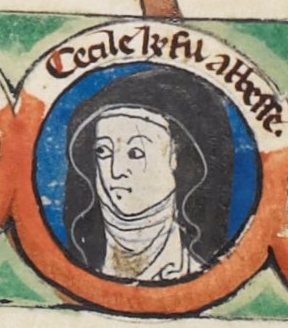
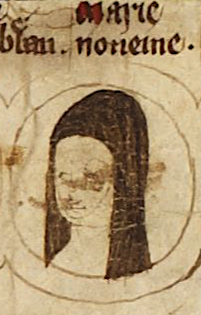
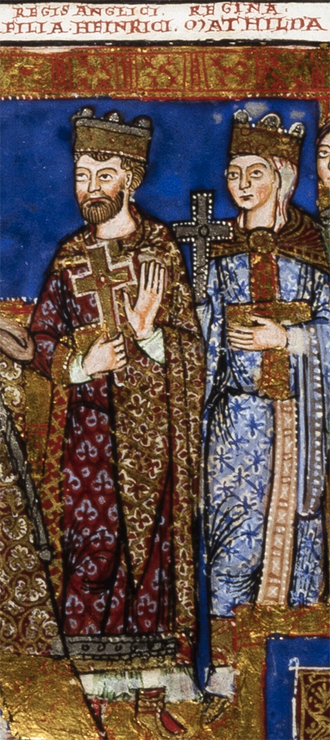
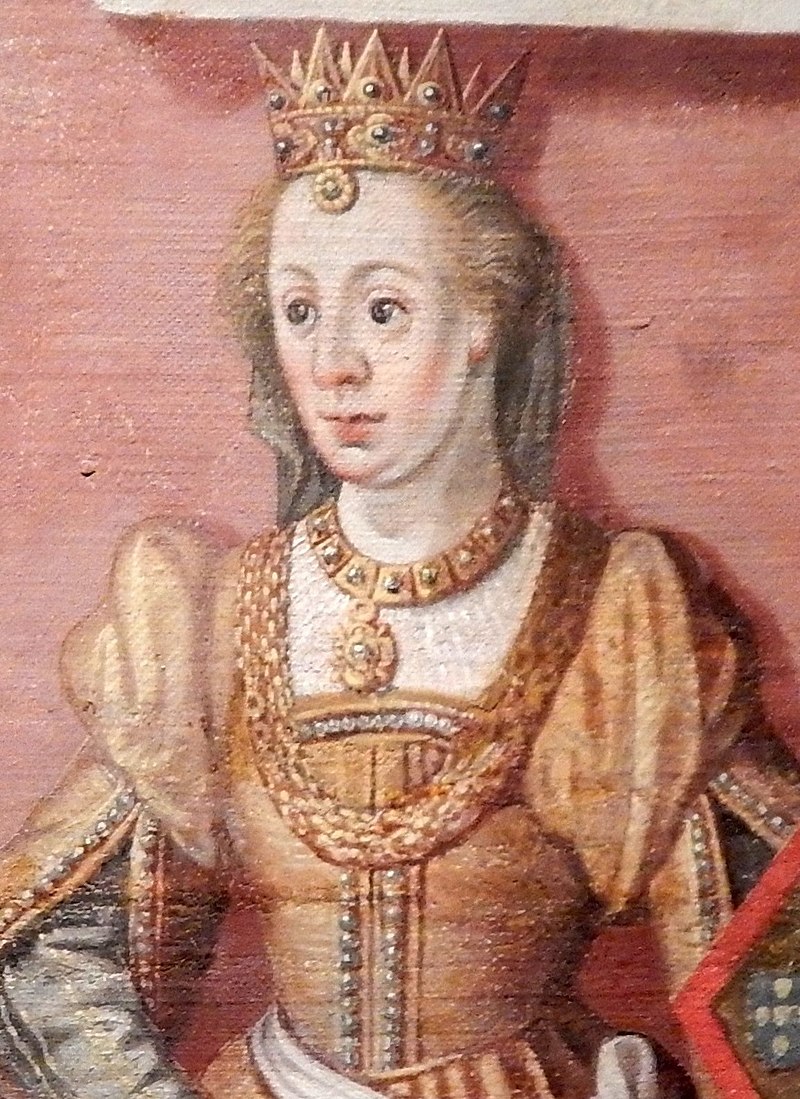
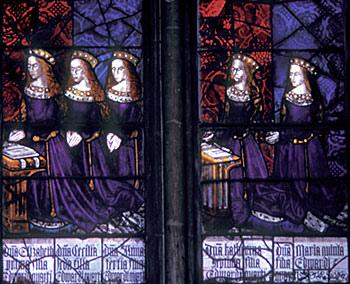
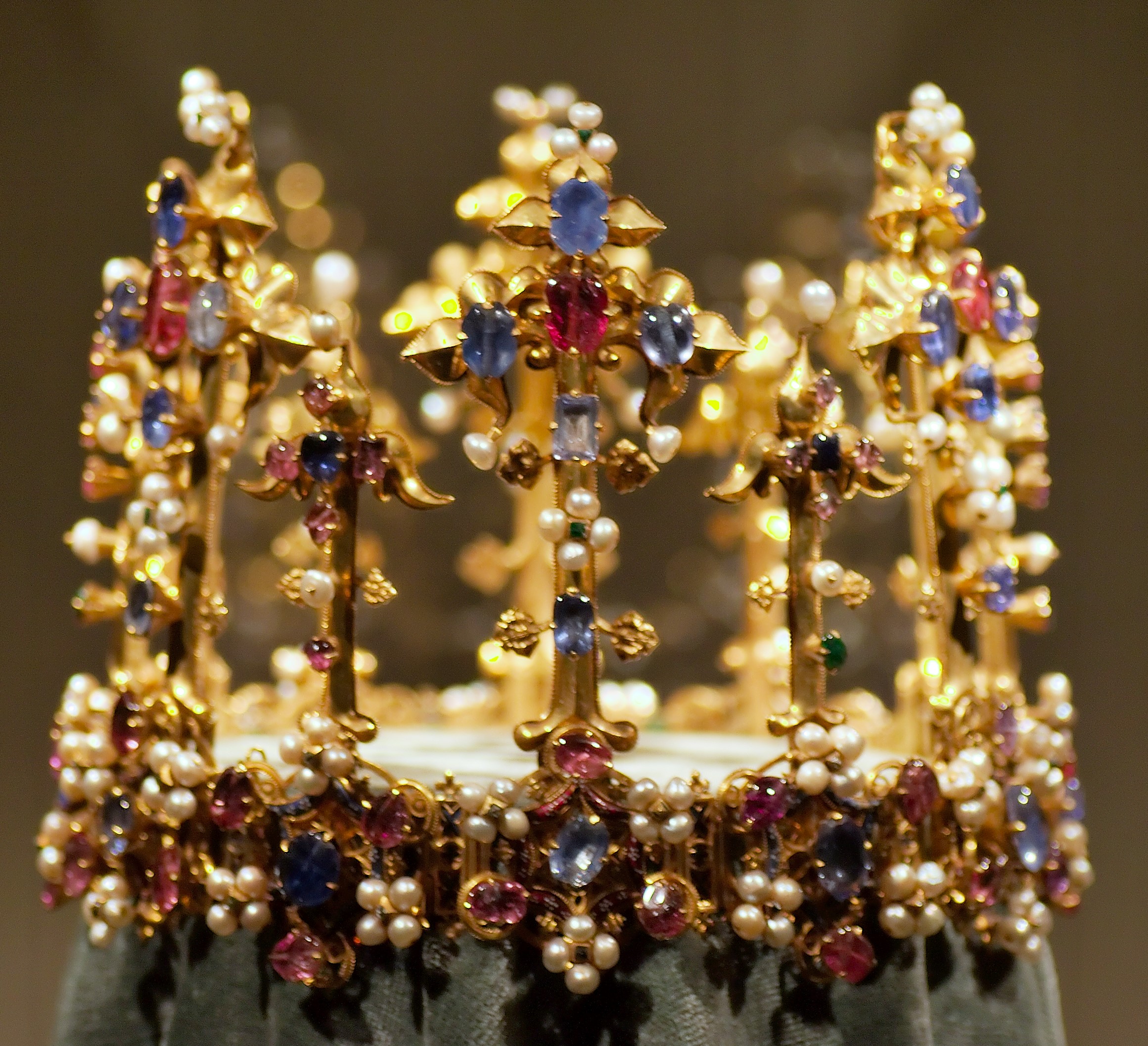
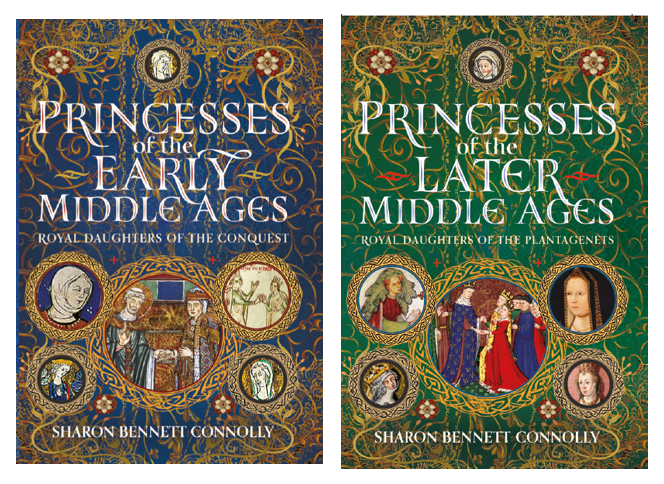
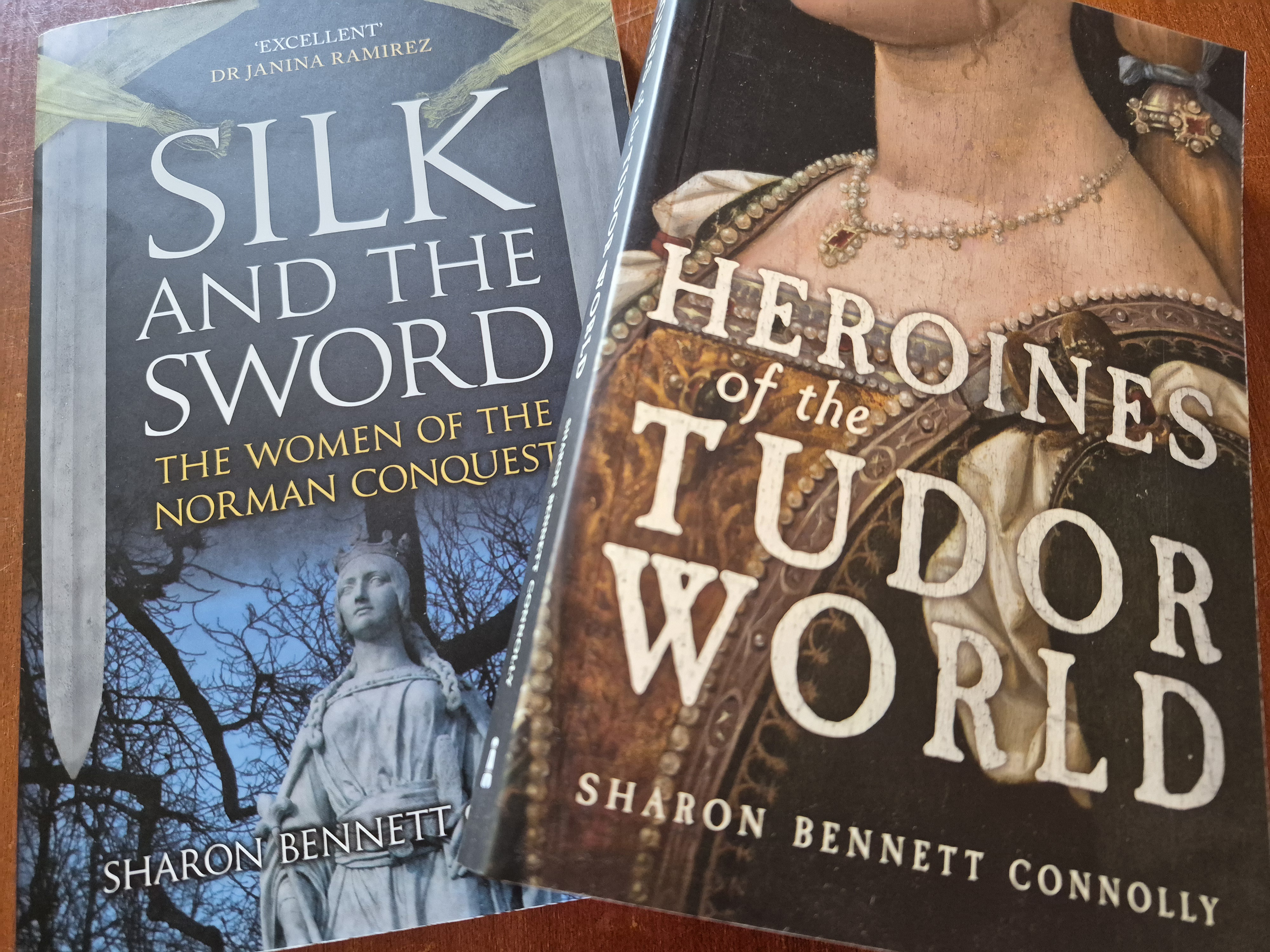
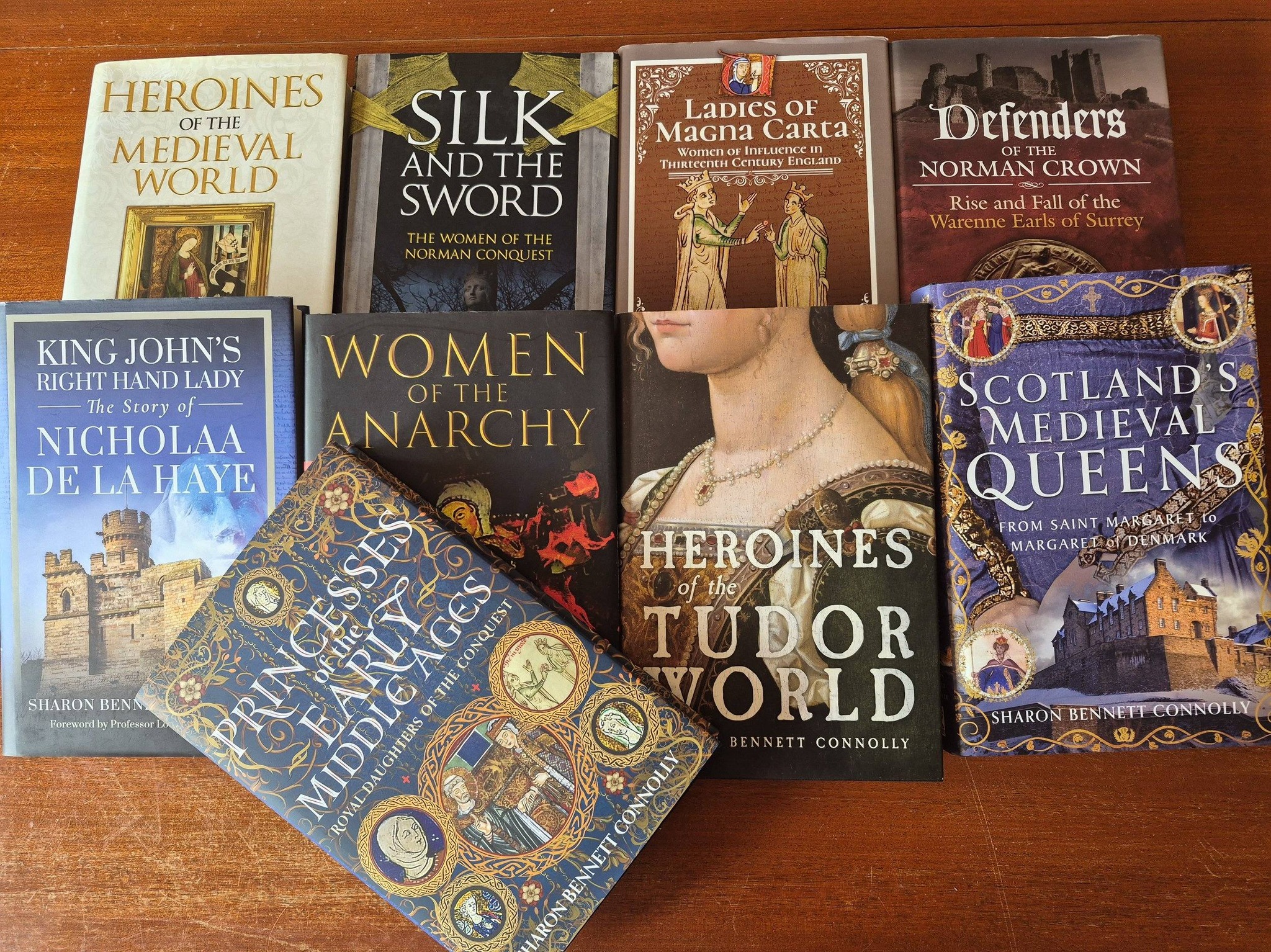



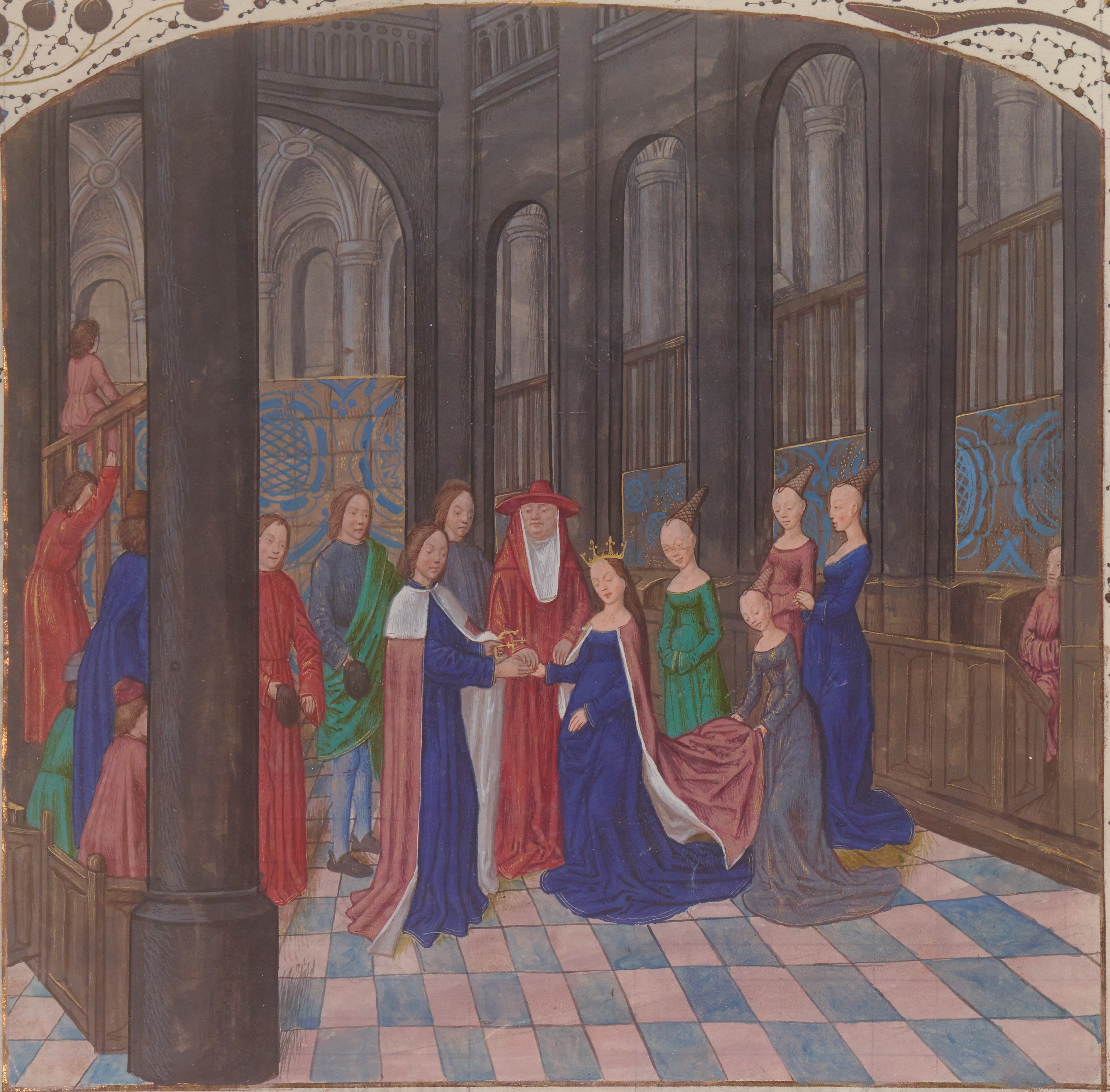
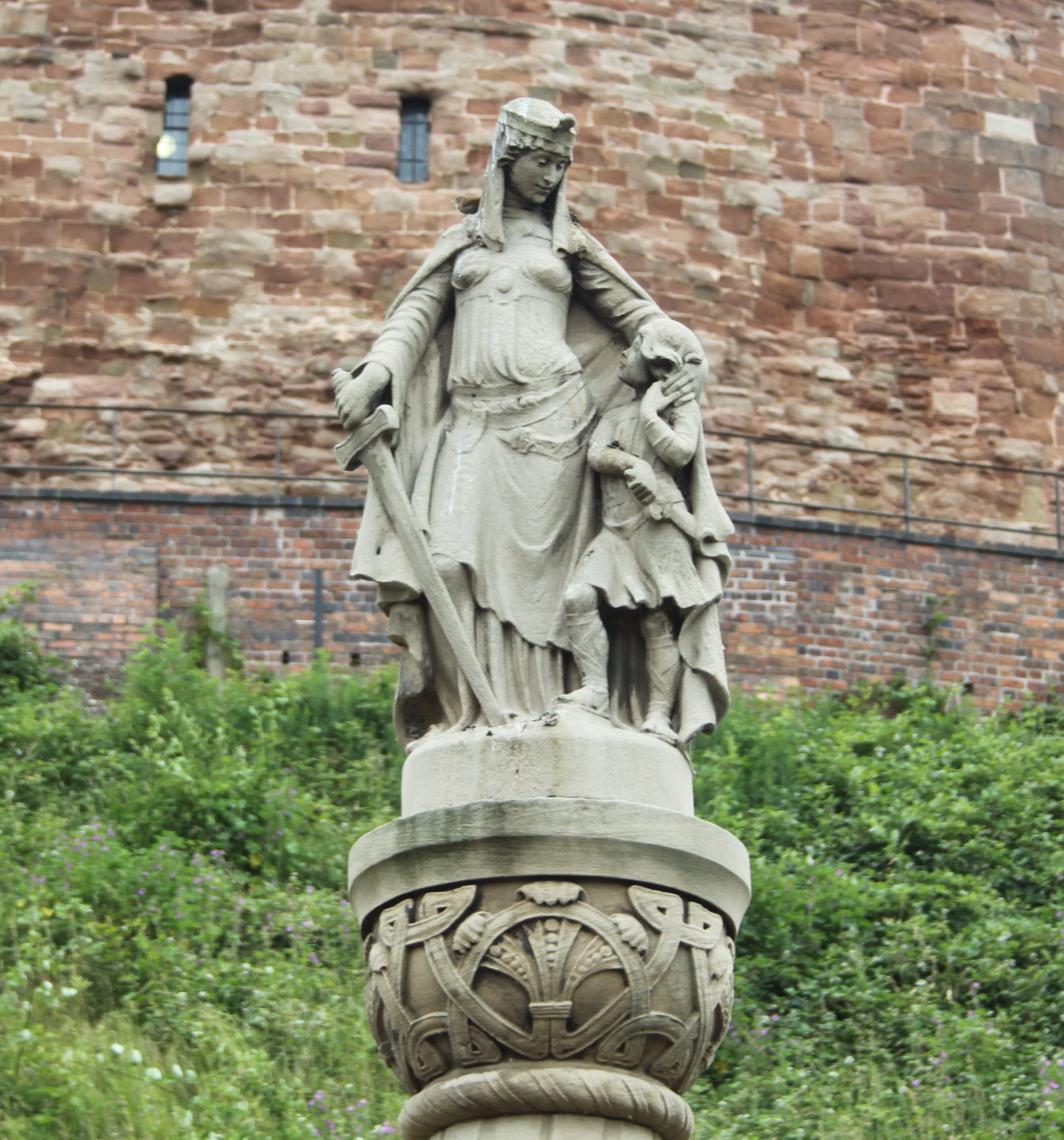
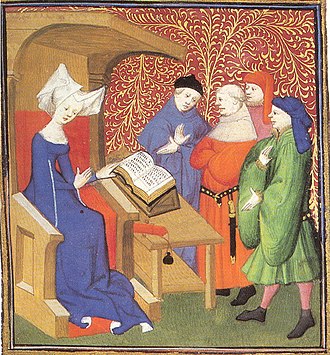
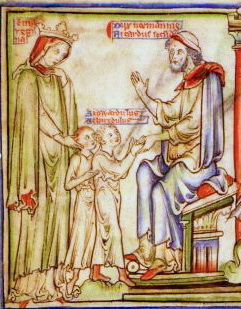
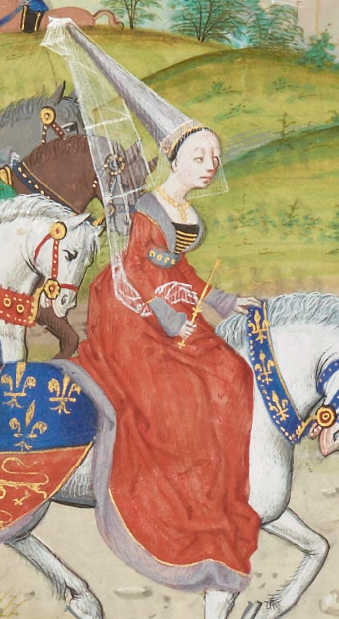
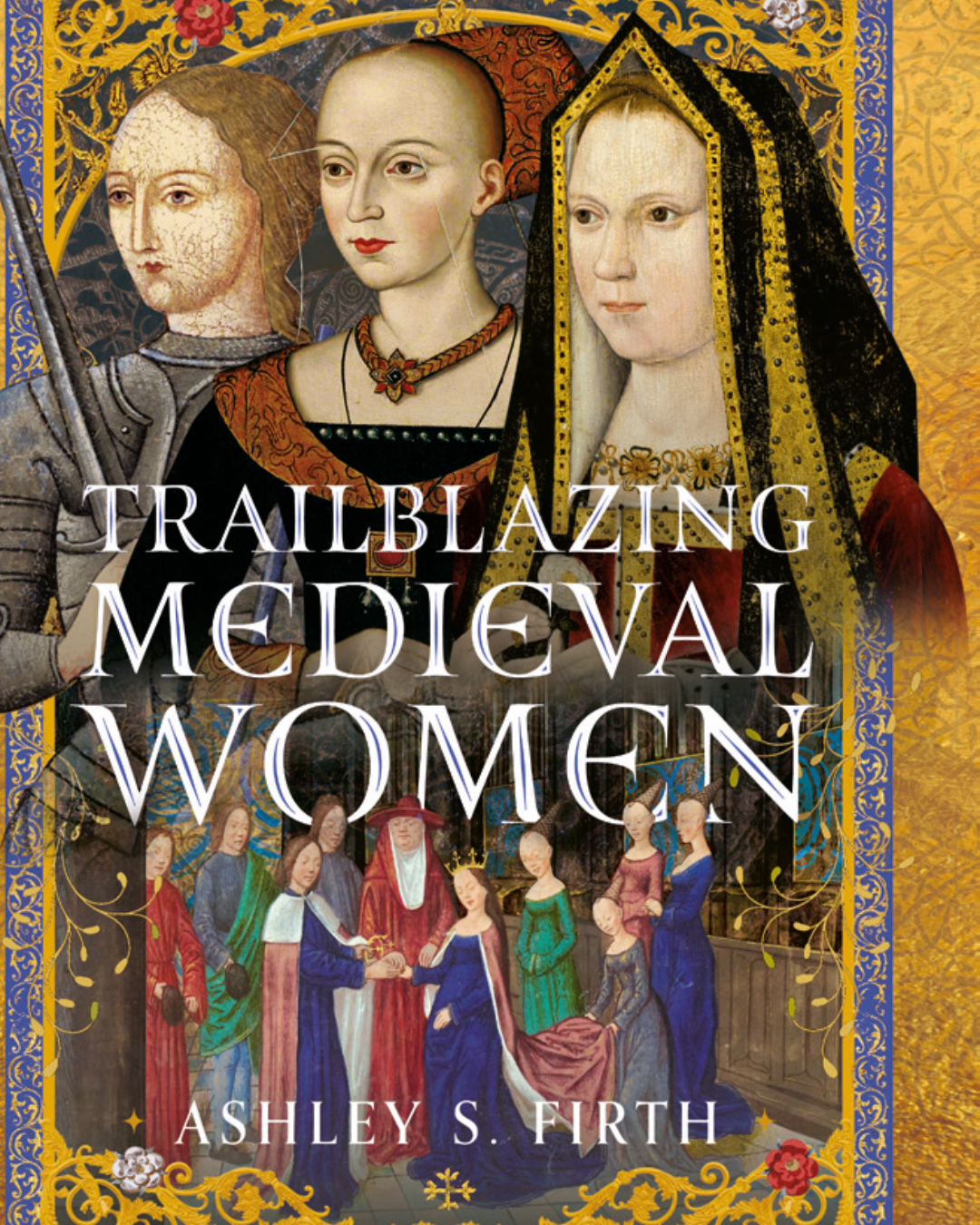



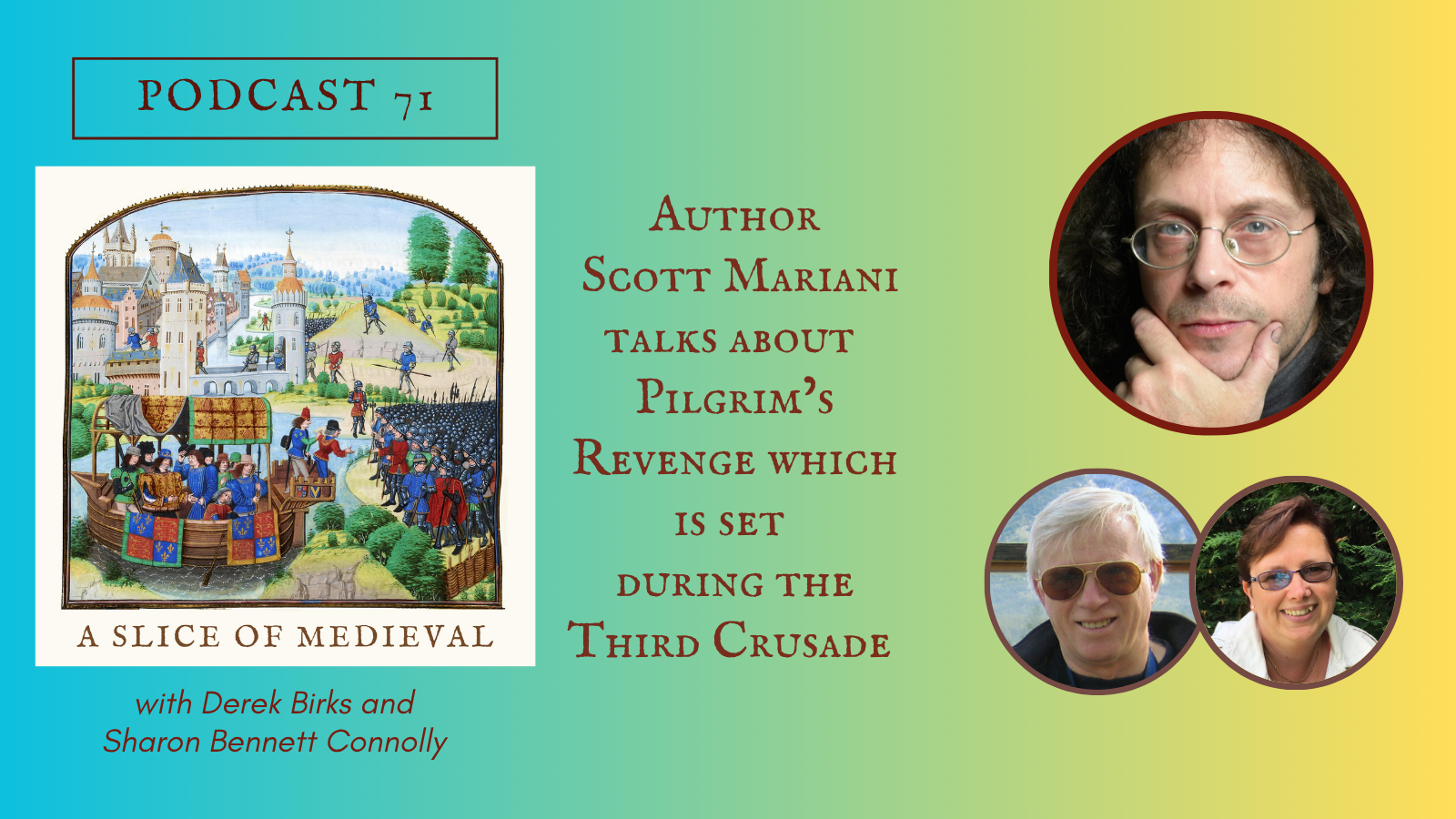
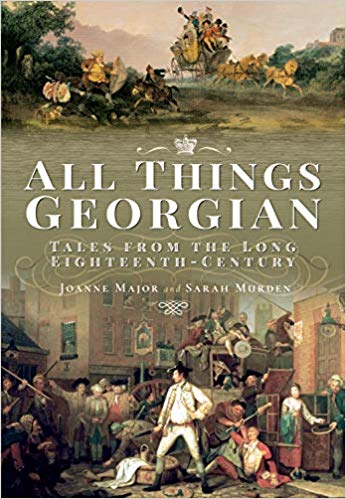
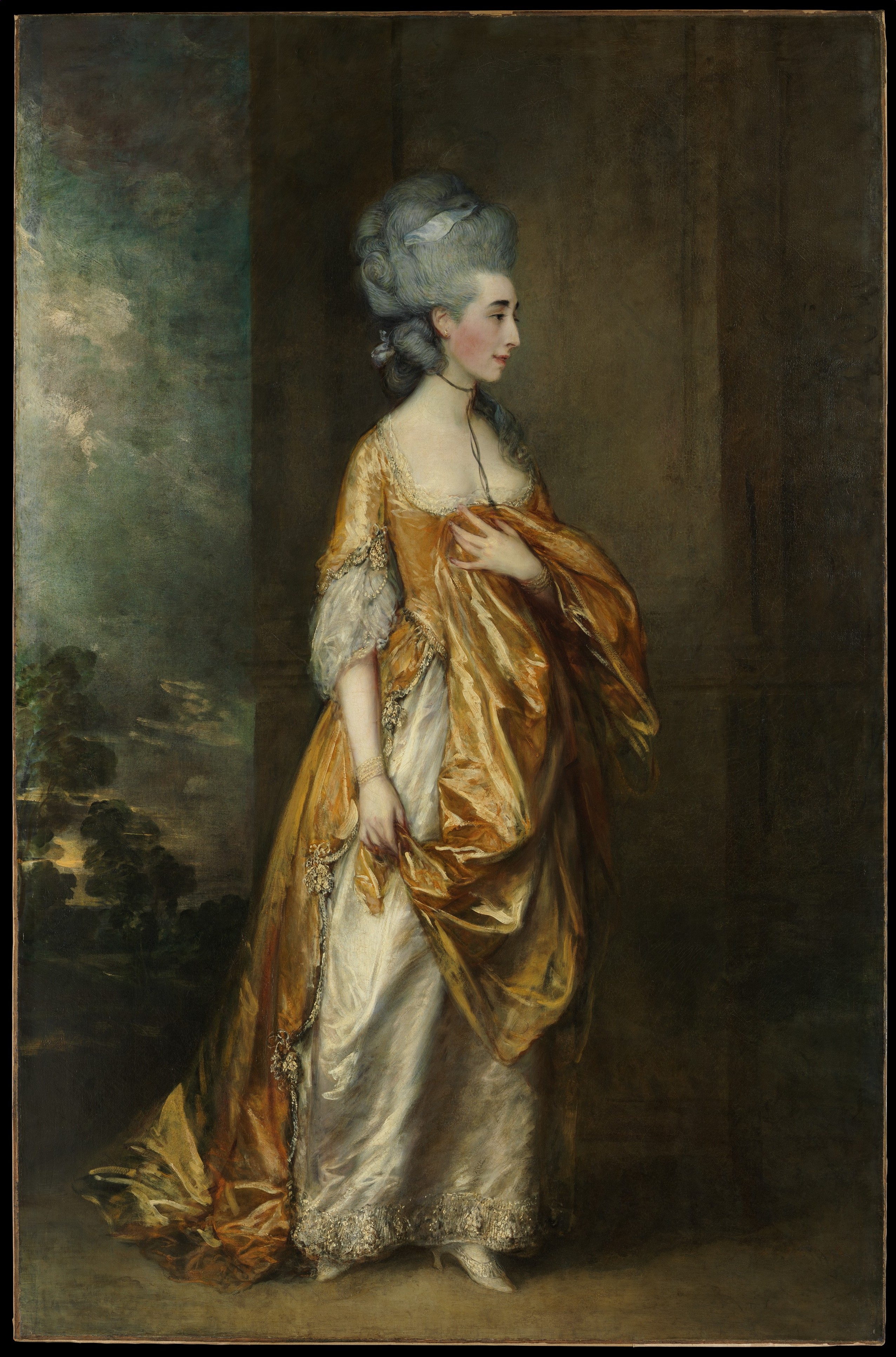
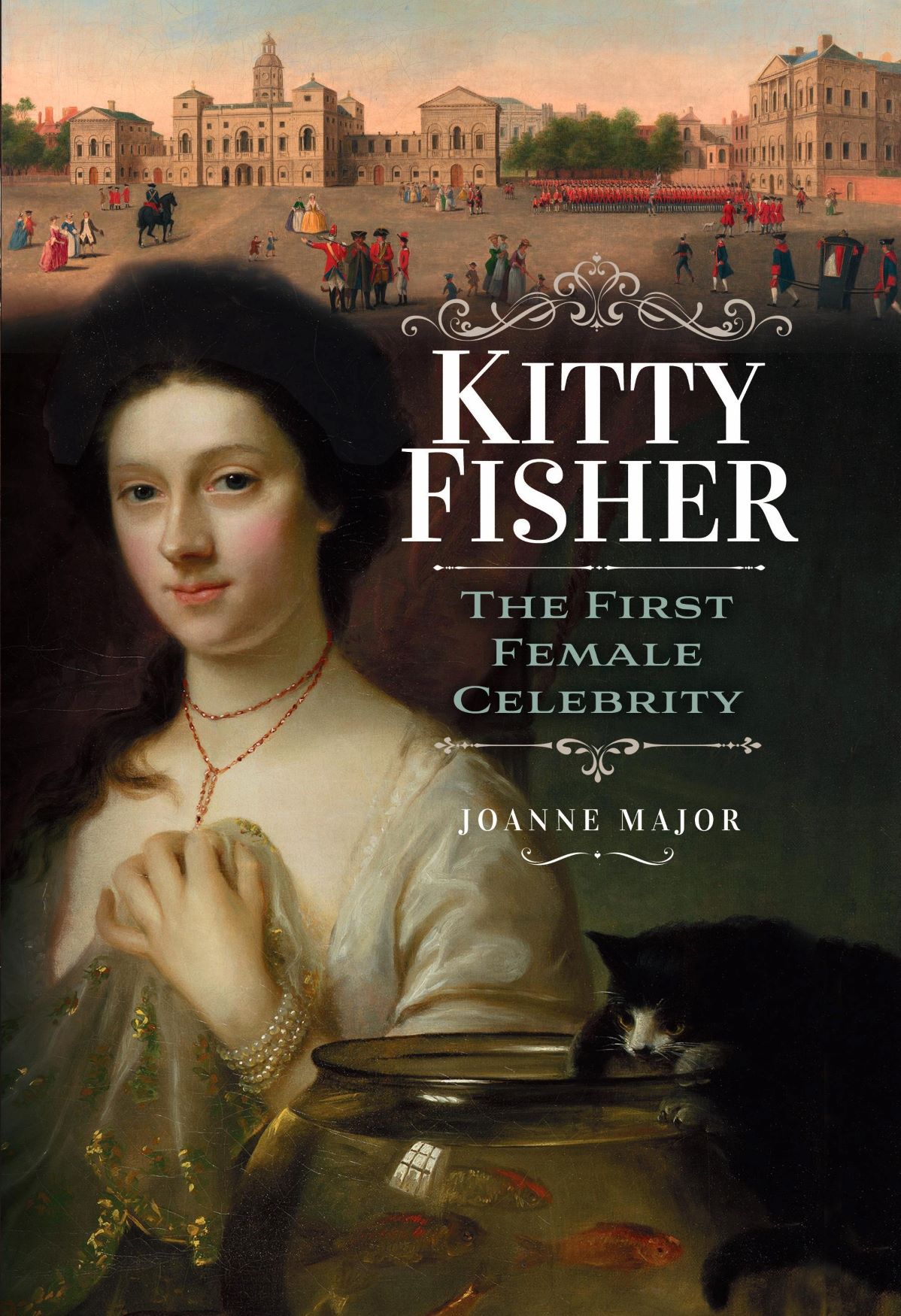
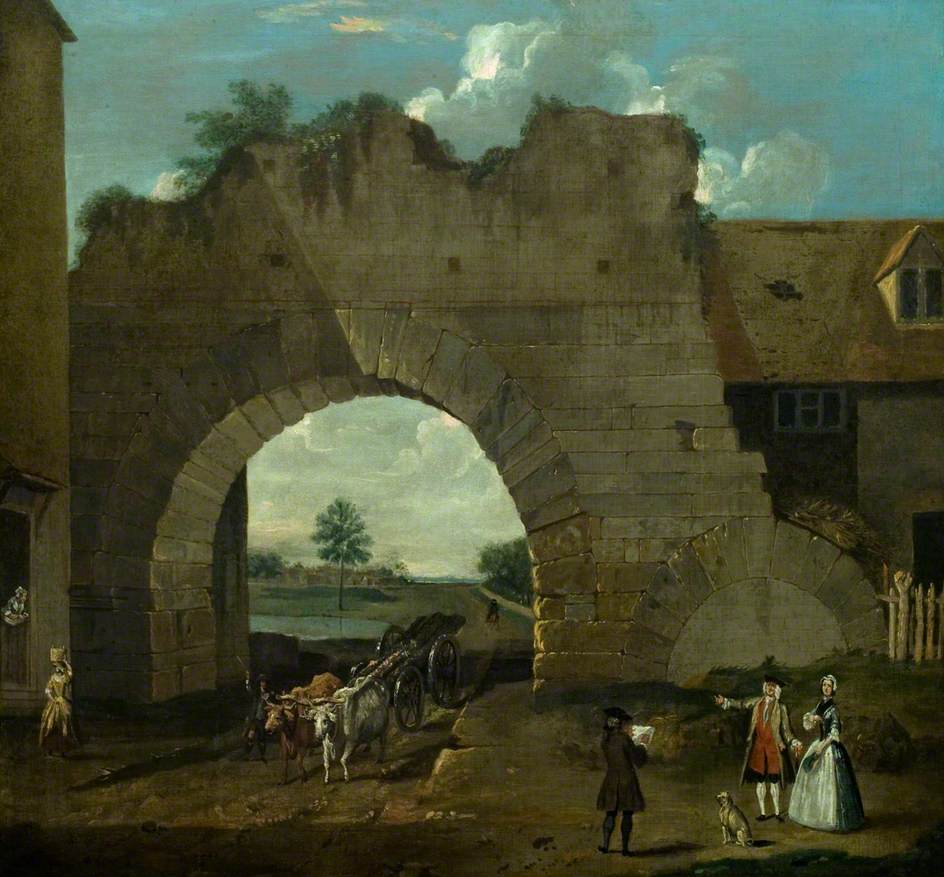
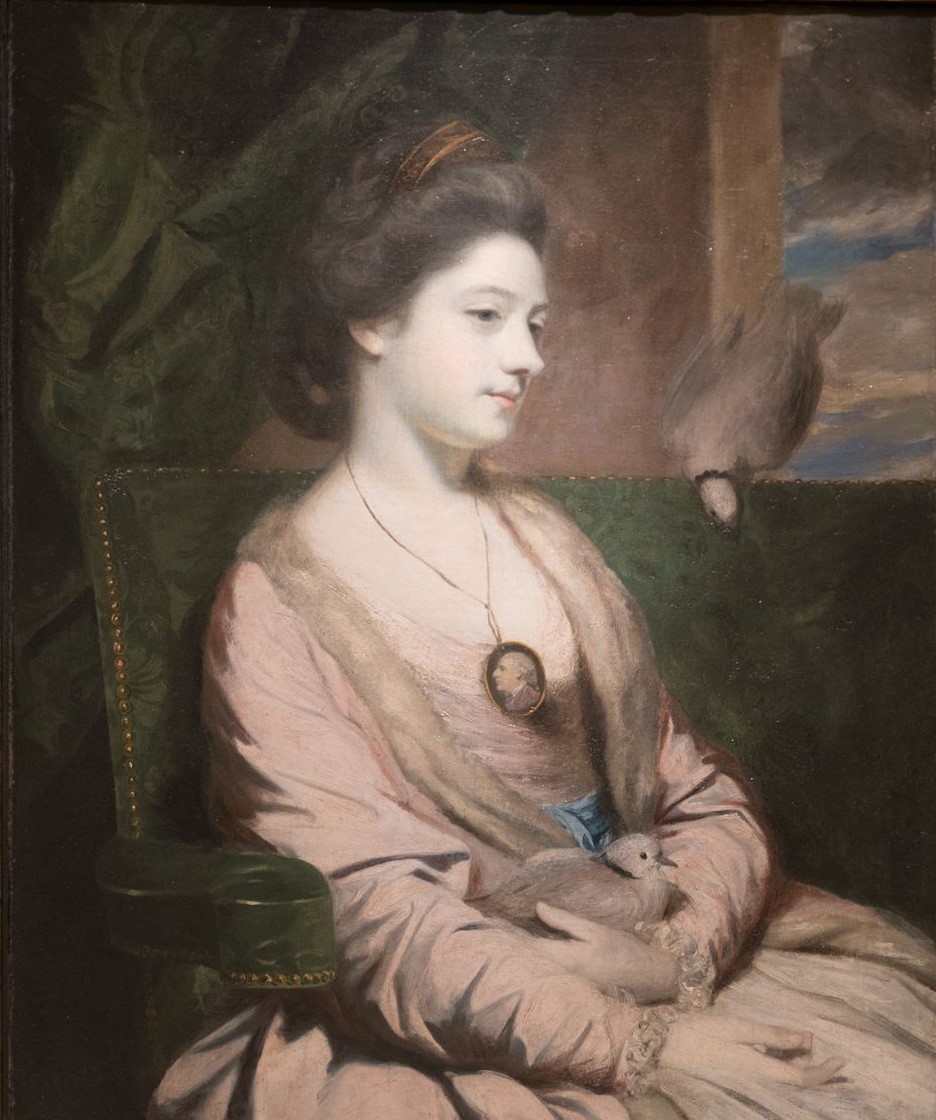
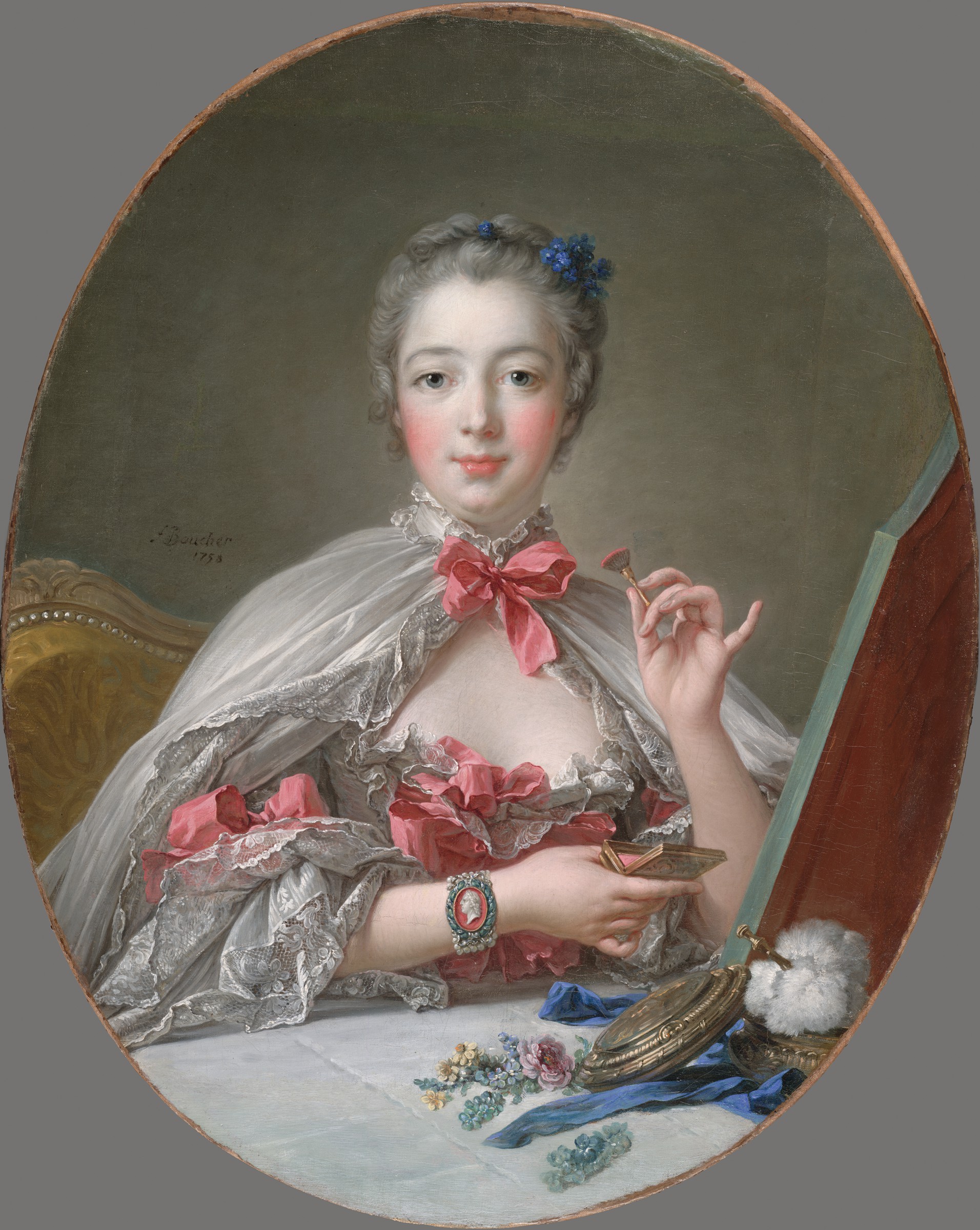

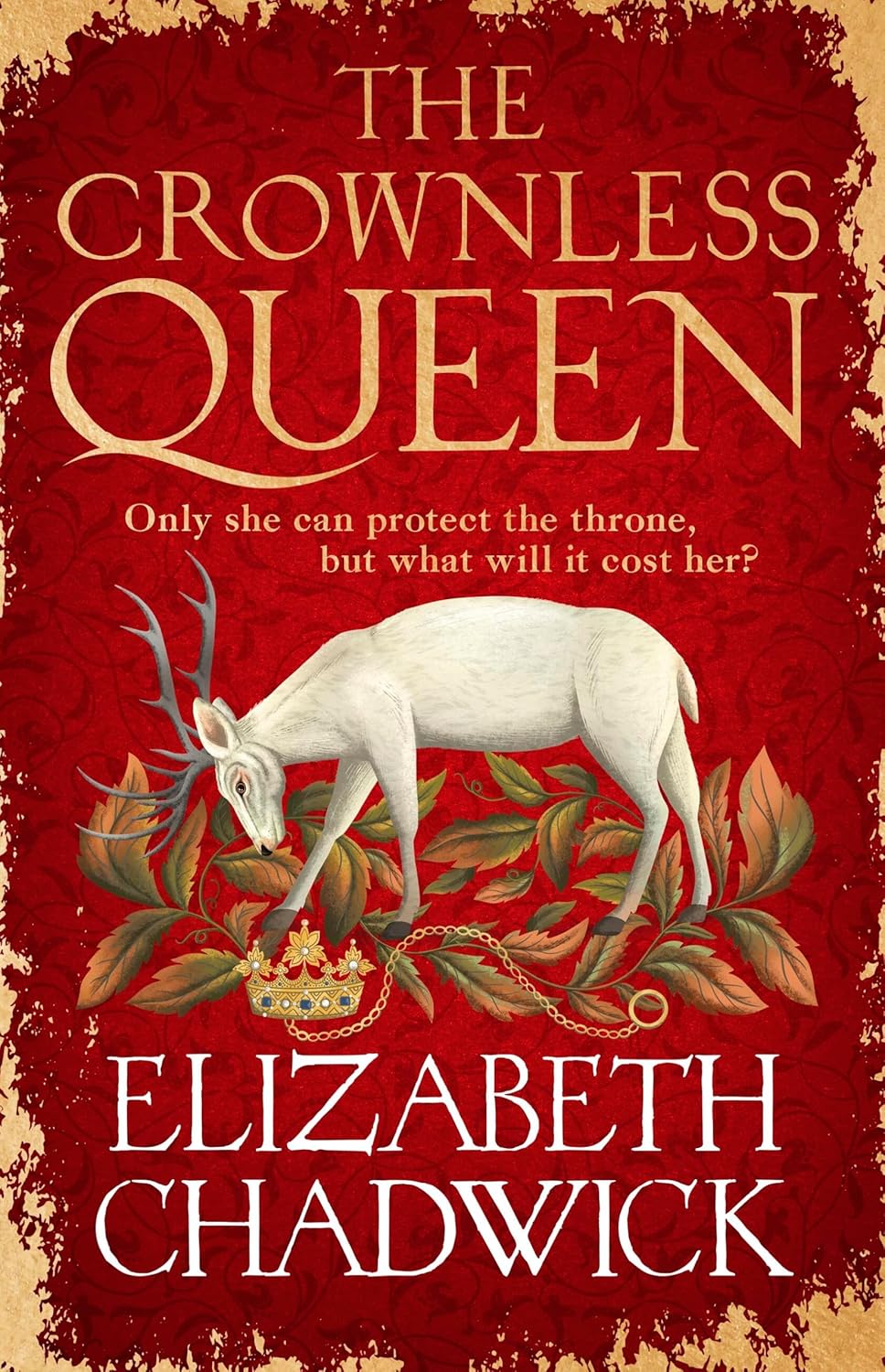

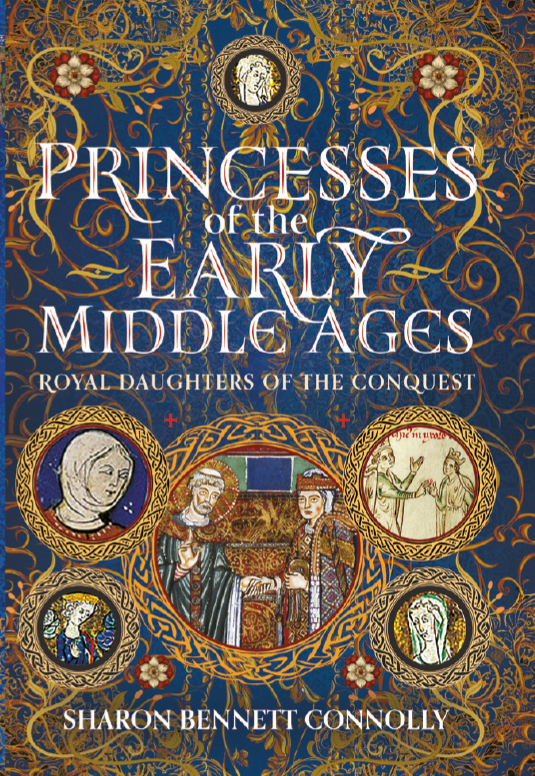

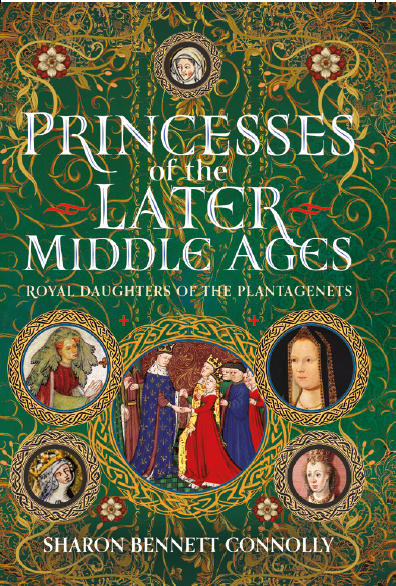
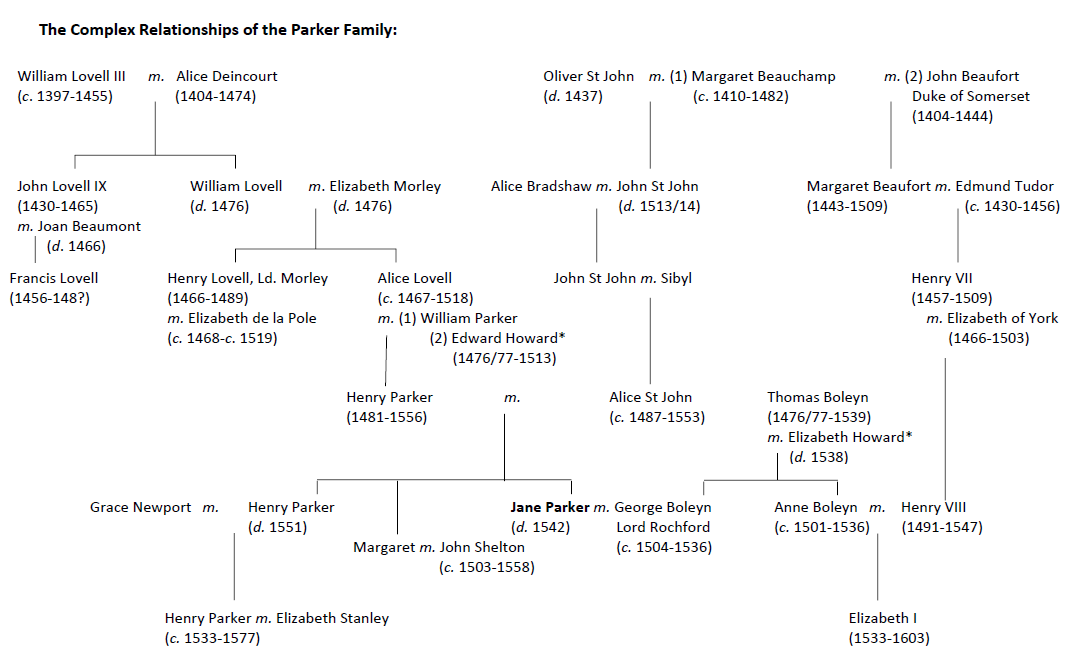

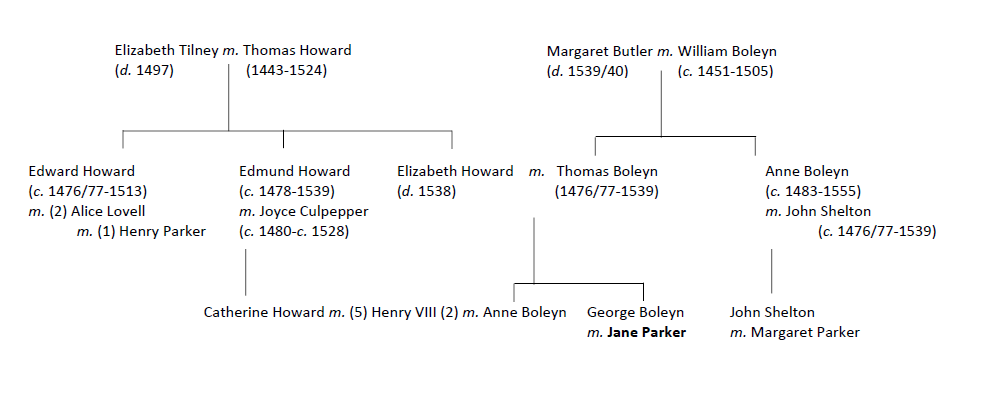
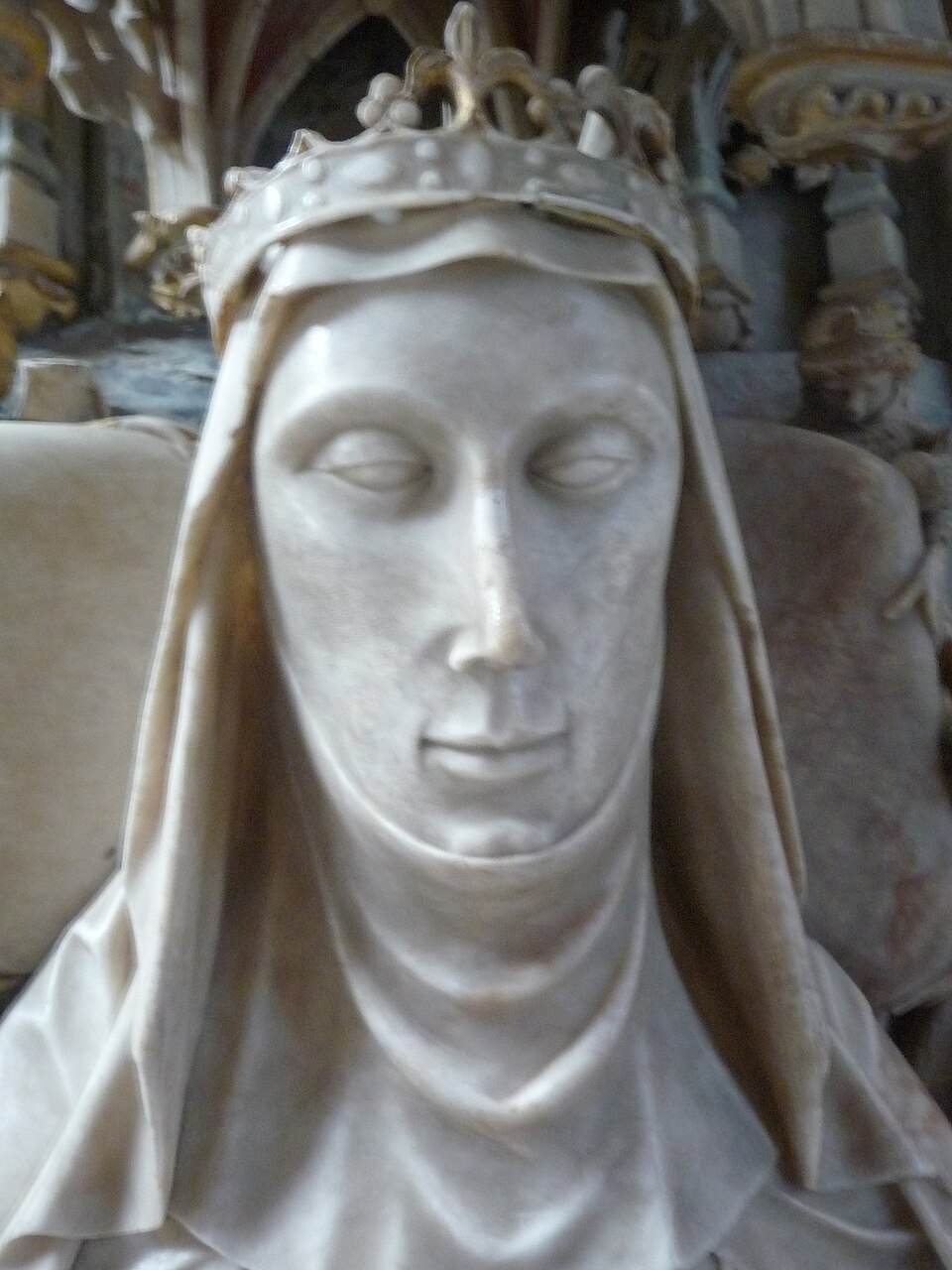
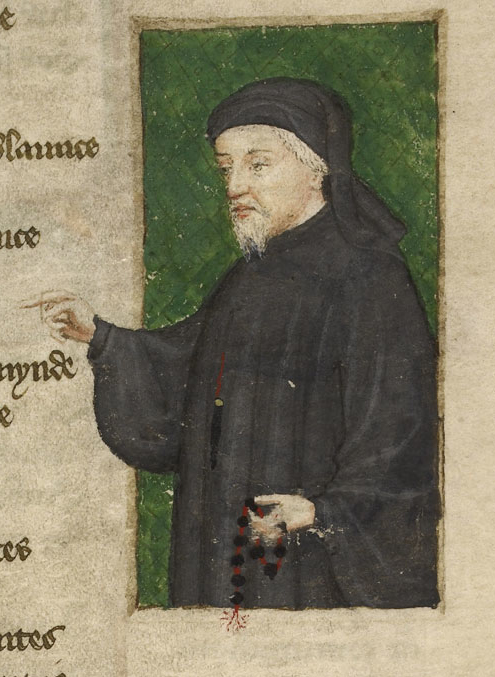
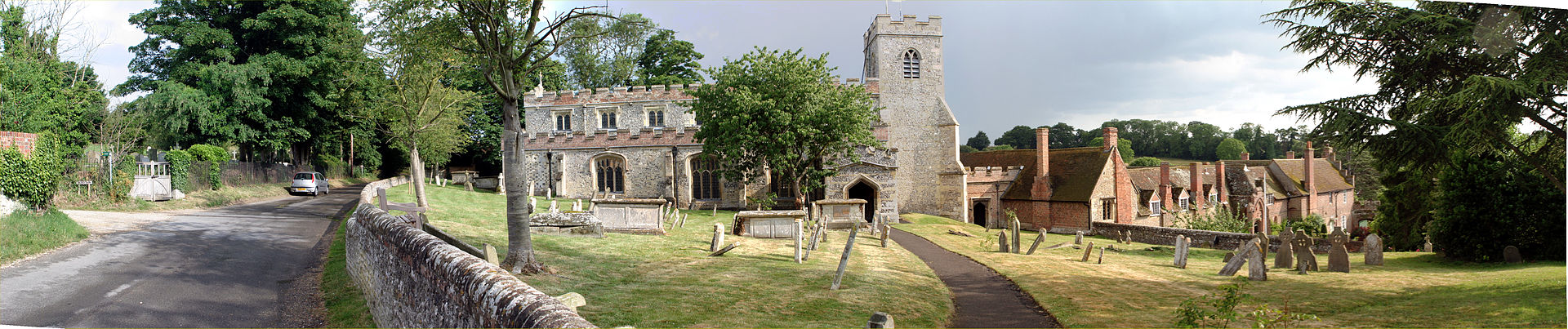

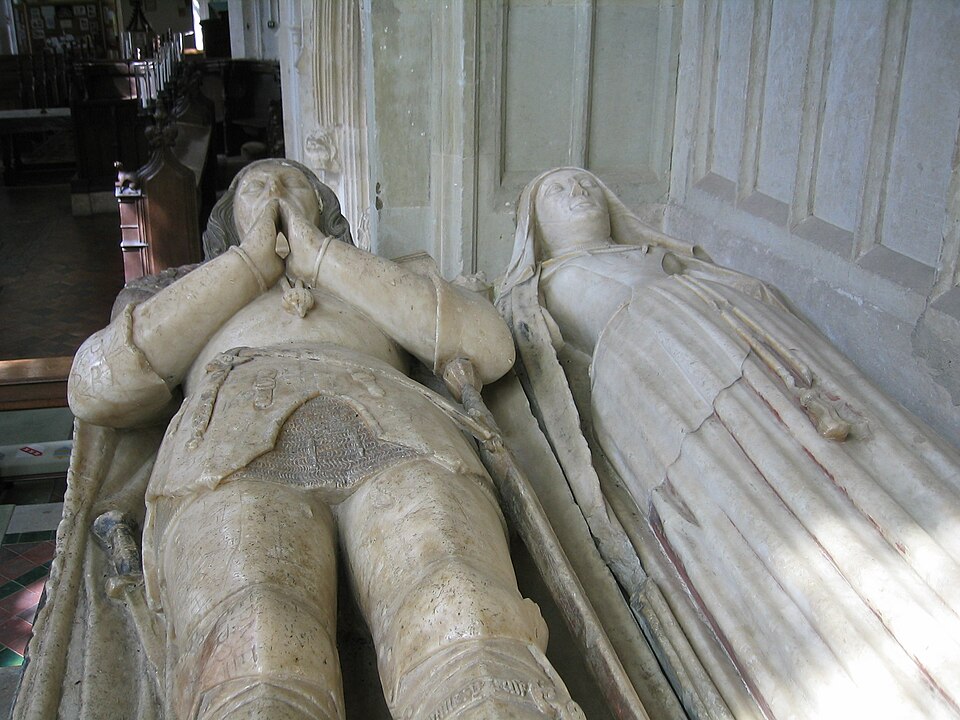
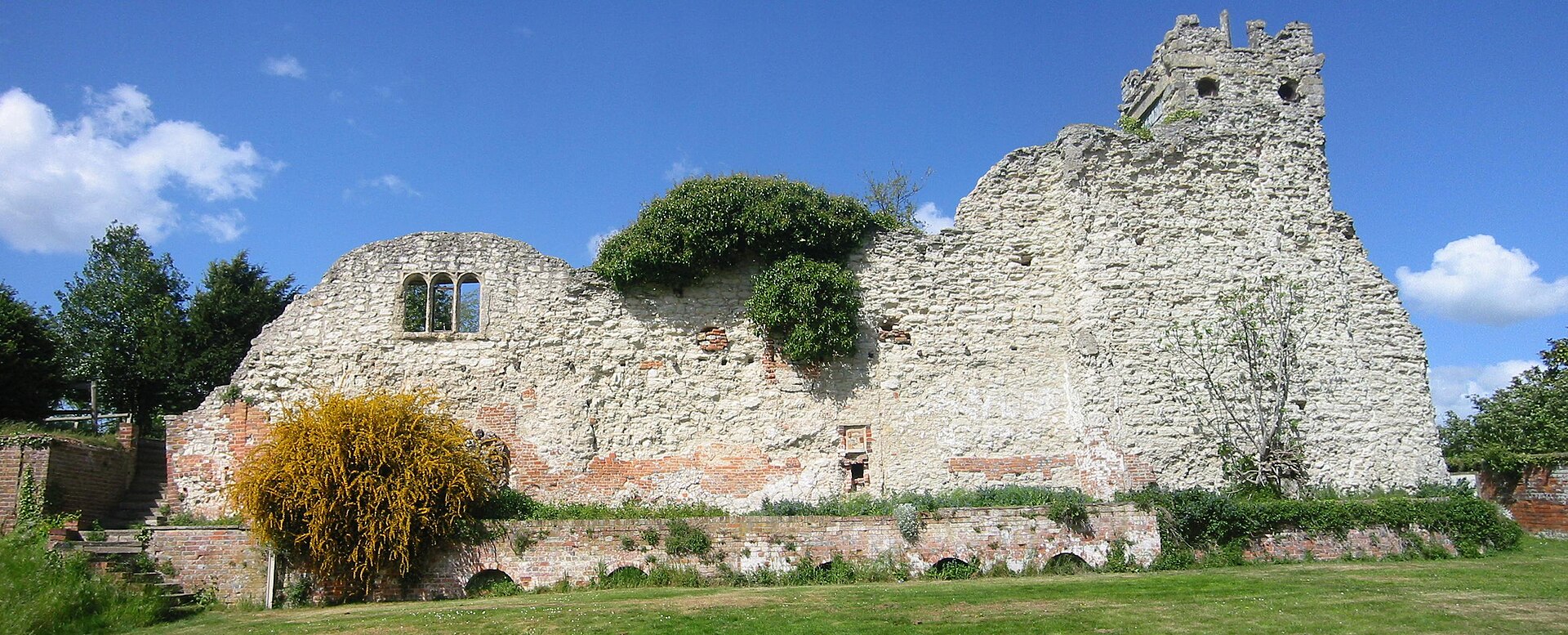
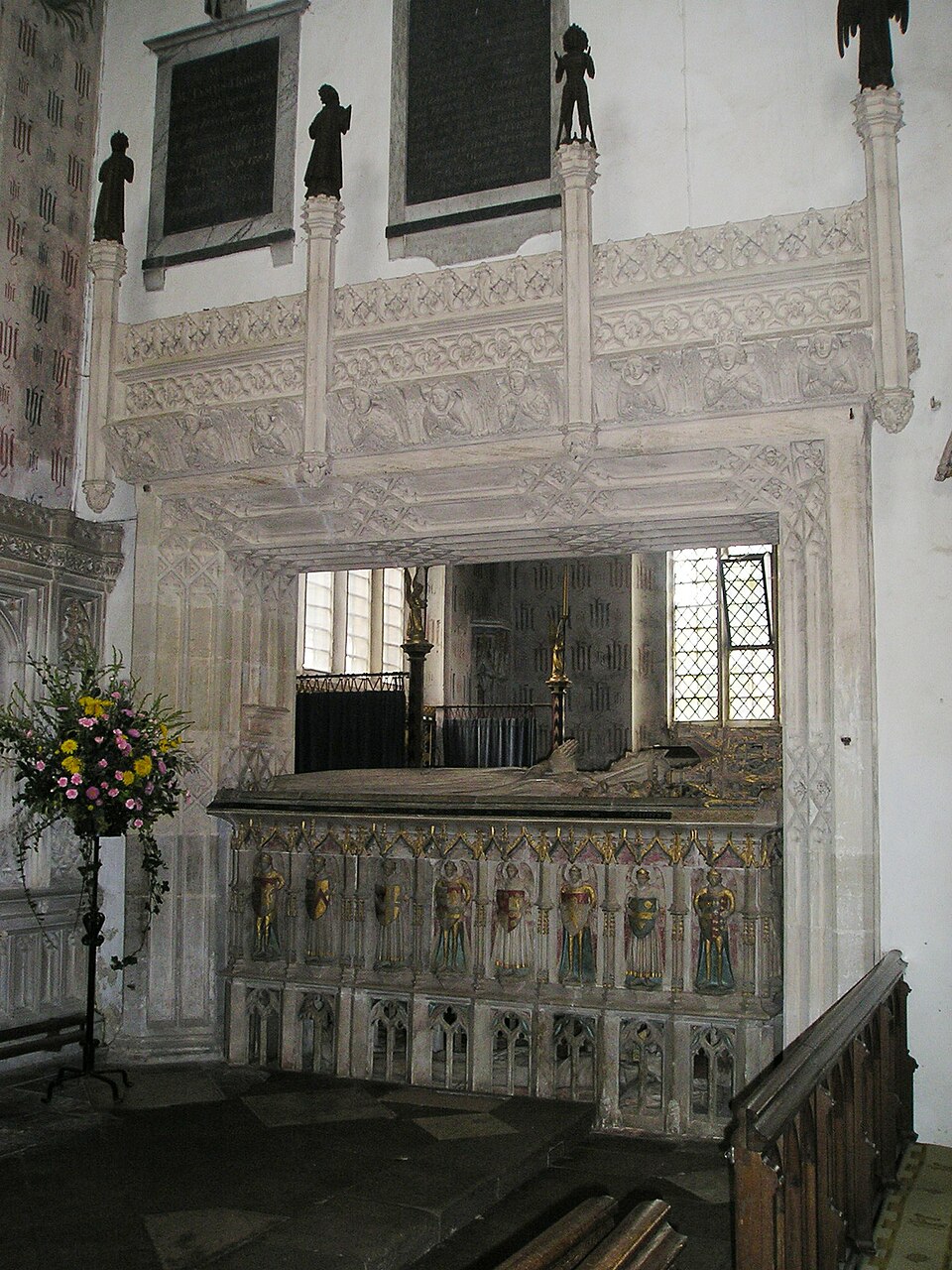
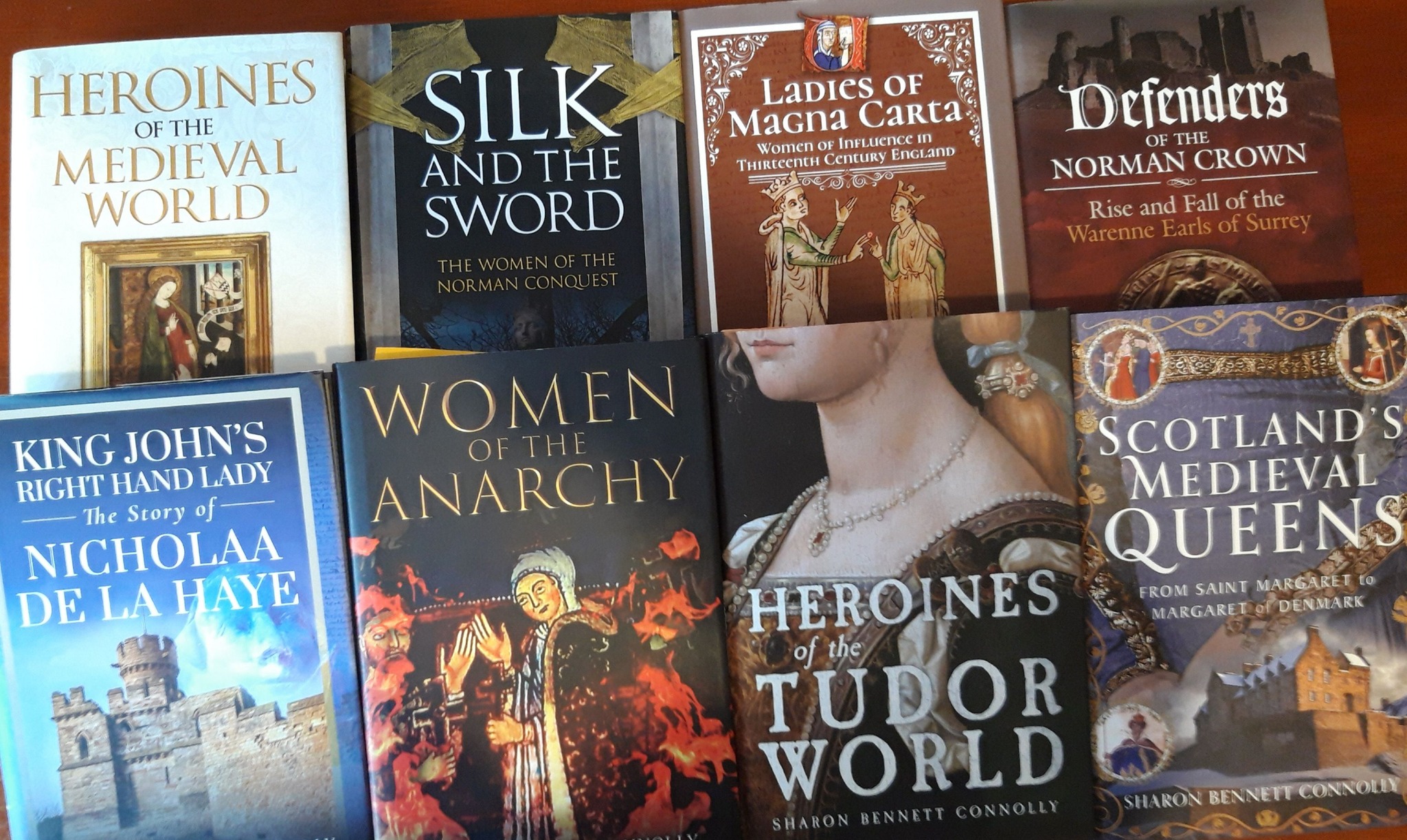

 History... the interesting bits!