Not all history is recorded in school textbooks or cast into towering monuments that shape city skylines. Quite often the most intriguing (and most bizarre) bits are forgotten and fall away into obscurity. In this fascinating book, Jem Duducu shines light on the almost forgotten, wonderfully strange, and often hilarious moments of history that would otherwise be lost forever.
Covering a wide variety of topics, from the time a Pope put his dead predecessor on trial all the way up to the awkward moment when the US Air Force accidentally dropped nuclear bombs on Spain, take a journey through time and discover the weird and wonderful history that you didn’t learn about in school.
Forgotten History: Unbelievable Moments From thePast by Jem Duducu is one of those wonderful books that you simply can’t put down. When it arrived through my door I decided ‘I’ll just have a peek’. Two hours later and I was still ‘peeking’. The book takes you on a fascinating journey from Ancient History through all the eras right up to the 20th century. It brings you those little pieces of history that you may have overlooked, or forgotten – or simply didn’t know. From the history of the Rottweiler, to the green children of Woolpit to Sergeant Stubby, the most decorated dog in the First World War….
This book has something for everyone, it tells you the story, giving you the facts and the history of the history, so to speak. It is a fun and entertaining, and one you can read from cover to cover, or pop in and out of.
Well written and incredibly well researched, Jem Duducu has found those stories from history that have fallen through the cracks of most history books. He gives us the facts, events and personalities that you may have thought were just stories, but are, in fact, a part of our history.
For instance, I have loved Alexandre Dumas’ Three Musketeers since I was a child, but did you know the heroic, dashing D’Artagnan was real?
The real D’Artagnan
Someone Regarded as Legendary but Isn’t
D’Artagnan, or to give him his full name, Charlers Ogier de Batz de Castelmore, Comte d’Artagnan, was pretty much the man you’d hope for. He was the captain of Louis XIV’s elite Musketeer guard, and in this instance the legend isn’t far from the reality of the man’s true character. He lived during the time of Cardinal Richelieu, he was a brave and accomplished warrior, and he fought in many battles. However, the plots of the Musketeer books bear little resemblance to events in his life…
As well as covering the important, but often overlooked, characters from history – such as D’Artagnan and the Lady Aethelflaed of the Mercians – Jem Duducu has found some rather obscure, but fascinating, facts such as the origin of the croissant, the Nazi plot to kidnap the Pope and a statue put on trial for murder….
I could go on all day – which is probably why I spent hours reading the book after only intending to have a quick look!
Forgotten History: Unbelievable Moments From thePast by Jem Duducu has something for everyone, whatever period or genre of history you like, you will find something interesting and new. Packed full of facts and information, it can be used as a learning resource, or simply as a book to read, devour and enjoy. With some wonderful photographs and illustrations to support the text, the book tells the stories in a wonderful, engaging and unique way, which will leave you with a smile on your face – and looking for just one more story before closing the book.
My book, Heroines of the Medieval World, is now available in hardback in the UK from both Amberley Publishing and Amazon UK and worldwide from Book Depository. It is also available on Kindle in both the UK and USA and will be available in Hardback from Amazon US from 1 May 2018.
Be the first to read new articles by clicking the ‘Follow’ button, liking our Facebook page or joining me on Twitter.
Coat of arms of Katherine’s father, Sir Richard Wydeville, Earl Rivers, KG
Katherine Wydville (or Woodville) was born into relative obscurity. Her father was Sir Richard Wydville, a Lancastrian Knight who had made a shocking and advantageous marriage with Jacquetta of Luxembourg, widow of the king’s uncle John, Duke of Bedford. Born around 1458, Katherine was probably the youngest of the couple’s 14 or 15 children. Her eldest sister, Elizabeth, was already married to Sir John Grey and had 2 sons by him.
Little to nothing is known Katherine’s childhood. She did have at least one playmate; her sister, Mary, was just 2 years older than her and it is likely they were raised and educated together.
Katherine may have spent her whole life in obscurity were not for her sister Elizabeth and the fortunes of the Wars of the Roses. In 1461 Elizabeth’s husband was killed in the 2nd Battle of St Albans, fighting for the House of Lancaster. And in 1464 she made the match of the century – and a number of enemies – by her clandestine marriage to England’s handsome, young, Yorkist king, Edward IV.
Suddenly, little 6-year-old Katherine was the sister of the queen – and her marriage prospects had improved considerably. As the daughter of a baron she would have been looking to marry a local knight; as the sister of the queen, her family could now set their sights much higher.
There is considerable debate as to why Edward IV raised the Wydvilles so high. Some historians argue that the king was acting as a good husband and brother-in-law in advancing his wife’s family to the highest positions, arguing that convention required him to make provision for his wife’s siblings. An alternative theory is that Edward was creating a new nobility, binding the great aristocratic houses to his dynasty by marrying them into his extended family, thus creating an alternative power base to rival that of the Nevilles. According to David Baldwin, “Edward could not allow the lowly position of his wife’s relatives to diminish his own status, and, as a usurper, would have seized every opportunity to forge links with the great noble families.”¹
Henry Stafford, 2nd Duke of Buckingham
Whatever the reason, the end result was a series of marriages of the Wydville siblings into the great noble houses of the realm. Of Elizabeth’s sisters Margaret became Countess of Arundel, Anne became Countess of Kent, Jacquetta married Lord Strange of Knokyn and Mary married the Earl of Huntingdon. The most shocking marriage arrangement was that of Elizabeth’s brother, 19-year-old John, to the Dowager Duchess of Norfolk, 65-year-old Katherine Neville.
Young Katherine Wydville’s marriage was to be one of the most exalted; even before Queen Elizabeth’s coronation in 1465, 6-year-old Katherine was married to Henry Stafford, the 11-year-old Duke of Buckingham. David Baldwin describes the scene at Elizabeth’s coronation:
The peers included young Henry Stafford, Duke of Buckingham ‘born a pon a squyer [squire] shouldr’, and among the ladies was his new wife, Catherine Woodville, likewise carried…¹
The event must have been awe-inspiring for the children; the sumptuous costumes, the roar of the crowds. The Queen was attended by 13 duchesses and countesses dressed in red velvet, 14 baronesses in scarlet and miniver, and the ladies of 12 knights bannerets wearing scarlet.¹ One can only imagine the effect such an auspicious day could have on 2 young children who were right in the middle of the celebrations.
Katherine’s new husband, Henry Stafford, had been Duke of Buckingham since the age of 4; his father, Humphrey Stafford, had been wounded at the 1st Battle of St Albans and died of natural causes in 1458 and his grandfather, Sir Humphrey Stafford, 1st Duke of Buckingham, was killed at the Battle of Northampton in 1460; both were loyal supporters Henry VI and the House of Lancaster. This left 5-year-old Henry as Duke and in the care of his grandmother Anne Neville (sister of Cecily, the new king’s mother).
Coat of arms of Sir Edward Stafford, 3rd Duke of Buckingham
Following Edward IV’s marriage to Elizabeth Wydville in 1464, Henry and his younger brother were given into the custody of the new queen, who was granted 500 marks out of the young duke’s Welsh lands – soon increased by a further £100 – for the maintenance of the 2 boys. John Giles, who later be employed as tutor to Edward IV’s sons, taught grammar to ‘the queen’s beloved brothers’ during 1465-7.²
The Stafford boys remained in the queen’s custody, along with the duke’s little wife, Katherine, until the Readeption of Henry VI in 1470-71 when the duke was again returned to the custody of his grandmother and her new husband, Walter Blount, Lord Mountjoy. His younger brother, Humphrey, had disappeared from the records by this point, probably having succumbed to a childhood illness.
By June 1473, still only 17, Buckingham was granted his livery as a duke and his grandfather’s estates. Although Edward IV had returned to the throne, he appears to have had no great love for Duke Henry and he was rarely at court; staying mainly on his estates with his wife and family.
Edward Stafford, 3rd Duke of Buckingham
According to Domenico Mancini, writing in 1483, Buckingham resented his marriage due to his wife’s ‘humble origin’ and his wife certainly brought no marriage portion with her and has often been described as a ‘parvenu’ by historians.² However, the couple did have 5 children together, 4 of whom survived childhood.
Edward Stafford, the future 3rd Duke of Buckingham, was born in 1478. He would go on to marry Eleanor (d. 1530), the daughter of Henry Percy, 4th Earl of Northumberland, before his execution in 1521, during the reign of Henry VIII.
A 2nd son, Henry, Earl of Wiltshire, was born around 1479 and died in 1523. He married twice, firstly to Muriel or Margaret, daughter of Edward Grey, Viscount de Lisle and secondly to Cecilia, daughter of William Bonville, Baron Harrington.
A 3rd son, Humphrey, died young, but was followed by 2 daughters. Anne married Sir Walter Herbert who died in 1507. She then married George Hastings, Earl of Huntingdon. Katherine and Henry’s youngest daughter, Elizabeth, married Robert Radcliffe, Earl of Sussex, by whom she had 3 sons.
Anne Stafford, Countess of Huntingdon
With Edward IV’s death in 1483, Buckingham played a leading role in the turmoil which saw Edward’s 2 sons by Elizabeth Wydville declared illegitimate, and saw the late king’s brother, Richard of Gloucester claim the throne as Richard III. For a time, Buckingham was Richard’s staunchest ally and played a major role in Richard’s coronation – an event his wife Katherine, as one of the now-despised Wydvilles, did not attend.
However, by October 1483, and for still-unknown reasons, Buckingham mounted a coup against Richard, entering an alliance with Henry Tudor – in exile in Brittany – he attempted to raise Lancastrian support in the Welsh Marches. Katherine accompanied her husband from Brecon to Weobley, leaving her daughters at Brecon. Thwarted by the weather, the coup failed and Buckingham attempted to flee.
The Duke was arrested and executed at Salisbury on 2nd November 1483. The duchess and her youngest son, Henry, were captured and taken to London. Her eldest son, Edward, was also in the king’s custody. In December 1483, Katherine was allowed to have her servants and daughters brought to London from Wales. However, having been deprived of her dower and jointure, her financial position was precarious, until Richard III granted her an annuity of 200 marks.
Arms of Jasper Tudor, Duke of Bedford
Katherine’s situation was changed again following Henry VII’s defeat of Richard III at Bosworth. Katherine was married to Jasper Tudor, the new king’s uncle and newly created Duke of Bedford, before 7th November 1485. The new regime reversed Buckingham’s attainder, awarding Katherine not only her dower rights, but also a jointure of 1000 marks, as specified in Buckingham’s will.
This took her total revenue from the Buckingham estates to £2500 and therefore bolstered her new husband’s position as the representative of the king in Wales. Jasper had practically raised the new king single-handedly, sharing his exile in Brittany following the defeat of the Lancastrian cause at Tewkesbury in 1471. Katherine, a dukedom and becoming the king’s right-hand man in Wales; this was his reward.
As with most medieval marriages, we cannot know if there was any affection in Katherine’s relationships with either of her 1st 2 husbands; both marriages were made for political reasons. During her 2nd marriage, Katherine resided mainly at Thornbury in Gloucestershire, she and Jasper Tudor had no children together and her estates were kept under a separate administration to Tudor’s own lands.
Jasper Tudor died at Christmas, around the 21st December, 1491. Poor Katherine only gets a passing mention in his will; “I will that my Lady my wife and all other persons have such dues as shall be thought to them appertaining by right law and conscience.”³
Thornbury Castle today
I can’t help hoping that Katherine found some affection and comfort in her 3rd and final marriage. By 24th February 1496 Katherine had married Richard Wingfield, a man 12 years her junior. They married without royal licence, the fine for which remained unpaid at Katherine’s death. Wingfield was probably in the duchess’s service before the marriage, as his 2 brothers, John and Edmund appear to have been. When he married Katherine he was a younger son in a rather large family, with few prospects as a consequence. However, he would go on to have a distinguished diplomatic career under Henry VIII, dying at Toledo in 1525.
Katherine herself died on 18th May 1497. The unpaid fine, imposed following her marriage to Wingfield, became a charge on her eldest son, Edward, the 3rd Duke of Buckingham. Her 3rd husband, however, did not forget her; despite remarrying, his will, drawn up in 1525, requested masses be said for the repose of Katherine’s soul.
*
Footnotes: ¹David Baldwin in Elizabeth Woodville; ²C.S.L. Davies in Oxforddnb.com; ³The Woodvilles by Susan Higginbotham.
*
Pictures taken from Wikipedia.
*
Sources: The Woodvilles by Susan Higginbotham; Elizabeth Woodville by David Baldwin; Brewer’s British Royalty by David Williamson; History Today Companion to British History Edited by Juliet Gardiner and Neil Wenborn; Britain’s Royal Families, the Complete Genealogy by Alison Weir; Edward IV and Elizabeth Woodville, A True Romance by Amy Licence; The Wars of the Roses by John Gillingham; The Oxford Companion to British History Edited by John Cannon; The Mammoth Book of British kings & Queens by Mike Ashley; Oxforddnb.com.
*
My Books
Signed, dedicated copies of all my books are available through my online store.
Out now: Scotland’s Medieval Queens
Scotland’s history is dramatic, violent and bloody. Being England’s northern neighbour has never been easy. Scotland’s queens have had to deal with war, murder, imprisonment, political rivalries and open betrayal. They have loved and lost, raised kings and queens, ruled and died for Scotland. From St Margaret, who became one of the patron saints of Scotland, to Elizabeth de Burgh and the dramatic story of the Scottish Wars of Independence, to the love story and tragedy of Joan Beaufort, to Margaret of Denmark and the dawn of the Renaissance, Scotland’s Medieval Queens have seen it all. This is the story of Scotland through their eyes.
‘Scotland’s Medieval Queens gives a thorough grounding in the history of the women who ruled Scotland at the side of its kings, often in the shadows, but just as interesting in their lives beyond the spotlight. It’s not a subject that has been widely covered, and Sharon is a pioneer in bringing that information into accessible history.’ Elizabeth Chadwick (New York Times bestselling author)
Heroines of the Tudor World tells the stories of the most remarkable women from European history in the time of the Tudor dynasty, 1485-1603. These are the women who ruled, the women who founded dynasties, the women who fought for religious freedom, their families and love. Heroines of the Tudor World is now available from Amberley Publishing and Amazon UK.Women of the Anarchy demonstrates how Empress Matilda and Matilda of Boulogne, unable to wield a sword themselves, were prime movers in this time of conflict and lawlessness. It shows how their strengths, weaknesses, and personal ambitions swung the fortunes of war one way – and then the other. Available from Bookshop.org, Amberley Publishing and Amazon UK. King John’s Right-Hand Lady: The Story of Nicholaa de la Haye is the story of a truly remarkable lady, the hereditary constable of Lincoln Castle and the first woman in England to be appointed sheriff in her own right. Available from all good bookshops Pen & Sword Books, bookshop.org and Amazon.
Alternate Endings: An anthology of historical fiction short stories including Long Live the King… which is my take what might have happened had King John not died in October 1216. Available in paperback and kindle from Amazon.
Podcast:
Have a listen theA Slice of Medieval podcast, which I co-host with Historical fiction novelist Derek Birks. Derek and I welcome guests, such as Bernard Cornwell and discuss a wide range of topics in medieval history, from significant events to the personalities involved. In episode #43, Derek and I chat with Carol about Berengaria of Navarre and The Lost Queen.
Few English monarchs had to fight harder for the right to rule than King Edward IV – Shakespeare’s glorious son of York. Cast in the true Plantagenet mould, over six feet tall, he was a naturally charismatic leader. Edward had the knack of seizing the initiative and winning battles and is free from the unflattering characterisations that plagued his brother, Richard III, having been portrayed as a good-looking and formidable military tactician. Described sometimes as reckless and profligate, all sources remark on his personal bravery. In the eleven years between 1460 and 1471 he fought five major battles in the Wars of the Roses. Three of them – Towton, Barnet and Tewkesbury – rank among the most decisive of the medieval period.
This is a history of Edward IV’s struggle to gain and retain the kingship of England during a period of sustained dynastic turmoil during the Wars of the Roses.
Jeffrey James’ biography of Edward IV is a wonderful introduction to the Wars of the Roses from the Yorkist point of view. Told in a chronological narrative, it covers the events from the very outset of the Wars, telling the story from Edward’s birth, through the struggles of Richard, Duke of York, and the outbreak of war. It concentrates on Edward’s fight to win – and keep – the throne, covering the various battles, and Edward’s military tactics, in great detail.
The Battle of Towton
With the author’s background in military history, it is no surprise that where this book shines is in the assessment of the military engagements, troop movements and battle plans. It places Edward’s story in the wider context of the Wars of the Roses, while highlighting the individuality and personality of Edward, which made him such a successful warrior and king.
Scattered among the narrative are insights into Edward’s personality:
Normally relaxed and easy-going – a man who disliked unpleasantness for its own sake – Edward nonetheless had a fiery temper, usually vented against those of noble rank who angered or disappointed him. Though more often stressing the king’s good nature contemporaries sometimes touch on this aspect of Edward’s character.
More marked was the king’s man-management skills.
Jeffrey James uses contemporary sources in abundance to back up his arguments and theories. Extensive footnotes and a comprehensive bibliography provide limitless opportunities for further reading. Maps and family trees at the beginning of the book help to provide a basic understanding of the scale of the Wars, and of the personalities involved. The narrative is also supplemented by 40 photographs, portraits and illustrations, providing a further visual aid to the people, locations and battlefields involved in the conflict.
Edward IV, Glorious Son of York is an engaging, accessible narrative which provides thorough analysis of the king’s actions – and the actions of the chief players in the Wars of the Roses. Edward’s relationships with his family, allies and, even, his enemies – foreign and domestic – are discussed and assessed, providing interesting insights into the great personalities of the 15th century.
It provides some fascinating little tidbits of history:
There may have been mercenary pikemen, as well as halberdiers, professional soldiers – forerunners of the famed continental landsknechts – whose habit of slashing their clothing seeded the fashions of Tudor times.
Marriage of Edward IV and Elizabeth Woodville
Unfortunately it does get a little fanciful in places, claiming that “Leaden images, depicting a man and a woman, found discarded in an orchard nearby, suggest enchantment” when talking about the wedding of Elizabeth Woodville and Edward IV. He also suggests Richard of Gloucester (the future Richard III) hero-worshipped his brother, without any contemporary evidence to back this up.
However, such dubious claims are few and far between and, on the whole, the author’s research is impeccable and supported by contemporary sources and evidence from archaeology. Jeffrey James also acknowledges the work and theories of fellow historians, such as Amy Licence and Charles Ross, analysing their assessments in relation to his own.
In keeping with the author’s background in military history, his Jeffrey James’ analysis of military events and tactics is insightful:
If Warwick was stirring up trouble in the North he was – to use a modern phrase – ‘operating well under the radar’, using proxies in a manner designed to circumvent the activation of any immediate royal redress. Today we might use the term ‘hybrid warfare’ when describing acts like theses: acts designed to surprise, confuse and wear down an opponent.
King Edward IV
Although the book concentrates on Edward’s fight to win and retain the throne, it also looks into Edward’s family life and the implications of his marriage to Elizabeth Woodville; on England, his allies and international politics. It provides and in-depth analysis of where Edward’s relationship with the Earl of Warwick broke down, and of Edward’s various successes and failures. He doesn’t shirk from discussing where Edward made mistakes, nor looking at where he could have done better, or been more – or less – ruthless.
Edward IV, Glorious Son of York is a well-written, entertaining biography of one of England’s most fascinating kings and his fight to win – and keep – the throne.
*
Pictures taken from Wikipedia.
*
My book, Heroines of the Medieval World, is now available in hardback in the UK from both Amberley Publishing and Amazon UK and worldwide from Book Depository. It is also available on Kindle in both the UK and USA and will be available in Hardback from Amazon US from 1 May 2018.
Be the first to read new articles by clicking the ‘Follow’ button, liking our Facebook page or joining me on Twitter.
There are many women in history of whom we only have snippets of information. However, those snippets prove to be fascinating and demonstrate how closely the lives of noble houses were tied together – and how they were torn apart. Maud Clifford is one such lady.
Born about 1389 at Brough Castle in Westmoreland, Maud (or Matilda) was the daughter of Thomas Clifford, 6th Baron Clifford, and his wife Elizabeth de Ros. Maud’s brother, John, has also been given 1389 as his possible year of birth. It may be that John or Maud were twins, or that they were born within a year of each other.
Their early childhood cannot have been very pleasant. Their paternal grandfather, Roger Clifford, died in July of 1389, probably of a stroke. In October 1391, their father, Thomas, died. Whilst in Königsberg Thomas had had a disagreement with Sir William Douglas, illegitimate son of the earl of Douglas; Douglas was killed in the ensuing brawl and Clifford, overcome with guilt, went on pilgrimage to Jerusalem in penance. He died on an unidentified Mediterranean island whilst on the way to the Holy City.
Nothing else seems to be known of Maud’s childhood. Sometime before 1406 she was married to John Neville, Lord Latimer. For some unknown reason the marriage was never consummated and Maud successfully sued for an annulment. The marriage was dissolved with very favourable terms for Maud; some of the Neville lands had been put in trust for Maud and, even though the marriage had been declared invalid, she was allowed to keep them.
Skipton Castle, family seat of the Cliffords
Maud was, therefore, a very attractive bride for a landless earl. Richard of Conisbrough, earl of Cambridge, was the poorest – and the only landless – earl in England. He lived at Conisbrough Castle in Yorkshire as the tenant of his older brother, Edward, Duke of York. Richard was a widower with 2 small children; his wife, Anne Mortimer, had died sometime after 1411, when she had given birth to their 2nd child, Richard (future Duke of York), probably at Conisbrough Castle. It is not known when Anne died, but it was before 1414, which is the probable date of Maud’s marriage to the earl of Cambridge.
Unfortunately the marriage proved to be short-lived, with Richard of Conisbrough becoming involved in the Southampton Plot, a plan to overthrow King Henry V and replace him with Richard’s brother-in-law, Edmund Mortimer, Earl of March. However, March revealed the plot to the King and Richard and his accomplices were arrested, with Richard beheaded for treason on 5th August 1415.
Conisbrough Castle
Richard of Conisbrough was not attainted, so his lands, such as they were, were not forfeit to the crown. Maud was allowed to remain at Conisbrough Castle, and her step-son, Richard, would be allowed to inherit the Dukedom of York from his uncle, Edward, following his death at Agincourt in October 1415.
It is not clear how much contact Maud had with her step-children. The eldest child, Isabel, had been born around 1409; she had been betrothed in 1412 to Sir Thomas Grey and it is possible that she was raised in the household of the Grey family. As Duke of York, Richard’s wardship and marriage was a great prize, and would eventually go to Ralph Neville, earl of Westmoreland; with York marrying Neville’s daughter, Cecily. The Yorks’ eldest and youngest sons would become the Yorkist kings of England; Edward IV and Richard III, respectively.
Maud would continue to use Conisbrough Castle as her principal residence throughout her life; she received an annuity of £100 from the Earl of March, perhaps to assuage his guilt in the part he played in her husband’s downfall. She seems to have led a full and active life, and remained very close to her Clifford family; they stayed with her often and she was a regular visitor to the Clifford home of Skipton Castle. Her nephew, Thomas and his family, lived with her at Conisbrough for a year in 1437, while his castle at Skipton was undergoing extensive works.
Carvings in the chapel at Conisbrough Castle
On 8th April 1435 Maud’s great-nephew, John Clifford – the future 9th Baron Clifford – was born at Conisbrough Castle. He was the grandson of Maud’s brother, John, and son of her nephew, Thomas, and his wife, Joan Dacre. Baby John would have been born either in the solar of the keep itself, or in the family apartments above the great hall of the inner bailey.
Either way its most likely he was baptised in the small private chapel within the keep; with Maud as his godmother. The chapel is built into one of the keep’s 6 buttresses and, despite the years and water damage, it is a wonder to behold, with exquisite designs carved into the stone columns, and the vaulted ceiling.
‘The Murder of Rutland by Lord Clifford’ by Charles Robert Leslie
Maud’s brother, John, was killed at the siege of Meaux in 1422 and her nephew, Thomas, would be killed at the First Battle of St Albans in 1455, supposedly by Richard, Duke of York, himself. And so it was, that on the 30th december 1460, at the Battle of Wakefield, John Clifford is said to have taken his revenge by killing York’s son Edmund, the 17-year-old earl of Rutland. Whether or not Clifford uttered the words ‘as your father slew mine, so I shall slay thee’ as he killed young Edmund, is entirely debatable, but the event serves to highlight how closely the noble families of the Wars of the Roses were related.
There is some suggestion that Maud remarried in 1429. The supposed groom was John Wentworth of North Elmsall, Yorkshire. However, this seems to be more of a family legend among the Wentworth family and only arose over 100 years after Maud’s death.
Maud’s will demonstrates her closeness to her family, and serves as an insight into her comfortable life and the sumptuous furnishings of the castle.
View from the nave of the church to the high altar, Roche Abbey
To Thomas, Lord Clifford, my relation: a ‘hall’ of arras [a fine woven wall-hanging from Arras] bought from Sir Robert Babthorpe; my bed of Arras with three curtains; four cushions of red silk; two long cushions of cloth.
To John Clifford, my godson: 12 silver dishes, 6 salt-cellars signed with the ‘trayfulles’ [trefoils] and a shell.
To Beatrice Waterton, my relation: a gold cross, which belonged to my mother; my green Primary [a book of readings from the Bible]; a diamond; my best furred robe with ‘martes’ [marten fur].
To Katherine Fitzwilliam: the brooch that I wear everyday; a small black Primary; a jewel called Agnus Dei covered with silver and written around with pearls; my best robe furred with miniver [white stoat fur].
To Maud Clifford, my god-daughter: my best gold belt.¹
Maud died, of an unknown illness, at Conisbrough Castle on 26th August 1446 and was buried at Roche Abbey, of which she was a benefactor. Her tomb is now lost to history, but may have been in the nave of the church, where many secular patrons are known to have been buried.2 Though some tombs still remaining, their markings are faded after centuries of exposure to the elements, and none can be definitively identified.
*
Footnote: ¹English Heritage Guidebook for Conisbrough Castle by Steven Brindle and Agnieszka Sadrei; English Heritage Guidebook for Roche Abbey by Peter Ferguson and Stuart Harrison.
Sources: Sources: TheHistory Today Companion to British History, edited by Juliet Gardiner & Neil Wenborn; Brewer’s British Royalty by David Williamson; Britain’s Royal Families, the Complete Genealogy by Alison Weir; The Wars of the Roses by John Gillingham; The Wordsworth Dictionary of British History by J.P. Kenyon; The Oxford Companion to British History, edited by John Cannon; The Reign of Edward III by WM Ormrod; The Wars of the Roses by Martin J Dougherty; englishmonarchs.co.uk; womenshistory.about.com; findagrave.com; conisbroughcastle.org.uk; hrionline.ac.uk; English Heritage Guidebook for Conisbrough Castle by Steven Brindle and Agnieszka Sadrei; English Heritage Guidebook for Roche Abbey by Peter Ferguson and Stuart Harrison; oxforddnb.com.
*
My Books
Signed, dedicated copies of all my books are available through my online store.
OUT NOW! Heroines of the Tudor World
Heroines of the Tudor World tells the stories of the most remarkable women from European history in the time of the Tudor dynasty, 1485-1603. These are the women who ruled, the women who founded dynasties, the women who fought for religious freedom, their families and love. These are the women who made a difference, who influenced countries, kings and the Reformation. In the era dominated by the Renaissance and Reformation, Heroines of the Tudor World examines the threats and challenges faced by the women of the era, and how they overcame them. From writers to regents, from nuns to queens, Heroines of the Tudor World shines the spotlight on the women helped to shape Early Modern Europe.
Alternate Endings: An anthology of historical fiction short stories including Long Live the King… which is my take what might have happened had King John not died in October 1216. Available in paperback and kindle from Amazon.
Podcast:
Have a listen to theA Slice of Medieval podcast, which I co-host with Historical fiction novelist Derek Birks. Derek and I welcome guests, such as Bernard Cornwell, and discuss a wide range of topics in medieval history, from significant events to the personalities involved.
*
Don’t forget!Signed and dedicated copies of all my books are available through my online store.
For forthcoming online and in-person talks, please check out my Events Page.
You can be the first to read new articles by clicking the ‘Follow’ button, liking our Facebook page or joining me on Twitterand Instagram.
Edward of Norwich, 2nd Duke of York, was born into wealth and privilege. Grandson of 2 kings and 1st cousin to 2 kings, his life story is full of ambition, glory and war, duty and service – and a hint of treason. All the ingredients needed for a rollicking good novel; with also the possibility of a strange love story.
Edward was born, probably at King’s Langley, in about 1373. A birthday of 1375 has also been suggested, but 1373 seems most likely. The fact he has Norwich after his name has suggested he could have been born there, but there is a theory that it is a derivation of “d’Everwick”, meaning “of York”.
Edward’s father was Edmund of Langley, 1st Duke of York and 5th son of Edward III and Philippa of Hainault. His mother was Isabella of Castile, daughter of Pedro the Cruel, king of Castile, and his mistress – and later, wife – Maria de Padilla. Although the couple had 3 children, their marriage doesn’t appear to have been a happy one and there were rumours of scandal surrounding Isabella, with a question mark raised over the paternity of her youngest son, Richard of Conisbrough. Edward also had a sister, Constance, who was close in age to him and born around 1374.
Edward III
Edward was born into a time of great change in the English monarchy. His grandmother, Philippa, had died in 1369 and his grandfather, Edward III, king since 1327, was slipping into senility, allowing his mistress, Alice Perrers, and her cohorts too much control of his affairs. In 1376 Edward’s eldest son and heir – and England’s hero of the time – Edward, the Black Prince, died after years of debilitating illness. The prince’s death broke the old king, who died the following year, leaving his 10-year-old grandson Richard of Bordeaux, son of the Black Prince, as king.
The government – and the country – was largely in the hands of Edward and Richard’s uncle, John of Gaunt, Duke of Lancaster. John was the 4th son of Edward III and married to Edward of Norwich’s aunt, Constance of Castile. It was a time of uncertainty; many feared John would usurp the crown for himself, but he stayed loyal to his nephew and Richard was crowned as King Richard II.
At only 4 years old Edward of Norwich attended the coronation, receiving his knighthood as part of the celebrations. Edward would be a loyal supporter of Richard II and received numerous royal grants, including the title of Earl of Rutland in February 1390. He was also given the title Earl of Cork when he accompanied Richard on his Irish campaign in 1394/5, leading several successful missions.
In the 1390s Edward emerged as a leading member of Richard’s circle of intimates. A man of considerable ability, Richard named him “the most able,wise and powerful man that he could think of”¹ and is even said to have considered leaving his crown to Edward. After the death of Richard’s queen, Anne of Bohemia, in 1394, Edward was one of the 3 feoffees of her estate, allowing him control of considerable patronage.
Arms of Edward of Norwich
Richard practically showered Edward with lucrative positions, including: admiral of the North & West (1391), Constable of Dover and Warden of the Cinque Ports (1396), Constable of the Tower of London (1397) and Constable of England (1398). He was also involved in the king’s diplomacy in France and the Holy Roman Empire, undertaking diplomatic missions to both.
Richard even took personal interest in Edward’s marriage prospects. In 1381 Edward had been betrothed to Beatriz of Portugal as part of the Anglo-Portuguese alliance against Castile. However, when the Portuguese made peace with Castile, Beatriz was married to Juan I of Castile instead.
Richard II suggested the sister-in-law of Giangaleazzo Visconti of Milan and also considered 3 relatives of Charles VI of France before suggesting Jeanne de Valois, younger sister of Richard’s proposed bride, Isabelle de Valois. Edward was addressed as ‘the king’s brother’ in recognition of their proposed marriages to sisters, even long after Edward’s planned marriage had fallen through.
By October 1398 Edward was married. His bride was a very curious choice for England’s most eligible bachelor. At 25 and likely to inherit his father’s dukedom in the not-too-distant future, Edward must surely have had the choice of every heiress in the kingdom of marriageable age. And yet his bride was twice widowed, 20 years his senior and with no dowry or inheritance to speak of.
Effigy of Philippa Mohun, Duchess of York, from her tomb in Westminster Abbey
Philippa was the 3rd daughter of John Mohun, 2nd Baron Mohun and a founding member of the Order of the Garter, and his wife Joan Burghersh. She had first been married to Walter Fitzwalter, 3rd Baron Fitzwalter, who died in 1386 and secondly to Sir john Golafre who died in 1396. Having no male heirs, Philippa’s mother had sold the reversion of the Mohun estates to Lady Elizabeth Luttrell, leaving her daughters with no landed inheritance.
The fact this was hardly a glittering match for such an illustrious magnate greatly suggests that it was a love match. And, as with Philippa’s previous 2 marriages, the union was to remain childless; Edward would eventually name his young nephew as his heir.
While Edward was finalising the domestic arrangements for his new bride, England was falling into turmoil. Richard II had imprisoned one uncle Thomas of Woodstock, Duke of Gloucester, in Calais and was distrustful of another uncle, John of Gaunt.
In the 2nd half of the 1380s Gloucester and the Lords Appellants had been the focus of opposition against Richard’s personal rule and had attempted to curb the king’s excesses, forcing restrictions to his rule. John of Gaunt had restored order following his return from campaigning in Spain, but in 1397 Gloucester was murdered whilst imprisoned in Calais, most likely on Richard’s orders. It was said Edward had played a leading role in the arrest of Gloucester and the earls of Arundel and Warwick and he certainly benefited from the aftermath, receiving a significant share of the forfeitures that followed.
In September 1397 he was made Duke of Aumale and given the post of Constable of England – formerly held by Gloucester. As Constable, Edward would preside over Richard’s legal reforms, extending the court of chivalry to include treason and other offences which touched the king’s dignity.
Richard II
Of the other 2 ringleaders of the Lords Appellant, Richard Fitzalan, earl of Arundel was beheaded and Thomas de Beauchamp, earl of Warwick was stripped of his titles and imprisoned on the Isle of Man. Two of the younger members of the Lords Appellants, Thomas of Mowbray, earl of Nottingham and Henry Bolingbroke earl of Derby, had initially escaped any severe retribution. However, in 1398 Richard found a pretext to exile them both from the country.
Bolingbroke was the son of the most powerful man in the kingdom – John of Gaunt – he was also cousin to both Richard II and Edward of Norwich. On Gaunt’s death in 1399, instead of passing his inheritance onto Bolingbroke, Richard appropriated it for the crown, putting some of the lands into Edward’s care – and extending his cousin’s exile to life.
Later that year Richard set off on campaign to Ireland, taking with him his cousin Edward and Bolingbroke’s 13-year-old son, Henry of Monmouth. We don’t know how Edward had reacted to his cousin Henry’s disinheritance, but it can’t have been an easy time for him, caught in the middle of his warring cousins, and he may have felt uneasy with the sudden change in Henry’s circumstances at the hands of the king. He later claimed that he had not drawn any of the revenues from the Lancastrian lands which had been put in his custody.
Whilst Richard was in Ireland Henry of Bolingbroke landed at Ravenspur in Yorkshire, announcing that he had returned only to claim his inheritance. While Richard headed back to England to face him, Henry was progressing through the country, gaining support. Edward advised Richard to send John Montague, Earl of Salisbury, into north Wales while Richard gathered his forces. Montague raised 4,000 men, but his force had disintegrated by the time the king arrived. On arriving in south Wales, Richard had immediately pressed northwards, leaving Edward and his main force behind him.
Henry IV
There seems to be some confusion as to Edward’s actions. He was reputedly attacked as he made his way through Wales, but by which side is unclear. He was said to be part of the delegation sent – by Bolingbroke – to Richard at Flint, wearing Bolingbroke’s livery.
Jean Creton, in his Histoire du Roy d’Angleterre Richard II, says Edward ‘said nothing to the king, but kept at as great a distance as he could from him’². Creton stated there was no man alive that Richard had loved better and depicted Edward as a Judas deliberately betraying his king in 1399.
However, the transition of power from Richard II to Henry IV was far from plain sailing for Edward. Henry and Edward were 1st cousins, but Edward was one of the key personalities of Richard’s tyrannical reign, and a focus for revenge. According to the chronicler, Thomas Walsingham, Edward came close to being lynched as tempers ran hot during Henry’s 1st parliament. Edward was accused of urging Gloucester’s murder, a claim he was forced to vehemently deny. Henry resisted calls for the death penalty for Richard’s adherents, and settled instead for punishment by the confiscation of all titles and rewards granted since 1397.
Edward was one of the greatest losers; he lost the constableships of England and the Tower of London and his manor of Burstwick was granted to the earl of Northumberland. He was no longer Duke of Aumale and back to being, simply, earl of Rutland. However, when parliament finished, Henry confirmed Edward’s custody of the Channel Islands and his lordship of the Isle of Wight, suggesting the new king had confidence in his cousin’s loyalty, even if parliament didn’t.
Edmund of Langley, 1st Duke of York
By the end of 1399 Edward had become embroiled in the Epiphany Rising, the plot to murder Henry IV and his sons during a tournament at Windsor on Twelfth Night. Edward is said to have been a conspirator, but it was he who betrayed the plot to the king, and he was rewarded with the restoration of the lordship of Oakham in Rutland. The plot’s failure meant death for Richard II; Richard had been held at Pontefract Castle since his deposition, but the uncovering of the plot meant he was too dangerous to keep alive. He died around 14th February 1400, probably from starvation.
Edward served the Lancastrian dynasty in much the same way he had Richard II. In October 1400 he was appointed Keeper of North Wales and July 1401 he was dispatched to France as Henry’s lieutenant in Aquitaine, in response to an appeal from the archbishop of Bordeaux who described Edward as ‘the man closest to the king after the king’s sons’.
Whilst in Bordeaux Edward succeeded as the Duke of York, following his father’s death on 1st August 1402. In May of the following year Edward gave up his office to return to England and by the autumn he was campaigning in Wales. In October he was appointed the king’s lieutenant in south Wales for 1 year, but by November the appointment had been extended to 3 years.
Still owed money from his time in Aquitaine, and with Henry unable to meet the costs of the war in Wales, Edward was left in serious financial straits. His men were on the verge of mutiny. However, Edward was one of those rare commanders, who knew how to inspire men and command loyalty. Forced to mortgage his properties to release funds, he made a promise to his troops that, on his honour, he would receive none of his own revenues until they were paid.
The Duke of York’s duty in Wales stood him in good stead in February 1405 after his sister, Constance, implicated him in a plot against the crown. York was imprisoned in Pevensey Castle for 17 weeks. But it was the Prince of Wales who came to his defence in parliament. Henry of Monmouth described Edward as “a loyal and valiant knight”. Speaking of clashes against Owen Glendower, in 1407 Prince Henry said “If it had not been for the duke’s good advice and counsel he and others would have been in great peril and desolation.”
1904 edition of Edward Duke of York’s “The Master of Game”
As far as the Prince of Wales was concerned, York “had laboured and served in such a way as to support and embolden all the other members of the company, as if he had been the poorest gentleman in the realm wishing to serve him in order to win honour and renown”.³
The Duke of York was an authority on hunting, translating the work Gaston Phebus, Count of Foix, Livre du Chasse” into English and adding several chapters himself. He dedicated the work, Master of Game to the Prince of Wales, the future Henry V. The book gives us a glimpse of the Duke of York’s personality and shows us why his men and peers thought so much of him:
“I ask of every person who reads this little treatise, or comes to hear of it, whatever their estate or condition, that in plain and simple language they will add to it anything they find useful and remove all that seems superfluous … so that this work may always grow through the advice and counsel of all hunters, and with this in mind, I tried to set out, as simply and clearly as I knew, what I understood of this craft, for the use and remembrance of all.”³
Edward and Prince Henry were particularly close. Edward was something of a mentor to the young Prince of Wales, as well as being his hunting master.
However, when Henry IV and the Prince of Wales quarreled over foreign policy, Edward sided with the king. In 1412 he accompanied the king’s 2nd son, Thomas, on campaign in France, to aid the Armagnacs against the Burgundians. Following the king’s death in 1413 he was preparing to defend Aquitaine in the June, and by August he was in Paris, negotiating a possible marriage between the new king, Henry V and Catherine of Valois.
Henry V
Edward was back in England by October 1413, but was constantly involved in the diplomacy between England and France that led to Henry’s invasion of the country in 1415. In August 1415 Edward’s brother, Richard of Conisbrough, earl of Cambridge was executed for his involvement in the Southampton Plot to replace Henry V with his Mortimer cousin. For once, the Duke of York was above suspicion.
Shortly after the executions the fleet set sail for France and landed there on 13th August 1415. Almost immediately the army besieged Harfleur, finally taking the small town on 22nd September, but at great cost. During the siege dysentery had spread through the army, decimating Henry’s forces and leaving him with barely 6,000 men to continue the campaign.
As a result, Henry decided to make a run for Calais and safety, hoping to find a crossing of the River Somme whilst avoiding the French army amassing near Rouen. Edward, Duke of York, led the vanguard, taking part in several skirmishes from the harassing French troops and marching his men at an incredible pace. His men were starving and desperately ill – with more succumbing to dysentery every day.
According to historian Michael Jones, the Duke of York used his extensive hunting expertise to formulate the battle plan that would give Henry V the great victory that is still remembered today.
Battle of Agincourt
His battle plan depended on a contingent of English archers being able to provoke the French into attacking down an enclosed valley, channelling them into the path of massed volley fire from a 2nd contingent of archers. The knights and men-at-arms would then enclose the survivors and destroy the remainder of the French army.
York was in the thick of the fighting, 90 men were killed defending his banner – the majority of the English casualties on the day. York fought valiantly but was killed as his helmet was smashed into his skull. His men protected their fallen leader’s body, preventing the French from breaking through the thin English line.
The London Chronicler wrote:
The Duke of York was slain,For his king he would not retreat, even by a foot, til his bascinet into his brain was brent [impaled].³
Edward Duke of York had led an illustrious and often controversial career. He had served 3 kings. He had written the first book on hunting in the English language. He could quote Chaucer, was a generous lord and a great military leader. The Chronicler of Godstow regarded him as a “second Solomon”. However, his reputation suffered damage during the Tudor era, when he was accused of being fat and dissolute – it was said he’d died at Agincourt after being suffocated in his armour because he was too heavy to rise after a fall.
Elizabethan memorial to Edward, 2nd Duke of York
The reverence with which Henry treated Edward after his death proves the lie of the later propaganda. Edward’s will was honoured; his nephew Richard inherited his lands and title, gifts to his men were fulfilled, such as Sir John Popham who received armour, a horse and a life rent from one of the Duke’s manors.
Edward asked to be buried in the church at Fotheringhay, where he had recently founded a college of priests. He was laid to rest beneath the choir steps, the grave marked by a marble slab with his figure upon it, engraved in brass. A larger memorial was added in Elizabethan times.
Edward’s wife Philippa survived him by 16 years, spending her widowhood at Carisbrooke Castle as the Lady of the Isle of Wight. She died 17th July 1431 and was buried in Westminster Abbey.
Edward’s nephew Richard, 3rd Duke of York, would go on to challenge Henry VI for the throne, dying at the Battle of Wakefield in December 1460. His son Edward would take up the mantle and succeed as Edward IV in March 1461, just 3 months after his father’s death.
*
Footnotes: ¹ Given-Wilson quoted in Oxford Database of National Biography; ² Jean Creton Histoire du Roy d’Angleterre Richard II quoted in Oxford Database of National Biography; ³ 24 Hours at Agincourt by Michael Jones.
*
Pictures courtesy of Wikipedia
*
Sources: The Oxford Companion to British History Edited by John Cannon; The Plantagenets, the Kings who Made England by Dan Jones; History Today Companion to British History Edited by Juliet Gardiner and Neil Wenborn; Brewer’s British Royalty by David Williamson; 24 Hours at Agincourt by Michael Jones; Agincourt: My Family, the Battle and the Fight for France by Ranulph Fiennes Britain’s Royal Families, the Complete Genealogy by Alison Weir; The Mammoth Book of British Kings and Queens by Mike Ashley; The Plantagenets, the Kings that made Britain by Derek Wilson; englishmonarchs.co.uk; oxforddnb.com; britannica.com; upenn.edu.
*
My Books:
Signed, dedicated copies of all my books are available through my online store.
OUT NOW! Heroines of the Tudor World
Heroines of the Tudor World tells the stories of the most remarkable women from European history in the time of the Tudor dynasty, 1485-1603. These are the women who ruled, the women who founded dynasties, the women who fought for religious freedom, their families and love. These are the women who made a difference, who influenced countries, kings and the Reformation. In the era dominated by the Renaissance and Reformation, Heroines of the Tudor World examines the threats and challenges faced by the women of the era, and how they overcame them. From writers to regents, from nuns to queens, Heroines of the Tudor World shines the spotlight on the women helped to shape Early Modern Europe.
Coming 30 January 2025: Scotland’s Medieval Queens
Scotland’s history is dramatic, violent and bloody. Being England’s northern neighbour has never been easy. Scotland’s queens have had to deal with war, murder, imprisonment, political rivalries and open betrayal. They have loved and lost, raised kings and queens, ruled and died for Scotland. From St Margaret, who became one of the patron saints of Scotland, to Elizabeth de Burgh and the dramatic story of the Scottish Wars of Independence, to the love story and tragedy of Joan Beaufort, to Margaret of Denmark and the dawn of the Renaissance, Scotland’s Medieval Queens have seen it all. This is the story of Scotland through their eyes.
Alternate Endings: An anthology of historical fiction short stories including Long Live the King… which is my take what might have happened had King John not died in October 1216. Available in paperback and kindle from Amazon.
Podcast:
Have a listen to theA Slice of Medieval podcast, which I co-host with Historical fiction novelist Derek Birks. Derek and I welcome guests, such as Bernard Cornwell, and discuss a wide range of topics in medieval history, from significant events to the personalities involved.
*
Don’t forget!Signed and dedicated copies of all my books are available through my online store.
For forthcoming online and in-person talks, please check out my Events Page.
You can be the first to read new articles by clicking the ‘Follow’ button, liking our Facebook page or joining me on Twitter, Threadsand Instagram.
Born sometime around 1382 Anne of Gloucester was the daughter of Thomas of Woodstock, 1st Duke of Gloucester, and Eleanor de Bohun.
Anne’s parentage was impeccable. Her father was the youngest son of the late king Edward III and his queen Philippa of Hainault, making Anne first cousins with the 2 subsequent kings, Richard II and Henry IV. Along with Henry IV’s wife, Mary de Bohun, Anne’s mother was co-heiress of the earls of Hereford.
Anne’s childhood would have been marred by the political conflicts of Richard II’s reign. By the late 1380s her father had set himself up in opposition to the king’s tyrannical rule and his reliance on personal favourites. As a leader of the Lords Appellant he was responsible for the arrest of Richard’s favourites and the curbing of the king’s powers.
Anne was probably born at Pleshey Castle and it was also the scene of her first wedding. In June 1391, aged only 8 or 9, Anne was married to Thomas Stafford, 3rd Earl of Stafford, who was about 15 years her senior. Thomas died in 1392, before the marriage could be consummated. Even before Thomas Stafford’s death, it seems, provision had already been made for Anne to marry one of his younger brothers. The brothers, William and Edmund, were wards of Anne’s father. The year after the elder boy William, died in 1395 (aged about 19), Anne was married to Edmund, now 5th Earl of Stafford.
Thomas of Woodstock, Duke of Gloucester
In the year following her marriage, Anne was to suffer further tragedy when her father was personally arrested by the king, whilst recovering from illness at the family’s home of Pleshey Castle, Essex. Thomas was transported to imprisonment in Calais to await trial, under the care of the earl of Nottingham, from where his death was reported in September of the same year. A later inquiry established that Thomas Duke of Gloucester had been murdered, most likely on the night of 8th September, smothered under a mattress.
The Duke was declared a traitor and his lands and property were forfeited to the crown. Anne’s only brother, Humphrey, was made a ward of King Richard II and was with the king in Ireland 2 years later, when Henry Bolingbroke invaded England and claimed the crown as Henry IV. The new king ordered Humphrey’s return to England, but he died on the voyage home in August 1399, aged just 18.
Anne’s life was hit by 2 further losses in close succession. Her mother, Eleanor de Bohun died on 3rd October 1399. The Chronicler, Walsingham, said she died of a broken heart following the deaths of her husband and only son. Anne’s unmarried sister, Joan, died in August 1400. With her only remaining sibling, Isabel, taking the veil at the Minoresses in London on her 16th birthday in April 1402, Anne became one of the greatest heiresses in the kingdom. From 1399 she was recognised as Countess of Buckingham, Hereford and Northampton and was made a Lady of the Garter in 1405.
Humphrey Stafford, Duke of Buckingham
In these same years Anne gave birth to 2 daughters and a son. Of her daughters Philippa died young and Anne would marry consecutively her cousins Edmund Mortimer, earl of March and John Holland, 2nd Duke of Exeter. Anne’s only son by Edmund Stafford, Humphrey, was born in 1402 and would go on to become the Duke of Buckingham. Loyal to King Henry VI at the outbreak of the Wars of the Roses, he would be killed at the Battle of Northampton in 1460. Humphrey’s son, Henry, would be husband to Henry VII’s mother, Margaret Beaufort.
On 21st July 1403 Anne was made a widow for the second time, when Edmund was killed fighting for the king at the Battle of Shrewsbury. Still only in her early 20s Anne was left with 2 young children and a dower income of £1500 a year. However, with her dower properties stretched across the strategically important Welsh Marches Anne’s remarriage was of great interest to Henry IV.
Of immediate concern was the security of those dower properties, giving Henry IV’s ongoing conflict with Owain Glyn Dwr and the Welsh. Sir William Bourchier, Count of Eu, was dispatched to help protect Anne and her properties from any Welsh incursions. And it was with this same knight that Anne, taking her future into her own hands, contracted a secret marriage some time before 20th November 1405.
The king was displeased with the clandestine marriage and the couple were fined ‘great sums’. However, Bourchier it seems was highly charismatic, a capable soldier and valued administrator, all factors which, when added to his proven loyalty to the Lancastrian king, helped to ensure that the couple was soon forgiven.
The Bourchier arms quartered with those of Thomas of Woodstock, Anne’s father
Sir William Bourchier would continue his impressive career under Henry V; fighting at Agincourt in 1415, after which he was appointed Constable of the Tower of London and took responsibility of the high-profile French prisoners captured in the battle. In letters Anne described with pride ‘the valiant prowess, wisdom and good governance’ her husband .
The couple seems to have been genuinely in love and soon had a nursery full of children, with 4 sons and a daughter all born before 1415. Anne promoted the careers of all her children and arranged marriages for them.
William and Anne’s eldest son, Henry 1st Earl of Essex was married to Isabel of Cambridge, daughter of Richard of Conisbrough. A Yorkist supporter, he fought at the Second battle of St Albans and at Towton, dying in April 1483.
Thomas Bourchier, most likely Anne and William’s second son, went to Oxford and then joined the Church. He rose to become Archbishop of Canterbury in 1454 and was made a cardinal in 1467. Although he was Chancellor for a short time, in the reign of Henry VI, Thomas was a loyal supporter of the Yorkist cause and it was Edward IV himself who wrote to the pope urging for Thomas’s promotion to cardinal. In his position as Archbishop of Canterbury, Thomas crowned both Richard III and Henry VII. He died in 1486 and was buried next to the high altar in Canterbury Cathedral.
Cardinal Thomas Bourchier, Archbishop of Canterbury
Of their other sons; William Bourchier became Baron Fitzwarin in right of his wife and Sir John Bourchier was created Baron Berners following his marriage to Margery Berners. He was Constable of Windsor Castle in the 1460s. Anne and William’s only daughter, Eleanor Bourchier, married John de Mowbray, 3rd Duke of Norfolk, and was the mother of another John, the 4th Duke.
Although they seem to have been on opposing sides of the political spectrum, Humphrey Stafford remained close to his mother and his Bourchier half-siblings.
Anne was widowed for a third and final time when William died at Troyes in 1420. His body was sent back to England for burial at Llanthony Priory in Gloucestershire. Anne had an enduring friendship with the Prior, John Wyche, and corresponded with him in both French and English.
Although not yet 40 Anne never remarried. Throughout her marriages – and after – she was personally involved in estate management and her letters demonstrate a sound business acumen. Anne had loyal and talented administrators who helped her fight for her interests. As earl of Buckingham, Anne’s father had revenues of £1,000 a year from the lordships of Oakham (Rutland) and Holderness (Yorkshire). While Oakham was returned to Anne in 1414 she only recovered Holderness in 1437, the year before she died.
While Anne was cousin to the king, Henry V, both he and his father had resented the unequal division of the Bohun inheritance in her favour. Henry V was to eventually force a new settlement on the recently widowed countess in 1421, this time heavily weighted for the king’s benefit, leaving Anne just £1200 a year from her mother’s inheritance; and even this often fell into arrears.
Llanthony Secunda Priory, Anne’s burial place
Anne had shared a love of the church with her mother and was known for her piety and love of learning. She died in October 1438, aged around 55. Her will, written “in the Englyshe tonge for my most profit redyng and vnderstandyng”, remembered her “most trewe and diligent” reatiners (Register of Henry Chichele.
Anne of Gloucester, mother to combatants on both sides of the Wars of the Roses and granddaughter of Edward III, was buried beside William at Llanthony Priory where, in 1453, her children set up a perpetual chantry for the welfare of their souls.
*
Pictures courtesy of Wikipedia
*
Sources: The Oxford Companion to British History Edited by John Cannon.; Brewer’s British Royalty by David Williamson; Britain’s Royal Families, the Complete Genealogy by Alison Weir; Chronicles of the Age of Chivalry Edited by Elizabeth Hallam; The Mammoth Book of British Kings and Queens by Mike Ashley; oxforddnb.com; geni.com; thepeerage.com.
*
My Books:
Signed, dedicated copies of all my books are available through my online bookshop or the Contact Me page.
New releases in 2026:
New Hardbacks
Out now: Princesses of the Early Middle Ages: Royal Daughters of the Conquest
‘My daughter wanted me to treat her more like a princess. So, I married her to a stranger to strengthen the alliance with Poland!’
Princesses of the Early Middle Ages: Royal Daughters of the Conquest and Princesses of the Later Middle Ages: Royal Daughters of the Plantagenets tell the stories of England’s royal daughters from 1066 to the rise of the Tudors, from the last Anglo-Saxon princesses to the fall of the House of York.
Were they really pampered pawns sent off to marriages on the Continent, out of sight and out of mind?
Perhaps, there was different story, where a foreign marriage does not mean eternal exile, but a purpose in life, where a princess is a diplomat, an ambassador for England in her new country.
Where she is the bond between allies – most of the time.
Heidi Malagisi: ‘This is another excellent book by Sharon Bennett Connolly. Extremely well researched and relatively easy to follow along, which is a great thing because there are so many Matildas and Eleanors in this book.‘
Tony Riches: “I challenge anyone with an interest in medieval Britain to not find something they will learn from this book.”
Anna Belfrage: “I just love how [Sharon] presents this huge cast of real life people in a casual, chatty tone that has me expecting the various female protagonists to suddenly pop their head up and add their own commentary.“
OUT NOW! The momentous events of 1066, the story of invasion, battle and conquest, are well known. But what of the women? Silk and the Sword: The Women of the Norman Conquest traces the fortunes of the women who had a significant role to play during the Norman Conquest – wives, lovers, sisters, mothers, leaders. These are lives full of drama, pathos and sometimes mystery: Edith and Gytha searching the battlefield of Hastings for the body of Harold, his lover and mother united in their grief for the fallen king. Who was Ælfgyva, the lady of the Bayeux Tapestry, portrayed with a naked man at her feet?
Janina Ramirez said it’s ‘Excellent’!
COMING 15 July 2026: Heroines of the Tudor World focuses on the women who lived through the Renaissance and Reformation, examining the threats and challenges they faced and how they overcame them. These are the women who ruled, the women who founded dynasties, the women who fought for religious freedom, their families and love. These are the women who made a difference, who influenced countries, kings and the Reformation.
Derek Birks: ‘An excellent account of the changing roles of women in Tudor society.’
Annie Whitehead: ‘What a treat this book was to read. Bennett Connolly has an easy, conversation style of writing which welcomes you from the opening pages and draws you into her story.‘
Also by Sharon Bennett Connolly:
Heroines of the Medieval World; Silk and the Sword: The Women of the Norman Conquest; Ladies of Magna Carta: Women of Influence in Thirteenth Century England; Defenders of the Norman Crown: Rise and Fall of the Warenne Earls of Surrey; King John’s Right Hand Lady: The Story of Nicholaa de la Haye; Women of the Anarchy; Heroines of the Tudor World; Scotland’s Medieval Queens: From St Margaret to Margaret of Denmark; Princesses of the Early Middle Ages: Royal Daughters of the Conquest (March 2026); Princesses of the Later Middle Ages; Royal Daughters of the Plantagenets (August 2026)
Alternate Endings: An anthology of historical fiction short stories including Long Live the King… which is my take what might have happened had King John not died in October 1216. Available in paperback and kindle from Amazon.
Have a listen to theA Slice of Medieval podcast, which I co-host with Historical fiction novelist Derek Birks. Derek and I welcome guests, such as Ian Mortimer, Bernard Cornwell, Elizabeth Chadwick and Scott Mariani, and discuss a wide range of topics in medieval history, from significant events to the personalities involved.
Conisbrough Castle, possible birthplace of Constance of York
Constance of York was born around 1374, possibly at Conisbrough Castle in Yorkshire (although that is far from certain). She was the second of 3 children born to Edmund of Langley, Duke of York and 5th son of Edward III, and his wife, Isabella of Castile. Edmund and Isabella also had 2 boys, Edward of Norwich in around 1373 and Richard of Conisbrough, who is thought to have been born around 1375/6, but could have been born as late as the early 1380s.
Near-contemporary sources suggest that Edmund and Isabella were an ill-matched pair and their relationship was a rocky one, with Isabella accused of having an affair with John Holland, Duke of Exeter and half-brother to Richard II. Holland has also been suggested as the father of Isabella’s youngest son, Richard. However, recent research into contemporary records contradicts this image.
Constance’s childhood was short-lived. At the age of 4, in April 1378, she was betrothed to Edward le Despenser. However, young Edward appears to have died shortly after the betrothal as by November 1379 Constance was married to his only surviving, younger brother, Thomas, who was about 6 at the time.
Isabella of Castile, Constance’s mother
It is highly likely that 4-year-old Constance remained in her parents’ household for several years after her marriage, although she may have spent time also in the household of her mother-in-law, who retained wardship of young Thomas despite her husband’s death.
Thomas le Despenser was a great-grandson of the infamous Hugh le Despenser the Younger, despised favourite and alleged lover of Edward II, who was executed on a 50-foot high gallows in 1326. The marriage was seen as a good match on both sides: the Despenser family had a considerable fortune and were among the 12 richest families in the country, while Constance was a granddaughter of Edward III. Her hand in marriage completed the rehabilitation of the Despenser family.
In 1386, at just 12-years-old Constance was made a Lady of the Garter by her cousin, Richard II; she was one of the youngest ever recipients of the award. In 1392 Constance’s mother died and the following year her father re-married. His new bride was about 6 years younger than Constance and was a niece to Richard II; Joan Holland was the daughter of Thomas Holland, 2nd earl of Kent and granddaughter of Joan of Kent, Princess of Wales. In a bizarre twist, she was also the niece of John Holland, 1st Duke of Exeter, the late Duchess of York’s alleged lover.
Thomas, meanwhile, was learning his trade as a soldier. He served with Richard II in Scotland in 1385, probably as a page or squire, given his tender years. In 1388 he was knighted by the Earl of Arundel, following his involvement in a naval expedition against the French. In 1391 Thomas travelled to Prussia to join the “crusade” against the Lithuanians.
It seems likely that, by 1394 with Thomas back in England, Thomas and Constance were finally living together as a couple. In March of that year, Thomas had been granted full possession of his lands; he had been a ward of his mother, Elizabeth de Burghersh, since his father Edward’s death in 1375.
Arms of Thomas le Despenser, 1st Earl of Gloucester
It’s possible the couple had as many as 5 children, but only 2 survived infancy; a son, Edward, died young, Hugh died around 1401 and a daughter, Elizabeth, born around 1398, also died young.
The first definite date of birth of a child is Richard, possibly their 2nd son but the first to survive childhood, who was born 30 November 1396. Richard would inherit his grandmother’s title of Baron Burghersh on her death in about 1402. Richard married his second cousin Eleanor, daughter of Ralph Neville, 1st Earl of Westmoreland, and Joan Beaufort, daughter of John of Gaunt and Katherine Swynford.
Unfortunately, Richard and Eleanor had no children before Richard died, still only in his 20s. His title passed to his younger sister, Isabella, who had been born around 1400 and was married successively to 2 men, cousins, of the same name; she married firstly Richard de Beauchamp, Earl of Worcester and secondly Richard de Beauchamp, Earl of Warwick. Isabella’s daughter by Warwick, Anne, would later marry Richard Neville, known as the Kingmaker, and be the mother of Richard III’s queen, Anne Neville.
Thomas le Despenser was a great supporter of Richard II, he was involved in the arrest and prosecution of the Appellant lords, the Duke of Gloucester and the Earl of Arundel in 1397; in return for which he received a share of their lands. And on the 29th September 1397, le Despenser was created Earl of Gloucester.
In spite of his close links with Richard II, Gloucester initially supported the accession of Henry Bolingbroke as Henry IV, after usurping Richard’s throne. However, after he was attainted for his role in the death of Thomas of Woodstock, Duke of Gloucester, and deprived of his earldom he became disillusioned with the new regime.
Painting of Pontefract Castle by Alexander Keirincx
Fearful of losing his estates, and possibly his life, in January 1400 he joined in a conspiracy with the earls of Kent, Salisbury and Huntingdon. Known as the Epiphany Rising, the earls planned to seize the king during a tournament at Windsor, intending to kill Henry IV and replace him with Richard II – still imprisoned at Pontefract Castle. The conspiracy was betrayed to the king by Edward of Norwich, Constance’s older brother and the conspirators were arrested and executed. Richard II himself became the prime victim of the plot, which led Henry IV to believe it was too dangerous to keep the erstwhile king alive; he died shortly afterwards, still in custody at Pontefract Castle, probably from starvation.
Thomas le Despenser was executed on 13 January 1400. It is tempting to feel sorry for Constance of York, former Countess of Gloucester, mother of several infants and pregnant with her late husband’s child. And, indeed, it must have been difficult for her; a young, pregnant widow of a convicted traitor. With her husband’s lands forfeit, she could well have wondered what was going to happen to them all, especially following the death of her father in 1402. However, Constance herself was not beyond plotting.
Edward of Norwich, 2nd Duke of York
In February 1405, during Owain Glyn Dwr‘s rebellion, Constance became involved in the plot to abduct Edmund Mortimer, 5th Earl of March from Windsor Castle. March had the greatest claim to the throne of all Henry IV’s rivals, being descended from Edward III’s second surviving son, Lionel of Antwerp. The plan was to deliver March and his younger brother, Roger, to their uncle, Sir Edmund Mortimer, who was married to Glyn Dwr’s daughter.
The boys were successfully released from Windsor, but recaptured before entering Wales. Although Constance does not seem to have suffered retribution for her part in the plot, she did implicate her brother Edward of Norwich, Duke of York, who was imprisoned in Pevensey Castle for seventeen weeks as a consequence.
Constance was also to cause scandal in her love life. As a young widow, she started a romantic liaison with Edmund Holland, 4th Earl of Kent. Edmund was the brother of Constance’s step-mother, Joan. A daughter, Eleanor, was born to the couple at Kenilworth in about 1405. She would later marry James Touchet, Lord Audley.
Whether or not Eleanor’s parents married became a bone of contention for the couple’s daughter, when she attempted to lay claim to her father’s lands and titles in 1430. Although Eleanor produced witnesses to prove the marriage of her parents, in about 1404, it was on the petition of Edmund’s sisters, Joan Duchess of York (Eleanor’s step-grandmother) and Margaret Holland, Duchess of Clarence, that Eleanor was adjudged illegitimate and unable to inherit from her father. With Eleanor declared illegitimate, Joan and Margaret became Edmund’s co-heirs and would divide their brother’s estate between them.
Reading Abbey
Edmund was killed at the Battle of Ile-de-Brehat in September 1408 and buried on the island of Lavrec.
Constance outlived her lover by 8 years, dying on the 28 November 1416, the last survivor of the 3 York children. Her younger brother, Richard, had been executed in August 1415, for his part in the Southampton Plot to assassinate Henry V; and older brother Edward, Duke of York, was killed at Agincourt in October of the same year.
Constance of York, Countess of Gloucester, was buried at Reading Abbey in Berkshire.
Brewer’s British Royalty by David Williamson; History Today Companion to British History Edited by Juliet Gardiner & Neil Wenborn; The Mammoth Book of British kings & Queen by Mike Ashley; Britain’s Royal Families, the Complete Genealogy by Alison Weir; The Life and Times of Edward III by Paul Johnson; The Perfect King, the Life of Edward III by Ian Mortimer; Chronicles of the Age of Chivalry Edited by Elizabeth Hallam; yorkistage.blogspot.co.uk; richard111.com; The Oxford Companion to British History Edited by John Cannon.
*
My Books
Christmas is coming!
Signed, dedicated copies of all my books are available through my online bookshop.
Out now: Scotland’s Medieval Queens
Scotland’s history is dramatic, violent and bloody. Being England’s northern neighbour has never been easy. Scotland’s queens have had to deal with war, murder, imprisonment, political rivalries and open betrayal. They have loved and lost, raised kings and queens, ruled and died for Scotland. From St Margaret, who became one of the patron saints of Scotland, to Elizabeth de Burgh and the dramatic story of the Scottish Wars of Independence, to the love story and tragedy of Joan Beaufort, to Margaret of Denmark and the dawn of the Renaissance, Scotland’s Medieval Queens have seen it all. This is the story of Scotland through their eyes.
‘Scotland’s Medieval Queens gives a thorough grounding in the history of the women who ruled Scotland at the side of its kings, often in the shadows, but just as interesting in their lives beyond the spotlight. It’s not a subject that has been widely covered, and Sharon is a pioneer in bringing that information into accessible history.’ Elizabeth Chadwick (New York Times bestselling author)
Coming 30 March 2026: Princesses of the Early Middle Ages
Daughters of kings were often used to seal treaty alliances and forge peace with England’s enemies. Princesses of the Early Middle Ages: Royal Daughters of the Conquest explores the lives of these young women, how they followed the stereotype, and how they sometimes managed to escape it. It will look at the world they lived in, and how their lives and marriages were affected by political necessity and the events of the time. Princesses of the Early Middle Ages will also examine how these girls, who were often political pawns, were able to control their own lives and fates. Whilst they were expected to obey their parents in their marriage choices, several princesses were able to exert their own influence on these choices, with some outright refusing the husbands offered to them.
Their stories are touching, inspiring and, at times, heartbreaking.
Princesses of the Early Middle Ages: Royal Daughters of the Conquest is now available for pre-order.
Also by Sharon Bennett Connolly:
Heroines of the Tudor World tells the stories of the most remarkable women from European history in the time of the Tudor dynasty, 1485-1603. These are the women who ruled, the women who founded dynasties, the women who fought for religious freedom, their families and love. Heroines of the Tudor World is now available from Amberley Publishing and Amazon UK.Women of the Anarchy demonstrates how Empress Matilda and Matilda of Boulogne, unable to wield a sword themselves, were prime movers in this time of conflict and lawlessness. It shows how their strengths, weaknesses, and personal ambitions swung the fortunes of war one way – and then the other. Available from Bookshop.org, Amberley Publishing and Amazon UK. King John’s Right-Hand Lady: The Story of Nicholaa de la Haye is the story of a truly remarkable lady, the hereditary constable of Lincoln Castle and the first woman in England to be appointed sheriff in her own right. Available from all good bookshops Pen & Sword Books, bookshop.org and Amazon.
Alternate Endings: An anthology of historical fiction short stories including Long Live the King… which is my take what might have happened had King John not died in October 1216. Available in paperback and kindle from Amazon.
Podcast:
Have a listen to theA Slice of Medieval podcast, which I co-host with Historical fiction novelist Derek Birks. Derek and I welcome guests, such as Bernard Cornwell, Elizabeth Chadwick and Scott Mariani, and discuss a wide range of topics in medieval history, from significant events to the personalities involved.
Princess Philippa of Clarence was born at Eltham Palace in Kent on the 16th August 1355. She was named after her grandmother, Philippa of Hainault, queen of Edward III, who was one of her Godparents.
The first grandchild of Edward III she was the only child of Lionel of Antwerp, Duke of Clarence, and his 1st wife, Elizabeth de Burgh. Lionel was the 1st of Edward and Philippa’s children to marry.
Lionel was the 3rd son of Edward and Philippa, but the 2nd to survive childhood. Born in 1338, he was married to Elizabeth de Burgh in the Tower of London on the 9th September 1342. Lionel was almost 4 years old and his bride was 6 years older, born in 1332. Elizabeth was the daughter and heiress of William de Burgh, 3rd Earl of Ulster, who had died the year after her birth. It seems the couple lived together as husband and wife from 1352, when Lionel was 14 and Elizabeth 20. Lionel became Earl of Ulster by right of his wife and took possession of vast estates in Ireland and the Honour of Clare, in Suffolk; from which he was created Duke of Clarence by Parliament on 13th November 1362.
Lionel Duke of Clarence
Philippa lost her mother when she was just 8 years old. Elizabeth died in Dublin in December 1363, she was buried at Clare Priory in Suffolk. Lionel was married again in May 1368, in Milan, to Violante Visconti, daughter of the Lord of Milan. He died at Alba just 5 months after the wedding, in October 1368, and was buried at Pavia; his body was later reinterred to lie beside Elizabeth at Clare Priory in Suffolk.
The dukedom of Clarence became extinct on Lionel’s death, but the earldom of Ulster and Honour of Clare passed to Philippa, his only daughter and heiress.
Although an orphan at the tender age of 13, Philippa’s future had been settled even by the time of her mother’s death in 1363. When only in her 4th year she was married, at the Queen’s Chapel in Reading, in February 1359, to 7-year-old Edmund Mortimer. Edmund was the great-grandson of Roger Mortimer, 1st Earl of March and lover of Edward II’s queen, and Edward III’s mother, Isabella of France.
Mortimer had been executed on Edward III’s orders in 1330 and the marriage was viewed as a reconciliation with the Mortimer family, powerful lords on the Welsh Marches. The children’s wedding was also the 1st in a string of royal marriages. Philippa was married before any of her aunts and uncles; but weddings for her uncle John of Gaunt to Blanche of Lancaster and her aunt Margaret to John Hastings, 2nd Earl of Pembroke followed in May the same year.
Arms of the House of Mortimer
The marriage alliances were all part of Edward III’s policy to provide for his large brood of children and tie the great baronial families of the kingdom to the crown, by bringing them into the Royal family.
Edmund Mortimer succeeded to his father’s earldom as the 3rd Earl of March in the year after the marriage and the couple spent their time between properties in England, Wales and Ireland.
Their 1st child was born when Philippa was 15; she gave birth to a daughter, Elizabeth, at Usk in Monmouthshire, on 12th February 1371. 3 more children followed; Roger born at Usk on 11th April 1374, Philippa, born at Ludlow in Shropshire on 21st November 1375 and finally Edmund, who was born at Ludlow on 9th November 1377.
Marriage to Philippa had brought her husband power and influence. Through his steward, Peter de la Mare, he was instrumental in the Good Parliament of 1376, which argued against the influence of Edward III’s lover, Alice Perrers, and her friends, on the government of the kingdom. He spoke up for royal legitimacy and, using similar language to that used against his grandfather, Roger Mortimer, decried the influence an adulterous affair was having on the dignity of the crown.
Ludlow Castle, Shropshire
Following Edward III’s death in 1377, until her own death 6 months later, Philippa was, technically, heiress presumptive to the crown of her cousin, Richard II. However, in a supplementary document to his will, Edward III had practically disinherited his eldest granddaughter. He settled the inheritance of the throne on his grandson, Richard, son of his eldest son, the Black Prince and then, in turn, starting with John of Gaunt, on his surviving sons and their sons.
Edward had thus attempted to destroy any claim Philippa might have had to the throne whilst at the same time, revoking the royal status of the Mortimer earls of March.
Although there appear to be several death dates for Philippa, the most likely is that she died as a result of complications following Edmund’s birth, as she had made a will in November 1377, suggesting she was preparing for death. She passed away on, or shortly before, 7th January 1378 and was buried at Wigmore, Herefordshire, the burial-place of the Mortimers.
Edmund’s star, however, continued to rise and he was appointed Lieutenant of Ireland by Richard II on 22nd October 1380. He died at Cork on 26th or 27th December 1381 and his body was brought back to Wigmore for burial. He was succeeded as 4th Earl of March by his eldest son, Roger; who had succeeded Philippa as Earl of Ulster on her death.
Sir Henry “Hotspur” Percy and Elizabeth Mortimer
Roger spent many years in wardship following his father’s death. He was courageous, but had a reputation for religious and moral laxity. He was killed in Ireland in 1398, while acting as the king’s Lieutenant. It is possible that, at some point, he was named heir to the throne by Richard II, although there is considerable doubt in this.
Of Philippa and Edmund’s other children Elizabeth married Sir Henry “Hotspur” Percy sometime before May 1380. They had 2 children, but he was killed at the Battle of Shrewsbury in 1403. Elizabeth then married Thomas, 1st Baron Camoys, with whom she had a son who died young. Elizabeth died on 20th April 1417 and was buried at Trotton in Sussex, with her 2nd husband.
Philippa’s daughter and namesake, Philippa, married John Hastings, 3rd Earl of Pembroke, son of the Earl of Pembroke who had married Edward III’s daughter, Margaret. Following his death in 1389, she married Richard FitzAlan, 11th Earl of Arundel, who was executed in 1397. Her 3rd marriage was to Thomas Poynings, 5th Baron St John of Basing, around November 1399. She died in 1400 or 1401 and was buried at Boxgrove Priory in Sussex.
Richard, Duke of York
Edmund’s namesake, Philippa and Edmund’s youngest son was married in about 1402 to Katherine, the daughter of Owen Glendower. They had several children, but all died young. Edmund himself died sometime between 1409 and 1411.
Philippa’s grandson, Roger’s son, Edmund, succeeded his father as Earl of March and Ulster; he became the king’s ward following his father’s death and, following the usurpation he was kept in Henry IV’s family circle.
Edmund seems to have suffered from a lack of ambition and when some barons tried to place him on the throne in 1415, it was Edmund himself who revealed the Southampton Plot to Henry V.
Edmund died of plague in Ireland in January 1425, but it is his sister, Anne Mortimer, who had been married to Richard of Conisbrough, that Philippa’s claim to the throne was passed to Anne and Richard’s son, Richard, Duke of York; thus laying the foundations for the Wars of the Roses and the accession of Edward IV and, later, his brother, Richard III.
*
Pictures taken from Wikipedia.
*
Sources: The Perfect King, the Life of Edward III by Ian Mortimer; The Life and Time of Edward III by Paul Johnson; The Reign of Edward III by WM Ormrod; The Mammoth Book of British kings & Queens by Mike Ashley; Britain’s’ Royal Families, the Complete Genealogy by Alison Weir; Brewer’s British Royalty by David Williamson; The Plantagenets, the Kings Who Made Britain by Dan Jones; mortimerhistorysociety.org.uk.
*
My books:
Signed, dedicated copies of all my books are available through my online store.
Out now: Scotland’s Medieval Queens
Scotland’s history is dramatic, violent and bloody. Being England’s northern neighbour has never been easy. Scotland’s queens have had to deal with war, murder, imprisonment, political rivalries and open betrayal. They have loved and lost, raised kings and queens, ruled and died for Scotland. From St Margaret, who became one of the patron saints of Scotland, to Elizabeth de Burgh and the dramatic story of the Scottish Wars of Independence, to the love story and tragedy of Joan Beaufort, to Margaret of Denmark and the dawn of the Renaissance, Scotland’s Medieval Queens have seen it all. This is the story of Scotland through their eyes.
‘Scotland’s Medieval Queens gives a thorough grounding in the history of the women who ruled Scotland at the side of its kings, often in the shadows, but just as interesting in their lives beyond the spotlight. It’s not a subject that has been widely covered, and Sharon is a pioneer in bringing that information into accessible history.’ Elizabeth Chadwick (New York Times bestselling author)
Heroines of the Tudor World tells the stories of the most remarkable women from European history in the time of the Tudor dynasty, 1485-1603. These are the women who ruled, the women who founded dynasties, the women who fought for religious freedom, their families and love. Heroines of the Tudor World is now available from Amberley Publishing and Amazon UK.Women of the Anarchy demonstrates how Empress Matilda and Matilda of Boulogne, unable to wield a sword themselves, were prime movers in this time of conflict and lawlessness. It shows how their strengths, weaknesses, and personal ambitions swung the fortunes of war one way – and then the other. Available from Bookshop.org, Amberley Publishing and Amazon UK. King John’s Right-Hand Lady: The Story of Nicholaa de la Haye is the story of a truly remarkable lady, the hereditary constable of Lincoln Castle and the first woman in England to be appointed sheriff in her own right. Available from all good bookshops Pen & Sword Books, bookshop.org and Amazon.
Alternate Endings: An anthology of historical fiction short stories including Long Live the King… which is my take what might have happened had King John not died in October 1216. Available in paperback and kindle from Amazon.
Podcast:
Have a listen to theA Slice of Medieval podcast, which I co-host with Historical fiction novelist Derek Birks. Derek and I welcome guests, such as Bernard Cornwell and Michael Jecks, and discuss a wide range of topics in medieval history, from significant events to the personalities involved.
Last year I took my 9-year-old son and 40-something husband to visit their first battlefield. We were holidaying in Derbyshire and decided to drive down to Leicestershire and visit Bosworth. With all the hype around the discovery and re-burial of Richard III, it seemed a great way to show a 9-year-old the story of a battle.
He, of course, knows a little of the Richard III story. He can identify the king’s portrait and knows he was involved in the Wars of the Roses, but we don’t linger on the Princes in the Tower too much. I don’t think he is as familiar with Henry VII, but he can tell you all of Henry VIII’s queens, in order, and tell you their fate. So taking my son to the battlefield was a way of giving him a place and time where he could visualise the events and the people.
It worked.
However, what I found surprising was the effect it had on my husband. Hubby is a bit of a computer geek and into all the mod cons. He never had an interest in history before he met me, and even now I can see his eyes glossing over if I talk too much about the past – 15 minutes a day is usually all he can take!
The Sundial on Ambion Hill
I have visited battlefields before; Waterloo, Stamford Bridge, Hastings and a few others. The calm serenity always amazes me. I expect to hear the echoes of battle, the cries of the wounded, clashes of arms and the shouted orders of the battle’s commanders – and the thunder of the horses hooves during the cavalry charge. At Bosworth, if you close your eyes tight, and listen intently, you can almost hear it…..
The Battle of Bosworth Trail
The Battlefield trail is a wonderful leisurely walk. It’s not the actual battlefield; they found that a short distance away a few years ago, but it is Ambion Hill. And standing at the memorial you have a panoramic view of the area; you can imagine the 2 sides facing each other, troops in the thick of it and those waiting to engage. My son listened in awe as I described the death of Norfolk and the final, desperate charge of Richard III; and Percy’s men standing, watching and waiting – possibly very close to where we were stood at that moment.
View from Ambion Hill
As you walk round the hill and through the woods, there are markers, pointing the way; and viewpoints and information posts telling the story of the battle and explaining the technology and tactics used. One marker explains the use of the longbow, how it dealt death from afar. The marker explained where the archers were positioned during the fighting; you almost expected to look to your right and see them raising their bows to the air.
My son was fascinated by the idea that children as young as he was had already started their knightly training, that there were only about 1,000 knights in the whole of England. And I was amazed to discover that many who could be knights chose not to, in order to avoid the duty and responsibility that came with knighthood; these men were simply called esquires or gentlemen.
Information post explaining the use of cannons in the battle
It amazed my husband to discover that cannon and handguns were in use in the battle. 1485 seems to be too long ago for men to have used gunpowder. The handguns were large and cumbersome weapons, too large for one hand to use; guns were still very much in their infancy. However, it was a scattering of cannon balls and other small metal objects (such heraldic badges, spur rowels and coins), found by metal detectors, which finally meant the location of the battlefield could be confidently identified.
Battle standards in Ambion Wood
Although the general battlefield has now been identified, we still don’t know where individual parts of the action took place. We can’t say for certain where the action between Norfolk and Oxford took place, nor where Norfolk fell. We can’t tell where Stanley and his men were standing, watching for that turn in the battle that made him decide to join Henry Tudor’s forces.
But the specifics don’t matter as much as I expected they would. The battlefield provides its own story. And the fact you can’t say exactly where each part of the action happened serves to highlight the confusion of a battle. When you’re on the ground, in the thick of it, fighting for your life and your king, you wouldn’t be looking round to see where on the field you were. You would be looking to your own survival, fighting the man in front of you while watching your back.
King Richard’s Well, cairn built close to where it is thought the king fell
So the locations of events are vague, but that they are remembered and commemorated is what matters. Whether the marker is where Richard fell matters less than that there is a marker to the fallen king.
And once you have walked the Battlefield Trail, there is the Heritage Centre to visit. The Centre offers wonderful background to the battle, told through the voices of those involved: a serving girl at a local inn, a mercenary’s wife, an archer. The 2 armoured kings stand watch over you as you view artefacts found on the field of battle and study maps and videos explaining the battle and the troop movements.
Henry VII
The Heritage Centre is very hands-on; children can try on the armour and test out the helmets. You can test your ability to draw a longbow; it’s not as easy as you think. By far the most dramatic display is the little corner dedicated to the Barber-Surgeons. The tools of his trade are displayed and a skeleton depicting the wounds of one soldier from the battlefield. Given the recent discovery of Richard III, and the detailed descriptions of his wounds, this seemed a particularly poignant display.
Richard III
Walking the battlefield is a humbling experience. So little is known about the men who fought and died in these fields on 22nd August 1485. And, yet, the date marks so much change in English history: the end of one the Plantagenet dynasty and the start of Tudor rule; the end of the Middle Ages and the beginnings of the Renaissance. Just around the corner were the marital problems of Henry VIII and the English Reformation and the subsequent, glorious reign of Elizabeth I. But the men who fought that day would know nothing of the significance of the battle beyond that moment.
Katherine Swynford is, arguably, the most famous – or infamous – of English ladies to have risen so high as to become the first lady of the kingdom, without ever being queen.
Born Katherine de Roet in Hainault, now in modern-day Belgium, in around 1350, her father was Sir Paon de Roet of Guyenne. Unfortunately, as can be the way with Medieval women, I could find no mention of her mother’s identity.
Sir Paon was a Hainault knight who travelled to England with its new queen, Philippa of Hainault, as part of her retinue. As a consequence, Katherine was raised at the English court of Queen Philippa and her illustrious husband, King Edward III.
Katherine and her older sister, Philippa, were eventually given positions as ladies-in-waiting to members of the royal family. Philippa joined the household of Elizabeth de Burgh, wife of Lionel of Antwerp, where she met her future husband, the literary giant of the age, Geoffrey Chaucer.
By 1365 Katherine was serving in the household of Blanche, Duchess of Lancaster, and her husband John of Gaunt, third surviving son of Edward III and Philippa of Lancaster. Sometime before 1367 Katherine married a Lincolnshire knight, Sir Hugh Swynford of Coleby and Kettlethorpe, possibly at St Clement Danes Church on the Strand, London. They had at least 2 children, Blanche and Thomas (born May 1367 and September 1368, respectively); John of Gaunt was Blanche’s godfather. A third possible child was Margaret Swynford (born c. 1369), who was nominated as a nun at Barking. Sir Hugh was a tenant of John of Gaunt’s and accompanied him to Europe in 1366 and 1370.
John of Gaunt
In 1368 in order to avoid the plague, Blanche is said to have moved her family to Bolingbroke in the Lincolnshire countryside. By the end of summer, she was at Tutbury, where she died in childbirth in September, the same year. However, rather than leaving the household on Blanche’s death, Katherine was appointed governess to the 2 daughters of Gaunt and the late Duchess, Philippa and Elizabeth.
Katherine’s husband, Sir Hugh, died in 1371 and shortly afterwards rumours started arising of a relationship between John of Gaunt and the young widow. Whether the affair started before Sir Hugh’s death is uncertain and some sources suggest this was the case.
Although John married his second wife, Constance of Castile, on 21st September 1371. John and Constance’s marriage was a dynastic one; John was hoping to gain a kingdom for himself, through his wife. From January 1372 John assumed the title King of Castile and Leon, by right of his wife, although he was never able to consolidate his position. John’s younger brother, Edmund, would marry Constance’s sister, Isabella.
Constance gave birth to a daughter, Catherine, in 1373 and a son, John in 1374 – John died the following year. Catherine would marry Henry III of Castile, becoming Queen Consort of Castile and Leon and thus fulfilling her father’s ambition of his descendants sitting on the throne of Castile.
Delaroche’s painting of Cardinal Henry Beaufort (son of Katherine Swynford) interrogating Joan of Arc
By 1372 Katherine’s status within Gaunt’s household had risen, indicating their developing relationship. While continuing in her post of governess to Philippa and Elizabeth, Katherine bore 4 children between 1373 and 1379, acknowledged by John of Gaunt as his own; John, Henry, Thomas and Joan. They were given the surname of Beaufort, possibly after their father’s lost French lordship in Anjou, but that is not certain.
I could find no record of Constance’s – or Katherine’s – reactions to Gaunt’s living arrangements. It’s hard to imagine that either was completely happy with the situation, but Gaunt does appear to have fulfilled his obligations to both women. In 1377, John granted Katherine the manors of Wheatley and Gringley in Nottinghamshire, with an annual income of £150. The gift was seen as a public acknowledgement of Katherine’s position – and a slight to Gaunt’s wife. Contemporary chroniclers denounced Katherine as ‘une deblesce et enchantresce‘ (a devil and enchantress).
There is some record that John of Gaunt formally renounced his relationship with Katherine and reconciled with his wife in June 1381, possibly as a way to recover some popularity during the Peasant’s Revolt. The revolt blamed 13-year-old King Richard II’s counsellors as the cause of the country’s problems. John of Gaunt was one of the main targets for the rebels’ anger and his Savoy Palace on the Strand was burned to the ground, despite Gaunt’s absence from the centre of proceedings; he was on his way to Scotland at the time.
Lincoln Cathedral today, viewed from the walls of Lincoln Castle
Katherine left court and settled at her late husband’s manor at Kettlethorpe, before moving to a rented townhouse in Lincoln. John of Gaunt visited her regularly throughout the 1380s, and Katherine was frequently at court. John of Gaunt kept a stable of 12 horses for her use and her relationship with Gaunt and his family remained cordial. She is known to have lent him money for his Castilian expedition of 1386 and in 1387 received a New Years’ gift from the countess of Derby, the wife of John’s eldest son, Henry.
With 4 children by John of Gaunt but still only, officially, governess to his daughters, Katherine was made a Lady of the Garter in 1388. However, her situation changed again following Constance’s death at the end of 1394.
At Lincoln Cathedral, in January 1396 and a quarter of a century after the start of their relationship, John of Gaunt and Katherine Swynford were married. Styled Lady Katherine, Duchess of Lancaster, she was, briefly, the first Lady in England following the death of Queen Anne of Bohemia. Although the marriage undoubtedly caused surprise and upset among members of the royal court, it had a very practical outcome.
Once they were married John of Gaunt was able to petition the pope for the legitimisation his children by Katherine. This was achieved by papal bull on 1st September 1396, and confirmed by Richard II’s royal patent on 9th February 1397. The result was the children’s exalted position in court society and a marked improvement in their marriage and career prospects. A further Charter in the reign of Henry IV appears to have excluded the Beauforts from the succession, though there is some question as to the legitimacy of the exclusion as the relevant phrase appears to have been inserted after the Act was written.
Tombs of Katherine Swynford, Duchess of Lancaster, and her daughter Joan Beaufort, Countess of Westmorland. Lincoln Cathedral
John and Katherine’s final happiness was of short duration, however, as John of Gaunt died on the 3rd of February 1399; he was buried beside his first wife, Blanche of Lancaster, in St Paul’s Cathedral, London. His son and heir, Henry Bolingbroke, had recently been exiled to the Continent for 10 years. Richard II extended that exile to a life term and confiscated the Lancastrian lands.
Following Gaunt’s death Katherine returned to her townhouse in Lincoln; close to the east end of the Cathedral. Her son, Henry Beaufort, had become Bishop of Lincoln shortly after being legitimised.
Katherine died at Lincoln on 10th May 1403. She was buried, close to the High Altar, in the cathedral in which she had married her prince just 7 years earlier. Her daughter Joan, Countess of Westmoreland, was laid to rest beside her, following her death in 1440, with a slightly smaller tomb. The tombs themselves are empty, with Katherine and Joan buried beneath the floor of the Cathedral.
Katherine appears to have had a good relationship with John of Gaunt’s children; she was very close to Philippa and Elizabeth. Henry IV, Katherine’s stepson, referred to her in her widowhood as ‘The King’s Mother’.
And together, through their children Katherine and John left a legacy that would change the course of English and Scottish history.
Katherine Swynford’s tomb, 1809
Henry Beaufort would rise to the position of Bishop of Winchester and Cardinal. Thomas, an able soldier, would rise to become Duke of Exeter and serve on the council of his great-nephew, Henry VI.
Less impressively, their grandson Edmund (son of John, Earl of Somerset) was responsible for great losses of territory whilst Regent of France for young Henry VI.
Katherine and John’s daughter, Joan, was the mother of Cecily Neville, Duchess of York, who would be the mother of 2 kings of England; Edward IV and Richard III. Their son John, Earl of Somerset, was grandfather of Margaret Beaufort and great-grandfather of the first Tudor King, Henry VII. John’s daughter, Joan Beaufort, married James I of Scotland in another of history’s great love stories.
Sources: katherineswynfordsociety.org.uk; Brewer’s British Royalty by David Williamson; History Today Companion to British History Edited by Juliet Gardiner & Neil Wenborn; The mammoth Book of British kings & Queen by Mike Ashley; Britain’s Royal Families, the Complete Genealogy by Alison Weir; The Life and Times of Edward III by paul Johnson; The Perfect King, the Life of Edward III by Ian Mortimer; The Reign of Edward III by WM Ormrod; Chronicles of the Age of Chivalry Edited by Elizabeth Hallam; womenshistory.about.com/od/medrenqueens/a/Katherine-Swynford.
Daughters of kings were often used to seal treaty alliances and forge peace with England’s enemies. Princesses of the Early Middle Ages: Royal Daughters of the Conquest explores the lives of these young women, how they followed the stereotype, and how they sometimes managed to escape it. It will look at the world they lived in, and how their lives and marriages were affected by political necessity and the events of the time. Princesses of the Early Middle Ages will also examine how these girls, who were often political pawns, were able to control their own lives and fates. Whilst they were expected to obey their parents in their marriage choices, several princesses were able to exert their own influence on these choices, with some outright refusing the husbands offered to them.
Their stories are touching, inspiring and, at times, heartbreaking.
Princesses of the Early Middle Ages: Royal Daughters of the Conquest is now available from Pen & Sword and Amazon.
Sharon is also the author of:
Heroines of the Medieval World; Silk and the Sword: The Women of the Norman Conquest; Ladies of Magna Carta: Women of Influence in Thirteenth Century England; Defenders of the Norman Crown: Rise and Fall of the Warenne Earls of Surrey; King John’s Right Hand Lady: The Story of Nicholaa de la Haye; Women of the Anarchy; Heroines of the Tudor World; Scotland’s Medieval Queens: From St Margaret to Margaret of Denmark; Princesses of the Early Middle Ages: Royal Daughters of the Conquest (March 2026); Princesses of the Later Middle Ages; Royal Daughters of the Plantagenets (August 2026)
Alternate Endings: An anthology of historical fiction short stories including Long Live the King… which is my take what might have happened had King John not died in October 1216. Available in paperback and kindle from Amazon.
Have a listen to theA Slice of Medieval podcast, which I co-host with Historical fiction novelist Derek Birks. Derek and I welcome guests, such as Ian Mortimer, Bernard Cornwell, Elizabeth Chadwick and Scott Mariani, and discuss a wide range of topics in medieval history, from significant events to the personalities involved.
Not all history is recorded in school textbooks or cast into towering monuments that shape city skylines. Quite often the most intriguing (and most bizarre) bits are forgotten and fall away into obscurity. In this fascinating book, Jem Duducu shines light on the almost forgotten, wonderfully strange, and often hilarious moments of history that would otherwise be lost forever.
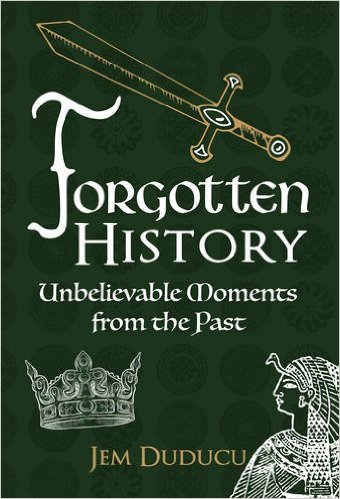
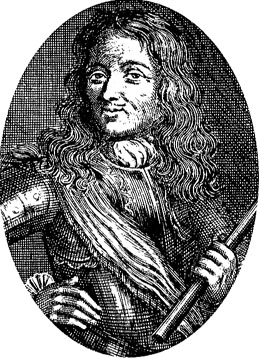


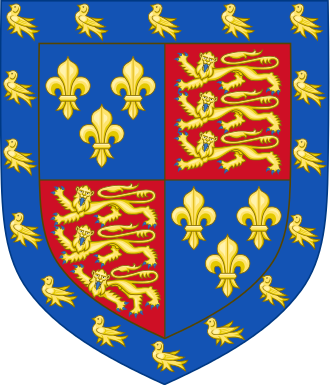



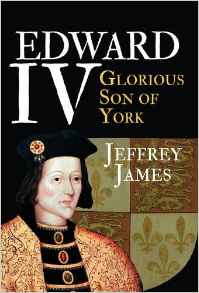
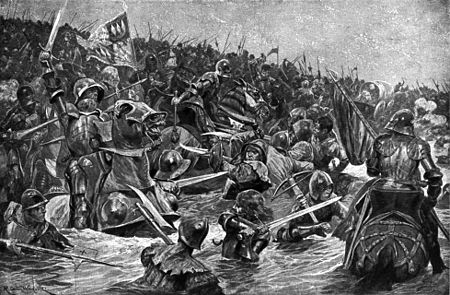

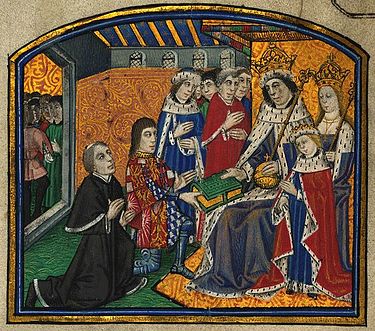
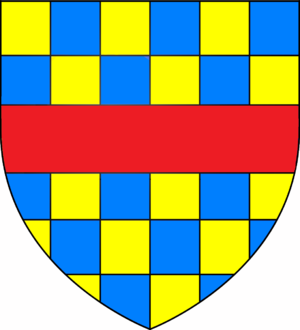


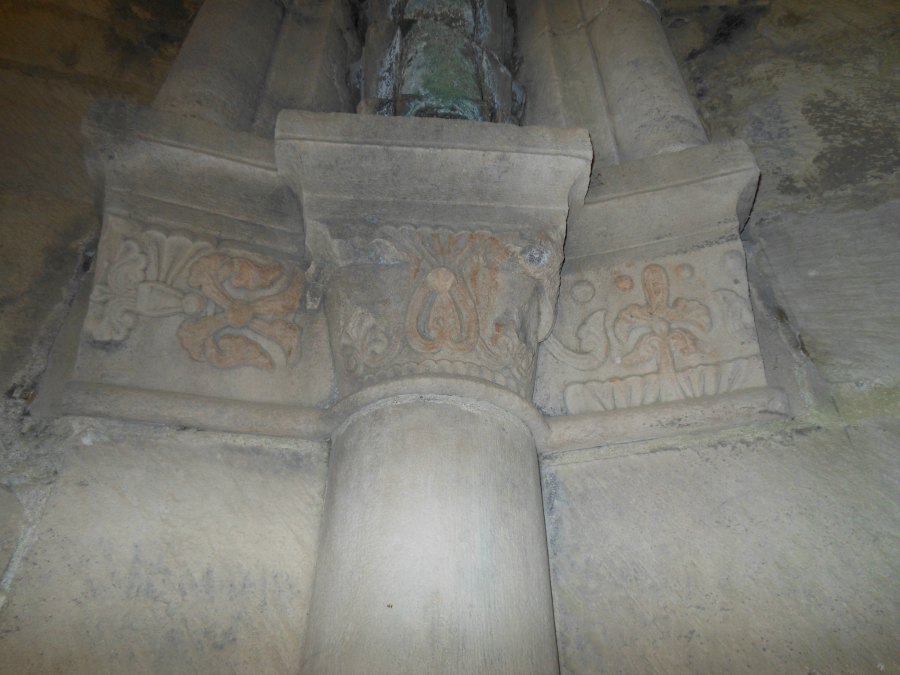




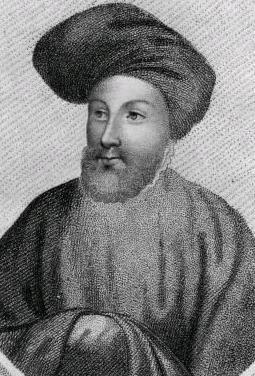
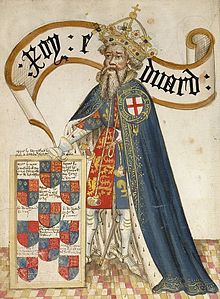
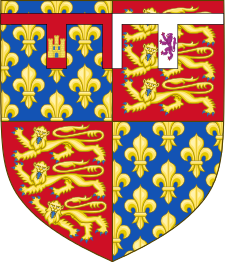

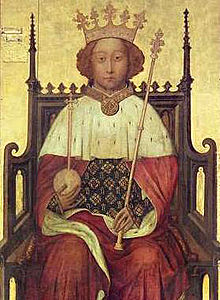


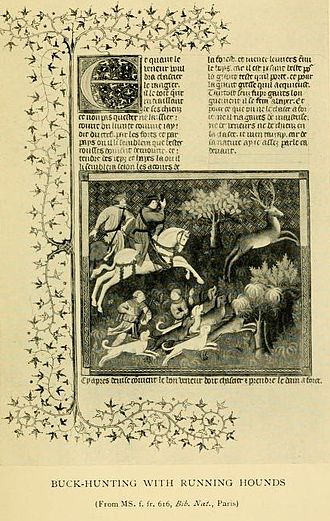


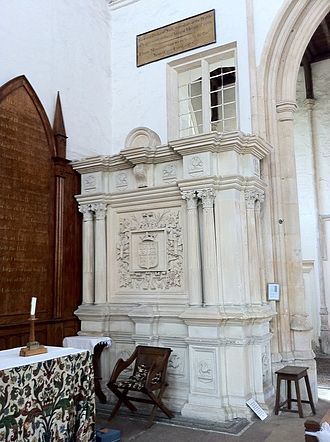


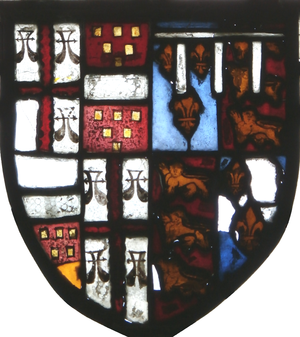

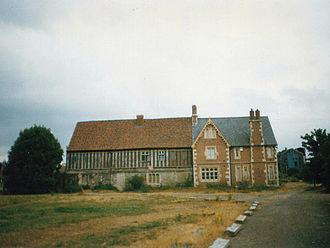
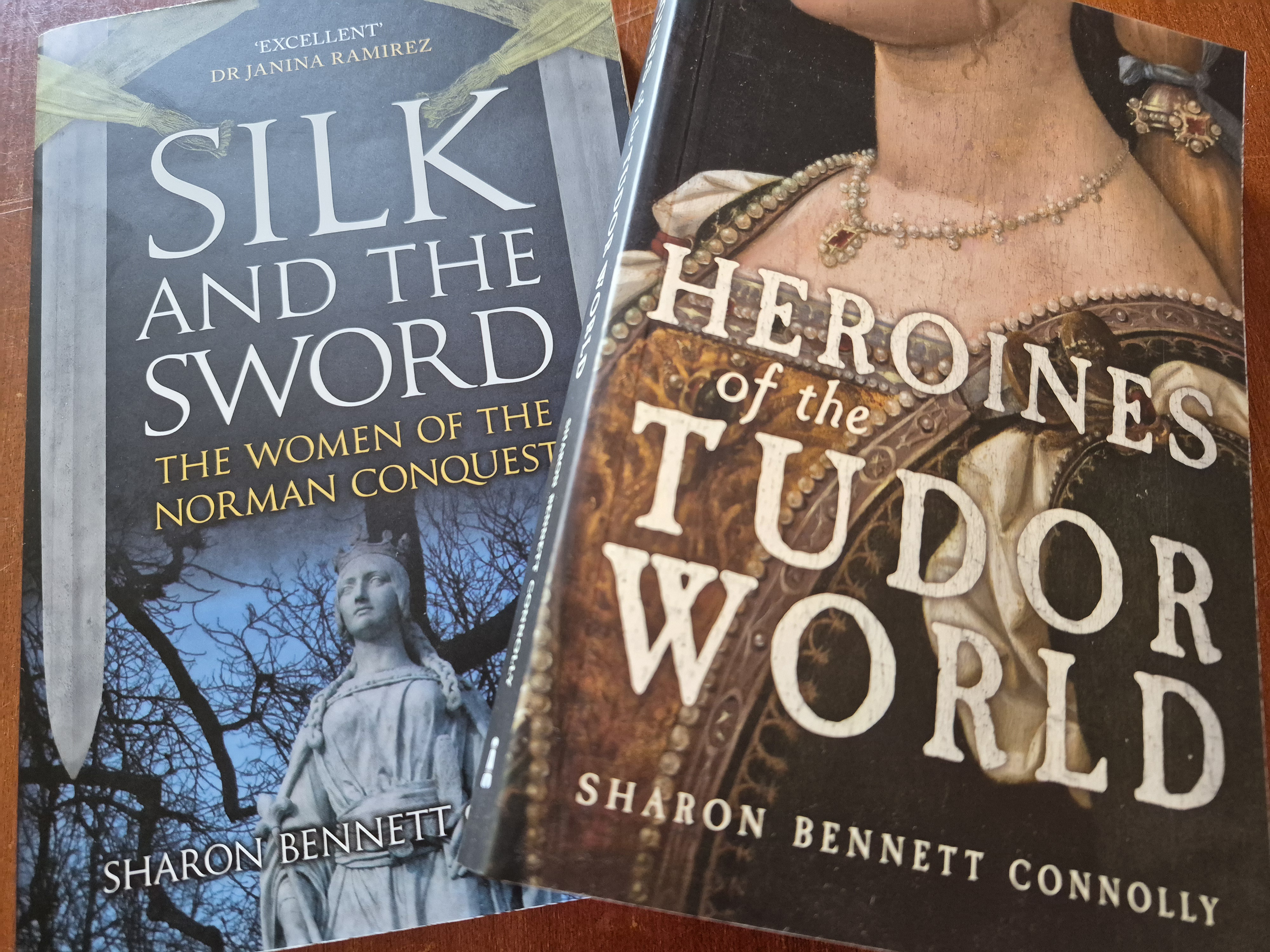
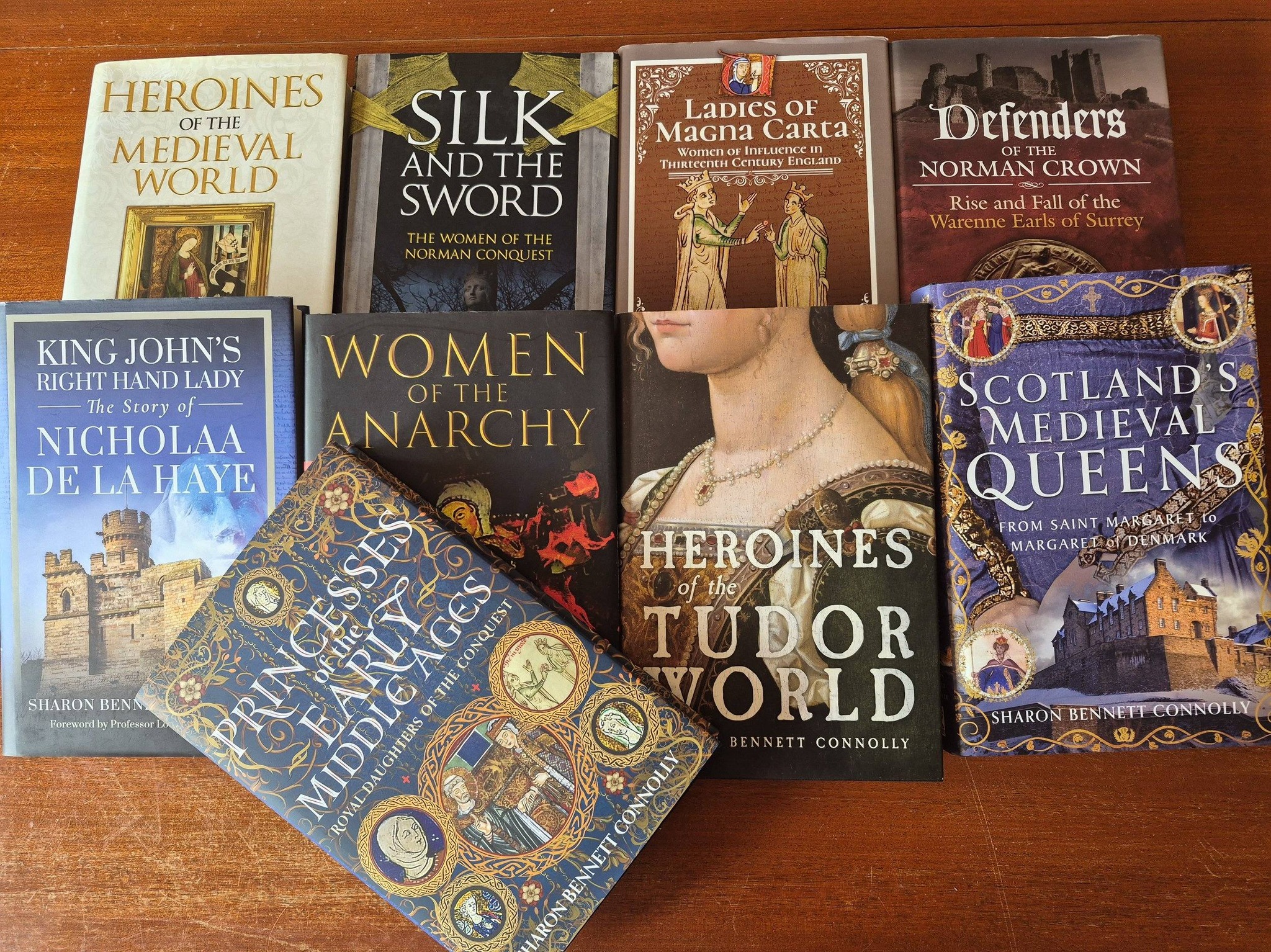
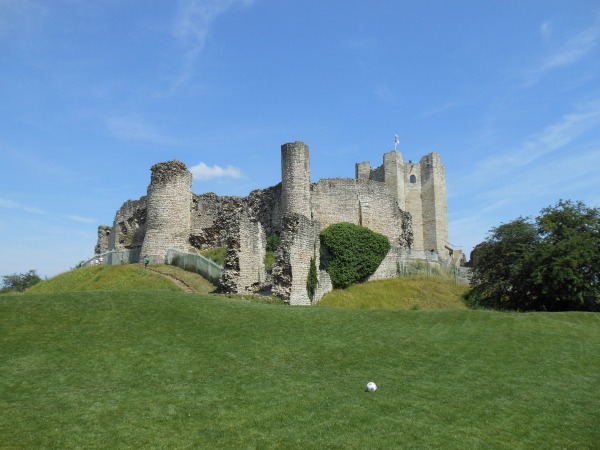
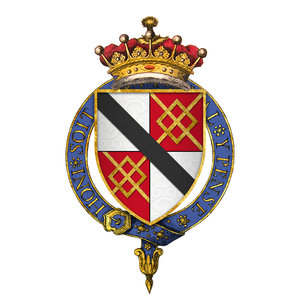
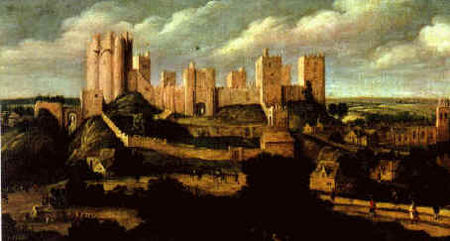


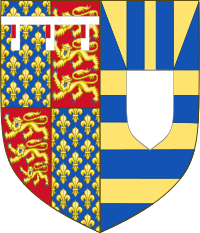
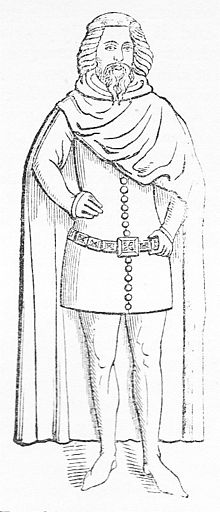
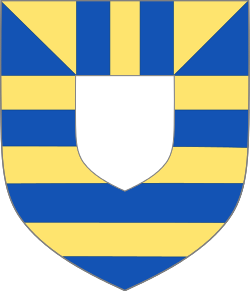
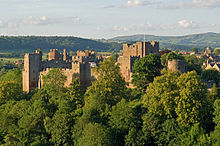
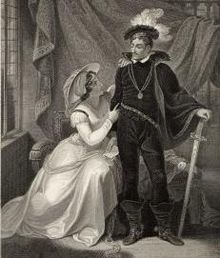

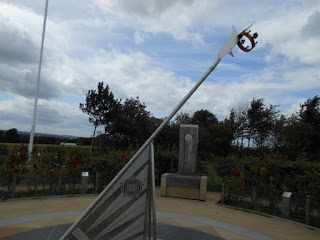

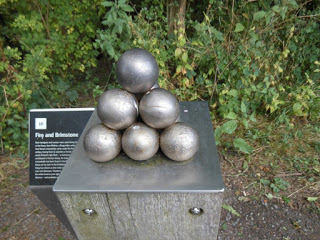
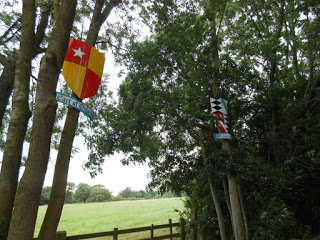
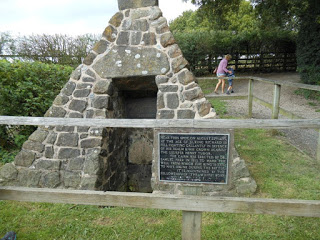
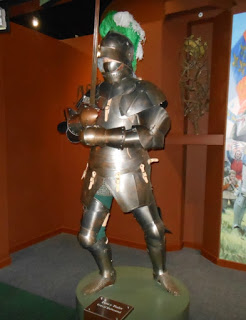
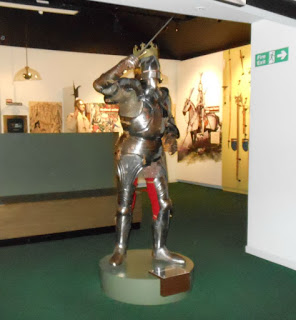


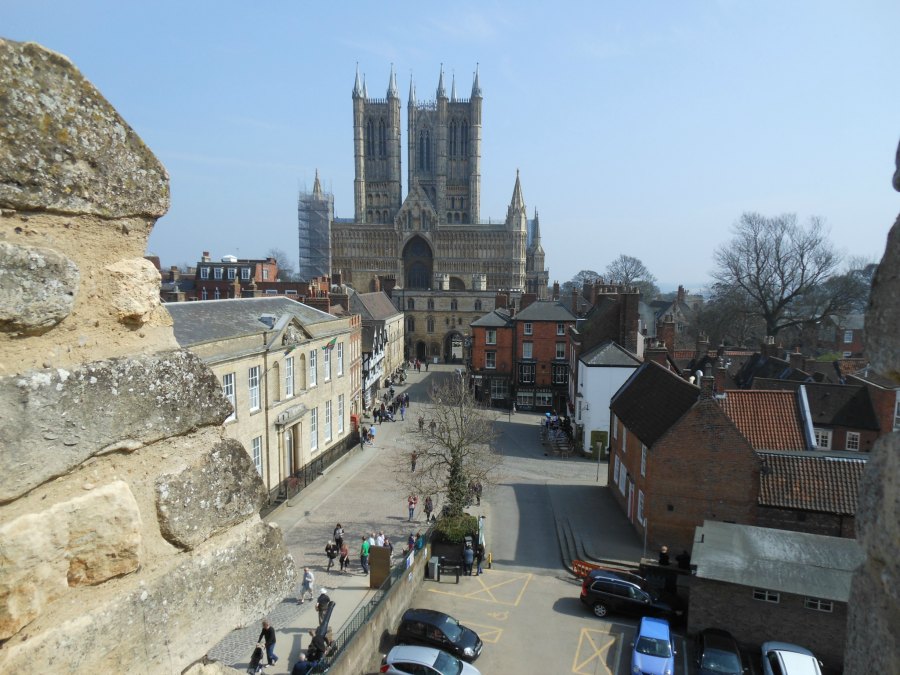
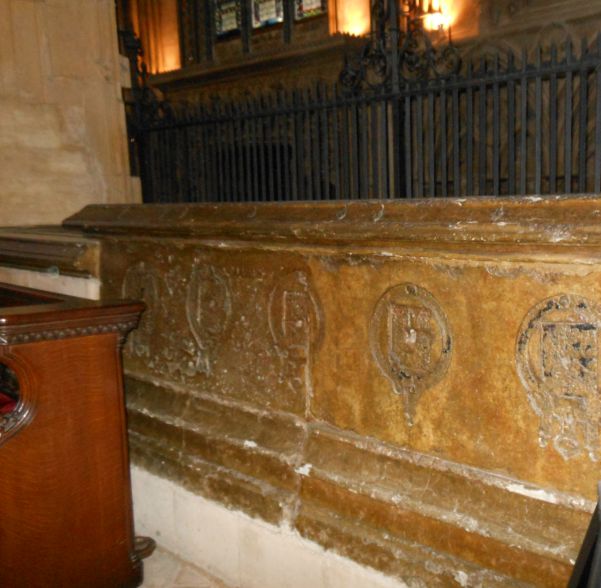

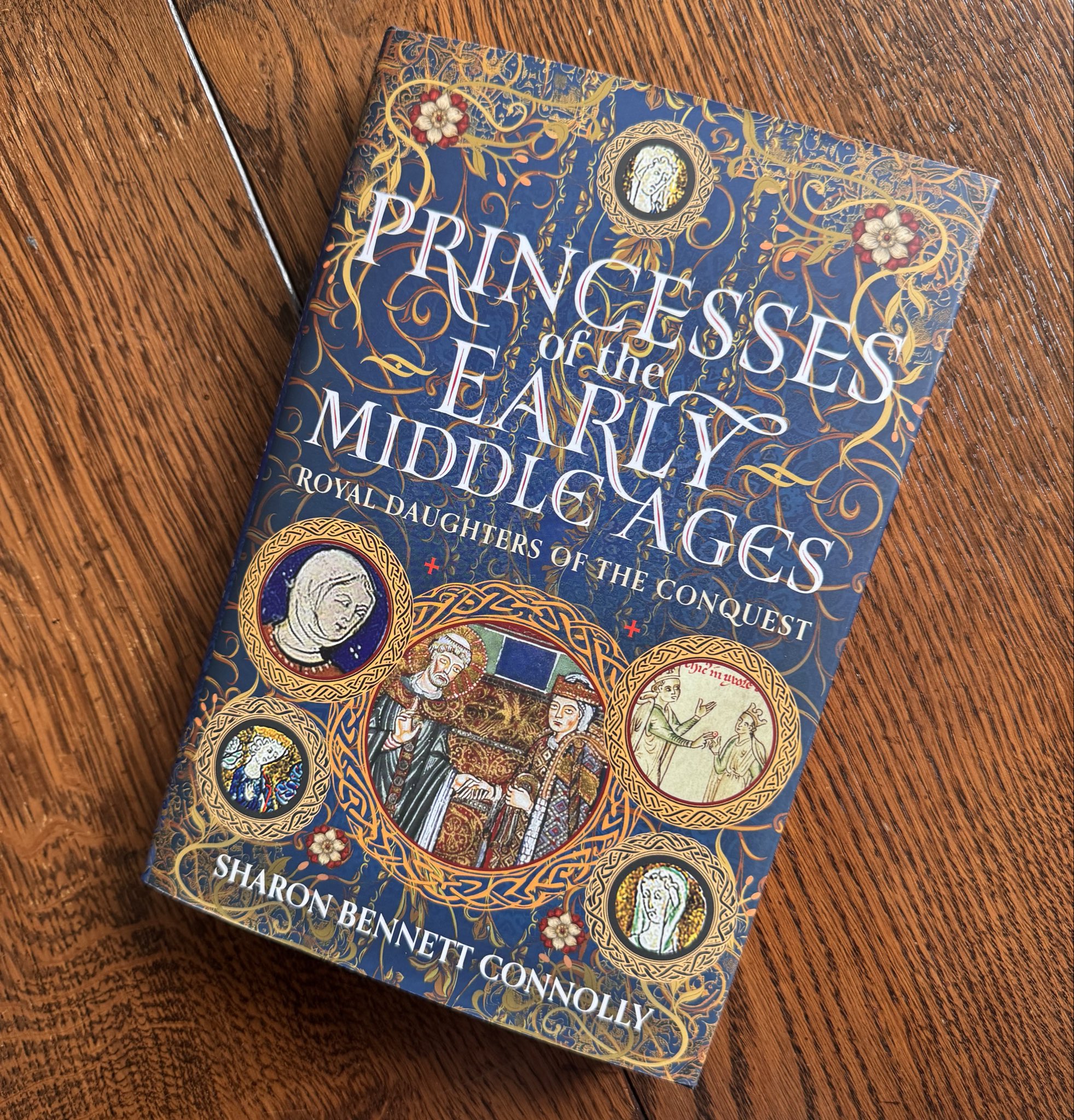
 History... the interesting bits!