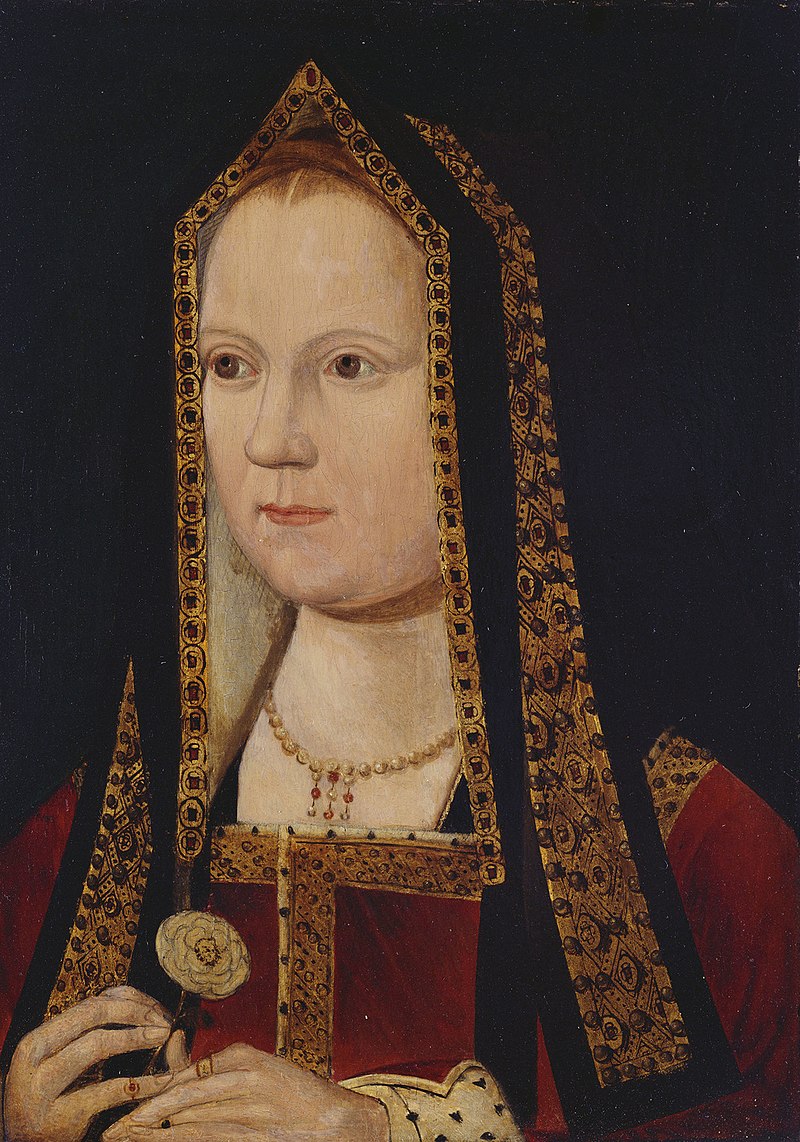
Elizabeth of York had been raised to duty. From the time she was in her cradle, she had known that she would one day marry a great prince or preferably a king. She was the eldest child of King Edward IV of England and his queen, Elizabeth Woodville. Her parents had been married in a clandestine ceremony in May 1464, causing substantial upset as the king’s cousin, the earl of Warwick, was in the process of negotiating a marriage between the king and Bona of Savoy. Kings were not expected to marry for love but for the good of their realm, a diplomatic marriage that would bring peace and trade agreements to the country at large. Edward’s marriage for love, to Elizabeth Woodville, deprived England of the opportunity of a profitable foreign alliance. Moreover, Elizabeth was a lowly widow of a minor Lancastrian knight, though her mother was from the royal house of Luxembourg, whose first marriage was to John, Duke of Bedford, third surviving son of Henry IV, King of England.
Elizabeth of York was born at Westminster on 11 February 1466 and baptised in the magnificent Westminster Abbey. Her godparents were her grandmothers Cecily Neville, Duchess of York, Jacquetta of Luxembourg, Duchess of Bedford, and Richard Neville, Earl of Warwick and famously known as the Kingmaker. She would be the eldest of seven daughters and three sons born to Edward and Elizabeth; though a son, George and a daughter, Margaret, would die in infancy. At the time of her birth, England was enjoying a few years of peace and prosperity, following a decade of conflict that would later become known as the Wars of the Roses. More was to come, but for the time being, Edward IV had deposed Henry VI, who had been mentally ill and incapable of keeping the warring factions at bay.
From the moment of her birth and until the birth of her baby brother Edward in November 1470, Elizabeth was her father’s heir. Which meant her marriage was a primary concern not just for her parents, but for the whole of England. Barely out of her cradle, in the winter of 1469-1470, little Princess Elizabeth was betrothed to her cousin George, the son of John Neville, Marquess of Montague, in an attempt by the king to build bridges with his powerful Neville cousins, who had risen against him earlier in 1469.
The arrangement was short-lived, however, as the Neville brothers rose in rebellion again in 1470, facilitating the re-adeption of Henry VI but leading to their eventual defeat and death at the Battle of Barnet in April 1471. In 1475, as he was preparing for war against France, Edward IV drew up a will in which he set aside 10,000 marks for Elizabeth’s marriage, even though no suitable candidate was on the horizon. Peace with France changed that and, as part of the Treaty of Picquigny it was agreed that Elizabeth would marry the French dauphin (heir) Charles, with a jointure of £60,000 to be provided by Charles’s father, King Louis XI. Were Elizabeth to die before the marriage could be solemnised, her younger sister, Mary, would take her place. In the event, neither Elizabeth nor Mary would marry the French dauphin as alliances shifted. By the time of her father’s death, on 9 April 1483, Elizabeth of York was seventeen and still unmarried.
Despite her father’s exile from England and her own time in sanctuary with her mother, grandmother and sisters in 1470 and 1471, when Henry VI was briefly returned to the throne, Elizabeth’s childhood was happy and secure. As the future dauphine of France, she was taught to speak and write both French and Spanish. With the death of her father, Elizabeth’s fortunes would take a dramatic turn.
Her twelve-year-old brother Edward was now King Edward V, though he was soon deposed by his uncle Richard, Duke of Gloucester. Elizabeth, her mother, sisters and youngest brother, Richard, had sought sanctuary in Westminster Abbey when news reached London that Gloucester had taken possession of the young king as he had travelled towards London. Elizabeth Woodville was then persuaded to relinquish custody of her younger son, who was housed in the Tower of London alongside his brother, the king. Plans for the coronation of Edward V were abandoned when Richard Duke of Gloucester took the throne for himself on 26 June 1483. As Richard III, the new king justified his actions by claiming that Edward IV’s marriage to Elizabeth Woodville had been bigamous, due to the king already having been married to another woman, and therefore Edward V, Elizabeth of York and their brother and sisters were all illegitimate and not entitled to inherit the crown.
As events unfolded, and the two princes were gradually seen less and less within the Tower precincts until they were no longer seen at all, Elizabeth and her sisters remained in sanctuary with their mother, a focus for political disaffection and an embarrassment to the new regime that Richard III could not allow to continue. The precarious situation was made worse at Christmas 1483 when Henry Tudor, the Lancastrian claimant to the throne, despite the failure of a rebellion in his name, swore an oath at the cathedral in Rennes that he would marry Elizabeth of York if he succeeded in claiming the English throne. Tudor writers saw this oath as the fruits of negotiations between Elizabeth Woodville and Henry’s mother, Margaret Beaufort.
It was a shrewd move on the part of Henry Tudor, a political unknown who had spent his adulthood in exile on the continent and whose claim to the throne was shaky at best: marrying Elizabeth of York would give him credibility and a strong association with the royal blood of Edward IV, and allies among the Yorkists alienated by Richard III’s actions. As a consequence, Richard decided to open negotiations with Elizabeth Woodville to persuade her to allow her daughters to leave sanctuary. Agreement was reached in March 1484, whereby Elizabeth and her sisters would be treated as befitted the king’s kinswomen; as the eldest of the sisters, Elizabeth was placed in the household of Richard’s queen, Anne Neville. The king promised to find each of the girls good husbands as ‘gentlemen born’ and to settle 200 marks yearly on each of them when they married.
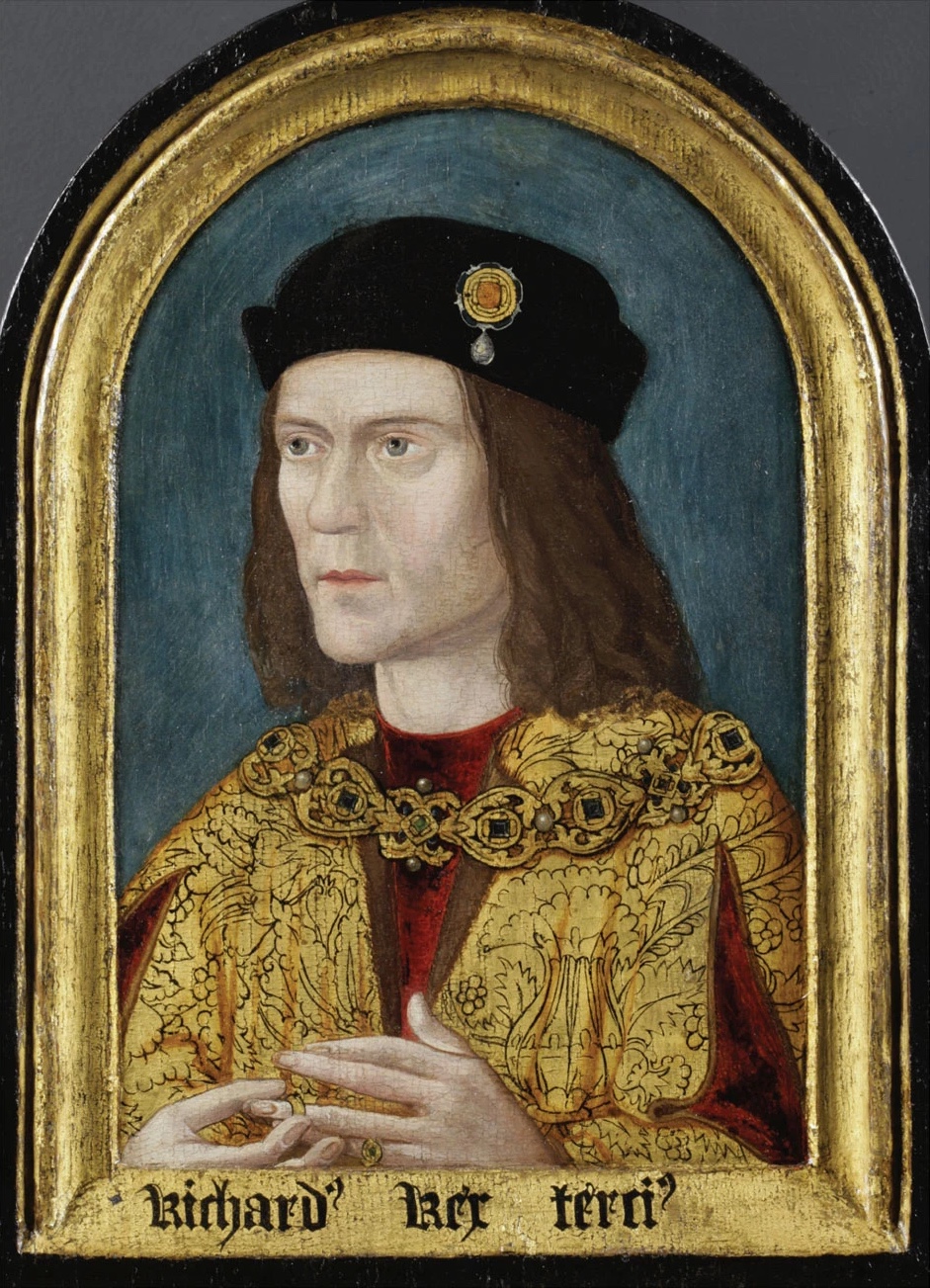
Richard’s actions in taking custody of his brother’s daughters ostensibly put Elizabeth of York out of the reach of Henry Tudor. The king did not find her a husband, however, probably fearing that marriage would transfer Elizabeth’s claim to the throne, albeit tainted by the declaration of illegitimacy, to her new husband, thus making him a threat to Richard. In the event, Cecily, the next eldest sister to Elizabeth after the death of Mary in 1482, was the only one to be married during Richard’s reign. It has been suggested that Richard himself was planning to marry Elizabeth following the death of his wife, Anne Neville, in March 1485. Richard and Anne’s only son and heir, Edward of Middleham, Prince of Wales, had died in April 1484. Richard was desperately in need of an heir and so went in search of another wife. Many potential brides were proposed and it may be that Elizabeth of York’s name was thrown into the hat. It is possible, moreover, that Elizabeth herself contemplated marrying Richard.
There is suggestion of a letter, now lost, from Elizabeth of York to the duke of Norfolk, asking if he would mediate on her behalf to bring the marriage about. Apparently, the princess also said that she feared that Anne Neville would never die. The letter is no longer extant, but shows a side of Elizabeth’s character that we are unfamiliar with, if she ever wrote it. Elizabeth’s wishes mattered for naught, however. Such a suggestion, of the king marrying his own niece, made Richard’s own supporters anxious about the political ramifications. The resulting hostility meant that Richard was forced to make a public denial that he had ever contemplated such a match.
Elizabeth’s fortunes took a dramatic turn on 22 August 1485. Richard III was killed at the Battle of Bosworth and the victor of the day, Henry Tudor, became King Henry VII. Although he was now king, Henry did not rush to fulfil his promise to Elizabeth. He was keen first to establish his own authority as king and emphasise that he did not need an association with Elizabeth’s royal blood in order to do that. As a result, his priority was his own coronation, rather than his wedding to Elizabeth. Henry was crowned on 30 October 1485. The new king’s first parliament, on 7 November, not only asserted the legitimacy of Henry’s title to the throne but also repealed the Act of Titulus Regius, the instrument by which Elizabeth and her siblings had been declared illegitimate. On 10 December, the House of Commons urged Henry to fulfil his promise to marry ‘that illustrious lady Elizabeth, daughter of King Edward IV’.1 Henry finally married Elizabeth of York on 18 January 1486, an event that was received with great joy throughout England. One chronicler wrote:
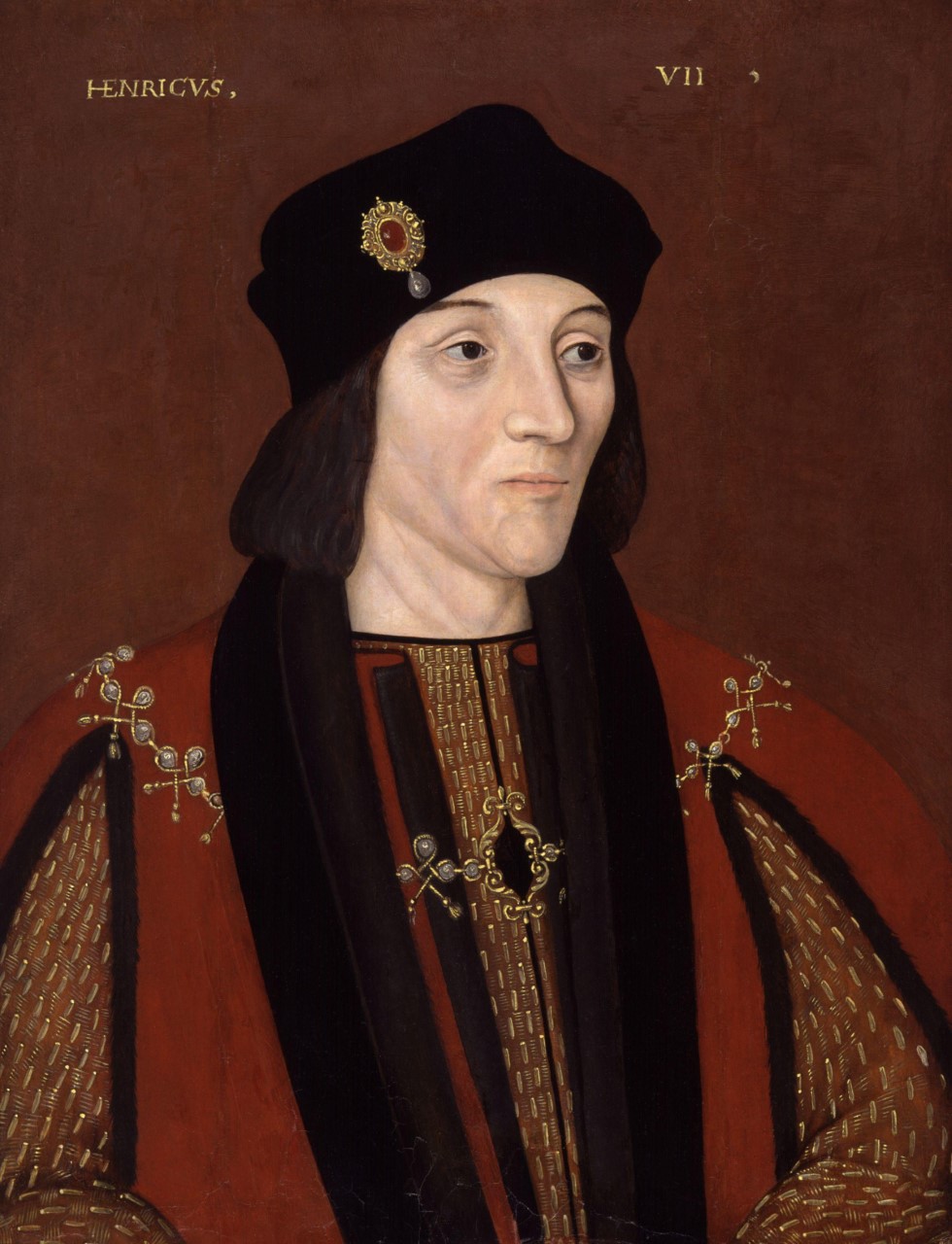
By reason of whiche marriage, peace was thought to discende oute of heuen [heaven] into England, considering that the lynes of Lancastre and Yorke, being both noble families equivalent in ryches, fame and honour, were now brought into one knot and connexed together, of whose two bodyes one heyre might succeed, whiche after their tyme should peaceably rule and enjoye the whole monarchy and realme of England.2
The papal bull, issued in 1486 and read out in churches the length and breadth of the country on Trinity Sunday, emphasised the marriage’s importance as the union of the two warring houses of York and Lancaster:
Understanding of the long and grievous variance, contentions and debates that have been in this Realm of England between the house of the Duchy of Lancaster on the one party and the House of the Duchy of York on the other party. Willing all such divisions following to be put apart by the council and consent of his college of Cardinals approves, confirms and establishes the matrimony and conjunction made between our sovereign lord King Henry the Seventh of the House of Lancaster of that one party and the noble Princess Elizabeth of the House of York of that other with all their issue born between the same.3
Elizabeth of York fulfilled her primary duty, as queen, within eight months of saying her wedding vows, when a son, Arthur, was born on 20 September 1486 at Winchester. The baby prince united the royal houses of York and Lancaster in one precious body and his name harked back to the greatest legendary British king. The little prince was christened in Winchester Cathedral in a lavish ceremony in which his grandmother, Elizabeth Woodville, stood as godmother.

It was not until a year after Arthur’s birth, in September 1487, that Elizabeth was finally accorded a coronation – over two years after Henry had taken the throne and just three months after Henry had put down the most serious threat to his throne to date. The emergence of the pretender, Lambert Simnel, claiming to be the earl of Warwick, was supported by Elizabeth’s cousin, John de la Pole, Earl of Lincoln, and aunt, Margaret, Duchess of Burgundy. The rebellion was only crushed on 6 June 1487, at Stoke Field. Lincoln was killed in the battle and young Simnel taken prisoner; he would be put to work in the royal kitchens and eventually became one of the king’s falconers.
Henry appears to have been reluctant to arrange Elizabeth’s coronation before he was firmly established on the throne. He was determined to emphasise that he was king by his own merits, rather than his marriage to Elizabeth of York. The papal bull of 1486 had made it clear that the crown would henceforth pass through Henry’s blood, not Elizabeth’s: ‘If it please God that the said Elizabeth … should decease without issue between our sovereign lord and her of their bodies born than such issue as between him and her whom after God shall join him to shall be had and born heritors to the same crown and realm of England.’4 Even the pageantry surrounding the queen’s coronation played down her personal claim to the throne; there was a notable absence of Yorkist badges and Elizabeth was attended by Margaret Beaufort, the king’s mother, rather than her royal relatives. Henry was not present at the coronation, watching from behind a screen, although he had welcomed Elizabeth to London ahead of the ceremony, as though she were a foreign bride, rather than one who had been born in Westminster Palace itself. Elizabeth’s champion was Henry’s uncle, Jasper Tudor, Duke of Bedford. He was also the queen’s uncle-by-marriage after marrying Katherine Woodville, younger sister of Elizabeth Woodville, in November 1485.
It was only after her coronation that Elizabeth was given a formal land settlement to maintain her household, and this was made out of the provision that had originally been settled on Elizabeth Woodville as dower in March 1486. In February 1487, Elizabeth Woodville had been deprived of this dower and all her possessions. According to Vergil, ‘This was done because she had made her peace with King Richard, had placed her daughters at his disposal and had, by leaving sanctuary, broken her promise to those … who had, at her own most urgent entreaty, forsaken their own English property and fled to Henry in Brittany.’5 The official line was that Elizabeth Woodville had voluntarily surrendered her lands and chosen to retire to a secluded life at Bermondsey, in the tradition of widowed queens. Other theories suggested that the dowager queen had become involved in the Lambert Simnel plot, actively working to remove her son-in-law from the throne in order to replace him with the impostor. It seems highly unlikely that Elizabeth Woodville would work to overthrow her daughter’s husband, and therefore her daughter, to place an impostor on the throne, or even to support the cause of her husband’s nephew, the Earl of Warwick, when her own grandson was now the heir. The most plausible theory behind Elizabeth Woodville’s retirement comes from Lisa Hilton, who suggests that the dowager queen was too wealthy and that Henry wanted her lands, so pressured her into giving them up, probably emphasising that his wife needed them more, and leaving her with no option but to retire from public life as she did not have the financial means to do otherwise.
Further lands were settled on Elizabeth of York in February 1492, with the reversion of some of the duchy of York’s lands that had been held by her grandmother, Cecily Neville, including Wareham, Weymouth and Portland. Cecily died on 31 May 1495 and the parliament of October that year confirmed Elizabeth’s possession of her grandmother’s estates. Elizabeth and her surviving sisters, Cecily, Anne, Katherine and Bridget, were also the co-heiresses to the Mortimer-Clare inheritance, but they did not see any of it. Henry quietly absorbed them into his own estates, not even using the revenues to provide his wife’s sisters with dowries. This explains the relatively humble marriages of the queen’s sisters – the daughters of Edward IV. With no dowries, they could not make diplomatic foreign matches; though the queen provided each of her sisters with allowances of £50 a year and £120 annuities for their husbands from her privy purse.
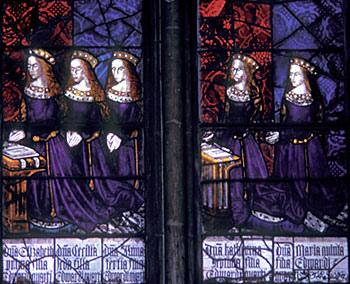
Bridget became a nun at Dartford Priory, Katherine married William Courtenay, the future earl of Devon, Anne was unhappily married to Thomas Howard, son and heir of the earl of Surrey, who had an affair with Anne’s lady-in-waiting, Bess Holland. Cecily had been married during the reign of Richard III to Ralph Scrope, but the marriage was annulled on Henry’s orders in 1486. Cecily was then married, either towards the end of 1487 or in January 1488, to John, Viscount Welles, Margaret Beaufort’s half-brother.
Throughout her marriage and reign as queen consort, Elizabeth fulfilled her primary duty as a wife in filling the royal nursery with a succession of infants, though not all survived to adulthood. Margaret was born in 1489. Another son, Henry – the future King Henry VIII – was born in 1491 and a daughter, Elizabeth, in 1492. An unnamed son, probably born prematurely, was born and died in 1497. Mary, the future queen of France and duchess of Suffolk, was born in 1498 and another son, Edmund, arrived in 1499. Elizabeth and Henry’s last child, Catherine, was born in 1503. Of the seven children, little Elizabeth died at the age of three in 1495, Edmund died the year after his birth and baby Catherine lived only a few days.
Elizabeth of York is said to have been particularly fond of her second son, Henry, who resembled her father in looks. As the heir to the throne, Arthur had been given his own household as an infant, whereas Henry was allowed to stay with his mother. Following the death of little Elizabeth and the baby boy who died before he could be named, Queen Elizabeth went on pilgrimage to Walsingham in their memory. Prince Edmund, who died in 1500, was given a grand funeral in London.
Elizabeth’s political role during Henry VII’s reign has always been played down or portrayed as non-existent. Her influence is often overshadowed by that of her mother-in-law, Margaret Beaufort, who is portrayed as overbearing. One Spanish observer reported that Elizabeth was ‘kept in subjection by the mother of the king’.6 However, it seems that the queen’s traditional public role as intercessor may have been shared by Elizabeth and Margaret, rather than that Margaret replaced the queen in that role. Rosemary Horrox argues that Elizabeth of York’s activities as an intercessor were non-controversial rather than nonexistent. She suggests that Elizabeth’s actions went unremarked because they did not overstep the boundaries placed on a queen’s actions. This is supported by the queen’s private accounts, which record several gifts from eminent personalities who obviously thought it necessary to court favour with Elizabeth. The queen’s presence is also found in the distribution of patronage. Elizabeth and Margaret Beaufort jointly sponsored William Caxton’s printing of The Fifteen Oes in 1491. The queen also patronised a number of composers, including William Cornish and Robert Fayrfax, from whom she commissioned a Christmas carol and an anthem of Our Lady and St Elizabeth, respectively.
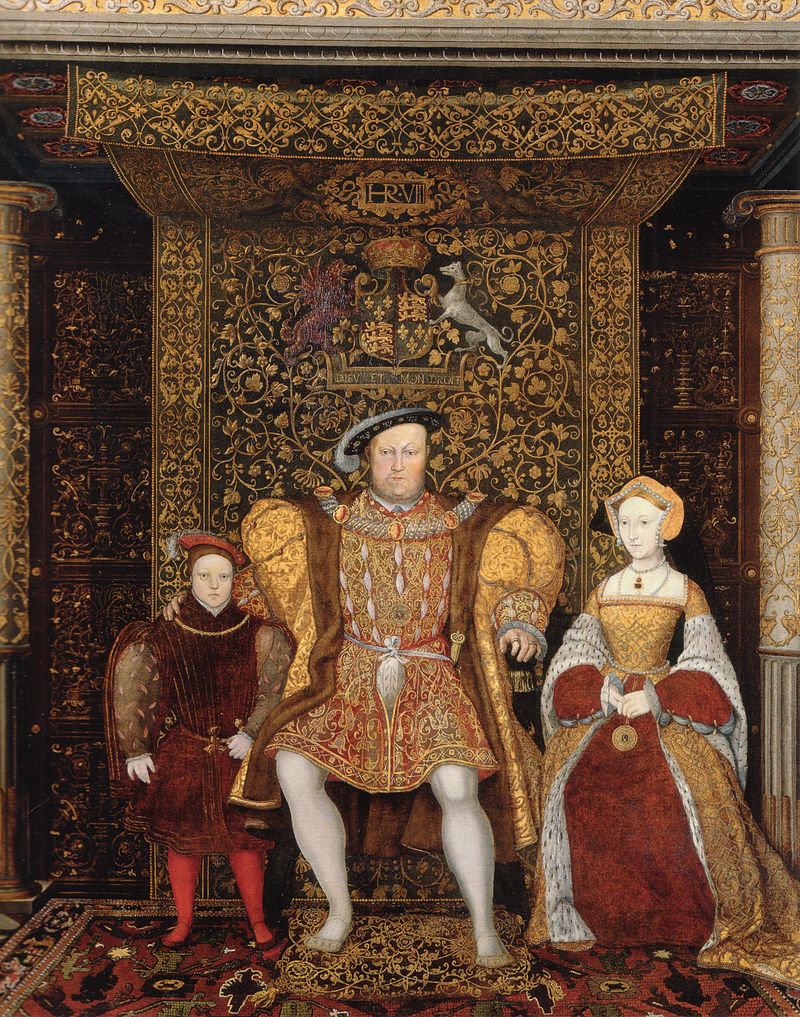
The continuation of the fledgling Tudor dynasty was dependent on the marriages of the children, and particularly of Prince Arthur. In 1489, by the Treaty of Medina del Campo, an alliance with the Spanish kingdoms of Castile and Aragon, united by the marriage of Isabella of Castile and Ferdinand of Aragon, it was agreed that four-year-old Prince Arthur would marry Catalina (Catherine of Aragon), the Spanish monarchs’ youngest daughter. Such a prestigious royal marriage was not only a diplomatic coup for Henry but also a validation of his kingship.
The appearance of Perkin Warbeck, claiming to be Richard, Duke of York, the younger of the Princes in the Tower – the queen’s own brother – threatened to derail to proposed union. Warbeck’s rebellion was probably the most serious threat to Henry’s throne and even after his capture and imprisonment in 1497, the Spanish monarchs were still reluctant to send their daughter to England. They were concerned that all potential threats to the Tudor crown should be eliminated before despatching their daughter. They were thinking, of course of Perkin Warbeck – but also Edward, Earl of Warwick. Edward was the son of Edward IV’s brother George, Duke of Clarence, and had been held in the Tower since the defeat of Richard III at Bosworth in 1485, when he was only ten years old. He was now a man of twenty-four and, as a prince of royal blood, was a possible focus for Yorkist discontent.
Conveniently, In the summer of 1499, Warbeck and Warwick joined forces in a plot to escape the Tower and seize the throne. The plot was discovered, however, and the conspirators arrested. They were tried and convicted. Warbeck was executed on the morning of 23 November, with the king commuting the sentence from the full traitor’s death to that of hanging; he was posthumously beheaded, the head later displayed on a spike on London Bridge. Edward, Earl of Warwick, with deference to his royal blood, was beheaded on Tower Hill on the afternoon of 28 November 1499.
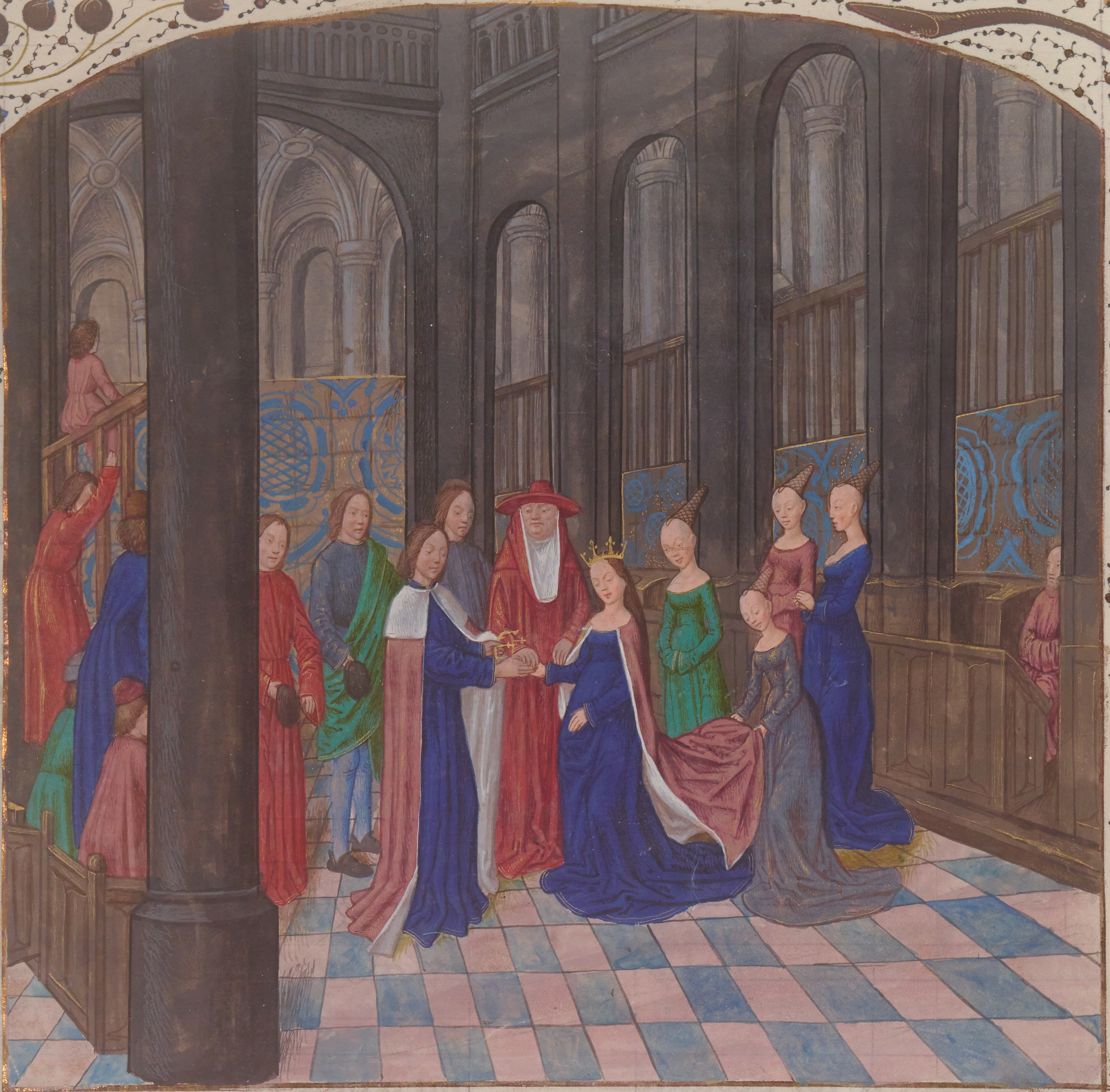
With Warbeck and the earl of Warwick out of the way, the last serious challengers to Henry’s rule were definitively dealt with and there was nothing more preventing the arrival of Catherine of Aragon and her wedding to Prince Arthur. The Spanish Infanta arrived in England in October 1501 and was placed in the care of Elizabeth of York until her marriage. The young couple was married at St Paul’s Cathedral in London on 14 November, with the ceremony followed by a week of pageants and tournaments. Arthur was the only one of her four surviving children that Elizabeth would see married. After the celebrations, Catherine and Arthur, still only in their mid-teens, were established at Ludlow and given the government of Wales.
On 2 April 1502, Arthur died. most likely of the sweating sickness. Catherine also succumbed to the same illness, but she recovered. A messenger rode through the night to reach the king at Greenwich and give him the dreadful news. Henry himself broke the news to his queen, and Elizabeth comforted her grieving husband with the words: ‘God has left us yet a fair prince and two fair princesses … and we are both young enough.’7 Elizabeth then returned to her own chamber, where she collapsed to the floor sobbing, and it was Henry’s turn to offer succour to his wife. Once recovered from her illness, a grieving Catherine returned from Ludlow and joined the queen’s household.
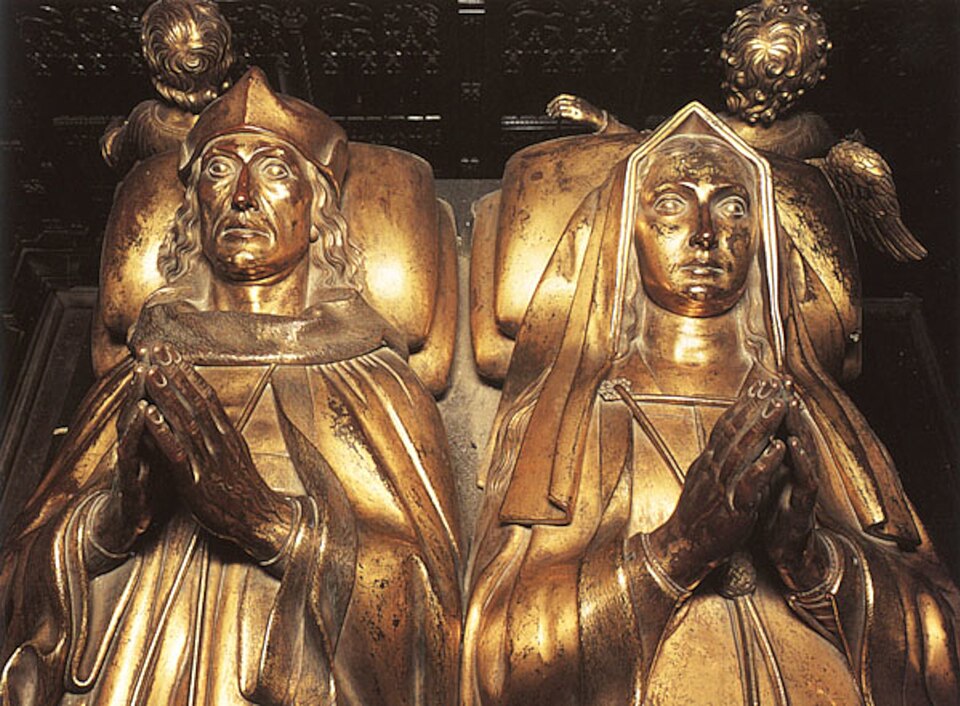
True to her word, Elizabeth of York conceived again, hoping to provide the king with another prince to guarantee the succession, which now rested heavily on the shoulders of ten-year-old Henry, Duke of York – the future King Henry VIII. In January 1503, she arrived at the Tower of London by barge, where she was to have her final confinement. On 2 February 1503, Elizabeth of York gave birth to a daughter, Catherine, who died a few days later. The queen fell ill from a post-partum infection and on 11 February, her 37th birthday, Elizabeth of York died. The king was devastated and ‘privily departed to a solitary place and would no man should resort unto him.’8 The king gave Elizabeth a splendid funeral and she was laid to rest in the newly built Henry VII Lady Chapel, in a tomb in which Henry would join her when he died in 1509. Of her surviving children, Margaret was 13 years old, Henry 10 and Mary just two months shy of her 7th birthday.
Elizabeth of York had been the consummate queen to her husband Henry VII. She had fulfilled her primary duty in filling the nursery with sons to guarantee the succession and daughters who would aid in arranging alliances, Margaret with Scotland and Mary with France. In her own quiet and unassuming way, she had supported her husband throughout his reign. She had lived through the drama of her father’s early death, the disappearance of her brothers, and the fall of the house of York with the death of Richard III. Having married the victor, she had made a new life for herself as the wife and queen of Henry VII, never making trouble and founding the new Tudor dynasty.
Elizabeth of York had pursued a life of duty, dying in a desperate attempt to produce another male heir. One cannot help but wonder how their lives may have turned out, especially Henry’s, if Elizabeth had survived another ten or twenty years to guide and advise them.
*
You can read Elizabeth of York’s story in greater detail in my lates book, Princesses of the Later Middle Ages: Royal Daughters of the Plantagenets and in Heroines of the Tudor World.
Images: courtesy of Wikipedia
Notes:
1. ROTP, 6,278, quoted in Horrox, ‘Elizabeth [Elizabeth of York] 1466-1503’, ODNB; 2. Hall’s Chronicle quoted in Elizabeth Norton, England’s Queens: From Boudicca to Elizabeth of York; 3. Camden Miscellany quoted in Lisa Hilton, Queens Consort: England’s Medieval Queens; 4. Lisa Hilton, Queens Consort; 5. ibid.; 6. CSP Spain, 1485-1509, 164 quoted in Horrox, ‘Elizabeth [Elizabeth of York] 1466-1503’, ODNB; 7. English Historical Documents 1485-1558 quoted in Lisa Hilton, Queens Consort; 8. Thomas More quoted in Lisa Hilton, Queens Consort
Sources:
Rosemary Horrox, ‘Elizabeth [Elizabeth of York] 1466-1503’, ODNB; Elizabeth Norton, England’s Queens: From Boudicca to Elizabeth of York; Lisa Hilton, Queens Consort: England’s Medieval Queens; Three Fifteenth-Century Chronicles with Historical Memoranda by John Stowe, ed. James Gairdner; Anne Crawford, editor, Letters of the Queens of England; Nathen Amin, Henry VII and the Tudor Pretenders: Simnel, Warbeck and Warwick; Amy Licence, The Sixteenth Century in 100 Women; Amy Licence, Catherine of Aragon; Helen Castor, She-Wolves; Elizabeth Norton, The Lives of Tudor Women; Tracy Borman, The Private Lives of the Tudors: Uncovering the Secrets of Britain’s Greatest Dynasty; James, Jeffrey, Edward IV: Glorious Son of York; Amy Licence, Edward IV and Elizabeth Woodville: A True Romance
*
My Books
Signed, dedicated copies of all my books are available through my online bookshop. or by contacting me.
New releases in 2026:
New Hardbacks
‘My daughter wanted me to treat her more like a princess.
So, I married her to a stranger to strengthen the alliance with Poland!’
Princesses of the Early Middle Ages: Royal Daughters of the Conquest and Princesses of the Later Middle Ages: Royal Daughters of the Plantagenets tell the stories of England’s royal daughters from 1066 to the rise of the Tudors, from the last Anglo-Saxon princesses to the fall of the House of York.
Were they really pampered pawns sent off to marriages on the Continent, out of sight and out of mind?
Perhaps, there was different story, where a foreign marriage does not mean eternal exile, but a purpose in life, where a princess is a diplomat, an ambassador for England in her new country.
Where she is the bond between allies – most of the time.
Their stories are touching, inspiring and, at times, heartbreaking...
Praise for Princesses of the Early Middle Ages:
Heidi Malagisi: This is another excellent book by Sharon Bennett Connolly. Extremely well researched and relatively easy to follow along, which is a great thing because there are so many Matildas and Eleanors in this book.
Tony Riches: I challenge anyone with an interest in medieval Britain to not find something they will learn from this book.
Anna Belfrage: I just love how [Sharon] presents this huge cast of real life people in a casual, chatty tone that has me expecting the various female protagonists to suddenly pop their head up and add their own commentary.
Buy now: Princesses of the Early Middle Ages: Royal Daughters of the Conquest
Praise for Princesses of the Later Middle Ages:
Elizabeth Chadwick: Really interesting and informative and gives a great handle on the goings on surrounding these ladies!
Kathryn Warner: A deeply researched, richly detailed and fascinating account of late medieval England’s forgotten princesses. I loved it!
Buy now: Princesses of the Later Middle Ages: Royal Daughters of the Plantagenets
New in Paperback:
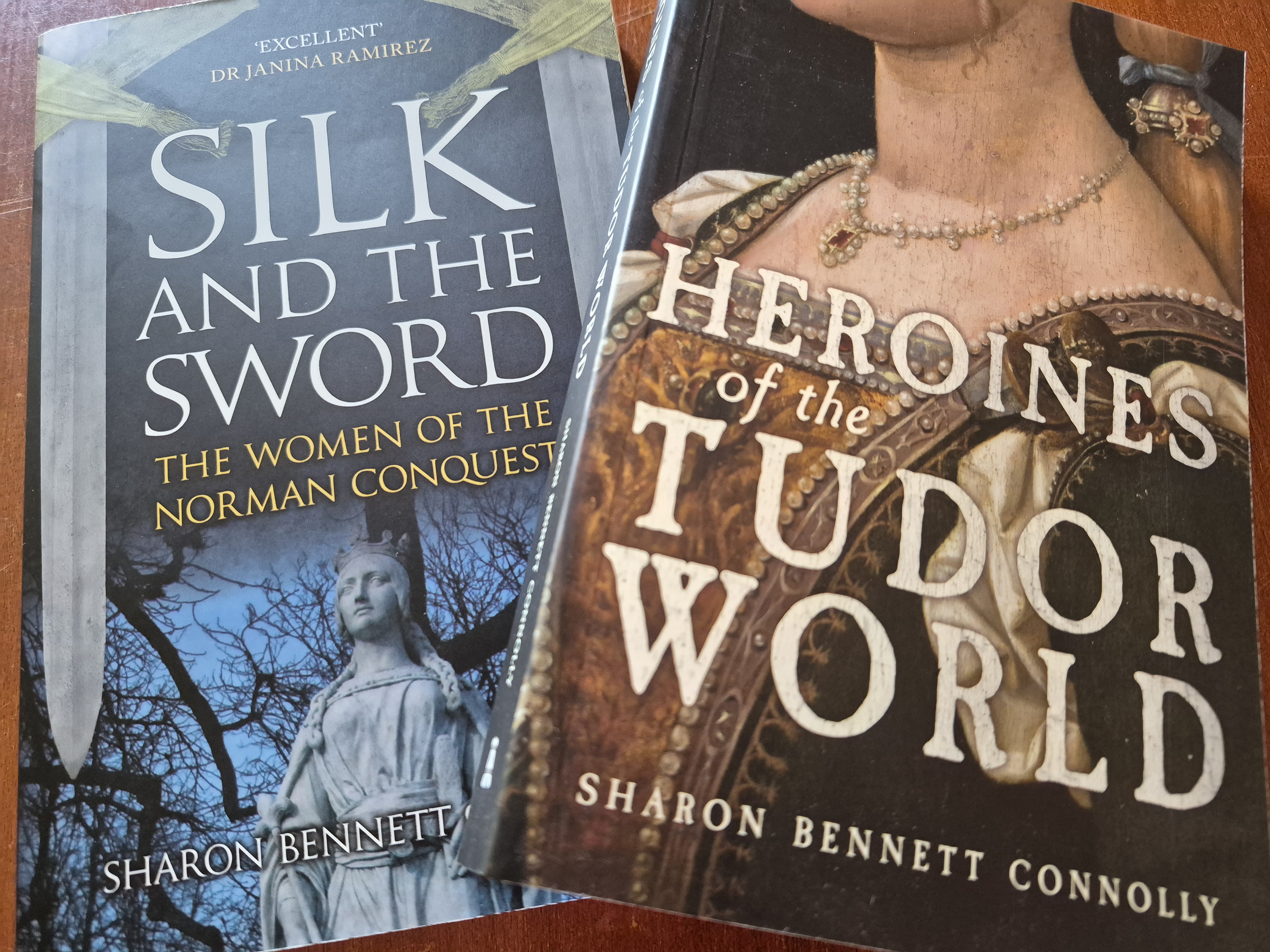
The momentous events of 1066, the story of invasion, battle and conquest, are well known. But what of the women? Silk and the Sword: The Women of the Norman Conquest traces the fortunes of the women who had a significant role to play during the Norman Conquest – wives, lovers, sisters, mothers, leaders. These are lives full of drama, pathos and sometimes mystery: Edith and Gytha searching the battlefield of Hastings for the body of Harold, his lover and mother united in their grief for the fallen king. Who was Ælfgyva, the lady of the Bayeux Tapestry, portrayed with a naked man at her feet?
Janina Ramirez said it’s “Excellent!”
Heroines of the Tudor World focuses on the women who lived through the Renaissance and Reformation, examining the threats and challenges they faced and how they overcame them. These are the women who ruled, the women who founded dynasties, the women who fought for religious freedom, their families and love. These are the women who made a difference, who influenced countries, kings and the Reformation.
Derek Birks: An excellent account of the changing roles of women in Tudor society.
Annie Whitehead: What a treat this book was to read. Bennett Connolly has an easy, conversation style of writing which welcomes you from the opening pages and draws you into her story.
Available now from Amazon and Pen and Sword Books
Also by Sharon Bennett Connolly:
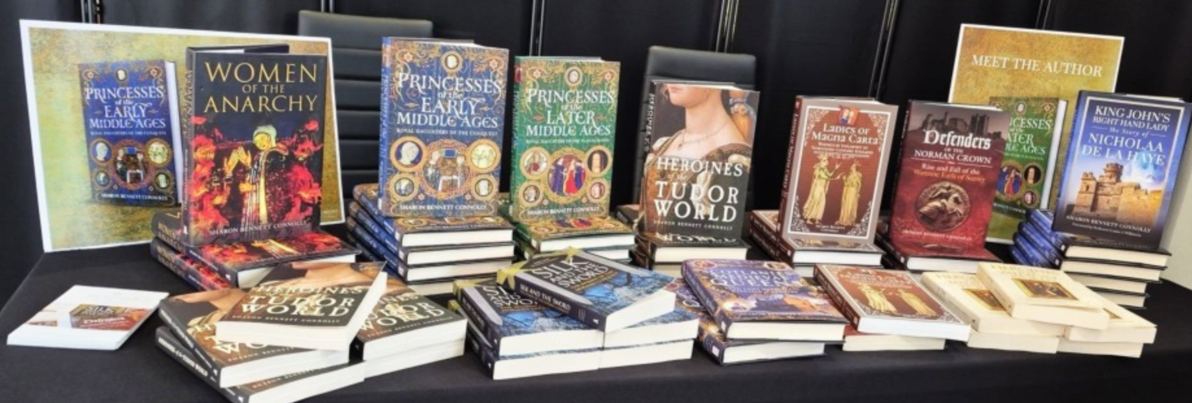
Heroines of the Medieval World; Silk and the Sword: The Women of the Norman Conquest; Ladies of Magna Carta: Women of Influence in Thirteenth Century England; Defenders of the Norman Crown: Rise and Fall of the Warenne Earls of Surrey; King John’s Right Hand Lady: The Story of Nicholaa de la Haye; Women of the Anarchy; Heroines of the Tudor World; Scotland’s Medieval Queens: From St Margaret to Margaret of Denmark; Princesses of the Early Middle Ages: Royal Daughters of the Conquest; Princesses of the Later Middle Ages; Royal Daughters of the Plantagenets
Alternate Endings: An anthology of historical fiction short stories including Long Live the King… which is my take what might have happened had King John not died in October 1216. Available in paperback and kindle from Amazon.
*
Podcast:

Have a listen to the A Slice of Medieval podcast, which I co-host with Historical fiction novelist Derek Birks. Derek and I welcome guests, such as Ian Mortimer, Bernard Cornwell, Elizabeth Chadwick and Scott Mariani.
We discuss a wide range of topics in medieval history, from significant events to the personalities involved.
Every episode is also now available on YouTube.
*
Don’t forget!
For forthcoming online and in-person talks, please check out my Events Page.
You can be the first to read new articles by clicking the ‘Follow’ button, liking our Facebook page or joining me on Twitter, Threads, Bluesky and Instagram.
Signed and dedicated copies of all my books are available through my online bookshop.
*
©2026 Sharon Bennett Connolly FRHistS

