Today, it is an absolute pleasure to welcome my friend and fellow author Tony Riches to History…the Interesting Bits to talk about the research behind his latest book Penelope – Tudor Baroness, the fourth book in his Elizabethan series.
Researching the Elizabethan Court, by Tony Riches
I’ve spent the past five years immersed in the strange world of the court of Queen Elizabeth I researching my Elizabethan series. I wanted to keep the books as historically accurate and consistent as possible. My favourite source is Marion E. Colthorpe’s fascinating website, ‘The Elizabethan Court Day by Day’. This is the result of her decades of research, and includes details of other useful sources.
Penelope and her sister Dorothy (Wikimedia Commons)
To show the many complex facets of the last Tudor queen, I decided the first three books of the series would see her through the eyes of three of her favourites, Drake, Essex, and Raleigh – each of whom knew a different side of their queen. Drake was in awe of her, and showered her with (looted) jewels, Essex was like the son she never had, and Raleigh was the captain of her guard.
These are to be followed by books about three of Queen Elizabeth’s ladies. Less well known, they all had close contact with her, a certain amount of influence with her advisors, and the opportunity to see behind the queen’s carefully contrived façade.
I chose the life of Lady Penelope Devereux as the fourth book in Elizabethan series. Penelope’s great-grandmother was Queen Elizabeth I’s aunt, Mary Boleyn. Her father was Sir Walter Devereux, 1st Earl of Essex, and her mother was Lady Lettice Knollys, banished from court for her secret marriage to the queen’s great favourite, Sir Robert Dudley.
A famous beauty, Penelope was well educated, an accomplished dancer and musician. Fluent in Italian, French and Spanish. Penelope became a prominent figure in the courts of Queen Elizabeth I and King James I. She was also involved in political intrigue, influencing the succession and her brother’s ill-fated Essex rebellion.
A measure of the challenges in researching Elizabethan ladies is the range and number of primary sources, such as letters. When I researched Penelope’s brother Robert for my book Essex – Tudor Rebel, I had Walter Bourchier Devereux’s ‘Lives and Letters of the Devereux, Earls of Essex’ – a two volume collection of his letters and papers, complete with detailed analysis and context.
Baron Robert Rich (Wikimedia Commons)
In Penelope’s case, I managed to track down only twenty-seven letters in English, six in French and seven letters in Spanish. Interestingly, many use code words or are deliberately obscure, although analysis of them all reveal an invaluable sense of Penelope’s character, and how she related to others.
I began my research expecting Penelope to have been greatly disadvantaged by her mother’s banishment from court, yet she became a Maid of Honour to Queen Elizabeth until her stepfather, Sir Robert Dudley arranged her marriage to Baron Rich. (An unlikely choice of husband for her, he was the grandson of Richard Rich, Thomas Cromwell’s right hand man in the Dissolution of the monasteries.)
Another surprise was the inconsistent records of Penelope’s many children. Some biographers have them in the wrong order and others omit some entirely. The situation is not helped by the question of who their fathers were, and several premature or stillbirths with no baptism. My solution was to create my own list from the best information I could find, (and I updated her Wikipedia page accordingly.)
To avoid too many spoilers, I shall not say here what I made of her brother accusing Penelope of encouraging his rebellion, or her relationship with Queen Elizabeth after he was executed for treason. Her story does take readers past the end of the Tudors with the death of Elizabeth, and how she became a lady of the bedchamber to Queen Anne.
Lord Byron’s saying ‘Tis strange — but true; for truth is always strange; Stranger than fiction; if it could be told.’ is proven right by my research. Although historical fiction, I have only had to ‘fill in the gaps’, and believe my new book is therefore one of the most comprehensive accounts of Penelope’s amazing story.
Tony Riches
About the book:
Penelope – Tudor Baroness (Book Four of The Elizabethan Series)
Penelope’s life is full of love and scandal. The inspiration for Sir Philip Sidney’s sonnet Astrophel and Stella, she is inevitably caught up in her brother Robert’s fateful rebellion.
A complex and fascinating woman, her life is a story of love, betrayal, and tragedy. Discover how Penelope charms her way out of serious charges of treason, adultery, and forgery, and becomes one of the last truly great ladies of the Tudor court.
A maid of honour to Queen Elizabeth, Penelope outlives the end of the Tudors with the death of the old queen and the arrival of King James, becoming a favourite lady-in-waiting to the new queen, Anne of Denmark.
“This is the story of a woman who lived life on her own terms, and one that will stay with you long after you finish reading it.”
Tony Riches is a full-time UK author of Tudor historical fiction. He lives with his wife in Pembrokeshire, West Wales and is a specialist in the lives of the early Tudors. As well as his new Elizabethan series, Tony’s historical fiction novels include the best-selling Tudor trilogy and his Brandon trilogy, (about Charles Brandon and his wives). For more information about Tony’s books please visit his website tonyriches.com and his blog, The Writing Desk and find him on Facebook and Twitter @tonyriches.
Signed, dedicated copies of all my books are available, please get in touch by completing the contact me form.
King John’s Right-Hand Lady: The Story of Nicholaa de la Haye is now available for pre-order from Pen & Sword Books, bookshop.org and Amazon UK. (I will hopefully have a US release date shortly)
In a time when men fought and women stayed home, Nicholaa de la Haye held Lincoln Castle against all-comers. Not once, but three times, earning herself the ironic praise that she acted ‘manfully.’ Nicholaa gained prominence in the First Baron’s War, the civil war that followed the sealing of Magna Carta in 1215.
A truly remarkable lady, Nicholaa was the first woman to be appointed sheriff in her own right. Her strength and tenacity saved England at one of the lowest points in its history. Nicholaa de la Haye is one woman in English history whose story needs to be told…
Alternate Endings: An anthology of historical fiction short stories including Long Live the King… which is my take what might have happened had King John not died in October 1216. Available in paperback and kindle from Amazon.
*
Podcast:
Have a listen to my A Slice of Medieval podcast
For forthcoming online and in-person talks, please check out my Events Page.
You can be the first to read new articles by clicking the ‘Follow’ button, liking our Facebook page or joining me on Twitterand Instagram.
Nicholaa de la Haye first came to the attention of the chroniclers in the year 1191. She and her husband, Gerard de Camville, were in command of Lincoln Castle. Gerard was a talented administrator and was sheriff of Lincoln in 1189 and 1190 and again from 1199 to 1205. He was also hereditary constable of Lincoln Castle by right of his wife, Nicholaa. Although he had sworn allegiance to King Richard on his accession, in 1191 Gerard paid homage to the king’s brother John, then count of Mortain, for Lincoln Castle. This meant that Gerard and Nicholaa would be drawn into John’s dispute with King Richard’s chancellor, William Longchamp.
Before King Richard’s departure on crusade, the king had extracted a promise from John and their illegitimate half-brother Geoffrey, Archbishop of York, that neither would set foot in England for three years. Although it seems highly unlikely that Longchamp released John from his oath, the prince was back in England by 1191, possibly on the insistence of his mother, Eleanor of Aquitaine, who was watching over her favourite son’s domains while he was away on crusade.
Longchamp’s heavy-handed administration of the country caused much dissent among the barons and John chose to champion their cause. The catalyst for John’s armed opposition to William Longchamp may well have been the king’s recognition of his nephew, Arthur, Duke of Brittany still only a child of five years, as his heir; the only person in England who was meant to know was William Longchamp. However, it seems that Longchamp may have sounded out others to measure the level of support for Arthur. According to the chronicler William of Newburgh, he passed on the information to the king of Scots, at least, and possibly some of the Welsh princes. In early 1191 the news was widely leaked, and John came to hear of it.
Richard I and John side by side in the Gallery of Kings on the West Front of Lincoln cathedral
According to William of Newburgh, John had expected to become the successor to the kingdom, should the king not survive the cursade. Indeed, Richard’s advancement of his brother since his accession, in giving John lands in England and arranging his marriage to an English bride, all seemed to support this expectation. Richard’s actions in naming Arthur his heir, and Longchamp’s support for this, threatened to undermine John’s own claims and rights. Having heard the not-so-secret secret, John started building up his own powerbase. According to Richard of Devizes, John, ‘when he knew for certain that his brother had turned his back on England, presently perambulated the kingdom in a more popular manner, nor did he forbid his followers calling him the king’s heir.’
Tensions were rising. Richard of Devizes reported that, as a result of the king’s departure on crusade, the nobles were ‘all stirred up in arms, castles closed, cities fortified and entrenchments thrown up.’
John sent out letters, in secret, eliciting the support of the nobles against the justiciar. The king himself was so concerned over events in England that, in the spring, he had released Walter de Coutances, archbishop of Rouen, from his crusading vow and sent him back to sort things out. The king must have had concerns about the efficacy of William Longchamp’s rule, as he also sent a letter, to William Marshal, Hugh Bardolf, Geoffrey Fitz Peter and William Brewer, in which he ordered ‘If our chancellor does not act faithfully according to the advice of yourselves and others to whom we have committed the care of our kingdom, we order you to carry out your own dispositions in all the affairs of our kingdom, in castles and escheats, without any dispute.’
Walter de Coutances landed at Shoreham on 27 June, 1191. The situation had already escalated, however.
In 1190, on returning from his investigation into the massacre of the Jews of York, Longchamp stopped at Lincoln. He accused Gerard de Camville of harbouring thieves and robbers who preyed on the merchants attending the fair at Stamford. Longchamp had demanded that Gerard de Camville, described as ‘an enemy of the chancellor’ by the Crowland Chronicle, relinquish his custody of Lincoln Castle and swear allegiance to him, personally, as justiciar. Camville refused and instead ‘had done homage to Earl John, the king’s brother, for the castle of Lincoln, the custody whereof is known to belong to the inheritance of Nicholaa, the wife of the same Gerard, but under the king.’1
In acting against Gerard de Camville, Longchamp had forced him into John’s arms. On learning of Gerard’s defiance, Longchamp sent overseas for foreign mercenaries and set out north with the troops he had under his command, attacking Wigmore along the way and forcing Roger de Mortimer, impeached for conspiracy against the king, to surrender his castles and abjure England for three years. As Gerard de Camville joined John at Nottingham, Longchamp continued to Lincoln where he besieged the castle as ‘Gerard was with the earl; and his wife Nicholaa proposing to herself nothing effeminate defended the castle like a man. The chancellor was wholly busied about Lincoln.’2
Lincoln castle, East Gate
The formidable Nicholaa refused to yield, holding out for forty days before Longchamp raised the siege, having heard that Tickhill and Nottingham had fallen to John.
Gerard’s decision to leave Nicholaa in command of the castle, even though Longchamp was heading her way with an army, may have been to emphasise the standing of the de la Haye family in Lincolnshire, and its connections to the castle itself. He believed Lincoln would rally to her side. That he did not appoint a male deputy to take charge is testament to his trust in Nicholaa and her abilities. She had, after all, grown up with the castle as her birth right and would have been familiar with every part of its defences, its strengths and weaknesses. Although she would not have been able to fight, with sword and shield, she could direct the defence, placing soldiers where they were most needed, organising supplies of weapons and ammunition, and ensuring the stores of food and drink were suitably rationed.
Nicholaa was approaching forty when William Longchamp besieged her. She was no young, inexperienced girl, and she would have been used to command – and to her orders being obeyed. She was also a mother, of a daughter in her teens and at least two young boys, but it is unlikely that the children were in the castle; it is more likely they were being raised on her manor at Brattleby, just to the north of Lincoln. The castle itself may appear difficult to defend. The curtain wall was a third of a mile in length, but there was a steep drop on the south side. There were two main entrances, the East and West gates, and a number of postern gates. These had to be guarded closely. Similarly, the castle would also have been difficult to attack, and besiegers would have concentrated their energies on the main and postern gates. There is no record of Longchamp bringing up siege machinery, so it would have been a case of watching and waiting and hoping to starve out the castle occupants.
Nicholaa held out for forty days, as demonstrated by the Pipe Roll of 1191, which showed that mercenaries were employed for that length of time on the siege of Lincoln Castle. All the same, it must have been a relief for Nicholaa, when William Longchamp gave up the siege and marched his soldiers away.
According to Roger of Howden, the chancellor besieged Lincoln Castle, ‘having expelled Gerard de Camville from the keepership and the office of sheriff of Lincoln; which former office the chancellor gave to William de Stuteville and made him sheriff as well.’ John, in turn moved north in support of Gerard, quickly taking the ill-prepared royal castles of Tickhill (in Yorkshire) and Nottingham and demanding that Gerard de Camville be reinstated, saying that he ‘would visit him [the chancellor] with a rod of iron’.3
Gatehouse of Tickhill Castle, Yorkshire
John admonished Longchamp, saying ‘it was not proper to take from the loyal men of the kingdom, well known and free, their charges and commit them to strangers and men unknown; that it was a mark of his folly that he had intrusted the king’s castles to such, because they would expose them to adventurers; that if it should go with every barbarian with that facility, that even the castles should be ready at all times for their reception, that he would no longer bear in silence the destruction of his brother’s kingdom and affairs.’4
In the meantime, Walter de Coutances, Archbishop of Rouen but an Englishman by birth, had landed in England and hastened north to act as intermediary between the two warring factions. At some point in the escalating tensions, as Roger of Howden reports, William Longchamp, as papal legate, also issued a sentence of excommunication on John’s supporters. The list included John’s leading supporters, as well as Walter de Coutances, archbishop of Rouen, and Gerard de Camville.
Despite the blatant mistrust on both sides, settlement was reached, with the aid of bishops trusted by both men, and of barons who ‘swore that they would provide satisfaction between the earl and the chancellor concerning their quarrels and questions to the honour of both parties and the peace of the kingdom.’5 Agreement, mostly favourable to John, was reached whereby John would relinquish the castles he had taken, but then Longchamp would give Tickhill into the custody of Reginald de Wasseville and Nottingham to William de Wenn, both men of John’s affinity who each agreed to give up a hostage to the chancellor. John also promised not to harbour outlaws in his lands. Longchamp also agreed to drop his support for Arthur as Richard’s heir, to support John’s claim and ‘if the king should die…should promote him to the kingdom with all his power.’6
The Lucy Tower, Lincoln Castle’s main keep
Especial mention was made of Gerard de Camville, who was reinstated to Lincoln Castle, and ‘shall be reinstated in the office of sheriff of Lincoln, and on the same day a proper day shall be appointed for him to make his appearance in the court of our lord the king, there to abide his trial; and if in the judgement of the court of our lord the king proof can be given that he aught to lose that office as also the keepership of the castle of Lincoln, then he is to lose the same; but, if not, he is to keep it, unless in the meantime an agreement can be come to relative thereto on some other terms. And the lord John is not to support him against the decision of our lord the king, nor is he to harbour such outlaws or enemies to our lord the king, as shall be named to him, nor allow them to be harboured on his lands.’7
So, Gerard and Nicholaa would be safe in their castle at Lincoln, at least for now. What may happen on the king’s return was still to be determined. They also benefited from John’s largesse; Gerard was appointed keeper of the honour of Wallingford.
In the meantime, Nicholaa and Gerard could get on with the business of managing Lincoln Castle and the county of Lincolnshire.
For now…
Notes:
Richard of Devizes, The Chronicle of Richard of Devizes, edited and translated by J. A. Giles
ibid
Roger of Howden (Hoveden), The Annals of Roger of Howden, translated by Henry T. Riley
Devizes, The Chronicle of Richard of Devizes
ibid
ibid
Howden, The Annals of Roger of Howden
Sources:
Richard of Devizes, The Chronicle of Richard of Devizes; Roger of Howden (Hoveden), The Annals of Roger of Howden; The Plantagenet Chronicles edited by Elizabeth Hallam; Brassey’s Battles by John Laffin; 1215 The Year of Magna Carta by Danny Danziger & John Gillingham; The Life and times of King John by Maurice Ashley; The Plantagenets, the Kings Who Made England by Dan Jones; England Under the Norman and Angevin Kings by Robert Bartlett; lincolnshirelife.co.uk; catherinehanley.co.uk; magnacarta800th.com; lothene.org; lincolncastle.com; The Sheriff: The Man and His Office by Irene Gladwin; Louise Wilkinson, Women in Thirteenth Century Lincolnshire; Richard Huscraft, Tales from the Long Twelfth Century; J.W.F. Hill, Medieval Lincoln; swaton.org.uk; oxforddnb.com; Ingulph, Ingulph’ Chronicle of the Abbey of Croyland; Stephen Church, King John: England, Magna Carta and the Making of a Tyrant; Marc Morris, King John; Pipe Rolls; Red Book of the Exchequer
My Books:
Signed, dedicated copies of all my books are available, please get in touch by completing the contact me form or through my online bookshop.
Out now: Scotland’s Medieval Queens
Scotland’s history is dramatic, violent and bloody. Being England’s northern neighbour has never been easy. Scotland’s queens have had to deal with war, murder, imprisonment, political rivalries and open betrayal. They have loved and lost, raised kings and queens, ruled and died for Scotland. From St Margaret, who became one of the patron saints of Scotland, to Elizabeth de Burgh and the dramatic story of the Scottish Wars of Independence, to the love story and tragedy of Joan Beaufort, to Margaret of Denmark and the dawn of the Renaissance, Scotland’s Medieval Queens have seen it all. This is the story of Scotland through their eyes.
‘Scotland’s Medieval Queens gives a thorough grounding in the history of the women who ruled Scotland at the side of its kings, often in the shadows, but just as interesting in their lives beyond the spotlight. It’s not a subject that has been widely covered, and Sharon is a pioneer in bringing that information into accessible history.’ Elizabeth Chadwick (New York Times bestselling author)
Heroines of the Tudor World tells the stories of the most remarkable women from European history in the time of the Tudor dynasty, 1485-1603. These are the women who ruled, the women who founded dynasties, the women who fought for religious freedom, their families and love. Heroines of the Tudor World is now available for pre-order from Amberley Publishing and Amazon UK.Women of the Anarchy demonstrates how Empress Matilda and Matilda of Boulogne, unable to wield a sword themselves, were prime movers in this time of conflict and lawlessness. It shows how their strengths, weaknesses, and personal ambitions swung the fortunes of war one way – and then the other. Available from Bookshop.org, Amberley Publishing and Amazon UK. King John’s Right-Hand Lady: The Story of Nicholaa de la Haye is the story of a truly remarkable lady, the hereditary constable of Lincoln Castle and the first woman in England to be appointed sheriff in her own right. Available from all good bookshops Pen & Sword Books, bookshop.org and Amazon.
Alternate Endings: An anthology of historical fiction short stories including Long Live the King… which is my take what might have happened had King John not died in October 1216. Available in paperback and kindle from Amazon.
*
Podcast:
Have a listen to theA Slice of Medieval podcast, which I co-host with Historical fiction novelist Derek Birks. Derek and I welcome guests, such as Bernard Cornwell and Elizabeth Chadwick, and discuss a wide range of topics in medieval history, from significant events to the personalities involved. In episode 15, Derek Birks and I discuss Nicholaa’s remarkable story:
King John’s Right Hand Lady: The Story of Nicholaa de la Haye
Well, it has been quite a journey, but my biography of Nicholaa de la Haye is now out in the world. My journey with Nicholaa started off with a blog post in 2015, shortly after a day trip to Lincoln Castle with my son. From that day on, I devoured everything I could find on Nicholaa. Nicholaa was one of the inspirations for my first book, Heroines of the Medieval World; I wanted to tell the stories of the most incredible women in medieval history and Nicholaa was certainly in my Top 10. And from that book, I started thinking that there was more scope to examine the women related to the Magna Carta story, especially Nicholaa and her contemporary, Matilda de Braose. The conflicting lives and experiences of these two women inspired Ladies of Magna Carta: Women of Influence in Thirteenth Century England; while Matilda became King John’s bitter enemy and ultimate victim, Nicholaa was a loyal ally, trusted to hold Lincoln Castle against the rebel barons and was the first woman to be appointed as a county sheriff.
As I was researching Nicholaa’s story for Ladies of Magna Carta, I got very excited as I realised that I may have enough material for a full biography. I contacted my editor, expected her to shut me down and say ‘no thanks, no one will be interested.’ But, instead, she said ‘go for it!’ And the project was born.
In a time when men fought and women stayed home, Nicholaa de la Haye held Lincoln Castle against all-comers. Not once, but three times, earning herself the ironic praise that she acted ‘manfully’. Nicholaa gained prominence in the First Baron’s War, the civil war that followed the sealing of Magna Carta in 1215. Although recently widowed, and in her 60s, in 1217 Nicholaa endured a siege that lasted over three months, resisting the English rebel barons and their French allies. The siege ended in the battle known as the Lincoln Fair, when 70-year-old William Marshal, the Greatest Knight in Christendom, spurred on by the chivalrous need to rescue a lady in distress, came to Nicholaa’s aid. Nicholaa de la Haye was a staunch supporter of King John, remaining loyal to the very end, even after most of his knights and barons had deserted him. A truly remarkable lady, Nicholaa was the first woman to be appointed sheriff in her own right. Her strength and tenacity saved England at one of the lowest points in its history. Nicholaa de la Haye is one woman in English history whose story needs to be told…
And early reviews are fantastic!
“Whilst I have read many wonderful new releases so far this year, and I look forward to reading and reviewing many more, I have to say this has been my favourite so far. Not only is Nicholaa’s story fascinating, the way Sharon presents her impeccable scholarship is second-to-none. I hold this book up as the gold standard for how history should be written. Sharon does not just tell the narrative history, but actually presents the primary sources, showing not just what we know of Nicholaa’s life, but how we know it. It is wonderful to be able to read the sources and see how Sharon pieced together Nicholaa’s life and family. Where sources raise more questions than they answer, Sharon does not just run with a chosen narrative version, but admits to the ambiguities and gaps in the historical record, and where relevant, offers multiple theories as to what really happened. I must thank Sharon Bennett Connolly of History the Interesting Bits for bringing this fascinating woman out of the shadows, and for doing so in such an illuminating way.” Jessica Carey-Bunning
“Connolly’s devotion to uncovering Nicholaa de la Haye’s life and her time in power as the constable of Lincoln in her own right is reflected throughout the book, and Connolly’s clear familiarity with the time period and the de la Haye family makes this book an incredibly fascinating read. Her prose and detail provides the reader with a complete understanding of the complicated late twelfth and early thirteenth century politics in London and the power struggles between various nobles and the sons of Henry II, and Connolly explains this wonderfully.” Lily Amidon
“An engrossing account of a little-known historical figure and the pivotal role she played in late 12th/early 13th century history and politics. This is one of those rare books that is scrupulously researched and scholarly but also grips like a novel. Setting the character of Nicolaa de la Haye in her historical context, “King John’s Right Hand Lady” casts light on the remarkable story of the woman who was England’s first female sheriff, and in doing so casts a fascinating light on the character of Nicolaa herself as well as the age she lived in. highly recommended.” Nicola Cornick
“History lovers will enjoy learning about this unique lady whom history nearly forgot. History academics will relish the depth of research, end notes, appendices, and comprehensive biography.” Christy Howl
“A strong, independent woman who lived a thrilling life and was willing to defend her home of Lincoln Castle even at the age of sixty, Nicholaa de la Haye was an unsung heroine of the thirteenth century. Connolly’s passion for telling Nicholaa’s tale of trials and tribulations exudes on every page. “King John’s Right Hand Lady: The Story of Nicholaa de la Haye” by Sharon Bennett Connolly is the perfect book for anyone who wants a story about the Plantagenets, King John, and the first female sheriff of England. A true triumph in exploring the life of a more hidden figure from the thirteenth century.” Heidi Malagisi
I am immensely grateful to everyone at Lindum Books and the Lincoln Museum, in Lincoln, who hosted the launch of King John’s Right Hand Lady: The Story of Nicholaa de la Haye, to a sell-out crowd at the Lincoln Museum, on 20 May 2023, the 806th anniversary of the 1217 Battle of Lincoln, in which Nicholaa played a pivotal role as Constable of Lincoln Castle. And thanks to the incredible audience, who laughed at my jokes in all the right places.
To Buy King John’s Right Hand Lady:
King John’s Right-Hand Lady: The Story of Nicholaa de la Haye is now available as a hardback and Kindle from Pen & Sword Books, bookshop.org and Amazon (UK and US).
I said two new books, didn’t I?
Well, yes, I did. Because on the same day that King John’s Right-Hand Lady: The Story of Nicholaa de la Haye hit the bookshops, the paperback edition of Defenders of the Norman Crown: Rise and Fall of the Warenne Earls of Surrey was also published:
In the reign of Edward I, when asked Quo Warranto? – by what warrant he held his lands – John de Warenne, the 6th earl of Warenne and Surrey, is said to have drawn a rusty sword, claiming ‘My ancestors came with William the Bastard, and conquered their lands with the sword, and I will defend them with the sword against anyone wishing to seize them.’
John’s ancestor, William de Warenne, 1st Earl of Surrey, fought for William the Conqueror at the Battle of Hastings in 1066. He was rewarded with enough land to make him one of the richest men of all time. In his search for a royal bride, the 2nd earl kidnapped the wife of a fellow baron. The 3rd earl died on crusade, fighting for his royal cousin, Louis VII of France…
For three centuries, the Warennes were at the heart of English politics at the highest level, until one unhappy marriage brought an end to the dynasty. The family moved in the most influential circles, married into royalty and were not immune to scandal.
Defenders of the Norman Crown tells the fascinating story of the Warenne dynasty, of the successes and failures of one of the most powerful families in England, from its origins in Normandy, through the Conquest, Magna Carta, the wars and marriages that led to its ultimate demise in the reign of Edward III.
Reviews:
“I loved Defenders of the Norman Crown. Sharon Bennett Connolly’s detailed, meticulous research brings together a wealth of sources to give the reader a fascinating view of one of the powerful families on which the Crown depended for centuries. Politics and power, Marriages and mistresses, Lordship and land, Defenders of the Norman Crown has it all. Sharon Bennett Connolly has written a very fine book indeed – I loved it.” Elizabeth Chadwick, author of The Greatest Knight
“I am reading and loving Defenders of the Norman Crown by Sharon Bennett Connolly and it’s stunning. The Warenne family, their sons, daughters and wives making gripping reading and vividly filling in fascinating background shading to the stories of medieval monarchs. Wonderful research and gripping true stories, all well substantiated with relevant sources.” Carol McGrath, author of the She-Wolf Trilogy
“Sharon Bennett Connolly has written an evocative narrative, highlighting the role the Warenne earls of Surrey played in the nation’s history. Her meticulous research is evident in every page, making the book both a reference guide and an immensely enjoyable read.“Kristie Dean, author of On the Trail of Richard III
“A vivid portrayal of a powerful aristocratic family. Sharon Bennett Connolly follows the fortunes of the Warenne earls of Surrey from supporters of William the Conqueror at the battle of Hastings to their eventual demise in the reign of Edward III. Connolly writes with verve and enthusiasm, bringing the Warennes to life in all their guises – warriors, landowners and crusaders – and does not neglect the women of the family. A highly readable and well-illustrated survey.” Michael Jones, author of The Black Prince
To Buy Defenders of the Norman Crown
Defenders of the Norman Crown: Rise and Fall of the Warenne Earls of Surrey was released in the UK on 31 May and will be out in the US on 6 August. And it is now available for pre-order from Pen & Sword Books, Bookshop.org and Amazon in the UK and US.
Signed, dedicated copies of all my books are available, please get in touch by completing the contact me form.
Alternate Endings: An anthology of historical fiction short stories including Long Live the King… which is my take what might have happened had King John not died in October 1216. Available in paperback and kindle from Amazon.
*
Podcast:
Have a listen to my A Slice of Medieval podcast, where Derek Birks and I discuss Nicholaa’s remarkable story:
For forthcoming online and in-person talks, please check out my Events Page.
You can be the first to read new articles by clicking the ‘Follow’ button, liking our Facebook page or joining me on Twitterand Instagram.
During one of his visits to Lincoln in 1216, either in February or September, King John made a public demonstration of his support for Nicholaa de la Haye, hereditary constable of Lincoln Castle – and a woman! The dramatic scenes as related in the Hundred Rolls, commissioned by Edward I and written down about 60 years after the event, were played out. Nicholaa is said to have met the king at the eastern gate of the castle. A widow since the death of her husband, Gerard de Camville, in January 1215, Nicholaa met King John at the gates of her mighty fortress, Lincoln Castle.
She offered the keys of the castle to the king, the Hundred Rolls told the story:
‘And once it happened that after the war King John came to Lincoln and the said Lady Nicholaa went out of the eastern gate of the castle carrying the keys of the castle in her hand and met the king and offered the keys to him as her lord and said she was a woman of great age and was unable to bear such fatigue any longer and he besought her saying, “My beloved Nicholaa, I will that you keep the castle as hitherto until I shall order otherwise.” And she retained it as long as King John lived and after his decease she still kept it under King Henry, father of the king that now is.’
When Nicholaa spoke of her ‘great age’ she was not exaggerating. She was probably approaching sixty years of age at the time, a good age for anyone in those days, but John still had great confidence in her. Whether Nicholaa ever intended to resign Lincoln Castle at this point is open to debate. It is just as likely that the event was orchestrated as a public demonstration of John’s continuing trust in Nicholaa’s ability to hold and command the royal stronghold. John had been at war with his barons since the summer of 1215 and the failure of Magna Carta in its aim to ward off war. He had few allies left and those he did have, he needed to hold on to. Nicholaa had held Lincoln Castle for him before, in 1191, when John had led the rebellion against Richard I’s hated justiciar, William Longchamp.
In 1216, she had held it again, against the rebel forces led by her fellow Lincolnshire baron, Gilbert de Gant – that time, she paid Gant to lift the siege of the castle while allowing him to hold the city. King John had then raced to Lincoln, chased the rebels from the city and into the marshes of the Isle of Axholme, with ‘fire and sword,’ before returning to Lincoln and Nicholaa. During the visit to Lincoln, the business of government proceeded apace, with John sending out orders throughout the realm.
Effigy of Nicholaa de la Haye
There was no rest for the wicked – literally in John’s case – and he was soon back in the field. It was as John was campaigning in the south of Lindsey (Lincolnshire) that ‘grim misfortune struck him, for it was in those parts that the grievous sickness of which he died took hold, gripping him so dreadfully that he was incapable of moving.’ Moving south, just two weeks after leaving Lincoln, the king’s baggage train was lost as he crossed the Wash estuary and within a few more days John was desperately ill.
John was at Lynn when, on the evening of 9 October, John suffered an attack of dysentery. His health deteriorated as he made his way west until he reached Newark on 16 October, from where ‘he could go no further and that was that.’ He died at Newark Castle on the night of 18–19 October 1216 and was buried at Worcester Cathedral, ‘not because he had asked to be buried there but because that place at that time seemed a safe one where his supporters could gather to deliberate on what was to be done next.’
And this is where my short story for Alternate Endings starts:
Newark Castle
23 October 1216
John awoke to hear mumbling around him. He turned his head to the right to see three white-clad monks. Cistercians from Swineshead Abbey, John assumed. He had stayed there briefly a few days after falling ill and could vaguely recall the abbot insisting the monks accompany the king to tend to his spiritual needs. John had scoffed at the idea, but the monks had ignored him and attached themselves to his entourage. Now, the three of them were stood side by side, hovering over the bed, praying. He tried to make sense of the Latin words, but his mind seemed to be shrouded in fog. Even listening took a great deal of effort.
John tried once more. Was that the Pater Noster? Yes, and now they have moved on to more prayers. For his soul? Or his eternal damnation?
He had always had a rather fractious relationship with the Church, so either possibility carried weight. John’s mind wandered back to his childhood at Fontevraud, the great abbey so loved by his mother. He had been sent there with his sister, Joanna, to gain an education. He couldn’t recall enjoying being forced to study, but he remembered fondly running through the fields with Joanna, or riding abroad in their free time. Had his parents really thought him suitable for the church? He tried to laugh, but only a weak groan emitted from his dry, cracked lips.
Instantly, all conversation in the room ceased. The monks looked at him expectantly. What exactly they were expecting, John could not surmise. When he made no further sounds, the three tonsured clerics resumed their prayers.
Other conversations in the room were taken up again. Few seemed too concerned with the state of the patient. With great effort, John rolled his head to the other side. The slight movement caused a wave of pain through his head. He closed his eyes briefly, waiting for the worst of the discomfort to recede. As he opened them again, he perceived William Marshal standing by the window, talking to a knight whose back was turned to him. The knight said something to Marshal, turning briefly to the bed to indicate John. They were talking about him. Not such a surprise, given he was the king and even he could sense the spectre of death lurking about the room.
John was startled when the knight looked straight at him, and the king realised he was staring into the eyes of his cousin and enemy, the Earl of Surrey, William de Warenne. The man had sworn allegiance to Louis of France at Winchester, months ago. So, what was he doing here? Now? Was he here to ensure John breathed his last? To take the news back to Louis, so there would be no room for doubt for the French invader. Or were John’s eyes and mind deceiving him, was he still in a pain induced delirium?
The man turned back to Marshal, his face now obscured, and the shape of his back gave John no clues as to the man’s identity. Maybe he had been wrong? The light in the room was fading. Was the night drawing in? No, he just could not keep his eyes open any longer. Merely observing the room had exhausted him and he drifted into a deep, dreamless sleep.
What would have happened if King John had not died in October 1216…?
Would England have been lost?
Find out in ‘Long Live the King…‘
I was not sure about trying my hand at fiction, but there are so many ‘What ifs’ in history that it was hard to resist. Having spent the last two years writing Nicholaa de la Haye’s biography – which will be published in May 2023, I thought it would be quite fun to take one event in Nicholaa’s life and see what might change if that event didn’t happen.
About the Book:
Alternate Endings is a compilation of short stories published by the Historical Writers Forum.
We all know the past is the past, but what if you could change history?We asked eight historical authors to set aside the facts and rewrite the history they love. The results couldn’t be more tantalizing.
What if Julius Caesar never conquered Gaul?
What if Arthur Tudor lived and his little brother never became King Henry VIII?
What if Abigail Adams persuaded the Continental Congress in 1776 to give women the right to vote and to own property?
Dive into our collection of eight short stories as we explore the alternate endings of events set in ancient Rome, Britain, the United States, and France.
Alternate Endings is now available worldwide from Amazon.
My Books:
Signed, dedicated copies of all my books are available, please get in touch by completing the contact me form.
Out now!
King John’s Right-Hand Lady: The Story of Nicholaa de la Haye is now available for pre-order as a hardback and Kindle from Pen & Sword Books, bookshop.org and Amazon (UK and US).
In a time when men fought and women stayed home, Nicholaa de la Haye held Lincoln Castle against all-comers. Not once, but three times, earning herself the ironic praise that she acted ‘manfully’. Nicholaa gained prominence in the First Baron’s War, the civil war that followed the sealing of Magna Carta in 1215.
A truly remarkable lady, Nicholaa was the first woman to be appointed sheriff in her own right. Her strength and tenacity saved England at one of the lowest points in its history. Nicholaa de la Haye is one woman in English history whose story needs to be told…
Alternate Endings: An anthology of historical fiction short stories including Long Live the King… which is my take what might have happened had King John not died in October 1216. Available in paperback and kindle from Amazon.
*
For forthcoming online and in-person talks, please check out my Events Page.
You can be the first to read new articles by clicking the ‘Follow’ button, liking our Facebook page or joining me on Twitterand Instagram.
“How we made an award winning short film about Henry VIII”
Part of a blog series about ‘I am Henry,’ the new novel and award-winning short film of Henry VIII and Anne Boleyn, by Jan Hendrik Verstaten & Massimo Barbato.
When I set out to write a screenplay for a short film, it wasn’t my plan for it to be about the infamous Tudor monarch. All I envisioned was a middle-aged man in an empty white room.
While I sat down behind the computer, I felt a man’s presence. He seemed eager to engage with me even though he did not say a word, but just stood there in silence. I wondered if this was Henry VIII who had just died, and who had not fully grasped, yet, what that meant.
“I never set out to write about Henry VIII”
I was not convinced I wanted to write his story, and the approach to use a historic character, and certainly one that is so prominent in the history of England, was quite daunting to be honest. I am Dutch, and I doubted very much if I could do it. One thing that did interest me was his tragic relationship with Anne Boleyn, his second wife. This could possibly be the focus of the story, and I decided I wanted to know more about it.
Interesting coincidences occurred during the writing process
I started with Henry’s love letters to Anne. After that I read the account of Master Kingston about Anne’s tragic final visit to the Tower, and her execution. I also watched several documentaries and searched the internet for anything I could find about them.
Apart from this, my main method of preparation remained how I ‘sensed’ him, Anne Boleyn and later also Catherine of Aragon, his first wife. I tried as much as possible to allow them to be themselves. This led to interesting coincidences. For instance, I was not aware Catherine had written a letter in which she claimed that her ‘dead’ children were with her. A fact that I sensed and used in the film, only to discover afterwards, from a Tudor expert, that she had mentioned this herself in real life.
The script went through several drafts and Massimo was the very first person who gave his feedback. At the time, I also worked with script editor and author Lucy Hay who I respect a lot. Her feedback surprised me. “At its heart, the story of ‘I Am Henry’ is quite brilliant (in the truest sense of the word); it’s easily one of the best stories in a short film I have seen for a very long time.” Obviously, this gave me the confidence that I was on the right track with the subject.
The challenges of ‘production’
Massimo and I then started to work on the production of the film itself. The first person who came on board was the very talented cinematographer Simon Rowling. He suggested that we film a couple of the scenes in the massive crypt underneath St Mary Magdalene’s Church in Paddington, north London. We ended up filming the entire film on location at the church, as it had everything we were looking for. The crypt with its Gothic architecture and beautiful stained glass windows was used in the film ‘Les Misérables.’
Costumes are expensive. Even so, we were committed to be historically accurate, and were very lucky with Kristen Ernst Brown, our costume designer. She won Best Costume for I Am Henry, and succeeded without a lot of money to create a beautiful and authentic look, using black and gold as her main colour palette. This complemented the cinematography by Simon Rowling, which was inspired by Rembrandt, the great Dutch master painter.
The film won many awards which encouraged us to write the novel
In the UK we are fortunate with so many accomplished actors. The cast was absolutely phenomenal. Especially Fleur Keith as Anne Boleyn and Maria de Lima as Catherine of Aragon, but also Sebastian Street as Henry VIII.
‘I am Henry’ went on to win many awards ( in every category) including a Gold Remi, and received great reviews. The longest and one of our most favourite one is from Claire Ridgeway from the Anne Boleyn Files: https://www.theanneboleynfiles.com/i-am-henry-review/
Thousands of viewers have enjoyed the film, which encouraged us to write the novel. The film is still available on Amazon Prime.
‘I am Henry‘ is an innovative retelling of the story of Henry VIII and Anne Boleyn. Due for release in paperback and e-book format by MadeGlobal Publishing, in April 2023. For more information about the novel and the short film go to linktr.ee/iamhenryfilmandnovel
*
My Books:
Signed, dedicated copies of all my books are available, please get in touch by completing the contact me form.
Coming 30 May 2023!
King John’s Right-Hand Lady: The Story of Nicholaa de la Haye is now available for pre-order as a hardback and Kindle from Pen & Sword Books, bookshop.org and Amazon (UK and US).
In a time when men fought and women stayed home, Nicholaa de la Haye held Lincoln Castle against all-comers. Not once, but three times, earning herself the ironic praise that she acted ‘manfully’. Nicholaa gained prominence in the First Baron’s War, the civil war that followed the sealing of Magna Carta in 1215.
A truly remarkable lady, Nicholaa was the first woman to be appointed sheriff in her own right. Her strength and tenacity saved England at one of the lowest points in its history. Nicholaa de la Haye is one woman in English history whose story needs to be told…
Alternate Endings: An anthology of historical fiction short stories including Long Live the King… which is my take what might have happened had King John not died in October 1216. Available in paperback and kindle from Amazon.
*
For forthcoming online and in-person talks, please check out my Events Page.
You can be the first to read new articles by clicking the ‘Follow’ button, liking our Facebook page or joining me on Twitterand Instagram.
Christine de Pisan (sitting) lecturing to a group of men
Christine de Pisan was the first woman in history to make a living from writing.
Christine de Pisan was born around 1364 in Venice, Italy; the family was from the village of Pizzano, just outside Bologna. Her father, Tommaso di Benvenuto da Pizzano, was a graduate of the University of Bologna and was a lecturer in astrology at the university, but moved to Venice in 1357. In the late 1360s Tommaso was invited to join both the Hungarian and the French royal courts. He chose France and moved his family, including Christine and her two brothers Paolo and Aghinolfo, to Paris, in December 1368, becoming royal physician and astrologer to Charles V. Christine’s father paid particular attention to his daughter’s education, allowing her to be taught to the same standards as a boy of her age, although her mother disapproved. She was tutored in history, literature, religion and the classical languages.1
In 1380, at the age of fifteen, Tommaso arranged a marriage for Christine with Etienne de Castel. Ten years older than Christine, Etienne was a graduate of the University of Paris and became a royal secretary in the year they married. The position of royal secretary was a lifetime appointment and only open to the intellectual elite, as they were often involved in diplomatic events. In the same year, on 16 September, Tommaso’s patron Charles V died, leaving the family in a precarious financial position. Christine was further challenged by a series of tragedies toward the end of the decade. Her father, Tommaso, died in 1387, leaving Christine’s mother and niece in his daughter’s care. Around the same time, Christine lost a child, his name unknown; although two children, Marie and Jean, survived infancy. In 1390 her husband Etienne passed away at Beauvais and Christine was left with the responsibility of providing for herself and her young children, as well as her mother and niece.
Christine explained herself, in her book Mutation of Fortune, how she had to take on the mantle of the man of the house,
Let me summarise this moment,
Just who I am, what all this meant.
How I, a woman, became a man by a flick of Fortune’s hand
How she changed my body’s form
To the perfect masculine norm.2
Illumination from The Book of the City of Ladies
Etienne had taken care of all the family’s financial dealings and it was a steep learning curve for Christine to learn to manage the accounts and pay off the family’s debts. Shortly after Etienne’s death, Christine found work as a copyist for a number of Parisian manuscript workshops. Eventually, around 1399, she began to compose her own prose and poetry as a means of supporting her family, and it was the grief of losing Etienne that informed Christine’s early works of poetry. Initially, she would send her works to members of the court, who sent her money in gratitude, with patrons eventually including Louis, Duke of Orléans, the Duke de Berry and France’s queen, Isabella of Bavaria. And as Christine’s fame spread beyond France, she could also count Philip II the Bold, Duke of Burgundy, and Thomas Montagu, 4th Earl of Salisbury, among her patrons. Writing in ballads and lais (poetry put to music), Christine could express her love and grief for Etienne and the sense of loss and loneliness she now felt,
Like the mourning dove I’m now alone,
And like a shepherdless sheep gone astray,
For death has long ago taken away
My loved one whom I constantly mourn…3
Christine de Pisan’s poems, amounted to ten volumes of verses, including L’Épistre au Dieu d’Amours (Letter to the God of Loves) which was published in 1399. In the early 1400s she also published Letters on the Debate of the Romance of the Rose, a response to Jean de Meun’s Le Roman de la Rose (The Romance of the Rose) attacking the traditional view of women causing the sins of men. Christine is, above all, remembered and revered for her work, Le Livre de la Cité des Dames (The Book of the City of Ladies), published in 1405. Well received in France, even in her own lifetime, it was later translated into Flemish and English. The book tells of the lives of past and present heroines, including pagan, Hebrew and Christian ladies who were renowned for being examples of exemplary womankind, famed for their chastity, loyalty and devotion. It included the lives of female saints who remained steadfast in their devotion to God in the face of martyrdom. City of Ladies was Christine’s response to the misogynistic portrait of womankind that was present in many works of the era, in which women were blamed for the misery in which men found themselves. The book suggests that women were capable of being anything, from warriors to artists and teachers, but stops short of suggesting that her contemporaries should pursue such careers.4
A page from Christine de Pisan’s The Book of the Three Virtues
In the same year, 1405, the sequel to City of Ladies, entitled Le Livre des Trois Vertus (The Book of the Three Virtues) was also published. This text was more of an instructional treatise, showing women how they should behave and how they could make a significant contribution to society from their various social spheres. In it Christine recommends that women should be modest and obedient as virgins, tolerant and humble as wives, and courageous and dignified as widows. It is possible that Le Livre des Trois Vertus was written as a book of instruction for eleven-year-old Marguerite de Nevers, the daughter of the Duke of Burgundy and bride of Louis of Guyenne, the heir to the throne of France. Although the book appears to be a contradiction of Christine’s own life, when she was making a name for herself as a writer to support her family, it has to be remembered that Christine was living in a male-dominated era, rather than the 21st century. She has often been advanced as the first feminist, but while she wanted to correct the negative view of women and improve the conditions of women, advancing arguments for better education and a role beyond the home, she was not intending to be revolutionary.
Christine’s writing proved so successful that she managed to pull herself out of debt and make a living at it; she was the first woman to ever become a professional writer. Her ability to write for varied audiences meant her work was often sought after. She eventually started receiving commissions to write specific items for her noble patrons, including political and moral works. A biography of Charles V, Le Livre des Fais et des Bonnes Meurs du Sage Roy Charles V (The Book of the Deeds and Good Character of the Wise King Charles V), which Christine wrote in 1404, was commissioned by the late king’s brother Philip, Duke of Burgundy. Her other works included The Book of the Body Politic and Feats of Arms and Chivalry. The latter was published anonymously as Christine doubted it would be taking seriously if a woman was identified as the author.
As Charles VI increasingly slipped into bouts of madness in the early 15th century, and France found itself on the verge of civil war, Christine would write about peace and the necessity of stable government. However, as France was dragged back into the Hundred Years War against England, she became increasingly marginalised. She retired from public life and retreated to the convent at Poissy, where her daughter was a nun. Her last work, in 1429, Le Ditié de Jehanne d’Arc (The Poem of Joan of Arc), extolled the virtues of Joan, the Maid of Orléans, as valiant and brave, chaste and pure; it was the only work written about Joan during her own lifetime. Writing at the height of Joan’s success. It portrayed the Maid, the leader of the revival of French fortunes in the war against the English, as the embodiment of the women Christine had written of in City of Ladies. However, Christine does not appear to have lived long enough to see the final chapters, and the tragedy, of Joan’s life – her imprisonment and death at the hands of the English. Christine probably died in 1430, the year before Joan.
Christine de Pisan presents her book to Isabeau of Bavaria, Queen of France
Christine de Pisan was one of the most remarkable women of her age. In her world, women were denied their own voice and independence. There were strictures placed on every aspect of their lives, by tradition and society. And yet she circumvented these strictures, not only by writing, but by writing to make a living, and by giving a voice and identity to women everywhere. She was not a feminist; the notion of feminism simply did not exist. However, she was a forerunner for the feminist movement, and a sign of the independence that women would eventually achieve.
The poet, political and social observer Christine de Pisan was the culmination of a series of remarkable female trailblazers, including Hildegard of Bingen, Heloise (of Heloise and Abelard fame) and Marie de France. She proved that women were just as capable as men of making successful careers as writers.
*
Notes:
1. The Life and Triumphs of Christine de Pizan (article), faculty.msmc.edu; 2. The Writing of Christine de Pizan translated by Nadia Margolis, edited by Charity Cannon Willard; 3. ibid; 4. The Book of the City of Ladies by Christine de Pisan, translated by Rosalind Brown-Grant
*
My Books:
Signed, dedicated copies of all my books are available through my online bookshop.
Coming 30 January 2025: Scotland’s Medieval Queens
Scotland’s history is dramatic, violent and bloody. Being England’s northern neighbour has never been easy. Scotland’s queens have had to deal with war, murder, imprisonment, political rivalries and open betrayal. They have loved and lost, raised kings and queens, ruled and died for Scotland. From St Margaret, who became one of the patron saints of Scotland, to Elizabeth de Burgh and the dramatic story of the Scottish Wars of Independence, to the love story and tragedy of Joan Beaufort, to Margaret of Denmark and the dawn of the Renaissance, Scotland’s Medieval Queens have seen it all. This is the story of Scotland through their eyes.
Heroines of the Tudor World tells the stories of the most remarkable women from European history in the time of the Tudor dynasty, 1485-1603. These are the women who ruled, the women who founded dynasties, the women who fought for religious freedom, their families and love. Heroines of the Tudor World is now available for pre-order from Amberley Publishing and Amazon UK.Women of the Anarchy demonstrates how Empress Matilda and Matilda of Boulogne, unable to wield a sword themselves, were prime movers in this time of conflict and lawlessness. It shows how their strengths, weaknesses, and personal ambitions swung the fortunes of war one way – and then the other. Available from Bookshop.org, Amberley Publishing and Amazon UK. King John’s Right-Hand Lady: The Story of Nicholaa de la Haye is the story of a truly remarkable lady, the hereditary constable of Lincoln Castle and the first woman in England to be appointed sheriff in her own right. Available from all good bookshops Pen & Sword Books, bookshop.org and Amazon.
Alternate Endings: An anthology of historical fiction short stories including Long Live the King… which is my take what might have happened had King John not died in October 1216. Available in paperback and kindle from Amazon.
Podcast:
Have a listen to theA Slice of Medieval podcast, which I co-host with Historical fiction novelist Derek Birks. Derek and I welcome guests, such as Bernard Cornwell and Ian Mortimer, and discuss a wide range of topics in medieval history, from significant events to the personalities involved.
*
Don’t forget!Signed and dedicated copies of all my books are available through my online bookshop.
For forthcoming online and in-person talks, please check out my Events Page.
Today, it is a pleasure to welcome author Toni Mount to the History … the Interesting Bits to celebrate the release of the latest instalment of Toni’s Seb Foxley mysteries.
The Crown Sild, Cheapside, London
When I began writing my new Sebastian Foxley medieval murder mystery, The Colour of Bone, I had never heard of the Crown Sild but it came to my attention when I was lucky enough to be given a wonderful book of drawings: Old London – Illustrated [1962]. The book contains numerous reconstructed scenes of medieval London and Westminster by H.W. Brewer [d.1903] with explanatory texts and there, in Plate 10, ‘Cheapside from the east’, was a marvellously ornate two-storey Gothic building on the south side of London’s main east-west thoroughfare, labelled ‘Crown Sild or Sildam’. What on earth was it? I was intrigued.
In the text, discussing the church of St Mary-le-Bow, it tells us:
In front of Bow Church was a costly building of stone, known as the “Crown Sild” or “Sildam”, with an open arcade in the upper story (sic) facing the street, which was used by Royalty and their visitors for witnessing tournaments, pageants and processions. The tower of the present church has a balcony overlooking the street, placed there by Wren to commemorate the “Crown Sild”.
Surprisingly for this ‘costly building of stone’, I discovered that ‘sild’ is the medieval word for a shed! That’s a very posh shed. ‘Wren’ is Sir Christopher who rebuilt the church after it was destroyed during the Great Fire of London in 1666, along with the ‘shed’ next door. But why was the Sild built, what was it used for and is there any evidence of it remaining?
The story goes that the Sild was constructed by King Edward III, following a disaster in September 1331. The king planned to hold a magnificent tournament to celebrate the birth of his son and heir, Prince Edward of Woodstock [later known as the Black Prince] the year before. The tournament would take place in the heart of the City of London, in its widest street, Cheapside. Carpenters were commissioned to build a large wooden grandstand for Queen Philippa and her ladies to sit and watch the spectacle in comfort. King Edward would take part in tournament himself, a risky endeavour since fatalities were not unknown but he was young and daring and determined to impress the ladies and his fellow knights.
However, it wasn’t the king who almost came to grief that day.
As the queen and her ladies took their places on the cushioned benches among the flower garlands and bunting, the hastily constructed wooden grandstand began to creak and groan, then to sway and crack before it gave way beneath the royal and noble spectators. The whole edifice collapsed to the great horror of those looking on, including the king. By a miracle, no one was killed but there must have been injuries among the ladies, although the queen was badly shaken but otherwise unharmed. The hot-blooded king’s rage was terrible.
He ordered that all the carpenters involved in the construction of the grandstand be arrested and hanged forthwith, there and then, on the spot. Fortunately, the queen was a shocked by this as by her brush with death and had wits enough to go on her knees before her irate husband. She begged him to spare the carpenters and, willing to grant her every wish at that moment, Edward let the carpenters live. He also insisted that the tournament continue as planned. A disaster wasn’t going to deter this royal showman. But, for any future, similar events in Cheapside, he wasn’t going to risk the queen’s life in the hands of those incompetent carpenters. Instead, he commissioned the stone masons to build a permanent grandstand at the best vantage point beside St Mary-le-Bow Church, fit for royalty with all the comforts and shelter from the weather. This was the Crown Sild.
We don’t know how often royalty made use of it. Tournaments were held more frequently at Smithfield, outside the city walls, where there was far more space for the crowds. But the procession of the monarch on the eve of their coronation travelled from the Tower of London to Westminster Palace via Cheapside so the citizens could see the new king or queen and the sild would be the best viewpoint. Other processions, pageants, street festivals and entertainments took place in Cheapside too and the last royal spectators to use the sild for such an event were Henry VIII and Queen Anne Boleyn.
By the later fifteenth century, when not in use by VIPs, the lower level was rented by the Vintners’ Company and used as storage for their barrels of wine. This is the sild as I describe it in my novel The Colour of Bonewhen Seb Foxley, the artist-cum-sleuth, his family and friends pay to watch the street entertainments from this ‘royal box’ with disastrous consequences which have nothing to do with it collapsing beneath them – you’ll have to read the book if you want to know what happens.
At the head of this blog, I also asked whether there is any evidence of the Crown Sild remaining today? I don’t know what may lie among the foundations of the shops and office buildings along modern Cheapside, constructed after the devastation of the bombing during World War II but back in Victorian times, a letter was written concerning it. Here are the relevant bits from a letter written by Thomas Lott, Esq. F.S.A. to Sir Henry Ellis, K.H., Secretary of the Society of Antiquities on 19th December 1844, ‘describing some remains of ancient buildings to the west side of Bow Churchyard’:
Dear Sir,
…It is not generally known that there exist, in its immediate neighbourhood, subterranean
architectural remains, although evidently of a later date, yet of a very interesting character.
Having occasion to inspect several of the houses on the west side of Bow Church-yard, the property of the parish, I was surprised, on descending into the cellars, to find (as the foundation of three of the houses) stone vaultings of very substantial masonry.
On a subsequent visit (accompanied by my friend Mr. Chaffers, who has kindly assisted me in describing the place), we found beneath the house No. 5, occupied by Messrs. Groucock, a square vaulted chamber, 12 feet by 7feet 3 inches in height, with a slightly pointed arch of ribbed masonry, similar to some of those of the Old London Bridge. We were informed that
there had been, in the centre of the floor, an excavation, which appeared formerly to have been used as a bath, but which was now arched over and converted into a cesspool.
Proceeding northwards towards Cheapside, we found what appeared to be a continuation of the vault, beneath the houses Nos. 4 and 3. The arch of the vault here is plain, not ribbed, and more pointed. The masonry appears, from an aperture made to the warehouse above, to be of considerable thickness. This vault or crypt is 7 feet in height from the floor to the crown of
the arch, and is 9 feet in width, and 18 feet long. Beneath the house No. 4 is an outer vault. The entrance to both these vaults is by a depressed Tudor arch with plain spandrils, 6 feet high, the thickness of the walls about 4 feet.
In the thickness of the eastern wall, in the vault of the house No. 3, are cut triangular-headed niches, similar to those in which in ancient ecclesiastical edifices the basins containing the holy water, and sometimes lamps, were placed. … In some other parts of these vaults are modern imitations of these recesses. The vaulting beneath the house No. 2, appears to have been destroyed to add convenience to the warehouses; but the buildings, of which these are the vestiges, appear to have extended to Cheapside; for beneath a house in Cheapside, in a direct line with these buildings, and close to the street, is a massive stone wall.
I cannot think they were any portion of the Grammar School which Stowe says “was let out in the reign of Henry VIIth for fowr shillings a year, and a cellar for two shillings the year; two vaults under the church for fifteen shillings both.”
The Sild – the building in the bottom left hand corner.
Mr. Chaffers seems disposed to think these may be the remains of the stone building erected by Edward the Third, from which to view the processions, jousts, &c. described thus by Stowe: “Within the north side of St Mary Bow, towards West Cheape, standeth one fair building of stone called in record Sildam, SL shed, &c. King Edward IIIrd. upon occasion, (viz. the falling of the wooden scaffold) caused this sild or shed to be made and strongly to be built of stone for himself, the Queen, and other estates, to stand in them to behold the joustings and other shows at their pleasure, and this house for a long time after served to that use, namely, in the reigns of Edward IIIrd and Richard IInd; but, in the year 1410, Henry IVth confirmed the said shed or building to Stephen Spilman and others, by the name of one new sildam, shed, or building, with shops, cellars, and edifices appertaining, called Crown Silde or Tamer Silde, situate in West Cheape, and in the parish of St Mary de Arcubus.”
According to the same author, notwithstanding this grant, the kings of England still occasionally repaired to the same building to view the shows; and we find a century afterwards, that “Henry VIIIth, his Queen, and nobles frequently came here to behold the great marching watches on the eves of St John and St Peter; remaining there until the morning.”
Thus it will be seen that this sild or shed, strongly built of stone, still remained in Stowe’s time, two hundred and fifty years after its erection, darkening (as Stowe says) the doors and windows on that side of the church. Mr. Chaffers states, it has been thought that the Crown sild stood on the spot between the tower of the present church and Bow Lane; but he does not think, from Stowe’s account, such could have been the case, as Stowe, speaking of Cordwainers Street, afterwards Hosier Lane, then Bow Lane, says:
“This street begins by West Cheape, and St Mary Bow Church is the head thereof on the west side, and runneth down south.” Had such a spacious building as the Crown-sild been situated between the church and Cheapside, Stowe would doubtless have mentioned it. There is no doubt, it was Crown property, as it now pays a trifling fee-farm rent to the Crown.
If this building was erected for purposes of a domestic kind … since the original building was destroyed, which was probably in the fire of London … there are no old maps of the parish to throw any light on the subject, nor do the ancient city maps and plans, which profess to contain elevations of the buildings, assist in the discovery.
I hazard no opinion on this matter, contenting myself with having thus drawn attention to it from those whose greater experience, more extensive research, and leisure opportunities will enable them to form a more correct judgment…
I remain, dear Sir,
Your faithful obedient Servant,
THOMAS LOTT.
So now you know as much as I do.
As to whether the Crown Sild stood to the east or west side of St Mary-le-Bow Church, Brewer’s drawing shows it to the east whereas, if Lott’s friend Mr Chaffers is correct in thinking they had found its ancient vaults, it was to the west. Perhaps we shall never know. But you can have my version of the Crown Sild where traumatic events happen, if you read my latest Sebastian Foxley medieval murder mystery, The Colour of Bone.
*
The Colour of Bone by Toni Mount:
It’s May 1480 in the City of London.
When workmen discover the body of a nun in a newly-opened tomb, Seb Foxley, a talented artist and bookseller is persuaded to assist in solving the mystery of her death when a member of the Duke of Gloucester’s household meets an untimely end. Evil is again abroad the crowded, grimy streets of medieval London and even in the grandest of royal mansions.
Some wicked rogue is setting fires in the city and no house is safe from the hungry flames. Will Seb and his loved ones come to grief when a man returns from the dead and Seb has to appear before the Lord Mayor?
Join our hero as he feasts with royalty yet struggles to save his own business and attempts to unravel this latest series of medieval mysteries.
About the author:
Toni Mount is a best-selling author of medieval non-fiction books. She is the creator of the Sebastian Foxley series of medieval murder mysteries and her work focuses on the ordinary lives of fascinating characters from history. She has a first class honours degree from the Open University and a Master degree by research from the University of Kent however her first career was as a scientist which brings an added dimension to her writing. Her detailed knowledge of the medieval period helps her create believable characters and realistic settings based on years of detailed study. You can find Toni at:
Signed, dedicated copies of all my books are available, please get in touch by completing the contact me form.
Coming 30 May 2023!
King John’s Right-Hand Lady: The Story of Nicholaa de la Haye is now available for pre-order from Pen & Sword Books and Amazon UK. (I will hopefully have a US release date shortly)
In a time when men fought and women stayed home, Nicholaa de la Haye held Lincoln Castle against all-comers. Not once, but three times, earning herself the ironic praise that she acted ‘manfully’. Nicholaa gained prominence in the First Baron’s War, the civil war that followed the sealing of Magna Carta in 1215.
A truly remarkable lady, Nicholaa was the first woman to be appointed sheriff in her own right. Her strength and tenacity saved England at one of the lowest points in its history. Nicholaa de la Haye is one woman in English history whose story needs to be told…
Also by Sharon Bennett Connolly:
Defenders of the Norman Crown: The Rise and Fall of the Warenne Earls of Surrey tells the fascinating story of the Warenne dynasty, of the successes and failures of one of the most powerful families in England, from its origins in Normandy, through the Conquest, Magna Carta, the wars and marriages that led to its ultimate demise in the reign of Edward III. Defenders of the Norman Crown: Rise and Fall of the Warenne Earls of Surrey is now available from Pen & Sword Books, Amazon in the UK and US,Bookshop.org and Book Depository.
Alternate Endings: An anthology of historical fiction short stories including Long Live the King… which is my take what might have happened had King John not died in October 1216. Available in paperback and kindle from Amazon.
*
You can be the first to read new articles by clicking the ‘Follow’ button, liking our Facebook page or joining me on Twitterand Instagram.
Isabel de Warenne was the only surviving child of William de Warenne, 3rd Earl of Warenne and Surrey, and his wife Adela, or Ela, de Talvas, daughter of William III of Ponthieu. When her father died on the Second Crusade to the Holy Land, in around 1148, Isabel became 4th Countess of Surrey in her own right and one of the most prized heiresses in England and Normandy, with large estates in Yorkshire, Norfolk and Sussex.
Isabel was born during a period of civil war in England, a time known as The Anarchy (c.1135-54), when King Stephen fought against Empress Matilda, the daughter of Henry I, for the right to rule England. Isabel’s father, William, was a staunch supporter of the king and had fought at the Battle of Lincoln in February 1141, though without distinction; his men were routed early on in the battle and William was among a number of earls who fled the field. He later redeemed himself that summer by capturing Empress Matilda’s brother and senior general, Robert Earl of Gloucester, at Winchester.
The earl appears to have tired of the civil war in 1147 and departed on Crusade with his half-brother, Waleran de Beaumont, Count of Meulan, and their cousin, King Louis VII of France. In the same year, as part of King Stephen’s attempts to control the vast de Warenne lands during a crucial time in the Anarchy, Earl Warenne’s only daughter, Isabel, was married to Stephen’s younger son, William of Blois, who would become Earl by right of his wife, following the 3rd earl’s death on Crusade in 1148; he was killed fighting in the doomed rearguard at the Battle of Mount Cadmus near Laodicea in January 1148.
It has been suggested that William of Blois was some 7 or 8 years younger than his wife, Isabel. However, this seems improbable and it appears more likely that the young couple were of similar ages. Isabel’s father had been born in 1119 and was no older than 29 when he died; his wife, Ela de Talvas, was a few years younger than her husband. This means that, even if the couple married as soon as they reached the ages allowed by the church to marry, 12 for a girl and 14 for a boy, and Ela fell pregnant on her wedding night, Isabel could have been no older 13 in 1147. Given the danger associated with girls giving birth before their teens, it seems plausible that Isabel was not born until the late 1130s and may have been between 10 and 12, or younger when she married William of Blois.
The Warenne coat of arms at Trinity Church, Southover
Even before it was known that Earl Warenne had died on crusade, William of Blois was already being referred to as earl in a number of charters relating to Warenne lands, one such charter, dated to c.1148, was issued by the earl’s brother with the proviso ‘that if God should bring back the earl [from the crusade] he would do his best to obtain the earl’s confirmation, or otherwise that of his lord earl William, the king’s son.’1 During the 3rd earl’s absence, and while the new earl and countess were still only children, the vast Warenne lands were administered by the 3rd earl’s youngest brother, Reginald de Warenne, Baron Wormegay, who was a renowned and accomplished administrator and estate manager. We do not know when news reached England of the earl’s death, the tidings may have arrived before the return of the earl’s half-brother, Waleran, later in the year. However, the future of the earldom was already secure with the succession of Isabel and her young husband, carefully watched over by Isabel’s uncle, Reginald.
In 1154 the young couple’s future prospects could have changed drastically when William’s elder brother Eustace, their father’s heir, died. As a consequence, William inherited his mother’s County of Boulogne from his brother, adding to his already substantial domains. He may also have expected to inherit his brother’s position as heir to the throne – or not. It seems that William’s ambitions did not extend to the lofty heights of the throne, or he was not considered suitable for the crown. Either way, the young man was removed from the succession by his own father. Stephen made a deal with Empress Matilda’s son, Henry of Anjou, that the crown would go to him on Stephen’s death, thus returning the crown to the rightful line of succession.
William seems to have accepted this, on the whole. Although there is some suggestion of his involvement in a plot against Henry later in 1154, during which William suffered a broken leg. William served Henry loyally, once he became king, until his own death, returning from the king’s campaign in Toulouse, in 1159.
Now in her mid-20s, and as their marriage had been childless, Isabel was once again a prize heiress. Although she seems to have had a little respite from the marriage market, by 1162 Henry II’s youngest brother, William X, Count of Poitou, was seeking a dispensation to marry her. The dispensation was refused by Thomas Becket, Archbishop of Canterbury, on the grounds of consanguinity; the archbishop’s objection was not that Isabel and William were too closely related, but that William and Isabel’s first husband had been cousins. William died shortly after the archbishop refused to sanction the marriage – it is said, of a broken heart.
Contemporary illustration of the murder of Thomas Becket
King Henry was not to be thwarted so easily in his plans to bring the Warenne lands into the royal family, and his illegitimate half-brother, Hamelin, was married to Isabel in 1164. The illegitimate son of Geoffrey, Count of Anjou, Hamelin was born sometime around 1130, when Geoffrey was estranged from his wife, Empress Matilda. His mother was, possibly, Adelaide of Angers, though this is by no means certain. Geoffrey had a second illegitimate child, Emma, who was possibly Hamelin’s full sister. Emma married the Welsh prince, Davydd ap Owain of Gwynedd. Geoffrey of Anjou was the second husband to Empress Matilda, daughter of Henry I of England and would be the mother of the future Henry II, Hamelin’s half-brother.
In an unusual step, Hamelin took his wife’s surname and bore the titles Earl of Warenne and Surrey in her right. Hamelin was incredibly loyal to Henry and his marriage to an heiress was reward for his support, whilst at the same time giving him position and influence within England. Hamelin and Isabel married in April 1164, Hamelin even taking the de Warenne surname after the marriage; Isabel’s trousseau cost an impressive £41 10s 8d. Hamelin became Earl of Surrey by right of his wife, though was more habitually called Earl Warenne. In some references, he is named as the 5th Earl of Surrey and in others the 4th: this confusion arises from the fact that the earldom belonged to Isabel, and her two husbands both held the earldom, sometimes being numbered the 4th and 5th earls to avoid confusion. They were, in fact, both, the 4th Earl of Surrey.
Hamelin supported his brother the king in the contest of wills that Henry was engaged in with his archbishop of Canterbury, Thomas Becket. When Henry called for the archbishop to appear at a great council at Northampton Castle on 12 October 1164, to answer to the charges laid against him, Hamelin was at the trial and spoke in support of his brother. Indeed, the new earl and the archbishop appear to have started a war of words; Hamelin defended Henry’s dignity and called Becket a traitor. The archbishop’s retort was ‘Were I a knight instead of a priest, my fist would prove you a liar!’ Ironically, it is thought that Hamelin’s denunciation of Becket was motivated by the injury caused to the royal family in Becket’s refusal to allow Henry’s brother, William – Hamelin’s half-brother – to marry Isabel de Warenne; who was now Hamelin’s wife.
Henry II
Hamelin’s animosity to Becket was not to survive the archbishop’s martyrdom and he actively participated in the cult that grew up around Thomas Becket after his violent death. In later life, the earl claimed that the cloth covering Becket’s tomb had cured his blindness, caused by a cataract, in one eye.
Hamelin was an influential and active member of the English barony. He supported Henry during his sons’ rebellion in 1173 and formed part of the entourage which escorted Princess Joanna (daughter of Henry and Eleanor of Aquitaine) to Sicily for her marriage to King William. Joanna’s escort was ordered not to return home until they had seen ‘the King of Sicily and Joanna crowned in wedlock’. Hamelin remained close to the crown even after Henry’s death, supporting his nephew, Richard I. Hamelin was among the earls present at Richard’s first coronation in September 1189; and carried one of the three swords at his second coronation in April 1194.
During Richard’s absence on Crusade, Hamelin sided with the Regent, William Longchamp, against the intrigues of Richard’s brother John. Hamelin held great store in the rule of law, attested by the legend on his seal, ‘pro lege, per lege’. This adherence to the law explains Hamelin’s support for Longchamp against that of his own nephew, John, and even as the justiciar’s overzealous actions alienated others. Hamelin was one of only two magnates entrusted with the collection and storage of the king’s ransom, when he was held captive by Duke Leopold of Austria, appointed by Eleanor of Aquitaine; the other was William d’Aubigny, Earl of Arundel. Hamelin’s involvement with the court continued into the reign of King John; he was present at John’s coronation and at Lincoln when William, King of Scots, Isabel’s cousin, gave his oath of homage in November 1200.
The keep of Conisbrough Castle
Away from court, Hamelin appears to have been an avid builder; he built a cylindrical keep at his manor of Mortemer in Normandy. He then constructed a larger and improved version, using all the latest techniques of castle design, at his manor of Conisbrough, South Yorkshire. He may also have been the one to build Peel Castle at Thorne, a hunting lodge which had a 3-sided donjon that was of smaller, but similar, design to Conisbrough. Hamelin spent a lot of time and money on Conisbrough Castle, which took almost 10 years to complete, and it appears to have been a favourite family residence. King John visited there in 1201, and two of Hamelin’s daughters married landowners from the nearby manors of Tickhill and Sprotborough. His son, William de Warenne, the 5th earl, would complete the castle, rebuilding the curtain wall in stone.
Hamelin was also involved in a famous dispute with Hugh, abbot of Cluny, over the appointment of a new prior to St Pancras Priory, Lewes. Abbot Hugh was known as a man of great piety and honour; he had been prior of Lewes but was elected as abbot of Reading in 1186 and became abbot of Cluny in 1199. In 1200, Abbot Hugh appointed one Alexander to the vacant position of prior of Lewes, but Hamelin refused to accept the nomination. In establishing the priory at Lewes, the abbots of Cluny had apparently reserved the right to appoint the prior, and to admit all monks seeking entry into the order; however, Hamelin claimed that the patronage of the priory belonged to him, and it was his right to appoint the prior.
The dispute dragged on, and it was only after intervention from King John that agreement was eventually reached whereby, should the position of prior become vacant, the earl and the monks should send representatives to the abbot, who would nominate two candidates, of whom the earl’s proctors should choose one to be appointed prior.
Peel Castle, Thorne
The marriage of Hamelin and Isabel appears to have been highly successful. They had four surviving children. Their son and heir, William, would become the 5th Earl of Surrey and married Maud Marshal, daughter of the great William Marshal, Earl of Pembroke and regent for King Henry III. Ela married twice, firstly to a Robert de Newburn, of whom nothing else is known, and secondly to William Fitzwilliam of Sprotborough, a village just a few miles from Conisbrough. Isabel was married, firstly, to Robert de Lascy, who died in 1193, and secondly, no later than the spring of 1196, to Gilbert de Laigle, Lord of Pevensey.
Matilda, or Maud, married Henry, Count of Eu, who died around 1190; by Henry, she was the mother of Alice de Lusignan, who struggled to maintain her inheritance during the reign of King John. Matilda then married Henry d’Estouteville, a Norman lord. It was once thought that Matilda was the daughter of Hamelin by an earlier relationship, due to the supposed death date of Matilda’s husband, Henry, Count of Eu. There was a mistaken belief that Henry had died in 1172, which would mean that Matilda could not have been a daughter of the marriage of Isabel and Hamelin, who were married in 1164, as she would have been too young to have married and borne children with Henry. The Chronicle of the Counts of Eu records Henry’s death as 1183, which also appears to be an error as Henry was assessed for scutage for Wales at Michaelmas 1190; with this later death date it was entirely possible, and indeed likely, that Matilda was the legitimate daughter of both Hamelin and Countess Isabel.
St Pancras Priory, Lewes
One of the daughters – although it is not clear which – bore an illegitimate son, Richard Fitzroy, Baron Chilham, who was born, possibly, around 1190, by her cousin, John (the future King John). This must have caused considerable family tensions!
Hamelin died on 7th May 1202, in his early 70s and was buried in the chapter house at Lewes Priory, in Sussex. Isabel died in her mid-60s, in 1203, and was buried at Lewes Priory, alongside Hamelin. In 1202, Countess Isabel had granted ‘for the soul of her husband earl Hamelin, to the priory of St Katherine, Lincoln, of similar easements for 60 beasts, namely for 40 as of his gift and 20 as of hers.2 Together, Hamelin and Isabel had played important roles in English politics for almost 40 years, whilst raising a family and, literally, building a home at Conisbrough Castle.
Footnotes:
1 Farrer, William and Charles Travis Clay, editors, Early Yorkshire Charters, Volume 8: The Honour of Warenne; 2 ibid
Sources:
Robert Batlett, England Under the Norman and Angevin Kings; Dan Jones, The Plantagenets; Donald Matthew, King Stephen; Medieval Lands Project on the Earls of Surrey, Conisbrough Castle; Farrer, William and Charles Travis Clay, editors, Early Yorkshire Charters, Volume 8: The Honour of Warenne; Morris, Marc King John: Treachery, Tyranny and the Road to Magna Carta; Church, Stephen, King John: England, Magna Carta and the Making of a Tyrant; doncasterhistory.co.uk; A History of the County of Sussex: Volume 2 edited by William Page; W.H. Blaauw, On the Early History of Lewes Priory, and its Seals, with extracts from a MS. Chronicle, Sussex Archaeological Collections; Rev. John Watson, Memoirs of the Ancient Earls of Warren and Surrey, and Their Descendants to the Present Time, Volume I; Odo of Deuil, De Profectione Ludovici VII in Orientem; magnacharta.com; Cokayne, G.E., The Complete Peerage, Vol. XII; Henry of Huntingdon, The Chronicle of Henry of Huntingdon.
Signed, dedicated copies of all my books are available through my online bookshop.
Out Now! Women of the Anarchy
On the one side is Empress Matilda, or Maud. The sole surviving legitimate child of Henry I, she is fighting for her birthright and that of her children. On the other side is her cousin, Queen Matilda, supporting her husband, King Stephen, and fighting to see her own son inherit the English crown. Both women are granddaughters of St Margaret, Queen of Scotland and descendants of Alfred the Great of Wessex. Women of the Anarchy demonstrates how these women, unable to wield a sword, were prime movers in this time of conflict and lawlessness. It show how their strengths, weaknesses, and personal ambitions swung the fortunes of war one way – and then the other. Available from my online bookshop, bookshop.org, Amberley Publishing and Amazon UK.
Coming on 15 June 2024: Heroines of the Tudor World
Heroines of the Tudor World tells the stories of the most remarkable women from European history in the time of the Tudor dynasty, 1485-1603. These are the women who ruled, the women who founded dynasties, the women who fought for religious freedom, their families and love. These are the women who made a difference, who influenced countries, kings and the Reformation. In the era dominated by the Renaissance and Reformation, Heroines of the Tudor World examines the threats and challenges faced by the women of the era, and how they overcame them. Some famous, some infamous, some less well known, including Anne Boleyn, Elizabeth Barton, Catherine de Medici, Bess of Hardwick and Elizabeth I. From writers to regents, from nuns to queens, Heroines of the Tudor World shines the spotlight on the women helped to shape Early Modern Europe.
King John’s Right-Hand Lady: The Story of Nicholaa de la Haye is the story of a truly remarkable lady, the hereditary constable of Lincoln Castle and the first woman in England to be appointed sheriff in her own right. It is is available from Pen & Sword Books, bookshop.org and Amazon. Defenders of the Norman Crown: The Rise and Fall of the Warenne Earls of Surrey tells the fascinating story of the Warenne dynasty, from its origins in Normandy, through the Conquest, Magna Carta, the wars and marriages that led to its ultimate demise in the reign of Edward III. Available from Pen & Sword Books, Amazon in the UK and US, and Bookshop.org.
Alternate Endings: An anthology of historical fiction short stories including Long Live the King… which is my take what might have happened had King John not died in October 1216. Available in paperback and kindle from Amazon.
Podcast:
Have a listen to theA Slice of Medieval podcast, which I co-host with Historical fiction novelist Derek Birks. Derek and I welcome guests, such as Bernard Cornwell and Elizabeth Chadwick, and discuss a wide range of topics in medieval history, from significant events to the personalities involved.
*
Don’t forget!Signed and dedicated copies of all my books are available through my online bookshop.
For forthcoming online and in-person talks, please check out my Events Page.
*You can be the first to read new articles by clicking the ‘Follow’ button, liking our Facebook page or joining me on Twitterand Instagram.
Following on from my 10 Facts About Women and Magna Carta, I thought I would revisit the Norman Conquest and started thinking about I found most interesting when writing about 1066 and the years either side. And here’s what I discovered:
1.Not all primary sources are contemporary.
Emma of Normandy
Let me explain. Of course, all sources written in the 11th century are primary sources, but you do find people quoting sources as primary sources – only to discover that they were written 100 or even 200 years after the events.
One such legend, appearing two centuries after the events, suggested that Emma of Normandy’s relationship with her good friend, Bishop Stigand, was far more than that of her advisor and that he was, in fact, her lover – although the legend did get its bishops mixed up and named Ælfwine, rather than Stigand, as Emma’s lover. The story continues that Emma chose to prove her innocence in a trial by ordeal, and that she walked barefoot over white-hot ploughshares. Even though the tale varies depending on the source, the result is the same; when she completed the ordeal unharmed, and thus proven guiltless, she was reconciled with her contrite son, Edward.
However, there is no 11th century source for this event and it seems to have been created to explain Emma’s estrangement from her son, Edward the Confessor.
2.The Anglo-Saxon Chronicle is the most famous source of 11th century news.
The Anglo-Saxon Chronicle gives wonderful snippets of information about life in Anglo-Saxon England – and the weather! If you have ever wondered where the English get their obsession with the weather, read the Anglo-Saxon Chronicle. It is also very dramatic.
For example, the year 1005 starts with; ‘Here in this year there was the great famine throughout the English race, such as no-one ever remembered on so grim before…’
1032 relates; ‘Here in this year appeared that wild-fire such as no man remembered before, and also it did damage everywhere in many places.’
And 1039 opens with ‘Here came the great gale…’
In 1053 we read, ‘Here [1052] was the great wind on the eve of the Feast of St Thomas, and the great wind was also all midwinter…’
And, of course, in 1066 we read about the appearance of Halley’s Comet; ‘Then throughout all England, a sign such as man ever saw before was seen in the heavens. Some me declared that it was the star comet, which some men called the ‘haired’ star; and it appeared first on the eve of the Great Litany, 24 April, and shone thus all the week….’
3.The Anglo-Saxon Chronicle is a fabulous source of news about church leaders.
Don’t get me wrong, the Anglo-Saxon Chronicle is invaluable to anyone studying the history of Anglo-Saxon Britain, but you can tell it was written by monks. There are some years where you learn little more than which church leader died, and who replaced him.
For example, the entry for 1023 from the E chronicle; ‘Here Bishop Wulfstan passed away, and Ælfric succeeded…’
And in 1032; ‘In the same year Ælfsige, bishop in Winchester, passed away, and Ælfwine, the king’s priest, succeeded to it.’
The only entry in the E Chronicle in 1033 was; ‘Here in this year Merehwit, bishop in Somerset, passed away, and he is buried in Glastonbury.’
And again in 1034; ‘Here Bishop Æthelric passed away.’
4.Not all inheritance was based on primogeniture.
King Harold II, Waltham Abbey
Primogeniture, where the eldest son inherited from his father, was not unusual in 11th century England; when Earl Godwin of Wessex died, his eldest surviving son, Harold, succeeded him. However, it was not yet established as the definitive rule of inheritance of later centuries. When Siward, Earl of Northumbria, died in 1055 his heir, Waltheof, was still a child and too young to hold such a formidable position on the borders of Scotland. The earldom was given to Tostig Godwinson, the favourite brother of Edward the Confessor’s queen, Edith. Though he didn’t do a great job with it…
And in the opening days of 1066, when Edward the Confessor died, the ætheling, Edgar was only a teenager, and so was passed over as king for the more mature and militarily experienced Harold Godwinson, Earl of Wessex, who became King Harold II.
5. Travel to distant places was not uncommon for the nobility.
At different times in the 11th century, both King Cnut and Tostig Godwinson are known to have travelled to Rome; indeed, during his trip to Rome in 1027, Cnut was present at the coronation of Holy Roman Emperor, Conrad II and arranged for the marriage of his daughter by Emma of Normandy, Gunhilda, to Conrad’s son, the future King Henry III of Germany.
As for Tostig, travelling to Rome was not without its dangers, and shortly after leaving the city, his travelling party was caught up in a local dispute between the papacy and the Tuscan nobility; they were attacked. Tostig was able to escape by the ruse of one of his own thegns, a man named Gospatric, who pretended to be the earl.
Tostig and Harold’s brother, Swegn Godwinson, who had murdered his own cousin, even went on pilgrimage to Jerusalem – barefoot – he died on the journey home.
And when I started writing Silk and the Sword: The Women of the Norman Conquest I discovered that there are several links to the story of 1066 with the Russian principality of Kyiv. The baby sons of England’s short-lived king, Edmund II Ironside, who reigned and died in 1016, were given sanctuary and protection in Kyiv, saving them from the clutches of Edmund’s successor, King Cnut. The first wife of Harald Hardrada, the third contender for the English throne in 1066, Elisiv, was a Kyivan princess. And after the Conquest, Harold II Godwinson’s own daughter by Edith Swanneck, Gytha, would make her life in Kyiv as the wife of Vladimir II Monomakh and as the mother of Mstislav the Great, the last ruler of a united Kyivan Rus. Vladimir was the nephew of Harald Hardrada’s first wife, the Kyivan princess, Elisiv.
6. Having 2 wives at the same time was not THAT unusual.
Elisiv of Kyiv
In the story of 1066 there were not one BUT three men who had two wives simultaneously.
Harold Godwinson is known for having been in a relationship with the famous Edith Swanneck for 20 years before becoming King, and then marrying Ealdgyth of Mercia without divorcing Edith. Edith is often referred to as Harold’s concubine, but most historians agree that she was his ‘hand-fast’ wife and had undergone a Danish – rather than Christian – style of wedding with Harold. Edith was no ignorant peasant, she was a wealthy woman in her own right and it is highly doubtful she would have accepted being Harold’s mistress, and raising his children, without some kind of marital protection.
Harald Hardrada also married a second ‘wife’, whilst still being married to Elisiv. Elisiv had given the Norwegian king two daughters, but his second wife, Thora, gave him two sons, Magnus and Olaf, who each, in turn, succeeded their father as King of Norway.
King Cnut was the first to take two wives; he had two sons by Ælfgifu of Northampton before marrying Emma of Normandy and producing a second family. The chronicles, however, claim that Ælfgifu’s sons were not the children of Cnut, with John (also known as Florence) of Worcester saying, ‘Ælfgiva desired to have a son by the king, but as she could not, she caused the new-born child of a certain priest to be brought to her, and made the king fully believe that she had just borne him a son’. And the Anglo-Saxon Chronicle claimed ‘[King] Harold [I Harefoot] also said that he was the son of king Canute and Ælfgiva of Northampton, although that is far from certain; for some say that he was the son of a cobbler, and that Ælfgiva had acted with regard to him as she had done in the case of Swein: for our part, as there are doubts on the subject, we cannot settle with any certainty the parentage of either.’
7. There were some incredible, strong women in the 11th century.
Lady Godiva
The story of the Norman Conquest invariably revolves around the men involved, Edward the Confessor, Harold II, William the Conqueror, Harald Hardrada, and so on. However, there were some amazing women whose strength and perseverance helped to steer and shape the events of the era.
There were, of course, the queens, Emma of Normandy, Edith of Wessex and Matilda of Flanders, who supported their husbands and helped to shape and – even – preserve history, with Emma and Edith both commissioning books to tell the stories of their times and Matilda being the image of queenship that all future queens of England modelled themselves on.
There was also the notorious Lady Godiva, who was probably a lot less scandalous than the legend, of her riding naked through Coventry, leads us to believe. And the incredible Gytha of Wessex, a woman whose story is entwined with every aspect of the period. From the reign of Cnut to that of William the Conqueror, Gytha and her family were involved in so many aspects of the 11th century, from the rise of her sons, through the Battle of Hastings itself, to the English resistance in the years immediately following the Conquest. Gytha was not one to give up easily, despite the horrendous losses her family suffered (three of her sons died in one single day at Hastings), she encouraged her grandsons to lead the opposition against the Conqueror in the west, but her eventual failure saw her seek shelter in Flanders, where she disappears from the pages of history.
8. There is still so much we don’t know!
Ӕlfgyva, the mysterious woman in the Bayeux Tapestry
What you discover when researching the 11th century and the Norman Conquest is that there are gaps in our knowledge. For instance, we do not know why Harold was travelling to Europe in 1064, when he was shipwrecked and became a guest at the court of William, Duke of Normandy (the future William the Conqueror). The Bayeux Tapestry depicts Harold swearing an oath during his stay there. Was Harold promising to support William’s claim to England when Edward the Confessor died?
The Bayeux Tapestry has another tantalising mystery. That of Ӕlfgyva. Ӕlfgyva is depicted in a doorway with a priest touching her cheek. Whether the touch is in admonishment or blessing is open to interpretation. Above her head, written in Latin, is the incomplete phrase ‘Here a certain cleric and Ӕlfgyva’. But who was the mysterious Ӕlfgyva? Will we ever know?
Historical Writers Forum hosted a fabulous debate on ‘Ӕlfgyva’: The Mysterious Woman in the Bayeux Tapestry, which is available on YouTube. Hosted by Samantha Wilcoxson, it features myself, Pat Bracewell, Carol McGrath and Paula Lofting discussing the possible cadidates of Ӕlfgyva’s identity.
*
A version of this article was first published on Carol McGrath’s website in December 2018
A Historical Document Pierre Bouet and François Neveux, bayeuxmuseum.com/en/un_document_historique_en; The Mystery Lady of the Bayeux Tapestry (article) by Paula Lofting, annabelfrage.qordpress.com; Ӕlfgyva: The Mysterious lady of the Bayeux Tapestry (article) by M.W. Campbell, Annales de Normandie; The Bayeux Tapestry, the Life Story of a Masterpiece by Carola Hicks; Æthelred II [Ethelred; known as Ethelred the Unready] (c. 966×8-1016) (article) by Simon Keynes, Oxford Dictionary of National Biography, oxforddnb.com; Britain’s Royal Families; the Complete Genealogy by Alison Weir; Queen Emma and the Vikings: The Woman Who Shaped the Events of 1066 by Harriet O’Brien; The Anglo-Saxon Chronicle translated by James Ingram; On the Spindle Side: the Kinswomen of Earl Godwin of Wessex by Ann Williams; Swein [Sweyn], earl by Ann Williams, Oxford Dictionary of National Biography, oxforddnb.com, 23 September 2004; Ӕlfgifu [Ӕlfgifu of Northampton (fl. 1006-1036) (article) by Pauline Stafford, Oxford Dictionary of National Biography, oxforddnb.com; The Chronicle of John of Worcester, translated and edited by Thomas Forester, A.M; The Anglo-Saxon Chronicles edited and translated by Michael Swanton.
*
My Books:
Signed, dedicated copies of all my books are available through my online store.
OUT NOW! Heroines of the Tudor World
Heroines of the Tudor World tells the stories of the most remarkable women from European history in the time of the Tudor dynasty, 1485-1603. These are the women who ruled, the women who founded dynasties, the women who fought for religious freedom, their families and love. These are the women who made a difference, who influenced countries, kings and the Reformation. In the era dominated by the Renaissance and Reformation, Heroines of the Tudor World examines the threats and challenges faced by the women of the era, and how they overcame them. From writers to regents, from nuns to queens, Heroines of the Tudor World shines the spotlight on the women helped to shape Early Modern Europe.
Scotland’s history is dramatic, violent and bloody. Being England’s northern neighbour has never been easy. Scotland’s queens have had to deal with war, murder, imprisonment, political rivalries and open betrayal. They have loved and lost, raised kings and queens, ruled and died for Scotland. From St Margaret, who became one of the patron saints of Scotland, to Elizabeth de Burgh and the dramatic story of the Scottish Wars of Independence, to the love story and tragedy of Joan Beaufort, to Margaret of Denmark and the dawn of the Renaissance, Scotland’s Medieval Queens have seen it all. This is the story of Scotland through their eyes.
Alternate Endings: An anthology of historical fiction short stories including Long Live the King… which is my take what might have happened had King John not died in October 1216. Available in paperback and kindle from Amazon.
Podcast:
Have a listen to theA Slice of Medieval podcast, which I co-host with Historical fiction novelist Derek Birks. Derek and I welcome guests, such as Bernard Cornwell, and discuss a wide range of topics in medieval history, from significant events to the personalities involved.
*
Don’t forget!Signed and dedicated copies of all my books are available through my online store.
For forthcoming online and in-person talks, please check out my Events Page.
You can be the first to read new articles by clicking the ‘Follow’ button, liking our Facebook page or joining me on Twitter, Threadsand Instagram.
William de Warenne, Holy Trinity Church, Southover
William de Warenne, first earl of Surrey, was a younger son of Rodulf de Warenne and his wife Beatrix. It is possible that Beatrix was a niece of Duchess Gunnor of Normandy, making young William a cousin of William the Bastard, Duke of Normandy. The family name is probably derived from the hamlet of Varenne, part of the Warenne lands in the modern French department of Seine-Inférieure, Normandy. William’s older brother, Rodulf or Ralph, would inherit the greater part of the Warenne family estates in Normandy.
William’s date of birth is unrecorded; a younger son of the minor nobility does not tend to get a mention until he does something remarkable or becomes someone notable. Although still young William was considered a capable and experienced enough soldier to be given joint command of a Norman army, by the mid-1050s. His first recorded military action is in the 1054 campaign against the French. He was one of the commanders who fought against the King of France’s brother, Count Odo, at the Battle of Mortemer.
De Warenne was rewarded with some of the lands of his kinsman, Roger (I) de Mortemer, who had fought for the French. William managed to retain some of these lands even after Mortemer was restored to favour, including the castles of Mortemer and Bellencombre. Bellencrombe would become the capital of the de Warenne estates in Normandy. De Warenne had also received some of the confiscated lands of William, count of Arques in 1053. Duke William’s confidence in de Warenne is demonstrated in the fact he was one of the barons consulted during the planning of the invasion of England in 1066.
In fact, William de Warenne is one of only a handful of Norman barons who can be positively identified as having fought at the Battle of Hastings on 14th October, 1066. De Warenne was rewarded with vast swathes of land throughout the country. According to the Domesday survey his lands extended over 13 counties: stretching from Conisbrough in Yorkshire to Lewes in Sussex. His territories were acquired over the course of the reign of William I and elevated him the highest rank of magnates. By 1086 his riches were only surpassed by the king’s half-brothers and his own kinsman, Roger de Montgomery. He still ranks in the Top 20 of the richest people in the world – ever!
Lewes Castle
Throughout his career, William de Warenne acquired lands in numerous counties, sometimes by nefarious means. Much of the property, such as Conisbrough, had formerly belonged to the late king, Harold. In Norfolk he is said to have asserted lordship over freemen not necessarily assigned to him. He had disputes with neighbouring landowners in Conisbrough, over which properties were sokelands and he is said to have stolen lands from the bishop of Durham and the abbot of Ely. Some acquisitions were obtained peacefully, such as the manor of Whitchurch in Shropshire, which was left to him by his kinsman Roger de Montgomery. William was an energetic and attentive landowner and improved the economy of most of his estates; more than tripling his sheep flock at Castle Acre and doubling the value of his Yorkshire estates in just 20 years (at a time when the county was devastated by the Harrying of the North).
In 1067 William de Warenne was one of 4 prominent Normans appointed to govern England during William the Conqueror’s absence in Normandy. Following the Conquest, he continued to support the king and – subsequently – his son, William II Rufus – as a military commander for over 20 years. In 1074 he was with his father at the abbey of Holy Trinity in Rouen, where he was a witness to his father’s last known charter, and in 1083-85 he fought with the king on campaign in Maine, being wounded at the siege of the castle of Sainte-Suzanne.
In 1075, along with Richard de Clare, his fellow justiciar, he was sent to deal with the rebellion of Earl Ralph de Gael of East Anglia. De Gael had failed to respond to their summons to answer for an act of defiance and so the 2 lords faced and defeated the rebels at Fawdon in Cambridgeshire, mutilating their prisoners afterwards. Ralph withdrew to Norwich Castle; besieged for 3 months he managed to escape his attackers by boat, while the castle surrendered and was occupied by de Warenne.
William de Warenne was married to a Flemish noblewoman, Gundrada; her brother Gerbod was sometime earl of Chester and another brother, Frederic, held lands in Norfolk which eventually passed to Gundrada. Frederic, appears to have jointly, with Gundrada, held lands in England even before the Conquest, when two people named Frederic and Gundrada are mentioned as holding four manors in Kent and Sussex. It would indeed be a coincidence if there were two other related people, named Frederic and Gundrada, very distinctive foreign names, in England at that time. Gundrada’s brothers, it seems, were deeply involved in the border politics between Flanders and Normandy; indeed, it is thought that Gerbod resigned his responsibilities in Chester in order to return to the Continent to oversee the family’s lands and duties there, following the death of an older brother, Arnulf II of Oosterzele-Scheldewindeke.
Gundrada de Warenne, Holy Trinity Church, Southover
Frederic was murdered by English freedom fighter, Hereward the Wake; his murder giving rise to a personal feud between Hereward and William de Warenne:
‘Among his other crimes, by trickery [Hereward] killed Frederick, brother of Earl William of Warenne, a man distinguished by lineage and possessions, who one night was surrounded in his own house. On account of his murder, such discord arose between Hereward and the aforesaid William that it could not be settled by any reparation nor in any court.’1
There has been considerable debate among historians over the theory that Gundrada may have been the daughter of William the Conqueror, but the confusion appears to have come from an unreliable charter belonging to Lewes Priory and Gundrada being part of the household of King William’s wife, Matilda. The confirmation charter of the foundation of the priory has King William naming ‘William de Warenne and his wife Gundrada, my daughter.’2 In the same charter, William de Warenne pleads ‘for the health of my mistress Queen Matilda, mother of my wife.’3 However, this is a confirmation of an earlier charter and in the original, while the king and William de Warenne, both, mention Gundrada, neither refer to her as being related to the king or queen.
Historian Elisabeth van Houts argues that Gundrada was most likely a distant relative of Queen Matilda and the counts of Flanders, as asserted in her epitaph as ‘offspring of dukes’ and a ‘noble shoot’. Indeed, had her father been William the Conqueror, her epitaph would surely have referred to her as the offspring of kings. Even if she had been the daughter of Matilda by an earlier marriage, off-spring of kings would have still been appropriate, given that Queen Matilda was the granddaughter of King Robert II of France. Though it does seem likely that Matilda and Gundrada were related in some way, perhaps distant cousins.
The ‘dukes’ referred to in Gundrada’s epitaph, although naturally assumed to be of Normandy, could well refer to a kinship with the house of Luxembourg, to which Queen Matilda’s paternal grandmother, Orgive, belonged. Moreover, Frederic was a familial name within the house of Luxembourg. This kinship via the House of Luxembourg with Queen Matilda would also explain the queen’s gift to Gundrada, of the manor of Carlton, which is usually given as evidence that Gundrada belonged to the queen’s household; an association which would be entirely consistent with kinship.
De Warenne coat of arms, Holy Trinity Church, Southover
Gundrada and William were married sometime around the time of the Conquest, either before or after the expedition to conquer England. They had 3 children together. Their eldest son, William, would succeed his father as Earl of Surrey and Warenne. He married Isabel de Vermandois, widow of Robert de Beaumont, earl of Leicester; with whom he had, according to one chronicler, been having an affair even before the earl’s death. Young William had a chequered career, he supported the claims of Robert Curthose, Duke of Normandy, to the English throne against the duke’s younger brother, Henry I, but changed sides and fought for Henry at the Battle of Tinchebrai in 1106. Duke Robert lost and was captured and imprisoned by Henry. William remained in the king’s favour for the rest of the reign, fighting alongside Henry at the Battle of Bremule in 1119. William, his son and stepsons were at Henry’s deathbed at Lyons-la-Foret when he died in 1135.
William and Gundrada’s second son, Rainald de Warenne, led the assault on Rouen in 1090, for William II Rufus, in the conflict between the English king and his older brother, Duke Robert. However, by 1105 Rainald was fighting for the duke against the youngest of the Conqueror’s sons, Henry I, defending the castle of Saint-Pierre-sur-Dives for the duke. He was captured by Henry the following year but had been freed by September 1106. It is possible he died shortly after but was certainly dead by 1118 when his brother issued a charter, in which he gave 6 churches to Lewes Priory, for the soul of deceased family members, including Rainald.
Gundrada and William also had a daughter, Edith, who married Gerard de Gournay, son of the lord of Gournay-en-Bray. Gerard also supported William II Rufus against Duke Robert and took part in the Crusade of 1096. Edith later accompanied him on pilgrimage back to Jerusalem, sometime after 1104, where he died. Gerard was succeeded by their son, Hugh de Gournay, whose daughter Gundreda would be the mother of Roger de Mowbray. Edith then married Drew de Monchy, with whom she had a son, Drew the Younger.
Castle Acre, Norfollk, where Gundrada died
Sadly, Gundrada died in childbirth at Castle Acre in Norfolk on 27th May 1085. She was buried in the chapter house of the couple’s own of foundation Lewes Priory.
William’s second wife was a sister of Richard Guet, who was described as ‘frater comitissae Warennae’ when he gave the manor of Cowyck to Bermondsey Abbey in 1098.3 Guet was a landowner in Perche, Normandy, but his sister’s name has not survived the passage of time. All we know of her is that, a few days after her husband’s death, she attempted to gift 100 shillings to Ely Abbey in restitution for damage caused by William de Warenne. The monks refused the donation, hoping that Warenne’s departing soul had been claimed by demons.4
Despite this feud with Ely, William de Warenne and his wife, Gundrada, had a reputation for piety. At some point in their marriage, probably 1081-3, they went on pilgrimage to Rome. Due of war in Italy they only got as far as the great abbey of Cluny in Burgundy, where they were received into the fellowship of monks. On their return to England, they founded a priory at Lewes, following the Cluniac rule and a prior and 3 monks were sent from Cluny to establish the foundation. It was the first Cluniac foundation in England.
St Pancras priory, Lewes, founded by William and Gundrada
Following the Conqueror’s death, William fought in support of the late king’s second son, William II Rufus against his older brother, Robert Curthose, who had inherited the dukedom of Normandy. He was rewarded in early 1088 with the earldom of Surrey. The new earl fought for William II Rufus during an invasion by Robert’s supporters and was badly wounded at the siege of Pevensey Castle, East Sussex, in the spring of 1088. He was taken to Lewes, where he died of his wounds on 24th June of the same year. Earl Warenne was buried beside his first wife, Gundrada, in the chapter house of Lewes Priory.
Following the dissolution of Lewes Priory in the 16th century, Gundrada’s tombstone was first moved to Isfield Church; it was moved again in 1775 to the parish church of St John the Baptist at Southover in Lewes. The remains of Gundrada and William, themselves, were discovered in 2 leaden chests in 1845, when the railway line was excavated through the priory grounds. They were laid to rest, for a final time, at the Southover church, in 1847, in a chapel dedicated to Gundrada de Warenne.
William and Gundrada de Warenne had founded a dynasty that would survive for almost 300 years, dying out in the reign of Edward III following the disastrous marriage of John de Warenne, 7th and last Earl of Warenne and Surrey
*
Footnotes:
¹ The Warenne (Hyde) Chronicle edited and translated by Elisabeth M.C. van Houts and Rosalind C. Love; 2 My translation from quote in George Floyd Duckett, Observations on the Parentage of Gundreda, the Daughter of William Duke of Normandy, and Wife of William de Warenne; 3 ibid; 4 Early Yorkshire Charters Volume 8: The Honour of Warenne, Edited by William Farrer and Charles Travis Clay; 5 ibid
Early Yorkshire Charters Volume 8: The Honour of Warenne, Edited by William Farrer and Charles Travis Clay; England Under the Norman and Angevin Kings by Robert Bartlett; Brewer’s British Royalty by David Williamson; Britain’s Royal Families, the Complete Genealogy by Alison Weir; british-history.ac.uk; kristiedean.com; English Heritage Guidebook for Conisbrough Castle by Steven Brindle and Agnieszka Sadrei; oxforddnb.com; George Floyd Duckett, Observations on the Parentage of Gundreda, the Daughter of William Duke of Normandy, and Wife of William de Warenne; Elisabeth M.C. Van Houts and Rosalind C. Love (eds and trans), The Warenne (Hyde) Chronicle; C.P. Lewis, ‘Warenne, Gundrada de (d.1085)’, ODNB; Elisabeth Van Houts, ‘The Warenne View of the Past’, in Proceedings of the Battle Conference 2003, edited by John Gillingham
*
My Books:
Signed, dedicated copies of all my books are available through my online store.
Out now: Scotland’s Medieval Queens
Scotland’s history is dramatic, violent and bloody. Being England’s northern neighbour has never been easy. Scotland’s queens have had to deal with war, murder, imprisonment, political rivalries and open betrayal. They have loved and lost, raised kings and queens, ruled and died for Scotland. From St Margaret, who became one of the patron saints of Scotland, to Elizabeth de Burgh and the dramatic story of the Scottish Wars of Independence, to the love story and tragedy of Joan Beaufort, to Margaret of Denmark and the dawn of the Renaissance, Scotland’s Medieval Queens have seen it all. This is the story of Scotland through their eyes.
‘Scotland’s Medieval Queens gives a thorough grounding in the history of the women who ruled Scotland at the side of its kings, often in the shadows, but just as interesting in their lives beyond the spotlight. It’s not a subject that has been widely covered, and Sharon is a pioneer in bringing that information into accessible history.’ Elizabeth Chadwick (New York Times bestselling author)
Heroines of the Tudor World tells the stories of the most remarkable women from European history in the time of the Tudor dynasty, 1485-1603. These are the women who ruled, the women who founded dynasties, the women who fought for religious freedom, their families and love. Heroines of the Tudor World is now available for pre-order from Amberley Publishing and Amazon UK.Women of the Anarchy demonstrates how Empress Matilda and Matilda of Boulogne, unable to wield a sword themselves, were prime movers in this time of conflict and lawlessness. It shows how their strengths, weaknesses, and personal ambitions swung the fortunes of war one way – and then the other. Available from Bookshop.org, Amberley Publishing and Amazon UK. King John’s Right-Hand Lady: The Story of Nicholaa de la Haye is the story of a truly remarkable lady, the hereditary constable of Lincoln Castle and the first woman in England to be appointed sheriff in her own right. Available from all good bookshops Pen & Sword Books, bookshop.org and Amazon.
Alternate Endings: An anthology of historical fiction short stories including Long Live the King… which is my take what might have happened had King John not died in October 1216. Available in paperback and kindle from Amazon.
Podcast:
Have a listen to theA Slice of Medieval podcast, which I co-host with Historical fiction novelist Derek Birks. Derek and I welcome guests, such as Bernard Cornwell and Elizabeth Chadwick, and discuss a wide range of topics in medieval history, from significant events to the personalities involved.
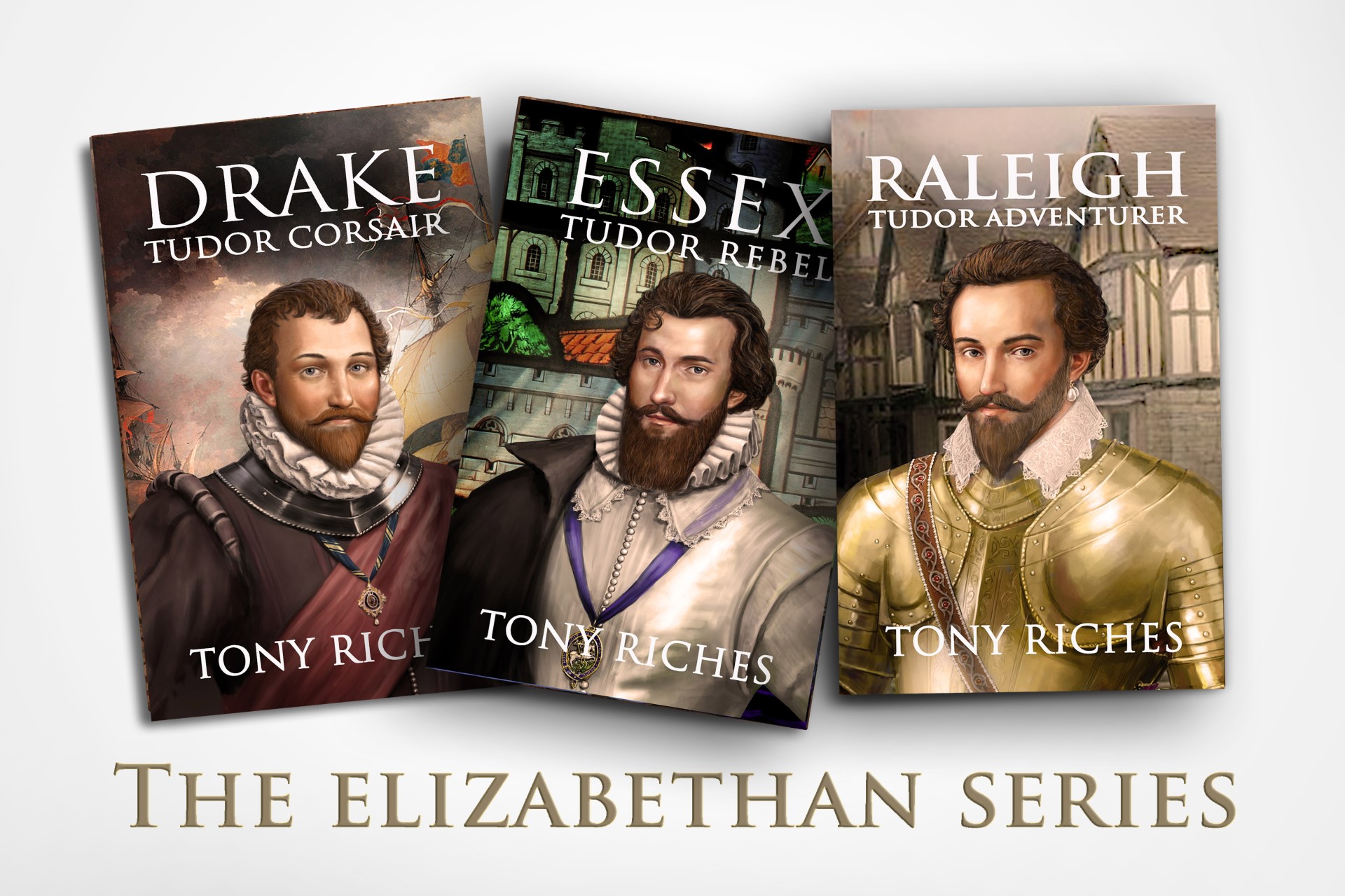
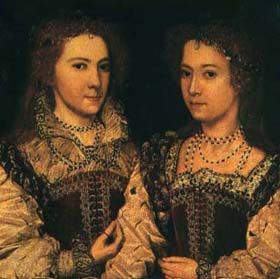
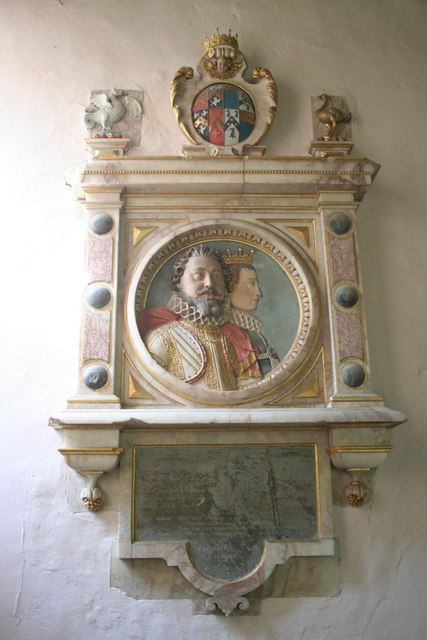
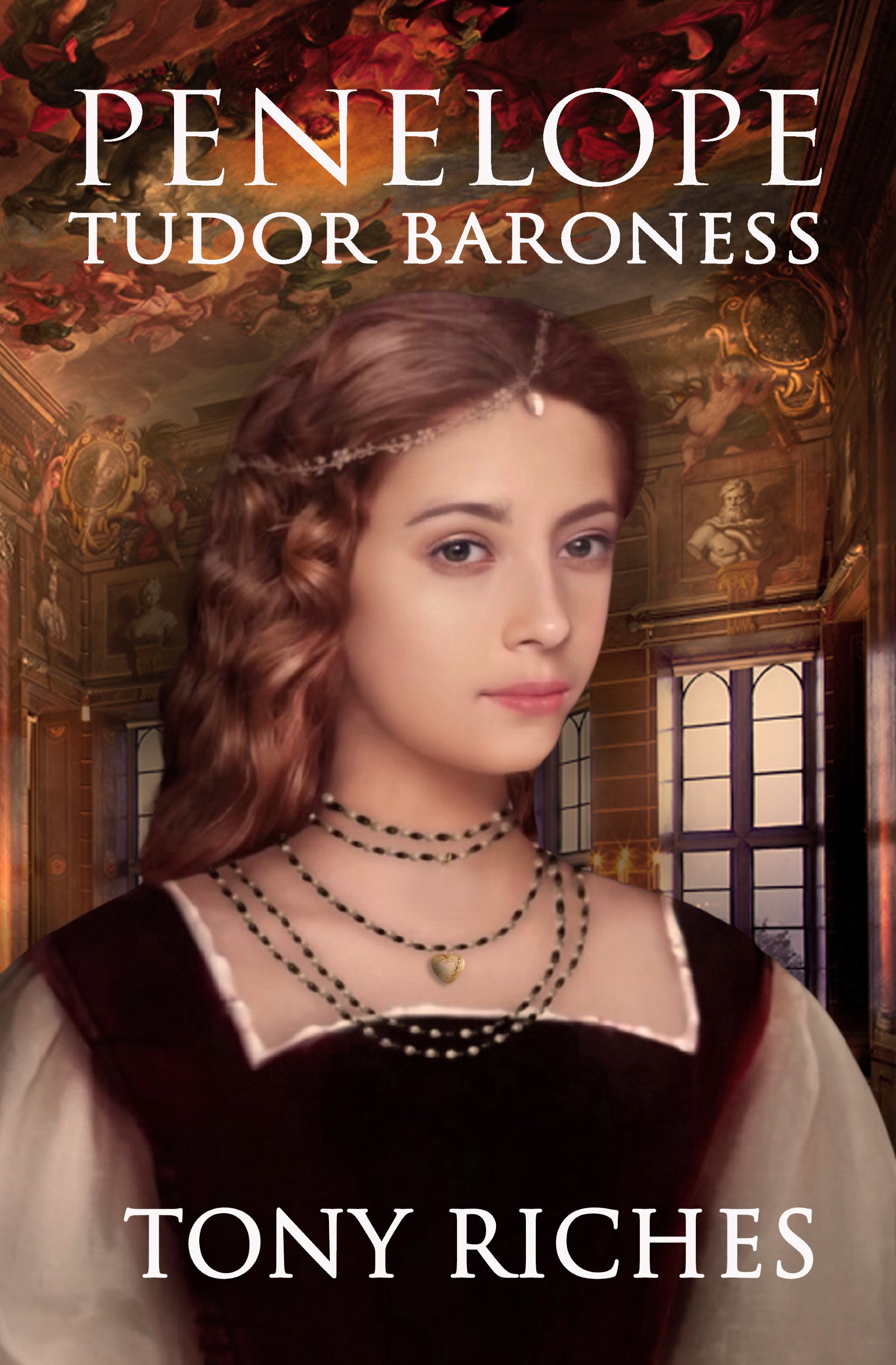

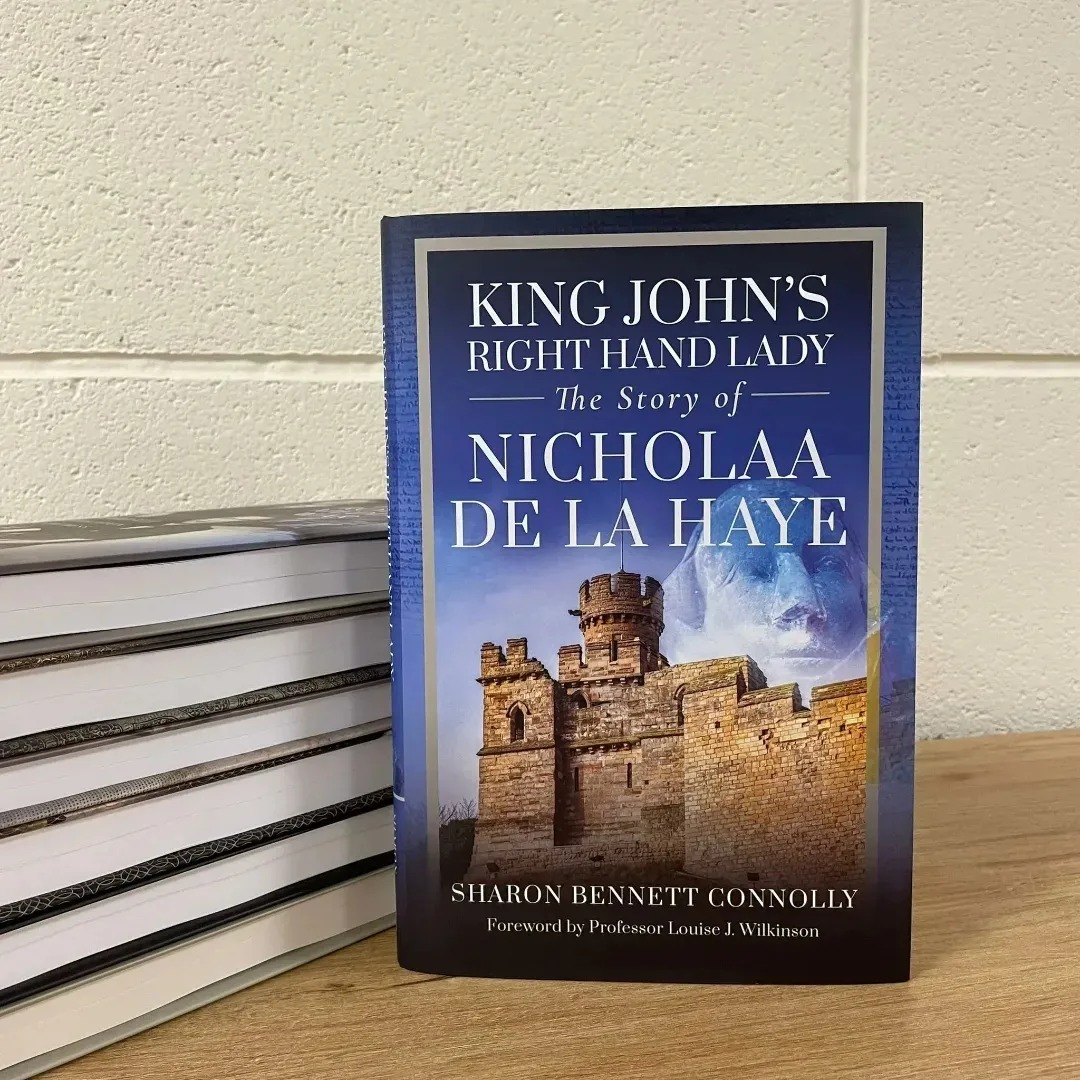


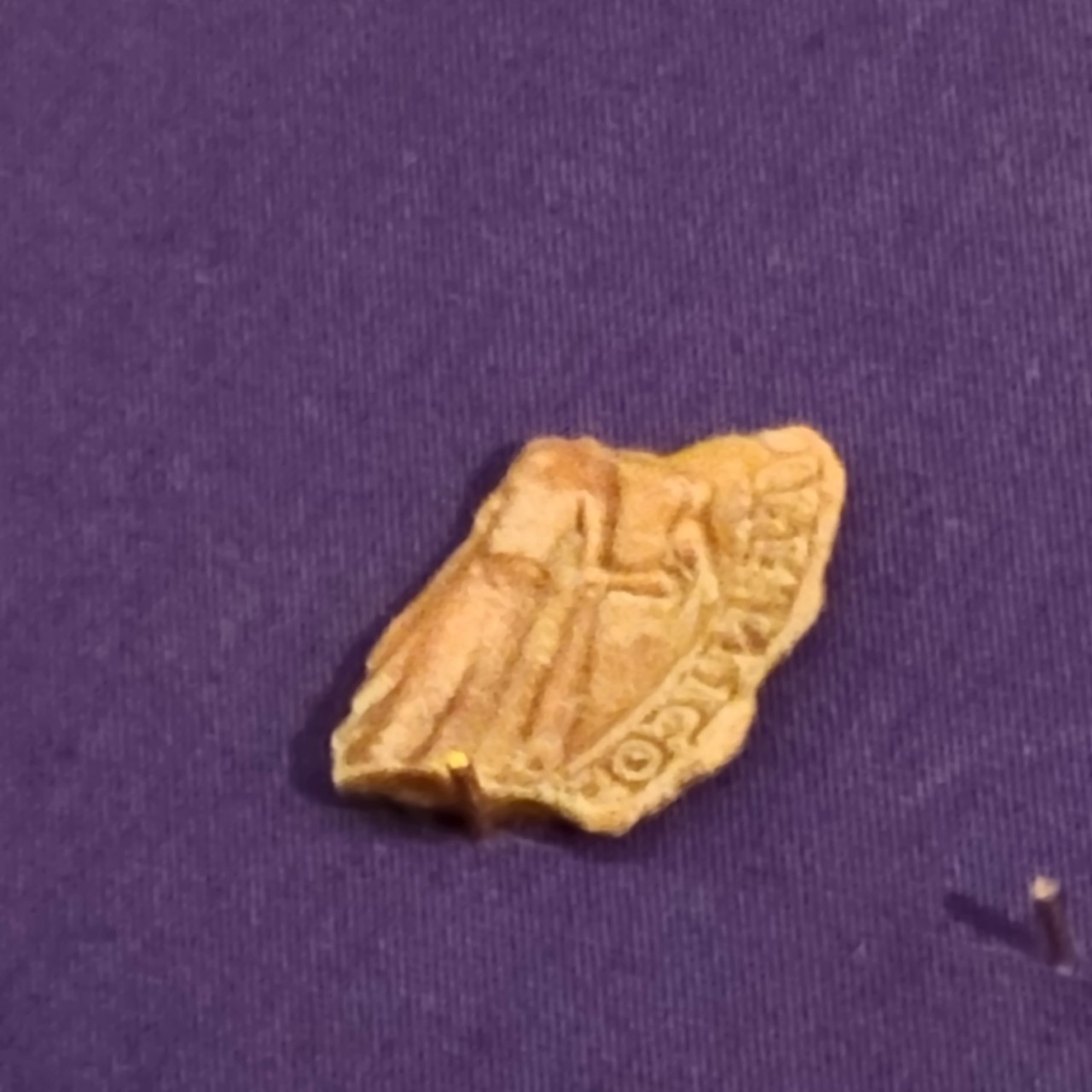
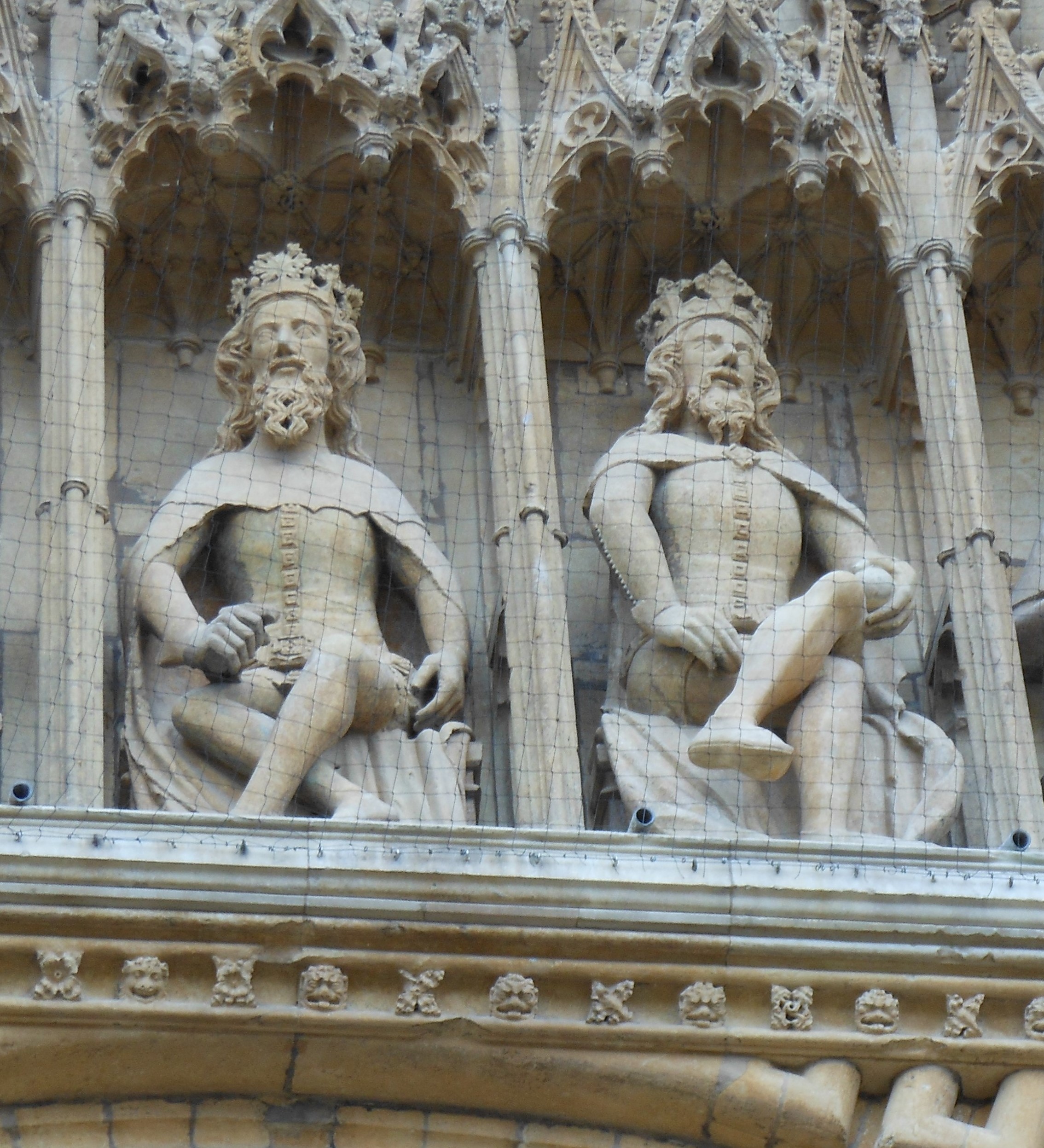

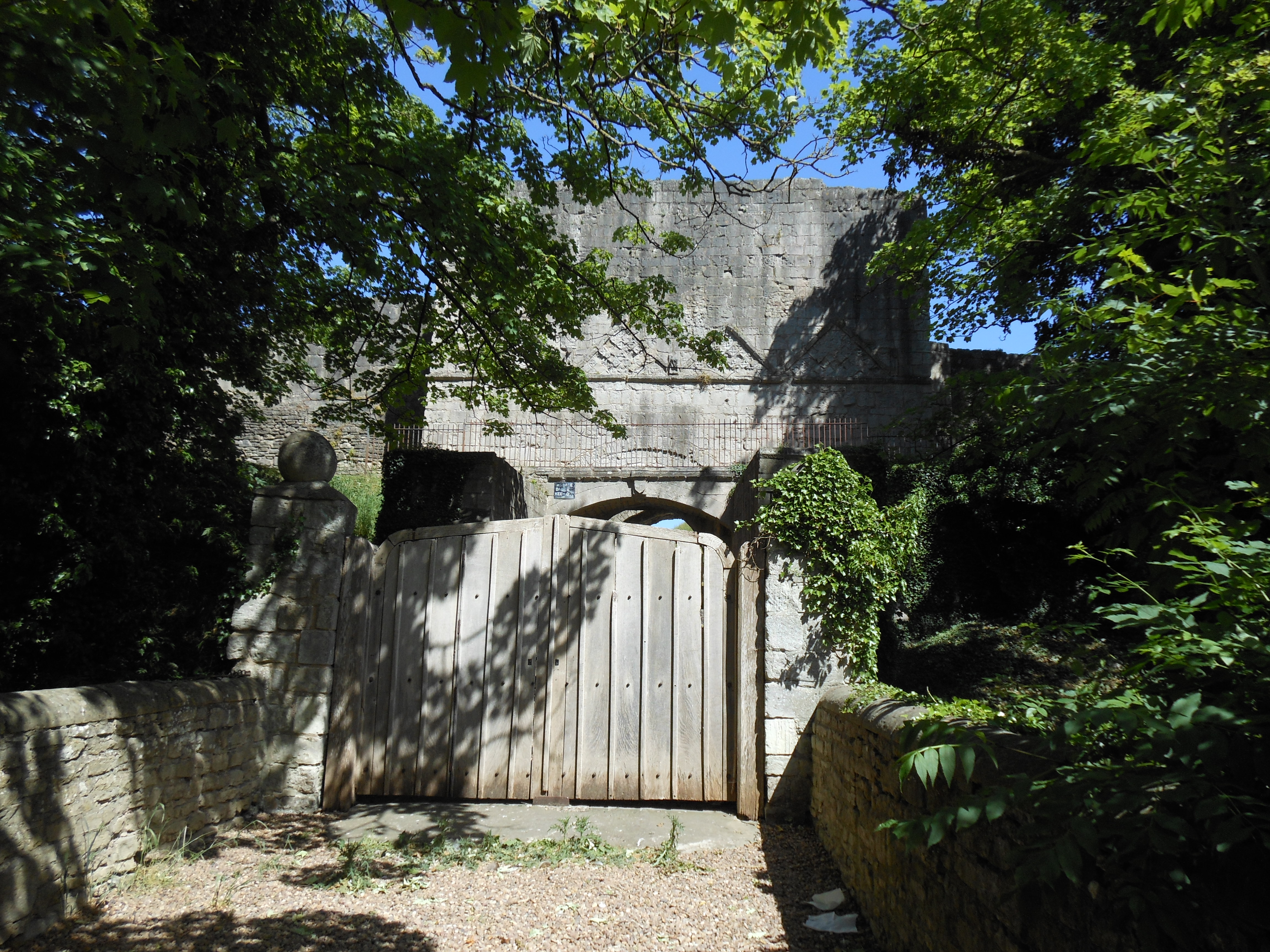
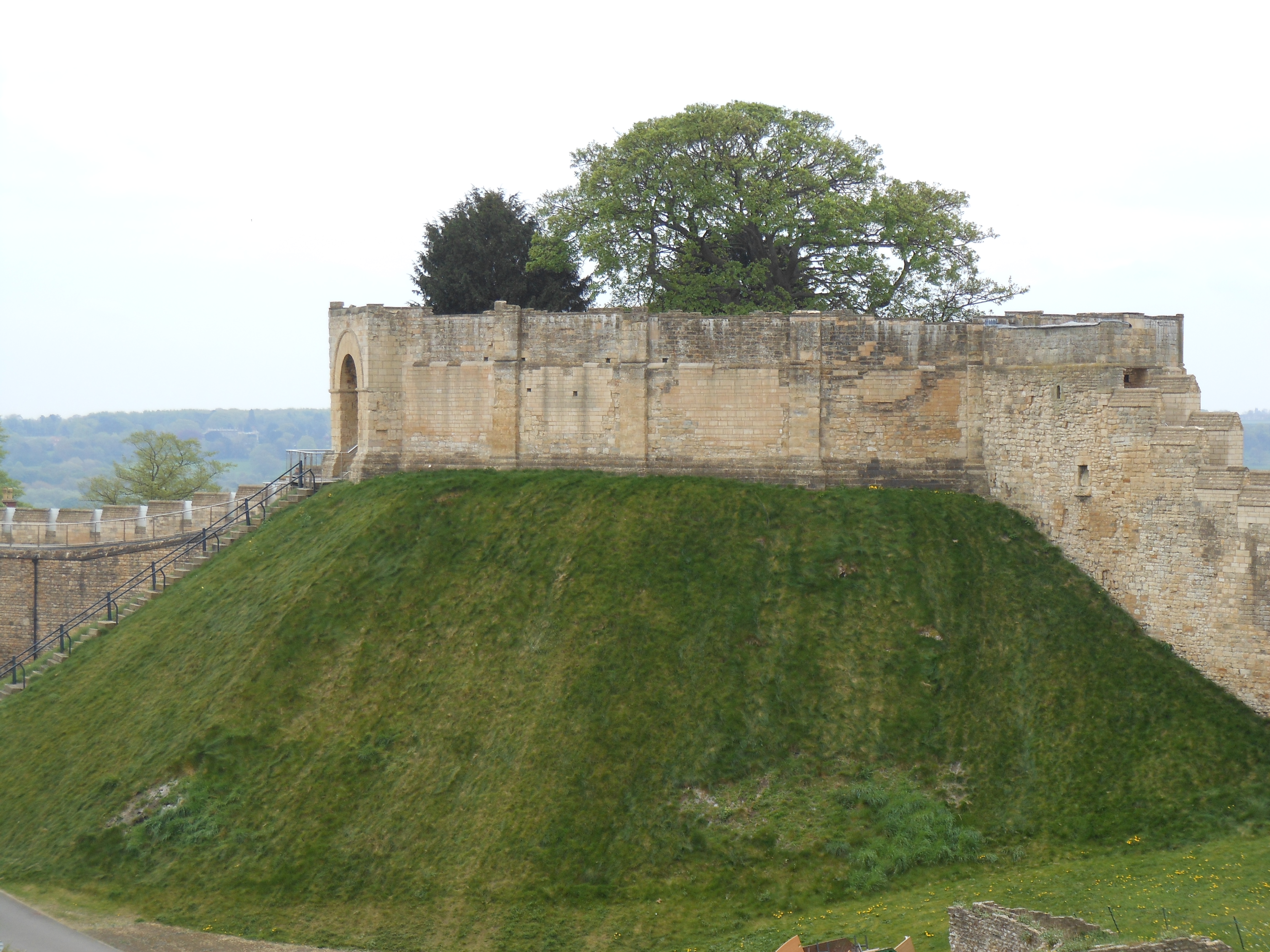

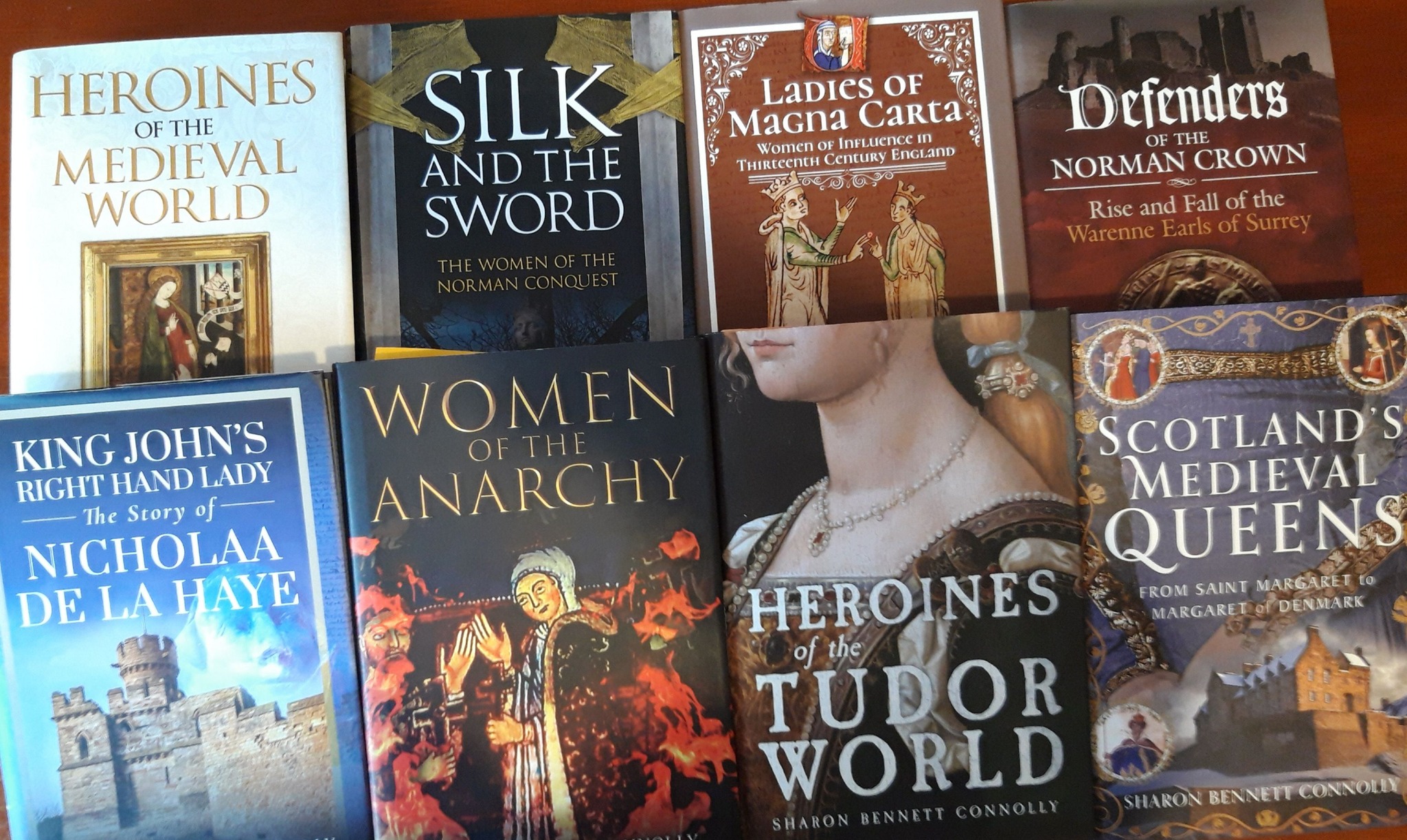


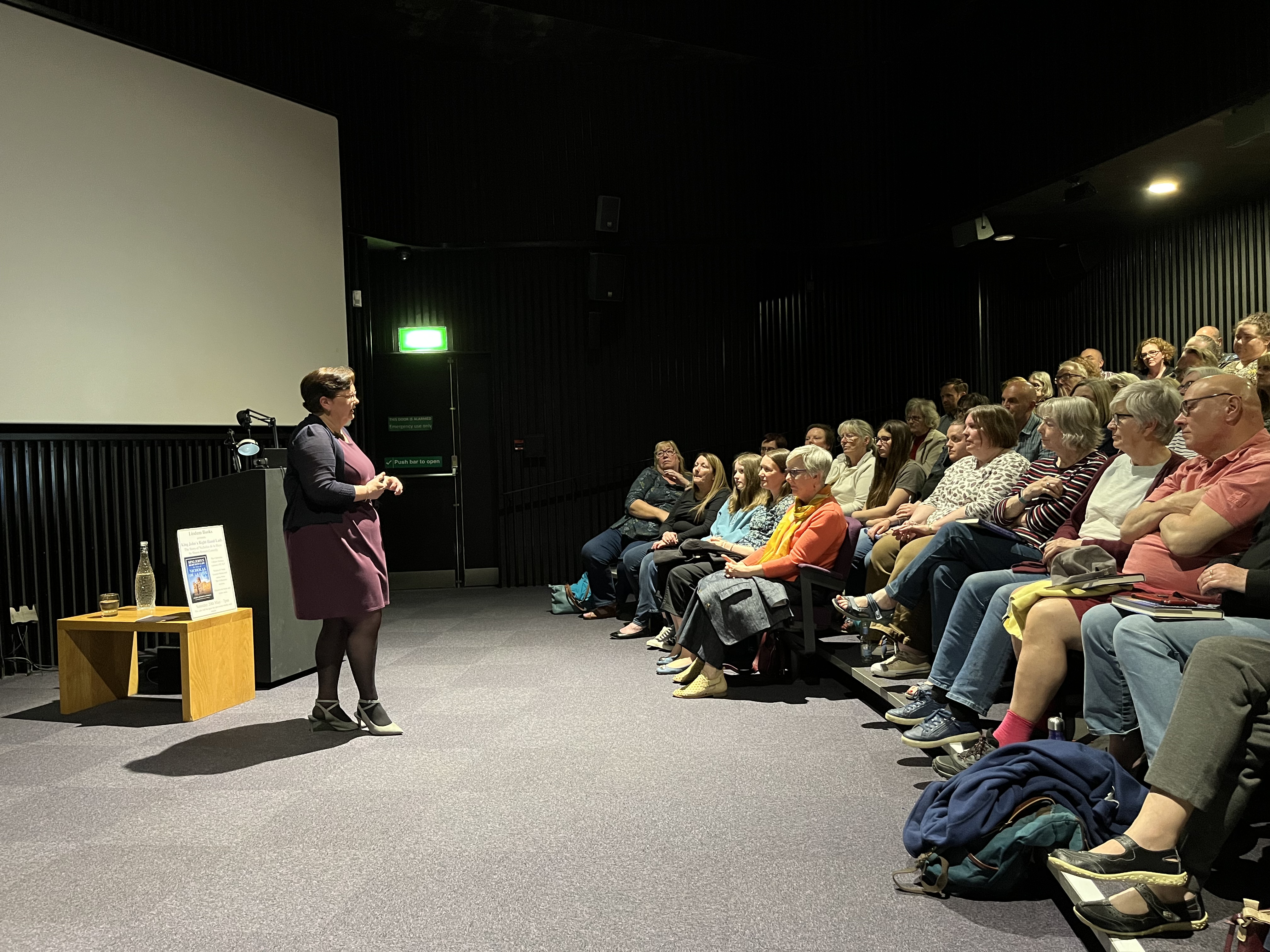
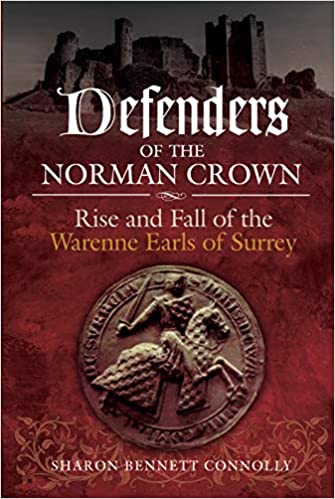
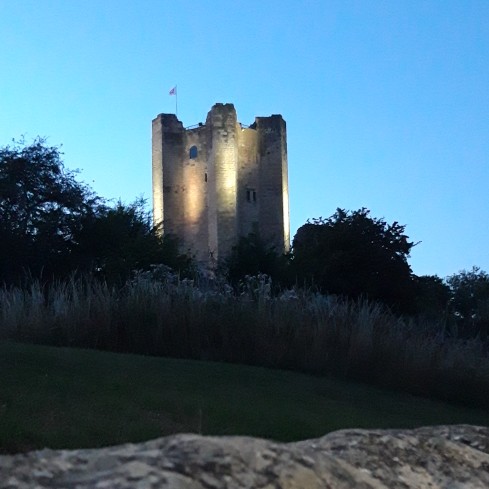
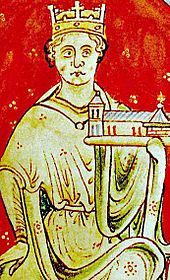
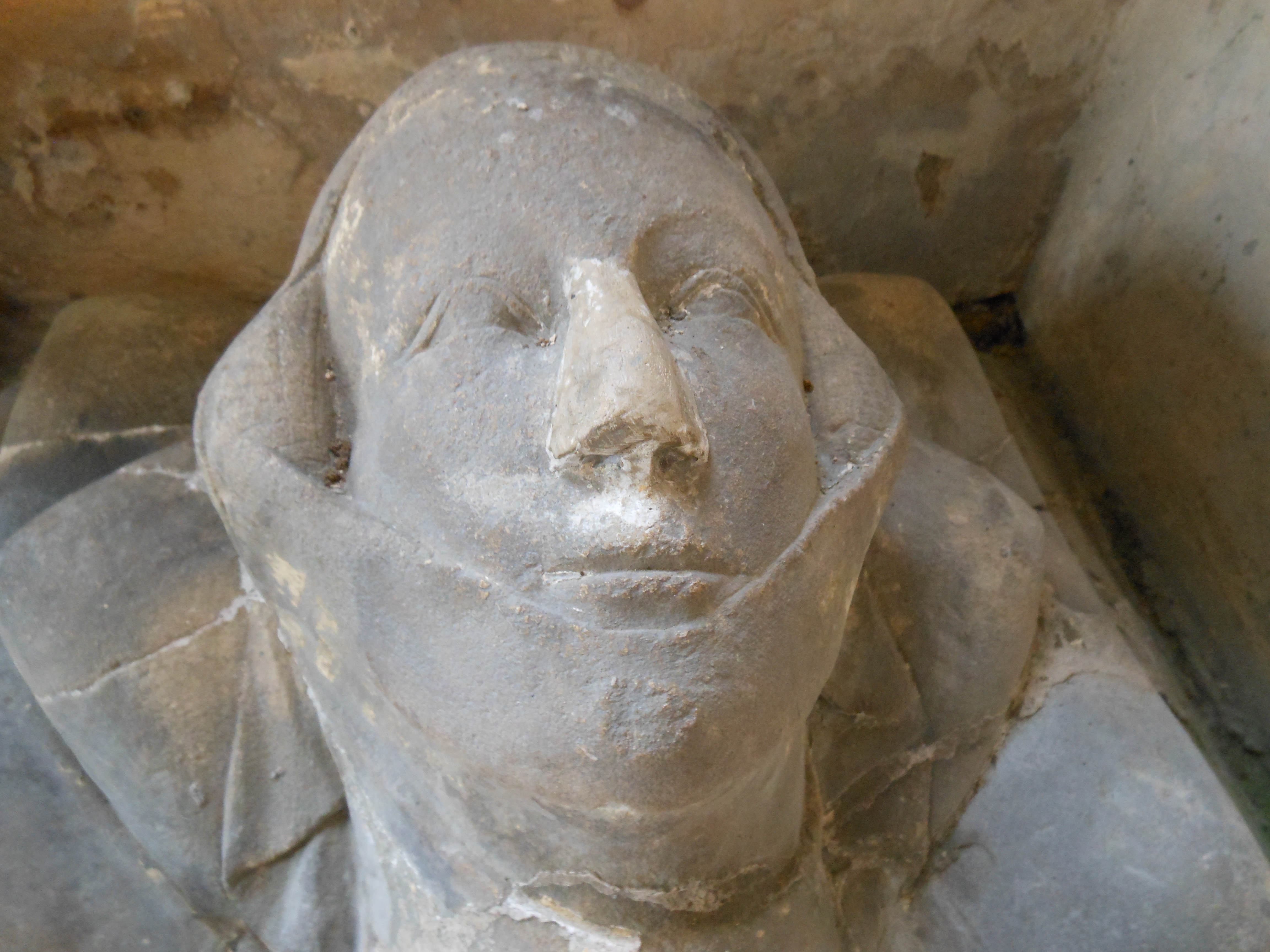
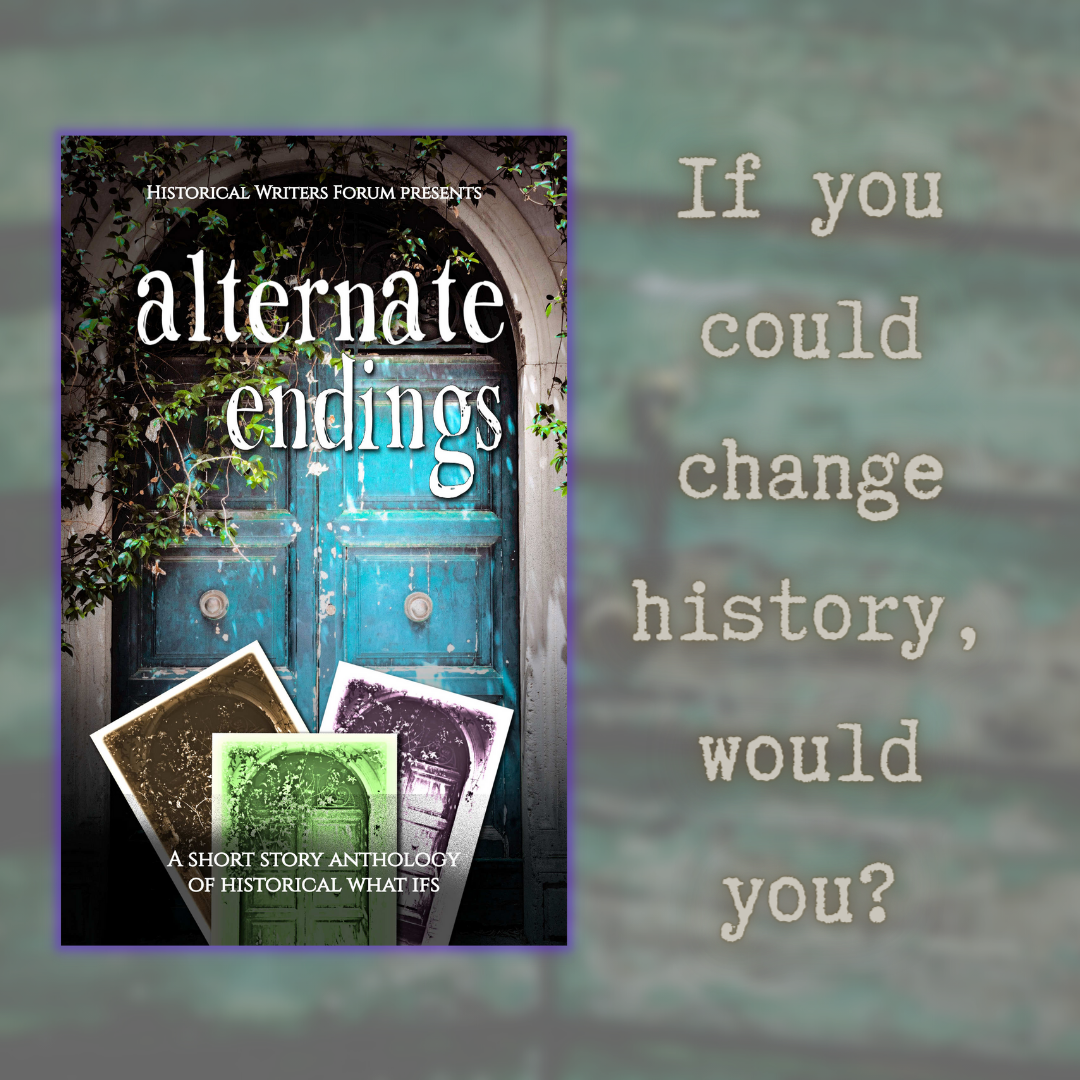


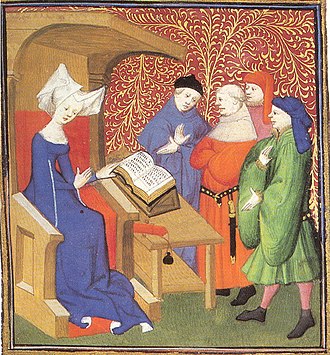
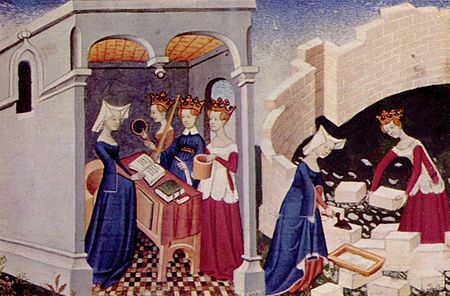
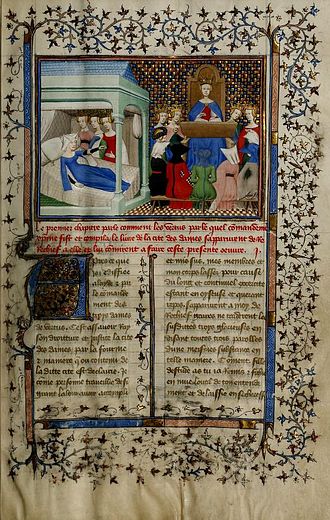
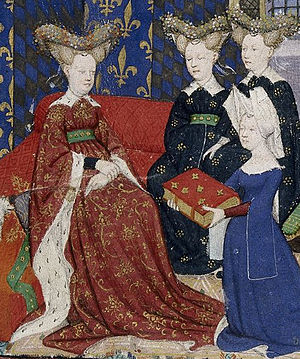
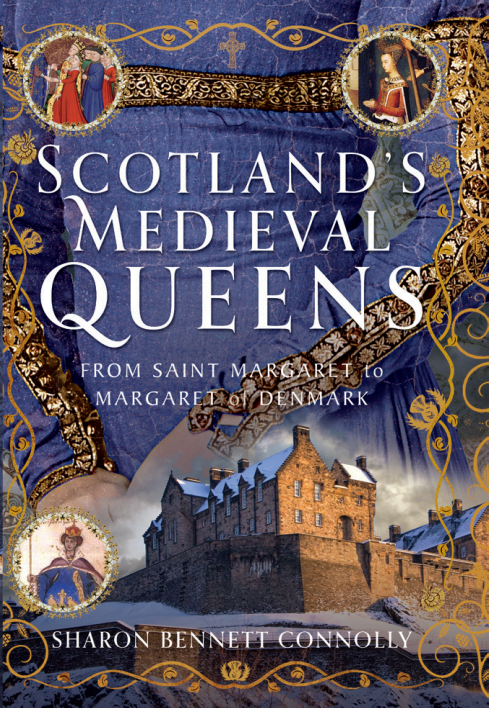
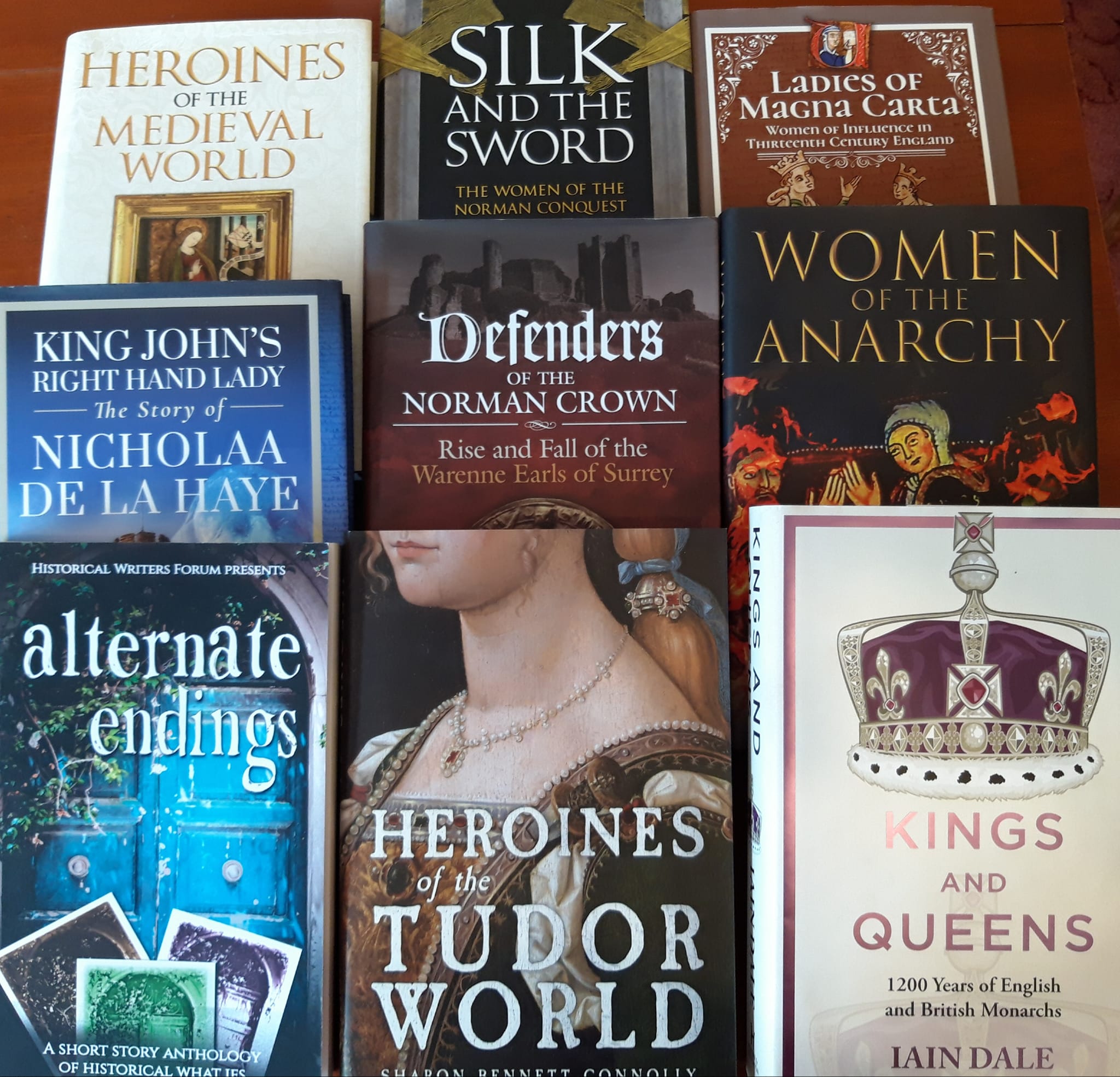
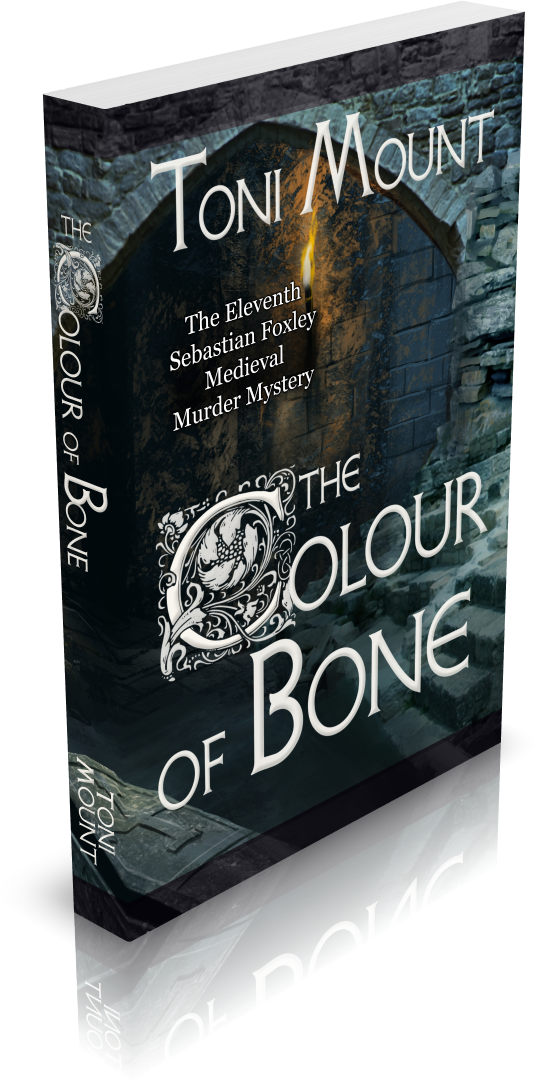

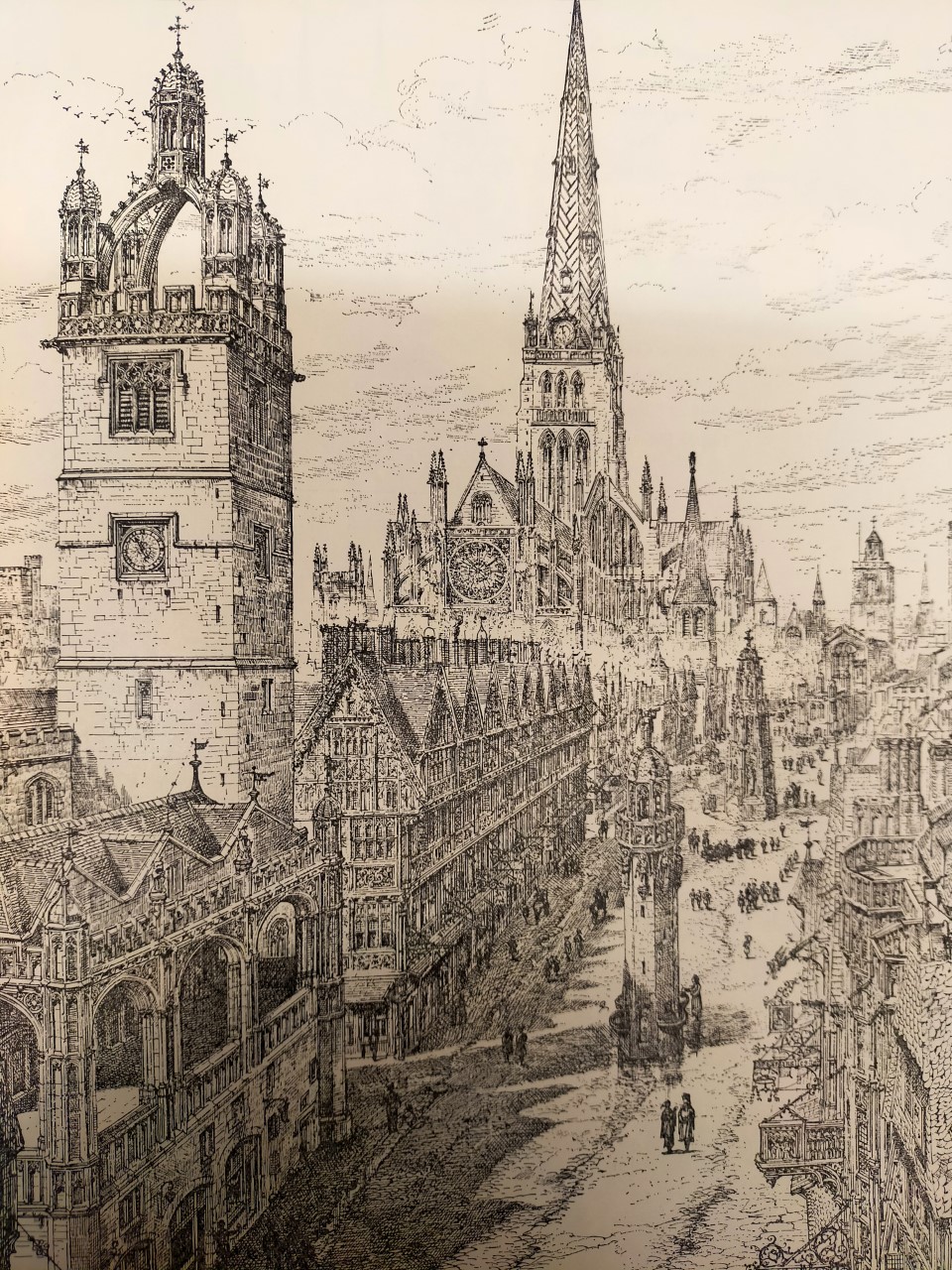
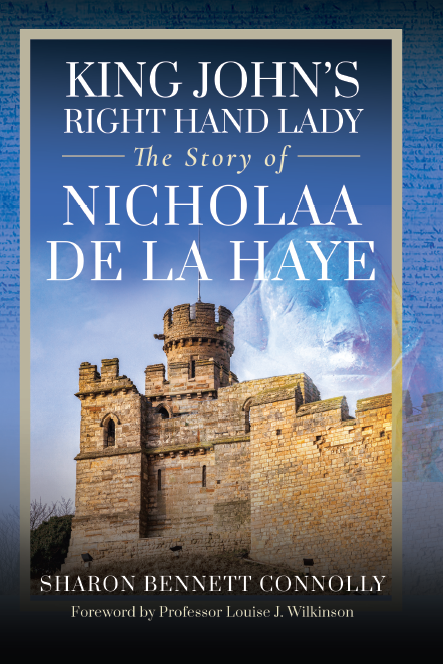





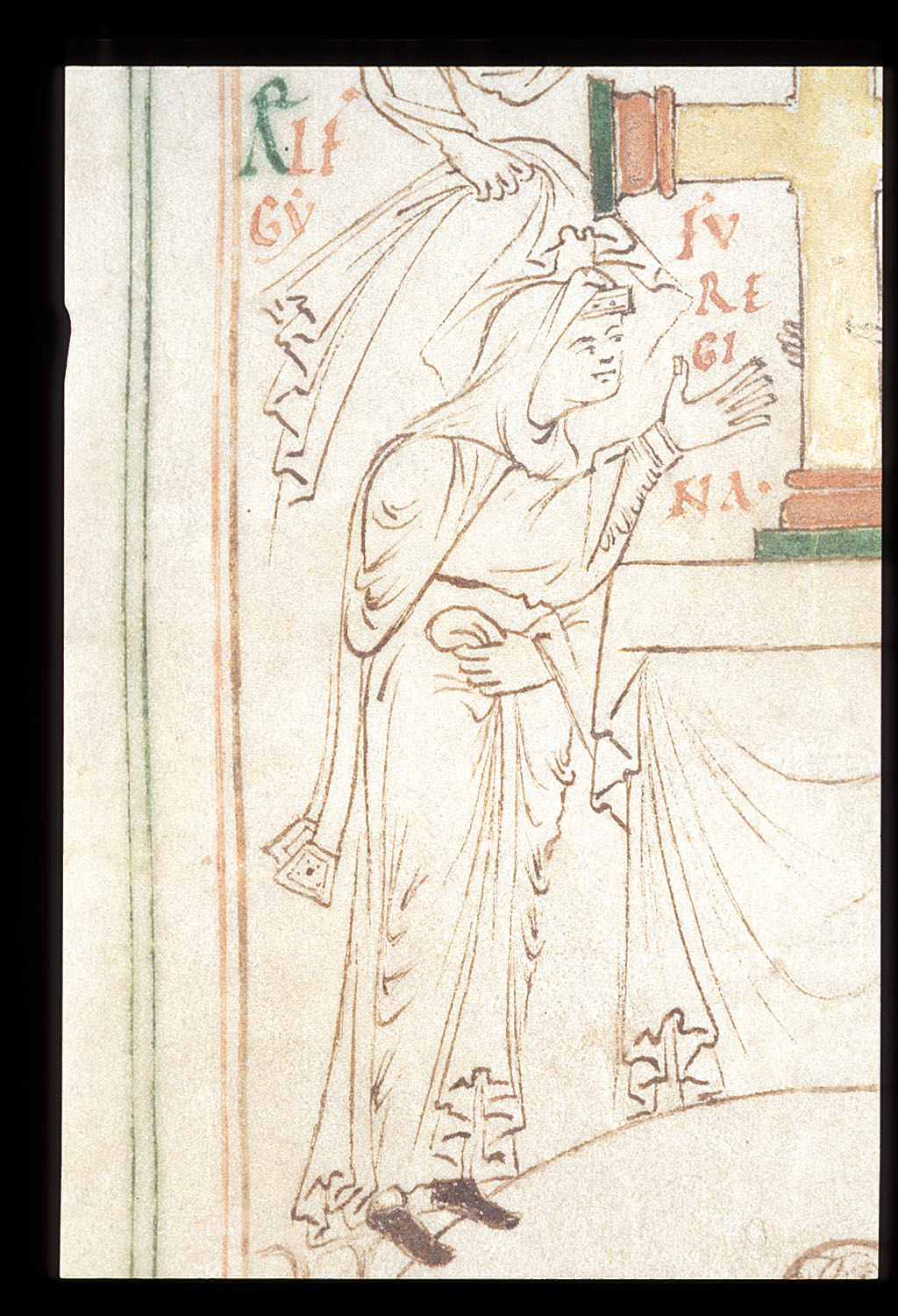
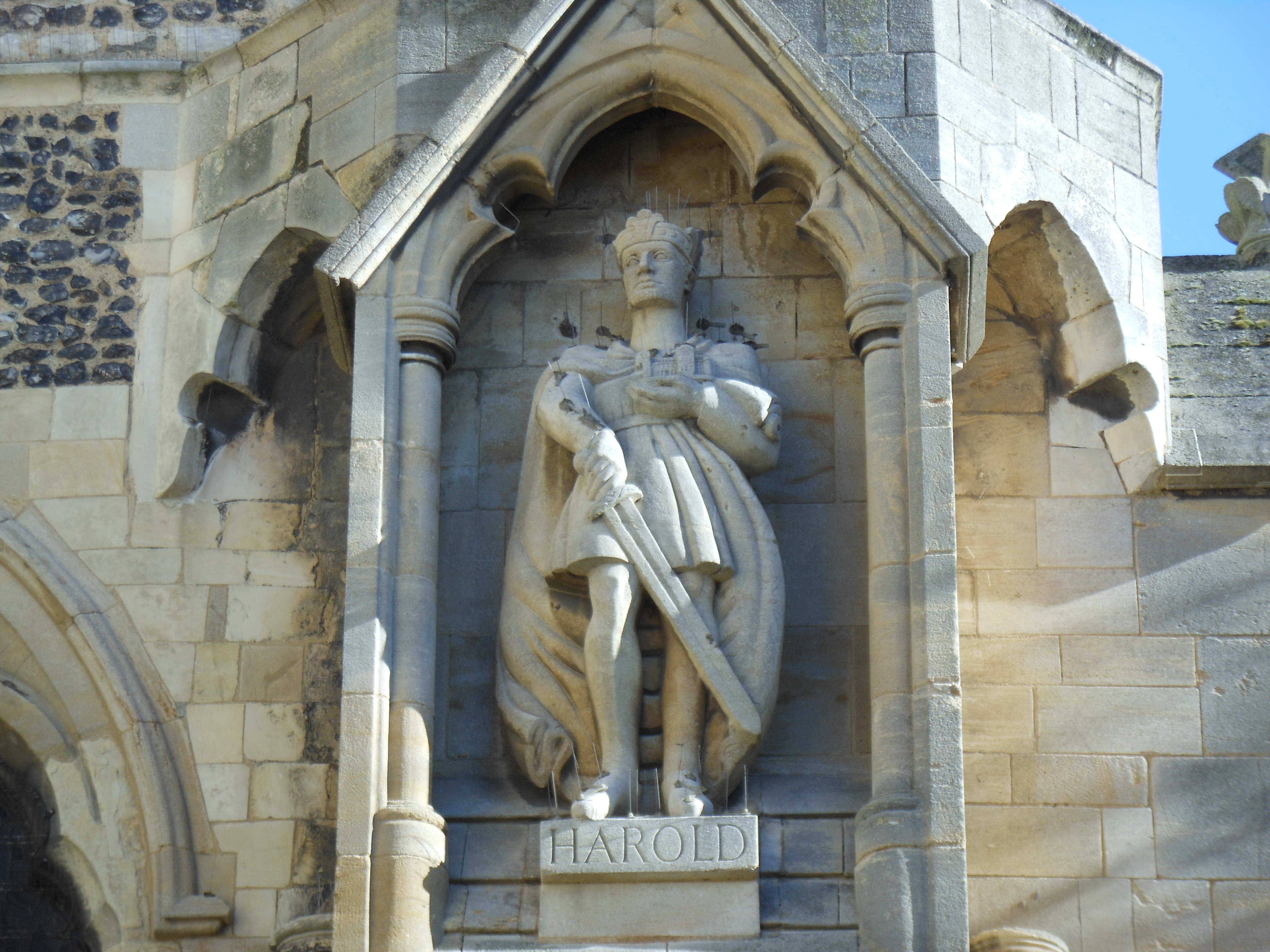
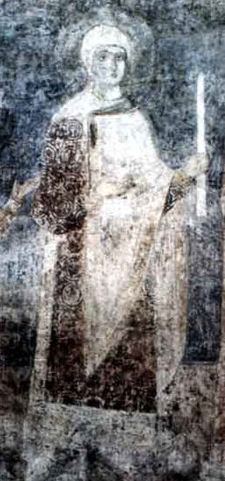
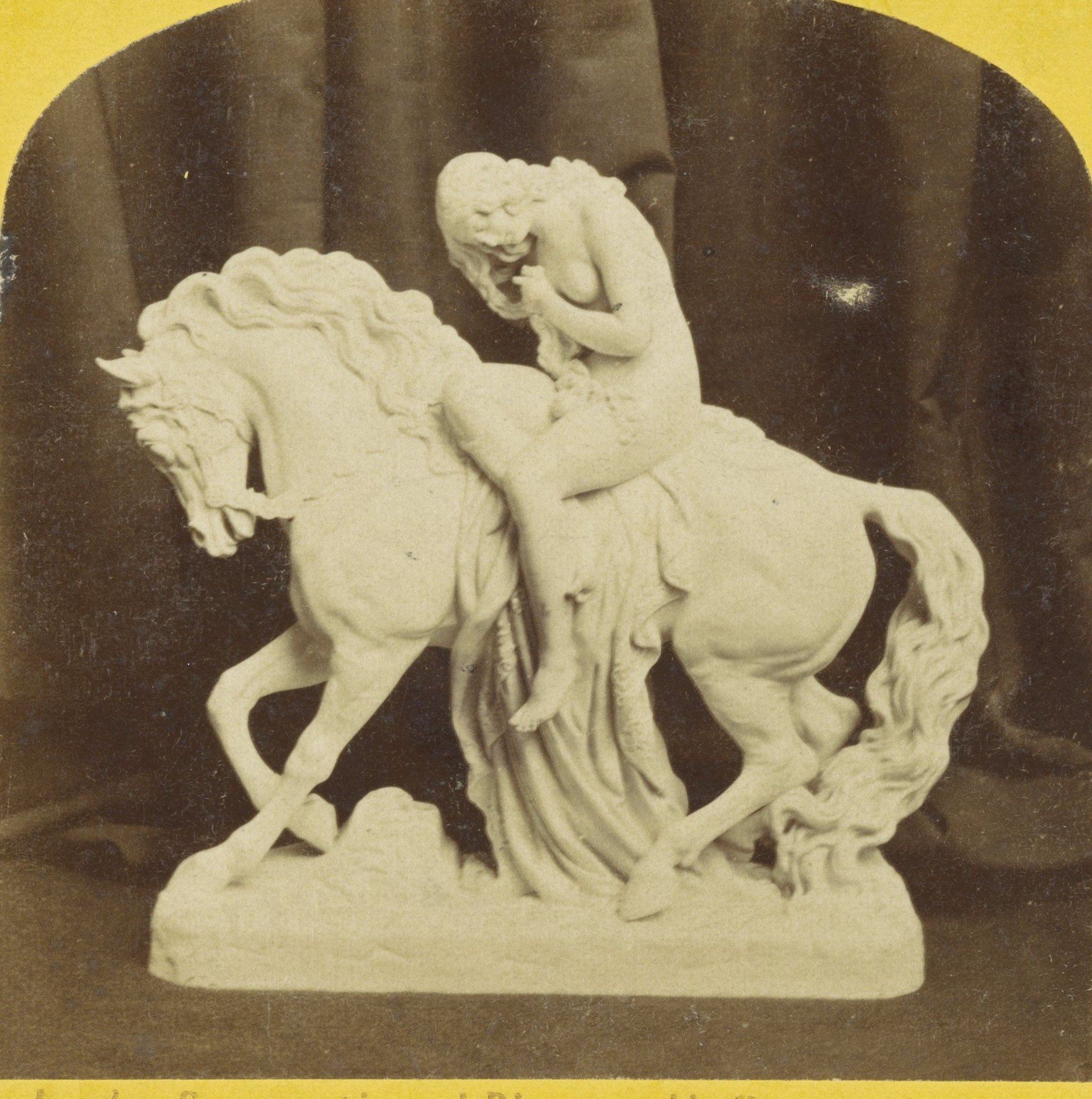


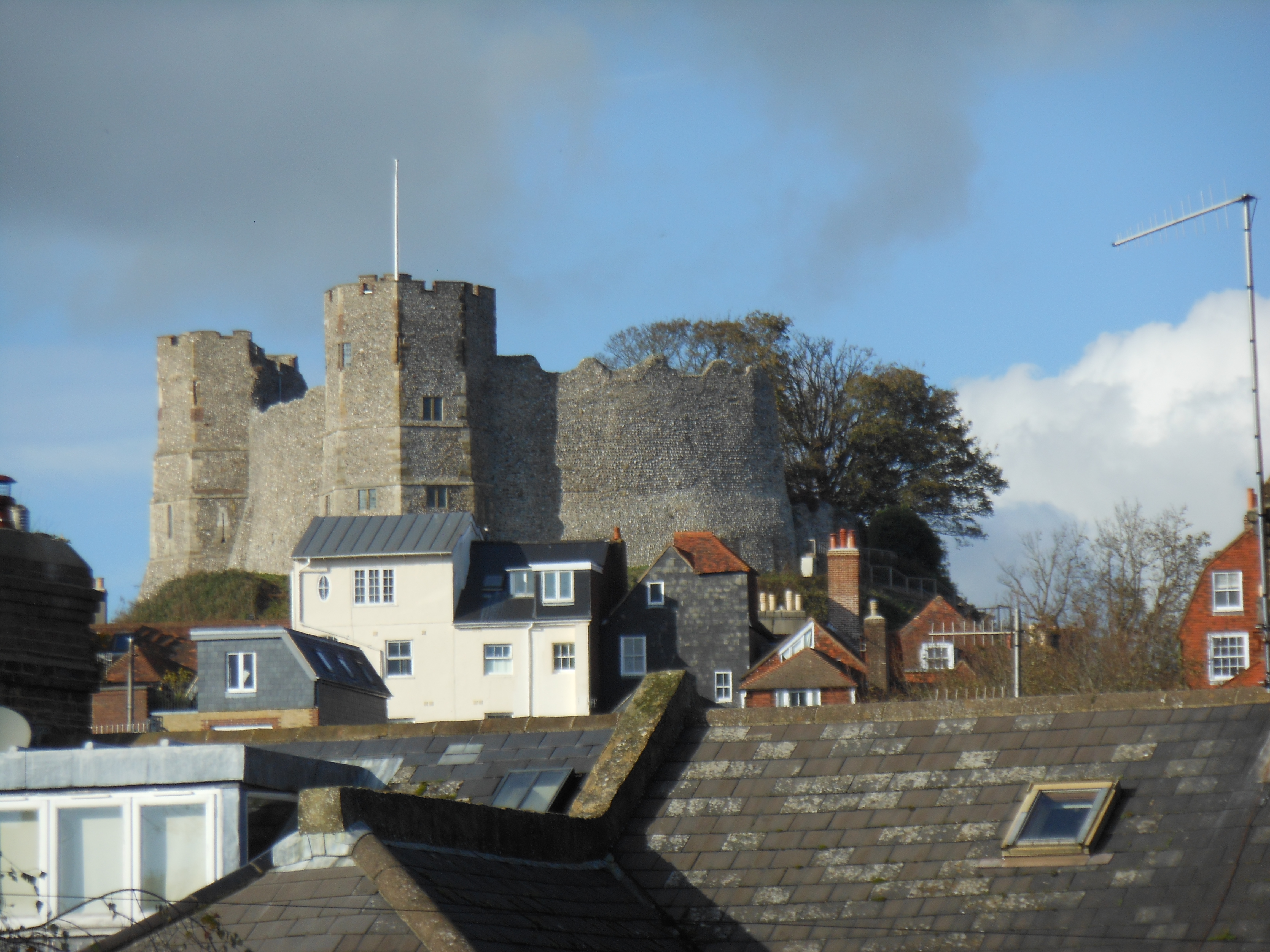
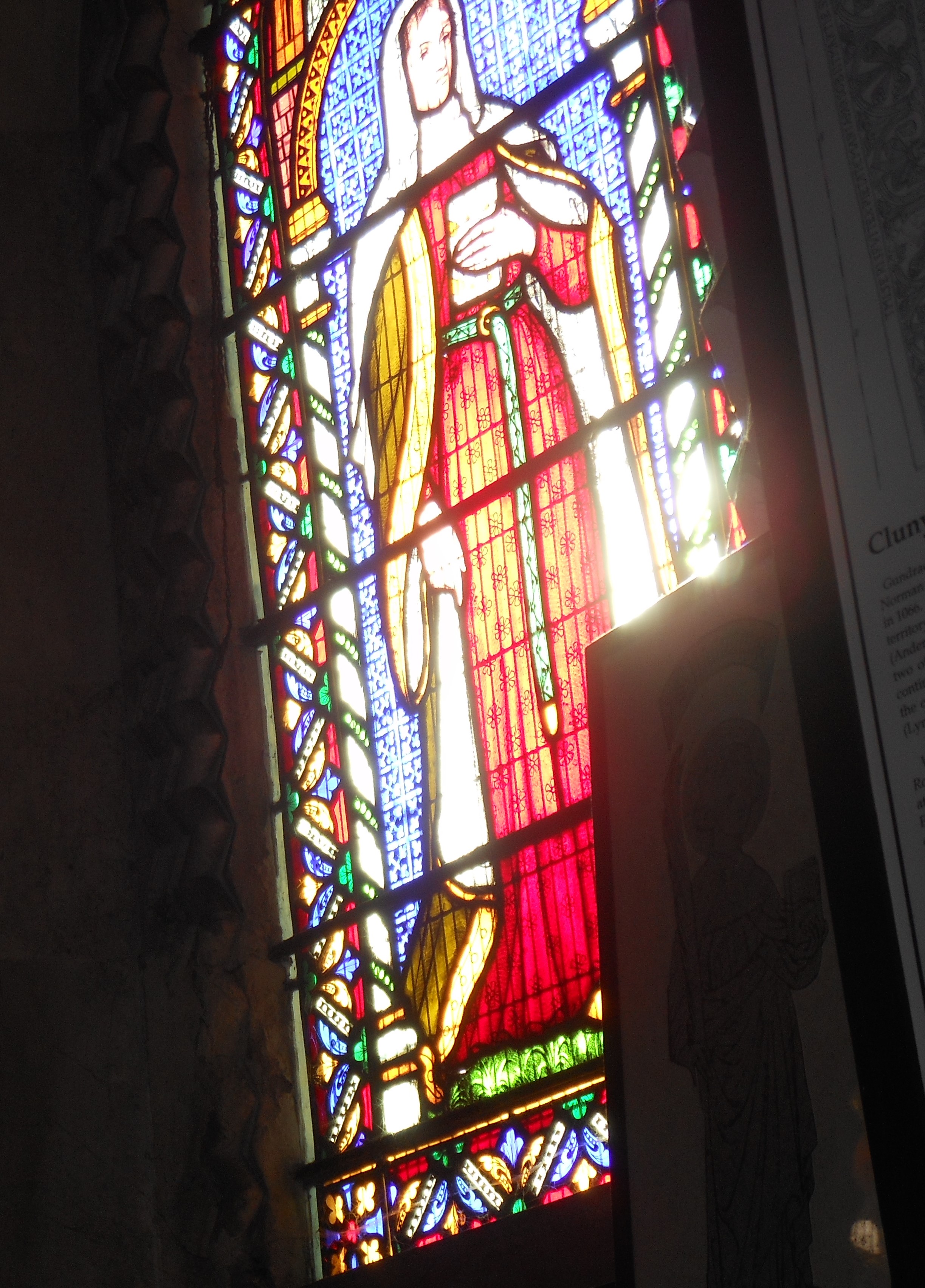
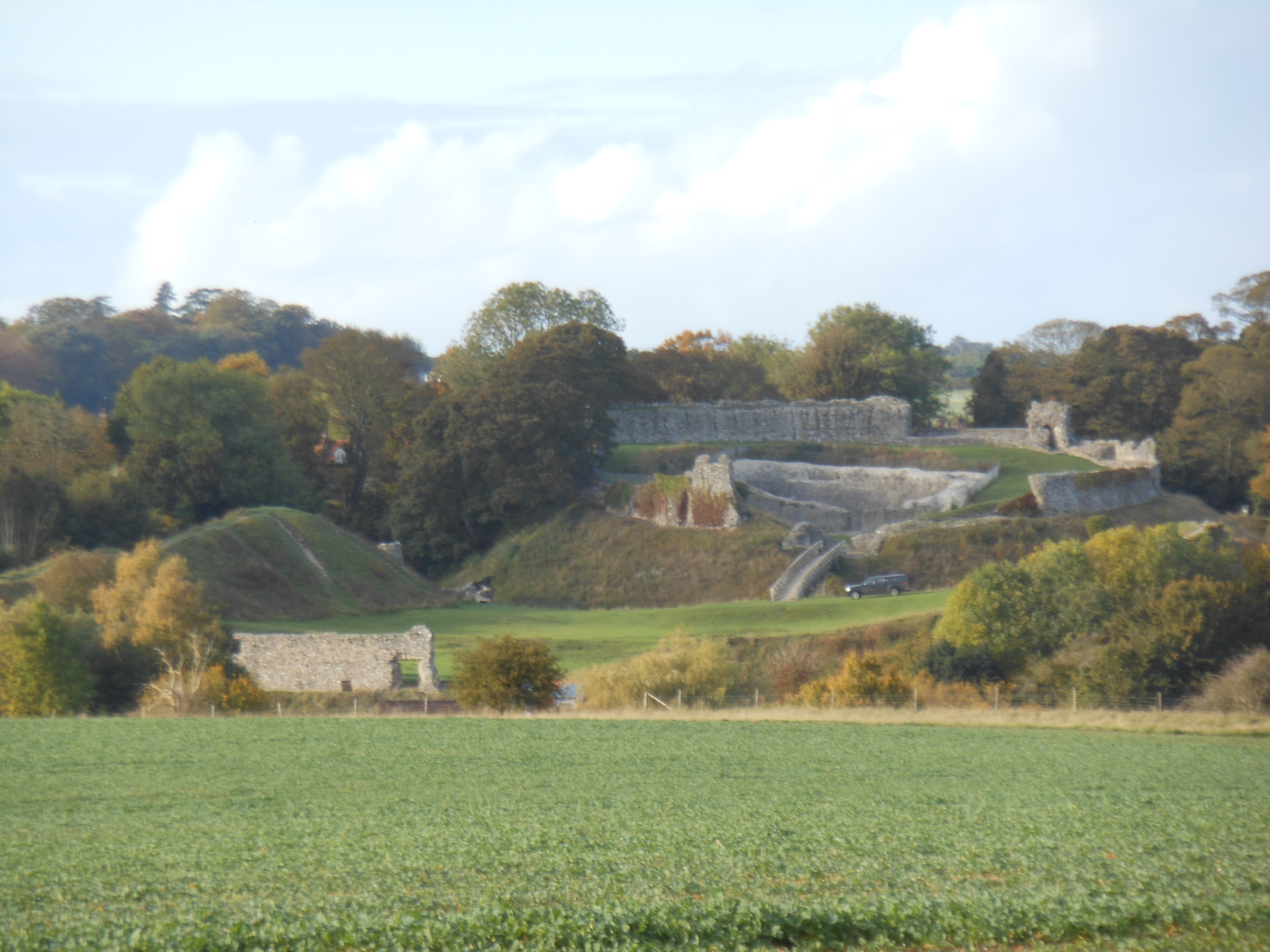

 History... the interesting bits!