In the reign of Edward I, when asked Quo Warranto ‘by what warrant he held his lands’ John de Warenne, the 6th earl of Surrey, is said to have drawn a rusty sword, claiming “My ancestors came with William the Bastard, and conquered their lands with the sword, and I will defend them with the sword against anyone wishing to seize them”
John’s ancestor, William de Warenne, 1st Earl of Surrey, fought for William the Conqueror at the Battle of Hastings in 1066. He was rewarded with enough land to make him one of the richest men of all time.
In his search for a royal bride, the 2nd earl kidnapped the wife of a fellow baron.
The 3rd earl died on crusade, fighting for his royal cousin, Louis VII of France…
For three centuries, the Warennes were at the heart of English politics at the highest level, until one unhappy marriage brought an end to the dynasty. The family moved in the highest circles, married into royalty and were not immune to scandal. Defenders of the Norman Crown tells the fascinating story of the Warenne dynasty, of the successes and failures of one of the most powerful families in England, from its origins in Normandy, through the Conquest, Magna Carta, the wars and marriages that led to its ultimate demise in the reign of Edward III.
It’s finally here!
My fourth non-fiction book, Defenders of the Norman Crown: Rise and Fall of the Warenne Earls of Surrey, comes out today in hardback in the UK – it will be released in the US and elsewhere on 6 August. Telling the remarkable story of the Earls of Warenne and Surrey, and their family, from the time of the Norman Conquest to the reign of Edward III, Defenders of the Norman Crown follows a family right at the heart of Anglo-Norman England.
1 family. 8 earls. 300 years of English history!
And here’s what early reviewers are saying:
“Sharon Bennett Connolly has written an evocative narrative, highlighting the role the Warenne earls of Surrey played in the nation’s history. Her meticulous research is evident in every page, making the book both a reference guide and an immensely enjoyable read.“
Kristie Dean, author of On the Trail of the Yorks and The World of Richard III
Another great read from Pen & Sword. I’m vaguely familiar with this family, so reading a book specifically about their history from inception to the end of it, was very interesting. It’s definitely one I’d like to have on my shelf to reference again in the future.
NetGalley, Caidyn Young
Warenne coat of arms
5 out of 5 stars
An impressive and long overdue publication about the earls of Surrey, the Warenne (Varenne in Normandy) and their steadfast contributions and deep loyalties to the English Crown from the heyday of the Norman Conquest and the battlefield of Hastings to the glorious reign of Edward III. Ms. Bennett Connolly has given us a solidly researched portrait of a medieval family and its successful longevity during the three long and troublesome centuries that followed the Norman establishment on the throne and the roles played by its successive and prominent members in the shadows of the crown. A colorful tapestry through all the ups and downs of medieval England, its monarchical shenanigans and its military and political restlessness. Highly recommended to anyone interested in English and European medieval history.
NetGalley, jean luc estrella
Oh my goodness, Sharon Bennett Connolly has done it again! This was the perfect romp through a medieval family! Honor, scandal, marriages, and intrigue all play into the Warrene family lines. Beginning with William of Normandy, and going down through the Wars of the Roses, this book will read as an action-packed, give me all the information book!
I loved this one! The Warrene family was very prominent throughout the medieval history of England, and this book will dive into their past, and share everything that you could ever want to know about this ambitious family.
And if you would like to hear a little more about the Warenne earls, I presented the David Hey Memorial Lecture in 2020 as part of the Doncaster Local Heritage Festival. The lecture, Warenne: The Earls of Surrey and Conisbrough Castle, is still available to watch on YouTube.
Rebecca Hill, NetGalley
And …
To survive during the reigns of the Norman and Plantagenet Kings of England, one must understand where their loyalty and trust lied. Did they follow the crown or did they take a risk and follow those who opposed the person who wore the crown? For one family, there was no question who they were loyal to, which was the crown. The Warenne Earls of Surrey served the Kings of England from William the Conqueror to Edward III, gaining titles, prestige, and marriages that would cement their names in history books. They survived some of the most turbulent times in English history even if they did have a few scandals in their illustrious history. In Sharon Bennett Connolly’s latest non-fiction adventure, “Defenders of the Norman Crown: The Rose and Fall of the Warenne Earls of Surrey ”, she explores this family’s history that spanned over three centuries.
I would like to thank Pen and Sword Books and NetGalley for sending me a copy of this book. I have been a fan of Sharon Bennett Connolly’s books for a while now, so when I heard about this title, I knew I wanted to read it. I was going in a bit blind since I have never heard of the Warenne Earls of Surrey, but that is part of the fun of studying a new aspect of history.
The first Earl of Surrey, William de Warenne began this family’s tradition of royal loyalty as he joined William the Conqueror on his journey to England and fought alongside him to establish Norman rule at the Battle of Hastings. William’s descendants would be involved in some of the most important events of the time, from the crusades to the 1st and 2nd Baron’s Wars and the sealing of the Magna Carta. At some points, the earls would briefly switch sides if they thought the king was not in the best interest of the country, but they remained at the heart of English politics and worked hard to help guide the king and the country to become stronger.
What made the Warennes a tour de force when it came to noble families was their ability to marry well, except for the final earl and his scandalous relationships. The second earl desired to marry into the royal family, which did not happen, but his daughter, Ada de Warenne would marry William the Lion, King of Scotland. One of the daughters of Hamlin and Isabel de Warenne would be the mistress of King John and would give birth to his illegitimate son Richard of Chilham. The only woman of the family who inherited the earldom of Surrey, Isabel de Warenne, was married twice and so both of her husbands, William of Blois and Hamelin of Anjou, are considered the 4th earl of Surrey.
Connolly does a wonderful job explaining each story in de Warenne’s long history, including the minor branches of the family. I was able to understand the difference between family members who shared the same first name, (like William, John, and Isabel) but I know that others might have struggled with this aspect. I think it would have been helpful if Connolly had included either a family tree or a list of family members of the de Warennes at the beginning of this book to help readers who did struggle.
I found this particular title fascinating. The de Warenne’s were a family that proved loyalty to the crown and good marriages went a long way to cement one’s legacy in medieval England. Connolly proved that she has a passion for bringing obscure noble families to the spotlight through her impeccable research. If you want a nonfiction book of a noble family full of loyalty, love, and action, you should check out “Defenders of the Norman Crown: The Rise and Fall of the Warenne Earls of Surrey” by Sharon Bennett Connolly.
Last year, I presented the David Hey Memorial Lecture for Doncaster Heritage Festival, entitled Warenne: The Earls of Surrey and Conisbrough Castle. Just press play on the link below if you would like to watch and hear a little more about the Warennes.
If you would like a signed, dedicated copy of Defenders of the Norman Crown: Rise and Fall of the Warenne Earls of Surrey, or any of my books, please get in touch by completing the contact me form.
Online Book Launch Event
Defenders of the Norman Crown online Book Launch!I am going to do a Zoom online talk to celebrate the launch of Defenders of the Norman Crown: Rise and Fall of the Warenne Earls of Surrey.It will be on Saturday 5th June from 7pm UK time, with a talk followed by a Q&A. Bring your own wine and cake!
If you would like to join me (please do!) then just pm me with your email address and I will send you an invite. If you would like to come along, please get in touch via theCONTACT MEform and I will send you an invite. Can’t wait to tell you all about Defenders of the Norman Crown and the Warenne earls of Surrey.
Today it is a pleasure to welcome back Monika E. Simon to the blog, with a second guest blog post. This time we are looking at Francis Lovell, close friend of Richard III who seems to have disappeared after the 1487 Battle of Stoke and the defeat of the forces of pretender Lambert Simnel. Monika’s debut book, From Robber Barons to Courtiers: The Changing World of the Lovells of Titchmarsh, is out at the end of the month.
The elusive life of Francis, Viscount Lovell
On 24 May 1487 a young boy was crowned Edward VI in Christchurch Cathedral in Dublin by William FitzSimon, Archbishop of Dublin. A large number of Irish bishops, abbots, and priors attended the ceremony, as well as many Anglo-Irish nobles, including by Garret Mor FitzGerald, Earl of Kildare, and a contingent of English noblemen who had never accepted the Henry VII as king or who had abandoned him later. Most notable among these group were John de la Pole, Earl of Lincoln and Francis, Viscount Lovell, the nephew and best friend of the previous king Richard III, respectively.
Francis Lovell had been chamberlain of Richard III and was lampooned in William Collingbourne’s often-quoted doggerel, alongside William Catesby and Richard Ratcliffe:
“The catte, the ratte, and Louell our dogge,
Rulyth all Englande vnder the hogge”
Slanderous as the rhyme is, it is also quite memorable and probably one of the most famous quotes of this period.
Francis Lovell is without doubt the most famous member, not to say the only famous member of his family. However, despite his fame he is a ‘shadowy presence’ to us, to use my favourite description coined by J.M. Williams. The information that can be gathered from the existing records leaves us with huge gaps in our knowledge of his life and not only where one would expect them. While it usual that there are no records of his birth, it is surprising that for three years after coming of age and gaining full possession of his estates in 1477 Francis Lovell is not mention in governmental records. Nobleman like Francis Lovell were normally involved in the administration of the country and individual counties, where their estates were situated. It was not until 1480 that his name appears in the Patent Rolls, when he was appointed to a commission of array in the North Riding of Yorkshire.
Thanks to the fortunate survival of the Paston Letters we know Francis Lovell was married in 1466, at the age of about ten, to Anne FitzHugh, daughter of Henry FitzHugh and Alice Neville, the sister of Richard Neville, Earl of Warwick, ‘the Kingmaker’. Interestingly, it was only a year later, on 19 November 1467 that his wardship and marriage was granted to the Earl of Warwick. Francis Lovell’s father had died more than two years earlier, on 9 January 1465 and his mother a year later and a half later, on 5 August 1466. It is possible that in the period between his father’s death and the grant of his wardship to the earl of Warwick, Francis Lovell had remained a ward of the king, but the fact that he was already married to the earl’s niece when the grant was recorded could mean that his warship had already been given informally to the earl.
Francis Lovell joined the household of the earl of Warwick at Middleham and it is often assumed that it was in this period he became a close friend of Richard, Duke of Gloucester, who was staying with the earl in the same time. However, it is not known when Francis reached the Yorkshire castle nor how long Richard stayed there. It is possible that the two boys spent several years together but also that were both at Middleham only for a short period of time.
Occasionally, when Francis Lovell found himself caught up in the big events of the time, the government’s records shed some light on his life. In 1470 his father-in-law Henry FitzHugh rebelled against Edward IV in support of the earl of Warwick attempt to overthrow the king. The uprising was suppressed and the pardon for Henry FitzHugh included his son-in-law Francis Lovell and Francis’s two sisters Joan and Frideswide as all three of them seemed to have lived in with the FitzHughs at the time.
When the Earl of Warwick was killed in the Battle of Barnett, Francis Lovell was still under age and his wardship was granted to Edward IV’s sister Elizabeth and her husband John de la Pole, Duke of Suffolk. Where he lived at this time is – naturally – unknown. He may have continued to live with his wife’s family, as he joined the Corpus Christi Guild at York alongside his wife Anne, her sister Elizabeth, and her mother Alice Neville in 1473.
Francis Lovell came of age and was given control of his large inheritance in 1477. He was then a very rich and powerful nobleman. How much income he had is difficult to determine but his estates spread over the length and breadth of England from Wiltshire to Yorkshire and from Kent to Chester. Altogether he had held five baronies, four of them had come to his family through fortunate marriages of previous Lords Lovell to heiresses. His grandfather William Lovell had already been assessed with an income of £1,000 in 1436, which made him one of the richest peers below the rank of earl.
Again little is know about Francis Lovell’s life for the next six years. It seems that he spent most of his time in the north far away from the centre of his family’s estates that were largely in the south and the midlands. The few commission he was appointed to where for Yorkshire. In 1480 he accompanied Richard, Duke of Gloucester on campaign in Scotland and was knighted there by the duke. On occasion he must have ventured to the south to look after his estates there, as in 1482, when he wrote to William Stonor that he could not come south as he had planned and asked William Stonor to make sure his deer are looked after in Rotherfield Greys (an estate Francis Lovell had inherited from his grandmother). He would have also attended court and parliament. He was present at least in two parliaments as he was appointed as one of the triers of petitions for England, Ireland, Wales and Scotland.
Even though much of his life largely remains hidden from us, Francis Lovell must have made an impression at least on Richard, Duke of Gloucester and also Edward IV. On 4 January 1483 Francis Lovell was created Viscount by the king. Interestingly, a near contemporary description of the ceremony wrongly identified the king as Richard III and on occasion this misidentification can be found in modern historiography as well.
After the death of Edward IV, the succession crisis, and Richard III becoming king in the spring and early summer of 1483, Francis Lovell became more prominent. He was appointed chief butler first for Edward V then for Richard III. More importantly, he was also appointed chamberlain by Richard III. The chamberlain was one of the most influential man at the royal court as he controlled access, both written and in person, to the king. For this reason and because the chamberlain had to be in constant contact with the king, the position was always given to a close friend, someone whom the king trusted absolutely. Next to the queen, the chamberlain was perhaps the most influential man at court. However, how much influence the chamberlain (or the queen) had, cannot be ascertained as it left no trace in the records. Due to their powerful positions chamberlains were often attacked for abusing their
position, as for example William Latimer, chamberlain of Edward III. However, the doggerel mentioned at the start is the only record of Francis Lovell being criticised in person.
How important Francis Lovell had become also was visible to all at the coronation of Richard III as he played an important role in the ceremony. Many of his duties as chamberlain and chief butler were unspecified, but Francis Lovell also purchased the queen’s ring, carried the third sword of state at the coronation, and had to stand before the king during the coronation banquet. Next to him several other members of his family participated in the coronation: his wife, Anne FitzHugh, her mother, Alice Neville, and her sister-in-law Elizabeth Borough were among the twelve noblewomen of the queen Anne Neville. Francis Lovell’s cousin Henry Lovell was the highest ranking of the king’s henchmen.
During the brief reign of Richard III, Francis Lovell was granted considerable estates, including the honour of Wallingford St Valery and the lordships of Cookham and Bray, and was appointed to a number of offices including constable of Wallingford Castle. A particular honour was given to him when he was made a Knight of the Garter, probably in 1483. His garter stall plate can still be seen today in St George’s Chapel, Windsor. On it he lists his full range of titles: ‘Francis Viscount Lovell & de holand Burnett deynccort & Grey.’
Since the Croyland Chronicle reports that Francis Lovell was sent to the Southampton to prepare the defence against the threatening invasion of Henry Tudor, it has been questioned whether he was at the Battle of Bosworth. While it is impossible to be certain, I think it is more likely that he was at the battle, as the Croyland Chronicle does not specify when he was sent south. As chamberlain Francis Lovell also had to be in constant attendance to the king, his absence from court was therefore probably brief. Additionally, two independent sources report that Francis Lovell was at the battle. The proclamation of Henry VII after the battle included Francis Lovell among the fallen as does a memorandum from York from the 23 August 1485.
Francis Lovell’s Garter Stall Plate, St George’s Chapel, Windsor (Public Domain, digitized by Google).
After the battle of Bosworth Francis Lovell was one of the few men who refused to make peace with Henry VII. Most others, including his cousin Henry Lovell and John de la Pole, Earl of Lincoln accepted Henry as king. Again there are only a few occasions when the whereabouts of Francis Lovell are known. He was in Yorkshire where he attempted to kidnap Henry VII, without success. It was later reported that he had fled to Furness Fells and on 19 May 1486 he was said to be in sanctuary in Ely. Shortly thereafter he made his way to Burgundy where he resurfaces at the court of Maria, Duchess of Burgundy and her stepmother Margaret of York.
Another guest there was a boy who claimed to be Edward, Earl of Warwick, the son of George, Duke of Clarence. Sometime later, John de la Pole, Earl of Lincoln also arrived in Burgundy to support the boy. It is generally believed that the boy was an impostor whose name was Lambert Simnel, though whether this was his real name has been questioned. However, John Ashdown-Hill offers the hypothesis that he was who he claimed to be. George, Duke of Clarence had certainly attempted to smuggle his infant son to Ireland. Ashdown-Hill speculates that he had succeeded and the boy who lived as his son in England was the substitute. If that were the case, and that is a big ‘if’, it would explain why John de la Pole and Francis Lovell supported him.
In 1487, the boy, accompanied by Francis Lovell, John de la Pole, and a company of mercenaries under the command of Martin Schwartz travelled to Ireland where the boy was crowned Edward VI. From Ireland they invaded England only to meet defeat at the Battle of Stoke on 16 June. John de la Pole was killed, the boy king was captured, but the fate of Francis Lovell is unknown.
One theory, possibly first written down by Francis Bacon, was that Francis Lovell lived in a cave or vault according to rumour. Bacon also writes that another report says he drowned in the river Trent when he tried to swim across it after the Battle of Stoke.
The best known theory about what happened to Francis Lovell is that he returned to Minster Lovell to live there in a hidden chamber underneath Minster Lovell Hall, being provided with all he needed by a faithful servant. However, for some reason the servant was prevented from doing so and Francis Lovell died of starvation. According to a report from the early eighteenth century, a skeleton was discovered in a hidden chamber underneath Minster Lovell Hall during construction work. The report claims that the skeleton sat at a table, there was writing material nearby, and a ‘much mouldered cap’. Unfortunately, the skeleton immediately turned to dust after exposure to fresh air. However, no secret chamber, cellar or vault was ever discovered underneath Minster Lovell Hall, which makes this story highly unlikely. Moreover, skeletons do not turn to dust, even if they had been in tightly sealed rooms and are exposed to fresh air. Skeletons or mummified bodies start to decompose quickly if not kept in a carefully controlled environment, but don’t turn to dust.
An intriguing snippet of information is that James IV of Scotland granted a safe conduct to Francis Lovell in 1488. However this trail also disappears and no other reports of Francis Lovell in Scotland exist. Shortly before this date, Francis Lovell’s mother-in-law had made an attempt to find out what happened to him. She had sent Edward Franke to the north to enquire about Francis, but Franke returned without having found out what had happened to Francis. We know of this search, as Alice Neville wrote to John Paston III to cancel a meeting as she said she wanted to stay with her daughter Anne who was very distressed about the lack of news.
Minster Lovell (Monika E Simon)
Despite his prominent role during the reign of Richard III Francis Lovell also remains almost invisible in contemporary sources. Neither Mancini’s Usurpation of Richard III nor Thomas More’s History of Richard III mention him at all. – Shakespeare gave him only a couple of lines and as a consequence his part is usually cut out of the production and his lines given to somebody else. – Chronicles do mention Francis Lovell only after the battle of Bosworth, generally in connection with his participation in the events surrounding ‘Lambert Simnel’, are recorded.
Francis Lovell’s elusive life and unknown end is just is another mystery of this time that is not short of such. Some are highly controversial like the fate of the ‘Princes in the Tower’ or the credibility of the claim that Edward IV’s marriage to Elizabeth Woodville was bigamous, some less often debated like true identity of ‘Lambert Simnel’ or ‘Edward IV’.
About the author:
Monika E. Simon studied Medieval History, Ancient History, and English Linguistics and Middle English Literature at the Ludwig-Maximilians-Universität, Munich, from which she received an MA. She wrote her DPhil thesis about the Lovells of Titchmarsh at the University of York. She lives and works in Munich.
Defenders of the Norman Crown: The Rise and Fall of the Warenne Earls of Surrey tells the fascinating story of the Warenne dynasty, of the successes and failures of one of the most powerful families in England, from its origins in Normandy, through the Conquest, Magna Carta, the wars and marriages that led to its ultimate demise in the reign of Edward III.
1 family. 8 earls. 300 years of English history!
Defenders of the Norman Crown: Rise and Fall of the Warenne Earls of Surreywill be released in the UK on 31 May and in the US on 6 August. And it is now available for pre-order from Pen & Sword Books, Amazon in the UK and US and Book Depository.
The Warenne coat of arms, Holy Trinity Church Southover
From the time of the Norman Conquest to the death of the seventh and last earl, the Warenne family was at the heart of English politics and the establishment, providing military and administrative support to the Crown. In the years following 1066 William I de Warenne, who became the first Earl of Surrey in 1088, was the fourth richest man in England and the richest not related to the royal family – he ranks at number 18 in MSN.com’s Top 20 Richest People of All Time. The earls of Surrey were at the centre of the major crises of medieval England, from the Norman Conquest itself to the deposition of Edward II and accession of Edward III. Strategic marriages forged links with the leading noble houses in England and Scotland, from the Marshals, the FitzAlans, the d’Aubignys and Percys to the Scottish and English royal families themselves.
But where did they originate?
As with most medieval Anglo-Norman families, the origins of the Warenne family are shrouded in the sands of time and the distance of over a thousand years. Given that the family hailed from Normandy, it is likely that they had Scandinavian ancestry, just like the majority of Normans, including their duke, William (known as William the Bastard, or William the Conqueror). Duke William was descended from the famous Rollo, the first Norse, or Viking, ruler of Normandy. William was the illegitimate son of Robert I the Magnificent, who was duke of Normandy from 1027 until his death in Nicaea in 1035, whilst returning from pilgrimage to Jerusalem. Before departing on this pilgrimage, Robert had named William, then only 7 or 8 years old, as his heir, despite the question mark over his birth.
Several studies were written in the 18th, 19th and 20th centuries in an attempt to establish the Warenne family’s origins, and its relationship to the duke of Normandy. The family name is probably derived from the hamlet of Varenne, situated just south of Arques in northern France and 13 miles from Bellencombre. The village is situated on the river of the same name, Varenne (previously known as Guarenne). Varenne was part of the Warenne lands in the département of Seine-Inférieure, Normandy. William de Warenne, the first earl of Surrey, was a younger son of Rodulf, or Ralph, de Warenne.
Rodulf was a minor Norman lord with lands in the Pays de Caux; his first wife, Beatrix, was the mother of William and his older brother, another Rodulf, and possibly an unnamed sister. Although William de Warenne’s ancestry is far from clear, it seems likely that his mother Beatrix was a niece of Duchess Gunnor. As the wife of Duke Richard I of Normandy, Gunnor was the mother of Emma of Normandy and the great-grandmother of Duke William of Normandy. Emma of Normandy was wife of both Ӕthelred II and King Cnut, kings of England; she holds the distinction of being the only woman to have been crowned queen of England twice, with two different husbands. Emma was the mother of Harthacnut and Edward the Confessor, also kings of England, and great-aunt of Duke William, later king of England. If Beatrix’s familial link to Duchess Gunnor is true, it would mean that William de Warenne was a second cousin, once removed, of the victorious duke of Normandy, later to be known as William the Conqueror. The two families were certainly related in some way, as Anselm, Archbishop of Canterbury, would later forbid a marriage between William de Warenne’s son, another William, and an illegitimate daughter of Henry I on the grounds of consanguinity (meaning the couple was too closely related by blood to be allowed to marry).
William de Warenne, 1st Earl of Warenne and Surrey, Holy Trinity Church, Southover
In 1782 Rev John Watson wrote a two-volume biography of the Warenne earls of Surrey for Sir George Warren, to demonstrate the knight’s descent from the Warenne earls. Watson tried to establish the origins of the Warennes, but his family trees are confusing, and his sources are not cited. He claimed that the Warennes were descended from Herfastus through a daughter who married Walter de Saint Martin. This daughter supposedly gave birth to William de Warenne, Earl of Varenne in Normandy, who in turn married a daughter of Rafe de Torta, a Danish nobleman who was protector of Normandy in the time of Duke Richard I. This William de Warenne was, supposedly, the father of William I de Warenne. Although there are no sources mentioned, it seems likely that Rev Watson got his information from the chronicler Robert de Torigny. There was no mention of Rodulf, who is clearly identified in the cartulary of the Holy Trinity of Rouen as being the father of William de Warenne and his older brother: ‘ filii eorum Rodulfus et Willelmus’.
It was suggested by Robert de Torigny, in his additions to the Gesta Normannorum Ducum of William of Jumièges, that William de Warenne was the brother of another Norman baron, Ralph de Mortemer. However, de Torigny’s genealogies are also rather confusing and it seems more likely that the two lords were cousins, as described by Orderic Vitalis, rather than brothers. Both are said to be descended from Hugh, who later joined the church and became bishop of Coutances. William’s father, Rodulf de Warenne, has been described as ‘ filius episcopi’, as was Roger de Mortemer, Ralph’s father. The cartulary of Rouen’s Abbey of the Holy Trinity describes Rodulf and Roger as co-heirs, implying they were brothers, in the abbey’s purchase of 100 acres of woodland. The relevant charter can be dated to before 1055 as it is witnessed by Mauger, Archbishop of Rouen, who was deposed in that year. Duke William, Rodulf’s wife Beatrix and Roger’s two sons, William and Hugh, were also witnesses to the charter.
William’s father, Rodulf I de Warenne, who survived to a grand old age and died around 1074, is also mentioned in a charter of Robert I, Duke of Normandy, father of William the Conqueror which can be dated to sometime between 1030 and 1035, when Duke Robert left on his pilgrimage to the Holy Land, and confirmed the foundation of the Abbey of St Amand at Rouen. The duke died on his return journey and was succeeded by his son, William. Briefly, the details of the charter give sufficient information of the landscape to suggest that Rodulf’s lands must have been outside Rouen’s existing city wall; it describes the land ‘as far as the wall of the city that sweeps from there to the land of Ralph de Warenne.’ The land was to the east of the city and close to Mount Saint Catherine, where the Abbey of the Holy Trinity stood.
William the Conqueror depicted in the Bayeux Tapestry
In 1053, the year by which William of Normandy had married Matilda of Flanders, Rodulf, described as ‘quidam miles de Warenna, Radulfus nomine’ (‘a Warenne knight named Ralph’), gave all his land in Vascoeuil, in the Eure département, to the Abbey of St Pierre de Préaux. This charter also granted high justice to the duke of Normandy, which suggests that Vascoeuil was a part of the ducal demesne, another possible indication of a familial link between Rodulf, and his wife, and the ducal house. Rodulf’s wife Beatrix gave her consent to the gift, with Rodulf’s brother Godfrey being a witness on the charter.
Sometime between May 1055 and 1059, Beatrix died and Rodulf married his second wife, Emma. Rodulf and Beatrix had at least three children. The oldest was Rodulf (or Ralph) II de Warenne, who inherited the greater part of the Warenne estates from his father. William de Warenne was the second son of the family. The feodary of Philip II Augustus, King of France, dated between 1210 and 1220 demonstrates that some of the Warenne estates, both in the Pays de Caux and near Rouen, by the dawn of the thirteenth century, formed part of the barony of Esneval. This suggests that Rodulf II had at least one child, and that his lands eventually passed through a daughter, an heiress, who married into the d’Esneval family. These lands are shown to be in the hands of Robert d’Esneval in return of knights’ fees in 1172.13
Rodulf I de Warenne also had a daughter, whose name is unknown, though whether her mother was Beatrix or Emma is undetermined as she does not appear as a witness on any charters, unlike her brothers. This daughter was married to Erneis de Coulances and had two sons, Richard and Roger. Richard became lord of Coulances and a benefactor of the Abbey of St Evroul; he had fifteen children by his wife, Adelaisa and died on 15 September 1125. Roger, also named Roger de Guarenna and described by Orderic Vitalis as nephew of William Earl of Surrey, became a monk at St Evroul in 1081, spending forty-six years there.
Another branch of the Warenne family may have descended from Roger, son of Ralph (or Rodulf) de Warethnæ, who held lands near Arques and was himself witness to a charter in favour of the Abbey of St Wandrille sometime before 1045. There is no extant evidence of a familial link, but it is possible, given that Roger and Rodulf were of the same generation, that they were cousins and that Rodulf is likely to be the Rodulf referred to as Rodulf Warethna in an entry in the Holy Trinity cartulary, undated but probably around 1060, in which Hugh de Flamanville sold to the abbey tithe and land in Emanville, Motteville and Flamanville.
William’s father, Rodulf I de Warenne, appears to have survived well beyond the Norman Conquest of England; he is recorded in 1074 as having made a gift of a church and tithe in the Pays de Caux to the Abbey of Holy Trinity in Rouen. The charter is witnessed by Rodulf, his wife and his sons: ‘Signum ipsius Rodulfi. Signum Emmæ uxoris ejus. Signum Rodulfi filii eorum. Signum Willelmi fratris ejus’ (‘Signed Rodulf our son and William his brother’). This is the last mention of Rodulf I and he is likely to have died shortly afterwards.
By this time William I de Warenne was a wealthy lord in his own right, with extensive lands in England and Normandy.
Sources:
Elisabeth Van Houts, Hereward and Flanders (article), Anglo-Saxon England vol. 28; A History of the County of Sussex: Volume 2 edited by William Page; W.H. Blaauw, On the Early History of Lewes Priory, and its Seals, with extracts from a MS. Chronicle, Sussex Archaeological Collections; Edward Impey, Castle Acre Priory and Castle, English Heritage; Warenne, Gundrada de (d.1085) (article) by C.P. Lewis, Oxforddnb.com, oxforddnb.com; Elisabeth M.C. Van Houts and Rosalind C. Love (eds and trans), The Warenne (Hyde) Chronicle; Jeffrey James, The Bastard’s Sons: Robert, William and Henry of Normandy; Early Yorkshire Charters Volume 8 Edited by William Farrer and Charles Travis Clay; Rev. John Watson, Memoirs of the Ancient Earls of Warren and Surrey, and Their Descendants to the Present Time, Volume I; Alfred S. Ellis, Biographical Notes on the Yorkshire Tenants Named in Domesday Book (article); C.P. Lewis, Warenne, William de, first Earl of Surrey [Earl Warenne] (d. 1088) (article), Oxforddnb.com
*
My books
Coming 31st May:
Defenders of the Norman Crown: The Rise and Fall of the Warenne Earls of Surrey tells the fascinating story of the Warenne dynasty, of the successes and failures of one of the most powerful families in England, from its origins in Normandy, through the Conquest, Magna Carta, the wars and marriages that led to its ultimate demise in the reign of Edward III.
Defenders of the Norman Crown: Rise and Fall of the Warenne Earls of Surreywill be released in the UK on 31 May and in the US on 6 August. And it is now available for pre-order from Pen & Sword Books, Amazon in the UK and US and Book Depository.
1266. Eleanor of Castile, adored wife of the Crown Prince of England, is still only a princess when she is held hostage in the brutal Baron’s Rebellion, and her baby daughter dies. Scarred by privation, a bitter Eleanor swears revenge on those who would harm her family – and vows never to let herself be vulnerable again.
As she rises to become Queen, Eleanor keeps Olwen – a trusted herbalist, who tried to save her daughter – by her side. But it is dangerous to be friendless in a royal household, and as the court sets out on crusade, Olwen and Eleanor discover that the true battle for Europe may not be a matter of swords and lances, but one fanned by whispers and spies . . .
The Damask Rose is the second book in historian and novelist Carol McGrath’s She-Wolves trilogy, giving a refreshing new appraisal of the lives of Eleanor of Provence, Eleanor of Castile and – still to come – Isabella of France. The first in the series, The Silken Rose, followed the story of Eleanor of Provence through the early years of the reign of her husband, Henry III and his struggle with Simon de Montfort. The Damask Rose continues the story through Eleanor’s daughter-in-law, Eleanor of Castile. Though each book can definitely be read as a standalone, the two novels certainly complement each other.
Carol McGrath has a wonderful, engaging writing style that draws the reader in. The Damask Rose is a pleasure to read from start to finish and really gets into the mind of Eleanor of Castile, giving a new interpretation of the queen, her experiences, her emotions and motivations.
It shows the woman behind the crown and follows the life of Eleanor from the young Castilian princess, newly arrived in England to the height of her powers as queen and landowner.
And it is a thoroughly entertaining story.
In this fantastic novel, Carol McGrath explores every aspect of Eleanor’s life and explains how the Barons’ War and Simon de Montfort’s rebellion left a lasting impression on her, so much so that she never wanted to be so vulnerable and helpless ever again.
Eleanor scanned the courtyard where her frightened people had begun to gather in family groups. A priest hurried through them clutching a large cross, his habit flapping in a sudden breeze. He crossed himself and shouted in a voice as clear as reliquary crystal, ‘You, Gilbert of Gloucester, mark this, you are excommunicate by order of our Father, the Pope. You’ll burn Hell’s fire and you’ll deserve your fate.’
Earl Gilbert turned his head away from him. Pushing Eleanor forward again, he said, ‘UP you go, my lady.’ In a heartbeat, he had hoisted her onto his horse as if she were light as a feather, and jumped up behind her. He said into her pained ear, ‘Tell them they are to obey Hugh Bigod when he enters the castle this evening. He’ll arrange an escort for your ladies and household.’
‘We have no choice,’ she called down as she managed to wriggle an arm free from Gilbert’s grip. She pointed at the crumpled scroll still lying on the earth, and shouted to her shocked steward, ‘Take it. Read it to my people. Tell them the king has been forced to sign it.’
Master Thomas ran forward and scooped up the King’s letter. He picked her veil up from the ground and handed it up to her.
‘See the King’s order is obeyed,’ she said in a grudging tone as she took possession of her veil. Gilbert thrust her sword into an empty scabbard hanging from his saddle, and slowly walked his horse forward onto the drawbridge.
She could not let this seizure of her royal person go without another protest. ‘Gilbert of Gloucester, I shall have my revenge on you,’ she barked. ‘No one treats a future queen in such a manner.’ She knew she was making a formidable enemy but she didn’t care. Her temper could be foul but she did not care about this either.
‘Lady Eleanor, when you behave as a queen should, with suitable decorum, I shall treat you as a queen,’ he quipped. ‘Until then you are no better than a harridan.’
‘Arrogant bastard,’ she said under her breath as they rode into the trees, followed by the trotting horse ridden by the squire with the ridiculous name and carrying young Simon, the Devil’s son.
That evening, she peered from her heavily guarded tent, incandescent, watching as Hgh Bigod, Earl of Norfolk, rode to take possession of Windsor Castle. Her child and ladies would be loaded like cattle into wagons the next day to begin the journey to Canterbury. Her close friend and lady-in-waiting, Joanna de Valence, married to King Henry’s own half-brother William of Pembroke, was pregnant and she, herself, had missed her courses twice.
The leading characters of the story are a wonderful, rich collection of historical personages, from Edward and Eleanor themselves to the distasteful Gilbert de Clare, and the various lords, barons and ladies who made up their court, including my very own John de Warenne, Earl of Surrey. The fictional foil to the story is a young woman, Olwen, who helps the queen with her vast knowledge of herbs and their medicinal properties. Olwen is the perfect observer to Eleanor’s life, able to watch and listen whilst escaping notice – for the most part.
Carol McGrath weaves together the known story of Eleanor’s life, through the great events that shaped it, with the fictional creation of Eleanor’s world and emotions, allowing the reader to be a fly on the wall, watching events unfold and marvelling at the sights, smells and emotions of this long lost world.
And it will play on your own emotions.
In The Damask Rose, Carol McGrath not only tells Eleanor of Castile’s story, but also looks deep into the queen’s heart, offering a scenario that would explain Eleanor’s apparent lack of maternal instinct, her need to remain at Edward’s side no matter how far he travelled, and the inter-family relationships that shaped her life. It is a window into the life of a medieval princess and queen that is hard to forget.
Carol McGrath’s portrayal of the Spanish queen is the best depiction of Eleanor of Castile that I have ever read. Beautifully written, it is so touching that it had me in tears in several places – always the sign of a good book.
To buy The Damask Rose: tinyurl.com/dk2att32
About the Author:
Carol McGrath is the author of the acclaimed She-Wolves Trilogy, which began with the hugely successful The Silken Rose and continues with the brand new The Damask Rose. Born in Northern Ireland, she fell in love with historical fiction at a young age, when exploring local castles, such as Carrickfergus, and nearby archaeological digs – and discovering some ancient bones herself. While completing a degree in history, she became fascinated by the strong women who were silenced in record, and was inspired to start exploring their lives. Her first novel, The Handfasted Wife, was shortlisted for the Romantic Novelists’ Association Awards, and Mistress Cromwell was widely praised as a timely feminist retelling of Tudor court life. Her novels are known for their intricacy, depth of research and powerful stories.
Defenders of the Norman Crown: The Rise and Fall of the Warenne Earls of Surrey tells the fascinating story of the Warenne dynasty, of the successes and failures of one of the most powerful families in England, from its origins in Normandy, through the Conquest, Magna Carta, the wars and marriages that led to its ultimate demise in the reign of Edward III.
Defenders of the Norman Crown: Rise and Fall of the Warenne Earls of Surreywill be released in the UK on 31 May and in the US on 6 August. And it is now available for pre-order from Pen & Sword Books, Amazon in the UK and US and Book Depository.
It is a pleasure to welcome to History…the Interesting Bits, author Carol McGrath. Carol’s latest novel, The Damask Rose, is out this month and tells the story of Eleanor of Castile and her devoted husband, King Edward I. Eleanor of Castile led an adventurous life, to say the least, even accompanying her husband on Crusade to the Holy Land.
Carol McGrath tells us more…
Female Crusaders
Eleanor of Castile (1241-1290) is placed at the centre of my new publication The Damask Rose. She was married to Edward I at only twelve years old when he was fifteen and was his father Henry III’s heir. It is always thought that, throughout her life, Eleanor was devoted to Edward and him to her. They certainly supported each other throughout her life, almost always together. They even journeyed on Crusade together. She was not the first royal spouse to Crusade. Eleanor of Aquitaine and Marguerite of France had crusaded before her.
Sugar Storage Jar
In 1270 they set off on Crusade but they never reached Jerusalem. Acre was the royal couple’s home for more than a year. Edward was an able and courageous leader but the Crusade was militarily unsuccessful. They established their crusading court in Acre after the death of the original Crusade leader, the saintly Louis IX, at Carthage, and Edward became the eighth Crusade’s figure head. A legend says that Eleanor was so dutiful and committed to Edward, her only love, she saved his life in June 1272 when an assassin struck Edward down with a poisoned dagger. Edward apparently wrestled the knife from his assailant and killed him but not before he took injury to his arm.
The story relates that Eleanor sucked out the poison. This is not entirely true. Bartolemo Fiadoni known as the Ptolemy of Lucca is responsible for the popular tradition that Eleanor ‘showed great faithfulness; for with her tongue she licked his open wounds all the day, and sucked out the humour, and thus by her virtue drew out all the poisonous material.’ It is a story from the period’s High Romantic Tradition thus expressing Eleanor’s heroism. Read The Damask Rose to discover what most likely really did happen and how Edward survived the attack.
The story illustrates how the Crusades claimed both ecclesiastical and chivalric ideas linking Church and Court, how at the time, the Crusades became romanticised. Courtly literature was linked to women in Historical Romances, many of which were associated with crusading and the Holy Grail. In fact, many ordinary women went on Crusade as well as queens and noble women. These ordinary women were almost always described in sources in relation to men as daughters, wives, mothers, aunts, sisters and even more distant kin. However, sometimes we find widows or women, well past child bearing age and referred to as ‘in old age’, on Crusade.
Toilets in Acre
Individual female crusaders mentioned in sources were predominantly well to do. Even so, others exist such as the woman who followed a goose on Crusade because she believed it was filled with the Holy Spirit. Women generally were accompanied male relatives but some, like the goose lady, travelled without a guardian. A passenger list surviving from the Saint Viktor, a Crusade ship of 1250 records forty two of the 342 common people travelling to the Holy Land were women. Twenty-two of these women had no male chaperone. Securing a suitable male escort was apparently a huge problem. Large groups of widows might travel together as pilgrims. Pilgrims were not supposed to carry arms and even if women had travelled with pilgrim guards, they were still vulnerable. Women Crusaders were utterly courageous and determined. For example, in her mid-sixties, Ermeongarde, Countess of Brittany, who had taken the veil in Dijon in 1130, visited her half-brother, King Fulke of Jerusalem, and passed some years in the nunnery of St Anne in the Holy City. She safely return to Brittany in 1135 to tell her tale.
The Dining Hall, Hospitaller Palace, Acre
Piety was the main reason for taking the cross. Women sometimes took the cross in public ceremonies alongside men. Jerusalem was naturally the goal. The two fold nature of armed pilgrimage to rescue the Holy Land by force and to pray at shrines gave women a ‘canonical loophole’ to participate. Also, Crusading affected women’s lives whether they stayed in Europe, took the cross or lived abroad in settler territories. Although women are recorded as present since the First Crusade, it was only during the thirteenth century that they were granted legal status as crucesignatae. Spiritual rewards such as the remittance of sins were indeed as attractive to women as men.
Women fulfilled practical functions during siege warfare on Crusade often undertaking jobs such as clearing rubble and filling ditches. They are recorded as bringing refreshments to the first Crusaders at the Battle of Dorylaeum. They are known to have transported materials to weave the panels in a siege engine in 1099 at the Siege of Jerusalem. This I found fascinating. They washed clothing and picked lice out of body linen. By the fourth Crusade, women were entitled to a share of the booty. They ground corn and maintained markets. They tended to the wounded and the sick.
A Parisian woman called Hosenda tended Louis IX when he was ill from dysentery in 1250. It was dangerous too. If a woman was captured her captivity held a sexual slur which devalued them regarding ransom. A woman was valued at a third the price of a man. Power in the settlements was, however, often transferred through widows and heiresses. Aristocratic marriages were extremely important to Crusader settler society. They cemented political alliances between Latins from the West, the Levant, Greeks, Armenians and Syrians. Some women even became feudal lords thus contributing to the defence of the Holy Land and women who stayed behind acted as regents and organised financing the Crusaders.
The Hospitaller Palace Acre
As for Eleanor of Castile, nothing quite so amazing. She was a child bearer during her Crusade experience, pregnant for most of the campaign. It is thought she suffered a still birth early on; her daughter, Joan of Acre, was born on Crusade; her son Alfonso was born on the long journey home. It is unlikely Eleanor actually saw much of Acre where prostitution was rife, a city called ‘a sinful city and one filled with all uncleanness’ by Oliver of Poderborn. It is likely that after the excitement of their arrival, Acre soon palled on her accompanying noble women and their ladies. At least, Eleanor, a true blue-stocking, could find escape in her beautiful books and the lovely gardens of the Citadel of the Knights Hospitaller, a substantial building complex of five thousand square miles, three times that of the Tower of London, her home for the duration. To discover more do read my new novel The Damask Rose.
Many thanks to Carol McGrath for her wonderful insight and research into female crusaders.
To buy The Damask Rose: tinyurl.com/dk2att32
Look out for my review of The Damask Rose, which will go live in a few days…
Catch up on Carol’s blog tour so far – and follow the last few stops with the bloggers.
About the author:
Carol McGrath is the author of the acclaimed She-Wolves Trilogy, which began with the hugely successful The Silken Rose and continues with the brand new The Damask Rose. Born in Northern Ireland, she fell in love with historical fiction at a young age, when exploring local castles, such as Carrickfergus, and nearby archaeological digs – and discovering some ancient bones herself. While completing a degree in history, she became fascinated by the strong women who were silenced in record, and was inspired to start exploring their lives. Her first novel, The Handfasted Wife, was shortlisted for the Romantic Novelists’ Association Awards, and Mistress Cromwell was widely praised as a timely feminist retelling of Tudor court life. Her novels are known for their intricacy, depth of research and powerful stories.
Defenders of the Norman Crown: The Rise and Fall of the Warenne Earls of Surrey tells the fascinating story of the Warenne dynasty, of the successes and failures of one of the most powerful families in England, from its origins in Normandy, through the Conquest, Magna Carta, the wars and marriages that led to its ultimate demise in the reign of Edward III.
Defenders of the Norman Crown: Rise and Fall of the Warenne Earls of Surreywill be released in the UK on 31 May and in the US on 6 August. And it is now available for pre-order from Pen & Sword Books, Amazon in the UK and US and Book Depository.
Every Londoner has money worries. Talented artist and some-time sleuth, Seb Foxley, is no exception.
When fellow craftsmen with debts to pay are found dead in the most horrid circumstances, fears escalate. Only Seb can solve the puzzles that baffle the authorities.
Seb’s wayward elder brother, Jude, returns unannounced from Italy with a child-bride upon his arm. Shock turns to dismay when life becomes more complicated and troubles multiply.
From counterfeit coins to deadly darkness in London’s worst corners; mysterious thefts to attacks of murderous intent, Seb finds himself embroiled at every turn. With a royal commission to fulfil and heartache to resolve, can our hero win through against the odds?
Share Seb Foxley’s latest adventures in the filthy streets of medieval London, join in the Midsummer festivities and meet his fellow citizens, both the respectable and the villainous.
The Colour of Evil by Toni Mount is the 9th book in Toni’s marvellous Sebastian Foxley Medieval Mystery series. If you haven’t read any of these books yet, you are really missing a treat!
Toni Mount has a unique, engaging writing style. Her beautiful prose and clever use of language instantly transports you back to 15th century England. The story revolves around a series of murders linked to counterfeit coins, into which Seb Foxley is brought as a consultant by the local bailiff.
The eponymous hero of the story, Seb Foxley, is a wonderful, intelligent character, who is, perhaps, a little too straitlaced and naive for his own good. His brother is a little too worldly-wise and entitled, but much less self-aware than is good for a grown man – I wanted to punch him on a number of occasions (and I’m not a violent person). The Colour of Evil places these brothers at the heart of the story, highlighting their conflicts and rivalries as London is in the grip of a series of gruesome murders.
As the mystery deepens, the reader is absorbed into the sights, smells and story of London; the excitement, fear and mystery is palpable. The Colour of Evil is an absorbing thriller.
Over ale, Thaddeus told me of the man – the thief we had taken in possession of his ill-gotten gains.
‘His name is Philip Hartnell, a most respectable citizen and a cutler by craft. He said he was walking along Bladder Street, passed the house with its window wide to the pleasant evening air when he saw the candlesticks by the open casement. At a glance, he was quite certain they were the same ones he had bought his wife as a wedding gift ten years since. His wife has much fondness for the sticks, so he took them, thinking to please her.’
‘Had they been stolen away from him previously, then? Is that the way of it?’ I sipped my ale. Thaddeus did likewise afore continuing.
‘That was my first thought. I tell you, Seb, it took a deal of cajoling and probing to get the truth out of Philip Hartnell. The candlesticks weren’t stolen from him but he apparently gave his goodwife to think they had been taken. The truth is that Hartnell has fallen into debt. He took the candlesticks to a goldsmith and sold them to pay off a sizeable loan. When his wife found them gone, she was much upset – more so than Hartnell ever expected. Thus, he told her they had been stolen, rather than admit his actions and the fact that he was over the ears in debt to a moneylender.’
‘An unfortunate situation but how does that excuse his actions of yestereve?’
‘It doesn’t. Besides, the candlesticks he stole from the house in Bladder Street were never his. Similar in shape but not the same ones.’
‘He has no right to them, even had they been the same. He sold them and has had the profit from the sale. Hartnell is a thief and we caught hm. He deserves just punishment, does he not? I do not see any reason for your difficulties in this matter, Thaddeus.’
‘He had never had any dealings with the law before, Seb. He’s a respected member of the Cutlers’ Company and a churchwarden. He loves his wife and family, works hard and earns a good living.’
‘Not good enough, so it would seem, else why would he be in debt?’
‘A foolish mistake, he said though he withheld further details. I had the feeling another woman was involved. In every other respect, Hartnell is a decent citizen. I think he deserves a second chance.’
‘What of the house in Bladder Street? The folk he robbed? Not to mention all the neighbourhood having to rally to the hue-and-cry.’
‘The candlesticks were returned – dented, it’s true but Hartnell says he will pay for their repair. The householder is agreeable. Besides…’
Thaddeus drained his ale.
‘Besides?’
‘Philip Hartnell is not alone, Seb. He is the fourth… no, the fifth respectable citizen that has come to my notice, by one means or another, who has found himself in debt and unable to repay. There’s something going on in London, concerning underhanded financial dealings, and I don’t like the smell of it.
‘Watch your purse, my friend. Every one of them is of middling status like you. Outwardly decent and honest yet they find themselves in dire need, monetarily. I wouldn’t want that to happen to you.’
‘Fear not, I owe no man so much as a ha’penny. So you will let Hartnell go?’
‘Aye, I think so. Both Newgate and the Counter are overfull of vile inmates. Hartnell is not of their kind. They’d make a hearty supper of him on his first day inside.’
The Colour of Evil by Toni Mount paints a wonderful, full-colour image of London in the time of Edward IV. The streets, taverns, work places and dark alleys are brought to vivid, vibrant life by Toni Mount’s beautiful prose and fantastic imagination. The author’s research is impeccable, her knowledge of 15th century medieval England allowing the reader to sit back and be transported back in time. Toni Mount clearly demonstrates how the guilds, the law and money, works and how it was all an integral part of life in medieval London. She recreates the world of 500 years ago to give the reader not only a great story, but the experience of being amongst the people and places of the time.
The characters are wonderfully individuals, each with their own strengths and flaws – though some have mostly flaws and very few strengths. I always think the sign of a good book is when you find yourself frustrated with the actions of a favourite character – or wanting to punch one who seems thoughtless or heartless; or when you find yourself egging a character on – or wanting to shout ‘no, don’t go down there’. The Colour of Evil certainly takes you through all these emotions and more.
The Colour of Evil by Toni Mount is a beautifully crafted mystery that brings the dark, dangerous streets of medieval London to life. Toni Mount is a magician with words, weaving a captivating story in wonderful prose. The Colour of Evil is, to put it simply, a pleasure to read.
If you haven’t read a Seb Foxley book before, don’t worry, each book works as a standalone. Though I have to warn you – after reading one, you will want to read the rest!
Toni Mount earned her Master’s Degree by completing original research into a unique 15th-century medical manuscript. She is the author of several successful non-fiction books including the number one bestseller, Everyday Life in Medieval England, which reflects her detailed knowledge in the lives of ordinary people in the Middle Ages. Toni’s enthusiastic understanding of the period allows her to create accurate, atmospheric settings and realistic characters for her Sebastian Foxley medieval murder mysteries. Toni’s first career was as a scientist and this brings an extra dimension to her novels. It also led to her new biography of Sir Isaac Newton. She writes regularly for both The Richard III Society and The Tudor Society and is a major contributor of online courses to MedievalCourses.com. As well as writing, Toni teaches history to adults, coordinates a creative writing group and is a member of the Crime Writers’ Association.
Defenders of the Norman Crown: The Rise and Fall of the Warenne Earls of Surrey tells the fascinating story of the Warenne dynasty, of the successes and failures of one of the most powerful families in England, from its origins in Normandy, through the Conquest, Magna Carta, the wars and marriages that led to its ultimate demise in the reign of Edward III.
Defenders of the Norman Crown: Rise and Fall of the Warenne Earls of Surreywill be released in the UK on 31 May and in the US on 6 August. And it is now available for pre-order from Pen & Sword Books, Amazon in the UK and US and Book Depository.
Today it is a pleasure to welcome author and historian Dan Moorhouse to the blog with an article on the Battle of Towton, which was fought during the Wars of the Roses, on this day in 1461. Dan’s latest book, On this Day in the Wars of the Roses, is a fabulous read, looking into the Wars of the Roses in a whole new way. Over to Dan…
7 things you may not know about the Battle of Towton
The Battle of Towton is often described as being the biggest, bloodiest battle of English history. Heralds at the time suggested 28,000 dead. Towton established Edward IV as king. His coronation was shortly afterwards. Yet much of what is known about the Battle of Towton is not well known. Dan Moorhouse outlines 7 areas that help to put the battle into perspective.
Battlefield Executions
The Battle of Towton by Richard Caton Woodville Jr
In the aftermath of the battle, several of the defeated Lancastrians were rounded up and summarily executed. Evidence for this comes in the form of human remains excavated near Towton Hall. The bodies bore wounds to the head, neck, shoulders. But none to the arms, indicating that these men had been unable to defend themselves. 42 such executions are known to have taken place on the battlefield. This is not the only example of summary justice being meted out following Towton. In York, the victorious Yorkists discovered more Lancastrians. In the days that followed, other men were executed on Edward IVs orders, including the Earl of Devon. A grave pit has been excavated on the Knavesmire, where public executions took place outside York, which contained the remains of bodies that had been beheaded. These have been carbon dated to the period.
Survivors
Whilst there is much speculation about the number of Lancastrian dead, there is less said about those who survived. The Royal family had been in the relative safety of York. Most leading nobles escaped the battlefield. With so many dead, many fleeing and wintery conditions, the survivor’s stories varied greatly. Robert Bolling (Bradford, Yorks.) was believed to have died. This remained the case in November when he was posthumously attained. However, he had survived and spent the next 14 years trying to overturn the attainder. Thomas Denys wrote that ‘There I lost £20 worth, bone, harness and money and was hurt in divers places.’ In other words, he was injured, without transport and had lost or spent all his money.
Hiding
It is well known that Henry VI went into hiding and was eventually captured near Clitheroe several years later. That other non-combatants did the same is less well known. Henry Clifford was the son of John 9th Baron Clifford. Following his father’s death (at Dintingdale), he too went into hiding. Legend has it that he hid with Shepherd’s in the Yorkshire Dales until after the Battle of Bosworth! This stems from an account written by Lady Anne Clifford in the 17th century. The story seems more myth than factual, though. Though still a child, he is known to have signed charters just a few years later. During the readeption, Lord Montagu was granted the wardship of Henry Clifford. Edward IV pardoned him in 1472, and he was permitted to access his inheritance from his maternal grandfather at that point. However, he did not receive his Clifford inheritance until 1493.
Death toll
Engraving of the Battle of Towton, showing King Edward IV in the thick of the fighting
The Battle of Towton was big, of that there is no doubt. What there is doubt over is how big. Figures for medieval battles vary significantly in their accuracy. For campaigns in the Hundred Years War, there are centrally held records, many of which survive. These make numbers reasonable accurate. For battles in the first phase of the Wars of the Roses, this is not the case. Sources include Heralds, various chronicles, letters, muster rolls and ambassadorial dispatches. Archaeological analysis provides further evidence, as does an examination of logistics. The problem is, none are definitive, and they vary greatly. Chroniclers were prone to exaggeration, as seen by numbers that run from 9000 to 120000 Lancastrian dead. Heralds suggested 28000 dead. Letters and dispatches also disagree. Modern analysis suggests an upper figure of 10000, based on the battlefield’s size, number of nobles and knights known to have fought and the logistics involved in the campaigns. An analysis by The History of Parliament shows that of the peerage and members of Parliament known to have fought, as little as 20%, mainly Lancastrian, perished. With estimates suggesting around 55000 participants, this would be consistent with a death toll of around the 10000 mark.
Finds
It may seem strange that there is no extensive collection of finds from such a significant battle. This is because most substantial items would have been scavenged in the hours, days and weeks following the clash. Battlefield Metal Detector Simon Richardson worked on the Towton battlefield for 32 years. His collection of finds does amass to over one thousand items. Primarily these are small items such as buckles and straps. However, he also discovered fragments of the ‘Towton gun’, the oldest handgun to have been excavated in the British Isles. Sections of a brass cannon were found. Evidence suggests that it exploded on being fired with the probable loss of life of those around it. Richardson also aided in the excavation of a memorial chantry built in the reign of Richard III.
Pursuit
The rout at the Battle of Towton is well recorded. Cock Beck was awash with blood. Bodies were used as a bridge by men fleeing the hail of arrows. Those fleeing in a different direction were prone to being run down by Cavalry. As the Lancastrian lines broke, the Yorkists could simply pick off those in flight. Whilst there is ample evidence of slaughter at these places, it is often forgotten that the rout went on for some distance and time. George Neville, in his letter to Francesco Coppini, placed more emphasis on slaughters away from the battlefield than in the immediate rout:
“At the town of Tadcaster, eight miles from York, very many of the fugitives were drowned in the river, the enemy having themselves broken the bridge in their rear beforehand. Of the remainder who escaped for the moment a great part were killed in that town, and in the city [of York]; and quite lately one might have still seen the bodies of these unfortunate men lying unburied, over a space nearly six miles in length and three or four furlongs broad”. [British History Online: Calendar of state papers relating to English affairs in the Archives of Venice, vol 1: 1202-1509]
Memorials
Dacre Cross, memorial at the Towton battlefield
Many of the men who died were local and on the losing side. Despite the new regime, there is evidence that their loss was memorialised at the time, under the victors’ watchful gaze and in rather lavish or unusual fashion. The unusual is the Tomb of Lord Dacre. The tomb itself looks unremarkable. It is close to the battlefield and in keeping with tombs of the period. What is odd is the story that he was buried on his horse. Perhaps a legend, it has not been disproven. Lionel, Lord Welles, was one of the most senior Lancastrians to die in the battle and married to Margaret Beauchamp, mother by her first marriage to Margaret Beaufort. Despite his links to the Lancastrian line, his body was interred at Methley, Yorkshire, with an ornate alabaster effigy. Other memorials were added during the Wars of the Roses and in later centuries.
My thanks to Dan for an interesting and entertaining article, and my congratulations of the release of On this Day in the Wars of the Roses. The book is out now and available from Amazon UK and Amazon US.
*
About the author
Dan Moorhouse’s interest in history initially led him into teaching, and writing about the history of Medicine for Hodder Murray, an imprint of Harcourt. His work includes contributions to numerous print and online publications, including for the BBC, Guardian, Times, and a range of national and local museums. As a member of the Historical Association, Dan served on the Education Committee for a decade and helped to re-establish the society in West Yorkshire. Dan is also a keen member of the Battlefields Trust and Richard III Societies. Dan’s interest in the Wars of the Roses was sparked at an early age. He grew up close to the seat of the notorious Clifford family and several major battlefields. He has studied the Wars of the Roses to Masters Degree Level and writes regularly about the subject for a general audience via his website and social media channels.
Defenders of the Norman Crown: The Rise and Fall of the Warenne Earls of Surrey tells the fascinating story of the Warenne dynasty, of the successes and failures of one of the most powerful families in England, from its origins in Normandy, through the Conquest, Magna Carta, the wars and marriages that led to its ultimate demise in the reign of Edward III.
Defenders of the Norman Crown: Rise and Fall of the Warenne Earls of Surreywill be released in the UK on 31 May and in the US on 6 August. And it is now available for pre-order from Pen & Sword Books, Amazon in the UK and US and Book Depository.
For many years, although William Longespée’s father was known, the identity of his mother was very much in question. William Longespée was the son of Henry II, king of England, and it was thought that his mother was a common harlot, called Ikenai. In that case, he would have been a full brother of another of Henry’s illegitimate sons, Geoffrey, Archbishop of York. There were also theories that his mother was Rosamund Clifford, famed in ballads as ‘the Fair Rosamund’. However, it is now considered beyond doubt that his mother was, in fact, Ida de Tosney, wife of Roger Bigod, Earl of Norfolk, from a relationship she had with the king before her marriage.
Coat of arms of William Longespée, 3rd Earl of Salisbury
There are two extant pieces of evidence supporting this. The first is a charter in the cartulary of Bradenstoke Priory, made by William Longespée, in which he refers explicitly to his mother as ‘Countess Ida, my mother’. There is also a prisoner roll from after the Battle of Bouvines, in which a fellow captive, one the sons of Ida and the earl of Norfolk, Ralph Bigod, is listed as ‘Ralph Bigod, brother [halfbrother] of the earl of Salisbury’. Ralph was a younger son of Earl Roger and Ida and had been fighting under Longespée’s command in the battle in which both were taken prisoner.
Ida was probably the daughter of Roger (III) de Tosney, a powerful Anglo-Norman lord, and his wife, also called Ida. She was made a royal ward after her father’s death and became mistress of King Henry II sometime afterwards. She gave the king one son, William Longespée, who was born around 1176, making him ten years younger than the king’s youngest legitimate son, John. Around Christmas 1181, Ida was married to Roger Bigod, Earl of Norfolk and through his mother’s Norfolk family, Longespée had four half-brothers, Hugh, William, Ralph and Roger and two half-sisters, Mary and Margery.
Despite the misunderstandings over his mother, the identity of William Longespée’s father was never in doubt. He was Henry II’s son and acknowledged by his father; as an illegitimate son of Henry II, William Longespée’s fortune and position in society were inextricably linked with the fortunes of his royal half-brothers, King Richard I and King John, both of whom he served. Longespée adopted the coat of arms of his paternal grandfather, Geoffrey Plantagenet, Count of Anjou, of azure, six leoncels rampant or [gold], to emphasise his descent from the Angevin counts.
The moniker of Longespée (also Lungespée or Longsword) harkens back to his Norman forebear and namesake William Longsword, second Duke of Normandy (reigned 928–942), from whom he was descended through his father, the king. Little is known of Longespée’s childhood, upbringing or education, though a letter of 1220 that Longespée sent to Hubert de Burgh reminds the justiciar that they were raised together, probably fostered in a noble household. In 1188, Longespée had been given the manor of Appleby in Lincolnshire by his father, but he did not come into prominence until the reign of his half-brother Richard I.
It was King Richard who arranged Longespée’s marriage to the rich heiress Ela of Salisbury. Ela’s father, William, Earl of Salisbury, had carried the sceptre at Richard I’s coronation, in 1194 he had served as high sheriff of Somerset and Dorset and in 1195 campaigned with King Richard in Normandy. In the same year, he was one of the four earls who supported the canopy of state at Richard’s second coronation, and attended the great council, called by the king, at Nottingham. He died in 1196, leaving his only child, Ela, as his sole heir. Ela became Countess of Salisbury in her own right, and the most prized heiress in England.
On her father’s death, Ela’s wardship passed into the hands of the king himself, Richard I, the Lionheart. The king saw Ela as the opportunity to reward his loyal, but illegitimate, half-brother, William Longespée, by offering him her hand in marriage; the Salisbury lands being seen as a suitable reward for a king’s son, especially one born out of wedlock. They would give Longespée a power base in England. Ela and Longespée were married in the same year her father died, 1196. At the time of his marriage to Ela, Longespée was in his early twenties, while his bride was not yet 10 years old, although she would not have been expected to consummate the marriage until she was 14 or 15, and they would not have lived as husband and wife until Ela was at least 12 years old, the church’s legal age of marriage for a girl.
Ela’s new husband was an experienced soldier and statesman and would be able to protect Ela, her lands and interests. William acquired the title Earl of Salisbury by right of his wife and took over the management of the vast Salisbury estates.
Salisbury Cathedral
William (I) Longespée had an impressive military and political career during the reigns of his half-brothers. He first served in Normandy with Richard between 1196 and 1198, attesting several charters for his brother at Château Gaillard, and taking part in the campaigns against King Philip II of France, gaining essential military experience. He took part in John’s coronation on 27 May 1199 and was frequently with John thereafter. The half-brothers appear to have enjoyed a very cordial relationship; the court rolls record them gaming together and John granting Longespée numerous royal favours, from gifts of wine to an annual pension. By 1201 Longespée, along with William Marshal and Geoffrey fitz Peter, Earl of Essex ‘were seen by John at this stage in his reign as the main props to his rule, and lavish gifts followed.’1
Although Longespée’s marriage to Ela of Salisbury gave him rank and prestige, it was not a wealthy earldom. The barony commanded fifty-six knights’ fees and gave the earl custody of the royal fortress of Salisbury, but Longespée had no castle of his own. He was made sheriff of Wiltshire on 3 separate occasions, 1199–1202, 1203–1207 and 1213–1226, but was never granted the position as a hereditary right by the king. As sheriff, it was Longespée’s task to hunt down the famous outlaw Fulk Fitzwarin, whom he besieged in Stanley Abbey in 1202. When Fitzwarin and his band of about 30 men were pardoned in 1203, Longespée was among those who secured the pardon from the king. During his career, William was also entrusted with several important diplomatic missions. In 1202 he negotiated a treaty with Sancho VII of Navarre and in 1204 he and William Marshal escorted the Welsh prince Llywelyn to the king at Worcester. He was also sent to Scotland on a diplomatic mission to King William the Lion in 1205 and was with John at York in November 1206 when the two kings met. The earl was also involved in the election of his nephew, Otto, as German emperor, heading an embassy to the princes of Germany which resulted in Otto’s coronation.
William Longespée’s most prominent role during the reign of King John, however, was as a military leader. He was a commander of considerable ability. In August 1202 he had fought alongside William Marshal and William de Warenne, Earl of Surrey, hounding the retreating forces of King Philip of France. The French king had withdrawn from the siege of Arques following news of John’s victory over his nephew, Arthur, at Mirebeau. Longespée and his lightly-armed fellow earls, however, narrowly escaped capture from a counterattack led by William de Barres. Following the fall of Normandy, Longespée was given command of Gascony in May 1204. In September of the same year he was also given custody of Dover castle and made warden of the Cinque Ports; he retained both offices until May 1206. In 1208 Longespée was appointed warden of the Welsh Marches and in 1210 he joined King John on the Irish expedition which had been prompted by William de Braose fleeing to Ireland to escape John’s persecution. In 1213 he allied with the counts of Holland and Boulogne, led an expeditionary force to the aid of Count Ferrand of Flanders against King Philip II and on 30 May he achieved a significant naval victory when his forces destroyed the French fleet off the Flemish coast near Damme, burning many enemy ships and capturing others. The victory forced King Philip to abandon plans for an invasion of England.
In 1214 William Longespée commanded an army in northern France for the king, while John was campaigning in Poitou. He managed to recover most of the lands lost by the count of Flanders and,, in July of the same year, he commanded the right-wing of the allied army at the Battle of Bouvines, alongside Renaud de Dammartin, Count of Boulogne. William fought bravely but was captured, after being clubbed on the head by Philippe, the bishop of Beauvais. According to the Histoire de Guillaume le Maréchal the battle had been fought against the earl’s advice, and if it were not for Longespée’s own heroic actions, Emperor Otto would have been taken prisoner or, worse, killed. The battle was a military disaster for the English forces in France and ended John’s hopes of recovering his Continental possessions. William Longespée was held prisoner for almost a year. He was eventually ransomed and exchanged in March 1215, for John’s prisoner, Robert, son of the count of Dreux, who had been captured at Nantes in 1214.
William Longespée was back in England by May 1215 and appointed to examine the state of royal castles. However, England was reaching crisis point by this time, with the rebellion of the barons gathering pace. Although unable to prevent rebels from gaining control of London, he was effective against the rebels in Devon, forcing them to abandon Exeter. He was named among those barons who had advised John to grant Magna Carta, though whether he was actually present at Runnymede, when the charter was sealed, is unknown. He was granted lands from the royal demesne in August 1215 in compensation for the loss of Trowbridge, which had been returned to Henry de Bohun, one of the twenty-five barons appointed to the committee to oversee the enforcement of the terms of Magna Carta. Also in 1215, following the fall of Rochester, Longespée was given the task of containing the rebels in London, while John led the rest of his forces north. Alongside Faulkes de Bréauté and Savaric de Mauléon, he led a punitive chevauchée through Essex, Hertfordshire, Middlesex, Cambridgeshire and Huntingdonshire. However, in the early weeks of 1216, when Walter Buc’s Brabançon mercenaries ravaged the Isle of Ely, it was Longespée who protected the women from their worst excesses.
Longespée was still supporting John when Louis, the Dauphin, landed on 21 May 1216; however, Louis’ rapid advance through the southern counties, and the fall of Winchester in June 1216, led the earl of Salisbury to submit and ally with Louis. He remained in opposition to his half-brother for the rest of John’s life. Unfounded rumours, recorded by William the Breton, suggested that Longespée’s desertion of John was caused by the king’s seduction of Ela while the earl was a prisoner of war in France. It seems more likely that, like so many others, he saw John’s cause as lost and decided to cut his own losses. With Longespée’s defection, and that of William de Warenne, Earl of Surrey, John’s support was severely diminished and in retaliation, John ordered his brother’s lands seized in August 1216.
Battle of Lincoln 1217, from Matthew Paris
Despite the death of King John in October 1216, Longespée remained with Louis and even called for Hubert de Burgh to surrender Dover to the French. However, when Louis returned to France in March 1217, to gather reinforcements, Longespée submitted to the king, swearing loyalty to his 9-year-old nephew, Henry III. He was also absolved of the sentence of excommunication which had been passed on all those who had defected to Louis. Along with Longespée, William Marshal’s eldest son, William (II), and a hundred other men from Wiltshire and the south-west, returned to the king’s peace. Longespée was now instrumental in driving the French from England and defeating the remaining rebel barons. He was part of William Marshal’s army at the Battle of Lincoln Fair on 20 May 1217, when Lincoln Castle and its formidable castellan, Nicholaa de la Haye, were finally relieved following a months-long siege by the French under the Comte de Perche.
We know nothing of William and Ela’s married life, although it appears to have been a happy one. The couple had at least eight children together, if not more; 4 boys and 4 girls. Of their 3 youngest boys, Richard became a canon at the newly built Salisbury Cathedral, Stephen became seneschal of Gascony and justiciar of Ireland, and their youngest son, Nicholas, was elected bishop of Salisbury in 1291; he was consecrated at Canterbury by Archbishop John Pecham on 16 March 1292. Already in his sixties, Nicholas died on 18 May 1297. In 1216, the oldest son, William II Longespée, fourth Earl of Salisbury, was granted marriage by King John to Idonea, granddaughter and sole heiress of the formidable Nicholaa de la Haye. Both children were very young when the grant was made, with Idonea being, possibly, no older than 8, the youngest age that a betrothal was sanctioned by the church, though she could not be married until the age of 12. John ordered that:
Effigy from William Longespée’s tomb
The sheriffs of Oxford and of Berkshire are commanded that they cause William, Earl of Salisbury, to have the right of marriage of the daughter of Richard de Canville, born of Eustacia, who was the daughter of Gilbert Basset and wife of the said Richard, for William his first-born son by his wife Ela, Countess of Salisbury, with all the inheritance belonging to the said Richard’s daughter from her mother in their Bailiwicks. Witness myself, at Reigate, the twenty second day of April.
Letter from King John, 22 April 1216
This order may be the source of Nicholaa de la Haye’s later wranglings with Salisbury. Although it states that Salisbury should take possession of Idonea’s inheritance from her mother, the earl may have assumed – or presumed – to take all of Idonea’s inheritance into his custody, regardless of the fact Nicholaa was still very much alive at this time. It also suggests that Richard de Canville, Idonea’s father, may have already been deceased, despite most mentions of him have him dying in the first quarter of 1217. Otherwise, she would have still been in her father’s custody. Salisbury and Nicholaa de la Haye would spend several years in legal disputes over the inheritance of Nicholaa’s Lincolnshire holdings, and tried repeatedly to take Lincoln Castle from her. William (II) Longespée went on crusade with Richard, Earl of Cornwall, in 1240–1 and later led the English contingent in the Seventh Crusade led by Louis IX of France. His company formed part of the doomed vanguard, which was overwhelmed at Mansourah in Egypt on 8 February 1250. William’s body was buried in Acre, but his effigy lies atop an empty tomb in Salisbury Cathedral. His mother, Ela, is said to have experienced a vision of her son’s last moments at the time of his death.
Of William and Ela’s 4 daughters, Petronilla died unmarried, possibly having become a nun. Isabella married William de Vescy, Lord of Alnwick, and had children before her death in 1244. Another daughter, named Ela after her mother, married firstly Thomas de Beaumont, Earl of Warwick and, secondly, Phillip Basset; sadly, she had no children by either husband. A fourth daughter, Ida, married Walter fitzRobert; her second marriage was to William de Beauchamp, Baron Bedford, by whom she had 6 children.
As a couple, William Longespée and Ela were great patrons of the church, laying the 4th and 5th foundation stones for the new Salisbury Cathedral in 1220. William de Warenne, Earl of Surrey and a cousin to Ela – Ela’s father was half-brother to William’s mother, Countess Isabel de Warenne – also laid a foundation stone. In the first half of the 1220s, Longespée played an influential role in the minority government of Henry III and also served in Gascony to secure the last remaining Continental possessions of the English king. In 1225 he was shipwrecked off the coast of Brittany and a rumour spread that he was dead. While he spent months recovering at the island monastery of Ré, Hubert de Burgh, first Earl of Kent and widower of Isabella of Gloucester, proposed a marriage between Ela and his nephew, Reimund. Ela, however, would not even consider it, insisting that she knew William was alive and that, even if he were dead, she would never presume to marry below her status. It has been suggested that she used clause 8 of Magna Carta to support her rejection of the offer:
‘No widow is to be distrained to marry while she wishes to live without a husband.’
Clause 8, 1215 Magna Carta
Tomb of William Longespée, Salisbury Cathedral
As it turned out, William Longespée was, indeed, still alive and he eventually returned to England and his wife; after landing in Cornwall, he made his way to Salisbury. From Salisbury he went to Marlborough to complain to the king that Reimund had tried to marry Ela whilst he was still alive. According to the Annals and antiquities of Lacock Abbey, Reimund was present at Longespée’s audience with the king, confessed his wrongdoing and offered to make reparations, thus restoring peace.
Unfortunately, Longespée never seems to have recovered fully from his injuries and died at the royal castle of Salisbury shortly after his return home, on 7 March 1226, amid rumours of being poisoned by Hubert de Burgh or his nephew. He was buried in a splendid tomb in Salisbury Cathedral.
Although the earldom of Salisbury still belonged to his wife, his son, William (II) Longespée was sometimes called Earl of Salisbury, but never legally bore the title as he died before his mother. Ela did not marry again. On her husband’s death, she was forced to relinquish her custody of the royal castle at Salisbury, although she did eventually buy it back. More importantly, she was allowed to take over her husband’s role as sheriff of Wiltshire, which he had held 3 times in his career and continuously from 1213 until his death in 1226. Ela herself served twice as sheriff of Wiltshire from 1227 until 1228 and again from 1231 to 1237.
Ela of Salisbury outlived both her eldest son and grandson. She was succeeded as Countess of Salisbury by her great-granddaughter, Margaret, who was the daughter of William III Longespée. Just over 10 years after she was widowed, Ela entered her own foundation of Lacock Priory in 1237 and became the first Abbess when it was upgraded to an Abbey in 1239. As Abbess, Ela was able to secure many rights and privileges for the abbey and its village. She obtained a copy of the 1225 issue of Magna Carta, which had been given to her husband for him to distribute around Wiltshire. She remained Abbess for 20 years, resigning in 1259. Ela remained at the abbey, however, and died there on 24th August, 1261.
*
Footnotes:
1David Crouch, William Marshal
Images courtesy of Wikipedia.
Sources:
finerollshenry3.org.uk; Oxforddnb.com; magnacarta800th.com; Church, Stephen, King John: England, Magna Carta and the Making of a Tyrant; Danziger, Danny and John Gillingham, 1215: The Year of Magna Carta; Crouch, David, William Marshal; Matthew Paris, Robert de Reading and others, Flores Historiarum, volume III; Robert Bartlett England Under the Norman and Angevin Kings 1075-1225; Dan Jones The Plantagenets; the Kings who Made England; Maurice Ashley The Life and Times of King John; Roy Strong The Story of Britain; Oxford Companion to British History; Mike Ashley British Kings & Queens; David Williamson Brewer’s British Royalty; Rich Price King John’s Letters Facebook page; Elizabeth Hallam, editor, The Plantagenet Chronicles; Donald Matthew, King Stephen; Medieval Lands Project on the Earls of Surrey, Conisbrough Castle; Farrer, William and Charles Travis Clay, editors, Early Yorkshire Charters, Volume 8: The Honour of Warenne; Rev. John Watson, Memoirs of the Ancient Earls of Warren and Surrey and their Descendants to the Present Time; Morris, Marc King John: Treachery, Tyranny and the Road to Magna Carta; doncasterhistory.co.uk.
*
My books
Signed, dedicated copies of all my books are available through my online bookshop.
Out now: Scotland’s Medieval Queens
Scotland’s history is dramatic, violent and bloody. Being England’s northern neighbour has never been easy. Scotland’s queens have had to deal with war, murder, imprisonment, political rivalries and open betrayal. They have loved and lost, raised kings and queens, ruled and died for Scotland. From St Margaret, who became one of the patron saints of Scotland, to Elizabeth de Burgh and the dramatic story of the Scottish Wars of Independence, to the love story and tragedy of Joan Beaufort, to Margaret of Denmark and the dawn of the Renaissance, Scotland’s Medieval Queens have seen it all. This is the story of Scotland through their eyes.
‘Scotland’s Medieval Queens gives a thorough grounding in the history of the women who ruled Scotland at the side of its kings, often in the shadows, but just as interesting in their lives beyond the spotlight. It’s not a subject that has been widely covered, and Sharon is a pioneer in bringing that information into accessible history.’ Elizabeth Chadwick (New York Times bestselling author)
Heroines of the Tudor World tells the stories of the most remarkable women from European history in the time of the Tudor dynasty, 1485-1603. These are the women who ruled, the women who founded dynasties, the women who fought for religious freedom, their families and love. Heroines of the Tudor World is now available for pre-order from Amberley Publishing and Amazon UK.Women of the Anarchy demonstrates how Empress Matilda and Matilda of Boulogne, unable to wield a sword themselves, were prime movers in this time of conflict and lawlessness. It shows how their strengths, weaknesses, and personal ambitions swung the fortunes of war one way – and then the other. Available from Bookshop.org, Amberley Publishing and Amazon UK. King John’s Right-Hand Lady: The Story of Nicholaa de la Haye is the story of a truly remarkable lady, the hereditary constable of Lincoln Castle and the first woman in England to be appointed sheriff in her own right. Available from all good bookshops Pen & Sword Books, bookshop.org and Amazon.
Alternate Endings: An anthology of historical fiction short stories including Long Live the King… which is my take what might have happened had King John not died in October 1216. Available in paperback and kindle from Amazon.
Podcast:
Have a listen to theA Slice of Medieval podcast, which I co-host with Historical fiction novelist Derek Birks. Derek and I welcome guests, such as Bernard Cornwell and discuss a wide range of topics in medieval history, from significant events to the personalities involved.
Today it is a pleasure to welcome author and historian Toni Mount to the blog, as part of Toni’s blog tour for her fabulous new novel, The Colour of Evil, which is released on 25th March.
The Root of all Evil – Money to spend in Medieval London
Portrait of Sebastian Foxley by Dmitry Yakovsky @ Madeglobal Publishing
The theme in my latest novel in the The Colour of … series is money, whether earning it, owing it, forging it or even murdering because of it. Our hero, Seb Foxley, has to solve the mysteries, however he can. So I thought an article about medieval money might interest readers.
Silver penny of Henry II – note the cross-shape on the reverse so it could be cut accurately into halfpennies or farthings
From Anglo-Saxon times, England’s currency system was based on the penny which contained one pennyworth of silver. These were minted from high quality ‘sterling’ silver, so called because the earliest coins were known as steorlings or little stars; perhaps a star was part of the original design. By the time of William the Conqueror [1066-86] a pounds worth of starlings was accepted as well-respected money across Europe. However, not all Kings of England took care to keep constant the value of silver in a penny. Henry I’s reign was a particularly bad time for the coinage and in 1124 the Anglo-Saxon Chronicle recorded that ‘pennies were so adulterated, a pound at market could not purchase twelve pence worth of anything’. Since 12 pence = 1 shilling and 20 shillings = £1, this meant a penny wasn’t worth one-twentieth of its original value back in 1066. The reign of King Stephen [1135-54] didn’t help as it was a period of almost constant civil war. In fact, things became worse because different factions set up their own mints and coins became mere tokens, often spendable only within the jurisdiction of a particular faction. Somebody had to sort out the mess.
Fortunately for the reputation of England’s monetary system, Henry Plantagenet became King Henry II in 1154 and from 1158 he issued an entirely new set of currency, asserting royal control over just thirty designated mints and restored not only the silver content of the pennies but confidence in English money. And this was a good time to do so because trade across Europe was changing from the barter system, when a dozen eggs could pay for a pair of shoes to be mended, or a day’s work might be repaid with a sack of flour, to the purchase of goods and services using money.
It was easier also to gather taxes and customs duties for the king in coin, rather than in kind, and Henry demanded efficiency in their collection. In fact, the system worked so well in England that when Henry’s son, Richard the Lionheart, was held to ransom in 1192 for the incredible sum of £100,000 [about $17.5 million today], most of it was gathered in England and paid in English pennies, despite Richard’s realm including much of France at the time.
Westminster Hall where the Trial of the Pyx were first held
Having put the monetary system in good order, the ‘Trial of the Pyx’ was invented to keep it that way and safeguard the value of new-minted coins. It is thought that this institution began in the twelfth century but in 1282 Edward I made it official and records have been kept ever since. Conducted like a public legal trial, twelve ‘discreet and lawful’ citizens of London and twelve members of the Goldsmiths’ Company sat as a jury to judge the legitimacy of the newly minted coins. Coin samples were taken from every minting and set aside for assay in secure chests called pyx – hence the name of the trial. It’s the same word used for the box in which consecrated bread is kept at Holy Communion, showing the significance of this procedure. For centuries they were stored in the Pyx Chamber in Westminster Abbey, along with other important items belonging to both state and church.
Early trials were held first in Westminster Hall and later in the Exchequer at Westminster, taking place annually. The jury was summoned by and the trial presided over by the King’s [or Queen’s] Remembrancer of the Royal Courts of Justice. The size, weight, silver purity and content of the coins were all examined and verified, the jury passing its verdict on the results. The trial was held at the beginning of the year on the previous year’s samples, allowing two months for the proceedings and a third month for the assayers’ testing and reports before the Remembrancer announced the result of the trial.1
The medieval monetary system of England was complicated, to say the least. As I write this, it’s fifty years since the decimalisation of our coinage in Britain [15th Feb 1971] and our own pre-decimalisation coinage was still based upon the medieval system: 12 pennies [12d] = 1 shilling; 20 shillings [20s] = £1 and, therefore 240 pennies = £1. It made accounting tricky and you had to know your 12 times table. But until 1489, there was no coin of the value of £1 and there were no shilling coins until 1504.
Richard III groat (1483-85)
In some ways, to the average carpenter, shoemaker and housewife, this didn’t matter very much because with a skilled man’s wages counted in pennies, the chance of him requiring, handling – or even seeing – a coin of denomination larger than a groat was slim indeed. A groat was a silver coin worth 4 pennies, the word ‘groat’ being a corruption of the French word gros, meaning large because, in 1279, when Edward I first issued it, it was the biggest coin in circulation. 3 groats = 1 shilling but even then a groat was engraved with a design to divide it exactly into four quarters so it could be reduced to 2 half-groats [worth 2d each] or even 4 equal pennyworths of silver. The round 1 penny coins [1d] were similarly engraved so they could be cut into 2 halfpennies and again into 4 farthings [originally ‘fourthings’]. England still used farthings as proper, circular coins, not cut-downs, into the 1950s. These were the coins of everyday use in medieval times.
But there were people who dealt in larger sums than pennies. A medieval merchant’s cargo of wine imported from Bordeaux was going to cost more than a few pence, as would the hire of the ship and the customs duties to be paid. Counting out hundreds of tiny coins, some of them wedge-shaped from being cut down, was a time-consuming business and time – as ever – was money. So it made sense to have some higher value coins in use for such transactions. Pounds and shillings, maybe? No. Nothing so simple as that. The account ledgers might show business conducted in pounds, shillings and pence but the coins changing hands bore little resemblence to what was noted down. A common amount used in both theoretical and practical accounting was the mark.
Edward IV gold angel, worth 6s 8d or half a mark note the image of the Archangel Michael slaying the devil
The mark had been around since Anglo-Saxon times and had varied in value but, by the fifteenth century, a mark was worth 13s 4d. This may seem an arbitrary amount but is 160 pennies = two-thirds of £1. The half-mark [6s 8d, one-third of £1 or 80 pence] was an actual coin so that three half-marks equalled £1 in total comprised of just three coins that were so much easier to count and handle. There were even quarter-marks worth 3s 4d. This explains the frequent appearance of these values in medieval accounts ledgers. The half-mark was minted in gold and at various times was known as the noble, the rose-noble and the angel – this last after the image of St Michael the Archangel on the reverse. There was also a short-lived gold ryal [or royal] from 1465 worth 10 shillings.
Henry VII was not only determined to refill his empty coffers, by fair means or otherwise – his tax-gatherering methods were notorious – he wanted to be certain the actual coins were worth their face value, so one of the first things he did after becoming king was overhaul the coinage. Firstly, in 1489, he invented the £1 coin, called it a sovereign and had it minted in gold with his own image on the the obverse – a declaration that the Tudor king had arrived, if ever there was one.
The 10 shilling ryal and the 6s 8d angel were both reminted as silver coins, their previously gold counterparts having often been hoarded or melted down into cups, plates and jewellery. Pennies, half-groats [2d] and groats were all redesigned and their silver content assured, as well as the new silver shillings by 1504.
Henry VII gold sovereign worth £1
Readers may think that the writing of cheques cannot predate the banking system – the Bank of England was first set up in 1694, although Italian bankers go back centuries before that. Surprisingly, the first ‘cheques’ were invented by ordinary citizens and had nothing to do with banks. Rather, it had to do with keeping heavy valuables safe. In medieval times, people kept their assets in solid form, as gold plate, silver gilt candlesticks, fine goblets, jewellery and even expensive textiles and books. The crown jewels were frequently used as collateral to borrow money by kings in need of ready cash. A wary citizen would want his bulky treasures stored safely where thieves couldn’t help themselves and even the Royal Treasury at Westminster was looted on one occasion in the fourteenth century – the thieves were apprehended in the end but not all the swag was recovered. However, few folk had the facilities for storing their treasures. Important documents were sometimes locked in a chest at the parish church to which only the priest and the churchwarden had keys. But there wasn’t room for stacks of gold plate or suchlike. In London, the Goldsmiths’ Company kept their precious resources in their vaults underneath Goldsmiths’ Hall and were willing to rent out space to others to store their assets. This kept everything secure but what happened when, say, a wealthy merchant wished to use his set of gold plate to purchase a house from a rich widow? Instead of going to the goldsmiths, demanding his plates and then carrying the heavy weight across the city, risking robbery along the way, and handing them to the widow who would probably then have to arrange the plates’ return to the goldsmiths’ for safe-keeping, the cheque was invented. The cheque was simply a written document to inform the goldsmiths that the wealthy merchant’s gold plate stored in their vaults had now been transferred to the property of the rich widow. No physical effort, inconvenience or risks of loss were involved.
A cheque dated 16th February 1659 No medieval cheques are known to survive but would have looked similar, probably with a red wax seal, as here
In fact, bank notes, invented much later, were simply ready-written cheques made out for specific sums and, in theory at least, like the earlier cheques, could be used to redeem the valuables themselves. Today, Bank of England notes still say in very small print ‘I promise to pay the bearer on demand the sum of five pounds’, or whatever the value, signed on behalf of the Government and Company of the Bank of England by the bank’s Chief Cashier. I wonder what they’d do if I did present my fiver and demand the equivalent in silver or gold? Laugh themselves silly, probably.
Huge thanks to Toni for a fantastic article and good luck with the new book. To look back on the rest of the blog tour:
About ‘The Colour of Evil’:
Every Londoner has money worries. Seb Foxley, talented artist and some-time sleuth, is no exception but when fellow indebted craftsmen are found dead in the most horrible circumstances, fears escalate. Only Seb can solve the puzzles that baffle the authorities and help Bailiff Thaddeus Turner to track down and apprehend the villains.
When Seb’s wayward, elder brother, Jude, returns, unannounced, from Italy with a child-bride upon his arm, shock turns to dismay as life becomes more complicated and troubles multiply.
From counterfeit coins to deadly darkness in the worst corners of London, from mysterious thefts to attacks of murderous intent – Seb finds himself embroiled at every turn. With a royal commission to fulfil and heartache to resolve, can our hero win through against the odds?
Share Seb Foxley’s latest adventures in the filthy streets of medieval London, join in the Midsummer festivities and meet his fellow citizens, both the respectable and the villainous.
Toni Mount earned her Master’s Degree by completing original research into a unique 15th-century medical manuscript. She is the author of several successful non-fiction books including the number one bestseller, Everyday Life in Medieval England, which reflects her detailed knowledge in the lives of ordinary people in the Middle Ages. Toni’s enthusiastic understanding of the period allows her to create accurate, atmospheric settings and realistic characters for her Sebastian Foxley medieval murder mysteries. Toni’s first career was as a scientist and this brings an extra dimension to her novels. It also led to her new biography of Sir Isaac Newton. She writes regularly for both The Richard III Society and The Tudor Society and is a major contributor of online courses to MedievalCourses.com. As well as writing, Toni teaches history to adults, coordinates a creative writing group and is a member of the Crime Writers’ Association.
Defenders of the Norman Crown: The Rise and Fall of the Warenne Earls of Surrey tells the fascinating story of the Warenne dynasty, of the successes and failures of one of the most powerful families in England, from its origins in Normandy, through the Conquest, Magna Carta, the wars and marriages that led to its ultimate demise in the reign of Edward III.
Defenders of the Norman Crown: Rise and Fall of the Warenne Earls of Surreywill be released in the UK on 31 May and in the US on 6 August. And it is now available for pre-order from Pen & Sword Books, Amazon in the UK and US and Book Depository.
Defenders of the Norman Crown: Rise and Fall of the Warenne Earls of Surrey is now available for pre-order.
In the reign of Edward I, when asked Quo Warranto? – by what warrant he held his lands – John de Warenne, the 6th earl of Warenne and Surrey, is said to have drawn a rusty sword, claiming ‘My ancestors came with William the Bastard, and conquered their lands with the sword, and I will defend them with the sword against anyone wishing to seize them.’
John’s ancestor, William de Warenne, 1st Earl of Surrey, fought for William the Conqueror at the Battle of Hastings in 1066. He was rewarded with enough land to make him one of the richest men of all time. In his search for a royal bride, the 2nd earl kidnapped the wife of a fellow baron. The 3rd earl died on crusade, fighting for his royal cousin, Louis VII of France…
For three centuries, the Warennes were at the heart of English politics at the highest level, until one unhappy marriage brought an end to the dynasty. The family moved in the most influential circles, married into royalty and were not immune to scandal.
Defenders of the Norman Crown tells the fascinating story of the Warenne dynasty, of the successes and failures of one of the most powerful families in England, from its origins in Normandy, through the Conquest, Magna Carta, the wars and marriages that led to its ultimate demise in the reign of Edward III.
As a child, I regularly visited Conisbrough Castle. I have fond memories of summer picnics in the outer bailey, rolling down the hills and sneaking past the man in his little hut to get into the inner bailey without paying (sorry about that).
Conisbrough Castle
In those days the history of the castle mainly focused on the fact it was the inspiration for the Saxon stronghold of the eponymous hero’s father in Sir Walter Scott’s novel, Ivanhoe. Scott is said to have been driving by in a carriage, on his way to Scotland, when he saw the castle and decided it was the perfect setting for a Saxon lord’s home – quite ironic, considering the fact it had been a Norman stronghold since the Conquest, although it had previously belonged to the unfortunate King Harold II, defeated and killed at the Battle of Hastings.
As a tour guide at the castle in the 1990s, I developed a fascination for the family that had once owned Conisbrough Castle and built the magnificent hexagonal keep: the Warenne earls of Surrey. The last Warenne earl died 674 years ago and the castle became a royal castle shortly after. However, for almost 300 years, from the Norman Conquest to 1347, Conisbrough Castle was part of the vast Warenne demesne. The extensive Warenne lands spanned the country from Lewes on the south coast to their castles of Conisbrough and Sandal in Yorkshire, with their family powerbase in East Anglia, where they built a magnificent priory, castle and medieval village at Castle Acre. The family mausoleum was at St Pancras Priory in Lewes, founded by the first earl and his wife, Gundrada, burial place of all but two subsequent earls and numerous other family members.
St Pancras Priory, Lewes
The Warennes were at the heart of English history and politics from the time of the Conquest to their demise. The Warenne story is one of drama, tragedy, glory and ambition that was consigned to history with the death of John II de Warenne, the seventh and last Earl of Warenne, Surrey, Sussex and Strathearn. The dynasty founded by William and Gundrada in the turmoil of the Norman Conquest, would continue to serve the Crown until John’s death in 1347.
To tell the Warenne story has been a personal ambition for a long time; I cannot wait for you to read the story of this incredible family.
Defenders of the Norman Crown: Rise and Fall of the Warenne Earls of Surrey
Defenders of the Norman Crown: Rise and Fall of the Warenne Earls of Surrey will be released in the UK on 31 May and in the US on 6 August. And it is now available for pre-order from Pen & Sword Books, Amazon in the UK and US and Book Depository.
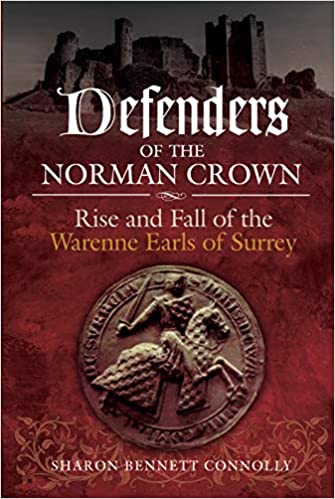
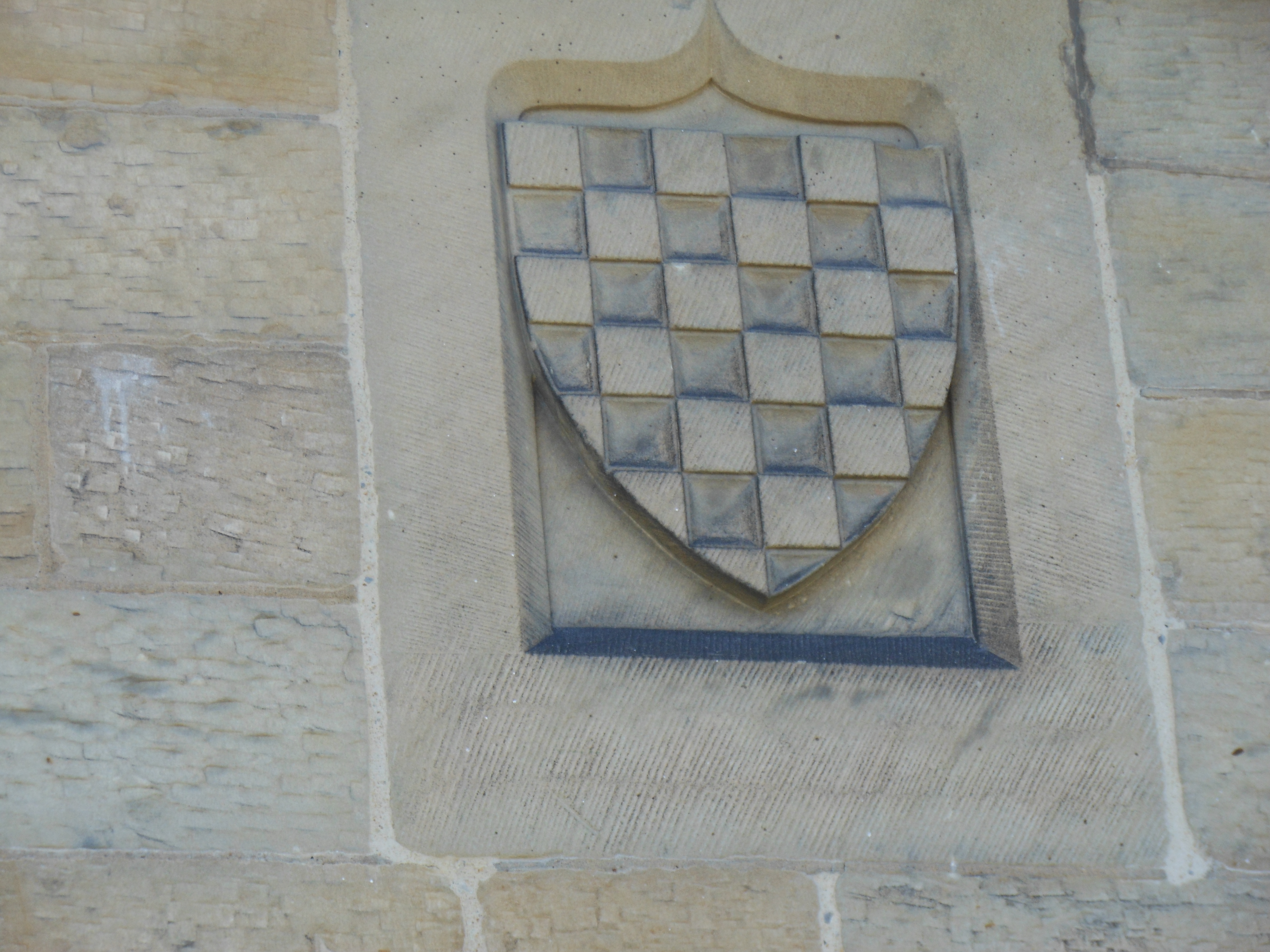




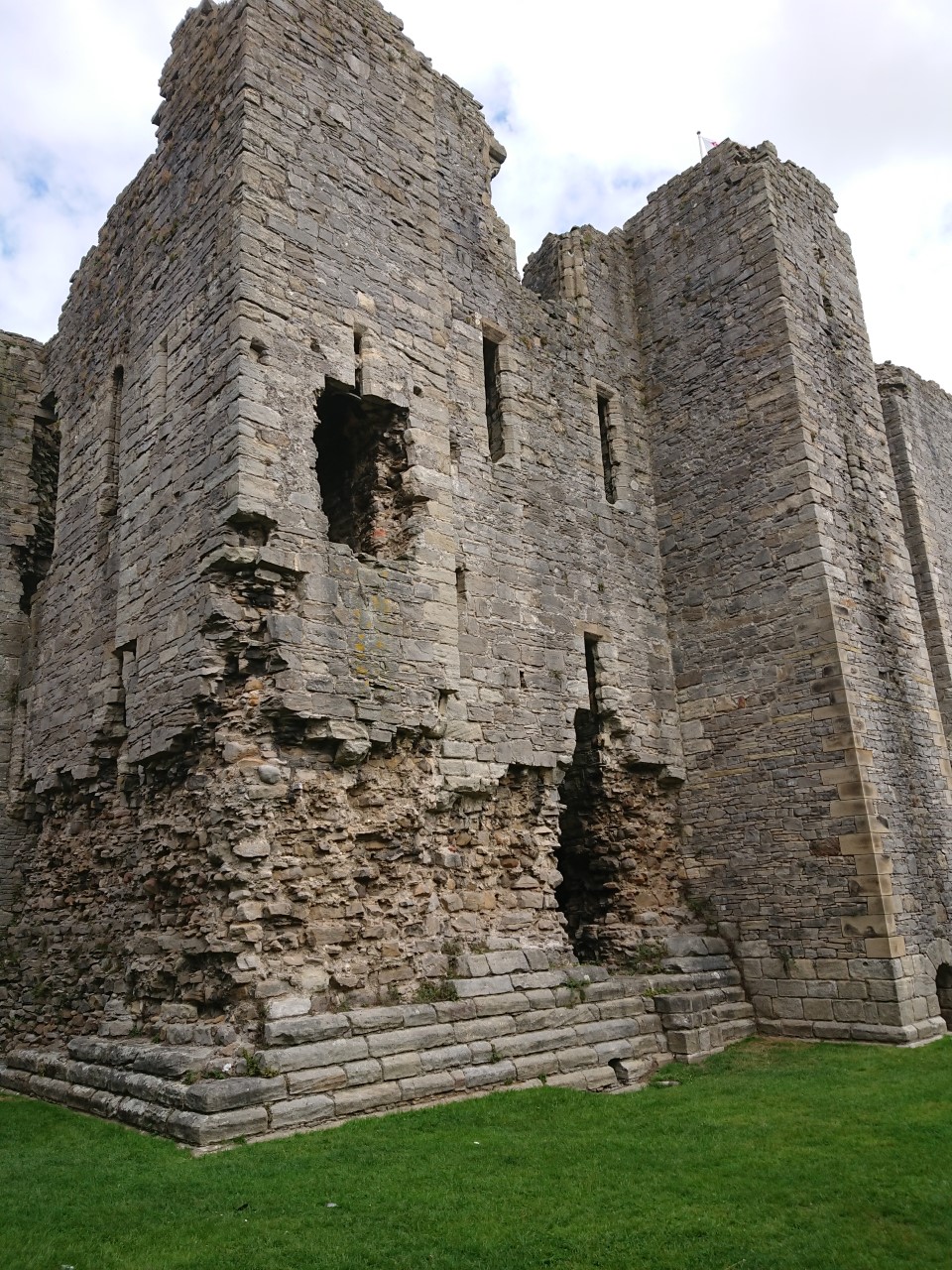
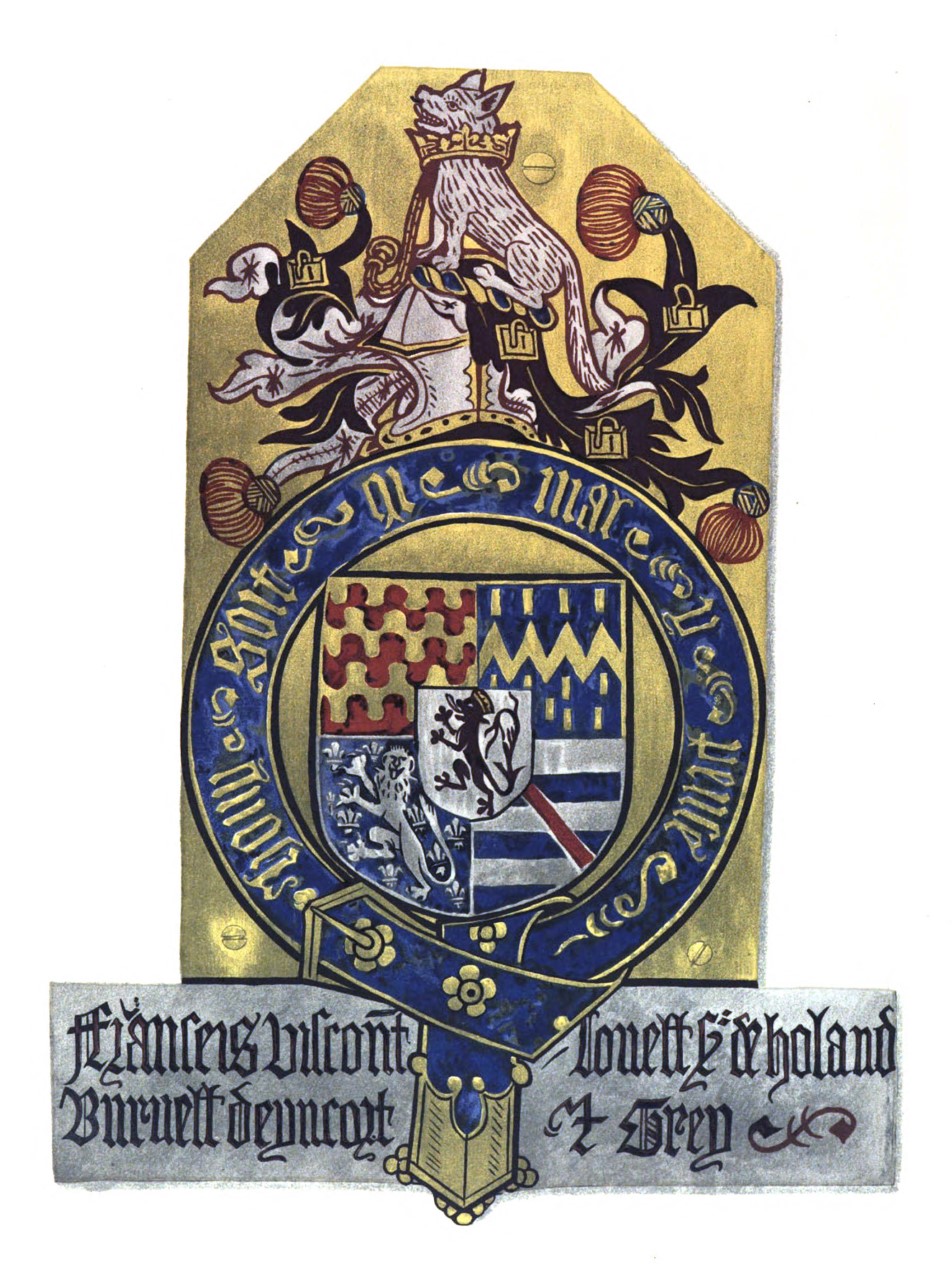
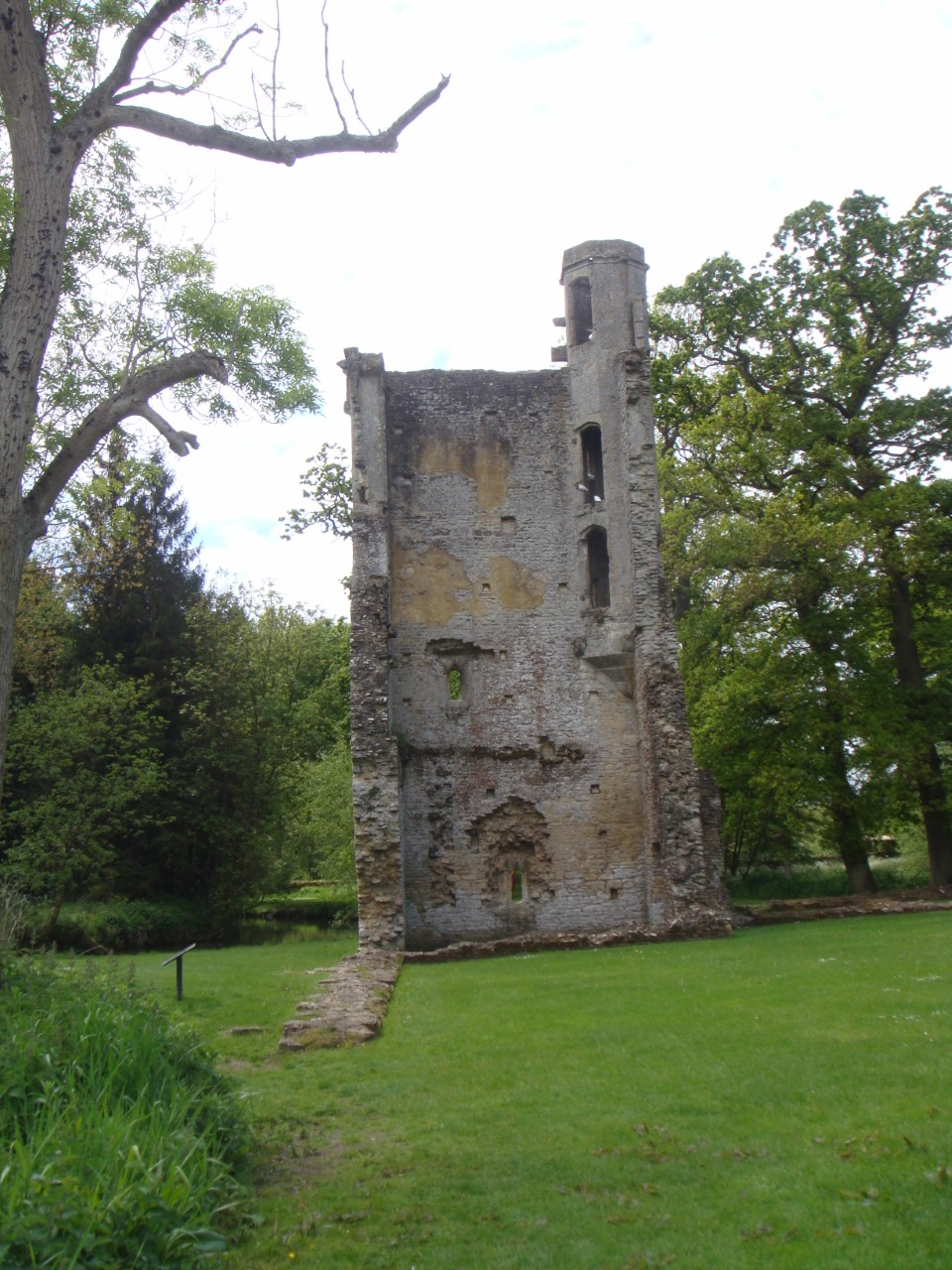

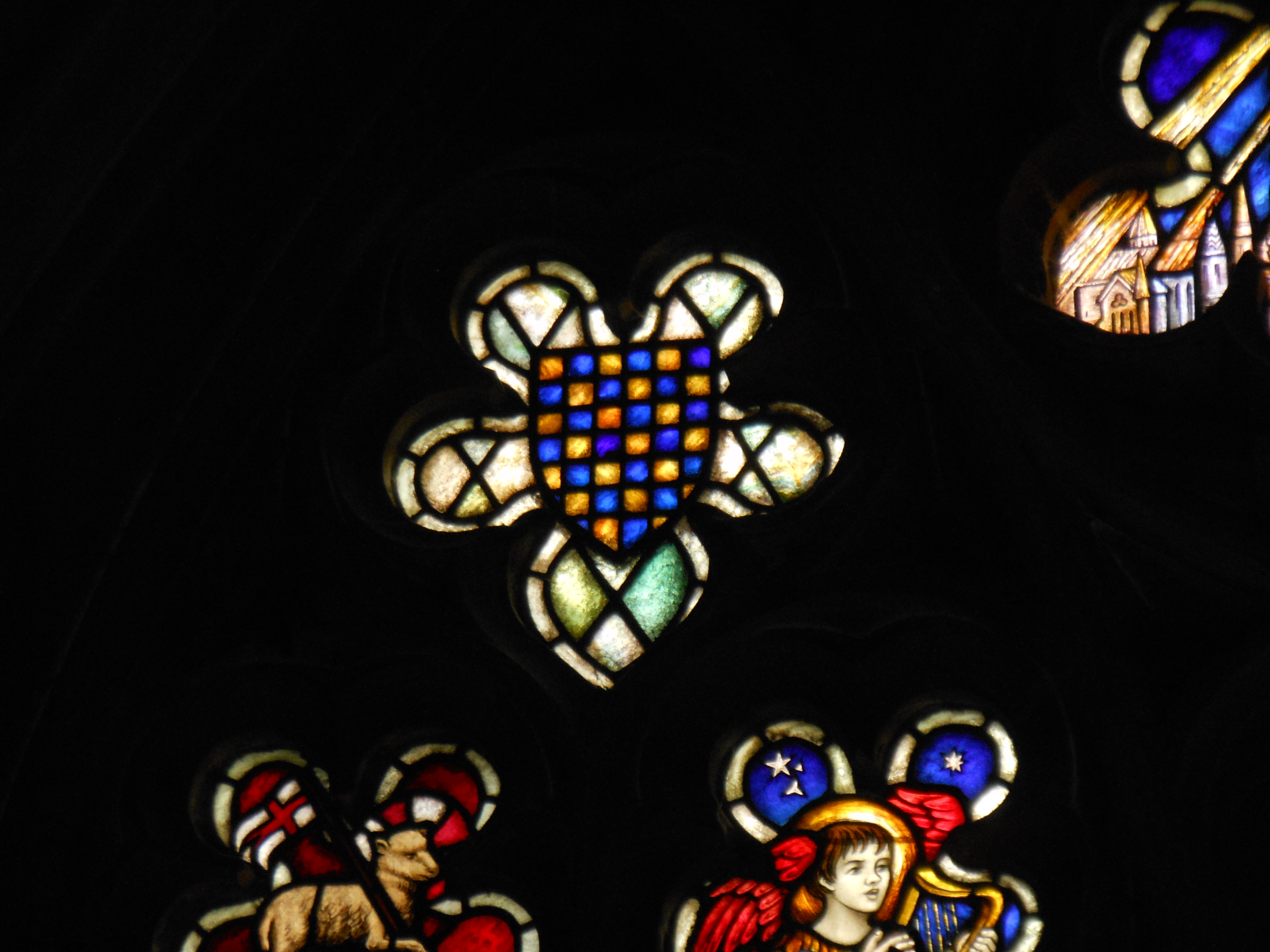
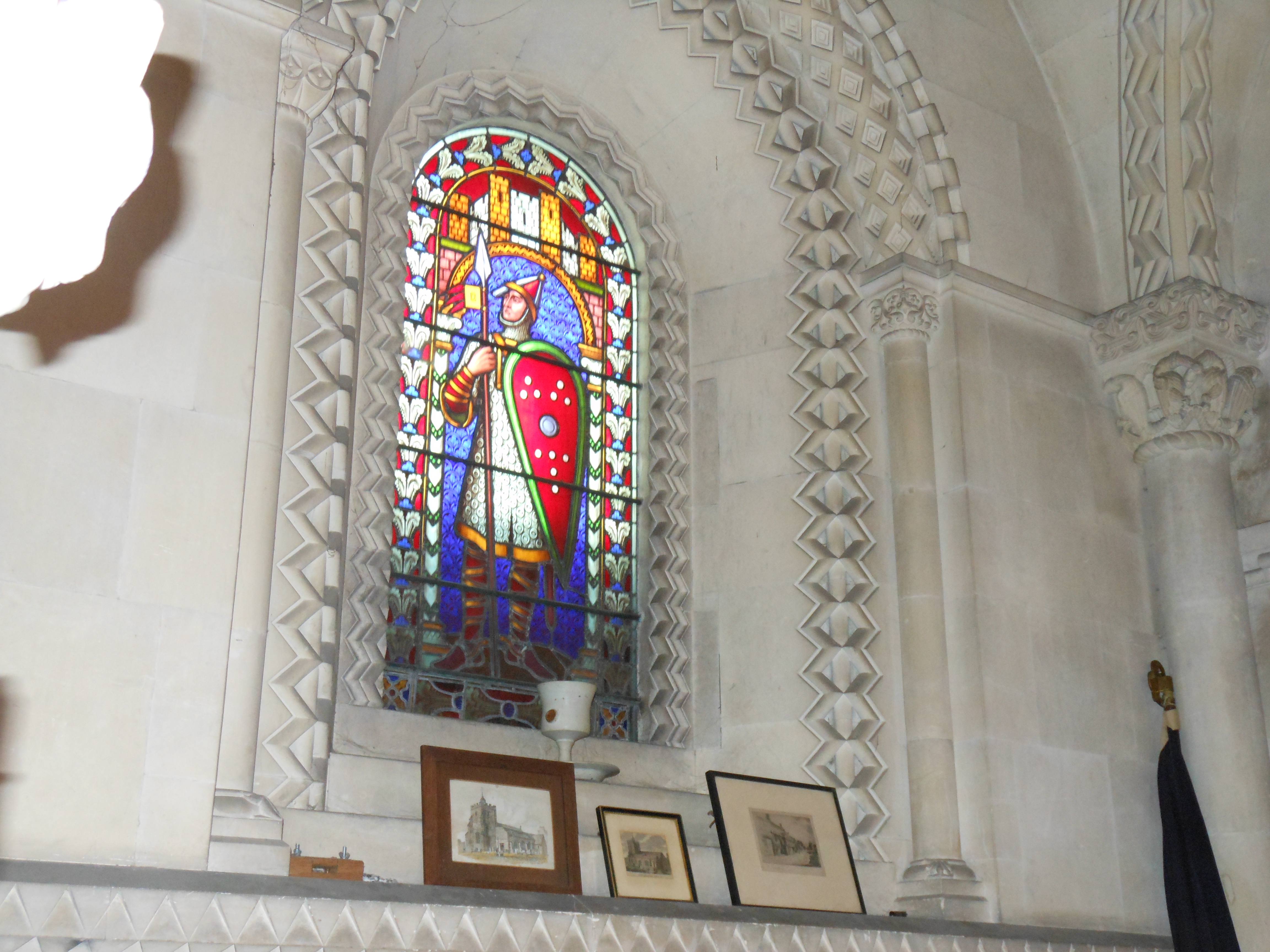
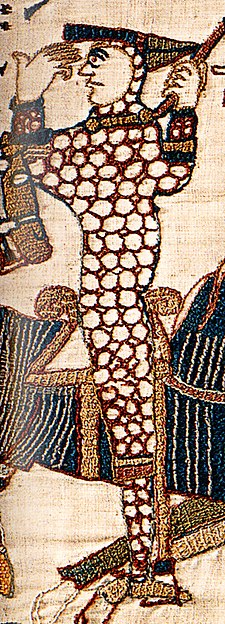
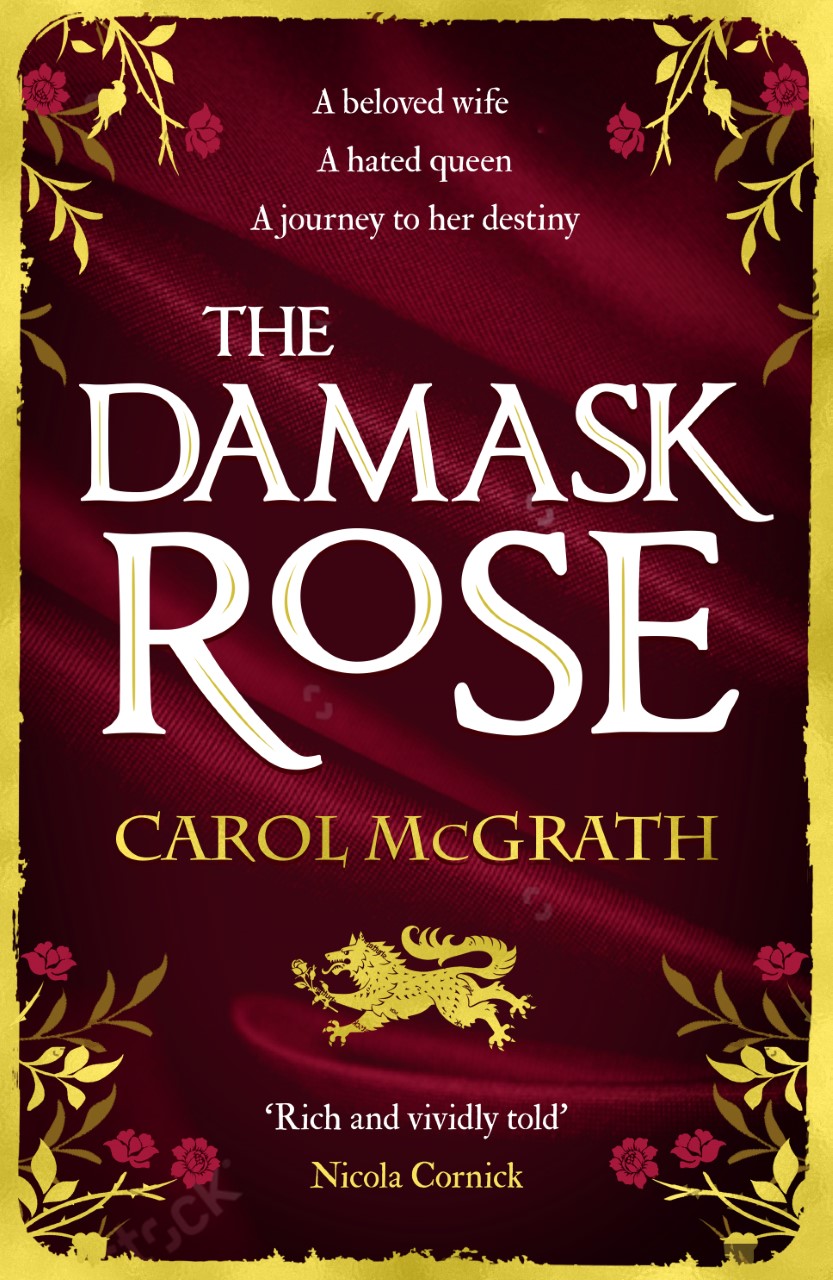
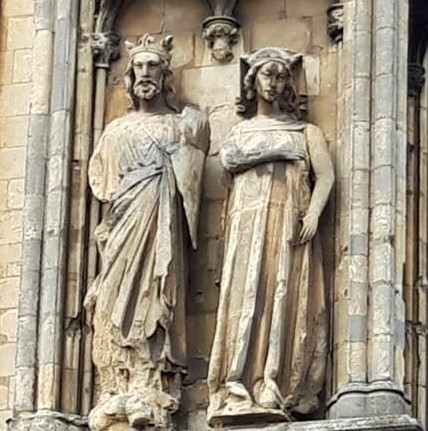
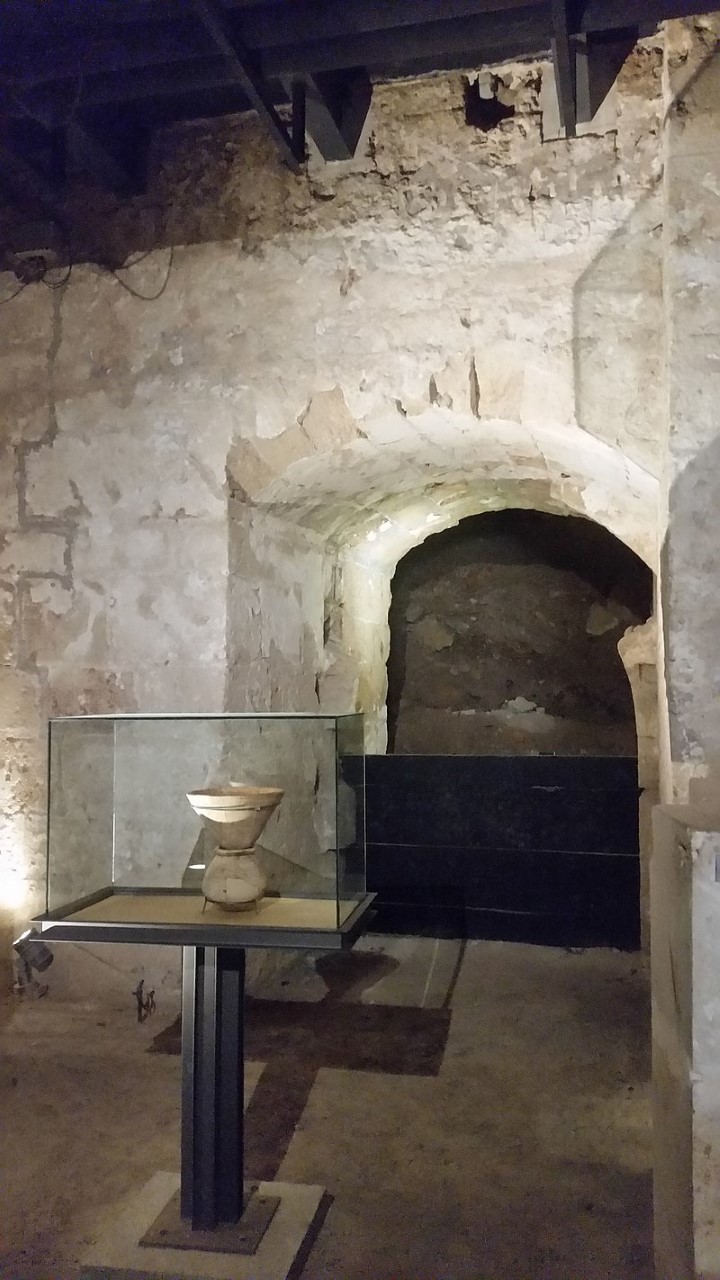

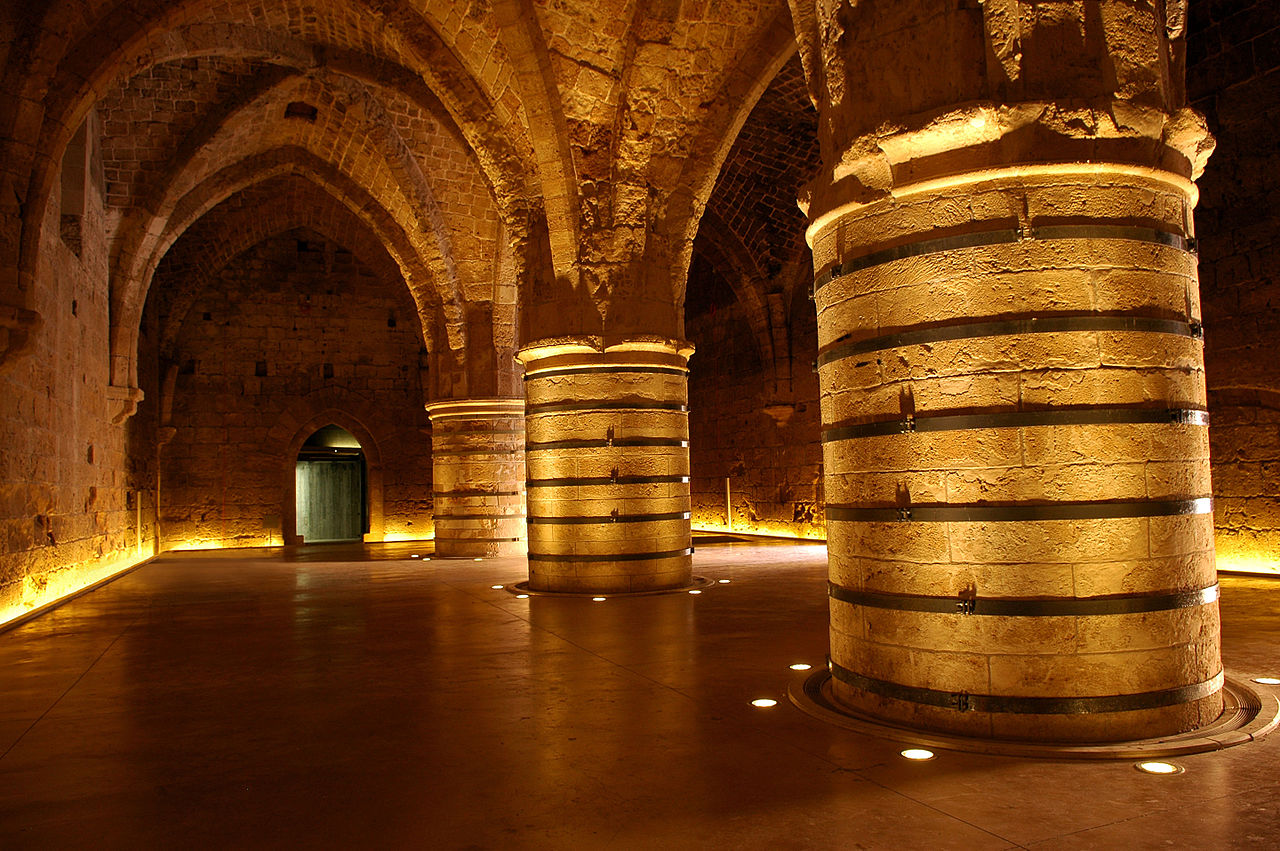
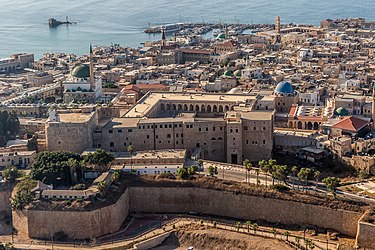
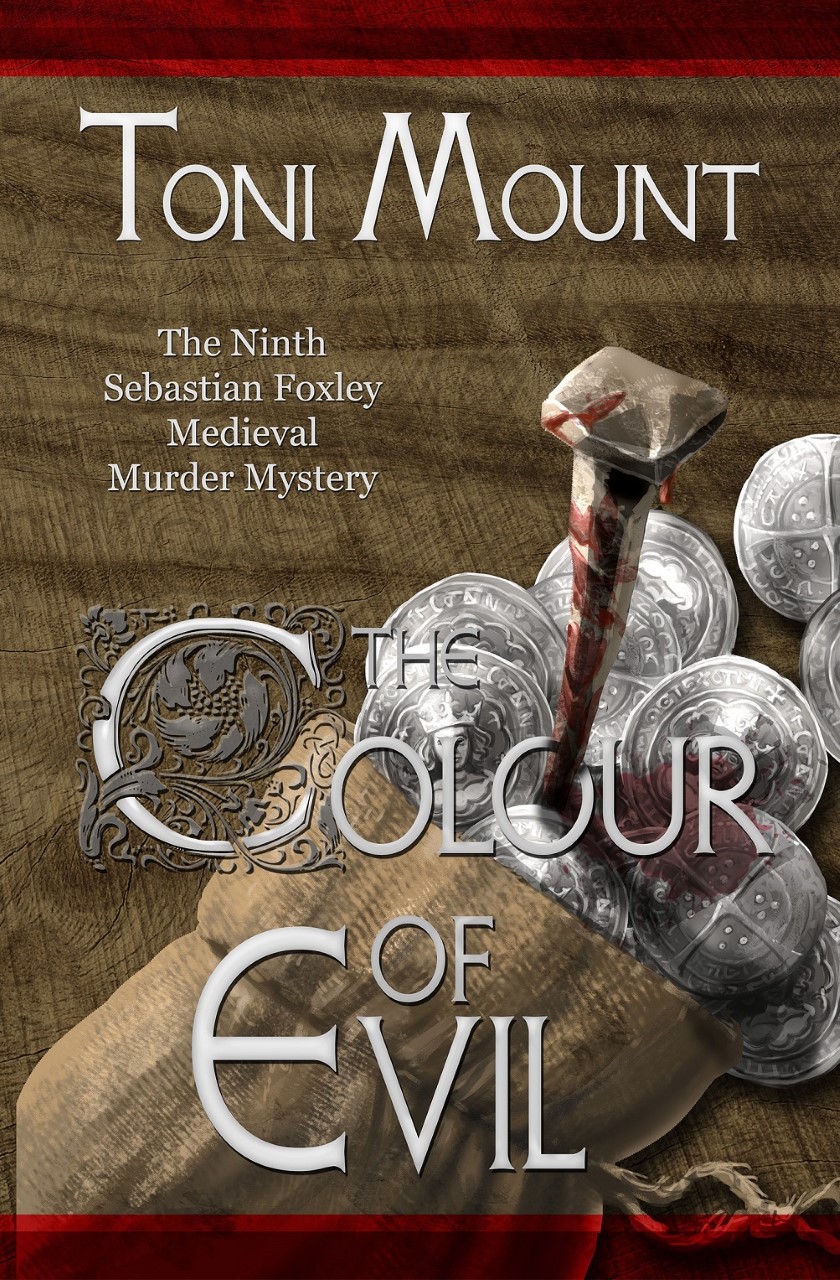

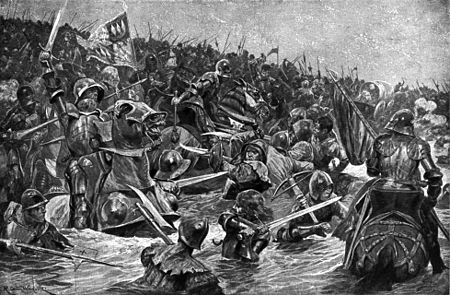
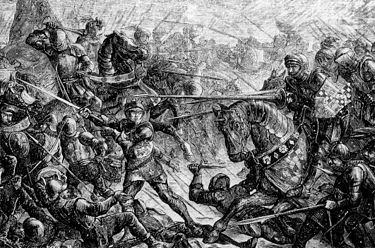
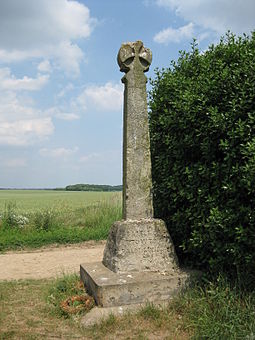

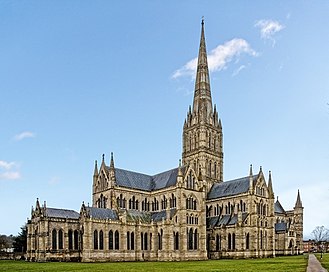
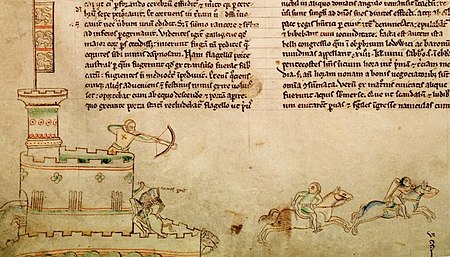




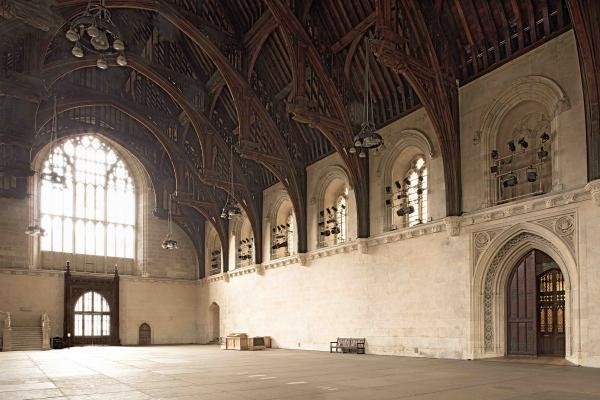



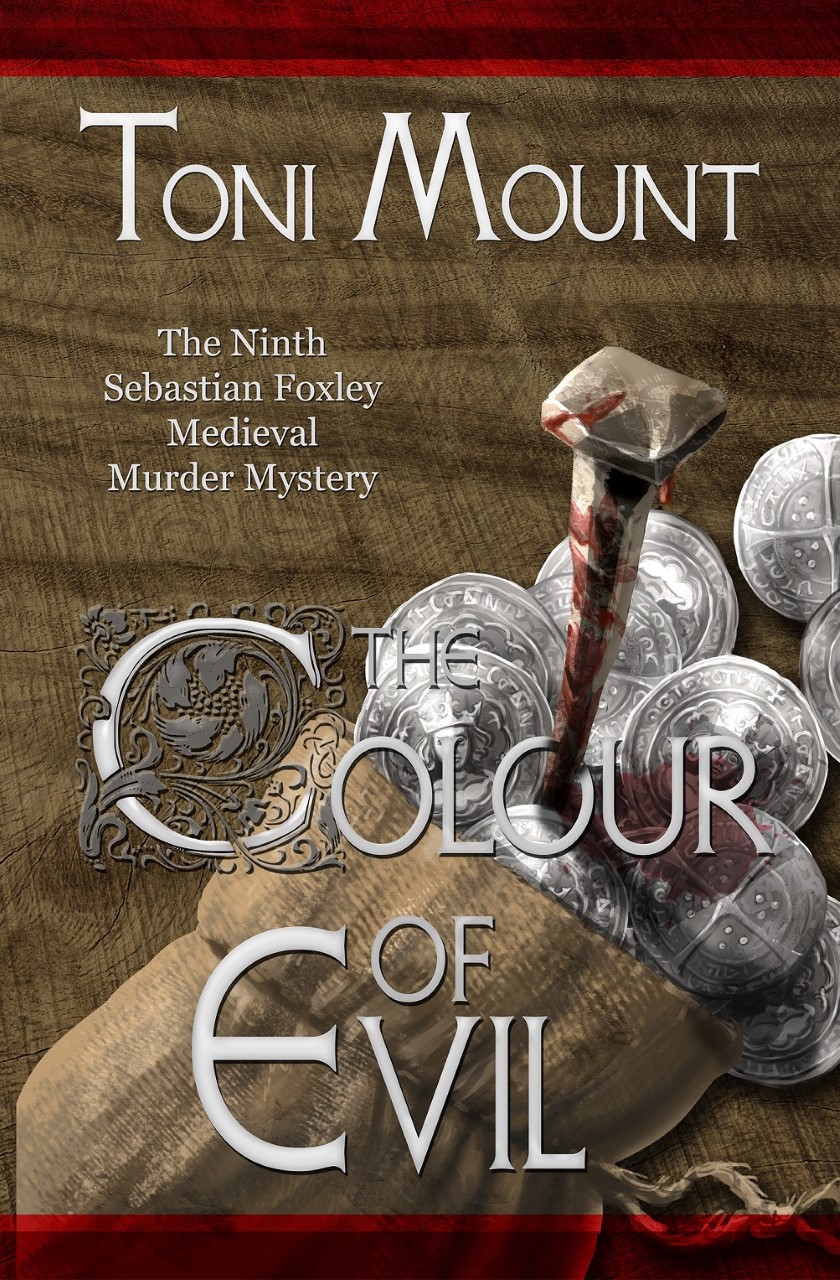
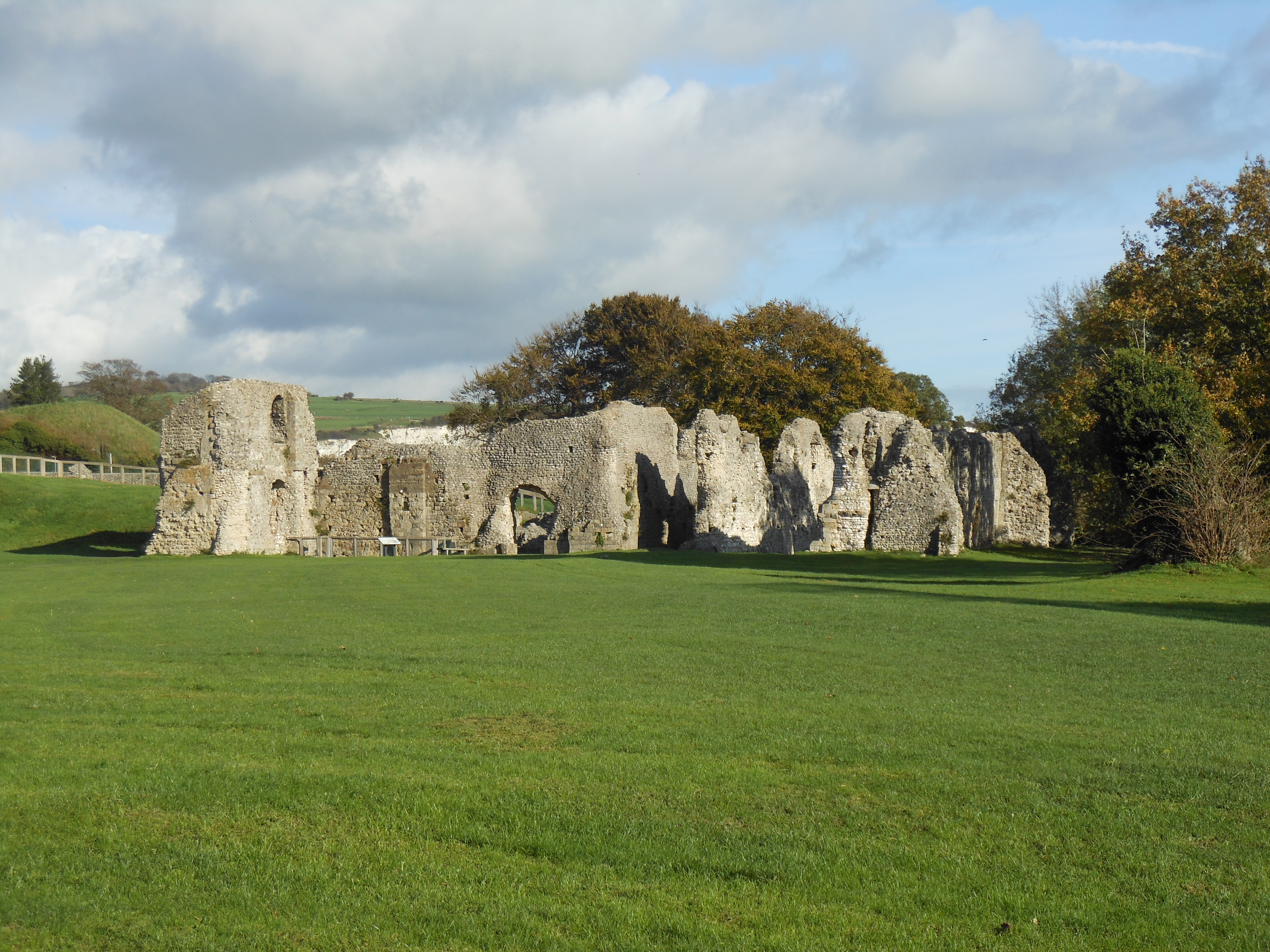
 History... the interesting bits!