Thank you to everyone who entered. If you do get a copy of any of my books, either for yourself or others, please get in touch via the ‘contact me’ page and I will send you out a signed book plate to pop in the front.
My very best wishes for a wonderful Christmas and amazing New Year!
It is my pleasure to be the one to kick of the Historical Writers’ Forum Christmas Advent Blog Hop. And what better way to celebrate the end of 2020 with a book giveaway or special offer for practically every day of advent – so be sure to follow the blog hop through our Facebook page.
You could be a winner!
This year we are celebrating with Jolabokaflod as our Christmas blog hop theme! If you are not familiar with Jolabokaflod, it is the wonderful Icelandic tradition of giving books as gifts on Christmas Eve – except we are doing it for Advent.
And my contribution to Jolabokaflod is a signed paperback copy of my first book, Heroines of the Medieval World – either for yourself or as a gift for a friend or loved one – the dedication is entirely up to you!
Heroines of the Medieval World Giveaway!
Heroines of the Medieval World looks at the lives of the women who broke the mould: those who defied social norms and made their own future, consequently changing lives, society and even the course of history. Some of the women are famous, such as Eleanor of Aquitaine, who was not only a duchess in her own right but also Queen Consort of France through her first marriage and Queen Consort of England through her second, in addition to being a crusader and a rebel. Then there are the more obscure but no less remarkable figures such as Nicholaa de la Haye, who defended Lincoln Castle in the name of King John, and Maud de Braose, who spoke out against the same king’s excesses and whose death (or murder) was the inspiration for a clause in Magna Carta. Women had to walk a fine line in the Middle Ages, but many learned to survive – even flourish – in this male-dominated world. Some led armies, while others made their influence felt in more subtle ways, but all made a contribution to their era and should be remembered for daring to defy and lead in a world that demanded they obey and follow.
The Jolabokaflod Giveaway!
The giveaway is a signed and dedicated – for you or someone you love – paperback copy of my first book, Heroines of the Medieval World. The giveaway is open worldwide – and I will do my best to get the book to you in time for the big day, wherever you are.
Here is a taster:
From Chapter 3: Medieval Mistresses
The most successful of mistresses must be Katherine Swynford, the one mistress who defied the odds and eventually married her man, thus spawning a multitude of novels and love stories. Katherine was born around 1350; she was the younger daughter of Sir Payn Roelt, a Hainault knight in the service of Edward III’s queen, Philippa of Hainault, who eventually rose to be Guyenne King of Arms. Unfortunately, the identity of her mother has never been established, not an unusual situation when you think Katherine was born to an obscure knight and her significance only became evident later in life. Katherine and her older sister, Philippa, appear to have been spent their early years in Queen Philippa’s household. Philippa de Roelt (or Rouet) joined the household of Elizabeth de Burgh, wife of Lionel of Antwerp, where she met her future husband, the literary giant of his age, Geoffrey Chaucer.
By 1365 Katherine was serving Blanche, Duchess of Lancaster, the first wife of John of Gaunt. John was the third surviving son of Edward III and Queen Philippa, and had married Blanche, co-heiress of Henry of Grosmont, Duke of Lancaster, in 1359. Soon after joining Blanche’s household, Katherine was married to Sir Hugh Swynford of Coleby and Kettlethorpe, Lincolnshire. Sir Hugh was a knight and tenant of John of Gaunt, who would serve with his lord on campaigns in 1366 and 1370. The couple had two children, Thomas and Blanche, who was named after the duchess. John of Gaunt stood as little Blanche’s godfather and she was raised alongside his own daughters by Duchess Blanche. Following the duchess’s death in September 1368, Katherine became governess to the duke’s three children: Elizabeth, Philippaand Henry. Three years after the death of Blanche, in September 1371, John married again, this time to a Spanish princess, Constance of Castile, the daughter of Pedro the Cruel, King of Castile, and Maria de Padilla, the king’s concubine-turned-wife. The marriage was a dynastic move, with Constance being heiress to the kingdom of Castile there was a distinct chance of John becoming King of Castile, if only John could wrest it from her father’s killer and illegitimate brother, Henry of Trastámara. From January 1372, he assumed the title of King of Castile and Leon, though in name only as he was never able to consolidate his position.
Shortly after the marriage of John and Constance, in November 1371, Sir Hugh Swynford died while serving overseas, leaving Katherine a widow with two very young children; the youngest was probably less than two years old. It was not long after Sir Hugh’s death that Katherine became John of Gaunt’s mistress; although some sources suggest the couple were lovers even before Sir Hugh’s death, which has brought into question the paternity of Katherine’s eldest son by John of Gaunt. However, the majority of historians agree the relationship between John and Katherine started in late 1371 or early 1372 and was developing well in the spring of that year, when Katherine received rewards and a significant increase in her status within Gaunt’s household….
It’s easy to enter!
The competition is open to everyone, wherever you are in the world. To win a signed and dedicated copy of Heroines of the Medieval World, simply leave a comment below, on the Historical Writers Forum Blog Hop Facebook Page or on my own Facebook page and I will include you in the prize draw.
The draw will be made on Sunday 6 December 2020.
Good Luck!
And don’t forget to follow the rest of the blog hop!
The Wars of the Roses is one of the most dramatic and fascinating periods in medieval history. Much has been written about the leading personalities, bitter dynastic rivalries, political intrigues, and the rapid change of fortune on the battlefields of England and Wales. However, there is one aspect that has been often overlooked, the role of castles in the conflict.
Dan Spencer’s original study traces their use from the outbreak of civil war in the reign of Henry VI in the 1450s to the triumph of Henry VII some thirty years later. Using a wide range of narrative, architectural, financial and administrative sources, he sheds new light on the place of castles within the conflict, demonstrating their importance as strategic and logistical centres, bases for marshalling troops, and as fortresses
Dan Spencer’s book provides a fascinating contribution to the literature on the Wars of the Roses and to the study of siege warfare in the Middle Ages.
The Castle in the Wars of the Roses by Dan Spencer provides a unique perspective on that most famous of civil wars in England. Dr Spencer combines the story of the Wars of the Roses with the varied uses of the castle during the period, as defensive structures, administrative centres and homes for the nobility. Dan Spencer establishes that the castle as a military structure was still an important asset to any army and served to guard the marches of Wales and Scotland and to act as muster points for gathering armies. Castles were strong defensive structures that could be garrisoned whenever the war came too close, though as Dr Spencer highlights, permanent garrisons were rare by this time, they could provide effective defence and intimidation when needed.
I was aware of a number of sieges during the Wars of the Roses, mainly those at Dunstanburgh and Bamburgh. However, I was not aware that that was just the tip of the iceberg. According to Dan Spencer, there were 36 definite sieges and several more possible sieges – for which there is little contemporary information, so we can’t say for certain. These possible sieges include where there are written orders for a castle to be invested, but no further report of whether the siege was undertaken or the castle surrendered without a fight.
In The Castle in the Wars of the Roses, Dan Spencer argues that while the use of the castle was declining, it still played an important role in the conflict. The book is written in a narrative, chronological style, whereby Dr Spencer tells the whole story of the Wars of the Roses, but with particular focus on the siege warfare and the use and provision of castles. It is an excellent read.
The fall of Bamburgh marked the end of a four-year-long struggle for control of Northumberland. This was part of a wider dynastic conflict between the Yorkist and Lancastrian factions for control of the kingdom of England. For much of the second half of the fifteenth century these two rival houses fought a series of wars to win the English throne, which since the nineteenth century has been commonly called the Wars of the Roses. This era is without a doubt one of the most popular topics in medieval English history. Numerous books, articles, plays and films have been produced over the centuries. Looking at all sorts of aspects ranging from the dynamic personalities of key figures, such as Richard III, the causes of the conflict, its long-term legacy and the military campaigns, particularly the major battles. Given this vast output on the subject, it may be pertinent to ask why it is necessary for yet another book to be written. The answer is that one important area has been almost wholly neglected: the role of the castle in the Wars of the Roses.
Why has this been the case? One explanation is the perception that the campaigns of the Wars of the Roses were dominated by decisive battles, in which castles played a very minor role. This argument does have some substance. The era was unusual for the frequency with which significant battles took place. Nevertheless, this does not tell the whole story. As we will see, there were many campaigns in which castles were used in a significant way. Similarly, the late Middle Ages has been characterised as a period in which castles were in a state of transition and decline, in which their traditional role as fortresses was increasingly no longer necessary due to changes in warfare and society.
While there are many books on the Wars of the Roses, none have looked at the conflict in quite this way before. Dan Spencer covers every aspect of the conflict and the actions of the leading players involved, including Henry VI, Edward IV, Warwick the Kingmaker, Richard III, etc. While the major battles are also covered, the spotlight is on the castles, their role in the conflict ad the tactics used to successfully prosecute a siege. Dan Spencer’s impeccable research means that he can build a deep understanding of the layout of each castle, the provisions it stored and the garrison that manned it.
The Castle in the Wars of the Roses analyses not only the strength of a castle, but the prosecution of these sieges and the reasons for their success or failures. Using primary sources, archaeological evidence and his own extensive experience of castles, Dan Spencer has produced a fascinating book that can only add to our knowledge of the Wars of the Roses. The text is supported by wonderful colour images of the castles mentioned, and detailed floor plans. It is whole knew way of looking at the conflict, providing a freesh perspective.
Well written in an engaging narrative, The Castle in the Wars of the Roses is a fascinating, addictive read. And a perfect Christmas present!
The Castle in the Wars of the Roses is available from Amazon or direct from Pen & Sword Books (with 30% off in December!)
About the author:
Dr Dan Spencer has made a special study of late medieval warfare, focusing in particular on gunpowder artillery and castles. Recent publications include The Castle at War in Medieval England and Wales and Royal and Urban Gunpowder Weapons in Late Medieval England. To find out more visit danspencer.info or follow him on Twitter and Instagram @Gunpowderdan.
Misplaced trust, power hunger, emotional blackmail, and greed haunt twelve characters from post-Roman Britain to the present day. And betrayal by family, lover, comrade can be even more devastating.
Read twelve tales by twelve accomplished writers who explore these historical yet timeless challenges.
AD455—Roman leader Ambrosius is caught in a whirlpool of shifting allegiances AD940—Alyeva and cleric Dunstan navigate the dangers of the Anglo Saxon court 1185—Knight Stephan fights for comradeship, duty, and honour. But what about love? 1330—The powerful Edmund of Kent enters a tangled web of intrigue 1403—Thomas Percy must decide whether to betray his sovereign or his family 1457—Estelle is invited to the King of Cyprus’s court, but deception awaits 1483—Has Elysabeth made the right decision to bring Prince Edward to London? 1484—Margaret Beaufort contemplates the path to treason 1577—Francis Drake contends with disloyalty at sea 1650—Can James Hart, Royalist highwayman, stop a nemesis destroying his friend? 1718—Pirate Annie Bonny, her lover Calico Jack, and a pirate hunter. Who will win? 1849/present—Carina must discover her ancestor’s betrayer in Italy or face ruin.
Betrayal: Historical Stories is a wonderful anthology of 12 short stories exploring the concept of betrayal, either of country, family or lovers. Featuring some of the best authors of the moment, Betrayal: Historical Stories features stories from post-Roman Britain to an alternative reality in modern times, where the Roman Empire never fell but continued under powerful, influential women in Roma Nova.
There is something in this book for everyone. There are kings and queens, knights, pirates and cavalier highwaymen. There are stories of love, loyalty and friendship combined with implacable enemies, broken promises, family secrets and – above all – betrayal!
The remarkable diversity of the stories make this anthology a gripping read. You never know what story you are going to come across next, whether its the exploits of Sir Francis Drake, the heartbreaking story of 13-year-old Edward V’s journey to London, from his proclamation as king to his deposition and imprisonment in the Tower of London. Each story is written by a different author; their voices are as distinct as their characters.
In a book of short stories, it is impossible to pick an extract that shows the full range of writing on offer. However, it is possible to choose and extract that highlights the high standard of writing throughout the book. So here’s an excerpt from Honour of Thieves by Cryssa Bazos:
A panicked rider appeared from around the bend, twisted in the saddle, his attention fixed behind him as though the hounds of hell snapped at his feet. When he finally turned to face the road ahead, he saw James barring his way and screamed. the rider yanked hard on teh reins, and his horse skidded to a bone’jarring halt. He fought to keep himself from launching over his horse’s head.
James levelled his pistol at him. ‘Stand and deliver!’
A bead of sweat trickled down the man’s brow. ‘Ah, Master Highwayman. Do you not remember me? I passed this way before. You afforded me a free pas through Moot Hill.’ When he received no acknowledgement, he pressed on, his voice cracking, ‘I’m the pauper you took pity on. Do you not recall?’
James studied the man. Same battered hat and frayed cloak, a nearly broken horse better suited for the pasture than the road. True, he had last taken the man for a beggar, as he was meant to, but since then he had learned the truth. ‘A thrice of days ago; I haven’t forgotten. I allowed you the freedom of the highway.’
‘Blessed be the day.’ The man beamed and wiped his forehead with his sleeve. ‘Naturally, there’s no profit accosting me.’ His smile faded when he realised that the pistol was still trained on him. ‘I’m not even a Parliamentarian – I’m a good Royalist still mourning his fallen king … like yourself.’
James lifted a brow, satisfied to see the man squirm. Lying sod. Many travellers had passed this way over the last year pretending to share the highwayman’s abhorrence for their Parliamentarian usurpers in order to save their purse. James had seen through their ruses, but this one had somehow rooked him. That set his teeth on edge. ‘You pled your case well, claiming to be a half-starved hare.’ He swept his gaze to the man’s new leather boots. Clearly, the man’s subterfuge did not extend to the discomfort of ill-fitting shoes. ‘I took pity on you – instead of taking, I gave you a goodly sum to keep you well and a few coins besides to drink my health.’
‘God save you -‘
‘Did you have that drink?’ James asked.
‘Of course! I sang your praises at a public house that night.’
Reading Betrayal: Historical Stories was a combination of spending a few hours with old friends and meeting new ones. Elizabeth St John, Judith Arnopp and Alison Morton were authors I was familiar with, but had not read before. I am now going to rectify that and go through their back catalogue to catch up. Alison’s Roma Nova short story provided an intriguing alternative to the modern day, showing us how the world might be, had a Roman Empire survived and flourished into the modern world, under the auspices of 12 ruling families.
The stories are beautifully written, enjoyable diversions. It is impossible to choose a favourite! Betrayal: Historical Stories showcases some of the best writing in historical fiction today. It is a pure pleasure to read.
What a fabulous way to discover new authors and new adventures!
The Betrayal: Historical Stories anthology is available for free from Amazon UK and Amazon US.
Guest Interview with Tudor Historical Fiction Author Tony Riches
Carrying on with my series of author interviews, today it is a great pleasure, at History … the Interesting Bits, to welcome author Tony Riches, best-selling author of many historical novels, including The Tudor Trilogy and The Brandon Trilogy. Tony’s latest book, Drake – Tudor Corsair has just hit the shops.
I last interviewed Tony in 2016, so we had some catching up to do!
Hi Tony, thanks so much for agreeing to do an interview, and congratulations on the release of Drake – Tudor Corsair.
So, first question, have you always wanted to be a writer?
I used to write regularly for a range of magazines, and was amazed when my first book (on project management) became a best seller in the US. I wrote my first historical fiction novel ten years ago. Since then, I’ve written at least one book a year, and have been able to write full-time.
Who are your writing influences?
Hilary Mantel and C.J. Sansom are my favourite historical fiction authors, and I’ve just finished reading Alison Weir’s Kathryn Howard – The Tainted Queen, which I highly recommend. I read widely across all genres, and have a huge collection of non-fiction books.
What do you love about writing?
Writing historical fiction is like travelling in time, as I enjoy immersing myself in every detail of the period, from the food they eat to the clothes they wear. In my new Elizabethan series, I had to understand what it was like to wear a ruff. (Francis Drake found his fashionable ruffs uncomfortable, and couldn’t wait to take them off.)
Grimsthorpe Castle
I also look forward to visiting the actual locations used in my books, to have a sense of the local area. When I was researching my book about Katherine Willoughby, I was able to visit the actual rooms at Grimsthorpe Castle where she spent her last years, as well as her amazing tomb at Spilsby.
Social media – do you love it or hate it?
I was an early adopter of Twitter (in July 2009) and over the years have built up a great following, so I use it most days. I never really took to Facebook, but I try to post to my author page once a day, and I’ve recently been participating in some useful and interesting groups, so it has its place. I’m still trying to work out how to make effective use of Instagram…
What advice would you give to someone starting on their writing career?
Write something every day, until writing becomes a habit – and remember that a page a day us a book a year! I try to write at least five-hundred words a day, even when I’m away on research visits.
Many of your stories are set in the Tudor era, what attracted you to setting your stories in the Tudor, what attracted you to writing about this time?
I was born in Pembroke, birthplace of Henry Tudor, who became King Henry VII and began the Tudor Dynasty, but I only began to study its history when I returned to the area as a full-time author.
I found several accounts of Henry’s life, but no novels which brought the truth of his story to life. The idea for the Tudor Trilogy occurred to me when I realised Henry Tudor could be born in book one, ‘come of age’ in book two, and rule England as king in book three, so there would be plenty of scope to explore his life and times.
I’m pleased to say all three books of the Tudor trilogy became best-sellers in the US and UK, and I decided to write a ‘sequel’ about the life of Henry VII’s daughter, Mary Tudor, who became Queen of France. This developed into the Brandon trilogy, as I was intrigued by the life of Mary’s second husband, Charles Brandon, the best friend of Henry VIII. The final book of the Brandon trilogy, about his last wife, Katherine Willoughby, has also become an international best-seller.
Katherine saw Elizabeth Ist become queen, and I began planning an Elizabethan series, so that my books tell the continuous stories of the Tudors from Owen Tudor’s first meeting with Queen Catherine of Valois through to the end of Queen Elizabeth’s reign.
What particularly interested you in writing the story of Francis Drake?
I decided to show the fascinating world of the Elizabethan court through the eyes of the queen’s favourite courtiers. Francis Drake’s story is one of the great adventures of Tudor history. He intrigued me because he was a self-made man, who built his fortune by discovering the routes used by the Spanish to transport vast quantities of gold and silver. He had a special relationship with Queen Elizabeth, and they spent long hours in private meetings, yet he was looked down on by the nobility – even after he was knighted.
I’ve enjoyed tracking down primary sources to uncover the truth of Drake’s story – and discovering the complex man behind the myths. I’ve also learnt that most of what I thought I knew about Drake was wrong, so I’m hoping my new book will help to set the record straight.
What comes first, the research or the story?
I spend about a year researching each book, making notes, looking for important details, and thinking about my approach. I decided to write Drake in the first person, and can imagine him as a unreliable narrator, keen to impress his queen with his stories of stolen gold, dangerous islanders and long-necked sheep (llamas).
How do you decide whose story to write next?
Although it’s important for each book to stand alone, there is a thread which connects them all, and some readers have noticed how there is some mention of the next subject, in each book. There are so many fascinating characters in the Elizabethan court I decided not to limit myself to a trilogy and to make it a series.
You have written about several fascinating people, from Eleanor Cobham to Francis Drake, who was your favourite subject and why?
Whoever I’m writing about at any point in time becomes my new favourite subject, but if I have to choose one, Owen Tudor has a special place as the one who started it all. I’d written the first three chapters when I read Hilary Mantel’s Wolf Hall, and decided to rewrite Owen in first person present tense. It was a gamble, but I’ve just checked and at the time of writing he has 676 reviews on Amazon US – and has been #1 in the US, UK and Australia, so he’s served me well.
Tony Riches
Fabulous talking to you Tony!Thank you!
About the author:
Tony Riches is a full-time UK author of best-selling historical fiction. He lives in Pembrokeshire, West Wales and is a specialist in the history of the Tudors. For more information about Tony’s books please visit his website tonyriches.com and his blog, The Writing Desk and find him on Facebook and Twitter @tonyriches.
Growing up near Conisbrough Castle, South Yorkshire, I did not know much about its history. It was rather underrated. We always thought it was just a bland old place – it was great for exploring and rolling down the hills and playing hide and seek in the inner bailey. However, being so far from London, the centre of power, it didn’t seem to have much history or national importance. The most famous thing about it was that it was used as the Saxon castle in Sir Walter Scott’s Ivanhoe.
The castle’s early history
English Heritage have spent a lot of money on it in recent years. When I worked there in the early 1990s there was no roof, it was open to the elements, with green moss on the walls and erosion caused by acid rain. And there was just a very narrow walkway around the inside of the keep. It was just a shell. Now it has a roof, floors on every level, sensitive lighting, information videos on each floor and a fantastic little visitor centre with a small museum. It looks so much better (although I still wouldn’t want to stand on the battlements on a windy day like today).
Conisbrough’s hexagonal keep
When I joined the castle team as a volunteer tour guide, I started looking into the actual history of the Castle, seeing it more for what it has been, than for the visitor attraction it is now. Instead of being a forgotten, unimportant little castle in the middle of nowhere, Conisbrough Castle comes to life through the history it has been a part of, and the people who have called it home.
According to Geoffrey of Monmouth, in his Historia Regum Britanniae (History of the Kings of Britain), Conisbrough was founded as ‘Conan’s Burg’ by a British leader called Conan. It was said to have later belonged to Ambrosius Aurelianus, a candidate for the legendary King Arthur. As Geoffrey of Monmouth says, Ambrosius captured the Saxon leader Hengist, once a mercenary for Vortigern, at the battle of ‘Maisbeli.’ And brought him to his stronghold at Conisbrough. Hengist was then beheaded on Ambrosius’ orders and buried at the entrance to the castle of ‘Cunengeburg’, that is Conisbrough. A small hill, locally called Hengist’s Mound, is in the grounds of the outer bailey.
What we know, for certain, is that by 1066 the Honour of Conisbrough belonged to Harold Godwinson, Earl of Wessex and later King Harold II of England, though there is no evidence that he ever visited. On a prominent, steep hill, the castle guards the main road between Sheffield and Doncaster to the east, and the navigable River Don to the north.
The kitchen range in the inner bailey
Following Harold’s defeat and death at the Battle of Hastings, and shortly after the Harrying of the North of 1068 Conisbrough was given to one of William the Conqueror’s greatest supporters, William de Warenne. Warenne was a cousin of Duke William of Normandy and fought alongside him at the Battle of Hastings. He was given land in various counties, including Lewes in Sussex and Conisbrough in Yorkshire; and although he developed his property at Castle Acre in Norfolk, little was done at Conisbrough. In those days the castle itself was little more than a wooden motte and bailey construction, surrounded by wooden palisades and earthworks.
*
A thoroughly modern Castle
It was not until the reign of Henry II that the Castle began to take on the majestic appearance we know today. Conisbrough came into the hands of Hamelin Plantagenet, illegitimate half-brother of King Henry II; Hamelin had married the de Warenne heiress, Isabel, 4th Countess of Warenne and Surrey, and became 4th Earl of Warenne and Surrey by right of his wife.
Fireplace in the bedchamber in the keep
It was Hamelin who built the spectacular hexagonal keep that we can see today. The stairs to the keep were originally accessed across a drawbridge, which could be raised in times of attack. The ground floor was used for storage, with a basement storeroom below, housing the keep’s well, and accessed by ladder.
The first floor holds the great chamber, or solar, with a magnificent fireplace and seating in the glass-less window. According to Margaret Wood’s The English Medieval House, “It has been shown * that the two earliest known examples of a hooded fireplace, at Conisborough [sic] keep (c. 1185)‘ in Yorkshire (PI. XLI p), occur where the circular plan of the room made an arched fireplace difficult to construct. Here a lintel was formed along a chord of the circumference, and the resulting filling above assumed a hooded form.” This is where the Lord would have conducted business, or entertained important guests. Henry II, King John and King Edward II are known to have visited Conisbrough: King John even issued a charter from Conisbrough Castle in March 1201.
The chapel’s vaulted ceiling
The second floor would have been sleeping quarters for the lord and lady. Both the solar and the bedchamber have impressive fireplaces, garderobes and a stone basin, which would have had running water delivered from a rainwater cistern on the roof.
On this floor, also, built into one of the keep’s buttresses is the family’s private chapel. This may well have been the chapel endowed by Hamelin and Isabel in 1189-90, and dedicated to St Philip and St James (although there was a, now lost, second chapel in the inner bailey to which the endowment could refer). The chapel is well-decorated, with quatrefoil windows, elaborate carving on the columns and a wonderful vaulted ceiling.
Chapel carvings
There is a small sacristy for the priest, just to the left of the door, with another basin for the priest’s personal use, and cavities for storing the vestments and altar vessels.
The winding stairs, built within the keep’s thick walls, give access to each successive level and, eventually, to the battlements, with a panoramic view of the surrounding area.
These battlements also had cisterns to hold rainwater, a bread oven and weapons storage; and wooden hoardings stretching out over the bailey to aid in defence. The keep and curtain walls – which were built slightly later – were of a state-of-the art design in their day. The barbican, leading into the inner bailey, had 2 gatehouses and a steep passageway guarded by high walls on both sides; an attacking force would have been defenceless against missiles from above, with nowhere to run in the cramped corridor.
View from the battlements
Although the encircling moat is dry (the keep is built high on a hill), all the detritus from the toilets and kitchens drained into it; another little aid to defence – imagine having to attack through that kind of waste?
None of the buildings in the inner bailey have survived, although you can see their stone foundations in the ground. Along one wall there were kitchens and service rooms leading into a great hall, with a raised dais at the far end, and a solar and living quarters above. Another range of buildings attached to the western wall also held living quarters, possibly for the garrison and any guests. There’s even a small jail cell just to the side of the barbican.
Although Conisbrough is not a large castle, the extensive range of buildings, the magnificent decorations of the fireplaces and chapel, suggest it would have been impressive in its day; and reflects the importance of the castle’s owners and occupants.
*
The Castle’s Residents
The inner bailey
The Warenne Earls of Surrey were close to the crown, and the centre of government, for the best part 3 centuries. The daughter of the 2nd Earl, Ada, had married the heir to the Scots throne and was mother to 2 Scottish kings; Malcolm the Maiden and William the Lion.
Hamelin’s son and heir, William, 5th Earl of Warenne and Surrey, married Maud Marshal, daughter of the Greatest knight, William Marshal, Earl of Pembroke and Regent during Henry III’s infancy. A cousin of King John, William was deeply involved in the Magna Carta crisis, though not always in support of his cousin. Their son John, the 6th Earl, was Edward I’s lieutenant in Scotland and beat the Scots at the Battle of Dunbar in 1296, though he had been defeated by William Wallace at Stirling Bridge the following year. John’s daughter, Isabella, married John Balliol, King of Scots, and was mother to Edward Balliol, another Scottish king. John’s sister, Isabel, married Hugh d’Aubigny, 5th Earl of Arundel, and is remembered as the countess who stood up to Henry III, invoking Magna Carta, when he appropriated land that was rightfully hers.
The 7th – and last – Warenne earl, John, was a colourful character who lived through some of the most dramatic events of English history; the reign of Edweard II. John was the grandson of the 6th earl; his father, William de Warenne, had diedbeen killed in a tournament at Croydon, in December 1286, when John was just 6 months old. Although he was married to Joan of Bar, a granddaughter of Edward I, John lived openly with his mistress and made several unsuccessful attempts to obtain a divorce from his wife. A private feud with Thomas Earl of Lancaster saw John arrange the kidnapping of Earl Tomas’ wife, Alice de Lacey, possibly in retaliation for Lancaster standing in the way of Surrey’s longed-for divorce. The result was the 1st – and only – siege of Conisbrough Castle.
Lancaster sent forces to seize the Warenne castles at Sandal and Conisbrough. His men found the gates of Conisbrough closed to them. The castle was defended by only six men, including the town miller and three brothers, Thomas, Henry and William Greathead, who were men-at-arms. The siege lasted less than two hours and the defenders appear to have relinquished the castle after apparently putting up a token resistance; the three brothers were fined for drawing blood. The chapel in the castle’s inner bailey may have been damaged in the brief altercation, as the following year, Lancaster sent orders to his castellan at Conisbrough, John de Lassell, to ‘repailler la couverture de la chapele de Conynggesburgh.’1
The bedchamber in the keep, with wash basin and stairway leading to the garderobe and battlements
The last Earl of Surrey died without heirs in 1347 and Conisbrough passed to John de Warenne’s godson, Edmund of Langley, fourth son of Edward III. Edmund’s wife Isabella of Castile gave birth to her 3rd child, Richard Earl of Cambridge (also known as Richard of Conisbrough) at Conisbrough, possibly in the lavish bedchamber within the keep itself. Cambridge had the dubious reputation of being England’s poorest Earl and was executed following his involvement in the Southampton plot against Henry V; however, he is remembered to history as the grandfather of the Yorkist kings, Edward IV and Richard III.
Following Cambridge’s execution for treason in 1415 his 2nd wife, Maud Clifford, made Conisbrough her principal residence until her death in 1446. Maud entertained her Clifford family here and her great-nephew and godson John Clifford, known to Yorkists as the Butcher of Skipton was born there in 1435. In a strange twist of fate, John Clifford is the one accused of murdering the Earl of Cambridge’s 17-year-old grandson Edmund, Earl of Rutland, following the Lancastrian’s defeat of the Yorksists at the Battle of Wakefield on 30 December 1460. Maud died at the castle in August 1446 and is buried in Roche Abbey, about 10 miles from her home.
The castle underwent repairs during the reigns of Edward IV and Richard III, in 1482-3, but by 1538 a survey revealed the it had fallen into neglect and decay, with parts of the curtain wall having slipped down the embankment.
From then on, although it has had successive owners until it came under the protection of English Heritage, Conisbrough Castle has been a picturesque ruin, a wonderful venue for picnics and exploring its many hidden treasures.
Conisbrough Castle from the outer bailey
*
All photographs are copyright to Sharon Bennett Connolly, 2015.
Footnote:
1 Hunter’s South Yorkshire ii; Deanery of Doncaster ii quoted in F. Royston Fairbank, The Last Earl of Warenne and Surrey, and the Distribution of His Possessions, Yorkshire Archaeological Journal, p. 213
*
Sources:
Further reading: East Yorkshire Charters Volume 8: The Honour of Warenne, edited by William Farrer & Charles Travis Clay; English Heritage Guidebook for Conisbrough Castle by Steven Brindle and Agnieszka Sadrei; English Tourist Board’s English Castles Almanac;The English Medieval House by Margaret Wood; http://www.kristiedean.com/butcher-skipton; On the Trail of the Yorks by Kristie Dean; F. Royston Fairbank, The Last Earl of Warenne and Surrey, and the Distribution of His Possessions, Yorkshire Archaeological Journal.
*
My Books
Defenders of the Norman Crown: The Rise and Fall of the Warenne Earls of Surrey tells the fascinating story of the Warenne dynasty, of the successes and failures of one of the most powerful families in England, from its origins in Normandy, through the Conquest, Magna Carta, the wars and marriages that led to its ultimate demise in the reign of Edward III.
1 family. 8 earls. 300 years of English history!
Defenders of the Norman Crown: Rise and Fall of the Warenne Earls of Surreywill be released in the UK on 31 May and in the US on 6 August. And it is now available for pre-order from Pen & Sword Books, Amazon in the UK and US and Book Depository.
It is a pleasure to welcome author Tony Riches to History … the Interesting Bits today. Tony has written a fabulous trilogy based on the story of Charles Brandon and two of his wives, Mary Tudor, Queen of France, and Katherine Willoughby.
Mary – Tudor Princess
From the author of the best-selling Tudor Trilogy, the true stories of the Tudor dynasty continue with Mary Tudor, daughter of King Henry VII and sister of King Henry VIII.
Born into great privilege, Mary has beauty and intelligence beyond her years and is the most marriageable princess in Europe. Henry plans to use her marriage to build a powerful alliance against his enemies. Will she dare risk his anger by marrying for love?
Meticulously researched and based on actual events, this ‘sequel’ follows Mary’s story from book three of the Tudor Trilogy and is set during the reign of King Henry VIII.
Brandon – Tudor Knight
Handsome, charismatic and a champion jouster, Sir Charles Brandon has a secret. He has fallen in love with Henry VIII’s sister, Mary Tudor, the beautiful widowed Queen of France, and risks everything to marry her without King Henry’s consent.
Brandon becomes Duke of Suffolk, but his loyalty is tested fighting Henry’s wars in France. Mary’s public support for Queen Catherine of Aragon brings Brandon into dangerous conflict with the ambitious Boleyn family and the king’s new right-hand man, Thomas Cromwell.
Torn between duty to his family and loyalty to the king, Brandon faces an impossible decision: can he accept Anne Boleyn as his new queen?
Katherine – Tudor Duchess
Attractive, wealthy and influential, Katherine Willoughby is one of the most unusual ladies of the Tudor court. A favourite of King Henry VIII, Katherine knows all his six wives, his daughters Mary and Elizabeth, and his son Edward.
She marries Tudor knight, Sir Charles Brandon, and becomes Duchess of Suffolk at the age of fourteen. Her Spanish mother, Maria de Salinas, is Queen Catherine of Aragon’s lady in waiting, so it is a challenging time for them all when King Henry marries Anne Boleyn.
Following Anne’s dramatic downfall, the tragic death of Jane Seymour, and the short reign of Catherine Howard, Katherine’s young sons are tutored with the future king, Prince Edward, and become his friends.
Katherine and Charles Brandon are chosen to welcome Anna of Cleves as she arrives in England. When the royal marriage is annulled, Katherine’s friend, Catherine Parr becomes the king’s sixth wife, and they work to promote religious reform. When King Edward dies, his Catholic sister Mary is crowned queen, and Katherine’s Protestant faith puts her family in great danger – from which there seems no escape.
About the Author
Tony Riches was born in Pembrokeshire, West Wales, UK, and spent part of his childhood in Kenya. He gained a BA degree in Psychology and an MBA from Cardiff University. After writing several successful non-fiction books, Tony decided his real interest is in the history of the fifteenth and sixteenth centuries, and now his focus is on writing historical fiction about the lives of key figures of medieval history. His Tudor Trilogy has become an international best-seller and he is in regular demand as a guest speaker about the lives of the early Tudors. Find out more at his website https://www.tonyriches.com/ and find him on Facebook and Twitter @tonyriches.
Popular history writer Terry Deary takes us on a light-hearted and often humorous romp through the centuries with Mr & Mrs Peasant, recounting foul and dastardly deeds committed by the underclasses, as well as the punishments meted out by those on the right side’ of the law.
Discover tales of arsonists and axe-wielders, grave robbers and garroters, poisoners and prostitutes. Delve into the dark histories of beggars, swindlers, forgers, sheep rustlers and a whole host of other felons from the lower ranks of society who have veered off the straight and narrow. There are stories of highwaymen and hooligans, violent gangs, clashing clans and the witch trials that shocked a nation. Learn too about the impoverished workers who raised a riot opposing crippling taxes and draconian laws, as well as the strikers and machine-smashers who thumped out their grievances against new technologies that threatened their livelihoods.
Britain has never been short of those who have been prepared to flout the law of the land for the common good, or for their own despicable purposes. The upper classes have lorded and hoarded their wealth for centuries of British history, often to the disadvantage of the impoverished. Frustration in the face of this has resulted in revolt. Read all about it here!
This entertaining book is packed full of revolting acts and acts of revolt, revealing how ordinary folk – from nasty Normans to present-day lawbreakers – have left an extraordinary trail of criminality behind them. The often gruesome penalties exacted in retribution reveal a great deal about some of the most fascinating eras of British history.
It has been a strange week for us all, I’m sure. And on Tuesday evening we got a message from my son’s school saying it was closed until further notice, so Wednesday morning was my first day of home schooling. School have been amazing and set tons of work to keep the child occupied. However, on Wednesday, there was no English so I had to set some myself; which was basically for said child to write a review of Terry Deary’s The Peasants’ Revolting CRIMES. I received this book as a review copy from the publishers, Pen & Sword, but the child got to read it first, and loved it. He’s a die-hard fan of Horrible Histories, so this book was right up his street.
So, it’s over to Lewis:
I liked, no I LOVED Terry Deary’s The Peasants’ Revolting CRIMES. I would recommend it for people who are age 13+ (due to minor swearing content) and you will not need to know your history because this book educates you in the revolting and hard life of the peasant.
Opening with ‘Norman Nastiness’, the book gives you a vivid taste of peasant crimes right up until the ‘Georgian Jokers and Victorian Villains’ and beyond.
The last witch
After seeing a smiling ‘medium’ at a psychic fair, a friend of mine punched her. When I asked him why he would do such a thing, he replied, ‘My father always taught me to strike a happy medium’,
In 1944, Helen Duncan was a Scottish spiritual medium, working in Portsmouth. She began broadcasting information from the port’s gullible sailors wjhho came ot consult her. D-Day was approaching and she was a security risk. She had to be stopped.
Duncan was originally charged under the Vagrancy Act 1824, relating to fortune telling, astrology and spiritualism. Then there was a change of plan. The paranoid government’s legal experts sent her to be tried by jury at the Old Bailey for contravening section 4 of the Witchcraft Act 1735, which carried the heavier penalty of a prison sentence.
Winston Churchill even described the whole episode as ‘obsolete tomfoolery’ but Helen went to prison for nine months.
The 1753 Act was later repealed and replaced with the Fraudulent Mediums Act of 1951.
So, no more witch trials.
You could call it hex-it
In this book, you will explore various ages of history, from the Middle Ages to the Stuarts, to the vicious, unforgiving Victorian era and the modern era. You will hear various quotes from all sorts of people, from William Shakespeare, to Martin Luther King and many, many others as you explore the book.
I particularly like the funny jokes like “Bring a man a fire and he will be warm for a day. Give a man a fire and he will be warm for the rest of his life” and “Will Shakespeare. Great writer, dodgy historian”. There are various other jokes, which are scattered throughout the book.
There was nothing to dislike about this book, despite its gory and bloody moments. It will tickle your funny bone for hours on end, so much so you will never put it down!
In conclusion, this is a great book for children and adults alike. It is not only comedy but it also used 100% historically accurate. You should order it now. What are you waiting for?
Huge thanks to Lewis for a fabulous, entertaining review!
The Peasants’ Revolting CRIMES by Terry Deary is available from Pen & Sword and Amazon.
About the author:
Terry Deary is the esteemed author of the immensely popular Horrible Histories series. This is his first title for Pen and Sword Books, to be followed next year by The Peasants’ Revolting Lives.
Competition Closed: And the winner is Carolyn Hester
Sunday 22nd March 2020 is Mother’s Day in the UK this year and what better way to celebrate the 1st birthday of the paperback of Heroines of the Medieval World, than a giveaway for everyone’s favourite Heroine – MUM?!?!
“As Connolly ably demonstrates, knowing about these fascinating women is essential to filly understanding medieval Europe.” (Publishers Weekly)
About Heroines of the Medieval World
Heroines come in many different forms, and it is no less true for medieval heroines. They can be found in all areas of medieval life; from the dutiful wife and daughter to religious devotees, warriors and rulers. What makes them different compared to those of today are the limitations placed on them by those who directed their lives – their fathers, husbands, priests and kings. Women have always been an integral part of history, although when reading through the chronicles of the medieval world, you would be forgiven if you did not know it. We find that the vast majority of written references are focussed on men. The chronicles were written by men and, more often than not, written for men. It was men who ruled countries, fought wars, made laws and treaties, dominated religion and guaranteed – or tried to guarantee – the continued survival of their world. It was usually the men, but not all of them, who could read, who were trained to rule and who were expected to fight, to defend their people and their country…
And don’t worry, the offer is open worldwide – even if it isn’t Mother’s Day for you just yet.
It’s easy to enter!
To win a signed copy of Heroines of the Medieval World dedicated to a heroine of your choice – your mum, aunt, sister, grandmother, daughter or yourself (I won’t judge!), or someone else’s mum – for Mother’s Day, simply leave a comment below or on my Facebook page and I will include you in the prize draw.
The draw will be made on Wednesday 18th March, so you should get the book in time for the big day.
Throughout history – and particularly in medieval times – strong, determined women have been labelled ‘she-wolves’. It is a term that has been used as a criticism or insult. It has often been applied to suggest a woman of serious character flaws who would invariably put her own interests ahead of others, who fought for what they wanted, be it a crown, their children or independence. Men who performed similar actions and had similar aims tended to be called strong and determined rulers. However, the term can also be used to show women in a positive light, women who didn’t give up, fought for themselves and their families. So I have chosen 6 women who could have been termed ‘she-wolves’ to show women from both viewpoints, and to demonstrate the strength of the characters and the challenges they faced. And while their actions were not always exemplary, their stories were always remarkable.
Here are the first 3:
Æthelflæd, Lady of Mercia
Æthelflæd, Lady of Mercia
The daughter of King Alfred the Great, Æthelflæd was married to Æthelred, ealdorman of Mercia. Æthelflæd was a strong, brave woman and is often regarded more as a partner to Æthelred than a meek, obedient wife. Although she exercised regal rights in Mercia even before her husband’s death, after Æthelred died in 911, it was left to Æthelflæd to lead the Mercians in the fight against the Danes. Alongside her brother, King Edward of Wessex. It is universally acknowledged that Æthelflæd helped to push back the Viking incursions. Losing four of her greatest captains in the battle to capture Derby in 917, the Anglo-Saxon Chronicle reported:
‘With God’s help Ethelfleda, lady of Mercia, captured the fortress known as Derby with all its assets. Four of her favoured ministers were slain inside the gates.’
Anglo-Saxon Chronicles edited by Michael Swanton
In 918, Æthelflæd captured Leicester, ravaging the countryside around the town until the Danes surrendered. The combination of her indefatigable forces and compassion in victory saw the Danes soon suing for peace; in the summer of 918, the noblemen and magnates of York sent emissaries to Æthelflæd, promising that they would surrender to her. She personally led campaigns against the Welsh, the Norse and the Danes – though whether she actually wielded a sword in battle is unknown.
While often magnanimous in victory, Æthelflæd could be ruthless when it was her friends who were attacked; even she was not immune from the desire for revenge. In June 916, on the feast of St Cyriac, Æthelflæd’s good friend, Abbot Egbert, was murdered for no known reason. The Mercian abbot and his retainers were ambushed and killed while travelling in the Welsh mountain kingdom of Brycheiniog. The abbot had been under Æthelflæd’s protection and within three days she was leading an army into the Wales to exact revenge.
Statue of Aethelflaed and Athelstan
Æthelflæd’s army ravaged Brycheiniog, burning the little kingdom and taking many hostages. Although King Tewdr escaped Æthelflæd, his wife did not; Queen Angharad and thirty-three others, many of them relatives of the Welsh king, were taken back to Mercia as hostages. Æthelflæd’s strength and determination was complemented by her quick actions and an impressive ruthless streak. When the Welsh king eventually submitted to Æthelflæd, he promised to serve her faithfully, and to pay compensation for the murder of the abbot and his people.
Æthelflæd died suddenly in June 918. She did not live to see the successful conclusion to the work she and her brother had worked tirelessly to achieve; between 910 and 920 all Danish territories south of Yorkshire had been conquered.
Eleanor of Aquitaine, Queen of France, Queen of England (died 1204)
Tomb effigy of Eleanor of Aquitaine, Fontevraud Abbey, France
Eleanor of Aquitaine is iconic. Probably the most famous woman of the middle ages, she is the only woman to have ever worn the crowns of both England and France. She has even been promoted as the first feminist.
Eleanor’s long life saw her weather the dangers of crusade, scandal, siege, imprisonment and betrayal to emerge as the great matriarch of Europe.
When her first husband, Louis VII, led the Second Crusade, Eleanor went with him, only to find herself mired in scandal. Eleanor’s uncle Raymond of Toulouse, Prince of Antioch, welcomed Eleanor warmly and lavished such attention on her that rumours soon arose of an affair. Despite a lack of concrete evidence, but accused of adultery and incest, Eleanor spent most of the crusade under close guard on her husband’s orders.
Louis and Eleanor’s marriage had been dealt a fatal blow; they left the Holy Land in 1149 and their divorce was finally proclaimed 21 March 1152. By May 1152 Eleanor was married again, to the man who would become her first husband’s greatest rival. Henry of Anjou would become King of England in 1154 and eventually built an empire that extended 1,000 miles, from the Scottish border in the north to the Pyrenees in the south and incorporating most of western France.
Later rumours again mired Eleanor in scandal, accusing her of murdering Henry’s lover Rosamund Clifford. In one extravagant version, Rosamund was hidden in her secret bower within a maze but, with the help of a silken thread, a jealous Eleanor still found her and stabbed her while she bathed. In another the discarded queen forced Rosamund to drink from a poison cup. Of course, a closely guarded prisoner in Old Sarum or at Winchester as Eleanor was at the time of Rosamund’s death, it was impossible for her to do any such thing. But who are we to let facts get in the way of a good story?
Eleanor did, however, commit one of the most heinous crimes a woman could in the medieval world. As a she-wolf, protecting her cubs, she rebelled against her husband. In 1173 her eldest son by Henry, also called Henry, rebelled against his father and fled to the French court for support. His father-in-law, King Louis VII welcomed the disgruntled Angevin prince and Eleanor of Aquitaine, having sided with her sons against her husband, sent two of her other sons, fifteen-year-old Richard and fourteen-year-old Geoffrey, to join their older brother at the French court, while she rallied her barons in Poitou to their cause. In 1174, when the rebellion failed, Henry accepted the submission of his sons.
Eleanor, who was captured as she rode towards safety in France, wearing men’s clothing – an act itself highly frowned upon – was not so fortunate. While it was not encouraged for sons to rebel against their father, it could be seen as boys flexing their muscles. For a wife to rebel against her husband was practically unheard of, and went against the natural order of society, and therefore deserved harsher punishment – where would the world be if women refused to behave?
Unforgiven and defeated, Eleanor was sent to perpetual imprisonment in various castles throughout southern England. She was only released after Henry II’s death in 1189, when her favourite son, Richard I, the Lionheart, ascended England’s throne. If she had done everything of which she was accused – murder, incest, adultery and rebellion – Eleanor would be the ultimate she-wolf. As it was, her rebellion, an act unprecedented for a queen, meant she paid the price with her freedom for the next fifteen years.
Isabeau of Bavaria, Queen of France
Isabeau of Bavaria
If all the stories of Isabeau of Bavaria were to be believed, she would be the most ruthless and wicked queen to have ever lived. For centuries Isabeau has been accused of almost every crime imaginable, from adultery and incest to treason and avarice. Variously described as being beautiful and hypnotic or so obese that she was crippled, the chroniclers have not been kind to Isabeau. According to them, her moral corruption led to the neglect of her children and betrayal of her husband and country.
However, they ignored the challenges faced by a queen whose husband was sinking deeper and deeper into the realms of insanity, going so far as killing four of his own knights during one mental breakdown and thinking he was made of glass in another. Married to King Charles VI of France, also known as Charles ‘the Mad’, Isabeau was left to raise her children and navigate the dangers and intrigues of court politics with little assistance from her mentally disturbed husband. Her political alliance with Louis of Orléans, her husband’s brother, led to her imprisonment amid slanderous rumours of adultery and incest – from the opposing political party.
To add to this, France was – not that they knew it at the time – halfway through the conflict with England that would become known as the Hundred Years’ War. The war was going badly for France – Henry V defeated them decisively at Agincourt – and Isabeau was forced to put her signature to the Treaty of Troyes in 1420. In that instant she disinherited her own son, the Dauphin, making Henry V heir to King Charles and handing France over to England. Much of Isabeau’s life and career has been re-examined in the twentieth century and she has been exonerated of many of the accusations against her, but, despite the fact Isabeau was backed into a corner, she still signed away her son’s inheritance in favour of a foreign power…
Although not all their actions were womanly, and some of what they did could be seen as dishonourable and ruthless, what is certain is that these women – and many others from their time – left their mark on history. With each of them, applying the term ‘she-wolf’ highlights their strengths, their determination, and the challenges they faced and overcame. They fought for what they wanted, often against impossible odds, and achieved much. At a time when the perceived main purpose of a wife was to produce and raise children, these women made a remarkable imprint on history that has ensured their stories are still being told today.
The Oxford Companion to British History Edited by John Cannon; The Plantagenets, the Kings who Made England by Dan Jones; History Today Companion to British History Edited by Juliet Gardiner and Neil Wenborn; Brewer’s British Royalty by David Williamson; Britain’s Royal Families, the Complete Genealogy by Alison Weir; The Plantagenet Chronicles Edited by Elizabeth Hallam; The Mammoth Book of British Kings and Queens by Mike Ashley; The Plantagenets, the Kings that made Britain by Derek Wilson; England Under the Norman and Angevin Kings by Robert Bartlett; http://www.britannica.com; oxforddnb.com; finerollshenry3.org.uk; The Anglo-Saxon Chronicles by Michael Swanton; The Anglo-Saxon Chronicle by James Ingram; Chronicles of the Kings of England, From the Earliest Period to the Reign of King Stephen, c. 1090–1143 by William of Malmesbury; The Chronicle of Henry of Huntingdon by Thomas Forester; Alfred the Great by David Sturdy; Britain’s Royal Families, the Complete Genealogy by Alison Weir; The Wordsworth Dictionary of British History by JP Kenyon; The Anglo-Saxons in 100 Facts by Martin Wall; Kings, Queens, Bones and Bastards by David Hilliam; Mercia; the Rise and Fall of a Kingdom by Annie Whitehead.
Images courtesy of Wikipedia
A version of this article first appeared in the 2019 edition of All About History magazine.
My Books:
Signed, dedicated copies of all my books are available through my online bookshop.
Out Now!Women of the Anarchy
Two cousins. On the one side is Empress Matilda, or Maud. The sole surviving legitimate child of Henry I, she is fighting for her birthright and that of her children. On the other side is her cousin, Queen Matilda, supporting her husband, King Stephen, and fighting to see her own son inherit the English crown. Women of the Anarchy demonstrates how these women, unable to wield a sword, were prime movers in this time of conflict and lawlessness. It show how their strengths, weaknesses, and personal ambitions swung the fortunes of war one way – and then the other.
Coming on 15 June 2024: Heroines of the Tudor World
Heroines of the Tudor World tells the stories of the most remarkable women from European history in the time of the Tudor dynasty, 1485-1603. These are the women who ruled, the women who founded dynasties, the women who fought for religious freedom, their families and love. These are the women who made a difference, who influenced countries, kings and the Reformation. In the era dominated by the Renaissance and Reformation, Heroines of the Tudor World examines the threats and challenges faced by the women of the era, and how they overcame them. From writers to regents, from nuns to queens, Heroines of the Tudor World shines the spotlight on the women helped to shape Early Modern Europe.
King John’s Right-Hand Lady: The Story of Nicholaa de la Haye is the story of a truly remarkable lady, the hereditary constable of Lincoln Castle and the first woman in England to be appointed sheriff in her own right. It is is available from King John’s Right-Hand Lady: The Story of Nicholaa de la Haye is the story of a truly remarkable lady, the hereditary constable of Lincoln Castle and the first woman in England to be appointed sheriff in her own right. Available from all good bookshops or direct from Pen & Sword Books, bookshop.org and Amazon. Defenders of the Norman Crown: The Rise and Fall of the Warenne Earls of Surrey tells the fascinating story of the Warenne dynasty, from its origins in Normandy, through the Conquest, Magna Carta, the wars and marriages that led to its ultimate demise in the reign of Edward III. Available from Pen & Sword Books, Amazon in the UK and US, and Bookshop.org.
Alternate Endings: An anthology of historical fiction short stories including Long Live the King… which is my take what might have happened had King John not died in October 1216. Available in paperback and kindle from Amazon.
Podcast:
Have a listen to theA Slice of Medieval podcast, which I co-host with Historical fiction novelist Derek Birks. Derek and I welcome guests, such as Bernard Cornwell and Elizabeth Chadwick, and discuss a wide range of topics in medieval history, from significant events to the personalities involved.
*
Don’t forget!Signed and dedicated copies of all my books are available through my online bookshop.
For forthcoming online and in-person talks, please check out my Events Page.
You can be the first to read new articles by clicking the ‘Follow’ button, liking our Facebook page or joining me on Twitterand Instagram.
Today it is a pleasure to welcome Francis Lovell’s biographer Michele Schindler to the blog, with an article about Lovell’s wife, Anne FitzHugh Lovelle. Michele’s new book, Lovell Our Dogge, is out now. Over to Michele:
The discovery of Richard III`s remains in a car park in Leicester, seven years ago, has caused a surge of interest not only in the life of this controversial monarch, but also in his contemporaries. A particularly positive trend during these last years has been the interest showed in the women in Richard`s life, in the Wars of the Roses period in general. Whereas most of them have been typecast, if not outright ignored, over the last few centuries, many talented authors have focused on their lives, their influence, their politicial opinions, showing the fully rounded personalities they have been denied for so long.
Minster Lovell
Sadly, however, one influential woman has been strangely excempt from this trend. While her contemporaries have finally been allowed to emerge from the mists of history, Anne Lovell has not been given any attention. Ignored in history books, maligned in fiction, Anne`s importance in life has been all but forgotten.
Her life did not begin in a way that
promised anything but rich and comfortable obscurity. Born as the third
daughter and fourth child of Henry FitzHugh, 5th Baron FitzHugh, and his wife
Alice Neville in 1460, Anne`s future probably seemed predictable, comprising of
marriage to a member of the gentry or lower-ranking nobility and motherhood.
At least, this appears to have been what
her parents were planning for her. In February 1465, when Anne was not more
than barely five years old at the most, they married her to the then
eight-year-old Francis Lovell, who had become Baron Lovell only around five
weeks earlier after his father`s sudden death. It was a marriage made possible
by Anne`s uncle Richard, Earl of Warwick, and would doubtlessly have been seen
as a good match for the little girl.
It cannot be said how much Anne and Francis saw of each other in the first years of their marriage. It is known, however, that it was in the summer of 1466 that Anne`s mother-in-law, Joan Beaumont died, leaving Francis and his sisters Joan and Frideswide full orphans. After their mother`s death, it seems the girls were raised together with Anne and her siblings in her parents` household.
It is probable that during this time, Anne knew her sisters-in-law far better than her husband, who did not live in the same household she did. It was only some years later that he seems to have started living in her parents` household, but it is known that by 10th September 1470, he was definitely there, for he is included, together with Anne, her siblings and his sisters, in a pardon granted to Henry FitzHugh for his rebellion that year. It is one oft her very few early mentions of Anne in the sources, though it does not say anything about her personally. Only ten years old when the pardon was issued, her inclusion being a nominal one, not indicative of any of her actions.
The next mention of Anne found in contemporary sources is from 1473, by which time quite a lot in her life had changed. Now thirteen, she had lost her father the year before and seen her brother Richard become Baron FitzHugh. Though her father`s death meant that she and her siblings were the king`s wards, it seems that their mother Alice, had been allowed to keep custody of them, and in the summer of 1473, she and her children, Anne among them, joined the prestigious Corpus Christi Guild in York.
FitzHugh Arms
An interesting fact about this is that Anne`s husband, Francis, was present then as well and joined the guild with Anne and her family. This suggests Francis stayed with the FitzHughs regularly until Anne was old enough to be his wife in more than name, perhaps to give Anne the chance to get to know him, but there is no way to be certain. Nor do we know exactly when Anne was considered old enough, though some guesswork can be made. Francis made sure his sisters were not married before they were sixteen. It seems likely that he and Anne therefore also delayed cohabition and consummation until she had reached that age.
There evidence that this was also the age that Anne began living together with Francis, such as a letter written by Elizabeth Stonor in early March 1477. This letter refers to her and Francis, clearly as the Stonors` Oxfordshire neighbours. The context makes it clear that their relationship, while friendly, was still comparatively new and uncertain, which would fit perfectly with the Lovells, aged 20 and 16, first moving into Francis`s ancestral home of Minster Lovell Hall together around half a year before the letter was written.
The letter also contains an interesting minor mention of Anne, as the recipient of a present, like her husband, to win their good will. This indicates that the Stonors knew, or at least assumed, that Anne held some sway over her husband or meant something to him, as well as that she held some influence of her own, and that her friendship as well as his was worth cultivating.
Sadly, as so much of
Anne`s life, evidence about her in the following years is scarce. She often
visited her mother, usually together with her husband. Quite possibly, she also
often saw her sisters, both of whom named their first daughter after Anne, and
her brothers as well.
Even if she did not, she
definitely saw her older brother Richard at court on 4th January 1483, as he
acted as one of Anne`s husbands sponsors when he was created a viscount and
Anne became a viscountess, and event that must have been splendid for her.
It was the beginning of a
steep career for her husband and following events would catapult Anne, too,
more into the limelight than she had been until that point. Only four months
later, King Edward IV died and six months later, Edward`s brother Richard had
become king, in a way that remains controversial to this day. Since the new
king was her husband`s closest friend, he was favoured a lot, which was to
reflect on Anne as well.
It is known that when Richard became king, Anne was present for
his coronation. She was in the new queen`s train, like her mother Alice and
older sister Elizabeth, and like them and several other ladies of high
standing, she was given “a long gown of blue velvet with crimson
satin” and “one gown of crimson velvet and white damask” for the
festivities.
Unlike her mother and Elizabeth, Anne was not made a
lady-in-waiting to Queen Anne, who was her first cousin, and unlike them, she
does not seem to have been favoured in any other way by the new queen. In fact,
it seems that after the coronation, she was not ever present in her household,
which means that her presence at the coronation had been an exception made for
the special occasion.
As to why Anne did not join her mother and sister in becoming a
favour lady of the queen, we can once more only speculate. It is possible, of
course, that the two women simply did not like each other. However, had Anne
wished to be a lady-in-waiting, it is almost impossible Queen Anne could have
denied her this, as she was the wife of one of the most important men in the
government. It is therefore most likely Anne herself decided that she was not
interested in the position, though the reasons for this must remain lost to
history.
Lovell Our Dogge by Michele Schindler
Anne appears to have
chosen to remain close to her husband whenever possible, which would mean she
was at court often, and witnessed a lot of the events that remain so
controversial to this day. Her opinions on them can never be known, but it
seems that at the very least, she did not dislike Richard III.
Richard`s reign, famously, was not to last long, and within only two years of his accession, he was faced with an invasion, by an exiled Lancastrian earl named Henry Tudor. He employed Anne`s husband, among many others, to help him ward off this invasion. Perhaps with the danger of this task in mind, on 10th June 1485 Francis Lovell created an indenture in which he arranged for Anne to receive several manors in the event of his death, not just to keep for the rest of her life, but to own and be able to pass on to her descendants after her death. This was an unusual arrangement, and not at all one he would have needed to make, indicating that Anne was priced by her husband.
The fact that this arrangement would have enabled her to pass these manors on to her descandants also shows up an oddity. It is certain that Anne never had a child by Francis, yet even after what were likely nine years of living as man and wife, he does not seem to have at all blamed her for it, or, as can be seen from the indenture, even doubted she could have children. Since this arrangement could have disadvantaged any children Anne had by him, giving their half-siblings she potentially could have had by another man after Francis`s death a claim to these manors, it seems he thought or knew that their childlessness was his fault, though there is no telling why.
What Anne thought of this is, as always, up for speculation, but it does seem that she did not hold it against her husband. Nor does she seem to have held it against her husband that when Richard III was killed in battle, he chose not to accept the newly made Henry VII`s pardon. It is of course possible that she would have wished for him to do the same her brother Richard FitzHugh did, accept Henry VII, but once Francis`s decision decision was made, she supported it.
In march 1486, less than
a year after Henry`s accession, Francis started a rebellion with two
supporters, the brothers Humphrey and Thomas Stafford. It was a dangerous but
not well thought-out undertaking, probably born more of desperation than any
political thought, and not surprisingly, it failed. The brothers Stafford were
captured and faced the consequences of their actions, but Francis was never
caught, which seems to have been at least partly because Anne helped him. After
the failure of the rebellion, the Countess of Oxford relayed information where
Francis was hiding, which turned out to be inaccurate. Shortly afterwards,
Anne`s brother Richard was stripped of several offices and the whole FitzHugh
family, Anne included, watched with suspicion by the new government. Since
Countess Margaret was Anne`s aunt and quite close to her mother, it is
certainly far from impossible that the faulty intelligence where Francis was
hiding came from Anne.
Anne remained under
suspicion, and perfectly uncaring of the fact, for at least the next year.
Famously, in 1487, with the support of Margaret of York, Dowager Duchess of
Burgundy and John de la Pole, Earl of Lincoln, Francis started another
rebellion in 1487, which would go down in history as the Lambert Simnel
uprising. It was far better planned than the rebellion of 1486 had been,
and once more, Anne appears to have been in contact with her husband and to
have supported him.
In a letter to John
Paston written on 16th May 1487, Sir Edmund Bedingfeld warned him that there
were rumours he had met with “Lady Lovell”, and cautions him that he
should act wisely about this rumour. Bedingfield does not spell out why he
considers that such a meeting would be unthinkable, apparently certain Paston
would know. Since only three
months earlier, Paston had been chided by the Earl of Oxford, one of Henry`s
closest men, for accidentally passing on wrong information regarding Francis`s
whereabouts, it might very well be that Anne was suspected, or even known, to
have once more deliberately spread bad intelligence. It can naturally not be
proved today, but it certainly is remarkable that two people connected with
Anne were provided with wrong information about Francis`s whereabouts at moments
crucial for his escape.
It is obvious that the
rebels, while in Ireland and Burgundy, must have had a contact in England, as
they when they were landed on Piel Island in June 1487, they were already
awaited by supporters. There is some evidence that this supporter in England
was in fact Anne, and it seems that after Henry VII`s men had won the battle,
she was surreptiously investigated. But whatever she did, it was apparently
never proved, for Henry VII`s government enacted no punitive measures against her.
Interestingly, Anne does
not seem to have been afraid of being punished, or else her concern for Francis
overrode her fear, for in 1488, she was looking for her husband. We know this
from another letter to John Paston, this one from Anne`s mother, in which Alice
FitzHugh mentions
that Anne was looking for Francis, supported by unnamed “benevolers“. For this
purpose, she had send one of Francis`s men and fellow rebels, Edward Franke, to
look for him, but he had been unsuccessful.
What is especially intriguing about this is that that Edward Franke was himself a traitor at that point, and knowing of his whereabouts without reporting them was treason in itself. It speaks volumes about Anne`s feelings for her husband that she did not care for the danger to herself when trying to find out what had happened to him. It is also an indication that she was courageous, and determined to find the truth.
The mention of the “benevolers”, whom she seems to have trusted and who seem to have supported her in this risky undertaking, appear to show that she was a well-liked woman who had several close, trusted friends.
We do not know if Anne ever found out what happened to her husband. It seems that sometime before December 1489, she gave up looking, as we do know that by then, she had taken a religious vow, for when Henry VII`s government granted her an annuity of 20 pounds then, she was called “our sister in God”. It means that at the age of 29 years at the most, Anne was certain she did not want to marry another time. Though of course her marriage prospects were diminished significantly due to her being a traitor`s widow, she could have found someone interested in her family connections, or even married for affection, but chose not to. Again, it can be taken as an indicator of feelings of affection for Francis.
We do not know what sort of vow she took, nor do we know what happened to her after that. The last mention of her in any source is in a second attainder passed against Francis in 1495, at which time she was spoken of as still alive. She might have died in 1498, but was definitely dead by January 1513.
Huge thanks to Michele for such a fabulous post!
About the author:
Michele Schindler is a language teacher, teaching German and English as second languages. Before that, she studied at Johann Wolfgang Goethe-Universität in Frankfurt am Main, Germany, reading history with a focus on mediaeval studies, and English Studies. In addition to English and German, she speaks French, and read Latin.
From Emma of Normandy, wife of both King Cnut and Æthelred II to Saint Margaret, a descendant of Alfred the Great himself, Silk and the Sword: the Women of the Norman Conquest traces the fortunes of the women who had a significant role to play in the momentous events of 1066. Available now from Amazon UK, Amberley Publishing,Book Depository and Amazon US.
Telling the stories of some of the most remarkable women from Medieval history, from Eleanor of Aquitaine to Julian of Norwich, Heroines of the Medieval World, is available now on kindle and in paperback in the UK from from both Amberley Publishing and Amazon, in the US from Amazon and worldwide from Book Depository.
*
You can be the first to read new articles by clicking the ‘Follow’ button, liking our Facebook page or joining me on Twitterand Instagram.






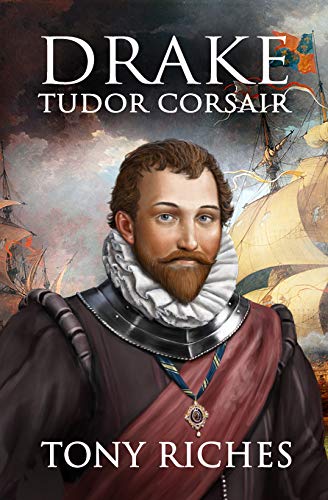
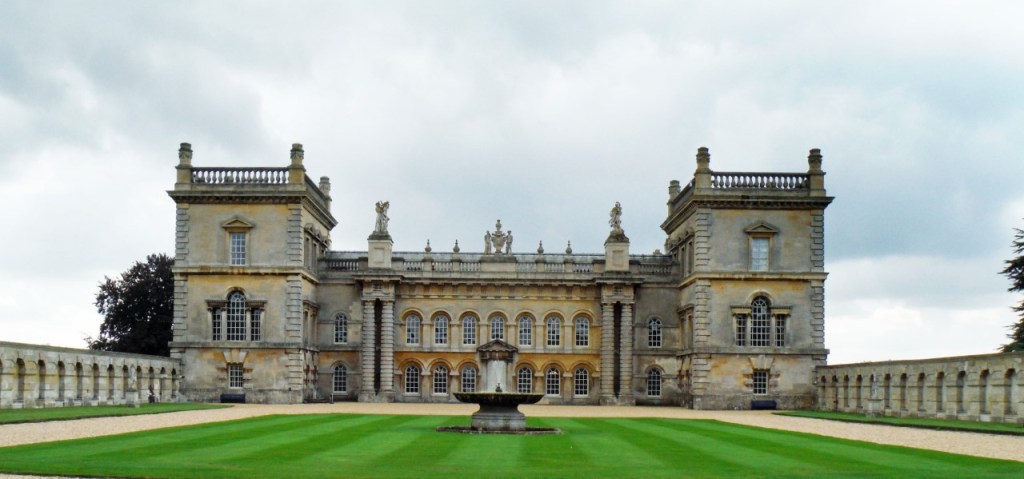

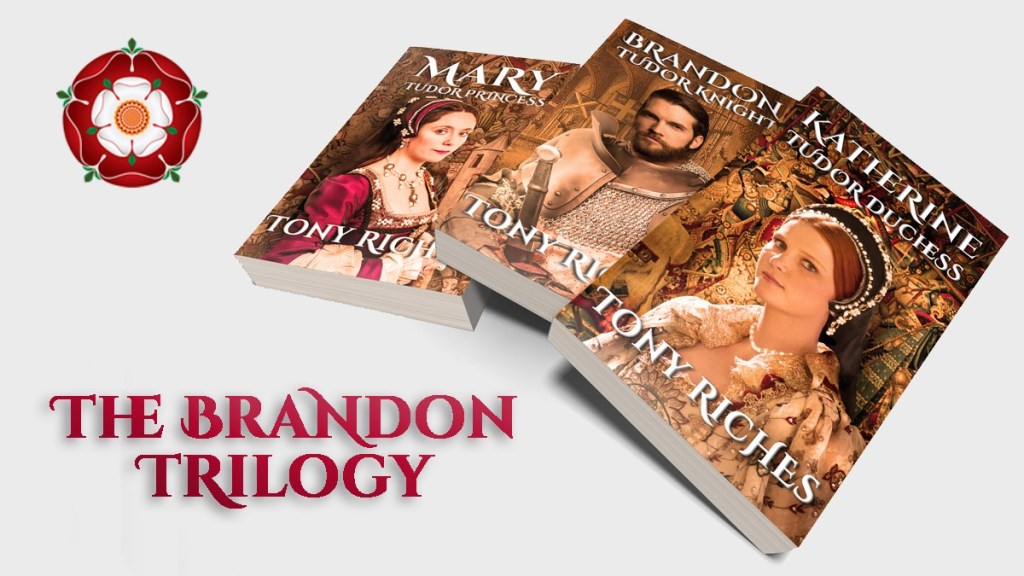
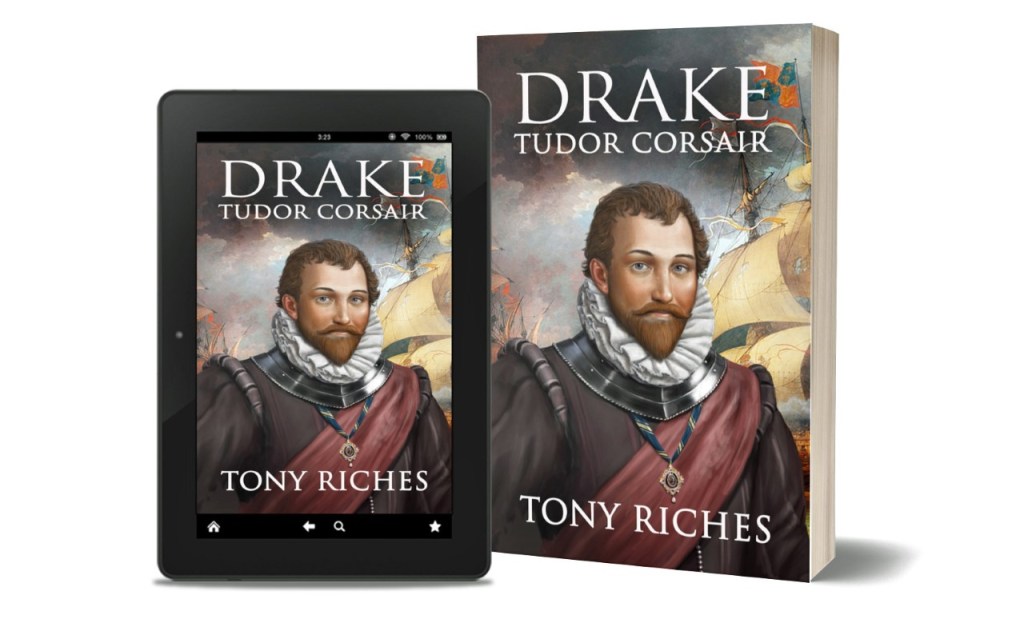
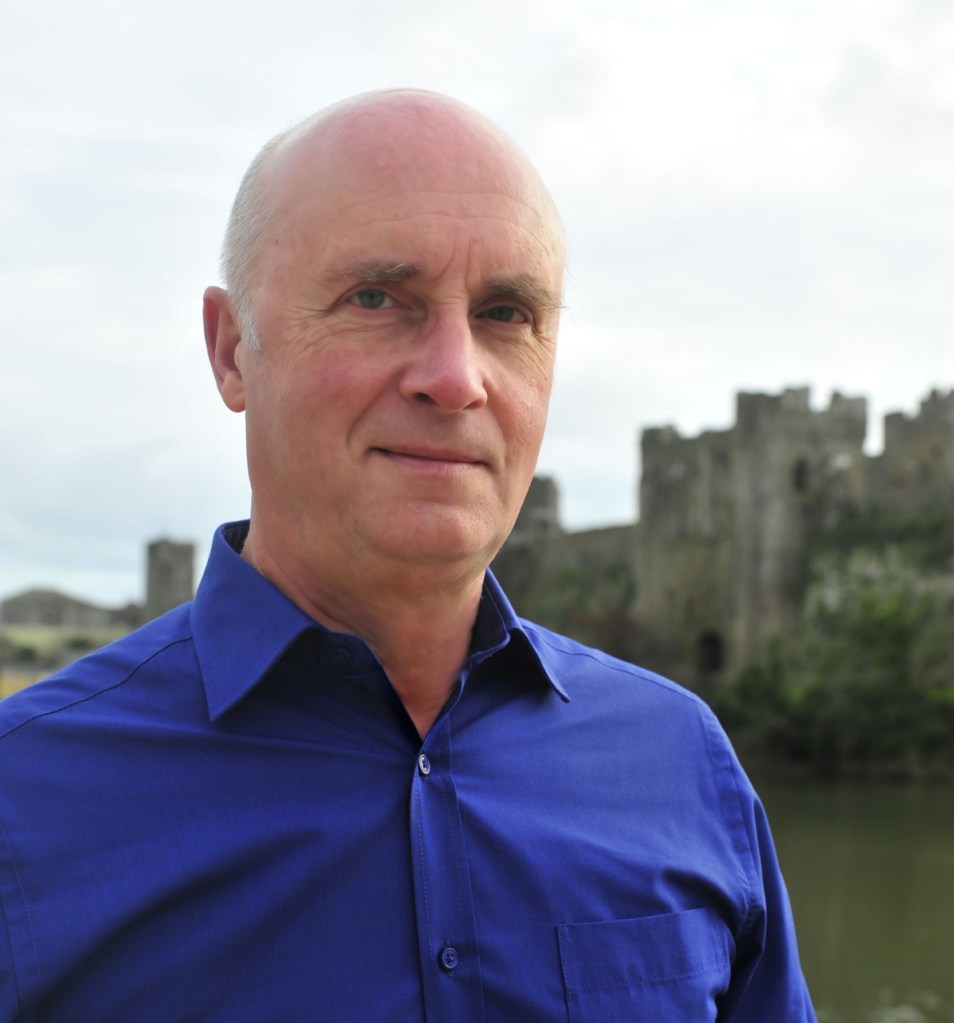
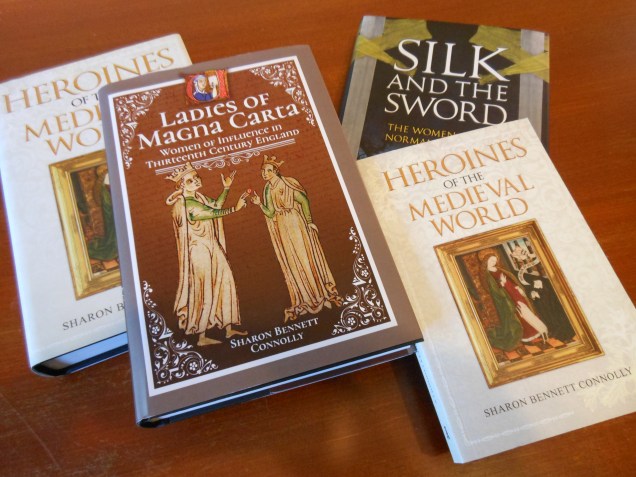
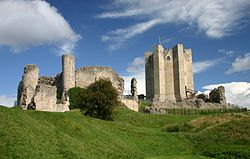
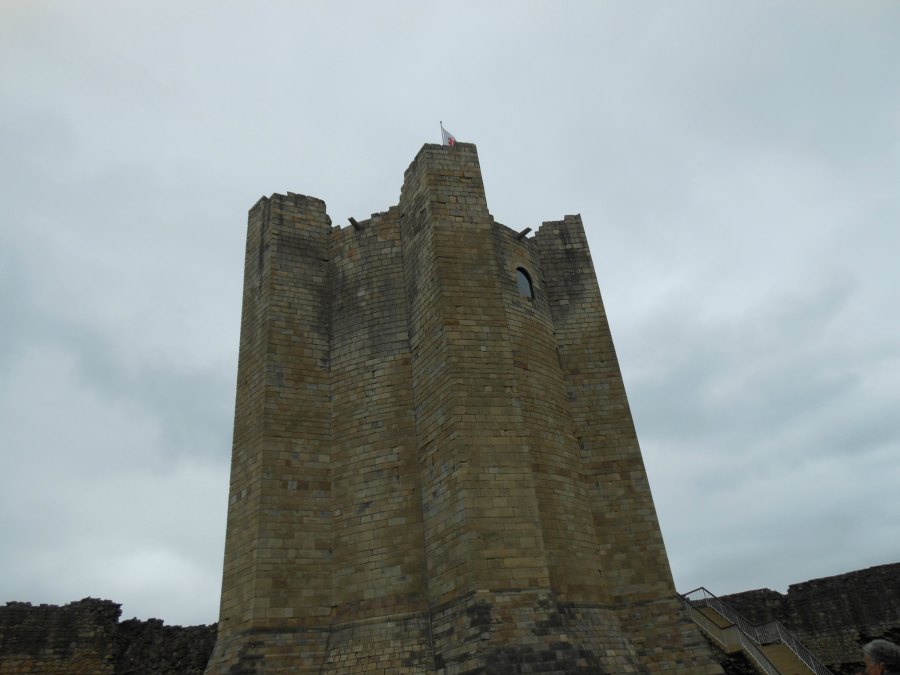
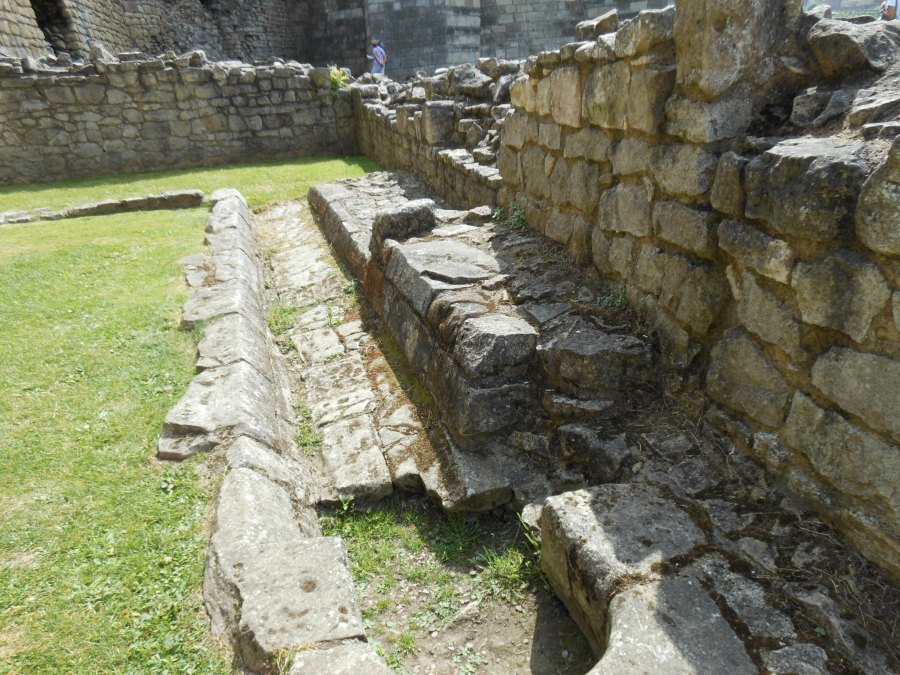

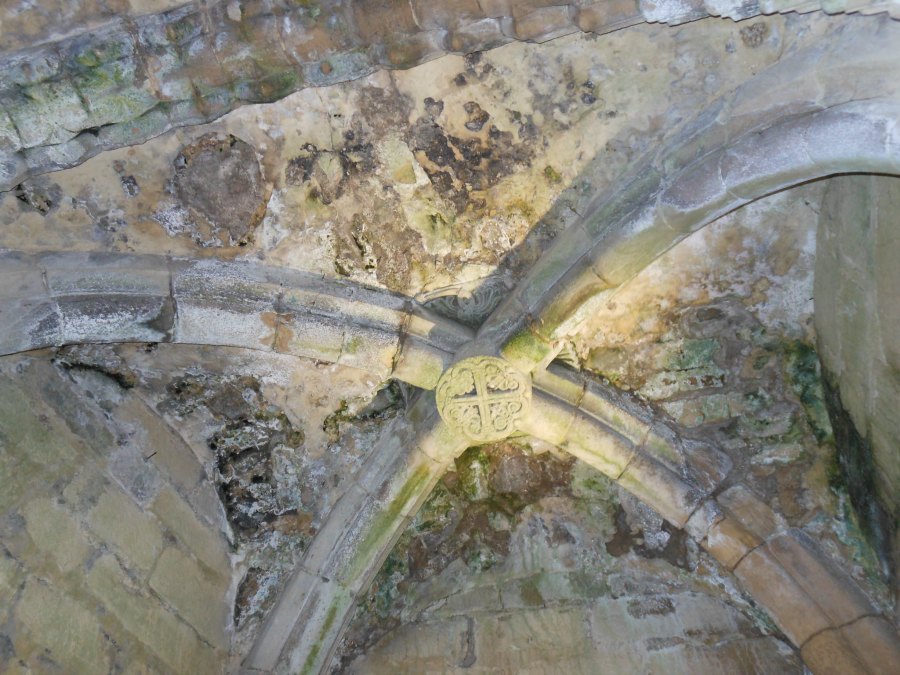
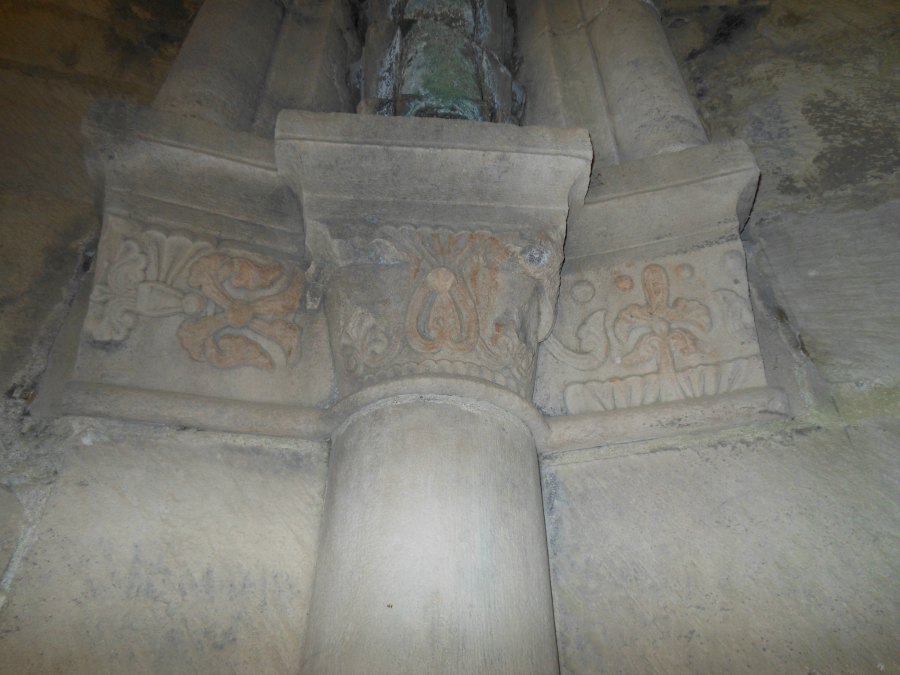


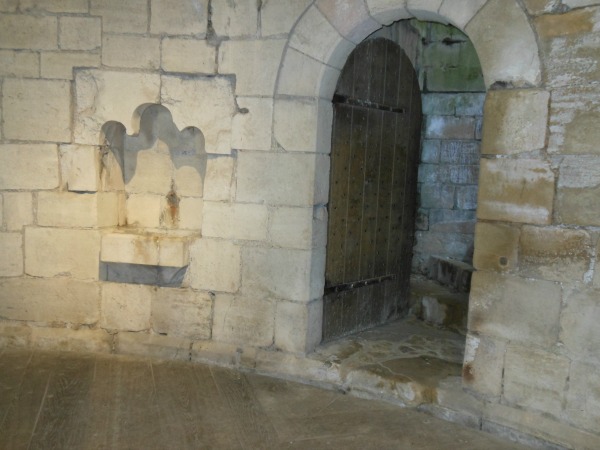
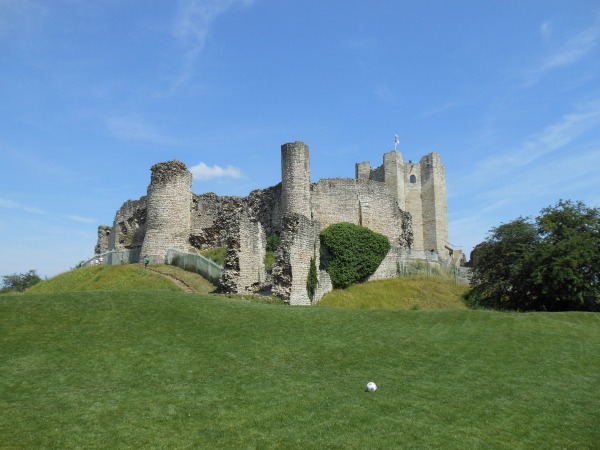
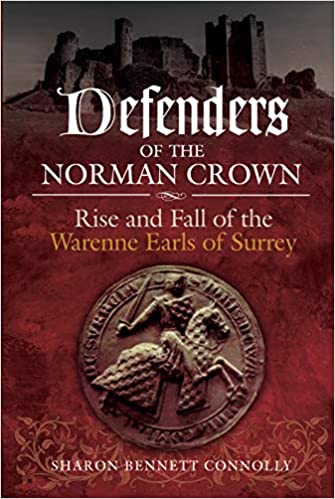

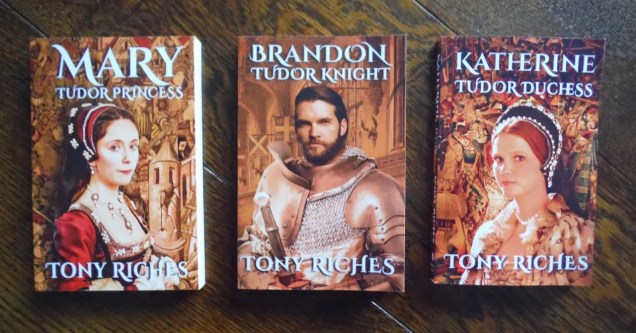


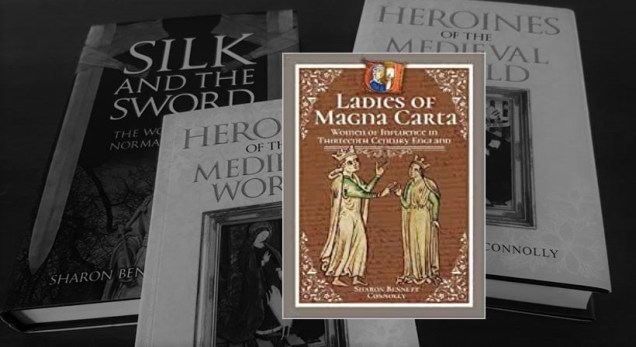
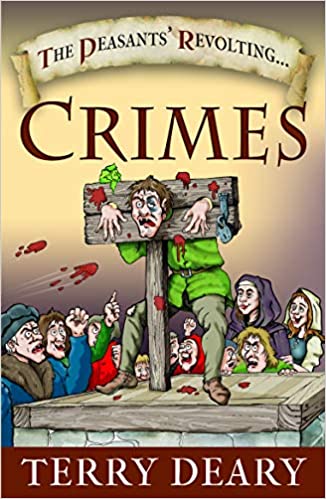
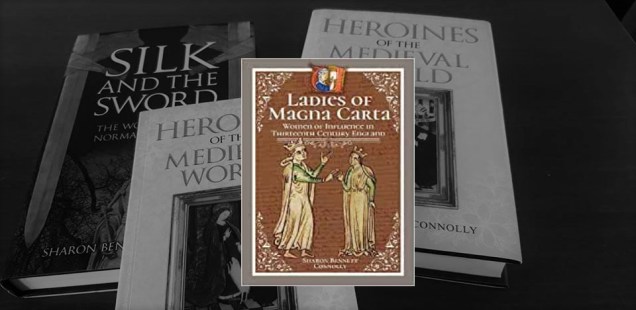
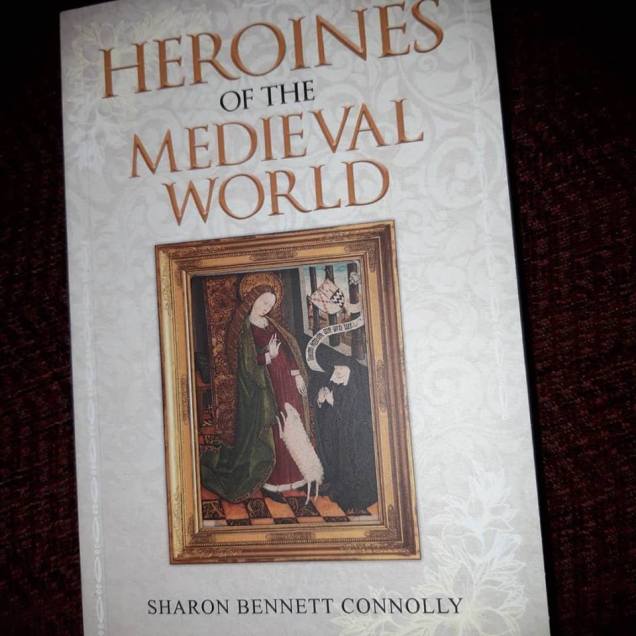


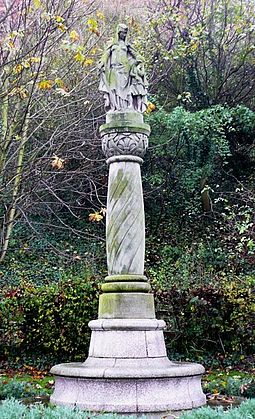
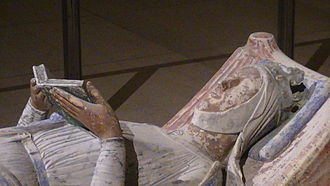



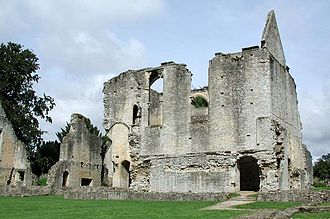
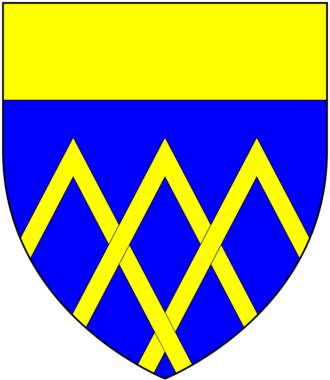
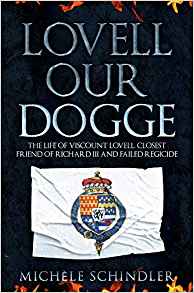
 History... the interesting bits!