Wordly Women: Annie Whitehead

Joining me today as part of my Wordly Women series is the wonderful Annie Whitehead. Author of both fiction and non-fiction books based in Anglo-Saxon Mercia, Annie’s latest book, Murder in Anglo-Saxon England: Justice, Wergild and Revenge is replete with dastardly murder stories.

Sharon: What got you into writing?

Annie: It was just something I always wanted to do – I remember writing ‘The Adventures of Ferdinand the Hedgehog’ when I was around 7 or 8. I think the desire to write history came later, partly influenced by the sorts of novels I preferred reading, and partly from a growing love of history generally, probably beginning when I lived in York for six months. Living there, even as a child, you can’t not notice the history all around you.

Sharon: You write both fiction and non-fiction – is one harder than the other?
Annie: I think they are both equally hard, but they are different. The research is pretty much the same, although with fiction you need every day details as well as the actual historical events, but where they differ is that in fiction you are free to fill in the gaps in the history (although in a way that fits with your plot and with your characters), but if you take them on a journey you need to give details, whereas in nonfiction you can just say, ‘The king took an army to York.’ On the other hand, with nonfiction, you can’t make stuff up, and if you make any pronouncements you have to back those up.

Sharon: Tell us about your books.
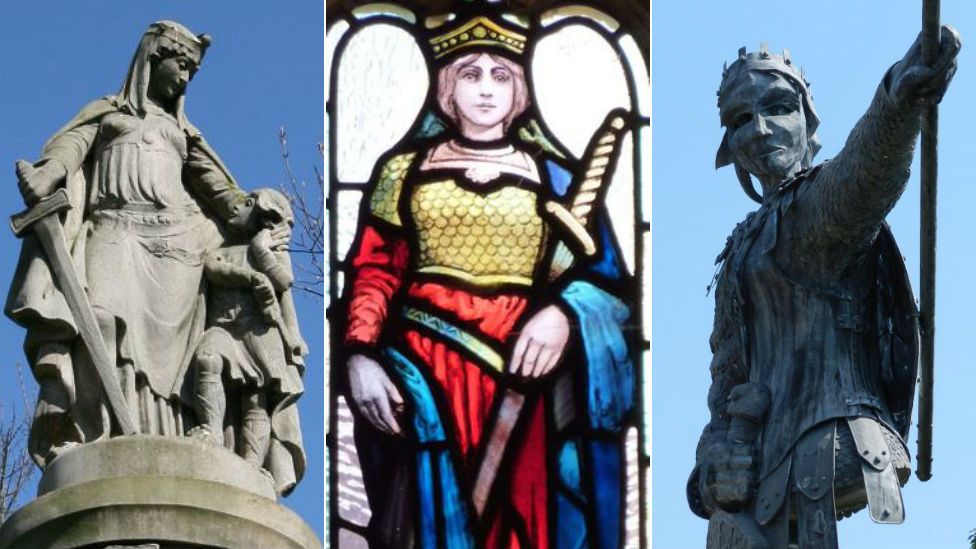
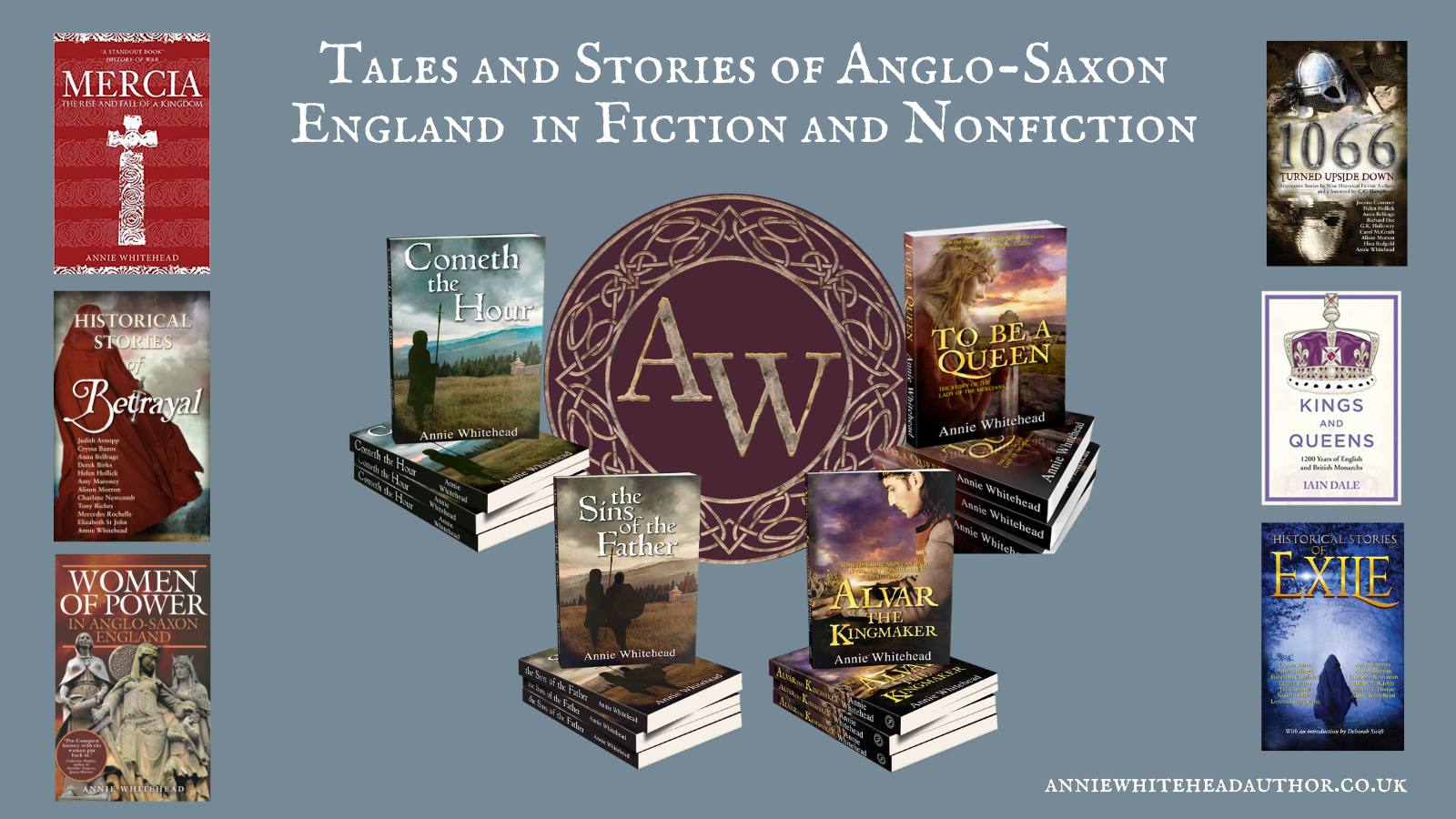
Annie: I’ve written four novels, featuring prominent Mercian characters, including Æthelflæd, Lady of the Mercians, and Penda, the last pagan king. I’ve also written three nonfiction books, one about the history of Mercia, one about Women of the era, and my latest release, Murder in Anglo-Saxon England. I’ve also contributed to two nonfiction anthologies and three and a half fiction collections (the ‘half’ is one that’ll be published later this year).

Sharon: What attracts you to the Anglo-Saxon period?

Annie: I think there’s an element of romanticism, a Tolkien-esque aura if you will. The names are very noble sounding, including one of the main characters of my second novel, Alvar the Kingmaker, whose real name was Ælfhere. I like the characteristics that set the period apart from the rest of the (mainly Norman) Middle Ages and I like, on the whole, their values. Particularly, their treatment of women, which was in many ways better than that of their later medieval counterparts. I also find the personalities interesting and characterful – rich pickings for the novelist.

Sharon: Who is your favourite Anglo-Saxon and why?
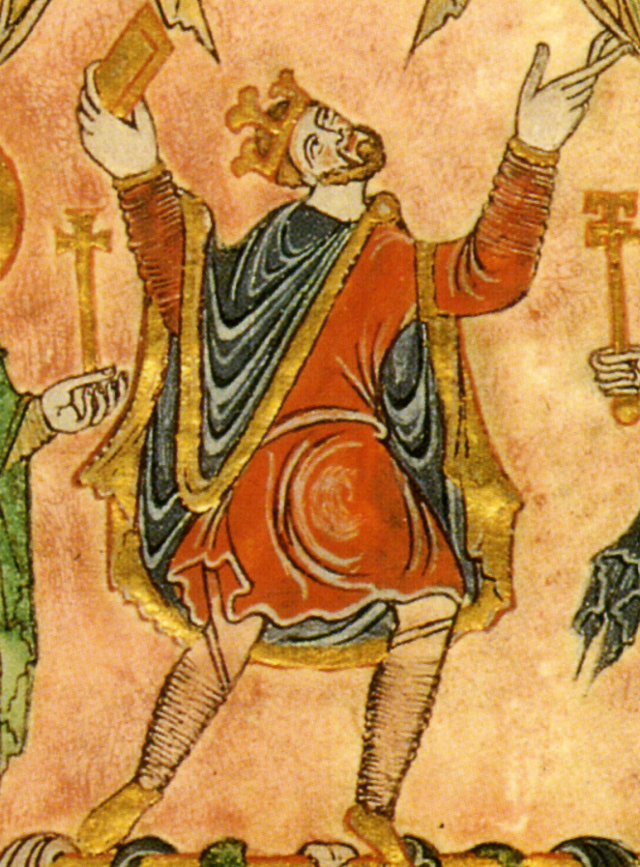
King Edgar

Annie: There are so many to choose from! I’ve already mentioned three, but I also find the little-known King Edgar (959-975) fascinating because he breaks the mould. His reign was not especially violent – it was more a time of politics and scheming nobles and there were no ‘Viking’ raids – and Edgar’s love life was, shall we say, interesting. He might have had up to three wives, one of whom was said by some – unreliable – chroniclers to have been a nun!

Sharon: Who is your least favourite Anglo-Saxon and why?

Annie: I’m going to get into a lot of trouble with this, especially from some of my writer friends, but it’s Harold Godwineson. Obviously I’d rather he’d won at Hastings, not William, but I do find his whole family rather unappealing, treacherous and self-entitled. (Sorry, Harold fans!)

Sharon: How do you approach researching your topic?

Annie: I always start with the primary sources, contemporary if possible, looking for any reference to the characters I’m planning to write about. I find out, or remind myself, about the timelines, then I look at the later, usually Anglo-Norman sources, to see where they embellish and flesh out the tales. If I’m writing fiction, I might use some of their more detailed and frankly at times outrageous stories, but if it’s nonfiction, I have to use a lot of scepticism in the pursuit of the truth, or at least getting as close to the truth as I can.

Sharon: Tell us your ‘favourite’ Anglo-Saxon story you have come across in your research.

Annie: I have so many! But one is the tale of King Offa’s daughter, accused of poisoning her husband’s advisor and accidentally poisoning her husband too. He was the king of Wessex. She fled to the Continent where the Emperor Charlemagne set her up in an abbey but she was caught in debauchery there and died in poverty. It’s highly unlikely to be a true story, as we have evidence that her husband probably died in battle and if she fled, she was most likely fleeing the wrath of his successor, who’d been forced into exile by her father and her husband.

Sharon: Tell us your least ‘favourite’ Anglo-Saxon story you have come across in your research.
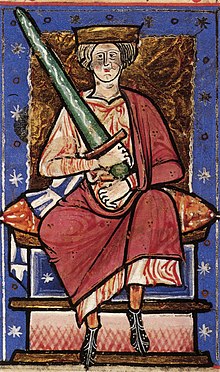
King Æthelred the Unready

Annie: It has to be the story of the St Brice’s Day Massacre, sanctioned by King Æthelred the Unready, where a number of Danes were chased through Oxford into a church which was then set on fire. It sounds like the scene from a bad Hollywood historical film, but it really happened. We know this a) because we have a charter from the king himself saying that he ordered it and b) charred bones dating to the right time unearthed at the location.

Sharon: Are there any other eras you would like to write about?

Annie: I’ve always been interested in the seventeenth century and the early Stuarts in particular. They are coming out of the shadows a bit more now and there have been some excellent books, both fiction and nonfiction, published recently, but they still take second place to the Tudors, which for me is a shame as it’s such an interesting period of history.

Sharon: What are you working on now?

Annie: I’m working on the novel which I shelved to research and write Murder in Anglo-Saxon England. It’s set in the tenth century and features Mercians, Northumbrians, Vikings and Scots and also has a murder or two thrown in!

Sharon: And finally, what is the best thing about being a writer?

Annie: Something I’ve enjoyed from a very early age is reading – I loved being transported to other times and places, meeting new characters and learning their stories. Writing, for me, is almost the same, and to spend my working days making up similar stories and spending time with those characters is a dream come true. It’s a form of escapism and it’s bliss!

About the Author:

Annie is a Fellow of the Royal Historical Society, and has written four award-winning novels set in ‘Anglo-Saxon’ Mercia. She has contributed to fiction and nonfiction anthologies and written for various magazines. She has twice been a prize winner in the Mail on Sunday Novel Writing Competition, and won First Prize in the 2012 New Writer Magazine’s Prose and Poetry Competition. She has been a finalist in the Tom Howard Prize for nonfiction and was shortlisted for the Exeter Story Prize and Trisha Ashley Award 2021. She was the winner of the inaugural Historical Writers’ Association (HWA)/Dorothy Dunnett Prize 2017 and was subsequently a judge for that same competition. She has also been a judge for the HNS (Historical Novel Society) Short Story Competition, and was a 2024 judge for the HWA Crown Nonfiction Award. Her nonfiction books are Mercia: The Rise and Fall of a Kingdom (published by Amberley books) and Women of Power in Anglo-Saxon England (Pen & Sword Books). In 2023 she contributed to a new history of English monarchs, published by Hodder & Stoughton, and in February 2025 Murder in Anglo-Saxon England was published by Amberley Books.

Find Annie at: Website; Buy Annie’s Books; Blog; Facebook; Twitter/X; Instagram; BlueSky.

*

My books

Signed, dedicated copies of all my books are available through my online store.

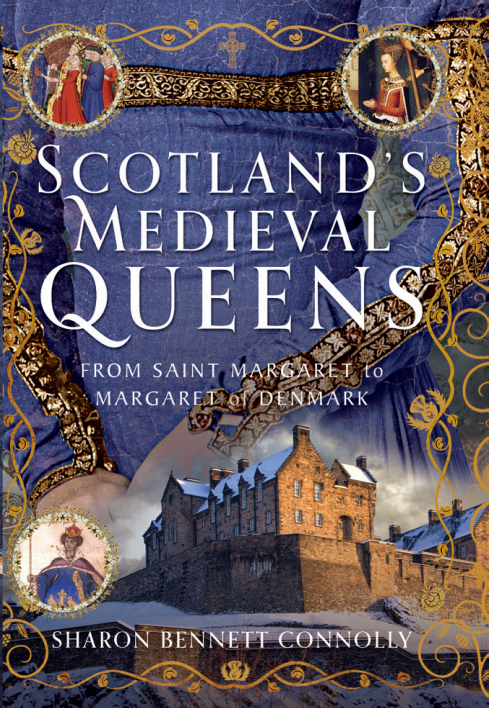
Out now: Scotland’s Medieval Queens

Scotland’s history is dramatic, violent and bloody. Being England’s northern neighbour has never been easy. Scotland’s queens have had to deal with war, murder, imprisonment, political rivalries and open betrayal. They have loved and lost, raised kings and queens, ruled and died for Scotland. From St Margaret, who became one of the patron saints of Scotland, to Elizabeth de Burgh and the dramatic story of the Scottish Wars of Independence, to the love story and tragedy of Joan Beaufort, to Margaret of Denmark and the dawn of the Renaissance, Scotland’s Medieval Queens have seen it all. This is the story of Scotland through their eyes.

Available now from Amazon and Pen and Sword Books

Also by Sharon Bennett Connolly:
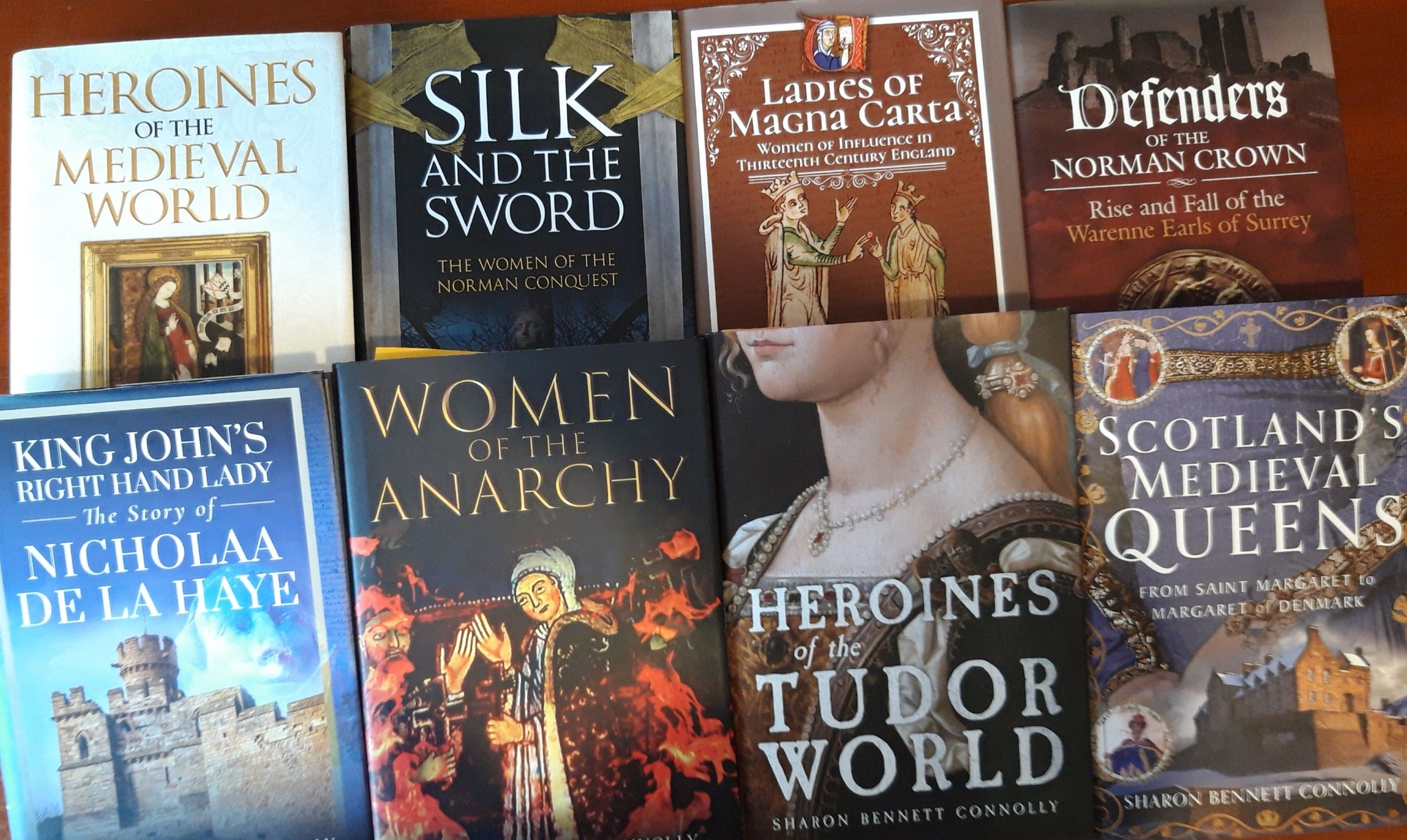
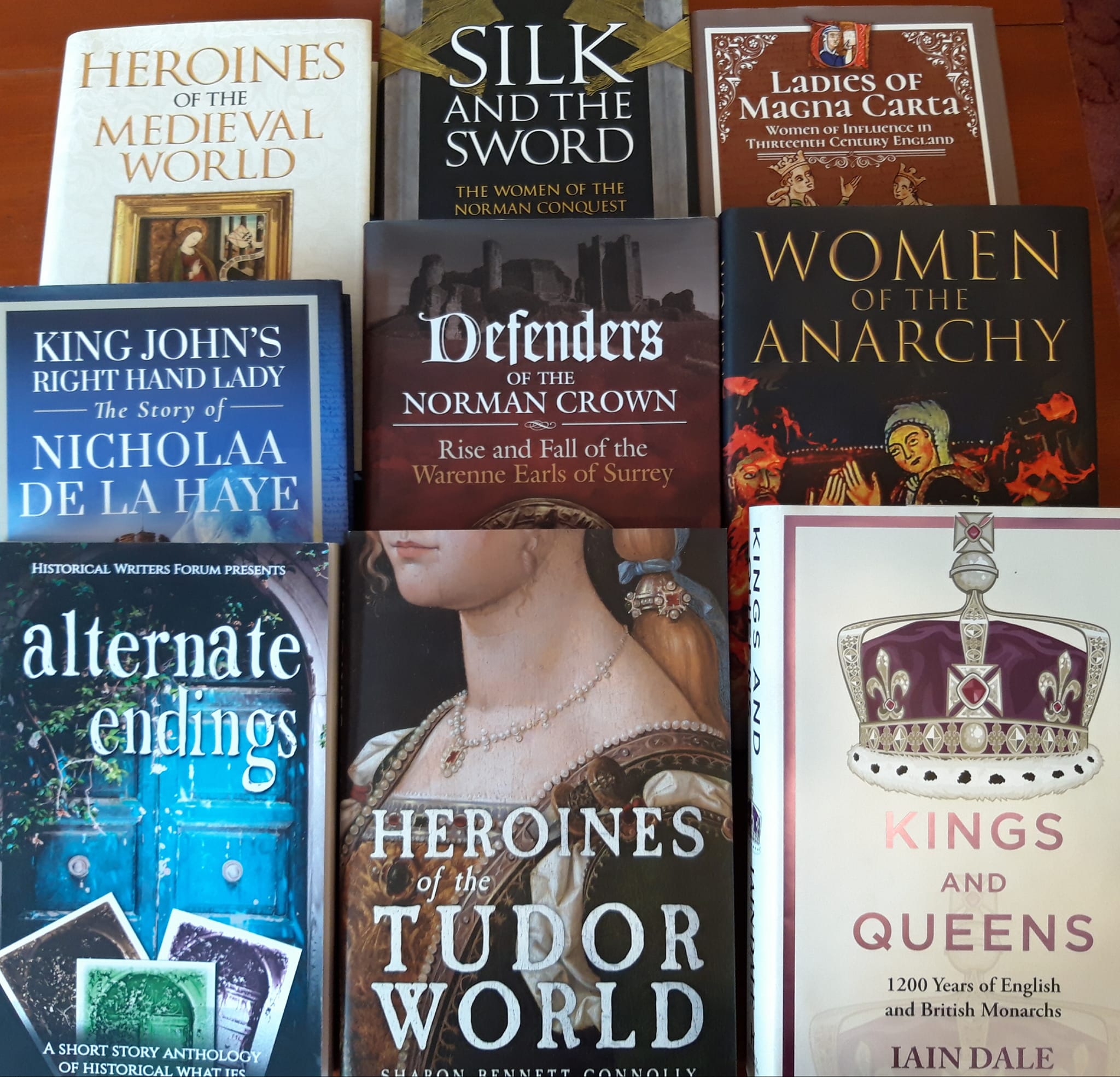
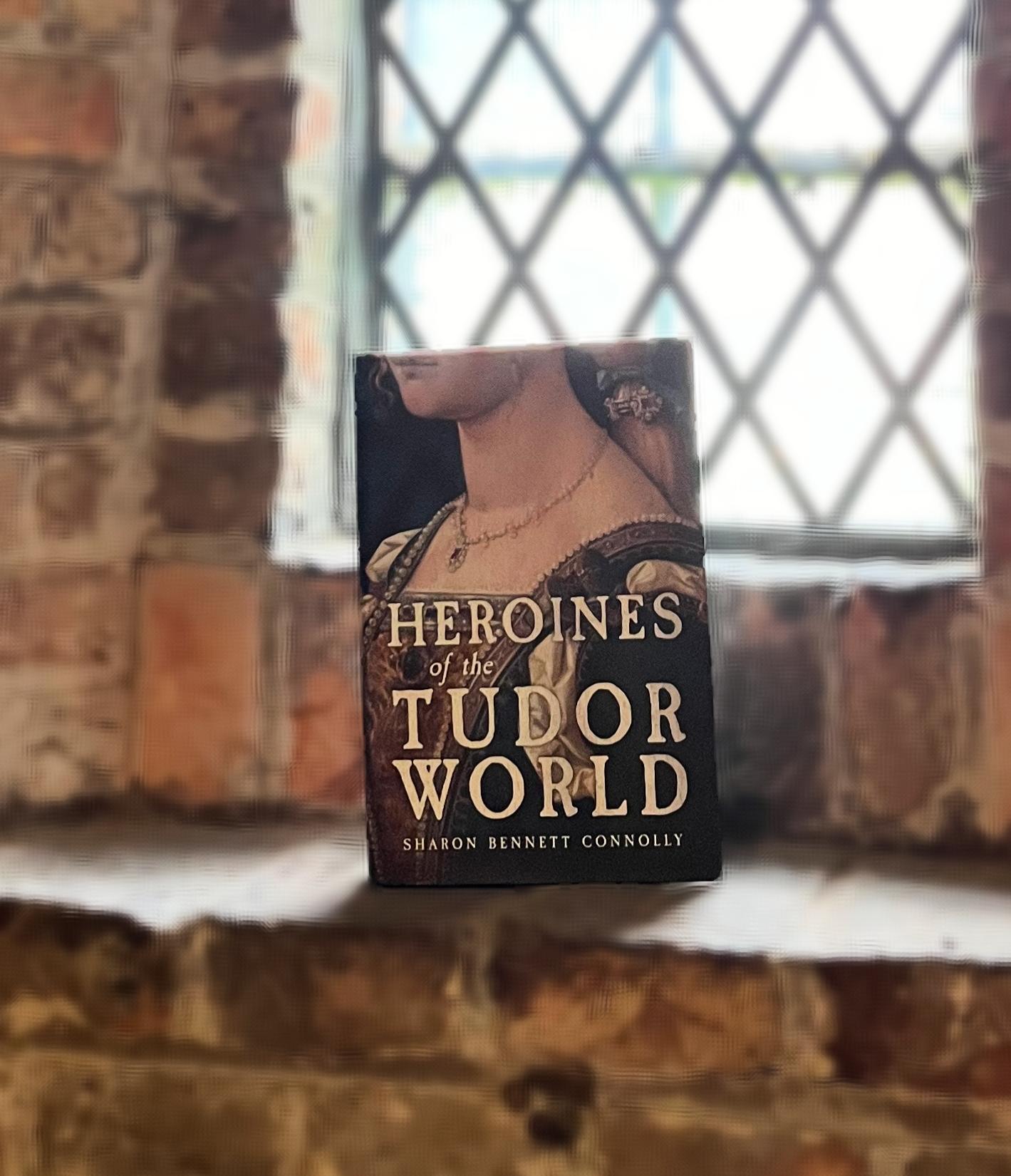
Heroines of the Tudor World tells the stories of the most remarkable women from European history in the time of the Tudor dynasty, 1485-1603. These are the women who ruled, the women who founded dynasties, the women who fought for religious freedom, their families and love. Heroines of the Tudor World is now available for pre-order from Amberley Publishing and Amazon UK. Women of the Anarchy demonstrates how Empress Matilda and Matilda of Boulogne, unable to wield a sword themselves, were prime movers in this time of conflict and lawlessness. It shows how their strengths, weaknesses, and personal ambitions swung the fortunes of war one way – and then the other. Available from Bookshop.org, Amberley Publishing and Amazon UK. King John’s Right-Hand Lady: The Story of Nicholaa de la Haye is the story of a truly remarkable lady, the hereditary constable of Lincoln Castle and the first woman in England to be appointed sheriff in her own right. Available from all good bookshops Pen & Sword Books, bookshop.org and Amazon. 
Defenders of the Norman Crown: The Rise and Fall of the Warenne Earls of Surrey tells the fascinating story of the Warenne dynasty, from its origins in Normandy, through the Conquest, Magna Carta, the wars and marriages that led to its ultimate demise in the reign of Edward III. Available from Pen & Sword Books, Amazon in the UK and US, and Bookshop.org. Ladies of Magna Carta: Women of Influence in Thirteenth Century England looks into the relationships of the various noble families of the 13th century, and how they were affected by the Barons’ Wars, Magna Carta and its aftermath; the bonds that were formed and those that were broken. It is now available in paperback and hardback from Pen & Sword, Amazon, and Bookshop.org. Heroines of the Medieval World tells the stories of some of the most remarkable women from Medieval history, from Eleanor of Aquitaine to Julian of Norwich. Available now from Amberley Publishing and Amazon, and Bookshop.org. Silk and the Sword: The Women of the Norman Conquest traces the fortunes of the women who had a significant role to play in the momentous events of 1066. Available now from Amazon,  Amberley Publishing, and Bookshop.org.

Alternate Endings: An anthology of historical fiction short stories including Long Live the King… which is my take what might have happened had King John not died in October 1216. Available in paperback and kindle from Amazon.

Podcast:

Have a listen to the A Slice of Medieval podcast, which I co-host with Historical fiction novelist Derek Birks. Derek and I welcome guests, such as Bernard Cornwell and Michael Jecks, and discuss a wide range of topics in medieval history, from significant events to the personalities involved. Every episode is also now available on YouTube.

*

Don’t forget! Signed and dedicated copies of all my books are available through my online store.

For forthcoming online and in-person talks, please check out my Events Page.

You can be the first to read new articles by clicking the ‘Follow’ button, liking our Facebook page or joining me on Twitter, Threads, Bluesky and Instagram.

*

©2025 Sharon Bennett Connolly, FRHistS
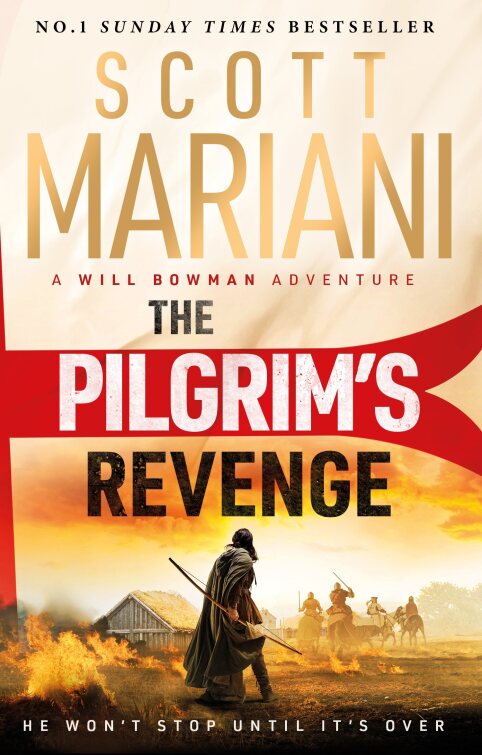
Book Corner: The Pilgrim’s Revenge by Scott Mariani

1190 – Humble layman Will Bowman lives in the countryside with his pregnant wife, when soldiers from Richard Lionheart’s army tear through his home. Will is beaten unconscious, and awakes to find his wife murdered, his farm burnt down, and his life forever changed.

In vengeance, Will infiltrates Richard’s army to find the marauding gang, and finds himself swept along in the march of the Crusades. With the help of new allies and fuelled by his loss, Will crosses Europe with the King’s army.

Can Will avenge his wife? Or will he be swept away by the unstoppable force of Richard’s Crusade?

I have been a Scott Mariani fan for a while now and was disappointed that Ben Hope has finally retired, though relieved for Ben that he survived 30 books of people trying to kill him. When one brilliant series ends, you begin to worry that what comes next will be a disappointment, or not as addictive, that you will not feel so invested in the new characters. Especially when the author moves genre. It is a big risk that author and reader take together.

So, when Scott Mariani moved from thriller with a historical twist to full-blown historical fiction, I was a tad concerned. Fans of historical fiction can be pedants. If there is a grey squirrel out of place, ie, in medieval England, someone will notice. If a character lives longer than he actually did (I am looking at Sweyn Forkbeard in Vikings Valhalla) someone will notice. There is a knack to historical fiction, to weaving the story within the known facts, to introducing fictional characters and creating their interactions with historical figures. The story has to have that essence of authenticity.

I needn’t have worried!

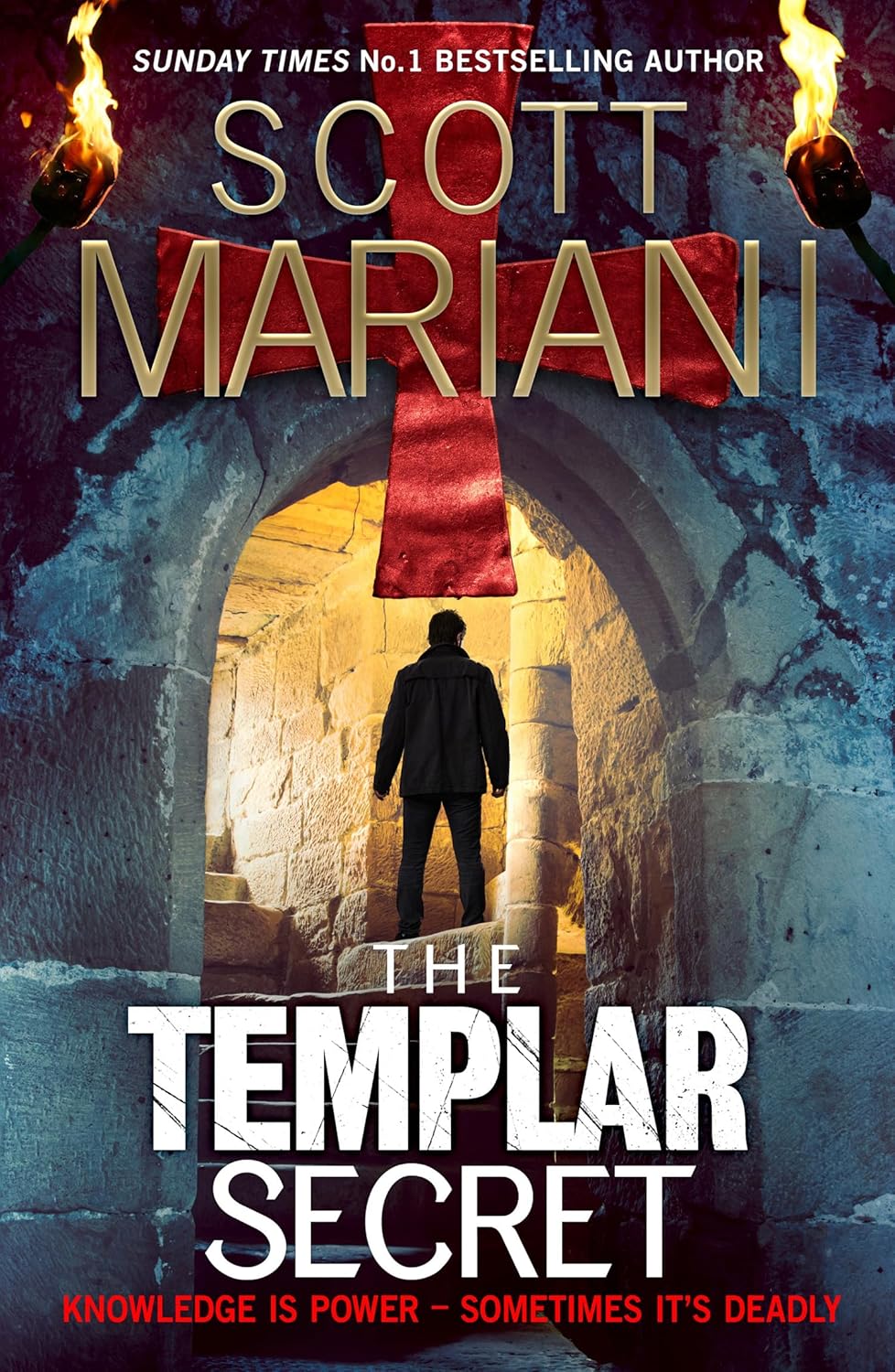
In fact, I probably should have trusted that Scott Mariani knew what he was doing. Though I may not have agreed with some of his theories in The Tudor Deception, the actual history was spot on. Having read the last Ben Hope book, The Templar Secret, after Christmas, I should have known a historical fiction book was around the corner. It is obvious the author loves his history. And, given the topic of that last Hope book, it should come as no surprise that Mariani’s first foray into historical fiction involved the crusades – the Third Crusade, to be precise.

Not that we get more than a glimpse of the Holy Land in this first book – all that is still to come.

By now Will had almost reached the nearest of the horsemen on his side of the yard. Up close, the rider was an intimidating figure looming far above him in the saddle with the blade of his drawn arming sword glinting in the sunlight. Before Will reached him the horseman saw his approach and wheeled his mount around to face him, dust flying from its hooves. With an angry shout the rider spurred the horse towards Will, swinging his sword down at him. Will ducked, and the double-edged blade hissed through the air above him.

It had been a blow meant to separate his head from his shoulders, and it had only narrowly missed its mark. The horse thundered past, shaking the ground. The rider reined it brutally around and charged at Will again.

Nothing like this had ever happened or even been heard of in Will’s experience. He had never been in a real fight, except a minor scuffle once when he was a lad, settled quickly with a couple of punches. This was deadly serious combat, and he was unprepared for it. But the terrible shocking sight of Beatrice in the soldiers’ clutches and the sound of her screams was enough to dispel his confusion and fear, filling him with rage and determination to do anything he could to drive these raiders away and make this stop. And the obvious realisation suddenly occurred to him, for the first time, that he was holding the very means of doing that in his hands. His bow was still unstrung, no more than a long wooden shaft with its hemp cord loosely attached to the bottom end. But practice had made him very adept at readying the weapon in moments; as the horseman bore down on him with the sword raised high, he bent the stave against his foot and looped the string into place.

The rider was almost on him. Will snatched an arrow from his quiver, nocked it to the string and simultaneously raised his bow and pulled it to full draw. He had never before pointed any weapon in anger at another human being, but there was little time to reflect on that fact, or even to take aim, as his enemy closed in. Will stood his ground until the last moment, released his arrow and saw it fly and hit the rider full in the chest.

The soldier flinched violently at the arrow strike. A normal opponent would have been a dead man, his heart split in two by the power of the longbow at such close range. But instead of piercing deep into his flesh the iron point glanced off his heavy chain mail and the broken pieces of the arrow shaft spun away through the air. Then Will had to leap out of the way of the charging horse, and he threw himself to the ground.

The Pilgrims’ Revenge starts in England and follows the journey of a crusader fleet to Outremer, with adventures that are often overlooked by historical fiction authors eager to get to the nitty gritty of the crusade. But what a story they miss out! Scott Mariani includes the little-known excursion of part of the fleet, into Portugal to help with the crusades there. Then, of course, we arrive in Sicily, where Richard the Lionheart frees his sister, Joanna, meets his bride Berengaria and antagonises his ‘ally’ Philip II of France. And then we get a wonderful, vivid depiction of the conquest of Cyprus.

All is seen through the eyes of our hero, Will Bowman, a men seeking revenge for the murder of his wife and unborn child. He only joins the crusade to chase the murderers but finds a purpose, a talent for soldiering, comradeship and a bent to command along the way. Scott Mariani seamlessly blends together the wider story of Richard the Lionheart’s crusading enterprise with Will’s personal story and experiences.

The Pilgrims’ Revenge is the first of what promises to be a fast-paced, exhilarating – and, hopefully, long – series. Punctuated by bloody battles, exquisite swordplay and a thrilling storyline, the action is relentless and Scott Mariani fans will not be disappointed. The research is exemplary, especially with regard to the conflict in Portugal, which is usually ignored. The historical figures are wonderfully written and the locations evocative, dusty, hot and exotic.

Will Bowman is a character I look forward to hearing much more about.

The Pilgrim’s Revenge will be available from 24 April 2025

Order The Pilgrim’s Revenge.

About the author:

Scott Mariani is the No.1 Sunday Times bestselling author of the multi-million-selling Ben Hope thrillers. From 2025 he is launching into a new historical adventure series featuring medieval English hero Will Bowman, who is forced from his home to join King Richard ‘the Lionheart’ on the Third Crusade and rises up to become a knight. Book 1,THE PILGRIM’S REVENGE, is available from April 2025 and is published by Hodder & Stoughton.

Scott lives and writes in west Wales, UK. You can find out more about his work by visiting his official website.

*

My books

Signed, dedicated copies of all my books are available through my online store.

Out now: Scotland’s Medieval Queens

Scotland’s history is dramatic, violent and bloody. Being England’s northern neighbour has never been easy. Scotland’s queens have had to deal with war, murder, imprisonment, political rivalries and open betrayal. They have loved and lost, raised kings and queens, ruled and died for Scotland. From St Margaret, who became one of the patron saints of Scotland, to Elizabeth de Burgh and the dramatic story of the Scottish Wars of Independence, to the love story and tragedy of Joan Beaufort, to Margaret of Denmark and the dawn of the Renaissance, Scotland’s Medieval Queens have seen it all. This is the story of Scotland through their eyes.

‘Scotland’s Medieval Queens gives a thorough grounding in the history of the women who ruled Scotland at the side of its kings, often in the shadows, but just as interesting in their lives beyond the spotlight. It’s not a subject that has been widely covered, and Sharon is a pioneer in bringing that information into accessible history.’ Elizabeth Chadwick (New York Times bestselling author)

Available now from Amazon and Pen and Sword Books

Also by Sharon Bennett Connolly:

Heroines of the Tudor World tells the stories of the most remarkable women from European history in the time of the Tudor dynasty, 1485-1603. These are the women who ruled, the women who founded dynasties, the women who fought for religious freedom, their families and love. Heroines of the Tudor World is now available for pre-order from Amberley Publishing and Amazon UK. Women of the Anarchy demonstrates how Empress Matilda and Matilda of Boulogne, unable to wield a sword themselves, were prime movers in this time of conflict and lawlessness. It shows how their strengths, weaknesses, and personal ambitions swung the fortunes of war one way – and then the other. Available from Bookshop.org, Amberley Publishing and Amazon UK. King John’s Right-Hand Lady: The Story of Nicholaa de la Haye is the story of a truly remarkable lady, the hereditary constable of Lincoln Castle and the first woman in England to be appointed sheriff in her own right. Available from all good bookshops Pen & Sword Books, bookshop.org and Amazon. 

Defenders of the Norman Crown: The Rise and Fall of the Warenne Earls of Surrey tells the fascinating story of the Warenne dynasty, from its origins in Normandy, through the Conquest, Magna Carta, the wars and marriages that led to its ultimate demise in the reign of Edward III. Available from Pen & Sword Books, Amazon in the UK and US, and Bookshop.org. Ladies of Magna Carta: Women of Influence in Thirteenth Century England looks into the relationships of the various noble families of the 13th century, and how they were affected by the Barons’ Wars, Magna Carta and its aftermath; the bonds that were formed and those that were broken. It is now available in paperback and hardback from Pen & Sword, Amazon, and Bookshop.org. Heroines of the Medieval World tells the stories of some of the most remarkable women from Medieval history, from Eleanor of Aquitaine to Julian of Norwich. Available now from Amberley Publishing and Amazon, and Bookshop.org. Silk and the Sword: The Women of the Norman Conquest traces the fortunes of the women who had a significant role to play in the momentous events of 1066. Available now from Amazon,  Amberley Publishing, and Bookshop.org.

Alternate Endings: An anthology of historical fiction short stories including Long Live the King… which is my take what might have happened had King John not died in October 1216. Available in paperback and kindle from Amazon.

Podcast:

Have a listen to the A Slice of Medieval podcast, which I co-host with Historical fiction novelist Derek Birks. Derek and I welcome guests, such as Bernard Cornwell and Michael Jecks, and discuss a wide range of topics in medieval history, from significant events to the personalities involved. Every episode is also now available on YouTube.

*

Don’t forget! Signed and dedicated copies of all my books are available through my online store.

For forthcoming online and in-person talks, please check out my Events Page.

You can be the first to read new articles by clicking the ‘Follow’ button, liking our Facebook page or joining me on Twitter, Threads, Bluesky and Instagram.

*

©2025 Sharon Bennett Connolly, FRHistS

Author Spotlight: Scott Mariani

Do excuse me if a get a little giddy and fan girly with this one! One of my favourite thriller writers is about to release the first book in a new series – in historical fiction!

I absolutely love Scott’s Ben Hope books and got the last in the series, The Templar Secret, for Christmas. They are modern day thrillers with a historical twist – and are great fun to read.

And Scott agreed to do an interview with me!

I also have an advance copy of the new novel, The Pilgrim’s Revenge, so expect a review shortly. And Scott will be joining Derek and I for a chat in an upcoming episode of A Slice of Medieval. But, in the meantime, Scott and I had a chat….

Hi Scott, thank you for joining me, how did you start your writing career?

It came about both gradually, and suddenly. I’d always been interested in stories – as a kid I used to mess around with drawing and writing, and sometimes combining the two to create my own stupid little cartoon strips which were usually pretty unoriginal rehashes of things like King Kong or Jaws or Tintin, as well as historical themes based on Ivanhoe or Chevalier Ardent – I was into all sorts of things at that young age! Aged about eight, I think, I wrote a sci-fi horror story in which the entire male population of the human race was wiped out in a war against giant robot dinosaur creatures; but we won in the end because ‘the women bred’ (that’s a quote) and repopulated the army so that humans could defeat the monsters. It was not a promising start to my career. Later, in my early twenties, I dabbled with various ideas and projects, one or two of which were completed but have never seen the light of day – for which the world can be thankful, as they weren’t very good either.

Then one day after moving to Wales – this is in about 2006 – while out walking the dogs in the fields the idea for a character called Ben Hope popped into my head more or less fully-formed. What emerged from that was a novel called The Fulcanelli Manuscript, which ended up in the hands of the world’s worst London literary agent and being published by a hardback-only library publisher who printed 400 copies and had no intention of ever doing more. That could have been, and nearly was, the end for me. The book lay dead and buried for a year until I (not the literary agent) managed to gain interest from Avon, then a new imprint of HarperCollins UK, for the paperback rights which, thank God, the library publisher hadn’t been interested in grabbing. Suddenly – overnight really – the Ben Hope series was rebooted with Avon offering a deal for four books. The Fulcanelli Manuscript became retitled The Alchemist’s Secret . . . and that’s how it all began. I still can’t believe the series ended up thirty books long!

What is the best thing about being a writer?

Assuming that you’re able to drag your way up to a reasonable level in the industry: working from home, setting your own hours, not having to commute anywhere, seldom needing to travel unless you’re into doing a lot of physical research, being about as free and independent as it’s possible to get whilst still remaining gainfully employed . . . and getting paid for indulging the interests and passions that you would be preoccupied with even if they were just a hobby. It suits me perfectly.

What is the worst thing about being a writer?

When you’re starting out, the competition is crushing – especially if you had a bad start as I did. Unless you’re fortunate to have strong backing from a good agent, you may feel you’re embarking on an impossible quest that will only end in heartbreak or madness: I know, I suffered from both at various times! It can also be a horribly cruel and unjust industry. So many talented writers get crushed under the wheels of the machine and never get anywhere, while success very often doesn’t depend on the quality of the work. While most editors are lovely folks, you may be unlucky enough to have to work with people who have great control and leverage over what you do, and don’t necessarily have your best interests at heart. I could talk a lot about the high number of truly decent writers I’ve known who have fallen by the wayside, some very sad stories among them. It is a tough world.

You have been writing modern thrillers with a historical twist for years, what made you take the leap into full-on historical fiction?

I’ve always loved history. I wish I had had the sense when I was seventeen to want to study it at university! And it was a fascinating, highly educational and satisfying experience to write all those Ben Hope novels, each featuring its own historical backstory or mystery to a greater or lesser degree. The downside was that, because I’ve always produced two books a year, every six months I would have to uproot myself from whatever fascinating historical world I’d been so immersed in, clear it all from my head and plunge straight into the next. One minute you’re delving into ancient Babylon or Egypt, the next you’re off to the Chinese Cultural Revolution or the American Civil War. All wonderful stuff, of course, but it’s like being a perpetual globetrotter, always on the move, and never being able to stay in one location for long even though you might have fallen in love with the place and wanted to live there forever. Then one day while I was working on Ben Hope 28, The Tudor Deception, and deep into all the intrigues of medieval England, I thought: ‘You know what, I really love being here reading and writing about all this medieval stuff. What if I could just keep on doing that, and remain in one setting rather than having to jump about all the time?’ So, to cut a long story short, that’s what I’ve done. It wasn’t as simple or easy a decision as I’m perhaps making it sound – and of course the end of the Ben Hope series has upset a lot of fans – but nonetheless I’m really happy that I took the plunge.

I’m going to miss Ben Hope…

What were your main challenges when you switched from thrillers (Ben Hope was excellent, by the way) to historical fiction?

Because you’re going much deeper into just one time setting, it becomes all the more important to get the details as correct and authentic as possible: hence the research process is that bit more intensive. The good news for me is that I love research! I’ve accrued such a library of books on my favourite areas of history that when I get stuck in, they pile up so high around me on the desk that it’s like being inside a canyon. Because I’ve picked a medieval time / place setting that’s so well chronicled (the events of the Third Crusade), and because I want to stay as faithful to the true facts and timelines as possible, my plotline is already laid out for me to some extent by the historical sources. That’s been an unusual experience for someone who’s used to having to make it all up themselves! But although it might make life easier in some regards, it also creates the new challenge having to insert, or you might say superimpose, a fictitious main protagonist into the mix, through whose eyes we experience those well-known events in a fresh and dramatic way. Having to blending the worlds of fiction and non-fiction together like that, so that the (non-historian) reader hopefully can’t see the joins, is a whole new kind of fun. I’ve enjoyed being able to create scenes where my fictitious character is in dialogue with famous real-life figures like King Richard I and Eleanor of Aquitaine.

Tell us about The Pilgrim’s Revenge. What attracted you to writing about the Crusades?

The Pilgrim’s Revenge is the first book in my new series introducing the character of Will the Bowman, or just Will Bowman. The story begins in the year 1190, when Will, a young Englishman, has his happy married life torn apart by marauding soldiers who raid his home, and he’s forced to join up with King Richard’s expedition to the Holy Land as a means of catching up with the villains who did it. Actually we don’t quite reach the Holy Land in Book 1 – that’s for the next. But I hope there’s plenty there to excite and interest the reader. I adore the medieval period – grew up in a historic town, wept as a child when taken to the spot in Rouen where they burned poor Jeanne d’Arc, later read medieval French at University, learned to play with great big swords and shoot a bow – but the whole crusades period has a particular fascination for me. And what could be more cool than the most iconic crusade of them all, the conquest that pitted Richard the Lionheart against the great Saladin? Will Bowman and his comrades get embroiled right in the thick of the drama, and it’s a ride! At any rate it has been for me. I hope readers will love it too . . .

How are you going to cope with the lack of guns? Will the body count be lower?

Are you kidding? We don’t need guns. We have bows and arrows that can pierce chain mail armour from a long way off; we have double-edged swords and scimitars that’ll whip off arms, legs and heads; we have great big siege catapults that can take down massive stone ramparts from two hundred paces; we have thundering great charges of heavy cavalry bearing down on the enemy with lances; we have crossbows and axes and flails and daggers and all sorts of goodies to play with! And did I mention Greek Fire? It’s like The Iliad out there . . . No question, the body count and general level of mayhem and destruction are considerably higher than anything in the Ben Hope books . . . not that that makes it better, of course!

Phew! That’s a relief!

What comes first, the story or the research?

When I was constantly hunting around for fresh material for the Ben Hope books, it was more a question of finding the basic idea first. That could come, and did come, from all kinds of possible places as I was (and am) constantly reading. The basic idea for The Mozart Conspiracy came about from an old book I’d had for years about Mozart’s last year and just happened to revisit one day. The Babylon Idol popped into my head while driving and listening to a Louis Armstrong gospel number about King Nebuchadnezzar’s golden idol. The Forgotten Holocaust, dealing with the Irish famine of 1847, was a subject I’d wanted to do for years and nearly did as a historical stand-alone because I’d no idea at first how to make it work as a Ben Hope book. But in general, that initial concept could come from anywhere. Then you’d have to delve a little deeper to see if your idea had any legs or not – sometimes it did, sometimes it didn’t and you’d need to go and find something else. From there, the story and the research would generally develop in parallel. There was no particular system, but I’m pleased to say it worked pretty well. Now with the Will Bowman series, the case is slightly altered: the historical backdrop dictates a lot about the trajectory of the storyline, and the depth of research required fleshes out what’s going on while also providing inspiration for new story and character angles. If you can get all those stars lined up for you, then it all happens in an organic kind of way that feels very natural.

Have you got the historical fiction bug now? What comes next?

This is going to be the shortest answer. Yes, for sure! What comes next? More Will Bowman books. I’ve got four to do to begin with, but I would like to do more. A lot more. Mustn’t jinx it by saying too much, though.

Are there any other eras – or writing genres – you would like to write about?

As I think anyone who’s read much of my backlist knows already, my historical interests are pretty wide-ranging. Who can say if something else would come up in the future? Never say never: and that goes for genres too. Right now, however, I’m very content to stay exactly where I am. I no longer have to worry about where I’m going next: I’m free to trace the story arc of Will Bowman for as long as I’m able to. What better way to create a truly immersive experience for readers interested in our rich and exciting past?

The Pilgrim’s Revenge will be available from 24 April 2025

Pre-order The Pilgrim’s Revenge.

About Scott Mariani:

Scott Mariani is the No.1 Sunday Times bestselling author of the multi-million-selling Ben Hope thrillers. From 2025 he is launching into a new historical adventure series featuring medieval English hero Will Bowman, who is forced from his home to join King Richard ‘the Lionheart’ on the Third Crusade and rises up to become a knight. Book 1,THE PILGRIM’S REVENGE, is available from April 2025 and is published by Hodder & Stoughton.

Scott lives and writes in west Wales, UK. You can find out more about his work by visiting his official website.

*

My books

Signed, dedicated copies of all my books are available through my online store.

Out now: Scotland’s Medieval Queens

Scotland’s history is dramatic, violent and bloody. Being England’s northern neighbour has never been easy. Scotland’s queens have had to deal with war, murder, imprisonment, political rivalries and open betrayal. They have loved and lost, raised kings and queens, ruled and died for Scotland. From St Margaret, who became one of the patron saints of Scotland, to Elizabeth de Burgh and the dramatic story of the Scottish Wars of Independence, to the love story and tragedy of Joan Beaufort, to Margaret of Denmark and the dawn of the Renaissance, Scotland’s Medieval Queens have seen it all. This is the story of Scotland through their eyes.

Available now from Amazon and Pen and Sword Books

Also by Sharon Bennett Connolly:

Heroines of the Tudor World tells the stories of the most remarkable women from European history in the time of the Tudor dynasty, 1485-1603. These are the women who ruled, the women who founded dynasties, the women who fought for religious freedom, their families and love. Heroines of the Tudor World is now available for pre-order from Amberley Publishing and Amazon UK. Women of the Anarchy demonstrates how Empress Matilda and Matilda of Boulogne, unable to wield a sword themselves, were prime movers in this time of conflict and lawlessness. It shows how their strengths, weaknesses, and personal ambitions swung the fortunes of war one way – and then the other. Available from Bookshop.org, Amberley Publishing and Amazon UK. King John’s Right-Hand Lady: The Story of Nicholaa de la Haye is the story of a truly remarkable lady, the hereditary constable of Lincoln Castle and the first woman in England to be appointed sheriff in her own right. Available from all good bookshops Pen & Sword Books, bookshop.org and Amazon. 

Defenders of the Norman Crown: The Rise and Fall of the Warenne Earls of Surrey tells the fascinating story of the Warenne dynasty, from its origins in Normandy, through the Conquest, Magna Carta, the wars and marriages that led to its ultimate demise in the reign of Edward III. Available from Pen & Sword Books, Amazon in the UK and US, and Bookshop.org. Ladies of Magna Carta: Women of Influence in Thirteenth Century England looks into the relationships of the various noble families of the 13th century, and how they were affected by the Barons’ Wars, Magna Carta and its aftermath; the bonds that were formed and those that were broken. It is now available in paperback and hardback from Pen & Sword, Amazon, and Bookshop.org. Heroines of the Medieval World tells the stories of some of the most remarkable women from Medieval history, from Eleanor of Aquitaine to Julian of Norwich. Available now from Amberley Publishing and Amazon, and Bookshop.org. Silk and the Sword: The Women of the Norman Conquest traces the fortunes of the women who had a significant role to play in the momentous events of 1066. Available now from Amazon,  Amberley Publishing, and Bookshop.org.

Alternate Endings: An anthology of historical fiction short stories including Long Live the King… which is my take what might have happened had King John not died in October 1216. Available in paperback and kindle from Amazon.

Podcast:

Have a listen to the A Slice of Medieval podcast, which I co-host with Historical fiction novelist Derek Birks. Derek and I welcome guests, such as Bernard Cornwell and Michael Jecks, and discuss a wide range of topics in medieval history, from significant events to the personalities involved. Every episode is also now available on YouTube.

*

Don’t forget! Signed and dedicated copies of all my books are available through my online store.

For forthcoming online and in-person talks, please check out my Events Page.

You can be the first to read new articles by clicking the ‘Follow’ button, liking our Facebook page or joining me on Twitter, Threads, Bluesky and Instagram.

*

©2025 Sharon Bennett Connolly, FRHistS and Scott Mariani

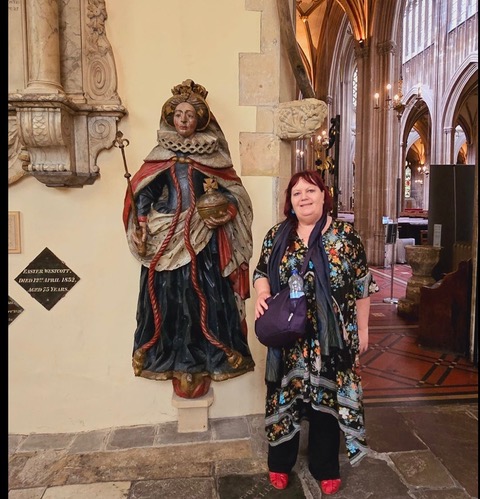
Wordly Women: Wendy J. Dunn

In the third edition of my Author Spotlight series, Wordly Women, I chat with Wendy J. Dunn, author of both historical fiction and non-fiction based in the Tudor period

Sharon: What got you into writing?

Wendy: I cannot remember a time in my life when I didn’t read – or love books. By eight, I knew I wanted to be an author. I was ten when a friend had given me a child’s book of English history for my tenth birthday. That book, or rather its chapter about Elizabeth I, changed the course of my life.

But claiming a writer’s mantle meant walking a hard, long and challenging road. I was born into a working-class family. My parents never encouraged me to write—or even to complete High School. They expected me to follow the normal narrative for a working-class girl: work until I found a husband. I found him at seventeen, married him at eighteen. Ten months later (LOL), we welcomed the first of our four children.

By the time I married, life had done a good job of knocking down my confidence about ever becoming a writer. I also had this silly, working-class imposed idea that I could not write because I was now a wife and mother. I believed my class and world would not allow it. As I say, I had a lot of silly ideas. But I was very young. It took the traumatic birth of my second son to wake me up at twenty-two and make me remember I had other choices, and my dreams of authoring books. A few months after that, I applied to a local university’s Early Leaver Scheme, and they accepted me. Completing my Bachelor of Arts restored my confidence and returned me to writing.

With raising a family, working as a primary teacher, and a lot of health challenges along the way, the road was still difficult. Also, my family always comes first. LOL – I can hear them protesting that is not how they see it, but I know it is true. I would have written far more books by this stage of my life if writing came first. While family is at the core of my existence, writing keeps me sane. Writing is also where I have found my authentic life.

Sharon: You write both fiction and non-fiction – is one harder than the other?

Wendy: Both are hard – but nonfiction is harder because I am far more passionate about writing fiction than writing nonfiction. I love surrendering to my imagination and being there – back then – with my characters. On a good writing day, I emerge feeling so alive, I could float on air.

But what makes me passionate about writing nonfiction is my love of research – of finding answers that deepen my understanding of people of the past and sharing that knowledge with others.

Sharon: Tell us about your books….

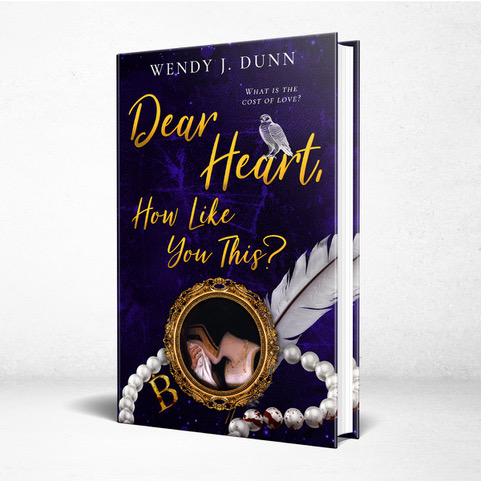
Dear Heart, How Like You This? was my first published novel, and so will forever hold a special place in my heart because it was the novel that proved I could complete a novel, and one also good enough to be published. It tells the story of Anne Boleyn from the point of view of Sir Thomas Wyatt, the elder. Tom and I developed an extraordinary relationship when I wrote that book. He became so real we often argued about the direction of the story – and the story would just come to a stop until he got his own way.

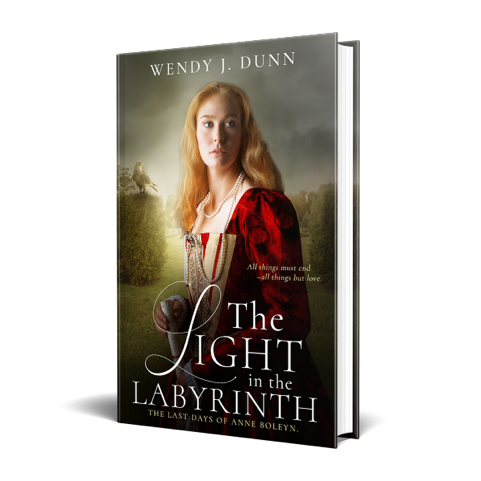
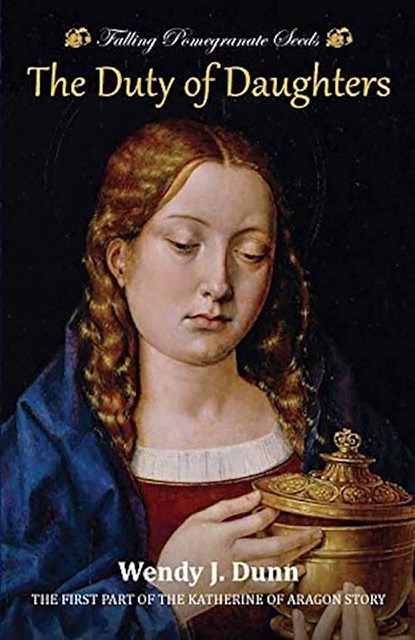
Dear Heart ignited my desire to write about the life of Katherine of Aragon. I wrote the first version of The Duty of Daughters – the novel about Katherine of Aragon’s early life in Castille – through the point of view of the child Maria de Salinas and then faced the fact I needed to write it through an adult point of view. I knew it just had to be Beatriz Galindo, the scholar who may have been Katherine of Aragon’s tutor, but I despaired about pulling apart the book and starting again. So much so, it took completing my Masters of Writing and then my PhD – when I wrote The Light in the Labyrinth as my creative artefact – before I returned to this work, for it to be published in 2016.

Dear Heart also ignited the inspiration for The Light in the Labyrinth because my first novel left me with so many questions about why Henry VIII murdered the woman he had turned his kingdom upside to marriage. I decided to target this novel to young adults, with the hope adults would like it, too. LOL – I suspect far more adults have read and enjoyed it than young adults. As it became a bestseller in its early published life, I have no complaints about that.

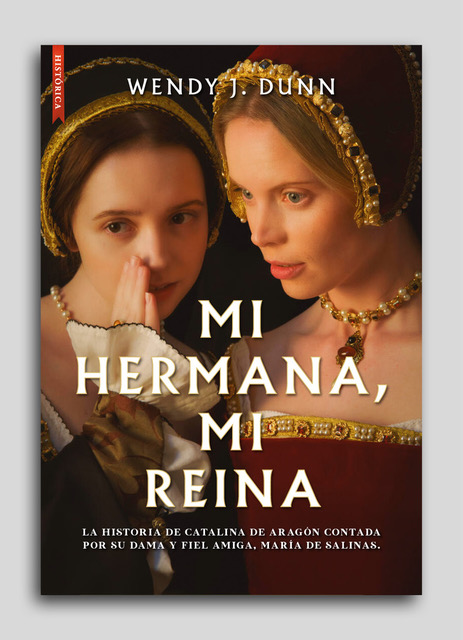
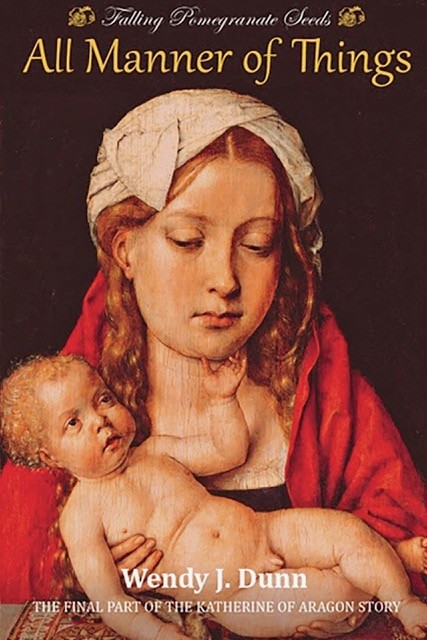
All Manner of Things is the conclusion to my Falling Pomegranate Seeds duology. All Manner of Things imagines Katherine of Aragon time in England from her arrival in 1501 to 1520, with an epilogue that takes the reader to her deathbed. I used Maria de Salinas, one of Katherine’s closest friends and a fellow Castilian exile, as my narrator, which offered a close view of Katherine’s life.

All Manner of Things has done me proud since its publication by gaining quite a few awards and being translated into Spanish and published as Mi Hermana, Mi Reina.

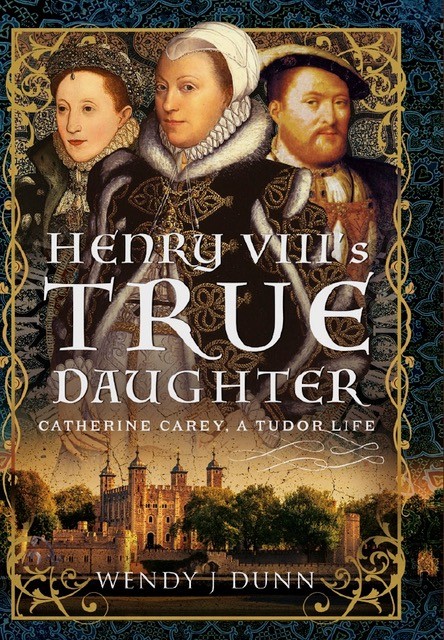
Henry VIII’s True Daughter: Catherine Carey, A Tudor Life is my first published major work of nonfiction. COVID lockdowns made researching that book difficult. I was stuck in Melbourne, Australia, when I should have been researching in England. But we are fortunate to have a wealth of archival material now available online.

Sharon: What attracts you to the Tudor period?

Wendy: I have loved the Tudor period since my childhood. It is a fascinating period with so many fascinating people. For me, this period offers a wealth of stories to draw from for my storytelling, with a cast of archetypes, heroes and villains, with stories of adultery, murder, lust, love, passion, betrayal, tragedy and triumph, family secrets, ambition and vainglory. The Tudors offer a treasure trove of multilayered tales that speak to our shared humanity.

Sharon: Who is your favourite Tudor and why?

Wendy: No question about it. Elizabeth I. I know she was not perfect, but she was an exceptionally intelligent human being. The fact she ended up the queen of England, after years of walking a road where any misstep could lead to her death, is such a story of triumph. And the triumph continued all through her life. Elizabeth remained queen for close to forty-four years, despite all the plots to bring her down.  

Sharon: Who is your least favourite Tudor and why?

Wendy: Henry VIII. I don’t think I could ever like any man who murders his wives. I confess I wrote The Light in the Labyrinth hoping I’d find him more likeable. Alas, I liked him far less after completing my second Anne Boleyn novel. He was a bully, a tyrant (especially after 1536), possessed little empathy, emotionally abused his eldest daughter and forced her to betray the memory of her mother, all of which broke her spirit, made it harder for women to work in professions – for example, a law early in his reign excluded women from the medical profession, and was, many times, simply cruel.  

OMG – he annulled his marriage to Anne Boleyn just days before her execution, so how could she be accused of adultery then? But he still executed her!

Sharon: How do you approach researching your topic?

Wendy: Books. Many books. And more books. Academic papers. Hours of searching for primary sources to help me with my topic. Living in hope of having funds to get to the places where my people once lived, just so I can walk in their footsteps.

I build my people – real and imagined – through thorough research. I love researching history and deepening my knowledge about people of the past, which means every book I write increases my own personal reference library.

Sharon: Tell us your ‘favourite’ Tudor story.

Wendy: The day they crowned Elizabeth. Whenever I read the primary sources about her coronation, I am always swept away by the joy of the day. By Elizabeth’s joy. And I get an extra shiver up and down my backbone to know Anne Boleyn was remembered on this day. What Elizabeth must have felt to see her mother included in the processional display that celebrated her lineage.

I have written about this day in Henry VIII’s True Daughter, and also touched on this scene in FIRE FROM THE COMET’S TAIL, one of my short stories:

One of the honoured women helping carry Elizabeth’s long, heavy mantle up the steps, Kate couldn’t resist doing a dancing step, far too excited and happy to mind the cold.

Drums rolled and trumpets blared. A thousand voices roared in triumph: Long live the queen. Long live the queen.

Bess looked over her shoulder at the crowds, and waved. In the sudden hushed silence, before the crowd shouted out as if in one voice, “Elizabeth! God Save Elizabeth!” the wind carried to Kate the well-remembered laugh of another queen. One more shout mounted up, God save the queen.

Out of the corner of her eye, her aunt seemed standing beside her. Love. Love never dies, or is forgotten, her aunt’s voice said in her mind. Strange. She had no memory of her saying that while she lived.

Snow-light blinding her again, Kate rubbed her eyes. When she opened them, Bess had entered the ancient doors of Westminster.

I really look forward to revisiting this day in the novel I am writing now.

Sharon: Tell us your least ‘favourite’ Tudor story.

Wendy: The execution of Anne Boleyn. Such an unjust end to her life. I also believe she only gave up hope of a reprieve in her last moments. How awful it must have been for her, knowing Henry wanted her dead so much he set in motion her execution. He may have given her the mercy of the French swordman, but he was merciless in other ways. And to die knowing she was leaving behind her infant daughter who would no longer have her protection. My heart breaks for her!

Sharon: Are there any other eras you would like to write about?

Wendy: I hope to live long enough to write about a few women from medieval Spanish history who have caught my attention. Researching Katherine of Aragon’s life has left me with a deep love of Spain and its history.

Sharon: What are you working on now?

Wendy: I’m working through the edits of Shades of Yellow, my novel about an Australian woman writing a Tudor novel (not me!), which is scheduled for publication on September 7th. I am also writing a novel inspired by the life of Frances Newton Brooke, a woman who served Elizabeth I even before she became queen until 1592. She is also subject I’m researching for my next nonfiction book for Pen& Sword Books

Sharon: And finally, what is the best thing about being a writer?

Wendy: Oh – finding kindred spirits, like you, Sharon! I feel so blessed with the friendships I have made along the way on this writing road of mine – and blessed to have this passion that helps me grow as a human being. Writing turned my life into a true adventure.

About the Author:

Wendy J. Dunn is an award-winning Australian writer fascinated by Tudor history – so much so she was not surprised to discover a family connection to the Tudors, not long after the publication of her first Anne Boleyn novel, which narrated the Anne Boleyn story through the eyes of Sir Thomas Wyatt, the elder. Her family tree reveals the intriguing fact that one of her ancestral families – possibly over three generations – had purchased land from both the Boleyn and Wyatt families to build up their own holdings. It seems very likely Wendy’s ancestors knew the Wyatts and Boleyns personally. Wendy is married, the mother of three sons and one daughter—named after a certain Tudor queen, surprisingly, not Anne. She is also the grandmother of two amazing small boys. She gained her PhD in 2014 and loves walking in the footsteps of the historical people she gives voice to in her novels. Wendy also tutors at Swinburne University of Technology, Australia.

Where to find Wendy’s books:.

Original version of Dear Heart, How Like You This?, New edition of Dear Heart, How like You This?

Original version of The Light in the Labyrinth. New version of The Light in the Labyrinth.

Falling Pomegranate Seeds duology: Part One, 
The Duty of Daughters
https://mybook.to/FPS, Part two: All Manner of Things.

Pen and Sword Books: Henry VIIIs True Daughter: Catherine Carey, A Tudor Life

Mi hermana, mi reina: La historia de Catalina de Aragn contada por su dama y fiel amiga Mara de Salinas (Spanish Edition)

Where to find Wendy::

Website – Newsletter – Facebook – Instagram: wendyjdunnauthor, Bluesky: wendyjdunn.bsky.social, LinkedIn: Dr Wendy Dunn – Academic Tutor and Lecturer – Goodreads – Bookbub

*

My books

Signed, dedicated copies of all my books are available through my online store.

Out now: Scotland’s Medieval Queens

Scotland’s history is dramatic, violent and bloody. Being England’s northern neighbour has never been easy. Scotland’s queens have had to deal with war, murder, imprisonment, political rivalries and open betrayal. They have loved and lost, raised kings and queens, ruled and died for Scotland. From St Margaret, who became one of the patron saints of Scotland, to Elizabeth de Burgh and the dramatic story of the Scottish Wars of Independence, to the love story and tragedy of Joan Beaufort, to Margaret of Denmark and the dawn of the Renaissance, Scotland’s Medieval Queens have seen it all. This is the story of Scotland through their eyes.

Available now from Amazon and Pen and Sword Books

Also by Sharon Bennett Connolly:

Heroines of the Tudor World tells the stories of the most remarkable women from European history in the time of the Tudor dynasty, 1485-1603. These are the women who ruled, the women who founded dynasties, the women who fought for religious freedom, their families and love. Heroines of the Tudor World is now available for pre-order from Amberley Publishing and Amazon UK. Women of the Anarchy demonstrates how Empress Matilda and Matilda of Boulogne, unable to wield a sword themselves, were prime movers in this time of conflict and lawlessness. It shows how their strengths, weaknesses, and personal ambitions swung the fortunes of war one way – and then the other. Available from Bookshop.org, Amberley Publishing and Amazon UK. King John’s Right-Hand Lady: The Story of Nicholaa de la Haye is the story of a truly remarkable lady, the hereditary constable of Lincoln Castle and the first woman in England to be appointed sheriff in her own right. Available from all good bookshops Pen & Sword Books, bookshop.org and Amazon. 

Defenders of the Norman Crown: The Rise and Fall of the Warenne Earls of Surrey tells the fascinating story of the Warenne dynasty, from its origins in Normandy, through the Conquest, Magna Carta, the wars and marriages that led to its ultimate demise in the reign of Edward III. Available from Pen & Sword Books, Amazon in the UK and US, and Bookshop.org. Ladies of Magna Carta: Women of Influence in Thirteenth Century England looks into the relationships of the various noble families of the 13th century, and how they were affected by the Barons’ Wars, Magna Carta and its aftermath; the bonds that were formed and those that were broken. It is now available in paperback and hardback from Pen & Sword, Amazon, and Bookshop.org. Heroines of the Medieval World tells the stories of some of the most remarkable women from Medieval history, from Eleanor of Aquitaine to Julian of Norwich. Available now from Amberley Publishing and Amazon, and Bookshop.org. Silk and the Sword: The Women of the Norman Conquest traces the fortunes of the women who had a significant role to play in the momentous events of 1066. Available now from Amazon,  Amberley Publishing, and Bookshop.org.

Alternate Endings: An anthology of historical fiction short stories including Long Live the King… which is my take what might have happened had King John not died in October 1216. Available in paperback and kindle from Amazon.

Podcast:

Have a listen to the A Slice of Medieval podcast, which I co-host with Historical fiction novelist Derek Birks. Derek and I welcome guests, such as Bernard Cornwell and Michael Jecks, and discuss a wide range of topics in medieval history, from significant events to the personalities involved. Every episode is also now available on YouTube.

*

Don’t forget! Signed and dedicated copies of all my books are available through my online store.

For forthcoming online and in-person talks, please check out my Events Page.

You can be the first to read new articles by clicking the ‘Follow’ button, liking our Facebook page or joining me on Twitter, Threads, Bluesky and Instagram.

*

©2025 Sharon Bennett Connolly, FRHistS and Wendy J. Dunn
Book Corner: King of Wessex by Steven A. McKay

His reign must come to an end. But his legacy will live on forever.

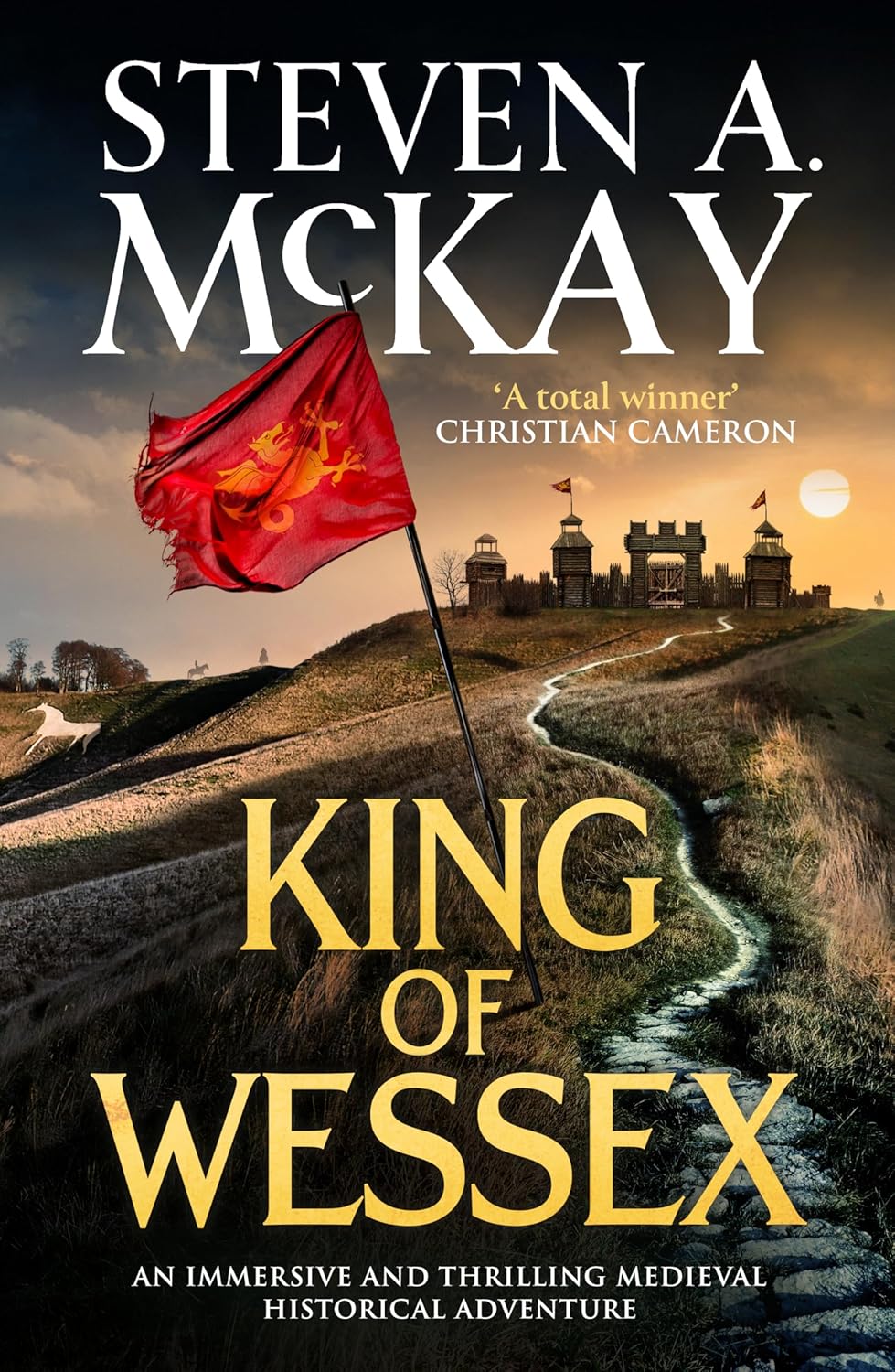
After thwarting the scourge of the Viking hordes that had decimated Britain for decades, King Alfred assured a period of peace and prosperity for the kingdom of Wessex. The dream of uniting all Anglo-Saxons under one, noble banner seems closer than ever before.

But his enemies are not ones to be taken lightly. For even as Alfred works to ensure the fate of his descendants for centuries to come, a fearsome warlord, Haesten, gathers his warriors for a brutal assault upon the shores of Alfred’s territories.

As the battle lines are drawn, as the true power of this new and terrifying threat comes into its own, the ageing king knows in his heart that things will be different this time round. For as strong as his land, his birthright, his Wessex, has become, the consequences of defeat have never been more terrible.

For one who has gained everything… has everything to lose.

What an incredible adventure it has been!

In his Alfred the Great trilogy, Steven A. McKay has brought the late 9th century to life, retelling the story of Wessex’s stand against the constant incursions of the Norse and the Danes, known collectively as the Vikings. Many fans of Bernard Cornwell will recognise the great enemy of King of Wessex as having been a regular character in his The Last Kingdom series: Haesten. Haesten was the last great enemy that Alfred faced before his death, in a four-year war that ravaged Wessex.

But in King of Wessex, Alfred is no longer fighting alone. He has the help of his daughter, Æthelflæd, now Lady of Mercia, and her husband, Æthelred. His son, Edward, no longer a child, is leading armies of his own. This family affair allows Alfred to defend his kingdom from all sides at once, moving armies to face new threats, knowing his back is covered.

What sets this series apart, however, is the relationships of the characters and King of Wessex shows just how far these relationships have developed. Alfred’s friend and captain Wulfric is a constant by his side. His wife, Ealhswith, gives wise counsel and overlooks his flaws (I am not sure I could overlook the womanising!) And having watched his children mature, Alfred now has to trust them to be his captains and his allies. But Alfred, though getting older and still suffering from the same health issues that would often see him doubled over in pain, is still the man in command. And the man to be beaten.

There were men in Mercia’s Witan who offered, or perhaps demanded would be more accurate, to take control while Aethelred was unwell, but Aethelflaed was not having that.

‘You?’ The thane who asked the question gaped at her incredulously. ‘But you’re a woman!’

Aethelflaed’s lip curled, and she rolled her eyes at him. He was a tall man, very broad of shoulder with a thick, dark beard and hard eyes. She knew she had to deal with him in the right way, or the rest of the gathered Witan would never take her seriously. So much was riding on these next few moments. ‘I am indeed a woman, Morcar. Well spotted. Not much gets past you I see.’

Some of the other council members sniggered and Aethelflaed took note of them. She’d been taught that such information, the dynamics of the Witan such as who liked who and who would like to murder whom, was always useful to know. Similarly, Morcar’s reaction to her gentle but very public insult would also be worth noting.

‘No need to be glib, my lady,’ the big man replied dryly, rather surprising Aethelflaed for she’d half expected him to grow angry at her. That he didn’t was definitely a point in his favour and belied his fierce looks. ‘You know what I mean,’ he went on. ‘Women don’t usually rule in Mercia.’

‘It would only be temporary,’ Aerthelflaed replied, standing up and walking around the hall, eyeing the mostly middle-aged men who formed the Witan. ‘Until my husband is over his illness.’

‘And what if he does not get over it?’ a red-faced, bulbous-nosed man asked bluntly.

‘Then we’d need to look at the matter again, Edgar,’ Aethelflaed barked, annoyed at the question for she’d grown close to Aethelred in the relatively short time they’d been married. ‘But, for now,’ she stopped walking right behind Edgar who was forced to turn in his chair and crane his neck upwards to see her, ‘my husband is alive, and I shall take his place as head of the Witan.’

‘But you’re not even Mercian,’ Edgar argued.

‘I am Mercian now,’ Aethelflaed retorted, her patience growing thin with the dense thane who had actually got to his feet, forcing her to look up at him now. ‘I married your ealdorman, Aethelred, didn’t I? Or does marriage not count for anything these days?’

Edgar shook his head, clearly annoyed. He was only a little taller than her, with thinning white hair, and he ground his teeth as he glared at her, almost as if he wanted to take her over his knee and smack her backside like a naughty child. ‘You might have married Aethelred,’ he growled, ‘but you are your father’s daughter first and foremost. Your loyalty lies with Wessex, not Mercia.’

‘Surely it’s the same thing?’ Aethelflaed asked in a low voice, her steely eyes boring into his.

‘What? Because Alfred has declared himself king of all the Angles and Saxons?’ Edgar asked. His breath was sour and Aethelflaed realised he was drunk.

‘Yes,’ she replied, as if it was obvious. ‘My father is the only king Mercia has, since Aethelred is but an ealdorman. I would remind you, Edgar, that King Alfred, and his fyrd, are the only things standing in the way of the Danes overrunning Mercia completely.’

‘Are you calling us cowards now?’ the inebriated thane demanded, his flushed features contrasting deeply with his white hair. ‘You’re lucky you’re not a man, or I’d show you the men of Mercia are not afraid of anything.’

He was so angry at her that flecks of spittle struck her face as he ranted. And, as he went on, he actually reached out and grasped her sleeve, digging his fingers into her bicep.

Instinctively, Aethelflaed grabbed his hand, twisting his wrist and forcing him to spin around so he was facing the table again. Despite knowing she’d done enough, she could not keep her temper in check and thrust her knee into the back of his, making him stumble and, as he went down, she pushed his face, hard, into the trencher of meat and cheese that he’d been eating from.

I love Aethelflaed!

After three books, Steven A. McKay’s characters are so well developed that you know how they will react to certain situations. Alfred is thoughtful and looks for advice from his captains and churchmen. Edward is still learning, and looks to his father as an example. Aethelflaed is feisty whereas her mother is calm and dependable. Wulfric, the loyal captain, is good in a fight but has his own axe to grind and looks for ways to give Alfred the advantage.

Haesten and his wife, Ulfhild, are bloodthirsty, ruthless and, apparently, unstoppable.

It makes for a fascinating novel, with father, son, daughter and son-in-law each having a role to play in starting the fight back that would lead to a united England. Thanks to the legacy of The Last Kingdom, the story is familiar to many, but Steven A. McKay has made it all his own. King of Wessex, like The Heathen Horde before it and Sword of the Saxons before that, is a fabulously absorbing read. You can practically smell the blood and hear the noise of battle; the clash of swords, the screams of the dying and the shouted orders of Alfred and his captains.

My only regret is that the series is now over. I would have loved to see it continue to the reign of Athelstan and the Battle of Brunanburh – but then, I suppose, it wouldn’t be the story of King Alfred, would it?

As it is, Steven A. McKay has all the ingredients for a riveting good read and he uses them to his best advantage, to create a story that grabs the reader from the very first page. Itis exciting, thought-provoking and will bring a tear to your eye at the end. It is well worth the journey. King of Wessex is a novel that is not to be missed!

Buy the book!

About the author:

Steven A. McKay was born in Scotland in 1977. He is the author of two previous series of historical fiction, following Robin Hood and the warrior-druid Bellicus in post-Roman Britain. He plays the guitar, is the co-host of historical adventure podcast Rock, Paper, Swords! along with author Matthew Harffy, and lives just outside Glasgow with his wife and children.

*

My books

Signed, dedicated copies of all my books are available through my online store.

Out now: Scotland’s Medieval Queens

Scotland’s history is dramatic, violent and bloody. Being England’s northern neighbour has never been easy. Scotland’s queens have had to deal with war, murder, imprisonment, political rivalries and open betrayal. They have loved and lost, raised kings and queens, ruled and died for Scotland. From St Margaret, who became one of the patron saints of Scotland, to Elizabeth de Burgh and the dramatic story of the Scottish Wars of Independence, to the love story and tragedy of Joan Beaufort, to Margaret of Denmark and the dawn of the Renaissance, Scotland’s Medieval Queens have seen it all. This is the story of Scotland through their eyes.

Available now from Amazon and Pen and Sword Books

Also by Sharon Bennett Connolly:

Heroines of the Tudor World tells the stories of the most remarkable women from European history in the time of the Tudor dynasty, 1485-1603. These are the women who ruled, the women who founded dynasties, the women who fought for religious freedom, their families and love. Heroines of the Tudor World is now available for pre-order from Amberley Publishing and Amazon UK. Women of the Anarchy demonstrates how Empress Matilda and Matilda of Boulogne, unable to wield a sword themselves, were prime movers in this time of conflict and lawlessness. It shows how their strengths, weaknesses, and personal ambitions swung the fortunes of war one way – and then the other. Available from Bookshop.org, Amberley Publishing and Amazon UK. King John’s Right-Hand Lady: The Story of Nicholaa de la Haye is the story of a truly remarkable lady, the hereditary constable of Lincoln Castle and the first woman in England to be appointed sheriff in her own right. Available from all good bookshops Pen & Sword Books, bookshop.org and Amazon. 

Defenders of the Norman Crown: The Rise and Fall of the Warenne Earls of Surrey tells the fascinating story of the Warenne dynasty, from its origins in Normandy, through the Conquest, Magna Carta, the wars and marriages that led to its ultimate demise in the reign of Edward III. Available from Pen & Sword Books, Amazon in the UK and US, and Bookshop.org. Ladies of Magna Carta: Women of Influence in Thirteenth Century England looks into the relationships of the various noble families of the 13th century, and how they were affected by the Barons’ Wars, Magna Carta and its aftermath; the bonds that were formed and those that were broken. It is now available in paperback and hardback from Pen & Sword, Amazon, and Bookshop.org. Heroines of the Medieval World tells the stories of some of the most remarkable women from Medieval history, from Eleanor of Aquitaine to Julian of Norwich. Available now from Amberley Publishing and Amazon, and Bookshop.org. Silk and the Sword: The Women of the Norman Conquest traces the fortunes of the women who had a significant role to play in the momentous events of 1066. Available now from Amazon,  Amberley Publishing, and Bookshop.org.

Alternate Endings: An anthology of historical fiction short stories including Long Live the King… which is my take what might have happened had King John not died in October 1216. Available in paperback and kindle from Amazon.

Podcast:

Have a listen to the A Slice of Medieval podcast, which I co-host with Historical fiction novelist Derek Birks. Derek and I welcome guests, such as Bernard Cornwell and Michael Jecks, and discuss a wide range of topics in medieval history, from significant events to the personalities involved. Every episode is also now available on YouTube.

*

Don’t forget! Signed and dedicated copies of all my books are available through my online store.

For forthcoming online and in-person talks, please check out my Events Page.

You can be the first to read new articles by clicking the ‘Follow’ button, liking our Facebook page or joining me on Twitter, Threads, Bluesky and Instagram.

*

©2025 Sharon Bennett Connolly, FRHistS


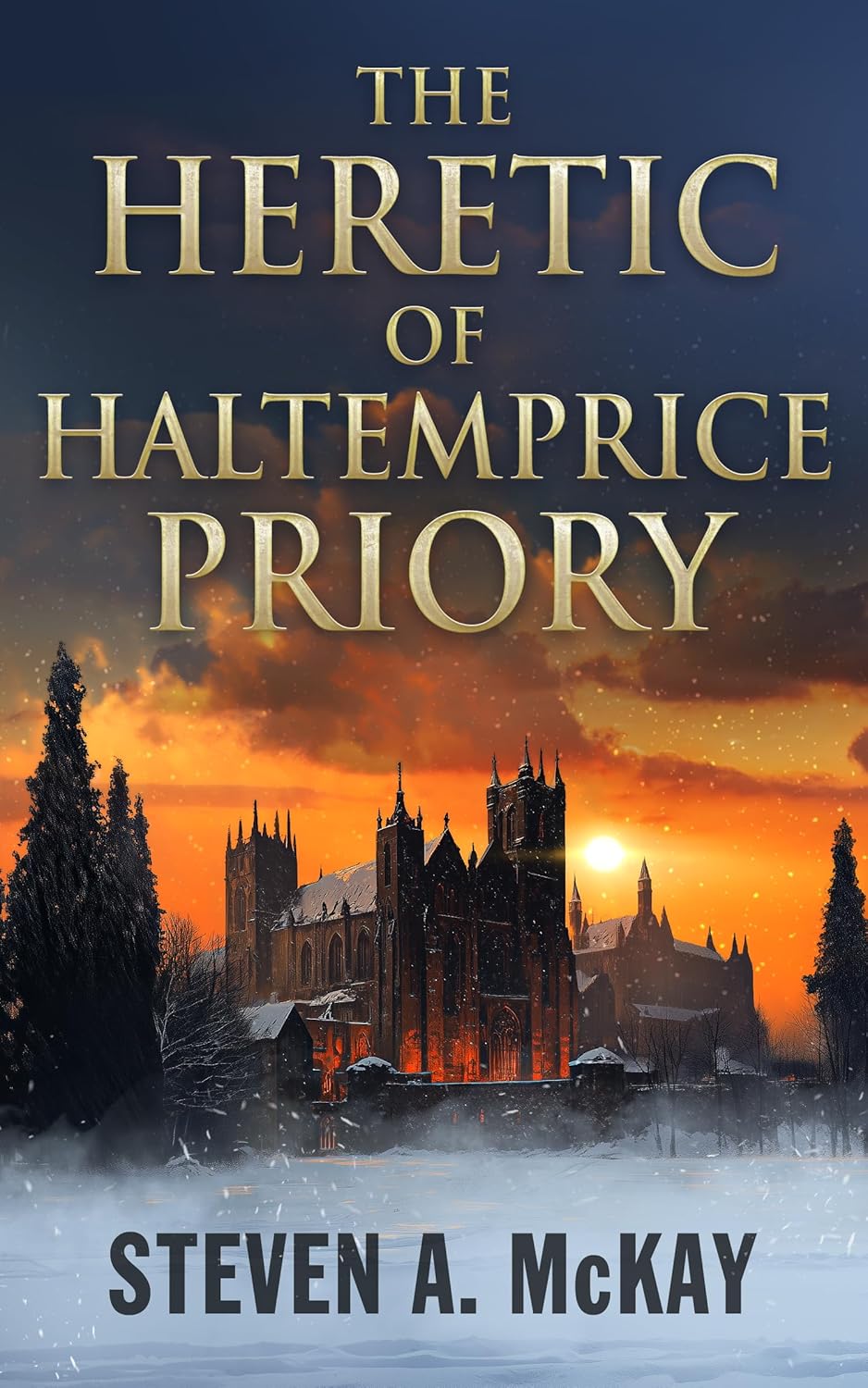
Book Corner: The Heretic of Haltemprice Priory by Steven A. McKay

England, c. AD 1330
Winter fast approaches in East Yorkshire and the dark, cold nights have brought more than just frost to the newly founded Haltemprice Priory. An oppressive pall hangs over the area like a smothering blanket, prompting one of the anxious monks to seek help from an old friend.
Robert Stafford, a friar from nearby Wakefield, has some experience in dealing with strange mysteries, having helped solve a number over the past few years. As he settles into Haltemprice however, things begin to escalate and the friar fears he might have bitten off far more than he can chew this time. Calling on his friends Will Scaflock and the bailiff John Little to work with him it seems they may face more than just earthly enemies as they battle the gloom crushing the spirit, and perhaps the very life, from the inhabitants of the priory.
One monk with a library of eldritch books seems to know much about the progressively more deadly troubles afflicting windswept, frostbitten Haltemprice, but is he a lunatic, a heretic, a murderer, or perhaps something even more terrifying?

Steven A. McKay’s idea of a “novella” stretches the truth a tad with The Heretic of Haltemprice Priory. It must be close to 50,000 words!

But who’s complaining?

Certainly not me!

I have been saying for years that Steven should do a full-length detective/mystery novel featuring Friar Tuck, Little John and Will Scarlet. And I suspect, this is as close as I’m going to get to one.

In The Heretic of Haltemprice Priory, Friar Tuck is called in by an old friend to discover the malaise that afflicts his priory. It is hard to pin down, but a sense of doom and gloom appears to infect not only the monks, but everyone within the priory’s walls. When Tuck realises the depths of the mystery, and the strange happenings that border on the occult, he calls for his old friends, Will and John, to help him solve the mystery.

“This is a very impressive priory,” he said, peering up and gesturing vaguely around, his hand casting long shadows in the candlelight. “I’d have thought the brothers and lay people living here would be happy with their new surroundings.”

“And yet…” Simon de Poher breathed, chewing his lip.

“And yet.” Tuck nodded. “I’ve hardly seen anyone so far, as if everyone is hiding, and those I have met seem nervous about something. Frightened even.”

The door to the cloister rattled at his words, pushed against the latch by the gusting wind outside.

De Poher swallowed again and looked up at the ceiling, as if he were begging God for guidance.

Tuck stood and walked to the nearest bookcase. He knew some of the library’s collection was valuable as some of the books were actually chained to the shelves so that they could not be lost or stolen. The shelves themselves were Brand new and had clearly been made by skilled carpenters, but many of the books on show were very old and Tuck hesitated to draw any out in case he damaged them.

“You’re right,” de Poher said behind him. “Everyone in Haltemprice seems to be anxious, including me.”

“Why?” Tuck asked, turning back to face him.

“Well, that’s the thing,” the cantor chuckled bleakly. “I have no idea.”

Tuck’s brow lifted and he leaned back thoughtfully. “You must have some clue, ” he stated.

“No,” the cantor said, shaking his head. Nothing has happened as far as I’m aware. No one has died violently, or threatened us, or, well, anything like that at all in the time we’ve been here. This place…” He trailed off, casting wary glances into the dark corners and atone particular section of books. “This place just seems to crush the spirit, which is unfathomable given it’s a house of God!” He cringed as he said the last few words, as if fearing he’s be struck down by a divine bolt of lightning or, perhaps, something less holy…

It is a strange tale.

But it is one that grabs you.

Steven A. McKay’s wonderful characters certainly keep you entertained. The strange goings-on are freaky, from sacrificed pigs to disturbed ancient graves. And books that border on the heretical. The reader will be as discomfited as the heroes themselves. And as determined to uncover the truth behind the priory’s place at the centre of events. Full of dark imagery and breathless suspense, The Heretic of Haltemprice Priory will keep you on the edge of your seat (and possibly behind it!).

Ok, I’m exaggerating a little. It is not too scary, rather it allows the reader to let his or her imagination wander into the dark corners of a monk’s cell – and mind. The supernatural elements leave the reader wondering if the mystery will ever – can ever – be solved. It also leaves the reader wanting more from Tuck, Scarlet and Little John. And with the arrival of a mysterious tinker at the end of the book, the hope is that we are going to get it!

The Heretic of Haltemprice Priory is perfect reading for a cold winter night by an open fire. But with all the lights on, just in case!

To Buy the Book:

The Heretic of Haltemprice Priory is now available from Amazon on Kindle and in paperback.

About the author:

Steven A McKay was born in Scotland in 1977 and always enjoyed studying history. He decided to write his Forest Lord novels after seeing a house called “Sherwood” when out at work one day. Since then he’s started a new series, the Warrior Druid of Britain Chronicles, and just completed a trilogy about Alfred the Great.

Steven used to be in a heavy metal band although he tend to just play guitar in his study these days. He did use those guitars to write the theme song for the podcast he co-hosts, Rock, Paper, Swords! with Matthew Harffy, though. Give it a listen, they’ve interviewed great guests like Diana Gabaldon, Simon Scarrow, Bernard Cornwell, Dan Jones and more.

*

My Books:

Signed, dedicated copies of all my books are available through my online bookshop.

Coming 30 January 2025: Scotland’s Medieval Queens

Scotland’s history is dramatic, violent and bloody. Being England’s northern neighbour has never been easy. Scotland’s queens have had to deal with war, murder, imprisonment, political rivalries and open betrayal. They have loved and lost, raised kings and queens, ruled and died for Scotland. From St Margaret, who became one of the patron saints of Scotland, to Elizabeth de Burgh and the dramatic story of the Scottish Wars of Independence, to the love story and tragedy of Joan Beaufort, to Margaret of Denmark and the dawn of the Renaissance, Scotland’s Medieval Queens have seen it all. This is the story of Scotland through their eyes.

Available for pre-order now.

Also by Sharon Bennett Connolly:

Heroines of the Tudor World tells the stories of the most remarkable women from European history in the time of the Tudor dynasty, 1485-1603. These are the women who ruled, the women who founded dynasties, the women who fought for religious freedom, their families and love. Heroines of the Tudor World is now available for pre-order from Amberley Publishing and Amazon UK. Women of the Anarchy demonstrates how Empress Matilda and Matilda of Boulogne, unable to wield a sword themselves, were prime movers in this time of conflict and lawlessness. It shows how their strengths, weaknesses, and personal ambitions swung the fortunes of war one way – and then the other. Available from Bookshop.org, Amberley Publishing and Amazon UK. King John’s Right-Hand Lady: The Story of Nicholaa de la Haye is the story of a truly remarkable lady, the hereditary constable of Lincoln Castle and the first woman in England to be appointed sheriff in her own right. Available from all good bookshops Pen & Sword Books, bookshop.org and Amazon. 

Defenders of the Norman Crown: The Rise and Fall of the Warenne Earls of Surrey tells the fascinating story of the Warenne dynasty, from its origins in Normandy, through the Conquest, Magna Carta, the wars and marriages that led to its ultimate demise in the reign of Edward III. Available from Pen & Sword Books, Amazon in the UK and US, and Bookshop.org. Ladies of Magna Carta: Women of Influence in Thirteenth Century England looks into the relationships of the various noble families of the 13th century, and how they were affected by the Barons’ Wars, Magna Carta and its aftermath; the bonds that were formed and those that were broken. It is now available in paperback and hardback from Pen & Sword, Amazon, and Bookshop.org. Heroines of the Medieval World tells the stories of some of the most remarkable women from Medieval history, from Eleanor of Aquitaine to Julian of Norwich. Available now from Amberley Publishing and Amazon, and Bookshop.org. Silk and the Sword: The Women of the Norman Conquest traces the fortunes of the women who had a significant role to play in the momentous events of 1066. Available now from Amazon,  Amberley Publishing, and Bookshop.org.

Alternate Endings: An anthology of historical fiction short stories including Long Live the King… which is my take what might have happened had King John not died in October 1216. Available in paperback and kindle from Amazon.

Podcast:

Have a listen to the A Slice of Medieval podcast, which I co-host with Historical fiction novelist Derek Birks. Now at over 50 episodes, Derek and I welcome guests, such as Bernard Cornwell, and discuss a wide range of topics in medieval history, from significant events to the personalities involved. In episode 18, Steven A. McKay joined us to discuss his Forest Lord series, and the legend of Robin Hood.

*

Don’t forget! Signed and dedicated copies of all my books are available through my online bookshop.

For forthcoming online and in-person talks, please check out my Events Page.

You can be the first to read new articles by clicking the ‘Follow’ button, liking our Facebook page or joining me on Twitter, Threads, Bluesky and Instagram.

©2024 Sharon Bennett Connolly FRHistS

Book Corner: Sun Ascendant by C.F. Dunn

Two men. One woman. And a lie.

Strong-willed and single-minded, young Isobel Fenton is determined that nothing will separate her from her beloved manor of Beaumancote; but as unseen witness to a summary execution, she is propelled into a world of personal feud and national politics as the houses of York and Lancaster threaten to tear the country apart. Now unwilling mistress of the formidable Earl, Isobel despairs of ever being free to follow her own heart. But events take a sinister turn, and as the Earl of Warwick and King Edward IV vie for power, Isobel must face her own battle for survival. What is the bitter Countess prepared to do to be rid of her rival? And divided by love and loyalty, how will Isobel contend with the decaying relationship of the two brothers who seek her love? 

This year I have had the pleasure of reading two books by C.F Dunn, the first two books of a series entitled The Tarnished Crown. And what a treat it was!

In Wheel of Fortune, C.F. Dunn made a fabulous start to what promises to be an interesting series set towards the end of the Wars of the Roses. Wheel of Fortune traced the life of Isobel Fenton during the tumultuous events of 1469, when King Edward IV is embroiled in a power struggle with Richard Neville, Earl of Warwick. Isobel herself has her life turned upside down by the death of her father, when she is forced to leave her manor and live under the protection of the local earl, at Tickhill Castle. As a South Yorkshire lass, it took me a while to get used the book being set around an area I know so well, with a fictional earl in residence at Tickhill Castle. But once the book draws you in, you stop thinking about what you know and start caring about those lives within the walls of the famous landmark. The story is intriguing and has many twists and turns. Most of the characters are fictional, dropped into the existing history, though Richard, Duke of Gloucester puts in an appearance once in a while.

Sun Ascendant continues the story against the backdrop of the political crisis that, literally, split Edward IV’s reign in two. Edward IV’s falling out with the Kingmaker – Richard Neville, Earl of Warwick – led to him losing the throne and the readeption of Henry VI, though only for a short time. It was one of the most dramatic and violent periods of the Wars of the Roses.

Living in Tickhill Castle, in Yorkshire, Isobel Fenton is far from the fighting, but not the political wranglings and machinations. And Isobel had her own wars to fight. Forced to become the earl’s mistress, she has to navigate the family dynamic and atmosphere instigated by her nemesis, the Countess. Sun Ascendant clearly demonstrates how women are not immune to a form of domestic warfare – nor to the shifting political landscape.

Isobel removed the chess pieces and selected the discs of green and white bone. “Will you be away long, my lord?”

“Ah, is that why you are quiet?” Taking the green counters, he began laying them on his side of the board. “I must see to the affairs of my estates, and I will be paying a visit to your own manors to ensure their security. His Grace will also expect me at Court. But I should be back for Margaret’s wedding, and that is nigh on six weeks from now.” He mistook her silence for regret. “I would take you with me, but the days in the saddle are long and I ride hard. Estate business makes for a poor companion, Isobel; you must remember when it took your father from home.”

She nodded, but she had had her servant Buena and Alfred her dog, and her garden and own things around her. And no Countess to avoid. Talking of whom… “My lord, might I be permitted to see Lady Margaret before she weds?”

He finished setting up the counters and sat back with his fingers interlaced over his stomach, watching her place her last piece. “You know that is not possible.”

“I know that I am not permitted, but that is not the same.”

“Nonetheless.” His fingers jerked restlessly. “Why is it so important that you see her?”

“I would like to know whether she has kept up with her Latin studies…” He raised a brow, so obviously wasn’t taken in by that. She tried again. “She is so young. She is not ready for marriage.”

“She is prepared; she knows her duty as a wife and will be obedient. More so than you,” he added, in an attempt to lighten her mood. She responded with a barely constrained huff. Why did men have to be so blind? Or was it that they knew, but chose not to see?

“My lord, I am not speaking of saying ‘yea‘ or ‘nay‘ to her husband, but of those other… duties men expect. She is still a girl in a child’s body, and he is such an old cog… I mean,” she amended hastily, “Lady Margaret is delicate in her manner, and he is… not.”

Sun Ascendant by C.F. Dunn is not always comfortable reading. It brings home the truth of how powerless women could be – and how women could so easily be blamed for the violence committed against them. It also demonstrates how women can come to accept that violence and even empathise with their tormentor. It makes you think of the dynamics and complications involved in a controlling relationship – especially where the women can see no way out. She feels – and is – powerless.

The setting is perfect. And C.F. Dunn has certainly done her research of the area in which the story is set, South Yorkshire and North Lincolnshire. This is my home turf; I grew up in South Yorkshire and now live a stone’s throw from North Lincs. One part of me – the Yorkshire lass – was trying to catch the author out in her portrayal of the landscape, Tickhill Castle and the Isle of Axholme. But I failed. I was impressed with Dunn’s ability to find alternative routes into Doncaster and her use of the abbeys, priories and ferries in the area, to get friend and foe alike to where they needed to go. I was disappointed no one stopped at Conisbrough Castle for refreshments- but maybe in the next book?

In Sun Ascendant, C.F. Dunn has written a masterpiece that puts a fictional earl at the heart of the Wars of the Roses, while being the cause of drama and strife at home.

All in all, Sun Ascendant is a fascinating, captivating novel that will enthrall the reader, taking them through the full range of emotions. You will get angry, worried, nervous for the fate of the characters. And you will cry. And you will spend days – weeks, even – thinking about the book long after you have finished it.

I just hope it is not too long a wait to the next instalment….

To Buy the Books:

Sun Ascendant by C.F. Dunn is available in paperback from Amazon

Wheel of Fortune, Book 1 in The Tarnished Crown series, is also available in paperback and on Kindle from Amazon. In fact, it’s only 99p on Kindle currently – so the perfect time to give these books a go!

About the Author:

C.F. Dunn is an award-winning novelist of history, mystery and suspense. Studying medieval history at university, C.F. Dunn has always been acutely aware of the impact of the past. Vibrant characters and meticulous research seamlessly weave threads of history to bring an authenticity to her richly-hued, suspenseful stories of intense love, loyalty and treachery. She has previously published The Secret of the Journal, an award-winning series of 5 suspense novels. Now living in the South West of England, her love of history is equalled only by her delight in the natural world and the unruly sea by which she lives with her family in suitably rambling historic surroundings.

*

My Books:

Signed, dedicated copies of all my books are available through my online bookshop.

Coming 30 January 2025: Scotland’s Medieval Queens

Scotland’s history is dramatic, violent and bloody. Being England’s northern neighbour has never been easy. Scotland’s queens have had to deal with war, murder, imprisonment, political rivalries and open betrayal. They have loved and lost, raised kings and queens, ruled and died for Scotland. From St Margaret, who became one of the patron saints of Scotland, to Elizabeth de Burgh and the dramatic story of the Scottish Wars of Independence, to the love story and tragedy of Joan Beaufort, to Margaret of Denmark and the dawn of the Renaissance, Scotland’s Medieval Queens have seen it all. This is the story of Scotland through their eyes.

Available for pre-order now.

Also by Sharon Bennett Connolly:

Heroines of the Tudor World tells the stories of the most remarkable women from European history in the time of the Tudor dynasty, 1485-1603. These are the women who ruled, the women who founded dynasties, the women who fought for religious freedom, their families and love. Heroines of the Tudor World is now available for pre-order from Amberley Publishing and Amazon UK. Women of the Anarchy demonstrates how Empress Matilda and Matilda of Boulogne, unable to wield a sword themselves, were prime movers in this time of conflict and lawlessness. It shows how their strengths, weaknesses, and personal ambitions swung the fortunes of war one way – and then the other. Available from Bookshop.org, Amberley Publishing and Amazon UK. King John’s Right-Hand Lady: The Story of Nicholaa de la Haye is the story of a truly remarkable lady, the hereditary constable of Lincoln Castle and the first woman in England to be appointed sheriff in her own right. Available from all good bookshops Pen & Sword Books, bookshop.org and Amazon. 

Defenders of the Norman Crown: The Rise and Fall of the Warenne Earls of Surrey tells the fascinating story of the Warenne dynasty, from its origins in Normandy, through the Conquest, Magna Carta, the wars and marriages that led to its ultimate demise in the reign of Edward III. Available from Pen & Sword Books, Amazon in the UK and US, and Bookshop.org. Ladies of Magna Carta: Women of Influence in Thirteenth Century England looks into the relationships of the various noble families of the 13th century, and how they were affected by the Barons’ Wars, Magna Carta and its aftermath; the bonds that were formed and those that were broken. It is now available in paperback and hardback from Pen & Sword, Amazon, and Bookshop.org. Heroines of the Medieval World tells the stories of some of the most remarkable women from Medieval history, from Eleanor of Aquitaine to Julian of Norwich. Available now from Amberley Publishing and Amazon, and Bookshop.org. Silk and the Sword: The Women of the Norman Conquest traces the fortunes of the women who had a significant role to play in the momentous events of 1066. Available now from Amazon,  Amberley Publishing, and Bookshop.org.

Alternate Endings: An anthology of historical fiction short stories including Long Live the King… which is my take what might have happened had King John not died in October 1216. Available in paperback and kindle from Amazon.

Podcast:

Have a listen to the A Slice of Medieval podcast, which I co-host with Historical fiction novelist Derek Birks. Derek and I welcome guests, such as Bernard Cornwell, and discuss a wide range of topics in medieval history, from significant events to the personalities involved.

*

Don’t forget! Signed and dedicated copies of all my books are available through my online bookshop.

For forthcoming online and in-person talks, please check out my Events Page.

You can be the first to read new articles by clicking the ‘Follow’ button, liking our Facebook page or joining me on Twitter, Threads, Bluesky and Instagram.

©2024 Sharon Bennett Connolly FRHistS

Guest Post: Nameless Not Faceless by Virginia Crow

Today, it is a pleasure to welcome my friend and colleague at Historical Writers Forum, Virginia Crow, to History…the Interesting Bits to talk about her contribution to the latest Historical Writers Forum Anthology, To Wear A Heart So White: An Anthology of Historical Short Stories About Crime and Punishment.

Nameless Not Faceless: The Possible Lives of the Bocksten Man

The remains of the Bocksten Man

I love a mystery. Right from childhood, I’ve been fascinated by the things we do not – and cannot – know. The quest for knowledge is human nature, but it can only be maintained so long as the unknown exists. Sometimes, this is frustrating, other times it is tantalising.

Cue: one such example…

Usually in history we know the names of people whose appearances we are left to imagine based on contemporaneous portraits or remarks made about them. But, when I discovered the story of The Bocksten Man, this was turned on its head. Here was a man who – through the wonders of forensic archaeology – we knew almost exactly what he looked like, and yet we have no idea what his name was.

My imagination was piqued!

Aside from his appearance, the one thing we do know for certain is that someone – or most likely more than one person – really didn’t like him. Aside from the blow to his head, which almost certainly killed him, he was pegged down at the bottom of the lake by two shafts, including one through the heart. It is this act which led this nameless man to become something of a celebrity 700 years later.

There are as many theories as there are theorists about who he was and why he was executed in such a way. Many of these ideas have him being a criminal, no doubt seeing it as easier to accept that he merited such an end, or as a sorcerer on a charge of witchcraft. Both these seem unlikely to me, as he was clearly well-cared for and appears to have had all the benefits of a backing from the Roman Catholic church. The only theory which stars him as an antagonist which I deem likely (just playing a game of probability, here!) is that he was discovered to be a charlatan, concealing himself behind stolen or falsely-gained clothing and belongings.

The reconstruction of the Bocksten Man

But I did not like the thought of him going to this watery grave without having someone to speak for him, albeit a few centuries too late. I’m a sucker for an underdog, and it was time to help him emerge from the shame of some of these theories. This is where his nameless status became a very handy tool. Usually I dislike writing real historical figures as so many people have preconceived ideas about them, so I have to invent my own characters to brush shoulders with the greats of history, tucking them in to various mysteries throughout the ages. But The Bocksten Man was the perfect balance between reality and possibility. How could any writer resist?

I’m not going to tell you the story I created for him – you’ll have to read it in the anthology! – but I would love to know your theories about him. Better still, write him as you think he would have been. Whoever he was, he had an adventure, and isn’t that what we all look for in our stories? A fellow author wrote to me and said: you’ve got to love a bog body, and he was absolutely right!

You can find out all about The Bocksten Man through the Halland Kulturhistoriska Museum: https://museumhalland.se/en/the-bocksten-man/

Images:

The Remains of The Bocksten Man (Peter Lindberg, https://creativecommons.org/licenses/by/2.0, via Wikimedia Commons); The Reconstruction of The Bocksten Man (Toxophilus, https://creativecommons.org/licenses/by-sa/4.0, via Wikimedia Commons)

About the book:

To Wear A Heart So White: An Anthology of Historical Short Stories About Crime and Punishment

A cost for every action, and a price for every deed.

The Historical Writers’ Forum proudly presents seven stories of Crime and Punishment, from across the ages. From an anchoress to a war hero; from Italy to Missouri; this anthology has a story for everyone.

Included stories are:

The Ignoble Defence – Virginia Crow

Agatha’s Eyes – Rachel Aanstad

A Pact Fulfilled – Eleanor Swift-Hook

Carte de Viste – Ronan Beckman

A Dish Served Cold – Brenda W. Clough

Shadows of the Adriatic – Tessa Floreano

A Dangerous Road – D. Apple

Click here to Buy the book: To Wear A Heart So White: An Anthology of Historical Short Stories About Crime and Punishment

About the Author:

Virginia Crow is an award-winning author of historical fiction. Her writing borders on the edge of reality, challenging the beliefs and superstitions of bygone days.

She lives in Caithness, where her life is dictated by Orlando and Jess, her two spaniels.

*

My Books:

Signed, dedicated copies of all my books are available through my online bookshop.

Coming 30 January 2025: Scotland’s Medieval Queens

Scotland’s history is dramatic, violent and bloody. Being England’s northern neighbour has never been easy. Scotland’s queens have had to deal with war, murder, imprisonment, political rivalries and open betrayal. They have loved and lost, raised kings and queens, ruled and died for Scotland. From St Margaret, who became one of the patron saints of Scotland, to Elizabeth de Burgh and the dramatic story of the Scottish Wars of Independence, to the love story and tragedy of Joan Beaufort, to Margaret of Denmark and the dawn of the Renaissance, Scotland’s Medieval Queens have seen it all. This is the story of Scotland through their eyes.

Available for pre-order now.

Also by Sharon Bennett Connolly:

Heroines of the Tudor World tells the stories of the most remarkable women from European history in the time of the Tudor dynasty, 1485-1603. These are the women who ruled, the women who founded dynasties, the women who fought for religious freedom, their families and love. Heroines of the Tudor World is now available for pre-order from Amberley Publishing and Amazon UK. Women of the Anarchy demonstrates how Empress Matilda and Matilda of Boulogne, unable to wield a sword themselves, were prime movers in this time of conflict and lawlessness. It shows how their strengths, weaknesses, and personal ambitions swung the fortunes of war one way – and then the other. Available from Bookshop.org, Amberley Publishing and Amazon UK. King John’s Right-Hand Lady: The Story of Nicholaa de la Haye is the story of a truly remarkable lady, the hereditary constable of Lincoln Castle and the first woman in England to be appointed sheriff in her own right. Available from all good bookshops Pen & Sword Books, bookshop.org and Amazon. 

Defenders of the Norman Crown: The Rise and Fall of the Warenne Earls of Surrey tells the fascinating story of the Warenne dynasty, from its origins in Normandy, through the Conquest, Magna Carta, the wars and marriages that led to its ultimate demise in the reign of Edward III. Available from Pen & Sword Books, Amazon in the UK and US, and Bookshop.org. Ladies of Magna Carta: Women of Influence in Thirteenth Century England looks into the relationships of the various noble families of the 13th century, and how they were affected by the Barons’ Wars, Magna Carta and its aftermath; the bonds that were formed and those that were broken. It is now available in paperback and hardback from Pen & Sword, Amazon, and Bookshop.org. Heroines of the Medieval World tells the stories of some of the most remarkable women from Medieval history, from Eleanor of Aquitaine to Julian of Norwich. Available now from Amberley Publishing and Amazon, and Bookshop.org. Silk and the Sword: The Women of the Norman Conquest traces the fortunes of the women who had a significant role to play in the momentous events of 1066. Available now from Amazon,  Amberley Publishing, and Bookshop.org.

Alternate Endings: An anthology of historical fiction short stories including Long Live the King… which is my take what might have happened had King John not died in October 1216. Available in paperback and kindle from Amazon.

Podcast:

Have a listen to the A Slice of Medieval podcast, which I co-host with Historical fiction novelist Derek Birks. Derek and I welcome guests, such as Bernard Cornwell, and discuss a wide range of topics in medieval history, from significant events to the personalities involved.

*

Don’t forget! Signed and dedicated copies of all my books are available through my online bookshop.

For forthcoming online and in-person talks, please check out my Events Page.

You can be the first to read new articles by clicking the ‘Follow’ button, liking our Facebook page or joining me on Twitter, Threads, Bluesky and Instagram.

©2024 Sharon Bennett Connolly FRHistS and Virginia Crow

Book Corner: Return to the Eyrie by Katerina Dunne

Honour, revenge, and the quest for justice.

Belgrade, Kingdom of Hungary, 1470

Raised in exile, adolescent noblewoman Margit Szilágyi dreams of returning to her homeland of Transylvania to avenge her father’s murder and reclaim her stolen legacy. To achieve this, she must break the constraints of her gender and social status and secretly train in combat. When the king offers her a chance at justice, she seizes it – even if it means disguising herself as a man to infiltrate the vultures’ nest that now occupies her ancestral ‘eyrie’. Plagued by childhood trauma and torn between two passionate loves, Margit faces brutal battles, her murderous kin’s traps and inner demons on her quest for vengeance. Only by confronting the past can she reclaim her honour – if she can survive long enough to see it through. Return to the Eyrie is an epic coming-of-age tale of a young woman’s unwavering pursuit of justice and destiny in 15th century Hungary.

A couple of years ago, I had the pleasure of reading and reviewing Lord of the Eyrie by Katerina Dunne, a novel set in late medieval Hungary. It was a fascinating introduction to a country whose History I know very little about. And the story was incredible, a family drama, with vivid battle scenes and intricately woven plotlines. It certainly left me wanting more. It was an absolute pleasure to read. So, when Katerina told me she had written a sequel, I jumped at the chance to read it. I was intrigued as to how the story would continue.

And it is a stunning sequel to Lord of the Eyrie, following the daughter of Sandor, the hero in the first book, who is trying to find out exactly what happened to her father. She also wants to clear his name. unscrupulous enemies branded Sandor a traitor. Margit aims to prove he wasn’t.

Margit grew up without family, protected by her nurse and her father’s best friend, and knowing that she had been deprived of her inheritance and position in the world. The search for the truth drives her. But she is not the traditional Hungarian girl. A born leader, she learns to fight – against her father’s enemies and against the life that is planned out for her.

In the lambent glow of the oil lamp, Ahmed traced a thumb down the flat of Margit’s blade, carefully like touching a precious gem. “Beautiful,” he murmured.

“Will you show me how to use it?”

Fixed on the etching, Ahmed’s eyes narrowed, and his forehead wrinkled as though his mind was caughter by a distant recollection. “Where did you find this?”

Margit swallowed back her sudden apprehension. “Why do you ask?”

“You didn’t steal it, did you?”

“No!” She snatched the dagger from Ahmed’s hand, placed it back in its box and slammed the lid shut. “It’s mine.” She wrapped her arms about her precious possession.

“Why are you so angry?” Adnan ventured but shrank back at once, cowering under her fierce gaze.

“Forgive me,” Ahmed said. “I don’t know the family, but I remember the coat of arms.”

Margit’s stomach tightened. “You do?”

“An old story. Some other time. You don’t keep Erzsi waiting outside.”

He waved Margit away, but she let the canvas bag with her other gifts drop from her shoulder. “Erzsi will not mind waiting. Please, tell me.”

Ahmed cleared his throat. His eyes wandered away to times long past. “When Sultan Mehmed besieged Belgrade fifteen years ago, I fought beside Janissaries against Hunyadi’s army -“

“General Janos Hunyadi? The king’s late father?” Margit interrupted him, eyes wide open with excitement.

The general was her own father’s overlord. Hungary’s bravest protector as Imre always referred to him, tearing every time he uttered his name.

Ahmed nodded. “Yes. His defenders trapped us in the town. I killed many but then saw this tall and skilled knight. No Shield; just a sword in one hand and axe in the other, slaying Janissaries like untrained peasants.” He pointed at Margit’s box. “He wore this coat of arms. I thought I must stop him. I attacked. But I never fought anyone like him. By Allah, he had no fear; didn’t care if he lives or dies.”

Margit is a wonderful heroine, determined to seek out the truth, and to forge her own path. Not always aware of, or concerned for, the feelings of others, the teenager searches out her own destiny and confronts her enemies, putting herself and those who love her in danger.

Margit is not always a likeable heroine. She is sometimes selfish. But, she is a teenage girl who has lost practically everything – family, home, identity. In trying to recover what is lost, she becomes a more sympathetic character, learning to compromise and reach an understanding with those around her. The reader will become invested in her journey.

Return to the Eyrie by Katerina Dunne is set in medieval Hungary, a land which Katerina Dunne recreates in astonishing detail. The landscape, the settlements, castles and people help to draw the reader into the story. Hungary is a land rich in resources but beset by enemies, both within and without, and the heroine, Margit, must navigate not only national politics, international enemies but also her own identity as a young woman and the daughter of an accused traitor.

It is a wonderful, rich and absorbing story. I highly recommend it!

To Buy the Book:

Return to the Eyrie is available in paperback and on Kindle from Amazon – and is currently only 49p, so snap it up!

About the author:

Katerina Dunne is the pen-name of Katerina Vavoulidou. Originally from Athens, Greece, Katerina has been living in Ireland since 1999. She has a degree in English Language and Literature from the University of Athens, an MA in Film Studies from University College Dublin and an MPhil in Medieval History from Trinity College Dublin. While she used to write short stories for family and friends in her teenage years, she only took up writing seriously in 2016-17, when she started work on her first novel.

Katerina’s day job is in financial services, but in her free time she enjoys reading historical fiction and watching historically-themed movies and TV series. She is passionate about history, especially medieval history, and her main area of interest is 13th to 15th century Hungary. Although the main characters of her stories are fictional, Katerina uses real events and personalities as part of her narrative in order to bring to life the fascinating history of the medieval Kingdom of Hungary, a location and time period not so well-known to English-speaking readers.

*

My Books:

Signed, dedicated copies of all my books are available through my online bookshop.

Coming 30 January 2025: Scotland’s Medieval Queens

Scotland’s history is dramatic, violent and bloody. Being England’s northern neighbour has never been easy. Scotland’s queens have had to deal with war, murder, imprisonment, political rivalries and open betrayal. They have loved and lost, raised kings and queens, ruled and died for Scotland. From St Margaret, who became one of the patron saints of Scotland, to Elizabeth de Burgh and the dramatic story of the Scottish Wars of Independence, to the love story and tragedy of Joan Beaufort, to Margaret of Denmark and the dawn of the Renaissance, Scotland’s Medieval Queens have seen it all. This is the story of Scotland through their eyes.

Available for pre-order now.

Also by Sharon Bennett Connolly:

Heroines of the Tudor World tells the stories of the most remarkable women from European history in the time of the Tudor dynasty, 1485-1603. These are the women who ruled, the women who founded dynasties, the women who fought for religious freedom, their families and love. Heroines of the Tudor World is now available for pre-order from Amberley Publishing and Amazon UK. Women of the Anarchy demonstrates how Empress Matilda and Matilda of Boulogne, unable to wield a sword themselves, were prime movers in this time of conflict and lawlessness. It shows how their strengths, weaknesses, and personal ambitions swung the fortunes of war one way – and then the other. Available from Bookshop.org, Amberley Publishing and Amazon UK. King John’s Right-Hand Lady: The Story of Nicholaa de la Haye is the story of a truly remarkable lady, the hereditary constable of Lincoln Castle and the first woman in England to be appointed sheriff in her own right. Available from all good bookshops Pen & Sword Books, bookshop.org and Amazon. 

Defenders of the Norman Crown: The Rise and Fall of the Warenne Earls of Surrey tells the fascinating story of the Warenne dynasty, from its origins in Normandy, through the Conquest, Magna Carta, the wars and marriages that led to its ultimate demise in the reign of Edward III. Available from Pen & Sword Books, Amazon in the UK and US, and Bookshop.org. Ladies of Magna Carta: Women of Influence in Thirteenth Century England looks into the relationships of the various noble families of the 13th century, and how they were affected by the Barons’ Wars, Magna Carta and its aftermath; the bonds that were formed and those that were broken. It is now available in paperback and hardback from Pen & Sword, Amazon, and Bookshop.org. Heroines of the Medieval World tells the stories of some of the most remarkable women from Medieval history, from Eleanor of Aquitaine to Julian of Norwich. Available now from Amberley Publishing and Amazon, and Bookshop.org. Silk and the Sword: The Women of the Norman Conquest traces the fortunes of the women who had a significant role to play in the momentous events of 1066. Available now from Amazon,  Amberley Publishing, and Bookshop.org.

Alternate Endings: An anthology of historical fiction short stories including Long Live the King… which is my take what might have happened had King John not died in October 1216. Available in paperback and kindle from Amazon.

Podcast:

Have a listen to the A Slice of Medieval podcast, which I co-host with Historical fiction novelist Derek Birks. Derek and I welcome guests, such as Bernard Cornwell, and discuss a wide range of topics in medieval history, from significant events to the personalities involved.

*

Don’t forget! Signed and dedicated copies of all my books are available through my online bookshop.

For forthcoming online and in-person talks, please check out my Events Page.

You can be the first to read new articles by clicking the ‘Follow’ button, liking our Facebook page or joining me on Twitter, Threads, Bluesky and Instagram.

©2024 Sharon Bennett Connolly FRHistS

Book Corner: The Vengeance of Merlin by Steven A McKay

A heinous crime is perpetrated against the druids of Britain and a grief-stricken Bellicus suddenly finds his world changing in ways he never expected. Before he can begin to make sense of things the terrible news that the Picts have allied with the Saxons and now march on Dun Breatann together spurs the warrior-druid into action, and soon he and his companions are racing homewards. Horsa, fearsome leader of the sea-wolves, promises to use any tactic – including torture and dark magic – against Bellicus’s terrified Damnonii people who are being slaughtered and dragged from their burnt out villages to please the Saxons’ brutal gods.
Bellicus, his friend Duro, and the great war-dog Cai will need all their bravery, experience, and cunning to stand against the insane cruelty of the raiders which even shocks their own allies in the Pictish army.
Many will fall as the fighting rages, but can bonds of loyalty, friendship, and family be enough to save Queen Narina and the people of Dun Breatann from the grim fate their enemies have planned for them?
This new Warrior Druid of Britain adventure is sure to delight lovers of fast-paced historical fiction, especially readers of Peter Gibbons, Griff Hosker, and Bernard Cornwell.

Saxons and Picts come together to conquer Northern Britain, but when the war is over they must face the vengeance of Merlin!

The best Bellicus adventure yet!

Another thrilling adventure!

Vengeance of Merlin by Steven A. McKay is the 6th book in his excellent Warrior Druid of Britain series. The books follow the adventures of Bellicus the druid and his friend Duro, a former Roman soldier. King Arthur, Merlin and Lancelot are all supporting actors. Together they face the Saxon onslaught, headed by the infamous brothers Hengist and Horsa.

While Bellicus is distracted by the Moot – a meeting of all the druids in Britain which comes with its own drama – Hengist joins forces with Dun Breatann’s enemy, Drest, to launch an attack on the stronghold. The uneasy alliance between Drest and Hengist is stretched thin by the unsavoury methods of the Saxon forces. The tension is further exacerbated by the fact Dun Breatann is virtually impregnable and resisting.

With murder, sacrifice and intrigue aplenty, The Vengeance of Merlin has all the ingredients for a fantastic story.

“What’s wrong with these people?” Duro demanded as silence followed them along the town’s main thoroughfare. “Have they never seen a druid before?”

“Be fair,” Bellicus laughed. “Nemias, Qunavo, Ria, Lugotorix – none of them look anything like I do.”

“You’ve got the eagle-topped staff,” Duro groused, throwing a fierce look at a man who scurried off as they went by. “Isn’t that enough?”

“Maybe, on my own,” Bellicus said, still laughing at his friend’s bemusement. “But with you at my side? No wonder the people here think trouble must be brewing. They probably think you’re the ghost of some legionary that was part of the garrison here.”

The centurion opened his mouth to make an angry retort, then he realised he was being made fun off and broke off, shaking his head and sharing in the druid’s amusement.

“Look,” Bellicus said, pointing at an old tombstone that was just lying on the ground, abandoned. “See what I mean?”

The stone had been carved to show a Roman optio, with the inscription beneath naming him as Caecilius Avitus of the Twentieth Legion Valeria Victrix.

Duro paused, reading, and then grunted. “Fifteen years service. Died when he was thirty-four. Mithras protect him.”

A stocky, middle-aged man with sunbrowned skin appeared on the road before them then, and he did not appear frightened by their presence, although he did peer warily at Cai.

“You a druid?” he asked, pointing at Bellicus’s staff, his eyes moving smoothly across Duro and the mastiff before returning to the shaven-headed giant atop the great black horse.

“I am. Bellicus of Dun Breatann. You must be the headman.”

The fellow nodded, his stance and demeanour telling of a history as a soldier, either in the local militia or perhaps even, like Duro, as a legionary.

“Your friends are at the old shrine of Minerva,” the headman informed them, gesturing along the road. “It’s not far along this way. Just keep following the road and you’ll see it to the south, across the bridge.” He paused and it seemed he wanted to ask them more about their business in Caer Legion, but respect for the druid’s office kept him silent and the riders moved on, saluting him and receiving the same gesture in return.

“He looked like he was expecting trouble,” Duro muttered when they were some distance away from the headman, who still stood watching them ride on.

Bellicus snorted with laughter. “Duro,” he said, “you have the exact same look about you. You always do. It’s just something old soldiers have.”

The characters make The Vengeance of Merlin. Princess Catia is maturing into a brave, adventurous leader, though with still that childish curiosity. Aife is divided by her loyalties between her father, her friends and what is right- and knowing that doing the right thing means going against her father. Even Bellicus has a big career decision to make; one that will affect his love life. Every character has their own challenges and issues, struggles they must overcome and decisions that need to be taken.

Steven A. McKay takes the reader back to the time when the Romans had left Britain and the Saxons were just arriving. The vivid landscape, the attitudes of the people and the meeting of history and legend, together with the mystery that surrounds the druids, all serve to transport the reader back to a time when the veil between magic and reality was not so thick and distinct as it is today.

Steven is setting us up for a great war against the Saxons. Hopefully, that means we will not only get to see more of Bellicus and Duro, but also more of Arthur!

The twists and turns in the story makes The Vengeance of Merlin a tense but addictive read. The gripping storyline keeps the reader enthralled to the very last page – even if it does take you until 1 in the morning to get there!

I loved it!

To Buy the book:

Vengeance of Merlin is available in paperback and ebook from Amazon

About the author:

Steven A McKay was born in Scotland in 1977 and always enjoyed studying history. He decided to write his Forest Lord novels after seeing a house called “Sherwood” when out at work one day. Since then he’s started a new series, the Warrior Druid of Britain Chronicles, and just completed a trilogy about Alfred the Great.

Steven used to be in a heavy metal band although he tend to just play guitar in his study these days. He did use those guitars to write the theme song for the podcast he co-hosts, Rock, Paper, Swords! with Matthew Harffy, though. Give it a listen, they’ve interviewed great guests like Diana Gabaldon, Simon Scarrow, Bernard Cornwell, Dan Jones and more.

My Books:

Signed, dedicated copies of all my books are available through my online store.

OUT NOW! Heroines of the Tudor World

Heroines of the Tudor World tells the stories of the most remarkable women from European history in the time of the Tudor dynasty, 1485-1603. These are the women who ruled, the women who founded dynasties, the women who fought for religious freedom, their families and love. These are the women who made a difference, who influenced countries, kings and the Reformation. In the era dominated by the Renaissance and Reformation, Heroines of the Tudor World examines the threats and challenges faced by the women of the era, and how they overcame them. From writers to regents, from nuns to queens, Heroines of the Tudor World shines the spotlight on the women helped to shape Early Modern Europe.

Heroines of the Tudor World is now available for pre-order from Amberley Publishing and Amazon UK.

Coming 30 January 2025: Scotland’s Medieval Queens

Scotland’s history is dramatic, violent and bloody. Being England’s northern neighbour has never been easy. Scotland’s queens have had to deal with war, murder, imprisonment, political rivalries and open betrayal. They have loved and lost, raised kings and queens, ruled and died for Scotland. From St Margaret, who became one of the patron saints of Scotland, to Elizabeth de Burgh and the dramatic story of the Scottish Wars of Independence, to the love story and tragedy of Joan Beaufort, to Margaret of Denmark and the dawn of the Renaissance, Scotland’s Medieval Queens have seen it all. This is the story of Scotland through their eyes.

Available for pre-order now.

Also by Sharon Bennett Connolly:

Women of the Anarchy demonstrates how Empress Matilda and Matilda of Boulogne, unable to wield a sword themselves, were prime movers in this time of conflict and lawlessness. It shows how their strengths, weaknesses, and personal ambitions swung the fortunes of war one way – and then the other. Available from Bookshop.org, Amberley Publishing and Amazon UK. King John’s Right-Hand Lady: The Story of Nicholaa de la Haye is the story of a truly remarkable lady, the hereditary constable of Lincoln Castle and the first woman in England to be appointed sheriff in her own right. Available from all good bookshops Pen & Sword Books, bookshop.org and Amazon. Defenders of the Norman Crown: The Rise and Fall of the Warenne Earls of Surrey tells the fascinating story of the Warenne dynasty, from its origins in Normandy, through the Conquest, Magna Carta, the wars and marriages that led to its ultimate demise in the reign of Edward III. Available from Pen & Sword Books, Amazon in the UK and US, and Bookshop.org. 

Ladies of Magna Carta: Women of Influence in Thirteenth Century England looks into the relationships of the various noble families of the 13th century, and how they were affected by the Barons’ Wars, Magna Carta and its aftermath; the bonds that were formed and those that were broken. It is now available in paperback and hardback from Pen & Sword,  Amazon, and Bookshop.org. Heroines of the Medieval World tells the stories of some of the most remarkable women from Medieval history, from Eleanor of Aquitaine to Julian of Norwich. Available now from Amberley Publishing and Amazon, and Bookshop.org. Silk and the Sword: The Women of the Norman Conquest traces the fortunes of the women who had a significant role to play in the momentous events of 1066. Available now from Amazon,  Amberley Publishing, and Bookshop.org.

Alternate Endings: An anthology of historical fiction short stories including Long Live the King… which is my take what might have happened had King John not died in October 1216. Available in paperback and kindle from Amazon.

Podcast:

Have a listen to the A Slice of Medieval podcast, which I co-host with Historical fiction novelist Derek Birks. Derek and I welcome guests, such as Bernard Cornwell, and discuss a wide range of topics in medieval history, from significant events to the personalities involved.

*

Don’t forget! Signed and dedicated copies of all my books are available through my online store.

For forthcoming online and in-person talks, please check out my Events Page.

You can be the first to read new articles by clicking the ‘Follow’ button, liking our Facebook page or joining me on Twitter, Threads and Instagram.

*

©2024 Sharon Bennett Connolly FRHistS.