Guest Post: The Infamous Lady Rochford and the fall of Anne Boleyn by Monika Simon

Today it is a pleasure to welcome Monika Simon to the blog. Monika’s debut book, From Robber Barons to Courtiers: The Changing World of the Lovells of Titchmarsh, is out at the end of the month. And on the anniversary of the execution of Henry VIII’s second and tragic queen, Anne Boleyn, Monika has written about the involvement in events, of Anne’s sister-in-law, Jane, Lady Rochford.

The Infamous Lady Rochford and the fall of Anne Boleyn

by Monika Simon

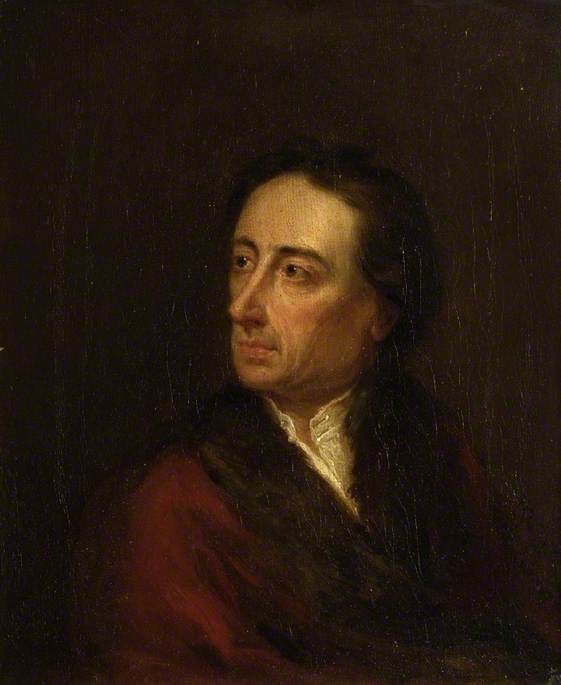
Anne Boleyn, National Portrait Gallery

Anne Boleyn, the second wife of Henry VIII and mother of Queen Elizabeth I, was executed on 19 May 1536. Reading about the whirlwind prosecution of Anne Boleyn and her fellow accused that lasted not even four weeks, one name comes up inevitably as one of the key witness if not the key witness: Anne’s sister-in-law Jane, Lady Rochford, sometimes cited as the person who may have accused Anne and her brother George of incest.

In short, she has become ‘the infamous Lady Rochford’. But does she deserve her infamy?

Jane was born Jane Parker, the name I continue to use here*, around the year 1500 as the oldest (or possibly second oldest) daughter of Henry Parker, Lord Morley and his wife Alice St John. Her father was the son of Alice Lovell and Sir William Parker, a knight from an obscure northern family. William Parker had made his career in the service of Richard III and it is possible that Alice Lovell’s cousin Francis Lovell had helped to arrange the marriage between Alice and his fellow member of the retinue of Richard, then Duke of Gloucester. Alice Lovell inherited her mother’s Morley estates after the death of her brother Henry Parker, Lord Morley in the battle of Dixmude in 1489. As a boy, Henry Parker entered the service of Margaret Beaufort, the mother of Henry VII, and she arranged his marriage to Alice St John, the granddaughter of her half-brother John St John.

Around 1520, Jane Parker became a lady-in-waiting of Catherine of Aragon. To achieve this position she must have been good looking and quite accomplished. In the following years she often participated in the grand pageants at court, including a particularly spectacular one in 1522 revolving around a mocked-up castle, the Château Vert. It was inhabited by ladies dressed as virtues. A mock fight was then staged between boys representing vices and eight gentleman, including Henry VIII, who also bore mottos. Jane was given the role of Perseverance, the king’s sister Mary Tudor was Beauty and a recent newcomer, Anne Boleyn, portrayed Constancy. In the mid-1520s Jane Parker married Anne Boleyn’s brother George, whom she must have known well from court.

The Parkers were estates were situated near those of the Boleyns and the Howards were another noble family whose property was nearby. As is so often the case with aristocratic families, multiple ties existed between these families. Jane’s grandmother Alice Lovell had married Edward Howard after the death of her first husband. Edward Howard’s sister Elizabeth was the wife of Thomas Boleyn and the mother of Jane’s husband George and Anne Boleyn. Thomas Boleyn’s sister Anne was in turn the mother-in-law of Jane’s sister Margaret.

While George Boleyn was profiting from his sisters affair with and marriage to Henry VIII, Jane was able to enjoy the honours and grants that he received alongside her husband. When her father-in-law was elevated to Earl of Wiltshire, George received the courtesy title of Viscount and Jane became a Viscountess.

But Jane’s situation changed drastically when the relationship between Henry VIII and Anne Boleyn soured. As lady-in-waiting and sister-in-law to Anne, Jane was one of the women and men who were questioned in the search for incriminating evidence against Anne, her brother George, and the other accused. The brief description of Jane’s life in the Oxford Dictionary of National Biography asserts that by this time, she had turned against Anne and that she may have been the source of rumours about George and Anne’s incest and of Henry VIII’s impotence. It is speculated that the reason for Jane’s actions was that her relationship to the Boleyns had been ‘poisoned by sexual jealousy’. As the accusations against Anne and her alleged lovers are almost generally regarded as spurious and just a means to an end, Jane Parker must have deliberately lied and lied in the full knowledge that it would cost her husband, her sister-in-law, and the other accused their lives. Accordingly, she has been described by Diarmaid MacCulloch as a ‘less than grieving widow’ and when she wrote to her husband imprisoned in the Tower that she would plead for his life, Eric Ives states that the letter ‘smells of malice’. Her complaints about her impoverished state after the goods and estates of her husband had been confiscated have been severely criticised as well.

Commemorative Plaque at the Tower of London

But on what evidence is the assertion based that Jane Parker was a main or the key witnesses against Anne Boleyn and the other accused?

The short answer is: not much. Though the proceedings against the accused are fairly well documented, and individual statements are known, what exactly Jane or anybody else said under questioning was not recorded in detail. The one information provided by Jane that we know for certain was used in the trial of her husband George. He was asked to silently read a note he was handed and answer yes or no. George, however, probably knowing that he had already been condemned before the official judgement, decided to read the note out loud. It said that his wife Jane had told him that his sister Anne had told her that the king ‘was no good in bed with women, and that he neither had potency nor force’.

This statement was probably received with embarrassed silence by the assembled Lords, Jane’s father among them, who knew that this was a particularly touchy topic. However tactless it was, the information was neither about adultery nor incest.

Another piece of evidence against Jane is that George Boleyn is recorded to have said, ‘On the evidence of only one woman you are willing to believe this great evil of me, and on the basis of her allegations you are deciding my judgement’. It has often been assumed that the one woman he referred to was his wife. There were however other women who were questioned and according to John Spelmen, one of the judges of the trial, it was Lady Wingfield’s deathbed confession that first revealed Anne’s behaviour.

The third piece of ‘damning’ evidence is the lost journal of Antony Antony, which probably  included the statement that ‘the wife of Lord Rochford [George Boleyn] was a particular instrument in the death of Queen Anne’.

The charge that Jane was the source of incest against her husband is based on a book by Bishop Burnet, writing over a hundred years later, who asserted that Jane Rochford ‘carried many stories to the king or some about him [George Boleyn]’, and evidence ‘that there was a familiarity’. Bishop Burnett had access to sources no longer existing, but what these sources said and how reliable they were cannot be determined today.

Signature of Jane, Lady Rochford

To me this evidence seems rather flimsy, but for many it has been enough to condemn Jane, but there are also those, who like me don’t believe Jane was responsible for the death of Anne Boleyn, her husbands and the other accused notably Julia Fox who wrote a biography about her.

How Jane’s previous and subsequent actions have been interpreted depends on whether the historian in question believes in Jane’s guilt or not.

Three examples show this quite clearly. According to a report by the imperial ambassador Eustace Chapuys from 1534, Jane was banished from court as she had conspired with Anne to get rid of a lady who Henry VIII had become too interested in. If Jane is thought to be guilty in the case against Anne, as for example Eric Ives does, this must be an unfounded rumour. If Jane is not seen as guilty, for example by Julia Fox, it is believable that she worked together with Anne to remove a rival.

A year later a crowd of women from London demonstrated their loyalty to Lady Mary, the daughter of Catherine of Aragon, who was saying at Greenwich at this time. Among the mob were two ladies, Lady Jane Parker and Lady ‘William Howard’. Those who think Jane was guilty find this only natural, as she was ‘otherwise known as Anne’s enemy’, in the words of Eric Ives. Others, Richard Starkey for example, point out that the names of the two ladies were later added to the document, and states that Jane Parker would never be foolish enough to participate in such a demonstration.

It is also hard to believe that Anne Boleyn would have allowed Jane to remain her lady-in-waiting if she had been a ‘known enemy’. Ives himself repeatedly stresses how much control Anne had over the personnel at court so she would have been able to have Jane dismissed or at least sent away from court until she learned how to behave herself. Jane’s husband George would have hardly pressed a ‘known enemy’ on his sisters, and Jane’s father definitely had not enough influence to force Anne to accept his daughter as lady-in-waiting if the queen wanted her gone.

Unknown Man, possibly George Boleyn, Hans Holbein

The third example of how Jane’s actions, or in this case possible actions, are interpreted is the report that on Whitsun 1536, two weeks after the executions of Anne Boleyn, Jane, her father and mother paid a visit to Lady Mary. This visit is seen as further proof of Jane’s hostility to Anne. However, the document from which the visit is known is badly damaged and most likely says only that Henry Parker, Lord Morley, his wife and unnamed daughter visited Mary. The daughter in question was, however, most likely not Jane but her sister Margaret. Margaret’s parents-in-law, John Shelton and Anne Boleyn, were in charge of Mary at the time.

What the relationship between Jane and her husband was really like on a personal level is something we can only judge from their actions and as the three examples above show, Jane’s behaviour has been interpreted according to the author’s judgement on whether or not she was responsible for Anne’s death.

In the end, the case against Jane Parker rests on one vague statement by her husband about ‘a woman’, a lost journal that may have included the accusation, and the later report by Bishop Burnett that is impossible to verify. On the other hand, the one definite piece of information we have, that she was told by Anne a very intimate detail about her married life, which Jane in turn shared with her husband, shows that far from being estranged to the queen or her husband, Jane was on good terms with them. Anne surely would not have divulged the problematic state of her relationship to Henry VIII to a woman who was her enemy.

Additionally, if the whole case against Anne Boleyn and her alleged lovers was a farce and falls apart as soon as it is analysed, as Ives states, can Jane even be responsible for Anne Boleyn’s fate? If the trial was only the means to the end of getting rid of Anne and make way for a new queen, what Jane said or whether or not George Boleyn read out the note in court made no difference whatsoever.

Why are so many writers convinced of Jane Parker’s guilt based on this meagre evidence? For most of them this is an open and shut case and has been proved for centuries. The focus of their research was on a different subject and they had to rely on other writers for their information. Diarmaid MacCullough working on his massive and excellent biography of Thomas Cromwell could not let himself be side-tracked by examining in detail every person that happened to come in contact with the subject of his study.

Additionally, Jane Parker, Lady Rochford also became entangled in the downfall of another of Henry VIII’s wives: Katherine Howard. Jane was briefly exiled from court following Anne Boleyn’s execution, but returned to became lady-in waiting to the next three queens. When Katherine Howard’s youthful misdemeanours had come to light, her behaviour as queen was scrutinised and it was discovered that she had become all too friendly with a young courtier, Thomas Culpepper, one of the king’s gentlemen of the Privy Chamber. During the court’s progress through northern England Katherine had secretly met Thomas Culpepper on several occasions, meetings that often lasted for hours. Her lady-in-waiting Jane Parker was incriminated as well as she had helped arranged these clandestine encounters and acted as a chaperon. In their trial, all three, Thomas Culpepper, Katherine Howard, and Jane Parker, naturally tried to present their part in the events in as innocent a light as possible. Culpepper blamed the women for leading him astray, Katherine blamed Jane for encouraging her and enabling the meetings, and Jane said she had only done what Katherine had told her to do. None of them could deny they had been involved and all three were executed.

In the light of her involvement in Katherine Howard’s conviction and death, it was easy to assume that Jane had also been involved in the downfall of Anne Boleyn. By the reign of Elizabeth it was also adamant that the reputation of her mother had to be freed of any doubts about her sexual conduct, but the blame for her execution should also not be put on Elizabeth’s father Henry VIII. Blaming others, like Jane Parker or Thomas Cromwell, had become the prudent explanation of the downfall of Anne Boleyn.

* I generally refer to married women my their maiden names for one to keep their natal family in mind and secondly to avoid confusion. Alice Lovell and Alice St John would otherwise become Alice Parker.

About the book:

Francis Lovell is without a doubt the most famous – if not the only famous – Lovell of Titchmarsh. In 1483 he was he was made a viscount by Edward IV, the first Lovell to be raised into the titled nobility. He is most famous for being the chamberlain and close friend of Richard III, the ‘dog’ of William Collingbourne’s famous doggerel.

Though Francis Lovell is the best known member of his family, the Lovells were an old aristocratic family, tracing their roots back to eleventh-century Normandy. Aside from the Battle of Hastings, a Lovell can be found at virtually all important events in English history, whether it was the crusade of Richard I, the Battle of Lewes, the siege of Calais, the Lambert Simnel rebellion against Henry VII, or the downfall of Anne Boleyn. Over the centuries the Lovells rose in wealth and power through service to the crown, rich marriages, and, to a considerable degree, luck.

The history of the Lovells of Titchmarsh, from their relatively obscure beginnings in the border region between France and Normandy to a powerful position at the royal court, not only illustrates the fate of this one family but also throws an interesting light on the changes and developments in medieval and Tudor England. Several themes emerge as constant in the lives of an aristocratic family over the five centuries covered in this book: the profit and perils of service to the crown, the influences of family tradition and personal choice, loyalty and opportunism, skill and luck, and the roles of women in the family.

About the author:

Monika E. Simon studied Medieval History, Ancient History, and English Linguistics and Middle English Literature at the Ludwig-Maximilians-Universität, Munich, from which she received an MA. She wrote her DPhil thesis about the Lovells of Titchmarsh at the University of York. She lives and works in Munich.

Links:
https://www.pen-and-sword.co.uk/From-Robber-Barons-to-Courtiers-Hardback/p/19045
https://www.facebook.com/MoniESim
http://www.monikasimon.eu/lovell.html

My Books:

Coming 31 May 2021:
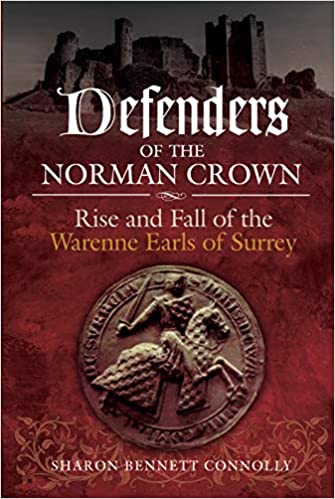
Defenders of the Norman Crown: The Rise and Fall of the Warenne Earls of Surrey tells the fascinating story of the Warenne dynasty, of the successes and failures of one of the most powerful families in England, from its origins in Normandy, through the Conquest, Magna Carta, the wars and marriages that led to its ultimate demise in the reign of Edward III.

1 family. 8 earls. 300 years of English history!

Defenders of the Norman Crown: Rise and Fall of the Warenne Earls of Surrey will be released in the UK on 31 May and in the US on 6 August. And it is now available for pre-order from Pen & Sword BooksAmazon in the UK and US and Book Depository.

Also by Sharon Bennett Connolly:

Ladies of Magna Carta: Women of Influence in Thirteenth Century England looks into the relationships of the various noble families of the 13th century, and how they were affected by the Barons’ Wars, Magna Carta and its aftermath; the bonds that were formed and those that were broken. It is now available from Pen & Sword,  Amazon and from Book Depository worldwide.

Heroines of the Medieval World tells the stories of some of the most remarkable women from Medieval history, from Eleanor of Aquitaine to Julian of Norwich. Available now from Amberley Publishing and Amazon and Book Depository.

Silk and the Sword: The Women of the Norman Conquest traces the fortunes of the women who had a significant role to play in the momentous events of 1066.  Available now from Amazon,  Amberley Publishing, Book Depository.

You can be the first to read new articles by clicking the ‘Follow’ button, liking our Facebook page or joining me on Twitter and Instagram.

©2021 Sharon Bennett Connolly  and Monika Simon

Book Corner: Land of Fire by Derek Birks

Late Spring, 455 AD.

After a brutal winter struggle against the High King Vortigern, outcast imperial officer Ambrosius Aurelianus has led his weary followers to south-west Britannia in search of his mother’s kinfolk. But Vortigern, thirsting for revenge is already forging a dangerous alliance against him.

Taking refuge in a ruined Roman fort near the decaying town of Vindocladia, Ambrosius finds an ally in Lurotriga, the widowed queen of the Durotriges. Though still sworn to his Saxon lady Inga, he is soon beguiled by the British noblewoman.

Between Inga and her new rival there can be no compromise and their enmity threatens to cause a rift between the Britons and Saxons of Ambrosius’ company.

If Vortigern attacks before the fort is repaired Ambrosius fears the outcome. He must find allies fast but, in a land of squabbling rival tribes the Roman encounters more enemies than friends. A treaty with neighbouring Dumnonia offers Ambrosius some hope, but commits him to defend the south coast against Scotti raiders. Ambrosius’ forces are stretched perilously thin putting the lives of Lurotriga and others at risk.

As Ambrosius prepares to pursue Vortigern for a final reckoning, his quest to discover his mother’s kin suddenly delivers a startling revelation, but will it help him to defeat the High King?

Heavily outnumbered in the thick forests and steep valleys of Vortigern’s homeland, Ambrosius must rely upon the fighting spirit of his small force of bucellarii and raw recruits. But sometimes courage alone is not enough.

Many of my readers will already know that Derek Birks is one of my favourite authors. Ever since reading his debut novel, Feud, set during the Wars of the Roses, I have devoured every one of his books. And Land of Fire was no exception. The 3rd book in Derek Birks’ The Last of the Romans series is a fabulous, action-filled adventure set in post-Roman Britain. The series follows the experiences of Ambrosius Aurelianus, his lover, Inga, and his small band of armed warriors, trying to make a new life for themselves inn this abandoned outpost of the Roman Empire.

As I have come to expect from this author, the action is relentless, with Ambrosius and his band fighting for their lives from the very first page. The plot is cleverly laid out, with a number of twists and turns that the reader cannot see coming. Ambrosius has to face the might of Vortigern, the High King who is eager for revenge. Life is even more complicated by Ambrosius’ attraction to two women…

The various plot threads make for an explosive combination that will leave the reader on the edge of their seats.

Below he surveyed once more the gravel hard where fishermen had drawn their small boats high up above the tideline. Close by, a rickety wooden jetty thrust a stubby finger out into the estuary channel and Ambrosius smiled to see children playing on the foreshore. But his grin of satisfaction froze half-formed, as a vessel emerged from the mist.

“What’s that?” asked Inga, clutching his arm.

After a tense moment he chuckled with relief, for it was just a single ship and not a Scoti vessel either. If anything, it looked Roman in origin.

“A trader,” ventured Inga.

“Could be,” he said, but something about the ship irked him and by the time Inga’s grip tightened upon his arm he had worked out why. The vessel was a navis lusoria, made for short, coastal journeys and river navigation; and its arrival here irked him far more than any Scoti incursion.

“That’s … your ship,” cried Inga. “Our ship!”

The previous year Ambrosius had brought them, against all odds, to the shore of Britannia in just such a navis lusoria. Their ship was a supply craft built to patrol the Rhinus River but it was very like the one he saw below. This one could, of course have been any vessel… except that it certainly looked like the ship stolen from him at the onset of winter by his embittered half-sister.

open-mouthed in shock, he stared as it lowered its sail and glided out of the mist into the harbour and there at its prow, like some carved image, stood Florina.

“No,” he moaned, as if conjuring up a long dead spirit – except she looked far from dead. “How can she be here?”

“Because Frigg has delivered her into our hands,” breathed Inga, the fire of revenge already beginning to sparkle in her eyes.

Land of Fire is superbly written and full of action. The characters are wonderful, colorful and unique individuals, including the magnificent war-dog, Ferox, who steals every scene he is in. Derek Birks is renowned for putting strong women into his stories. In his Rebels & Brothers and Craft of Kings series, it was Eleanor Elder who stole the show, using all her strength to fight for her family. In The Last of the Romans series, we have Inga and a number of other women who fight for themselves, their friends and loved ones. That is not to say that these women are therefore unrealistic, Derek Birks achieves the perfect balance in making the women into warriors, while also remembering the vulnerability of their sex and the male-dominated world in which they lived.

Ambrosius Aurelianus is a sympathetic hero, burdened with the weight of leadership, he also has a vulnerability about him, in his ability to command and fight. He is well aware of his own mortality and the mortality of those who fight alongside him. This makes him the perfect hero – you want him to succeed and, as with every Derek Birks book, are nervous that he might not. That is because Derek Birks has a unique outlook as an author. He is not afraid to kill off a key character, if it furthers the story. As a reader, that gives his book an edge – you are on the edge of your seat because you know that even the hero might not survive the battle. It makes the tension palpable – right to the very end of the book!

Well written, and with meticulous research, the book expertly depicts the lawlessness and factional warfare of the post-Roman period., where warlords are fighting to fill the vacuum left by the Roman withdrawal. Derek Birks’ knowledge of Roman Britain’s history serves to rebuild the long-lost world, and to draw the reader in, so that they can imagine the sights, sounds and -even – the smells of fifth century Britannia.

Land of Fire has depth and scope. The action is ferocious. The tension constant. It is, quite simply, impossible to put down. I read it in two days and enjoyed every moment of this fabulous novel. I cannot recommend it highly enough – it is a great way to lose a weekend!

To Buy the Book

Land of Fire is now available on Kindle from Amazon.

About the Author:

Derek was born in Hampshire in England but spent his teenage years in Auckland, New Zealand, where he still has strong family ties. On his return to England, he read history at Reading University and for many years he taught history in a secondary school. Whilst he enjoyed his teaching career and it paid the bills, he found a creative outlet in theatrical activities, stage-managing many plays and outdoor Shakespeare performances. Derek always wanted to write and began, aged 17, writing stories, songs and poetry – in fact virtually anything. Inevitably, work and family life took precedence for a long period of time but in 2010 Derek took early retirement to indulge his passion for history and concentrate on his writing. He is interested in a wide range of historical themes but his particular favourite is the late medieval period.

Derek writes action-packed fiction which is rooted in accurate history. He also produces podcasts on the Wars of the Roses for those interested in the real historical background to his books. Check them out on his website at: https://www.derekbirks.com/history-podcasts/

His historical fiction works include:
Rebels & Brothers – a 4-book series set during the fifteenth century, which follows a fictional family, the Elders, through their struggle to survive the Wars of the Roses up to 1471. The Craft of Kings – a sequel series which finds the Elder family ten years later in 1481. The latest book in this series is book 3, Echoes of Treason, which is set during the short and turbulent reign of Richard III. The final book in the series, Crown of Fear, will be published later in 2020. He has recently embarked upon a new Post-Roman series and the first book, The Last of the Romans, is out now. A sequel, Britannia: World’s End, was released in in 2020.

Apart from his writing, he enjoys travelling – sometimes, but not always, to carry out research for his books. He also spends his time walking, swimming and taking part in archaeological digs. He was a regular presence at the Harrogate History Festival, is an active member of the Historical Novel Society and you will also find him each summer signing books – and selling them – at the Chalke Valley History Festival outside Salisbury in Wiltshire.

Derek welcomes feedback from readers.
Feel free to get in touch with him via his website: http://www.derekbirks.com or follow him on twitter: https://twitter.com/Feud_writer
or facebook: https://www.facebook.com/derek.birks.14

*

My Books:

Coming 31 May 2021:

Defenders of the Norman Crown: The Rise and Fall of the Warenne Earls of Surrey tells the fascinating story of the Warenne dynasty, of the successes and failures of one of the most powerful families in England, from its origins in Normandy, through the Conquest, Magna Carta, the wars and marriages that led to its ultimate demise in the reign of Edward III.

1 family. 8 earls. 300 years of English history!

Defenders of the Norman Crown: Rise and Fall of the Warenne Earls of Surrey will be released in the UK on 31 May and in the US on 6 August. And it is now available for pre-order from Pen & Sword BooksAmazon in the UK and US and Book Depository.

Also by Sharon Bennett Connolly:

Ladies of Magna Carta: Women of Influence in Thirteenth Century England looks into the relationships of the various noble families of the 13th century, and how they were affected by the Barons’ Wars, Magna Carta and its aftermath; the bonds that were formed and those that were broken. It is now available from Pen & Sword,  Amazon and from Book Depository worldwide.

Heroines of the Medieval World tells the stories of some of the most remarkable women from Medieval history, from Eleanor of Aquitaine to Julian of Norwich. Available now from Amberley Publishing and Amazon and Book Depository.

Silk and the Sword: The Women of the Norman Conquest traces the fortunes of the women who had a significant role to play in the momentous events of 1066.  Available now from Amazon,  Amberley Publishing, Book Depository.

You can be the first to read new articles by clicking the ‘Follow’ button, liking our Facebook page or joining me on Twitter and Instagram.

©2021 Sharon Bennett Connolly 

Guest Post: Inspiration to Write Essex – Tudor Rebel by Tony Riches

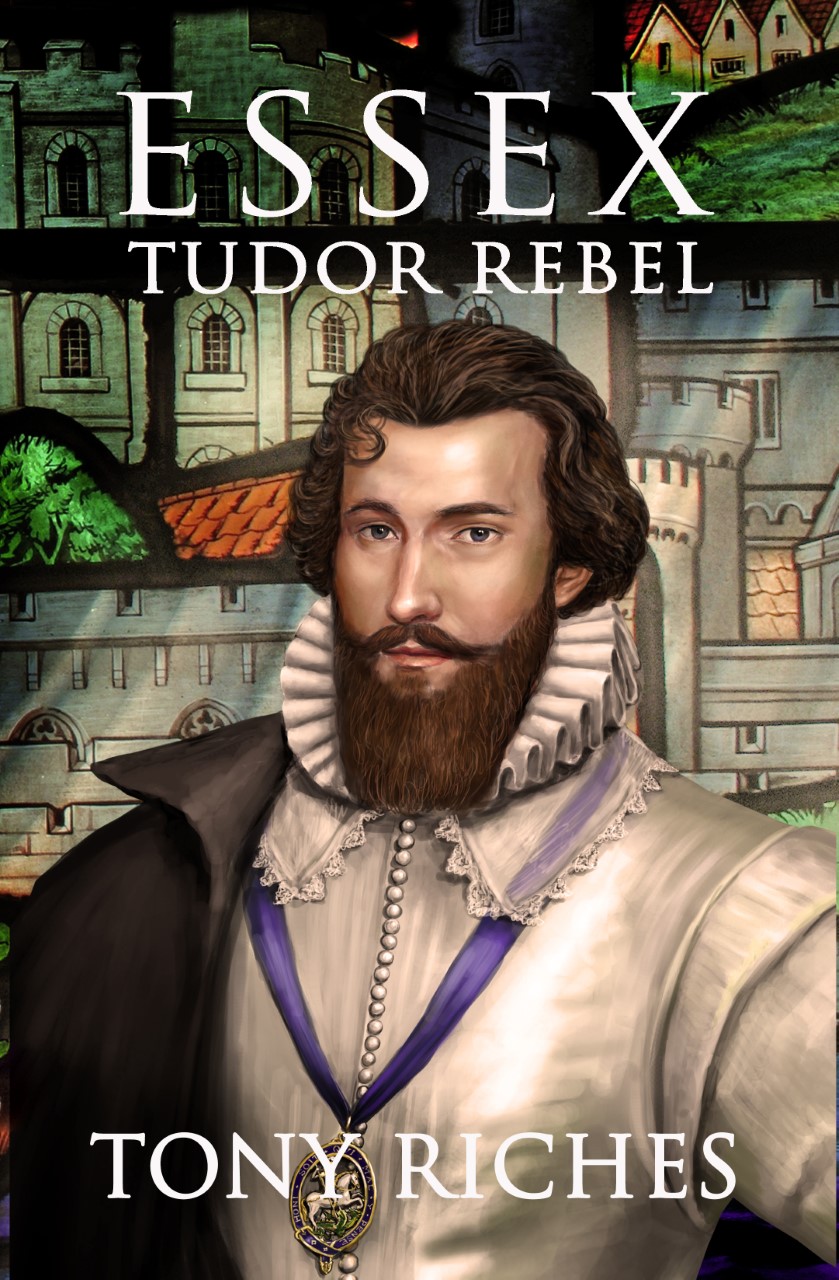
Today it is a pleasure to welcome author Tony Riches back to the blog, talking about the inspiration behind his latest book, Essex – Tudor Rebel. Essex is the second book of Tony’s fabulous Tudor Trilogy, looking into some of the most fascinating characters of the Tudor dynasty. The first in the series, Drake – Tudor Corsair was absolutely fabulous!

Inspiration to Write Essex – Tudor Rebel 

by Tony Riches

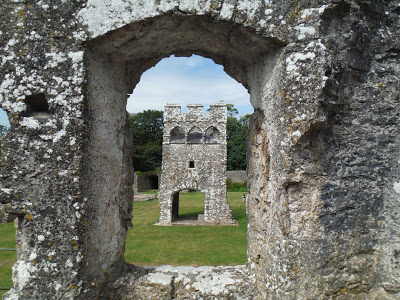
Lamphey Palace

Robert Devereux, Earl of Essex, is one of the most intriguing men of the Elizabethan period. He becomes a ‘favourite’ at court, so close to the queen many wonder if they are lovers. The truth is far more complex, as each has what the other yearns for. Robert Devereux longs for recognition, wealth and influence. His flamboyant naïveté amuses the ageing Queen Elizabeth, like the son she never had, and his vitality makes her feel young. 

I decided to explore Robert Devereux’s story when writing the first book of my Elizabethan series, Drake – Tudor Corsair. Drake is appalled when Essex commandeers a warship from the waiting fleet to sail in the ‘English Armada’ and attack Lisbon. 

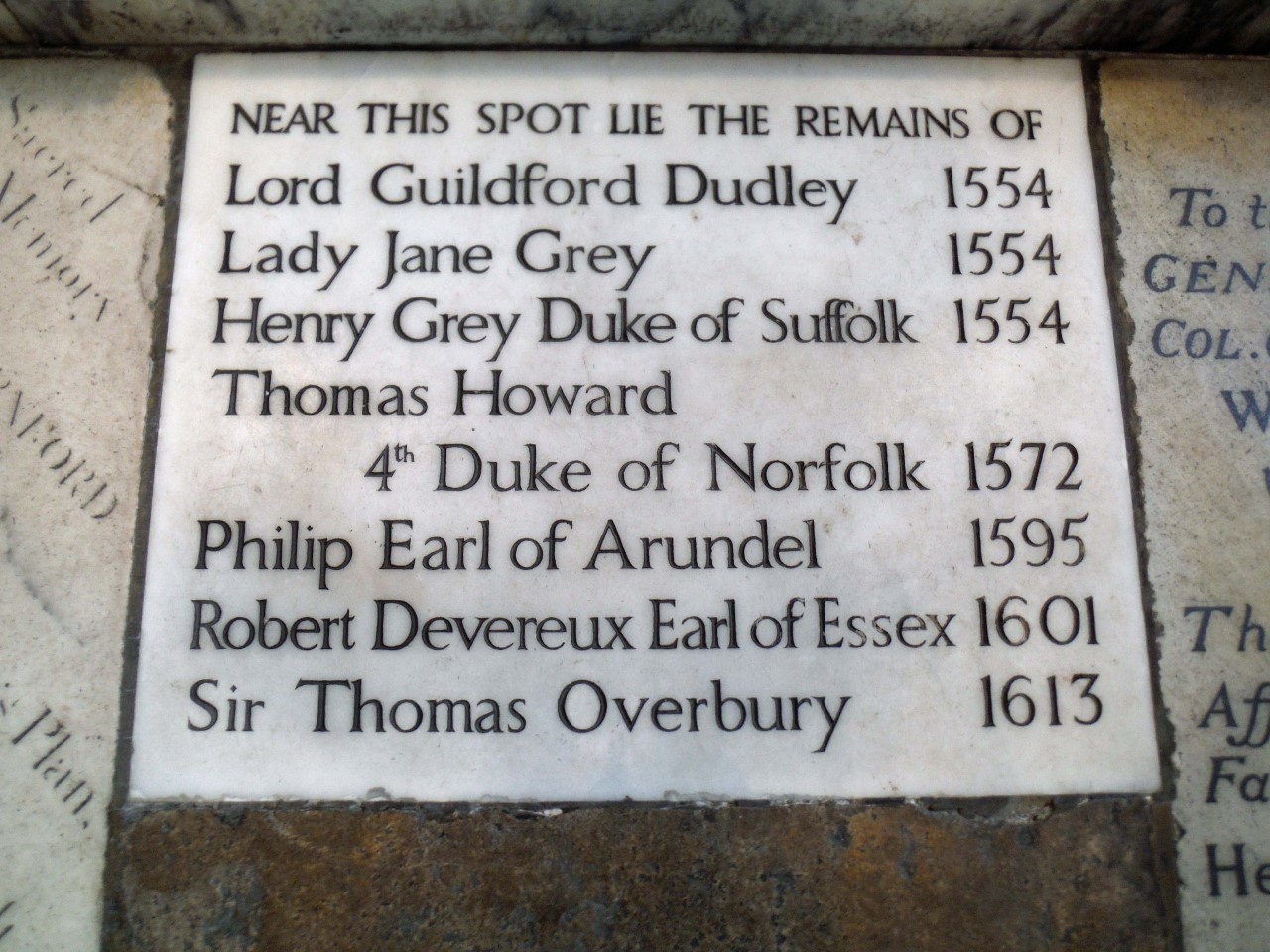
Memorial including Robert Devereux, Earl of Essex

To make things worse, Drake knew Queen Elizabeth had forbidden Essex to join the expedition – and he had no experience of naval command or fighting at sea. With typical bravado, Essex leapt from his ship into deep water, causing many of his followers to drown in their attempt to do the same. He then led the forty-mile march to Lisbon, without waiting for supplies, and many soldiers died from hunger, heat exhaustion and thirst. The whole enterprise proved a costly disaster, and set the tone for Robert’s later adventures. 

I wanted to understand why he was so driven to take such risks, when he knew his vengeful queen would be furious. I had access to all his surviving letters, which reveal an intriguing, deeply flawed character, always at the heart of events, the perfect subject for an historical novel. 

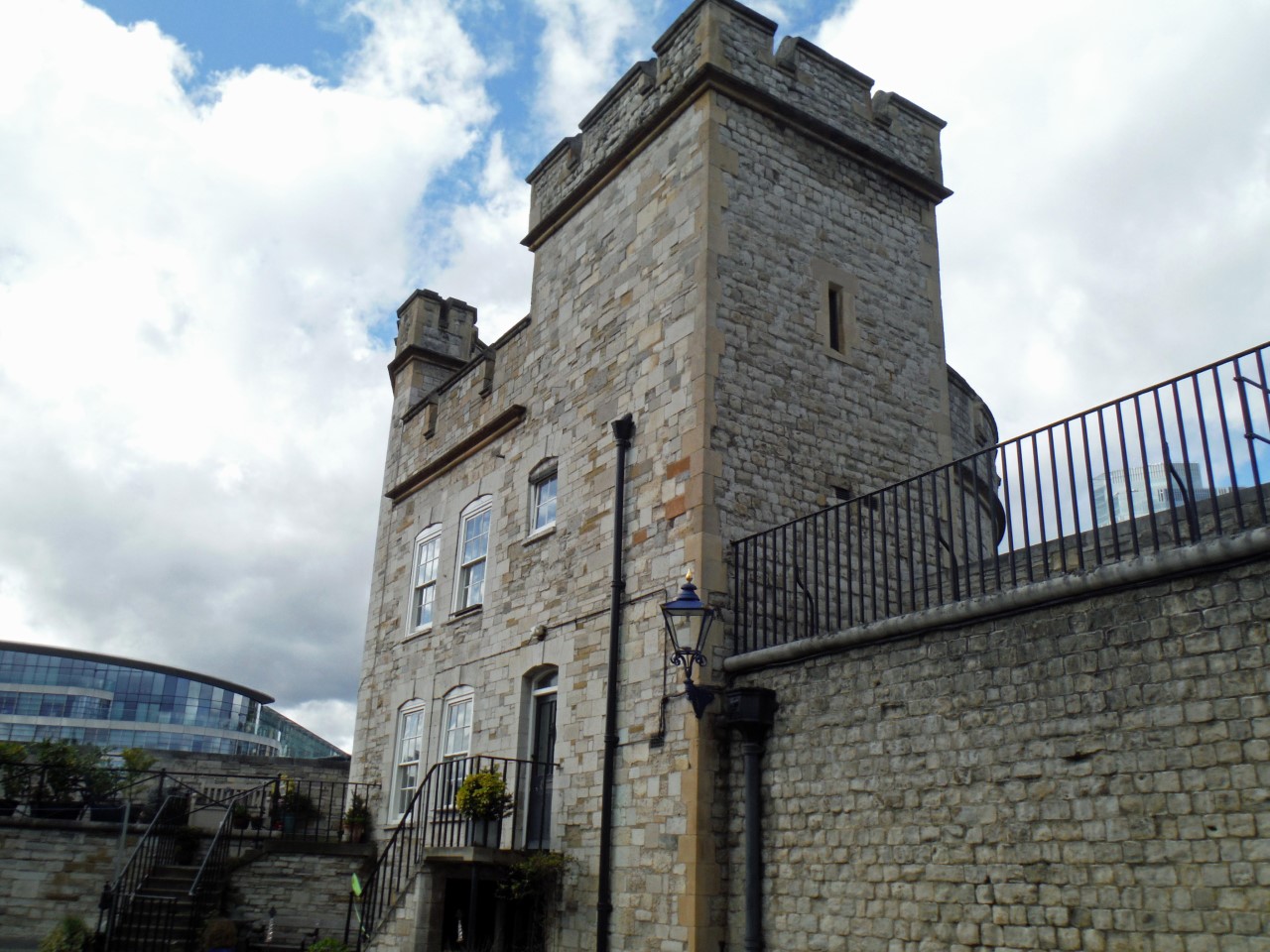
Devereux Tower

I particularly wanted to keep his story as factually accurate and authentic as possible, so immersed myself in the dangerous world of Elizabethan London. During my research I was amazed to find Robert Devereux lived at Lamphey Palace, twenty minutes from my home in Pembrokeshire. I also visited the Devereux Tower and Chapel of St Peter ad Vincula at the Tower of London, (where he lies close to Lady jane Grey and Anne Boleyn). 

I hope readers will be able to tell that this book is one I’ve really enjoyed researching and writing, and that I’ve been able to find some of Robert Devereux’s redeeming qualities. 

To buy the book:

Amazon US: https://www.amazon.com/dp/B09246T7ZT 

Amazon UK: https://www.amazon.co.uk/dp/B09246T7ZT 

Amazon CA: https://www.amazon.ca/dp/B09246T7ZT 

Amazon AU: https://www.amazon.com.au/dp/B09246T7ZT 

About the Author:

Tony Riches is a full-time UK author of best-selling Tudor historical fiction. He lives in Pembrokeshire, West Wales and is a specialist in the lives of the early Tudors. As well as his new Elizabethan series, Tony’s historical fiction novels include the Tudor trilogy and the Brandon trilogy, about Charles Brandon and his wives

For more information about Tony’s books please visit his website tonyriches.com and his blog, The Writing Desk and find him on  Facebook and Twitter @tonyriches.

*

My books

Coming 31st May:

Defenders of the Norman Crown: The Rise and Fall of the Warenne Earls of Surrey tells the fascinating story of the Warenne dynasty, of the successes and failures of one of the most powerful families in England, from its origins in Normandy, through the Conquest, Magna Carta, the wars and marriages that led to its ultimate demise in the reign of Edward III.

1 family. 8 earls. 300 years of English history!

Defenders of the Norman Crown: Rise and Fall of the Warenne Earls of Surrey will be released in the UK on 31 May and in the US on 6 August. And it is now available for pre-order from Pen & Sword BooksAmazon in the UK and US and Book Depository.

Also by Sharon Bennett Connolly:

Ladies of Magna Carta: Women of Influence in Thirteenth Century England looks into the relationships of the various noble families of the 13th century, and how they were affected by the Barons’ Wars, Magna Carta and its aftermath; the bonds that were formed and those that were broken. It is now available from Pen & Sword,  Amazon and from Book Depository worldwide.

Heroines of the Medieval World tells the stories of some of the most remarkable women from Medieval history, from Eleanor of Aquitaine to Julian of Norwich. Available now from Amberley Publishing and Amazon and Book Depository.

Silk and the Sword: The Women of the Norman Conquest traces the fortunes of the women who had a significant role to play in the momentous events of 1066.  Available now from Amazon,  Amberley Publishing, Book Depository.

You can be the first to read new articles by clicking the ‘Follow’ button, liking our Facebook page or joining me on Twitter and Instagram.

©2021 Sharon Bennett Connolly and Tony Riches

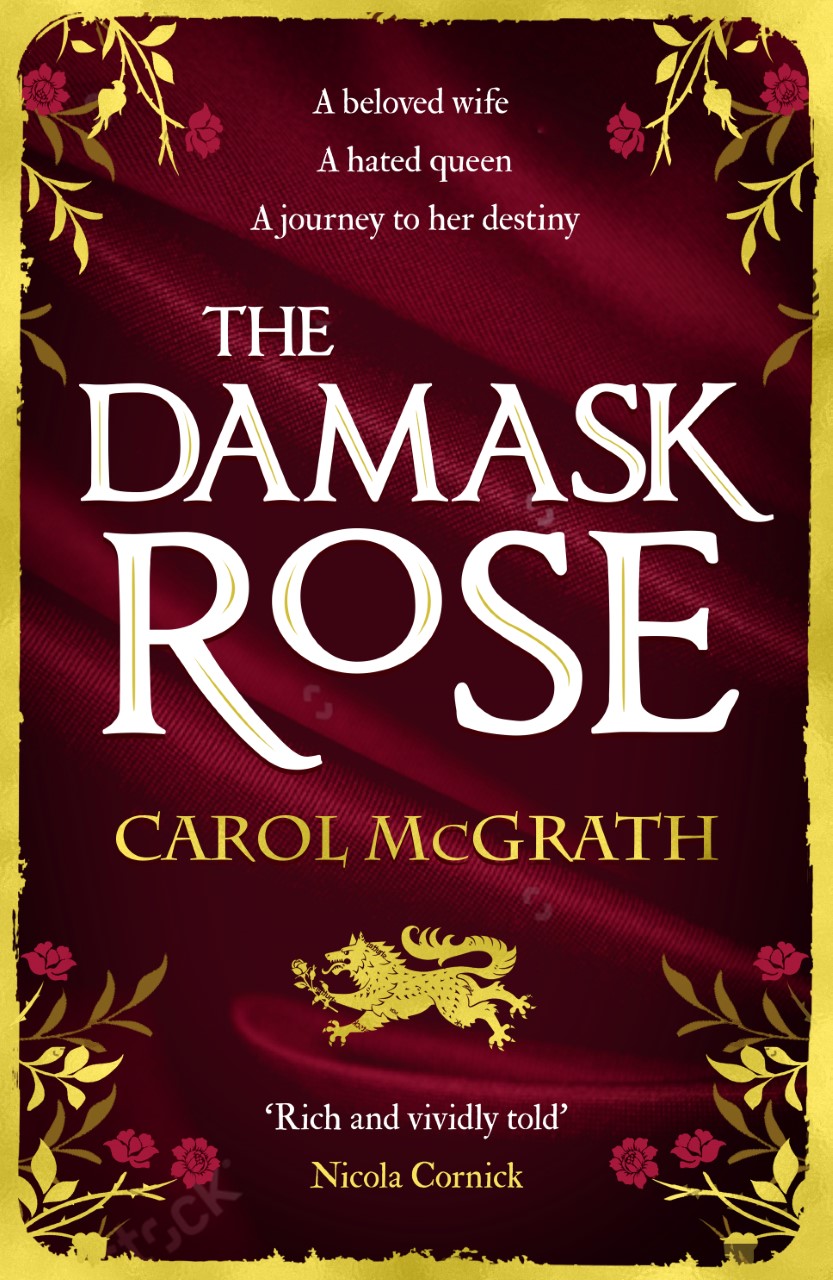
Book Corner: The Damask Rose by Carol McGrath

1266. Eleanor of Castile, adored wife of the Crown Prince of England, is still only a princess when she is held hostage in the brutal Baron’s Rebellion, and her baby daughter dies. Scarred by privation, a bitter Eleanor swears revenge on those who would harm her family – and vows never to let herself be vulnerable again.

As she rises to become Queen, Eleanor keeps Olwen – a trusted herbalist, who tried to save her daughter – by her side. But it is dangerous to be friendless in a royal household, and as the court sets out on crusade, Olwen and Eleanor discover that the true battle for Europe may not be a matter of swords and lances, but one fanned by whispers and spies . . .

The Damask Rose is the second book in historian and novelist Carol McGrath’s She-Wolves trilogy, giving a refreshing new appraisal of the lives of Eleanor of Provence, Eleanor of Castile and – still to come – Isabella of France. The first in the series, The Silken Rose, followed the story of Eleanor of Provence through the early years of the reign of her husband, Henry III and his struggle with Simon de Montfort. The Damask Rose continues the story through Eleanor’s daughter-in-law, Eleanor of Castile. Though each book can definitely be read as a standalone, the two novels certainly complement each other.

Carol McGrath has a wonderful, engaging writing style that draws the reader in. The Damask Rose is a pleasure to read from start to finish and really gets into the mind of Eleanor of Castile, giving a new interpretation of the queen, her experiences, her emotions and motivations.

It shows the woman behind the crown and follows the life of Eleanor from the young Castilian princess, newly arrived in England to the height of her powers as queen and landowner.

And it is a thoroughly entertaining story.

In this fantastic novel, Carol McGrath explores every aspect of Eleanor’s life and explains how the Barons’ War and Simon de Montfort’s rebellion left a lasting impression on her, so much so that she never wanted to be so vulnerable and helpless ever again.

Eleanor scanned the courtyard where her frightened people had begun to gather in family groups. A priest hurried through them clutching a large cross, his habit flapping in a sudden breeze. He crossed himself and shouted in a voice as clear as reliquary crystal, ‘You, Gilbert of Gloucester, mark this, you are excommunicate by order of our Father, the Pope. You’ll burn Hell’s fire and you’ll deserve your fate.’

Earl Gilbert turned his head away from him. Pushing Eleanor forward again, he said, ‘UP you go, my lady.’ In a heartbeat, he had hoisted her onto his horse as if she were light as a feather, and jumped up behind her. He said into her pained ear, ‘Tell them they are to obey Hugh Bigod when he enters the castle this evening. He’ll arrange an escort for your ladies and household.’

‘We have no choice,’ she called down as she managed to wriggle an arm free from Gilbert’s grip. She pointed at the crumpled scroll still lying on the earth, and shouted to her shocked steward, ‘Take it. Read it to my people. Tell them the king has been forced to sign it.’

Master Thomas ran forward and scooped up the King’s letter. He picked her veil up from the ground and handed it up to her.

‘See the King’s order is obeyed,’ she said in a grudging tone as she took possession of her veil. Gilbert thrust her sword into an empty scabbard hanging from his saddle, and slowly walked his horse forward onto the drawbridge.

She could not let this seizure of her royal person go without another protest. ‘Gilbert of Gloucester, I shall have my revenge on you,’ she barked. ‘No one treats a future queen in such a manner.’ She knew she was making a formidable enemy but she didn’t care. Her temper could be foul but she did not care about this either.

‘Lady Eleanor, when you behave as a queen should, with suitable decorum, I shall treat you as a queen,’ he quipped. ‘Until then you are no better than a harridan.’

‘Arrogant bastard,’ she said under her breath as they rode into the trees, followed by the trotting horse ridden by the squire with the ridiculous name and carrying young Simon, the Devil’s son.

That evening, she peered from her heavily guarded tent, incandescent, watching as Hgh Bigod, Earl of Norfolk, rode to take possession of Windsor Castle. Her child and ladies would be loaded like cattle into wagons the next day to begin the journey to Canterbury. Her close friend and lady-in-waiting, Joanna de Valence, married to King Henry’s own half-brother William of Pembroke, was pregnant and she, herself, had missed her courses twice.

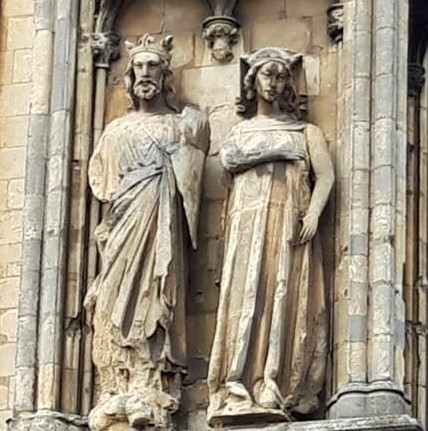
Statues of Edward I and Eleanor of Castile, Lincoln Cathedral ©2021 Sharon Bennett Connolly 

The leading characters of the story are a wonderful, rich collection of historical personages, from Edward and Eleanor themselves to the distasteful Gilbert de Clare, and the various lords, barons and ladies who made up their court, including my very own John de Warenne, Earl of Surrey. The fictional foil to the story is a young woman, Olwen, who helps the queen with her vast knowledge of herbs and their medicinal properties. Olwen is the perfect observer to Eleanor’s life, able to watch and listen whilst escaping notice – for the most part.

Carol McGrath weaves together the known story of Eleanor’s life, through the great events that shaped it, with the fictional creation of Eleanor’s world and emotions, allowing the reader to be a fly on the wall, watching events unfold and marvelling at the sights, smells and emotions of this long lost world.

And it will play on your own emotions.

In The Damask Rose, Carol McGrath not only tells Eleanor of Castile’s story, but also looks deep into the queen’s heart, offering a scenario that would explain Eleanor’s apparent lack of maternal instinct, her need to remain at Edward’s side no matter how far he travelled, and the inter-family relationships that shaped her life. It is a window into the life of a medieval princess and queen that is hard to forget.

Carol McGrath’s portrayal of the Spanish queen is the best depiction of Eleanor of Castile that I have ever read. Beautifully written, it is so touching that it had me in tears in several places – always the sign of a good book.

To buy The Damask Rose: tinyurl.com/dk2att32

About the Author:

Carol McGrath is the author of the acclaimed She-Wolves Trilogy, which began with the hugely successful The Silken Rose and continues with the brand new The Damask Rose. Born in Northern Ireland, she fell in love with historical fiction at a young age, when exploring local castles, such as Carrickfergus, and nearby archaeological digs – and discovering some ancient bones herself. While completing a degree in history, she became fascinated by the strong women who were silenced in record, and was inspired to start exploring their lives. Her first novel, The Handfasted Wife, was shortlisted for the Romantic Novelists’ Association Awards, and Mistress Cromwell was widely praised as a timely feminist retelling of Tudor court life. Her novels are known for their intricacy, depth of research and powerful stories.

For more news, exclusive content and competitions, sign up to Carol’s newsletter at: http://www.carolcmcgrath.co.uk

Follow her on Facebook: /CarolMcGrathAuthor1

And Twitter: @CarolMcGrath

*

My books

Coming 31st May:

Defenders of the Norman Crown: The Rise and Fall of the Warenne Earls of Surrey tells the fascinating story of the Warenne dynasty, of the successes and failures of one of the most powerful families in England, from its origins in Normandy, through the Conquest, Magna Carta, the wars and marriages that led to its ultimate demise in the reign of Edward III.

Defenders of the Norman Crown: Rise and Fall of the Warenne Earls of Surrey will be released in the UK on 31 May and in the US on 6 August. And it is now available for pre-order from Pen & Sword BooksAmazon in the UK and US and Book Depository.

Also by Sharon Bennett Connolly:

Ladies of Magna Carta: Women of Influence in Thirteenth Century England looks into the relationships of the various noble families of the 13th century, and how they were affected by the Barons’ Wars, Magna Carta and its aftermath; the bonds that were formed and those that were broken. It is now available from Pen & Sword,  Amazon and from Book Depository worldwide.

Heroines of the Medieval World tells the stories of some of the most remarkable women from Medieval history, from Eleanor of Aquitaine to Julian of Norwich. Available now from Amberley Publishing and Amazon and Book Depository.

Silk and the Sword: The Women of the Norman Conquest traces the fortunes of the women who had a significant role to play in the momentous events of 1066.  Available now from Amazon,  Amberley Publishing, Book Depository.

You can be the first to read new articles by clicking the ‘Follow’ button, liking our Facebook page or joining me on Twitter and Instagram.

©2021 Sharon Bennett Connolly 

Guest Post: Female Crusaders by Carol McGrath

It is a pleasure to welcome to History…the Interesting Bits, author Carol McGrath. Carol’s latest novel, The Damask Rose, is out this month and tells the story of Eleanor of Castile and her devoted husband, King Edward I. Eleanor of Castile led an adventurous life, to say the least, even accompanying her husband on Crusade to the Holy Land.

Carol McGrath tells us more…

Female Crusaders

Eleanor of Castile (1241-1290) is placed at the centre of my new publication The Damask Rose. She was married to Edward I at only twelve years old when he was fifteen and was his father Henry III’s heir. It is always thought that, throughout her life, Eleanor was devoted to Edward and him to her. They certainly supported each other throughout her life, almost always together. They even journeyed on Crusade together. She was not the first royal spouse to Crusade. Eleanor of Aquitaine and Marguerite of France had crusaded before her.

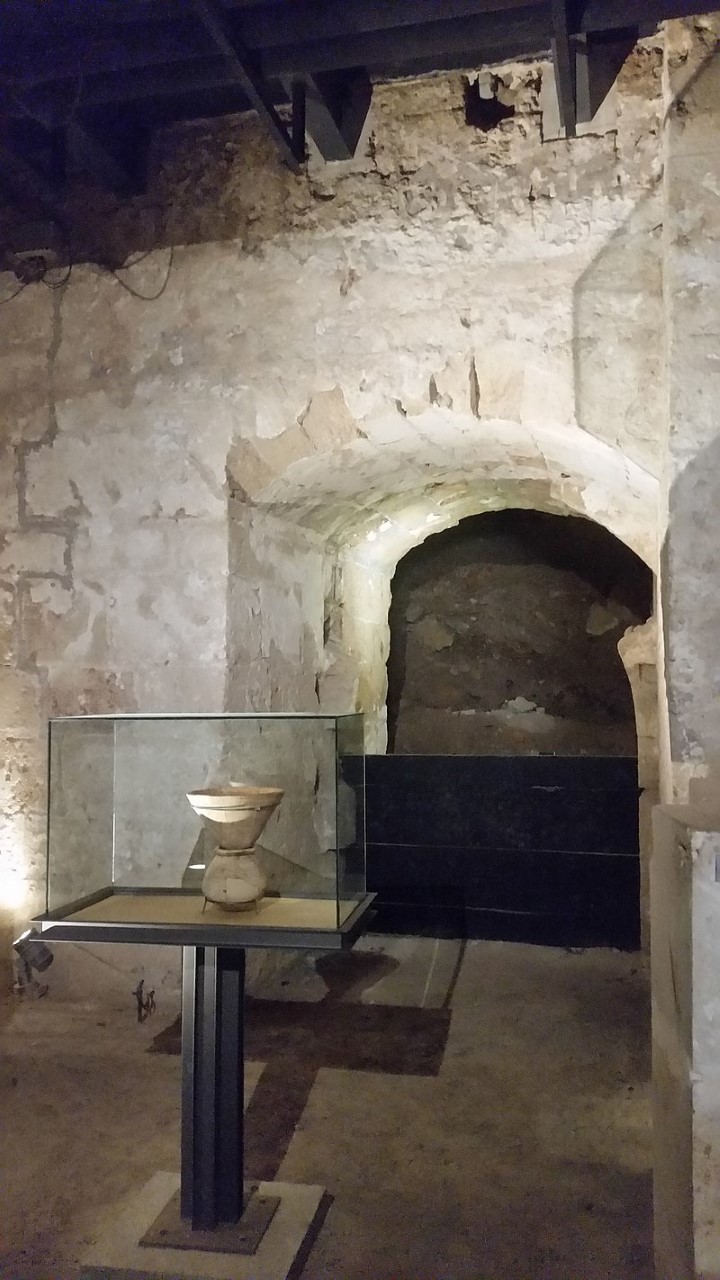
Sugar Storage Jar

In 1270 they set off on Crusade but they never reached Jerusalem. Acre was the royal couple’s home for more than a year. Edward was an able and courageous leader but the Crusade was militarily unsuccessful. They established their crusading court in Acre after the death of the original Crusade leader, the saintly Louis IX, at Carthage, and Edward became the eighth Crusade’s figure head. A legend says that Eleanor was so dutiful and committed to Edward, her only love, she saved his life in June 1272 when an assassin struck Edward down with a poisoned dagger. Edward apparently wrestled the knife from his assailant and killed him but not before he took injury to his arm.

The story relates that Eleanor sucked out the poison. This is not entirely true. Bartolemo Fiadoni known as the Ptolemy of Lucca is responsible for the popular tradition that Eleanor ‘showed great faithfulness; for with her tongue she licked his open wounds all the day, and sucked out the humour, and thus by her virtue drew out all the poisonous material.’ It is a story from the period’s High Romantic Tradition thus expressing Eleanor’s heroism. Read The Damask Rose to discover what most likely really did happen and how Edward survived the attack.

The story illustrates how the Crusades claimed both ecclesiastical and chivalric ideas linking Church and Court, how at the time, the Crusades became romanticised. Courtly literature was linked to women in Historical Romances, many of which were associated with crusading and the Holy Grail. In fact, many ordinary women went on Crusade as well as queens and noble women. These ordinary women were almost always described in sources in relation to men as daughters, wives, mothers, aunts, sisters and even more distant kin. However, sometimes we find widows or women, well past child bearing age and referred to as ‘in old age’, on Crusade.

Toilets in Acre

Individual female crusaders mentioned in sources were predominantly well to do. Even so, others exist such as the woman who followed a goose on Crusade because she believed it was filled with the Holy Spirit. Women generally were accompanied male relatives but some, like the goose lady, travelled without a guardian. A passenger list surviving from the Saint Viktor, a Crusade ship of 1250 records forty two of the 342 common people travelling to the Holy Land were women. Twenty-two of these women had no male chaperone. Securing a suitable male escort was apparently a huge problem. Large groups of widows might travel together as pilgrims. Pilgrims were not supposed to carry arms and even if women had travelled with pilgrim guards, they were still vulnerable. Women Crusaders were utterly courageous and determined. For example, in her mid-sixties, Ermeongarde, Countess of Brittany, who had taken the veil in Dijon in 1130, visited her half-brother, King Fulke of Jerusalem, and passed some years in the nunnery of St Anne in the Holy City. She safely return to Brittany in 1135 to tell her tale.

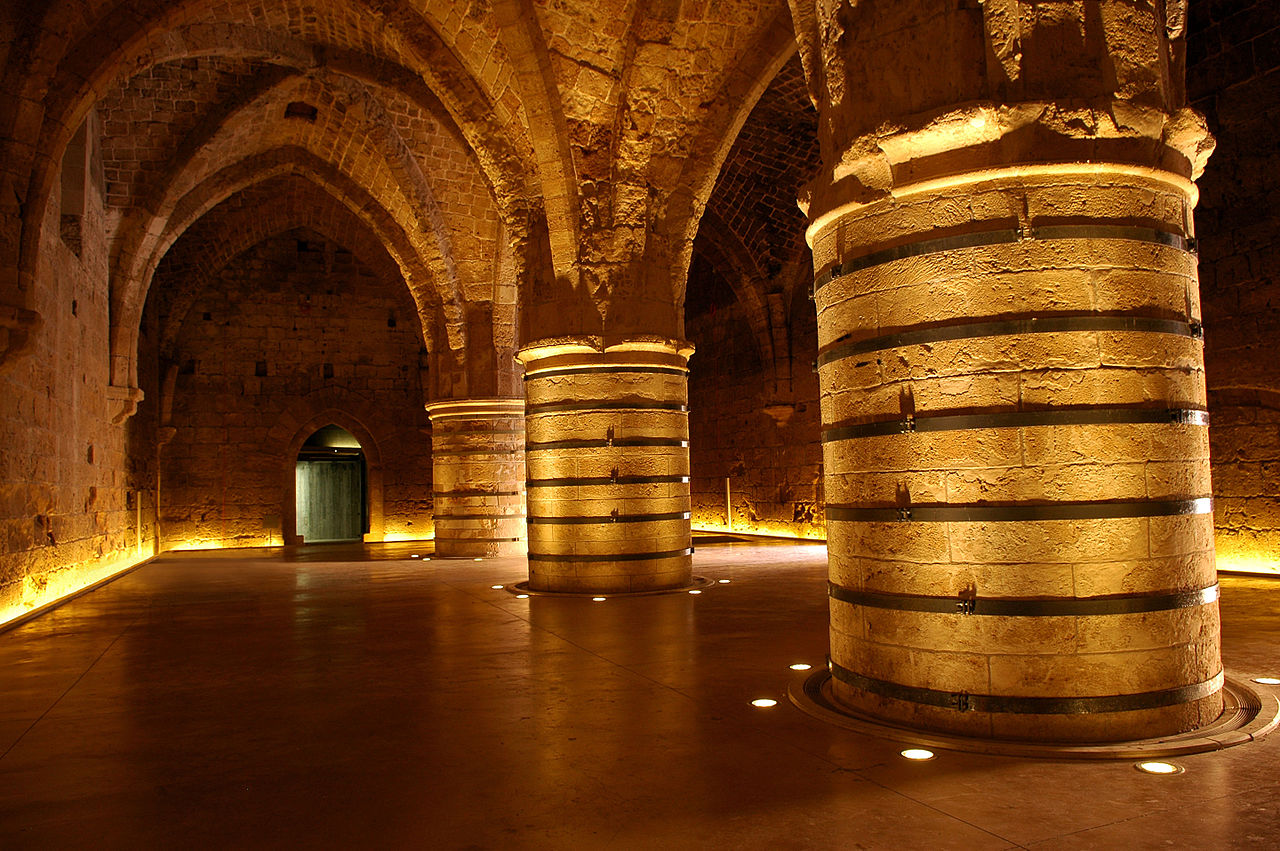
 The Dining Hall, Hospitaller Palace, Acre

Piety was the main reason for taking the cross. Women sometimes took the cross in public ceremonies alongside men. Jerusalem was naturally the goal. The two fold nature of armed pilgrimage to rescue the Holy Land by force and to pray at shrines gave women a ‘canonical loophole’ to participate. Also, Crusading affected women’s lives whether they stayed in Europe, took the cross or lived abroad in settler territories. Although women are recorded as present since the First Crusade, it was only during the thirteenth century that they were granted legal status as crucesignatae. Spiritual rewards such as the remittance of sins were indeed as attractive to women as men.

Women fulfilled practical functions during siege warfare on Crusade often undertaking jobs such as clearing rubble and filling ditches. They are recorded as bringing refreshments to the first Crusaders at the Battle of Dorylaeum. They are known to have transported materials to weave the panels in a siege engine in 1099 at the Siege of Jerusalem. This I found fascinating. They washed clothing and picked lice out of body linen. By the fourth Crusade, women were entitled to a share of the booty. They ground corn and maintained markets. They tended to the wounded and the sick.

A Parisian woman called Hosenda tended Louis IX when he was ill from dysentery in 1250. It was dangerous too. If a woman was captured her captivity held a sexual slur which devalued them regarding ransom. A woman was valued at a third the price of a man. Power in the settlements was, however, often transferred through widows and heiresses. Aristocratic marriages were extremely important to Crusader settler society. They cemented political alliances between Latins from the West, the Levant, Greeks, Armenians and Syrians. Some women even became feudal lords thus contributing to the defence of the Holy Land and women who stayed behind acted as regents and organised financing the Crusaders.

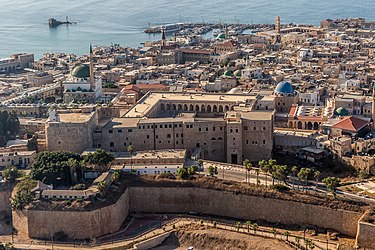
The Hospitaller Palace Acre

As for Eleanor of Castile, nothing quite so amazing. She was a child bearer during her Crusade experience, pregnant for most of the campaign. It is thought she suffered a still birth early on; her daughter, Joan of Acre, was born on Crusade; her son Alfonso was born on the long journey home. It is unlikely Eleanor actually saw much of Acre where prostitution was rife, a city called ‘a sinful city and one filled with all uncleanness’ by Oliver of Poderborn. It is likely that after the excitement of their arrival, Acre soon palled on her accompanying noble women and their ladies. At least, Eleanor, a true blue-stocking, could find escape in her beautiful books and the lovely gardens of the Citadel of the Knights Hospitaller, a substantial building complex of five thousand square miles, three times that of the Tower of London, her home for the duration. To discover more do read my new novel The Damask Rose.

Many thanks to Carol McGrath for her wonderful insight and research into female crusaders.

To buy The Damask Rose: tinyurl.com/dk2att32

Look out for my review of The Damask Rose, which will go live in a few days…

Catch up on Carol’s blog tour so far – and follow the last few stops with the bloggers.

About the author:

Carol McGrath is the author of the acclaimed She-Wolves Trilogy, which began with the hugely successful The Silken Rose and continues with the brand new The Damask Rose. Born in Northern Ireland, she fell in love with historical fiction at a young age, when exploring local castles, such as Carrickfergus, and nearby archaeological digs – and discovering some ancient bones herself. While completing a degree in history, she became fascinated by the strong women who were silenced in record, and was inspired to start exploring their lives. Her first novel, The Handfasted Wife, was shortlisted for the Romantic Novelists’ Association Awards, and Mistress Cromwell was widely praised as a timely feminist retelling of Tudor court life. Her novels are known for their intricacy, depth of research and powerful stories.

For more news, exclusive content and competitions, sign up to Carol’s newsletter at: http://www.carolcmcgrath.co.uk

Follow her on Facebook: /CarolMcGrathAuthor1

And Twitter: @CarolMcGrath

*

My books

Coming 31st May:

Defenders of the Norman Crown: The Rise and Fall of the Warenne Earls of Surrey tells the fascinating story of the Warenne dynasty, of the successes and failures of one of the most powerful families in England, from its origins in Normandy, through the Conquest, Magna Carta, the wars and marriages that led to its ultimate demise in the reign of Edward III.

Defenders of the Norman Crown: Rise and Fall of the Warenne Earls of Surrey will be released in the UK on 31 May and in the US on 6 August. And it is now available for pre-order from Pen & Sword BooksAmazon in the UK and US and Book Depository.

Also by Sharon Bennett Connolly:

Ladies of Magna Carta: Women of Influence in Thirteenth Century England looks into the relationships of the various noble families of the 13th century, and how they were affected by the Barons’ Wars, Magna Carta and its aftermath; the bonds that were formed and those that were broken. It is now available from Pen & Sword,  Amazon and from Book Depository worldwide.

Heroines of the Medieval World tells the stories of some of the most remarkable women from Medieval history, from Eleanor of Aquitaine to Julian of Norwich. Available now from Amberley Publishing and Amazon and Book Depository.

Silk and the Sword: The Women of the Norman Conquest traces the fortunes of the women who had a significant role to play in the momentous events of 1066.  Available now from Amazon,  Amberley Publishing, Book Depository.

You can be the first to read new articles by clicking the ‘Follow’ button, liking our Facebook page or joining me on Twitter and Instagram.

©2021 Sharon Bennett Connolly 

Women of the Anarchy with Sharon Bennett Connolly

Earlier this week, I had the pleasure of talking to Dominique from Some Sources Say, about my current project, Women of the Anarchy.

Book Corner: Roman Britain’s Missing Legion by Simon Elliott

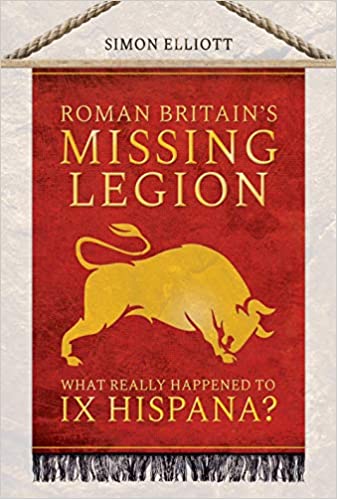
Legio IX Hispana had a long and active history, later founding York from where it guarded the northern frontiers in Britain. But the last evidence for its existence in Britain comes from AD 108\. The mystery of their disappearance has inspired debate and imagination for decades. The most popular theory, immortalized in Rosemary Sutcliffe’s novel _The Eagle of the Ninth_, is that the legion was sent to fight the Caledonians in Scotland and wiped out there. But more recent archaeology (including evidence that London was burnt to the ground and dozens of decapitated heads) suggests a crisis, not on the border but in the heart of the province, previously thought to have been peaceful at this time. What if IX Hispana took part in a rebellion, leading to their punishment, disbandment and _damnatio memoriae_ (official erasure from the records)? This proposed ‘Hadrianic War’ would then be the real context for Hadrian’s ‘visit’ in 122 with a whole legion, VI Victrix, which replaced the ‘vanished’ IX as the garrison at York. Other theories are that it was lost on the Rhine or Danube, or in the East. Simon Elliott considers the evidence for these four theories, and other possibilities.

Roman Britain’s Missing Legion: What Really Happened to IX Hispania by Simon Elliott is a fascinating investigation into the fate of the 9th Legion. Immortalised in Rosemary Sutcliff’s iconic novel, The Eagle of the Ninth.

In Roman Britain’s Missing Legion: What Really Happened to IX Hispania, historian Simon Elliott examines all the possible fates of the famous IX legion, examining every scenario in which the legion may have met its end, from revolt in Britannia to the wars in Germany to ignominious defeat in one of the Jewish revolts. Each conflict is explained in detail, with the possible involvement of the IX legion examined and explained, the level of plausibility carefully measured and detailed.

Simon Elliott ruminates on why this one legion disappears so completely from history, with no contemporary records – Roman or otherwise – giving reason or explanation as to its ultimate fate. This is a fascinating book, not only for its enquiries into the fate of the Legio IX Hisapana, but also for its detailed explanations into the make-up of the Roman army in the 1st and 2nd centuries AD.

Using contemporary records, historical investigations and archaeological discoveries, as well as his extensive knowledge of the Roman Empire and the Roman military, Simon Elliott finds traces of the IXth legion in Britain, Rome and elsewhere, but to discover their eventual fate must be a mammoth task.

This book is a historical detective story concerning the mysterious disappearance of the 5,500 men of legio IX Hispana, one of Rome’s most famous military units. Uniquely among the Roman legions, of which there were over time more than sixty (and at any one time in the Empire a maximum of thirty-three), we have no idea what happened to it. It simply disappears from history.

The historical conundrum has grabbed the attention of academics, scholars and the wider public for hundreds of years. One of the first to write on the subject was British antiquarian John Horsley who published his Britannia Romana or the Roman Antiquities of Britain in 1732. In his work he detailed when each Roman legion arrived and left Britain. However, he noted that there was no leaving date for legio IX Hispana, a fact he found difficult to explain. Then, in the 1850s, the renowned German scholar Theodor Mommsen published his multi-volume The History of Rome. In this he speculated that the IXth legion had been the subject of an uprising by the Brigantes tribe of northern Britain around AD 117/118, it being wiped out in its legionary fortress at York (Roman Eboracum). Mommsen speculated it was this event that prompted the new Emperor Hadrian to later visit Britain in AD 122 and initiate the construction of Hadrian’s Wall.

Such was Mommsen’s reputation that his theory became the received wisdom regarding the legion’s fate well into the twentieth century AD, when it was then popularized by a number of historical fiction works. One above all others cemented the fate of the legio IX Hispana in the popular imagination. This was The Eagle of the Ninth, the seminal work published by children’s author Rosemary Sutcliff in 1954. Her second book, this told the story of her hero Marcus Flavius Aquila who travelled north of Hadrian’s Wall to track down the fate of his father’s legion, legio IX Hispana. Her conceit was that the IXth legion had been annihilated in the far north of Britain, beyond the northern border rather than York, during yet another uprising. This novel proved as popular with adults as with children, and is still a bestseller to this day.

You don’t have to be an expert on Roman military history in order to read and enjoy this thorough investigation into the fate of the legio IX Hispana, Simon Elliott dedicates the first chapter to explaining the foundations of the Roman military machine, and how units are divided into legions, centuries, vexillations and the rest. This comprehensive introduction means the general reader can enjoy the book without getting lost in the various description of diverse Roman units. The author also explains the extent of Roman influence throughout Europe and beyond, from Roman incursions into Scotland, to its actions in Egypt, Syria and beyond.

He then goes on to examine the breadcrumbs left behind by the IXth legion, including tablets, small altars and inscriptions in York. Carlisle and elsewhere in the empire. These examples of the legion’s existence also serve to remind the reader that we are investigating the fate of men, around 1,000 men, who just disappear from history.

Incredibly well researched, Simon Elliott uses his extensive knowledge of this Roman military machine to offer all possible scenarios for the fate of the IXth legion and, with confidence, explain how likely or unlikely each scenario could ultimately be. I won’t tell you his conclusions, that would spoil it! However, the investigation process is just as entertaining as the conclusions that the author draws; perhaps more so, in that the reader learns so much about the various theatres of war in which the IXth legion may – or may not – have been drawn into.

Whether or not you agree with Simon Elliott’s arguments and conclusions, Roman Britain’s Missing Legion: What Really Happened to IX Hispania is well worth a read. It takes you on a fascinating detective journey through all the corners of the Roman Empire. And what is certain is that something extraordinary must have happened to the IXth legion to make them disappear so completely from contemporary records. Their fate remaining open to speculation for 2 millennia – so far.

This review has been written as part of Roman Britain’s Missing Legion: What Really Happened to IX Hispania week-long blog tour. You can follow the rest of the tour:

To buy the book:

Roman Britain’s Missing Legion: What Really Happened to IX Hispania by Simon Elliott is available from Amazon and Pen & Sword Books.

About the author:

Dr Simon Elliott is an historian, archaeologist and Honorary Research Fellow at the University of Kent where he studied for his PhD in Archaeology on the subject of the Roman military in Britain. He also has an MA in War Studies from KCL and an MA in Archaeology from UCL. For a day job he runs his own PR company, and is a former defence and aerospace journalist at titles including Jane’s Defence Weekly and Flight International. He frequently gives talks on Roman themes and is co-Director at a Roman villa excavation. He is also a Trustee of the Council for British Archaeology. His website can be viewed at: simonelliott.net.

*

My books

Coming 31st May:

Defenders of the Norman Crown: The Rise and Fall of the Warenne Earls of Surrey tells the fascinating story of the Warenne dynasty, of the successes and failures of one of the most powerful families in England, from its origins in Normandy, through the Conquest, Magna Carta, the wars and marriages that led to its ultimate demise in the reign of Edward III.

Defenders of the Norman Crown: Rise and Fall of the Warenne Earls of Surrey will be released in the UK on 31 May and in the US on 6 August. And it is now available for pre-order from Pen & Sword BooksAmazon in the UK and US and Book Depository.

Also by Sharon Bennett Connolly:

Ladies of Magna Carta: Women of Influence in Thirteenth Century England looks into the relationships of the various noble families of the 13th century, and how they were affected by the Barons’ Wars, Magna Carta and its aftermath; the bonds that were formed and those that were broken. It is now available from Pen & Sword,  Amazon and from Book Depository worldwide.

Heroines of the Medieval World tells the stories of some of the most remarkable women from Medieval history, from Eleanor of Aquitaine to Julian of Norwich. Available now from Amberley Publishing and Amazon and Book Depository.

Silk and the Sword: The Women of the Norman Conquest traces the fortunes of the women who had a significant role to play in the momentous events of 1066.  Available now from Amazon,  Amberley Publishing, Book Depository.

You can be the first to read new articles by clicking the ‘Follow’ button, liking our Facebook page or joining me on Twitter and Instagram.

©2021 Sharon Bennett Connolly

Guest Post: Best Friends Turned Enemies by Jo Willet

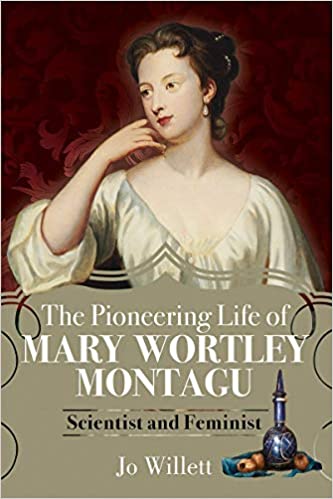
Today it is a pleasure to welcome author Jo Willet to the blog. Jo has just released the biography The Pioneering Life of Mary Wortley Montagu: Scientist and Feminist. Lady Mary Wortley Montagu is remembered for her pioneering advocacy of smallpox inoculation – her 3 year-old daughter being the first westerner to be inoculated against the killer disease.

Mary Wortley Montagu and Alexander Pope – Best Friends turned Enemies

Lady Mary Wortley Montagu by Jonathan Richardson,

A friendship between a woman and a man which starts off as just that but develops into something altogether more dangerous  – despite #MeToo heightening our awareness, these kinds of problems have been with us since time immemorial.  The aristocrat Lady Mary Wortley Montagu and the poet Alexander Pope had just such a relationship. For both of them, it was one of the most powerful and ultimately the most damaging of their lives.

The two met in April 1715 in the London studio of a mutual friend, the artist Charles Jervas. Lady Mary was a 26-year old aristocrat, slight, dark and fiendishly intelligent.  Alexander Pope was a year older.  As a child he had suffered from tuberculosis of the bone, Potts Disease, which had stunted his growth and left him with a hunchback. He was only 1.2 metres in height, a bit smaller than Mary. Middle-class and Catholic, his background was very different from hers, but he had already found fame and fortune as a writer, which impressed her.  Both saw themselves as outsiders and used these feelings to express themselves with wit and irony. 

Mary and Pope were part of a group of friends all of whom liked to write and to share their writing with each other. Along with John Gay (who wrote The Beggars’ Opera) they began a shared project called The Town Eclogues.  The Latin poet Virgil had written six poems known as The Pastoral Eclogues, each linked to a day of the week, and the idea was to use these as an inspiration for contemporary, English poems, capturing a sense of life in London at the time. Pope described himself and Mary working together on writing one of the poems and Mary calling out: “No, Pope, no touching! For then, whatever is good for anything will pass for yours, and the rest for mine.”  Already there was an erotic undertone.

The poems were designed to be shown to friends, but they soon fell into the wrong hands.  One of Mary’s poems satirised two women desperate to serve at the court of Princess Caroline of Ansbach.  When the princess was shown a copy she was extremely displeased.  Then, even worse, the notorious Edmund Curll published an unauthorised version of the poems, which immediately became a best-seller.  None of them needed this kind of publicity. Furious, Pope arranged to meet Curll as if by chance at a drinking house. He introduced a powerful emetic into his drink, as revenge. We have no record of what Mary thought of this – but it probably felt good to have a friend protect her honour so powerfully.

Alexander Pope by Jonathan Richardson

Mary’s husband, Edward Wortley Montagu, was appointed British Ambassador to Turkey in 1716. Spirited as always, she decided to go with him.  Pope was distraught.  He pleaded with her to give him some of her ‘last Moments’ before leaving, as if she were not simply travelling but dying. That said, a journey such as this would be fraught with danger.  He gave her an album of their Town Eclogues bound in the finest red Turkey leatherand admitted: ‘indeed I find I begin to behave myself worse to you than to any other Woman, as I value you more.’  She left the album in London, said goodbye to Pope and set off on her travels.

It was expected that she would be away for five years.  In fact the trip only lasted half that time.  Pope wrote her a series of letters where it became increasingly obvious that his feelings for her had changed from friendship to something far more powerful.  The further away she travelled, the less inhibited he became. He and Mary were, he said, ‘like a couple who behave modestly when around other people, but who once by themselves can untie garters or take off Shifts without scruple.’  His physical limitations were something he was always acutely aware of.  He wrote to her imagining a place where women ‘best like the Ugliest fellows…and look upon Deformities as the Signatures of divine Favour.’

For her part, she was so excited by her adventures that she hardly seemed to notice what was going on.  But she was careful to transcribe copies of Pope’s letters into her journal. When she and her husband travelled across the battlefield of Petrograd, strewn with corpses, where the Austrians had been victorious over the Turks only a few months earlier, she wrote to Pope expressing her revulsion for war. She knew he would agree with her.


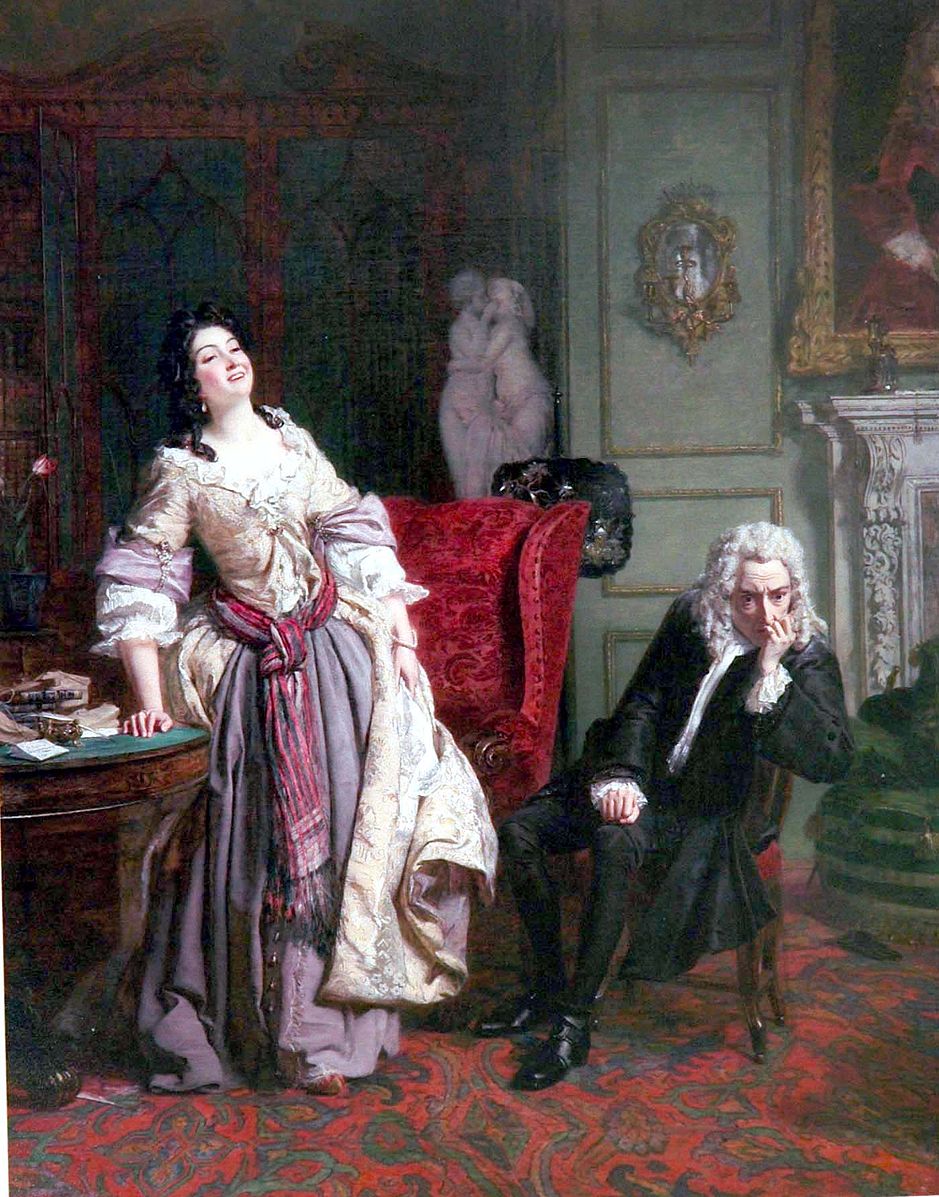
Alexander Pope declares his love for Lady Mary, who bursts into fits of laughter. William Powell Frith’s painting of 1852. 

Pope’s poems of the time were clearly inspired by his feelings for her. Eloisa and Abelard describes an impossible love which remains strong however many obstacles it encounters.  The poem is full of images of eyes, like Mary’s own.  He sent a copy, with a letter clarifying the source of his inspiration, out to Mary in Constantinople. She wrote ‘mine’ in the margin but at the same time dispatched a letter to their mutual friend, William Congreve, asking why he allowed Pope to go on making these ‘Lampoons’.

When the Wortley Montagus started their journey back to England in 1718, Pope offered to travel out to Italy to accompany Mary home. This was a conceit on his part. He would never be well enough to be able to travel. As she neared England, Mary became increasingly nervous as to how to handle things. When she landed in Dover a letter awaited her, expressing Pope’s longing to see her ‘Oriental self’. With it was a poem he had written about a pair of lovers from Stanton Harcourt, in Oxfordshire, who had both been struck by lightning and died simultaneously. The intensity of his feelings was clear.

Mary decided to respond by lightening the tone.  She sent Pope a satirical, cynical poem in response. If the two lovers had lived, she wrote, their future marriage might well have turned out to be a disappointment: ‘Now they are happy in their doom,/For P. has wrote upon their Tomb.’  Pope got the message.  Rather than rushing to greet Mary on her return to London, he held back.

By now Pope was living in Twickenham, outside London, and soon the Wortley Montagus rented a house nearby.  For about ten years the two friends rubbed along.  People noted that Pope tended to resort to over-elaborate puns whenever he was in Lady Mary’s presence but they had lots of mutual friends and enjoyed each other’s company.  Pope even commissioned a portrait of her,  which would hang in the ‘best room’ of his Twickenham house for the rest of his life. Then some time in the 1720s the two fell out spectacularly.  We do not know why.

Mary’s family always believed that Pope one day made the mistake of expressing his feelings for her and that she instinctively broke into gales of laughter at what he said.  An anonymous play, Mr Taste, the Poetical Fop, written a few years later, dramatised exactly this.  Another reason given for the rupture was that she asked him to collaborate with her on a satirical poem and he made it clear he disagreed with her attitude to the subject matter. Yet another suggestion is that she was the author of some cruel verses satirising his relationship with his nurse, who had just died.  Yet another was a rumour, spread by Horace Walpole, that she had borrowed some bedsheets from Pope and returned them unlaundered.

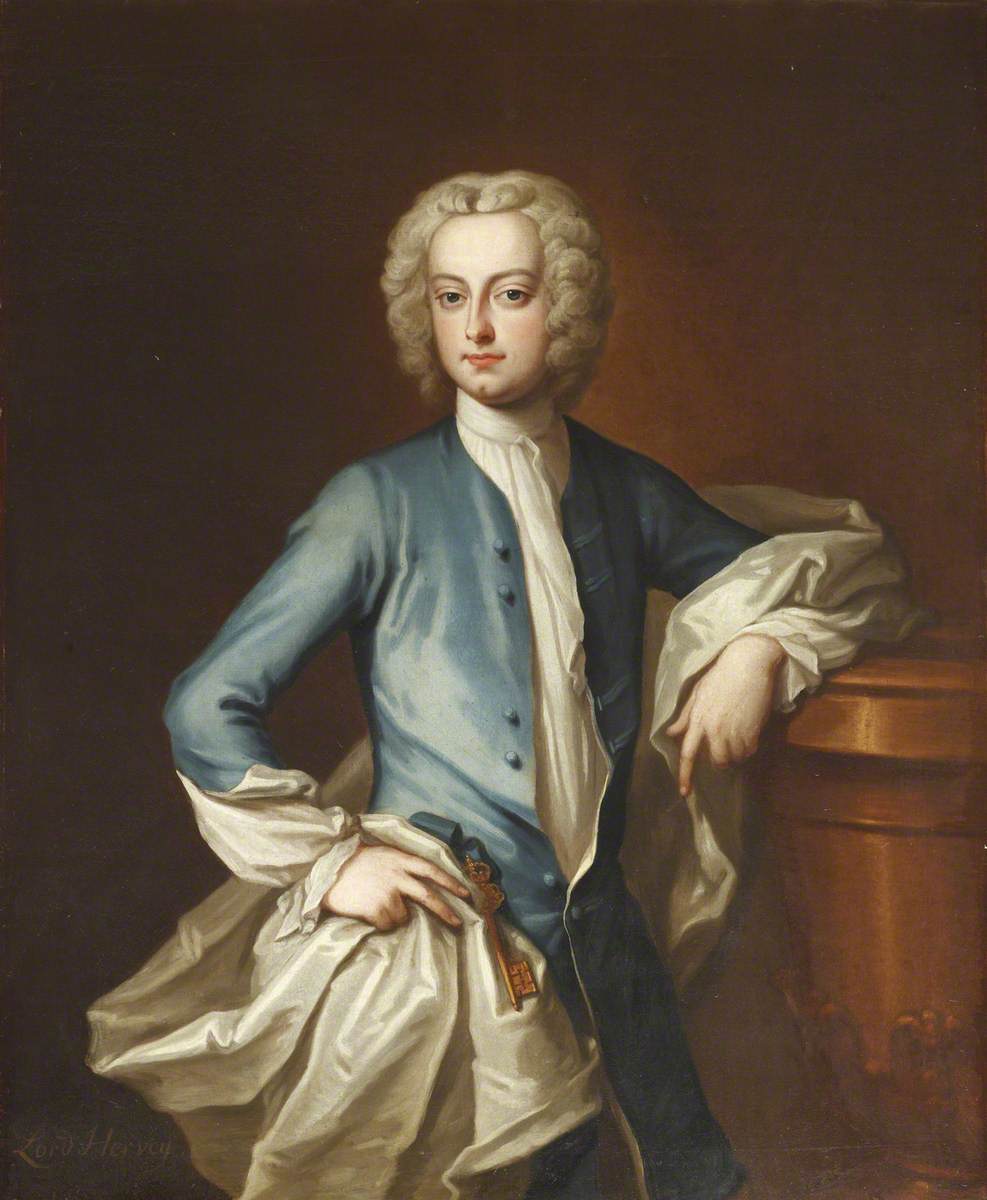
Mary’s friend, Lord John Hervey

Whatever the reason, the result was an unedifying, escalating row. In 1728 a published poem of Pope’s satirised Wortley as a sober yeoman living in Yorkshire whose wife owned a hen (Lady Mary) which attracted lots of cocks.  The innuendo was intentional.  Another longer poem of Pope’s published the same year, The Dunciad, described Lady Mary as a ‘sage dame, experienced in her trade’  – a prostitute.  Mary had been involved in bringing the process of inoculation against the smallpox back with her from Turkey.  Pope played on this by linking smallpox to the word ‘poxed’, implying Mary had syphilis. He also insinuated that she had behaved badly towards someone during the South Sea Bubble Crisis.  Her friends knew that Lady Mary had got into difficulty over some investments a French friend of hers had asked her to make on his behalf. But they would also have known she had behaved honourably throughout.

As an aristocratic woman, Mary risked undermining her reputation if she published anything in response.  So to begin with she simply wrote satirical poems about the situation, which were to be passed around among her friends.  In one the Goddess Dulness set up her headquarters in the famous shell grotto in Pope’s Twickenham garden.  Various more scurrilous verses about the breakdown of the relationship began circulating as well.  It is hard to ascertain whether either of them was the author of any of these. Pope wrote to a mutual friend of theirs claiming to have seen one of these poems in Lady Mary’s handwriting.  She denied she had written it and suggested instead that Pope had indulged in a bit of forgery to blacken her name.

Mary appealed to mutual friends for help – first to Lord Peterborough, whose letter in response read as if Pope had ghost-written it, and then to Sir Robert Walpole, the prime minister.  He asked Pope to remove a particularly nasty couplet about Mary. Pope refused, replying that it was Mary who had libelled him, not the other way round.

Mary then made the strategic mistake of collaborating with another friend of theirs, Lord John Hervey, in writing a satirical poem about Pope:  Verses Addressed to the Imitator of the First Satire of the Second Book of Horace.  Hervey was well-placed within society at the time, a close friend of the queen’s, an aristocrat like Mary and bisexual. The poem is vicious in its portrayal of Pope and ends by cursing him, predicting that he will be destined to wander the earth forever, like Cain, the first murderer in the Bible, ‘with the Emblem of thy crooked Mind/Marked on they Back.’ Somehow – and it was unclear how – the poem was published, with the claim that it was written ‘By a Lady’, with no mention of Hervey.

The gloves were off.  Pope upped his verse attacks on her, all published so everyone who wanted could read them.  And he ensured that even nastier, lewder verses of his were published anonymously.  Again and again he elided smallpox with the pox, or syphilis.  Though she normally charged ten per cent, he wrote, men could currently have Mary’s body for free. She was physically disgusting, ‘at her toilet’s greasy task’. Her dress sense was questionable, in ‘diamonds with her dirty smock’. He harboured ‘a Suspicion that she intended to ravish him.’

Mary could not retaliate with the same force.  She wrote an unpublished poem describing him as a ‘Toad-eater’, but most of their friends and acquaintances sided with Pope not with Mary.  Her friends Lord and Lady Oxford described Mary as having to check with them beforehand whenever she dined at their house that Pope would not be there. In the 1730s Mary went to live abroad, well away from ‘the wicked wasp of Twickenham’, as she called him.  When Pope died in 1744 she wrote home anxiously to be sent a copy of his will, just in case there were anything damaging there.  What a relief it was, she wrote to her husband, that now there was no-one in the whole world who wished them ill.

It feels a familiar story, when relationships turn sour, that the woman comes off worst.  Pope’s satirising of Mary has a distinctly misogynistic feel to it, reading his words today.  For her part, Mary was unable to defend herself satisfactorily.  Her only crime was to invoke feelings in him he could not control and then to reject his advances.

*

All images courtesy of Wikimedia Commons

I would like to express my thanks to Jo Willet for such a fabulous article, and to wish Jo my hearty congratulations on the release of The Pioneering Life of Mary Wortley Montagu: Scientist and Feminist.

To buy the book:

The Pioneering Life of Mary Wortley Montagu: Scientist and Feminist is now available from Pen & Sword Publishing and Amazon.

About the author:

Lavinya of the The Black Curriculum

Jo has been an award-winning TV drama and comedy producer all her working life.  Her credits range from the recent MANHUNT, starring Martin Clunes, to BIRDS OF A FEATHER. Her most relevant productions for this project include BRIEF ENCOUNTERS in 2016 (a fictionalised story of the first women who ran Anne Summers’ parties in the 1980s), THE MAKING OF A LADY in 2012 (an adaption of the Frances Hodgson Burnett novel The Making of a Marchioness), BERTIE AND ELIZABETH in 2002 (telling the story of the Queen Mother’s marriage) and the BAFTA-and-RTS-Award-Winning A RATHER ENGLISH MARRIAGE in 1998 (starring Albert Finney, Tom Courtenay and Joanna Lumley, adapted from the novel of the same name by Angela Lambert). She studied English at Queens College Cambridge and has an MA from Birkbeck in Arts Policy. She is married with a daughter, a son and a stepson. She lives in London and Dorset. www.devoniaroad.co.uk

You can find Jo at:

Twitter:  @Willettjo

Instagram: jowillett_biographer

Website:  www.devoniaroad.co.uk

*

My books

Coming 31st May:

Defenders of the Norman Crown: The Rise and Fall of the Warenne Earls of Surrey tells the fascinating story of the Warenne dynasty, of the successes and failures of one of the most powerful families in England, from its origins in Normandy, through the Conquest, Magna Carta, the wars and marriages that led to its ultimate demise in the reign of Edward III.

Defenders of the Norman Crown: Rise and Fall of the Warenne Earls of Surrey will be released in the UK on 31 May and in the US on 6 August. And it is now available for pre-order from Pen & Sword BooksAmazon in the UK and US and Book Depository.

Also by Sharon Bennett Connolly:

Ladies of Magna Carta: Women of Influence in Thirteenth Century England looks into the relationships of the various noble families of the 13th century, and how they were affected by the Barons’ Wars, Magna Carta and its aftermath; the bonds that were formed and those that were broken. It is now available from Pen & Sword,  Amazon and from Book Depository worldwide.

Heroines of the Medieval World tells the stories of some of the most remarkable women from Medieval history, from Eleanor of Aquitaine to Julian of Norwich. Available now from Amberley Publishing and Amazon and Book Depository.

Silk and the Sword: The Women of the Norman Conquest traces the fortunes of the women who had a significant role to play in the momentous events of 1066.  Available now from Amazon,  Amberley Publishing, Book Depository.

*

You can be the first to read new articles by clicking the ‘Follow’ button, liking our Facebook page or joining me on Twitter and Instagram.

©2021 Sharon Bennett Connolly and Jo Willet

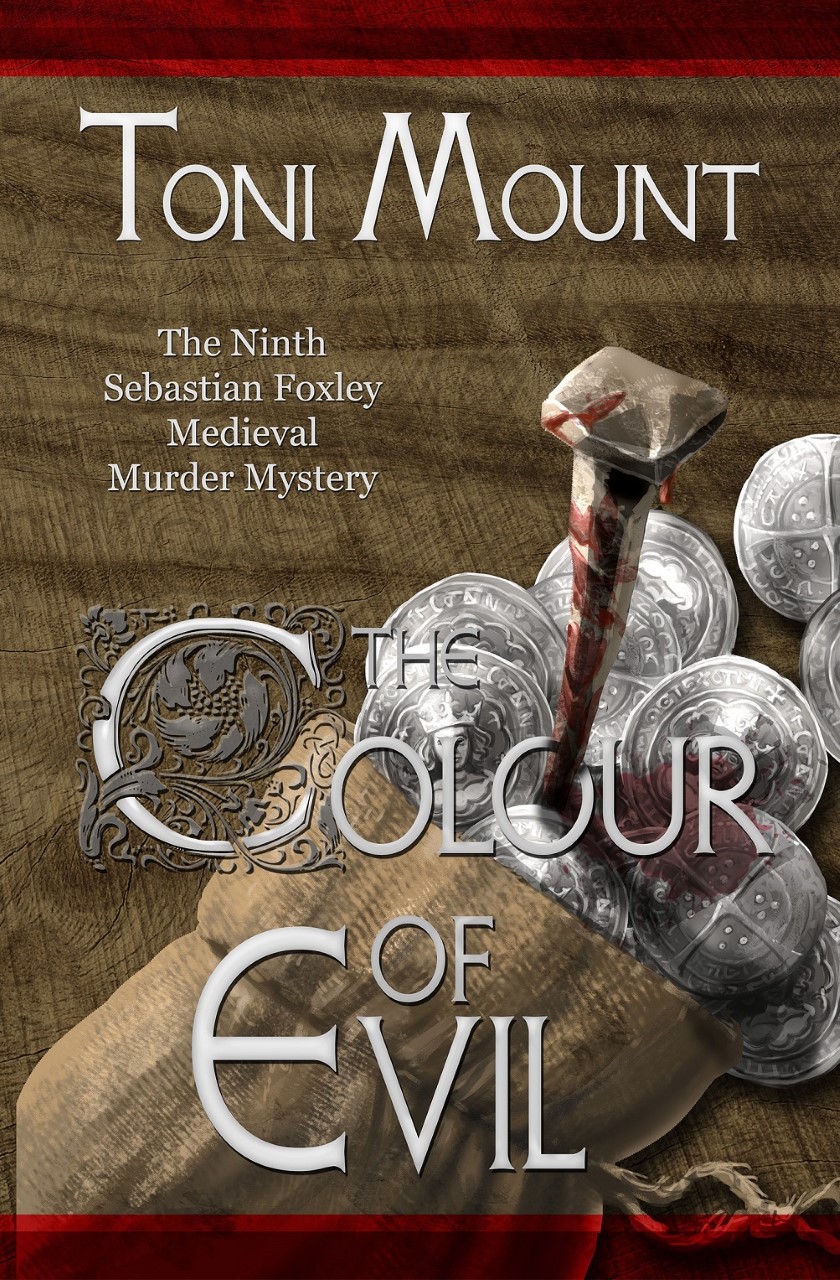
Book Corner: The Colour of Evil by Toni Mount

Every Londoner has money worries. Talented artist and some-time sleuth, Seb Foxley, is no exception.

When fellow craftsmen with debts to pay are found dead in the most horrid circumstances, fears escalate. Only Seb can solve the puzzles that baffle the authorities.

Seb’s wayward elder brother, Jude, returns unannounced from Italy with a child-bride upon his arm. Shock turns to dismay when life becomes more complicated and troubles multiply.

From counterfeit coins to deadly darkness in London’s worst corners; mysterious thefts to attacks of murderous intent, Seb finds himself embroiled at every turn. With a royal commission to fulfil and heartache to resolve, can our hero win through against the odds?

Share Seb Foxley’s latest adventures in the filthy streets of medieval London, join in the Midsummer festivities and meet his fellow citizens, both the respectable and the villainous.

The Colour of Evil by Toni Mount is the 9th book in Toni’s marvellous Sebastian Foxley Medieval Mystery series. If you haven’t read any of these books yet, you are really missing a treat!

Toni Mount has a unique, engaging writing style. Her beautiful prose and clever use of language instantly transports you back to 15th century England. The story revolves around a series of murders linked to counterfeit coins, into which Seb Foxley is brought as a consultant by the local bailiff.

The eponymous hero of the story, Seb Foxley, is a wonderful, intelligent character, who is, perhaps, a little too straitlaced and naive for his own good. His brother is a little too worldly-wise and entitled, but much less self-aware than is good for a grown man – I wanted to punch him on a number of occasions (and I’m not a violent person). The Colour of Evil places these brothers at the heart of the story, highlighting their conflicts and rivalries as London is in the grip of a series of gruesome murders.

As the mystery deepens, the reader is absorbed into the sights, smells and story of London; the excitement, fear and mystery is palpable. The Colour of Evil is an absorbing thriller.

Over ale, Thaddeus told me of the man – the thief we had taken in possession of his ill-gotten gains.

‘His name is Philip Hartnell, a most respectable citizen and a cutler by craft. He said he was walking along Bladder Street, passed the house with its window wide to the pleasant evening air when he saw the candlesticks by the open casement. At a glance, he was quite certain they were the same ones he had bought his wife as a wedding gift ten years since. His wife has much fondness for the sticks, so he took them, thinking to please her.’

‘Had they been stolen away from him previously, then? Is that the way of it?’ I sipped my ale. Thaddeus did likewise afore continuing.

‘That was my first thought. I tell you, Seb, it took a deal of cajoling and probing to get the truth out of Philip Hartnell. The candlesticks weren’t stolen from him but he apparently gave his goodwife to think they had been taken. The truth is that Hartnell has fallen into debt. He took the candlesticks to a goldsmith and sold them to pay off a sizeable loan. When his wife found them gone, she was much upset – more so than Hartnell ever expected. Thus, he told her they had been stolen, rather than admit his actions and the fact that he was over the ears in debt to a moneylender.’

‘An unfortunate situation but how does that excuse his actions of yestereve?’

‘It doesn’t. Besides, the candlesticks he stole from the house in Bladder Street were never his. Similar in shape but not the same ones.’

‘He has no right to them, even had they been the same. He sold them and has had the profit from the sale. Hartnell is a thief and we caught hm. He deserves just punishment, does he not? I do not see any reason for your difficulties in this matter, Thaddeus.’

‘He had never had any dealings with the law before, Seb. He’s a respected member of the Cutlers’ Company and a churchwarden. He loves his wife and family, works hard and earns a good living.’

‘Not good enough, so it would seem, else why would he be in debt?’

‘A foolish mistake, he said though he withheld further details. I had the feeling another woman was involved. In every other respect, Hartnell is a decent citizen. I think he deserves a second chance.’

‘What of the house in Bladder Street? The folk he robbed? Not to mention all the neighbourhood having to rally to the hue-and-cry.’

‘The candlesticks were returned – dented, it’s true but Hartnell says he will pay for their repair. The householder is agreeable. Besides…’

Thaddeus drained his ale.

‘Besides?’

‘Philip Hartnell is not alone, Seb. He is the fourth… no, the fifth respectable citizen that has come to my notice, by one means or another, who has found himself in debt and unable to repay. There’s something going on in London, concerning underhanded financial dealings, and I don’t like the smell of it.

‘Watch your purse, my friend. Every one of them is of middling status like you. Outwardly decent and honest yet they find themselves in dire need, monetarily. I wouldn’t want that to happen to you.’

‘Fear not, I owe no man so much as a ha’penny. So you will let Hartnell go?’

‘Aye, I think so. Both Newgate and the Counter are overfull of vile inmates. Hartnell is not of their kind. They’d make a hearty supper of him on his first day inside.’

The Colour of Evil by Toni Mount paints a wonderful, full-colour image of London in the time of Edward IV. The streets, taverns, work places and dark alleys are brought to vivid, vibrant life by Toni Mount’s beautiful prose and fantastic imagination. The author’s research is impeccable, her knowledge of 15th century medieval England allowing the reader to sit back and be transported back in time. Toni Mount clearly demonstrates how the guilds, the law and money, works and how it was all an integral part of life in medieval London. She recreates the world of 500 years ago to give the reader not only a great story, but the experience of being amongst the people and places of the time.

The characters are wonderfully individuals, each with their own strengths and flaws – though some have mostly flaws and very few strengths. I always think the sign of a good book is when you find yourself frustrated with the actions of a favourite character – or wanting to punch one who seems thoughtless or heartless; or when you find yourself egging a character on – or wanting to shout ‘no, don’t go down there’. The Colour of Evil certainly takes you through all these emotions and more.

The Colour of Evil by Toni Mount is a beautifully crafted mystery that brings the dark, dangerous streets of medieval London to life. Toni Mount is a magician with words, weaving a captivating story in wonderful prose. The Colour of Evil is, to put it simply, a pleasure to read.

If you haven’t read a Seb Foxley book before, don’t worry, each book works as a standalone. Though I have to warn you – after reading one, you will want to read the rest!

To buy the Book: http://getbook.at/colour_of_evilhttp://mybook.to/Colour_Evil

*

About the Author

Toni Mount earned her Master’s Degree by completing original research into a unique 15th-century medical manuscript. She is the author of several successful non-fiction books including the number one bestseller, Everyday Life in Medieval England, which reflects her detailed knowledge in the lives of ordinary people in the Middle Ages. Toni’s enthusiastic understanding of the period allows her to create accurate, atmospheric settings and realistic characters for her Sebastian Foxley medieval murder mysteries. Toni’s first career was as a scientist and this brings an extra dimension to her novels. It also led to her new biography of Sir Isaac Newton. She writes regularly for both The Richard III Society and The Tudor Society and is a major contributor of online courses to MedievalCourses.com. As well as writing, Toni teaches history to adults, coordinates a creative writing group and is a member of the Crime Writers’ Association.

You can find Toni at: Her website; Seb Foxley’s website; Seb Foxley’s Facebook page; Toni’s ‘Medieval England’ Facebook page; Toni Mount’s Facebook page; Toni Mount online courses.

*

My books

Coming 31st May:

Defenders of the Norman Crown: The Rise and Fall of the Warenne Earls of Surrey tells the fascinating story of the Warenne dynasty, of the successes and failures of one of the most powerful families in England, from its origins in Normandy, through the Conquest, Magna Carta, the wars and marriages that led to its ultimate demise in the reign of Edward III.

Defenders of the Norman Crown: Rise and Fall of the Warenne Earls of Surrey will be released in the UK on 31 May and in the US on 6 August. And it is now available for pre-order from Pen & Sword BooksAmazon in the UK and US and Book Depository.

Also by Sharon Bennett Connolly:

Ladies of Magna Carta: Women of Influence in Thirteenth Century England looks into the relationships of the various noble families of the 13th century, and how they were affected by the Barons’ Wars, Magna Carta and its aftermath; the bonds that were formed and those that were broken. It is now available from Pen & Sword,  Amazon and from Book Depository worldwide.

Heroines of the Medieval World tells the stories of some of the most remarkable women from Medieval history, from Eleanor of Aquitaine to Julian of Norwich. Available now from Amberley Publishing and Amazon and Book Depository.

Silk and the Sword: The Women of the Norman Conquest traces the fortunes of the women who had a significant role to play in the momentous events of 1066.  Available now from Amazon,  Amberley Publishing, Book Depository.

You can be the first to read new articles by clicking the ‘Follow’ button, liking our Facebook page or joining me on Twitter and Instagram.

©2021 Sharon Bennett Connolly 

Guest Post: 7 things you may not know about the Battle of Towton by Dan Moorhouse

Today it is a pleasure to welcome author and historian Dan Moorhouse to the blog with an article on the Battle of Towton, which was fought during the Wars of the Roses, on this day in 1461. Dan’s latest book, On this Day in the Wars of the Roses, is a fabulous read, looking into the Wars of the Roses in a whole new way. Over to Dan…

7 things you may not know about the Battle of Towton

The Battle of Towton is often described as being the biggest, bloodiest battle of English history. Heralds at the time suggested 28,000 dead. Towton established Edward IV as king. His coronation was shortly afterwards. Yet much of what is known about the Battle of Towton is not well known. Dan Moorhouse outlines 7 areas that help to put the battle into perspective.

  • Battlefield Executions
The Battle of Towton by Richard Caton Woodville Jr

In the aftermath of the battle, several of the defeated Lancastrians were rounded up and summarily executed. Evidence for this comes in the form of human remains excavated near Towton Hall. The bodies bore wounds to the head, neck, shoulders. But none to the arms, indicating that these men had been unable to defend themselves. 42 such executions are known to have taken place on the battlefield. This is not the only example of summary justice being meted out following Towton. In York, the victorious Yorkists discovered more Lancastrians. In the days that followed, other men were executed on Edward IVs orders, including the Earl of Devon. A grave pit has been excavated on the Knavesmire, where public executions took place outside York, which contained the remains of bodies that had been beheaded. These have been carbon dated to the period.

  • Survivors

Whilst there is much speculation about the number of Lancastrian dead, there is less said about those who survived. The Royal family had been in the relative safety of York. Most leading nobles escaped the battlefield. With so many dead, many fleeing and wintery conditions, the survivor’s stories varied greatly. Robert Bolling (Bradford, Yorks.) was believed to have died. This remained the case in November when he was posthumously attained. However, he had survived and spent the next 14 years trying to overturn the attainder. Thomas Denys wrote that ‘There I lost £20 worth, bone, harness and money and was hurt in divers places.’ In other words, he was injured, without transport and had lost or spent all his money.

  • Hiding

It is well known that Henry VI went into hiding and was eventually captured near Clitheroe several years later. That other non-combatants did the same is less well known. Henry Clifford was the son of John 9th Baron Clifford. Following his father’s death (at Dintingdale), he too went into hiding. Legend has it that he hid with Shepherd’s in the Yorkshire Dales until after the Battle of Bosworth! This stems from an account written by Lady Anne Clifford in the 17th century. The story seems more myth than factual, though. Though still a child, he is known to have signed charters just a few years later. During the readeption, Lord Montagu was granted the wardship of Henry Clifford.  Edward IV pardoned him in 1472, and he was permitted to access his inheritance from his maternal grandfather at that point. However, he did not receive his Clifford inheritance until 1493.

  • Death toll
Engraving of the Battle of Towton, showing King Edward IV in the thick of the fighting

The Battle of Towton was big, of that there is no doubt. What there is doubt over is how big. Figures for medieval battles vary significantly in their accuracy. For campaigns in the Hundred Years War, there are centrally held records, many of which survive. These make numbers reasonable accurate. For battles in the first phase of the Wars of the Roses, this is not the case. Sources include Heralds, various chronicles, letters, muster rolls and ambassadorial dispatches. Archaeological analysis provides further evidence, as does an examination of logistics. The problem is, none are definitive, and they vary greatly. Chroniclers were prone to exaggeration, as seen by numbers that run from 9000 to 120000 Lancastrian dead. Heralds suggested 28000 dead. Letters and dispatches also disagree. Modern analysis suggests an upper figure of 10000, based on the battlefield’s size, number of nobles and knights known to have fought and the logistics involved in the campaigns. An analysis by The History of Parliament shows that of the peerage and members of Parliament known to have fought, as little as 20%, mainly Lancastrian, perished. With estimates suggesting around 55000 participants, this would be consistent with a death toll of around the 10000 mark. 

  • Finds

It may seem strange that there is no extensive collection of finds from such a significant battle. This is because most substantial items would have been scavenged in the hours, days and weeks following the clash. Battlefield Metal Detector Simon Richardson worked on the Towton battlefield for 32 years. His collection of finds does amass to over one thousand items. Primarily these are small items such as buckles and straps. However, he also discovered fragments of the ‘Towton gun’, the oldest handgun to have been excavated in the British Isles. Sections of a brass cannon were found. Evidence suggests that it exploded on being fired with the probable loss of life of those around it. Richardson also aided in the excavation of a memorial chantry built in the reign of Richard III.

  • Pursuit

The rout at the Battle of Towton is well recorded. Cock Beck was awash with blood. Bodies were used as a bridge by men fleeing the hail of arrows. Those fleeing in a different direction were prone to being run down by Cavalry. As the Lancastrian lines broke, the Yorkists could simply pick off those in flight. Whilst there is ample evidence of slaughter at these places, it is often forgotten that the rout went on for some distance and time. George Neville, in his letter to Francesco Coppini, placed more emphasis on slaughters away from the battlefield than in the immediate rout:

“At the town of Tadcaster, eight miles from York, very many of the fugitives were drowned in the river, the enemy having themselves broken the bridge in their rear beforehand. Of the remainder who escaped for the moment a great part were killed in that town, and in the city [of York]; and quite lately one might have still seen the bodies of these unfortunate men lying unburied, over a space nearly six miles in length and three or four furlongs broad”. [British History Online: Calendar of state papers relating to English affairs in the Archives of Venice, vol 1: 1202-1509]

  • Memorials
Dacre Cross, memorial at the Towton battlefield

Many of the men who died were local and on the losing side. Despite the new regime, there is evidence that their loss was memorialised at the time, under the victors’ watchful gaze and in rather lavish or unusual fashion. The unusual is the Tomb of Lord Dacre. The tomb itself looks unremarkable. It is close to the battlefield and in keeping with tombs of the period. What is odd is the story that he was buried on his horse. Perhaps a legend, it has not been disproven. Lionel, Lord Welles, was one of the most senior Lancastrians to die in the battle and married to Margaret Beauchamp, mother by her first marriage to Margaret Beaufort. Despite his links to the Lancastrian line, his body was interred at Methley, Yorkshire, with an ornate alabaster effigy. Other memorials were added during the Wars of the Roses and in later centuries.

My thanks to Dan for an interesting and entertaining article, and my congratulations of the release of On this Day in the Wars of the Roses. The book is out now and available from Amazon UK and Amazon US.

*

About the author

Dan Moorhouse’s interest in history initially led him into teaching, and writing about the history of Medicine for Hodder Murray, an imprint of Harcourt. His work includes contributions to numerous print and online publications, including for the BBC, Guardian, Times, and a range of national and local museums. As a member of the Historical Association, Dan served on the Education Committee for a decade and helped to re-establish the society in West Yorkshire. Dan is also a keen member of the Battlefields Trust and Richard III Societies. Dan’s interest in the Wars of the Roses was sparked at an early age. He grew up close to the seat of the notorious Clifford family and several major battlefields. He has studied the Wars of the Roses to Masters Degree Level and writes regularly about the subject for a general audience via his website and social media channels.

Links:

Website – https://schoolshistory.org.uk/

The Battle of Towton – https://schoolshistory.org.uk/topics/british-history/wars-of-the-roses/battle-of-towton/

*

My books

Coming 31st May:

Defenders of the Norman Crown: The Rise and Fall of the Warenne Earls of Surrey tells the fascinating story of the Warenne dynasty, of the successes and failures of one of the most powerful families in England, from its origins in Normandy, through the Conquest, Magna Carta, the wars and marriages that led to its ultimate demise in the reign of Edward III.

Defenders of the Norman Crown: Rise and Fall of the Warenne Earls of Surrey will be released in the UK on 31 May and in the US on 6 August. And it is now available for pre-order from Pen & Sword BooksAmazon in the UK and US and Book Depository.

Also by Sharon Bennett Connolly:

Ladies of Magna Carta: Women of Influence in Thirteenth Century England looks into the relationships of the various noble families of the 13th century, and how they were affected by the Barons’ Wars, Magna Carta and its aftermath; the bonds that were formed and those that were broken. It is now available from Pen & Sword,  Amazon and from Book Depository worldwide.

Heroines of the Medieval World tells the stories of some of the most remarkable women from Medieval history, from Eleanor of Aquitaine to Julian of Norwich. Available now from Amberley Publishing and Amazon and Book Depository.

Silk and the Sword: The Women of the Norman Conquest traces the fortunes of the women who had a significant role to play in the momentous events of 1066.  Available now from Amazon,  Amberley Publishing, Book Depository.

You can be the first to read new articles by clicking the ‘Follow’ button, liking our Facebook page or joining me on Twitter and Instagram.

©2021 Sharon Bennett Connolly and Dan Moorhouse