I am delighted to have been asked to take part in this year’s Online History Festival hosted by British History Events!
The theme and title of this year’s festival (their 6th) is ‘Defining Moments in British History’ – exploring six defining moments that have shaped Britain today. The festival is all online, taking place from the evening of Friday, 20th March until the evening of Sunday, 22nd March 2026.
Magna Carta: From Inception to Legacy
By 1215, the English barons’ objections to King John were almost beyond number. He had failed to face the French and had lost not only most of his family’s Continental possessions, but also those of his barons. Few had forgotten his treachery against his brother – his attempts on the throne whilst Richard was away on Crusade. His barons even complained that he forced himself on their wives and daughters.
The barons had had enough.
And the result was Magna Carta; a detailed document created to stave off civil war. It touched on the whole system of royal government. And it was granted to ‘all free men of the realm and their heirs forever’. It brought the king within the law, rather than above it.
It is the closest thing England has to a Constitution.
How significant was Magna Carta really?
In this lecture, I will explore the reasons for Magna Carta, the civil war that followed its creation and the people who fought for it and used it to assert their own rights. And we will look at how relevant it still is today, even beyond England’s shores.
So, I have been spending this week tweaking my PowerPoint presentation and recording the lecture.
There will be 6 talks from leading historians (including myself!), a live Q&A with all 6 historians, a live quiz, and a prize draw. Here is the line up!
Julian Humphrys explores ‘The Battle of Hastings: What Happened and What Followed’. Sharon Bennett Connolly (me!) traces ‘Magna Carta: From Inception to Legacy’. Matthew Lewis examines ‘How the Black Death Changed England Forever’. Gareth Russell tackles ‘Crisis of Faith: The Reformation in British History’. Jonathan Healey delves into ‘The British Civil Wars: How They Happened and Why They Matter’. Gareth Streeter looks at ‘The Birth of Britain: How the Glorious Revolution and the Act of Union Forged a Modern Nation’.
And I am really looking forward to the online Q&A and discussion.
Of course, Magna Carta is THE defining moment, but I will let the fellas have their say …
Don’t worry if you can’t watch all the talks as they go out – your ticket will give you access to everything in the festival until 31st May 2026.
Coming 30 March: Princesses of the Early Middle Ages
Daughters of kings were often used to seal treaty alliances and forge peace with England’s enemies. Princesses of the Early Middle Ages: Royal Daughters of the Conquest explores the lives of these young women, how they followed the stereotype, and how they sometimes managed to escape it. It will look at the world they lived in, and how their lives and marriages were affected by political necessity and the events of the time. Princesses of the Early Middle Ages will also examine how these girls, who were often political pawns, were able to control their own lives and fates. Whilst they were expected to obey their parents in their marriage choices, several princesses were able to exert their own influence on these choices, with some outright refusing the husbands offered to them.
Their stories are touching, inspiring and, at times, heartbreaking.
Princesses of the Early Middle Ages: Royal Daughters of the Conquest is now available for pre-order from Pen & Sword and Amazon.
Also by Sharon Bennett Connolly:
Scotland’s history is dramatic, violent and bloody and Scotland’s Medieval Queens have seen it all. This is the story of Scotland through their eyes. Available now fromAmazon and Pen and Sword Books. Heroines of the Tudor World tells the stories of the most remarkable women from European history in the time of the Tudor dynasty, 1485-1603. These are the women who ruled, the women who founded dynasties, the women who fought for religious freedom, their families and love. Heroines of the Tudor World is now available from Amberley Publishing and Amazon UK.Women of the Anarchy demonstrates how Empress Matilda and Matilda of Boulogne, unable to wield a sword themselves, were prime movers in this time of conflict and lawlessness. It shows how their strengths, weaknesses, and personal ambitions swung the fortunes of war one way – and then the other. Available from Bookshop.org, Amberley Publishing and Amazon UK. King John’s Right-Hand Lady: The Story of Nicholaa de la Haye is the story of a truly remarkable lady, the hereditary constable of Lincoln Castle and the first woman in England to be appointed sheriff in her own right. Available from all good bookshops Pen & Sword Books, bookshop.org and Amazon.
Alternate Endings: An anthology of historical fiction short stories including Long Live the King… which is my take what might have happened had King John not died in October 1216. Available in paperback and kindle from Amazon.
Podcast:
Have a listen to theA Slice of Medieval podcast, which I co-host with Historical fiction novelist Derek Birks. Derek and I welcome guests, such as Ian Mortimer, Bernard Cornwell, Elizabeth Chadwick and Scott Mariani, and discuss a wide range of topics in medieval history, from significant events to the personalities involved.
Deadly secrets. Hidden identities. A true enemy. Silence is the only shield.
The year is 1216 and civil war rages in England. King John ravages the countryside against rebellious barons and a French invasion. Unbeknownst to him, his newest squire, Richard, is in fact the son of a man the king would hang without a second thought. A man the common folk call Robin Hood.
For years, Robin has lived as a knight in exile. But when his son is ensnared in the treachery of the royal court, Robin is forced out of the shadows, aided by his outlaw friends in the Hood.
There is no question for Richard where his loyalties lie but it’s more than his own life at risk. He has the trust of a dangerous king. Can he serve the Hood better from within John’s inner circle, or will schemes against the crown unravel?
Rob from the rich, give to the poor takes on a whole new meaning.
Rogues & Kings is a sweeping tale of courage and betrayal in a kingdom on the edge of ruin, of a boy coming of age in the midst of war, and of legends being born.
Woohoo! A Robin Hood story!
As I’m sure you know by now, I have great affection for anything Robin Hood-related. I think it comes from living so close to Sherwood Forest for most of my life. So, when a new Robin Hood story comes out, I have to read it. Rogues and Kings by Charlene Newcomb is particularly special because another of my heroes/heroines is a co-star, Nicholaa de la Haye.
Rogues & Kings is set at the height of the First Barons’ War. Magna Carta has been issued and revoked, the French have been invited to invade in support the English rebels. John is fighting for his political survival. The city of Lincoln had been seized by the rebels, but they retreated as John came north, chasing them into the Isle of Axholme ‘with fire and sword’. The king returns to Lincoln in September, in time for the Michaelmas Feast. And who holds Lincoln?
I have to admit to one disappointment with Rogues & Kings, the scene in which Nicholaa tries to resign her post as constable of Lincoln Castle is not included. And I do think it would have made a great scene, with John confirming his trust in Nicholaa. It is a pity, I would have loved to read Charlene’s take on it. But I have to remember, this isn’t Nicholaa’s story. It’s the story of Robin Hood, his family and allies – and Nicholaa is walking a fine line, as the host and ally of King John and as friend to Robin and his familia.
And Rogues & Kings is a Robin Hood story in the best tradition of the genre. John has taken Robin’s son, Richard, as a squire – though he is unaware that Richard is Robin’s son. And teenage Richard wants to help the outlaws and rebels, by spying on the king. But he soon realises the dangers inherent in working for ‘Bad King John’ while helping his father’s friends.
“Your mother will expect and official wedding.” Which would work well, Robin thought, since the sheriff and the men of Robert’s troop could learn nothing about this ceremony in Sherwood surrounded by the Hood.
Robin clasped Robert’s shoulder. “Tuck can announce the bans at St Mary’s. I’ll bring your mother. She will love Joanna.” He found Robert’s new bride amongst the dancers, and then pounded Robert on the back. “You’ll have a beautiful night together here. Just don’t put off marrying at the church too long in case…”
Robert turned a dark crimson.
Robin eyed him. “You have… You know how -“
“God’s bones, Papa!” Robert groaned. “I’m four and thirty.”
Robin laughed until his eyes brimmed with tears. Wiping them away he said, “There’s that secret room off the castle kitchen. Good place for a tryst.” he winked, tipped his head. “Joanna’s ma might give you a few minutes to yourselves.”
Robert dropped his head into his hands and groaned again.
A shout rose from a sentry deep in the wood, and a covey of birds burst skyward across the crescent moon. The vielle fell silent and the dancing stopped.
“What’s that?” Robert asked as Joanna rushed toward him.
Slinging his quiver over his shoulder, Robin scrambled to his feet. “Rider coming.” He reached for his bow.
The revelers retrieved swords and bows, whisking them from beneath their clothing or from the weapons stashed at the edge of the gathering. Women hurrying for cover at the tree line brandished daggers and cutting knives as the great fire lighting the wedding celebration crackled and tree branches rustled.
Allan studied the ancient oaks and birch, listening, his gray-streaked blonde hair stirring in the breeze. The violent snap of a twig and the damp, grinding crunch of leaves beneath a horse’s hooves betrayed the interloper’s approach. The sound grew louder, closer, until a familiar bird call pierced the air and Allan signaled for calm.
A collective sigh of relief swept the air as wedding guests peeked out from behind moss-covered tree trunks and prickly holly bushes. Firelight glinted off polished swords as the men slowly lowered their blades.
The rider came slowly, the darkened path to the camp mired in thick brush and uneven tree roots. Curses echoed through the forest. Recognizing the voice, Robin smiled and set down his bow before the last branches were swept aside.
The outlaws waved and clapped as Little John urged his horse into the clearing. As a child, “little” described him well – he’d been smaller than his orphan-friend Allan, who’d given him the name when they’d met on the quay in London. But he’d grown. And quite large, too, standing a head above most men.
Little John sprang from his horse and strode toward Robin. The outlaws’ greetings melted away as he held up his hands, the light from the fire revealing his grim face.
“King John has taken Richard hostage.”
Rogues & Kings is hard-hitting, in places it is sad, in other places the suspense is palpable. It leaves the reader egging on the outlaws, hoping for deceptions to succeed and knowing that not everyone can – or will – survive. Including King John. I spend half of the book thinking, ‘just hold on, John dies soon.’ John died on the night of 18/19 October 1216. If only Robin knew this! But, of course, he didn’t and the author does a fantastic job of not giving spoilers to John’s fate, heightening the tension. (Oops! Sorry!)
Robin, Marian, Little John and Allan Dale have to live in the moment, making their decisions ignorant of the fact England’s fate – and their own – was about to take a dramatic twist.
Charlene Newcomb uses the historical background of 1216 – John’s pursuit of the rebels, visit to Lincoln, disastrous crossing of the Wash and agonising death – as the backbone of her story. She weaves the intrigues and actions of her heroes around the historical facts.
Her depiction of King John is suitably paranoid, duplicitous and dastardly. Nicholaa de la Haye is a masterful creation. She is a politically savvy woman navigating her way in a world where the king is unpredictable and vindictive and her castle is surrounded by enemies. Robin is older than he appears in other stories; a man experienced in war and regret, he has much to lose and has to learn how to let go, how to trust that his sons are capable of looking after themselves – in a world fraught with danger.
1217 Battle of Lincoln
Rogues & Kings is fast-paced, fun, gripping, agonising and adventurous. And I love it! (All the more so because Nicholaa de la Haye gets a significant supporting role.)
My only regret is that Charlene says this is the last. There will be no more Robin Hood stories – I hope to persuade her otherwise.
I really do think Robin should stick around to help out at the end of the First Barons’ War. How can he resist helping Nicholaa defend Lincoln Castle and being present at the 1217 Battle of Lincoln?
Charlene Newcomb, aka Char, writes historical fiction and science fiction. Her award-winning Battle Scars trilogy is set in the 12th century during the reign of Richard the Lionheart. Her writing roots are in the Star Wars Expanded Universe (aka Legends) where she published 10 short stories in the Star Wars Adventure Journal. She published the scifi/space opera Echoes of the Storm in 2020, and returns to medieval times with her latest novel Rogue in 2023.
Coming 30 March: Princesses of the Early Middle Ages
Daughters of kings were often used to seal treaty alliances and forge peace with England’s enemies. Princesses of the Early Middle Ages: Royal Daughters of the Conquest explores the lives of these young women, how they followed the stereotype, and how they sometimes managed to escape it. It will look at the world they lived in, and how their lives and marriages were affected by political necessity and the events of the time. Princesses of the Early Middle Ages will also examine how these girls, who were often political pawns, were able to control their own lives and fates. Whilst they were expected to obey their parents in their marriage choices, several princesses were able to exert their own influence on these choices, with some outright refusing the husbands offered to them.
Their stories are touching, inspiring and, at times, heartbreaking.
Princesses of the Early Middle Ages: Royal Daughters of the Conquest is now available for pre-order from Pen & Sword and Amazon.
Also by Sharon Bennett Connolly:
Scotland’s history is dramatic, violent and bloody and Scotland’s Medieval Queenshave seen it all. This is the story of Scotland through their eyes. Available now fromAmazon and Pen and Sword Books. Heroines of the Tudor World tells the stories of the most remarkable women from European history in the time of the Tudor dynasty, 1485-1603. These are the women who ruled, the women who founded dynasties, the women who fought for religious freedom, their families and love. Heroines of the Tudor World is now available from Amberley Publishing and Amazon UK.Women of the Anarchy demonstrates how Empress Matilda and Matilda of Boulogne, unable to wield a sword themselves, were prime movers in this time of conflict and lawlessness. It shows how their strengths, weaknesses, and personal ambitions swung the fortunes of war one way – and then the other. Available from Bookshop.org, Amberley Publishing and Amazon UK. King John’s Right-Hand Lady: The Story of Nicholaa de la Haye is the story of a truly remarkable lady, the hereditary constable of Lincoln Castle and the first woman in England to be appointed sheriff in her own right. Available from all good bookshops Pen & Sword Books, bookshop.org and Amazon.
Alternate Endings: An anthology of historical fiction short stories including Long Live the King… which is my take what might have happened had King John not died in October 1216. Available in paperback and kindle from Amazon.
Podcast:
Have a listen to theA Slice of Medieval podcast, which I co-host with Historical fiction novelist Derek Birks. Derek and I welcome guests, such as Ian Mortimer, Bernard Cornwell, Elizabeth Chadwick and Scott Mariani, and discuss a wide range of topics in medieval history, from significant events to the personalities involved.
Today, it is a pleasure to be chatting with my good friend Charlene Newcomb, just as her latest book, Rogues and Kings hits the shops. Rogues and Kings is a fabulous story, set in 1216, featuring Robin Hood and his gang/friends, King John and the magnificent Nicholaa de la Haye. I highly recommend it and will be writing a review shortly.
But first, Char, let’s have a chat.
Sharon: We’re here today talking medieval historical fiction, but I know you started your publishing career with short stories in the Star Wars universe. How did that come about?
Charlene: Timothy Zahn’s Heir to the Empire, a sequel to the movie Return of the Jedi, inspired me to write my own Star Wars sequel though my writing credentials as of 1993 consisted of an alternative history short story in high school and a few scenes from other attempts at creativity. I was a huge fan of the original Star Wars trilogy. (Shouldn’t that count for something?) I quickly discovered only well known authors were being invited to publish in that universe but ran across a call for short stories in an official Lucasfilm licensed role-playing game magazine. My novel had broken all the rules for submission, but I took one of my original characters—a rebel underground freedom fighter named Alexandra Winger—and created her backstory. “A Glimmer of Hope” was accepted, vetted through West End Games and Lucasfilm, and illustrated and published in the Star Wars Adventure Journal (SWAJ). Alex even has a Wookiepedia entry!
Sharon: How did you get from Star Wars to medieval historical fiction?
Charlene: The publisher of the SWAJ declared bankruptcy so the timing of that—around 1998—along with single parenthood and a demanding career interrupted my writing journey. Several years later a BBC Robin Hood series stirred my interest in Richard the Lionheart and the Third Crusade. Down the research rabbit hole I went, and my itch to create an original novel-length story surfaced.
I wanted to see the Lionheart through the eyes of the men who served him so I created two original characters: the battle-hardened Stephan l’Aigle and the naive and inexperienced Henry de Grey. Men of the Cross (Battle Scars I) takes the young knights to the Holy Land and then back to England. I introduced some secondary characters in that novel: two teenaged camp followers and a knight named Will who was an expert with bow and had been in love with, and left behind, a girl named Marian. My critique partners could tell I was hinting at a Robin-Hood-type character in Will—they convinced me I should give readers a reimagining of the origins of the legend. Will became Robin and the two teenagers became my Allan a Dale and Little John.
Sharon: Tell us about your books.
The Battle Scars series (3 books) cover events of King Richard I’s reign from 1190-1199: the Third Crusade, Prince John’s attempted coup, and King Richard’s war against Philip of France for his continental holdings. The series ends shortly after Richard’s death in 1199.
The two books In Tales of Robin Hood can be read as stand-alones though they are closely tied. Both Tales take place in 1216 with the premise that Allan a Dale leads ‘the Hood’ in Sherwood Forest and Robin, in his fifties, has assumed a different identity and been in self-exile to finally have a life with Marian in Yorkshire. King John has never forgotten their roles in thwarting his attempt to overthrow Richard. He would hang them all in his thirst for revenge.
Sharon: What attracts you to the 12th-13th centuries?
Robin Hood (Charlene Newcomb)
Empress Matilda, Eleanor of Aquitaine, Henry II, Richard I, John—such rich (and not always so pretty) lives with powerful stories in incredible times: the Anarchy, Thomas Becket’s murder, the Crusades, the rise and fall of the Angevin Empire, Magna Carta. Unlike most school kids, I was a history nerd and soaked it in when Dad made an effort to stop at historic U.S. sites every time we traveled. But the medieval period was an era barely touched on in the world history classes I was required to take.
I loved the idea of Robin Hood as a close companion and loyal knight of Richard I, accompanying the king to the Holy Land, and then later serving as a spy in Prince John’s mesnie. When Richard, John, and their mother Eleanor of Aquitaine are on the page, the actual history at times almost feels like fiction—the dysfunctional family, sons (and wife) in rebellion against Henry II, brother against brother, scheming enemies, a paranoid, distrustful king. To weave Robin, Allan, Little John, and the other Hood (including Henry and Stephan) into that history lets me reveal lines between traitors and heroes.S
Sharon: What don’t people know about Robin Hood?
Forest Charter 1217, reissue 1225 image
Charlene: Modern audiences are familiar with the original legend through movies and television, most of which take place in the late 12th/early 13th century. But many don’t realize there is no evidence to indicate Robin was an actual historical figure. The first written stories about him appear mid-15th century though oral stories were passed around in the latter half of the 1400s. Television and movies generally portray Robin as serving King Richard I and/or fighting against King John (1189-1216), but the oldest ballads don’t name either of them. The Gest of Robyn Hode (late 1400s) notes Robin’s meeting with ‘Edwarde, our comly kynge,’ referring, many believe, to Edward I, II, or III, whose reigns covered the years from 1272-1377.
Sharon: How do you approach researching your topic?
Lincoln Castle (Charlene Newcomb)
Pre-14th century history is challenging for the historical fiction writer. Primary sources such as official documents and contemporary chronicles were written in medieval Latin. Fortunately, many of them have been translated and some are available freely online or are discussed by historians in works about the people and events of the era. When my university library didn’t have what I needed, I turned to interlibrary loan. (Thank you, libraries!) Footnotes and bibliographies in these resources provided more threads to follow.
Visiting the places I write about, standing in awe of the Major Oak in Sherwood, walking around the baileys and along the battlements of castles, even seeing the ruins, is inspiring, a blast. Castles and towns like Lincoln, Nottingham, York, and Newark have changed considerably in 800 years which meant more research to get everyday life and the settings right. I’d go back again and again if I lived closer. I will never forget meeting up with writer friends like you, and comparing notes on the history of a place.
Sharon: What are you working on now?
Charlene: I am gathering notes and considering story arcs surrounding two different events that I’d like to feature in short stories: King John’s rescue of his mother, Eleanor of Aquitaine, at the siege of Mirebeau in 1202; and the Battle of Lincoln Fair in 1217. (Sharon: I definitely think you should do one on the Battle of Lincoln Fair. I can just imagine Robin and his friends helping Nicholaa out there!)
Sharon: And finally, what is the best thing about being a writer?
Charlene and I at Newark Castle, below the windows to the room in which King John died in 1216
Writing can be a solitary undertaking so hearing from readers and friends that you’ve crafted a story and characters they tell you they love is such a rush. Just as rewarding is when you write ‘the end’ on something that started with a single idea, such as what might be the consequences if the son of Robin Hood served in King John’s household, write down a half dozen bullet points that spawn many more, and suddenly (or rather over the course of many, many months) the pieces gel and become chapters in a tome of nearly 400 pages. What is surprising is when a character takes over the story and blurts out something you weren’t expecting. Your jaw drops and then you sit back and realize, wow, that opens up a whole new dilemma. Run with it! Hopefully the reader experiences that same feeling.
About the Author:
Charlene Newcomb, aka Char, is a retired librarian, a U.S. Navy veteran, mom to 3 amazing humans, and grandma to 3. She writes historical fiction and science fiction. Her award-winning Battle Scars trilogy is set in the 12th century during the reign of Richard the Lionheart. Her writing roots are in science fiction: in the Star Wars Expanded Universe (aka Legends) where she published 10 short stories in the Star Wars Adventure Journal, and an original novel, Echoes of the Storm. Char returned to medieval times with Rogue and her latest novel Rogues & Kings, both in her Tales of Robin Hood series.
Deadly secrets. Hidden identities. A true enemy. Silence is the only shield.
The year is 1216 and civil war rages in England. King John ravages the countryside against rebellious barons and a French invasion. Unbeknownst to him, his newest squire, Richard, is in fact the son of a man the king would hang without a second thought. A man the common folk call Robin Hood.
For years, Robin has lived as a knight in exile. But when his son is ensnared in the treachery of the royal court, Robin is forced out of the shadows, aided by his outlaw friends in the Hood.
There is no question for Richard where his loyalties lie but it’s more than his own life at risk. He has the trust of a dangerous king. Can he serve the Hood better from within John’s inner circle, or will schemes against the crown unravel?
Rob from the rich, give to the poor takes on a whole new meaning.
Rogues & Kings is a sweeping tale of courage and betrayal in a kingdom on the edge of ruin, of a boy coming of age in the midst of war, and of legends being born.
Coming 30 March: Princesses of the Early Middle Ages
Daughters of kings were often used to seal treaty alliances and forge peace with England’s enemies. Princesses of the Early Middle Ages: Royal Daughters of the Conquest explores the lives of these young women, how they followed the stereotype, and how they sometimes managed to escape it. It will look at the world they lived in, and how their lives and marriages were affected by political necessity and the events of the time. Princesses of the Early Middle Ages will also examine how these girls, who were often political pawns, were able to control their own lives and fates. Whilst they were expected to obey their parents in their marriage choices, several princesses were able to exert their own influence on these choices, with some outright refusing the husbands offered to them.
Their stories are touching, inspiring and, at times, heartbreaking.
Princesses of the Early Middle Ages: Royal Daughters of the Conquest is now available for pre-order from Pen & Sword and Amazon.
Also by Sharon Bennett Connolly:
Scotland’s history is dramatic, violent and bloody and Scotland’s Medieval Queens have seen it all. This is the story of Scotland through their eyes. Available now fromAmazon and Pen and Sword Books. Heroines of the Tudor World tells the stories of the most remarkable women from European history in the time of the Tudor dynasty, 1485-1603. These are the women who ruled, the women who founded dynasties, the women who fought for religious freedom, their families and love. Heroines of the Tudor World is now available from Amberley Publishing and Amazon UK.Women of the Anarchy demonstrates how Empress Matilda and Matilda of Boulogne, unable to wield a sword themselves, were prime movers in this time of conflict and lawlessness. It shows how their strengths, weaknesses, and personal ambitions swung the fortunes of war one way – and then the other. Available from Bookshop.org, Amberley Publishing and Amazon UK. King John’s Right-Hand Lady: The Story of Nicholaa de la Haye is the story of a truly remarkable lady, the hereditary constable of Lincoln Castle and the first woman in England to be appointed sheriff in her own right. Available from all good bookshops Pen & Sword Books, bookshop.org and Amazon.
Defenders of the Norman Crown: The Rise and Fall of the Warenne Earls of Surrey tells the fascinating story of the Warenne dynasty, from its origins in Normandy, through the Conquest, Magna Carta, the wars and marriages that led to its ultimate demise in the reign of Edward III. Available from Pen & Sword Books, Amazon in the UK and US, and Bookshop.org. Ladies of Magna Carta: Women of Influence in Thirteenth Century England looks into the relationships of the various noble families of the 13th century, and how they were affected by the Barons’ Wars, Magna Carta and its aftermath; the bonds that were formed and those that were broken. It is now available in paperback and hardback from Pen & Sword, Amazon, and Bookshop.org. Heroines of the Medieval World tells the stories of some of the most remarkable women from Medieval history, from Eleanor of Aquitaine to Julian of Norwich. Available now from Amberley Publishing and Amazon, and Bookshop.org. Silk and the Sword: The Women of the Norman Conquest traces the fortunes of the women who had a significant role to play in the momentous events of 1066. Available now from Amazon, Amberley Publishing, and Bookshop.org.
Alternate Endings: An anthology of historical fiction short stories including Long Live the King… which is my take what might have happened had King John not died in October 1216. Available in paperback and kindle from Amazon.
Podcast:
Have a listen to theA Slice of Medieval podcast, which I co-host with Historical fiction novelist Derek Birks. Derek and I welcome guests, such as Ian Mortimer, Bernard Cornwell, Elizabeth Chadwick and Scott Mariani, and discuss a wide range of topics in medieval history, from significant events to the personalities involved.
Well, it is the last Wordly Women of 2025 and I cannot believe how well this series of interviews has been received. I do hope it has given you an insight into the writing life – the good and the bad. And maybe you have discovered a new author, or been re-acquainted with one you haven’t read in a while? For my part, it has been wonderful, learning a little bit more about my friends’ writing journeys. Isn’t it funny that no 2 people have the same experience as writers? But we all love the warmth and encouragement of the writing community – and the love and enthusiasm of our readers.
I will continue the series into 2026, hoping it will at least survive until its 1st birthday in March. And I already have the next 2 interviews ready to go. But for now, I would like to introduce you to Anne M. Beggs. Anne is one of those authors who uses her own platform to promote and encourage her fellow authors. I am so grateful to her for sharing every single one of my WordlyWomen interviews so far – and I am sure she will share this one!
Sharon: Hello Anne! What got you into writing:
Anne: Well, that is a long story, but isn’t that what historical fiction and family sagas are? My story telling began with horses. I was born with the horse gene. Unable to have a horse I lived my equine dreams in artwork, drawing and painting my beloved “worsey/wishies” for horsey (my first spoken word, btw). I was an undiagnosed dyslexic as a child. Writing and reading were and ARE not easy, so my story telling was through visual art. Back then all my stories were Barn Romances: Girl meets horse. You get the idea.
My Medieval fetish is nearly as deep as my love of horses. My aunt took me to the cinema to see Disney’s Sleeping Beauty as a five-year-old and those images – the castle, the medieval setting, and a gray horse filled my dreams and nightmares for years. In high school I started a bit of research into the Crusades (horses, remember), and the exploring the soul-gripping architecture of castles and cathedrals.
A trip to Medieval Times in Anaheim, California, when our kids were little, triggered my medieval fetish and love of horses. The voices came alive. My fictional characters would not be still. The What Ifs, How Abouts, and a medieval barn romance morphed into a full-born passion…and it was no longer just Girl Meets Horse; a feisty, spiritual, heiress was seeking a voice in my mind and in her patriarchal time. Yes, initially it was all about getting “boinked” in a castle or cathedral. As I learned how to write a book, the stories developed into a spiritual quest for understanding, battles to save a family, create a dynasty, and an enduring love story or stories.
Sharon: You write fiction and non-fiction, and is one harder than the other?
Anne: It all depends. My first publications were articles on mounted archery and my journey from author to mounted archer. I didn’t have an editor, so those were WAY easy.
My fiction writing includes my Dahlquin series, a family saga set in 13th century Ireland, with more details in subsequent questions. To date I also have four short stories in four Paper Lantern Writers Anthologies: The Dragon Lord, A Winter Solstice Tale, in Unlocked, based on my Dahlquin characters; Dear Santa, in Beneath a Mid-Winter Moon, set in 1969, with Dahlquin descendants; Beg, Borrow, Tomorrow, in Destiny Comes Due, a “shopaholic” in a medieval convent; and The Storm in Echoes of Small Things, a story of Richard the Lion Heart’s final days.
In Archer’s Grace, Book One and By Arrow and Sword, Book Two, my editors told me repeatedly: “Less riding, more story. You are writing a novel, not a “how to” in horsemanship.”
When I was invited to write a chapter, Bringing Horses to Life in Historical Fiction, in the Paper Lantern Writers non-fiction book, Crafting Stories from the Past; A How-To Guide for Writing Historical Fiction, I thought GREAT, here is my chance to talk horses. Turns out, it was one of the hardest things I have ever written. It was vital to distil the important aspects of horses and not get carried away. Fortunately, my editors were non-horse people and found most parts necessary. Working on this entire project was a great education, and I still refer to the book myself, with fresh eyes. We are also doing live, hands-on-workshops teaching the Craft of Writing Stories From the Past to aspiring authors. I enjoy helping and learning more as we go.
Back to your question, which is harder – each is different. All deserve the best I can offer. They are full-on challenges that I accept, and I muddle through, learning, growing, finding enlightenment, and often not concluding with what I thought I was going to write about.
Sharon: Tell Us About Your books
Anne: Archer’s Grace, Book One, launches the Dahlquin series: Eloise, a 13th century only child grows up coming to terms with and battling her patriarchal Irish society. Intelligent, curious, bold, and romantic, she also has a secret that might get her condemned as a heretic.
Ireland is a volatile island poised for civil war, with another English invasion threating. A treasonous siege catapults her from her ancestral home. She and a stranger embark on a perilous journey across Ireland, running for their lives to save Dahlquin and mayhap Ireland itself.
By Arrow and Sword, Book Two, returns to Dahlquin for this family saga. A war-torn country lies between Eloise and Roland as they try to make their way back to each other, navigating a political landscape fraught with intrigue and betrayal. One threat is vanquished, but others loom in the shadows, waiting for the perfect moment to seek revenge.
For readers, Book Two, is written to stand alone.
Sharon: What attracts you to the 13th Century?
Anne: I like to say I researched the Middle Ages into and beyond Middle Age.
My characters, the voices, came to me. They are all fictional, with some true historic people, “Celebrity Cameos”, as Ana Brazil says. All are living in a medieval world. I just started taking dictation from them and researching the Middle Ages. This was before internet as we know it. Before social media and a world full of ‘arm-chair historians’ (some were quite cruel, but I am also sensitive). I depended on books. I delighted when the old-fashioned Barnes and Nobel catalogue arrived in my mailbox, with an abundance of history books. What a happy dance I did when I received Dress Accessories from 1150-1450, and Shoes and Patterns. My family thought I was nuts. Real bookstores also provided resources; thus started my personal research library, getting lost in an era I love.
Using the limited books I had, I found a fifty-year gap in history, as if records were lost between Henry and Eleanor, then resuming fifty years later. Of course, this is not true, but thirty years ago, I was stumped. What a great space to write my own fictional characters and their adventures. Thirteenth century it was and I really didn’t like those henins, either. Eloise could not be galloping across the countryside wearing one of those.
Sharon: Who is your favourite Medieval person?
Anne:Eleanor of Aquitaine, is one of my protagonist, Eloise’s, favourites. Twenty years after the queen’s death, her legend looms large in Eloise’s mind. I just finished listening to The Summer Queen, by Elizabeth Chadwick, and I am even more in love with the smart, feisty monarch myself.
Sharon: Who is your least favourite Medieval person?
Anne: It is not my style to pick a least favourite, so I let others share theirs.
Sharon: I’m the same. I love the History and even the bad guys bring something to the table
Sharon: How do you approach your research?
Anne: This year was special. Finally, after many years, I got to ride in Connacht, Ireland, where my fictional characters are. My husband sent me on a trip of a lifetime. Starting alone in Dublin, I toured for two days. Then a bus to Galway, and on to Connemara Equestrian Escapes for riding, history, and cultural immersion. Next two nights at Ashford Castle. That was as pilgrimage, for sure, as I have a fictional family named Ashbury. Research revealed there is an Ashford Castle exactly where my fictional family are – hmmm, I guess I got my character’s name wrong by a syllable. Connacht looked just as I expected. The trip was validating and magical.
As I mentioned earlier – and before my trip – it all started with history books, my own or the library’s. It never occurred to me to travel to a research library. I had kids at home, responsibilities to our businesses, being a domestic goddess, and community volunteer. Writing was a back burner passion for me, by my choice.
Enter the internet, chat rooms (which didn’t click with me then), and social media. I have access to research, so much research. Sometimes, too much. There is more opportunity for conflicting experts, scholars revealing new discoveries and insights. And that fifty-year gap in my sources…all filled in…oh gosh…oh well. I rejoice and lament. I concentrate on 13th century, because my own time is limited. Still, it is easy to get lured into anything medieval. The fetish runs hard and deep.
My hot tip for beginners; keep a list of the sources you use. You will be called on it later. I didn’t do that originally. I picked the expert whose claims fit my story and kept writing. It was a novel, not a college paper with footnotes. Big mistake on my part.
Research is also how I discovered Dahlquin’s location. I had written over 700 pages not knowing where my characters lived. Before he had horses and a boarding ranch, we travelled to Europe several times indulging my quest for anything medieval and other family holiday delights. Every where we went, hoping for a home for Dahlquin, it was a big nope. I considered going for pure fantasy fiction, making up a country and plopping it in Europe, but it didn’t feel right. I stumbled upon a used book on Medieval Ireland, and BINGO, my characters had been trying to tell me they were Irish…well, Welsh/Anglo/Irish/Celtic/English, it IS complicated.
Sharon: Tell us your ‘favourite’ medieval story you have come across in your research.
Anne: I enjoyed the 9th poem, Pangur Bán. As a cat and animal lover, I delight in the archaeological records of cats leaving their paw prints in history from ancient times to now. Besides horses and dogs, I have cats in my books, a song of a cat dropping a mouse in the wine. while writing my short story, Beg, Borrow, Tomorrow, it was fitting a cat play a role.
Sharon: What are you working on now?
Anne: I am writing The High Love, Book Three, in the Dahlquin series. Much of my 25ish year-old version is on the cutting room floor, and I’m excited to rewrite it with more political intrigue as Eloise and Roland explore and define for themselves what is the highest love: Church, God, King, liege, family, each other? Eloise’s spiritual quest continues as she seeks balance and understanding – God and Goddess, love and loyalty, The Highest Love. I am seeing a better way to tackle Book Four, Ordained Folly, mayhap, mayhap not: The magic in writing. I don’t always know where the story must go until I write it, and write, and rewrite it. There is nothing fast in my process.
I anticipate another short story for the Paper Lantern Writers’ fifth anthology, for 2026, title and theme still a mystery. I love being part of these challenging books and working with our talented writers.
Sharon: What is the best thing about being a writer?
Anne: I love word dancing, making my character’s stories blaze to life, in full colour, texture, taste…cantering across the pages for others to read. It is fantabulous riding into the Middle Ages, safely (such a hazardous time, with no antibiotics, etc.), sharing my joy of lost voices, horses, and history. If I am fortunate, mayhap my writing will inspire someone to pick up a bow and arrow, take riding lessons, and best of all to Be Their Own Hero, Don’t Wait to Be Saved.
About the Author:
Anne M. Beggs, the writing, riding grandma, is an award-winning author of historical fiction and has published articles on mounted archery and horsemanship. Her debut novel, Archer’s Grace, Book One, in her Dahlquin series starts this family saga when a young noblewoman is catapulted from her ancestral home and set on a quest to save her family in Medieval Ireland. By and Arrow and Sword, Book Two is published, and The Highest Love, Book Three is underway. Four short stories appear in Paper Lantern Writer’s anthologies. Also with Paper Lantern Writers, she is a contributor to Crafting Stories from the Past: A How-To Guide for Writing Historical Fiction. She and other “Lanterns” give hands-on workshops on writing historical fiction.
Anne likes to say she researched the Middle Ages into middle age and beyond. Still married to her high school sweetheart, they live on and manage a horse boarding ranch, Equisance, in Watsonville, California. Anne is a member of the Historical Novel Society, and for more about her writing, horses, mounted archery and grandkids, she invites you to join up with her Facebook pages, Anne M. Beggs, https://www.facebook.com/anne.beggs.3/ ; or Anne M. Beggs, author, https://www.facebook.com/AnneMBeggsAuthor/ ; or her website, https://annembeggs.com/, IG @annibella72 ; Substack, https://substack.com/@annibella1
Scotland’s history is dramatic, violent and bloody. Being England’s northern neighbour has never been easy. Scotland’s queens have had to deal with war, murder, imprisonment, political rivalries and open betrayal. They have loved and lost, raised kings and queens, ruled and died for Scotland. From St Margaret, who became one of the patron saints of Scotland, to Elizabeth de Burgh and the dramatic story of the Scottish Wars of Independence, to the love story and tragedy of Joan Beaufort, to Margaret of Denmark and the dawn of the Renaissance, Scotland’s Medieval Queens have seen it all. This is the story of Scotland through their eyes.
‘Scotland’s Medieval Queens gives a thorough grounding in the history of the women who ruled Scotland at the side of its kings, often in the shadows, but just as interesting in their lives beyond the spotlight. It’s not a subject that has been widely covered, and Sharon is a pioneer in bringing that information into accessible history.’ Elizabeth Chadwick (New York Times bestselling author)
Coming 30 March 2026: Princesses of the Early Middle Ages
Daughters of kings were often used to seal treaty alliances and forge peace with England’s enemies. Princesses of the Early Middle Ages: Royal Daughters of the Conquest explores the lives of these young women, how they followed the stereotype, and how they sometimes managed to escape it. It will look at the world they lived in, and how their lives and marriages were affected by political necessity and the events of the time. Princesses of the Early Middle Ages will also examine how these girls, who were often political pawns, were able to control their own lives and fates. Whilst they were expected to obey their parents in their marriage choices, several princesses were able to exert their own influence on these choices, with some outright refusing the husbands offered to them.
Their stories are touching, inspiring and, at times, heartbreaking.
Princesses of the Early Middle Ages: Royal Daughters of the Conquest is now available for pre-order.
Also by Sharon Bennett Connolly:
Heroines of the Tudor World tells the stories of the most remarkable women from European history in the time of the Tudor dynasty, 1485-1603. These are the women who ruled, the women who founded dynasties, the women who fought for religious freedom, their families and love. Heroines of the Tudor World is now available from Amberley Publishing and Amazon UK.Women of the Anarchy demonstrates how Empress Matilda and Matilda of Boulogne, unable to wield a sword themselves, were prime movers in this time of conflict and lawlessness. It shows how their strengths, weaknesses, and personal ambitions swung the fortunes of war one way – and then the other. Available from Bookshop.org, Amberley Publishing and Amazon UK. King John’s Right-Hand Lady: The Story of Nicholaa de la Haye is the story of a truly remarkable lady, the hereditary constable of Lincoln Castle and the first woman in England to be appointed sheriff in her own right. Available from all good bookshops Pen & Sword Books, bookshop.org and Amazon.
Alternate Endings: An anthology of historical fiction short stories including Long Live the King… which is my take what might have happened had King John not died in October 1216. Available in paperback and kindle from Amazon.
Podcast:
Have a listen to theA Slice of Medieval podcast, which I co-host with Historical fiction novelist Derek Birks. Derek and I welcome guests, such as Ian Mortimer, Bernard Cornwell, Elizabeth Chadwick and Scott Mariani, and discuss a wide range of topics in medieval history, from significant events to the personalities involved.
Do have a listen to our 2025 Christmas episode in which Derek and I look bag at some of our favourite discussions with guests.
For my latest edition of Wordly Women, it is an absolute pleasure to welcome my dear friend, Anna Belfrage. Anna writes both historical fiction and time slip and is a magician with the written word. Her Castilian Saga books are something special and I loved the King’s Greatest Enemy books!
So, welcome Anna!
Sharon: What got you into writing?
Anna: I think many writers start like readers—that is how it was for me. I was like eight and felt the world needed a book about a girl who dressed up as a boy and accompanied Richard Lionheart as a page. My take on history was vague, my take on Richard was way too heroic, and my vocabulary was horribly tedious—and full of attempted medieval “speak” Agh! Many years later, I decided to really give writing a go, and once again I wrote a book that resonated with what I wanted to read. Seeing as I have always wanted to time travel—well, for short visits, deffo not to stay—my protagonist ended up being thrown back into the seventeenth century, because at the time, I was so fascinated by this period.
Sharon: Tell us about your books.
Anna: Well, I have just—today!—finished my 24th novel, supposedly a stand-alone, but according to my editor, I must write the rest of the story. So I probably will. Insert Graham Saga pic here! This is what always happens, you see. I start off writing ONE book and end up with one series after the other. My first series is The Graham Saga and is the story of Alex, my alter-ego time traveller who ends up in the 17th century where she meets Matthew Graham. Life will never be the same—not for Alex, not for Matthew, who has his doubts about this strange, borderline heathen woman who has landed at his feet. All in all, The Graham Saga is a ten (!!!!) book series, following Alex, Matthew and their expanding family through the latter half of the 17th century. Things happen to the Grahams—a lot of things, actually. Alex sometimes complains that it is too much, but between the two of us, she loves the adrenaline rushes I put her through! (“No, I don’t!” Alex growls. I just smirk) My second series is The King’s Greatest Enemy. I give you Adam de Guirande, an honourable knight who ends up torn between his love for his first lord, Roger Mortimer , and his loyalty to the young Edward III. Fortunately, he has a strong helpmeet in his wife, Kit. One book turned into four in this instance…
My third series is called The Castilian Saga and is set in the late 13th century. The lives and adventures of Robert FitzStephan, loyal captain to Edward I, and his wife, Eleanor d’Outremer, play out against the background of the conquest of Wales and the general upheaval in Castile and Aragon at the time. Yet another four book series…
I have also authored a three-book series called The Wanderer, which tells the story of Jason and Helle, brutally torn apart 3 000 years ago. After endless lives searching for his Helle, Jason finally finds her again and there is a HEA hovering on the horizon—had it not been for their nemesis last time round who has just gate-crashed the party. I loved writing this borderline fantasy/romantic suspense/ steamy series – but historical fiction is my first love and always will be.
I have an ongoing series called The Time Locket—and yes, it has a time travelling protagonist. Erin is of mixed race and find it very hard to navigate the early 18th century in the American Colonies—well, she finds it hard to navigate life in the 18th century, full stop. Fortunately, she has Duncan at her side. I’ve written two books in this series and have started on number three –but for some odd reason we seem to be going to St Petersburg—well, the building site that will become St Petersburg—and I am dragging my feet, despite Erin and Duncan constantly sending me evil looks.
And then, finally, we have my just finished Queen of Shadows. (The one that I now need to write a sequel to according to my editor) We are in 14th century Castile where King Alfonso XI is married to one woman, but loves another. Quite the soap opera—except it is a true story. Along the way, our stalwart king must vanquish Marinid invaders, rebellious nobles and handle a most incensed father-in-law. I don’t think I’ve ever spent as much time researching a novel as I have done with this one—I started toying with the idea already back in 2016.
I have also contributed to various short-story collections: Betrayal: Historical stories, Historical Stories of Exile and Fate: Tales of History, Mystery and Magic.
Sharon: What attracts you to the periods you write in?
Anna: The history. An event or a personage catches my attention, and off I go. During my recent visit to Dresden, I discovered just how complicated and delicious the history of Saxony is, but I hesitate re writing a book set there, because I don’t speak German, and I have learned the hard way that it helps if you know the language of the country you are writing about. Writing about Castile in the 14th century has required reading my way through bits and pieces of medieval Castilian chronicles—but as I am fluent in Spanish, I managed. I also had the opportunity to revisit all my old text books about the development of the Spanish language)
Sharon: Who is your favourite medieval person and why?
Anna: Seriously, ONE person? No, no, Sharon, how am I supposed to choose?? *Scratches head* Okay: in Castile, it would have to be Maria de Molina, I think. Wife of Sancho IV, she was firt regent to her son, Fernando IV, and when he was “summoned” (Yup, he’s known as Fernando the Summoned, given the odd circumstances of his death) she once again had to act as regent, now for her grandson, Alfonso XI. An extremely competent and wise woman, who suffered so much loss, so much heartbreak, but never gave up.
In England, I am going to say Edward I. Yes, yes, I can hear people going WHAT? THAT RAT BASTARD? – and yes, he deffo had rat bastard qualities, especially vis-à-vis Scotland and Wales, but he was also a competent, hard-working ruler who never quite got over the loss of his wife, Eleanor. When she died, his soft side more or less disappeared (although his second wife seems to have brought it out in him on occasion). Also, we must remember that Edward is a product of his time and of the events that shook his kingdom when he was still a young man—namely the rebellions that more or less stripped Edward’s father of all his kingly power.
Sharon: Who is your least favourite medieval person and why?
Anna: I’m not a big fan of The Black Prince, but my least favourite? Ah, yes: Simon Montfort the Elder, the man who led the Albigensian Crusade—or maybe Arnaud Amalric, the Cistercian abbot who purportedly ordered his men to kill all the people of Beziers during said crusade, stating that God would recognise his own (after death). Okay, so this is probably not true, but just the fact that an abbot actively participated in the massacre of the Cathars is rather icky, IMO. Sharon: I have to admit, I’m not a fan of either Simon de Montfort!
Sharon: How do you approach researching your topic?
Sevilla
Anna: I start with one person, map out persons Person A interacted with and so on and so on. Plus, I always read an overview of the period first, highlighting things I will need to dig into. In my latest, it’s been a lot about sheep, about the Black Death, about coinage, about food—the Moors left a delicious legacy—about architecture. I also try to visit, to get a feel for the land as such. Good thing I did re my latest WIP, as it made me realise I was off by some kilometres from the sea in one of the more crucial scenes! insert pic of Sevilla
Sharon: Tell us your ‘favourite’ true historical story you have come across in your research.
Anna: Hmm. I am rather fond of the Edward-Eleanor love story. There he was, the future Edward I, all of fifteen when he married thirteen-year-old Eleanor. From that moment on, where he went, there went she.
Sharon: Tell us your least ‘favourite’ true historical story you have come across in your research.
Anna: Well, that is easy. In 1575, a seven-year-old little boy, Gustav Eriksson, was brutally exiled by his uncle, king Johan III of Sweden. Gustav was carried across the Baltic sea to Poland and there more or less abandoned, totally alone. No mother, no sister, no money. I have written about this sad little boy in Historical Stories of Exile(Sharon: How sad!)
Sharon: Are there any other eras you would like to write about?
Anna: I am rather fascinated by the period of the Second Great Awakening, i.e. the decades after the Napoleonic Wars. (Sharon: oooooooooh, yes please!)
Sharon: What are you working on now?
Anna: Well . . . I am dithering: should I start on that unplanned sequel by describing a wedding in 1353 at which an unwilling royal groom weds a French princess? Or should I dig into the mystery of the dead man in the barrel, come all the way from Russia before it ends up in Arabella Sterling’s warehouse? Or maybe I should work on both in parallel! (Sharon: Decisions! Decisions!)
Sharon: And finally, what is the best thing about being a writer?
Anna: I step into a world where I am totally in control (Muffled laughter from all my characters) OK, I escape into a world where I have some control—assuming my pesky characters cooperate. Somewhat more seriously, I love recreating life in the past, building that distant world brick by brick. Is the end creation an entirely correct representation? Of course not: there is so much we don’t know about that distant life—but I hope it gives a flavour!
Had Anna been allowed to choose, she’d have become a time-traveller. As this was impossible, she became a financial professional with three absorbing interests: history, romance and writing. Anna has authored the acclaimed time travelling series The Graham Saga, set in 17th century Scotland and Maryland, as well as the equally acclaimed medieval series The King’s Greatest Enemy which is set in 14th century England, and The Castilian Saga ,which is set against the medieval conquest of Wales. She has also published a time travel romance, The Whirlpools of Time, and its sequel Times of Turmoil, and is now considering just how to wiggle out of setting the next book in that series in Peter the Great’s Russia, as her characters are demanding. . .
All of Anna’s books have been awarded the IndieBRAG Medallion, she has several Historical Novel Society Editor’s Choices, and one of her books won the HNS Indie Award in 2015. She is also the proud recipient of various Reader’s Favorite medals as well as having won various Gold, Silver and Bronze Coffee Pot Book Club awards.
“A master storyteller” “This is what all historical fiction should be like. Superb.”
Find out more about Anna, her books and enjoy her eclectic historical blog on her website, http://www.annabelfrage.com
Signed, dedicated copies of all my books are available through my online store.
Out now: Scotland’s Medieval Queens
Scotland’s history is dramatic, violent and bloody. Being England’s northern neighbour has never been easy. Scotland’s queens have had to deal with war, murder, imprisonment, political rivalries and open betrayal. They have loved and lost, raised kings and queens, ruled and died for Scotland. From St Margaret, who became one of the patron saints of Scotland, to Elizabeth de Burgh and the dramatic story of the Scottish Wars of Independence, to the love story and tragedy of Joan Beaufort, to Margaret of Denmark and the dawn of the Renaissance, Scotland’s Medieval Queens have seen it all. This is the story of Scotland through their eyes.
‘Scotland’s Medieval Queens gives a thorough grounding in the history of the women who ruled Scotland at the side of its kings, often in the shadows, but just as interesting in their lives beyond the spotlight. It’s not a subject that has been widely covered, and Sharon is a pioneer in bringing that information into accessible history.’ Elizabeth Chadwick (New York Times bestselling author)
Heroines of the Tudor World tells the stories of the most remarkable women from European history in the time of the Tudor dynasty, 1485-1603. These are the women who ruled, the women who founded dynasties, the women who fought for religious freedom, their families and love. Heroines of the Tudor World is now available from Amberley Publishing and Amazon UK.Women of the Anarchy demonstrates how Empress Matilda and Matilda of Boulogne, unable to wield a sword themselves, were prime movers in this time of conflict and lawlessness. It shows how their strengths, weaknesses, and personal ambitions swung the fortunes of war one way – and then the other. Available from Bookshop.org, Amberley Publishing and Amazon UK. King John’s Right-Hand Lady: The Story of Nicholaa de la Haye is the story of a truly remarkable lady, the hereditary constable of Lincoln Castle and the first woman in England to be appointed sheriff in her own right. Available from all good bookshops Pen & Sword Books, bookshop.org and Amazon.
Alternate Endings: An anthology of historical fiction short stories including Long Live the King… which is my take what might have happened had King John not died in October 1216. Available in paperback and kindle from Amazon.
Podcast:
Have a listen to theA Slice of Medieval podcast, which I co-host with Historical fiction novelist Derek Birks. Derek and I welcome guests, such as Bernard Cornwell and Michael Jecks, and discuss a wide range of topics in medieval history, from significant events to the personalities involved. There’s even an episode where we chat with Anna Belfrage about Edward I and Eleanor of Castile.
England’s greatest ever hero is back, but for how long?
AD 1331 – Wakefield, England It’s been five long years since Robin Hood’s heart-breaking funeral. Since then, his friends have moved on with their lives, having adventures of their own, and becoming respected figures in the local community. But, as Christmas bells rang out last December, to everyone’s shock, Robin returned home to Wakefield, alive and well.
He believes all his old enemies are dead and gone, and is looking forward to living a peaceful life with his wife and young children. Things rarely work out as we plan them though, and it’s not long before a deadly new threat raises its head.
The Coterel gang are notorious throughout England, committing all kinds of heinous crimes including extortion, prostitution, kidnapping, and even murder. They appear untouchable, with noblemen and even Members of Parliament amongst their members. When Robin and his friends attack a cruel extortionist in nearby Notton they find themselves on the wrong side of the Coterels, and it seems Robin will be forced to live either as an outlaw again, or be viciously hunted down like an animal.
Although his choices are limited, one – seemingly mad – option presents itself and, before long Robin takes sail for the first time ever, on the trail of the legendary lost treasure of King John. With John Little, Will Scaflock, Friar Tuck, and two loyal Hospitallers in tow, Robin travels across Europe to Flanders, Aachen, and finally the mythical, legend-haunted mountain known as the Untersberg. Will he find England’s lost crown jewels there, or will he find only danger and death?
I do love a good legend!
Anyone who knows me knows that I have a soft spot for the legendary hero, Robin Hood. Living just a half hour drive from Sherwood Forest, how could I not? When my son was about 6, I once almost told one of his school friends that Santa didn’t exist – because she had had the audacity to tell Lewis that Robin Hood wasn’t real!
I am having a very Robin Hood-y day!
Only this morning, I was at the Sherwood Forest Moot – the first one in over 100 years, to start planning the new, annual Sherwood Forest day. The first one will be 20 February 2026. Exciting!
Anyway, back to Robin Hood!
So, when Steven A. McKay said he was writing another Robin Hood story, I was sooooo excited! Last year, after five years of ‘playing dead’, Robin Hood reappeared at the end of the short story, The Heretic of Haltemprice Priory.
But Robin has a big problem; he is still, technically, an outlaw – a Wolf’s Head.
And I started Return of the Wolf on the 809th anniversary of the events in the prologue, on 12 October 1216. This was the day King John’s baggage train got caught by a high tide in the Wash, as they were crossing from Norfolk to Lincolnshire, and the royal treasure was lost, never to be seen again.
One hundred years later, in Return of the Wolf, Robin Hood and his loyal friends, Friar Tuck, Little John and Will Scarlet, embark on a treasure hunt, in search of some remnants of John’s baggage train that may have survived. It leads to a fascinating adventure that takes Robin and his friends on a journey beyond England’s shores, through Belgium and into Germany.
In search of a great treasure.
And maybe, just maybe, a pardon for Robin.
“Christs’ bones, it stinks in here!” John had led the way into the tannery but he pulled up, almost gagging as the fumes accosted them.
“Pull up your tunic,” Robin advised. “Come on.” He drew his sword for it was clear the tanner had no intentions of co-operating without a fight, and moved past the bailiff, eyes scanning the gloomy interior of the room.
The shouting had intensified when they first stormed into the building, but it had died away and now a sinister, forbidding silence fell across the place. Robin had instinctively taken charge, and John did not complain. As the pair moved forward, past more wooden frames and towards the back of the chamber, the years seemed to fall away and the near-telepathy they had once shared as outlaws returned.
A scream of rage suddenly split the air and a dark figure appeared from behind one of the wooden frames. Robin saw a knife, designed for scraping animal hides but just as useful as a weapon, scything through the gloom towards Little John’s back. In one fluid motion Robin’s sword flashed out, parrying the tanning knife, and then he brutally kicked the attacker in the side. There was a grunt of pain as the man slammed into a barrel with vile smelling liquid, and then Robin’s right fist hammered into his jaw and he slumped to the ground.
Little John had a second enemy to deal with, a rat-faced, slim man with a wispy beard and barely a tooth in the mouth that opened to issue a war cry as he swung at the bailiff with his tanning knife. The tool had two handles, one at either end, so – lacking a point – it was no use as a thrusting weapon, but the blade itself was sharp and heavy enough that it could likely sever a limb and John dodged away from it desperately.
The attacker stumbled forward and John brought up his staff, catching the man beneath the chin. It was a lucky strike but it smashed the enemy’s mouth shut and he reeled back, grasping his jaw, eye screwed shut in pain. They did not open again, as John’s staff came around once more, this time cracking against the thin man’s head.
“That the lot?” Robin wondered.
“Can’t be,” John said, eyeing the unconscious tanners. “Neither of these two are the one we met outside. He’s still around somewhere.”
I have to say, Steven A. McKay’s Return of the Wolf is definitely up to his usual standard. This may be his best Robin Hood book yet. He weaves a wonderful story incorporating the legend of Robin Hood, with the mysteries of lost treasure, and a road trip with friends. Of course, there are dangers along the way, pirates, duplicitous noblemen, a vicious gang of thugs, and the elements themselves.
Travelling amidst a heatwave, the thunder storms are legendary – so much louder on the continent than we are used to in England (when I was working at Disneyland, Paris, there was a thunderstorm so loud that I thought someone had blown up the park!)
Return of the Wolf takes you back to the 14th century. You are immersed in the sights, sounds and smells of the era: from the loud and rowdy taverns, to the peace of a Hospitaller commandery, from the swell of the open sea, to the dark of the forests. I can even forgive Steven A. McKay for setting Robin Hood in Barnsdale Forest and Wakefield, rather than Sherwood and Nottingham (but don’t tell Steven!)
Success or failure – and Robin’s very freedom – depends on the survival skills of Robin and his friends. It is a tense, sometimes frightening, adventure. The fight scenes are frantic, failure is only one misstep away and enemies are stalking them in the dark.
Steven A. McKay was born in Scotland in 1977 and always enjoyed studying history. He decided to write his Forest Lord novels after seeing a house called “Sherwood” when he was out at work one day. Since then he’s started a new series, the Warrior Druid of Britain Chronicles, and just completed a trilogy about Alfred the Great.
In 2021 the Xbox game HOOD: Outlaws and Legends was released, featuring Steven’s writing.
He used to be in a heavy metal band although he tends to just play guitar in his study these days. He did use those guitars to write the theme song for the podcast he co-hosted, Rock, Paper, Swords! with Matthew Harffy, though. Give it a listen, they’ve interviewed great guests like Diana Gabaldon, Simon Scarrow, Bernard Cornwell, Dan Jones and more!
*
My books
Signed, dedicated copies of all my books are available through my online store.
Out now: Scotland’s Medieval Queens
Scotland’s history is dramatic, violent and bloody. Being England’s northern neighbour has never been easy. Scotland’s queens have had to deal with war, murder, imprisonment, political rivalries and open betrayal. They have loved and lost, raised kings and queens, ruled and died for Scotland. From St Margaret, who became one of the patron saints of Scotland, to Elizabeth de Burgh and the dramatic story of the Scottish Wars of Independence, to the love story and tragedy of Joan Beaufort, to Margaret of Denmark and the dawn of the Renaissance, Scotland’s Medieval Queens have seen it all. This is the story of Scotland through their eyes.
‘Scotland’s Medieval Queens gives a thorough grounding in the history of the women who ruled Scotland at the side of its kings, often in the shadows, but just as interesting in their lives beyond the spotlight. It’s not a subject that has been widely covered, and Sharon is a pioneer in bringing that information into accessible history.’ Elizabeth Chadwick (New York Times bestselling author)
Heroines of the Tudor World tells the stories of the most remarkable women from European history in the time of the Tudor dynasty, 1485-1603. These are the women who ruled, the women who founded dynasties, the women who fought for religious freedom, their families and love. Heroines of the Tudor World is now available from Amberley Publishing and Amazon UK.Women of the Anarchy demonstrates how Empress Matilda and Matilda of Boulogne, unable to wield a sword themselves, were prime movers in this time of conflict and lawlessness. It shows how their strengths, weaknesses, and personal ambitions swung the fortunes of war one way – and then the other. Available from Bookshop.org, Amberley Publishing and Amazon UK. King John’s Right-Hand Lady: The Story of Nicholaa de la Haye is the story of a truly remarkable lady, the hereditary constable of Lincoln Castle and the first woman in England to be appointed sheriff in her own right. Available from all good bookshops Pen & Sword Books, bookshop.org and Amazon.
Alternate Endings: An anthology of historical fiction short stories including Long Live the King… which is my take what might have happened had King John not died in October 1216. Available in paperback and kindle from Amazon.
Podcast:
Have a listen to theA Slice of Medieval podcast, which I co-host with Historical fiction novelist Derek Birks. Derek and I welcome guests, such as Bernard Cornwell and Michael Jecks, and discuss a wide range of topics in medieval history, from significant events to the personalities involved. There’s even an episode where we chat with Steven A. McKay about Robin Hood!
When writing non-fiction biographies, you can tell the life of a person. You can say what happened to them, how they affected events and how they were perceived by others. But there are gaps. If you do not have the evidence, you cannot just make it up. If you are looking for reasons, you can offer different scenarios. It is hard to get to the heart of a person, though. You cannot put words in their mouths, or attribute feelings and emotions. Fiction can go where non fiction cannot tread. It can give you a vivid retelling of a fabulous story. It is not always historically accurate, there are some things we cannot know, but fiction can fill in the gaps. It can bring the past to life and give you a sense of the era that no other medium can.
And that is what Terri Lewis has achieved with remarkable skill in her novel if Isabelle d’Angoulême, Behold the Bird in Flight. And it is a pleasure to welcome Terri to History…the Interesting Bits to talk a little about her research behind her novel.
Finding Isabelle, a Mother and a Queen
by Terri Lewis
A birthing stool
I was in high school when I first asked my history teacher, “Where are the women?” An unsatisfactory answer gave impetus to what became a need to find forgotten women. Eventually I became obsessed with Isabelle d’Angoulême, King John’s second wife, and decided to resurrect her by writing a novel.
There are a few documented facts about her life: Historians think she was about twelve years old when John abducted her from her French fiancé, took her to England, and crowned her queen. The chronicles, when they bothered to mention her, were not kind; Matthew Paris called her a “Jezebel” and “slut” who kept John in bed until noon, an assessment most likely reflecting John’s reputation, not the reality of his wife. Isabelle apparently didn’t receive the normal queen’s gold—a percentage of John’s income—or the rents from lands given to her at the time of their marriage; John kept the monies for himself. In “history,” I found only men – fighting, amassing money and enemies, riding off to conquer unknown lands, signing writs, allowing fairs, courting and dancing and always fighting. Isabelle’s life, like the lives of most medieval women, was mainly blank.
But. . . she bore John five children.
My research on medieval childbirth uncovered dire statistics: 20% to 33% of medieval women died from childbearing. The mortality rate per single birth was only slightly higher than in modern times, but multiple pregnancies compounded the risk. Birth control was forbidden by the all-powerful Church so basically a fertile woman had children until menopause or until she died. Because kings had to have sons, as did counts and dukes and other lords—a child to inherit land and carry on the family name. Daughters were less important. An only-child daughter could inherit a kingdom , but not for herself, for her husband. Girls who had brothers would serve as bargaining chips in marriages that formed diplomatic alliances or enlarged territory for their fathers.
In another statistic, infants were uncertain to live to inheritance. Nicholas Orme wrote, “It has been suggested that 25% of [medieval children] may have died in their first year, half as many (12.5%) between one and four, and a quarter as many (6%) between five and nine.” Danger was everywhere. A cut could become infected and penicillin was years in the future. Children fell into wells and down stone stairs, or into the fire that burned in the middle of the great hall, the main source of heat. Many died of illnesses for which bleeding or herbal concoctions were the only cure. Multiple pregnancies mitigated this danger. I note that Isabelle, in addition to the five children with John, had nine more children with her second husband. But two of her own daughters died in childbirth.
Isabelle in her innocence
Isabelle wouldn’t have gone to a hospital. She’d have had a lying-in chamber removed from the main keep and furnished with a birthing stool, a midwife with practical experience but not a doctor because childbirth was a woman’s domain and doctors were men, and a room full of ladies-in-waiting who watched and prayed with her. If the birth was difficult, window shutters would be opened to release the new soul into life. If that failed, an arrow could be shot heavenward to waken God to the peril and ask for his help.
Since history decreed that Isabelle would live through childbirth, I decided to have her observe the suffering of her best friend. That scene became an important milestone in Isabelle’s growing up.
What kind of mother would Isabelle have been? I’d never read about a medieval mother. Women in 1200 who appeared in the chronicles were queens, royalty, or religious. Motherhood was important only for the child, preferable a boy, a gift to the father. The woman was just a bearing body.
I decided that Isabelle learned from her own mother, Alice de Courtney, the granddaughter of Louis le Gros of France. Alice would have been familiar with expectations for noble daughters. And she was married three times. I tried to imagine the experience of being handed to various husbands like a package—the decisions being made by fathers and kings. Perhaps she had grounded herself in her new household with a new husband by following the rules. The first “courtesy book” setting forth standards of behavior— Liber Urbani or the book of civilized man— appeared in England late in the 12th century. Written in Latin, the long poem contained general advice such as honor your parents, hold your tongue, don’t mount your horse in the great hall, and such gems as “when you pick up food with a spoon, do not shovel it on board with your thumb.”
Midwife swaddling the child
I needed to imagine a relationship between Isabelle and her mother. When I was twelve, my mother was the center of everything; I’d come home from school and stand in the kitchen to tell stories about my friends or things the teacher said. But Isi’s mother wouldn’t be in the kitchen. She was a countess; she’d have cooks and laundresses and maids. I couldn’t imagine that she was anything to Isabelle but a rule-maker. And Isabelle’s position required rules. When she was of age, she would be married – handed off in essence – to another count. The marriage would presumably involve a castle and her husband would go off to war or crusade or to visit a king, and Isabelle would be required to manage the vast operation of the castle while he was gone. Even when he was home, she would oversee household tasks, her belt laden with keys to various chests of fabric or spices, to rooms holding barrels of wine and other supplies. So I made her mother strict, set Isabelle chafing against her, then allowed her to escape, grow up a bit, marry John, and have her children.
Two boys first. Then three girls. Today one can find numerous mothers writing how overpowering love when their baby was laid on their breast changed their lives. But as queen of an itinerant court, Isabelle lived on the road with John who visited barons, trying to bring them to heel. So breastfeeding was impractical. It also acted as a form of contraception and Isabelle’s job was to conceive as often as possible and give John heirs. This meant that her babies would be handed over at birth to a wet-nurse, a hired woman who’d breast feed them as if her own. So the first attachment of mother to child was cut off and understandably, wet nurses often developed close relationships with their charges, particularly as children were generally breastfed for longer than they are today – boys often up to the age of two.
13th century depiction of John’s children (Isabelle not included)
At age seven, the boys would have sent to other noble castles for education. Perhaps the idea was that those other educators would have less attachment to the children and thus they would supply a strict upbringing without coddling. Isabelle’s girls would have remained with her as the kingdom fell deeper into chaos. The Barons were revolting, the Pope had excommunicated John, the French were threatening to invade and conquer. With a growing sense that the throne would be gone before her ten-year-old son Henry could assume it, Isabelle would have known the French would kill him along with the rest of her children, leaving no pretenders. How best to save them? I’ll leave that inside the novel and just say she managed as best she could. History has condemned her ultimate decision, but I understand how she came to it.
About the book:
Romantic and stubborn, eleven-year-old Isi plans to marry for love and be mistress of her own castle. But life in 1198 is full of threat and a series of tragic events teaches her growing up is hard. When Isi falls for Hugh, a French nobleman, he consents to marry her, but only for her dowry. She longs for more. Hoping a jealous man will fall in love, she flirts with a king. The flirtation backfires: King John abducts and marries her. Now trapped in cold, warring England with a malicious husband, Isi must hide her yearning for Hugh and find her own power. If she fails, she won’t live to return to her beloved. Inspired by real historical figures—Isabelle d’Angoulême, Hugh de Lusignan, and King John of Magna Carta fame—Behold the Bird in Flight is set in a period that valued women only for their dowries and childbearing. Isabelle’s story has been mainly erased by men, but the medieval chronicles suggest a woman who developed her own power and wielded it. And as the woman behind the throne, who’s to say she didn’t influence history?
About the Author:
Terri Lewis fell in love with medieval history in college. Not the dates or wars, but the mysterious daily lives of the people. Finally two sentences in a book bought at Windsor Castle led her to write her debut novel, Behold the Bird in Flight, A Novel of an Abducted Queen.
Published in Denver Quarterly, Blue Mesa Review, and Chicago Quarterly Review among others, and accepted to the Sewanee Writers’ Conference, she has worked with Laura van den Berg, Jill McCorkle, and Rebecca Makkai. Shortlisted for LitMag’s Virginia Woolf Award for Short Fiction, she won the 2025 Miami University Press Novella Prize. She reviews for The Washington Independent Review of Books.
Before she was an author, she had career as a ballet dancer in Denver and Germany, ran a dance company in Arkansas, earned a B.A. in history and education, and an M.A. in theater, not necessarily in that order. She lives with her husband and two lively dogs in Denver, Colorado.
Where to find Terri:
Website: Substack: Instagram: terri.lewis1: Facebook: terri lewis author
Signed, dedicated copies of all my books are available through my online bookshop.
Out now: Scotland’s Medieval Queens
Scotland’s history is dramatic, violent and bloody. Being England’s northern neighbour has never been easy. Scotland’s queens have had to deal with war, murder, imprisonment, political rivalries and open betrayal. They have loved and lost, raised kings and queens, ruled and died for Scotland. From St Margaret, who became one of the patron saints of Scotland, to Elizabeth de Burgh and the dramatic story of the Scottish Wars of Independence, to the love story and tragedy of Joan Beaufort, to Margaret of Denmark and the dawn of the Renaissance, Scotland’s Medieval Queens have seen it all. This is the story of Scotland through their eyes.
‘Scotland’s Medieval Queens gives a thorough grounding in the history of the women who ruled Scotland at the side of its kings, often in the shadows, but just as interesting in their lives beyond the spotlight. It’s not a subject that has been widely covered, and Sharon is a pioneer in bringing that information into accessible history.’ Elizabeth Chadwick (New York Times bestselling author)
Heroines of the Tudor World tells the stories of the most remarkable women from European history in the time of the Tudor dynasty, 1485-1603. These are the women who ruled, the women who founded dynasties, the women who fought for religious freedom, their families and love. Heroines of the Tudor World is now available for pre-order from Amberley Publishing and Amazon UK.Women of the Anarchy demonstrates how Empress Matilda and Matilda of Boulogne, unable to wield a sword themselves, were prime movers in this time of conflict and lawlessness. It shows how their strengths, weaknesses, and personal ambitions swung the fortunes of war one way – and then the other. Available from Bookshop.org, Amberley Publishing and Amazon UK. King John’s Right-Hand Lady: The Story of Nicholaa de la Haye is the story of a truly remarkable lady, the hereditary constable of Lincoln Castle and the first woman in England to be appointed sheriff in her own right. Available from all good bookshops Pen & Sword Books, bookshop.org and Amazon.
Alternate Endings: An anthology of historical fiction short stories including Long Live the King… which is my take what might have happened had King John not died in October 1216. Available in paperback and kindle from Amazon.
Podcast:
Have a listen to theA Slice of Medieval podcast, which I co-host with Historical fiction novelist Derek Birks. Derek and I welcome guests, such as Bernard Cornwell and Elizabeth Chadwick, and discuss a wide range of topics in medieval history, from significant events to the personalities involved.
Time for another edition of Wordly Women! It has been great fun, meeting all these amazing authors. I do hope everyone is enjoying it as much as I am. Today, I want to introduce you to a very dear friend, historical novelist Cathie Dunn. Cathie and I have known each other a good few years on Facebook, so much so that the first time we met in real life, there was no awkwardness. I love that about social media!
So, let me introduce you to Cathie!
Sharon: Hi, Cathie, first things first, what got you into writing?
Cathie: Ooh, that takes me back decades! It was the romantic historical novels by the likes of M.M. Kaye, Victoria Holt / Philippa Carr (Eleanor Burford’s pseudonyms), in my late teens that got me hooked. I loved Ms Holt’s gothic romance novels in particular, at the time. They were so atmospheric, and – growing up in Germany – I loved the vision of historic and haunted English manors. During the late 1990s and 2000s, after my move to the UK, I learnt a lot about how to create a compelling plot, within a realistic historical setting, by devouring novels by Helen Hollick, Elizabeth Chadwick, and Barbara Wood, amongst others. It was enough to make me embark on HE Certificate in Creative Writing (online) at Lancaster University (though at the time, I was the only one on the course who wrote historical fiction). But at least, it provided me with deeper insights into the writing craft.
Sharon: Tell us about your books.
Cathie: I started off with a project which went from romance to murder mystery to spy novel to (supposedly) a series of events set during the Anarchy – one of my favourite eras. To date, Dark Deceit is an undefined mix, which I’ll need to untangle at some point in time.
Sharon: Yes please! I want to read it!
Cathie: In 2009, I took part in NaNoWriMo, working on a Scottish romance set after the 1715 Jacobite rebellion. I used real locations and studied the background history in depth – too much for traditional romance publishers, who duly rejected it. Fortunately, Highland Arms was picked up by a fabulous US indie press, and my path was clear! I later wrote a second Scottish romance, A Highland Captive, set during the Wars of Independence.
After my move from Scotland to France, my focus changed to medieval French history, with a dual-timeline mystery inspired by my surroundings. Love Lost in Time delves into the distant past of the county of Carcassonne. And the novel immortalised a young cat I lost too soon, Shadow.
Next, I wrote a novel set at the court of Louis XIV. The Shadows of Versailles deals with a dark side of the otherwise glittering court: the Affair of the Poisons. It may be too dark for some readers, as it contains disturbing scenes of child abductions and black masses. Tragically, it’s all based on real, credible accounts of the time. Researching history can be revolting, at times.
After that serious topic, I needed a more positive distraction, and I promptly delved into the foundation years of Normandy, a county I love. Ascent tells the forgotten story of Poppa of Bayeux. Everyone with a TV now knows her more danico husband – Rollo – but who was the mother of his children? Sadly, she was overlooked in the recent series, Vikings. Ascent tells her (fictionalised) story.
Sharon: What attracts you to the early medieval period?
Cathie: It was an era of great change, all across the British Isles and the European continent. The old ways and beliefs had been discarded, to make way for a Church growing in political influence, and it all makes for fascinating research. New hierarchies were formed amidst a continuing power struggle between different families. As the appointments of ‘nobility’ grew into fashion, so did the influence of favourites and allies on rulers. It was a fascinating time.
Sharon: Who is your favourite early medieval character and why?
Image of the statue of Poppa of Bayeux, Bayeux – Photochrom Print Collection
Cathie: Ooh, that’s a tricky one. There are so many real people we know little about, especially women.
(So, a big *Thank You* to you for shining a light on them with your brilliant books!)
I do think Poppa of Bayeux deserves a lot more credit. She had to deal with so many challenges – married to a marauding stranger who was likely a decade or two older, and a Pagan; bearing his children; fleeing with him to Anglia; returning to see his power increase, while she is quietly forgotten. I quite like her to be my favourite early medieval character.
Charles Martel is another. He was a fascinating man, paving the way for a greater Frankish kingdom with his conquests across what is now France. Whilst most people know his grandson, Charlemagne, without Charles, Charlemagne’s ascent in the political sphere of central Europe would not have been possible. Was Charles likeable? Hm, I’m not sure. We know he was ruthless, efficient, and a capable leader of men. Did he have time to be nice? Perhaps that’s a question for another writing project…
Sharon: Who is your least favourite early medieval character and why?
Cathie: That would probably be Charles the Fat, Carolingian King of the Franks and Holy Roman Emperor for a few years in the 880s. He was ineffective, and hopeless at controlling different sections of his empire. He was deposed and died in early 888, and the crown went to Odo of Paris. The Carolingian dynasty was restored after Odo’s reign, though the crown of Frankia went back and forth for a while. This is the era Ascent is set in, and it made for intriguing research.
The real Rollo surely had his work cut out, having to deal with all these changing rulers and their agendas.
Sharon: How do you approach researching your topic?
Cathie: I love history books. I think by now I own more history books than novels! Usually, I start with checking online resources. Jstor is a useful site, where you can read a number of articles for free each month; Medievalists.net is another helpful resource.
But most online sites just give you only an overview, so you need to check books that focus on the relevant era. I have an array of history books on early, high & late medieval England, Tudor England, and medieval & Jacobite Scotland on my shelves. For my France-based novels, I consult non-fiction books in French, many of which I find (handily!) in second-hand bookshops. I also use German resources, where needed.
I find that having a range of resources from different countries to consult is the best way to get a fair overview of historic events. We know that original sources were often (though not always) based on what rulers wanted the rest of the world to know – that being not necessarily the full truth. The winner records history in his favour. So, drawing from sources in different languages adds to the experience in discovering the past.
Sharon: That is so true!
Sharon: Tell us your ‘favourite’ medieval story you have come across in your research.
Image of Albrecht Dürer’s painting of Charlemagne
Cathie: Unfortunately, it is difficult to find credible stories about early medieval characters, unless they were major players like Charlemagne, due to the loss (or deliberate omission) of references for lesser-known individuals.
Therefore, I’ve chosen Charlemagne’s wives and concubines as a story I find entertaining, and enlightening! I mean – how on earth did the man have the time to marry four times, have several concubines after the death of his last wife (and possibly before) – and father an estimated twenty (20!) children? His court was always travelling across his ever-expanding realm (and later, his empire), though it is said that his main seat at Aachen (Aix-la-Chapelle) became his favourite.
He insisted his illegitimate children were raised alongside his legitimate offspring, ensuring they all received an education deserving of their Royal bloodline. After his son Pepin’s untimely death, he even took his grandchildren in to be educated with the others.
This is a fact I recently discovered, and now I’m curious to find out more! With daughters, and especially illegitimate ones, usually being swept off into marriage or convents, his insistence that they are all educated is telling. Clearly, here was a man who valued learning – be that in practical skills or reading and writing.
For a man who ruthlessly expanded his territories, responsible for subjugation of peoples and a great number of deaths ranging from Germanic Saxony to the Iberian Peninsula, this shows an entirely different side of the ‘great Charles’.
Sharon: Tell us your least ‘favourite’ medieval story you have come across in your research.
Cathie: That has to be Charlemagne’s darkest episode – the subjugation of Germanic Pagan tribes in Saxony. The wars lasted – on and off – for three decades, and they were brutal. The Saxons did not give in easily, much to Charlemagne’s frustration, and their conversion to Christianity was slow. Their skirmishes into his territory vexed him immensely.
Eventually, according to the Royal Frankish Annals, the infamous ‘Blood Court’ massacre at Verden, in October 882, saw the execution of approx. 4,500 Saxon ‘rebels’ captured after recent battles. Their leader, Widukind, had managed to flee north.
Although later historians disputed the figure quoted in the annals, with several trying to make ridiculous excuses for Charlemagne’s actions, there seems to have been a great slaughter of thousands of prisoners, regardless. Charlemagne wanted to set an example, an effective deterrent.
Warfare continued for three more years, then it was all over for the Saxons, especially after Widukind converted to Christianity. But it was the massacre at Verden that remained like a blood stain on his otherwise pristine reputation.
Sharon: Are there any other eras you would like to write about?
Cathie: I do love different eras, as you know. The Anarchy is definitely high on my list, and I’ll have to revisit Dark Deceit to see where it takes me. (Sharon: Do it! Please!)
But I also love the court of Louis XIV of France, with all its superficial splendour and dark secret plots. The Affair of the Poisons is such an intriguing event, with many prolific nobles implicated in trying to influence the king’s opinion through nefarious deeds. Deeply disturbing, and utterly fascinating.
And then, of course, is the time of the Scottish Wars of Independence. It wasn’t easy to mess with a remarkable, power-hungry king like Edward I! (Sharon: Ooh, yes!)
But, ultimately, it’s the late Dark Ages (do we still call it that, as they weren’t really that dark?) and early Middle Ages that keep me hooked. Oh, to travel to Frankia for one day only…
Sharon: What are you working on now?
Cathie: My current WIP is called Treachery, and it’s the story of Sprota the Breton, handfasted wife of William Longsword – Poppa’s and Rollo’s son. Like his father and his two wives, William married Sprota in more danico (in the Danish custom), and Luitgarde of Vermandois in a proper Church blessing, for political reasons.
Even less is known of Sprota than of Poppa; mainly that she was mother to William’s only son, Richard, likely the first Duke of Normandy. (Rollo and William never were dukes.) I introduced her towards the end of Ascent, when she had to flee to Bayeux as William’s enemies closed in on him at his fortress in Fécamp. Following William’s assassination by Count Arnulf of Flanders in 842, Sprota had to remarry to keep her young son’s inheritance secure. And to ensure his safety!
Her responsibility as the mother of William’s heir, and her struggles for them to survive, make for an intriguing story. So many powerful men had set their sights on Normandy, wanting Richard out of the way. I hope to do Sprota justice, as, again, she has been forgotten in time.
The third and final instalment of my House of Normandy trilogy about the early ladies of Normandy will conclude in Reign, about Richard’s second wife (and previous lover), Gunnora.
Then there’s Poppa’s daughter Adela, married to the Count of Poitou. Perhaps a companion novel? 😉 Sigh…
Sharon: And finally, what is the best thing about being a writer?
Cathie: Exploring past histories is utterly fascinating, and I can only recommend it. That goes for the good and the bad we discover in our research.
Reliving the distant past is fun, but also a great responsibility, as we should stay as close to the few known facts as possible. An ogre can’t just turn into a Prince Charming, although looking at Charlemagne, he definitely had two sides to his character – the caring father interested in learning and culture, and ruthless ruler chopping off heads of his prisoners. A man of his times. But what about his women? (Cathie, behave! One novel at a time…)
And though my earlier works focused more on events and fictional characters, I now find it far more rewarding to bring forgotten women from the distant past back to life, even ‘just’ in fictionalised format. Their stories must be told.
Thank you again for letting me ramble on about my research and writing. It’s been fabulous revisiting my stories, and the real characters involved in them, and I hope your readers enjoy my interview.
Sharon: Cathie, thank you so much! It has been a pleasure! No wonder you and I get on so well!
About the Author:
Cathie Dunn is an Amazon-bestselling author of historical fiction, dual-timeline, mystery, and romance. She loves to infuse her stories with a strong sense of place and time, combined with a dark secret or mystery – and a touch of romance. Often, you can find her deep down the rabbit hole of historical research…
In addition, she is also a historical fiction book promoter with The Coffee Pot Book Club, a novel-writing tutor, and a keen book reviewer on her blog, Ruins & Reading.
After having lived in Scotland for almost two decades, Cathie is now enjoying the sunshine in the south of France with her husband, and her rescued pets, Ellie Dog & Charlie Cat.
She is a member of the Historical Novel Society, the Richard III Society, the Alliance of Independent Authors, and the Romantic Novelists’ Association.
Signed, dedicated copies of all my books are available through my online bookshop.
Out now: Scotland’s Medieval Queens
Scotland’s history is dramatic, violent and bloody. Being England’s northern neighbour has never been easy. Scotland’s queens have had to deal with war, murder, imprisonment, political rivalries and open betrayal. They have loved and lost, raised kings and queens, ruled and died for Scotland. From St Margaret, who became one of the patron saints of Scotland, to Elizabeth de Burgh and the dramatic story of the Scottish Wars of Independence, to the love story and tragedy of Joan Beaufort, to Margaret of Denmark and the dawn of the Renaissance, Scotland’s Medieval Queens have seen it all. This is the story of Scotland through their eyes.
‘Scotland’s Medieval Queens gives a thorough grounding in the history of the women who ruled Scotland at the side of its kings, often in the shadows, but just as interesting in their lives beyond the spotlight. It’s not a subject that has been widely covered, and Sharon is a pioneer in bringing that information into accessible history.’ Elizabeth Chadwick (New York Times bestselling author)
Heroines of the Tudor World tells the stories of the most remarkable women from European history in the time of the Tudor dynasty, 1485-1603. These are the women who ruled, the women who founded dynasties, the women who fought for religious freedom, their families and love. Heroines of the Tudor World is now available for pre-order from Amberley Publishing and Amazon UK.Women of the Anarchy demonstrates how Empress Matilda and Matilda of Boulogne, unable to wield a sword themselves, were prime movers in this time of conflict and lawlessness. It shows how their strengths, weaknesses, and personal ambitions swung the fortunes of war one way – and then the other. Available from Bookshop.org, Amberley Publishing and Amazon UK. King John’s Right-Hand Lady: The Story of Nicholaa de la Haye is the story of a truly remarkable lady, the hereditary constable of Lincoln Castle and the first woman in England to be appointed sheriff in her own right. Available from all good bookshops Pen & Sword Books, bookshop.org and Amazon.
Alternate Endings: An anthology of historical fiction short stories including Long Live the King… which is my take what might have happened had King John not died in October 1216. Available in paperback and kindle from Amazon.
Podcast:
Have a listen to theA Slice of Medieval podcast, which I co-host with Historical fiction novelist Derek Birks. Derek and I welcome guests, such as Bernard Cornwell and Elizabeth Chadwick, and discuss a wide range of topics in medieval history, from significant events to the personalities involved.
Unusually for a king in medieval times, by 1185 William the Lion, King of Scots had been on the throne for 20 years, was past 40 and was still unmarried, despite having several illegitimate children. Until he married, William’s heir was his younger brother, David. Ironically, William’s mother, Ada de Warenne, who had been so keen to find a bride for her oldest son Malcolm IV that she was not above putting suitable girls in his bed, does not seem to have had the same sense of urgency with William. There’s no evidence that she pressured him to marry as she had his older brother. Though, I suppose, at least William had shown an interest in women and had the bastards to prove it.
And William was looking for a bride. Henry II, always happy to remind William that he was the Scots king’s overlord, exercised his right to choose William’s wife.
In May 1186, during a council at Woodstock, King Henry suggested Ermengarde de Beaumont as a bride for William. Ermengarde was the daughter of Richard, Vicomte de Beaumont-sur- Sarthe, who was himself the son of Constance, one of the many illegitimate daughters of King Henry I of England. With such diluted royal blood, she was hardly a prestigious match for the king of Scots. William felt slighted but he reluctantly accepted the marriage after consulting his advisers, the offer sweetened by a generous payment for the wedding celebrations and the return of two forfeited Scottish castles, as a wedding present.
Henry II, King of England, Lincoln Cathedral
We have, of course, no record of Ermengarde’s thoughts on the marriage, nor of whether she was aware of the fact it was seen as an insult to the Scots king. The wedding was celebrated at Woodstock, conducted by the Archbishop of Canterbury, on 5 September 1186,
‘with great magnificence, on the nones of September [5th Sept.] (being the sixth day of the week [Friday], the moon being in her eighteenth day), in the royal chapel in the park at Woodstock, in the presence of the king himself.’1
Following the ceremony, King Henry hosted 4 days of festivities. Although we do not know Ermengarde’s birth date, at the time of the marriage, she was described as ‘a girl’, suggesting that she may have only just reached the age of 12, the minimum legal age girls could marry. It has been suggested that Ermengarde’s tender age may also have been the reason for William’s reluctance to marry her.
We do not know the year of birth of Ermengarde’s first child, a daughter named Margaret, but it was sometime between 1187 and 1195. Another daughter, Isabella, was born a year or two later. If Ermengarde gave birth to Margaret the year after her marriage, it seems highly likely that she was at least fourteen or fifteen years old at the time of her wedding. However, a later birthdate, in the 1190s would suggest that Ermengarde was younger at the time of her marriage and was given time to mature before bearing children. The king’s growing need for an heir would, perhaps, indicate that Ermengarde was old enough to bear children at the time of their marriage, and that describing the bride as ‘a girl’ was alluding to her youth, but not her actual age. Unfortunately, the vagaries of chroniclers means that we cannot say for certain
In the spring of 1195 King William fell gravely ill at Clackmannan, causing a succession crisis, the sum of his legitimate children being one, possibly two, daughters at this time – and no son. The Scottish barons deliberated a number of options, such as recognising William’s oldest legitimate daughter, Margaret, as his heir. They also considered marrying Margaret to Otto, Duke of Saxony, grandson of Henry II, and allowing Otto to succeed to the throne. The earl of Dunbar led a faction who claimed that both solutions were contrary to the custom of the land, so long as the king had a brother who could succeed him. Traditionally, the Scots throne had passed to the oldest, legitimate, male member of the royal family, rather than by primogeniture.
This must have been a worrying time for Ermengarde, not only for the health of her husband, but for her own status in Scotland, should her daughter be disinherited. Not to mention the concern that Margaret, then aged only 8 at the most, might be married at such a young age to secure the succession. In the event, the discussion was moot as the king recovered from his illness and three years later the queen gave birth to Alexander, the much-desired son and heir.
Alexander II, King of Scots
Chronicler John of Fordun described the relief and celebration felt throughout the country at the birth of the heir to the Scots throne:
‘Now this most fortunate king of Scotland, William, had, nearly twelve years ago, with great splendour and rejoicings, taken to wife Ermyngarde, daughter of the Viscount of Beaumont… By her he had a son, named Alexander, — to the great gladness of his people, and the refreshment of the whole kingdom of the Scots, as the after course of these annals will show forth. He was born at Haddington, on Saint Bartholomew’s Day, in the year 1198. In every place in the whole country, the common folk used to forsake their menial work on this day, wherein they first heard tidings of his birth, and spend it in joy; while priests and churchmen donned the alb, and walked in procession, with loud voice glorifying God in hymns and canticles, and humbly praising Him.’
Although she does not act as a witness on any of King William’s extant charters, Queen Ermengarde appears to have played an active role in Scotland, with William allowing her an increasingly influential part in public affairs. One disgruntled canon, in 1207, complained that Walter, a royal chaplain, had obtained the bishopric of Glasgow by not only bribing the king’s chamberlain, but also Queen Ermengarde. The queen may also have offered patronage to relatives, including one Richard de Beaumont, perhaps a brother or cousin, who received substantial lands in Crail. As the king’s health declined in old age – he was already 46 when he married Ermengarde – the queen took on more responsibilities, especially where her children were concerned.
Relations with England had changed in 1199, with the accession of King John, the youngest son of Henry II. During the reign of King Richard, William had agreed with the justiciar, William Longchamp, and supported Arthur of Brittany as the king’s heir. However, it was John who succeeded Richard and he may well have remembered William’s stance. Soon after John’s accession, King William asked for the return of Northumberland. The two kings met at Lincoln in 1200, with William doing homage for his English lands but getting no satisfaction in his claim to Northumberland. In subsequent meetings, John continued to prevaricate, leaving the dispute unresolved.
In the meantime, the death of the bishop of Durham meant John took over the vacant see and set about building a castle at Tweedmouth. The Scots, saw this as a direct threat to Berwick and destroyed the building works. Matters reached a crisis point in 1209.
King John of England
After many threats, and with both sides building up their armies, the two kings met at Norham, Northumberland, in the last week of July and first week of August 1209. The Scots were in a desperate position, with an ailing and ageing king, and a 10-year-old boy as heir, whilst the English, with their Welsh allies and foreign mercenaries, had an army big enough to force a Scottish submission. Queen Ermengarde appears to have acted as a mediator between the two kings, although the subsequent treaty, agreed at Norham on 7 August, was humiliating for the Scots it did, at least, prevent a war. The Scots agreed to pay 15,000 marks for peace and to surrender hostages, including the king’s two oldest legitimate daughters, Margaret and Isabella. As a sweetener, John promised to marry the Margaret to one of his sons; although Henry was only 2 years old at the time and Richard was just 8 months, whilst the girls were already in their mid teens, at least. It was agreed that Isabella would be married to an English noble of suitable rank, an earl at least.
The king’s daughters and the other Scottish hostages were handed into the custody of England’s justiciar, at Carlisle on 16 August.
How the girls, or their parents, thought about this turn of events, we know not. Given John’s proven record of prevarication and perfidy, King William may have hoped that the promised marriages would occur in good time but may also have expected that John would find a way out of the pledges he had made. William and John met again at Durham in February 1212, a meeting in which ‘The queen of Scotland was present and acted as mediator, an extraordinary woman, gifted with a charming and witty eloquence.’3 The queen’s efforts bore fruit and peace between the two countries was renewed, as ‘There in the presence of the nobles of both kingdoms and the revered lady the queen of the Scots a formula for achieving peace and love, to be observed between the kingdoms and their kings for ever, was worked out anew and confirmed by charters given by both parties.’4
It was also agreed that the Scottish prince, Alexander, should be given an English wife. With at least one of the prince’s older sisters already intended for a son of King John, marrying Alexander to one of John’s daughters would further bind the Scots to the Plantagenet cause. Prince Alexander, now aged 14, would be knighted by King John, the ceremony taking place at Clerkenwell on 4 March 1212.
Ermengarde may have taken a more prominent role in the negotiations of 1212 as King William’s health began to fail. Their son, Alexander, was still only a teenager and so it would have fallen to the queen to take the lead in the talks. William was a physically active king almost to the very last moment. In January and February 1213, when both the Scots and English kings were close to the border, a meeting was proposed, but William resisted and could not be persuaded to meet with John. In his 70th year, he was probably already very ill.
18th century image of William I the Lion
As William’s health failed, Queen Ermengarde appears to have taken on more responsibilities and exerted her influence on the court. The king rallied in 1214, so that he was well enough to travel to Elgin in the summer, where he came to an accord with John, the new earl of Caithness, and received the earl’s unnamed daughter as a hostage. The journey took its toll on the king, and he suffered some sort of collapse. He was taken, in easy stages, to the royal castle at Stirling, where he saw his lords for the last time. With the queen in attendance, William urged his barons and bishops to accept Alexander, now 16 years old, as king. King William I, later known as William the Lion, died on 4 December 1214, aged about seventy-one, having reigned for a total of forty-nine years, almost to the day.
On the morning after her husband’s death, Queen Ermengarde was ‘in a state of extreme mourning and worn out with grief.’5 The prelates and nobles attempted to rouse the queen from her melancholy by asking that she arrange the late king’s funeral, but the queen would not be moved. They left Ermengarde with her grief and took the young king to Scone, where he was crowned as King Alexander II on 6 December. King William was then buried at Arbroath on 10 December. The new king and his mother then presided over the royal Christmas feast at Forfar but returned to Stirling in January 1215, before visiting Arbroath, to see the tomb of King William.
Queen Ermengarde had been much younger than her husband, possibly by as much as thirty years. She would, therefore, continue to live for many years into her son’s reign.
Magna Carta
King Alexander II sided with the English barons in their struggle against the tyranny of King John, making an alliance with the northern barons, who agreed to press for a decision on the future of Alexander’s sisters, and a resolution of the lordship of the northern counties. He raided the northern English earldoms, exploiting the unrest in England to renew Scottish claims to these counties, besieging Norham in October 1215 and receiving the homage of the leading men of Northumberland. And when a French force joined the fight on the side of the rebels, the papal legate pronounced a sentence of excommunication on the rebels and their French and Scottish allies; it even extended to Queen Ermengarde. Scotland put under interdict. Following John’s death in October 1216 and the defeat of the French rebel army at Lincoln in May 1217, Alexander’s position in England became precarious.
The Scots king surrendered Carlisle Castle at Berwick on 1 December 1217 and submitted to England’s boy-king Henry III at Northampton later in the same month. Alexander’s sentence of excommunication was lifted by the archbishop of York, while the bishop of Durham absolved his mother, Queen Ermengarde.
With King Alexander’s submission, there followed an unprecedented almost 80 years of unbroken peace between England and Scotland, sealed by his marriage – in York – with Joan, Henry III’s sister in June 1221. Another marriage soon followed, when, in London on 30 October, Alexander’s oldest sister, Margaret, was married to Hubert de Burgh.
Joan of England, Queen of Scots
Queen Ermengarde must have felt relief that her son had found a bride, and hoped that an heir would soon follow. She may also have been satisfied that her eldest daughter, Margaret, once thought of as the heir to the Scots throne, was also finally settled in matrimony. Though there was complaint from some sides that Margaret had been pressed into a disparaging marriage when she had been promised a prince as a bridegroom. Hubert de Burgh was King Henry III’s justiciar, but was of minor nobility. He only receive his earldom of Kent after his marriage to Margaret. As for Margaret’s sister Isabella, she returned to Scotland, still unmarried. She eventually married Roger Bigod, the young Earl of Norfolk, in 1225. The wedding took place at Alnwick, in Northumberland, which may mean that Queen Ermengarde was able to attend.
Queen Ermengarde devoted her later years to founding an abbey at Balmerino, with the help of Alexander. A parish in the district of Cupar in county of Fife, it was an area she regularly visited for the benefit of her health. The dowager queen raised the money to found the Cistercian abbey, paying 1,000 merks to purchase the land and acting as overseer to the building project. The abbey was built in red stone, quarried locally. Dedicated to Saint Edward the Confessor, Balmerino was populated by monks from Melrose Abbey. Queen Ermengarde appears to have had a particular veneration for the sainted English king as the only other religious gift we can attribute to her was to the hospital of St Edward at Berwick.
The queen had lived long enough to see three of her four children settled in marriage, and may have met her first grandchild, a daughter born to Princess Margaret in 1227, also named Margaret. In the same year, Henry III’s brother Richard, Earl of Cornwall, arrived in Scotland to speak with Queen Ermengarde. The object of the discussions was his possible marriage to the queen’s youngest daughter, Marjory. The earl’s proposals were attractive to neither the Scots nor his brother and negotiations came to naught, but the fact that it was Ermengarde that Richard approached, rather than the king, clearly demonstrates the queen’s continuing influence on her family. Her youngest daughter was not married until August 1235, when she married Gilbert Marshal, Earl of Pembroke, at Berwick.
Balmerino Abbey with Queen Ermengarde’s Cross in the foreground
The queen did not live to see the wedding as in February 1233 Ermengarde de Beaumont died. She was buried before the high altar of the abbey to which she had dedicated her years of widowhood, Balmerino. Although the surviving records hint at the queen enjoying substantial authority in Scotland, especially where her family were concerned, we have few specifics. That she was entrusted with negotiating with the English emissaries, in 1209 and again in 1212, suggests that she possessed impressive diplomatic skills, and that King William had considerable confidence in his wife’s abilities. Furthermore, the queen’s evident grief at her husband’s death attests to a deep affection within the union, an affection that not only defined the marriage, but also the whole family, with the queen continuing to exert her influence on the relationships of her children in the years after her husband’s death.
Having served Scotland as queen for 28 years and as its dowager queen for a further 19 years, Ermengarde de Beaumont defined the role of Queen of Scots for subsequent royal consorts. Her memory cast a long shadow.
1. Mediaeval chronicles of Scotland, translated by Joseph Stephenson; 2. John of Fordun’s Chronicle of the Scottish Nation; 3. Walter Bower, Scotichronicon, V 4; 4. ibid; 5. Rosalind K. Marshall, Scottish Queens 1034–1714
Bibliography:
Walter Bower, Scotichronicon, V 4; Chronicles of the Picts, chronicles of the Scots, and other early memorials of Scottish history, edited by W. F. Skene; fmg.ac/Projects/MedLands/SCOTLAND; John of Fordun’s Chronicle of the Scottish Nation, edited by W. F. Skene, Edinburgh, Edmonston and Douglas; Rosalind K. Marshall, Scottish Queens 1034–1714; Mediaeval chronicles of Scotland: the chronicles of Melrose and Holyrood, translated by Joseph Stephenson; Richard Oram, editor, The Kings and Queens of Scotland; The annals of Roger de Hoveden. Comprising the history of England and of other countries of Europe from A.D. 732 to A.D. 1201, edited by Henry T. Riley; David Ross, Scotland, History of a Nation; W.W. Scott, Ermengarde [Ermengarde de Beaumont], oxforddnb.com; W.W. Scott, William I [known as William the Lion] (c. 1142–1214), oxforddnb.com
*
My Books:
Signed, dedicated copies of all my books are available through my online bookshop.
Out now: Scotland’s Medieval Queens
Scotland’s history is dramatic, violent and bloody. Being England’s northern neighbour has never been easy. Scotland’s queens have had to deal with war, murder, imprisonment, political rivalries and open betrayal. They have loved and lost, raised kings and queens, ruled and died for Scotland. From St Margaret, who became one of the patron saints of Scotland, to Elizabeth de Burgh and the dramatic story of the Scottish Wars of Independence, to the love story and tragedy of Joan Beaufort, to Margaret of Denmark and the dawn of the Renaissance, Scotland’s Medieval Queens have seen it all. This is the story of Scotland through their eyes.
‘Scotland’s Medieval Queens gives a thorough grounding in the history of the women who ruled Scotland at the side of its kings, often in the shadows, but just as interesting in their lives beyond the spotlight. It’s not a subject that has been widely covered, and Sharon is a pioneer in bringing that information into accessible history.’ Elizabeth Chadwick (New York Times bestselling author)
Heroines of the Tudor World tells the stories of the most remarkable women from European history in the time of the Tudor dynasty, 1485-1603. These are the women who ruled, the women who founded dynasties, the women who fought for religious freedom, their families and love. Heroines of the Tudor World is now available for pre-order from Amberley Publishing and Amazon UK.Women of the Anarchy demonstrates how Empress Matilda and Matilda of Boulogne, unable to wield a sword themselves, were prime movers in this time of conflict and lawlessness. It shows how their strengths, weaknesses, and personal ambitions swung the fortunes of war one way – and then the other. Available from Bookshop.org, Amberley Publishing and Amazon UK. King John’s Right-Hand Lady: The Story of Nicholaa de la Haye is the story of a truly remarkable lady, the hereditary constable of Lincoln Castle and the first woman in England to be appointed sheriff in her own right. Available from all good bookshops Pen & Sword Books, bookshop.org and Amazon.
Alternate Endings: An anthology of historical fiction short stories including Long Live the King… which is my take what might have happened had King John not died in October 1216. Available in paperback and kindle from Amazon.
Podcast:
Have a listen to theA Slice of Medieval podcast, which I co-host with Historical fiction novelist Derek Birks. Derek and I welcome guests, such as Bernard Cornwell and Elizabeth Chadwick, and discuss a wide range of topics in medieval history, from significant events to the personalities involved.
“Do not lie to me, Templar, or it will be the last thing you do.”
July 1241. Western Europe cowers in terror before the threat of a Mongol invasion. The swift cavalry columns of Genghis Khan have smashed the steel-clad warriors of Russia, Poland and Hungary – and now Austria lies directly in their path.
At a skirmish outside the walls of Vienna, German knights capture a squad of Mongol scouts and are astonished to discover one of their number is an Englishman – a former Templar – who has been riding with these Devil’s horsemen for more than twenty years.
Interrogator Father Ivo of Narbonne is summoned to draw the truth from the prisoner before his impending trial, to find out why he abandoned his faith, his Brethren and his homeland to become… a traitor to Christendom.
Based on a true story, this is the first novel in a new blockbuster trilogy from ‘master of the genre’ Angus Donald.
My first thought when I heard about Templar Traitor by Angus Donald was “ooh, Templars – love anything Templar related. And by Angus Donald, too! Must read.” My second was “a Templar fighting with the Mongols? Yeah, right!” And with those conflicting thoughts in mind, I decided to give it a go. Angus Donald is a great writer, so even if it is more fantasy than reality, he may be able to pull it off. How surprised was I to discover, from the very first pages, that this wasn’t a fantasy, nor a King & Conqueror-esque rewriting of History. (Forgive me for mentioning King & Conqueror, but when someone butchers History like that, the pain is real!)
This was a true story!
A clever, original plot is the more remarkable for the fact it derives from the true story of a Templar knight fighting with the Mongol horde, in the army of Genghis Khan, no less!
Templar Traitor gives a unique angle on the Templars, the Crusades and the Mongols. It also gives an insight into events we rarely hear about and rebuffs the Euro-centric view of the Middle Ages. In Templar Traitor Angus Donald expertly portrays the contrast and melding of the different civilisations of the European Christian and the Mongol. The clash of cultures adds an intensity top the story, beyond the warmongering and empire-building. The human toll of ambition and deceit is evident.
It seemed to Robert a desperate last throw of the dice for the Latin kingdoms. If this attempt on Damietta failed, the Christians would likely be swept into the Mediiterranean.
Yet, despite the importance of this expedition, Robert was concerned for his brother, who, he knew, would soon be hurled into the fury of battle. Gilly was not a weakling, but there was an air of fragility about him that inspired protectiveness in Robert. It had been like this since childhood.
‘I have just written to Father,’ continued Gilbert, ‘and told him about your predicament. And that I am to be dispatched to Egypt with the first of our knights. I only pray that the old man lives long enough to receive the letter. You knew that Henry had taken to his bed before I left England? I do not think he will ever walk or ride again.’
‘You told me, Gilly. Our earthly father will soon be with our Heavenly one.’
‘What will they do with you, Rob? said Gilbert. ‘Will they show mercy?’
‘God chose me as his servant, Gilly – He will not abandon me. And I have served the Order faithfully these past ten years. That must count for something.’
‘I shall pray for you,’ said Gilbert. ‘I shall pray for you every night, Rob.’
‘And I you. I want you to promise me something, Gilly. You are not to court danger unnecessarily in Damietta. They will call for volunteers, they will ask you to risk your life for the cause. Do not do this again. If you love me, brother, remain silent when the call goes out for brave knights to undertake some fresh perilous mission.’
‘Would you do that, brother?’ asked Gilbert. ‘The Robert of Hadlow I know prizes risk and danger more highly than anything else. Would he duck a challenge? No. The knight who won the First Lance badge for skill at arms three years in a row? A feat no other Templar has ever achieved. Would he shirk his duty? I think not.’
‘It is not shirking. You already serve God by serving the Order. And to serve God is to serve mankind. There is no need to risk your life further. Others also seek glory. Let them step forward.
‘There is a whiff of hypocrisy in your words, brother. I know that you would never dodge a chance to strike a blow for Christ. How can you ask that of me?’
‘This is not about me. This is about you, your life. Father will soon be gone to his reward and I … Well, look at me, in this cell, awaiting trial for my foolishness. Learn from my example. Do not seek out unnecessary risk in Egypt – that is all I ask.’
‘I shall do as I think fit. As you would do. But I shall pray for God’s guidance.’
I cannot imagine the amount of research that must have gone into recreating the lands the Mongols conquered. Legendary cities such as Samarkand are rebuilt and brought to life. The Nomadic lifestyle of the Mongols means the marauding army takes its own sheep, goats and herds of horses campaigning with it. The women accompany the army, making a home in the encampment wherever they stop.
Angus Donald sheds light on the knight’s story, fleshing out the gaps in the known history to create a remarkable adventure that will leave the reader eager for more. The Templar knight, Robert of Hadlow, has his own secrets, motives and family concerns. Add to this a private feud with a priest, the need to rescue his baby brother and forbidden love, and Robert’s story has all the ingredients for a magnificent adventure.
Robert of Hadlow is a likeable character, even if the reader feels they cannot wholly trust him. The author implants that niggling doubt in the reader’s subconscious and I’m not quite sure how and when he did it!
All in all, Templar Traitor is definitely in my Top 10 of Books of 2025. The originality of the story is refreshing. The attention to detail and the layers of plot make it a gripping, fascinating read. Oh, and there’s enough single combat and vivid battle scenes to satisfy anyone who likes a jolly good battle! From the first page, the story is intriguing. I enjoyed the fact that I didn’t know what the endgame was. This is far from formulaic historical fiction where the hero knight saves the day. There is mystery and deceit throughout – on both sides – with ulterior motives and hidden agendas.
Templar Traitor is probably the best book Angus Donald has written, possibly even better than his Holcroft Blood series – and that was excellent! I cannot recommend it highly enough.
Look out for Angus chatting with Derek and I about Templar Traitor and the Mongols on A Slice of Medieval soon.
Angus Donald is the author of the bestselling Outlaw Chronicles, a series of ten novels set in the 12th/13th centuries and featuring a gangster-ish Robin Hood. Angus has also published the Holcroft Blood trilogy about a mildly autistic 17th-century English artillery officer, son of notorious Crown Jewels thief Colonel Thomas Blood. Before becoming an author, Angus worked as a fruit-picker in Greece, a waiter in New York City and as an anthropologist studying magic and witchcraft in Indonesia. For fifteen years he was a journalist working in Hong Kong, India, Afghanistan and London. He now writes full time from a medieval farmhouse in Kent. http://www.angusdonaldbooks.com.
*
My Books
Signed, dedicated copies of all my books are available through my online bookshop.
Out now: Scotland’s Medieval Queens
Scotland’s history is dramatic, violent and bloody. Being England’s northern neighbour has never been easy. Scotland’s queens have had to deal with war, murder, imprisonment, political rivalries and open betrayal. They have loved and lost, raised kings and queens, ruled and died for Scotland. From St Margaret, who became one of the patron saints of Scotland, to Elizabeth de Burgh and the dramatic story of the Scottish Wars of Independence, to the love story and tragedy of Joan Beaufort, to Margaret of Denmark and the dawn of the Renaissance, Scotland’s Medieval Queens have seen it all. This is the story of Scotland through their eyes.
‘Scotland’s Medieval Queens gives a thorough grounding in the history of the women who ruled Scotland at the side of its kings, often in the shadows, but just as interesting in their lives beyond the spotlight. It’s not a subject that has been widely covered, and Sharon is a pioneer in bringing that information into accessible history.’ Elizabeth Chadwick (New York Times bestselling author)
Heroines of the Tudor World tells the stories of the most remarkable women from European history in the time of the Tudor dynasty, 1485-1603. These are the women who ruled, the women who founded dynasties, the women who fought for religious freedom, their families and love. Heroines of the Tudor World is now available for pre-order from Amberley Publishing and Amazon UK.Women of the Anarchy demonstrates how Empress Matilda and Matilda of Boulogne, unable to wield a sword themselves, were prime movers in this time of conflict and lawlessness. It shows how their strengths, weaknesses, and personal ambitions swung the fortunes of war one way – and then the other. Available from Bookshop.org, Amberley Publishing and Amazon UK. King John’s Right-Hand Lady: The Story of Nicholaa de la Haye is the story of a truly remarkable lady, the hereditary constable of Lincoln Castle and the first woman in England to be appointed sheriff in her own right. Available from all good bookshops Pen & Sword Books, bookshop.org and Amazon.
Alternate Endings: An anthology of historical fiction short stories including Long Live the King… which is my take what might have happened had King John not died in October 1216. Available in paperback and kindle from Amazon.
Podcast:
Have a listen to theA Slice of Medieval podcast, which I co-host with Historical fiction novelist Derek Birks. Derek and I welcome guests, such as Elizabeth Chadwick, Helen Castor, Ian Mortimer, Scott Mariani and Bernard Cornwell and discuss a wide range of topics in medieval history, from significant events to the personalities involved. Look out for Angus chatting with Derek and I about Templar Traitor and the Mongols on A Slice of Medieval soon.
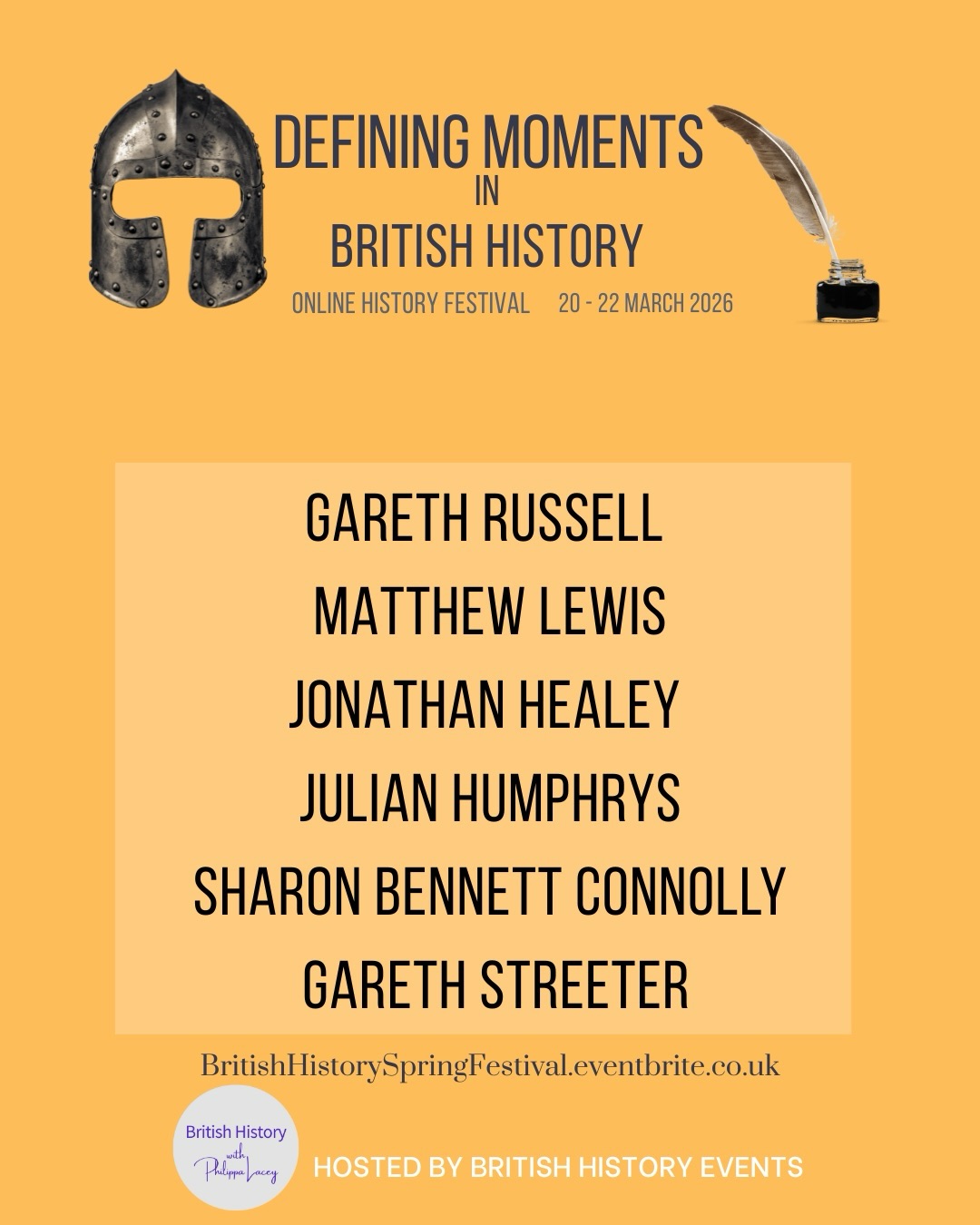
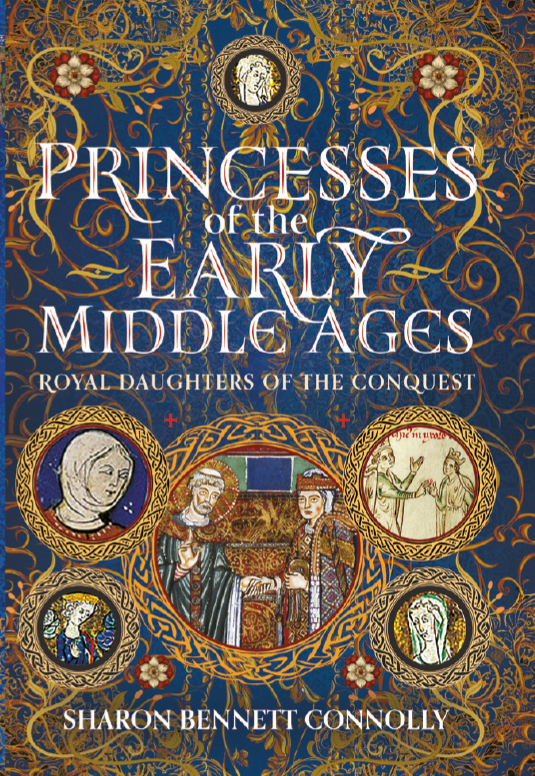

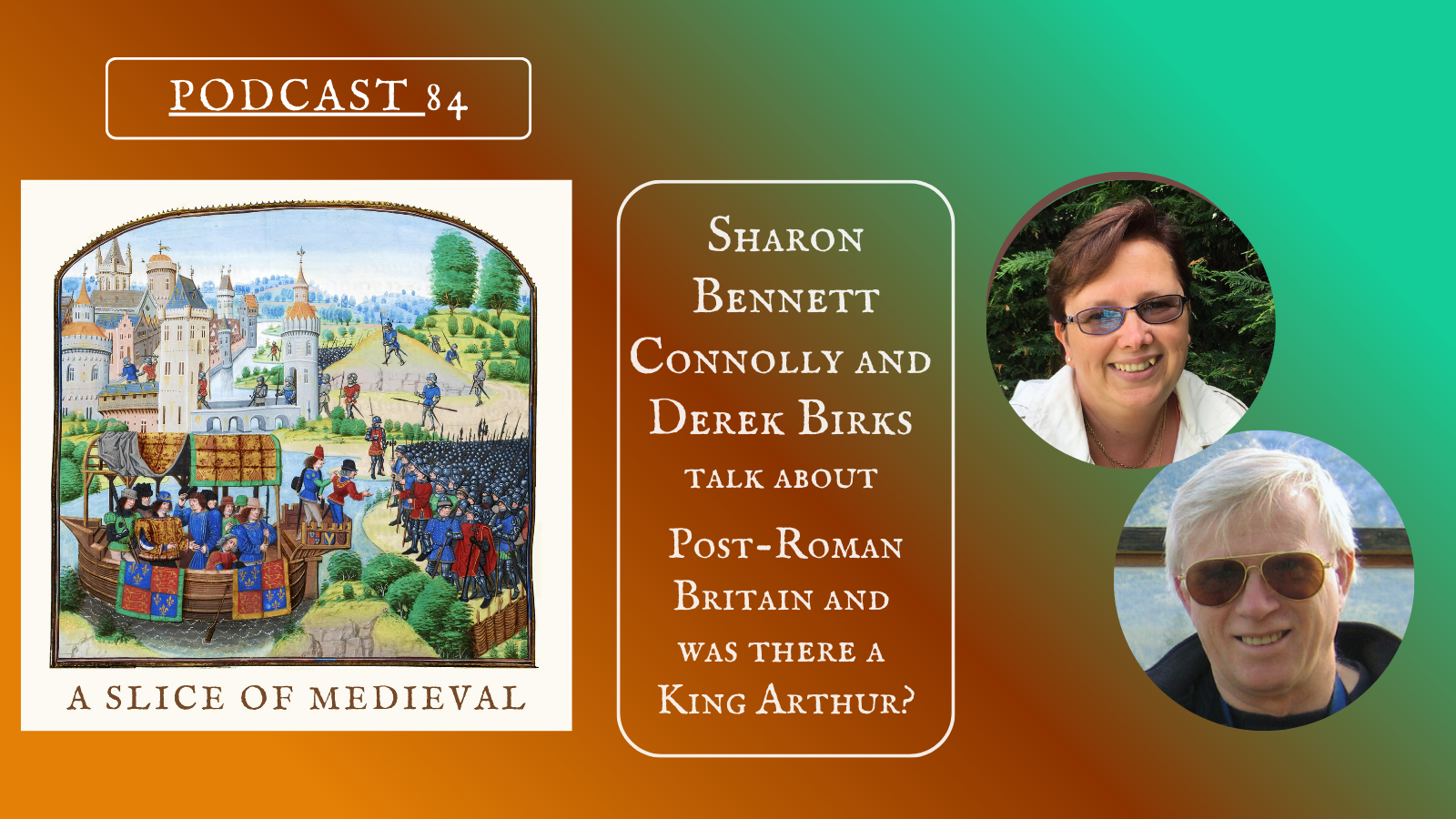
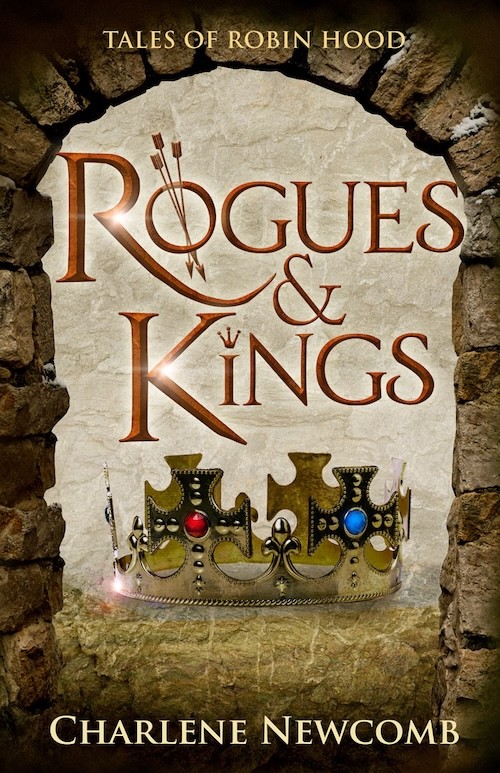
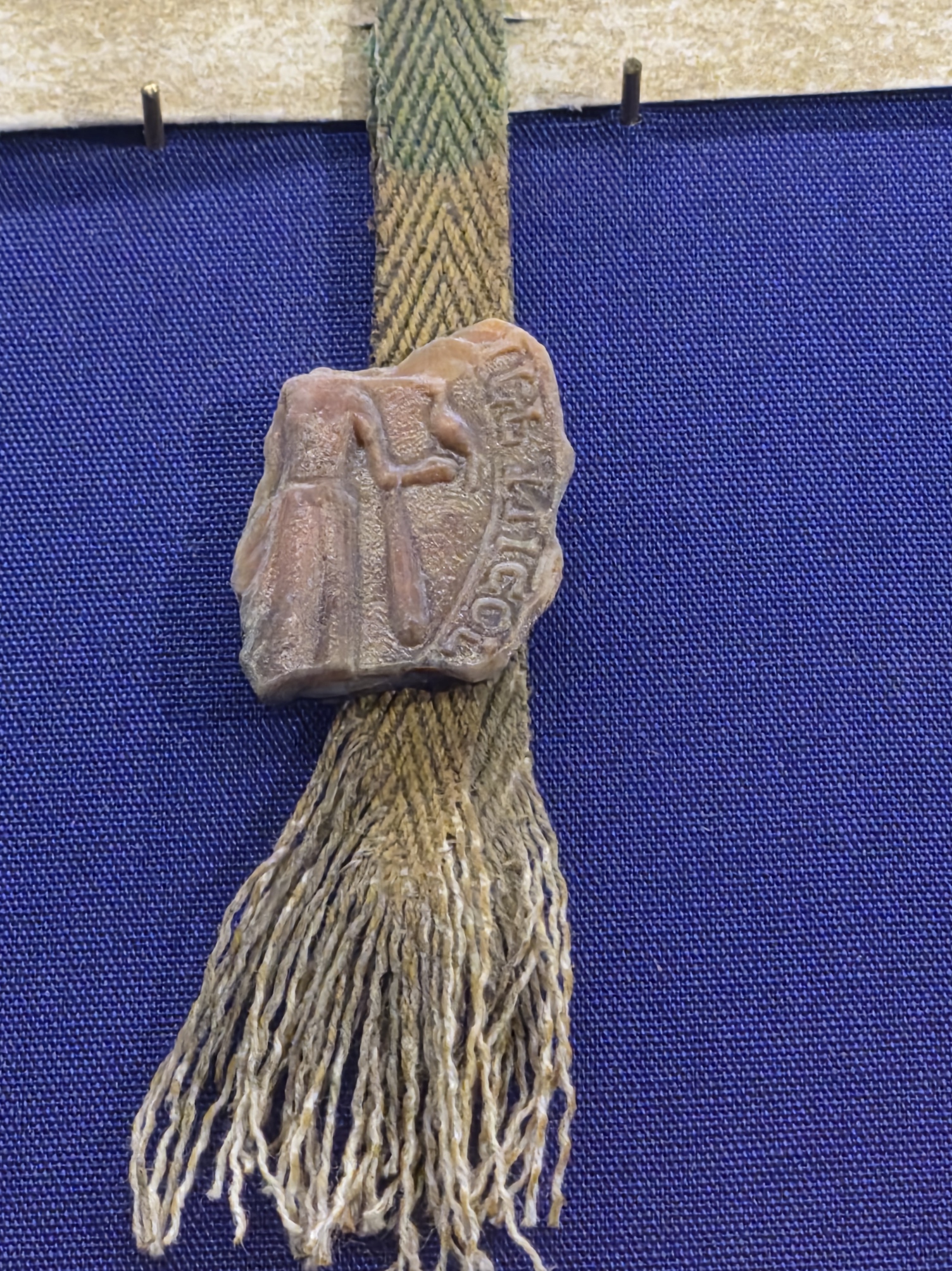
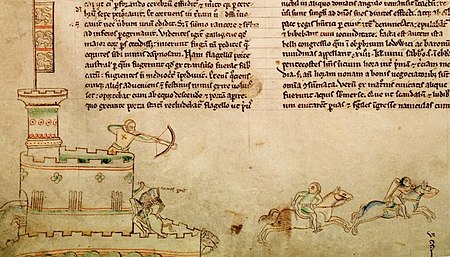
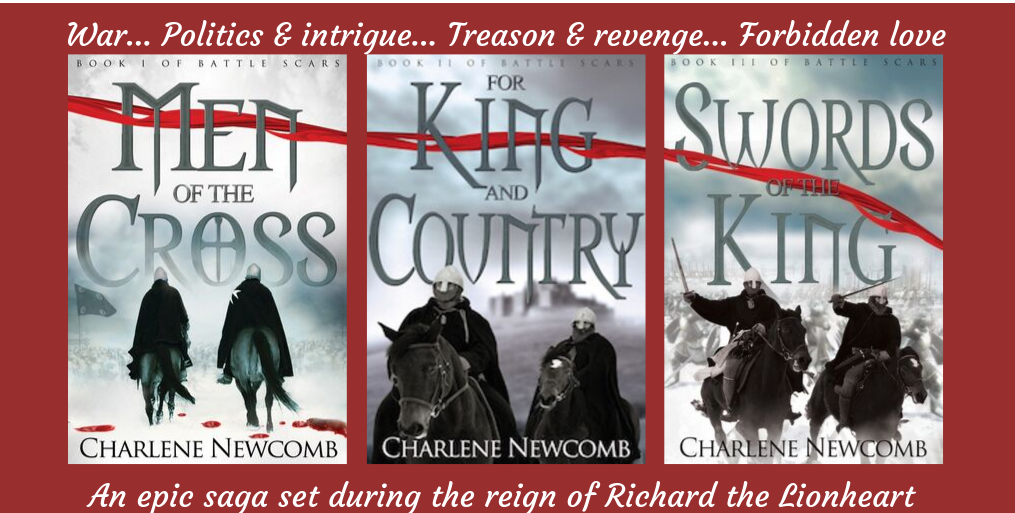
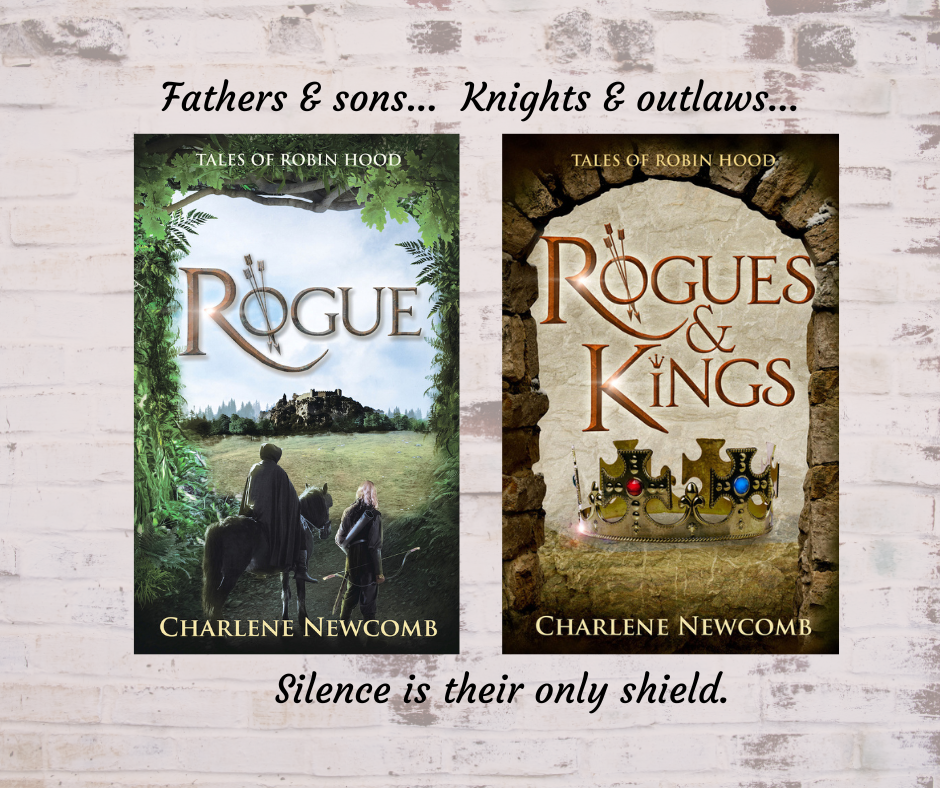
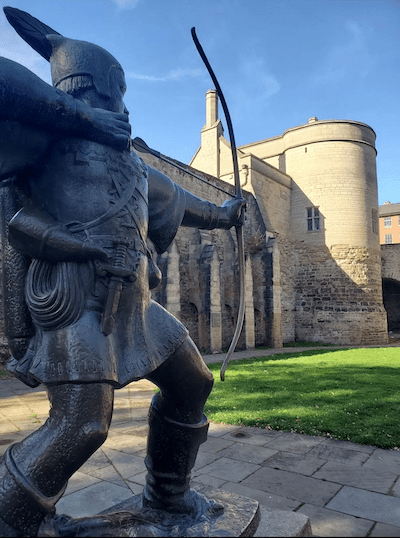
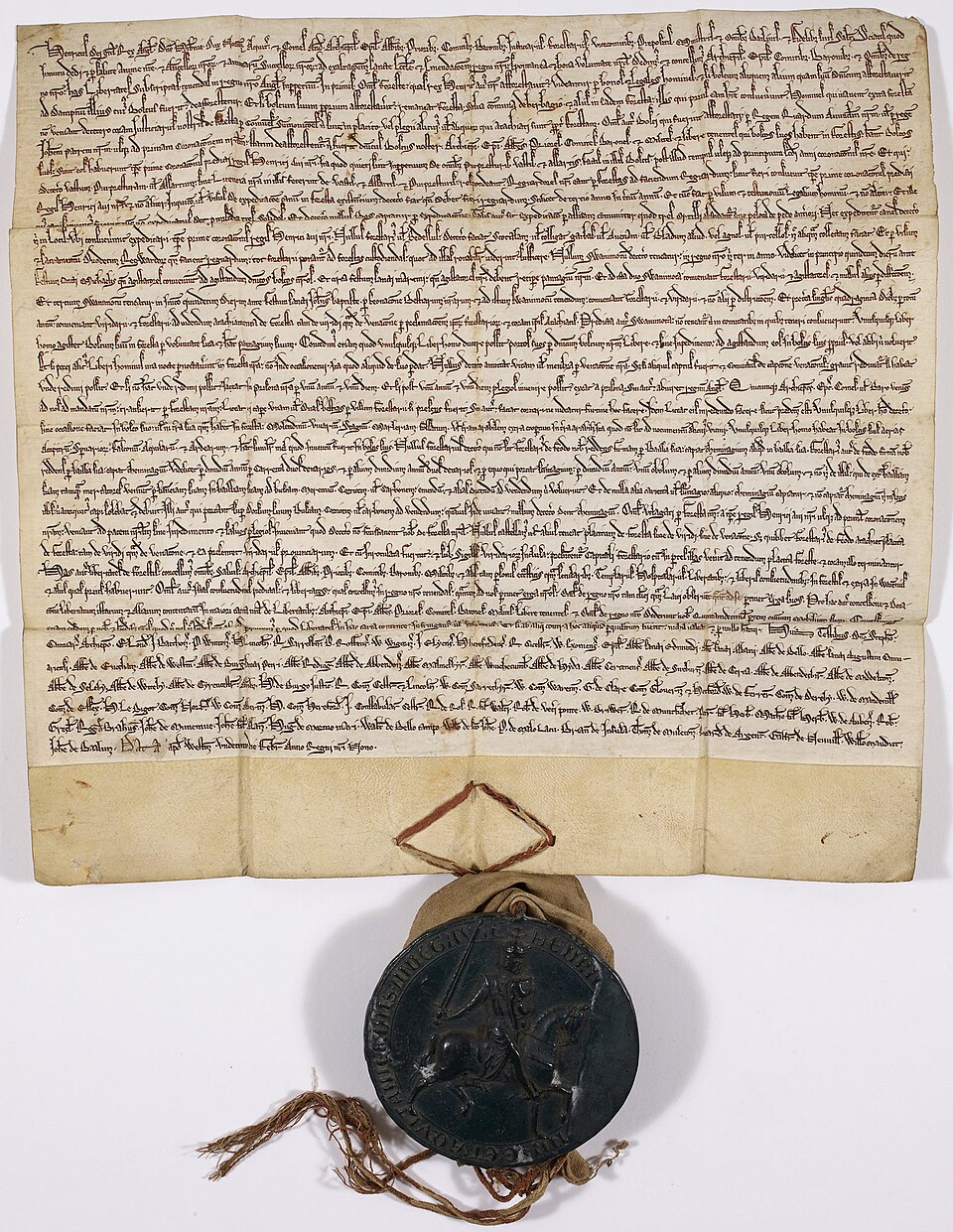
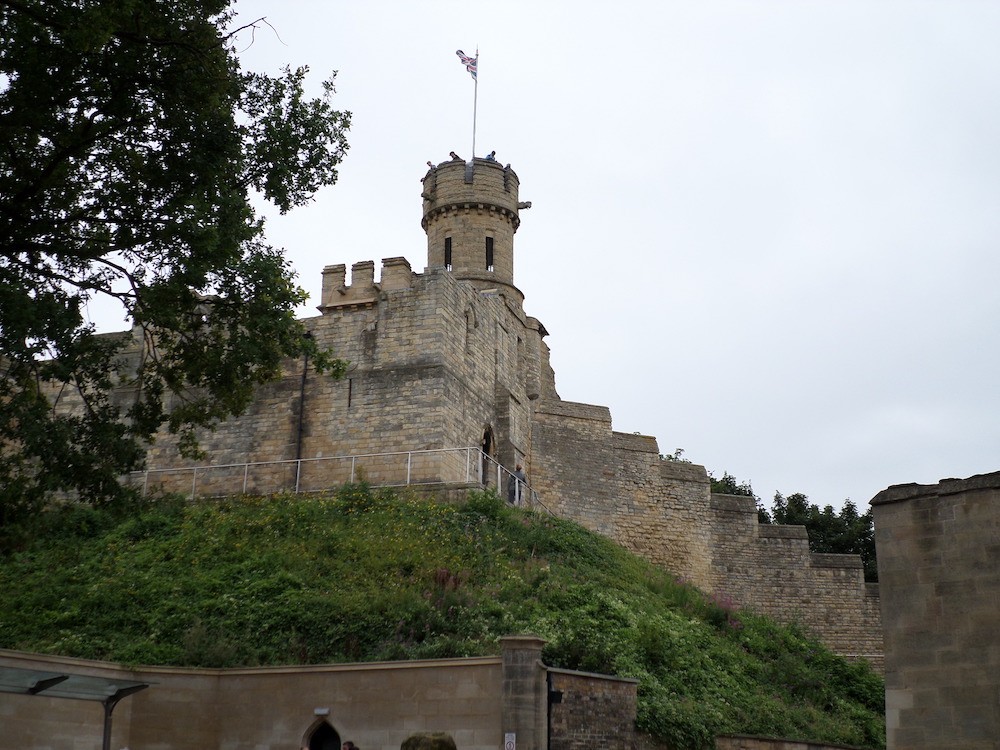
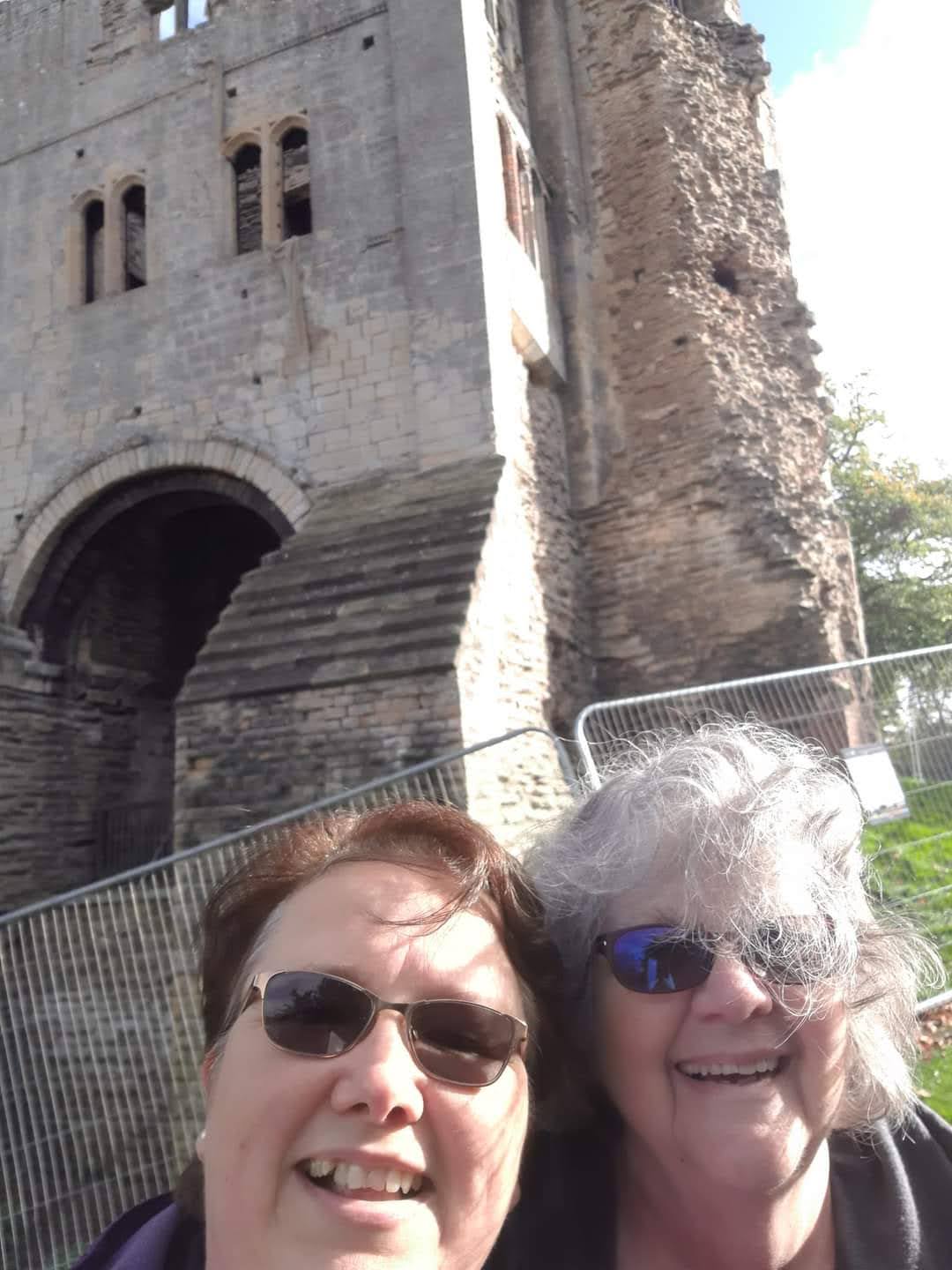
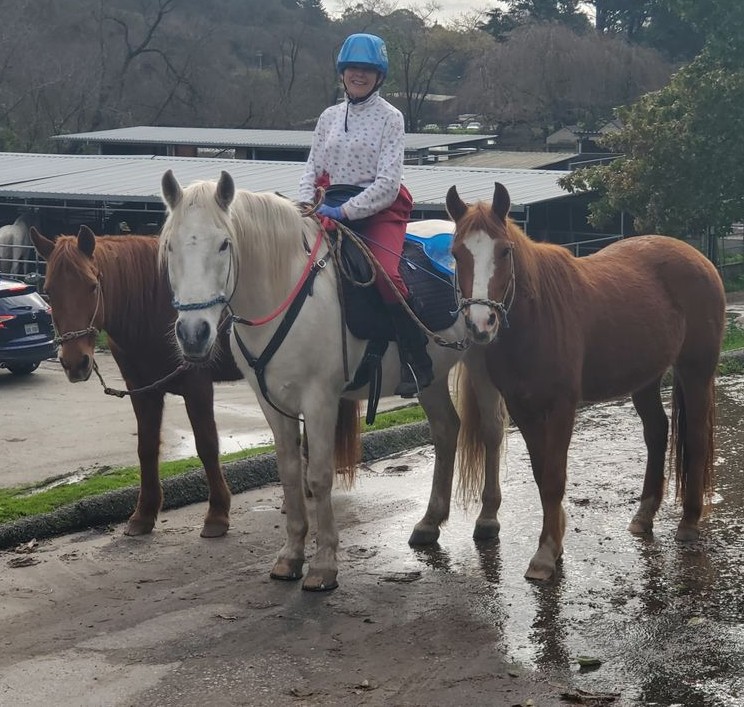
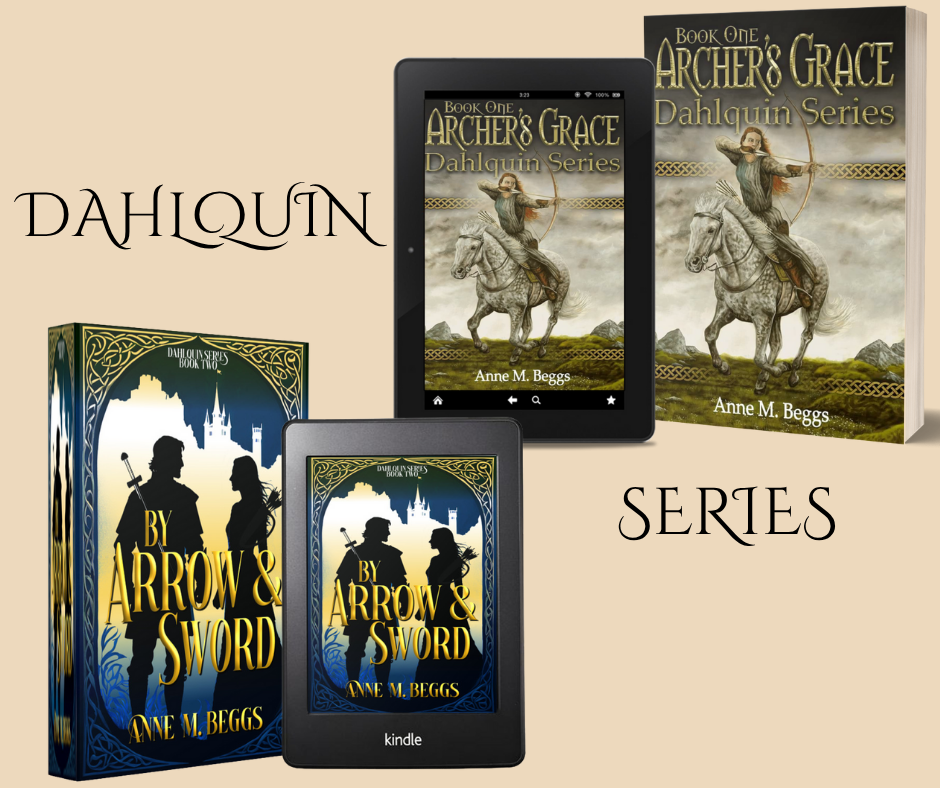

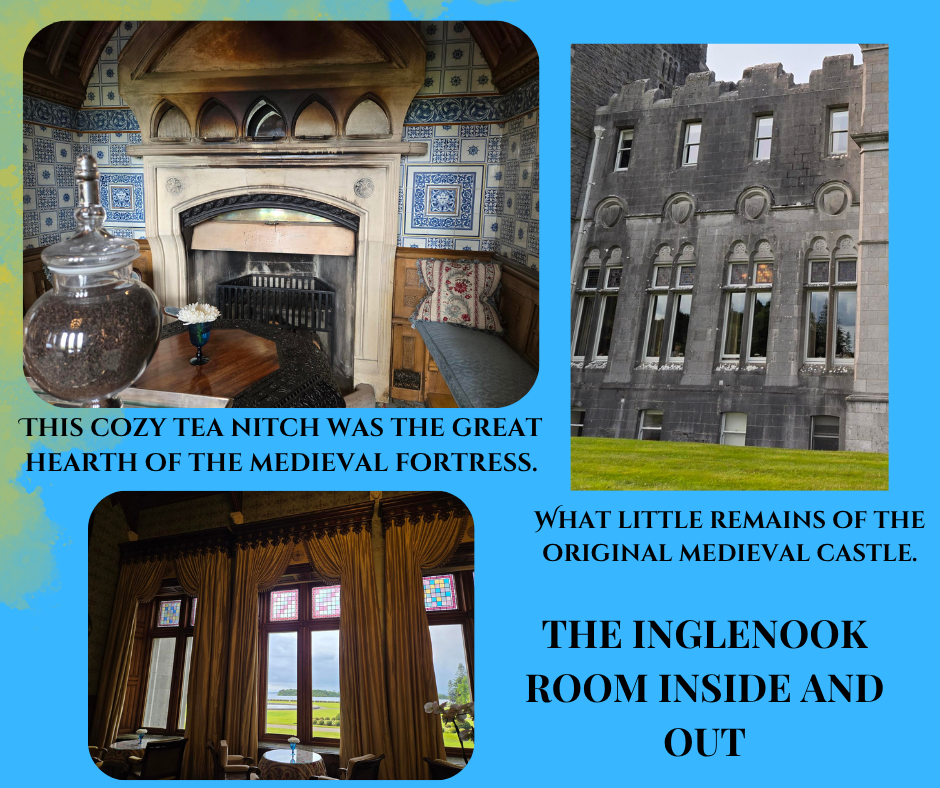



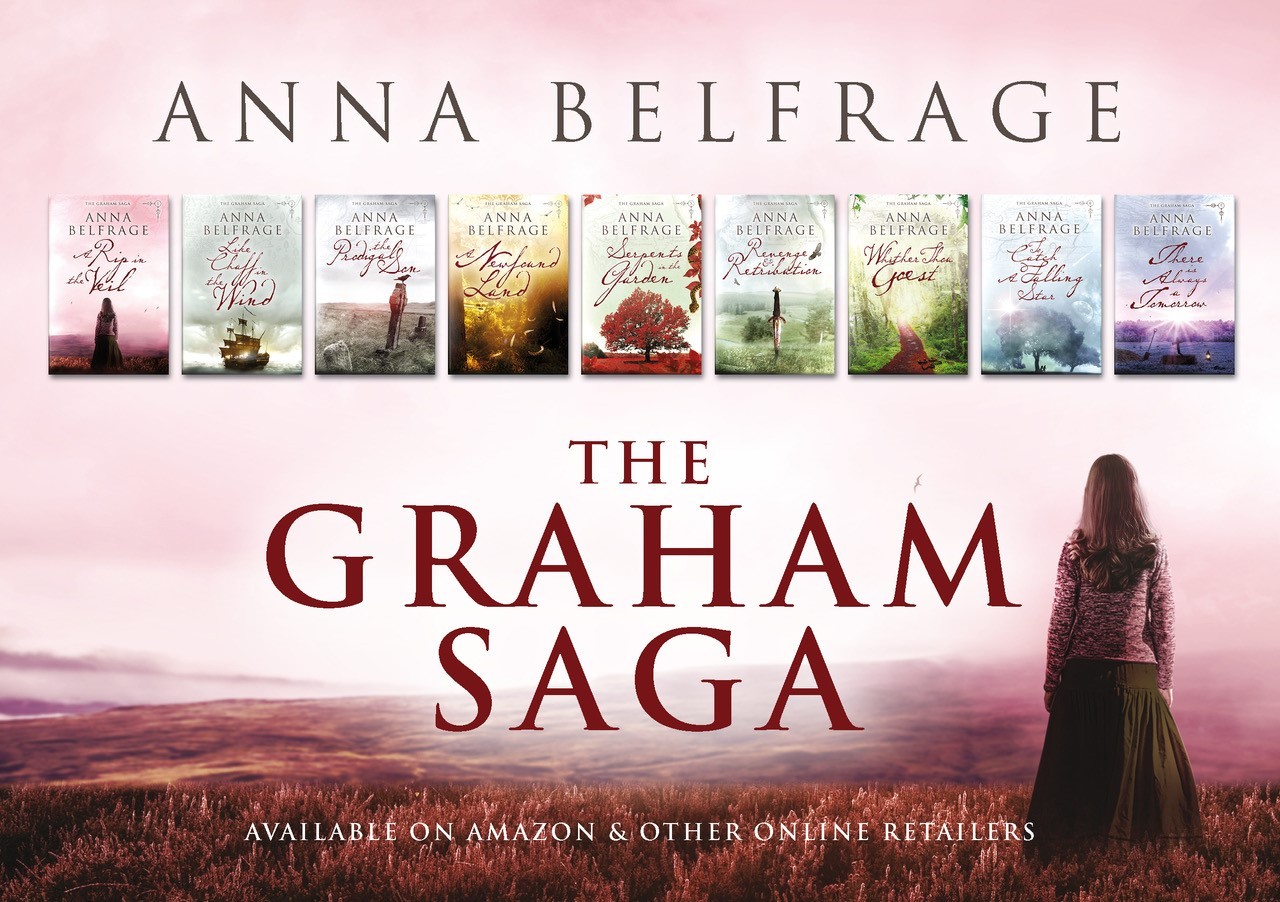
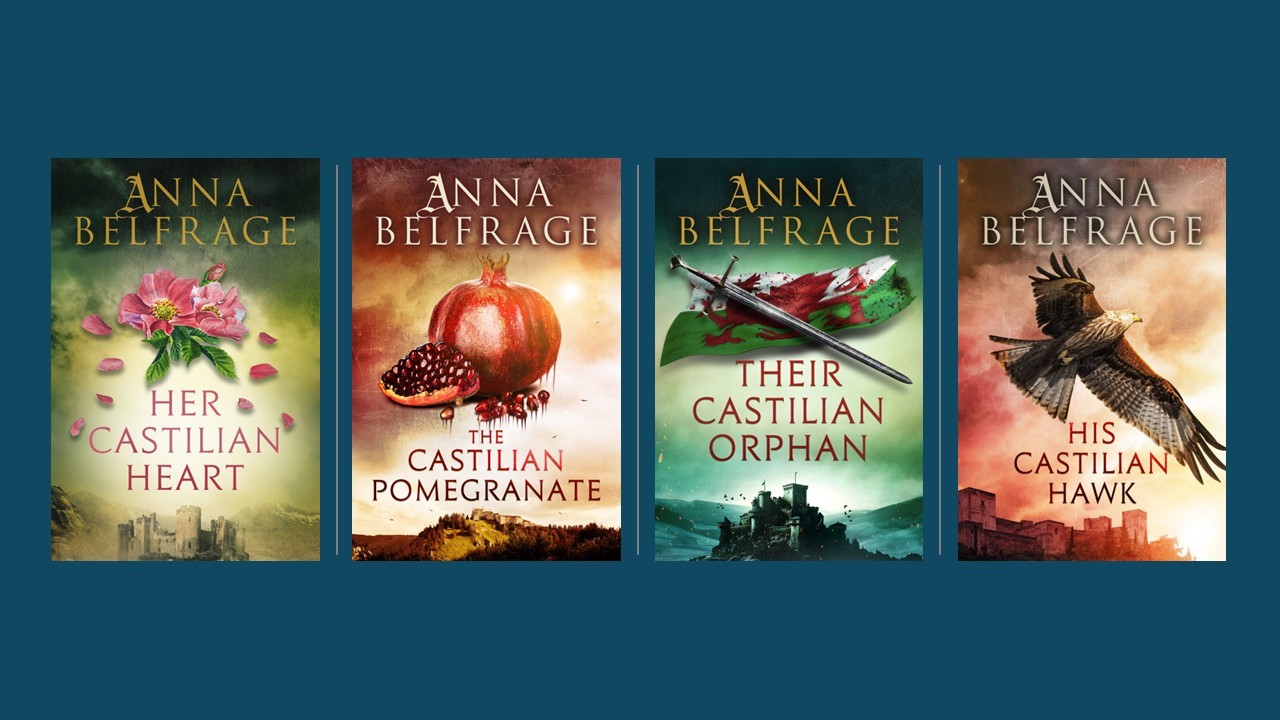
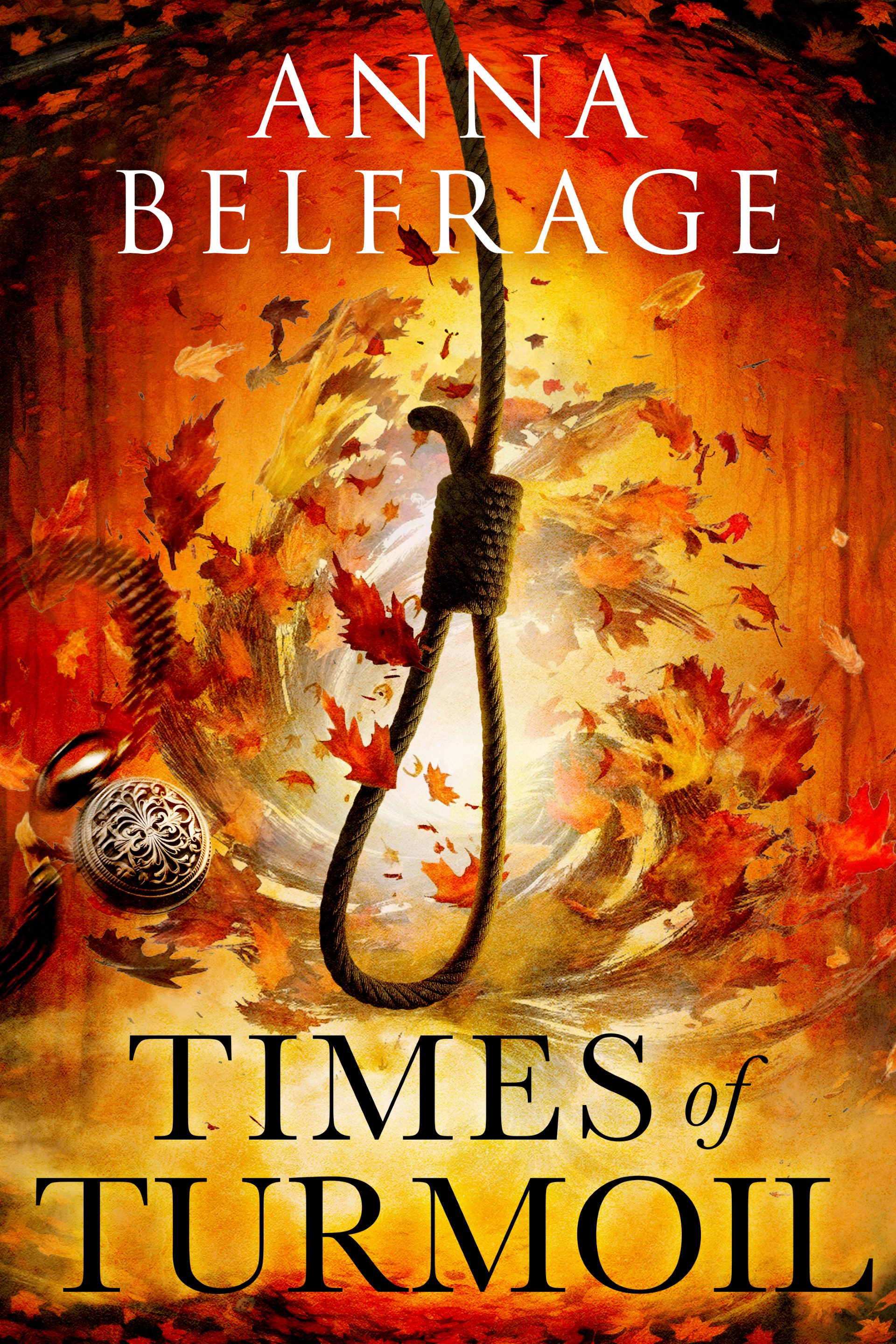
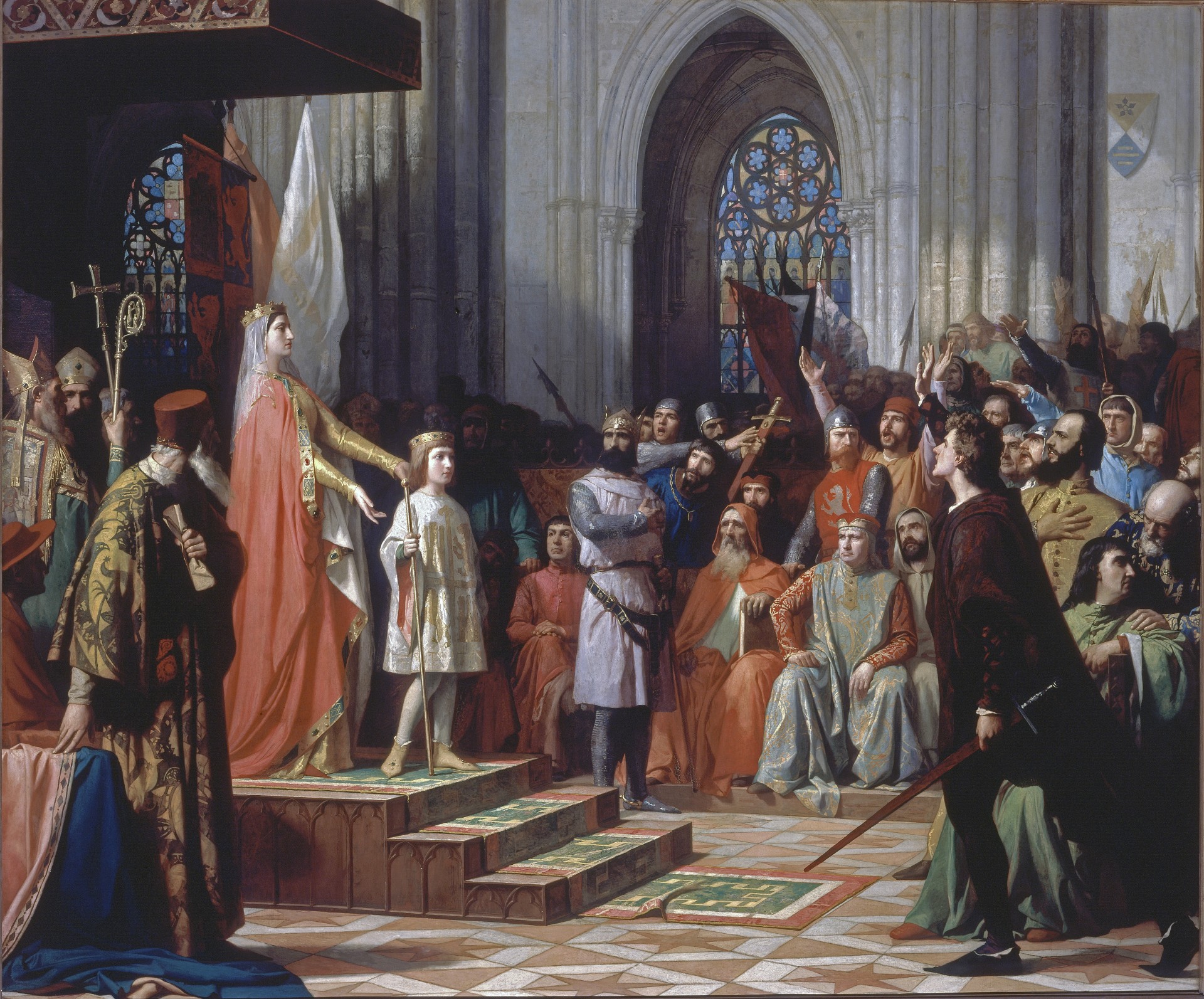
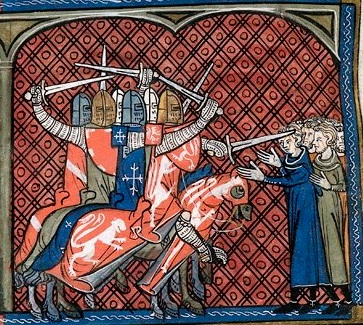
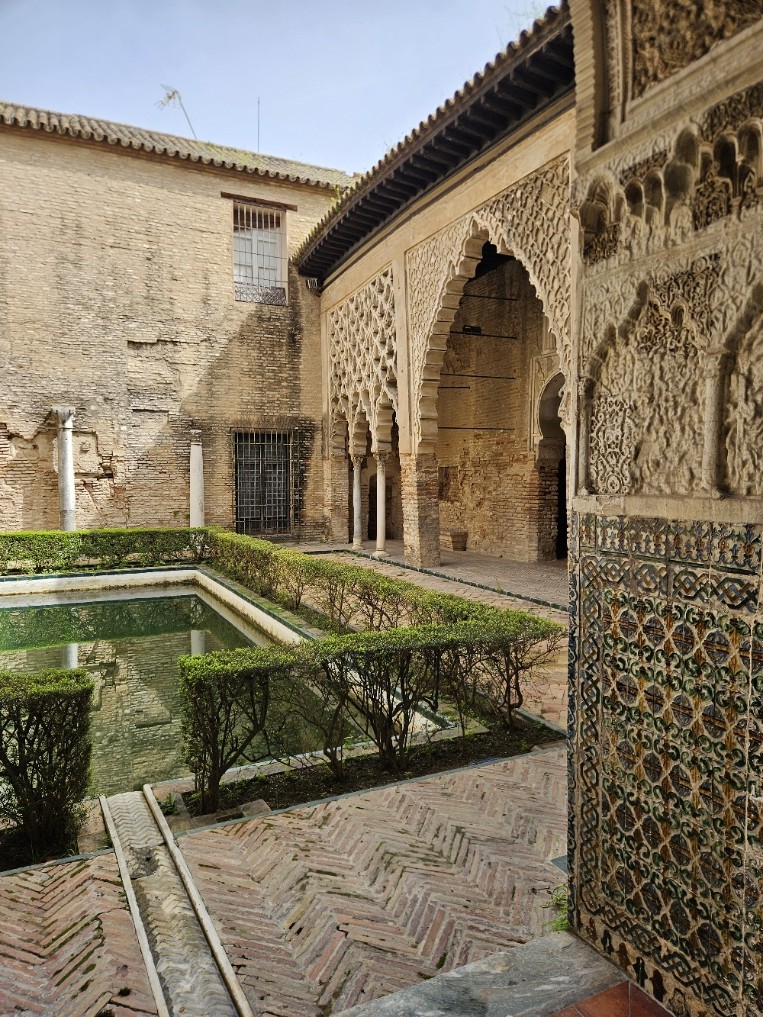

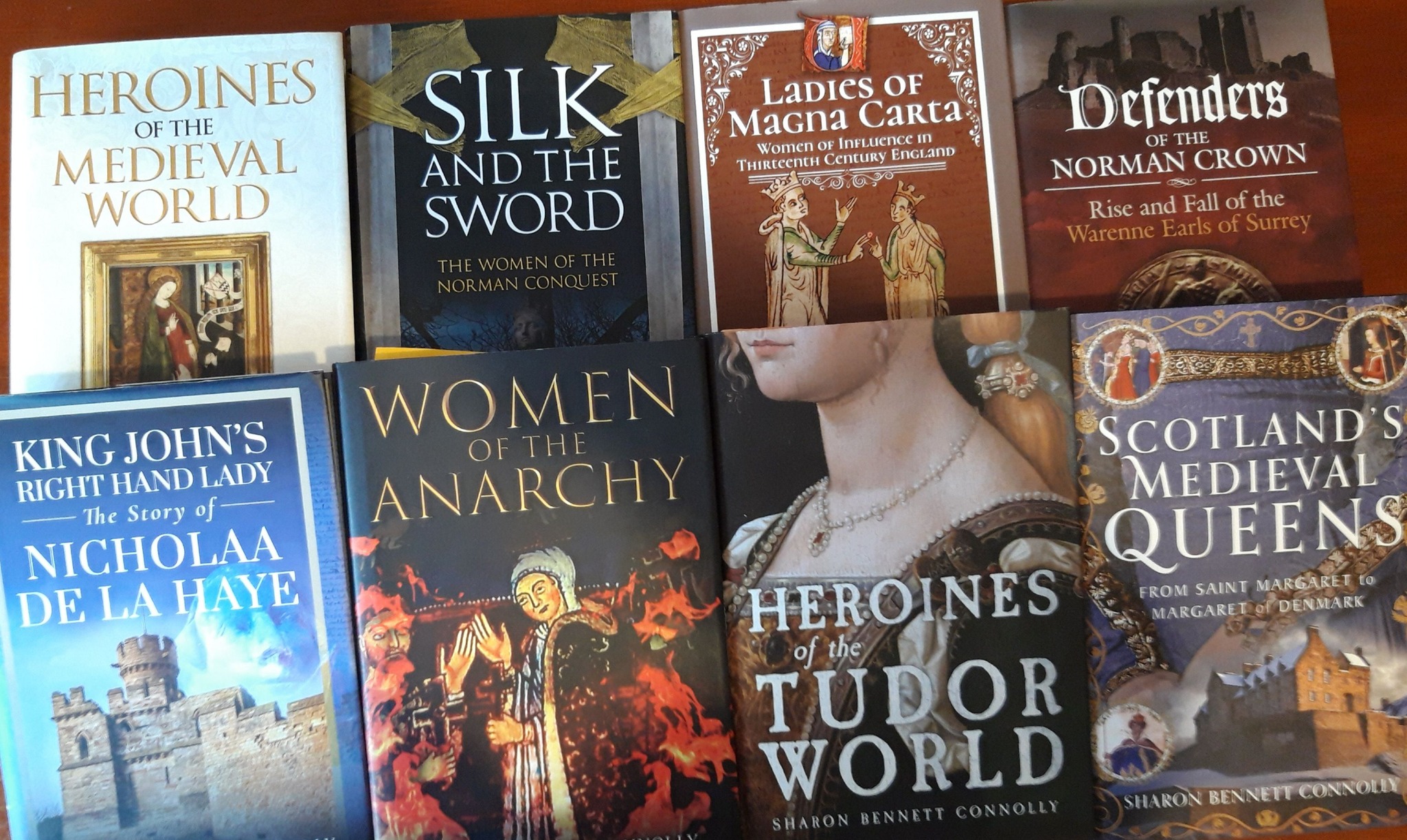


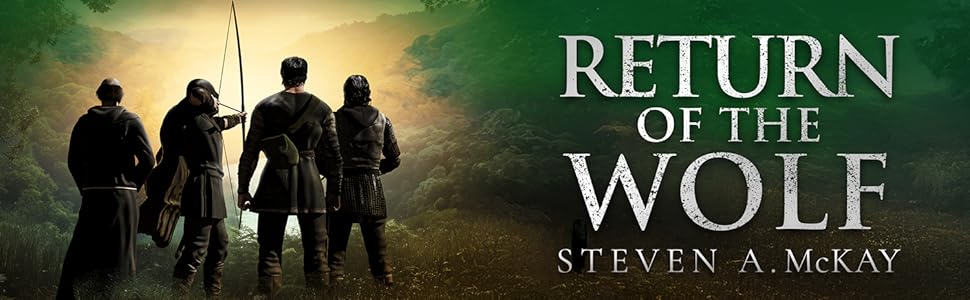



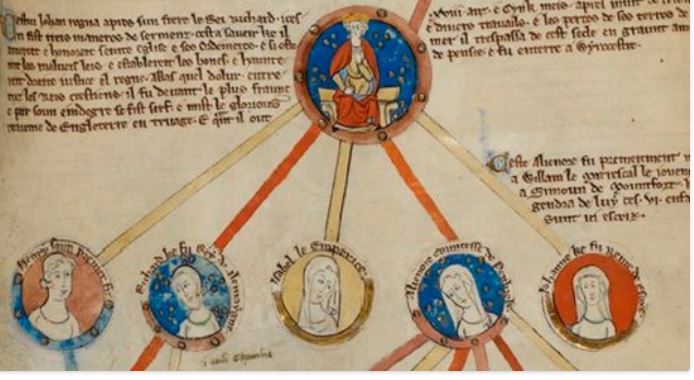
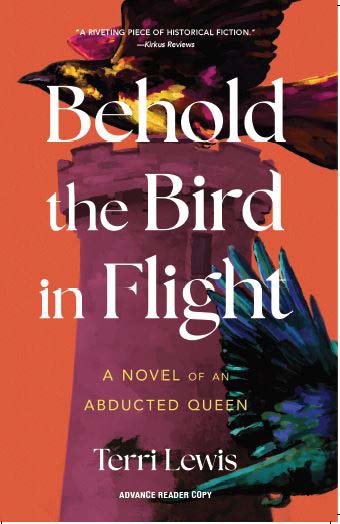
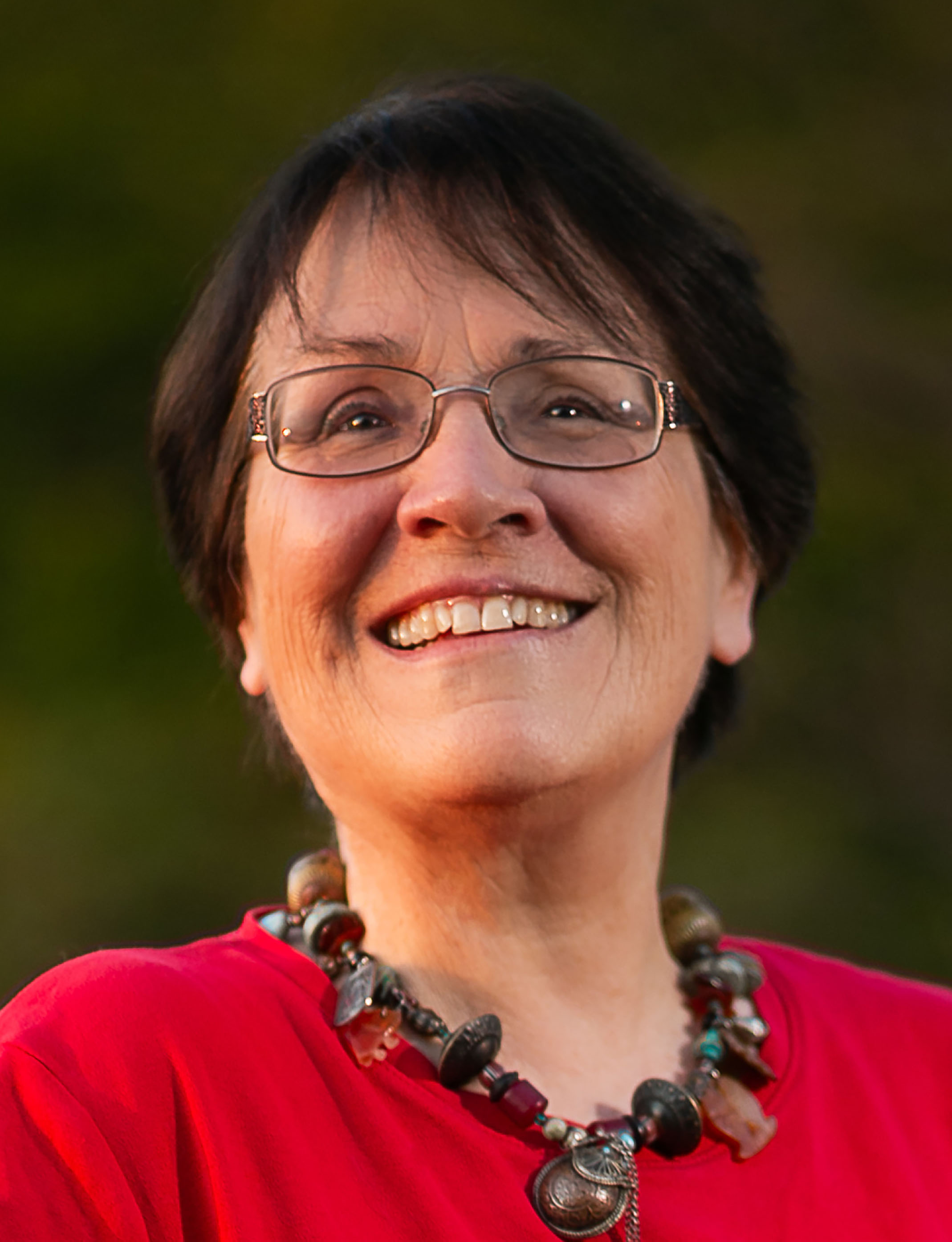


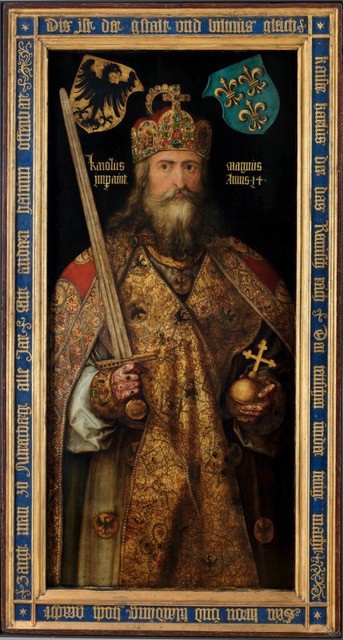
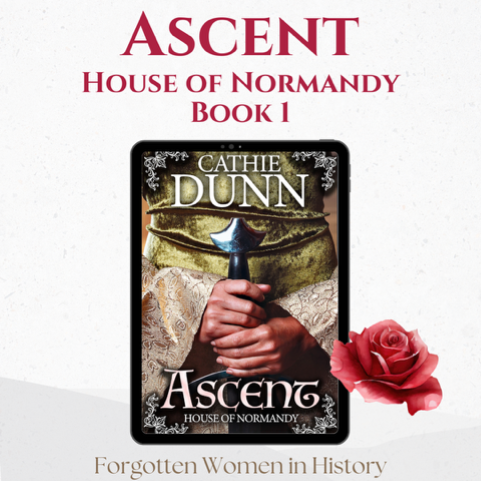
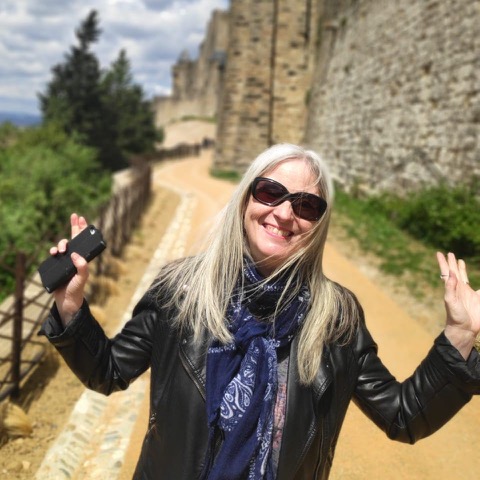
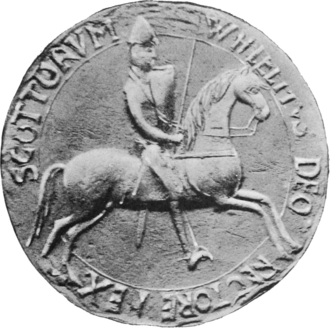


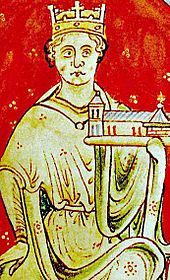
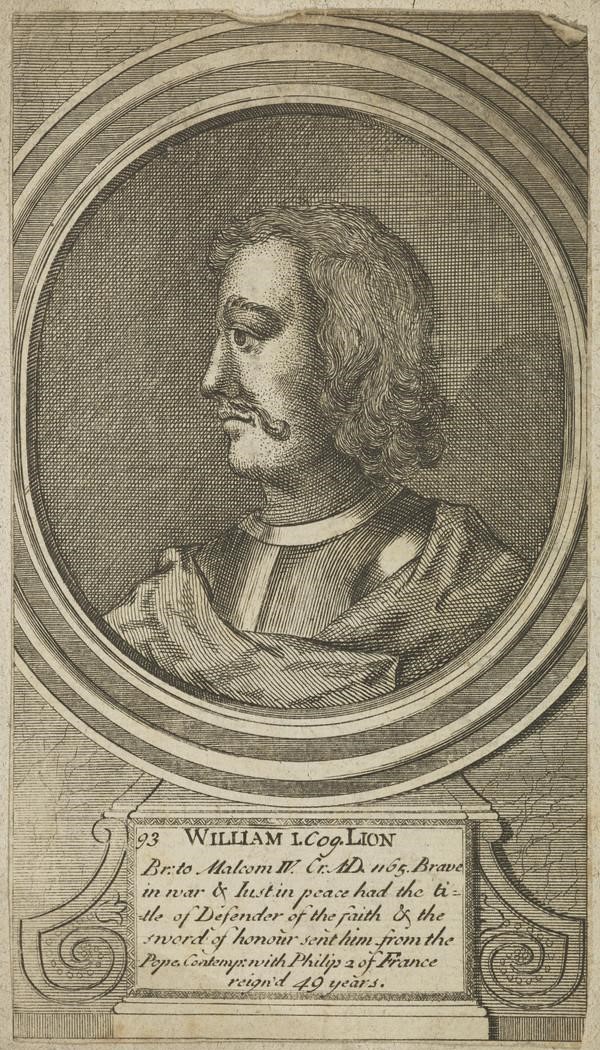


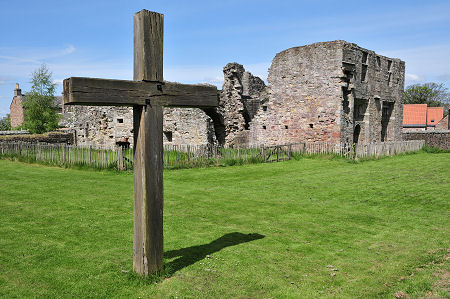

 History... the interesting bits!