Guest Post: Jane Boleyn, née Parker, the infamous Lady Rochford – The Perfect Scapegoat by Monika E. Simon

It is a pleasure to welcome historian Monika E. Simon back to History…the Interesting Bits. Monika’s book, From Robber Barons to Courtiers. The Changing World of the Lovells of Titchmarsh, is a fascinating read. And today, Monika is here to talk about the life and downfall of a descendant of the Lovells, Jane Boleyn.
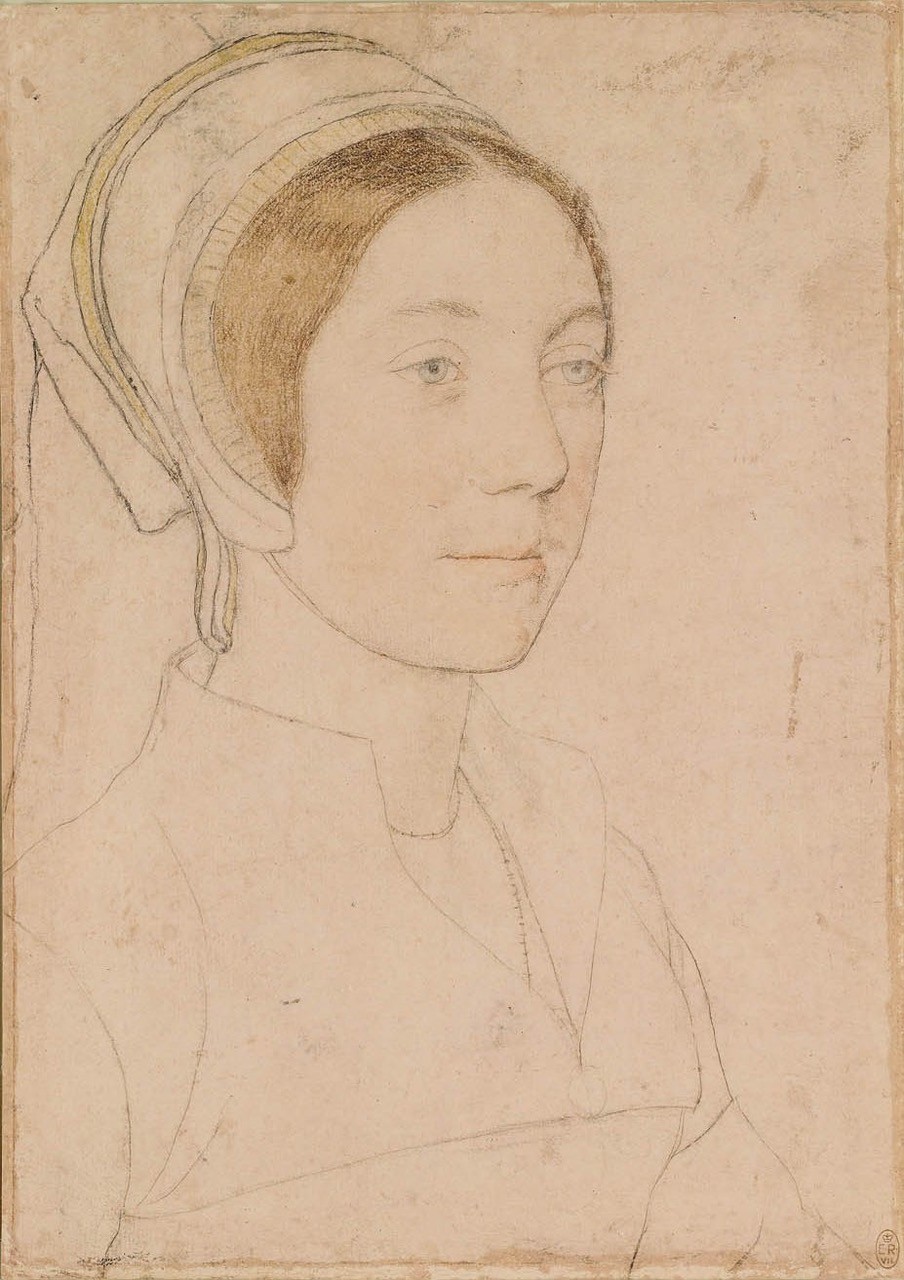
Unknown Woman, often identified as Jane Boleyn
Hans Holbein the Younger

Jane Boleyn, née Parker, the infamous Lady Rochford – The Perfect Scapegoat

Jane Boleyn, Lady Rochford is generally regarded as one of the key witnesses if not the key witness in the court case against Anne Boleyn. Jane was married to Anne’s brother George Boleyn. As Anne’s sister-in-law and with her own husband, George Boleyn accused of having had an affair with his sister Anne, Jane’s betrayal is seen as a particular heinous crime. Jane is also accused to have been the source of this accusation of incest against her husband and her sister-in-law.

In an article on Jane’s father for example, James P. Carley declares ‘Morley’s daughter Jane, was principal witness against her husband, George Boleyn, Lord Rochford, at the time of his trial in 1536.’

However, most historians agree that the charges against Anne Boleyn, her brother, and the others accused were trumped up to rid Henry VIII of his wife. Eric Ives for example states, ‘Under analysis, the case presented by the Crown in May 1536 collapses’. If the outcome of the trial and the guilty verdicts were a forgone conclusion, surely it made absolutely no difference who had said or may have said what during or before the trials?

Why then did Jane Boleyn become the ‘infamous Lady Rochford‘?

Let me first introduce you to Jane Boleyn, née Parker.

Jane was the daughter of Henry Parker, Lord Morley, and his wife Alice St John. Alice was the daughter of Margaret Beaufort’s half-brother John St John. The match was almost certainly arranged by Margaret Beaufort in whose household Henry Parker had served from a young age. During this time Margaret Beaufort became his patroness. She supported him financially and looked after his wife Alice and their children when Henry was away. Margaret Beaufort was also a major influence on his religious beliefs.

Henry was summoned to parliament as Lord Morley after the death of his mother Alice Parker, née Lovell, in 1518. He never made a particular name for himself at court and never held important office. Richard Starkey calls him ‘an unimportant backwoodsman’ but I think ‘hard-working backbencher’ is a more apt description. He assiduously attended parliament, great ceremonial events, and state trials. That he never achieved higher office may be simply due to a lack of ambition or a personal choice to not risk his life. After all he witnessed how many of the men holding high office during Henry VIII’s reign ended their lives on the scaffold.

Henry Parker and his wife Alice had five children, two sons, Henry and Francis, and three daughters, Jane, Margaret, and Elizabeth. In the 1520s, Henry and his wife Alice arranged marriages for their three elder children. Henry, the eldest son and heir, was married to Grace Newport, heiress of her father John Newport. Jane married George Boleyn around 1526. In 1530, Margaret married Sir John Shelton the Younger, the son of Sir John Shelton the Elder and his wife Anne Boleyn, the aunt of Queen Anne.

The Boleyn family were neighbours of the Parkers, as were the Howard Dukes of Norfolk. Henry Parker’s mother, Alice Parker had married as her second husband Edward Howard, whose sister Elizabeth was married to Thomas Boleyn. Thomas Boleyn’s father William had been one of the executors of the will of Alice Parker’s brother Henry Lovell, Lord Morley. Alice had been the heir to her brother Henry Lovell and had become very wealthy when she inherited the part of his estates that were not held in tail male. Henry Lovell had been married to Elizabeth de la Pole, daughter of John de la Pole, duke of Suffolk, and Elizabeth, the sister of Edward IV and Richard III. Both Henry and Alice were cousins of Francis Lovell, Viscount Lovell (see Genealogies).
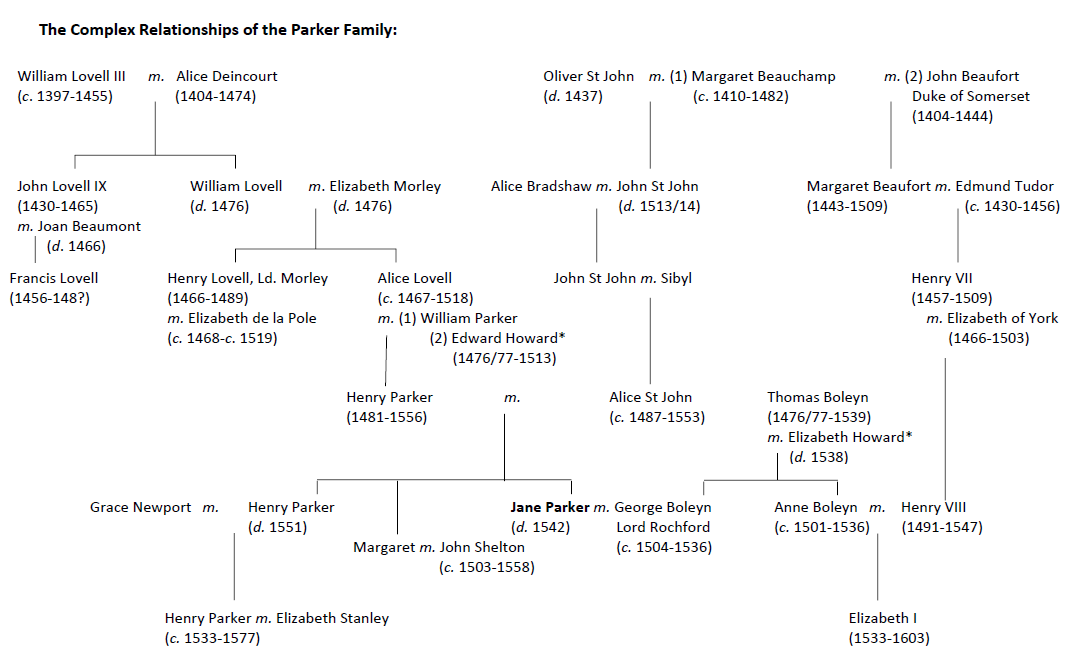
The complex relationships of the Parker family

This confusing profusion of relationships is typical for the higher nobility. The families tried to marry their children to spouses of the same rank, and since the higher nobility was a small group, a multitude of relationships between families was the inevitable result.

The families of Jane and her husband George were not only neighbours in Essex, the two knew each other from court as well. George Boleyn had become a royal page in 1516, and Jane had become one of the ladies of Queen Catherine of Aragon in 1520. The relationship between Jane and her husband was therefore both personal and professional. Jane’s husband George also shared his father-in-law’s interest in literature and translations. In fact, George Boleyn’s translation of ‘The Pistellis and Gospelles for the LII Sondayes of the Yere’ has been attributed to Henry Parker until recently.

To be chosen as a lady of the queen, a young woman had to be of noble birth, attractive, and well-mannered. Jane must have possessed all these qualities. She must also have been skilled in dancing and performing as in 1522 she was among those court ladies who participated a particularly grand pageant for the imperial envoys Jacques de Castres and Charles Poupet de Lacheaulx. Henry VIII’s sister was one of the other ladies as was Jane’s future sister-in-law Anne Boleyn.

In the following years, as Henry VIII became enthralled by Anne Boleyn, Jane and her husband George prospered at court. George became a Squire of the Chamber and was given numerous grants. He received the courtesy title of Viscount, when his father Thomas became Earl of Wiltshire in 1529.

Jane continued to be chosen for active parts in the court’s festivities. In 1532 she was chosen to be one of the six ladies to accompany Anne Boleyn in a dance with the French king Francis I, Henry VIII, and assorted courtiers. In the procession to Anne’s coronation the following year, Jane rode immediately behind Anne. Her brother Henry had been created a Knight of the Bath on the evening before the coronation.

All seemed well both inside the Boleyn family and in the marriage of Henry VIII and Anne Boleyn. But in 1536 this changed dramatically: Anne and her family fell from grace spectacularly. She, her brother George, Henry Norris, and others were arrested, accused of adultery, and executed for treason. Prior to this trial a considerable number of men and women were questions about the allegations. Jane, as Anne’s sister-in-law and lady-in-waiting was naturally also interrogated.

Signature of Jane, Lady Rochford

Even though most historians consider the charges against Anne Boleyn and the other accused as fictional, most, myself included (Both in my book and in my previous guest post), have debated all available clues, hints and the few concrete statements existing to proof or disproof Jane’s guilt. All her prior and subsequent actions are judged, depending on whether she is considered guilty or innocent of the charge of betraying her husband and sister-in-law.

Since Jane was only one of a large number of people, including Anne Boleyn herself and her brother George, who were questioned about the events at court and whose answers were used during the trial, why was it Jane and not one of the many other people involved in this affair that has been singled out as the despicable traitor? After all, Lady Wingfield was named by judge John Spelman as the source of the behaviour of Anne Boleyn.

Having pondered this question for quite a while now I have developed my own theory about this question.

After Anne Boleyn’s daughter Elizabeth became queen, Anne’s reputation had to be cleared of any suggestion of scandal and extramarital adventures. It was equally inadvisable to put the blame instead on Elizabeth’s father Henry VIII. To protect her right to be queen of England, the reputation of both her parents needed to be above reproach.

But somebody had to be blamed for Anne Boleyn’s death and, as it turned out, Anne’s sister-in-law Jane made the perfect scapegoat.

Jane had no children and no other family in a position to defend her reputation. Her brother Henry was dead and his son, another Henry, was a devout Catholic. This made him suspicious from the start. He first supported Queen Elizabeth who visited him in Great Hallingbury in 1561. However, later in the decade, he refused to subscribe to the Act of Uniformity. He was also linked to the rising of noble earls and fled England in 1570. He died in exile in 1577.
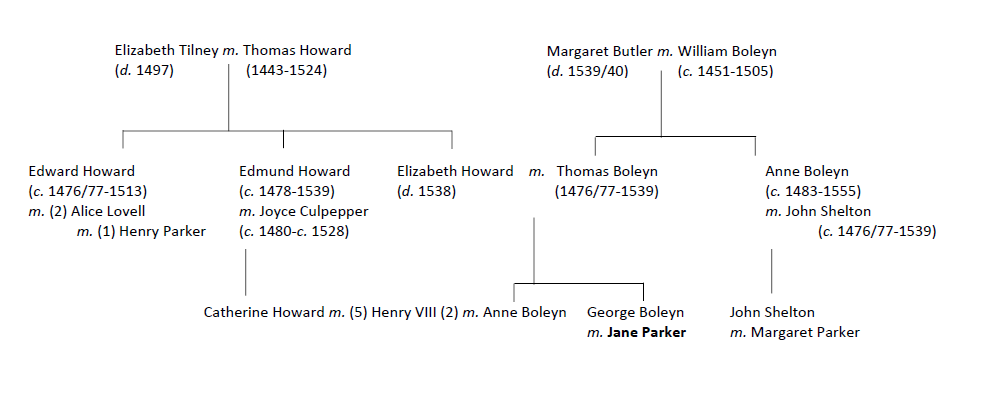
The Howard family

Additionally, Jane’s own reputation was already ruined. She had been executed alongside Henry VIII’s fifth queen Katherine Howard in 1542. There was no reason to clear childless Katherine Howard’s reputation. Any endeavour to do so would have been much more difficult if not impossible.

While Anne Boleyn was accused of infidelity and incest to remove her for political reason, Katherine Howard certainly had been unfaithful to her husband, even if her clandestine meetings with her paramour Thomas Culpepper did involve nothing more serious than talking and a chaste kiss on the hand as the two claimed. Jane had been present at the meetings as a chaperone of sorts, though she claimed that she had not heard or seen what happened between the queen and Thomas Culpepper as she sat too far away and moreover during at least one of the meetings, she had fallen asleep. Jane did state that she thought Katherine and Thomas had been lovers.

Who of the three, Katherine Howard, Jane Boleyn, or Thomas Culpepper, had been the main instigator of these meetings was and is still debated. Naturally, all three tried to play down their own role and blame the others. Thomas Culpepper used the time-honoured excuse that he had been helpless against the wily ways of the two women. Katherine claimed that Jane had been encouraging her and that it had been her lady-in-waiting who wanted her to befriend Thomas in the first place. It had also been Jane who searched out the places where they could meet Thomas. Jane insisted that she had only followed the orders of the queen.

In the end, all three participated in illicit meetings and they all should have known what would happen if they were found out. The execution of Anne Boleyn and her alleged lovers was only a few years in the past.

In his biography of Anne Boleyn Eric Ives wonders ‘whether the incrimination of Lady Rochford in the crimes of Katherine Howard may not have owed something to revenge’. There was, however, no need to incriminate Jane Boleyn in any way, she did so herself by her actions.
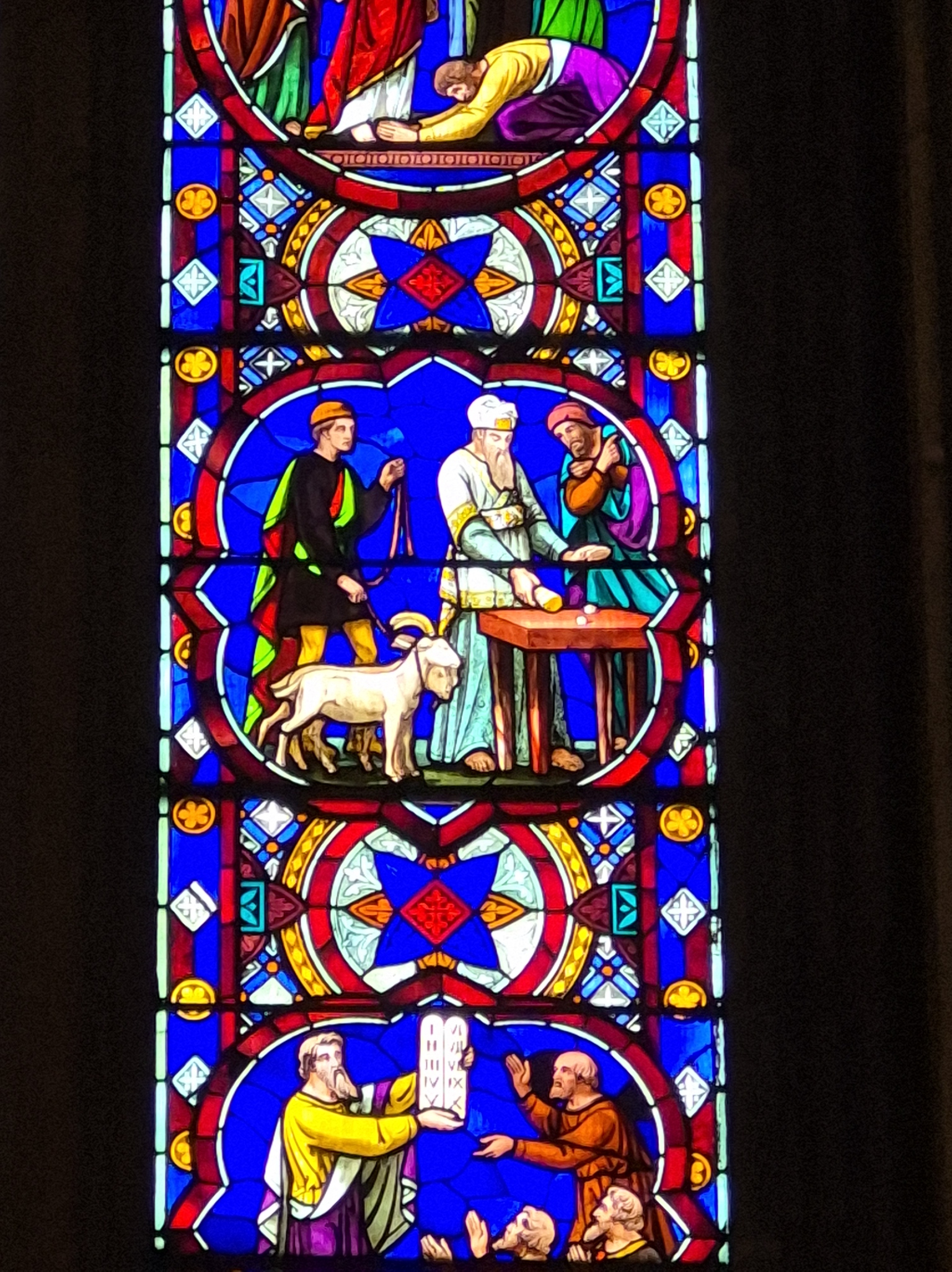
Scapegoat Ceremony shown in Stained Glass window in Lincoln Cathedral 

I think Ives’s argument should be put on its head: Jane Parker has become the much-maligned ‘key witness’ in Anne Boleyn’s trial, since she was guilty in the case that brought down Katherine Howard, Thomas Culpepper, and herself. What was more natural than to assume that she was equally deeply involved in the fall of Anne Boleyn?

Perhaps it is not wholly imaginary to think that makes Jane a particularly satisfying scapegoat for Anne Boleyn’s fall because of her close relationship to Anne. To suggest that Anne’s own sister-in-law, the wife of her brother George, who provided the charge of incest, is particularly piquant. The people nearest to us are those who can reveal our deepest secrets and the fear of being betrayed by them runs deep.

The trial of Anne Boleyn and her alleged lovers was a means to an end and the charges spurious. Today it is merely fascinating to discuss the alleged contribution of individuals to the proceedings and interesting to observe how Jane’s action both before and after Anne Boleyn’s trial are today interpreted completely different, depending on whether or not an author regards Jane as the traitor.

Back in the second half of the sixteenth century, the trial of Anne Boleyn was not discussed (at least openly) as a political manoeuvre conducted on trumped up charges to remove a no longer wanted queen. This would have fundamentally damaged the reputation of Henry VIII, the father of Elizabeth I. Since her mother had to be cleared of any allegations of infidelity, somebody else had to be blamed. Jane Parker was the best choice for that role. She was the perfect scapegoat.

Further Reading:

  • James P. Carley, ‘The Writings of Henry Parker, Lord Morley: A Biographical Survey’, in: Marie Axton and James P. Carley (eds.), ‘Triumphs of English’. Henry Parker, Lord Morley, Translator to the Tudor Court (London, 2000).
  • Julia Fox, Jane Boleyn. The Infamous Lady Rochford (London, 2007).
  • Eric Ives, The Live and Death of Anne Boleyn. ‘The Most Happy’ (Oxford, 2004).

Monika E. Simon, From Robber Barons to Courtiers. The Changing World of the Lovells of Titchmarsh (Barnsley, 2021

Images:

Jane Boleyn portrait via Wikimedia Commons; Scapegoat, Lincoln Cathedral ©2026 Sharon Bennett Connolly FRHistS

About the Author:

Monika E Simon was born as the third of four sisters in 1969 in a small city in southern Bavaria. Interested in history from an early age, she wrote her MA thesis about the tenth-century Empress Adelheid at the Ludwig-Maximilians-Universtität in Munich. Having spent a year of her studies at the University of York (Yorkshire), she fell in love with the city and decided to transfer there for her doctoral thesis. For her DPhil thesis she studied the history of the Lovells of Titchmarsh which she submitted in 1999.

In 2001, after two years in London, Monika E Simon returned to Munich, where she has lived since, working in a variety of jobs. In 2021 her first book, From Robber Barons to Courtiers. The Changing World of the Lovells of Titchmarsh was published.

She has also published a small number of articles about the Lovell family. She continues to research a variety of historical subjects. 

Where to find Monika: Facebook; website; Pen & Sword

*

My Books

Signed, dedicated copies of all my books are available through my online bookshop. or by contacting me.

Coming 30 March: Princesses of the Early Middle Ages
Books by Sharon Bennett Connolly

Daughters of kings were often used to seal treaty alliances and forge peace with England’s enemies. Princesses of the Early Middle Ages: Royal Daughters of the Conquest explores the lives of these young women, how they followed the stereotype, and how they sometimes managed to escape it. It will look at the world they lived in, and how their lives and marriages were affected by political necessity and the events of the time. Princesses of the Early Middle Ages will also examine how these girls, who were often political pawns, were able to control their own lives and fates. Whilst they were expected to obey their parents in their marriage choices, several princesses were able to exert their own influence on these choices, with some outright refusing the husbands offered to them.

Their stories are touching, inspiring and, at times, heartbreaking.

Princesses of the Early Middle Ages: Royal Daughters of the Conquest is now available for pre-order from Pen & Sword and Amazon.

Also by Sharon Bennett Connolly:

Books by Sharon Bennett Connolly

Scotland’s history is dramatic, violent and bloody and Scotland’s Medieval Queens have seen it all. This is the story of Scotland through their eyes. Available now from Amazon and Pen and Sword BooksHeroines of the Tudor World tells the stories of the most remarkable women from European history in the time of the Tudor dynasty, 1485-1603. These are the women who ruled, the women who founded dynasties, the women who fought for religious freedom, their families and love. Heroines of the Tudor World is now available from Amberley Publishing and Amazon UK. Women of the Anarchy demonstrates how Empress Matilda and Matilda of Boulogne, unable to wield a sword themselves, were prime movers in this time of conflict and lawlessness. It shows how their strengths, weaknesses, and personal ambitions swung the fortunes of war one way – and then the other. Available from Bookshop.orgAmberley Publishing and Amazon UKKing John’s Right-Hand Lady: The Story of Nicholaa de la Haye is the story of a truly remarkable lady, the hereditary constable of Lincoln Castle and the first woman in England to be appointed sheriff in her own right. Available from all good bookshops Pen & Sword Booksbookshop.org and Amazon

Royal Historical Society

Defenders of the Norman Crown: The Rise and Fall of the Warenne Earls of Surrey tells the fascinating story of the Warenne dynasty, from its origins in Normandy, through the Conquest, Magna Carta, the wars and marriages that led to its ultimate demise in the reign of Edward III. Available from Pen & Sword BooksAmazon in the UK and US, and Bookshop.orgLadies of Magna Carta: Women of Influence in Thirteenth Century England looks into the relationships of the various noble families of the 13th century, and how they were affected by the Barons’ Wars, Magna Carta and its aftermath; the bonds that were formed and those that were broken. It is now available in paperback and hardback from Pen & SwordAmazon, and Bookshop.orgHeroines of the Medieval World tells the stories of some of the most remarkable women from Medieval history, from Eleanor of Aquitaine to Julian of Norwich. Available now from Amberley Publishing and Amazon, and Bookshop.orgSilk and the Sword: The Women of the Norman Conquest traces the fortunes of the women who had a significant role to play in the momentous events of 1066. Available now from Amazon,  Amberley Publishing, and Bookshop.org.

Alternate Endings: An anthology of historical fiction short stories including Long Live the King… which is my take what might have happened had King John not died in October 1216. Available in paperback and kindle from Amazon.

Podcast:
A Slice of Medieval

Have a listen to the A Slice of Medieval podcast, which I co-host with Historical fiction novelist Derek Birks. Derek and I welcome guests, such as Ian Mortimer, Bernard Cornwell, Elizabeth Chadwick and Scott Mariani, and discuss a wide range of topics in medieval history, from significant events to the personalities involved. 

Every episode is also now available on YouTube.

*

Don’t forget! Signed and dedicated copies of all my books are available through my online bookshop.

For forthcoming online and in-person talks, please check out my Events Page.

You can be the first to read new articles by clicking the ‘Follow’ button, liking our Facebook page or joining me on TwitterThreadsBluesky and Instagram.

*

©2026 Sharon Bennett Connolly FRHistS
Alice Chaucer: the Making of a Duchess

History...the Interesting Bits
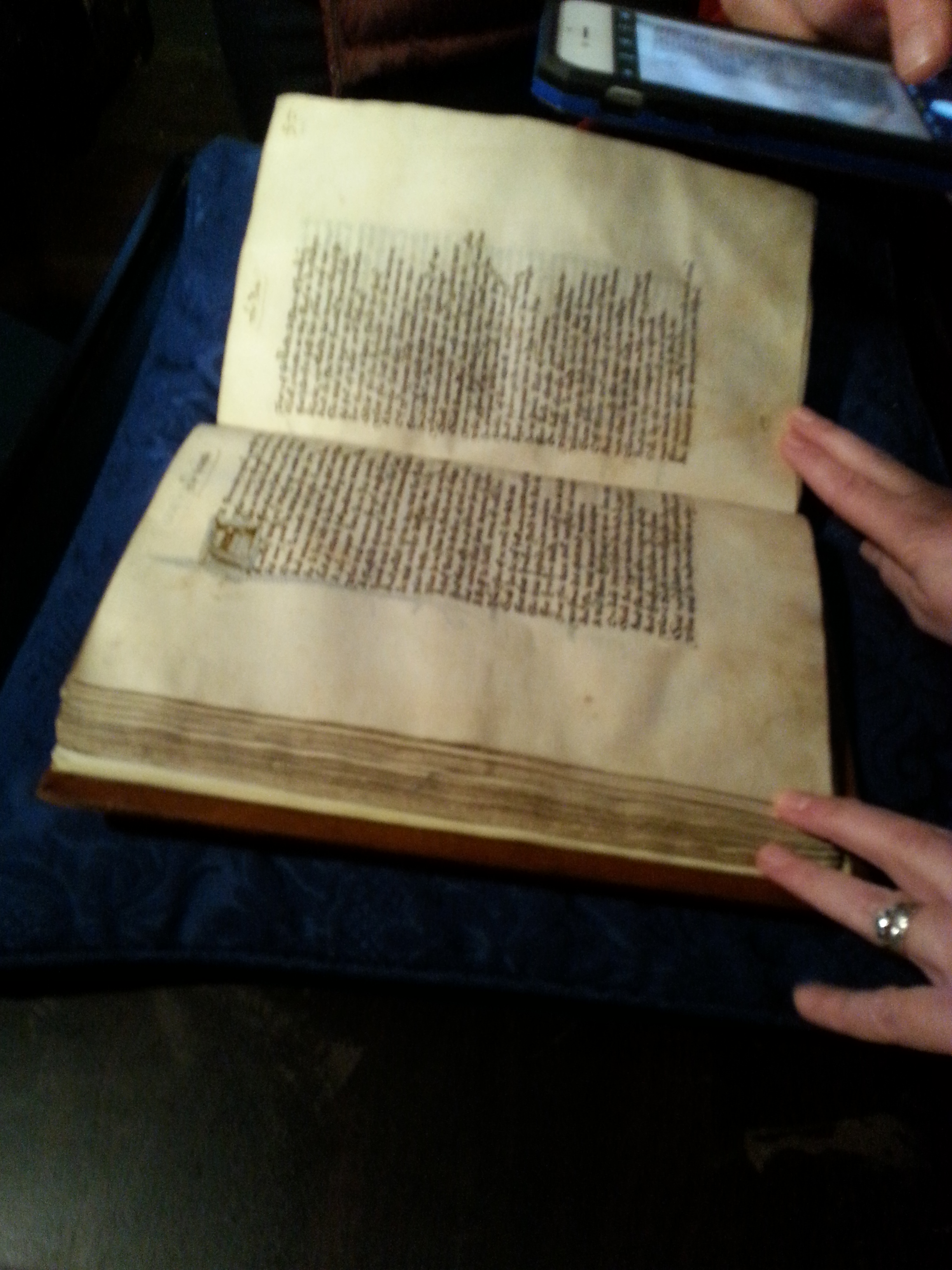
A first edition of The Canterbury Tales, held in Lincoln Cathedral Library

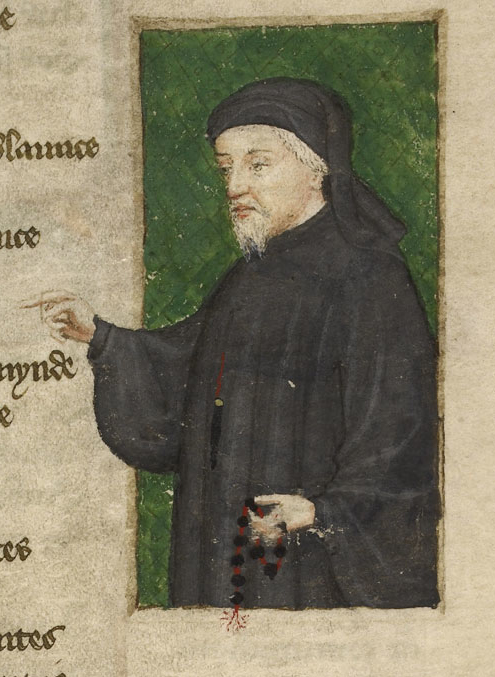
Geoffrey Chaucer is often referred to as the father of English Literature. The author of The Canterbury Tales was patronised by John of Gaunt, Duke of Lancaster. after entering the household of Elizabeth de Burgh, Countess of Ulster and wife of Lionel of Antwerp, Duke of Clarence, as a page, he rose high, to become a clerk, diplomat and courtier. Geoffrey Chaucer had married Philippa de Roelt (or Rouet), sister of Katherine Swynford, the third wife and Duchess of John of Gaunt, and the mother of Gaunt’s legitimised children, the Beauforts, loyal supporters of their Lancastrian half-brother, King Henry IV.

The granddaughter of the famous poet, Alice Chaucer was the only child, and heir, of Geoffrey’s son, Thomas Chaucer. Alice’s mother was Maud (or Matilda) Burghersh, co-heir of the Burghersh estates, which included the manor of Ewelme in Oxfordshire, where Alice was probably born, sometime around 1404. Nothing is known of Alice’s childhood, although, given her later success in estate management and preserving her son’s inheritance, we can assume that she had some level of education.

She is first mentioned in 1414, when she was around ten years old. Alice became the wife of Sir John Phelip, who was some twenty-four years her senior. Poor Alice had little time to get used to married life, and was still not old enough to consummate the marriage when she was widowed. Phelip died of dysentery at the Siege of Harfleur, a prelude to the Battle of Agincourt, on 2 October 1415. In his will, Alice was left a gold cup and all the furniture from one room of Phelip’s house at Grovebury. Still a minor, Alice probably returned home to her family after Phelip’s death, if she had ever left home.

Alice was married again by 1421, this time to Thomas Montagu, Earl of Salisbury. Salisbury’s daughter by his first wife, Eleanor Holland, was also called Alice, and was of a similar age to her new stepmother. Alice Montagu would marry Richard Neville, son of Joan Beaufort and Ralph Neville, Earl of Westmorland. Through his mother, Richard Neville was a grandson of John of Gaunt and first cousin, once removed, of Alice Chaucer.

History...the Interesting Bits
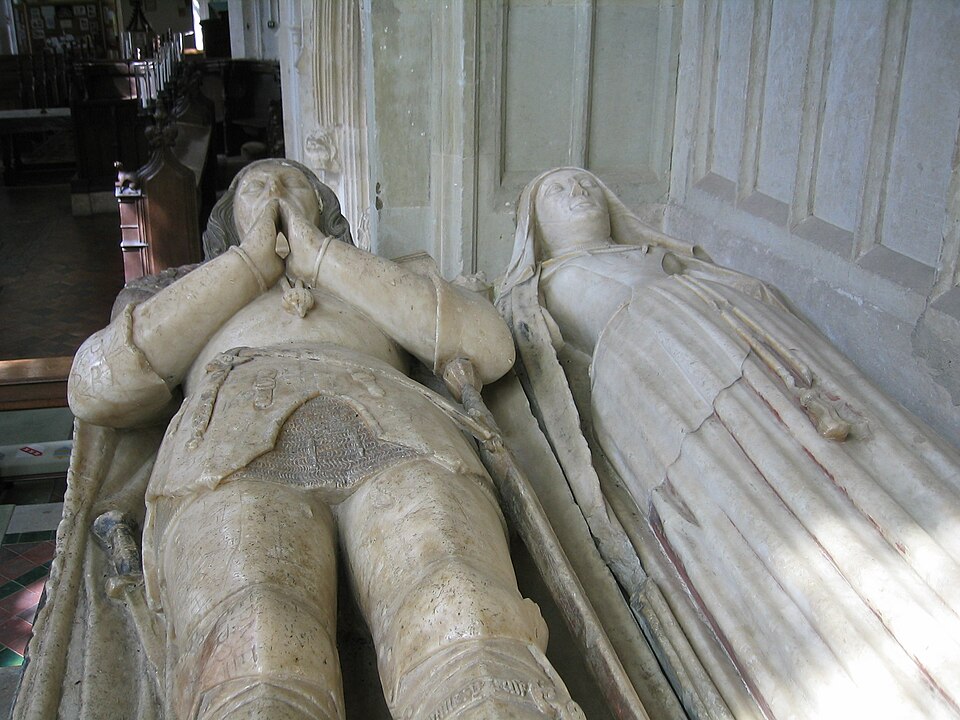
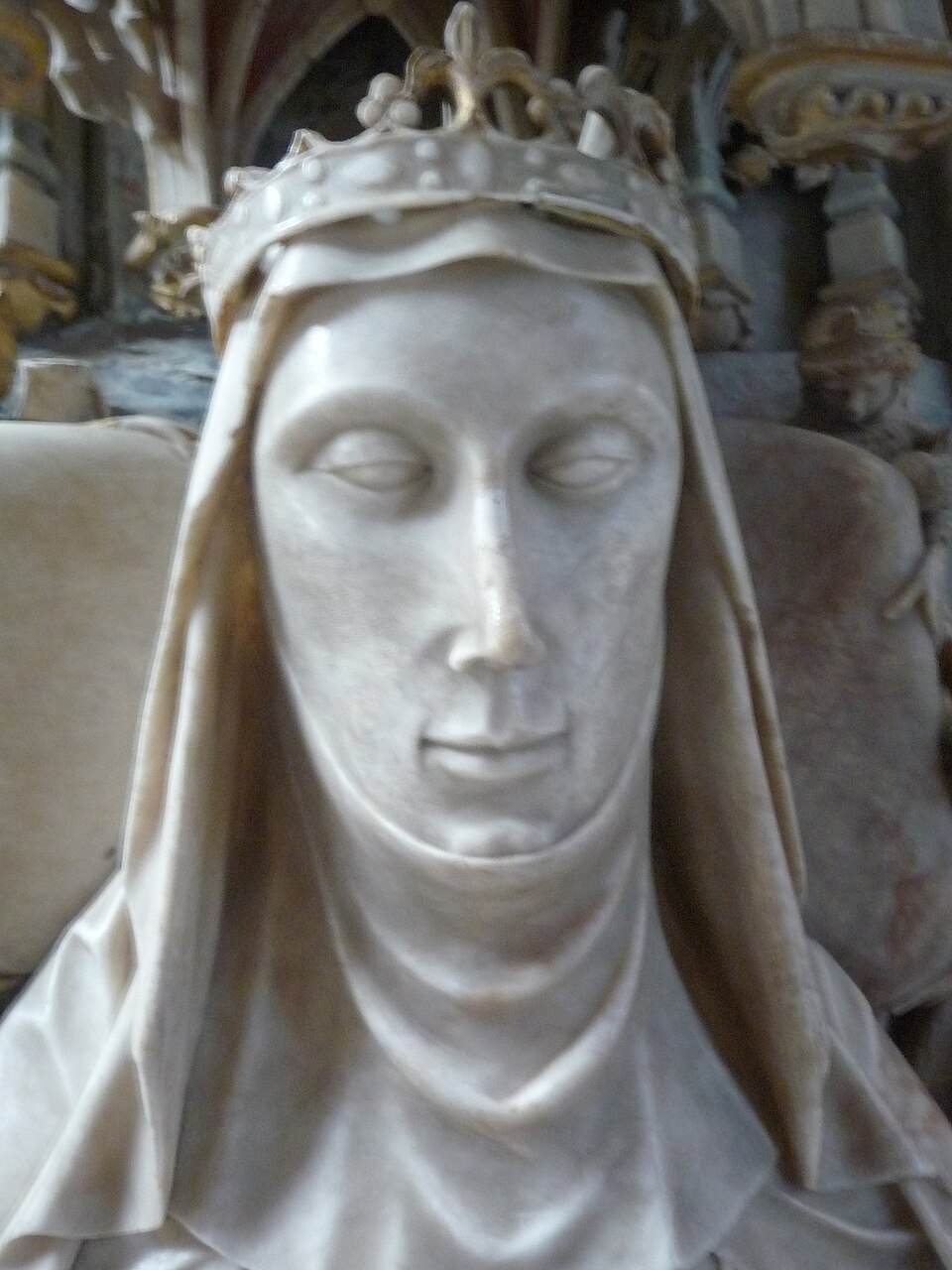
Effigy of Alice Chaucer, Duchess of Suffolk, from her tomb at Ewelme

Alice’s new husband was a soldier, and fought in the Hundred Years War in France. It was during a visit to France in 1424, to her husband, that Alice was at a banquet in Paris, hosted by Philip the good, Duke of Burgundy. Renowned for her beauty, it appears that Duke Philip was far too attentive to the Earl of Salisbury’s wife, infuriating the earl in his attempts to seduce poor Alice. Relations between the duke and the earl soured significantly, with Salisbury going against the interests of Burgundy in besieging Orléans. The siege was a disaster for Salisbury, the French were rallied by Joan of Arc. During the fighting, Salisbury was struck in the face by a splinter from a French cannon on 27 October 1428. He died a week later, on 3 November. In the same engagement, Salisbury’s good friend, William de la Pole, Earl of Suffolk, was captured by the French. Suffolk, it seems, was also fond of Alice and it is thought Alice was the mystery woman to whom he wrote love poetry during his two years of captivity.

Salisbury’s death left Alice a widow for a second time, but this time she was a very wealthy one. According to the terms of Salisbury’s will, Alice was left half of his net goods, 100 marks in gold and 3,000 marks in jewellery and plate, plus the revenues of his Norman lands. As a sign of his trust in Alice and her abilities, Salisbury had also named her as the supervisor of the will. A wealthy and beautiful widow, and still in her twenties, it is not surprising that by 1432, and possibly as early as 1430, Alice had made her third and final marriage. Her husband was the same William de la Pole, Earl of Suffolk, friend of her husband and, apparently, an admirer of Alice. It seems likely that they married shortly after his release from his French imprisonment.

The de la Pole family had risen from being wealthy wool merchants to the nobility, to nobility themselves. William’s grandfather, Michael de la Pole, was a favourite of Richard II, who had been promoted to the peerage as Earl of Suffolk. However, when Richard II’s personal rule was curbed by the Lords Appellant, Suffolk was one of those to take the brunt of the criticism. He fled into exile in 1388 and was sentenced to death in absentia; he died in Paris the following year. His son, another Michael and William’s father, was allied with the Appellant Lords and saw his goods and titles forfeit when Richard II regained control.

History...the Interesting Bits
Alice’s grandfather, Geoffrey Chaucer

They were restored to him in 1398. Michael de la Pole, 2nd Earl of Suffolk, had five sons, of whom William was the second oldest. The de la Pole family gave everything fighting in the French wars, the second earl died of dysentery in 1415, during the same siege of Harfleur during which Alice’s first husband died, and his oldest son, another Michael, died in October of the same year, as one of the few noble casualties of the Battle of Agincourt; he was nineteen and had held the title Earl of Suffolk for just one month. William therefore succeeded to the earldom of Suffolk, but would lose his three remaining brothers to the French over the next twenty years: Alexander was killed in 1429, at the Battle of Jargeau, John died a prisoner in France and Thomas died while acting as hostage for William.

William himself spent decades fighting in France, as one of Henry VI’s senior commanders. This military service may well be the reason why, although William and Alice were married in the early 1430s, their only known child, John de la Pole, was not born until 27 September 1442. When still a child, John would be betrothed to his parents’ ward, Margaret Beaufort, sole heiress of Alice’s cousin, John Beaufort, Duke of Somerset.

William and Alice appear to have had a genuinely close, affectionate and trusting relationship. In his will of 1448, William appoints Alice as his sole executrix, giving her guardianship of their son, John, stating; ‘And last of all, with the blessing of God and of me as heartily as I can give it, my dear and true son, I bequeath between him and his mother love and all good accord and give him to her wholly’.1

History...the Interesting Bits
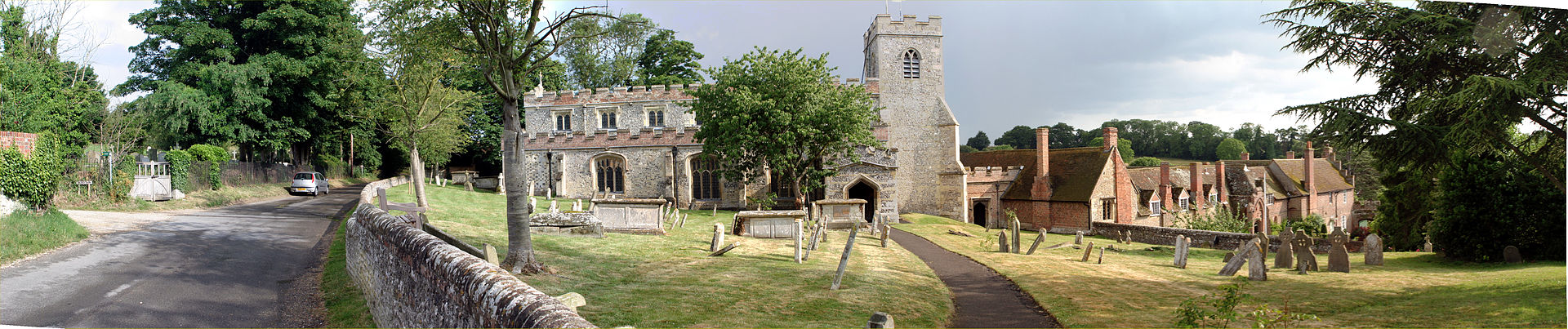
The village of Ewelme, with the parish church and almshouses

Although William’s family seat was a house at Wingfield, the couple spent most of their time at Alice’s house at Ewelme, where they enlarged the manor house, even receiving a papal dispensation to have a font installed in the chapel. They also rebuilt the parish church of St Mary the Virgin and established a school to educate local boys, the master of which was to be selected from the University of Oxford. William and Alice also built a series of almshouses, known as God’s House, to house thirteen almsmen and two priests, one of whom was to be the schoolmaster.

William de la Pole was deeply involved in the politics of the time. One of Henry VI’s most trusted advisers, it was William who led the embassy to arrange the king’s marriage to Margaret of Anjou, a cousin of the King of France. In November 1444, Alice accompanied her husband to France, along with the Earls of Shrewsbury and Salisbury, to bring back the king’s bride. Alice was to act as Margaret’s senior lady-in-waiting for the journey home and became her close friend; Queen Margaret would visit Alice at her husband’s manor of Wingfield during a progress through the Midlands in 1452. William, however, was to receive the brunt of the criticism for the marriage, which brought no benefit to England, as Margaret came without a dowry, and a secret clause in the marriage contract returned the conquered counties of Maine and Anjou to France.

History...the Interesting Bits
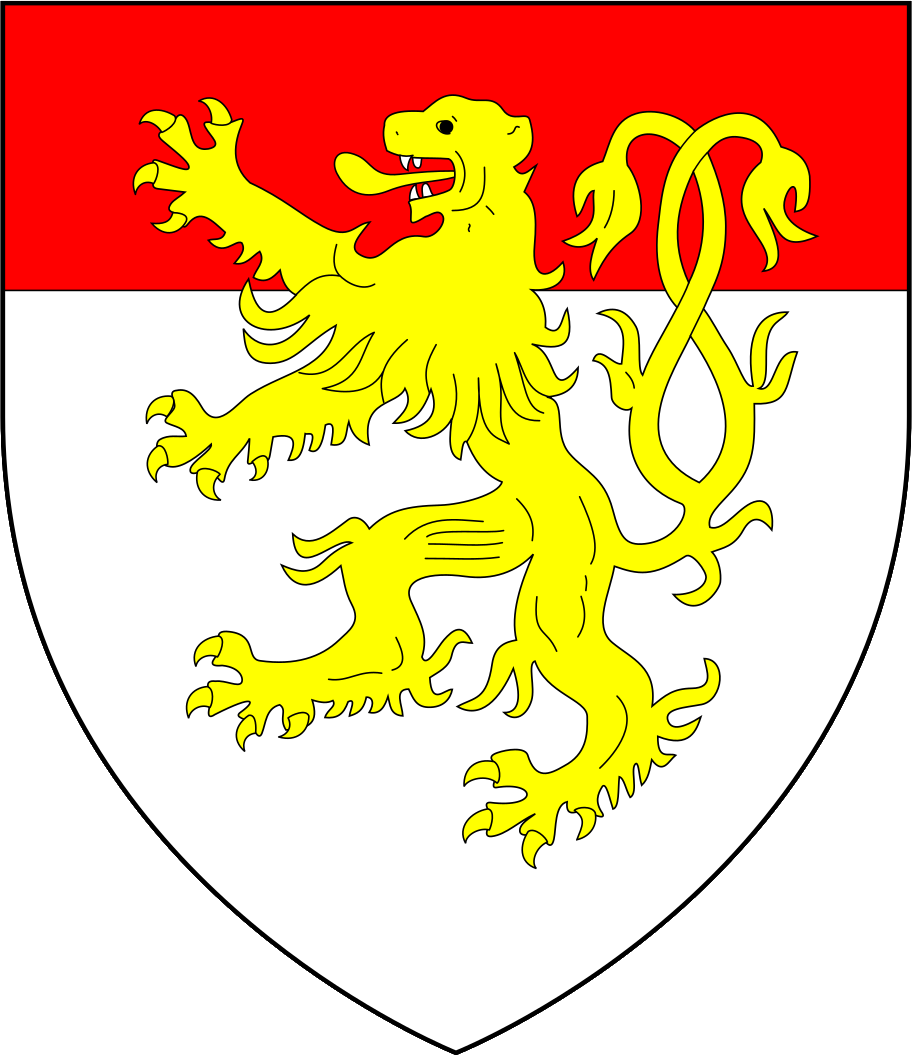
Arms of Alice Chaucer

In 1448 William was created Duke of Suffolk by Henry VI. However, while he still had the confidence of the king, the lords turned against him and his downfall soon followed. He had fallen foul of the powerful Duke of York and became the scapegoat for the ineptitude of Henry VI’s policies. On 7 February 1450, the Paston Letters recorded Suffolk’s impeachment, which charged that:

William de la Pole, Duke of Suffolk, late of Ewelme, in the county of Oxford, falsely and traitorously hath imagined, compassed, purposed forethought, done and committed divers high, great, heinous, and horrible treasons against your most royal person, your commons of your realms of England and France, your duchy of Guienne and Normandy, and your whole inheritance of your county of Anjou and Maine, the estate and dignity of the same, and the universal wele and prosperity of all your true subjects.2

The king tried to stand by Suffolk, and refused to accept the charges of treason; he banished the Duke from the realm for five years. William de la Pole was given six weeks to set his affairs in order before leaving England on 1 May 1450. The Duke wrote a moving letter to his six-year-old son, John, full of fatherly advice and commending him to his mother, saying: ‘Thirdly, in the same wise, I charge you, my dear son, always, as you’re bound by the commandment of God to do, to love, to worship your lady and mother, and also that you obey always her commandments and to believe her councils and advice in all your works, the which dread not, but shall be best and truest to you. And if any other body would stir you to the contrary, to flee the counsel in any wise, for you shall find it nought and evil.’3

History...the Interesting Bits
19th century illustration depicting Suffolk’s murder

The letter is all the more poignant, as it turned out to be William de la Pole’s last communication with his son. He left England on the ship Nicholas of the Tower, but it was intercepted by unknown persons and on 2 May, 1450, the Duke of Suffolk was forced to endure a mock trial before he was gruesomely beheaded with a rusty sword. His body was left on the beach at Dover and his head stuck on a pole beside it. He was later buried at his family’s manor of Wingfield in Suffolk.

Widowed for a third and final time, Alice devoted her time and energies to protecting her son’s inheritance. On 8 May she secured the keeping of all the lands belonging to her husband. However, she was still an object of derision among the malcontents; she was one of those mentioned by name in a Commons petition to have people removed from court. Henry initially acquiesced, but failed to keep his promise to banish the twenty-nine people named in the petition and Alice remained at court as one of Queen Margaret’s ladies. She was with the queen at her churching on 18 November 1453, following the birth of Edward, prince of Wales. The magnificent ceremony was attended by six duchesses, including Alice, eight countesses and seven baronesses.

Alice proved to be a formidable Duchess, pursuing her family’s interests with the utmost vigour. Following her husband’s death, she continued in his claims to some manors in East Anglia, which belonged to John Fastolf. The Pastons, a prominent East Anglian
family who wrote a remarkable number of letters during this period, also laid claim to the lands following Fastolf’s death in 1459. The dispute over Caistor Castle continued long into the next decade. In 1469, John Paston wrote to his younger brother, another John, that ‘the Quene hath sent a letter unto my Lady of Suffolk the elder [Alice] desyryng theym to common [speak] with my lordis that all such matters as the Kyng wrote unto them fore mabe kept so that no defaute be founden in them, as ye may understand by youre lettre sent frome the Quene’.4 Suffolk’s claim on the properties had been dubious, but Alice’s litigation was successful, despite the opposition of the Pastons.

History...the Interesting Bits
Tomb of Alice’s son, John de la Pole and his wife, Elizabeth of York, Wingfield

The mid-15th century was a dangerous time. Powerful lords were squaring up to each other, looking to take advantage of Henry VI’s weak rule. A woman alone, with her son’s inheritance to protect, Alice needed powerful allies. And so, she broke her son’s betrothal to the Lancastrian heiress, Margaret Beaufort, and turned to the House of York. In 1458, Alice negotiated John’s marriage with Elizabeth, daughter of Richard, Duke of York and Cecily Neville. Her son and grandsons would become stalwarts of the Yorkist cause. Of the eleven children of John and Elizabeth, their eldest son, another John, having been named as his heir by Richard III, was killed fighting Henry VII’s Lancastrian army at the Battle of Stoke Field, the final engagement of the Wars of the Roses, in 1487. He was succeeded as Duke of Suffolk by his brother, Edmund, who was executed, because of his Yorkist blood, by Henry VIII in 1513.

Alice was favoured by Edward IV, who won the throne for the Yorkists in 1461, gaining exemptions in his Acts of Resumption. She was among the more honoured guests at the sumptuous feast, hosted by Richard Neville, Earl of Warwick, for the enthronement of his brother, George Neville, as Archbishop of York. The feast was held at the Archbishop’s castle of Cawood in 1465, and Alice was given a place of honour at a high table in a second chamber – a sign of distinction as opposed to a place on a secondary table in the great hall – alongside the Countess of Warwick and the new Archbishop’s sisters, the Countess of Oxford, Lady Hastings and Lady Fitzhugh.

History...the Interesting Bits
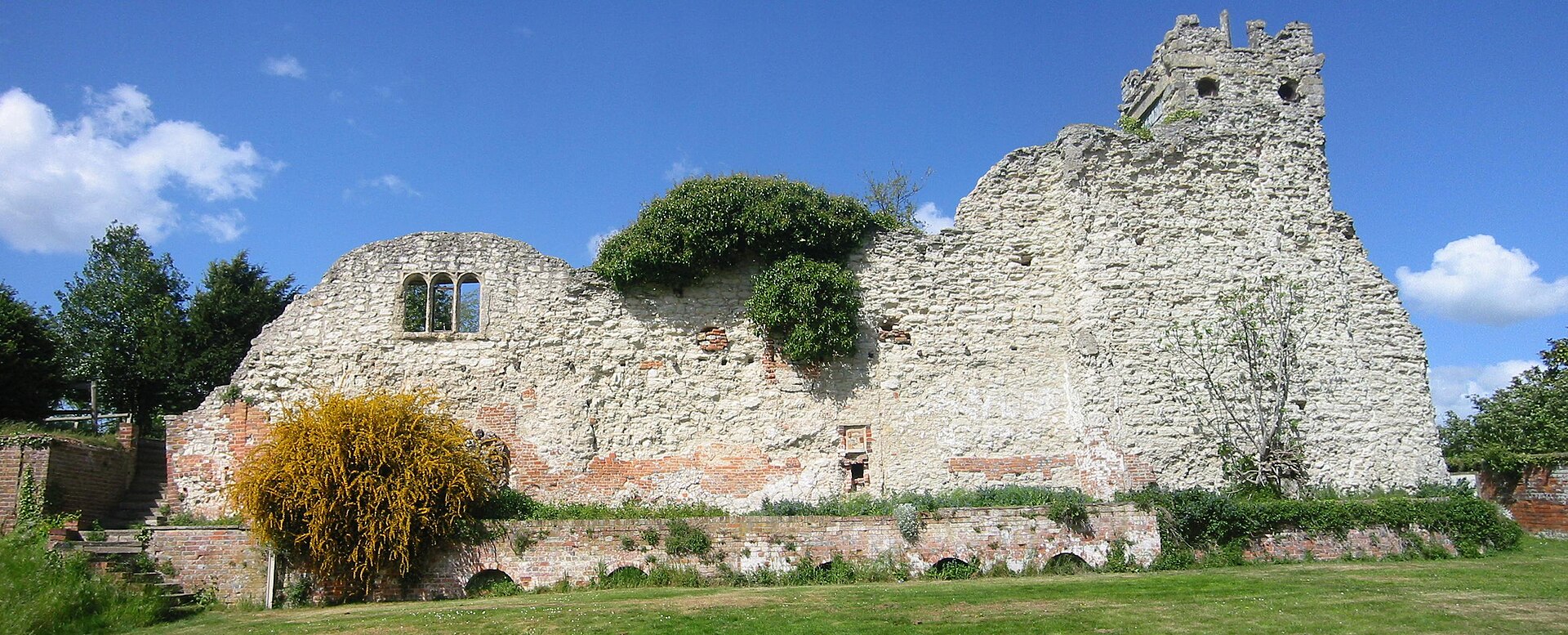
The ruins of Wallingford Castle

A further sign of trust came in 1471; following the Battle of Tewkesbury and the capture of Margaret of Anjou. Edward entrusted the former queen to Alice’s custody. Margaret was held at Wallingford Castle, which was held by Alice and was close to her estate at Ewelme. The Duchess was the queen’s jailer for the last four years of her life. Following Alice’s death, Margaret of Anjou was ransomed by Louis XI of France, and returned to France in 1476.

Through her family inheritance and three marriages, Alice Chaucer had become an incredibly wealthy woman. She held estates in twenty-two counties; in 1454 she received an income of £1300 from three of them alone. Given that her grandfather was Geoffrey Chaucer, it is no surprise that Alice was a patron of the arts, particularly literature, including John Lydgate. An inventory of her goods, taken in 1466 during a move back to Ewelme, included many books.

History...the Interesting Bits
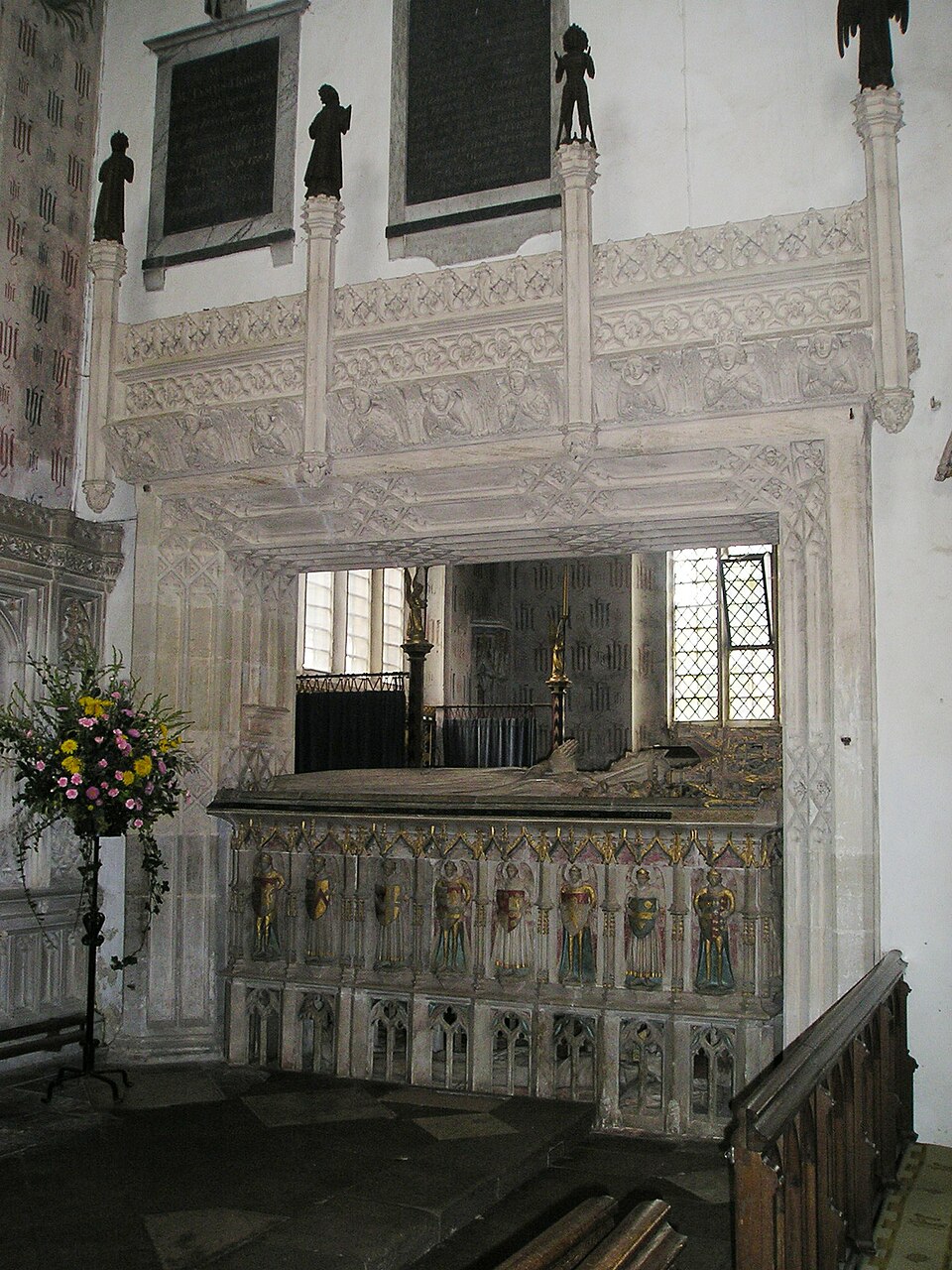
Alice’s tomb in the church of St Mary the Virgin at Ewelme

Alice died sometime between 20 May and 9 June, 1475, aged around seventy-one. She was laid to rest in the church of St Mary the Virgin, at Ewelme, where her parents were also buried. Her magnificent tomb lies between the nave and the chapel of St John the Baptist, an effigy of Alice lies atop the tomb, with the Duchess wearing a ducal coronet and the Order of the Garter on her arm.

Alice had led a remarkable life, successfully weathering the political turmoil that claimed the life of her third husband. She was a survivor, successfully negotiating the pitfalls and dangers of the medieval world – and particularly the turmoil of the 15th century – forging her own path to see herself and her son safely through.

Notes:

Notes: 1. K.L. Clark, The Nevills of Middleham: England’s Most Powerful Family in the Wars of the Roses; 2. Matthew Lewis, Richard Duke of York, King by Right; 3. Clark, The Nevills of Middleham; 4. David Baldwin, Elizabeth Woodville, Mother of the Princes in the Tower.

Images:

Courtesy of Wikimedia except The Canterbury Tales which is ©2026 Sharon Bennett Connolly FRHistS
Further Reading:

Rowena E. Archer, Chaucer, Alice, Duchess of Suffolk (c.1404–1475) (ODNB); K.L. Clark, The Nevills of Middleham: England’s Most Powerful Family in the Wars of the Roses; Kristie Dean, On the Trail of the Yorks; Matthew Lewis, Richard Duke of York, King by Right; David Baldwin, Elizabeth Woodville, Mother of the Princes in the Tower; John Gillingham, The Wars of the Roses; Martin J Dougherty, The Wars of the Roses; Susan Higginbotham, The Woodvilles, the Wars of the Roses and England’s Most Infamous Family; Amy Licence, Red Roses, Blanche of Gaunt to Margaret Beaufort; David Santuiste, Edward IV and the Wars of the Roses; Amy Licence, Henry VI and Margaret of Anjou: A Marriage of Unequals

*

My Books

Signed, dedicated copies of all my books are available through my online bookshop. or by contacting me.

Coming 30 March: Princesses of the Early Middle Ages

Books by Sharon Bennett Connolly

Daughters of kings were often used to seal treaty alliances and forge peace with England’s enemies. Princesses of the Early Middle Ages: Royal Daughters of the Conquest explores the lives of these young women, how they followed the stereotype, and how they sometimes managed to escape it. It will look at the world they lived in, and how their lives and marriages were affected by political necessity and the events of the time. Princesses of the Early Middle Ages will also examine how these girls, who were often political pawns, were able to control their own lives and fates. Whilst they were expected to obey their parents in their marriage choices, several princesses were able to exert their own influence on these choices, with some outright refusing the husbands offered to them.

Their stories are touching, inspiring and, at times, heartbreaking.

Princesses of the Early Middle Ages: Royal Daughters of the Conquest is now available for pre-order from Pen & Sword and Amazon.

Also by Sharon Bennett Connolly:

Books by Sharon Bennett Connolly

Scotland’s history is dramatic, violent and bloody and Scotland’s Medieval Queens have seen it all. This is the story of Scotland through their eyes. Available now from Amazon and Pen and Sword BooksHeroines of the Tudor World tells the stories of the most remarkable women from European history in the time of the Tudor dynasty, 1485-1603. These are the women who ruled, the women who founded dynasties, the women who fought for religious freedom, their families and love. Heroines of the Tudor World is now available from Amberley Publishing and Amazon UK. Women of the Anarchy demonstrates how Empress Matilda and Matilda of Boulogne, unable to wield a sword themselves, were prime movers in this time of conflict and lawlessness. It shows how their strengths, weaknesses, and personal ambitions swung the fortunes of war one way – and then the other. Available from Bookshop.orgAmberley Publishing and Amazon UKKing John’s Right-Hand Lady: The Story of Nicholaa de la Haye is the story of a truly remarkable lady, the hereditary constable of Lincoln Castle and the first woman in England to be appointed sheriff in her own right. Available from all good bookshops Pen & Sword Booksbookshop.org and Amazon

Royal Historical Society

Defenders of the Norman Crown: The Rise and Fall of the Warenne Earls of Surrey tells the fascinating story of the Warenne dynasty, from its origins in Normandy, through the Conquest, Magna Carta, the wars and marriages that led to its ultimate demise in the reign of Edward III. Available from Pen & Sword BooksAmazon in the UK and US, and Bookshop.orgLadies of Magna Carta: Women of Influence in Thirteenth Century England looks into the relationships of the various noble families of the 13th century, and how they were affected by the Barons’ Wars, Magna Carta and its aftermath; the bonds that were formed and those that were broken. It is now available in paperback and hardback from Pen & SwordAmazon, and Bookshop.orgHeroines of the Medieval World tells the stories of some of the most remarkable women from Medieval history, from Eleanor of Aquitaine to Julian of Norwich. Available now from Amberley Publishing and Amazon, and Bookshop.orgSilk and the Sword: The Women of the Norman Conquest traces the fortunes of the women who had a significant role to play in the momentous events of 1066. Available now from Amazon,  Amberley Publishing, and Bookshop.org.

Alternate Endings: An anthology of historical fiction short stories including Long Live the King… which is my take what might have happened had King John not died in October 1216. Available in paperback and kindle from Amazon.

Podcast:

A Slice of Medieval

Have a listen to the A Slice of Medieval podcast, which I co-host with Historical fiction novelist Derek Birks. Derek and I welcome guests, such as Ian Mortimer, Bernard Cornwell, Elizabeth Chadwick and Scott Mariani, and discuss a wide range of topics in medieval history, from significant events to the personalities involved. 

Every episode is also now available on YouTube.

*

Don’t forget! Signed and dedicated copies of all my books are available through my online bookshop.

For forthcoming online and in-person talks, please check out my Events Page.

You can be the first to read new articles by clicking the ‘Follow’ button, liking our Facebook page or joining me on TwitterThreadsBluesky and Instagram.

*

©2026 Sharon Bennett Connolly FRHistS
Online History Festival: Defining Moments in British History

History...the Interesting Bits

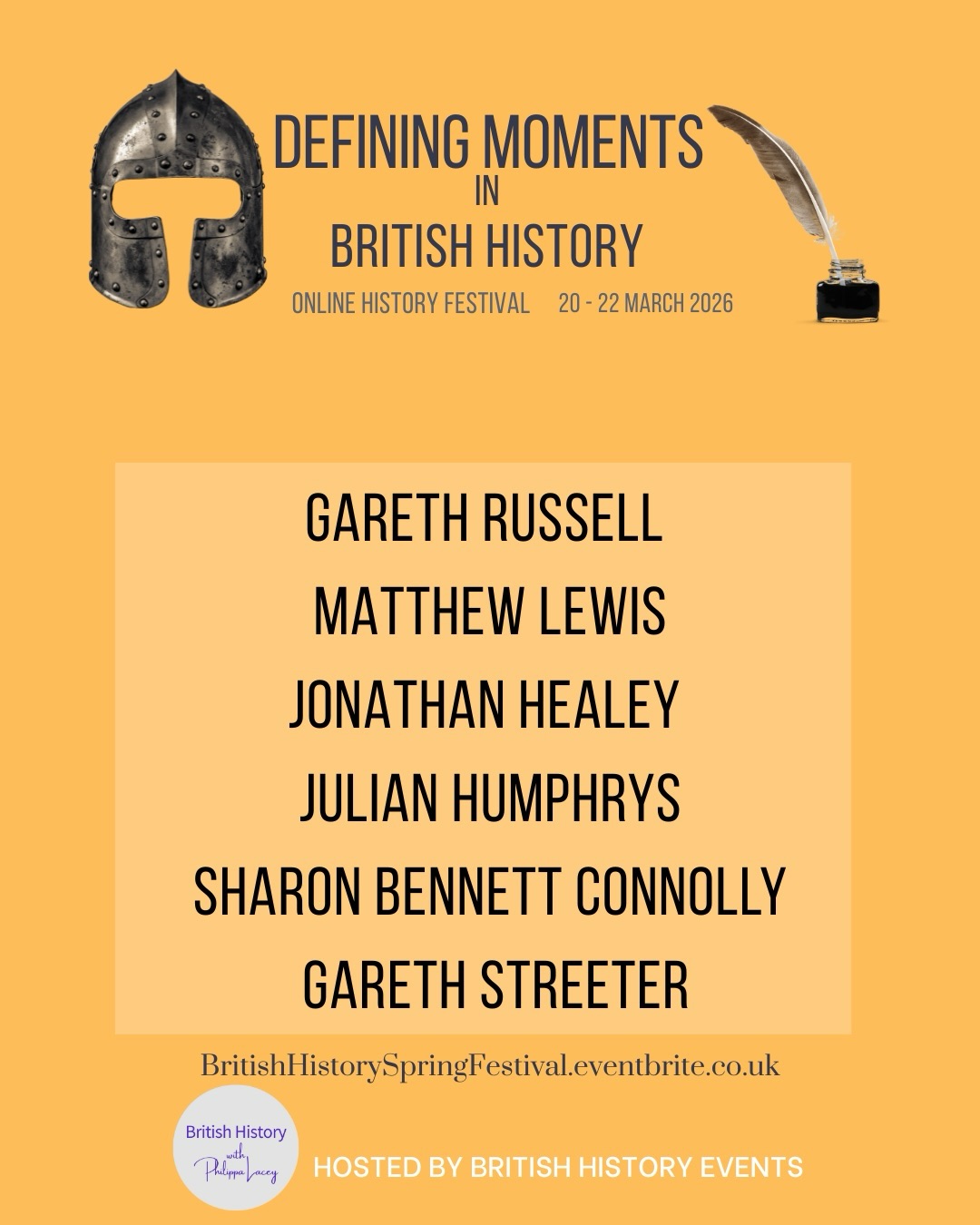
I am delighted to have been asked to take part in this year’s Online History Festival hosted by British History Events!

The theme and title of this year’s festival (their 6th) is ‘Defining Moments in British History’ – exploring six defining moments that have shaped Britain today. The festival is all online, taking place from the evening of Friday, 20th March until the evening of Sunday, 22nd March 2026.

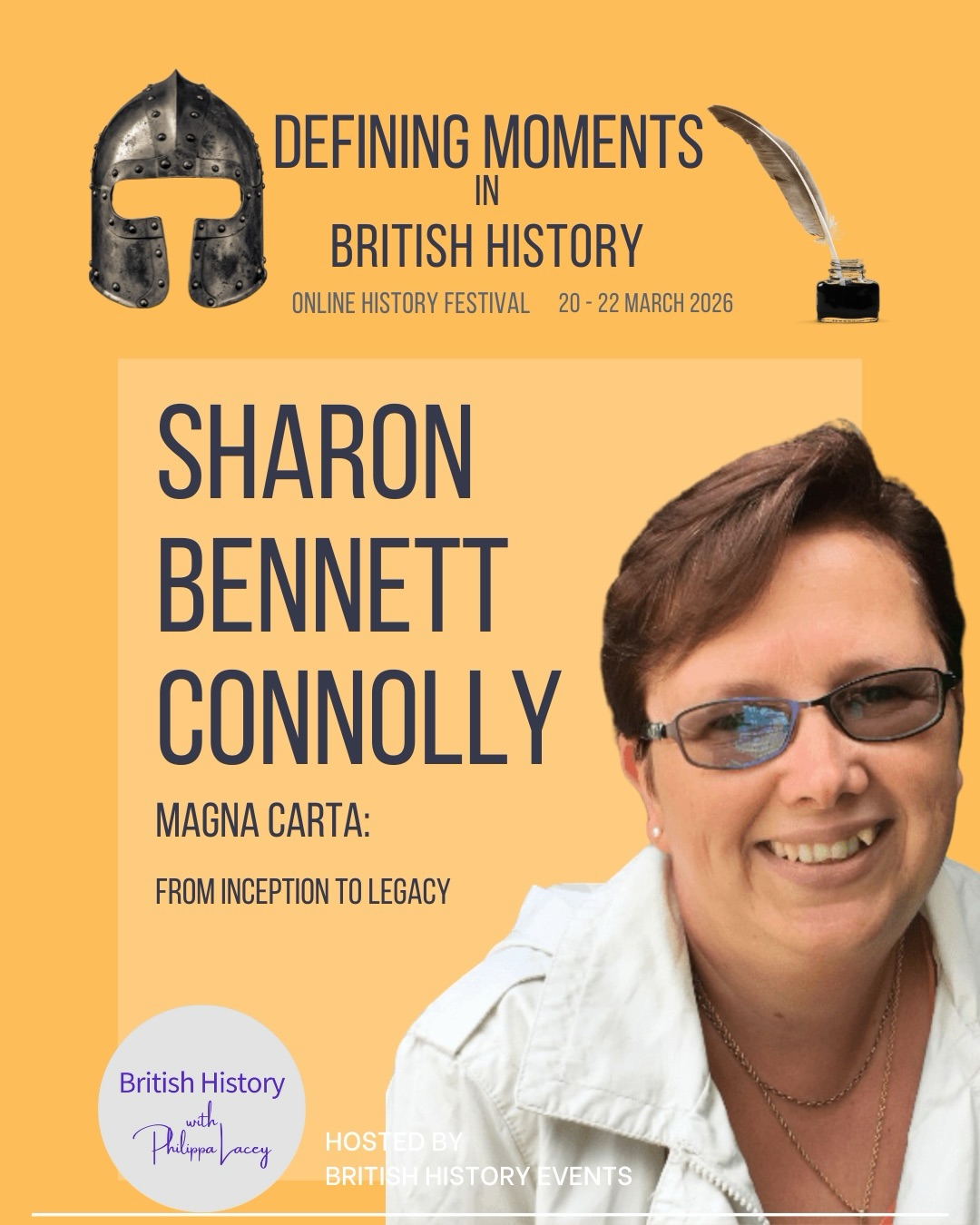
Magna Carta: From Inception to Legacy

By 1215, the English barons’ objections to King John were almost beyond number. He had failed to face the French and had lost not only most of his family’s Continental possessions, but also those of his barons. Few had forgotten his treachery against his brother – his attempts on the throne whilst Richard was away on Crusade. His barons even complained that he forced himself on their wives and daughters.

The barons had had enough.

And the result was Magna Carta; a detailed document created to stave off civil war. It touched on the whole system of royal government. And it was granted to ‘all free men of the realm and their heirs forever’. It brought the king within the law, rather than above it.

It is the closest thing England has to a Constitution.

How significant was Magna Carta really?

In this lecture, I will explore the reasons for Magna Carta, the civil war that followed its creation and the people who fought for it and used it to assert their own rights. And we will look at how relevant it still is today, even beyond England’s shores.

So, I have been spending this week tweaking my PowerPoint presentation and recording the lecture.

History...the Interesting Bits

There will be 6 talks from leading historians (including myself!), a live Q&A with all 6 historians, a live quiz, and a prize draw. Here is the line up!

Julian Humphrys explores ‘The Battle of Hastings: What Happened and What Followed’.
Sharon Bennett Connolly (me!) traces ‘Magna Carta: From Inception to Legacy’.
Matthew Lewis examines ‘How the Black Death Changed England Forever’.
Gareth Russell tackles ‘Crisis of Faith: The Reformation in British History’.
Jonathan Healey delves into ‘The British Civil Wars: How They Happened and Why They Matter’.
Gareth Streeter looks at ‘The Birth of Britain: How the Glorious Revolution and the Act of Union Forged a Modern Nation’.

And I am really looking forward to the online Q&A and discussion.

Of course, Magna Carta is THE defining moment, but I will let the fellas have their say …

History...the Interesting Bits

Don’t worry if you can’t watch all the talks as they go out – your ticket will give you access to everything in the festival until 31st May 2026.

And you can watch them as often as you like.

Tickets are £22 + fees and are available now at: British History Events’ Online History Festival

If you have any questions, please ask. You can also email the event organisers at office@britishhistorytours.com.

We would all love to have you join us!

*

My Books

Signed, dedicated copies of all my books are available through my online bookshop. or by contacting me.

Coming 30 March: Princesses of the Early Middle Ages

Books by Sharon Bennett Connolly

Daughters of kings were often used to seal treaty alliances and forge peace with England’s enemies. Princesses of the Early Middle Ages: Royal Daughters of the Conquest explores the lives of these young women, how they followed the stereotype, and how they sometimes managed to escape it. It will look at the world they lived in, and how their lives and marriages were affected by political necessity and the events of the time. Princesses of the Early Middle Ages will also examine how these girls, who were often political pawns, were able to control their own lives and fates. Whilst they were expected to obey their parents in their marriage choices, several princesses were able to exert their own influence on these choices, with some outright refusing the husbands offered to them.

Their stories are touching, inspiring and, at times, heartbreaking.

Princesses of the Early Middle Ages: Royal Daughters of the Conquest is now available for pre-order from Pen & Sword and Amazon.

Also by Sharon Bennett Connolly:

Books by Sharon Bennett Connolly

Scotland’s history is dramatic, violent and bloody and Scotland’s Medieval Queens have seen it all. This is the story of Scotland through their eyes. Available now from Amazon and Pen and Sword BooksHeroines of the Tudor World tells the stories of the most remarkable women from European history in the time of the Tudor dynasty, 1485-1603. These are the women who ruled, the women who founded dynasties, the women who fought for religious freedom, their families and love. Heroines of the Tudor World is now available from Amberley Publishing and Amazon UK. Women of the Anarchy demonstrates how Empress Matilda and Matilda of Boulogne, unable to wield a sword themselves, were prime movers in this time of conflict and lawlessness. It shows how their strengths, weaknesses, and personal ambitions swung the fortunes of war one way – and then the other. Available from Bookshop.orgAmberley Publishing and Amazon UKKing John’s Right-Hand Lady: The Story of Nicholaa de la Haye is the story of a truly remarkable lady, the hereditary constable of Lincoln Castle and the first woman in England to be appointed sheriff in her own right. Available from all good bookshops Pen & Sword Booksbookshop.org and Amazon

Royal Historical Society

Defenders of the Norman Crown: The Rise and Fall of the Warenne Earls of Surrey tells the fascinating story of the Warenne dynasty, from its origins in Normandy, through the Conquest, Magna Carta, the wars and marriages that led to its ultimate demise in the reign of Edward III. Available from Pen & Sword BooksAmazon in the UK and US, and Bookshop.orgLadies of Magna Carta: Women of Influence in Thirteenth Century England looks into the relationships of the various noble families of the 13th century, and how they were affected by the Barons’ Wars, Magna Carta and its aftermath; the bonds that were formed and those that were broken. It is now available in paperback and hardback from Pen & SwordAmazon, and Bookshop.orgHeroines of the Medieval World tells the stories of some of the most remarkable women from Medieval history, from Eleanor of Aquitaine to Julian of Norwich. Available now from Amberley Publishing and Amazon, and Bookshop.orgSilk and the Sword: The Women of the Norman Conquest traces the fortunes of the women who had a significant role to play in the momentous events of 1066. Available now from Amazon,  Amberley Publishing, and Bookshop.org.

Alternate Endings: An anthology of historical fiction short stories including Long Live the King… which is my take what might have happened had King John not died in October 1216. Available in paperback and kindle from Amazon.

Podcast:

A Slice of Medieval

Have a listen to the A Slice of Medieval podcast, which I co-host with Historical fiction novelist Derek Birks. Derek and I welcome guests, such as Ian Mortimer, Bernard Cornwell, Elizabeth Chadwick and Scott Mariani, and discuss a wide range of topics in medieval history, from significant events to the personalities involved. 

Every episode is also now available on YouTube.

*

Don’t forget! Signed and dedicated copies of all my books are available through my online bookshop.

For forthcoming online and in-person talks, please check out my Events Page.

You can be the first to read new articles by clicking the ‘Follow’ button, liking our Facebook page or joining me on TwitterThreadsBluesky and Instagram.

*

©2026 Sharon Bennett Connolly FRHistS and British History Tours
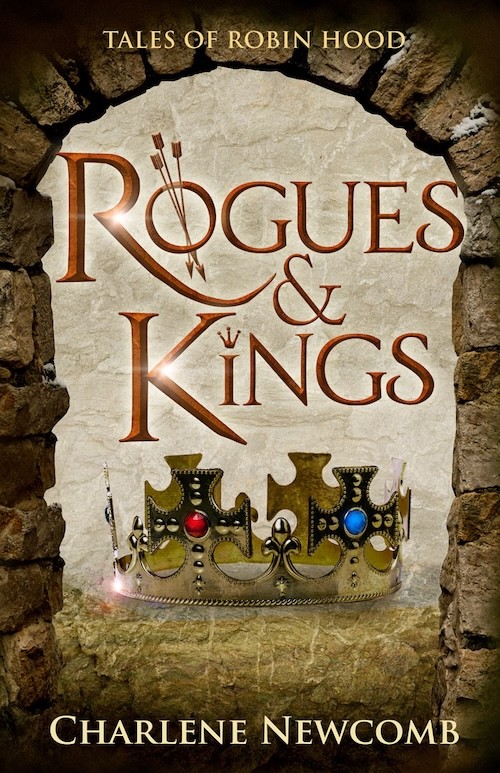
Book Corner: Rogues and Kings by Charlene Newcomb

History ... the Interesting Bits

Deadly secrets. Hidden identities. A true enemy.
Silence is the only shield.

The year is 1216 and civil war rages in England. King John ravages the countryside against rebellious barons and a French invasion. Unbeknownst to him, his newest squire, Richard, is in fact the son of a man the king would hang without a second thought. A man the common folk call Robin Hood.

For years, Robin has lived as a knight in exile. But when his son is ensnared in the treachery of the royal court, Robin is forced out of the shadows, aided by his outlaw friends in the Hood.

There is no question for Richard where his loyalties lie but it’s more than his own life at risk. He has the trust of a dangerous king. Can he serve the Hood better from within John’s inner circle, or will schemes against the crown unravel?

Rob from the rich, give to the poor takes on a whole new meaning.

Rogues & Kings is a sweeping tale of courage and betrayal in a kingdom on the edge of ruin, of a boy coming of age in the midst of war, and of legends being born.

Woohoo! A Robin Hood story!

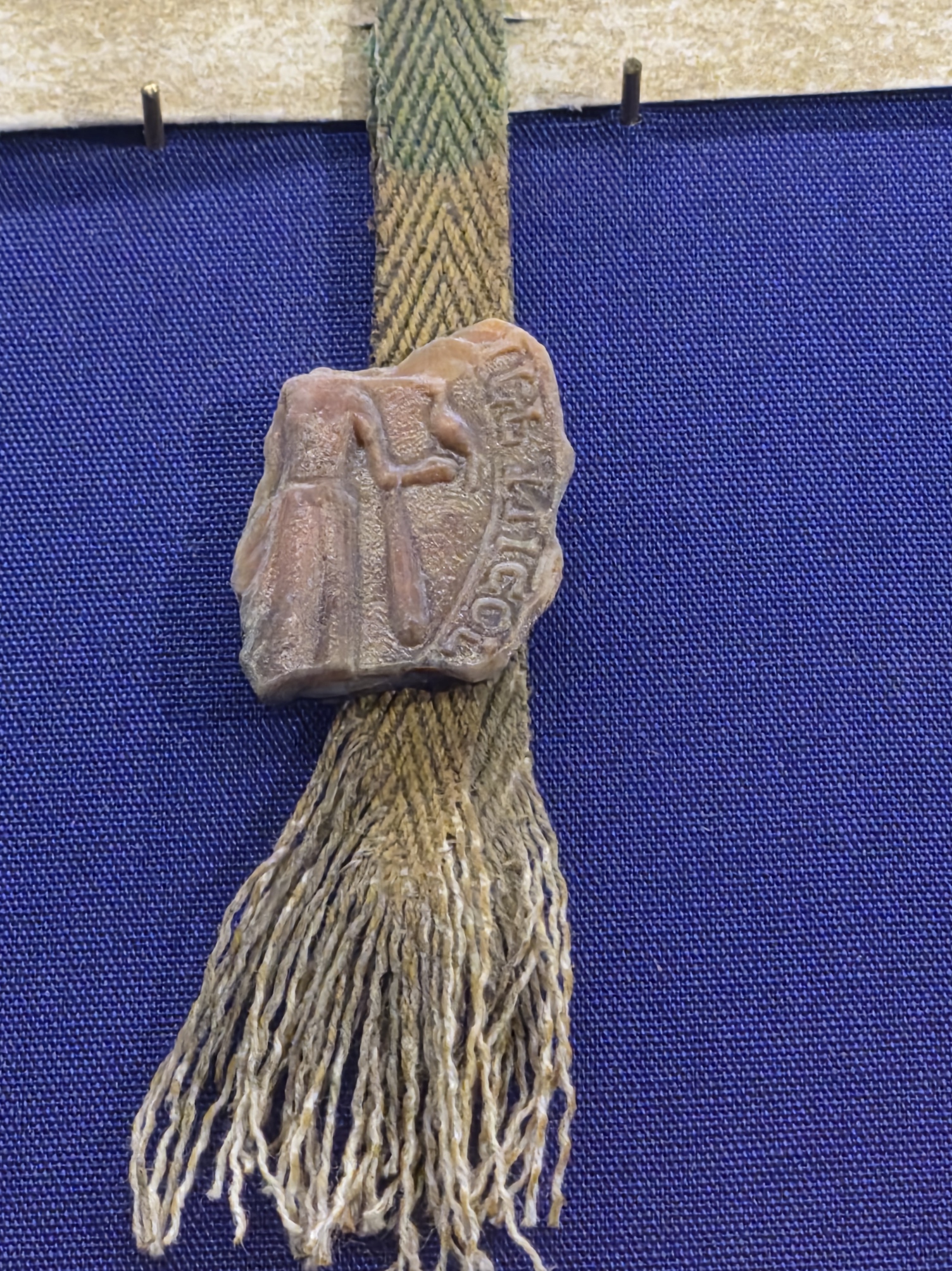
As I’m sure you know by now, I have great affection for anything Robin Hood-related. I think it comes from living so close to Sherwood Forest for most of my life. So, when a new Robin Hood story comes out, I have to read it. Rogues and Kings by Charlene Newcomb is particularly special because another of my heroes/heroines is a co-star, Nicholaa de la Haye.

Rogues & Kings is set at the height of the First Barons’ War. Magna Carta has been issued and revoked, the French have been invited to invade in support the English rebels. John is fighting for his political survival. The city of Lincoln had been seized by the rebels, but they retreated as John came north, chasing them into the Isle of Axholme ‘with fire and sword’. The king returns to Lincoln in September, in time for the Michaelmas Feast. And who holds Lincoln?

Nicholaa de la Haye!

I have to admit to one disappointment with Rogues & Kings, the scene in which Nicholaa tries to resign her post as constable of Lincoln Castle is not included. And I do think it would have made a great scene, with John confirming his trust in Nicholaa. It is a pity, I would have loved to read Charlene’s take on it. But I have to remember, this isn’t Nicholaa’s story. It’s the story of Robin Hood, his family and allies – and Nicholaa is walking a fine line, as the host and ally of King John and as friend to Robin and his familia.

And Rogues & Kings is a Robin Hood story in the best tradition of the genre. John has taken Robin’s son, Richard, as a squire – though he is unaware that Richard is Robin’s son. And teenage Richard wants to help the outlaws and rebels, by spying on the king. But he soon realises the dangers inherent in working for ‘Bad King John’ while helping his father’s friends.

History...the Interesting Bits
Seal of Nicholaa de la Haye, Lincoln Cathedral ©Sharon Bennett Connolly

“Your mother will expect and official wedding.” Which would work well, Robin thought, since the sheriff and the men of Robert’s troop could learn nothing about this ceremony in Sherwood surrounded by the Hood.

Robin clasped Robert’s shoulder. “Tuck can announce the bans at St Mary’s. I’ll bring your mother. She will love Joanna.” He found Robert’s new bride amongst the dancers, and then pounded Robert on the back. “You’ll have a beautiful night together here. Just don’t put off marrying at the church too long in case…”

Robert turned a dark crimson.

Robin eyed him. “You have… You know how -“

“God’s bones, Papa!” Robert groaned. “I’m four and thirty.”

Robin laughed until his eyes brimmed with tears. Wiping them away he said, “There’s that secret room off the castle kitchen. Good place for a tryst.” he winked, tipped his head. “Joanna’s ma might give you a few minutes to yourselves.”

Robert dropped his head into his hands and groaned again.

A shout rose from a sentry deep in the wood, and a covey of birds burst skyward across the crescent moon. The vielle fell silent and the dancing stopped.

“What’s that?” Robert asked as Joanna rushed toward him.

Slinging his quiver over his shoulder, Robin scrambled to his feet. “Rider coming.” He reached for his bow.

The revelers retrieved swords and bows, whisking them from beneath their clothing or from the weapons stashed at the edge of the gathering. Women hurrying for cover at the tree line brandished daggers and cutting knives as the great fire lighting the wedding celebration crackled and tree branches rustled.

Allan studied the ancient oaks and birch, listening, his gray-streaked blonde hair stirring in the breeze. The violent snap of a twig and the damp, grinding crunch of leaves beneath a horse’s hooves betrayed the interloper’s approach. The sound grew louder, closer, until a familiar bird call pierced the air and Allan signaled for calm.

A collective sigh of relief swept the air as wedding guests peeked out from behind moss-covered tree trunks and prickly holly bushes. Firelight glinted off polished swords as the men slowly lowered their blades.

The rider came slowly, the darkened path to the camp mired in thick brush and uneven tree roots. Curses echoed through the forest. Recognizing the voice, Robin smiled and set down his bow before the last branches were swept aside.

The outlaws waved and clapped as Little John urged his horse into the clearing. As a child, “little” described him well – he’d been smaller than his orphan-friend Allan, who’d given him the name when they’d met on the quay in London. But he’d grown. And quite large, too, standing a head above most men.

Little John sprang from his horse and strode toward Robin. The outlaws’ greetings melted away as he held up his hands, the light from the fire revealing his grim face.

“King John has taken Richard hostage.”

Rogues & Kings is hard-hitting, in places it is sad, in other places the suspense is palpable. It leaves the reader egging on the outlaws, hoping for deceptions to succeed and knowing that not everyone can – or will – survive. Including King John. I spend half of the book thinking, ‘just hold on, John dies soon.’ John died on the night of 18/19 October 1216. If only Robin knew this! But, of course, he didn’t and the author does a fantastic job of not giving spoilers to John’s fate, heightening the tension. (Oops! Sorry!)

Robin, Marian, Little John and Allan Dale have to live in the moment, making their decisions ignorant of the fact England’s fate – and their own – was about to take a dramatic twist.

Charlene Newcomb uses the historical background of 1216 – John’s pursuit of the rebels, visit to Lincoln, disastrous crossing of the Wash and agonising death – as the backbone of her story. She weaves the intrigues and actions of her heroes around the historical facts.

Her depiction of King John is suitably paranoid, duplicitous and dastardly. Nicholaa de la Haye is a masterful creation. She is a politically savvy woman navigating her way in a world where the king is unpredictable and vindictive and her castle is surrounded by enemies. Robin is older than he appears in other stories; a man experienced in war and regret, he has much to lose and has to learn how to let go, how to trust that his sons are capable of looking after themselves – in a world fraught with danger.

History...the Interesting Bits
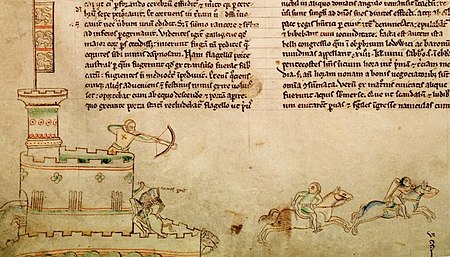
1217 Battle of Lincoln

Rogues & Kings is fast-paced, fun, gripping, agonising and adventurous. And I love it! (All the more so because Nicholaa de la Haye gets a significant supporting role.)

My only regret is that Charlene says this is the last. There will be no more Robin Hood stories – I hope to persuade her otherwise.

I really do think Robin should stick around to help out at the end of the First Barons’ War. How can he resist helping Nicholaa defend Lincoln Castle and being present at the 1217 Battle of Lincoln?

Surely the story will write itself?

Buy Rogues & Kings!

About the author:

Charlene Newcomb, aka Char, writes historical fiction and science fiction. Her award-winning Battle Scars trilogy is set in the 12th century during the reign of Richard the Lionheart. Her writing roots are in the Star Wars Expanded Universe (aka Legends) where she published 10 short stories in the Star Wars Adventure Journal. She published the scifi/space opera Echoes of the Storm in 2020, and returns to medieval times with her latest novel Rogue in 2023.

Librarian (retired).

U.S. Navy veteran.

Mom to 3, grandma to 3.

My Books

Signed, dedicated copies of all my books are available through my online bookshop. or by contacting me.

Coming 30 March: Princesses of the Early Middle Ages

Books by Sharon Bennett Connolly

Daughters of kings were often used to seal treaty alliances and forge peace with England’s enemies. Princesses of the Early Middle Ages: Royal Daughters of the Conquest explores the lives of these young women, how they followed the stereotype, and how they sometimes managed to escape it. It will look at the world they lived in, and how their lives and marriages were affected by political necessity and the events of the time. Princesses of the Early Middle Ages will also examine how these girls, who were often political pawns, were able to control their own lives and fates. Whilst they were expected to obey their parents in their marriage choices, several princesses were able to exert their own influence on these choices, with some outright refusing the husbands offered to them.

Their stories are touching, inspiring and, at times, heartbreaking.

Princesses of the Early Middle Ages: Royal Daughters of the Conquest is now available for pre-order from Pen & Sword and Amazon.

Also by Sharon Bennett Connolly:

Books by Sharon Bennett Connolly

Scotland’s history is dramatic, violent and bloody and Scotland’s Medieval Queens have seen it all. This is the story of Scotland through their eyes. Available now from Amazon and Pen and Sword BooksHeroines of the Tudor World tells the stories of the most remarkable women from European history in the time of the Tudor dynasty, 1485-1603. These are the women who ruled, the women who founded dynasties, the women who fought for religious freedom, their families and love. Heroines of the Tudor World is now available from Amberley Publishing and Amazon UK. Women of the Anarchy demonstrates how Empress Matilda and Matilda of Boulogne, unable to wield a sword themselves, were prime movers in this time of conflict and lawlessness. It shows how their strengths, weaknesses, and personal ambitions swung the fortunes of war one way – and then the other. Available from Bookshop.orgAmberley Publishing and Amazon UKKing John’s Right-Hand Lady: The Story of Nicholaa de la Haye is the story of a truly remarkable lady, the hereditary constable of Lincoln Castle and the first woman in England to be appointed sheriff in her own right. Available from all good bookshops Pen & Sword Booksbookshop.org and Amazon

Royal Historical Society

Defenders of the Norman Crown: The Rise and Fall of the Warenne Earls of Surrey tells the fascinating story of the Warenne dynasty, from its origins in Normandy, through the Conquest, Magna Carta, the wars and marriages that led to its ultimate demise in the reign of Edward III. Available from Pen & Sword BooksAmazon in the UK and US, and Bookshop.orgLadies of Magna Carta: Women of Influence in Thirteenth Century England looks into the relationships of the various noble families of the 13th century, and how they were affected by the Barons’ Wars, Magna Carta and its aftermath; the bonds that were formed and those that were broken. It is now available in paperback and hardback from Pen & SwordAmazon, and Bookshop.orgHeroines of the Medieval World tells the stories of some of the most remarkable women from Medieval history, from Eleanor of Aquitaine to Julian of Norwich. Available now from Amberley PublishingAmazon, and Bookshop.orgSilk and the Sword: The Women of the Norman Conquest traces the fortunes of the women who had a significant role to play in the momentous events of 1066. Available now from AmazonAmberley Publishing, and Bookshop.org.

Alternate Endings: An anthology of historical fiction short stories including Long Live the King… which is my take what might have happened had King John not died in October 1216. Available in paperback and kindle from Amazon.

Podcast:

History ... the Interesting Bits

Have a listen to the A Slice of Medieval podcast, which I co-host with Historical fiction novelist Derek Birks. Derek and I welcome guests, such as Ian Mortimer, Bernard Cornwell, Elizabeth Chadwick and Scott Mariani, and discuss a wide range of topics in medieval history, from significant events to the personalities involved. 

Every episode is also now available on YouTube.

*

Don’t forget! Signed and dedicated copies of all my books are available through my online bookshop.

For forthcoming online and in-person talks, please check out my Events Page.

You can be the first to read new articles by clicking the ‘Follow’ button, liking our Facebook page or joining me on TwitterThreadsBluesky and Instagram.

Article: © 2020 Sharon Bennett Connolly FRHistS