For a historian who focuses on the lives of medieval women, Women’s History Month is always exciting. And this year, it is even more so as I have a book coming out at the end of the month.
Schools
On Friday 6 March I spent the day at the King’s Leadership Academy in Bolton, Manchester, where they were having a Drop-Down International Women’s Day and had invited me as a guest speaker. I presented two talks, one to the Year 7s on the Women of the Anarchy and the other to the Year 8s on my Ladies of Magna Carta. I love that the school is keen to incorporate the study of Women’s History into their curriculum, especially their Challenges to Kingship module which features my heroine, Matilda de Braose. The students were very impressive – both in their behaviour and in their own knowledge of the period.
Future generations will know that women had just as much input in our history as the men did. I will make sure of it!
I do love speaking in schools. The energy and enthusiasm of the students is always infectious. And even the kids who don’t love History (I know, does not compute – how can you not love History?) seem to enjoy my talks.
I can’t think of a better way to celebrate International Women’s Day or Women’s History Month.
I visited a school in February and spoke about the Women of the Anarchy and when the last slide went up (See image), the whole hall cheered. It made my day.
If you are a teacher and looking for a Historian to speak to your students, give me shout through my Contact me page. I don’t charge for schools, just ask that you cover my travel expenses.
Grantham Museum
I will be speaking on Lincolnshire’s Tudor Heroines at Grantham Museum on Friday 13th March at 2pm.
Renaissance women from writers and mistresses to martyrs, duchesses and queens. Featuring the stories of Katherine Willoughby, Bessie Blount, Anne Askew and Katherine Parr, ‘Lincolnshire’s Tudor Heroines’ highlights the changes in society, religion and the royal court in the 16th century.
I am delighted to have been asked to take part in this year’s Online History Festival hosted by British History Events!
The theme and title of this year’s festival (their 6th) is ‘Defining Moments in British History’ – exploring six defining moments that have shaped Britain today. The festival is all online, taking place from the evening of Friday, 20th March until the evening of Sunday, 22nd March 2026.
In my lecture, Magna Carta: From Inception to Legacy, I will explore the reasons for Magna Carta, the civil war that followed its creation and the people who fought for it and used it to assert their own rights. And we will look at how relevant it still is today, even beyond England’s shores.
There will be 6 talks from leading historians (including myself!), a live Q&A with all 6 historians, a live quiz, and a prize draw. Here is the line up!
Julian Humphrys explores ‘The Battle of Hastings: What Happened and What Followed’. Sharon Bennett Connolly (me!) traces ‘Magna Carta: From Inception to Legacy’. Matthew Lewis examines ‘How the Black Death Changed England Forever’. Gareth Russell tackles ‘Crisis of Faith: The Reformation in British History’. Jonathan Healey delves into ‘The British Civil Wars: How They Happened and Why They Matter’. Gareth Streeter looks at ‘The Birth of Britain: How the Glorious Revolution and the Act of Union Forged a Modern Nation’.
And I am really looking forward to the online Q&A and discussion.
Of course, Magna Carta is THE defining moment, but I will let the fellas have their say …
As it’s online, the event is open to everyone, worldwide. And at just £22 to listen to 6 lectures by leading historians – followed by the opportunity to join in the discussion and ask questions, it really is a steal!
Don’t worry if you can’t watch all the talks as they go out – your ticket will give you access to everything in the festival until 31st May 2026.
If you have any questions, please ask. You can also email the event organisers at office@britishhistorytours.com.
We would all love to have you join us!
Coming 30 March: Princesses of the Early Middle Ages
I have just given my final approval for the jacket design, images section and edits for Princesses of the Early Middle Ages: Royal Daughters of the Conquest. So, it is off to the printers. And my 9th book will be a reality by the end of the month!
It never gets old, holding your own book in your hands!
It is always a nerve-wracking time, wondering if anyone will like your book – or even read it. But my partner-in-podcasting, Derek Birks, has had a read and said he really enjoyed it – such a relief! And this week we recorded a Book Launch episode which will go live on 25 March – so please look out for it!
I have a few other podcast interviews lined up, with the first already live. A few months ago, I had a fabulous time chatting with Matthew Harffy and Justin Hill, on Medieval Princesses, Power and the Norman Conquest over at Rock, Paper, Swords
Daughters of kings were often used to seal treaty alliances and forge peace with England’s enemies. Princesses of the Early Middle Ages: Royal Daughters of the Conquest explores the lives of these young women, how they followed the stereotype, and how they sometimes managed to escape it. It will look at the world they lived in, and how their lives and marriages were affected by political necessity and the events of the time.
Princesses of the Early Middle Ages will also examine how these girls, who were often political pawns, were able to control their own lives and fates. Whilst they were expected to obey their parents in their marriage choices, several princesses were able to exert their own influence on these choices, with some outright refusing the husbands offered to them.
Their stories are touching, inspiring and, at times, heartbreaking.
Princesses of the Early Middle Ages: Royal Daughters of the Conquest is now available for pre-order from Pen & Sword and Amazon.
I am also in the process of planning an online Book Launch for the week Princesses of the Early Middle Ages is published, with a talk followed by a Q&A, so watch this space…
And one last bit of news….
Coming 15 April: Silk and the Sword: The Women of the Norman Conquest
It has been a long time coming, but publication of the paperback edition of Silk and the Sword: The Women of the Norman Conquest is finally just around the corner. In fact, it comes out next month!
The momentous events of 1066, the story of invasion, battle and conquest, are well known. But what of the women?
Harold II of England had been with Edith Swanneck for twenty years but in 1066, in order to strengthen his hold on the throne, he married Ealdgyth, sister of two earls. William of Normandy’s Duchess, Matilda of Flanders, had supposedly only agreed to marry the Duke after he’d pulled her pigtails and thrown her in the mud. Harald Hardrada had two wives – apparently at the same time. So, who were these women? What was their real story? And what happened to them after 1066?
These are not peripheral figures. Emma of Normandy was a Norman married to both a Saxon and a Dane ‒ and the mother of a king from each. Wife of both King Cnut and Aethelred II, the fact that, according to the Anglo-Saxon Chronicle, she had control of the treasury at the end of the reigns of both Cnut and Harthacnut suggests the extent of Emma’s influence over these two kings –and the country itself.
Then there is Saint Margaret, a descendant of Alfred the Great, and the less well known but still influential Gundrada de Warenne, the wife of one of William the Conqueror’s most loyal knights, and one of the few men who it is known beyond doubt was with the Duke at the Battle of Hastings.
These are lives full of drama, pathos and sometimes mystery: Edith and Gytha searching the battlefield of Hastings for the body of Harold, his lover and mother united in their grief for the fallen king. Who was Ælfgyva, the lady of the Bayeux Tapestry, portrayed with a naked man at her feet?
Silk and the Sword traces the fortunes of the women who had a significant role to play during the Norman Conquest – wives, lovers, sisters, mothers, leaders.
The paperback edition of Silk and the Sword: The Women of the Norman Conquest can be pre-ordered from Amberley Publishing and Amazon UK.
Scotland’s history is dramatic, violent and bloody and Scotland’s Medieval Queens have seen it all. This is the story of Scotland through their eyes. Available now fromAmazon and Pen and Sword Books. Heroines of the Tudor World tells the stories of the most remarkable women from European history in the time of the Tudor dynasty, 1485-1603. These are the women who ruled, the women who founded dynasties, the women who fought for religious freedom, their families and love. Heroines of the Tudor World is now available from Amberley Publishing and Amazon UK.Women of the Anarchy demonstrates how Empress Matilda and Matilda of Boulogne, unable to wield a sword themselves, were prime movers in this time of conflict and lawlessness. It shows how their strengths, weaknesses, and personal ambitions swung the fortunes of war one way – and then the other. Available from Bookshop.org, Amberley Publishing and Amazon UK. King John’s Right-Hand Lady: The Story of Nicholaa de la Haye is the story of a truly remarkable lady, the hereditary constable of Lincoln Castle and the first woman in England to be appointed sheriff in her own right. Available from all good bookshops Pen & Sword Books, bookshop.org and Amazon.
Alternate Endings: An anthology of historical fiction short stories including Long Live the King… which is my take what might have happened had King John not died in October 1216. Available in paperback and kindle from Amazon.
Podcast:
Have a listen to theA Slice of Medieval podcast, which I co-host with Historical fiction novelist Derek Birks. Derek and I welcome guests, such as Ian Mortimer, Bernard Cornwell, Elizabeth Chadwick and Scott Mariani, and discuss a wide range of topics in medieval history, from significant events to the personalities involved.
A first edition of The Canterbury Tales, held in Lincoln Cathedral Library
Geoffrey Chaucer is often referred to as the father of English Literature. The author of The Canterbury Tales was patronised by John of Gaunt, Duke of Lancaster. after entering the household of Elizabeth de Burgh, Countess of Ulster and wife of Lionel of Antwerp, Duke of Clarence, as a page, he rose high, to become a clerk, diplomat and courtier. Geoffrey Chaucer had married Philippa de Roelt (or Rouet), sister of Katherine Swynford, the third wife and Duchess of John of Gaunt, and the mother of Gaunt’s legitimised children, the Beauforts, loyal supporters of their Lancastrian half-brother, King Henry IV.
The granddaughter of the famous poet, Alice Chaucer was the only child, and heir, of Geoffrey’s son, Thomas Chaucer. Alice’s mother was Maud (or Matilda) Burghersh, co-heir of the Burghersh estates, which included the manor of Ewelme in Oxfordshire, where Alice was probably born, sometime around 1404. Nothing is known of Alice’s childhood, although, given her later success in estate management and preserving her son’s inheritance, we can assume that she had some level of education.
She is first mentioned in 1414, when she was around ten years old. Alice became the wife of Sir John Phelip, who was some twenty-four years her senior. Poor Alice had little time to get used to married life, and was still not old enough to consummate the marriage when she was widowed. Phelip died of dysentery at the Siege of Harfleur, a prelude to the Battle of Agincourt, on 2 October 1415. In his will, Alice was left a gold cup and all the furniture from one room of Phelip’s house at Grovebury. Still a minor, Alice probably returned home to her family after Phelip’s death, if she had ever left home.
Alice was married again by 1421, this time to Thomas Montagu, Earl of Salisbury. Salisbury’s daughter by his first wife, Eleanor Holland, was also called Alice, and was of a similar age to her new stepmother. Alice Montagu would marry Richard Neville, son of Joan Beaufort and Ralph Neville, Earl of Westmorland. Through his mother, Richard Neville was a grandson of John of Gaunt and first cousin, once removed, of Alice Chaucer.
Effigy of Alice Chaucer, Duchess of Suffolk, from her tomb at Ewelme
Alice’s new husband was a soldier, and fought in the Hundred Years War in France. It was during a visit to France in 1424, to her husband, that Alice was at a banquet in Paris, hosted by Philip the good, Duke of Burgundy. Renowned for her beauty, it appears that Duke Philip was far too attentive to the Earl of Salisbury’s wife, infuriating the earl in his attempts to seduce poor Alice. Relations between the duke and the earl soured significantly, with Salisbury going against the interests of Burgundy in besieging Orléans. The siege was a disaster for Salisbury, the French were rallied by Joan of Arc. During the fighting, Salisbury was struck in the face by a splinter from a French cannon on 27 October 1428. He died a week later, on 3 November. In the same engagement, Salisbury’s good friend, William de la Pole, Earl of Suffolk, was captured by the French. Suffolk, it seems, was also fond of Alice and it is thought Alice was the mystery woman to whom he wrote love poetry during his two years of captivity.
Salisbury’s death left Alice a widow for a second time, but this time she was a very wealthy one. According to the terms of Salisbury’s will, Alice was left half of his net goods, 100 marks in gold and 3,000 marks in jewellery and plate, plus the revenues of his Norman lands. As a sign of his trust in Alice and her abilities, Salisbury had also named her as the supervisor of the will.A wealthy and beautiful widow, and still in her twenties, it is not surprising that by 1432, and possibly as early as 1430, Alice had made her third and final marriage. Her husband was the same William de la Pole, Earl of Suffolk, friend of her husband and, apparently, an admirer of Alice. It seems likely that they married shortly after his release from his French imprisonment.
The de la Pole family had risen from being wealthy wool merchants to the nobility, to nobility themselves. William’s grandfather, Michael de la Pole, was a favourite of Richard II, who had been promoted to the peerage as Earl of Suffolk. However, when Richard II’s personal rule was curbed by the Lords Appellant, Suffolk was one of those to take the brunt of the criticism. He fled into exile in 1388 and was sentenced to death in absentia; he died in Paris the following year. His son, another Michael and William’s father, was allied with the Appellant Lords and saw his goods and titles forfeit when Richard II regained control.
Alice’s grandfather, Geoffrey Chaucer
They were restored to him in 1398. Michael de la Pole, 2nd Earl of Suffolk, had five sons, of whom William was the second oldest. The de la Pole family gave everything fighting in the French wars, the second earl died of dysentery in 1415, during the same siege of Harfleur during which Alice’s first husband died, and his oldest son, another Michael, died in October of the same year, as one of the few noble casualties of the Battle of Agincourt; he was nineteen and had held the title Earl of Suffolk for just one month. William therefore succeeded to the earldom of Suffolk, but would lose his three remaining brothers to the French over the next twenty years: Alexander was killed in 1429, at the Battle of Jargeau, John died a prisoner in France and Thomas died while acting as hostage for William.
William himself spent decades fighting in France, as one of Henry VI’s senior commanders. This military service may well be the reason why, although William and Alice were married in the early 1430s, their only known child, John de la Pole, was not born until 27 September 1442. When still a child, John would be betrothed to his parents’ ward, Margaret Beaufort, sole heiress of Alice’s cousin, John Beaufort, Duke of Somerset.
William and Alice appear to have had a genuinely close, affectionate and trusting relationship. In his will of 1448, William appoints Alice as his sole executrix, giving her guardianship of their son, John, stating; ‘And last of all, with the blessing of God and of me as heartily as I can give it, my dear and true son, I bequeath between him and his mother love and all good accord and give him to her wholly’.1
The village of Ewelme, with the parish church and almshouses
Although William’s family seat was a house at Wingfield, the couple spent most of their time at Alice’s house at Ewelme, where they enlarged the manor house, even receiving a papal dispensation to have a font installed in the chapel. They also rebuilt the parish church of St Mary the Virgin and established a school to educate local boys, the master of which was to be selected from the University of Oxford. William and Alice also built a series of almshouses, known as God’s House, to house thirteen almsmen and two priests, one of whom was to be the schoolmaster.
William de la Pole was deeply involved in the politics of the time. One of Henry VI’s most trusted advisers, it was William who led the embassy to arrange the king’s marriage to Margaret of Anjou, a cousin of the King of France. In November 1444, Alice accompanied her husband to France, along with the Earls of Shrewsbury and Salisbury, to bring back the king’s bride. Alice was to act as Margaret’s senior lady-in-waiting for the journey home and became her close friend; Queen Margaret would visit Alice at her husband’s manor of Wingfield during a progress through the Midlands in 1452. William, however, was to receive the brunt of the criticism for the marriage, which brought no benefit to England, as Margaret came without a dowry, and a secret clause in the marriage contract returned the conquered counties of Maine and Anjou to France.
Arms of Alice Chaucer
In 1448 William was created Duke of Suffolk by Henry VI. However, while he still had the confidence of the king, the lords turned against him and his downfall soon followed. He had fallen foul of the powerful Duke of York and became the scapegoat for the ineptitude of Henry VI’s policies. On 7 February 1450, the Paston Letters recorded Suffolk’s impeachment, which charged that:
William de la Pole, Duke of Suffolk, late of Ewelme, in the county of Oxford, falsely and traitorously hath imagined, compassed, purposed forethought, done and committed divers high, great, heinous, and horrible treasons against your most royal person, your commons of your realms of England and France, your duchy of Guienne and Normandy, and your whole inheritance of your county of Anjou and Maine, the estate and dignity of the same, and the universal wele and prosperity of all your true subjects.2
The king tried to stand by Suffolk, and refused to accept the charges of treason; he banished the Duke from the realm for five years. William de la Pole was given six weeks to set his affairs in order before leaving England on 1 May 1450. The Duke wrote a moving letter to his six-year-old son, John, full of fatherly advice and commending him to his mother, saying: ‘Thirdly, in the same wise, I charge you, my dear son, always, as you’re bound by the commandment of God to do, to love, to worship your lady and mother, and also that you obey always her commandments and to believe her councils and advice in all your works, the which dread not, but shall be best and truest to you. And if any other body would stir you to the contrary, to flee the counsel in any wise, for you shall find it nought and evil.’3
19th century illustration depicting Suffolk’s murder
The letter is all the more poignant, as it turned out to be William de la Pole’s last communication with his son. He left England on the ship Nicholas of the Tower, but it was intercepted by unknown persons and on 2 May, 1450, the Duke of Suffolk was forced to endure a mock trial before he was gruesomely beheaded with a rusty sword. His body was left on the beach at Dover and his head stuck on a pole beside it. He was later buried at his family’s manor of Wingfield in Suffolk.
Widowed for a third and final time, Alice devoted her time and energies to protecting her son’s inheritance. On 8 May she secured the keeping of all the lands belonging to her husband. However, she was still an object of derision among the malcontents; she was one of those mentioned by name in a Commons petition to have people removed from court. Henry initially acquiesced, but failed to keep his promise to banish the twenty-nine people named in the petition and Alice remained at court as one of Queen Margaret’s ladies. She was with the queen at her churching on 18 November 1453, following the birth of Edward, prince of Wales. The magnificent ceremony was attended by six duchesses, including Alice, eight countesses and seven baronesses.
Alice proved to be a formidable Duchess, pursuing her family’s interests with the utmost vigour. Following her husband’s death, she continued in his claims to some manors in East Anglia, which belonged to John Fastolf. The Pastons, a prominent East Anglian family who wrote a remarkable number of letters during this period, also laid claim to the lands following Fastolf’s death in 1459. The dispute over Caistor Castle continued long into the next decade. In 1469, John Paston wrote to his younger brother, another John, that ‘the Quene hath sent a letter unto my Lady of Suffolk the elder [Alice] desyryng theym to common [speak] with my lordis that all such matters as the Kyng wrote unto them fore mabe kept so that no defaute be founden in them, as ye may understand by youre lettre sent frome the Quene’.4 Suffolk’s claim on the properties had been dubious, but Alice’s litigation was successful, despite the opposition of the Pastons.
Tomb of Alice’s son, John de la Pole and his wife, Elizabeth of York, Wingfield
The mid-15th century was a dangerous time. Powerful lords were squaring up to each other, looking to take advantage of Henry VI’s weak rule. A woman alone, with her son’s inheritance to protect, Alice needed powerful allies. And so, she broke her son’s betrothal to the Lancastrian heiress, Margaret Beaufort, and turned to the House of York. In 1458, Alice negotiated John’s marriage with Elizabeth, daughter of Richard, Duke of York and Cecily Neville. Her son and grandsons would become stalwarts of the Yorkist cause. Of the eleven children of John and Elizabeth, their eldest son, another John, having been named as his heir by Richard III, was killed fighting Henry VII’s Lancastrian army at the Battle of Stoke Field, the final engagement of the Wars of the Roses, in 1487. He was succeeded as Duke of Suffolk by his brother, Edmund, who was executed, because of his Yorkist blood, by Henry VIII in 1513.
Alice was favoured by Edward IV, who won the throne for the Yorkists in 1461, gaining exemptions in his Acts of Resumption. She was among the more honoured guests at the sumptuous feast, hosted by Richard Neville, Earl of Warwick, for the enthronement of his brother, George Neville, as Archbishop of York. The feast was held at the Archbishop’s castle of Cawood in 1465, and Alice was given a place of honour at a high table in a second chamber – a sign of distinction as opposed to a place on a secondary table in the great hall – alongside the Countess of Warwick and the new Archbishop’s sisters, the Countess of Oxford, Lady Hastings and Lady Fitzhugh.
The ruins of Wallingford Castle
A further sign of trust came in 1471; following the Battle of Tewkesbury and the capture of Margaret of Anjou. Edward entrusted the former queen to Alice’s custody. Margaret was held at Wallingford Castle, which was held by Alice and was close to her estate at Ewelme. The Duchess was the queen’s jailer for the last four years of her life. Following Alice’s death, Margaret of Anjou was ransomed by Louis XI of France, and returned to France in 1476.
Through her family inheritance and three marriages, Alice Chaucer had become an incredibly wealthy woman. She held estates in twenty-two counties; in 1454 she received an income of £1300 from three of them alone. Given that her grandfather was Geoffrey Chaucer, it is no surprise that Alice was a patron of the arts, particularly literature, including John Lydgate. An inventory of her goods, taken in 1466 during a move back to Ewelme, included many books.
Alice’s tomb in the church of St Mary the Virgin at Ewelme
Alice died sometime between 20 May and 9 June, 1475, aged around seventy-one. She was laid to rest in the church of St Mary the Virgin, at Ewelme, where her parents were also buried. Her magnificent tomb lies between the nave and the chapel of St John the Baptist, an effigy of Alice lies atop the tomb, with the Duchess wearing a ducal coronet and the Order of the Garter on her arm.
Alice had led a remarkable life, successfully weathering the political turmoil that claimed the life of her third husband. She was a survivor, successfully negotiating the pitfalls and dangers of the medieval world – and particularly the turmoil of the 15th century – forging her own path to see herself and her son safely through.
Notes:
Notes: 1. K.L. Clark, The Nevills of Middleham: England’s Most Powerful Family in the Wars of the Roses; 2. Matthew Lewis, Richard Duke of York, King by Right; 3. Clark, The Nevills of Middleham; 4. David Baldwin, Elizabeth Woodville, Mother of the Princes in the Tower.
Rowena E. Archer, Chaucer, Alice, Duchess of Suffolk (c.1404–1475) (ODNB); K.L. Clark, The Nevills of Middleham: England’s Most Powerful Family in the Wars of the Roses; Kristie Dean, On the Trail of the Yorks; Matthew Lewis, Richard Duke of York, King by Right; David Baldwin, Elizabeth Woodville, Mother of the Princes in the Tower; John Gillingham, The Wars of the Roses; Martin J Dougherty, The Wars of the Roses; Susan Higginbotham, The Woodvilles, the Wars of the Roses and England’s Most Infamous Family; Amy Licence, Red Roses, Blanche of Gaunt to Margaret Beaufort; David Santuiste, Edward IV and the Wars of the Roses; Amy Licence, Henry VI and Margaret of Anjou: A Marriage of Unequals
Coming 30 March: Princesses of the Early Middle Ages
Daughters of kings were often used to seal treaty alliances and forge peace with England’s enemies. Princesses of the Early Middle Ages: Royal Daughters of the Conquest explores the lives of these young women, how they followed the stereotype, and how they sometimes managed to escape it. It will look at the world they lived in, and how their lives and marriages were affected by political necessity and the events of the time. Princesses of the Early Middle Ages will also examine how these girls, who were often political pawns, were able to control their own lives and fates. Whilst they were expected to obey their parents in their marriage choices, several princesses were able to exert their own influence on these choices, with some outright refusing the husbands offered to them.
Their stories are touching, inspiring and, at times, heartbreaking.
Princesses of the Early Middle Ages: Royal Daughters of the Conquest is now available for pre-order from Pen & Sword and Amazon.
Also by Sharon Bennett Connolly:
Scotland’s history is dramatic, violent and bloody and Scotland’s Medieval Queens have seen it all. This is the story of Scotland through their eyes. Available now fromAmazon and Pen and Sword Books. Heroines of the Tudor World tells the stories of the most remarkable women from European history in the time of the Tudor dynasty, 1485-1603. These are the women who ruled, the women who founded dynasties, the women who fought for religious freedom, their families and love. Heroines of the Tudor World is now available from Amberley Publishing and Amazon UK.Women of the Anarchy demonstrates how Empress Matilda and Matilda of Boulogne, unable to wield a sword themselves, were prime movers in this time of conflict and lawlessness. It shows how their strengths, weaknesses, and personal ambitions swung the fortunes of war one way – and then the other. Available from Bookshop.org, Amberley Publishing and Amazon UK. King John’s Right-Hand Lady: The Story of Nicholaa de la Haye is the story of a truly remarkable lady, the hereditary constable of Lincoln Castle and the first woman in England to be appointed sheriff in her own right. Available from all good bookshops Pen & Sword Books, bookshop.org and Amazon.
Alternate Endings: An anthology of historical fiction short stories including Long Live the King… which is my take what might have happened had King John not died in October 1216. Available in paperback and kindle from Amazon.
Podcast:
Have a listen to theA Slice of Medieval podcast, which I co-host with Historical fiction novelist Derek Birks. Derek and I welcome guests, such as Ian Mortimer, Bernard Cornwell, Elizabeth Chadwick and Scott Mariani, and discuss a wide range of topics in medieval history, from significant events to the personalities involved.
Today, it is a pleasure to be chatting with my good friend Charlene Newcomb, just as her latest book, Rogues and Kings hits the shops. Rogues and Kings is a fabulous story, set in 1216, featuring Robin Hood and his gang/friends, King John and the magnificent Nicholaa de la Haye. I highly recommend it and will be writing a review shortly.
But first, Char, let’s have a chat.
Sharon: We’re here today talking medieval historical fiction, but I know you started your publishing career with short stories in the Star Wars universe. How did that come about?
Charlene: Timothy Zahn’s Heir to the Empire, a sequel to the movie Return of the Jedi, inspired me to write my own Star Wars sequel though my writing credentials as of 1993 consisted of an alternative history short story in high school and a few scenes from other attempts at creativity. I was a huge fan of the original Star Wars trilogy. (Shouldn’t that count for something?) I quickly discovered only well known authors were being invited to publish in that universe but ran across a call for short stories in an official Lucasfilm licensed role-playing game magazine. My novel had broken all the rules for submission, but I took one of my original characters—a rebel underground freedom fighter named Alexandra Winger—and created her backstory. “A Glimmer of Hope” was accepted, vetted through West End Games and Lucasfilm, and illustrated and published in the Star Wars Adventure Journal (SWAJ). Alex even has a Wookiepedia entry!
Sharon: How did you get from Star Wars to medieval historical fiction?
Charlene: The publisher of the SWAJ declared bankruptcy so the timing of that—around 1998—along with single parenthood and a demanding career interrupted my writing journey. Several years later a BBC Robin Hood series stirred my interest in Richard the Lionheart and the Third Crusade. Down the research rabbit hole I went, and my itch to create an original novel-length story surfaced.
I wanted to see the Lionheart through the eyes of the men who served him so I created two original characters: the battle-hardened Stephan l’Aigle and the naive and inexperienced Henry de Grey. Men of the Cross (Battle Scars I) takes the young knights to the Holy Land and then back to England. I introduced some secondary characters in that novel: two teenaged camp followers and a knight named Will who was an expert with bow and had been in love with, and left behind, a girl named Marian. My critique partners could tell I was hinting at a Robin-Hood-type character in Will—they convinced me I should give readers a reimagining of the origins of the legend. Will became Robin and the two teenagers became my Allan a Dale and Little John.
Sharon: Tell us about your books.
The Battle Scars series (3 books) cover events of King Richard I’s reign from 1190-1199: the Third Crusade, Prince John’s attempted coup, and King Richard’s war against Philip of France for his continental holdings. The series ends shortly after Richard’s death in 1199.
The two books In Tales of Robin Hood can be read as stand-alones though they are closely tied. Both Tales take place in 1216 with the premise that Allan a Dale leads ‘the Hood’ in Sherwood Forest and Robin, in his fifties, has assumed a different identity and been in self-exile to finally have a life with Marian in Yorkshire. King John has never forgotten their roles in thwarting his attempt to overthrow Richard. He would hang them all in his thirst for revenge.
Sharon: What attracts you to the 12th-13th centuries?
Robin Hood (Charlene Newcomb)
Empress Matilda, Eleanor of Aquitaine, Henry II, Richard I, John—such rich (and not always so pretty) lives with powerful stories in incredible times: the Anarchy, Thomas Becket’s murder, the Crusades, the rise and fall of the Angevin Empire, Magna Carta. Unlike most school kids, I was a history nerd and soaked it in when Dad made an effort to stop at historic U.S. sites every time we traveled. But the medieval period was an era barely touched on in the world history classes I was required to take.
I loved the idea of Robin Hood as a close companion and loyal knight of Richard I, accompanying the king to the Holy Land, and then later serving as a spy in Prince John’s mesnie. When Richard, John, and their mother Eleanor of Aquitaine are on the page, the actual history at times almost feels like fiction—the dysfunctional family, sons (and wife) in rebellion against Henry II, brother against brother, scheming enemies, a paranoid, distrustful king. To weave Robin, Allan, Little John, and the other Hood (including Henry and Stephan) into that history lets me reveal lines between traitors and heroes.S
Sharon: What don’t people know about Robin Hood?
Forest Charter 1217, reissue 1225 image
Charlene: Modern audiences are familiar with the original legend through movies and television, most of which take place in the late 12th/early 13th century. But many don’t realize there is no evidence to indicate Robin was an actual historical figure. The first written stories about him appear mid-15th century though oral stories were passed around in the latter half of the 1400s. Television and movies generally portray Robin as serving King Richard I and/or fighting against King John (1189-1216), but the oldest ballads don’t name either of them. The Gest of Robyn Hode (late 1400s) notes Robin’s meeting with ‘Edwarde, our comly kynge,’ referring, many believe, to Edward I, II, or III, whose reigns covered the years from 1272-1377.
Sharon: How do you approach researching your topic?
Lincoln Castle (Charlene Newcomb)
Pre-14th century history is challenging for the historical fiction writer. Primary sources such as official documents and contemporary chronicles were written in medieval Latin. Fortunately, many of them have been translated and some are available freely online or are discussed by historians in works about the people and events of the era. When my university library didn’t have what I needed, I turned to interlibrary loan. (Thank you, libraries!) Footnotes and bibliographies in these resources provided more threads to follow.
Visiting the places I write about, standing in awe of the Major Oak in Sherwood, walking around the baileys and along the battlements of castles, even seeing the ruins, is inspiring, a blast. Castles and towns like Lincoln, Nottingham, York, and Newark have changed considerably in 800 years which meant more research to get everyday life and the settings right. I’d go back again and again if I lived closer. I will never forget meeting up with writer friends like you, and comparing notes on the history of a place.
Sharon: What are you working on now?
Charlene: I am gathering notes and considering story arcs surrounding two different events that I’d like to feature in short stories: King John’s rescue of his mother, Eleanor of Aquitaine, at the siege of Mirebeau in 1202; and the Battle of Lincoln Fair in 1217. (Sharon: I definitely think you should do one on the Battle of Lincoln Fair. I can just imagine Robin and his friends helping Nicholaa out there!)
Sharon: And finally, what is the best thing about being a writer?
Charlene and I at Newark Castle, below the windows to the room in which King John died in 1216
Writing can be a solitary undertaking so hearing from readers and friends that you’ve crafted a story and characters they tell you they love is such a rush. Just as rewarding is when you write ‘the end’ on something that started with a single idea, such as what might be the consequences if the son of Robin Hood served in King John’s household, write down a half dozen bullet points that spawn many more, and suddenly (or rather over the course of many, many months) the pieces gel and become chapters in a tome of nearly 400 pages. What is surprising is when a character takes over the story and blurts out something you weren’t expecting. Your jaw drops and then you sit back and realize, wow, that opens up a whole new dilemma. Run with it! Hopefully the reader experiences that same feeling.
About the Author:
Charlene Newcomb, aka Char, is a retired librarian, a U.S. Navy veteran, mom to 3 amazing humans, and grandma to 3. She writes historical fiction and science fiction. Her award-winning Battle Scars trilogy is set in the 12th century during the reign of Richard the Lionheart. Her writing roots are in science fiction: in the Star Wars Expanded Universe (aka Legends) where she published 10 short stories in the Star Wars Adventure Journal, and an original novel, Echoes of the Storm. Char returned to medieval times with Rogue and her latest novel Rogues & Kings, both in her Tales of Robin Hood series.
Deadly secrets. Hidden identities. A true enemy. Silence is the only shield.
The year is 1216 and civil war rages in England. King John ravages the countryside against rebellious barons and a French invasion. Unbeknownst to him, his newest squire, Richard, is in fact the son of a man the king would hang without a second thought. A man the common folk call Robin Hood.
For years, Robin has lived as a knight in exile. But when his son is ensnared in the treachery of the royal court, Robin is forced out of the shadows, aided by his outlaw friends in the Hood.
There is no question for Richard where his loyalties lie but it’s more than his own life at risk. He has the trust of a dangerous king. Can he serve the Hood better from within John’s inner circle, or will schemes against the crown unravel?
Rob from the rich, give to the poor takes on a whole new meaning.
Rogues & Kings is a sweeping tale of courage and betrayal in a kingdom on the edge of ruin, of a boy coming of age in the midst of war, and of legends being born.
Coming 30 March: Princesses of the Early Middle Ages
Daughters of kings were often used to seal treaty alliances and forge peace with England’s enemies. Princesses of the Early Middle Ages: Royal Daughters of the Conquest explores the lives of these young women, how they followed the stereotype, and how they sometimes managed to escape it. It will look at the world they lived in, and how their lives and marriages were affected by political necessity and the events of the time. Princesses of the Early Middle Ages will also examine how these girls, who were often political pawns, were able to control their own lives and fates. Whilst they were expected to obey their parents in their marriage choices, several princesses were able to exert their own influence on these choices, with some outright refusing the husbands offered to them.
Their stories are touching, inspiring and, at times, heartbreaking.
Princesses of the Early Middle Ages: Royal Daughters of the Conquest is now available for pre-order from Pen & Sword and Amazon.
Also by Sharon Bennett Connolly:
Scotland’s history is dramatic, violent and bloody and Scotland’s Medieval Queens have seen it all. This is the story of Scotland through their eyes. Available now fromAmazon and Pen and Sword Books. Heroines of the Tudor World tells the stories of the most remarkable women from European history in the time of the Tudor dynasty, 1485-1603. These are the women who ruled, the women who founded dynasties, the women who fought for religious freedom, their families and love. Heroines of the Tudor World is now available from Amberley Publishing and Amazon UK.Women of the Anarchy demonstrates how Empress Matilda and Matilda of Boulogne, unable to wield a sword themselves, were prime movers in this time of conflict and lawlessness. It shows how their strengths, weaknesses, and personal ambitions swung the fortunes of war one way – and then the other. Available from Bookshop.org, Amberley Publishing and Amazon UK. King John’s Right-Hand Lady: The Story of Nicholaa de la Haye is the story of a truly remarkable lady, the hereditary constable of Lincoln Castle and the first woman in England to be appointed sheriff in her own right. Available from all good bookshops Pen & Sword Books, bookshop.org and Amazon.
Defenders of the Norman Crown: The Rise and Fall of the Warenne Earls of Surrey tells the fascinating story of the Warenne dynasty, from its origins in Normandy, through the Conquest, Magna Carta, the wars and marriages that led to its ultimate demise in the reign of Edward III. Available from Pen & Sword Books, Amazon in the UK and US, and Bookshop.org. Ladies of Magna Carta: Women of Influence in Thirteenth Century England looks into the relationships of the various noble families of the 13th century, and how they were affected by the Barons’ Wars, Magna Carta and its aftermath; the bonds that were formed and those that were broken. It is now available in paperback and hardback from Pen & Sword, Amazon, and Bookshop.org. Heroines of the Medieval World tells the stories of some of the most remarkable women from Medieval history, from Eleanor of Aquitaine to Julian of Norwich. Available now from Amberley Publishing and Amazon, and Bookshop.org. Silk and the Sword: The Women of the Norman Conquest traces the fortunes of the women who had a significant role to play in the momentous events of 1066. Available now from Amazon, Amberley Publishing, and Bookshop.org.
Alternate Endings: An anthology of historical fiction short stories including Long Live the King… which is my take what might have happened had King John not died in October 1216. Available in paperback and kindle from Amazon.
Podcast:
Have a listen to theA Slice of Medieval podcast, which I co-host with Historical fiction novelist Derek Birks. Derek and I welcome guests, such as Ian Mortimer, Bernard Cornwell, Elizabeth Chadwick and Scott Mariani, and discuss a wide range of topics in medieval history, from significant events to the personalities involved.
The tale of a journey that will shape the world for centuries to come…
France, 1096. Crowds gather in Sens, Northern France, to hear the Hermit speak. He talks of a great pilgrimage to Jerusalem, a quest filled with promise for those Christian soldiers who march with him.
Sybill knows the perils of the road ahead, but follow it she must. Her husband is a reckless gambler, easily swayed by the Hermit’s words. For Odo, the pilgrimage provides the chance to demonstrate his unshakeable piety, while his brother Fulk craves adventure and excitement.
Jeanne and Guillemette have been mistreated by the men in their lives and are desperate for this chance of redemption and a brighter future – but for the two women alone on the journey, life on the road will befull of perils…
As the lines between love and hate, virtue and sin, good and evil become blurred, each must survive as best they can. Who will live to reach the holy city, and will the sacrifices they make to get there be worth the price they all must pay?
The first instalment in a scintillating series on the crusades from a master of the genre!
I have been reading Michael Jecks ever since his first book, The Last Templar came out years ago (many, many years ago). He is one of my “go-to” authors. I loved the medieval murder mysteries of the Templar series, and the Jack Blackjack series of Tudor mysteries were engrossing and amusing. Equally, the Vintaine series, set in the Hundred Years War are absolutely fabulous. So, when I discovered Michael was writing a new series, set in the Crusades, I was intrigued but hesitant – yet another Richard the Lionheart tome? I wondered.
But no, Michael Jecks starts Pilgrim’s War where very few authors have ventured, the First Crusade.
It is a challenging topic to cover. Not as organised as later expeditions, the First Crusade was a mixture of soldiers, peasants, religious zealots and those in search of adventure. All intent on recovering Jerusalem. Led by a priest known as Peter the Hermit, they walked the length of Europe to reach the Holy Land, an undertaking not without a huge number of dangers, not least the hostility of the locals in the countries they passed through.
As they depart on the ultimate adventure, the pilgrims face disease, death and the dangers of foreign lands with the hostility of climate, landscape and people.
‘There!’ Benet said, returning to his wife and daughter. He was a man of middle height and had a broad smile that made his blue eyes all but disappear in a way that never failed to melt Sybille’s heart.
She returned his smile as the crowds thinned. The church loomed over them, and she glanced up at it, making the sign of the cross. It was a habit, but today it felt necessary, as though she had a need to ward off evil. The remaining crowd was chanting, fists punching the air as they cried: ‘Dieu le veut; Dieu le veut; Dieu le veut.’
At the farther side of the square women were stitching brown fustian crosses too teh left breast of those who had sworn to march to Jerusalem, while clerks accepted gifts to support the pilgrims. Many were happier to pay, she thought, than undertake such a perilous journey.
‘Josse?’ Benet said. ‘Take Richalda on ahead?’ He waited until their daughter was out of earshot before leading Sybille away from the crush. ‘The preacher spoke well. We should think about joining his pilgrimage!’
He gave a broad smile and opened his hand: in it lay a fabric cross. A shiver ran down Sybille’s spine. ‘What, you mean to leave us here? How long would it take you to travel all that way? We would not know whether you would ever return. No, husband, please do not do this.’
‘No, you and Richalda must come too,’ Benet said, still smiling. ‘The Hermit is gathering a huge army. Not just the scrags and tatters of the villages here, but many thousands. His military adviser is Sir Walter de Boissy-sans-Avoir, and the Pope is telling other knights to join with their feudal hosts, so armies will march from all over Christendom! The Hermit says he will lead his own army of the poor and meek, the common folk, who will show the path of righteousness. Imagine! And army of men and women dedicated to the support of God and winning back his land! Its is the greatest issue of our time!’ He smiled, his excitement palpable.
‘Benet, how could we afford such a -‘
‘My love, this is the beginning of our future.’ He laughed. ‘I’ll sell the house, and with the money we can buy all we need. If we carry gold, it will be easier to hold about our persons. I will hold it in my scrip, wife. and then, when we reach Jerusalem, we can settle there and enjoy a new life, a simpler life.’
Michael Jecks pulls together all the disparate groups of people to join the First Crusade. Ordinary peasants, apprentices, prostitutes, knights, men-at-arms and even children join the march east – to the Holy Land. Jecks recreates the passion and hope for eternal redemption that led so many, from all corners of Europe, to leave their homes and lives behind and join the quest to retake Jerusalem.
The depth of research is impressive. The story moves on at a pace and the hardships and dangers faced by the pilgrims are brought vividly to life. The drama is palpable.
Each character has his or her own reasons for joining the crusade, whether it is for redemption, adventure or a more personal reason, they need each other in order too complete their journey. But they also have their own demons to overcome, or succumb to. Some of the characters are likeable and sympathetic, despite the challenges they have faced so far in life, and even when they are less than kind to those around them. While there are others the reader may want to strangle with their own bare hands!
Michael Jecks has a knack of evoking a reader’s emotions. Isn’t that the beauty of a good book? It draws you in. It gets you to feel invested in the characters. It makes you laugh, cry – and get angry.
And Pilgrim’s War is a good book.
Actually, it’s a jolly good book and you will find it hard to put down.
And you know how I sometimes say, this is a book I would get for my dad? Well, I gave it to him for his birthday. He read it in 2 days and said it was ‘a cracking good book’.
Michael Jecks is the author of over 50 novels inspired by history and legend. He is the founder of Medieval Murderers, and has served on the committees of the Historical Writers’ Association, the CWA and he Detection Club. He was International Guest of Honour at the Bloody Words festival in Toronto, and Grand Master of the first parade in the New Orleans Mardi Gras.
Coming 30 March: Princesses of the Early Middle Ages
Daughters of kings were often used to seal treaty alliances and forge peace with England’s enemies. Princesses of the Early Middle Ages: Royal Daughters of the Conquest explores the lives of these young women, how they followed the stereotype, and how they sometimes managed to escape it. It will look at the world they lived in, and how their lives and marriages were affected by political necessity and the events of the time. Princesses of the Early Middle Ages will also examine how these girls, who were often political pawns, were able to control their own lives and fates. Whilst they were expected to obey their parents in their marriage choices, several princesses were able to exert their own influence on these choices, with some outright refusing the husbands offered to them.
Their stories are touching, inspiring and, at times, heartbreaking.
Princesses of the Early Middle Ages: Royal Daughters of the Conquest is now available for pre-order from Pen & Sword and Amazon.
Also by Sharon Bennett Connolly:
Scotland’s history is dramatic, violent and bloody and Scotland’s Medieval Queens have seen it all. This is the story of Scotland through their eyes. Available now fromAmazon and Pen and Sword Books. Heroines of the Tudor World tells the stories of the most remarkable women from European history in the time of the Tudor dynasty, 1485-1603. These are the women who ruled, the women who founded dynasties, the women who fought for religious freedom, their families and love. Heroines of the Tudor World is now available from Amberley Publishing and Amazon UK.Women of the Anarchy demonstrates how Empress Matilda and Matilda of Boulogne, unable to wield a sword themselves, were prime movers in this time of conflict and lawlessness. It shows how their strengths, weaknesses, and personal ambitions swung the fortunes of war one way – and then the other. Available from Bookshop.org, Amberley Publishing and Amazon UK. King John’s Right-Hand Lady: The Story of Nicholaa de la Haye is the story of a truly remarkable lady, the hereditary constable of Lincoln Castle and the first woman in England to be appointed sheriff in her own right. Available from all good bookshops Pen & Sword Books, bookshop.org and Amazon.
Alternate Endings: An anthology of historical fiction short stories including Long Live the King… which is my take what might have happened had King John not died in October 1216. Available in paperback and kindle from Amazon.
Podcast:
Have a listen to theA Slice of Medieval podcast, which I co-host with Historical fiction novelist Derek Birks. Derek and I welcome guests, such as Ian Mortimer, Bernard Cornwell, Elizabeth Chadwick and Scott Mariani, and discuss a wide range of topics in medieval history, from significant events to the personalities involved.
We will be having Michael Jecks on in a couple of weeks, to talk about Pilgrim’s War. In the meantime, have a listen to Michael’s first appearance, chatting about his Last Templar series.
I hope you have all had a wonderful Christmas and enjoyed the New Year celebrations. Thankfully, my Wordly Women series is still going strong. I wonder if I can keep it going the whole year? We’ll see. I have at least 2 more interviews lined up, so we are starting the year strong!
My first guest of the year is a lady I have never met in person, but who feels like an old friend. I regularly chat with Carol Ann Lloyd on her podcast, Royals, Rebels and Romantics, when we have a lot of fun and ALWAYS go over time. Once we get talking, it is hard to stop us!
So, welcome to Carol Ann!
Sharon: Carol Ann, can I ask, what got you into writing?
Carol Ann: I have always really enjoyed writing. In fact, my mom kept a very silly story I wrote as a young school child called “Sam the Clam.” I illustrated it myself. It was pretty terrible, about a clam who of course spoke and moved around. It all rhymed. What I remember, though, it how much fun it was to create a little world.
Sharon: Tell us about your books.
Carol Ann: I’ve published two books about Tudor history: The Tudors by Numbers and Courting the Virgin Queen.
I got the idea for The Tudors by Numbers when I was working on something about the coronations of Mary I and Elizabeth I. We usually think of the two half-sisters as opposing each other: Catholic and Protestant, daughter of Katherine of Aragon and daughter of Anne Boleyn, etc. But I started thinking of them as two succeeding Queens Regnant. When we put them together, the ruled for 50 years, which is a total of 42 percent of the Tudor dynasty. Those are important numbers, and I don’t think we usually consider the Tudor dynasty as having such a high percentage of female rule. Then, if you consider Jane Grey a Queen (which I do), there are three Tudor kings and three Tudor queens: 50 percent each. So I know the number six is the most famous, but I think there are other Tudor numbers that are equally important.
For Courting the Virgin Queen, I was asked to explore Elizabeth’s suitors. That was really interesting for me to take on. We know she never married, but why? I was struck by one of the first diplomatic comments about her reign, when the Count of Feria, the Spanish ambassador, wrote to Philip that “everything depends upon the husband this woman may take.” EVERYTHING. That got me thinking. He was right is so many ways. The foreign policy, the religious policy, trade partners and trade routes, future alliances, standing in Europe and around the world, the future of England—all that depended on the man Elizabeth chose as her husband. And, of course, there were no really good options. Elizabeth saw first-hand the problems with Mary’s Spanish marriage. And she saw all around her how women lost so much by marrying. She may have loved Robert Dudley, but she would have lost enormous credibility in England and abroad by marrying a subject. A foreign alliance might have proven handy at some points, but she would have linked her kingdom to another with no way out. There were no good options. Even though it infuriated her own council and dismayed the foreign picture, remaining the Virgin Queen was her best option.
Sharon: What attracts you to the Tudor period?
Bess of Hardwick
Carol Ann: The women! (Sharon: Yes! This is why we get along so well!) I love Tudor women. Of course, the Queens and the Queen Consorts are terrific. But so many other women are fascinating. Right now, I’m digging into Bess of Hardwick. She blows my mind. She was born around 1520 to a small landowner in Hardwick. The family had some standing, but when Bess’s father John. Hardwick died, the King took control of the lands because the John’s oldest son was just two years old. Bess was around 15 when she married the first time, but Robert Barlow died about 18 months later and she was a widow. She then married Sir William Cavendish of Chatsworth, gaining land and money. Bess and Cavendish had several children, and Bess enjoyed supervising the building works. But Sir William was accused of embezzlement and went into debt, and his death brought her into debt. She became a lady-in-waiting to Elizabeth I and met Sir William St Loe, who became her third husband. She was able to indulge in her passion for building, and the couple seem to have been genuinely in love (if their letters are to be believed).
When St Loe died, his daughters from his first wife had been excluded from his will. Bess’s reputation was tarnished. Still, she was very well off and returned to her home at Chatsworth. When she returned to court in 1566, she met and charmed the very wealthy George Talbot, marrying him in 1567 and becoming the Countess of Shrewsbury. This final marriage was a stormy one, not all that surprising as the couple had to play host to Mary, Queen of Scots. Although Bess and Mary seemed to get along well initially, working on embroidery together, as time went on the relationship soured. Bess also fell out of favour with Queen Elizabeth, although she tried to present herself as one of the Queen’s “most true and faith servants”. It was not entirely successful. Bess hoped her granddaughter Arbella, whom she helped raise, would become Queen after Elizabeth’s death. Her rocky marriage with Shrewsbury ended with his death in 1590. Bess moved back to Hardwick, where she built the new Hardwick Hall (known for being “more glass than wall”). She outlived Elizabeth I and saw James VI of Scotland succeed the English Queen. Bess of Hardwick died in 13 February, around 87 years old. She outlived four husbands and several monarchs (Henry VIII, Edward VI, Jane, Mary I, and Elizabeth I). What an inspiration for making the most of every opportunity!
Sharon: Who is your favourite Tudor and why?
Carol Ann: Anne Boleyn. I know it’s a cliché, but I can’t help it. She caught my eye when I was just a kid, watching the PBS (originally BBC) production of The Six Wives of Henry VIII. I saw how she was standing up to the men around her, and I was hooked. She is complicated, both generous and selfish, intelligent and foolish, ambitious and over-reaching. Everything about her intrigues me.
Sharon: Who is your least favourite Tudor and why?
Carol Ann: I’m not crazy about either of Jane Seymour’s brothers. I think they are self-absorbed and ruthless, with little or no thought to the people around them.
Sharon: How do you approach researching your topic?
Carol Ann: I love reading. I can start reading one article, find a reference to something that sounds interesting, and then I’m off down that rabbit hole. More often than not, that new area leads me into several more. There is nothing more fun for me than just losing myself in the little details and wonderful stories of history! I know I should be much more organized, so I’m afraid my approach also includes a lot of “where did I write that down?” searches through piles of paper as well.
Sharon: Tell us your ‘favourite’ true historical story you have come across in your research.
Carol Ann: Anne Boleyn and the Thomas Wyatt versus Henry VIII game of bowls story. Which might or might not be “true”, but it’s in some accounts.
Sharon: Tell us your least ‘favourite’ true historical story you have come across in your research.
Carol Ann:Katherine Parr helping Thomas Seymour hold Elizabeth down while he cut her dress to shreds. I hope against hope she was doing so because her presence there was the only way she could limit how far he would go. But it’s a tough story to read.
Sharon: Are there any other eras you would like to write about?
Eleanor of Aquitaine
Carol Ann: I’m working on a book now that starts in early times with the story of King Arthur and then highlights the time of Eleanor of Aquitaine. I am crazy about her, and it’s been great to explore her through this book. I would love to spend more time there. (Sharon: Oooooh, that sounds amazing. Can’t wait!)
Sharon: What are you working on now?
Carol Ann: I’m working on a book about the history of courtly love (and a bit about chivalry as well), looking closely at two of my favorite historical women: Eleanor of Aquitaine and Anne Boleyn. Two queen consorts who completely rewrote the book and who played courtly love at the highest levels.
Sharon: And finally, what is the best thing about being a writer?
Carol Ann: I love research! (Sharon: oh, me too!) I love traveling to England and heading to the National Archives at Kew and the British Library. I remember holding a seal of Henry VIII and one of Elizabeth I in my hands. In MY hands. It was amazing. I also was able to see the letters patent creating Anne Boleyn as Marchioness of Pembroke at the British Library. The falcon emblem was blazing with gold leaf and nearly as large as my hand. I couldn’t believe I was not dreaming. I also love researching closer to home at Folger Shakespeare Library. Again, I can’t believe I’m holding a document signed by Elizabeth I. I even have been in the room with her red velvet Bible. How can anything match that?!
About the author:
Carol Ann Lloyd turned an obsession with the Tudors into a speaking and writing career. She shares her love of history with Smithsonian Associates, Royal Oak Foundation, Agecroft Hall, Folger Shakespeare Library and other organizations. She holds degrees in Literature and Education and hosts a popular podcast, _British History: Royals, Rebels, and Romantics_. She also offers workshops about using Shakespeare strategies to improve communication skills and is a member of National Speakers Association.
Coming 30 March 2026: Princesses of the Early Middle Ages
Daughters of kings were often used to seal treaty alliances and forge peace with England’s enemies. Princesses of the Early Middle Ages: Royal Daughters of the Conquest explores the lives of these young women, how they followed the stereotype, and how they sometimes managed to escape it. It will look at the world they lived in, and how their lives and marriages were affected by political necessity and the events of the time. Princesses of the Early Middle Ages will also examine how these girls, who were often political pawns, were able to control their own lives and fates. Whilst they were expected to obey their parents in their marriage choices, several princesses were able to exert their own influence on these choices, with some outright refusing the husbands offered to them.
Their stories are touching, inspiring and, at times, heartbreaking.
Princesses of the Early Middle Ages: Royal Daughters of the Conquest is now available for pre-order from Pen & Sword and Amazon.
Also by Sharon Bennett Connolly:
Scotland’s history is dramatic, violent and bloody and Scotland’s Medieval Queens have seen it all. This is the story of Scotland through their eyes. Available now from Amazon and Pen and Sword Books. Heroines of the Tudor World tells the stories of the most remarkable women from European history in the time of the Tudor dynasty, 1485-1603. These are the women who ruled, the women who founded dynasties, the women who fought for religious freedom, their families and love. Heroines of the Tudor World is now available from Amberley Publishing and Amazon UK.Women of the Anarchy demonstrates how Empress Matilda and Matilda of Boulogne, unable to wield a sword themselves, were prime movers in this time of conflict and lawlessness. It shows how their strengths, weaknesses, and personal ambitions swung the fortunes of war one way – and then the other. Available from Bookshop.org, Amberley Publishing and Amazon UK. King John’s Right-Hand Lady: The Story of Nicholaa de la Haye is the story of a truly remarkable lady, the hereditary constable of Lincoln Castle and the first woman in England to be appointed sheriff in her own right. Available from all good bookshops Pen & Sword Books, bookshop.org and Amazon.
Alternate Endings: An anthology of historical fiction short stories including Long Live the King… which is my take what might have happened had King John not died in October 1216. Available in paperback and kindle from Amazon.
Podcast:
Have a listen to theA Slice of Medieval podcast, which I co-host with Historical fiction novelist Derek Birks. Derek and I welcome guests, such as Ian Mortimer, Bernard Cornwell, Elizabeth Chadwick and Scott Mariani, and discuss a wide range of topics in medieval history, from significant events to the personalities involved.
Robert II, King of Scots, had been born on 2 March 1316, as the grandson and heir of Robert the Bruce. His mother. Marjorie Bruce, had died at the time of his birth, or shortly after. He had been supplanted as his grandfather’s heir when Bruce’s queen, Elizabeth de Burgh, gave birth to a son, David Bruce, in 1324. David was crowned as King David II on his father’s death in 1329. Although only 5-years-old, David was already a married ‘man’, having wed Edward III’s 7-year-old sister, Joan of the Tower, in July 1328.
Edward III saw an opportunity in Scotland having a child-king and, notwithstanding the headache he was causing his own sister, he decided to support the claims, to the Scottish crown, of Edward Balliol, son of the deposed king, John Balliol, and his wife, Isabella de Warenne. Edward III invaded Scotland. King David and his young wife were sent to France for their safety, while the Scots fought for the kingdom. One of those leading the fight was Robert Stewart, David’s nephew – Robert the Bruce’s grandson. He had become High Steward of Scotland on his father’s death in 1327. He was made guardian of Scotland whilst still in his late teens and fought in the defeat of the Scots at Halidon Hill in July 1333, when he was still only 17.
Robert was David II’s heir – until the latter produced a son and heir of his own, at least. Uncle and nephew had a fractious relationship, even after David returned from French exile. David may have resented the reputation Robert had gained in fighting for Scottish independence, and he was certainly wary of Robert’s powerful position, as High Steward, guardian and – of course – as heir presumptive to the crown.
David II and Joan being greeted by Philip VI of France
Robert’s strength, however, lay not only in his proximity to the throne, but also in the fact he had managed to do what David had not, produce an heir. Six, in fact. Robert’s rather unusual marital situation, and perhaps the growing awareness, as the years went on, that there was less and less likelihood of David producing an heir, saw him apply for a papal dispensation to marry Elizabeth Mure, which was supported by King David, King Philip VI of France, the seven Scottish bishops and parliament. It was granted on 22 November 1347, at least ten years after the start of their relationship. The dispensation allowed for the retrospective legitimisation of their children:
This Robert took to his bed one of the daughters of Adam More, knight; and of her he begat sons and daughters, out of wedlock. But he afterwards – in the year 1349, to wit – bespoke and got the dispensation of the Apostolic See, and espoused her regularly, according to the forms of the Church.1
An earlier dispensation, issued in 1345, had annulled Elizabeth’s betrothal to Hugh Giffard. Elizabeth was the daughter of Adam Mure of Rowallon, Ayrshire. Though whether her mother was his first wife, Joan Cunnigham, or his second wife, Janet, is undetermined. The unusual nature of their relationship and marital situation has given rise to questions over the legitimacy of their children. According to John Riddell, the facts of the relationship are that:
Robert II, when related to Elizabeth Mure, in the third and fourth forbidden degrees of affinity, and the fourth forbidden degree of consanguinity, lived for a long space in concubinage with her, during which ‘prolis utriusque sexus multitudinem procrearunf’ – during that unhallowed, and in law, incestuous connection; till at last, resolving to marry, but discovering the double relationship between them, which was a bar to their marriage at common (Ecclesiastical) law, they then obtained a dispensation from Clement VI, in 1347, for the purpose, in ordinary form. After which it is in proof, that they did marry under authority of the dispensation, – Robert founding in 1364, in compliance with an injunction there, a Chaplainry, in expiation of his former offence, which was, by received doctrine at the time, deemed an aggravated one.2
Robert II’s maternal grandparents, Robert the Bruce and his first wife, Isabella of Mar
It has been argued that the children of Robert and Elizabeth were not only born outside of marriage, but also that their parents were related within the limited degrees, and therefore the relationship was incestuous without a papal dispensation. This, however, ignores the possibility that Robert and Elizabeth did go through a form of marriage in the 1330s, when Scotland was deeply involved in its war with England and, with David II sent to France for his safety and Robert was the senior representative of the Bruce family in Scotland. Moreover, it may have been thought prudent that Robert should marry sooner, rather than later, for dynastic considerations. With Edward Balliol unmarried and with no heir, the fact that the king’s heir was married with children was significant, a sign that the Bruce–Stewart dynasty was secure, at least.
That the marriage was not regularised until the war was over could be excused by the fact there were more urgent matters to attend to and the financial and legal obligations of obtaining a dispensation could wait. This would certainly explain the papacy’s willingness to regulate the marriage by issuing a retroactive dispensation. Alternatively, they may have only recently discovered a familial relationship within the prohibited degrees, and therefore applied for a dispensation. Elizabeth and Robert then underwent a second, formal, marriage ceremony in 1349.
Their first child, John, had been born in about 1337 and was created Earl of Carrick in 1369, the title held by his great-grandfather, Robert the Bruce, before he became king. He would ascend the throne as Robert III on his father’s death in 1390. Although the birth order could be slightly different, it seems likely that John was followed by a sister, Margaret, who was married to John MacDonald, Lord of the Isles, as his second wife, for which a papal dispensation was issued on 14 June 1350. The couple were granted the island of Colowsay by Margaret’s father in a charter dated to July 1376. Three more sons followed, Walter, Robert and Alexander. Walter was married to Isabel, Countess of Fife, in April 1360 or 1361. He died sometime after 14 August 1362 but before the end of the year, as his widow married again, to Thomas Bisset of Upsetlington on 10 January 1363. She resigned the earldom of Fife to Walter’s brother, Robert Stewart, Earl of Menteith, on 30 March 1371.
Robert Stewart is identified as the ‘second born of the king’ in the Liber Pluscardensis. Robert was Earl of Menteith by right of his wife, Margaret Graham, a title she herself had inherited from her mother, Mary. Margaret had been married three times before; her first husband, Sir John Moray, was the son of Christian Bruce, King Robert I’s sister, by her last husband, Sir Andrew Murray. Robert was later created Duke of Albany and acted as regent during his brother’s reign.
The reverse side of Robert II’s Great Seal
The third son, Alexander, has a significant reputation as a cruel and rapacious character, earning him the nickname, the Wolf of Badenoch. He married Euphemia, Countess of Ross and was Earl of Ross in her name. Euphemia resigned her share of Buchan to the king, who regranted it to Alexander and Euphemia, in July 1382, so that they were Earl and Countess of Ross and Buchan. The marriage had its difficulties and Alexander left his wife, for ‘Mariota’s daughter Athyn’ but was ordered to return to her, in a charter dated 2 November 1389, by the Bishop of Moray and Ross. Apparently, the breach was irretrievable, as Pope Clement VII ‘issued a commission to dissolve her marriage’ on 9 June 1392, and in December 1392 Euphemia was granted a divorce ‘from bed and board’.3 Although Alexander had seven illegitimate children, he and Euphemia had remained childless.
Robert II and Elizabeth Mure also had four more daughters, although their order of birth is unknown. Marjory married John Dunbar, the son of Patrick Dunbar and Isabel Randolph of Moray. He was created Earl of Moray by his father-in-law in March 1372. Marjory’s second husband was Alexander Keith of Grandown.
Jean, or Joan, Stewart was married three times, firstly to John Keith, son of William de Keith, the Marischal, in January 1374. John died just fourteen months later. A year after that, in either June or October 1376, Jean married Sir John Lyon of Glamis. On 4 October 1376, King Robert II granted land, the thanedom of Tannadyce in Forfar, possibly a wedding gift, ‘to his dearest son John Lyon and Johanna his wife, the King’s beloved daughter’.4 The marriage was initially kept secret and only publicly acknowledged on 10 May 1378 when the king, with the consent of his surviving sons, ‘granted to the spouses letters of acknowledgement and remission for any clandestine marriage formerly contracted by them, in regard a marriage had been solemnly celebrated between them in face of the Church, in presence of the King and his sons and other friends and relatives.’5 Further grants followed, but Sir John was killed, apparently murdered by Sir James Lindsay on 4 November 1382. According to the Liber Pluscardensis, the deed was done at night when the ‘victim was in bed and unsuspecting’.6 Their only child was John’s son and successor, also called John Lyon. On 20 November 1384, Jean married for a third and final time, to Sir James Sandilands of Calder. Ahead of the marriage, Sir James was granted the baronies of Dalzell, Motherwell and Wiston, to be held by Sir James and Jean, the king’s daughter, ‘whom God willing he is about to take to wife’.7 The princess is last mentioned in 1404, as ‘Lady Johanna of Glammys’. She was buried beside her second husband, Sir John Lyon, at Scone Abbey.
Another daughter, Elizabeth Stewart, married Thomas Hay, Baron of Erroll and Constable of Scotland. A charter issued by King Robert II granted an annuity to ‘Thomas Hay and Elizabeth the king’s daughter, and the children born and to be born of them’ dated 7 September 1372, the day of their marriage.8
Isabel Stewart was married twice, firstly to James Douglas, son of William Douglas, Earl of Douglas, and his wife, Margaret, Countess of Mar. A papal dispensation was issued for the marriage in September 1371 and James succeeded his father as Earl Douglas in 1384. Sir James died in 1388 and sometime in the next two years, Isabel married John Edmonstone of Duntreath. Isabel most likely died before 22 July 1410, when accounts record payments to ‘John Edmonstone … for the reason that he was once married to the Countess of Douglas’.9
Through the marriages of his sons and daughters, Robert Stewart created a familial network that extended his influence over the greater part of central, western and north-eastern Scotland. He formed unions with eight of the country’s fifteen existing earldoms as well as gaining other lordships, royal castles and offices north of the Forth-Clyde line. However, the unusual nature of the marriage of Robert and Elizabeth would always leave a question mark hanging over the legitimacy of their children, an uncertainty that the children of Robert’s second marriage would highlight and try to exploit.
Robert III and his queen, Annabella Drummond
But it was Elizabeth’s eldest son, John, Earl of Carrick, who would succeed his father as King Robert III. Elizabeth herself, though married to David II’s heir, was never to become queen. She died sometime before 1355, possibly in childbirth as she would have been no more than in her late 30s, or perhaps from complications arising from having borne at least nine children, and possibly as many as thirteen. We have so little information about her that her place of burial is also unknown, though Paisley Abbey or Scone Abbey are possibilities. We only know that poor Elizabeth was dead by 1355 because 2 May of that year is the date of the papal dispensation for Robert Stewart’s second marriage, to Euphemia Ross.
Whatever the nature of their marriage, and the reason for the dispensation, it was not an arranged marriage for dynastic purposes. Robert and Elizabeth appear to have chosen each other. The number of children born, even during times of war, suggests that Robert and Elizabeth had a close and loving relationship. This did not, however, preclude Robert from marrying again, possibly only a short time after Elizabeth’s death. Walter Bower suggests that, although Robert’s relationship with Elizabeth Mure was earlier, the marriage only occurred after Queen Euphemia’s death:
It is noteworthy that the said King Robert fathered three sons by the Lady Elizabeth daughter of Sir Adam More, namely John who was later king, and Robert duke of Albany, and the said Alexander earl of Buchan, who was commonly called ‘The Wolf of Badenoch’. Later he married the Lady Euphemia daughter of Hugh earl of Ross, by whom he fathered Walter earl of Athol and lord of Brechin, and David earl of Strathearn. But on the death of Queen Euphemia he married the said Lady Elizabeth, and so by virtue of subsequent marriage, a second marriage ceremony, the said brothers John, Robert and Alexander were legitimated, for according to canon law a subsequent marriage legitimates sons born before the marriage.10
Robert II and Elizabeth Mure
This timeline, of course, does not work, as the papal dispensation, legitimising the children, was issued in 1347 and there is every indication that Elizabeth was dead before 1355.
King Robert II died at Dundonald Castle on 19 April 1390 and was buried at Scone Abbey. He had spent almost his entire life as heir presumptive to the Scottish throne, always waiting on the sidelines. It is a sad fact of history that we have very little insight into the personalities and appearances of Robert’s wives. We do not know, for instance, what either wife thought of his various mistresses, nor his illegitimate children. They cannot have been happy about his philandering but may have accepted it, reluctantly. It was certainly not an unusual trait in the men of the family, as both Robert the Bruce and David II had had a string of mistresses.
Robert’s first wife, Elizabeth Mure, never got to wear the crown, though her influence, through her children, would set the tone for the Scottish royal house of Stewart into the next century.
We shall leave the story Robert’s second wife, Queen Euphemia, for another day.
*
Images: courtesy of Wikipedia
Notes:
1. John of Fordun’s Chronicle of the Scottish Nation; 2. John Riddell, Stewartiana, containing the case of Robert II and Elizabeth Mure; 3. Sir James Balfour Paul, editor, The Scots Peerage, Vol. VII; 4. ibid, Vol VIII; 5. ibid; 6. ibid; 7. ibid; 8. Burnett (1880) Exchequer Rolls, Vol. IV; 9. ibid; 10. Bower, Scotichronicon, V 7.
Sources:
John of Fordun’s Chronicle of the Scottish Nation, edited by W. F. Skene; Walter Bower, Scotichronicon; John Riddell, Stewartiana, containing the case of Robert II and Elizabeth Mure; Sir James Balfour Paul, editor, The Scots Peerage; fmg.ac/Projects/MedLands/SCOTLAND; Susan Abernethy, The Two Wives of Robert II, King of Scots – Elizabeth Mure and EuphemiaRoss; G. Barrow, G. (1978), The Aftermath of War: Scotland and England in the late Thirteenth and early Fourteenth Centuries; Rosalind K. Marshall, Scottish Queens 1034–1714; Nigel Tranter, The Story of Scotland; Richard Oram, editor, The Kings and Queens of Scotland; David Ross, Scotland, History of a Nation; Liber pluscardensis, edited by Felix James Henry Skene.
*
My Books
Signed, dedicated copies of all my books are available through my online bookshop.
Out now: Scotland’s Medieval Queens
Scotland’s history is dramatic, violent and bloody. Being England’s northern neighbour has never been easy. Scotland’s queens have had to deal with war, murder, imprisonment, political rivalries and open betrayal. They have loved and lost, raised kings and queens, ruled and died for Scotland. From St Margaret, who became one of the patron saints of Scotland, to Elizabeth de Burgh and the dramatic story of the Scottish Wars of Independence, to the love story and tragedy of Joan Beaufort, to Margaret of Denmark and the dawn of the Renaissance, Scotland’s Medieval Queens have seen it all. This is the story of Scotland through their eyes.
‘Scotland’s Medieval Queens gives a thorough grounding in the history of the women who ruled Scotland at the side of its kings, often in the shadows, but just as interesting in their lives beyond the spotlight. It’s not a subject that has been widely covered, and Sharon is a pioneer in bringing that information into accessible history.’ Elizabeth Chadwick (New York Times bestselling author)
Coming 30 March 2026: Princesses of the Early Middle Ages
Daughters of kings were often used to seal treaty alliances and forge peace with England’s enemies. Princesses of the Early Middle Ages: Royal Daughters of the Conquest explores the lives of these young women, how they followed the stereotype, and how they sometimes managed to escape it. It will look at the world they lived in, and how their lives and marriages were affected by political necessity and the events of the time. Princesses of the Early Middle Ages will also examine how these girls, who were often political pawns, were able to control their own lives and fates. Whilst they were expected to obey their parents in their marriage choices, several princesses were able to exert their own influence on these choices, with some outright refusing the husbands offered to them.
Their stories are touching, inspiring and, at times, heartbreaking.
Princesses of the Early Middle Ages: Royal Daughters of the Conquest is now available for pre-order.
Also by Sharon Bennett Connolly:
Heroines of the Tudor World tells the stories of the most remarkable women from European history in the time of the Tudor dynasty, 1485-1603. These are the women who ruled, the women who founded dynasties, the women who fought for religious freedom, their families and love. Heroines of the Tudor World is now available from Amberley Publishing and Amazon UK.Women of the Anarchy demonstrates how Empress Matilda and Matilda of Boulogne, unable to wield a sword themselves, were prime movers in this time of conflict and lawlessness. It shows how their strengths, weaknesses, and personal ambitions swung the fortunes of war one way – and then the other. Available from Bookshop.org, Amberley Publishing and Amazon UK. King John’s Right-Hand Lady: The Story of Nicholaa de la Haye is the story of a truly remarkable lady, the hereditary constable of Lincoln Castle and the first woman in England to be appointed sheriff in her own right. Available from all good bookshops Pen & Sword Books, bookshop.org and Amazon.
Alternate Endings: An anthology of historical fiction short stories including Long Live the King… which is my take what might have happened had King John not died in October 1216. Available in paperback and kindle from Amazon.
Podcast:
Have a listen to theA Slice of Medieval podcast, which I co-host with Historical fiction novelist Derek Birks. Derek and I welcome guests, such as Ian Mortimer, Bernard Cornwell, Elizabeth Chadwick and Scott Mariani, and discuss a wide range of topics in medieval history, from significant events to the personalities involved.
When thieves snatch a priceless holy relic from a Pontefract church, Friar Tuck and the bailiff, John Little, set out through snowbound Yorkshire to recover it. The relic is the only hope for a gravely ill girl—but the hunt soon turns bloody.
From frozen dales to the mud-slick streets of York, John and Tuck pursue ruthless crime lord William Wake and his brutal enforcers: the battle-hardened Henry Tanner and the murderous giant Grimbald de Pendok.
When they finally face each other with swords in the snow, will Little John and Friar Tuck find they have met their match at last, or will there be a Christmas miracle?
It has fast become a tradition for me, as the night’s are drawing in and it is frosty outside, to read a novella written by Steven A. McKay. The author of the Forest Lord series, Steven has now written a whole host of Christmas mysteries which draw Robin Hood’s companions, Little John, Will Scarlet and Friar Tuck, into a life-or-death adventure, when all they want to do is sit around a warm fire, eating and drinking and telling stories of adventures past.
But no.
Steven A. McKay insists on sending them out into the freezing winds and deep snow drifts to entertain us. I feel sorry for the Merry Men (or not so ‘merry’ when they’re cold, wet and fighting for their lives), I do. But I do love these medieval mysteries.
This year is no exception, but with a twist and a treat. And this time, with Swords in the Snow, Steven A. McKay has enlisted the help of his fellow novelist and friend, Matthew Harffy, the creator of the Bernicia Chronicles, to act -or, rather, write – as the ‘bad guys’. And so, Little John and Friar Tuck are once again trudging through snow and mud, in search of thieves and murderers, and a Christmas miracle. At least there are no ghosts this time.
“Tuck!” The shout rang out, loud in the still winter air, and John, recognising a distinct note of alarm in it, spun around, staff held defensively before him. At his side, Tuck was in a similar posture, ready for whatever an enemy might throw at them, but the cry came again and the bailiff realised it had come from someone standing at the entrance to All Saints’ Church.
“Is that Bishop Wulstan?”
John squinted as the clergyman stepped out from the doorway and the pale December day lit his features. “Aye, it is,” the bailiff nodded. “Something’s upset him too.”
“Come over, Tuck,” the bishop called almost frantically. “And you too, John.”
With a last, longing look at the baker’s, both men sighed and walked across to the church. It was not a particularly large building, but it was impressive nonetheless, having been built quite recently.
Bishop Wulstan Barnsford had met John and Tuck before, when they’d investigated a strange, and ultimately murderous, religious sect. The bishop had led the trial against the leader of the cult, Lady Alice de Staynton, whose punishment was excommunication and banishment. He was a competent, clever man who did not seem the type to be easily upset, so John was surprised to note how pale the bishop’s complexion was. He was wringing his hands as the former outlaws strode across the road and, as they reached him, he let out a long sigh that conveyed great relief, as if he was glad to meet someone who could take the weight from his shoulders.
“What’s happened, your grace?” Tuck asked, reading the signs as John had done.
In reply, Bishop Wulstan turned, beckoning for them to follow as he went into All Saints’.
The pair did as they were bidden and walked inside, both tugging their collars up for it was even colder in the church than it was outside, their breath steaming in the frigid, incense-tinged air as they walked.
“In the name of God!” Tuck cried, hurrying ahead as they saw a priest lying on his side on the floor, eyes open but clearly in great pain and distress. “Stand back,” the friar commanded and the two men who were kneeling beside the priest hastily moved aside to let him through. They might have no idea who the burly newcomer was, but his tone brooked no argument.
John looked on, bemused, as Tuck, a man of learning who’d often acted as healer or surgeon for Robin Hood’s outlaw gang, tended to the injured priest who had, at least, been covered with a blanket.
“What happened here?” the friar asked.
“Thieves,” said the fallen clergyman, grunting in pain as Tuck checked him for broken bones. “They came in the night. I tried to stop them, but there was a giant with them and he—” His eyes fell on Little John and he visibly shrank into himself, terror written across his bruised face.
In Swords in the Snow Steven A. McKay and Matthew Harffy complement each other’s writing wonderfully, making for an engaging, entertaining and, quite frankly, thrilling story. And while Steven A. McKay takes Little John and Friar Tuck on a chilly ride through Yorkshire, hunting for the fiends who stole a holy relic from Pontefract, Matthew Harffy directs those said villains through their escapades.
It makes for some surprising twists and turns.
The two writing styles truly complement each other and create an exciting, gripping story.
Swords in the Snow is about half the length of a full novel, which means the authors have kept the story tight and focused, and you can tell they enjoyed working on the project. Here’s hoping it leads to even more collaborative work; perhaps Steven A. McKay will visit Bernicia and Beobrand next Christmas (hint, hint, fellas!)
In short, Swords in the Snow is a jolly good read, especially on a cold winter night when you are tucked up warm in front of a blazing fire!
Steven A. McKaywas born in Scotland in 1977 and always enjoyed studying history. He decided to write his Forest Lord novels after seeing a house called “Sherwood” when he was out at work one day. Since then he’s started a new series, the Warrior Druid of Britain Chronicles, and just completed a trilogy about Alfred the Great.
In 2021 the Xbox game HOOD: Outlaws and Legends was released, featuring Steven’s writing.
Steven wrote the theme song for the podcast he co-hosted, Rock, Paper, Swords! with Matthew Harffy.
Matthew Harffy lived in Northumberland as a child and the area had a great impact on him. The rugged terrain, ruined castles and rocky coastline made it easy to imagine the past. Decades later, a documentary about Northumbria’s Golden Age sowed the kernel of an idea for a series of historical fiction novels. The first of them is the action-packed tale of vengeance and coming of age, The Serpent Sword.
Matthew has worked in the IT industry, where he spent all day writing and editing, just not the words that most interested him. Prior to that he worked in Spain as an English teacher and translator. Matthew lives in Wiltshire, England, with his wife and their two daughters.
Signed, dedicated copies of all my books are available through my online bookshop.
Out now: Scotland’s Medieval Queens
Scotland’s history is dramatic, violent and bloody. Being England’s northern neighbour has never been easy. Scotland’s queens have had to deal with war, murder, imprisonment, political rivalries and open betrayal. They have loved and lost, raised kings and queens, ruled and died for Scotland. From St Margaret, who became one of the patron saints of Scotland, to Elizabeth de Burgh and the dramatic story of the Scottish Wars of Independence, to the love story and tragedy of Joan Beaufort, to Margaret of Denmark and the dawn of the Renaissance, Scotland’s Medieval Queens have seen it all. This is the story of Scotland through their eyes.
‘Scotland’s Medieval Queens gives a thorough grounding in the history of the women who ruled Scotland at the side of its kings, often in the shadows, but just as interesting in their lives beyond the spotlight. It’s not a subject that has been widely covered, and Sharon is a pioneer in bringing that information into accessible history.’ Elizabeth Chadwick (New York Times bestselling author)
Coming 30 March 2026: Princesses of the Early Middle Ages
Daughters of kings were often used to seal treaty alliances and forge peace with England’s enemies. Princesses of the Early Middle Ages: Royal Daughters of the Conquest explores the lives of these young women, how they followed the stereotype, and how they sometimes managed to escape it. It will look at the world they lived in, and how their lives and marriages were affected by political necessity and the events of the time. Princesses of the Early Middle Ages will also examine how these girls, who were often political pawns, were able to control their own lives and fates. Whilst they were expected to obey their parents in their marriage choices, several princesses were able to exert their own influence on these choices, with some outright refusing the husbands offered to them.
Their stories are touching, inspiring and, at times, heartbreaking.
Princesses of the Early Middle Ages: Royal Daughters of the Conquest is now available for pre-order.
Also by Sharon Bennett Connolly:
Heroines of the Tudor World tells the stories of the most remarkable women from European history in the time of the Tudor dynasty, 1485-1603. These are the women who ruled, the women who founded dynasties, the women who fought for religious freedom, their families and love. Heroines of the Tudor World is now available from Amberley Publishing and Amazon UK.Women of the Anarchy demonstrates how Empress Matilda and Matilda of Boulogne, unable to wield a sword themselves, were prime movers in this time of conflict and lawlessness. It shows how their strengths, weaknesses, and personal ambitions swung the fortunes of war one way – and then the other. Available from Bookshop.org, Amberley Publishing and Amazon UK. King John’s Right-Hand Lady: The Story of Nicholaa de la Haye is the story of a truly remarkable lady, the hereditary constable of Lincoln Castle and the first woman in England to be appointed sheriff in her own right. Available from all good bookshops Pen & Sword Books, bookshop.org and Amazon.
Alternate Endings: An anthology of historical fiction short stories including Long Live the King… which is my take what might have happened had King John not died in October 1216. Available in paperback and kindle from Amazon.
Podcast:
Have a listen to theA Slice of Medieval podcast, which I co-host with Historical fiction novelist Derek Birks. Derek and I welcome guests, such as Ian Mortimer, Bernard Cornwell, Elizabeth Chadwick and Scott Mariani, and discuss a wide range of topics in medieval history, from significant events to the personalities involved.
England’s greatest ever hero is back, but for how long?
AD 1331 – Wakefield, England It’s been five long years since Robin Hood’s heart-breaking funeral. Since then, his friends have moved on with their lives, having adventures of their own, and becoming respected figures in the local community. But, as Christmas bells rang out last December, to everyone’s shock, Robin returned home to Wakefield, alive and well.
He believes all his old enemies are dead and gone, and is looking forward to living a peaceful life with his wife and young children. Things rarely work out as we plan them though, and it’s not long before a deadly new threat raises its head.
The Coterel gang are notorious throughout England, committing all kinds of heinous crimes including extortion, prostitution, kidnapping, and even murder. They appear untouchable, with noblemen and even Members of Parliament amongst their members. When Robin and his friends attack a cruel extortionist in nearby Notton they find themselves on the wrong side of the Coterels, and it seems Robin will be forced to live either as an outlaw again, or be viciously hunted down like an animal.
Although his choices are limited, one – seemingly mad – option presents itself and, before long Robin takes sail for the first time ever, on the trail of the legendary lost treasure of King John. With John Little, Will Scaflock, Friar Tuck, and two loyal Hospitallers in tow, Robin travels across Europe to Flanders, Aachen, and finally the mythical, legend-haunted mountain known as the Untersberg. Will he find England’s lost crown jewels there, or will he find only danger and death?
I do love a good legend!
Anyone who knows me knows that I have a soft spot for the legendary hero, Robin Hood. Living just a half hour drive from Sherwood Forest, how could I not? When my son was about 6, I once almost told one of his school friends that Santa didn’t exist – because she had had the audacity to tell Lewis that Robin Hood wasn’t real!
I am having a very Robin Hood-y day!
Only this morning, I was at the Sherwood Forest Moot – the first one in over 100 years, to start planning the new, annual Sherwood Forest day. The first one will be 20 February 2026. Exciting!
Anyway, back to Robin Hood!
So, when Steven A. McKay said he was writing another Robin Hood story, I was sooooo excited! Last year, after five years of ‘playing dead’, Robin Hood reappeared at the end of the short story, The Heretic of Haltemprice Priory.
But Robin has a big problem; he is still, technically, an outlaw – a Wolf’s Head.
And I started Return of the Wolf on the 809th anniversary of the events in the prologue, on 12 October 1216. This was the day King John’s baggage train got caught by a high tide in the Wash, as they were crossing from Norfolk to Lincolnshire, and the royal treasure was lost, never to be seen again.
One hundred years later, in Return of the Wolf, Robin Hood and his loyal friends, Friar Tuck, Little John and Will Scarlet, embark on a treasure hunt, in search of some remnants of John’s baggage train that may have survived. It leads to a fascinating adventure that takes Robin and his friends on a journey beyond England’s shores, through Belgium and into Germany.
In search of a great treasure.
And maybe, just maybe, a pardon for Robin.
“Christs’ bones, it stinks in here!” John had led the way into the tannery but he pulled up, almost gagging as the fumes accosted them.
“Pull up your tunic,” Robin advised. “Come on.” He drew his sword for it was clear the tanner had no intentions of co-operating without a fight, and moved past the bailiff, eyes scanning the gloomy interior of the room.
The shouting had intensified when they first stormed into the building, but it had died away and now a sinister, forbidding silence fell across the place. Robin had instinctively taken charge, and John did not complain. As the pair moved forward, past more wooden frames and towards the back of the chamber, the years seemed to fall away and the near-telepathy they had once shared as outlaws returned.
A scream of rage suddenly split the air and a dark figure appeared from behind one of the wooden frames. Robin saw a knife, designed for scraping animal hides but just as useful as a weapon, scything through the gloom towards Little John’s back. In one fluid motion Robin’s sword flashed out, parrying the tanning knife, and then he brutally kicked the attacker in the side. There was a grunt of pain as the man slammed into a barrel with vile smelling liquid, and then Robin’s right fist hammered into his jaw and he slumped to the ground.
Little John had a second enemy to deal with, a rat-faced, slim man with a wispy beard and barely a tooth in the mouth that opened to issue a war cry as he swung at the bailiff with his tanning knife. The tool had two handles, one at either end, so – lacking a point – it was no use as a thrusting weapon, but the blade itself was sharp and heavy enough that it could likely sever a limb and John dodged away from it desperately.
The attacker stumbled forward and John brought up his staff, catching the man beneath the chin. It was a lucky strike but it smashed the enemy’s mouth shut and he reeled back, grasping his jaw, eye screwed shut in pain. They did not open again, as John’s staff came around once more, this time cracking against the thin man’s head.
“That the lot?” Robin wondered.
“Can’t be,” John said, eyeing the unconscious tanners. “Neither of these two are the one we met outside. He’s still around somewhere.”
I have to say, Steven A. McKay’s Return of the Wolf is definitely up to his usual standard. This may be his best Robin Hood book yet. He weaves a wonderful story incorporating the legend of Robin Hood, with the mysteries of lost treasure, and a road trip with friends. Of course, there are dangers along the way, pirates, duplicitous noblemen, a vicious gang of thugs, and the elements themselves.
Travelling amidst a heatwave, the thunder storms are legendary – so much louder on the continent than we are used to in England (when I was working at Disneyland, Paris, there was a thunderstorm so loud that I thought someone had blown up the park!)
Return of the Wolf takes you back to the 14th century. You are immersed in the sights, sounds and smells of the era: from the loud and rowdy taverns, to the peace of a Hospitaller commandery, from the swell of the open sea, to the dark of the forests. I can even forgive Steven A. McKay for setting Robin Hood in Barnsdale Forest and Wakefield, rather than Sherwood and Nottingham (but don’t tell Steven!)
Success or failure – and Robin’s very freedom – depends on the survival skills of Robin and his friends. It is a tense, sometimes frightening, adventure. The fight scenes are frantic, failure is only one misstep away and enemies are stalking them in the dark.
Steven A. McKay was born in Scotland in 1977 and always enjoyed studying history. He decided to write his Forest Lord novels after seeing a house called “Sherwood” when he was out at work one day. Since then he’s started a new series, the Warrior Druid of Britain Chronicles, and just completed a trilogy about Alfred the Great.
In 2021 the Xbox game HOOD: Outlaws and Legends was released, featuring Steven’s writing.
He used to be in a heavy metal band although he tends to just play guitar in his study these days. He did use those guitars to write the theme song for the podcast he co-hosted, Rock, Paper, Swords! with Matthew Harffy, though. Give it a listen, they’ve interviewed great guests like Diana Gabaldon, Simon Scarrow, Bernard Cornwell, Dan Jones and more!
*
My books
Signed, dedicated copies of all my books are available through my online store.
Out now: Scotland’s Medieval Queens
Scotland’s history is dramatic, violent and bloody. Being England’s northern neighbour has never been easy. Scotland’s queens have had to deal with war, murder, imprisonment, political rivalries and open betrayal. They have loved and lost, raised kings and queens, ruled and died for Scotland. From St Margaret, who became one of the patron saints of Scotland, to Elizabeth de Burgh and the dramatic story of the Scottish Wars of Independence, to the love story and tragedy of Joan Beaufort, to Margaret of Denmark and the dawn of the Renaissance, Scotland’s Medieval Queens have seen it all. This is the story of Scotland through their eyes.
‘Scotland’s Medieval Queens gives a thorough grounding in the history of the women who ruled Scotland at the side of its kings, often in the shadows, but just as interesting in their lives beyond the spotlight. It’s not a subject that has been widely covered, and Sharon is a pioneer in bringing that information into accessible history.’ Elizabeth Chadwick (New York Times bestselling author)
Heroines of the Tudor World tells the stories of the most remarkable women from European history in the time of the Tudor dynasty, 1485-1603. These are the women who ruled, the women who founded dynasties, the women who fought for religious freedom, their families and love. Heroines of the Tudor World is now available from Amberley Publishing and Amazon UK.Women of the Anarchy demonstrates how Empress Matilda and Matilda of Boulogne, unable to wield a sword themselves, were prime movers in this time of conflict and lawlessness. It shows how their strengths, weaknesses, and personal ambitions swung the fortunes of war one way – and then the other. Available from Bookshop.org, Amberley Publishing and Amazon UK. King John’s Right-Hand Lady: The Story of Nicholaa de la Haye is the story of a truly remarkable lady, the hereditary constable of Lincoln Castle and the first woman in England to be appointed sheriff in her own right. Available from all good bookshops Pen & Sword Books, bookshop.org and Amazon.
Alternate Endings: An anthology of historical fiction short stories including Long Live the King… which is my take what might have happened had King John not died in October 1216. Available in paperback and kindle from Amazon.
Podcast:
Have a listen to theA Slice of Medieval podcast, which I co-host with Historical fiction novelist Derek Birks. Derek and I welcome guests, such as Bernard Cornwell and Michael Jecks, and discuss a wide range of topics in medieval history, from significant events to the personalities involved. There’s even an episode where we chat with Steven A. McKay about Robin Hood!
Matilda of Scotland was the daughter of Malcolm III Canmore, King of Scots, and his wife, the saintly Queen Margaret. With Margaret’s descent from Alfred the Great, Matilda not only had the blood of Scottish kings flowing through her veins but also that of England’s Anglo-Saxon rulers. Born in the second half of 1080, Matilda was named Edith at her baptism, her name being changed to Matilda at the time of her marriage, most likely to make it more acceptable to the Norman barons. To avoid confusion, we will call her Matilda for the whole article.
The baby princess’s godfather was none other than Robert Curthose, who was visiting Scotland at the time of her birth. Her godmother was England’s queen, Matilda of Flanders. She and her younger sister, Mary, who was born in 1082, were sent to England to be educated by their maternal aunt Christina, at Romsey Abbey in 1086. A nun who spent time at both Romsey and Wilton abbeys, Christina was said to have treated Matilda harshly, the young princess constantly ‘in fear of the rod of my aunt’.1 Christina’s treatment of Matilda was made public during a church inquiry into whether or not Matilda had, in fact, been professed as a nun, at which point Matilda made her striking references to the ‘rage and hatred … that boiled up in me’.2
Before 1093 the two Scottish princesses, now approaching their teens, had moved on to Wilton Abbey to continue their education, away from the harsh discipline of their aunt. Like Romsey, Wilton was a renowned centre for women’s education and learning. It could accommodate between eighty and ninety women, and was once patronised by Edward the Confessor’s wife, Edith of Wessex. The abbey had a reputation for educating women from the highest echelons of the nobility and the royal family itself; the girls’ mother, Queen Margaret, had also been sent to Wilton to be educated after arriving in England in the late 1050s. The abbey was a popular destination for pilgrims, housing among its relics ‘a nail from the True Cross, a portion of the Venerable Bede and the body of St Edith’.3 Matilda’s first language was English, but she is known to have spoken French at Wilton. She also learned some Latin, read both the old and new testaments of the Bible, ‘the books of the Church fathers and some of the major Latin writers’.4
Malcolm IV and St Margaret
By 1093, thoughts were turning to Matilda’s future, but politics intervened. King Malcolm had a disagreement with King William II Rufus after which ‘they parted with great discord, and the king Malcolm returned home to Scotland.’5 On his way home, Malcolm stopped at Wilton to collect his daughters. On his arrival, he found Matilda wearing a veil. The Scots king ripped the offending item from his daughter’s head, tearing it to pieces before trampling the garment into the earth.
Malcolm III insisted that the two girls were not destined for the religious life.
Father and daughters then returned to Scotland, only to find Queen Margaret was ailing, her health had been deteriorating gradually for some time. Despite the queen’s illness, King Malcolm took two of his sons and an army into England, raiding Northumberland. Malcolm and his eldest son, Edward, were killed. Queen Margaret was told the news just a few days later and died shortly after. Having lost both parents in such a short space of time, the two princesses were taken back south by their uncle Edgar the Ӕtheling, though whether they stayed at a convent or resided at court is unclear. Mary would eventually be married to Eustace III, Count of Boulogne, and was the mother of Matilda of Boulogne, wife of King Stephen.
Matilda herself was not short of suitors, who included Alan the Red, Count of Richmond and William de Warenne, Earl of Surrey. Orderic Vitalis explains:
Alain the Red, Count of Brittany, asked William Rufus for permission to marry Matilda, who was first called Edith, but was refused. Afterwards, William de Warenne, Earl of Surrey, asked for this princess; but reserved for another by God’s permission, she made a more illustrious marriage. Henry, having ascended the English throne, married Matilda.6
Christina of Wessex
As events unfolded, Matilda was caught up in accusations and scandal surrounding her erstwhile nunnery at Wilton. She refused to return to the convent and insisted that she had never intended to dedicate herself to the church. When Archbishop Anselm ordered Osmund, Bishop of Salisbury to retrieve this ‘prodigal daughter of the king of Scots whom the devil made to cast off the veil’, the princess stood firm and defied him.’7
William II Rufus was famously killed in a hunting accident in the New Forest on 2 August 1100, shot by an arrow loosed by Walter Tirel. William II’s youngest brother, Henry, who was among the hunting party, wasted no time grieving his brother’s death. Leaving the dead king’s body to be looked after by others, he rode fast for Winchester. He seized control of the royal treasury before heading to London and his coronation, which took place on 5 August, just three days after William II’s death. Henry’s surviving older brother, Robert, was still on his way home from the Crusades, unable to take advantage of William’s death to claim the English crown for himself. The newly crowned King Henry I now needed a wife and settled on Matilda of Scotland.
The marriage was not without controversy, however, and before it could take place the church conducted an inquiry into the suggestion that Matilda was a runaway nun. Although Matilda vehemently rejected the claim that she had been professed as a nun, the fact witnesses had seen her wearing a veil on multiple occasions counted against her. Matilda appealed to Archbishop Anselm to look into the matter. The archbishop was appalled at the thought a religious vow may have been broken and declared that he ‘would not be induced by any pleading to take from God his bride and join her to any earthly husband’.8 After meeting with Matilda personally, and hearing her side of the story, the archbishop was persuaded to call an ecclesiastical council to decide the matter. Using Archbishop Lanfranc’s previous ruling that Anglo-Saxon women who had sought refuge in a convent after the Norman Conquest ‘could not be held as sworn nuns when they emerged from hiding’, the council ruled in Matilda’s favour.9 The council determined that ‘under the circumstances of the matter, the girl could not rightly be bound by any decision to prevent her from being free to dispose of her person in whatever way she legally wished’.10
Henry I, King of England in Lincoln Cathedral’s Gallery of Kings
When the wedding finally went ahead, Archbishop Anselm related the controversy over Matilda’s status to the gathered congregation and asked if there were any objections. According to Eadmer, ‘The crowd cried out in one voice that the affair had been rightly decided and that there was no ground on which anyone … could possibly raise any scandal.’11
Henry I married Matilda of Scotland on 11 November 1100, at Westminster Abbey, her name officially and permanently changed from Edith. Marriage between Henry and Matilda represented a continuity of the old Anglo-Saxon royal line; an heir produced by the royal couple would be heir to both the Norman royal house and the ancient royal house of Wessex, creating a genuine unifying force within England. The marriage was also a union between the royal houses of England and Scotland. Offering the promise of peace on England’s troublesome northern border, it would allow Henry to look to his interests on the continent and watch for the return of his older brother, Robert, from crusade.
The honeymoon period for the royal couple was was short-lived and in 1101, Robert had returned and heard of King William’s death and Henry’s seizure of the crown. The duke sent messengers to Henry, asking him to hand over the kingdom. Henry refused. It probably came as no surprise to Henry, then, when Robert invaded England on 20 July 1101. One chronicler claimed that Matilda was in childbed at this time; if she was, the child did not survive. More likely given the timing is that the queen was having a difficult early pregnancy with Matilda, who was born seven months later.
Neither side, however, was keen on all-out war, especially a civil war, and peace talks began almost immediately as the two armies of the royal brothers came face to face at Alton. In the subsequent Treaty of Alton, the duke accepted an annuity of 3,000 marks, drawn from the revenues of England, to abandon his invasion and renounce his claims to the throne. In return, King Henry renounced his lands in Normandy save for Domfront, where he had made a solemn vow to the inhabitants that he would never relinquish control. The brothers agreed to support each other should either be attacked by a third party, and to be each other’s heir if neither sired a son.
William the Ætheling
Robert returned to Normandy but would soon be pulled back to England by a sense of chivalric duty to his barons. The agreement at Alton between the brothers had left Earl William II de Warenne isolated and at Henry’s mercy. For violating his oath of homage to the king, and for violence perpetrated by his men in Norfolk, Earl Warenne’s English estates were declared forfeit and he was effectively forced to cross the English Channel into exile. Earl William complained to Duke Robert of his sufferings and losses on the duke’s behalf. The duke obviously felt some responsibility, as he set out for England to intercede with his brother on the earl’s behalf. Robert arrived at Henry’s court, uninvited and unwelcome, in 1103. Threatened with imprisonment by an angry brother, he was persuaded by Queen Matilda, to relinquish his annuity of 3,000 marks in return for the reinstatement of Earl William’s English estates and titles.
The primary duty of a queen was to secure the succession by producing an heir as soon as she possibly could. Henry still had his older brother, Robert, to contend with and an heir would certainly strengthen his position. By September 1103, Matilda of Scotland had fulfilled this duty by giving birth to a daughter, Matilda, in February 1102, and the much-desired son and heir, William, known as William Ætheling in an allusion to his descent from the Anglo-Saxon royal line, in September 1103. It is possible third child was either stillborn or short-lived. After the births of the royal children, the king and queen appear to have lived separately, with Queen Matilda establishing herself at Westminster. It was rumoured that the queen had chosen a life of celibacy once her duties of producing an heir had been fulfilled.
The family of Henry I
Disputes with Normandy were to be a feature of the first half of Henry’s reign, even after the capture of his brother, Robert at the Battle of Tinchebrai in 1106. Robert would spend the rest of his life imprisoned in England, but his son, William Clito, would later take up the fight. And while Henry subjugated Normandy, Queen Matilda remained in England, often chairing meetings of the king’s council during his absence. The queen had her own seal, which she appended to her charters and which depicted her ‘standing, crowned and wearing a long embroidered robe which falls in folds over her feet. Over this is a seamless mantle which has an embroidered border and is draped over her head. It is fastened at her throat by a brooch, and falls in folds over her arms. In her right hand she holds a sceptre surmounted by a dove, and in her left an orb surmounted by a cross.’.12
As queen, Matilda had received a generous dower settlement, which had been granted from those lands once held by Edith, Edward the Confessor’s queen. Surviving charters issued by Matilda show that she controlled the abbeys of Waltham, Barking and Malmesbury. She held further territory in Rutland and property in London including the wharf later known as Queenhithe, and she also received the tolls of Exeter. Her staff included two clerks who would eventually become bishops. The queen appears to have had a personal interest in managing her estates. In the charter granting Waltham Abbey to his wife, Henry mentions the ‘queen’s court’ held there. Among the queen’s many good works were the building of bridges in Surrey and Essex and the construction of a public bathhouse at Queenhithe. Working with Anselm, Archbishop of Canterbury, Queen Matilda founded a house for the Augustinian canons, Holy Trinity, at Aldgate in London. She also founded a leper hospital at St Giles, funded by sixty shillings a year from dock revenues at her wharf.
Leprosy and the care of lepers was of great concern to the queen. In addition to St Giles, she was the benefactress of a leper hospital at Chichester. Indeed, the queen’s brother David – later David I, King of Scots – told a tale in which he witnessed his sister administering to lepers in her own apartments in Westminster:
David I, King of Scots
The place was full of lepers and there was the Queen standing in the middle of them. And taking off a linen cloth she had wrapped around her waist, she put it into a water basin and began to wash and dry their feet and kiss them most devotedly while she was bathing them and drying them with her hands. And I said to her ‘My Lady! What are you doing? Surely if the King knew about this he would never deign to kiss you with his lips after you had been polluted by the putrefied feet of lepers!’ Then she, under a smile, said ‘Who does not know that the feet of the Eternal King are to be preferred over the lips of a King who is going to die? Surely for that reason I called you, dearest brother, so that you might learn such works from my example.13
While this story may not be an exact recollection of the siblings’ conversation, it does serve to demonstrate the extent of Matilda’s piety, something she inherited from her sainted mother, Queen Margaret. The queen’s piety and interest in religion are evidenced in her surviving correspondence, which involved not only Archbishop Anselm but also leading church figures such as Pope Paschal II, Hildebert of Lavardin, Archbishop of Tours, Herbert of Losinga, Bishop of Norwich and Ivo, Bishop of Chartres. Though written by a clerk rather than in her own hand, these letters are the earliest surviving examples from an English queen.
Matilda and Anselm appear to have had a good working relationship, which is evidenced by her actions as mediator during the Investiture Controversy, which sought to clarify the rules of investiture within the church. In their correspondence, the archbishop wrote to Matilda as his ‘dearest Lady and daughter Matilda, Queen of the English’.14 Likewise, Matilda witnessed a charter at Rochester, prior to Anselm’s exile, as ‘Matildis reginae et filiae Anselmi archiepiscopi’ (Queen Matilda and daughter of Archbishop Anselm).15 And when Anselm was exiled from England from 1103, Queen Matilda acted as mediator between the archbishop, the king and the pope, Paschal II.
Empress Matilda depicted in an image from the Gospels of Henry the Lion.
The queen appears to have been well aware of her influence over the king, and its limitations. When Henry appropriated the revenues of Canterbury for himself, claiming it was a vacant see with the archbishop in exile, Matilda persuaded him to set aside a personal allowance for Anselm. However, when she was asked to intervene with the king a few years later, when he was attempting to extract more money from the clergy, Matilda ‘wept and insisted she could do nothing’.16 In 1104, Matilda even approached Pope Paschal II, asking for his intervention in the disagreement between Henry and Anselm.
Henry saw the investiture crisis as an erosion of his royal prerogative, and he was determined to cede no ground. But, with the pope threatening excommunication and Matilda voicing her own pleas to her husband, a compromise was eventually reached by which Henry would relinquish his powers to invest prelates but retain the right to receive homage for ‘temporalities’; this latter concession by the church would augment the secular powers of the crown. When Anselm was finally able to return home to England, in 1106, Matilda was there to personally welcome him back from his three-year exile. She then rode in advance of the archbishop, to ensure accommodation and welcoming ceremonies were in place along his route.
The Investiture Controversy served to demonstrate the extent to which Matilda’s influence could be exerted, not only on the king but internationally, through her correspondence with the church’s most powerful prelates. Matilda also acted as regent for Henry when he was away in Normandy, which was more than half of the time. A woman fulfilling such a role in her lord’s absence was far from unusual and indeed was accepted by the barony of the kingdom; Matilda’s daughter, Empress Matilda, would discover that a woman fulfilling this role on her own behalf faced far more resistance. Queen Matilda acted as regent for months at a time, most notably for ten-month spells from September 1114 and from April 1116. In her final regency Matilda was assisted by her only son, the teenage William Ætheling, who was now earnestly in training for his future role as King of England. He would later join his father in Normandy to continue his apprenticeship, fighting in his first battle there in 1119.
Another notable element of queenship was patronage. Queen Matilda commissioned William of Malmesbury to write the Gesta Regum Anglorum, a genealogical history of the royal house of Wessex which was finished after her death and presented to her daughter, Empress Matilda. She also commissioned a biography of her mother, The Life of St Margaret Queen of Scotland by Turgot, Prior of Durham and later Bishop of St Andrew’s, who had been her mother’s confessor. In 1111 the queen attended the ceremony for the translation of St Æthelwold’s relics at Winchester, and the following year she was in Gloucester to witness the presentation of gifts to the monks there.
Seal of Queen Matilda
Matilda was also concerned with justice and in 1116 ordered the release of Bricstan of Chatteris, a prisoner who had apparently been unjustly condemned. Bricstan, who had intended to take holy orders before his arrest – the reason for which is unknown – called upon St Benedict and St Etheldreda for assistance. The two saints are said to have torn his chains from him. The shocked guards immediately turned to Queen Matilda, who ordered an investigation into the events. Satisfied that a miracle had occurred, the queen ordered Bricstans’s immediate release. She also ordered that special masses should be heard, and the bells of London should be rung in celebration.
Matilda of Scotland died on 1 May 1118 at Westminster, at the age of thirty-seven. King Henry was in Normandy at the time and Matilda was acting as regent, which suggests that her death was unexpected, though we do not know the cause. The canons of her foundation of Holy Trinity at Aldgate and the monks at Westminster both claimed the right to bury her. She was buried in Westminster Abbey, much to the chagrin of the monks of Aldgate who lodged a complaint with Henry on his return. Henry compensated the order with a gift of relics from the Byzantine emperor. He also confirmed his queen’s donations to Holy Trinity, Aldgate. The king gave money so that a perpetual light could be maintained at her tomb; this was still being paid in the reign of Henry III, Matilda’s great-great-grandson.
Matilda died a beloved queen, and was remembered as ‘Mold the Good Queen’ or ‘Good Queen Maud’. Praise for the queen is almost universal, although William of Malmesbury criticised her for patronising foreigners and reported that she ‘fell into the error of prodigal givers; bringing many claims to her tenantry, exposing them to injuries and taking away their property, but since she became known as a liberal benefactress, she scarcely regarded their outrage’.17
The Warenne Chronicle recorded her death with a fitting epitaph:
Matilda of Scotland
So then, almost all of England’s bishops, magnates, abbots, priors, and indeed the innumerable common masses assembled with great sadness for her crowded funeral, and with many tears they attended her burial … I can sum up her praise in this brief declaration that from the time when England was first subject to kings, of all queens none was found like her, nor will a similar queen be found in coming ages whose memory will be held in praise and whose name will be blessed for centuries. So great was the sorrow at her absence and so great a devotion filled everyone, that several of the noblest clerics, whom she had much esteemed in life, stayed at her tomb for thirty days in vigils, prayers and fasting, and they kept mournful and devoted watch…18
A woman of proven ability in governing the kingdom, Queen Matilda served as an example of what a woman could do, and the power she could wield, albeit in her husband’s name.
*
Notes:
1. Lisa Hilton, Queens Consort: England’s Medieval Queens; 2. Eadmer of Canterbury, Historia Novorum in Anglia; 3. Hilton, Queens Consort; 4. ibid; 5. Michael Swanton (ed.), The Anglo-Saxon Chronicles; 6. Ordericus Vitalis, Histoire de Normandie, quatrième partie (my translation); 7. Anselm, quoted in Hilton, Queens Consort; 8. Eadmer, Historia Novorum in Anglia; 9. Hilton, Queens Consort; 10. Eadmer, Historia Novorum in Anglia; 11. ibid; 12. Susan M. Johns, Noblewomen, Aristocracy and Power in the Twelfth-Century Anglo-Norman Realm; 13. Ailred of Rievaulx, quoted in Hilton, Queens Consort; 14. epistolae.ccnmtl.columbia.edu; 15. Hilton, Queens Consort; 16. ibid; 17. William of Malmesbury, quoted in Hilton, Queens Consort; 18. Van Houts and Love, The Warenne (Hyde) Chronicle
Lisa Hilton, Queens Consort: England’s Medieval Queens; Eadmer of Canterbury, Historia Novorum in Anglia; Michael Swanton (ed.), The Anglo-Saxon Chronicles; Ordericus Vitalis, Histoire de Normandie; Susan M. Johns, Noblewomen, Aristocracy and Power in the Twelfth-Century Anglo-Norman Realm; epistolae.ccnmtl.columbia.edu; Teresa Cole, After the Conquest: The Divided Realm; Jeffrey James, The Bastard’s Sons: Robert, William and Henry of Normandy; Henry of Huntingdon, The History of the English People 1000-1154; Charles Spencer, The White Ship: Conquest, Anarchy and the Wrecking of Henry I’s Dream; E. Norton, England’s Queens: From Boudicca to Elizabeth of York; Nigel Tranter, The Story of Scotland; Elisabeth Van Houts, and Rosalind C. Love (eds and trans), The Warenne (Hyde) Chronicle; Oxford Dictionary of National Biography; Ordericus Vitalis, The Ecclesiastical History of Orderic Vitalis, 1075-1143; J. F. Andrews, Lost Heirs of the Medieval Crown: The Kings and Queens Who Never Were; Anne Crawford (ed.), Letters of the Queens of England; Elizabeth Norton, England’s Queens: From Boudicca to Elizabeth of York; Lida Sophia Townsley, ‘Twelfth-century English queens: charters and authority’, academia.edu;
*
My Books
Signed, dedicated copies of all my books are available through my online bookshop.
Out now: Scotland’s Medieval Queens
Scotland’s history is dramatic, violent and bloody. Being England’s northern neighbour has never been easy. Scotland’s queens have had to deal with war, murder, imprisonment, political rivalries and open betrayal. They have loved and lost, raised kings and queens, ruled and died for Scotland. From St Margaret, who became one of the patron saints of Scotland, to Elizabeth de Burgh and the dramatic story of the Scottish Wars of Independence, to the love story and tragedy of Joan Beaufort, to Margaret of Denmark and the dawn of the Renaissance, Scotland’s Medieval Queens have seen it all. This is the story of Scotland through their eyes.
‘Scotland’s Medieval Queens gives a thorough grounding in the history of the women who ruled Scotland at the side of its kings, often in the shadows, but just as interesting in their lives beyond the spotlight. It’s not a subject that has been widely covered, and Sharon is a pioneer in bringing that information into accessible history.’ Elizabeth Chadwick (New York Times bestselling author)
Heroines of the Tudor World tells the stories of the most remarkable women from European history in the time of the Tudor dynasty, 1485-1603. These are the women who ruled, the women who founded dynasties, the women who fought for religious freedom, their families and love. Heroines of the Tudor World is now available for pre-order from Amberley Publishing and Amazon UK.Women of the Anarchy demonstrates how Empress Matilda and Matilda of Boulogne, unable to wield a sword themselves, were prime movers in this time of conflict and lawlessness. It shows how their strengths, weaknesses, and personal ambitions swung the fortunes of war one way – and then the other. Available from Bookshop.org, Amberley Publishing and Amazon UK. King John’s Right-Hand Lady: The Story of Nicholaa de la Haye is the story of a truly remarkable lady, the hereditary constable of Lincoln Castle and the first woman in England to be appointed sheriff in her own right. Available from all good bookshops Pen & Sword Books, bookshop.org and Amazon.
Alternate Endings: An anthology of historical fiction short stories including Long Live the King… which is my take what might have happened had King John not died in October 1216. Available in paperback and kindle from Amazon.
Podcast:
Have a listen to theA Slice of Medieval podcast, which I co-host with Historical fiction novelist Derek Birks. Derek and I welcome guests, such as Bernard Cornwell and Elizabeth Chadwick, and discuss a wide range of topics in medieval history, from significant events to the personalities involved.
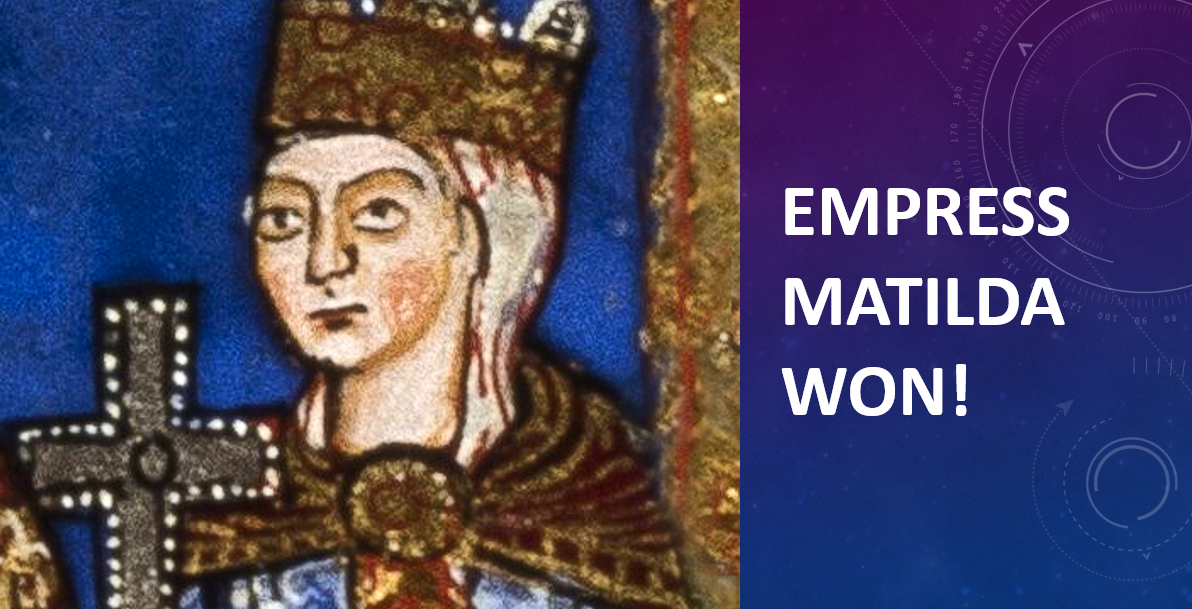
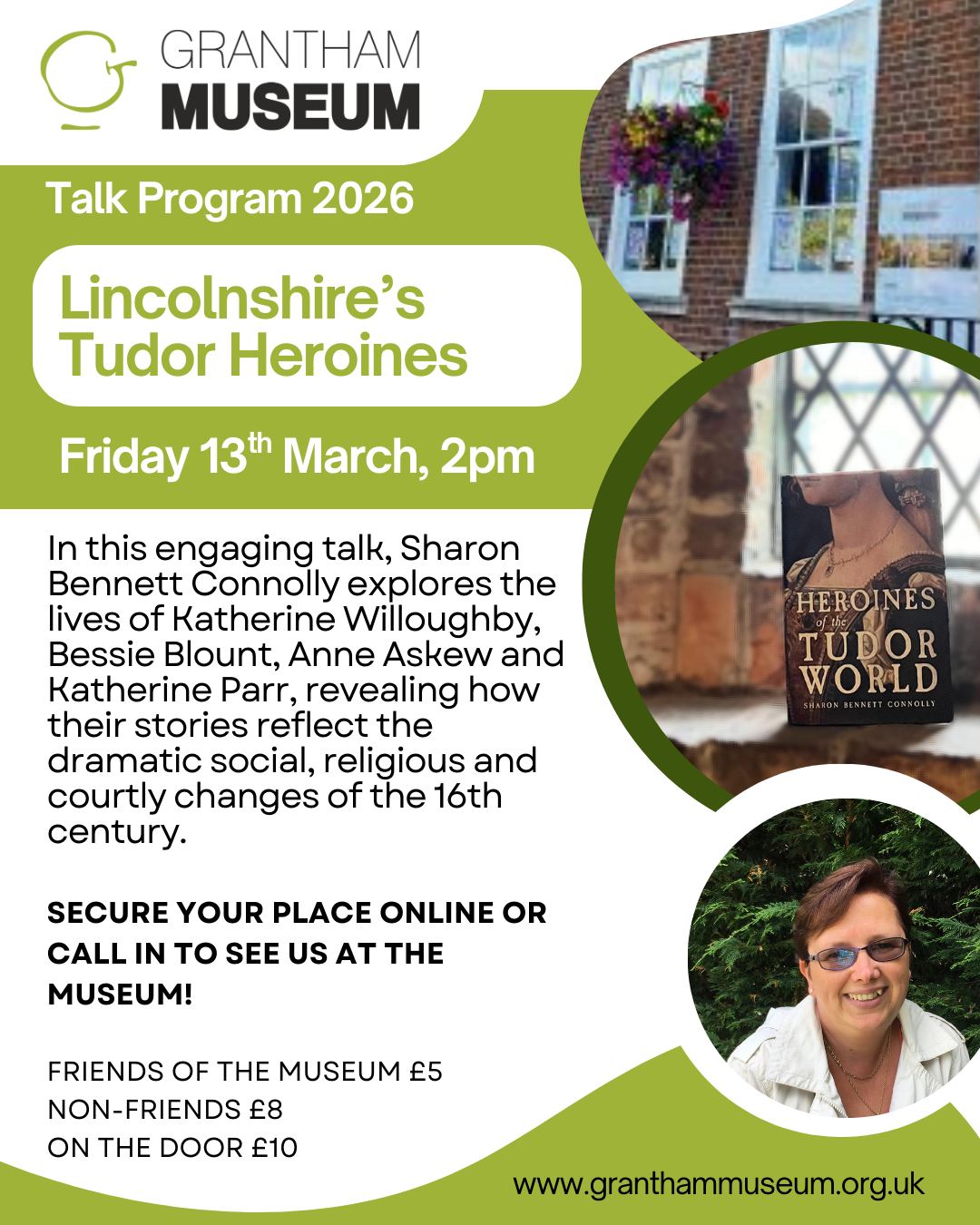
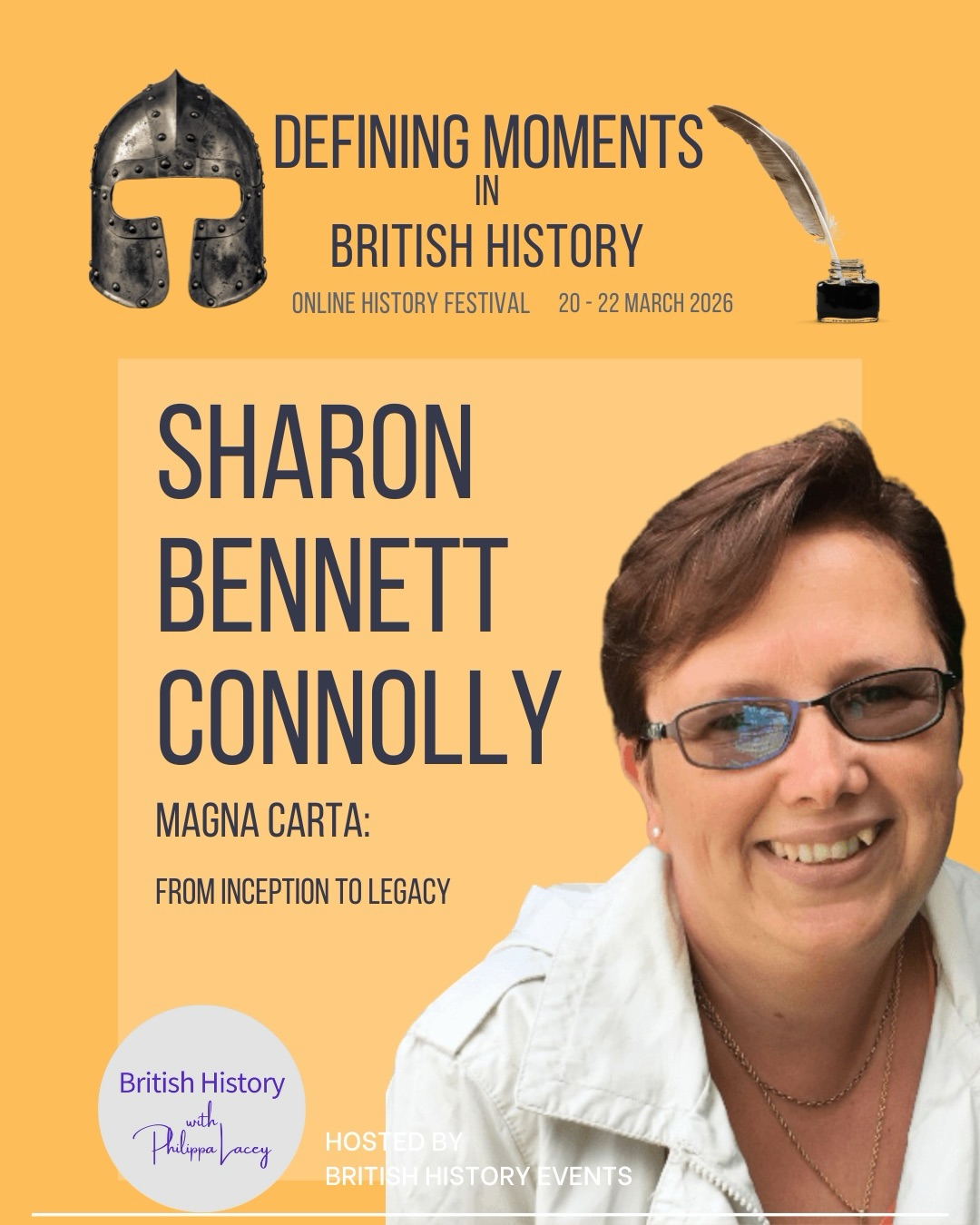
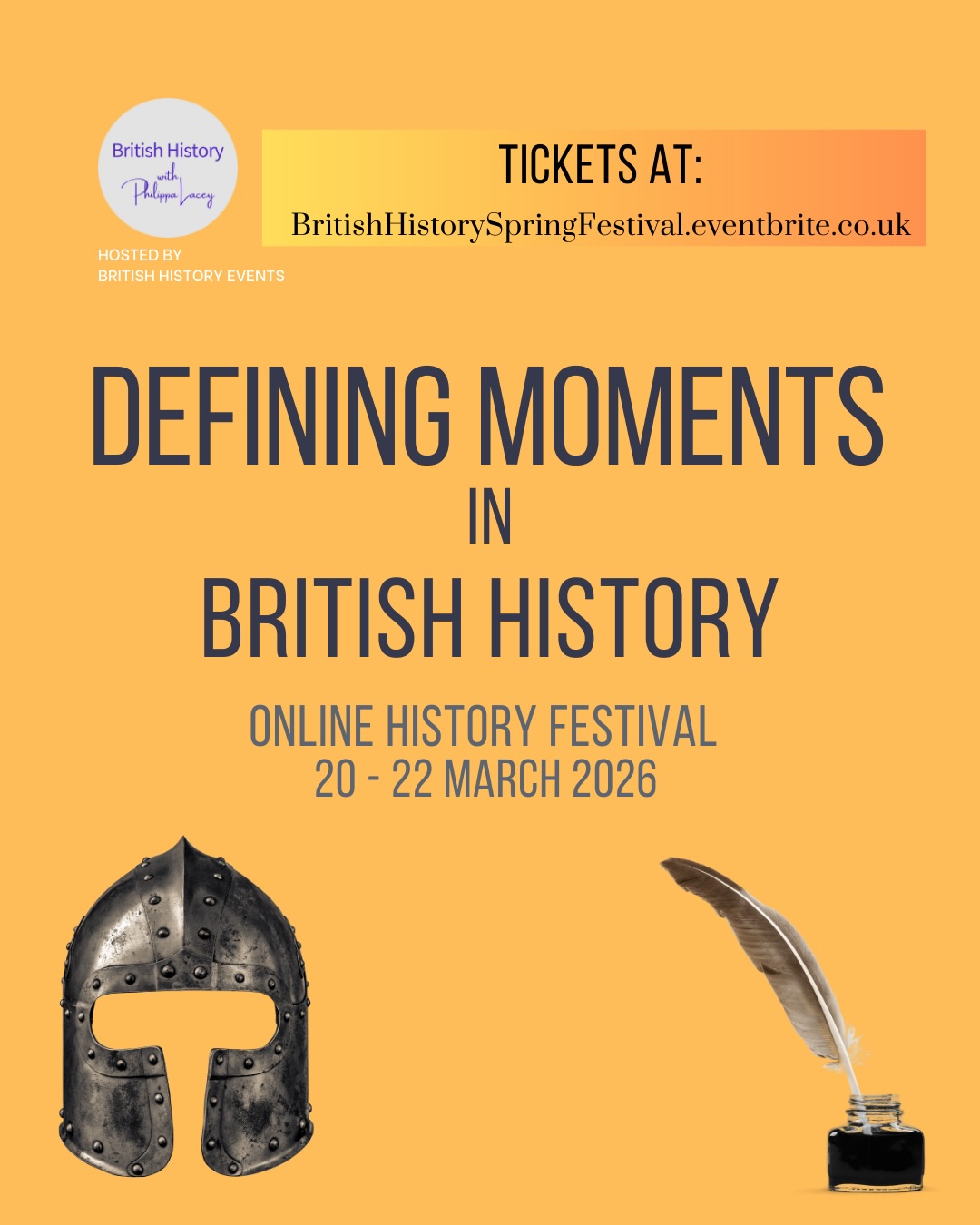
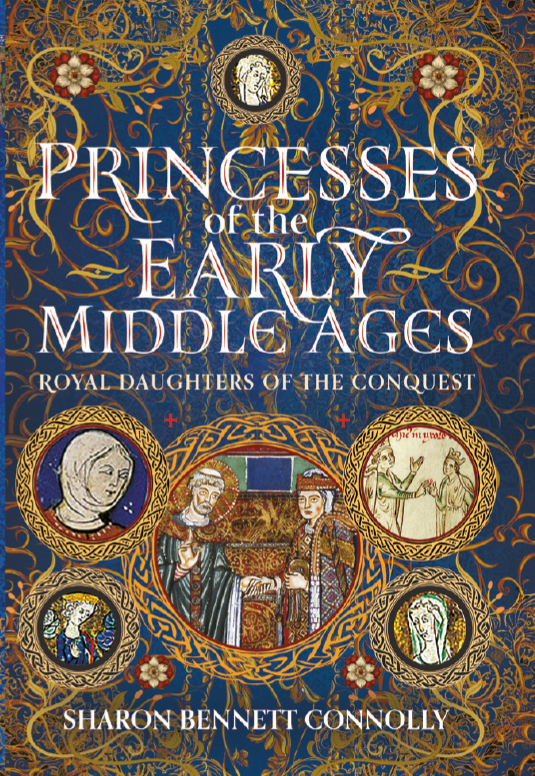
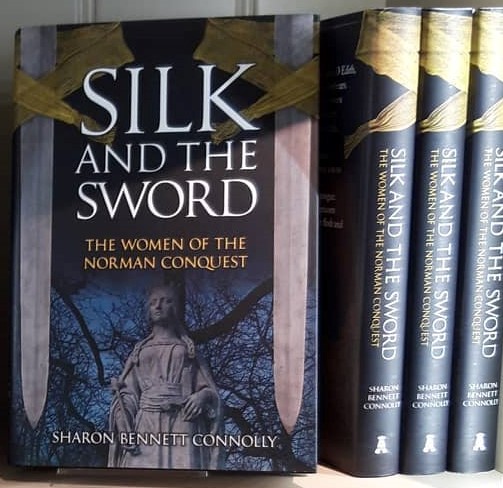

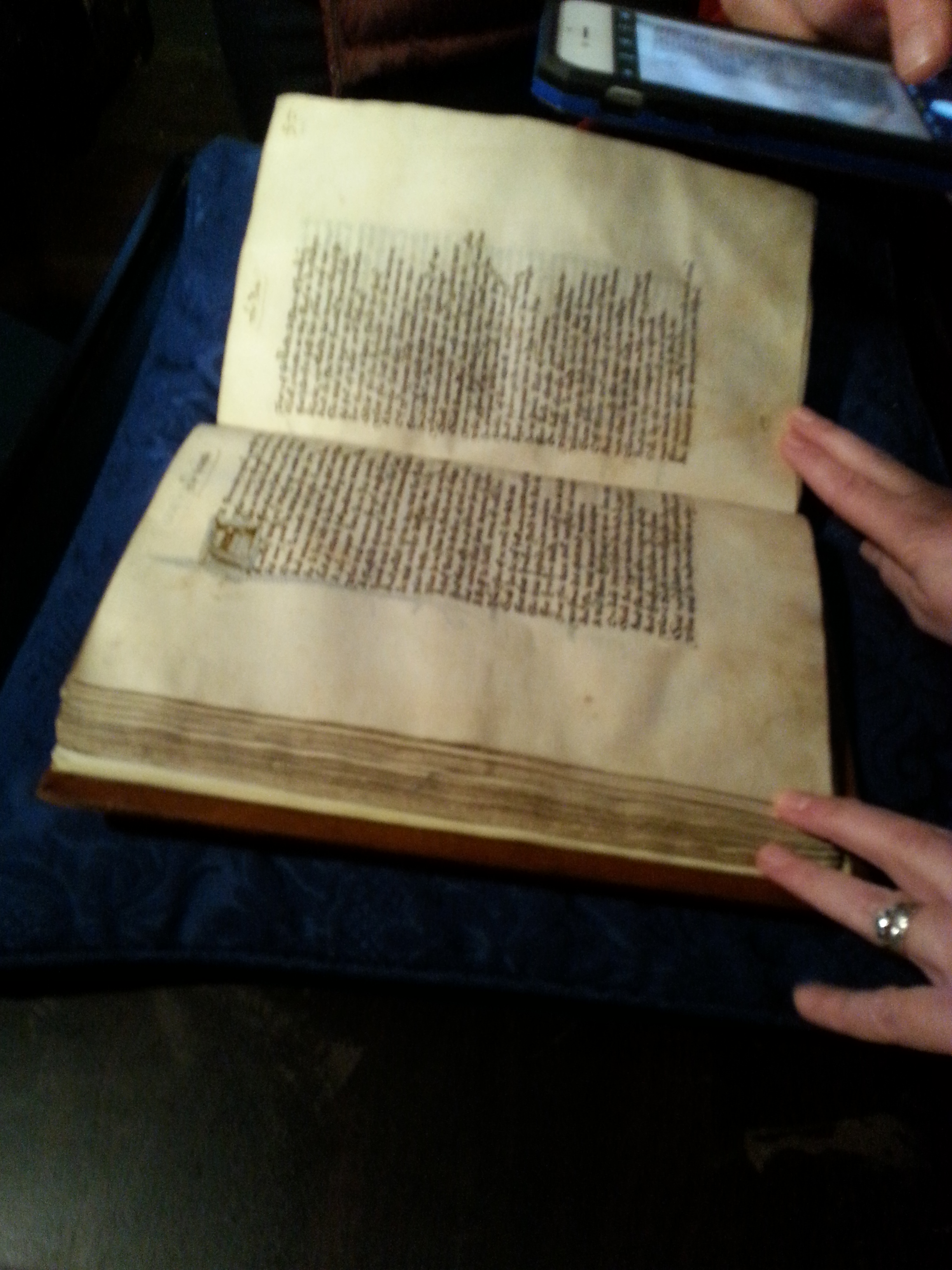
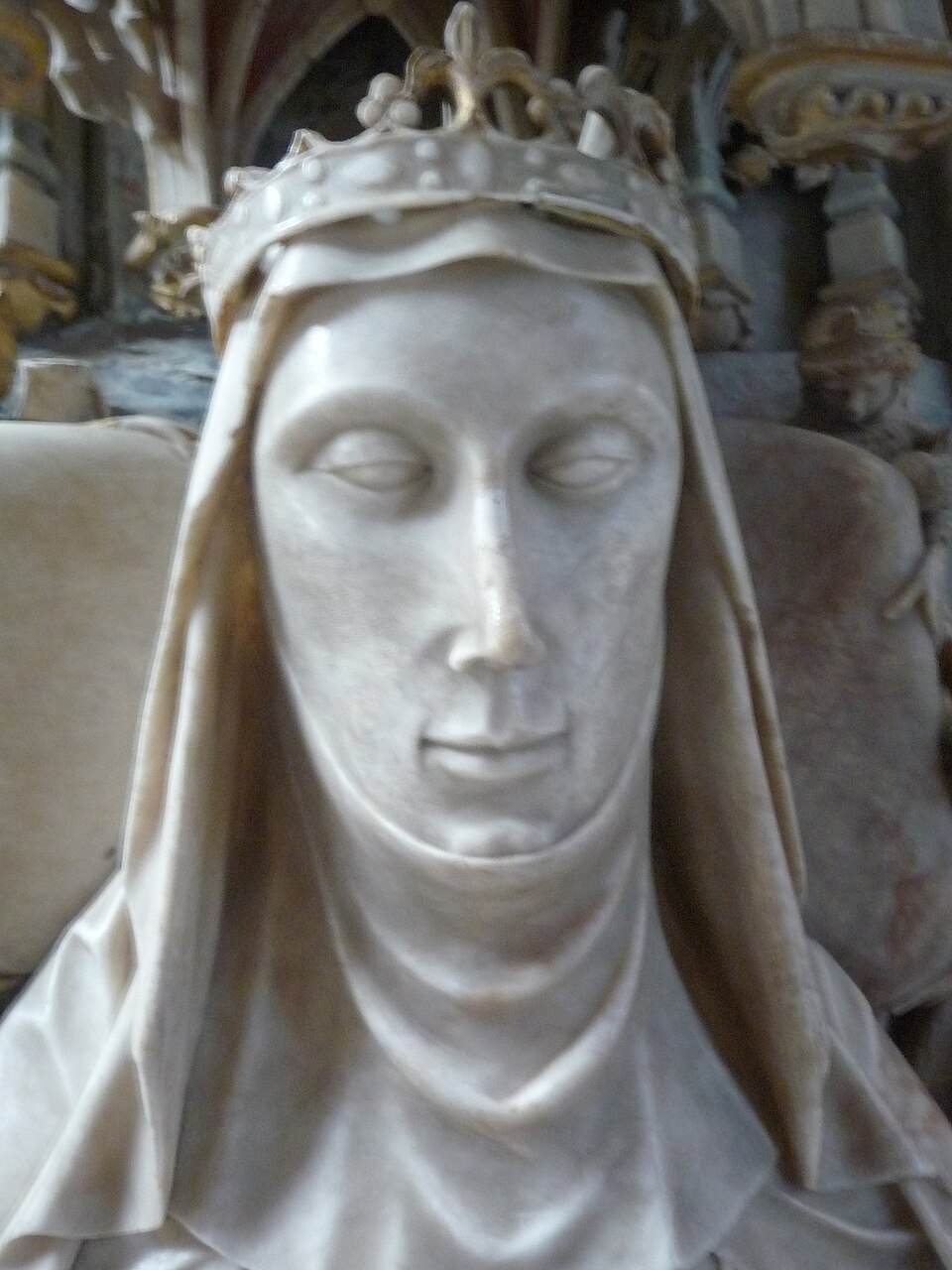
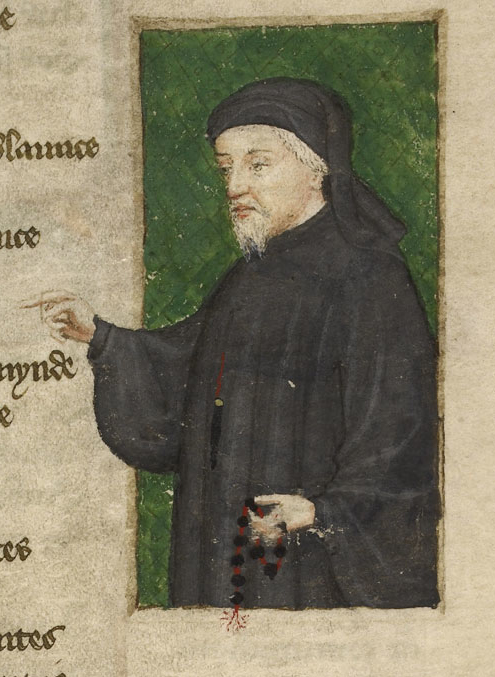
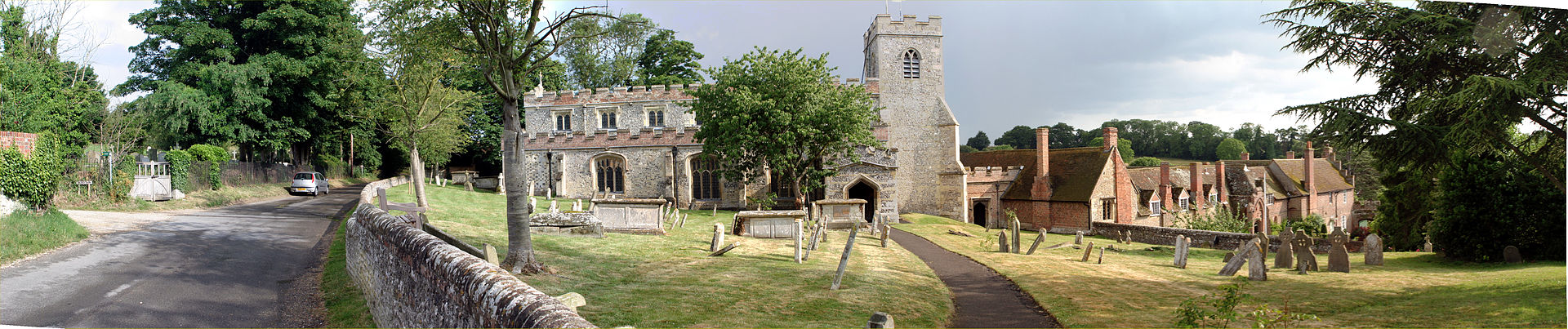
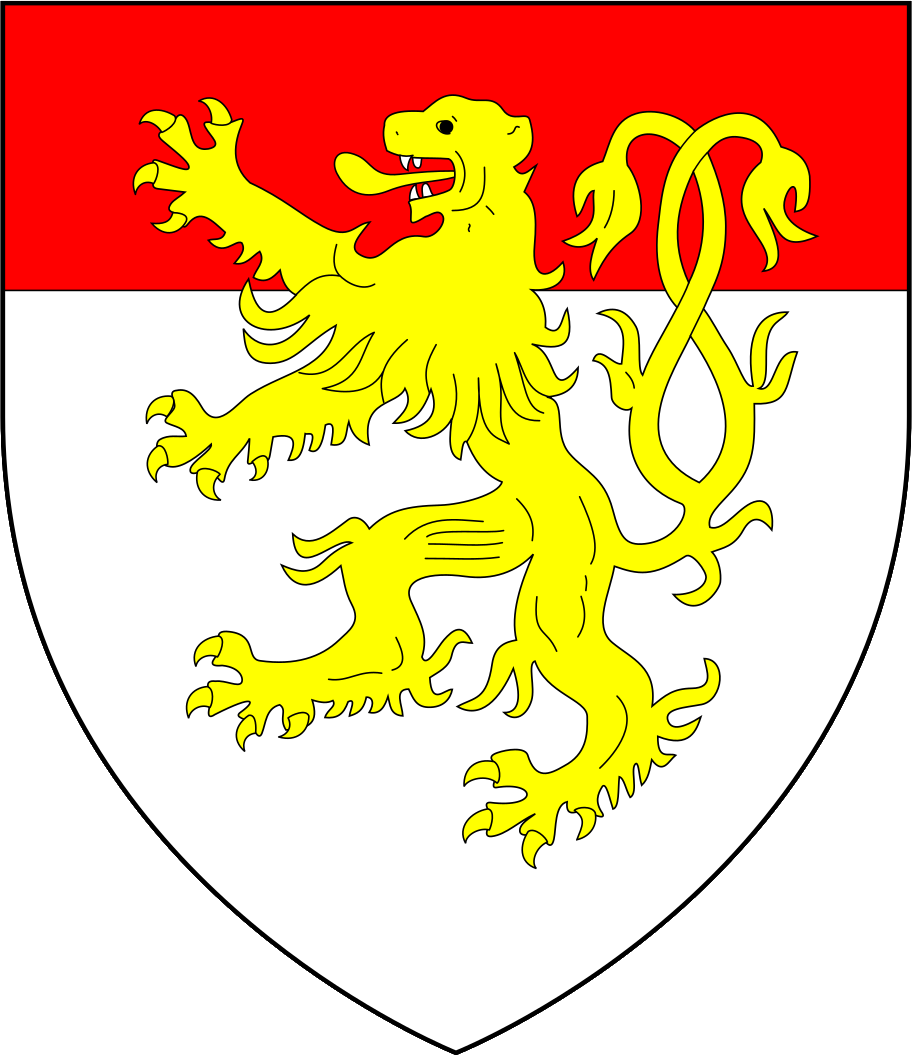

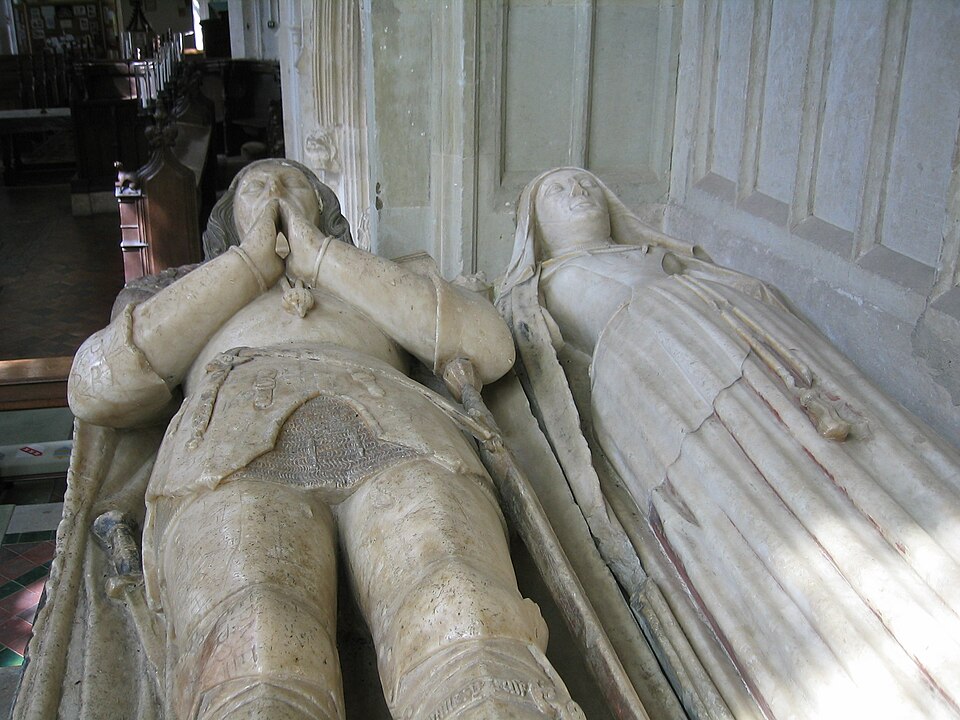
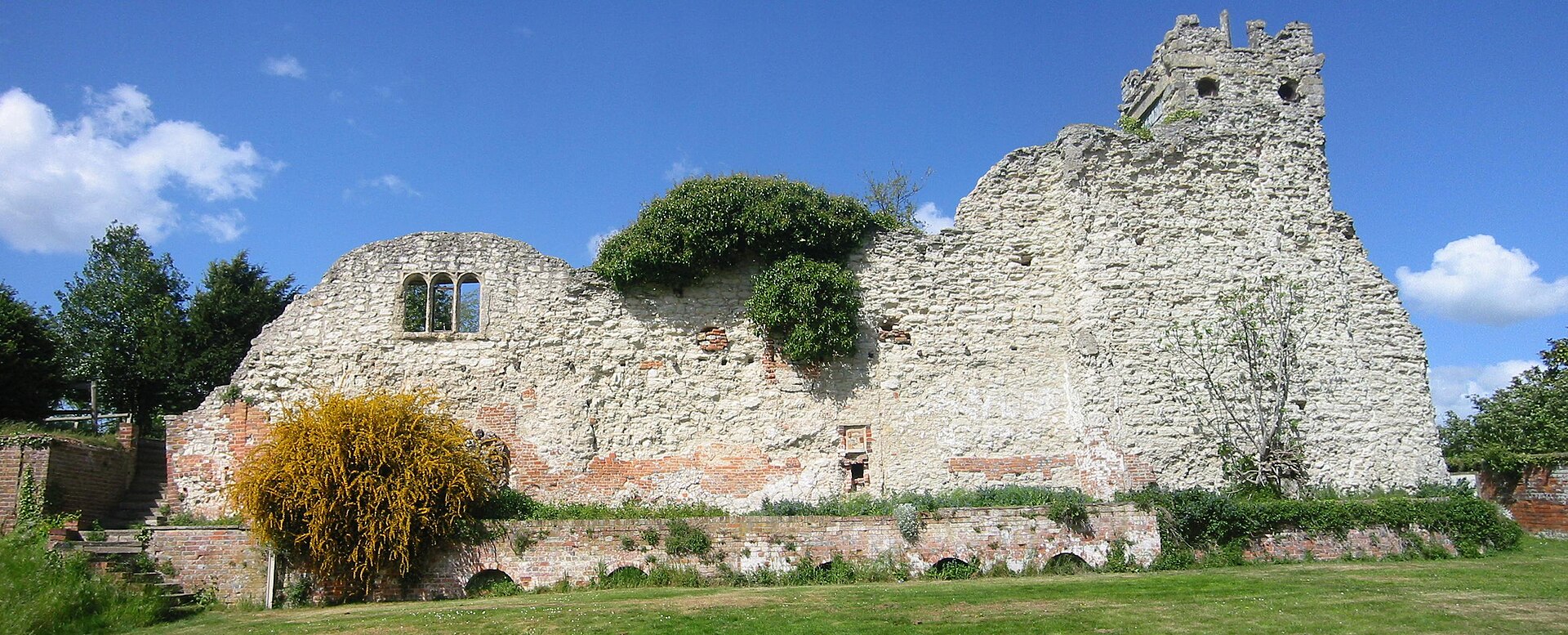
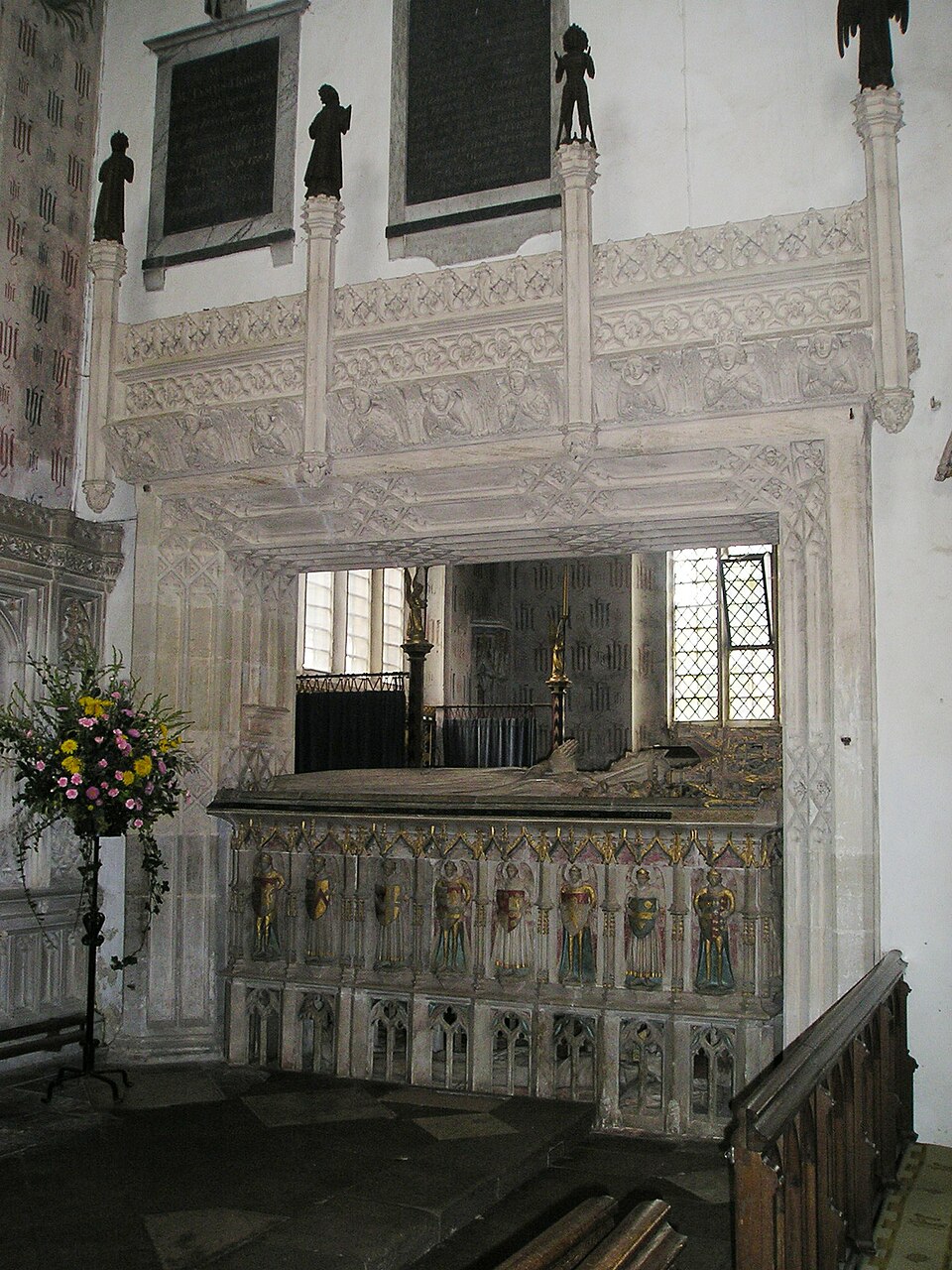
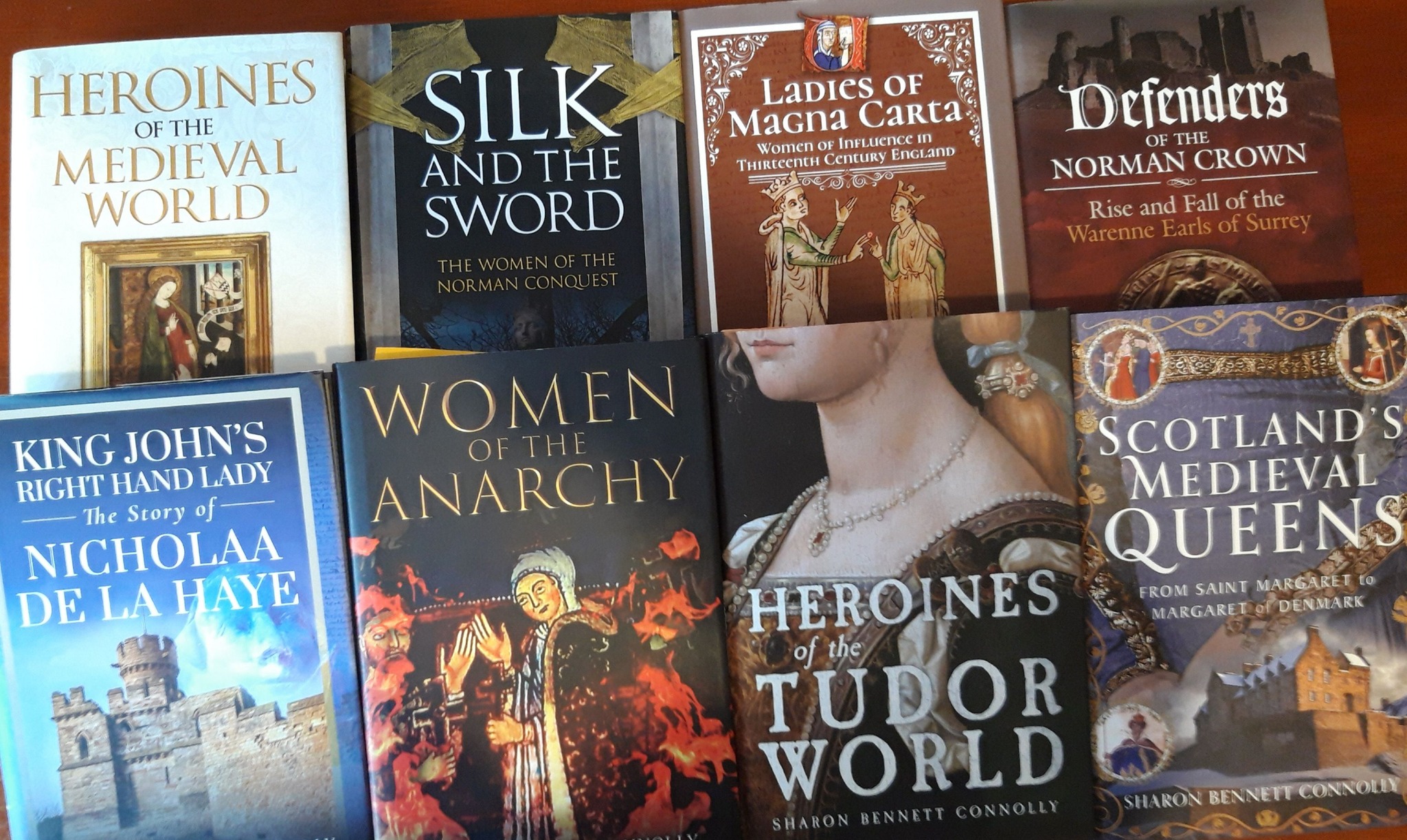
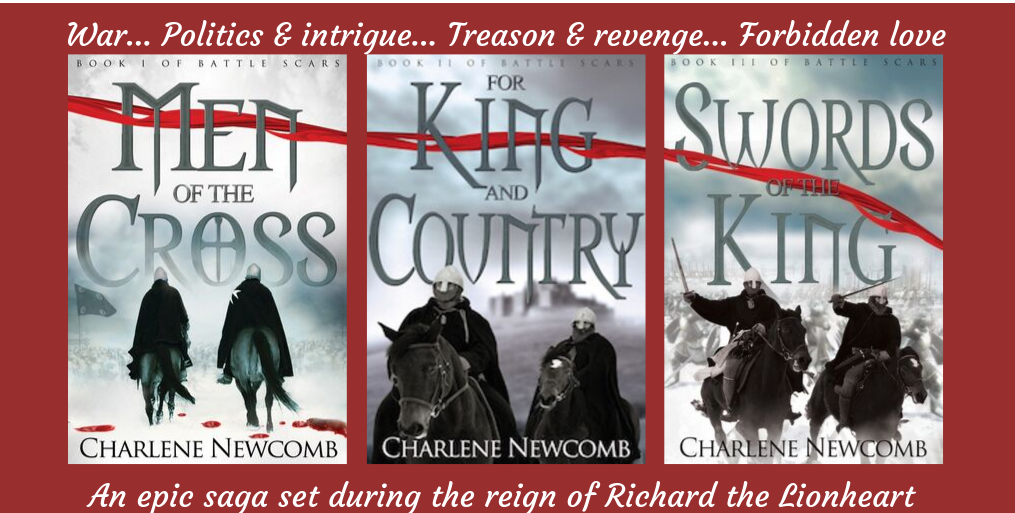
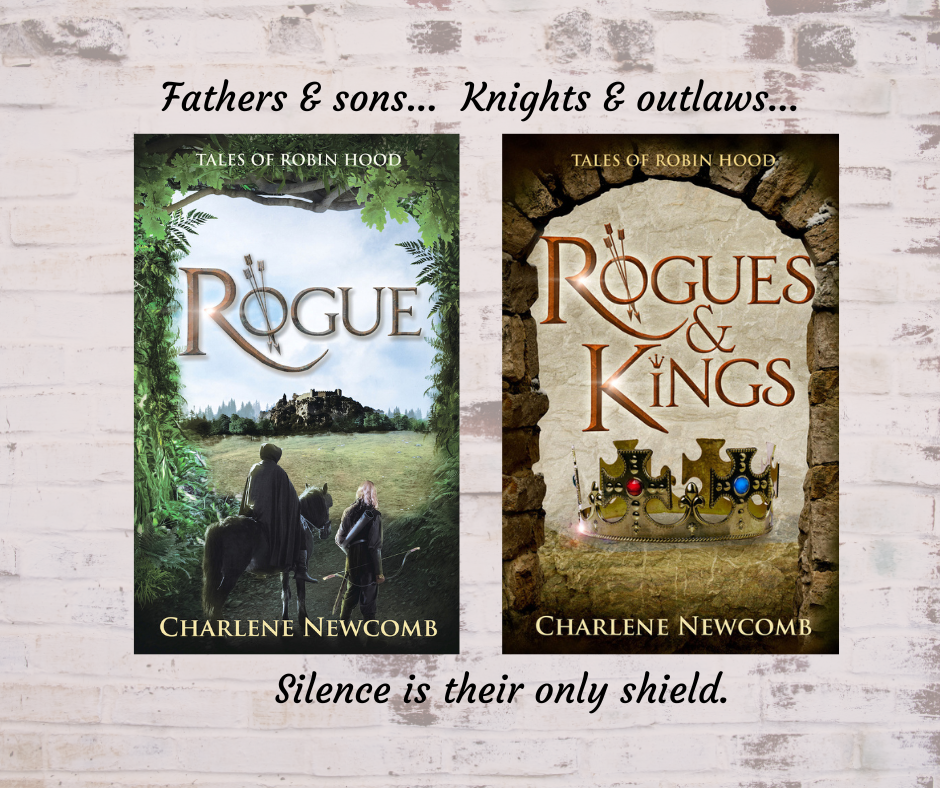
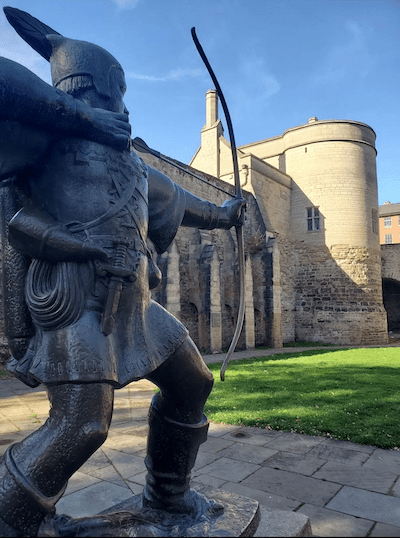
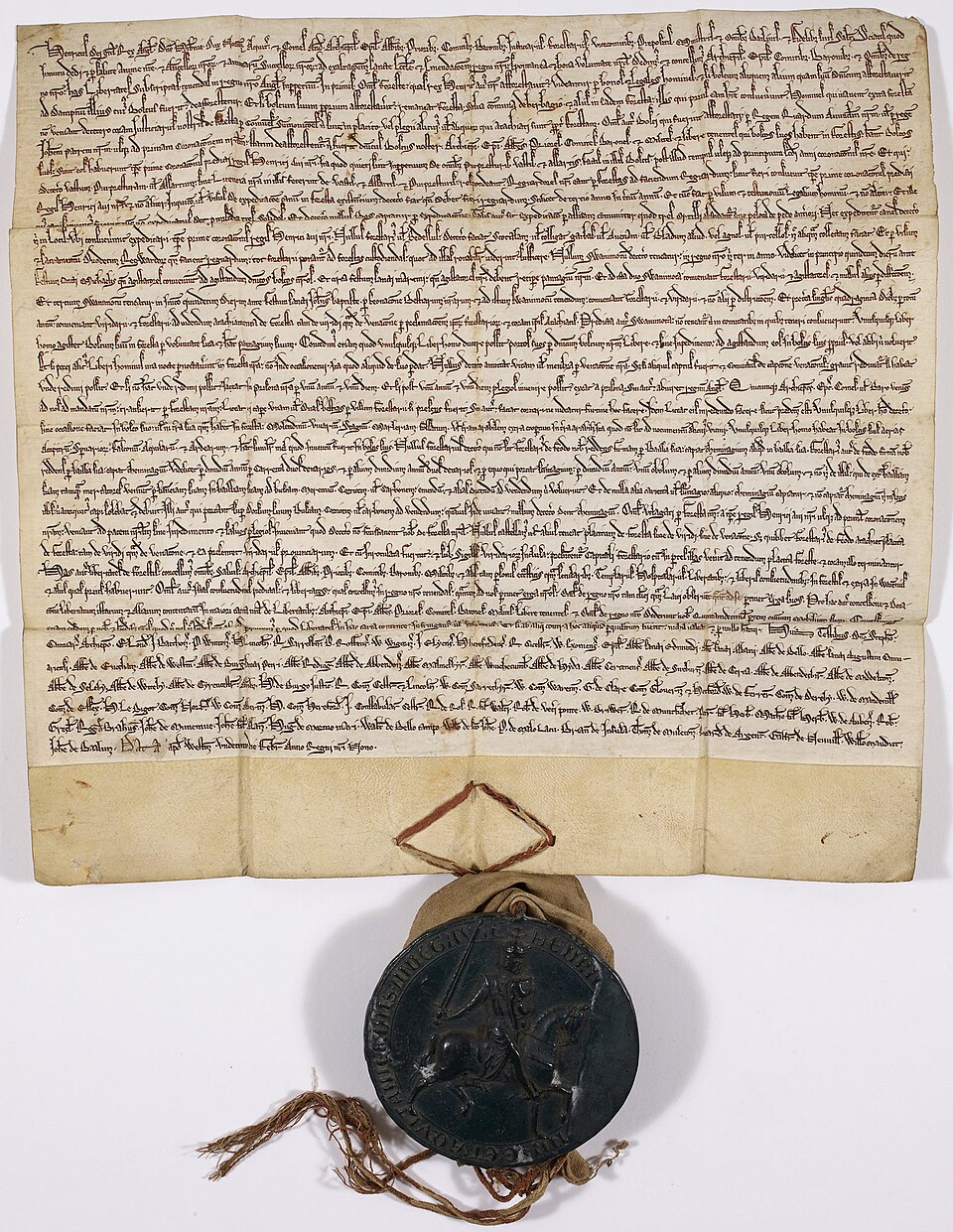
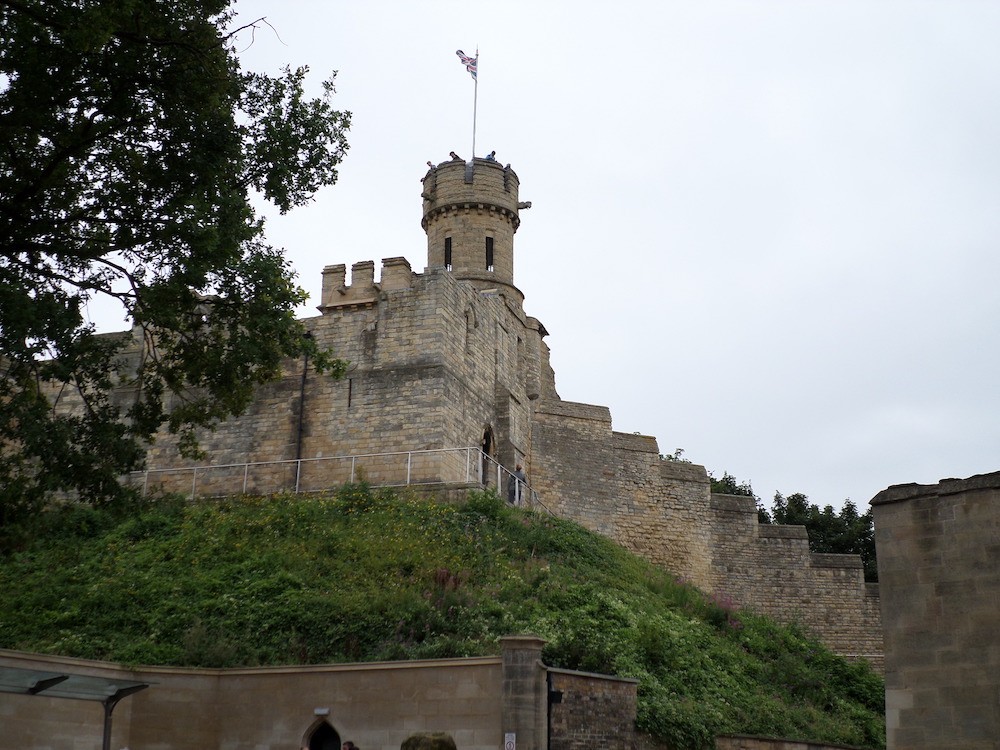
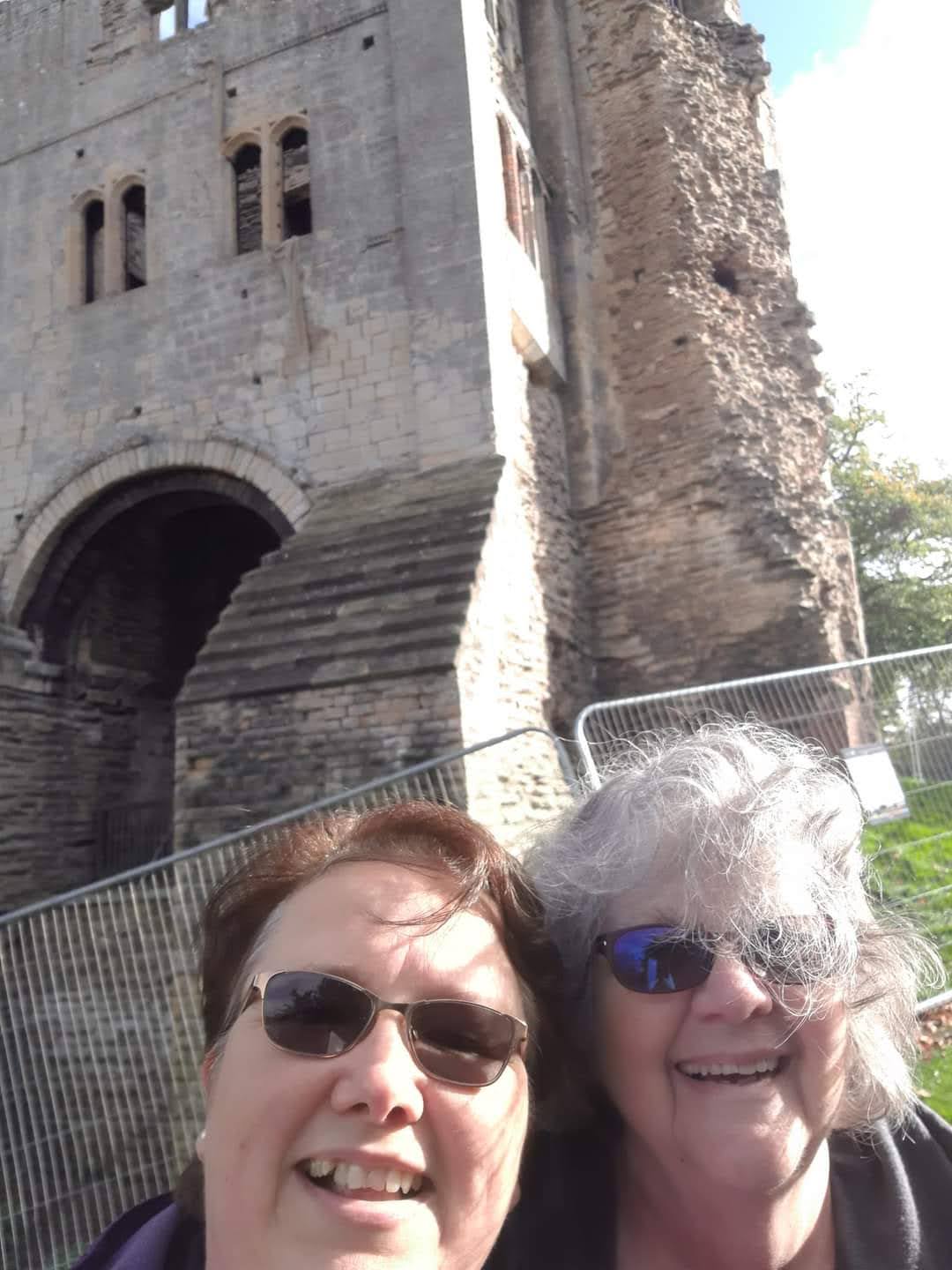
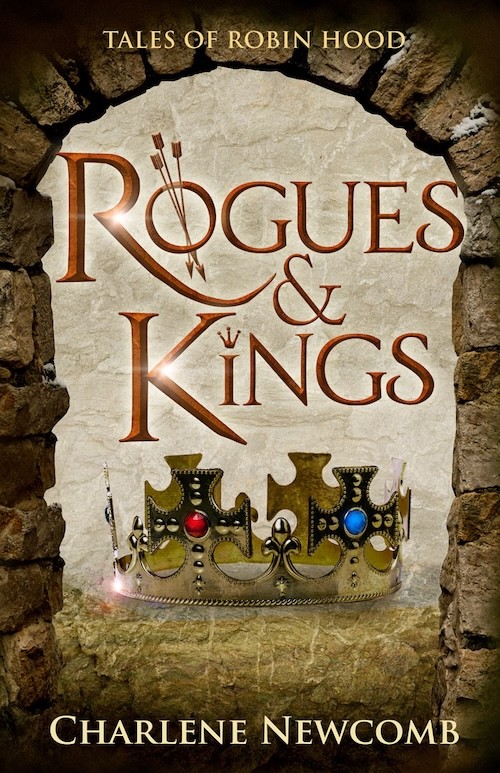

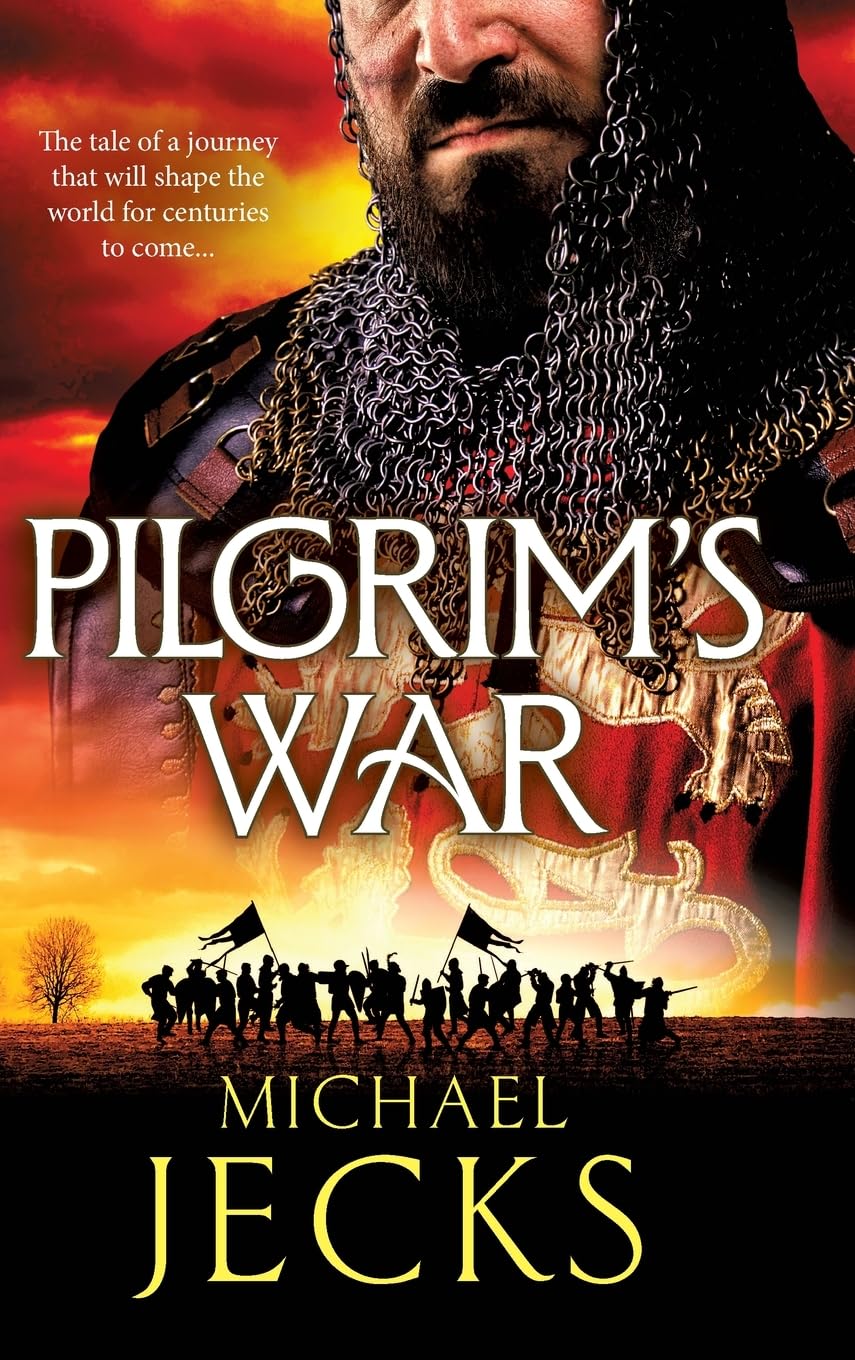
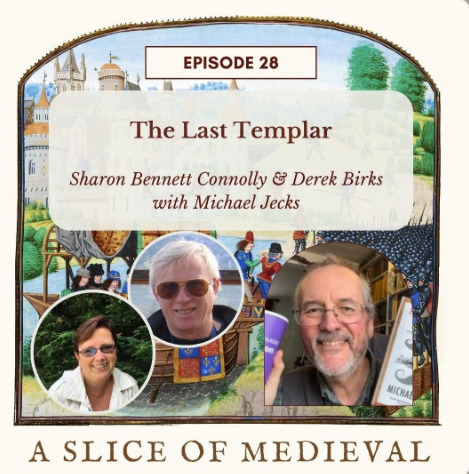

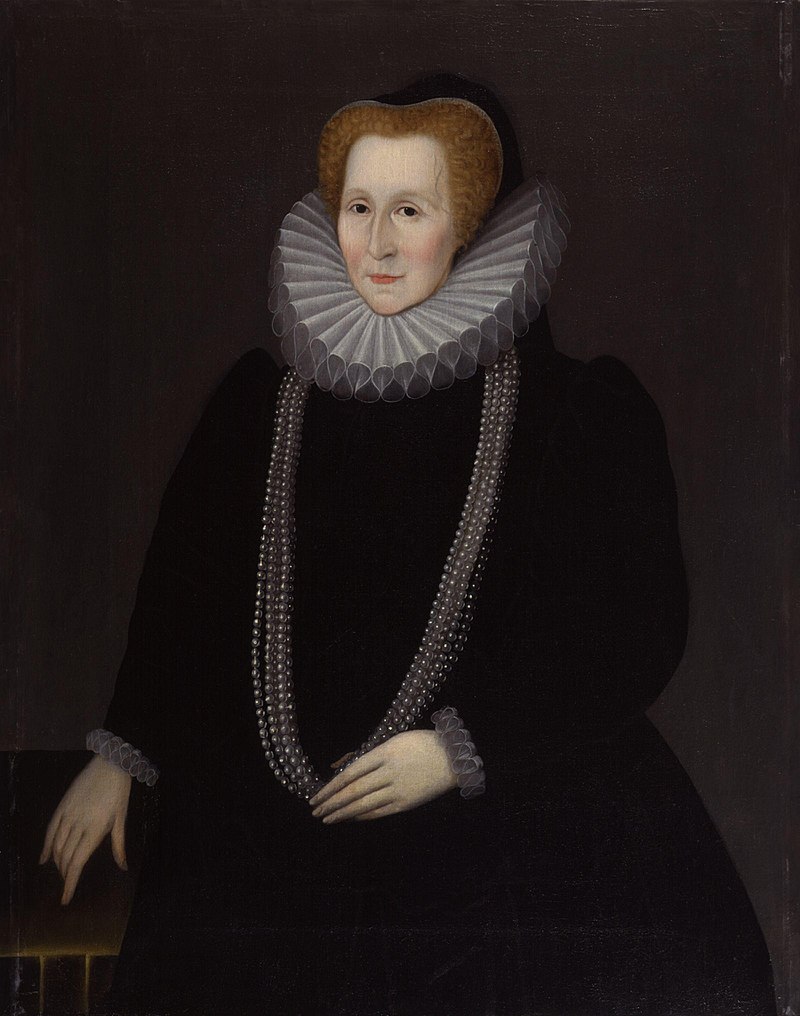
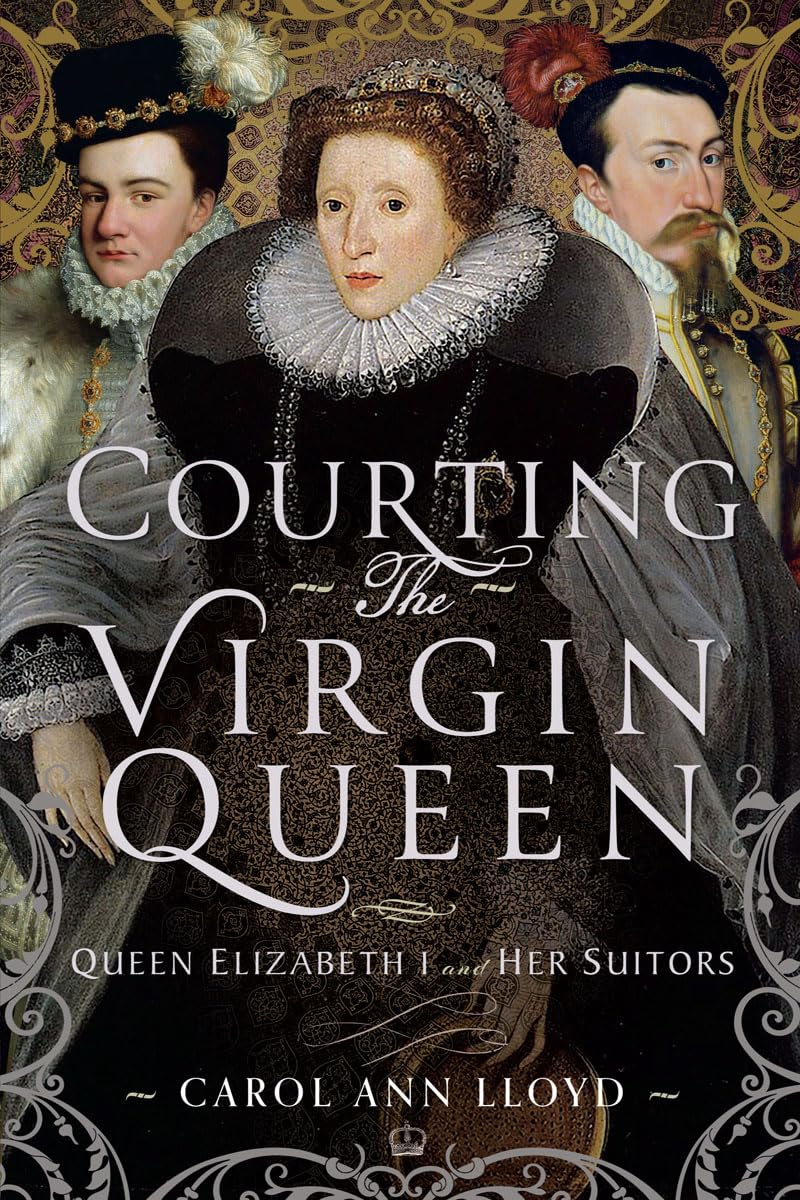
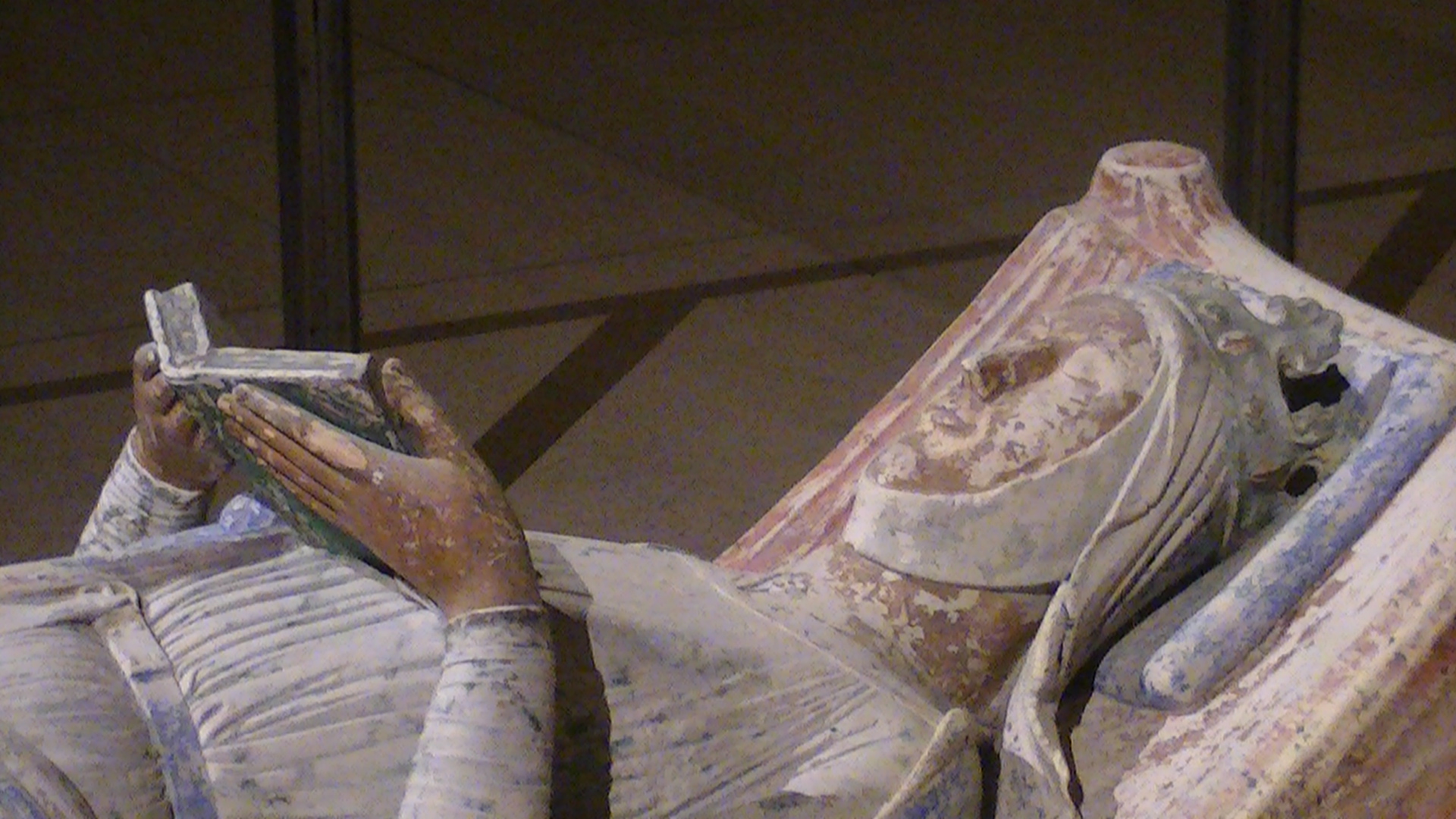
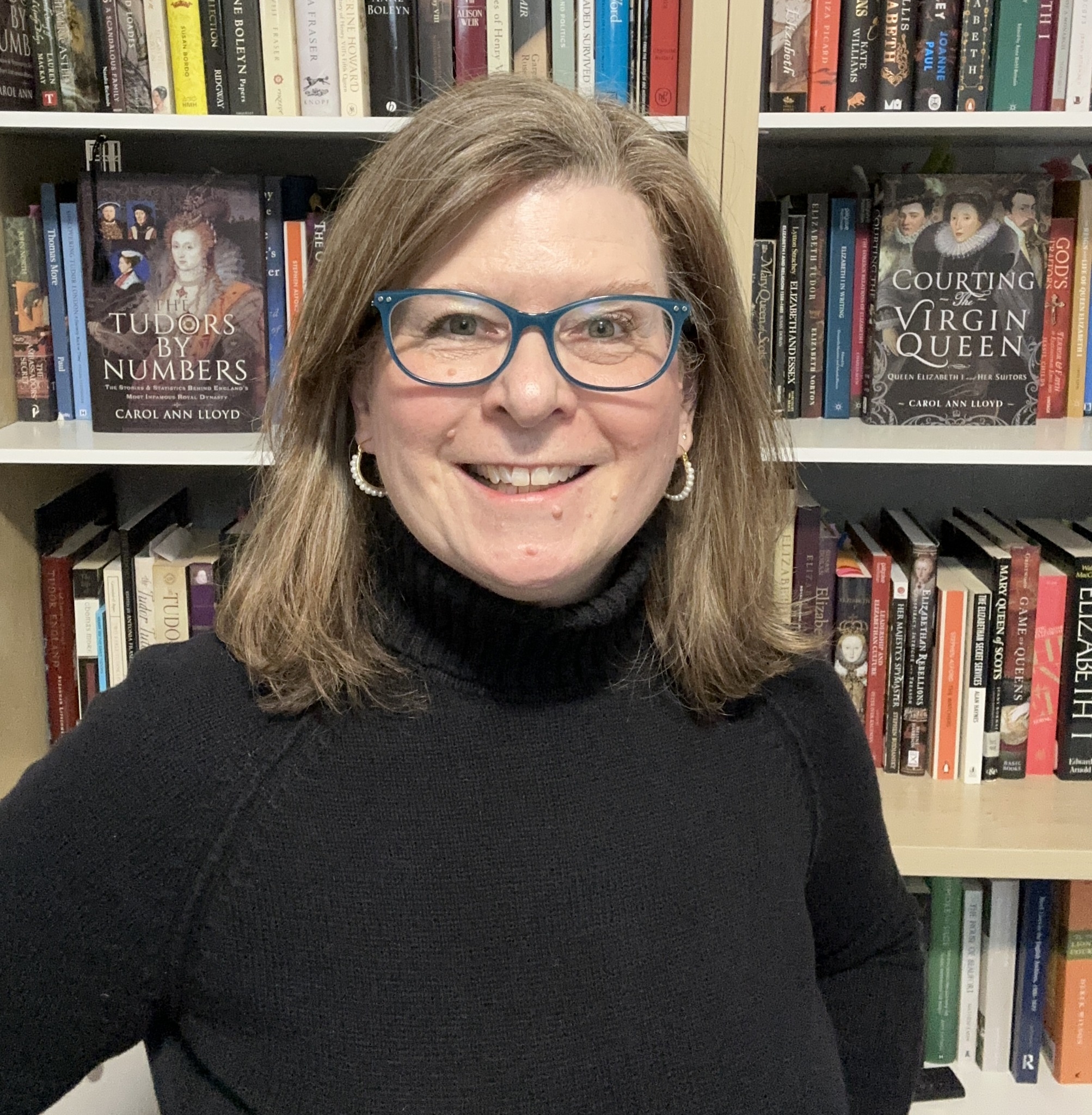


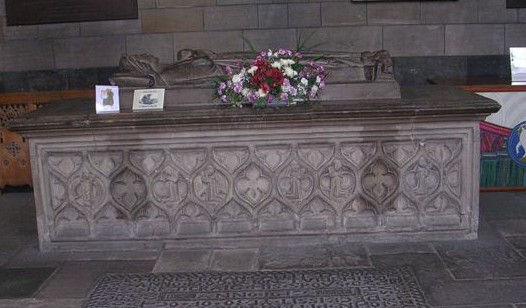
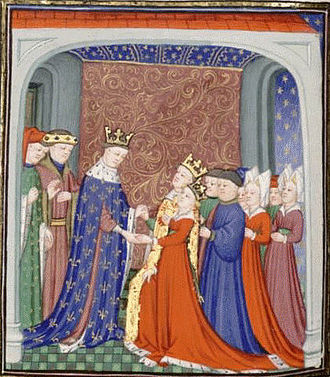
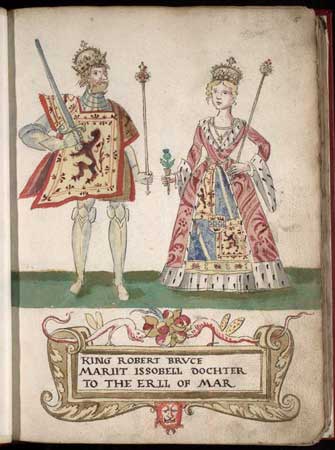
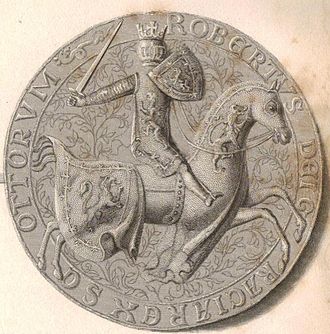
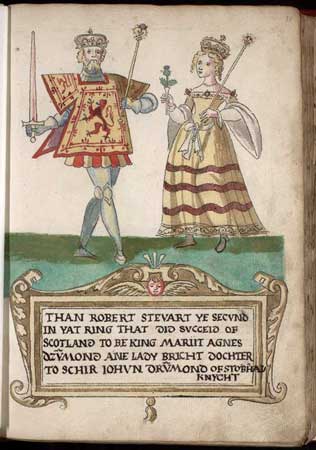
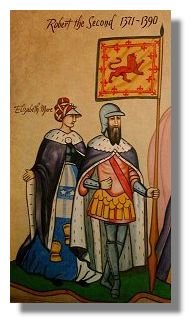








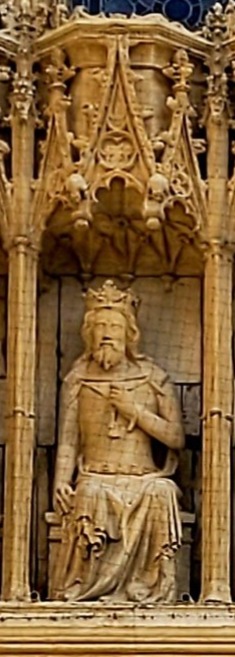
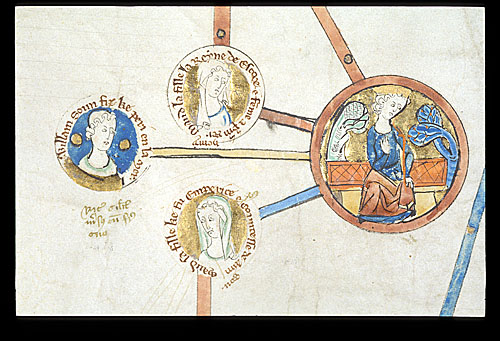
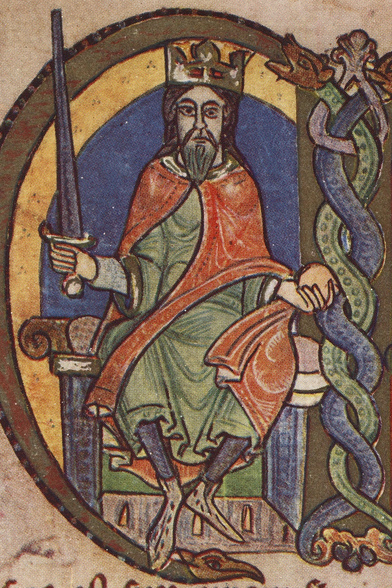
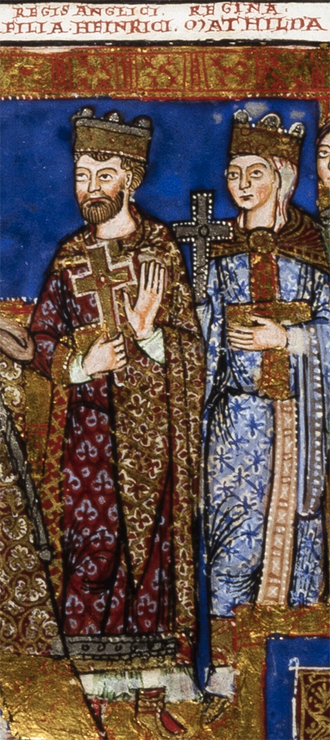
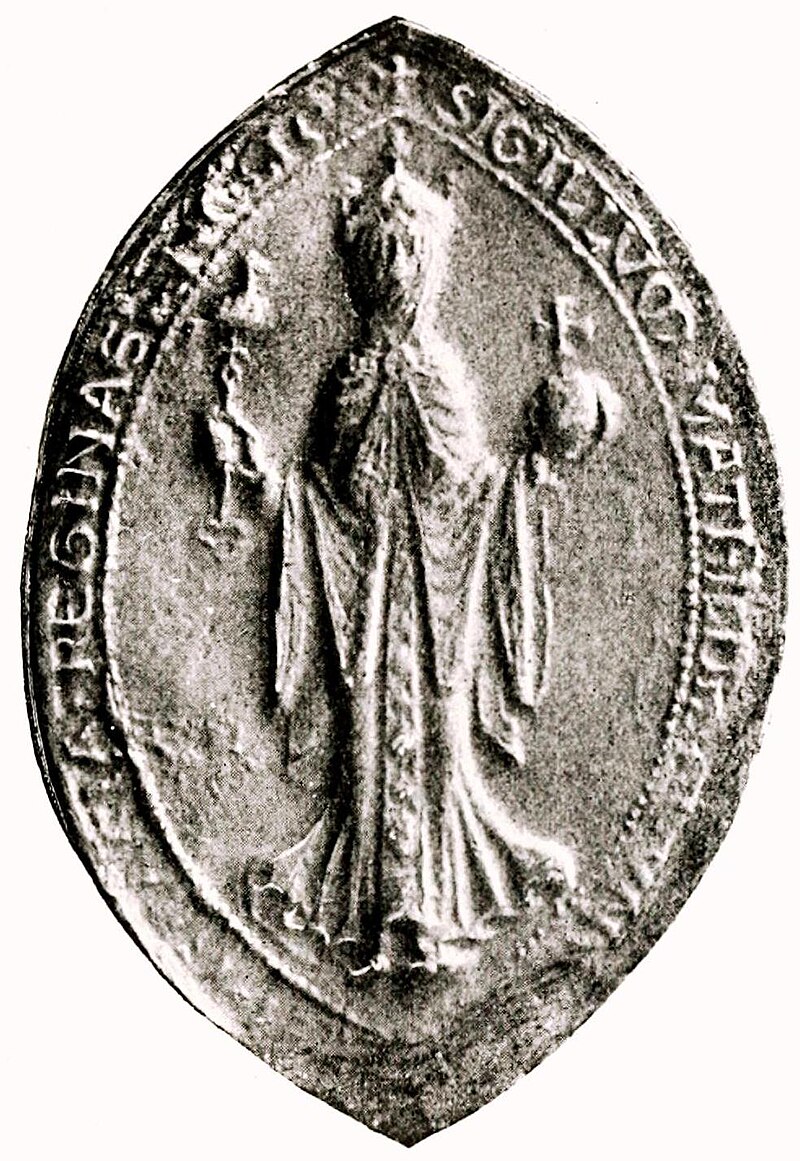
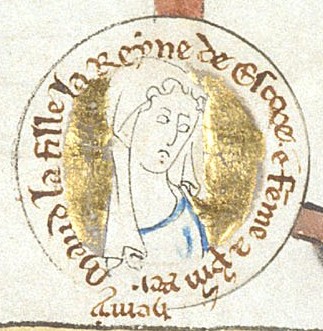
 History... the interesting bits!