I have been quiet for a couple of weeks as I was preparing for – and then taking part in – the Plantagenet Heroines Tour organised by Plantagenet Discoveries. The inspiration of the wonderful Maxine Sommer, Plantagenet Discoveries allows guests to follow in the footsteps of some of the greats of medieval history.
The tour lasted 9 days, though I was only with it for the first 7 days, acting as the tour guide and answering any and all questions from the guests – and there were a LOT of questions.
It was my first time as a ‘resident historian’ and I was not quite sure what to expect or how I would handle being ‘always on’ from the moment I awoke to getting back to my room at night. I needn’t have worried. History is my ‘thing’ and talking about it from morning until night was an absolute pleasure, and quite the adrenalin rush.
I met the tour leaders and 6 guests at an informal ‘getting to know you’ gathering in London on the Friday night. All 6 guests were women travelling alone, with one each coming from Ireland and Sweden, 2 from Australia and 2 from the US. All of us had one thing in common – a love of history.
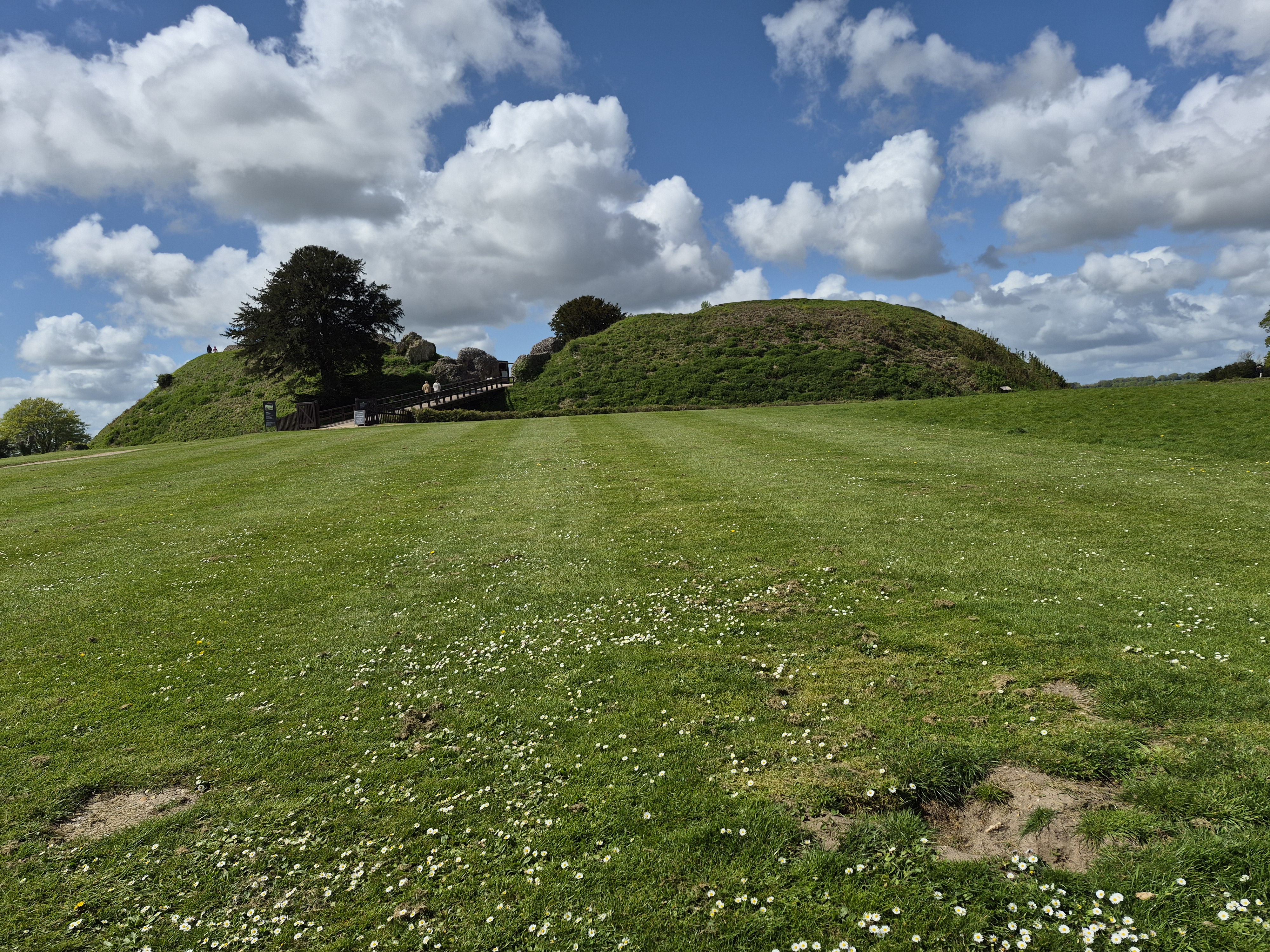
My fist day involved an early rise and breakfast at the hotel in London before meeting out minibus driver for the week, Roger, and setting off at 8.30 am for our first destination: Old Sarum. Arriving on the outskirts of Salisbury at 10.30, we had a good explore of the old ruins. Old Sarum was home to Ela of Salisbury, and prison – even if it was gilded – to Eleanor of Aquitaine. It also gave me the chance to talk about all 3 of Eleanor’s Plantagenet daughters. It is not hard to imagine the magnificence and splendour of the lost castle, especially given the size of the foundations that remain. Even as you can see the ‘new’ cathedral (the foundations were laid in 1220) in the distance, so too can you walk around the floor plan of the old cathedral.
If only these walls could talk, what stories they could tell.
I tried to do them justice. It was my first day and my narrative was a little stilted – I was still trying to find my feet but I was beginning to find my stride, answering questions, offering observations and analysis. Though I did often forget my place – I wasn’t on holiday. But talking history never feels like I’m working.
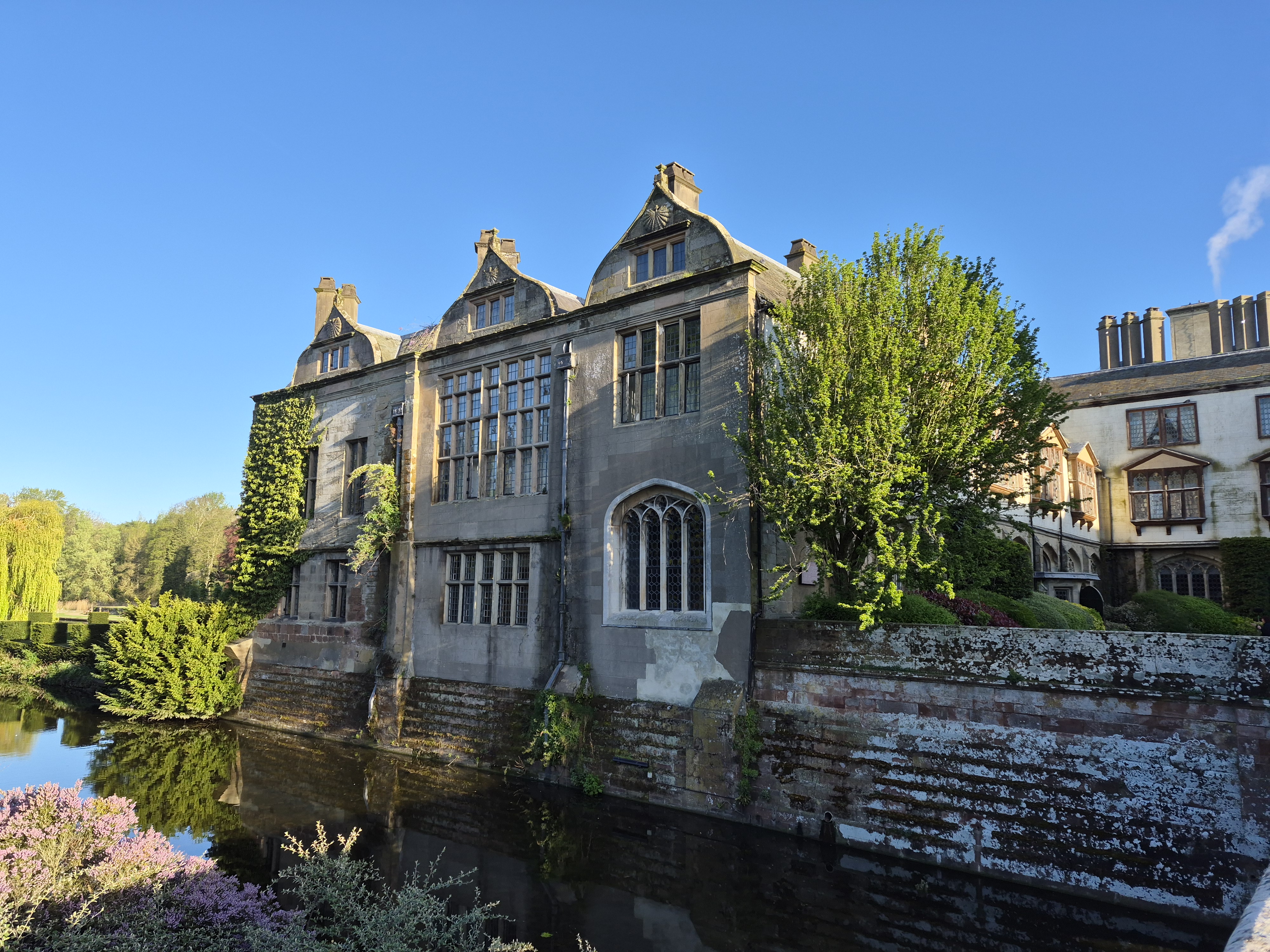
After lunch at the nearby Harvester – literally, you drove from the Old Sarum car park, turned right and the Harvester was on the left, with a view of Old Sarum from its door – we made our way to Coventry, and Coombe Abbey, our hotel for the night. I was particularly excited to stay at Coombe Abbey. Founded by the de Camville family, Nicholaa de la Haye‘s second husband, Gerard de Camville, is buried there – somewhere. Unfortunately, I did not find his burial place but the abbey itself did not disappoint. We enjoyed a 3-course meal that evening, breakfast and a wander around the grounds in the morning. The abbey retains many of its medieval features, with stone archways, a pulpit and the tomb of a murdered abbot, with a grand staircase and sumptuous bedrooms added to it. I didn’t want to leave!
And I definitely want to go back!
Sunday was a 2-castle day.
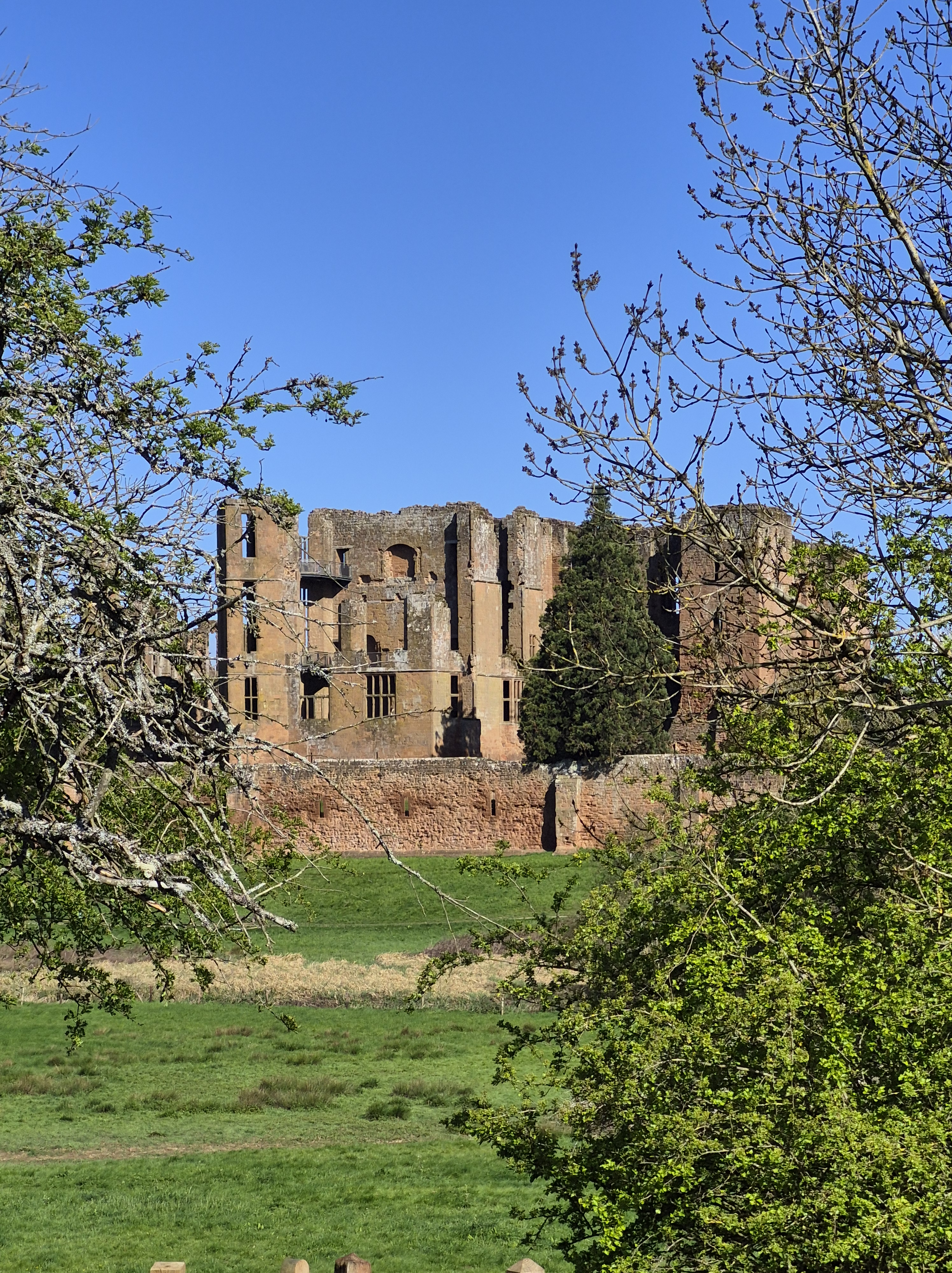
The morning was spent at Kenilworth Castle. Famous for its links to Robert Dudley, Earl of Leicester – Queen Elizabeth I’s favourite – it was a vast castle belonging to the medieval earls of Leicester. Simon de Montfort and his royal wife, Eleanor of England, lived here. In fact, after Simon’s death, his supporters continued to hold the castle through a 9-month long siege – the longest siege on English soil. John of Gaunt turned Kenilworth from a medieval fortress into a royal palace and it became one of the favourite residences, outside of London, of Margaret of Anjou.
There was much to explore, from the ‘new’ building of Dudley to the old Great Hall of Gaunt. So many stairs!
Discussion ranged from Simon de Montfort (we don’t like him) to Edward I, Henry III, the Battles of Lewes and Evesham and Eleanor’s teenage vow of chastity that lasted until she saw Simon de Montfort and married him. Which inevitably led to a discussion of Sharon Penman novels and the fates of Simon and Eleanor’s daughter, Eleanor de Montfort, and granddaughter, Princess Gwenllian.
The history I told was inspired by the castle itself and the questions of the guests, giving as much information as I could about the women, in particular, who would have known Kenilworth in its glory days.
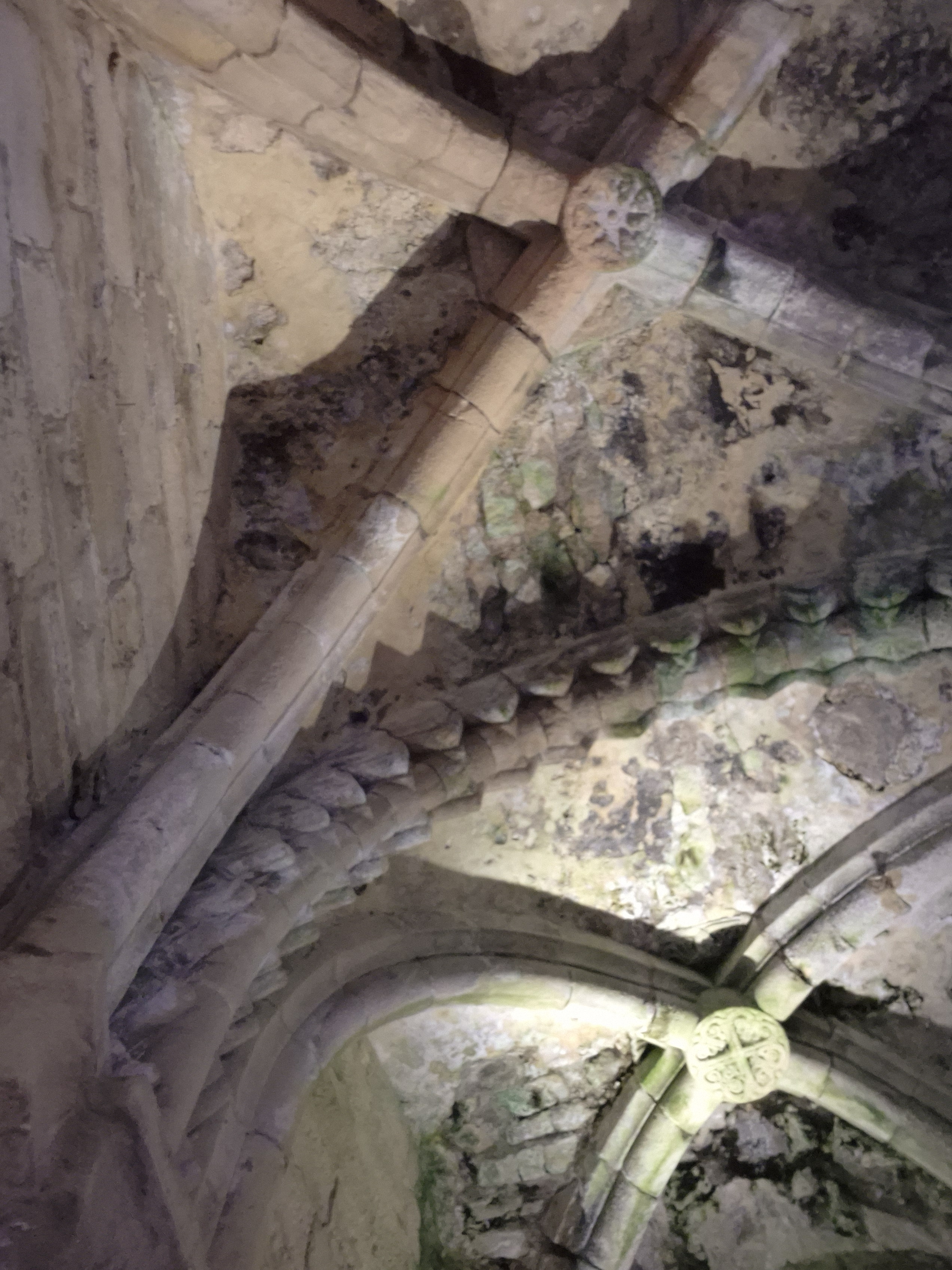
Our next stop was Conisbrough Castle. Definitely firmer ground for me. I was in my element. This is MY castle. I have told its story for over 30 years, both as a tour guide and writer. I wrote a book about the family who built it and, as you know, countless articles. So, I did my usual tour, going through the story of Ambrosius Aurelianus, through William de Warenne, the first earl, Hamelin, the man who built the keep, the visits of Henry II, King John and Edward II to the marital woes of John de Warenne, the 7th and last Earl of Warenne and Surrey. And not to forget the links to the house of York, to Richard III being the last to spend money on the castle in 1484.
We stood in the little chapel on the top floor of the keep, contemplating those kings who had knelt on those stones and prayed., You could feel the history around us.
That evening, we arrived at our base for the next 3 days, The Grand Hotel at York. And grand it was, indeed. A 5-star hotel with underfloor heating in the bathroom, it had once been the grand headquarters of LNER – the London and North Eastern Railways.. Once we were unpacked, we were treated to another sumptuous 3-course meal – I had a 50-layer lasagne. Even though I was walking over 10,000 steps a day, there was no way I would lose weight on this holiday – er, work trip!
Monday was spent in County Durham, with connections to the royal House of York everywhere!
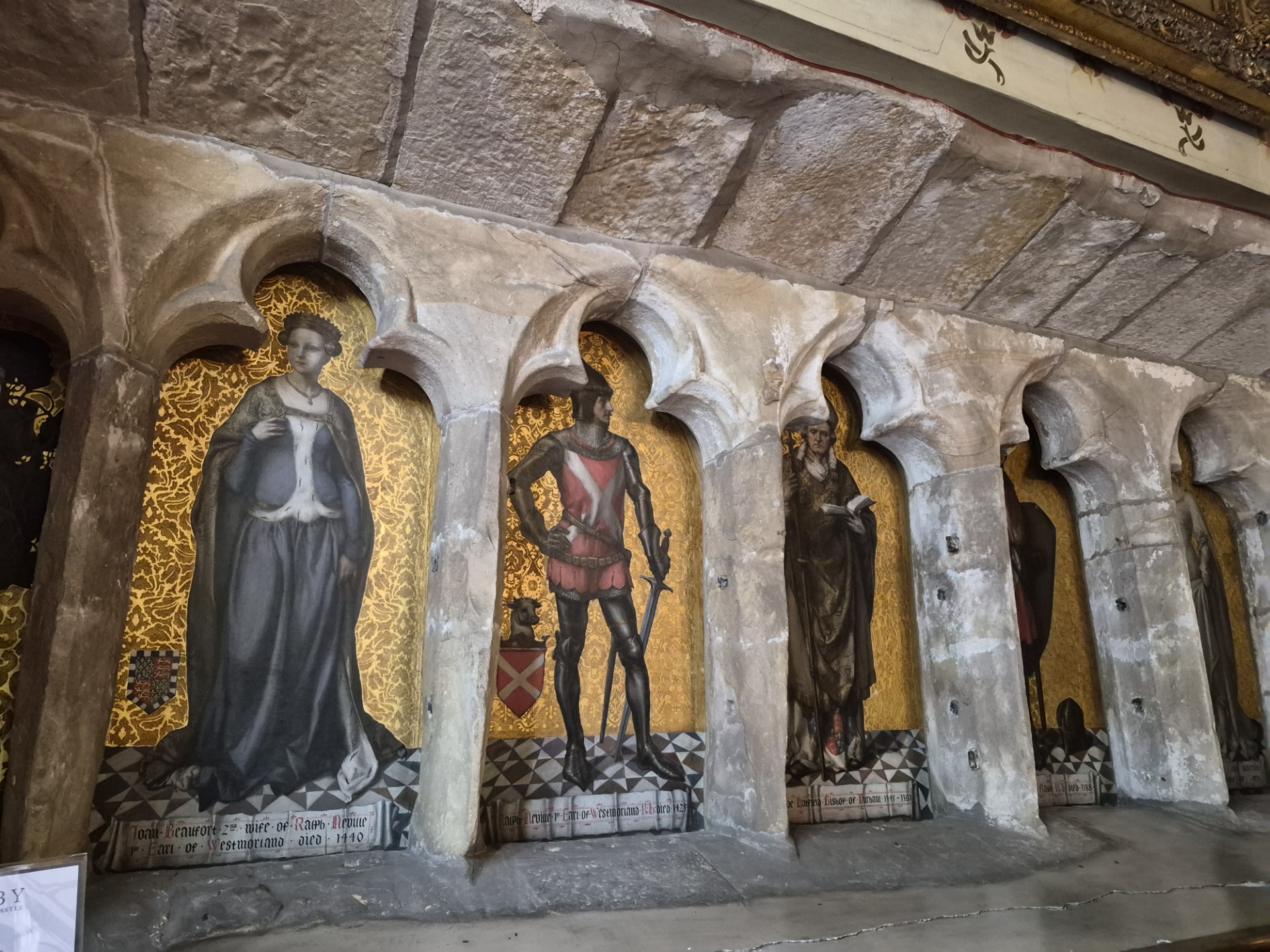
In the morning, we were treated to a private tour of Raby Castle. the wonderful guide, Marian, answered questions, pointed out the must-see parts of the castle and took us ‘behind the scenes’ to see the room that had once been the bedroom of none other than Cecily Neville, Duchess of York and mother of Kings Edward IV and Richard III. The stunning chapel includes paintings of Cecily and her mother Joan Beaufort, daughter of John of Gaunt and Katherine Swynford.
After lunch, we had a short visit into Staindrop, to St Mary’s Church, where Joan’s husband, Ralph Neville, is buried alone, though in a triple tomb atop which lay the effigies of Ralph and both his first wife, Margaret Stafford, and Joan herself. And I got to tell the story of Joan, her marriages and children and the influence she had on the events of the 15th century.
It was then just a 15-minute drive up the road to Barnard Castle. But my joke about getting my eyes tested landed flat – only the driver got it.
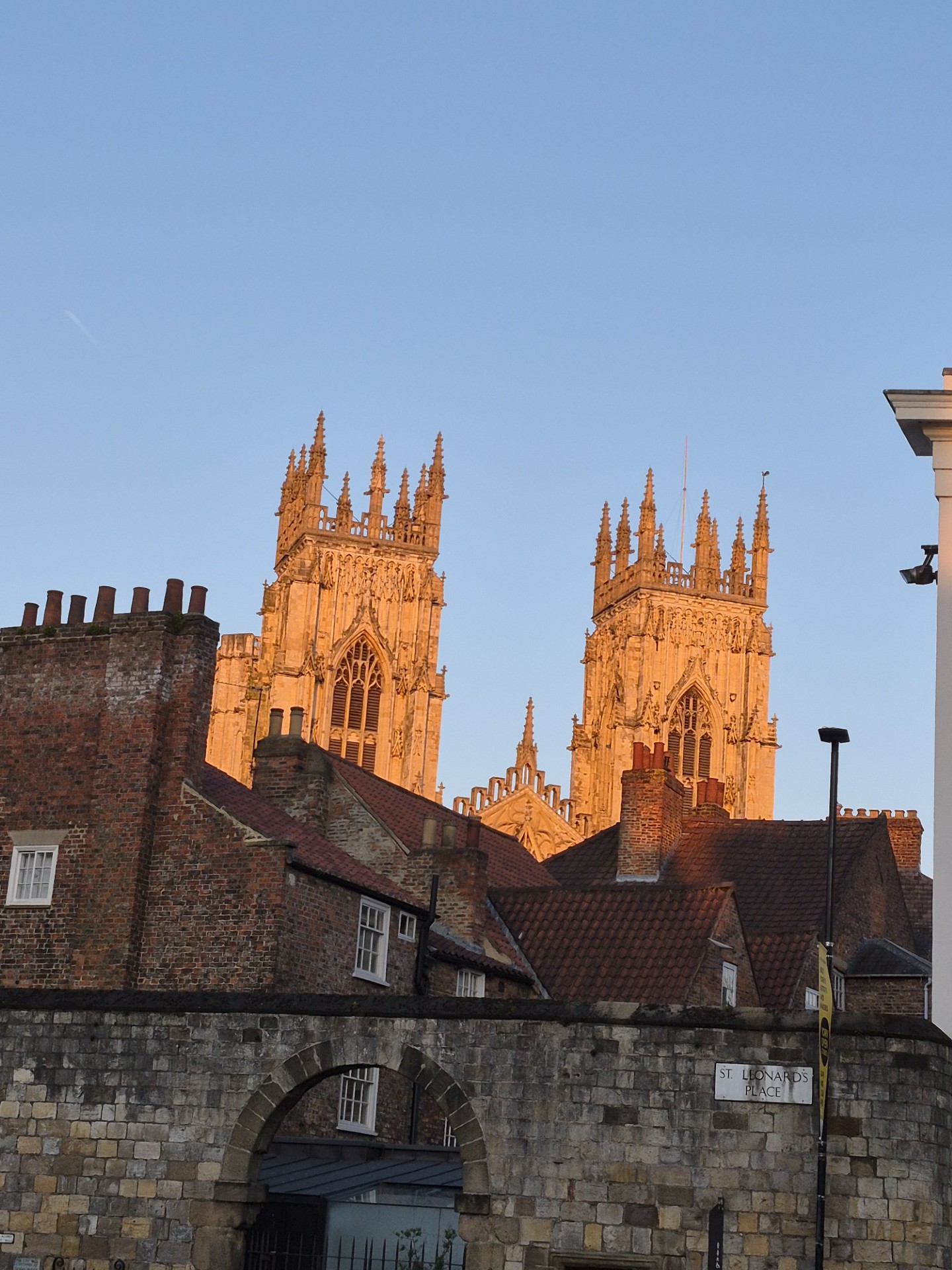
Barnard Castle has links, of course, to the earls of Warwick and to Richard III but instead I indulged my love of Scottish History by telling our guests about John Balliol, Scotland’s king who was also lord of Barnard Castle. Which story, of course, led into Robert the Bruce, Elizabeth de Burgh, the women of Bruce‘s affinity imprisoned by Edward I as well as David II and Joan Makepeace and Scotland’s Wars of Independence.
I had definitely found my stride.
Dinner that evening was at a pub, the Guy Fawkes, in York and the next day we spent the morning in York Minster, where Edward III married Philippa of Hainault and where their baby son, William of Hatfield is buried. This was followed by a walk down the Shambles and a climb up Clifford’s Tower. The afternoon was free, so I joined a couple of the guests for lunch, followed by a wander around the Merchant Adventurers’ Hall and a visit to Jorvik Viking Centre.
After dinner in a quiet pub that evening, we took a wander to the Minster and saw the sunset on the River Ouse. The Minster bells were peeling. Indeed, the bells of all the churches in York were ringing to commemorate the centenary of the birth of Queen Elizabeth II.
We left York the next morning, heading for Lincoln.
But you cannot take international travelers to Yorkshire without taking them to our very own World Heritage Site, Fountains Abbey. The morning was spent in the peaceful surroundings of the abbey. Definitely a much-needed change of pace for a few hours. Though we did get into a little discussion about whether or not the story of Abelard and Heloise is a love story, or something more sinister…
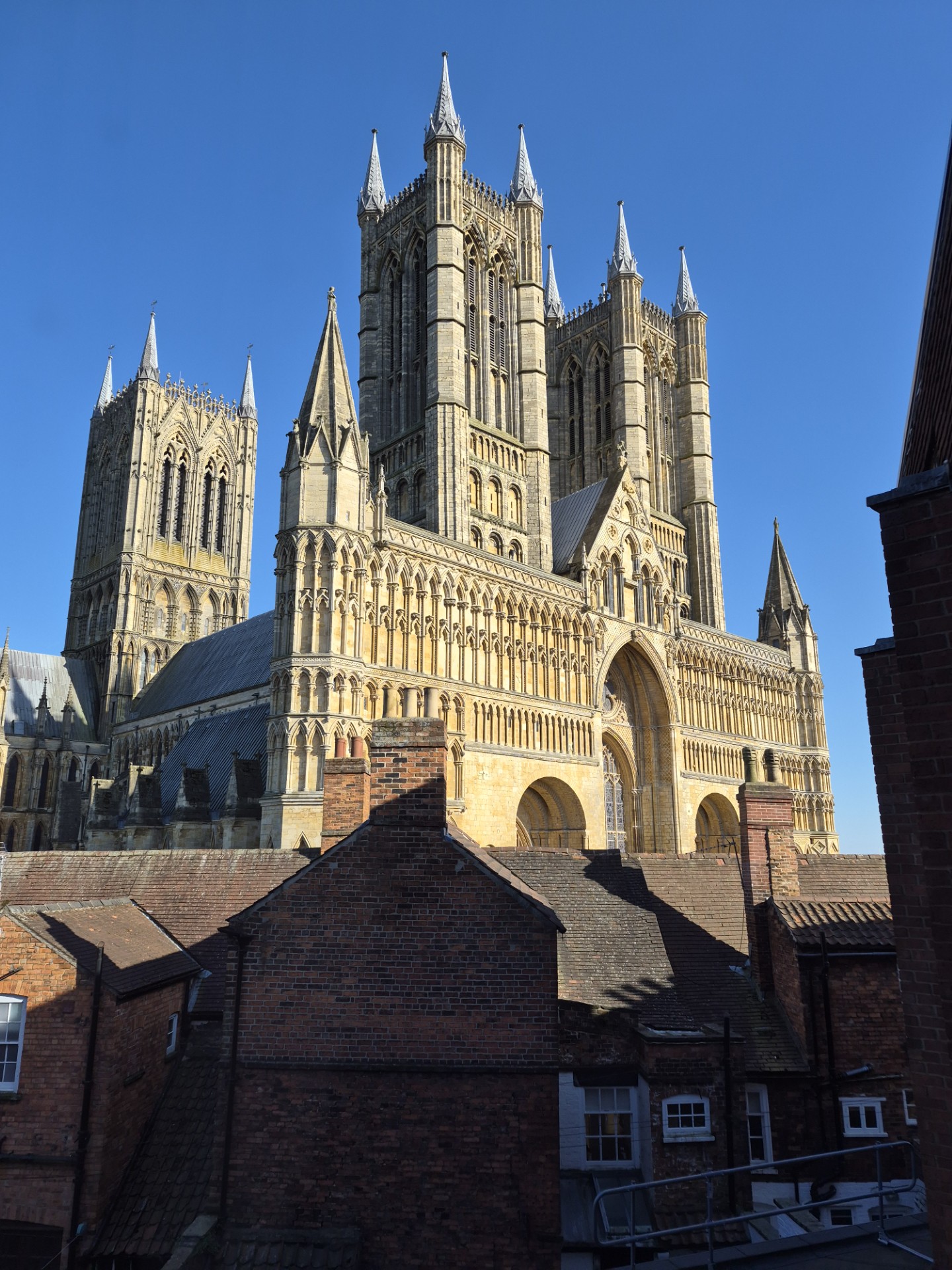
We arrived in Lincoln at 3.30 that afternoon and headed straight for the castle. Staying at the White Hart Hotel, situated between castle and cathedral, was perfect – my room even had a stunning view of the cathedral!
Now, we were on my home turf. We had already discussed Nicholaa de la Haye at Coombe Abbey, but now I could show everyone her castle. The staff at the castle were incredibly forthcoming about Magna Carta, the 1217 Battle of Lincoln and their visiting artefact – the Chronica Maiora of Matthew Paris which was opened at the image of the battle.
Another after dinner stroll took us around the cathedral close, a walk we repeated in daylight the following morning, so I could point out the statues of Eleanor of Castile, Edward I and Margaret of France, the gold crown to commemorate Elizabeth II and the two houses associated with Katherine Swynford.
One of the highlights of the whole tour was to be able to take the guests into Lincoln Cathedral and show them the tombs of Katherine and her daughter Joan. There was a graduation event going on, for the University of Lincoln, but that did not particularly hinder our visit. We could not access the nave but we could visit the Angel Choir, the chantry chapels and the shrine of St Hugh, as well as the cloisters, the Chapter House and the cathedral museum – I had to point out Nicholaa’s seal!
My final duty was to join everyone for lunch in the Magna Carta pub, which turned into an impromptu book launch celebration for Princesses of the Early Middle Ages, as I got my first sight of my new book. As the tour continued down to London, to visit Leeds Castle and Canterbury Cathedral on the Saturday, I said my goodbyes with hugs and a few tears – and instructions for each and everyone of them to get in touch the next time they are in England.
I slept for 12 hours that night.
I was exhausted. My throat was raw from all the talking. But I had had a fabulous time. I hope that my snippets of information throughout the tour – including texted instructions of what to look out for in Canterbury Cathedral – made the holiday experience that little bit better for the guests.

Did I enjoy it? Most definitely!
Would I do it again? In a heartbeat!
Would I recommend the tour to anyone wanting to discover England’s rich history? Oh yes!
Do check out the website of Plantagenet Discoveries and have a look at the tours on offer.
*
My Books:
Signed, dedicated copies of all my books are available through my online bookshop. or by contacting me.
Out Now: Princesses of the Early Middle Ages
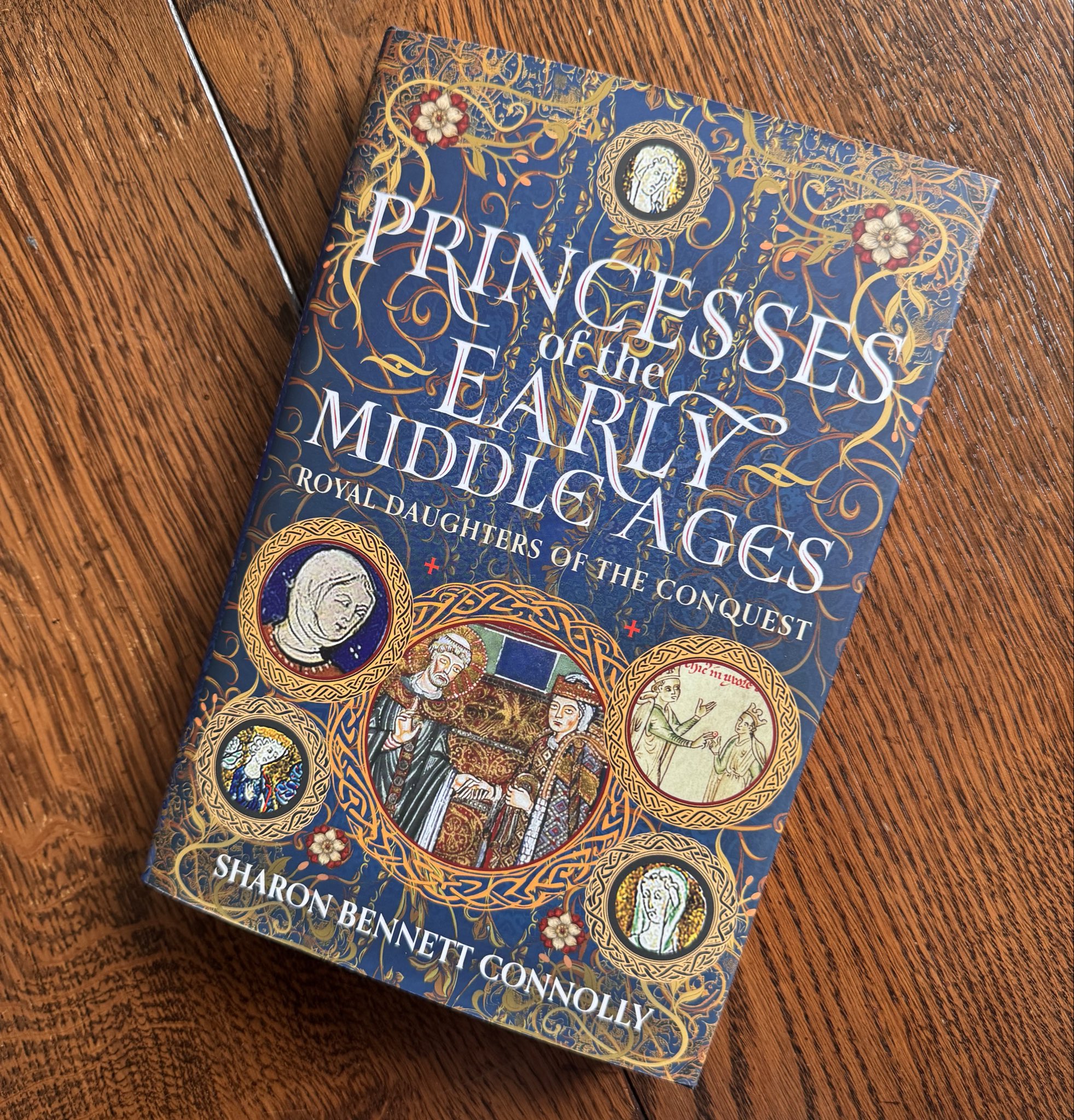
Daughters of kings were often used to seal treaty alliances and forge peace with England’s enemies. Princesses of the Early Middle Ages: Royal Daughters of the Conquest explores the lives of these young women, how they followed the stereotype, and how they sometimes managed to escape it. It will look at the world they lived in, and how their lives and marriages were affected by political necessity and the events of the time. Princesses of the Early Middle Ages will also examine how these girls, who were often political pawns, were able to control their own lives and fates. Whilst they were expected to obey their parents in their marriage choices, several princesses were able to exert their own influence on these choices, with some outright refusing the husbands offered to them.
Their stories are touching, inspiring and, at times, heartbreaking.
Princesses of the Early Middle Ages: Royal Daughters of the Conquest is now available from Pen & Sword and Amazon.
Sharon is the author of:
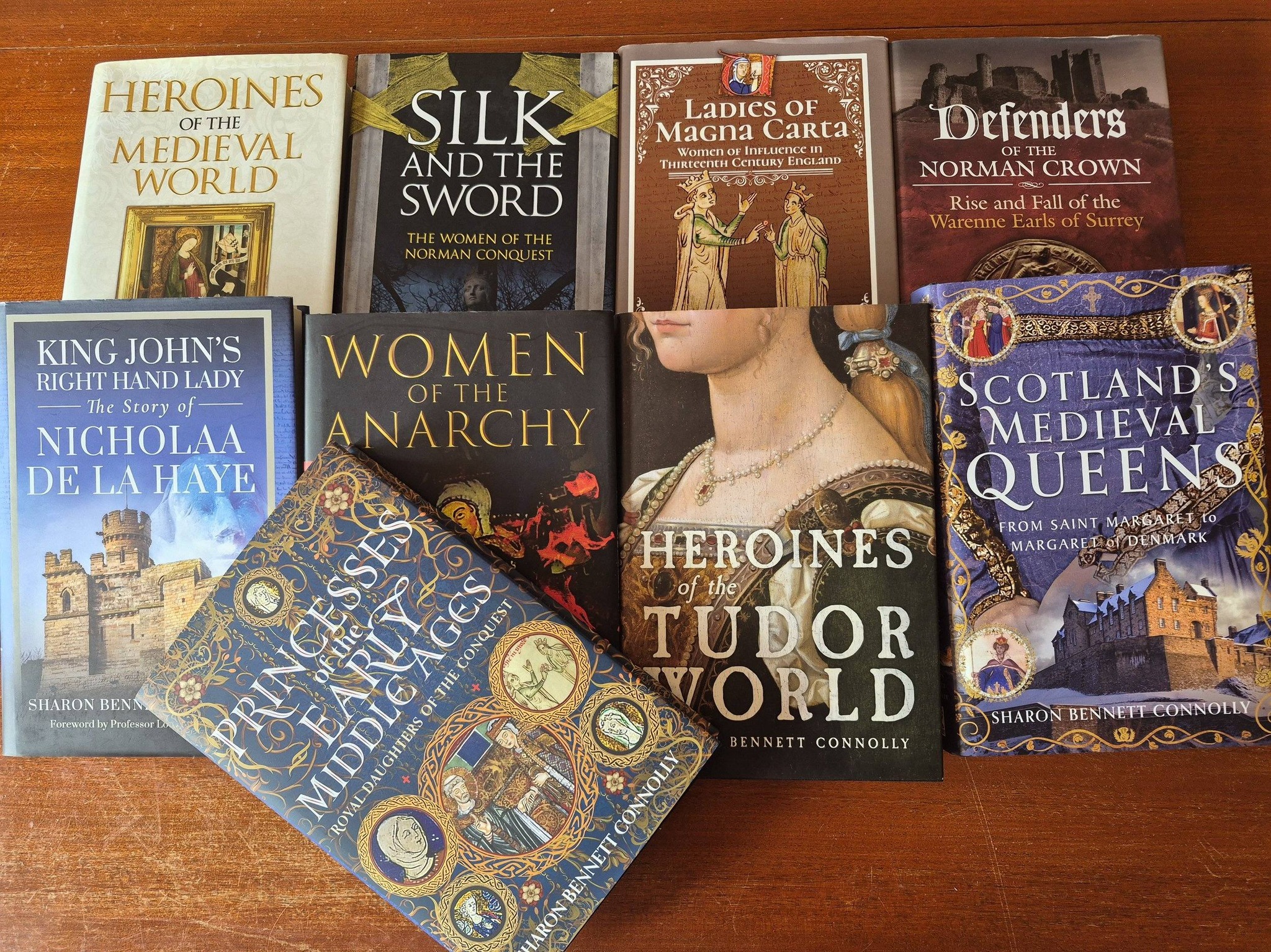
Heroines of the Medieval World; Silk and the Sword: The Women of the Norman Conquest; Ladies of Magna Carta: Women of Influence in Thirteenth Century England; Defenders of the Norman Crown: Rise and Fall of the Warenne Earls of Surrey; King John’s Right Hand Lady: The Story of Nicholaa de la Haye; Women of the Anarchy; Heroines of the Tudor World; Scotland’s Medieval Queens: From St Margaret to Margaret of Denmark; Princesses of the Early Middle Ages: Royal Daughters of the Conquest (March 2026); Princesses of the Later Middle Ages; Royal Daughters of the Plantagenets (August 2026)
All my books on Amazon, Bookshop.org . You can also order direct from my publishers, Pen and Sword Books and Amberley Publishing.
Podcast:
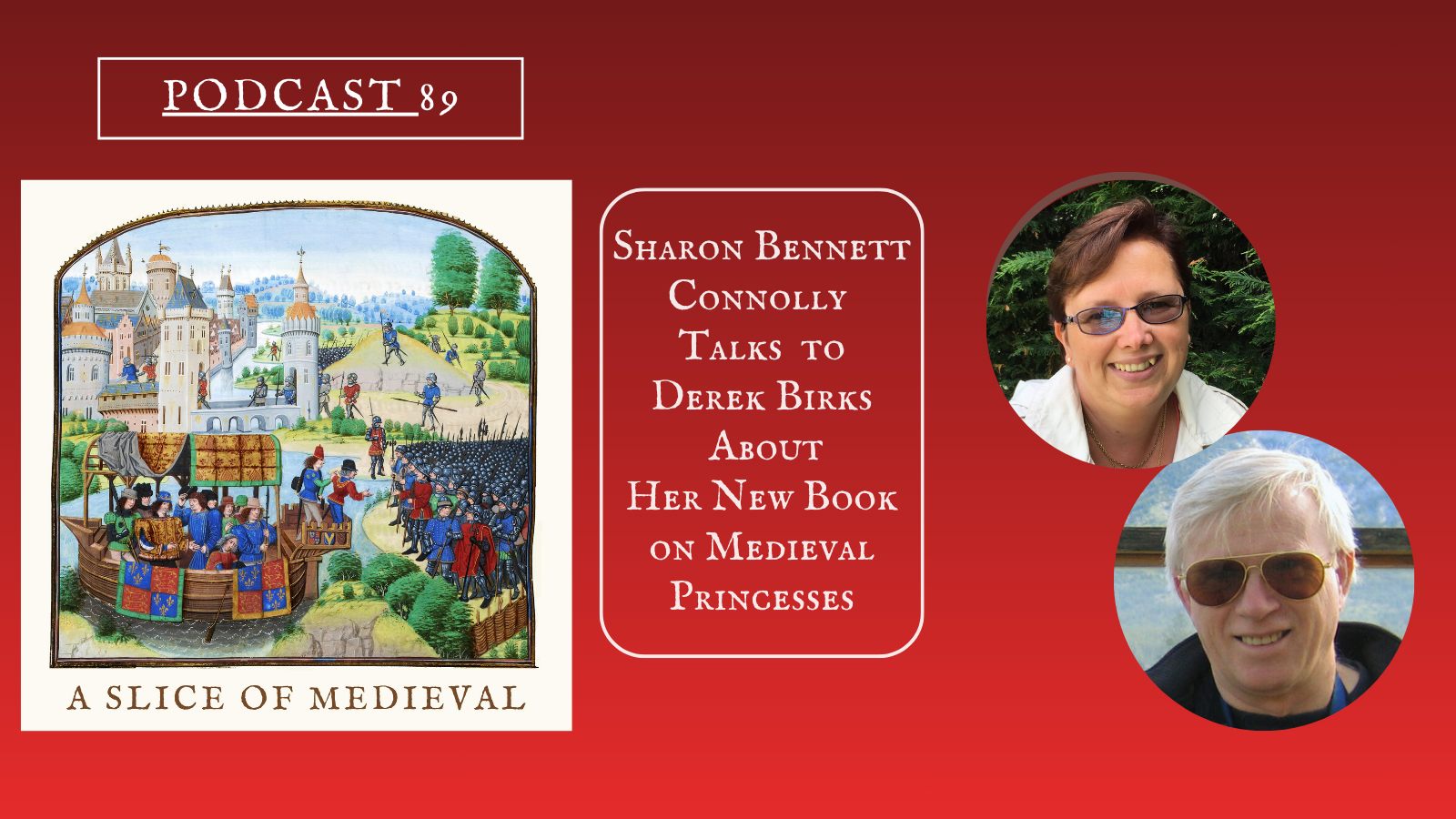
Have a listen to the A Slice of Medieval podcast, which I co-host with Historical fiction novelist Derek Birks. Derek and I welcome guests, such as Ian Mortimer, Bernard Cornwell, Elizabeth Chadwick and Scott Mariani, and discuss a wide range of topics in medieval history, from significant events to the personalities involved.
Every episode is also now available on YouTube.
*
Don’t forget! Signed and dedicated copies of all my books are available through my online bookshop.
For forthcoming online and in-person talks, please check out my Events Page.
You can be the first to read new articles by clicking the ‘Follow’ button, liking our Facebook page or joining me on Twitter and Instagram.
©2026 Sharon Bennett Connolly FRHistS
 History... the interesting bits!
I absolutely loved reading about your tour and wishing I’d been on it! Your job is one I envy. How wonderful! 😊😊
LikeLiked by 1 person
Thank you Shellie.
LikeLike
What a fabulous time you – and your guests – must have had. Franky, even your write-up is a mini history tour in its own right (or write).
LikeLiked by 1 person
It was great fun! Thank you
LikeLike
I live in the states and would love to know if this tour will be available next year! Heard you on the podcast and loved it.
LikeLike
Hi Roberta, I hope so! I had great fun. If you subscribe to the Plantagenet Discoveries website, or follow their Facebook page, you will get all the updates. I will update here when I can. Best wishes, Sharon xx
LikeLike