Online History Festival: Defining Moments in British History

History...the Interesting Bits

I am delighted to have been asked to take part in this year’s Online History Festival hosted by British History Events!

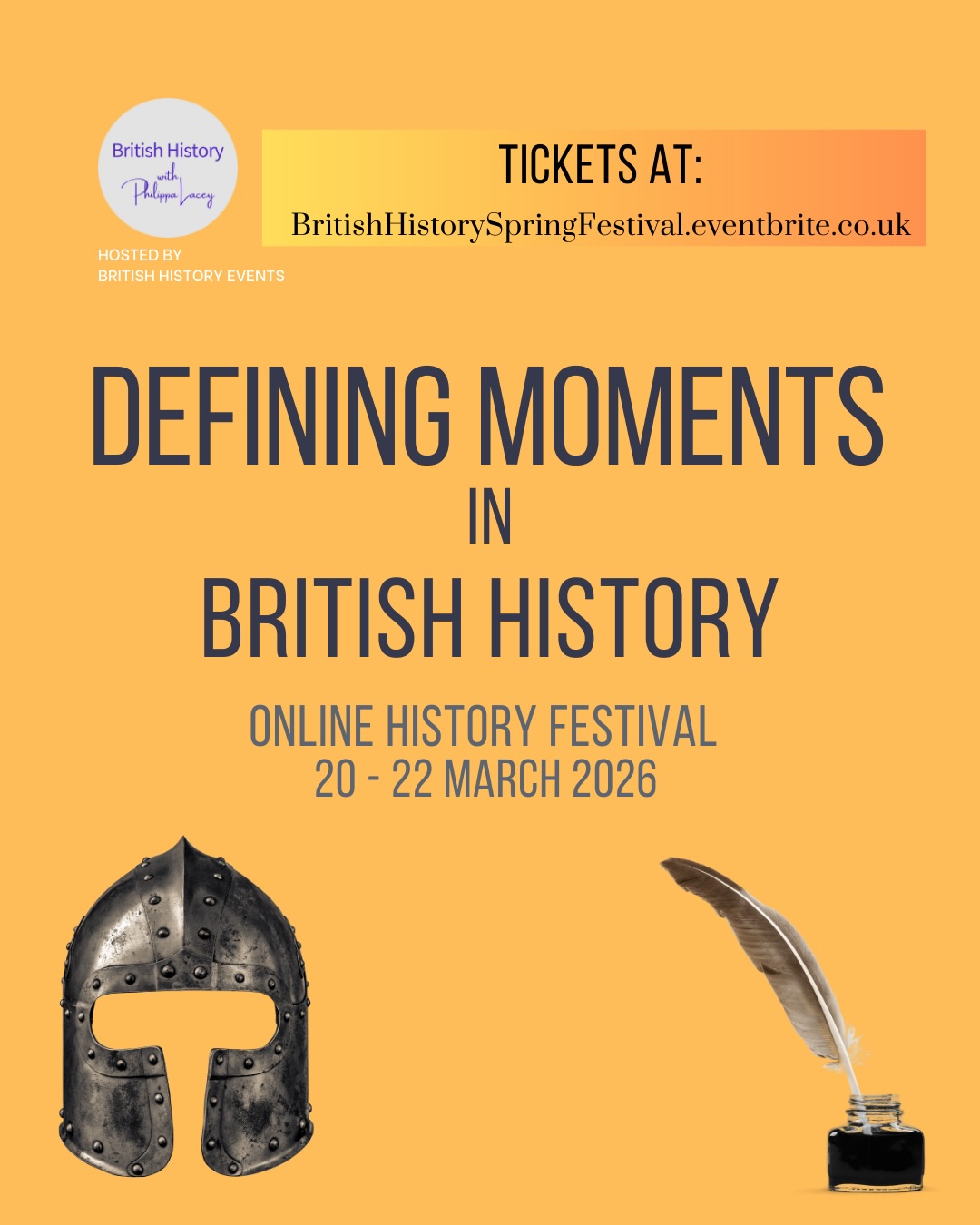
The theme and title of this year’s festival (their 6th) is ‘Defining Moments in British History’ – exploring six defining moments that have shaped Britain today. The festival is all online, taking place from the evening of Friday, 20th March until the evening of Sunday, 22nd March 2026.

Magna Carta: From Inception to Legacy

By 1215, the English barons’ objections to King John were almost beyond number. He had failed to face the French and had lost not only most of his family’s Continental possessions, but also those of his barons. Few had forgotten his treachery against his brother – his attempts on the throne whilst Richard was away on Crusade. His barons even complained that he forced himself on their wives and daughters.

The barons had had enough.

And the result was Magna Carta; a detailed document created to stave off civil war. It touched on the whole system of royal government. And it was granted to ‘all free men of the realm and their heirs forever’. It brought the king within the law, rather than above it.

It is the closest thing England has to a Constitution.

How significant was Magna Carta really?

In this lecture, I will explore the reasons for Magna Carta, the civil war that followed its creation and the people who fought for it and used it to assert their own rights. And we will look at how relevant it still is today, even beyond England’s shores.

So, I have been spending this week tweaking my PowerPoint presentation and recording the lecture.
History...the Interesting Bits

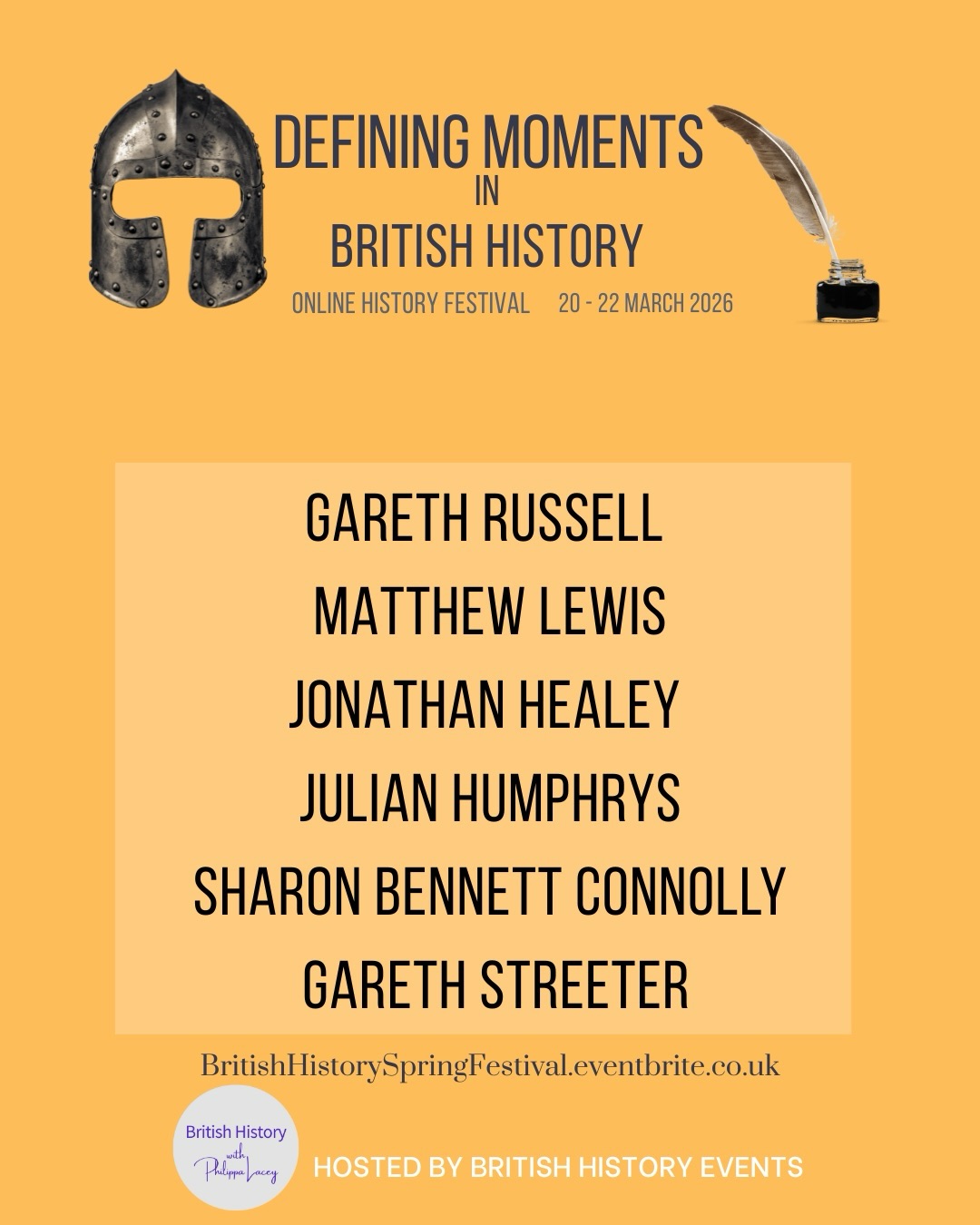
There will be 6 talks from leading historians (including myself!), a live Q&A with all 6 historians, a live quiz, and a prize draw. Here is the line up!

Julian Humphrys explores ‘The Battle of Hastings: What Happened and What Followed’.
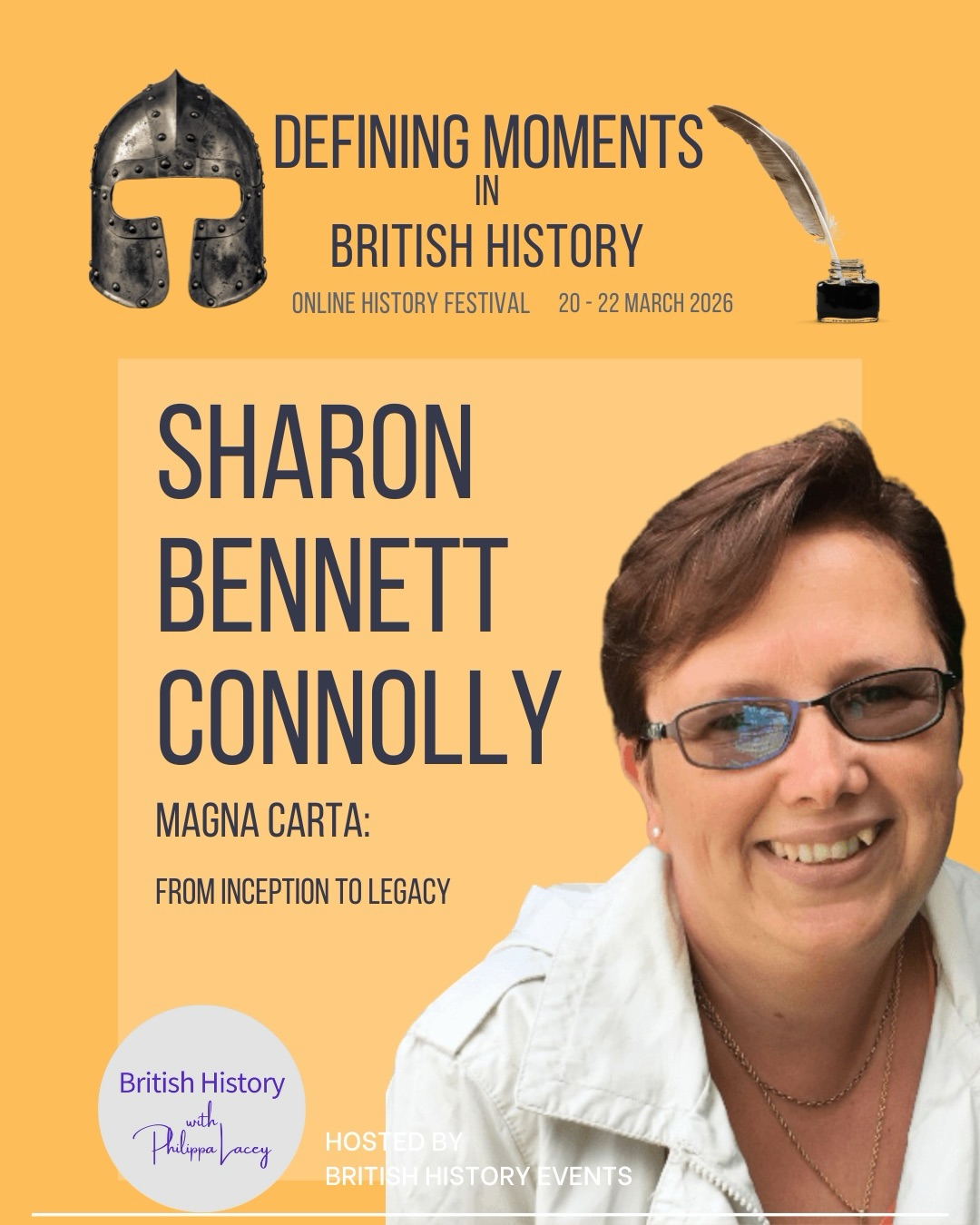
Sharon Bennett Connolly (me!) traces ‘Magna Carta: From Inception to Legacy’.
Matthew Lewis examines ‘How the Black Death Changed England Forever’.
Gareth Russell tackles ‘Crisis of Faith: The Reformation in British History’.
Jonathan Healey delves into ‘The British Civil Wars: How They Happened and Why They Matter’.
Gareth Streeter looks at ‘The Birth of Britain: How the Glorious Revolution and the Act of Union Forged a Modern Nation’.

And I am really looking forward to the online Q&A and discussion.

Of course, Magna Carta is THE defining moment, but I will let the fellas have their say …
History...the Interesting Bits

Don’t worry if you can’t watch all the talks as they go out – your ticket will give you access to everything in the festival until 31st May 2026.

And you can watch them as often as you like.

Tickets are £22 + fees and are available now at: British History Events’ Online History Festival

If you have any questions, please ask. You can also email the event organisers at office@britishhistorytours.com.

We would all love to have you join us!

*

My Books

Signed, dedicated copies of all my books are available through my online bookshop. or by contacting me.

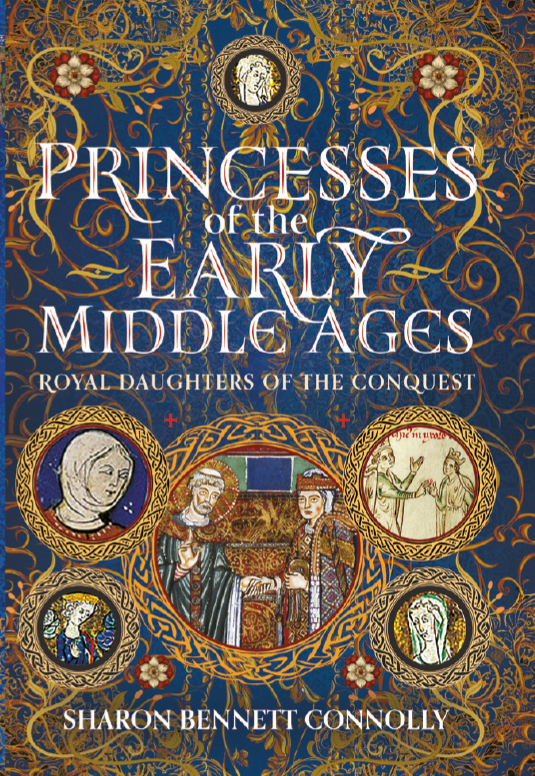
Coming 30 March: Princesses of the Early Middle Ages
Books by Sharon Bennett Connolly

Daughters of kings were often used to seal treaty alliances and forge peace with England’s enemies. Princesses of the Early Middle Ages: Royal Daughters of the Conquest explores the lives of these young women, how they followed the stereotype, and how they sometimes managed to escape it. It will look at the world they lived in, and how their lives and marriages were affected by political necessity and the events of the time. Princesses of the Early Middle Ages will also examine how these girls, who were often political pawns, were able to control their own lives and fates. Whilst they were expected to obey their parents in their marriage choices, several princesses were able to exert their own influence on these choices, with some outright refusing the husbands offered to them.

Their stories are touching, inspiring and, at times, heartbreaking.

Princesses of the Early Middle Ages: Royal Daughters of the Conquest is now available for pre-order from Pen & Sword and Amazon.

Also by Sharon Bennett Connolly:

Books by Sharon Bennett Connolly

Scotland’s history is dramatic, violent and bloody and Scotland’s Medieval Queens have seen it all. This is the story of Scotland through their eyes. Available now from Amazon and Pen and Sword BooksHeroines of the Tudor World tells the stories of the most remarkable women from European history in the time of the Tudor dynasty, 1485-1603. These are the women who ruled, the women who founded dynasties, the women who fought for religious freedom, their families and love. Heroines of the Tudor World is now available from Amberley Publishing and Amazon UK. Women of the Anarchy demonstrates how Empress Matilda and Matilda of Boulogne, unable to wield a sword themselves, were prime movers in this time of conflict and lawlessness. It shows how their strengths, weaknesses, and personal ambitions swung the fortunes of war one way – and then the other. Available from Bookshop.orgAmberley Publishing and Amazon UKKing John’s Right-Hand Lady: The Story of Nicholaa de la Haye is the story of a truly remarkable lady, the hereditary constable of Lincoln Castle and the first woman in England to be appointed sheriff in her own right. Available from all good bookshops Pen & Sword Booksbookshop.org and Amazon

Royal Historical Society

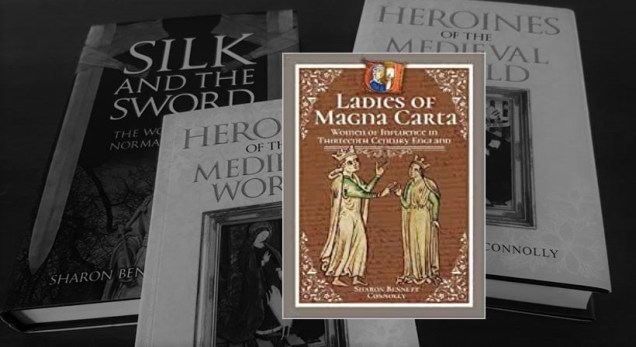
Defenders of the Norman Crown: The Rise and Fall of the Warenne Earls of Surrey tells the fascinating story of the Warenne dynasty, from its origins in Normandy, through the Conquest, Magna Carta, the wars and marriages that led to its ultimate demise in the reign of Edward III. Available from Pen & Sword BooksAmazon in the UK and US, and Bookshop.orgLadies of Magna Carta: Women of Influence in Thirteenth Century England looks into the relationships of the various noble families of the 13th century, and how they were affected by the Barons’ Wars, Magna Carta and its aftermath; the bonds that were formed and those that were broken. It is now available in paperback and hardback from Pen & SwordAmazon, and Bookshop.orgHeroines of the Medieval World tells the stories of some of the most remarkable women from Medieval history, from Eleanor of Aquitaine to Julian of Norwich. Available now from Amberley Publishing and Amazon, and Bookshop.orgSilk and the Sword: The Women of the Norman Conquest traces the fortunes of the women who had a significant role to play in the momentous events of 1066. Available now from Amazon,  Amberley Publishing, and Bookshop.org.

Alternate Endings: An anthology of historical fiction short stories including Long Live the King… which is my take what might have happened had King John not died in October 1216. Available in paperback and kindle from Amazon.

Podcast:
A Slice of Medieval

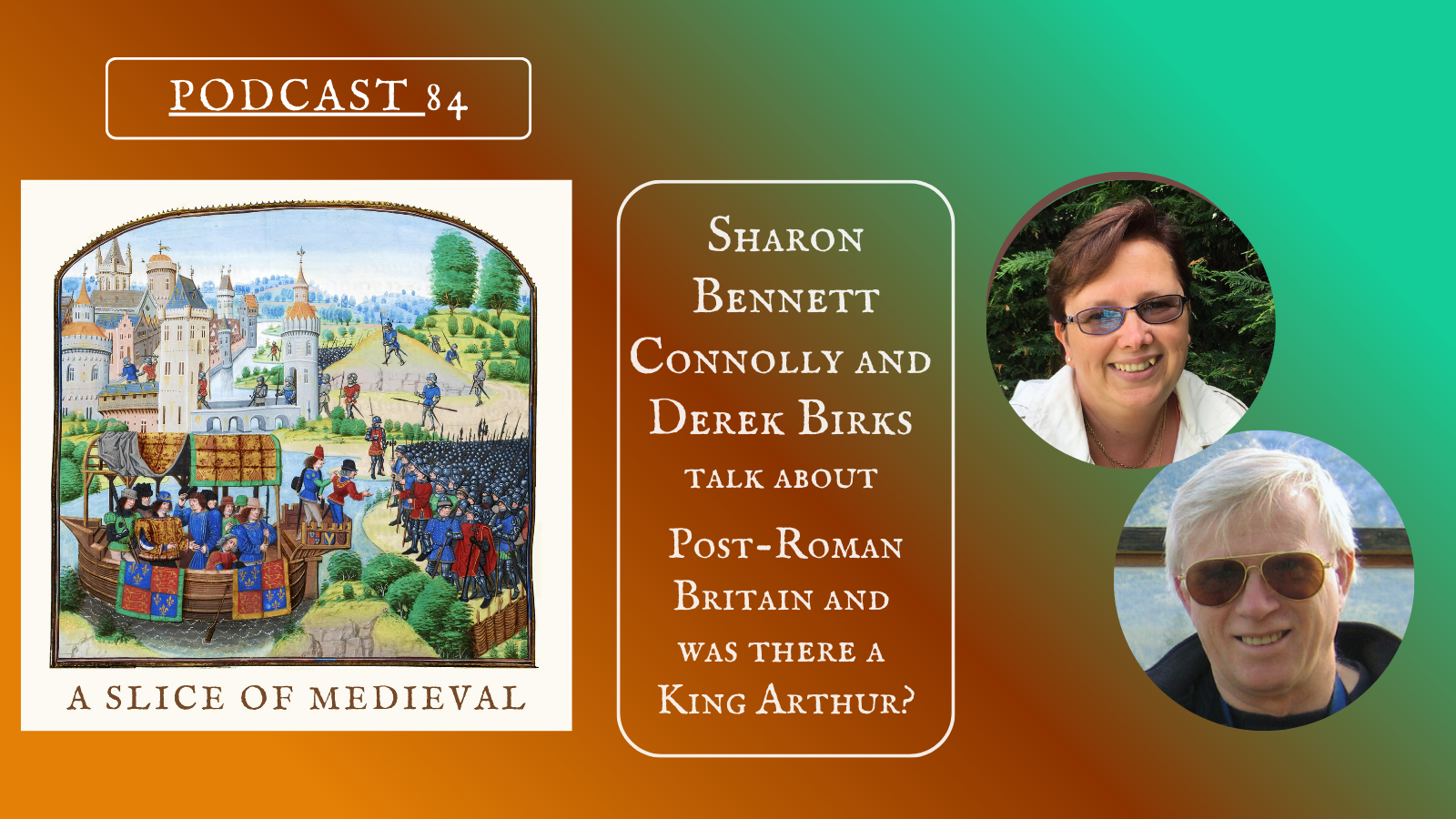
Have a listen to the A Slice of Medieval podcast, which I co-host with Historical fiction novelist Derek Birks. Derek and I welcome guests, such as Ian Mortimer, Bernard Cornwell, Elizabeth Chadwick and Scott Mariani, and discuss a wide range of topics in medieval history, from significant events to the personalities involved. 

Every episode is also now available on YouTube.

*

Don’t forget! Signed and dedicated copies of all my books are available through my online bookshop.

For forthcoming online and in-person talks, please check out my Events Page.

You can be the first to read new articles by clicking the ‘Follow’ button, liking our Facebook page or joining me on TwitterThreadsBluesky and Instagram.

*

©2026 Sharon Bennett Connolly FRHistS and British History Tours
Book Corner: Stephen and Matilda’s Civil War: Cousins of Anarchy by Matthew Lewis

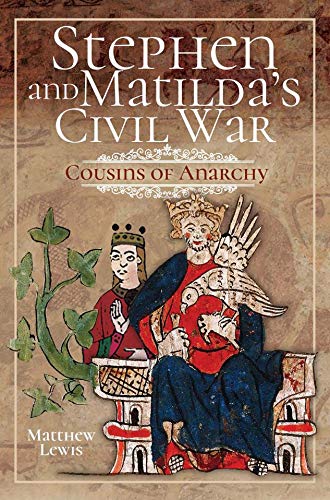
The Anarchy was the first civil war in post-Conquest England, enduring throughout the reign of King Stephen between 1135 and 1154. It ultimately brought about the end of the Norman dynasty and the birth of the mighty Plantagenet kings. When Henry I died having lost his only legitimate son in a shipwreck, he had caused all of his barons to swear to recognize his daughter Matilda, widow of the Holy Roman Emperor, as his heir and remarried her to Geoffrey, Count of Anjou. When she was slow to move to England on her father’s death, Henry’s favorite nephew Stephen of Blois rushed to have himself crowned, much as Henry himself had done on the death of his brother William Rufus.

Supported by his brother Henry, Bishop of Winchester, Stephen made a promising start, but Matilda would not give up her birthright and tried to hold the English barons to their oaths. The result was more than a decade of civil war that saw England split apart. Empress Matilda is often remembered as aloof and high-handed, Stephen as ineffective and indecisive. By following both sides of the dispute and seeking to understand their actions and motivations, Matthew Lewis aims to reach a more rounded understanding of this crucial period of English history and asks to what extent there really was anarchy.

Stephen and Matilda’s Civil War: Cousins of Anarchy by Matthew Lewis, is a wonderful book looking at the civil war, known as The Anarchy, through the eyes of the two leading protagonists, King Stephen and his cousin, Empress Matilda. A totally absorbing read, this book is enjoyable and informative, analysing the actions of both sides in a critical but sympathetic light.

Matthew Lewis digs deep into the personalities involved in both sides of the war and puts flesh on the bones of these characters. The result is a fair and balanced appraisal of the conflict between these two cousins, both as rival claimants to the throne and as leaders of their disparate supporters. The story is told in alternate chapters from the views of Stephen and Matilda, helping to keep the analysis and narrative balanced and fresh.

Matthew Lewis tries to be fair to both sides. You can tell that he feels for Empress Matilda, faced not only with a challenge to her right to the throne, but with the extra challenges that arose out of her being a woman and unable to lead the military aspects of the war. The author highlights Matilda’s failings, but does temper them with an explanation of how her actions would have been received differently, had she only been a man!

On the other side, King Stephen’s own faults and weaknesses are also singled out, though Matthew Lewis also stresses that where Matilda was hindered by her sex, so was Stephen – by Matilda’s gender, that is. There were limits put on Stephen by the fact he was challenged by a woman; just as Matilda could not lead her troops into battle, neither could Stephen face his challenger in an all-for-nothing trial by combat that could have put an end to the war years later. The result was a long, protracted war during which it was said ‘Christ and his saints slept.’

Before any move was made, there were probably four prime candidates to succeed Henry. His daughter, Empress Matilda, was perhaps the most obvious, but also in many ways the least attractive. Female rule was still something unheard of, at least in England, a nation that would have no queen regnant for another 400 years. The second possibility was Robert, Earl of Gloucester. Robert was an illegitimate son of Henry I, widely considered his favourite. He had extensive lands and power both in Normandy and England and was well respected. He was, however, illegitimate. That was less of a bar to power in Normandy: the Conqueror himself had been called William the Bastard. In England, it was unheard of. Legitimacy was still an absolute, marking the distinction between a duke and a king. Robert had everything required to follow his father except the right mother.

The two other contenders came from the House of Blois. They were Henry’s nephews, the sons of his sister Adela and her husband Stephen, Count of Blois. Theobald, Count of Blois and Champagne was the senior male of the house, though his younger brother Stephen, Count of Mortain, had been in England for years and was close to his uncle. They offered the prospect of legitimate, male successors as grandsons of William the Conqueror, albeit in a female line of descent. None of these solutions appeared perfect, and only one could win the throne. As it turned out, only two displayed an interest, and neither would give up during the nineteen years that followed.

Stephen and Matilda’s Civil War: Cousins of Anarchy by Matthew Lewis is a thoroughly enjoyable read, offering the perfect balance in a non-fiction book; accessible, interesting and informative. It gives a whole new perspective to the Civil War which divided England for the whole of Stephen’s 19-year reign. The book looks into each aspect of the war. The battles, conferences, truces and stalemates, are all analysed through the disparate eyes of those involved; not only looking into how they effected events, but also how events affected them.

Although it concentrates on the 2 leading protagonists, Stephen and Matilda, the book also gives insight into the lead supporting characters on both sides, giving the reader a comprehensive, panoramic view of the era through the personalities of those involved; from the steadfast and loyal Robert, Earl of Gloucester, to Stephen’s queen, also Matilda and the gruff, fearless John Marshal, father of William Marshal, first Earl of Pembroke and arguable the greatest knight England ever had.

Although more known for his books on the Wars of the Roses, Matthew Lewis has managed to demonstrate the breadth and depth of his historical knowledge with Stephen and Matilda’s Civil War: Cousins of Anarchy. He had put his usual level of passion and attention to detail into this book and the result is well worth reading. Stephen and Matilda’s Civil War: Cousins of Anarchy by Matthew Lewis is a thoroughly compelling read.

Stephen and Matilda’s Civil War: Cousins of Anarchy by Matthew Lewis is available from Amazon.

About the author:

Matthew Lewis trained in law and is now a full time author of historical fiction and non-fiction. He also blogs on his website, Matt’s History Blog, and can be found on Twitter as @mattlewisauthor. His main interest is medieval history and he has a number of books on that topic, including The Survival of the Princes in the Tower and Richard, Duke of York: King by Right.

*

My Books

Coming soon! 

Ladies of Magna Carta: Women of Influence in Thirteenth Century England will be released in the UK on 30 May 2020 and is now available for pre-order from Pen & SwordAmazon UK and from Book Depository worldwide. It will be released in the US on 2 September and is available for pre-order from Amazon US.

Also by Sharon Bennett Connolly:

Silk and the Sword: The Women of the Norman Conquest traces the fortunes of the women who had a significant role to play in the momentous events of 1066.  Available now from Amazon UK,  Amberley Publishing, Book Depository and Amazon US.

Heroines of the Medieval World tells the stories of some of the most remarkable women from Medieval history, from Eleanor of Aquitaine to Julian of Norwich. Available now from Amberley Publishing and Amazon UK, Amazon US and Book Depository.

*

You can be the first to read new articles by clicking the ‘Follow’ button, liking our Facebook page or joining me on Twitter and Instagram.

©2020 Sharon Bennett Connolly 

Book Corner – The Wars of the Roses in 100 Facts by Matthew Lewis

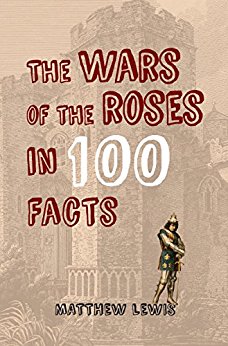
The Wars of the Roses in 100 Facts by Matthew Lewis

The Wars of the Roses were a series of brutal conflicts between rival branches of the Plantagenet family – the Lancastrians and the Yorkists. The wars were fought between the descendants of Edward III and are believed to stem from the deposition of the unpopular Richard II by his cousin, Henry Bolingbroke, who became Henry IV. The wars were thought to have been fought between 1455 and 1487, and they saw many kings rise and fall as their supporters fought for their right to rule.

The Wars of the Roses in 100 Facts covers this dangerous and exciting period of political change, guiding us through the key events, such as the individual battles, and the key personalities, such as Richard, Duke of York, and the Earl of Warwick, known as ‘the Kingmaker’. Matthew Lewis takes us on a tour through the Wars of the Roses, fact by fact, in easy-to-read, bite-size chunks. He examines some of the most important aspects of this period, from the outbreak of the conflict at the First Battle of St Albans, to Henry VI’s insanity, and the character of Richard III and his final defeat at the hands of Henry Tudor.

What can I say? I love these little books. This book series – I have already reviewed The Anglo-Saxons in 100 Facts – is a fabulous introduction to some of the most fascinating events in history.

The Wars of the Roses in 100 Facts by Matthew Lewis is a wonderful little book giving details of 100 of the most important and significant events of the Wars of the Roses. From the deposition of Richard II to the death of Cardinal Reginald Pole, arguably the last Yorkist descendant, Matthew Lewis tells the tale of the most divisive conflict in English history in an entertaining and engaging manner.

20. King Henry Could Have Died at the First Battle of St Albans

During the First Battle of St Albans, as Warwick’s archers fired at the men defending the king, Henry VI was struck by an arrow that cut him on the neck. As the fighting grew closer, the king was taken into a tanner’s shop to receive treatment and to keep him out of the way of further harm.

Benet’s Chronicle records that once the battle was won, York, Salisbury and Warwick burst into the tanner’s shop and found Henry, wounded and at their mercy. Instead of finishing off the king, as York might have done had he truly wanted the crown at this stage, Benet’s Chronicle explains that the lords fell to their knees and pledged their allegiance to the king, ‘at which he was greatly cheered’.

Henry was escorted to the comfort of the abbey to continue his treatment and, although he was dismayed to learn of Somerset’s death, he was well treated and on the following morning he was escorted to London by the Yorkist lords. York might well have widened the wound at Henry’s neck and ensured that there were no witnesses. He could then have blamed the stray arrow for killing the king. This is possibly the clearest sign that at this point, Henry’s crown was safe and secure.

What I love about this book is it is a wonderful combination of the best known facts, the battles and the politics, and some little known facts and events that mean even a seasoned Wars of the Roses enthusiast will find something to engage their interest. The brief, 1-2 page chapters mean the reader can drop in and out of the book at their leisure, or whenever they have 5 minutes to spare.

These little snippets are utterly enthralling and informative. They combine to give a wonderful, universal picture of the conflict; the battles and the characters involved. The book is beautifully written and well researched. It is organised in a loosely chronological manner, with fabulous insights into the major players and events of the Wars of the Roses.

Although The Wars of the Roses in 100 Facts is restricted to 100 facts, it is not short on insight and analysis. Matthew Lewis does a great job of achieving a balance of facts with the analytical approach of the historian. It would be a wonderful addition to the library of anyone interested in the Wars of the Roses, or the later fifteenth century as a whole.

*

Matthew Lewis is an author and historian with particular interest in the medieval period. His books include a history of the Wars of the Roses, a biography of Richard, 3rd Duke of York, and two novels of historical fiction telling the life of King Richard III and the aftermath of the Battle of Bosworth. He also writes a history blog, sharing thoughts and snippets. He can be found on Twitter @MattLewisAuthor.

The Wars of the Roses in 100 Facts is available from Amberley and Amazon.

*

Heroines of the Medieval World:

Heroines of the Medieval World,  is now available in hardback in the UK from both Amberley Publishing and Amazon UK and worldwide from Book Depository. It is also available on Kindle in both the UK and USA and will be available in Hardback from Amazon US from 1 May 2018.

You can be the first to read new articles by clicking the ‘Follow’ button, liking our Facebook page or joining me on Twitter.

*

©2017 Sharon Bennett Connolly