Margaret of Scotland was the eldest daughter of James I, King of Scots, and his wife, Joan Beaufort. James had been king since the age of 12, though the first 18 years of his reign had been spent in English captivity, where he had fallen in love with Joan, the granddaughter of John of Gaunt and Katherine Swynford. James’s release had been successfully negotiated in 1423 and the marriage was politically favourable to the English, who saw it as an opportunity to improve relations with Scotland while, at the same time, drawing Scotland away from France, their traditional ally.
James I returned to Scotland in April 1424, with his new bride – and queen– at his side. Margaret was born in the royal apartments at the Dominican Friary in Perth, on Christmas Day in 1424. She was joined in the nursery by five sisters during the next ten years, Isabella, Eleanor, Joan, Mary and Annabella. Twin brothers were born in 1430, Alexander and James, but only James survived past the first few months.
In 1425, an embassy arrived from France, seeking little Margaret’s hand in marriage for Louis, son and heir of Charles VII:
Margaret’s mother, Joan Beaufort
The king [of Scots] was pleased to respond favourably to so distinguished an embassy, and forthwith sent as a solemn embassy to the king of France with a specific brief and commission the venerable men sir Henry Lychton bishop of Aberdeen, sir Edward Lauder archdeacon of Lothian, and Sir Patrick Ogilvie knight (the sheriff of Angus and justiciar of Scotland). Whereupon there was an agreement on both sides; and five years later, when each was of marriageable age, there came as envoys from the king of France La Hire the king’s maitre d’hôtel along with the distinguished cleric Master Aymer; and in terms of their commission they arranged the betrothal of the said eldest daughter of the king. The girl was sent to France by her father a little later, namely 1436, surrounded by a distinguished following of attendants, and in the following year she was married.1
The marriage proposal was to accompany the renewal the Franco-Scottish alliance. France’s king, Charles VII had given his ambassadors the task of asking for Margaret’s hand in marriage for his son, Louis, the dauphin. Born in July 1423, Louis was just 18 months older than his future bride. However, James I hesitated, reluctant to give the French the army of 6,000 men that they wanted as part of the alliance. Charles VII was in a precarious position in France at the time. The Hundred Years War was raging and, despite the fact his father had died in 1422, he would not actually be crowned king until July 1429. In fact, Henry VI of England had already been crowned King of France and it was only due to the efforts of Joan of Arc that Charles VII’s fortunes would change. James, therefore, held off from agreeing to the alliance, and used it to strengthen his position in negotiations with the English.
Margaret arrives in Tours for her wedding, from a 15th-century work by Jean Chartier.
In 1435, the marriage of Margaret and the dauphin was finally agreed and the young bride, still only eleven years old, set out for France the following year. The princess only narrowly escaped her father’s fate when the English fleet attempted to capture her en route:
the dauphiness luckily made her escape and landed at La Rochelle. She rested at Nieul Priory which is two leagues from La Rochelle without notice being taken of her until such time as the [arch-] bishop of Rheims, with the bishops of Poitiers and Saintes and the worthy sires de Graville, Gaucourt and ‘Pontissey’ welcomed her and lodged her honourably in a splendid place for more than two months until the marriage was celebrated at Tours in Touraine. This was performed there by the archbishop of Rheims with the greatest possible ceremony, in the presence of the king and queen and also of the queen of Sicily (the mother of the queen of France). Once the wedding had been formally celebrated, the Scots (except the few who remained with the dauphiness) were much gratified with various presents and after a safe voyage arrived home.2
She left by ship from Dumbarton in March 1436, with an entourage worthy of a princess; she was escorted by several of the leading lords of the realm, a household of 140 persons in royal livery and more than 1,000 troops. The French fleet in which she sailed landed on the Île de Ré, near La Rochelle, on 17 April and made a formal progress to Tours. On 24 June she met her future husband for the first time, in the great hall of the castle at Tours, and the young couple embraced formally. They were married the next day, in the castle’s chapel.
Margaret’s father, James I, King of Scots
Celebrated by the Archbishop of Reims, it was a rather subdued affair, for a royal wedding. The continuing state of warfare with England had stretched the French royal finances to the limit. The reception was not as lavish as the Scottish guests might have expected and was cut short to preserve funds, the scandalised Scots being quickly ushered out. And almost immediately after the wedding celebrations, most of Margaret’s Scottish household was sent home, with just a handful of her native attendants allowed to stay with the new dauphine. Owing to the tender age of the young couple, they were not expected to consummate the marriage for another few years, so Margaret was given into the guardianship of Queen Marie, Charles VII’s wife, and continued her education under the queen’s supervision. Petite, pretty and delicate, Margaret soon became the darling of the French King and Queen.
Louis, on the other hand, had a strained relationship with his father, one that would eventually be expressed in open rebellion; as a result, he was rarely at court. When Louis asked the king for an allowance with which to set up a household for himself and his young wife, his father refused, despite being happy to give Margaret money to indulge herself. At one time, Charles VII gave Margaret 2,000 livres to buy herself furs and silks, and yet he refused to pay off Louis’ debts. Margaret also received grants directly from the king, rather than her husband, as might have been expected.
Margaret’s husband, the future King Louis XI
In 1437 the marriage was consummated and Margaret, now approaching her thirteenth birthday, was given her own household. Relations between the dauphin and dauphine were not helped by Louis’ strained relationship with his father and it seems that comparisons were made between Louis’ unimpressive looks and Margaret’s beauty – although malicious English chroniclers would insist that Louis was repelled by Margaret’s ‘evil soured breath’.
Margaret was allowed no part in court politics. The dauphine’s role in France was limited to formal occasions and court ceremonials, such as the celebrations for the marriage of the king’s niece, Margaret of Anjou, to Henry VI of England, which Margaret attended in 1445. As with her father before her, Margaret had a passion and talent for writing poetry and, although she enjoyed court life, she became increasingly bored with it. She retreated more and more to her own chambers with her ladies and spent her days and evenings writing and reading poetry. Her evenings were so taken up in this style, that she often retired to bed long after Louis had fallen asleep.
Margaret was also renowned as a patroness of literature. She had several poets in her household, including Jehanne Filleul, whose works have survived to this day, and the Viscount de Blosseville. De Blosseville wrote one of the three laments to the dauphine, written before her death. Another such lament was possibly written by her sister Isabella, it was certainly in her possession.
As the years passed and the couple remained childless, Margaret’s lifestyle caused further discontent within the marriage, and more unhappiness for the young princess as her husband expressed his displeasure. There is some suggestion that Margaret deliberately prevented herself from falling pregnant by drinking vinegar, and by tightly lacing her bodices – although this may also have been for vanity, and to keep her svelte figure. There were also followed accusations of impropriety within Margaret’s rooms when, at Christmas 1444, Jamet de Tillay, a member of the king’s household, entered her chamber during one of her private poetry evenings and subsequently spread rumours about ‘wanton princesses’.
Margaret perceived it as a personal attack and became increasingly distressed, complaining that Jamet had turned the king and dauphin against her. Although Jamet tried to apologise, Margaret would not hear of it. By the summer of 1445 the dauphine was very ill.
Tomb of Margaret Stewart in the Saint-Laon Church, Thouars
Having accompanied the court on pilgrimage she fell ill on 7 August and by the next day she was feverish and suffering from fits of coughing. Her doctors diagnosed an inflammation of the lungs. In her delirium, she blamed Jamet de Tillay for her impending demise and swore she had never done Louis any wrong. As she approached death, Margaret calmed down and forgave Jamet, on her ladies’ instigation. Having received the last rites, Margaret died on 16 August 1445, at Châlons-sur-Marne; she was just twenty years old. The dauphine was laid to rest in the Cathedral of St Étienne in Châlons; in 1479 her body was moved by her husband, now Louis XI, to the chapel of the Holy Sepulchre in the Abbey Church of Saint-Laon in Thouars, where Margaret had founded a chaplaincy.
Following her death, Louis destroyed every piece of poetry and writing that Margaret had ever produced. None of her work survived her husband’s purge. However, her patronage of poets has at least ensured she had a worthy legacy. Louis went on to marry Charlotte of Savoy and was the father of Anne de Beaujeu, regent of France for her brother King Charles VIII.
Notes:
1. Bower, Scotichronicon, V 8, p. 249; 2. ibid, p. 251
Sources:
Calendar of documents relating to Scotland, Vol. 4; M. H. Brown, ‘Joan [née Joan Beaufort]’, oxforddnb.com; Amy Licence, Red Roses: Blanche of Gaunt to Margaret Beaufort; Nigel Tranter, The Story of Scotland; John of Fordun’s Chronicle of the Scottish Nation; Walter Bower, Scotichronicon; Andrew Wyntoun, The orygynale cronykil of Scotland; Richard Oram, editor, The Kings and Queens of Scotland; Rosalind K. Marshall, Scottish Queens 1034–1714; Nigel Tranter, The Story of Scotland; David Ross Scotland, History of a Nation; Liber pluscardensis, edited by Felix James Henry Skene; James I, King of Scots, The Kingis Quair, edited by James, William MacKean, Walter W. Skeat, Alexander Gardner
Images:
Courtesy of Wikipedia
*
My books
Signed, dedicated copies of all my books are available through my online store.
Out now: Scotland’s Medieval Queens
Scotland’s history is dramatic, violent and bloody. Being England’s northern neighbour has never been easy. Scotland’s queens have had to deal with war, murder, imprisonment, political rivalries and open betrayal. They have loved and lost, raised kings and queens, ruled and died for Scotland. From St Margaret, who became one of the patron saints of Scotland, to Elizabeth de Burgh and the dramatic story of the Scottish Wars of Independence, to the love story and tragedy of Joan Beaufort, to Margaret of Denmark and the dawn of the Renaissance, Scotland’s Medieval Queens have seen it all. This is the story of Scotland through their eyes.
‘Scotland’s Medieval Queens gives a thorough grounding in the history of the women who ruled Scotland at the side of its kings, often in the shadows, but just as interesting in their lives beyond the spotlight. It’s not a subject that has been widely covered, and Sharon is a pioneer in bringing that information into accessible history.’ Elizabeth Chadwick (New York Times bestselling author)
Heroines of the Tudor World tells the stories of the most remarkable women from European history in the time of the Tudor dynasty, 1485-1603. These are the women who ruled, the women who founded dynasties, the women who fought for religious freedom, their families and love. Heroines of the Tudor World is now available from Amberley Publishing and Amazon UK.Women of the Anarchy demonstrates how Empress Matilda and Matilda of Boulogne, unable to wield a sword themselves, were prime movers in this time of conflict and lawlessness. It shows how their strengths, weaknesses, and personal ambitions swung the fortunes of war one way – and then the other. Available from Bookshop.org, Amberley Publishing and Amazon UK. King John’s Right-Hand Lady: The Story of Nicholaa de la Haye is the story of a truly remarkable lady, the hereditary constable of Lincoln Castle and the first woman in England to be appointed sheriff in her own right. Available from all good bookshops Pen & Sword Books, bookshop.org and Amazon.
Alternate Endings: An anthology of historical fiction short stories including Long Live the King… which is my take what might have happened had King John not died in October 1216. Available in paperback and kindle from Amazon.
Podcast:
Have a listen to theA Slice of Medieval podcast, which I co-host with Historical fiction novelist Derek Birks. Derek and I welcome guests, such as Bernard Cornwell and Michael Jecks, and discuss a wide range of topics in medieval history, from significant events to the personalities involved. Every episode is also now available on YouTube.
*
Don’t forget!Signed and dedicated copies of all my books are available through my online store.
For forthcoming online and in-person talks, please check out my Events Page.
Throughout my research into medieval women, two ladies in particular have popped up a number of times: Nicholaa de la Haye and Matilda de Braose. Their unique stories drew me into their world, and the turbulent times of King John. They were the spark that led me to look into the story of Magna Carta; how its clauses were influenced by women and how women used it to protect their own rights. Magna Carta was, perhaps, the first step on the long road to democracy in England, and many women played key roles in its creation and development.
The Magna Carta of 1215 reflects the needs and events of the time in which it was issued; an England on the brink of civil war, disaffected barons demanding redress, the Church and cities such as London looking for protection. It was drawn up by barons looking for redress and legal protection from a king whose word could no longer be trusted, who meted out arbitrary punishments and heavy taxes. It was not a charter that was intended to form the protection and legal rights of every man, woman and child in the land; though it has come to be seen as just that in subsequent centuries. Indeed, the common man does not get a mention, and of the sixty-three clauses, only eight of them mention women as a gender.
The significance of women in the Magna Carta story is not just their limited inclusion in the charter itself, but also in their experiences of the unsettled times in which they lived, in their influence on the charter itself and in their use of its clauses to exact redress for injustices they had experienced. The political crisis which saw the issuing of Magna Carta, and the civil war which followed, was not just significant to the barons involved, but to their wives and families, tenants and retainers. The conflict tore families apart as they took sides in the struggle and saw more than one baron change sides mid-crisis. Wives and daughters were caught in the middle, often torn by divided loyalties; between their birth family and the family into which they had married; between their fathers and their husbands. For instance, Matilda Marshal was the eldest daughter of William Marshal, a man known for his staunch loyalty to the crown, but she was married to Hugh Bigod, son of Roger, second Earl of Norfolk, one of the leaders of baronial opposition.
Tomb of Nicholaa de la Haye, St Michael’s Church, Swaton
Although they had very different experiences, they shared a number of similarities. Probably born within a few years of each other, they were contemporaries and both were key figures in the reign of King John, though for very different reasons. While Nicholaa de la Haye was a staunch supporter of the man who is, arguably, England’s most despised king in history, Matilda de Braose was one of his most female victims. Matilda’s family were harassed to Ireland and back by John, before she and her eldest son were left in a prison cell to starve to death; they were found after 11 days, Matilda’s head resting on her son’s chest, her son’s cheeks bearing the bite marks as evidence of lengths Matilda went to in her desperation to stay alive. It was Matilda’s experiences at the hands of King John that inspired clause 39 of Magna Carta, that clause that is still the cornerstone of British justice to this day:
‘No man shall be taken, imprisoned, outlawed, banished or in any way destroyed, nor will we proceed against or prosecute him, except by the lawful judgement of his peers or by the law of the land’
Nicholaa de la Haye, on the other hand, had been a long-time supporter of King John. She first successfully defended Lincoln Castle, in support of John, in the siege of 1191; the siege lasted 40 days before William Longchamp, the hated justiciar, gave up and went home. In 1216, Nicholaa successfully defended it again, this time paying off the rebel barons so that they would lift the siege. In the aftermath, John came north and ravaged the Isle of Axholme, where the barons had retreated to, with ‘fire and sword’. It was after this even that Nicholaa, now in her 60s and recently widowed, offered to relinquish custody of the castle. John refused to accept her resignation and in October, hours before his death, appointed Nicholaa Sheriff of Lincolnshire: she was the first ever female sheriff in England.
King John
Although Nicholaa de la Haye and Matilda de Braose were the major influences behind my book, Ladies of Magna Carta, they were not the only women to make an impression on the Magna Carta story. The deeper I dug, the more stories I uncovered that deserved to be told. Matilda’s own daughter, Loretta de Braose, was one such. Recently widowed following the death of her husband, Robert de Breteuil, Earl of Leicester, Loretta had been forced by John to relinquish her dower rights; Magna Carta clauses 7 and 8 of Magna Carta, protecting widows’ rights:
Clause 7:
After her husband’s death, a widow shall have her marriage portion and her inheritance at once and without any hindrance; nor shall she pay anything for her dower, her marriage portion, or her inheritance which she and her husband held on the day of her husband’s death; and she may stay in her husband’s house for 40 days after his death, within which period her dower shall be assigned to her.
Clause 8:
No widow shall be compelled to marry so long as she wishes to live without a husband, provided that she gives security that she will not marry without our consent if she holds of us, or without the consent of the lord of whom she holds, if she holds of another.
Furthermore, there are two women who can be clearly identified in Magna Carta itself, though they are not named, they are two Scottish princesses. The sisters of King Alexander II had been held hostage in England since 1209, when John forced the humiliating Treaty of Norham on their ailing father, King William the Lion. Clause 59 promised:
‘We will treat Alexander, king of Scots, concerning the return of his sisters and hostages and his liberties and rights in the same manner in which we will act towards our other barons of England, unless it ought to be otherwise because of the charters which we have from William his father, formerly king of Scots; and this shall be determined by the judgement of his peers in our court.’
Women not only influenced the clauses of Magna Carta, however, they also used Magna Carta to assert and protect their own rights. Women such as Ela of Salisbury, who used the promises of Magna Carta to avoid an unwelcome marriage proposal when her husband, William Longspée was missing and feared dead. Or Isabel d’Aubigny, Countess of Arundel, who proclaimed ‘Where are the liberties of England, so often recorded, so often granted and so often ransomed’, when King Henry III foolishly attempted to steal land that was rightfully hers. She must have been a fearsome opponent, as Henry responded to one of her petitions, saying that he would grant her leniency ‘so long as she says nothing opprobrious to us as she did when we were at Westminster!’
Eleanor de Montfort
And then there were the women for whom Magna Carta offered no protection or respite. Women such as Eleanor of Brittany, for whom even clause 39 could be of no help. Their royal blood and ability to be a focus for opposition to the crown meant that successive kings would keep them imprisoned, either in castles, as with Eleanor, or in a rural convent, as with Gwenllian of Wales, orphan daughter of Llywelyn, Prince of Wales and his wife, Eleanor de Montfort, who was herself a granddaughter of King John.
It was Eleanor’s mother, also Eleanor, the youngest daughter of King John and not a year old at her father’s death, who, as the wife of Simon de Montfort, Earl of Leicester, would continue the struggle to curb the powers of the crown in the Second Barons’ War. She herself was defending Dover Castle when her husband was killed at the Battle of Evesham. She spent her final years in French exile. Her struggles to obtain her dower lands from the powerful Marshal family, guaranteed in Magna Carta, were a major component of Eleanor’s own dissatisfaction with her brother, Henry III.
It is through the stories of these remarkable women and the relationships of the various noble families of the 13th century, that I wanted to examine how they were affected by the First Barons’ Wars, Magna Carta and its aftermath. It is a study of the bonds that were formed and those that were broken among the women of the great families of 13th century England, including the royal families of England and Scotland, the Marshals, the Bigods, the Salisburys, Braoses and Warennes.
Their stories are inspirational, if heartbreaking at times.
Richard of Devizes, The Chronicle of Richard of Devizes; Roger of Howden (Hoveden), The Annals of Roger of Howden; The Plantagenet Chronicles edited by Elizabeth Hallam; Brassey’s Battles by John Laffin; 1215 The Year of Magna Carta by Danny Danziger & John Gillingham; The Life and times of King John by Maurice Ashley; The Plantagenets, the Kings Who Made England by Dan Jones; England Under the Norman and Angevin Kings by Robert Bartlett; lincolnshirelife.co.uk; catherinehanley.co.uk; magnacarta800th.com; lothene.org; lincolncastle.com; The Sheriff: The Man and His Office by Irene Gladwin; Louise Wilkinson, Women in Thirteenth Century Lincolnshire; Richard Huscraft, Tales from the Long Twelfth Century; J.W.F. Hill, Medieval Lincoln; swaton.org.uk; oxforddnb.com; Stephen Church, King John: England, Magna Carta and the Making of a Tyrant; Marc Morris, King John; Pipe Rolls; Red Book of the Exchequer
My Books
Signed, dedicated copies of all my books are available through my online store.
Out now: King John’s Right-Hand Lady: The Story of Nicholaa de la Haye
In a time when men fought and women stayed home, Nicholaa de la Haye held Lincoln Castle against all-comers, gaining prominence in the First Baron’s War, the civil war that followed the sealing of Magna Carta in 1215. A truly remarkable lady, Nicholaa was the first woman to be appointed sheriff in her own right. Her strength and tenacity saved England at one of the lowest points in its history. Nicholaa de la Haye is one woman in English history whose story needs to be told…
On the one side is Empress Matilda, or Maud. The sole surviving legitimate child of Henry I, she is fighting for her birthright and that of her children. On the other side is her cousin, Queen Matilda, supporting her husband, King Stephen, and fighting to see her own son inherit the English crown. Both women are granddaughters of St Margaret, Queen of Scotland and descendants of Alfred the Great of Wessex. Women of the Anarchy demonstrates how these women, unable to wield a sword, were prime movers in this time of conflict and lawlessness. It show how their strengths, weaknesses, and personal ambitions swung the fortunes of war one way – and then the other.
Alternate Endings: An anthology of historical fiction short stories including Long Live the King… which is my take what might have happened had King John not died in October 1216. Available in paperback and kindle from Amazon.
Podcast:
Have a listen to theA Slice of Medieval podcast, which I co-host with Historical fiction novelist Derek Birks. Derek and I welcome guests, such as Bernard Cornwell, and discuss a wide range of topics in medieval history, from significant events to the personalities involved.
*
Signed and dedicated copies of all my books are available through my online store.
For forthcoming online and in-person talks, please check out my Events Page.
You can be the first to read new articles by clicking the ‘Follow’ button, liking our Facebook page or joining me on Twitterand Instagram.
Magna Carta is probably the most significant charter in English history and, today, its importance extends beyond England’s shores, holding a special place in the constitutions of many countries around the world. Despite its age, Magna Carta’s iconic status is a more modern phenomena, seen in the influence it has had on nations and organisations throughout the world, such as the United States of America and the United Nations, who have used it as the basis for their own 1791 Bill of Rights and the 1948 Universal Declaration of Human Rights, respectively.
Originally called the Charter of Liberties, it was renamed Magna Carta, or Great Charter, in 1217, when the Charter of the Forest (see Appendix C) was issued. Sealed (not signed) in the meadow at Runnymede in June 1215, the legacy of Magna Carta, down through the centuries, has enjoyed a much greater impact on history and the people of the world than it did at the time of its creation. As a peace treaty between rebellious barons and the infamous King John, it was an utter failure, thrown out almost before the wax seals had hardened, not worth the parchment it was written on.
The Magna Carta of 1215 reflects the needs and events of the time in which it was issued; an England on the brink of civil war, disaffected barons demanding redress, the Church and cities such as London looking for protection. It was not a charter that was intended to form the protection and legal rights of every man, woman and child in the land; though it has come to be seen as just that in subsequent centuries. Indeed, the common man does not get a mention, and of the sixty-three clauses, only eight of them mention women as a gender. Only one clause uses the word femina – woman – and that is a clause which restricts the rights and powers of a woman, rather than upholding them.
10 Facts About Women and Magna Carta
1. As queen, Isabelle d’Angoulême is mentioned in Clause 61, the security clause of Magna Carta:
Seal of Isaballe d’Angoulême
‘…And if we or our justiciar, should we be out of the kingdom, do not redress the offence within forty days from the time it was brought to the notice of us or our justiciar, should we be out of the kingdom, the aforesaid four barons shall refer the case to the rest of the twenty-five barons and those twenty-five barons with the commune of all the land shall distrain and distress us in every way they can, namely by seizing castles, lands and possessions, and in such other ways as they can, saving our person and those of our queen and our children, until, in their judgement, amends have been made; and when it has been redressed they are to obey us as they did before…’
2. Other than Isabelle d’Angoulême, only 2 women can be positively identified in the text of Magna Carta. Though they are not named, the Scottish princesses, Isabella and Margaret appear in clause 59 as the ‘sisters’ of Alexander II, King of Scots:
‘We will treat Alexander, king of Scots, concerning the return of his sisters and hostages and his liberties and rights in the same manner in which we will act towards our other barons of England, unless it ought to be otherwise because of the charters which we have from William his father, formerly king of Scots; and this shall be determined by the judgement of his peers in our court.’
3. Magna Carta restricts the right of women to accuse others of murder. Clause 54 states:
‘No one shall be taken or imprisoned upon the appeal of a woman for the death of anyone except her husband.’
King John
In a time when a man had the right to face his accuser in trial by combat to prove his innocence, this right would be automatically removed if his accuser was a woman; women were not allowed to use force of arms. A female accuser was seen as being able to circumvent the law, and therefore the law was open to abuse. It was merely that a woman may make a false accusation, rather that a woman may be manipulated by her menfolk to make an accusation, knowing that she would not be required to back it up by feat of arms. Whereas her husband, father or brother may have been challenged to do just that.
Clause 54 was used on 5 July 1215, when King John ordered the release of Everard de Mildeston, an alleged murderer. Everard had been accused of the murder of her son, Richard, by Seina Chevel. The charge was therefore forbidden under the terms of Magna Carta, and the accused released.
4. The experiences of Loretta de Braose are believed to have inspired Clauses 7 and 8, which sought to protect the rights of widows. Clause 7 established that:
‘After her husband’s death, a widow shall have her marriage portion and her inheritance at once and without any hindrance; nor shall she pay anything for her dower, her marriage portion, or her inheritance which she and her husband held on the day of her husband’s death; and she may stay in her husband’s house for 40 days after his death, within which period her dower shall be assigned to her.’
5. Clause 8 allowed that a widow was to be free to choose whether or not to remarry, so long as she paid for the privilege:
‘No widow shall be compelled to marry so long as she wishes to live without a husband, provided that she gives security that she will not marry without our consent if she holds of us, or without the consent of the lord of whom she holds, if she holds of another.’
The clauses protecting widows were intended to protect the inheritances of underage heirs, rather than the rights of the women themselves.
6. Clause 11 protects a wife from having to repay the debts of her dead husband from her dower:
‘And if a man dies owing a debt to the Jews, his wife may have her dower and pay nothing of that debt; and if he leaves children under age, their needs shall be met in a manner in keeping with the holding of the deceased; and the debts shall be paid out of the residue, saving the service due to the lords. Debts owing to others than Jews shall be dealt with likewise.’
This clause would have saved many-a-widow from poverty!
7. Clause 12 allows the king to raise a ‘reasonable’ aid or scutage (taxes) to pay towards the first marriage of his eldest daughter:
Joan of England, King John’s oldest daughter
‘No scutage or aid shall be levied in our realm except by the common counsel of our realm, unless it is for the ransom of our person, the knighting of our eldest son or the first marriage of our eldest daughter; and for these only a reasonable aid is to be levied. Aids from the city of London are to be treated likewise.’
This not only guaranteed the king the opportunity to raise money towards the marriage of his eldest daughter – it limited him from imposing taxes to pay towards the marriage of any younger daughters, limiting the liability of the populace.
8. Clause 15 allows that no lord could raise a tax from his free men except to ransom his person, knight his eldest son and marry his eldest daughter once:
‘Henceforth we will not grant anyone that he may take an aid from his free men except to ransom his person, to make his eldest son a knight and to marry his eldest daughter once; and for these purposes only a reasonable aid is to be levied.’
9. The fate of Matilda de Braose, left to starve to death in John’s dungeons, is thought to have influenced clauses 39 and 40 of Magna Carta. Clause 39 states;
‘No man shall be taken, imprisoned, outlawed, banished or in any way destroyed, nor will we proceed against or prosecute him, except by the lawful judgement of his peers or by the law of the land.’
Clause 40 promised:
‘To no one will we sell, to no one will we deny or delay right or justice.’
Clause 39 could not prevent the perpetual imprisonment of women of royal blood, such as Eleanor of Brittany and Gwenllian of Wales. Their royal blood made them a focus for rebellion and opposition and therefore a threat to the throne and the stability of the kingdom.
10. Ela of Salisbury used clause 8 of Magna Carta to support her rejection of an unwelcome offer of marriage:
‘No widow is to be distrained to marry while she wishes to live without a husband.’
The clause got Ela out of a sticky situation. Reports of her husband’s death were premature and he returned home shortly after. Tricky situation avoided…
11. Clause 6 of Magna Carta dictated that
‘Heirs shall be given in marriage without disparagement, yet so that before a marriage is contracted it shall be made known to the heir’s next of kin.’
This clause should have effectively protected women from being forced to marry below their station, though it did not always work.
12. Isabel d’Aubigny famously invoked Magna Carta when Henry III commandeered land and rights that were rightly hers, proclaiming;
‘Where are the liberties of England, so often recorded, so often granted, and so often ransomed?’
13. The Rt. Hon. Fiona Woolf, C.B.E., called Magna Carta
‘the single most important legal document in history. The foundation for global constitutions, commerce and communities. The anchor for the Rule of Law.’
You may have noticed that there were 13 facts, rather than the 10 as advertised – my apologies. I got carried away!
*
Sources:
Rich Price, King John’s Letters Facebook group; Robert Bartlett England Under the Norman and Angevin Kings 1075-1225; Dan Jones The Plantagenets; the Kings who Made England; The Plantagenet Chronicle Edited by Elizabeth Hallam; Maurice Ashley The Life and Times of King John; Roy Strong The Story of Britain; Oxford Companion to British History; Mike Ashley British Kings & Queens; David Williamson Brewer’s British Royalty; Ralph of Diceto, Images of History; Marc Morris, King John; David Crouch, William Marshal; Crouch and Holden, History of William Marshal; Crouch, David, ‘William Marshal [called the Marshal], fourth earl of Pembroke (c. 1146–1219)’, Oxforddnb.com; Flanagan, M.T., ‘Isabel de Clare, suo jure countess of Pembroke (1171×6–1220)’, Oxforddnb.com; Thomas Asbridge, The Greatest Knight; Chadwick, Elizabeth, ‘Clothing the Bones: Finding Mahelt Marshal’, livingthehistoryelizabethchadwick.blogspot.com; Stacey, Robert C., ‘Roger Bigod, fourth earl of Norfolk (c. 1212-1270)’, Oxforddnb.com; finerollshenry3.org.uk; Vincent, Nicholas, ‘William de Warenne, fifth earl of Surrey [Earl Warenne] (d. 1240)’, Oxforddnb.com.
*
My Books:
Signed, dedicated copies of all my books are available, please get in touch by completing the contact me form.
Out now: King John’s Right-Hand Lady: The Story of Nicholaa de la Haye
In a time when men fought and women stayed home, Nicholaa de la Haye held Lincoln Castle against all-comers, gaining prominence in the First Baron’s War, the civil war that followed the sealing of Magna Carta in 1215. A truly remarkable lady, Nicholaa was the first woman to be appointed sheriff in her own right. Her strength and tenacity saved England at one of the lowest points in its history. Nicholaa de la Haye is one woman in English history whose story needs to be told…
On the one side is Empress Matilda, or Maud. The sole surviving legitimate child of Henry I, she is fighting for her birthright and that of her children. On the other side is her cousin, Queen Matilda, supporting her husband, King Stephen, and fighting to see her own son inherit the English crown. Both women are granddaughters of St Margaret, Queen of Scotland and descendants of Alfred the Great of Wessex. Women of the Anarchy demonstrates how these women, unable to wield a sword, were prime movers in this time of conflict and lawlessness. It show how their strengths, weaknesses, and personal ambitions swung the fortunes of war one way – and then the other.
Alternate Endings: An anthology of historical fiction short stories including Long Live the King… which is my take what might have happened had King John not died in October 1216. Available in paperback and kindle from Amazon.
Podcast:
Have a listen to theA Slice of Medieval podcast, which I co-host with Historical fiction novelist Derek Birks. Derek and I welcome guests, such as Bernard Cornwell, and discuss a wide range of topics in medieval history, from significant events to the personalities involved.
*
For forthcoming online and in-person talks, please check out my Events Page.
You can be the first to read new articles by clicking the ‘Follow’ button, liking our Facebook page or joining me on Twitterand Instagram.
Æthelread II (known to history as the Æthelread Unready)
It may come as no surprise that very few royals have been born in Yorkshire over the years. There was Ӕlfgifu of York, the first wife of Ӕthelred II (known to history as Ӕthelred the Unready). Ӕlfgifu was the daughter of the earl of Northumbria and the marriage was intended to strengthen the links between the north and south of England. Ӕlfgifu was the mother of, among others, Edmund II Ironside, and therefore the great-grandmother of Margaret of Wessex, (St Margaret) Queen of Scots as the wife of Malcolm III Canmor. Ӕlfgifu died before April 1002 when Ӕthelred II married his second wife, Emma of Normandy.
Another royal with links to Yorkshire was Henry I. The youngest son of William the Conqueror and Matilda of Flanders, Henry was the only king of England born in Yorkshire. Henry was born in Selby in the summer of 1068, whilst his father was in the county, stamping out rebellion and pursuing his Harrying of the North. He would seize the throne in 1100 following the death of his older brother, William II Rufus, in a hunting accident in the New Forest. In the same year, Henry would marry Edith of Scotland, who changed her name to Matilda on her marriage. As the daughter of Malcolm III and St Margaret, Edith/Matilda was herself a descendant of Ӕthelred II and Ӕlfgifu of York.
There is also, of course, Edward of Middleham, the son of Richard III, who spent his short life, of no more than 10 years, living in Yorkshire. He was created Prince of Wales in a ceremony in York Minster in a lavish ceremony in September 1483. Edward died on 9 April 1484, a year to the day after the unexpected death of his uncle, Edward IV.
One other medieval royal born in Yorkshire, a little prince who spent his entire – though tragically short – life in our great county. William of Hatfield.
I read a book recently that mistakenly said William of Hatfield was born in Hatfield, Hertfordshire. I was amazed that the author wasn’t aware that he was actually born at the royal hunting lodge of Hatfield, near Doncaster. I thought everyone knew this! Then I realised that most people, when talking about royals and Hatfield, would automatically think of the Hertfordshire Hatfield. It was, after all, where Queen Elizabeth I was living when she was told that she was queen of England. It makes sense that most people would think of that Hatfield first.
But I’m a Yorkshire lass and, as I say, we don’t get many royals born up our way. So, I suppose, when we do, we know about them.
Monument to William of Hatfield, York Minster
William of Hatfield was the fourth child and second son of Edward III and Philippa of Hainault. The king and queen were keeping Christmas at the manor of Hatfield, in the old West Riding of Yorkshire, in 1336, when Prince William was born. Hatfield was situated in the midst of the royal hunting grounds of Hatfield Chase and was close to the Earl Warenne’s hunting lodge of Peel Castle, Thorne. The young prince was baptised by William Melton, Archbishop of York, but died soon afterwards. After his death, the little prince’s body was transported a little further north, to York. On 10 February 1337, William was buried in York Minster, the church in which his parents had been married in January 1328. His short life memorialised by an elaborate tomb surmounted with his effigy and located in the north quire aisle of the Minster, though the site of his grave is now lost.
In 1345, the tragic little prince’s story was caught up in the marital affairs of John de Warenne, 7th and last earl of Warenne and Surrey. John had been married to a granddaughter of King Edward I, Joan of Bar, in 1306, when John was 20 years old and Joan a girl of 10. The marriage was a disaster, with John having a number of affairs and spending many years trying to obtain a divorce. In pursuit of this divorce, and in the hope of finally being able to marry his mistress of the time, Isabella Holland, John claimed that he had had an affair before marrying Joan, with his wife’s maternal aunt Mary of Woodstock, when he was 19 and Mary 27 years of age. This was indeed a drastic claim, as Mary had been a nun since she was about 7 years old, and it was probably born out of desperation; John was becoming increasingly infirm and still had no heir to succeed him. It was a last-ditch attempt to marry Isabella and have legitimate children. It failed, though the earl’s confession was presented to Pope Clement VI who,
on 15 May, 1345, issued a mandate to the Bishop of S. Asaph to absolve John de Warenne, Earl of Surrey and Stratherne, Lord of Bromfeld and Yale, from excommunication, which he has incurred by inter-marrying with Joan, daughter of Henry, Count de Barre, whose mother’s sister, Mary, he had carnally known. A penance is to be enjoined; and as to the marriage, canonical action is to be taken.
Calendar of Papal Registers, Papal Letters (p. 116) quoted in Fairbank, ‘The Last Earl of Warenne and Surrey’, p. 245
Roche Abbey, South Yorkshire
No further action seems to have been taken with regards to the marriage. John and Joan would remain husband and wife until John’s death at Conisbrough Castle at the end of June, 1347. John’s penance, however, appears to have been the generous donation of the manor of Hatfield to Roche Abbey:
1345. November 22. Westminster. Whereas the King’s kinsman, John de Warenna, Earl of Surrey, holds the manor of Haytfield for life of the grant of Edward II, with successive remainders to Maud de Neyrford for life, to John de Warenna her son, in tail male, to Thomas his brother, in tail male, and to the heirs of the body of the said earl, and reversion to the said King and his heirs, as in the letters patent is more fully contained; the earl has now made petition that – Whereas the said Maud is dead, and John son of Maud and Thomas have taken the religious habit in the Order of the Brethren of the Hospital of S. John of Jerusalem in England, at Clerkenwell, he may have licence to grant for his life to the abbot and convent of Roche, the advowson of the church of Haytfield, held in chief, which church is extended, of the value of 70 marks yearly; and the King has assented to his petition. Also, as a further grace, the King has granted that the abbot and convent shall retain in frankalmoign the said advowson, which should revert to him on the death of the earl; and may appropriate the church whenever they deem it expedient to do so, to find thirteen monks as chaplains to celebrate divine service daily for ever in the abbey for the King, Queen Philippa, and their children, and for the earl; also for the soul of William, the King’s son, who lately died in the said manor; also the souls of the progenitors of the King and of the earl.
Calendar of Papal Registers, Papal Letters (p. 116) quoted in Fairbank, ‘The Last Earl of Warenne and Surrey’, p. 246
It is touching that John’s penance also served as a means for the king and queen to remember their infant son, William, who had been born in late 1336 at the manor of Hatfield, Doncaster, and died there in early 1337.
The motte of Peel Castle, Thorne, near Doncaster
William had been born six years after his older brother Edward, known to history as the Black Prince, who was their father Edward III’s heir, until his death in 1376, a year before the king. As a consequence, Edward III was succeeded by the Black Prince’s only surviving son by his wife, Joan of Kent, Richard II. It was the usurpation of Henry IV, who seized the crown from King Richard in 1399, that caused the fatal rivalry of the royal houses of Lancaster and York. Had William survived to adulthood, the story of England in the 15th century could have been very different; the rival houses of Lancaster and York were both descended from sons of Edward III who were younger than William.
Had he lived, the Wars of the Roses may never have happened….
The Oxford Companion to British History Edited by John Cannon; The Plantagenets, the Kings who Made England by Dan Jones; History Today Companion to British History Edited by Juliet Gardiner and Neil Wenborn; Brewer’s British Royalty by David Williamson; Britain’s Royal Families, the Complete Genealogy by Alison Weir; Early Yorkshire Charters Volume 8, Edited by William Farrer and Charles Travis Clay; Conisbrough Castle by Steven Brindle and Agnieszka Sadraei; The Mammoth Book of British Kings and Queens by Mike Ashley; The Plantagenets, the Kings that made Britain by Derek Wilson; oxforddnb.com; royaldescent.net; Fairbank, F. Royston, ‘The Last Earl of Warenne and Surrey, and the Distribution of hisPossessions’, The Yorkshire Archaeological Journal, vol. XIX, (1907), pp. 193–266; Historic England, ‘Peel Hill Motte and Bailey Castle, Thorne’, historicengland.org.uk; ‘Peel Hill Motte’, http://historyofthorne.com/peel_hill.html
*
My Books:
Signed, dedicated copies of all my books are available through my online bookshop.
Out Now!Women of the Anarchy
Two cousins. On the one side is Empress Matilda, or Maud. The sole surviving legitimate child of Henry I, she is fighting for her birthright and that of her children. On the other side is her cousin, Queen Matilda, supporting her husband, King Stephen, and fighting to see her own son inherit the English crown. Women of the Anarchy demonstrates how these women, unable to wield a sword, were prime movers in this time of conflict and lawlessness. It show how their strengths, weaknesses, and personal ambitions swung the fortunes of war one way – and then the other.
Coming on 15 June 2024: Heroines of the Tudor World
Heroines of the Tudor World tells the stories of the most remarkable women from European history in the time of the Tudor dynasty, 1485-1603. These are the women who ruled, the women who founded dynasties, the women who fought for religious freedom, their families and love. These are the women who made a difference, who influenced countries, kings and the Reformation. In the era dominated by the Renaissance and Reformation, Heroines of the Tudor World examines the threats and challenges faced by the women of the era, and how they overcame them. From writers to regents, from nuns to queens, Heroines of the Tudor World shines the spotlight on the women helped to shape Early Modern Europe.
King John’s Right-Hand Lady: The Story of Nicholaa de la Haye is the story of a truly remarkable lady, the hereditary constable of Lincoln Castle and the first woman in England to be appointed sheriff in her own right. It is is available from King John’s Right-Hand Lady: The Story of Nicholaa de la Haye is the story of a truly remarkable lady, the hereditary constable of Lincoln Castle and the first woman in England to be appointed sheriff in her own right. Available from all good bookshops or direct from Pen & Sword Books, bookshop.org and Amazon. Defenders of the Norman Crown: The Rise and Fall of the Warenne Earls of Surrey tells the fascinating story of the Warenne dynasty, from its origins in Normandy, through the Conquest, Magna Carta, the wars and marriages that led to its ultimate demise in the reign of Edward III. Available from Pen & Sword Books, Amazon in the UK and US, and Bookshop.org.
Alternate Endings: An anthology of historical fiction short stories including Long Live the King… which is my take what might have happened had King John not died in October 1216. Available in paperback and kindle from Amazon.
Podcast:
Have a listen to theA Slice of Medieval podcast, which I co-host with Historical fiction novelist Derek Birks. Derek and I welcome guests, such as Bernard Cornwell and Elizabeth Chadwick, and discuss a wide range of topics in medieval history, from significant events to the personalities involved.
*
Don’t forget!Signed and dedicated copies of all my books are available through my online bookshop.
For forthcoming online and in-person talks, please check out my Events Page.
You can be the first to read new articles by clicking the ‘Follow’ button, liking our Facebook page or joining me on Twitterand Instagram.
As I have been pursuing the various strands of research into the female personalities in medieval England, I have been struck, time and again, by how closely related the nobility were, through blood and marriage. Just look at the women who surround the Magna Carta story. Each of the women I wrote of had at least one familial connection to another great noble family; some had a number of links to several families. It is a tangled and complicated web, but I will try and give you a brief overview here.
As you may have noticed, my favourite medieval woman is Nicholaa de la Haye, castellan of Lincoln Castle; she successfully defended the castle through at least 3 sieges, the last 2 when she was a widow in her 60s. Nicholaa was related to King John’s half-brother, William Longespée, Earl of Salisbury, through her son, Richard, whose daughter Idonea was married at a young age to William (II), Longespée’s son by his wife, Ela of Salisbury. It was as a result of this connection that William (I) Longespée claimed Lincoln Castle and the shrievalty of Lincolnshire following the Second Battle of Lincoln in May 1217. Longespée claimed that as they were his daughter-in-law’s inheritance, it was his right to administer them. Idonea’s father, Richard, had died sometime in the previous 12 months, leaving Idonea as his sole heir. Longespée appears to have conveniently forgotten – or ignored – the fact that the castle of Lincoln was Nicholaa’s by hereditary right – and Nicholaa was still very much alive!
Coat of arms of William Longespée, 3rd Earl of Salisbury
Despite Nicholaa’s stalwart defence of Lincoln Castle during a 10-week siege, Longespée was granted the position of sheriff just 4 days after the battle, and promptly seized the castle. Nicholaa’s refusal to accept this saw her presenting herself to the royal court and requesting she be reinstated. A compromise was reached whereby Longespée remained as sheriff of Lincolnshire, but Nicholaa was reinstated as castellan of Lincoln Castle, and given control of the city of Lincoln itself. Longespée was by no means satisfied and continued to scheme to gain control of the castle; Nicholaa doggedly held on and only retired from her position as castellan of Lincoln in 1226, 3 months after Longespée’s death.
Ela of Salisbury provided at least two further familial connections among my Ladies of Magna Carta. Through her grandfather, Patrick of Salisbury, Ela was a cousin of William Marshal and his five daughters. Marshal was the son of Patrick of Salisbury’s sister, Sybilla. Patrick himself had married, as his second wife, Ela de Talvas, who was the widow of William de Warenne, 3rd Earl of Warenne and Surrey. From her first marriage, Ela de Talvas was the mother of the heiress, Isabel de Warenne, Countess of Surrey in her own right and wife to, first, William of Blois, youngest son of King Stephen and secondly, Hamelin Plantagenet, illegitimate half-brother of King Henry II. Isabel de Warenne, therefore, was aunt to Ela of Salisbury, Richard the Lionheart and King John.
Arms of the Warenne earls of Surrey
Isabel de Warenne’s own aunt, Ada de Warenne, was married to the son and heir of King David I of Scotland, Henry, Earl of Huntingdon. Ada was the mother of two Scottish kings, Malcom IV the Maiden and William I the Lion. She was, therefore, the grandmother of the Scottish princesses, Margaret and Isabella, the only two women, other than the queen, Isabelle d’Angoulême, who can be clearly identified in a clause of Magna Carta. Margaret and Isabella had been handed over to King John as hostages following the 1209 Treaty of Norham, agreed between their father, William the Lion, and King John. John was supposed to find suitable husbands for the teenage girls; it had been implied that they would be married to John’s sons, Henry and Richard, but no marriages had ever materialised. Clause 59 of Magna Carta stipulated that John would find spouses for the princesses or send them home.
The two girls were eventually wed to English noblemen, though not until the 1220s. In 1221 Margaret married Hubert de Burgh, Henry III’s Justiciar and widower of another of my Ladies of Magna Carta, Isabella of Gloucester, who also had the dubious honour of having been the first wife of King John. Princess Isabella was married, in 1225, to Roger Bigod, Earl of Norfolk, who was 14 years her junior. The marriage was not a happy one. A third Scottish princess, Marjorie, who was several years younger than her two sisters and not part of the conditions of the Treaty of Norham, also married into the English nobility. She became the wife of Gilbert Marshal, 4th Earl of Pembroke, third son of the great William Marshal, Earl of Pembroke and regent for Henry III.
Hubert de Burgh from Matthew Paris’s Historia Anglorum
Roger Bigod was himself the son of Hugh Bigod, Earl of Norfolk, and Matilda Marshal, eldest daughter of William Marshal. Marshal was the man who had led the army that relieved Nicholaa de la Haye and the siege of Lincoln Castle in May 1220. Matilda married, as her second husband, William de Warenne, 5th Earl of Warenne and Surrey and only son of Isabel and Hamelin, mentioned earlier. Matilda’s sister, Isabel, was married to Gilbert de Clare, Earl of Gloucester; he was the nephew of the same Isabella of Gloucester who had been wife to King John, Geoffrey de Mandeville and Hubert de Burgh. Isabel Marshal then married, as her second husband, Richard, Earl of Cornwall, brother of Henry III and youngest son of King John. Another sister, Eva, married William (V) de Braose, grandson of William (IV) de Braose and Matilda, the poor woman who was imprisoned by King John and starved to death, alongside her eldest son, in his dungeons in 1210. It was Eva’s husband who was hanged by Llywelyn, Prince of Gwynedd, after he was found in Llywelyn’s bedroom with Llywelyn’s wife, Joan, Lady of Wales and illegitimate daughter of King John.
Which brings us neatly to the royal family. John’s eldest legitimate daughter, also named Joan, was betrothed as a child to Hugh X de Lusignan, Count of La Marche. The marriage never materialised, however, as Joan’s mother, Isabelle d’Angoulême, decided to marry Count Hugh in her daughter’s stead, causing a rather juicy scandal in the process! Joan was not without a suitor for long and within a year of her mother’s marriage she was married to Alexander II, King of Scots and brother of those same Scottish princesses who were included in Magna Carta’s clause 59. Of Joan’s sisters, Isabella was married to Frederick II, Holy Roman Emperor and Eleanor, only a baby at the time of her father’s death, was married to William (II) Marshal, eldest son and heir of the great William Marshal, at the age of 9. Eleanor was a widow before her 16th birthday, dramatically taking a vow of perpetual chastity in front of the Archbishop of Canterbury shortly after her husband’s death.
Arms of William Marshal, Earl of Pembroke
As her second husband, Eleanor married Simon de Montfort, Earl of Leicester, despite that pesky vow of chastity, which was to prove costly to Simon when he had to travel to Rome to seek a papal dispensation to have it annulled. Simon de Montfort was to continue the fight for reform that had been enshrined in Magna Carta, but would meet his end at the Battle of Evesham in 1265. Simon and Eleanor’s daughter, also named Eleanor, would marry Llywelyn, Prince of Wales, grandson of Llywelyn, Prince of Gwynedd. Eleanor died in childbirth in June 1282, while Llywelyn was defeated and killed by Edward I’s forces in December, the same year. Their only daughter, Gwenllian, was placed in a convent in Lincolnshire before she was 18 months old and would never leave it, dying there in 1337.
Another perpetual royal prisoner was Gwenllian’s distant cousin, Eleanor of Brittany, a granddaughter of Henry II, niece of King John and first cousin of Henry III. Her royal blood meant that she would never be afforded the protection enshrined in clause 39 of Magna Carta and inspired by the gruesome death of Matilda de Braose, that:
“No man shall be taken, imprisoned, outlawed, banished or in any way destroyed, nor will we proceed against or prosecute him, except by the lawful judgement of his peers or by the law of the land.”
There are many more familial links between the Ladies of Magna Carta. I could go on…
But I’m guessing that your heads are spinning and this is more than enough … for now.
Sources:
Rich Price, King John’s Letters Facebook group; Robert Bartlett England Under the Norman and Angevin Kings 1075-1225; Dan Jones The Plantagenets; the Kings who Made England; The Plantagenet Chronicle Edited by Elizabeth Hallam; Maurice Ashley The Life and Times of King John; Roy Strong The Story of Britain; Oxford Companion to British History; Mike Ashley British Kings & Queens; David Williamson Brewer’s British Royalty; Ralph of Diceto, Images of History; Marc Morris, King John; David Crouch, William Marshal; Crouch and Holden, History of William Marshal; Crouch, David, ‘William Marshal [called the Marshal], fourth earl of Pembroke (c. 1146–1219)’, Oxforddnb.com; Flanagan, M.T., ‘Isabel de Clare, suo jure countess of Pembroke (1171×6–1220)’, Oxforddnb.com; Thomas Asbridge, The Greatest Knight; Chadwick, Elizabeth, ‘Clothing the Bones: Finding Mahelt Marshal’, livingthehistoryelizabethchadwick.blogspot.com; Stacey, Robert C., ‘Roger Bigod, fourth earl of Norfolk (c. 1212-1270)’, Oxforddnb.com; finerollshenry3.org.uk; Vincent, Nicholas, ‘William de Warenne, fifth earl of Surrey [Earl Warenne] (d. 1240)’, Oxforddnb.com.
*
My Books
Signed, dedicated copies of all my books are available through my online store.
OUT NOW! Heroines of the Tudor World
Heroines of the Tudor World tells the stories of the most remarkable women from European history in the time of the Tudor dynasty, 1485-1603. These are the women who ruled, the women who founded dynasties, the women who fought for religious freedom, their families and love. These are the women who made a difference, who influenced countries, kings and the Reformation. In the era dominated by the Renaissance and Reformation, Heroines of the Tudor World examines the threats and challenges faced by the women of the era, and how they overcame them. From writers to regents, from nuns to queens, Heroines of the Tudor World shines the spotlight on the women helped to shape Early Modern Europe.
Coming 30 January 2025: Scotland’s Medieval Queens
Scotland’s history is dramatic, violent and bloody. Being England’s northern neighbour has never been easy. Scotland’s queens have had to deal with war, murder, imprisonment, political rivalries and open betrayal. They have loved and lost, raised kings and queens, ruled and died for Scotland. From St Margaret, who became one of the patron saints of Scotland, to Elizabeth de Burgh and the dramatic story of the Scottish Wars of Independence, to the love story and tragedy of Joan Beaufort, to Margaret of Denmark and the dawn of the Renaissance, Scotland’s Medieval Queens have seen it all. This is the story of Scotland through their eyes.
Alternate Endings: An anthology of historical fiction short stories including Long Live the King… which is my take what might have happened had King John not died in October 1216. Available in paperback and kindle from Amazon.
Podcast:
Have a listen to theA Slice of Medieval podcast, which I co-host with Historical fiction novelist Derek Birks. Derek and I welcome guests, such as Bernard Cornwell and discuss a wide range of topics in medieval history, from significant events to the personalities involved.
*
Don’t forget!Signed and dedicated copies of all my books are available through my online store.
For forthcoming online and in-person talks, please check out my Events Page.
You can be the first to read new articles by clicking the ‘Follow’ button, liking our Facebook page or joining me on Twitter, Threadsand Instagram.
First of all, i would like to say a huge thank you to everyone who entered the giveaway. There were 156 entries, which is truly incredible. But unfortunately there can be only one winnerAnd the winner is…Charlotte Clark.
Congratulations Charlotte. Thank you all for taking part and giving me such a confidence boost with your lovely comments.
If you do get your hands on a copy of Ladies of Magna Carta – or any of my books – do get in touch and I will send you a signed bookplate to pop in the front. Alternatively, I do have copies of all my books in stock if you’d like to purchase a signed and dedicated copy.
Love Sharon x
I realise that I haven’t done a giveaway in over a year. So, to celebrate the release of Ladies of Magna Carta in paperback in the UK this week, I thought I would do a giveaway. One signed copy of the brand spanking new paperback (it looks very pretty!) will go to the lucky competition winner.
Inspired by the lives of Matilda de Braose and Nichoaa de la Haye, My third book looks at the events surrounding the issuing of Magna Carta with a view to how it affected the women.
Praise for Ladies of Magna Carta:
“Sharon Bennett Connolly throws much needed light on the lives of the high-born women of thirteenth-century England…Connolly’s version of the first Plantagenets is superbly concise. No distractions or detours, hitting all the right nails on the head…Connolly’s book is an informative and delightful read about women aspiring to control their destiny against this backdrop, but their success or failure had less to do with Magna Carta than with the timeless principles of resourcefulness, determination and knowing how to skilfully handle the big guy. It’s these qualities that make their stories inspiring.”
Darren Baker, author of The Two Eleanors
“A well-researched and comprehensive study of the women who lived through, and were affected by, the Barons’ Revolt and the sealing of the Magna Carta. Ms Bennett Connolly has skilfully brought to the fore the lives of the women who have hitherto been hidden in the background. A must-read for anyone interested in this pivotal moment in English and Scottish history.”
Annie Whitehead, author of Women of Power in Anglo-Saxon England
It’s easy to enter!
The competition is open to everyone, wherever you are in the world. To win a signed and dedicated copy of Ladies of Magna Carta, simply leave a comment below or on my Facebook page and I will include you in the prize draw.
The draw will be made on Sunday 21 November.
*
My Books
Signed, dedicated copies of all my books are available, please get in touch by completing the contact me form.
Defenders of the Norman Crown: The Rise and Fall of the Warenne Earls of Surrey tells the fascinating story of the Warenne dynasty, of the successes and failures of one of the most powerful families in England, from its origins in Normandy, through the Conquest, Magna Carta, the wars and marriages that led to its ultimate demise in the reign of Edward III. Defenders of the Norman Crown: Rise and Fall of the Warenne Earls of Surrey is now available from Pen & Sword Books, Amazon in the UK and US and Book Depository.
Hubert de Burgh seeking sanctuary in 1234, from Matthew Paris’s Historia Anglorum
As we have already seen, Hubert de Burgh was a key ally of King John during the Magna Carta crisis. Having risen from the ranks of minor land owner to one of the most senior positions in the land, King’s Justiciar, de Burgh was indispensable to King John. As justiciar, in the Magna Carta, Hubert de Burgh is mentioned as being the one to hold ultimate responsibility in the realm whenever the king was abroad; this was a considerable change to the role of justiciar in former reigns, when he was primarily responsible as president of the exchequer and chief justice. He was, essentially, the most powerful man in the land after the king himself.
After sealing Magna Carta at Runnymede on 15 June 1215, John was soon writing to the pope to have Magna Carta annulled. England was plunged into civil war. The barons invited the French dauphin, Prince Louis, to join them and make a play for the throne. Louis was the son of John’s erstwhile friend Philip II Augustus, King of France, and the husband of his niece Blanche, who was the daughter of his sister Eleanor, Queen of Castile.
Louis and his men had landed on the Isle of Thanet on 14 May 1216. The dauphin advanced through Kent and took Canterbury before moving onto Winchester. Louis was hailed as King of England in London in June of 1216. John seems to have been undecided as to how to act; he sent his oldest son Henry to safety at Devizes Castle in Wiltshire. Dover Castle, under the command of Hubert de Burgh, held out against the French and rebel forces, as did Windsor and Lincoln, under the formidable Nicholaa de la Haye. Despite the death of King John, at Newark on the night of 18/19 October 1216, William Longespée, Earl of Salisbury, John’s illegitimate half-brother, had remained with Louis and it was he who called for Hubert de Burgh to surrender Dover to the French. De Burgh was besieged at Dover Castle, the gateway to England from the Continent, from 22 July 1216 until King John’s death in October of the same year, when the Dauphin Louis abandoned the siege.
Ten days after his father’s death, on 28 October, 9-year-old Henry III was crowned at Gloucester and William Marshal was appointed as the young king’s regent. Hubert de Burgh attended a council of the new king, Henry III, at Bristol on 11 November 1216, when Magna Carta was reissued; he appears as justiciar at the head of the list of lay barons on the witness list. In the spring of 1217, he was back at Dover, having reprovisioned it, and from April he was once again under siege. The Battle of Lincoln , on 20 May 1217 saw the allied French and rebel forces defeated by William Marshal, causing Louis to lift the siege at Dover and retire to London and await reinforcements.
Hubert de Burgh then commanded an English fleet in a naval battle off Sandwich on 24 August 1217, which saw the English ships under defeat the French fleet and capture their flagship. The English naval forces had intercepted the French bringing equipment and supplies to Prince Louis, the dauphin of France;
The Battle of Sandwich, 1217
‘On 24 August, the whole enemy fleet joined battle with the king’s men, not far from the Isle of Thanet. Many of their ships and some of the leaders of the French party were captured, but the rest were able to evade capture by flight; many of the lesser men were killed. Scattered in confusion, the enemy could not regroup.’
The Barnwell Annalist
King John’s illegitimate son, Richard of Chilham, is said to have played a significant part in the battle. Richard brought his own ship alongside the French flagship, the most formidable of the enemy’s vessels, commanded by Eustace the Monk. Richard and his men boarded the ship. Roger of Wendover suggests that it was Richard himself who beheaded Eustace the Monk after his capture. Although other sources disagree with this, none deny that Richard’s actions in the battle were significant.
Lincoln Cathedral’s Magna Carta, held at Lincoln Castle
The Battle of Sandwich thus consolidated the Royalist victory over the rebels and their French allies. As a consequence, the English were able to dictate terms to Louis; Louis agreed to a settlement of £10,000 as an inducement to go home. Peace was signed at Kingston Upon Thames on 12 September and the French left England shortly afterwards. Magna Carta was issued a third time, along with a new charter, the Charter of the Forest, issued for the first time.
On the personal front, Hubert de Burgh’s first wife, Beatrice de Warenne, had died sometime before 18 December 1214. De Burgh retained Beatrice’s lands at Wormegay throughout his lifetime and they only passed to her eldest son, William Bardolf, on de Burgh’s death in May 1243. William Bardolf’s inheritance of Portslade and Harthill, both held from the honour of Warenne, serve to demonstrate the continued connections that this junior branch of the family held with the powerful Warenne earls throughout the thirteenth century.
In September 1217, de Burgh married Isabella of Gloucester, King John’s discarded first wife. On 13 October 1217 the sheriffs of nine counties were ordered to relinquish custody of Isabella’s lands to de Burgh. This was Isabella’s third and final marriage – she had previously married to John, before he became king, and Geoffrey de Mandeville, Earl of Essex, one of the rebel barons; he had died in 1216 whilst still in rebellion against the king. This final marriage for Isabella was, sadly, very short-lived and Isabella was dead within a month, possibly only a few weeks, of her wedding day and almost exactly a year after the death of her first husband, King John.
Isabella died on 14 October 1217, probably at Keynsham Abbey near Bristol, and was buried at the cathedral of Christ Church, Canterbury. Shortly before her death, Isabella made a grant to the monks of Canterbury, of £10 of land in her manor of Petersfield, Hampshire, which was witnessed by Hubert de Burgh and other members of his household.
Two years later, following the death of William Marshal in 1219, Hubert de Burgh took over the reins of government, alongside the young king’s tutor, Peter des Roches, Bishop of Winchester, and the papal legate, Pandulf. This central government, however, was weakened by the fact the castles, manors and sheriffdoms of the realm were held by those who had served King John, and who claimed they could not be removed from their positions until the king reached his majority. These same lords were siphoning off revenue that should have gone to the treasury, further weakening the authority of the crown. It was only when the king reached his majority at the end of 1223 that de Burgh could dismiss many of the sheriffs and castellans. However, this resulted in a bitter power struggle that was to last for the next decade, and would eventually lead to Hubert de Burgh’s political downfall, arrest and imprisonment.
Seal of William the Lion, King of Scots
In June 1221, Alexander II, King of Scots, married Henry III’s sister Joan, at York. It was probably at this event, when the Scottish and English royal families came together in celebration, that the future of Alexander’s sister Margaret, a hostage in England since the treaty of Norham in 1209, was finally resolved. Margaret was the eldest daughter of William I the Lion, King of Scots, and a granddaughter of Ada de Warenne; she was therefore a second cousin of de Burgh’s first wife, Beatrice de Warenne.
It was decided that Margaret would be married to Hubert de Burgh. They ceremony took place in London on 3 October 1221, with King Henry himself giving the bride away. Each of his previous marriages had given de Burgh social and political advancement, and valuable familial connections. Marrying Margaret of Scotland was no less an impressive match, but would later be used against him by his enemies, who accused de Burgh of marrying Margaret while the king was still too young to decide if he might want to marry the Scottish princess himself, as his father had proposed. Hubert de Burgh did, after all, have far humbler origins than one would expect for the spouse of a princess. The Scottish preferred to view Hubert de Burgh as the royal justiciar he had become, rather than the member of the minor noble family into which he had been born.
Margaret was at least 26 years of age when she married Hubert de Burgh and may even have been over 30. De Burgh was in his early fifties. Due to Margaret’s high status as a Scottish princess, many of the grants of lands and privileges were made to the couple jointly, rather than solely to Hubert de Burgh. De Burgh was made earl of Kent in 1227, with the title specifically entailed on his children by Margaret, rather than on his children by his first marriage to Beatrice de Warenne. Hubert de Burgh and Margaret, had one child, a girl named Margaret but known as Megotta, who was probably born in the early 1220s. There were rumours that de Burgh was planning to divorce Margaret in 1232, but he fell from royal favour before such a move could be pursued.
Hubert de Burgh was at the height of his power throughout the 1220s. In 1224, he arranged for the marriage of William (II) Marshal, 2nd Earl of Pembroke, to the king’s youngest sister, Eleanor. The bride was no more than 9 years old on her wedding day, whereas Marshal was about 30. The marriage was agreed at the behest of de Burgh,and the papal legate, Pandulf, as a way of guaranteeing Marshal remained firmly in the justiciar’s camp, and to prevent him making a foreign marriage. The match put an end to three years of indecision, as to whether Eleanor should marry a foreign prince or an English magnate. The king settled ten manors, confiscated from a French nobleman and already administered by Marshal, on his sister as her marriage portion.
When it was thought that William Longspée, Earl of Salisbury, was dead following a shipwreck off the Brittany coast, in 1225, Hubert de Burgh sought to take advantage of the earl’s death to further his own family connections. While Salisbury spent months recovering at the island monastery of Ré in France, Hubert de Burgh proposed a marriage between Salisbury’s wife, Ela, and his own nephew, Reimund. Ela, however, would not even consider it, insisting that she knew William was alive and that, even if he were dead, she would never presume to marry below her status, a right provided in Magna Carta. However, as it turned out, William Longespée was, indeed, still alive and he eventually returned to England and his wife, landing in Cornwall and then making his way to Salisbury. From Salisbury he went to Marlborough to complain to the king that Reimund had tried to marry Ela whilst he was still alive. According to the Annals and Antiquities of Lacock Abbey Reimund was present at Longespée’s audience with the king, confessed his wrongdoing and offered to make reparations, thus restoring peace. Unfortunately, Longespée never seems to have recovered fully from his injuries and died at the royal castle at Salisbury shortly after his return home, on 7 March 1226, amid rumours of being poisoned by Hubert de Burgh or his nephew.
Arms of William de Warenne, Conisbrough Castle
William de Warenne, 5th Earl of Warenne and Surrey, was a staunch ally of the justiciar, Hubert de Burgh, who had been married to his cousin Beatrice de Warenne, the daughter and heir of William de Warenne of Wormegay. He had supported de Burgh in 1223–4, when the justiciar’s position was threatened by rivals at court. However, with the king attaining his majority and fully taking up the reins of government in 1227, Hubert de Burgh’s hold on power weakened. The king’s administration was divided by powerful factions and de Burgh fell from favour; he was stripped of his offices and imprisoned. William de Warenne was drawn into the downfall of his former patron, when de Burgh was imprisoned in 1232. Warenne was one of the four earls tasked with keeping de Burgh in custody at Devizes Castle and when de Burgh’s enemies themselves fell in 1234, Warenne was the earl to accept the surrender of de Burgh’s castles at Bramber and Knepp, which had been taken by the former justiciar’s enemies.
With her husband’s downfall, Princess Margaret, Countess of Kent, and her daughter, were deprived of all their belongings. They sought sanctuary at Bury St Edmunds, from where they were forbidden to leave by the king’s own order. Margaret humbled herself before the king when he visited Bury St Edmunds, perhaps softening Henry III somewhat as the king then allowed her to visit her husband so they could discuss their situation. Relations between the king and de Burgh thawed slightly in 1234. In February Margaret was given possession of Hubert de Burgh’s hereditary lands and in May of the same year de Burgh was finally pardoned and the king ‘undertook to do what grace he will.’
Hubert de Burgh’s castle of Hadleigh, Essex
Whilst in sanctuary Margaret secretly arranged the marriage of Megotta to Richard de Clare, Earl of Hertford and Gloucester, the son of Isabel Marshal and Gilbert de Clare, who was of similar age to Megotta. The young couple may have known each other as Richard was a ward of Hubert de Burgh until the justiciar’s disgrace in 1232. Hubert de Burgh may not have known of his wife’s activities and the discovery of the arrangement in 1236 reignited tensions between the king and his former justiciar, who was attempting to regain the king’s trust.
The discovery of the marriage was a devastating blow to de Burgh; he had lost the king’s confidence completely and retired from public life. The death of Megotta in 1237 was a further blow but did not ease the tensions with the king. Hubert de Burgh and Margaret were finally pardoned for the marriage in October 1239, de Burgh surrendering his three castles in Upper Gwent and Hadleigh Castle in Essex as part of the agreement. De Burgh did not return to office, despite the pardon, and remained in retirement until his death. He died at his Surrey manor of Banstead in May 1243 and was buried at the Blackfriars in London, a monastery of which he was a benefactor, and where Margaret would be buried when she died in 1259.
finerollshenry3.org.uk; Oxforddnb.com; magnacarta800th.com; Church, Stephen, King John: England, Magna Carta and the Making of a Tyrant; Danziger, Danny and John Gillingham, 1215: The Year of Magna Carta; Crouch, David, William Marshal; Matthew Paris, Robert de Reading and others, Flores Historiarum, volume III; Robert Bartlett England Under the Norman and Angevin Kings 1075-1225; Dan Jones The Plantagenets; the Kings who Made England; Maurice Ashley The Life and Times of King John; Roy Strong The Story of Britain; Oxford Companion to British History; Mike Ashley British Kings & Queens; David Williamson Brewer’s British Royalty; Rich Price King John’s Letters Facebook page; Elizabeth Hallam, editor, The Plantagenet Chronicles; Donald Matthew, King Stephen; Medieval Lands Project on the Earls of Surrey, Conisbrough Castle; Farrer, William and Charles Travis Clay, editors, Early Yorkshire Charters, Volume 8: The Honour of Warenne; Rev. John Watson, Memoirs of the Ancient Earls of Warren and Surrey and their Descendants to the Present Time; Morris, Marc King John: Treachery, Tyranny and the Road to Magna Carta; doncasterhistory.co.uk.
*
My books
Signed, dedicated copies of all my books are available, please get in touch by completing the contact me form.
Coming 30 May 2023!
King John’s Right-Hand Lady: The Story of Nicholaa de la Haye is now available for pre-order as a hardback and Kindle from Pen & Sword Books, bookshop.org and Amazon (UK and US).
In a time when men fought and women stayed home, Nicholaa de la Haye held Lincoln Castle against all-comers. Not once, but three times, earning herself the ironic praise that she acted ‘manfully’. Nicholaa gained prominence in the First Baron’s War, the civil war that followed the sealing of Magna Carta in 1215.
A truly remarkable lady, Nicholaa was the first woman to be appointed sheriff in her own right. Her strength and tenacity saved England at one of the lowest points in its history. Nicholaa de la Haye is one woman in English history whose story needs to be told…
Alternate Endings: An anthology of historical fiction short stories including Long Live the King… which is my take what might have happened had King John not died in October 1216. Available in paperback and kindle from Amazon.
*
For forthcoming online and in-person talks, please check out my Events Page.
You can be the first to read new articles by clicking the ‘Follow’ button, liking our Facebook page or joining me on Twitterand Instagram.
Hubert de Burgh from Matthew Paris’s Historia Anglorum
Hubert de Burgh, King John’s justiciar, came from a gentry family rather than the higher echelons of the nobility. His origins are quite obscure. His mother’s name was Alice, as evidenced by a grant he made to the church of Oulton in about 1230, stating the gift was ‘for the soul of my mother Alice who rests in the church at Walsingham.’ Hubert de Burgh’s father may have been the Walter whose daughter Adelina owed 40 marks in the Pipe Rolls of Henry II, for recognition of a knights’ fee at Burgh in Norfolk, although this is little more than a possibility.
We do know that Hubert de Burgh was the younger brother of William de Burgh who had accompanied King Henry II’s youngest son, John, to Ireland in 1185; he eventually became lord of Connacht. Hubert de Burgh also had two younger brothers. Geoffrey became archdeacon of Norwich in 1202 and then bishop of Ely in 1225. A third brother, Thomas, was castellan of Norwich Castle in 1215–16. Little is known of Hubert de Burgh’s childhood, upbringing or education, though a letter of 1220 that William Longespée, Earl of Salisbury, sent to Hubert de Burgh reminds the justiciar that they were raised together, probably fostered in the same noble household.
A self-made man, coming from a family of minor landowners in East Anglia centred on the manor of Burgh in Norfolk, Hubert de Burgh first appears in official records on 8 February 1198, when he witnessed a charter of John, as count of Mortain, at Tinchebrai in Normandy. In a charter of 12 June in the same year, he was identified as chamberlain of John’s household and in 1199, when John succeeded to the throne, he was created chamberlain of the royal household. Hubert de Burgh’s career in royal service developed rapidly. In December 1200 he was made custodian of two important royal castles, Dover and Windsor. In 1201 he was sheriff of Dorset and Somerset and when John departed for France in June 1201, along with the two senior Marcher lords, the earl of Pembroke and constable of Chester, de Burgh was created custodian of the Welsh Marches with 100 men-at-arms at his disposal. He was also given the castles of Grosmont, Skenfrith and Whitecastle ‘to sustain him in our service.’
Further grants followed, making Hubert de Burgh a significant and powerful figure in the royal administration by 1200. In that year, Hubert de Burgh was one of the ambassadors despatched to Portugal to negotiate a possible marriage between John and a daughter of Portugal’s king, but the embassy was abandoned after John married Isabelle d’Angoulême. Later, in 1202 Hubert de Burgh was sent to France and made constable of Falaise Castle in Normandy, where he was entrusted with guarding Arthur of Brittany, John’s nephew and rival for the English throne, following hiss capture at Mirebeau in August. While he was being held there, John had sent orders for Arthur’s castration and blinding. John gave the order:
Prince Arthur and Hubert de Burgh by William Frederick Yeames, 1882
‘enraged by the ceaseless attacks of his enemies, hurt by their threats and misdeed, at length in a rage and fury, King John ordered three of his servants to go to Falaise and perform this detestable act.’
Plantagenet Chronicles, edited by Elizabeth Hallam
Two of the appointed messengers fled the king’s court, to avoid the distasteful duty, while the third carried the order to Falaise where the royal chamberlain, Hubert de Burgh, had custody of Arthur. De Burgh, however, but Hubert had refused to carry out the punishment, believing that
‘having regard for the king’s honesty and reputation and expecting his forgiveness, kept the youth unharmed. He thought that the king would immediately repent of such an order and that ever afterwards would hate anyone who presumed to obey such a cruel mandate.’
Plantagenet Chronicles, edited by Elizabeth Hallam
The fact Hubert de Burgh faced no repercussions on refusing the order suggests that he had read the situation perfectly. Moreover, given the persecution John later inflicted on William de Braose, following his complicity in Arthur’s murder at Rouen the following year, it is clear that Hubert de Burgh knew John well.Hubert de Burgh had been partly right and Arthur’s survival at that time helped to pacify the rebellious Bretons. With Arthur imprisoned at Falaise, the Bretons continued to cause trouble. According to Ralph of Coggeshall,
‘the counsellors of the king, realising that the Bretons were causing much destruction and sedition everywhere on behalf of their lord Arthur, and that no firm peace could be made while Arthur lived, suggested to the king that he order Arthur to be blinded and castrated, thus rendering him incapable of rule, so that the opposition would cease from their insane programme of destruction and submit themselves to the king.’
The Plantagenet Chronicles, edited by Elizabeth Hallam
King John
Despite balking at mutilating a 15-year-old, de Burgh announced that the sentence had been carried out, hoping to put a stop to the Breton revolt. Although it is recorded that, John ‘was not displeased for the moment that his order had not been carried out.’ The Bretons were so enraged that their revolt rose to a new level of ferocity and the rebels were only pacified when it was announced that Arthur was, in fact, alive and well. However, in 1203 Arthur was removed from de Burgh’s custody and transferred to the castle at Rouen. King Philip and the nobility of Brittany continued to press for the release of the young duke, but John had other ideas. It was in Rouen, at Easter 1203, most likely on 3rd April, that Arthur was put to death. Whether John committed the deed himself, or merely ordered it done, will probably never be proved; of the fact he was present there seems to be little doubt. Whichever way, the act itself has been a black mark against John for centuries.
In 1204 Hubert de Burgh was entrusted with the defence of Chinon, against the king of France. He held out for a year, until the summer of 1205, when the walls of the castle were practically levelled. In a last desperate engagement, de Burgh and his men rushed from the castle to confront the French. A fierce fight followed in which de Burgh was wounded and captured; he was held for two years. King John helped with his ransom, with writs to the treasurer and chamberlain, in February 1207, ordering them to pay William de Chayv 300 marks ‘for the pledge of Hubert de Burgh.’
De Burgh returned to England before the end of 1207 and again began to accumulate land and offices. In May 1208 he was given custody of the castle and town of Lafford in Huntingdon and in the following year he married Beatrice de Warenne, who had succeeded her father in the barony of Wormegay; de Burgh became guardian of William, Beatrice’s young son by her first husband, Doun Bardolf. Beatrice was the mother of at least one son by Hubert, John, who was probably born before 1212. It is possible another son, named Hubert, from whom the Burghs of Gainsborough were descended, was born in 1213 or 1214. In the same year, de Burgh returned to France in royal service, first as deputy seneschal of Poitou and then as seneschal in association with Philip d’Aubigny and Geoffrey de Neville. After the French defeated the English at Bouvines in 1214, de Burgh was one of the witnesses to the truce with King Philp II Augustus of France, which agreed that John should keep all his lands south of the River Loire.
The Warenne coat of arms, Conisbrough Castle
Beatrice de Warenne died sometime before 18 December 1214. Hubert de Burgh retained Beatrice’s lands at Wormegay throughout his lifetime and they only passed to her eldest son, William Bardolf, on de Burgh’s death in May 1243. William Bardolf’s inheritance of Portslade and Harthill, both held from the honour of Warenne, serve to demonstrate the continued connections that this junior branch of the family held with the powerful Warenne earls throughout the thirteenth century.
Beatrice and Hubert’s son, John, was knighted on 3 June 1229, but was specifically excluded from inheriting the earldom of Kent, bestowed on his father on 19 February 1226 or 1227. This earldom was created following Hubert de Burgh’s third marriage, to Princess Margaret of Scotland, daughter of William I the Lion and therefore granddaughter of Ada de Warenne. The earldom of Kent was to descend exclusively through de Burgh’s children by the Scottish princess. In 1241 John owed relief on the manor of Portslade which had been given to him by his half-sister, Margery – the daughter of Hubert de Burgh by his third wife, Margaret of Scotland. Margery had received the manor from her father, who had held it of Earl Warenne. When John died on 7 January in 1273 or 1274, he held the manor of his older half-brother, Sir William Bardolf. John de Burgh was succeeded by his son, also John, who was married to Cecily, daughter of John Balliol and his wife Dervorguilla; she was also the sister of John Balliol, King of Scots, who was himself married to Isabella de Warenne, daughter of John de Warenne, sixth Earl Warenne.
By the time of the Magna Carta crisis in the spring and summer of 1215, Hubert de Burgh was back in England and supporting the king in his attempts to quell the rebellion. He was tasked, alongside the bishop of Coventry, with speaking to the mayor, sheriff and knights of London, who were instructed to listen to what de Burgh and the bishop had to say; despite this, the Londoners opened their gates to the rebels. In the preamble to Magna Carta, Hubert de Burgh is styled seneschal of Poitou and listed eighth among the list of lay barons. By 25 June 1215 he was being styled as justiciar in official documents. Matthew Paris later claimed he had been appointed to the post in the presence of Stephen Langton, Archbishop of Canterbury, and the earls of Surrey and Derby, among other magnates.
As justiciar, in the Magna Carta, Hubert de Burgh is mentioned as being the one to hold ultimate responsibility in the realm whenever the king was abroad; this was a considerable change to the role of justiciar in former reigns, when he was primarily responsible as president of the exchequer and chief justice. He was, essentially, the most powerful man in the land after the king himself, quite an achievement for the younger son of a minor landholder from Norfolk. De Burgh was also made castellan of Dover Castle, the gateway to England from the Continent, and was besieged there from 22 July 1216 until King John’s death in October of the same year, when the Dauphin Louis abandoned the siege.
Henry III
King John was soon writing to the pope to have Magna Carta annulled, plunging England into rebellion. The barons invited the French dauphin, Louis, to join them and make a play for the throne. Louis was the son of John’s erstwhile friend Philip II Augustus, King of France, and the husband of his niece Blanche, who was the daughter of his sister Eleanor, Queen of Castile. Louis and his men had landed on the Isle of Thanet on 14 May 1216. The dauphin advanced through Kent and took Canterbury before moving onto Winchester. Louis was hailed as King of England in London in June of 1216. John seems to have been undecided as to how to act; he sent his oldest son Henry to safety at Devizes Castle in Wiltshire. Dover Castle, under the command of Hubert de Burgh, held out against the French and rebel forces, as did Windsor and Lincoln.
This was the state of the kingdom when King John died on the night of 18/19 October 1216; he was succeeded by his 9-year-old son, Henry, now King Henry III. Despite John’s death, his half-brother and uncle of the new king, William Longespée, Earl of Salisbury, had remained with Louis and it was he who called for Hubert de Burgh to surrender Dover to the French. The justiciar refused.
John’s death turned the tide of the war, giving the English royalists the upper hand and allowing Hubert de Burgh and his fellow loyal barons, including William Marshal, Earl of Pembroke, to take the initiative and begin the recovery of the kingdom. Hubert de Burgh had done rather well from the reign of King John; he had attained high office, a good marriage and the opportunity to play a major role in the next reign. The new reign offered a new start for everyone, though the struggle was far from over and Hubert de Burgh would rise to new heights.
finerollshenry3.org.uk; Oxforddnb.com; magnacarta800th.com; Church, Stephen, King John: England, Magna Carta and the Making of a Tyrant; Danziger, Danny and John Gillingham, 1215: The Year of Magna Carta; Crouch, David, William Marshal; Matthew Paris, Robert de Reading and others, Flores Historiarum, volume III; Robert Bartlett England Under the Norman and Angevin Kings 1075-1225; Dan Jones The Plantagenets; the Kings who Made England; Maurice Ashley The Life and Times of King John; Roy Strong The Story of Britain; Oxford Companion to British History; Mike Ashley British Kings & Queens; David Williamson Brewer’s British Royalty; Rich Price King John’s Letters Facebook page; Elizabeth Hallam, editor, The Plantagenet Chronicles; Donald Matthew, King Stephen; Medieval Lands Project on the Earls of Surrey, Conisbrough Castle; Farrer, William and Charles Travis Clay, editors, Early Yorkshire Charters, Volume 8: The Honour of Warenne; Rev. John Watson, Memoirs of the Ancient Earls of Warren and Surrey and their Descendants to the Present Time; Morris, Marc King John: Treachery, Tyranny and the Road to Magna Carta; doncasterhistory.co.uk.
*
My Books
Signed, dedicated copies of all my books are available, please get in touch by completing the contact me form.
Defenders of the Norman Crown: The Rise and Fall of the Warenne Earls of Surrey tells the fascinating story of the Warenne dynasty, of the successes and failures of one of the most powerful families in England, from its origins in Normandy, through the Conquest, Magna Carta, the wars and marriages that led to its ultimate demise in the reign of Edward III. Defenders of the Norman Crown: Rise and Fall of the Warenne Earls of Surrey is now available from Pen & Sword Books, Amazon in the UK and US,Bookshop.org and Book Depository.
As part of The Tudor Tracker‘s Alternative August programme of talks, I had a nice long chat with Catherine Brooks about the history behind Magna Carta, King John and some of the remarkable women I wrote of in Ladies of Magna Carta.
The story of Eleanor of Brittany is one that highlights how women in the Middle Ages could feel truly powerless, if the men around them wanted it so. Her story also highlights the limitations of the Great Charter, or Magna Carta as it is better known, in protecting and supporting the rights of women – even princesses. Eleanor was born around 1184; she was the daughter of Geoffrey Plantagenet, Duke of Brittany by right of his wife, and Constance of Brittany. Described as beautiful, over the years she has been called the Pearl, the Fair Maid and the Beauty of Brittany.
A granddaughter of the medieval power couple, Henry II and Eleanor of Aquitaine, she was the eldest of her parents’ three children; Matilda, born the following year, died young and Arthur, born in spring 1187, six months after his father’s death in a tournament near Paris. Arthur was killed by – or at least on the orders of – King John in 1203.
Initially, Eleanor’s life seemed destined to follow the same path as many royal princesses; marriage. Richard I, her legal guardian after the death of her father in 1186, offered Eleanor as a bride to Saladin’s brother, Al-Adil. Eleanor’s aunt, Joanna, King Richard’s sister had adamantly refused to consider such a marriage and so Eleanor had been offered as an alternative. This was part of an attempt at a political settlement to the 3rd Crusade that never came to fruition.
At the age of 9, Eleanor was betrothed to Friedrich, the son of Duke Leopold VI of Austria. Duke Leopold had made the betrothal a part of the ransom for Richard I’s release from imprisonment. Young Eleanor travelled to Germany with her grandmother, Eleanor of Aquitaine, and the rest of the ransom and hostages. She was allowed to return to England, unmarried, when Duke Leopold died suddenly, and his son had ‘no great inclination’ for the proposed marriage. Further marriage plans were mooted in 1195 and 1198, to Philip II of France’s son, Louis, and Odo Duke of Burgundy, respectively; though neither came to fruition.
Arthur of Brittany
Eleanor’s fortunes changed drastically when Arthur rebelled against Richard’s successor, King John, in the early 1200s. As the son of John’s older brother, Geoffrey, Arthur had a strong claim to the English crown, but had been sidelined in favour of his more mature and experienced uncle. Arthur was captured while besieging his grandmother, Eleanor of Aquitaine, at Mirebeau on 1st August 1202. Eleanor was captured at the same time, or shortly after. And while her brother was imprisoned at Falaise, she was sent to England, to what would be a life-long imprisonment.
If the laws of primogeniture had been strictly followed at the time, Eleanor would have been sovereign of England after her brother’s death. John and his successor, Henry III could never forget this. However, primogeniture was far from being the established rule of succession that it is today. Further, the experiences of Empress Matilda and her fight with King Stephen over her own rights to the crown – and the near-20 years of civil war between 1135 and 1154, had reinforced the attitude that a woman could not rule.
Not only was Eleanor her brother Arthur’s heir, but with King John still having no legitimate children of his own, she was also the heir to England and would be until the birth of John’s eldest son, Henry, in October 1207. If the laws of inheritance had been strictly followed, Eleanor would have been sovereign of England after her brother’s death: John and his successor, Henry III, could never forget this. In 1203 she was moved to England and would be held a prisoner of successive English kings to her dying day. Although her confinement has been described as ‘honourable’ and ‘comfortable’, Eleanor’s greater right to the throne meant she would never be freed or allowed to marry and have children, despite repeated attempts over the years by King Philip and the Bretons to negotiate her release.
King John
It seems Eleanor did spend some time with the king and court, particularly in 1214 when she accompanied John to La Rochelle to pursue his war with the French. John planned to use Eleanor to gain Breton support and maybe set her up as his puppet duchess of Brittany, replacing her younger half-sister Alice. Alice was the daughter of Eleanor’s mother, Constance, by her third marriage to Guy of Thouars. She was married to Peter of Dreux, a cousin of King Philip of France and duke of Brittany by right of Alice. Using the carrot and stick approach, John offered Peter the earldom of Richmond to draw him to his side, while at the same time dangling the threat of restoring Eleanor to the dukedom, just by having her with him. Peter, however, refused to be threatened or persuaded and chose to face John in the field at Nantes. John’s victory and capture of Peter’s brother in the fighting persuaded Peter to agree to a truce, and John was content to leave Brittany alone, thereafter, instead advancing on Angers. His plans to restore Eleanor abandoned and forgotten.
As John’s prisoner, Eleanor’s movements were restricted, and she was closely guarded. Her guards were changed regularly to enhance security, but her captivity was not onerous. She was provided with ‘robes’, two ladies-in-waiting in 1230, and given money for alms and linen for her ‘work’.1 One order provided her with cloth; however, it was to be ‘not of the king’s finest.’2 Eleanor was well-treated and fed an aristocratic diet, as her weekly shopping list attests: ‘Saturday: bread, ale, sole, almonds, butter, eggs. Sunday: mutton, pork, chicken and eggs. Monday: beef, pork, honey, vinegar. Tuesday: pork, eggs, egret. Wednesday: herring, conger, sole, eels, almonds and eggs. Thursday: pork, eggs, pepper, honey. Friday: conger, sole, eels, herring and almonds.’3
Eleanor was granted the manor of Swaffham and a supply of venison from the royal forests. The royal family sent her gifts and she spent some time with the queen and the daughters of the king of Scotland, who were also hostages in the king’s custody after July 1209. King John gave her the title of Countess of Richmond on 27 May 1208, but Henry III’s regents would take it from her in 1219 and bestow the title elsewhere. From 1219 onwards she was styled the ‘king’s kinswoman’ and ‘our cousin’. In her sole surviving letter, written in 1208 with John’s consent, she is styled ‘Duchess of Brittany and Countess of Richmond.’4 Throughout her captivity she is said to have remained ‘defiant’.5
Bowes Castle
It is difficult to pinpoint exactly where Eleanor was imprisoned at any one time. Over the years, she was held in various strongholds, including the castles of Corfe (Dorset), Burgh (Westmorland), and Bowes (Yorkshire). Corfe Castle is mentioned at various times, and it seems she was moved away from the is fortress on the south coast in 1221, after a possible rescue plot was uncovered. She was also held at Marlborough for a time, and was definitely at Gloucester castle in 1236. By 1241 Eleanor was confined in Bristol castle, where she was visited regularly by bailiffs and leading citizens to ensure her continued welfare. Eleanor was also allowed her chaplain and serving ladies to ensure her comfort.
Eleanor of Brittany died at Bristol Castle, on 10 August 1241, at the age of about 57, after thirty-nine years of imprisonment, achieving in death, the freedom that had eluded her in life. She was initially buried at St James’s Priory church in Bristol but her remains were later removed to the abbey at Amesbury, as instructed in her will; a convent with a long association with the crown.
Magna Carta
The freedoms and rights enshrined in Magna Carta in 1215, and reissued in 1216 and 1225 under Henry III, unfortunately held no relevance or respite for Eleanor. Every other subject of the king was afforded the right to judgement of his peers before imprisonment thanks to clause 39:
“No man shall be taken, imprisoned, outlawed, banished or in any way destroyed, nor will we proceed against or prosecute him, except by the lawful judgement of his peers or by the law of the land.”
Magna Carta 1215
And clause 40:
“To no one will we sell, to no one will we deny or delay right or justice.”
Magna Carta 1215
Eleanor’s royal blood and claim to the throne meant that she was awarded no such privilege; justice and freedom were perpetually denied her. Of all the royal family and noblewomen of the time, it is Eleanor who proves that Magna Carta was not always observed and implemented, especially where women were involved, and particularly where the royal family – and the interests of the succession – were concerned.
*
Footnotes:
1David Williamson, ‘Eleanor, Princess (1184–1241)’, Brewer’s British Royalty; 2Rotuli litterarum clausarum quoted in Michael Jones, ‘Eleanor suo jure duchess of Brittany (1182×4–1241)’, Oxforddnb.com; 3Danziger, Danny and John Gillingham, 1215: The Year of Magna Carta; 4 Rotuli litterarum clausarum quoted in Michael Jones, ‘Eleanor suo jure duchess of Brittany (1182×4–1241)’, Oxforddnb.com; 5 Danziger, Danny and John Gillingham, 1215: The Year of Magna Carta
Sources:
Douglas Boyd, Eleanor, April Queen of Aquitaine; Dan Jones, The Plantagenets: the Kings who made England; Robert Bartlett, England Under the Norman and Angevin Kings 1075-1225; Alison Weir, Eleanor of Aquitaine and Britain’s Royal Families; Oxford Companion to British History; The History Today Companion to British History; Robert Lacey, Great Tales from English History; Mike Ashley, A Brief History of British Kings and Queens and The Mammoth Book of British Kings and Queens; findagrave.com; spokeo.com; Danziger, Danny and John Gillingham, 1215: The Year of Magna Carta; Michael Jones, ‘Eleanor suo jure duchess of Brittany (1182×4–1241)’, Oxforddnb.com
Signed, dedicated copies of all my books are available through my online bookshop.
OUT NOW! Heroines of the Tudor World
Heroines of the Tudor World tells the stories of the most remarkable women from European history in the time of the Tudor dynasty, 1485-1603. These are the women who ruled, the women who founded dynasties, the women who fought for religious freedom, their families and love. These are the women who made a difference, who influenced countries, kings and the Reformation. In the era dominated by the Renaissance and Reformation, Heroines of the Tudor World examines the threats and challenges faced by the women of the era, and how they overcame them. From writers to regents, from nuns to queens, Heroines of the Tudor World shines the spotlight on the women helped to shape Early Modern Europe.
Alternate Endings: An anthology of historical fiction short stories including Long Live the King… which is my take what might have happened had King John not died in October 1216. Available in paperback and kindle from Amazon.
Podcast:
Have a listen to theA Slice of Medieval podcast, which I co-host with Historical fiction novelist Derek Birks. Derek and I welcome guests, such as Bernard Cornwell, and discuss a wide range of topics in medieval history, from significant events to the personalities involved.
*
Signed and dedicated copies of all my books are available through my online store.
For forthcoming online and in-person talks, please check out my Events Page.
You can be the first to read new articles by clicking the ‘Follow’ button, liking our Facebook page or joining me on Twitterand Instagram.
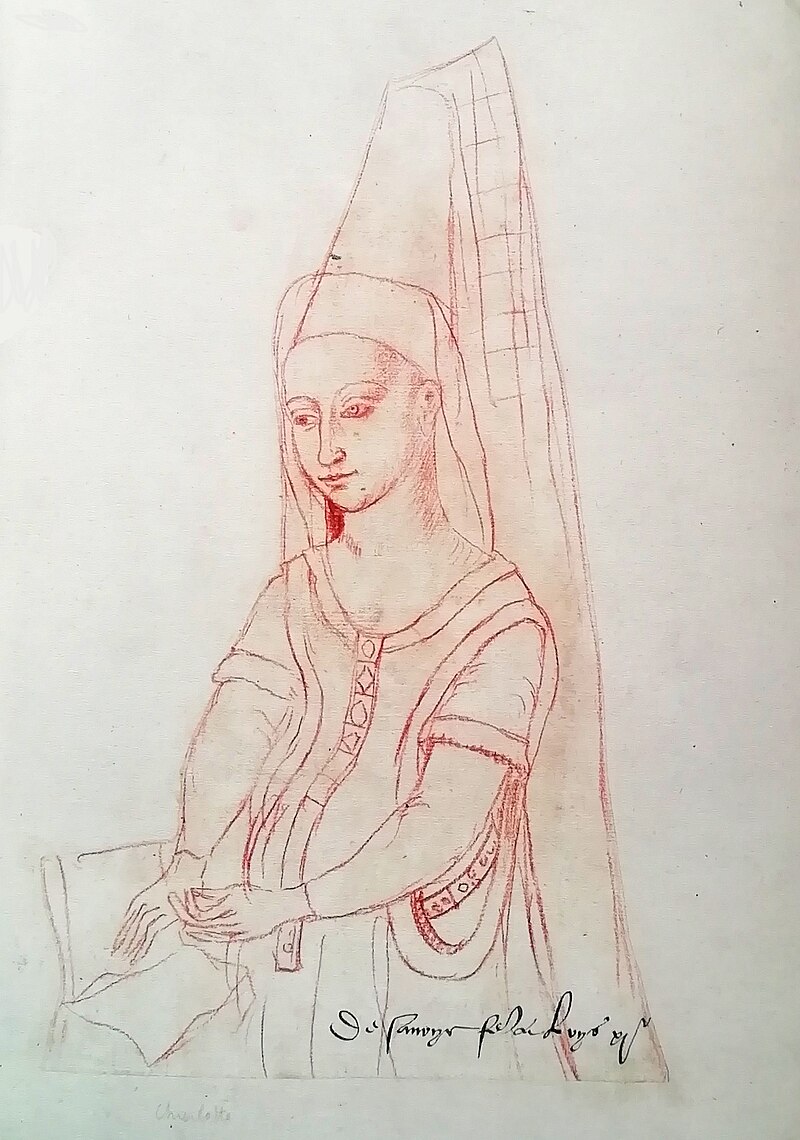
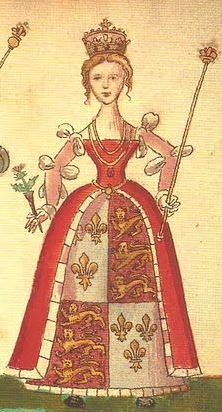
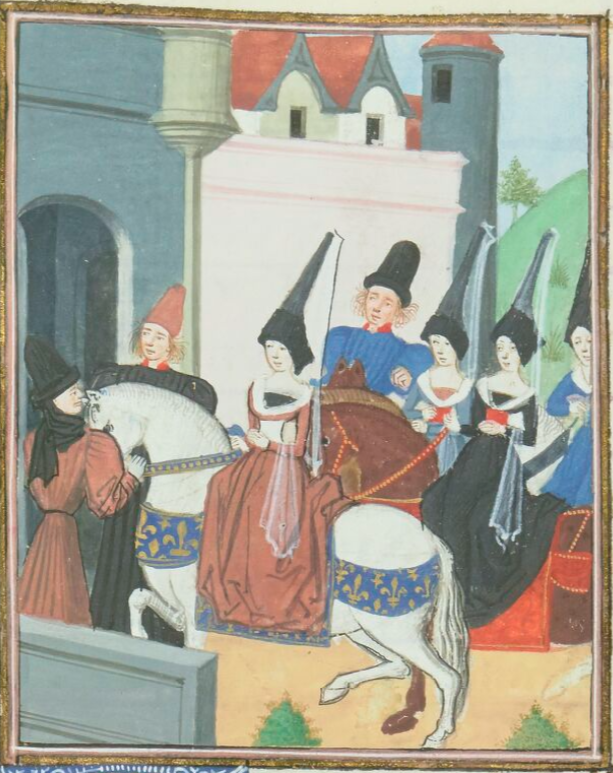
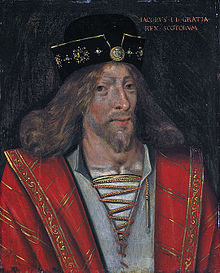
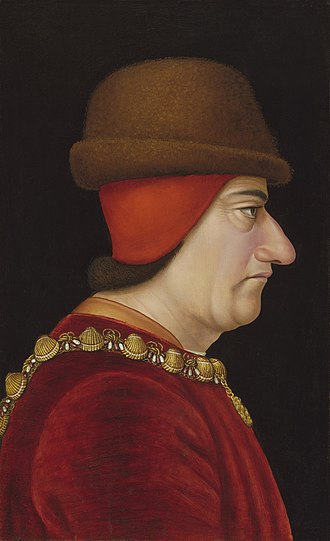
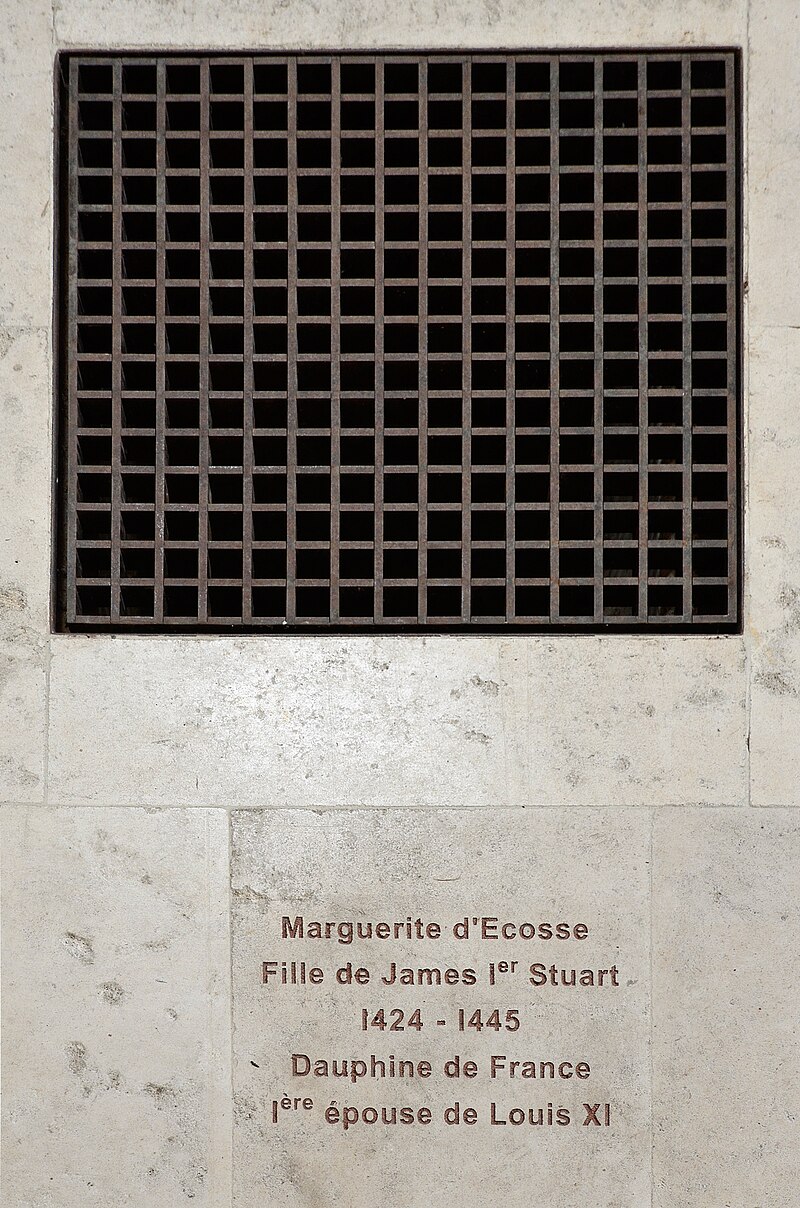




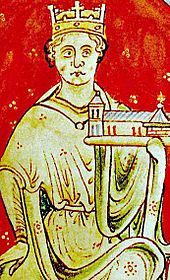

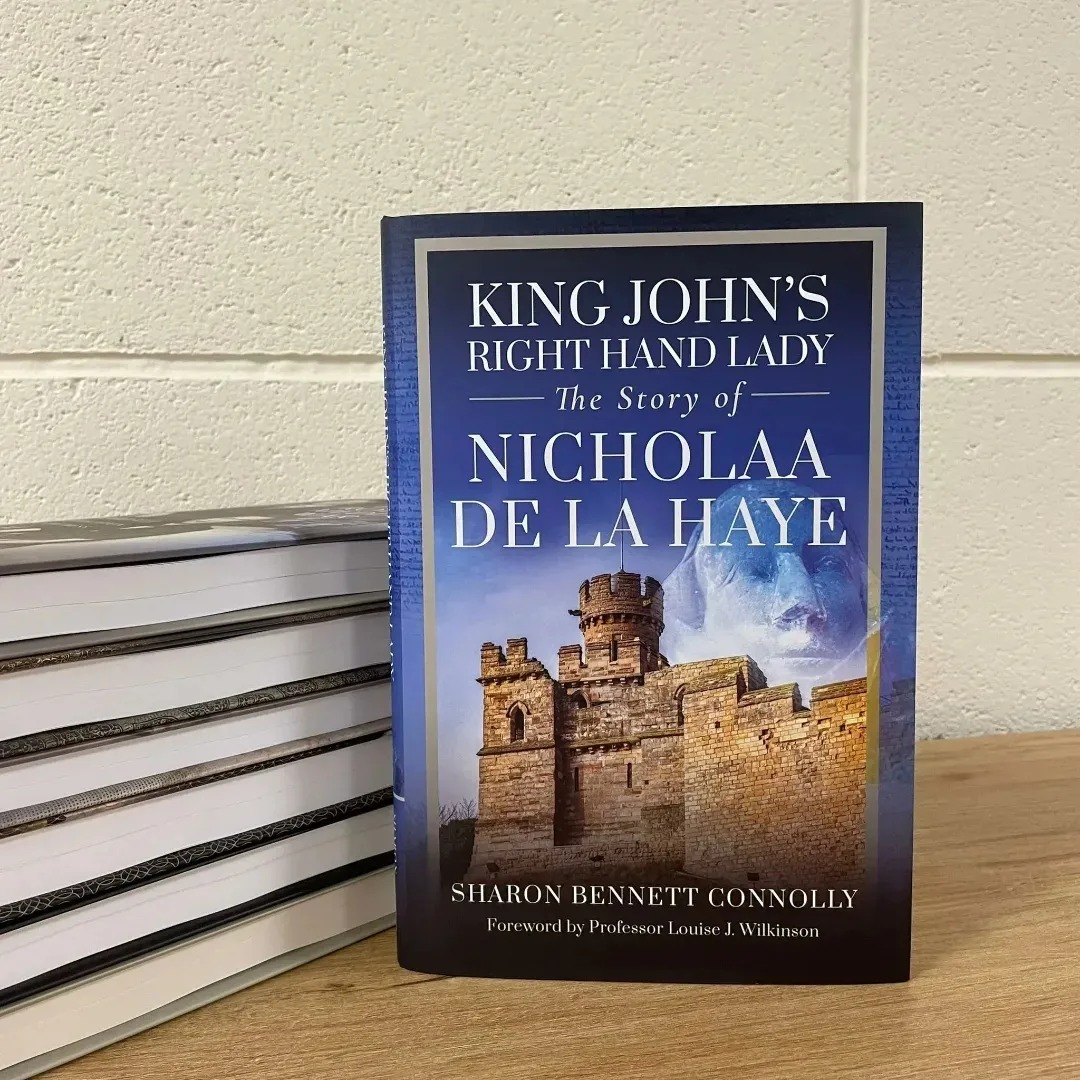





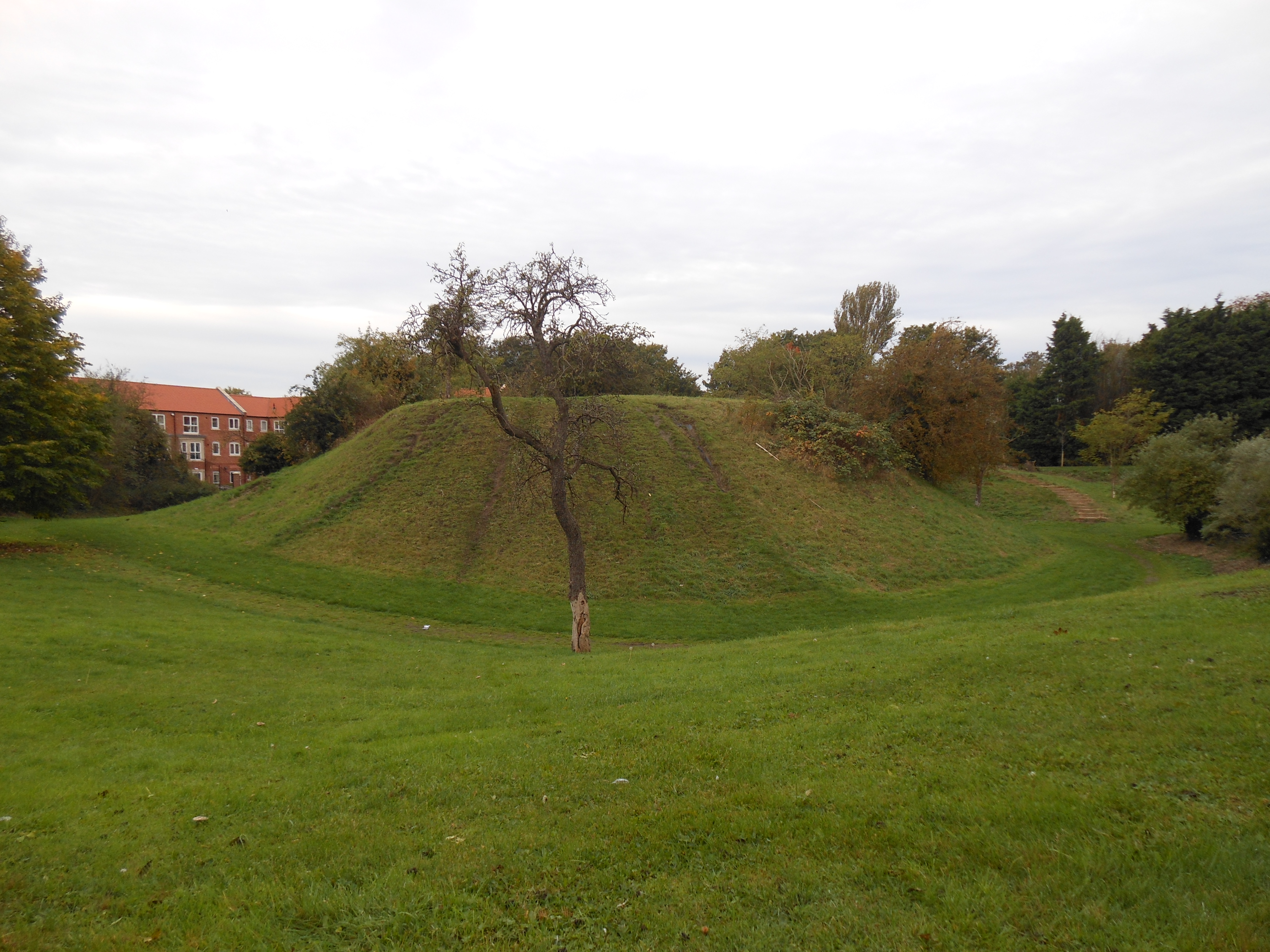


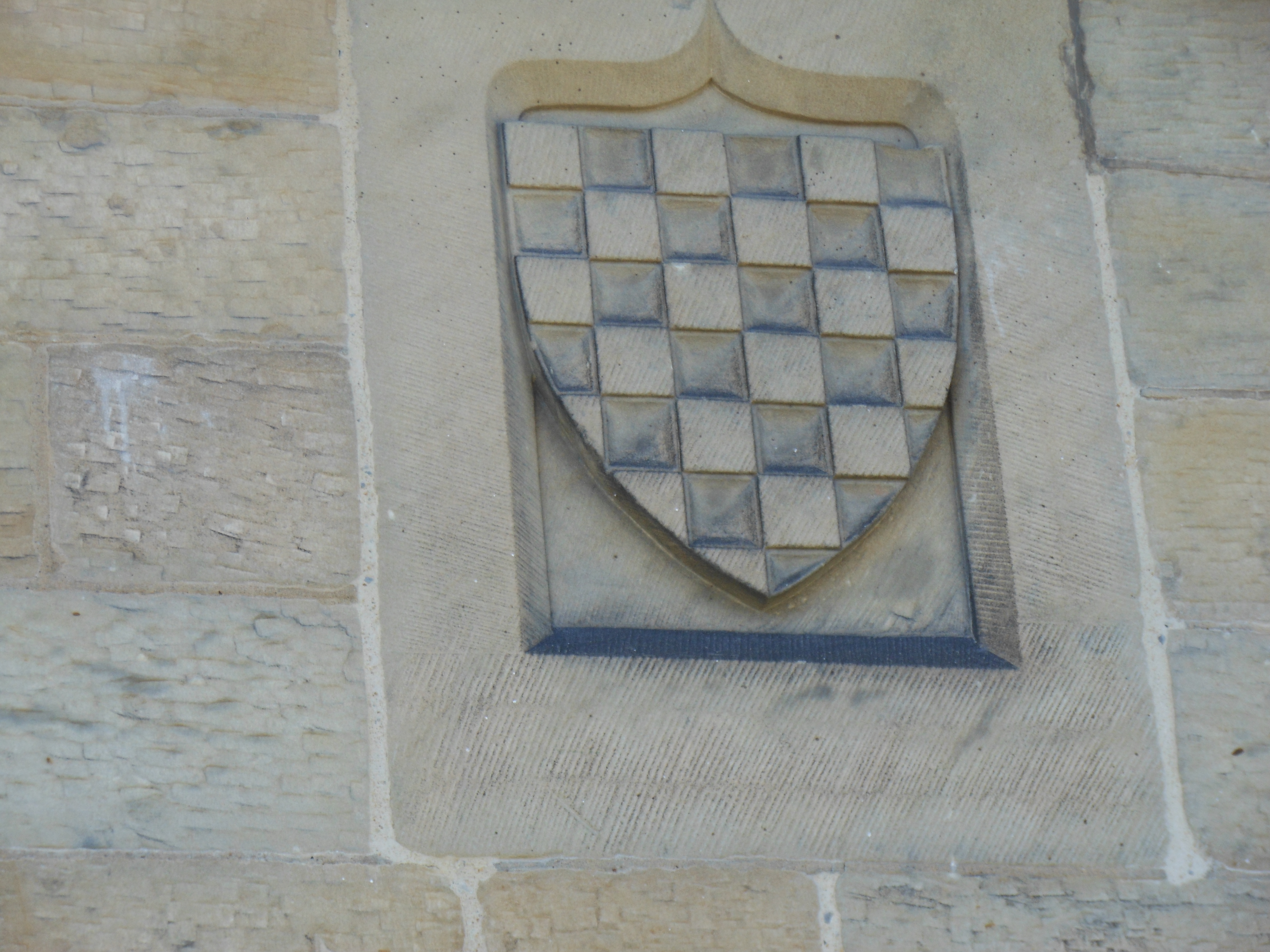
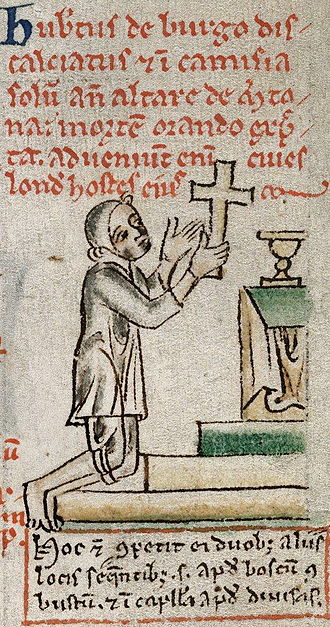



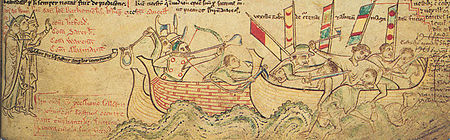
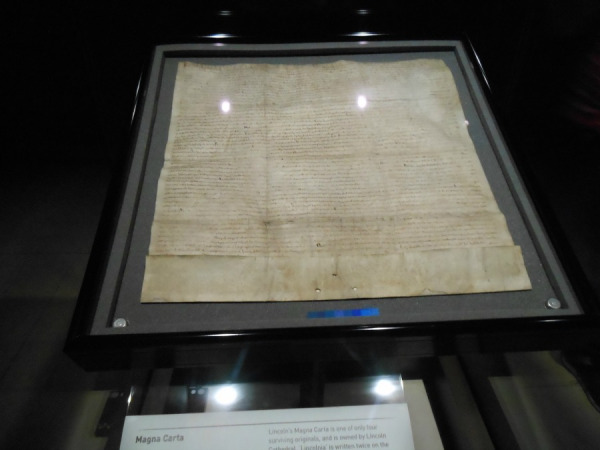
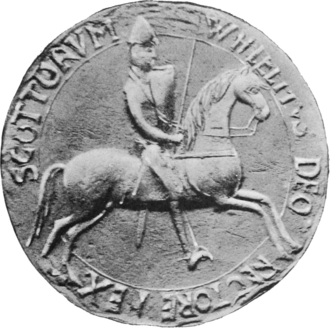
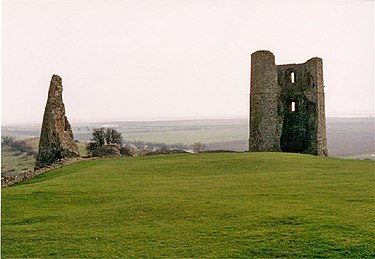
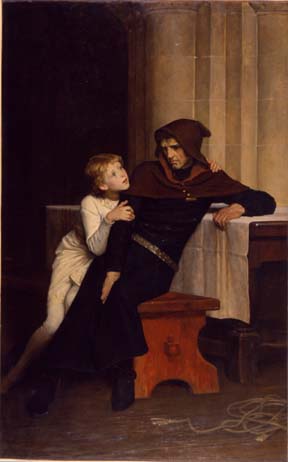
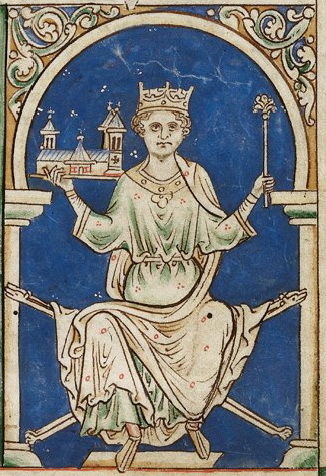

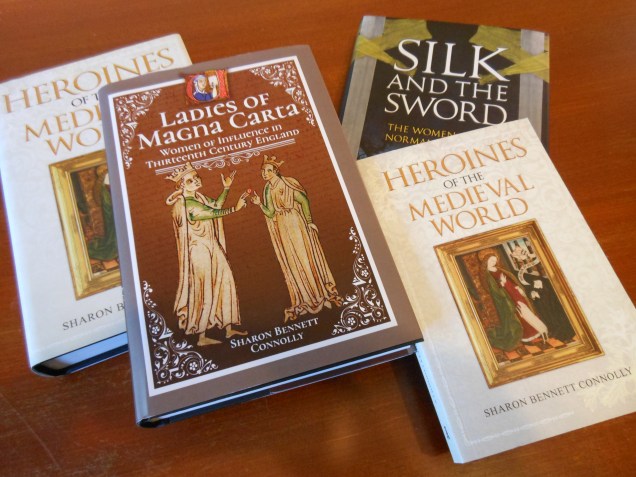


 History... the interesting bits!