Little Lady Mary Seymour was the daughter of dowager Queen Kateryn Parr and her fourth, and final, husband, Thomas Seymour, Baron Seymour of Sudeley. Kateryn Parr was widowed for a third time with the death of Henry VIII in January 1547. By May of the same year, Queen Kateryn was married to the new king Edward VI’s uncle, Thomas Seymour, Lord High Admiral of England and Baron Seymour of Sudeley. This was said to be a love match and within months Kateryn found herself pregnant for what may have been the first time in her life. In the months before the birth, the queen had fitted out a nursery for her baby, decorated in Kateryn’s favourite colours of crimson and gold: the nursery had views of the gardens and the castle’s chapel. The queen’s joy was tempered by the scandal that had arisen from her husband’s attentions towards Kateryn’s stepdaughter, Elizabeth.
She wrote to Thomas Seymour of how active the unborn child was:
I gave your little knave your blessing, who like an honest man stirred apace after and before. For Mary Odell [one of her ladies] being abed with me had laid her hand upon my belly to feel it stir. It hath stirred these three days every morning and evening so that I trust when you come it will make you some pastime. And thus I end bidding my sweetheart and loving husband better to fare than myself.1
Kateryn gave birth to her only child, Mary, named after the dowager queen’s stepdaughter, Princess Mary, on 30 August 1548. At the age of 37, Kateryn was old to be having her first child, but both she and the baby had come through the labour safely and there doesn’t appear to have been any disappointment that the child was a girl rather than a boy.
Thomas Seymour painted by Nicolas Denisot
Within just a few days of the birth, Kateryn was showing signs of puerperal fever, a bacterial complication of childbirth that was very dangerous in the centuries before antibiotics. As her condition worsened, Kateryn suffered bouts of delirium and moments of calm, when she appeared to rally. In her delirium, Kateryn railed against her husband, saying
‘I am not well handled, for those that be about me careth not for me but standith laughing at my grief and the more good I will to them, the less good they will to me.’2
Strongly denying her accusations, Seymour replied
‘Why, sweetheart, I would you no hurt.’3
Whether Kateryn truly believed Seymour wanted her dead, or was still smarting from how close he had got to the Princess Elizabeth, or the words, reported by Lady Tyrwitt, who was not a friend of Seymour’s, were misinterpreted, we will never know. Her pain, delirium and suspicion of her husband made Kateryn’s last days even more wretched.
Kateryn Parr died 6 days after little Mary’s birth, on 5 September 1548, at Sudeley Castle. She was laid to rest beneath the floor of St Mary’s Chapel in the castle grounds, with Lady Jane Grey acting as her chief mourner. Despite her fears that her husband had poisoned her, in her will, dictated as she was close to death, she left everything to Seymour, making him a very wealthy man.
Thomas Seymour was stunned by Kateryn’s death and grieved deeply. He abandoned Sudeley Castle and returned to London, seeking refuge at Syon House, the home of his brother, Edward Seymour, Duke of Somerset and his wife. Little Lady Mary was placed in the care of his mother, Margery Seymour.
St Mary’s Chapel, Sudeley Castle
Mary was eventually taken into the care of Edward Seymour and his wife, Duchess Anne. Anne had herself given birth to a little boy shortly before Mary’s birth and had a house full of children, little Mary’s cousins. However, when her father was arrested for treason, having plotted to marry the Princess Elizabeth, and was being held in the Tower awaiting execution, he asked that his daughter should be given into the care of Katherine Willoughby (now Brandon), Duchess of Suffolk. Katherine had been a good friend of Kateryn Parr. She had herself been widowed in 1545 and was the mother of 2 teenage boys, Henry and Charles Brandon.
Mary could have been given into the care of Kateryn Parr’s brother, William Parr, Marquess of Northampton, but he had recently found himself out of favour with Edward Seymour, the Lord Protector, as he had tried to divorce his wife, Anne Bourchier, in order to marry Elisabeth Brooks, who had served Seymour’s sister Jane when she was queen. This remarriage was considered illegal and outrageous and so, with such a scandal attached to him, Parr was not a suitable guardian to his niece; not that he appears to have paid any attention to Mary, nor expressed any desire to play a part in her life. Neither did Kateryn’s sister, Anne Herbert, Countess of Pembroke, show any interest in taking care of her niece, despite her own children being close in age to Mary.
With Thomas Seymour’s execution on 20 March 1549, Lady Mary Seymour, at just short of 7 months old, was a dispossessed orphan. Three days before her father’s death, whilst she was still in the custody of her uncle at Syon House, Mary had been granted £500 a year by the Privy Council. The money was for ‘dyettes, wages and lyvereyes of the household of Mistres Mary Seymour for a yere and a half ended at the Feast of the annunciation of Our Lady next cummyng [25 March].’4However, that income was not transferred to Katherine Willoughby when the baby was moved to her residence at Grimsthorpe Castle in Lincolnshire. This left the duchess short of funds. The daughter of a queen, though not royal, was expected to be maintained to a certain standard. The little orphan arrived at Grimsthorpe Castle with her own household; her full complement of staff included her governess, a nurse and two maids. And it was left to Katherine, Duchess of Suffolk, to pay their wages.
Katherine Willoughby, Duchess of Suffolk, Mary Seymour’s guardian
By 24 July 1549, Katherine was writing to William Cecil, a secretary in Edward Seymour’s household at the time, in the hope that he may assist her in recovering payment for her expenses. She wrote:
‘It is said that the best means of remedy to the sick is first plainly to confess and disclose the disease, wherefore, both for remedy and again for that my disease is so strong that it will not be hidden. … All the world knoweth … what a very beggar I am.’5
Katherine said that her finances were worsening for numerous reasons but,
‘amongst others … if you will understand, not least the queen’s child hath layen, and still doth lie at my house, with her company about her, wholly at my charges. I have written to my lady of Somerset at large, that there be some pension allotted unto her according to my lord grace’s promise. Now, good Cecil, help at a pinch all that you may help.’6
The duchess included a list of items that Duchess Anne had promised to send on, including the plate and other items that had been intended for Mary’s nursery at Sudeley Castle. The duchess also complained that the baby’s governess, ‘with the maid’s nurse and others, daily call for their wages, whose voices my ears can hardly bear, but my coffers much worse.’7
It is saddening to read how little affection is given to this child who was so wanted by her parents. That she went from being the centre of Kateryn Parr’s world to being an unwanted burden on the late queen’s good friend. It seems that Katherine Willoughby’s pleas did eventually have an effect. In January 1550, application was made to the House of Commons for the restitution of Lady Mary Seymour, ‘daughter of Thomas Seymour, knight, late Lord Seymour of Sudeley and late High Admiral of England, begotten of the body of Queen Katherine, late queen of England’.8
Grimsthorpe Castle, Lincolnshire
By this act, the little girl, now 16 months old, was permitted to inherit any remaining property that had not been returned to the crown by her father’s attainder. This did not particularly improve Mary’s situation, as most of the property she would be allowed to inherit had already passed into the hands of others. This Act of Parliament is the last mention we have of Lady Mary Seymour in the historical record. The grant was not renewed when it became due in September 1550 and Lady Mary never claimed any of the remaining portion of her father’s estate.
It seems likely that the little orphan had died at Grimsthorpe Castle before her second birthday, her burial place now unknown. There are traditions that she survived. One such has her raised by her governess, eventually marrying Sir Edward Bushell, while a family in Sussex also claims to be descended from her. While neither of these scenarios are impossible, there is no historical record to substantiate the claims.
That we cannot say for certain is one more sad note in the life of a little girl whose birth was met with such joy by both her parents, but whose short life was replete with tragedy. She was a little pawn in the machinations of her elders.
1. Linda Porter, Katherine the Queen: The Remarkable Life of Katherine Parr, the Last Wife of Henry VIII, p. 318; 2. ibid, p. 322; 3. ibid, p. 323; 4. Rebecca Larson, ‘The Disappearance of Lady Mary Seymour’, tudorsdynasty.com; 5. Linda Porter, Katherine the Queen, p. 341; 6. ibid, pp. 341-342; 7. ibid, p. 342; 8. ibid
Sources:
Linda Porter, Katherine the Queen: The Remarkable Life of Katherine Parr, the Last Wife of Henry VIII; Rebecca Larson, ‘The Disappearance of Lady Mary Seymour’, tudorsdynasty.com; Don Matzat, Katherine Parr: Opportunist, Queen, Reformer; Amy Licence, The Sixteenth Century in 100 Women; Anne Crawford, editor, Letters of the Queens of England; Oxforddnb.com; Elizabeth Norton, Catherine Parr; Elizabeth Norton, The Lives of Tudor Women; Sarah Morris and Natalie Grueninger, In the Footsteps of the Six Wives of Henry VIII.
*
My Books:
Signed, dedicated copies of all my books are available through my online store.
OUT NOW! Heroines of the Tudor World
Heroines of the Tudor World tells the stories of the most remarkable women from European history in the time of the Tudor dynasty, 1485-1603. These are the women who ruled, the women who founded dynasties, the women who fought for religious freedom, their families and love. These are the women who made a difference, who influenced countries, kings and the Reformation. In the era dominated by the Renaissance and Reformation, Heroines of the Tudor World examines the threats and challenges faced by the women of the era, and how they overcame them. From writers to regents, from nuns to queens, Heroines of the Tudor World shines the spotlight on the women helped to shape Early Modern Europe.
Coming 30 January 2025: Scotland’s Medieval Queens
Scotland’s history is dramatic, violent and bloody. Being England’s northern neighbour has never been easy. Scotland’s queens have had to deal with war, murder, imprisonment, political rivalries and open betrayal. They have loved and lost, raised kings and queens, ruled and died for Scotland. From St Margaret, who became one of the patron saints of Scotland, to Elizabeth de Burgh and the dramatic story of the Scottish Wars of Independence, to the love story and tragedy of Joan Beaufort, to Margaret of Denmark and the dawn of the Renaissance, Scotland’s Medieval Queens have seen it all. This is the story of Scotland through their eyes.
Alternate Endings: An anthology of historical fiction short stories including Long Live the King… which is my take what might have happened had King John not died in October 1216. Available in paperback and kindle from Amazon.
Podcast:
Have a listen to theA Slice of Medieval podcast, which I co-host with Historical fiction novelist Derek Birks. Derek and I welcome guests, such as Bernard Cornwell, and discuss a wide range of topics in medieval history, from significant events to the personalities involved.
*
Don’t forget!Signed and dedicated copies of all my books are available through my online store.
For forthcoming online and in-person talks, please check out my Events Page.
You can be the first to read new articles by clicking the ‘Follow’ button, liking our Facebook page or joining me on Twitter, Threadsand Instagram.
Portrait of Henry VIII after Hans Holbein the Younger
When Henry VIII decided to break with Rome, he was making that decision not just for himself but for his entire nation. But Henry was still a conservative Catholic and while others embraced the Reformation and the tenets of Calvinism or Lutheranism, Henry remained Catholic to his dying day, just not Roman Catholic. His break with Rome led to the Dissolution of the Monasteries, where monastic institutions and communities were broken up and sold off.
This, in turn led to the Pilgrimage of Grace, a popular revolt in Yorkshire in October 1536, led by Robert Aske, which spread to other parts of northern England. The rebellion was inspired by the failed Lincolnshire Rising, which had started on 1 October 1536 and it was said 22,000 people followed a monk and shoemaker, the vicar of Louth and Nicholas Melton (known as Captain Cobbler) to protest against the closing of the monasteries and the seizure of church land and plate. The figure was probably much smaller, perhaps some 3,000 rebels. However, by the time they marched on Lincoln and occupied Lincoln Cathedral, some 40,000 rebels were demanding the right to worship as Roman Catholics and protection for the treasures of Lincolnshire’s churches. The Rising was all but over by 4 October, when Henry sent word that the protesters should disperse or face retribution at the hands of Charles Brandon, Duke of Suffolk, who had mobilised his troops to put down the revolt.
By 14 October, most of the host had returned home. The two ringleaders were hanged at Tyburn, while other leading rebels were executed in the following days. It was against this background and the fear that the Rising must have invoked throughout Lincolnshire, that Anne Askew came to the fore. Anne Askew, also spelt Ayscough or Ainscough, was born around 1521, probably at the family home at Stallingborough, near Grimsby in Lincolnshire. She was the daughter of Sir William Askew and his first wife, Elizabeth Wrottesley.
Portrait of Anne Askew by Hans Eworth
Anne was the second oldest of five children, with an older sister Martha, a younger sister Jane, and two younger brothers, Francis and Edward. Her father, a landowner in Lincolnshire and Nottinghamshire, was knighted in 1513. He attended the king at the Field of the Cloth of Gold in France in 1520 and in 1521 he was appointed High Sheriff of Lincolnshire. From 1529, he was a member of Parliament for Grimsby. After the death of Anne’s mother, he married twice more. He married the daughter of a Struxley or Streichley of Nottinghamshire, whose name is sadly now lost to history and married again in 1522 to Elizabeth, the daughter of John Hutton of Tudhoe, Co. Durham and the widow of Sir William Hansard of South Kelsey, Lincolnshire, with whom he had two more sons, Christopher and Thomas.
By about 1523, the family had moved to South Kelsey, just 20 miles from Lincoln. Anne was well educated, possibly by tutors, though we do not know the specifics of her education. Anne’s writings were published posthumously by reformist scholar John Bale, and it is from these that we get most of her story.
Anne’s future was decided following the tragic early death of her older sister, Martha. Sir William had arranged for Martha to marry Thomas Kyme of Friskney, the son and heir of a neighbouring landowner. Sadly, Martha died before the wedding could take place. Rather than suffer a financial loss with the failure of the arrangement, Sir William offered 15-year-old Anne as a replacement bride, ‘so that in the ende she was compelled against her will or fre consent to marrye with hym,’ and, as John Bale put it, Anne ‘demeaned her selfe lyke a Christen wife’.1 Anne and Thomas had two children together.
It was about the time that Anne was preparing for her wedding, in 1536, that the Lincolnshire Rising erupted, starting in Louth and making its way towards Lincoln. Her father Sir William was one of the commissioners for the king’s tax subsidy who were due to sit in Caistor as the rebels arrived in the town. Sir William attempted to ride for home, ahead of the rebellious host. He was soon captured, aware that his own servants who were accompanying him supported the rebels. Anne’s brothers were also arrested by the rebels and their house watched. Sir William was then forced to write to the king to inform him of what had happened, with the complaint that ‘the common voice and fame was that all jewels and goods of the churches of the country should be taken from them and brought to Your Grace’s Council, and also that your said loving and faithful subjects should be put off new enhancements and other importunate charges.’2
With the failure of the rebellion, Sir William and his sons returned home. One wonders if the treatment of her menfolk, at the hands of those who were defending Roman Catholicism, was not a factor in Anne turning to the reformed faith. However the transformation came about, and in spite of her husband’s devout Catholicism, Anne did become a committed Protestant. She acquired a copy of an English Bible and began reading aloud from it, though her husband and brother had both forbidden her to do so. Anne explained that ‘in processe of tyme by oft reading of the sacred Bible, she fell clerelye from all olde superstycyons of papystrye, to a perfyght believe in Jhesus Christ.’3
Lincoln Cathedral
In May 1543, the Act for the Advancement of True Religion was passed, forbidding any woman below the rank of noblewoman or gentlewoman from reading the Bible; and forbidding any woman, of any rank, from reading the Bible aloud. Anne was a gentlewoman and therefore still permitted to read the Bible, but only in private. She wanted to travel to Lincoln to see the cathedral’s Bible, but Kyme forbade it. Anne had been apprised of the hostility this would engender: ‘For my fryndes told me, if I ded come to Lyncolne, the prestes wolde assault me and put me to great trouble, as thereof they had made their boast.’4 Anne did travel to Lincoln and stayed there for about six days, reading her Bible in the cathedral. She said that one man confronted her, but he had said so little of significance that she could not recall his words.
This incident, and the fact that Anne continued to read aloud to whoever would listen, to such an extent that the local priest complained to her husband, infuriated Thomas Kyme. Angry and embarrassed at his wife’s actions, Kyme drove her from the house, with some violence. Driven from hearth and home – and from her children, Anne resumed her maiden name and sought a divorce. In late 1544 she travelled to London, accompanied by only a maid, in order to obtain a legal separation in the court of chancery. Two of her brothers were already in London. Edward, who had previously been in the service of Archbishop Thomas Cranmer, was cup-bearer to Henry VIII and her half-brother, Christopher, who died around this time, was a Gentleman of the Privy Chamber.
Her cousin, Christopher Brittayn, was a lawyer at the Temple and Anne’s sister Jane was married to George St Poll, a lawyer in the service of the duke and duchess of Suffolk. Anne lodged in a house close to the Temple, London’s legal centre, and soon met others with like-minded religious views, many with connections. Several gentlewomen gave Anne money, including the countess of Hertford and the wife of Sir Anthony Denny. They both sent messengers to Anne with money.
Queen Kateryn Parr
Anne found herself moving in exalted circles, these ladies were close friends of Henry VIII’s new queen, Kateryn Parr, though whether the queen and Anne ever met is uncertain. Anne made other connections in the city, including her religious advisor John Lascels and the chronicler Edward Hall. She was also close to the Kentish Anabaptist Joan Bocher, who would be executed in 1550.
After preaching publicly in the streets of the capital, Anne came to the attention of the authorities. According to Anne’s nephew, writing after her death, she was arrested following the interception of a letter she was trying to send, while attempting to communicate with the queen. She was detained on 10 March 1545, under the Six Articles Act, which made deviation from the official tenets of the English church a civil offence. Anne was brought before Sir Martin Bowes, Lord Mayor of London, and the bishop of London’s chancellor, and interrogated as to her beliefs. She was told that St Paul forbade women from talking of the word of God, but Anne countered that St Paul only barred women from instructing a congregation.
Still only 24 years of age, Anne was confident, fearless and bold in dealing with the great men of the city of London. Women were not meant to behave in such a way, they were supposed to be contrite and accept the superior intellect and authority of the men in charge. As a consequence, the Lord Mayor ordered her imprisonment. She spent 12 days in prison, visited daily by a priest sent by Edmund Bonner, Bishop of London. Her cousin, Brittayn, failed in his petition to have her released on bail, but succeeded in having her examined before the bishop himself, on 25 March. She was accused of subscribing to reformist beliefs concerning transubstantiation and the other sacraments and the dominion of the priesthood and asked to sign a declaration of orthodox faith.
Anne took the paper and wrote ‘I, Anne Askewe do beleve all maner thynges contayned in the faythe of the Catholyck churche.’5 Bishop Bonner flew into a fury, but her cousin, Brittayn, persuaded him that she acted from her ‘weak woman’s wit’ and with the added voices of her friends, Hall, Hugh Weston and Francis Spilman, Anne was returned to prison for one more night before being freed on bail the next day. Whether or not Anne abjured is open to interpretation; the authorities say she did, Anne denied it.
The torture of Anne Askew
Once freed, Anne continued to pursue her divorce from Thomas Kyme. The Privy Council became involved and ordered both Anne and Thomas to appear before them within ten days. Anne and Kyme were brought before the Council at Greenwich and were questioned about their relationship. The questioning, under the direction of Stephen Gardiner, Bishop of Winchester, turned to the matter of Anne’s views in the sacrament and after an exchange of words whereby Anne evaded Gardiner’s questions, she was again committed to prison for the night, this time to Newgate, a harrowing place. Kyme returned home. Anne was brought before the Council the next day and questioned further by Bishop Gardiner, who declared that she should be burnt.
According to Anne herself, they charged her ‘upon my obedience to show them if I knew any man or woman of my sect. Answered that I knew none. Then they asked me of my lady of Suffolk, my lady of Sussex, my lady of Hertford, my lady Denny and my lady Fitzwilliam.’6 These women were close associates of the queen, Kateryn Parr. The queen’s chambers were searched for heretical texts, though none were found.
On 28 June 1546, Anne Askew was arraigned for heresy at the Guildhall in London, alongside Nicholas Shaxton, former Bishop of Salisbury, and two other men. Shaxton abjured but Anne was condemned ‘without any triall of a jurie’.7
The next day, Anne was sent to the Tower and subjected to further questioning. It was hoped that this would force Anne to reveal her associates at court and, by extension, their husbands. When she refused to name anyone, her interrogators, Thomas Wriothesley and Richard Rich, took the exceptional step of having her undress to her shift and fastened to the rack. In Anne’s own words:
Woodcut of the burning of Anne Askew
Then they put me on the rack because I confessed no ladies or gentlewomen to be of my opinion; and there they kept me a long time, and because I lay still and did not cry, my lord chancellor and Master Rich took pains to rack me with their own hands till I was nigh dead. Then the lieutenant (of the Tower) caused me to be loosed from the rack. Immediately, I swooned away, and then they recovered me again. After that I sat two long hours reasoning with my lord chancellor upon the bare floor.8
As a woman, gently born and already condemned, Anne should have been exempt from such treatment. Anne was so severely tortured that by the end of it her body was broken, all four limbs were dislocated and she was unable to stand. She was eventually returned to Newgate from where, on 16 July 1546, Anne was carried to the site of her execution at Smithfield, sat on a chair in a cart, every movement causing her more pain. She was tied to another chair at the stake, where she was given one more chance to recant and receive a pardon.
She refused.
She died alongside three other Protestants, John Lascels, John Hadlam, who was a tailor, and John Hemley, formerly an Observant friar.
The Martyrdom of Anne Askew
Anne Askew holds the terrible distinction of being one of only two women to have ever been tortured in the Tower of London, the other being Margaret Cheyne, who had been involved in the Pilgrimage of Grace and was also burnt for heresy. Anne died bravely, never revealing her connections at court, thus, perhaps, saving a queen of England from the same fate. She was 25 years old.
On a national level, her death was a consequence of the growing fear that accompanied Henry’s failing health. On a personal level, although Anne’s journey to London had arisen from her marriage troubles, these troubles were always entwined within her own spiritual journey. Anne’s supreme confidence in her faith and her courage under torture deservedly earned her a place in the Protestant martyrology. Her own, first-hand account of her story was edited and published by John Bale and reprinted in John Foxe’s Book of Martyrs, ensuring her legacy would pass down through the generations.
*
Notes:
1. The examinations of Anne Askew, edited by E. V. Beilin, quoted in Diane Watt, ‘Askew [married name Kyme], Anne’, Oxforddnb.com; 2. & P, Vol XI, p. 534, quoted in Elizabeth Norton, The Lives of Tudor Women; 3. The examinations of Anne Askew, edited by E. V. Beilin, quoted in Diane Watt, ‘Askew [married name Kyme], Anne’; 4. ibid; 5. ibid; 6. The examinations of Anne Askew, quoted in Amy Licence, The Sixteenth Century in 100 Women; 7. Thomas Wriothesley quoted in Diane Watt, ‘Askew [married name Kyme], Anne’; 8. Mickey Mayhew, House of Tudor: A Grisly History
Sources:
Diane Watt, ‘Askew [married name Kyme], Anne’, Oxforddnb.com; Amy Licence, The Sixteenth Century in 100 Women; The examinations of Anne Askew, edited by E. V. Beilin; Elizabeth Norton, The Lives of Tudor Women; Don Matzat, Katherine Parr: Opportunist, Queen, Reformer; Mickey Mayhew, House of Tudor: A Grisly History; J.D. Mackie, The Earlier Tudors 1485-1558; Arthur D. Innes, A History of England Under the Tudors; Sarah Bryson, The Brandon Men: In the Shadow of Kings; Steven Gunn, Charles Brandon: Henry VIII’s Closest Friend; Sarah Bryson, La Reine Blanche: Mary Tudor, A Life in Letters; John Paul Davis, A Hidden History of the Tower of London: England’s Most; Robert Lacey, The Life and Times of Henry VIII; David Loades, editor, Chronicles of the Tudor Kings: The Tudor Dynasty from 1485 to 1553: Henry VII, Henry VIII and Edward VI in the Words of their Contemporaries.
Signed, dedicated copies of all my books are available through my online bookshop.
Out now: Scotland’s Medieval Queens
Scotland’s history is dramatic, violent and bloody. Being England’s northern neighbour has never been easy. Scotland’s queens have had to deal with war, murder, imprisonment, political rivalries and open betrayal. They have loved and lost, raised kings and queens, ruled and died for Scotland. From St Margaret, who became one of the patron saints of Scotland, to Elizabeth de Burgh and the dramatic story of the Scottish Wars of Independence, to the love story and tragedy of Joan Beaufort, to Margaret of Denmark and the dawn of the Renaissance, Scotland’s Medieval Queens have seen it all. This is the story of Scotland through their eyes.
‘Scotland’s Medieval Queens gives a thorough grounding in the history of the women who ruled Scotland at the side of its kings, often in the shadows, but just as interesting in their lives beyond the spotlight. It’s not a subject that has been widely covered, and Sharon is a pioneer in bringing that information into accessible history.’ Elizabeth Chadwick (New York Times bestselling author)
Heroines of the Tudor World tells the stories of the most remarkable women from European history in the time of the Tudor dynasty, 1485-1603. These are the women who ruled, the women who founded dynasties, the women who fought for religious freedom, their families and love. Heroines of the Tudor World is now available for pre-order from Amberley Publishing and Amazon UK.Women of the Anarchy demonstrates how Empress Matilda and Matilda of Boulogne, unable to wield a sword themselves, were prime movers in this time of conflict and lawlessness. It shows how their strengths, weaknesses, and personal ambitions swung the fortunes of war one way – and then the other. Available from Bookshop.org, Amberley Publishing and Amazon UK. King John’s Right-Hand Lady: The Story of Nicholaa de la Haye is the story of a truly remarkable lady, the hereditary constable of Lincoln Castle and the first woman in England to be appointed sheriff in her own right. Available from all good bookshops Pen & Sword Books, bookshop.org and Amazon.
Alternate Endings: An anthology of historical fiction short stories including Long Live the King… which is my take what might have happened had King John not died in October 1216. Available in paperback and kindle from Amazon.
Podcast:
Have a listen to theA Slice of Medieval podcast, which I co-host with Historical fiction novelist Derek Birks. Derek and I welcome guests, such as Bernard Cornwell and Elizabeth Chadwick, and discuss a wide range of topics in medieval history, from significant events to the personalities involved.
In 2017, when I published Heroines of the Medieval World, it was a dream come true – to actually write and publish a book! I never imagined, then, that I would still be writing books 7 years later, nor that I would get the opportunity to write a sequel!
But here it is!
Continue reading for a chance to win a signed copy of Heroines of the Tudor World in my Publication Day GIVEAWAY!
Heroines of the Tudor World tells the stories of the most remarkable women from European history in the time of the Tudor dynasty, 1485-1603.
These are the women who ruled, the women who founded dynasties, the women who fought for religious freedom, their families and love.
These are the women who made a difference, who influenced countries, kings and the Reformation. In the era dominated by the Renaissance and Reformation, Heroines of the Tudor World examines the threats and challenges faced by the women of the era, and how they overcame them. Some famous, some infamous, some less well known, including Anne Boleyn, Elizabeth Barton, Catherine de Medici, Bess of Hardwick and Elizabeth I.
From writers to regents, from nuns to queens, Heroines of the Tudor World shines the spotlight on the women helped to shape Early Modern Europe.
I am so excited to be able to announce that Heroines of the Tudor World is now available from – everywhere! Including Amberley Publishing, Bookshop.org and Amazon UK.
Publication Day GIVEAWAY!
For the chance to win a signed copy of Heroines of the Tudor World simply leave a comment below.
The draw fro the winner will be made at noon Friday 21 June 2024.
Competition Closed: and the winner is Andria van Buskirk!
Book Launch
Do join me for the Heroines of the Tudor World book launch, including a talk and book signing will be held at the gorgeous historic venue, The Lincoln County Assembly Rooms, Monday 24 June, 2024, at 7pm.
Tickets in-store or online from £7 – ticket with book deals available.
To reserve your ticket, call in at Lindum Books on Bailgate, Lincoln, or click here!
Reviews:
And the first reviews are in – and amazing!
Tony Riches was the first to give his views:
Heroines of the Tudor World is “is perfect for ‘dipping in’ at a random page or section – where you can be sure of discovering something interesting. I also liked the way some Tudor women pop up in several categories, highlighting the complexity of their lives. As with her medieval heroines, some of the categories are thought provoking, such as the idea of heroic mistresses and scandalous heroines, but this makes for a lively and engaging read.” Read the whole 5* review over at The Writing Desk.
And Medieval Madame, on Instagram, also gave Heroines of the Tudor World 5 stars:
“Automatically, when we think of the Tudor woman we tend to think of King Henry VIII’s wives, ladies in waiting or mistresses like Lady Jane Parker and Mary Boleyn. Yet so many women played a vital role, and they are lesser known but those who are more widely known don’t get enough recognition. Women, the weaker, frailer, gentler sex who should have a purpose: ‘stay at home, do embroidery, bear children – hope to survive!’ Not forgetting obey your Husband!
This book centres around women who, either by chance or decision, step out of the mould society cast upon them, even if it meant death. Remember, the Tudor World was one of the most vicious times in English history.
In this 12 chapter book, Sharon Bennett Connolly looks at many women from different backgrounds, and placed into chapters that’s what made their names live on. Take for example chapter 11 we see, “Literary Heroines,” here you can read about Margaret Roper, daughter of Sir Thomas More. Religious reformist, published, Queen Katherine Parr. Then French royalty who could well handle a quill!
Other heroines include: Caterina Sforza, Elizabeth Barton, Katherine Willoughby, Mary Queen of Scots, Anne de Vere and so many more – the list is vast! That is what makes an interesting read. Whether by religion, royalty, nobility or scandal.
Sharon has achieved another piece of thought provoking literature by shining a light on this enjoyable and contemporary read. As a sequel to her “Heroines of the Medieval World,” this certainly does not disappoint, and I enjoyed it equally.
For an in-depth view on many resilient, defiant and warrior women, who could very well be the first step to what we know in modern times as feminism. This is it! This is an excellent read, most certainly in the top three reads of the year. Sharon has crafted her creative writing once more for our educational enjoyment.
[Gifted] To Be Released 15 June 2024″
All About History
All About History magazine gave Heroines of the Tudor World 4 stars, highlighting that the book ‘reminds readers that the lot of women in this era was not an easy one, but in these fascinating stories she reminds us too that there have always been women who dared to challenge the status quo. Whether standing up for country, crown, family or love, the women who spring to life in these pages are richly deserving of their place in history.’
The first review on Amazon was from Helen Musson. It was short but oh so very, very sweet:
Brilliant!
And what an incredible review of Heroines of the Tudor World from Heidi Malagisi at Adventures of a Tudor Nerd:
“Connolly gave her readers a thrilling look into the 16th century….my only complaint is that it was not a longer book…”If you have enjoyed Sharon Bennett Connolly’s previous books and you are a Tudor nerd, I highly suggest you read, ‘Heroines of the Tudor World.'”
Interviews, podcasts and YouTube
You can find me talking about my choice of Heroines of the Tudor World on some of the best Tudor podcasts:
On Tudors Dynasty I may have mentioned to Rebecca Larsen that I don’t think much of Henry VIII. And I had a fabulous time, chatting with Natalie Grueninger over at On the Tudor Trail.
And I am on Books & Brews, over on You Tube, talking about my favourite Heroines of the Past. You can even watch the outtakes!
To Buy Heroines of the Tudor World
You can order signed, dedicated copies of Women of the Anarchy through my online bookshop. Heroines of the Tudor World is now available from – everywhere! Including Amberley Publishing, Bookshop.org and Amazon UK.
*
Also by Sharon Bennett Connolly:
Women of the Anarchy demonstrates how Empress Matilda and Matilda of Boulogne, unable to wield a sword, were prime movers in this time of conflict and lawlessness. It show how their strengths, weaknesses, and personal ambitions swung the fortunes of war one way – and then the other. Available from Bookshop.org, Amberley Publishing and Amazon UK. King John’s Right-Hand Lady: The Story of Nicholaa de la Haye is the story of a truly remarkable lady, the hereditary constable of Lincoln Castle and the first woman in England to be appointed sheriff in her own right. It is is available from Pen & Sword Books, bookshop.org and Amazon. Defenders of the Norman Crown: The Rise and Fall of the Warenne Earls of Surrey tells the fascinating story of the Warenne dynasty, from its origins in Normandy, through the Conquest, Magna Carta, the wars and marriages that led to its ultimate demise in the reign of Edward III. Available from Pen & Sword Books, Amazon in the UK and US, and Bookshop.org.
Alternate Endings: An anthology of historical fiction short stories including Long Live the King… which is my take what might have happened had King John not died in October 1216. Available in paperback and kindle from Amazon.
Podcast:
Have a listen to theA Slice of Medieval podcast, which I co-host with Historical fiction novelist Derek Birks. Derek and I welcome guests, such as Bernard Cornwell and discuss a wide range of topics in medieval history, from significant events to the personalities involved.
*
Don’t forget!Signed and dedicated copies of all my books are available through my online bookshop.
For forthcoming online and in-person talks, please check out my Events Page.
*You can be the first to read new articles by clicking the ‘Follow’ button, liking our Facebook page or joining me on Twitterand Instagram.
A dynasty is defined by its men: by their personalities, their wars and reigns, their laws and decisions. Their mothers, wives, sisters and daughters are often depicted as mere foils, shadowy figures whose value lies in the inheritance they brought, or the children they produced. Yet the Tudor dynasty is full of women who are fascinating in their own right, like Margaret Beaufort, who finally emerged triumphant after years of turmoil; Elizabeth of York and her steadying influence; Catherine of Aragon and Anne Boleyn, whose rivalry was played out against the backdrop of the Reformation; and Mary and Elizabeth, England’s first reigning queens. Then there were all the others: Henry VIII’s fascinating sisters who became queens of France and Scotland, and their offspring, the Brandon and Grey women, Lady Margaret Douglas and her granddaughter Arabella Stuart. Many more women danced the Pavane under Henry’s watchful eye or helped adjust Elizabeth’s ruff. These were strong women, wielding remarkable power, whether that was behind the scenes or on the international stage. Their contribution took England from the medieval era into the modern. It is time for a new narrative of the Tudor women: one that prioritises their experiences and their voices.
Tudor Roses: From Margaret Beaufort to Elizabeth I by Amy Licence continues the history started with Red Roses, which told the history of the women of the royal house of Lancaster, from Blanche of Lancaster to Margaret Beaufort and the start of the Tudor dynasty. Tudor Roses: From Margaret Beaufort to Elizabeth I is the fabulous sequel! Amy Licence has put all her considerable knowledge and research into this book to bring you a book on the Tudor period focussed on its incredible women.
Amy Licence brings the women to the fore, telling the stories of the Tudors through the lives and actions of the women who formed such a considerable part of the dynasty. Not only does she retell the lives of these women, but she puts those lives in context, assessing their influence and legacy on one of the most famous English dynasties – and on the European countries that England interacted with.
Amy Licence also draws not only on events of the time, but on the changing world around the dynasty, on the developments in literature, music, the arts and religion to give a rounded picture of the women of 16th century England. This gives the reader a deeper understanding of the rules and restrictions women had to live by at the time. It also demonstrates the areas in which women had liberties and the ability to express their own desires, wants and needs, and how they could assert control over their own lives.
This is Amy Licence at her best!
Excerpt:
It is not difficult to visualise the Tudor princesses sitting at their lessons, or roaming the gardens at Eltham. Surviving accounts give an indication of the adult-style clothing in which the children appeared, as the nursery was also a location for the entertainment of dignitaries and foreign visitors, and the children were a powerful, visible indicator of the dynasty’s future. In November 1495, Henry spent £7 on ‘diverse yerdes of silk’ for Henry and Margaret, while baby Mary the following years was clothed in kirtles of black silk and velvet, edged in ermine and mink. The following year as she was beginning to walk, her dresses were made of baby buckram, a fine cotton, not like the stiff, modern version, and she required linen smocks, three pairs of hose, eight pairs of single-soled shoes and four pairs of double. The children were frequent visitors to Windsor, Westminster, Greenwich, Sheen and Baynard’s Castle, or wherever their parents might be, attending important events and festivities, expected to show themselves to best advantage in front of guests. No doubt the girls were also influenced by Margaret Beaufort’s model of piety and were visible attendees at church on red letter days in the Catholic calendar, but they were also lively, energetic participants. One of Margaret’s most notable public appearances as a small child was her fifth birthday in November 1494, on which occasion her younger brother Henry was elevated to the Dukedom of York. A tournament lasting three days was held at Westminster, after which Margaret handed out the prizes, dressed in a velvet and buckram gown trimmed in gold lace with a white, winged cap in the Dutch style. Afterwards, Margaret and her young brother danced to the delight of the court.
At Eltham, Margaret and Mary were shielded from he dynastic struggles that their parents were experiencing in the 1490s. A second pretender, far more serious than the young Lambert Simnel, had emerged in Europe, and was being feted by enemies of the Tudor regime. Claiming to be Richard of Shrewsbury, the younger of the Princes in the Tower, a young Flemish merchant by the name of Perkin Warbeck arrived at the Burgundian court, swiftly winning over Elizabeth’s aunt Margaret, who schooled him in the details and manners of the Yorkist court and encouraged him to distribute coins minted in his name. Warbeck was initially welcomed at the court of Charles VIII of France, until Charles ejected him under terms of the Treaty of Etaples he signed with England in 1492. The pretender returned to Burgundy, where he was invited to attend the funeral of the Holy Roman Emperor and recognised as Richard IV. However, after a failed attempt to invade England, and a brief flirtation with Ireland, Warbeck went north, towards the Scottish king with whom Henry had hoped to ally his eldest daughter.
Amy Licence is an accomplished writer whose prose flows so freely that you almost feel like you are reading a novel. The narrative flows easily, absorbing the reading from the very first pages. As you may have come to expect from Ms Licence, her research is thorough and second-to-none. She delves into every aspect of the lives of the women and brings the whole era to life for the reader, showing how they interracted with the world around them, with the men in their lives – and with each other.
Her insight into the lives of the Tudor women is unparalleled.
It is always a pleasure to read a non-fiction book by Amy Licence and Tudor Roses: From Margaret Beaufort to Elizabeth I is no exception. In fact, it is probably one of Ms Licence’s best. For anyone interested in the Tudor period, this book is a must read. An essential addition to any library. I cannot recommend it highly enough.
Tudor Roses: From Margaret Beaufort to Elizabeth I is available from Amazon and Amberley Publishing.
About the author:
Amy Licence is an historian of women’s lives in the medieval and early modern period, from Queens to commoners. Her particular interest lies in the late fifteenth and early sixteenth century, in gender relations, Queenship and identity, rites of passage, pilgrimage, female orthodoxy and rebellion, superstition, magic, fertility and childbirth. She is also interested in Modernism, specifically Woolf and the Bloomsbury Group, Picasso and Post-Impressionism. She has been a teacher for over twenty years and is a Fellow of the Royal Historical Society.
Amy has written for The Guardian, The TLS, The New Statesman, BBC History, The English Review, The Huffington Post, The London Magazine and contributes regularly to BBC History Magazine. She has been interviewed regularly for BBC radio, including Woman’s Hour, and has appeared in several TV documentaries.
*
My Books
Signed, dedicated copies of all my books are available, please get in touch by completing the contact me form.
Defenders of the Norman Crown: The Rise and Fall of the Warenne Earls of Surrey tells the fascinating story of the Warenne dynasty, of the successes and failures of one of the most powerful families in England, from its origins in Normandy, through the Conquest, Magna Carta, the wars and marriages that led to its ultimate demise in the reign of Edward III. Defenders of the Norman Crown: Rise and Fall of the Warenne Earls of Surrey is now available from Pen & Sword Books, Amazon in the UK and US,Bookshop.org and Book Depository.
Four generations of Brandon men lived and served six English kings, the most famous being Charles Brandon, Duke of Suffolk, best friend and brother-in-law to King Henry VIII. Yet his family had a long history tied closely to the kings of the Wars of the Roses back to Henry VI. Charles Brandon’s father, Sir William Brandon, supported Henry Tudor’s claim on the throne and became his standard bearer, dying at the Battle of Bosworth. Charles’s uncle, Sir Thomas Brandon, was Henry VII’s Master of the Horse, one of the three highest positions within the court. Charles’s grandfather had ties with Henry VI, Edward IV and Richard III. These men held important offices, made great sacrifices, walked the fine line between being loyal courtiers and traitors, and even gave their lives, all in the name of loyalty to the king they served. No more shall the Brandon name be an obscure reference in archives. It is time for them to emerge from the shadows of history.
I have been looking forward to reading The Brandon Men: In the Shadow of Kings by Sarah Bryson ever since I heard that Sarah was working on it. I loved her first book, La Reine Blanche: Mary Tudor, A Life in Letters, and was hoping this one would be as good. I was wrong!
The Brandon Men: In the Shadow of Kings is even better. In telling the story of Henry VIII’s best friend, Charles Brandon, and Charles’ forebears, Sarah Bryson writes with a passion that draws the reader in from the very first pages. Sarah Bryson starts the story at the beginning, with the first known head of the Brandon family, Sir William Brandon, born in around 1425. The Brandons rose to prominence during the unsettled times of the Wars of the Roses, their fortunes turning with the tug-of-war between York and Lancaster. Sir William Brandon’s son – also William – was killed at the Battle of Bosworth while protecting the future king, Henry VII. It was this William whose son, Charles Brandon, Duke of Suffolk, took the family to its greatest heights, going so far to marry Mary Tudor, Dowager Queen of France and King Henry VIII’s beloved baby sister.
While the rest of the family had a no-less dramatic story, it is Charles Brandon’s which catches the attention. Brandon pursued a thriving career at court, as one of Henry VIII’s closest friends and jousting partners, while at the same time he chased after wealth and land through several scandalous marriages and betrothals. His marriage to Mary Tudor, however, was the icing on the cake; it brought him a beautiful bride, a love story that would last the ages, and the title of Duke of Suffolk as the brother-in-law to the king. It also brought him more trouble than even he could have imagined; whilst Brandon did not lose his head, he got heavily in debt trying to placate the king for his presumption in marrying the king’s sister.
Charles Brandon’s life was also tinged with family scandal, with one daughter being publicly shamed for her extramarital affair, and tragedy; two of his sons died during the duke’s lifetime, with two mores, his sons by Katherine Willoughby, dying within half an hour of each other before either reached their majority. It was Charles Brandon’s granddaughter by Mary Tudor, the tragic Lady Jane Grey, who became Queen of England for Nine Days. The Brandon story is one of the highs and lows of ambition and family; the veritable wheel of fortune that was so popular in medieval culture.
Lacking experience in military action, Henry Tudor appointed the veteran Earl of Oxford to command his troops and to lead the vanguard. Sir Gilbert Talbot took the right wing and was ordered to defend the archers and keep an eye on the battle line, while John Savage was to lead the left wing. Henry Tudor was positioned to the rear of the troops with several French mercenaries whom he had brought with him from France. Standing close to Henry was Sir William Brandon II.
Brandon had been appointed Henry’s standard-bearer. It is unclear exactly why Brandon was chosen to carry one of Henry Tudor’s standards; perhaps it was due to his unfaltering loyalty to the man he hoped would become king, or perhaps it was down to his physical toughness. We have no description of what Sir William Brandon II looked like, but his son Charles grew up to be tall, handsome, well built and extremely suited to physical pastimes such as hunting and jousting – all qualities that he may have inherited from his father.
Facing them, on King Richard’s side was John Howard, Duke of Norfolk, with Sir Robert Brackenbury leading the Yorkist vanguard. Next came a force commanded by Richard III and comprised of his bodyguard and others. In the rear was the Earl of Northumberland and his men.
When the battle cry went up, arrows flew and the roar of Richard III’s artillery filled the air. Oxford’s men clashed with the Duke of Norfolk’s, the two being old foes. Both sides paused to reorientate themselves. Oxford formed his men into a wedge and charged forward. At this second charge, Henry’s French troops attacked Norfolk’s vanguard. Soon Norfolk’s men were in trouble. Many were killed, including the duke. Others fled while some defected to fight on Henry Tudor’s side.
Northumberland and his men did not move into the fight, and it is believed that at some point the earl decided to leave the battle without throwing any of his men into the fray. Amid this chaos, some of Richard III’s supporters begged him to flee, but he declared that he would live or die as a king. Oxford’s men had pushed forward, leaving a gap, and Richard III now saw an opportunity to get to Henry Tudor directly. He charged with his men, aiming to strike Henry down.
As he advanced, Richard III’s lance pierced through Henry’s standard-bearer, Sir William Brandon II, and broke in half. History records that William Brandon ‘hevyd on high [the Tudor standard] and vamisyd it, tyll with deathe’s dent he was tryken downe.’ What was racing through Sir William’s mind in those last few moments as Richard III and his men came thundering towards him? He had given up his property, his land, his wealth, everything he had to support Henry Tudor. He had bid his wife and infant son farewell to follow Henry to England in the hopes of a better life, not just for himself or his family but for England. It was his sworn duty to protect Henry Tudor with his life, and as Richard III’s lance pierced his armour and threw him from his horse, he gave up his life to save the man he believed to be the rightful king of England. Sir William Brandon II had been loyal to his last breath.
In The Brandon Men: In the Shadow of Kings, Sarah Bryson puts flesh on the bones of history; she brings the family, their actions, hopes and dreams, back to life. Concentrating on the human side of their story, Sarah Bryson expertly recreates the world in which the Brandon men and their families lived, from the violence, suspicion and betrayal that personified the Wars of the Roses, to the glamour, intrigue and fear of the court of Henry VIII. Neither does she shy away from the more questionable actions of the family, such as Charles Brandon’s dislike of Anne Boleyn and complicity in her downfall. Sarah Bryson examines the evidence and arguments with a neutral, if passionate, eye, giving us a wonderful portrait of Charles Brandon as a fallible human being whose ambition sometimes gets in the way of his own success. However, and above all, Charles Brandon knew where his loyalty – and his prospects – lie; with the king. He did everything to ensure that his relationship with Henry VIII, and therefore his family’s security, remained paramount in his career.
I was surprised to see that the Brandon story overlaps a little with my own research on the Warennes. Two hundred years after the demise of John de Warenne, the 7th and last Earl of Warenne and Surrey, it seems that some of the Warenne lands, notably Bromfield and Yale in Wales, found themselves in the hands of Charles Brandon – a little serendipity there.
The Brandon Men: In the Shadow of Kings is a beautifully written non-fiction biography of a family that most people have heard of, but of which few know the particulars. Meticulously researched, with substantial notes and an excellent bibliography, it tells the story of the Brandon family and their rise to heights that none of them could have predicted in their wildest dreams. It is a story of war and conflict, love and feuds, with family ambition tempered by family tragedy. It is, above all, a story of service to the crown.
Sarah Bryson is a wonderful writer of non-fiction, whose love of the Brandons’ story comes through on every page, drawing the reader in; engaging, entertaining and enlightening you on every page. It is, in short, a thoroughly enjoyable investigation into the rise of one of the greatest families of the Tudor court, from the origins in later medieval England and the discord of the Wars of the Roses; from humble Suffolk landowners, to the great Duke of Suffolk who owned most of Lincolnshire. The Brandon Men: In the Shadow of Kings is definitely worth reading!
Sarah Bryson is a researcher, writer and educator who has a Bachelor of Early Childhood Education with Honours. She currently works with children with disabilities. She is passionate about Tudor history and has a deep interest in Mary Tudor, Charles Brandon, Duke of Suffolk and the reign of Henry VIII and the people of his court. She has run a website dedicated to Tudor history for many years and has written for various websites including ‘On the Tudor Trail’ and “QueenAnneBoleyn’. She has been studying primary sources to tell the story of Mary Tudor for a decade. She is the author of books on Mary Boleyn, Charles Brandon and La Reine Blanche. She lives in Australia. –This text refers to the hardcover edition.
My books
Defenders of the Norman Crown: The Rise and Fall of the Warenne Earls of Surrey tells the fascinating story of the Warenne dynasty, of the successes and failures of one of the most powerful families in England, from its origins in Normandy, through the Conquest, Magna Carta, the wars and marriages that led to its ultimate demise in the reign of Edward III. Defenders of the Norman Crown: Rise and Fall of the Warenne Earls of Surrey is now available from Pen & Sword Books, Amazon in the UK and US and Book Depository.
In 1485 England was a small kingdom, the whole country consisted of a population of less than 3 million people, with 60,000 living in the capital, London.1 The Wars of the Roses was very much a recent trauma in the national memory. The country was a predominantly rural society, with local loyalties to local landowners – such as the Percies in Northumberland – taking precedence over national considerations. Noticeable regional differences varied in speech, diet, cloth, farming methods, the shape of church towers, and even the veneration of the saints. In Tudor Lincolnshire the Fens were yet to be drained, few roads were well-maintained and even they could be treacherous in heavy rains. Lincoln itself had been effected by the decline in the wool trade, and with a shrinking population, its size and prosperity were also decreasing.
A distinction was also rising among the aristocracy of the county and that of the royal court. In the regions, the minor nobility served the king as sheriffs, escheators and justices of the peace, or representing their county in parliament. The greater aristocracy, however, were looking for positions and influence at court; for themselves and their families. The Tudor court was a micro-world in itself. It set the standards in manners for the whole country. Service to the monarch was the primary concern. Most courtiers were related to each other, marriages were negotiated between the prominent families and service to the queen was the highest position a lady could aspire to.
At first glance you would think there was very little interaction between the nobility of Lincolnshire and the Tudor court. However, as we delve deeper we can see that, not only was there movement between the court and the county, it was not only one-sided, but fluid and travelling in both directions. When looking at this over the Tudor period – of over a hundred years of history – we notice the subtle changes in the interactions between the county and royal court, not only based on the progress of the time, but also the personalities involved and their personal experiences.
For some ladies, marrying into a member of the Lincoln aristocracy was a way of getting away from the glare of the court. For Elizabeth (Bessie) Blount, lady-in-waiting to Katherine of Aragon, a former mistress of Henry VIII and the mother of his illegitimate son Henry Fitzroy, Duke of Richmond, it was the chance at a normal life. Born in 1500, Bessie Blount married Gilbert Tailboys in 1519, following her affair with Henry VIII and just months after the birth of the king’s son. The marriage was probably arranged by Henry as a ‘reward’ for Bessie. The couple settled on Gilbert’s family estates at Kyme in Lincolnshire. And despite being far from court, Bessie was not forgotten by the king. She continued to receive Henry’s favour, with various grants between 1522 and 1539 and New Years’ gifts throughout her life; in 1532 Henry sent her a gilt goblet with a cover weighing over 35 ounces.2
Effigy of Elizabeth Blount
Bessie and Gilbert had three children together, Elizabeth, George and Robert, before his death in 1530. Gilbert Tailboys had settled part of his Lincolnshire estates on Elizabeth, giving her an annual income of £200 a year for life. Following his death, Bessie appears to have been happy to stay in Lincolnshire instead of returning to her Shropshire roots, or an unwelcoming royal court. In 1535 she married again, to the soldier Edward Fiennes de Clinton, 9th Baron Clinton and Saye, who was 12 years her junior. Although de Clinton had his family seat in Kent, they settled on Bessie’s Lincolnshire estates. They had three daughters together, Bridget, Katherine and Margaret, before Bessie died sometime before June 1541 (when Clinton remarried). While Elizabeth appears to have stayed away from court, Clinton’s marriage to the king’s former mistress brought him royal favour; he attended on the king at Calais and Boulogne in 1532 and acted as cup-bearer at the coronation of Anne Boleyn in 1533. Following the Lincolnshire Uprising of 1536, one of several rebellions which formed the Pilgrimage of Grace, Clinton was rewarded for staying loyal to the king – most Lincolnshire gentlemen had joined the rebellion – with the dissolved monastery of Sempringham.
Lincolnshire aristocratic families were often very closely related. Elizabeth and Edward’s daughter, Bridget, married Sir Robert Dymoke II, son of Sir Edward Dymoke and his wife Anne, who was the daughter of George Tailboys and the sister of Elizabeth’s first husband, Gilbert. The Dymoke family held Scrivelsby in Lincolnshire, through which tenure they were king’s champions; Sir Edward was champion at the coronations of Edward VI, Mary I and Elizabeth I. Sir Edward’s sister, Margaret, was born in Scrivelsby around 1500 and served several of Henry’s queens. After first marrying Richard Vernon of Haddon Hall, Derbyshire, she then married Sir William Coffin, Anne Boleyn’s Master of Horse. Margaret had been one of Queen Katherine of Aragon’s gentlewomen at the Field of Cloth of Gold and would also serve Henry VIII’s two subsequent queens.
Margaret, however, was not a favourite of Henry’s second queen, Anne Boleyn. She was one of the women who attended the disgraced queen in the Tower of London. Anne was recorded as complaining to her jailer, Sir William Kingston, “I think much unkindness in the king to put such about me as I never loved.”3 Margaret Dymoke, Lady Coffin slept on a pallet bed in the Queen’s bedchamber during her time in the Tower. In her desperation the queen confided in Margaret, unaware that she was acting as a spy for the state. Master Kingston reported to Thomas Cromwell that “I have everything told me by Mistress Coffin that she thinks meet for me to know.” 4 There is also a possibility that Margaret was not only a spy for Kingston, but also for the Imperial ambassador, Eustace Chapuys, who wrote “The lady who had charge of her [Anne] has sent to tell me in great secrecy that the concubine, before and after receiving the sacrament, affirmed to her, on the damnations of her soul, that she had never been unfaithful to the king.”5
Anne Boleyn in the Tower by Edouard Cibot
Following Anne’s execution, Margaret joined the household of Queen Jane Seymour. Lady Coffin was in high favour in Jane Seymour’s establishment and acted as intermediary for several families who had hopes of placing a daughter in the royal household. Margaret remained with the queen until the end, and was among the mourners who attended the late queen’s body as it lay in state, keeping vigil and attending masses for her soul. Margaret was in the funeral procession that accompanied Jane’s body to her final resting place in St George’s Chapel, Windsor. She rode in the third carriage and bore Princess Mary’s train at the requiem mass; Mary was chief mourner and rode on a horse trapped with black velvet.6
There were several ladies associated with the Tudor court, who married into Lincolnshire society. The most famous must surely be one of Henry VIII’s own queens. Henry’s sixth wife, Kateryn Parr was the daughter of Sir Thomas Parr and his wife, Maud Green Parr, a lady-in-waiting to Katherine of Aragon. When Sir Thomas died while Kateryn was still a child, Maud took it on herself to arrange her daughter’s future. After a failed proposal to marry Katherine to the son of Lord Dacre, In 1529 Maud turned to another of her late husband’s relatives and arranged for Kateryn to marry Edward Burgh the eldest son of Sir Thomas Burgh, Baron Burgh of Gainsborough, Lincolnshire. Sir Thomas’s father, Sir Edward, had been declared a lunatic and Sir Thomas, himself, was renowned for his violent outbursts and wild rages (possibly due to an inherited mental instability in the family) and had a tyrannical control over his family. The first two years of the marriage, spent at Sir Thomas’s new Hall at Gainsborough (now known as the Old Hall), was an unhappy time for Kateryn. She wrote, regularly, to her mother of her unhappiness and it seems the situation was only resolved following a visit by Maud Parr, who persuaded Sir Thomas to allow Edward and Kateryn to move to their own, smaller, house at Kirton-in-Lindsey, a few miles outside of Gainsborough.
We do not know whether Edward was a sickly individual, or whether or not he succumbed to a sudden illness, but their happiness was short-lived, as he died in the spring of 1533, after only 4 years of marriage. Having no children, Kateryn was left with little from the marriage, and, with her mother having died the previous year, she was virtually alone in the world; possibly as a remedy to her isolation, Kateryn married her second husband, Lord Latimer, in the same year as she lost her first. There is no record that Kateryn served any of henry VIII’s queens. Her first appearance at court seems to be in 1542, when she became a lady-in-waiting in Mary Tudor’s household, before she caught the King’s eye. She does not seem to have forgotten her time with the Burgh family, however, and when she became queen Kateryn paid a pension from her own purse to her former sister-in-law, Elizabeth Owen, widow of her husband’s younger brother, Thomas. Poor Elizabeth had been accused of adultery by her domineering father-in-law, Sir Thomas, and her children were declared illegitimate by Act of Parliament in 1542.
Lord Burgh’s third surviving son, William, born in the early 1520s, would eventually succeed his father to the barony. He married Katherine Fiennes de Clinton, daughter of Edward Fiennes de Clinton – the future Earl of Lincoln – and Bessie Blount, demonstrating the interlinking relationships between the various great Lincolnshire families.
Where Kateryn Parr was linked to Lincolnshire before joining the royal court, others saw Lincolnshire as a place of retirement. Maria de Salinas was a lady-in-waiting and close friend to Katherine of Aragon; indeed, it seems that she came to England with the Spanish princess in 1501 for the marriage to Henry’s older brother, Arthur, Prince of Wales. Katherine and Maria were very close and by 1514 Caroz de Villagarut, ambassador of Katherine’s father, Ferdinand of Aragon, was complaining of Maria’s influence over the queen after she tried to persuade Katherine not to cooperate with the ambassador and encouraged the Queen to favour her English subjects.7 In June 1516 Maria married the largest landowner in Lincolnshire, William Willoughby, 11th Baron Willoughby de Eresby. The King and Queen paid for the wedding, which took place at Greenwich, and gave them a wedding gift of Grimsthorpe Castle, in Lincolnshire. The Queen even provided Maria with a dowry of 1100 marks.
Grimsthorpe Castle, Lincolnshire
Maria remained at court for some years after her wedding, and attended Katherine at the Field of Cloth of Gold in 1520. Henry VIII was godfather to Maria and William’s oldest son, Henry, who died in infancy. Another son, Francis, also died young and their daughter Katherine, born in 1519, would be the only surviving child of the marriage. Lord Willoughby died in 1526, and for several years afterwards Maria was embroiled in a legal dispute with her brother-in-law, Sir Christopher Willoughby, over the inheritance of the Willoughby lands. It seems William had settled some lands on Maria which were entailed to Sir Christopher. The dispute went to the Star Chamber and caused Sir Thomas More, the king’s chancellor and a prominent lawyer, to make an initial redistribution of some of the disputed lands.
This must have been a hard fight for a newly-widowed Maria, and the dispute threatened the stability of Lincolnshire itself, given the extensive lands involved. However, Maria attracted a powerful ally in Charles Brandon, Duke of Suffolk and brother-in-law of the King, who called on the assistance of Cardinal Thomas Wolsey, Henry’s first minister at the time, in the hope of resolving the situation. Suffolk had managed to obtain the wardship of Katherine Willoughby in 1529, intending her to marry his eldest son and heir Henry, Earl of Lincoln, and so had a vested interest in a favourable settlement for Maria. This interest became even greater following the death of Mary Tudor, Suffolk’s wife and Henry VIII’s sister, in September 1533, when only three months later the fifty-year-old Duke of Suffolk married fourteen-year-old Katherine, himself. Although Suffolk pursued the legal case with more vigour after the wedding, a final settlement was not reached until the reign of Elizabeth I. Suffolk eventually became the greatest landowner in Lincolnshire and, despite the age difference, the marriage does appear to have been successful. Katherine served at court, in the household of Henry VIII’s 6th and last queen, Katherine Parr. She was widowed in 1545 and lost her two sons – and heirs – by the Duke, Henry and Charles, to the sweating sickness, within hours of each other in 1551.
As duchess of Suffolk, Katherine was a stalwart of the Protestant learning and used her position to introduce Protestant clergy to Lincolnshire, even inviting Hugh Latimer to preach at Grimsthorpe Castle. It was she and Sir William Cecil who persuaded Kateryn Parr to publish her book, The Lamentacion of a Sinner in 1547, demonstrating her continuing links with the court despite her first husband’s death.
Following the death of her sons by Suffolk, Katherine no longer had a financial interest in the Suffolk estates, which went to the heirs of Mary Tudor, Henry VIII’s sister. However, Katherine still had her own Willoughby estates to look after and it was in order to safeguard these that Katherine married her gentleman usher, Richard Bertie. The couple had a difficult time navigating the religious tensions of the age and even went into exile on the Continent during the reign of the Catholic Queen, Mary I. Following their return to England, on Elizabeth’s accession, Katherine resumed her position in Tudor society; her relations with the court, however, were strained by her tendency towards Puritan learning. She used her position in Lincolnshire and extensive patronage to help disseminate the Puritan teachings. The records of Katherine’s Lincolnshire household show that she employed Miles Coverdale – a prominent critic of the Elizabethan church – as tutor to her two children by Bertie; Susan and Peregrine.8 Unfortunately, Katherine died after a long illness, on 19th September 1580 and was buried in her native Lincolnshire, in Spilsby Church.
Katherine Willoughby, Duchess of Suffolk by Hans Holbein the Younger
Katherine’s mother, Maria de Salinas, Lady Willoughby, had died in 1539 and had stayed loyal to her mistress, Katherine of Aragon, throughout her married life and widowhood. Indeed, when Katherine was reported to be dying at Kimbolton Castle, Maria applied for a license to visit her ailing mistress, but was refused by Sir Thomas Cromwell, the King’s chief minister at the time. Despite this setback, Maria set out from London to visit Katherine at the beginning of January 1536 and contrived to get herself admitted by Sir Edmund Bedingfield by claiming a fall from her horse meant she could travel no further. According to Sarah Morris and Nathalie Grueninger, Katherine and Maria spent hours talking in their native Castilian; the former queen died in Maria’s arms on 7th January 1536. Katherine of Aragon was buried in Peterborough Cathedral on 29th January, with Maria and her daughter, Katherine, attending the funeral.9
The composition of the Tudor court changed under Elizabeth I. The new queen valued loyalty and most positions went to members of her extended family; the Howards and Careys among them. Throughout the forty-five years of Elizabeth’s reign, only twenty-eight women were appointed to salaried positions in the privy Chamber. Positions in the Bedchamber, Privy Chamber and Presence Chamber were highly sought after and mainly given to ladies from the same families, who were assigned positions based on their social status. The senior positions were those of the Chief and Second Gentlewoman of the Privy Chamber, these were followed by the Ladies of the Bedchamber, the Ladies of the Privy Chamber and the Ladies of the Presence Chamber, in descending order. Unmarried young ladies were given positions as maids of honour and were supervised by the Mother of the Maids.
Elizabeth Fitzgerald, a great granddaughter of Elizabeth Woodville, had entered Princess Elizabeth’s household in 1539, possibly as a maid of honour but ostensibly to be raised alongside her cousin. She was only nine or ten years old at the time. Elizabeth Fitzgerald had been born in Ireland in about 1528 and was the second daughter of Gerald Fitzgerald, 9th Earl of Kildare. Her mother was Lady Elizabeth Grey, daughter of Sir Thomas Grey, Marquess of Dorset and only surviving son of Elizabeth Woodville, Edward IV’s queen. Elizabeth Fitzgerald must have been quite a beauty as Henry Howard, Earl of Surrey, wrote a sonnet, From Tuscan cam my ladies worthi race in praise of her as his Fair Geraldine; Bewty of kind, her vertues from above; Happy ys he that may obtaine her love.10
In 1542 Elizabeth married her first husband, Sir Anthony Browne, but he died in 1548 and their two sons died in infancy. In 1552 she married again, this time to Edward Fiennes de Clinton, 9th Baron Clinton and Saye; the same Baron Clinton who had married Bessie Blount in 1535. Clinton had remarried in 1541, after Bessie’s death, to Ursula, daughter of William, 7th Baron Stourton; Ursula was a niece of John Dudley, Duke of Northumberland during the reign of Edward VI. She died in 1551 and Edward married Elizabeth the following year. Sir Edward Fiennes de Clinton had led a very successful military career and in May 1550 he had been appointed a privy councillor and lord high admiral of England. He was made a knight of the garter in April 1551 and, later in the same year, was given the former Howard property of Tattershall Castle in Lincolnshire, which he made his principal residence. Clinton was an adept political survivor; after being involved in the plot to put Jane Grey on the throne he was imprisoned for a short while, but managed to win Queen Mary’s trust and was active in her military campaigns. With the accession of Elizabeth I, Clinton was appointed a privy councillor and his wife, Elizabeth Fiennes de Clinton, was appointed Gentlewoman of the Privy Chamber ‘without wages’ (this indicated her high-born status, as salaried members were drawn from the lower ranks of the nobility).
Elizabeth Fitzgerald, painted by Steven van der Meulen
In 1572 Baron Clinton was rewarded for his service with the earldom of Lincoln. Elizabeth had practically been raised with the new queen since she was ten years old and was able to use her influence at court to benefit her family, affecting the restoration of the Fitzgeralds to their blood and lineage, which they had lost when Elizabeth was a child. Suits made to Elizabeth as Countess of Lincoln demonstrate that she was believed to have influence with the queen, who she served until 1585. Edward trusted his wife considerably, and made her executor of his will, bequeathing Semprigham to Elizabeth, and Tattershall to his eldest son, Henry (his son by Ursula). Edward, Earl of Lincoln, died in 1585 and just before his father’s death, his son Henry had written to William Cecil, Lord Burghley, in an attempt to overturn his father’s will, accusing Elizabeth of attempting to deprive him of his inheritance, and of maligning him to the queen. However, Henry’s tactic failed and the will was confirmed in 1587. Elizabeth herself appears to have withdrawn from court following her husband’s death and when she died in March 1589 was laid to rest beside her husband in the Lincoln Chapel of St George’s Chapel Windsor.
The court and society were both in a state of change during Elizabeth’s reign. Local Lincolnshire lords, such as the Burghs of Gainsborough, were increasingly absentee landlords, preferring to stay in their southern properties closer to the royal court and leaving their estates to run themselves. The Burghs increasingly resided mainly at their residence in Surrey, Sterborough Castle. Lord Thomas de Burgh fell heavily into debt in service of the Queen and was in failing health when his wife, Lady Frances begged Queen Elizabeth that he be relieved of his position as Governor of the Brill in the Netherlands. Sir Robert Sydney is quoted as saying in November 1595 “God send lady… better success than my lady Borow [Burgh], whose desire was absolutely denied and the Queen took it very ill that in such time he could desire to be from this government.”11 When Lord Burgh died in 1597 he asked the Queen, in his will, to protect his wife and family, who were now living in poverty due to his having spent his patrimony in Elizabeth’s service. The Queen, however, devised a a way of avoiding the duty imposed upon her, by requesting that whoever was appointed to Lord Burgh’s now vacant post, as Governor of Brill, should give £500 a year to his widow for her maintenance.
Religious divisions were becoming more pronounced as Queen Elizabeth’s reign advanced, not only between Catholicism and Protestantism, but within Protestantism itself. With the encouragement of Katherine Willoughby, Duchess of Suffolk, ministers with Puritan leanings had been appointed to various churches throughout Lincolnshire. Several of the Pilgrim Fathers, who sailed to America on the Mayflower, would come from the region, including William Brewster and William Bradford. Families with strong ties to service at the Tudor court, such as the Burghs of Gainsborough, were moving south, closer to London and the person of the Queen, while other families were moving north. The Old Hall at Gainsborough was sold to William Hickman, a wealthy merchant who was the grandson of Sir William Locke, Henry VIII’s Royal Mercer, and the son of Lady Rose Hickman.
According to Lady Rose her father, Sir William Locke, a merchant with strong links to Antwerp, had smuggled ‘herectic’ Protestant writings from abroad for Queen Anne Boleyn herself. Lady Rose had long been familiar with the new learning and wrote in 1610: “My mother in the dayes of King Henry the 8th came to some light of the gospel by means of some English books sent privately to her by my father’s factor from beyond the sea: where upon she used to call me with my 2 sisters into her chamber to read to us out of these same good books very privately for feare of troble because these good books were then accepted hereticall…”12
Gainsborough Old Hall, home to the Burghs and then the Hickmans
The Hickman family had become known for their Puritan leanings; Puritans were those who wanted the ‘purer’ church as envisaged in the reign of Edward VI, rather than the compromise established by Elizabeth I. In 1593, in order to curb the activities of such religious dissidents, Elizabeth I’s government had approved the ‘Act Against Puritans’, whereby it became illegal to become a Puritan or encourage others to that tendency. As a result, official appointments at court, for those known to have Puritan connections, suddenly dried up. Lady Rose’s son Walter, deeply entrenched in court circles and an old hand at brokering appointments for friends and family (usually with a financial incentive) discovered the implications of the new stance in 1594. The Cecil Papers show that Walter was refused when he applied for the position of Receiver of the Court of Wards for his brother William, despite offering an inducement of £1,000.13 The increasing hostility towards Puritans, and the possibility of escalating religious persecution, may well have persuaded William to move his family north; away from the prying eyes of the authorities and into Lincolnshire, a county with strong Puritan leanings thanks to the efforts of Katherine Willoughby, Duchess of Suffolk.
In the early years of the Tudor dynasty, the counties of Lincolnshire and Yorkshire were still greatly associated with the old Yorkist dynasty. Henry VII made a progress through the counties only a year after his accession, keeping Easter 1486 at Lincoln and making a great show of regal pomp. His son, Henry VIII, also saw the need to show himself to his northern subjects. Following the defeat of the Pilgrimage of Grace and its forebear, the Lincolnshire Rising, Henry made a great progress through Lincolnshire and Yorkshire. He spent several days at Gainsborough Old Hall in August 1541, holding meetings of the Privy Council there on the 14th, 15th and 16th of August. At Lincoln Henry and his young queen, Katherine Howard, made a great show of royal majesty; “The King and Queen came riding into their tent, which was pitched at the furthest end of the liberty of Lincoln, and there shifted their apparel, from green and crimson velvet respectively, to cloth of gold and silver…”14
Henry VIII’s children, however, did not venture north. Although Elizabeth I had intended to visit York at various points in her reign, she stayed within the Home Counties, venturing no further north than East Anglia. This may well have contributed to the changing nature of Tudor Society in Lincolnshire, where the influence from court circles appears to have waned as the years progressed. Lincolnshire towns, such as Gainsborough and Boston, provided such families with the opportunities of, to some extent, religious freedom while also allowing them to continue with their merchant activities, due to navigable rivers that would take goods to the East coast ports and on to the Continent. Whereas those who saw the government as a hindrance to their personal liberties ventured away further from the centre of power; those who saw their futures in the person of the monarch, and whose duties at the Tudor Court were taking up more and more of their time, saw the need to move closer to London and the centre of power,
*
Footnotes:
1 Neville Williams, The Life and Times of Henry VII; 2 Beverley A Murphy, Bastard Prince: Henry VIII’s Lost Son; 3Letters and Papers, Foreign and Domestic, of Henry VIII, Volume 10, note 797; 4 Ibid; 5 Ibid; 6 Letters and Papers Volume 12, Part 2, note 1600; 7 Retha M. Warnicke, Oxforddnb.com; 8 Susan Wabuda, Oxforddnb.com; 9 Sarah Morris and Natalie Grueninger, In the Footsteps of the Six Wives of Henry VIII; 10 H. Howard [earl of Surrey], Poems, ed. E. Jones (1964); 11 Quoted by Sue Allan in A Guide to Gainsborough Old Hall; 12 Religion and politics in mid-Tudor England through the eyes of an English Protestant Woman: the Recollections of Rose Hickman; 13 Quoted by Sue Allan in A Guide to Gainsborough Old Hall; 14Letters and Papers, Foreign and Domestic, of Henry VIII, 1541
John Leland Leland’s Itinerary in England and Wales 1535-43 edited by L Toulmin Smith (1906-10); Letters and Papers, Foreign and Domestic, of the Reign of Henry VIII 1509-47 edited by JS Brewer, James Gairdner and RH Brodie, HMSO London 1862-1932; Privy Purse Expenses of King Henry VIII from November MDXIX to December MDXXXII edited by Sir Nicholas Harris Nicolas 1827; Religion and politics in mid-Tudor England through the eyes of an English Protestant Woman: the Recollections of Rose Hickman edited by Maria Dowling and Joy Shakespeare; Bulletin of the Institute of Historical Research, 1980 & 1982; Oxforddnb.com; A Guide to Gainsborough Old Hall by Sue Allan; The Life and Times of Henry VII by Neville Williams; Bastard Prince: Henry VIII’s Lost Son by Beverley A Murphy; In the Footsteps of the Six Wives of Henry VIII by Sarah Morris and Natalie Grueninger; H. Howard [earl of Surrey], Poems, ed. E. Jones (1964); The Earlier Tudors by J.D. Mackie; Religion and politics in mid-Tudor England through the eyes of an English Protestant Woman: the Recollections of Rose Hickman; Tudorplace.com; Elizabeth’s Women by Tracy Borman; England Under the Tudors by Arthur D Innes; Henry VIII: King and Court by Alison Weir; In Bed with the Tudors by Amy Licence; Ladies-in-Waiting: Women who Served at the Tudor Court by Victoria Sylvia Evans; The Six Wives and Many Mistresses of Henry VIII: The Women’s Stories by Amy Licence.
*
My Books
Signed, dedicated copies of all my books are available through my online bookshop.
OUT NOW! Heroines of the Tudor World
Heroines of the Tudor World tells the stories of the most remarkable women from European history in the time of the Tudor dynasty, 1485-1603. These are the women who ruled, the women who founded dynasties, the women who fought for religious freedom, their families and love. These are the women who made a difference, who influenced countries, kings and the Reformation. In the era dominated by the Renaissance and Reformation, Heroines of the Tudor World examines the threats and challenges faced by the women of the era, and how they overcame them. From writers to regents, from nuns to queens, Heroines of the Tudor World shines the spotlight on the women helped to shape Early Modern Europe.
Women of the Anarchy demonstrates how Empress Matilda and Matilda of Boulogne, unable to wield a sword themselves, were prime movers in this time of conflict and lawlessness. It shows how their strengths, weaknesses, and personal ambitions swung the fortunes of war one way – and then the other. Available from Bookshop.org, Amberley Publishing and Amazon UK. King John’s Right-Hand Lady: The Story of Nicholaa de la Haye is the story of a truly remarkable lady, the hereditary constable of Lincoln Castle and the first woman in England to be appointed sheriff in her own right. Available from all good bookshops Pen & Sword Books, bookshop.org and Amazon. Defenders of the Norman Crown: The Rise and Fall of the Warenne Earls of Surrey tells the fascinating story of the Warenne dynasty, from its origins in Normandy, through the Conquest, Magna Carta, the wars and marriages that led to its ultimate demise in the reign of Edward III. Available from Pen & Sword Books, Amazon in the UK and US, and Bookshop.org.
Alternate Endings: An anthology of historical fiction short stories including Long Live the King… which is my take what might have happened had King John not died in October 1216. Available in paperback and kindle from Amazon.
Podcast:
Have a listen to theA Slice of Medieval podcast, which I co-host with Historical fiction novelist Derek Birks. Derek and I welcome guests, such as Bernard Cornwell and discuss a wide range of topics in medieval history, from significant events to the personalities involved.
*
Don’t forget!Signed and dedicated copies of all my books are available through my online bookshop.
For forthcoming online and in-person talks, please check out my Events Page.
You can be the first to read new articles by clicking the ‘Follow’ button, liking our Facebook page or joining me on Twitterand Instagram.
Winter, 1539: María de Salinas is dying. Too ill to travel, she writes a letter to her daughter Katherine, the young duchess of Suffolk. A letter telling of her life: a life intertwined with her friend and cousin Catalina of Aragon, the youngest child of Isabel of Castile. It is a letter to help her daughter understand the choices she has made in her life, beginning from the time she keeps her vow to Catalina to share her life of exile in England.
Friendship.
Betrayal.
Hatred.
Forgiveness.
Love wins out in the end.
All Manner of Things by Wendy J. Dunn is the second book in the Falling Pomegranate Seeds series, although it works perfectly well as a standalone. In fact, if you didn’t know it was part of a series, nothing in the pages would tell you. You do not feel as if you are missing part of the story, or need to read the first book in the series, The Duty of Daughters, to grasp what is going on. Which makes it eminently readable for everyone.
And what a fabulous book it is!
All Manner of Things follows the story of Infanta Catalina (Katherine of Aragon) from her journey to the English court to marry Arthur Tudor, Prince of Wales, to the Field of the Cloth of Gold of 1520, when Henry VIII met Francis I in a spectacular display of pageantry and might. The event also marked the introduction of Anne Boleyn to English affairs; Anne was still in the service of Queen Claude of France but returned to England soon afterwards.
The story tells of the pitifully short marriage of Catalina and Arthur, the lonely years following Arthur’s death, when Catalina was a hostage, in all but name, of the English king, Henry VII, and the early years of her marriage to King Henry VIII. Historically, it documents how the relationship between Henry and Catalina changed over time, how a promising marriage and love was soured by Henry’s frequent infidelities, Catalina’s miscarriages and the many lost infants that turned a loving relationship sour.
All Manner of Things by Wendy J. Dunn is told through the eyes of Maria de Salinas, Catalina’s closest friend and companion, though no fan of Henry VIII, which puts an interesting slant on the story and shows Henry in two lights: how he is adored by his wife, and how his wife’s friend sees him. It is an interesting dichotomy that works wonderfully in the novel and demonstrates the author’s deep understanding of the Tudor court and the personalities involved.
The overriding theme of this book is friendship and love; the sisterly love and friendship between Catalina (Katherine of Aragon) and her childhood friend and almost-constant companion, Maria de Salinas.
When Maria returned to the bedchamber, Catalina was awake and at her writing desk. She lifted her head, put aside her quill and smiled at her. “You have been gone for a while.”
“I have been talking to our companions.”
“Mm…” Catalina picked up her quill again, her attention returned to the parchment in front of her.
“Catalina – could you please listen to e for a moment?”
Catalina twisted around. “What is it?”
“I think it would be wiser if we are not alone so much. The other women are your companions too. They are unhappy. I do not believe it is simply due to this long journey.”
Catalina pursed her mouth. “Do you know what troubles them?”
“They are jealous.” Maria sighed.
“Jealous?” A frown so alike her mother’s knotted between Catalina’s thinned eyebrows.
Maria sighed again. “Of me. They are jealous of me.”
Catalina looked taken aback. “But you and I have always been together.”
Maria shrugged. “I think it would be wise to remember the queen’s advice not to have obvious favourites. Once we are in England, your companions will form your inner court within your court.”
“But I think of you as my sister,” Catalina said. “Even mother kept those she trusted close to her, your mother for one.”
“Si, and like my mother for your mother, I vow to serve you to the day of our death. But the other girls begin to worry me. They are scared too about the sea voyage and, like us, they are leaving behind everything they love for England. Pray, for my sake, let us eat with them and spend more time getting to know them. I think if you befriend them, really befriend them, they won’t be so jealous and cause mischief. I do not like their black looks.”
Having researched Maria’s story myself, Maria’s life at court, marriage and constant support for her friend and queen, it is obvious that Wendy J. Dunn has done her homework. In All Manner of Things, Wendy J. Dunn captures wonderfully not only the friendship between Catalina (Katherine of Aragon’s name in her native Castilian) and Maria, but also the complications that arise from life at the Tudor court, and a friendship with a queen.
Wendy J. Dunn expertly recreates the Tudor court, the glamour of the royal family and the drama associated with all aspects of their lives – and of the lives of those who serve them. The reader is drawn into the relationships, the intrigues and the underlying falsehoods that accompany any court, expertly contrasting the ‘show’ with the friendships and relationships behind the scenes, of the queen with her ladies. The glamour of court life itself reveals the contradictions, and the changing relationships as the characters grow and are affected by the challenges they face and the secrets they have to keep.
Wendy J. Dunn wonderfully combines the history and fiction to create a gripping drama, where you will find it hard to know where fact ends and fiction begins. The storytelling is first class!
Falling Pomegranate Seeds: All Manner of Things by Wendy J. Dunn is available from Amazon.
About the Author:
Wendy J. Dunn is an Australian author, playwright and poet who has been obsessed by Anne Boleyn and Tudor History since she was ten-years-old. She is the author of two Tudor novels: Dear Heart, How Like You This?, the winner of the 2003 Glyph Fiction Award and 2004 runner up in the Eric Hoffer Award for Commercial Fiction, and The Light in the Labyrinth, her first young adult novel.
While she continues to have a very close and spooky relationship with Sir Thomas Wyatt, the elder, serendipity of life now leaves her no longer wondering if she has been channeling Anne Boleyn and Sir Tom for years in her writing, but considering the possibility of ancestral memory. Her family tree reveals the intriguing fact that her ancestors – possibly over three generations – had purchased land from both the Boleyn and Wyatt families to build up their own holdings. It seems very likely Wendy’s ancestors knew the Wyatts and Boleyns personally.
Wendy tutors at Swinburne University in their Master of Arts (Writing) program.
It is a pleasure to welcome author Tony Riches to History … the Interesting Bits today. Tony has written a fabulous trilogy based on the story of Charles Brandon and two of his wives, Mary Tudor, Queen of France, and Katherine Willoughby.
Mary – Tudor Princess
From the author of the best-selling Tudor Trilogy, the true stories of the Tudor dynasty continue with Mary Tudor, daughter of King Henry VII and sister of King Henry VIII.
Born into great privilege, Mary has beauty and intelligence beyond her years and is the most marriageable princess in Europe. Henry plans to use her marriage to build a powerful alliance against his enemies. Will she dare risk his anger by marrying for love?
Meticulously researched and based on actual events, this ‘sequel’ follows Mary’s story from book three of the Tudor Trilogy and is set during the reign of King Henry VIII.
Brandon – Tudor Knight
Handsome, charismatic and a champion jouster, Sir Charles Brandon has a secret. He has fallen in love with Henry VIII’s sister, Mary Tudor, the beautiful widowed Queen of France, and risks everything to marry her without King Henry’s consent.
Brandon becomes Duke of Suffolk, but his loyalty is tested fighting Henry’s wars in France. Mary’s public support for Queen Catherine of Aragon brings Brandon into dangerous conflict with the ambitious Boleyn family and the king’s new right-hand man, Thomas Cromwell.
Torn between duty to his family and loyalty to the king, Brandon faces an impossible decision: can he accept Anne Boleyn as his new queen?
Katherine – Tudor Duchess
Attractive, wealthy and influential, Katherine Willoughby is one of the most unusual ladies of the Tudor court. A favourite of King Henry VIII, Katherine knows all his six wives, his daughters Mary and Elizabeth, and his son Edward.
She marries Tudor knight, Sir Charles Brandon, and becomes Duchess of Suffolk at the age of fourteen. Her Spanish mother, Maria de Salinas, is Queen Catherine of Aragon’s lady in waiting, so it is a challenging time for them all when King Henry marries Anne Boleyn.
Following Anne’s dramatic downfall, the tragic death of Jane Seymour, and the short reign of Catherine Howard, Katherine’s young sons are tutored with the future king, Prince Edward, and become his friends.
Katherine and Charles Brandon are chosen to welcome Anna of Cleves as she arrives in England. When the royal marriage is annulled, Katherine’s friend, Catherine Parr becomes the king’s sixth wife, and they work to promote religious reform. When King Edward dies, his Catholic sister Mary is crowned queen, and Katherine’s Protestant faith puts her family in great danger – from which there seems no escape.
About the Author
Tony Riches was born in Pembrokeshire, West Wales, UK, and spent part of his childhood in Kenya. He gained a BA degree in Psychology and an MBA from Cardiff University. After writing several successful non-fiction books, Tony decided his real interest is in the history of the fifteenth and sixteenth centuries, and now his focus is on writing historical fiction about the lives of key figures of medieval history. His Tudor Trilogy has become an international best-seller and he is in regular demand as a guest speaker about the lives of the early Tudors. Find out more at his website https://www.tonyriches.com/ and find him on Facebook and Twitter @tonyriches.
From the author of the international best-selling Tudor Trilogy, the true story of the Tudor dynasty continues with the daughter of King Henry VII, sister to King Henry VIII. Mary Tudor watches her elder brother become King of England and wonders what the future holds for her. Born into great privilege, Mary has beauty and intelligence beyond her years and is the most marriageable princess in Europe. Henry plans to use her marriage to build a powerful alliance against his enemies. Will she dare risk his anger by marrying for love? Meticulously researched and based on actual events, this ‘sequel’ follows Mary’s story from book three of the Tudor Trilogy and is set during the reign of King Henry VIII.
Mary Tudor Princess by Tony Riches is the latest novel from author of the Tudor Trilogy. Telling the story of Henry VIII’s little sister, it traces Mary’s life from the death of her father in 1509 to her own death in 1533. Mary was a fascinating lady, who married the ageing King of France out of duty to her brother, but extracted a promise from Henry VIII to be able to choose her second husband. As a consequence, widowed and still in France, she married her brother’s best friend, Charles Brandon, who had been sent to escort her back to England, only to face the wrath of her brother.
Princess Mary has always been my favourite Tudor. She did the impossible and married for love, and survived her brother’s anger. Being the king’s little sister must have counted for something! I fell in love with Mary’s story after watching the film, The Sword and the Rose as a teenager and Tony Riches has done a wonderful job of bringing this Tudor princess to life once again.
Although I don’t do much Tudor research at the minute, the story does overlap with several ladies I have looked into, and it was fascinating to see how the author included Katherine Willoughby and her mother, Maria de Salinas, in the story; Katherine would eventually marry Charles Brandon herself. Bessie Blount also gets a mention! It is fascinating to see how so many Tudor characters interacted with Mary, and to read of her friendship with Katherine of Aragon, the two women being affectionate with each other but always aware of their respective stations.
Mary Tudor and Charles Brandon
Mary dismissed her muttering French servants and sated her frustration at them by tearing down the black cloths covering the long windows. Shafts of bright winter sun lit up motes of dust drifting like tiny, glittering starts in the still air. Tears of relief ran down Mary’s face as she looked out at the River Seine and the spires of Notre-Dame Cathedral. She was leaving Cluny Palace forever.
John Palsgrave returned with the news that the waiting was finally over. Charles Brandon had sailed from Dover on the same ship and was meeting with Francis to negotiate her return to England.
Mary’s mind raced with questions. ‘Why must he negotiate?’ Of course I will return. Francis has no wish to hold me here. Is it the return of my dowry?’ She recalled Wolsey’s scheming before she’d left for France. He’d foreseen Louis’ death and already planned for her return, wording the marriage contract to Henry’s advantage.
John Palsgrave nodded. ‘There is a considerable sum of money at stake, Your Grace, as well as the question of the jewels from the late king.’
‘They were gifts!’ She heard the outrage and frustration in her voice. Her confinement and aching tooth made her short-tempered. She saw her secretary’s troubled look. ‘I’m sorry. Does Duke Francis,’ she corrected herself, ‘does King Francis want them returned?’
This book has so many strengths. It is a fabulous, enjoyable story that will keep you riveted to the page until the very end. The historical research is impeccable, transporting the reader back to the Tudor era and immersing them in the period, the fashions, the language and lifestyle. You are back in the Tudor court where the king’s will and whims are paramount. It is fascinating to watch how this Tudor princess negotiated her way through the politics, the plots and the fact her brother’s word was law.
Tony Riches is a wonderful author, who breathes life into long dead historical characters, depicting their stories, their lives, in a way that stays true to the era from which they have come. With Mary Tudor Princess not only does he give us a glimpse into the Tudor court, but into the personalities who inhabited it, always staying true to the known history. The story does not shy away from the politics of the time, from Henry VIII’s dealings with France, Scotland and the Holy Roman Empire, to his desire for a son and the Reformation that would result.
Mary Tudor Princess rebuilds Mary’s world, showing us the contrast in her private and public life, showing the balance of duties to family and state. Her life was not all sweetness and roses, and the author deals with the deaths of family members, love and betrayal in a sympathetic and empathetic manner. The book gives the impression that you are a fly on the wall, watching Mary’s life as it unfolds, her dreams and passions tempered by her duty and station.
This is a wonderful novel for anyone who wants to get a sense of the personality of Mary, her husband, Charles Brandon, and the Tudor court itself. I cannot recommend it highly enough. It was a pleasure and an privilege to read.
*
About the author:
Tony Riches is a full-time author of best-selling historical fiction. He lives in Pembrokeshire, West Wales and is a specialist in the fifteenth century, with a particular interest in the Wars of the Roses and the lives of the early Tudors. For more information about Tony’s other books please visit his website tonyriches.com and his popular blog, The Writing Desk and find him on Facebook and Twitter @tonyriches.
You can find all of Tony’s books, including Mary Tudor Princess, on Amazon in the UK and US.
*
My books
Heroines of the Medieval World tells the stories of women, famous, infamous and unknown, who shaped the course of medieval history. It is available in hardback in the UK from both Amberley Publishing and Amazon UK. It is now available in Hardback from Amazon US and worldwide from Book Depository.
From Emma of Normandy, wife of both King Cnut and Aethelred II to Saint Margaret, a descendant of Alfred the Great himself, Silk and the Sword: the Women of the Norman Conquest traces the fortunes of the women who had a significant role to play in the momentous events of 1066. Silk and the Sword: the Women of the Norman Conquest will be released in the UK on 15 November 2018 and is available for pre-order on Amazon UK, Amberley Publishing and Book Depository.
You can be the first to read new articles by clicking the ‘Follow’ button, liking our Facebook page or joining me on Twitter.
Maria de Salinas was lady-in-waiting to Katherine of Aragon, and one of her closest confidantes. Although we know little of her origins, she was the daughter of Juan de Salinas, secretary to Katherine’s eldest sister, Isabella, and Josepha Gonzales de Salas. Maria was not on the original list of ladies, drawn up in 1500, chosen to accompany Katherine of Aragon to England for her marriage to Prince Arthur. However, it seems likely that she, and her sister Inez, did come to England with the Spanish princess. She may have been added to the princess’s staff when her mother, Isabella of Castile, increased the size of Katherine’s entourage in March 1501.
Maria was one of the ladies who stayed with Katherine after her household was reduced and many returned to Spain, following the death of Katherine’s young husband, Arthur, Prince of Wales, in 1502. She remained with the Spanish princess throughout the years of penury and uncertainty, when Katherine was used as a pawn by both her father, Ferdinand, and father-in-law, Henry VII, in negotiations for her marriage to Prince Henry, the future Henry VIII. To solemnise the marriage was one of Henry’s first acts on his accession to the throne, so that Henry and Katherine would be crowned together as the new King and Queen of England. Maria is included in the list of Katherine’s attendants who were given an allowance of black cloth for mantles and kerchiefs, following the death of Henry VII in 1509; she was then given a new gown for Katherine’s coronation, which was held jointly with King Henry in June of the same year.
In 1511 Maria stood as godmother to Mary Brandon, daughter of Charles Brandon – one of the new king, Henry VIII’s closest companions and her future son-in-law – and his first wife, Ann Browne. Katherine of Aragon and Maria were very close; in fact, by 1514 Ambassador Caroz de Villagarut, appointed by Katherine’s father, Ferdinand of Aragon, was complaining of Maria’s influence over the queen. He accused Maria of conspiring with her kinsman, Juan Adursa – a merchant in Flanders with hopes of becoming treasurer to Philip, prince of Castile – to persuade Katherine not to cooperate with the ambassador. The ambassador complained: ‘The few Spaniards who are still in her household prefer to be friends of the English, and neglect their duties as subjects of the King of Spain. The worst influence on the queen is exercised by Dona Maria de Salinas, whom she loves more than any other mortal.’¹
Maria was naturalised on 29th May, 1516, and just a week later, on 5th June she married the largest landowner in Lincolnshire, William Willoughby, 11th Baron Willoughby de Eresby. William Willoughby was the son of Sir Christopher Willoughby, who had died c.1498, and Margaret, or Marjery, Jenney of Knodishall in Suffolk. He had been married previously, to Mary Hussey, daughter of Sir William Hussey, Chief Justice of the King’s Bench. The King and Queen paid for the wedding, which took place at Greenwich, the Queen even provided Maria with a dowry of 1100 marks. They were given Grimsthorpe Castle, and other Lincolnshire manors which had formerly belonged to Francis Lovel (friend of Richard III), as a wedding gift. Henry VIII even named one of his new ships the Mary Willoughby in Maria’s honour.
Maria remained at court for some years after her wedding, and attended Katherine at the Field of Cloth of Gold in 1520. Henry VIII was godfather to Maria and William’s oldest son, Henry, who died in infancy. Another son, Francis, also died young and their daughter Katherine, born in 1519, would be the only surviving child of the marriage. Lord Willoughby died in 1526, and for several years afterwards Maria was embroiled in a legal dispute with her brother-in-law, Sir Christopher Willoughby, over the inheritance of the Willoughby lands. Sir Christopher claimed that William had settled some lands on Maria which were entailed to Sir Christopher. The dispute went to the Star Chamber and caused Sir Thomas More, the king’s chancellor and a prominent lawyer, to make an initial redistribution of some of the disputed lands.
Miniature Katherine Willoughby, Duchess of Suffolk, by Hans Holbein the Younger
This must have been a hard fight for the newly widowed Maria, and the dispute threatened the stability of Lincolnshire itself, given the extensive lands involved. However, Maria attracted a powerful ally in Charles Brandon, Duke of Suffolk and brother-in-law of the King, who called on the assistance of Cardinal Thomas Wolsey, Henry’s first minister at the time, in the hope of resolving the situation. Suffolk had managed to obtain the wardship of Katherine Willoughby in 1528, intending her to marry his eldest son and heir Henry, Earl of Lincoln, and so had a vested interest in a favourable settlement for Maria. This interest became even greater following the death of Mary Tudor, Suffolk’s wife, in September 1533, when only three months later the fifty-year-old Duke of Suffolk married fourteen-year-old Katherine, himself.
Although Suffolk pursued the legal case with more vigour after the wedding, a final settlement was not reached until the reign of Elizabeth I. Suffolk eventually became the greatest landowner in Lincolnshire and, despite the age difference, the marriage does appear to have been successful. Katherine served at court, in the household of Henry VIII’s sixth and last queen, Katherine Parr. She was widowed in 1545 and lost her two sons – and heirs – by the Duke, Henry and Charles, to the sweating sickness, within hours of each other in 1551. Katherine was a stalwart of the Protestant learning and even invited Hugh Latimer to preach at Grimsthorpe Castle. It was she and Sir William Cecil who persuaded Katherine Parr to publish her book, The Lamentacion of a Sinner in 1547, demonstrating her continuing links with the court despite her first husband’s death. Following the death of her sons by Suffolk, Katherine no longer had a financial interest in the Suffolk estates, and in order to safeguard her Willoughby estates, Katherine married her gentleman usher, Richard Bertie.
The couple had a difficult time navigating the religious tensions of the age and even went into exile on the Continent during the reign of the Catholic Queen, Mary I, only returning on Elizabeth’s accession. Katherine resumed her position in Tudor society; her relations with the court, however, were strained by her tendency towards Puritan learning. The records of Katherine’s Lincolnshire household show that she employed Miles Coverdale – a prominent critic of the Elizabethan church – as tutor to her two children by Bertie, Susan and Peregrine. Unfortunately, Katherine died after a long illness, on 19th September 1580 and was buried in her native Lincolnshire, in Spilsby Church.
Catherine of Aragon by Lucas Hornebolte
A widow since 1526, Maria de Salinas, Lady Willoughby, kept a tight rein on the Willoughby lands, proving to be an efficient landlady. She took advantage of the dissolution of the monasteries in order to lease monastic land. Although this was a business arrangement, rather than political or religious, it still made her a target of discontent during the Lincolnshire Rising of 1536.
Maria had remained as a Lady-in-Waiting to Katherine. She was known to dislike Anne Boleyn and, as Henry’s attitude towards Katherine hardened during his attempts to divorce her, in 1532 Maria was ordered to leave Katehrine’s household and not contact her again. By 1534, as Emperor Charles V’s ambassador, Chapuys, described it; Katherine was ‘more a prisoner than before, for not only is she deprived of her goods, but even a Spanish lady who has remained with her all her life, and has served her at her own expense, is forbidden to see her.’²
When Katherine was reported to be dying at Kimbolton Castle, in December 1535, Maria applied for a license to visit her ailing mistress. She wrote to Sir Thomas Cromwell, the King’s chief minister at the time, saying ‘for I heard that my mistress is very sore sick again. I pray you remember me, for you promised to labour with the king to get me licence to go to her before God send for her, as there is no other likelihood.’² Permission was refused, but despite this setback, Maria set out from London to visit Katherine at Kimbolton Castle, arriving on the evening of New Years’ Day, 1536 and contrived to get herself admitted by Sir Edmund Bedingfield by claiming a fall from her horse meant she could travel no further. According to Sarah Morris and Nathalie Grueninger, Katherine and Maria spent hours talking in their native Castilian; the former queen died in Maria’s arms on 7th January 1536.³ Katherine of Aragon was buried in Peterborough Cathedral on 29th January, with Maria and her daughter, Katherine, in attendance.
Maria herself died in May 1539, keeping control of her estates to the very last. She signed a copy of the court roll around 7th May, but was dead by the 20th, by which time the duke of Suffolk was negotiating for livery of her lands. Her extensive Lincolnshire estates, including Grimsthorpe and Eresby, passed to her only surviving child, Katherine and her husband, Charles Brandon, Duke of Suffolk. Maria’s burial-place is unknown, though there is a legend that she was buried in Peterborough Cathedral, close to her beloved Queen Katherine.
*
Footnotes: ¹Henry VIII’s Last Love by David Baldwin; ²Catherine of Aragon by Amy Licence; ³In the Footsteps of the Six Wives of Henry VIII by Sarah Morris and Natalie Grueninger
Bibliography: Bibliography: Catherine of Aragon by Amy Licence; Henry VIII’s Last Love by David Baldwin; Charles Brandon: Henry VIII’s Closest Friend by Steven Gunn; Accounts of the Chamber and Great Wardrobe Public Record Office; Howard [earl of Surrey], Poems, edited by E. Jones (1964); John Leland Leland’s itinerary in England and Wales 1535-43 edited by L Toulmin Smith (1906-10); Letters and Papers, Foreign and Domestic, of the Reign of Henry VIII 1509-47 edited by JS Brewer, James Gairdner and RH Brodie, HMSO London 1862-1932; Privy Purse Expenses of King Henry VIII from November MDXIX to December MDXXXII edited by Sir Nicholas Harris Nicolas 1827; Religion and politics in mid-Tudor England through the eyes of an English Protestant Woman: Bulletin of the Institute of Historical Research, 1980 & 1982; Elizabeth’s Women by Tracy Borman; England Under the Tudors by Arthur D Innes; Henry VIII: King and Court by Alison Weir; In Bed with the Tudors by Amy Licence; In the Footsteps of the Six Wives of Henry VIII by Sarah Morris and Natalie Grueninger; Ladies-in-Waiting: Women who Served at the Tudor Court by Victoria Sylvia Evans; The Earlier Tudors 1485-1558 by JD Mackie; The Six Wives and Many Mistresses of Henry VIII: The Women’s Stories by Amy Licence; Oxforddnb.com; Tudorplace.com
*
My Books
Signed, dedicated copies of all my books are available, please get in touch by completing the contact me form.
Defenders of the Norman Crown: The Rise and Fall of the Warenne Earls of Surrey tells the fascinating story of the Warenne dynasty, of the successes and failures of one of the most powerful families in England, from its origins in Normandy, through the Conquest, Magna Carta, the wars and marriages that led to its ultimate demise in the reign of Edward III. Defenders of the Norman Crown: Rise and Fall of the Warenne Earls of Surrey is now available from Pen & Sword Books, Amazon in the UK and US,Bookshop.org and Book Depository.

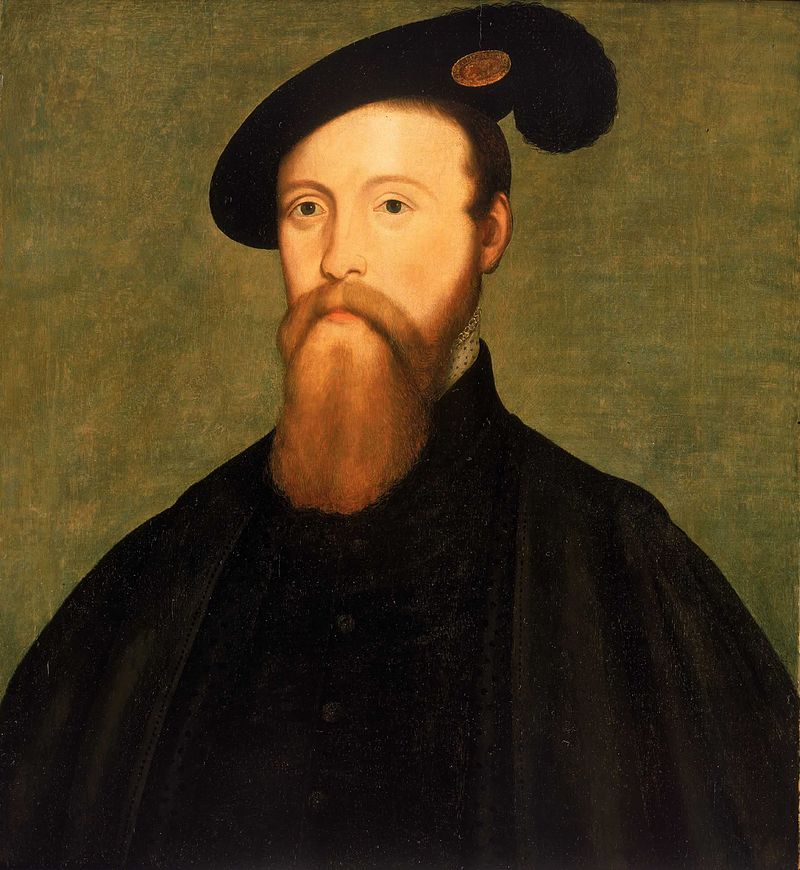
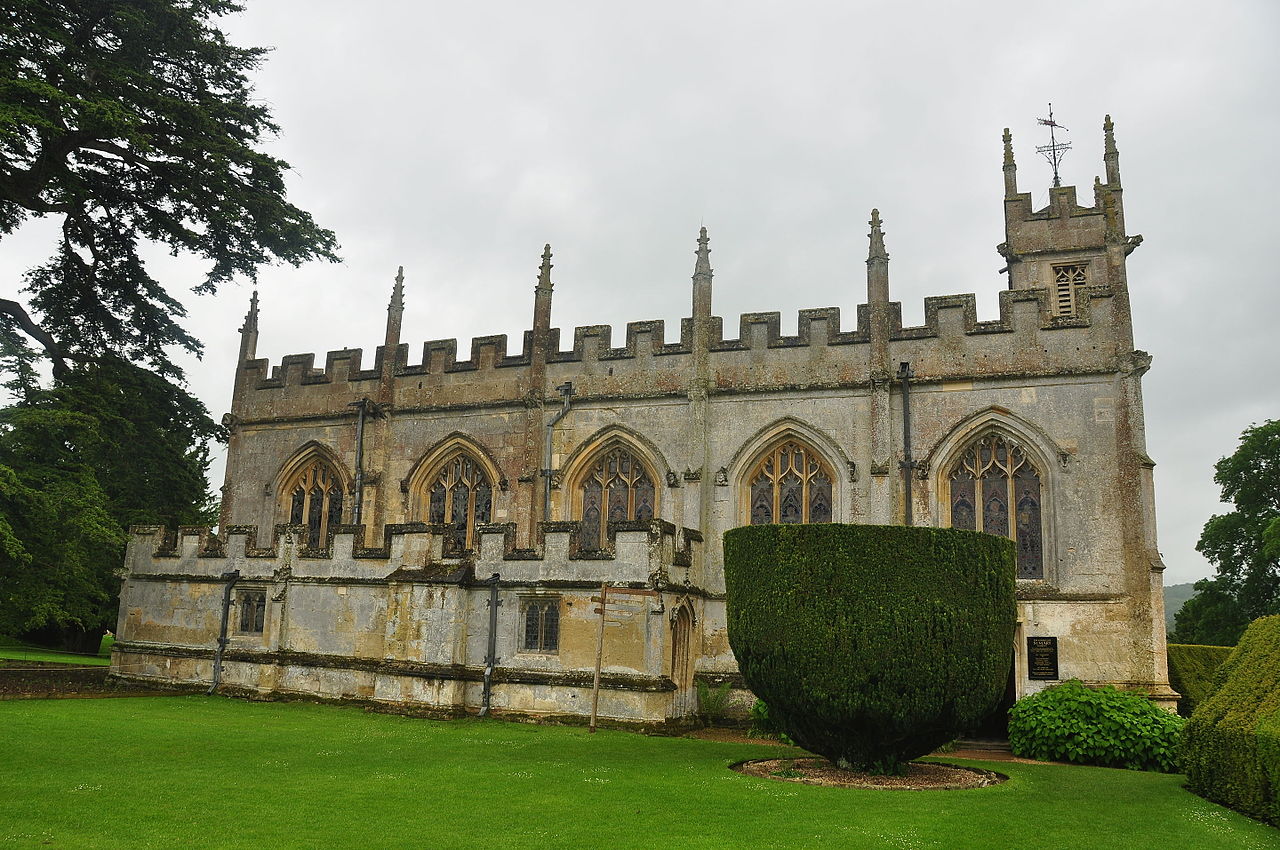

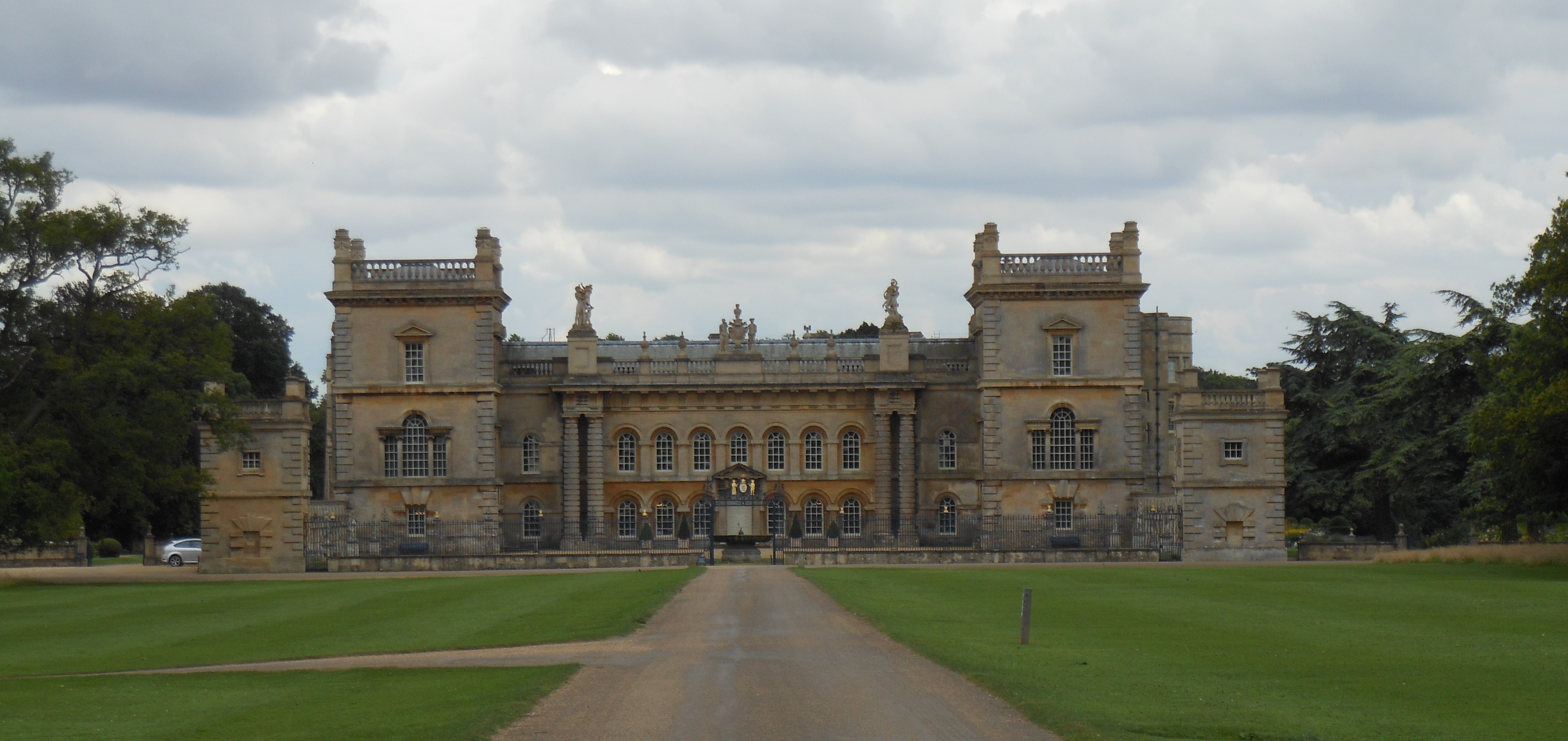




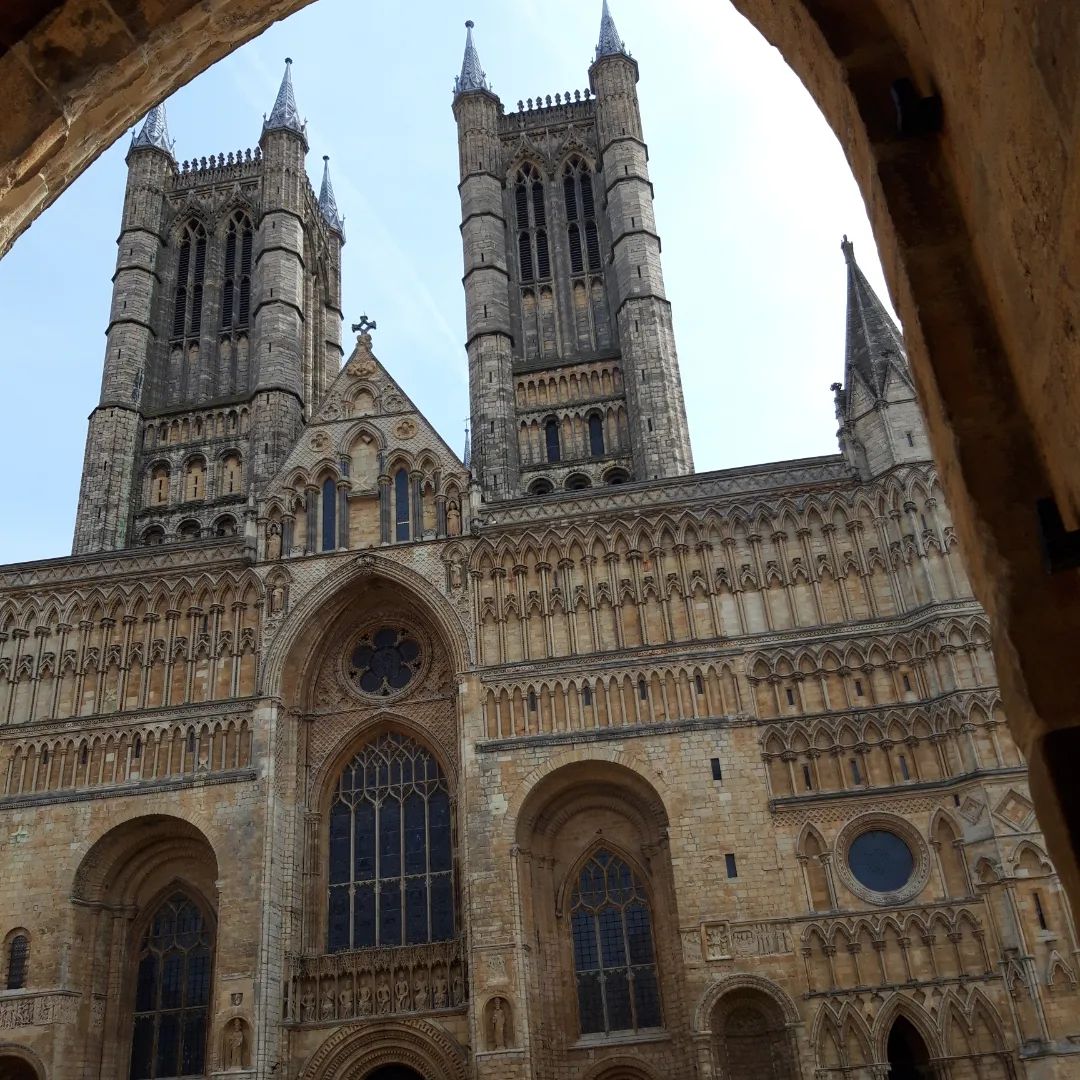

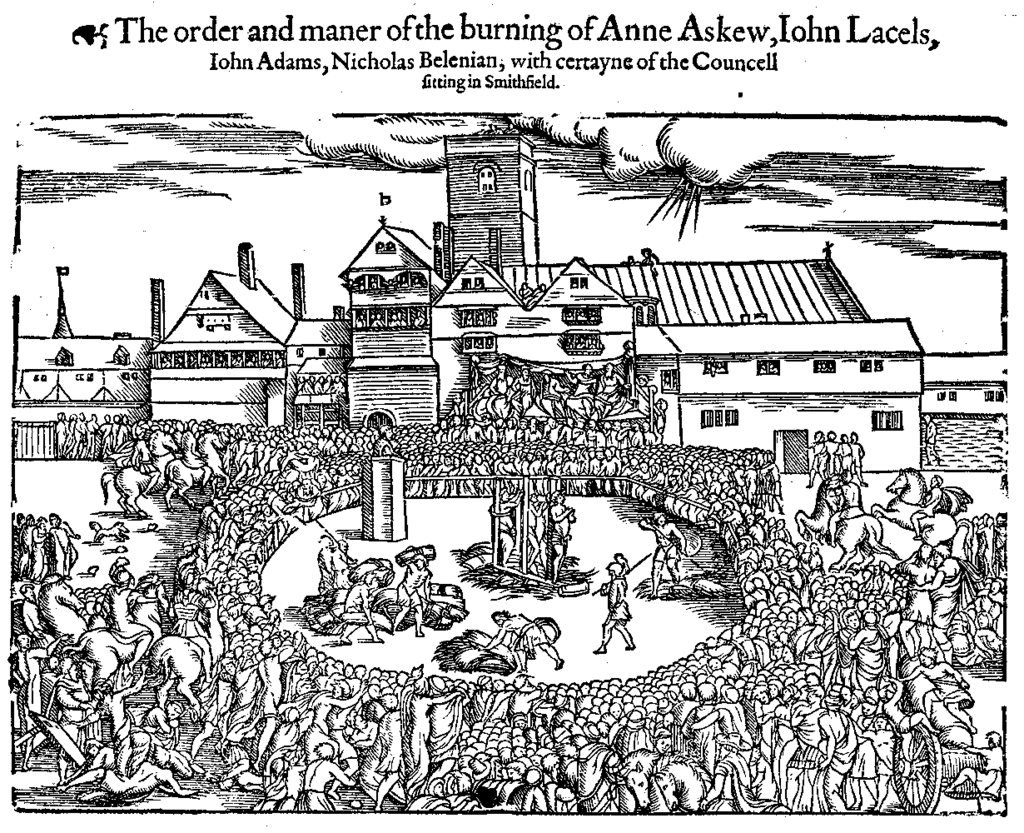
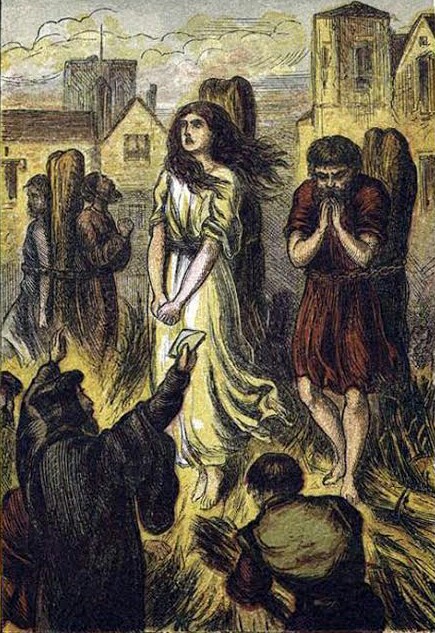


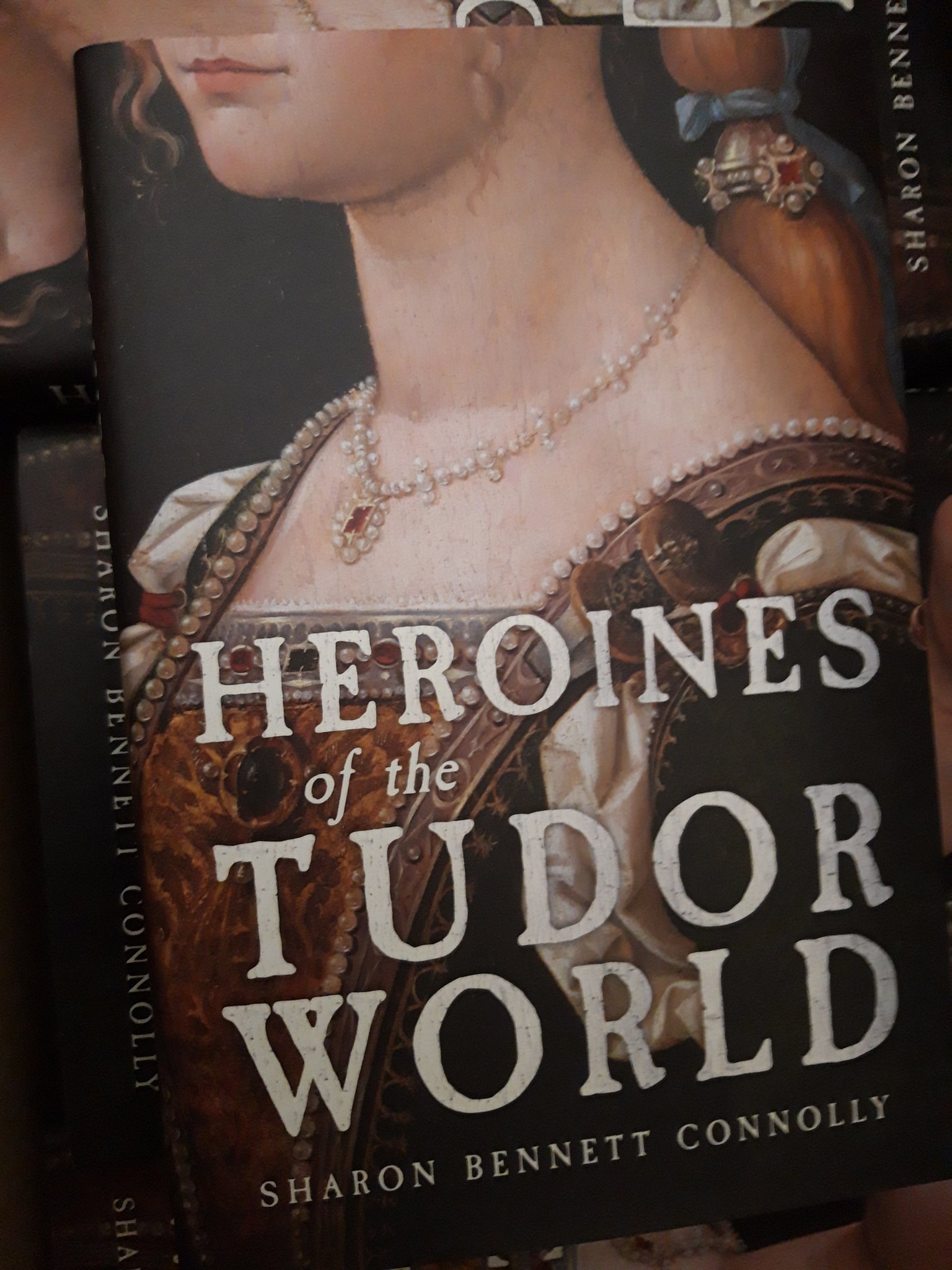











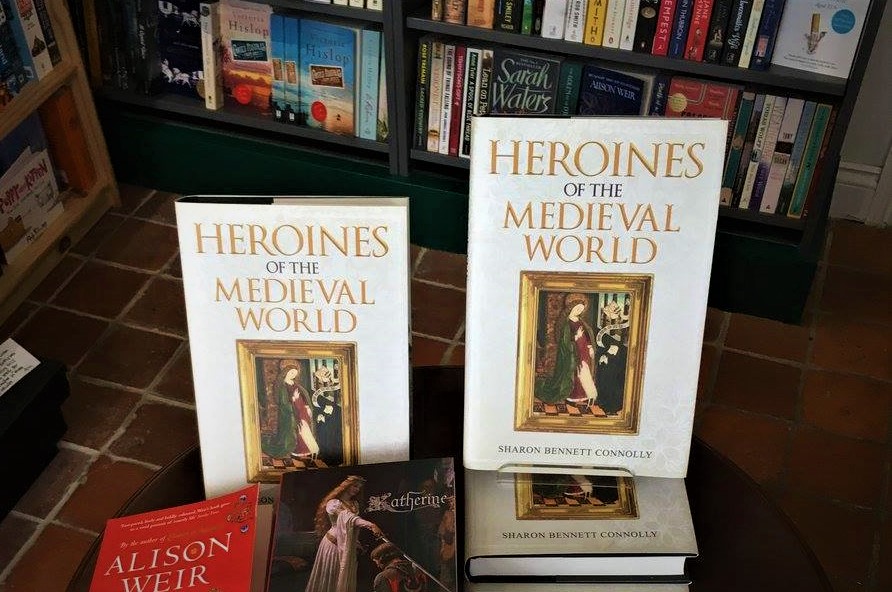
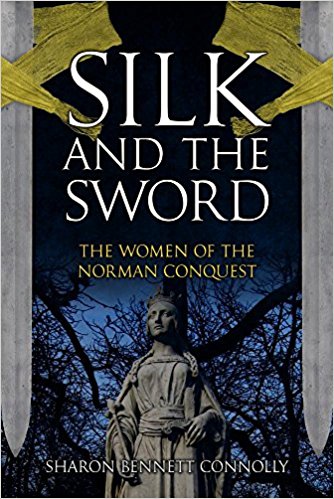
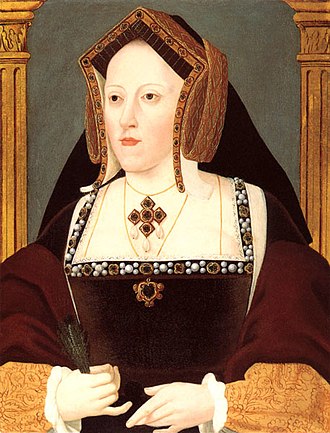
 History... the interesting bits!