Matilda of Scotland was the daughter of Malcolm III Canmore, King of Scots, and his wife, the saintly Queen Margaret. With Margaret’s descent from Alfred the Great, Matilda not only had the blood of Scottish kings flowing through her veins but also that of England’s Anglo-Saxon rulers. Born in the second half of 1080, Matilda was named Edith at her baptism, her name being changed to Matilda at the time of her marriage, most likely to make it more acceptable to the Norman barons. To avoid confusion, we will call her Matilda for the whole article.
The baby princess’s godfather was none other than Robert Curthose, who was visiting Scotland at the time of her birth. Her godmother was England’s queen, Matilda of Flanders. She and her younger sister, Mary, who was born in 1082, were sent to England to be educated by their maternal aunt Christina, at Romsey Abbey in 1086. A nun who spent time at both Romsey and Wilton abbeys, Christina was said to have treated Matilda harshly, the young princess constantly ‘in fear of the rod of my aunt’.1 Christina’s treatment of Matilda was made public during a church inquiry into whether or not Matilda had, in fact, been professed as a nun, at which point Matilda made her striking references to the ‘rage and hatred … that boiled up in me’.2
Before 1093 the two Scottish princesses, now approaching their teens, had moved on to Wilton Abbey to continue their education, away from the harsh discipline of their aunt. Like Romsey, Wilton was a renowned centre for women’s education and learning. It could accommodate between eighty and ninety women, and was once patronised by Edward the Confessor’s wife, Edith of Wessex. The abbey had a reputation for educating women from the highest echelons of the nobility and the royal family itself; the girls’ mother, Queen Margaret, had also been sent to Wilton to be educated after arriving in England in the late 1050s. The abbey was a popular destination for pilgrims, housing among its relics ‘a nail from the True Cross, a portion of the Venerable Bede and the body of St Edith’.3 Matilda’s first language was English, but she is known to have spoken French at Wilton. She also learned some Latin, read both the old and new testaments of the Bible, ‘the books of the Church fathers and some of the major Latin writers’.4
Malcolm IV and St Margaret
By 1093, thoughts were turning to Matilda’s future, but politics intervened. King Malcolm had a disagreement with King William II Rufus after which ‘they parted with great discord, and the king Malcolm returned home to Scotland.’5 On his way home, Malcolm stopped at Wilton to collect his daughters. On his arrival, he found Matilda wearing a veil. The Scots king ripped the offending item from his daughter’s head, tearing it to pieces before trampling the garment into the earth.
Malcolm III insisted that the two girls were not destined for the religious life.
Father and daughters then returned to Scotland, only to find Queen Margaret was ailing, her health had been deteriorating gradually for some time. Despite the queen’s illness, King Malcolm took two of his sons and an army into England, raiding Northumberland. Malcolm and his eldest son, Edward, were killed. Queen Margaret was told the news just a few days later and died shortly after. Having lost both parents in such a short space of time, the two princesses were taken back south by their uncle Edgar the Ӕtheling, though whether they stayed at a convent or resided at court is unclear. Mary would eventually be married to Eustace III, Count of Boulogne, and was the mother of Matilda of Boulogne, wife of King Stephen.
Matilda herself was not short of suitors, who included Alan the Red, Count of Richmond and William de Warenne, Earl of Surrey. Orderic Vitalis explains:
Alain the Red, Count of Brittany, asked William Rufus for permission to marry Matilda, who was first called Edith, but was refused. Afterwards, William de Warenne, Earl of Surrey, asked for this princess; but reserved for another by God’s permission, she made a more illustrious marriage. Henry, having ascended the English throne, married Matilda.6
Christina of Wessex
As events unfolded, Matilda was caught up in accusations and scandal surrounding her erstwhile nunnery at Wilton. She refused to return to the convent and insisted that she had never intended to dedicate herself to the church. When Archbishop Anselm ordered Osmund, Bishop of Salisbury to retrieve this ‘prodigal daughter of the king of Scots whom the devil made to cast off the veil’, the princess stood firm and defied him.’7
William II Rufus was famously killed in a hunting accident in the New Forest on 2 August 1100, shot by an arrow loosed by Walter Tirel. William II’s youngest brother, Henry, who was among the hunting party, wasted no time grieving his brother’s death. Leaving the dead king’s body to be looked after by others, he rode fast for Winchester. He seized control of the royal treasury before heading to London and his coronation, which took place on 5 August, just three days after William II’s death. Henry’s surviving older brother, Robert, was still on his way home from the Crusades, unable to take advantage of William’s death to claim the English crown for himself. The newly crowned King Henry I now needed a wife and settled on Matilda of Scotland.
The marriage was not without controversy, however, and before it could take place the church conducted an inquiry into the suggestion that Matilda was a runaway nun. Although Matilda vehemently rejected the claim that she had been professed as a nun, the fact witnesses had seen her wearing a veil on multiple occasions counted against her. Matilda appealed to Archbishop Anselm to look into the matter. The archbishop was appalled at the thought a religious vow may have been broken and declared that he ‘would not be induced by any pleading to take from God his bride and join her to any earthly husband’.8 After meeting with Matilda personally, and hearing her side of the story, the archbishop was persuaded to call an ecclesiastical council to decide the matter. Using Archbishop Lanfranc’s previous ruling that Anglo-Saxon women who had sought refuge in a convent after the Norman Conquest ‘could not be held as sworn nuns when they emerged from hiding’, the council ruled in Matilda’s favour.9 The council determined that ‘under the circumstances of the matter, the girl could not rightly be bound by any decision to prevent her from being free to dispose of her person in whatever way she legally wished’.10
Henry I, King of England in Lincoln Cathedral’s Gallery of Kings
When the wedding finally went ahead, Archbishop Anselm related the controversy over Matilda’s status to the gathered congregation and asked if there were any objections. According to Eadmer, ‘The crowd cried out in one voice that the affair had been rightly decided and that there was no ground on which anyone … could possibly raise any scandal.’11
Henry I married Matilda of Scotland on 11 November 1100, at Westminster Abbey, her name officially and permanently changed from Edith. Marriage between Henry and Matilda represented a continuity of the old Anglo-Saxon royal line; an heir produced by the royal couple would be heir to both the Norman royal house and the ancient royal house of Wessex, creating a genuine unifying force within England. The marriage was also a union between the royal houses of England and Scotland. Offering the promise of peace on England’s troublesome northern border, it would allow Henry to look to his interests on the continent and watch for the return of his older brother, Robert, from crusade.
The honeymoon period for the royal couple was was short-lived and in 1101, Robert had returned and heard of King William’s death and Henry’s seizure of the crown. The duke sent messengers to Henry, asking him to hand over the kingdom. Henry refused. It probably came as no surprise to Henry, then, when Robert invaded England on 20 July 1101. One chronicler claimed that Matilda was in childbed at this time; if she was, the child did not survive. More likely given the timing is that the queen was having a difficult early pregnancy with Matilda, who was born seven months later.
Neither side, however, was keen on all-out war, especially a civil war, and peace talks began almost immediately as the two armies of the royal brothers came face to face at Alton. In the subsequent Treaty of Alton, the duke accepted an annuity of 3,000 marks, drawn from the revenues of England, to abandon his invasion and renounce his claims to the throne. In return, King Henry renounced his lands in Normandy save for Domfront, where he had made a solemn vow to the inhabitants that he would never relinquish control. The brothers agreed to support each other should either be attacked by a third party, and to be each other’s heir if neither sired a son.
William the Ætheling
Robert returned to Normandy but would soon be pulled back to England by a sense of chivalric duty to his barons. The agreement at Alton between the brothers had left Earl William II de Warenne isolated and at Henry’s mercy. For violating his oath of homage to the king, and for violence perpetrated by his men in Norfolk, Earl Warenne’s English estates were declared forfeit and he was effectively forced to cross the English Channel into exile. Earl William complained to Duke Robert of his sufferings and losses on the duke’s behalf. The duke obviously felt some responsibility, as he set out for England to intercede with his brother on the earl’s behalf. Robert arrived at Henry’s court, uninvited and unwelcome, in 1103. Threatened with imprisonment by an angry brother, he was persuaded by Queen Matilda, to relinquish his annuity of 3,000 marks in return for the reinstatement of Earl William’s English estates and titles.
The primary duty of a queen was to secure the succession by producing an heir as soon as she possibly could. Henry still had his older brother, Robert, to contend with and an heir would certainly strengthen his position. By September 1103, Matilda of Scotland had fulfilled this duty by giving birth to a daughter, Matilda, in February 1102, and the much-desired son and heir, William, known as William Ætheling in an allusion to his descent from the Anglo-Saxon royal line, in September 1103. It is possible third child was either stillborn or short-lived. After the births of the royal children, the king and queen appear to have lived separately, with Queen Matilda establishing herself at Westminster. It was rumoured that the queen had chosen a life of celibacy once her duties of producing an heir had been fulfilled.
The family of Henry I
Disputes with Normandy were to be a feature of the first half of Henry’s reign, even after the capture of his brother, Robert at the Battle of Tinchebrai in 1106. Robert would spend the rest of his life imprisoned in England, but his son, William Clito, would later take up the fight. And while Henry subjugated Normandy, Queen Matilda remained in England, often chairing meetings of the king’s council during his absence. The queen had her own seal, which she appended to her charters and which depicted her ‘standing, crowned and wearing a long embroidered robe which falls in folds over her feet. Over this is a seamless mantle which has an embroidered border and is draped over her head. It is fastened at her throat by a brooch, and falls in folds over her arms. In her right hand she holds a sceptre surmounted by a dove, and in her left an orb surmounted by a cross.’.12
As queen, Matilda had received a generous dower settlement, which had been granted from those lands once held by Edith, Edward the Confessor’s queen. Surviving charters issued by Matilda show that she controlled the abbeys of Waltham, Barking and Malmesbury. She held further territory in Rutland and property in London including the wharf later known as Queenhithe, and she also received the tolls of Exeter. Her staff included two clerks who would eventually become bishops. The queen appears to have had a personal interest in managing her estates. In the charter granting Waltham Abbey to his wife, Henry mentions the ‘queen’s court’ held there. Among the queen’s many good works were the building of bridges in Surrey and Essex and the construction of a public bathhouse at Queenhithe. Working with Anselm, Archbishop of Canterbury, Queen Matilda founded a house for the Augustinian canons, Holy Trinity, at Aldgate in London. She also founded a leper hospital at St Giles, funded by sixty shillings a year from dock revenues at her wharf.
Leprosy and the care of lepers was of great concern to the queen. In addition to St Giles, she was the benefactress of a leper hospital at Chichester. Indeed, the queen’s brother David – later David I, King of Scots – told a tale in which he witnessed his sister administering to lepers in her own apartments in Westminster:
David I, King of Scots
The place was full of lepers and there was the Queen standing in the middle of them. And taking off a linen cloth she had wrapped around her waist, she put it into a water basin and began to wash and dry their feet and kiss them most devotedly while she was bathing them and drying them with her hands. And I said to her ‘My Lady! What are you doing? Surely if the King knew about this he would never deign to kiss you with his lips after you had been polluted by the putrefied feet of lepers!’ Then she, under a smile, said ‘Who does not know that the feet of the Eternal King are to be preferred over the lips of a King who is going to die? Surely for that reason I called you, dearest brother, so that you might learn such works from my example.13
While this story may not be an exact recollection of the siblings’ conversation, it does serve to demonstrate the extent of Matilda’s piety, something she inherited from her sainted mother, Queen Margaret. The queen’s piety and interest in religion are evidenced in her surviving correspondence, which involved not only Archbishop Anselm but also leading church figures such as Pope Paschal II, Hildebert of Lavardin, Archbishop of Tours, Herbert of Losinga, Bishop of Norwich and Ivo, Bishop of Chartres. Though written by a clerk rather than in her own hand, these letters are the earliest surviving examples from an English queen.
Matilda and Anselm appear to have had a good working relationship, which is evidenced by her actions as mediator during the Investiture Controversy, which sought to clarify the rules of investiture within the church. In their correspondence, the archbishop wrote to Matilda as his ‘dearest Lady and daughter Matilda, Queen of the English’.14 Likewise, Matilda witnessed a charter at Rochester, prior to Anselm’s exile, as ‘Matildis reginae et filiae Anselmi archiepiscopi’ (Queen Matilda and daughter of Archbishop Anselm).15 And when Anselm was exiled from England from 1103, Queen Matilda acted as mediator between the archbishop, the king and the pope, Paschal II.
Empress Matilda depicted in an image from the Gospels of Henry the Lion.
The queen appears to have been well aware of her influence over the king, and its limitations. When Henry appropriated the revenues of Canterbury for himself, claiming it was a vacant see with the archbishop in exile, Matilda persuaded him to set aside a personal allowance for Anselm. However, when she was asked to intervene with the king a few years later, when he was attempting to extract more money from the clergy, Matilda ‘wept and insisted she could do nothing’.16 In 1104, Matilda even approached Pope Paschal II, asking for his intervention in the disagreement between Henry and Anselm.
Henry saw the investiture crisis as an erosion of his royal prerogative, and he was determined to cede no ground. But, with the pope threatening excommunication and Matilda voicing her own pleas to her husband, a compromise was eventually reached by which Henry would relinquish his powers to invest prelates but retain the right to receive homage for ‘temporalities’; this latter concession by the church would augment the secular powers of the crown. When Anselm was finally able to return home to England, in 1106, Matilda was there to personally welcome him back from his three-year exile. She then rode in advance of the archbishop, to ensure accommodation and welcoming ceremonies were in place along his route.
The Investiture Controversy served to demonstrate the extent to which Matilda’s influence could be exerted, not only on the king but internationally, through her correspondence with the church’s most powerful prelates. Matilda also acted as regent for Henry when he was away in Normandy, which was more than half of the time. A woman fulfilling such a role in her lord’s absence was far from unusual and indeed was accepted by the barony of the kingdom; Matilda’s daughter, Empress Matilda, would discover that a woman fulfilling this role on her own behalf faced far more resistance. Queen Matilda acted as regent for months at a time, most notably for ten-month spells from September 1114 and from April 1116. In her final regency Matilda was assisted by her only son, the teenage William Ætheling, who was now earnestly in training for his future role as King of England. He would later join his father in Normandy to continue his apprenticeship, fighting in his first battle there in 1119.
Another notable element of queenship was patronage. Queen Matilda commissioned William of Malmesbury to write the Gesta Regum Anglorum, a genealogical history of the royal house of Wessex which was finished after her death and presented to her daughter, Empress Matilda. She also commissioned a biography of her mother, The Life of St Margaret Queen of Scotland by Turgot, Prior of Durham and later Bishop of St Andrew’s, who had been her mother’s confessor. In 1111 the queen attended the ceremony for the translation of St Æthelwold’s relics at Winchester, and the following year she was in Gloucester to witness the presentation of gifts to the monks there.
Seal of Queen Matilda
Matilda was also concerned with justice and in 1116 ordered the release of Bricstan of Chatteris, a prisoner who had apparently been unjustly condemned. Bricstan, who had intended to take holy orders before his arrest – the reason for which is unknown – called upon St Benedict and St Etheldreda for assistance. The two saints are said to have torn his chains from him. The shocked guards immediately turned to Queen Matilda, who ordered an investigation into the events. Satisfied that a miracle had occurred, the queen ordered Bricstans’s immediate release. She also ordered that special masses should be heard, and the bells of London should be rung in celebration.
Matilda of Scotland died on 1 May 1118 at Westminster, at the age of thirty-seven. King Henry was in Normandy at the time and Matilda was acting as regent, which suggests that her death was unexpected, though we do not know the cause. The canons of her foundation of Holy Trinity at Aldgate and the monks at Westminster both claimed the right to bury her. She was buried in Westminster Abbey, much to the chagrin of the monks of Aldgate who lodged a complaint with Henry on his return. Henry compensated the order with a gift of relics from the Byzantine emperor. He also confirmed his queen’s donations to Holy Trinity, Aldgate. The king gave money so that a perpetual light could be maintained at her tomb; this was still being paid in the reign of Henry III, Matilda’s great-great-grandson.
Matilda died a beloved queen, and was remembered as ‘Mold the Good Queen’ or ‘Good Queen Maud’. Praise for the queen is almost universal, although William of Malmesbury criticised her for patronising foreigners and reported that she ‘fell into the error of prodigal givers; bringing many claims to her tenantry, exposing them to injuries and taking away their property, but since she became known as a liberal benefactress, she scarcely regarded their outrage’.17
The Warenne Chronicle recorded her death with a fitting epitaph:
Matilda of Scotland
So then, almost all of England’s bishops, magnates, abbots, priors, and indeed the innumerable common masses assembled with great sadness for her crowded funeral, and with many tears they attended her burial … I can sum up her praise in this brief declaration that from the time when England was first subject to kings, of all queens none was found like her, nor will a similar queen be found in coming ages whose memory will be held in praise and whose name will be blessed for centuries. So great was the sorrow at her absence and so great a devotion filled everyone, that several of the noblest clerics, whom she had much esteemed in life, stayed at her tomb for thirty days in vigils, prayers and fasting, and they kept mournful and devoted watch…18
A woman of proven ability in governing the kingdom, Queen Matilda served as an example of what a woman could do, and the power she could wield, albeit in her husband’s name.
*
Notes:
1. Lisa Hilton, Queens Consort: England’s Medieval Queens; 2. Eadmer of Canterbury, Historia Novorum in Anglia; 3. Hilton, Queens Consort; 4. ibid; 5. Michael Swanton (ed.), The Anglo-Saxon Chronicles; 6. Ordericus Vitalis, Histoire de Normandie, quatrième partie (my translation); 7. Anselm, quoted in Hilton, Queens Consort; 8. Eadmer, Historia Novorum in Anglia; 9. Hilton, Queens Consort; 10. Eadmer, Historia Novorum in Anglia; 11. ibid; 12. Susan M. Johns, Noblewomen, Aristocracy and Power in the Twelfth-Century Anglo-Norman Realm; 13. Ailred of Rievaulx, quoted in Hilton, Queens Consort; 14. epistolae.ccnmtl.columbia.edu; 15. Hilton, Queens Consort; 16. ibid; 17. William of Malmesbury, quoted in Hilton, Queens Consort; 18. Van Houts and Love, The Warenne (Hyde) Chronicle
Lisa Hilton, Queens Consort: England’s Medieval Queens; Eadmer of Canterbury, Historia Novorum in Anglia; Michael Swanton (ed.), The Anglo-Saxon Chronicles; Ordericus Vitalis, Histoire de Normandie; Susan M. Johns, Noblewomen, Aristocracy and Power in the Twelfth-Century Anglo-Norman Realm; epistolae.ccnmtl.columbia.edu; Teresa Cole, After the Conquest: The Divided Realm; Jeffrey James, The Bastard’s Sons: Robert, William and Henry of Normandy; Henry of Huntingdon, The History of the English People 1000-1154; Charles Spencer, The White Ship: Conquest, Anarchy and the Wrecking of Henry I’s Dream; E. Norton, England’s Queens: From Boudicca to Elizabeth of York; Nigel Tranter, The Story of Scotland; Elisabeth Van Houts, and Rosalind C. Love (eds and trans), The Warenne (Hyde) Chronicle; Oxford Dictionary of National Biography; Ordericus Vitalis, The Ecclesiastical History of Orderic Vitalis, 1075-1143; J. F. Andrews, Lost Heirs of the Medieval Crown: The Kings and Queens Who Never Were; Anne Crawford (ed.), Letters of the Queens of England; Elizabeth Norton, England’s Queens: From Boudicca to Elizabeth of York; Lida Sophia Townsley, ‘Twelfth-century English queens: charters and authority’, academia.edu;
*
My Books
Signed, dedicated copies of all my books are available through my online bookshop.
Out now: Scotland’s Medieval Queens
Scotland’s history is dramatic, violent and bloody. Being England’s northern neighbour has never been easy. Scotland’s queens have had to deal with war, murder, imprisonment, political rivalries and open betrayal. They have loved and lost, raised kings and queens, ruled and died for Scotland. From St Margaret, who became one of the patron saints of Scotland, to Elizabeth de Burgh and the dramatic story of the Scottish Wars of Independence, to the love story and tragedy of Joan Beaufort, to Margaret of Denmark and the dawn of the Renaissance, Scotland’s Medieval Queens have seen it all. This is the story of Scotland through their eyes.
‘Scotland’s Medieval Queens gives a thorough grounding in the history of the women who ruled Scotland at the side of its kings, often in the shadows, but just as interesting in their lives beyond the spotlight. It’s not a subject that has been widely covered, and Sharon is a pioneer in bringing that information into accessible history.’ Elizabeth Chadwick (New York Times bestselling author)
Heroines of the Tudor World tells the stories of the most remarkable women from European history in the time of the Tudor dynasty, 1485-1603. These are the women who ruled, the women who founded dynasties, the women who fought for religious freedom, their families and love. Heroines of the Tudor World is now available for pre-order from Amberley Publishing and Amazon UK.Women of the Anarchy demonstrates how Empress Matilda and Matilda of Boulogne, unable to wield a sword themselves, were prime movers in this time of conflict and lawlessness. It shows how their strengths, weaknesses, and personal ambitions swung the fortunes of war one way – and then the other. Available from Bookshop.org, Amberley Publishing and Amazon UK. King John’s Right-Hand Lady: The Story of Nicholaa de la Haye is the story of a truly remarkable lady, the hereditary constable of Lincoln Castle and the first woman in England to be appointed sheriff in her own right. Available from all good bookshops Pen & Sword Books, bookshop.org and Amazon.
Alternate Endings: An anthology of historical fiction short stories including Long Live the King… which is my take what might have happened had King John not died in October 1216. Available in paperback and kindle from Amazon.
Podcast:
Have a listen to theA Slice of Medieval podcast, which I co-host with Historical fiction novelist Derek Birks. Derek and I welcome guests, such as Bernard Cornwell and Elizabeth Chadwick, and discuss a wide range of topics in medieval history, from significant events to the personalities involved.
Following on from my 10 Facts About Women and Magna Carta, I thought I would revisit the Norman Conquest and started thinking about I found most interesting when writing about 1066 and the years either side. And here’s what I discovered:
1.Not all primary sources are contemporary.
Emma of Normandy
Let me explain. Of course, all sources written in the 11th century are primary sources, but you do find people quoting sources as primary sources – only to discover that they were written 100 or even 200 years after the events.
One such legend, appearing two centuries after the events, suggested that Emma of Normandy’s relationship with her good friend, Bishop Stigand, was far more than that of her advisor and that he was, in fact, her lover – although the legend did get its bishops mixed up and named Ælfwine, rather than Stigand, as Emma’s lover. The story continues that Emma chose to prove her innocence in a trial by ordeal, and that she walked barefoot over white-hot ploughshares. Even though the tale varies depending on the source, the result is the same; when she completed the ordeal unharmed, and thus proven guiltless, she was reconciled with her contrite son, Edward.
However, there is no 11th century source for this event and it seems to have been created to explain Emma’s estrangement from her son, Edward the Confessor.
2.The Anglo-Saxon Chronicle is the most famous source of 11th century news.
The Anglo-Saxon Chronicle gives wonderful snippets of information about life in Anglo-Saxon England – and the weather! If you have ever wondered where the English get their obsession with the weather, read the Anglo-Saxon Chronicle. It is also very dramatic.
For example, the year 1005 starts with; ‘Here in this year there was the great famine throughout the English race, such as no-one ever remembered on so grim before…’
1032 relates; ‘Here in this year appeared that wild-fire such as no man remembered before, and also it did damage everywhere in many places.’
And 1039 opens with ‘Here came the great gale…’
In 1053 we read, ‘Here [1052] was the great wind on the eve of the Feast of St Thomas, and the great wind was also all midwinter…’
And, of course, in 1066 we read about the appearance of Halley’s Comet; ‘Then throughout all England, a sign such as man ever saw before was seen in the heavens. Some me declared that it was the star comet, which some men called the ‘haired’ star; and it appeared first on the eve of the Great Litany, 24 April, and shone thus all the week….’
3.The Anglo-Saxon Chronicle is a fabulous source of news about church leaders.
Don’t get me wrong, the Anglo-Saxon Chronicle is invaluable to anyone studying the history of Anglo-Saxon Britain, but you can tell it was written by monks. There are some years where you learn little more than which church leader died, and who replaced him.
For example, the entry for 1023 from the E chronicle; ‘Here Bishop Wulfstan passed away, and Ælfric succeeded…’
And in 1032; ‘In the same year Ælfsige, bishop in Winchester, passed away, and Ælfwine, the king’s priest, succeeded to it.’
The only entry in the E Chronicle in 1033 was; ‘Here in this year Merehwit, bishop in Somerset, passed away, and he is buried in Glastonbury.’
And again in 1034; ‘Here Bishop Æthelric passed away.’
4.Not all inheritance was based on primogeniture.
King Harold II, Waltham Abbey
Primogeniture, where the eldest son inherited from his father, was not unusual in 11th century England; when Earl Godwin of Wessex died, his eldest surviving son, Harold, succeeded him. However, it was not yet established as the definitive rule of inheritance of later centuries. When Siward, Earl of Northumbria, died in 1055 his heir, Waltheof, was still a child and too young to hold such a formidable position on the borders of Scotland. The earldom was given to Tostig Godwinson, the favourite brother of Edward the Confessor’s queen, Edith. Though he didn’t do a great job with it…
And in the opening days of 1066, when Edward the Confessor died, the ætheling, Edgar was only a teenager, and so was passed over as king for the more mature and militarily experienced Harold Godwinson, Earl of Wessex, who became King Harold II.
5. Travel to distant places was not uncommon for the nobility.
At different times in the 11th century, both King Cnut and Tostig Godwinson are known to have travelled to Rome; indeed, during his trip to Rome in 1027, Cnut was present at the coronation of Holy Roman Emperor, Conrad II and arranged for the marriage of his daughter by Emma of Normandy, Gunhilda, to Conrad’s son, the future King Henry III of Germany.
As for Tostig, travelling to Rome was not without its dangers, and shortly after leaving the city, his travelling party was caught up in a local dispute between the papacy and the Tuscan nobility; they were attacked. Tostig was able to escape by the ruse of one of his own thegns, a man named Gospatric, who pretended to be the earl.
Tostig and Harold’s brother, Swegn Godwinson, who had murdered his own cousin, even went on pilgrimage to Jerusalem – barefoot – he died on the journey home.
And when I started writing Silk and the Sword: The Women of the Norman Conquest I discovered that there are several links to the story of 1066 with the Russian principality of Kyiv. The baby sons of England’s short-lived king, Edmund II Ironside, who reigned and died in 1016, were given sanctuary and protection in Kyiv, saving them from the clutches of Edmund’s successor, King Cnut. The first wife of Harald Hardrada, the third contender for the English throne in 1066, Elisiv, was a Kyivan princess. And after the Conquest, Harold II Godwinson’s own daughter by Edith Swanneck, Gytha, would make her life in Kyiv as the wife of Vladimir II Monomakh and as the mother of Mstislav the Great, the last ruler of a united Kyivan Rus. Vladimir was the nephew of Harald Hardrada’s first wife, the Kyivan princess, Elisiv.
6. Having 2 wives at the same time was not THAT unusual.
Elisiv of Kyiv
In the story of 1066 there were not one BUT three men who had two wives simultaneously.
Harold Godwinson is known for having been in a relationship with the famous Edith Swanneck for 20 years before becoming King, and then marrying Ealdgyth of Mercia without divorcing Edith. Edith is often referred to as Harold’s concubine, but most historians agree that she was his ‘hand-fast’ wife and had undergone a Danish – rather than Christian – style of wedding with Harold. Edith was no ignorant peasant, she was a wealthy woman in her own right and it is highly doubtful she would have accepted being Harold’s mistress, and raising his children, without some kind of marital protection.
Harald Hardrada also married a second ‘wife’, whilst still being married to Elisiv. Elisiv had given the Norwegian king two daughters, but his second wife, Thora, gave him two sons, Magnus and Olaf, who each, in turn, succeeded their father as King of Norway.
King Cnut was the first to take two wives; he had two sons by Ælfgifu of Northampton before marrying Emma of Normandy and producing a second family. The chronicles, however, claim that Ælfgifu’s sons were not the children of Cnut, with John (also known as Florence) of Worcester saying, ‘Ælfgiva desired to have a son by the king, but as she could not, she caused the new-born child of a certain priest to be brought to her, and made the king fully believe that she had just borne him a son’. And the Anglo-Saxon Chronicle claimed ‘[King] Harold [I Harefoot] also said that he was the son of king Canute and Ælfgiva of Northampton, although that is far from certain; for some say that he was the son of a cobbler, and that Ælfgiva had acted with regard to him as she had done in the case of Swein: for our part, as there are doubts on the subject, we cannot settle with any certainty the parentage of either.’
7. There were some incredible, strong women in the 11th century.
Lady Godiva
The story of the Norman Conquest invariably revolves around the men involved, Edward the Confessor, Harold II, William the Conqueror, Harald Hardrada, and so on. However, there were some amazing women whose strength and perseverance helped to steer and shape the events of the era.
There were, of course, the queens, Emma of Normandy, Edith of Wessex and Matilda of Flanders, who supported their husbands and helped to shape and – even – preserve history, with Emma and Edith both commissioning books to tell the stories of their times and Matilda being the image of queenship that all future queens of England modelled themselves on.
There was also the notorious Lady Godiva, who was probably a lot less scandalous than the legend, of her riding naked through Coventry, leads us to believe. And the incredible Gytha of Wessex, a woman whose story is entwined with every aspect of the period. From the reign of Cnut to that of William the Conqueror, Gytha and her family were involved in so many aspects of the 11th century, from the rise of her sons, through the Battle of Hastings itself, to the English resistance in the years immediately following the Conquest. Gytha was not one to give up easily, despite the horrendous losses her family suffered (three of her sons died in one single day at Hastings), she encouraged her grandsons to lead the opposition against the Conqueror in the west, but her eventual failure saw her seek shelter in Flanders, where she disappears from the pages of history.
8. There is still so much we don’t know!
Ӕlfgyva, the mysterious woman in the Bayeux Tapestry
What you discover when researching the 11th century and the Norman Conquest is that there are gaps in our knowledge. For instance, we do not know why Harold was travelling to Europe in 1064, when he was shipwrecked and became a guest at the court of William, Duke of Normandy (the future William the Conqueror). The Bayeux Tapestry depicts Harold swearing an oath during his stay there. Was Harold promising to support William’s claim to England when Edward the Confessor died?
The Bayeux Tapestry has another tantalising mystery. That of Ӕlfgyva. Ӕlfgyva is depicted in a doorway with a priest touching her cheek. Whether the touch is in admonishment or blessing is open to interpretation. Above her head, written in Latin, is the incomplete phrase ‘Here a certain cleric and Ӕlfgyva’. But who was the mysterious Ӕlfgyva? Will we ever know?
Historical Writers Forum hosted a fabulous debate on ‘Ӕlfgyva’: The Mysterious Woman in the Bayeux Tapestry, which is available on YouTube. Hosted by Samantha Wilcoxson, it features myself, Pat Bracewell, Carol McGrath and Paula Lofting discussing the possible cadidates of Ӕlfgyva’s identity.
*
A version of this article was first published on Carol McGrath’s website in December 2018
A Historical Document Pierre Bouet and François Neveux, bayeuxmuseum.com/en/un_document_historique_en; The Mystery Lady of the Bayeux Tapestry (article) by Paula Lofting, annabelfrage.qordpress.com; Ӕlfgyva: The Mysterious lady of the Bayeux Tapestry (article) by M.W. Campbell, Annales de Normandie; The Bayeux Tapestry, the Life Story of a Masterpiece by Carola Hicks; Æthelred II [Ethelred; known as Ethelred the Unready] (c. 966×8-1016) (article) by Simon Keynes, Oxford Dictionary of National Biography, oxforddnb.com; Britain’s Royal Families; the Complete Genealogy by Alison Weir; Queen Emma and the Vikings: The Woman Who Shaped the Events of 1066 by Harriet O’Brien; The Anglo-Saxon Chronicle translated by James Ingram; On the Spindle Side: the Kinswomen of Earl Godwin of Wessex by Ann Williams; Swein [Sweyn], earl by Ann Williams, Oxford Dictionary of National Biography, oxforddnb.com, 23 September 2004; Ӕlfgifu [Ӕlfgifu of Northampton (fl. 1006-1036) (article) by Pauline Stafford, Oxford Dictionary of National Biography, oxforddnb.com; The Chronicle of John of Worcester, translated and edited by Thomas Forester, A.M; The Anglo-Saxon Chronicles edited and translated by Michael Swanton.
*
My Books:
Signed, dedicated copies of all my books are available through my online store.
OUT NOW! Heroines of the Tudor World
Heroines of the Tudor World tells the stories of the most remarkable women from European history in the time of the Tudor dynasty, 1485-1603. These are the women who ruled, the women who founded dynasties, the women who fought for religious freedom, their families and love. These are the women who made a difference, who influenced countries, kings and the Reformation. In the era dominated by the Renaissance and Reformation, Heroines of the Tudor World examines the threats and challenges faced by the women of the era, and how they overcame them. From writers to regents, from nuns to queens, Heroines of the Tudor World shines the spotlight on the women helped to shape Early Modern Europe.
Scotland’s history is dramatic, violent and bloody. Being England’s northern neighbour has never been easy. Scotland’s queens have had to deal with war, murder, imprisonment, political rivalries and open betrayal. They have loved and lost, raised kings and queens, ruled and died for Scotland. From St Margaret, who became one of the patron saints of Scotland, to Elizabeth de Burgh and the dramatic story of the Scottish Wars of Independence, to the love story and tragedy of Joan Beaufort, to Margaret of Denmark and the dawn of the Renaissance, Scotland’s Medieval Queens have seen it all. This is the story of Scotland through their eyes.
Alternate Endings: An anthology of historical fiction short stories including Long Live the King… which is my take what might have happened had King John not died in October 1216. Available in paperback and kindle from Amazon.
Podcast:
Have a listen to theA Slice of Medieval podcast, which I co-host with Historical fiction novelist Derek Birks. Derek and I welcome guests, such as Bernard Cornwell, and discuss a wide range of topics in medieval history, from significant events to the personalities involved.
*
Don’t forget!Signed and dedicated copies of all my books are available through my online store.
For forthcoming online and in-person talks, please check out my Events Page.
You can be the first to read new articles by clicking the ‘Follow’ button, liking our Facebook page or joining me on Twitter, Threadsand Instagram.
Margaret of Wessex is a remarkable character to study. Her piety and devotion to the church saw her canonised as St Margaret just 150 years after her death; and named as Patroness of Scotland in the seventeenth century. Margaret had an impeccable Saxon pedigree – she was the daughter of Edward the Exile and his wife, Agatha. Edward was the son of Edmund II, usually known as Ironside, King of England in 1016; Edward’s grandfather was, therefore, Æthelred II (the Unready) and his uncle was Edward the Confessor, England’s king from 1042 until 1066. Such valuable royal blood meant she would never be allowed to pursue a life of seclusion in a convent.
When his father, Edmund II, was murdered in 1016, Edward and his younger brother Edmund were sent into exile on the Continent by England’s new king, Cnut. It is thought that Cnut intended that they would be killed once they had left English soil, but the boys were protected by Olof, King of Sweden, and sent on to safety in Kiev, where his daughter Ingegerd was wife of the ruling prince, Jaroslav the Wise. Edmund died sometime between 1046 and 1054, having married the unnamed daughter of a Hungarian king. Edward was also married, in c.1043, to Agatha, whose origins are uncertain: she may have been a daughter of Jaroslav; however, it is possible she was the daughter of Luidolf, Margrave of West Friesland and therefore a relative of Emperor Heinrich III.
Margaret, the eldest of three children, was born in either 1045 or 1046; her sister, Christina, was born around 1050 and her brother Edgar, the Ætheling, was born sometime between 1052 and 1056. The family might have spent their whole lives in European exile, were it not for Edward the Confessor lacking an heir to the English throne; although Edward was married to Edith Godwinson, the couple remained childless. Sometime in 1054 King Edward sent an embassy to Edward the Exile, to bring him back to England as ætheling, the heir to the throne. The embassy sought the aid of Heinrich III, possibly to facilitate communications. The family did not travel immediately, however, possibly because Agatha was pregnant with Edgar, and it was not until 1057 that another embassy, this time led by Harold Godwinson, was sent to bring Edward the Exile home and the family finally arrived in England, having journeyed in a ship provided by Emperor Heinrich III’s successor, Heinrich IV.
Edmund II Ironside and his descendants
On 19 April, just days after their return, Edward the Exile died, whether by nefarious means or a simple twist of fate is uncertain. The suspicion has been raised that Edward’s rival for the throne, Harold Godwinson – the future King Harold II – may have taken the opportunity to remove his rival; although it was Harold who accompanied Edward back to England, so surely, had he intended murder, he would have done it sooner? Whatever the circumstances, the death of Edward the Exile was a blow for Edward the Confessor’s dynastic hopes. Edward’s little son Edgar, now the ætheling, was much too young to assume a political role. He and his sisters, with their mother, were now under the protection of King Edward. Edgar was given into the custody of Edward’s queen, Edith of Wessex, while the girls were sent to the royal convent at Wilton, to continue their education.
The family continued to live at court and by 5 January 1066, when Edward the Confessor died, Margaret was approaching her twentieth birthday. However, Edgar could have been as young as ten and was probably no older than fourteen; and due to his tender years, the young ætheling was passed over as candidate for the throne in preference for the older and more experienced (both politically and militarily) Harold Godwinson, who was crowned as King Harold II.
Following Harold’s death at the Battle of Hastings in October 1066, Edgar was proclaimed king in London, by some of his supporters, but was incapable of mounting any real challenge to William the Conqueror and his army of Normans; he had no option but to come to terms with the duke. However, Edgar was unsettled under Norman rule and by 1068 he had become involved in the opposition to the new regime, which had been festering in northern England. William’s ruthless response – the Harrying of the North – saw Edgar fleeing for his life; he made his way to Scotland, taking his mother and sisters with him.
Malcolm II Canmore
The family was warmly received at Dunfermline by Scotland’s king, Malcolm III Canmore. In 1057, King Malcolm had defeated King Macbeth in battle, at Lumphanan, to take the throne. By 1069 he was well established as king and married to Ingebiorg; the couple had at least two sons, Duncan and Donald. Ingebiorg seems to have disappeared from the scene before the Saxon royal family’s arrival in Scotland. Whether she died or was put aside seems uncertain, although her death seems most likely, leaving Malcolm free to find another wife. In 1069 Malcolm asked Edgar and his mother for Margaret’s hand in marriage. Margaret was reluctant to agree to the marriage as she was more inclined to a religious life and had hoped to become a nun. Nonetheless, with pressure from Malcolm, her brother and, possibly, her own sense of obligation to the king who was sheltering her family, she eventually accepted his proposal. They were married at Dunfermline sometime in 1069 or 1070 and, by all accounts, it seems to have been a happy and successful marriage and partnership. Margaret’s life as Queen of Scotland did not prevent her pursuing an active religious life; indeed, her position gave her a unique opportunity to influence the practice of Christianity in Scotland.
Margaret strove to bring the Church of Scotland into conformity with the practices of Western Catholicism, and away from the tenets of the Celtic Church, which had a great deal of influence in the country. She encouraged the Scottish clergy, and its people, to receive communion more than once a year at Easter, to refrain from working on a Sunday and to observe the Lenten fast from Ash Wednesday, rather than the following Monday. Queen Margaret also urged the clergy to celebrate Mass with a common ritual and sought to forbid marriage between a man and his stepmother or sister-in-law.
The queen was supported in all her reforms by her husband; indeed, if Malcolm III had not given his support it is doubtful that Margaret’s influence would have achieved much, if anything at all. The king’s role in her attempts at religious reform is vague, although Malcolm did arrange a conference for the clergy to introduce a number of reforms. Margaret was present, and embarrassed some of the clerics by knowing more about the proper procedures of the Church than they did. She even had the papal manuals to quote from.
Dunfermline Abbey
The queen founded a monastic community at Dunfermline, building the first major stone church in Scotland; and arranged with Lanfranc, Archbishop of Canterbury, to send monks from the cathedral monastery at Canterbury to become its first community. Although it started as a priory, it was elevated to an independent abbey in 1128, at the instigation of Margaret’s son, David I.
Margaret was a strong figure; she was pious but also worldly-wise. Having grown up on the Continent, she was familiar with many of the courts of Europe and had met some of its leading churchmen. A modernising queen, Margaret brought luxury to the Scottish court and into the lives of the nobles of her new country. A Life of St Margaret was commissioned by her daughter, Matilda, when she became Queen of England. It was written sometime between 1100 and 1107 by Turgot, Margaret’s former chaplain and the prior of Durham.
The biography emphasises the queen’s compassion for children and the poor and stresses her piety, pointing to the severity of her self-denial and her frequent fasting. However, it also tells us that she had a love of etiquette and formality, and had a fondness for fine clothes and jewellery.¹ Margaret enjoyed a high reputation in the Anglo-Norman world, even in her own lifetime; Orderic Vitalis described her as ‘eminent from her high birth, but even more renowned for her virtue and holy life’.²
Malcolm III and St Margaret
Margaret and Malcolm would have a large family, with six sons and two daughters growing to adulthood. Margaret took great care in educating them, ensuring they were given the essentials for their future royal careers. Her second son, Edmund, became king in November 1094, ruling jointly with his uncle – Malcolm’s brother – Donald III, following the death of his half-brother, Duncan II. Edmund ruled south of the Forth/Clyde boundary, while Donald ruled the north, although there is no indication that he was ever crowned. In 1097, the co-kings were deposed in favour of Edmund’s younger brother, Edgar; Edmund became a monk at Montacute Abbey, Somerset, and died there, having never married. Edgar himself died on 8 January 1107. Unmarried and childless, he was succeeded by his brother, Alexander I, who died in April 1124. David I succeeded Alexander; he reigned until 1153 and was succeeded, in turn, by his grandson, Malcolm IV the Maiden. Another son, Æthelred, styled Earl of Fife, became Lay Abbot at Dunkeld and died around 1097. Malcolm and Margaret also had two daughters: Edith, who changed her name to Matilda on marrying King Henry I of England; and Mary, who married Eustace III, Count of Boulogne, and was the mother of Matilda of Boulogne, wife of Stephen, King of England. Edith (Matilda) and Mary were educated at Romsey Abbey, where Margaret’s sister, Christina was abbess.
As King of Scots, Malcolm also had claims to Cumbria and Northumbria and in 1069/70, he made raids into Northumberland. William I responded by sending an army north and the eventual peace treaty saw Malcolm’s oldest son by Ingebiorg, Duncan, being sent south as a hostage and guarantee of his good faith. Duncan would eventually reign, briefly, as Duncan II but was killed at the Battle of Monthechin in 1094. Malcolm made frequent raids into Northumberland, notably in 1079 and 1091, in attempts to gain control over the county.
When a diplomatic mission in 1092 failed, he attacked again in 1093, taking his eldest son by Margaret, Edward, with him. Malcolm was killed at the Siege of Alnwick, on 13 November 1093; Edward died shortly after, near Jedburgh, from wounds received at the Siege. Margaret died on 16 November 1093, just days after the battle, possibly on receiving the news, brought by her son Edgar, of the deaths of her husband and eldest son. Although the fact her body was weakened by her frequent fasting may have hastened her death. She was buried in the abbey she had founded at Dunfermline. Malcolm was initially buried at Tynemouth, but his remains were later moved to join his wife at Dunfermline.
Margaret’s sons honoured their mother’s memory, encouraging the popular cult of St Margaret that developed soon after the queen’s death, to foster the idea that she should be made a saint; such an honour would serve to enhance the political and religious status of their family. One of the miracles attributed to her was that in 1199 Scotland’s king, William the Lion, was persuaded against launching an invasion of England after experiencing a vision while holding a vigil at Margaret’s tomb at Dunfermline. Her canonisation came in 1250, and in 1673 Pope Clement X named her Patroness of Scotland. Following the Reformation, the remains of both Margaret and Malcolm were removed to Spain by Philip II and reinterred in a chapel at the Escorial in Madrid.
St Margaret, Queen of Scotland
Margaret was a direct descendant of King Alfred the Great of Wessex. Her Saxon royal blood guaranteed she would not be allowed to enter a convent, she was too valuable on the marriage market. However, through her efforts to reform the Scottish Church, it could be said that she found a better way to worship God. Her legacy was cemented through the work of her son, David I, who continued in her policy of Church reform; while her Saxon blood found its way back into the English royal family through her daughter, Matilda, and her marriage to Henry I. Saint Margaret’s royal lineage ensured that she would not be allowed to devote her entire life to God, but her position as Queen of Scotland gave her the opportunity to direct her devotional tendencies into Church reform, making her a heroine to generations of Scots.
*
Footnotes:
¹ Vita B Simonis, col. 1219, quoted by Elizabeth van Houts in oxforddnb.com, May 2008; ² Quoted by epistolae.ccnmtl.columbia.edu.
*
Images:
All pictures courtesy of Wikipedia, except: Dunfermline Abbey courtesy of Angela Bennett; Edmund II Ironside and his descendants courtesy of British Library Catalogue of Illuminated Manuscripts.
*
Sources:
epistolae.ccnmtl.columbia.edu; Brewer’s British Royalty by David Williamson; Britain’s Royal Families, the Complete Genealogy by Alison Weir;The Wordsworth Dictionary of British History by JP Kenyon; The Anglo-Saxons in 100 Facts by Martin Wall; Kings, Queens, Bones and Bastards by David Hilliam; Heroines of the Medieval World by Sharon Bennett Connolly; The Mammoth Book of British kings & Queens by Mike Ashley; The Oxford Companion to British History Edited by John Cannon; The Anglo-Saxon Chronicles translated and edited by Michael Swanton; The Anglo-Saxon Chronicle translated by James Ingram; Queen Emma and the Vikings by Harriett O’Brien; The Bayeux Tapestry by Carola Hicks; oxforddnb.com.
*
My Books:
Signed, dedicated copies of all my books are available through my online store.
Coming 30 January 2025: Scotland’s Medieval Queens
Scotland’s history is dramatic, violent and bloody. Being England’s northern neighbour has never been easy. Scotland’s queens have had to deal with war, murder, imprisonment, political rivalries and open betrayal. They have loved and lost, raised kings and queens, ruled and died for Scotland. From St Margaret, who became one of the patron saints of Scotland, to Elizabeth de Burgh and the dramatic story of the Scottish Wars of Independence, to the love story and tragedy of Joan Beaufort, to Margaret of Denmark and the dawn of the Renaissance, Scotland’s Medieval Queens have seen it all. This is the story of Scotland through their eyes.
Heroines of the Tudor World tells the stories of the most remarkable women from European history in the time of the Tudor dynasty, 1485-1603. These are the women who ruled, the women who founded dynasties, the women who fought for religious freedom, their families and love. Heroines of the Tudor World is now available for pre-order from Amberley Publishing and Amazon UK.Women of the Anarchy demonstrates how Empress Matilda and Matilda of Boulogne, unable to wield a sword themselves, were prime movers in this time of conflict and lawlessness. It shows how their strengths, weaknesses, and personal ambitions swung the fortunes of war one way – and then the other. Available from Bookshop.org, Amberley Publishing and Amazon UK. King John’s Right-Hand Lady: The Story of Nicholaa de la Haye is the story of a truly remarkable lady, the hereditary constable of Lincoln Castle and the first woman in England to be appointed sheriff in her own right. Available from all good bookshops Pen & Sword Books, bookshop.org and Amazon.
Alternate Endings: An anthology of historical fiction short stories including Long Live the King… which is my take what might have happened had King John not died in October 1216. Available in paperback and kindle from Amazon.
Podcast:
Have a listen to theA Slice of Medieval podcast, which I co-host with Historical fiction novelist Derek Birks. Derek and I welcome guests, such as Bernard Cornwell, and discuss a wide range of topics in medieval history, from significant events to the personalities involved.
*
Don’t forget!Signed and dedicated copies of all my books are available through my online bookshop.
For forthcoming online and in-person talks, please check out my Events Page.
You can be the first to read new articles by clicking the ‘Follow’ button, liking our Facebook page or joining me on Twitterand Instagram.
The story of Edward the Exile is a sad tale of an opportunity lost. Edward the Exile was one of the two sons of Edmund II Ironside, King of England in 1016; Edmund was the son of Ӕthelred II and his first wife, Ӕlfgifu of York. Edward’s grandfather was, therefore, Ӕthelred II (the Unready) and his uncle was Edward the Confessor, England’s king from 1042 until 1066.
Edward the Exile’s mother was Ealdgyth, the widow of Sigeferth, a thegn from East Anglia, who had been betrayed in 1015, along with another thegn, Morcar, by Eadric Streona. Eadric had lured them into his chamber during a great assembly at Oxford and killed them. After her first husband’s murder, King Ӕthelred ‘took possession of their effects, and ordered Elgitha [Ealdgyth], Sigeferth’s widow, to be taken to the town of Malmesbury’.¹
Taking a stand against his father and Eadric, however, Edmund rescued Ealdgyth from Malmesbury and ‘married her against his father’s will’, between the middle of August and the middle of September 1015, Edmund then rode into the territories of Sigeferth and Morcar, in the Five Boroughs (The Five Boroughs were Derby, Leicester, Lincoln, Nottingham and Stamford), ‘and seizing the lands of Sigeferth and Morcar, compelled the villeins to acknowledge him as their lord’.¹
Edmund and Ealdgyth were probably married at the beginning of August 1015. They would have two sons, Edward and Edmund, who may well have been twins or were born just one year apart. Edward was born in 1016, with Edmund being born no later than 1017. Their father spent the rest of 1015 and 1016 trying to encourage resistance to the constant Danish onslaught.
Edmund II Ironside
Following the death of Ӕthelred II on 23 April 1016, Edmund was proclaimed King Edmund II as the old king’s oldest surviving son. He was to spend the remainder of his life fighting the forces of King Cnut, the Danish contender for the English crown. He even allied with the treacherous Eadric Streona in the hope that their combined forces could fend off the Danes. However, when it came to the crunch, in the Battle of Assundun, on 18 October 2016, Streona fled in the face of the enemy, leaving Edmund and his allies to fight on alone. The result was defeat for Edmund, and the deaths of many of England’s leading nobles.
A peace was eventually negotiated, in which England was divided between the two contenders, with Edmund taking Wessex and Cnut taking Northumbria and, probably, Mercia. Under the treaty it was agreed the other would inherit the remainder of the country from whichever died first. Unfortunately, on 30 November 1016, Edmund died, either from wounds received during the summer of battles, or by more nefarious means – it is impossible to tell. A later story that Edmund was killed, by a sword or spear thrust into his bowels, as he visited the latrine, does not appear in any contemporary chronicles.
Cnut was now sole king of England.
As soon as he had control, Cnut sent Edmund’s infant sons to the court of the king of Sweden, Olof Stötkonung, apparently with instructions to have them killed. However, the Swedish king was understandably squeamish about murdering two innocent toddlers. He was an old ally of the boys’ grandfather, Ӕthelred II and spared the children, sending them to safety in Hungary. When Cnut’s assassins almost caught up with them there, they were forced to flee for their lives, settling at the court of Yaroslav the Wise in Kyiv, where Ingegerd, the daughter of King Olof of Sweden, was queen.
Edmund Aetheling, brother of Edward the Exile
In 1046, as young adults, Edward and Edmund made their way back to Hungary and helped in the restoration of the exiled Andrew of Hungary. Edmund is said to have married a Hungarian princess but died sometime before 1054. Around 1043 Edward married Agatha, whose origins are extremely obscure. She may have been a daughter of Yaroslav and Ingegerd of Kyiv but was more likely the daughter of Luidolf, Margrave of West Friesland and a relative of Holy Roman Emperor Henry III. The couple had three children together. Margaret, the eldest, was born in either 1045 or 1046; her sister, Christina was born around 1050 and her brother Edgar, the Ӕtheling was born sometime between 1052 and 1056.
The family could have spent their whole lives in European exile, were it not for Edward the Confessor’s failure to produce a legitimate heir by his wife, Edith of Wessex. In 1054 Edward, having realised that he needed to settle the question over the succession, sent an embassy to eastern Europe in search of his brother, Edmund’s children. Ealdred, Archbishop of York, spent several months at the court of Holy Roman Emperor Henry III, but was initially unsuccessful in arranging Edward the Exile’s return to England.
A second embassy in 1056 managed to persuade the prince to return to his homeland and he arrived back in England in 1057, forty years after he was sent into exile. We do not know whether his family travelled with him or arrived later. However, just days after his return Edward the Exile was dead, before he even saw the king, his uncle. He died on 19 April 1057, and was laid to rest in St Paul’s Cathedral, London, where his grandfather, Ӕthelred II, was also buried. Whether his death was caused by nefarious means or simply a sad twist of fate is uncertain. The suspicion has been raised that Edward’s rival for the throne, Harold Godwinson – the future Harold II – may have taken the opportunity to remove his rival; although it was likely that it was Harold who had escorted Edward back to England, as he was on the continent at that time. So surely, had he intended murder, he would have done it sooner and far from English soil?
Christina, daughter of Edward the Exile and Agatha
Edward the Exile’s brother, Edmund, is not mentioned as a candidate for the English throne, nor is he spoken of when his brother returned from Hungary in 1057, so it seems likely that he had died in his eastern exile in the late 1040s or early 1050s; otherwise it would have been prudent for the king to send for him following Edward the Exile’s unfortunate demise in 1057.
Whatever the circumstances, the death of Edward the Exile was a blow for Edward the Confessor’s dynastic hopes. The Anglo-Saxon Chronicle bemoans his death, ‘Alas! That was a rueful time, and injurious to all this nation – that he ended his life so soon after he came to England, to the misfortune of this miserable people.’¹ With Edward’s death, his son, Edgar, became the ӕtheling, but Edgar was still very much a child of about five years of age and unlikely to inherit if King Edward died in the near future. He and his sisters, along with their mother, were now in the protection of King Edward. They continued to live at court, Edgar was adopted by Queen Edith, who raised him and saw to his education. Margaret and Christina were probably sent to the nunnery at Wilton, where the queen had been schooled, to continue their education. They would have undergone instruction in religion, spinning and embroidery, household management and possibly music and dancing.
By January 1066, when Edward the Confessor died, Margaret was approaching her twentieth birthday, while Edgar could have been as young as ten and was, probably, no older than fourteen. Due to his tender years Edgar was passed over as a candidate for the throne, in preference for the older and more experienced Harold Godwinson; who was crowned as King Harold II the day after King Edward’s death. Following Harold’s death at the Battle of Hastings in October 1066, Edgar was proclaimed king by some of his supporters, including Archbishop Ealdred of York, but was hardly capable of mounting any real challenge to William the Conqueror and by December had come to terms with him at Berkhamsted.
Edgar the Aetheling, son of Edward the Exile and Agatha
By 1068 Edgar the Ӕtheling had become involved in the opposition to Norman rule, which had been festering in northern England. However, when events turned against him he fled to Scotland, taking his mother and sisters along with him. The family was warmly received at Dunfermline by Scotland’s king, Malcolm III Canmore. Malcolm III Canmore was the son of Duncan I and Sybilla of Northumbria. His father had been killed by Macbeth, of Shakespeare fame, in August of 1040. Malcolm himself had defeated King Macbeth in battle, at Lumphanan, in August 1057 and Macbeth’s son Lulach in March 1058, to take the throne. By 1069 he was well established as king and had two sons by his first wife, Ingebiorg. Ingeborg was the daughter of Fin Arnasson, friend of Harald Hardrada and Jarl of Holland. The couple had three sons Duncan, Malcolm and Donald. In 1069 Malcolm asked Edgar and his mother for Margaret’s hand in marriage:
‘Then began Malcolm to yearn after the child’s [Edgar] sister, Margaret, to wife; but he and all his men long refused; and she also herself was averse, and said that she would neither have him nor anyone else, if the Supreme Power would grant, that she in her maidenhood might please the mighty Lord with a carnal heart, in this short life, in pure continence. The king, however, earnestly urged her brother, until he answered Yea. And indeed he durst not otherwise; for they were come into his kingdom … The prescient Creator wist long before what he of her would have done; for that she would increase the glory of God in this land, lead the king aright from the path of error, bend him and his people together by a better way, and suppress the bad customs which the nation formerly followed: all which she afterwards did. The king therefore received her, though it was against her will, and was pleased with her manners, and thanked God, who in his might had given him such a match.’¹
Margaret was reluctant to agree to the marriage, she was more inclined to a religious life and had hoped to become a nun. Nonetheless, with pressure from Malcolm, her brother and, possibly, her own sense of obligation to the king who was sheltering her family, she eventually accepted his proposal. They were married at Dunfermline sometime in 1069 or 1070 and, by all accounts, it seems to have been a happy and successful marriage and partnership.
St Margaret, Queen of Scotland
Every English monarch, from Henry II onwards, could also claim descent from Alfred the Great, but through the female line of St Margaret, Queen of Scotland, daughter of King Edward ‘s nephew, Edward the Exile, and mother of Henry I’s wife, Matilda of Scotland.
Margaret’s sister, Christina would later take holy orders, becoming the abbess of Romsey Abbey and overseeing the education of her nieces, Edith and Mary, the daughters of her sister, Margaret, Queen of Scotland.
Edgar seems to have been only a minor player in the politics and upheaval following the Norman Conquest. His political isolation meant that few took his claim to the English crown seriously. While his participation in military actions, and in relations with Scotland are mentioned in various documents, his death passed without notice – or remark. William of Malmesbury wrote of him in 1125, that ‘he now grows old in the country in privacy and quiet’². Nothing is mentioned of him thereafter; neither is it ever remarked that he had a wife of children.
If he had only been a few years older in that crucial year of 1066, or if his father had survived to inherit the throne from Edward the Confessor, the story could have been very different.
*
Footnotes: ¹The Anglo-Saxon Chronicle translated by James ingram; ²William of Malmesbury, De gestis regum; ³Anglo-Saxon Chronicle, 1097, Text E.
Pictures courtesy of Wikipedia
Sources: Brewer’s British Royalty by David Williamson; Britain’s Royal Families, the Complete Genealogy by Alison Weir;The Wordsworth Dictionary of British History by JP Kenyon; The Anglo-Saxons in 100 Facts by Martin Wall; Kings, Queens, Bones and Bastards by David Hilliam; The Mammoth Book of British kings & Queens by Mike Ashley; The Oxford Companion to British History Edited by John Cannon; The Anglo-Saxon Chronicles translated and edited by Michael Swaton; The Anglo-Saxon Chronicle translated by James Ingram; Queen Emma and the Vikings by Harriett O’Brien; The Bayeux Tapestry by Carola Hicks; oxforddnb.com.
*
My Books
Signed, dedicated copies of all my books are available, please get in touch by completing the contact me form or through my online bookshop.
Out now: Scotland’s Medieval Queens
Scotland’s history is dramatic, violent and bloody. Being England’s northern neighbour has never been easy. Scotland’s queens have had to deal with war, murder, imprisonment, political rivalries and open betrayal. They have loved and lost, raised kings and queens, ruled and died for Scotland. From St Margaret, who became one of the patron saints of Scotland, to Elizabeth de Burgh and the dramatic story of the Scottish Wars of Independence, to the love story and tragedy of Joan Beaufort, to Margaret of Denmark and the dawn of the Renaissance, Scotland’s Medieval Queens have seen it all. This is the story of Scotland through their eyes.
‘Scotland’s Medieval Queens gives a thorough grounding in the history of the women who ruled Scotland at the side of its kings, often in the shadows, but just as interesting in their lives beyond the spotlight. It’s not a subject that has been widely covered, and Sharon is a pioneer in bringing that information into accessible history.’ Elizabeth Chadwick (New York Times bestselling author)
Heroines of the Tudor World tells the stories of the most remarkable women from European history in the time of the Tudor dynasty, 1485-1603. These are the women who ruled, the women who founded dynasties, the women who fought for religious freedom, their families and love. Heroines of the Tudor World is now available for pre-order from Amberley Publishing and Amazon UK.Women of the Anarchy demonstrates how Empress Matilda and Matilda of Boulogne, unable to wield a sword themselves, were prime movers in this time of conflict and lawlessness. It shows how their strengths, weaknesses, and personal ambitions swung the fortunes of war one way – and then the other. Available from Bookshop.org, Amberley Publishing and Amazon UK. King John’s Right-Hand Lady: The Story of Nicholaa de la Haye is the story of a truly remarkable lady, the hereditary constable of Lincoln Castle and the first woman in England to be appointed sheriff in her own right. Available from all good bookshops Pen & Sword Books, bookshop.org and Amazon.
Alternate Endings: An anthology of historical fiction short stories including Long Live the King… which is my take what might have happened had King John not died in October 1216. Available in paperback and kindle from Amazon.
Podcast:
Have a listen to theA Slice of Medieval podcast, which I co-host with Historical fiction novelist Derek Birks. Derek and I welcome guests, such as Bernard Cornwell and Elizabeth Chadwick, and discuss a wide range of topics in medieval history, from significant events to the personalities involved.
Edgar the Ætheling was the only son of Edward the Exile and his wife, Agatha. His father was the son of Edmund II Ironside, king of England in 1016; Edward’s grandfather was, therefore, Ӕthelred II (the Unready) and his uncle was Edward the Confessor, England’s king from 1042 until 1066. When his father was murdered in 1016 Edward and his younger brother, Edmund, were sent into exile of the continent by England’s new king, Cnut.
It is thought that Cnut intended that they would be killed, but the boys were protected by the king of Sweden and sent on to safety in Kiev, at the court of its prince, Jaroslav. Around 1043 Edward married Agatha, probably the daughter Liudolf, margrave of West Friesland and a relative of Emperor Heinrich III. Margaret, the oldest of three children, was born in either 1045 or 1046; her sister, Christina was born around 1050 and her brother Edgar, the Ӕtheling was born sometime between 1052 and 1056.
The family may have spent their whole lives in European exile, were it not for Edward the Confessor lacking an heir to the English throne; although Edward was married to Edith Godwinson, the couple remained childless. Sometime in 1054 Edward sent an embassy to Edward the Exile, to bring him back to England as ӕtheling, heir to the throne. The family could not travel immediately, possibly because Agatha was pregnant with Edgar, and only arrived in England in 1057, having journeyed by ship, provided by Emperor Heinrich III.
Just days after their return Edward the Exile was dead, whether by nefarious means or simply a twist of fate is uncertain. The suspicion has been raised that Edward’s rival for the throne, Harold Godwinson – the future Harold II – may have taken the opportunity to remove his rival; although it was Harold who brought Edward back to England, so surely, had he intended murder, he would have done it sooner?
Whatever the circumstances, the death of Edward the Exile was a blow for Edward the Confessor’s dynastic hopes. Little Edgar, now the ӕtheling was much too young to assume a political role. He and his sisters, along with their mother, were now in the protection of King Edward. They continued to live at court and by January 1066, when Edward the Confessor died, Margaret was approaching her twentieth birthday, while Edgar could have been as young as ten and was probably no older than fourteen. Due to his tender years, and lack of powerful allies, Edgar was passed over as a candidate for the throne in preference for the older and more experienced Harold Godwinson; who was crowned as Harold II.
Edward the Exile. Edgar’s father
Following Harold’s death at the Battle of Hastings in October 1066, Edgar was proclaimed king in London by some of his supporters, led by Archbishop Ealdred of York, ‘as was his proper due by birth’¹; he was also promised backing by the earls Edwin and Morcar, brothers-in-law of Harold II but their support did not materialise, and without it Edgar’s cause was hopeless. He submitted to William of Normandy, at Berkamsted, in early December. William treated Edgar honourably, allowing him his life and freedom, and giving him land.
However, by 1068 Edgar the Ӕtheling had become involved in the opposition to Norman rule, which had been festering in northern England. When events turned against him he fled to Scotland taking his mother and sisters along with him. The family was warmly received at Dunfermline by Scotland’s king, Malcolm III Canmore. At the time, Malcolm was married to Ingebiorg and the father of two sons, Duncan and Donald. Whether Ingebiorg died or was put aside, seems uncertain; her sons were exiled from court, although Duncan would eventually reign as Duncan II he was killed at the Battle of Monthechin in 1094.
Although we do not know Ingebiorg’s fate, we do know that in 1069 Malcolm asked Edgar and his mother for Margaret’s hand in marriage. Margaret was reluctant to agree to the marriage, she was more inclined to a religious life and had hoped to become a nun. Nonetheless, with pressure from Malcolm and, possibly, her own sense of obligation to the king who was sheltering her family, she eventually accepted his proposal. They were married at Dunfermline sometime in 1069 or 1070 and, by all accounts, it seems to have been a happy and successful marriage.
St Margaret, queen of Scotland
In 1069, Edgar was back in northern England, at the head of the Northumbrian rebels who entered York. After defeat at York, he fled again to Scotland, but returned to lead the Northumbrian army when a Danish fleet arrived in the Humber. The army captured the Norman castle at York and killed its garrison. During the winter, Edgar narrowly evaded capture when he raided into Lincolnshire with a ship from the Danish fleet. Although he was part of the rebellion, there does not appear to have been any specific plans to make Edgar king and in 1070 William brought the full force of his wrath down on the north, systematically and brutally crushing the rebellion.
Edgar fled again to Scotland, and played no part in the 1071-2 rebellion at Ely. By 1074 he was in exile in Flanders. He was shipwrecked in the same year, while on the way to take control of the castle of Montreuil, offered to him by the French as a base from which he could torment King William. Having returned to Scotland, and on the advice of his brother-in-law, Malcolm III, Edgar submitted to William I and was established at his court. According to William of Malmesbury he remained ‘at court for many years, silently sunk into contempt through his indolence, or more mildly speaking, his simplicity’².
According to the Domesday Book, Edgar held 2 estates in Hertfordshire in 1086; Barkway and Hormead. He became close friends with 2 of the Conqueror’s sons; Robert Curthose and William Rufus. In 1086, he was sent to Apulia, another land under Norman rule, with a force of 200 knights, although the nature of his mission is unknown, the mission itself is testament to the high regard the Normans held him in. Edgar then joined Robert Curthose, duke since his father’s death in 1087, in Normandy, but was expelled from there in 1091, following a treaty between Robert and his brother, William II of England.
Robert Curthose, duke of Normandy
As a result, Edgar went to Scotland and encouraged Malcolm III to invade England. Peace was eventually restored and in 1093 Edgar was employed by William to escort King Malcolm to the English court. Both Malcolm and Margaret died within a few days of each other, in November 1093. In 1095 Edgar campaigned with William against the rebellious earl of Northumbria, Robert de Mowbray and by 1097 as guardian for his nephew, Edgar, in Scotland, he ‘went with an army, with the king’s support, into Scotland, and conquered the country in a severe battle’³ making his nephew and namesake king of Scotland.
According to Orderic Vitalis, in 1098 Edgar joined the First Crusade, arriving at Latakia in the Levant in June; having taken the area under his protection he then transferred it to Robert Curthose, also a Crusader. However, Orderic is the only source for Edgar’s participation and another possibility is that his journey to the Holy Land was later, in 1102 – or maybe he made 2 journeys?
Edgar returned to England in the early 1100s and fought his last action, for Robert Curthose, at the Battle of Tinchebrai in 1106. Robert was defeated by his younger brother, Henry I of England, and was imprisoned until his death in 1134. Edgar, however, was incarcerated for only a short while and was soon released;his Anglo-Saxon royal descent was no longer an issue of contention, since Henry had married Edgar’s niece, Matilda, soon after taking the crown in 1100.
Matilda, Edgar’s niece and queen of England
Edgar seems to have been only a minor player in the politics and upheaval following the Norman Conquest. His political isolation meant that few took his claim to the English crown seriously. While his participation in military actions, and in relations with Scotland are mentioned in various documents, his death passed without notice – or remark. William of Malmesbury wrote of him in 1125, that ‘he now grows old in the country in privacy and quiet’². Nothing is mentioned of him thereafter; neither is it ever remarked that he had a wife of children.
If he had only been a few years older in that crucial year of 1066, his story could have been very different. instead, he simply slips from the pages of history, remembered only as England’s lost king.
*
Footnotes: ¹Anglo-Saxon Chronicle, 1066, Text D; ² William of Malmesbury, De gestis regum; ³Anglo-Saxon Chronicle, 1097, Text E.
*
Sources: Anglo-Saxon Chronicle; William of Malmesbury, De gestis regum; Oxforddnb.com; The History Today Companion to British History, Edited by juliet Gardner and Neil Wenborn; The Battle of Hastings, 1066 by m.K. Lawson; The Oxford Companion to British History edited by John Cannon; Britain’s Royal Families, the Complete Genealogy by Alison Weir; Edward the Confessor, King of England by Peter Rex; The Mammoth Book of British Kings & Queens by Mike Ashley; Brewer’s British Royalty by David Williamson; The Norman Conquest by Teresa Cole
*
Pictures courtesy of Wikipedia
*
My Books:
Signed, dedicated copies of all my books are available through my online bookshop.
OUT NOW: Scotland’s Medieval Queens
Scotland’s history is dramatic, violent and bloody. Being England’s northern neighbour has never been easy. Scotland’s queens have had to deal with war, murder, imprisonment, political rivalries and open betrayal. They have loved and lost, raised kings and queens, ruled and died for Scotland. From St Margaret, who became one of the patron saints of Scotland, to Elizabeth de Burgh and the dramatic story of the Scottish Wars of Independence, to the love story and tragedy of Joan Beaufort, to Margaret of Denmark and the dawn of the Renaissance, Scotland’s Medieval Queens have seen it all. This is the story of Scotland through their eyes.
‘Scotland’s Medieval Queens gives a thorough grounding in the history of the women who ruled Scotland at the side of its kings, often in the shadows, but just as interesting in their lives beyond the spotlight. It’s not a subject that has been widely covered, and Sharon is a pioneer in bringing that information into accessible history.’ Elizabeth Chadwick (New York Times bestselling author)
Heroines of the Tudor World tells the stories of the most remarkable women from European history in the time of the Tudor dynasty, 1485-1603. These are the women who ruled, the women who founded dynasties, the women who fought for religious freedom, their families and love. Heroines of the Tudor World is now available for pre-order from Amberley Publishing and Amazon UK.Women of the Anarchy demonstrates how Empress Matilda and Matilda of Boulogne, unable to wield a sword themselves, were prime movers in this time of conflict and lawlessness. It shows how their strengths, weaknesses, and personal ambitions swung the fortunes of war one way – and then the other. Available from Bookshop.org, Amberley Publishing and Amazon UK. King John’s Right-Hand Lady: The Story of Nicholaa de la Haye is the story of a truly remarkable lady, the hereditary constable of Lincoln Castle and the first woman in England to be appointed sheriff in her own right. Available from all good bookshops Pen & Sword Books, bookshop.org and Amazon.
Alternate Endings: An anthology of historical fiction short stories including Long Live the King… which is my take what might have happened had King John not died in October 1216. Available in paperback and kindle from Amazon.
Podcast:
Have a listen to theA Slice of Medieval podcast, which I co-host with Historical fiction novelist Derek Birks. Derek and I welcome guests, such as Bernard Cornwell, and discuss a wide range of topics in medieval history, from significant events to the personalities involved. Definitely worth a listen!


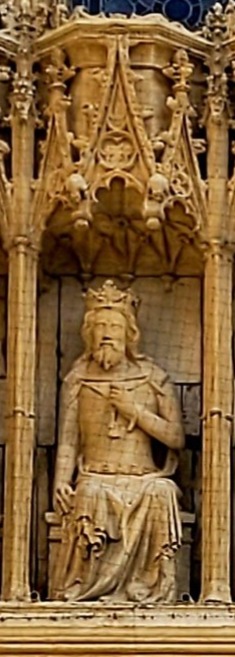
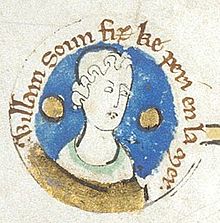
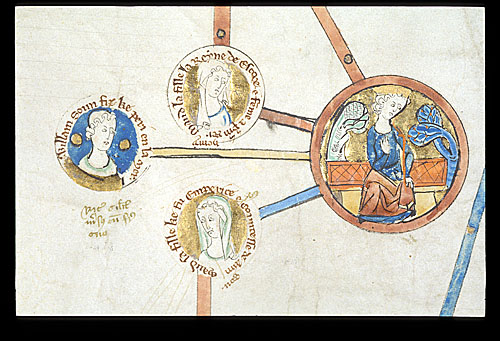
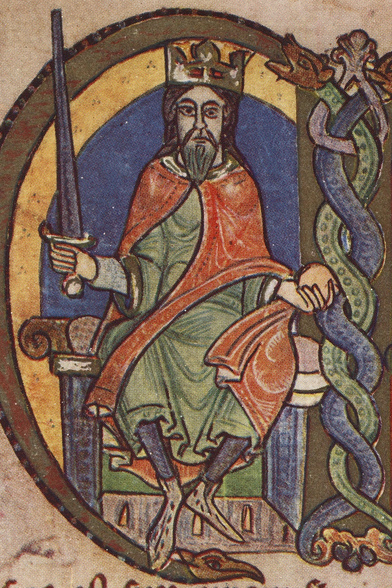
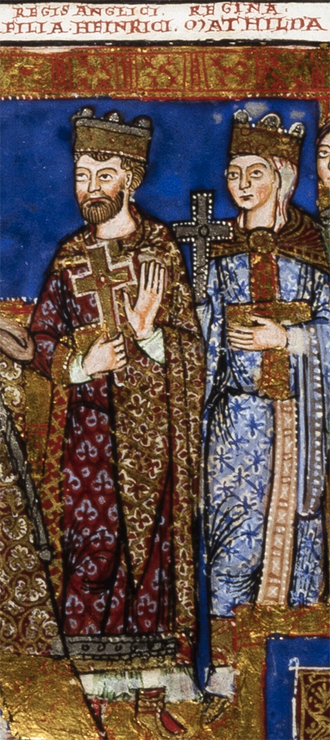
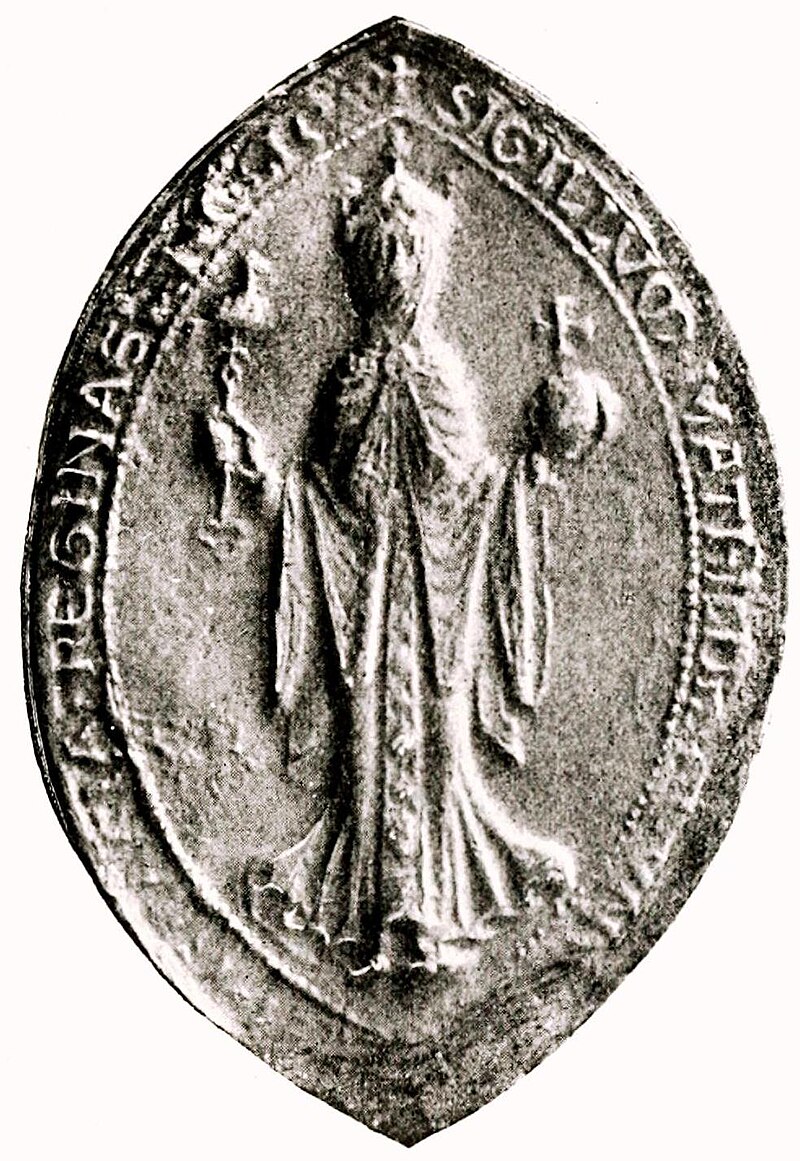
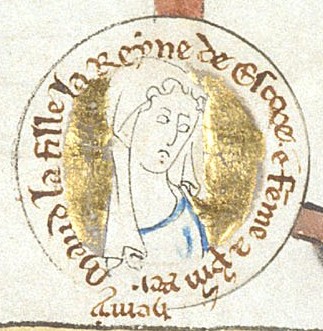




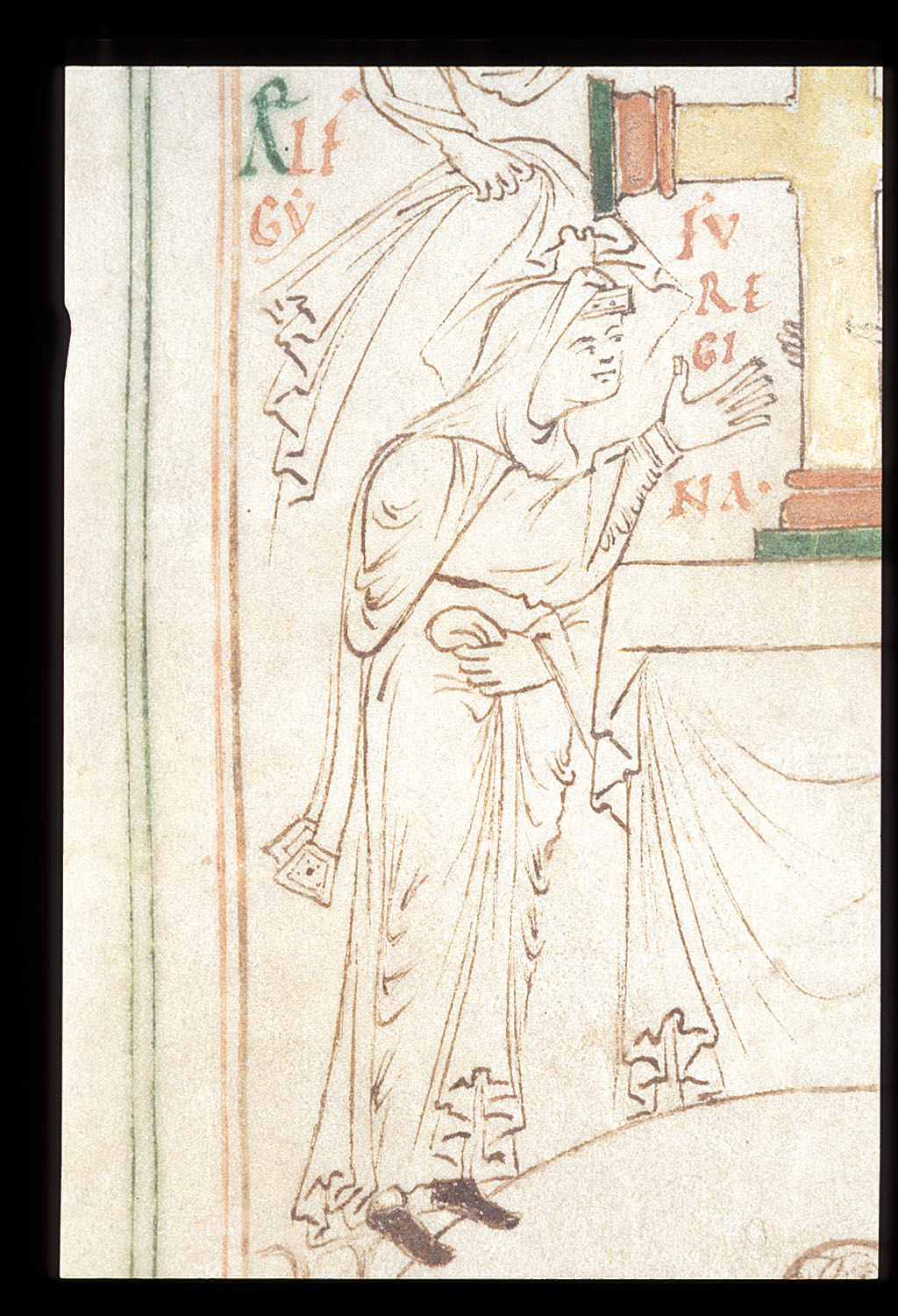
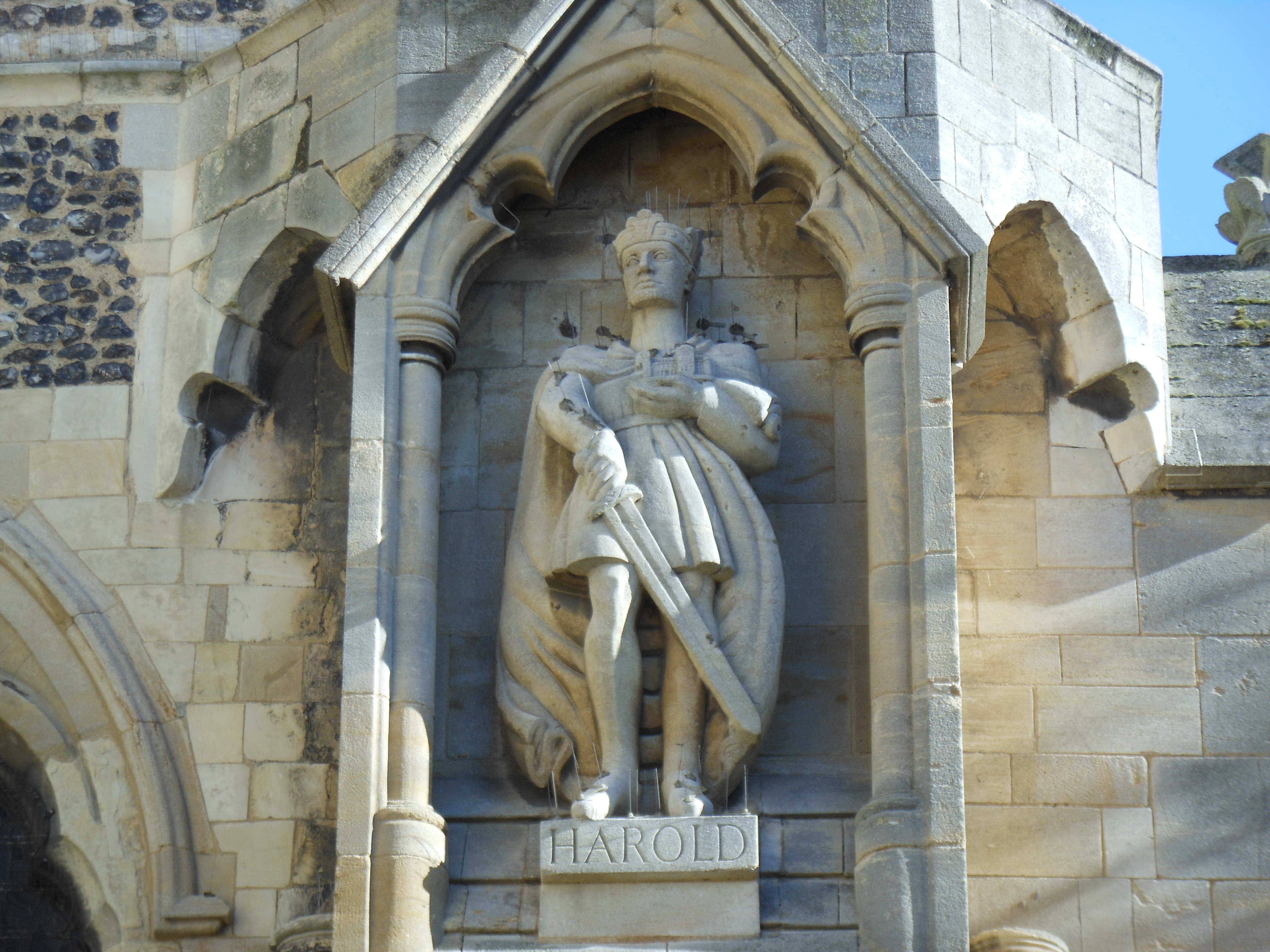
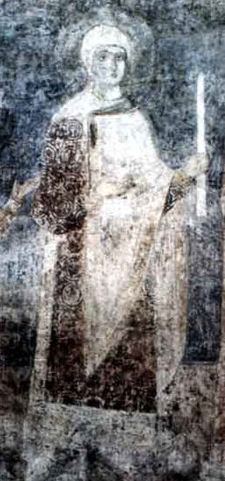
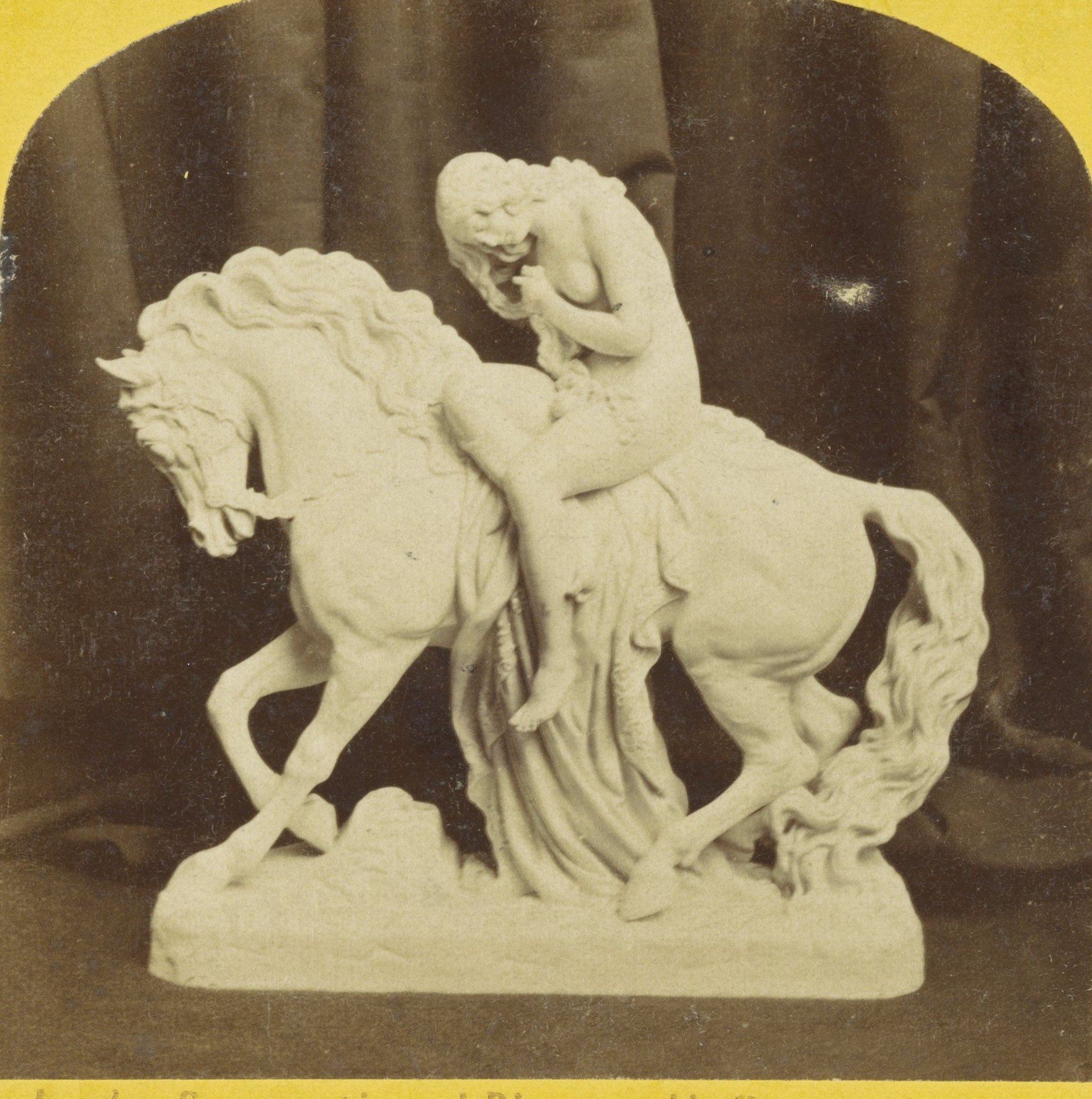




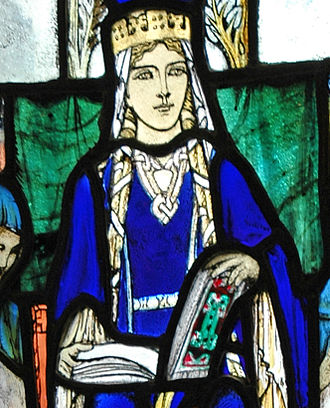
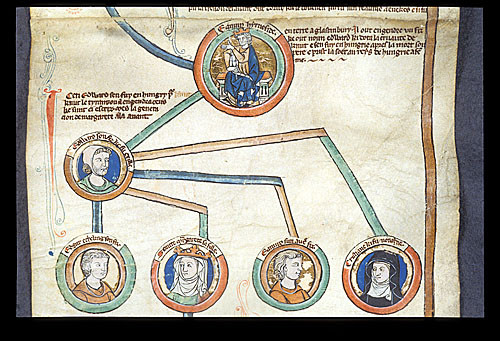
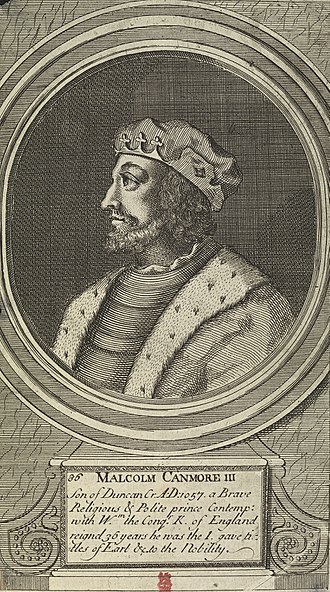
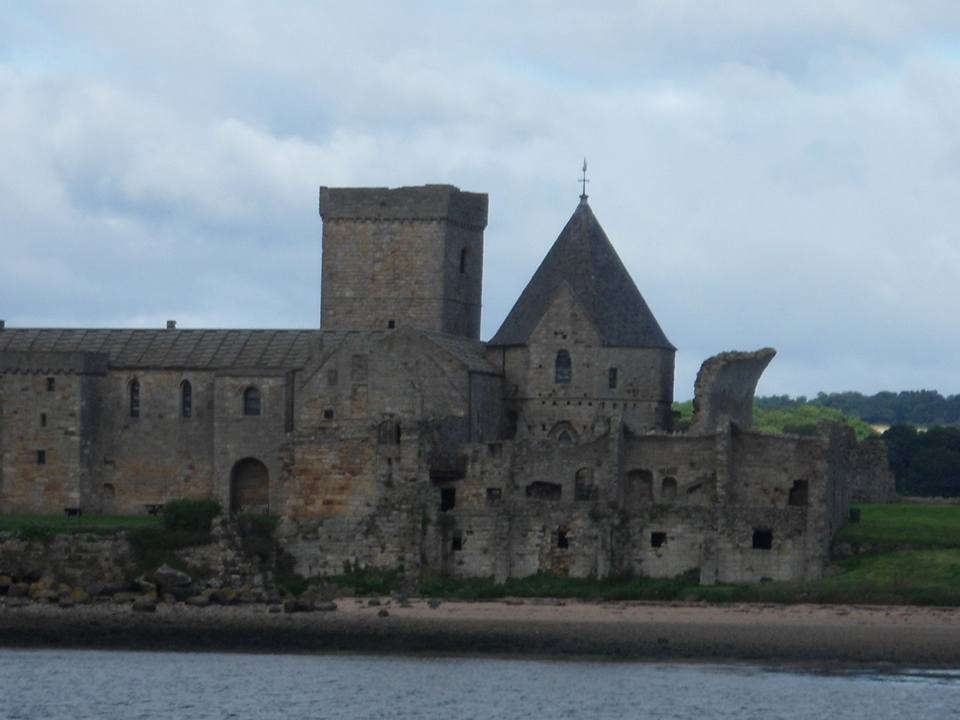
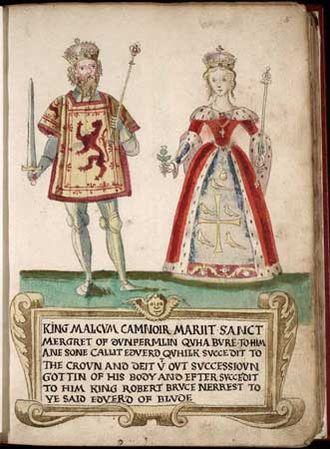
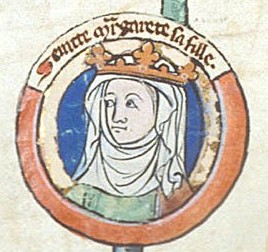

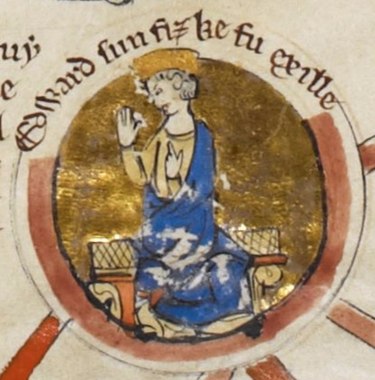
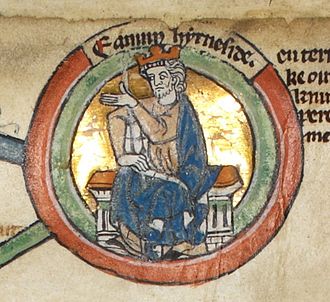
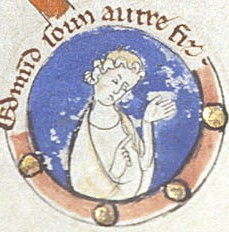
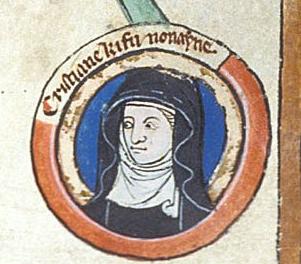
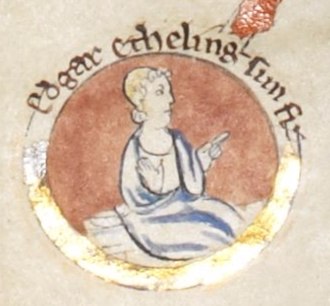
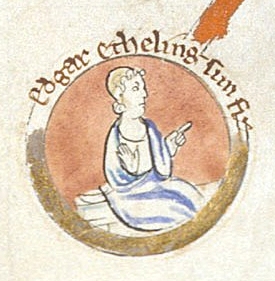
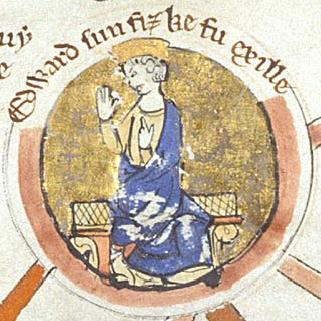
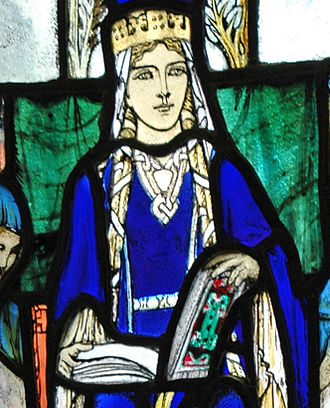
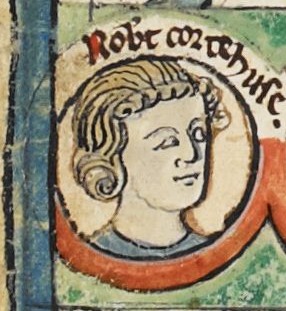
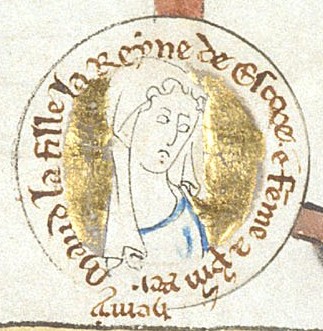
 History... the interesting bits!