From the bestselling author of the Time Traveller’s Guides
In these sparkling A to Zs, time-travelling historian Ian Mortimer visits four classic periods of English history: the fourteenth century, the Elizabethan age, the Restoration and the Regency.
As he ranges from the Great Plague to the Great Freeze, from Armada to Austen, and from tobacco to toenails, he shines a light into corners of history we never knew were so fascinating — or so revealing of the whole.
How did the button change life in the Middle Ages? If you found yourself at a smart Elizabethan party, should you kiss your hostess on the lips? Why were pistols safer than swords in a duel? And how come Regency Londoners quaffed so much port?
This is Mortimer at his accessible and witty best. As ever, his aim is not only to bring the past to life but also to illuminate our own times.
A couple of weeks ago, Derek Birks and I had the pleasure of chatting with Ian Mortimer on our podcast, A Slice of Medieval, and we talked about THIS book. You can listen to the episode when it goes live on New Years’ Eve. And if this review doesn’t persuade you to have a read, Ian’s interview certainly will. Ian Mortimer has a refreshing outlook on History – he not only wants to make it accessible to everyone, he wants to make it enjoyable. And he wants you to look at History from different angles, even sideways. Because then, you see things differently.
Mortimer’s A to Zs of English History is split into 5 sections and focuses on 4 main periods; 14th century, Elizabeth, Restoration and Regency, with a 5th section, the envoi, an A to Z of reflections on those themes history that cross periods. This is a stunning book and a thoroughly enjoyable read.
Many History fans look down on general History books, saying they already know the basics. But this isn’t basic. It is not as much about the facts as it is about changing the way you look at the facts. It is about making you think and making you look differently at the facts, at what we know and how we know it. It makes you wonder how inventions came about, how innovations developed. It makes you consider how diet, environment, opportunities – and the weather – affected society and drove change.
And the envoi of Mortimer’s A to Zs of English History highlights what doesn’t change, considering the values, good and bad, that transect eras and generations. Xenophobia, for instance, rears its ugly head in every generation. Speed, also, is a consideration throughout the eras; the speed of travel, of communication and of progress.
Q is for Queenship
What are medieval queens for? Obviously, they are the partners of kings and their primary duty is to produce the next generation of the royal family. In medieval times it is essential to have a line of succession: political stability depends on it. But it is worth asking what queens are for other than childbirth. After all, they are not like other aristocratic women. When Lord So-and-so goes off to court, he leaves Lady So-and-so behind to look after the household in his absence, with staff to carry out her instructions, just as in countless other private households in the country. But when the king travels, the court goes with him. His queen might remain in one of the palaces or castles or she might accompany him, but even if she remains, her role is limited. Officials are left in charge of the royal residences. Childcare is normally passed over to other women – wetnurses and guardians. When a fourteenth-century king goes abroad, he entrusts the guardianship of the realm to his heir or a near male relative, not his queen. (In this respect, the fourteenth-century is more sexist than earlier ones.) So it is fair to ask, what other purpose do queens serve?
There are several interesting ways to answer this question. For a start, no fourteenth-century English king marries an Englishwoman. Edward I marries Eleanor of Castile and then Margaret of France. Edward II marries Isabella of France. Edward III marries Philippa of Hainault. Richard II first marries Anne of Bohemia and later Isabella of France. Henry IV is married to an Englishwoman, Mary de Bohun, before becoming king but she dies five years before his accession. The same pattern applies to the previous century: King John annuls his marriage to Isabella of Gloucester almost immediately on becoming king and marries a French heiress, Isabella of Angoulême, very shortly afterwards. Queens are a diplomatic link with other kings and kingdoms. They bring with them foreign attendants and a large number of foreign relations – this is an age when third and fourth cousins are an important source of trust, information and support. Edward II’s queen, Isabella of France, is given the task of negotiating a peace treaty with her brother, Charles IV of France, on her husband’s behalf. Queens thus tie England into an international diplomatic network.
Mortimer’s A to Zs of English History will make you think, question – and want to know more. It is a fabulous resource of facts that you didn’t even know you didn’t know – and didn’t know you needed to know.
Who would have thought of buttons as causing a revolution in fashion? Did you know cows and sheep were smaller in medieval times? Ian Mortimer takes a look at the History we do not always consider: the everyday, the quirky, the mundane. He’s insightful; how much more would we have known about medieval women if they had been taught to write, allowed to tell their own stories?
If you have a History fan in your family, you should get them Mortimer’s A to Zs of English History for Christmas.
It is educational.
It is entertaining.
It is amusing.
It is revelatory.
It is a ‘must read’.
You will not look at History in the same way ever again. Get it. Read it. Devour it. And gift a copy to a friend. It is a fabulous resource for anyone with a love of History – and an amazing introduction for anyone you want to get hooked on History.
Ian Mortimer is the bestselling author of the Time Traveller’s Guides series, as well as Medieval Horizons: Why the Middle Ages Matter and four critically acclaimed biographies. He was elected a Fellow of the Royal Historical Society in 1998 and a Fellow of the Society of Antiquaries in 2015. His work on the social history of medicine won the Alexander Prize in 2004 and was published by the Royal Historical Society in 2009. He lives with his wife on the edge of Dartmoor.
*
My Books
Signed, dedicated copies of all my books are available through my online bookshop.
Out now: Scotland’s Medieval Queens
Scotland’s history is dramatic, violent and bloody. Being England’s northern neighbour has never been easy. Scotland’s queens have had to deal with war, murder, imprisonment, political rivalries and open betrayal. They have loved and lost, raised kings and queens, ruled and died for Scotland. From St Margaret, who became one of the patron saints of Scotland, to Elizabeth de Burgh and the dramatic story of the Scottish Wars of Independence, to the love story and tragedy of Joan Beaufort, to Margaret of Denmark and the dawn of the Renaissance, Scotland’s Medieval Queens have seen it all. This is the story of Scotland through their eyes.
‘Scotland’s Medieval Queens gives a thorough grounding in the history of the women who ruled Scotland at the side of its kings, often in the shadows, but just as interesting in their lives beyond the spotlight. It’s not a subject that has been widely covered, and Sharon is a pioneer in bringing that information into accessible history.’ Elizabeth Chadwick (New York Times bestselling author)
Coming 30 March 2026: Princesses of the Early Middle Ages
Daughters of kings were often used to seal treaty alliances and forge peace with England’s enemies. Princesses of the Early Middle Ages: Royal Daughters of the Conquest explores the lives of these young women, how they followed the stereotype, and how they sometimes managed to escape it. It will look at the world they lived in, and how their lives and marriages were affected by political necessity and the events of the time. Princesses of the Early Middle Ages will also examine how these girls, who were often political pawns, were able to control their own lives and fates. Whilst they were expected to obey their parents in their marriage choices, several princesses were able to exert their own influence on these choices, with some outright refusing the husbands offered to them.
Their stories are touching, inspiring and, at times, heartbreaking.
Princesses of the Early Middle Ages: Royal Daughters of the Conquest is now available for pre-order.
Also by Sharon Bennett Connolly:
Heroines of the Tudor World tells the stories of the most remarkable women from European history in the time of the Tudor dynasty, 1485-1603. These are the women who ruled, the women who founded dynasties, the women who fought for religious freedom, their families and love. Heroines of the Tudor World is now available from Amberley Publishing and Amazon UK.Women of the Anarchy demonstrates how Empress Matilda and Matilda of Boulogne, unable to wield a sword themselves, were prime movers in this time of conflict and lawlessness. It shows how their strengths, weaknesses, and personal ambitions swung the fortunes of war one way – and then the other. Available from Bookshop.org, Amberley Publishing and Amazon UK. King John’s Right-Hand Lady: The Story of Nicholaa de la Haye is the story of a truly remarkable lady, the hereditary constable of Lincoln Castle and the first woman in England to be appointed sheriff in her own right. Available from all good bookshops Pen & Sword Books, bookshop.org and Amazon.
Alternate Endings: An anthology of historical fiction short stories including Long Live the King… which is my take what might have happened had King John not died in October 1216. Available in paperback and kindle from Amazon.
Podcast:
Have a listen to theA Slice of Medieval podcast, which I co-host with Historical fiction novelist Derek Birks. Derek and I welcome guests, such as Ian Mortimer, Bernard Cornwell, Elizabeth Chadwick and Scott Mariani, and discuss a wide range of topics in medieval history, from significant events to the personalities involved.
For my latest edition of Wordly Women, it is an absolute pleasure to welcome my dear friend, Anna Belfrage. Anna writes both historical fiction and time slip and is a magician with the written word. Her Castilian Saga books are something special and I loved the King’s Greatest Enemy books!
So, welcome Anna!
Sharon: What got you into writing?
Anna: I think many writers start like readers—that is how it was for me. I was like eight and felt the world needed a book about a girl who dressed up as a boy and accompanied Richard Lionheart as a page. My take on history was vague, my take on Richard was way too heroic, and my vocabulary was horribly tedious—and full of attempted medieval “speak” Agh! Many years later, I decided to really give writing a go, and once again I wrote a book that resonated with what I wanted to read. Seeing as I have always wanted to time travel—well, for short visits, deffo not to stay—my protagonist ended up being thrown back into the seventeenth century, because at the time, I was so fascinated by this period.
Sharon: Tell us about your books.
Anna: Well, I have just—today!—finished my 24th novel, supposedly a stand-alone, but according to my editor, I must write the rest of the story. So I probably will. Insert Graham Saga pic here! This is what always happens, you see. I start off writing ONE book and end up with one series after the other. My first series is The Graham Saga and is the story of Alex, my alter-ego time traveller who ends up in the 17th century where she meets Matthew Graham. Life will never be the same—not for Alex, not for Matthew, who has his doubts about this strange, borderline heathen woman who has landed at his feet. All in all, The Graham Saga is a ten (!!!!) book series, following Alex, Matthew and their expanding family through the latter half of the 17th century. Things happen to the Grahams—a lot of things, actually. Alex sometimes complains that it is too much, but between the two of us, she loves the adrenaline rushes I put her through! (“No, I don’t!” Alex growls. I just smirk) My second series is The King’s Greatest Enemy. I give you Adam de Guirande, an honourable knight who ends up torn between his love for his first lord, Roger Mortimer , and his loyalty to the young Edward III. Fortunately, he has a strong helpmeet in his wife, Kit. One book turned into four in this instance…
My third series is called The Castilian Saga and is set in the late 13th century. The lives and adventures of Robert FitzStephan, loyal captain to Edward I, and his wife, Eleanor d’Outremer, play out against the background of the conquest of Wales and the general upheaval in Castile and Aragon at the time. Yet another four book series…
I have also authored a three-book series called The Wanderer, which tells the story of Jason and Helle, brutally torn apart 3 000 years ago. After endless lives searching for his Helle, Jason finally finds her again and there is a HEA hovering on the horizon—had it not been for their nemesis last time round who has just gate-crashed the party. I loved writing this borderline fantasy/romantic suspense/ steamy series – but historical fiction is my first love and always will be.
I have an ongoing series called The Time Locket—and yes, it has a time travelling protagonist. Erin is of mixed race and find it very hard to navigate the early 18th century in the American Colonies—well, she finds it hard to navigate life in the 18th century, full stop. Fortunately, she has Duncan at her side. I’ve written two books in this series and have started on number three –but for some odd reason we seem to be going to St Petersburg—well, the building site that will become St Petersburg—and I am dragging my feet, despite Erin and Duncan constantly sending me evil looks.
And then, finally, we have my just finished Queen of Shadows. (The one that I now need to write a sequel to according to my editor) We are in 14th century Castile where King Alfonso XI is married to one woman, but loves another. Quite the soap opera—except it is a true story. Along the way, our stalwart king must vanquish Marinid invaders, rebellious nobles and handle a most incensed father-in-law. I don’t think I’ve ever spent as much time researching a novel as I have done with this one—I started toying with the idea already back in 2016.
I have also contributed to various short-story collections: Betrayal: Historical stories, Historical Stories of Exile and Fate: Tales of History, Mystery and Magic.
Sharon: What attracts you to the periods you write in?
Anna: The history. An event or a personage catches my attention, and off I go. During my recent visit to Dresden, I discovered just how complicated and delicious the history of Saxony is, but I hesitate re writing a book set there, because I don’t speak German, and I have learned the hard way that it helps if you know the language of the country you are writing about. Writing about Castile in the 14th century has required reading my way through bits and pieces of medieval Castilian chronicles—but as I am fluent in Spanish, I managed. I also had the opportunity to revisit all my old text books about the development of the Spanish language)
Sharon: Who is your favourite medieval person and why?
Anna: Seriously, ONE person? No, no, Sharon, how am I supposed to choose?? *Scratches head* Okay: in Castile, it would have to be Maria de Molina, I think. Wife of Sancho IV, she was firt regent to her son, Fernando IV, and when he was “summoned” (Yup, he’s known as Fernando the Summoned, given the odd circumstances of his death) she once again had to act as regent, now for her grandson, Alfonso XI. An extremely competent and wise woman, who suffered so much loss, so much heartbreak, but never gave up.
In England, I am going to say Edward I. Yes, yes, I can hear people going WHAT? THAT RAT BASTARD? – and yes, he deffo had rat bastard qualities, especially vis-à-vis Scotland and Wales, but he was also a competent, hard-working ruler who never quite got over the loss of his wife, Eleanor. When she died, his soft side more or less disappeared (although his second wife seems to have brought it out in him on occasion). Also, we must remember that Edward is a product of his time and of the events that shook his kingdom when he was still a young man—namely the rebellions that more or less stripped Edward’s father of all his kingly power.
Sharon: Who is your least favourite medieval person and why?
Anna: I’m not a big fan of The Black Prince, but my least favourite? Ah, yes: Simon Montfort the Elder, the man who led the Albigensian Crusade—or maybe Arnaud Amalric, the Cistercian abbot who purportedly ordered his men to kill all the people of Beziers during said crusade, stating that God would recognise his own (after death). Okay, so this is probably not true, but just the fact that an abbot actively participated in the massacre of the Cathars is rather icky, IMO. Sharon: I have to admit, I’m not a fan of either Simon de Montfort!
Sharon: How do you approach researching your topic?
Sevilla
Anna: I start with one person, map out persons Person A interacted with and so on and so on. Plus, I always read an overview of the period first, highlighting things I will need to dig into. In my latest, it’s been a lot about sheep, about the Black Death, about coinage, about food—the Moors left a delicious legacy—about architecture. I also try to visit, to get a feel for the land as such. Good thing I did re my latest WIP, as it made me realise I was off by some kilometres from the sea in one of the more crucial scenes! insert pic of Sevilla
Sharon: Tell us your ‘favourite’ true historical story you have come across in your research.
Anna: Hmm. I am rather fond of the Edward-Eleanor love story. There he was, the future Edward I, all of fifteen when he married thirteen-year-old Eleanor. From that moment on, where he went, there went she.
Sharon: Tell us your least ‘favourite’ true historical story you have come across in your research.
Anna: Well, that is easy. In 1575, a seven-year-old little boy, Gustav Eriksson, was brutally exiled by his uncle, king Johan III of Sweden. Gustav was carried across the Baltic sea to Poland and there more or less abandoned, totally alone. No mother, no sister, no money. I have written about this sad little boy in Historical Stories of Exile(Sharon: How sad!)
Sharon: Are there any other eras you would like to write about?
Anna: I am rather fascinated by the period of the Second Great Awakening, i.e. the decades after the Napoleonic Wars. (Sharon: oooooooooh, yes please!)
Sharon: What are you working on now?
Anna: Well . . . I am dithering: should I start on that unplanned sequel by describing a wedding in 1353 at which an unwilling royal groom weds a French princess? Or should I dig into the mystery of the dead man in the barrel, come all the way from Russia before it ends up in Arabella Sterling’s warehouse? Or maybe I should work on both in parallel! (Sharon: Decisions! Decisions!)
Sharon: And finally, what is the best thing about being a writer?
Anna: I step into a world where I am totally in control (Muffled laughter from all my characters) OK, I escape into a world where I have some control—assuming my pesky characters cooperate. Somewhat more seriously, I love recreating life in the past, building that distant world brick by brick. Is the end creation an entirely correct representation? Of course not: there is so much we don’t know about that distant life—but I hope it gives a flavour!
Had Anna been allowed to choose, she’d have become a time-traveller. As this was impossible, she became a financial professional with three absorbing interests: history, romance and writing. Anna has authored the acclaimed time travelling series The Graham Saga, set in 17th century Scotland and Maryland, as well as the equally acclaimed medieval series The King’s Greatest Enemy which is set in 14th century England, and The Castilian Saga ,which is set against the medieval conquest of Wales. She has also published a time travel romance, The Whirlpools of Time, and its sequel Times of Turmoil, and is now considering just how to wiggle out of setting the next book in that series in Peter the Great’s Russia, as her characters are demanding. . .
All of Anna’s books have been awarded the IndieBRAG Medallion, she has several Historical Novel Society Editor’s Choices, and one of her books won the HNS Indie Award in 2015. She is also the proud recipient of various Reader’s Favorite medals as well as having won various Gold, Silver and Bronze Coffee Pot Book Club awards.
“A master storyteller” “This is what all historical fiction should be like. Superb.”
Find out more about Anna, her books and enjoy her eclectic historical blog on her website, http://www.annabelfrage.com
Signed, dedicated copies of all my books are available through my online store.
Out now: Scotland’s Medieval Queens
Scotland’s history is dramatic, violent and bloody. Being England’s northern neighbour has never been easy. Scotland’s queens have had to deal with war, murder, imprisonment, political rivalries and open betrayal. They have loved and lost, raised kings and queens, ruled and died for Scotland. From St Margaret, who became one of the patron saints of Scotland, to Elizabeth de Burgh and the dramatic story of the Scottish Wars of Independence, to the love story and tragedy of Joan Beaufort, to Margaret of Denmark and the dawn of the Renaissance, Scotland’s Medieval Queens have seen it all. This is the story of Scotland through their eyes.
‘Scotland’s Medieval Queens gives a thorough grounding in the history of the women who ruled Scotland at the side of its kings, often in the shadows, but just as interesting in their lives beyond the spotlight. It’s not a subject that has been widely covered, and Sharon is a pioneer in bringing that information into accessible history.’ Elizabeth Chadwick (New York Times bestselling author)
Heroines of the Tudor World tells the stories of the most remarkable women from European history in the time of the Tudor dynasty, 1485-1603. These are the women who ruled, the women who founded dynasties, the women who fought for religious freedom, their families and love. Heroines of the Tudor World is now available from Amberley Publishing and Amazon UK.Women of the Anarchy demonstrates how Empress Matilda and Matilda of Boulogne, unable to wield a sword themselves, were prime movers in this time of conflict and lawlessness. It shows how their strengths, weaknesses, and personal ambitions swung the fortunes of war one way – and then the other. Available from Bookshop.org, Amberley Publishing and Amazon UK. King John’s Right-Hand Lady: The Story of Nicholaa de la Haye is the story of a truly remarkable lady, the hereditary constable of Lincoln Castle and the first woman in England to be appointed sheriff in her own right. Available from all good bookshops Pen & Sword Books, bookshop.org and Amazon.
Alternate Endings: An anthology of historical fiction short stories including Long Live the King… which is my take what might have happened had King John not died in October 1216. Available in paperback and kindle from Amazon.
Podcast:
Have a listen to theA Slice of Medieval podcast, which I co-host with Historical fiction novelist Derek Birks. Derek and I welcome guests, such as Bernard Cornwell and Michael Jecks, and discuss a wide range of topics in medieval history, from significant events to the personalities involved. There’s even an episode where we chat with Anna Belfrage about Edward I and Eleanor of Castile.
You may have noticed that I love the stories of women from medieval times who do the remarkable, who will defy a tyrant or hold a castle while under siege. Women like Nicholaa de la Haye. And yet, Nicholaa was not the only medieval woman to hold tenaciously to a castle under siege. It was more common than one might think. Matilda de Braose (or Briouze), the Lady of Hay, was another such, who held her castle against the besieging Welsh; as was Agnes of Dunbar, known to history as Black Agnes and a woman who was a blight on English forces in Scotland. Agnes was a bold lady whose acts of defiance against the English would surely have impressed Nicholaa, nationalities aside, of course.
Agnes was the eldest daughter of Thomas Randolph, 1st Earl of Moray, and his wife Isabel, a daughter of Sir John Stewart of Bunkle. Thomas Randolph was a favoured nephew of Robert the Bruce, King of Scots, and one of his most stalwart supporters. Randolph was rewarded with the earldom of Moray and the appointment as guardian during the minority of King Robert’s son and successor, David II, in 1329.
There is very little known of the early life of Agnes, until about 1320, when she was married to Patrick, Earl of Dunbar. We can imagine that Agnes envisioned a life as a typical laird’s lady, raising children, looking after the land and tenants while her husband was away fighting. Unfortunately, Agnes and Patrick would remain childless, so the countess was not preoccupied with raising children. Agnes’s younger sister, Isabel, was married to Sir Patrick Dunbar, Earl Patrick’s cousin, and it would be their son, George, who would be made heir to Earl Patrick and Agnes.
From the timing of the marriage, we can surmise that Agnes was probably born just after the turn of the century, into a country struggling to gain independence from its aggressive neighbour, England. It would, therefore, not be unreasonable to assume that she saw little of her father during her early years as he was frequently away fighting; even after the Scottish victory at Bannockburn in 1314, Randolph continued in active service for the Scottish crown, fighting with Robert the Bruce in Ireland in 1317, and in the borders with England in 1318 and 1319.
Scotland’s troubles continued long into the reign of David II, with the English backing David’s rival, Edward Balliol, son of Scotland’s former king, John Balliol. This despite David II being married to Edward III’s sister, Joan of the Tower. The throne would pass back and forth between the two claimants for several years. When Agnes’s father died in 1332, he was succeeded by her brother Thomas, who was killed just weeks later, at the Battle of Dupplin Moor, fighting those who had been disinherited during the Wars of Independence. Thomas, in turn, was succeeded by another brother, John, who was killed fighting the English at the Battle of Neville’s Cross in 1346.
Arms of Patrick, Earl of March
On John’s death, the earldom of Moray would pass to Agnes’s husband in right of his wife. Agnes and Patrick were cousins within the prohibited degree of consanguinity and a dispensation had been needed for them to marry. According to the chronicler, Pitscottie, she gained her name of Black Agnes ‘be ressone she was blak skynnit’, suggesting Agnes had a dark complexion; her black hair, dark eyes and olive skin more common among Mediterranean countries than the northern fastness of Scotland.1 The English attributed a different reason to her name, to them, Black Agnes was the most evil Scotswoman who ever lived. Pitscottie went on to say of Agnes that she was ‘of greater spirit than it became a woman to be’, which, given her actions in the face of the enemy, is a fair appraisal of an incredible woman.2
Agnes was not the only woman to become heavily involved in the Scottish Wars of Independence, which had been a different kind of war from the very beginning. Robert the Bruce’s wife, daughter and sisters had been imprisoned for eight years by Edward I; his sister Christian would herself become involved in the fighting during her nephew David’s reign, defending the castle of Kildrummy against the supporters of Edward Balliol, in 1335.
Most of Agnes Randolph’s life is shrouded in mystery; there is very little mention of her existence until the English army appeared before her castle of Dunbar in January 1338. With the resumption of hostilities between England and Scotland in the 1330s, the castle of Dunbar became strategically important for both sides.
The stronghold had been rebuilt, at the expense of Edward III, in 1333, but by 1337 it was standing against England’s king. English affairs in the north lay in the hands of Richard (II) FitzAlan, Earl of Arundel, and William Montague, Earl of Salisbury, and it was these two experienced military leaders who decided to launch an English offensive by attacking Dunbar. An impressive stronghold, the castle was all but impregnable; it was built at the mouth of the Dunbar harbour, on separate rocks, with interlinking bridges and corridors.
The castle of Dunbar
Strategically, the castle’s position made it impossible for the English to march past it and leave it behind them, intact, able to harry the invaders and cut their lines of communication with England. Earl Patrick was away from home at the time, however, Scottish writer Nigel Tranter suggests that Agnes deliberately allowed herself to be besieged to give the Scottish forces time to rally and organise a resistance to the English invasion. Even so, it must have been a terrifying sight for the countess to look out from the battlements and see an army approaching; and the English earls must surely have been confident that they could beat the countess and her reduced garrison.
In January 1338, the English laid siege to Dunbar, surrounding it as best they could. The army had brought a legion of engineers with it, thus ensuring that a vast number of siege engines could be constructed and the castle’s inhabitants would face an almost constant barrage from missiles. When Salisbury demanded that Agnes surrender, she is said to have responded,
Of Scotland’s King I haud my House, He pays me meat and fee, And I will keep my gude and house, While my house will keep me.3
The siege didn’t go exactly as the English planned. Agnes mocked them at every opportunity, appearing on the battlements even during bombardments. She is said to have had her maids dusting the battlements where they had been struck by missiles. When a siege engine known as a sow (a battering ram) was brought to face the castle, Agnes is said to have taunted the English by shouting ‘Beware, Montagow, for fallow shall they sow.’ The Scots would use the displaced rocks, caused by the barrages, and the missiles that had been fired at them, and rain them back down on their enemies. As the sow was destroyed and the English took cover, Agnes is said to have shouted ‘Behold the litter of English pigs.’4 Attack after attack was repulsed by Agnes and her men; a ballad, said to have been written by Salisbury himself, demonstrates Agnes’ steadfast attitude:
William Montague, from the Salisbury Roll
She makes a stir in tower and trench, That brawling, boisterous, Scottish wench; Came I early, came I late, I found Agnes at the gate!5
The English even tried subterfuge to win the castle, bribing one of the castle’s guards to raise the gate and allow entry to the English attackers. However, the guard, having taken the money, went straight to Agnes:
Believing that they were going to be entering the castle, the Earl and his soldiers arrived at the gate. The guards, thinking Salisbury would be first to enter, dropped the gate after the first soldier stepped into the castle. Fortunately for Salisbury, one of his men had passed him on the approach. The thwarted earl retreated back to his camp with Agnes yelling at him from the castle walls: ‘Fare thee well Montague, I meant that you should have supped with us and support us in upholding the castle from the English!’5
At one point, the English used Agnes’s brother John Randolph in an attempt to persuade her to submit. One of the regents of Scotland during David II’s minority, John had been ambushed and captured in 1335. He was brought before Dunbar Castle, where Salisbury threatened to hang him in full view of his sister. Unperturbed, Agnes responded that John’s death could only be to her own benefit; although she could not inherit John’s titles, she was, alongside her sister, co-heir to his lands. John was given a reprieve and sent to imprisonment in England. Ironically, he would be freed in 1341 as part of a prisoner exchange; for the earl of Salisbury, of all people!
The problem for the English lay in the fact that they could not entirely surround the castle. Although they could besiege it from the land, the castle was still accessible by sea. An English fleet was guarding the harbour, but Sir Alexander Ramsay of Dalhousie managed to replenish the castle’s dwindling supplies by using a fleet of fishing boats, approaching in the early dawn from the cover of the Bass Rock. He managed to sneak through the enemy lines, making a dash for the harbour before the larger English vessels could get underway. Ramsay managed to land vital supplies and reinforcements for the garrison through a partially submerged entrance.
Agnes even sent the Earl of Salisbury some fresh-baked food when she knew the English supplies were running low, taunting the poor earl. Eventually, Agnes’s resistance proved too much for the English army, and, after nineteen weeks, on 10 June 1338, they lifted the siege, claiming their men and resources were needed for the king’s campaigns overseas. It had cost over £6,000, prompting one English chronicler to record that the siege had been ‘wasteful, and neither honourable nor secure, but useful and advantageous to the Scots’.6
David II, King of Scots, and Edward III, King of England
The struggle against the English continued for several more years, but David II and his queen, Joan of the Tower, the daughter of Edward II and sister of Edward III, returned to Scotland amid great rejoicing in 1341; only for David to become a captive of Edward III following the Battle of Neville’s Cross in 1346. Scotland’s king spent eleven years in English captivity, while Scotland was ruled by his nephew and heir, Robert the Steward.
David returned in 1357, the same year that Patrick, Earl of Dunbar, participated in the raid that saw Berwick returned to Scottish sovereignty, for a short time at least. Earl Patrick continued to witness royal charters until July 1368 and remained active in Scottish affairs until his death in 1369. When Agnes also died in 1369, aged about 57, her father’s earldom and that of her husband passed to her nephew, George Dunbar.
Agnes of Dunbar was a women of status, raised to command households, if not men, who stepped up to the mark when the occasion demanded it. Although she was not educated in military techniques and tactics, she had lived within a world that was constantly on a war footing and when faced with a fight, she rose to the challenge. With her death, Black Agnes passed into legend, her tenacity and stalwart defence of Dunbar Castle a shining example of what a mere woman can be capable of achieving.
Images:
Courtesy of Wikipedia
Notes:
1. The historie and cronicles of Scotland … by Robert Lindesay of Pitscottie, ed. A. J. G. Mackay, 3 vols, Scottish Text Society, 42–3, 60 (1899–1911); 2. ibid; 3. Kyra Cornelius Kramer, Black Agnes and Psychological Warfare, kyrackramer.com; 4. Nigel Tranter, The Story of Scotland; 5. Kramer, Black Agnes and Psychological Warfare; 6. Historia Anglicana
Sources:
The historie and cronicles of Scotland … by Robert Lindesay of Pitscottie, ed. A. J. G. Mackay, 3 vols, Scottish Text Society, 42–3, 60 (1899–1911); Kyra Cornelius Kramer, Black Agnes and Psychological Warfare, kyrackramer.com; Nigel Tranter, The Story of Scotland; oxforddnb.com; Brewer’s British Royalty by David Williamson; Kings & Queens of Britain by Joyce Marlow; Mammoth Book of British Kings & Queens by Mike Ashley; Oxford Companion to British History Edited by John Cannon; Britain’s Royal Families by Alison Weir; educationscotland.gov.uk/scotlandhistory; englishmonarchs.co.uk; The Perfect King by Ian Mortimer; Scotland, History of a Nation by David Ross; The Life & Times of Edward III by Paul Johnson; The Reign of Edward III by W.M. Ormrod
*
My Books
Signed, dedicated copies of all my books are available through my online bookshop.
Out now: Scotland’s Medieval Queens
Scotland’s history is dramatic, violent and bloody. Being England’s northern neighbour has never been easy. Scotland’s queens have had to deal with war, murder, imprisonment, political rivalries and open betrayal. They have loved and lost, raised kings and queens, ruled and died for Scotland. From St Margaret, who became one of the patron saints of Scotland, to Elizabeth de Burgh and the dramatic story of the Scottish Wars of Independence, to the love story and tragedy of Joan Beaufort, to Margaret of Denmark and the dawn of the Renaissance, Scotland’s Medieval Queens have seen it all. This is the story of Scotland through their eyes.
‘Scotland’s Medieval Queens gives a thorough grounding in the history of the women who ruled Scotland at the side of its kings, often in the shadows, but just as interesting in their lives beyond the spotlight. It’s not a subject that has been widely covered, and Sharon is a pioneer in bringing that information into accessible history.’ Elizabeth Chadwick (New York Times bestselling author)
Coming 30 March 2026: Princesses of the Early Middle Ages
Daughters of kings were often used to seal treaty alliances and forge peace with England’s enemies. Princesses of the Early Middle Ages: Royal Daughters of the Conquest explores the lives of these young women, how they followed the stereotype, and how they sometimes managed to escape it. It will look at the world they lived in, and how their lives and marriages were affected by political necessity and the events of the time. Princesses of the Early Middle Ages will also examine how these girls, who were often political pawns, were able to control their own lives and fates. Whilst they were expected to obey their parents in their marriage choices, several princesses were able to exert their own influence on these choices, with some outright refusing the husbands offered to them.
Their stories are touching, inspiring and, at times, heartbreaking.
Princesses of the Early Middle Ages: Royal Daughters of the Conquest is now available for pre-order.
Also by Sharon Bennett Connolly:
Heroines of the Tudor World tells the stories of the most remarkable women from European history in the time of the Tudor dynasty, 1485-1603. These are the women who ruled, the women who founded dynasties, the women who fought for religious freedom, their families and love. Heroines of the Tudor World is now available from Amberley Publishing and Amazon UK.Women of the Anarchy demonstrates how Empress Matilda and Matilda of Boulogne, unable to wield a sword themselves, were prime movers in this time of conflict and lawlessness. It shows how their strengths, weaknesses, and personal ambitions swung the fortunes of war one way – and then the other. Available from Bookshop.org, Amberley Publishing and Amazon UK. King John’s Right-Hand Lady: The Story of Nicholaa de la Haye is the story of a truly remarkable lady, the hereditary constable of Lincoln Castle and the first woman in England to be appointed sheriff in her own right. Available from all good bookshops Pen & Sword Books, bookshop.org and Amazon.
Alternate Endings: An anthology of historical fiction short stories including Long Live the King… which is my take what might have happened had King John not died in October 1216. Available in paperback and kindle from Amazon.
Podcast:
Have a listen to theA Slice of Medieval podcast, which I co-host with Historical fiction novelist Derek Birks. Derek and I welcome guests, such as Bernard Cornwell, Elizabeth Chadwick and Scott Mariani, and discuss a wide range of topics in medieval history, from significant events to the personalities involved.
And today I am joined by an author who I could chat with all day, and never run out of things to talk about, M.J. Porter. MJ writes both fiction and non-fiction and can write a jolly good battle. Last year, MJ joined Derek Birks and I on A Slice of Medieval to chat about Athelstan and the Battle of Brunanburh. And what a fascinating discussion it was.
So, I was really excited to invite MJ Porter to take part in my Wordly Women series.
Sharon: Hi MJ! Firstly, can I ask what got you into writing?
MJ: My big dream was to write historical fantasy based on the Viking Age in Iceland. I know it’s both random and very specific. I only turned to historical fiction when I discovered a character during the research for my Master’s, I realised deserved to have his story told. Ealdorman Leofwine of the Hwicce, alive at the end of the tenth century ( a part of the Saxon Mercian kingdom), and his family were, in my view, far more influential and important than the Godwine family, who everyone knows about. I decided to write the story of the last 100 years of Saxon England through their eyes in the Earls of Mercia series. Not a small endeavour, and one which I’m continuing to pursue (I’ve made it to about AD1050 so everything is about to get quite serious), but since then (back in 2013), I’ve moved backwards through the Saxon era, picking for my subjects and stories those lesser-known characters (men or women) and events to share with my readers. I’m a little bit obsessed with the Saxon kingdom of Mercia.
Sharon: You write both fiction and non-fiction – is one harder than the other?
MJ: I’ve written one non-fiction title, The Royal Women of the Tenth Century, and the rest are fiction. What I would say is that non-fiction uses a very different part of my brain from writing fiction. With non-fiction, I struggled to stop each day. I could work on the title for upwards of 12 hours a day without feeling any fatigue. When writing fiction (and I mean writing, not editing), there’s a greater strain as I create as I go. So, my brain gets tired more quickly with fiction writing than non-fiction writing. I imagine that, as I know what’s going to happen with non-fiction, I don’t have that constant pressure when I’m writing. I’m a pantser, so my stories unfold as I write them.
Sharon: Tell us about your books.
MJ: I write mostly in the Saxon era, c.540 to 1066. (I do still dabble in fantasy using a pen-name, and I also write quirky 20th-century mysteries). My stories often revolve around either the kingdom of Mercia or the emerging kingdom of England from the tenth century onwards.
I’m attracted to characters and events people don’t know about, or for which evidence is now painting a different picture. However, my stories can range from a blood-and-guts battle fest (with lots of very strong language) to stories about politics. My most recent completed trilogy has been an attempt to recreate events in the true ‘Dark Ages’ in about AD540. It was fascinating but really hard. It was a passion project. I’ve been fascinated by the era for a very long time. My next trilogy will be about the Mercian Civil War of 757, with the future King Offa as the main character. And in the background, I’m continuing my two series set in the ninth century in Mercia, the one following a young Icel as he struggles to become a warrior, not a healer, and the later one, about Mercia’s ‘last king’ King Coelwulf II. The scope for the imagination is immense, and sometimes even I don’t know what form the next story is going to take.
Sharon: What attracts you to the period?
MJ: So, I’m lazy and also, I like to reassess current interpretations, so there are far fewer ‘named’ individuals for me to worry about getting correct in the era, and the scope for reassessing events is immense. We don’t know far more than we know for this period of early English (and wider British) history.
Sharon: Who is your favourite medieval person and why?
MJ: I don’t think I have a favourite. There are too many to pick and choose only one. I do have a very soft spot for William the Marshall, although he’s not in my preferred era.
Sharon: Who is your least favourite medieval person and why?
MJ: Again, I don’t think I have one, but one of my characters, King Coelwulf II of Mercia, really doesn’t like his contemporary, King Alfred of Wessex, and I think he’s probably correct to be suspicious. As historians have commented (to paraphrase), we only know King Alfred was ‘great’ because he made sure to tell us he was (through his Life, written by Asser). That smacks of self-aggrandisement in my books.
Sharon: How do you approach researching your topic?
MJ: My process has changed significantly over the years. I began my first historical fiction story by seeing what the Anglo-Saxon Chronicles had to say about events, as well as the surviving charter evidence, but now I tend to start with more general information and then dive deeper. The Anglo-Saxon Chronicle, in all its many forms, is a great place to hunt out stories, but I now consult many more sources, including archaeological finds and the more ‘lived’ experiences. I’ve been studying Saxon England on and off for thirty years, and I suspect I’ve forgotten more than I remember, but I have a general feeling, and I weave the narrative through it, being mindful of what comes before, and what comes after (and also, what I might have written before – which has sometimes caused me more heartache than the alleged historical ‘facts’). I do like to add Easter Eggs through my later stories.
I have a huge collection of reference books these days, and I know where to find information. Additionally, I’m wise enough to realise that sometimes there will be gaps.
I often find that when characters and events are given flesh, they make more sense than in stark non-fiction titles, and this also adds to my confidence in writing stories that counter the current narratives. Some elements simply don’t ‘make sense’ when you add people to them. And others of them suddenly do. The ‘hook’ for my Dark Age trilogy was that after the ‘end’ of Roman Britain, the ability to forge iron from ironstone was lost (although many items were recycled). Abruptly, I realised that when the lost skills were rediscovered, this would have allowed those with sharper blades to dominate those who lacked the ability. I don’t know if that’s true, but it’s a fascinating hypothesis.
Sharon: Tell us your ‘favourite’ true historical story you have come across in your research.
MJ: I don’t know if I have a favourite, but for my last mystery, I discovered something very tragic, regarding a munitions explosion close to RAF Fauld near Burton upon Trent in November 1944. I grew up not far from there, and I’d never heard of it, so I resolved to include it in The Secret Sauce, and now more and more readers are informing me they didn’t know either. I love being able to share these neglected stories with my readers and giving these forgotten individuals some recognition.
Sharon: Tell us your least ‘favourite’ true historical story you have come across in your research.
MJ: I don’t know if I have a least favourite either, but I was devastated when I had to ‘kill off’ my first historical fiction creation, Ealdorman Leofwine, because he disappeared from the historical record. It was so tough. History can be cruel sometimes.
Sharon: Are there any other eras you would like to write about?
MJ: I’ve also written a few 20th-century mysteries, and I’ve dabbled with the Tudors as part of a fantasy trilogy. I might one day be tempted by a little bit of the Roman era as well, but I’m somewhat terrified by how much is known about military units and the way the Romans fought, as my characters are often as disorganised as I am, and I fear I’d offend readers.
Sharon: What are you working on now?
MJ: I’m currently writing the first book in The House of Mercia, which will focus on the Civil War in Mercia in 757, with the future King Offa as a main character, while King Æthelbald, his predecessor, is also a character. I’m also in the throes of solving my latest 20th-century mystery, called The Barrage Body. I love the variety, and the convenience of being able to drive and use a telephone as opposed to having a horse and relying on messengers and messages.
Sharon: And finally, what is the best thing about being a writer?
MJ: There’s a lot of freedom to being a writer, once you’ve acknowledged it’s also hard work. I have my processes and routine, but provided I stick to that, I can spend much of my time doing the things I love – writing and researching. I’m very lucky to be able to (just about) earn a living from doing that. I also get to spend my time with characters I either love (or hate), and that is also very freeing.
MJ Porter writes: I’m an author of historical fiction (Early English/Saxon, Vikings and the British Isles as a whole before the Norman Conquest, as well as five 20th-century historical mysteries) and fantasy (now published under a different name).
I was born in the old Mercian kingdom at some point since 1066. Raised in the shadow of a strange little building, told from a very young age that it housed the bones of long-dead kings of Mercia and that our garden was littered with old pieces of pottery from a long-ago battle, it’s little wonder that my curiosity in Early England ran riot. I can only blame my parents! I like to write. You’ve been warned!
linktr.ee/MJPorterauthor
*
My books
Signed, dedicated copies of all my books are available through my online store.
Out now: Scotland’s Medieval Queens
Scotland’s history is dramatic, violent and bloody. Being England’s northern neighbour has never been easy. Scotland’s queens have had to deal with war, murder, imprisonment, political rivalries and open betrayal. They have loved and lost, raised kings and queens, ruled and died for Scotland. From St Margaret, who became one of the patron saints of Scotland, to Elizabeth de Burgh and the dramatic story of the Scottish Wars of Independence, to the love story and tragedy of Joan Beaufort, to Margaret of Denmark and the dawn of the Renaissance, Scotland’s Medieval Queens have seen it all. This is the story of Scotland through their eyes.
‘Scotland’s Medieval Queens gives a thorough grounding in the history of the women who ruled Scotland at the side of its kings, often in the shadows, but just as interesting in their lives beyond the spotlight. It’s not a subject that has been widely covered, and Sharon is a pioneer in bringing that information into accessible history.’ Elizabeth Chadwick (New York Times bestselling author)
Heroines of the Tudor World tells the stories of the most remarkable women from European history in the time of the Tudor dynasty, 1485-1603. These are the women who ruled, the women who founded dynasties, the women who fought for religious freedom, their families and love. Heroines of the Tudor World is now available from Amberley Publishing and Amazon UK.Women of the Anarchy demonstrates how Empress Matilda and Matilda of Boulogne, unable to wield a sword themselves, were prime movers in this time of conflict and lawlessness. It shows how their strengths, weaknesses, and personal ambitions swung the fortunes of war one way – and then the other. Available from Bookshop.org, Amberley Publishing and Amazon UK. King John’s Right-Hand Lady: The Story of Nicholaa de la Haye is the story of a truly remarkable lady, the hereditary constable of Lincoln Castle and the first woman in England to be appointed sheriff in her own right. Available from all good bookshops Pen & Sword Books, bookshop.org and Amazon.
Alternate Endings: An anthology of historical fiction short stories including Long Live the King… which is my take what might have happened had King John not died in October 1216. Available in paperback and kindle from Amazon.
Podcast:
Have a listen to theA Slice of Medieval podcast, which I co-host with Historical fiction novelist Derek Birks. Derek and I welcome guests, such as Bernard Cornwell and Michael Jecks, and discuss a wide range of topics in medieval history, from significant events to the personalities involved.
Just over a year ago I spent a fabulous weekend at the Historical Novel Society Conference at Dartington Hall in Devon. Derek and I hosted a panel under our A Slice of Medieval podcast banner, featuring Elizabeth Chadwick, David Gilman and Matthew Harffy. Bernard Cornwell was on before us and Ian Mortimer followed us onto the stage. I got to meet some of my heroes. Ian Mortimer was lovely to chat to. Michael Jecks told some great stories, one featuring a late-night hotel fire alarm. Steven A. McKay and I talked like old friends, even though it was the first time we had actually met. I got to discuss Emma of Normandy with Patricia Bracewell and medieval Yorkshire with Claire Dunn (C.F. Dunn).
It was a fabulous weekend! And amidst it all I had a chat with Rosemary Griggs. It was cut short because Rosemary knows the area well and was on her way to give a tour of the gardens. So, I was over the moon when Rosemary agreed to participate in my Wordly Women series, so we could have a proper natter!
And Rosemary is another champion of highlighting those women who should be better known to history!
Sharon: Hi Rosemary, welcome to the blog. First and foremost, what got you into writing?
Rosemary: I’ve always wanted to write; ever since a truly inspirational teacher at primary school encouraged me and also sparked my lifelong interest in history. Over the years, I’ve done a lot of writing of one sort or another. I even once won a prize in a travel writing competition. However, during my Civil Service career, I had to write speeches for government ministers and create carefully crafted policy advice; all rather dry! It’s wonderfully freeing that I can now tell the stories of some truly amazing women who lived in sixteenth century Devon.
Sharon: Tell us about your books
Rosemary: Having spent years delving into Devon’s past, I’ve become particularly fascinated by the Champernowne family. They rose to prominence in the sixteenth century as part of a closely connected network of powerful figures whose influence extended far beyond the county. Within their circle were the likes of Raleigh, Drake, Hawkins, and Grenville—names that still resonate today. Yet, the women are so often forgotten. In my “Daughters of Devon” novels, I bring into the spotlight women often overshadowed by their famous menfolk.
My first novel, A Woman of Noble Wit, is the story of Katherine Champernowne, Sir Walter Raleigh’s mother.
Next to catch my eye was a young French Huguenot woman, daughter of the man who killed King Henri II of France in a jousting accident. Although born in France, Lady Gabrielle Roberda Montgomery married into the Champernowne family and spent most of her adult life at Dartington Hall in Devon. I became so fascinated by the challenges she faced as an incomer to Elizabethan England that her story has spilled into two volumes, The Dartington Bride and recently published Mistress of Dartington Hall.
A lot of other Daughters of Devon are waiting to have their stories told.
Sharon: What attracts you to the Tudor period?
Rosemary: My fascination with the Tudor era began with the larger-than-life characters of the royal court. I’m as enthralled by the tales of Henry VIII and his queens as anyone. However, during that tumultuous period, immense social, political, and religious changes affected everyone, regardless of their wealth. The late fifteenth century saw the printing press’s arrival, which opened up learning and information to a wider audience, including many women. It was an ‘information revolution’, not unlike the transformative changes I’ve witnessed in my own life, especially since the internet was born. It’s working out how ordinary people, especially women, managed in such a rapidly changing world that keeps me rooted in those turbulent Tudor years.
Sharon: Who is your favourite Tudor and why?
Rosemary: Elizabeth I is the one who most fascinates me. Her 45-year reign brought stability after years of turmoil. People remember her as an intelligent, politically astute and powerful ruler. She had a formidable education, becoming fluent in multiple languages. Like many people, I admire Elizabeth for her wit and for her determination. I had always seen the defeat of the Spanish Armada as her greatest victory. However, as I was researching for my latest book, I discovered another side to her character. The queen’s reluctance to pay the soldiers and sailors needed to repel the Spanish invasion, or to provide enough arms and munitions was extremely frustrating for her commanders. Without that change in the wind, the outcome could have been very different.
My current research has also brought home to me how perilous Elizabeth’s life was in the years before she came to the throne. Having survived against the odds; she defied expectations by never marrying. Elizabeth was incredibly clever as she played off her various suitors to maintain or forge political alliances. She gave up a lot to rule alone. I would dearly love to be able to ask her what really happened with Thomas Seymour and whether she ever regretted not marrying Dudley.
Sharon: Who is your least favourite Tudor and why?
Rosemary: It would be easy to plump for Henry VIII as the ruthless tyrant he became in his later years. But I have a soft spot for the charismatic, intelligent young man who became king in1509. Instead, I’d go for his father, Henry VII, who has always seemed to me to be a rather cold, calculating type. Perhaps he had to be to return from exile to wrest the throne from Richard III on the battlefield. Yet I can’t forgive him for executing poor Edward of Warwick, or for his treatment of Catherine of Aragon after Prince Arthur died. Somehow, I cannot warm to Henry VII.
Sharon: How do you approach researching your topic?
Rosemary: I always start with original source documents relating to my character. Then I widen the net to consider what surviving documents reveal about those around them. I’m never happier than when I’m poring over a difficult text in the archives.
I’ve chosen a hard path, as I’m researching women whose imprint on the record is light. I can usually discover much more about the men in their lives, but eventually I’m armed with some key events taken from the record. These form the milestones on my subjects ’journeys through life, and I respect them absolutely. However, the beauty of writing fiction is that I can fill the gaps with creative imagination to weave a plausible narrative around those key events. To do that, I study every detail of Tudor life. I read widely about national events; I sift through accounts of local happenings. I question everything. I also visit the places they knew; I dress as they did. I all brings me closer to their world.
Sharon: Tell us your ‘favourite ’Devon story you have come across in your research.
Rosemary: My favourite Devon story doesn’t concern one of the ‘elite ’women I write about. Rather, it is an incident that brings one of the ordinary women of history briefly to our attention. In the mid-1530s, when Thomas Cromwell’s commissioners instructed a man to tear down St Nicholas Priory’s Church in Exeter, Elizabeth Glanfield gathered her friends and neighbours. They would allow no one to desecrate their beloved priory church without a fight. Grabbing brooms, shovels and staves, the pack of women descended on the worker who was dismantling the rood screen. The terrified man climbed high, but the women pursued him until he fell, breaking his arm. Eventually, the mayor of Exeter restored order. When the great and good sat in judgement on Elizabeth and her friends, they expressed the view that men disguised as women perpetrated the attack. Mere women, they suggested, could not be capable of such an act. Fortunately, Elizabeth and her friends escaped serious punishment. However, they did not save their church. Eventually, workers returned to demolish the church. They used some of the stone to repair the Exe bridge into the city. Parts of the priory buildings survived to be converted into an Elizabethan townhouse. Elizabeth Glanfield and the rioting women of Exeter are a rare example of local people resisting the dissolution of the monasteries. There is a longer version of this story on my website.
Sharon: Tell us your least ‘favourite’ Devon story you have come across in your research.
Rosemary: My least favourite is also about another ordinary woman and her appalling fate, although it has also been a tremendous source of inspiration for me. During the reign of Edward VI, Agnes Prest, a poor, uneducated Cornish woman, had heard the scriptures in a language she could understand. Queen Mary insisted she return to the old ways of worship under the Church of Rome. Agnes could not accept what she was being told to believe. The worst part of her story is that her own family, including her husband, ‘shopped ’Agnes to the church authorities. The Bishop of Exeter and all the high-ups of the church summoned Agnes and questioned her. She refused to yield. Eventually, they took Agnes to the prison cells beneath Exeter’s Rougemont Caste. In the second edition of his ‘Book of Martyrs’, Foxe mentions that a gentlewoman, Katherine Raleigh, visited Agnes. In August 1557, that poor Cornish woman walked the short distance from her prison cell to the area of Exeter we now call Southernhay, where she was burned at the stake. She was Exeter’s only Protestant martyr during the reign of Queen Mary.
Sharon: Are there any other eras you would like to write about?
Rosemary: I’ve often thought I could find some strong Devon women who played their part during the English Civil War. However, while recovering from Covid recently, I watched a lot of TV adaptations of Jane Austen novels. I’m now quite drawn to that time too.
Sharon: What are you working on now?
Rosemary: I’m very excited about my current project, my first work of nonfiction. A woman connected to the Champernownes has elbowed her way to the front of the queue of women whose stories I want to tell. Fans of Tudor history know her as Kat Ashley, Queen Elizabeth’s childhood governess. When I began mapping out a fictional account of her life, I found the character emerging from my detailed research was a little different from the woman familiar to us. Going back to the original sources made me question the accepted narrative. I had also discovered some interesting details historians seem to have overlooked. So, I am thrilled that Pen and Sword Books are giving me the opportunity to set out all of my research into this fascinating woman who had so much influence on Elizabeth I. Here is the fantastic jacket design. We are targeting publication summer of 2026.
Sharon: I’m looking forward to getting my hands on a copy – and don’t Pen & Sword do the most gorgeous covers?
Sharon: And finally, what is the best thing about being a writer?
Rosemary: Opening that box, holding your book for the first time is very special. But above all, it is when people tell me my story transported them back in time and they’ve enjoyed reading it, or even that it’s made them think. That’s what makes it all worthwhile.
About the Author:
Rosemary Griggs is an author, researcher, seamstress and popular West Country speaker. She has a particular interest in Devon’s sixteenth-century history and the Champernowne family.
She loves telling the stories of the forgotten women of history; wives, sisters, daughters and mothers who played their part during the tumultuous Tudor years: the Daughters of Devon. Rosemary also researches, creates and wears sixteenth-century clothing. She brings the past to life through a unique blend of theatre, history and re-enactment at appearances and talks for museums and community groups all over the West Country. Out of costume, Rosemary leads heritage tours of the gardens at Dartington Hall, a fourteenth-century manor house in rolling south Devon parkland near Totnes.
All three books are available as paperbacks from UK bookshops, and as Ebook worldwide. The first two are also available as audible: Rosemary’s bookshop; Amazon UK; Amazon US.
*
My Books
Signed, dedicated copies of all my books are available through my online bookshop.
Out now: Scotland’s Medieval Queens
Scotland’s history is dramatic, violent and bloody. Being England’s northern neighbour has never been easy. Scotland’s queens have had to deal with war, murder, imprisonment, political rivalries and open betrayal. They have loved and lost, raised kings and queens, ruled and died for Scotland. From St Margaret, who became one of the patron saints of Scotland, to Elizabeth de Burgh and the dramatic story of the Scottish Wars of Independence, to the love story and tragedy of Joan Beaufort, to Margaret of Denmark and the dawn of the Renaissance, Scotland’s Medieval Queens have seen it all. This is the story of Scotland through their eyes.
‘Scotland’s Medieval Queens gives a thorough grounding in the history of the women who ruled Scotland at the side of its kings, often in the shadows, but just as interesting in their lives beyond the spotlight. It’s not a subject that has been widely covered, and Sharon is a pioneer in bringing that information into accessible history.’ Elizabeth Chadwick (New York Times bestselling author)
Heroines of the Tudor World tells the stories of the most remarkable women from European history in the time of the Tudor dynasty, 1485-1603. These are the women who ruled, the women who founded dynasties, the women who fought for religious freedom, their families and love. Heroines of the Tudor World is now available for pre-order from Amberley Publishing and Amazon UK.Women of the Anarchy demonstrates how Empress Matilda and Matilda of Boulogne, unable to wield a sword themselves, were prime movers in this time of conflict and lawlessness. It shows how their strengths, weaknesses, and personal ambitions swung the fortunes of war one way – and then the other. Available from Bookshop.org, Amberley Publishing and Amazon UK. King John’s Right-Hand Lady: The Story of Nicholaa de la Haye is the story of a truly remarkable lady, the hereditary constable of Lincoln Castle and the first woman in England to be appointed sheriff in her own right. Available from all good bookshops Pen & Sword Books, bookshop.org and Amazon.
Alternate Endings: An anthology of historical fiction short stories including Long Live the King… which is my take what might have happened had King John not died in October 1216. Available in paperback and kindle from Amazon.
Podcast:
Have a listen to theA Slice of Medieval podcast, which I co-host with Historical fiction novelist Derek Birks. Derek and I welcome guests, such as Bernard Cornwell and Elizabeth Chadwick, and discuss a wide range of topics in medieval history, from significant events to the personalities involved.
Matilda of Scotland was the daughter of Malcolm III Canmore, King of Scots, and his wife, the saintly Queen Margaret. With Margaret’s descent from Alfred the Great, Matilda not only had the blood of Scottish kings flowing through her veins but also that of England’s Anglo-Saxon rulers. Born in the second half of 1080, Matilda was named Edith at her baptism, her name being changed to Matilda at the time of her marriage, most likely to make it more acceptable to the Norman barons. To avoid confusion, we will call her Matilda for the whole article.
The baby princess’s godfather was none other than Robert Curthose, who was visiting Scotland at the time of her birth. Her godmother was England’s queen, Matilda of Flanders. She and her younger sister, Mary, who was born in 1082, were sent to England to be educated by their maternal aunt Christina, at Romsey Abbey in 1086. A nun who spent time at both Romsey and Wilton abbeys, Christina was said to have treated Matilda harshly, the young princess constantly ‘in fear of the rod of my aunt’.1 Christina’s treatment of Matilda was made public during a church inquiry into whether or not Matilda had, in fact, been professed as a nun, at which point Matilda made her striking references to the ‘rage and hatred … that boiled up in me’.2
Before 1093 the two Scottish princesses, now approaching their teens, had moved on to Wilton Abbey to continue their education, away from the harsh discipline of their aunt. Like Romsey, Wilton was a renowned centre for women’s education and learning. It could accommodate between eighty and ninety women, and was once patronised by Edward the Confessor’s wife, Edith of Wessex. The abbey had a reputation for educating women from the highest echelons of the nobility and the royal family itself; the girls’ mother, Queen Margaret, had also been sent to Wilton to be educated after arriving in England in the late 1050s. The abbey was a popular destination for pilgrims, housing among its relics ‘a nail from the True Cross, a portion of the Venerable Bede and the body of St Edith’.3 Matilda’s first language was English, but she is known to have spoken French at Wilton. She also learned some Latin, read both the old and new testaments of the Bible, ‘the books of the Church fathers and some of the major Latin writers’.4
Malcolm IV and St Margaret
By 1093, thoughts were turning to Matilda’s future, but politics intervened. King Malcolm had a disagreement with King William II Rufus after which ‘they parted with great discord, and the king Malcolm returned home to Scotland.’5 On his way home, Malcolm stopped at Wilton to collect his daughters. On his arrival, he found Matilda wearing a veil. The Scots king ripped the offending item from his daughter’s head, tearing it to pieces before trampling the garment into the earth.
Malcolm III insisted that the two girls were not destined for the religious life.
Father and daughters then returned to Scotland, only to find Queen Margaret was ailing, her health had been deteriorating gradually for some time. Despite the queen’s illness, King Malcolm took two of his sons and an army into England, raiding Northumberland. Malcolm and his eldest son, Edward, were killed. Queen Margaret was told the news just a few days later and died shortly after. Having lost both parents in such a short space of time, the two princesses were taken back south by their uncle Edgar the Ӕtheling, though whether they stayed at a convent or resided at court is unclear. Mary would eventually be married to Eustace III, Count of Boulogne, and was the mother of Matilda of Boulogne, wife of King Stephen.
Matilda herself was not short of suitors, who included Alan the Red, Count of Richmond and William de Warenne, Earl of Surrey. Orderic Vitalis explains:
Alain the Red, Count of Brittany, asked William Rufus for permission to marry Matilda, who was first called Edith, but was refused. Afterwards, William de Warenne, Earl of Surrey, asked for this princess; but reserved for another by God’s permission, she made a more illustrious marriage. Henry, having ascended the English throne, married Matilda.6
Christina of Wessex
As events unfolded, Matilda was caught up in accusations and scandal surrounding her erstwhile nunnery at Wilton. She refused to return to the convent and insisted that she had never intended to dedicate herself to the church. When Archbishop Anselm ordered Osmund, Bishop of Salisbury to retrieve this ‘prodigal daughter of the king of Scots whom the devil made to cast off the veil’, the princess stood firm and defied him.’7
William II Rufus was famously killed in a hunting accident in the New Forest on 2 August 1100, shot by an arrow loosed by Walter Tirel. William II’s youngest brother, Henry, who was among the hunting party, wasted no time grieving his brother’s death. Leaving the dead king’s body to be looked after by others, he rode fast for Winchester. He seized control of the royal treasury before heading to London and his coronation, which took place on 5 August, just three days after William II’s death. Henry’s surviving older brother, Robert, was still on his way home from the Crusades, unable to take advantage of William’s death to claim the English crown for himself. The newly crowned King Henry I now needed a wife and settled on Matilda of Scotland.
The marriage was not without controversy, however, and before it could take place the church conducted an inquiry into the suggestion that Matilda was a runaway nun. Although Matilda vehemently rejected the claim that she had been professed as a nun, the fact witnesses had seen her wearing a veil on multiple occasions counted against her. Matilda appealed to Archbishop Anselm to look into the matter. The archbishop was appalled at the thought a religious vow may have been broken and declared that he ‘would not be induced by any pleading to take from God his bride and join her to any earthly husband’.8 After meeting with Matilda personally, and hearing her side of the story, the archbishop was persuaded to call an ecclesiastical council to decide the matter. Using Archbishop Lanfranc’s previous ruling that Anglo-Saxon women who had sought refuge in a convent after the Norman Conquest ‘could not be held as sworn nuns when they emerged from hiding’, the council ruled in Matilda’s favour.9 The council determined that ‘under the circumstances of the matter, the girl could not rightly be bound by any decision to prevent her from being free to dispose of her person in whatever way she legally wished’.10
Henry I, King of England in Lincoln Cathedral’s Gallery of Kings
When the wedding finally went ahead, Archbishop Anselm related the controversy over Matilda’s status to the gathered congregation and asked if there were any objections. According to Eadmer, ‘The crowd cried out in one voice that the affair had been rightly decided and that there was no ground on which anyone … could possibly raise any scandal.’11
Henry I married Matilda of Scotland on 11 November 1100, at Westminster Abbey, her name officially and permanently changed from Edith. Marriage between Henry and Matilda represented a continuity of the old Anglo-Saxon royal line; an heir produced by the royal couple would be heir to both the Norman royal house and the ancient royal house of Wessex, creating a genuine unifying force within England. The marriage was also a union between the royal houses of England and Scotland. Offering the promise of peace on England’s troublesome northern border, it would allow Henry to look to his interests on the continent and watch for the return of his older brother, Robert, from crusade.
The honeymoon period for the royal couple was was short-lived and in 1101, Robert had returned and heard of King William’s death and Henry’s seizure of the crown. The duke sent messengers to Henry, asking him to hand over the kingdom. Henry refused. It probably came as no surprise to Henry, then, when Robert invaded England on 20 July 1101. One chronicler claimed that Matilda was in childbed at this time; if she was, the child did not survive. More likely given the timing is that the queen was having a difficult early pregnancy with Matilda, who was born seven months later.
Neither side, however, was keen on all-out war, especially a civil war, and peace talks began almost immediately as the two armies of the royal brothers came face to face at Alton. In the subsequent Treaty of Alton, the duke accepted an annuity of 3,000 marks, drawn from the revenues of England, to abandon his invasion and renounce his claims to the throne. In return, King Henry renounced his lands in Normandy save for Domfront, where he had made a solemn vow to the inhabitants that he would never relinquish control. The brothers agreed to support each other should either be attacked by a third party, and to be each other’s heir if neither sired a son.
William the Ætheling
Robert returned to Normandy but would soon be pulled back to England by a sense of chivalric duty to his barons. The agreement at Alton between the brothers had left Earl William II de Warenne isolated and at Henry’s mercy. For violating his oath of homage to the king, and for violence perpetrated by his men in Norfolk, Earl Warenne’s English estates were declared forfeit and he was effectively forced to cross the English Channel into exile. Earl William complained to Duke Robert of his sufferings and losses on the duke’s behalf. The duke obviously felt some responsibility, as he set out for England to intercede with his brother on the earl’s behalf. Robert arrived at Henry’s court, uninvited and unwelcome, in 1103. Threatened with imprisonment by an angry brother, he was persuaded by Queen Matilda, to relinquish his annuity of 3,000 marks in return for the reinstatement of Earl William’s English estates and titles.
The primary duty of a queen was to secure the succession by producing an heir as soon as she possibly could. Henry still had his older brother, Robert, to contend with and an heir would certainly strengthen his position. By September 1103, Matilda of Scotland had fulfilled this duty by giving birth to a daughter, Matilda, in February 1102, and the much-desired son and heir, William, known as William Ætheling in an allusion to his descent from the Anglo-Saxon royal line, in September 1103. It is possible third child was either stillborn or short-lived. After the births of the royal children, the king and queen appear to have lived separately, with Queen Matilda establishing herself at Westminster. It was rumoured that the queen had chosen a life of celibacy once her duties of producing an heir had been fulfilled.
The family of Henry I
Disputes with Normandy were to be a feature of the first half of Henry’s reign, even after the capture of his brother, Robert at the Battle of Tinchebrai in 1106. Robert would spend the rest of his life imprisoned in England, but his son, William Clito, would later take up the fight. And while Henry subjugated Normandy, Queen Matilda remained in England, often chairing meetings of the king’s council during his absence. The queen had her own seal, which she appended to her charters and which depicted her ‘standing, crowned and wearing a long embroidered robe which falls in folds over her feet. Over this is a seamless mantle which has an embroidered border and is draped over her head. It is fastened at her throat by a brooch, and falls in folds over her arms. In her right hand she holds a sceptre surmounted by a dove, and in her left an orb surmounted by a cross.’.12
As queen, Matilda had received a generous dower settlement, which had been granted from those lands once held by Edith, Edward the Confessor’s queen. Surviving charters issued by Matilda show that she controlled the abbeys of Waltham, Barking and Malmesbury. She held further territory in Rutland and property in London including the wharf later known as Queenhithe, and she also received the tolls of Exeter. Her staff included two clerks who would eventually become bishops. The queen appears to have had a personal interest in managing her estates. In the charter granting Waltham Abbey to his wife, Henry mentions the ‘queen’s court’ held there. Among the queen’s many good works were the building of bridges in Surrey and Essex and the construction of a public bathhouse at Queenhithe. Working with Anselm, Archbishop of Canterbury, Queen Matilda founded a house for the Augustinian canons, Holy Trinity, at Aldgate in London. She also founded a leper hospital at St Giles, funded by sixty shillings a year from dock revenues at her wharf.
Leprosy and the care of lepers was of great concern to the queen. In addition to St Giles, she was the benefactress of a leper hospital at Chichester. Indeed, the queen’s brother David – later David I, King of Scots – told a tale in which he witnessed his sister administering to lepers in her own apartments in Westminster:
David I, King of Scots
The place was full of lepers and there was the Queen standing in the middle of them. And taking off a linen cloth she had wrapped around her waist, she put it into a water basin and began to wash and dry their feet and kiss them most devotedly while she was bathing them and drying them with her hands. And I said to her ‘My Lady! What are you doing? Surely if the King knew about this he would never deign to kiss you with his lips after you had been polluted by the putrefied feet of lepers!’ Then she, under a smile, said ‘Who does not know that the feet of the Eternal King are to be preferred over the lips of a King who is going to die? Surely for that reason I called you, dearest brother, so that you might learn such works from my example.13
While this story may not be an exact recollection of the siblings’ conversation, it does serve to demonstrate the extent of Matilda’s piety, something she inherited from her sainted mother, Queen Margaret. The queen’s piety and interest in religion are evidenced in her surviving correspondence, which involved not only Archbishop Anselm but also leading church figures such as Pope Paschal II, Hildebert of Lavardin, Archbishop of Tours, Herbert of Losinga, Bishop of Norwich and Ivo, Bishop of Chartres. Though written by a clerk rather than in her own hand, these letters are the earliest surviving examples from an English queen.
Matilda and Anselm appear to have had a good working relationship, which is evidenced by her actions as mediator during the Investiture Controversy, which sought to clarify the rules of investiture within the church. In their correspondence, the archbishop wrote to Matilda as his ‘dearest Lady and daughter Matilda, Queen of the English’.14 Likewise, Matilda witnessed a charter at Rochester, prior to Anselm’s exile, as ‘Matildis reginae et filiae Anselmi archiepiscopi’ (Queen Matilda and daughter of Archbishop Anselm).15 And when Anselm was exiled from England from 1103, Queen Matilda acted as mediator between the archbishop, the king and the pope, Paschal II.
Empress Matilda depicted in an image from the Gospels of Henry the Lion.
The queen appears to have been well aware of her influence over the king, and its limitations. When Henry appropriated the revenues of Canterbury for himself, claiming it was a vacant see with the archbishop in exile, Matilda persuaded him to set aside a personal allowance for Anselm. However, when she was asked to intervene with the king a few years later, when he was attempting to extract more money from the clergy, Matilda ‘wept and insisted she could do nothing’.16 In 1104, Matilda even approached Pope Paschal II, asking for his intervention in the disagreement between Henry and Anselm.
Henry saw the investiture crisis as an erosion of his royal prerogative, and he was determined to cede no ground. But, with the pope threatening excommunication and Matilda voicing her own pleas to her husband, a compromise was eventually reached by which Henry would relinquish his powers to invest prelates but retain the right to receive homage for ‘temporalities’; this latter concession by the church would augment the secular powers of the crown. When Anselm was finally able to return home to England, in 1106, Matilda was there to personally welcome him back from his three-year exile. She then rode in advance of the archbishop, to ensure accommodation and welcoming ceremonies were in place along his route.
The Investiture Controversy served to demonstrate the extent to which Matilda’s influence could be exerted, not only on the king but internationally, through her correspondence with the church’s most powerful prelates. Matilda also acted as regent for Henry when he was away in Normandy, which was more than half of the time. A woman fulfilling such a role in her lord’s absence was far from unusual and indeed was accepted by the barony of the kingdom; Matilda’s daughter, Empress Matilda, would discover that a woman fulfilling this role on her own behalf faced far more resistance. Queen Matilda acted as regent for months at a time, most notably for ten-month spells from September 1114 and from April 1116. In her final regency Matilda was assisted by her only son, the teenage William Ætheling, who was now earnestly in training for his future role as King of England. He would later join his father in Normandy to continue his apprenticeship, fighting in his first battle there in 1119.
Another notable element of queenship was patronage. Queen Matilda commissioned William of Malmesbury to write the Gesta Regum Anglorum, a genealogical history of the royal house of Wessex which was finished after her death and presented to her daughter, Empress Matilda. She also commissioned a biography of her mother, The Life of St Margaret Queen of Scotland by Turgot, Prior of Durham and later Bishop of St Andrew’s, who had been her mother’s confessor. In 1111 the queen attended the ceremony for the translation of St Æthelwold’s relics at Winchester, and the following year she was in Gloucester to witness the presentation of gifts to the monks there.
Seal of Queen Matilda
Matilda was also concerned with justice and in 1116 ordered the release of Bricstan of Chatteris, a prisoner who had apparently been unjustly condemned. Bricstan, who had intended to take holy orders before his arrest – the reason for which is unknown – called upon St Benedict and St Etheldreda for assistance. The two saints are said to have torn his chains from him. The shocked guards immediately turned to Queen Matilda, who ordered an investigation into the events. Satisfied that a miracle had occurred, the queen ordered Bricstans’s immediate release. She also ordered that special masses should be heard, and the bells of London should be rung in celebration.
Matilda of Scotland died on 1 May 1118 at Westminster, at the age of thirty-seven. King Henry was in Normandy at the time and Matilda was acting as regent, which suggests that her death was unexpected, though we do not know the cause. The canons of her foundation of Holy Trinity at Aldgate and the monks at Westminster both claimed the right to bury her. She was buried in Westminster Abbey, much to the chagrin of the monks of Aldgate who lodged a complaint with Henry on his return. Henry compensated the order with a gift of relics from the Byzantine emperor. He also confirmed his queen’s donations to Holy Trinity, Aldgate. The king gave money so that a perpetual light could be maintained at her tomb; this was still being paid in the reign of Henry III, Matilda’s great-great-grandson.
Matilda died a beloved queen, and was remembered as ‘Mold the Good Queen’ or ‘Good Queen Maud’. Praise for the queen is almost universal, although William of Malmesbury criticised her for patronising foreigners and reported that she ‘fell into the error of prodigal givers; bringing many claims to her tenantry, exposing them to injuries and taking away their property, but since she became known as a liberal benefactress, she scarcely regarded their outrage’.17
The Warenne Chronicle recorded her death with a fitting epitaph:
Matilda of Scotland
So then, almost all of England’s bishops, magnates, abbots, priors, and indeed the innumerable common masses assembled with great sadness for her crowded funeral, and with many tears they attended her burial … I can sum up her praise in this brief declaration that from the time when England was first subject to kings, of all queens none was found like her, nor will a similar queen be found in coming ages whose memory will be held in praise and whose name will be blessed for centuries. So great was the sorrow at her absence and so great a devotion filled everyone, that several of the noblest clerics, whom she had much esteemed in life, stayed at her tomb for thirty days in vigils, prayers and fasting, and they kept mournful and devoted watch…18
A woman of proven ability in governing the kingdom, Queen Matilda served as an example of what a woman could do, and the power she could wield, albeit in her husband’s name.
*
Notes:
1. Lisa Hilton, Queens Consort: England’s Medieval Queens; 2. Eadmer of Canterbury, Historia Novorum in Anglia; 3. Hilton, Queens Consort; 4. ibid; 5. Michael Swanton (ed.), The Anglo-Saxon Chronicles; 6. Ordericus Vitalis, Histoire de Normandie, quatrième partie (my translation); 7. Anselm, quoted in Hilton, Queens Consort; 8. Eadmer, Historia Novorum in Anglia; 9. Hilton, Queens Consort; 10. Eadmer, Historia Novorum in Anglia; 11. ibid; 12. Susan M. Johns, Noblewomen, Aristocracy and Power in the Twelfth-Century Anglo-Norman Realm; 13. Ailred of Rievaulx, quoted in Hilton, Queens Consort; 14. epistolae.ccnmtl.columbia.edu; 15. Hilton, Queens Consort; 16. ibid; 17. William of Malmesbury, quoted in Hilton, Queens Consort; 18. Van Houts and Love, The Warenne (Hyde) Chronicle
Lisa Hilton, Queens Consort: England’s Medieval Queens; Eadmer of Canterbury, Historia Novorum in Anglia; Michael Swanton (ed.), The Anglo-Saxon Chronicles; Ordericus Vitalis, Histoire de Normandie; Susan M. Johns, Noblewomen, Aristocracy and Power in the Twelfth-Century Anglo-Norman Realm; epistolae.ccnmtl.columbia.edu; Teresa Cole, After the Conquest: The Divided Realm; Jeffrey James, The Bastard’s Sons: Robert, William and Henry of Normandy; Henry of Huntingdon, The History of the English People 1000-1154; Charles Spencer, The White Ship: Conquest, Anarchy and the Wrecking of Henry I’s Dream; E. Norton, England’s Queens: From Boudicca to Elizabeth of York; Nigel Tranter, The Story of Scotland; Elisabeth Van Houts, and Rosalind C. Love (eds and trans), The Warenne (Hyde) Chronicle; Oxford Dictionary of National Biography; Ordericus Vitalis, The Ecclesiastical History of Orderic Vitalis, 1075-1143; J. F. Andrews, Lost Heirs of the Medieval Crown: The Kings and Queens Who Never Were; Anne Crawford (ed.), Letters of the Queens of England; Elizabeth Norton, England’s Queens: From Boudicca to Elizabeth of York; Lida Sophia Townsley, ‘Twelfth-century English queens: charters and authority’, academia.edu;
*
My Books
Signed, dedicated copies of all my books are available through my online bookshop.
Out now: Scotland’s Medieval Queens
Scotland’s history is dramatic, violent and bloody. Being England’s northern neighbour has never been easy. Scotland’s queens have had to deal with war, murder, imprisonment, political rivalries and open betrayal. They have loved and lost, raised kings and queens, ruled and died for Scotland. From St Margaret, who became one of the patron saints of Scotland, to Elizabeth de Burgh and the dramatic story of the Scottish Wars of Independence, to the love story and tragedy of Joan Beaufort, to Margaret of Denmark and the dawn of the Renaissance, Scotland’s Medieval Queens have seen it all. This is the story of Scotland through their eyes.
‘Scotland’s Medieval Queens gives a thorough grounding in the history of the women who ruled Scotland at the side of its kings, often in the shadows, but just as interesting in their lives beyond the spotlight. It’s not a subject that has been widely covered, and Sharon is a pioneer in bringing that information into accessible history.’ Elizabeth Chadwick (New York Times bestselling author)
Heroines of the Tudor World tells the stories of the most remarkable women from European history in the time of the Tudor dynasty, 1485-1603. These are the women who ruled, the women who founded dynasties, the women who fought for religious freedom, their families and love. Heroines of the Tudor World is now available for pre-order from Amberley Publishing and Amazon UK.Women of the Anarchy demonstrates how Empress Matilda and Matilda of Boulogne, unable to wield a sword themselves, were prime movers in this time of conflict and lawlessness. It shows how their strengths, weaknesses, and personal ambitions swung the fortunes of war one way – and then the other. Available from Bookshop.org, Amberley Publishing and Amazon UK. King John’s Right-Hand Lady: The Story of Nicholaa de la Haye is the story of a truly remarkable lady, the hereditary constable of Lincoln Castle and the first woman in England to be appointed sheriff in her own right. Available from all good bookshops Pen & Sword Books, bookshop.org and Amazon.
Alternate Endings: An anthology of historical fiction short stories including Long Live the King… which is my take what might have happened had King John not died in October 1216. Available in paperback and kindle from Amazon.
Podcast:
Have a listen to theA Slice of Medieval podcast, which I co-host with Historical fiction novelist Derek Birks. Derek and I welcome guests, such as Bernard Cornwell and Elizabeth Chadwick, and discuss a wide range of topics in medieval history, from significant events to the personalities involved.
Today, it is a pleasure to welcome Susan Abernethy back to History… the Interesting Bits, to chat about her fabulous new book, The Formidable Women Who Shaped Medieval Europe: Power and Patronage at the Burgundian Court.
How I Decided to Write The Formidable Women Who Shaped Medieval Europe: Power and Patronage at the Burgundian Court
It all started with the random purchase of a used copy of a biography of Isabel of Portugal by Aline S Taylor. It just so happened that Isabel was the daughter of King John I of Portugal and Philippa, daughter of John of Gaunt, Duke of Lancaster and son of King Edward III of England. To my surprise, Isabel was married, at the venerable age of 33, to Philip the Good, Duke of Burgundy as his third wife. At the time, I had no idea who Philip was and knew nothing about the duchy of Burgundy.
Isabel had a son who succeeded his father with the moniker of Charles the Bold. It turned out I owned a reprint of a turn of the century biography of Charles by Ruth Putnam in my library. Both Isabel and Charles greatly intrigued me as tenacious and resolute characters. I had to learn more. My research began with Putnam’s biography and progressed to the four volume biographies of each of the Valois dukes of Burgundy by Richard Vaughan.
As my knowledge of Burgundian history expanded, more women in history emerged. From the wives, daughters, grand-daughters and nieces, they were all used as pawns in the dukes’ diplomatic efforts to expand as well as govern the Burgundian Empire. The dukes could not have amassed their empire, the size of England and Wales combined, without their women. Some of these women lived lives of comfort and supreme authority while others were relentlessly bullied and badgered into surrendering their patrimony. This book is a collection of thirty-one of these women, related to the Valois dukes by blood, marriage and politics.
Isabel of Portugal
Many of them had a major role in the history of Western Europe, spreading their influence across numerous countries, including France, Germany, England, the Low Countries, Italy, Spain and many more. The first chapter of the book is a concise summary of how the Valois dukes grew their empire, beginning with the death of the Philip I, the last duke of the House of Burgundy. With his death, the duchy of Burgundy reverted to the French crown, and it was up to King John II of France to determine its fate. John had a younger son, Philip, who had distinguished himself as a fighter during the Hundred Years’ War.
As a reward for his faithful service, his father gave him the duchy of Touraine. Philip would later trade this small principality for the more prestigious duchy of Burgundy in 1363. He had a long-time dream of merging his new duchy to the county of Burgundy, otherwise known as the Franche-Comté and to do this, he needed to marry the heiress. So in the summer of 1369, he married Margaret of Male, who stood to inherit not just the Franche-Comté, but also Flanders and the counties of Rethel and Nevers, along with other territories.
So we have the first formidable woman, Margaret of Male, who not only gave birth to many children but aided her husband in ruling his newly acquired conglomeration of territories. Philip the Bold instituted a deliberate program of marrying his daughters into various regions around his provinces, not just as respectable mates for the grooms but to increase his territories. Richard Vaughan says Philip the Bold was one of the most talented diplomats of his age.
Margaret of Male
Two of Margaret’s daughters were exceedingly influential but for different reasons. One of my favorite discoveries in writing this book was Catherine of Burgundy, Duchess of Austria and Countess of Ferrette. Philip had is eye on the county of Ferrette (now a part of Alsace in northeastern France), which was under the influence of Leopold IV, Duke of Austria. Catherine’s marriage to Leopold would be a success in that the couple got along well; however, they had no children. When Philip the Bold failed to pay Catherine’s dowry she convinced Leopold to grant her the governance of the county of Ferrette which would give her an income.
She ruled the county competently, acting as a diplomat for her Burgundian ducal brother and nephew, John the Fearless and Philip the Good respectively, making economic and trade alliances and waging petty wars in the surrounding area. Catherine is one of the few women I’ve found who operated as a man would have in the medieval era which makes her pretty unique. Even more exceptionally, once Catherine became a widow, she married a handsome young nobleman without her brother’s permission, to the astonishment of just about everyone around her. She certainly must have been charming and persuasive.
Catherine’s sister Mary married Amadeus VIII, Duke of Savoy in the spring of 1401 but did not arrive in her new home until September 1403. Mary and Amadeus had many children, the most influential being their son Louis, who succeeded his father as duke of Savoy in 1440. He married Anne of Cyprus and together they had about nineteen children. Mary of Burgundy’s legacy lies among these grandchildren.
Catherine of Burgundy
Louis and Anne of Cyprus’ eldest son, Amadeus IX, married Yolande of France, the daughter of King Charles VII and Marie of Anjou. Yolande’s story looms large as one of the formidable women in the book. At the age of two, she left France to live in Savoy to be educated and to learn the language and customs of her new home. Her husband died young from various congenital ailments and Yolande acted as regent for her son during his minority.
As the leader of her country, Yolande became entangled in the web of the Spider King, her brother Louis XI of France and his mortal enemy, Charles the Bold, Duke of Burgundy as well as her numerous brothers-in-law and the crafty Duke of Milan. With authority and finesse, Yolande navigated these treacherous times. The intrepid Yolande would be captured and held captive twice along with her children. In both cases, she made brave and daring escapes.
Louis and Anne of Cyprus had two other daughters who made their mark in history. At one time, the English monarch Edward IV considered Bona of Savoy as a wife. The negotiations stalled when Edward married the enchanting Elizabeth Woodville in 1464. By 1468, negotiations for her marriage to Galeazzo Maria Sforza, Duke of Milan were completed. Bona immediately gave birth to an heir and spare and modelled the perfect Italian Renaissance wife as her husband descended into paranoia and mental illness.
Bona of Savoy
When Galeazzo Maria was assassinated in 1476, Bona acted as regent for her minor son. At first, she met with great success but eventually she ran into trouble with her brother-in-law, Ludovico Sforza, who wrested power from her, forcing her to struggle for the rest of her life with being separated from her children and inconsistent income.
Bona’s sister Charlotte of Savoy married the Spider King Louis XI of France when she was nine years old and Louis twenty-seven. Of course, the marriage was not consummated until Charlotte came of age and she had three remarkable children. Her son would succeed his father in 1483 as King Charles VIII. Her daughter Anne of France, Duchess of Bourbon acted as regent for her minor brother for eight years and steered France through several crises.
Anne’s greatest achievement would be the annexation to France of the significant duchy of Brittany, one of her lifelong dreams, when her brother married the Breton duchess, Anne. Charlotte’s youngest daughter, Jeanne, born with several severe disabilities, would eventually become Queen of France as the wife of King Louis XII. The marriage would be extremely unhappy, and Louis XII did all in his power to obtain a divorce. After numerous attempts and following the payment of an enormous bribe to Pope Alexander VI, he obtained his annulment, and Louis XII married the widowed queen, Anne of Brittany.
Jeanne of France
King Louis made sure Jeanne had abundant properties to guarantee a steady and ample income. Jeanne had a lifelong dream of living a monastic life. She used her funds to successfully build a convent and found a monastic order in Bourges. Her Order of the Virgin Mary, dedicated to the Renunciation, was so successful, it is still in existence to this day in monasteries in France, Belgium, Poland, Costa Rica, Guatemala and Africa. Jeanne was canonized in May 1950.
These and other stories of courageous, intelligent, audacious and fearless women populate this book. Some of the relationships between the women are complex so included in the back of the book are several family trees that illustrate their associations. We are lucky enough to have numerous portraits of most of the women in the collection and these are included in the plate section. My purpose in writing the book is to feature these women and shed light on the history of the Burgundian Empire.
Susan’s passion for history dates back fifty years and led her to study for a Bachelor of Arts degree in history at the University of North Carolina at Charlotte. She is currently a member of the Rocky Mountain Medieval and Renaissance Association, the Society for Renaissance Studies, The Historical Writers Association, and the Historical Association. Her work has appeared on several historical websites and in magazines and includes guest appearances on historical podcasts. Her blog, The Freelance History Writer, has continuously published over five hundred historical articles since 2012, with an emphasis on European, Tudor, Medieval, Renaissance, Early Modern and women’s history. She is currently working on her third non-fiction book.
*
My Books:
Signed, dedicated copies of all my books are available through my online bookshop.
Out now: Scotland’s Medieval Queens
Scotland’s history is dramatic, violent and bloody. Being England’s northern neighbour has never been easy. Scotland’s queens have had to deal with war, murder, imprisonment, political rivalries and open betrayal. They have loved and lost, raised kings and queens, ruled and died for Scotland. From St Margaret, who became one of the patron saints of Scotland, to Elizabeth de Burgh and the dramatic story of the Scottish Wars of Independence, to the love story and tragedy of Joan Beaufort, to Margaret of Denmark and the dawn of the Renaissance, Scotland’s Medieval Queens have seen it all. This is the story of Scotland through their eyes.
‘Scotland’s Medieval Queens gives a thorough grounding in the history of the women who ruled Scotland at the side of its kings, often in the shadows, but just as interesting in their lives beyond the spotlight. It’s not a subject that has been widely covered, and Sharon is a pioneer in bringing that information into accessible history.’ Elizabeth Chadwick (New York Times bestselling author)
Heroines of the Tudor World tells the stories of the most remarkable women from European history in the time of the Tudor dynasty, 1485-1603. These are the women who ruled, the women who founded dynasties, the women who fought for religious freedom, their families and love. Heroines of the Tudor World is now available for pre-order from Amberley Publishing and Amazon UK.Women of the Anarchy demonstrates how Empress Matilda and Matilda of Boulogne, unable to wield a sword themselves, were prime movers in this time of conflict and lawlessness. It shows how their strengths, weaknesses, and personal ambitions swung the fortunes of war one way – and then the other. Available from Bookshop.org, Amberley Publishing and Amazon UK. King John’s Right-Hand Lady: The Story of Nicholaa de la Haye is the story of a truly remarkable lady, the hereditary constable of Lincoln Castle and the first woman in England to be appointed sheriff in her own right. Available from all good bookshops Pen & Sword Books, bookshop.org and Amazon.
Alternate Endings: An anthology of historical fiction short stories including Long Live the King… which is my take what might have happened had King John not died in October 1216. Available in paperback and kindle from Amazon.
Podcast:
Have a listen to theA Slice of Medieval podcast, which I co-host with Historical fiction novelist Derek Birks. Derek and I welcome guests, such as Bernard Cornwell and Elizabeth Chadwick, and discuss a wide range of topics in medieval history, from significant events to the personalities involved.
It is time for another edition of Wordly Women! And today I am chatting with an author who, like me, likes to bring historical female characters to the fore, from the early medieval to the Tudors. She has also written a fabulous trilogy on Henry VIII himself. Judith Arnopp writes both historical fiction and non-fiction and has a wonderful back catalogue for you to explore, if you have not discovered her yet. Judith is also one of those authors who is happy to share her experiences with readers and writers alike.
Hello Judith! Welcome!
Sharon: What got you into writing?
Judith: It was so long ago now I barely remember. I have always written stories, as a child I wrote things to read to my dolls who were always very appreciative. When I was about fourteen I wrote a torrid romance featuring a heroine called Rosalind and a hero named Tybalt – I bet you can’t guess where the inspiration for those names came from – lol. My best friend used to come round every evening to hear the next chapter and there’d be hell to pay if it wasn’t ready. I’d love to get my hands on it now. I bet it was dreadful!
When marriage and children came along I still managed to write stories but now they featured my kids who loved listening to themselves having adventures. It wasn’t until my daughter and three sons had grown old enough not to need me 24/7 that I enrolled at the University of Wales and did a degree in English literature and Creative Writing. I loved it so much I stayed on to do a masters in Medieval History. I would have liked to remain at uni forever but one has to leave eventually and find a proper job.
At that time, we lived on a rural smallholding, far from town and suitable jobs were few so it made sense to concentrate on what I loved and what I was reasonably good at. Historical fiction was the obvious choice and luckily the internet, which was relatively new then, made easing myself into the book world achievable, even from the wilds of Wales. There were great online groups then, like You Write On where I encountered other authors, most of whom I am still in touch with today.
Sharon: Tell us about your books.
Judith: My first published novel was Peaceweaver; the story of Eadgyth, who was consort to both Gruffydd ap Llewellyn of Wales and Harold II of England. In the recent TV debacle, King and Conqueror, they renamed her Margaret for some reason and she played a much larger role in Harold’s story. My book is set in the years leading up to the Norman Conquest, culminating just after the Battle of Hastings.
A further two novels followed, The Forest Dwellers, set in the New forest after the invasion and another, The Song of Heledd, set in 7th century Powys. My early books barely made a ripple and sales were slow but people constantly asked me if I had written anything ‘Tudor’ – in the end, I caved in and wrote The Winchester Goose. That was the jumping off point really and I spent the next few years writing about Henry VIII’s queens, The Kiss of the Concubine, the story of Anne Boleyn, Intractable Heart, the story of Katheryn Parr, and was about Henry’s daughter, Mary. Once I’d written them I began to wonder if I was ready to tackle Henry himself.
Henry VIII is a huge undertaking. He had already cropped up in most of my books, The Beaufort Chronicle which is about his grandmother Margaret Beaufort, and A Song of Sixpence which is about his mother, Elizabeth of York. During the course of skirting around the king, I realised how few books there are that look at the events from his perspective. I knew it was time to stop being afraid, and just do it.
The four years it took me to write the trilogy were hard. I know it sounds silly but Henry figured so largely in my head that he became real and as I neared his later years, it became really difficult to live in such close proximity.
The trilogy is written in Henry’s voice. I imagined him sitting with me in my office as he related his story. Sometimes he would grow so indignant, so angry, so defensive that I forgot it was simply fiction.
Henry always had the perfect excuse and if he began to feel uncomfortable while making a confession he either grew angry and stormed out or just lied. He was a very unreliable narrator, which is something I love in other people’s books and it was fun to use the device in my own work. It is up to the reader to decide how much of his revelation is truth, and how much is gloss.
But somehow, particularly as I neared the end, I was able to empathise with him. I acknowledged his many sins but I had also come to a better understanding of what drove him. I wouldn’t say I pitied him exactly but I came to regret how his life unfolded. He could have been a great king.
Sharon: What attracts you to the Tudor period?
Judith: I think it is the intrigue, the uncertainty, the politics, the unacknowledged fear that everyone walked in. And then, of course, there are the fabulous clothes. When the reenactment group was still running I used to make heaps of Tudor gowns for when I played Mary I, and doublets and gowns for my husband who played Norfolk. Ill health has forced us to stop that for a while but I’d like to do it again. With a gown like that hanging in the wardrobe, it’s a shame not to.
We know so much about the reign of Henry VIII yet there are still so many questions that will never be answered. Nobody seemed to learn from past mistakes. After the plight of Anne Boleyn, why oh why did Katherine Howard play fast and loose with the king; and what was Jane Rochford thinking to encourage the queen in such a dangerous game?
I’d like to travel back in time to visit the Tudor court to find the answers, but not as a person, I value my head too much. Perhaps I could be a bird in the rafters of the great hall, or a fly on the bedchamber wall. Or maybe one of Henry’s beloved spaniels so I could listen in while he fondled my ears – that would be safer!
Sharon: Who is your favourite Tudor and why?
Judith: It is close between Margaret Beaufort or Henry VIII. I seem to be drawn to the historical figures who are regarded as ‘baddies’ but I am always puzzled by Margaret’s bad reputation. She was strong, brave, determined and loyal yet many people are convinced she was involved in the disappearance of the princes. Online arguments can be quite heated but I don’t join in. There is little point growing hot and bothered over a supposed crime with no evidence or even the certainty that foul play even took place. It would be totally out of character for Margaret, a pious woman of unblemished reputation to resort to infanticide. I disregard the theory yet remain totally fascinated. I do have my own ideas but like everyone else’s there is no evidence.
As to why Henry is one of my favourite Tudors, I guess I already answered that in the last question but I will try to sum it up.
If you put aside the fact of his crimes and focus on his motives, he becomes rather more understandable. I often wonder what I would have done were I in his shoes. To understand him we must put aside all modern opinion and look at it entirely from the perspective of a 16th century king.
He was unexpectedly thrust into kingship. He was raised to believe that as king his will was akin to God’s. It was drummed into him that a king’s first and only duty was to produce an heir, and protect the dynasty. He knew from the experience of losing his elder brother that one son was not enough for a king. In his youth, Henry excelled at everything, from wrestling and jousting to poetry and music. To fail was unthinkable and when he began to recognise he was not fulfilling expectations, it was unbearable. Time was running out, Katherine of Aragon was no longer fertile so he kicked out like an angry toddler and in doing so destroyed his wives, his oldest friends, his mentors, and he ultimately destroyed himself and his shining, unspotted image.
Many people hate Henry and I do not in any way admire him but he is nonetheless fascinating.
Sharon: Who is your least favourite Tudor and why?
Judith: I hate to say it but I think it is Jane Seymour. Not because of modern day perceptions of her as a home wrecker but simply because unlike the other queens, she does not emerge from the historical record as a fully rounded character. Even though she is often regarded as Henry’s greatest love, it is quite likely he would have moved on if he’d had time to grow tired of her. She is a bit yawny. The only extant historic item to provide a glimmer of her inner self is her splendid portrait. (which incidentally is on the cover of my non-fiction book about Tudor clothing, How to Dress Like A Tudor.)
Jane seems quite plain to our eyes, chubby face, cheesy-green skin tone which probably has more to do with the age of the painting than Jane herself. I suppose, after Anne, anyone would seem dull and we shouldn’t really compare them. If she’d had longer to make a personal dent in history I am sure I would feel differently but the only time I have felt a spark of interest in her is Hilary Mantel’s portrayal in Bring Out the Bodies. But that is fiction and Hilary was a genius.
Sharon: How do you approach researching your topic?
Judith: I’ve been researching in one way or another for donkey’s years but it wasn’t until I went to uni that I learned how to do it properly. I’ve been writing in roughly the same era for so long that I no longer need to research as deeply I used to. When I first began I had to know everything about Tudor life, customs, clothing, diet, housing, social niceties but now it is more a case of refreshing my knowledge. I usually write in the first person and I make a point of reading several different biographies of my subject, both contemporary and modern accounts to get a rounded picture.
As I said previously, I usually opt for ‘difficult’ characters so I read both sides of the matter, question everything and make a timeline of their lives, marking where they were and when so I can follow as close as possible in their footsteps.
But I always bear in mind that both primary and secondary accounts will be biased one way or another. There are very few first-person historical accounts (Oh how I’d love a secret diary of Margaret Beaufort to be discovered) so I can only surmise their inner thoughts by careful study of recorded reactions to events.
For instance, the death of Katherine and Henry’s children. We always hear how dreadful it must have been for her to watch her offspring die, and indeed it must have been. But they were Henry’s children too. His devastation must have been equal to Katherine’s. His grief would have matched his anger at God for depriving him of an heir. Of course, he hid it, he was very proud but I can imagine the death of each child increased his already burgeoning terror that he might fail to beget a son.
But sorry, I digress. Once I have sketched the outline of the story, I put aside the huge pile of research books I’ve accumulated and let my imagination take over. During the revision process I frequently return to my research to see where or if I have diverted – sometimes I correct it, but if it adds to the drama I don’t delete the scene but I make a note of the diversion in the authors’ note.
Sharon: Tell us your ‘favourite’ Wars of the Roses story you have come across in your research.
Judith: I’ve read historical fiction since I was a girl. I always sided with York (don’t shoot me!) and enjoyed books that portrayed women like Maguerite of Anjou and Margaret Beaufort as evil intentioned. Until relatively recently, any woman that stepped from her prescribed role was viewed negatively. As a young girl I never even questioned it but these days I am more neutral. I am old enough to realise that evil is in the eye of the beholder and things just aren’t black and white.
I still enjoy books set in the era but I no longer take up arms. As in any conflict there is good and bad on both sides.
It wasn’t until I began to read in this unbiased way that I even considered questioning Marguerite of Anjou’s portrayal in both fiction and non-fiction. She really wasn’t liked then and neither is she now. Shakespeare didn’t help by naming her as the ‘she-wolf’. But when you consider the whole York/Lancaster war from her point of view, the story changes.
She is an anointed queen, her incompetent husband goes a bit crazy, York comes strutting into court demanding to be regent when she has proven herself perfectly capable in the role but, of course, she is a woman, and a French woman at that! York then names her child illegitimate and somehow has him ousted from succession.
It is no wonder she was miffed!
Marguerite fought valiantly and tirelessly for her son’s rights until his death at Tewkesbury and there was nothing left to fight for. I rather admire that. Ok, some atrocities were carried out in her name, her ungoverned armies won her few friends but York and his contemporaries also carried out atrocious acts. The murder of Henry VI by Edward IV, the drowning of Clarence in the Tower. I could provide more examples.
Atrocities happen in war.
The injustices heaped upon Marguerite, coupled with the slurs that are still being spoken against her today inspired me to write her story but do not worry, I have not turned her into a saint. In my book, Marguerite: Hell Hath No Fury! you will encounter a young French girl who arrives in England to marry the king as part of the peace process at the end of the hundred years war. She is hated and reviled as a ‘foreigner’ from the start, saddled with an incompetent king, expected to produce an heir yet when she does, they name her an adulteress and her son a bastard.
As the long fight for justice continues, she is often rash, ungoverned, unwise. She grows angrier, and toward the end perhaps a little mad, but she fights tirelessly until she has nothing left worth fighting for. In judging Marguerite we should use the same rules as when judging her male counterparts.
Sharon: Tell us your least ‘favourite’ Wars of the Roses story you have come across in your research.
Judith: I don’t really have a ‘least favourite’. As a historian I try to remain objective so I am not squeamish when it comes to the murders and betrayal. If anything, the worse the story is, the more fascinating I find it.
It is important, imperative even, to view events from the perspective of the era. I am always impatient to hear Edmund Tudor derided as a child molester because of Margaret’s age when Henry VII was conceived. It may have raised a few eyebrows at the time but there is nothing in the record to suggest she was unwilling. Margaret was not alone, it was not unheard of and other women of the era also married and gave birth at a young age. Margaret always looked kindly on Edmund and in her will, requested to be buried with him rather than any of her other spouses. Her request was ignored and she lies in splendour at Westminster Abbey but her wish to be with Edmund suggests to me that she thought well of him and held no grudge, so why should we?
I try to keep a neutral opinion until the times comes to start writing and assume the persona of my chosen subject. As far as I am concerned, the more shocking the event, the better.
I am often so consumed by the subject of my novel that it prevents me from sleeping. The characters linger in my head for long after I’ve published and Henry has been the worst one for that. It is getting on for three years since the final volume of The Henrician Chronicle was published and he is still lurking but then, I guess it is to be expected as he always was an attention seeker.
Sharon: Are there any other eras you would like to write about?
Judith: Most of my books are set in transitional periods. I began my career writing about the Norman invasion, focusing on the problems regime changes bring. I covered the dissolution of the monasteries and the Reformation in Sisters of Arden, an era that was also life changing to the people of England. The war of the roses is similarly ‘transitional’ and there are still historical figures I’ve not yet covered. I quite fancy the glorious revolution and I’ve read a lot of novels set in and around WWI and WWII but I am too old now to carry out the research required to write in that era. It will be better to stick where I am, safe in the very dangerous world that I know.
Sharon: What are you working on now?
Judith: Marguerite: Hell Hath No Fury! was only published a short time ago and I am supposed to taking a few months off to rest. However, I have begun to play with something else. I have written a few chapters but am still finding my feet. Rather like The Book of Thornhold that jumps through several eras of history, it is about a place, rather than any particular period. The focus is on the history of the building, the people who lived there and the events that left a mark. Layers of history that build a transparency of events that shaped the building into what it is today. This of course, makes for a lot of research and the resulting book will be very hard to market but I’ve always been a glutton for punishment.
Sharon: And finally, what is the best thing about being a writer?
Judith: Oh, now there’s a question. It is very hard being a writer just now. It is all very fine when sitting in my own home, losing myself in time while tapping out fabulous stories but in recent years, marketing has become a living nightmare!
When I first began, around 2004, it was fun but now my mailbox in overflowing with faux promoters, faux publishers, tic-tockers, all demanding money for promises they either cannot fulfil or have no intention of delivering. It is no longer possible to know who to trust. There is also AI to deal with – a constant battle … AI stole our intellectual property for training purposes and is now putting the authors it stole from, and illustrators out of work … but I will leave it there, you asked what the best thing is…
For me it is the camaraderie with fellow authors, the mutual support, the back slapping, the advice, the encouragement. We may never meet face to face but authors understand things that non-writers can’t. I couldn’t do without them and neither could I continue to work without my readers. I appreciate every reader who takes the time to email to say how much they enjoy my work, the ones who go the extra mile of leaving a wonderful review or recommend my books to others. Like most authors, I need constant reassurance that I am doing ok. When the praise stops, the words falter and I am in danger of wandering away from my desk.
I am solitary by nature and writing is a lonely place but it pleases me to look up from my work and rediscover the wonderful view from my house that looks over Cardigan Bay. I save the few thousand words I have added to my wip, close my laptop and spend the rest of the day either gardening or walking on the beach or restoring my antique doll’s houses. Sometimes it is hard to believe that this is my job – I’ve no lengthy commute, no office clique to deal with, no rules. I may not be a big-name author but I love writing and I love my readers, and judging from their emails, they love me in return. I am grateful that they buy my books and keep me from penury. I am the author of my own life and that is just perfect.
About the Author:
Judith Arnopp’s novels are set during the War of the Roses and the Tudor era. They focus on women like Margaret Beaufort, Anne Neville, Elizabeth of York, Anne Boleyn, and Mary Tudor.
She has a Master’s degree in medieval studies and a BA in English and creative writing from the University of Wales, making Historical Fiction the obvious career choice. She lives on the coast of West Wales with her husband, John, and now her family have flown the nest she writes full time from her home overlooking Cardigan Bay. Her early books were set in the Anglo-Saxon period but since switching to the Wars of the roses and Tudor era her career has flourished and she now has a substantial collection of titles in her catalogue. All books are available on Kindle and in paperback, some are on Audible.
Judith also writes non-fiction, her most recent published by Pen and Sword is a study of Tudor clothing and fashion, How to Dress Like a Tudor. Her work features in several anthologies and magazines.
She runs a small seaside holiday let in Aberporth and when she has time for fun, likes to garden and restore antique doll’s houses. You can find her on most social media platforms.
Her novels include:
A Daughter of Warwick: the story of Anne Neville, Queen of Richard III; Marguerite: Hell Hath No Fury! the story of Marguerite of Anjou; A Song of Sixpence: the story of Elizabeth of York; The Beaufort Chronicle: the life of Lady Margaret Beaufort (three book series); A Matter of Conscience: Henry VIII, the Aragon Years (Book One of The Henrician Chronicle); A Matter of Faith: Henry VIII, the Days of the Phoenix (Book Two of The Henrician Chronicle); A Matter of Time: Henry VIII, the Dying of the Light (Book Three of The Henrician Chronicle); The Kiss of the Concubine: a story of Anne Boleyn; Sisters of Arden: on the Pilgrimage of Grace; The Winchester Goose: at the court of Henry VIII; Intractable Heart: the story of Katheryn Parr; The Heretic Wind: the life of Mary Tudor, Queen of England; Peaceweaver; The Forest Dwellers; The Song of Heledd; The Book of Thornhold
Signed, dedicated copies of all my books are available through my online bookshop.
Out now: Scotland’s Medieval Queens
Scotland’s history is dramatic, violent and bloody. Being England’s northern neighbour has never been easy. Scotland’s queens have had to deal with war, murder, imprisonment, political rivalries and open betrayal. They have loved and lost, raised kings and queens, ruled and died for Scotland. From St Margaret, who became one of the patron saints of Scotland, to Elizabeth de Burgh and the dramatic story of the Scottish Wars of Independence, to the love story and tragedy of Joan Beaufort, to Margaret of Denmark and the dawn of the Renaissance, Scotland’s Medieval Queens have seen it all. This is the story of Scotland through their eyes.
‘Scotland’s Medieval Queens gives a thorough grounding in the history of the women who ruled Scotland at the side of its kings, often in the shadows, but just as interesting in their lives beyond the spotlight. It’s not a subject that has been widely covered, and Sharon is a pioneer in bringing that information into accessible history.’ Elizabeth Chadwick (New York Times bestselling author)
Heroines of the Tudor World tells the stories of the most remarkable women from European history in the time of the Tudor dynasty, 1485-1603. These are the women who ruled, the women who founded dynasties, the women who fought for religious freedom, their families and love. Heroines of the Tudor World is now available for pre-order from Amberley Publishing and Amazon UK.Women of the Anarchy demonstrates how Empress Matilda and Matilda of Boulogne, unable to wield a sword themselves, were prime movers in this time of conflict and lawlessness. It shows how their strengths, weaknesses, and personal ambitions swung the fortunes of war one way – and then the other. Available from Bookshop.org, Amberley Publishing and Amazon UK. King John’s Right-Hand Lady: The Story of Nicholaa de la Haye is the story of a truly remarkable lady, the hereditary constable of Lincoln Castle and the first woman in England to be appointed sheriff in her own right. Available from all good bookshops Pen & Sword Books, bookshop.org and Amazon.
Alternate Endings: An anthology of historical fiction short stories including Long Live the King… which is my take what might have happened had King John not died in October 1216. Available in paperback and kindle from Amazon.
Podcast:
Have a listen to theA Slice of Medieval podcast, which I co-host with Historical fiction novelist Derek Birks. Derek and I welcome guests, such as Bernard Cornwell and Elizabeth Chadwick, and discuss a wide range of topics in medieval history, from significant events to the personalities involved.
The author of The King’s Mistress (U.S. title The September Queen) explores Tudor England with the tale of Bess of Hardwick—the formidable four-time widowed Tudor dynast who became one of the most powerful women in the history of England.
On her twelfth birthday, Bess of Hardwick receives the news that she is to be a waiting gentlewoman in the household of Lady Zouche. Armed with nothing but her razor-sharp wit and fetching looks, Bess is terrified of leaving home. But as her family has neither the money nor the connections to find her a good husband, she must go to facilitate her rise in society.
When Bess arrives at the glamorous court of King Henry VIII, she is thrust into a treacherous world of politics and intrigue, a world she must quickly learn to navigate. The gruesome fates of Henry’s wives convince Bess that marrying is a dangerous business. Even so, she finds the courage to wed not once, but four times. Bess outlives one husband, then another, securing her status as a woman of property. But it is when she is widowed a third time that she is left with a large fortune and even larger decisions—discovering that, for a woman of substance, the power and the possibilities are endless . . .
Venus in Winter by Gillian Bagwell transports you to Tudor England.
In her novel, Venus in Winter, Gillian Bagwell tells the story of the early years of one of my favourite Tudor heroines, Bess of Hardwick. Gillian follows Bess’s life from her teenage years through her first 3 marriages. The first, to Robert Barlow, which was over all-too-soon. Her second husband, William Cavendish, helped her claim her dower rights from Barlow’s estate and, through Cavendish leaving his estate to her, rather than their children, gave Bess the financial independence that few Tudor women knew and enjoyed. The third husband, Sir William St Loe, was trusted by Queen Elizabeth I herself. Each successive marriage gave Bess greater influence, position and financial independence.
Bess of Hardwick is a woman determined never to be poor again. Clever, beautiful and wise beyond her years, she makes the rules of Tudor society work for her.
But it is not all about money. Gillian Bagwell’s Bess is a fine young woman, learning to find her way in the world, to trust her own instincts to help her children and her wider family. She suffers loss, hardship and uncertainty and is the stronger for it. But this is Tudor England! She also finds herself in the Tower of London, facing questions from the queen’s inquisitors. This is the portrayal of a remarkable young woman who became the matriarch of a powerful family.
On New Years’ Day, as the Zouches and their attendants made their way to the presence chamber of Hampton Court, Bess was very excited. For on this day the king would be presented with his gift – the splendid table and chess pieces, which had been completed in time and had traveled from London swaddled in layers of wool.
The mood at court was lighter and happier than at any time Bess could recall. Anne of Cleves was present, companionably chatting with King Henry, and the shadow of Catherine Howard was almost dispelled by the warmth and light from the hundreds of candles, which made the air redolent of honey. A band of musicians played jaunty dance tunes, and the walls were hung with garlands of holly and ivy. Near the king, a table was stacked with gifts of such magnificence that it staggered Bess. Golden goblets, engraved silver coffers, books in richly ornaments bindings, jeweled collars and belts, furs of deep and gleaming pile, which she longed to touch. But nothing like the chess table the Zouches had brought.
Rich pastries and savory morsels were piled on platters, and great bowls of punch perfumed the air with steam. The room rang with laughter and chatter. Bess, Lizzie, and Doll took up a position near the door where they could watch each new arrival while Audrey trailed Lady Zouche as she made her way around the room greeting friends.
“There’s Anne Basset,” Doll said. “I like her. She always makes me laugh.”
“Lady Latimer is looking very pretty, don’t you think?” Bess asked, eyeing the lady’s emerald silk gown with envy. She didn’t recognize the handsome dark-haired man next to her, but knew it was not Lord Latimer. “Her husband must be too ill to be here.”
“Small wonder, as old as he is,” Doll whispered. “That’s Sir Thomas Seymour with her.”
In Venus in Winter, Gillian Bagwell has skillfully recreated the Tudor world, from the wilds of Derbyshire, to the splendour of the Tudor court. From the last, fearful years of the reign of Henry VIII to the glory and pageantry of Elizabeth I. Her attention to detail and considerable research means that, while the story is fiction it is woven around the historical facts. From her descriptions of the Derbyshire countryside and the detail of the Tudor palaces, you know that Gillian took her research seriously and visited everything she could, adding a note of authenticity to the story.
The characters in Bess of Hardwick are deep and diverse. Bess of Hardwick is a complex young woman, spurred on by a childhood threatened by poverty. She is ambitious, not so much for success as for security. Some of the great names of the Tudor world also put in an appearance. From Elizabeth I to Robert Dudley to Katherine Grey, Bess’s world is occupied by the great and the good of the 16th century. Bess once served in the household of Frances Grey, daughter of Henry VIII’s sister and mother of Jane Grey and Gillian Bagwell draws their story into Bess’s, showing how deep Bess’s affection for the family went. And telling the story of the Nine Days’ Queen through her eyes.
Venus in Winter is not only a wonderful retelling of Bess of Hardwick’s story but also a fascinating exercise in observing the goings-on of the Tudor court through Bess’s eyes. The attention to detail is exquisite.
I would love to see Gillian write a sequel to this, tackling Bess’s last marriage to George Talbot, Earl of Shrewsbury. It would be great to read her take on Bess and Shrewsbury’s deteriorating relationship as they act as gaolers for Mary Queens of Scots. And to see how Bess became friends with the captive queen, their scheming to marry Bess’s daughter to Mary’s cousin, that could have put Bess’s granddaughter, Arbella, on the throne, had it not all gone so terribly wrong. What a tale that would be! Especially with Gillian’s genius at storytelling.
To Buy the book: Venus in Winter is available from Amazon
About the author:
Gillian Bagwell’s historical novels have been praised for their vivid and lifelike characters and richly textured, compelling evocation of time and place. Her first career was in theatre, as an actress and later as a director and producer, and she founded the Pasadena Shakespeare Company and produced thirty-seven shows over ten years. Gillian has found her acting experience helpful to her writing, and many of the workshops and classes she’s taught at the annual Historical Novel Society Conferences in the US and the UK relate to her life in theatre, including writing effective historical dialogue, using acting tools to bring characters to life on the page, and giving effective public readings. She’s also a professional editor and provides writing coaching and manuscript evaluations. Gillian lives in Berkeley, California in the house where she grew up, her life enlivened by her five rescue cats.
*
My Books
Signed, dedicated copies of all my books are available through my online bookshop.
Out now: Scotland’s Medieval Queens
Scotland’s history is dramatic, violent and bloody. Being England’s northern neighbour has never been easy. Scotland’s queens have had to deal with war, murder, imprisonment, political rivalries and open betrayal. They have loved and lost, raised kings and queens, ruled and died for Scotland. From St Margaret, who became one of the patron saints of Scotland, to Elizabeth de Burgh and the dramatic story of the Scottish Wars of Independence, to the love story and tragedy of Joan Beaufort, to Margaret of Denmark and the dawn of the Renaissance, Scotland’s Medieval Queens have seen it all. This is the story of Scotland through their eyes.
‘Scotland’s Medieval Queens gives a thorough grounding in the history of the women who ruled Scotland at the side of its kings, often in the shadows, but just as interesting in their lives beyond the spotlight. It’s not a subject that has been widely covered, and Sharon is a pioneer in bringing that information into accessible history.’ Elizabeth Chadwick (New York Times bestselling author)
Heroines of the Tudor World tells the stories of the most remarkable women from European history in the time of the Tudor dynasty, 1485-1603. These are the women who ruled, the women who founded dynasties, the women who fought for religious freedom, their families and love. Heroines of the Tudor World is now available for pre-order from Amberley Publishing and Amazon UK.Women of the Anarchy demonstrates how Empress Matilda and Matilda of Boulogne, unable to wield a sword themselves, were prime movers in this time of conflict and lawlessness. It shows how their strengths, weaknesses, and personal ambitions swung the fortunes of war one way – and then the other. Available from Bookshop.org, Amberley Publishing and Amazon UK. King John’s Right-Hand Lady: The Story of Nicholaa de la Haye is the story of a truly remarkable lady, the hereditary constable of Lincoln Castle and the first woman in England to be appointed sheriff in her own right. Available from all good bookshops Pen & Sword Books, bookshop.org and Amazon.
Alternate Endings: An anthology of historical fiction short stories including Long Live the King… which is my take what might have happened had King John not died in October 1216. Available in paperback and kindle from Amazon.
Podcast:
Have a listen to theA Slice of Medieval podcast, which I co-host with Historical fiction novelist Derek Birks. Derek and I welcome guests, such as Elizabeth Chadwick, Helen Castor, Ian Mortimer, Scott Mariani and Bernard Cornwell and discuss a wide range of topics in medieval history, from significant events to the personalities involved.
When writing non-fiction biographies, you can tell the life of a person. You can say what happened to them, how they affected events and how they were perceived by others. But there are gaps. If you do not have the evidence, you cannot just make it up. If you are looking for reasons, you can offer different scenarios. It is hard to get to the heart of a person, though. You cannot put words in their mouths, or attribute feelings and emotions. Fiction can go where non fiction cannot tread. It can give you a vivid retelling of a fabulous story. It is not always historically accurate, there are some things we cannot know, but fiction can fill in the gaps. It can bring the past to life and give you a sense of the era that no other medium can.
And that is what Terri Lewis has achieved with remarkable skill in her novel if Isabelle d’Angoulême, Behold the Bird in Flight. And it is a pleasure to welcome Terri to History…the Interesting Bits to talk a little about her research behind her novel.
Finding Isabelle, a Mother and a Queen
by Terri Lewis
A birthing stool
I was in high school when I first asked my history teacher, “Where are the women?” An unsatisfactory answer gave impetus to what became a need to find forgotten women. Eventually I became obsessed with Isabelle d’Angoulême, King John’s second wife, and decided to resurrect her by writing a novel.
There are a few documented facts about her life: Historians think she was about twelve years old when John abducted her from her French fiancé, took her to England, and crowned her queen. The chronicles, when they bothered to mention her, were not kind; Matthew Paris called her a “Jezebel” and “slut” who kept John in bed until noon, an assessment most likely reflecting John’s reputation, not the reality of his wife. Isabelle apparently didn’t receive the normal queen’s gold—a percentage of John’s income—or the rents from lands given to her at the time of their marriage; John kept the monies for himself. In “history,” I found only men – fighting, amassing money and enemies, riding off to conquer unknown lands, signing writs, allowing fairs, courting and dancing and always fighting. Isabelle’s life, like the lives of most medieval women, was mainly blank.
But. . . she bore John five children.
My research on medieval childbirth uncovered dire statistics: 20% to 33% of medieval women died from childbearing. The mortality rate per single birth was only slightly higher than in modern times, but multiple pregnancies compounded the risk. Birth control was forbidden by the all-powerful Church so basically a fertile woman had children until menopause or until she died. Because kings had to have sons, as did counts and dukes and other lords—a child to inherit land and carry on the family name. Daughters were less important. An only-child daughter could inherit a kingdom , but not for herself, for her husband. Girls who had brothers would serve as bargaining chips in marriages that formed diplomatic alliances or enlarged territory for their fathers.
In another statistic, infants were uncertain to live to inheritance. Nicholas Orme wrote, “It has been suggested that 25% of [medieval children] may have died in their first year, half as many (12.5%) between one and four, and a quarter as many (6%) between five and nine.” Danger was everywhere. A cut could become infected and penicillin was years in the future. Children fell into wells and down stone stairs, or into the fire that burned in the middle of the great hall, the main source of heat. Many died of illnesses for which bleeding or herbal concoctions were the only cure. Multiple pregnancies mitigated this danger. I note that Isabelle, in addition to the five children with John, had nine more children with her second husband. But two of her own daughters died in childbirth.
Isabelle in her innocence
Isabelle wouldn’t have gone to a hospital. She’d have had a lying-in chamber removed from the main keep and furnished with a birthing stool, a midwife with practical experience but not a doctor because childbirth was a woman’s domain and doctors were men, and a room full of ladies-in-waiting who watched and prayed with her. If the birth was difficult, window shutters would be opened to release the new soul into life. If that failed, an arrow could be shot heavenward to waken God to the peril and ask for his help.
Since history decreed that Isabelle would live through childbirth, I decided to have her observe the suffering of her best friend. That scene became an important milestone in Isabelle’s growing up.
What kind of mother would Isabelle have been? I’d never read about a medieval mother. Women in 1200 who appeared in the chronicles were queens, royalty, or religious. Motherhood was important only for the child, preferable a boy, a gift to the father. The woman was just a bearing body.
I decided that Isabelle learned from her own mother, Alice de Courtney, the granddaughter of Louis le Gros of France. Alice would have been familiar with expectations for noble daughters. And she was married three times. I tried to imagine the experience of being handed to various husbands like a package—the decisions being made by fathers and kings. Perhaps she had grounded herself in her new household with a new husband by following the rules. The first “courtesy book” setting forth standards of behavior— Liber Urbani or the book of civilized man— appeared in England late in the 12th century. Written in Latin, the long poem contained general advice such as honor your parents, hold your tongue, don’t mount your horse in the great hall, and such gems as “when you pick up food with a spoon, do not shovel it on board with your thumb.”
Midwife swaddling the child
I needed to imagine a relationship between Isabelle and her mother. When I was twelve, my mother was the center of everything; I’d come home from school and stand in the kitchen to tell stories about my friends or things the teacher said. But Isi’s mother wouldn’t be in the kitchen. She was a countess; she’d have cooks and laundresses and maids. I couldn’t imagine that she was anything to Isabelle but a rule-maker. And Isabelle’s position required rules. When she was of age, she would be married – handed off in essence – to another count. The marriage would presumably involve a castle and her husband would go off to war or crusade or to visit a king, and Isabelle would be required to manage the vast operation of the castle while he was gone. Even when he was home, she would oversee household tasks, her belt laden with keys to various chests of fabric or spices, to rooms holding barrels of wine and other supplies. So I made her mother strict, set Isabelle chafing against her, then allowed her to escape, grow up a bit, marry John, and have her children.
Two boys first. Then three girls. Today one can find numerous mothers writing how overpowering love when their baby was laid on their breast changed their lives. But as queen of an itinerant court, Isabelle lived on the road with John who visited barons, trying to bring them to heel. So breastfeeding was impractical. It also acted as a form of contraception and Isabelle’s job was to conceive as often as possible and give John heirs. This meant that her babies would be handed over at birth to a wet-nurse, a hired woman who’d breast feed them as if her own. So the first attachment of mother to child was cut off and understandably, wet nurses often developed close relationships with their charges, particularly as children were generally breastfed for longer than they are today – boys often up to the age of two.
13th century depiction of John’s children (Isabelle not included)
At age seven, the boys would have sent to other noble castles for education. Perhaps the idea was that those other educators would have less attachment to the children and thus they would supply a strict upbringing without coddling. Isabelle’s girls would have remained with her as the kingdom fell deeper into chaos. The Barons were revolting, the Pope had excommunicated John, the French were threatening to invade and conquer. With a growing sense that the throne would be gone before her ten-year-old son Henry could assume it, Isabelle would have known the French would kill him along with the rest of her children, leaving no pretenders. How best to save them? I’ll leave that inside the novel and just say she managed as best she could. History has condemned her ultimate decision, but I understand how she came to it.
About the book:
Romantic and stubborn, eleven-year-old Isi plans to marry for love and be mistress of her own castle. But life in 1198 is full of threat and a series of tragic events teaches her growing up is hard. When Isi falls for Hugh, a French nobleman, he consents to marry her, but only for her dowry. She longs for more. Hoping a jealous man will fall in love, she flirts with a king. The flirtation backfires: King John abducts and marries her. Now trapped in cold, warring England with a malicious husband, Isi must hide her yearning for Hugh and find her own power. If she fails, she won’t live to return to her beloved. Inspired by real historical figures—Isabelle d’Angoulême, Hugh de Lusignan, and King John of Magna Carta fame—Behold the Bird in Flight is set in a period that valued women only for their dowries and childbearing. Isabelle’s story has been mainly erased by men, but the medieval chronicles suggest a woman who developed her own power and wielded it. And as the woman behind the throne, who’s to say she didn’t influence history?
About the Author:
Terri Lewis fell in love with medieval history in college. Not the dates or wars, but the mysterious daily lives of the people. Finally two sentences in a book bought at Windsor Castle led her to write her debut novel, Behold the Bird in Flight, A Novel of an Abducted Queen.
Published in Denver Quarterly, Blue Mesa Review, and Chicago Quarterly Review among others, and accepted to the Sewanee Writers’ Conference, she has worked with Laura van den Berg, Jill McCorkle, and Rebecca Makkai. Shortlisted for LitMag’s Virginia Woolf Award for Short Fiction, she won the 2025 Miami University Press Novella Prize. She reviews for The Washington Independent Review of Books.
Before she was an author, she had career as a ballet dancer in Denver and Germany, ran a dance company in Arkansas, earned a B.A. in history and education, and an M.A. in theater, not necessarily in that order. She lives with her husband and two lively dogs in Denver, Colorado.
Where to find Terri:
Website: Substack: Instagram: terri.lewis1: Facebook: terri lewis author
Signed, dedicated copies of all my books are available through my online bookshop.
Out now: Scotland’s Medieval Queens
Scotland’s history is dramatic, violent and bloody. Being England’s northern neighbour has never been easy. Scotland’s queens have had to deal with war, murder, imprisonment, political rivalries and open betrayal. They have loved and lost, raised kings and queens, ruled and died for Scotland. From St Margaret, who became one of the patron saints of Scotland, to Elizabeth de Burgh and the dramatic story of the Scottish Wars of Independence, to the love story and tragedy of Joan Beaufort, to Margaret of Denmark and the dawn of the Renaissance, Scotland’s Medieval Queens have seen it all. This is the story of Scotland through their eyes.
‘Scotland’s Medieval Queens gives a thorough grounding in the history of the women who ruled Scotland at the side of its kings, often in the shadows, but just as interesting in their lives beyond the spotlight. It’s not a subject that has been widely covered, and Sharon is a pioneer in bringing that information into accessible history.’ Elizabeth Chadwick (New York Times bestselling author)
Heroines of the Tudor World tells the stories of the most remarkable women from European history in the time of the Tudor dynasty, 1485-1603. These are the women who ruled, the women who founded dynasties, the women who fought for religious freedom, their families and love. Heroines of the Tudor World is now available for pre-order from Amberley Publishing and Amazon UK.Women of the Anarchy demonstrates how Empress Matilda and Matilda of Boulogne, unable to wield a sword themselves, were prime movers in this time of conflict and lawlessness. It shows how their strengths, weaknesses, and personal ambitions swung the fortunes of war one way – and then the other. Available from Bookshop.org, Amberley Publishing and Amazon UK. King John’s Right-Hand Lady: The Story of Nicholaa de la Haye is the story of a truly remarkable lady, the hereditary constable of Lincoln Castle and the first woman in England to be appointed sheriff in her own right. Available from all good bookshops Pen & Sword Books, bookshop.org and Amazon.
Alternate Endings: An anthology of historical fiction short stories including Long Live the King… which is my take what might have happened had King John not died in October 1216. Available in paperback and kindle from Amazon.
Podcast:
Have a listen to theA Slice of Medieval podcast, which I co-host with Historical fiction novelist Derek Birks. Derek and I welcome guests, such as Bernard Cornwell and Elizabeth Chadwick, and discuss a wide range of topics in medieval history, from significant events to the personalities involved.
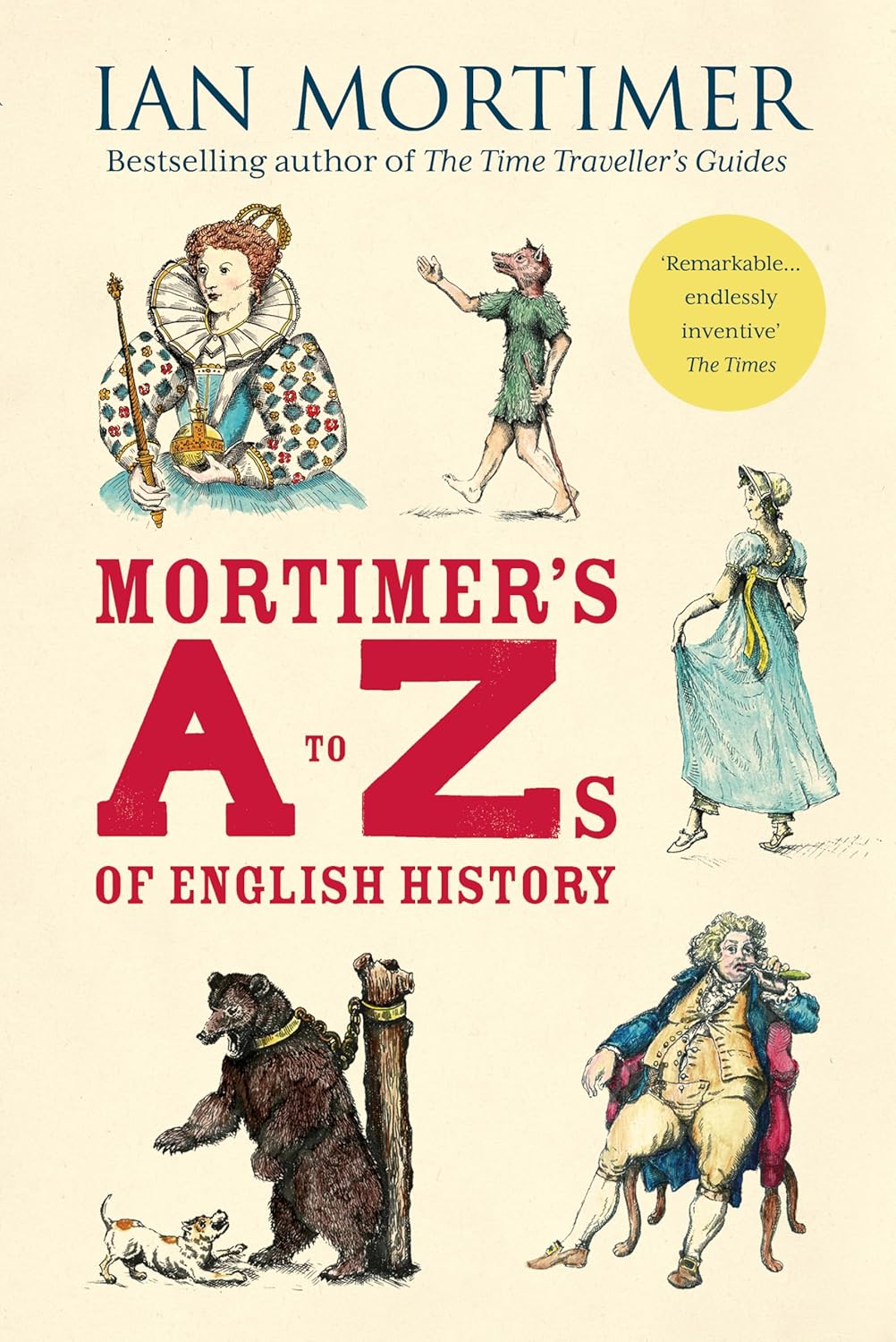
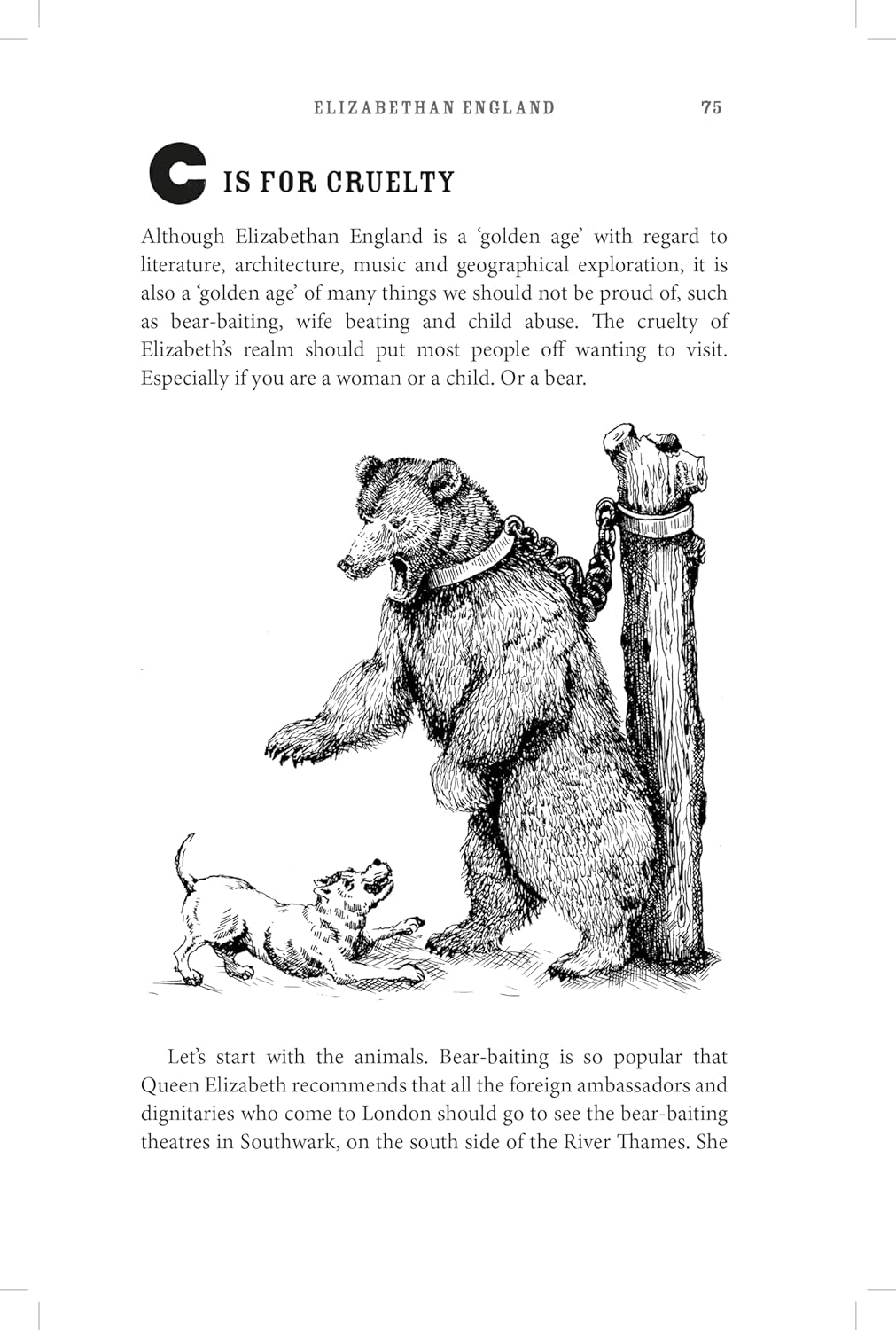
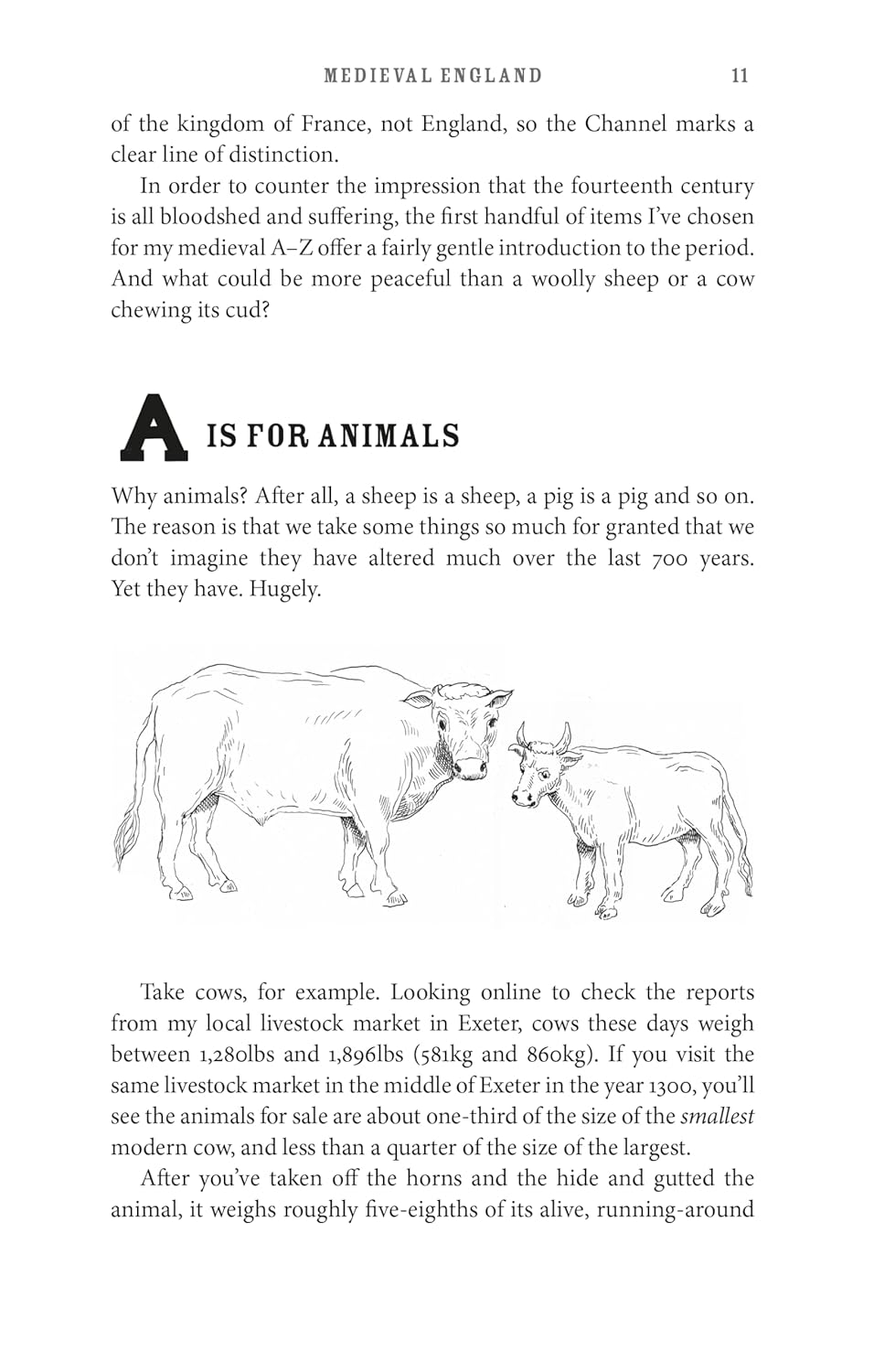

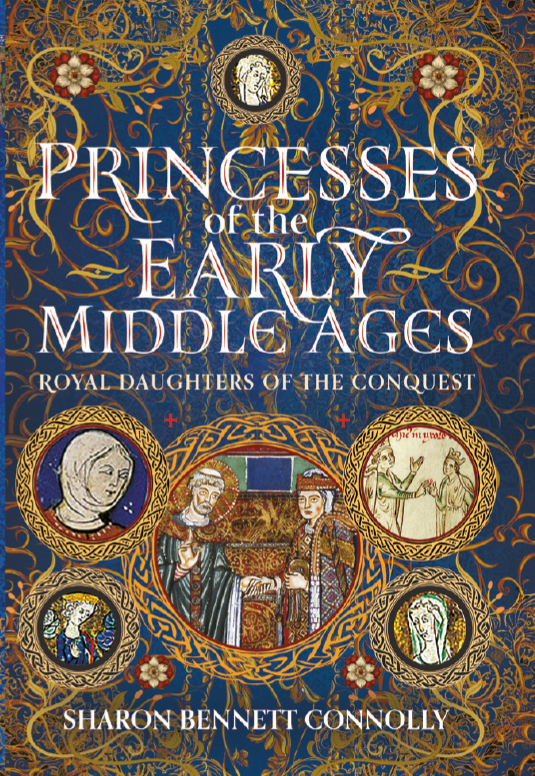

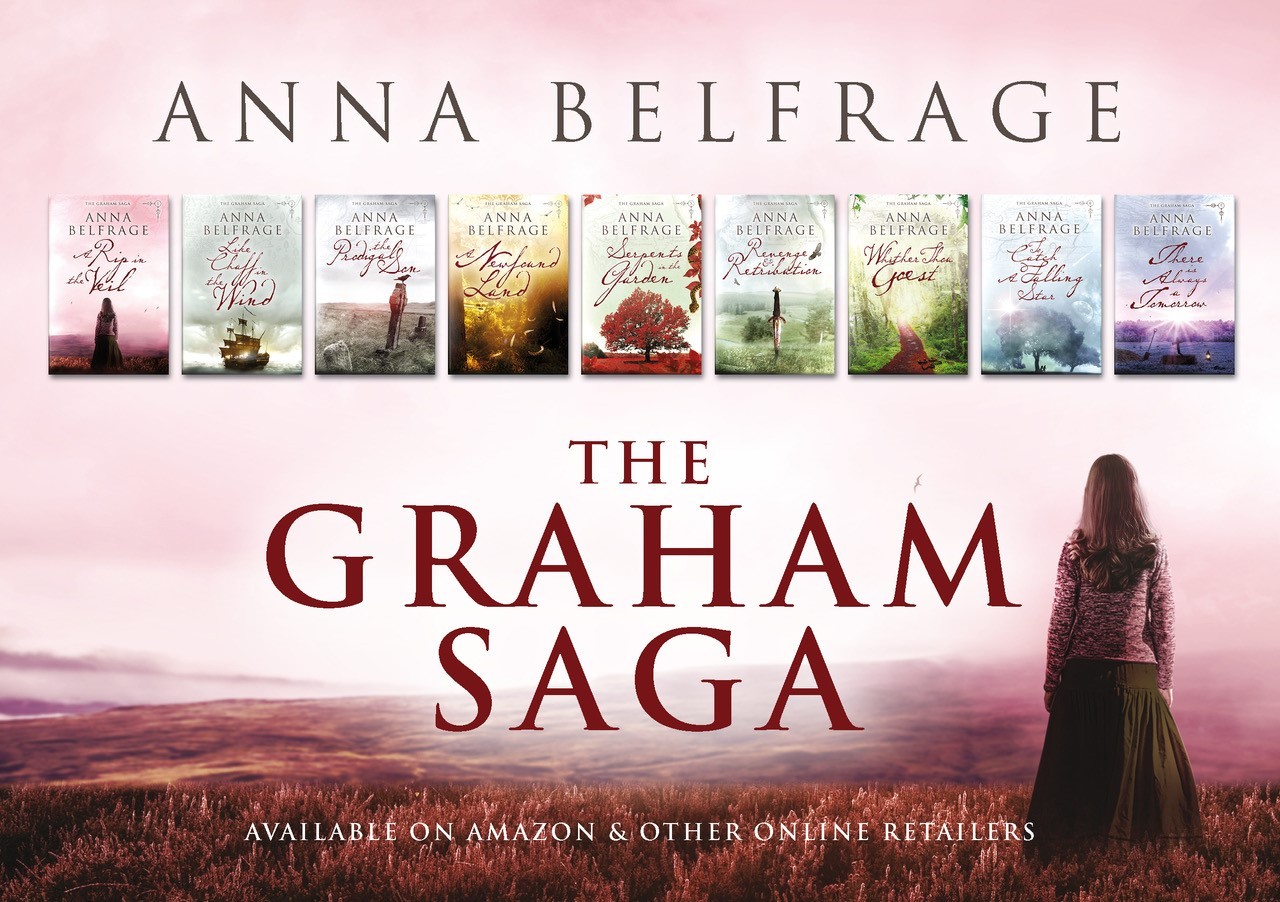
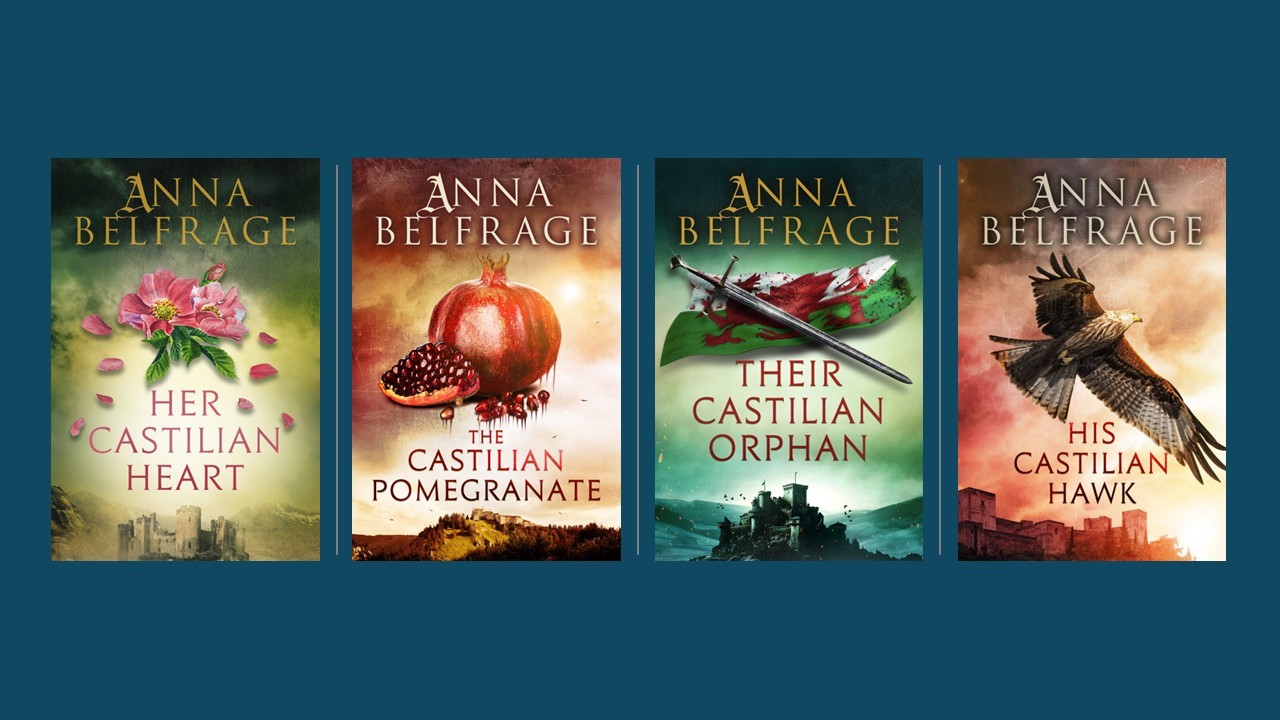
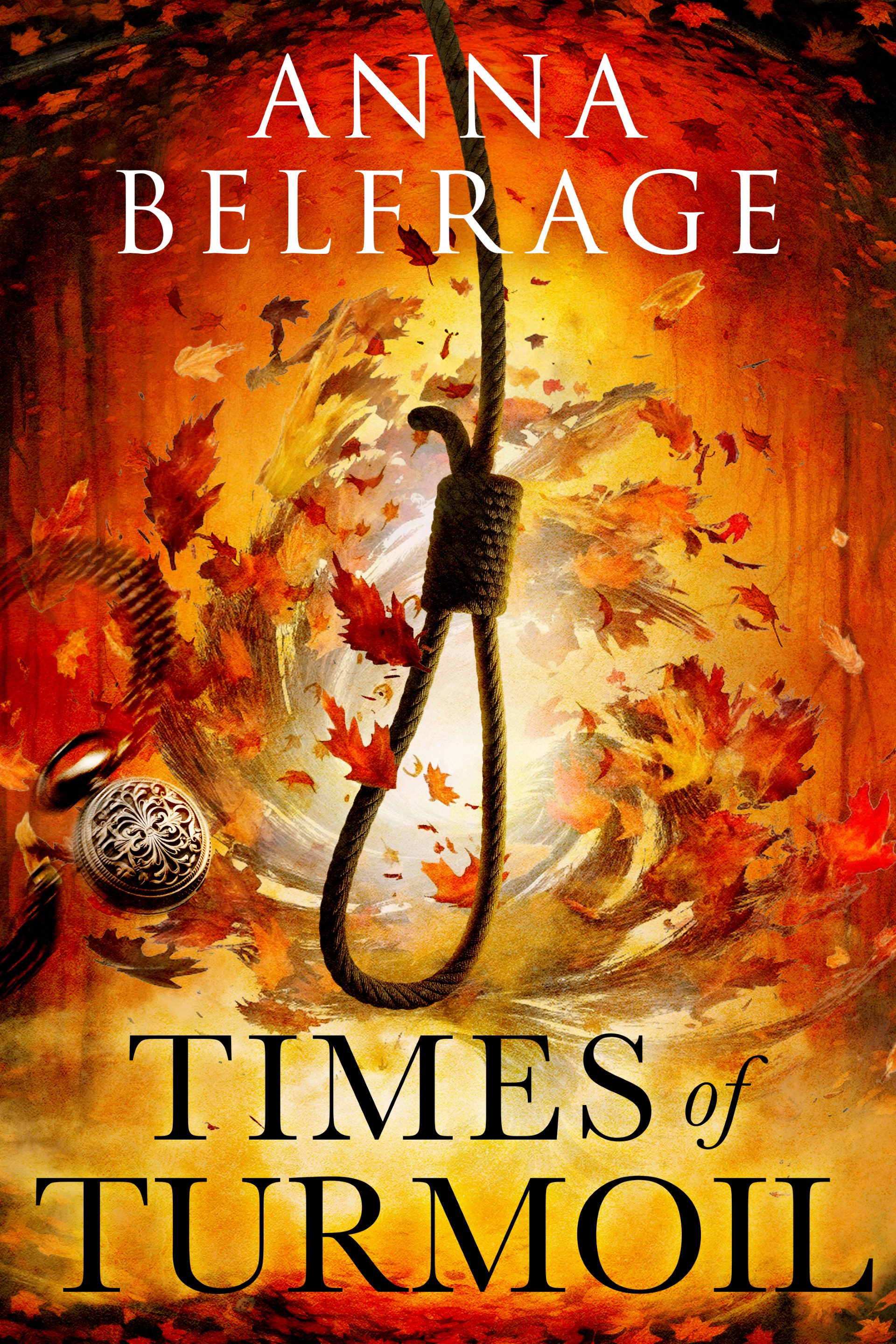
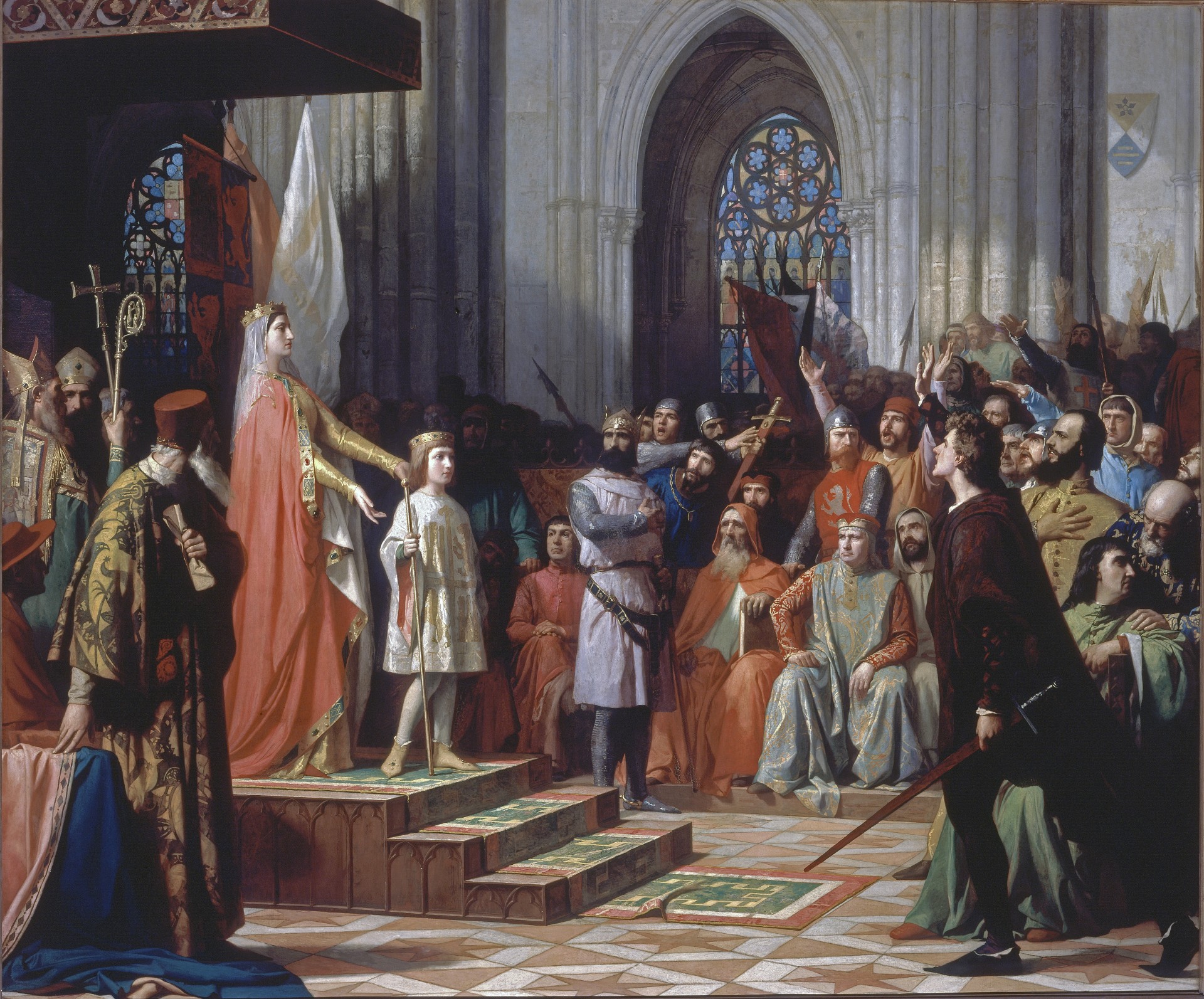
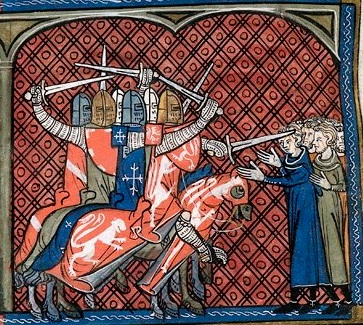
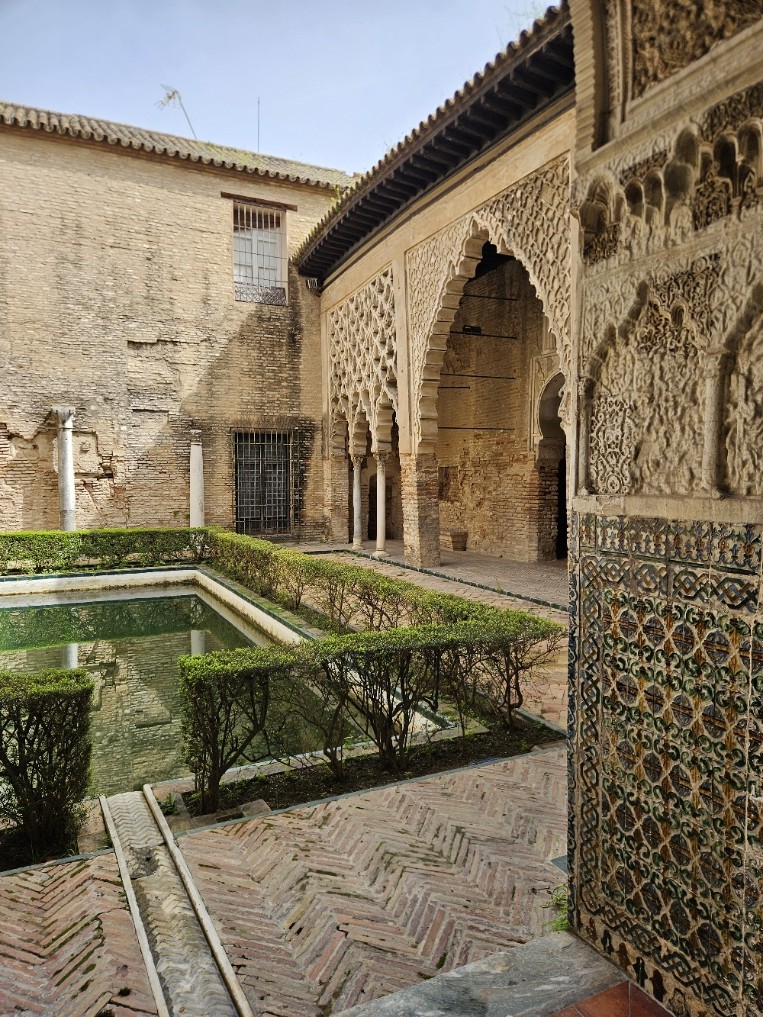

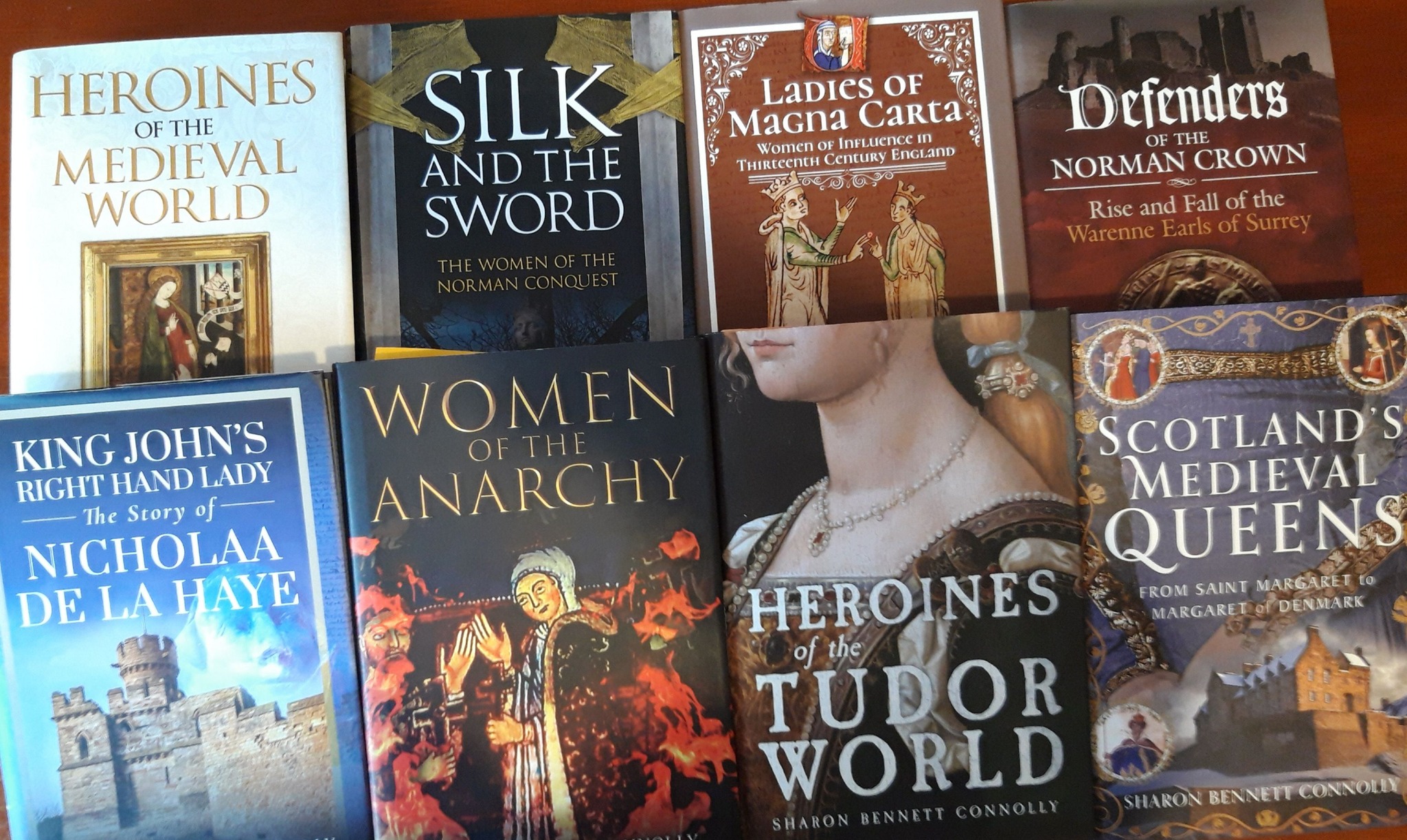


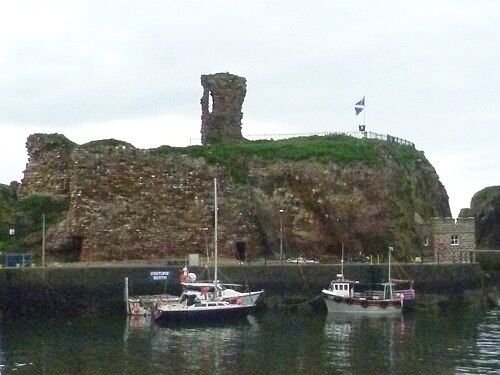
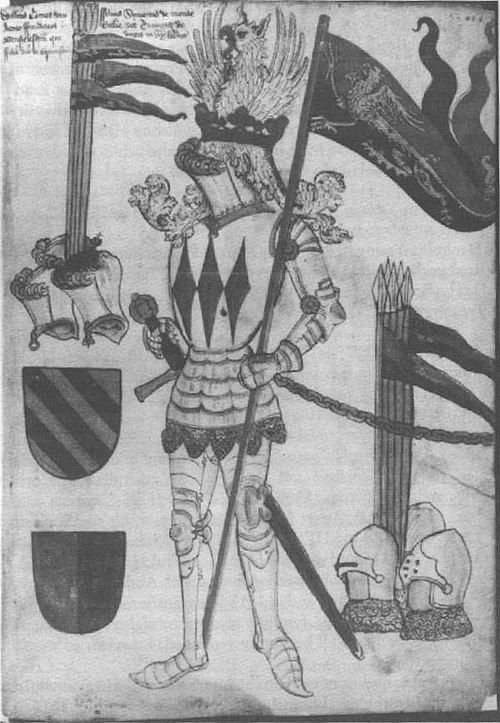
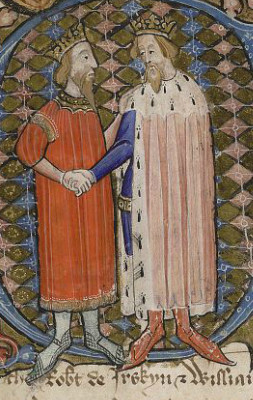




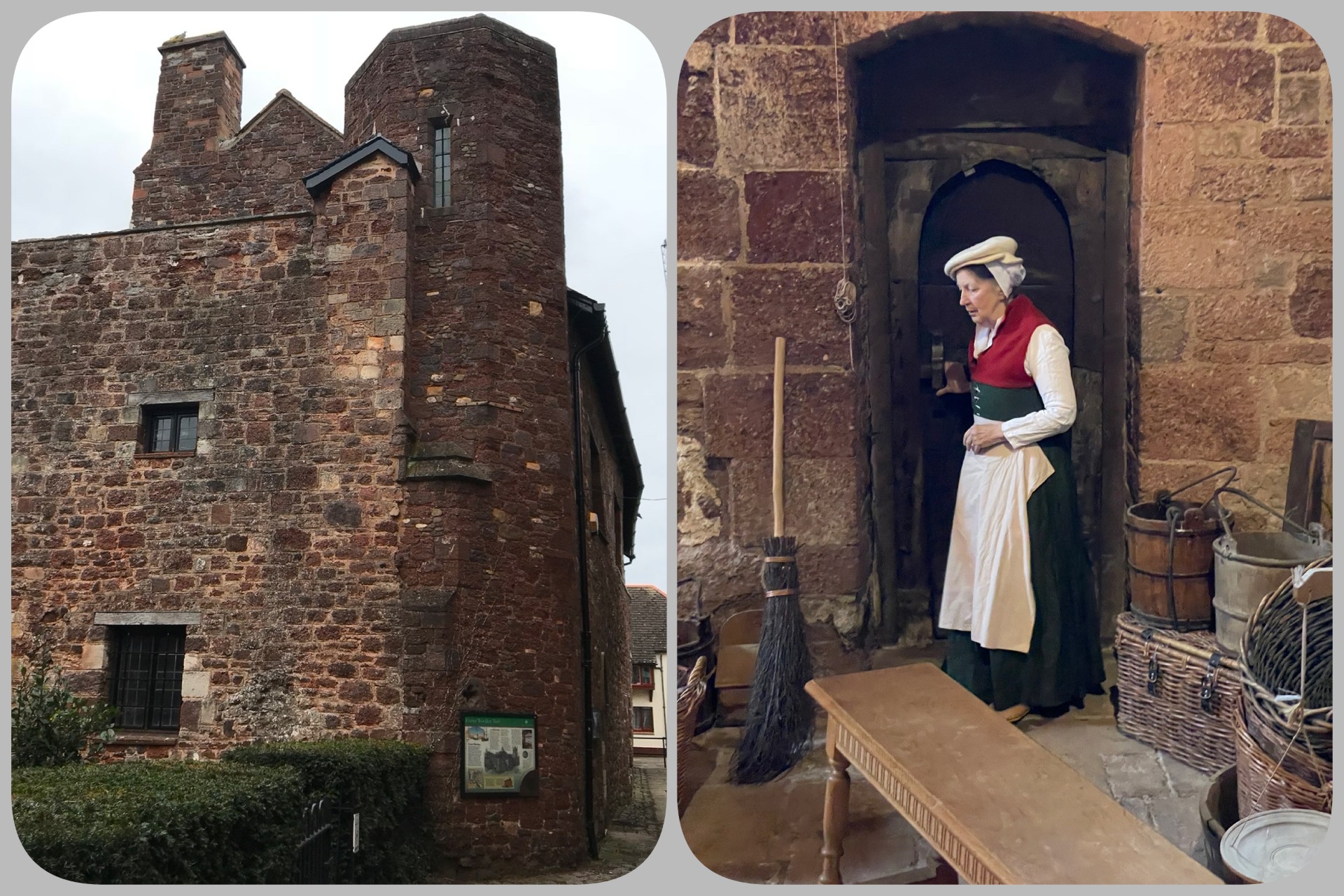
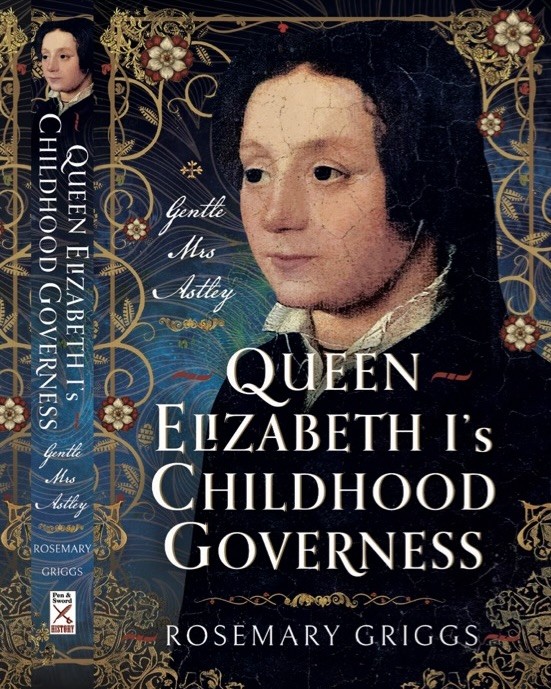
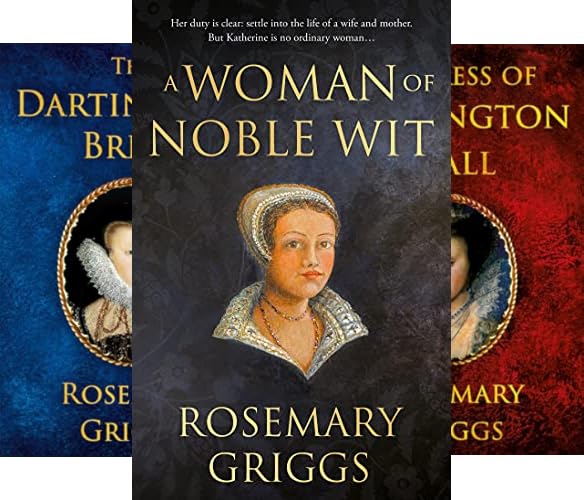


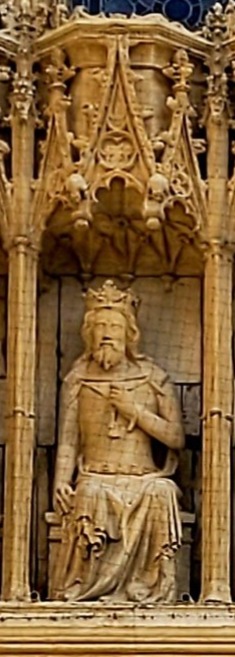
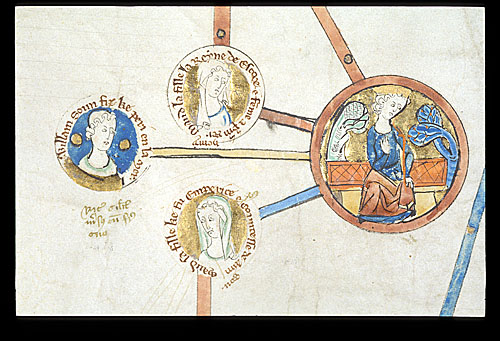
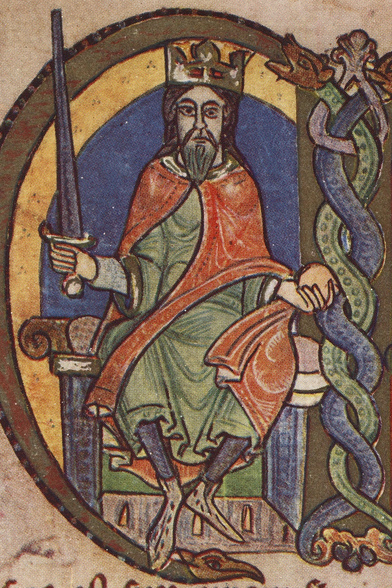
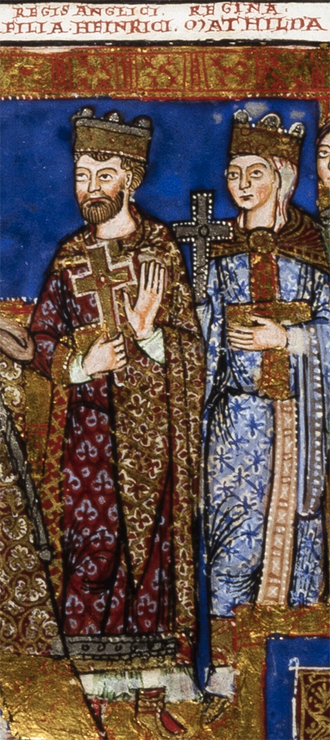
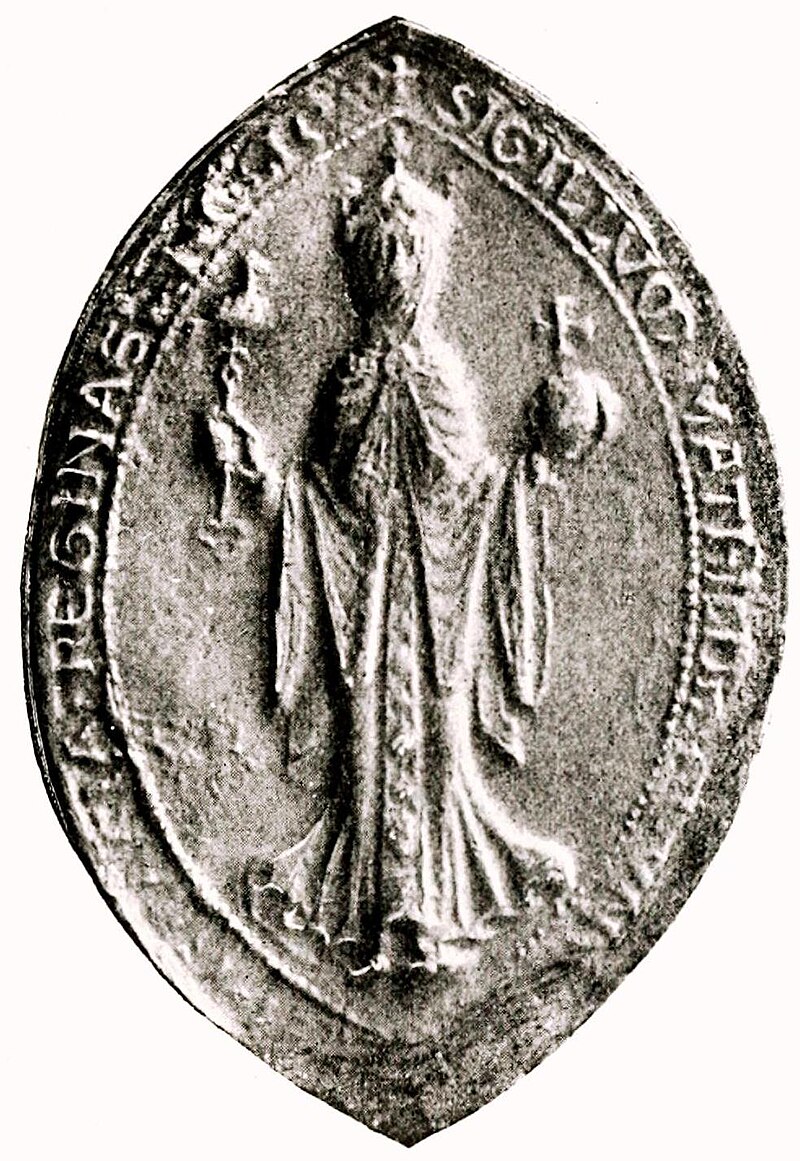
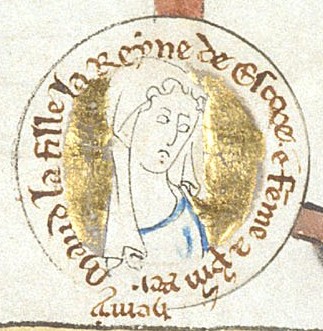


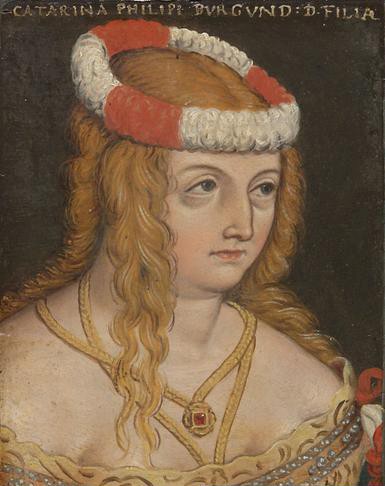
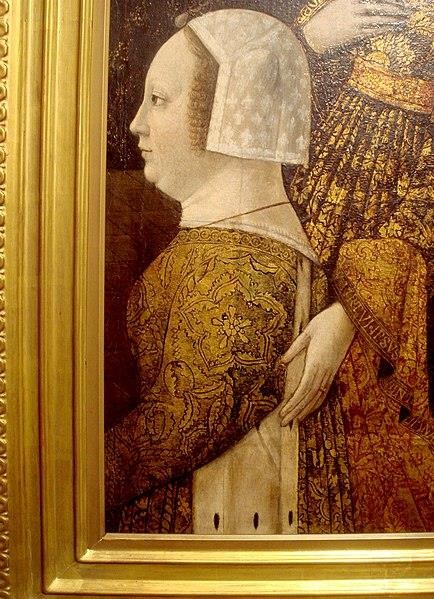
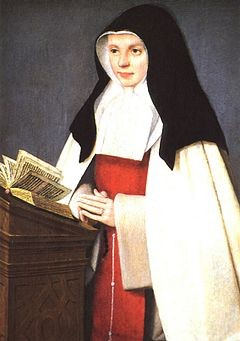



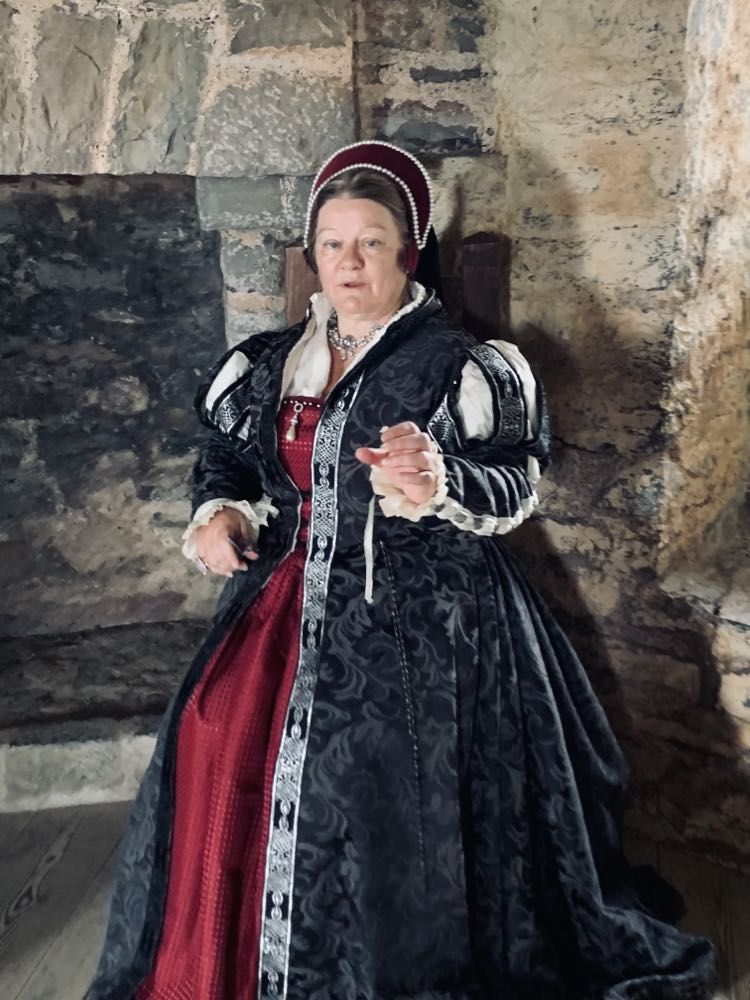


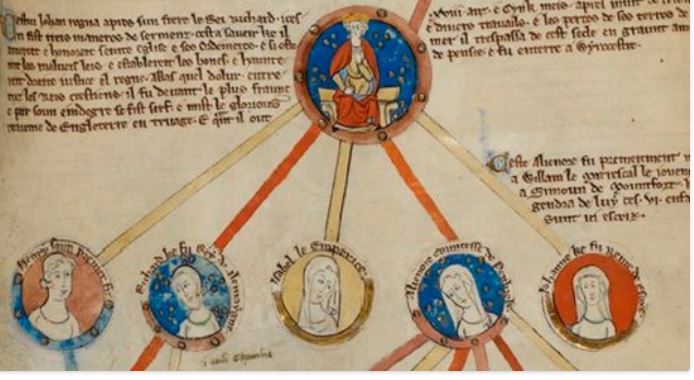
 History... the interesting bits!