Today marks the 375th anniversary of the Battle of Tippermuir and it is a pleasure to welcome author Mark Turnbull to History…the Interesting Bits with an article of the English Civil War battle. Over to Mark….
British Civil War cavalry (The English Civil War Society) Montrose only had three horses at the Battle of Tippermuir
Three hundred and seventy-five years ago a son of Scotland secured his first victory in the name of King Charles I. The Battle of Tippermuir produced the famous ‘highland charge’ as well as the legend of the Earl of Montrose, but a matter of days prior, it seemed like none of this could be borne from a few seeds of resistance.
When three Scotsmen crossed the border in August 1644, they did not look back. Carlisle Castle was barely visible; nothing more than a red-stoned pimple on the top of a hill in the distance. William Rollo was a horseman par-excellence, honed through being entirely lame. Colonel William Sibbald rode alongside Rollo, both ignoring the groom trailing behind and leading a spare horse.
The trio left an England riven apart by civil war. King Charles I and his Parliament had been battling it out for two years, but eight months ago, Scotland had stepped from the side-lines and thrown their bonnets into the ring with Parliament. Scotland’s army of covenanters had marched into England and just won a stunning victory outside of York. Sibbald and Rollo intended to assist the King by beginning a guerrilla war in their homeland to draw back the covenanter army.
British Civil War Pikemen. Montrose’s men were poorly armed and he suggested they take stones from the earth and bash the enemies’ brains out.
Sewn into the saddle of the riderless horse was King Charles’s commission and his royal standard; two instruments essential to the plan. The man entrusted with securing the nation and restoring their Scottish-born King’s authority, was none other than the pretended groom himself; James Graham, Earl of Montrose. One fact remained in keeping with his disguise – Montrose only had one measly horse to lead and just Sibbald and Rollo to assist him. However, Montrose was banking on the Earl of Antrim’s promise to assemble an army of twelve thousand Irishmen to serve the King. But this readymade army was delivered with missing components – it turned out to number only sixteen-hundred. Led by Alasdair MacColla, they landed on the west coast and headed east to Aberdeen, but finding no royalist support there, turned south, meeting Montrose, Sibbald and Rollo in Blair Athol.
The English Civil War Society. Montrose unfurled the King’s Royal Standard in August 1644 which saw many clans join him.
On 28 August 1644 Montrose unfurled the King’s standard. In answer, the Scottish Parliament conscripted local Stewarts, Robertsons and Grahams to put the insurgents down. Having discarded his groom’s garb, Montrose emerged from his chrysalis, donned highland dress and broadsword, and encouraged his men to insert strands of oats into their bonnets as a means of signifying their allegiance. Much success was harvested when the clans sent against Montrose actually joined him and boosted his numbers to two thousand. Yet his troops remained untrained, armed only with dirks and swords and with just three horses between them.
Montrose was well aware that their impetus could be scattered by even so much as a biting highland wind. He had to strike now, before his men melted away, and as such, he marched them to Perth, gathering a few hundred more recruits on the way. On 1 September 1644 at Tippermuir, Montrose met a covenanter army hastily sent by the Scottish Parliament under the command of Lord Elcho.
The two sides were relatively equal in numbers, but the covenanters possessed cavalry. Montrose placed McColla and his Irishmen in the centre, and promptly took his own position on the right wing, opposite the only experienced officer in the enemy army. Each of his men had ammunition for only a single gunshot, therefore it was imperative that every last one found their marks. Devastating it was then, when the covenanters sent skirmishers forward with the cry ‘Jesus and no quarter,’ to draw and expend royalist firepower. Nevertheless, the covenanter skirmishers were sent packing and pushed back to their own front lines. Montrose had thinned the troops on his army’s left and right to three-deep, and as a result these longer lines prevented any attempts to outflank him.
Montrose crossed into Scotland in August 1644 disguised as a groom, with only two other men. At one point it’s said that a man bid the groom, “Good Morning, my lord.”
To his troops, Montrose was characteristically honest, suggesting a novel way to counter their shortage of arms and ammunition; pick stones out of the ground, bash the enemy’s brains out and then seize theirs. Without his charisma, these words would have rung hollow, but his men heeded them like the gospels and he led them against the enemy cavalry throwing missiles, roaring and rampaging down the slope. This tirade of aggression and fervour sent the enemy horsemen fleeing from the field. Not used to such unbridled determination, the covenanters clattered through their own infantry and a rot began which ate through their entire resolve.
The furious highland charge proved its efficiency long before the days of Culloden, still one hundred years off. Tippermuir was Montrose’s first battle of many. The start of an immense cat and mouse chase with superior covenanter forces that would make him, in the words of The Montrose Society, one of Scotland’s most noble and militarily gifted leaders. Against all odds, this lifelong admirer of Alexander the Great would come tantalisingly close to securing the whole of Scotland for the King.
*
More about Mark: I became hooked on the English Civil War at the age of 10. We’d visited Helmsley Castle and my parents bought me a pack of ‘top trump’ cards featuring the monarchs of England. The minute I saw Van Dyck’s portrait of King Charles I at the hunt, I wanted to know more. The painting, costumes and the King’s image were fascinating and then turning over, I read how he was executed. I’d started trying to write stories at a young age (earliest was my own plot for a children’s television show called Thomas the Tank Engine!) so as my interest grew in the English Civil War, my interest in writing automatically seemed to go hand in hand.
The first civil war book I bought was Christopher Hibbert’s ‘Cavaliers and Roundheads’ and I decided that I also wanted to keep the history and its characters alive in writing, so eventually I began creating my own historical novel. I’ve made sure I have kept true to historical events and characters and ‘Allegiance of Blood’ is due out later this year.
It opens at Edgehill and follows a fictional character, Sir Francis Berkeley, whose life and family are turned upside down by the twists and turns of this momentous period. The story also features many historical characters along the way, allowing the reader a fly-on-the-wall view of the deadly allegiances that threaten Francis.
I’m also writing articles at the moment about various civil war battles, seeing as there are many 375th anniversaries coming up.
From Emma of Normandy, wife of both King Cnut and Æthelred II to Saint Margaret, a descendant of Alfred the Great himself, Silk and the Sword: the Women of the Norman Conquest traces the fortunes of the women who had a significant role to play in the momentous events of 1066. Available now from Amazon UK, Amberley Publishing,Book Depository and Amazon US.
Telling the stories of some of the most remarkable women from Medieval history, from Eleanor of Aquitaine to Julian of Norwich, Heroines of the Medieval World, is available now on kindle and in paperback in the UK from from both Amberley Publishing and Amazon, in the US from Amazon and worldwide from Book Depository.
*
You can be the first to read new articles by clicking the ‘Follow’ button, liking our Facebook page or joining me on Twitterand Instagram.
It is with great pleasure that I welcome author Margaret Skea to the blog today, talking about her latest book, Katharina: Fortitude, the history behind it and giving you a little teaser from the book itself.
As crazy ideas go, thinking of writing what
could best be described as a fictionalized biography of Katharina von Bora, the
escaped nun who married the reformer Martin Luther, ranked highly. It had popped into my head, seemingly from
nowhere, but once there, as crazy ideas so often do, it burrowed its way in so
far no amount of rational thinking would dislodge it.
There were plenty of good reasons not to write her story.
Reason 1. I knew almost nothing about her, and
it seemed that nobody else knew much about her either.
I did find a slim volume, of some 89 pages,
written by a native German within the Luther Foundation, Martin Treu, well
placed to have found any information there was to find. But the opening words were
hardly encouraging.
‘It is impossible to write a biography of Katharina von Bora. The scanty and often enough fragmentary nature of the evidence allows for only a biographical sketch…’ Hmm.
Katharina
Reason 2. I didn’t speak or read German, so whatever
‘fragmentary evidence’ existed, I couldn’t even read it for myself. Not the
best start.
Reason 3. I was in the middle of writing my
third Scottish novel, and there was a publisher waiting for it to be delivered,
so the timing wasn’t exactly ideal. However, the Luther 500 anniversary was
only just over one year away, so I knew if I was going to write about her it
had to be immediately.
And there she was, hovering at my shoulder,
shadowy and insubstantial, but refusing to go away. So the Scottish book set
aside, I began to plan how I could make this crazy idea a reality. I read and
re-read the 89 pages of the little book until I knew them almost by heart and
scoured every other source I could find (in English) that made any reference to
her at all. Treu had also set me a
challenge – he wrote:
‘The lacunae in the sources have tempted authors and authoresses to fill in the gaps with their own imagination.’
Well, yes, that is, after all, what historical fiction writers do. But he
went on:
‘The
result is frequently a picture that says more about the writer and their time
than about the person and journey through life of Katharina von Bora.’
Ah, that was different – I didn’t want to write about my time, or me, I wanted to write about her time and about her.
The Lutherhaus portal commissioned by Luther as a gift for Katharina
But pessimistic as he was about anyone’s
chances, I did find some wee nuggets in his book, and in others, that gave me a
starting point, despite that there is dispute over her parentage, her
birthplace, the circumstances surrounding her admission to two different
convents, and little direct evidence of her character. Retracing her steps in Saxony, which involved driving over 1000
miles, gave me a real sense of her environment, including the terrain she
travelled, the architecture, and artefacts, and many aspects of her life and
times. There were some surprises, too, particularly
in relation to Martin Luther and his almost modern attitude towards her, as
well as the discovery of many myths that needed to be dispelled. But perhaps
the biggest challenge was finding a ‘voice’ for her and so I began to write
snippets in 1st person present tense. And what started as a
preliminary experiment continued throughout both books and the story truly
became Katharina’s.
I hope I have done her justice and that readers will get as much enjoyment in reading as I found in writing it.
Here is the opening section as a wee
taster:
Chapter One
Wittenberg June 1525.
Martin Luther
The music stops, the sound of the fiddle dying away, the piper trailing a fraction behind, as he has done all evening. I cannot help but smile as I curtsy to Justus Jonas, his answering twinkle suggesting he shares my amusement.
‘Thank you, Frau Luther,’ and then, his smile wider, so that even before he continues I suspicion it isn’t the piping amuses him, ‘For a renegade nun, you dance well.’
It is on the tip of my tongue to respond with ‘ For a cleric, so do you,’ but I stop myself, aware that should I be overheard it would likely be considered inappropriate for any woman, far less a newly married one, to speak so to an older man, however good a friend he has been. And on this day of all days, I do not wish to invite censure. Instead I say, ‘I have been well taught. Barbara saw to that. She did not wish me to disgrace myself or her, and there is a pair of slippers with the soles worn through to testify to the hours of practice she insisted upon.’
‘She succeeded admirably then.’
All around us there is the buzz of laughter and chatter, an air of goodwill evident in every flushed face. Martin is waiting at the foot of the dais, and as we turn towards him, his smile of thanks to Justus is evidence he too is grateful for the seal of approval, of me and of the marriage, our shared dance a tangible sign to the whole town that Justus Jonas at least has no reservations regarding our union. Over his shoulder I catch Barbara’s eye and she nods also. I nod back, but am unable to suppress altogether the inner voice, tonight there is drink taken, tomorrow some may feel differently.
As if he can read my mind, Justus says, a new seriousness in his tone, ‘You have not made a mistake, either of you.’ He waves his hand at the folk clustered in groups along the length of the room. ‘Look around. When the difficult times come, as no doubt they will, remember tonight and the number of those who came to wish you well.’
* * *
The first challenge is not long in coming. We stroll home in the moonlight, accompanied by those guests who will spend the night in the cloister with us, adding their acceptance to our union. Among them are Martin’s parents, and three councillors from Mansfeld, snatches of their conversation penetrating my thoughts.
Hans Luder’s tone, though gruff, cannot mask his satisfaction. ‘It is a good day’s work, and glad I am to see it, however long the wait.’
Martin’s mother’s voice is sweet and low, but bubbles with amusement, like a sparkling wine as it is poured into a glass. ‘Old you may be, but I trust your end is not yet nigh.’
There is an answering chuckle from one of the councillors, ‘Indeed,’ Frau Luder, ‘So do we all.’
Lutherhaus
Hearing him, I tuck my arm into Martin’s, the momentary disagreement regarding Cardinal Albert’s gift forgotten, and look up at the myriad stars: pin-pricks of light in an ink-flooded sky, and my heart swells. Frau Luther – the spelling may be different, but the status is the same and a title to be proud of, and though our marriage is already two weeks old, it is the first time I have felt it truly mine. The music still rings in my ears, memory of the dancing, the coin in the chest: all symbols of the regard in which the doctor is held and in which I now share, spreading a warmth through me from the top of my head to the tip of my toes. Jusuts is right. This is not a mistake, or not on my part at least. And, pray God, he is right about Martin also. We part from the company at the door of our chamber, and the light from the oil lamp flickers on the bedspread Barbara Cranach gifted to us. It is the last thing I see before sleep, the first when I wake, a talisman-harbinger of good things to come.
About the author
Margaret Skea is an award-winning novelist and short story writer. Short story credits include Neil Gunn, Fish, the Historical Novel Society and Mslexia.
Growing up during the ‘Troubles in Northern Ireland it is perhaps inevitable that her writing often focuses on the pressures of living within conflict. Her debut novel Turn of the Tide, was the Historical Fiction winner in an Harper Collins-sponsored competition. It also gained her the Beryl Bainbridge Award for ‘Best First-Time Novelist 2014’.
Katharina: Deliverance, a fictionalised biography based on the early life of the reformer Martin Luther’s wife, was placed 2nd in the Historical Novel Society New Novel Award 2018.
The newly released, Katharina: Fortitude, is the powerful conclusion to Katharina’s story, but both books can easily be read as a stand-alone.
I would like to say a HUGE thank you to Margaret for such a fabulous post and wish her every success with Kathariana: Fortitude .
Kathariana: Fortitude came out 2 weeks ago and has been entered into the Kindle Storyteller Award. The competition opened in May, and yet Katharina is already at #65 out of over 5,000 entries. To be in with a chance of winning it needs to get into top 10. The book is currently on sale at 99p, so why not give it a go? I have! Just follow the link: https://books2read.com/u/4j11BX
From Emma of Normandy, wife of both King Cnut and Æthelred II to Saint Margaret, a descendant of Alfred the Great himself, Silk and the Sword: the Women of the Norman Conquest traces the fortunes of the women who had a significant role to play in the momentous events of 1066. Available now from Amazon UK, Amberley Publishing,Book Depository and Amazon US.
Telling the stories of some of the most remarkable women from Medieval history, from Eleanor of Aquitaine to Julian of Norwich, Heroines of the Medieval World, is available now on kindle and in paperback in the UK from from both Amberley Publishing and Amazon, in the US from Amazon and worldwide from Book Depository.
*
You can be the first to read new articles by clicking the ‘Follow’ button, liking our Facebook page or joining me on Twitterand Instagram.
Sometimes the most defiant ones exist only in the heart and mind.
The Defiler of Prilleand his hound are dead. With my marriage to the daughter of Bedic Sajen, our houses are united. After the birth of our daughter and heir to the throne, peace settles over Agrius once more.
But it’s a fragile peace.
As I work to restore the former glory of my inheritance, rumors of betrayal and treachery reach the throne, threatening to shatter everything I have worked hard to achieve.
When old enemies surface, the rumors become real. Disaster strikes, plunging me into a darkness I fear I cannot escape.
Many advisors step forward to help, but it’s never easy to determine friend from foe when it comes to the powers swirling around the throne.
Faced with the decision to stay true to my honor or to become like my father, a man I despised, the bonds of unity with forged with family and friends are tested.
To the point of breaking.
What compromises will I make to secure the future of my family and my kingdom?
Will I lose both myself and the ones I love in the process?
Follow my journey into darkness.
The King’s Furies by Stephanie Churchill is the third book in her wonderful historical fantasy series, Crowns of Destiny. Stephanie Churchill weaves a wonderful fantasy tale in an atmospheric, historic setting that beautifully draws the two genres together. The first two books in the series, The Scribe’s Daughterand The King’s Daughtertold the stories of Kassia and Irisa. The Scribe’s Daughter, the first book in the series, was one of my Top Ten novels of 2017.
The premise of the whole series, as a historical fantasy, is innovative, to say the least. It draws on the greatest stories in medieval history to build a world and a storyline that is refreshingly new and gripping from the very first word to the very last. The characters are wonderfully vivid, brought to life by an author who has an obvious knack for drawing on the deepest emotions to recreate unique and fascinating characters.
I tightened my hold on his tunic and twisted. His eyes widened in fear, his youth showing in the whites of them.
“Was it your job to get me away from the palace so I would not be here to protect her?” I felt a fleck of spittle land on my chin. Wimarc swallowed, shook his head then opened his mouth as if to speak, but I shouted, “Don’t even think about lying to me!”
“No! I knew nothing of what happened, I swear to you on my inheritance, may it rot in my father’s coffers if I do not tell the truth!”
I was about to respond when a shadow fell over us, and a hand pressed my shoulder. I gave a violent shrug, swinging around on the newcomer who jumped back, holding up his hands.
“Whoa! stay your hand! Casimir, it’s me, Wolf.”
A dim light of clarity broke through the mist of fury fogging my vision, and I hissed a breath between my teeth before bringing up a hand to rub my eyes. I kept my other hand twisted in Wimarc’s tunic.
“Just now, yes. And none too soon, it seems.” Wolf eyed Wimarc briefly before returning his attention to me. “How has this man displeased his king so that it requires summary judgement and execution?”
Wolf offered a mischievous smile, and I could not help but return my own, even if it lacked force.
Wimarc sensed the shift in the mood and jumped in. “Your Grace, I swear again that I knew nothing of the plan to take your daughter. I only wanted you to meet Jachamin. There was nothing sinister in my mind.”
….
With The King’s Furies Stephanie Churchill has brought the story in a full circle; while the first book concentrated on Kassia’s story and the second on Irisia’s, this book draws the two sisters back together to continue the story. This is an unparalleled adventure! The two sisters and their families have to face treachery and intrigue in order to find Irisa and Casimir’s missing daughter.
Stephanie Churchill masterfully recreates a medieval world in which kings and lords rule lands and their people. Betrayal is always just round the corner; as is death and destruction if the heroes fail. The lands recreated are described in vivid detail, from the landscapes to the people who occupy them, with their own peculiarities. The sights, sounds and smells draw the reader into the story as much as the characters and the plot lines.
The suspense is palpable as the lead protagonists come up with challenges few could overcome. The tension keeps the reader intrigued to the very end. The King’s Furies has all the elements of a gripping story; a great plot, sympathetic heroes and dastardly bad guys. And it is all beautifully executed to bring you a novel which is truly a pleasure to read.
And impossible to put down!
The King’s Furies is available on Amazon in the UK and the US from today.
*
From the author:
I grew up in the American Midwest, and after attending college in Iowa, moved to Washington, D.C. to work as an antitrust paralegal. When my husband and I got married, I moved to the Minneapolis metro area and found work as a corporate paralegal. While I enjoyed reading, writing was never anything that even crossed my mind. I enjoyed reading, but writing? That’s what authors did, and I wasn’t an author.
One day while on my lunch break, I visited the neighboring Barnes & Noble and happened upon a book by author Sharon Kay Penman. I’d never heard of her before, but it looked interested, and I bought the book. Immediately I become a rabid fan of her work.
In 2007, when Facebook was very quickly becoming “a thing”, I discovered that Ms. Penman had fan club and that she happened to interact there frequently. As a result of a casual comment she made about how writers generally don’t get detailed feedback from readers, I wrote her an embarrassingly long review of her latest book, Lionheart. As a result of that review, she asked me what would become the most life-changing question: “Have you ever thought about writing?” And The Scribe’s Daughter was born.
When I’m not writing or taxiing my two children to school or other activities, I’m likely walking Cozmo, our dog, or reading. The rest of my time is spent trying to survive the murderous intentions of Minnesota’s weather.
From Emma of Normandy, wife of both King Cnut and Æthelred II to Saint Margaret, a descendant of Alfred the Great himself, Silk and the Sword: the Women of the Norman Conquest traces the fortunes of the women who had a significant role to play in the momentous events of 1066. Available now from Amazon UK, Amberley Publishing,Book Depository and Amazon US.
Telling the stories of some of the most remarkable women from Medieval history, from Eleanor of Aquitaine to Julian of Norwich, Heroines of the Medieval World, is available now on kindle and in paperback in the UK from from both Amberley Publishing and Amazon, in the US from Amazon and worldwide from Book Depository.
*
You can be the first to read new articles by clicking the ‘Follow’ button, liking our Facebook page or joining me on Twitterand Instagram.
Take a romp through the long eighteenth-century in this collection of 25 short tales. Marvel at the Queen s Ass, gaze at the celestial heavens through the eyes of the past and be amazed by the equestrian feats of the Norwich Nymph. Journey to the debauched French court at Versailles, travel to Covent Garden and take your seat in a box at the theatre and, afterwards, join the mile-high club in a new-fangled hot air balloon. Meet actresses, whores and high-born ladies, politicians, inventors, royalty and criminals as we travel through the Georgian era in all its glorious and gruesome glory. In roughly chronological order, covering the reign of the four Georges, 1714-1830 and set within the framework of the main events of the era, these tales are accompanied by over 100 stunning colour illustrations.
I have to say that All Things Georgian: Tales from the long Eighteenth Century is one of the most beautiful books I have ever read. Crammed full of glossy, colourful paintings and photographs, it is impossible for the reader not to appreciate how aesthetically pleasing this book is. It is a pleasure to browse through, just to appreciate the gorgeous images scattered throughout the book.
Having said that, the images are not all this book has to offer. All Things Georgian: Tales from the long Eighteenth Century is co-written by Joanne Major and Sarah Murden and is replete with some of the best stories from the eighteenth century; scandals, love stories and mysteries fill the pages. The most amazing characters of the Georgian era complement the colourful photos; from Marie Antoinette to ‘Crazy Sally’, from coffee shop rivalries, to smuggling, female jockeys and intrepid balloon rides.
This book has stories to entertain everyone.
On the evening of 20 June 1791, Louis XVI and Marie Antoinette of France, together with their children and a handful of trusted attendants, made an ill-fated attempt to escape the revolutionary forces who were keeping them closely watched. The plan had taken many weeks to bring to fruition and the French queen, to whom it was inconceivable that she should survive without the everyday luxuries with which she was surrounded, had been engaged in smuggling various items to the safety of her sister in Brussels. AN infamous Scottish courtesan played a key role in one of these transactions, risking her life in Marie Antoinette’s service.
Grace Dalrymple Elliott, tall, willowy and stunningly beautiful, had gained her notoriety following a very public Criminal Conversation trial and divorce from her portly little husband, Dr (later Sir) John Eliot; Grace had been discovered in a Berkeley Row bagnio with her lover, the worthless Viscount Valentia who soon after discarded his mistress. The handsome Earl of Cholmondeley became her protector; tall and athletic, he was the perfect match for Grace, and the two made an attractive if slightly disreputable couple but, when a countess’s coronet was not forthcoming, Grace left for France and the arms of Louis XVI’s cousin, Louis Philippe Joseph, Duke d’ Orléans (later known as Philippe Egalité). A brief interlude back in London followed where grace bagged the affections of the young Prince of Wales and gained a permanent memento of her royal dalliance in the person of her daughter, Georgiana, who the future monarch privately – if not publicly – acknowledged as his child. The Earl of Cholmondeley became the child’s guardian and Grace, with an annuity from the royal purse, returned to her French duke, only to become trapped in Paris during the French Revolution. …
Sarah Murden and Joanne Major have done a wonderful job of recreating the Georgian world. The language is beautiful, the stories both exciting and entertaining; and scattered with just the right amount of famous and infamous people to make the reader go ‘ooh!’. The two authors are so in sync that it is impossible to discern which story is told by one of the writers and which by the other.
I usually read through books as quickly as possible, devouring them, so-to-speak. However, with All Things Georgian: Tales from the long Eighteenth Century I have taken my time, read only one or two of the fabulous stories at a time. Reading this book is a truly pleasurable experience, and I wanted to take my time and savour every moment.
All Things Georgian: Tales from the long Eighteenth Century by Joanne Major and Sarah Murden is a wonderful little treasure trove of stories and facts, brought to life in beautiful prose and accompanied by glorious images. Well researched and beautifully presented, it would be a stunning addition to any library – it even smells special!
All Things Georgian: Tales from the long Eighteenth Century is available from Amazon UK and US.
About the authors:
Joanne Major and Sarah Murden are supersleuthing historians who enjoy bringing the Georgian era to life. Their lives were changed forever when they (metaphorically) met an eighteenth-century courtesan, and this is now their fourth book together. Along with their respective families, they live in Lincolnshire.
From Emma of Normandy, wife of both King Cnut and Æthelred II to Saint Margaret, a descendant of Alfred the Great himself, Silk and the Sword: the Women of the Norman Conquest traces the fortunes of the women who had a significant role to play in the momentous events of 1066. Available now from Amazon UK, Amberley Publishing,Book Depository and Amazon US.
Telling the stories of some of the most remarkable women from Medieval history, Heroines of the Medieval World, is now available in hardback in the UK from Amazon UK, and in the US from Amazon US. It is available now in paperback in the UK from from both Amberley Publishing and Amazon and worldwide from Book Depository.
*
You can be the first to read new articles by clicking the ‘Follow’ button, liking our Facebook page or joining me on Twitter.
Orkney, 931: A young woman flees her home to secure a life for her unborn child. Eighteen years later, a witch foretells that she must lose him once more.
The subject of a Viking prophecy, it is Einar’s destiny to leave Iceland and fight his father – of whom only only one will survive.
As the clouds of war gather, he will fight unimaginable foes, forge new friendships, and discover what it truly means to be a warrior.
Not everyone will survive, but who will conquer all?
Odin’s Game by Tim Hodkinson is a wonderful, involved story, weaving a tale from the icy chill of Iceland to the dramatic landscape of Ireland, with a sojourn on the Orkneys in between. It tells the story of a young man’s journey to become a warrior, whilst uncovering the secrets of his parentage. It is not a straight forward journey. Fraught with danger, and the clash of two worlds and two religions, the Christian and the Norse gods, young Einar must fight for survival.
The characters are believable and wholly original. The reader is drawn into their troubles and finds themselves cheering on the ragtag crew that the hero, Einar, has found himself attached to. These are violent times, with war and intrigue being practically the norm. Betrayal is only ever just around the corner and it is a testament to the strength of the story in the the novel that the reader never quite knows from where the betrayal will come – nor from where the hero, Einar, will get his strength and support. Einar has to face a steep learning curve if he is to survive and prosper.
‘My mother’s Irish,’ Einar said. ‘When I was young, she used to tell me stories about it. I suppose ever since then I’ve had this notion of going there. She never talks about it now.’
Asmundarsson stopped his horse. Einar reined his own to a halt to avoid riding into the back of him. They had reached a wider part of the path where a long, flat rock stretched out, overhanging the precipice that dropped down to the icy waters of the tumbling river below.
‘Irish?’ The merchant whipped his head round and fixed Einar with a glare, his eyes narrowed. Einar was taken aback by this sudden change in demeanour. ‘I was told there’s a farm here run by an Irishwoman who works it all by herself.’
‘That’s my mother, Unn Kjartinsdottir,’ Einar said, his feelings of pride mixing with confusion and unease at the intensity with which the merchant was looking at him. ‘I help her, of course.’
To his further surprise, Asmundarsson’s expression changed again. His eyes widened and his jaw dropped open, making his mouth gape amid the grey hairs of his plaited beard.
‘It’s you …’ the merchant breathed.
As if from nowhere, mean appeared all round them. They scrambled up from behind rocks above the path. Several more jumped up on the path ahead. They wore iron helmets and their faces were masked behind helmet visors, they crouched behind the cover of round iron-bound shields. They bore spears.
Einar felt as if he was frozen. Fear and shock locked him to the saddle. His chest was so tight he could not breathe in.
‘It’s trouble, lad!’ Asmundarsson shouted, wheeling his horse to ride back the way they had come. There were other men close behind them and Einar realised they must have been waiting, hidden, for them to pass by then jumped out onto the path to block their escape. Asmundarsson could go nowhere.
The little details demonstrate the extent to which the author has obviously researched the history and customs of the Norsemen. Weapons and fighting techniques are as accurate as any I have read; as are the finer details of clothing, customs and the relationships between the Norwegians, Irish and the Icelanders. The result for the reader is a total immersion into the unfolding story. The landscape is just as absorbing as the characters in the novel. You can practically feel the cold seeping into your bones in Iceland; or the damp, harsh conditions of Ireland.
This is a thoroughly enjoyable story that will draw the reader in from the opening pages. One of the most unpredictable stories I have read in recent times, it will keep you on your toes, wondering what will happen next and whether any will get out alive. The tension is palpable!
If you enjoy a good, original story, full of action and intrigue, and a bag full of tension – this is the book for you!
Odin’s Game is a thoroughly enjoyable adventure, twisting and turning in unexpected ways as the story unfolds. And, like all good stories, the ending does not exactly turn out as the reader would guess, leaving you wanting more. I sincerely hope that this is the beginning of a wonderful series of adventures fro Einar and his companions. It was a delight to read every page.
About the Author
Tim Hodkinson grew up in
Northern Ireland where the rugged coast and call of the Atlantic ocean led to a
lifelong fascination with vikings and a degree in Medieval English and Old
Norse Literature. Apart from Old Norse sagas, Tim’s more recent writing heroes
include Ben Kane, Giles Kristian, Bernard Cornwell, George RR Martin and Lee
Child. After several years New Hampshire, USA, Tim has returned to Northern
Ireland, where he lives with his wife and children.
From Emma of Normandy, wife of both King Cnut and Æthelred II to Saint Margaret, a descendant of Alfred the Great himself, Silk and the Sword: the Women of the Norman Conquest traces the fortunes of the women who had a significant role to play in the momentous events of 1066. Available now from Amazon UK, Amberley Publishing,Book Depository and Amazon US.
Telling the stories of some of the most remarkable women from Medieval history, Heroines of the Medieval World, is now available in hardback in the UK from Amazon UK, and in the US from Amazon US. It is available now in paperback in the UK from from both Amberley Publishing and Amazon and worldwide from Book Depository.
*
You can be the first to read new articles by clicking the ‘Follow’ button, liking our Facebook page or joining me on Twitter.
Today Nicholaa de la Haye stopped by Derek Birks’ Dodging Arrows blog to talk about her career, King John and the times she lived in.
There is a giveaway! A signed copy of the paperback of Heroines of the Medieval World will go to one lucky winner. Simply leave a comment on Derek’s original post to get your name in the draw. Good luck!
In 1228, the monk, Hereticus, talks to Lady Nicholaa de Haye, one of the staunchest defenders of the king and his kingdom, at her manor at Swaton in Lincolnshire, as he gathers information for his forthcoming blockbuster chronicle: The Last days of King John…
A carving of Nicholaa de Haye in the grounds of Lincoln Castle
Lady Nicholaa, you’ve lived a very long life during a most turbulent period of our history, but when you inherited your father’s estates and became castellan of Lincoln castle in 1169, did you ever imagine what you would be required to do to keep your inheritance?
Well no, of course not. I assumed that I would marry, and the husband would do all the duties of the castellan, with me at the hearth, raising the children – and maybe overseeing the management of our own estates. That’s how it is for most women. I…
Today it is my stop on the Historical Writers’ Character Blog Hop, where we interview historical characters, both real and fictional. Watch out for Nicholaa de la Haye coming later in the tour!
And there’s a giveaway! the author has kindly offered a paperback copy of Echoes of Treason to a UK winner, or an ebook to a winner elsewhere in the world. To enter, simply leave a comment below or on the Facebook page. The draw will be made on 12 June. Good luck! Sorry, competition is now closesd!
I would like to welcome Lady Eleanor Elder to History…the Interesting Bits. Lady Eleanor is one of the principal characters in Derek Birks’ wonderful series of books, The Craft of Kings, the latest instalment of which, Echoes of Treason was released in May.Ever since I first read Feud, about 5 years ago, Lady Eleanor has become something of a heroine of mine. She has overcome many challenges and trials over Derek Birks’ 7 books and – so far – is still standing, if a little battered. She is a fighter, not out of choice, but out of necessity and an impressive survival instinct. She is a lady I am in awe of and so I was quite nervous to finally meet her!
Welcome Lady Eleanor, could you please tell our readers a little about yourself?
About myself? The hard ones first, eh? Well, I was born and not long after, my mother died. So she died before I knew her and later, when I was a lass growing up in the dale, those who did know her, never stopped telling me how like her I was. It didn’t sound like a compliment though… but by then I’d grown wild. I must have been about thirteen or so. I was wild and angry with everyone – except my only true friend, Becky Standlake.
What would you like to have been in your life, if you have not been caught up in the wars between Lancaster and York? Would you have made a good nun?
A nun? I see you try to provoke me with your questions!
(Sorry, Lady Eleanor, but my tongue was very firmly in my cheek!)
Well, of course, I was destined for marriage – or so my father kept saying – only no man would have me! By the time I was fifteen, my father had given up on me, I think… but by then I’d discovered what boys were really for and I fell in love with Will Coster, my brother Ned’s closest companion. Will was a commoner, but I didn’t care – still, we kept it to ourselves – even kept it from Ned. Then… we all descended into hell. All the rules changed when I was taken by force to a nunnery, aye, a nunnery! I tried to resist but in the end, I just had to bide my time. So, would I be a nun? Well, I’ve tried it and let’s just say, it did not go well…
What is your favourite thing to do?
When I was younger, I loved to roam the dales with
Becky. There was a pool, fed by the hillside becks and ice cold even in summer.
We’d swim naked in that pool and lie, shameless, on the large rocks to dry off
in the sun. When war came, I lost that innocence; and it never, ever came back.
At first I wanted nothing more than to fight for those I loved, but one by one,
those I loved were stripped away… Now, what do I prize above all? I just want
some peace…
You have become quite a role model for women, always fighting your corner, what is the advice you would give to any woman, in any era, who finds herself in a situation where she feels powerless?
Aye, a woman in the world of men can often feel weak and powerless. The crown, the law, the church, all their rules are made by men. What can a woman do against such odds? Well, she must learn to fight, but it’s not always about a sharp blade – by the Virgin, it’s taken me all my life to understand that! There are many other weapons a woman has, for what are men but boys full-grown? It’s not those full-grown boys that make you weak; it’s your own fear. You must have spirit for it’s what lies in your heart that matters. Spirit is everything…
Would you prefer to live in a castle or on a farm, city or country?
I don’t care where I am – though I can’t say I care
much for the stench of the town. All that matters to me is who I’m with.
If you could live in any historical period, when would it be?
Eleanor Elder always lives in the present…
Echoes of Treason opened with you living in exile in Spain, what did you miss most about England while in exile?
My son, my nephew and the rest of my kin… that’s
all I missed – though a little more coin would have helped…
Who is your favourite king, Richard III or Edward IV?
Edward IV was a charmer, I’m told, though I don’t
think I ever met him; my brother Ned knew him well, liked him and served him
well. England needed Edward, I think, but what a world of blood he brought down
upon us. I met Gloucester when he was about 18 – he was full of himself and I
can’t say I liked him much, and now he is the cause of my nephew, John’s
troubles, so he is my enemy and I don’t ever forgive my enemies…
What achievement are you most proud of?
Proud? I take no pride from anything I’ve done. In a time of blood, I’ve survived and to do so, I’ve taken lives. I will do it again if I must… and let God judge me as he wishes.
You have lived a rather adventurous life, do you have any regrets?
Right now, no; but, if I live to be old, I expect
to be haunted by countless regrets and when I die, I’ve no doubt that I’ll
dwell in purgatory for a very, very long time… Because my passions have always ruled
me – for good or ill – and, being swift to act, I’ve made many mistakes in my
life: I’ve misjudged some folk and caused their ruin. But, most of all, I
regret that many of those who dared to love me and tried to help me, died
because of their love. Yet, anything I’ve done – however terrible – if it
helped to save my loved ones, I don’t regret that for an instant. I would do it
all again.
What is your greatest fear?
I fear not being able to protect those I love and keep them safe. But I discovered, only in the past few years, that there is one thing in all Christendom that truly terrifies me – but I’m not telling you that!
Lady Eleanor, it has been a pleasure to finally meet you. Thank you so much for taking the time to talk with me. I wish you the best of luck for Book 4.
Follow the Blog Hop
Wednesday 5 June Jen Black interviews courageous, Byrhtnoth, of the Byrhtnoth Chronicles by Christine Hancock.
About the Author
Derek Birks
Derek Birks was born in Hampshire in England but spent his teenage years in Auckland, New Zealand where he still has strong family ties. For many years he taught history in a secondary school in Berkshire but took early retirement several years ago to concentrate on his writing. Apart from writing, he spends his time gardening, travelling, walking and taking part in archaeological digs at a Roman villa.
Derek is interested in a wide range of historical themes but his particular favourite is the later Medieval period. He aims to write action-packed fiction which is rooted in accurate history. His debut historical novel, Feud, is set in the period of the Wars of the Roses and is the first of a four-book series entitled Rebels & Brothers which follows the fortunes of the fictional Elder family. The other books of the series are (in order): A Traitor’s Fate, Kingdom of Rebels and The Last Shroud.
The first 3 book of a brand new series, Scars From the Past, are now available in both kindle and paperback and are on Amazon in the UK and US. You can find Derek at; Amazon Blog Facebook Twitter
And look out for Nicholaa de la Haye dropping by Derek Birks’ blog, Dodging Arrows, for to chat on 22 June.
From Emma of Normandy, wife of both King Cnut and Æthelred II to Saint Margaret, a descendant of Alfred the Great himself, Silk and the Sword: the Women of the Norman Conquest traces the fortunes of the women who had a significant role to play in the momentous events of 1066. Available now from Amazon UK, Amberley Publishing,Book Depository and Amazon US.
Telling the stories of some of the most remarkable women from Medieval history, Heroines of the Medieval World, is now available in hardback in the UK from Amazon UK, and in the US from Amazon US. It is available now in paperback in the UK from from both Amberley Publishing and Amazon and worldwide from Book Depository.
*
You can be the first to read new articles by clicking the ‘Follow’ button, liking our Facebook page or joining me on Twitter.
Gwenllian was the only child of Llywelyn ab Gruffuddd, also known as Llywelyn the Last, Prince of Wales. Her mother was Eleanor de Montfort, who was the daughter of Eleanor of England, sister of Henry III, and Simon de Montfort, Earl of Leicester. Llywelyn and Eleanor had married in Worcester Cathedral in October 1278, in a lavish ceremony attended by Edward I, King of England, and Alexander III, King of Scots.
Memorial to Gwenllian, Sempringham, Lincolnshire
Gwenllian, a descendant of both Welsh and English royalty, was born in June 1282 at the palace of Garth Celyn, Abergwyngregyn, near Bangor; her mother died giving birth to her. Shortly after her birth, Edward I concluded his conquest of Wales. Gwenllian’s father, Llywelyn, was killed in an ambush on 11 December 1282 – and just six months after her birth, Gwenllian was an orphan. Her uncle Dafydd, Llywelyn’s younger brother, became the little princess’s legal guardian. After his brother’s death, Dafydd continued the fight for Welsh independence but was betrayed to the English, in June 1283.
Dafydd, his wife, children and little Gwenllian were captured at Bera Mountain in Snowdonia, where they had been in hiding. At just one year old, Gwenllian was taken, by sea, probably to thwart any attempt at rescue, from Wales, the land of her birth. She would never see her homeland again. The baby girl was placed behind the high walls of the Gilbertine priory of Sempringham, in Lincolnshire, just south of the great city of Lincoln. Her female cousins, the seven daughters of Dafydd, were also placed in various nunneries, so it is possible some of her cousins were with her. Dafydd’s legitimate daughter, Gwladus, who was a similar age to Gwenllian, was placed in Sixhills, another Gilbertine priory, in the Lincolnshire Wolds.
Statue of Gwenllian’s father, Llywelyn the Last at Cardiff City Hall
Dafydd’s two sons, Llywelyn and Owain, were imprisoned in Bristol Castle; the eldest, Llywelyn, died there in 1287, just four years after his capture. Owain was still living in 1325, every night securely incarcerated in a specially constructed timber cage within Bristol Castle. Dafydd himself suffered the horrendous ‘traitor’s death’; he was hung, drawn and quartered at Shrewsbury.
The Gilbertines were the only wholly-English monastic community. Their founder, St Gilbert, had some form of physical deformity, which prevented him from pursuing a career as a knight. He trained as a clerk in France, studying under Master Anselm at Laon. He eventually entered the household of the Bishop of Lincoln and, in 1129, was appointed Vicar of Sempringham and West Torrington. He established the first priory there in 1131, with seven local women vowing to live a life of chastity, poverty and obedience. Sempringham Priory was a double-house, housing both men and women in segregated quarters.
At its height, the priory housed 200 nuns and forty canons. The order followed strict rules, based on those of the Augustinian and Premonstratensian monasteries. By the time of Gilbert’s death in 1189 there were thirteen priories in England; this number had risen to twenty-five at the time of the Reformation.1
Gwenllian was a prisoner at the Gilbertine Priory of St Mary, at Sempringham, for the rest of her life. A prisoner of three English kings, Edward I, Edward II and Edward III, she was a rallying figure for the subjugated Welsh and too valuable to ever be freed. Edward I wrote to the Prior and Prioress of Sempringham of his decision to place Gwenllian in their custody, on 11 November 1283: ‘… Having the Lord before our eyes, pitying also her sex and her age, that the innocent may not seem to atone for the iniquity and ill-doing of the wicked and contemplating especially the life in your Order’.2
Memorial plaque to Gwenllian on the memorial at Sempringham
Although Edward wanted Gwenllian to be forgotten, he could not afford to forget about her himself, and four years after she was placed in the convent, Edward ordered Thomas Normanvill to ‘go to the places where the daughters of Llewellyn and of David his brother, who have taken the veil in the Order of Sempringham, are dwelling, and to report upon their state and custody by next Parliament’.3 The extent of Gwenllian’s knowledge of her own history and homeland is far from certain. Having been taken from Wales at six months old, she is said not to have spoken a word of Welsh and may not have even known how to spell her name; she is referred to as ‘Wencillian’, in a document sent to Edward III at the time of her death, although spelling was far from uniform in the 14th century.
Gwenllian was probably well-cared for. Edward III endowed her with a pension of £20 a year, which was paid to the priory for her food and clothing. Whether Gwenllian was treated according to her rank at the priory is unknown. However, she was aware of her importance and her family connections; as David Pilling points out and she does in fact call herself Princess of Wales, daughter of Llywelyn ap Gruffudd in a petition of 1327 to Edward II:
Wentliane, daughter of Lewelyn [Llywelyn], formerly Prince of Wales, prays the King of his grace to remember her and aid her, since the King, his father, promised her when she was put in the house of Sempringham, £100 of land and rent; whereof he told Walter de Langeton, then Treasurer, that he had given her £20 from the Exchequer yearly; and with this she has been provided.4
She is said to have received gifts from her cousin the king, and may have spent time in Edward III’s company, when he visited the priory at Easter-time in 1328; the young king issued a charter from Sempringham on 2 April of that year.5
St Andrew’s Church, Sempringham stands close to the site of the Gilbertine priory of Sempringham
Gwenllian may also have spent time in the company of Joan Mortimer, the daughter of Roger Mortimer, supposed lover of Isabelle of France, Edward III’s mother, and ruler of England after the deposition of her huusband, Edward II. Joan was held at Sempringham following her father’s downfall in 1330. She was only eighteen at the time, however, so may have had little in common, beyond their joint status as prisoners of the crown, with Gwenllian, who was a woman now in her late forties who had spent her entire life in conventual seclusion. The profound difference between Joan and Gwenllian, of course, is that Joan was released after a short time.
Gwenllian only found her freedom in death. She died on 7 June 1337, the same month as her fifty-fifth birthday. She was buried at the priory where she had spent all but eighteen months of her life. Her grave was lost at the time of the dissolution of the monasteries, in the 16th century. However, a memorial plaque was placed near St Andrew’s Church in Sempringham in 1993, stating:
In memory of Gwenllian, daughter of the last Prince of Wales. Born at Abergwyngregyn 12.06.1282. Died at Sempringham 7.6.1337. Having been held prisoner for 54 years.6
Although she left very few marks on the world, a child whose very future was stolen by Edward I, Gwenllian’s remarkable story has not been forgotten. In 2009 a mountain in Snowdonia in Wales, formerly known as Carnedd Uchaf, was renamed Carnedd Gwenllian in the lost princess’s honour.
Footnotes: [1] David Ross, editor, Sempringham Priory, Church and Holy Well, britainexpress.com; [2] englishmonarchs.co.uk; [3] ibid; [4] William Rees, Calendar of Ancient Petitions Relating to Wales [5] Calendar of the Charter Rolls. 1-14, Edward III; [6] The Princess Gwenllian Society, Princessgwenllian.co.uk
Sources: castlewales.com; snowdoniaheritage.info; William Rees, Calendar of Ancient Petitions Relating to Wales; Marc Morris A Great and Terrible King;David Williamson Brewer’s British royalty; Mike Ashley The Mammoth Book of British kings & Queens; Alison Weir Britain’s Royal Families; Roy Strong The Story of Britain; Dan Jones The Plantagenets; the Kings who Made England; Chronicles of the Age of Chivalry Edited by Elizabeth Hallam; The Oxford Companion to British History; The History Today Companion to British History; Derek Wilson The Plantagenets; britainexpress.com; englishmonarchs.co.uk; princessgwenllian.co.uk; Calendar of the Charter Rolls; David Pilling.
Signed, dedicated copies of all my books are available through my online store.
Out now: Scotland’s Medieval Queens
Scotland’s history is dramatic, violent and bloody. Being England’s northern neighbour has never been easy. Scotland’s queens have had to deal with war, murder, imprisonment, political rivalries and open betrayal. They have loved and lost, raised kings and queens, ruled and died for Scotland. From St Margaret, who became one of the patron saints of Scotland, to Elizabeth de Burgh and the dramatic story of the Scottish Wars of Independence, to the love story and tragedy of Joan Beaufort, to Margaret of Denmark and the dawn of the Renaissance, Scotland’s Medieval Queens have seen it all. This is the story of Scotland through their eyes.
‘Scotland’s Medieval Queens gives a thorough grounding in the history of the women who ruled Scotland at the side of its kings, often in the shadows, but just as interesting in their lives beyond the spotlight. It’s not a subject that has been widely covered, and Sharon is a pioneer in bringing that information into accessible history.’ Elizabeth Chadwick (New York Times bestselling author)
Heroines of the Tudor World tells the stories of the most remarkable women from European history in the time of the Tudor dynasty, 1485-1603. These are the women who ruled, the women who founded dynasties, the women who fought for religious freedom, their families and love. Heroines of the Tudor World is now available from Amberley Publishing and Amazon UK.Women of the Anarchy demonstrates how Empress Matilda and Matilda of Boulogne, unable to wield a sword themselves, were prime movers in this time of conflict and lawlessness. It shows how their strengths, weaknesses, and personal ambitions swung the fortunes of war one way – and then the other. Available from Bookshop.org, Amberley Publishing and Amazon UK. King John’s Right-Hand Lady: The Story of Nicholaa de la Haye is the story of a truly remarkable lady, the hereditary constable of Lincoln Castle and the first woman in England to be appointed sheriff in her own right. Available from all good bookshops Pen & Sword Books, bookshop.org and Amazon.
Alternate Endings: An anthology of historical fiction short stories including Long Live the King… which is my take what might have happened had King John not died in October 1216. Available in paperback and kindle from Amazon.
Podcast:
Have a listen to theA Slice of Medieval podcast, which I co-host with Historical fiction novelist Derek Birks. Derek and I welcome guests, such as Bernard Cornwell and Michael Jecks, and discuss a wide range of topics in medieval history, from significant events to the personalities involved. Every episode is also now available on YouTube.
*
Don’t forget!Signed and dedicated copies of all my books are available through my online bookshop.
For forthcoming online and in-person talks, please check out my Events Page.
It is autumn 1483 and Richard III is king of England, but rumours about the fate of his nephews are rife and dissent is beginning to grow. Waiting in Brittany, is the exiled Lancastrian heir to the throne, Henry Tudor, who senses that his moment has come. Henry’s mother, Lady Margaret Stanley, plots to restore her son’s fortunes with a series of revolts against King Richard.
After the disastrous events of the summer, the embattled Elder family is scattered and in hiding. The outlawed head of the family, John, has escaped to Flanders along with a few loyal comrades, his sister, Meg, and his lover, Isabel. But the Elders will not be left to lick their wounds for long, because William Catesby, influential servant of King Richard, has made it his mission to destroy them.
When Lady Stanley tries to draw the Elders into the Tudor rebellion, John must decide whether he can cast aside his long-held Yorkist loyalties. Should he join Henry Tudor under the banner of St. George and the dragon of Wales?
It is the devil’s choice: poverty and a life in exile, or the slim chance of returning home by the fickle path of treason.
The first thing I have to say about Echoes of Treason by Derek Birks is wow! Not just for the story, but for such a stunning book cover!
I have been a fan of Derek Birks’ work since his first book, Feud, introduced us to the Elder family in 2013. The first 4-book series, Rebel and Brothers was a refreshing new take on the Wars of the Roses era, combining national politics and war with the Elder family’s own challenges and enemies.
Echoes of Treason is the 3rd book in Derek Birks’ wonderful new series, The Craft of Kings, set during the reign of King Richard III, and following the younger generation of the Elder family, once again caught up in England’s drama. As with all Derek’s books, Echoes of Treason takes you on a fast-paced journey through medieval history, every page crammed with action and intrigue. This time we journey from Flanders to Brittany and on to England, coming face to face with enemies both old and new.
With her attention on the stall, Meg barely noticed the young woman who suddenly lurched forward and stumbled heavily into Isabel, knocking her to the ground. Torn between helping Isabel up and berating the clumsy woman who had come to rest at the feet of Thomas, Meg hesitated. Her eyes were drawn to the poor woman’s bloodstained kirtle and shift which had been torn open at the front to reveal more than a glimpse of two full, bare breasts.
Before Meg could move, however, a firm hand was clamped upon her mouth and she was lifted off her feet. Cursing her own folly, Meg was borne away, squirming, into one of the many small alleys leading away from the market. Too much time talking and not enough watching those around her! God’s teeth, she was usually so careful! She should have seen her attacker coming, love-besotted fool that she now was!
Her captor slammed her against a wall which ran alongside the alley, his hand still over her mouth. First things first, thought Meg, biting one of his fingers as hard as she could. While he was yelping in pain, she twisted half out of his grasp and reached down to her boot. But he recovered swiftly and they grappled with each other in a whirling flurry of arms until his greater strength enabled him to pin her to the wall once more with his hand around her neck. With his other hand he held a knife at her breast but she simply glared back at him, two sapphire eyes boring into his.
To her surprise, he sought to reassure her. “Don’t be alarmed, girl; you’ve no need to be frightened; I’ll not hurt you.”
But far from being afraid, Meg was just warming to her work. “Put up your blade,” she warned.
he gave a shake of the head until she pressed the point of the knife she had retrieved from her boot against his neck. Now, for the first time, she had his full attention.
“By Christ, little girl!” he cried. “Have a care with that knife!”
Echoes of Treason follows the Elder family into exile, following on from The Blood of Princes and John Elder’s attempts to rescue the Prince in the Tower. From the first pages, in exile in Bruges, to a dramatic return to England’s shores, the action is fast-paced, on land and sea. The author shows his wide breadth of knowledge of the era by incorporating actual events and characters who played leading roles in the history. There is a fabulous interview with Henry Tudor that leaves you smiling for days!
The tension is palpable on every page and builds to a crescendo as the story drives inexorably to the last, desperate fight. The plot, moreover, is as well thought out as the action and drags the Elder family into the intrigues and machinations of those fighting for the crown itself, and their scheming lackeys!
My favourite character in any Derek Birks book is Lady Eleanor Elder. Eleanor has become a bit of a heroine of mine; she is no weak-willed woman and fights with her wits and whatever weapon is to hand, whenever she is backed into a corner. It is a credit to the author that he has let this amazing woman take on a life of her own in the story, despite not being the lead character. She deserves a story of her own (hint, hint!)
I loved this book from the first page to the last. My only complaint is that I found it harder to write my own whilst I was reading it – I found myself drifting off into the Wars of the Roses and wondering how the Elders would get themselves out of the impossible predicament Derek Birks had sent them into. It is only when the last page has been turned that you can breathe a sigh of relief and one of regret, that the book finished too soon!
About the author:
Derek Birks was born in Hampshire in England but spent his teenage years in Auckland, New Zealand where he still has strong family ties.
For many years he taught history in a secondary school in Berkshire but took early retirement several years ago to concentrate on his writing.
Apart from writing, he spends his time gardening, travelling, walking and taking part in archaeological digs at a Roman villa.
Derek is interested in a wide range of historical themes but his particular favourite is the later Medieval period. He aims to write action-packed fiction which is rooted in accurate history. His debut historical novel, Feud, is set in the period of the Wars of the Roses and is the first of a four-book series entitled Rebels & Brothers which follows the fortunes of the fictional Elder family.
The other books of the series are (in order): A Traitor’s Fate, Kingdom of Rebels and The Last Shroud.
The first book of a brand new series, Scars From the Past, is now out in both kindle and paperback.
His books are available on Amazon in the UK and US.
You can find Derek at; Amazon Blog Facebook Twitter
From Emma of Normandy, wife of both King Cnut and Æthelred II to Saint Margaret, a descendant of Alfred the Great himself, Silk and the Sword: the Women of the Norman Conquest traces the fortunes of the women who had a significant role to play in the momentous events of 1066. Available now from Amazon UK, Amberley Publishing,Book Depository and Amazon US.
Telling the stories of some of the most remarkable women from Medieval history, Heroines of the Medieval World, is now available in hardback in the UK from Amazon UK, and in the US from Amazon US. It is available now in paperback in the UK from from both Amberley Publishing and Amazon and worldwide from Book Depository.
*
You can be the first to read new articles by clicking the ‘Follow’ button, liking our Facebook page or joining me on Twitter.
Today it is a pleasure to welcome author Toni Mount to History … the Interesting Bitswith a fascinating guest article based on her new novel TheColourofLies.
Silk-women, femmes soles and Ellen Langwith
In my latest Seb Foxley medieval murder mystery, The Colour of Lies, set in London in the 1470s, the adventure involves Seb’s wife, Emily, and her fellow silk-women. We meet Dame Ellen Langton once more – she has appeared in most of the novels in The Colour of … series – a character closely based on a real life London silk-woman of the period: Ellen Langwith. In this article, we will look at the lives of Ellen and other silk-women of London, what their work required and how they organised their business.
Silk manufacture has always involved a sequence of skilled processes. Firstly, the silk filaments had to be wound off the cocoons by heating the cocoons in water to loosen the natural glue (sericin) which holds the silk together. Then, as the loosened ends floated free, the raw silk could be unravelled and wound on to spools. The fineness of the silk depended on how many filaments were wound together, a single filament being too fine to work with; four was usual. This part of the process was done at source – southern Spain, the Middle East or even farther afield – because the cocoons were too fragile to transport, so it was traded as these reels of raw silk. During the medieval period, England didn’t weave her own silk textiles: these luxurious cloths always had to be imported, but London did have its own thriving industry run by silk-women. They converted the raw silk into yarn, a process called ‘throwing’, then wove the thrown threads into ribbons, laces and girdles, making up hairnets, decorative fringes and tassels. To learn the craft of silk weaving, a young woman had to serve a long apprenticeship – usually seven years. Some London silk-women ran extensive workshops, taking apprentices from as far away as Yorkshire.
It would seem from the statutes of the City of London for the 1450s that silk working was strictly a woman’s business, unlike embroidery, knitting or even laundering, because the statutes say:
…Many a worshipful woman within the city has lived full honourably and therewith many good households kept, and many gentlewomen and others, more than a thousand, have been apprenticed under them in learning the same craft of silk making.
The language of the statutes implies that this craft was carried out by the most respectable women and was seen as a suitable occupation for ladies of gentility, as well as bringing in sufficient profits that ‘many good households’ depended upon it for their livelihood. Since it was so important, it is surprising the craft never formed its own formal guild, probably because men weren’t involved in the work. Instead, the silk-women regulated and co-operated among themselves, very much as guild members would have done, but unofficially. Having completed her apprenticeship, instead of being admitted to a company of fellow artisans, the young woman would remain with her mistress until she was able to marry and set up her own shop and, maybe, take on apprentices of her own, to pass on her skills.
The London silk-women carried out each skilled process of their craft and trade. As throwsters, they turned raw silk into yarn; as weavers, they produced ribbons, laces, and other small silk goods; as craftworkers, they made up silk laces and other trappings; and as traders in silk, they undertook large and lucrative contracts. This work wasn’t a mere sideline to domestic duties, something a wife pursued in moments free from housework, child care and labour in her husband’s workshop. Wives often continued to work in silk, no matter what the occupations of their husbands. It was a craft with secrets of production and trade passed on from mistress to apprentice. The women ran workshops, invested large amounts of money in purchases of raw materials and trading ventures, often continuing throughout their working lives. They also banded together for mutual aid. On six occasions between 1368 and 1504, the London silk-women sought protection for their craft through petitions (presented to either Parliament or the Lord Mayor of London), and many of their requests were granted.
Most working women were regarded, by law, as being ‘covered’ by their husbands and, therefore, in records of court cases, business contracts and debt collection, the activities of these women are, literally, concealed from view under their husbands’ names. The legal term is femmes couvertes and such women only appear in the records once they are ‘uncovered’ on becoming widows. But some women preferred to run their businesses in their own right, as femmes soles, even when their husbands were still alive, particularly in the fourteenth and fifteenth centuries – perhaps this has some connection to the advent of the plague, when so many social changes were underway. In this case, the women were responsible for their own debts and could be sued through the courts. On the positive side, any profits made were theirs, not their husbands’, and they could sue others if money was owed to them or a contract was reneged upon to their loss. Silk-women were among those who opted to be femmes soles – with their husbands’ permission, of course. Often their husbands were merchants, especially mercers, who brought in the reels of raw silk for their wives along with other textiles imported from abroad.
Ellen Langwith – we don’t know her maiden name – probably came from Beckenham in Kent to London, to serve an apprenticeship as a silk-woman, sometime in the early fifteenth century. Her first husband, Philip Waltham, was a cutler who also owned a brewhouse: ‘Le Hertishorne’, just outside Newgate. But Ellen was already a successful silk-woman. In his will of 1425, Philip named his three apprentices: Agnes Walshale, Agnes Sampson and Alice Dunnowe, leaving them 6s 8d each on the condition that they behaved courteously, in both word and deed, towards his wife Ellen, their mistress, at whose discretion the money was to be given. From the wording of the will, it is impossible to say whether the three girls were apprenticed as cutlers or silk-women. Perhaps they were making high fashion silk scabbards for the knives Philip manufactured. Ellen was a widow by May 1426, the main executor of her husband’s will, sole owner of all his movable goods and the Hartshorn brewery.
By 1437, she had married again. Her second husband was John Langwith, a well-established London tailor who had become a freeman of the city in 1418 and took on his first apprentices in 1425. Since masters were required to have wives to care for the apprentices, it seems probable that John had been married previously, before he wed Ellen since, at this date, she was still Philip Waltham’s wife. John was elected Master of the Tailors’ Company in 1444 and, in the summer of 1445, he led the company in the elaborate processions to welcome Margaret of Anjou to London as the bride of Henry VI. The tailors spent £3 on blue livery gowns for the Master and Wardens to look their impressive best for the occasion. Did Ellen supply any silken trimmings for the robes? We don’t know, but that year she was admitted, free of charge, to the Tailors’ Fraternity of St John the Baptist. It was in the chapel of St John the Baptist, in their parish church of St Mary Abcurch, that both John and, later, Ellen would be buried. The Langwiths lived in a tenement on the north side of Candlewick Street, one of a group of properties, owned by John, which shared a courtyard.
After marrying John, in 1439, Ellen was one of a group of London silk-women who bought £30 worth of silk from Venetian merchants visiting the capital. In February 1443, she purchased a fardell (a bundle) of silk for herself at the incredible cost of £60 11s 8d, showing how her business had grown. Ellen certainly had apprentices but may also have distributed work to others, to do at home. At this time, another silk-woman, Katherine Dore, was putting out work to women living in Soper Lane. While John was training lads as apprentice tailors, one indenture for a girl survives: Elizabeth Eland was taken on in July 1454 by both John and Ellen, to train as a silk-woman. She may have joined other girls under Ellen’s tutelage; if so, their indentures haven’t survived. We don’t know whether Elizabeth completed her apprenticeship or what happened to her. She isn’t mentioned in Ellen’s will but that’s not surprising since it wasn’t drawn up until 1481, twenty-one years after Elizabeth should have finished her training.
In 1465, Ellen gained royal patronage when she was commissioned to supply silk banners and trappings for the saddle and pillion for Edward IV’s queen, for her coronation. Ellen had to deliver the goods ‘into the hands of Thomas Vaughn one of the esquires of our [the king’s] body to the use of our most dear and entirely beloved Queen…’ and was paid £27 10s. John Langwith died in July 1467 and, like Philip Waltham before him, made Ellen his executrix, leaving her responsible for an ‘estate of lands’ at Beckenham in Kent which may have been her own inheritance. Ellen was now a very wealthy widow without an heir so she too drew up a will, though she would outlive John by over thirteen years. Her will was artfully worded: she left much of her property to the Tailors’ Company with the proviso that if they failed in its adequate administration, all would be forfeit to the Cutlers. In this way, she was well favoured by both companies, invited to their feasts on special occasions and sent gifts of food and wine to keep them in mind. In 1476, the tailors spent 2s on a pike and wine for Mistress Ellen Langwith, while the less wealthy cutlers sent her a rabbit and a hen costing 8d.
In her will, Ellen left 10s to pay for her funeral in St Mary Abchurch which included money to the parish clerk to ring the bells. There were alms to the poor and the Tailors’ Company was to use money from the rents paid to them from the Langwith properties, to buy 26 quarters of coal for thirteen poor men and women of the parish, on the anniversary of Ellen’s death. Before she died – sometime between January and June 1481 – she left an additional, modest will, leaving most of her household goods to her current apprentice, John Brown (presumably an apprentice tailor). She leaves a bequest of 40s to Richard Wiott, the son of a shearman, when he should come of age, and money and goods to her servants, John England and Emmott Bynchester. Otherwise, all her bequests are made to women: Margaret, wife of John Wareng, one of her two executors, is to have a gold ring set with a diamond and an image of Our Lady from Ellen’s chamber; Mary, wife of John Jakes the draper, the second executor, is to have her blue silk girdle with silver gilt decorations. Katherine, wife of Hugh Pemberton, the overseer of Ellen’s will, is to receive a gold ring set with turquoise. A gown of black medley (a wool mixture?), trimmed with white lamb, was left to her cousin Mistress Bowyer of Northampton, and her best blue gown, trimmed with marten fur, was bequeathed to another cousin, Mistress Bounesley of Nottingham. Her personal belongings and considerable household goods and furnishings, mentioned in her will, suggest Ellen was a prosperous and dignified elderly woman who had had a very successful career, whether as the wife of a cutler and a tailor, or as a craftswoman in her own right.
In my new novel, The Colour of Lies, Emily and the other silk-women set up a profitable stall at St Bartholomew’s Fair and Dame Ellen Langton is going to name one of them as her successor in taking on her business. All is going well for them until an accident occurs… It’s down to Emily’s husband, Seb, to solve the mystery and get the silk-women out of trouble.
If readers would like to know more about silk-women and many other craftsmen, traders and life in medieval England in general, there is a series of online courses available from medievalcourses.com which includes The Roles of Medieval and Tudor Women and Everyday Lives of Medieval Folk. There are also my books, both published by Amberley, Everyday Life in Medieval London, which was chosen as ‘the best factual history book of 2014’ by GoodReads, and A Year in the Life of Medieval England, among other titles. All are available from Amazon as both Kindle, hardback and paperback editions.
About the Author
Toni Mount MA
Toni is a history teacher, a writer, and an experienced public speaker – and describes herself as an enthusiastic life-long-learner; she is a member of the Richard III Society Research Committee and a library volunteer, where she leads the creative writing group.
Toni attended Gravesend Grammar School and originally studied chemistry at college. She worked as a scientist in the pharmaceutical industry before stopping work to have her family. Inspired by Sharon Kay Penman’s Sunne in Splendour Toni decided she too wanted to write a Richard III novel, which she did, but back in the 1980s was told there was no market for more historic novels and it remains unpublished.
Having enjoyed history as a child she joined an adult history class and ultimately started teaching classes herself. Her BA (with First-class Honours), her Diploma in Literature and Creative Writing and Diploma in European Humanities are from the Open University. Toni’s Certificate in Education (in Post-Compulsory Education and Training) is from the University of Greenwich. She earned her Masters degree from the University of Kent in 2009 by the study of a medieval medical manuscript at the Wellcome Library.
After submitting an idea for her first book, about the lives of ordinary people in the middle-ages, Everyday Life in Medieval London was published in 2014 by Amberley Publishing – the first print run sold out quickly and it was voted ‘Best history book of the year’ at Christmas 2014 on Goodreads.com. The Medieval Housewife was published in November 2014 and Dragon’s Blood & Willow Bark, the mysteries of medieval medicine (later renamed in paperback as Medieval Medicine it mysteries and science) was first released in May 2015. A Year in The life of Medieval England, a diary of everyday incidents through an entire year, was published in 2016.
Having taught history to adults madeglobal.com recruited her to create a range of online history courses for medievalcourses.com, but she still wanted to write a medieval novel: The Colour of Poison the first Sebastian Foxley murder mystery was the result, published by madeglobal in 2016. Shortly before publication Tim at madeglobal asked if this was going to be a series – although nothing else was planned, Toni said “yes” and now The Colour of Lies (published in April 2019) is the seventh book in that series.
Toni is married with two grown up children and lives with her husband in Kent, England. When she is not writing, teaching or speaking to history groups – or volunteering – she reads endlessly, with several books on the go at any one time. She is currently working on The Colour of Shadows the next Sebastian Foxley murder mystery and The World of Isaac Newton, her next non-fiction.
From Emma of Normandy, wife of both King Cnut and Æthelred II to Saint Margaret, a descendant of Alfred the Great himself, Silk and the Sword: the Women of the Norman Conquest traces the fortunes of the women who had a significant role to play in the momentous events of 1066. Available now from Amazon UK, Amberley Publishing,Book Depository and Amazon US.
Telling the stories of some of the most remarkable women from Medieval history, Heroines of the Medieval World, is now available in hardback in the UK from Amazon UK, and in the US from Amazon US. It is available now in paperback in the UK from from both Amberley Publishing and Amazon and worldwide from Book Depository.
*
You can be the first to read new articles by clicking the ‘Follow’ button, liking our Facebook page or joining me on Twitter.

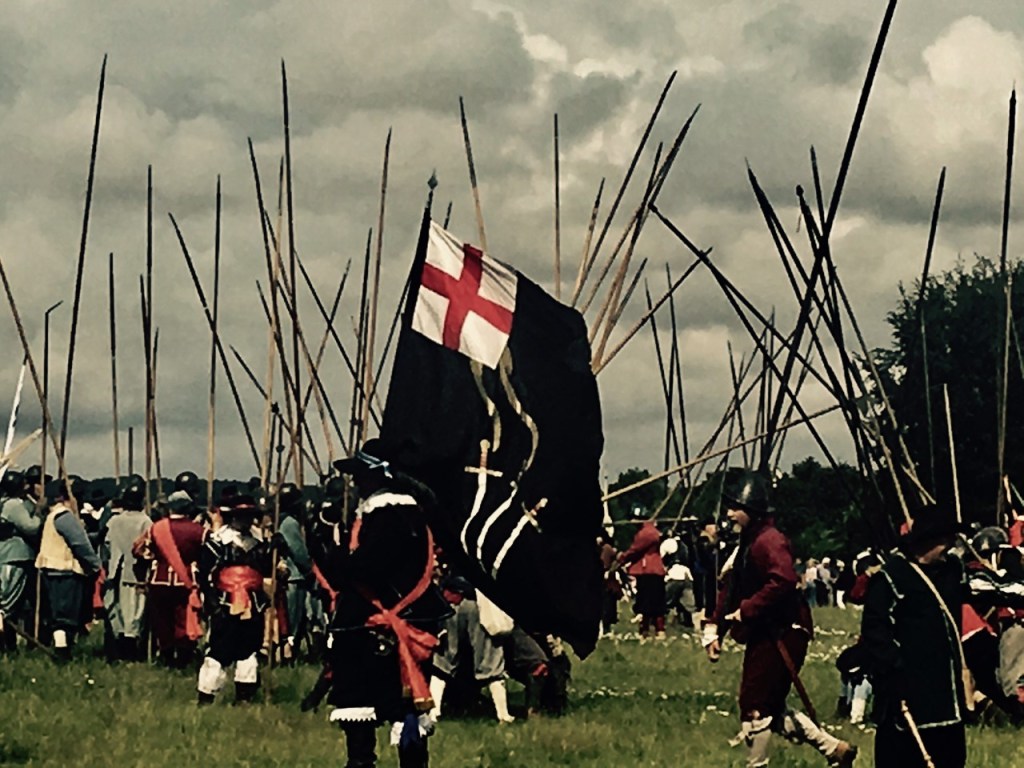
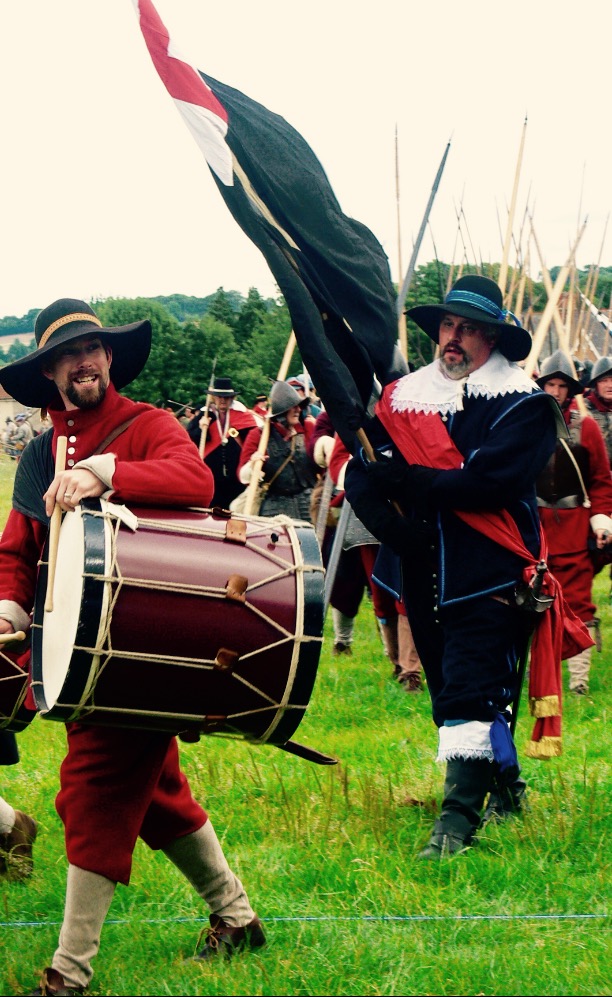
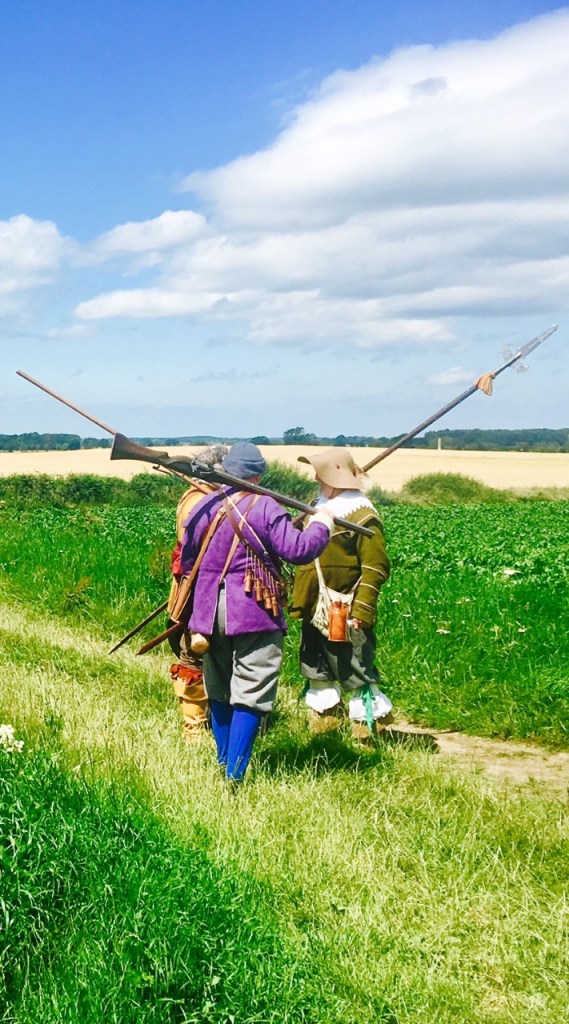

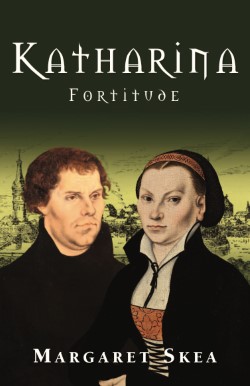
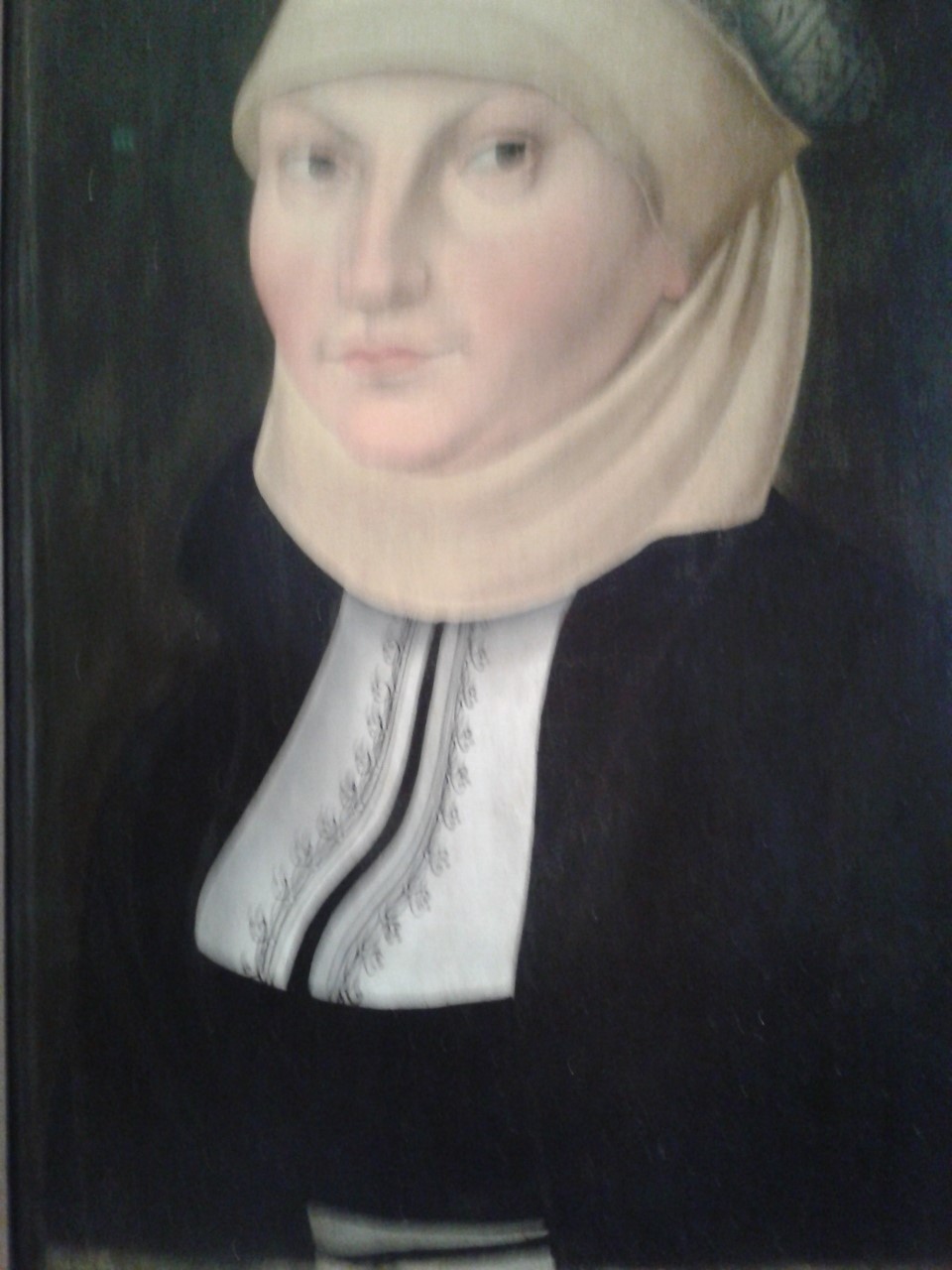
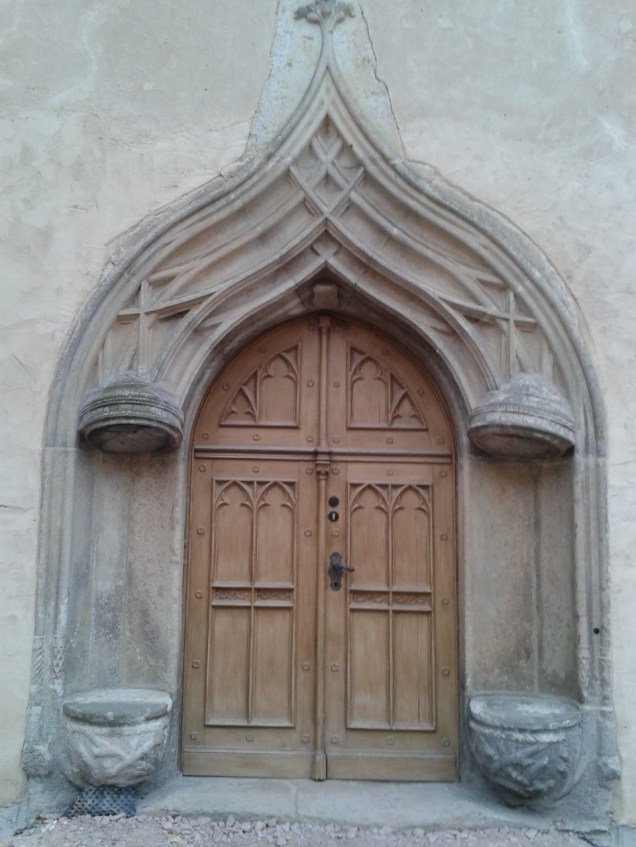
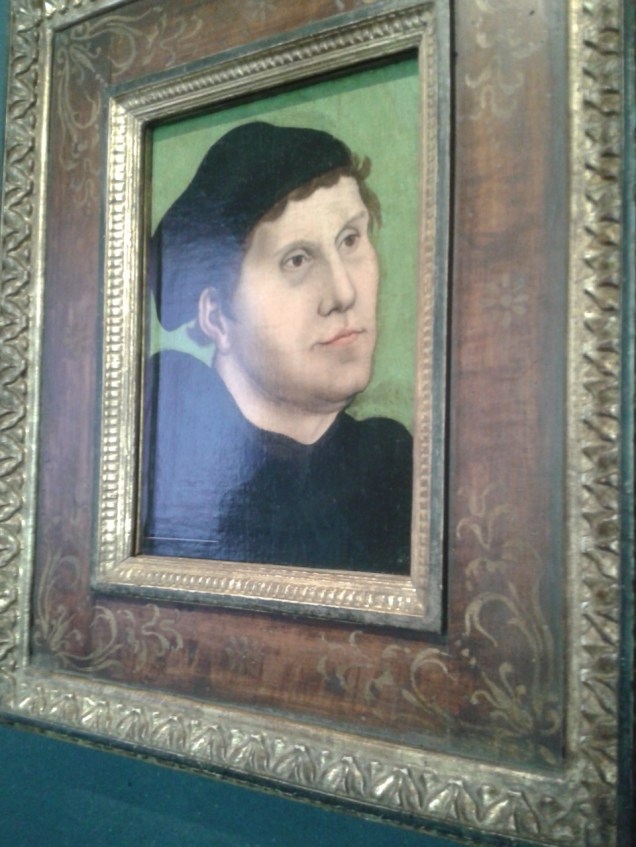
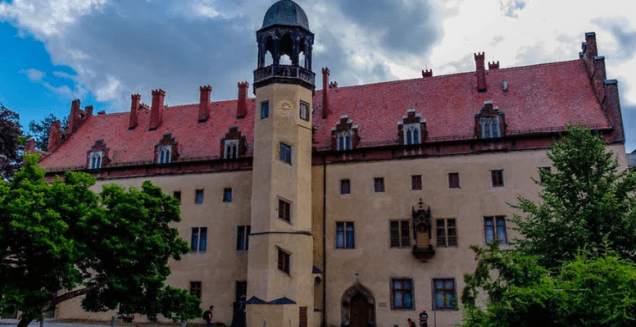
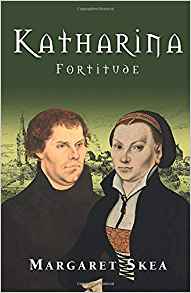
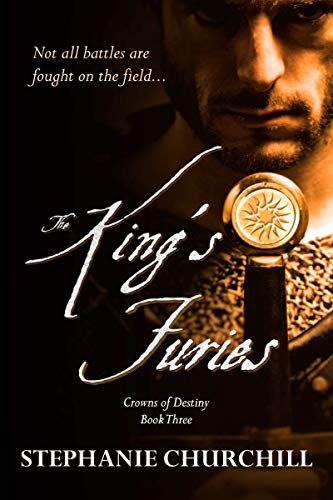


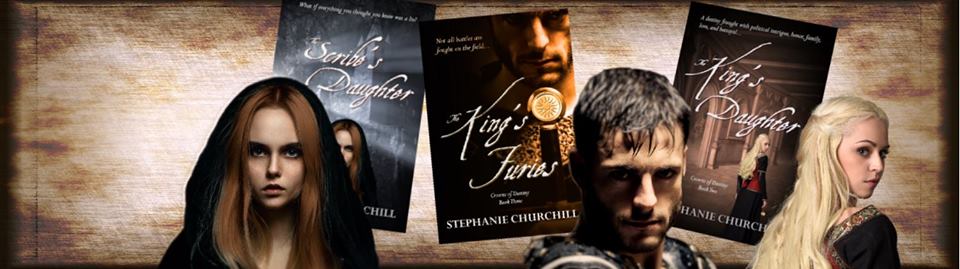
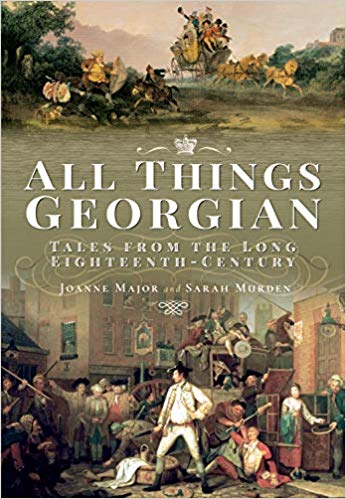
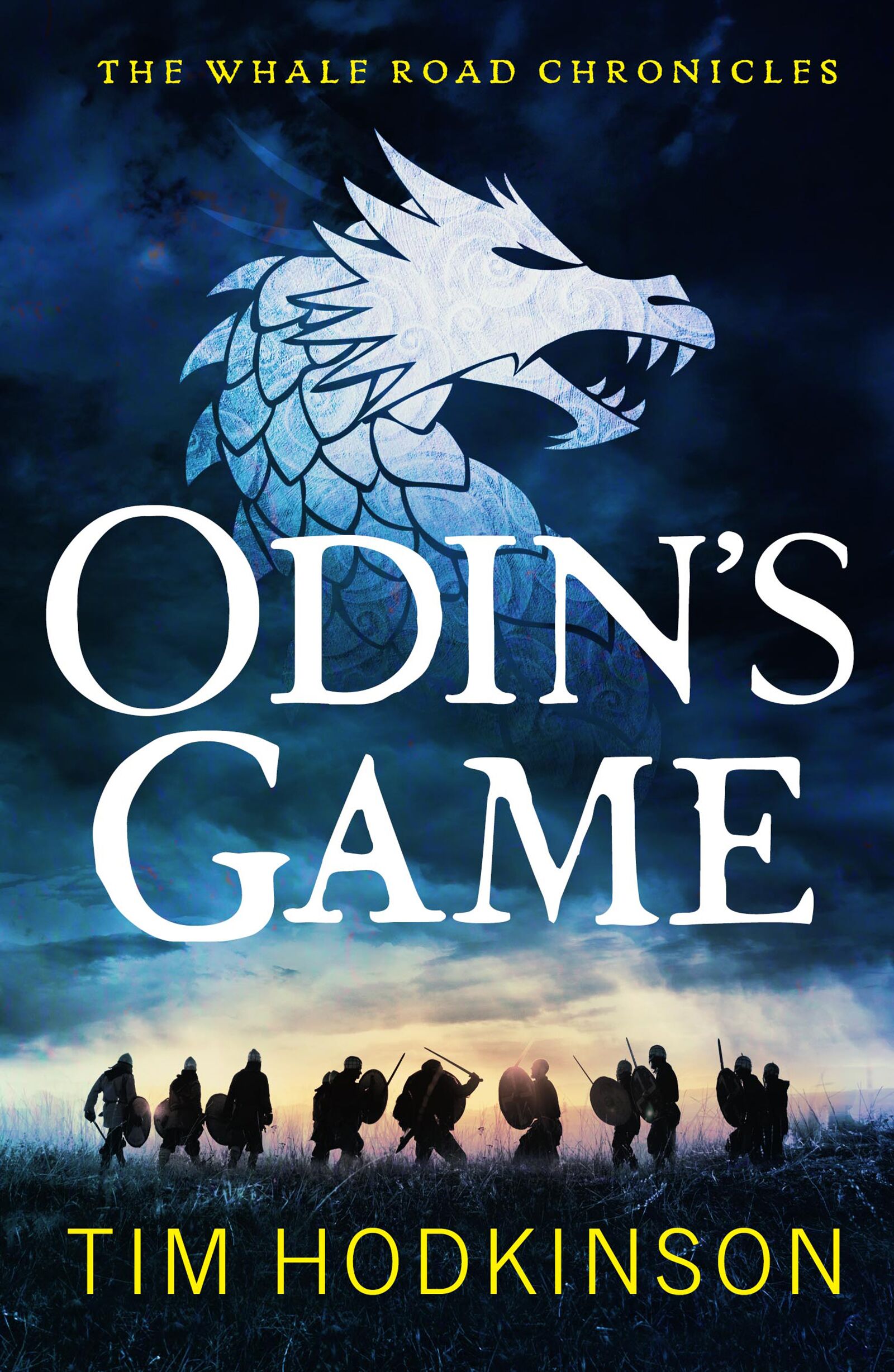

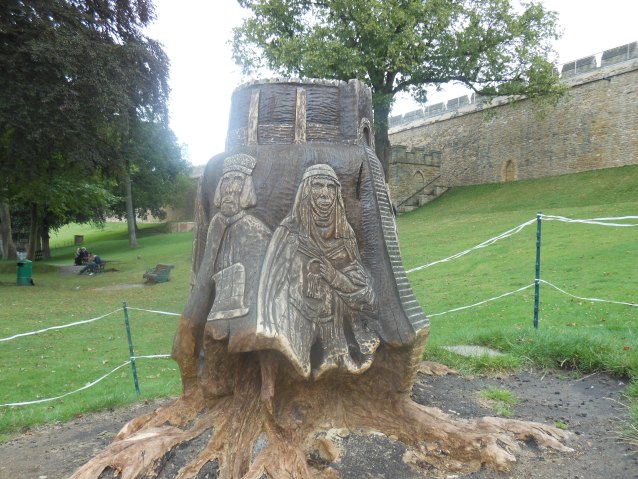 A carving of Nicholaa de Haye in the grounds of Lincoln Castle
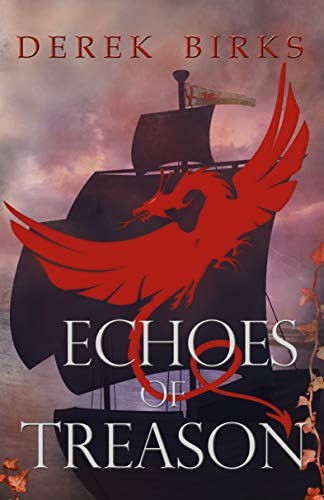
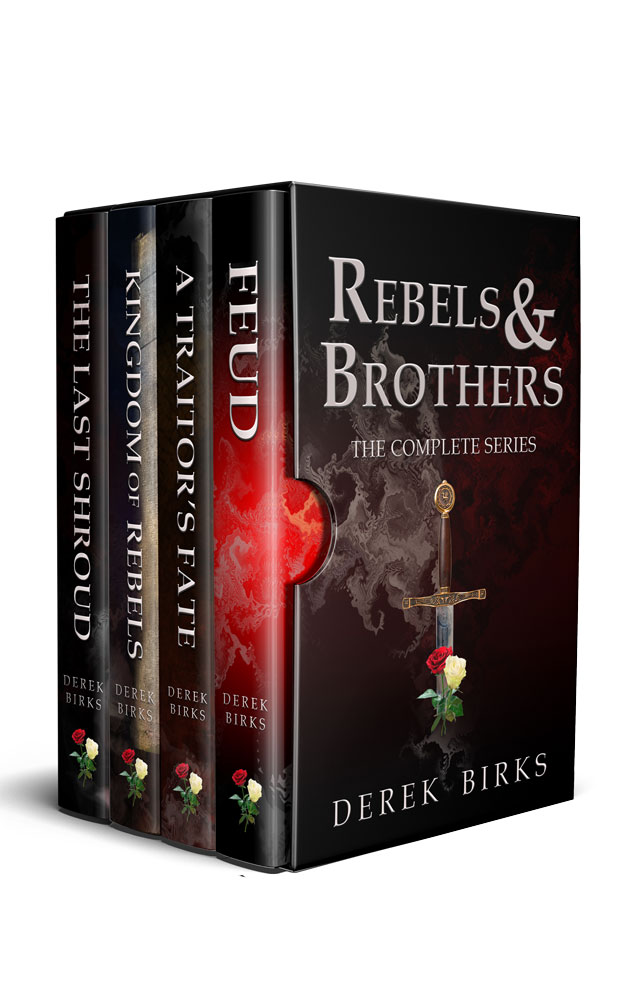
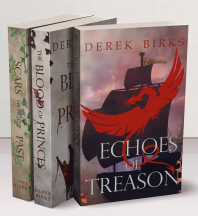


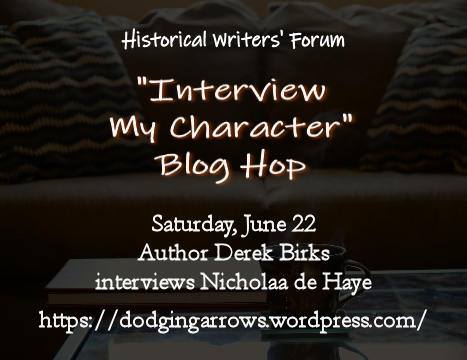


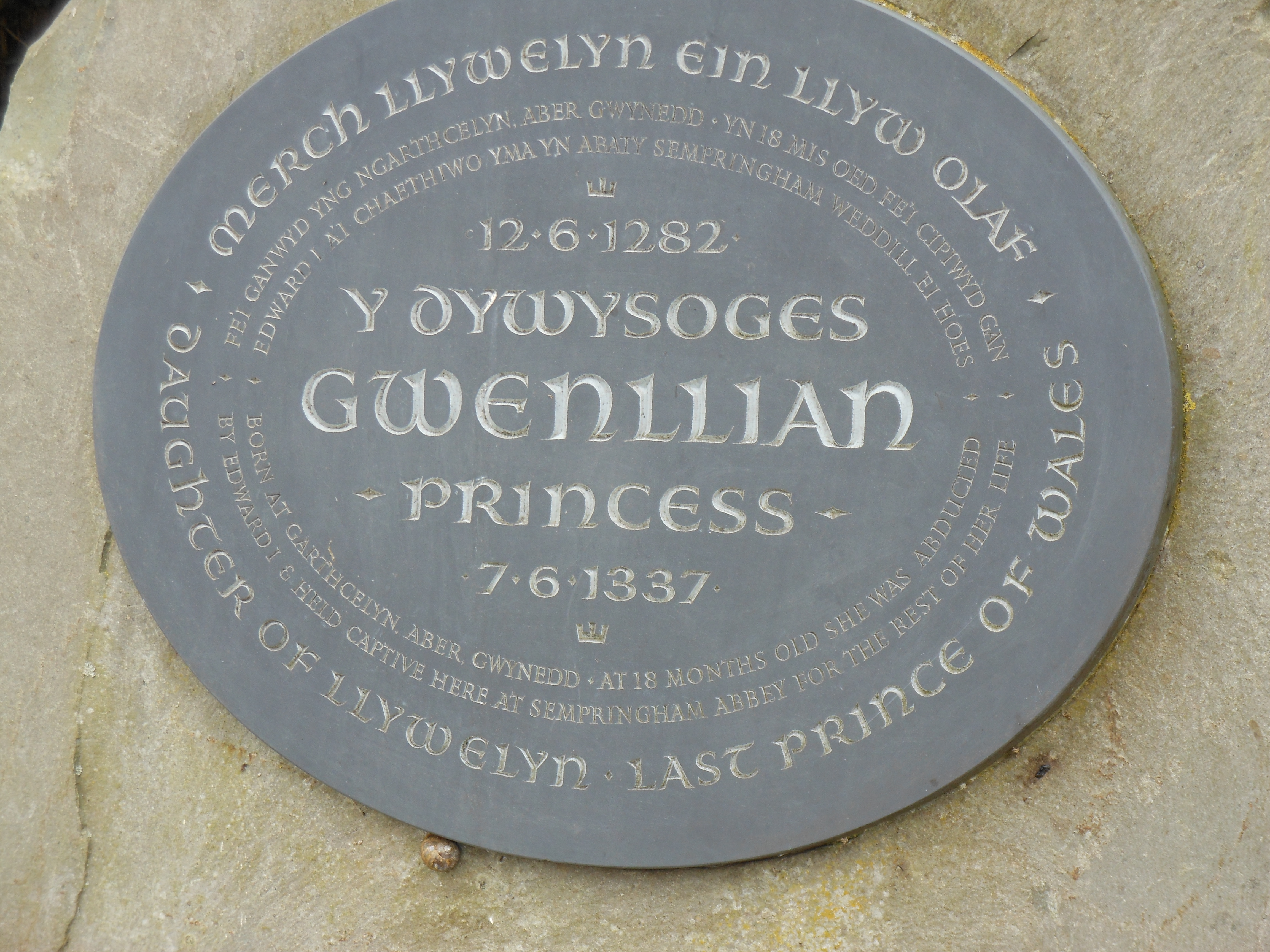


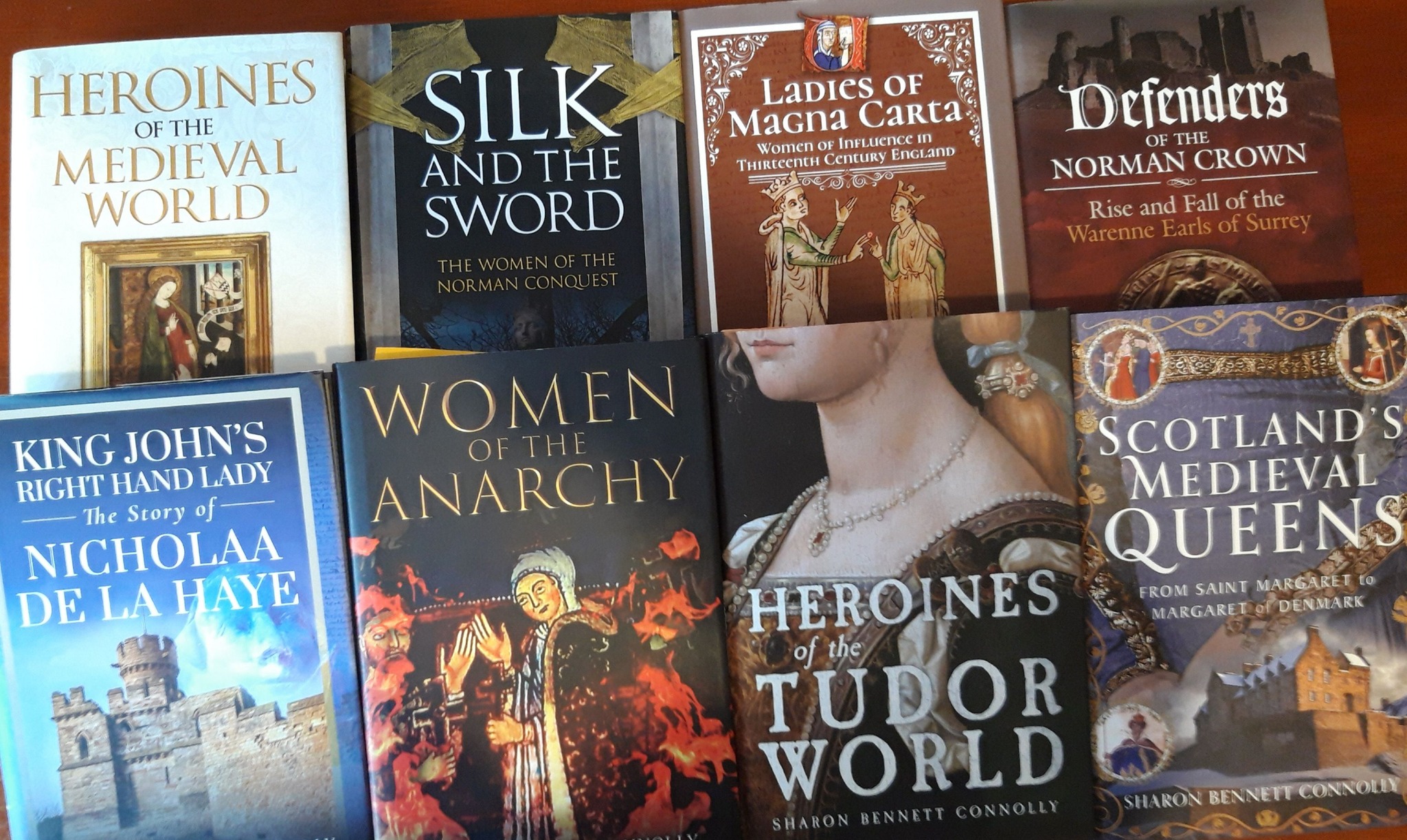


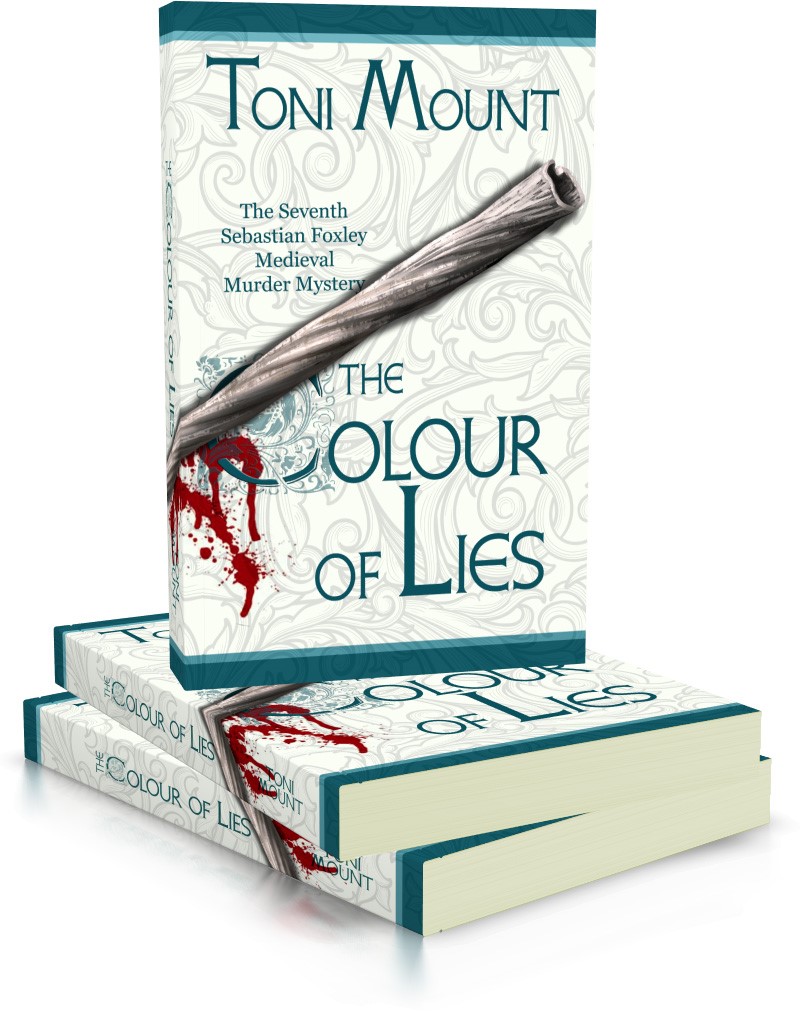
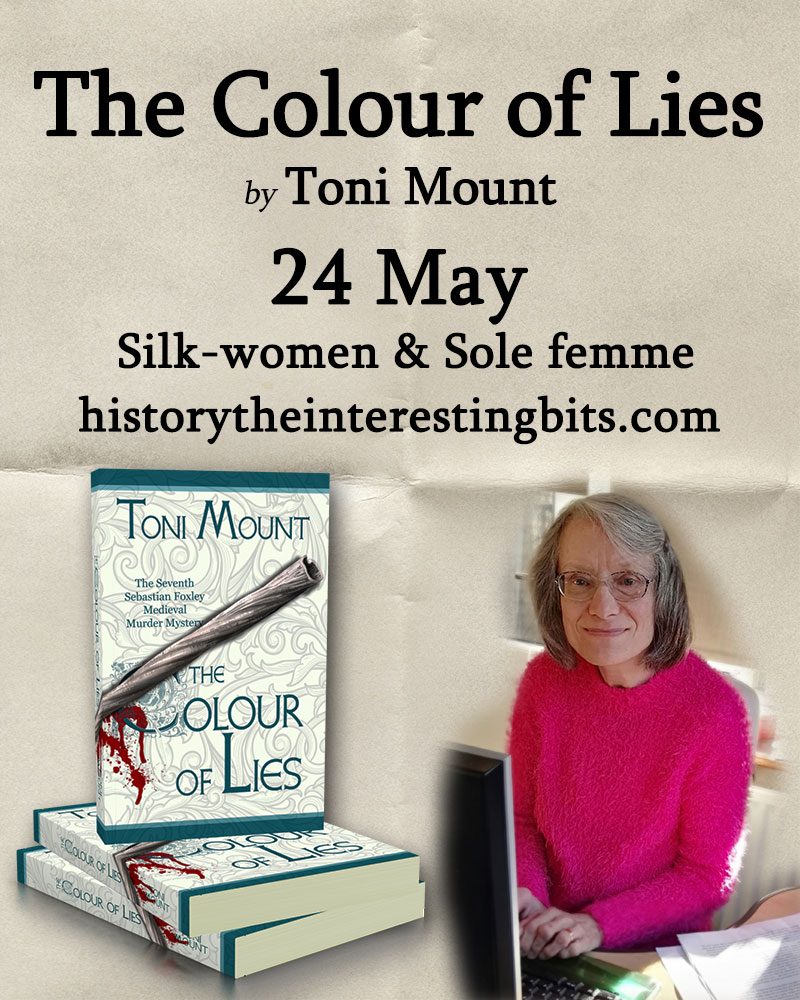
 History... the interesting bits!