In the wild lands of Norway, Hunlaf must quell a vicious slave uprising in Matthew Harffy’s new historical adventure.
A wild land. A lethal fanatic. A violent revolt.
Northumbria, AD 794. Those who rule the seas, rule the land. None know the truth of this more than the Vikings. To compete with the seafaring raiders, the king of Northumbria orders the construction of his own longships under the command of oath-sworn Norseman, Runolf.
When the Vikings attack again, the king sends cleric turned warrior, Hunlaf, on a mission to persuade the king of Rogaland into an alliance. But Hunlaf and Runolf have other plans; kin to seek out, old scores to settle, and a heretical tome to find in the wild lands of the Norse.
Their voyage takes them into the centre of a violent uprising. A slave has broken free of his captors and, with religious fervour, is leading his fanatical followers on a rampage – burning all in his path. Hunlaf must brave the Norse wilderness, and overcome deadly foes, to stop this madman. Can he prevent a night of flames and slaughter?
News of a new Matthew Harffy novel has become one of the highlights of my year. Luckily, Harffy is quite a prolific writer, so I never have to wait too long for such news. A Night of Flames is Matthew Harffy’s 11th book in 6 years – that’s quite an achievement!
Especially as his storytelling keeps getting better and better.
The sequel to A Time for Swords, the story begins where the last book left off, with Hunlaf of Ubbanford having forsaken the monk’s cowl for the sword and determined to go in search of his cousin, Aelfwyn, carried off during the raid on Lindisfarne that heralded the Viking era in England. The erstwhile monk comes up with a plan to rescue his cousin and retrieve the highly influential and heretical book, The Treasure of Life, which will lead himself and his friends into the heart of Norway and a heretical band of marauders, made up of former slaves, fanatical warriors and women and children who are killing and spreading devastation wherever they go.
The story has all the ingredients for an exciting adventure. And I have to say, I loved the references to Matthew Harffy’s other series, The Bernicia Chronicles, and the story of Beobrand, with mention of a ballad to Beobrand and his love, Sunniva, or the fact that young Hunlaf was raised in Beobrand’s settlement of Ubbanford, thus interlinking the two very different series with a shared origin.
“I do not wish to slay you,” I hissed at him. “Drop your weapon. End this.”
“There is only one way to end this now,” he yelled. His face was pallid, his eyes glimmering in the bright early morning sun.
Unless he turned away from this course, he was right. I could not defend against him indefinitely. If I waited too long, his brawn and rage would overcome me at last. He was unarmoured, so I had not donned my byrnie. One strike from Wistan could easily prove fatal.
Springing at me again, he attempted a feint, but he signalled his intention with his eyes and his footwork, so my shield was there to parry the attack. This time, I flicked out my sword and opened up a gash on his side, beneath his shield. I skipped away, seeing the pain reach his eyes.
Behind him, Runolf met my gaze. The huge Norseman was grinning, clearly enjoying the excitement of a duel, or hólmgang, as he called it. He had paced out and marked the fighting area with hazel stakes, smiling wolfishly all the while at the prospect of a fight. Beside Runolf, the shorter Gwawrddur was sombre. At my look, he shook his head. I saw the disappointment on the Welshman’s features. There was no honour in defeating a foe who is not able to defend himself. The night before, Gwawrddur had told me to do all in my power to dissuade Wistan from fighting.
“I cannot flee, if he wants to fight,” I had said.
“No, you cannot,” he’d replied. His eyes were sad as he sipped his ale. “But when you laid with his girl, you surely knew this could happen.”
I nodded. I had been flattered by Cwenswith’s attentions, and of course I had enjoyed our fumbling, panting trysts in the store hut, but I had never thought our actions could lead to someone’s death, and certainly not at my hand.
“What if he refuses to step aside?”
“Then you must answer for your actions, just as Wistan must answer for his.”
Wistan now stood breathless before me. He looked down and seemed shocked to see the blood soaking through his kirtle. I had not cut him deeply, hoping the stinging pain would bring him to his senses.
At the sight of blood, someone in the crowd gasped.
Cwenswith screamed, “Finish him!”
Wistan’s eyes narrowed at the shrill sound of her voice. His shoulders tensed and I knew he was preparing to attack once more.
“Don’t,” I said, but too late.
He ran at me, and I retreated. He beat his sword against my shield over and over until the hide covering was tatters and the linden wood splintered.
With a growl, I pushed him back. There was nothing for it. I could not dissuade him, and if I waited any longer, I would be the one to lose my life that day. I sprang forward, holding his blows away from me on my splintering shield and lunging beneath his guard. I felt my sword blade make contact. Wistan grunted and staggered. The morning air was filled with the sudden screaming of women. The men quickly added their voices to the din. I recognised Runolf’s booming voice over the clamour of the crowd, but I could not make out his words.
A Night of Flames is another fabulous rip-roaring adventure from Matthew Harffy, where not everything goes as planned for the heroes and the fight comes close to disaster. It is edge-of-the-seat drama that will keep the reader engrossed late into the night. The battles are vicious, the losses devastating and the outcome uncertain – this is Matthew Harffy at his best.
As has come to be expected with a Matthew Harffy book, the historical research is impeccable; the author’s knowledge of weapons, battle tactics and even sailing the whaleroad is woven into the story so that it is impossible to know where facts end and the author’s imagination begins. The extent of Matthew Harffy’s knowledge and research helps to draw the reader in and makes for a thoroughly engaging book.
The best bit, however – as always with Matthew Harffy – is the story! A Night of Flames is a fascinating, thrilling adventure.
If you like to lose yourself in a book, A Night of Flames by Matthew Harffy is perfect for you!
About the author
Matthew Harffy grew up in Northumberland where the rugged terrain, ruined castles and rocky coastline had a huge impact on him. He now lives in Wiltshire, England, with his wife and their two daughters.
Signed, dedicated copies of all my books are available, please get in touch by completing the contact me form.
Defenders of the Norman Crown: The Rise and Fall of the Warenne Earls of Surrey tells the fascinating story of the Warenne dynasty, of the successes and failures of one of the most powerful families in England, from its origins in Normandy, through the Conquest, Magna Carta, the wars and marriages that led to its ultimate demise in the reign of Edward III. Defenders of the Norman Crown: Rise and Fall of the Warenne Earls of Surrey is now available from Pen & Sword Books, Amazon in the UK and US,Bookshop.org and Book Depository.
Whilst I was researching the Warenne earls of Surrey my cousin, who lives in Conisbrough, passed on to me a story of the accidental discovery of a long-dead knight during road-widening work in the village. Whether he has any relation to the Warenne family is open to conjecture, of course, although it is entirely possible. His identity is a mystery…
The story starts in 1955, with a road widening programme that was carried out along Church Street in Conisbrough. Conisbrough was a tightly packed village, with the road so narrow in places that cars had to mount the pavement if they met oncoming traffic. The ‘pinch’ was outside the parish church of St Peter’s. As a consequence, Conisbrough Urban District Council set to work to widen the road where Church Street meets Church Yard. As this was church property, and graves would have to be disturbed, strict rules were put in place to allow the work to proceed. The then vicar, Rev. G.F. Braithwaite allowed that the boundary wall could be removed and rebuilt a metre further into the churchyard. It was stipulated, however, that no photographs or archaeological examinations could be undertaken during the works. They expected to find twelve lots of human remains in the area to be excavated, and these were to be removed and reinterred speedily, and with reverence and solemn prayer, elsewhere within the churchyard.
When the boundary wall was removed, the stones were carefully stacked for reuse. One stone proved particularly interesting. It was a large stone which had been situated close to the base of the wall, was about a metre long and half a metre wide, with the image of a sword blade carved into the façade; the part of the stone which would have shown the hilt was missing. Work then began on excavating that area of the church yard that was to make way for the widened road. It was expected that twelve graves, dating from Victorian times, would need to be removed. The remains were removed only a short distance and reinterred in an area which is now the memorial garden. As work continued, however, the number of graves had been sorely underestimated, and several dozen graves were uncovered. It was discovered that graves had been stacked, one on top of another, going back through the years.
The Warenne coat of arms
Among the remains found was one who had been buried with a small shield. The shield was about 60cm long and 50cm wide, decorated with a lion rampant (where the lion is stood on his two back legs). It was, therefore, assumed that the remains were that of a knight; although the stipulation that there could be no archaeological investigation, nor photographs taken, means that we know nothing beyond this. We do know that the knight did not belong to the household of the Warenne earls, who had owned Conisbrough and its castle since the time of the Normans; their coat of arms was a shield of blue and gold checks, adopted by the second earl in the first half of the twelfth century.
Although the colour of the lion on the shield was black, this is unlikely to have been the original colour; several hundred years in the ground had erased any indication of the colours of the lion or the background of the shield, thus making it impossible to identify the coat of arms. The remains were reinterred along with the others, according to the conditions imposed for the road widening scheme. The work was then continued, the road widened and a new boundary wall built, with steps into the church yard and a memorial park marking where the disturbed remains had been reburied.
St Peter’s Church, Conisbrough
The incident was then forgotten about with the passage of time. Indeed, when I came to look into it, few had heard of the mysterious knight buried in Conisbrough church yard. Internet searches brought up nothing. The story re-emerged in 1990, when Conisbrough Castle installed new floodlights and hosted a grand ‘switch on’ ceremony for the residents of Conisbrough. An article sent to me by a Conisbrough resident talks of meeting re-enactors at the ceremony, who were dressed as knights of the Earl of Norfolk, with a lion rampant on their shields.
It was then suggested that Earl Hamelin’s daughter Isabel had married Roger Bigod, the first Earl of Norfolk, who died in 1221. Unfortunately, this relationship is not supported by history; Earl Roger was, in fact, the second earl of Norfolk and married to Ida de Tosny, former mistress of Henry II. However, Earl Roger’s son, Hugh, who died in 1225, was married to Matilda Marshal, the eldest daughter of William Marshal, Earl of Pembroke and regent for Henry III. On Hugh’s death, Matilda had married William de Warenne, Earl Hamelin’s son and fifth Earl of Warenne and Surrey. It is entirely possible that Matilda was accompanied by knights of her first husband when she visited Conisbrough, or was visited there by a Norfolk knight who then perished and was buried in the church yard of St Peter’s at Conisbrough. However, the emblem of the earls of Norfolk, in Matilda’s time, was a red cross on a yellow background. The red lion rampant, on a field of gold and green, was only adopted until 1269, when Roger Bigod, fifth earl of Norfolk and Matilda Marshal’s grandson, inherited the title of Marshal of England, which had passed to the family through his grandmother. This also means that it is just as likely, or even more so, that the shield belonged to a Marshal retainer who was visiting Matilda, or in Matilda’s employ.
The coat of arms of William Marshal, Earl of Pembroke
There are several other possibilities for a Warenne connection to the knight in the churchyard. The emblem of the lion rampant was not an uncommon feature among medieval heraldry in England and Scotland. The royal arms of Scotland, for example, are of a red lion rampant on a yellow field. Edward Balliol, King of Scotland at various points in the 1330s, was a grandson of John de Warenne, sixth Earl of Warenne and Surrey, through his mother, Isabella de Warenne. Edward did not officially relinquish his claim to the Scottish throne until 1356 and died near Doncaster in around 1367. The mysterious knight may have been one of his household retainers. Another daughter of the sixth earl, Eleanor, married Henry Percy, the son of a cadet branch of the earls of Northumberland. The Percy family arms are a blue lion rampant on a yellow field. Other families associated with the Warennes also used the lion rampant on their shields, not least being the d’Aubigny earls of Arundel, whose arms were a yellow lion rampant on a red field; Isabel, daughter of William, the fifth Earl of Warenne and Surrey, married Hugh d’Aubigny, the fifth Earl of Arundel.
One final possibility is that the knight was a natural son of the last earl. John de Warenne, seventh Earl of Warenne and Surrey, had no legitimate children with his wife Joan of Bar, a granddaughter of Edward I but fathered a number of illegitimate children by his mistress, Maud Nerford. Maud was from a knightly family in Norfolk; their coat of arms was a lion rampant. It is known that at least one of their sons used the Nerford arms as his own. Further, the arms of John’s last mistress, Isabella Holland, who he called ‘ma compaigne’ in his will, was a white lion rampant of a blue field, surrounded by white fleur de lys.1
As to the stone, mentioned earlier, with the carving of a sword blade upon it, it was suggested that this stone was previously a grave marker for the mysterious knight and was found lying in the church grounds sometime in the early 1800s. There was extensive building going on in Conisbrough between 1800 and 1810 and it is assumed that stone was used to rebuild the boundary wall of the churchyard. The fact that the two were found in the vicinity of each other is no suggestion of a link. As archaeologist James Wright explained to me, such stones were often used to decorate churches, castles and important buildings, then repurposed elsewhere once those buildings fell into disuse. The stone could have come from anywhere, and not necessarily a grave marker at all. The stone in question can still be seen at St Peter’s church, to the side of the church porch.
Scotland’s King John Balliol with the arms of a red lion rampant on his surcoat
Although we have no definitive answers as to the identity of the mysterious knight who rests in the grounds of St Peter’s Church, Conisbrough, there are many possibilities that suggest a familial link with the Warenne family. As we have no archaeological survey or photographs to aid the investigation, definitive identification is impossible. Indeed, we do not even have any useful dates through which we can narrow down the possibilities. Although the last earl of Warenne and Surrey died in 1347, it seems unlikely that the knight is from a later period and had no relationship whatsoever with the Warenne earls. Conisbrough Castle passed into royal hands after the earl’s death and was given to Edward III’s fourth surviving son, Edmund of Langley, Duke of York; although the arms of Edmund and his sons were derived from the royal arms of England, which are three lions passant quartered with the fleur de lys of France.
It seems likely, therefore, that although we do not know the identity of century of the knight, he died sometime during the 300 years that the Warenne family held the castle and honour of Conisbrough; and there are several possible explanations for his association with the family, through their many and varied prestigious marriage alliances. There is also a chance that the knight was a Warenne himself, as the illegitimate son of the seventh and final earl, John de Warenne, and his mistress, Maud de Nerford.
The possibilities may not be endless, but they are numerous; without further information, however, it is impossible to narrow it down.
Footnotes:
1 Warner, Kathryn, Philippa of Hainault: Mother of the English Nation
Early Yorkshire Charters Volume 8 Edited by William Farrer and Charles Travis Clay; Rev. John Watson, Memoirs of the Ancient Earls of Warren and Surrey, and Their Descendants to the Present Time, Volume I; Alfred S. Ellis, Biographical Notes on the Yorkshire Tenants Named in Domesday Book (article); The Plantagenets, the Kings who Made England by Dan Jones; History Today Companion to British History Edited by Juliet Gardiner and Neil Wenborn; Brewer’s British Royalty by David Williamson; Conisbrough Castle Giudebook by Steven Brindle and Agnieszka Sadraei; F. Royston Fairbank, ‘The Last Earl of Warenne and Surrey, and the Distribution of his Possessions’, The Yorkshire Archaeological Journal, vol. XIX; Scott L. Waugh, ‘Warenne, John de, seventh earl of Surrey earl of Surrey and Sussex, Earl Warenne’, ODNB; Kelcey Wilson-Lee, Daughters of Chivalry: The Forgotten Children of Edward I; Kathryn Warner, Philippa of Hainault: Mother of the English Nation; Vincent, Nicholas, ‘William de Warenne, fifth earl of Surrey [Earl Warenne] (d. 1240)’, Oxforddnb.com; Marc Morris, King John; David Crouch, William Marshal; Crouch and Holden, History of William Marshal; Crouch, David, ‘William Marshal [called the Marshal], fourth earl of Pembroke (c. 1146–1219)’, Oxforddnb.com; Flanagan, M.T., ‘Isabel de Clare, suo jure countess of Pembroke (1171×6–1220)’, Oxforddnb.com; Thomas Asbridge, The Greatest Knight; Chadwick, Elizabeth, ‘Clothing the Bones: Finding Mahelt Marshal’, livingthehistoryelizabethchadwick.blogspot.com; Stacey, Robert C., ‘Roger Bigod, fourth earl of Norfolk (c. 1212-1270)’, Oxforddnb.com; finerollshenry3.org.uk.
*
My Books
Signed, dedicated copies of all my books are available through my online bookshop.
Coming 15 January 2024:Women of the Anarchy
On the one side is Empress Matilda, or Maud. The sole surviving legitimate child of Henry I, she is fighting for her birthright and that of her children. On the other side is her cousin, Queen Matilda, supporting her husband, King Stephen, and fighting to see her own son inherit the English crown. Both women are granddaughters of St Margaret, Queen of Scotland and descendants of Alfred the Great of Wessex. Women of the Anarchy demonstrates how these women, unable to wield a sword, were prime movers in this time of conflict and lawlessness. It show how their strengths, weaknesses, and personal ambitions swung the fortunes of war one way – and then the other.
Coming on 15 June 2024: Heroines of the Tudor World
Heroines of the Tudor World tells the stories of the most remarkable women from European history in the time of the Tudor dynasty, 1485-1603. These are the women who ruled, the women who founded dynasties, the women who fought for religious freedom, their families and love. These are the women who made a difference, who influenced countries, kings and the Reformation. In the era dominated by the Renaissance and Reformation, Heroines of the Tudor World examines the threats and challenges faced by the women of the era, and how they overcame them. Some famous, some infamous, some less well known, including Anne Boleyn, Elizabeth Barton, Catherine de Medici, Bess of Hardwick and Elizabeth I. From writers to regents, from nuns to queens, Heroines of the Tudor World shines the spotlight on the women helped to shape Early Modern Europe.
King John’s Right-Hand Lady: The Story of Nicholaa de la Haye is the story of a truly remarkable lady. Nicholaa de la Haye was the hereditary constable of Lincoln Castle and the first woman in England to be appointed sheriff in her own right. Her strength and tenacity saved England at one of the lowest points in its history. Nicholaa de la Haye is one woman in English history whose story needs to be told… King John’s Right-Hand Lady: The Story of Nicholaa de la Haye is now available from Pen & Sword Books, bookshop.org and Amazon.
Defenders of the Norman Crown: The Rise and Fall of the Warenne Earls of Surrey tells the fascinating story of the Warenne dynasty, of the successes and failures of one of the most powerful families in England, from its origins in Normandy, through the Conquest, Magna Carta, the wars and marriages that led to its ultimate demise in the reign of Edward III. Defenders of the Norman Crown: Rise and Fall of the Warenne Earls of Surrey is now available from Pen & Sword Books, Amazon in the UK and US, and Bookshop.org.
Alternate Endings: An anthology of historical fiction short stories including Long Live the King… which is my take what might have happened had King John not died in October 1216. Available in paperback and kindle from Amazon.
Podcast:
Have a listen to theA Slice of Medieval podcast, which I co-host with Historical fiction novelist Derek Birks. Derek and I welcome guests, such as Bernard Cornwell and Elizabeth Chadwick, and discuss a wide range of topics in medieval history, from significant events to the personalities involved.
*
Don’t forget!Signed and dedicated copies of all my books are available through my online bookshop.
For forthcoming online and in-person talks, please check out my Events Page.
You can be the first to read new articles by clicking the ‘Follow’ button, liking our Facebook page or joining me on Twitterand Instagram.
Hi all! I hope your 2022 is going well? Or as well as it can be, anyway. I though I would give you a little update on what I’ve been up to – and will be up to in the near future.
Historical Writers Forum Zoom talks programme
As you may know, I am admin for a writers’ group on Facebook, Historical Writers Forum, and last year we launched a series of history-related talks featuring both fiction and non-fiction historical authors. So far, there are 4 talks in the series and we opened with an amazing discussion between myself, Elizabeth Chadwick, Carol McGrath and Samantha Wilcoxson, entitled Writing History in Fiction: Getting the Balance Right. This was followed by A Good Fight: Writing Battles in Historical Fiction, featuring authors SJA Turney, Derek Birks, Lynn Bryant and Paula Lofting. And then we hosted a book launch for Historical Writers’ Forums new anthology of short stories, Hauntings: an Anthology, which includes works from SJA Turney, Samantha Wilcoxson, Paula Lofting, Kate Jewell, KS Barton, Lynn Bryant, Jennifer C. Wilson and introducing Danielle Apple. There’s also a foreword by myself. The Hauntings Book Launch brought all the authors face to face for the first time, if virtually, and gave them the opportunity to discuss the inspirations behind their stories. If you haven’t read the book yet, I recommend you do – it is replete with thoughtful, intelligent historical fiction stories that stretch out the suspense.
Kicking off our 2022 Zoom Talks series was Aelfgyva: the Mysterious Woman in the Bayeux Tapestry. Hosted by Samantha Wilcoxson, authors Patricia Bracewell, myself, Paula Lofting and Carol McGrath will debated the various candidates for the identity of Aelfgyva: Was she the ravaged nun? The sister of a Norman duke? Daughter of a powerful English earl? Concubine of King Cnut? Or the twice-crowned English queen? And what fun it was! A fabulous, energetic discussion about the possibilities – please do take a look.
Historical Writers Forum continues its programme of talks this year, with one for Women’s History Month on 26 February 2022 at 7pm (UK time). Hosted by Paula Lofting, authors Tony Riches, Sharon Bennett Connolly, Samantha Wilcoxson and Anna Belfrage will discuss Women in History: a lively discussion, followed by an audience Q & A, on researching and writing about Women in History. Tickets are free and available through Eventbrite, so do come along if you can! If you can’t make it on the evening, don’t worry, the discussion will be uploaded to our YouTube Channel by 28 February (I hope!).
My latest podcast has gone live today, with me chatting with Matthew Lewis over at Gone Medieval, discussing my favourite medieval family – the Warenne Earls of Surrey. We talk about my fascination for the Warennes, the events they were involved in, their remarkable strength as a family and how one disastrous marriage caused their demise. Listen here!
Women’s History Month Talks
To celebrate Women’s History Month this March, I will be presenting two online talks for Heritage Lincolnshire via Zoom.
I can tell you about the 2 online talks I will be doing for Heritage Lincolnshire in March, to celebrate Women’s History Month. The first, Lincolnshire’s Medieval Heroines, will include the legendary Lady Godiva, the indomitable Nicholaa de la Haye, heiress Alice de Lacy and Katherine Swynford, the mistress who became a royal duchess. It will be a Zoom talk on 10 March at 7pm.
The second talk is, as you may have guessed, on my favourite subject,Nicholaa de la Haye, the Heroine of Lincoln Castle and will by via Zoom on 17 March at 7pm. The remarkable Nicholaa de la Haye held Lincoln Castle in no less than 3 sieges during the reigns of Richard I and King John – the last was a 6-week siege, ended by the 1217 Battle of Lincoln when Nicholaa was in her 60s. She was the first woman to be appointed sheriff in her own right.
Tickets for both are available now and are £6 for members and £8 for non-members.
Unfortunately, these talk will not be recorded for later viewing, so please do come along on the night if you can. It would be great to see you! To reserve a place, book here!
*
My Books
Signed, dedicated copies of all my books are available, please get in touch by completing the contact me form.
Defenders of the Norman Crown: The Rise and Fall of the Warenne Earls of Surrey tells the fascinating story of the Warenne dynasty, of the successes and failures of one of the most powerful families in England, from its origins in Normandy, through the Conquest, Magna Carta, the wars and marriages that led to its ultimate demise in the reign of Edward III. Defenders of the Norman Crown: Rise and Fall of the Warenne Earls of Surrey is now available from Pen & Sword Books, Amazon in the UK and US,Bookshop.org and Book Depository.
Isabelle d’Angoulême was the only child of Audemar, Count of Angoulême and Alice de Courtenay. Her mother was the daughter Peter de Courtenay, lord of Montargis and Chateaurenard, and a cousin of king Philip II Augustus of France. Through her Courtenay family connections, Isabelle was related to the royal houses of Jerusalem, Hungary, Aragon and Castile. When John set his sights on her, Isabelle was betrothed to Hugh IX de Lusignan: the chronicler Roger of Howden maintained that Isabelle had not yet reached the age of consent, which was why she was still only betrothed to Hugh, rather than married to him. The marriage between Isabelle and Hugh was intended to put to bed, literally, a long-running, bitter rivalry between the Lusignans and the counts of Angoulême. It would also unite neighbouring regions in Aquitaine, posing a threat to Angevin power in the region. This could have effectively cut Aquitaine in two, jeopardising the stability of the borders of Poitou and Gascony. John could not help but see the threat posed by the impending marriage and sought to put a stop to it. Count Audemar, it seems, was quite receptive to the suggestion that he abandon the Lusignan match if it meant that his daughter would become a queen.
King John
In the early years of their marriage, John appears to have treated Isabelle more like a child than a wife, which she still was, and she was financially dependent on him. When she was not at court with the king, Isabelle spent time at Marlborough Castle or in the household of John’s first wife, Isabella of Gloucester, at Winchester. Isabella’s allowance was raised from £50 to £80 a year, to pay for the extra expenses incurred by housing the queen.
It appears that Isabelle was an unpopular queen, guilty by her association with the excesses and abuses of John’s regime. It was in this light that John’s marriage to Isabelle was seen as the start of England’s woes, with some of the blame falling unfairly on the young queen. Contemporary sources reported that John spent his mornings in bed with the queen, when he should have been attending to the business of the country, casting Isabelle as some kind of temptress, irresistible to the king. The fact that Isabelle did not give birth to her first child until 1207, when she was in her late teens, puts the lie to these sources, suggesting that she and John did not consummate the marriage in the first few years. After 16 years together, the couple had 5 children; Henry III, Richard of Cornwall, Isabella, Joan and the youngest, Eleanor, who was born in 1215 or 1216.
While her movements were restricted and closely controlled during her marriage to John, the situation did not improve for Isabelle following John’s death in 1216. Their 9-year-old son Henry was now king, but Isabelle was excluded from playing a role in the regency government; her unpopularity in England and lack of political experience were major factors. Moreover, she had had limited contact with her children: they lived in separate households and Isabelle was not responsible for their supervision or education, which added to her isolation. Almost as soon as Henrys crowned, Isabelle started making arrangements to go home, to Angoulême, of which she was countess in her own right. In 1217 she left England.
Isabelle’s son, Henry III of England
Once in her own domains, Isabelle was to arrange the wedding of her daughter, Joan. Joan had been betrothed, at the age of 4, to Hugh X de Lusignan, Count of La Marche and the son of Hugh IX, the man who had been betrothed to Isabelle before John married her. In 1220 Isabelle shocked England, and probably the whole continent, when she scandalously married her daughter’s betrothed herself. Poor 9-year-old Joan’s erstwhile fiancé was now her stepfather! Worse was to come, however, when the little princess was not returned to her homeland, as might have been expected, but held hostage, by Isabelle and Hugh, to ensure Hugh’s continued control of her dower lands, and as a guarantee to the transfer of her mother’s dower, which the English government was withholding against the return of Joan.
Stalemate.
Isabelle wrote to her son, Henry III, to explain and justify why she had supplanted her own daughter as Hugh’s bride, claiming ‘…lord Hugh of Lusignan remained alone and without heir in the region of Poitou, and his friends did not permit our daughter to be married to him, because she is so young; but they counselled him to take a wife from whom he might quickly have heirs, and it was suggested that he take a wife in France. If he had done so, all your land in Poitou and Gascony and ours would have been lost. But we, seeing the great danger that might emerge from such a marriage – and your counsellors would give us no counsel in this – took said H[ugh], count of La Marche, as our lord; and God knows that we did this more for your advantage than ours…’
Ironically, Isabelle had now achieved that which King John had hoped to avoid; the union of La Marche and Angoulême, splitting Angevin Aquitaine down the Little Joan was finally returned to England towards the end of 1220, but the arguments over Isabelle’s English lands continued throughout the 1220s and beyond. Isabelle would not retire in peace and in 1224 she and Hugh betrayed Henry by allying themselves with the King of France. In exchange for a substantial pension, they supported a French invasion of Poitou (the lands in France belonging to the King of England, her son).
Seal of Hugh X de Lusignan
Hugh and Isabelle were reconciled with Henry in 1226 and Isabelle met her first-born son for the first time in more than twelve years in 1230, when Henry mounted a futile expedition to Brittany and Poitou. Isabelle and Hugh, however, continued to play the kings of France and England against each other, always looking for the advantage, though this was probably as much by necessity as self-interest. They did, after all, live in France and their relationship with England complicated things. In 1242, for example, when Henry III invaded Poitou, Hugh X initially gave support to his English stepson, only to change sides once more, precipitating the collapse of Henry’s campaign. Isabelle herself was implicated in a plot to poison King Louis IX of France and his brother, only to be foiled at the last minute; the poisoners claimed to have been sent by Isabelle. There is no evidence of Isabelle denying the accusation, but she never admitted her guilt, either.
Isabelle’s second marriage proved even more unstable than her first, shaken by Hugh’s frequent infidelities and threats of divorce. Isabelle enjoyed greater personal authority within her second marriage; where she had issued no charters whilst married to King John, as Hugh de Lusignan’s wife, the couple issued numerous joint charters. Her difficult relationship with France added to Isabelle’s marital problems. In one instance, Isabelle was offended by the queen of France when she was not offered a chair to sit, in the queen’s presence, regardless of the fact she herself was a crowned and anointed queen. Following this insult, in 1241, Isabelle castigated Hugh de Lusignan for supporting a French candidate to the county of Poitou, ahead of her son, Henry III. In retaliation, Isabelle stripped Lusignan Castle of its furnishings and refused to allow her husband into her castle at Angoulême for three days.
Despite the rocky relationship, Isabelle and Hugh had nine children together, including Aymer de Lusignan and William de Valence. Many of his Lusignan half-siblings would later cause problems for Henry III, having come to England to seek patronage and advancement from their royal half-brother.
Tomb effigy of Isabelle d’Angoulême, Fontevraud Abbey
In 1244 the two royal cooks admitted the attempted poisoning of the French king, and that they had been paid by Isabelle. Before she could be arrested, Isabelle retired to Fontevraud Abbey, where she died on 4 June, 1246. The dowager queen of England was buried in the abbey’s churchyard. However, when Henry III visited his mother’s final resting place, he was shocked that she was buried outside the abbey and ordered that she be moved inside. She was finally laid to rest in the abbey church, beside Henry II and Eleanor of Aquitaine.
As contemporaries described her as ‘more Jezebel than Isabel’, accused her of ‘sorcery and witchcraft’, Isabelle of Angouleme’s reputation as a heartless mother and habitual schemer seems set to remain. Married to King John whilst still a child, she was castigated as the cause for the loss of the majority of John’s continental possessions and the subsequent strife and civil war; one could easily sympathise with her lack of love for England. That Isabelle apparently abandoned the children of her first husband within months of his death, and her supposed willingness to betray her son for her own ends would go some way to destroy the compassion one may have felt for her. However, we have to remember that nothing is ever black and white and we have to consider that Isabelle was balancing the interests of her two families – one French and one English – which were, unfortunately for Isabelle, irreconcilable due to the politics of the time.
One thing is for sure, Isabelle d’Angoulême is a fascinating character!
*
Images:
Courtesy of Wikipedia
Sources:
Rich Price, King John’s Letters Facebook group; Robert Bartlett England Under the Norman and Angevin Kings 1075-1225; Dan Jones The Plantagenets; the Kings who Made England; The Plantagenet Chronicle Edited by Elizabeth Hallam; Maurice Ashley The Life and Times of King John; Roy Strong The Story of Britain; Oxford Companion to British History; Mike Ashley British Kings & Queens; David Williamson Brewer’s British Royalty; Ralph of Diceto, Images of History; Marc Morris, King John; David Crouch, William Marshal; Crouch and Holden, History of William Marshal; Crouch, David, ‘William Marshal [called the Marshal], fourth earl of Pembroke (c. 1146–1219)’, Oxforddnb.com; Flanagan, M.T., ‘Isabel de Clare, suo jure countess of Pembroke (1171×6–1220)’, Oxforddnb.com; Thomas Asbridge, The Greatest Knight; Chadwick, Elizabeth, ‘Clothing the Bones: Finding Mahelt Marshal’, livingthehistoryelizabethchadwick.blogspot.com; Stacey, Robert C., ‘Roger Bigod, fourth earl of Norfolk (c. 1212-1270)’, Oxforddnb.com; finerollshenry3.org.uk; Vincent, Nicholas, ‘William de Warenne, fifth earl of Surrey [Earl Warenne] (d. 1240)’, Oxforddnb.com.
My Books:
Signed, dedicated copies of all my books are available through my online store.
Out now: Scotland’s Medieval Queens
Scotland’s history is dramatic, violent and bloody. Being England’s northern neighbour has never been easy. Scotland’s queens have had to deal with war, murder, imprisonment, political rivalries and open betrayal. They have loved and lost, raised kings and queens, ruled and died for Scotland. From St Margaret, who became one of the patron saints of Scotland, to Elizabeth de Burgh and the dramatic story of the Scottish Wars of Independence, to the love story and tragedy of Joan Beaufort, to Margaret of Denmark and the dawn of the Renaissance, Scotland’s Medieval Queens have seen it all. This is the story of Scotland through their eyes.
Heroines of the Tudor World tells the stories of the most remarkable women from European history in the time of the Tudor dynasty, 1485-1603. These are the women who ruled, the women who founded dynasties, the women who fought for religious freedom, their families and love. Heroines of the Tudor World is now available for pre-order from Amberley Publishing and Amazon UK.Women of the Anarchy demonstrates how Empress Matilda and Matilda of Boulogne, unable to wield a sword themselves, were prime movers in this time of conflict and lawlessness. It shows how their strengths, weaknesses, and personal ambitions swung the fortunes of war one way – and then the other. Available from Bookshop.org, Amberley Publishing and Amazon UK. King John’s Right-Hand Lady: The Story of Nicholaa de la Haye is the story of a truly remarkable lady, the hereditary constable of Lincoln Castle and the first woman in England to be appointed sheriff in her own right. Available from all good bookshops Pen & Sword Books, bookshop.org and Amazon.
Alternate Endings: An anthology of historical fiction short stories including Long Live the King… which is my take what might have happened had King John not died in October 1216. Available in paperback and kindle from Amazon.
Podcast:
Have a listen to theA Slice of Medieval podcast, which I co-host with Historical fiction novelist Derek Birks. Derek and I welcome guests, such as Bernard Cornwell, Elizabeth Chadwick and Michael Jecks, and discuss a wide range of topics in medieval history, from significant events to the personalities involved. Every episode is also now available on YouTube.
*
Don’t forget!Signed and dedicated copies of all my books are available through my online store.
For forthcoming online and in-person talks, please check out my Events Page.
A 14th-century representation of Henry and Eleanor
In history we tend to focus on the actions of the men in a family. Well, let’s face it, the life of Henry II and his sons is fascinating, full of love, honour, death and betrayal. Who wouldn’t be drawn into that world? But did you know that the women of the family had no less exciting and eventful lives?
With a mother like Eleanor of Aquitaine, you would not expect her daughters to be shrinking violets. And, indeed, they were not. And neither were the girls sent off into the world, never to see their parents again. In what may be a unique occurrence for royal princesses, each of the three daughters of Eleanor and Henry II would get to spend time with their mother later in their lives.
Matilda of England, the eldest daughter and third child of Henry and Eleanor, was born in London in June 1156. As her parents ruled an empire that stretched from the Scottish borders to the Pyrenees, travel was a constant part of Matilda’s childhood. She took her first sea-voyage across the English Channel at just 2 months old, accompanied her big brother, Henry, later to be known as The Young King. Throughout her childhood, Matilda is often seen accompanying her mother and siblings traveling through the vast Angevin domains. By the time she was 8-years-old, negotiations had begun for her marriage to Henry the Lion; her father planning an alliance with the German Emperor, Frederick Barbarossa. The marriage was part of her father’s policy to build up opposition to Louis VII of France and the Pope, Alexander III. And in July 1166 her mother accompanied 10-year-old Matilda to Dover, where she embarked on a German ship that would take her to her new life and future husband. Her wedding to Henry V ‘the Lion’, Duke of Saxony and Bavaria, finally took place in the cathedral at Minden, Germany, on 1 February 1168.
Matilda’s dowry and send-off from England cost around £4,500 (about a quarter of England’s annual revenue). The young princess was given a trousseau worth £63, including saddles with gilt fittings, ‘two large silken cloths, and two tapestries and one cloth of samite and twelve sable skins’. Despite the fact Henry the Lion was 27 years Matilda’s senior, the marriage appears to have been a success and produced 10 children, including their eldest daughter, Richenza (her name was later changed to Matilda), born around 1172, and sons Henry, Otto and William. Otto was briefly considered as heir to the English throne by his uncle Richard I, before King John claimed the crown. He would briefly become Holy Roman Emperor as Otto IV in 1209 until his death in 1218.
13th-century depiction of Henry II and his legitimate children
Matilda’s fortunes changed dramatically in 1180 when, following a quarrel with Frederick Barbarossa, who held Henry responsible for the failure of a campaign in Italy, Henry the Lion was deprived of his fiefs and exiled from his lands for 7 years. Henry, Matilda and their children sought refuge with Matilda’s father and, in the Autumn of 1181, Henry II welcomed his daughter, giving her the palace of Argentin as a home for her family. Matilda and her family spent the next two years in the Angevin lands on the Continent; but in 1184 a pregnant Matilda accompanied her father to England, where she gave birth to her son, William, at Winchester. While at her father’s court Matilda petitioned the king to ease the restrictions on her mother’s imprisonment; following her involvement in the failed rebellion of her sons in 1173-4, Eleanor of Aquitaine had spent the last ten years incarcerated in England, at Old Sarum. Although still a prisoner, Eleanor was permitted to stay with Matilda while she was staying in England and when Eleanor was allowed to cross the Channel to take possession of the Vexin Castles, Matilda accompanied her.
Coronation of Henry the Lion and Matilda, from the Gospels of Henry the Lion, c.1188
Matilda and Henry were finally allowed to return to Germany in October 1185, although their children, Otto, William and Matilda remained at Henry’s court, to be raised by their grandfather. Matilda died at Brunswick on 28th June 1189 and was buried there, in the Cathedral of St Blasius, of which she was co-foundress. Her father Henry II died just 8 days later, probably before the news of his daughter’s death could reach him. Matilda’s husband would be buried alongside her, following his death on 6th August 1195.
Matilda’s next youngest sister, Eleanor, was born in October 1162 (1161 has also been suggested, but most sources agree on 1162) at Domfront Castle in Normandy. As with Matilda, Eleanor’s early childhood was quite nomadic. She travelled often with her parents, in her mother’s entourage. In February 1165 3-year-old Eleanor was betrothed to the infant son of Frederick Barbarossa, Frederick, as part of the same negotiations which saw Matilda married to Henry the Lion. However, Eleanor’s proposed marriage would eventually fall by the wayside. By 1170 Henry II was seeking to extend his influence across the Pyrenees and in order to prevent a French alliance with Castile, he betrothed Eleanor to 14-year-old Alfonso VIII, who had been king of Castile since he was just 2 years old. By September 1170, a month short of her 8th birthday, Eleanor was on her way to Castile, with an impressive escort to see her safely to her wedding at Burgos Cathedral.
The betrothal of Alfonso VIII of Castile and Eleanor of England
Eleanor and Alfonso appear to have had a very successful marriage, and a close, trusting relationship. Described as modest, elegant and gracious, Eleanor is renowned for introducing her mother’s Poitevin culture into the Castilian court, blending it with the luxuries offered by neighbouring Moorish cultures. Eleanor also acted as a diplomatic conduit between her husband and brothers, Richard and John, in order to aid each other and keep the peace, although not always successfully.Seven of Eleanor and Alfonso’s children survived infancy. Their eldest daughter Berengaria would eventually act as regent in Castile for her younger brother, Henry I, before succeeding him as queen regnant. One daughter, Eleanor, married James I, king of Aragon, but they divorced in 1229. While another, Constance, was dedicated as a nun and eventually became abbess of the abbey of Las Huelgas, founded by her parents in 1187.
Alfonso and Eleanor also had 2 sons who would survive childhood. The eldest, Ferdinand, died of a fever in 1209 or 1211 while his younger brother, Henry, would succeed his father, but died in a freak accident when a loose roof tile fell on his head. He was 13 years old.
Of their two other daughters, 14-year-old Urraca was initially suggested as the bride of the future Louis VIII of France, son of Philip II Augustus. The girls’ grandmother, Eleanor of Aquitaine, was instrumental in arranging the marriage and the 77-year-old queen travelled to Castile, in 1200, in person and in the depths of winter, to collect the granddaughter who would be Louis’ bride. The reunion of mother and daughter would surely have been highly emotional, having not seen each other in 23 years. The elder Eleanor spent two months with her daughter and her family and in getting to know her granddaughters, Eleanor of Aquitaine seems to have decided that the younger Blanca – rather than Urraca – would make a more suitable bride for Louis. The 12-year-old princess travelled back to Normandy with her grandmother where Blanca – or Blanche – and Louis were married.
Eleanor of England, Queen of Castile
The happy marriage of Eleanor and Alfonso came to an end when Alfonso died in Burgos on 6th October 1214. He was buried in the Abbey of Las Huelgas, where their daughter, Constance, was now Abbess, leaving Eleanor as regent for their 10-year-old son, Henry I. Broken-hearted Eleanor, however, only survived her husband by a little over 3 weeks. Overcome with grief she died in Burgos on 31st October 1214, and was laid to rest beside her beloved husband; leaving their daughter Berengaria to take up the regency for Henry. Eleanor was the last surviving daughter of the Henry II and Eleanor of Aquitaine. Only her younger brother, King John, remained of the Plantagenet siblings.
The youngest of the trio of Plantagenet sisters, Joanna, was born in October 1165. Ten years younger than her oldest brother, Henry the Young King, she was born at Angers Castle in Anjou, at a time when their parents’ relationship was breaking down; 1165 was the first ever Christmas Henry and Eleanor spent apart. With Henry still in England dealing with a Welsh revolt, he would not meet his new daughter for several months. Although Joanna spent much of her childhood at her mother’s court in Poitiers, she and her younger brother, John, were also educated at the magnificent Abbey of Fontevraud, where she learned the skills needed to run a large, aristocratic household.
Although Eleanor was imprisoned following the failed rebellion of 1173, three years later, she was allowed to travel to Winchester to say ‘goodbye’ to her youngest daughter, who had been betrothed to King William II of Sicily. Provided with an impressive trousseau, Joanna set out from Winchester at the end of August 1176, accompanied by her uncle Hamelin de Warenne Earl of Surrey. Once on the Continent, she was escorted from Barfleur by her brother Henry, the Young King to Poitiers, and from Poitiers, by another brother, Richard, who then escorted his little sister to Toulouse in a leisurely and elegant progress.
Joanna of England
Having finally reached Sicily 12-year-old Joanna was married to 24-year-old William on 13th February 1177, in Palermo Cathedral. The marriage ceremony was followed by her coronation as Queen of Sicily. Joanna must have looked magnificent, her bejewelled dress cost £114 – not a small sum at the time. Joanna and William had no surviving children and when William died without an heir in November 1189, Joanna became a pawn in the race for the succession. William’s sister, Constance was the rightful heir, but she was married to Henry VI, Holy Roman Emperor and many feared being absorbed into his empire. William II’s illegitimate nephew, Tancred of Lecce, seized the initiative. He claimed the throne and, in need of money, imprisoned Joanna and stole her dowry and the treasures left to her by her husband.
Luckily for Joanna her brother Richard I – the Lionheart – having gained the English throne in 1189, had wasted no time in organising the Third Crusade and arrived at Messina in Sicily in September 1190. Richard demanded Joanna’s release; and fearing the Crusader king’s anger Tancred capitulated and freed Joanna, also paying 40,000 ounces of gold towards the Crusade.
The beautiful and spirited Joanna was briefly reunited with her mother in Lent of 1191 when she arrived in Sicily with Richard’s bride, Berengaria of Navarre. Joanna and Berengaria were to become firm friends and travelled together to the Holy Land, ahead of Richard’s main force. However, during a storm, their ship was onto the shores of Cyprus by a storm and the two women were at risk of becoming hostages of the ruler of Cyprus, Isaac Comnenus. Again, Richard came to the rescue, reduced Cyprus in three weeks and clamped Comnenus in chains (silver ones apparently). Lent being over, Richard and Berengaria were married, with great pomp and celebration, before the whole party continued their journey to the Holy Land, arriving at Acre in June 1191.
Seal of Joanna of England
Joanna’s time in the Holy Land was mainly spent in Acre and Jaffa, accompanying her sister-in-law and following – at a safe distance – behind the Crusading army. In attempts to reach a political settlement with the Muslim leader, Saladin, Richard even offered Joanna as a bride for Saladin’s brother. His plans were scuppered, however, when Joanna refused outright to even consider marrying a Muslim. When a three-year truce was eventually agreed with Saladin, Joanna and Berengaria left the Holy Land ahead of the army, to await Richard in Rome. Richard, however, never made it; falling into the hands of Duke Leopold of Austria, he was handed over to his enemy, the Holy Roman Emperor. He was eventually freed in 1194, following payment of a huge ransom.
Joanna spent the next few years at the courts of her mother and brother. But at the age of 31 she was proposed as a bride for Raymond VI, Count of Toulouse, with the aim of bringing the County of Toulouse into the Plantagenet fold, a long-time dream of Eleanor’s. Raymond had a colourful marital history. He had been excommunicated for marrying his third wife whilst still married to his second; and he now repudiated his third wife in order to marry Joanna, which he did in Rouen in October 1196, with Queen Berengaria in attendance. Although not a happy marriage the couple had two children; with a son Raymond born around 1197 and a daughter, possibly called Mary, in 1198.
Raymond VI, however, was not a popular Count and faced rebellion. Joanna herself had to confront some of her husband’s enemies. She laid siege to a rebel stronghold at Cassee; however, her own traitorous troops set fire to her camp and Joanna barely managed to escape. Injured and pregnant, Joanna was then trying to make her way to her brother Richard when she heard of his death; changing direction, she eventually reached her mother at Niort. With no allowance from her Joanna’s husband, Queen Eleanor managed to persuade John to give his sister an annual pension of 100 marks. Knowing she was dying, Joanna became desperate to be veiled as a nun at Fontevraud; a request normally denied to married women – especially when they were in the late stages of pregnancy. However, seeing how desperate her daughter was, Eleanor asked Hubert Walter, the Archbishop of Canterbury, to intervene.
Tombs of Henry II and Eleanor of Aquitaine at Fontevraud Abbey
The Archbishop tried to dissuade Joanna, but was impressed by her fervour and convened a committee of nuns and clergy; who agreed that Joanna must be ‘inspired by heaven’. In Eleanor’s presence, the Archbishop admitted Joanna to the Order of Fontevraud. Joanna was too weak to stand and died shortly after the ceremony; her son, Richard, was born a few minutes later and lived only long enough to be baptised. She died in September 1199, a month short of her 34th birthday. Joanna and her baby son were interred together at Fontevraud, the funeral cortege having been escorted there by Eleanor of Aquitaine and King John.
There is no record that Matilda, Eleanor and Joanna ever met as adults, and the last time they were together as sisters was most likely shortly before Matilda’s marriage, when Joanna was only 2-years-old. However, although they led very different and adventurous lives, all three daughters of Eleanor of Aquitaine had the unique opportunity, in the medieval era, of spending time with their mother as adults. Given the dangers of travel and the great distances involved, as well as the fickleness of life in general, they may have hoped for a reunion but surely would never have expected it to become a reality.
The Oxford Companion to British History Edited by John Cannon; The Plantagenets, the Kings who Made England by Dan Jones; History Today Companion to British History Edited by Juliet Gardiner and Neil Wenborn; Brewer’s British Royalty by David Williamson; Britain’s Royal Families, the Complete Genealogy by Alison Weir; The Plantagenet Chronicles Edited by Elizabeth Hallam; The Mammoth Book of British Kings and Queens by Mike Ashley; The Plantagenets, the Kings that made Britain by Derek Wilson; England Under the Norman and Angevin Kings by Robert Bartlett; finerollshenry3.org.uk; Eleanor, April Queen of Aquitaine by Douglas Boyd;Eleanor of Aquitaine, by the Wrath of God, Queen of England by Alison Weir; oxforddnb.com; bestofsicily.com; britannica.com; geni.com; royalwomenblogspot.co.uk; medievalqueens.com.
*
My Books:
Signed, dedicated copies of all my books are available through my online bookshop.
Coming 15 January 2024:Women of the Anarchy
On the one side is Empress Matilda, or Maud. The sole surviving legitimate child of Henry I, she is fighting for her birthright and that of her children. On the other side is her cousin, Queen Matilda, supporting her husband, King Stephen, and fighting to see her own son inherit the English crown. Both women are granddaughters of St Margaret, Queen of Scotland and descendants of Alfred the Great of Wessex. Women of the Anarchy demonstrates how these women, unable to wield a sword, were prime movers in this time of conflict and lawlessness. It show how their strengths, weaknesses, and personal ambitions swung the fortunes of war one way – and then the other.
Coming on 15 June 2024: Heroines of the Tudor World
Heroines of the Tudor World tells the stories of the most remarkable women from European history in the time of the Tudor dynasty, 1485-1603. These are the women who ruled, the women who founded dynasties, the women who fought for religious freedom, their families and love. These are the women who made a difference, who influenced countries, kings and the Reformation. In the era dominated by the Renaissance and Reformation, Heroines of the Tudor World examines the threats and challenges faced by the women of the era, and how they overcame them. Some famous, some infamous, some less well known, including Anne Boleyn, Elizabeth Barton, Catherine de Medici, Bess of Hardwick and Elizabeth I. From writers to regents, from nuns to queens, Heroines of the Tudor World shines the spotlight on the women helped to shape Early Modern Europe.
King John’s Right-Hand Lady: The Story of Nicholaa de la Haye is the story of a truly remarkable lady. Nicholaa de la Haye was the hereditary constable of Lincoln Castle and the first woman in England to be appointed sheriff in her own right. Her strength and tenacity saved England at one of the lowest points in its history. Nicholaa de la Haye is one woman in English history whose story needs to be told… King John’s Right-Hand Lady: The Story of Nicholaa de la Haye is now available from Pen & Sword Books, bookshop.org and Amazon.
Defenders of the Norman Crown: The Rise and Fall of the Warenne Earls of Surrey tells the fascinating story of the Warenne dynasty, of the successes and failures of one of the most powerful families in England, from its origins in Normandy, through the Conquest, Magna Carta, the wars and marriages that led to its ultimate demise in the reign of Edward III. Defenders of the Norman Crown: Rise and Fall of the Warenne Earls of Surrey is now available from Pen & Sword Books, Amazon in the UK and US, and Bookshop.org.
Alternate Endings: An anthology of historical fiction short stories including Long Live the King… which is my take what might have happened had King John not died in October 1216. Available in paperback and kindle from Amazon.
Podcast:
Have a listen to theA Slice of Medieval podcast, which I co-host with Historical fiction novelist Derek Birks. Derek and I welcome guests, such as Bernard Cornwell and Elizabeth Chadwick, and discuss a wide range of topics in medieval history, from significant events to the personalities involved.
*
Don’t forget!Signed and dedicated copies of all my books are available through my online bookshop.
For forthcoming online and in-person talks, please check out my Events Page.
You can be the first to read new articles by clicking the ‘Follow’ button, liking our Facebook page or joining me on Twitterand Instagram.
Æthelread II (known to history as the Æthelread Unready)
It may come as no surprise that very few royals have been born in Yorkshire over the years. There was Ӕlfgifu of York, the first wife of Ӕthelred II (known to history as Ӕthelred the Unready). Ӕlfgifu was the daughter of the earl of Northumbria and the marriage was intended to strengthen the links between the north and south of England. Ӕlfgifu was the mother of, among others, Edmund II Ironside, and therefore the great-grandmother of Margaret of Wessex, (St Margaret) Queen of Scots as the wife of Malcolm III Canmor. Ӕlfgifu died before April 1002 when Ӕthelred II married his second wife, Emma of Normandy.
Another royal with links to Yorkshire was Henry I. The youngest son of William the Conqueror and Matilda of Flanders, Henry was the only king of England born in Yorkshire. Henry was born in Selby in the summer of 1068, whilst his father was in the county, stamping out rebellion and pursuing his Harrying of the North. He would seize the throne in 1100 following the death of his older brother, William II Rufus, in a hunting accident in the New Forest. In the same year, Henry would marry Edith of Scotland, who changed her name to Matilda on her marriage. As the daughter of Malcolm III and St Margaret, Edith/Matilda was herself a descendant of Ӕthelred II and Ӕlfgifu of York.
There is also, of course, Edward of Middleham, the son of Richard III, who spent his short life, of no more than 10 years, living in Yorkshire. He was created Prince of Wales in a ceremony in York Minster in a lavish ceremony in September 1483. Edward died on 9 April 1484, a year to the day after the unexpected death of his uncle, Edward IV.
One other medieval royal born in Yorkshire, a little prince who spent his entire – though tragically short – life in our great county. William of Hatfield.
I read a book recently that mistakenly said William of Hatfield was born in Hatfield, Hertfordshire. I was amazed that the author wasn’t aware that he was actually born at the royal hunting lodge of Hatfield, near Doncaster. I thought everyone knew this! Then I realised that most people, when talking about royals and Hatfield, would automatically think of the Hertfordshire Hatfield. It was, after all, where Queen Elizabeth I was living when she was told that she was queen of England. It makes sense that most people would think of that Hatfield first.
But I’m a Yorkshire lass and, as I say, we don’t get many royals born up our way. So, I suppose, when we do, we know about them.
Monument to William of Hatfield, York Minster
William of Hatfield was the fourth child and second son of Edward III and Philippa of Hainault. The king and queen were keeping Christmas at the manor of Hatfield, in the old West Riding of Yorkshire, in 1336, when Prince William was born. Hatfield was situated in the midst of the royal hunting grounds of Hatfield Chase and was close to the Earl Warenne’s hunting lodge of Peel Castle, Thorne. The young prince was baptised by William Melton, Archbishop of York, but died soon afterwards. After his death, the little prince’s body was transported a little further north, to York. On 10 February 1337, William was buried in York Minster, the church in which his parents had been married in January 1328. His short life memorialised by an elaborate tomb surmounted with his effigy and located in the north quire aisle of the Minster, though the site of his grave is now lost.
In 1345, the tragic little prince’s story was caught up in the marital affairs of John de Warenne, 7th and last earl of Warenne and Surrey. John had been married to a granddaughter of King Edward I, Joan of Bar, in 1306, when John was 20 years old and Joan a girl of 10. The marriage was a disaster, with John having a number of affairs and spending many years trying to obtain a divorce. In pursuit of this divorce, and in the hope of finally being able to marry his mistress of the time, Isabella Holland, John claimed that he had had an affair before marrying Joan, with his wife’s maternal aunt Mary of Woodstock, when he was 19 and Mary 27 years of age. This was indeed a drastic claim, as Mary had been a nun since she was about 7 years old, and it was probably born out of desperation; John was becoming increasingly infirm and still had no heir to succeed him. It was a last-ditch attempt to marry Isabella and have legitimate children. It failed, though the earl’s confession was presented to Pope Clement VI who,
on 15 May, 1345, issued a mandate to the Bishop of S. Asaph to absolve John de Warenne, Earl of Surrey and Stratherne, Lord of Bromfeld and Yale, from excommunication, which he has incurred by inter-marrying with Joan, daughter of Henry, Count de Barre, whose mother’s sister, Mary, he had carnally known. A penance is to be enjoined; and as to the marriage, canonical action is to be taken.
Calendar of Papal Registers, Papal Letters (p. 116) quoted in Fairbank, ‘The Last Earl of Warenne and Surrey’, p. 245
Roche Abbey, South Yorkshire
No further action seems to have been taken with regards to the marriage. John and Joan would remain husband and wife until John’s death at Conisbrough Castle at the end of June, 1347. John’s penance, however, appears to have been the generous donation of the manor of Hatfield to Roche Abbey:
1345. November 22. Westminster. Whereas the King’s kinsman, John de Warenna, Earl of Surrey, holds the manor of Haytfield for life of the grant of Edward II, with successive remainders to Maud de Neyrford for life, to John de Warenna her son, in tail male, to Thomas his brother, in tail male, and to the heirs of the body of the said earl, and reversion to the said King and his heirs, as in the letters patent is more fully contained; the earl has now made petition that – Whereas the said Maud is dead, and John son of Maud and Thomas have taken the religious habit in the Order of the Brethren of the Hospital of S. John of Jerusalem in England, at Clerkenwell, he may have licence to grant for his life to the abbot and convent of Roche, the advowson of the church of Haytfield, held in chief, which church is extended, of the value of 70 marks yearly; and the King has assented to his petition. Also, as a further grace, the King has granted that the abbot and convent shall retain in frankalmoign the said advowson, which should revert to him on the death of the earl; and may appropriate the church whenever they deem it expedient to do so, to find thirteen monks as chaplains to celebrate divine service daily for ever in the abbey for the King, Queen Philippa, and their children, and for the earl; also for the soul of William, the King’s son, who lately died in the said manor; also the souls of the progenitors of the King and of the earl.
Calendar of Papal Registers, Papal Letters (p. 116) quoted in Fairbank, ‘The Last Earl of Warenne and Surrey’, p. 246
It is touching that John’s penance also served as a means for the king and queen to remember their infant son, William, who had been born in late 1336 at the manor of Hatfield, Doncaster, and died there in early 1337.
The motte of Peel Castle, Thorne, near Doncaster
William had been born six years after his older brother Edward, known to history as the Black Prince, who was their father Edward III’s heir, until his death in 1376, a year before the king. As a consequence, Edward III was succeeded by the Black Prince’s only surviving son by his wife, Joan of Kent, Richard II. It was the usurpation of Henry IV, who seized the crown from King Richard in 1399, that caused the fatal rivalry of the royal houses of Lancaster and York. Had William survived to adulthood, the story of England in the 15th century could have been very different; the rival houses of Lancaster and York were both descended from sons of Edward III who were younger than William.
Had he lived, the Wars of the Roses may never have happened….
The Oxford Companion to British History Edited by John Cannon; The Plantagenets, the Kings who Made England by Dan Jones; History Today Companion to British History Edited by Juliet Gardiner and Neil Wenborn; Brewer’s British Royalty by David Williamson; Britain’s Royal Families, the Complete Genealogy by Alison Weir; Early Yorkshire Charters Volume 8, Edited by William Farrer and Charles Travis Clay; Conisbrough Castle by Steven Brindle and Agnieszka Sadraei; The Mammoth Book of British Kings and Queens by Mike Ashley; The Plantagenets, the Kings that made Britain by Derek Wilson; oxforddnb.com; royaldescent.net; Fairbank, F. Royston, ‘The Last Earl of Warenne and Surrey, and the Distribution of hisPossessions’, The Yorkshire Archaeological Journal, vol. XIX, (1907), pp. 193–266; Historic England, ‘Peel Hill Motte and Bailey Castle, Thorne’, historicengland.org.uk; ‘Peel Hill Motte’, http://historyofthorne.com/peel_hill.html
*
My Books:
Signed, dedicated copies of all my books are available through my online bookshop.
Out Now!Women of the Anarchy
Two cousins. On the one side is Empress Matilda, or Maud. The sole surviving legitimate child of Henry I, she is fighting for her birthright and that of her children. On the other side is her cousin, Queen Matilda, supporting her husband, King Stephen, and fighting to see her own son inherit the English crown. Women of the Anarchy demonstrates how these women, unable to wield a sword, were prime movers in this time of conflict and lawlessness. It show how their strengths, weaknesses, and personal ambitions swung the fortunes of war one way – and then the other.
Coming on 15 June 2024: Heroines of the Tudor World
Heroines of the Tudor World tells the stories of the most remarkable women from European history in the time of the Tudor dynasty, 1485-1603. These are the women who ruled, the women who founded dynasties, the women who fought for religious freedom, their families and love. These are the women who made a difference, who influenced countries, kings and the Reformation. In the era dominated by the Renaissance and Reformation, Heroines of the Tudor World examines the threats and challenges faced by the women of the era, and how they overcame them. From writers to regents, from nuns to queens, Heroines of the Tudor World shines the spotlight on the women helped to shape Early Modern Europe.
King John’s Right-Hand Lady: The Story of Nicholaa de la Haye is the story of a truly remarkable lady, the hereditary constable of Lincoln Castle and the first woman in England to be appointed sheriff in her own right. It is is available from King John’s Right-Hand Lady: The Story of Nicholaa de la Haye is the story of a truly remarkable lady, the hereditary constable of Lincoln Castle and the first woman in England to be appointed sheriff in her own right. Available from all good bookshops or direct from Pen & Sword Books, bookshop.org and Amazon. Defenders of the Norman Crown: The Rise and Fall of the Warenne Earls of Surrey tells the fascinating story of the Warenne dynasty, from its origins in Normandy, through the Conquest, Magna Carta, the wars and marriages that led to its ultimate demise in the reign of Edward III. Available from Pen & Sword Books, Amazon in the UK and US, and Bookshop.org.
Alternate Endings: An anthology of historical fiction short stories including Long Live the King… which is my take what might have happened had King John not died in October 1216. Available in paperback and kindle from Amazon.
Podcast:
Have a listen to theA Slice of Medieval podcast, which I co-host with Historical fiction novelist Derek Birks. Derek and I welcome guests, such as Bernard Cornwell and Elizabeth Chadwick, and discuss a wide range of topics in medieval history, from significant events to the personalities involved.
*
Don’t forget!Signed and dedicated copies of all my books are available through my online bookshop.
For forthcoming online and in-person talks, please check out my Events Page.
You can be the first to read new articles by clicking the ‘Follow’ button, liking our Facebook page or joining me on Twitterand Instagram.
As I have been pursuing the various strands of research into the female personalities in medieval England, I have been struck, time and again, by how closely related the nobility were, through blood and marriage. Just look at the women who surround the Magna Carta story. Each of the women I wrote of had at least one familial connection to another great noble family; some had a number of links to several families. It is a tangled and complicated web, but I will try and give you a brief overview here.
As you may have noticed, my favourite medieval woman is Nicholaa de la Haye, castellan of Lincoln Castle; she successfully defended the castle through at least 3 sieges, the last 2 when she was a widow in her 60s. Nicholaa was related to King John’s half-brother, William Longespée, Earl of Salisbury, through her son, Richard, whose daughter Idonea was married at a young age to William (II), Longespée’s son by his wife, Ela of Salisbury. It was as a result of this connection that William (I) Longespée claimed Lincoln Castle and the shrievalty of Lincolnshire following the Second Battle of Lincoln in May 1217. Longespée claimed that as they were his daughter-in-law’s inheritance, it was his right to administer them. Idonea’s father, Richard, had died sometime in the previous 12 months, leaving Idonea as his sole heir. Longespée appears to have conveniently forgotten – or ignored – the fact that the castle of Lincoln was Nicholaa’s by hereditary right – and Nicholaa was still very much alive!
Coat of arms of William Longespée, 3rd Earl of Salisbury
Despite Nicholaa’s stalwart defence of Lincoln Castle during a 10-week siege, Longespée was granted the position of sheriff just 4 days after the battle, and promptly seized the castle. Nicholaa’s refusal to accept this saw her presenting herself to the royal court and requesting she be reinstated. A compromise was reached whereby Longespée remained as sheriff of Lincolnshire, but Nicholaa was reinstated as castellan of Lincoln Castle, and given control of the city of Lincoln itself. Longespée was by no means satisfied and continued to scheme to gain control of the castle; Nicholaa doggedly held on and only retired from her position as castellan of Lincoln in 1226, 3 months after Longespée’s death.
Ela of Salisbury provided at least two further familial connections among my Ladies of Magna Carta. Through her grandfather, Patrick of Salisbury, Ela was a cousin of William Marshal and his five daughters. Marshal was the son of Patrick of Salisbury’s sister, Sybilla. Patrick himself had married, as his second wife, Ela de Talvas, who was the widow of William de Warenne, 3rd Earl of Warenne and Surrey. From her first marriage, Ela de Talvas was the mother of the heiress, Isabel de Warenne, Countess of Surrey in her own right and wife to, first, William of Blois, youngest son of King Stephen and secondly, Hamelin Plantagenet, illegitimate half-brother of King Henry II. Isabel de Warenne, therefore, was aunt to Ela of Salisbury, Richard the Lionheart and King John.
Arms of the Warenne earls of Surrey
Isabel de Warenne’s own aunt, Ada de Warenne, was married to the son and heir of King David I of Scotland, Henry, Earl of Huntingdon. Ada was the mother of two Scottish kings, Malcom IV the Maiden and William I the Lion. She was, therefore, the grandmother of the Scottish princesses, Margaret and Isabella, the only two women, other than the queen, Isabelle d’Angoulême, who can be clearly identified in a clause of Magna Carta. Margaret and Isabella had been handed over to King John as hostages following the 1209 Treaty of Norham, agreed between their father, William the Lion, and King John. John was supposed to find suitable husbands for the teenage girls; it had been implied that they would be married to John’s sons, Henry and Richard, but no marriages had ever materialised. Clause 59 of Magna Carta stipulated that John would find spouses for the princesses or send them home.
The two girls were eventually wed to English noblemen, though not until the 1220s. In 1221 Margaret married Hubert de Burgh, Henry III’s Justiciar and widower of another of my Ladies of Magna Carta, Isabella of Gloucester, who also had the dubious honour of having been the first wife of King John. Princess Isabella was married, in 1225, to Roger Bigod, Earl of Norfolk, who was 14 years her junior. The marriage was not a happy one. A third Scottish princess, Marjorie, who was several years younger than her two sisters and not part of the conditions of the Treaty of Norham, also married into the English nobility. She became the wife of Gilbert Marshal, 4th Earl of Pembroke, third son of the great William Marshal, Earl of Pembroke and regent for Henry III.
Hubert de Burgh from Matthew Paris’s Historia Anglorum
Roger Bigod was himself the son of Hugh Bigod, Earl of Norfolk, and Matilda Marshal, eldest daughter of William Marshal. Marshal was the man who had led the army that relieved Nicholaa de la Haye and the siege of Lincoln Castle in May 1220. Matilda married, as her second husband, William de Warenne, 5th Earl of Warenne and Surrey and only son of Isabel and Hamelin, mentioned earlier. Matilda’s sister, Isabel, was married to Gilbert de Clare, Earl of Gloucester; he was the nephew of the same Isabella of Gloucester who had been wife to King John, Geoffrey de Mandeville and Hubert de Burgh. Isabel Marshal then married, as her second husband, Richard, Earl of Cornwall, brother of Henry III and youngest son of King John. Another sister, Eva, married William (V) de Braose, grandson of William (IV) de Braose and Matilda, the poor woman who was imprisoned by King John and starved to death, alongside her eldest son, in his dungeons in 1210. It was Eva’s husband who was hanged by Llywelyn, Prince of Gwynedd, after he was found in Llywelyn’s bedroom with Llywelyn’s wife, Joan, Lady of Wales and illegitimate daughter of King John.
Which brings us neatly to the royal family. John’s eldest legitimate daughter, also named Joan, was betrothed as a child to Hugh X de Lusignan, Count of La Marche. The marriage never materialised, however, as Joan’s mother, Isabelle d’Angoulême, decided to marry Count Hugh in her daughter’s stead, causing a rather juicy scandal in the process! Joan was not without a suitor for long and within a year of her mother’s marriage she was married to Alexander II, King of Scots and brother of those same Scottish princesses who were included in Magna Carta’s clause 59. Of Joan’s sisters, Isabella was married to Frederick II, Holy Roman Emperor and Eleanor, only a baby at the time of her father’s death, was married to William (II) Marshal, eldest son and heir of the great William Marshal, at the age of 9. Eleanor was a widow before her 16th birthday, dramatically taking a vow of perpetual chastity in front of the Archbishop of Canterbury shortly after her husband’s death.
Arms of William Marshal, Earl of Pembroke
As her second husband, Eleanor married Simon de Montfort, Earl of Leicester, despite that pesky vow of chastity, which was to prove costly to Simon when he had to travel to Rome to seek a papal dispensation to have it annulled. Simon de Montfort was to continue the fight for reform that had been enshrined in Magna Carta, but would meet his end at the Battle of Evesham in 1265. Simon and Eleanor’s daughter, also named Eleanor, would marry Llywelyn, Prince of Wales, grandson of Llywelyn, Prince of Gwynedd. Eleanor died in childbirth in June 1282, while Llywelyn was defeated and killed by Edward I’s forces in December, the same year. Their only daughter, Gwenllian, was placed in a convent in Lincolnshire before she was 18 months old and would never leave it, dying there in 1337.
Another perpetual royal prisoner was Gwenllian’s distant cousin, Eleanor of Brittany, a granddaughter of Henry II, niece of King John and first cousin of Henry III. Her royal blood meant that she would never be afforded the protection enshrined in clause 39 of Magna Carta and inspired by the gruesome death of Matilda de Braose, that:
“No man shall be taken, imprisoned, outlawed, banished or in any way destroyed, nor will we proceed against or prosecute him, except by the lawful judgement of his peers or by the law of the land.”
There are many more familial links between the Ladies of Magna Carta. I could go on…
But I’m guessing that your heads are spinning and this is more than enough … for now.
Sources:
Rich Price, King John’s Letters Facebook group; Robert Bartlett England Under the Norman and Angevin Kings 1075-1225; Dan Jones The Plantagenets; the Kings who Made England; The Plantagenet Chronicle Edited by Elizabeth Hallam; Maurice Ashley The Life and Times of King John; Roy Strong The Story of Britain; Oxford Companion to British History; Mike Ashley British Kings & Queens; David Williamson Brewer’s British Royalty; Ralph of Diceto, Images of History; Marc Morris, King John; David Crouch, William Marshal; Crouch and Holden, History of William Marshal; Crouch, David, ‘William Marshal [called the Marshal], fourth earl of Pembroke (c. 1146–1219)’, Oxforddnb.com; Flanagan, M.T., ‘Isabel de Clare, suo jure countess of Pembroke (1171×6–1220)’, Oxforddnb.com; Thomas Asbridge, The Greatest Knight; Chadwick, Elizabeth, ‘Clothing the Bones: Finding Mahelt Marshal’, livingthehistoryelizabethchadwick.blogspot.com; Stacey, Robert C., ‘Roger Bigod, fourth earl of Norfolk (c. 1212-1270)’, Oxforddnb.com; finerollshenry3.org.uk; Vincent, Nicholas, ‘William de Warenne, fifth earl of Surrey [Earl Warenne] (d. 1240)’, Oxforddnb.com.
*
My Books
Signed, dedicated copies of all my books are available through my online store.
OUT NOW! Heroines of the Tudor World
Heroines of the Tudor World tells the stories of the most remarkable women from European history in the time of the Tudor dynasty, 1485-1603. These are the women who ruled, the women who founded dynasties, the women who fought for religious freedom, their families and love. These are the women who made a difference, who influenced countries, kings and the Reformation. In the era dominated by the Renaissance and Reformation, Heroines of the Tudor World examines the threats and challenges faced by the women of the era, and how they overcame them. From writers to regents, from nuns to queens, Heroines of the Tudor World shines the spotlight on the women helped to shape Early Modern Europe.
Coming 30 January 2025: Scotland’s Medieval Queens
Scotland’s history is dramatic, violent and bloody. Being England’s northern neighbour has never been easy. Scotland’s queens have had to deal with war, murder, imprisonment, political rivalries and open betrayal. They have loved and lost, raised kings and queens, ruled and died for Scotland. From St Margaret, who became one of the patron saints of Scotland, to Elizabeth de Burgh and the dramatic story of the Scottish Wars of Independence, to the love story and tragedy of Joan Beaufort, to Margaret of Denmark and the dawn of the Renaissance, Scotland’s Medieval Queens have seen it all. This is the story of Scotland through their eyes.
Alternate Endings: An anthology of historical fiction short stories including Long Live the King… which is my take what might have happened had King John not died in October 1216. Available in paperback and kindle from Amazon.
Podcast:
Have a listen to theA Slice of Medieval podcast, which I co-host with Historical fiction novelist Derek Birks. Derek and I welcome guests, such as Bernard Cornwell and discuss a wide range of topics in medieval history, from significant events to the personalities involved.
*
Don’t forget!Signed and dedicated copies of all my books are available through my online store.
For forthcoming online and in-person talks, please check out my Events Page.
You can be the first to read new articles by clicking the ‘Follow’ button, liking our Facebook page or joining me on Twitter, Threadsand Instagram.
In 1204, the great Angevin Empire created by the joining of the dynasties of Henry II of England and his queen, Eleanor of Aquitaine, was fragmenting. At its height, the family landholdings had been among the largest the world had ever seen. From the border of England and Scotland in the north to south of the Pyrenees, it seemed there was nowhere in Europe destined to escape Plantagenet control. Yet within five years of his accession, King John’s grip on the family holdings was loosening. Betrayal against his father and brother, the murder of his nephew, and breaking promises made to his supporters were just some of the accusations levelled against him. When Philip II conquered Normandy, the chroniclers believed that an ancient prophecy was fulfilled: that in this year the sword would be separated from the sceptre. For the first time since 1066, England’s rule over the ancestral land was over. For John, troubles on the continent were just the beginning of a series of challenges that would ultimately define his reign. Difficult relations with the papacy and clergy, coupled with rising dissent among his barons ensured conflict would not be limited to the continent. When John died in 1216, more than half of the country was in the hands of the dauphin of France. Never had the future of the Plantagenet dynasty looked more uncertain. As the following pages will show, throughout the first eighteen years of the reign of Henry III, the future direction of England as a political state, the identity of the ruling family and the fate of Henry II’s lost empire were still matters that could have gone either way. For the advisors of the young king, led by the influential regent, William Marshal, 1st Earl of Pembroke, the effects of John’s reign would be long and severe. Successful implementation of the failed Magna Carta may have ensured his son’s short-term survival, yet living up to such promises created arguably a more significant challenge. This is the story of how the varying actions of two very different kings both threatened and created the English way of life, and ultimately put England on the path to its Lost Civil War.
What a fascinating book!
King John, Henry III and England’s Lost Civil War by John Paul Davis is a study of the often overlooked civil war that took place between the First and Second Barons’ Wars of the 13th century. Very much overshadowed by King John’s struggles against the imposition of Magna Carta in 1215 and the later rise of Simon de Montfort, who was England’s ruler in all but name in 1264/5, the Marshal War often gets sidelined or ignored. Admittedly not as disruptive or even as violent as its more famous counterparts, the Marshal War was still an important event in the reign of Henry III.
In King John, Henry III and England’s Lost Civil War, John Paul Davis takes the reader on a thorough investigation into the events and politics that caused the Marshal War. Meticulously researched and beautifully written, John Paul Davis examines the reigns of both King John and Henry III in order to explain the context and background to the short-lived rebellion of 1234 of the country’s leading magnates.
A howling gale tore through the streets of Newark on the evening of 18 October 1216. A mid-sized market town located some forty miles inland from the North Sea, it was rare for a storm to give rise to the levels of concern often felt by citizens of its coastal counterparts. Lying on both the Great North Road and the Fosse Way, the area was popular with travellers, especially cloth and wool merchants in town to sell their wares. The early twelfth-century bridge over the Trent had improved the trade links further, and by the reign of Henry II, the market had become well established. Though most of the buildings were of timber construction, even at the height of winter weather damage was often repairable.
This was not the first time the town had been forced to endure such a tempest.
Behind the sturdy stone walls of the nearby Norman castle, the abbot of Croxton had far more troubling issues to address. The south riverside fortress, though by no means immune to regular splashback, was far better prepared for nature’s challenges than the earlier motte-and-bailey that had preceded it. The same lack of worry, however, could not be said of the crisis that had brought him there. Renowned for his medicinal expertise, it didn’t take him long to realise that the patient he had been asked to treat was beyond hope of recovery. Rather than prolong the inevitable, he heard the dying man’s confession and performed the last rites. The storm was over by sunrise.
Blighted by a combination of chronic fatigue, dysentery brought about from years of poor diet and a sudden fever, King John passed away in the early hours of 19 October after more than seventeen years on the throne. His final year had been a black one for England. Accusations of betrayal against his own family and an inability to keep his allies on side had contributed in no small part to humiliating defeat on the Continent. By 1214, the loss of much of his ancestral birthright had been compounded by domestic discord. Loathed in equal measure by natural adversary and should-be follower, John’s life ended ignominiously amid a strange alliance of foreign invader and baronial rebel. Somewhat surprisingly perhaps, it ended through natural causes.
There are several instances where my own research crosses with John Paul Davis’s work and it was interesting to see William de Warenne, 5th Earl of Warenne and Surrey, and the son of Hamelin and Isabel de Warenne, make an appearance; William played a prominent part in the events surrounding the rebellion. I have to say, also, that King John, Henry III and England’s Lost Civil War would be a perfect accompaniment to my own book Ladies of Magna Carta: Women of Influence in Thirteenth Century England, which looks at the same years, though with the focus on the women.
The research is impeccable. John Paul Davis and I apparently agree on many aspects of the period, which is encouraging! If you have an interest in 13th century history, this is definitely a book for your library. John Paul Davis fills in many of the gaps between the First and Second Barons’ Wars, an often overlooked period of history.
Written in an engaging, accessible manner, King John, Henry III and England’s Lost Civil War, is a thoroughly entertaining study of the politics, history and personalities involved in the first third of the century, from the devastating reign of King John, through the minority of Henry III and into the early years of Henry’s personal rule.
I can heartily recommend it!
King John, Henry III and England’s Lost Civil War is now available from Amazon and Pen & Sword Books.
About the author:
John Paul Davis is the international bestselling author of eleven thriller novels and four works of historical non-fiction. His debut thriller, The Templar Agenda, was a UK top 20 bestseller; The Cortés Trilogy has also been an international bestseller. As well as being a thriller author, his debut work, Robin Hood: The Unknown Templar, has been the subject of international attention, including articles in The Sunday Telegraph, The Daily Mail, Yorkshire Post and Nottingham Evening Post, mentions in USA Today and The Independent and reviews in the Birmingham Post and Medieval History Journal. His second work, Pity for the Guy, was the first full-length biography of Guy Fawkes and was featured on ITV’s The Alan Titchmarsh Show in November 2011. His most recent work on Henry III, The Gothic King, was released in 2013. His latest work of non-fiction, A Hidden History of the Tower of London, also published by Pen & Sword, was released in February 2020. He was educated at Loughborough University and lives in Warwickshire. His websites are http://www.officiallyjpd.com and http://www.theunknowntemplar.com. Twitter: @unknown_templar.
*
My Books
Signed, dedicated copies of all my books are available, please get in touch by completing the contact me form.
Defenders of the Norman Crown: The Rise and Fall of the Warenne Earls of Surrey tells the fascinating story of the Warenne dynasty, of the successes and failures of one of the most powerful families in England, from its origins in Normandy, through the Conquest, Magna Carta, the wars and marriages that led to its ultimate demise in the reign of Edward III. Defenders of the Norman Crown: Rise and Fall of the Warenne Earls of Surrey is now available from Pen & Sword Books, Amazon in the UK and US and Book Depository.
AD 432. BRITAIN. The winter snows are melting at last, but spring will bring more than just rebirth this year. The Saxons are coming, and that means war. Bellicus, Duro and Cai have travelled south to join the warlord, Arthur, and his growing army of Britons. New friendships have been made and exciting adventures await the warrior-druid and his companions, but the threat of Hengist and his invaders casts a dark cloud over all. For years, the Saxons have been content to remain mostly confined to the eastern parts of the country, but now they are marching west, and Hengist has amassed the biggest army seen on these shores since the Romans left over twenty years ago. Arthur – dubbed the Bear of Britain by his advisor, Merlin – has never truly felt he’d earned such a grand title, but now he will have a chance to prove himself. The addition of a new, crack unit to his ranks will, he hopes, be enough to sweep the Saxon threat from Britain once and for all, and herald a generation of peace and prosperity for his people. But nothing in war is straightforward and even their own countrymen can turn violently against them at any moment, as Bellicus discovers to his cost…
The post-Roman landscape of Britain is brought vividly to life in this exciting fourth novel in the Warrior Druid of Britain Chronicles. Perfect for fans of Simon Scarrow, Bernard Cornwell and Conn Iggulden.
At last! Bellicus is back.
And what a thoroughly enjoyable novel it is.
I have developed a soft spot for this druid of the ancient Britons and his adventures. And this time he joins Arthur, the Bear of Britain to fight against Hengist and Horsa. The Bear of Britain truly indulges my love of all things Arthurian, with all the leading characters of the legend, Lancelot, Sir Kay and Merlin himself, joining the story. And what a story. Steven A. McKay has surpassed himself this time (and that is hard to do!). This was a fabulous adventure which I devoured in no time.
The Bear of Britain is a beautifully crafted adventure that sees Bellicus and his friend, the former Roman Centurion, Duro, join Arthur for an offensive against the Saxon brothers, Hengist and Horsa. Both Bellicus and Arthur are tasked with uniting the various British factions to form one coherent fighting force. And it is not that easy when each king thinks he himself should have the authority over Arthur, a man who is not tied to one land, but who has been raised since childhood to be the most formidable warlord and leader of men. Arthur must assert his own authority before he can lead his disparate forces against the Saxon invaders.
The Bear of Britain is a fabulous combination of battles, intrigue and political in-fighting and not everything will go Arthur’s way. However, he is blessed with the guidance of the Merlin and Bellicus, two druids who know how to influence the minds of kings and men. It is a fascinating study, not only of 6th century warfare, but also of what it takes to forge an army and lead it against such a formidable foe.
“I’ll actually be glad once the fighting starts,”the centurion said vehemently. “Since it’ll warm me up a little!”
A rider charged towards the camp from the east, heading towards Arthur’s tent and Bellicus led the way there himself. “That’ll be one of the scouts,”he said. “Bringing word of the Saxons’intended target perhaps.”
“Morning, big man,”a voice called, and they turned to see their young compatriot, and rowdy champion of the Votadini tribe, Eburus, warming himself by a fire. He’d travelled south with them after forming an unlikely friendship with both during the previous year’s battles against the Picts. “What’s happening? Are we moving out?”
“Soon, I’d guess,”Bellicus replied. “We’re just going to see Arthur now. Have our men ready to move, will you?”
Eburus grinned. Like Lancelot he was loud and brash and confident in his own abilities as a warrior. “They’re all ready to go, don’t worry, druid. Some of us have been up for hours you know.”
“Aye, not many can sleep once you start talking, Eburus. You’re a giant pain in the arse, lad.”Duro’s face was serious, but his eyes twinkled and, as he and Bellicus passed the guards and entered Arthur’s tent they chuckled at the foul insult Eburus called after them.
“Ah, you’re awake. Good.”Arthur nodded to them politely although he seemed pensive as he directed them to sit on a couple of stools by the table in the middle of the tent.
Lancelot was there, looking as fresh and clean-cut as he had before the previous night’s raid and Bellicus thought he could even smell lavender from the man, as though he’d washed in scented water recently. Also present were two local chieftains and, of course, the Merlin.
Nemias was his real name, but he was now more widely known as Merlin, the title given to the chief druid of all Britain.
Cai headed straight for the white-bearded old High Druid and allowed his muzzle to be stroked and a kiss to be planted on his head before padding back and flopping onto the floor at Bellicus’s feet.
“I was just saying,” Arthur told the newcomers, “That our scout reports the Saxons are moving south . He believes they’re heading for Waithe . Which means they won’t have as far to travel as I’d hoped. We should get moving now if you’re all ready?” He looked around at the gathered lords who all nodded agreement. “Let’s not waste any more time then. I’ll lead with Lancelot and my personal guard. King Caradoc, these are your lands, you ride with me, if you would ? Bellicus, you bring up the rear with your men, all right?”
Steven A. McKay has been teasing his readers with little glimpses of Arthur throughout the Warrior Druid of Britain series, but in this book the legendary hero gets more of a leading role – though the focus remains firmly on Bellicus’ story. It is wonderful the way the author skillfully weaves Arthur’s story into that of Bellicus, creating a new legend, all of its own. The character of Bellicus has developed wonderfully through the books, so that an avid reader can almost read his mind. He has a wonderful sense of right and wrong, and of destiny, that means the reader knows how Bellicus forms his decisions and ideas. HIs faithful companion, Duro, has his own demons to face in this episode of the story and it is refreshing to see him branch out on his own a little.
The Bear of Britain is a wonderful addition to Bellicus’ story and adds a new dimension to the druid’s life. The fact that he crosses paths with the legendary characters of Arthur and Lancelot adds a spice that the reader can really relish. One can only hope that their paths will continue to cross in later books.
And I do hope that the observant reader notices Steven A. McKay’s subtle nod to the great Bernard Cornwell and his The Last Kingdom series – it certainly made me smile and nod knowingly (but I will say no more and leave that for you to spot).
The Bear of Britain is a wonderful, enjoyable adventure and an excellent sequel to the preceding instalments of the Warrior Druid of Britain series (The Druid, Song of the Centurion and The northern Throne). The depth of research and thought that have gone into these books is astounding. Steven A. McKay has recreated post-Roman Britain in astonishing and vivid detail, no matter what part of Britain his characters find themselves in, both in the landscape and the people who occupied it.
The Bear of Britain is available in ebook and paperback from Amazon. I highly recommend you get yourself a copy – after reading the first 3 books, that is!
From Steven A. McKay:
I was born in Scotland in 1977 and always enjoyed studying history – well, the interesting bits, not so much what they taught us in school. I decided to write my Forest Lord series after seeing a house called “Sherwood” when I was out at work one day. I’d been thinking about maybe writing a novel but couldn’t come up with a subject or a hero so, to see that house, well…It felt like a message from the gods and my rebooted Robin Hood was born.
My current Warrior Druid of Britain series was similarly inspired, although this time it was the 80’s TV show “Knightmare”, and their version of Merlin that got my ideas flowing. Of course, the bearded old wizard had been done to death in fiction, so I decided to make my hero a giant young warrior-druid living in post-Roman Britain and he’s been a great character to write.
I was once in a heavy metal band although I tend to just play guitar in my study these days. I’m sure the neighbours absolutely love me.
Check out my website at stevenamckay.com and sign up for the email list – in return I’ll send you a FREE short story, as well as offering chances to win signed books, free audiobooks and other quite good things!
*
My Books
Signed, dedicated copies of all my books are available, please get in touch by completing the contact me form.
Defenders of the Norman Crown: The Rise and Fall of the Warenne Earls of Surrey tells the fascinating story of the Warenne dynasty, of the successes and failures of one of the most powerful families in England, from its origins in Normandy, through the Conquest, Magna Carta, the wars and marriages that led to its ultimate demise in the reign of Edward III. Defenders of the Norman Crown: Rise and Fall of the Warenne Earls of Surrey is now available from Pen & Sword Books, Amazon in the UK and US and Book Depository.
It is impossible to talk about anything related to Magna Carta without mentioning the man who has come to be known as ‘the Greatest Knight’: William Marshal, Earl of Pembroke, and his family. Marshal was one of the few nobles to stay loyal to King John throughout the Magna Carta crisis. That is not to say that the king and Marshal did not have their differences, nor that their relationship was always smooth sailing. However, William Marshal was famed for his loyalty and integrity and maintained his oaths to King John throughout his reign, regardless of the distrust between the two men.
The children of William and his wife, Isabel de Clare, cannot fail to have benefited from William Marshal’s rise through the ranks from fourth son and humble hearth knight, to earl of Pembroke and, eventually, regent for King Henry III. Their father’s position as a powerful magnate on the Welsh Marches, and the most respected knight in the kingdom, saw William’s daughters make advantageous marriages in the highest echelons of the English nobility.
William and Isabel were the parents of 10 children who survived to adulthood, 5 boys and 5 girls. In a bizarre and sad twist of fate, each of the boys would, in turn, succeed to the earldom, with not one leaving a male heir to continue the Marshal line. Of the girls, the couple’s eldest daughter was Matilda, also known as Maud or Mahelt. Given that her parents married in 1189 and she had two elder brothers, Matilda was probably born in 1193 or 1194. The Histoire de Guillaume le Maréchal wrote glowingly of Matilda, saying she had the gifts of
‘wisdom, generosity, beauty, nobility of heart, graciousness, and I can tell you in truth, all the good qualities which a noble lady should possess.’
Histoire de Guillaume le Maréchal
The Histoire goes on to say;
‘Her worthy father who loved her dearly, married her off, during his lifetime to the best and most handsome party he knew, to Sir Hugh Bigot.’
Histoire de Guillaume le Maréchal
Unfortunately for Matilda, her husband Hugh, the eldest son of the earl of Norfolk, was among the rebels during the Magna Carta crisis; their eldest son was taken hostage by the king when their castle at Framlingham surrendered to the royal army. It must have been a comfort to Matilda that, on John’s death, her son’s welfare, while still a hostage, would have been supervised by the new regent, the boy’s grandfather. When Hugh died in 1225, Matilda married for a second time just a few months later, to William de Warenne, Earl of Warenne and Surrey, thus uniting the Bigod, Warenne and Marshal families. The marriage appears to have been one of convenience rather than love but produced 2 children, a boy and a girl, John and Isabel. Matilda’s son by her second marriage, John de Warenne, joined his 3 older Bigod half-brothers, Roger, Hugh and Ralph as pall bearers for their mother’s coffin at her funeral in 1248, when she was laid to rest beside her mother at Tintern Abbey in Monmouthshire.
Seal of Matilda Marshal’s youngest son John de Warenne, 6th Earl of Warenne and Surrey
The next daughter, Isabel, was at least six years younger than Matilda, born in 1200. She was married to Gilbert de Clare, Earl of Gloucester and Hertford, who was twenty years her senior. Gilbert was the son of Richard de Clare, earl of Hertford, and Amicia, coheiress of William, Earl of Gloucester; through his mother he could trace his ancestry back to King Henry I, albeit through king’s illegitimate eldest son, Robert of Gloucester, the stalwart supporter of his half-sister, Empress Matilda. Gilbert’s aunt, Amicia’s sister, was Isabella of Gloucester, the discarded first wife of King John, who had held the earldom of Gloucester until her death on 14 October 1217, when it passed to Gilbert.
Both Gilbert and his father were named among the twenty-five barons appointed as Enforcers of Magna Carta in 1215; as a consequence, father and son were excommunicated at the beginning of 1216. After the death of King John, Gilbert sided with Prince Louis of France and was only reconciled with the royalist cause after the Battle of Lincoln in May 1217. This was despite having married Isabel, the second daughter of William Marshal, in 1214; Marshal had been regent of England for 9-year-old Henry III since King John’s death in October 1216. Like her older sister, Isabel had found her husband’s family were on the opposing side to her father in the Magna Carta crisis and the civil war that followed. They had 6 children together before Gilbert’s death in October 1230; he died on the return journey from an expedition to Brittany. Isabel was married again, not 6 months later, to the king’s younger brother, Richard, Earl of Cornwall. The early deaths of at least 2 children put a strain on this marriage and Richard had been seeking a divorce when Isabel found herself pregnant again. She was safely delivered of the longed-for son and heir, Henry of Almain in 1235. Tragically, Isabel herself died in childbirth, in 1240. Her baby son, Nicholas, died the same day.
The next-youngest of the Marshal sisters, Sibyl, was born around 1201: she was married to William de Ferrers, fifth earl of Derby. Unlike her elder sisters, Sibyl and her husband played little part in national affairs. Ferrers had been plagued by gout since his youth and led a largely secluded life. He was regularly transported by litter. Further, he had never fully recovered from an accident that had happened sometime in the 1230s. While crossing a bridge at St Neots in Huntingdonshire, Ferrers was thrown from his litter, into the water. It must have been a terrifying experience. He succeeded to the earldom of Derby on his father’s death in 1247 but died in 1254. During the marriage Sibyl gave birth to 7 children, all daughters: Agnes, Isabel, Maud, Sibyl, Joan, Agatha and Eleanor. Sibyl died sometime before 1247 and was laid to rest at Tintern Abbey, alongside her mother.
Tintern Abbey, Monmouthshire, resting place of several members of the Marshal family
William and Isabel Marshal’s fourth daughter, Eva, was born in about 1203 in Pembroke Castle, and so was only 16 when her father died – and 17 when she lost her mother. As a child, she spent several years with her family in exile in Ireland, only returning to England when her father was finally reconciled with King John in 1212. Sometime before 1221, Eva was married to William (V) de Braose, Lord of Abergavenny, son of Reginald de Braose and grandson of Matilda de Braose, who had died of starvation in King John’s dungeons in 1210. William de Braose was a wealthy Norman baron with estates along the Welsh Marches. He was hated by the Welsh, who had given him the nickname Gwilym Ddu, or Black William, and had been taken prisoner by Llywelyn ap Iorweth – Llywelyn the Great – in 1228.
Although he had been released after paying a ransom, de Braose later returned to Llywelyn’s court to arrange a marriage between his daughter, Isabella, and Llywelyn’s son and heir, Dafydd. During this stay, Eva’s husband was ‘caught in Llywelyn’s chamber with the King of England’s daughter, Llywelyn’s wife’. Whilst Llywelyn’s wife, Joan, Lady of Wales, the illegitimate daughter of King John, was imprisoned for a year, a much worse fate was meted out to William de Braose. He was publicly hanged on Llywelyn’s orders, leaving Eva a widow at the age of 27, with 4 young daughters, all under the age of 10. Despite the discomfort caused by Llywelyn’s execution of Braose, the marriage of Isabella and Dafydd went ahead, following some impressive diplomacy on Llywelyn’s part. Eva never remarried and spent her widowhood managing her own lands. She was caught up the revolt of her brother, Richard, in 1234, and appears to have acted as intermediary between her brother and the king to help resolve the situation. She died in 1246.
The youngest Marshal sister was Joan, who was still only a child when William Marshal died in 1219, being born in 1210. She is mentioned in the Histoire as having been called for by her ailing father, so that she could sing for him. Joan was married, before 1222, to Warin de Munchensi, a landholder and soldier who was born in the mid-1190s. When his father and older brother died in 1204 and 1208 (possibly), respectively, Warin was made a ward of his uncle William d’Aubigny, Earl of Arundel. He was ill-treated by King John, who demanded 2,000 marks in relief and quittance of his father’s Jewish debts on 23 December 1213. He was ordered to pay quickly and pledged his lands as a guarantee of his good behaviour.
Effigy identified as William Marshal, Temple Church, London
This harsh treatment drove him to ally with the rebel barons and he was captured fighting against the royalist forces, and his father-in-law, at the Battle of Lincoln, on 20 May 1217. He was, soon after, reconciled with the crown and served Henry III loyally on almost every military campaign of the next forty years. His marriage to Joan Marshal produced two children; John de Munchensi and a daughter, Joan, who would marry the king’s half-brother, William de Valence, fourth son of Isabelle d’Angoulême and her second husband, Hugh X de Lusignan, Count of La Marche. It was through his wife and, more accurately her mother, that William de Valence was allowed to accede to the earldom of Pembroke following the extinction of the Marshal male line. Joan Marshal died in 1234 and so never saw her daughter marry and become countess of Pembroke in 1247.
The various experiences of the 5 Marshal daughters serve as a demonstration of the divisions among the nobility, caused by the Magna Carta crisis, with several of them finding themselves on the opposing side to that of their father. It must have been a source of great anxiety for a family which appears to have been otherwise very close. These 5 young women also provide a snapshot of the fates of women in thirteenth century England, death in childbirth, early widowhood and second marriages arranged for personal security rather than love. What is evident is that, just like their father, these girls were an integral part of the Magna Carta story.
Rich Price, King John’s Letters Facebook group; Robert Bartlett England Under the Norman and Angevin Kings 1075-1225; Dan Jones The Plantagenets; the Kings who Made England; The Plantagenet Chronicle Edited by Elizabeth Hallam; Maurice Ashley The Life and Times of King John; Roy Strong The Story of Britain; Oxford Companion to British History; Mike Ashley British Kings & Queens; David Williamson Brewer’s British Royalty; Ralph of Diceto, Images of History; Marc Morris, King John; David Crouch, William Marshal; Crouch and Holden, History of William Marshal; Crouch, David, ‘William Marshal [called the Marshal], fourth earl of Pembroke (c. 1146–1219)’, Oxforddnb.com; Flanagan, M.T., ‘Isabel de Clare, suo jure countess of Pembroke (1171×6–1220)’, Oxforddnb.com; Thomas Asbridge, The Greatest Knight; Chadwick, Elizabeth, ‘Clothing the Bones: Finding Mahelt Marshal’, livingthehistoryelizabethchadwick.blogspot.com; Stacey, Robert C., ‘Roger Bigod, fourth earl of Norfolk (c. 1212-1270)’, Oxforddnb.com; finerollshenry3.org.uk; Vincent, Nicholas, ‘William de Warenne, fifth earl of Surrey [Earl Warenne] (d. 1240)’, Oxforddnb.com.
My Books
Signed, dedicated copies of all my books are available through my online bookshop.
Out now: Scotland’s Medieval Queens
Scotland’s history is dramatic, violent and bloody. Being England’s northern neighbour has never been easy. Scotland’s queens have had to deal with war, murder, imprisonment, political rivalries and open betrayal. They have loved and lost, raised kings and queens, ruled and died for Scotland. From St Margaret, who became one of the patron saints of Scotland, to Elizabeth de Burgh and the dramatic story of the Scottish Wars of Independence, to the love story and tragedy of Joan Beaufort, to Margaret of Denmark and the dawn of the Renaissance, Scotland’s Medieval Queens have seen it all. This is the story of Scotland through their eyes.
‘Scotland’s Medieval Queens gives a thorough grounding in the history of the women who ruled Scotland at the side of its kings, often in the shadows, but just as interesting in their lives beyond the spotlight. It’s not a subject that has been widely covered, and Sharon is a pioneer in bringing that information into accessible history.’ Elizabeth Chadwick (New York Times bestselling author)
Heroines of the Tudor World tells the stories of the most remarkable women from European history in the time of the Tudor dynasty, 1485-1603. These are the women who ruled, the women who founded dynasties, the women who fought for religious freedom, their families and love. Heroines of the Tudor World is now available for pre-order from Amberley Publishing and Amazon UK.Women of the Anarchy demonstrates how Empress Matilda and Matilda of Boulogne, unable to wield a sword themselves, were prime movers in this time of conflict and lawlessness. It shows how their strengths, weaknesses, and personal ambitions swung the fortunes of war one way – and then the other. Available from Bookshop.org, Amberley Publishing and Amazon UK. King John’s Right-Hand Lady: The Story of Nicholaa de la Haye is the story of a truly remarkable lady, the hereditary constable of Lincoln Castle and the first woman in England to be appointed sheriff in her own right. Available from all good bookshops Pen & Sword Books, bookshop.org and Amazon.
Alternate Endings: An anthology of historical fiction short stories including Long Live the King… which is my take what might have happened had King John not died in October 1216. Available in paperback and kindle from Amazon.
Podcast:
Have a listen to theA Slice of Medieval podcast, which I co-host with Historical fiction novelist Derek Birks. Derek and I welcome guests, such as Bernard Cornwell and Michael Jecks, and discuss a wide range of topics in medieval history, from significant events to the personalities involved. Including an episode on William Marshal with Elizabeth Chadwick, author of The Greatest Knight. Every episode is now available on YouTube.
*
Don’t forget!Signed and dedicated copies of all my books are available through my online bookshop.
For forthcoming online and in-person talks, please check out my Events Page.







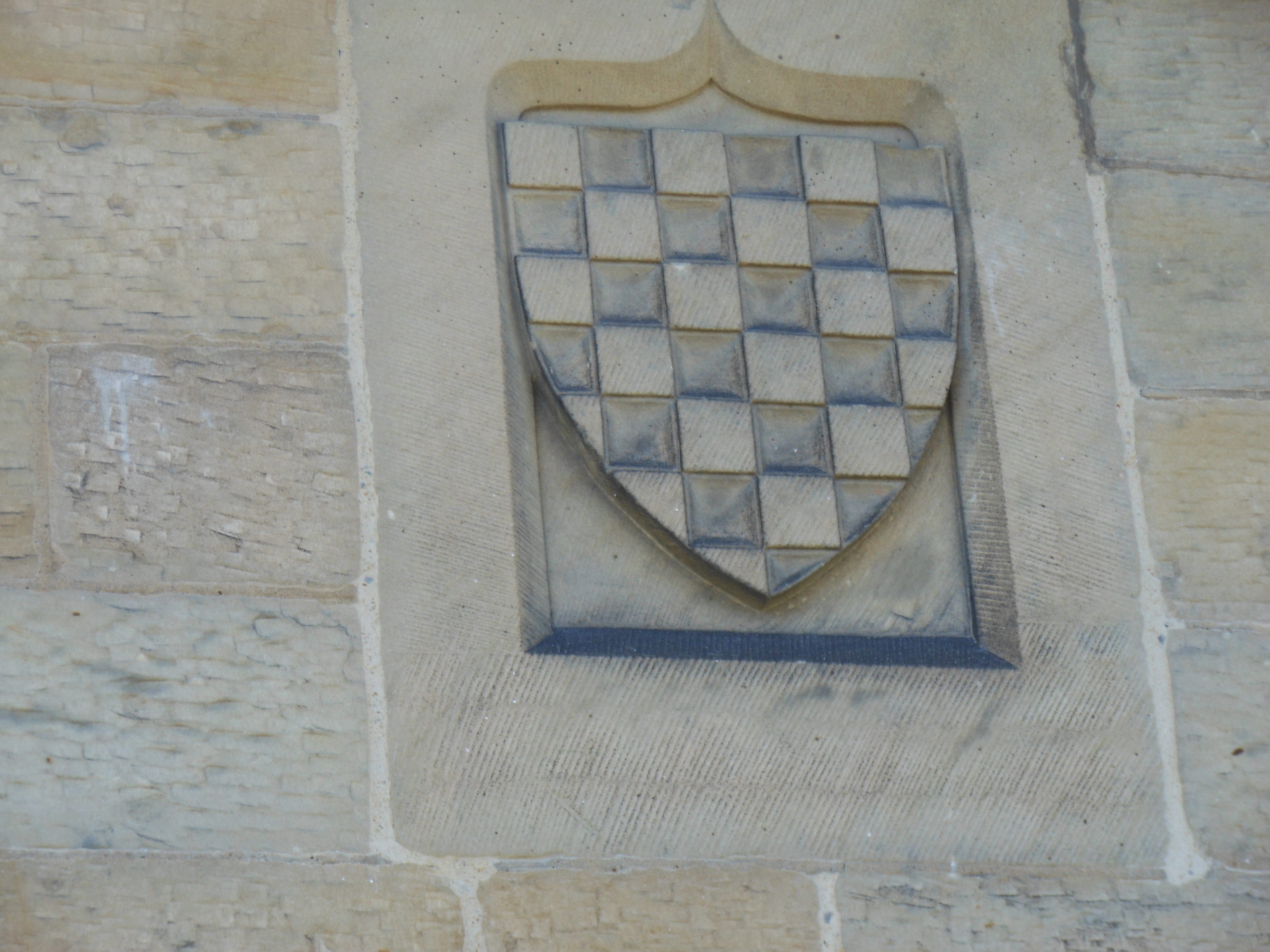
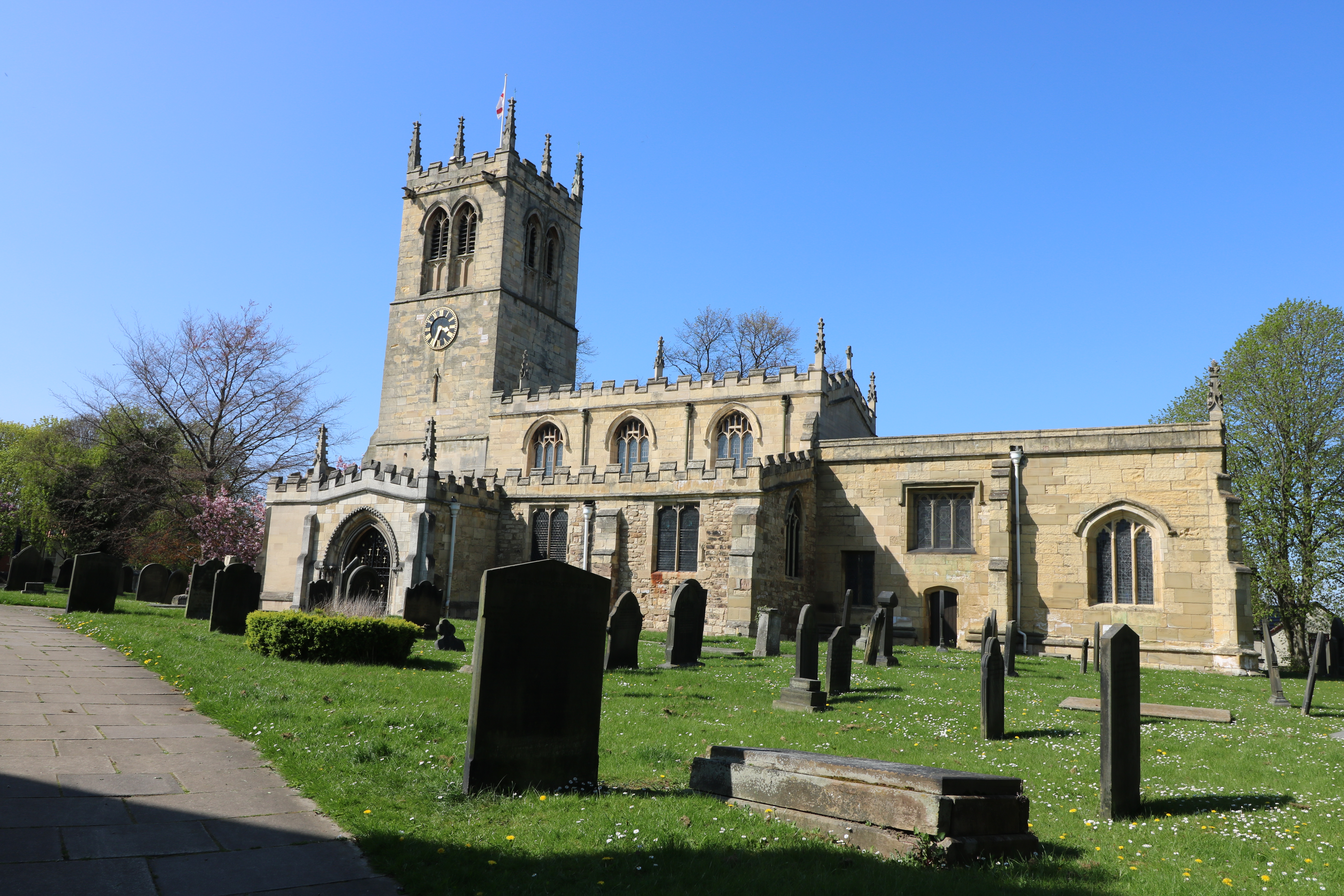

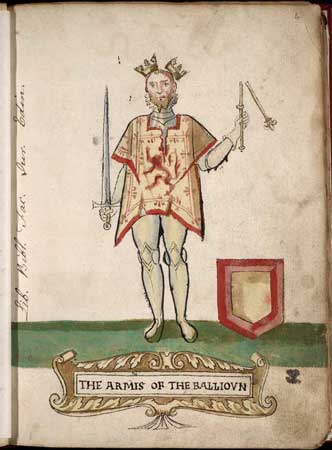

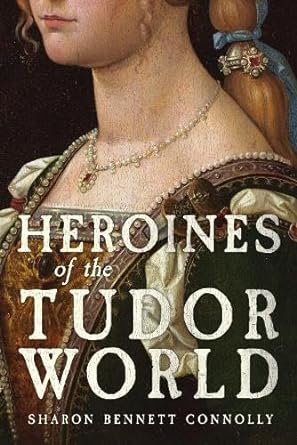


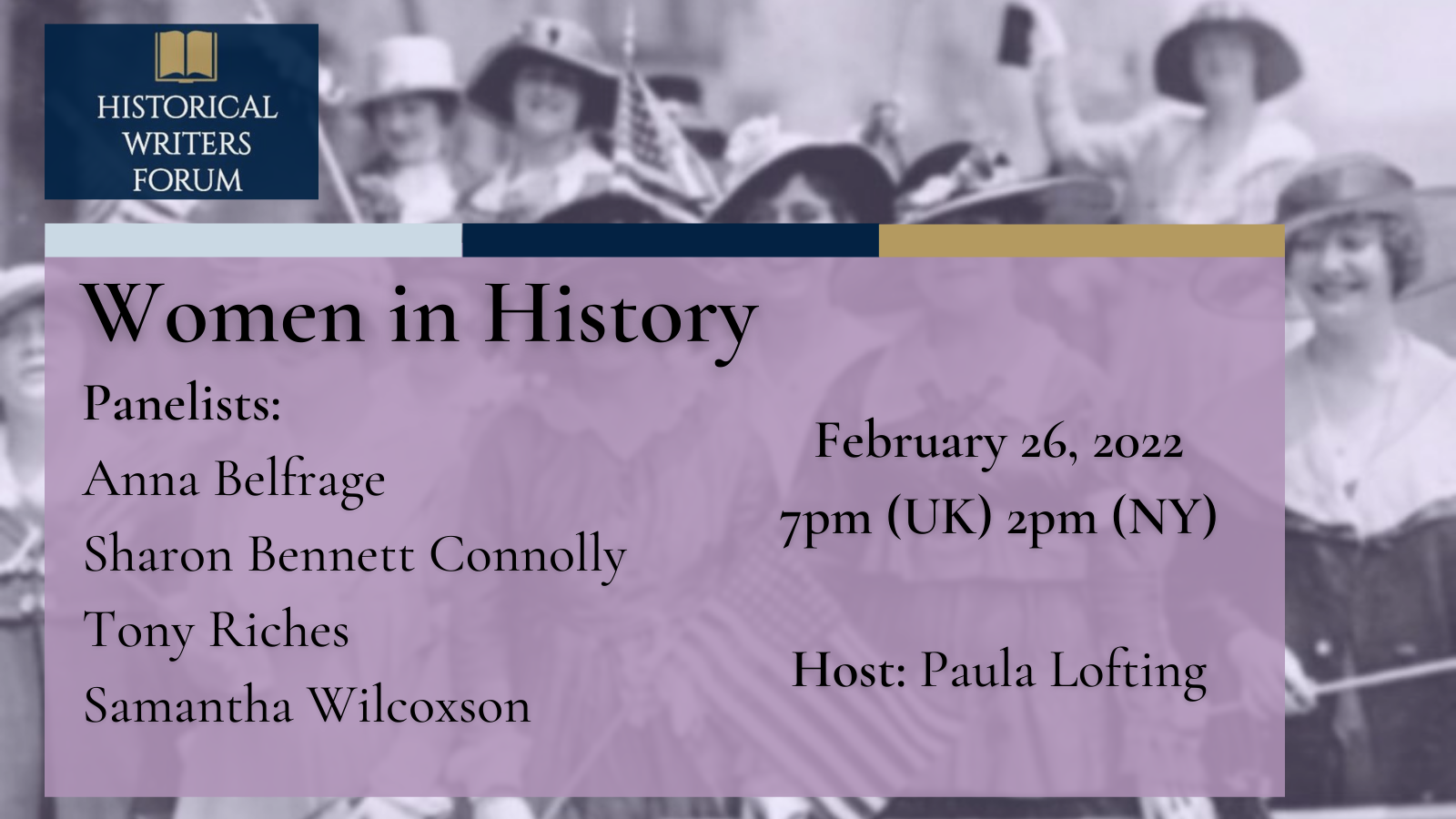

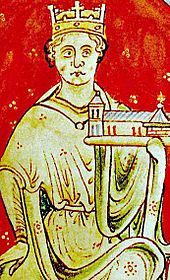
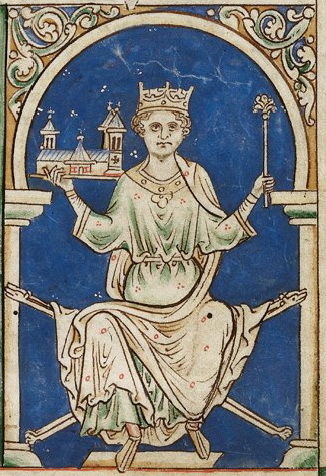
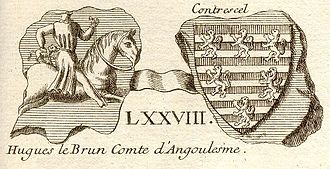
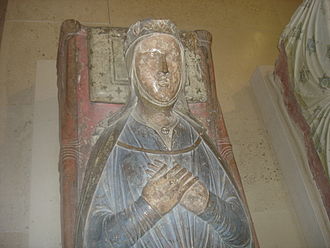



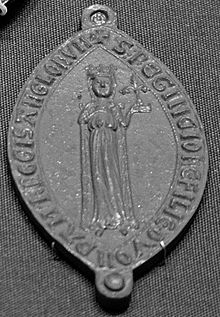


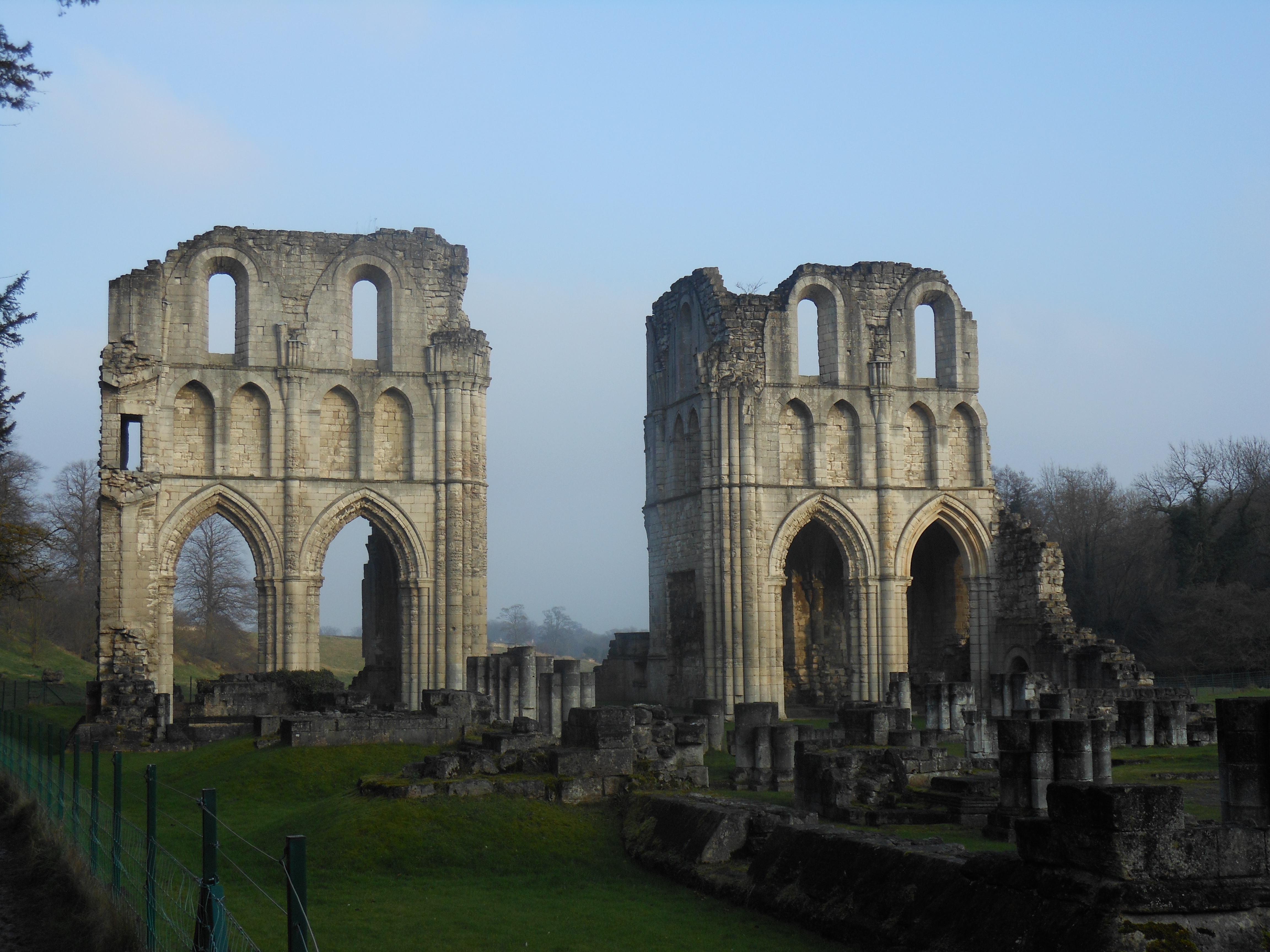
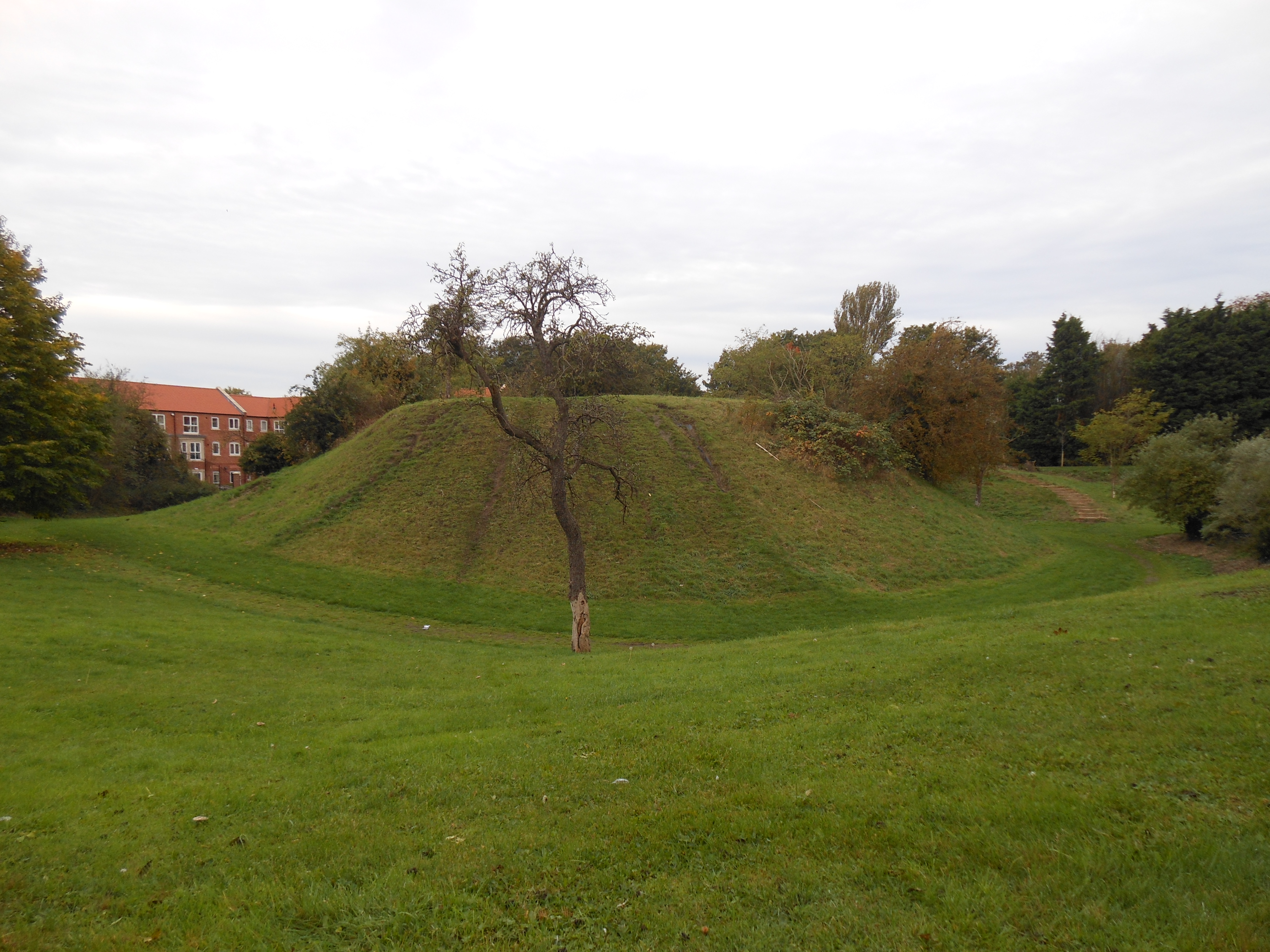



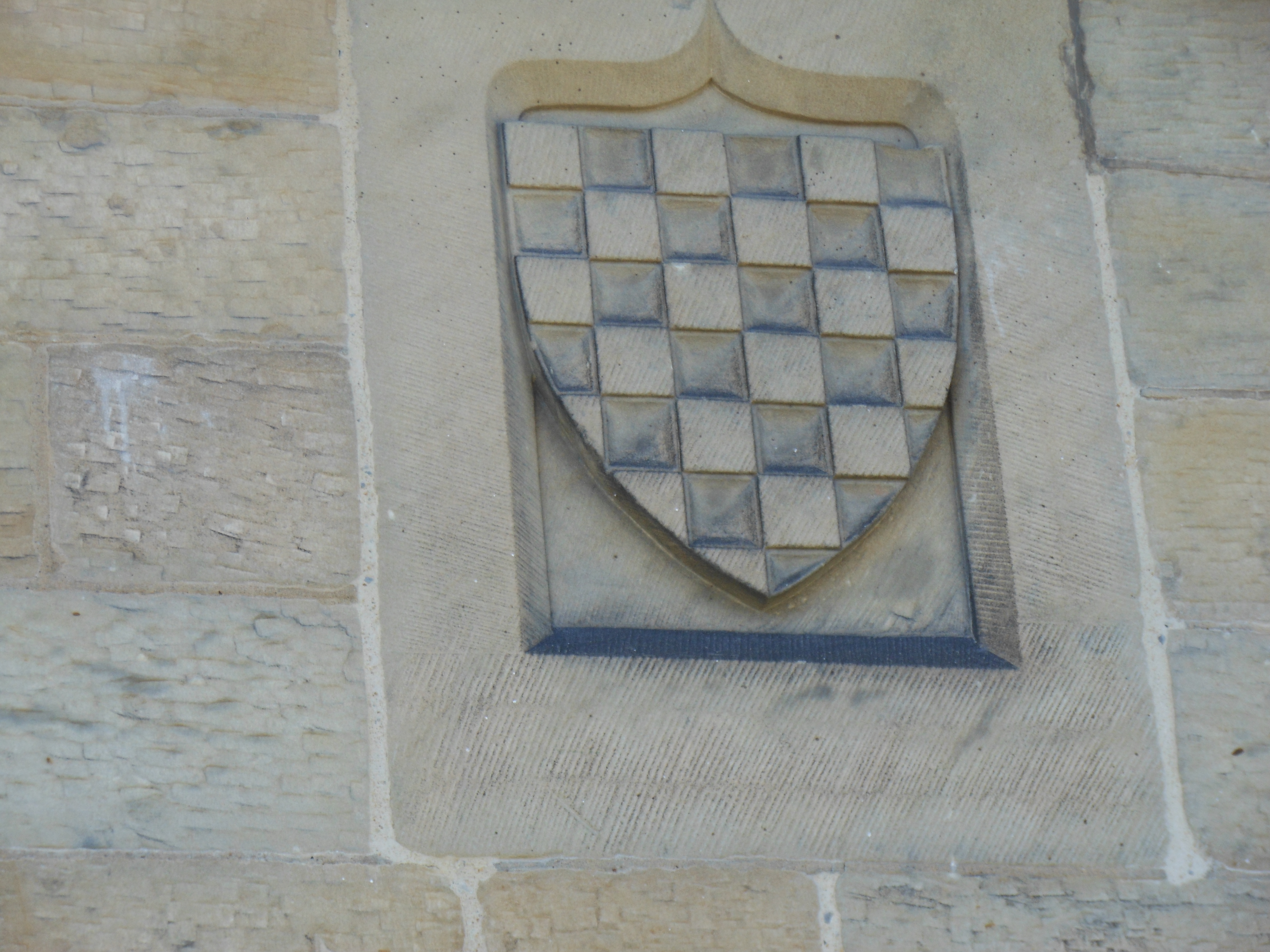
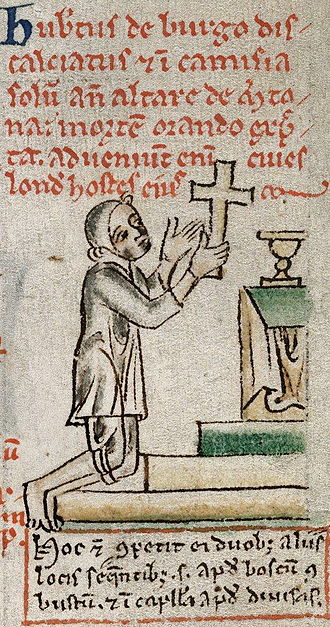
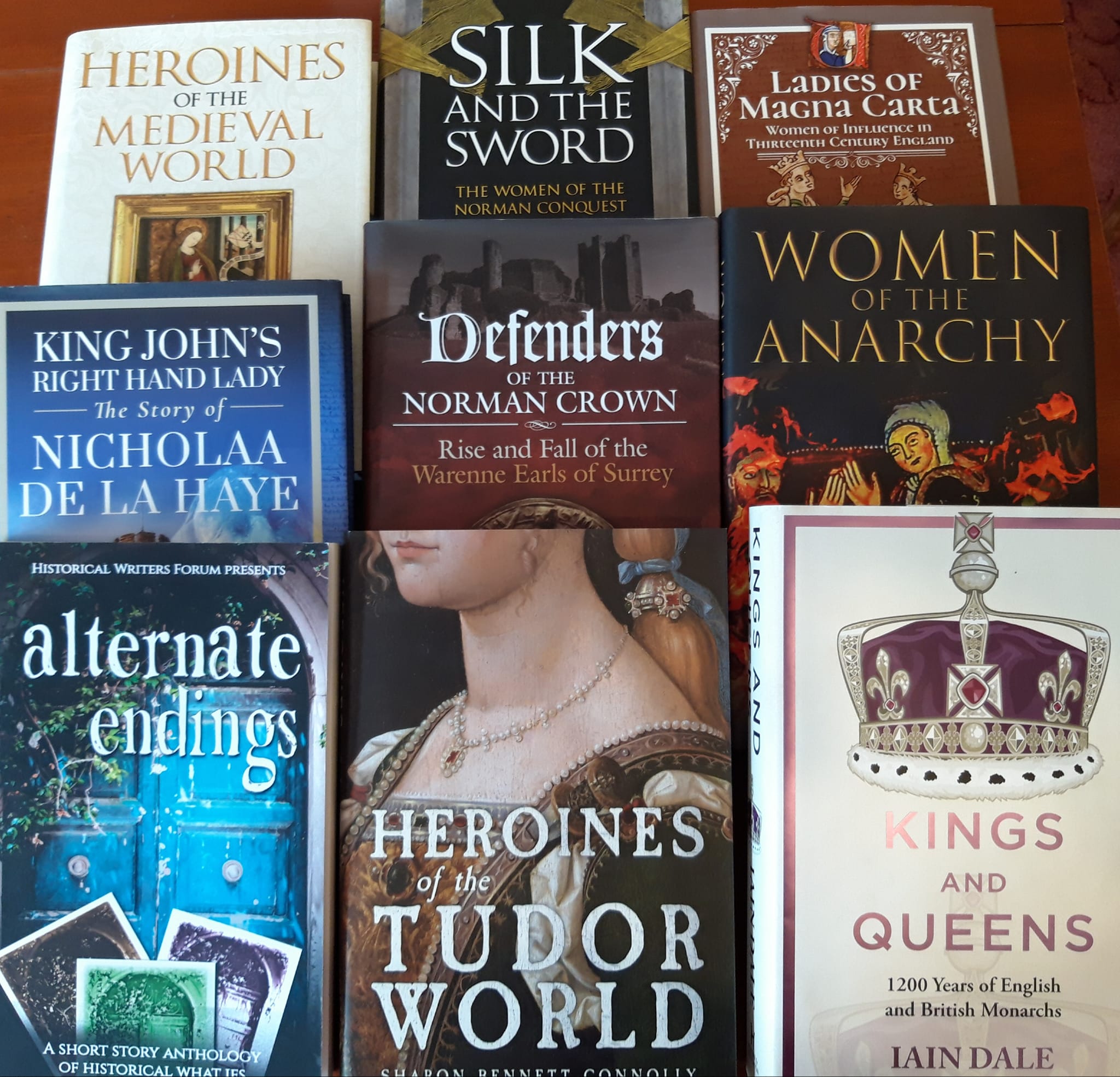




 History... the interesting bits!