It is a pleasure to welcome historian Monika E. Simon back to History…the Interesting Bits. Monika’s book, From Robber Barons to Courtiers. The Changing World of the Lovells of Titchmarsh, is a fascinating read. And today, Monika is here to talk about the life and downfall of a descendant of the Lovells, Jane Boleyn.
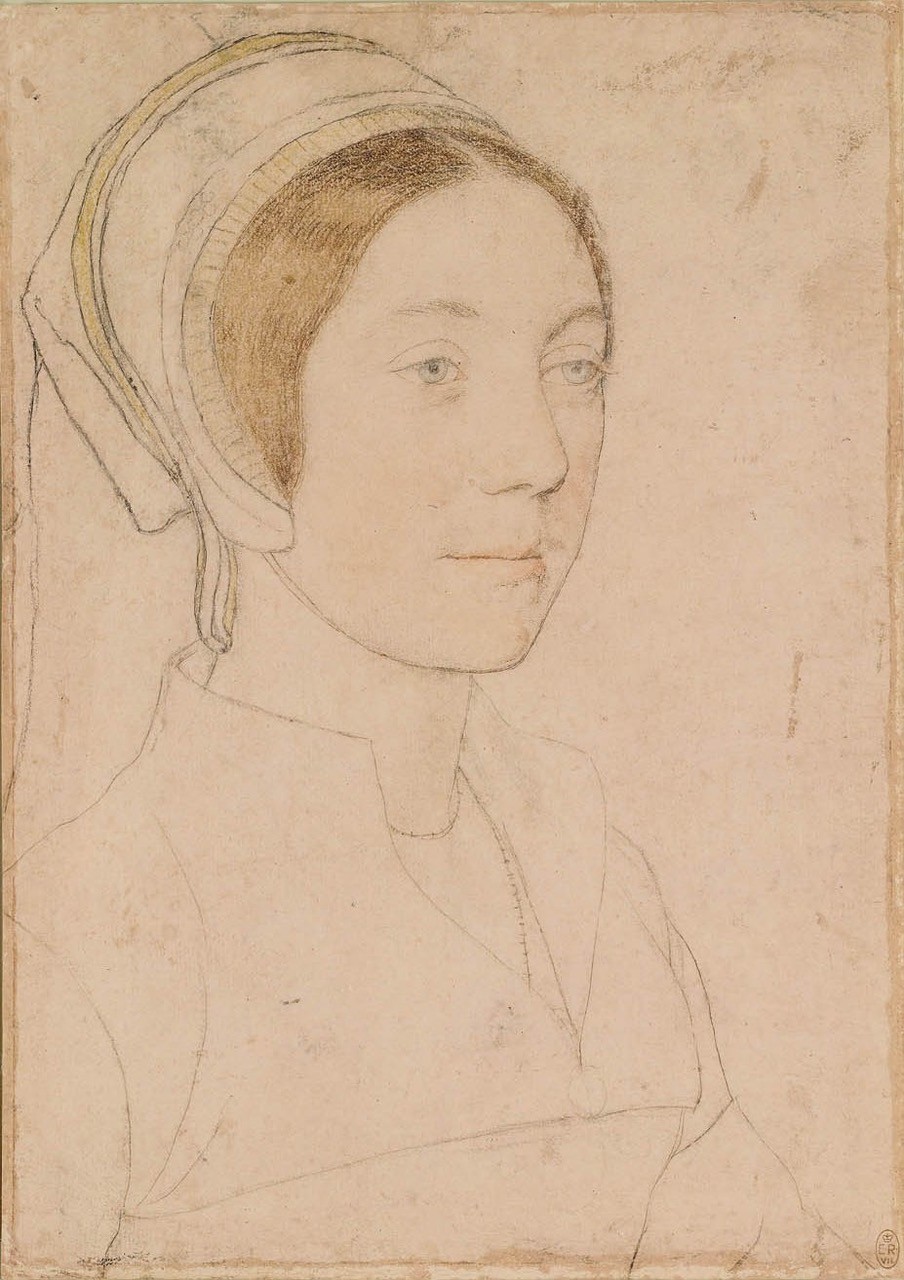
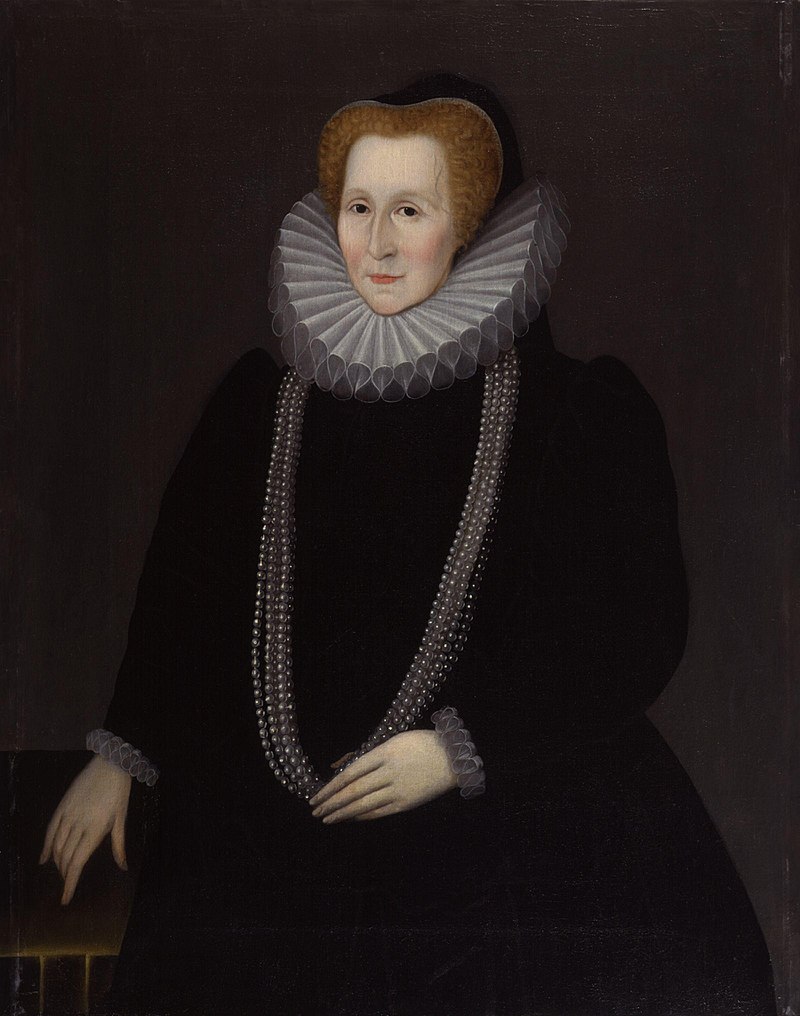
Hans Holbein the Younger
Jane Boleyn, née Parker, the infamous Lady Rochford – The Perfect Scapegoat
Jane Boleyn, Lady Rochford is generally regarded as one of the key witnesses if not the key witness in the court case against Anne Boleyn. Jane was married to Anne’s brother George Boleyn. As Anne’s sister-in-law and with her own husband, George Boleyn accused of having had an affair with his sister Anne, Jane’s betrayal is seen as a particular heinous crime. Jane is also accused to have been the source of this accusation of incest against her husband and her sister-in-law.
In an article on Jane’s father for example, James P. Carley declares ‘Morley’s daughter Jane, was principal witness against her husband, George Boleyn, Lord Rochford, at the time of his trial in 1536.’
However, most historians agree that the charges against Anne Boleyn, her brother, and the others accused were trumped up to rid Henry VIII of his wife. Eric Ives for example states, ‘Under analysis, the case presented by the Crown in May 1536 collapses’. If the outcome of the trial and the guilty verdicts were a forgone conclusion, surely it made absolutely no difference who had said or may have said what during or before the trials?
Why then did Jane Boleyn become the ‘infamous Lady Rochford‘?
Let me first introduce you to Jane Boleyn, née Parker.
Jane was the daughter of Henry Parker, Lord Morley, and his wife Alice St John. Alice was the daughter of Margaret Beaufort’s half-brother John St John. The match was almost certainly arranged by Margaret Beaufort in whose household Henry Parker had served from a young age. During this time Margaret Beaufort became his patroness. She supported him financially and looked after his wife Alice and their children when Henry was away. Margaret Beaufort was also a major influence on his religious beliefs.
Henry was summoned to parliament as Lord Morley after the death of his mother Alice Parker, née Lovell, in 1518. He never made a particular name for himself at court and never held important office. Richard Starkey calls him ‘an unimportant backwoodsman’ but I think ‘hard-working backbencher’ is a more apt description. He assiduously attended parliament, great ceremonial events, and state trials. That he never achieved higher office may be simply due to a lack of ambition or a personal choice to not risk his life. After all he witnessed how many of the men holding high office during Henry VIII’s reign ended their lives on the scaffold.
Henry Parker and his wife Alice had five children, two sons, Henry and Francis, and three daughters, Jane, Margaret, and Elizabeth. In the 1520s, Henry and his wife Alice arranged marriages for their three elder children. Henry, the eldest son and heir, was married to Grace Newport, heiress of her father John Newport. Jane married George Boleyn around 1526. In 1530, Margaret married Sir John Shelton the Younger, the son of Sir John Shelton the Elder and his wife Anne Boleyn, the aunt of Queen Anne.
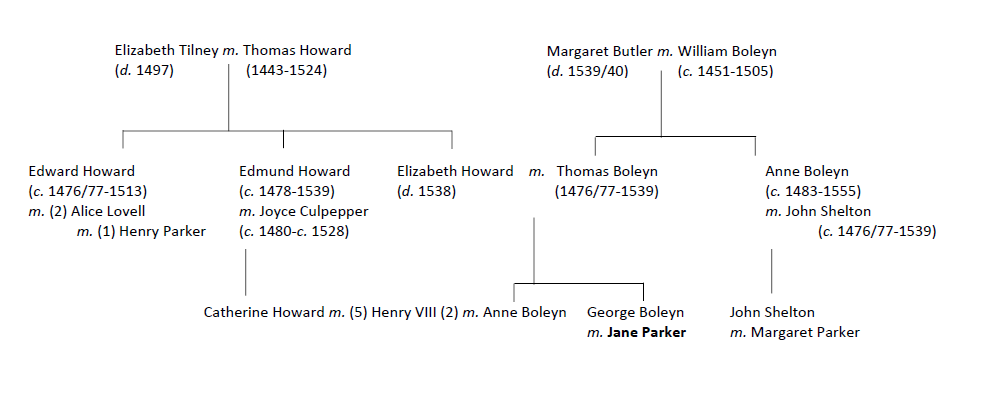
The Boleyn family were neighbours of the Parkers, as were the Howard Dukes of Norfolk. Henry Parker’s mother, Alice Parker had married as her second husband Edward Howard, whose sister Elizabeth was married to Thomas Boleyn. Thomas Boleyn’s father William had been one of the executors of the will of Alice Parker’s brother Henry Lovell, Lord Morley. Alice had been the heir to her brother Henry Lovell and had become very wealthy when she inherited the part of his estates that were not held in tail male. Henry Lovell had been married to Elizabeth de la Pole, daughter of John de la Pole, duke of Suffolk, and Elizabeth, the sister of Edward IV and Richard III. Both Henry and Alice were cousins of Francis Lovell, Viscount Lovell (see Genealogies).
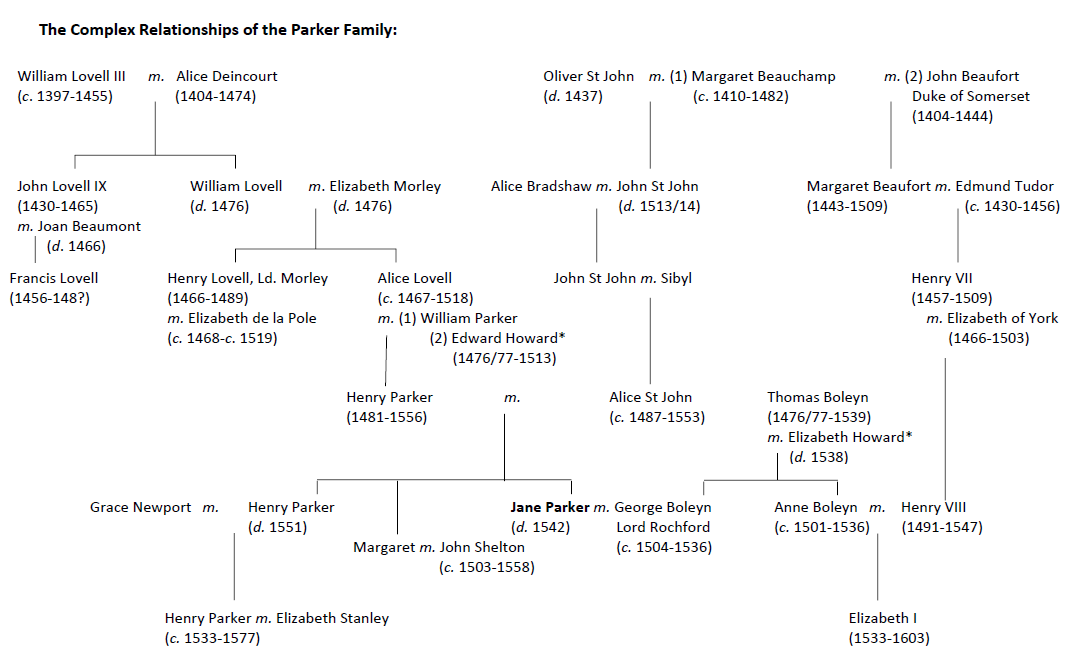
This confusing profusion of relationships is typical for the higher nobility. The families tried to marry their children to spouses of the same rank, and since the higher nobility was a small group, a multitude of relationships between families was the inevitable result.
The families of Jane and her husband George were not only neighbours in Essex, the two knew each other from court as well. George Boleyn had become a royal page in 1516, and Jane had become one of the ladies of Queen Catherine of Aragon in 1520. The relationship between Jane and her husband was therefore both personal and professional. Jane’s husband George also shared his father-in-law’s interest in literature and translations. In fact, George Boleyn’s translation of ‘The Pistellis and Gospelles for the LII Sondayes of the Yere’ has been attributed to Henry Parker until recently.
To be chosen as a lady of the queen, a young woman had to be of noble birth, attractive, and well-mannered. Jane must have possessed all these qualities. She must also have been skilled in dancing and performing as in 1522 she was among those court ladies who participated a particularly grand pageant for the imperial envoys Jacques de Castres and Charles Poupet de Lacheaulx. Henry VIII’s sister was one of the other ladies as was Jane’s future sister-in-law Anne Boleyn.
In the following years, as Henry VIII became enthralled by Anne Boleyn, Jane and her husband George prospered at court. George became a Squire of the Chamber and was given numerous grants. He received the courtesy title of Viscount, when his father Thomas became Earl of Wiltshire in 1529.
Jane continued to be chosen for active parts in the court’s festivities. In 1532 she was chosen to be one of the six ladies to accompany Anne Boleyn in a dance with the French king Francis I, Henry VIII, and assorted courtiers. In the procession to Anne’s coronation the following year, Jane rode immediately behind Anne. Her brother Henry had been created a Knight of the Bath on the evening before the coronation.
All seemed well both inside the Boleyn family and in the marriage of Henry VIII and Anne Boleyn. But in 1536 this changed dramatically: Anne and her family fell from grace spectacularly. She, her brother George, Henry Norris, and others were arrested, accused of adultery, and executed for treason. Prior to this trial a considerable number of men and women were questions about the allegations. Jane, as Anne’s sister-in-law and lady-in-waiting was naturally also interrogated.

Even though most historians consider the charges against Anne Boleyn and the other accused as fictional, most, myself included (Both in my book and in my previous guest post), have debated all available clues, hints and the few concrete statements existing to proof or disproof Jane’s guilt. All her prior and subsequent actions are judged, depending on whether she is considered guilty or innocent of the charge of betraying her husband and sister-in-law.
Since Jane was only one of a large number of people, including Anne Boleyn herself and her brother George, who were questioned about the events at court and whose answers were used during the trial, why was it Jane and not one of the many other people involved in this affair that has been singled out as the despicable traitor? After all, Lady Wingfield was named by judge John Spelman as the source of the behaviour of Anne Boleyn.
Having pondered this question for quite a while now I have developed my own theory about this question.
After Anne Boleyn’s daughter Elizabeth became queen, Anne’s reputation had to be cleared of any suggestion of scandal and extramarital adventures. It was equally inadvisable to put the blame instead on Elizabeth’s father Henry VIII. To protect her right to be queen of England, the reputation of both her parents needed to be above reproach.
But somebody had to be blamed for Anne Boleyn’s death and, as it turned out, Anne’s sister-in-law Jane made the perfect scapegoat.
Jane had no children and no other family in a position to defend her reputation. Her brother Henry was dead and his son, another Henry, was a devout Catholic. This made him suspicious from the start. He first supported Queen Elizabeth who visited him in Great Hallingbury in 1561. However, later in the decade, he refused to subscribe to the Act of Uniformity. He was also linked to the rising of noble earls and fled England in 1570. He died in exile in 1577.
Additionally, Jane’s own reputation was already ruined. She had been executed alongside Henry VIII’s fifth queen Katherine Howard in 1542. There was no reason to clear childless Katherine Howard’s reputation. Any endeavour to do so would have been much more difficult if not impossible.
While Anne Boleyn was accused of infidelity and incest to remove her for political reason, Katherine Howard certainly had been unfaithful to her husband, even if her clandestine meetings with her paramour Thomas Culpepper did involve nothing more serious than talking and a chaste kiss on the hand as the two claimed. Jane had been present at the meetings as a chaperone of sorts, though she claimed that she had not heard or seen what happened between the queen and Thomas Culpepper as she sat too far away and moreover during at least one of the meetings, she had fallen asleep. Jane did state that she thought Katherine and Thomas had been lovers.
Who of the three, Katherine Howard, Jane Boleyn, or Thomas Culpepper, had been the main instigator of these meetings was and is still debated. Naturally, all three tried to play down their own role and blame the others. Thomas Culpepper used the time-honoured excuse that he had been helpless against the wily ways of the two women. Katherine claimed that Jane had been encouraging her and that it had been her lady-in-waiting who wanted her to befriend Thomas in the first place. It had also been Jane who searched out the places where they could meet Thomas. Jane insisted that she had only followed the orders of the queen.
In the end, all three participated in illicit meetings and they all should have known what would happen if they were found out. The execution of Anne Boleyn and her alleged lovers was only a few years in the past.
In his biography of Anne Boleyn Eric Ives wonders ‘whether the incrimination of Lady Rochford in the crimes of Katherine Howard may not have owed something to revenge’. There was, however, no need to incriminate Jane Boleyn in any way, she did so herself by her actions.
I think Ives’s argument should be put on its head: Jane Parker has become the much-maligned ‘key witness’ in Anne Boleyn’s trial, since she was guilty in the case that brought down Katherine Howard, Thomas Culpepper, and herself. What was more natural than to assume that she was equally deeply involved in the fall of Anne Boleyn?
Perhaps it is not wholly imaginary to think that makes Jane a particularly satisfying scapegoat for Anne Boleyn’s fall because of her close relationship to Anne. To suggest that Anne’s own sister-in-law, the wife of her brother George, who provided the charge of incest, is particularly piquant. The people nearest to us are those who can reveal our deepest secrets and the fear of being betrayed by them runs deep.
The trial of Anne Boleyn and her alleged lovers was a means to an end and the charges spurious. Today it is merely fascinating to discuss the alleged contribution of individuals to the proceedings and interesting to observe how Jane’s action both before and after Anne Boleyn’s trial are today interpreted completely different, depending on whether or not an author regards Jane as the traitor.
Back in the second half of the sixteenth century, the trial of Anne Boleyn was not discussed (at least openly) as a political manoeuvre conducted on trumped up charges to remove a no longer wanted queen. This would have fundamentally damaged the reputation of Henry VIII, the father of Elizabeth I. Since her mother had to be cleared of any allegations of infidelity, somebody else had to be blamed. Jane Parker was the best choice for that role. She was the perfect scapegoat.
Further Reading:
- James P. Carley, ‘The Writings of Henry Parker, Lord Morley: A Biographical Survey’, in: Marie Axton and James P. Carley (eds.), ‘Triumphs of English’. Henry Parker, Lord Morley, Translator to the Tudor Court (London, 2000).
- Julia Fox, Jane Boleyn. The Infamous Lady Rochford (London, 2007).
- Eric Ives, The Live and Death of Anne Boleyn. ‘The Most Happy’ (Oxford, 2004).
Monika E. Simon, From Robber Barons to Courtiers. The Changing World of the Lovells of Titchmarsh (Barnsley, 2021
Images:
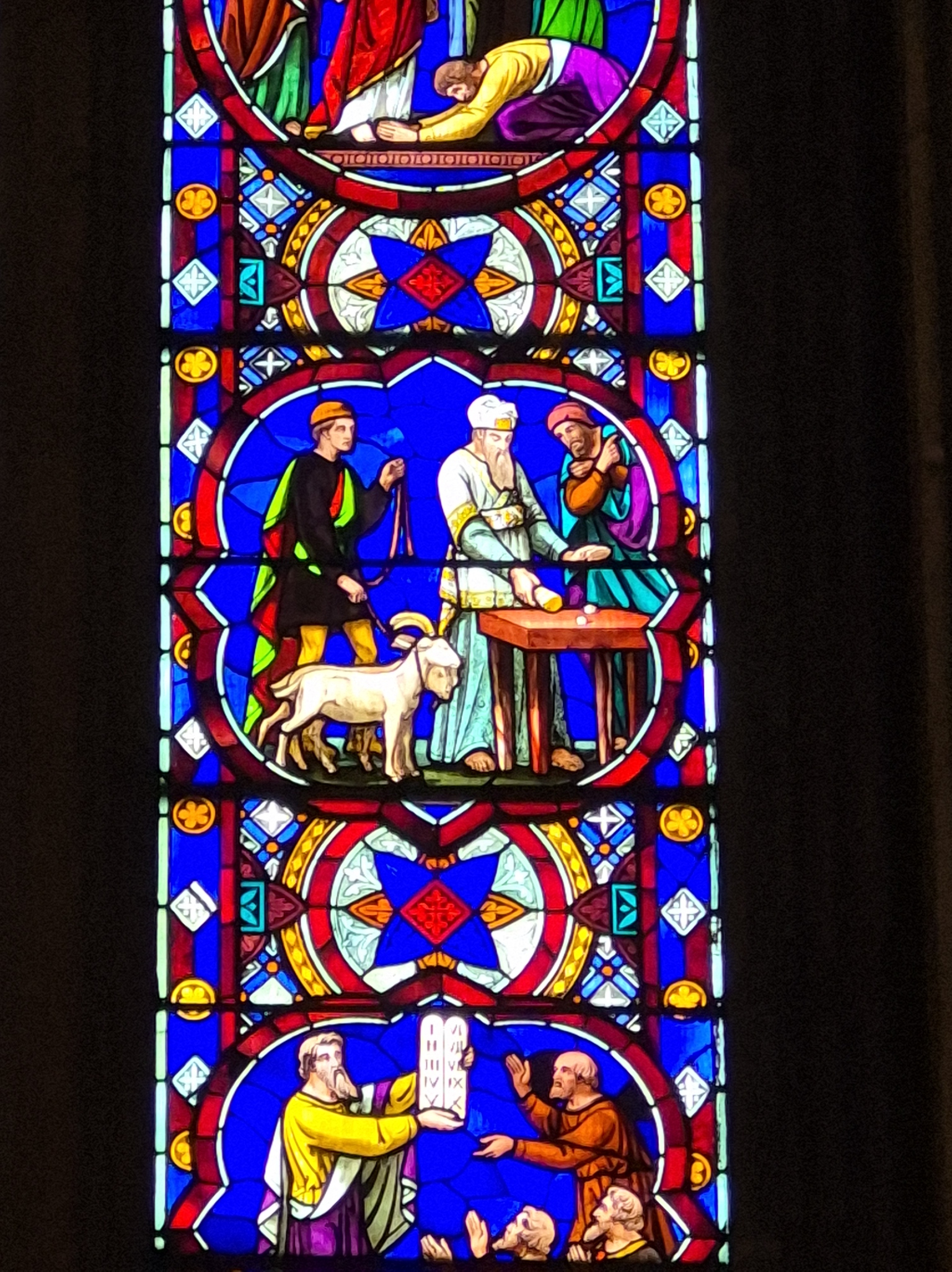
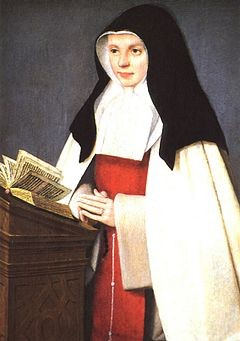
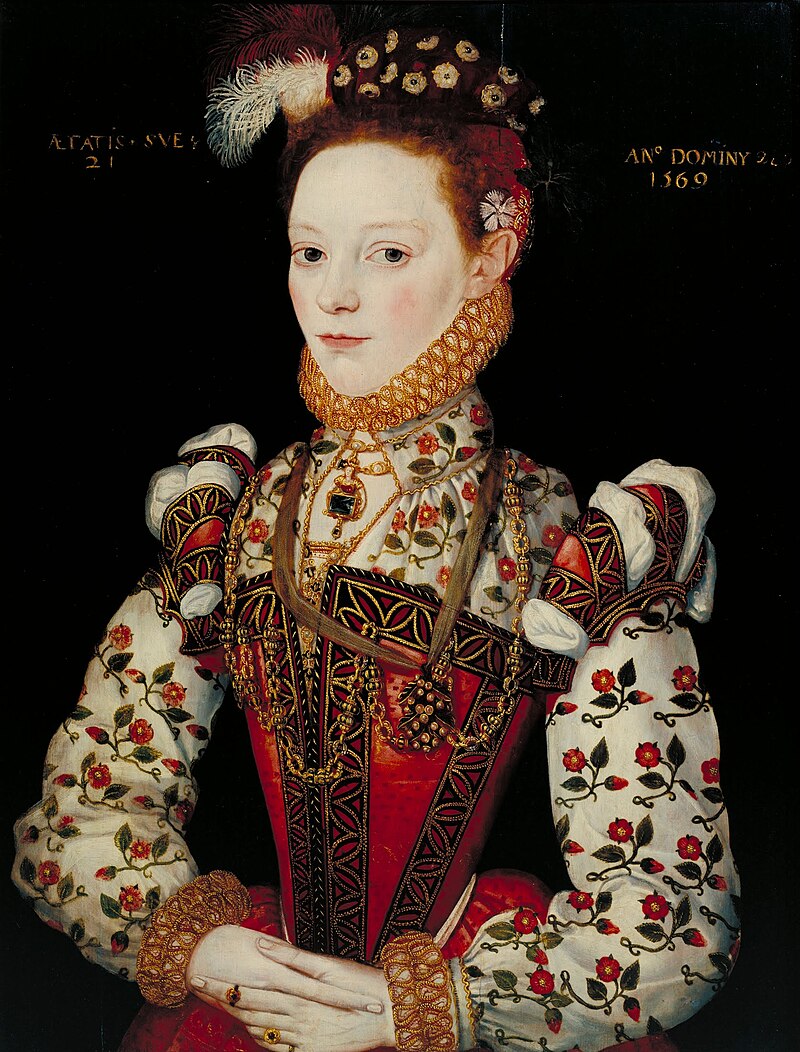
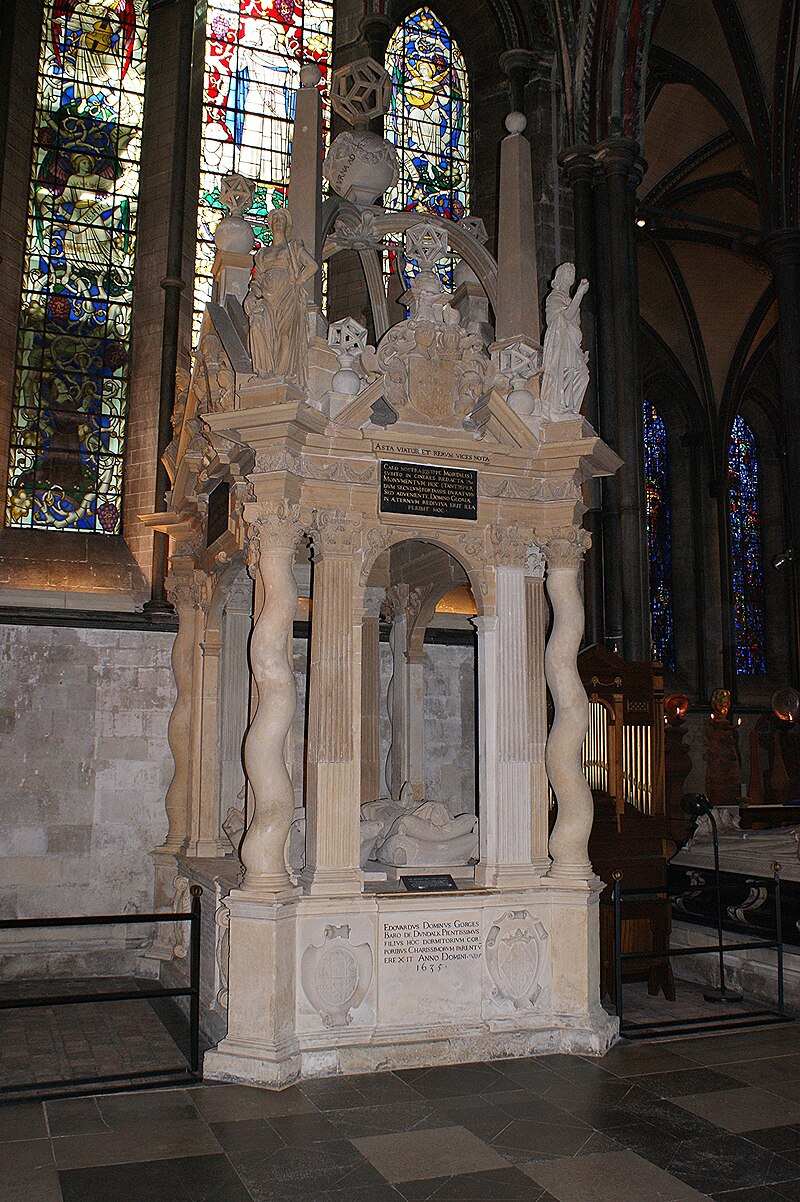
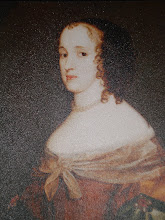
Jane Boleyn portrait via Wikimedia Commons; Scapegoat, Lincoln Cathedral ©2026 Sharon Bennett Connolly FRHistS
About the Author:
Monika E Simon was born as the third of four sisters in 1969 in a small city in southern Bavaria. Interested in history from an early age, she wrote her MA thesis about the tenth-century Empress Adelheid at the Ludwig-Maximilians-Universtität in Munich. Having spent a year of her studies at the University of York (Yorkshire), she fell in love with the city and decided to transfer there for her doctoral thesis. For her DPhil thesis she studied the history of the Lovells of Titchmarsh which she submitted in 1999.
In 2001, after two years in London, Monika E Simon returned to Munich, where she has lived since, working in a variety of jobs. In 2021 her first book, From Robber Barons to Courtiers. The Changing World of the Lovells of Titchmarsh was published.
She has also published a small number of articles about the Lovell family. She continues to research a variety of historical subjects.
Where to find Monika: Facebook; website; Pen & Sword
*
My Books
Signed, dedicated copies of all my books are available through my online bookshop. or by contacting me.
Coming 30 March: Princesses of the Early Middle Ages
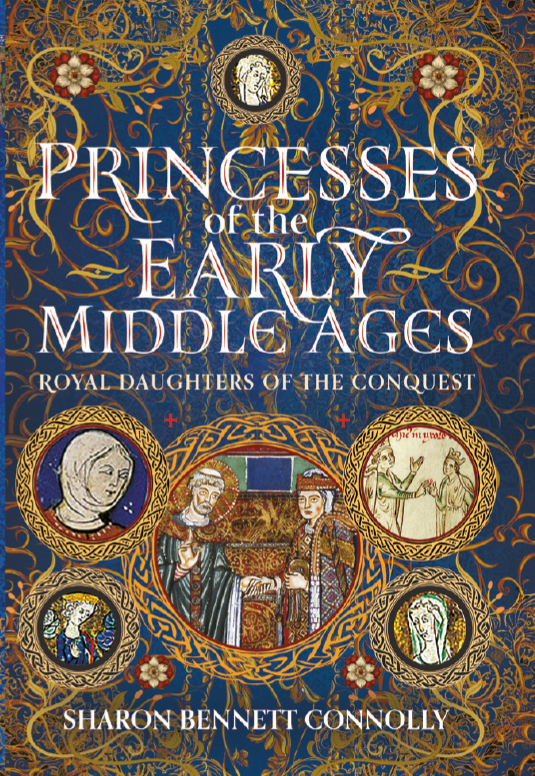
Daughters of kings were often used to seal treaty alliances and forge peace with England’s enemies. Princesses of the Early Middle Ages: Royal Daughters of the Conquest explores the lives of these young women, how they followed the stereotype, and how they sometimes managed to escape it. It will look at the world they lived in, and how their lives and marriages were affected by political necessity and the events of the time. Princesses of the Early Middle Ages will also examine how these girls, who were often political pawns, were able to control their own lives and fates. Whilst they were expected to obey their parents in their marriage choices, several princesses were able to exert their own influence on these choices, with some outright refusing the husbands offered to them.
Their stories are touching, inspiring and, at times, heartbreaking.
Princesses of the Early Middle Ages: Royal Daughters of the Conquest is now available for pre-order from Pen & Sword and Amazon.
Also by Sharon Bennett Connolly:

Scotland’s history is dramatic, violent and bloody and Scotland’s Medieval Queens have seen it all. This is the story of Scotland through their eyes. Available now from Amazon and Pen and Sword Books. Heroines of the Tudor World tells the stories of the most remarkable women from European history in the time of the Tudor dynasty, 1485-1603. These are the women who ruled, the women who founded dynasties, the women who fought for religious freedom, their families and love. Heroines of the Tudor World is now available from Amberley Publishing and Amazon UK. Women of the Anarchy demonstrates how Empress Matilda and Matilda of Boulogne, unable to wield a sword themselves, were prime movers in this time of conflict and lawlessness. It shows how their strengths, weaknesses, and personal ambitions swung the fortunes of war one way – and then the other. Available from Bookshop.org, Amberley Publishing and Amazon UK. King John’s Right-Hand Lady: The Story of Nicholaa de la Haye is the story of a truly remarkable lady, the hereditary constable of Lincoln Castle and the first woman in England to be appointed sheriff in her own right. Available from all good bookshops Pen & Sword Books, bookshop.org and Amazon.
Defenders of the Norman Crown: The Rise and Fall of the Warenne Earls of Surrey tells the fascinating story of the Warenne dynasty, from its origins in Normandy, through the Conquest, Magna Carta, the wars and marriages that led to its ultimate demise in the reign of Edward III. Available from Pen & Sword Books, Amazon in the UK and US, and Bookshop.org. Ladies of Magna Carta: Women of Influence in Thirteenth Century England looks into the relationships of the various noble families of the 13th century, and how they were affected by the Barons’ Wars, Magna Carta and its aftermath; the bonds that were formed and those that were broken. It is now available in paperback and hardback from Pen & Sword, Amazon, and Bookshop.org. Heroines of the Medieval World tells the stories of some of the most remarkable women from Medieval history, from Eleanor of Aquitaine to Julian of Norwich. Available now from Amberley Publishing and Amazon, and Bookshop.org. Silk and the Sword: The Women of the Norman Conquest traces the fortunes of the women who had a significant role to play in the momentous events of 1066. Available now from Amazon, Amberley Publishing, and Bookshop.org.
Alternate Endings: An anthology of historical fiction short stories including Long Live the King… which is my take what might have happened had King John not died in October 1216. Available in paperback and kindle from Amazon.
Podcast:
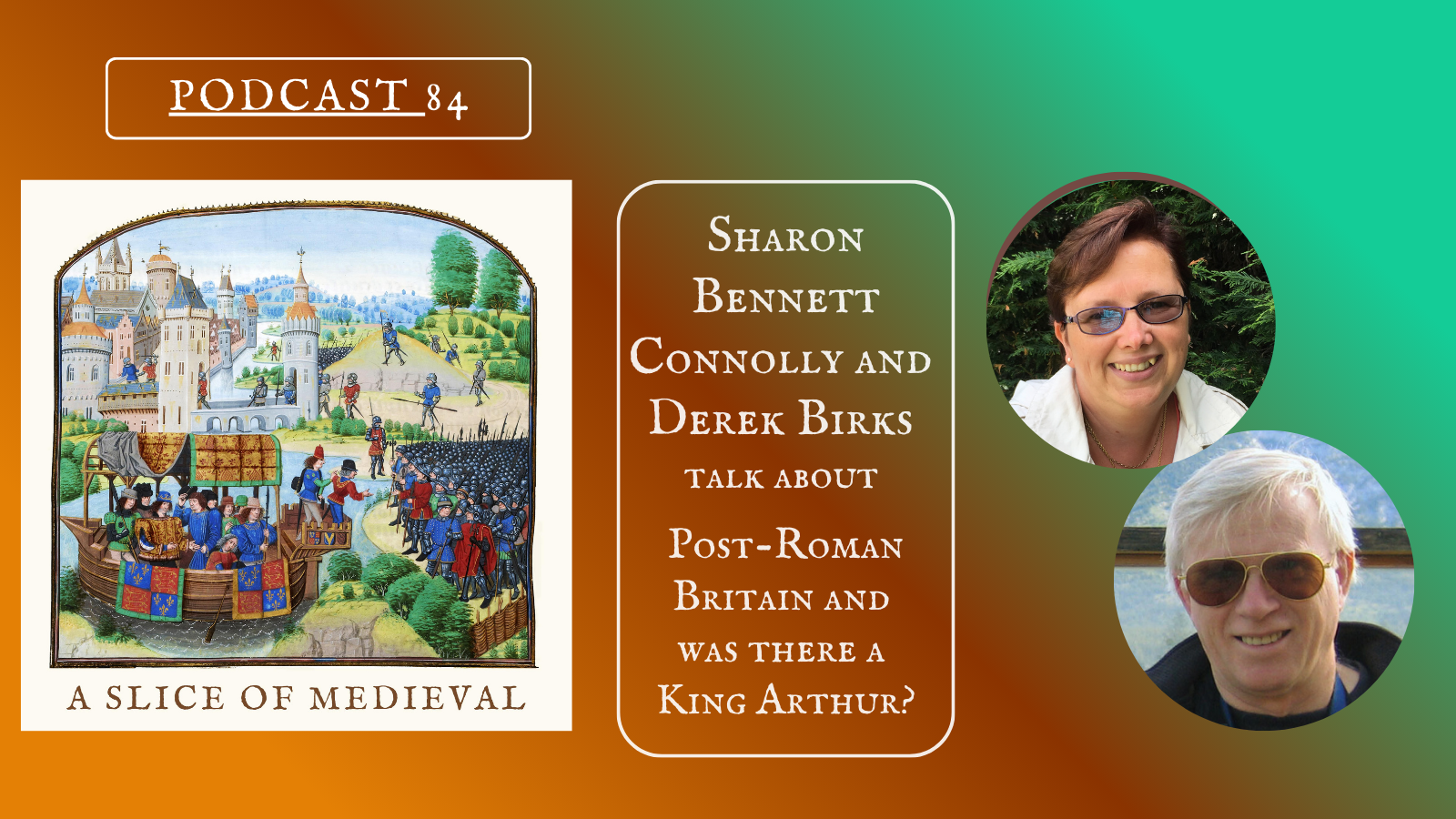
Have a listen to the A Slice of Medieval podcast, which I co-host with Historical fiction novelist Derek Birks. Derek and I welcome guests, such as Ian Mortimer, Bernard Cornwell, Elizabeth Chadwick and Scott Mariani, and discuss a wide range of topics in medieval history, from significant events to the personalities involved.
Every episode is also now available on YouTube.
*
Don’t forget! Signed and dedicated copies of all my books are available through my online bookshop.
For forthcoming online and in-person talks, please check out my Events Page.
You can be the first to read new articles by clicking the ‘Follow’ button, liking our Facebook page or joining me on Twitter, Threads, Bluesky and Instagram.
*
©2026 Sharon Bennett Connolly FRHistS
















 History... the interesting bits!