Guest Post: The Formidable Women Who Shaped Medieval Europe: Power and Patronage at the Burgundian Court by Susan Abernethy

Today, it is a pleasure to welcome Susan Abernethy back to History… the Interesting Bits, to chat about her fabulous new book, The Formidable Women Who Shaped Medieval Europe: Power and Patronage at the Burgundian Court.

How I Decided to Write The Formidable Women Who Shaped Medieval Europe: Power and Patronage at the Burgundian Court

History...the Interesting Bits

It all started with the random purchase of a used copy of a biography of Isabel of Portugal by Aline S Taylor. It just so happened that Isabel was the daughter of King John I of Portugal and Philippa, daughter of John of Gaunt, Duke of Lancaster and son of King Edward III of England. To my surprise, Isabel was married, at the venerable age of 33, to Philip the Good, Duke of Burgundy as his third wife. At the time, I had no idea who Philip was and knew nothing about the duchy of Burgundy.

Isabel had a son who succeeded his father with the moniker of Charles the Bold. It turned out I owned a reprint of a turn of the century biography of Charles by Ruth Putnam in my library. Both Isabel and Charles greatly intrigued me as tenacious and resolute characters. I had to learn more. My research began with Putnam’s biography and progressed to the four volume biographies of each of the Valois dukes of Burgundy by Richard Vaughan.

As my knowledge of Burgundian history expanded, more women in history emerged. From the wives, daughters, grand-daughters and nieces, they were all used as pawns in the dukes’ diplomatic efforts to expand as well as govern the Burgundian Empire. The dukes could not have amassed their empire, the size of England and Wales combined, without their women. Some of these women lived lives of comfort and supreme authority while others were relentlessly bullied and badgered into surrendering their patrimony. This book is a collection of thirty-one of these women, related to the Valois dukes by blood, marriage and politics.

History...the Interesting Bits
Isabel of Portugal

Many of them had a major role in the history of Western Europe, spreading their influence across numerous countries, including France, Germany, England, the Low Countries, Italy, Spain and many more. The first chapter of the book is a concise summary of how the Valois dukes grew their empire, beginning with the death of the Philip I, the last duke of the House of Burgundy. With his death, the duchy of Burgundy reverted to the French crown, and it was up to King John II of France to determine its fate. John had a younger son, Philip, who had distinguished himself as a fighter during the Hundred Years’ War.

As a reward for his faithful service, his father gave him the duchy of Touraine. Philip would later trade this small principality for the more prestigious duchy of Burgundy in 1363. He had a long-time dream of merging his new duchy to the county of Burgundy, otherwise known as the Franche-Comté and to do this, he needed to marry the heiress. So in the summer of 1369, he married Margaret of Male, who stood to inherit not just the Franche-Comté, but also Flanders and the counties of Rethel and Nevers, along with other territories.

So we have the first formidable woman, Margaret of Male, who not only gave birth to many children but aided her husband in ruling his newly acquired conglomeration of territories. Philip the Bold instituted a deliberate program of marrying his daughters into various regions around his provinces, not just as respectable mates for the grooms but to increase his territories. Richard Vaughan says Philip the Bold was one of the most talented diplomats of his age.

History...the Interesting Bits
Margaret of Male

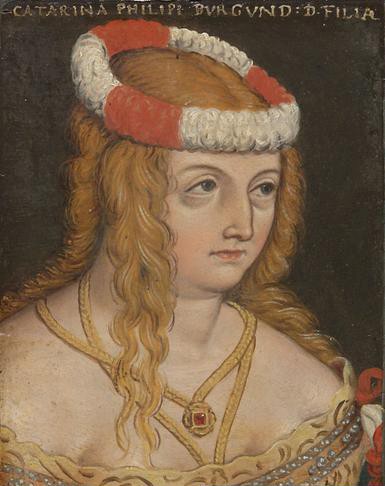
Two of Margaret’s daughters were exceedingly influential but for different reasons. One of my favorite discoveries in writing this book was Catherine of Burgundy, Duchess of Austria and Countess of Ferrette. Philip had is eye on the county of Ferrette (now a part of Alsace in northeastern France), which was under the influence of Leopold IV, Duke of Austria. Catherine’s marriage to Leopold would be a success in that the couple got along well; however, they had no children. When Philip the Bold failed to pay Catherine’s dowry she convinced Leopold to grant her the governance of the county of Ferrette which would give her an income.

She ruled the county competently, acting as a diplomat for her Burgundian ducal brother and nephew, John the Fearless and Philip the Good respectively, making economic and trade alliances and waging petty wars in the surrounding area. Catherine is one of the few women I’ve found who operated as a man would have in the medieval era which makes her pretty unique. Even more exceptionally, once Catherine became a widow, she married a handsome young nobleman without her brother’s permission, to the astonishment of just about everyone around her. She certainly must have been charming and persuasive.

Catherine’s sister Mary married Amadeus VIII, Duke of Savoy in the spring of 1401 but did not arrive in her new home until September 1403. Mary and Amadeus had many children, the most influential being their son Louis, who succeeded his father as duke of Savoy in 1440. He married Anne of Cyprus and together they had about nineteen children. Mary of Burgundy’s legacy lies among these grandchildren.

History...the Interesting Bits
Catherine of Burgundy

Louis and Anne of Cyprus’ eldest son, Amadeus IX, married Yolande of France, the daughter of King Charles VII and Marie of Anjou. Yolande’s story looms large as one of the formidable women in the book. At the age of two, she left France to live in Savoy to be educated and to learn the language and customs of her new home. Her husband died young from various congenital ailments and Yolande acted as regent for her son during his minority.

As the leader of her country, Yolande became entangled in the web of the Spider King, her brother Louis XI of France and his mortal enemy, Charles the Bold, Duke of Burgundy as well as her numerous brothers-in-law and the crafty Duke of Milan. With authority and finesse, Yolande navigated these treacherous times. The intrepid Yolande would be captured and held captive twice along with her children. In both cases, she made brave and daring escapes.

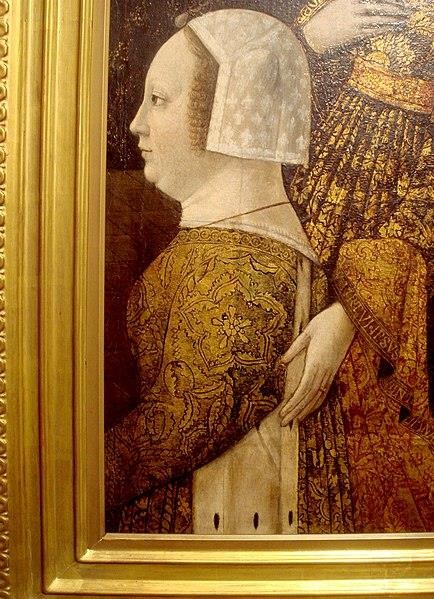
Louis and Anne of Cyprus had two other daughters who made their mark in history. At one time, the English monarch Edward IV considered Bona of Savoy as a wife. The negotiations stalled when Edward married the enchanting Elizabeth Woodville in 1464. By 1468, negotiations for her marriage to Galeazzo Maria Sforza, Duke of Milan were completed. Bona immediately gave birth to an heir and spare and modelled the perfect Italian Renaissance wife as her husband descended into paranoia and mental illness.

History...the Interesting Bits
Bona of Savoy

When Galeazzo Maria was assassinated in 1476, Bona acted as regent for her minor son. At first, she met with great success but eventually she ran into trouble with her brother-in-law, Ludovico Sforza, who wrested power from her, forcing her to struggle for the rest of her life with being separated from her children and inconsistent income.

Bona’s sister Charlotte of Savoy married the Spider King Louis XI of France when she was nine years old and Louis twenty-seven. Of course, the marriage was not consummated until Charlotte came of age and she had three remarkable children. Her son would succeed his father in 1483 as King Charles VIII. Her daughter Anne of France, Duchess of Bourbon acted as regent for her minor brother for eight years and steered France through several crises.

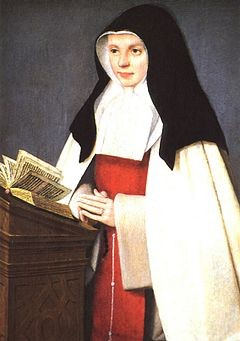
Anne’s greatest achievement would be the annexation to France of the significant duchy of Brittany, one of her lifelong dreams, when her brother married the Breton duchess, Anne. Charlotte’s youngest daughter, Jeanne, born with several severe disabilities, would eventually become Queen of France as the wife of King Louis XII. The marriage would be extremely unhappy, and Louis XII did all in his power to obtain a divorce. After numerous attempts and following the payment of an enormous bribe to Pope Alexander VI, he obtained his annulment, and Louis XII married the widowed queen, Anne of Brittany.

History...the Interesting Bits
Jeanne of France

King Louis made sure Jeanne had abundant properties to guarantee a steady and ample income. Jeanne had a lifelong dream of living a monastic life. She used her funds to successfully build a convent and found a monastic order in Bourges. Her Order of the Virgin Mary, dedicated to the Renunciation, was so successful, it is still in existence to this day in monasteries in France, Belgium, Poland, Costa Rica, Guatemala and Africa. Jeanne was canonized in May 1950.

These and other stories of courageous, intelligent, audacious and fearless women populate this book. Some of the relationships between the women are complex so included in the back of the book are several family trees that illustrate their associations. We are lucky enough to have numerous portraits of  most of the women in the collection and these are included in the plate section. My purpose in writing the book is to feature these women and shed light on the history of the Burgundian Empire.

Order your copy of The Formidable Women Who Shaped Medieval Europe: Power and Patronage at the Burgundian Court here.

About the Author:

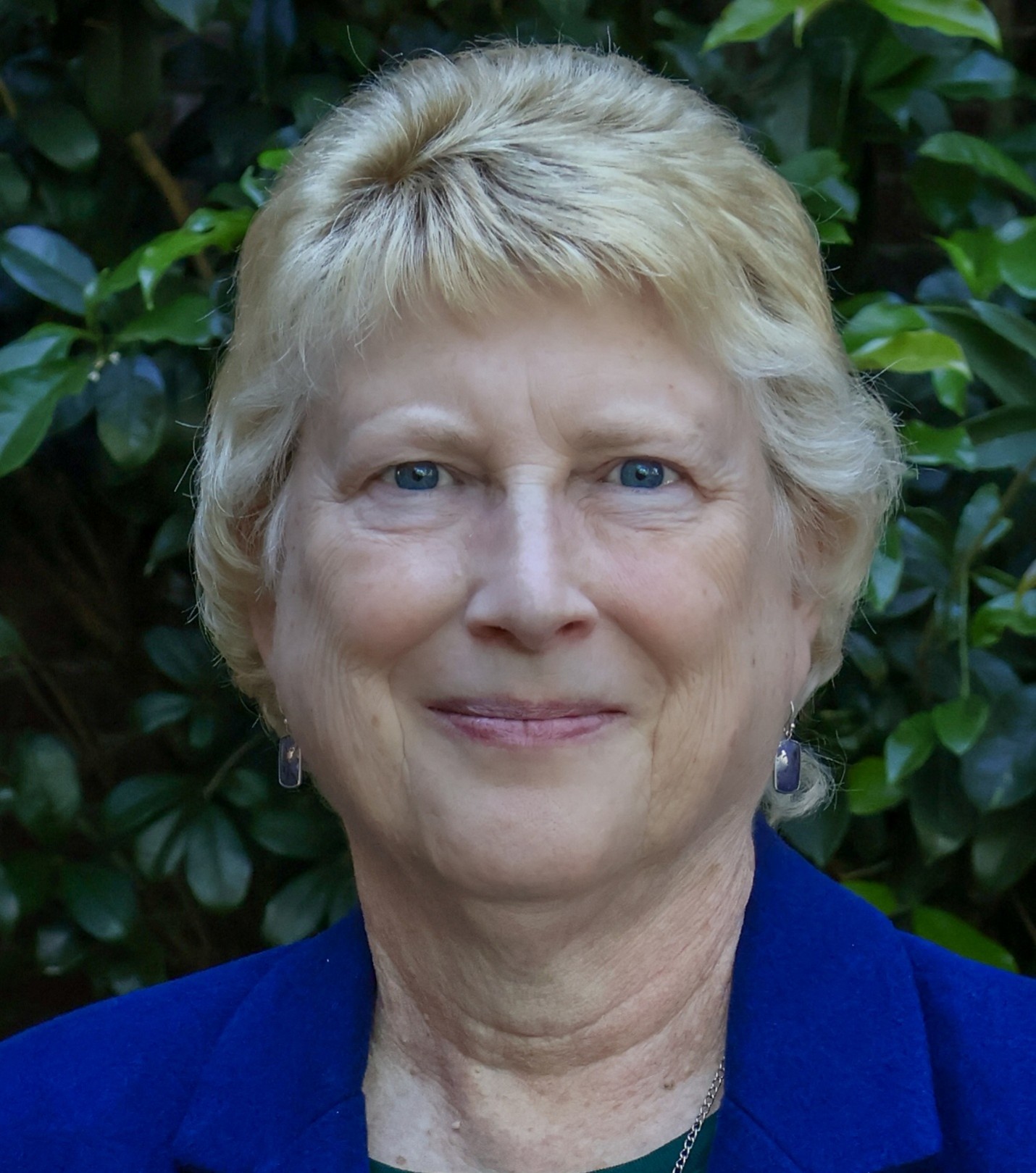
Susan’s passion for history dates back fifty years and led her to study for a Bachelor of Arts degree in history at the University of North Carolina at Charlotte. She is currently a member of the Rocky Mountain Medieval and Renaissance Association, the Society for Renaissance Studies, The Historical Writers Association, and the Historical Association. Her work has appeared on several historical websites and in magazines and includes guest appearances on historical podcasts. Her blog, The Freelance History Writer, has continuously published over five hundred historical articles since 2012, with an emphasis on European, Tudor, Medieval, Renaissance, Early Modern and women’s history. She is currently working on her third non-fiction book.

*

My Books:

Signed, dedicated copies of all my books are available through my online bookshop.

Out now: Scotland’s Medieval Queens

Books by Sharon Bennett Connolly

Scotland’s history is dramatic, violent and bloody. Being England’s northern neighbour has never been easy. Scotland’s queens have had to deal with war, murder, imprisonment, political rivalries and open betrayal. They have loved and lost, raised kings and queens, ruled and died for Scotland. From St Margaret, who became one of the patron saints of Scotland, to Elizabeth de Burgh and the dramatic story of the Scottish Wars of Independence, to the love story and tragedy of Joan Beaufort, to Margaret of Denmark and the dawn of the Renaissance, Scotland’s Medieval Queens have seen it all. This is the story of Scotland through their eyes.

Scotland’s Medieval Queens gives a thorough grounding in the history of the women who ruled Scotland at the side of its kings, often in the shadows, but just as interesting in their lives beyond the spotlight. It’s not a subject that has been widely covered, and Sharon is a pioneer in bringing that information into accessible history.’ Elizabeth Chadwick (New York Times bestselling author)

Available now from Amazon and Pen and Sword Books

Also by Sharon Bennett Connolly:

Books by Sharon Bennett Connolly

Heroines of the Tudor World tells the stories of the most remarkable women from European history in the time of the Tudor dynasty, 1485-1603. These are the women who ruled, the women who founded dynasties, the women who fought for religious freedom, their families and love. Heroines of the Tudor World is now available for pre-order from Amberley Publishing and Amazon UK. Women of the Anarchy demonstrates how Empress Matilda and Matilda of Boulogne, unable to wield a sword themselves, were prime movers in this time of conflict and lawlessness. It shows how their strengths, weaknesses, and personal ambitions swung the fortunes of war one way – and then the other. Available from Bookshop.orgAmberley Publishing and Amazon UKKing John’s Right-Hand Lady: The Story of Nicholaa de la Haye is the story of a truly remarkable lady, the hereditary constable of Lincoln Castle and the first woman in England to be appointed sheriff in her own right. Available from all good bookshops Pen & Sword Booksbookshop.org and Amazon

Royal Historical Society

Defenders of the Norman Crown: The Rise and Fall of the Warenne Earls of Surrey tells the fascinating story of the Warenne dynasty, from its origins in Normandy, through the Conquest, Magna Carta, the wars and marriages that led to its ultimate demise in the reign of Edward III. Available from Pen & Sword BooksAmazon in the UK and US, and Bookshop.orgLadies of Magna Carta: Women of Influence in Thirteenth Century England looks into the relationships of the various noble families of the 13th century, and how they were affected by the Barons’ Wars, Magna Carta and its aftermath; the bonds that were formed and those that were broken. It is now available in paperback and hardback from Pen & SwordAmazon, and Bookshop.orgHeroines of the Medieval World tells the stories of some of the most remarkable women from Medieval history, from Eleanor of Aquitaine to Julian of Norwich. Available now from Amberley Publishing and Amazon, and Bookshop.orgSilk and the Sword: The Women of the Norman Conquest traces the fortunes of the women who had a significant role to play in the momentous events of 1066. Available now from Amazon,  Amberley Publishing, and Bookshop.org.

Alternate Endings: An anthology of historical fiction short stories including Long Live the King… which is my take what might have happened had King John not died in October 1216. Available in paperback and kindle from Amazon.

Podcast:

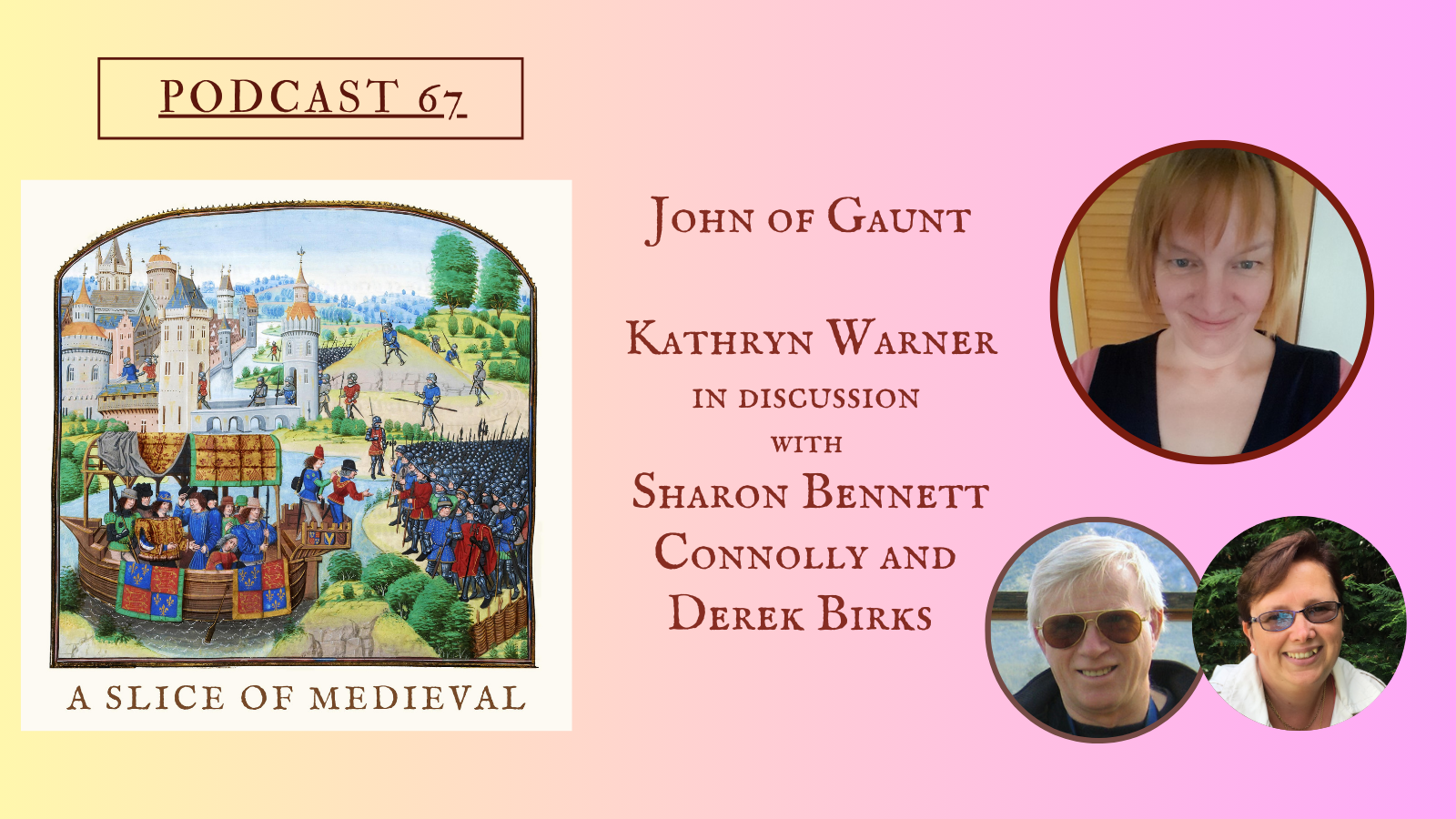
A Slice of Medieval

Have a listen to the A Slice of Medieval podcast, which I co-host with Historical fiction novelist Derek Birks. Derek and I welcome guests, such as Bernard Cornwell and Elizabeth Chadwick, and discuss a wide range of topics in medieval history, from significant events to the personalities involved.

There are now over 70 episodes to listen to!

Every episode is also now available on YouTube.

*

Don’t forget! Signed and dedicated copies of all my books are available through my online bookshop.

For forthcoming online and in-person talks, please check out my Events Page.

You can be the first to read new articles by clicking the ‘Follow’ button, liking our Facebook page or joining me on TwitterThreadsBluesky and Instagram.

*

©2025 Sharon Bennett Connolly FRHistS and Susan Abernethy

Wordly Women: Kathryn Warner

A Slice of Medieval

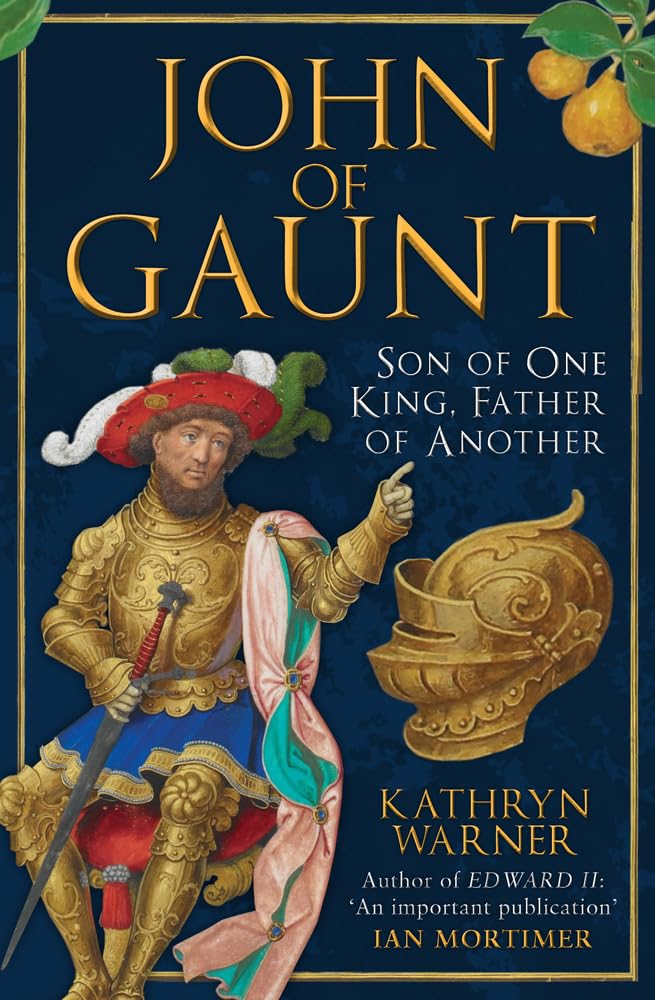
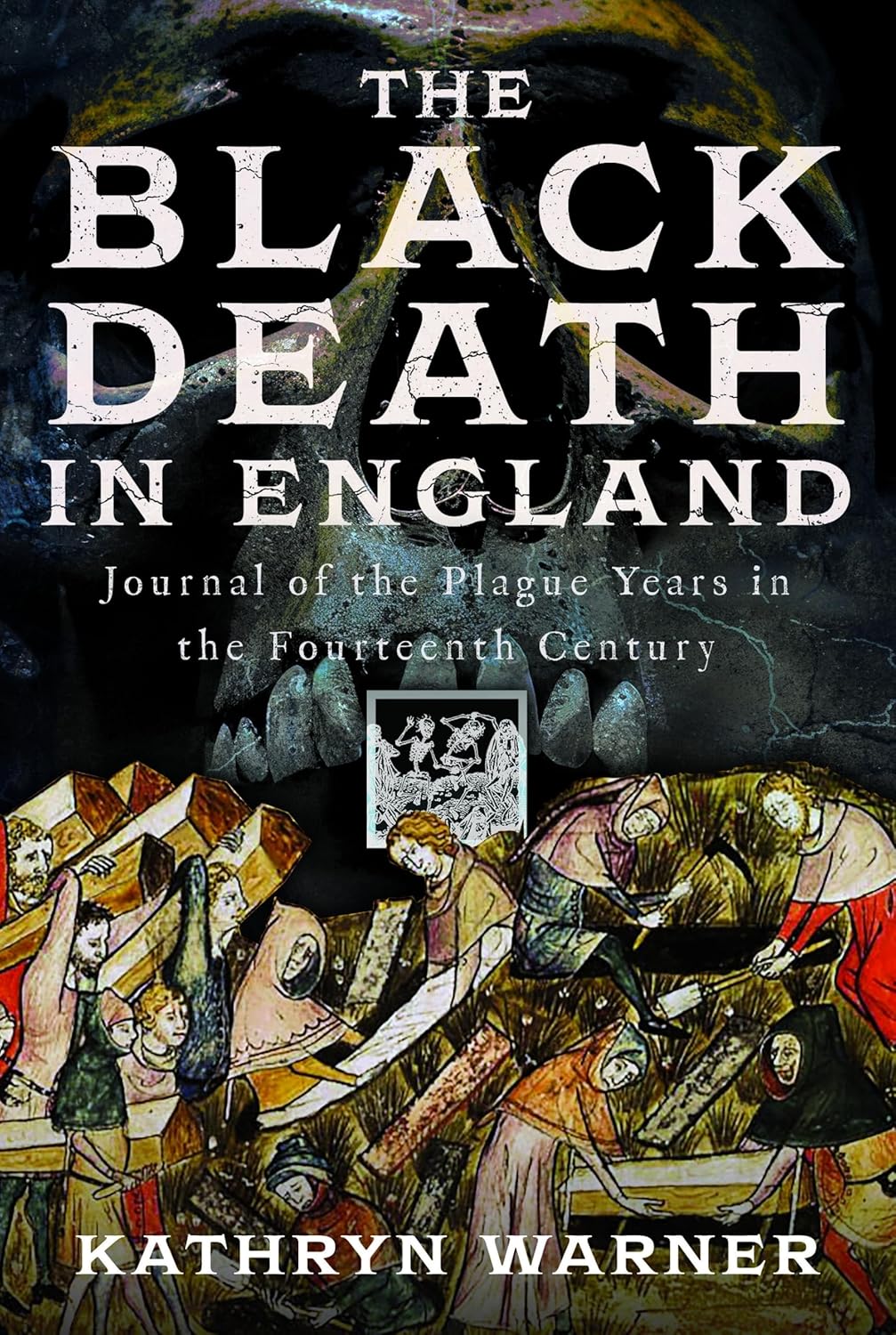
I am very happy today to welcome historian Kathryn Warner to History…the Interesting Bits in a new instalment of my Author Spotlight series, Wordly Women. Kathryn is the ‘go to’ person for all-things Edward II. She has also written about John of Gaunt, the Beaumont kings of Jerusalem, the Clare sisters and her latest book is The Black Death in England: Journal of the Plague Years in the Fourteenth Century. Her books are always well research and enjoyable reads. And when we get together to chat on A Slice of Medieval, it is always a fabulous discussion and a pleasure.

So, over to Kathryn…

Sharon: Hi Kathryn, I would love to know what got you into writing?

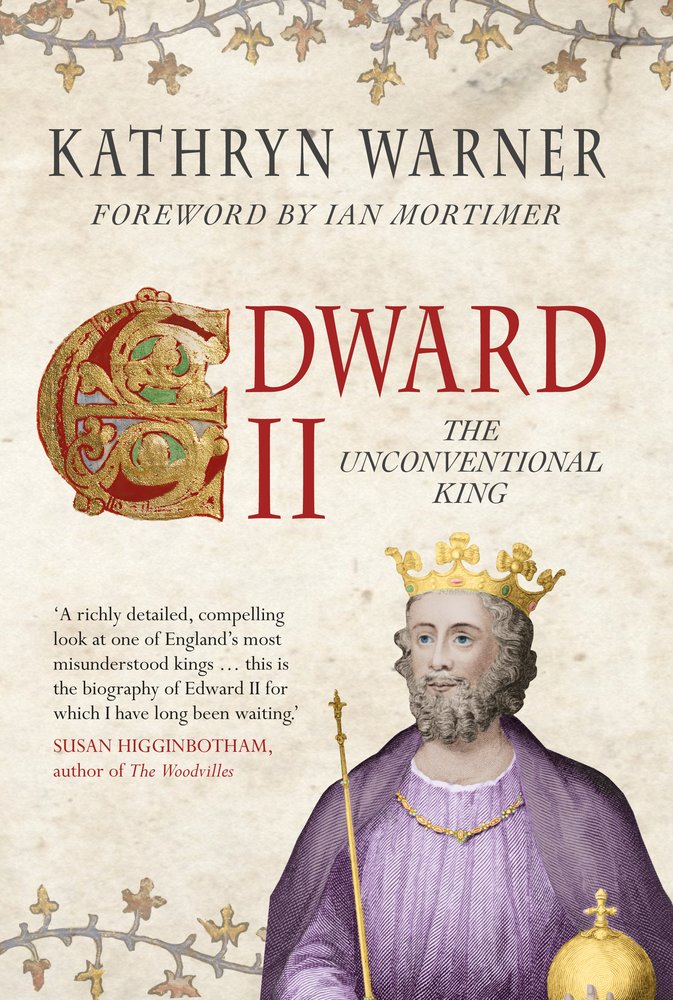
Kathryn: In a nutshell, my passion for Edward II and his era! It was strange, because during my time at university studying medieval history, I’d never been that interested in him, but my fascination developed some years after I graduated. I started writing stories about him, then started a blog about him and his reign as well, because my passion was so overwhelming that I just had to get it down on paper or on a screen and share it with people. Some years later, I wrote some academic articles about him, then went on to write a full-length biography of Edward and his life and reign, which became my first published book.

Sharon: Tell us about your books.

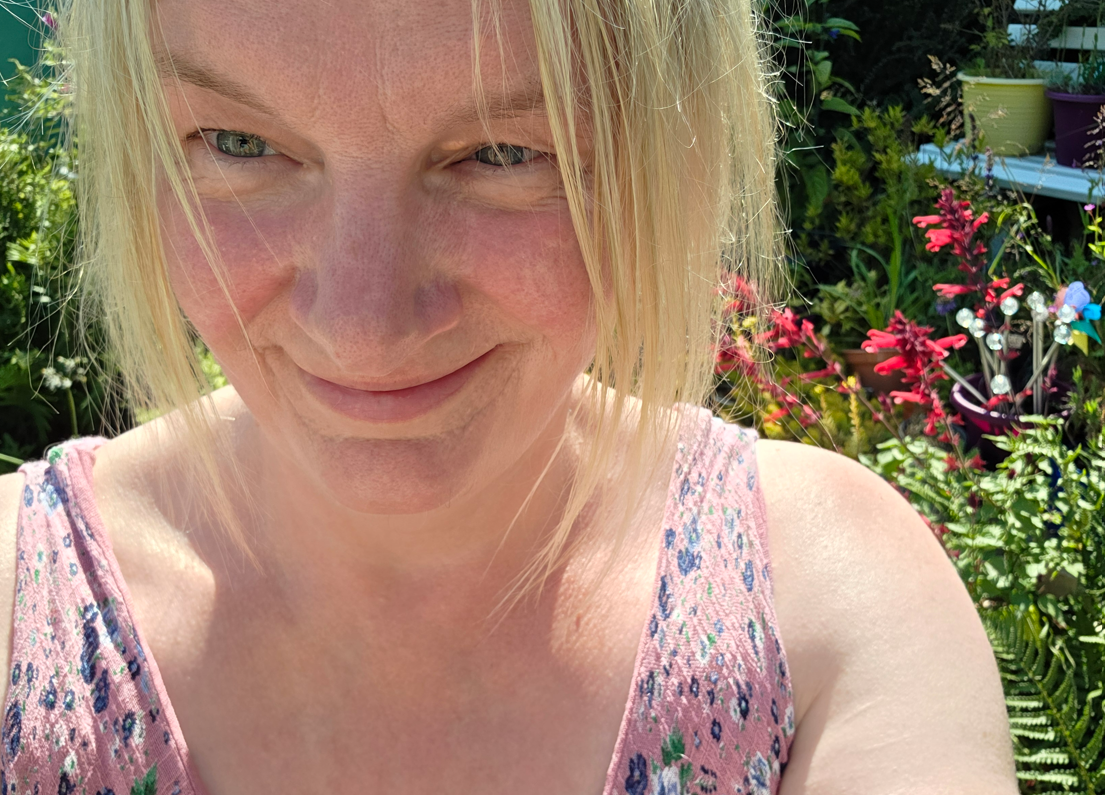
Kathryn Warner

Kathryn: I’ve written at least twenty non-fiction books now. My earlier ones are biographies and joint biographies, including Edward II’s queen Isabella of France, their daughter-in-law Philippa of Hainault, their grandson John of Gaunt, Edward II’s last and most powerful favourite Hugh Despenser the Younger, Edward’s nieces the de Clare sisters, and Edward III’s granddaughters. These days, I’m massively getting into social history too, and have written a book about aspects of life in London between 1300 and 1350, one about the victims and survivors of the fourteenth-century pandemics of the Black Death, and one called Life in a Medieval Town.

Sharon: What attracts you to the 14th century?

Kathryn: It was such an astonishingly dramatic and turbulent era. As well as the chaos of Edward II’s reign early in the century – battles, rebellions, executions, betrayals, changes of fortune, hatreds and passions, Edward’s forced abdication, and much else – there were natural disasters too. The pandemics of the Black Death are well known, especially the first one in 1348/49, but there was also a massive famine in England in the 1310s. Edward III began what we know as the Hundred Years War against France in the 1330s, his grandson Richard II witnessed the Peasants’ Revolt in 1381, and so on. I really don’t think I’d have liked to live in the fourteenth century, haha, but it’s an endlessly fascinating era to research and write about.

Sharon: Who is your favourite 14th century person and why?

Kathryn Warner

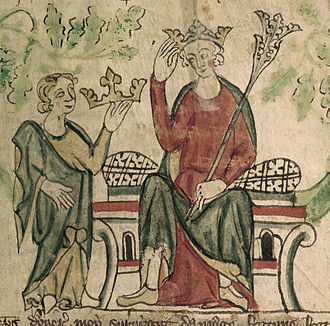
Kathryn: To the surprise of absolutely no one who knows me, Edward II! Without question, he’s one of England’s most unsuccessful kings in history, and was the first one who suffered the fate of deposition or forced abdication in 1327. His reign of just under 20 years is dramatic almost beyond the telling of it, as Edward lurched constantly from one crisis to the next, crises almost entirely of his own making. He was completely unsuited to the position he’d been born into, and was a deeply unconventional man by the standards of his era. I feel that he makes much more sense to us than he did to his contemporaries: he openly loved men, he enjoyed the company of his common subjects and even went on holiday with them, he enjoyed being outdoors and doing hard physical labour. Edward II, born in 1284, is exactly 700 years older than Prince Harry the Duke of Sussex, born in 1984, and I often think that Edward would have been much happier and more successful if he’d been born into the royal family of the late twentieth century than he was in his own lifetime.

Sharon: Who is your least favourite 14th century person and why?

Kathryn: That’s a tricky question to answer, really, as even the people I instinctively don’t tend to like all that much intrigue me and led fascinating lives that I want to delve into. Someone like Roger Mortimer, the first earl of March, for example. He played a massive role in Edward II’s downfall in 1326/27, and as such is someone I feel I should dislike, but I really don’t, because he’s such a complex fascinating person. It’s not Roger that I dislike, it’s the way he’s often been written in modern times, in this absurdly over-romanticised way as the adored lover and saviour of Edward II’s queen, Isabella of France. It flattens his character and turns him into a caricature that has very little to do with the person he actually was. So I can’t say that I have a least favourite fourteenth-century person, but I do often profoundly dislike the simplistic, one-dimensional ways in which many fourteenth-century people are depicted nowadays.

Sharon: How do you approach researching your topic?
Kathryn Warner
Edward II

Kathryn: I think a lot of people might be surprised at just at how many sources we have from the fourteenth century, and how much information there actually is once you start delving into them. In the period I write about, pretty well all the sources are written in Latin or French, and though many have been transcribed and translated, many have not. Looking at original documents in the National Archives is such a joy! I’ve found lots of wonderful details about Edward II and his life and household from his extant accounts, for example. I often fall down a rabbit-hole of research and emerge blinking hours later, and oddly enough, some of my best finds are things I stumbled upon by accident while researching something else.

Sharon: Tell us your ‘favourite’ 14th century story you have come across in your research.

Kathryn: While I was researching a book about London between 1300 and 1350, I came across this fab story. The rector of the church of St Margaret Lothbury in London around the year 1300, whose name was William (his last name was not recorded), had an insatiable curiosity about a disease he called Le Lou. This means ‘The Wolf’ in medieval French, and probably referred to the condition we now call lupus, which means ‘wolf’ in Latin. Believing that wolf flesh could cure the disease, William ordered a cask of four dead wolves from abroad (where exactly was not specified) to be sent to his church. By the time the dead animals arrived in London, however, their corpses had become ‘putrid’, and William was hauled before the court of the mayor of London, Elias Russel, on 5 January 1300, and ordered to explain himself. To me, this situation reveals several things that are worth knowing about the early fourteenth century. Firstly, that a man in England somehow managed to contact a person on the Continent who was willing and able to send him dead wolves; secondly, that officials around the year 1300 were aware that the welfare of the general public in a crowded city might be worsened by the presence of decaying animal corpses; and thirdly, that a person was deeply interested in a particular disease and cared about its victims, and attempted, albeit in a comically misguided way, to find a cure for it.

Sharon: Tell us your least ‘favourite’ 14th century story you have come across in your research.

Kathryn Warner

Kathryn: It’s one that breaks my heart. At the start of the year 1349, Agnes Stokwell was living on Whitecross Street in London with her family, who consisted of her father Walter, a painter; her mother Joan; her older brother Laurence; and her three older sisters, Christine, Imania, and Alice. She also had an aunt named Isabel and an uncle named William, her father’s siblings, and her father’s apprentice Thomas Bournham lived in the household as well. The Stokwell family were pretty well-off and thriving, but by the end of 1349, all of them were dead in the first massive pandemic of the Black Death, except only Agnes. She was just seven years old, and within a few months had lost her entire family, every living relative; her parents, her four older siblings, and her aunt and uncle. Thankfully, her late father’s apprentice Thomas Bournham also lived through the plague, the only other survivor of the household, and was given custody of Agnes at the end of 1349. They both disappear from written record after that, or at least I’ve never been able to find them again, but I hope they lived long and thrived.

Sharon: Are there any other eras you would like to write about?

Kathryn: My second favourite era after the fourteenth century is the eleventh century. I did a few courses on Old English language, literature, history and culture at university, and loved it. I’m particularly interested in the first few decades of the 1000s – the end of Aethelred’s reign, the brief reign of his son Edmund Ironside, King Cnut and his son, and Emma of Normandy, who married both Aethelred and Cnut.

Sharon: What are you working on now?

Kathryn: My current project is provisionally titled Murder and Mayhem, and is about some of the violence, homicide, gangs and feuds in fourteenth-century England. There’s a wealth of material, almost too much, in fact! The book after that is about the royal English household in the late Middle Ages, which is a subject I’ve been wanting to write about for ages.

Sharon: Now that, I want to read!

Sharon: And finally, what is the best thing about being a writer?

Kathryn: For me, it’s the chance to immerse myself in the fourteenth century, to discover fascinating stories and to share them with readers. I also love that my time is unstructured, and I can write whenever I like and take breaks whenever I like, which suits me very well. And finally, it’s simply amazing that I’ve been able to turn my passion for fourteenth-century history into a job!

About the Author:

Kathryn Warner

Kathryn Warner holds two degrees in medieval history from the University of Manchester. She is considered a foremost expert on Edward II and an article from her on the subject was published in the English Historical Review. She has run a website about him since 2005 and a Facebook page about him since 2010 and has carved out a strong online presence as an expert on Edward II and the fourteenth century in general. Kathryn teaches Business English as a foreign language and lives between Dusseldorf and Cumbria.

To buy: Kathryn’s books

*

My books

Signed, dedicated copies of all my books are available through my online store.

Out now: Scotland’s Medieval Queens

Books by Sharon Bennett Connolly

Scotland’s history is dramatic, violent and bloody. Being England’s northern neighbour has never been easy. Scotland’s queens have had to deal with war, murder, imprisonment, political rivalries and open betrayal. They have loved and lost, raised kings and queens, ruled and died for Scotland. From St Margaret, who became one of the patron saints of Scotland, to Elizabeth de Burgh and the dramatic story of the Scottish Wars of Independence, to the love story and tragedy of Joan Beaufort, to Margaret of Denmark and the dawn of the Renaissance, Scotland’s Medieval Queens have seen it all. This is the story of Scotland through their eyes.

Scotland’s Medieval Queens gives a thorough grounding in the history of the women who ruled Scotland at the side of its kings, often in the shadows, but just as interesting in their lives beyond the spotlight. It’s not a subject that has been widely covered, and Sharon is a pioneer in bringing that information into accessible history.’ Elizabeth Chadwick (New York Times bestselling author)

Available now from Amazon and Pen and Sword Books

Also by Sharon Bennett Connolly:
Books by Sharon Bennett Connolly

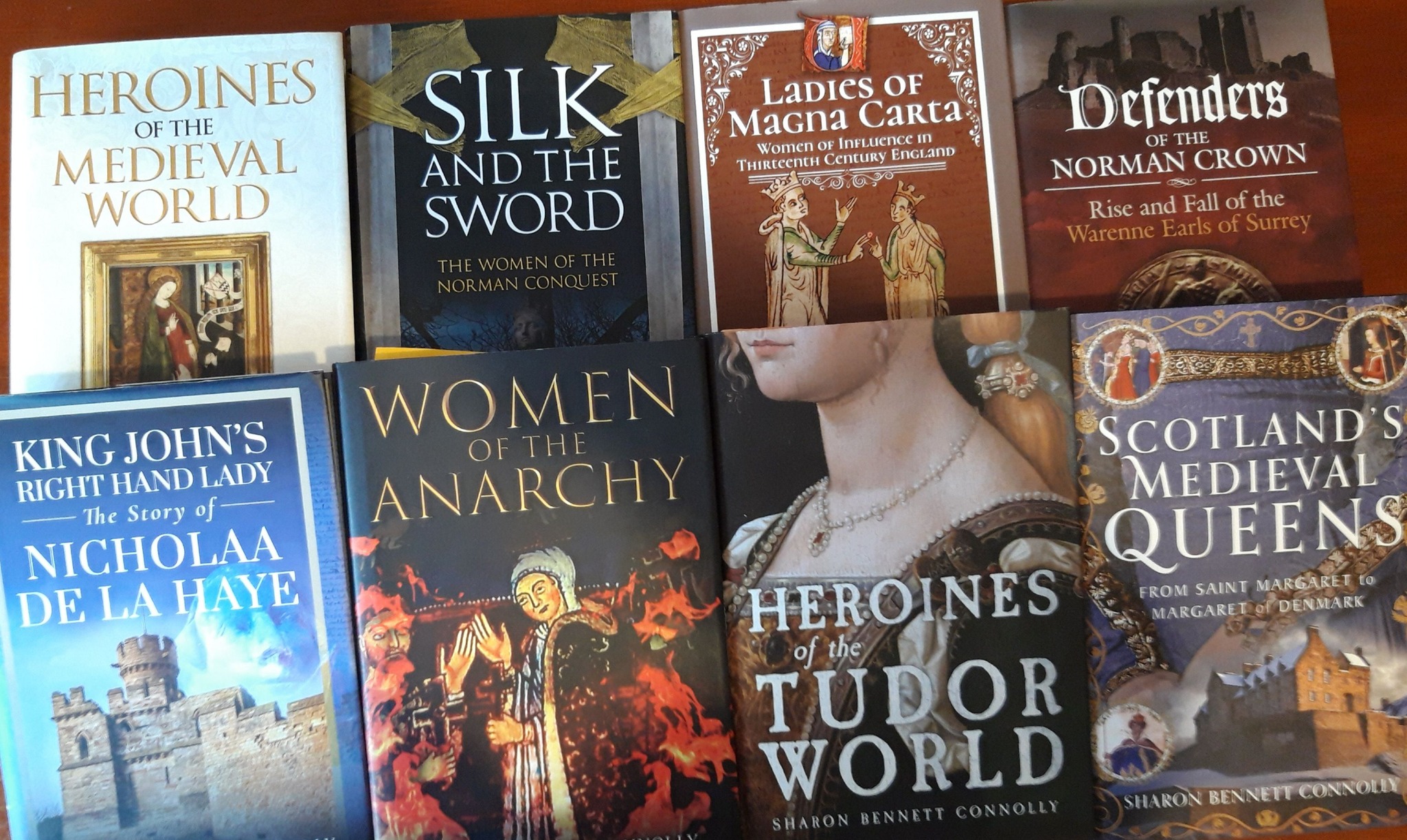
Heroines of the Tudor World tells the stories of the most remarkable women from European history in the time of the Tudor dynasty, 1485-1603. These are the women who ruled, the women who founded dynasties, the women who fought for religious freedom, their families and love. Heroines of the Tudor World is now available from Amberley Publishing and Amazon UK. Women of the Anarchy demonstrates how Empress Matilda and Matilda of Boulogne, unable to wield a sword themselves, were prime movers in this time of conflict and lawlessness. It shows how their strengths, weaknesses, and personal ambitions swung the fortunes of war one way – and then the other. Available from Bookshop.orgAmberley Publishing and Amazon UKKing John’s Right-Hand Lady: The Story of Nicholaa de la Haye is the story of a truly remarkable lady, the hereditary constable of Lincoln Castle and the first woman in England to be appointed sheriff in her own right. Available from all good bookshops Pen & Sword Booksbookshop.org and Amazon

Royal Historical Society

Defenders of the Norman Crown: The Rise and Fall of the Warenne Earls of Surrey tells the fascinating story of the Warenne dynasty, from its origins in Normandy, through the Conquest, Magna Carta, the wars and marriages that led to its ultimate demise in the reign of Edward III. Available from Pen & Sword BooksAmazon in the UK and US, and Bookshop.orgLadies of Magna Carta: Women of Influence in Thirteenth Century England looks into the relationships of the various noble families of the 13th century, and how they were affected by the Barons’ Wars, Magna Carta and its aftermath; the bonds that were formed and those that were broken. It is now available in paperback and hardback from Pen & SwordAmazon, and Bookshop.orgHeroines of the Medieval World tells the stories of some of the most remarkable women from Medieval history, from Eleanor of Aquitaine to Julian of Norwich. Available now from Amberley Publishing and Amazon, and Bookshop.orgSilk and the Sword: The Women of the Norman Conquest traces the fortunes of the women who had a significant role to play in the momentous events of 1066. Available now from Amazon,  Amberley Publishing, and Bookshop.org.

Alternate Endings: An anthology of historical fiction short stories including Long Live the King… which is my take what might have happened had King John not died in October 1216. Available in paperback and kindle from Amazon.

Podcast:

A Slice of Medieval

Have a listen to the A Slice of Medieval podcast, which I co-host with Historical fiction novelist Derek Birks. Derek and I welcome guests, such as Bernard Cornwell and Michael Jecks, and discuss a wide range of topics in medieval history, from significant events to the personalities involved. 

Every episode is also now available on YouTube.

*

Don’t forget! Signed and dedicated copies of all my books are available through my online store.

For forthcoming online and in-person talks, please check out my Events Page.

You can be the first to read new articles by clicking the ‘Follow’ button, liking our Facebook page or joining me on TwitterThreadsBluesky and Instagram.
*

©2025 Sharon Bennett Connolly, FRHistS and Kathryn Warner


Guest Post: Othon and the Templars by John Marshall

Today, it is a pleasure to welcome John Marshall to History…the Interesting Bits with an article about a very intriguing chap, Othon de Grandson. Othon was a very good friend of Edward I and one who could arguably challenge William Marshal for the title, Greatest Knight. John’s new book is a biography of this remarkable man.
So, over to John…

Othon and the Templars

History  the Interesting Bits
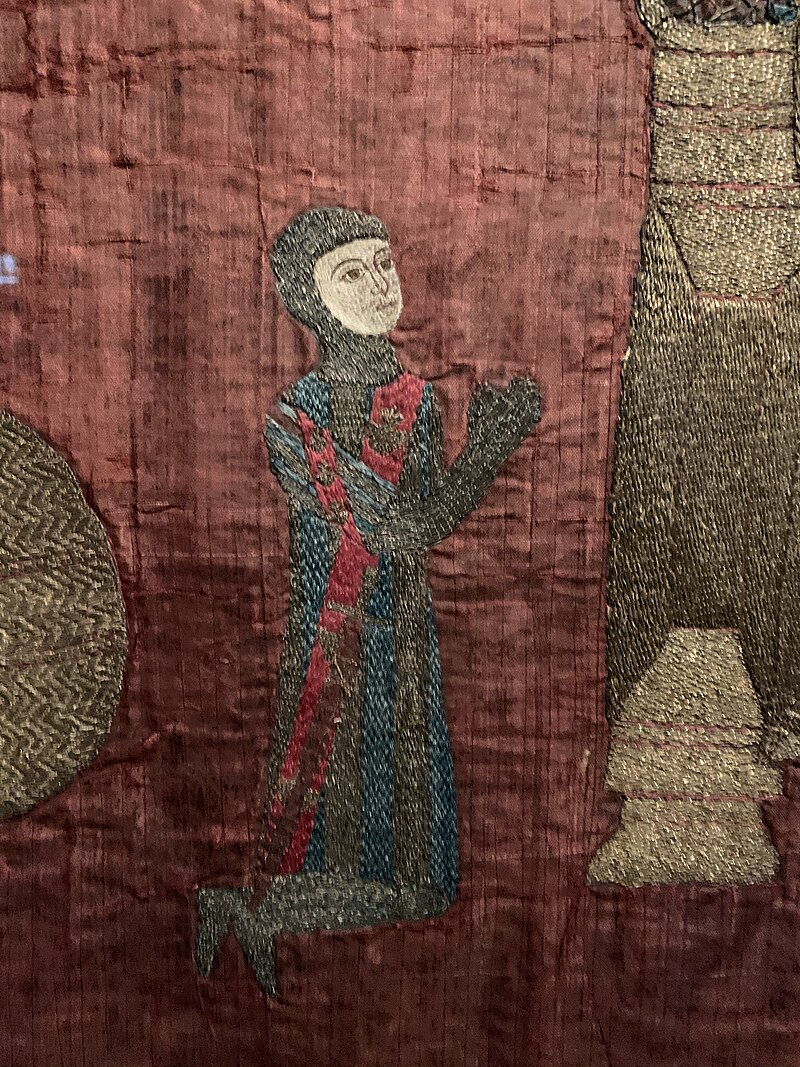
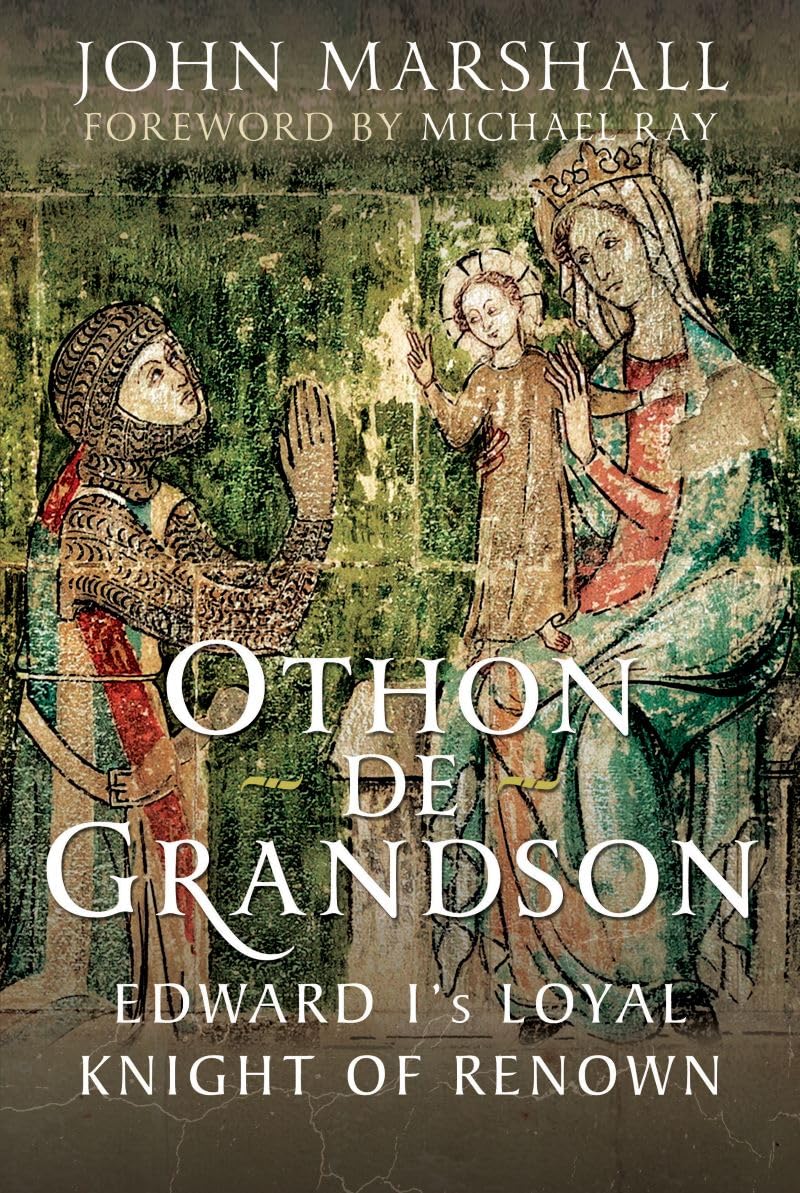
Othon de Grandson from an altar screen from the Cathedral in Lausanne now displayed in the Bern Historic Museum.

A question I asked myself in writing Othon de Grandson: Edward I’s Loyal Knight of Renown was exactly what was the Savoyard knight’s relationship with the Knights Templar? The relationship of Edward’s friend and envoy with the Poor Fellow Soldiers of Christ and of the Temple of Solomon is a long one and indeed began over a century before he was born.

Othon’s ancestor Barthélémy de Jura, treasurer of Reims, then Bishop of Laon in Picardy, was there at the very beginning of the crusader order. Barthélémy was at the 1128 Council of Troyes, chaired by Bernard of Clairvaulx which ratified the rule of the the Templars. He was a kinsman, through his mother, of Bernard of Clairvaulx, and would later retire as a monk to the Cistercian abbey he helped found at Foigny. Another ancestor was another Barthélémy who took up the cross and joined the Second Crusade. He is reported to have departed this life in Jerusalem in 1158.

So, when Othon de Grandson accompanied his liege the Lord Edward on the ninth crusade in 1271 his family was no stranger to crusading.

But the story of Othon de Grandson’s close association with the Templars begins in earnest with his flight from Acre accompanying Templar knight Jacques de Molay in 1291. Grandson had likely been sent to Acre in 1290 as preparation for a crusade by King Edward I that never came to pass. They were all overtaken by Al Ashraf Khalil, the sultan of Egypt who successfully led a Mamluk assault on the last crusader outpost in Outremer. King Henry II of Cyprus, the gravely wounded Master of the Hospitallers Jean de Villiers, the soon-to-be Master of the Templars, Jacques de Molay and Othon de Grandson washed up on the shore of Cyprus as refugees from Acre. The Templars were in need of a new Grand Master, and it is said that Othon de Grandson was “involved” in the election of Jacques de Molay.

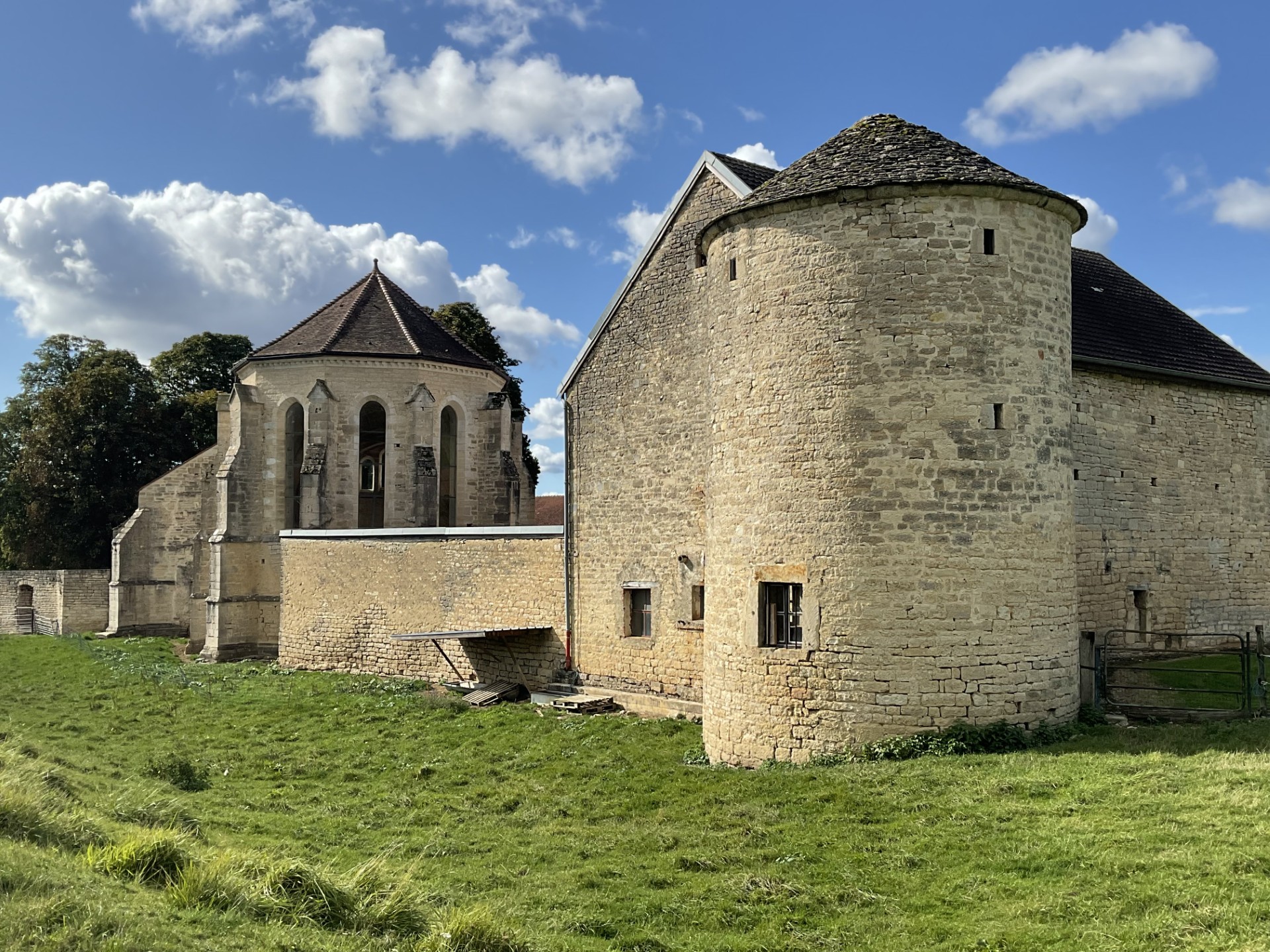
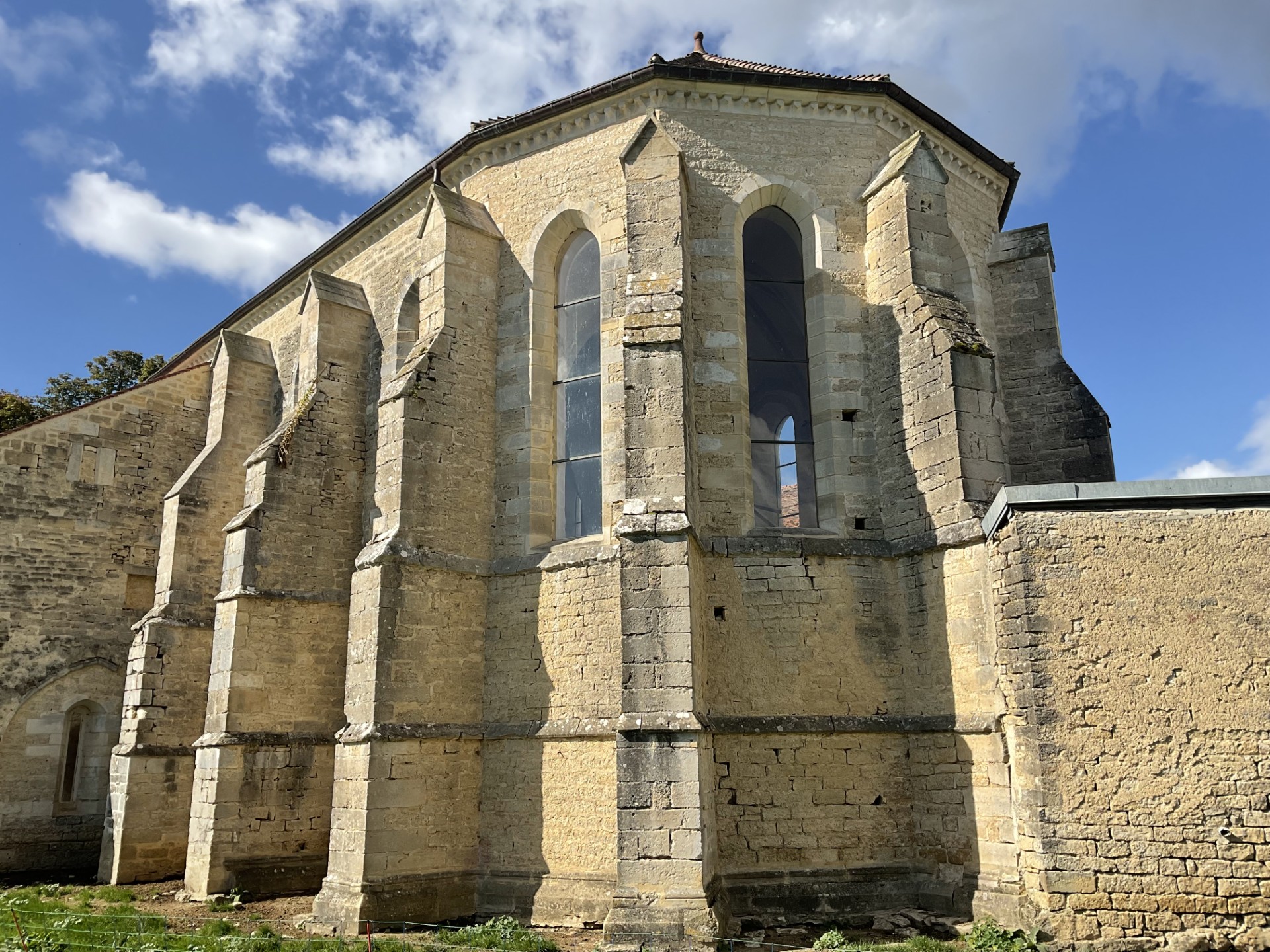
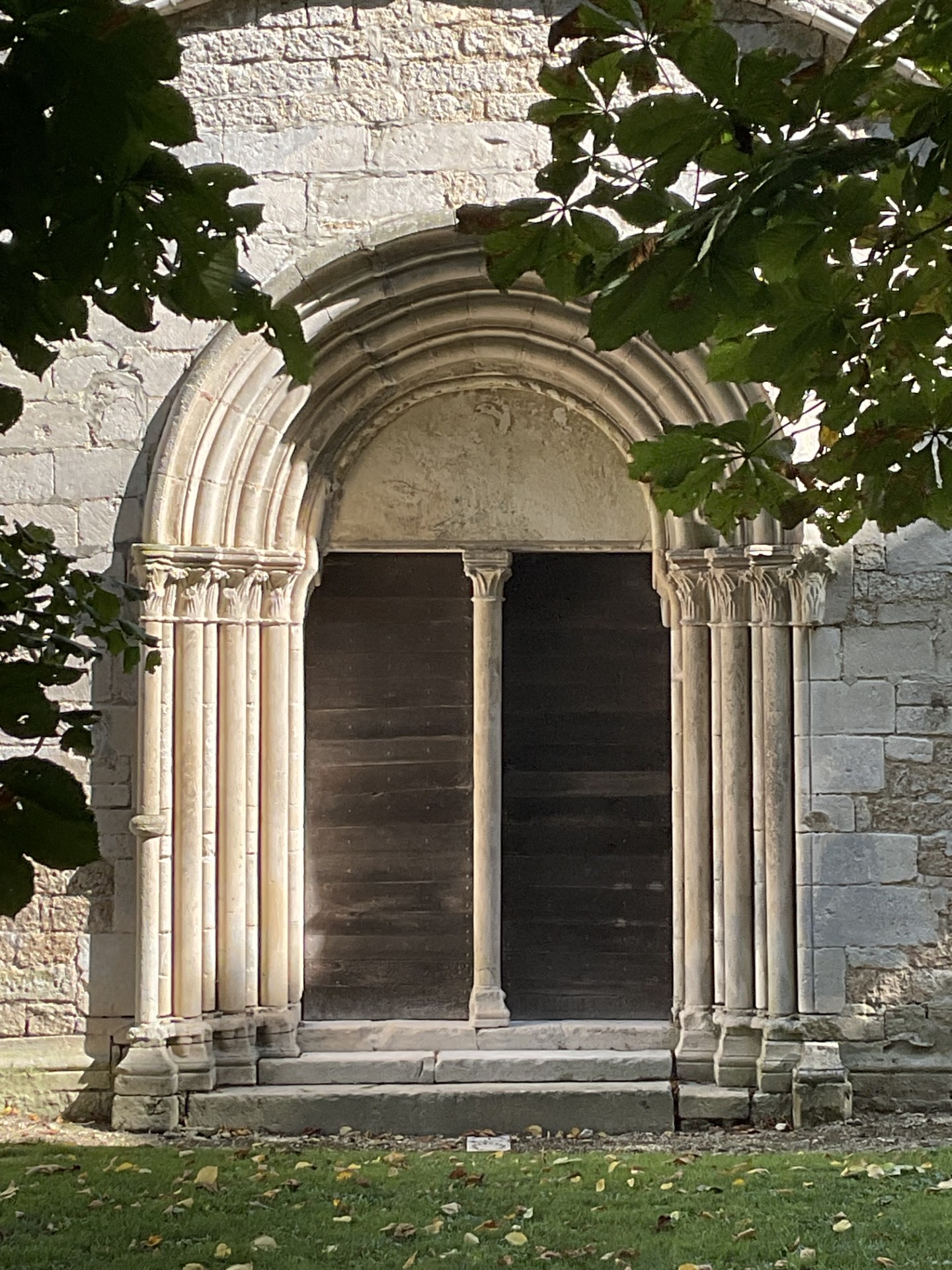
The former Templar Commanderie at Épailly in Burgundy which passed to Othon on the Templars suppression.

The idea of being ‘involved’ came from a declaration given later during the suppression of the order; a Templar, Hugh de Fauro, gave testimony that Jacques de Molay had sworn before the Master of the Hospital and ‘coram domino Odone de Grandisono milite’ that is ‘before the knight Sir Othon de Grandson.’ We then hear from Hethum of Corycus that Grandson and Jacques de Molay, had had a hand in affairs and the better reordering of the kingdom of Cillician Armenia to meet the Mamluk threat and preserve it as a base for ongoing crusading ventures. Grandson’s relationship with Molay and the Templars does seem to stem from this time at Acre, on Cyprus and in Armenian Cilicia between 1291 and 1294.

We then meet the financial entanglement of grandson with the Templars. Evidence of this comes not only from payments from the Templars to Grandson but also grants in the other direction. When both Molay and Grandson were back in the west, on 14 July 1296, Othon would grant the Templars 200 Livres from his salt revenues at Salins-les-Bains in the Franche Comté, a source of revenue he had used to similarly grant the monks of Saint-Jean Baptiste in Grandson before he had left for the

Holy Land. The first grant was in essence for prayers of safe return; the second grant looks like thanks for a safe return. The great salt works of Salins belonged to the Count of Burgundy; they were also known as the Seigneurs de Salins, and the works and its grander enlightenment era equivalent today enjoy UNESCO-listed status. The grant to the Templars was in consideration of the great help Othon had received from ‘mes chiers amis en dieu freres Jaques de Molai’, that is, ‘my dear friend in God brother Jacques de Molay’ and he referred to the help which ‘li freres du celle meismes Relegion ont fait a mes accessors, e a moi deca mer et de la mer en la sainte terre e ne cesse encore de faire’ or ‘the brethren of that same order have given to my ancestors and to myself in the West and in the East in the Holy Land, and still continue to give’. His reference to his anccessurs is likely to mean Barthélémy de Grandson who had, as we saw, died in 1158 in Jerusalem.

History the Interesting Bits
Templar Commanderie at Épailly in Burgundy

The reverse Templar ongoing and enormous financial commitment to Grandson is confirmed to us in a papal confirmation of 17 August 1308 by Pope Clement V. Upon suppression of the order Grandson was keen, obviously, that Templar payments continue, since they were the tremendous annual sum of 2,000 Livres Tournois, equating to £500 at the time, and over £350,000 in today’s money. The pension arrangement was made by a Grand Master, named as Jacques de Molay, and variously dated to 1277, 1287 or 1296–97. French Templar historian Alain Demurger wrote: ‘Fault lay with the editor of Clement V’s records … The editor put the date 1277, while M. L. Bulst-Thiele transcribed it as 1297, whereas the original, very clearly and without abbreviations or deletions says 1287.’ In his notes to this assertion, he cites the Vatican Archives date as ‘Anno millesimo duecentesimo octuagesimo septimo’ or ‘In the year one thousand two hundred and eighty-seven.’

Now of course Molay did not succeed Beaujeu until 1292, which renders the dating of the award problematic. Demurger suggested that it was not Molay who made the award despite specific reference to him ‘Jacobus de Mollay’, but his predecessor Beaujeu – in short, that the date was correct but the master’s name incorrect. Alan Forey argued the contrary, writing that it was: ‘more likely that the grant was made by James of Molay and that the date was wrongly copied’. Given, Molay’s 1292 election as Grand Master this would suggest 1296–97 – in short, the date was incorrect, but the master’s name correct. Demurger acknowledged in his notes that ‘a new problem arose … Grandson and the Temple were already connected in 1287: where, how and for what reason?’ Indeed, Demurger’s dating would create such questions, while Forey’s dating would place them squarely in the context of the Fall of Acre and his time in the east with Molay. This ‘compensare’ was given by the The Templars for ‘operibus virtuosis’ or ‘virtuous actions’ rendered by Othon in support of the order, but surely more likely post-Fall of Acre than before.

Templar Commanderie at Épailly in Burgundy

In confirmation of the pension, Clement V granted Othon three former Templar houses in France as a part of the continuing settlement, those at Thors, Épailly and Coulours, an act unlikely to have been undertaken at the time in favour of a knight of the order. And so, the ‘virtuous works’ referred to by Pope Clement would appear to date from Grandson’s time in Acre in 1291. So, the date of 1277 attached to the payments by the transcription of them is certainly mistaken, and for the 1287 dating of the original 1308 manuscript we should read 1296–97. Demurger gives 1296 clearly as the date for Molay meeting with Grandson in Paris and the Salins grant. Othon de Grandson’s intimate links with the Templars continue to intrigue, but in Cyprus and Armenia 1292-4, as at Acre in 1291, and here with his pension payments they point to a significant and close ally in matters Outremer rather than a member of the order itself, of which there is no mention.

Grandson, was a close friend of the Templars, having fought alongside them at Acre in 1291, been there in Cyprus as a part of Molay’s election as Grand Master, and in receipt of a handsome annual pension from the order. So, at Philippe ke Bel’s suppression of the order and Molay’s arrest and the rumours swirling around France, the scandal would have touched directly upon him. But at no point can we find Grandson implicated in events, other than petitioning Pope Clement for the maintenance of his pension. But nowhere too can we find him leaping to the defence of Molay, his former friend and ally, at least not in a way that has left any trace. As Demurger said in conversation with the author of this book, Grandson did not try to defend Molay. A character flaw? Demurger went to affirm that one cannot speculate about possible motives, Grandson was by now seventy years of age, had discretion become the greater part of valour?

History the Interesting Bits
Templar Commanderie at Épailly in Burgundy

It is because of his avoidance of implication in the suppression of the Templars, that despite his Templar connections, we can be as certain as certain can be that Othon de Grandson was a friend, ally, indeed fellow traveller of the Templars, but not actually a member of the doomed order, As Alain Demurger said unequivocally to the question, was Grandson a Templar? – Non. What were the enormous payments from the Templars to Othon de Grandson for? What were the “operibus virtuosis”? It’s only speculation but what did Grandson have that might be valuable to the Order? – access better than anyone to Edward I’s ear and access to the English court.

*

About the Book:

History  the Interesting Bits

There were once two little boys – they met when they were both quite young; one was born in what’s now Switzerland, by Lake de Neuchâtel, his name Othon de Grandson, and the other was born in London, his name Prince Edward, son of King Henry the third of that name. Othon was probably born in 1238, and Edward, we know, in June 1239. These two little boys grew up and had adventures together. They took the cross together, the ninth crusade in 1271 and 1272. Othon reputedly sucking poison from Edward when the latter was attacked by an assassin. In 1277 and 1278, they fought the First Welsh War against the House of Gwynedd, Othon doing much to negotiate the Treaty of Aberconwy in 1278, which ended hostilities. When war broke out again in 1282 they fought the Second Welsh War together. Othon led Edward’s army across the Bridge of Boats from Anglesey and was the first to sight the future sites of castles at Caernarfon and Harlech. Edward made his friend the first Justiciar (Viceroy) of North Wales. When Edward and Othon went to Gascony in 1287, Othon stayed in Zaragoza as a hostage for Edward’s good intentions between Gascony and Castille.  Later, in 1291, when Acre was threatened by the Mamluks, Edward sent Othon as head of the English delegation of knights. When Acre finally fell to the Mamluks bringing the Crusades to a close, who was the last knight onto the boats? Othon de Grandson, helping his old friend, the wounded Jean de Grailly onto the boat. When Othon returned from the East, he found England at war with Scotland and France; he would spend his last years in Edward’s service building alliances and negotiating peace before retiring to his home in what is now Switzerland after the king’s death in 1307. Grandson lived in the time of Marco Polo, Giotto, Dante, Robert the Bruce, and the last Templars. He was right there at the centre of the action in two crusades: war with Wales, Scotland, and France, the Sicilian Vespers, and suppression of the Templars; he walked with a succession of kings and popes, a knight of great renown. This is his story.

Othon de Grandson: Edward I’s Loyal Knight of Renown is available now from Amazon.

About the Author:

History  the Interesting Bits

Having moved to Switzerland, and qualified as a historian (Masters, Northumbria University, 2016), the author came across the story of the Savoyards in England and engaged in this important history research project. He founded the Association pour l’histoire médiévale Anglo Savoyards. Writer of Welsh Castle Builders: The Savoyard Style and Peter of Savoy: The Little Charlemagne both available from Pen and Sword Books Ltd. Member of the Henry III Roundtable with Darren Baker, Huw Ridgeway and Michael Ray.

*

My Books

Signed, dedicated copies of all my books are available through my online bookshop.

Out now: Scotland’s Medieval Queens

Books by Sharon Bennett Connolly

Scotland’s history is dramatic, violent and bloody. Being England’s northern neighbour has never been easy. Scotland’s queens have had to deal with war, murder, imprisonment, political rivalries and open betrayal. They have loved and lost, raised kings and queens, ruled and died for Scotland. From St Margaret, who became one of the patron saints of Scotland, to Elizabeth de Burgh and the dramatic story of the Scottish Wars of Independence, to the love story and tragedy of Joan Beaufort, to Margaret of Denmark and the dawn of the Renaissance, Scotland’s Medieval Queens have seen it all. This is the story of Scotland through their eyes.

Scotland’s Medieval Queens gives a thorough grounding in the history of the women who ruled Scotland at the side of its kings, often in the shadows, but just as interesting in their lives beyond the spotlight. It’s not a subject that has been widely covered, and Sharon is a pioneer in bringing that information into accessible history.’ Elizabeth Chadwick (New York Times bestselling author)

Available now from Amazon and Pen and Sword Books

Also by Sharon Bennett Connolly:

Books by Sharon Bennett Connolly

Heroines of the Tudor World tells the stories of the most remarkable women from European history in the time of the Tudor dynasty, 1485-1603. These are the women who ruled, the women who founded dynasties, the women who fought for religious freedom, their families and love. Heroines of the Tudor World is now available for pre-order from Amberley Publishing and Amazon UK. Women of the Anarchy demonstrates how Empress Matilda and Matilda of Boulogne, unable to wield a sword themselves, were prime movers in this time of conflict and lawlessness. It shows how their strengths, weaknesses, and personal ambitions swung the fortunes of war one way – and then the other. Available from Bookshop.orgAmberley Publishing and Amazon UKKing John’s Right-Hand Lady: The Story of Nicholaa de la Haye is the story of a truly remarkable lady, the hereditary constable of Lincoln Castle and the first woman in England to be appointed sheriff in her own right. Available from all good bookshops Pen & Sword Booksbookshop.org and Amazon

Royal Historical Society

Defenders of the Norman Crown: The Rise and Fall of the Warenne Earls of Surrey tells the fascinating story of the Warenne dynasty, from its origins in Normandy, through the Conquest, Magna Carta, the wars and marriages that led to its ultimate demise in the reign of Edward III. Available from Pen & Sword BooksAmazon in the UK and US, and Bookshop.orgLadies of Magna Carta: Women of Influence in Thirteenth Century England looks into the relationships of the various noble families of the 13th century, and how they were affected by the Barons’ Wars, Magna Carta and its aftermath; the bonds that were formed and those that were broken. It is now available in paperback and hardback from Pen & SwordAmazon, and Bookshop.orgHeroines of the Medieval World tells the stories of some of the most remarkable women from Medieval history, from Eleanor of Aquitaine to Julian of Norwich. Available now from Amberley Publishing and Amazon, and Bookshop.orgSilk and the Sword: The Women of the Norman Conquest traces the fortunes of the women who had a significant role to play in the momentous events of 1066. Available now from Amazon,  Amberley Publishing, and Bookshop.org.

Alternate Endings: An anthology of historical fiction short stories including Long Live the King… which is my take what might have happened had King John not died in October 1216. Available in paperback and kindle from Amazon.

Podcast:

A Slice of Medieval

Have a listen to the A Slice of Medieval podcast, which I co-host with Historical fiction novelist Derek Birks. Derek and I welcome guests, such as Bernard Cornwell and discuss a wide range of topics in medieval history, from significant events to the personalities involved.

Every episode is also now available on YouTube.

*

Don’t forget! Signed and dedicated copies of all my books are available through my online bookshop.

For forthcoming online and in-person talks, please check out my Events Page.

You can be the first to read new articles by clicking the ‘Follow’ button, liking our Facebook page or joining me on TwitterThreadsBluesky and Instagram.

*

©2025 Sharon Bennett Connolly, FRHistS and John Marshall

Wordly Women: Gemma Hollman

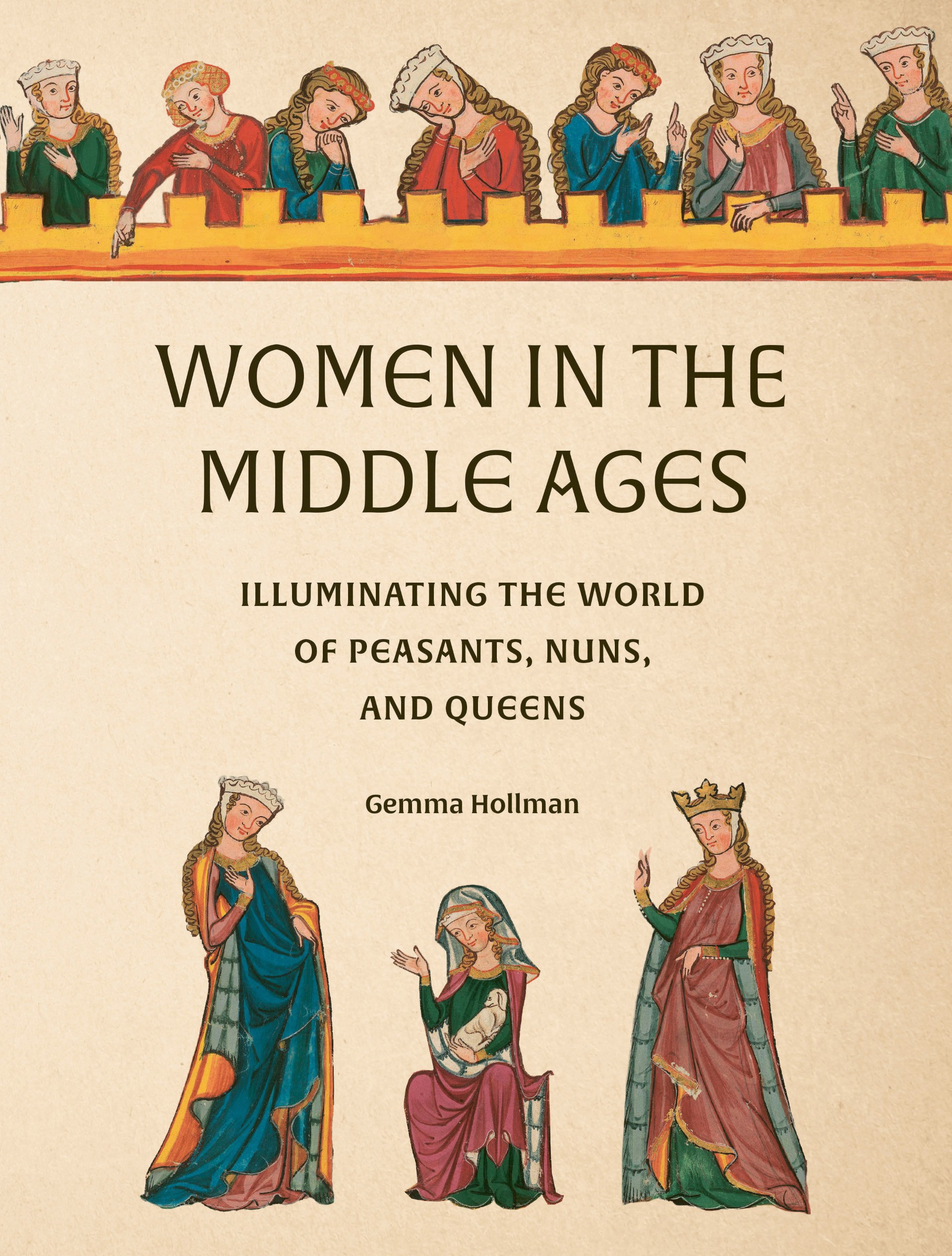
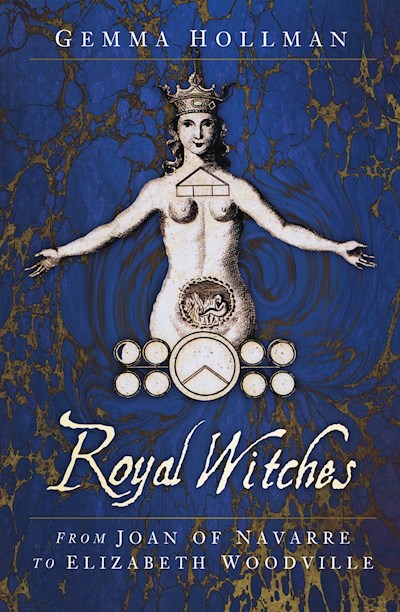
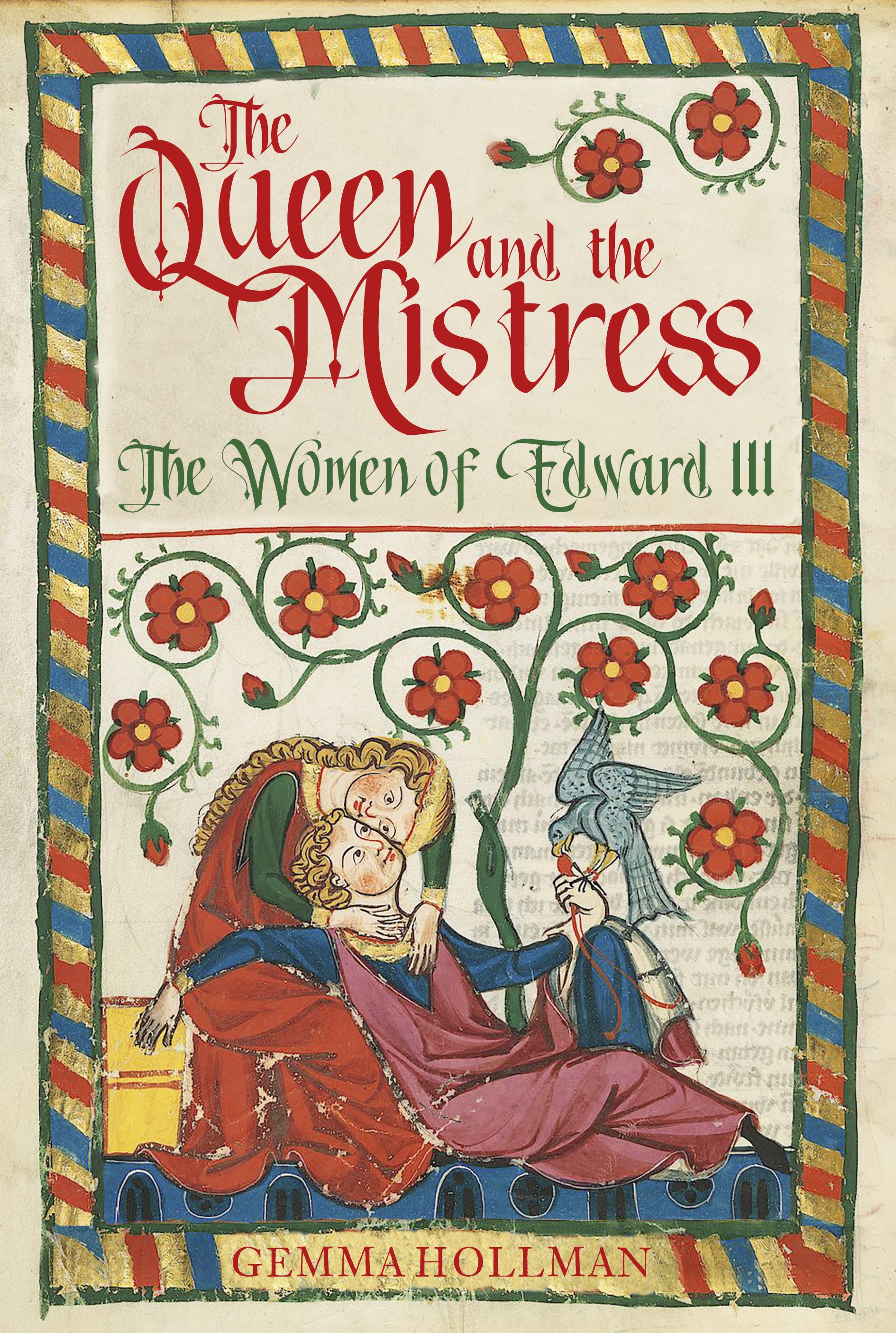
Today I am continuing my Wordly Women series with a historian who, just like me, concentrates on bringing the women to the fore. Gemma Hollman has written about Royal Witches, queens and mistresses. Her last book, Women in the Middle Ages: Illuminating the World of Peasants, Nuns, and Queens came out at the end of 2024, and is gorgeous! It was lovely to get the chance to have a chat with Gemma about her writing journey.

Sharon: So, Gemma, what got you into writing?

Gemma: It’s kind of a mix of completely by accident, and something I’ve always enjoyed doing. Whilst at school and university I would write bits of fiction for fun, never for anyone to look at, so I’ve always had a bit of a writing bug. But when I finished university, it felt so weird to go from four years of researching and writing history to quitting cold turkey. At this time, it seemed like everyone was making blogs, including loads of my friends, so I decided to join the trend and establish my blog, Just History Posts.

I loved writing there, and by the second year I was gathering a load of steam. One of my most popular posts was about Joan of Navarre, a fifteenth-century Queen of England who was accused of using witchcraft against the king – and one of the focuses of my Masters dissertation. That, combined with lots of people I knew in real life saying my dissertation would make an amazing book, made me think maybe people would like to learn about these women and their stories which are not that well-known. I pitched the book to The History Press and it eventually turned into my debut non-fiction book, Royal Witches. The rest, as they say, is history.

Sharon: Tell us about your books.

Gemma: Well, I already gave you a little bit of a taster about Royal Witches (the other three women, beyond Joan, are Eleanor Cobham, Jacquetta of Luxembourg and Elizabeth Woodville), about fifteenth-century women in the English Royal Family who were all accused of witchcraft. My second book goes back to the previous century and the court of Edward III of England, and is a dual biography of the two women who dominated his court and his heart – his queen, Philippa of Hainault, and his mistress, Alice Perrers. Both women are absolutely fascinating in their own right, but by looking at them together I think you can understand them, Edward, and the fourteenth century a lot better.

My final book came out at the end of last year, and is called Women in the Middle Ages. A slight departure from my first two books, which were both focused biographies, this is a much broader look at women across much of Europe from roughly 1000-1500. The best thing about it, though, is that it is an illustrated history, featuring just shy of 200 images of artwork and artefacts from the medieval period. I explore how these objects can illuminate the real lives of these women in far more detail than written records alone. It is a beautiful, full-colour experience which was so special to pull together.

Sharon: What attracts you to the medieval period?

Gemma: I’ve always loved all periods of history, and studied a huge range of history at university, but I found that I enjoyed writing medieval history much more than I did modern history. I enjoyed acting almost like a detective and trying to extract bits about people’s lives and personalities with such limited sources. And the more I researched and wrote it, the more I fell in love with it. The medieval world was so incredibly different from today in every aspect, that it can sometimes feel like another world. But, at the same time, people themselves are so similar to today. I always love reading stories that connects us through the centuries, feeling that human connection to someone so far removed from myself today. Although it was a time of huge strife, poverty, and difficulty, there is something intrinsically magical about it – it’s no coincidence so much of our fantasy media today has medieval vibes!

Sharon: Who is your favourite 14th century person and why?

Gemma: Oh gosh, that is such a difficult question! Of course there is no one favourite, as that would be impossible, but someone who has grabbed my attention ever since I first learnt about her is Isabella of France, the queen of Edward II of England. She was so self-assured of her lineage, her rights, the respect due to her by virtue of her position, and she was not going to let anyone tell her otherwise. She was loved and sympathised with whilst the neglected spouse, then inspired the entire country to stand with her and overthrow her husband, and went on to pretty much rule England with her lover for several years. Even after her son, Edward III, forcibly took control of the kingdom again, she continued to wield significant influence at court. I think she is just so utterly fascinating – and she of course perfectly sets the scene for the start of my second book, The Queen and the Mistress!

Sharon: Who is your least favourite 14th century and why?

Gemma: Ooh. I don’t know that there’s really anyone I actively dislike, but for playfulness I will put forward Thomas Walsingham, chronicler and monk at St Albans Abbey in Hertfordshire. His chronicles are invaluable for our knowledge of the late fourteenth century, but he is a bit of a villain in my second book for his treatment of Alice Perrers. As a religious man, Alice’s position as a mistress at the heart of the court was unconscionable (and it didn’t help that she was embroiled in legal conflicts with his abbey for many years). He is responsible for a lot of the negative propaganda against Alice which lasted for centuries, including the baseless accusation that she stole the rings from Edward’s fingers after he died. Even today, the way he spoke about her is the main way people approach her and assume how she really was. Talk about negative PR.

Sharon: How do you approach researching your topic?

Gemma: Mostly I already have a theme or a person in mind for what I want to research, and generally I already have an amount of knowledge about the topic. But I always find it most helpful to start with secondary sources, ie by reading a load of books and journal articles on the subject. I write copious notes, start creating timelines where necessary, and jot down the names of other books and sources from the footnotes. I then go to the original sources and make a load of notes on those, too, and I then dive in to writing. I always find once I start writing I then become aware of areas where my notes might be lacking, like missing any information about what someone was doing in a particular year of their life, and so I then go back to the sources and secondary material to fill in these gaps. I also find that it’s only by starting to write do I truly know which direction my piece is going in, and thus am able to tailor my research much more specifically, rather than reading about anything in the hope it might be useful, but finding that I don’t use it at all (as happens with much of my early research).

Sharon: Tell us your ‘favourite’ medieval story you have come across in your research.

Gemma: One of my favourites definitely comes from a story I read in a chronicle at university, and which I recounted in one of my very first blog posts. This is a story from the court of Henry II of England, and is one that very much exemplifies what I said earlier about people never changing. The king’s steward, a man named Thurston, came to him and complained that another man, Adam of Yarmouth, refused to seal a writ for him free of charge (something which was to be expected amongst people working in the government). After some investigation, it was revealed that Adam was upset at Thurstan because at a party Thurstan had been hosting, he refused to allow Adam to eat two cakes! Such a petty squabble had disrupted the king’s business, and he settled the squabble by having Adam seal the writ in return for Thurstan serving him two cakes on bended knee. It sounds like something out of fiction rather than reality!

Sharon: Are there any other eras you would like to write about?

Gemma: I definitely have found my comfort zone in the medieval era, but I do think from time to time about writing about other periods, as I think is only natural. I know of some amazing women from the Georgian and Victorian periods that I’ve been drawn to writing about several times, so maybe that’s something I can set my sights on one day.

Sharon: What are you working on now?

Gemma: At the moment, I am in the midst of my fourth book which is set in the court of Richard II. The book is largely a biography about Richard, but it also aims to take a look at his wider court, too, particularly some of the other large and important figures – and, particularly, women. It’s due next year, so wish me luck with getting it done in time!

Sharon: And finally, what is the best thing about being a writer?

Gemma: This question is definitely easy for me – spreading the knowledge I have and seeing people enjoy it and learn something new. Every time I get a review, or speak to a person at a talk I am giving, where the person said they’ve loved what I’ve written/how I’ve spoken, and that they’ve learnt something is just as special as the last. I love writing, and I love that I get to learn so many interesting things myself in the process, but the whole point of me writing is to share all the things I’ve learnt with other people. Each time I hear that I’ve done that, and done it well, makes all of the late nights researching after a full day’s work, or the times I can’t see my friends and family because I have a deadline worth it.

About the author:

Author bio: Gemma Hollman is a historian and author who specialises in late medieval English history. A Fellow of the Royal Historical Society, she has a particular interest in the plethora of strong, intriguing and complicated women from the medieval period, a time she had always been taught was dominated by men. Gemma also works full-time in the heritage industry whilst running her historical blog, Just History Posts, which explores all periods of history in more depth. Gemma’s first book, Royal Witches, was a bestseller, and two more books have since followed: The Queen and the Mistress, and Women in the Middle Ages.

Where to find Gemma:

Website: https://justhistoryposts.com/; Link for books: https://lnk.bio/GemmaHAuthor; Social media: Bluesky https://bsky.app/profile/gemmahauthor.bsky.social.

*

My books

Signed, dedicated copies of all my books are available through my online store.

Out now: Scotland’s Medieval Queens

Books by Sharon Bennett Connolly

Scotland’s history is dramatic, violent and bloody. Being England’s northern neighbour has never been easy. Scotland’s queens have had to deal with war, murder, imprisonment, political rivalries and open betrayal. They have loved and lost, raised kings and queens, ruled and died for Scotland. From St Margaret, who became one of the patron saints of Scotland, to Elizabeth de Burgh and the dramatic story of the Scottish Wars of Independence, to the love story and tragedy of Joan Beaufort, to Margaret of Denmark and the dawn of the Renaissance, Scotland’s Medieval Queens have seen it all. This is the story of Scotland through their eyes.

Scotland’s Medieval Queens gives a thorough grounding in the history of the women who ruled Scotland at the side of its kings, often in the shadows, but just as interesting in their lives beyond the spotlight. It’s not a subject that has been widely covered, and Sharon is a pioneer in bringing that information into accessible history.’ Elizabeth Chadwick (New York Times bestselling author)

Available now from Amazon and Pen and Sword Books

Also by Sharon Bennett Connolly:

Books by Sharon Bennett Connolly

Heroines of the Tudor World tells the stories of the most remarkable women from European history in the time of the Tudor dynasty, 1485-1603. These are the women who ruled, the women who founded dynasties, the women who fought for religious freedom, their families and love. Heroines of the Tudor World is now available from Amberley Publishing and Amazon UK. Women of the Anarchy demonstrates how Empress Matilda and Matilda of Boulogne, unable to wield a sword themselves, were prime movers in this time of conflict and lawlessness. It shows how their strengths, weaknesses, and personal ambitions swung the fortunes of war one way – and then the other. Available from Bookshop.orgAmberley Publishing and Amazon UKKing John’s Right-Hand Lady: The Story of Nicholaa de la Haye is the story of a truly remarkable lady, the hereditary constable of Lincoln Castle and the first woman in England to be appointed sheriff in her own right. Available from all good bookshops Pen & Sword Booksbookshop.org and Amazon

Books by Sharon Bennett Connolly

Defenders of the Norman Crown: The Rise and Fall of the Warenne Earls of Surrey tells the fascinating story of the Warenne dynasty, from its origins in Normandy, through the Conquest, Magna Carta, the wars and marriages that led to its ultimate demise in the reign of Edward III. Available from Pen & Sword BooksAmazon in the UK and US, and Bookshop.orgLadies of Magna Carta: Women of Influence in Thirteenth Century England looks into the relationships of the various noble families of the 13th century, and how they were affected by the Barons’ Wars, Magna Carta and its aftermath; the bonds that were formed and those that were broken. It is now available in paperback and hardback from Pen & SwordAmazon, and Bookshop.orgHeroines of the Medieval World tells the stories of some of the most remarkable women from Medieval history, from Eleanor of Aquitaine to Julian of Norwich. Available now from Amberley Publishing and Amazon, and Bookshop.orgSilk and the Sword: The Women of the Norman Conquest traces the fortunes of the women who had a significant role to play in the momentous events of 1066. Available now from Amazon,  Amberley Publishing, and Bookshop.org.

Alternate Endings: An anthology of historical fiction short stories including Long Live the King… which is my take what might have happened had King John not died in October 1216. Available in paperback and kindle from Amazon.

Podcast:

A Slice of Medieval

Have a listen to the A Slice of Medieval podcast, which I co-host with Historical fiction novelist Derek Birks. Derek and I welcome guests, such as Bernard Cornwell and Michael Jecks, and discuss a wide range of topics in medieval history, from significant events to the personalities involved. Every episode is also now available on YouTube.

*

Don’t forget! Signed and dedicated copies of all my books are available through my online store.

For forthcoming online and in-person talks, please check out my Events Page.

You can be the first to read new articles by clicking the ‘Follow’ button, liking our Facebook page or joining me on TwitterThreadsBluesky and Instagram.

*

©2025 Sharon Bennett Connolly, FRHistS and Gemma Hollman, FRHistS

Guest Post: Feisty Females: Writing Lincolnshire’s Medieval Women by Rosanna McGlone

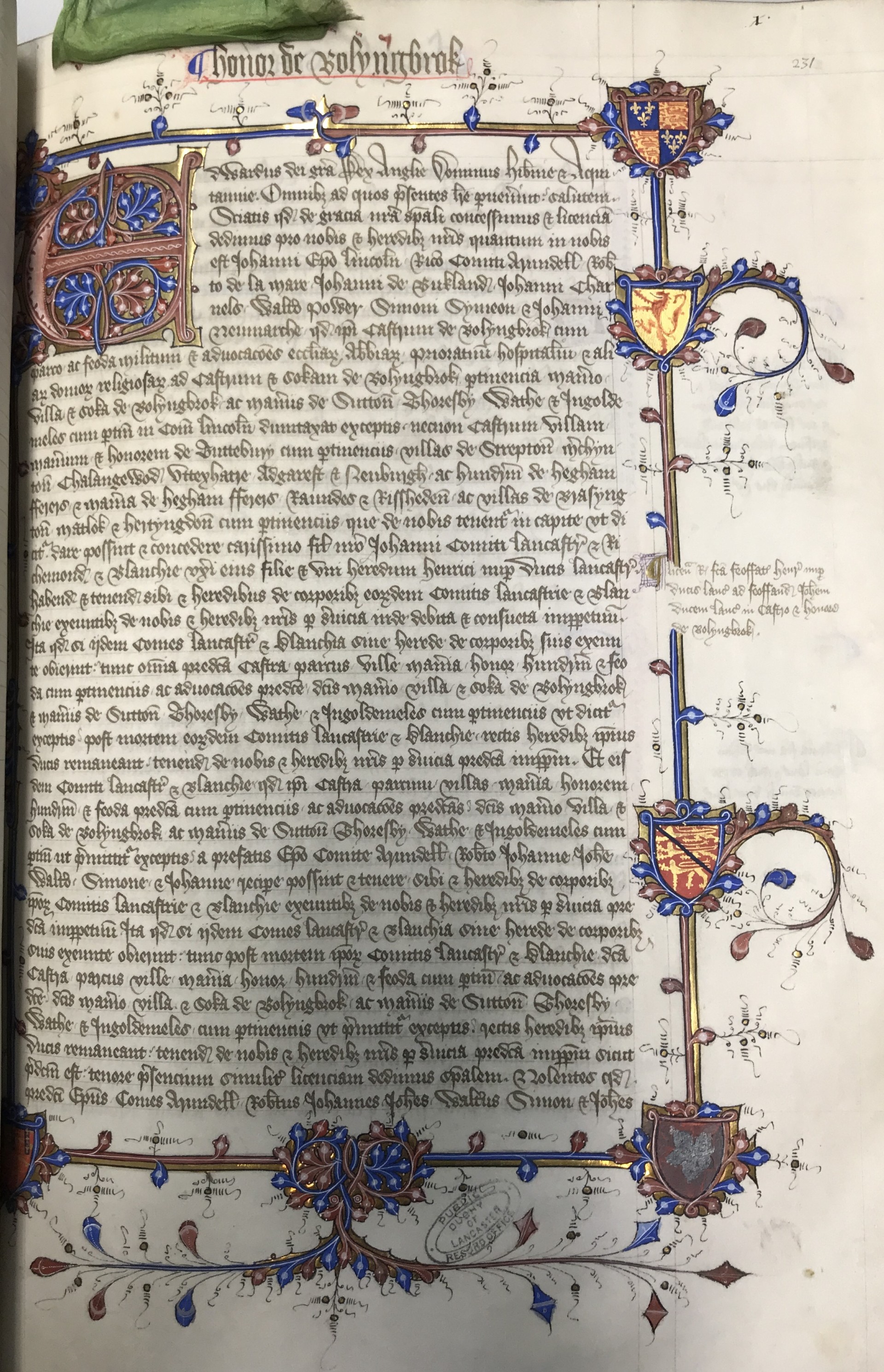
The great Cowcher Book
The Great Cowcher Book

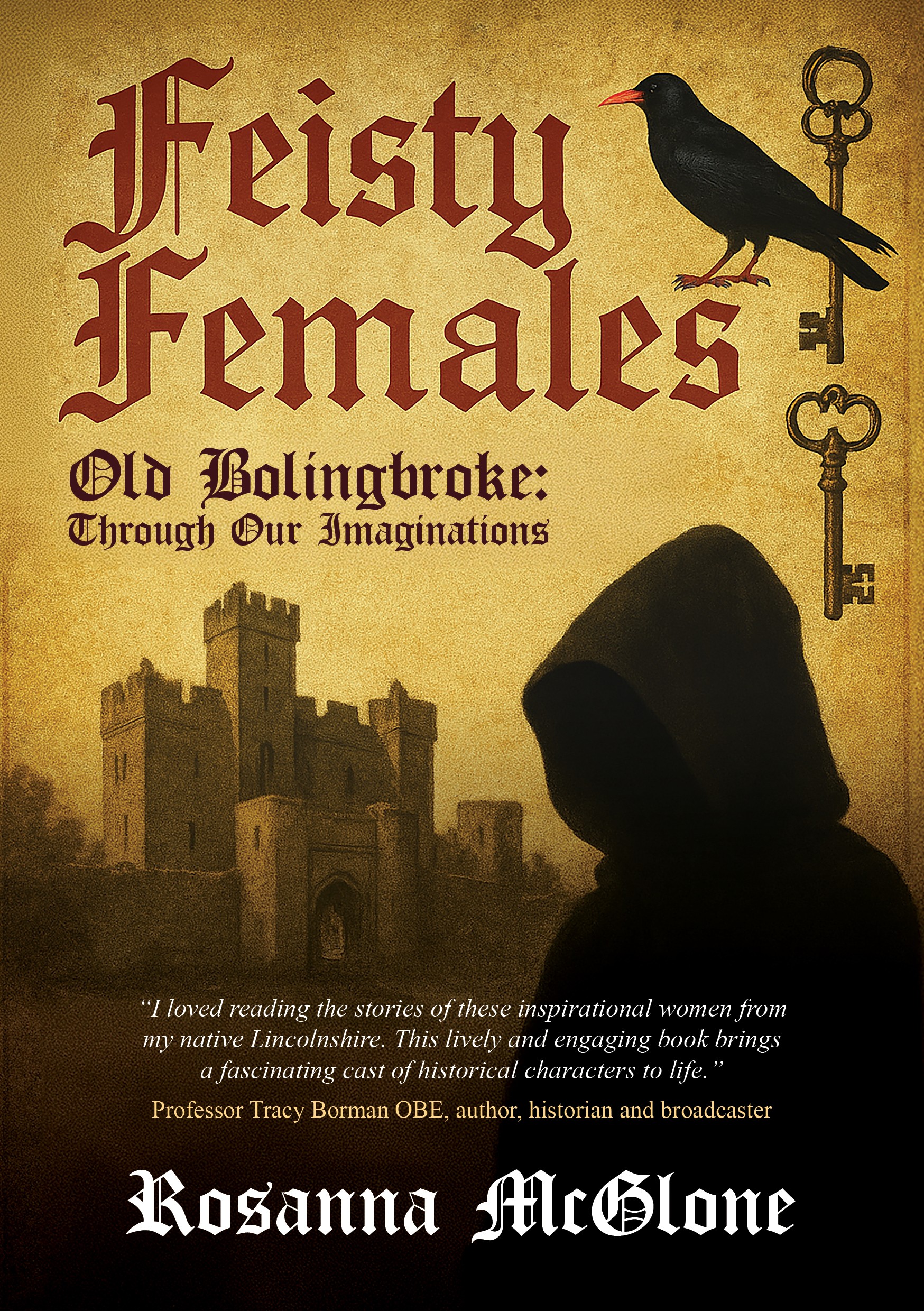
It is a pleasure to welcome my good friend Rosanna McGlone to History … the Interesting Bits to chat about her new book, Feisty Females, a series of short stories inspired by The Great Cowcher Book. Although Feisty Females is Rosanna’s ‘baby’, I feel like its Godmother as we have chatted frequently, over coffee, about the women she included, included Nicholaa de la Haye, Alice de Lacey, Blanche of Lancaster and Gwenllian of Wales – women my readers, I know, are well acquainted with!

Rosanna would meet me, armed with questions about the history of these women and the world they lived in. Then she went away and came back having put her own mark on their stories. And what a fascinating collection of stories it is!

It is a joy to see this project come to fruition. So, over to Rosanna to tell you a little about the process of researching and writing Feisty Females: Old Bolingbroke through our Imaginations.

Feisty Females: Writing Lincolnshire’s Medieval Women by Rosanna McGlone

Henry IV effigy
Henry IV, Canterbury Cathedral

You’ve heard of the Domesday Book, right? But do you know the second most important medieval record book? If you don’t, let me reassure you. Until I received this commission, neither did I. According to staff at the National Archives it’s The Great Cowcher Book, a medieval land registry commissioned by Henry IV to provide a record of lands within the Duchy of Lancaster. Receiver General John Leventhorpe was assigned to visit the 18,000 hectares of rural estates in England and Wales including Cheshire and Lancashire in the West and The Honor of Bolingbroke in Lincolnshire in the East which make up the Duchy of Lancaster. In doing so, he gathered a total of 161 folios and 2,433 charters written in either Latin or medieval French.

What exactly do the two volumes of The Great Cowcher Book contain? As well as including transactions such as the bestowing of Old Bolingbroke Castle to John of Gaunt and his wife Blanche of Lancaster, the book also covers more minor land transactions between people of much lower status.

Additionally, the Great Cowcher Book provides a record of disputes which had been brought before the court seeking resolution.

I was commissioned, and funded, by a number of organisations including the Arts Council, Lincoln County Council, the community of Old Bolingbroke and others to write a creative response to this unique material. Thus, it is from this medieval register that my book of short stories, Feisty Females: Old Bolingbroke through our Imaginations was crafted.

Feisty Females

The beautiful medieval manuscripts have recently been translated into English and I received the information on a rather less romanticised, Excel spreadsheet! The columns display the following headings, however not all of them have been populated for each of the more than 5,000 entries: regnal year, name of vendor, name of buyer, land to be purchased; witnesses to the contract; any special conditions, the original language of the manuscript.

As I poured over in excess of 1,200 entries pertaining to The Honor of Bolingbroke, my key focus, I was struck by the names: Walter son of Andrew; Adam, Hugh, Odo Galle of Saltfletby; Gilbert, Ranulf, Clement Prior of Spaldying, William de Rusmar, Henry de Lascy, Simon le Bret, God and his church.

Where were all of the women? As I note in the introduction to my book, His-tory is so often that, a record of the past through the male lens. For me, it was important to offer a different perspective. Out of the more than 5,000 entries within the Great Cowcher Book there are few female landowners. Yet, I was mindful that any females who did appear would have something remarkable about them to succeed in the male dominated medieval world.

Nicholaa de la Haye effigy
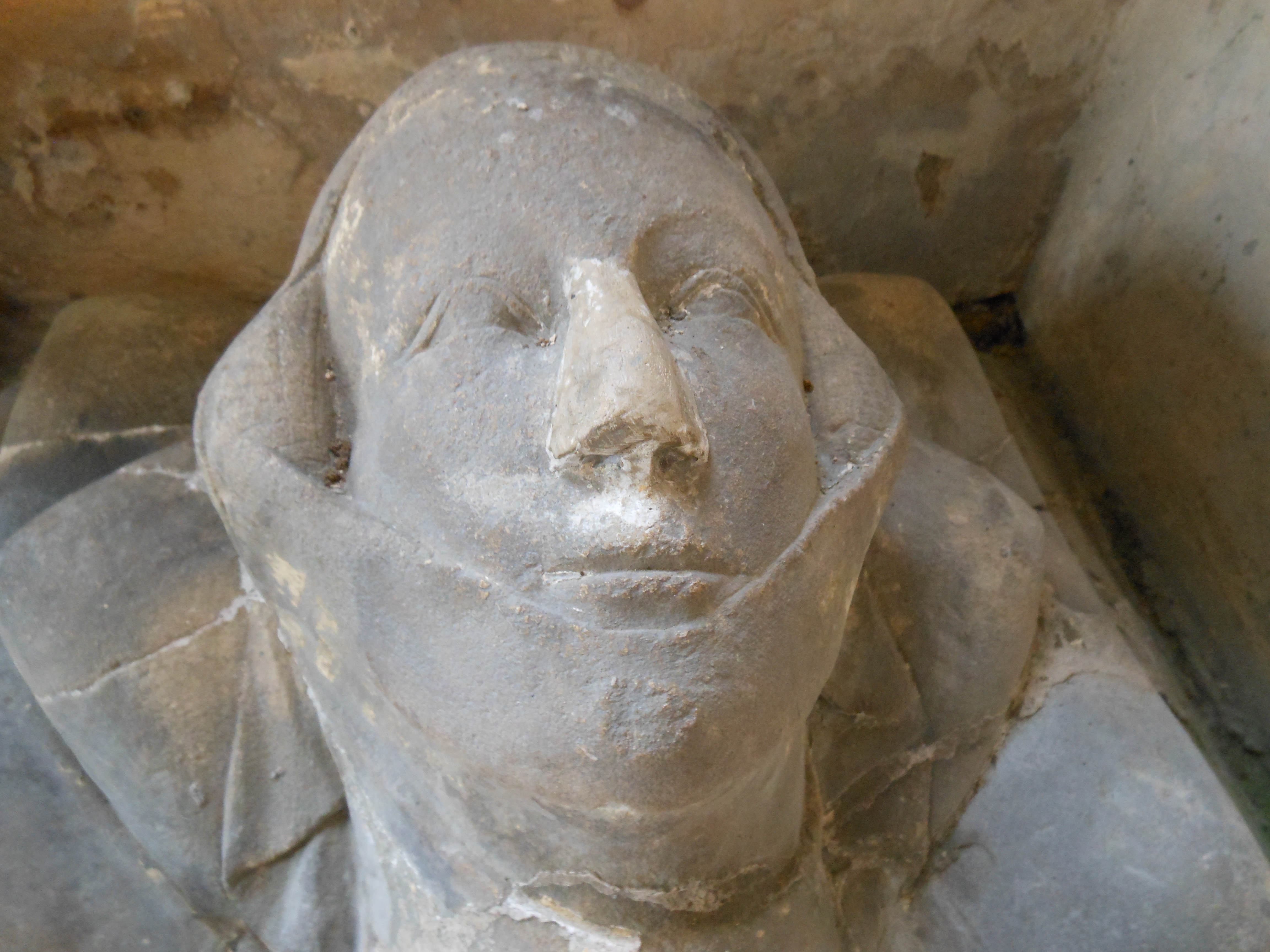
Tomb effigy of Nicholaa de la Haye

Women such as Nicholaa de la Haye, the first female Sheriff of Lincoln and Castellan of Lincoln Castle who withstood not one, but three separate sieges on the castle and earned the respect of King John himself.

Another feisty female for whom I have particular affection is Alice de Lacy, a woman whose story is too incredible to be true, at least that’s what I thought when I read it. Kidnappings, rape, imprisonment by the king, threats of being burnt to death, really how could I possibly capture all of Alice’s turbulent life in a mere 3,000 words? The answer is, I couldn’t. Therefore, I focused upon the catalyst for her troubles, her inheritance. Two bizarre childhood accidents occurred to her brothers which, in my opinion, determined the course of Alice’s life. Firstly, her young brother Edmund fell down a well at Denbigh Castle and died. Then, barely six months later, her other brother, John fell off the battlements at Pontefract Castle. He too perished leaving Alice- still a child herself- as sole heir to her parents, Henry de Lacy, Earl of Lincoln, and Margaret Longespee, Countess of Salisbury.

Whilst all of the other stories are set in medieval times, for Alice’s story I use the framework of a police interview in which she is pushed to reveal the truth of those inciting incidents.

The women with the most charters in the Great Cowcher Book is Hawise de Quincy, first Countess of Lincoln, who has a remarkable 40 entries. Whilst the vast majority of these relate to land acquisitions, the one upon which my tale focuses concerns a dispute was between Hawise and Philip de Kyma. To quote the Great Cowcher, this disagreement was

‘…concerning a certain obstruction of a certain watercourse made by the said Philip in Torp to the nuisance of the port of the said Hawise in Weynfled. Because it was then clear the land of both sides of that watercourse towards the port of Weynfled is of the said Philip…’

And so on… In essence, Philip de Kyma was preventing Hawise de Quincy from accessing her port and, therefore, the valuable port fees. So, what was she to do? This is what my story explores. Does pragmatism work, or must Hawise resort to womanly wiles?

Gwenllian of Wales
Memorial to Gwenllian, Sempringham Priory

An incredibly wronged female in Feisty Females is Gwenllian, the last Princess of Wales who was incarcerated in a Lincolnshire Priory from which there was little chance of escape, unless she had inside help…

In all cases, bar one, the women come from the Great Cowcher book, however in Matilda’s case my desire to write on the specific topic of that story arose first, based on a certain building referenced in The Great Cowcher. Matilda’s Story begins thus:

It was the day after Candlemas that we held my brother’s funeral. There was just one problem: he wasn’t dead.

It has been a pleasure to learn more about these characters and to bring them to life for readers, giving them voices after 800 years, or more, of silence. The book is a celebration of the female power which was understood by Chaucer who, himself, makes an appearance in Blanche’s Story. In the epigraph to my book Chaucer describes women thus:

‘And what is better than wisedoom? Womman.

And what is better than a good woman? Nothyng.’1

*

Notes: 1. Geoffrey Chaucer, ‘The Tale of Melibee’ The Canterbury Tales.

Images: The Great Cowcher Book (DL 42/2, fol. 231r, the property of His Majesty The King in Right of His Duchy of Lancaster and is reproduced by permission of the Chancellor and Council of the Duchy of Lancaster.); Photos of Henry IV, Nicholaa de la Haye and Gwenllian of Wales are ©Sharon Bennett Connolly FRHistS.

To Buy the Book:

Just click on the link to buy: Feisty Females

About the Author:

Rosanna McGlone

Rosanna McGlone is a writer and journalist. Her book, The Process of Poetry -which explores the development of early drafts of poems by some of the country’s leading poets- was number 1 on Amazon and featured on Radio 4’s Front Row. The sequel, The Making of a Poem, focuses on the work of Australian foremost poets. She has written more than 100 features for the national press, including: The GuardianThe IndependentThe Sydney Morning Herald and The Australian. Rosanna has written memoirs, community plays and collected oral histories. Feisty Females, a creative response to The Great Cowcher Book, a medieval book, is out on June 8th 2025.

To find out more follow Rosanna at @rosannamcglone.bsky.social

*

My Books:

Signed, dedicated copies of all my books are available through my online bookshop.

Out Now! Scotland’s Medieval Queens

Books by Sharon Bennett Connolly

Scotland’s history is dramatic, violent and bloody. Being England’s northern neighbour has never been easy. Scotland’s queens have had to deal with war, murder, imprisonment, political rivalries and open betrayal. They have loved and lost, raised kings and queens, ruled and died for Scotland. From St Margaret, who became one of the patron saints of Scotland, to Elizabeth de Burgh and the dramatic story of the Scottish Wars of Independence, to the love story and tragedy of Joan Beaufort, to Margaret of Denmark and the dawn of the Renaissance, Scotland’s Medieval Queens have seen it all. This is the story of Scotland through their eyes.

Scotland’s Medieval Queens gives a thorough grounding in the history of the women who ruled Scotland at the side of its kings, often in the shadows, but just as interesting in their lives beyond the spotlight. It’s not a subject that has been widely covered, and Sharon is a pioneer in bringing that information into accessible history.’ Elizabeth Chadwick (New York Times bestselling author)

Available now from Amazon and Pen and Sword Books

Also by Sharon Bennett Connolly:

Books by Sharon Bennett Connolly

Heroines of the Tudor World tells the stories of the most remarkable women from European history in the time of the Tudor dynasty, 1485-1603. These are the women who ruled, the women who founded dynasties, the women who fought for religious freedom, their families and love. Heroines of the Tudor World is now available for pre-order from Amberley Publishing and Amazon UK. Women of the Anarchy demonstrates how Empress Matilda and Matilda of Boulogne, unable to wield a sword themselves, were prime movers in this time of conflict and lawlessness. It shows how their strengths, weaknesses, and personal ambitions swung the fortunes of war one way – and then the other. Available from Bookshop.orgAmberley Publishing and Amazon UKKing John’s Right-Hand Lady: The Story of Nicholaa de la Haye is the story of a truly remarkable lady, the hereditary constable of Lincoln Castle and the first woman in England to be appointed sheriff in her own right. Available from all good bookshops Pen & Sword Booksbookshop.org and Amazon

Royal Historical Society

Defenders of the Norman Crown: The Rise and Fall of the Warenne Earls of Surrey tells the fascinating story of the Warenne dynasty, from its origins in Normandy, through the Conquest, Magna Carta, the wars and marriages that led to its ultimate demise in the reign of Edward III. Available from Pen & Sword BooksAmazon in the UK and US, and Bookshop.orgLadies of Magna Carta: Women of Influence in Thirteenth Century England looks into the relationships of the various noble families of the 13th century, and how they were affected by the Barons’ Wars, Magna Carta and its aftermath; the bonds that were formed and those that were broken. It is now available in paperback and hardback from Pen & SwordAmazon, and Bookshop.orgHeroines of the Medieval World tells the stories of some of the most remarkable women from Medieval history, from Eleanor of Aquitaine to Julian of Norwich. Available now from Amberley Publishing and Amazon, and Bookshop.orgSilk and the Sword: The Women of the Norman Conquest traces the fortunes of the women who had a significant role to play in the momentous events of 1066. Available now from Amazon,  Amberley Publishing, and Bookshop.org.

Alternate Endings: An anthology of historical fiction short stories including Long Live the King… which is my take what might have happened had King John not died in October 1216. Available in paperback and kindle from Amazon.

Podcast:

A Slice of Medieval

Have a listen to the A Slice of Medieval podcast, which I co-host with Historical fiction novelist Derek Birks. Derek and I welcome guests, such as Bernard Cornwell and Michael Jecks, and discuss a wide range of topics in medieval history, from significant events to the personalities involved. 

Every episode is also now available on YouTube.

*

Don’t forget! Signed and dedicated copies of all my books are available through my online store.

For forthcoming online and in-person talks, please check out my Events Page.

You can be the first to read new articles by clicking the ‘Follow’ button, liking our Facebook page or joining me on TwitterThreadsBluesky and Instagram.

*

©2025 Sharon Bennett Connolly, FRHistS and Rosanna McGlone

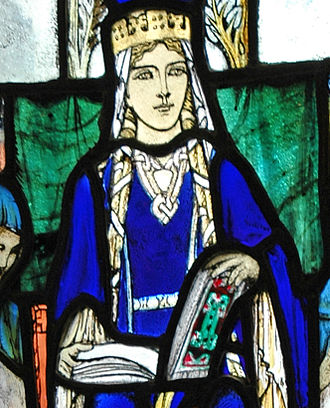
Queen of Scots

St Margaret, Queen of Scots

The Queens of Scots of the medieval era are a fascinating variety of women and I can only hope that I have done them justice in my latest book, Scotland’s Medieval Queens: From St Margaret to Margaret of Denmark.

Scottish history is fascinating! It is violent, politically charged and passionate. Being inconveniently situated on England’s northern border was never easy for Scotland, but it has made for some great stories over the centuries. Scotland’s story is often that of brother against brother, ambition and family rivalries causing feuds that threatened the stability of the crown itself. Such fissures, of course, grew and ruptured with the aid of English interference and encouragement. The King of England was always happy to play one side off against the other if it weakened Scotland’s position.

And Scotland’s medieval queens, be they Scottish, English, Danish or French, formed a big part of that story.

More often than not, these disputes north and south of the border were resolved in peace treaties, sealed by wedding bells. A number of English princesses and noblewomen found themselves married to Scotland’s kings as a consequence.

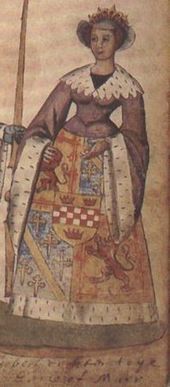
Queen Elizabeth de Burgh

For over 400 years, Shakespeare’s version of Lady Macbeth has been the woman most people are familiar with. In the bard’s famous drama, also known as ‘The Scottish Play’, Lady Macbeth is not even given her name. Presented as a scheming, manipulative woman, Shakespeare did as good a hatchet job on Gruoch, a royal princess in her own right, as he had on Richard III. Unfortunately, there is no society established to repair Gruoch’s reputation.

The scheming, ambitious woman who will stop at nothing to put her husband on the Scottish throne – and commit murder to keep him there. But is that the real Lady Macbeth? The story of Queen Gruoch, Lady Macbeth, is one shrouded in mystery, tantalisingly obscure. If only we could know more. The lack of information on Gruoch makes it easy for Shakespeare’s interpretation to be accepted as fact, but it is more than likely an injustice to a woman who survived her first husband’s gruesome death, protected her son and came to an agreement with Macbeth to become his wife, securing her son’s future in the process, and later becoming queen as a consequence.

Queen Gruoch is the first queen of Scots for whom we have a name.

From the highly educated and pious Margaret of Wessex to the glamorous Margaret of Denmark, their lives and experiences tell the story of their nation. Some, such as Matilda de Senlis and Ermengarde de Beaumont, barely make an impression on history, though merely by producing a son, they each guaranteed that Scotland would persevere. And Isabella de Warenne, wife of John Balliol, who is a ghost on the pages of Scotland’s history. And it is not that these made no impression. Their influence was in the domestic sphere, raising children and supporting their husbands, rather than on the political or the international stage. Although Isabella’s story is even more obscure by the fact all mention of the Balliol dynasty was forbidden by the Bruce regime.

Marrying an English princess, for example, did not always guarantee the peace with England that was intended. As the wife of Alexander II, Joan of England did her best to maintain cordial relations with her brother Henry III, often using private letters to broker diplomatic solutions. And Henry III’s own daughter Margaret, in marrying Alexander III, brought Scotland more years of peace with England. As a consequence, Scotland and England enjoyed over 70 years of peaceful relations. These years were shattered dramatically by the deaths of Alexander III, his three children and his little granddaughter, Margaret, the Maid of Norway. Little Margaret’s death left the Scots throne vacant, with thirteen Competitors vying for the crown, staking their claims as Edward I of England acted as adjudicator.

Margaret, Maid of Norway

Edward I took advantage of this to try to assert his overlordship of Scotland, but William Wallace, Robert the Bruce and countless others pushed back, ushering in decades of war with England, the Scottish Wars of Independence.

Edward III’s sister Joan of the Tower was to have no such legacy of peace as the earlier Joan and Queen Margaret could boast. Her brother’s ambition would blight her marriage for years. Edward leant his support to the rival claimant to the Scottish throne, Edward Balliol. If he had not been so keen to exploit Scotland’s dynastic divisions, maybe Joan and David II would have had a happier marriage. We will never know.

One cannot help but feel sympathy for Elizabeth de Burgh, seeing her fortunes rise and fall at the whim of England’s king, Edward I, held captive for eight years when she should have been sitting in splendour on Scotland’s throne.

Or poor Marjorie Bruce, whose childhood was torn from her by that same English king, held far away from everyone she loved, only to be married as she tasted freedom, and dead in childbirth by the age of 19. Passed over for the throne because she was a woman, she still managed to give birth to a dynasty, the Stewarts.

Joan Beaufort, Queen of Scots

Scotland was the first nation in the British Isles to accept a queen regnant when Margaret, Maid of Norway, was recognised as its queen in 1290. How her queenship would have developed, we have no way of knowing. The poor girl died before she even landed in mainland Scotland. Her significance is in that she was proclaimed queen and the possibilities that heralded, even if it got no further. We can only speculate as to how a successful rule by a queen regnant in the thirteenth century may have changed the lives and experiences of women in subsequent centuries. Her death was a tragedy, not just to her family, but to women’s rights to rule.

But then again, as her father-in-law, it may well be that Edward I would have taken Scotland under his wing … and never let go.

Although we have charters and chronicles, and evidence of religious and charitable donations, most of these women remain elusive. They are enigmas.

We do not – and cannot – know them intimately as the one thing that is missing is their own voice. Their thoughts and personalities are lost to us. Even letters to family members are often formulaic and rarely speak of their true feelings, of their happiness – or not – and their cares and concerns for themselves. We know what they endured for the sake of Scotland, the risk of death in childbirth, the grief of lost children, or the grief of no children. Every woman in medieval Europe was exposed to similar experiences. Scottish queens, however, had to endure imprisonment, scheming noblemen and the early deaths of their husbands more times than they should have had to.

Anabella Drummond, Queen of Scots

But, once in a while, we come across a marriage that is a true partnership. A love story, even. And we discover moments of affection, of amusement, of unity and mutual support. Little moments that remind us that these people are not just stories. They are lives that were lived to the full, however short or long a time they had.

Scotland’s story is often violent and suffered greatly from the machinations if its powerful southern neighbour. However, Scotland did emerge from the Middle Ages as, still, an independent, sovereign nation. And Scotland’s medieval queens had each made their own contribution to the country’s continuing survival and independence. From Saint Margaret – even from Gruoch – to Margaret of Denmark, each queen, to varying degrees of success, made their own indelible imprint on Scotland’s remarkable story.

Images:

Courtesy of Wikipedia

Selected Bibliography:

John of Fordun’s Chronicle of the Scottish Nation; Walter Bower, Scotichronicon; Andrew Wyntoun, The orygynale cronykil of Scotland; Calendar of documents relating to Scotland preserved in Her Majesty’s Public Record Office; Richard Oram, editor, The Kings and Queens of Scotland; Rosalind K. Marshall, Scottish Queens 1034–1714; Nigel Tranter, The Story of Scotland; David Ross Scotland, History of a Nation; Liber pluscardensis, edited by Felix James Henry Skene; Mediaeval chronicles of Scotland: the chronicles of Melrose and Holyrood, translated by Joseph Stephenson; The Chronicle of Lanercost, edited by Sir Herbert Maxwell; The Ecclesiastical History of England and Normandy by Ordericus Vitalis; The historie and cronicles of Scotland … by Robert Lindesay of Pitscottie, 3 volumes, A.J.G. Mackay, editor.

*

My books

Signed, dedicated copies of all my books are available through my online store.

Out now: Scotland’s Medieval Queens

Scotland’s history is dramatic, violent and bloody. Being England’s northern neighbour has never been easy. Scotland’s queens have had to deal with war, murder, imprisonment, political rivalries and open betrayal. They have loved and lost, raised kings and queens, ruled and died for Scotland. From St Margaret, who became one of the patron saints of Scotland, to Elizabeth de Burgh and the dramatic story of the Scottish Wars of Independence, to the love story and tragedy of Joan Beaufort, to Margaret of Denmark and the dawn of the Renaissance, Scotland’s Medieval Queens have seen it all. This is the story of Scotland through their eyes.

Scotland’s Medieval Queens gives a thorough grounding in the history of the women who ruled Scotland at the side of its kings, often in the shadows, but just as interesting in their lives beyond the spotlight. It’s not a subject that has been widely covered, and Sharon is a pioneer in bringing that information into accessible history.’ Elizabeth Chadwick (New York Times bestselling author)

Available now from Amazon and Pen and Sword Books

Also by Sharon Bennett Connolly:

Heroines of the Tudor World tells the stories of the most remarkable women from European history in the time of the Tudor dynasty, 1485-1603. These are the women who ruled, the women who founded dynasties, the women who fought for religious freedom, their families and love. Heroines of the Tudor World is now available for pre-order from Amberley Publishing and Amazon UK. Women of the Anarchy demonstrates how Empress Matilda and Matilda of Boulogne, unable to wield a sword themselves, were prime movers in this time of conflict and lawlessness. It shows how their strengths, weaknesses, and personal ambitions swung the fortunes of war one way – and then the other. Available from Bookshop.orgAmberley Publishing and Amazon UKKing John’s Right-Hand Lady: The Story of Nicholaa de la Haye is the story of a truly remarkable lady, the hereditary constable of Lincoln Castle and the first woman in England to be appointed sheriff in her own right. Available from all good bookshops Pen & Sword Booksbookshop.org and Amazon

Defenders of the Norman Crown: The Rise and Fall of the Warenne Earls of Surrey tells the fascinating story of the Warenne dynasty, from its origins in Normandy, through the Conquest, Magna Carta, the wars and marriages that led to its ultimate demise in the reign of Edward III. Available from Pen & Sword BooksAmazon in the UK and US, and Bookshop.orgLadies of Magna Carta: Women of Influence in Thirteenth Century England looks into the relationships of the various noble families of the 13th century, and how they were affected by the Barons’ Wars, Magna Carta and its aftermath; the bonds that were formed and those that were broken. It is now available in paperback and hardback from Pen & SwordAmazon, and Bookshop.orgHeroines of the Medieval World tells the stories of some of the most remarkable women from Medieval history, from Eleanor of Aquitaine to Julian of Norwich. Available now from Amberley Publishing and Amazon, and Bookshop.orgSilk and the Sword: The Women of the Norman Conquest traces the fortunes of the women who had a significant role to play in the momentous events of 1066. Available now from Amazon,  Amberley Publishing, and Bookshop.org.

Alternate Endings: An anthology of historical fiction short stories including Long Live the King… which is my take what might have happened had King John not died in October 1216. Available in paperback and kindle from Amazon.

Podcast:

Have a listen to the A Slice of Medieval podcast, which I co-host with Historical fiction novelist Derek Birks. Derek and I welcome guests, such as Bernard Cornwell and Michael Jecks, and discuss a wide range of topics in medieval history, from significant events to the personalities involved. Every episode is also now available on YouTube.

*

Don’t forget! Signed and dedicated copies of all my books are available through my online store.

For forthcoming online and in-person talks, please check out my Events Page.

You can be the first to read new articles by clicking the ‘Follow’ button, liking our Facebook page or joining me on TwitterThreadsBluesky and Instagram.

*

©2025 Sharon Bennett Connolly, FRHistS

‘Margaret of Logie, of high and noble birth’

Joan of the Tower, Queen of Scotland

When she died in September 1362, Joan of the Tower (also known as Joan Makepeace) had been Queen of Scots for thirty-three years. She had never borne a child, nor is there any mention of her ever having become pregnant. So, on her death, David II was still without a son and heir. The heir to the Scottish throne was Robert Stewart, the nephew he despised, who had six legitimate sons by 1362.

Following the murder of his lover, Katherine Mortimer, in 1360, and before Joan’s death, King David had fallen in love with Margaret Drummond. The first reference to Margaret and David’s relationship is in a charter of 20 January 1363, to the Friars Preacher, for the souls of David himself and of ‘our beloved’ Margaret Logie. Margaret was the daughter of a lowly Scottish knight, Sir Malcolm Drummond. She had been married to Sir John Logie of Logie and had at least one son, also called John.

The relationship with Margaret further alienated David’s heir, Robert Stewart, who was involved in a violent feud with Margaret’s brothers, John and Maurice Drummond. It also threatened to disinherit Robert, should Margaret give birth to a son. This could explain Robert’s involvement in a rebellion early in 1363, in which a petition was presented to the king, demanding that he set aside Margaret and dismiss his current advisers.

Despite the opposition to the relationship, ‘in the year 1363, the aforesaid lord David, king of Scotland, took to wife, at Inchmurdach, a great lady, named Margaret of Logie, of high and noble birth, and born in his kingdom; and he endowed her with many lands and possessions, and raised her to reign in honour with him, with the royal diadem.’1 They were married at Inchmurdoch, in the Fife manor house of the Bishop of St Andrews, though ‘Thai ware togiddyr bot schort quhile.’2

Crest badge of the Clan Drummond

According to the chroniclers, Margaret was very beautiful, but her character left much to be desired, ‘With the aim therefore of providing for the succession to the kingdom from the fruit of her womb (if God granted it), King David chose a most beautiful lady, Margaret Logie, the widow of John Logie, perhaps not so much for the excellence of her character as a woman as for the pleasure he took in her desirable appearance.’3 Once married, David gave preferential treatment to Margaret’s family, granting them lands and prestigious marriages. One such marriage, possibly inspired by Margaret herself, was between her niece, Annabella Drummond, and John, the eldest son and heir of Robert Stewart.

If Margaret herself did not produce a son and heir for Scotland, her niece might one day become queen. This must have angered Robert Stewart, who was still embroiled in the feud with Margaret’s brothers. Demonstrating her own influence over King David, in the winter of 1368, the queen went as far as to persuade her husband to order the arrest and imprisonment of Robert and some of his sons. The continued lack of an heir, however, may have begun to rankle with King David, who released his nephew after a short time. David also favoured his stepson. On 6 December 1363, John Logie, ‘the son of the Queen of Scotland’, was among the ‘divers lords and others, who came to England in the retinue of the K. of Scotland about a treaty of peace between the Kings’ and was gifted ‘a parcelgilt cup, weight 75s., value 6l. 5s. 4d’.4 He received further gifts such as that on 16 December 1365, when the king ‘of Scotland, Sir Archibald, and other lords of Scotland came to Annandale, and gave seisin of it to one John de Logy son of the Queen of Scotland’.5

Annabella Drummond, Margaret’s niece

The Liber Pluscardensis suggests that the queen, knowing David was tiring of her, faked a pregnancy in order to maintain her influence over her husband, and save her marriage. It did not work. Margaret is always portrayed as an ‘arrogant, demanding wife’, and it may be that she was, though I cannot help but wonder that harsh words are used to describe her because she was lowly born, the daughter of a mere knight, rather than a princess. She was seen as unworthy for the high office to which David had elevated her. It cannot have been easy for her, being reminded constantly of her low social position in respect of the others who surrounded the king. It would go some way to explain her haughty attitude; she was trying to live up to her queenship. David had also started an affair with Agnes Dunbar, sister of George, Earl of March.

Whether it was for the lack of an heir, the demanding nature of his wife, or a desire to marry a new love, the result was the same: ‘he lived with her for a short time, [but following animosity that arose between them,] he divorced her about the beginning of Lent 1369.’6 King David applied for a divorce, which was granted, relegating Margaret to the position of ‘Lady Margaret Logie, onetime Queen’. Margaret, however, was not going to go quietly and live in retirement on the pension of £100 a year the king had awarded her. Margaret decided to appeal to a higher power and

On this account she secretly boarded a ship in the Firth of Forth [well supplied with money] and made for the papal court. She arrived at Avignon where the pope was then to be found. By making an appeal she transferred her case there, and disturbed the whole kingdom by her legal action. And so once the king’s proctors had travelled to the apostolic see, the case was bitterly disputed, and the pleading between the advocates of the contending parties was so prolonged that a book compiled from that source and certified by notarial marks is longer [in] wordage (in my judgment, for I who have written this have seen this pleading) than the contents of the text of four Psalters. For her case was many times committed for hearing by auditors and cardinals, so that if she had lived, she would have subjected the kingdom to an interdict; but she died on a pilgrimage to Rome.7

David II, King of Scots


King David II Bruce died, childless, at Edinburgh Castle on 22 February 1371, having reigned for forty-two of his forty-seven years. The king’s death did not stop Margaret from continuing with her lawsuit against him for some years, despite how much it was costing the former queen. There was a

Notarial instrument dated 23d June 1372, attesting obligation of same date by the Lady Margaret Queen of Scotland, widow of the late David Bruys K. of Scotland, acknowledging a loan of 500 marks from Adam Franceys and two other London merchants, made to her at Avignon, repayable at Caleys at Pentecost following. Done in the house of the said Queen Margaret at Avignon ut supra.8

Scotland was under the threat of a papal interdict as a result. Reprieve only came with Margaret’s death, during a pilgrimage to Rome in early 1375. The rule of the house of Bruce had lasted just sixty-five years and had been punctuated by the country’s fight for Scotland’s sovereignty. Eventually, however, it was not England that ensured the downfall of the House of Bruce. It was the failure of King David to have an heir.

David II (left) and Edward III

There is always a tendency to blame the woman when a king dies childless, but the fact that David was married twice and had a number of mistresses, but never became a father, even of an illegitimate child, would suggest that the problem lay with David. Though the point is moot.

In the end, David’s heir was his nephew, as he had been from the moment David ascended the throne. David was succeeded by the first of the Stewart kings, Robert II, son of Robert the Bruce’s eldest daughter, Marjorie and her husband, Walter Stewart. The royal House of Stewart would rule Scotland until 1714 and England from 1603 until 1714.

Notes:

1. John of Fordun’s Chronicle of the Scottish Nation; 2. ‘They were together but a short while’, Wyntoun, The orygynale cronykil of Scotland; 3. Bower, Scotichronicon, V 7; 4. Calendar of documents relating to Scotland, Vol. 4, no. 93; 5. ibid.; 6. Bower, Scotichronicon, V 7; 7. ibid,; 8. Calendar of documents relating to Scotland, Vol. 4, no. 197

Bibliography:

John of Fordun’s Chronicle of the Scottish Nation; Walter Bower, Scotichronicon; Andrew Wyntoun, The orygynale cronykil of Scotland; Calendar of documents relating to Scotland preserved in Her Majesty’s Public Record Office; Richard Oram, editor, The Kings and Queens of Scotland; Rosalind K. Marshall, Scottish Queens 1034–1714; Ian Mortimer, The Perfect King: The Life of Edward III, Father of the English Nation; Dr Callum Watson, ‘Ane Lady Bricht’: A Life of Annabella Drummond, Queen of Scots, c. 1350–1401; Bruce Webster, Margaret [née Margaret Drummond], Oxforddnb.com; Nigel Tranter, The Story of Scotland; B. Webster, ‘David II and the Government of Fourteenth-Century Scotland’ (article); David Ross Scotland, History of a Nation; Phil Carradice, Robert the Bruce: Scotland’s True Braveheart; G. Barrow ‘The Aftermath of War: Scotland and England in the late Thirteenth and early Fourteenth Centuries’ (article); Colm MacNamee, Robert Bruce: Our Most Valiant Prince and Lord; Stephen Spinks, Robert the Bruce: Champion of a Nation; Fiona J. Warson, Robert the Bruce; Bruce Webster, ‘David II’, Oxforddnb.com

*

My Books

Signed, dedicated copies of all my books are available through my online bookshop.

Out now: Scotland’s Medieval Queens

Scotland’s history is dramatic, violent and bloody. Being England’s northern neighbour has never been easy. Scotland’s queens have had to deal with war, murder, imprisonment, political rivalries and open betrayal. They have loved and lost, raised kings and queens, ruled and died for Scotland. From St Margaret, who became one of the patron saints of Scotland, to Elizabeth de Burgh and the dramatic story of the Scottish Wars of Independence, to the love story and tragedy of Joan Beaufort, to Margaret of Denmark and the dawn of the Renaissance, Scotland’s Medieval Queens have seen it all. This is the story of Scotland through their eyes.

Available now from Amazon and Pen and Sword Books

Also by Sharon Bennett Connolly:

Heroines of the Tudor World tells the stories of the most remarkable women from European history in the time of the Tudor dynasty, 1485-1603. These are the women who ruled, the women who founded dynasties, the women who fought for religious freedom, their families and love. Heroines of the Tudor World is now available for pre-order from Amberley Publishing and Amazon UK. Women of the Anarchy demonstrates how Empress Matilda and Matilda of Boulogne, unable to wield a sword themselves, were prime movers in this time of conflict and lawlessness. It shows how their strengths, weaknesses, and personal ambitions swung the fortunes of war one way – and then the other. Available from Bookshop.orgAmberley Publishing and Amazon UKKing John’s Right-Hand Lady: The Story of Nicholaa de la Haye is the story of a truly remarkable lady, the hereditary constable of Lincoln Castle and the first woman in England to be appointed sheriff in her own right. Available from all good bookshops Pen & Sword Booksbookshop.org and Amazon

Defenders of the Norman Crown: The Rise and Fall of the Warenne Earls of Surrey tells the fascinating story of the Warenne dynasty, from its origins in Normandy, through the Conquest, Magna Carta, the wars and marriages that led to its ultimate demise in the reign of Edward III. Available from Pen & Sword BooksAmazon in the UK and US, and Bookshop.orgLadies of Magna Carta: Women of Influence in Thirteenth Century England looks into the relationships of the various noble families of the 13th century, and how they were affected by the Barons’ Wars, Magna Carta and its aftermath; the bonds that were formed and those that were broken. It is now available in paperback and hardback from Pen & SwordAmazon, and Bookshop.orgHeroines of the Medieval World tells the stories of some of the most remarkable women from Medieval history, from Eleanor of Aquitaine to Julian of Norwich. Available now from Amberley Publishing and Amazon, and Bookshop.orgSilk and the Sword: The Women of the Norman Conquest traces the fortunes of the women who had a significant role to play in the momentous events of 1066. Available now from Amazon,  Amberley Publishing, and Bookshop.org.

Alternate Endings: An anthology of historical fiction short stories including Long Live the King… which is my take what might have happened had King John not died in October 1216. Available in paperback and kindle from Amazon.

Podcast:

Have a listen to the A Slice of Medieval podcast, which I co-host with Historical fiction novelist Derek Birks. Derek and I welcome guests, such as Bernard Cornwell and discuss a wide range of topics in medieval history, from significant events to the personalities involved. Every episode is also now available on YouTube.

*

Don’t forget! Signed and dedicated copies of all my books are available through my online bookshop.

For forthcoming online and in-person talks, please check out my Events Page.

You can be the first to read new articles by clicking the ‘Follow’ button, liking our Facebook page or joining me on Twitter and Instagram.

©2025 Sharon Bennett Connolly FRHistS

Wordly Women: Toni Mount

In today’s spotlight on Wordly Women, I welcome my good friend, novelist and historian, Toni Mount back to History… the Interesting Bits. Toni writes the fabulous Seb Foxley mystery novels and the non-fiction series How to Survive in…

Sharon: What got you into writing?

Toni: I’ve always been a story-teller. Aged 6, when the teacher was called away – before the days of teaching assistants – she would have me sit at the front of the class and tell them a story. It was usually a mix of various fairytales with princes, princesses, witches and dragons. I like to think I became more sophisticated when I started writing them down in English Composition lessons aged 7 or 8. My imagined ‘First Flight of Concorde’ – the supersonic plane – won the school prize and my head has been full of stories for as long as I can remember. A good many have made it to the page but not all.

Sharon: You write both fiction and non-fiction – is one harder than the other?

Toni: Fiction needs your own ideas; in non-fiction the facts are there, waiting for you to use. Since my novels are as authentic to the period as I can make them, but without the ‘gadzooks’ and ‘forsooths’, they take as much research as the non- fiction books. In both cases, I’m looking to tell a good story. The difference is that non-fiction may have gaps where historians don’t know the answers, such as what was Edward II thinking when he gave Piers Gaveston the queen’s jewellery but in a novel the writer is allowed to tell you why.

Sharon: Tell us about your books.

Toni: I’ve had 30+ books published, half of them novels. My most successful non-fiction books are ‘Everyday Life in Medieval London’ and ‘Medieval Medicine’ both published by Amberley, and ‘How to Survive in Medieval England’ published by Pen & Sword which was recently a no.1 best seller on Amazon. The How to Survive series – my fourth: ‘How to Survive in Ration-Book Britain’ is due to be out in November 2025 – is written for the armchair time-traveller and puts a light-hearted slant on history. ‘How to Survive in Tudor England’ and ‘How to Survive in Anglo-Saxon England’ are the other titles.

My Sebastian Foxley Medieval Murder Mystery series has quite a following – book 13 ‘The Colour of Darkness’ has just gone off to the publisher MadeGlobal. Seb is a London-based scribe and illuminator in the 1470s-80s whose eye for detail means he spots clues that others miss to solve crimes. Many are true crimes which were recorded in the Mayor’s Court Rolls and remain unsolved – until now. I love the way my characters take over the story, sometimes doing things that never occurred to me. Seb has become a family member, so much so that my sons commissioned a portrait of him for my 65th birthday and it hangs above the fireplace.

Sharon: What attracts you to the period?

Toni: Whether fact or fiction, the Plantagenet period from the 1150s to 1485 is by far the most intriguing for me. Who doesn’t love to puzzle out a mystery? But modern policing is too boring to write about with so much paperwork, hours of CCTV footage to trawl through, fingerprinting, DNA, ballistics, etc. Give me Sherlock Holmes with his magnifying glass every time. The medieval period has even fewer technical complications.

Sharon: Who is your favourite medieval or Tudor personality and why?

Toni: Richard III obviously. I love the controversy. Was he a saint or a sinner? Or simply a human being?

Sharon: Who is your least favourite medieval or Tudor personality and why?

Toni: Henry VIII – a vicious paranoid megalomaniac. What’s to like? (Sharon: I could not agree more!)

Sharon: How do you approach researching your topic?

Toni: I read all I can around the subject; get a feel for the period and ‘live it’ in my head. As I write, if I realise I don’t know something, I make a note of it, check it out and list sources as I go. This is vital for a book which will have references and footnotes but even if I’m working on a novel, I may want to return to a source for further info or to mention it in my Author’s Notes – this is where I tell readers what’s true in the novel, which characters really existed, etc. In ‘The Colour of Darkness’, I did additional research into Medieval Mystery Plays and the ‘Duke of Exeter’s Daughter [a torture device], among other things. For the next novel, I’m reading up on medieval ships and firearms – I think it’s time somebody got shot with a ‘gunne’.

Sharon: Tell us your ‘favourite’ medieval or Tudor story you have come across in your research.

Toni: John/Eleanor Rykenor was a cross-dresser in the 1390s. He claimed to have had sex with nuns ‘as a man’ and didn’t charge them for it but did charge a group of Oxford priests-in-training for his services ‘as a woman’. He/she also said he’d spent a year or more living as a man’s wife. When caught in flagranti in a stable, wearing women’s attire and charging a man for sex, as Eleanor she appeared in court. The authorities weren’t sure what crime to charge her with – homosexuality wasn’t made a criminal offence until Tudor times – so she was charged with misrepresenting the product for sale, i.e. advertising her services as a female without having the appropriate ‘equipment’ for the job. She had to pay a fine for flouting what we would call the Trades Description Act. John/Eleanor is a character in my Foxley novels although he/she lived a century before they’re set. I couldn’t resist using such a fantastic character.

Sharon: Tell us your least ‘favourite’ medieval or Tudor story you have come across in your research.

Toni: The discovery of RIII’s skeleton in a Leicester car park ruined my first ever trilogy [written in 1980s and unpublished]. My premise for the series of novels was that Richard, though wounded, survives the battle of Bosworth and goes on to have further adventures. Henry Tudor, frustrated when he can’t find Richard’s corpse to prove the king is dead, substitutes a crippled beggar to be buried instead. I was about to rewrite the trilogy when the dig discovered the bones and DNA proved it was Richard. How annoying!

Sharon: Are there any other eras you would like to write about?

Toni: Apart from writing about the medieval and Tudor eras, I’ve also written a Victorian who dunnit – ‘The Death Collector’ – making use of unsolved murders from the 1880s, including those attributed to Jack the Ripper. That was great fun to write and I fancy doing a sequel. Also, I wrote a non-fiction book ‘The World of Isaac Newton’ and I think Isaac, with his brilliant brain, has definite possibilities as a sleuth. I’ve published books ranging from Anglo-Saxon England to the 1950s and everything in between has at least been touched upon. Maybe more on the Anglo-Saxons would be interesting.

Sharon: What are you working on now?

Toni: The next novel is brewing: ‘The Colour of Malice’ and two self-published booklets are being prepped. ‘Medieval Christmas’ will do what it says on the tin. ‘Warriors – Men-o’-War’ is a very different beast as a collection of my short stories, something I’ve not done before, from Agincourt to Afghanistan. There are no new titles for non-fiction books at the moment.

Sharon: And finally, what is the best thing about being a writer?

Toni: Playing God with characters [in fiction] and the beauty of words – choosing how best to express your ideas and imaginings on the page. Marvellous!

About the Author:

Toni studies, teaches and writes about medieval history. She is a successful author writing the popular Sebastian Foxley medieval murder series and several non-fiction volumes, including her collection of How to Survive in books. She has created several online courses for http://www.MedievalCourses.com, she teaches history to adults and is an experienced speaker giving talks to groups and societies. Toni enjoys attending history events as a costumed interpreter and is a member of the Research Committee of the Richard III Society.

Toni earned her Masters Degree by Research from the University of Kent in 2009 through study of a medieval medical manuscript held at the Wellcome Library in London. Her first-class honours degree, Diploma in Literature and Creative Writing and her Diploma in European Humanities are from the Open University. Toni also holds a Cert. Ed (in Post-Compulsory Education and Training) from the University of Greenwich.

Find Toni Mount’s books here

Find Toni on Social Media:

Amazon; Website; Seb Foxley website; Facebook: Medieval England Facebook; Seb Foxley Facebook; Twitter

*

My books

Signed, dedicated copies of all my books are available through my online store.

Out now: Scotland’s Medieval Queens

Scotland’s history is dramatic, violent and bloody. Being England’s northern neighbour has never been easy. Scotland’s queens have had to deal with war, murder, imprisonment, political rivalries and open betrayal. They have loved and lost, raised kings and queens, ruled and died for Scotland. From St Margaret, who became one of the patron saints of Scotland, to Elizabeth de Burgh and the dramatic story of the Scottish Wars of Independence, to the love story and tragedy of Joan Beaufort, to Margaret of Denmark and the dawn of the Renaissance, Scotland’s Medieval Queens have seen it all. This is the story of Scotland through their eyes.

Available now from Amazon and Pen and Sword Books

Also by Sharon Bennett Connolly:

Heroines of the Tudor World tells the stories of the most remarkable women from European history in the time of the Tudor dynasty, 1485-1603. These are the women who ruled, the women who founded dynasties, the women who fought for religious freedom, their families and love. Heroines of the Tudor World is now available for pre-order from Amberley Publishing and Amazon UK. Women of the Anarchy demonstrates how Empress Matilda and Matilda of Boulogne, unable to wield a sword themselves, were prime movers in this time of conflict and lawlessness. It shows how their strengths, weaknesses, and personal ambitions swung the fortunes of war one way – and then the other. Available from Bookshop.orgAmberley Publishing and Amazon UKKing John’s Right-Hand Lady: The Story of Nicholaa de la Haye is the story of a truly remarkable lady, the hereditary constable of Lincoln Castle and the first woman in England to be appointed sheriff in her own right. Available from all good bookshops Pen & Sword Booksbookshop.org and Amazon

Defenders of the Norman Crown: The Rise and Fall of the Warenne Earls of Surrey tells the fascinating story of the Warenne dynasty, from its origins in Normandy, through the Conquest, Magna Carta, the wars and marriages that led to its ultimate demise in the reign of Edward III. Available from Pen & Sword BooksAmazon in the UK and US, and Bookshop.orgLadies of Magna Carta: Women of Influence in Thirteenth Century England looks into the relationships of the various noble families of the 13th century, and how they were affected by the Barons’ Wars, Magna Carta and its aftermath; the bonds that were formed and those that were broken. It is now available in paperback and hardback from Pen & SwordAmazon, and Bookshop.orgHeroines of the Medieval World tells the stories of some of the most remarkable women from Medieval history, from Eleanor of Aquitaine to Julian of Norwich. Available now from Amberley Publishing and Amazon, and Bookshop.orgSilk and the Sword: The Women of the Norman Conquest traces the fortunes of the women who had a significant role to play in the momentous events of 1066. Available now from Amazon,  Amberley Publishing, and Bookshop.org.

Alternate Endings: An anthology of historical fiction short stories including Long Live the King… which is my take what might have happened had King John not died in October 1216. Available in paperback and kindle from Amazon.

Podcast:

Have a listen to the A Slice of Medieval podcast, which I co-host with Historical fiction novelist Derek Birks. Derek and I welcome guests, such as Bernard Cornwell, Elizabeth Chadwick and Michael Jecks, and discuss a wide range of topics in medieval history, from significant events to the personalities involved. Every episode is also now available on YouTube.

*

Don’t forget! Signed and dedicated copies of all my books are available through my online store.

For forthcoming online and in-person talks, please check out my Events Page.

You can be the first to read new articles by clicking the ‘Follow’ button, liking our Facebook page or joining me on TwitterThreadsBluesky and Instagram.

*

©2025 Sharon Bennett Connolly, FRHistS and Toni Mount

Book Corner: The Royal Rebel by Elizabeth Chadwick

1338: England has declared war on France, and Jeanette of Kent, cousin to King Edward III, says goodbye to her family and travels overseas with the royal court for the first time. Once in Antwerp, she is captivated by talented household knight Thomas Holland, just as he in turn is powerfully drawn to her.

Although both know their romance is forbidden, their love for each other grows stronger than the danger they face, and they marry in secret. But before they can make their tryst known, Thomas has to leave for war, and in his absence, Jeanette is forced into a second marriage and locked away from the world.

Then Thomas returns, and the real fight begins. As hostile family members battle to keep Jeanette and Thomas apart, the defiant lovers vow to be reunited – whatever the cost…

It is always the sign of a good book if the author can leave me in tears and send me through a range of emotions from beginning to end. In The Royal Rebel, Elizabeth Chadwick has achieved this and then some!

The controversy over Joan of Kent‘s first marriage is fascinating. There are so many possibilities and connotations. And so much politics! Girls in medieval times were not supposed to choose their own husbands. Marriage was a political alliance for noble families, not a love affair. Romance had nothing to do with it.

The Royal Rebel is the story of the most famous ‘love triangle’ of the14th century. Joan, the daughter of the Earl of Kent, secretly married Thomas Holland, who then went off on crusade for a year. In the mean time, Joan’s mother arranged her daughter’s marriage to William Montague, the heir to the earldom of Salisbury. It was a mutually beneficial marriage. Joan had royal blood, but tainted by the fact her father had been executed. While Montague was the heir to a large earldom but would benefit from a closer connection to the crown. Thomas Holland, on the other hand, was a household knight with few prospects and whose father had been executed for treason. And when he returned from crusading in Eastern Europe, due to financial constraints, he did not immediately lay claim to his wife.

It was a storyline worthy of a modern-day soap opera.

Thomas Holland took his claims that he and Joan were married all the way to Rome. The investigation into the marriage was long, drawn-out legalese, mired in canon law and I did wonder how Elizabeth Chadwick was going to make it interesting. Of course! I needn’t have feared. She draws out the tension, adds in the human element, family dynamics and political considerations and keeps the reader gripped to the very end – even though I already knew the outcome!

The next day, Jeanette [Joan of Kent], Joan, Hawise and several other ladies from the Queen’s chamber gathered to dole out arms to the poor at the monastery gates. Usually, the almoners and designated servants distributed the donations, but today, in thanksgiving, the Queen’s ladies were involved in the task, and as well as the food, small amounts of money and items of clothing were handed out.

Jeanette played her part with a whole heart and a wide and ready smile. She was in charge of dispensing the bread, while Joan ladled pottage into the bowls people had brought them. Thomas and Otto arrived with their retinues to assist and stand guard, and the loaves of bread and jugs of beer were soon emptied, and all the money and clothing gone.

‘Thank you,’ Jeanette said, smiling at Thomas as she gathered up the empty baskets.

‘It has been my pleasure, demoiselle.’

He had brought one of his old hoods and two thick blankets to give away and had provided a small purse of alms money. His manner towards the folk who had come to receive charity had been courteous and good-humoured. Jeanette had noted his common touch which did not detract from the authority he possessed to lead men and maintain his rank. He had tousled a small boy’s hair, and jested with a toothless old woman who had cackled at him with lecherous appreciation, saying if she had been thirty years younger…

Once more, he escorted her and the ladies back to the royal apartments, and carried the baskets himself.

‘You look like a housewife going to market,’ she said, amused and very aware of his presence at her side. Their pace was a saunter, eking out the moment.

‘Looks can be deceptive,’ he replied. ‘It is what lies beneath that matters.’

He leaned a little towards her, and Jeanette’s breath shortened.

‘Then I suppose that like all truth it is buried, and must be sought by diligent investigation,’ she said pertly, giving as good as she got, and was rewarded by a flash of his grin.

‘I have always found that to be the case, demoiselle,’ he said, as they came to the Queen’s door. ‘And usually well rewarded.’

The Royal Rebel by Elizabeth Chadwick is no mere romance. It is the story of a trying decade in the reign of Edward III. Just as he embarks on the Hundred Years War with France (I wonder if he would have been so keen, if someone had told him the war’s eventual name?), plague ravages Europe and the court is gripped by the scandal of Joan’, Thomas and William’s marital situation. The detail is impressive.

Elizabeth Chadwick is moving into a period new to her, the late medieval; away from the 12th and 13th centuries of which she is so familiar. Not that you would know it. Her research has been meticulous and her attention to detail, to the dress and customs of the period, is second-to-none. Elizabeth Chadwick has really thought about the circumstances involving the clandestine marriage of Joan of Kent and Tomas Holland – and the very public marriage of Joan and Willian Montague. And how all this came about! The plot is intricate but entirely plausible and answers several questions around the actions of the parties involved.

The Royal Rebel also highlights the quandary over inheritance that would always hang over Joan’s marriage to Montague whilst the question mark remained over the validity of their marriage. Would any children have even been legitimate? Joan’s frustrations over her treatment is palpable; not being allowed to be with her true husband, being ignored by her elders, not being believed and even being prevented from freely giving her testimony in the court case. The Salisburys even locked her up!

The Royal Rebel by Elizabeth Chadwick is not just a good read, it is an experience of life in the mid-14th century and not to be missed.

The Royal Rebel by Elizabeth Chadwick is most definitely among my Top 5 books of 2024. I cannot recommend it highly enough!

To Buy the Book:

The Royal Rebel by Elizabeth Chadwick is now available from Amazon and all good bookshops.

About the Author:

New York Times bestselling author Elizabeth Chadwick lives in a cottage in the Vale of Belvoir in Nottinghamshire with her husband and their three dogs. Her first novel, The Wild Hunt, won a Betty Trask Award, To Defy a King won the Romantic Novelist Association’s Historical Novel Prize and The Scarlet Lion was nominated by Richard Lee – founder of the Historical Novel Society – as one of the top ten historical novels of the last decade. She often lectures at conferences and historical venues, has been consulted for television documentaries and is a member of the Royal Historical Society.

Keep in touch with Elizabeth via her website, her blogs or on social media.

http://www.elizabethchadwick.com
twitter: @chadwickauthor
facebook: ElizabethChadwick

*

My Books:

Signed, dedicated copies of all my books are available through my online bookshop.

Coming 30 January 2025: Scotland’s Medieval Queens

Scotland’s history is dramatic, violent and bloody. Being England’s northern neighbour has never been easy. Scotland’s queens have had to deal with war, murder, imprisonment, political rivalries and open betrayal. They have loved and lost, raised kings and queens, ruled and died for Scotland. From St Margaret, who became one of the patron saints of Scotland, to Elizabeth de Burgh and the dramatic story of the Scottish Wars of Independence, to the love story and tragedy of Joan Beaufort, to Margaret of Denmark and the dawn of the Renaissance, Scotland’s Medieval Queens have seen it all. This is the story of Scotland through their eyes.

Available for pre-order now.

Also by Sharon Bennett Connolly:

Heroines of the Tudor World tells the stories of the most remarkable women from European history in the time of the Tudor dynasty, 1485-1603. These are the women who ruled, the women who founded dynasties, the women who fought for religious freedom, their families and love. Heroines of the Tudor World is now available for pre-order from Amberley Publishing and Amazon UK. Women of the Anarchy demonstrates how Empress Matilda and Matilda of Boulogne, unable to wield a sword themselves, were prime movers in this time of conflict and lawlessness. It shows how their strengths, weaknesses, and personal ambitions swung the fortunes of war one way – and then the other. Available from Bookshop.orgAmberley Publishing and Amazon UKKing John’s Right-Hand Lady: The Story of Nicholaa de la Haye is the story of a truly remarkable lady, the hereditary constable of Lincoln Castle and the first woman in England to be appointed sheriff in her own right. Available from all good bookshops Pen & Sword Booksbookshop.org and Amazon

Defenders of the Norman Crown: The Rise and Fall of the Warenne Earls of Surrey tells the fascinating story of the Warenne dynasty, from its origins in Normandy, through the Conquest, Magna Carta, the wars and marriages that led to its ultimate demise in the reign of Edward III. Available from Pen & Sword BooksAmazon in the UK and US, and Bookshop.orgLadies of Magna Carta: Women of Influence in Thirteenth Century England looks into the relationships of the various noble families of the 13th century, and how they were affected by the Barons’ Wars, Magna Carta and its aftermath; the bonds that were formed and those that were broken. It is now available in paperback and hardback from Pen & SwordAmazon, and Bookshop.orgHeroines of the Medieval World tells the stories of some of the most remarkable women from Medieval history, from Eleanor of Aquitaine to Julian of Norwich. Available now from Amberley Publishing and Amazon, and Bookshop.orgSilk and the Sword: The Women of the Norman Conquest traces the fortunes of the women who had a significant role to play in the momentous events of 1066. Available now from Amazon,  Amberley Publishing, and Bookshop.org.

Alternate Endings: An anthology of historical fiction short stories including Long Live the King… which is my take what might have happened had King John not died in October 1216. Available in paperback and kindle from Amazon.

Podcast:

Have a listen to the A Slice of Medieval podcast, which I co-host with Historical fiction novelist Derek Birks. Derek and I welcome guests, such as Bernard Cornwell, and discuss a wide range of topics in medieval history, from significant events to the personalities involved, including Elizabeth Chadwick discussing her writing of The Royal Rebel as a guest for the 2024 HNS Conference’s Writing Medieval panel, alongside Matthew Harffy and David Gilman.

*

Don’t forget! Signed and dedicated copies of all my books are available through my online bookshop.

For forthcoming online and in-person talks, please check out my Events Page.

You can be the first to read new articles by clicking the ‘Follow’ button, liking our Facebook page or joining me on TwitterThreadsBluesky and Instagram.

©2024 Sharon Bennett Connolly FRHistS

Book Corner: The Heretic of Haltemprice Priory by Steven A. McKay

England, c. AD 1330
Winter fast approaches in East Yorkshire and the dark, cold nights have brought more than just frost to the newly founded Haltemprice Priory. An oppressive pall hangs over the area like a smothering blanket, prompting one of the anxious monks to seek help from an old friend.
Robert Stafford, a friar from nearby Wakefield, has some experience in dealing with strange mysteries, having helped solve a number over the past few years. As he settles into Haltemprice however, things begin to escalate and the friar fears he might have bitten off far more than he can chew this time. Calling on his friends Will Scaflock and the bailiff John Little to work with him it seems they may face more than just earthly enemies as they battle the gloom crushing the spirit, and perhaps the very life, from the inhabitants of the priory.
One monk with a library of eldritch books seems to know much about the progressively more deadly troubles afflicting windswept, frostbitten Haltemprice, but is he a lunatic, a heretic, a murderer, or perhaps something even more terrifying?

Steven A. McKay’s idea of a “novella” stretches the truth a tad with The Heretic of Haltemprice Priory. It must be close to 50,000 words!

But who’s complaining?

Certainly not me!

I have been saying for years that Steven should do a full-length detective/mystery novel featuring Friar Tuck, Little John and Will Scarlet. And I suspect, this is as close as I’m going to get to one.

In The Heretic of Haltemprice Priory, Friar Tuck is called in by an old friend to discover the malaise that afflicts his priory. It is hard to pin down, but a sense of doom and gloom appears to infect not only the monks, but everyone within the priory’s walls. When Tuck realises the depths of the mystery, and the strange happenings that border on the occult, he calls for his old friends, Will and John, to help him solve the mystery.

“This is a very impressive priory,” he said, peering up and gesturing vaguely around, his hand casting long shadows in the candlelight. “I’d have thought the brothers and lay people living here would be happy with their new surroundings.”

“And yet…” Simon de Poher breathed, chewing his lip.

“And yet.” Tuck nodded. “I’ve hardly seen anyone so far, as if everyone is hiding, and those I have met seem nervous about something. Frightened even.”

The door to the cloister rattled at his words, pushed against the latch by the gusting wind outside.

De Poher swallowed again and looked up at the ceiling, as if he were begging God for guidance.

Tuck stood and walked to the nearest bookcase. He knew some of the library’s collection was valuable as some of the books were actually chained to the shelves so that they could not be lost or stolen. The shelves themselves were Brand new and had clearly been made by skilled carpenters, but many of the books on show were very old and Tuck hesitated to draw any out in case he damaged them.

“You’re right,” de Poher said behind him. “Everyone in Haltemprice seems to be anxious, including me.”

“Why?” Tuck asked, turning back to face him.

“Well, that’s the thing,” the cantor chuckled bleakly. “I have no idea.”

Tuck’s brow lifted and he leaned back thoughtfully. “You must have some clue, ” he stated.

“No,” the cantor said, shaking his head. Nothing has happened as far as I’m aware. No one has died violently, or threatened us, or, well, anything like that at all in the time we’ve been here. This place…” He trailed off, casting wary glances into the dark corners and atone particular section of books. “This place just seems to crush the spirit, which is unfathomable given it’s a house of God!” He cringed as he said the last few words, as if fearing he’s be struck down by a divine bolt of lightning or, perhaps, something less holy…

It is a strange tale.

But it is one that grabs you.

Steven A. McKay’s wonderful characters certainly keep you entertained. The strange goings-on are freaky, from sacrificed pigs to disturbed ancient graves. And books that border on the heretical. The reader will be as discomfited as the heroes themselves. And as determined to uncover the truth behind the priory’s place at the centre of events. Full of dark imagery and breathless suspense, The Heretic of Haltemprice Priory will keep you on the edge of your seat (and possibly behind it!).

Ok, I’m exaggerating a little. It is not too scary, rather it allows the reader to let his or her imagination wander into the dark corners of a monk’s cell – and mind. The supernatural elements leave the reader wondering if the mystery will ever – can ever – be solved. It also leaves the reader wanting more from Tuck, Scarlet and Little John. And with the arrival of a mysterious tinker at the end of the book, the hope is that we are going to get it!

The Heretic of Haltemprice Priory is perfect reading for a cold winter night by an open fire. But with all the lights on, just in case!

To Buy the Book:

The Heretic of Haltemprice Priory is now available from Amazon on Kindle and in paperback.

About the author:

Steven A McKay was born in Scotland in 1977 and always enjoyed studying history. He decided to write his Forest Lord novels after seeing a house called “Sherwood” when out at work one day. Since then he’s started a new series, the Warrior Druid of Britain Chronicles, and just completed a trilogy about Alfred the Great.

Steven used to be in a heavy metal band although he tend to just play guitar in his study these days. He did use those guitars to write the theme song for the podcast he co-hosts, Rock, Paper, Swords! with Matthew Harffy, though. Give it a listen, they’ve interviewed great guests like Diana Gabaldon, Simon Scarrow, Bernard Cornwell, Dan Jones and more.

*

My Books:

Signed, dedicated copies of all my books are available through my online bookshop.

Coming 30 January 2025: Scotland’s Medieval Queens

Scotland’s history is dramatic, violent and bloody. Being England’s northern neighbour has never been easy. Scotland’s queens have had to deal with war, murder, imprisonment, political rivalries and open betrayal. They have loved and lost, raised kings and queens, ruled and died for Scotland. From St Margaret, who became one of the patron saints of Scotland, to Elizabeth de Burgh and the dramatic story of the Scottish Wars of Independence, to the love story and tragedy of Joan Beaufort, to Margaret of Denmark and the dawn of the Renaissance, Scotland’s Medieval Queens have seen it all. This is the story of Scotland through their eyes.

Available for pre-order now.

Also by Sharon Bennett Connolly:

Heroines of the Tudor World tells the stories of the most remarkable women from European history in the time of the Tudor dynasty, 1485-1603. These are the women who ruled, the women who founded dynasties, the women who fought for religious freedom, their families and love. Heroines of the Tudor World is now available for pre-order from Amberley Publishing and Amazon UK. Women of the Anarchy demonstrates how Empress Matilda and Matilda of Boulogne, unable to wield a sword themselves, were prime movers in this time of conflict and lawlessness. It shows how their strengths, weaknesses, and personal ambitions swung the fortunes of war one way – and then the other. Available from Bookshop.orgAmberley Publishing and Amazon UKKing John’s Right-Hand Lady: The Story of Nicholaa de la Haye is the story of a truly remarkable lady, the hereditary constable of Lincoln Castle and the first woman in England to be appointed sheriff in her own right. Available from all good bookshops Pen & Sword Booksbookshop.org and Amazon

Defenders of the Norman Crown: The Rise and Fall of the Warenne Earls of Surrey tells the fascinating story of the Warenne dynasty, from its origins in Normandy, through the Conquest, Magna Carta, the wars and marriages that led to its ultimate demise in the reign of Edward III. Available from Pen & Sword BooksAmazon in the UK and US, and Bookshop.orgLadies of Magna Carta: Women of Influence in Thirteenth Century England looks into the relationships of the various noble families of the 13th century, and how they were affected by the Barons’ Wars, Magna Carta and its aftermath; the bonds that were formed and those that were broken. It is now available in paperback and hardback from Pen & SwordAmazon, and Bookshop.orgHeroines of the Medieval World tells the stories of some of the most remarkable women from Medieval history, from Eleanor of Aquitaine to Julian of Norwich. Available now from Amberley Publishing and Amazon, and Bookshop.orgSilk and the Sword: The Women of the Norman Conquest traces the fortunes of the women who had a significant role to play in the momentous events of 1066. Available now from Amazon,  Amberley Publishing, and Bookshop.org.

Alternate Endings: An anthology of historical fiction short stories including Long Live the King… which is my take what might have happened had King John not died in October 1216. Available in paperback and kindle from Amazon.

Podcast:

Have a listen to the A Slice of Medieval podcast, which I co-host with Historical fiction novelist Derek Birks. Now at over 50 episodes, Derek and I welcome guests, such as Bernard Cornwell, and discuss a wide range of topics in medieval history, from significant events to the personalities involved. In episode 18, Steven A. McKay joined us to discuss his Forest Lord series, and the legend of Robin Hood.

*

Don’t forget! Signed and dedicated copies of all my books are available through my online bookshop.

For forthcoming online and in-person talks, please check out my Events Page.

You can be the first to read new articles by clicking the ‘Follow’ button, liking our Facebook page or joining me on TwitterThreadsBluesky and Instagram.

©2024 Sharon Bennett Connolly FRHistS