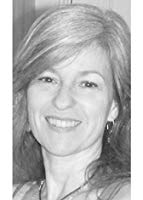
Joining me today as part of my Wordly Women series is the wonderful Annie Whitehead. Author of both fiction and non-fiction books based in Anglo-Saxon Mercia, Annie’s latest book, Murder in Anglo-Saxon England: Justice, Wergild and Revenge is replete with dastardly murder stories.
Sharon: What got you into writing?
Annie: It was just something I always wanted to do – I remember writing ‘The Adventures of Ferdinand the Hedgehog’ when I was around 7 or 8. I think the desire to write history came later, partly influenced by the sorts of novels I preferred reading, and partly from a growing love of history generally, probably beginning when I lived in York for six months. Living there, even as a child, you can’t not notice the history all around you.
Sharon: You write both fiction and non-fiction – is one harder than the other?
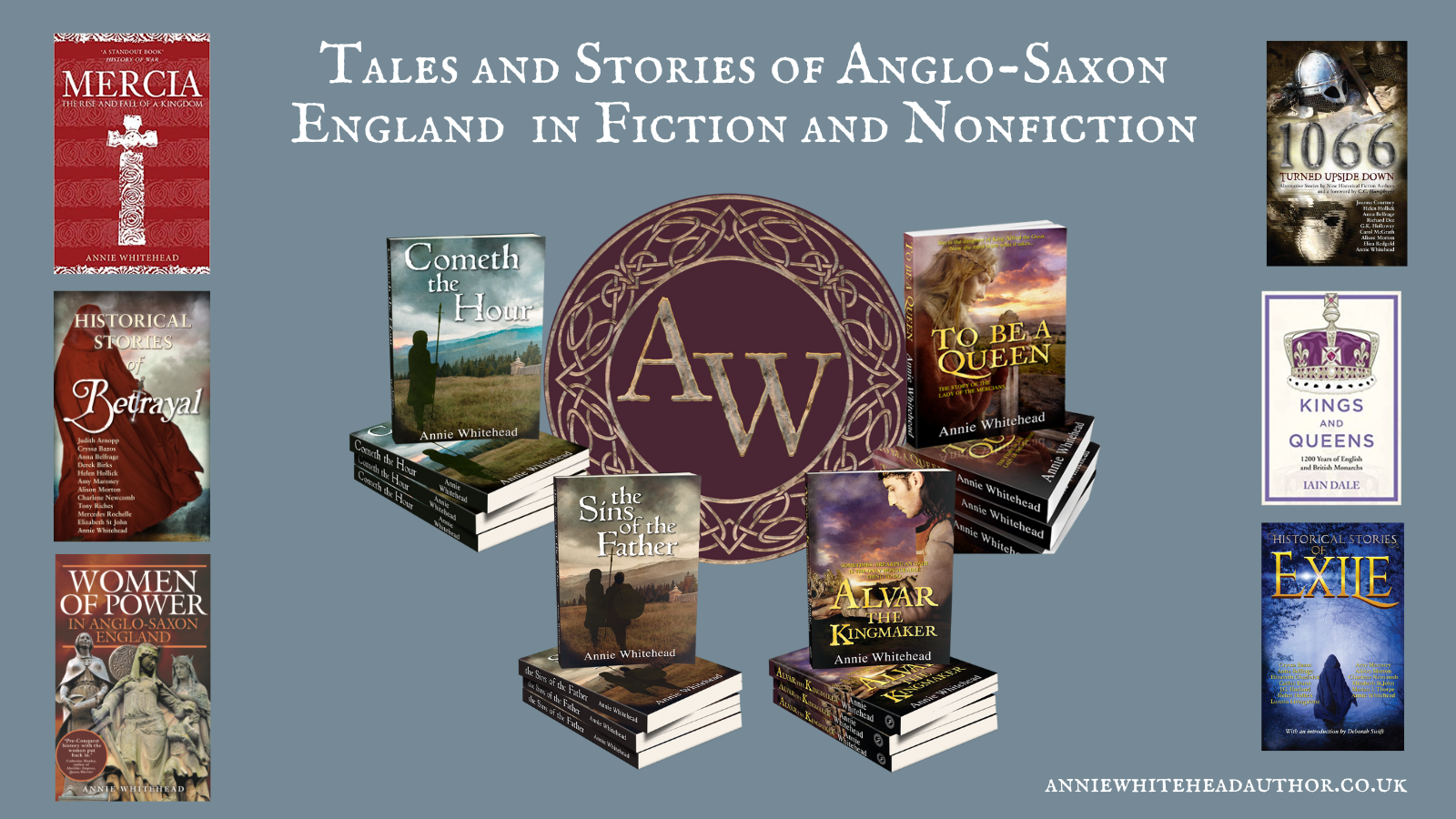
Annie: I think they are both equally hard, but they are different. The research is pretty much the same, although with fiction you need every day details as well as the actual historical events, but where they differ is that in fiction you are free to fill in the gaps in the history (although in a way that fits with your plot and with your characters), but if you take them on a journey you need to give details, whereas in nonfiction you can just say, ‘The king took an army to York.’ On the other hand, with nonfiction, you can’t make stuff up, and if you make any pronouncements you have to back those up.
Sharon: Tell us about your books.
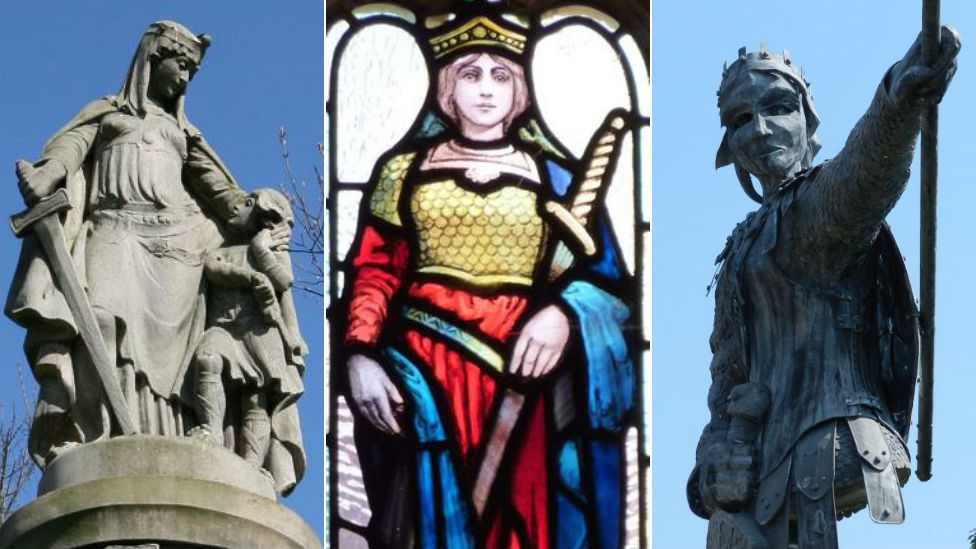
Annie: I’ve written four novels, featuring prominent Mercian characters, including Æthelflæd, Lady of the Mercians, and Penda, the last pagan king. I’ve also written three nonfiction books, one about the history of Mercia, one about Women of the era, and my latest release, Murder in Anglo-Saxon England. I’ve also contributed to two nonfiction anthologies and three and a half fiction collections (the ‘half’ is one that’ll be published later this year).
Sharon: What attracts you to the Anglo-Saxon period?
Annie: I think there’s an element of romanticism, a Tolkien-esque aura if you will. The names are very noble sounding, including one of the main characters of my second novel, Alvar the Kingmaker, whose real name was Ælfhere. I like the characteristics that set the period apart from the rest of the (mainly Norman) Middle Ages and I like, on the whole, their values. Particularly, their treatment of women, which was in many ways better than that of their later medieval counterparts. I also find the personalities interesting and characterful – rich pickings for the novelist.
Sharon: Who is your favourite Anglo-Saxon and why?
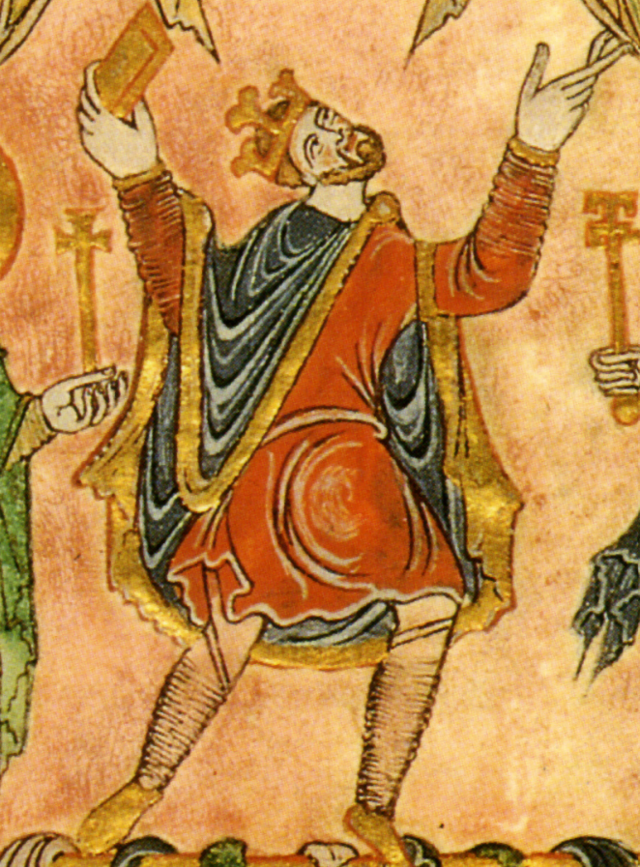
Annie: There are so many to choose from! I’ve already mentioned three, but I also find the little-known King Edgar (959-975) fascinating because he breaks the mould. His reign was not especially violent – it was more a time of politics and scheming nobles and there were no ‘Viking’ raids – and Edgar’s love life was, shall we say, interesting. He might have had up to three wives, one of whom was said by some – unreliable – chroniclers to have been a nun!
Sharon: Who is your least favourite Anglo-Saxon and why?
Annie: I’m going to get into a lot of trouble with this, especially from some of my writer friends, but it’s Harold Godwineson. Obviously I’d rather he’d won at Hastings, not William, but I do find his whole family rather unappealing, treacherous and self-entitled. (Sorry, Harold fans!)
Sharon: How do you approach researching your topic?
Annie: I always start with the primary sources, contemporary if possible, looking for any reference to the characters I’m planning to write about. I find out, or remind myself, about the timelines, then I look at the later, usually Anglo-Norman sources, to see where they embellish and flesh out the tales. If I’m writing fiction, I might use some of their more detailed and frankly at times outrageous stories, but if it’s nonfiction, I have to use a lot of scepticism in the pursuit of the truth, or at least getting as close to the truth as I can.
Sharon: Tell us your ‘favourite’ Anglo-Saxon story you have come across in your research.
Annie: I have so many! But one is the tale of King Offa’s daughter, accused of poisoning her husband’s advisor and accidentally poisoning her husband too. He was the king of Wessex. She fled to the Continent where the Emperor Charlemagne set her up in an abbey but she was caught in debauchery there and died in poverty. It’s highly unlikely to be a true story, as we have evidence that her husband probably died in battle and if she fled, she was most likely fleeing the wrath of his successor, who’d been forced into exile by her father and her husband.
Sharon: Tell us your least ‘favourite’ Anglo-Saxon story you have come across in your research.
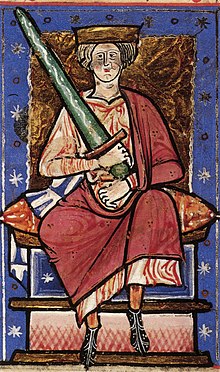
Annie: It has to be the story of the St Brice’s Day Massacre, sanctioned by King Æthelred the Unready, where a number of Danes were chased through Oxford into a church which was then set on fire. It sounds like the scene from a bad Hollywood historical film, but it really happened. We know this a) because we have a charter from the king himself saying that he ordered it and b) charred bones dating to the right time unearthed at the location.
Sharon: Are there any other eras you would like to write about?
Annie: I’ve always been interested in the seventeenth century and the early Stuarts in particular. They are coming out of the shadows a bit more now and there have been some excellent books, both fiction and nonfiction, published recently, but they still take second place to the Tudors, which for me is a shame as it’s such an interesting period of history.
Sharon: What are you working on now?
Annie: I’m working on the novel which I shelved to research and write Murder in Anglo-Saxon England. It’s set in the tenth century and features Mercians, Northumbrians, Vikings and Scots and also has a murder or two thrown in!
Sharon: And finally, what is the best thing about being a writer?
Annie: Something I’ve enjoyed from a very early age is reading – I loved being transported to other times and places, meeting new characters and learning their stories. Writing, for me, is almost the same, and to spend my working days making up similar stories and spending time with those characters is a dream come true. It’s a form of escapism and it’s bliss!
About the Author:
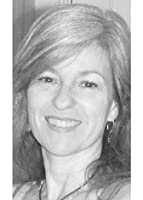
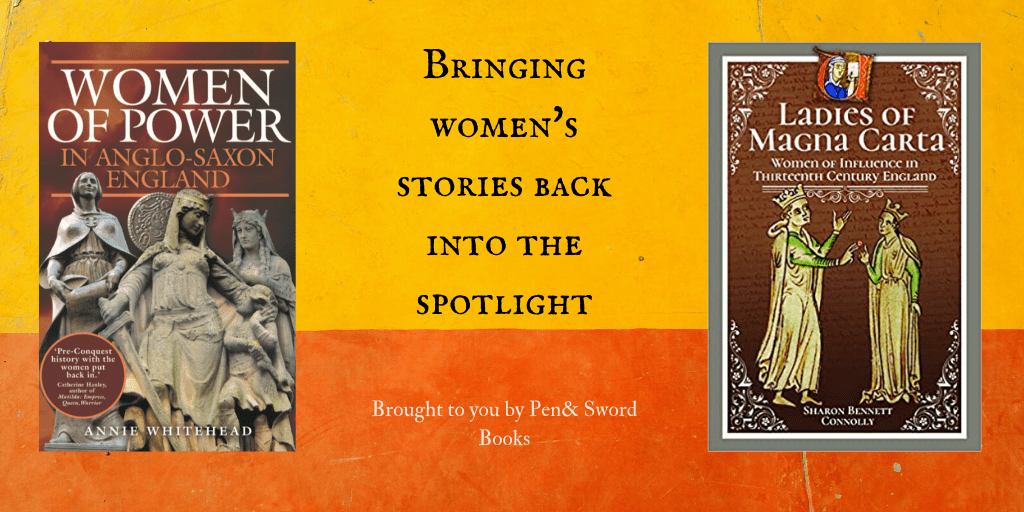
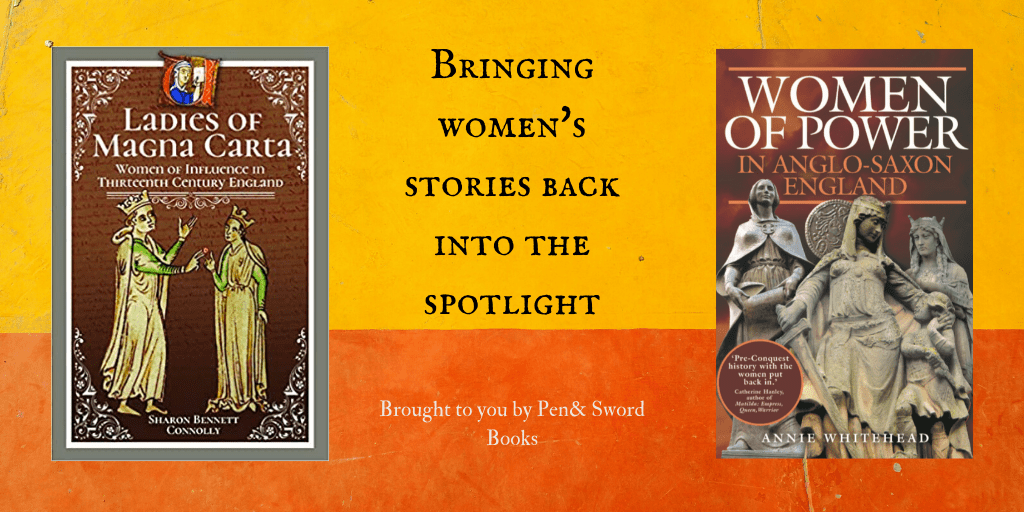
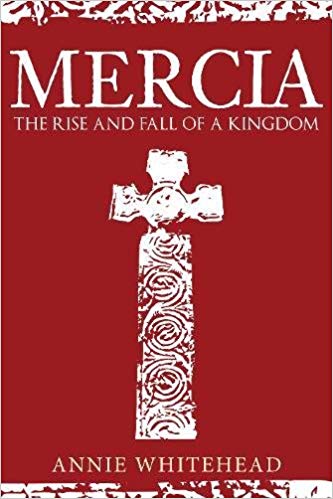
Annie is a Fellow of the Royal Historical Society, and has written four award-winning novels set in ‘Anglo-Saxon’ Mercia. She has contributed to fiction and nonfiction anthologies and written for various magazines. She has twice been a prize winner in the Mail on Sunday Novel Writing Competition, and won First Prize in the 2012 New Writer Magazine’s Prose and Poetry Competition. She has been a finalist in the Tom Howard Prize for nonfiction and was shortlisted for the Exeter Story Prize and Trisha Ashley Award 2021. She was the winner of the inaugural Historical Writers’ Association (HWA)/Dorothy Dunnett Prize 2017 and was subsequently a judge for that same competition. She has also been a judge for the HNS (Historical Novel Society) Short Story Competition, and was a 2024 judge for the HWA Crown Nonfiction Award. Her nonfiction books are Mercia: The Rise and Fall of a Kingdom (published by Amberley books) and Women of Power in Anglo-Saxon England (Pen & Sword Books). In 2023 she contributed to a new history of English monarchs, published by Hodder & Stoughton, and in February 2025 Murder in Anglo-Saxon England was published by Amberley Books.
Find Annie at: Website; Buy Annie’s Books; Blog; Facebook; Twitter/X; Instagram; BlueSky.
*
My books
Signed, dedicated copies of all my books are available through my online store.
Out now: Scotland’s Medieval Queens

Scotland’s history is dramatic, violent and bloody. Being England’s northern neighbour has never been easy. Scotland’s queens have had to deal with war, murder, imprisonment, political rivalries and open betrayal. They have loved and lost, raised kings and queens, ruled and died for Scotland. From St Margaret, who became one of the patron saints of Scotland, to Elizabeth de Burgh and the dramatic story of the Scottish Wars of Independence, to the love story and tragedy of Joan Beaufort, to Margaret of Denmark and the dawn of the Renaissance, Scotland’s Medieval Queens have seen it all. This is the story of Scotland through their eyes.
Available now from Amazon and Pen and Sword Books
Also by Sharon Bennett Connolly:
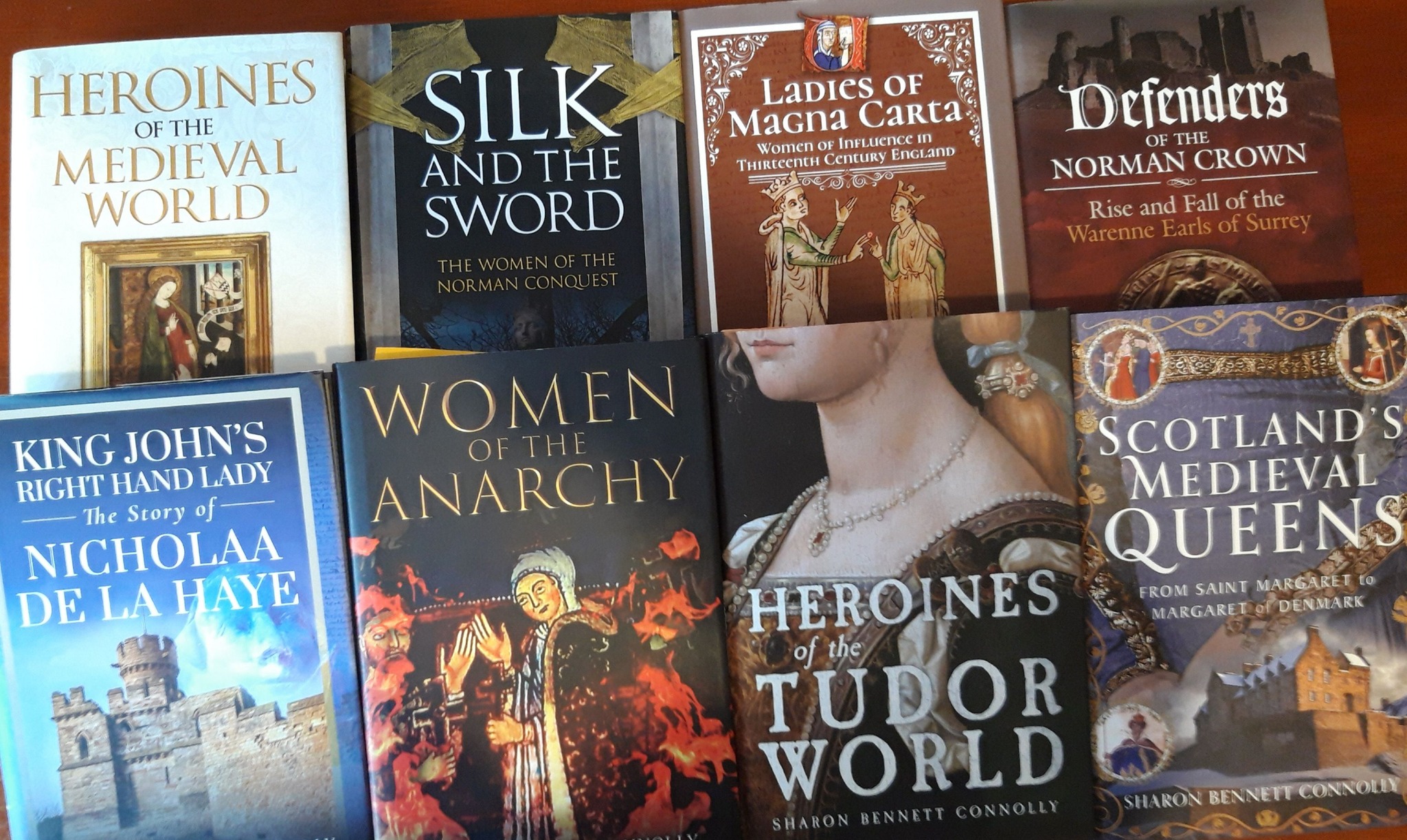
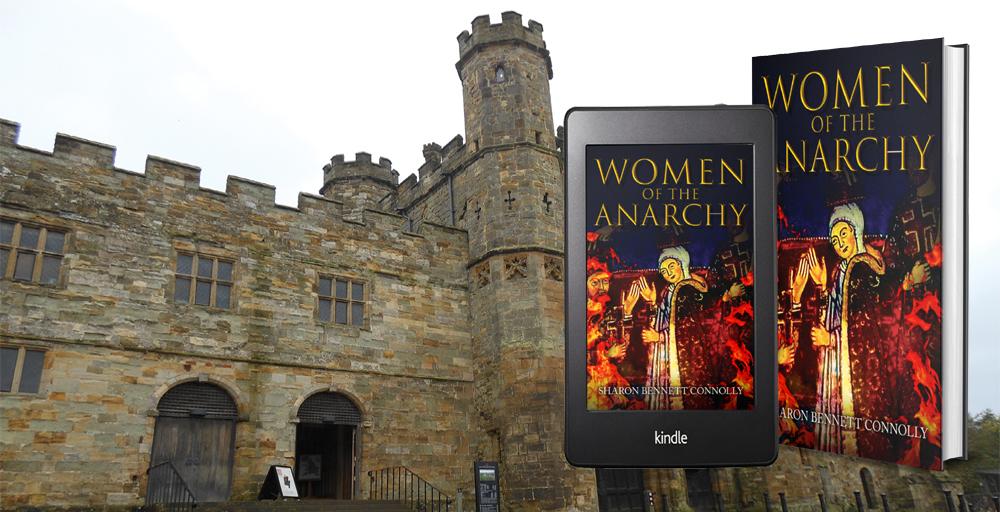
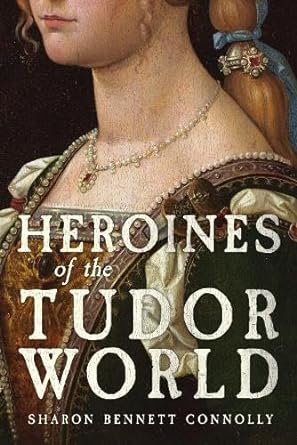
Heroines of the Tudor World tells the stories of the most remarkable women from European history in the time of the Tudor dynasty, 1485-1603. These are the women who ruled, the women who founded dynasties, the women who fought for religious freedom, their families and love. Heroines of the Tudor World is now available for pre-order from Amberley Publishing and Amazon UK. Women of the Anarchy demonstrates how Empress Matilda and Matilda of Boulogne, unable to wield a sword themselves, were prime movers in this time of conflict and lawlessness. It shows how their strengths, weaknesses, and personal ambitions swung the fortunes of war one way – and then the other. Available from Bookshop.org, Amberley Publishing and Amazon UK. King John’s Right-Hand Lady: The Story of Nicholaa de la Haye is the story of a truly remarkable lady, the hereditary constable of Lincoln Castle and the first woman in England to be appointed sheriff in her own right. Available from all good bookshops Pen & Sword Books, bookshop.org and Amazon.
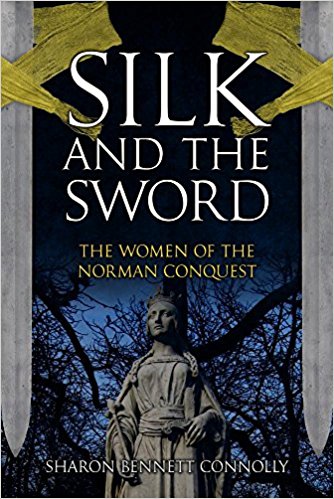
Defenders of the Norman Crown: The Rise and Fall of the Warenne Earls of Surrey tells the fascinating story of the Warenne dynasty, from its origins in Normandy, through the Conquest, Magna Carta, the wars and marriages that led to its ultimate demise in the reign of Edward III. Available from Pen & Sword Books, Amazon in the UK and US, and Bookshop.org. Ladies of Magna Carta: Women of Influence in Thirteenth Century England looks into the relationships of the various noble families of the 13th century, and how they were affected by the Barons’ Wars, Magna Carta and its aftermath; the bonds that were formed and those that were broken. It is now available in paperback and hardback from Pen & Sword, Amazon, and Bookshop.org. Heroines of the Medieval World tells the stories of some of the most remarkable women from Medieval history, from Eleanor of Aquitaine to Julian of Norwich. Available now from Amberley Publishing and Amazon, and Bookshop.org. Silk and the Sword: The Women of the Norman Conquest traces the fortunes of the women who had a significant role to play in the momentous events of 1066. Available now from Amazon, Amberley Publishing, and Bookshop.org.
Alternate Endings: An anthology of historical fiction short stories including Long Live the King… which is my take what might have happened had King John not died in October 1216. Available in paperback and kindle from Amazon.
Podcast:

Have a listen to the A Slice of Medieval podcast, which I co-host with Historical fiction novelist Derek Birks. Derek and I welcome guests, such as Bernard Cornwell and Michael Jecks, and discuss a wide range of topics in medieval history, from significant events to the personalities involved. Every episode is also now available on YouTube.
*
Don’t forget! Signed and dedicated copies of all my books are available through my online store.
For forthcoming online and in-person talks, please check out my Events Page.
You can be the first to read new articles by clicking the ‘Follow’ button, liking our Facebook page or joining me on Twitter, Threads, Bluesky and Instagram.
*
©2025 Sharon Bennett Connolly, FRHistS











 History... the interesting bits!