Margaret of Scotland was the eldest daughter of James I, King of Scots, and his wife, Joan Beaufort. James had been king since the age of 12, though the first 18 years of his reign had been spent in English captivity, where he had fallen in love with Joan, the granddaughter of John of Gaunt and Katherine Swynford. James’s release had been successfully negotiated in 1423 and the marriage was politically favourable to the English, who saw it as an opportunity to improve relations with Scotland while, at the same time, drawing Scotland away from France, their traditional ally.
James I returned to Scotland in April 1424, with his new bride – and queen– at his side. Margaret was born in the royal apartments at the Dominican Friary in Perth, on Christmas Day in 1424. She was joined in the nursery by five sisters during the next ten years, Isabella, Eleanor, Joan, Mary and Annabella. Twin brothers were born in 1430, Alexander and James, but only James survived past the first few months.
In 1425, an embassy arrived from France, seeking little Margaret’s hand in marriage for Louis, son and heir of Charles VII:
Margaret’s mother, Joan Beaufort
The king [of Scots] was pleased to respond favourably to so distinguished an embassy, and forthwith sent as a solemn embassy to the king of France with a specific brief and commission the venerable men sir Henry Lychton bishop of Aberdeen, sir Edward Lauder archdeacon of Lothian, and Sir Patrick Ogilvie knight (the sheriff of Angus and justiciar of Scotland). Whereupon there was an agreement on both sides; and five years later, when each was of marriageable age, there came as envoys from the king of France La Hire the king’s maitre d’hôtel along with the distinguished cleric Master Aymer; and in terms of their commission they arranged the betrothal of the said eldest daughter of the king. The girl was sent to France by her father a little later, namely 1436, surrounded by a distinguished following of attendants, and in the following year she was married.1
The marriage proposal was to accompany the renewal the Franco-Scottish alliance. France’s king, Charles VII had given his ambassadors the task of asking for Margaret’s hand in marriage for his son, Louis, the dauphin. Born in July 1423, Louis was just 18 months older than his future bride. However, James I hesitated, reluctant to give the French the army of 6,000 men that they wanted as part of the alliance. Charles VII was in a precarious position in France at the time. The Hundred Years War was raging and, despite the fact his father had died in 1422, he would not actually be crowned king until July 1429. In fact, Henry VI of England had already been crowned King of France and it was only due to the efforts of Joan of Arc that Charles VII’s fortunes would change. James, therefore, held off from agreeing to the alliance, and used it to strengthen his position in negotiations with the English.
Margaret arrives in Tours for her wedding, from a 15th-century work by Jean Chartier.
In 1435, the marriage of Margaret and the dauphin was finally agreed and the young bride, still only eleven years old, set out for France the following year. The princess only narrowly escaped her father’s fate when the English fleet attempted to capture her en route:
the dauphiness luckily made her escape and landed at La Rochelle. She rested at Nieul Priory which is two leagues from La Rochelle without notice being taken of her until such time as the [arch-] bishop of Rheims, with the bishops of Poitiers and Saintes and the worthy sires de Graville, Gaucourt and ‘Pontissey’ welcomed her and lodged her honourably in a splendid place for more than two months until the marriage was celebrated at Tours in Touraine. This was performed there by the archbishop of Rheims with the greatest possible ceremony, in the presence of the king and queen and also of the queen of Sicily (the mother of the queen of France). Once the wedding had been formally celebrated, the Scots (except the few who remained with the dauphiness) were much gratified with various presents and after a safe voyage arrived home.2
She left by ship from Dumbarton in March 1436, with an entourage worthy of a princess; she was escorted by several of the leading lords of the realm, a household of 140 persons in royal livery and more than 1,000 troops. The French fleet in which she sailed landed on the Île de Ré, near La Rochelle, on 17 April and made a formal progress to Tours. On 24 June she met her future husband for the first time, in the great hall of the castle at Tours, and the young couple embraced formally. They were married the next day, in the castle’s chapel.
Margaret’s father, James I, King of Scots
Celebrated by the Archbishop of Reims, it was a rather subdued affair, for a royal wedding. The continuing state of warfare with England had stretched the French royal finances to the limit. The reception was not as lavish as the Scottish guests might have expected and was cut short to preserve funds, the scandalised Scots being quickly ushered out. And almost immediately after the wedding celebrations, most of Margaret’s Scottish household was sent home, with just a handful of her native attendants allowed to stay with the new dauphine. Owing to the tender age of the young couple, they were not expected to consummate the marriage for another few years, so Margaret was given into the guardianship of Queen Marie, Charles VII’s wife, and continued her education under the queen’s supervision. Petite, pretty and delicate, Margaret soon became the darling of the French King and Queen.
Louis, on the other hand, had a strained relationship with his father, one that would eventually be expressed in open rebellion; as a result, he was rarely at court. When Louis asked the king for an allowance with which to set up a household for himself and his young wife, his father refused, despite being happy to give Margaret money to indulge herself. At one time, Charles VII gave Margaret 2,000 livres to buy herself furs and silks, and yet he refused to pay off Louis’ debts. Margaret also received grants directly from the king, rather than her husband, as might have been expected.
Margaret’s husband, the future King Louis XI
In 1437 the marriage was consummated and Margaret, now approaching her thirteenth birthday, was given her own household. Relations between the dauphin and dauphine were not helped by Louis’ strained relationship with his father and it seems that comparisons were made between Louis’ unimpressive looks and Margaret’s beauty – although malicious English chroniclers would insist that Louis was repelled by Margaret’s ‘evil soured breath’.
Margaret was allowed no part in court politics. The dauphine’s role in France was limited to formal occasions and court ceremonials, such as the celebrations for the marriage of the king’s niece, Margaret of Anjou, to Henry VI of England, which Margaret attended in 1445. As with her father before her, Margaret had a passion and talent for writing poetry and, although she enjoyed court life, she became increasingly bored with it. She retreated more and more to her own chambers with her ladies and spent her days and evenings writing and reading poetry. Her evenings were so taken up in this style, that she often retired to bed long after Louis had fallen asleep.
Margaret was also renowned as a patroness of literature. She had several poets in her household, including Jehanne Filleul, whose works have survived to this day, and the Viscount de Blosseville. De Blosseville wrote one of the three laments to the dauphine, written before her death. Another such lament was possibly written by her sister Isabella, it was certainly in her possession.
As the years passed and the couple remained childless, Margaret’s lifestyle caused further discontent within the marriage, and more unhappiness for the young princess as her husband expressed his displeasure. There is some suggestion that Margaret deliberately prevented herself from falling pregnant by drinking vinegar, and by tightly lacing her bodices – although this may also have been for vanity, and to keep her svelte figure. There were also followed accusations of impropriety within Margaret’s rooms when, at Christmas 1444, Jamet de Tillay, a member of the king’s household, entered her chamber during one of her private poetry evenings and subsequently spread rumours about ‘wanton princesses’.
Margaret perceived it as a personal attack and became increasingly distressed, complaining that Jamet had turned the king and dauphin against her. Although Jamet tried to apologise, Margaret would not hear of it. By the summer of 1445 the dauphine was very ill.
Tomb of Margaret Stewart in the Saint-Laon Church, Thouars
Having accompanied the court on pilgrimage she fell ill on 7 August and by the next day she was feverish and suffering from fits of coughing. Her doctors diagnosed an inflammation of the lungs. In her delirium, she blamed Jamet de Tillay for her impending demise and swore she had never done Louis any wrong. As she approached death, Margaret calmed down and forgave Jamet, on her ladies’ instigation. Having received the last rites, Margaret died on 16 August 1445, at Châlons-sur-Marne; she was just twenty years old. The dauphine was laid to rest in the Cathedral of St Étienne in Châlons; in 1479 her body was moved by her husband, now Louis XI, to the chapel of the Holy Sepulchre in the Abbey Church of Saint-Laon in Thouars, where Margaret had founded a chaplaincy.
Following her death, Louis destroyed every piece of poetry and writing that Margaret had ever produced. None of her work survived her husband’s purge. However, her patronage of poets has at least ensured she had a worthy legacy. Louis went on to marry Charlotte of Savoy and was the father of Anne de Beaujeu, regent of France for her brother King Charles VIII.
Notes:
1. Bower, Scotichronicon, V 8, p. 249; 2. ibid, p. 251
Sources:
Calendar of documents relating to Scotland, Vol. 4; M. H. Brown, ‘Joan [née Joan Beaufort]’, oxforddnb.com; Amy Licence, Red Roses: Blanche of Gaunt to Margaret Beaufort; Nigel Tranter, The Story of Scotland; John of Fordun’s Chronicle of the Scottish Nation; Walter Bower, Scotichronicon; Andrew Wyntoun, The orygynale cronykil of Scotland; Richard Oram, editor, The Kings and Queens of Scotland; Rosalind K. Marshall, Scottish Queens 1034–1714; Nigel Tranter, The Story of Scotland; David Ross Scotland, History of a Nation; Liber pluscardensis, edited by Felix James Henry Skene; James I, King of Scots, The Kingis Quair, edited by James, William MacKean, Walter W. Skeat, Alexander Gardner
Images:
Courtesy of Wikipedia
*
My books
Signed, dedicated copies of all my books are available through my online store.
Out now: Scotland’s Medieval Queens
Scotland’s history is dramatic, violent and bloody. Being England’s northern neighbour has never been easy. Scotland’s queens have had to deal with war, murder, imprisonment, political rivalries and open betrayal. They have loved and lost, raised kings and queens, ruled and died for Scotland. From St Margaret, who became one of the patron saints of Scotland, to Elizabeth de Burgh and the dramatic story of the Scottish Wars of Independence, to the love story and tragedy of Joan Beaufort, to Margaret of Denmark and the dawn of the Renaissance, Scotland’s Medieval Queens have seen it all. This is the story of Scotland through their eyes.
‘Scotland’s Medieval Queens gives a thorough grounding in the history of the women who ruled Scotland at the side of its kings, often in the shadows, but just as interesting in their lives beyond the spotlight. It’s not a subject that has been widely covered, and Sharon is a pioneer in bringing that information into accessible history.’ Elizabeth Chadwick (New York Times bestselling author)
Heroines of the Tudor World tells the stories of the most remarkable women from European history in the time of the Tudor dynasty, 1485-1603. These are the women who ruled, the women who founded dynasties, the women who fought for religious freedom, their families and love. Heroines of the Tudor World is now available from Amberley Publishing and Amazon UK.Women of the Anarchy demonstrates how Empress Matilda and Matilda of Boulogne, unable to wield a sword themselves, were prime movers in this time of conflict and lawlessness. It shows how their strengths, weaknesses, and personal ambitions swung the fortunes of war one way – and then the other. Available from Bookshop.org, Amberley Publishing and Amazon UK. King John’s Right-Hand Lady: The Story of Nicholaa de la Haye is the story of a truly remarkable lady, the hereditary constable of Lincoln Castle and the first woman in England to be appointed sheriff in her own right. Available from all good bookshops Pen & Sword Books, bookshop.org and Amazon.
Alternate Endings: An anthology of historical fiction short stories including Long Live the King… which is my take what might have happened had King John not died in October 1216. Available in paperback and kindle from Amazon.
Podcast:
Have a listen to theA Slice of Medieval podcast, which I co-host with Historical fiction novelist Derek Birks. Derek and I welcome guests, such as Bernard Cornwell and Michael Jecks, and discuss a wide range of topics in medieval history, from significant events to the personalities involved. Every episode is also now available on YouTube.
*
Don’t forget!Signed and dedicated copies of all my books are available through my online store.
For forthcoming online and in-person talks, please check out my Events Page.
The Queens of Scots of the medieval era are a fascinating variety of women and I can only hope that I have done them justice in my latest book, Scotland’s Medieval Queens: From St Margaret to Margaret of Denmark.
Scottish history is fascinating! It is violent, politically charged and passionate. Being inconveniently situated on England’s northern border was never easy for Scotland, but it has made for some great stories over the centuries. Scotland’s story is often that of brother against brother, ambition and family rivalries causing feuds that threatened the stability of the crown itself. Such fissures, of course, grew and ruptured with the aid of English interference and encouragement. The King of England was always happy to play one side off against the other if it weakened Scotland’s position.
And Scotland’s medieval queens, be they Scottish, English, Danish or French, formed a big part of that story.
More often than not, these disputes north and south of the border were resolved in peace treaties, sealed by wedding bells. A number of English princesses and noblewomen found themselves married to Scotland’s kings as a consequence.
Queen Elizabeth de Burgh
For over 400 years, Shakespeare’s version of Lady Macbeth has been the woman most people are familiar with. In the bard’s famous drama, also known as ‘The Scottish Play’, Lady Macbeth is not even given her name. Presented as a scheming, manipulative woman, Shakespeare did as good a hatchet job on Gruoch, a royal princess in her own right, as he had on Richard III. Unfortunately, there is no society established to repair Gruoch’s reputation.
The scheming, ambitious woman who will stop at nothing to put her husband on the Scottish throne – and commit murder to keep him there. But is that the real Lady Macbeth? The story of Queen Gruoch, Lady Macbeth, is one shrouded in mystery, tantalisingly obscure. If only we could know more. The lack of information on Gruoch makes it easy for Shakespeare’s interpretation to be accepted as fact, but it is more than likely an injustice to a woman who survived her first husband’s gruesome death, protected her son and came to an agreement with Macbeth to become his wife, securing her son’s future in the process, and later becoming queen as a consequence.
Queen Gruoch is the first queen of Scots for whom we have a name.
From the highly educated and pious Margaret of Wessex to the glamorous Margaret of Denmark, their lives and experiences tell the story of their nation. Some, such as Matilda de Senlis and Ermengarde de Beaumont, barely make an impression on history, though merely by producing a son, they each guaranteed that Scotland would persevere. And Isabella de Warenne, wife of John Balliol, who is a ghost on the pages of Scotland’s history. And it is not that these made no impression. Their influence was in the domestic sphere, raising children and supporting their husbands, rather than on the political or the international stage. Although Isabella’s story is even more obscure by the fact all mention of the Balliol dynasty was forbidden by the Bruce regime.
Marrying an English princess, for example, did not always guarantee the peace with England that was intended. As the wife of Alexander II, Joan of England did her best to maintain cordial relations with her brother Henry III, often using private letters to broker diplomatic solutions. And Henry III’s own daughter Margaret, in marrying Alexander III, brought Scotland more years of peace with England. As a consequence, Scotland and England enjoyed over 70 years of peaceful relations. These years were shattered dramatically by the deaths of Alexander III, his three children and his little granddaughter, Margaret, the Maid of Norway. Little Margaret’s death left the Scots throne vacant, with thirteen Competitors vying for the crown, staking their claims as Edward I of England acted as adjudicator.
Margaret, Maid of Norway
Edward I took advantage of this to try to assert his overlordship of Scotland, but William Wallace, Robert the Bruce and countless others pushed back, ushering in decades of war with England, the Scottish Wars of Independence.
Edward III’s sister Joan of the Tower was to have no such legacy of peace as the earlier Joan and Queen Margaret could boast. Her brother’s ambition would blight her marriage for years. Edward leant his support to the rival claimant to the Scottish throne, Edward Balliol. If he had not been so keen to exploit Scotland’s dynastic divisions, maybe Joan and David II would have had a happier marriage. We will never know.
One cannot help but feel sympathy for Elizabeth de Burgh, seeing her fortunes rise and fall at the whim of England’s king, Edward I, held captive for eight years when she should have been sitting in splendour on Scotland’s throne.
Or poor Marjorie Bruce, whose childhood was torn from her by that same English king, held far away from everyone she loved, only to be married as she tasted freedom, and dead in childbirth by the age of 19. Passed over for the throne because she was a woman, she still managed to give birth to a dynasty, the Stewarts.
Joan Beaufort, Queen of Scots
Scotland was the first nation in the British Isles to accept a queen regnant when Margaret, Maid of Norway, was recognised as its queen in 1290. How her queenship would have developed, we have no way of knowing. The poor girl died before she even landed in mainland Scotland. Her significance is in that she was proclaimed queen and the possibilities that heralded, even if it got no further. We can only speculate as to how a successful rule by a queen regnant in the thirteenth century may have changed the lives and experiences of women in subsequent centuries. Her death was a tragedy, not just to her family, but to women’s rights to rule.
But then again, as her father-in-law, it may well be that Edward I would have taken Scotland under his wing … and never let go.
Although we have charters and chronicles, and evidence of religious and charitable donations, most of these women remain elusive. They are enigmas.
We do not – and cannot – know them intimately as the one thing that is missing is their own voice. Their thoughts and personalities are lost to us. Even letters to family members are often formulaic and rarely speak of their true feelings, of their happiness – or not – and their cares and concerns for themselves. We know what they endured for the sake of Scotland, the risk of death in childbirth, the grief of lost children, or the grief of no children. Every woman in medieval Europe was exposed to similar experiences. Scottish queens, however, had to endure imprisonment, scheming noblemen and the early deaths of their husbands more times than they should have had to.
Anabella Drummond, Queen of Scots
But, once in a while, we come across a marriage that is a true partnership. A love story, even. And we discover moments of affection, of amusement, of unity and mutual support. Little moments that remind us that these people are not just stories. They are lives that were lived to the full, however short or long a time they had.
Scotland’s story is often violent and suffered greatly from the machinations if its powerful southern neighbour. However, Scotland did emerge from the Middle Ages as, still, an independent, sovereign nation. And Scotland’s medieval queens had each made their own contribution to the country’s continuing survival and independence. From Saint Margaret – even from Gruoch – to Margaret of Denmark, each queen, to varying degrees of success, made their own indelible imprint on Scotland’s remarkable story.
Images:
Courtesy of Wikipedia
Selected Bibliography:
John of Fordun’s Chronicle of the Scottish Nation; Walter Bower, Scotichronicon; Andrew Wyntoun, The orygynale cronykil of Scotland; Calendar of documents relating to Scotland preserved in Her Majesty’s Public Record Office; Richard Oram, editor, The Kings and Queens of Scotland; Rosalind K. Marshall, Scottish Queens 1034–1714; Nigel Tranter, The Story of Scotland; David Ross Scotland, History of a Nation; Liber pluscardensis, edited by Felix James Henry Skene; Mediaeval chronicles of Scotland: the chronicles of Melrose and Holyrood, translated by Joseph Stephenson; The Chronicle of Lanercost, edited by Sir Herbert Maxwell; The Ecclesiastical History of England and Normandy by Ordericus Vitalis; The historie and cronicles of Scotland … by Robert Lindesay of Pitscottie, 3 volumes, A.J.G. Mackay, editor.
*
My books
Signed, dedicated copies of all my books are available through my online store.
Out now: Scotland’s Medieval Queens
Scotland’s history is dramatic, violent and bloody. Being England’s northern neighbour has never been easy. Scotland’s queens have had to deal with war, murder, imprisonment, political rivalries and open betrayal. They have loved and lost, raised kings and queens, ruled and died for Scotland. From St Margaret, who became one of the patron saints of Scotland, to Elizabeth de Burgh and the dramatic story of the Scottish Wars of Independence, to the love story and tragedy of Joan Beaufort, to Margaret of Denmark and the dawn of the Renaissance, Scotland’s Medieval Queens have seen it all. This is the story of Scotland through their eyes.
‘Scotland’s Medieval Queens gives a thorough grounding in the history of the women who ruled Scotland at the side of its kings, often in the shadows, but just as interesting in their lives beyond the spotlight. It’s not a subject that has been widely covered, and Sharon is a pioneer in bringing that information into accessible history.’ Elizabeth Chadwick (New York Times bestselling author)
Heroines of the Tudor World tells the stories of the most remarkable women from European history in the time of the Tudor dynasty, 1485-1603. These are the women who ruled, the women who founded dynasties, the women who fought for religious freedom, their families and love. Heroines of the Tudor World is now available for pre-order from Amberley Publishing and Amazon UK.Women of the Anarchy demonstrates how Empress Matilda and Matilda of Boulogne, unable to wield a sword themselves, were prime movers in this time of conflict and lawlessness. It shows how their strengths, weaknesses, and personal ambitions swung the fortunes of war one way – and then the other. Available from Bookshop.org, Amberley Publishing and Amazon UK. King John’s Right-Hand Lady: The Story of Nicholaa de la Haye is the story of a truly remarkable lady, the hereditary constable of Lincoln Castle and the first woman in England to be appointed sheriff in her own right. Available from all good bookshops Pen & Sword Books, bookshop.org and Amazon.
Alternate Endings: An anthology of historical fiction short stories including Long Live the King… which is my take what might have happened had King John not died in October 1216. Available in paperback and kindle from Amazon.
Podcast:
Have a listen to theA Slice of Medieval podcast, which I co-host with Historical fiction novelist Derek Birks. Derek and I welcome guests, such as Bernard Cornwell and Michael Jecks, and discuss a wide range of topics in medieval history, from significant events to the personalities involved. Every episode is also now available on YouTube.
*
Don’t forget!Signed and dedicated copies of all my books are available through my online store.
For forthcoming online and in-person talks, please check out my Events Page.
Sometimes the similarities in the stories of medieval women are intriguing. Especially among families. Katherine Swynford’s story is one of the endurance of love and is unique in that she eventually married her prince. Katherine’s granddaughter, Joan Beaufort, is one half of, arguably, the greatest love story of the middle ages. I say arguably, of course, because many would say that Katherine’s was the greatest.
You may not consider a mistress as a heroine, seeing her as ‘the other woman’ and not worthy of consideration. However, women in the medieval era had little control over their own lives; if a lord wanted them, who were they to refuse? And even if they were in love, differences in social position could mean marriage was impossible – at least for a time.
Katherine was born around 1350; she was the younger daughter of Sir Payn Roelt, a Hainault knight in the service of Edward III’s queen, Philippa of Hainault, who eventually rose to be Guyenne King of Arms. Her mother’s identity is unknown, but Katherine and her older sister, Philippa, appear to have been spent their early years in Queen Philippa’s household. By 1365 Katherine was serving Blanche, Duchess of Lancaster, the first wife of John of Gaunt and Katherine was married to Sir Hugh Swynford of Coleby and Kettlethorpe, Lincolnshire, shortly after. The couple had three children, Thomas, Margaret, who became a nun, and Blanche, who was named after the duchess. John of Gaunt stood as little Blanche’s godfather and she was raised alongside his own daughters by Duchess Blanche.
Following Blanche’s death in 1368, Katherine was appointed governess to the duchess’s daughters. In September 1371 John of Gaunt was remarried, to Constance of Castile; Constance had a claim to the throne of Castile and John was soon being addressed as King of Castile. In the same year, Katherine’s husband, Sir Hugh Swynford, died whilst serving overseas and it seems that within months of his death, probably in the winter of 1371/72 Katherine became John’s mistress. Their first child, John Beaufort, was born towards the end of 1372. Over the next few years, three further children – two sons and a daughter – followed. John’s wife Constance also had children during this time – she gave birth to a daughter, Catherine, (Catalina) in 1373 and a short-lived son, John, in 1374.
John of Gaunt, Duke of Lancaster
We can only guess at what the two women thought of each other, but it can’t have been an easy time for either. In 1381, following the unrest of the Peasants’ Revolt and the hefty criticism aimed particularly at John and his relationship with Katherine, John renounced Katherine. Giving up her position as governess, Katherine left court and returned to Lincoln. Her relationship with John of Gaunt and, indeed, his family, remained cordial and the duke still visited her, although discreetly. In 1388 Katherine was made a Lady of the Garter – a high honour indeed. And in 1394 Constance died.
In January 1396, John and Katherine were finally married in Lincoln Cathedral; they had to obtain a dispensation from the church as John was godfather to Katherine’s daughter. With the marriage, Katherine had gone from being a vilified mistress to Duchess of Lancaster. Her children by John were legitimised by the pope in September 1396 and by Richard II’s royal patent in the following February, although they were later excluded from the succession by Henry IV.
Sadly, Katherine’s marital happiness with John of Gaunt was short-lived; John of Gaunt died in February 1399 and Katherine retired to live in Lincoln, close to the cathedral of which her second son by John, Henry, was bishop. Katherine herself died at Lincoln on 10 May 1403 and was buried in the cathedral in which she had married her prince. Her tomb can still be seen today and lies close to the high altar, beside that of her youngest child Joan Beaufort, countess of Westmorland, who died in 1440.
Although it seems easy to criticise Katherine’s position as ‘the other woman’, her life cannot have been an easy one. The insecurity and uncertainty of her position, due to the lack of a wedding ring, must have caused her much unease. However, that she eventually married her prince, where so many other medieval mistresses simply fell by the wayside and were forgotten, makes her story unique. What makes her even more unique is that Katherine’s own granddaughter was part of one of the greatest love stories of the middle ages.
Joan Beaufort was the only daughter of Katherine’s eldest son by John of Gaunt, also named John. The story of King James I of Scotland and his queen, Joan Beaufort, is probably the greatest love story of the medieval era. He was a king in captivity and she a beautiful young lady of the court of her Lancastrian cousin, Henry V. The son of Robert III of Scotland, James had been on his way to France, sent there for safety and to continue his education, when his ship was captured by pirates in April 1406. Aged only eleven, he had been handed over to the English king, Henry IV, and imprisoned in the Tower of London. Within a couple of months of his capture, James’s father had died, and he was proclaimed King of Scots, but the English would not release their valuable prisoner. James was closely guarded and regularly moved around, but he was also well-educated while in the custody of the English king and became an accomplished musician and poet.
Joan Beaufort, Queen of Scots
Probably born in the early 1400s, Lady Joan was the daughter of John Beaufort, 1st Earl of Somerset. She was at court by the early 1420s, when James first set eyes on her. The Scottish king wrote of his love for Joan in his famous poem, The Kingis Quair. According to Nigel Tranter, James was with the court at Windsor, when he saw Joan for the first time; she was walking her little lapdog in the garden, below his window. The narrow window afforded him only a limited view, but the Lady Joan walked the same route every morning and James wrote of her;
Beauty, fair enough to make the world to dote,
Are ye a worldy creature?
Or heavenly thing in likeness of nature?
Or are ye Cupid’s own priestess, come here,
To loose me out of bonds
One morning James is said to have dropped a plucked rose down to Lady Joan, which he saw her wearing the following evening at dinner. Nigel Tranter suggests Lady Joan grieved over James’s imprisonment and even pleaded for his release. Written in the winter of 1423/24, the autobiographical poem, The Kingis Quair, gives expression to James’ feelings for Joan;
I declare the kind of my loving
Truly and good, without variance
I love that flower above all other things
James’s imprisonment lasted for eighteen years. His uncle Robert Stewart, Duke of Albany and Guardian of Scotland in James’s absence, refused to ransom him, in the hope of gaining the throne himself. He never quite garnered enough support, but managed to keep the Scottish nobles in check. However, when he died in 1420, control passed to his son Murdoch, and Scotland fell into a state of virtual anarchy. With Henry V’s death in 1422, it fell to his brother John, Duke of Bedford, as regent for the infant Henry VI, to arrange James’ release. The Scots king was charged 60,000 marks in ransom – ironically, it was claimed that it was to cover the costs for his upkeep and education for eighteen years. The agreement included a promise for the Scots to keep out of England’s wars with France, and for James to marry an English noble woman – not an onerous clause, given his love for Lady Joan Beaufort.
James and Joan were married at the Church of St Mary Overie in Southwark (now Southwark Cathedral) on 2 February 1424, with the wedding feast taking place in the adjoining hall, the official residence of Joan’s uncle Henry Beaufort, Bishop of Winchester. Finally united – and free – the young couple made their way north soon afterwards and were crowned together at Scone Abbey on 21 May 1424. James and Joan had eight children, seven of whom survived childhood. Their six daughters helped to strengthen alliances across Europe. The royal couple finally had twin sons on 16 October 1430; and although Alexander died within a year of his birth, his younger twin, James, thrived and was created Duke of Rothesay and heir to the throne. He would eventually succeed his father as James II.
On his return to Scotland, James immediately set about getting his revenge on the Duke of Albany’s family and adherents; executing some, including Murdoch, Albany’s son and heir. Two other claimants to James’s throne were sent to England, as hostages for the payment of his ransom. James and Joan ruled Scotland for thirteen years; James even allowed Joan to take some part in the business of government. Although the Scots were wary of her being English, Queen Joan became a figurehead for patronage and pageantry. The English hope that Joan’s marriage to James would also steer the Scots away from their Auld Alliance with France, was short-lived, however, and the 1436 marriage of their eldest daughter, Margaret, to the French dauphin formed part of the renewal of the Auld Alliance.
James I, King of Scots
James’ political reforms, combined with his desire for a firm but just government, made enemies of some nobles, including his own chamberlain Sir Robert Stewart, grandson of Walter, Earl of Atholl, who had been James’s heir until the birth of his sons. Sir Robert and his grandfather hatched a plot to kill the king and queen. In February 1437, the royal couple was staying at the Blackfriars in Perth when the king’s chamberlain dismissed the guard and the assassins were let into the priory. The king is said to have hidden in an underground vault as the plotters were heard approaching. There is a legend that the vault had originally been an underground passage, however, the king had ordered the far end to be sealed, when his tennis balls kept getting lost down there. Unfortunately, that also meant James had blocked off his own escape route. The assassins dragged the king from his hiding place and stabbed him to death; Joan herself was wounded in the scuffle.
And one of the greatest love affairs of the era ended in violence and death. The plotters, far from seizing control of the country, were arrested and executed as the Scottish nobles rallied around the new king, six-year-old James II. Joan’s life would continue to be filled with political intrigue, but her love story had been viciously cut short, without the happy ending her grandmother had achieved. Joan would marry again, to Sir James Stewart, the Black Knight of Lorne. They would go on to have 3 sons together before Joan died during a siege at Dunbar Castle on 15 July, 1445; although whether her death was caused by illness or the violence of the siege has not been determined. She was buried in the Carthusian priory in Perth alongside her first husband, King James I.
Katherine and Joan led very different lives, although the similarities are there if you look for them; they both lived their lives around the glittering court and married for love. Joan’s happy marriage only achieved because her grandmother finally got her prince; if Katherine had not married John of Gaunt, the Beauforts would have remained illegitimate and their future prospects seriously restricted by the taint of bastardy.
*
Images courtesy of Wikipedia.
Sources:
katherineswynfordsociety.org.uk; Red Roses: Blanche of Gaunt to Margaret Beaufort by Amy Licence; The Nevills of Middleham by K.L. Clark; The House of Beaufort: the Bastard Line that Captured the Crown by Nathen Amin; Brewer’s British Royalty by David Williamson; History Today Companion to British History Edited by Juliet Gardiner & Neil Wenborn; The mammoth Book of British kings & Queen by Mike Ashley; Britain’s Royal Families, the Complete Genealogy by Alison Weir; The Life and Times of Edward III by Paul Johnson; The Perfect King, the Life of Edward III by Ian Mortimer; The Reign of Edward III by WM Ormrod; Chronicles of the Age of Chivalry Edited by Elizabeth Hallam; Oxforddnb.com; womenshistory.about.com/od/medrenqueens/a/Katherine-Swynford.
An earlier version of this article first appeared on The Henry Tudor Society blog in November 2017.
*
My Books
Signed, dedicated copies of all my books are available through my online store.
Out now: Scotland’s Medieval Queens
Scotland’s history is dramatic, violent and bloody. Being England’s northern neighbour has never been easy. Scotland’s queens have had to deal with war, murder, imprisonment, political rivalries and open betrayal. They have loved and lost, raised kings and queens, ruled and died for Scotland. From St Margaret, who became one of the patron saints of Scotland, to Elizabeth de Burgh and the dramatic story of the Scottish Wars of Independence, to the love story and tragedy of Joan Beaufort, to Margaret of Denmark and the dawn of the Renaissance, Scotland’s Medieval Queens have seen it all. This is the story of Scotland through their eyes.
Heroines of the Tudor World tells the stories of the most remarkable women from European history in the time of the Tudor dynasty, 1485-1603. These are the women who ruled, the women who founded dynasties, the women who fought for religious freedom, their families and love. Heroines of the Tudor World is now available for pre-order from Amberley Publishing and Amazon UK.Women of the Anarchy demonstrates how Empress Matilda and Matilda of Boulogne, unable to wield a sword themselves, were prime movers in this time of conflict and lawlessness. It shows how their strengths, weaknesses, and personal ambitions swung the fortunes of war one way – and then the other. Available from Bookshop.org, Amberley Publishing and Amazon UK. King John’s Right-Hand Lady: The Story of Nicholaa de la Haye is the story of a truly remarkable lady, the hereditary constable of Lincoln Castle and the first woman in England to be appointed sheriff in her own right. Available from all good bookshops Pen & Sword Books, bookshop.org and Amazon.
Alternate Endings: An anthology of historical fiction short stories including Long Live the King… which is my take what might have happened had King John not died in October 1216. Available in paperback and kindle from Amazon.
Podcast:
Have a listen to theA Slice of Medieval podcast, which I co-host with Historical fiction novelist Derek Birks. Derek and I welcome guests, such as Bernard Cornwell and discuss a wide range of topics in medieval history, from significant events to the personalities involved.
*
Don’t forget!Signed and dedicated copies of all my books are available through my online store.
For forthcoming online and in-person talks, please check out my Events Page.
Joan Beaufort, Countess of Westmorland, from the Neville Book of Hours
Joan Beaufort was the youngest child and only daughter of John of Gaunt and his mistress, Katherine Swynford. Her father, Gaunt, was the third surviving son of Edward III and his queen, Philippa of Hainault. He had married Blanche of Lancaster in 1359 – a marriage which eventually brought him the title of Duke of Lancaster. With Blanche he had 3 surviving legitimate children: Elizabeth, Philippa and Henry – the future king, Henry IV.
Joan’s mother, Katherine Swynford, was a member of Blanche’s household and had been married to a Lincolnshire knight, Sir Hugh Swynford, in 1367. They had 3 children together; Blanche, Thomas and Margaret. Sir Hugh was a tenant of John of Gaunt and served on the continent with him in 1366 and 1370. John of Gaunt was widowed in 1368, when Blanche died in childbirth. Katherine had been governess to the Lancaster children for a number of years when Hugh died in November 1371, leaving her a young widow with 3 children to feed.
John and Katherine may have begun their relationship shortly after Hugh’s death, despite John having married again, to Constance of Castile, in September 1371. John and Katherine’s first child, John, was probably born in 1372, with 3 more children, Henry, Thomas and Joan, born before 1379. They would be given the surname of Beaufort, though no one seems to know quite where the name came from. Although the children were illegitimate, the boys enjoyed successful careers during the reign of their half-brother, Henry IV; with John in politics, Henry rising to the rank of cardinal in the church and Thomas pursuing a military career.
Joan was the youngest of the Beaufort children, born sometime between 1377 and 1379. She was close to her family. She joined the household of her sister-in-law, Mary de Bohun, wife of her half-brother, the future Henry IV, in 1386. It seems that she was accompanied by her mum, Katherine Swynford, possibly because Katherine and John of Gaunt had separated and John was reconciled with his second wife, Constance of Castile. Joan was about 7-years-old and was continuing her education and being prepared for her first marriage – she had just been betrothed to 10-year-old Robert Ferrers of Oversley, Warwickshire. Robert would become one of her father’s retainers and, through his mother, heir to the estates of the Botelers of Wem, Shropshire. They were married in 1392, when Joan was 13 or 14 and 2 daughters were born in quick succession; Elizabeth in 1393 and Mary the following year. The marriage was cut short, however, when Robert died in 1395 or 1396, leaving Joan – still only in her mid-teens – a widow with young children.
John of Gaunt, Joan’s father
As the granddaughter of a king, Joan was bound not to remain a widow for long. And her marriage prospects improved drastically in February 1396, when her parents were married in Lincoln Cathedral. Shortly after he married Katherine, John of Gaunt applied to the pope to have their children declared legitimate; the papal bull declaring the legitimacy of Joan and her brothers arrived in September of the same year. As the legitimate granddaughter of a king, Joan’s status was improved immensely and she was soon married to the recently widowed 6th baron of Raby and later earl of Westmorland, Ralph Neville.
Unlike many medieval women, we have some idea of what Joan may have looked like, thanks to a miniature by Pol de Limbourg. Taken from the Neville Book of Hours, it shows Joan dressed piously in black and white, though her cloak and cuffs are lined with ermine and she wears the Lancastrian S-collar around her neck. Her features are delicate. Her hands, with rings on the fingers, are clasped in prayer.
Joan was a learned woman, she was educated to the same standard as her legitimate half-sisters, Philippa and Elizabeth of Lancaster. She seems to have possessed a considerable library, the texts being largely devotional. She owned a copy of ‘Les Cronikels de Jerusalem et de Viage de Godfray de Boylion’ (Chronicles of Jerusalem and the Voyages of Godfrey de Bouillon) which she lent to her nephew, Henry V, but had to petition the Council for its return after Henry’s death. Her brother, Thomas, had left her a book, titled ‘Tristram’.
Thomas Hoccleve dedicated a volume of poems, ‘Hoccleve’s Works’ to her sending it to her around 1422, saying:
Go, smal book to the noble excellence
Of my lady of Westmerland and seye,
Her humble seruant with al reuerence
Him recommandith vn-to hir nobleye.
Also, an early copy of Hoccleve’s ‘Regiment of Princes’ was made for Joan’s son-in-law, John Mowbray.
Raby Castle, Count Durham
Known for her piety, Joan left many bequests to religious institutions in her will, especially monasteries in the north. Admitted to the sisterhood at St Albans, she was also licensed to appropriate for the support of the chantry the advowson of the church of Welton, in the Howden area; and it was Joan who saw the completion of the college at Staindrop, founded by her husband in 1408. According to antiquarian, John Leland, Joan ‘erectid the very house self of the college’ in the form of a medieval hospital. Her piety, however, was not always conventional. Her father had been a defender of the Lollards – he employed John Wycliffe, the first person to translate the Bible into English, as a tutor to his children. And Joan seems to have had a similar religious curiosity – hence her association with Margery Kempe.
Margery Kempe was a mystic from Lyn, Norfolk; she claimed to have visions of Christ and travelled throughout England and on the Continent. She wrote the Book of Margery Kempe which recounted the story of her life and her visions and considered to be the first ever autobiography in English. Joan invited Margery Kempe to visit her at Raby. She also wrote a letter to exonerate Margery from accusations of corruption. Margery’s own testimony says they knew each other for ‘this two years and more’. In 1417 Margery was brought before the Archbishop of York, accused of advising Joan’s daughter, Elizabeth Greystoke, to leave her husband. Margery was found ‘not guilty’ of the offence and under questioning, admitted she had told Countess Joan and her daughter a ‘good tale of a lady who was damned because she would not love her enemies’. Margery even suggested her questioners ask Joan for corroboration of her testimony, demonstrating her trust that the Countess would back her.
Joan enjoyed influence at court – as the sister of one king, Henry IV, and aunt to his successor, Henry V. She was named in royal grants as ‘the king’s sister’ and made a Lady of the Garter in the reign of her cousin, Richard II. She was compassionate and used her influence to petition the king to aid those less fortunate, such as Christopher and Margaret Standith, who had fallen on hard times after Christopher had been dismissed from his father’s service for marrying for love. Joan wrote the king, asking him to give Margaret a position in the household of his queen, Joan of Navarre.
It can be argued that Joan had a strong bond of affection and purpose with her husband. They both wanted to see their family’s prospects improved even further, arranging advantageous marriages for their large brood of children. Although, it is unclear how much influence Joan had when her husband, the Earl of Westmorland, manage to entail the bulk of his estates onto his children by Joan, rather than the children by his first marriage to Margaret Stafford. This seems to have been a sensible strategy, given that his children by Joan were closely related to the royal family – Joan being the half sister of King Henry IV. The strategy, however, caused Joan problems after her husband’s death and led to a family feud – which sometimes turned violent – which wasn’t resolved until after Joan died.
Tomb of Ralph Neville, St Mary’s Church, Staindrop
Joan was a strong influence on her daughters and daughters-in-law. She concerned herself with matters of family – such as her children’s marriages – rather than business. Ralph’s son, also Ralph, by his first marriage, was married to Mary, Joan’s younger daughter from her first marriage. Ralph and Joan’s children were married into many of the leading noble dynasties of the time and served to strengthen the position of the Beauforts as a whole. Such significant marriages saw their eldest daughter, Katherine, married to John Mowbray, 2nd Duke of Norfolk – it was Katherine who later married John Woodville, brother-in-law of her nephew Edward IV; Katherine was around 65 years old and John just 20. Of other daughters, Eleanor married Henry Percy, 2nd Earl of Northumberland, while Anne married Humphrey Stafford, a descendant of Edward III and 1st Duke of Buckingham. Of their sons, Richard Neville married Alice Montagu, heiress to the earldom of Salisbury, and became Earl of Salisbury by right of his wife; their son, Richard Neville, was the Earl of Warwick known as the Kingmaker. Robert Neville became Bishop of Durham and other sons married rich heiresses to claim titles and positions for themselves.
Ralph died in 1425 and was buried at Staindrop, close to Raby Castle. His tomb includes effigies of both Joan and his first wife, although neither woman is buried beside him. Joan was herself responsible for the negotiations after her husband’s death, which saw their youngest daughter, Cecily, married to Richard, Duke of York. Two of Cecily’s sons would become Kings of England; Edward IV and Richard III.
Having married young herself, and having become a mother before she was 15 years old, Joan was sensible to the dangers of girls marrying too young and ensured that none of her daughters or daughters-in-law, faced the dangers of childbirth before they were 17 or 18 years of age. She even kept married couples apart – such as Cecily and the Duke of York – when necessary, in order to protect the girls.
Joan’s tomb, beside that of her her mother, in Lincoln Cathedral
On 28 November 1437, Joan was granted licence for the foundation of a chantry with two chaplains at Lincoln Cathedral, to pray daily for the soul of her mother, Katherine Swynford, as well as for herself, her husband, brother (Cardinal Henry Beaufort) and father. On the same day, she secured a grant for daily prayers to be said at Staindrop Church – where her husband Ralph, Earl of Westmorland, was buried – for the souls of her husband, brother and father.
Joan died at Howden, a manor near Beverley in her son Robert’s possession as Bishop of Durham, on 13 November 1440. In her will, she requested to be buried with her mother, with whom she had a strong bond in life, but also for her mother’s burial site to be enlarged and enclosed. It seems likely that the now-lost wrought iron screens which surrounded her mother’s tomb, were added at this time, rather than when Katherine died in 1403. Joan’s epitaph claimed that the whole nation grieved at her death.
There is, however, no clear indication why Joan chose to be buried with her mother, rather than at Staindrop with her husband. It may be that as the granddaughter of a king (Edward III), she thought Lincoln Cathedral a more appropriate resting place, or that she wanted to be as close to her mother in death as she had been in life.
Sources: katherineswynfordsociety.org.uk; Red Roses: Blanche of Gaunt to Margaret Beaufort by Amy Licence; The Nevills of Middleham by K.L. Clark; The House of Beaufort: the Bastard Line that Captured the Crown by Nathen Amin; Brewer’s British Royalty by David Williamson; History Today Companion to British History Edited by Juliet Gardiner & Neil Wenborn; The mammoth Book of British kings & Queen by Mike Ashley; Britain’s Royal Families, the Complete Genealogy by Alison Weir; The Life and Times of Edward III by Paul Johnson; The Perfect King, the Life of Edward III by Ian Mortimer; The Reign of Edward III by WM Ormrod; Chronicles of the Age of Chivalry Edited by Elizabeth Hallam; Oxforddnb.com; womenshistory.about.com/od/medrenqueens/a/Katherine-Swynford.
*
My Books
Signed, dedicated copies of all my books are available through my online bookshop.
Out now: Scotland’s Medieval Queens
Scotland’s history is dramatic, violent and bloody. Being England’s northern neighbour has never been easy. Scotland’s queens have had to deal with war, murder, imprisonment, political rivalries and open betrayal. They have loved and lost, raised kings and queens, ruled and died for Scotland. From St Margaret, who became one of the patron saints of Scotland, to Elizabeth de Burgh and the dramatic story of the Scottish Wars of Independence, to the love story and tragedy of Joan Beaufort, to Margaret of Denmark and the dawn of the Renaissance, Scotland’s Medieval Queens have seen it all. This is the story of Scotland through their eyes.
‘Scotland’s Medieval Queens gives a thorough grounding in the history of the women who ruled Scotland at the side of its kings, often in the shadows, but just as interesting in their lives beyond the spotlight. It’s not a subject that has been widely covered, and Sharon is a pioneer in bringing that information into accessible history.’ Elizabeth Chadwick (New York Times bestselling author)
Heroines of the Tudor World tells the stories of the most remarkable women from European history in the time of the Tudor dynasty, 1485-1603. These are the women who ruled, the women who founded dynasties, the women who fought for religious freedom, their families and love. Heroines of the Tudor World is now available for pre-order from Amberley Publishing and Amazon UK.Women of the Anarchy demonstrates how Empress Matilda and Matilda of Boulogne, unable to wield a sword themselves, were prime movers in this time of conflict and lawlessness. It shows how their strengths, weaknesses, and personal ambitions swung the fortunes of war one way – and then the other. Available from Bookshop.org, Amberley Publishing and Amazon UK. King John’s Right-Hand Lady: The Story of Nicholaa de la Haye is the story of a truly remarkable lady, the hereditary constable of Lincoln Castle and the first woman in England to be appointed sheriff in her own right. Available from all good bookshops Pen & Sword Books, bookshop.org and Amazon.
Alternate Endings: An anthology of historical fiction short stories including Long Live the King… which is my take what might have happened had King John not died in October 1216. Available in paperback and kindle from Amazon.
Podcast:
Have a listen to theA Slice of Medieval podcast, which I co-host with Historical fiction novelist Derek Birks. Derek and I welcome guests, such as Bernard Cornwell and Elizabeth Chadwick, and discuss a wide range of topics in medieval history, from significant events to the personalities involved.
Sunday 11th March 2018 is Mother’s Day in the UK this year
Mum is everyone’s favourite Heroine, in whatever era, and I could not think of a better way to celebrate Mother’s Day than with a giveaway of a hardback copy of Heroines of the Medieval World.
About Heroines of the Medieval World
Heroines come in many different forms, and it is no less true for medieval heroines. They can be found in all areas of medieval life; from the dutiful wife and daughter to religious devotees, warriors and rulers. What makes them different compared to those of today are the limitations placed on them by those who directed their lives – their fathers, husbands, priests and kings. Women have always been an integral part of history, although when reading through the chronicles of the medieval world, you would be forgiven if you did not know it. We find that the vast majority of written references are focussed on men. The chronicles were written by men and, more often than not, written for men. It was men who ruled countries, fought wars, made laws and treaties, dominated religion and guaranteed – or tried to guarantee – the continued survival of their world. It was usually the men, but not all of them, who could read, who were trained to rule and who were expected to fight, to defend their people and their country…
If you would like to win a signed copy of Heroines of the Medieval World to give to your mum on Mother’s Day, or someone else’s mum – or even as a gift to yourself, simply leave a comment below or on my Facebook page and I will include you in the prize draw.
The draw will be made on Wednesday 7th March, so you should get the book in time for the day.
*
The winner is ….. Janet Carter.
The draw is now closed and I would like to thank everyone for taking part.
*
Heroines of the Medieval World, is now available in hardback in the UK from both Amberley Publishing and Amazon UK and worldwide from Book Depository. It is also available on Kindle in both the UK and USA and will be available in Hardback from Amazon US from 1 May 2018.
You can be the first to read new articles by clicking the ‘Follow’ button, liking our Facebook page or joining me on Twitter.
The Wars of the Roses were a tumultuous period in English history, with family fighting family over the greatest prize in the kingdom – the throne of England. But what gave the eventual victor of these brutal and complex wars, Henry Tudor, the right to claim the crown? What made his Beaufort mother the great heiress of medieval England, and how exactly did an illegitimate line come to challenge the English monarchy?
While the Houses of York and Lancaster fought brutally for the crown, other noble families of the kingdom also played integral roles in the wars; grand and prestigious names like the Howards, Mowbrays, Nevilles and Percys were intimately involved in the conflict, but none symbolised the volatile nature of the period quite like the House of Beaufort. Their rise, fall, and rise again is the story of England during the fifteenth century, a dramatic century of war, intrigue and scandal both at home and abroad. Many books have been written about individual members of the dynasty, but never has the whole family been explored as one.
This book uncovers the rise of the Beauforts from bastard stock of John of Gaunt, Duke of Lancaster, to esteemed companions of their cousin Henry V, celebrated victor of Agincourt, and tracks their chastening fall with the House of Lancaster during the 1460s and 1470s. The hopes and fortunes of the family gradually came to rest upon the shoulders of a teenage widow named Margaret Beaufort and her young son Henry. From Margaret would rise the House of Tudor, the most famous of all England’s royal houses and a dynasty that owed its crown to the blood of its forebears, the House of Beaufort. From bastards to princes, the Beauforts are medieval England’s most captivating family.
The House of Beaufort: the Bastard Line that Captured the Crown is a masterpiece of historical writing. Nathen Amin has written the story of a family from its very beginning, highlighting the heights of their success, and the depths of their failures. Covering almost exactly 100 years, the book provides a fascinating insight into a family who lived close to the crown, but looked like they would constantly be denied it.
John of Gaunt, father of the Beauforts
From the love story of Katherine Swynford and John of Gaunt, through the successes and failures of the Hundred Years War, and the devastation of the Wars of the Roses, Nathen Amin retells the fascinating story of the Beauforts in an insightful, balanced manner, which highlights their weaknesses as much as it does their strengths.
As the fourteenth century came to its dramatic close, the Beauforts were well placed to take advantage of their connection to the new regime. John Beaufort, earl of Somerset and the king’s chamberlain, was in his late twenties and evidently adept at dealing with a wide range of political and martial issues. Henry Beaufort was around twenty-five years old and learning the ropes as bishop of Lincoln, while Thomas Beaufort had recently reached adulthood and was ready to put his body on the line for his king. Their sole sister Joan, Meanwhile, had settled into married life as the countess of Westmorland, establishing a Beaufort-blooded Neville hegemony in the north.
As siblings to the king of England, a promising future beckoned for the foursome. Provided they retained the good grace of their half-brother, they had reasonable expectations of widespread patronage that included money, manors and titles…
The author clearly demonstrates his enthusiasm for one of the most famous medieval families; however, this is not a fan book. Their weaknesses and failings are highlighted just as much as their successes. Actions are analysed and dissected to provide insights into not only the family, but the history and politics of England itself.
The House of Beaufort: the Bastard Line that Captured the Crown is beautifully written and reads like a novel of a family saga. And of course, as with all of us, each character in the Beaufort story has human traits that means their actions are not always understood or easily explained. The author clearly comprehends and demonstrates the fickleness of human actions and brings to vivid life this complex family who had such an influence on English history.
The entire Beaufort family will find their stories told in this book, from the first and oldest, John Beaufort, through his brothers, nephews and nieces, sons and grandchildren. The story of Joan Beaufort queen of Scotland, is told with sympathy and compassion, as is the original love story of Katherine Swynford and John of Gaunt. Characters who played a part in the lives and history of the family are also treated with fairness and compassion, such as their legitimate royal siblings and nephews, Joan of Arc and Richard, duke of York.
Arms of Thomas Beaufort, 1st Duke of Exeter
Any reader will have their favourite Beaufort, and one they love to hate. Thomas Beaufort comes across as the perfect and chivalrous soldier, whilst Henry is the devious but diligent churchmen. Thomas is my favourite, he’s the hero. However, I love that Henry is such an ambiguous character, he is probably the greatest recreation in the book. Nathen Amin has clearly thought through Henry Beaufort’s ambitions, motivations and his actions. He tells the story of a bishop who was not always in favour with the establishment, his personal ambitions putting him at odds with successive kings, despite the fact his abilities were impressive.
Nathen Amin’s passion for the Beauforts comes across in every page. His persuasive, perceptive arguments are all supported with ample evidence and explanation. These arguments and insight are balanced and reflective, even in the divided loyalties of the Wars of the Roses, there is no bias as the story is told.
Comprehensive and compelling, this is a book that should grace the shelves of any fan of the fourteenth and fifteenth centuries, of the royal Houses of Lancaster and York, and the Hundred Years War, or even for a simple lover of medieval history. This book will become a powerful research tool for anyone looking into the Beaufort family and their links to the crown of England and the momentous events of the Wars of the Roses
*
About the author: Nathen Amin grew up in the heart of Carmarthenshire, West Wales, and has long had an interest in Welsh history, the Wars of the Roses and the early Tudor period. His first book Tudor Wales was released in 2014 and was well-received, followed by a second book called York Pubs in 2016. His third book, the first full-length biography of the Beaufort family, the House of Beaufort, was released in 2017 and became an Amazon #1 Bestseller for Wars of the Roses. He is currently working on his fourth book, Pretenders to the Tudor Crown, for release in 2019.
Nathen is also the founder of the Henry Tudor Society and has featured discussing the Tudors on BBC radio and television, as well as in print and online media across the UK. He has a degree in Business and Journalism and now lives in York, where he works as a Technical Writer.
The House of Beaufort: the Bastard Line that Captured the Crown is available from Amazon UK and Amberley Publishing and will shortly be released on Amazon US on 1st November.
*
My book, Heroines of the Medieval World, is now available in hardback in the UK from both Amberley Publishing and Amazon UK and worldwide from Book Depository. It is also available on Kindle in both the UK and USA and will be available in Hardback from Amazon US from 1 May 2018.
You can be the first to read new articles by clicking the ‘Follow’ button, liking our Facebook page or joining me on Twitter.
Katherine Swynford is, arguably, the most famous – or infamous – of English ladies to have risen so high as to become the first lady of the kingdom, without ever being queen.
Born Katherine de Roet in Hainault, now in modern-day Belgium, in around 1350, her father was Sir Paon de Roet of Guyenne. Unfortunately, as can be the way with Medieval women, I could find no mention of her mother’s identity.
Sir Paon was a Hainault knight who travelled to England with its new queen, Philippa of Hainault, as part of her retinue. As a consequence, Katherine was raised at the English court of Queen Philippa and her illustrious husband, King Edward III.
Katherine and her older sister, Philippa, were eventually given positions as ladies-in-waiting to members of the royal family. Philippa joined the household of Elizabeth de Burgh, wife of Lionel of Antwerp, where she met her future husband, the literary giant of the age, Geoffrey Chaucer.
By 1365 Katherine was serving in the household of Blanche, Duchess of Lancaster, and her husband John of Gaunt, third surviving son of Edward III and Philippa of Lancaster. Sometime before 1367 Katherine married a Lincolnshire knight, Sir Hugh Swynford of Coleby and Kettlethorpe, possibly at St Clement Danes Church on the Strand, London. They had at least 2 children, Blanche and Thomas (born May 1367 and September 1368, respectively); John of Gaunt was Blanche’s godfather. A third possible child was Margaret Swynford (born c. 1369), who was nominated as a nun at Barking. Sir Hugh was a tenant of John of Gaunt’s and accompanied him to Europe in 1366 and 1370.
John of Gaunt
In 1368 in order to avoid the plague, Blanche is said to have moved her family to Bolingbroke in the Lincolnshire countryside. By the end of summer, she was at Tutbury, where she died in childbirth in September, the same year. However, rather than leaving the household on Blanche’s death, Katherine was appointed governess to the 2 daughters of Gaunt and the late Duchess, Philippa and Elizabeth.
Katherine’s husband, Sir Hugh, died in 1371 and shortly afterwards rumours started arising of a relationship between John of Gaunt and the young widow. Whether the affair started before Sir Hugh’s death is uncertain and some sources suggest this was the case.
Although John married his second wife, Constance of Castile, on 21st September 1371. John and Constance’s marriage was a dynastic one; John was hoping to gain a kingdom for himself, through his wife. From January 1372 John assumed the title King of Castile and Leon, by right of his wife, although he was never able to consolidate his position. John’s younger brother, Edmund, would marry Constance’s sister, Isabella.
Constance gave birth to a daughter, Catherine, in 1373 and a son, John in 1374 – John died the following year. Catherine would marry Henry III of Castile, becoming Queen Consort of Castile and Leon and thus fulfilling her father’s ambition of his descendants sitting on the throne of Castile.
Delaroche’s painting of Cardinal Henry Beaufort (son of Katherine Swynford) interrogating Joan of Arc
By 1372 Katherine’s status within Gaunt’s household had risen, indicating their developing relationship. While continuing in her post of governess to Philippa and Elizabeth, Katherine bore 4 children between 1373 and 1379, acknowledged by John of Gaunt as his own; John, Henry, Thomas and Joan. They were given the surname of Beaufort, possibly after their father’s lost French lordship in Anjou, but that is not certain.
I could find no record of Constance’s – or Katherine’s – reactions to Gaunt’s living arrangements. It’s hard to imagine that either was completely happy with the situation, but Gaunt does appear to have fulfilled his obligations to both women. In 1377, John granted Katherine the manors of Wheatley and Gringley in Nottinghamshire, with an annual income of £150. The gift was seen as a public acknowledgement of Katherine’s position – and a slight to Gaunt’s wife. Contemporary chroniclers denounced Katherine as ‘une deblesce et enchantresce‘ (a devil and enchantress).
There is some record that John of Gaunt formally renounced his relationship with Katherine and reconciled with his wife in June 1381, possibly as a way to recover some popularity during the Peasant’s Revolt. The revolt blamed 13-year-old King Richard II’s counsellors as the cause of the country’s problems. John of Gaunt was one of the main targets for the rebels’ anger and his Savoy Palace on the Strand was burned to the ground, despite Gaunt’s absence from the centre of proceedings; he was on his way to Scotland at the time.
Lincoln Cathedral today, viewed from the walls of Lincoln Castle
Katherine left court and settled at her late husband’s manor at Kettlethorpe, before moving to a rented townhouse in Lincoln. John of Gaunt visited her regularly throughout the 1380s, and Katherine was frequently at court. John of Gaunt kept a stable of 12 horses for her use and her relationship with Gaunt and his family remained cordial. She is known to have lent him money for his Castilian expedition of 1386 and in 1387 received a New Years’ gift from the countess of Derby, the wife of John’s eldest son, Henry.
With 4 children by John of Gaunt but still only, officially, governess to his daughters, Katherine was made a Lady of the Garter in 1388. However, her situation changed again following Constance’s death at the end of 1394.
At Lincoln Cathedral, in January 1396 and a quarter of a century after the start of their relationship, John of Gaunt and Katherine Swynford were married. Styled Lady Katherine, Duchess of Lancaster, she was, briefly, the first Lady in England following the death of Queen Anne of Bohemia. Although the marriage undoubtedly caused surprise and upset among members of the royal court, it had a very practical outcome.
Once they were married John of Gaunt was able to petition the pope for the legitimisation his children by Katherine. This was achieved by papal bull on 1st September 1396, and confirmed by Richard II’s royal patent on 9th February 1397. The result was the children’s exalted position in court society and a marked improvement in their marriage and career prospects. A further Charter in the reign of Henry IV appears to have excluded the Beauforts from the succession, though there is some question as to the legitimacy of the exclusion as the relevant phrase appears to have been inserted after the Act was written.
Tombs of Katherine Swynford, Duchess of Lancaster, and her daughter Joan Beaufort, Countess of Westmorland. Lincoln Cathedral
John and Katherine’s final happiness was of short duration, however, as John of Gaunt died on the 3rd of February 1399; he was buried beside his first wife, Blanche of Lancaster, in St Paul’s Cathedral, London. His son and heir, Henry Bolingbroke, had recently been exiled to the Continent for 10 years. Richard II extended that exile to a life term and confiscated the Lancastrian lands.
Following Gaunt’s death Katherine returned to her townhouse in Lincoln; close to the east end of the Cathedral. Her son, Henry Beaufort, had become Bishop of Lincoln shortly after being legitimised.
Katherine died at Lincoln on 10th May 1403. She was buried, close to the High Altar, in the cathedral in which she had married her prince just 7 years earlier. Her daughter Joan, Countess of Westmoreland, was laid to rest beside her, following her death in 1440, with a slightly smaller tomb. The tombs themselves are empty, with Katherine and Joan buried beneath the floor of the Cathedral.
Katherine appears to have had a good relationship with John of Gaunt’s children; she was very close to Philippa and Elizabeth. Henry IV, Katherine’s stepson, referred to her in her widowhood as ‘The King’s Mother’.
And together, through their children Katherine and John left a legacy that would change the course of English and Scottish history.
Katherine Swynford’s tomb, 1809
Henry Beaufort would rise to the position of Bishop of Winchester and Cardinal. Thomas, an able soldier, would rise to become Duke of Exeter and serve on the council of his great-nephew, Henry VI.
Less impressively, their grandson Edmund (son of John, Earl of Somerset) was responsible for great losses of territory whilst Regent of France for young Henry VI.
Katherine and John’s daughter, Joan, was the mother of Cecily Neville, Duchess of York, who would be the mother of 2 kings of England; Edward IV and Richard III. Their son John, Earl of Somerset, was grandfather of Margaret Beaufort and great-grandfather of the first Tudor King, Henry VII. John’s daughter, Joan Beaufort, married James I of Scotland in another of history’s great love stories.
Sources: katherineswynfordsociety.org.uk; Brewer’s British Royalty by David Williamson; History Today Companion to British History Edited by Juliet Gardiner & Neil Wenborn; The mammoth Book of British kings & Queen by Mike Ashley; Britain’s Royal Families, the Complete Genealogy by Alison Weir; The Life and Times of Edward III by paul Johnson; The Perfect King, the Life of Edward III by Ian Mortimer; The Reign of Edward III by WM Ormrod; Chronicles of the Age of Chivalry Edited by Elizabeth Hallam; womenshistory.about.com/od/medrenqueens/a/Katherine-Swynford.
*
My Books
Signed, dedicated copies of all my books are available through my online bookshop.
Coming on 15 June 2024: Heroines of the Tudor World
Heroines of the Tudor World tells the stories of the most remarkable women from European history in the time of the Tudor dynasty, 1485-1603. These are the women who ruled, the women who founded dynasties, the women who fought for religious freedom, their families and love. These are the women who made a difference, who influenced countries, kings and the Reformation. In the era dominated by the Renaissance and Reformation, Heroines of the Tudor World examines the threats and challenges faced by the women of the era, and how they overcame them. From writers to regents, from nuns to queens, Heroines of the Tudor World shines the spotlight on the women helped to shape Early Modern Europe.
Two cousins. On the one side is Empress Matilda, or Maud. The sole surviving legitimate child of Henry I, she is fighting for her birthright and that of her children. On the other side is her cousin, Queen Matilda, supporting her husband, King Stephen, and fighting to see her own son inherit the English crown. Women of the Anarchy demonstrates how these women, unable to wield a sword, were prime movers in this time of conflict and lawlessness. It show how their strengths, weaknesses, and personal ambitions swung the fortunes of war one way – and then the other.
King John’s Right-Hand Lady: The Story of Nicholaa de la Haye is the story of a truly remarkable lady, the hereditary constable of Lincoln Castle and the first woman in England to be appointed sheriff in her own right. It is is available from King John’s Right-Hand Lady: The Story of Nicholaa de la Haye is the story of a truly remarkable lady, the hereditary constable of Lincoln Castle and the first woman in England to be appointed sheriff in her own right. Available from all good bookshops or direct from Pen & Sword Books, bookshop.org and Amazon. Defenders of the Norman Crown: The Rise and Fall of the Warenne Earls of Surrey tells the fascinating story of the Warenne dynasty, from its origins in Normandy, through the Conquest, Magna Carta, the wars and marriages that led to its ultimate demise in the reign of Edward III. Available from Pen & Sword Books, Amazon in the UK and US, and Bookshop.org.
Alternate Endings: An anthology of historical fiction short stories including Long Live the King… which is my take what might have happened had King John not died in October 1216. Available in paperback and kindle from Amazon.
Podcast:
Have a listen to theA Slice of Medieval podcast, which I co-host with Historical fiction novelist Derek Birks. Derek and I welcome guests, such as Bernard Cornwell and Elizabeth Chadwick, and discuss a wide range of topics in medieval history, from significant events to the personalities involved.
*
Don’t forget!Signed and dedicated copies of all my books are available through my online bookshop.
For forthcoming online and in-person talks, please check out my Events Page.
You can be the first to read new articles by clicking the ‘Follow’ button, liking our Facebook page or joining me on Twitterand Instagram.
The story of King James I of Scotland and his queen, Joan Beaufort, is one of those rarities in Medieval history; a true love story. He was a King in captivity and she a beautiful young lady of the court.
Following the murder of his brother, David, Duke of Rothesay, James was the only surviving son of Robert III of Scotland. He had been on his way to France, for his safety and to continue his education, when his ship was captured by pirates in April 1406. Aged only 11, he was handed over to the English king, Henry IV, and imprisoned in the Tower of London.
Shortly after his capture, James’s father died and he was proclaimed King of Scots, but the English would not release him.
James was closely guarded and regularly moved around, but he was also well-educated while in the custody of the English king and was an accomplished musician and poet. He was held at various castles, including the Tower, Nottingham Castle – where he was allowed to go hunting – and Windsor Castle.
Probably born in the early 1400s, Lady Joan Beaufort was the daughter of John Beaufort, 1st Earl of Somerset and legitimated son of John of Gaunt (himself the 3rd son of Edward III) by his mistress and, later, wife Kathryn Swynford. Joan’s mother was Margaret Holland, granddaughter of Joan of Kent (wife of Edward the Black Prince) from her marriage to Thomas Holland, 1st Earl of Kent.
Joan Beaufort was very well-connected; she was a niece of Henry IV, great-niece of Richard II and great grand-daughter of Edward III. Her uncle, Henry Beaufort, was a cardinal and Chancellor of England.
Joan Beaufort, Queen of Scotland
Little seems to be known of her early life, but she was at court in the early 1420s, when James first set eyes on her. James wrote of his love for Joan in his famous poem, The Kingis Quair. According to Nigel Tranter, James was with the court at Windsor, when he saw Joan for the first time while walking her little lap-dog in the garden, below his window.
His narrow window afforded him only a limited view, but the Lady Joan walked the same route every morning and James wrote of her;
“Beauty, fair enough to make the world to dote, Are ye a worldy creature? Or heavenly thing in likeness of nature? Or are ye Cupid’s own priestess, come here, To loose me out of bonds”
One morning James managed to drop a plucked rose down to Lady Joan, which he saw her wearing the following evening at dinner. Nigel Tranter suggests Lady Joan grieved over James’s imprisonment and even pleaded for him to be released.
Their romance grew apace, but was interrupted when James had to accompany Henry V on his French campaign. Henry was hoping that James’s presence would make the Scots, fighting with the French, think twice about engaging with him. However, the strategy had little effect.
Robert Stewart, Duke of Albany
James’s imprisonment lasted for 18 years. His uncle Robert Stewart, Duke of Albany and Guardian of Scotland in James’s absence, refused to ransom him, in the hope of gaining the throne for himself. He never quite garnered enough support, but managed to keep the Scottish nobles in check.
However, when he died in 1420 control passed to his son Murdoch (who had also been imprisoned by the English for 12 years, but was ransomed – instead of James – in 1414) and Scotland fell into a state of virtual anarchy.
Henry V had finally decided that it was time for James to return to Scotland when he died. It was left to Henry’s brother, John, Duke of Bedford, as Regent for the infant Henry VI, to agree the terms of James’s freedom. James was charged 60,000 marks in ransom – to cover the costs for his upkeep and education for 18 years, it was claimed. The agreement included a promise for the Scots to keep out of England’s wars with France, and for James to marry the Lady Joan Beaufort.
James and Joan were married at the Church of St Mary Overie, Southwark, on 2nd February 1424. James was released on the 28th March and the couple returned to Scotland shortly after. They were crowned at Scone by Henry de Warlaw, Bishop of St Andrews, on 21st May 1424.
James and Joan had 8 children together, 7 of whom survived childhood. Their 6 daughters helped to strengthen alliances across Europe. The oldest, Margaret, was born around Christmas 1424. At the age of 11 she was sent to France to marry the Dauphin, Louis – the future Louis XI – narrowly escaping her father’s fate when the English fleet tried to capture her en route. She died in 1445, leaving no children.
Isabella of Scotland
Isabella married Francis I, Duke of Brittany; she had 2 daughters and died in 1494. Eleanor married Sigismund, Archduke of Austria, and died in 1480. Joan was born mute and married James Douglas, Earl of Morton and had 4 children – her eldest son, Sir John Douglas, 2nd Earl of Morton, was probably killed at Flodden in 1513. Joan herself died in 1486.
Mary was created Countess of Buchan in 1444; she married Wolfert, Count of Grandpre, of the Netherlands, having 2 sons who died young before she died in 1465. A last daughter, Anabella, married, firstly, Louis of Savoy but following their divorce in 1458 she married George Gordon, 2nd Earl of Huntly. They had 2 children together before divorcing on the grounds of consanguinity in 1471.
James and Joan finally had twin sons in 1430. Born on 16th October, Alexander died the same year, but James would go on to succeed his father and married Mary of Gueldres in 1449.
On his return to Scotland, James immediately set about getting his revenge on the Duke of Albany’s family and adherents; executing some, including Murdoch, Albany’s son and heir. Two other claimants to James’s throne were sent to England, as hostages to the payment of his ransom.
James and Joan ruled Scotland for 13 years; James even allowed Joan to take some part in the business of government. His reforms, however, and desire for a firm but just government made enemies of some nobles, including his own chamberlain Sir Robert Stewart, grandson of Walter, Earl of Atholl, who had been James’s heir until the birth of his son.
Blackfriars Monastery, Perth
Due to his long imprisonment in the fortresses of England, James tended to avoid castles. On 21 February 1437 the King was staying at the Blackfriars in Perth when his chamberlain dismissed the guard and, having removed the locking bar to the King’s quarters, let the assassins into the priory.
James and Joan were alone with the queen’s ladies when they heard the men approaching. On seeing the locking bar missing, Joan’s lady, Kate Douglas, used her own arm to bar the door. The queen hid the king in an underground vault as Kate’s arm broke and the plotters gained entry. They dragged James from his hiding placed and stabbed him to death; Joan herself was wounded in the scuffle.
James II
The plotters, led by Walter, Earl of Atholl, James’ own uncle, had expected to seize power, but were arrested and executed as the nobles rallied around the new king, 6-year-old James II.
James I was buried in Perth and Joan took an active role the government for her son, getting caught in a contest of power between Sir Alexander Livingstone and Sir William Crichton. Her second marriage to Sir James Stewart, the Black Knight of Lorne, led to her arrest by Livingstone, under the pretext that she may abduct the child-king.
Joan and her new husband were only released on the condition that she give up her custody of James II and leave the court.
They would go on to have 3 sons together before Joan died during a siege at Dunbar Castle on 15 July, 1445; although whether her death was caused by illness or the violence of the siege has not been determined. She was buried in the Carthusian priory in Perth alongside her first husband, King James I.
*
Sources: The Story of Scotland by Nigel Tranter; Brewer’s British royalty by David Williamson; Kings & Queens of Britain by Joyce Marlow; Mammoth Book of British Kings & Queens and British Kings & Queens by Mike Ashley; Oxford Companion to British History Edited by John Cannon; History Today Companion to British History Edited by juliet Gardiner & Neil Wenborn; Britain’s Royal Families by Alison Weir.
Pictures courtesy of Wikipedia.
*
My books
Signed, dedicated copies of all my books are available through my online bookshop.
Out now! Scotland’s Medieval Queens
Scotland’s history is dramatic, violent and bloody. Being England’s northern neighbour has never been easy. Scotland’s queens have had to deal with war, murder, imprisonment, political rivalries and open betrayal. They have loved and lost, raised kings and queens, ruled and died for Scotland. From St Margaret, who became one of the patron saints of Scotland, to Elizabeth de Burgh and the dramatic story of the Scottish Wars of Independence, to the love story and tragedy of Joan Beaufort, to Margaret of Denmark and the dawn of the Renaissance, Scotland’s Medieval Queens have seen it all. This is the story of Scotland through their eyes.
Heroines of the Tudor World tells the stories of the most remarkable women from European history in the time of the Tudor dynasty, 1485-1603. These are the women who ruled, the women who founded dynasties, the women who fought for religious freedom, their families and love. Heroines of the Tudor World is now available for pre-order from Amberley Publishing and Amazon UK.Women of the Anarchy demonstrates how Empress Matilda and Matilda of Boulogne, unable to wield a sword themselves, were prime movers in this time of conflict and lawlessness. It shows how their strengths, weaknesses, and personal ambitions swung the fortunes of war one way – and then the other. Available from Bookshop.org, Amberley Publishing and Amazon UK. King John’s Right-Hand Lady: The Story of Nicholaa de la Haye is the story of a truly remarkable lady, the hereditary constable of Lincoln Castle and the first woman in England to be appointed sheriff in her own right. Available from all good bookshops Pen & Sword Books, bookshop.org and Amazon.
Alternate Endings: An anthology of historical fiction short stories including Long Live the King… which is my take what might have happened had King John not died in October 1216. Available in paperback and kindle from Amazon.
Podcast:
Have a listen to theA Slice of Medieval podcast, which I co-host with Historical fiction novelist Derek Birks. Derek and I welcome guests, such as Bernard Cornwell, and discuss a wide range of topics in medieval history, from significant events to the personalities involved. Every episode is also now available on YouTube.
*
Don’t forget!Signed and dedicated copies of all my books are available through my online bookshop.
For forthcoming online and in-person talks, please check out my Events Page.
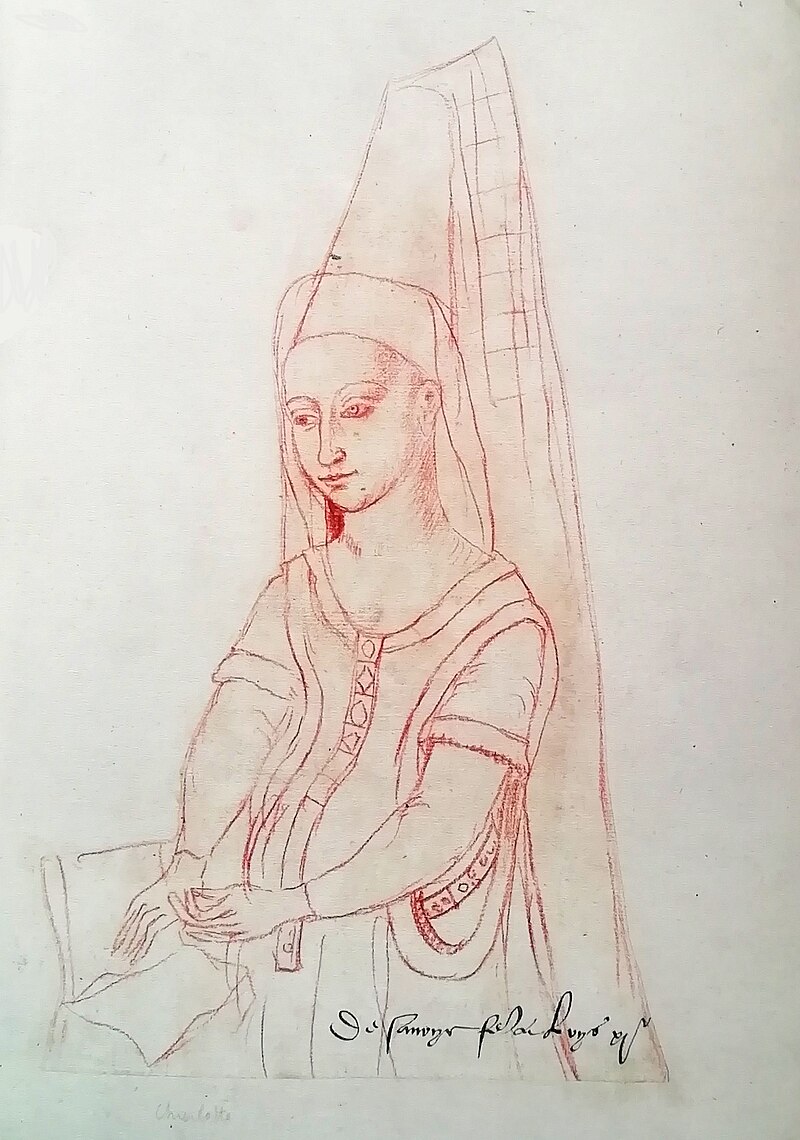
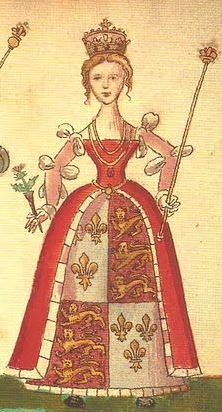
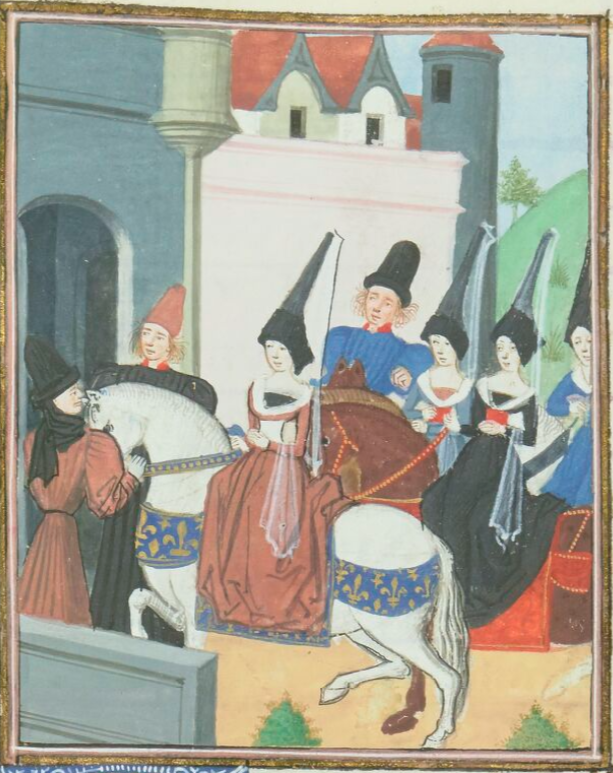
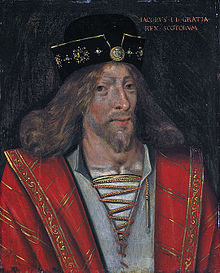
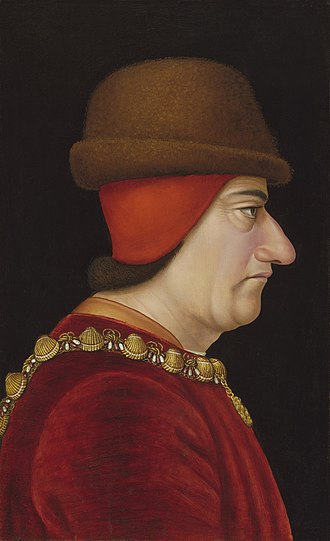
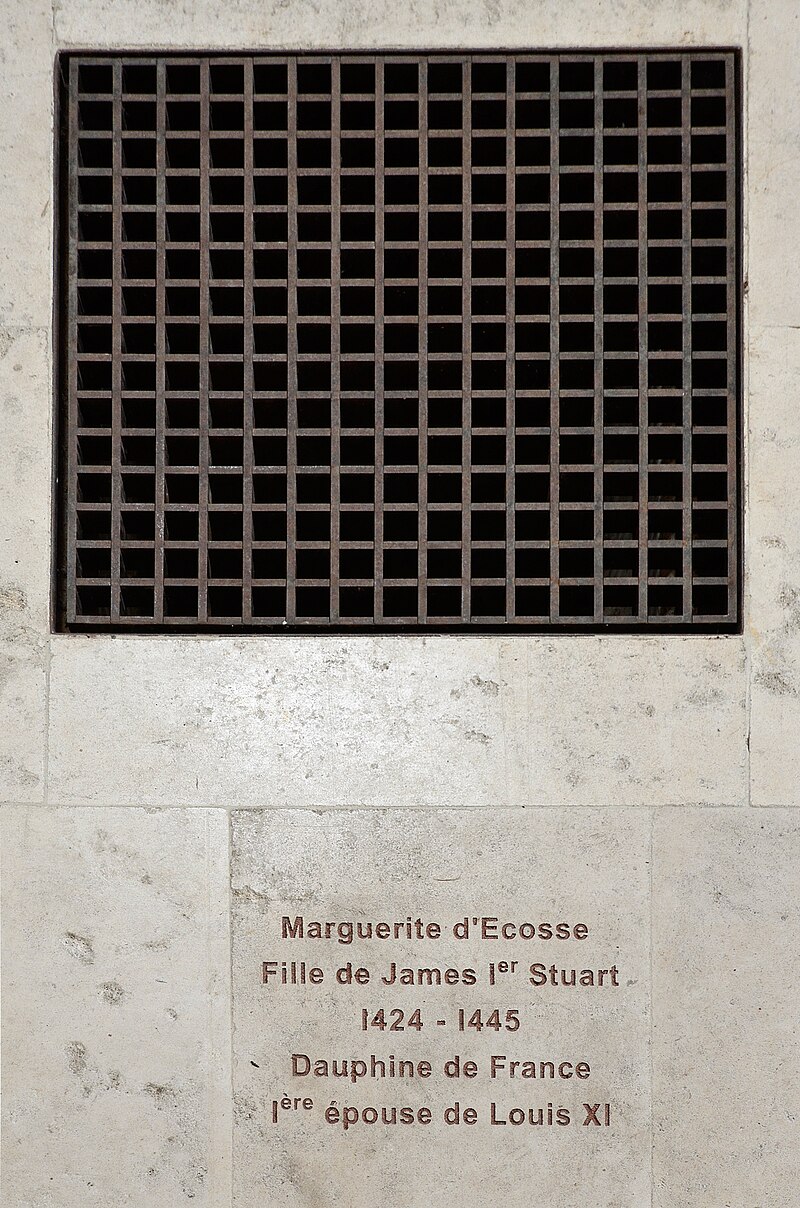


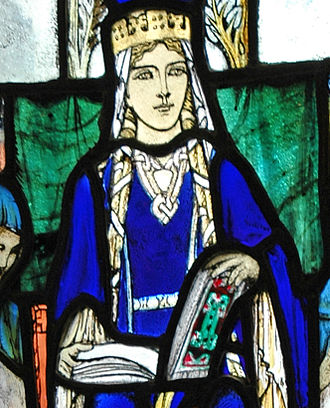
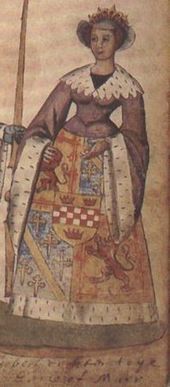
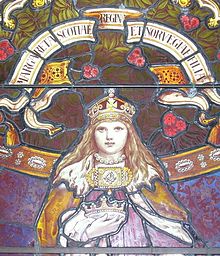
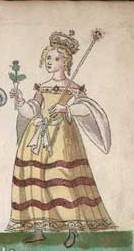
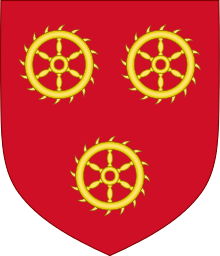
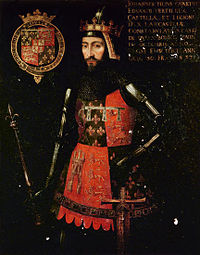


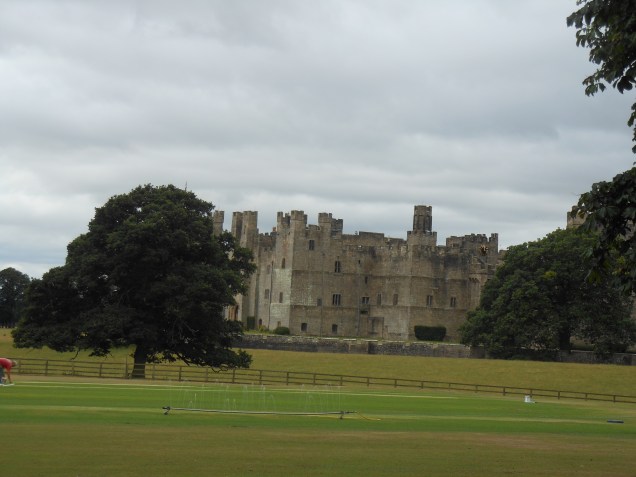
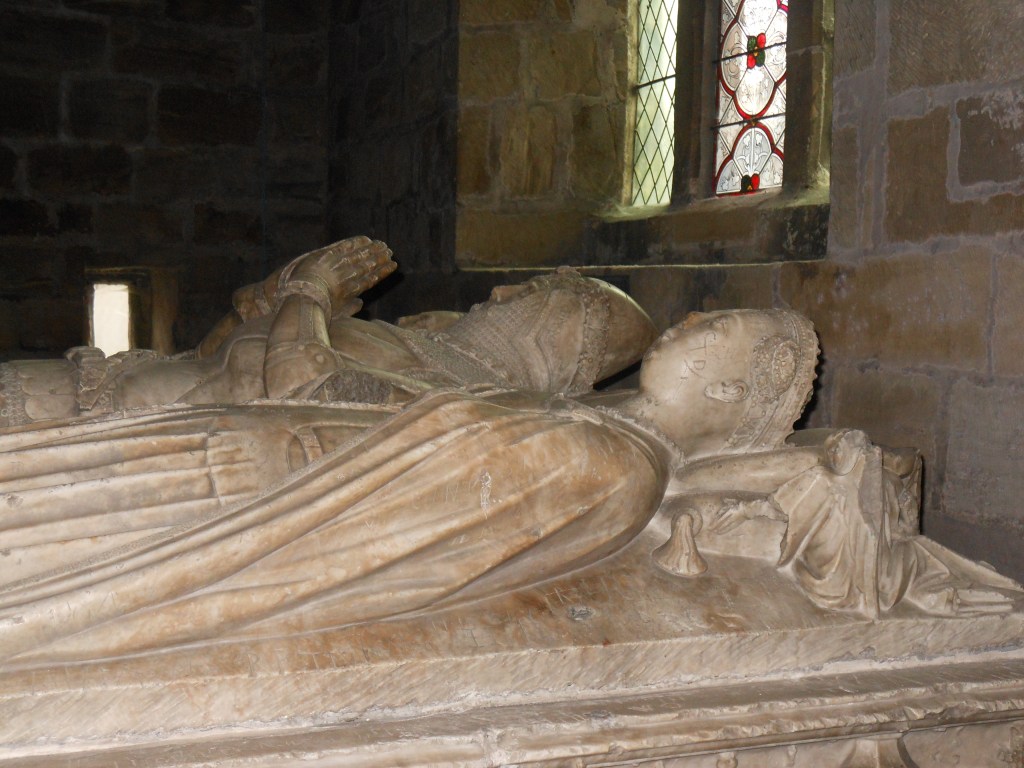
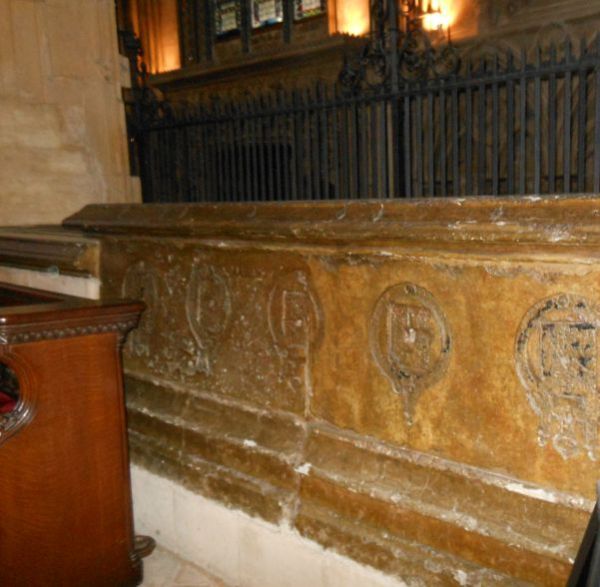


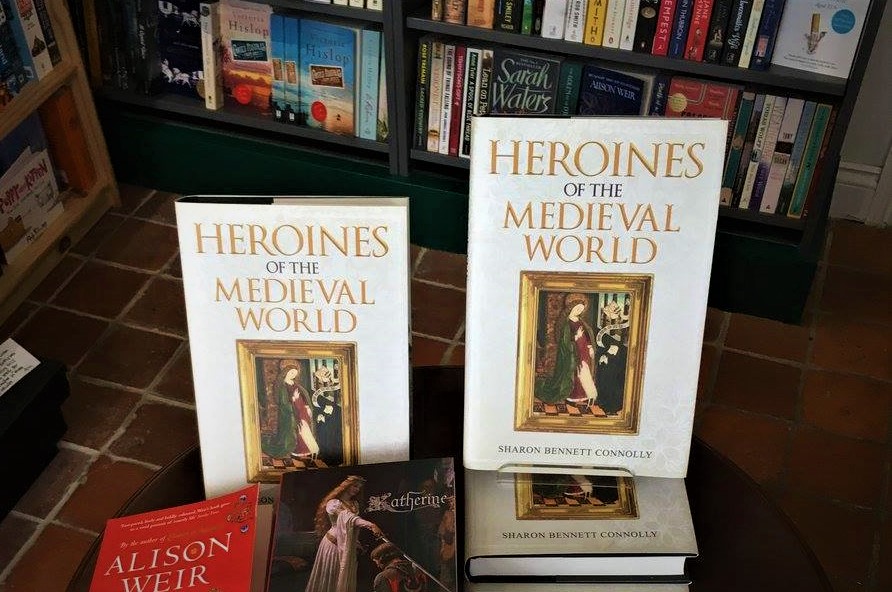
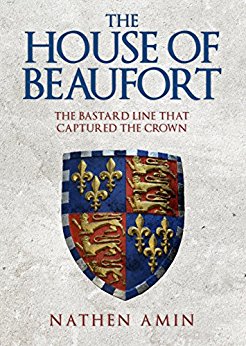

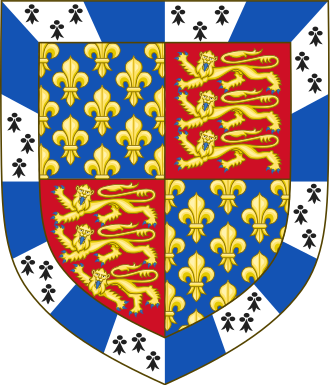



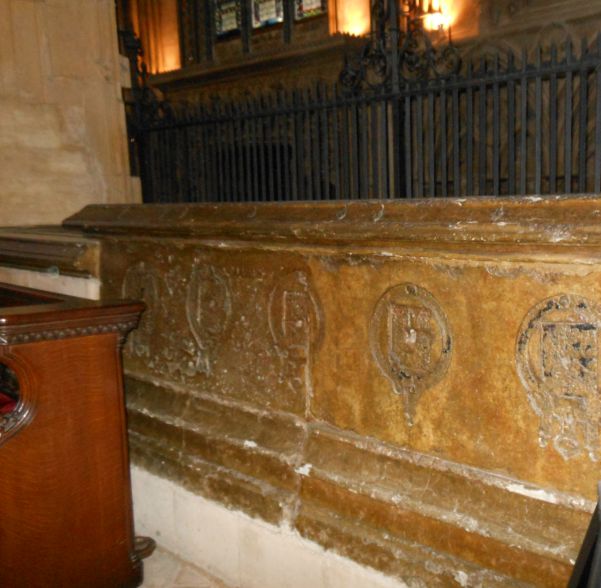



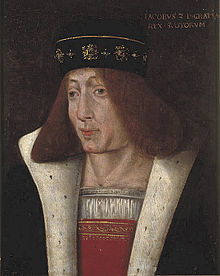
 History... the interesting bits!