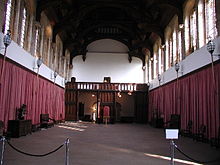
The First Marriage of Kateryn Parr

Katherine Parr

We often hear the story that Kateryn – or Katherine – Parr was used to marriage to older men when she accepted the proposal of Henry VIII in 1543. Her second husband, Lord Latimer, was a widower with young children and twenty years older than his bride. And her first husband, it has often been said was a man much older in years. However, this story has arisen from a case of mistaken identity, between a grandfather and grandson of the same name, Edward Burgh.

Kateryn Parr’s first husband was Edward Burgh (pronounced Borough) of Gainsborough in Lincolnshire. And Kateryn’s early biographers appear to have assumed that this was Edward Burgh senior, Lord Burgh from 1496 to his death in 1528.

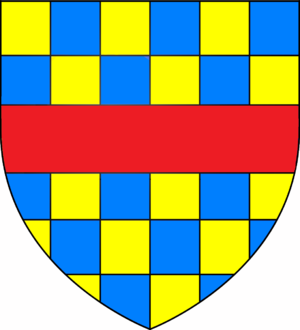
The Burgh family were descended from Hubert de Burgh, 1st Earl of Kent and Justiciar for King John and Henry III. Hubert had even been married, briefly, to King John’s first, discarded wife, Isabel of Gloucester. The first Thomas Burgh had fought at Agincourt and married Elizabeth Percy, a co-heiress of a junior branch of the mighty Percy family, the Earls of Northumberland. It was through Elizabeth Percy that the manor house at Gainsborough came into the Burgh family, inherited from her father; she then left the estate to her son Thomas (II) Burgh, Baron  Gainsborough, on her death in 1455.

Thomas (II) Burgh was a trusted Yorkist, named sheriff of Lincoln in 1460 and, later, an Esquire of the Body for King Edward IV. By the end of 1462 he had been knighted and was a member of the Privy Council. By 1464 he had married a wealthy widow Margaret, dowager Lady Botreaux and daughter of Lord Thomas Ros. It was Sir Thomas Burgh who, along with Thomas Stanley, rescued Edward IV from his imprisonment in Middleham Castle by the Earl of Warwick.

The sacking of Burgh’s manor house at Gainsborough was the opening move of the rebellion of Richard, Lord Welles, in 1470, which eventually saw Edward IV escaping to Flanders and the brief readeption of Henry VI; Edward IV recovered his kingdom in 1471, with the Battle of Tewkesbury, and Henry VI’s mysterious death in the Tower of London just days later, putting an end to Lancastrian hopes. On Edward IV’s death, Sir Thomas had initially supported the succession of his brother, Richard III, but switched his allegiance to Henry Tudor shortly after King Richard visited the Sir Thomas’s Hall at Gainsborough. What had been said to make this staunch Yorkist transfer his support to a Lancastrian pretender, we can only guess….
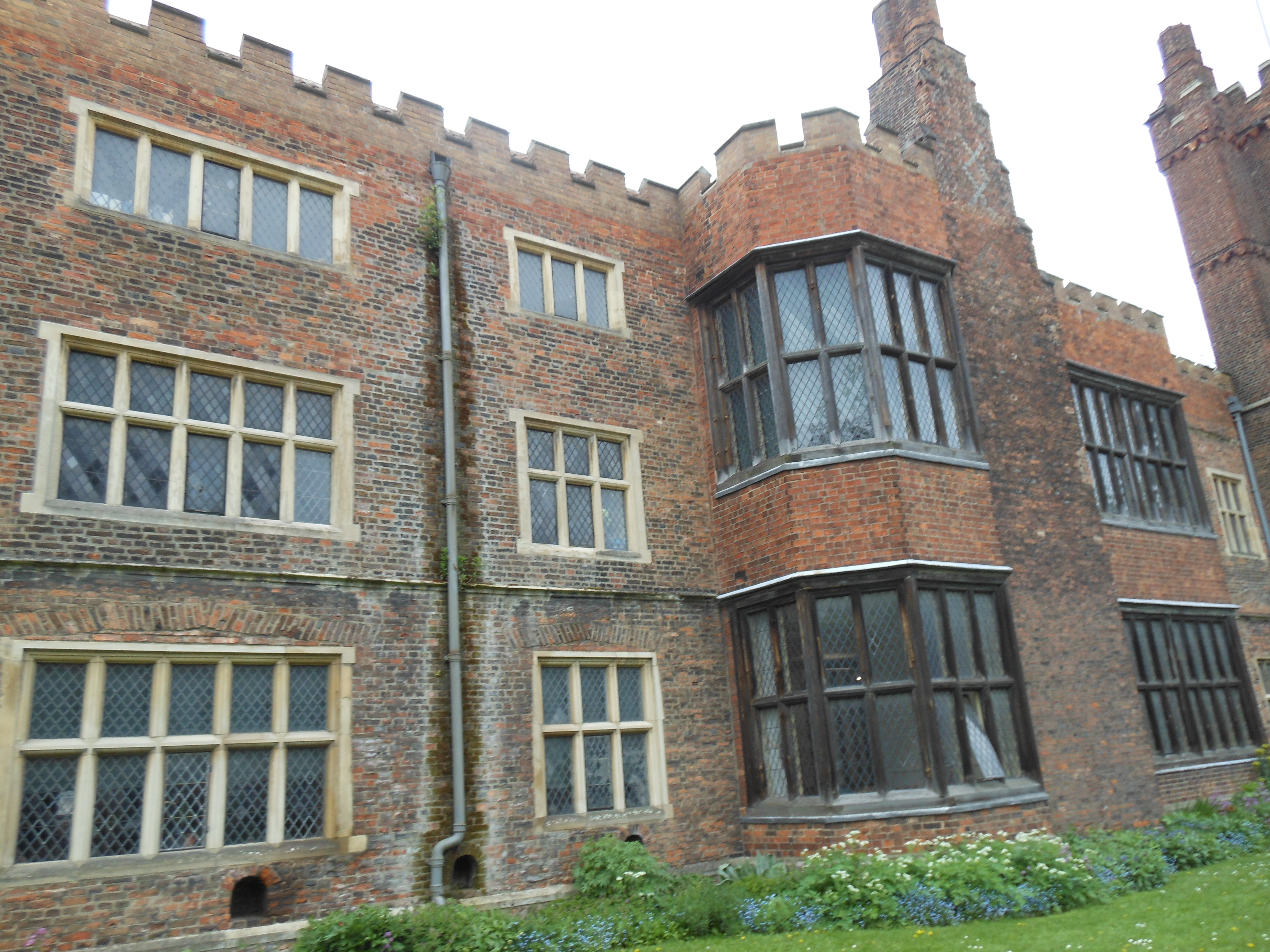
Gainsborough Old Hall

In 1496, Thomas was succeeded as Baron Gainsborough by his son, Edward Burgh, who married Anne Cobham, daughter of Sir Thomas, 5th Baron Cobham of Starborough, when he was 13 and she was just 9 years old. It was from this marriage that the Burgh’s would inherit Starborough Castle.

Although he won his knighthood on the battlefield at Stoke in 1487, and was a Member of Parliament for Lincoln in 1492, Edward appears to have been less politically capable than his father. He soon fell foul of King Henry VII, whether it was because of the fact he associated with those the king distrusted, or due to early signs of mental illness, in December 1496, Edward was forced into a legal bond where he was obliged to present himself to the king wherever and whenever it was demanded, and to vow to do his subjects no harm.¹ He was even remanded to the custody of the Lord Chamberlain and had to seek royal permission if he wanted to leave court for any reason. For a time, he was incarcerated in the Fleet Prison, but managed to escape, despite his promise and financial guarantee not to; an action which put him in thousands of pounds of debt to the king.

From his mother, Margaret de Ros, it seems Edward had inherited a mental illness, one which also affected his Ros cousins, Sir George Tailboys and Lord Ros of Hamlake. As a result, in 1509, ‘distracted of memorie’, he was declared a lunatic.² His wife died in 1526 and he died in 1528, never quite recovering his wits. He was succeeded as Baron Burgh of Gainsborough by his son, Thomas (III).

In 1496, aged just 8-years-old, Thomas (III) had married Agnes Tyrwhitt. The marriage had been arranged by his grandfather, Thomas (II) and gave the younger Thomas useful contacts within Yorkshire and Lincolnshire, contacts he would need to counteract the damaging effects of his father’s mental illness and royal disfavour. Thomas (III) pursued a dual career, combining service as a justice of the peace in Lindsey with his service at court. In 1513 he was knighted on the battlefield of Flodden, the same field on which James IV of Scotland met his death. He was Sheriff of Lincoln in 1518-19 and 1524-25. He was appointed Anne Boelyn’s Lord Chamberlain in May 1533, and held the middle of the queen’s train at her coronation. He was also one of the twenty-six peers who sat at Anne’s trial in 1536.

Thomas (III) and his wife had as many as 12 children. The eldest of which was Edward, who died in 1533. It was this Edward who was the 1st husband of Kateryn Parr, a marriage that had been arranged in 1529 by Sir Thomas and Kateryn’s widowed mother, Maud Parr; her husband, Thomas Parr of Kendal, had died in 1517. Maud had taken it upon herself to arrange her daughter’s future. After a failed proposal to marry Katherine to Henry Scrope, the son of Lord Scrope of Bolton, due to the prospective groom’s lack of enthusiasm, Maud turned to another of her late husband’s relatives and arranged for Katherine to marry Edward.

Young Edward was of a similar age to his wife, not the old man as was stated in Katherine’s early biographies, when he was mistaken for his grandfather. Kateryn was 17 at the time of the marriage, with Edward in his early twenties. It is impossible not to muse on how life could have been so different for Kateryn, had this first marriage proved longer-lasting.
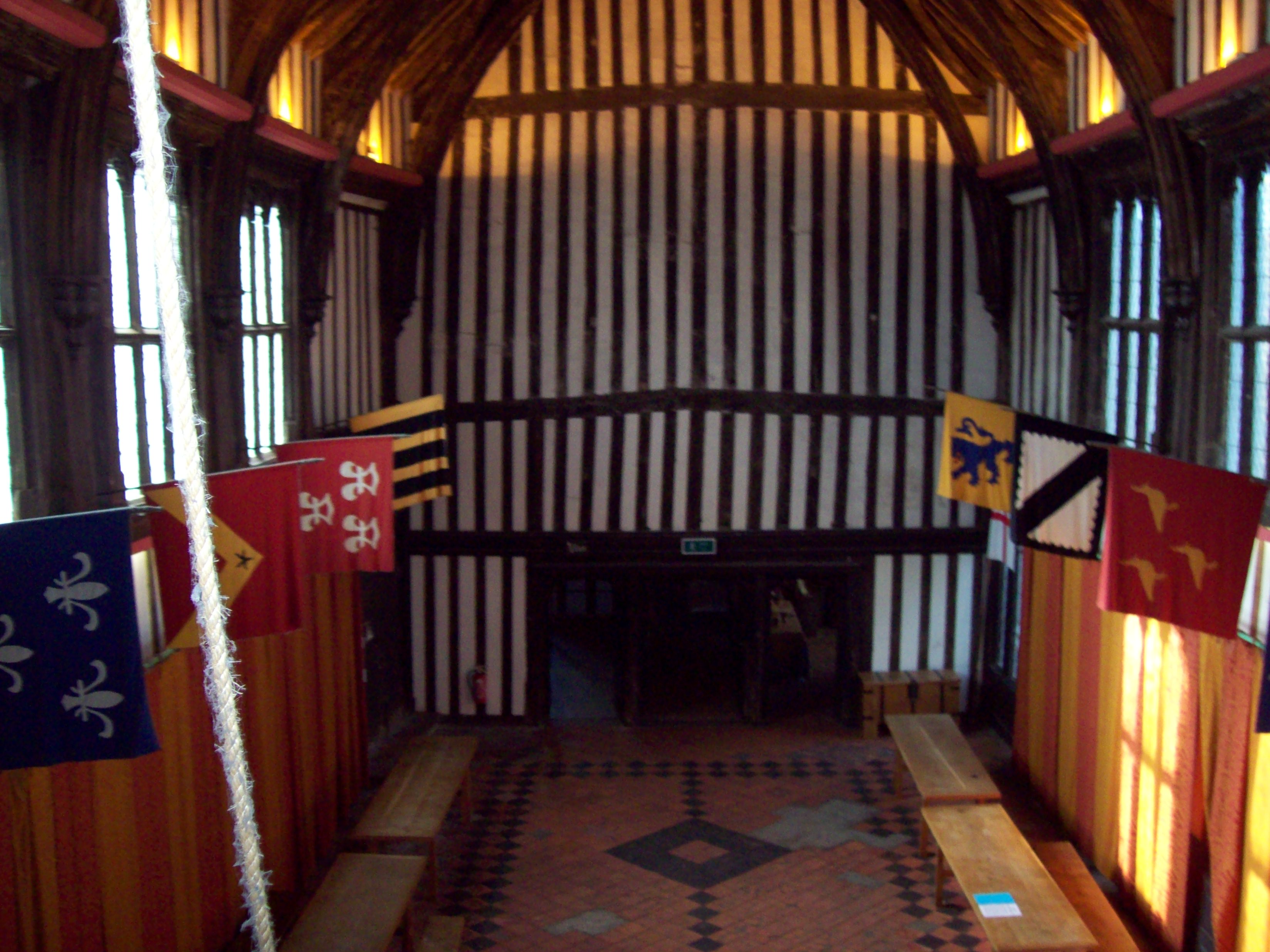
The great hall of Gainsborough Old Hall viewed from the solar

Sir Thomas, however, was renowned for his violent outbursts and wild rages (possibly due to the inherited mental instability in the family) and had a tyrannical control over his family. The first two years of the marriage, spent at Sir Thomas’s Hall at Gainsborough, was a miserable time for Kateryn. She wrote, regularly, to her mother of her unhappiness and it seems the situation was only resolved following a visit by Maud Parr, who persuaded Sir Thomas to allow Edward and Kateryn to move to their own, smaller, house at Kirton-in-Lindsey.

We don’t know whether Edward was a sickly individual (he may have inherited his grandfather’s mental illness), or whether or not he succumbed to a sudden illness, but their happiness was short-lived, as he died in the spring of 1533. Having no children, Kateryn was left with little from the marriage, and, with her mother having died the previous year, and with her siblings in no position to assist her, she was virtually alone in the world. It was possibly as a remedy to her isolation that Kateryn married her second husband, John Neville, 3rd Baron Latimer, who was twenty years her senior, in 1534. There is no record that Kateryn served any of Henry VIII’s queens. Her first appearance at court seems to be in 1542, when she became a lady-in-waiting in Mary Tudor’s household, before she caught the King’s eye.

Kateryn had not forgotten her time with the Burgh family, however, and when she became queen Katerynpaid a pension from her own purse to her former sister-in-law, Elizabeth Owen, widow of her husband’s younger brother, Thomas. Poor Elizabeth had been accused of adultery, during her husband’s lifetime, by her domineering father-in-law, Sir Thomas, and her children were declared illegitimate by a private Act of Parliament in 1542. Although, it does appear that Thomas had a partial change of heart before his death in 1550, as his will included a bequest for ‘700 marks towards the preferment and marriage of Margaret, daughter of Dame Elizabeth Burgh, late wife to Sir Thomas my son, deceased …’ ³
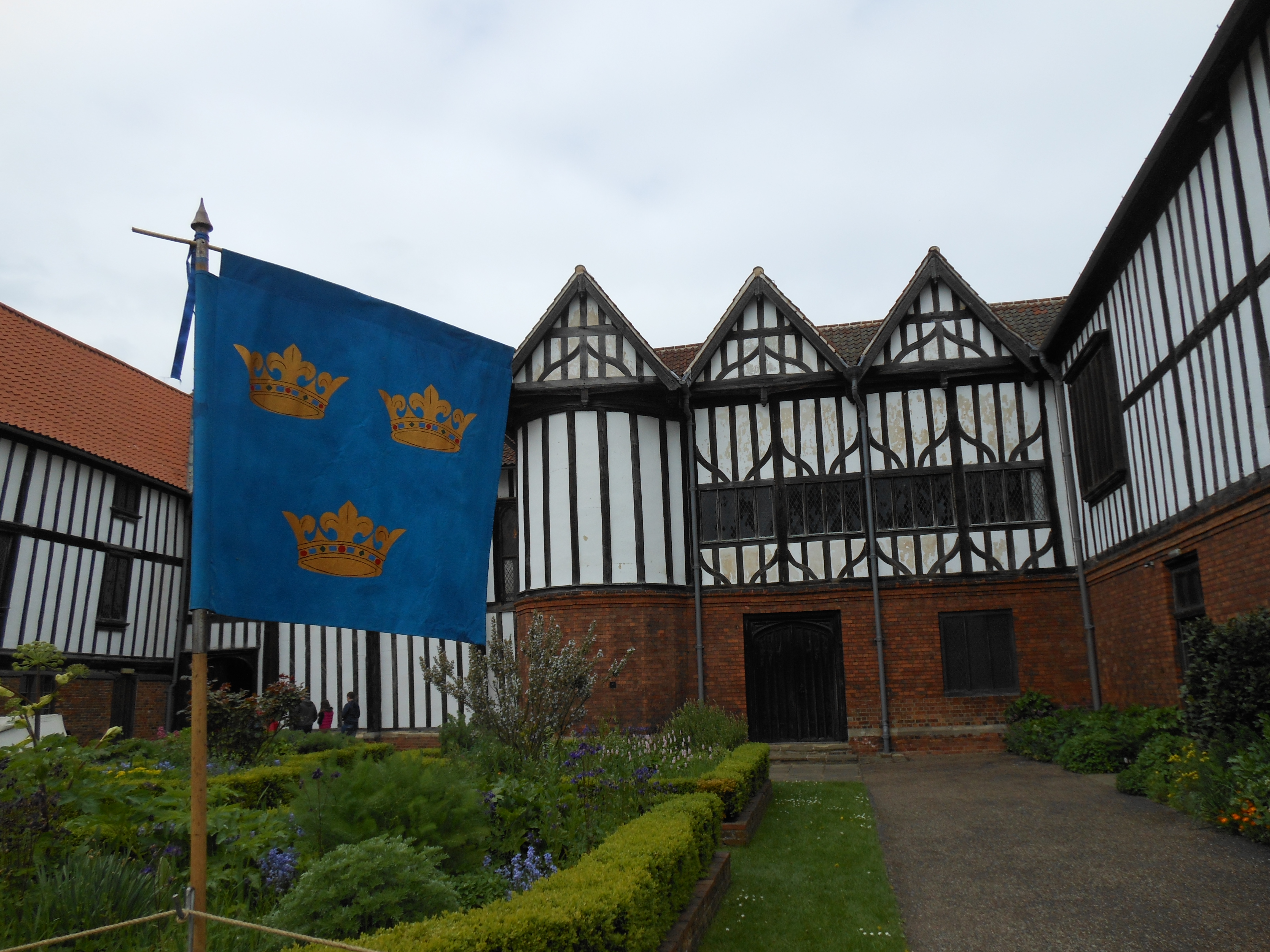
Gainsborough Old Hall

Sir Thomas, Baron Burgh of Gainsborough, was eventually succeeded by his third surviving son, William, born in the early 1520s. He married Katherine Fiennes de Clinton, daughter of Edward Fiennes de Clinton – the future Earl of Lincoln – and Elizabeth (Bessie) Blount, a former mistress of Henry VIII and mother of the king’s illegitimate son, Henry Fitzroy, Duke of Richmond and Somerset.

Lord Latimer died on 2 March 1543 and Kateryn became Queen of England when she married Henry VIII on 12 July the same year. Her marriage to the king would last less than 4 years and ended with Henry’s death on 28 January 1547. In May 1547 Kateryn secretly married her 4th and final husband, Sir Thomas Seymour, brother of her predecessor as queen, Jane Seymour, and uncle of King Edward VI. She died at Sudeley Castle on 5 September 1548, having given birth to a daughter, Mary, 6 days earlier. She was buried in the chapel at Sudeley on the same day. Her daughter was given into the custody of Katherine Willoughby, Duchess of Suffolk, but disappeared from history whilst still a toddler.

*

Footnotes: ¹ ² & ³ Gainsborough Old Hall, Extended Guide Book by Sue Allen

Sources: Gainsborough Old Hall, Extended Guide Book by Sue Allen; In Bed with the Tudors by Amy Licence; oxforddnb.com; The Life and Times of Henry VIII by Robert Lacey; England Under the Tudors by Arthur D Innes; The Earlier Tudors 185-1558 by JD Mackie; Elizabeth’s Women by Tracy Borman; Henry VIII: King and Court by Alison Weir; In the Footsteps of the Six Wives of Henry VIII by Sarah Morris and Natalie Grueninger; Ladies-in-Waiting: Women who Served at the Tudor Court by Victoria Sylvia Evans; The Life and Times of Henry VII by Neville Williams; The Six Wives and Many Mistresses of Henry VIII: The Women’s Stories by Amy Licence; Tudorplace.com; John Leland Leland’s itinerary in England and Wales 1535-43 edited by L Toulmin Smith (1906-10); Letters and Papers, Foreign and Domestic, of the Reign of Henry VIII 1509-47 edited by JS Brewer, James Gairdner and RH Brodie, HMSO London 1862-1932; Privy Purse Expenses of King Henry VIII from November MDXIX to December MDXXXII edited by Sir Nicholas Harris Nicolas 1827.

*

My Books

Signed, dedicated copies of all my books are available through my online bookshop.

OUT NOW! Heroines of the Tudor World
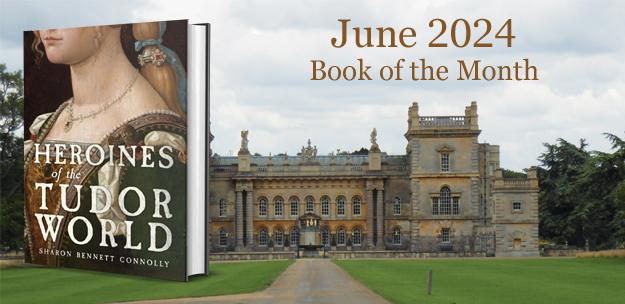
Heroines of the Tudor World tells the stories of the most remarkable women from European history in the time of the Tudor dynasty, 1485-1603. These are the women who ruled, the women who founded dynasties, the women who fought for religious freedom, their families and love. These are the women who made a difference, who influenced countries, kings and the Reformation. In the era dominated by the Renaissance and Reformation, Heroines of the Tudor World examines the threats and challenges faced by the women of the era, and how they overcame them. From writers to regents, from nuns to queens, Heroines of the Tudor World shines the spotlight on the women helped to shape Early Modern Europe.

Heroines of the Tudor World is now available for pre-order from Amberley Publishing and Amazon UK.

Also by Sharon Bennett Connolly:

Women of the Anarchy demonstrates how Empress Matilda and Matilda of Boulogne, unable to wield a sword themselves, were prime movers in this time of conflict and lawlessness. It shows how their strengths, weaknesses, and personal ambitions swung the fortunes of war one way – and then the other. Available from Bookshop.orgAmberley Publishing and Amazon UKKing John’s Right-Hand Lady: The Story of Nicholaa de la Haye is the story of a truly remarkable lady, the hereditary constable of Lincoln Castle and the first woman in England to be appointed sheriff in her own right. Available from all good bookshops Pen & Sword Booksbookshop.org and AmazonDefenders of the Norman Crown: The Rise and Fall of the Warenne Earls of Surrey tells the fascinating story of the Warenne dynasty, from its origins in Normandy, through the Conquest, Magna Carta, the wars and marriages that led to its ultimate demise in the reign of Edward III. Available from Pen & Sword BooksAmazon in the UK and US, and Bookshop.org

Ladies of Magna Carta: Women of Influence in Thirteenth Century England looks into the relationships of the various noble families of the 13th century, and how they were affected by the Barons’ Wars, Magna Carta and its aftermath; the bonds that were formed and those that were broken. It is now available in paperback and hardback from Pen & Sword,  Amazon, and Bookshop.orgHeroines of the Medieval World tells the stories of some of the most remarkable women from Medieval history, from Eleanor of Aquitaine to Julian of Norwich. Available now from Amberley Publishing and Amazon, and Bookshop.orgSilk and the Sword: The Women of the Norman Conquest traces the fortunes of the women who had a significant role to play in the momentous events of 1066. Available now from Amazon,  Amberley Publishing, and Bookshop.org.

Alternate Endings: An anthology of historical fiction short stories including Long Live the King… which is my take what might have happened had King John not died in October 1216. Available in paperback and kindle from Amazon.

Podcast:

Have a listen to the A Slice of Medieval podcast, which I co-host with Historical fiction novelist Derek Birks. Derek and I welcome guests, such as Bernard Cornwell and discuss a wide range of topics in medieval history, from significant events to the personalities involved.

*

Don’t forget! Signed and dedicated copies of all my books are available through my online bookshop.

For forthcoming online and in-person talks, please check out my Events Page.

You can be the first to read new articles by clicking the ‘Follow’ button, liking our Facebook page or joining me on Twitter and Instagram.

©2018 Sharon Bennett Connolly FRHistS
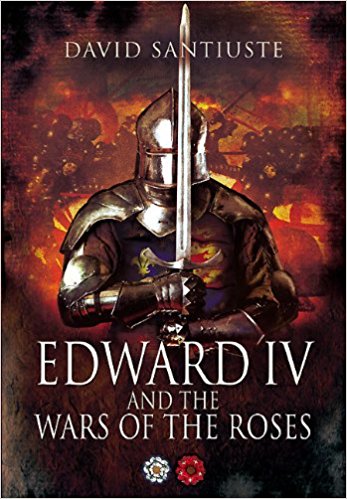
Book Corner: Edward IV by David Santiuste

Indisputably the most effective general of the Wars of the Roses, Edward IV died in his bed, undefeated in battle. Yet Edward has not achieved the martial reputation of other warrior kings such as Henry V – perhaps because he fought battles against his own people in a civil war. It has also been suggested that he lacked the personal discipline expected of a truly great commander. But, as David Santiuste shows in this perceptive and highly readable new study, Edward was a formidable military leader whose strengths and subtlety have not been fully recognized. This reassessment of Edward’s military role, and of the Wars of the Roses in which he played such a vital part, gives a fascinating insight into Edward the man and into the politics and the fighting. Based on contemporary sources and the latest scholarly research, Edward IV and the Wars of the Roses brings to life an extraordinary period of English history.

I was very happy to be asked to review Edward IV and the Wars of the Roses by historian David Santiuste. I had dipped in and out of it for my research of various characters of the period, but never had the time to sit down and read it from cover to cover. To read it with a view to review was a prime opportunity. Now, I don’t review books that I didn’t enjoy, so I do only give positive reviews.. However, if a book gets reviewed by me, it means it’s good. And Edward IV and the Wars of the Roses was brilliant. It is a fabulous, in-depth analysis of one of England’s most underrated kings.

Dealing predominantly with the first  part of Edward’s life and reign the book concentrates on his political and military skills. It analyses his personal qualities and skills as a leader and politician, while also looking at the bigger stage of the conflict that became known as the Wars of the Roses. This is not an ‘I love Edward IV’ book, but rather a balanced portrayal of the strengths and weaknesses of the charismatic king, and of the people around him.

… Perhaps surviving portraits do not do Edward justice, although observers were often impressed by his physique as much as his face. When Edward’s coffin was opened in the eighteenth century his skeleton was measured at 6 feet 3½ inches and it was broadly proportioned. Edward had a tremendous presence, of which he was keenly aware. Even later in life, when his looks had faded and he had put on weight, the Italian observer Mancini reports that Edward ‘was wont to show himself to those who wished to watch him, and seized any opportunity occasion offered of revealing his fine stature more protractedly and more evidently to onlookers.’ In 1459 Edward was still untested, but his potential was clear: Yorkist verses from the following year were to describe him as ‘Edward, Earl of March, whose fame the earth shall spread’.

Where this book shines is in the author’s portrayal of the relationship between Edward IV and Richard, Earl of Warwick. David Santiuste makes it clear that the relationship was complex and far from dominated by Warwick. He shows how Edward was able to be his own man and explains clearly how the relationship broke down, with blame on both sides, and how this relationship affected both Edward and his kingship.

Making good use of primary sources and his own vast knowledge of the era, David Santiuste presents his arguments in a clear, concise manner, stating his own opinion and discussing where facts and historians differ in a respectful, engaging style. He handles the significant moments of Edward IV’s career with great empathy and understanding, demonstrating how the king’s life, future and country were changed by his ability to make the most of events – and heavenly phenomena – thrown at him.

The Illustrated Life of Edward IV presents Edward, at the moment the parhelia appear, appealing to God for guidance, just like Paul at Damascus: ‘Lord, what will you have me do?’ Coppini had described Edward as ‘prudent and magnanimous’, but we should remember that Edward was still eighteen years old, The loss of his father and brother must have shaken him to the core. For Edward, then, this was a moment of great personal significance…..

David Santiuste displays an impressive level of understanding of fifteenth century warfare and generalship, and of the political atmosphere of the time. Every page of the book demonstrates the author’s enthusiasm for his subject and for history in general. Easily readable, enjoyable and engaging, the author avoids technical speak and draws the reader in.

This is a must-read for any fan of the Wars of the Roses, or any student of kingship and medieval history. Enjoyable and engaging, it takes the reader to the heart of the civil war which raged across England in the second half of the fifteenth century.


About the author:

David Santiuste teaches history at the Centre for Open Learning, University of Edinburgh. His most recent book is The Hammer of the Scots. His other publications include Edward IV and the Wars of the Roses, as well as various articles.

David’s website can be found at davidsantiuste.com, where he writes an occasional blog. You can follow him on Facebook at David Santiuste Historian or on Twitter @dbsantiuste.

Edward IV and the Wars of the Roses is available from Amazon.

*

My Book:

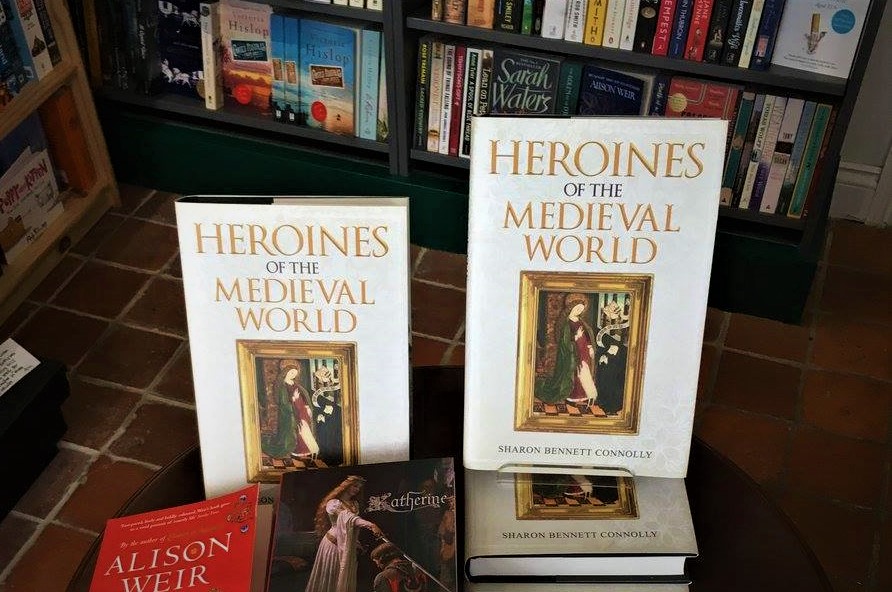
Heroines of the Medieval World,  is now available in hardback in the UK from both Amberley Publishing and Amazon UK. It is also available on Kindle in both the UK and USA and will be available in Hardback from Amazon US from 1 May 2018. It can also be ordered worldwide from Book Depository.

You can be the first to read new articles by clicking the ‘Follow’ button, liking our Facebook page or joining me on Twitter.

*

©2018 Sharon Bennett Connolly

Guest Post: George, Duke of Clarence and the infamous ‘butt of Malmsey wine’ by Toni Mount

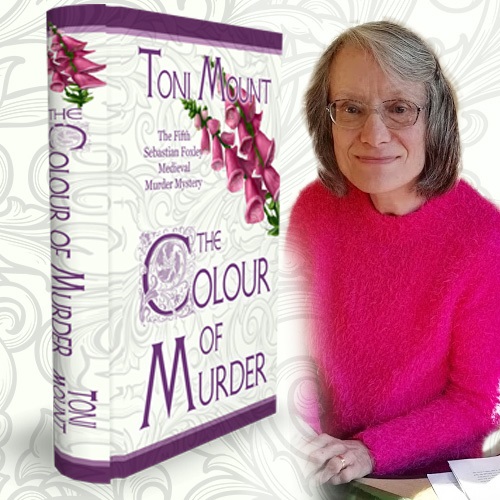
It is a pleasure to welcome Toni Mount to the blog, for Day 5 of her Blog Tour for the launch of The Colour of Murder this month.

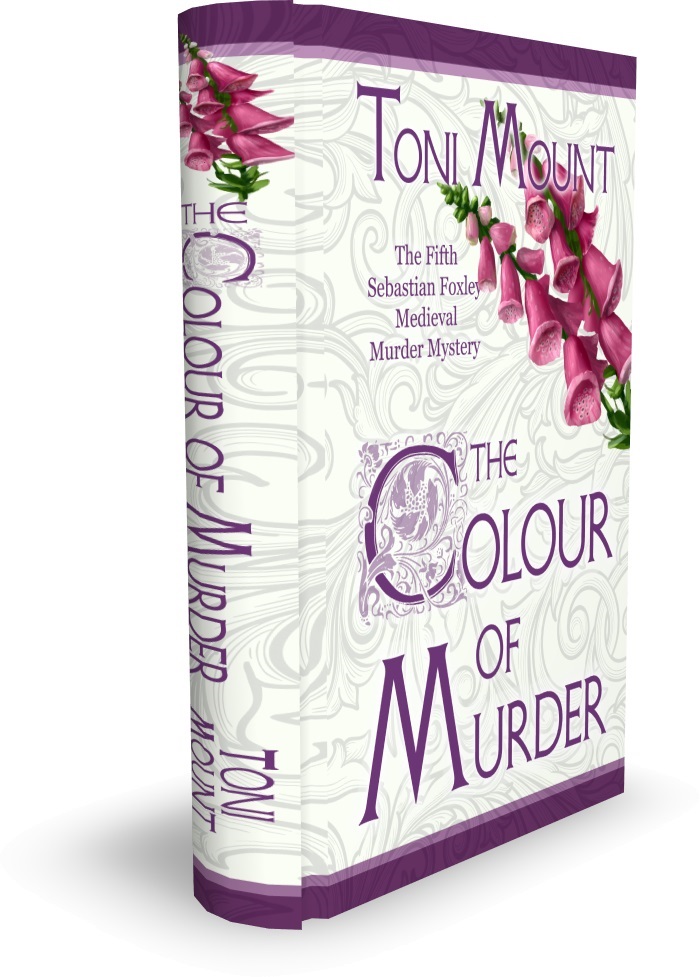
The Colour of Murder is the latest whodunit in the popular ‘Sebastian Foxley’ series of medieval murder mysteries by author and historian Toni Mount.

George, Duke of Clarence and the infamous ‘butt of Malmsey wine’.

540 years ago, on the 18th February 1478 the Duke of Clarence was, famously, drowned in a butt of malmsey wine. Did he jump or was he pushed? The question has never been answered, so this was an opportunity for the intrepid investigator Seb Foxley – to finally solve the mystery.

On this day, 18th February 1478, news was leaked that the brother of King Edward IV, George, Duke of Clarence, had somehow managed to drown in a butt of malmsey wine. Did he fall or was he pushed? A contemporary chronicler, who otherwise seems very well informed, could only write: ‘… a few days after the execution, whatever its nature may have been, took place … in the Tower of London…’

From the Croyland Chronicle, c. 1486, pp.479-80:

George of Clarence had never been very reliable nor faithful to King Edward, his elder brother. When his beloved wife, Isabella Neville, died soon after giving birth, probably of childbed fever, George was convinced that a lady-in-waiting, Ankarette Twynyho, had poisoned her. He tried Ankarette in a rigged court and arranged her execution. King Edward decided George had gone too far this time, taking the law into his own hands. Then George became involved in a further plot to dethrone Edward. Matters deteriorated when he accused the Edward’s queen, Elizabeth Woodville, of witchcraft, saying she was behind the death of his wife. Finally, the king lost patience and George was imprisoned in the Tower of London in the summer of 1477.

Brought to trial before Parliament, only the king gave evidence against George, listing all his earlier mercies to him, how he had pardoned him for previous acts of treachery and showered titles and riches on him, only to receive ingratitude and further treachery in return. Meanwhile George had spread rumours that the king was a bastard with no right to wear the crown, practising necromancy and poisoning those who displeased him.

Parliament sat in embarrassed silence as the king and his brother accused each other, shouting and arguing in a most unseemly and vulgar display. But the eventual outcome was never going to be in doubt: Parliament found in the king’s favour, George was guilty of high treason and sentenced to death. He was returned to the Tower of London while the king wrestled with his conscience over signing his brother’s death warrant until the Speaker of the House intervened, demanding that sentence be carried out. George, Duke of Clarence, was executed privately in the Tower of London, spared the ignominy of a public beheading.

However, an execution behind closed doors soon caused rumours to spread that Clarence had been drowned in a butt of malmsey wine. A butt is a large barrel and an imperial measure of one hundred gallons – more than enough to drown in, but the story is almost certainly a later invention. Perhaps George was partial to the sweet white wine, so the tale was an ironic joke. It has been suggested, perhaps not seriously, that George was allowed to choose his manner of death, or even that a ‘well-wisher’, wanting to spare the king the grief of committing fratricide, sent Clarence a gift of wine, laced with poison. We will probably never know the truth.

About  the author

Toni Mount is a popular writer and historian; she is the author of Everyday Life in Medieval London and A Year in the Life of Medieval England (pub Amberley Publishing) and several of the online courses for http://www.medievalCourses.com

Her successful ‘Sebastian Foxley’ series of medieval whodunits is published by MadeGlobal.com and the latest book in this series The Colour of Murder is now available as a paperback or on Kindle. http://getbook.at/colour_of_murder

If you would like to follow the rest of Toni’s blog tour, just click on the links below:

26/1/18 – Digitalis & Other Plant Poisons in Medieval Times – www.thewarsoftherosescatalogue.com/  c/o Debra Bayani

3/2/18 Author Interview – The Review – www.thereview2014.blogspot.com c/o Diana Milne

10/2/18 Royal Witchcraft – www.onthetudortrail.com c/o Natalie Grueninger –

17/2/18 George Duke of Clarence – www.historytheinterestingbits.com  c/o Sharon Bennett Connolly

24/2/18 Bedlam Hospital www.theanneboleynfiles.com c/o Claire Ridgeway

*

My Book:

Heroines of the Medieval World,  is now available in hardback in the UK from both Amberley Publishing and Amazon UK and worldwide from Book Depository. It is also available on Kindle in both the UK and USA and will be available in Hardback from Amazon US from 1 May 2018.

You can be the first to read new articles by clicking the ‘Follow’ button, liking our Facebook page or joining me on Twitter.

*

©2018 Sharon Bennett Connolly

Book Corner – The Wars of the Roses in 100 Facts by Matthew Lewis

The Wars of the Roses in 100 Facts by Matthew Lewis

The Wars of the Roses were a series of brutal conflicts between rival branches of the Plantagenet family – the Lancastrians and the Yorkists. The wars were fought between the descendants of Edward III and are believed to stem from the deposition of the unpopular Richard II by his cousin, Henry Bolingbroke, who became Henry IV. The wars were thought to have been fought between 1455 and 1487, and they saw many kings rise and fall as their supporters fought for their right to rule.

The Wars of the Roses in 100 Facts covers this dangerous and exciting period of political change, guiding us through the key events, such as the individual battles, and the key personalities, such as Richard, Duke of York, and the Earl of Warwick, known as ‘the Kingmaker’. Matthew Lewis takes us on a tour through the Wars of the Roses, fact by fact, in easy-to-read, bite-size chunks. He examines some of the most important aspects of this period, from the outbreak of the conflict at the First Battle of St Albans, to Henry VI’s insanity, and the character of Richard III and his final defeat at the hands of Henry Tudor.

What can I say? I love these little books. This book series – I have already reviewed The Anglo-Saxons in 100 Facts – is a fabulous introduction to some of the most fascinating events in history.

The Wars of the Roses in 100 Facts by Matthew Lewis is a wonderful little book giving details of 100 of the most important and significant events of the Wars of the Roses. From the deposition of Richard II to the death of Cardinal Reginald Pole, arguably the last Yorkist descendant, Matthew Lewis tells the tale of the most divisive conflict in English history in an entertaining and engaging manner.

20. King Henry Could Have Died at the First Battle of St Albans

During the First Battle of St Albans, as Warwick’s archers fired at the men defending the king, Henry VI was struck by an arrow that cut him on the neck. As the fighting grew closer, the king was taken into a tanner’s shop to receive treatment and to keep him out of the way of further harm.

Benet’s Chronicle records that once the battle was won, York, Salisbury and Warwick burst into the tanner’s shop and found Henry, wounded and at their mercy. Instead of finishing off the king, as York might have done had he truly wanted the crown at this stage, Benet’s Chronicle explains that the lords fell to their knees and pledged their allegiance to the king, ‘at which he was greatly cheered’.

Henry was escorted to the comfort of the abbey to continue his treatment and, although he was dismayed to learn of Somerset’s death, he was well treated and on the following morning he was escorted to London by the Yorkist lords. York might well have widened the wound at Henry’s neck and ensured that there were no witnesses. He could then have blamed the stray arrow for killing the king. This is possibly the clearest sign that at this point, Henry’s crown was safe and secure.

What I love about this book is it is a wonderful combination of the best known facts, the battles and the politics, and some little known facts and events that mean even a seasoned Wars of the Roses enthusiast will find something to engage their interest. The brief, 1-2 page chapters mean the reader can drop in and out of the book at their leisure, or whenever they have 5 minutes to spare.

These little snippets are utterly enthralling and informative. They combine to give a wonderful, universal picture of the conflict; the battles and the characters involved. The book is beautifully written and well researched. It is organised in a loosely chronological manner, with fabulous insights into the major players and events of the Wars of the Roses.

Although The Wars of the Roses in 100 Facts is restricted to 100 facts, it is not short on insight and analysis. Matthew Lewis does a great job of achieving a balance of facts with the analytical approach of the historian. It would be a wonderful addition to the library of anyone interested in the Wars of the Roses, or the later fifteenth century as a whole.

*

Matthew Lewis is an author and historian with particular interest in the medieval period. His books include a history of the Wars of the Roses, a biography of Richard, 3rd Duke of York, and two novels of historical fiction telling the life of King Richard III and the aftermath of the Battle of Bosworth. He also writes a history blog, sharing thoughts and snippets. He can be found on Twitter @MattLewisAuthor.

The Wars of the Roses in 100 Facts is available from Amberley and Amazon.

*

Heroines of the Medieval World:

Heroines of the Medieval World,  is now available in hardback in the UK from both Amberley Publishing and Amazon UK and worldwide from Book Depository. It is also available on Kindle in both the UK and USA and will be available in Hardback from Amazon US from 1 May 2018.

You can be the first to read new articles by clicking the ‘Follow’ button, liking our Facebook page or joining me on Twitter.

*

©2017 Sharon Bennett Connolly

The Infamous Jane Shore

The Penance of Jane Shore by William Blake

Jane Shore is one of the most renowned of medieval royal mistresses, rivalling only Katherine Swynford in her fame. However, Jane was not so fortunate as Katherine; there was no ‘happily ever after’ with her royal lover. As she has gone down in history, the poor woman didn’t even get to keep her own name.

So, who is Jane Shore? Well, she’s not called Jane, for starters. In fact, that name seems to have only been attributed to her more than 50 years after her death, and by a playwright, of all people.

The young woman in question was born Elizabeth Lambert; she was the daughter of John Lambert, a citizen and mercer of London who died in 1487. Her mother, Amy, was the daughter of Robert Marshall, a London grocer, and died in 1488, the year after her husband. Elizabeth was probably born sometime before 1450 and was married, in her middle or late teens, to William Shore, a London goldsmith.

Elizabeth eventually became mistress to King Edward IV, the larger-than-life king who reigned from 1461 to 1483, except for a little interval in 1470-71 when Henry VI briefly regained the throne. Mistress Shore first appears in the historical record in the mid-1470s, possibly when she was already mistress to the king, when she petitioned for an annulment to her marriage. The grounds for the petition was her husband’s impotence.

The recent petition of Elizabeth Lambert alias Schore, of London states that she continued in her marriage to William Schore, layman of the diocese of London, and cohabited with him for the lawful time, but that he is so frigid and impotent that she, desirous of being a mother and having offspring, requested over and over again the official of London to cite the said William before him to answer her concerning the foregoing and the nullity of the said marriage and that, seeing the said official refused to do so she appealed to the Apostolic See.¹

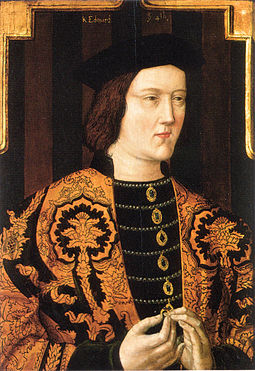
King Edward IV

While it was not unheard of for a wife to petition for the dissolution of a marriage, it was certainly a rare occurrence; such appeals were expensive and rarely granted against the husband. It may well be that Elizabeth was already mistress to the king when she brought the divorce petition, it would certainly explain her ability to finance the case. The whole proceedings would have been as humiliating for Elizabeth as it was for her husband, William; but her developing relationship with the king may have given her the encouragement to endure it. However the petition came about, a woman’s right to bear children was considered sacrosanct and the annulment was granted, the papal mandate being dated to 1 March 1476.

Edward IV is as famous for his love life as he is for his prowess in battle. His irregular, secret marriage to Elizabeth Wydeville  provided enough ammunition and doubt for his brother, Richard of Gloucester, to declare his sons, Edward V and Richard (the Princes in the Tower), illegitimate and take the crown for himself. Gloucester claimed that Edward IV had already been married – again secretly – to one Eleanor Butler when he married Elizabeth Wydeville, making his children by Elizabeth illegitimate and therefore unable to inherit the throne. Of course, proof was lacking, but Edward’s own record with women provided sufficient doubt to enable Richard to seize the throne.

There is little doubt that Edward IV and his queen, Elizabeth, were happily married; the couple had numerous children together, of which 6 girls and 2 boys survived infancy. However, this did not prevent Edward from taking mistresses, of which Elizabeth Shore is said to have been his favourite.

There is a near-contemporary description of Mistress Shore, from Thomas More, who described a bright, intelligent woman;

“Proper she was and fair … yet delighted not men so much in her beauty, as in her pleasant behaviour. For a proper wit had she, and could both read well and write, merry of company, ready and quick of answer, neither mute nor full of babble, sometimes taunting without displeasure and not without disport … The merriest [of Edward’s mistresses] was this Shore’s wife, in whom the king therefore took special pleasure. For many he had, but her he loved, whose favour to say truth … she never abused to any man’s hurt.”¹

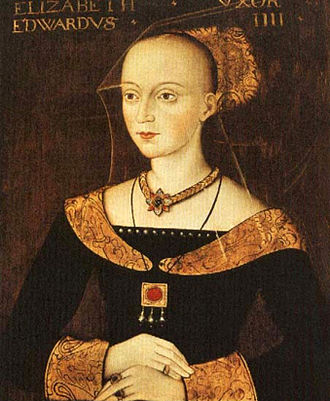
Edward IV’s queen, Elizabeth Wydeville

Of course, we cannot truly say whether or not Edward loved Elizabeth Shore, nor how deep was their relationship. Nor can we say how Elizabeth Wydeville felt about her husband’s relationship with Mistress Shore. In fact, very little contemporary evidence exists to prove the existence of a relationship. At least, not while Edward was alive. However, when Edward died in 1483 and his brother, Richard seized power, Elizabeth Shore was brought into the limelight, caught up in the power struggle following the king’s death and the accession of his 13-year-old son.

On the king’s death, Elizabeth Shore was in need of a protector and transferred her allegiance and affection to William, Lord Hastings, the late king’s best friend. As the political situation deteriorated in 1483, following Richard Duke of Gloucester’s arrest of Anthony Wydeville, the new king’s uncle and brother of Queen Elizabeth Wydeville, the queen fled to sanctuary at Westminster Abbey. Elizabeth Shore was accused of carrying messages between the queen in sanctuary and Lord Hastings, who was serving on the Privy Council. Whether she did or not, or even whether the queen and Hastings were plotting, we’ll probably never know.

Richard, now Lord Protector for his nephew Edward V, accused Hastings of treason and had him summarily executed within the Tower of London, on 13 June 1483. Elizabeth Shore was caught up in Hastings’ downfall; her goods being attached by the sheriffs of London, she was made to do public penance ‘for the lyfe that she ledd with the said lord hastyngys and other grete astatys’.² More praises Mistress Shore’s demeanour during her penance, stating;

“In which she went in countenance & pace demure so womanly, & albeit she were out of all array save her kyrtle only: yet went she so fair & lovely … that her great shame won her much praise.”²

There is some suggestion that, following the king’s death, Elizabeth Shore was a mistress of both Hastings and the late king’s stepson, Thomas Grey, Marquess of Dorset. In October 1483, when Grey joined Buckingham’s rebellion against Richard III, he was accused of holding ‘the unshameful and mischievous woman called Shore’s wife in adultery.’²

After her public penance, Elizabeth Shore was imprisoned in Ludgate Gaol for a time. During the same period, she attracted the attention of Thomas Lynom, the King’s Solicitor, who wanted to marry her. An undated letter, written to the Bishop of Lincoln by Richard III, himself, asks the bishop to intervene and persuade Lynom against the marriage, saying Lynom had been ‘merveillously blynded and abused.’²

Elizabeth was eventually released from gaol, into her father’s custody, on the payment of sureties; however, it seems Lynom was not dissuaded by the entreaties of the king and the bishop. He and Elizabeth were married before her father’s death on 1487, as is made clear in his will, in which he left his daughter a bed of arras and a painted cloth of Mary Magdalen and Martha.

Thomas Lynom survived the regime change of 1485, successfully transferring his services to the Tudors; he served bother Henry VII and Henry VIII and was a councillor for Arthur, Prince of Wales and controller of the rolls for the prince’s household.

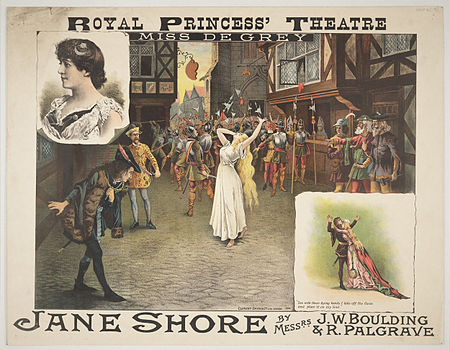
Theatre poster for ‘Jane Shore’

Thomas Lynom was dead by July 1518 and, according to More, Elizabeth fell on hard times after that, even claiming she had to resort to begging, although this seems unlikely.

Elizabeth Shore probably died around 1527, although she had long since retreated from the limelight. There is no evidence that she ever had any children – the reason for the dissolution of her first marriage – and her story may have ended there, were it not for the Tudor playwrights.

Her literary life was born through the works of William Shakespeare, Thomas Heywood and Nichols Rowe. It was Thomas Heywood who rechristened her ‘Jane’ and made her the focal point of his play, Edward IV, in 1599. However, despite the name change, the plays have, to say the least, guaranteed Elizabeth Shore’s place in history.

*

Footnotes: ¹Edward IV and Elizabeth Woodville: A True Romance by Amy Licence; ² quoted by Rosemary Horrox in Oxforddnb.com.

*

Sources: Edward IV and Elizabeth Woodville: A True Romance by Amy Licence; Elizabeth Shore – Jane by Rosemary Horrox in Oxforddnb.com; Richard III, England’s Black Legend by Desmond Seward; Edward IV, Glorious Son of York by Jeffrey James; Elizabeth Woodville, Mother of the Princes in the Tower by David Baldwin; Lancaster & York, The Wars of the Roses by Alison Weir, Richard III by Michael Hicks; Edward IV and the Wars of the Roses by David Santuiste.

Pictures courtesy of Wikipedia

*

My books

Signed, dedicated copies of all my books are available through my online bookshop.

Out Now! Women of the Anarchy

Two cousins. On the one side is Empress Matilda, or Maud. The sole surviving legitimate child of Henry I, she is fighting for her birthright and that of her children. On the other side is her cousin, Queen Matilda, supporting her husband, King Stephen, and fighting to see her own son inherit the English crown. Women of the Anarchy demonstrates how these women, unable to wield a sword, were prime movers in this time of conflict and lawlessness. It show how their strengths, weaknesses, and personal ambitions swung the fortunes of war one way – and then the other.

Available from Bookshop.orgAmberley Publishing and Amazon UK.

Coming on 15 June 2024: Heroines of the Tudor World

Heroines of the Tudor World tells the stories of the most remarkable women from European history in the time of the Tudor dynasty, 1485-1603. These are the women who ruled, the women who founded dynasties, the women who fought for religious freedom, their families and love. These are the women who made a difference, who influenced countries, kings and the Reformation. In the era dominated by the Renaissance and Reformation, Heroines of the Tudor World examines the threats and challenges faced by the women of the era, and how they overcame them. From writers to regents, from nuns to queens, Heroines of the Tudor World shines the spotlight on the women helped to shape Early Modern Europe.

Heroines of the Tudor World is now available for pre-order from Amberley Publishing and Amazon UK.

Also by Sharon Bennett Connolly:

King John’s Right-Hand Lady: The Story of Nicholaa de la Haye is the story of a truly remarkable lady, the hereditary constable of Lincoln Castle and the first woman in England to be appointed sheriff in her own right. It is is available from King John’s Right-Hand Lady: The Story of Nicholaa de la Haye is the story of a truly remarkable lady, the hereditary constable of Lincoln Castle and the first woman in England to be appointed sheriff in her own right. Available from all good bookshops or direct from Pen & Sword Booksbookshop.org and AmazonDefenders of the Norman Crown: The Rise and Fall of the Warenne Earls of Surrey tells the fascinating story of the Warenne dynasty, from its origins in Normandy, through the Conquest, Magna Carta, the wars and marriages that led to its ultimate demise in the reign of Edward III. Available from Pen & Sword BooksAmazon in the UK and US, and Bookshop.org

Ladies of Magna Carta: Women of Influence in Thirteenth Century England looks into the relationships of the various noble families of the 13th century, and how they were affected by the Barons’ Wars, Magna Carta and its aftermath; the bonds that were formed and those that were broken. It is now available in paperback and hardback from Pen & Sword,  Amazon, and Bookshop.orgHeroines of the Medieval World tells the stories of some of the most remarkable women from Medieval history, from Eleanor of Aquitaine to Julian of Norwich. Available now from Amberley Publishing and Amazon, and Bookshop.orgSilk and the Sword: The Women of the Norman Conquest traces the fortunes of the women who had a significant role to play in the momentous events of 1066. Available now from Amazon,  Amberley Publishing, and Bookshop.org.

Alternate Endings: An anthology of historical fiction short stories including Long Live the King… which is my take what might have happened had King John not died in October 1216. Available in paperback and kindle from Amazon.

Podcast:

Have a listen to the A Slice of Medieval podcast, which I co-host with Historical fiction novelist Derek Birks. Derek and I welcome guests, such as Bernard Cornwell and Elizabeth Chadwick, and discuss a wide range of topics in medieval history, from significant events to the personalities involved.

*

Don’t forget! Signed and dedicated copies of all my books are available through my online bookshop.

For forthcoming online and in-person talks, please check out my Events Page.

You can be the first to read new articles by clicking the ‘Follow’ button, liking our Facebook page or joining me on Twitter and Instagram.

©2017 Sharon Bennett Connolly FRHistS
Book Corner: Margaret Pole, the Countess in the Tower by Susan Higginbotham

indexOf the many executions ordered by Henry VIII, surely the most horrifying was that of sixty-seven-year-old Margaret Pole, Countess of Salisbury, hacked to pieces on the scaffold by a blundering headsman.

From the start, Margaret’s life had been marred by tragedy and violence: her father, George, Duke of Clarence, had been executed at the order of his own brother, Edward IV, and her naive young brother, Edward, Earl of Warwick, had spent most of his life in the Tower before being executed on the orders of Henry VII.

Yet Margaret, friend to Katherine of Aragon and the beloved governess of her daughter Mary, had seemed destined for a happier fate until religious upheaval and rebellion caused Margaret and her family to fall from grace. From Margaret’s birth as the daughter of a royal duke to her beatification centuries after her death, Margaret Pole: The Countess in the Tower tells the story of one of the fortress’s most unlikely prisoners.

Margaret Pole: the Countess in the Tower tells the story of an amazing woman who navigated two eras of history. Born into the Medieval world, during the reign of her uncle, Edward IV, she survived the change of dynasty and prospered during the reign of Henry VII; marrying and starting a dynasty of her own. During the reign of Henry VIII, she was accorded the title of Countess of Salisbury in her own right, and given the charge of her cousin’s most prized possession; his only daughter and heir, Mary Tudor.

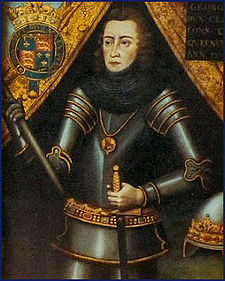
George_Plantagenet,_Duke_of_Clarence
George, Duke of Clarence – Margaret’s father

Susan Higginbotham tells Margaret’s story in great detail. Starting with a childhood marred by  her father’s attainder and execution by his own brother – Edward IV – the reader is drawn into Margaret’s life and family. From the highs of being governess to the princess, through the lows of her years of imprisonment in the Tower, and eventual execution at an age – 67 – when she should have been allowed to spend her days in quiet retirement, surrounded by her grandchildren; Susan Higginbotham tells a fascinating story of family tragedy, national politics and religious upheaval.

What Margaret thought of the death of her uncle Richard III we cannot know, but as she rode south on the orders of the new King Henry, she must have done so with some trepidation. Orphaned, with her closest relative a boy younger than herself, she had no powerful male relations to speak up for her, nor could her female ones be of much help. Her paternal grandmother, Cecily Neville, Duchess of York, was the mother of a defeated king; her maternal grandmother, Anne Beauchamp, Countess of Warwick, had been stripped of her lands during Edward IV’s reign….Thus, young Margaret’s future rested largely in the hands of a man neither she nor most other people in England had even met.

Engaging and sympathetically told, Susan Higginbotham’s narrative is a joy to read. It draws you in to Margaret’s life, relating her fears and hopes – and a deep and enduring love for her family.

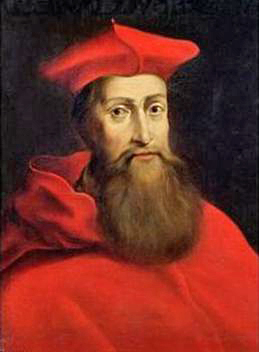
Cardinal_Reginald_Pole
Cardinal Reginald Pole – Margaret’s most famous son

Susan Higginbotham has undertaken an incredible amount of research for this book, an endeavour which shines through on every page. The author has reconstructed Margaret Pole’s life and death, using every primary source available. Highlighting contradictions and explaining omissions, she takes the countess’s story from her earliest days to her final, dreadful moments… and beyond. Included at the end of the book is an appendix of over 30 pages of written evidence taken in the Exeter Conspiracy; a conspiracy involving at least 2 of her sons, which would see her imprisoned in the Tower for years before she was sent to the executioner’s block. It made for some absorbing reading late into the night.

All the key players in Margaret’s story are discussed, their actions and influence on Margaret’s life analysed and assessed. From Henry VIII to Princess Mary and Margaret’s own children. Susan Higginbotham’s analysis is unrivalled, her words painting vivid portraits of all the main characters who had a part to play Margaret’s life and explaining her relationships in detail.

Moreover, Margaret’s story is firmly placed in the wider context of English and European politics of the time; and in the great upheaval of the Reformation. Where there is contention, the author presents all possible arguments, before giving her own opinion and explaining her reasoning. She makes clear where information is lacking and highlights where she is providing her own theory and opinions.

In my recent interview with her, I asked Susan Higginbotham if she saw Margaret as a victim or a heroine, and she replied:

I would say a heroine, because she had strong beliefs which she maintained in the face of pressure, and she conducted herself with courage and dignity throughout adversity. I don’t think she would like to be remembered as a victim.

330px-Unknown_woman,_formerly_known_as_Margaret_Pole,_Countess_of_Salisbury_from_NPG_retouched
Margaret Pole, Countess of Salisbury

This biography of Margaret reinforces Susan Higginbotham’s statement. Margaret is portrayed as a strong, independent woman, who had raised a large family single-handed, following the death of her husband. Margaret had a strong faith and demonstrated great loyalty to the Tudor dynasty. Her courage and strength of purpose shines through on every page – as does her intelligence. Margaret Pole was no meek and feeble woman, she stood up for her beliefs, herself and her family, while always maintaining her loyalty to the crown.

Susan Higginbotham treats Margaret Pole with great compassion and dignity, telling her story – and that of her family – in such an engaging manner that the book is impossible to put down. Knowing how events will eventually play out makes it no less compelling.

It is a fascinating story and – ultimately – a sad one; however, it’s also a story of faith, courage and perseverance. Margaret Pole: the Countess in the Tower is a wonderful read – shining a light on the life of a woman whose story deserves to be told.

*

Pictures courtesy of Wikipedia

*

My book, Heroines of the Medieval World,  is now available in hardback in the UK from both Amberley Publishing and Amazon UK and worldwide from Book Depository. It is also available on Kindle in both the UK and USA and will be available in Hardback from Amazon US from 1 May 2018.

Be the first to read new articles by clicking the ‘Follow’ button, liking our Facebook page or joining me on Twitter.

*

©Sharon Bennett Connolly 2016

The Queen’s Baby Sister

Coat_of_Arms_of_Sir_Richard_Wydeville,_1st_Earl_Rivers,_KG
Coat of arms of Katherine’s father, Sir Richard Wydeville, Earl Rivers, KG

Katherine Wydville (or Woodville) was born into relative obscurity. Her father was Sir Richard Wydville, a Lancastrian Knight who had made a shocking and advantageous marriage with Jacquetta of Luxembourg, widow of the king’s uncle John, Duke of Bedford. Born around 1458, Katherine was probably the youngest of the couple’s 14 or 15 children. Her eldest sister, Elizabeth, was already married to Sir John Grey and had 2 sons by him.

Little to nothing is known Katherine’s childhood. She did have at least one playmate; her sister, Mary, was just 2 years older than her and it is likely they were raised and educated together.

Katherine may have spent her whole life in obscurity were not for her sister Elizabeth and the fortunes of the Wars of the Roses. In 1461 Elizabeth’s husband was killed in the 2nd Battle of St Albans, fighting for the House of Lancaster. And in 1464 she made the match of the century – and a number of enemies – by her clandestine marriage to England’s handsome, young, Yorkist king, Edward IV.

Suddenly, little 6-year-old Katherine was the sister of the queen – and her marriage prospects had improved considerably. As the daughter of a baron she would have been looking to marry a local knight; as the sister of the queen, her family could now set their sights much higher.

There is considerable debate as to why Edward IV raised the Wydvilles so high. Some historians argue that the king was acting as a good husband and brother-in-law in advancing his wife’s family to the highest positions, arguing that convention required him to make provision for his wife’s siblings. An alternative theory is that Edward was creating a new nobility, binding the great aristocratic houses to his dynasty by marrying them into his extended family, thus creating an alternative power base to rival that of the Nevilles. According to David Baldwin, “Edward could not allow the lowly position of his wife’s relatives to diminish his own status, and, as a usurper, would have seized every opportunity to forge links with the great noble families.”¹

360px-Henry_Stafford
Henry Stafford, 2nd Duke of Buckingham

Whatever the reason, the end result was a series of marriages of the Wydville siblings into the great noble houses of the realm. Of Elizabeth’s sisters Margaret became Countess of Arundel, Anne became Countess of Kent, Jacquetta married Lord Strange of Knokyn and Mary married the Earl of Huntingdon. The most shocking marriage arrangement was that of Elizabeth’s brother, 19-year-old John, to the Dowager Duchess of Norfolk, 65-year-old Katherine Neville.

Young Katherine Wydville’s marriage was to be one of the most exalted; even before Queen Elizabeth’s coronation in 1465, 6-year-old Katherine was married to Henry Stafford, the 11-year-old Duke of Buckingham. David Baldwin describes the scene at Elizabeth’s coronation:

The peers included young Henry Stafford, Duke of Buckingham ‘born a pon a squyer [squire] shouldr’, and among the ladies was his new wife, Catherine Woodville, likewise carried…¹

The event must have been awe-inspiring for the children; the sumptuous costumes, the roar of the crowds. The Queen was attended by 13 duchesses and countesses dressed in red velvet, 14 baronesses in scarlet and miniver, and the ladies of 12 knights bannerets wearing scarlet.¹ One can only imagine the effect such an auspicious day could have on 2 young children who were right in the middle of the celebrations.

Katherine’s new husband, Henry Stafford, had been Duke of Buckingham since the age of 4; his father, Humphrey Stafford, had been wounded at the 1st Battle of St Albans and died of natural causes in 1458 and his grandfather, Sir Humphrey Stafford, 1st Duke of Buckingham, was killed at the Battle of Northampton in 1460; both were loyal supporters Henry VI and the House of Lancaster. This left 5-year-old Henry as Duke and in the care of his grandmother Anne Neville (sister of Cecily, the new king’s mother).

Coat_of_arms_of_Sir_Edward_Stafford,_3rd_Duke_of_Buckingham,_KG
Coat of arms of Sir Edward Stafford, 3rd Duke of Buckingham

Following Edward IV’s marriage to Elizabeth Wydville in 1464, Henry and his younger brother were given into the custody of the new queen, who was granted 500 marks out of the young duke’s Welsh lands – soon increased by a further £100 – for the maintenance of the 2 boys. John Giles, who later be employed as tutor to Edward IV’s sons, taught grammar to ‘the queen’s beloved brothers’ during 1465-7.²

The Stafford boys remained in the queen’s custody, along with the duke’s little wife, Katherine, until the Readeption of Henry VI in 1470-71 when the duke was again returned to the custody of his grandmother and her new husband, Walter Blount, Lord Mountjoy. His younger brother, Humphrey, had disappeared from the records by this point, probably having succumbed to a childhood illness.

By June 1473, still only 17, Buckingham was granted his livery as a duke and his grandfather’s estates. Although Edward IV had returned to the throne, he appears to have had no great love for Duke Henry and he was rarely at court; staying mainly on his estates with his wife and family.

330px-Edward_Stafford_3rd_Duke_of_Buckingham_1520
Edward Stafford, 3rd Duke of Buckingham

According to Domenico Mancini, writing in 1483, Buckingham resented his marriage due to his wife’s ‘humble origin’ and his wife certainly brought no marriage portion with her and has often been described as a ‘parvenu’ by historians.² However, the couple did have 5 children together, 4 of whom survived childhood.

Edward Stafford, the future 3rd Duke of Buckingham, was born in 1478. He would go on to marry Eleanor (d. 1530), the daughter of Henry Percy, 4th Earl of Northumberland, before his execution in 1521, during the reign of Henry VIII.

A 2nd son, Henry, Earl of Wiltshire, was born around 1479 and died in 1523. He married twice, firstly to Muriel or Margaret, daughter of Edward Grey, Viscount de Lisle and secondly to Cecilia, daughter of William Bonville, Baron Harrington.

A 3rd son, Humphrey, died young, but was followed by 2 daughters. Anne married Sir Walter Herbert who died in 1507. She then married George Hastings, Earl of Huntingdon. Katherine and Henry’s youngest daughter, Elizabeth, married Robert Radcliffe, Earl of Sussex, by whom she had 3 sons.

Portrait_of_Anne_Stafford
Anne Stafford, Countess of Huntingdon

With Edward IV’s death in 1483, Buckingham played a leading role in the turmoil which saw Edward’s 2 sons by Elizabeth Wydville declared illegitimate, and saw the late king’s brother, Richard of Gloucester claim the throne as Richard III. For a time, Buckingham was Richard’s staunchest ally and played a major role in Richard’s coronation – an event his wife Katherine, as one of the now-despised Wydvilles, did not attend.

However, by October 1483, and for still-unknown reasons, Buckingham mounted a coup against Richard, entering an alliance with Henry Tudor – in exile in Brittany – he attempted to raise Lancastrian support in the Welsh Marches. Katherine accompanied her husband from Brecon to Weobley, leaving her daughters at Brecon. Thwarted by the weather, the coup failed and Buckingham attempted to flee.

The Duke was arrested and executed at Salisbury on 2nd November 1483. The duchess and her youngest son, Henry, were captured and taken to London. Her eldest son, Edward, was also in the king’s custody. In December 1483, Katherine was allowed to have her servants and daughters brought to London from Wales. However, having been deprived of her dower and jointure, her financial position was precarious, until Richard III granted her an annuity of 200 marks.

330px-Arms_of_Jasper_Tudor,_Duke_of_Bedford.svg
Arms of Jasper Tudor, Duke of Bedford

Katherine’s situation was changed again following Henry VII’s defeat of Richard III at Bosworth. Katherine was married to Jasper Tudor, the new king’s uncle and newly created Duke of Bedford, before 7th November 1485. The new regime reversed Buckingham’s attainder, awarding Katherine not only her dower rights, but also a jointure of 1000 marks, as specified in Buckingham’s will.

This took her total revenue from the Buckingham estates to £2500 and therefore bolstered her new husband’s position as the representative of the king in Wales. Jasper had practically raised the new king single-handedly, sharing his exile in Brittany following the defeat of the Lancastrian cause at Tewkesbury in 1471. Katherine, a dukedom and becoming the king’s right-hand man in Wales; this was his reward.

As with most medieval marriages, we cannot know if there was any affection in Katherine’s relationships with either of her 1st 2 husbands; both marriages were made for political reasons. During her 2nd marriage, Katherine resided mainly at Thornbury in Gloucestershire, she and Jasper Tudor had no children together and her estates were kept under a separate administration to Tudor’s own lands.

Jasper Tudor died at Christmas, around the 21st December, 1491. Poor Katherine only gets a passing mention in his will; “I will that my Lady my wife and all other persons have such dues as shall be thought to them appertaining by right law and conscience.”³

330px-Thornbury.castle.west.front.arp.750pix
Thornbury Castle today

I can’t help hoping that Katherine found some affection and comfort in her 3rd and final marriage. By 24th February 1496 Katherine had married Richard Wingfield, a man 12 years her junior. They married without royal licence, the fine for which remained unpaid at Katherine’s death. Wingfield was probably in the duchess’s service before the marriage, as his 2 brothers, John and Edmund appear to have been. When he married Katherine he was a younger son in a rather large family, with few prospects as a consequence. However, he would go on to have a distinguished diplomatic career under Henry VIII, dying at Toledo in 1525.

Katherine herself died on 18th May 1497. The unpaid fine, imposed following her marriage to Wingfield, became a charge on her eldest son, Edward, the 3rd Duke of Buckingham. Her 3rd husband, however, did not forget her; despite remarrying, his will, drawn up in 1525, requested masses be said for the repose of Katherine’s soul.

*

Footnotes: ¹David Baldwin in Elizabeth Woodville; ²C.S.L. Davies in Oxforddnb.com; ³The Woodvilles by Susan Higginbotham.

*

Pictures taken from Wikipedia.

*

Sources: The Woodvilles by Susan Higginbotham; Elizabeth Woodville by David Baldwin; Brewer’s British Royalty by David Williamson; History Today Companion to British History Edited by Juliet Gardiner and Neil Wenborn; Britain’s Royal Families, the Complete Genealogy by Alison Weir; Edward IV and Elizabeth Woodville, A True Romance by Amy Licence; The Wars of the Roses by John Gillingham; The Oxford Companion to British History Edited by John Cannon; The Mammoth Book of British kings & Queens  by Mike Ashley; Oxforddnb.com.

*

My Books

Signed, dedicated copies of all my books are available through my online store.

Out now: Scotland’s Medieval Queens

Books by Sharon Bennett Connolly

Scotland’s history is dramatic, violent and bloody. Being England’s northern neighbour has never been easy. Scotland’s queens have had to deal with war, murder, imprisonment, political rivalries and open betrayal. They have loved and lost, raised kings and queens, ruled and died for Scotland. From St Margaret, who became one of the patron saints of Scotland, to Elizabeth de Burgh and the dramatic story of the Scottish Wars of Independence, to the love story and tragedy of Joan Beaufort, to Margaret of Denmark and the dawn of the Renaissance, Scotland’s Medieval Queens have seen it all. This is the story of Scotland through their eyes.

Scotland’s Medieval Queens gives a thorough grounding in the history of the women who ruled Scotland at the side of its kings, often in the shadows, but just as interesting in their lives beyond the spotlight. It’s not a subject that has been widely covered, and Sharon is a pioneer in bringing that information into accessible history.’ Elizabeth Chadwick (New York Times bestselling author)

Available now from Amazon and Pen and Sword Books

Also by Sharon Bennett Connolly:

Books by Sharon Bennett Connolly

Heroines of the Tudor World tells the stories of the most remarkable women from European history in the time of the Tudor dynasty, 1485-1603. These are the women who ruled, the women who founded dynasties, the women who fought for religious freedom, their families and love. Heroines of the Tudor World is now available from Amberley Publishing and Amazon UK. Women of the Anarchy demonstrates how Empress Matilda and Matilda of Boulogne, unable to wield a sword themselves, were prime movers in this time of conflict and lawlessness. It shows how their strengths, weaknesses, and personal ambitions swung the fortunes of war one way – and then the other. Available from Bookshop.orgAmberley Publishing and Amazon UKKing John’s Right-Hand Lady: The Story of Nicholaa de la Haye is the story of a truly remarkable lady, the hereditary constable of Lincoln Castle and the first woman in England to be appointed sheriff in her own right. Available from all good bookshops Pen & Sword Booksbookshop.org and Amazon

Royal Historical Society

Defenders of the Norman Crown: The Rise and Fall of the Warenne Earls of Surrey tells the fascinating story of the Warenne dynasty, from its origins in Normandy, through the Conquest, Magna Carta, the wars and marriages that led to its ultimate demise in the reign of Edward III. Available from Pen & Sword BooksAmazon in the UK and US, and Bookshop.orgLadies of Magna Carta: Women of Influence in Thirteenth Century England looks into the relationships of the various noble families of the 13th century, and how they were affected by the Barons’ Wars, Magna Carta and its aftermath; the bonds that were formed and those that were broken. It is now available in paperback and hardback from Pen & SwordAmazon, and Bookshop.orgHeroines of the Medieval World tells the stories of some of the most remarkable women from Medieval history, from Eleanor of Aquitaine to Julian of Norwich. Available now from Amberley Publishing and Amazon, and Bookshop.orgSilk and the Sword: The Women of the Norman Conquest traces the fortunes of the women who had a significant role to play in the momentous events of 1066. Available now from Amazon,  Amberley Publishing, and Bookshop.org.

Alternate Endings: An anthology of historical fiction short stories including Long Live the King… which is my take what might have happened had King John not died in October 1216. Available in paperback and kindle from Amazon.

Podcast:

A Slice of Medieval

Have a listen the A Slice of Medieval podcast, which I co-host with Historical fiction novelist Derek Birks. Derek and I welcome guests, such as Bernard Cornwell and discuss a wide range of topics in medieval history, from significant events to the personalities involved. In episode #43, Derek and I chat with Carol about Berengaria of Navarre and The Lost Queen. 

Every episode is also now available on YouTube.

*

Don’t forget! Signed and dedicated copies of all my books are available through my online store.

For forthcoming online and in-person talks, please check out my Events Page.

You can be the first to read new articles by clicking the ‘Follow’ button, liking our Facebook page or joining me on TwitterThreadsBluesky and Instagram.

*

© 2016 Sharon Bennett Connolly, FRHistS

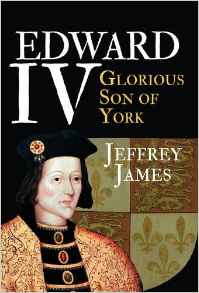
Book Corner: Edward IV Glorious Son of York by Jeffrey James

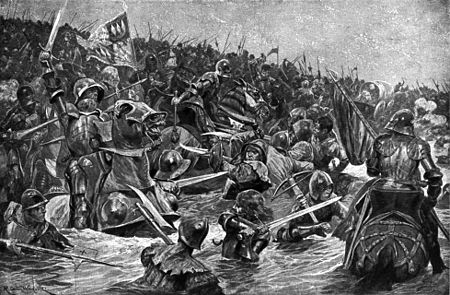
indexFew English monarchs had to fight harder for the right to rule than King Edward IV – Shakespeare’s glorious son of York. Cast in the true Plantagenet mould, over six feet tall, he was a naturally charismatic leader. Edward had the knack of seizing the initiative and winning battles and is free from the unflattering characterisations that plagued his brother, Richard III, having been portrayed as a good-looking and formidable military tactician. Described sometimes as reckless and profligate, all sources remark on his personal bravery. In the eleven years between 1460 and 1471 he fought five major battles in the Wars of the Roses. Three of them – Towton, Barnet and Tewkesbury – rank among the most decisive of the medieval period.

This is a history of Edward IV’s struggle to gain and retain the kingship of England during a period of sustained dynastic turmoil during the Wars of the Roses.

Jeffrey James’ biography of Edward IV is a wonderful introduction to the Wars of the Roses from the Yorkist point of view.  Told in a chronological narrative, it covers the events from the very outset of the Wars, telling the story from Edward’s birth, through the struggles of Richard, Duke of York, and the outbreak of war. It concentrates on Edward’s fight to win – and keep – the throne, covering the various battles, and Edward’s military tactics, in great detail.

450px-Richard_Caton_Woodville's_The_Battle_of_Towton
The Battle of Towton

With the author’s background in military history, it is no surprise that where this book shines is in the assessment of the military engagements, troop movements and battle plans. It places Edward’s story in the wider context of the Wars of the Roses, while highlighting the individuality and personality of Edward, which made him such a successful warrior and king.

Scattered among the narrative are insights into Edward’s personality:

Normally relaxed and easy-going – a man who disliked unpleasantness for its own sake – Edward nonetheless had a fiery temper, usually vented against those of noble rank who angered or disappointed him. Though more often stressing the king’s good nature contemporaries sometimes touch on this aspect of Edward’s character.

More marked was the king’s man-management skills.

Jeffrey James uses contemporary sources in abundance to back up his arguments and theories. Extensive footnotes and a comprehensive bibliography provide limitless opportunities for further reading. Maps and family trees at the beginning of the book help to provide a basic understanding of the scale of the Wars, and of the personalities involved. The narrative is also supplemented by 40 photographs, portraits and illustrations, providing a further visual aid to the people, locations and battlefields involved in the conflict.

Edward IV, Glorious Son of York is an engaging, accessible narrative which provides thorough analysis of the king’s actions – and the actions of the chief players in the Wars of the Roses. Edward’s relationships with his family, allies and, even, his enemies – foreign and domestic – are discussed and assessed, providing interesting insights into the great personalities of the 15th century.

It provides some fascinating little tidbits of history:

There may have been mercenary pikemen, as well as halberdiers, professional soldiers – forerunners of the famed continental landsknechts – whose habit of slashing their clothing seeded the fashions of Tudor times.

Marriage_Edward_IV_Elizabeth_Woodville_Wavrin_Anciennes_Chroniques_d'Angleterre_Francais_85_f109.jpeg
Marriage of Edward IV and Elizabeth Woodville

Unfortunately it does get a little fanciful in places, claiming that “Leaden images, depicting a man and a woman, found discarded in an orchard nearby, suggest enchantment” when talking about the wedding of Elizabeth Woodville and Edward IV. He also suggests Richard of Gloucester (the future Richard III) hero-worshipped his brother, without any contemporary evidence to back this up.

However, such dubious claims are few and far between and, on the whole, the author’s research is impeccable and supported by contemporary sources and evidence from archaeology. Jeffrey James also acknowledges the work and theories of fellow historians, such as Amy Licence and Charles Ross, analysing their assessments in relation to his own.

In keeping with the author’s background in military history, his Jeffrey James’ analysis of military events and tactics is insightful:

If Warwick was stirring up trouble in the North he was – to use a modern phrase – ‘operating well under the radar’, using proxies in a manner designed to circumvent the activation of any immediate royal redress. Today we might use the term ‘hybrid warfare’ when describing acts like theses: acts designed to surprise, confuse and wear down an opponent.

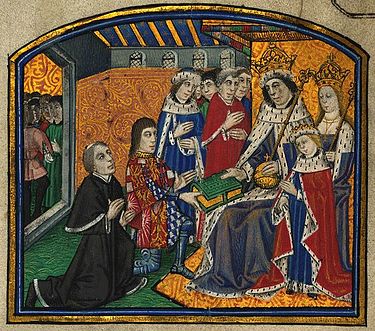
Rivers_&_Caxton_Presenting_book_to_Edward_IV
King Edward IV

Although the book concentrates on Edward’s fight to win and retain the throne, it also looks into Edward’s family life and the implications of his marriage to Elizabeth Woodville; on England, his allies and international politics. It provides and in-depth analysis of where Edward’s relationship with the Earl of Warwick broke down, and of Edward’s various successes and failures. He doesn’t shirk from discussing where Edward made mistakes, nor looking at where he could have done better, or been more – or less – ruthless.

Edward IV, Glorious Son of York is a well-written, entertaining biography of one of England’s most fascinating kings and his fight to win – and keep – the throne.

*

Pictures taken from Wikipedia.

*

My book, Heroines of the Medieval World,  is now available in hardback in the UK from both Amberley Publishing and Amazon UK and worldwide from Book Depository. It is also available on Kindle in both the UK and USA and will be available in Hardback from Amazon US from 1 May 2018.

Be the first to read new articles by clicking the ‘Follow’ button, liking our Facebook page or joining me on Twitter.


Countess Maud

CliffordArms
The Clifford coat of arms

There are many women in history of whom we only have snippets of information. However, those snippets prove to be fascinating and demonstrate how closely the lives of noble houses were tied together – and how they were torn apart. Maud Clifford is one such lady.

Born about 1389 at Brough Castle in Westmoreland, Maud (or Matilda) was the daughter of Thomas Clifford, 6th Baron Clifford, and his wife Elizabeth de Ros. Maud’s brother, John, has also been given 1389 as his possible year of birth. It may be that John or Maud were twins, or that they were born within a year of each other.

Their early childhood cannot have been very pleasant. Their paternal grandfather, Roger Clifford, died in July of 1389, probably of a stroke. In October 1391, their father, Thomas, died. Whilst in Königsberg Thomas had had a disagreement with Sir William Douglas, illegitimate son of the earl of Douglas; Douglas was killed in the ensuing brawl and Clifford, overcome with guilt, went on pilgrimage to Jerusalem in penance. He died on an unidentified Mediterranean island whilst on the way to the Holy City.

Nothing else seems to be known of Maud’s childhood. Sometime before 1406 she was married to John Neville, Lord Latimer. For some unknown reason the marriage was never consummated and Maud successfully sued for an annulment. The marriage was dissolved with very favourable terms for Maud; some of the Neville lands had been put in trust for Maud and, even though the marriage had been declared invalid, she was allowed to keep them.

300px-Skipton_Castle_main_gate,_2007
Skipton Castle, family seat of the Cliffords

Maud was, therefore, a very attractive bride for a landless earl. Richard of Conisbrough, earl of Cambridge, was the poorest – and the only landless – earl in England. He lived at Conisbrough Castle in Yorkshire as the tenant of his older brother, Edward, Duke of York. Richard was a widower with 2 small children; his wife, Anne Mortimer, had died sometime after 1411, when she had given birth to their 2nd child, Richard (future Duke of York), probably at Conisbrough Castle. It is not known when Anne died, but it was before 1414, which is the probable date of Maud’s marriage to the earl of Cambridge.

Unfortunately the marriage proved to be short-lived, with Richard of Conisbrough becoming involved in the Southampton Plot, a plan to overthrow King Henry V and replace him with  Richard’s brother-in-law, Edmund Mortimer, Earl of March. However, March revealed the plot to the King and Richard and his accomplices were arrested, with Richard beheaded for treason on  5th August 1415.

008 (2)
Conisbrough Castle

Richard of Conisbrough was not attainted, so his lands, such as they were, were not forfeit to the crown. Maud was allowed to remain at Conisbrough Castle, and her step-son, Richard, would be allowed to inherit the Dukedom of York from his uncle, Edward, following his death at Agincourt in October 1415.

It is not clear how much contact Maud had with her step-children. The eldest child, Isabel, had been born around 1409; she had been betrothed in 1412 to Sir Thomas Grey and it is possible that she was raised in the household of the Grey family. As Duke of York, Richard’s wardship and marriage was a great prize, and would eventually go to Ralph Neville, earl of Westmoreland; with York marrying Neville’s daughter, Cecily. The Yorks’ eldest and youngest sons would become the Yorkist kings of England; Edward IV and Richard III, respectively.

Maud would continue to use Conisbrough Castle as her principal residence throughout her life; she received an annuity of £100 from the Earl of March, perhaps to assuage his guilt in the part he played in her husband’s downfall. She seems to have led a full and active life, and remained very close to her Clifford family; they  stayed with her often and she was a regular visitor to the Clifford home of Skipton Castle. Her nephew, Thomas and his family, lived with her at Conisbrough for a year in 1437, while his castle at Skipton was undergoing extensive works.

036
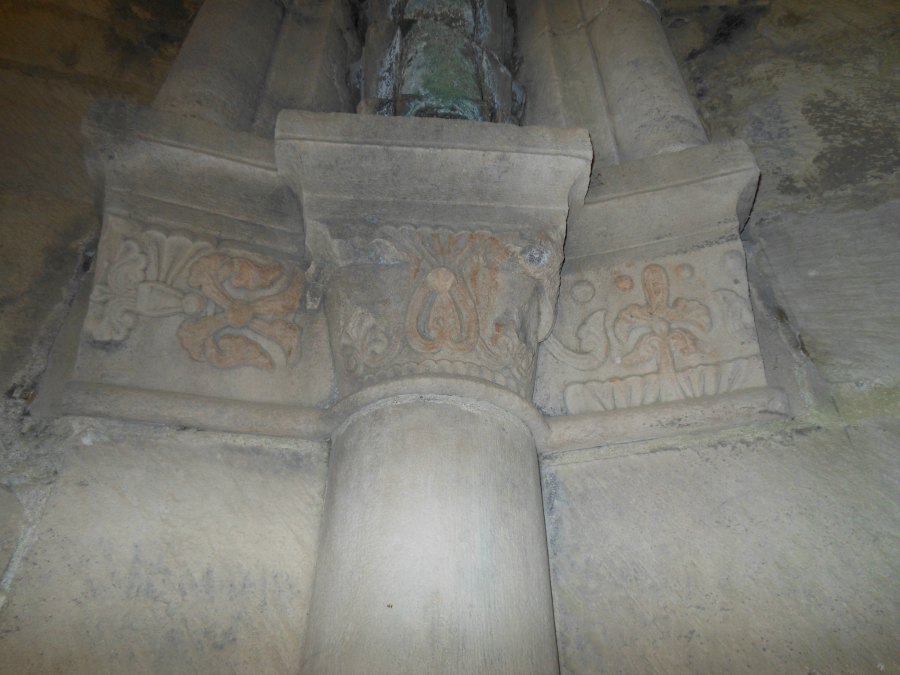
Carvings in the chapel at Conisbrough Castle

On 8th April 1435 Maud’s great-nephew, John Clifford – the future 9th Baron Clifford – was born at Conisbrough Castle. He was the grandson of Maud’s brother, John, and son of her nephew, Thomas, and his wife, Joan Dacre. Baby John would have been born either in the solar of the keep itself, or in the family apartments above the great hall of the inner bailey.

Either way its most likely he was baptised in the small private chapel within the keep; with Maud as his godmother. The chapel is built into one of the keep’s 6 buttresses and, despite the years and water damage, it is a wonder to behold, with exquisite designs carved into the stone columns, and the vaulted ceiling.

300px-'The_Murder_of_Rutland_by_Lord_Clifford'_by_Charles_Robert_Leslie,_1815
‘The Murder of Rutland by Lord Clifford’ by Charles Robert Leslie

Maud’s brother, John, was killed at the siege of Meaux in 1422 and her nephew, Thomas, would be killed at the First Battle of St Albans in 1455, supposedly by Richard, Duke of York, himself. And so it was, that on the 30th december 1460, at the Battle of Wakefield, John Clifford is said to have taken his revenge by killing York’s son Edmund, the 17-year-old earl of Rutland. Whether or not Clifford uttered the words ‘as your father slew mine, so I shall slay thee’ as he killed young Edmund, is entirely debatable, but the event serves to highlight how closely the noble families of the Wars of the Roses were related.

There is some suggestion that Maud remarried in 1429. The supposed groom was John Wentworth of North Elmsall, Yorkshire. However, this seems to be more of a family legend among the Wentworth family and only arose over 100 years after Maud’s death.

Maud’s will demonstrates her closeness to her family, and serves as an insight into her comfortable life and the sumptuous furnishings of the castle.

View from the nave of the church to the high altar, Roche Abbey

To Thomas, Lord Clifford, my relation: a ‘hall’ of arras [a fine woven wall-hanging from Arras] bought from Sir Robert Babthorpe; my bed of Arras with three curtains; four cushions of red silk; two long cushions of cloth.

To John Clifford, my godson: 12 silver dishes, 6 salt-cellars signed with the ‘trayfulles’ [trefoils] and a shell.

To Beatrice Waterton, my relation: a gold cross, which belonged to my mother; my green Primary [a book of readings from the Bible]; a diamond; my best furred robe with ‘martes’ [marten fur].

To Katherine Fitzwilliam: the brooch that I wear everyday; a small black Primary; a jewel called Agnus Dei covered with silver and written around with pearls; my best robe furred with miniver [white stoat fur].

To Maud Clifford, my god-daughter: my best gold belt.¹

Maud died, of an unknown illness, at Conisbrough Castle on 26th August 1446 and was  buried at Roche Abbey, of which she was a benefactor. Her tomb is now lost to history, but may have been in the nave of the church, where many secular patrons are known to have been buried.2 Though some tombs still remaining, their markings are faded after centuries of exposure to the elements, and none can be definitively identified.

*

Footnote: ¹English Heritage Guidebook for Conisbrough Castle by Steven Brindle and Agnieszka Sadrei; English Heritage Guidebook for Roche Abbey by Peter Ferguson and Stuart Harrison.

*

Pictures courtesy of Wikipedia, except Roche Abbey and Conisbrough Castle and chapel ©2016 Sharon Bennett Connolly

*

Sources: Sources: The History Today Companion to British History, edited by Juliet Gardiner & Neil Wenborn; Brewer’s British Royalty by David Williamson; Britain’s Royal Families, the Complete Genealogy by Alison Weir; The Wars of the Roses by John Gillingham; The Wordsworth Dictionary of British History by J.P. Kenyon; The Oxford Companion to British History, edited by John Cannon; The Reign of Edward III by WM Ormrod; The Wars of the Roses by Martin J Dougherty; englishmonarchs.co.uk; womenshistory.about.com; findagrave.com; conisbroughcastle.org.uk; hrionline.ac.uk; English Heritage Guidebook for Conisbrough Castle by Steven Brindle and Agnieszka Sadrei; English Heritage Guidebook for Roche Abbey by Peter Ferguson and Stuart Harrison; oxforddnb.com.

*

My Books

Signed, dedicated copies of all my books are available through my online store.

OUT NOW! Heroines of the Tudor World

Heroines of the Tudor World tells the stories of the most remarkable women from European history in the time of the Tudor dynasty, 1485-1603. These are the women who ruled, the women who founded dynasties, the women who fought for religious freedom, their families and love. These are the women who made a difference, who influenced countries, kings and the Reformation. In the era dominated by the Renaissance and Reformation, Heroines of the Tudor World examines the threats and challenges faced by the women of the era, and how they overcame them. From writers to regents, from nuns to queens, Heroines of the Tudor World shines the spotlight on the women helped to shape Early Modern Europe.

Heroines of the Tudor World is now available for pre-order from Amberley Publishing and Amazon UK.

Also by Sharon Bennett Connolly:

Women of the Anarchy demonstrates how Empress Matilda and Matilda of Boulogne, unable to wield a sword themselves, were prime movers in this time of conflict and lawlessness. It shows how their strengths, weaknesses, and personal ambitions swung the fortunes of war one way – and then the other. Available from Bookshop.orgAmberley Publishing and Amazon UKKing John’s Right-Hand Lady: The Story of Nicholaa de la Haye is the story of a truly remarkable lady, the hereditary constable of Lincoln Castle and the first woman in England to be appointed sheriff in her own right. Available from all good bookshops Pen & Sword Booksbookshop.org and AmazonDefenders of the Norman Crown: The Rise and Fall of the Warenne Earls of Surrey tells the fascinating story of the Warenne dynasty, from its origins in Normandy, through the Conquest, Magna Carta, the wars and marriages that led to its ultimate demise in the reign of Edward III. Available from Pen & Sword BooksAmazon in the UK and US, and Bookshop.org

Ladies of Magna Carta: Women of Influence in Thirteenth Century England looks into the relationships of the various noble families of the 13th century, and how they were affected by the Barons’ Wars, Magna Carta and its aftermath; the bonds that were formed and those that were broken. It is now available in paperback and hardback from Pen & Sword,  Amazon, and Bookshop.orgHeroines of the Medieval World tells the stories of some of the most remarkable women from Medieval history, from Eleanor of Aquitaine to Julian of Norwich. Available now from Amberley Publishing and Amazon, and Bookshop.orgSilk and the Sword: The Women of the Norman Conquest traces the fortunes of the women who had a significant role to play in the momentous events of 1066. Available now from Amazon,  Amberley Publishing, and Bookshop.org.

Alternate Endings: An anthology of historical fiction short stories including Long Live the King… which is my take what might have happened had King John not died in October 1216. Available in paperback and kindle from Amazon.

Podcast:

Have a listen to the A Slice of Medieval podcast, which I co-host with Historical fiction novelist Derek Birks. Derek and I welcome guests, such as Bernard Cornwell, and discuss a wide range of topics in medieval history, from significant events to the personalities involved.

*

Don’t forget! Signed and dedicated copies of all my books are available through my online store.

For forthcoming online and in-person talks, please check out my Events Page.

You can be the first to read new articles by clicking the ‘Follow’ button, liking our Facebook page or joining me on Twitter and Instagram.

*

©2016 Sharon Bennett Connolly FRHistS
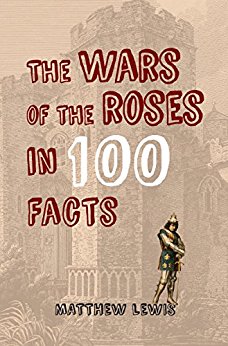
Book Corner: On the Trail of the Yorks by Kristie Dean

24th March On the Trail slider 13

Today is the last day of Kristie Dean‘s Blog Tour to celebrate the release of her latest book, On the Trail of the Yorks. Congratulations to Kristie on what has been a wonderful virtual book tour – and ‘thank you’ for asking History…the Interesting Bits to be a part of it.

So, I think, for the last day, it is only fair to give you my review of this remarkable book.

12791083_736187379851237_1299001826319792577_nRichard III is probably the House of York’s best-known figure, but the other members of the family are just as intriguing as the king who fell on Bosworth Field. This book explores the places associated with members of this fascinating family and discovers their stories through the locations they visited and inhabited. It reveals the lives of the Yorks by exploring the cathedrals, castles, battlefields and manor houses that shaped their history. Featuring locations such as Fotheringhay, Baynard’s Castle, Durham Cathedral and the Palace of Westminster, among many others, this book brings each site to life, giving a gripping account of its heritage as well as accurate information for the visitor. Extensive descriptions and an array of illustrations and photographs recreate these poignant and sometimes controversial locations, immersing the reader in the ancient and intriguing world of the Yorks.

Just over a year ago Kristie Dean published her book, The World of Richard III. This was a unique book with its own inimitable style. A combination of history book and travel guide, Ms Dean told the story of Richard III through the geographical locations associated with him. In On the Trail of the Yorks Kristie Dean has extended her research to include the rest of Richard’s family, from his father the Duke of York through his wife and brothers to his niece, Elizabeth of York, queen of Henry VII.

1422626_729589277177714_706482969626694562_nThe book is laid out in an easy-to-follow format, with each main character of the Yorkist dynasty getting their own chapter. The chapters then follow a loosely chronological manner, based on when the locations were used, or visited, by the person in question. Ms Dean always gives a history of the association between the Yorks and the historic site, while also giving a general history of the location. The book acts as a practical guide for each location; giving not only useful contact details, but also travel information and what to look out for while you are there.

The centre of the book has a treasure trove of colourful and black and white images. Including portraits depicting leading members of the House of York and photographs of the places the Yorks and Kristie Dean have visited. The wonderful pictures help to bring the history to life and you find yourself flicking between the descriptions of the various sites and the related pictures.

Kristie Dean also discusses locations which are no longer available to us. Her description of Old St Paul’s Cathedral, which was destroyed during the 1666 Great Fire of London, is so thorough and passionate that it leaves the reader bereft at the thought of what is lost.

Some places are familiar to any fan of the Yorkist dynasty; York, Fotheringhay, Ludlow and, of course, Middleham. While other locations are less-instantly recognisable as having Yorkist connections, but just as interesting; castles such as Conisbrough and the shrine of Our Lady of Walsingham. The book itself takes you from locations in England to Ireland and into France and the Continent, with comprehensive travel information as you go; giving you a tour of some of the best historic sites that Europe has to offer – whilst never moving from your armchair.

220px-Eltham_Palace_-_geograph.org.uk_-_19354
Eltham Palace

No matter how familiar it is to us, each location is given the same level of attention, with detailed descriptions of the site, the things to see – and what not to miss – and the Yorkist story behind  it. Kristie Dean builds up the personal stories of the individual members of the family through the buildings and places particularly associated with them.

On every page Kristie Dean’s passion and enthusiasm for her subject shines through. Here, she writes about Westminster Hall:

Few other places have survived to offer the York enthusiast such a rich tapestry of history; few other places allow one to stand under the same roof where so much history has passed. The atmospheric presence of those long gone can be felt, separated from today’s visitor by only the thin wall of time. You might feel hurried to move on to the next room, but find a corner and stand for a moment to experience the atmosphere…..

This book allows the reader to vicariously visit the locations associated with the family of the House of York, with the history of each site, descriptions of what it would have looked like in the 15th century and descriptions of what is available to visit today.

065
Bosworth Battlefield

You can vividly imagine being in Staindrop Church, or the church at Fotheringhay during the re-internment of Richard Duke of York in 1476, or feasting at the castle afterwards. Kristie Dean’s own information and knowledge is enhanced by her use of contemporary quotes, to give past descriptions of the locations and of the events she is describing.

It would be easy for a book of this kind to be confusing and higgledy-piggledy, but the author keeps focussed throughout and makes the book easy to follow, both as a history book and as a guide-book; keeping on topic and explaining any overlaps.

The work is thorough and impressive in the blend of history and geography, allowing you to use the book as a general history and tour guide, while each chapter and location is designed as a standalone guide, allowing you to drop in and out of the book as you please; a useful tool when travelling.

In short, this is a wonderful resource for both the armchair traveller, and the historical tourist, enhanced by photographs of locations and a level of detail that is second-to-none. It is a ‘must have’ on the book shelves for any fan of Richard III, the House of York or the Wars of the Roses in general, in order to enhance our knowledge of the period.

KristieKristie Dean has an MA in History and now enjoys teaching the subject, following a successful career in public relations. Her particular historic interest is the medieval era, specifically the Plantagenets, the Wars of the Roses and the Tudors. When not traveling for research, you can find Kristie at home in Tennessee with her husband, three dogs, and two cats. On the Trail of the Yorks is available now from Amazon UK and from Amazon US in May. And The World of Richard III will be released in paperback in May 2016, with its new title ….  On the Trail of Richard III.

*

My book, Heroines of the Medieval World,  is now available in hardback in the UK from both Amberley Publishing and Amazon UK and worldwide from Book Depository. It is also available on Kindle in both the UK and USA and will be available in Hardback from Amazon US from 1 May 2018.

Be the first to read new articles by clicking the ‘Follow’ button, liking our Facebook page or joining me on Twitter.

*

Pictures: Eltham Palace courtesy of Wikipedia; Bosworth ©SharonBennettConnolly 2014