‘God save the Queen! God save our good Queen Mary!’
When these words rang out over England, Mary Tudor thought her troubles were over. She could put her painful past – the loss of her mother and mistreatment at the hands of her father – behind her.
With her accession to the throne, Mary set out to restore Catholicism in England and find the love of a husband that she had long desired. But the tragedies in Mary’s life were far from over. How did a gentle, pious woman become known as ‘Bloody Mary’?
Queen of Martyrs, The Story of Mary I is the final book in Samantha Wilcoxson’s Plantagenet Embers series. It tells the story, in the third person, from the point of view of Mary I. Mary was the eldest daughter of King Henry I and England’s first ever queen regnant. Although part of a series, the book also works perfectly well as a standalone.
Samantha Wilcoxson has a unique writing style which makes her stand out from other Tudor storytellers. She gets into the mind of her main character and writes Mary’s story as if she’s seeing it through the queen’s own eyes. If Mary did not see something happen, then the reader does not know about it until the queen is informed. This distinctive writing style makes the book a personal journey, both for the subject and the reader.
Mary I
Queen of Martyrs, The Story of Mary I tells the story of Mary I, from the time of Henry VIII’s marriage to Katherine Parr, to her own death.Telling the story through Mary’s own eyes, we follow her personal and public relationships, through her brother’s reign and the usurpation of Lady Jane Grey until she is sitting on the throne herself.
The novel demonstrates the human side of Mary I, her fears, insecurities and compassion, and her innate need to be loved; by her sister, her husband and her people. It shows her as a child of the Reformation, just as much as Elizabeth I, but on the opposing side. She is a queen struggling to do the right thing by her conscience and her people.
This compassionate portrayal helps to explain how the descent into the burning of protestants was not a plan, but a consequence of cumulative events and Mary’s own fear of displeasing God. Mary cuts a sad and lonely figure, desperate for love and constantly disappointed; by her father, her sister and, ultimately her husband.
With no children of her own, Mary doted upon Edward and Elizabeth in a way their father never would. She made her way now through the small, crowded room to her father’s other bastardized princess.
Elizabeth performed a perfect curtsy for her sister before letting her guard drop and offering a smile.
“I pray you are well, sister.” Elizabeth said with a sincerity of one unaware of the former bad feelings one has had toward them.
“My thanks to you and to God for seeing that I am indeed restored to health and am able to see a good friend and my dear father united in marriage.” As she said it, Mary was surprised to find that she meant it.
“I wish them great happiness,” Elizabeth agreed without emotion.
“You will find Katryn to be a loving mother, and she may be a calming presence for our father,” Mary encouraged her.
“Undoubtedly, you shall be proven correct.”
Sometimes Elizabeth’s habit of saying only what was expected could annoy, but Mary knew that she was simply doing her best to play her part to perfection. It was an effect of the quick succession of stepmothers and the gruesome connection between marriage and death that the young girl had witnessed.
What I love about this book is that it is Mary’s story. Elizabeth is a peripheral figure, making few appearances and always in her sister’s shadow. Philip of Spain is an unsympathetic character, desperate to get away from a marriage that he doesn’t want. The only character who is symbiotic with Mary is her cousin, Cardinal Reginald Pole, she sees him as an equal, in faith and outlook and he’s the only one she seems comfortable with.
Brilliantly researched, this is a sympathetic portrayal of a queen, known in many history books as Bloody Mary, who is often vilified and criticised for the burning of Protestants. Samantha Wilcoxson doesn’t just go with the flow, but manages to examine the queen’s life, loves and personal tragedies. In doing so, she shows us why the name of Bloody Mary is too simplistic for this complex woman who went through so much adversity before she ascended the throne.
Queen of Martyrs, The Story of Mary I is a wonderful, compassionate story of a frequently misunderstood woman. Samantha Wilcoxson’s writing style makes this an intimate portrayal of the Tudor queen, giving the reader a deep, personal relationship with the book and its subject, the queen’s story staying with them long after the last page has been turned.
*
Picture of Mary courtesy of Wikipedia.
*
My book, Heroines of the Medieval World, is now available in hardback in the UK from both Amberley Publishing and Amazon UK and worldwide from Book Depository. It is also available on Kindle in both the UK and USA and will be available in Hardback from Amazon US from 1 May 2018.
You can be the first to read new articles by clicking the ‘Follow’ button, liking our Facebook page or joining me on Twitter.
Although the Seymours arrived with the Normans, it is with Jane, Henry VIII’s third queen, and her brothers – Edward, Duke of Somerset, and Thomas, Lord Seymour of Sudeley – that they became prominent.
Jane bore Henry his longed-for son, Edward VI, and both her brothers achieved prominence through her. Her brother Edward was central to Henry’s activities in Scotland and became Lord Protector for the young king, his nephew, a hugely powerful position. Thomas married Henry’s sixth wife, Catherine Parr, and after her death in 1548 aimed to marry Princess Elizabeth (the future Elizabeth I), with whom he had flirted when she was in Catherine’s care, and for this he was executed for high treason. Edward fell foul of his fellow councillors and was also executed. Edward’s son was restored to the title of Lord Hertford by Elizabeth I, but was sent to the Tower when it emerged that he had secretly married Jane Grey’s sister, Catherine, who was Elizabeth’s protestant heir. Both her marriage and pregnancy were an affront to the queen.
This is the epic rise and fall of the family at the heart of the Tudor court and of Henry VIII’s own heart; he described Jane as ‘my first true wife’ and left express orders to be buried next to her tomb at Windsor Castle. The family seat of Wolfhall or ‘Wolf Hall’ in Wiltshire is long gone, but it lives on as an icon of the Tudor age.
The Seymours of Wolf Hall, A Tudor Family Story by Professor David Loades is the factual story of the family that achieved the height of power with the reign of Edward VI. Professor Loades traces the family’s story from their Norman origins, through Jane Seymour and her son, all the way to the current Seymour Duke of Somerset. It is the remarkable story of one family’s rise from minor gentry to sitting on the throne of England itself. Had Edward VI had children, we could have had Seymours on the throne for generations.
Edward VI
But it wasn’t to be and Professor Loades does not end the story there. He follows the fortunes of the family for centuries afterwards, as they fell in and out of favour with subsequent monarchs, such as Elizabeth I and James I; usually for their disastrous marriage choices.
The height of Seymour influence was during the reign of Edward VI (1547-1553) and Professor Loades highlights the lives of the king’s uncles, Edward, Earl of Hertford and later Duke of Somerset, and Thomas Seymour, Baron Seymour of Sudeley, as the central part of the book. The Seymours of Wolf Hall, A Tudor Family Story provides excellent analysis of the lives and actions of the two most famous Seymour brothers, dissecting their political and private influences on the young king and the nation at large.
So what sort of man was he, this Protector, the Earl of Hertford, shortly to become Duke of Somerset? He was soon to be known as the ‘good duke’ because of his alleged sympathy with the insurgents of 1549, and to be classed as a tolerant liberal by some twentieth-century historians. However, liberal in the twentieth-century sense he certainly was not, nor would he have understood what that meant. He was a man of action, particularly military action. knighted in the field in 1523, he had been largely responsible for the successful actions in Scotland after the victory at Pinkie Cleugh in 1547. Nor was he as interested in education as had been alleged. He had no intellectual training himself, and owned few books. Most of the dedications which he received owed more to his position as Protector than any known sympathy with the causes maintained by the works concerned.
Jean Seymour
A fascinating part of the book comes when Professor Loades focuses on Edward VI himself, giving perceptive insight into this least known of the Tudor monarchs. He paints a wonderful portrait of this boy king who never got the chance to reach his potential, describing a boy whose emotions were well concealed but who had a calm and collected temperament – much like his mother, Jane Seymour.
Every family story is examined, such as the marriage of Seymour’s son to Catherine Grey, a claimant to the crown under Elizabeth I, which led to stays in the Tower of London for the happy couple. We also learn of the scandalous marriage of another Seymour, with Arbella Stewart, which led, again, to the Tower of London – and the couple being forced apart
The Seymours of Wolf Hall, A Tudor Family Story provides a fascinating, insightful look into the Tudor court from the point of view of one of its most prominent families. They are not studied in isolation, however, but also within the story of Tudor history as a whole, from the life of Henry VIII through the Reformation, the birth of Edward VI and beyond, with the family’s fortunes changing with each monarch.
Thoroughly enjoyable and a delight to read, this book is a must for any lover of English Tudor history, full to the brim with information about Henry VIII, his most-beloved queen, Jane Seymour, and a family who reached the highest echelons of politics and society through the birth of Henry’s long-awaited son and heir, Edward VI. Eminently readable and thoroughly researched, Professor Loades follows the family’s fortunes from its Norman roots, through its highs and lows, to the pinnacle of power to imprisonment and disgrace, leaving the reader breathless with their rise to power and subsequent fall from grace.
*
Sharon’s book, Heroines of the Medieval World, is now available in hardback in the UK from both Amberley Publishing and Amazon UK and worldwide from Book Depository. It is also available on Kindle in both the UK and USA and will be available in Hardback from Amazon US from 1 May 2018.
You can be the first to read new articles by clicking the ‘Follow’ button, liking our Facebook page or joining me on Twitter.
*
Pictures of Edward VI and Jane Seymour courtesy of Wikipedia.
Today, it is my pleasure to welcome Amy Licence on the final leg of her Blog Tour. A few weeks ago, I had the pleasure of reviewing Amy’s latest book, Catherine of Aragon, an Intimate Life of Henry VIII’s TrueWife and today she is back with an extract from this fabulous look into the life and struggles of Henry VIII’s first queen.
This extract is taken from the end of 1529, just before the Reformation parliament meet, illustrating how the marriage was under tension but Catherine was still fighting back.
Catherine was permitted to return for the Christmas season, which was traditionally presided over by the King and Queen together. And Henry was not quite ready to dispense with traditions, either religious or marital; he would need a couple more years for that. Hall related that the season was observed “in great triumph… with great plenty of viands and diverse disguisings and interludes, to the great rejoicing of his people” but it was definitely not a triumph for Catherine. To observers, it seemed that Henry was being pleasant to Catherine, showing his wife “more consideration than was his wont,” and with Anne not making an appearance. However, all was less than harmonious behind the scenes. On Christmas Eve, after her return, Henry had told Catherine that even if the Pope declared their marriage lawful, he still intended to divorce her and he would get his way, as the Church of Canterbury was more important than Rome and he would declare the Pope a heretic. Something must have broken in Catherine to hear this. She had, related Chapuys “lost all hope of bringing him to a sense of right and duty” never could think that her affairs would fall so low as they are at present. She always fancied that the King, after pursuing his course for some time, would turn away, and yielding to his conscience, would change his purpose as he had done at other times, and return to reason.” She had been wrong.
Portrait of Catherine of Aragon by Michel Sittow
Yet the Queen had also been working behind the scenes. She might have been down but Catherine was nothing if not an indefatigable fighter, so she was not yet out. In the knowledge that Henry was hoping for the French and Italian universities to confirm his view of his marriage, Catherine set out to counter his efforts. She was more than a match for him intellectually and in terms of character, but in her present restricted circumstances, there was little she could do, being excluded from the political process as the Reformation Parliament met for the first time. Appealing to the universities was something positive that she hoped might influence the Council. The same Edward Lee, Henry’s almoner, had informed the king that nobody in Spain apart from the Emperor, “cared a straw” whether or not the marriage was dissolved, so Catherine asked Charles to ask the Spanish Universities to write in her defence, along with her niece, Empress Isabella. She hoped that if the Archbishop of Toledo could gather their responses, “her case might be considerably improved.” She also wrote to Margaret of Savoy with the same request, and “wherever else it may be considered expedient” as it was the only thing now she thought might “stop the King in his course.”
Woodcut of Henry and Catherine’s joint coronation
Catherine feared that her husband was “so blind as passionate in these matters, that it is much to be feared that one of these days he will take steps which may perhaps induce his people and the Commons… to consent to the divorce.” She begged Henry for permission to consult her Council of advisers, and was granted permission for them to attend her at Richmond. However, this kindness may have only been conferred “in order to discover whether she had received a recent dispatch from Rome.” In fact, Henry’s new Parliament would not yet discuss Catherine and her marriage in its coming session, instead they were setting about the process of undermining the ties that bound England to Rome.
I would like to congratulate Amy on a fabulous Blog Tour, and thank her for asking History…the Interesting Bits to be a part of it. You can find out more about Amy Licence on her website, and this amazing, definitive, biography of Catherine of Aragon is available from Amazon.
If you’d like to catch up with the previous stops on Amy’s Blog Tour, simply click on the day: Monday; Tuesday; Wednesday; Thursday.
*
My book, Heroines of the Medieval World, is now available in hardback in the UK from both Amberley Publishing and Amazon UK and worldwide from Book Depository. It is also available on Kindle in both the UK and USA and will be available in Hardback from Amazon US from 1 May 2018.
Be the first to read new articles by clicking the ‘Follow’ button, liking our Facebook page or joining me on Twitter.
Catherine of Aragon continues to fascinate readers 500 years after she became Henry VIII’s first queen. Her life was one of passion and determination, of suffering and hope, but ultimately it is a tragic love story, as circumstances conspired against her. Having lost her first husband, Henry’s elder brother Prince Arthur, she endured years of ill health and penury, to make a dazzling second match in Henry VIII. There is no doubt that she was Henry’s true love, compatible with him in every respect and, for years, she presided over a majestic court as the personification of his ideal woman.
However, Catherine’s body failed her in an age when fertility was a prerequisite of political stability. When it became clear that she could no longer bear children, the king’s attention turned elsewhere, and his once chivalric devotion became resentment. Catherine’s final years were spent in lonely isolation but she never gave up her vision: she was devoted to her faith, her husband and to England, to the extent that she was prepared to be martyred for them. Banished and close to death, she wrote a final letter to her ‘most dear lord and husband’. ‘I pardon you everything… mine eyes desire you above all things.’ The fidelity of this remarkable woman never wavered.
Catherine of Aragon, an Intimate Life of Henry VIII’s True Wife by Amy Licence is one of those incredible books that you can’t get away from. Days after you’ve finished it, your mind is still pondering the twists and turns in the incredible story that has unfolded before you. And yet, this is not a gripping novel, it’s a biography … a real-life story of one of England’s most famous queens, told in an expert, accessible fashion by one of today’s most prominent historians of women’s history.
The level of detail in this book is incredible, Amy Licence has looked into every corner of Catherine’s life-story. It paints a wonderful, vivid picture of the life of a Renaissance princess. From even before her earliest years, the author charts Catherine’s life in its entirety, giving us a complete picture of the world that surrounded the young princess from the moment she was born to the moment of her death.
Plans for Catherine’s marriage started early. As far back as the spring of 1489, Ferdinand and Isabella had received a delegation sent by Henry VII of England, seeking her as a bride for his son. That March the royal family were at the castle of Medina del Campo, a blockish red medieval fortress situated on a mound dominating the town, to hear the culmination of a year’s worth of offers and promises, conditions and stipulations, about the futures of two small children. Catherine was then three years old, a small sturdy princess with auburn hair … Her prospective husband was barely out of the cradle. Henry VII’s eldest son Arthur, was the first-born child of a new dynasty, and nine months Catherine’s junior …
Not only does the author retell the events of the life of Catherine of Aragon, chronologically, but she also highlights the influences that affected her decisions and actions throughout that life. From her parents and the reconquest of Spain, through her marriage to Arthur and the lonely years following Arthur’s death, we see the events that influenced and shaped Catherine’s life as Queen of England and wife of Henry VIII.
Catherine of Aragon, an Intimate Life of Henry VIII’s True Wife discusses the personalities and character of those who had a major effect on Catherine’s life, giving us an unprecedented, detailed view of those who surrounded her at various stages in her career as princess and queen. Catherine’s marriage to Prince Arthur is thoroughly examined, giving an insight into the relationship of this young couple, a relationship that would eventually change the course of English history. We see the good and bad of the men who were to decide Catherine’s fate, in her father, Ferdinand, and father-in-law, Henry VII, and learn of Catherine’s struggles to stay positive in the face of the two kings trying to get the best deal for themselves in Catherine’s marriage. And we see an intriguing biography of Henry VIII as he grows from being Catherine’s saviour and a magnificent Renaissance prince, to being her jailer and tormentor.
Amy Licence places Catherine’s life firmly within the Europe of the time, displaying a brilliant understanding of the Reformation, and its progress from central Europe to Henry’s court. Moreover, despite the eventual failure of the marriage, Amy Licence paints a glittering picture of the court of Henry and Catherine at its height, when this young, formidable couple were the superstars of Europe.
The most revealing part of the book is in the character of Catherine herself. The author has researched every aspect of Catherine’s life and personality, providing a portrait of a formidable woman navigating her way through a male-dominated world while trying to hold true to her deeply ingrained Catholic principles. And with this comes the realisation that it must have taken an inordinate amount of personal courage to face down Henry and his demands, and the overriding fear for her own personal safety.
Of course, the latter part of the book focuses on the divorce. I am no great fan of Catherine of Aragon and have often wondered at her stubbornness and why she was so unmovable in the face of Henry’s desperate need for an heir. Amy Licence explains Catherine’s viewpoint with absolute clarity; the reasons she stuck to her guns at the risk of her own safety and that of her daughter. The author’s theories and arguments are well though-out and incisive, giving an unprecedented insight into the mind of this amazing queen and evoking empathy in the least sympathetic of readers, I’m sure.
I have no doubt that Catherine of Aragon, an Intimate Life of Henry VIII’s True Wife will be seen as the definitive biography of Catherine of Aragon. It is an impressive, essential complement to any Tudor library.
*
Amy Licence has been a teacher for over a decade. She has an MA in Medieval and Tudor Studies and has published several scholarly articles on the Tudors. She is an author and historian of women’s lives in the medieval and Tudor period.
Catherine of Aragon, an Intimate Life of Henry VIII’s True Wife is available on Amazon in the UK from 15th October and in the US from 14th March 2017.
My book, Heroines of the Medieval World, is now available in hardback in the UK from both Amberley Publishing and Amazon UK and worldwide from Book Depository. It is also available on Kindle in both the UK and USA and will be available in Hardback from Amazon US from 1 May 2018.
Be the first to read new articles by clicking the ‘Follow’ button, liking our Facebook page or joining me on Twitter.
Of the many executions ordered by Henry VIII, surely the most horrifying was that of sixty-seven-year-old Margaret Pole, Countess of Salisbury, hacked to pieces on the scaffold by a blundering headsman.
From the start, Margaret’s life had been marred by tragedy and violence: her father, George, Duke of Clarence, had been executed at the order of his own brother, Edward IV, and her naive young brother, Edward, Earl of Warwick, had spent most of his life in the Tower before being executed on the orders of Henry VII.
Yet Margaret, friend to Katherine of Aragon and the beloved governess of her daughter Mary, had seemed destined for a happier fate until religious upheaval and rebellion caused Margaret and her family to fall from grace. From Margaret’s birth as the daughter of a royal duke to her beatification centuries after her death, Margaret Pole: The Countess in the Tower tells the story of one of the fortress’s most unlikely prisoners.
Margaret Pole: the Countess in the Tower tells the story of an amazing woman who navigated two eras of history. Born into the Medieval world, during the reign of her uncle, Edward IV, she survived the change of dynasty and prospered during the reign of Henry VII; marrying and starting a dynasty of her own. During the reign of Henry VIII, she was accorded the title of Countess of Salisbury in her own right, and given the charge of her cousin’s most prized possession; his only daughter and heir, Mary Tudor.
George, Duke of Clarence – Margaret’s father
Susan Higginbotham tells Margaret’s story in great detail. Starting with a childhood marred by her father’s attainder and execution by his own brother – Edward IV – the reader is drawn into Margaret’s life and family. From the highs of being governess to the princess, through the lows of her years of imprisonment in the Tower, and eventual execution at an age – 67 – when she should have been allowed to spend her days in quiet retirement, surrounded by her grandchildren; Susan Higginbotham tells a fascinating story of family tragedy, national politics and religious upheaval.
What Margaret thought of the death of her uncle Richard III we cannot know, but as she rode south on the orders of the new King Henry, she must have done so with some trepidation. Orphaned, with her closest relative a boy younger than herself, she had no powerful male relations to speak up for her, nor could her female ones be of much help. Her paternal grandmother, Cecily Neville, Duchess of York, was the mother of a defeated king; her maternal grandmother, Anne Beauchamp, Countess of Warwick, had been stripped of her lands during Edward IV’s reign….Thus, young Margaret’s future rested largely in the hands of a man neither she nor most other people in England had even met.
Engaging and sympathetically told, Susan Higginbotham’s narrative is a joy to read. It draws you in to Margaret’s life, relating her fears and hopes – and a deep and enduring love for her family.
Cardinal Reginald Pole – Margaret’s most famous son
Susan Higginbotham has undertaken an incredible amount of research for this book, an endeavour which shines through on every page. The author has reconstructed Margaret Pole’s life and death, using every primary source available. Highlighting contradictions and explaining omissions, she takes the countess’s story from her earliest days to her final, dreadful moments… and beyond. Included at the end of the book is an appendix of over 30 pages of written evidence taken in the Exeter Conspiracy; a conspiracy involving at least 2 of her sons, which would see her imprisoned in the Tower for years before she was sent to the executioner’s block. It made for some absorbing reading late into the night.
All the key players in Margaret’s story are discussed, their actions and influence on Margaret’s life analysed and assessed. From Henry VIII to Princess Mary and Margaret’s own children. Susan Higginbotham’s analysis is unrivalled, her words painting vivid portraits of all the main characters who had a part to play Margaret’s life and explaining her relationships in detail.
Moreover, Margaret’s story is firmly placed in the wider context of English and European politics of the time; and in the great upheaval of the Reformation. Where there is contention, the author presents all possible arguments, before giving her own opinion and explaining her reasoning. She makes clear where information is lacking and highlights where she is providing her own theory and opinions.
In my recent interview with her, I asked Susan Higginbotham if she saw Margaret as a victim or a heroine, and she replied:
I would say a heroine, because she had strong beliefs which she maintained in the face of pressure, and she conducted herself with courage and dignity throughout adversity. I don’t think she would like to be remembered as a victim.
Margaret Pole, Countess of Salisbury
This biography of Margaret reinforces Susan Higginbotham’s statement. Margaret is portrayed as a strong, independent woman, who had raised a large family single-handed, following the death of her husband. Margaret had a strong faith and demonstrated great loyalty to the Tudor dynasty. Her courage and strength of purpose shines through on every page – as does her intelligence. Margaret Pole was no meek and feeble woman, she stood up for her beliefs, herself and her family, while always maintaining her loyalty to the crown.
Susan Higginbotham treats Margaret Pole with great compassion and dignity, telling her story – and that of her family – in such an engaging manner that the book is impossible to put down. Knowing how events will eventually play out makes it no less compelling.
It is a fascinating story and – ultimately – a sad one; however, it’s also a story of faith, courage and perseverance. Margaret Pole: the Countess in the Tower is a wonderful read – shining a light on the life of a woman whose story deserves to be told.
*
Pictures courtesy of Wikipedia
*
My book, Heroines of the Medieval World, is now available in hardback in the UK from both Amberley Publishing and Amazon UK and worldwide from Book Depository. It is also available on Kindle in both the UK and USA and will be available in Hardback from Amazon US from 1 May 2018.
Be the first to read new articles by clicking the ‘Follow’ button, liking our Facebook page or joining me on Twitter.
Not all history is recorded in school textbooks or cast into towering monuments that shape city skylines. Quite often the most intriguing (and most bizarre) bits are forgotten and fall away into obscurity. In this fascinating book, Jem Duducu shines light on the almost forgotten, wonderfully strange, and often hilarious moments of history that would otherwise be lost forever.
Covering a wide variety of topics, from the time a Pope put his dead predecessor on trial all the way up to the awkward moment when the US Air Force accidentally dropped nuclear bombs on Spain, take a journey through time and discover the weird and wonderful history that you didn’t learn about in school.
Forgotten History: Unbelievable Moments From thePast by Jem Duducu is one of those wonderful books that you simply can’t put down. When it arrived through my door I decided ‘I’ll just have a peek’. Two hours later and I was still ‘peeking’. The book takes you on a fascinating journey from Ancient History through all the eras right up to the 20th century. It brings you those little pieces of history that you may have overlooked, or forgotten – or simply didn’t know. From the history of the Rottweiler, to the green children of Woolpit to Sergeant Stubby, the most decorated dog in the First World War….
This book has something for everyone, it tells you the story, giving you the facts and the history of the history, so to speak. It is a fun and entertaining, and one you can read from cover to cover, or pop in and out of.
Well written and incredibly well researched, Jem Duducu has found those stories from history that have fallen through the cracks of most history books. He gives us the facts, events and personalities that you may have thought were just stories, but are, in fact, a part of our history.
For instance, I have loved Alexandre Dumas’ Three Musketeers since I was a child, but did you know the heroic, dashing D’Artagnan was real?
The real D’Artagnan
Someone Regarded as Legendary but Isn’t
D’Artagnan, or to give him his full name, Charlers Ogier de Batz de Castelmore, Comte d’Artagnan, was pretty much the man you’d hope for. He was the captain of Louis XIV’s elite Musketeer guard, and in this instance the legend isn’t far from the reality of the man’s true character. He lived during the time of Cardinal Richelieu, he was a brave and accomplished warrior, and he fought in many battles. However, the plots of the Musketeer books bear little resemblance to events in his life…
As well as covering the important, but often overlooked, characters from history – such as D’Artagnan and the Lady Aethelflaed of the Mercians – Jem Duducu has found some rather obscure, but fascinating, facts such as the origin of the croissant, the Nazi plot to kidnap the Pope and a statue put on trial for murder….
I could go on all day – which is probably why I spent hours reading the book after only intending to have a quick look!
Forgotten History: Unbelievable Moments From thePast by Jem Duducu has something for everyone, whatever period or genre of history you like, you will find something interesting and new. Packed full of facts and information, it can be used as a learning resource, or simply as a book to read, devour and enjoy. With some wonderful photographs and illustrations to support the text, the book tells the stories in a wonderful, engaging and unique way, which will leave you with a smile on your face – and looking for just one more story before closing the book.
My book, Heroines of the Medieval World, is now available in hardback in the UK from both Amberley Publishing and Amazon UK and worldwide from Book Depository. It is also available on Kindle in both the UK and USA and will be available in Hardback from Amazon US from 1 May 2018.
Be the first to read new articles by clicking the ‘Follow’ button, liking our Facebook page or joining me on Twitter.
Today I would like to welcome author and historian Sean Cunningham as part of his amazing blog tour. Celebrating the release of his new biography, Prince Arthur: The Tudor King Who Never Was, Sean has written a wonderful article on the wedding of Arthur and Catherine of Aragon – just for us!
The Wedding of the Century: Prince Arthur, Catherine of Aragon and the Politics of a Teenage Marriage in 1501
The private and public lives of England’s late medieval royal families were no-doubt as fascinating to their subjects as the Windsors are to many citizens today. In a world without social and other media or mass literacy, however, popular discussion of the visibility of the fifteenth century royals is almost completely hidden from modern view. We do know from the propaganda produced by competing sides in the Wars of the Roses that public opinion mattered to the ruling elites. Since rivals for the crown were basically cousins who shared royal blood in more-or-less equal degrees, appeals to popular support were important in the search for political advantage.
Records of royal progresses, visits, formal entries and days of estate stand out in civic records of towns and cities because it was rare for the ruled to see their rulers in close proximity within public spaces. For that reason, we might expect evidence of more ambitious manipulation of London’s concentrated population in spectacular set-piece events like royal marriages. It is not found in the fifteenth century. Lancastrian and Yorkist leaders seem to have shied away from public view when they took their wedding vows.
Joan of Navarre was a thirty-three-year old widow when she married Henry IV at Winchester in 1403; a comforting arrangement, not necessarily to increase numbers of royal children. Henry V’s marriage to Catherine de Valois at Troyes in 1420 was a quiet soldier’s wedding, which very few English people witnessed, despite its massive political implications (or maybe because of them). Henry VI and Margaret of Anjou had a low-key ceremony at Titchfield Abbey in April 1445. Edward IV became Elizabeth Woodville’s second husband in a secret service in 1464. Richard III had married the widowed Anne Neville within Westminster Palace while he was duke of Gloucester in 1472. Henry VII’s own wedding did not occur until January 1486, despite the certainty that many of his supporters had followed him only because of his promise to marry Edward IV’s daughter, Elizabeth. It was not a state occasion, and received far less interest from heralds and chroniclers than King Henry’s first royal progress the following spring.
Prince Arthur in mid-Victorian glass, St Laurence Church, Ludlow
Political circumstances, cost, and the uncertainty of factional politics and civil war account for some of these understated royal weddings. Henry VII had no such reservations about the match of his son and heir, however. The series of events surrounding the marriage of Prince Arthur and Catherine of Aragon in November 1501 were carefully planned and stage-managed for maximum public impact on an international scale. The marriage reveals a great deal of what the king, his mother and their family thought about themselves and what they wanted their subjects to remember as key messages relating to Tudor power, right, ancestry, and fitness to rule.
In terms of its ambition and complexity, the marriage of Arthur and Catherine was planned as one of the greatest spectacles ever seen in England. Catherine would have a ceremonial journey from her place of landfall to London; pageants of welcome to the city and on the river would explore symbolism and allegory as well as being fantastically entertaining displays by human actors and mechanical devices; the interior of St Paul’s had been reconfigured to present the wedding service as a ceremonial royal performance; the public would enjoy a never-ending wine fountain near the west door of the church; tournaments in the rebuilt tiltyard at Westminster Palace would show off the martial skill of Henry VII’s courtiers; the wedding feast would be served on gold and silver worth as much as the crown’s annual income from taxation; lodgings within the royal palaces and other public spaces had been repaired and refreshed for over two years in preparation for a few days of occupancy; gifts, jewels and paintings were purchased from around Europe to be given away as a demonstration of the king’s magnificence. As the public face of England’s alliance with the Spanish kingdoms of Aragon and Castile the marriage was Henry VII’s single-minded statement of intent about the future of Tudor power.
A dragon, or Wyvern, from an initial illustration on a plea roll in the Court of Common Pleas
Henry VII could aspire to build Arthur’s future in this way because 1500-01 was the high-point of his reign. Perkin Warbeck, the pretender to the crown, who had disturbed Henry VII’s sleep for most of the 1490s, was dead. His scaffold confession in November 1499 that he was an impostor (whether forced or genuine), was meant to remove all belief that the sons of Edward IV had survived the reign of their uncle, Richard III. The earl of Warwick – son of Edward IV’s other brother, George, duke of Clarence – was beheaded in the same month as Warbeck. He was the last male Plantagenet of lineal descent from Henry II. These executions made Henry VII’s queen, Elizabeth, the sole direct heir of the House of York. Emphasising that fact strengthened Prince Arthur’s position as inheritor of her ancestry and family loyalties. By 1500, it looked like the Tudor king had finally thrown of the shackles of the Wars of the Roses. Only when England was free from these lingering threats, did the Spanish monarchs agree to start preparations to dispatch Princess Catherine in the summer of 1501.
The nature of Henry VII’s reign meant that things were not stable for long. Indications soon emerged that the king’s dynastic struggles might recur. Henry’s failure to expand the ranks of his allies meant that he soon felt the effects of deaths within his circle of old friends. Two long-standing supporters, John Morton, archbishop of Canterbury and Chancellor, and John, Lord Dynham, Treasurer of England, had helped to shape Henry’s power since 1485. They died in September 1500 and January 1501 respectively. This problem would accelerate after 1502 and was magnified by other factors.
Henry VII’s imperial arms form a plea roll of King’s Bench court
More alarmingly, Edmund de la Pole, earl of Suffolk, one of the queen’s nephews, fled overseas in spring 1501. With the help of Sir James Tyrell, he was contemplating launching a claim for the crown. Tyrell was a rehabilitated loyalist of Richard III. His defection and the seeds of another attempt to start a pro-Yorkist conspiracy can only have filled the Tudor royal family with dread. Suffolk’s departure might have been prompted by the certainty that Arthur and Catherine’s marriage would strengthen Henry VII’s power even further. Evidently he felt it was worth taking a risk to secure foreign help before that happened. Although he was persuaded to return, Suffolk soon fled again to the protection of Maximilian Habsburg, Archduke of Austria and ruler of the Low Countries. He became another pretender intent on deposing the Tudor family. King Henry moved quickly, therefore, to finalise the preparations for the wedding of his son with Princess Catherine while the political situation remained in his favour.
Ferdinand and Isabella were able to exert pressure on Henry to demonstrate that England was a stable place for their daughter’s future because their nation was a rapidly-rising world power. With little prospect of recovering former lands in France, the Tudor regime in England had recognised almost as soon as it came to power that the Spanish should be wooed as a new centre of gravity in European diplomacy. In 1501, it was less than ten years since the Columbus had discovered a new world for the Spanish monarchs. Later voyagers were only just beginning to realise the potential of the Americas, but at that time the Spanish had no rivals (following the Treaty of Tordesillas with Portugal in 1494). The reconquest of Granada at the very start of 1492 also allowed a unified Spain to begin a new focus within Europe. By the end of 1494, King Ferdinand had entered the alliance against France which soon drew many European states into the Italian wars. In the years since 1489, when Henry VII had opened negotiations for a marriage alliance, it was clear that Spanish influence was under transformation. A European superpower was emerging and the English king put himself in exactly the right place at the right time to take full advantage.
Prince Arthur’s bride, Catherine of Aragon
Catherine left Corunna on 17 August 1501. Storms and delays meant that she landed in Plymouth and not Southampton, as planned, on 2 October – a month later than expected. She therefore had to endure a far longer land journey towards London; but that did give more people the chance to see her on the road. Henry VII was annoyed by the disruption this caused to his arrangements, but could do little until Catherine got nearer to his base at Richmond Palace. Records suggest that genuine excitement travelled ahead of the princess and down the road to London as she, her massive and exotic entourage, and the English nobles and gentry accompanying her crossed southern England.
At the centre of all of this complex activity were two teenagers. When looking at the lavish and elaborate events that were part of the marriage, it is really important to remember that Arthur and his bride had only just met. Sixteen-year-old-Catherine had been in the country for six weeks by the time of her wedding on 14 November. She had barely paused for more than a few days after a direct journey of almost two hundred miles from Plymouth to London.
This was an arranged marriage, too. Although both young people had been bred and trained for a demanding public life, nerves and perhaps shyness must still have been part of their first meetings. Language was certainly an issue – even conversational Latin was tried. Having seen England’s future queen, Henry oversaw a renewal of the couple’s marriage vows in person at Dogmersfield in Hampshire on 6 November. The king and Arthur then headed for London. Catherine stayed in Lambeth until 12 November when she was met by Prince Henry, the duke of Buckingham and many other lords in St George’s field, south of London Bridge, for the start in earnest of her wedding festivities.
Old St Paul’s Cathedral, London
The king and his council had worked with the mayor and aldermen of London for almost two years to devise and to build pageants of welcome. The first was at the south side of London Bridge. It depicted the story of St Catherine and St Ursula. Actresses playing those saints flattered Catherine’s virtue and honour as part of an astrological allegory on the constellations of Ursa Minor and Arcturus. At the other end of the bridge, a second setting contained a castle covered in Tudor badges and imagery – the Castle of Policy. Catherine was presented as the evening star whose noble presence spontaneously opened the castle gates. A third construction on Cornhill was a mechanical zodiac that placed Arthur and Catherine in heavenly proximity to God. Arthur was depicted as an ideal knight in splendour on the heraldic fourth pageant on Cheapside; while the fifth, outside the Standard Inn, was even more celestial. God’s throne and a representation of heaven presented a dazzlingly-armoured Arthur as divine Justice. At the sixth pageant, by the entrance to St Paul’s churchyard, the Seven Virtues guarded empty thrones awaiting Arthur and Catherine next to an actor representing Honour. The clear message was that honour could only be reached by virtuous living.
Much of the level of detail would have had little impact upon the mass of onlookers. It was meant to be visually stunning but not necessarily understood in all of its allegorical complexity. The constant use of badges and beasts like the red rose, portcullis, red dragon, and greyhound made for a quick visual association between the spectacle and the king’s authority. Ramming home the message that Arthur and Catherine were deserving inheritors of this extravagant power was vitally important. This need continued on the wedding day itself.
A marguerite rose form a plea roll of King’s Bench court
Arthur and Catherine were meant to be seen together. This marriage was a union of two people and an alliance of two nations. The setting of the church and orchestration of the ceremony reflected that. A raised platform built from thousands of deal planks formed a walkway that stretched along the interior of St Paul’s. Henry and Queen Elizabeth watched from a small closet so that they did not detract from the focus on the married couple. The bride and groom wore white satin. Catherine was escorted towards the altar by Arthur’s brother, Henry. Her Spanish style of verdugeo dress and highly fashionable hood were noticed by the herald’s keen eye. Before the service, a formal exchange of agreements and documents took place. They guaranteed Catherine’s status and income and firmly endorsed Ferdinand and Isabella’s alliance with Tudor England. The most notable moment in the ceremony came when Arthur and Catherine, now married, turned at the door of the choir to look back down the body of the church. It is easy to imagine their dazzling outfits and the faces of hundreds of people, who then spontaneously began to shout in celebration.
Outside another strange pageant was constructed like a mobile mountain, complete with rocks, trees, herbs, fruit and metal ore. A river of wine confirmed this as the allegorical source of all the things that the king’s subjects needed. It was the riche-mont, a pun on Henry’s former title of earl of Richmond. The presence of the Christian Nine Worthies placed Henry VII and Arthur in the same category of ruler as Charlemagne, King Arthur and Godfrey de Bouillon.
The magnificent wedding banquet then followed in the bishop of London’s palace. Spanish and English lords and ladies intermingled as the king’s chefs excelled themselves in inventiveness. It was also remarkable that the feast was served on magnificent silver and gilt plate while another set of dishes and jewelled chalices remained on display within the room. Henry’s proclamation of his wealth was hard to miss. The feasting and drinking lasted for most of the afternoon. In the early evening, chambers were prepared for the wedding night. What happened next (and its implications), is another part of the story and one that requires longer discussion elsewhere.
Dragon and greyhound from an Exchequer account, 1508
Here we must leave Arthur and Catherine at the end of their exhausting wedding day. In the full glare of attention and with a weight of expectation around their shoulders, it would be no surprise if a good sleep was all that the couple managed that night. They had time on their side and in the middle of November 1501, the future for Tudor England looked to be strong and dynamic. Henry had spent a fortune in coin and energy in ensuring that the political dimension of his son’s wedding was achieved spectacularly and flawlessly. No-one could have expected that within fifteen months the regime would once again be creaking on the point of collapse as both Prince Arthur and Queen Elizabeth were dead in their tombs. The wheel of fortune had turned once again for Henry VII. How he recovered would depend on a radically different strategy to rescue control over the succession of the crown, then reliant on the survival of his only surviving son, Prince Henry.
*
Dr Sean Cunningham, has worked at the UK National Archives for over twenty years, where he is currently Head of Medieval Records. He is the author of several works on late medieval and early Tudor history, including Henry VII in the Routledge Historical Biographies series and the newly-released Prince Arthur: The Tudor King Who Never Was, for Amberley. Sean is about to start researching for a major funded project on the private spending accounts of the royal chamber under Henry VII and Henry VIII. He is a Fellow of the Royal Historical Society and co-convenor of the Late Medieval Seminar at London’s Institute of Historical Research.
Prince Arthur: The Tudor King Who Never Was is available from Amberley, Amazon and other online outlets and bookshops.
*
Pictures of Catherine of Aragon and Old St Paul’s are courtesy of Wikipedia, all other pictures courtesy of Sean Cunningham.
*
My book, Heroines of the Medieval World, is now available in hardback in the UK from both Amberley Publishing and Amazon UK and worldwide from Book Depository. It is also available on Kindle in both the UK and USA and will be available in Hardback from Amazon US from 1 May 2018.
Be the first to read new articles by clicking the ‘Follow’ button, liking our Facebook page or joining me on Twitter.
Coat of arms of Katherine’s father, Sir Richard Wydeville, Earl Rivers, KG
Katherine Wydville (or Woodville) was born into relative obscurity. Her father was Sir Richard Wydville, a Lancastrian Knight who had made a shocking and advantageous marriage with Jacquetta of Luxembourg, widow of the king’s uncle John, Duke of Bedford. Born around 1458, Katherine was probably the youngest of the couple’s 14 or 15 children. Her eldest sister, Elizabeth, was already married to Sir John Grey and had 2 sons by him.
Little to nothing is known Katherine’s childhood. She did have at least one playmate; her sister, Mary, was just 2 years older than her and it is likely they were raised and educated together.
Katherine may have spent her whole life in obscurity were not for her sister Elizabeth and the fortunes of the Wars of the Roses. In 1461 Elizabeth’s husband was killed in the 2nd Battle of St Albans, fighting for the House of Lancaster. And in 1464 she made the match of the century – and a number of enemies – by her clandestine marriage to England’s handsome, young, Yorkist king, Edward IV.
Suddenly, little 6-year-old Katherine was the sister of the queen – and her marriage prospects had improved considerably. As the daughter of a baron she would have been looking to marry a local knight; as the sister of the queen, her family could now set their sights much higher.
There is considerable debate as to why Edward IV raised the Wydvilles so high. Some historians argue that the king was acting as a good husband and brother-in-law in advancing his wife’s family to the highest positions, arguing that convention required him to make provision for his wife’s siblings. An alternative theory is that Edward was creating a new nobility, binding the great aristocratic houses to his dynasty by marrying them into his extended family, thus creating an alternative power base to rival that of the Nevilles. According to David Baldwin, “Edward could not allow the lowly position of his wife’s relatives to diminish his own status, and, as a usurper, would have seized every opportunity to forge links with the great noble families.”¹
Henry Stafford, 2nd Duke of Buckingham
Whatever the reason, the end result was a series of marriages of the Wydville siblings into the great noble houses of the realm. Of Elizabeth’s sisters Margaret became Countess of Arundel, Anne became Countess of Kent, Jacquetta married Lord Strange of Knokyn and Mary married the Earl of Huntingdon. The most shocking marriage arrangement was that of Elizabeth’s brother, 19-year-old John, to the Dowager Duchess of Norfolk, 65-year-old Katherine Neville.
Young Katherine Wydville’s marriage was to be one of the most exalted; even before Queen Elizabeth’s coronation in 1465, 6-year-old Katherine was married to Henry Stafford, the 11-year-old Duke of Buckingham. David Baldwin describes the scene at Elizabeth’s coronation:
The peers included young Henry Stafford, Duke of Buckingham ‘born a pon a squyer [squire] shouldr’, and among the ladies was his new wife, Catherine Woodville, likewise carried…¹
The event must have been awe-inspiring for the children; the sumptuous costumes, the roar of the crowds. The Queen was attended by 13 duchesses and countesses dressed in red velvet, 14 baronesses in scarlet and miniver, and the ladies of 12 knights bannerets wearing scarlet.¹ One can only imagine the effect such an auspicious day could have on 2 young children who were right in the middle of the celebrations.
Katherine’s new husband, Henry Stafford, had been Duke of Buckingham since the age of 4; his father, Humphrey Stafford, had been wounded at the 1st Battle of St Albans and died of natural causes in 1458 and his grandfather, Sir Humphrey Stafford, 1st Duke of Buckingham, was killed at the Battle of Northampton in 1460; both were loyal supporters Henry VI and the House of Lancaster. This left 5-year-old Henry as Duke and in the care of his grandmother Anne Neville (sister of Cecily, the new king’s mother).
Coat of arms of Sir Edward Stafford, 3rd Duke of Buckingham
Following Edward IV’s marriage to Elizabeth Wydville in 1464, Henry and his younger brother were given into the custody of the new queen, who was granted 500 marks out of the young duke’s Welsh lands – soon increased by a further £100 – for the maintenance of the 2 boys. John Giles, who later be employed as tutor to Edward IV’s sons, taught grammar to ‘the queen’s beloved brothers’ during 1465-7.²
The Stafford boys remained in the queen’s custody, along with the duke’s little wife, Katherine, until the Readeption of Henry VI in 1470-71 when the duke was again returned to the custody of his grandmother and her new husband, Walter Blount, Lord Mountjoy. His younger brother, Humphrey, had disappeared from the records by this point, probably having succumbed to a childhood illness.
By June 1473, still only 17, Buckingham was granted his livery as a duke and his grandfather’s estates. Although Edward IV had returned to the throne, he appears to have had no great love for Duke Henry and he was rarely at court; staying mainly on his estates with his wife and family.
Edward Stafford, 3rd Duke of Buckingham
According to Domenico Mancini, writing in 1483, Buckingham resented his marriage due to his wife’s ‘humble origin’ and his wife certainly brought no marriage portion with her and has often been described as a ‘parvenu’ by historians.² However, the couple did have 5 children together, 4 of whom survived childhood.
Edward Stafford, the future 3rd Duke of Buckingham, was born in 1478. He would go on to marry Eleanor (d. 1530), the daughter of Henry Percy, 4th Earl of Northumberland, before his execution in 1521, during the reign of Henry VIII.
A 2nd son, Henry, Earl of Wiltshire, was born around 1479 and died in 1523. He married twice, firstly to Muriel or Margaret, daughter of Edward Grey, Viscount de Lisle and secondly to Cecilia, daughter of William Bonville, Baron Harrington.
A 3rd son, Humphrey, died young, but was followed by 2 daughters. Anne married Sir Walter Herbert who died in 1507. She then married George Hastings, Earl of Huntingdon. Katherine and Henry’s youngest daughter, Elizabeth, married Robert Radcliffe, Earl of Sussex, by whom she had 3 sons.
Anne Stafford, Countess of Huntingdon
With Edward IV’s death in 1483, Buckingham played a leading role in the turmoil which saw Edward’s 2 sons by Elizabeth Wydville declared illegitimate, and saw the late king’s brother, Richard of Gloucester claim the throne as Richard III. For a time, Buckingham was Richard’s staunchest ally and played a major role in Richard’s coronation – an event his wife Katherine, as one of the now-despised Wydvilles, did not attend.
However, by October 1483, and for still-unknown reasons, Buckingham mounted a coup against Richard, entering an alliance with Henry Tudor – in exile in Brittany – he attempted to raise Lancastrian support in the Welsh Marches. Katherine accompanied her husband from Brecon to Weobley, leaving her daughters at Brecon. Thwarted by the weather, the coup failed and Buckingham attempted to flee.
The Duke was arrested and executed at Salisbury on 2nd November 1483. The duchess and her youngest son, Henry, were captured and taken to London. Her eldest son, Edward, was also in the king’s custody. In December 1483, Katherine was allowed to have her servants and daughters brought to London from Wales. However, having been deprived of her dower and jointure, her financial position was precarious, until Richard III granted her an annuity of 200 marks.
Arms of Jasper Tudor, Duke of Bedford
Katherine’s situation was changed again following Henry VII’s defeat of Richard III at Bosworth. Katherine was married to Jasper Tudor, the new king’s uncle and newly created Duke of Bedford, before 7th November 1485. The new regime reversed Buckingham’s attainder, awarding Katherine not only her dower rights, but also a jointure of 1000 marks, as specified in Buckingham’s will.
This took her total revenue from the Buckingham estates to £2500 and therefore bolstered her new husband’s position as the representative of the king in Wales. Jasper had practically raised the new king single-handedly, sharing his exile in Brittany following the defeat of the Lancastrian cause at Tewkesbury in 1471. Katherine, a dukedom and becoming the king’s right-hand man in Wales; this was his reward.
As with most medieval marriages, we cannot know if there was any affection in Katherine’s relationships with either of her 1st 2 husbands; both marriages were made for political reasons. During her 2nd marriage, Katherine resided mainly at Thornbury in Gloucestershire, she and Jasper Tudor had no children together and her estates were kept under a separate administration to Tudor’s own lands.
Jasper Tudor died at Christmas, around the 21st December, 1491. Poor Katherine only gets a passing mention in his will; “I will that my Lady my wife and all other persons have such dues as shall be thought to them appertaining by right law and conscience.”³
Thornbury Castle today
I can’t help hoping that Katherine found some affection and comfort in her 3rd and final marriage. By 24th February 1496 Katherine had married Richard Wingfield, a man 12 years her junior. They married without royal licence, the fine for which remained unpaid at Katherine’s death. Wingfield was probably in the duchess’s service before the marriage, as his 2 brothers, John and Edmund appear to have been. When he married Katherine he was a younger son in a rather large family, with few prospects as a consequence. However, he would go on to have a distinguished diplomatic career under Henry VIII, dying at Toledo in 1525.
Katherine herself died on 18th May 1497. The unpaid fine, imposed following her marriage to Wingfield, became a charge on her eldest son, Edward, the 3rd Duke of Buckingham. Her 3rd husband, however, did not forget her; despite remarrying, his will, drawn up in 1525, requested masses be said for the repose of Katherine’s soul.
*
Footnotes: ¹David Baldwin in Elizabeth Woodville; ²C.S.L. Davies in Oxforddnb.com; ³The Woodvilles by Susan Higginbotham.
*
Pictures taken from Wikipedia.
*
Sources: The Woodvilles by Susan Higginbotham; Elizabeth Woodville by David Baldwin; Brewer’s British Royalty by David Williamson; History Today Companion to British History Edited by Juliet Gardiner and Neil Wenborn; Britain’s Royal Families, the Complete Genealogy by Alison Weir; Edward IV and Elizabeth Woodville, A True Romance by Amy Licence; The Wars of the Roses by John Gillingham; The Oxford Companion to British History Edited by John Cannon; The Mammoth Book of British kings & Queens by Mike Ashley; Oxforddnb.com.
*
My Books
Signed, dedicated copies of all my books are available through my online store.
Out now: Scotland’s Medieval Queens
Scotland’s history is dramatic, violent and bloody. Being England’s northern neighbour has never been easy. Scotland’s queens have had to deal with war, murder, imprisonment, political rivalries and open betrayal. They have loved and lost, raised kings and queens, ruled and died for Scotland. From St Margaret, who became one of the patron saints of Scotland, to Elizabeth de Burgh and the dramatic story of the Scottish Wars of Independence, to the love story and tragedy of Joan Beaufort, to Margaret of Denmark and the dawn of the Renaissance, Scotland’s Medieval Queens have seen it all. This is the story of Scotland through their eyes.
‘Scotland’s Medieval Queens gives a thorough grounding in the history of the women who ruled Scotland at the side of its kings, often in the shadows, but just as interesting in their lives beyond the spotlight. It’s not a subject that has been widely covered, and Sharon is a pioneer in bringing that information into accessible history.’ Elizabeth Chadwick (New York Times bestselling author)
Heroines of the Tudor World tells the stories of the most remarkable women from European history in the time of the Tudor dynasty, 1485-1603. These are the women who ruled, the women who founded dynasties, the women who fought for religious freedom, their families and love. Heroines of the Tudor World is now available from Amberley Publishing and Amazon UK.Women of the Anarchy demonstrates how Empress Matilda and Matilda of Boulogne, unable to wield a sword themselves, were prime movers in this time of conflict and lawlessness. It shows how their strengths, weaknesses, and personal ambitions swung the fortunes of war one way – and then the other. Available from Bookshop.org, Amberley Publishing and Amazon UK. King John’s Right-Hand Lady: The Story of Nicholaa de la Haye is the story of a truly remarkable lady, the hereditary constable of Lincoln Castle and the first woman in England to be appointed sheriff in her own right. Available from all good bookshops Pen & Sword Books, bookshop.org and Amazon.
Alternate Endings: An anthology of historical fiction short stories including Long Live the King… which is my take what might have happened had King John not died in October 1216. Available in paperback and kindle from Amazon.
Podcast:
Have a listen theA Slice of Medieval podcast, which I co-host with Historical fiction novelist Derek Birks. Derek and I welcome guests, such as Bernard Cornwell and discuss a wide range of topics in medieval history, from significant events to the personalities involved. In episode #43, Derek and I chat with Carol about Berengaria of Navarre and The Lost Queen.
This week I’m talking to best-selling historical fiction author Tony Riches who lives in Pembrokeshire, one of the most unspoilt areas of the UK. Hi Tony, thanks for agreeing to be a guest interviewee on my blog, History…the Interesting Bits.
Hi Sharon I’d like to start by congratulating you on a great blog – it’s good to see a balance of well researched history and historical fiction.
Thank you Tony, that’s lovely to hear. So, what made you become a writer?
I wrote articles for magazines and journals before tackling my first book just over four years ago. (I self-published a short ebook about how everyone can use the principles of Agile Project Management and was a surprising success.) I went on to write several non-fiction books on subjects as diverse as the story of Scott’s Antarctic ship, the Terra Nova, to Atlantis, about the last flight of the NASA Space shuttle. Now my focus is very much on historical fiction – and I have become something of an expert on the rise of the Tudor dynasty
Who are your major writing influences?
I read widely, so it is hard to single out influences, although some of my favourites are C.J. Sansom (I’ve just finished reading his impressive book Lamentation, about Queen Katherine Parr), as well as Anne O’Brien and Conn Iggulden.
Most novels tend to look at the Wars of the Roses from the Yorkist side, what made you choose to tell the story from the Tudor point of view?
I was born within sight of Pembroke Castle, so feel a special connection with Henry Tudor, who was born there. Everyone knows about King Henry VIII and his daughter, Queen Elizabeth Ist – but I was surprised to discover there were no books about Owen Tudor, the Welsh servant who married a queen and founded the Tudor dynasty. I discovered several accounts of the life of Henry Tudor (who later became King Henry VII) but there were no novels that brought his own story to life.
The idea for the Tudor Trilogy occurred to me when I realised Henry Tudor could be born in book one, ‘come of age’ with the help of Owen’s son, Jasper Tudor, in book two, and rule England in book three, so there would be plenty of scope to explore his life and times.
If someone said they wanted to make a film of your books, who would you pick to play Owen, Edmund and Jasper?
I’m currently in the process of having audiobooks produced of OWEN and JASPER and find it fascinating to hear their voices from over five centuries ago, so can imagine what it must be like to see them made as a film. I’ve always thought Welsh Actor Michael Sheen would be great for Owen – and perhaps Ioan Gruffudd (famous for playing Horatio Hornblower) as Jasper Tudor. Edmund is a bit of a shady character (I’ve never forgiven him for what he did to Margaret Beaufort) although I recently visited Carmarthen Castle where he died and his impressive tomb in St David’s Cathedral. How about another great young Welsh actor, Iwan Rheon, (who you might know as Ramsay Bolton in Game of Thrones.)
How long do you spend researching a novel before you start writing?
I’ve developed a great ‘system’ over the years of spending a year researching, followed by about nine months writing the book while it’s all still fresh in my mind. I have a wonderful collection of books on Wars of The Roses and the fifteenth century, and I particularly enjoy visiting the actual locations I’m writing about. (I’m off to Josselin in Brittany soon, to see the châteaux where Jasper and Henry spent their long exile – and will be positing about it on my writing blog.)
What comes first, your storyline or your research?
I have to decide where to start the storyline, then I start the research notes. For example, in OWEN I decided to begin with his first meeting with Queen Catherine of Valois, as little is really known about his life before then and I could easily work it in later.
You’ve also written a novel about Warwick, the Kingmaker, so which are you, Yorkist, Lancastrian – or on the fence?
Richard Neville, ‘Warwick the Kingmaker’ was a fascinating character to write about, as I explored his motivation for changing sides. Personally, like Jasper Tudor – and his nephew Henry, I would like nothing more than to reconcile the houses of Lancaster and York. I have great sympathy for Edward of York, and have even tried to give his younger brother Richard the benefit of the doubt.
Owen is told in the first person. It works really well – makes the story more personal for the reader. What made you write it in that way?
I’d already written the first two chapters when I read Wolf Hall, by Hilary Mantel, and was struck by the power of her use of the present-tense. It was a huge risk to re-write it in the first person present-tense but I enjoyed the challenge.
How do you organise your writing day?
I’ve learnt to ‘deal with’ social media early in the morning to prevent it distracting me from writing. My ‘system’ is to aim for twenty-five chapters of about four thousand words, to arrive at a completed first draft for editing of about a hundred thousand. I keep track of my daily word count on a simple Excel spreadsheet, which allows me to see how well I’m doing at a glance.
What do you enjoy most about writing?
There is nothing better than having feedback from a reader who says they’ve really enjoyed one of my books. I’d like to think in some small way I’ve also helped readers understand the rise of the Tudors a little better, and it’s my ambition to present a more balanced view of the often overlooked King Henry VII.
What is the worst thing about writing?
I should know better by now but I must admit that a harsh comment in a review can trouble me for days. One reviewer recently pointed out that I’d failed to explain the reason for the Wars of The Roses!
How long does it take to do a project from start to finish? Do you write one book at a time, or have several on the go at once?
I’m happy to produce one new book a year. I enjoy sailing and kayaking, so I usually begin writing at the end of the season in October and aim to send a first draft to my editor by Easter the following year. The process is so intense I don’t think I could manage to juggle two books at once.
Who are your favourite personalities from history? Is there anyone you would particularly like to write about, but haven’t yet?
It would have to be Jasper Tudor, who put his loyalty to Henry Tudor and Margaret Beaufort before everything else. As for those I haven’t written about yet, there are some fascinating members of the court of Henry VIII I’ve already ‘penciled in’ for potential future novels.
You’ve written about the Wars of the Roses and the Romans, what other historical periods would you like to write about?
I’d like to slowly make my way towards the Elizabethan period, as I was looking at an original portrait of Queen Elizabeth 1st recently and saw the knowing look in her eye. There are plenty of books about Elizabeth but still plenty of scope to explore her life and times.
Do you ever get writer’s block? If so, how do you get around it?
No, I suffer from the opposite, which is waking up with my characters voices telling me so much I can hardly write it all down quickly enough. I keep my laptop by the side of the bed now, and have been known to write a whole chapter before breakfast.
Do you find social media – such as Facebook and Twitter – a benefit or a hindrance?
Twitter is a great way to build an international readership and has enabled me to have best sellers in the US and Australia – something which earlier writers would only have been able to dream of. As a consequence, I’ve invested less time in Facebook, although there are some great groups there which I follow and contribute to when I can.
We have had Owen and Jasper, so what will be the last book of the Tudor trilogy?
I’m busy with the research for HENRY – Book Three of the Tudor Trilogy now. I’ve just read Alison Weir’s excellent new book about Katherine of Aragon and was disappointed to see Henry portrayed as more than a little sinister and insensitive, so it looks like it’s up to me to present an alternative point of view.
What is your next project, once The Tudors is complete?
I’m looking forward to entering the court of Henry Tudor’s tyrannical son – through the eyes of someone who knows him particularly well….
Thank you very much, Tony Riches, for that marvellous insight into the life of a writer. Thoroughly entertaining.
*
My book, Heroines of the Medieval World, is now available in hardback in the UK from both Amberley Publishing and Amazon UK and worldwide from Book Depository. It is also available on Kindle in both the UK and USA and will be available in Hardback from Amazon US from 1 May 2018.
Be the first to read new articles by clicking the ‘Follow’ button, liking our Facebook page or joining me on Twitter.
Maria de Salinas was a lady-in-waiting and close friend to Katherine of Aragon; indeed, she probably came to England with the Spanish princess in 1501 for the marriage to Henry’s older brother, Arthur, Prince of Wales. Katherine and Maria were very close and the Spanish ambassador complained of Maria’s influence over the queen, especially after she tried to persuade Katherine not to cooperate with the ambassador and encouraged the Queen to favour her English subjects.
In June 1516 Maria married the largest landowner in Lincolnshire, William Willoughby, 11th Baron Willoughby de Eresby. The wedding was a lavish affair – attended and paid for by the King and Queen. It took place at Greenwich Palace and the couple were given Grimsthorpe Castle, in Lincolnshire, as a wedding present. The Queen even provided Maria with a generous dowry of 1100 marks.
Maria remained at court for some years after her wedding, and attended Queen Katherine at the Field of Cloth of Gold in 1520. Henry VIII was godfather to Maria and William’s oldest son, Henry who died in infancy. Another son, Francis, also died young and their daughter Katherine, born on 22nd March 1519 and named after the queen, would be the only surviving child of the marriage. With her father holding over 30 manors in Lincolnshire alone, and an annual income of over £900 a year, Katherine was one of the great heiresses of her generation.
Charles Brandon, Duke of Suffolk
Little Katherine was only 6 or 7 when her father, Lord Willoughby, died in 1526. For several years afterwards Maria was embroiled in a legal dispute with her brother-in-law, Sir Christopher Willoughby, over the inheritance of the Willoughby lands. It seems William had settled some lands on Maria which were entailed to Sir Christopher. The dispute went to the Star Chamber and caused Sir Thomas More, the king’s chancellor and a prominent lawyer, to make an initial redistribution of some of the disputed lands.
This must have been a hard fight for the newly widowed Maria, and the dispute threatened the stability of Lincolnshire itself, given the extensive lands involved. However, Maria attracted a powerful ally in Charles Brandon, Duke of Suffolk and brother-in-law of the King, who called on the assistance of Cardinal Thomas Wolsey, Henry’s first minister at the time, in the hope of resolving the situation.
Suffolk had managed to obtain the wardship of Katherine Willoughby in 1529, intending her to marry his eldest son and heir Henry, who had been made Earl of Lincoln in 1525, and so had a vested interest in a favourable settlement for Maria. Suffolk’s acquisition of the de la Pole estates had given him a prominent position in East Anglia; with these properties added to young Katherine’s lands in Lincolnshire, he would create an impressive power base.
Henry Brandon, 2nd Duke of Suffolk
Whether or not the young earl of Lincoln was a sickly child (as he died in 1534) is uncertain; however the marriage was not to be – it has been a habit to say that anyone who died young was sickly, but this was not necessarily the case as fatal childhood illnesses were common. Suffolk had been married to king Henry VIII’s little sister, Mary Tudor, Dowager Queen of France, but she died in September 1533. The 50-year-old Duke of Suffolk caused a great scandal when, only 3 months later, he married 14-year-old Katherine himself. She was Suffolk’s fourth wife.
Despite the age difference, it does appear to have been a successful marriage. Katherine and Charles were to have 2 sons. The first, Henry, was born in 1535 and the youngest, Charles, was born in 1537.
Although Suffolk pursued the legal case with more vigour after the wedding, a final settlement was not reached until the reign of Elizabeth I. The combined properties of Charles Brandon, Duke of Suffolk, and Katherine made Suffolk the greatest magnate in Lincolnshire. He added to their properties by purchasing monastic land and built a fine house at Grimsthorpe Castle. His prominence in the county meant Suffolk was instrumental in suppressing the Lincolnshire rebellion in 1536 (part of the Pilgrimage of Grace), a consequence of the Dissolution of the Monasteries.
Charles Brandon, 3rd Duke of Suffolk
Along with her mother, Katherine was an official mourner at the funeral of Katherine of Aragon in 1536. Sadly, it was only 3 years later, in 1539, that Queen Katherine’s former lady-in-waiting, Maria de Salinas, Lady Willoughby, passed away.
Katherine served at court, in the household of Henry VIII’s sixth and last queen, Katherine Parr. A stalwart of the Protestant learning, Duchess Katherine used her position to introduce Protestant clergy to Lincolnshire, even inviting Hugh Latimer to preach and Grimsthorpe Castle. It was she and Sir William Cecil who persuaded Katherine Parr to publish her book, The Lamentacion of a Sinner in 1547. Katherine Willoughby was also drawn into the tragedy of Anne Askew, whose brother-in-law, George St Poll, was a lawyer in Katherine’s service. During her torture in the Tower of London, Anne was questioned as to whether or not Katherine and aided her, but she refused to implicate the duchess or Queen Katherine.
In the early 1540s Suffolk played a big part in Henry’s wars with France and Scotland; in 1544 he successfully prosecuted the siege of Boulogne and was rewarded in February 1545 with the lands of Tattershall College, which he was allowed to purchase for less than half price.
Amid preparations for another expedition to France, Suffolk died at Guildford in August 1545; the cause of death is not known. He would have been in his early 60s. Suffolk’s son and heir, Henry, was just 10 years old. Katherine was granted his wardship in May 1546, for the sum of £1500 and he was sent to the household of Prince Edward to continue his studies. It must have been a cause of great pride for Katherine when Henry and Charles were both knighted at Edward VI’s coronation, with Henry, as duke of Suffolk, having the honour of carrying the orb during the ceremony.
In 1549 Henry and Charles were enrolled at St John’s College, Cambridge, in order to finish their education.
Katherine Willoughby
It was in the summer of 1551 that an outbreak of sweating sickness struck Cambridge. Henry and Charles moved to the Bishop of Lincoln’s Palace at Buckden in Huntingdonshire, in a futile attempt to escape the disease. For it was at Buckden, on July 14th 1551, that the boys both passed away within minutes of each other. Charles, surviving his brother by about half an hour, became the 3rd Duke of Suffolk before his death. The boys, who had shown great promise at Cambridge, were buried together at Buckden. To lose both her sons in such a short space of time must have been devastating for Katherine to take.
Following the deaths of her sons by Suffolk, Katherine no longer had a financial interest in the Suffolk estates, which went to the heirs of Mary Tudor, Henry VIII’s sister. However, Katherine still had her own Willoughby estates to look after and in order to safeguard these, Katherine married her gentleman usher, Richard Bertie, in 1552. This marriage appears to have been made for love and with mutual religious beliefs; unfortunately for the couple, Katherine was unsuccessful in her attempts to gain the title of Lord Willoughby for her second husband.
The couple had a difficult time navigating the religious tensions of the age and, during the reign of the Catholic Queen Mary I, in early 1555, even went into exile on the Continent, travelling through Wesel, Strasbourg and Frankfurt. And at the time of Mary’s death, in 1558, they were staying at the court of the king of Poland. They returned to England the following year. During the reign of Elizabeth I, Katherine resumed her position in Tudor society; however, her relations with the court were strained by her tendency towards Puritanism.
Susan Bertie, Countess of Kent
Katherine used her position in Lincolnshire and extensive patronage to help disseminate the Puritan teachings. The records of Katherine’s Lincolnshire household show that she employed Miles Coverdale – a prominent critic of the Elizabethan church – as tutor to her two children by Bertie. The couple’s 1st child, a daughter, Susan, was born in 1554 and was still a baby when she went into exile on the continent, with her parents. A son, Peregrine, was born in Wesel in Cleves in 1555, whilst the family was still exiled from England.
Susan went on to marry Reginald Gray of Wrest in 1570. Reginald would be restored to the family title of Earl of Kent in 1572, but died in March 1573. The couple had no children and the Dowager Countess of Kent would marry again in 1581, to Sir John Wingfield, a nephew of the redoubtable Bess of Hardwick. they had 2 sons.
Peregrine Bertie spent his teenage years in the household of Sir William Cecil, a good friend of his mother and Queen Elizabeth’s principal secretary. It was there that he met and fell in love with Mary de Vere, orphaned daughter of John de Vere, 16th Earl of Oxford. Despite opposition from Katherine and the bride’s brother Edward de Vere, 17th Earl of Oxford, the couple married sometime in late 1577, or early 1578. The marriage appears to have been happy and loving, and produced 5 sons and a daughter.
Peregrine Bertie, 13th Baron Willoughby de Eresby
Peregrine succeeded as the 13th Baron Willoughby of Willoughby, Beck and Eresby on the death of his mother and would serve Queen Elizabeth, both as a soldier and administrator, until his own death in 1601.
Katherine had been a strong supporter of the Protestant faith; numerous books carried her coat of arms, or were dedicated to her, including works by Erasmus and William Tyndale. The family’s adventures on the continent were retold in John Foxe’s Acts and Monuments, and even in popular Elizabethan ballads.
Katherine Willoughby, Dowager Duchess of Suffolk and 12th Baroness Willoughby de Eresby, died after a long illness, on 19th September 1580, at Grimsthorpe Castle. She was interred with a fine, alabaster tomb in Spilsby Church, in her native Lincolnshire. Her husband, Richard, died 2 years later and was buried beside her.
Grimsthorpe Castle
*
Pictures courtesy of Wikipedia
*
Sources: Susan Wabuda, Oxforddnb.com; Sarah Morris and Natalie Grueninger, In the Footsteps of the Six Wives of Henry VIII; Retha M. Warnicke, Oxforddnb.com; England Under the Tudors by Arthur D Innes; In Bed with the Tudors by Amy Licence; Ladies-in-Waiting: Women who Served at the Tudor Court by Victoria Sylvia Evans; The Earlier Tudors 1485-1558 by JD Mackie; The Six Wives and Many Mistresses of Henry VIII: The Women’s Stories by Amy Licence; Sarah Bryson; Elizabeth’s Women by Tracy Borman.
*
My Books
Signed, dedicated copies of all my books are available through my online bookshop.
Out now: Scotland’s Medieval Queens
Scotland’s history is dramatic, violent and bloody. Being England’s northern neighbour has never been easy. Scotland’s queens have had to deal with war, murder, imprisonment, political rivalries and open betrayal. They have loved and lost, raised kings and queens, ruled and died for Scotland. From St Margaret, who became one of the patron saints of Scotland, to Elizabeth de Burgh and the dramatic story of the Scottish Wars of Independence, to the love story and tragedy of Joan Beaufort, to Margaret of Denmark and the dawn of the Renaissance, Scotland’s Medieval Queens have seen it all. This is the story of Scotland through their eyes.
‘Scotland’s Medieval Queens gives a thorough grounding in the history of the women who ruled Scotland at the side of its kings, often in the shadows, but just as interesting in their lives beyond the spotlight. It’s not a subject that has been widely covered, and Sharon is a pioneer in bringing that information into accessible history.’ Elizabeth Chadwick (New York Times bestselling author)
Heroines of the Tudor World tells the stories of the most remarkable women from European history in the time of the Tudor dynasty, 1485-1603. These are the women who ruled, the women who founded dynasties, the women who fought for religious freedom, their families and love. Heroines of the Tudor World is now available from Amberley Publishing and Amazon UK.Women of the Anarchy demonstrates how Empress Matilda and Matilda of Boulogne, unable to wield a sword themselves, were prime movers in this time of conflict and lawlessness. It shows how their strengths, weaknesses, and personal ambitions swung the fortunes of war one way – and then the other. Available from Bookshop.org, Amberley Publishing and Amazon UK. King John’s Right-Hand Lady: The Story of Nicholaa de la Haye is the story of a truly remarkable lady, the hereditary constable of Lincoln Castle and the first woman in England to be appointed sheriff in her own right. Available from all good bookshops Pen & Sword Books, bookshop.org and Amazon.
Alternate Endings: An anthology of historical fiction short stories including Long Live the King… which is my take what might have happened had King John not died in October 1216. Available in paperback and kindle from Amazon.
Podcast:
Have a listen to theA Slice of Medieval podcast, which I co-host with Historical fiction novelist Derek Birks. Derek and I welcome guests, such as Bernard Cornwell and Michael Jecks, and discuss a wide range of topics in medieval history, from significant events to the personalities involved.
‘God save the Queen! God save our good Queen Mary!’
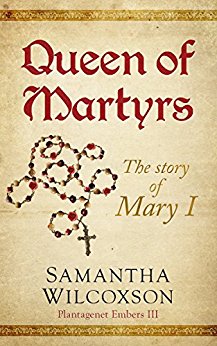
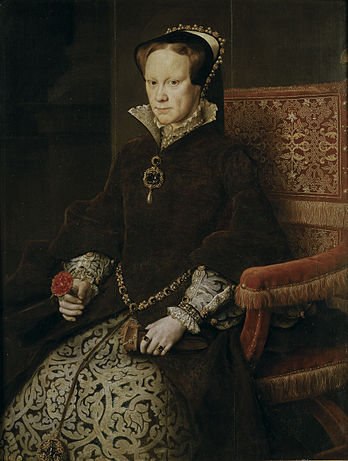

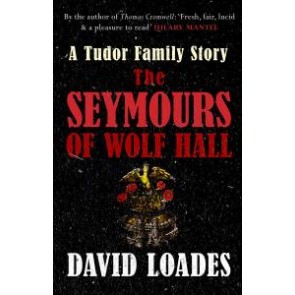
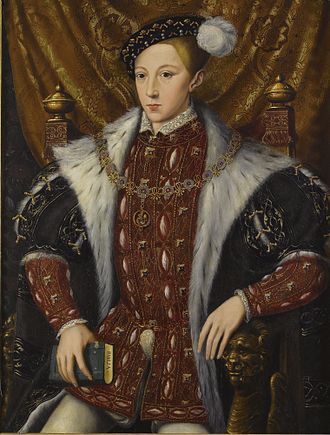

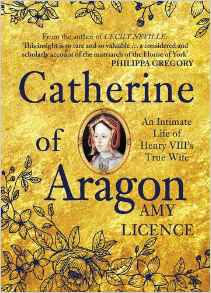
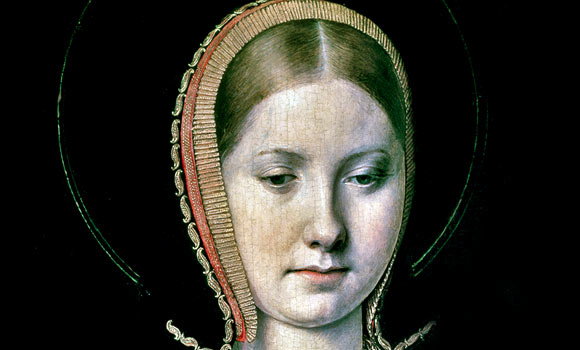
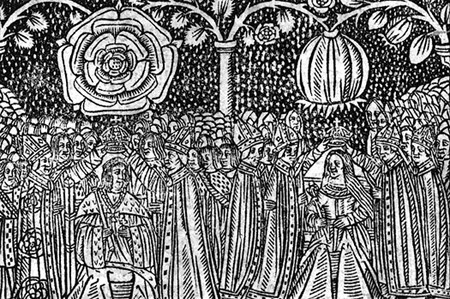
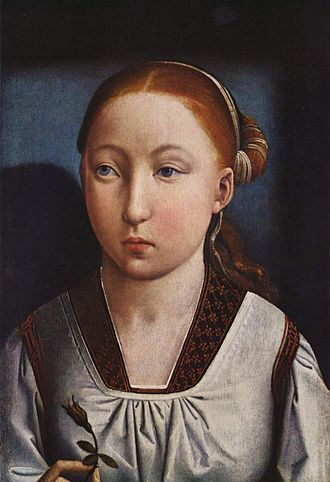
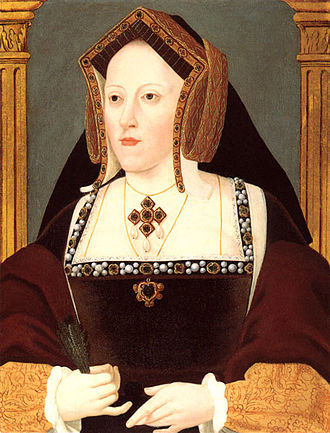
 Amy Licence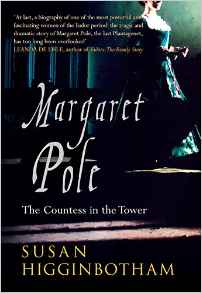
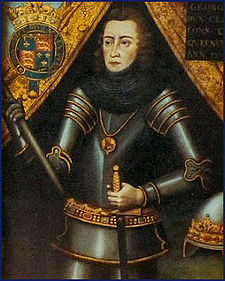
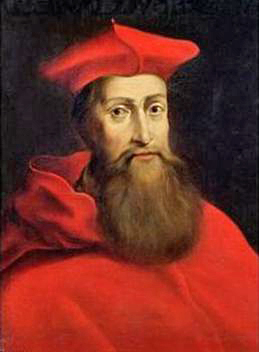

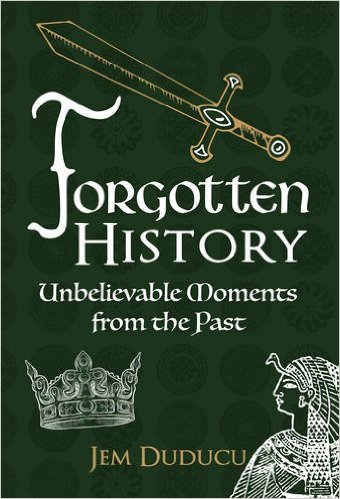
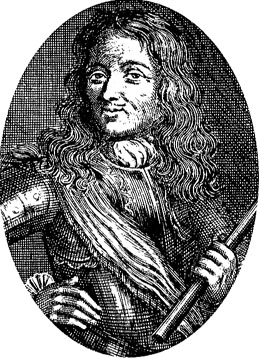
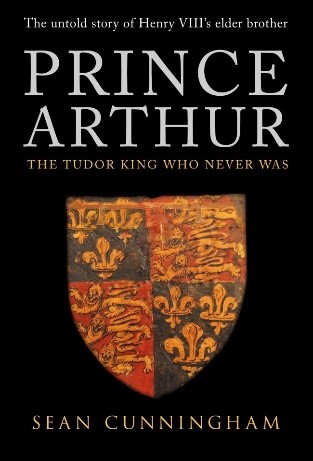


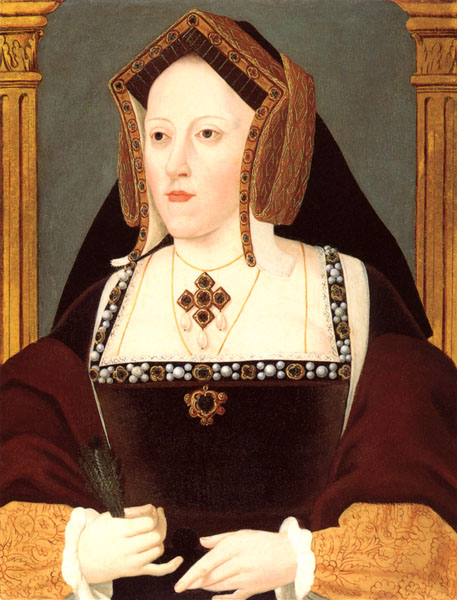





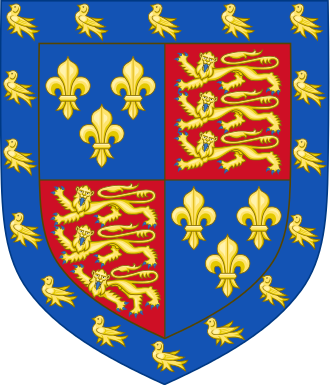


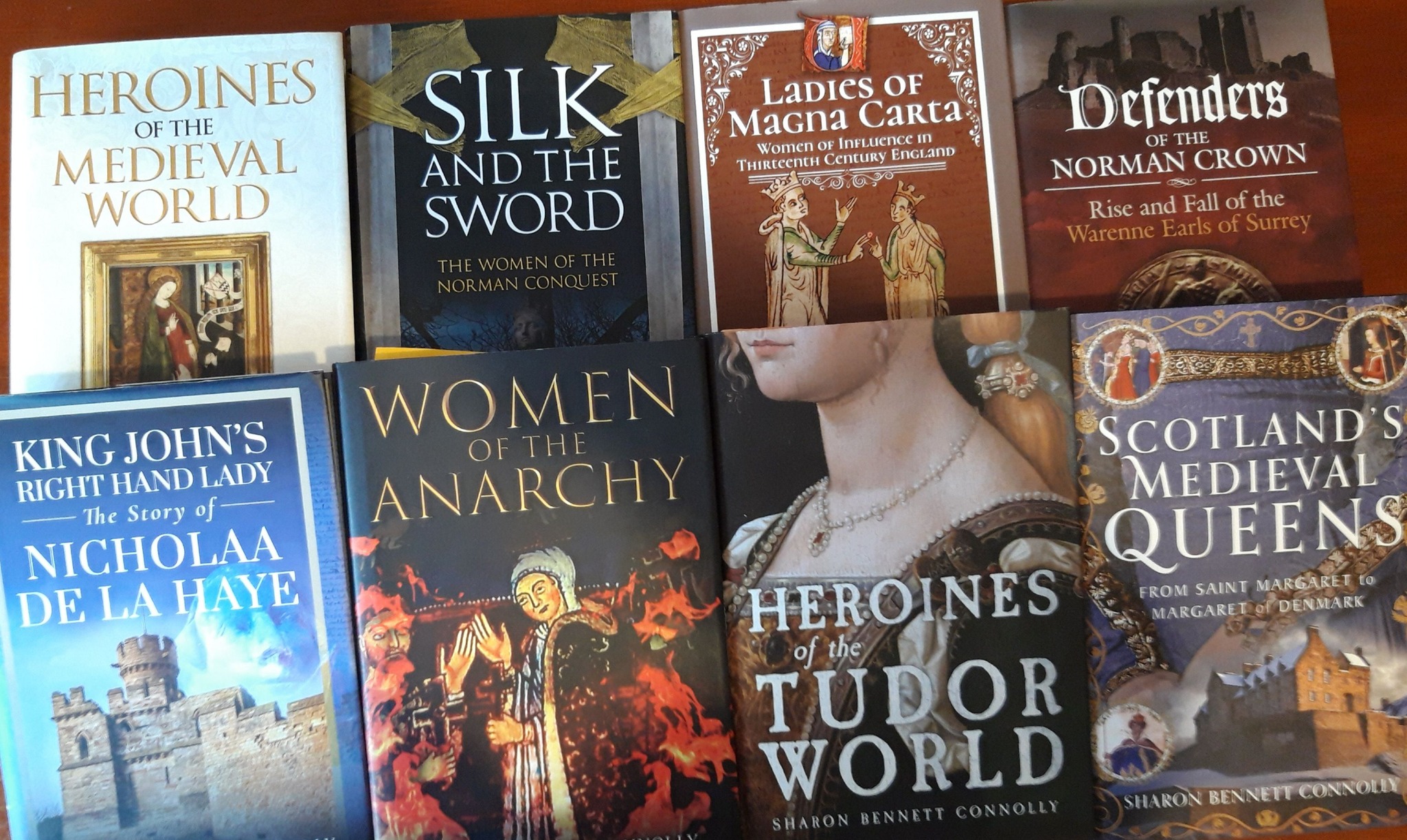


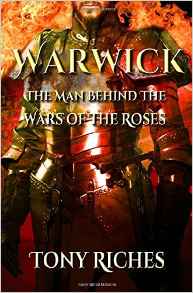
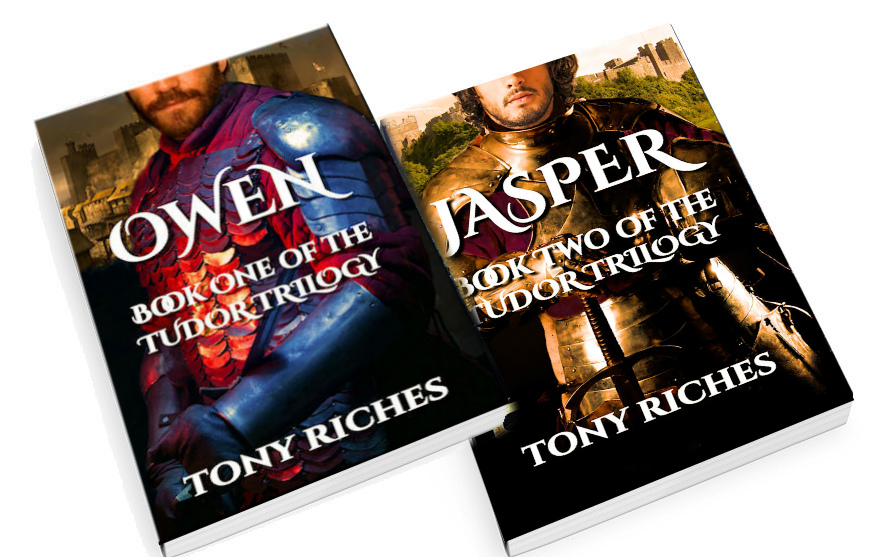
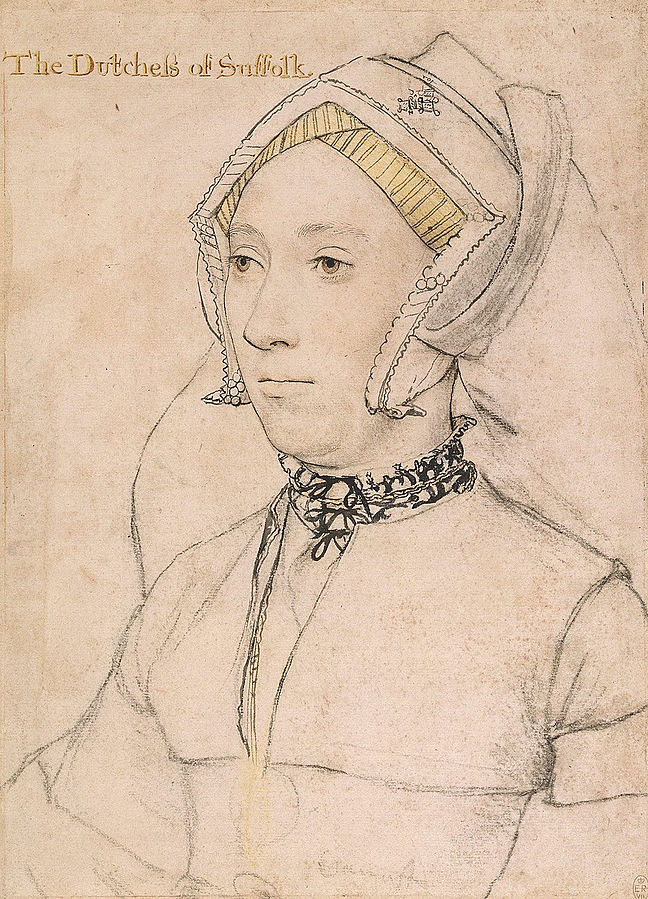
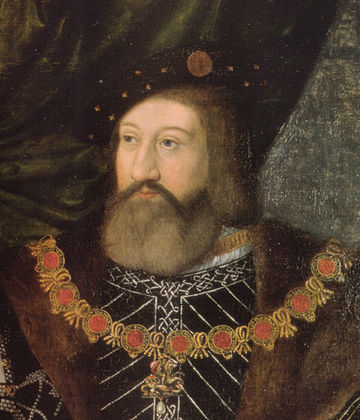
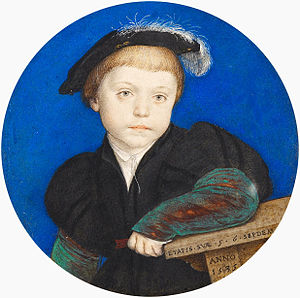
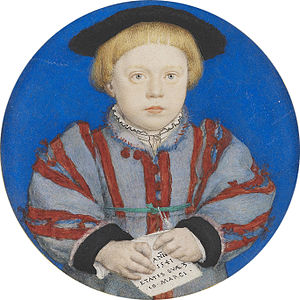

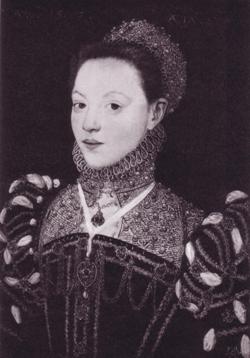
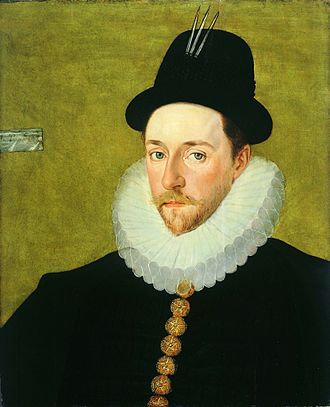
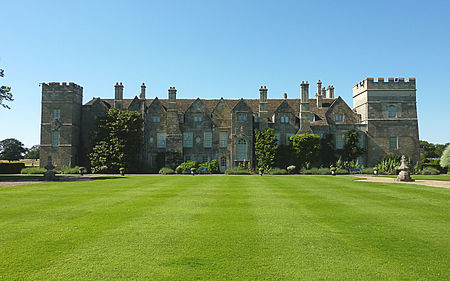

 History... the interesting bits!