Guest Post: Middleham Castle – Home to Kings and Kingmakers by Wendy Johnson

Today, it is a pleasure to welcome debut author, Wendy Johnson, to History…the Interesting Bits as part of her blog tour to celebrate the launch of Wendy’s first novel, The Traitor’s Son.

Middleham Castle – Home to Kings and Kingmakers
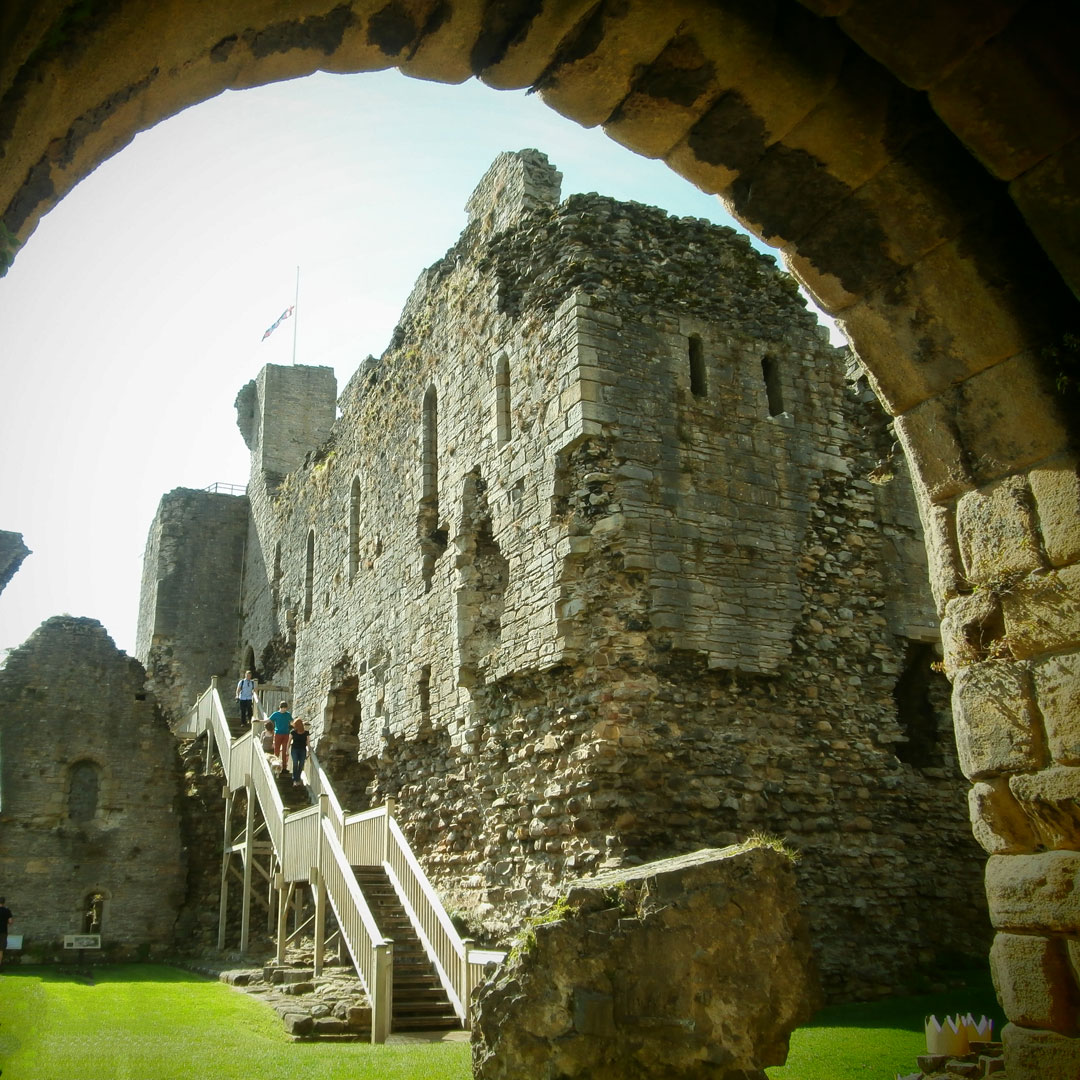
Middleham Castle, North Yorkshire, bastion of the illustrious Neville family and home to both Richard Neville, earl of Warwick and his cousin, the future Richard III, is an evocative and fascinating place.

Eleven miles from the market town of Richmond, and a stone’s throw from Leyburn, the castle stands at the heart of Middleham, amid Wensleydale’s rolling hills. The visitor’s first impression, on approaching its cavernous gatehouse, is that these ruins have witnessed the very essence of history, and if only walls could talk, they would have a treasure trove of secrets to reveal.

An earlier castle once stood on nearby William’s Hill, but the present edifice began to rise in the 1170s. The fortress came into the possession of the Neville family when Mary FitzRanulph married Robert Neville in the thirteenth century. However, Middleham appears to have been considered less important than Robert’s other castles at Raby and Sheriff Hutton.1 Later Nevilles made a number of improvements – heightening the towers and creating a new and larger gatehouse – but it was in the later fifteenth century that the castle became the home of some of the most influential figures of the Wars of the Roses: the three Richards.

Richard Neville, earl of Salisbury; Richard Neville, earl of Warwick; and Richard Plantagenet, duke of Gloucester were each caught up in one of the most dramatic periods of English history, when the crown changed hands from Lancaster to York, York to Lancaster, and back again in the course of only ten years.

Following the fateful Battle of Wakefield in 1460, Salisbury was captured and executed. His son, the enigmatic and forceful Earl of Warwick, was largely responsible for helping Edward IV, the first Yorkist king, to win the throne in 1461.

Richard duke of Gloucester, Edward’s youngest brother, who ascended the throne as Richard III, spent much of his life at Middleham. Installed in his cousin, Warwick’s, household at the age of twelve, Richard embarked on his knightly training under the earl’s tutelage, learning the military and social graces required of a chivalric warrior. At the age of twenty, following his marriage to Warwick’s daughter, Anne, Middleham became Richard’s favourite residence.

My debut novel, The Traitor’s Son, re-imagines these early years. As a grieving and fatherless boy, Richard finds solace in the company of his cousin, the Earl of Warwick, whose paternal influence repairs the boy’s shattered life. The castle of Middleham plays an important role in the novel – representing a new and, at first, unnerving, part in Richard’s journey, as he wonders whether he is able to live up to the earl’s expectations. I have chosen to illustrate Richard’s early feelings for Middleham and for his formidable cousin in the following scene, when the boy has been summoned into Warwick’s presence.

‘Belly lurching, he follows the earl’s man down the tight spiral and out into the bailey. Kitchen boys are throwing out slops, bandying jests, sniggering. As he approaches, they fall silent, snatching caps and bobbing knees. The air is cool, pungent with the scent of verdure and horse dung, birds chirruping in the violet dusk. A solitary crow swoops from the keep, hops across the earth in the clumsy, jerking manner of his breed, then takes off again in the direction of the practice yard.

He should have fetched a cloak. It’s so much colder here in the land of the Nevilles, plagued as it is with a perpetual wind sweeping from the moors and striking like a whiplash. He shivers, wondering why Warwick has hauled him from what little comfort there is to be had on such a dismal evening. To draw conclusions on the day’s events? To tell him he has failed?

Torchlight bobs on towering stone as they mount the steps to the keep. Challenged twice in the ascent, he could be at Westminster, and Warwick a king at the heart of the labyrinth. Surely, he thinks, it’s the dread of the moment that gives this impression, the creeping suffocation of growing darkness, the brilliance of the wind-torn flames. Warwick is my cousin and my tutor; he is not my sovereign.
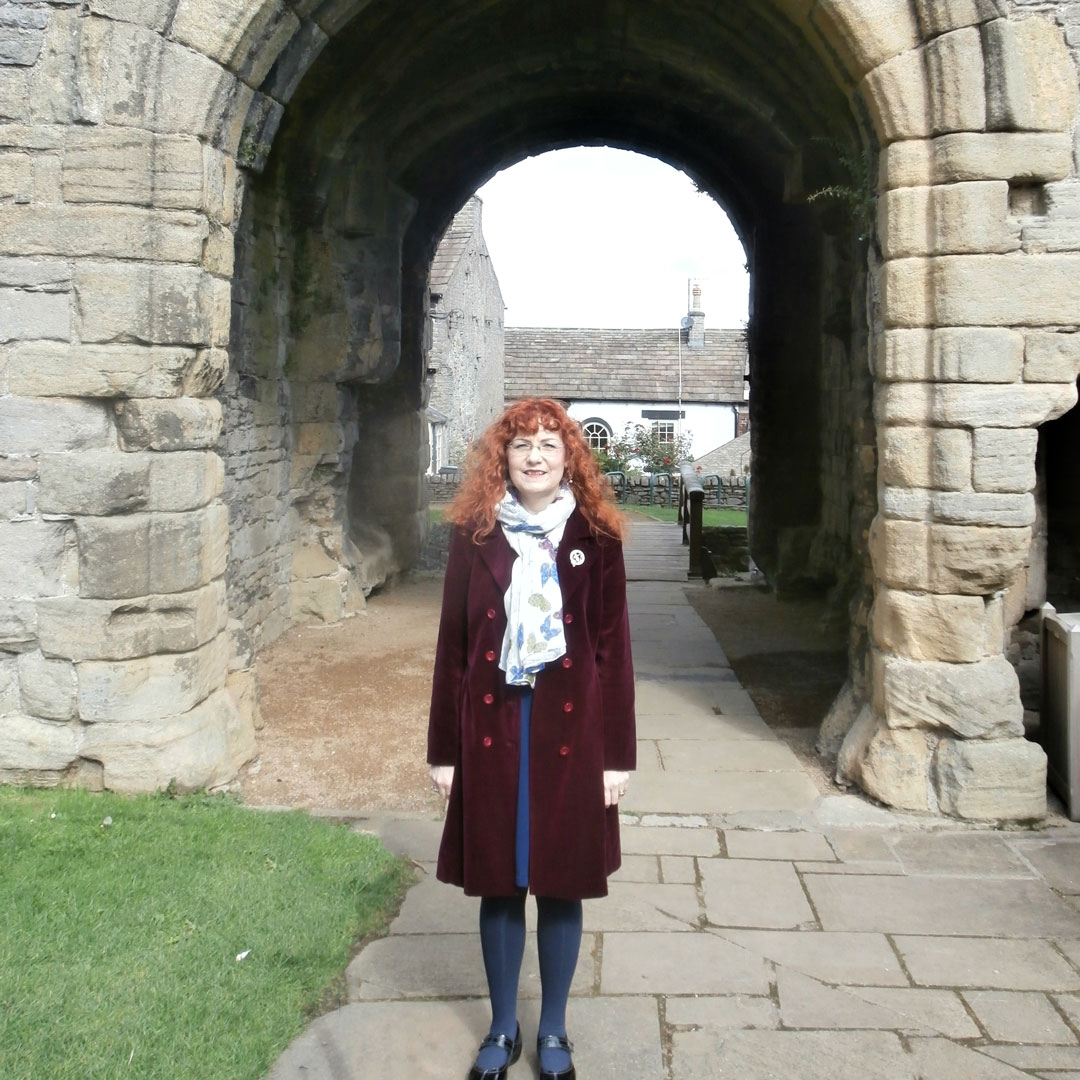
The Middleham known to both Richard and Warwick was larger than the ruined fabric we see today. In addition to the keep, towers and surrounding ranges, there would have been stables, an armoury, a blacksmith’s forge and many more domestic buildings all integral to the daily life of the castle, as well as to the role of its lord as upholder of his estates and a foremost figure in society. How magnificent that life was, can be gleaned by the splendour of the Middleham Jewel: a fifteenth century gold and sapphire pendent found in the vicinity of the castle in 1986. Current thinking is that the jewel belonged to a woman – the most likely candidate being Anne Beauchamp, Warwick’s countess, or possibly Anne Neville, Warwick’s daughter, and wife of Richard III. Although the original pendent is on display in the Yorkshire Museum, York, a replica has pride of place in the castle’s English Heritage shop.

I find that visualising the past can help stir the imagination, as one explores Middleham’s evocative and dramatic ruins. If you’ve never experienced Middleham’s magic for yourself, then try following in the footsteps of kings and kingmakers, you’ll not regret it.

About the book:
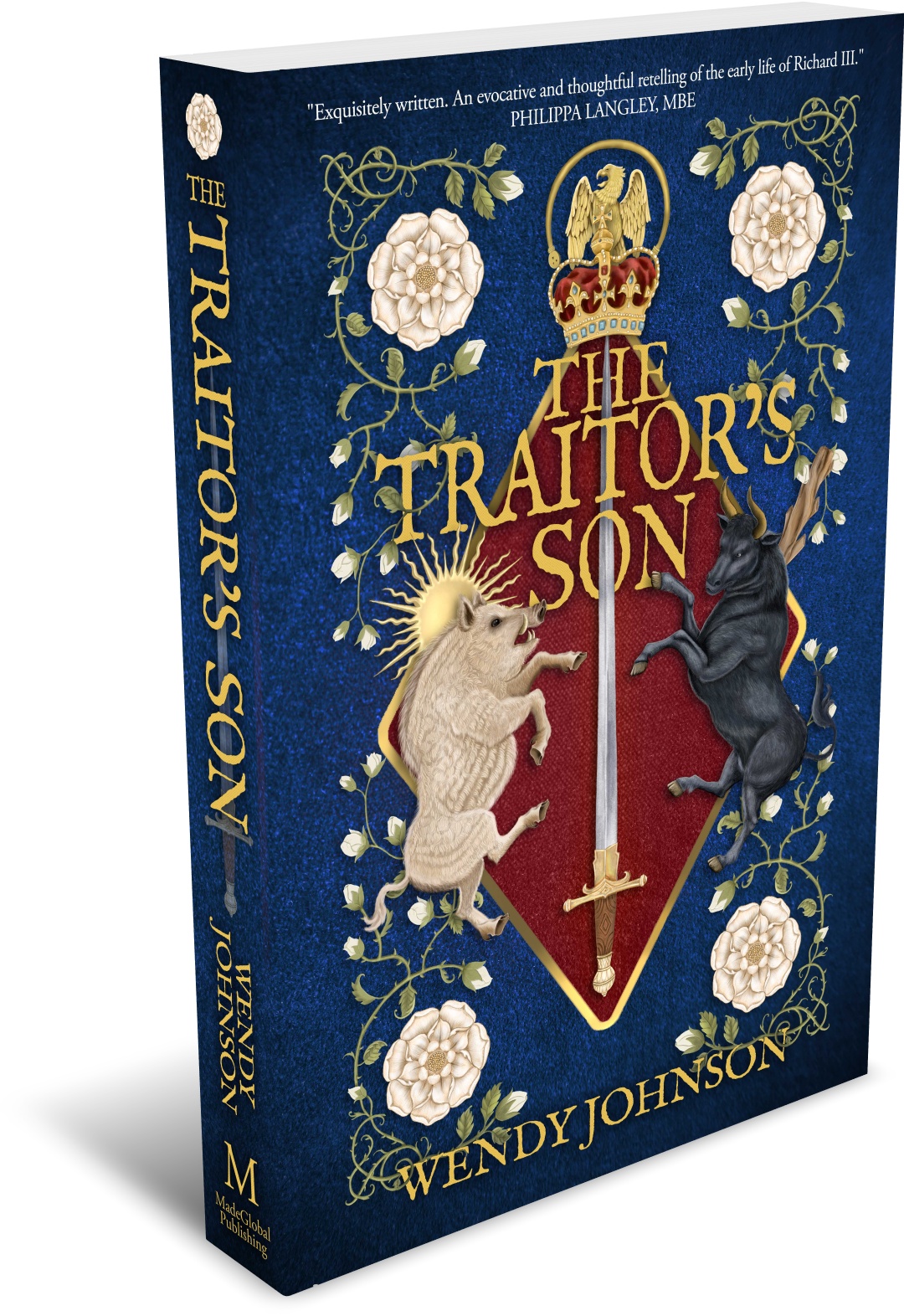
Click here to buy: The Traitor’s Son

Review quotes:

“Exquisitely written. An evocative and thoughtful retelling of the early life of Richard III.” Philippa Langley, MBE

Synopsis:

Caught between a king and a kingmaker, young Richard Plantagenet knows he’ll have to choose…

1461: Richard Duke of York, King by Right, has been branded a traitor and slain by his Lancastrian foes. For his eight-year-old son—Richard Plantagenet—England has become a dangerous place.

As the boy grapples with grief and uncertainty, his elder brother, Edward, defeats the enemy and claims the throne. Dazzled by his glorious sibling, young Richard soon discovers that imperfections lurk beneath his brother’s majestic façade. Enter Richard Neville, Earl of Warwick—cousin, tutor, luminary—whose life has given him everything but that which he truly craves: a son. A filial bond forms between man and boy as they fill the void in each other’s lives. Yet, when treachery tears their world asunder, Richard faces an agonizing dilemma: pledge allegiance to Edward—his blood brother and king—or to Warwick, the father figure who has shaped his life and affections.
Painfully trapped between duty and devotion, Richard faces a grim reality: whatever he decides will mean a fight to the death.

In “The Traitor’s Son”, Wendy Johnson masterfully weaves a tapestry of loyalty, love, and sacrifice against the backdrop of England’s turbulent history. Through the eyes of a young Richard III, readers are transported into a world where every choice is fraught with peril, and the bonds of kinship are tested to their limits. As Richard Plantagenet navigates the explosive tensions within his own family, readers are swept along on a journey of intrigue and passion that will leave them spellbound until the final page.

Note: 1. https://www.english-heritage.org.uk/visit/places/middleham-castle/history/

Images:

1) Middleham Castle from the Gatehouse (Wendy Johnson); 2) Middleham Castle: North Range (Wendy Johnson); 3) Middleham Castle: Towards the Gatehouse (Wendy Johnson).

About the author:

Wendy has a lifelong passion for medieval history, its people, and for bringing their incredible stories to life. Her specific areas of interest are the fifteenth century, the Wars of the Roses, and Richard III in particular. She enjoys narratives which immerse the reader in the past, and tries faithfully to recreate the later Middle Ages within in her own writing. She has contributed to a number of historical anthologies and was a runner up in the Woman and Home Short Story Competition 2008.

A member of the Richard III Society since 1986, Wendy is also a founder member of Philippa Langley’s Looking for Richard Project, which located the king’s lost grave in 2012. She co-authored Finding Richard III: the Official Account of Research by the Retrieval and Reburial Project in 2014, and in 2019 received the Richard III Society’s Robert Hamblin Award.

THE TRAITOR’S SON, volume one in a Richard III trilogy, is Wendy’s debut novel and she is currently working on the sequel.

*

My Books:

Signed, dedicated copies of all my books are available through my online bookshop.

Out Now! Women of the Anarchy
Two cousins. On the one side is Empress Matilda, or Maud. The sole surviving legitimate child of Henry I, she is fighting for her birthright and that of her children. On the other side is her cousin, Queen Matilda, supporting her husband, King Stephen, and fighting to see her own son inherit the English crown. Women of the Anarchy demonstrates how these women, unable to wield a sword, were prime movers in this time of conflict and lawlessness. It show how their strengths, weaknesses, and personal ambitions swung the fortunes of war one way – and then the other.

Available from Bookshop.orgAmberley Publishing and Amazon UK.

Coming on 15 June 2024: Heroines of the Tudor World
Heroines of the Tudor World tells the stories of the most remarkable women from European history in the time of the Tudor dynasty, 1485-1603. These are the women who ruled, the women who founded dynasties, the women who fought for religious freedom, their families and love. These are the women who made a difference, who influenced countries, kings and the Reformation. In the era dominated by the Renaissance and Reformation, Heroines of the Tudor World examines the threats and challenges faced by the women of the era, and how they overcame them. From writers to regents, from nuns to queens, Heroines of the Tudor World shines the spotlight on the women helped to shape Early Modern Europe.

Heroines of the Tudor World is now available for pre-order from Amberley Publishing and Amazon UK.

Also by Sharon Bennett Connolly:

King John’s Right-Hand Lady: The Story of Nicholaa de la Haye is the story of a truly remarkable lady, the hereditary constable of Lincoln Castle and the first woman in England to be appointed sheriff in her own right. Available from all good bookshops or direct from Pen & Sword Booksbookshop.org and AmazonDefenders of the Norman Crown: The Rise and Fall of the Warenne Earls of Surrey tells the fascinating story of the Warenne dynasty, from its origins in Normandy, through the Conquest, Magna Carta, the wars and marriages that led to its ultimate demise in the reign of Edward III. Available from Pen & Sword BooksAmazon in the UK and US, and Bookshop.org

Ladies of Magna Carta: Women of Influence in Thirteenth Century England looks into the relationships of the various noble families of the 13th century, and how they were affected by the Barons’ Wars, Magna Carta and its aftermath; the bonds that were formed and those that were broken. It is now available in paperback and hardback from Pen & Sword,  Amazon, and Bookshop.orgHeroines of the Medieval World tells the stories of some of the most remarkable women from Medieval history, from Eleanor of Aquitaine to Julian of Norwich. Available now from Amberley Publishing and Amazon, and Bookshop.orgSilk and the Sword: The Women of the Norman Conquest traces the fortunes of the women who had a significant role to play in the momentous events of 1066. Available now from Amazon,  Amberley Publishing, and Bookshop.org.

Alternate Endings: An anthology of historical fiction short stories including Long Live the King… which is my take what might have happened had King John not died in October 1216. Available in paperback and kindle from Amazon.

Podcast:

Have a listen to the A Slice of Medieval podcast, which I co-host with Historical fiction novelist Derek Birks. Derek and I welcome guests, such as Bernard Cornwell and Elizabeth Chadwick, and discuss a wide range of topics in medieval history, from significant events to the personalities involved.

*

Don’t forget! Signed and dedicated copies of all my books are available through my online bookshop.

For forthcoming online and in-person talks, please check out my Events Page.

You can be the first to read new articles by clicking the ‘Follow’ button, liking our Facebook page or joining me on Twitter and Instagram.

*

©2024 Sharon Bennett Connolly FRHistS 

Guest Post: Through Their Stories: The Women of 1066 by L.P. O’Bryan

As my long-time readers will know, I have always had an interest in the Norman Conquest and the women involved in the struggle for England, on all three sides of the fight. My book, Silk and the Sword: The Women of the Norman Conquest, is now recommended by the Historical Association for teaching the Norman Conquest in schools and I love to give talks to classes of Year 7 students who are studying the Conquest from this unique angle. So when author L.P. O’Bryan offered to write an article on his research into the women of the era, I could not resist.

So, over to L.P. O’Bryan

Through Their Stories: The Women of 1066

Edith of Wessex, Queen of England, grieving for Edward the Confessor, Bayeux Tapestry. 

The year 1066 stands as a watershed moment for England and Europe. The Battle of Hastings and the subsequent Norman Conquest altered the course of England’s history, reshaping its culture, language, and legal system.

While much has been written about the warriors and kings, the stories of the women who lived through these tumultuous times are often left untold. This article aims to explore the experiences of women amidst the upheaval of their society and the personal losses they endured.

The Prelude to Conquest

The year 1066 began with the death of Edward the Confessor, leaving a power vacuum that would draw Harold Godwinson, Harald Hardrada, and William of Normandy into a struggle for the English throne. Amidst this political turmoil, women of all stations managed their households and lands, often overseeing the welfare of their communities. Edith of Wessex, widow of Edward, and Gytha Thorkelsdóttir, mother of Harold Godwinson, were two examples of women who played significant roles in the fabric of English society at that time. Their lives, filled with the duties of governance and care, were about to be irrevocably changed.

The Battle of Hastings: A Turning Point

Edith Swan-Neck after Hastings looking for King Harold’s body. School of Lawrence Alma-Tadema.  

On October 14, 1066, the fate of England was decided on the battlefield near Hastings. For the women awaiting news, the battle represented a moment of profound anxiety and fear. The loss of life from the battle was staggering, with many women losing husbands, sons, brothers, and fathers. The immediate aftermath of the battle saw a shift in the social landscape too, as Norman forces began to assert control over the conquered lands.

Imagine the heartache of a woman like Edith Swan-Neck, Harold’s common-law wife, identifying his body on the battlefield. Her grief mirrored by thousands of others, whose lives were transformed overnight, their futures uncertain in a country now ruled by foreign invaders.

Adapting to Norman Rule

The Norman Conquest introduced significant changes to English society, including the imposition of Norman customs, laws, and, more slowly, language. For English women, this meant navigating a new order that often placed them at a disadvantage. Land rights, inheritance laws, and social statuses were all subject to the whims of the new Norman elite.

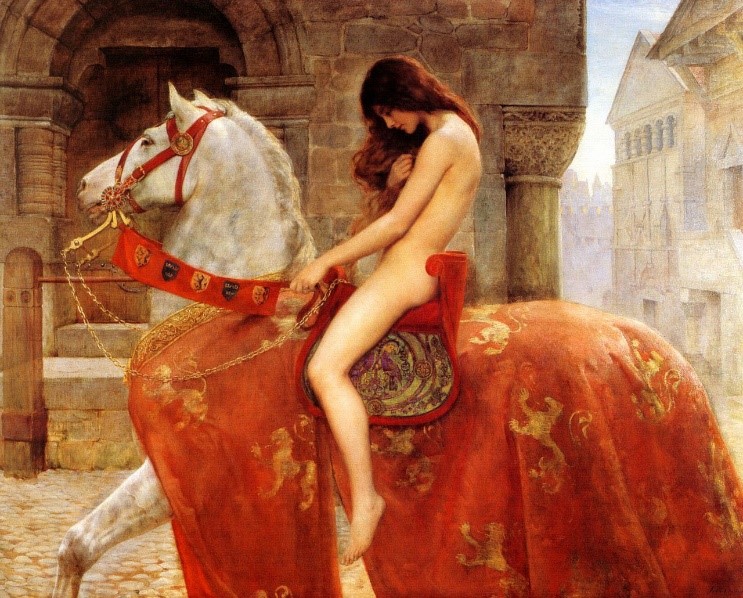
Despite these challenges, many English women found ways to adapt and survive. Some, like the legendary Lady Godiva, who is said to have protested against oppressive taxation under Norman rule, became symbols of resistance. The concept of a Peeping Tom, came from her ride, as a man named Tom was the only one believed to have opened his window to look at her. Such stories, whether more myth than real, highlight the resilience of women during this period of transition.

The Legacy of 1066 for Women

Lady Godiva by John Collier

The long-term effects of the Norman Conquest on English women were profound. The introduction of Norman customs and laws reshaped England, influencing women’s roles and rights for generations to come. The Domesday Book, a comprehensive survey ordered by William the Conqueror, provides insight into the changes in land ownership and societal structures that affected women’s lives.

Women who inherited family land because their husbands or fathers had been killed at Hastings in 1066, were allowed to keep their land if they married a Norman or Frenchman. Such marriages were intended to further the post-conquest social order and peace in England.

William the Conqueror betrothed his daughter Adeliza to the English Earl Edwin, though he was killed in 1070 before the marriage could take place.

Most intermarriages took place at the highest aristocratic level, intended to bring peace, though there were instances of intermarriage at other levels. One example is Wigot of Wallingford, the English guardian of an important crossing of the Thames near Oxford, agreed to have his daughter Ealdgyth marry Robert d’Ouilly, one of King William’s henchmen and later Castellan of Oxford.

The Domesday Book, completed in 1086, reveals that Judith was the most important woman landholder on the date when the Domesday survey was made. Omitting nunneries, she is one of about twenty women tenants-in-chief in 1086. Her extensive lands stretched throughout northern and eastern England, from Middlesex and Buckinghamshire to Yorkshire, with a concentration in the east Midlands. Judith was the widow of Earl Waltheof. She was also the niece of William the Conqueror. She was a northern French woman whose marriage was part of William’s attempts to come to terms with the English nobility after his conquest in 1066. By 1086 Judith’s husband was dead, executed for his part in rebellion. Judith was now a wealthy widow.

Many of the relatively small number of women mentioned in Domesday are relatives of William the Conqueror, illustrating how he had transferred most of the largest landholdings in England to his extended family. See this PDF article for more on the women in Domesday.

Other women, Godgifu and Allfgifu for example, the wives of two English earls, Edwin and Morcar, debated over their attitudes to the Conqueror, but still survived. These widows got to keep their dower and died in possession of at least some of it. They were part of a noble group whose power had arisen during the tenth and early eleventh centuries, and even within that group fortunes differed greatly.

The lack of information about lower born eleventh-century women does not justify sweeping generalization about them, however Domesday does provide some data. The statistics of Domesday suggest at first sight a deterioration in status. In Essex, for example, there were 25 women holding land in 1066, 9 in 1086; in Yorkshire, 19 in 1066, 4 in 1086; in Suffolk over 50 in 1066, 7 in 1066. Yet other shires show no decline, even a slight increase, as in Dorset where there were 9 women in 1066 and 10 in 1086 or in Warwickshire, with 8 in 1066 and 9 in 1086.

The women of 1066 experienced the Norman Conquest not just as a historical event, but as a deeply personal trauma that reshaped their lives and the lives of their descendants. Their stories, often overshadowed by the tales of kings and warriors, offer a poignant perspective on one of England’s most significant historical moments.

In remembering their stories, we honor their legacy, recognizing the vital role women have played in shaping our world. The women of 1066, through their resilience and adaptability, have left an indelible mark on history, reminding us of the power of the human spirit to endure, adapt, and overcome.

About the author:

L.P. O’Bryan is the author of a series of novels set in the aftermath of the Battle of Hastings, starting with, The Rise of Synne, more detail here. The series is about an orphan healer in the aftermath of Hastings.

*

My Books:

Signed, dedicated copies of all my books are available through my online bookshop.

Out Now! Women of the Anarchy

Two cousins. On the one side is Empress Matilda, or Maud. The sole surviving legitimate child of Henry I, she is fighting for her birthright and that of her children. On the other side is her cousin, Queen Matilda, supporting her husband, King Stephen, and fighting to see her own son inherit the English crown. Women of the Anarchy demonstrates how these women, unable to wield a sword, were prime movers in this time of conflict and lawlessness. It show how their strengths, weaknesses, and personal ambitions swung the fortunes of war one way – and then the other.

Available from Bookshop.orgAmberley Publishing and Amazon UK.

Coming on 15 June 2024: Heroines of the Tudor World

Heroines of the Tudor World tells the stories of the most remarkable women from European history in the time of the Tudor dynasty, 1485-1603. These are the women who ruled, the women who founded dynasties, the women who fought for religious freedom, their families and love. These are the women who made a difference, who influenced countries, kings and the Reformation. In the era dominated by the Renaissance and Reformation, Heroines of the Tudor World examines the threats and challenges faced by the women of the era, and how they overcame them. From writers to regents, from nuns to queens, Heroines of the Tudor World shines the spotlight on the women helped to shape Early Modern Europe.

Heroines of the Tudor World is now available for pre-order from Amberley Publishing and Amazon UK.

Also by Sharon Bennett Connolly:

King John’s Right-Hand Lady: The Story of Nicholaa de la Haye is the story of a truly remarkable lady, the hereditary constable of Lincoln Castle and the first woman in England to be appointed sheriff in her own right. Available from all good bookshops or direct from Pen & Sword Booksbookshop.org and AmazonDefenders of the Norman Crown: The Rise and Fall of the Warenne Earls of Surrey tells the fascinating story of the Warenne dynasty, from its origins in Normandy, through the Conquest, Magna Carta, the wars and marriages that led to its ultimate demise in the reign of Edward III. Available from Pen & Sword BooksAmazon in the UK and US, and Bookshop.org

Ladies of Magna Carta: Women of Influence in Thirteenth Century England looks into the relationships of the various noble families of the 13th century, and how they were affected by the Barons’ Wars, Magna Carta and its aftermath; the bonds that were formed and those that were broken. It is now available in paperback and hardback from Pen & Sword,  Amazon, and Bookshop.orgHeroines of the Medieval World tells the stories of some of the most remarkable women from Medieval history, from Eleanor of Aquitaine to Julian of Norwich. Available now from Amberley Publishing and Amazon, and Bookshop.orgSilk and the Sword: The Women of the Norman Conquest traces the fortunes of the women who had a significant role to play in the momentous events of 1066. Available now from Amazon,  Amberley Publishing, and Bookshop.org.

Alternate Endings: An anthology of historical fiction short stories including Long Live the King… which is my take what might have happened had King John not died in October 1216. Available in paperback and kindle from Amazon.

Podcast:

Have a listen to the A Slice of Medieval podcast, which I co-host with Historical fiction novelist Derek Birks. Derek and I welcome guests, such as Bernard Cornwell and Elizabeth Chadwick, and discuss a wide range of topics in medieval history, from significant events to the personalities involved.

*

Don’t forget! Signed and dedicated copies of all my books are available through my online bookshop.

For forthcoming online and in-person talks, please check out my Events Page.

You can be the first to read new articles by clicking the ‘Follow’ button, liking our Facebook page or joining me on Twitter and Instagram.

*

©2024 Sharon Bennett Connolly FRHistS and L.P. O’Bryan

Guest Post: A Fairy Step-mother by Laura Adkins

We have another fabulous guest post to celebrate Women’s History Month 2024. Laura Adkins is visiting History … the Interesting Bits to talk about my favourite of Henry VIII’s six queens, Katherine (or Kateryn, as she would have written it) Parr.

Over to Laura…

A Fairy Step-mother – Kateryn Parr

Kateryn Parr

Although she only had one biological child, two of Kateryn Parr’s marriages would bring her five stepchildren whom she loved dearly as if they were her own.

Katheryn first foray into motherhood was when she became stepmother to Lord Latimer’s teenage son and daughter. It is more than likely that Latimer, when looking for a wife, was after someone who could be a mother to his children and be present in their lives as he was away a lot. He may have seen those motherly qualities in Kateryn. It would be his daughter, Margaret, 9 years old at the time of her father’s marriage to Kateryn, who would grow close to her new stepmother.

Margaret’s own mother had died in 1527 and her first stepmother died in 1530. This led to Kateryn becoming the only mother figure in the young girl’s life, and at an impressionable age. Kateryn would fill the role of mother, treating Margaret as if she were her own, even after Latimer’s death. Kateryn not only had a legal duty to the two teenagers at this time but a sense of parental duty and love.

Margaret’s father had been strongly Catholic, therefore, his children would have been Catholic. However, times were changing and in Margaret’s will there are curtain wordings which give an indication that she was more inclined towards the reformed religion. Could Kateryn have played a role in this? We do not know for certain, but Kateryn would certainly have been aware of Margaret’s beliefs and most likely had some impact on it. The only thing that would separate the two was Margaret’s death at the young age of 21, in 1545. In her will Margaret thanks Kateryn for ‘the godly education and tender love and bountiful goodness which I have ever found in her highness’. Kathryn had provided a mother figure for Margaret during her short life. She had provided the young girl with companionship when an alternative could have been a very lonely existence. Throughout her marriage to Henry, she was then able to bring her stepdaughter into court life and provide her with connections which she may never have had initially.

Mary I, Queen of England

Of Latimer’s eldest child, John, things would be slightly different; however not as a result of Kateryn’s parenting. John was 14 years old when Kateryn and his father married, an age where he would have already established his own views, thoughts and personality. The young boy had been without a mother figure through puberty and his adolescent development. We know, from Kateryn’s own words, that things had been a bit more difficult between stepmother and son than with Kateryn and Margaret. His father did not leave his properties to John, nor appoint him executor of his will. That his father did not have much faith in his sensitive, sulking and lying teenager gives an indication that John was maybe a bit more of a handful than most. And given what he went on to do later in his life (arrested for attempted rape of one of his servants in 1557 and murder in 1563) one can quite believe his upbringing was not an easy task for Kateryn. There must have been some mutual fondness for one another, as when she became queen, she gave his wife a place as one of her ladies-in-waiting. Also, the fact that his aggressive nature came to the surface after her death shows that maybe she had some influence on his nature.

On her marriage to Henry VIII in 1543, Kateryn found herself a stepmother once more, this time to two daughters and a son. These royal children would be familiar to Kateryn and were all at various stages of their lives. Mary was only four years younger than her new stepmother; Elizabeth Tudor was 9, the same age that Margaret had been when Kateryn entered her life and Edward who was approaching the age of 6. Kateryn had a real impact on all three of Henry’s children, so much so that it helped shape their future as monarchs and for Elizabeth as a woman. All three have left in their own words their affection for Kateryn, the first of Henry’s wives that they all accepted and most likely loved.

It was through her love for her stepchildren and not a power play which made Kateryn try to reunite them with their father. She wanted to reconcile the broken family and bring happiness back to the court. She knew such love and happiness growing up and sadness with the loss of her father and wanted to try and assist her stepchildren to have some happiness like she did. Henry had both Mary and Elizabeth re-established in the line of succession, something which Kateryn at least had some part in. It would be at Ashridge in August 1543 where the three Tudor children, Kateryn and their father would stay together for the first time.

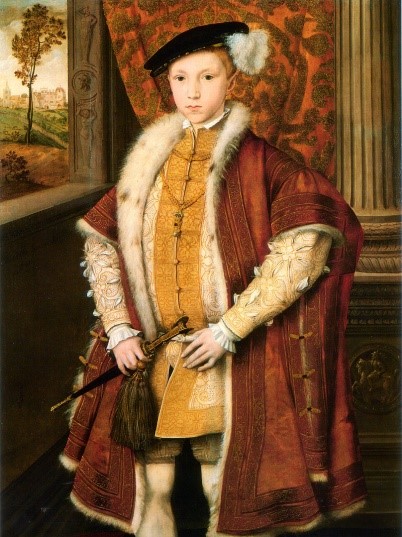
Edward VI, King of England

During her role as regent all three of the royal children would stay at the court, with their stepmother. It would be Elizabeth’s longest stay since she was a baby and one which most historians agree had a huge impact on her. Here both Mary and Elizabeth witnessed a woman governing and imposing her authority on her male counsellors. And not just a woman from afar but their stepmother, one who loved them and could and most likely help guide and mentor them, preparing them for their potential futures as powerful women in a world of men.

With Mary, the relationship was more of close friendship. Kateryn was not stupid to try and push herself as stepmother to Mary. She used her new position as queen to try and help Mary, not only to restore her in the line of succession but also to reunite her with her father. The two bonded over their love of fashion, jewellery and music. This friendship had already been established when Kateryn was a lady in Mary’s household after the death of Latimer. Mary would also see Kateryn as another female of learning and virtue and held her stepmother in high regard. The Spanish ambassadors wrote that Kateryn has behaved affectionately towards her [Mary] and go on to thank Kateryn for the kindness shown to the princess. Even their opposing religious beliefs did not seem to hinder their relationship. Kateryn had nothing but love for Mary. and it was through this love which brought her, for the first time in over a decade, some sense of peace, happiness and a form of stability.

For Elizabeth and Edward, her role was ever more impressionable. Edward’s mother, Jane Seymour had died when he was only a few days old. The next two of Henry’s wives were in and out of his life so quickly the young boy barely had time get to know them. A boy who had only had one parent in his life, the distant albeit slightly affectionate Henry. Edward lacked someone who showed him love and affection. It seems he grew with a fence up from female affection. When Kateryn came along, she wanted to knock down the fence and show the boy that it is ok to love and that he was loved and displays of affection were allowed. And she succeeded. From an early stage he was referring to her as his dearest mother and signing himself as her most abundant son. This young boy, who was a secretive cold and judgmental child who showed genuine fondness for very few people had grown attached to his new stepmother and finally had a mother whom he could love and who would love him in return.

For Elizabeth, Kateryn appeared at the time when she was needed the most. The stepmother and daughter were most likely the closest of the Tudor children. Elizabeth was at an age when she needed guidance and understanding; she also needed a mother’s love and someone who could match her growing intelligence. It would be Kateryn who also brought William Grindle onboard to teach Elizabeth, which led to the future queen’s love of the humanist principles. The earliest surviving letter of Elizabeth’s in existence is one she had written to her stepmother, dated 31 July 1544 . She despairs of not seeing Kateryn’s illustrious presence for a whole year and appeals to Kateryn’s clemency to speak to the king on her behalf so she can join them at court. Here Elizabeth feels she can approach her stepmother without repercussions and that her stepmother loved her greatly. She wanted to be not only with the king but Kateryn too at court.

Elizabeth would always sign her letters to Kateryn as ‘Your most obedient daughter and most faithful servant…’ Kateryn had captured the young princess’s heart and interest.

Elizabeth was a bright and intelligent child and noticed what was going on around her. She would not fail to miss the authority of her new stepmother and how she wielded her own power whilst keeping the right balance of femininity, and without, most of the time offending Henry or the men around her.

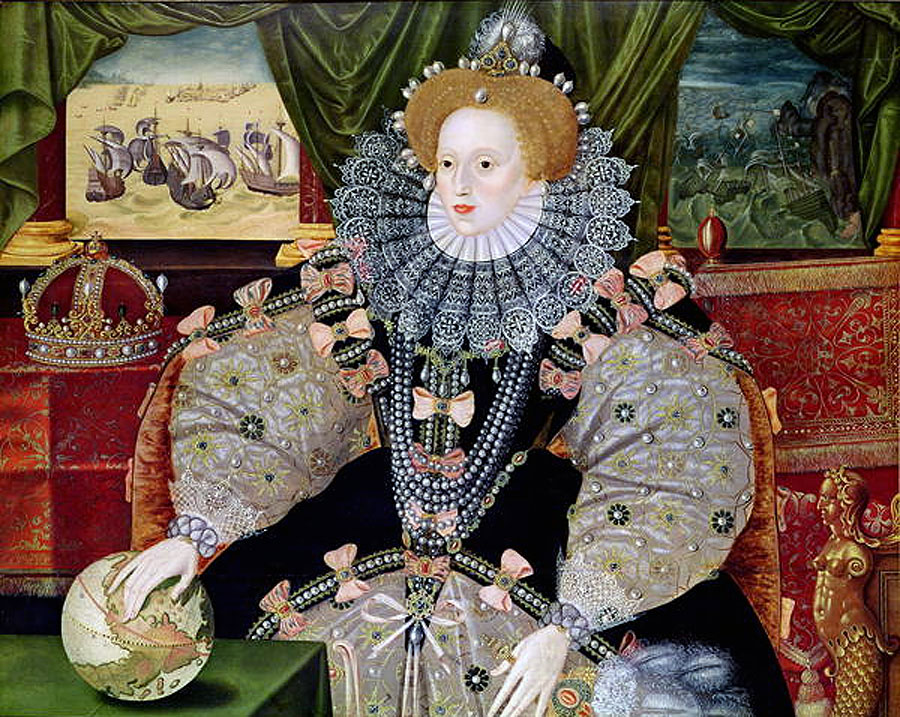
Elizabeth I, Queen of England

After the death of Henry, Kateryn set up her home at Chelsea, along with Elizabeth. It would be at Chelsea where Elizabeth and Kateryn’s relationship was tested to its limit, nearly severing the close ties these two had for good. Kateryns forth husband, Thomas Seymour began to grow an unhealthy interest in Elizabeth. He started to enter her bedchamber in the early morning before she was dressed and wearing only her undergarments. Her governess, Kat Ashley had tried to dissuade him from doing so and even approached Kateryn herself. There was even an occasion where Kateryn held Elizabeth in a supposed playful jest while Thomas cut Elizabeth’s gown to shreds. Not appropriate behaviour from either of them. It was eventually evident to Kateryn that Elizabeth had feelings for Thomas. Because of his lust for her stepdaughter and for reasons of propriety, Kateryn sent Elizabeth away from Chelsea. Kateryn had by this time found out she was pregnant; she wanted Thomas to only have eyes for her and knew the implications that could happen should word get out of what was going on, and under her own roof. It had to stop, and more importantly she needed it to stop for the love she bore Elizabeth as her stepmother, even though she was hurt by Elizabeth’s actions. Although this flirtation with Thomas and the danger it had put them in had been a huge thrust of the knife at Kateryn, her love for Elizabeth did not wane. Within weeks Kateryn had written to Elizabeth, and she had written back. Both were declaring their love for one another, with Kateryn missing her young charge.

Kateryn approached the role of motherhood with all her heart and passion for her stepchildren as if they were her own flesh and blood. Lord Latimer certainly saw something in her when he chose her to be his wife, he wanted not only a companion but a mother to John and Margaret. Kateryn’s involvement with Henry’s children’s lives was accepted, encouraged and appreciated by the king. He may have even finally enjoyed playing happy families after all the turmoil of the previous few decades. Her warmth and affection assisted her in persuading him to place his daughters back into the line of succession. For Mary it was a little different as she had experienced it from her biological mother, but this love had been torn from her when she needed it most. Maybe Kateryn had helped bring back those cherished memories to her. Kateryn was able to provide her stepdaughters with a female role model, who they could look up to and learn from. Particularly as two of her stepdaughters were of royal blood who might one day become queens. This mother’s love she provided would have certainly made an impact on how they approached womanhood and their confidence that they could perform their role as queen.

About the Author:

Ever since being inspired by her history teacher in secondary school and the 1997 movie Titanic, Laura has had a passion for history, especially medieval and Tudor eras. She writes her blog the Local History Blogger which focuses on her home county of Essex, England. In her past jobs, she has been fortunate to work in historic locations such as the Tower of London and Banqueting House, Whitehall where she gave public talks on its history and talks on the Tudors and Stuarts. Her other passion in life is her daughter who now joins Laura on her history trips and outings. When she is not exploring Laura enjoys reading and adding to her growing collection of books. Katheryn Parr: Henry VIII’s Sixth Queen is her first book.

To Buy the Book:

Laura’s book Kateryn Parr: Henry VIII’s sixth queen is now available in Hardback from Pen and Sword.

Find Laura Adkins on social media at:

Website: http://www.thelocalhistoryblogger.co.uk; Instagram – @localhistoryblogger; X – @TLHBlogger

Images:

1. Kateryn Parr – after Master John, c.1545. Oil on panel. The original portrait was initially thought to be of Lady Jane Grey and was only recently attributed to be Kateryn. Public domain image, via Wikimedia Common

2. Queen Mary Tudor – Anthonis Mor, 1554. Oil on panel. Public domain image, via Wikimedia Commons

3. King Edward VI – Workshop of Master John, c.1547. Public domain image, via Wikimedia Common

4. The young Princess Elizabeth – attributed to William Scrots, c.1546-1547. Oil on oak panel .Public domain image, via Wikimedia Commons

*

My Books:

Signed, dedicated copies of all my books are available through my online bookshop.

Out Now! Women of the Anarchy

Two cousins. On the one side is Empress Matilda, or Maud. The sole surviving legitimate child of Henry I, she is fighting for her birthright and that of her children. On the other side is her cousin, Queen Matilda, supporting her husband, King Stephen, and fighting to see her own son inherit the English crown. Women of the Anarchy demonstrates how these women, unable to wield a sword, were prime movers in this time of conflict and lawlessness. It show how their strengths, weaknesses, and personal ambitions swung the fortunes of war one way – and then the other.

Available from Bookshop.orgAmberley Publishing and Amazon UK.

Coming on 15 June 2024: Heroines of the Tudor World

Heroines of the Tudor World tells the stories of the most remarkable women from European history in the time of the Tudor dynasty, 1485-1603. These are the women who ruled, the women who founded dynasties, the women who fought for religious freedom, their families and love. These are the women who made a difference, who influenced countries, kings and the Reformation. In the era dominated by the Renaissance and Reformation, Heroines of the Tudor World examines the threats and challenges faced by the women of the era, and how they overcame them. From writers to regents, from nuns to queens, Heroines of the Tudor World shines the spotlight on the women helped to shape Early Modern Europe.

Heroines of the Tudor World is now available for pre-order from Amberley Publishing and Amazon UK.

Also by Sharon Bennett Connolly:

King John’s Right-Hand Lady: The Story of Nicholaa de la Haye is the story of a truly remarkable lady, the hereditary constable of Lincoln Castle and the first woman in England to be appointed sheriff in her own right. Available from all good bookshops or direct from Pen & Sword Booksbookshop.org and AmazonDefenders of the Norman Crown: The Rise and Fall of the Warenne Earls of Surrey tells the fascinating story of the Warenne dynasty, from its origins in Normandy, through the Conquest, Magna Carta, the wars and marriages that led to its ultimate demise in the reign of Edward III. Available from Pen & Sword BooksAmazon in the UK and US, and Bookshop.org

Ladies of Magna Carta: Women of Influence in Thirteenth Century England looks into the relationships of the various noble families of the 13th century, and how they were affected by the Barons’ Wars, Magna Carta and its aftermath; the bonds that were formed and those that were broken. It is now available in paperback and hardback from Pen & Sword,  Amazon, and Bookshop.orgHeroines of the Medieval World tells the stories of some of the most remarkable women from Medieval history, from Eleanor of Aquitaine to Julian of Norwich. Available now from Amberley Publishing and Amazon, and Bookshop.orgSilk and the Sword: The Women of the Norman Conquest traces the fortunes of the women who had a significant role to play in the momentous events of 1066. Available now from Amazon,  Amberley Publishing, and Bookshop.org.

Alternate Endings: An anthology of historical fiction short stories including Long Live the King… which is my take what might have happened had King John not died in October 1216. Available in paperback and kindle from Amazon.

Podcast:

Have a listen to the A Slice of Medieval podcast, which I co-host with Historical fiction novelist Derek Birks. Derek and I welcome guests, such as Bernard Cornwell and Elizabeth Chadwick, and discuss a wide range of topics in medieval history, from significant events to the personalities involved.

*

Don’t forget! Signed and dedicated copies of all my books are available through my online bookshop.

For forthcoming online and in-person talks, please check out my Events Page.

You can be the first to read new articles by clicking the ‘Follow’ button, liking our Facebook page or joining me on Twitter and Instagram.

*

©2024 Sharon Bennett Connolly FRHistS and Laura Adkins

Guest Post: Margaret of Austria by Rozsa Gaston

For Women’s History Month it is my pleasure to welcome Rozsa Gaston to History…the Interesting Bits, with an article on Margaret of Austria. Rozsa is here to share with you why Margaret is important to history as a founding figure of European coalition politics.  

Over to Rozsa….

Margaret knew, or was related to, most of early 16th century Europe’s rulers. 

Her action-packed childhood prepared her for a lifetime of leadership as ruler of the Burgundian-Habsburg Netherlands, and as one of the most important treaty negotiators of her era. 

Let’s look at the players in Margaret of Austria’s life:  

Maximilian I, archduke of Austria and the future Holy Roman Emperor – was Margaret’s father.  

Charles V –future King of Spain and Holy Roman Emperor, is her nephew and ward.  Margaret was Charles V’s legal guardian until he was 15 years old. 

Henry VIII of England –Margaret’s trade partner. English sheep provided the wool for Flanders’ cloth industry. Flanders, in the Low Countries, was world renown from the 12th century on for its fine cloth textiles and its tapestries, which were sought after the world over as a display of wealth and power.  

Catherine of Aragon, Henry VIII’s queen – was Margaret’s former sister-in-law.  

Anne Boleyn, Henry VIII’s 2nd queen  -maid-of-honor at Margaret’s Court of Savoy in Mechelen (Malines) in the Burgundian-Habsburg Low Countries (now Belgium).  

Philip the Handsome, Duke of Burgundywas Margaret’s brother.  

Juana the Mad – the daughter of Isabella and Ferdinand of Spain was Philip’s wife and Margaret’s sister-in-law.  

Isabella and Ferdinand of Spain – Margaret’s former in-laws. 

Louise of Savoy – former sister-in-law & the mother of Francis the First, King of France, Louise was the power behind the throne during her son’s reign. 

Margaret of Austria was born in 1480 in Brussels, the only daughter of the heads of two of Europe’s top dynastic houses: the House of Burgundy and the House of Habsburg. Her mother, Mary of Burgundy, was ruler of Burgundy, the only child of Burgundy’s last duke. She was known throughout Europe as Mary the Rich.   

Margaret’s father was Maximilian the First of Austria, head of the House of Habsburg and later to become Holy Roman Emperor. Mary and Maximilian’s dramatic love story is told in the 2017 Starz Mini Series Maximilian. Well worth viewing.  

Margaret lost her mother in a riding accident at age two. One year later her father contracted with the French king, Louis the Eleventh, known as the Spider King, to marry Margaret to Louis’ son and heir, the future Charles VIII of France. Margaret was sent to France at age 3 to be raised at the French court to prepare her to become Queen of France one day. 

Margaret’s statue towers over the main market square of Mechelen  (pronounced “Meh ku luhn”) Belgium, 18 miles, or 29 kilometers, north of Brussels. Erected in 1849, it was made by sculptor Joseph Tuerlinckx. 

Her palace in Mechelen is called the Court of Savoy. It was the first Renaissance palace built in the Low Countries and is a main tourist destination. The Low Countries are now known as the Benelux countries: Belgium, the Netherlands and Luxembourg. 

Margaret held one of Europe’s most important Renaissance courts at her Court of Savoy for the duration of her career from 1507-1530 as ruler of the Burgundian-Habsburg Netherlands. 

Here is Margaret’s palace, the Court of Savoy, in Mechelen, Belgium. Despite her title, Margaret of Austria hailed from what is now called Belgium, a country that was created in 1830, 300 years after she died.  

In the 16th century the northern part of Belgium was known as Flanders, a Low Countries province within the realm of Burgundy. Everything in orange on this map is Burgundy. Burgundy now no longer exists, but it was the wealthiest realm in Europe in the 14th to late 15th centuries.

Margaret’s native tongue was French. She ruled the Burgundian-Habsburg Netherlands for 23 years, with the exception of two years, from 1515-1517. During those two years, her nephew and ward, Charles the Fifth, came of age, and typical of a teenage boy, he wanted to take control of his realm for himself.  

But after two years of seeing how difficult it was to manage the Netherlands’ 17 different provinces all with conflicting economic interests, he handed back control to his aunt Margaret, who was a master at negotiating trade agreements and at putting together coalitions for the greater good of the Netherlands’ economic prosperity.  

Margaret was confident, self-possessed, well-organized, and enjoyed being in charge. She did not show her hand. An excellent bluffer at both diplomatic negotiations and the gaming table, she played cards and gambled with heads of state and diplomats to the Low Countries who were sent to her Court of Savoy in Mechelen. 

Margaret’s travels by the age of twenty-seven made her one of Europe’s most cosmopolitan princesses. 

Jan. 10, 1480 – Margaret of Austria is born in Brussels. 
 
Age 3 – She’s sent to France to be raised under Anne of France or Anne de Beaujeu to become its queen one day. 
 
Age 11 –Margaret is jilted by Charles VIII of France, who marries Anne of Brittany instead. 

Age 13- Margaret returns to Flanders in the Low Countries and waits for her father to make another match for her. 
 
Age 17 – Margaret goes to Spain to marry Isabella and Ferdinand’s son Juan, heir to the Spanish throne.  But – he dies six months after they marry.    

Ages 19-21 – Back in Flanders in the Low Countries, Margaret awaits her father’s next marriage choice for her. 

Age 21 – Margaret moves to Savoy when luck arrives with her marriage to Philibert, Duke of Savoy, a childhood friend who becomes the love of her life.  

Age 24 – Luck departs when Philibert dies. 
 
Age 26 – Margaret’s life changes completely when her brother, Philip the Handsome, Duke of Burgundy, dies in Spain, possibly of poisoning, and Margaret takes over rulership of the Burgundian-Habsburg Netherlands. She also takes over guardianship of Philip’s children, the future Charles the Fifth and his three sisters, all Habsburg royals who live in Brussels, and are now functionally orphaned, as their father has died and their mother, Juana of Castile, has gone insane and remains in Spain. 

Ages 27-50 – Margaret lives in Mechelen where she rules the Netherlands and conducts her government from her palace, the Court of Savoy. 

Age 50 – Margaret dies. Two years later her body is transported to Brou, France, where she is buried next to her beloved 2nd husband Philibert of Savoy. Savoy was a region between France, Switzerland and the duchy of Milan, which was very strategic in the 16th century because it controlled the pass through the Alps for French soldiers to march to Milan. At that time in history all the great European powers were interested in gaining a piece of Italy. 

Margaret lived just at the moment that the feudal age gave way to the Renaissance.  

Stuck at the French court for two years after being jilted by the French king, an unexpected friendship formed between Margaret and Anne of Brittany, who was three years older and who took her place as Queen of France.  

Instead of hating each other, Margaret and Anne were both politically astute enough to recognize that they were pawns in the hands of the French. They became lifelong friends and wrote to each other until Anne of Brittany’s death. They sent scholars to serve at each other’s courts and were both instrumental in bringing Renaissance art and humanist learning to their respective courts of Burgundy and France. 

After returning to the Low Countries from France at age 13, Margaret’s father Maximilian arranges a match for her with Isabella and Ferdinand of Spain’s son and heir, Juan. Maximilian also arranges for Margaret’s older brother Philip, Duke of Burgundy, to marry Juan’s sister, Juana, known to history as Juana the Mad. At age 17 Margaret is on track to become Queen of Spain. But after only 6 months of marriage her 19-year-old husband dies. 6 months later Margaret gives birth to their child, a stillborn daughter. She never has another child.  

Margaret spends the year after Juan’s death at Isabella and Ferdinand’s Alhambra Palace in Granada, teaching French to their youngest daughter Catherine of Aragon, future  Queen of England. 

Queen Isabella of Spain is a huge influence on Margaret, who spends two years observing her ruling her kingdom as well as managing her husband Ferdinand, whose kingdom of Aragon is much smaller than Isabella’s kingdom of Castile. 

Margaret and Catherine of Aragon remained lifelong friends. 

At age 19 Margaret leaves Spain and returns to the Low Countries to await her father’s next marriage choice for her. Margaret’s 2nd husband, Philibert, Duke of Savoy, was a childhood friend from Amboise, where he also grew up at the French court with his sister Louise of Savoy. The same age as Margaret, he and she fell madly in love.  

But Philibert was not interested in ruling Savoy and had left it to his illegitimate half brother to manage. Soon after Margaret arrived, she ousted his half brother and took over ruling Savoy herself. Philibert was not a natural-born leader, but an excellent athlete and hunter, very good-looking with a faithful heart. He was happy for Margaret to take the reins and he supported her leadership.  

But at age 24, Philibert went out hunting on a hot day and developed a lung inflammation after drinking ice cold water from a mountain stream. He died 9 days later. Margaret remained in Savoy as Duchess and ruler for two more years, devoting herself to building a church to honor Philibert, and where she intended to be buried with him.  

Margaret’s church at Brou is a masterpiece of flamboyant Gothic architecture. It’s a must-see for visitors to the Geneva-Lyon area. Commissioned by her in 1506 it took 26 years to build. Margaret is buried there with her husband Philibert and his mother, Margaret of Bourbon, who was from the same Bourbon or Bourbon dynasty that rules Spain today with King Felipe of Spain at its head. 

The Church and Royal Monastery at Brou is 69 miles west of Geneva and 50 miles north of Lyon. Author of the foreword to my book on Margaret of Austria, Austrian archduke Géza von Habsburg has visited and says that the restaurant in its town square serves the best coq au vin (or chicken in wine sauce) in all of France.

These are the tomb effigies of Philibert and Margaret. Someone has placed a rose on Philibert’s chest, undoubtedly because he was so handsome. 

Margaret designed the placement of Philibert’s effigy so that he appears to be looking at her. 

The standard Renaissance style of the day was to place the lying-in-state effigy on top and the deathbed effigy on the bottom. Their actual tombs are in the crypt below the church nave. Unusually, they were not desecrated during the French Revolution because Brou was so obscurely located that the revolutionaries couldn’t find it. When Margaret’s tomb was opened in the 19th century, her long dark blonde hair was still intact. 

Margaret of Austria and her father Maximilian I both hated the French. Why?  

They had both been jilted by the French, due to the land grab of Charles the Eighth’s powerful older sister, Anne of France, who ruled France as regent while Charles was still a child. 

In 1490 when Anne of Brittany was 13 and ruling Brittany, she was married by proxy to Margaret’s father Maximilian I. But he failed to come to her rescue when France invaded Brittany the next year. Anne never actually met Maximilian. 

Charles, the 21-year-old king of France, was betrothed to Margaret, who was only 11 at that time. But in Dec. of 1491 Charles wed Anne of Brittany in order to acquire Brittany for France.  

Margaret spent the next two years from ages 11-13 in limbo in France, while Charles VIII of France and Maximilian I argued over the return of her dowry.  

Anne of France was one of Europe’s most politically powerful women of the late 15th century. She escorted Margaret of Austria at age 3 from the Low Countries border to the French court in Amboise where Margaret lived for the next 10 years under her guardianship. 

Plans to marry Margaret to the French king changed when Anne of France decided Brittany was a bigger plum for France to acquire than Margaret’s dowry lands on the French/Low Countries border. After eight years of overseeing Margaret’s education Anne of France cast Margaret aside overnight and replaced her with Anne of Brittany as Charles’ wife.  

Margaret never forgave Anne of France or her younger brother Charles for their betrayal. But — the lessons Margaret learned from Anne of France in self-control and political maneuvering honed Margaret’s political skills as governor of the Netherlands and as an important treaty negotiator years later. 

Game of Queens by well-known British historian and author Sarah Gristwood opens with a chapter on Margaret of Austria. I highly recommend Game of Queens to those interested in women who held political power in 16th century Europe.  

Margaret not only ruled the Netherlands but negotiated pan-European treaties on behalf of her father Maximilian, the Holy Roman Emperor, her father-in-law Ferdinand of Aragon, and her nephew, Charles V, King of Spain and Holy Roman Emperor.  

Treaty of Cambrai by Francisco Jover y Casanova, 1871 

Margaret’s most important treaty was the 1529 Treaty of Cambrai that she negotiated with her sister-in-law Louise of Savoy. Louise of Savoy was the power behind the throne of her son Francis, King of France. The 1529 Treaty of Cambrai took 2 and a half weeks to negotiate and ended the war between the Holy Roman Empire and France. It is known to history as The Ladies’ Peace. 

Margaret on the left signs on behalf of her nephew, Charles the Fifth, King of Spain and Holy Roman Emperor. 

Louise of Savoy on the right signs on behalf of her son, Francis I, King of France.  

In 1529 Charles V and Francis I were Europe’s two most powerful rulers. A close third was Henry VIII of England, but he was still up-and-coming in those days, and England was still a bit of a backwater compared to continental Europe.  

All three of these men were young and ambitious, all ruled by powers behind the throne: Francis by his mother Louise, Henry by his chancellor Cardinal Wolsey, and Charles V by his aunt Margaret.  

Charles V’s title of Holy Roman Emperor was an elected position. He ran against Francis I and Henry VIII for that office and won in 1519, due to Margaret’s gifts, visits, trade incentives, and bribes to the seven German Prince-Electors who voted him into office. 

What was the secret of Margaret’s success? She had strong female mentors. She was mentored by Europe’s most powerful female political leaders of her times, Anne of France, and Isabella of Spain.  

Secondly, Margaret had a devoted support team. She was supported in her political leadership by both her father, Maximilian of Austria, and her 2nd husband, Philibert of Savoy. She brought a team of six counselors with her to the Low Countries in 1507 from Savoy, including her legal counsel and two private secretaries. These men were devoted to her and served at her court for their entire lives. 

The Card Players by Lucas van Leyden, c. 1525, Thyssen-Bornemisza Museum, Madrid 

Another secret to Margaret’s success was that Margaret was a master bluffer both at cards and at the diplomatic negotiating table. She never showed her hand. 

Henry VIII’s chancellor Cardinal Thomas Wolsey is thought to be on the right. You can see how worried he looks, up against master card shark Margaret.  Margaret got a lot of deals done over the gaming table at her evening parties at the Court of Savoy. She was sociable, vivacious, charming, and careful not to let anyone know what she was really thinking. Her evening entertainments functioned in the same way as present-day CEO’s golf outings do where important decisions are made on the golf course.  

This is a painting of Margaret of Austria’s nephew Charles V’s palace in Brussels, to give you an idea of the scope of Burgundian splendor. Coudenberg Palace burned down in 1731. You can tour its ruins today on Coudenberg Hill in the Royal Quarter neighborhood of Brussels in Belgium. 

Without a doubt, I would say that Margaret of Austria was one of the most powerful and influential historical figures of the northern European Renaissance.  

She set the precedent for successful female rule in the Netherlands, a tradition that continues to this day with unbroken female rulership from 1890 to 2013 thru Queens Wilhelmina, Juliana, and Beatrix.  

Discover more of Margaret’s story in my 2023 book on her life, Margaret of Austria, with a foreword by noted historian Susan Abernethy of The Freelance Writer’s blog and European Women in History.  

*

About the author: 

Rozsa Gaston is a historical fiction author who writes books on women who reach for what they want out of life.  

She is the author of Margaret of Austria, 2023 Chaucer Book Awards finalist for Pre-1750s Historical Fiction, the Anne of Brittany Series: Anne and Charles; Anne and Louis, General Fiction Winner of the 2018 Publishers Weekly Booklife Prize; Anne and Louis: Rulers and Lovers; and Anne and Louis Forever Bound, First Place Winner of the 2022 Chaucer Book Award for Pre-1750s Historical Fiction. 

Other works include Sense of Touch, Marguerite and Gaston, and The Least Foolish Woman in France. 

Gaston studied European history at Yale and received her master’s degree in international affairs from Columbia. She worked at Institutional Investor magazine, then as a columnist for The Westchester Guardian.  

She is currently working on a book on Anne Boleyn at Margaret of Austria’s court. She lives in Bronxville, New York with her family. 

Gaston can be found online on Facebook, or at her website.

Her motto? History matters. 

My Books:

Signed, dedicated copies of all my books are available through my online bookshop.

Out Now! Women of the Anarchy

Two cousins. On the one side is Empress Matilda, or Maud. The sole surviving legitimate child of Henry I, she is fighting for her birthright and that of her children. On the other side is her cousin, Queen Matilda, supporting her husband, King Stephen, and fighting to see her own son inherit the English crown. Women of the Anarchy demonstrates how these women, unable to wield a sword, were prime movers in this time of conflict and lawlessness. It show how their strengths, weaknesses, and personal ambitions swung the fortunes of war one way – and then the other.

Available from Bookshop.orgAmberley Publishing and Amazon UK.

Coming on 15 June 2024: Heroines of the Tudor World

Heroines of the Tudor World tells the stories of the most remarkable women from European history in the time of the Tudor dynasty, 1485-1603. These are the women who ruled, the women who founded dynasties, the women who fought for religious freedom, their families and love. These are the women who made a difference, who influenced countries, kings and the Reformation. In the era dominated by the Renaissance and Reformation, Heroines of the Tudor World examines the threats and challenges faced by the women of the era, and how they overcame them. From writers to regents, from nuns to queens, Heroines of the Tudor World shines the spotlight on the women helped to shape Early Modern Europe.

Heroines of the Tudor World is now available for pre-order from Amberley Publishing and Amazon UK.

Also by Sharon Bennett Connolly:

King John’s Right-Hand Lady: The Story of Nicholaa de la Haye is the story of a truly remarkable lady, the hereditary constable of Lincoln Castle and the first woman in England to be appointed sheriff in her own right. Available from all good bookshops or direct from Pen & Sword Booksbookshop.org and AmazonDefenders of the Norman Crown: The Rise and Fall of the Warenne Earls of Surrey tells the fascinating story of the Warenne dynasty, from its origins in Normandy, through the Conquest, Magna Carta, the wars and marriages that led to its ultimate demise in the reign of Edward III. Available from Pen & Sword BooksAmazon in the UK and US, and Bookshop.org

Ladies of Magna Carta: Women of Influence in Thirteenth Century England looks into the relationships of the various noble families of the 13th century, and how they were affected by the Barons’ Wars, Magna Carta and its aftermath; the bonds that were formed and those that were broken. It is now available in paperback and hardback from Pen & Sword,  Amazon, and Bookshop.orgHeroines of the Medieval World tells the stories of some of the most remarkable women from Medieval history, from Eleanor of Aquitaine to Julian of Norwich. Available now from Amberley Publishing and Amazon, and Bookshop.orgSilk and the Sword: The Women of the Norman Conquest traces the fortunes of the women who had a significant role to play in the momentous events of 1066. Available now from Amazon,  Amberley Publishing, and Bookshop.org.

Alternate Endings: An anthology of historical fiction short stories including Long Live the King… which is my take what might have happened had King John not died in October 1216. Available in paperback and kindle from Amazon.

Podcast:

Have a listen to the A Slice of Medieval podcast, which I co-host with Historical fiction novelist Derek Birks. Derek and I welcome guests, such as Bernard Cornwell and Elizabeth Chadwick, and discuss a wide range of topics in medieval history, from significant events to the personalities involved.

*

Don’t forget! Signed and dedicated copies of all my books are available through my online bookshop.

For forthcoming online and in-person talks, please check out my Events Page.

You can be the first to read new articles by clicking the ‘Follow’ button, liking our Facebook page or joining me on Twitter and Instagram.

*

©2024 Sharon Bennett Connolly FRHistS and Rozsa Gaston.

Guest Post: Catherine Carey by Wendy J. Dunn

Today it is an absolute pleasure to welcome author Wendy J. Dunn to History…the Interesting Bits, to talk about her latest book, Henry VIII’s True Daughter: Catherine Carey, A Tudor Life. Wendy is an award-winning historical novelist but Henry VIII’s True Daughter: Catherine Carey, A Tudor Life is her first foray into historical non-fiction. It is a fascinating investigation into the life and paternity of Catherine Carey, daughter of Mary Boleyn and … well, that’s the question!

Over to Wendy…

Catherine Carey

There’s a question I am answering a lot since the publication of Henry VIII’s True Daughter: Catherine Carey, A Tudor Life.

Why did I decide to write a nonfiction book about Catherine Carey?

Well, the answer is a story in itself, and it all began when a commissioning editor for Pen & Sword Books approached me on twitter and asked me if I would be interested in writing a book for them. After spending some time googling her and establishing she was, in fact, who she claimed to be, I asked her to tell me more, and she offered me three projects to select from. One project was about the life and times of Catherine Carey. The teenage Catherine was my point of view character in The Light in the Labyrinth, my second Anne Boleyn novel —so I was well and truly already fascinated by Catherine’s story that pointed to her being the unrecognised daughter of Henry VIII. The opportunity to discover more about her and life was too tempting and too good an opportunity to pass up.

What makes her fascinating?

For me, it is because she is yet another important Tudor woman whose life story should be better known. The fact we know so little about her – even the year of her birth is a mystery —intrigued me.

 Catherine was the daughter of Mary Boleyn, the sister of Anne Boleyn, Henry VIII’s second queen. She was born during Mary Boleyn’s marriage to William Carey — a man of good birth but not high in the Tudor hierarchy who closely served Henry VIII in his private chambers. The years put forward for Catherine’s birth are also years when Mary was sexually involved with Henry VIII. 

Henry Carey, Catherine’s brother

We don’t know when or where Catherine was born. A strong possibility is for her birthplace is Chilton Folist, Wiltshire, the place where William Carey was born. Hever Castle is also a possibility, when you consider it was usual for Tudor women to give birth to their children supported by their close women kin, and Mary’s mother and grandmother lived at Hever Castle. As for her birthyear, what little information history provides for us seems to point to early 1524.

William Carey died early in Catherine’s life. Mary Boleyn returned to Hever Castle at this time — and I believe she returned with both her children. Henry, her son, soon left her care as six-year-old and her sister Anne Boleyn took over as his guardian.

As a well born Tudor girl, Catherine would have received her first training from the adult women in her family. Catherine belonged to the Boleyn family — a family that believed in educating their daughters – and that points to Catherine receiving a good education. We also have Elizabeth’s heartfelt ‘Cor Rotto’ letter to her cousin Catherine (and, I believe, also her half-sister) in 1553 that supports this. Elizabeth is writing to someone with intelligence, someone who understood Latin and also mythology.

When Catherine was eight or perhaps ten, Mary married William Stafford for love and ended up in her family’s bad books and cut off financially. A big question lingers over where Mary and William lived after their marriage, but Catherine had reached the age to be ‘put out’ to another household by this stage. I suspect the Boleyn family placed her either in the household of Anne Boleyn, or her Uncle George Boleyn. Anne was already looking after Mary’s son, Henry, so why not her daughter too? That there are many gaps in the household records of this time could explain the non-mention of Catherine’s name as part of either her aunt or uncle’s household.

 There’s no doubt in my mind that Henry VIII sired Catherine. Writing True Daughter has now made me believe the king also was the father of Henry Carey. What evidence do I have to support this? I will share some of what other historians have put forward — as for the evidence I have put forward in True Daughter— well, I am hoping people will buy my book to find out.

First and most powerful bit of evidence is that Mary Boleyn was in a sexual relationship with Henry VIII – something that Henry admitted and also used to annul his marriage with Anne Boleyn just days before her execution. Henry VIII’s involvement with Mary lasted for years – and throughout the years put forward as possible birth years for Catherine Carey.

Even before Catherine’s birth, we are provided with smoke about the possibility of Mary’s pregnancy when the king named one of his ships in Mary’s honour. After Catherine’s birth, William Carey received several grants from Henry VIII – and the money provided from at least one of these grants continued to go to Mary Boleyn after his death.

While Henry VIII lived, it appears he was more than simply an interested bystander in Catherine’s life. Before her marriage, Catherine gained a very sought for position as one of Anne of Cleves’ ‘Maid of honours, despite the fact she was the niece of Anne Boleyn. The Boleyns, by this time, were a family no longer favoured by Henry VIII. When Catherine Carey married Francis Knollys, the king granted them ownership of property in both their names.

What to know more about Catherine’s story?

For that, you need to read ‘Henry VIII’s True Daughter: Catherine Carey, A Tudor Life’.

About the author:

Wendy J. Dunn is an award-winning Australian writer fascinated by Tudor history – so much so she was not surprised to discover a family connection to the Tudors, not long after the publication of her first Anne Boleyn novel, which narrated the Anne Boleyn story through the eyes of Sir Thomas Wyatt, the elder. Her family tree reveals the intriguing fact that one of her ancestral families – possibly over three generations – had purchased land from both the Boleyn and Wyatt families to build up their own holdings. It seems very likely Wendy’s ancestors knew the Wyatts and Boleyns personally. Wendy is married, the mother of three sons and one daughter—named after a certain Tudor queen, surprisingly, not Anne. She is also the grandmother of two amazing small boys. She gained her PhD in 2014 and loves walking in the footsteps of the historical people she gives voice to in her novels. Wendy also tutors at Swinburne University of Technology, Australia.

*

My Books:

Signed, dedicated copies of all my books are available through my online bookshop.

Out Now! Women of the Anarchy

Two cousins. On the one side is Empress Matilda, or Maud. The sole surviving legitimate child of Henry I, she is fighting for her birthright and that of her children. On the other side is her cousin, Queen Matilda, supporting her husband, King Stephen, and fighting to see her own son inherit the English crown. Women of the Anarchy demonstrates how these women, unable to wield a sword, were prime movers in this time of conflict and lawlessness. It show how their strengths, weaknesses, and personal ambitions swung the fortunes of war one way – and then the other.

Available from Bookshop.orgAmberley Publishing and Amazon UK.

Coming on 15 June 2024: Heroines of the Tudor World

Heroines of the Tudor World tells the stories of the most remarkable women from European history in the time of the Tudor dynasty, 1485-1603. These are the women who ruled, the women who founded dynasties, the women who fought for religious freedom, their families and love. These are the women who made a difference, who influenced countries, kings and the Reformation. In the era dominated by the Renaissance and Reformation, Heroines of the Tudor World examines the threats and challenges faced by the women of the era, and how they overcame them. From writers to regents, from nuns to queens, Heroines of the Tudor World shines the spotlight on the women helped to shape Early Modern Europe.

Heroines of the Tudor World is now available for pre-order from Amberley Publishing and Amazon UK.

Also by Sharon Bennett Connolly:

King John’s Right-Hand Lady: The Story of Nicholaa de la Haye is the story of a truly remarkable lady, the hereditary constable of Lincoln Castle and the first woman in England to be appointed sheriff in her own right. Available from all good bookshops or direct from Pen & Sword Booksbookshop.org and AmazonDefenders of the Norman Crown: The Rise and Fall of the Warenne Earls of Surrey tells the fascinating story of the Warenne dynasty, from its origins in Normandy, through the Conquest, Magna Carta, the wars and marriages that led to its ultimate demise in the reign of Edward III. Available from Pen & Sword BooksAmazon in the UK and US, and Bookshop.org

Ladies of Magna Carta: Women of Influence in Thirteenth Century England looks into the relationships of the various noble families of the 13th century, and how they were affected by the Barons’ Wars, Magna Carta and its aftermath; the bonds that were formed and those that were broken. It is now available in paperback and hardback from Pen & Sword,  Amazon, and Bookshop.orgHeroines of the Medieval World tells the stories of some of the most remarkable women from Medieval history, from Eleanor of Aquitaine to Julian of Norwich. Available now from Amberley Publishing and Amazon, and Bookshop.orgSilk and the Sword: The Women of the Norman Conquest traces the fortunes of the women who had a significant role to play in the momentous events of 1066. Available now from Amazon,  Amberley Publishing, and Bookshop.org.

Alternate Endings: An anthology of historical fiction short stories including Long Live the King… which is my take what might have happened had King John not died in October 1216. Available in paperback and kindle from Amazon.

Podcast:

Have a listen to the A Slice of Medieval podcast, which I co-host with Historical fiction novelist Derek Birks. Derek and I welcome guests, such as Bernard Cornwell and Elizabeth Chadwick, and discuss a wide range of topics in medieval history, from significant events to the personalities involved.

*

Don’t forget! Signed and dedicated copies of all my books are available through my online bookshop.

For forthcoming online and in-person talks, please check out my Events Page.

You can be the first to read new articles by clicking the ‘Follow’ button, liking our Facebook page or joining me on Twitter and Instagram.

*

©2024 Wendy J. Dunn and Sharon Bennett Connolly FRHistS.

Guest Post: the Historical Rabbit Hole by Maxine Sommer

Today I have the pleasure of welcoming Maxine Sommer to History…the Interesting Bits, a lover of Medieval History, if ever there was one. Next year, Maxine will run her first History tours through England and France, following the trail of the Plantagenets.

I fell down a rabbit hole…

And emerged into a historical realm alive with chivalry, intrigue and power struggles.

You may ask what on earth would impel an unassuming middle-aged woman who only braved her first flight outside Australia at the age of 41, to decide to create a tour company specializing in historical-themed tours of France and the UK. The answer my friends resides within the above-mentioned rabbit hole.

I simply picked up a book.

That’s right, imagine if you will, a moment some two decades past when destiny beckoned me towards an unexpected treasure. I have always been an avid reader, but in recent years my enthusiasm for this pastime had been stifled by adulthood’s demands, not least the nurturing of five children. Now it was time… full of excitement at the thought of once again becoming engrossed in a magnificent tale, I explored my sister’s book-laden shelves. I finally opted for one from her collection – as it turns out, a choice guided by the inexplicable precision of fate’s hand. And so dear readers, I found myself totally absorbed within the pages of “The Sunne in Splendour”, penned by the astounding Sharon Kay Penman. The chronicle of Richard III, a monarch enshrouded in a tapestry of infamy, though totally unfamiliar to me at the time, seized my imagination with a tenacious grip. Unbelievably, history, a subject I had spurned in my school days, suddenly beckoned irresistibly. It is a huge book, definitely not for the faint-hearted, and I read it in record time… staying up until the wee hours of the morning because I simply could not put it down. After finishing this, and guided by an unyielding curiosity, I became a well-known visitor to my local library, searching for more of Sharon’s books. The next one I read was “When Christ and his Saints Slept” and with it came the realization that each page was opening another facet of history’s dramatic picture.

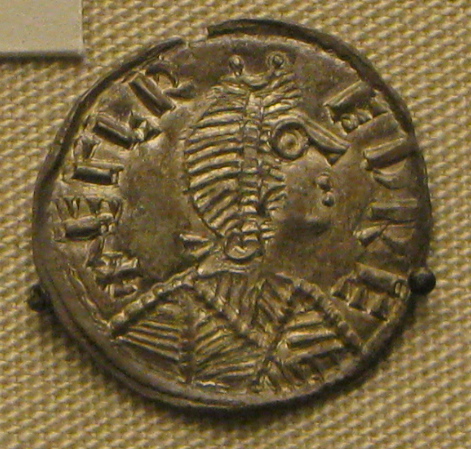
Alfred the Great coin

I quickly became totally hooked on this genre, my fascination knew no borders, enjoying tales that ranged from the illustrious King Alfred the Great and the Vikings, to the turmoil of the 18th century. Like a mosaic artist, I pieced together a chronology that unfolded across centuries, each novel augmenting my list of captivating historical figures. Yet in the labyrinth of historical sagas, one dynasty held me spellbound – the indomitable Plantagenets, sovereigns who reigned for more than three centuries, and totally transformed England’s destiny.

The following decade saw me immerse myself in an array of historical fiction, discovering all I could about this powerful dynasty. I even ventured into the uncharted territory of non-fiction, a realm I had never before explored for mere enjoyment. During this time, an unexpected, and slightly off-track obsession took root: the enthralling “Outlander” series by Diana Gabaldon, a time-travelling tale of the final 1745 Jacobite rebellion in Scotland. I was ecstatic when this saga leapt from page to screen in 2014. With recent images of the series in my mind and fueled with a life-long desire to see Scotland, a travel adventure beckoned. Plans were made, the saving began and with much excitement, my sister and I finally embarked on the gruelling 24hr flight to Glasgow in June 2017, to begin an Outlander adventure. We had a ball, and I found that I thoroughly enjoyed the small group atmosphere, which was both friendly and welcoming. Having the services of a Tour Manager as well as a local Tour Guide made our adventure not only personal but truly unique. Little did I realise then that this tour would kindle the spark for my future endeavours.

While the Scottish adventure might not have directly concerned the Plantagenets, my love for this era showed no sign of dimming. My interest was captivated by so many of the historical figures of the time, names like Eleanor of Aquitaine, Edward the Black Prince, and William Marshal, the greatest knight of the Middle Ages, and the power behind five of the Plantagenet kings. Reminiscing on the amazing time I had in Scotland, I began to search for a themed tour in France based on the Plantagenets, surely there had to be one. Unfortunately, and to my absolute disappointment, my search yielded no results whatsoever. The seeds planted in my mind by my tour in Scotland began to take root, a vision took form, and I dared to dream. It would be the words of one of my dearest friends that eventually gave me that final push… she simply said “Max, what is stopping you”? And thus, the idea of Plantagenet Discoveries was born, and I began to read and research the people, history and places I planned to visit.

The Gallery of Kings, Lincoln Cathedral

I worked on convincing my best friend of 30 years to come with me on this epic journey as she too was fascinated with medieval history, and after much deliberation, she decided to join me on this life-changing adventure. Together we embarked on a rollercoaster of meticulous planning, fervent study of tourism and business, and ceaseless research, we even began French lessons. For almost two years we navigated the crazy path between ordinary life, family obligations, our full-time jobs, and all that was necessary to get a new tour business off the ground. Remarkably, the onset of Covid-19 was a blessing in disguise as it allowed us ample planning time. Financial contributions were huge, our optimism continued to grow, and we remained positive this dream would become a reality. That dream was a tour company where we could share our passion for this incredible part of history. It would be a unique small group experience for our guests that would be fun, friendly, and informative, while providing them with the utmost in personal service. With the help of my wonderful son Chris (who happens to be a Digital Marketing Head for an advertising agency), we finally unveiled our website and social media presence in August 2022, it is very handy having our own personal social media guru.

Our flight bookings were confirmed, and the countdown began to September 2nd when we would fly to France and England for our reconnaissance mission. Chris and his partner Martin, who live in Sweden, met us and we enjoyed a short stay in the beautiful city of Paris before we headed off to explore. Serving as chauffeurs for a month, the boys skillfully navigated us across the landscapes of both France and England. While laughter and fun were in abundance, our schedule proved relentless, every moment earmarked for visits to hotels and historic sites, as well as the perpetual task of tending to our social media presence, which is almost a part-time job in itself. The return journey home on September 30th found us both weary to the bone, but looking at the task ahead of us with a mixture of excitement and enthusiasm.

I feel the need to divert off track here for a bit and talk about an extraordinary event that happened during our travels. It was the 8th of September 2022 – a date etched in history as Queen Elizabeth II passed away. For an Australian like me, the surrealism of being present during such a pivotal moment defies description. I will always remember the news reaching us as we ate dinner at a lovely little outdoor café in the historic city of Le Mans, France. For me, the sadness I felt was only surpassed by the profound local response to her death. The French people echoed the lament, and as we travelled around France our shared grief forged connections with all those we encountered. Our foresight in procuring Eurostar tickets months prior to our travels provided us with easy passage across the channel, despite the masses attempting to reach London for the funeral which was scheduled for the 19th of September. As it happened, this was the very day we planned to depart the city, casting us into the logistics of travel amidst large crowds and road closures. Bad timing you would say – well at first that is exactly what I thought. Gradually however, the irony of this situation dawned on me like an epiphany, fate actually has magnificent timing. On a reconnaissance adventure, where we were tracing the footsteps of bygone royalty, we found ourselves in London during the most momentous historic event that most of us will ever see in our lifetime. Up until now we could only read about or imagine the impact that the death of a monarch would have on its people, and yet here we were, given the opportunity of witnessing it firsthand. An entire nation, and a significant part of the world, ground to a halt, queue’s stretched for days as the people sought a final glimpse of their queen. There was an extraordinary sense of ‘something’ that is impossible to verbalise. The myriad of emotions were tangible, sadness, fear, apprehension, but above all an overwhelming sense of loss. We stood there, participants in a sombre yet pivotal chapter of history, another thread woven into the tapestry of the past.

Effigy of Eleanor of Aquitaine, Fontevrault Abbey

But let us return to our narrative, in the spirit of determination, Deb and I set to work. One of the main challenges we faced was the time difference, Australia’s vast isolation meant that all correspondence depended on email. This works fine if you receive responses, but all too often, this does not happen. If it came to having to make phone calls, which it often did, navigating time zones together with full-time working hours certainly is not an easy task. It involves a well-managed calendar I can tell you.

Then there was the language barrier, a real hurdle in communication. It is simple to translate a digital document or email, but when it comes to phone calls, it can be more challenging. I found in France, that many people speak English, occasionally however, challenges arise due to a lack of fluency. I remember the night we stayed at Chateau Castel Novel (a stunning 12th-century castle in central France), we were served the most beautiful and enticing appetizer. The room abounded with laughter as we tried to find out exactly what this dish was made from. The path to success lay in the beacon of humour, for those willing to chuckle at their own linguistic escapades. The mood lightened, communication flowed, and we discovered that the dish was in fact made from potato. With the spirit of laughter as our guide, we began to sow the seeds of rapport, nurturing relationships that we hope will stand the test of time.

Earlier this year, life, often the master of unforeseen twists, dealt us our biggest blow. Due to personal reasons, Deb found herself at a crossroads, her only choice to step away from the venture entirely. The fallout was profound – for us both, it felt like the world had momentarily lost its rhythm. Amid our devastation, a realization emerged that life weaves its own threads of trial and triumph, and God’s plan does not always align with ours, compelling us to soldier on, adapting and accepting.

I am now navigating these waters unaccompanied, and while the quiet absence of another’s counsel is sorely missed, I’ve discovered a reservoir of resilience and unwavering optimism. I have come to terms with my solo voyage, and each wave of uncertainty is met with an anchor of positivity. Numbers were slow initially, but now a silver lining peeks through the clouds in the form of bookings and deposits, heralding the success of my long-anticipated adventure in September 2024.

For me, this has been more than just a business endeavour, it has been a story of remarkable personal growth and transformation. My life has echoed with the mantra “Every day is a school day”, a truth etched into the fabric of my experience. A habit of burying my head in the sand has given way to a newfound tenacity, a willingness to face challenges head-on.

Edward I and Eleanor of Castile, Lincoln Cathedral

As I reach the closing chapter of this article, I can’t help but radiate my enthusiasm. My passion and my vision are no longer confined within the chambers of my imagination, this dream has now become a reality. And you know what is even more fantastic – along the journey, I have found my tribe, and I couldn’t be happier about that!!

So, if this story has resonated with you, I invite you to delve deeper by visiting http://www.plantagenetdiscoveries.com. There, amidst the pages, you will unearth not only the itineraries of our tours, but the musings of heart, encapsulated in my blog posts. You can also follow me on both Facebook and Instagram @plantagenetdiscoveries and I have a friendly Facebook group community where we share photos and stories of medieval history and travel. http://www.facebook.com/groups/loversofmedievalhistorytravel

And for all those among Sharon’s incredible community, a special treat awaits – a 10% discount on each tour, with an additional 5% for the adventurous souls embracing the Back-to-Back option.

Join me on this extraordinary time-travel adventure as we let the echoes of history guide our steps, but more importantly, as we make incredible friendships and memories that will be sure to last a lifetime.

Max

*

My Books

Christmas is coming!

Signed, dedicated copies of all my books are available through my online bookshop.

Coming 15 January 2024: Women of the Anarchy

On the one side is Empress Matilda, or Maud. The sole surviving legitimate child of Henry I, she is fighting for her birthright and that of her children. On the other side is her cousin, Queen Matilda, supporting her husband, King Stephen, and fighting to see her own son inherit the English crown. Both women are granddaughters of St Margaret, Queen of Scotland and descendants of Alfred the Great of Wessex. Women of the Anarchy demonstrates how these women, unable to wield a sword, were prime movers in this time of conflict and lawlessness. It show how their strengths, weaknesses, and personal ambitions swung the fortunes of war one way – and then the other.

Available for pre-order from Amberley Publishing and Amazon UK.

Also by Sharon Bennett Connolly:

Out nowKing John’s Right-Hand Lady: The Story of Nicholaa de la Haye is the story of a truly remarkable lady. Nicholaa de la Haye was the hereditary constable of Lincoln Castle and the first woman in England to be appointed sheriff in her own right. Her strength and tenacity saved England at one of the lowest points in its history. Nicholaa de la Haye is one woman in English history whose story needs to be told…

King John’s Right-Hand Lady: The Story of Nicholaa de la Haye is now available from Pen & Sword Booksbookshop.org and Amazon.

Defenders of the Norman Crown: The Rise and Fall of the Warenne Earls of Surrey tells the fascinating story of the Warenne dynasty, of the successes and failures of one of the most powerful families in England, from its origins in Normandy, through the Conquest, Magna Carta, the wars and marriages that led to its ultimate demise in the reign of Edward III. Defenders of the Norman Crown: Rise and Fall of the Warenne Earls of Surrey is now available from Pen & Sword BooksAmazon in the UK and US, and Bookshop.org.

Ladies of Magna Carta: Women of Influence in Thirteenth Century England looks into the relationships of the various noble families of the 13th century, and how they were affected by the Barons’ Wars, Magna Carta and its aftermath; the bonds that were formed and those that were broken. It is now available in paperback and hardback from Pen & Sword,  Amazon, and Bookshop.org.

Heroines of the Medieval World tells the stories of some of the most remarkable women from Medieval history, from Eleanor of Aquitaine to Julian of Norwich. Available now from Amberley Publishing and Amazon, and Bookshop.org.

Silk and the Sword: The Women of the Norman Conquest traces the fortunes of the women who had a significant role to play in the momentous events of 1066. Available now from Amazon,  Amberley Publishing, and Bookshop.org.

Alternate Endings: An anthology of historical fiction short stories including Long Live the King… which is my take what might have happened had King John not died in October 1216. Available in paperback and kindle from Amazon.

Podcast:

Have a listen to the A Slice of Medieval podcast, which I co-host with Historical fiction novelist Derek Birks. Derek and I welcome guests, such as Bernard Cornwell, and discuss a wide range of topics in medieval history, from significant events to the personalities involved.

*

Don’t forget! Signed and dedicated copies of all my books are available through my online bookshop.

For forthcoming online and in-person talks, please check out my Events Page.

You can be the first to read new articles by clicking the ‘Follow’ button, liking our Facebook page or joining me on Twitter and Instagram.

*

©2023 Maxine Sommer and Sharon Bennett Connolly FRHistS
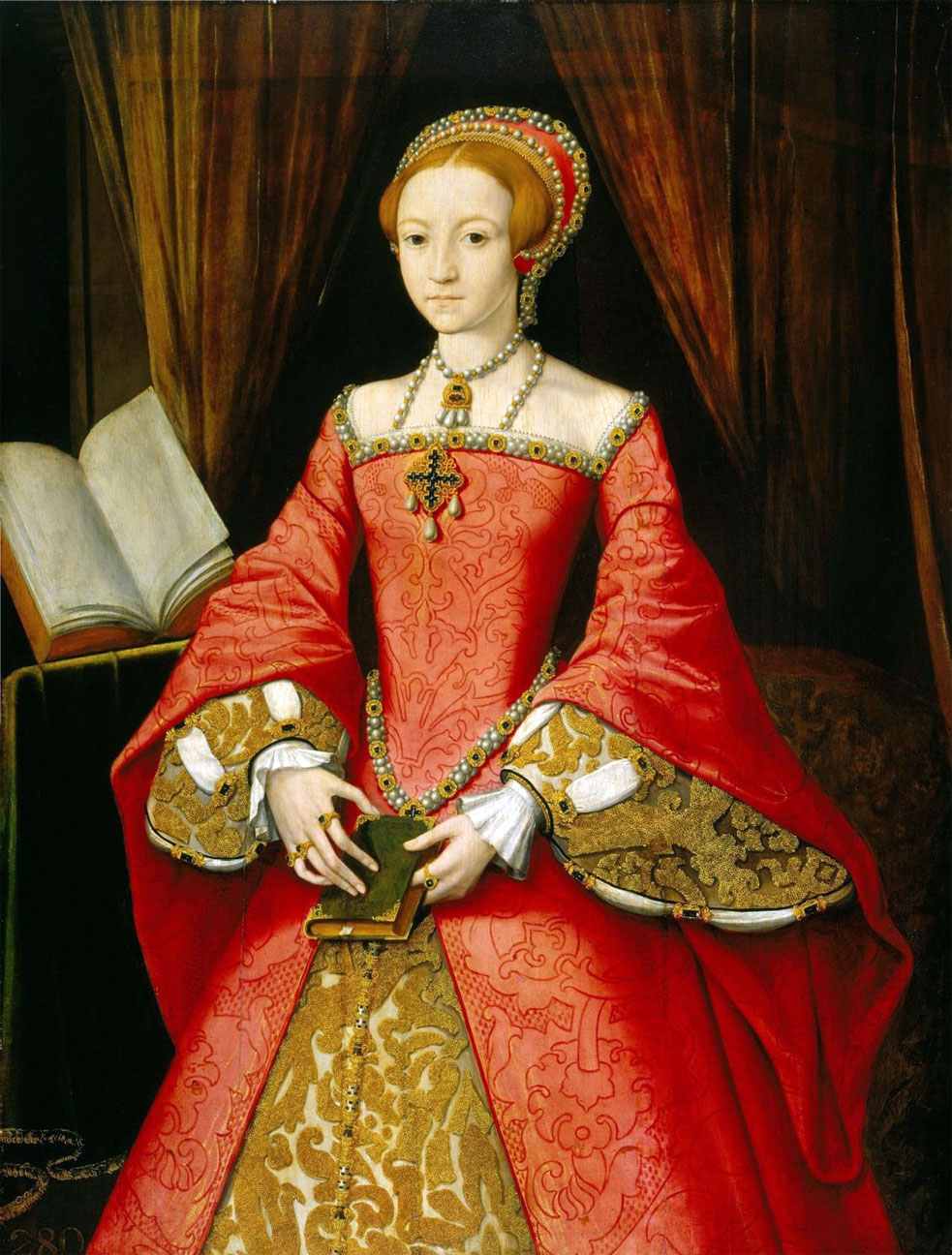
Guest Post: The Ambassadress by Ronan Beckman

The Historical Writers Forum have released a new Anthology of short stories. You may remember that last year’s Anthology, Alternate Endings, included a short story about the final days of King John, by me! This year’s Anthology, Masterworks: Historical Fiction Inspired by Works of Art, will make you look at some famous artworks a little differently…

Today, I am joined by one of the contributors, Ronan Beckman, whose story is inspired by Emma Hamilton. Over to Ronan…

Do you remember what got you hooked onto a specific time period or aspect of history? I had just finished reading Amanda Foreman’s excellent biography Georgiana, The Duchess of Devonshire , which resulted in my addiction to everything about the Georgian-era but especially to women’s history in that time. Often relegated to the sidelines of history, Georgian times allowed women to begin to step into the spotlight – albeit in very slow, tiny steps. I began to voraciously read biographies of prominent ladies of that time. And one story that truly stood out for me was the life of a blacksmith’s daughter from Cheshire born as Amy Lyon. But the world knows her better as Emma, Lady Hamilton; lover of Admiral Nelson. Flora Fraser’s Beloved Emma laid out the incredible story of the amazing transformation of this pretty young woman into one of the most talked about celebrities of her age.

Portrait of Emma Hamilton by George Romney

Several years later, The National Maritime Museum in London put together a fabulous exhibition entitled Seduction & Celebrity that explored Emma Hamilton’s rise and fall, from beginning to end. One of the most noticeable aspects of the show was that there was ample material to display, primarily from one particular artist. George Romney was one of the most prominent society portrait painters of the late Georgian period. Although his talent was comparable to his well-respected contemporaries, such as Joshua Reynolds, Thomas Gainsborough and John Hoppner; he refused to participate in the antics associated with the Royal Academy of Arts and their annual exhibitions. Artists would become fiercely competitive as they all vied for the most prominent places within the show, hoping that their works would stand out from the rest. Romney wanted no part of this circus, and relied on his talent and reputation to gain custom amongst his wealthy clients. This worked out well for him, and he had no shortage of sitters. However, the tedium of producing staid portraiture of the elite classes began to prove tiresome.

How fortunate for Romney then that a customer, Sir Charles Greville, brought in a secret mistress that he had ensconced away in a humble, rural cottage in nearby Edgeware. The 16 year-old Amy Lyon had already experienced several tragedies in her young life; having found herself pregnant by another aristocratic man, Sir Henry Fetherstonhaugh, who promptly abandoned her. Greville came to the rescue, but on the proviso that she gave her baby away, living a life of thrift and economy whilst being at his beck and call. She had no room to negotiate and was grateful for this second chance. Greville sought to have her beauty be captured and admired on canvas, for him to be able to display to his friends. In effect, he wanted to boast “This heavenly goddess is mine, and you cannot even see her in the flesh. Don’t you envy me?”

Emma Hart by Romney

Romney was immediately enchanted by the charisma and stunning beauty of the newly renamed Emma Hart. Her presence reinvigorated his artwork. They embarked on a creative partnership that resulted in Romney’s finest and most creative output. In return, Emma was portrayed in various guises for posterity. She had to reinvent herself for each sitting, becoming a mythological creature or some historic character from long ago. Emma sat for dozens of paintings by Romney. She was his muse, allowing him to explore his craft beyond the confines of standard portraiture. Greville was happy to loan her modelling services to Romney, for it was increasing the value of his ‘ward’ that he had saved from a certain life of penury. Engravings had been made of some of Romney’s paintings, affording a glimpse of her allure to a wider audience. As her image was circulated, there was an increasing curiosity aroused throughout the capital city. Who was this charming being?

The drip-feed of artistic content provided opportunities for both Romney and Emma. Romney’s reputation and name was further advanced as well as inspiring his art to reach new levels of creativity. Emma became what may well be the very first Supermodel – a celebrity whose fame and notoriety was constantly on an upward trajectory. It seems apparent that Romney became infatuated with Emma. And perhaps Emma appreciated the advice and friendship of a man outside of the realm of the Ton, but who knew of the inner workings and mindset of the Upper Class who made up his clientele.

But this fame and notoriety was not appealing to Sir Charles Greville, who was seeking a wealthy heiress to supplement his dwindling finances. Being saddled with an infamous beauty as a mistress would not make him very appealing as a suitor to the respectable ladies that he wanted to pursue. Therefore, he duped Emma into travelling to Naples, to visit his uncle who was the serving British ambassador there. He had offered her to his uncle as a mistress, without her consent or knowledge. This separation severed the symbiotic artistic relationship between Emma and Romney for several years. Romney, who was prone to depression, was affected by her absence deeply. Although furious with Greville for abandoning her, Emma did make the best of her situation – enjoying her time in the royal court of Naples and eventually becoming quite fond of her ambassador.

In the summer of 1791, Emma returned to England to marry Sir William Hamilton and return to Naples as a respectable wife of the ambassador. During these brief few weeks, Emma reunited with her favourite artist, kick-starting a frenetic pace of artistic output as the painter and his muse were working together again. This brief slice in time intrigued me and I wanted to explore it further. I am fortunate enough to have seen many examples of Romney’s work with Emma as the model. You can feel the creative frisson embedded in these artworks. Romney’s paintings of Emma are seared with an energy that simply does not exist in his other portraits. There was something electric between these two individuals. Was it romantic? There is a feeling of magnetic attraction when one looks through Romney’s gaze in his portraits of Emma. I must say that even though Emma modelled for other great artists (Joshua Reynolds, Thomas Lawrence, Élisabeth Louise Vigée Le Brun, among many others), that spark of something special and extraordinary is just not there.

Romney self-portrait

The last painting that Romney painted of Emma was actually painted on her wedding day. Entitled The Ambassadress, the viewer is a witness to the complete transformation of Emma Hart into Lady Hamilton. As Vesuvius erupts in the dark background, one can imagine the well of emotions bursting forth from Romney’s paintbrush – being well aware that this was the last time that he would lay eyes upon the divine Emma he so cherished. Emma looks back at him, slightly pensive but very refined as she knows she is about to embark on a life of newfound respectability. There is so much wistful emotion silently conveyed in this moving portrait. What were those last moments like in Romney’s studio, as they parted ways for the final time?

The Ambassadress was the inspiration for my short story of the same name. It is one of eleven short stories in the Historical Writer Forum’s anthology entitled Masterworks. Eleven authors have written stories that have been influenced by a particular work of art. The result is a series of stories that takes the reader through time and place, from ancient Sumerian kingdoms to present day London. Available now through Amazon.

About the author:

Ronan Beckman is an American educator who has lived in the UK for over 30 years. His interest in history and genealogy helped to spark an interest in further developing the stories of some of the family he researched – resulting in his debut novel ‘An Actress of Repute’. Subsequently, he has become a bit obsessed with all things Georgian and Regency related. Further adventures are in the works for the character of Elizabeth Searle and her fellow actor friends. His latest project has been editing a transcript of a rare, out-of-print book by a Lancashire coal miner who became secretary of the TUC and a Member of Parliament. The new annotated version of Samuel Woods’ ‘Visions of the Mine’ contains biographical notes and historical images. Visit his blog at http://www.ronanbeckman.com.

*

My Books

Christmas is coming!

Signed, dedicated copies of all my books are available through my online bookshop.

Coming 15 January 2024: Women of the Anarchy

On the one side is Empress Matilda, or Maud. The sole surviving legitimate child of Henry I, she is fighting for her birthright and that of her children. On the other side is her cousin, Queen Matilda, supporting her husband, King Stephen, and fighting to see her own son inherit the English crown. Both women are granddaughters of St Margaret, Queen of Scotland and descendants of Alfred the Great of Wessex. Women of the Anarchy demonstrates how these women, unable to wield a sword, were prime movers in this time of conflict and lawlessness. It show how their strengths, weaknesses, and personal ambitions swung the fortunes of war one way – and then the other.

Available for pre-order from Amberley Publishing and Amazon UK.

Also by Sharon Bennett Connolly:

Out nowKing John’s Right-Hand Lady: The Story of Nicholaa de la Haye is the story of a truly remarkable lady. Nicholaa de la Haye was the hereditary constable of Lincoln Castle and the first woman in England to be appointed sheriff in her own right. Her strength and tenacity saved England at one of the lowest points in its history. Nicholaa de la Haye is one woman in English history whose story needs to be told…

King John’s Right-Hand Lady: The Story of Nicholaa de la Haye is now available from Pen & Sword Booksbookshop.org and Amazon.

Defenders of the Norman Crown: The Rise and Fall of the Warenne Earls of Surrey tells the fascinating story of the Warenne dynasty, of the successes and failures of one of the most powerful families in England, from its origins in Normandy, through the Conquest, Magna Carta, the wars and marriages that led to its ultimate demise in the reign of Edward III. Defenders of the Norman Crown: Rise and Fall of the Warenne Earls of Surrey is now available from Pen & Sword BooksAmazon in the UK and US, and Bookshop.org.

Ladies of Magna Carta: Women of Influence in Thirteenth Century England looks into the relationships of the various noble families of the 13th century, and how they were affected by the Barons’ Wars, Magna Carta and its aftermath; the bonds that were formed and those that were broken. It is now available in paperback and hardback from Pen & Sword,  Amazon, and Bookshop.org.

Heroines of the Medieval World tells the stories of some of the most remarkable women from Medieval history, from Eleanor of Aquitaine to Julian of Norwich. Available now from Amberley Publishing and Amazon, and Bookshop.org.

Silk and the Sword: The Women of the Norman Conquest traces the fortunes of the women who had a significant role to play in the momentous events of 1066. Available now from Amazon,  Amberley Publishing, and Bookshop.org.

Alternate Endings: An anthology of historical fiction short stories including Long Live the King… which is my take what might have happened had King John not died in October 1216. Available in paperback and kindle from Amazon.

Podcast:

Have a listen to the A Slice of Medieval podcast, which I co-host with Historical fiction novelist Derek Birks. Derek and I welcome guests, such as Bernard Cornwell, and discuss a wide range of topics in medieval history, from significant events to the personalities involved.

*

Don’t forget! Signed and dedicated copies of all my books are available through my online bookshop.

For forthcoming online and in-person talks, please check out my Events Page.

You can be the first to read new articles by clicking the ‘Follow’ button, liking our Facebook page or joining me on Twitter and Instagram.

*

©2023 Ronan Beckman and Sharon Bennett Connolly FRHistS
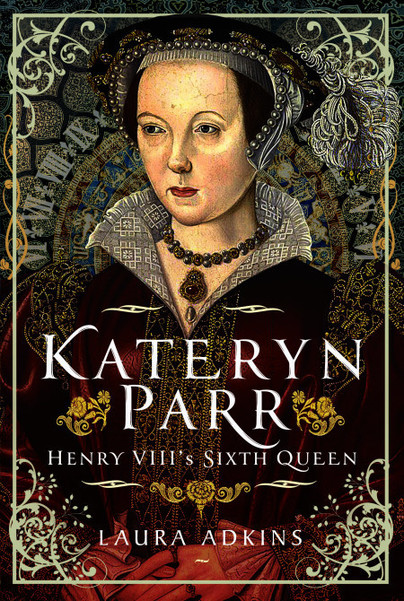
Guest Post: Fabric as Power by Judith Arnopp

It is an absolute pleasure to welcome novelist and historian Judith Arnopp to History…the Interesting Bits today. Judith’s new book, How to Dress Like a Tudor, is one I have been excited to get my hands on ever since I heard she was writing it. The Tudors had a special talent for sumptuous gowns and bright, vibrant colours. They knew how to steal the show!

So, here’s Judith to give you a little taster of her research.

The Evolving Tudor Image: fabric as power

We have all become so familiar with royal Tudor images that we no longer really see them. One glance tells us who they are. We think we know them. They exude power, majesty and the iron fist of mastery.

Earlier portraits of the Plantagenet kings, and even the early portraits of Henry VII are very different to that of his son and grandchildren. But it was Henry VII, the first ‘Tudor’ king who began to develop the ‘Tudor’ brand.

The Tudors were the new kids on the block; nobody could foresee what sort of King Henry would make and his popularity depended very much on that of his wife, Elizabeth of York. Yorkist propaganda demeaned his claim to the throne, declaring that his mother’s line was illegitimate; that Lancaster had stolen the crown in 1399.

Henry, realising he needed to reinforce his hold on the country, embellished his family history to create an impressive Tudor dynasty. He stressed the royal connection of his mother, Margaret Beaufort, and her descent from John of Gaunt and, to strengthen his claim further, he legally removed the stigma of bastardy from the family. He reiterated the royal descent of his grandmother, Katherine of Valois and, more surprisingly, claimed descent from the ancient Welsh King Cadwaladr, and King Arthur. To further cement his link to Arthur he named his first-born son in his honour and embellished the round table at Winchester with the Tudor rose.

With the blood of both York and Lancaster flowing in the veins of his two sons and several daughters, the Tudor line looked set to continue but Arthur’s sudden death in 1502 taught Henry that a king can never have too many sons. He lost no time in teaching his remaining son, later to become Henry VIII, the finer points of kingship. He stressed the importance of his role, the unreliability of the fickle populace, and the crucial need for strong male heirs to perpetuate the dynasty. The importance of heirs was a lesson young Henry never forgot, and one he fought hard to achieve for the rest of his life.

The blooming of the Renaissance and the introduction of men like Holbein to the royal court helped to reinforce this new Tudor image and during Henry VIII’s reign new style of royal portraiture began.

I think of them as ‘power portraits’ that were loud declarations of Tudor permanence and dominance.

The one with which we are most familiar was painted by Holbein the younger after 1537, at a time when Henry was at the height of his power. He had freed himself from Anne Boleyn, and the Pope, and Jane Seymour had finally provided the son and heir he’d been craving.

Everything in this portrait is designed to impress and I certainly succeeds; we cannot take our eyes from the breadth of shoulder, the sumptuous quality of his clothes, his immovable stance, the potent codpiece, and the unflinching expression in his eye. The portrait exudes wealth, power and uncompromising control. It is an unspoken challenge.

Edward VI, and Mary I also used art to illustrate their power but it was Elizabeth, arguably the greatest Tudor of them all, who exploited royal portraiture to the full. The queen was very aware of the power of image and iconography. Encouraged by her adviser, John Dee, her portraits became more and more extreme. In every image she is majestic and fabulously dressed, her tiny frame all but

obliterated by satin, velvet, lace and jewels. In looks, Elizabeth resembled her great grandmother, Margaret Beaufort and her grandfather, Henry VII but by nature she was very much like her father.

Elizabeth’s portraits are perfect examples of Renaissance iconography. Every item represents a characteristic, not of the woman within but of the nature of her reign. It is all there; virginity, wisdom, power, world domination, military genius, and the all-seeing eye of queenship.

In The Armada Portrait c.1588 Elizabeth’s femininity is eclipsed by her magnificent clothing. She has so much padding, she appears every bit as broad and powerful as her father.

If Elizabeth’s grandfather and father had coveted England and parts of France, Elizabeth cast her ambitious eye farther – to the New World. Her hand rests on a globe and just in case the viewer should forget who wears it, the crown of England is just above. If you look closely her famously long white fingers are covering the Americas and, behind her are commemorations of the Spanish fleet being driven onto a rocky shore by a storm that became known as the ‘Protestant wind,’ inferring God’s approval in England’s victory over Spain. Elizabeth is proclaiming herself as the saviour of her people; the mother of her expanding empire; a victorious, virgin queen, blessed by God.

These are the things she wanted the world to see and believe. Her private, inner feelings were none of our concern and so they turned their faces into masks – a blank page, devoid of personality yet replete with majesty.

The portraits of the Tudors reveal so much about that far off world. Holbein in particular is invaluable to anyone studying the period. It is solely due to Holbein’s sketches taken at the court that we know exactly what was going on behind the gabled hoods of Catherine of Aragon and Jane Seymour. A particular favourite sketch of mine is of a woman on a settle which shows her sons dressed in replica garments of adult men. His sketches provide a behind the scenes glimpse of life at court, something the formality of the finished portraits don’t convey.

One of the best parts of writing How to dress like a Tudor for Pen and Sword books was the chance to closely examine the court portraits, and the informal sketches of the royal painters and trace the evolving fashions, styles, fabrics of the era. The Tudors were the new icons, monarchs to be worshipped, feared and respected and their portraits a shield, concealing every vestige of human frailty from common view.

How to Dress like a Tudor doesn’t just examine the clothing of royalty but of courtiers, commoners, children, monks and fools.

About the Author:

Judith Arnopp writes historical fiction set during the late medieval and Tudor period. Her usual focus is on the women who lived close to the monarch, women like Margaret Beaufort, Elizabeth of York and Mary Tudor but more recently has been writing from the perspective of Henry VIII himself. Her books are on Kindle, Audible and Paperback. You can find her fiction books here: http://author.to/juditharnoppbooks

She also writes non-fiction, her work featuring in many anthologies and online magazines. Her latest non-fiction, How to Dress like a Tudor published by Pen & Sword Books is available now. http://mybook.to/howtodress

Judith is a founder member of a reenactment group The Fyne Company of Cambria, and began making Tudor costumes for herself, her husband, John, and other members of the group. It was this that inspired How to Dress like a Tudor and she hopes to write more non-fiction Tudor history in the future. You can find Judith on Facebook, Twitter, Linked-in, Goodreads, Bluesky, Instagram, webpage

Illustrations

Eliz I The Armada Portrait Wikimedia commons [[File:Elizabeth I (Armada Portrait).jpg|Elizabeth I (Armada Portrait)]]

Henry VIII After Hans Holbein the Younger, Public domain, via Wikimedia Commons

Edward VI Attributed to William Scrots (active 1537-1553) [1], Public domain, via Wikimedia Commons

*

My Books

Christmas is coming!

Signed, dedicated copies of all my books are available through my online bookshop.

Coming 15 January 2024: Women of the Anarchy

On the one side is Empress Matilda, or Maud. The sole surviving legitimate child of Henry I, she is fighting for her birthright and that of her children. On the other side is her cousin, Queen Matilda, supporting her husband, King Stephen, and fighting to see her own son inherit the English crown. Both women are granddaughters of St Margaret, Queen of Scotland and descendants of Alfred the Great of Wessex. Women of the Anarchy demonstrates how these women, unable to wield a sword, were prime movers in this time of conflict and lawlessness. It show how their strengths, weaknesses, and personal ambitions swung the fortunes of war one way – and then the other.

Available for pre-order from Amberley Publishing and Amazon UK.

Also by Sharon Bennett Connolly:

Out nowKing John’s Right-Hand Lady: The Story of Nicholaa de la Haye is the story of a truly remarkable lady. Nicholaa de la Haye was the hereditary constable of Lincoln Castle and the first woman in England to be appointed sheriff in her own right. Her strength and tenacity saved England at one of the lowest points in its history. Nicholaa de la Haye is one woman in English history whose story needs to be told…

King John’s Right-Hand Lady: The Story of Nicholaa de la Haye is now available from Pen & Sword Booksbookshop.org and Amazon.

Defenders of the Norman Crown: The Rise and Fall of the Warenne Earls of Surrey tells the fascinating story of the Warenne dynasty, of the successes and failures of one of the most powerful families in England, from its origins in Normandy, through the Conquest, Magna Carta, the wars and marriages that led to its ultimate demise in the reign of Edward III. Defenders of the Norman Crown: Rise and Fall of the Warenne Earls of Surrey is now available from Pen & Sword BooksAmazon in the UK and US, and Bookshop.org.

Ladies of Magna Carta: Women of Influence in Thirteenth Century England looks into the relationships of the various noble families of the 13th century, and how they were affected by the Barons’ Wars, Magna Carta and its aftermath; the bonds that were formed and those that were broken. It is now available in paperback and hardback from Pen & Sword,  Amazon, and Bookshop.org.

Heroines of the Medieval World tells the stories of some of the most remarkable women from Medieval history, from Eleanor of Aquitaine to Julian of Norwich. Available now from Amberley Publishing and Amazon, and Bookshop.org.

Silk and the Sword: The Women of the Norman Conquest traces the fortunes of the women who had a significant role to play in the momentous events of 1066. Available now from Amazon,  Amberley Publishing, and Bookshop.org.

Alternate Endings: An anthology of historical fiction short stories including Long Live the King… which is my take what might have happened had King John not died in October 1216. Available in paperback and kindle from Amazon.

Podcast:

Have a listen to the A Slice of Medieval podcast, which I co-host with Historical fiction novelist Derek Birks. Derek and I welcome guests, such as Bernard Cornwell, and discuss a wide range of topics in medieval history, from significant events to the personalities involved.

*

Don’t forget! Signed and dedicated copies of all my books are available through my online bookshop.

For forthcoming online and in-person talks, please check out my Events Page.

You can be the first to read new articles by clicking the ‘Follow’ button, liking our Facebook page or joining me on Twitter and Instagram.

*

©2023 Judith Arnopp and Sharon Bennett Connolly FRHistS

Guest Post: The Kingmaker’s Women by Julia A. Hickey

Today it is an absolute pleasure to welcome fellow historian Julia A. Hickey to History… the Interesting Bits. I have been following Julia’s work for many years and regularly turn to her blog, The History Jar, for information and inspiration for my own work. And, apparently, Julia does the same with History… the Interesting Bits, so we’re forming a bit of a mutual appreciation society. Julia’s latest book focuses on the Wars of the Roses and, in particular, the wife and daughters of Richard Neville, Earl of Warwick, known to history as ‘The Kingmaker.’ And here she is to give us a little taster of her book, The Kingmaker’s Women, Anne Beauchamp and Her Daughters, Isabel and Anne Neville by Julia A Hickey.

So, it’s over to Julia…

The Kingmaker’s Women, Anne Beauchamp and Her Daughters, Isabel and Anne Neville.

Julia A. Hickey

Anne Neville, Middleham Church

Isabel and Anne Neville led brief but turbulent lives. Their father, Richard Neville, 16th Earl of Warwick by right of his wife, Anne Beauchamp, was at the heart of the conflicts of the mid-fifteenth century, earning himself the name ‘Warwick the Kingmaker’. Countess Anne and her children were chronicled, on occasion, alongside the earl in his long-played political game spanning more than twenty years, concluding only with his death on a foggy Easter morning at Barnet in 1471. It is impossible to write about their lives without setting them in the context of the War of the Roses and the earl’s influence upon it.

Anne Beauchamp, descended from King Edward III, the Despensers and the Mortimers as well as the earls of Warwick, was married to Richard Neville in 1434 at Abergavenny when she was 8 years-old and her husband was only 6. The union was subsidiary to the wedding of their siblings Henry Beauchamp, the 13th Earl of Warwick’s heir, and Cecily Neville which was celebrated at the same time. There was no reason to expect that the marriage would transform Richard, who was heir to his father Richard Neville and his mother, Alice Montacute, the heiress of the Earl of Salisbury, into one of the most powerful nobles of the fifteenth century.

It was Anne’s unexpected inheritance of the earldom of Warwick and all its estates upon the death of her brother in 1446 followed by her young niece, named after her, in 1449 that transformed the couple’s fortunes. Anne, who had three elder half-sisters from the 13th earl’s first marriage to Elizabeth de Berkeley, was the only full-blooded relation of the 15th countess. The law, viewing the deceased countess’s collateral heirs, saw only that Anne was more closely related to her niece than the other women. Inheritance was not awarded based on direct descent from Richard Beauchamp, 13th Earl of Warwick who had been outlived by both his son and his granddaughter. The decision triggered a legal dispute and a feud with the families of Anne Beauchamp’s half-sisters which resonated throughout the conflict between York and Lancaster. As daughters of the 13th earl, Margaret, Eleanor and Elizabeth expected to be coheiresses to the earldom alongside their younger half-sibling. Margaret’s husband, John Talbot, contended that as the husband of the 13th earl’s eldest daughter, it was he rather than Richard Neville who should become the 16th Earl of Warwick by right marriage (jure uxoris).

Middleham Castle

The new countess travelled with her husband, oversaw the management of their estates in his absence, was party to his schemes and subject to the State’s wrath after his death. One of the consequences of the lived experience of the countess and her daughters was that they did not leave the kind of documentary trail that would help to shine a light upon their lives in present times. It was only when medieval women became widows in receipt of dower and jointure rights that they gained legal independence and a voice in the official record. Isabel, born in 1451, and Anne, born in 1456, grew up, lived and died largely unheralded in a masculine world, or so it appears at first glance. Dig deeper and the echo of women with voices demanding to be heard, including Countess Anne, can be found in court records, financial accounts, charters and wills; books commissioned by wealthy well-educated women like the Nevilles and Beauchamps; as well as the establishment of chantries and the building of parish churches throughout the realm.

Isabel Neville, who died when she was 25, was married, in secret at Calais, to King Edward IV’s brother George, Duke of Clarence in 1469. Her father was eager to link the Neville name with that of Plantagenet. Clarence was desirous of the match because Isabel was the elder daughter of one of England’s most powerful men and an heiress to vast estates. There was also a distinct possibility that Warwick would topple Edward from the throne as the relationship between the men deteriorated and place Clarence upon it in his brother’s stead. Circumstantial evidence demonstrates that Isabel was beloved by George who was only a year older than his bride. Unlike the king, Clarence had no known mistresses or illegitimate children. No one can know how Isabel felt about her husband; her experience as a fugitive in 1470, forced to give birth onboard ship to a still born child outside Calais; or the turning of her husband’s coat that September when he re-joined his brother’s cause. It had become clear that Warwick was less interested in making him king than Clarence might have previously supposed. Nor is it possible to know what the relationship between the two sisters was like when Anne Neville was placed in George’s custody in 1471 or even if Isabel supported George’s attempt to prevent the division of her parents’ estates. It is certainly true that Clarence was grief-stricken by his wife’s death and he was permitted, as he desired, to be interred next to Isabel at Tewkesbury following his own execution for treason in 1478.

Warwick Castle

The idea of heiress as powerless trophy is a trope embedded into our common view of Anne Neville, thanks to Shakespeare’s portrayal of her in Richard III as a pawn furthering her father’s ambitions. She has also served since Tudor times as a sickly cypher to illustrate Richard’s manifest evil. The story, told by Shakespeare, is based on Sir Thomas More’s History of King Richard III. In reality, Anne’s life was an example of the changeability of fortune depicted by the popular medieval philosophy of Fortuna’s wheel. History does not know if she was a woman of courage or shrewd intelligence in the way the Lady Margaret Beaufort is recognised, but John Rous who knew Anne described her as ‘amiable and beauteous and in conditions full commendable and right virtuous’. Whatever her health might have been, she was made of the same stern stuff as Henry Tudor’s mother to whom she was distantly related. Anne endured a sea battle when her father was forced to flee England in 1470; was married to Edward of Lancaster, the son of her father’s bitterest enemy; made a forced march with the Lancastrian army from the south of England to Tewkesbury in 1471; was widowed after five months of marriage; and escaped the clutches of her land-hungry brother-in-law. She preferred to risk the criminals of St Martin’s sanctuary near Westminster so that she could make a second marriage to Richard, Duke of Gloucester who would fight for her inheritance and see her returned to her own rightful position in society.

Anne’s marriage to Richard was unusual for a couple of their rank in that no dowry could be agreed for her because, by then, the estates associated with the Nevilles and the Earldom of Warwick lay within the king’s gift. The legal rights of Anne’s mother, the suo jure Countess of Warwick, were stolen from her by King Edward IV and Parliament through the simple expedient of having Anne Beauchamp declared legally dead. The countess’s letters written from sanctuary at Beaulieu following her husband’s death demanding her legal rights remain as testimony to both her own education and the potential power of aristocratic women to intervene in political decision making. The effectiveness of her correspondence to the highborn men and women who surrounded the king is best illustrated by Edward IV’s orders that she should be prevented from the continuation of her writing.

Memorial brass to Isabel Neville and George, Duke of Clarence, Tewkesbury Abbey

Had King Edward IV not died in 1483 while his eldest son was still a child, Anne Neville might have spent the remainder of her days overseeing her household and servants at Middleham as the Duchess of Gloucester. Hers would have been a story of estate management, a piety shared with her spouse, and the trials of childbirth.

Fortuna’s wheel carried Anne to the apex of society when her husband was declared King Richard III on 25 June 1483. As queen she chose to surround herself with Neville kinswomen familiar since childhood, including her own illegitimate half-sister, Margaret Huddleston who was married to the Lord of Millom. Fate continued its abrupt revolution. The loss of her only son, Edward of Middleham, followed hard on the heels of a double coronation and triumphant progress to York. It was not long before Anne became so unwell that her doctors prohibited the king from sharing her bed. As winter turned into spring in March 1485, Anne died and was buried in Westminster Abbey, leaving behind only rumour, speculation and rebellion. Five months later Richard was dead at Bosworth, buried with scant regard for ceremony, leaving Anne to be characterised as a victim rather than a woman born with a powerful name and the potential of political agency.

Even more extraordinary, the circumstances surrounding the end of Isabel and Anne Neville’s lives were both followed by accusations of murder and witchcraft. Clarence, to modern eyes at least, maddened with grief following the untimely death of Isabel in December 1476, accused one of his wife’s own household of murder. Ankarette Twynyho, possibly a trusted midwife, was shoehorned by the duke into an evolving stereotype of a witch. Clarence had no hesitation either in kidnapping the woman or having her judicially murdered. Later, the Tudor propaganda machine, whatever the truth of the matter, vilified Richard III as the murderer of his nephews, a poisoner and a man of such diabolical intensity that he terrified Anne into an early grave.

Countess Anne lived on after her daughters. Consigned to the footnotes or forgotten by history, the suo jure Countess of Warwick, declared legally dead in 1474, refused to be stripped of her voice or her rights. She may have commissioned The Pageants of Richard Beauchamp, Earl of Warwick and the Rous Roll that depict the lives of the Earls of Warwick, the countess, and Isabel and Anne. There was no such thing as a bad Earl of Warwick in her opinion. She knew that her power and that of her daughters lay in the land that they represented, in their kinship networks and the men they slept with.

A pragmatist and survivor, Countess Anne negotiated her return to legal life with the accession of the Tudors on the condition that she broke the entail that lay upon her estates and gifted then to Henry VII. When she died in 1492, she was buried next to her husband in Bisham Abbey. She left Isabel’s surviving children, Margaret and Edward, nothing, apart from a Plantagenet legacy that would see Edward, the 17th Earl of Warwick, executed for treason in 1499 and, Margaret Pole, suo jure Countess of Salisbury, butchered by an inept headsman in 1541.

Medieval chroniclers and the focus of history’s lens marginalises women like Countess Anne and her daughters by imposing a distinction between the masculine public and the feminine domestic spheres. The messy reality is that the countess and her daughters, and women like them, lived complex and sometimes contentious lives, risking everything to protect their family’s interests.

To Buy the Book

The Kingmaker’s Women, Anne Beauchamp and Her Daughters, Isabel and Anne Neville by Julia A Hickey, published by Pen and Sword is currently priced at £20.00. It is available direct from Pen and Sword as well as from Amazon and Waterstones. It is the third of Julia’s books to be published by Pen and Sword. The Son that Elizabeth I Never Had: The Adventurous Life of Robert Dudley explores the life of the Earl of Leicester’s illegitimate son while Medieval Royal Mistresses: Mischievous Women who Slept with Kings and Princes takes an overview of the women who shared the beds of some of England and Scotland’s rulers.

About the author

Julia Hickey describes herself as a general historian but is often drawn back to the Wars of the Roses and the Tudor period. Her interest in history began at an early age when she lived near Plymouth and her father recounted the story of Sir Francis Drake playing bowls before setting sail to vanquish the Armada. She has a particular passion for the reivers who operated in the borders between England and Scotland before James I ascended the throne in 1603 not only because riding names such as Armstrong and Musgrave resonate in her husband’s family tree but because a glimpse may be caught of ordinary men and women in ballads of the period. Little known or untold stories, the contribution made by women and the lives of people who populate the footnotes of History fascinate her. She is at her happiest exploring and photographing castles, ruins, cathedrals and stately homes – preferably followed by a visit to a café.

Her first degree was in English and History from the University of Kent which she followed up with an M.A. by research and teaching qualification. Since then, she has taught in a range of settings from secondary schools to venues used by the Workers Educational Association (WEA). These days she is a freelance speaker, writer and blogger at thehistoryjar.com. She can also be found at https://www.instagram.com/thehistoryjar/ and https://www.facebook.com/TheHistoryJar.

When she’s not writing, she can be found in her garden, enjoying the Peak District in all its seasons or crafting. Almost inevitably her interests take a historical turn. This year she has taken part in the Unstitched Coif, a co-created artwork and research project undertaken by a PHD student at Sheffield in association with the V & A Museum, using blackwork embroidery to stitch a previously unworked seventeenth century design.

*

My Books

Signed, dedicated copies of all my books are available through my online bookshop.

Out nowKing John’s Right-Hand Lady: The Story of Nicholaa de la Haye

In a time when men fought and women stayed home, Nicholaa de la Haye held Lincoln Castle against all-comers, gaining prominence in the First Baron’s War, the civil war that followed the sealing of Magna Carta in 1215. A truly remarkable lady, Nicholaa was the first woman to be appointed sheriff in her own right. Her strength and tenacity saved England at one of the lowest points in its history. Nicholaa de la Haye is one woman in English history whose story needs to be told…

King John’s Right-Hand Lady: The Story of Nicholaa de la Haye is now available from Pen & Sword Booksbookshop.org and Amazon.

Coming 15 January 2024: Women of the Anarchy

On the one side is Empress Matilda, or Maud. The sole surviving legitimate child of Henry I, she is fighting for her birthright and that of her children. On the other side is her cousin, Queen Matilda, supporting her husband, King Stephen, and fighting to see her own son inherit the English crown. Both women are granddaughters of St Margaret, Queen of Scotland and descendants of Alfred the Great of Wessex. Women of the Anarchy demonstrates how these women, unable to wield a sword, were prime movers in this time of conflict and lawlessness. It show how their strengths, weaknesses, and personal ambitions swung the fortunes of war one way – and then the other.

Available for pre-order from Amberley Publishing and Amazon UK.

Also by Sharon Bennett Connolly:

Defenders of the Norman Crown: The Rise and Fall of the Warenne Earls of Surrey tells the fascinating story of the Warenne dynasty, of the successes and failures of one of the most powerful families in England, from its origins in Normandy, through the Conquest, Magna Carta, the wars and marriages that led to its ultimate demise in the reign of Edward III. Defenders of the Norman Crown: Rise and Fall of the Warenne Earls of Surrey is now available from Pen & Sword BooksAmazon in the UK and US, and  Bookshop.org.

Ladies of Magna Carta: Women of Influence in Thirteenth Century England looks into the relationships of the various noble families of the 13th century, and how they were affected by the Barons’ Wars, Magna Carta and its aftermath; the bonds that were formed and those that were broken. It is now available in paperback and hardback from Pen & Sword,  Amazon, and Bookshop.org.

Heroines of the Medieval World tells the stories of some of the most remarkable women from Medieval history, from Eleanor of Aquitaine to Julian of Norwich. Available now from Amberley Publishing and Amazon, and Bookshop.org.

Silk and the Sword: The Women of the Norman Conquest traces the fortunes of the women who had a significant role to play in the momentous events of 1066. Available now from Amazon,  Amberley Publishing, and Bookshop.org.

Alternate Endings: An anthology of historical fiction short stories including Long Live the King… which is my take what might have happened had King John not died in October 1216. Available in paperback and kindle from Amazon.

Podcast:

Have a listen to the A Slice of Medieval podcast, which I co-host with Historical fiction novelist Derek Birks. Derek and I welcome guests, such as Bernard Cornwell, and discuss a wide range of topics in medieval history, from significant events to the personalities involved.

*

Don’t forget! Signed and dedicated copies of all my books are available through my online bookshop.

For forthcoming online and in-person talks, please check out my Events Page.

You can be the first to read new articles by clicking the ‘Follow’ button, liking our Facebook page or joining me on Twitter and Instagram.

©2023 Sharon Bennett Connolly FRHistS and Julia A. Hickey

Guest Post: The Boy Who Would be King by Mark Turnbull

I am currently reading a fabulous, very personal biography of King Charles I, by Mark Turnbull. Charles I’s Private Life concentrates on the personal, rather than political, life of one of England’s most controversial kings – the only one to be convicted of treason and publicly executed. It is a fascinating, intimate, biography. And Mark has very kindly joined me today with a taster of what you can expect from the book.

The Boy who Would be King

The past is full of anchor points and legendary facts. Henry VIII’s marital record, for example, snags many history enthusiasts, helping the 118-year Tudor rule flourish in books, films, and television. By comparison, at 111 years, the Stuart era often flounders because this stormy period has so many complicated threads – most especially the Wars of the Three Kingdoms.

The monarch during the civil wars was King Charles I. His death is probably the most well-known fact about him that sticks in our minds. On a cold January afternoon, wearing two shirts lest shivering give the appearance of fear, he was executed outside his palace. In the aftermath of his death, his enemies were keen to portray him as a tyrant responsible for the deaths and atrocities. King Henry’s divorce had given birth to the Church of England, but it was Charles’s defence of it that led to his veneration as a martyr when the monarchy was eventually restored. Over the centuries he has increasingly become a two-dimensional martyr or murderer; an anachronism to many today. History has almost severed his personal character, life, and loves.

Charles I’s Private Life digs deep into the man behind the crown, to better understand him, and in turn, the wars that dominated his reign. With emphasis on his personal relationships, I have aimed to produce a most intimate biography. One of the fresh aspects is closer examination of his overlooked childhood – years that formed his character and beliefs.

Charles as a child with his parents, James VI and I and Anne of Denmar

Born in 1600, the second son of King James VI of Scotland had a sickly start. In 1603, when James acceded to the English throne, the royal family hurriedly crossed the border. Charles was not deemed to be up to the journey for another year. He initially struggled to walk and talk but fought and overcame this restrictive existence.

After the 1605 Gunpowder Treason broke, he would have known that his own death had been part of the plot. Aged five, whilst traversing Whitehall Palace, the hub of Stuart government, he was no stranger to gossip and fear. On one occasion, he wandered into one of his father’s meetings, only for James to hold him aloft in jubilant relief at their survival. While plague had wiped out many, it helped save the Stuarts. The opening of Parliament had been postponed on account of it, causing delays that saw the plot unravel. Pestilence also helped foster a strong bond between Charles and his elder brother, Henry, when the pair were packed off to the country to escape it.

Charles hero-worshipped his brother. When Henry was absent on progresses, a pining Charles would visit his brother’s stables and ride his horses. He offered to give “anie thing that I have” to his eldest sibling, whether it be horses, crossbows or books. One particular gem of research was a short poem Charles penned in 1608, aged seven, whilst preparing for a jaunt on Henry’s miniature vessel, named Disdain. There is a timeless innocence and excitement in the simplicity of the request for gunpowder for the cannons:

“Saterday is the day

let 4 great barrels of pouder cume away”

Many suggest Charles was overshadowed by Henry. The latter’s numerous talents, which he had no qualms of showing off, certainly made him a legendary figure. Athletic and good looking, he was paraded as the embodiment of honour, courage and princely virtue. The hopes of vast swathes of people were placed in him and as a result it is easy to write Charles off as irrelevant.

King Charles I

The elder, however, was not a good scholar and Charles was held up as an example to follow. Indeed, King James once threatened to leave the crown to Charles who was “far quicker at learning”. Despite his slim physique, Charles proved himself adept at running at the ring, handling a pike, hunting and riding. His future had seemed mapped out from a young age. Many references pointed, surprisingly, to a military career. It was one that Charles seemed to relish, and on one occasion the 6-year-old marched up to the Venetian Ambassador with a ‘harquebus’ on his shoulder to declare he was thus armed for the Republic’s service.

Though numerous siblings followed Charles (Robert, Mary and Sophia) they all perished at tragically young ages. As a result, Charles’s father called him ‘Baby Charles’ well into manhood. Apart from being embarrassing, the sobriquet must have been a constantly reminder of royal mortality. Considering Charles’s rushed christening and fragile early years, it seemed as though God had preserved him. But for what?

The sudden death of Prince Henry at the age of 18 was a momentous turning-point that shocked the three kingdoms. King James retreated to the country, while Queen Anna shut herself away and refused to eat. Princess Elizabeth was also inconsolable. The twelve-year-old Charles was left to lead the nation, whilst shouldering an impossible burden of expectation. I was struck by the similarities between Henry’s funeral in 1612 and that of Diana, Princess of Wales, in 1997. For Charles, who led the former through central London, it must have been traumatic to say the least.

A teenage sonnet Charles penned to his mother between the years 1613 and 1619 hints at innermost thoughts over the way his life and character changed forever. He wrote the sonnet to help explain their construction, but the contents are extremely poignant. The daily ‘fascherie’ [troubles] had, he wrote, quenched the heavenly furious fire that once burned inside him.

“In place whereof came sad & thorny cares

Which restlesly no time nor season spares”

From that moment on, Charles pretty much had to take on the guise of his dead brother. His own personality was often suppressed and stifled. Peeling back the layers of propaganda (that of his own and his enemies) reveals a man with faults and foibles, courage and charisma. New evidence in the biography also sheds light on key events such as the start of civil war in England and Charles’s death upon the scaffold.

This article was first published in Historia Magazine (Historical Writers Association)

About the Author:

After a visit to Helmsley Castle at the age of 10, Mark bought a pack of ‘top trump’ cards featuring the monarchs of England. The card portraying King Charles I fascinated him. Van Dyck’s regal portrait of the King and the fact that he was executed by his own people were the beginnings of a passionate interest in the Civil Wars that has lasted ever since.

Mark also produces a podcast called Cavalier Cast – The Civil War in Words. This was the first podcast solely dedicated to the Wars of the Three Kingdoms and explores a variety of topics with leading historians, archaeologists, and re-enactors. Mark lives in County Durham with his wife and two children. http://www.1642author.com

To Buy the Book:

Charles I’s Private Life by Mark Turnbull is now available from Amazon.

*

My Books

Signed, dedicated copies of all my books are available through my online store.

Out nowKing John’s Right-Hand Lady: The Story of Nicholaa de la Haye

In a time when men fought and women stayed home, Nicholaa de la Haye held Lincoln Castle against all-comers, gaining prominence in the First Baron’s War, the civil war that followed the sealing of Magna Carta in 1215. A truly remarkable lady, Nicholaa was the first woman to be appointed sheriff in her own right. Her strength and tenacity saved England at one of the lowest points in its history. Nicholaa de la Haye is one woman in English history whose story needs to be told…

King John’s Right-Hand Lady: The Story of Nicholaa de la Haye is now available from Pen & Sword Booksbookshop.org and Amazon.

Coming 15 January 2024: Women of the Anarchy

On the one side is Empress Matilda, or Maud. The sole surviving legitimate child of Henry I, she is fighting for her birthright and that of her children. On the other side is her cousin, Queen Matilda, supporting her husband, King Stephen, and fighting to see her own son inherit the English crown. Both women are granddaughters of St Margaret, Queen of Scotland and descendants of Alfred the Great of Wessex. Women of the Anarchy demonstrates how these women, unable to wield a sword, were prime movers in this time of conflict and lawlessness. It show how their strengths, weaknesses, and personal ambitions swung the fortunes of war one way – and then the other.

Available for pre-order from Amberley Publishing and Amazon UK.

Also by Sharon Bennett Connolly:

Defenders of the Norman Crown: The Rise and Fall of the Warenne Earls of Surrey tells the fascinating story of the Warenne dynasty, of the successes and failures of one of the most powerful families in England, from its origins in Normandy, through the Conquest, Magna Carta, the wars and marriages that led to its ultimate demise in the reign of Edward III. Defenders of the Norman Crown: Rise and Fall of the Warenne Earls of Surrey is now available from Pen & Sword BooksAmazon in the UK and US, and  Bookshop.org.

Ladies of Magna Carta: Women of Influence in Thirteenth Century England looks into the relationships of the various noble families of the 13th century, and how they were affected by the Barons’ Wars, Magna Carta and its aftermath; the bonds that were formed and those that were broken. It is now available in paperback and hardback from Pen & Sword,  Amazon, and Bookshop.org.

Heroines of the Medieval World tells the stories of some of the most remarkable women from Medieval history, from Eleanor of Aquitaine to Julian of Norwich. Available now from Amberley Publishing and Amazon, and Bookshop.org.

Silk and the Sword: The Women of the Norman Conquest traces the fortunes of the women who had a significant role to play in the momentous events of 1066. Available now from Amazon,  Amberley Publishing, and Bookshop.org.

Alternate Endings: An anthology of historical fiction short stories including Long Live the King… which is my take what might have happened had King John not died in October 1216. Available in paperback and kindle from Amazon.

Podcast:

Have a listen to the A Slice of Medieval podcast, which I co-host with Historical fiction novelist Derek Birks. Derek and I welcome guests, such as Bernard Cornwell, and discuss a wide range of topics in medieval history, from significant events to the personalities involved.

*

Don’t forget! Signed and dedicated copies of all my books are available through my online store.

For forthcoming online and in-person talks, please check out my Events Page.

You can be the first to read new articles by clicking the ‘Follow’ button, liking our Facebook page or joining me on Twitter and Instagram.

©2023 Sharon Bennett Connolly FRHistS and Mark Turnbull