As many of you may know I have spent the last year on a project that was originally titled ‘The Medieval Princess: Royal Daughters from the Conquest to the Wars of the Roses’. It was one of those projects that seemed to go on and on, with no end in sight. But then, at the end of April, it was done. With one tiny snag. The reason it had seemed never-ending was the word count: a whopping 143,000 words!
Cover reveal coming – be patient!
What does that mean in terms of a physical book? Well, it was 50% more words than in my contract and would come out at a book-and-a-half – about 500 pages.
Just wait a little longer…
It is not a surprise, really, Mary Anne Everett Green’s The Lives of the Princesses of England from the Norman Conquest was published in six volumes in the19th century; the first 3 volumes covered the medieval period. So, I knew all along it was going to be a challenge to bring the book in at under 100,000 words.
And I failed miserably!
Stop scrolling – cover reveal coming soon….
Luckily, I have a very understanding editor and her first words, when I confessed my massive word count, was, ‘well, we’re not going to make you cut 20,000 words. Let’s split it in two!
What a relief!
Not long now…
So, I have spent May splitting the books, polishing off book no. 1 and changing the introduction and conclusions so they are relevant to that particular book. And we have settled on titles. The first book is entitled Princesses of the Early Middle Ages: Royal Daughters of the Conquest and will look at the English princesses from the daughters of Harold II to King John.
Nearly there….
I still have work to do on book no. 2, Princesses of the Later Middle Ages: Royal Daughters of the Plantagenets, which will include all the royal daughters from Henry III to Edward IV. There will be more on that at the end of the summer…
It’s time!
Did you peek?
So, here it is. The cover for Princesses of the Early Middle Ages: Royal Daughters from the Conquest
Drum roll please….
Daughters of kings were often used to seal treaty alliances and forge peace with England’s enemies. Princesses of the Early Middle Ages: Royal Daughters from the Conquest will explore the lives of these young women, how they followed the stereotype, and how they sometimes managed to escape it. It will look at the world they lived in, and how their lives and marriages were affected by political necessity and the events of the time.
Almost as interesting as the marriages these girls made are the ones that were never realised. Many English princesses were betrothed, or proposed as brides, three or more times before they were married. Their failed marriage proposals demonstrated their influence and worth on the international royal marriage market, as well as the changing allegiances between countries and the making and breaking of international friendships.
Princesses of the Early Middle Ages will also examine how these girls, who were often political pawns, were able to control their own lives and fates. Whilst they were expected to obey their parents in their marriage choices, several princesses were able to exert their own influence on these choices, with some outright refusing the husbands offered to them. Their stories are touching, inspiring and, at times, heartbreaking.
Princesses of the Early Middle Ages: Royal Daughters from the Conquest is due for release in the spring of 2026, with Princesses of the Later Middle Ages: Royal Daughters of the Plantagenets coming in the summer.
I can’t wait for you to read them!
About the Author:
Sharon Bennett Connolly is the bestselling author of several non-fiction history books. A Fellow of the Royal Historical Society, Sharon has studied history academically and just for fun – and has even worked as a tour guide at a castle. She also writes the popular history blog, http://www.historytheinterestingbits.com and co-hosts the podcast A Slice of Medieval, alongside historical novelist Derek Birks. Sharon regularly gives talks on women’s history, for historical groups, festivals and in schools; her book Silk and the Sword: The Women of the Norman Conquest is a recommended text for teaching the Norman Conquest in the National Curriculum. She is a feature writer for All About History, Tudor Places and Living Medieval magazines and her TV work includes Australian Television’s Who Do You Think You Are?
Her previous books include: Heroines of the Medieval World, Silk and the Sword: The Women of the Norman Conquest, Ladies of Magna Carta: Women of Influence in Thirteenth-Century England, Defenders of the Norman Crown: Rise and Fall of the Warenne Earls of Surrey, King John’s Right-Hand Lady: The Story of Nicholaa de la Haye, Women of the Anarchy, Heroines of the Tudor World and Scotland’s Medieval Queens: From St Margaret to Margaret of Denmark.
The Queens of Scots of the medieval era are a fascinating variety of women and I can only hope that I have done them justice in my latest book, Scotland’s Medieval Queens: From St Margaret to Margaret of Denmark.
Scottish history is fascinating! It is violent, politically charged and passionate. Being inconveniently situated on England’s northern border was never easy for Scotland, but it has made for some great stories over the centuries. Scotland’s story is often that of brother against brother, ambition and family rivalries causing feuds that threatened the stability of the crown itself. Such fissures, of course, grew and ruptured with the aid of English interference and encouragement. The King of England was always happy to play one side off against the other if it weakened Scotland’s position.
And Scotland’s medieval queens, be they Scottish, English, Danish or French, formed a big part of that story.
More often than not, these disputes north and south of the border were resolved in peace treaties, sealed by wedding bells. A number of English princesses and noblewomen found themselves married to Scotland’s kings as a consequence.
Queen Elizabeth de Burgh
For over 400 years, Shakespeare’s version of Lady Macbeth has been the woman most people are familiar with. In the bard’s famous drama, also known as ‘The Scottish Play’, Lady Macbeth is not even given her name. Presented as a scheming, manipulative woman, Shakespeare did as good a hatchet job on Gruoch, a royal princess in her own right, as he had on Richard III. Unfortunately, there is no society established to repair Gruoch’s reputation.
The scheming, ambitious woman who will stop at nothing to put her husband on the Scottish throne – and commit murder to keep him there. But is that the real Lady Macbeth? The story of Queen Gruoch, Lady Macbeth, is one shrouded in mystery, tantalisingly obscure. If only we could know more. The lack of information on Gruoch makes it easy for Shakespeare’s interpretation to be accepted as fact, but it is more than likely an injustice to a woman who survived her first husband’s gruesome death, protected her son and came to an agreement with Macbeth to become his wife, securing her son’s future in the process, and later becoming queen as a consequence.
Queen Gruoch is the first queen of Scots for whom we have a name.
From the highly educated and pious Margaret of Wessex to the glamorous Margaret of Denmark, their lives and experiences tell the story of their nation. Some, such as Matilda de Senlis and Ermengarde de Beaumont, barely make an impression on history, though merely by producing a son, they each guaranteed that Scotland would persevere. And Isabella de Warenne, wife of John Balliol, who is a ghost on the pages of Scotland’s history. And it is not that these made no impression. Their influence was in the domestic sphere, raising children and supporting their husbands, rather than on the political or the international stage. Although Isabella’s story is even more obscure by the fact all mention of the Balliol dynasty was forbidden by the Bruce regime.
Marrying an English princess, for example, did not always guarantee the peace with England that was intended. As the wife of Alexander II, Joan of England did her best to maintain cordial relations with her brother Henry III, often using private letters to broker diplomatic solutions. And Henry III’s own daughter Margaret, in marrying Alexander III, brought Scotland more years of peace with England. As a consequence, Scotland and England enjoyed over 70 years of peaceful relations. These years were shattered dramatically by the deaths of Alexander III, his three children and his little granddaughter, Margaret, the Maid of Norway. Little Margaret’s death left the Scots throne vacant, with thirteen Competitors vying for the crown, staking their claims as Edward I of England acted as adjudicator.
Margaret, Maid of Norway
Edward I took advantage of this to try to assert his overlordship of Scotland, but William Wallace, Robert the Bruce and countless others pushed back, ushering in decades of war with England, the Scottish Wars of Independence.
Edward III’s sister Joan of the Tower was to have no such legacy of peace as the earlier Joan and Queen Margaret could boast. Her brother’s ambition would blight her marriage for years. Edward leant his support to the rival claimant to the Scottish throne, Edward Balliol. If he had not been so keen to exploit Scotland’s dynastic divisions, maybe Joan and David II would have had a happier marriage. We will never know.
One cannot help but feel sympathy for Elizabeth de Burgh, seeing her fortunes rise and fall at the whim of England’s king, Edward I, held captive for eight years when she should have been sitting in splendour on Scotland’s throne.
Or poor Marjorie Bruce, whose childhood was torn from her by that same English king, held far away from everyone she loved, only to be married as she tasted freedom, and dead in childbirth by the age of 19. Passed over for the throne because she was a woman, she still managed to give birth to a dynasty, the Stewarts.
Joan Beaufort, Queen of Scots
Scotland was the first nation in the British Isles to accept a queen regnant when Margaret, Maid of Norway, was recognised as its queen in 1290. How her queenship would have developed, we have no way of knowing. The poor girl died before she even landed in mainland Scotland. Her significance is in that she was proclaimed queen and the possibilities that heralded, even if it got no further. We can only speculate as to how a successful rule by a queen regnant in the thirteenth century may have changed the lives and experiences of women in subsequent centuries. Her death was a tragedy, not just to her family, but to women’s rights to rule.
But then again, as her father-in-law, it may well be that Edward I would have taken Scotland under his wing … and never let go.
Although we have charters and chronicles, and evidence of religious and charitable donations, most of these women remain elusive. They are enigmas.
We do not – and cannot – know them intimately as the one thing that is missing is their own voice. Their thoughts and personalities are lost to us. Even letters to family members are often formulaic and rarely speak of their true feelings, of their happiness – or not – and their cares and concerns for themselves. We know what they endured for the sake of Scotland, the risk of death in childbirth, the grief of lost children, or the grief of no children. Every woman in medieval Europe was exposed to similar experiences. Scottish queens, however, had to endure imprisonment, scheming noblemen and the early deaths of their husbands more times than they should have had to.
Anabella Drummond, Queen of Scots
But, once in a while, we come across a marriage that is a true partnership. A love story, even. And we discover moments of affection, of amusement, of unity and mutual support. Little moments that remind us that these people are not just stories. They are lives that were lived to the full, however short or long a time they had.
Scotland’s story is often violent and suffered greatly from the machinations if its powerful southern neighbour. However, Scotland did emerge from the Middle Ages as, still, an independent, sovereign nation. And Scotland’s medieval queens had each made their own contribution to the country’s continuing survival and independence. From Saint Margaret – even from Gruoch – to Margaret of Denmark, each queen, to varying degrees of success, made their own indelible imprint on Scotland’s remarkable story.
Images:
Courtesy of Wikipedia
Selected Bibliography:
John of Fordun’s Chronicle of the Scottish Nation; Walter Bower, Scotichronicon; Andrew Wyntoun, The orygynale cronykil of Scotland; Calendar of documents relating to Scotland preserved in Her Majesty’s Public Record Office; Richard Oram, editor, The Kings and Queens of Scotland; Rosalind K. Marshall, Scottish Queens 1034–1714; Nigel Tranter, The Story of Scotland; David Ross Scotland, History of a Nation; Liber pluscardensis, edited by Felix James Henry Skene; Mediaeval chronicles of Scotland: the chronicles of Melrose and Holyrood, translated by Joseph Stephenson; The Chronicle of Lanercost, edited by Sir Herbert Maxwell; The Ecclesiastical History of England and Normandy by Ordericus Vitalis; The historie and cronicles of Scotland … by Robert Lindesay of Pitscottie, 3 volumes, A.J.G. Mackay, editor.
*
My books
Signed, dedicated copies of all my books are available through my online store.
Out now: Scotland’s Medieval Queens
Scotland’s history is dramatic, violent and bloody. Being England’s northern neighbour has never been easy. Scotland’s queens have had to deal with war, murder, imprisonment, political rivalries and open betrayal. They have loved and lost, raised kings and queens, ruled and died for Scotland. From St Margaret, who became one of the patron saints of Scotland, to Elizabeth de Burgh and the dramatic story of the Scottish Wars of Independence, to the love story and tragedy of Joan Beaufort, to Margaret of Denmark and the dawn of the Renaissance, Scotland’s Medieval Queens have seen it all. This is the story of Scotland through their eyes.
‘Scotland’s Medieval Queens gives a thorough grounding in the history of the women who ruled Scotland at the side of its kings, often in the shadows, but just as interesting in their lives beyond the spotlight. It’s not a subject that has been widely covered, and Sharon is a pioneer in bringing that information into accessible history.’ Elizabeth Chadwick (New York Times bestselling author)
Heroines of the Tudor World tells the stories of the most remarkable women from European history in the time of the Tudor dynasty, 1485-1603. These are the women who ruled, the women who founded dynasties, the women who fought for religious freedom, their families and love. Heroines of the Tudor World is now available for pre-order from Amberley Publishing and Amazon UK.Women of the Anarchy demonstrates how Empress Matilda and Matilda of Boulogne, unable to wield a sword themselves, were prime movers in this time of conflict and lawlessness. It shows how their strengths, weaknesses, and personal ambitions swung the fortunes of war one way – and then the other. Available from Bookshop.org, Amberley Publishing and Amazon UK. King John’s Right-Hand Lady: The Story of Nicholaa de la Haye is the story of a truly remarkable lady, the hereditary constable of Lincoln Castle and the first woman in England to be appointed sheriff in her own right. Available from all good bookshops Pen & Sword Books, bookshop.org and Amazon.
Alternate Endings: An anthology of historical fiction short stories including Long Live the King… which is my take what might have happened had King John not died in October 1216. Available in paperback and kindle from Amazon.
Podcast:
Have a listen to theA Slice of Medieval podcast, which I co-host with Historical fiction novelist Derek Birks. Derek and I welcome guests, such as Bernard Cornwell and Michael Jecks, and discuss a wide range of topics in medieval history, from significant events to the personalities involved. Every episode is also now available on YouTube.
*
Don’t forget!Signed and dedicated copies of all my books are available through my online store.
For forthcoming online and in-person talks, please check out my Events Page.
Joining me today as part of my Wordly Women series is the wonderful Annie Whitehead. Author of both fiction and non-fiction books based in Anglo-Saxon Mercia, Annie’s latest book, Murder in Anglo-Saxon England: Justice, Wergild and Revenge is replete with dastardly murder stories.
Sharon: What got you into writing?
Annie: It was just something I always wanted to do – I remember writing ‘The Adventures of Ferdinand the Hedgehog’ when I was around 7 or 8. I think the desire to write history came later, partly influenced by the sorts of novels I preferred reading, and partly from a growing love of history generally, probably beginning when I lived in York for six months. Living there, even as a child, you can’t not notice the history all around you.
Sharon: You write both fiction and non-fiction – is one harder than the other?
Annie: I think they are both equally hard, but they are different. The research is pretty much the same, although with fiction you need every day details as well as the actual historical events, but where they differ is that in fiction you are free to fill in the gaps in the history (although in a way that fits with your plot and with your characters), but if you take them on a journey you need to give details, whereas in nonfiction you can just say, ‘The king took an army to York.’ On the other hand, with nonfiction, you can’t make stuff up, and if you make any pronouncements you have to back those up.
Annie: I’ve written four novels, featuring prominent Mercian characters, including Æthelflæd, Lady of the Mercians, and Penda, the last pagan king. I’ve also written three nonfiction books, one about the history of Mercia, one about Women of the era, and my latest release, Murder in Anglo-Saxon England. I’ve also contributed to two nonfiction anthologies and three and a half fiction collections (the ‘half’ is one that’ll be published later this year).
Sharon: What attracts you to the Anglo-Saxon period?
Annie: I think there’s an element of romanticism, a Tolkien-esque aura if you will. The names are very noble sounding, including one of the main characters of my second novel, Alvar the Kingmaker, whose real name was Ælfhere. I like the characteristics that set the period apart from the rest of the (mainly Norman) Middle Ages and I like, on the whole, their values. Particularly, their treatment of women, which was in many ways better than that of their later medieval counterparts. I also find the personalities interesting and characterful – rich pickings for the novelist.
Sharon: Who is your favourite Anglo-Saxon and why?
King Edgar
Annie: There are so many to choose from! I’ve already mentioned three, but I also find the little-known King Edgar (959-975) fascinating because he breaks the mould. His reign was not especially violent – it was more a time of politics and scheming nobles and there were no ‘Viking’ raids – and Edgar’s love life was, shall we say, interesting. He might have had up to three wives, one of whom was said by some – unreliable – chroniclers to have been a nun!
Sharon: Who is your least favourite Anglo-Saxon and why?
Annie: I’m going to get into a lot of trouble with this, especially from some of my writer friends, but it’s Harold Godwineson. Obviously I’d rather he’d won at Hastings, not William, but I do find his whole family rather unappealing, treacherous and self-entitled. (Sorry, Harold fans!)
Sharon: How do you approach researching your topic?
Annie: I always start with the primary sources, contemporary if possible, looking for any reference to the characters I’m planning to write about. I find out, or remind myself, about the timelines, then I look at the later, usually Anglo-Norman sources, to see where they embellish and flesh out the tales. If I’m writing fiction, I might use some of their more detailed and frankly at times outrageous stories, but if it’s nonfiction, I have to use a lot of scepticism in the pursuit of the truth, or at least getting as close to the truth as I can.
Sharon: Tell us your ‘favourite’ Anglo-Saxon story you have come across in your research.
Annie: I have so many! But one is the tale of King Offa’s daughter, accused of poisoning her husband’s advisor and accidentally poisoning her husband too. He was the king of Wessex. She fled to the Continent where the Emperor Charlemagne set her up in an abbey but she was caught in debauchery there and died in poverty. It’s highly unlikely to be a true story, as we have evidence that her husband probably died in battle and if she fled, she was most likely fleeing the wrath of his successor, who’d been forced into exile by her father and her husband.
Sharon: Tell us your least ‘favourite’ Anglo-Saxon story you have come across in your research.
King Æthelred the Unready
Annie: It has to be the story of the St Brice’s Day Massacre, sanctioned by King Æthelred the Unready, where a number of Danes were chased through Oxford into a church which was then set on fire. It sounds like the scene from a bad Hollywood historical film, but it really happened. We know this a) because we have a charter from the king himself saying that he ordered it and b) charred bones dating to the right time unearthed at the location.
Sharon: Are there any other eras you would like to write about?
Annie: I’ve always been interested in the seventeenth century and the early Stuarts in particular. They are coming out of the shadows a bit more now and there have been some excellent books, both fiction and nonfiction, published recently, but they still take second place to the Tudors, which for me is a shame as it’s such an interesting period of history.
Sharon: What are you working on now?
Annie: I’m working on the novel which I shelved to research and write Murder in Anglo-Saxon England. It’s set in the tenth century and features Mercians, Northumbrians, Vikings and Scots and also has a murder or two thrown in!
Sharon: And finally, what is the best thing about being a writer?
Annie: Something I’ve enjoyed from a very early age is reading – I loved being transported to other times and places, meeting new characters and learning their stories. Writing, for me, is almost the same, and to spend my working days making up similar stories and spending time with those characters is a dream come true. It’s a form of escapism and it’s bliss!
About the Author:
Annie is a Fellow of the Royal Historical Society, and has written four award-winning novels set in ‘Anglo-Saxon’ Mercia. She has contributed to fiction and nonfiction anthologies and written for various magazines. She has twice been a prize winner in the Mail on Sunday Novel Writing Competition, and won First Prize in the 2012 New Writer Magazine’s Prose and Poetry Competition. She has been a finalist in the Tom Howard Prize for nonfiction and was shortlisted for the Exeter Story Prize and Trisha Ashley Award 2021. She was the winner of the inaugural Historical Writers’ Association (HWA)/Dorothy Dunnett Prize 2017 and was subsequently a judge for that same competition. She has also been a judge for the HNS (Historical Novel Society) Short Story Competition, and was a 2024 judge for the HWA Crown Nonfiction Award. Her nonfiction books are Mercia: The Rise and Fall of a Kingdom (published by Amberley books) and Women of Power in Anglo-Saxon England (Pen & Sword Books). In 2023 she contributed to a new history of English monarchs, published by Hodder & Stoughton, and in February 2025 Murder in Anglo-Saxon England was published by Amberley Books.
Signed, dedicated copies of all my books are available through my online store.
Out now: Scotland’s Medieval Queens
Scotland’s history is dramatic, violent and bloody. Being England’s northern neighbour has never been easy. Scotland’s queens have had to deal with war, murder, imprisonment, political rivalries and open betrayal. They have loved and lost, raised kings and queens, ruled and died for Scotland. From St Margaret, who became one of the patron saints of Scotland, to Elizabeth de Burgh and the dramatic story of the Scottish Wars of Independence, to the love story and tragedy of Joan Beaufort, to Margaret of Denmark and the dawn of the Renaissance, Scotland’s Medieval Queens have seen it all. This is the story of Scotland through their eyes.
Heroines of the Tudor World tells the stories of the most remarkable women from European history in the time of the Tudor dynasty, 1485-1603. These are the women who ruled, the women who founded dynasties, the women who fought for religious freedom, their families and love. Heroines of the Tudor World is now available for pre-order from Amberley Publishing and Amazon UK.Women of the Anarchy demonstrates how Empress Matilda and Matilda of Boulogne, unable to wield a sword themselves, were prime movers in this time of conflict and lawlessness. It shows how their strengths, weaknesses, and personal ambitions swung the fortunes of war one way – and then the other. Available from Bookshop.org, Amberley Publishing and Amazon UK. King John’s Right-Hand Lady: The Story of Nicholaa de la Haye is the story of a truly remarkable lady, the hereditary constable of Lincoln Castle and the first woman in England to be appointed sheriff in her own right. Available from all good bookshops Pen & Sword Books, bookshop.org and Amazon.
Alternate Endings: An anthology of historical fiction short stories including Long Live the King… which is my take what might have happened had King John not died in October 1216. Available in paperback and kindle from Amazon.
Podcast:
Have a listen to theA Slice of Medieval podcast, which I co-host with Historical fiction novelist Derek Birks. Derek and I welcome guests, such as Bernard Cornwell and Michael Jecks, and discuss a wide range of topics in medieval history, from significant events to the personalities involved. Every episode is also now available on YouTube.
*
Don’t forget!Signed and dedicated copies of all my books are available through my online store.
For forthcoming online and in-person talks, please check out my Events Page.
In the third episode of my Wordly Women interviews, I welcome Paula Lofting to History…the Interesting Bits to talk about her writing journey. Paula is the author of the Sons of the Wolf series of novels and has recently published her first none fiction work Searching for the Last Anglo-Saxon King: Harold Godwinson, England’s Golden Warrior.
Welcome Paula….
Sharon: What got you into writing?
Paula: When I was a little girl as soon as I could write straight, I used to come home from school sit at the coffee table in our lounge on my feet and write stories. I was particularly fond of ‘composition’ class at school where the teacher would put several titles up for us to choose from to write about. I often had my stories read out to class.
I guess it was something I always wanted to do. I remember in my teens, writing an epic historical fiction based on the years after the Romans left Britain, but I hand wrote it because I hadn’t learned to type and the typewriter, I had was useless. I thought I was never going to submit because it never occurred to me to just type with one finger! So, I gave up on that idea. I’d written plays, poems, and all sorts of stuff, but I was also in a bad relationship with a man who didn’t want to share me with a pen, so it was difficult until the relationship ended, and I had moved on. It was when the advent of personal computers came along when I realised that I could actually achieve my dream if I wanted to.
Sharon: Tell us about your books.
Paula: I have been writing a series set in the years leading up to the Norman Invasion of 1066. There are currently two books I have published in the series, and of course a nearly finished 3rd WIP. The series is called Sons of the Wolf, which is the name of book 1 and book 2 is The Wolf Banner, and 3 which I am working on is called Wolf’s Bane. As you can see there is a recurring theme. The theme is not something to do with real wolves but has its origins in my hero’s family history whose ancestors believed that they were descended from wolves.
The books tell the story of Wulfhere, a Sussex thegn, and follows the fortunes of his family in the years before the Battle of Hastings took place. It explores the lives of the ordinary people who lived against the backdrop of the political landscape of the time.
The series is a chronological account of events that are woven into the tapestry of the family’s lives and also tells the story of the main historical players of the time, such as Harold Godwinson and his clan. The two men’s lives run parallel alongside each other, and their contrasting stories are intricately woven together as is their fate.
The books all run consecutively, and you will find there are no gaps in the saga, so where one book ends, the new book starts. I have plans to continue after the catastrophic events of 1066 into the rebellion years.
Sharon: What attracts you to the 11th century?
Paula: I think that there is a lot of romance around the whole story of two men who fought over their claims to be king of England which people are drawn to. There is the tragedy of the last ‘Anglo-Saxon king’ who is butchered to death on the battlefield: the tall, handsome, charismatic, affable, warrior who fights for his people and his country. There is the underdog and the overdog theme which comes after the conquest and lasts for some time before England begins to melt as though seamlessly into the new regime.
Then you have the original Robin Hood type story of Hereward who sort of appears from nowhere to fight the good fight against the baddies after coming back to England from abroad to find a lot of things have changed and his ancestral lands commandeered by invaders. There is so much to play with there, a passionate conglomerate of rich history that evokes and inspires in the most amazing manner. It is an era that sets itself apart from what happens later – the cusp of change from the old world to the new.
I find it fascinating. Love… Betrayal… Battles… Bloodfeud.
What’s not to love!
I have also written a book about Harold Godwinson which is due for release any day now with Pen and Sword.
Sharon: Who is your favourite Anglo-Saxon and why?
Paula: There were so many extraordinary characters, and a lot I could choose from. For now, I have to go with Harold Godwinson, simply because, although we will never know what his true nature was for certain, what is written in the sources is constant and conjures up a vision of a man who loved his wife, his family, and his country. A man who avoided internal conflict, forced to navigate intrigue, family skirmishes, and the jealousy of the other aristocracy. He was not a perfect man, but in comparison to many rulers and sub rulers in medieval times, there were a lot more who were far more undesirable. During his early tenure as king, knowing that his country was in danger on many fronts, he acted swiftly to gather his armies together and deploy them to defend the shores. He even found time to see to some of his admin duties, all this in the early weeks of his reign. Who knows what he might have achieved if his life had not been so cruelly taken from him so early into his reign.
Sharon: Who is your least favourite Anglo-Saxon – or Viking – and why?
Paula: Ooo – Can I have one of each?
In that case I have to say, the Anglo-Saxon Ealdorman Eadric Streona whose betrayal of King Edmund lost him the battle of Assandun.
My least favourite Viking would have been Sweyn Forkbeard who was invading England from the 990s up until 1013. He became king for about 6 weeks before he died in February 1014. His pillaging and burning of England really stank.
Sharon: How do you approach researching your topic?
Paula: Well, currently I am taking notes from the two major annals, the Anglo-Saxon Chronicles and the Chronicon ex Chronicis which was the work of the monk, John of Worcester and also in part, someone called Florence. I plan to augment them with other sources that I read, both primary and secondary, to try and find sources that correlate and contradict each other so I can make sure I have all the facts in one place when I come to write the narrative. I am always very grateful to those historians who came before me for having done the hard part of digging through the foundations of the information available to me and try to see the original sources for myself. Its helpful that these authors give guidance in their own work for us new historians to build upon and come up with new ideas.
For Historical fiction I have the privilege of being a reenactor and learning the everyday tasks and the little detailed things that experimental archaeology gives us like clothing, food, buildings and battle strategies that often history texts can’t give us. This helps me to build my world as authentically as I possibly can.
Sharon: Tell us your ‘favourite’ Anglo-Saxon story you have come across in your research?
Paula: Oo I love this question!
I have a few, actually: The research carried by Dan Armstrong regarding the Papal Banner. It seems there is little evidence for it in 1066. Readers will need to read the book to find out more about what Armstrong uncovered.
Another is the version of Harold’s trip to Normandy that the English chronicler, Eadmer of Canterbury writes in his History of Recent Events in England, a story that makes far more sense, even though it is the only version of this you can find. And considering that Eadmer was not particularly pro Harold, I think it is far more reliable than the Norman sources.
I also love the anecdotal tale of Bishop Wulfstan who carried a pair of snips with him to cut the hair long hair of the young men who came before him. He didn’t approve of men with long hair, obviously. Can you imagine, you’re an elite, well-respected member of the elite huscarls kneeling before him as you get to the front to receive holy communion and he reaches over your head and grips your neatly combed and beautifully tied back pony-tail and with one snip, you lose it! And there was nothing you could do about it!
Sharon: Tell us your least ‘favourite’ Anglo-Saxon story you have come across in your research?
Paula: Oh gosh, I can name lots, but probably the worst, I have to say, is the cruel propaganda used by the Norman scribes such as Poitiers, who was the first one to mention the Papal Banner, and the way they defiled Harold’s character to detract from William’s regicide of an anointed king and make him seem like a saint!
Sharon: Are there any other eras you would like to write about?
Paula: Yes indeed, but I’m probably never going to achieve them all, here are just a few:
Staying in the so-called dark ages, I once started to write an epic about the post Roman Britain era, centring on Ambrosius Aurelianus. It never came to anything because my circumstances were not right at the time, but I would love to give it ago one day.
Another is Macbeth, and coming right out of my comfort zone, a story about a highway man.
Sharon: What are you working on now?
Paula: Edmund Ironside is my new project for Pen and Sword – a non-fiction book, and fiction wise, I am working on finishing the third novel in my series, Wolf’s Bane
Sharon: And finally, what is the best thing about being a writer?
Paula: Escaping into other times, other places, and building a different world. It gives me a sense of release and I enjoy creating characters I love.
It has never really been my aim to sell loads of books and earn loads of money from writing because its not going to be achievable in this day and age. Its more of a hobby really, but if people read my work, then I am very happy, especially if they enjoy it. That’s the most important part to me.
About the author:
Paula was born in the ancient Saxon county of Middlesex in 1961. She grew up in Australia hearing stories from her dad of her homeland and its history. As a youngster she read books by Rosemary Sutcliff and Leon Garfield and her love of English history grew. At 16 her family decided to travel back to England and resettle. She was able to visit the places she’d dreamt about as a child, bringing the stories of her childhood to life. It wasn’t until later in life that Paula realised her dream to write and publish her own books. Her debut historical novel Sons of the Wolf, was first published in 2012 and then revised and republished in 2016 along with the sequel, The Wolf Banner, in 2017. The third in the series, Wolf’s Bane, will be ready for publishing later this year.
In this midst of all this, Paula has acquired contracts for nonfiction books with the prestigious Pen & Sword publishers. Searching for the Last Anglo-Saxon King, Harold Godwinson, England’s golden Warrior is due to be published at the end of February, and a biographic of King Edmund Ironside is also in the pipeline. She has also written a short essay about Edmund for Iain Dale’s Kings and Queens, articles for historical magazines. When she is not writing, she is a psychiatric nurse, mother of three grown up kids and grandmother of two and also re-enacts the Anglo-Saxon/Viking period with the awesome Regia Anglorum.
Signed, dedicated copies of all my books are available through my online store.
Out now: Scotland’s Medieval Queens
Scotland’s history is dramatic, violent and bloody. Being England’s northern neighbour has never been easy. Scotland’s queens have had to deal with war, murder, imprisonment, political rivalries and open betrayal. They have loved and lost, raised kings and queens, ruled and died for Scotland. From St Margaret, who became one of the patron saints of Scotland, to Elizabeth de Burgh and the dramatic story of the Scottish Wars of Independence, to the love story and tragedy of Joan Beaufort, to Margaret of Denmark and the dawn of the Renaissance, Scotland’s Medieval Queens have seen it all. This is the story of Scotland through their eyes.
Heroines of the Tudor World tells the stories of the most remarkable women from European history in the time of the Tudor dynasty, 1485-1603. These are the women who ruled, the women who founded dynasties, the women who fought for religious freedom, their families and love. Heroines of the Tudor World is now available for pre-order from Amberley Publishing and Amazon UK.Women of the Anarchy demonstrates how Empress Matilda and Matilda of Boulogne, unable to wield a sword themselves, were prime movers in this time of conflict and lawlessness. It shows how their strengths, weaknesses, and personal ambitions swung the fortunes of war one way – and then the other. Available from Bookshop.org, Amberley Publishing and Amazon UK. King John’s Right-Hand Lady: The Story of Nicholaa de la Haye is the story of a truly remarkable lady, the hereditary constable of Lincoln Castle and the first woman in England to be appointed sheriff in her own right. Available from all good bookshops Pen & Sword Books, bookshop.org and Amazon.
Alternate Endings: An anthology of historical fiction short stories including Long Live the King… which is my take what might have happened had King John not died in October 1216. Available in paperback and kindle from Amazon.
Podcast:
Have a listen to theA Slice of Medieval podcast, which I co-host with Historical fiction novelist Derek Birks. Derek and I welcome guests, such as Bernard Cornwell and Michael Jecks, and discuss a wide range of topics in medieval history, from significant events to the personalities involved. Every episode is also now available on YouTube.
*
Don’t forget!Signed and dedicated copies of all my books are available through my online store.
For forthcoming online and in-person talks, please check out my Events Page.
What do you do when 3 friends have books coming out all on the same day? You arrange a mini blog tour, of course. Myself, Paula Lofting and Samantha Wilcoxson all have new non-fiction books published this week, with Pen & Sword Books, so the 3 of us are hosting each other across our blogs, with an article and an interview from each. And I’m kicking us off today.
It is a pleasure to welcome Paula Lofting to History…the Interesting Bits with an article on Harold Godwinson – King Harold II. Paula’s first foray into the realm of non-fiction, Searching for the Last Anglo-Saxon King, is now available.
Was Harold Godwinson of Royal Lineage
Some enthusiasts of the period have been quite taken with the idea that Harold Godwinson was able to trace his ancestry back to Æthelwulf, King of the West Saxons. The original idea came from historian, Alfred Anscombe, and later, genealogist, Lundie W. Barlow. It was taken up as authentic by author Frank Barlow, who has written many works on the period. From his book The House of Godwin, we can read his take on this. Through the will of Prince Æthelstan, son and heir of Æthelred the Unready, we are able pinpoint the man referred to as ‘Godwin, son of Wulfnoth’ being the father of Godwin. According to Frank Barlow, Lundie Barlow (no relation) studied the descent of some of the estates that Wulfnoth held. By treating Wulfnoth, as the son of Æthelmӕr Cild, ealdorman of the western provinces, Anscombe and Lundie believed that the Sussex thegn inherited Compton from his mother, suggesting that the royal blood was passed on through her.
But there is an issue with this theory. To make sense of the concept that Harold was descended from the royal House of Wessex, it was pertinent to explore theories that concern two males named Æthelmær. Both could be said to be candidates for Harold’s great-grandfather. The first Æthelmӕr listed in Anscombe and Lundie’s family tree we shall refer to as Cild. This chap was the son of Æthelweard the historian shown on the modified Anscombe/Barlow family tree.
This theory can be easily dispelled, for Æthelmær Cild was alive and active in the same generation as Wulfnoth himself, making him too young to have fathered Wulfnoth. Secondly, the interests of Æthelweard and Æthelmӕr Cild were concentrated in the areas west of Wessex, whilst Wulfnoth is specifically noted in the Anglo-Saxon Chronicle as a ‘Sussex thegn’.
The other Æthelmær, whom we shall refer to as Æthelmær Two, was one of several brothers of the infamous ealdorman, Eadric Sreona. Now their father was a man called Æthelric. The theory that this particular Æthelmær was the father of Wulfnoth Cild, originated with John of Worcester, which seems to have caused the confusion that led to Anscombe, then Lundie, being convinced that he was the father of Wulfnoth.
There is also a problem with this Æthelmær, as we shall see. Eadric and his brothers were the sons of a man called Æthelric and not Æthelweard the Historian, said to be the patriarch of the previous Æthelmær Cild, whose pedigree can be traced back to former kings of Wessex. Confused? Yes, so was I. But there is more.
‘Gytha and Godwin’ portrayed by me and Jeppe Christensen
Through the will left by Æthelstan, we have identified that Earl Godwin, (d. 1053) was the son of Wulfnoth Cild and Harold Godwinson’s father. Nothing is known of Godwin’s mother, but he has been cautiously accredited with possible siblings. One such sibling being the lady Æthelflӕd, named in the family tree that Barlow cites in his book. This woman was the owner of land in Buckinghamshire and was married to a man called Toki. The estate was gifted to his wife by her father, a man called Wulfnoth, who was connected to Godwin’s son, Leofwin, who held the estate thirty years later. This does not confirm, however, that this particular Wulfnoth was the chap who fathered Godwin. According to the Prosopography of Anglo-Saxon England data base, there were sixty-nine individuals with the name Wulfnoth. Most of them were in the money minting business, so it is somewhat difficult to identify the right man however the link to Godwin’s son owning the lands of Toki and Æthelflӕd is intriguing.
It has been mentioned that Godwin had a brother, Ælfwig, abbot of New Minster in Winchester. He is said to have died at Hastings and is referred to as an uncle of King Harold’s. If true, he would have been an old man to have fought in the battle, so it is unlikely he was the brother of Godwin.
As it stands it is difficult to find any solid ground for believing that the Godwinsons were of royal pedigree despite the evidence produced by A. Anscombe/L. Barlow, and Frank Barlow, and it is unrealistic to assume that the family would not have known and used it to their advantage, especially against King William the Conqueror (r. 1066‒1087). We could say it is not impossible that Harold did, and it was suppressed by the Normans, but there is no supporting evidence, which makes it doubtful. It also seems unlikely that either of the two Æthelmӕrs had fathered Wulfnoth. As Ann Williams confirms, Æthelmӕr Cild, who appears in the royal family’s tree, was of the same generation as Wulfnoth. Furthermore, he was from Devonshire. Wulfnoth was referred to as a Sussex thegn by the E version of the Anglo- Saxon Chronicle (ASC).
Harold and Eadith
Æthelmӕr number two, can also be discounted because the father of this Æthelmӕr was called Æthelric and Æthelmӕr Cild’s father was known as Æthelweard. Also, number two does not appear in the royal family tree of Wessex, suggesting that he had no royal heritage at all. He was also of the same generation as Wulfnoth. As we see, there is nothing to connect either Æthelmӕr with Wulfnoth, apart from an error made by John of Worcester, which many historians confuse as the same Æthelmӕr.
In contrast to efforts made to prove Anscombe’s and (Lundie) Barlow’s theory correct, Peter Rex, in his book on Harold’s life, refers to the Hyde Chronicle which describes Godwin as a man of low birth. This is not a contemporary source and was written in the thirteenth century for the de Warennes, whose dislike of Godwin is evident. Alternative stories of a ‘lowly’ Godwin’s rise to fame speak of him as a farmer’s boy, who, whilst cow–herding, came across a Dane called Ulf, lost and detached from his men after the Battle of Sherston. Godwin offered to help him, and a grateful Ulf took him into his service. These tales have more to do with myth than anything based in reality and do not account for Godwin being left land in Æthelstan’s will which is a whole other story for another time.
You might say that not having English royal pedigree should have dismissed Harold from any right the throne. He was not the son of a king, and therefore this lack of royal blood would have discounted him. In fact, Harold was descended from royal stock. It was just not the right one. His mother, Gytha, was the daughter of the fascinatingly named Thorgils Sprakaleggr (strut leg) who was the grandson of Harold Bluetooth making Gytha the great granddaughter of a King of Denmark and Norway and a second cousin of King Cnut the Great. So, although Harold was of royal lineage, it wasn’t the right one. Therefore, we could give the same consideration to Duke William of Normandy, who fought against King Harold and claimed victory over him on the 14 October 1066. But William had no connection to England, or the lands or the language. The boy Edgar Ætheling, who had been proclaimed as Edward’s heir was too young to face the invasions threatening Anglo-Saxon England. A strong leader was what was needed at the time, and royal blood or not, Harold was that man.
Do look out for the continuation of the blog tour tomorrow on Threads to the Past
*
About the book:
Harold Godwinson occupied his place in the chronicles for more than twenty years after bursting onto the political sphere when he was barely out of his teens. His role in English history has always been overshadowed by his failure to defend his crown and country against the might of William the Conqueror and his invaders. His demise at the hands of a Franco-Norman hit squad wrought the death knell of Anglo-Saxon rule. Reigning for just ten months, Harold’s accomplishments as dux Anglorum, and later king of England, were undermined by the Norman propaganda that was waged against his memory, long after his grisly end in 1066.
But just who was this man, who some historians recall as one of England’s greatest rulers? What were his origins? Is there any truth that he could trace his ancestry to the House of Wessex, and did he really usurp the throne from Duke William, the Bastard of Normandy? In this re-examining of this great historical figure of the eleventh century, we glean new theories and ideas not only about Harold’s life, but also questions historians have pondered upon for years. Did Edward really offer the throne to William? And how much of William’s claim was truth or fiction?
Paula Lofting presents a thoughtful and careful critique of the previous research. Examining his life through a telescopic view of the primary sources, she offers the reader a more accurate evaluation of who he was, how he died, and what happened to his remains after his death on a field near Hastings on October 1066.
About the author:
Paula Lofting is the author of an eleventh-century saga, Sons of the Wolf, and is working on book three in the series. She has also written articles for magazines like Historical Times and contributed to Iain Dale’s recent Kings and Queens with an essay on Edmund Ironside. Lofting’s love for Anglo-Saxon/Viking/Norman re-enactment with Regia Anglorum is a great tool for her writing. She is also a psychiatric nurse with nineteen years’ experience and enjoys spending time with her family, three grown-up children and two grandchildren. This is Lofting’s first foray into the realms of historical non-fiction, and she hopes it will not be her last. She also has been commissioned to write a biography on Edmund Ironside with Pen & Sword which is currently in progress.
Signed, dedicated copies of all my books are available through my online store.
Out now: Scotland’s Medieval Queens
Scotland’s history is dramatic, violent and bloody. Being England’s northern neighbour has never been easy. Scotland’s queens have had to deal with war, murder, imprisonment, political rivalries and open betrayal. They have loved and lost, raised kings and queens, ruled and died for Scotland. From St Margaret, who became one of the patron saints of Scotland, to Elizabeth de Burgh and the dramatic story of the Scottish Wars of Independence, to the love story and tragedy of Joan Beaufort, to Margaret of Denmark and the dawn of the Renaissance, Scotland’s Medieval Queens have seen it all. This is the story of Scotland through their eyes.
Heroines of the Tudor World tells the stories of the most remarkable women from European history in the time of the Tudor dynasty, 1485-1603. These are the women who ruled, the women who founded dynasties, the women who fought for religious freedom, their families and love. Heroines of the Tudor World is now available for pre-order from Amberley Publishing and Amazon UK.Women of the Anarchy demonstrates how Empress Matilda and Matilda of Boulogne, unable to wield a sword themselves, were prime movers in this time of conflict and lawlessness. It shows how their strengths, weaknesses, and personal ambitions swung the fortunes of war one way – and then the other. Available from Bookshop.org, Amberley Publishing and Amazon UK. King John’s Right-Hand Lady: The Story of Nicholaa de la Haye is the story of a truly remarkable lady, the hereditary constable of Lincoln Castle and the first woman in England to be appointed sheriff in her own right. Available from all good bookshops Pen & Sword Books, bookshop.org and Amazon.
Alternate Endings: An anthology of historical fiction short stories including Long Live the King… which is my take what might have happened had King John not died in October 1216. Available in paperback and kindle from Amazon.
Podcast:
Have a listen to theA Slice of Medieval podcast, which I co-host with Historical fiction novelist Derek Birks. Derek and I welcome guests, such as Bernard Cornwell, and discuss a wide range of topics in medieval history, from significant events to the personalities involved. Every episode is also now available on YouTube.
*
Don’t forget!Signed and dedicated copies of all my books are available through my online store.
For forthcoming online and in-person talks, please check out my Events Page.
Today, it is a pleasure to welcome my friend Maxine Sommer back to History…the Interesting Bits. This summer, Maxine led a tour group of History fans through France in search of the Plantagenets, stopping at some iconic landmarks associated with Henry II, Eleanor of Aquitaine and the rest of the most famous – and at times, infamous – medieval royal family.
Over to Maxine….
In the Footsteps of Royalty: Exploring the Plantagenets on Our First Historic Adventure
“Journeying Through Medieval Masterpieces and Iconic Landmarks”
Château Gaillard: A Castle of Triumph and Tragedy
Château Gaillard
From day one, we dove into history headfirst with a visit to the imposing ruins of Château Gaillard. Though often hailed as Richard the Lionheart’s crowning achievement, this fortress holds layers of much more history than that. In 1314, it became the prison of two daughters-in-law of King Philip IV, key figures in the infamous Tour de Nesle Affair, a scandal that rocked the French court. A couple of decades later, the castle played host to Scotland’s child king, David II, and his bride, offering a royal respite before his return to reclaim his kingdom.
With the help of our brilliant guide Ange, we traced the rise and fall of Chateau Gaillard, from its hasty construction under Richard I to its swift capture by King Philip Augustus of France after John’s ill-fated reign. Standing among the weathered stone walls, it was easy to imagine its days of glory and power, but also to understand how quickly a once-unstoppable fortress could be toppled under weaker leadership. Chateau Gaillard’s story is not just one of medieval might but also a reminder of the delicate balance of power that shaped the Plantagenet era.
The Magnificent Bayeux Tapestry: A Stitch in Time
Though the Bayeux Tapestry predates the Plantagenets by nearly a century, it remains an essential highlight for anyone captivated by the medieval period. No amount of reading can prepare you for the sheer grandeur of this stunning masterpiece, meticulously crafted by hand to narrate the dramatic lead-up to the Norman invasion of England. The vibrant details leap to life, showcasing a vivid display that is nothing short of extraordinary.
One moment that particularly struck me was a scene depicting King Harold’s hasty departure for Normandy—his men, so rushed, they left without their shoes, splashing barefoot through the water as they headed to their ships. It’s these small yet poignant details that bring the narrative to life, showcasing the dedication of the women who painstakingly wove this epic tale.
Beyond the tapestry itself, the adjoining museum is a treasure trove of information, shedding light not just on this remarkable artifact but also on the broader historical context of the era. Visiting the Bayeux Tapestry is an unforgettable experience that will truly immerse you in the rich history of Normandy.
Mont Saint-Michel: A Dreamlike Retreat
Mont St Michel
This tidal island certainly lives up to its UNESCO World Heritage status, sadly though, as with most sites like this, the allure of their fame can bring overwhelming crowds, making it challenging to fully appreciate their beauty. To create an unforgettable experience for my group, I arranged for us to stay overnight on the island—a decision that transformed our visit into something truly magical. As the day’s tourists departed, we found ourselves wandering the winding paths of Mont Saint-Michel in peaceful solitude. The island’s enchanting atmosphere became even more pronounced as twilight descended, allowing us to immerse ourselves in its rich history without the jostle of crowds.
The journey across the causeway to Mont Saint-Michel feels like a step back in time, as the abbey loomed larger, the closer we got to the gate. Approaching the island in this way adds to the otherworldly feeling, transporting you to a different realm entirely.
One of my guests, Dianne, perfectly captured the essence of our experience in her review: “The highlight for me was staying overnight on the island of Mont Saint-Michel. I will never forget watching the sun come up and the light making the abbey glow.” Her words echo the indescribable wonder we all felt, creating memories that will last a lifetime.
Fontevraud Abbey: Where History, Serenity, and Culinary Splendour Meet
Queen Eleanor at the Abbey
For anyone captivated by the Plantagenets, a visit to Fontevraud Abbey—final resting place of the indomitable Eleanor of Aquitaine—is often a dream come true. Several of my group members had long wished to stand before her effigy, so it was clear that this site would be a highlight of our tour. Yet, what awaited us at Fontevraud far exceeded expectations.
Our stay at Fontevraud l’Hôtel, situated within the abbey grounds, offered the unique luxury of exploring the abbey well into the night, with its tranquil beauty only deepening as the moonlight bathed its ancient stones. But what truly made this visit unforgettable was the dining experience. I selected the abbey’s famed “lunar menu,” a modern interpretation of the simple yet refined meals once enjoyed by the monks and nuns who lived here centuries ago. What followed was a culinary journey that transcended time—an extraordinary feast of countless, artfully prepared courses that delighted the senses.
To top it all off, we were treated to a special visit from “Queen Eleanor” herself, brought to life by our talented group member Donna in costume, creating an enchanting atmosphere that perfectly rounded out our unforgettable night at the Abbey.
Guédelon: A Medieval Masterpiece in the Making
Guedelon Medieval Site
Though its connection to the Plantagenets lies only in the era, Guédelon captivated us with its sheer ambition and authenticity. This extraordinary project, set within an unused quarry, is an ongoing attempt to build a 13th-century castle using only the materials and techniques of the medieval period. It was like stepping back in time—without the school excursion chaos! We had the chance to speak with the craftsmen, each dedicated to recreating history one stone at a time. It’s mind-boggling to witness the painstaking effort that goes into building each section of the castle by hand, giving us a new appreciation for the scale of historical construction.
As we walked through Guédelon, I couldn’t help but reflect on Château Gaillard, which we visited earlier in the tour—a fortress that Richard the Lionheart had built in just two years. While Richard’s team had far more manpower in 1196, the ongoing construction of Guédelon, which began in 1997, has taken 27 years and is still far from complete.
Adding to the authenticity, the village that houses the volunteers lives strictly by 13th-century standards. They grow their own food, dress in period-appropriate clothing, and cook using medieval techniques. It’s a living glimpse into the past and an absolute must-visit for history enthusiasts.
“Unraveling the Tales of an Intriguing Plantagenet Legacy”
Richard I, the Lionheart
Château Châlus-Chabrol
A Plantagenet-themed tour through France wouldn’t be complete without constant references to the Angevins. Unsurprisingly, Richard the Lionheart was a recurring figure throughout our journey, from the stunning ruins of Château Gaillard—Richard’s pride and joy—to his embalmed heart at Rouen Cathedral, and finally to Château Châlus-Chabrol, where he met his end after receiving a fatal crossbow wound. Along the way, there were lively debates about his merits as a king and husband, discussions that seemed to spill over into several coach rides and castle visits!
But the most amusing conversation of all came after our visit to Château Châlus-Chabrol. According to local legend, Richard’s entrails were buried in the chapel of the castle where he died, the very castle he had been besieging when he was fatally wounded. As we travelled on, our group began to ponder this curious story—if Richard was the enemy, how likely was it that the castle’s defenders would have invited him into their chapel to die comfortably by the fire? Surely, the reality was less cozy than that! This debate sparked plenty of laughs and camaraderie, as we cheerfully unraveled the mystery of Richard’s final days. It was moments like this that truly made the tour so memorable, blending history with humour and shared insights.
Henry II
Chinon Castle
On the evening of Day 4, just outside Poitiers, I arranged a lively group discussion before dinner, with the spotlight on none other than Henry II. The topic was particularly fitting after our earlier visit to the impressive Chinon Castle, a stronghold that played a key role in his reign. Over a glass or two of wine, our conversation quickly sparked debates about the enigmatic first Plantagenet king.
For many, Henry II is synonymous with the infamous murder of Thomas Becket in December 1170—a crime that shocked Europe, with Becket killed on the very floor of Canterbury Cathedral. Henry’s tumultuous relationships with his sons, often called the ‘Devil’s Brood,’ and the long imprisonment of his formidable wife, Eleanor of Aquitaine, have painted a rather dark image of him in the pages of history. And yet, I have a dear friend who defends Henry passionately, believing history has judged him too harshly. This made me eager to hear the views of my group.
I was not disappointed. What followed was a fascinating and animated discussion about Henry’s complexity, revealing both his flaws and strengths. Like many moments on our journey, everyone felt welcome to share their opinions, creating a warm and open exchange that deepened our collective understanding of this remarkable, yet often misunderstood, king.
The Hundred Years’ War
Group discussion: Hundred Years’ War
Beyond the Angevins, one of the most pivotal topics of our journey through France was the prolonged struggle for the French crown between the Plantagenet kings of England and the Valois kings of France, famously known as The Hundred Years’ War. This conflict defined a significant part of Plantagenet history in France, so I was especially excited to organize another pre-dinner group discussion on Day 8.
I am sure most of the group had read accounts of this struggle from an English perspective, however I was curious to explore its impact on the French people. Now, what better way to do that, than by hearing the insights of our
exceptional guide, Ange, a native Frenchman, who provided a fresh and compelling view of the war from the French side. His perspective gave us a different and not unbalanced understanding of this conflict.
It’s not often us history ‘nerds’ can engage in such thoughtful debates over a glass of wine, and this particular evening felt like another one of those perfect moments of camaraderie and learning that made our journey so incredible.
Eleanor of Aquitaine
Great Hall at Poitiers
No 10-night Plantagenet-themed tour through France would be complete without a deep dive into the life of the most remarkable queen of them all, Eleanor of Aquitaine. Our journey took us to some of the most significant places in her life, from the serene beauty of Fontevraud Abbey, where we had the privilege of visiting her effigy and reflecting on her final days, to the lively city of Poitiers, where she held court with unmatched influence for so many years.
We also ventured to Bordeaux, a region now synonymous with world-class wine, a commodity that owes much of its early prominence to Eleanor’s marriage to Henry, Duke of Normandy—later Henry II of England. Despite the challenges and turbulence of their union, the marriage of these two dynamic figures laid the foundation for a dynasty that ruled for 331 years.
Our discussions about Eleanor were as vibrant as her extraordinary life. From her imprisonment at the hands of her own husband to her daring voyages to the Holy Land—one of which took place when she was nearly 70 years old—we marveled at her resilience and power. And finally, we reflected on the peace she found at Fontevraud, where she spent her final days in quiet reflection at the abbey she so loved.
I hope you’ve enjoyed this glimpse into our amazing journey. For more stories and discoveries from my first tour, visit my blog and uncover all the memorable experiences we shared beyond just mere history: plantagenetdiscoveries.com.
We’re gearing up for the next adventure in July, and you won’t want to miss it! Mention this article when you reach out http://www.plantagenetdiscoveries.com/contact for an exclusive discount—I’d love to welcome you on board for our next historical journey.
*
My Books:
Signed, dedicated copies of all my books are available through my online store.
OUT NOW! Heroines of the Tudor World
Heroines of the Tudor World tells the stories of the most remarkable women from European history in the time of the Tudor dynasty, 1485-1603. These are the women who ruled, the women who founded dynasties, the women who fought for religious freedom, their families and love. These are the women who made a difference, who influenced countries, kings and the Reformation. In the era dominated by the Renaissance and Reformation, Heroines of the Tudor World examines the threats and challenges faced by the women of the era, and how they overcame them. From writers to regents, from nuns to queens, Heroines of the Tudor World shines the spotlight on the women helped to shape Early Modern Europe.
Coming 30 January 2025: Scotland’s Medieval Queens
Scotland’s history is dramatic, violent and bloody. Being England’s northern neighbour has never been easy. Scotland’s queens have had to deal with war, murder, imprisonment, political rivalries and open betrayal. They have loved and lost, raised kings and queens, ruled and died for Scotland. From St Margaret, who became one of the patron saints of Scotland, to Elizabeth de Burgh and the dramatic story of the Scottish Wars of Independence, to the love story and tragedy of Joan Beaufort, to Margaret of Denmark and the dawn of the Renaissance, Scotland’s Medieval Queens have seen it all. This is the story of Scotland through their eyes.
Alternate Endings: An anthology of historical fiction short stories including Long Live the King… which is my take what might have happened had King John not died in October 1216. Available in paperback and kindle from Amazon.
Podcast:
Have a listen to theA Slice of Medieval podcast, which I co-host with Historical fiction novelist Derek Birks. Derek and I welcome guests, such as Bernard Cornwell, and discuss a wide range of topics in medieval history, from significant events to the personalities involved.
*
Don’t forget!Signed and dedicated copies of all my books are available through my online store.
For forthcoming online and in-person talks, please check out my Events Page.
You can be the first to read new articles by clicking the ‘Follow’ button, liking our Facebook page or joining me on Twitter, Threadsand Instagram.
Well, it is September and we are already into the last third of the year. Wow! 2024 has gone quickly and I would like to thank all my readers for your continuing support. It has been an amazing and hectic year, so far.
I even made the national papers in the UK! I was interviewed for an article on the new Amazon Prime tv show, My Lady Jane for The Mirror, separating the facts from the fiction. You can still read the article here.
Book News
I don’t think I would ever choose to put 2 books out within 6 months of each other. That was my publisher’s choice and I did manage to roll with it, thankfully. I had a fabulous book launch for Women of the Anarchy at Oxford Castle in February and another amazing launch for Heroines of the Tudor World in Lincoln in June. Both books have been incredibly well received and had some amazing reviews.
And for those of you in the USA, Canada and Australia, the wait is almost over, Heroines of the Tudor World will be released on 10 September.
Praise for Heroines of the Tudor World:
“Bennett Connolly has an easy, conversation style of writing which welcomes you from the opening pages and draws you into her story. This is her seventh book and her craft is polished and professional.”
“Bennett Connolly’s way with words shows us a picture of that world, colourful, vibrant, and violent.”
“This book should be a staple for those who wish to understand the changing roles of women in society.”
“Sharon Bennett Connolly writes engaging history and is obviously passionate about exploring the lives of women from all backgrounds and different periods of history. Her knowledge and expertise in women’s history really shines through, making this book an absolute joy to read.”
Scotland’s Medieval Queens will by my 8th book and will be released in the UK on 30 January 2025. It is now available for pre-order. Here’s what it’s about:
Scotland’s history is dramatic, violent and bloody. Being England’s northern neighbour has never been easy. Scotland’s queens have had to deal with war, murder, imprisonment, political rivalries and open betrayal. They have loved and lost, raised kings and queens, ruled and died for Scotland. From St Margaret, who became one of the patron saints of Scotland, to Elizabeth de Burgh and the dramatic story of the Scottish Wars of Independence, to the love story and tragedy of Joan Beaufort, to Margaret of Denmark and the dawn of the Renaissance, Scotland’s Medieval Queens have seen it all.
This is the story of Scotland through their eyes.
I love Scottish History and am so proud of this book and cannot wait for you all to read it!
To pre-order Scotland’s Medieval Queens, click here!
Event News
September is rather a busy month for me, with 3 events in one week at the end of the month! So, here’s what’s coming up:
Saturday7 September:
I shall be co-hosting a panel with Derek Birks at the Historical Novel Society Conference 2024. Held at Dartington Hall in Devon, a whole host of authors a book lovers will be gathering to talk about books. Derek and I have the pleasure of hosting 3 giants of Historical Fiction, Elizabeth Chadwick, David Gilman and Matthew Harffy, to discuss the highs and lows of Writing Medieval.
The in-person event is sold out, but there are still online tickets available here.
Saturday 14 September:
As part of Heritage Open Days in the UK, I shall be putting my tour guide hat back on and giving guided tours around my local – Conisbrough Castle – home of the Warennes and one of the most stunning medieval keeps in England. The ‘Storming Normans’ event will also include children’s’ activities and a medieval re-enactment from the fabulous team at Sudjorvik. And, as its a Heritage Open Day weekend, entry to the castle and access to the events and guided tours is FREE!
Doors open at 10am, with my Castle Tours taking place at 11am and 2pm.
So, do come along if you are in the area.
Saturday 21 September:
I will be in Manchester at a conference for History teachers, presenting a talk entitled ‘Where Were the Women,’ focusing on putting the women back into History.
It is billed as ‘A great day of free History CPD and geekery.’
Hosted by Teachers Talk History, it takes place at the Friends’ Meeting House, 6 Mount Street Manchester M2 5NS
If you are a History teacher in the UK, the event is free – you just need to book your place.
Thursday 26 September:
I will be in Leicester, presenting the annual Scarborough Lecture for the Leicestershire Archaeological and Historical Society.
Women and Magna Carta will look at those women who influenced Magna Carta, or lived through it – and those who used it to assert their rights. They include Matilda de Braose, Nicholaa de la Haye, Ela of Salisbury and Isabel d’Aubigny.
The LAHS Scarborough Lecture is named after the late John Scarborough, Local Leicester man, who after joining LAHS at the age of 21 became a life-long member and supporter of the Society for over 45 years. He was particularly interested in the High Medieval Period.
No booking necessary. Entry to the talk is free of charge.
Doors open from 7.00pm, with tea and coffee available. The lecture will take place at 7.30pm, at the Rattray Lecture Theatre, University of Leicester, University Road, Leicester (LE1 7RH).
I will be back in Lincoln for the 2024 Lincoln Book Festival!
Presenting a talk, Lincolnshire Women in History, I will be looking at notable women from Lincoln – and Lincolnshire – in the Medieval and Tudor periods. Highlighting women including the formidable Nicholaa de la Haye, castellan of Lincoln Castle and Sheriff of Lincolnshire, Katherine Swynford, grandmother of the Tudor dynasty, Katherine Willoughby a Tudor duchess who encouraged the spread of Puritanism in Lincolnshire and Protestant martyr Anne Askew, one of only two women to be tortured in the Tower of London.
The talk is at 12 noon and will take place at the Lincoln Arts Centre: University of Lincoln, Brayford Pool Lincoln, LN6 7TS.
Tickets are £7 or £5 for those with a Live Pass, and can be booked online through the Lincoln Book Festival.
7 October:
Looking forward to returning the the Towton Battlefield Society for a talk on my hero, Nicholaa de la Haye. The Society meet at 7pm in Saxton Village Hall. They are very welcoming and only charge a small fee if you are not a member. So, if you want to come along, please do. I thoroughly enjoyed my visit there last year!
28 November:
I will be returning to Northampton, for the first time since my graduation there in 1992 and talking about the Women of the Anarchy, focusing on Empress Matilda and her rival, Queen Matilda of Boulogne and highlighting how these two women, unable to wield swords, were still highly influential in the battle for the crown between the Empress and King Stephen.
Tickets will be available from 1 November 2024 and can be booked online here.
Starting at7.30pm, the talk will be held at Delapre Abbey Preservation Trust, Northampton, NN4 8AW.
And that will be all for my programme of talks in 2024. There will be more to come in 2025, with talks already booked at Wallingford, Dorking and Gainsborough Old Hall, among others. But more of that later!
Podcast News
The A Slice of Medieval podcast that I co-host with my friend and fellow author, Derek Birks, is now 2 years old and has gone from strength to strength. We recently recorded our 50th – yes, 50th – episode, which will be out at the end of the month, and just happens to be on one of my favourite topics. If you haven’t tuned in yet, do give us a listen. Derek and I welcome guests, such as Bernard Cornwell and Elizabeth Chadwick or take a deep dive into a wide range of topics in medieval history, from significant events to the personalities involved.
*
Have a great September! My very best wishes, Sharon xx
*
My Books
Signed, dedicated copies of all my books are available through my online bookshop.
OUT NOW! Heroines of the Tudor World
Heroines of the Tudor World tells the stories of the most remarkable women from European history in the time of the Tudor dynasty, 1485-1603. These are the women who ruled, the women who founded dynasties, the women who fought for religious freedom, their families and love. These are the women who made a difference, who influenced countries, kings and the Reformation. In the era dominated by the Renaissance and Reformation, Heroines of the Tudor World examines the threats and challenges faced by the women of the era, and how they overcame them. From writers to regents, from nuns to queens, Heroines of the Tudor World shines the spotlight on the women helped to shape Early Modern Europe.
Alternate Endings: An anthology of historical fiction short stories including Long Live the King… which is my take what might have happened had King John not died in October 1216. Available in paperback and kindle from Amazon.
*
Don’t forget!Signed and dedicated copies of all my books are available through my online bookshop.
For forthcoming online and in-person talks, please check out my Events Page.
You can be the first to read new articles by clicking the ‘Follow’ button, liking our Facebook page or joining me on Twitterand Instagram.
It’s the 1060s, and William of Normandy is establishing a new and brutal regime in England, but there are those who would defy him. As Norman soldiers spread like a plague across the land, resistance builds, but will it be enough to topple William and restore the rightful king to his throne? The English have the courage to fight, but the Normans, already victorious at Hastings, now build castles seeking to secure their tenuous foothold in these lands.
And what of the people caught up in these catastrophic events? Dispossessed but not defeated, their lives ripped apart, the English struggle for freedom from tyranny; amongst them, caught up in the turmoil, are a soldier, a thane and two sisters. As events unfold, their destinies become intertwined, bringing drastic changes that alter their lives forever.
Firmly embedded in the history of the Conquest, ‘In the Shadows of Castles’ is ultimately a story of love, hope and survival in a time of war.
A few years ago I read and reviewed G.K. Holloway’s fabulous novel 1066: What Fates Impose. It was the story of the most fateful year in English history, of Harold II, William the Conqueror and the Norman Conquest of England. The story revolved around the relationship between William and Harold and their ultimate, fatal confrontation at the Battle of Hastings. In the Shadows of Castles opens where 1066: What Fates Impose ended, with the English defeated and William the Conqueror receiving the submission of England’s earls and the atheling Edgar, who had hoped to take the crown himself.
In the Shadows of Castles feels more personal than did 1066: What Fates Impose. It is less concerned with the great events in history and concentrates more on the life and experience of Bondi, a housecarl who had been in the service of King Harold and was now a part of the English ‘resistance’. Bondi’s experiences in trying to halt the wholesale takeover of England contrast with King William’s systematic replacement of English lords with Norman ones and of handing out the lands, of those English killed at Hastings, to hie faithful followers.
In the Shadows of Castles follows the experiences of the English resistance, which culminates in the Harrying of the North over the winter of 1069-1070. The English fight back wherever and whenever they can against the relentless onslaught of the Norman army. Helped – and hindered – by the Danes, Bondi and his friends are forced to become fugitives after being separated from their forces. But there are lighter moments, where Bondi finds friendship and love in those surrounding him. And support from locals who risk everything to help the cause.
By mid-afternoon, everyone in London knew of the housecarls’ fate. People wondered if the future held the same in store for them. One of those unaware of the slaughter was Bondi Wynstanton. At the Blue Anchor, a small group talked animatedly at the bar.
‘The Normans set fire to Berkamsted barracks,’ one man said.
‘What?’
‘They burned down the barracks, and no one’s left alive,’ the man said.
‘Nobody? Are you sure?’
‘I am. I’d make myself scarce,’ the man said, looking at the dragon tattoos on Bondi’s arms. ‘Go to the great hall. Somebody might help you.’
Bondi was still coming to terms with the news as he slinked across London’s back streets. The town seemed divided. One half contained the English, sullen and resentful behind their walls. The other was a Norman city, composed of two motte-and-bailey fortifications. It was as if each part of the city held the other under siege. In this atmosphere, Merleswein called the thanes together in London’s great hall. Bondi arrived just as the meeting started. It was a heated affair, acrimonious and loud.
Merleswein stood up. ‘Thank you all for coming,’ he said. Gradually, the noise abated.
‘You’re all aware of what happened the other night,’ Merleswein said. ‘We need to decide what we are to do next. I, for one, will leave London at the earliest opportunity. If you want to come with me or join me in Lincoln, you’re welcome. If you meet any housecarls, bring them with you.’
‘What of Edgar and the earls? Why aren’t they here?’ an old thane said.
‘William is keeping them close, but don’t concern yourself. They will have word of what’s happening and know they can join us if they escape.’
‘So, they are prisoners, then?’ the old thane said. ‘What are we going to do?’
‘Those who are able should go to Lincoln. William won’t bother us there. He would have to send his entire army to bring us back, and he won’t do that. When we’ve formed up there, we’ll make plans.’
‘What if we can’t get away? Some of us have families and work here,’ someone yelled.
‘All I can do for now is offer hospitality in Lincoln. Everyone is welcome,’ Merleswein said.
There was a general stir as people discussed what to do.
Merleswein took his seat and turned to Waltheof. ‘Do you think many of them will accept my invitation?’ he said.
‘No. Not unless they’ve lost everything. Those who still have a home or a business will stay here, hoping it won’t happen again. It will be those who have nothing to lose who follow you.’
While they were talking, Bondi made his way over to them.
‘Excuse me, my lord.’
Merleswein looked down at him from the dais. ‘Bondi, isn’t it?’
‘That’s right, my lord.’
‘If I were you, I’d get as far away from London as possible.’
‘I’ve considered that, so I’m going to Ireland.’
‘Why Ireland?’ Merleswein said.
‘I was there with King Harold when I was a boy. I heard his mother, Lady Gytha and Edyth, his wife, were going there to join his sons. My guess is they’ll be coming back with an atmy, so I thought I’d join them.’
‘And avenge your fallen comrades?’
G.K. Holloway brilliantly captures the confusion among the English as the implications of their defeat at Hastings dawns upon them. He expertly captures the hope, despair and confusion that must have been rife among the conquered English. He does not shy away from the hard facts and more unpleasant aspects of war, nor of conquest, especially for the women. His knowledge of the history of the period has been used to recreate the world of 1066 and the years following.
Although the Normans are the bad guys in In the Shadows of Castles it was good to see William de Warenne, one of the subjects of my own research, given a prominent role among William the Conqueror‘s retinue. Indeed, G.K. Holloway has ensured that he used historical personages wherever possible and staying true to their story, which adds a sense of authenticity to the novel.
G.K Holloway takes us on a sweeping trek through England and even into Scotland and Denmark, following the story of the conquered English and triumphant Normans. The post-Conquest years were years of struggle and betrayal on both sides and In the Shadows of Castles draws the reader into this amazing story. The characters are authentic, deep and beautifully written. You can almost imagine yourself in the Yorkshire of a thousand years ago!
And entertaining and engaging novel, In the Shadows of Castles is an excellent read and I cannot wait to read the next instalment in the story, Fire in the Fens.
About the Author:
G. K. Holloway did several jobs after leaving school before taking A Levels at his local college and later a degree in History and Politics at Coventry University. Once he had graduated, he spent the next twenty years working in education in and around Bristol. After reading a biography about Harold Godwinson, he studied the late Anglo-Saxon era in detail and discovered a time of papal plots, court intrigues, family feuds, loyalties, betrayals, assassinations and a few battles. When he had enough material to weave together fact and fiction, he produced his award-winning novel, ‘1066: What Fates Impose’, the first in a series about the Norman Conquest. G. K. Holloway lives in Bristol with his wife and two children.
Signed, dedicated copies of all my books are available through my online bookshop.
OUT NOW! Heroines of the Tudor World
Heroines of the Tudor World tells the stories of the most remarkable women from European history in the time of the Tudor dynasty, 1485-1603. These are the women who ruled, the women who founded dynasties, the women who fought for religious freedom, their families and love. These are the women who made a difference, who influenced countries, kings and the Reformation. In the era dominated by the Renaissance and Reformation, Heroines of the Tudor World examines the threats and challenges faced by the women of the era, and how they overcame them. From writers to regents, from nuns to queens, Heroines of the Tudor World shines the spotlight on the women helped to shape Early Modern Europe.
Alternate Endings: An anthology of historical fiction short stories including Long Live the King… which is my take what might have happened had King John not died in October 1216. Available in paperback and kindle from Amazon.
Podcast:
Have a listen to theA Slice of Medieval podcast, which I co-host with Historical fiction novelist Derek Birks. Derek and I welcome guests, such as Bernard Cornwell and discuss a wide range of topics in medieval history, from significant events to the personalities involved. There’s even an episode on Robin Hood from Steven A. McKay. There are now over 40 episodes to listen to!
*
Don’t forget!Signed and dedicated copies of all my books are available through my online bookshop.
For forthcoming online and in-person talks, please check out my Events Page.
You can be the first to read new articles by clicking the ‘Follow’ button, liking our Facebook page or joining me on Twitterand Instagram.
It is a pleasure to welcome novelist G.K. Holloway to History…the Interesting Bits today, to talk about the research behind his wonderful series The 1066 Saga.
Norman invasion fleet, Bayeux Tapestry
Research for my books consists of mainly reading – books, magazines, academic papers, and blogs. It’s also good to get out a bit and visit and talking with experts, in my case locations of mainly locations of battles where I can talk with resident historians, reenactors and history fans, especially those with local knowledge.
Some of my reading consists of trawling around on the internet. It’s surprising what you can find, other than Wikipedia, as a source of material. And of course there are all sorts of groups on social media that specialise in my period in history. There are podcasts and blogs rich with information for recycling.
Books too, are an obvious place to look; the Doomsday Book is the first to spring to mind, the Anglo-Saxon Chronicle, and the Ecclesiastical History of Orderic Vitalis are useful too. But reader beware, it’s often the case with original material that objectivity wasn’t a strong point of the authors. Academic papers are nowadays can be easily accessed, although the cost of some of them is prohibitive. I’ve had read papers that have shone light into the dark recesses of history I hadn’t dreamed about. This means I’ll able to surprise readers with fascinating snippets that can give a glimpse of life a millennium ago.
Norman cavalry at the Battle of Hastings
Thank heavens for You Tube. There is a wealth of information to be found here, and a lot of it from top quality presenters and historians.
It’s not just what you see but what you don’t see that can be important. A prime example of this is the Bayeux Tapestry. It’s the closet you’ll get to newsreel footage of events covering the Norman Invasion. The full horror of war is not shied away from, burning houses, screaming women, decapitated soldiers and a horse running amok amongst dead bodies, all in glorious colour. But just as in modern times, news can be censored and people and events can be ’air brushed’ out of history, so too, it was the case way back then.
What remains of the well preserved embroidery, that’s correct, it is not a tapestry, is a sight to behold and worth a visit to Normandy to see. It’s surprising how colourful it is even after almost a thousand years. The imagery is clear and easy to follow but some scenes are missing. The story is told accurately enough and details like the appearance of Halley’s Comet are included. However, the Battle of Stamford Bridge is nowhere to be seen. Could it be that King William didn’t want it know that the army he fought at Senlac was exhausted from several hundred miles of marching and a huge battle against the biggest Norse army ever to have set foot in England. There is no depiction of the Battle of London Bridge, or the violence committed by his rampaging troops during his coronation. History has been, ‘cleaned up a bit,’ to the advantage of the victors. Nothing new there then.
Death of King Harold in the Bayeux Tapestry
It’s always a good idea to visit key locations. It’s one thing to look at maps and photographs but when you find yourself looking across the lagoons at Bosham, wandering around the castle at Falaise, starring up at Clifford’s Tower in York, or watching a reenactment at Battle Abbey, a much more realistic picture forms in your mind about what it must have been like to live all that time ago. To boost one’s knowledge it’s always a good idea to talk to reenactors; most of them have an encyclopaedic knowledge of the time period and especially their character’s part in it. Whether it be as a soldier, arrowsmith or seamstress.
Doing all the above is a great way of researching the history, but if like me, you write historical fiction rather than non-fiction, you would do well to read a good book. One I could recommend if, Story by Robert McKee. He deals with scriptwriting but it’s quite easy to apply his ideas to novels. You could also spend a lot of money and quite a bit of time on a creative writing course, but you might be better off getting a good editor.
So there you have it. Use as many sources as you can, and you’ll find many a nugget amongst the raw material.
1066: What Fates Impose
England is in crisis. King Edward has no heir and promises never to produce one. There are no obvious successors available to replace him, but quite a few claimants are eager to take the crown. While power struggles break out between the various factions at court, enemies abroad plot to make England their own. There are raids across the borders with Wales and Scotland.
Harold Godwinson, Earl of Wessex, is seen by many as the one man who can bring stability to the kingdom. He has powerful friends and two women who love him, but he has enemies will stop at nothing to gain power. As 1066 begins, England heads for an uncertain future. It seems even the heavens are against Harold.
In the Shadows of Castles
It’s the 1060s, and William of Normandy is establishing a new and brutal regime in England, but there are those who would defy him. As Norman soldiers spread like a plague across the land, resistance builds, but will it be enough to topple William and restore the rightful king to his throne? The English have the courage to fight, but the Normans, already victorious at Hastings, now build castles seeking to secure their tenuous foothold in these lands.
And what of the people caught up in these catastrophic events? Dispossessed but not defeated, their lives ripped apart, the English struggle for freedom from tyranny; amongst them, caught up in the turmoil, are a soldier, a thane and two sisters. As events unfold, their destinies become intertwined, bringing drastic changes that alter their lives forever.
Firmly embedded in the history of the Conquest, ‘In the Shadows of Castles’ is ultimately a story of love, hope and survival in a time of war.
About the Author:
1066 What Fates Impose, won the Gold Medal in the 2014 Wishing Shelf Independent Book Awards – Adult Fiction.
G K Holloway left university in 1980 with a degree in history and politics. After spending a year in Canada, he relocated to England’s West Country and began working in Secondary Education. Later he worked in Adult Education and then Further Education before finally working in Higher Education.
After reading a biography about Harold Godwinson, he became fascinated by the fall of Anglo Saxon England and spent several years researching events leading up to and beyond the Battle of Hastings. Eventually he decided he had enough material to make an engrossing novel. Using characters from the Bayeux Tapestry, the Norse Sagas, the Domesday Book and many other sources. He feels that he has brought the period and its characters to life in his own particular way. Following the major protagonists, as well as political, religious and personal themes, the downfall of Anglo-Saxon England is portrayed by a strong cast.
Nowadays he lives in Bristol with his wife and two children. When he’s not writing he works with his wife in their company.
1066 is his debut novel was originally published as an ebook. It has received very positive reviews and this has encouraged him to publish it in paperback. Currently he is working on a sequel. One day he hopes to write full time.
Signed, dedicated copies of all my books are available through my online bookshop.
Out Now!Women of the Anarchy
Two cousins. On the one side is Empress Matilda, or Maud. The sole surviving legitimate child of Henry I, she is fighting for her birthright and that of her children. On the other side is her cousin, Queen Matilda, supporting her husband, King Stephen, and fighting to see her own son inherit the English crown. Women of the Anarchy demonstrates how these women, unable to wield a sword, were prime movers in this time of conflict and lawlessness. It show how their strengths, weaknesses, and personal ambitions swung the fortunes of war one way – and then the other.
Coming on 15 June 2024: Heroines of the Tudor World
Heroines of the Tudor World tells the stories of the most remarkable women from European history in the time of the Tudor dynasty, 1485-1603. These are the women who ruled, the women who founded dynasties, the women who fought for religious freedom, their families and love. These are the women who made a difference, who influenced countries, kings and the Reformation. In the era dominated by the Renaissance and Reformation, Heroines of the Tudor World examines the threats and challenges faced by the women of the era, and how they overcame them. From writers to regents, from nuns to queens, Heroines of the Tudor World shines the spotlight on the women helped to shape Early Modern Europe.
King John’s Right-Hand Lady: The Story of Nicholaa de la Haye is the story of a truly remarkable lady, the hereditary constable of Lincoln Castle and the first woman in England to be appointed sheriff in her own right. Available from all good bookshops or direct from Pen & Sword Books, bookshop.org and Amazon. Defenders of the Norman Crown: The Rise and Fall of the Warenne Earls of Surrey tells the fascinating story of the Warenne dynasty, from its origins in Normandy, through the Conquest, Magna Carta, the wars and marriages that led to its ultimate demise in the reign of Edward III. Available from Pen & Sword Books, Amazon in the UK and US, and Bookshop.org.
Alternate Endings: An anthology of historical fiction short stories including Long Live the King… which is my take what might have happened had King John not died in October 1216. Available in paperback and kindle from Amazon.
Podcast:
Have a listen to theA Slice of Medieval podcast, which I co-host with Historical fiction novelist Derek Birks. Derek and I welcome guests, such as Bernard Cornwell and Elizabeth Chadwick, and discuss a wide range of topics in medieval history, from significant events to the personalities involved.
*
Don’t forget!Signed and dedicated copies of all my books are available through my online bookshop.
For forthcoming online and in-person talks, please check out my Events Page.
You can be the first to read new articles by clicking the ‘Follow’ button, liking our Facebook page or joining me on Twitterand Instagram.
I am very fond of Joanna Arman as an author. She has a habit of bringing often-forgotten or ignored – or maligned – women to the fore and reassessing their role in history. Her biography of Æthelflæd,The Warrior Queen: The Life and Legend of Æthelflæd, Daughter of Alfred the Great, was an engaging and illuminating book, despite the challenges of writing about a woman who lived over a thousand years ago. Writing about any woman in history is challenging. Women are rarely mentioned in the chronicles. And when they are, contemporary sources are rarely balanced and often trying to advance a moral judgement of how women fell below the standard expected of them in their society. Which is why we need reappraisals of significant historic women, books which reassess their stories and apply the filter against the casual misogyny that women have suffered from throughout the centuries. Joanna Arman has set out to do that with books about two very different queens consort of England; Matilda of Scotland and Margaret of Anjou.
Matilda II: The Forgotten Queen
The wife of King Henry I and the mother of the Empress Maud is a woman and a Queen forgotten to history. She is frequently conflated with her daughter or her mother-in-law. She was born the daughter of the King of Scotland and an Anglo-Saxon princess. Her name was Edith, but her name was changed to Matilda at the time of her marriage. The Queen who united the line of William the Conqueror with the House of Wessex lived during an age marked by transition and turbulence. She married Henry in the first year of the 12th century and for the eighteen years of her rule aided him in reforming the administrative and legal system due to her knowledge of languages and legal tradition. Together she and her husband founded a series of churches and arranged a marriage for their daughter to the Holy Roman Emperor. Matilda was a woman of letters to corresponded with Kings, Popes, and prelates, and was respected by them all. Matilda’s greatest legacy was continuity: she united two dynasties and gave the Angevin Kings the legitimacy they needed so much. It was through her that the Empress Matilda and Henry II were able to claim the throne. She was the progenitor of the Plantagenet Kings, but the war and conflict which followed the death of her son William led to a negative stereotyping by Medieval Chroniclers. Although they saw her as pious, they said she was a runaway nun and her marriage to Henry was cursed. This book provides a much-needed re-evaluation of Edith/Matilda’s role and place in the history of the Queens of England.
Now, this is a book I have been waiting for!
And it is a book that has needed to be written for a long time. How useful it would have been when I was writing my own book, Women of the Anarchy. A complete biography of Matilda of Scotland – also referred to as Matilda II to distinguish her from her predecessor, Matilda of Flanders. As the wife of Henry I of England Matilda of Scotland is a woman often neglected and overlooked by historians. And yet, Queen Matilda was a truly remarkable queen and one who was well respected during her lifetime. Born as the eldest daughter of Malcolm III Canmore, King of Scots, and his saintly wife, Margaret of Wessex, and given the name Edith at birth, her name was changed to the more Norman name, Matilda, on her marriage to Henry I.
Joanna Arman expertly guides us through Queen Matilda’s life, from her childhood in a convent, supervised by her mother’s sister, Christina, through the various suitors who came calling to the controversy over her marriage to King Henry. Matilda II: The Forgotten Queen delves deep into the investigation into whether or not Matilda had ever been professed as a nun and presents the evidence and arguments for both sides. It is a fascinating study.
Queen Matilda’s role, as a queen, wife and mother, is examined in great detail, demonstrating her influence, both on her family and on England and Normandy. Matilda’s piety is shown as an anchoring force throughout her life, influencing the way she approaches problems and relationships. The queen is shown to be a deeply devout, kind and benevolent woman, with a strong sense of purpose and destiny.
Matilda II: The Forgotten Queen covers every aspect of the queen’s life, drawing on chronicles and charters to present what we know in a clear, engaging narrative that brings this often-overlooked queen to life. The book is accompanied by extensive notation and a through bibliography – I was flattered to discover my own book, Defenders of the Norman Crown: Rise and Fall of the Warenne Earls of Surrey, cited as a refence. It is an excellent biography, thoroughly researched and beautifully presented. I loved reading every word.
Margaret of Anjou: She-Wolf of France, Twice Queen of England
In 1445 a fifteen-year-old French girl left her homeland to marry the son of the great warrior Henry V. Sixteen years later, her husband had lost his throne and she had fled into exile. For a decade, she struggled to reclaim the throne of England before her final and shattering defeat at the Battle of Tewkesbury. It marked the final destruction of the House of Lancaster by Yorkist King Edward IV and his brothers. Margaret lost more than her family: she was also vilified. Shakespeare cast her as a sadistic killer who murdered the noble Richard, Duke of York. History cast her as a manipulative seductress whose destructive ambition was a major cause of the Wars of the Roses. Margaret of Anjou remains one of the most notorious consorts in medieval history, the queen we love to hate. But is her reputation deserved, or was she simply caught between the machinations and rivalries of powerful men? By examining Margaret’s life and actions in detail, this biography reveals a new side to the last foreign-born queen of medieval England. Margaret came from a family of strong women. Faced with hardship in the first years of her marriage, Margaret’s choices arose from a conviction that it was natural for a woman to take control in the absence of male leadership. A wealth of records have been left behind, allowing historians to investigate Margaret’s career as a beloved wife and, later, as the leader of a political faction struggling to secure the crown for her family. If the course of history had run differently, would she instead be considered a heroic warrior queen today – perhaps even England’s Joan of Arc?
At last! A balanced, objective biography of Margaret of Anjou that does not just regurgitate the ‘she-wolf’ trope (despite it being in the title).Peeling away the centuries of misogyny, Joanna Arman takes a new look at the historical record and presents a version of Margaret of Anjou, the long-suffering wife of the mentally-fragile king, Henry VI, that is much closer to the living, breathing woman she was. This does not mean that Margaret’s actions are excused away, that she is suddenly assessed as a saint. Rather, Joanna Arman presents Margaret of Anjou’s actions against the backdrop of the times; the challenges she was facing, and the actions she had to take in order to preserve her husband’s crown and her son’s inheritance.
Margaret is presented as a human being, prone to making mistakes just like the rest of us. She is also a woman, challenged with holding her own in a man’s world – and in a time of war. Joanna Arman presents the complete queen; a woman, a wife, a mother. And a leading protagonist in the Wars of the Roses. The book is a fascinating analysis of this influential queen, of her life, decisions and struggles that eventually led to her losing everything; her son, her husband and her crown.
Told with empathy, balance and passion, I defy anyone to not feel moved and invigorated by this fascinating study of a woman who had fought hard to hold on to everything, but lost it all. Faced with her husband’s mental illness and military ineptitude, Margaret tried to fill the void, to be king and queen. The male dominated society of 15th century England would not permit it. One wonders what Margaret might have achieved had she been allowed to take the reins of government. Her deadly rivalry with Richard, Duke of York, however, meant court factions would always manoeuvre against her, even after York’s death at Wakefield.
Joanna Arman has taken great care to ensure that Margaret of Anjou: She-Wolf of France, Twice Queen of England, is a biography of the queen. It is not a Lancastrian whitewash, nor a Yorkist hate-filled pamphlet. Margaret of Anjou is the centre of attention, the woman held out for appraisal, for assessment, for praise and criticism. That it is at once balanced, critical and empathetic is testament to Joanna Arman’s skill as the queen’s biographer.
To buy Margaret of Anjou: She-Wolf of France, Twice Queen of England: Amazon
*
My Books:
Signed, dedicated copies of all my books are available through my online bookshop.
Out Now!Women of the Anarchy
Two cousins. On the one side is Empress Matilda, or Maud. The sole surviving legitimate child of Henry I, she is fighting for her birthright and that of her children. On the other side is her cousin, Queen Matilda, supporting her husband, King Stephen, and fighting to see her own son inherit the English crown. Women of the Anarchy demonstrates how these women, unable to wield a sword, were prime movers in this time of conflict and lawlessness. It show how their strengths, weaknesses, and personal ambitions swung the fortunes of war one way – and then the other.
Coming on 15 June 2024: Heroines of the Tudor World
Heroines of the Tudor World tells the stories of the most remarkable women from European history in the time of the Tudor dynasty, 1485-1603. These are the women who ruled, the women who founded dynasties, the women who fought for religious freedom, their families and love. These are the women who made a difference, who influenced countries, kings and the Reformation. In the era dominated by the Renaissance and Reformation, Heroines of the Tudor World examines the threats and challenges faced by the women of the era, and how they overcame them. From writers to regents, from nuns to queens, Heroines of the Tudor World shines the spotlight on the women helped to shape Early Modern Europe.
King John’s Right-Hand Lady: The Story of Nicholaa de la Haye is the story of a truly remarkable lady, the hereditary constable of Lincoln Castle and the first woman in England to be appointed sheriff in her own right. Available from all good bookshops or direct from Pen & Sword Books, bookshop.org and Amazon. Defenders of the Norman Crown: The Rise and Fall of the Warenne Earls of Surrey tells the fascinating story of the Warenne dynasty, from its origins in Normandy, through the Conquest, Magna Carta, the wars and marriages that led to its ultimate demise in the reign of Edward III. Available from Pen & Sword Books, Amazon in the UK and US, and Bookshop.org.
Alternate Endings: An anthology of historical fiction short stories including Long Live the King… which is my take what might have happened had King John not died in October 1216. Available in paperback and kindle from Amazon.
Podcast:
Have a listen to theA Slice of Medieval podcast, which I co-host with Historical fiction novelist Derek Birks. Derek and I welcome guests, such as Bernard Cornwell and Elizabeth Chadwick, and discuss a wide range of topics in medieval history, from significant events to the personalities involved.
*
Don’t forget!Signed and dedicated copies of all my books are available through my online bookshop.
For forthcoming online and in-person talks, please check out my Events Page.
You can be the first to read new articles by clicking the ‘Follow’ button, liking our Facebook page or joining me on Twitterand Instagram.
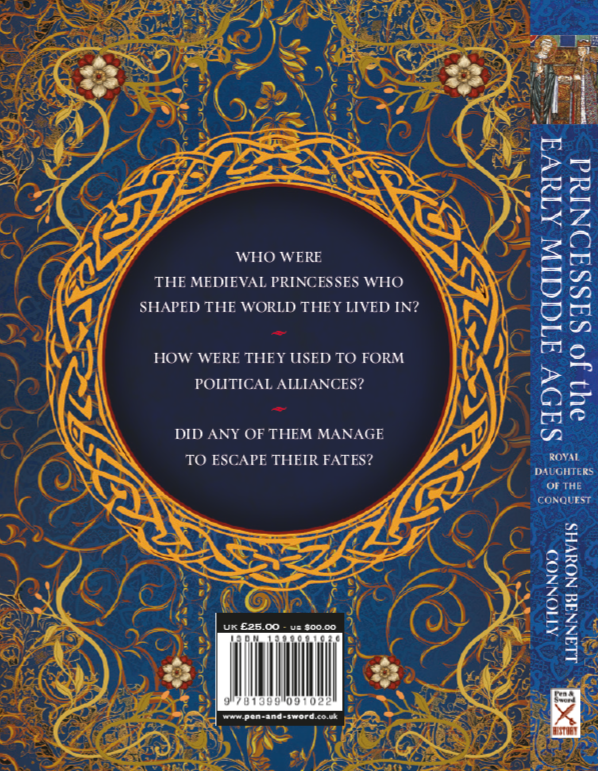
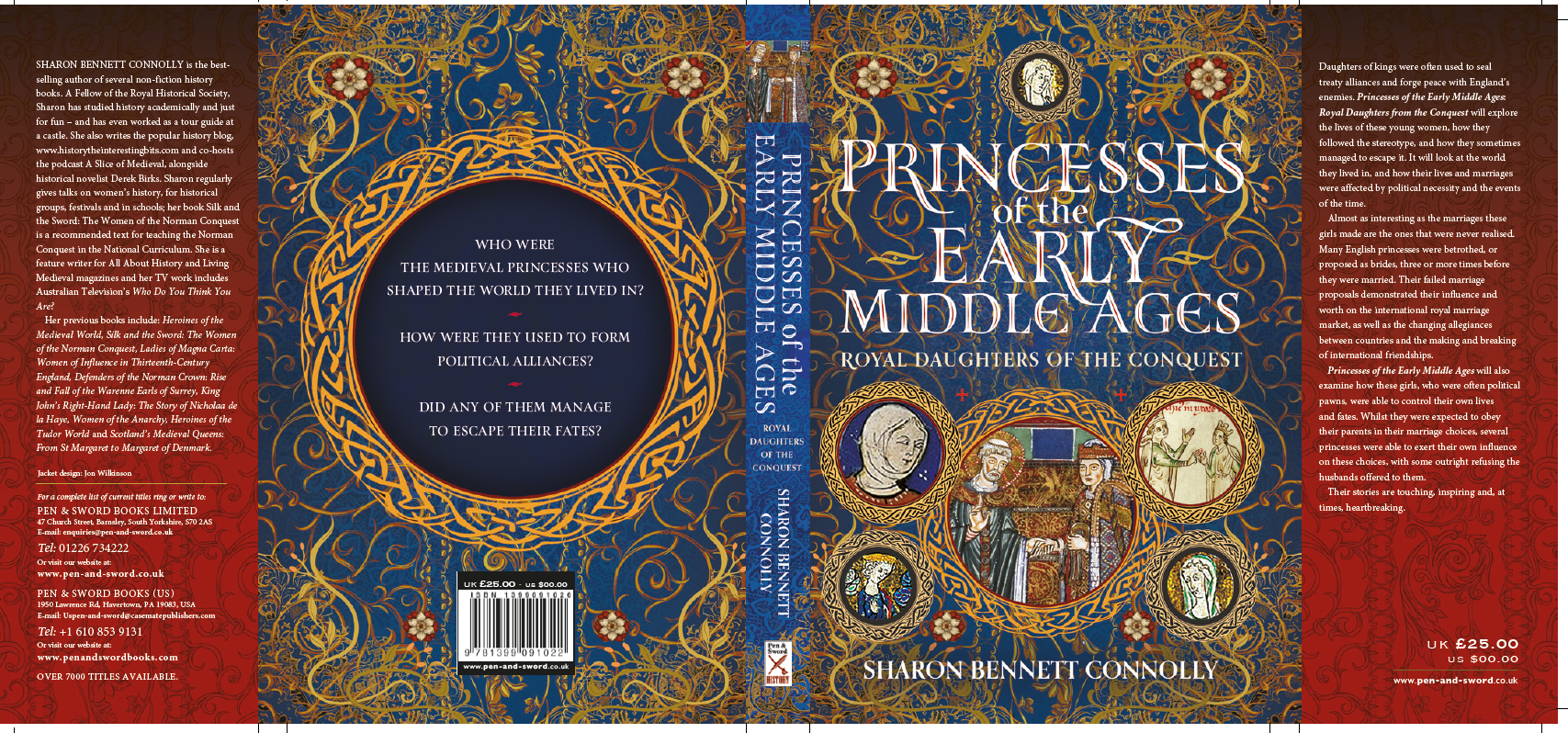
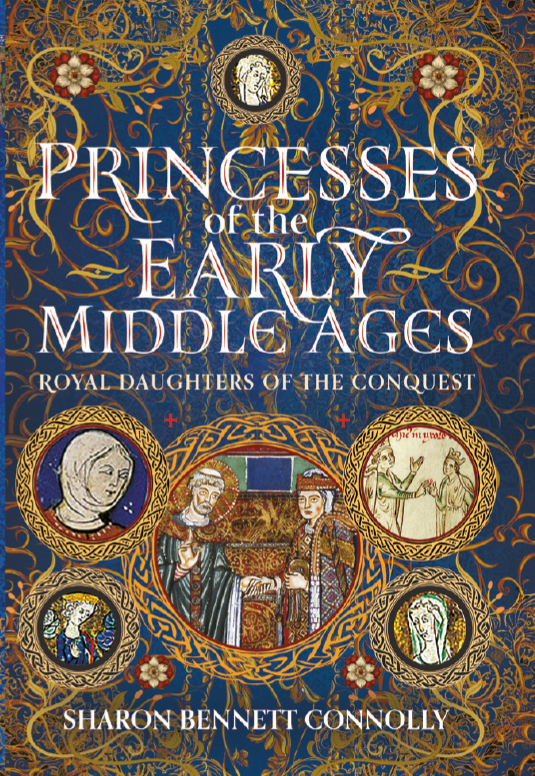
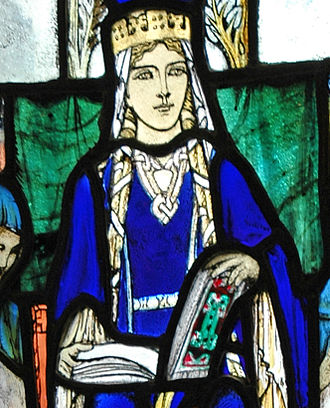
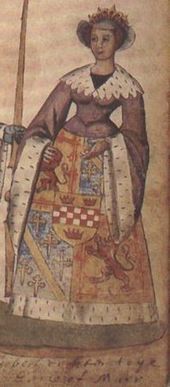
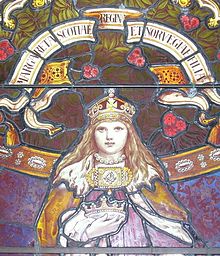
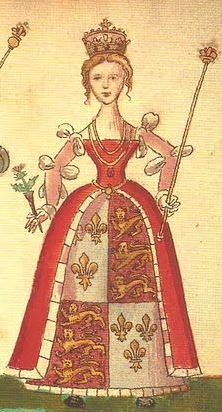
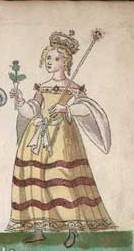

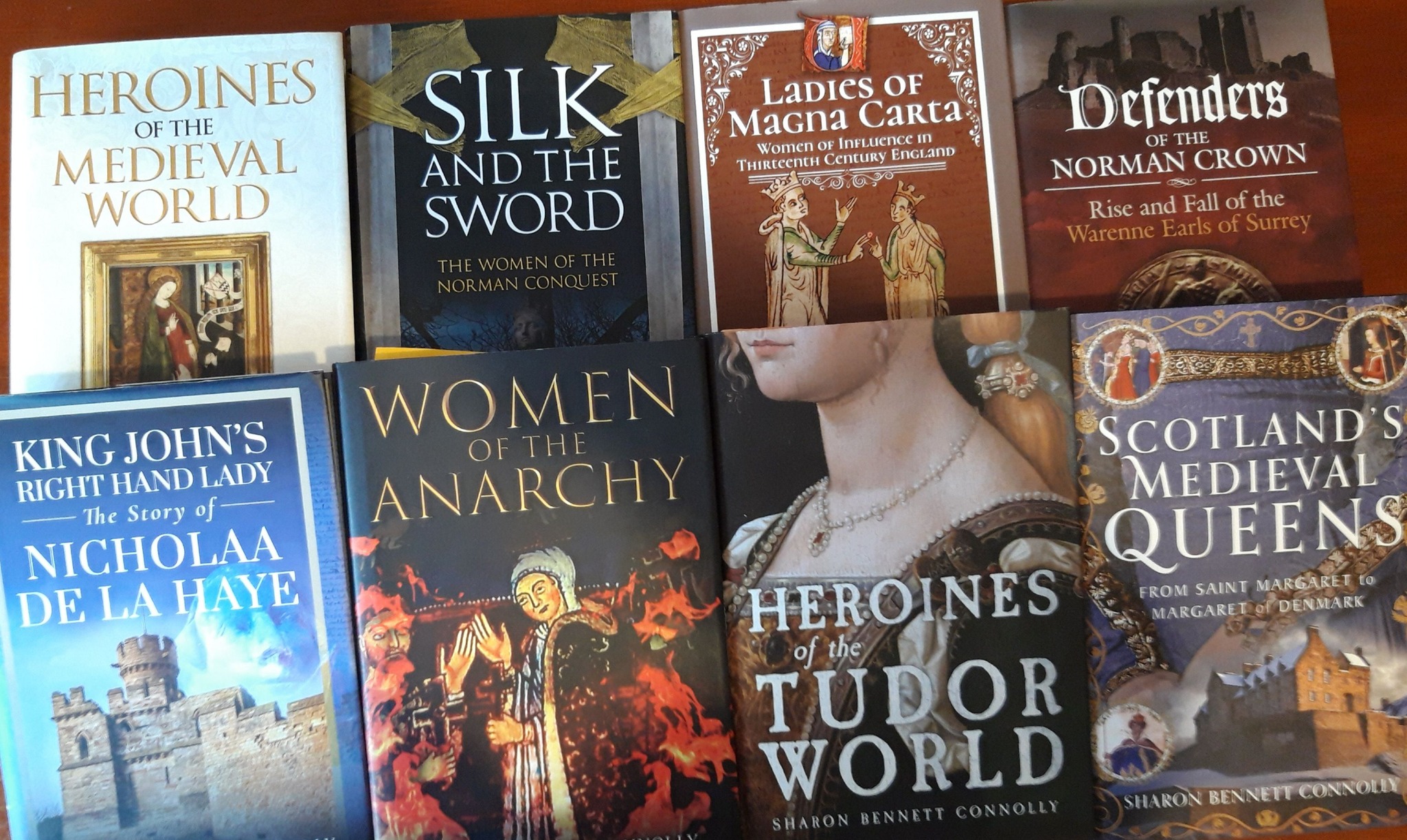

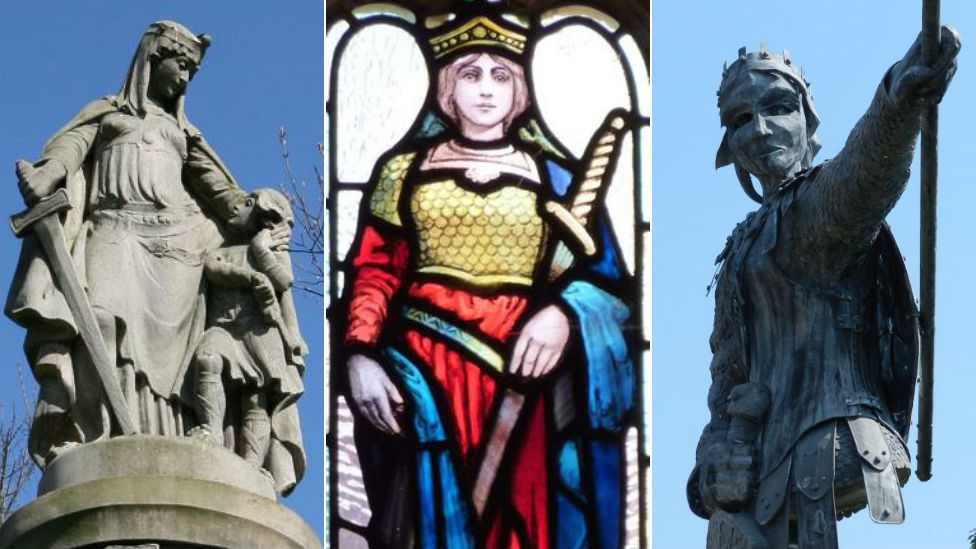
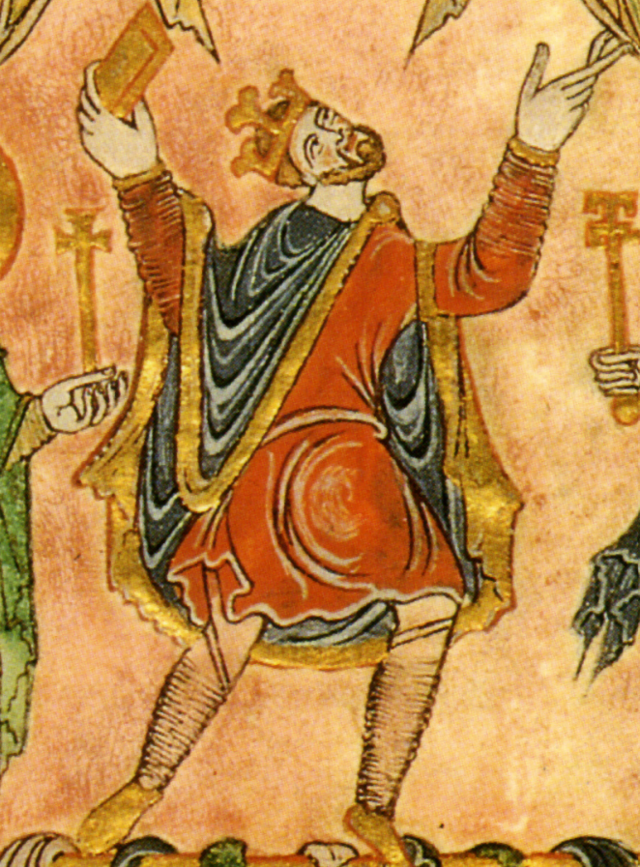
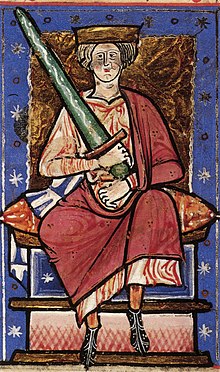

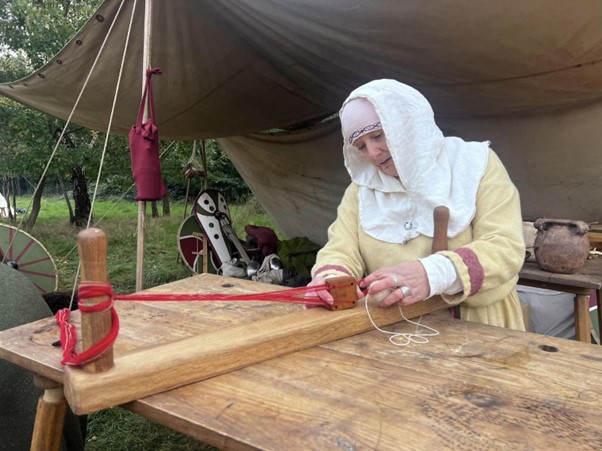
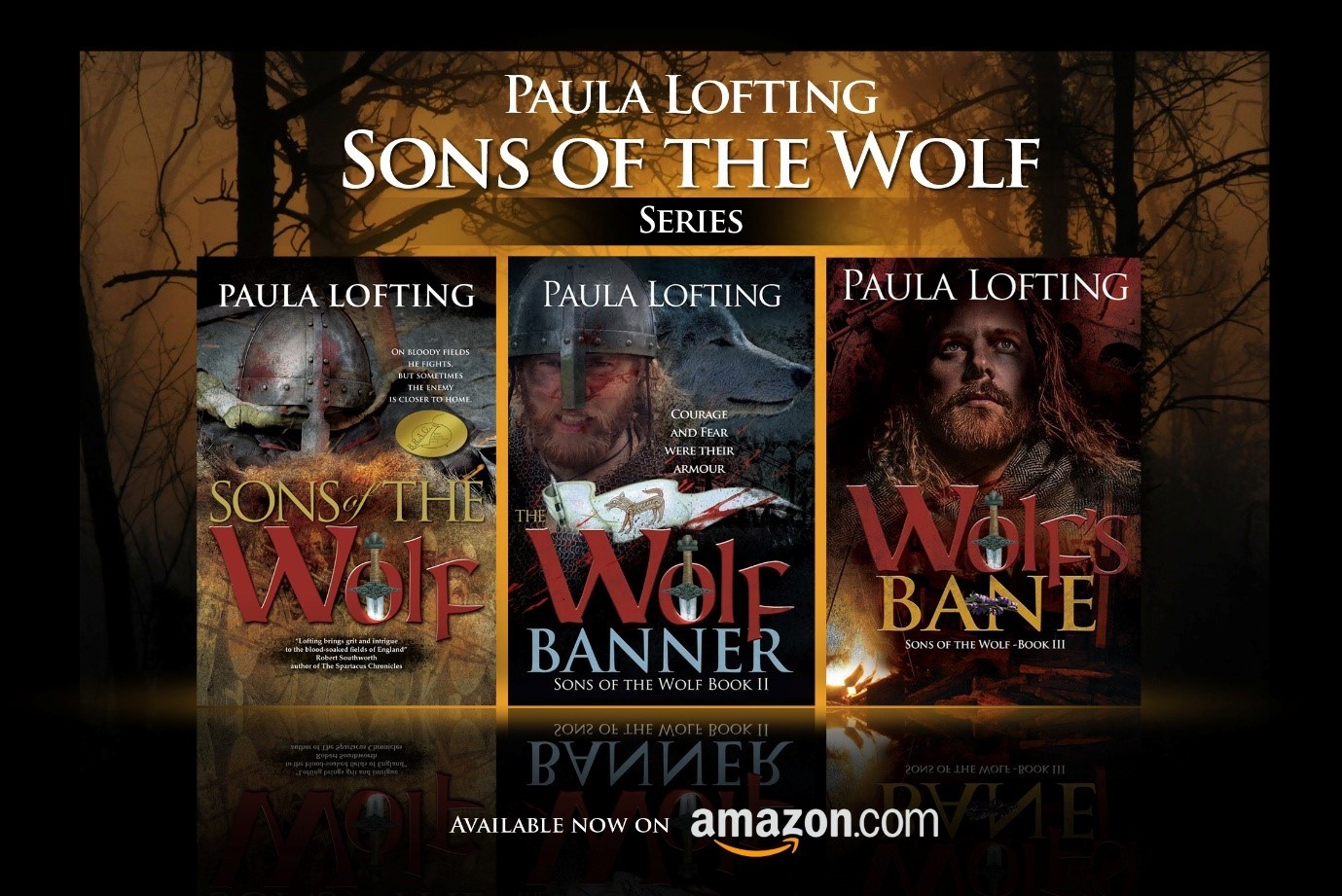
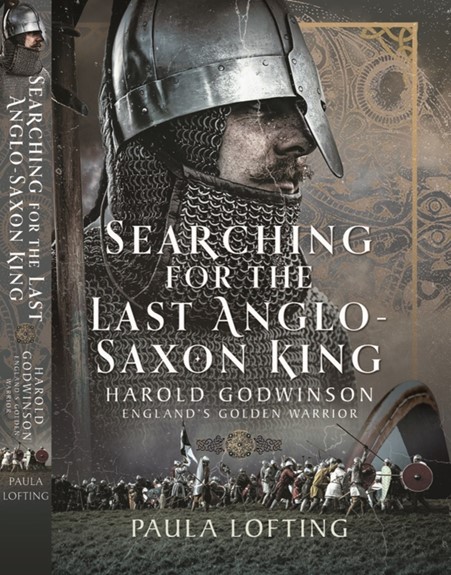
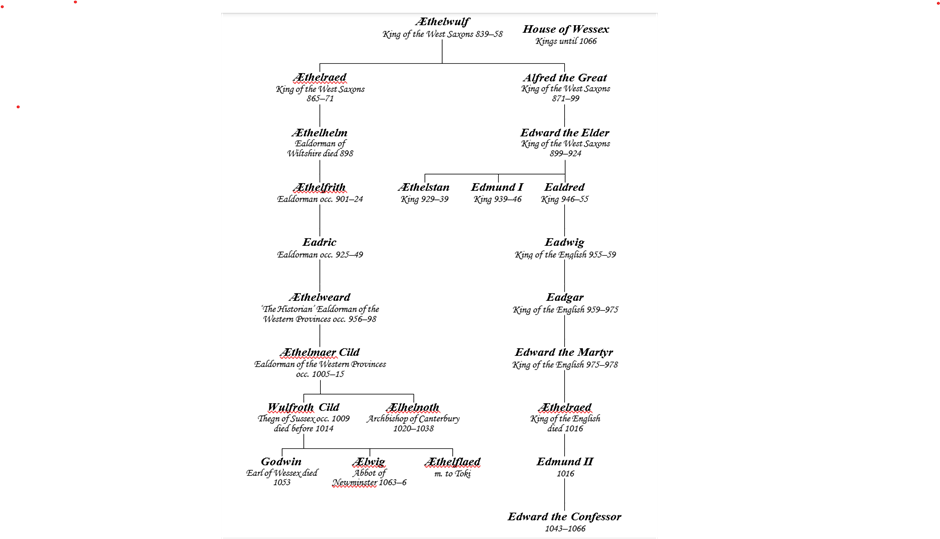
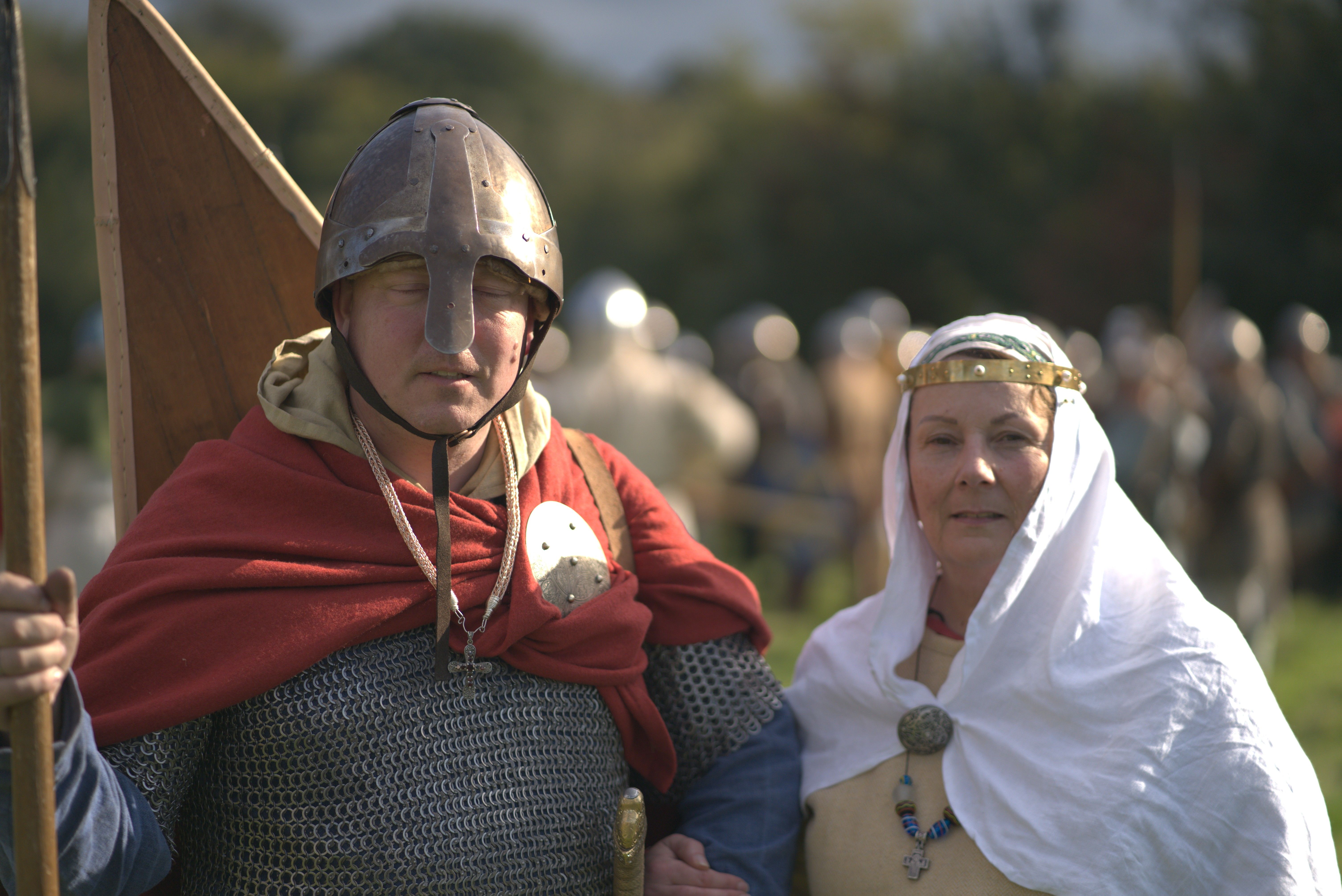
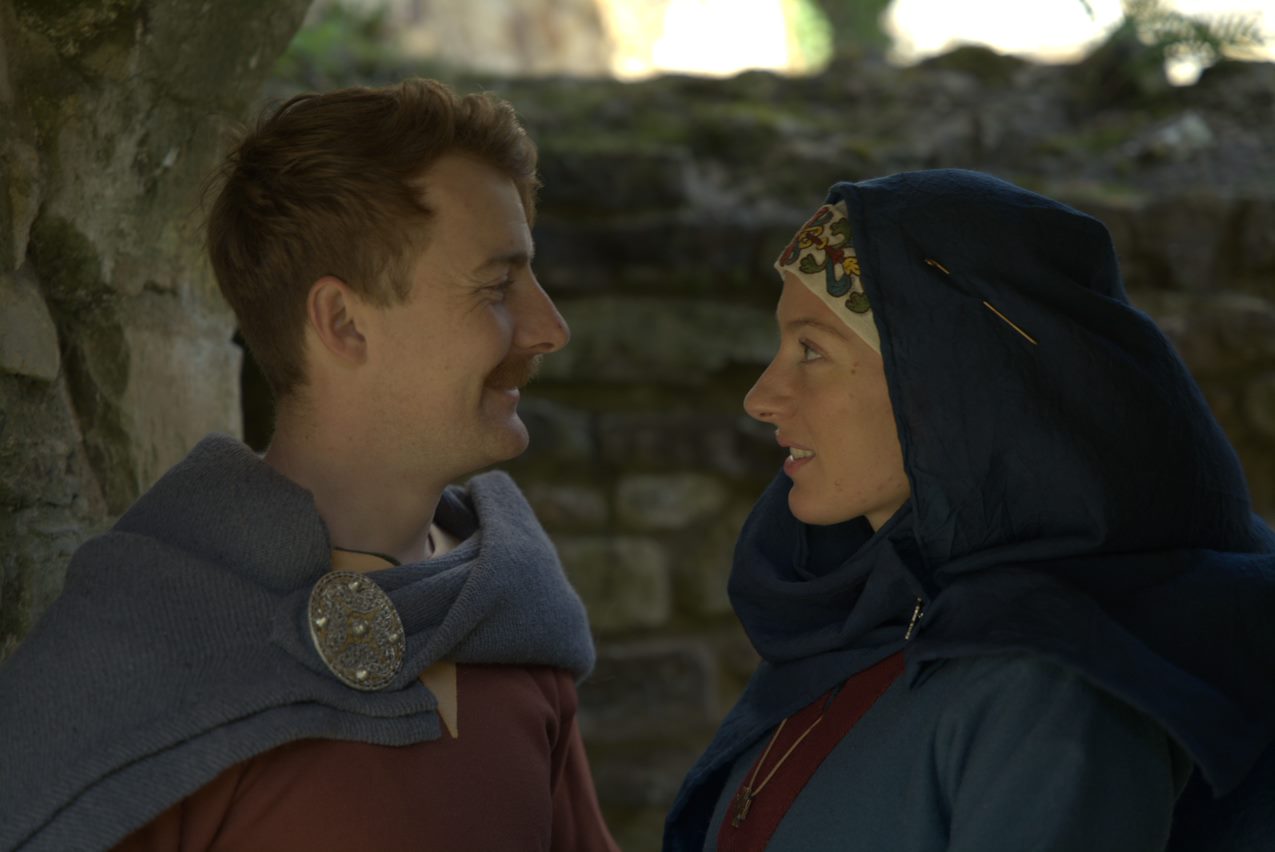
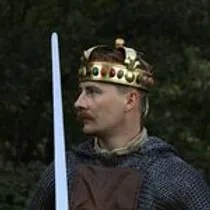
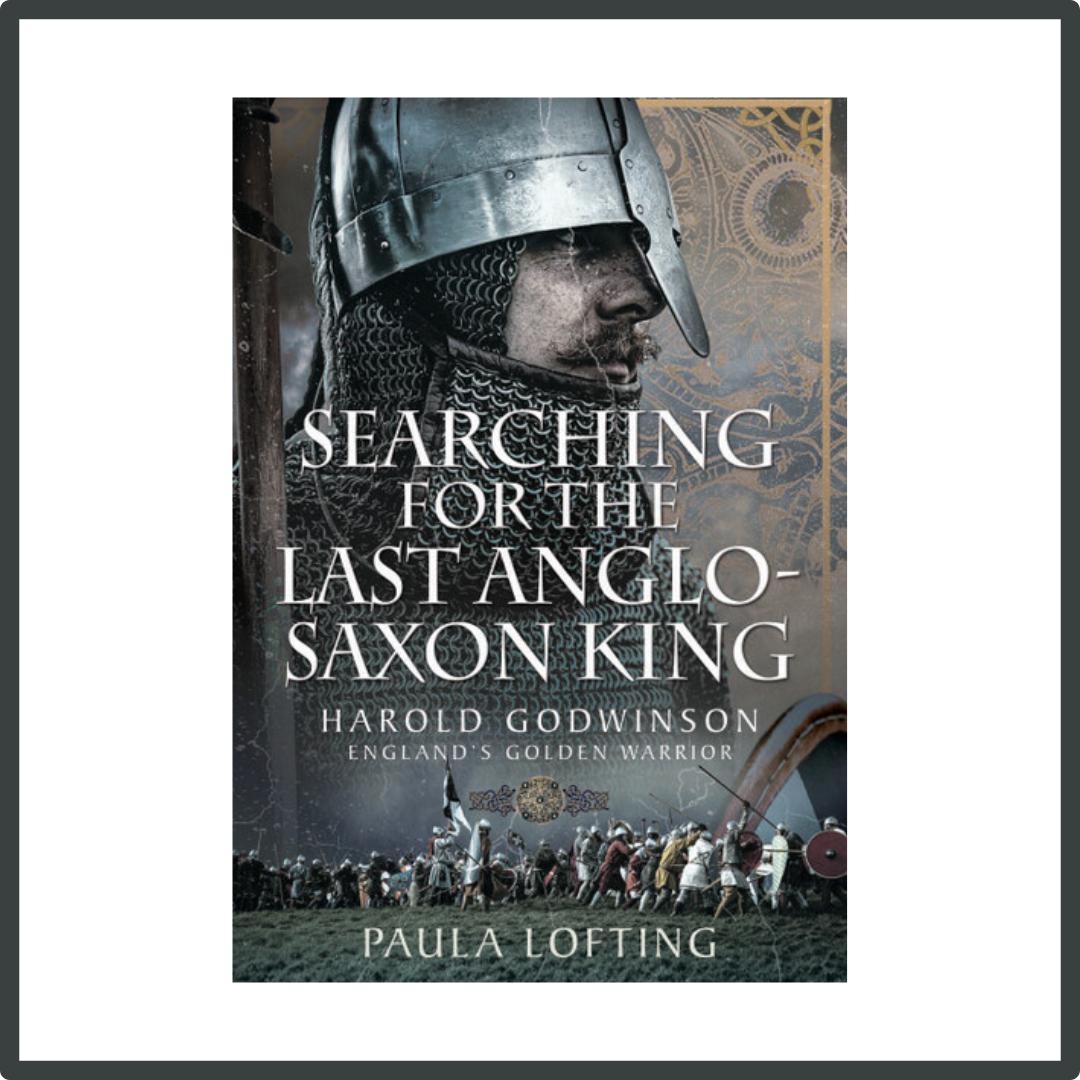
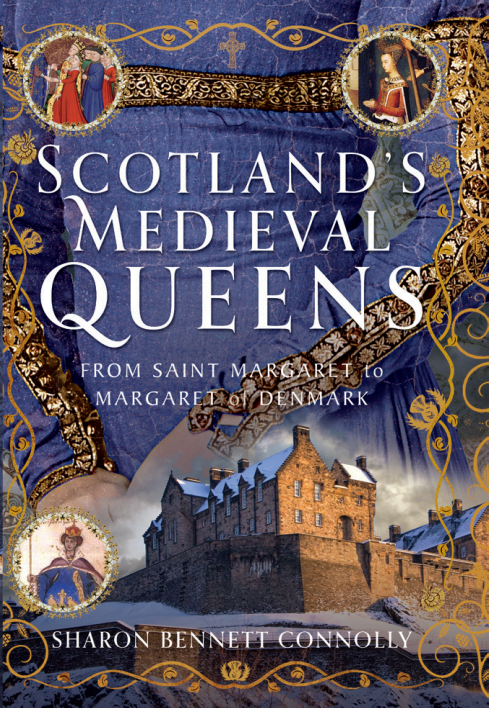
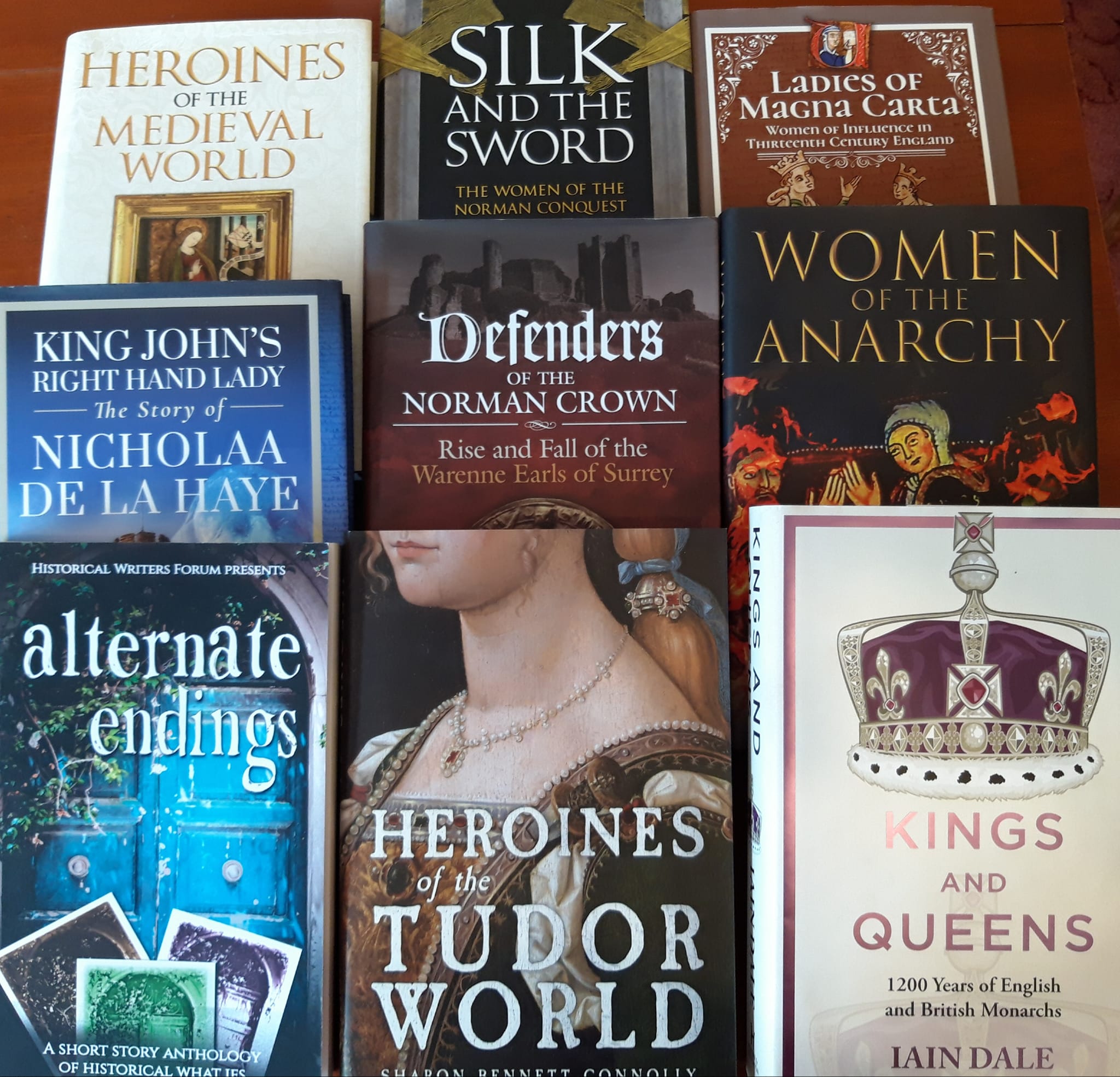
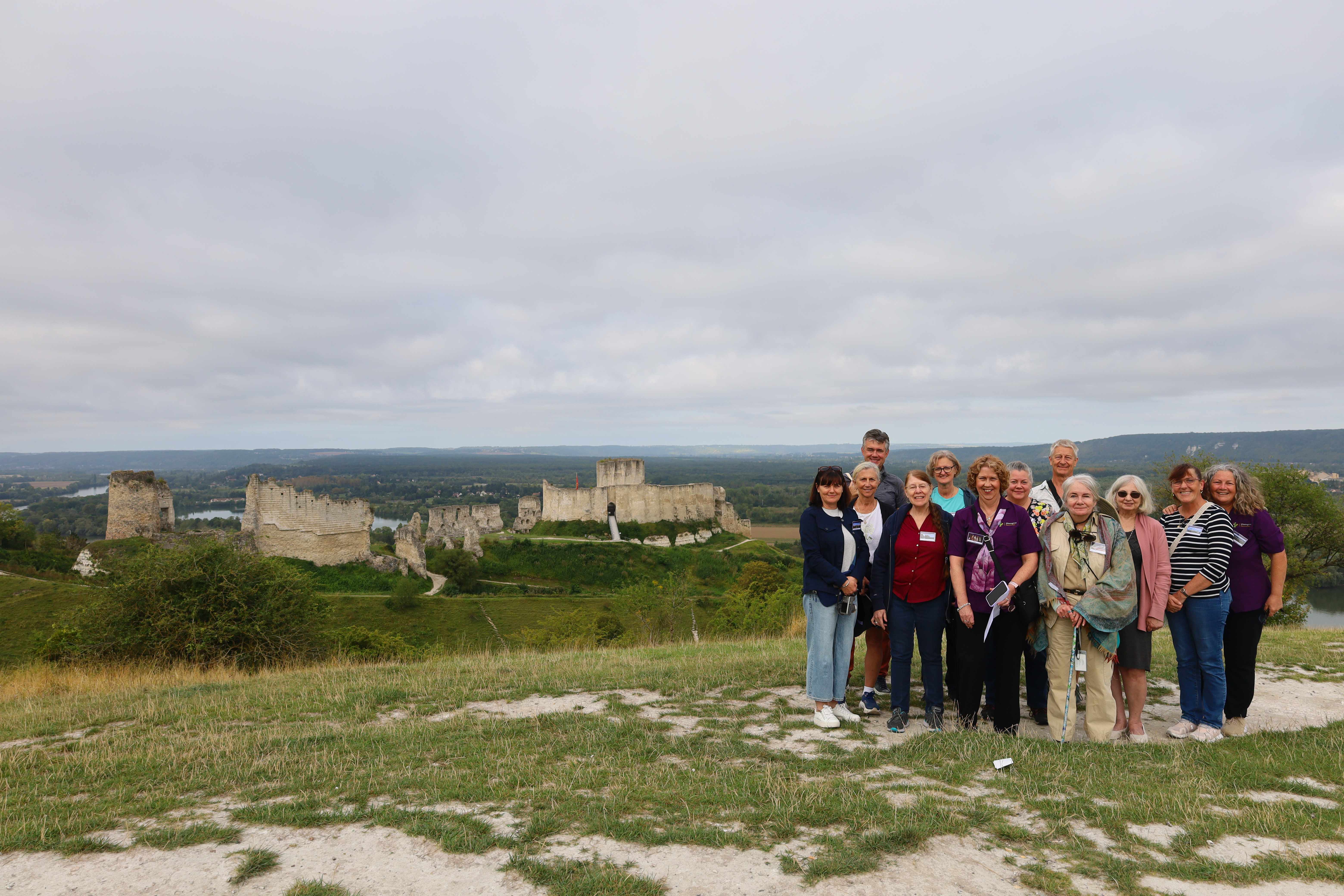


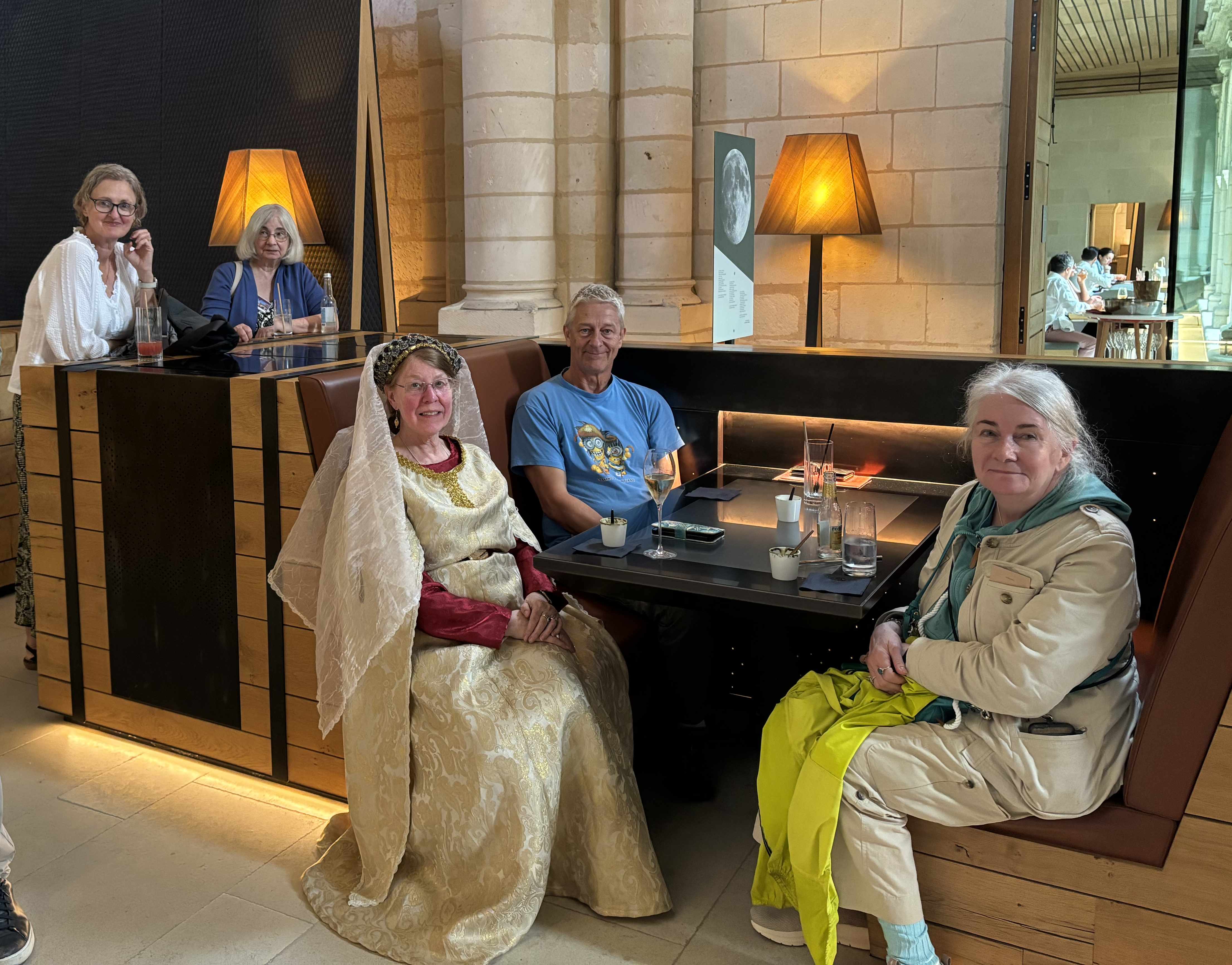
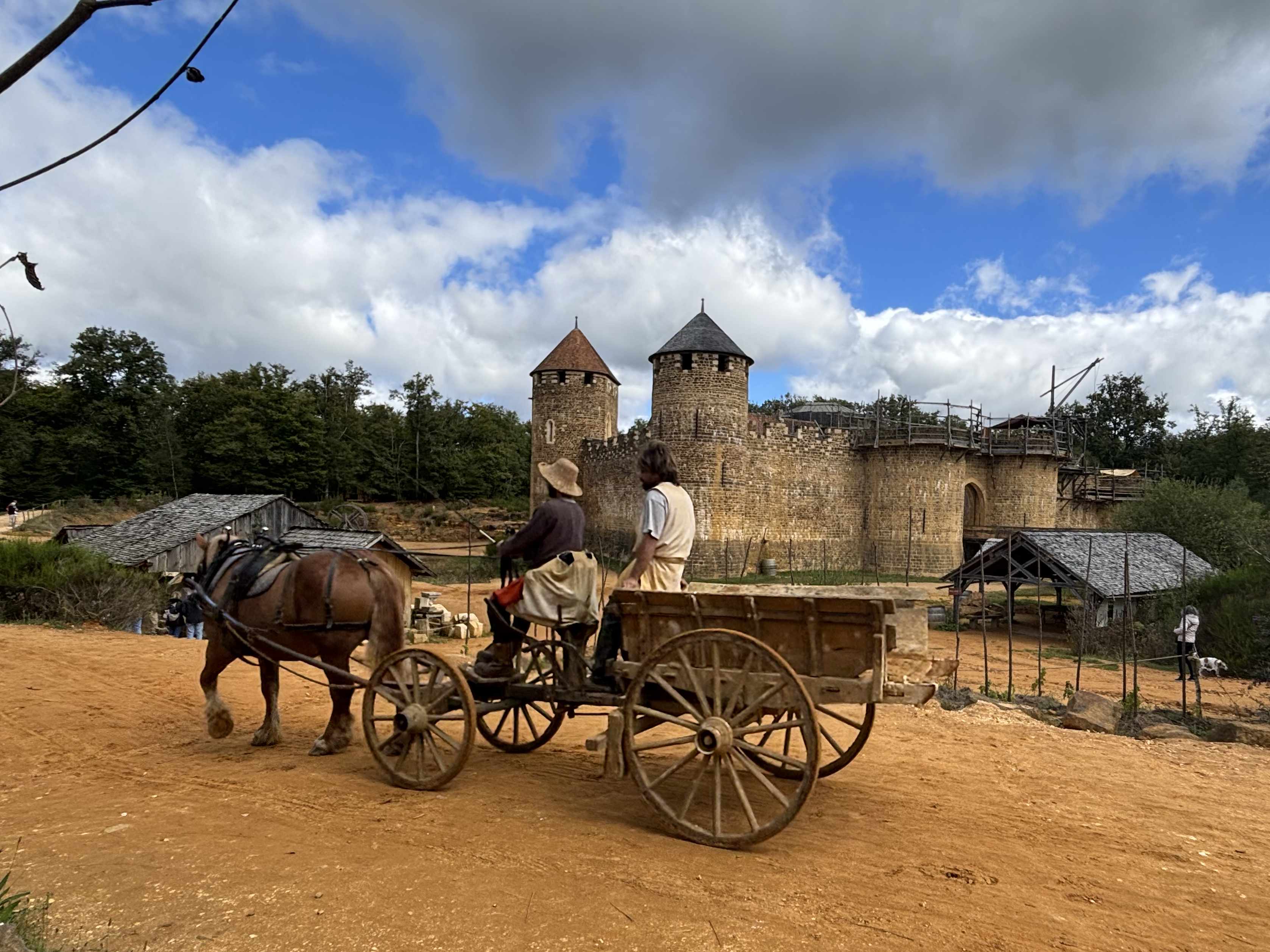
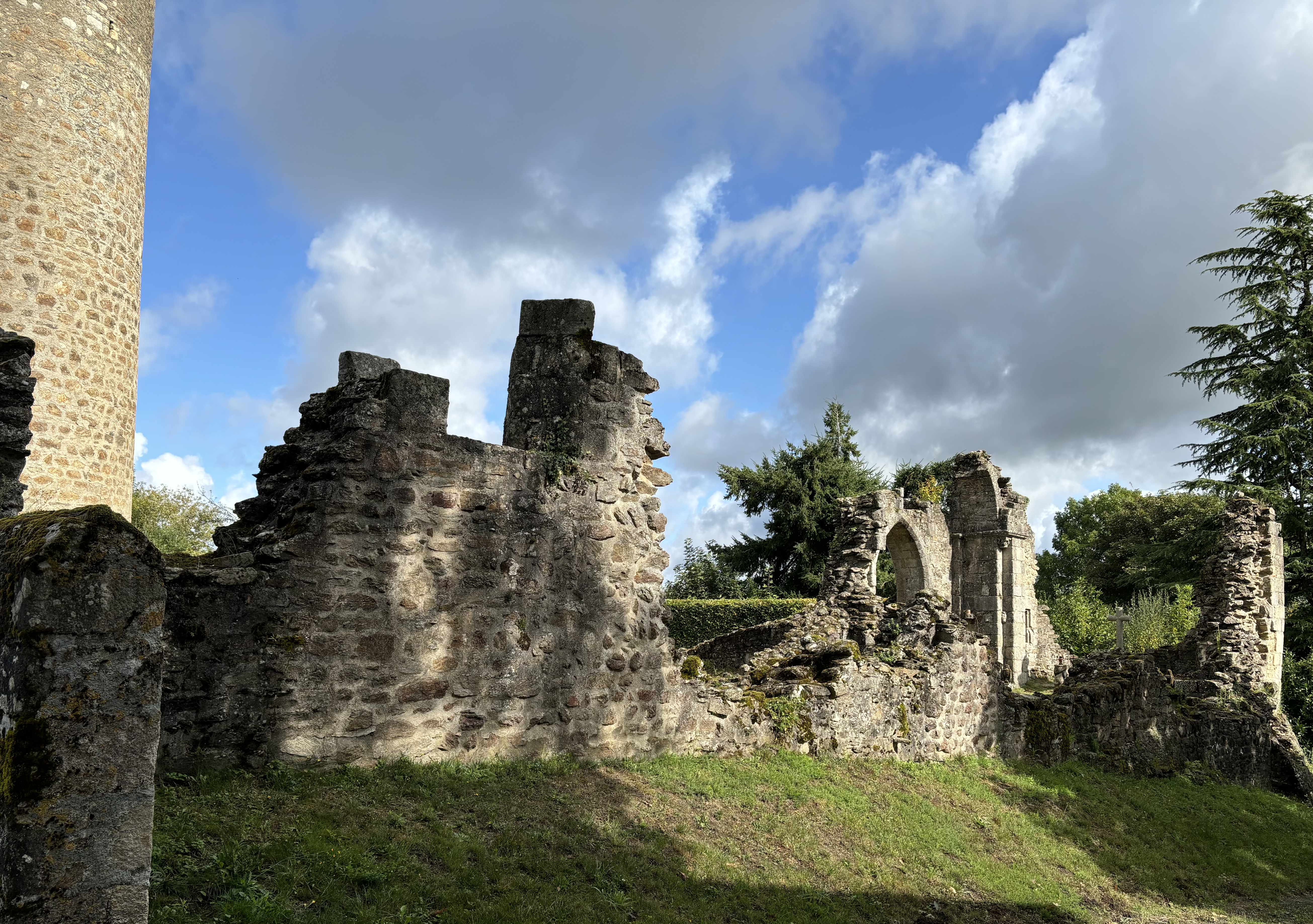
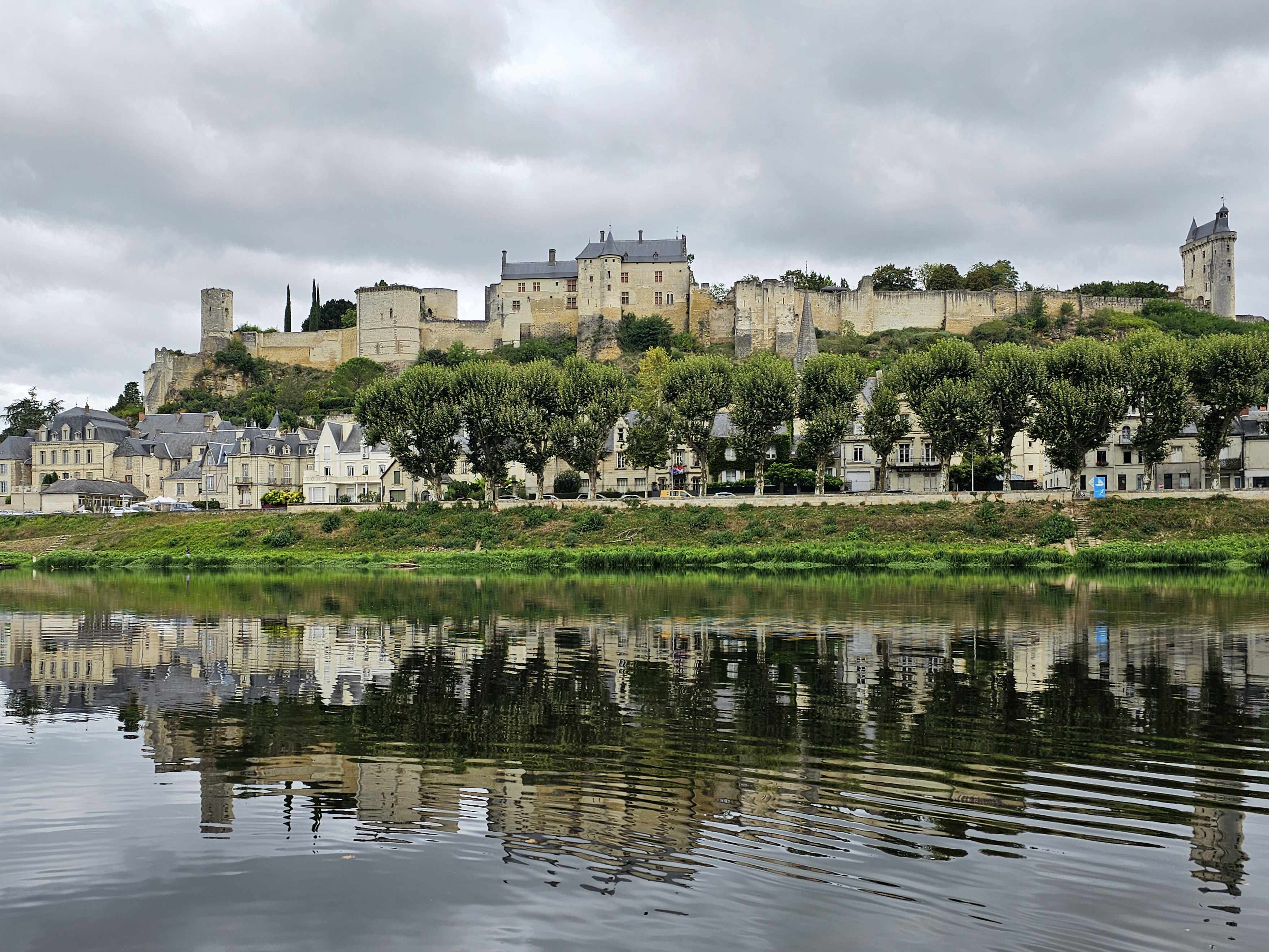
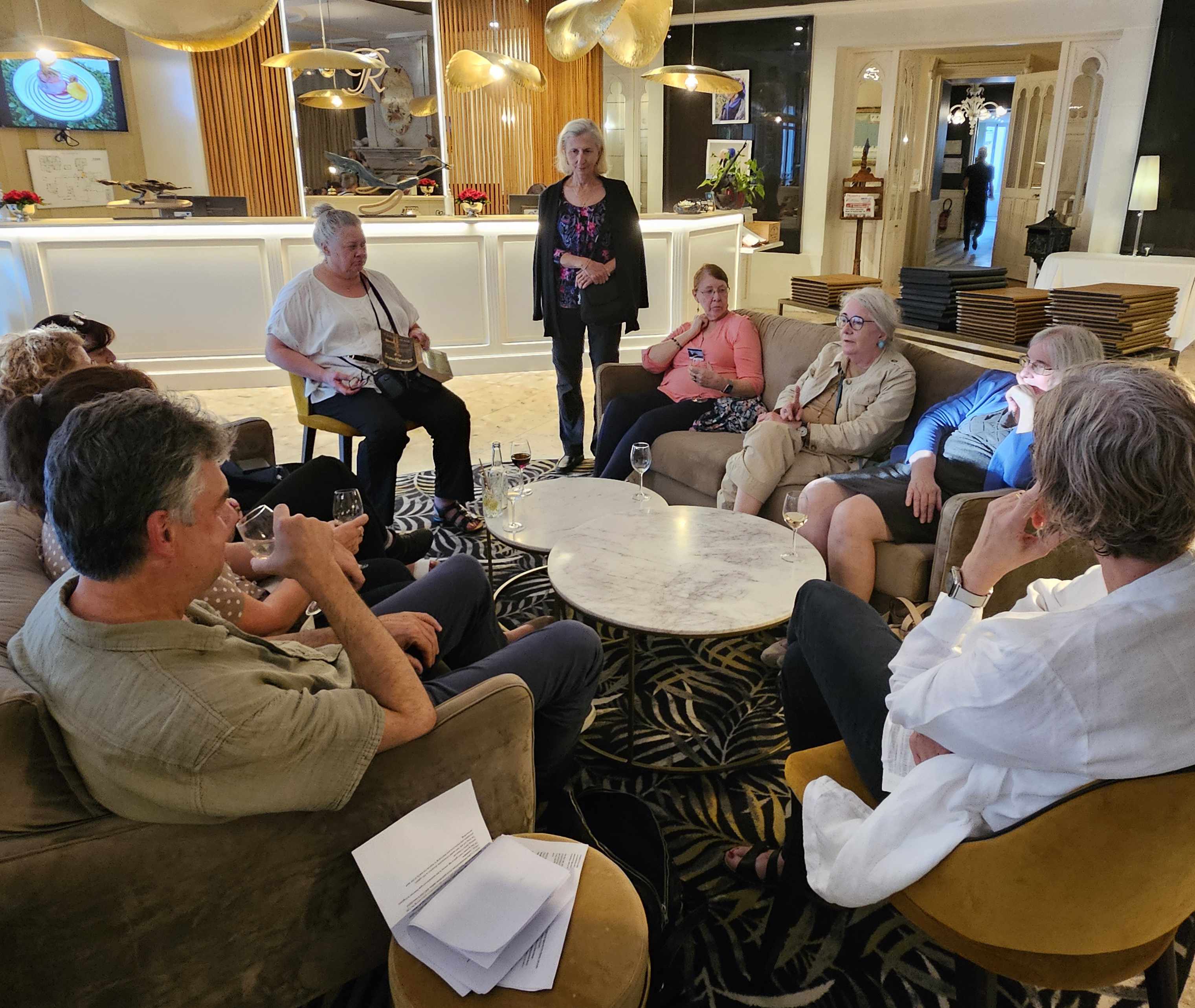
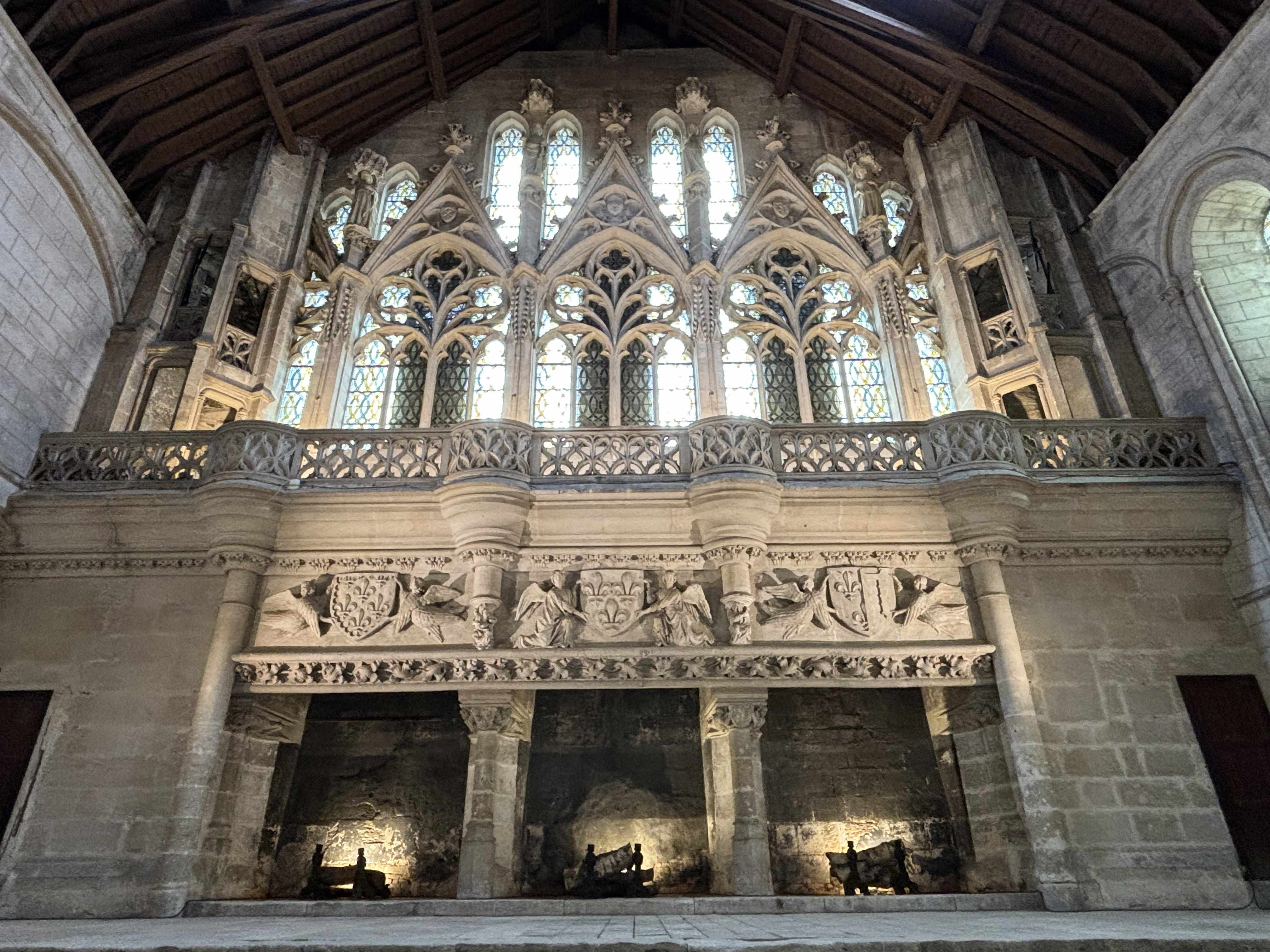
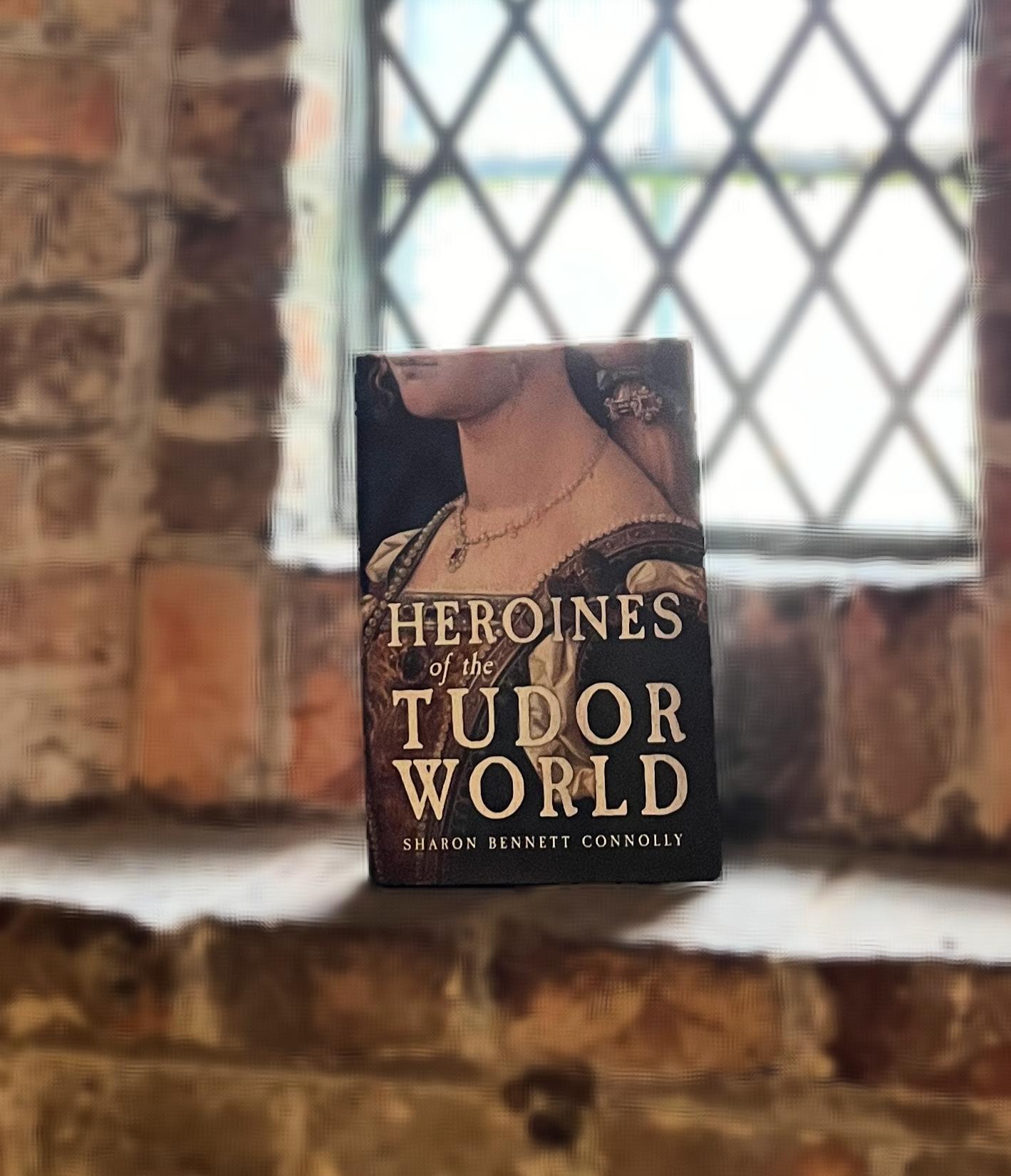
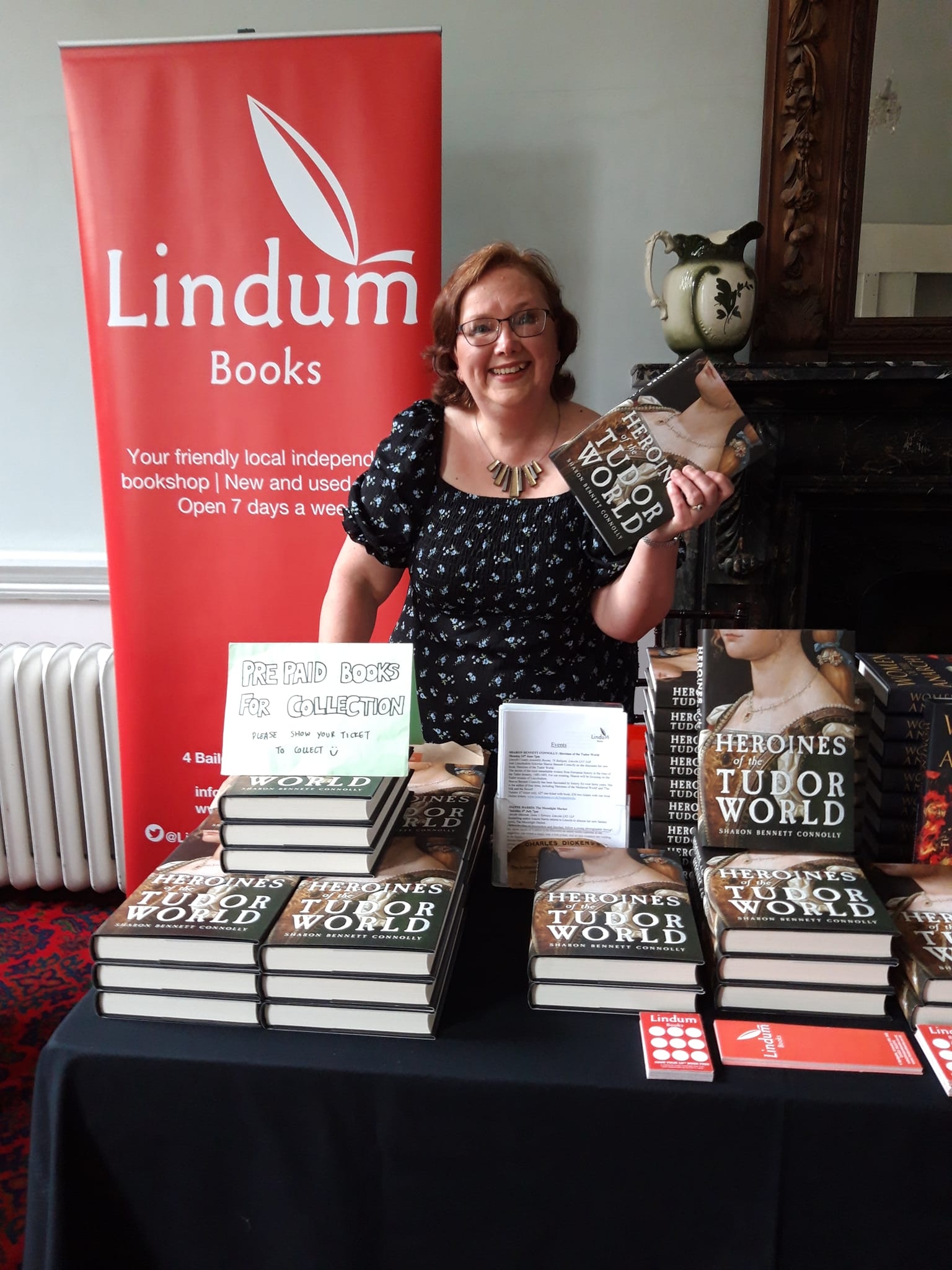

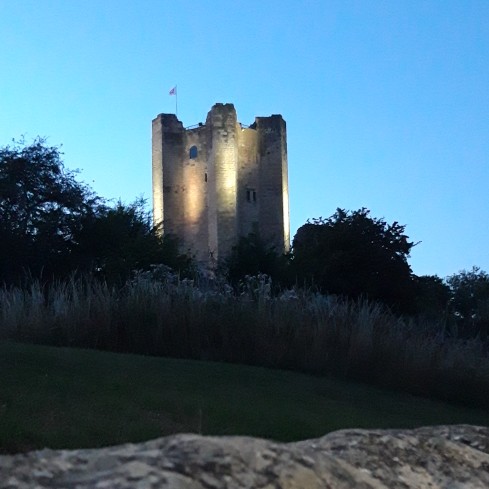


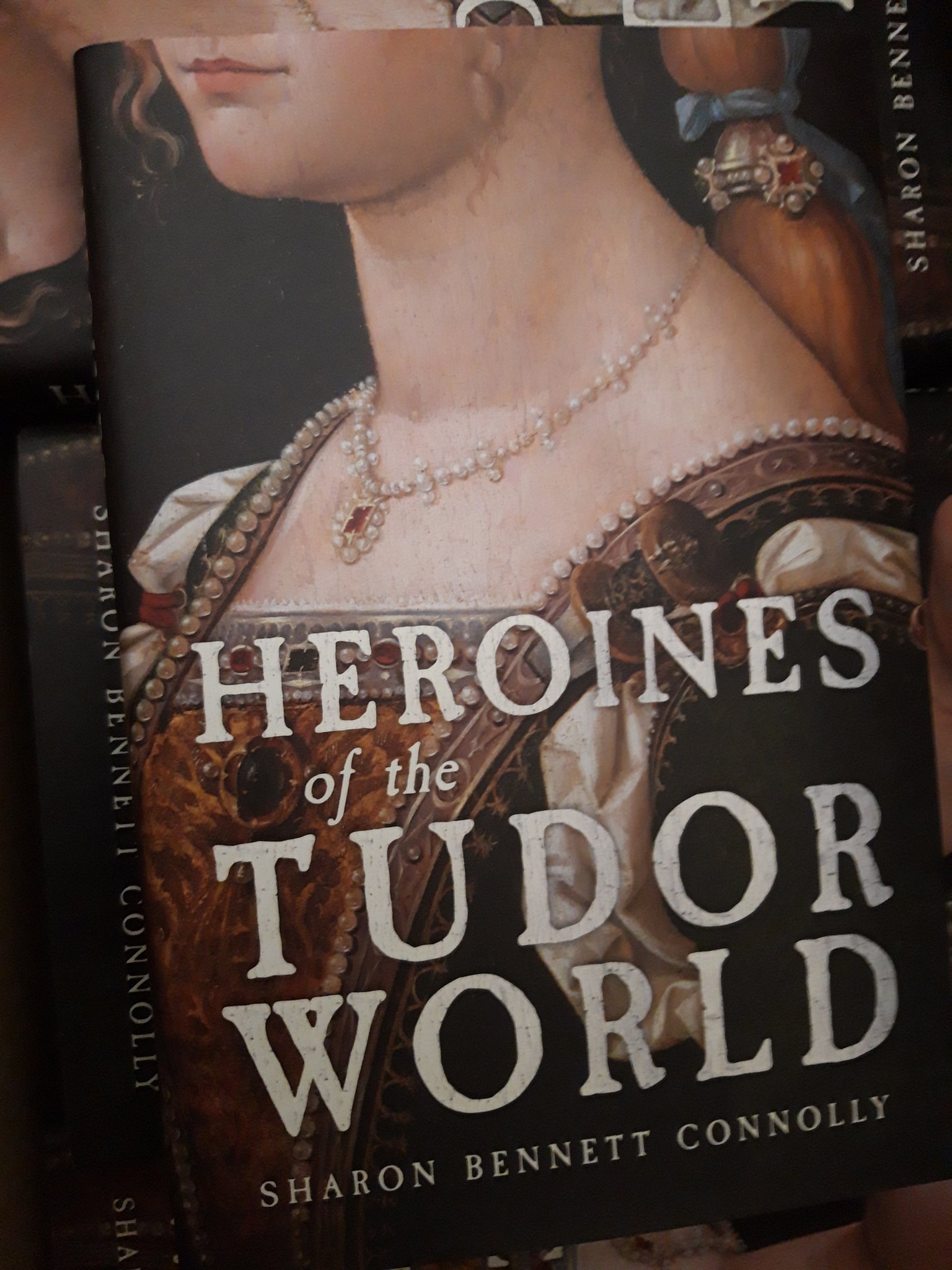
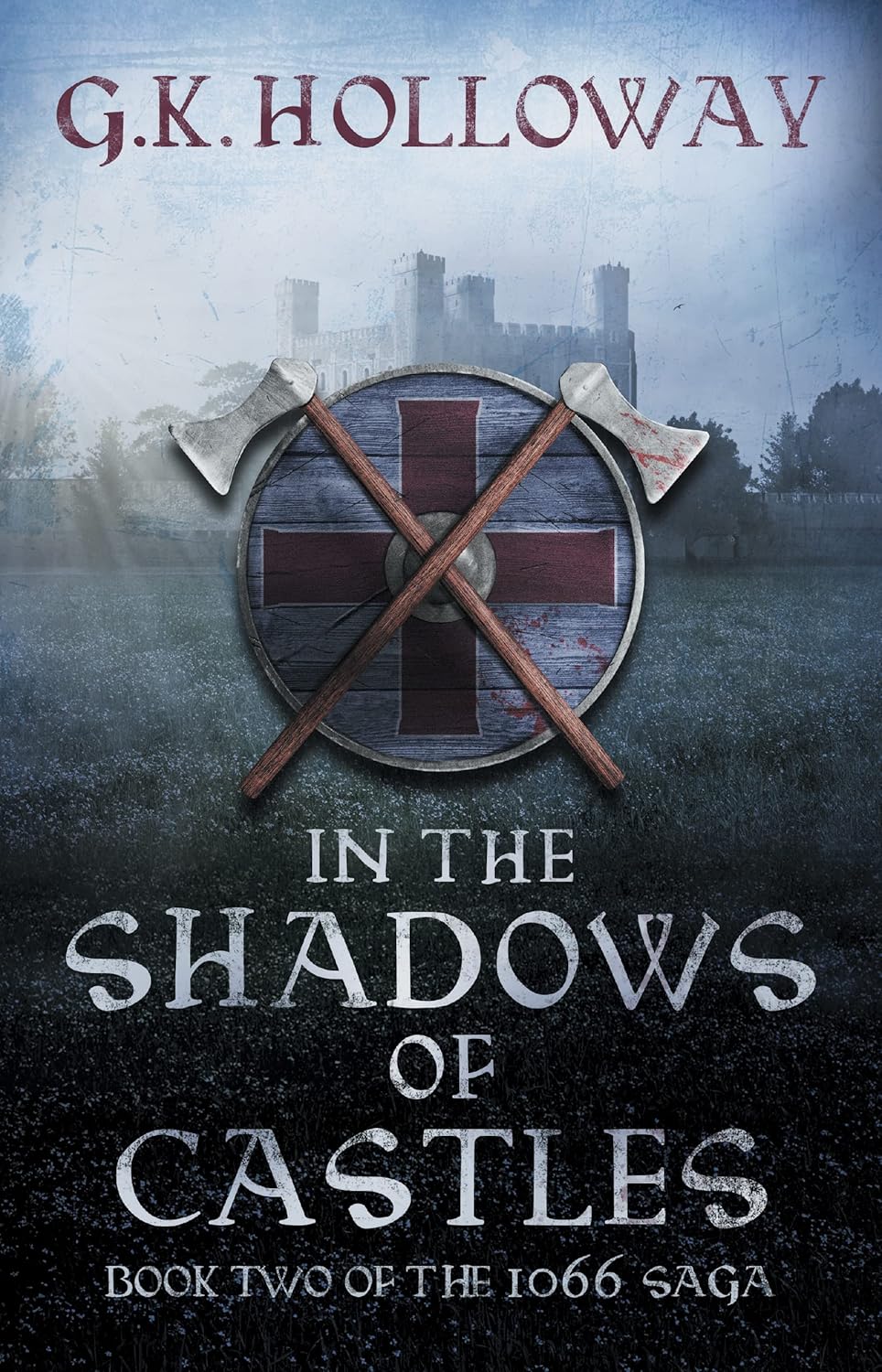
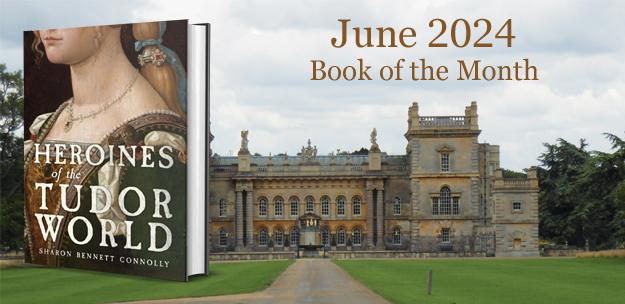
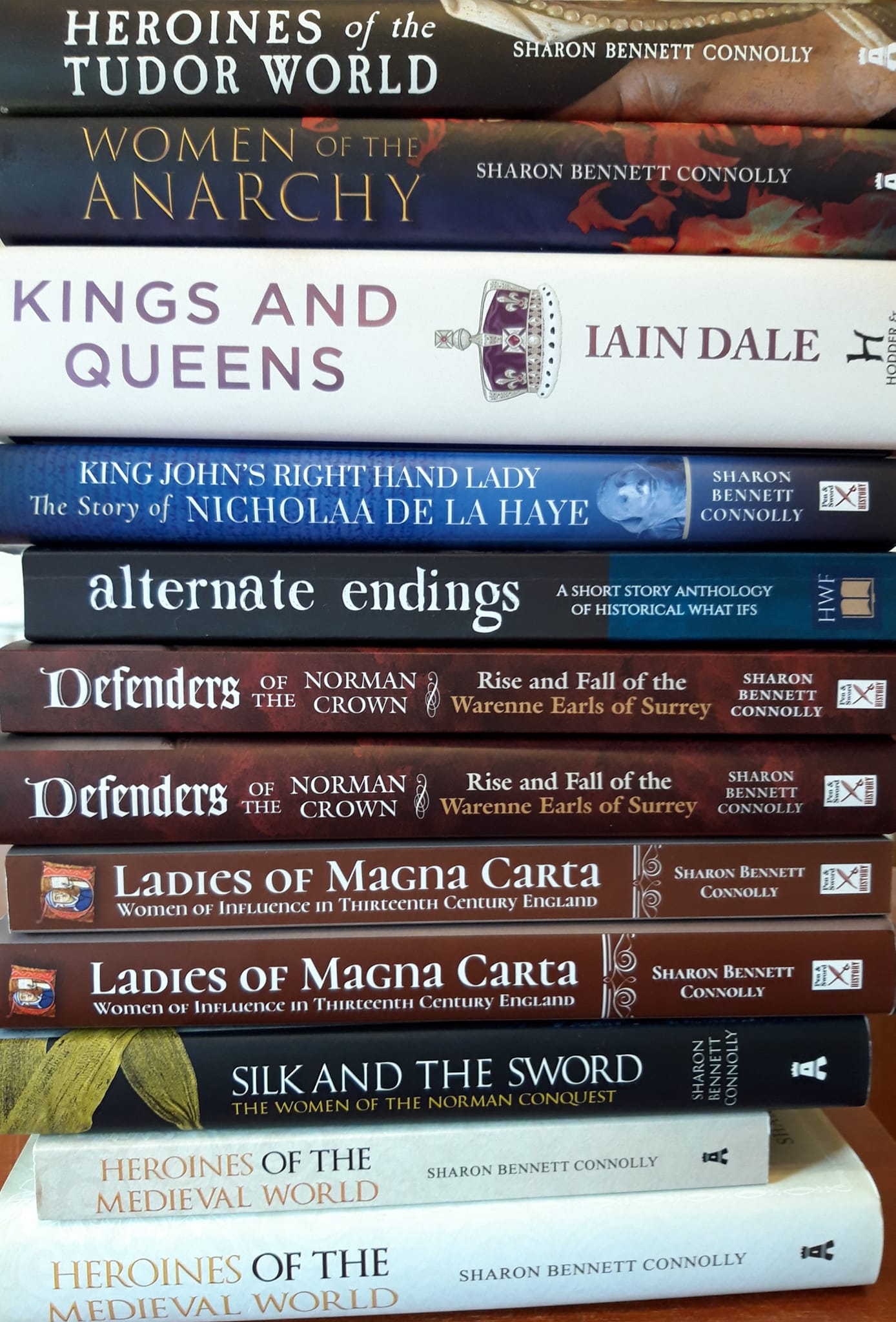
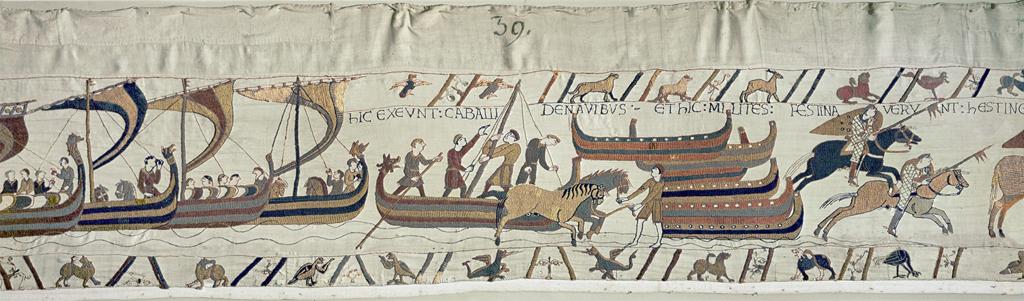


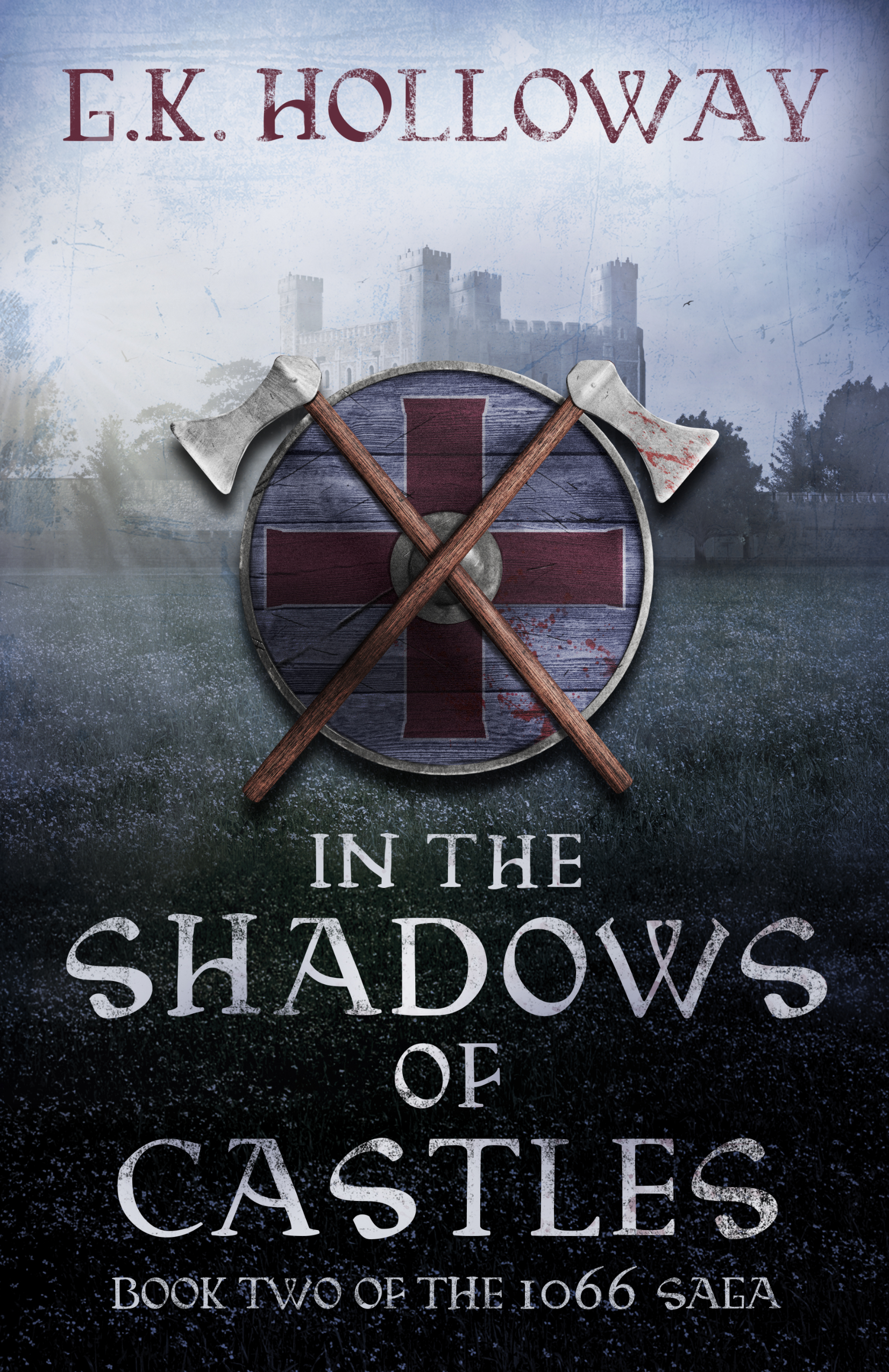
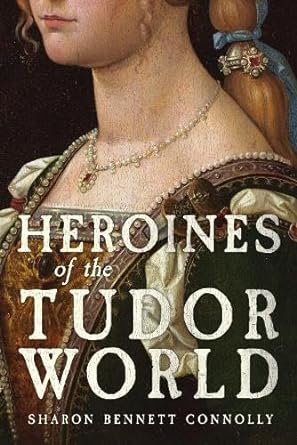


 History... the interesting bits!