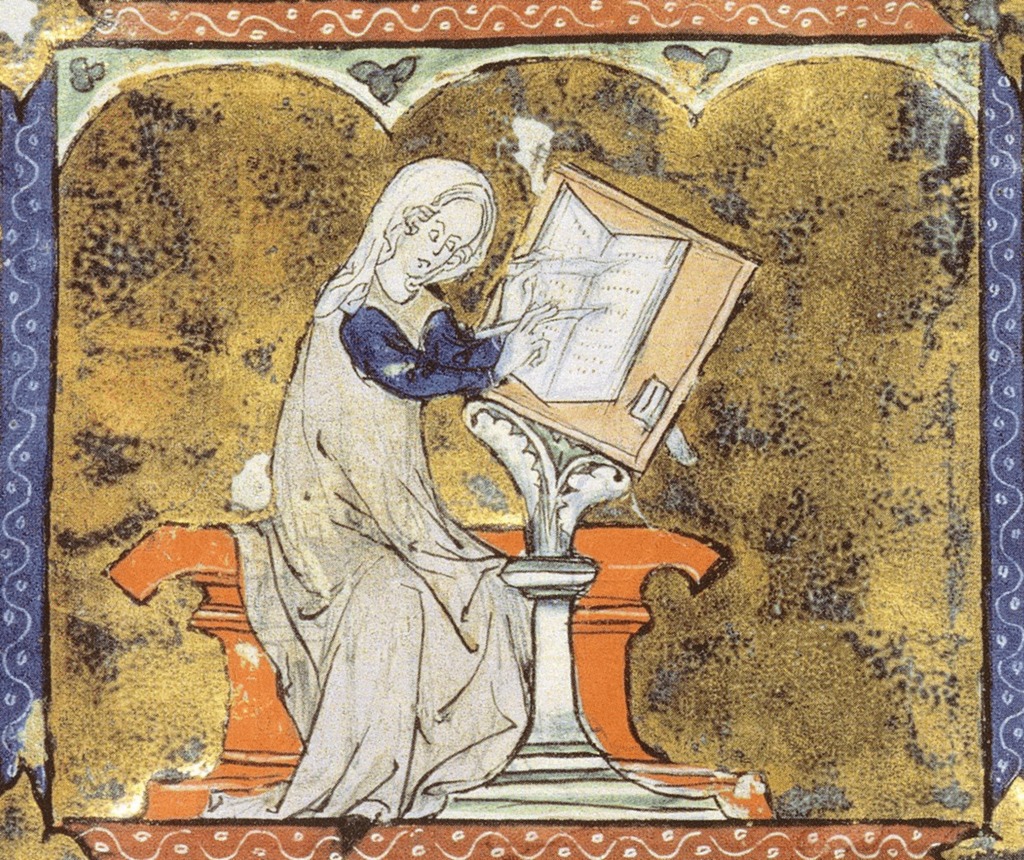
The Works of Marie de France

Marie de France from an illuminated manuscript

If you have visited the British Library’s latest exhibition, Medieval Women: In Their Own Words, you may have spotted the work of Marie de France. Marie was a poet in the late 12th century, who wrote three major works that can be definitively attributed to her, even though we don’t know who she was. All that is left of Marie is her work, and the vague notion that she comes from France, because she wrote in her Fables ‘Marie ai num, si sui de France’.1 The traditional view is that Marie was a Frenchwoman writing at the court of Henry II of England based on the fact that if she was writing in France, she wouldn’t have to say that she was from that country. However, France in the 12th century was far from one unified, indivisible country. In fact, it was a series of counties and duchies with their own rulers, who paid homage to the King of France; the French king’s own domains at the time were the Île-de- France, which incorporated Paris and its environs.

Another argument for Marie writing in England, is that her lais, her poetic verses, were dedicated to a ‘noble reis’, or ‘noble king’, and this is thought to be Henry II of England. However, it could just as easily been intended for Louis VII of France, or his son Philip II Augustus. In turn the Fables, an adaptation of Aesop’s Fables, were dedicated to a nobleman she identifies as ‘Count William’. There were several earls in England at the time who were named William, including William Marshal, Earl of Pembroke; William Longspée, Earl of Salisbury; and William Mandeville, Earl of Essex; or even the son of King Stephen, William of Blois, Earl of Warenne and Surrey. However, William was a common name at the time, even on the Continent, where you could find many a Guillaume.

Everything we think we know about who Marie was is pure conjecture. It has even been suggested that she was the illegitimate daughter of Geoffrey of Anjou, father of Henry II, and therefore a half-sister of Henry. She has also been variously identified as a nun at Reading Abbey, the abbess of Shaftesbury between 1181 and 1216, and Marie de Meulan, wife of Hugh Talbot of Cleuville.2 We do know that Marie had a knowledge of Latin and English, and a familiarity with the works of Ovid and Wace’s Brut, and wrote in an Anglo-Norman French.
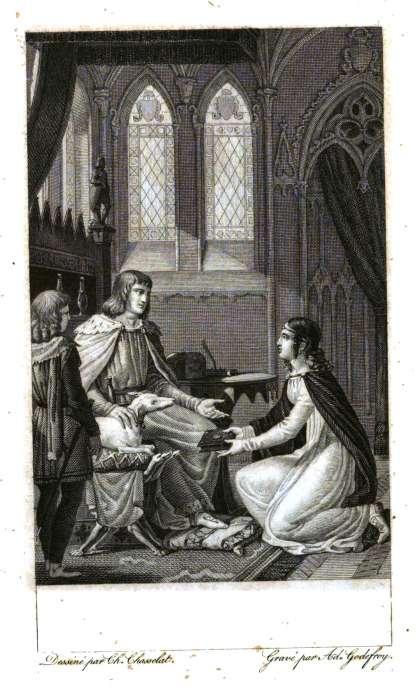
“Marie de France presents her book of poems to Henry II of England” by Charles Abraham Chasselat

Her works have been dated to the second half of the 12th century, with her poetry, the lais, dating between 1160 and 1199, the Fables between 1160 and 1190, and her last work, the Espurgatoire, has been dated to after 1189 and possibly as late as 1215.3 L’Espurgatoire Seint Patriz (The Purgatory of St Patrick) is believed to have been written after 1189 as it appears to have been heavily reliant on the Latin text of Henry of Saltrey as her source, which was published around 1185. L’Espurgatoire is dedicated to ‘H. abbot of Sartis’, who may have been Hugh, Abbot of Wardon Abbey, in Bedfordshire, between 1173 and 1185 or 1186; the abbey was originally named St Mary de Sartis.4 The only surviving manuscript of this treatise is now stored in the Bibliothèque Nationale in Paris.

The lais were a series of twelve poems, many of which were drawn from Celtic legends. Only one is based on Arthurian legends, specifically the story of the lovers, Tristan and Iseult. Many of the lais were translated into Old Norse in the 13th century, while two, Lanval and Le Fresne were translated and adapted into Middle English in the 14th century. The lais were narratives, written in verse and intended to be set to music. One such included the lines; ‘when a good thing is well known, it flowers for the first time, and when it is praised by many, its flowers have blossomed.’5

Marie’s stories included fairy mistresses, twins separated at birth, and one relating the troubles of the wife of a werewolf. Her lais explored love and conflicting loyalties; they dealt with the issues of courtly behaviour and documented the struggles to fulfil the conflicting aims of individual needs and cultural expectations. They varied in length, with the shortest, Chevrefoil, having 118 lines and the longest, Eliduc, comprising 1,184 lines; this last was the story of a wife having to adapt when her husband brings home a second wife.
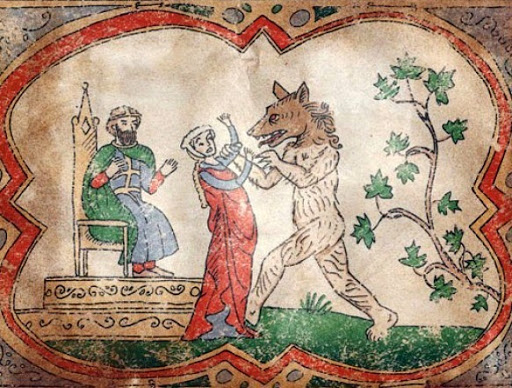
The Woman and the Wolf in Marie de France’s “Bisclavret”

Marie’s collection of Fables, known as Ysopets in French and written for the mysterious ‘Count William’, are based on the older Aesop’s Fables, from antiquity, but she also adapted and added to the original stories. The Fables, a rhyming collection of works, demonstrate Marie’s concern for the well-being of the lower classes and the poor, criticising the political and social conditions of the time. Her work was widely read and influential; the fable Del cok e del gupil (The Cock and the Fox) is one of the inspirations for Geoffrey Chaucer’s The Nun’s Priest’s Tale, written in the 15th century. Marie ends The Fables with an epilogue, in which she includes a plea to be remembered,

To end these tales I’ve here narrated
And into Romance tongue translate,
I’ll give my name for memory:
I am from France, my name’s Marie.
And it may hap that many a clerk
Will claim as his what is my work.
But such pronouncements I want not!
It’s folly to become forgot!6

Wherever she came from, geographically and socially, Marie de France was a keen observer of the social undercurrents of the time, incorporating them into her Lais and Fables. And we cannot say for certain that her work was produced in England, at the English court. With the Anglo-Norman empire stretching from the borders of Scotland to the borders of Spain she may have travelled within Henry II’s domains, but not necessarily with the court. Although we have few clues to her identity and origins, at least we have her works – her poetry through which she has lived on for more than eight centuries.

Notes:

1. ‘My name is Marie and I am from France’, quoted in Rethinking Marie by Dinah Hazell; 2. Marie (fl. c.1180–c.1189) (article) by Tony Hunt; 3. Rethinking Marie by Dinah Hazell 4. Marie (fl. c.1180–c.1189) (article) by Tony Hunt; 5. The Plantagenet Chronicles edited by Elizabeth Hallam; 6. Translated from; ‘Al finement de cest escrit, Que en romanz ai treité e dit, Me numerai pur remembrance: Marie ai num, si sui de France. Put cel ester que clerc plusur Prendreient sur eus mun labur. No voil que nul sur li le die! E il fet que fol ki sei ublie!’ Taken from Marie de France: Fables, edited and translated by Harriet Spiegel.

Images: Courtesy of Wikipedia

    Sources:

    Marie de France: Fables, edited and translated by Harriet Spiegel; Dinah Hazell, Rethinking Marie, (article) sfsu.edu; Tony Hunt, Marie (fl. c.1180–c.1189) (article), ODNB; Elizabeth Hallam, editor, The Plantagenet Chronicles;  The Plantagenets, the Kings who Made England by Dan Jones; History Today Companion to British History Edited by Juliet Gardiner and Neil Wenborn; he Plantagenets, the Kings that made Britain by Derek Wilson; England Under the Norman and Angevin Kings  by Robert Bartlett; Roy Strong The Story of Britain.

    *

    My Books:

    Signed, dedicated copies of all my books are available through my online bookshop.

    Coming 30 January 2025: Scotland’s Medieval Queens
    Scotland’s history is dramatic, violent and bloody. Being England’s northern neighbour has never been easy. Scotland’s queens have had to deal with war, murder, imprisonment, political rivalries and open betrayal. They have loved and lost, raised kings and queens, ruled and died for Scotland. From St Margaret, who became one of the patron saints of Scotland, to Elizabeth de Burgh and the dramatic story of the Scottish Wars of Independence, to the love story and tragedy of Joan Beaufort, to Margaret of Denmark and the dawn of the Renaissance, Scotland’s Medieval Queens have seen it all. This is the story of Scotland through their eyes.

    Available for pre-order now.

    Also by Sharon Bennett Connolly:
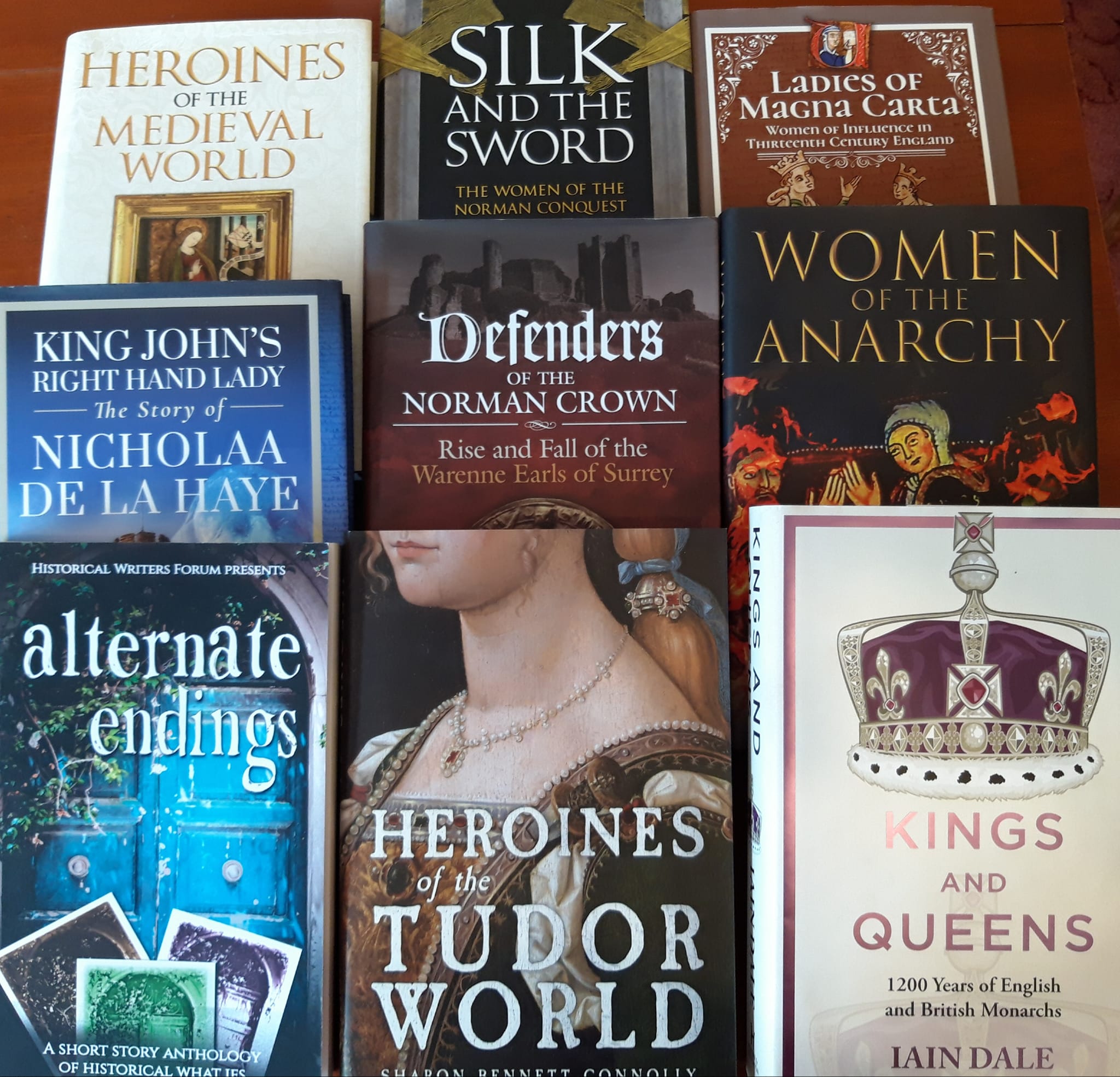
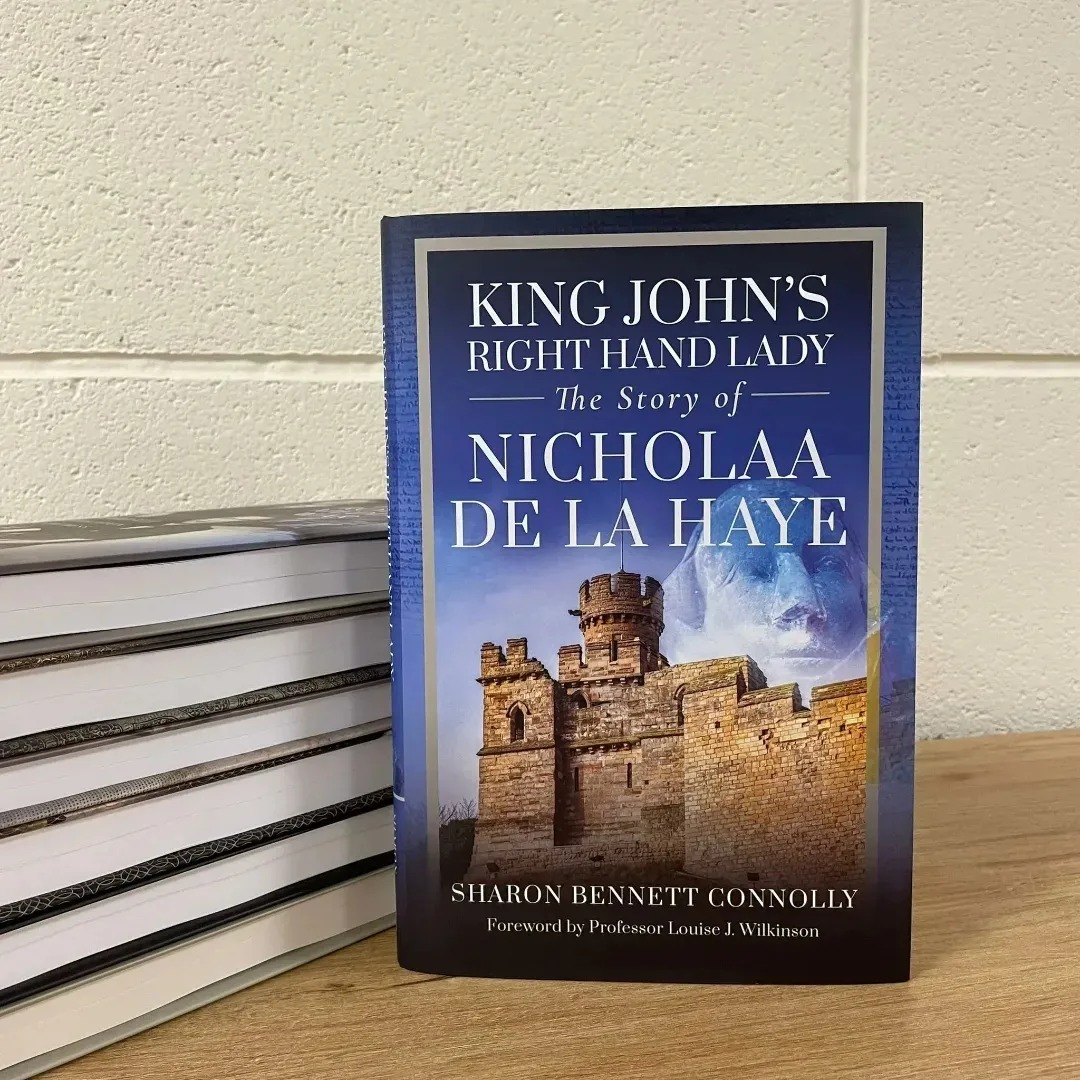
    Heroines of the Tudor World tells the stories of the most remarkable women from European history in the time of the Tudor dynasty, 1485-1603. These are the women who ruled, the women who founded dynasties, the women who fought for religious freedom, their families and love. Heroines of the Tudor World is now available for pre-order from Amberley Publishing and Amazon UK. Women of the Anarchy demonstrates how Empress Matilda and Matilda of Boulogne, unable to wield a sword themselves, were prime movers in this time of conflict and lawlessness. It shows how their strengths, weaknesses, and personal ambitions swung the fortunes of war one way – and then the other. Available from Bookshop.orgAmberley Publishing and Amazon UKKing John’s Right-Hand Lady: The Story of Nicholaa de la Haye is the story of a truly remarkable lady, the hereditary constable of Lincoln Castle and the first woman in England to be appointed sheriff in her own right. Available from all good bookshops Pen & Sword Booksbookshop.org and Amazon

    Defenders of the Norman Crown: The Rise and Fall of the Warenne Earls of Surrey tells the fascinating story of the Warenne dynasty, from its origins in Normandy, through the Conquest, Magna Carta, the wars and marriages that led to its ultimate demise in the reign of Edward III. Available from Pen & Sword BooksAmazon in the UK and US, and Bookshop.orgLadies of Magna Carta: Women of Influence in Thirteenth Century England looks into the relationships of the various noble families of the 13th century, and how they were affected by the Barons’ Wars, Magna Carta and its aftermath; the bonds that were formed and those that were broken. It is now available in paperback and hardback from Pen & SwordAmazon, and Bookshop.orgHeroines of the Medieval World tells the stories of some of the most remarkable women from Medieval history, from Eleanor of Aquitaine to Julian of Norwich. Available now from Amberley Publishing and Amazon, and Bookshop.orgSilk and the Sword: The Women of the Norman Conquest traces the fortunes of the women who had a significant role to play in the momentous events of 1066. Available now from Amazon,  Amberley Publishing, and Bookshop.org.

    Alternate Endings: An anthology of historical fiction short stories including Long Live the King… which is my take what might have happened had King John not died in October 1216. Available in paperback and kindle from Amazon.

    Podcast:
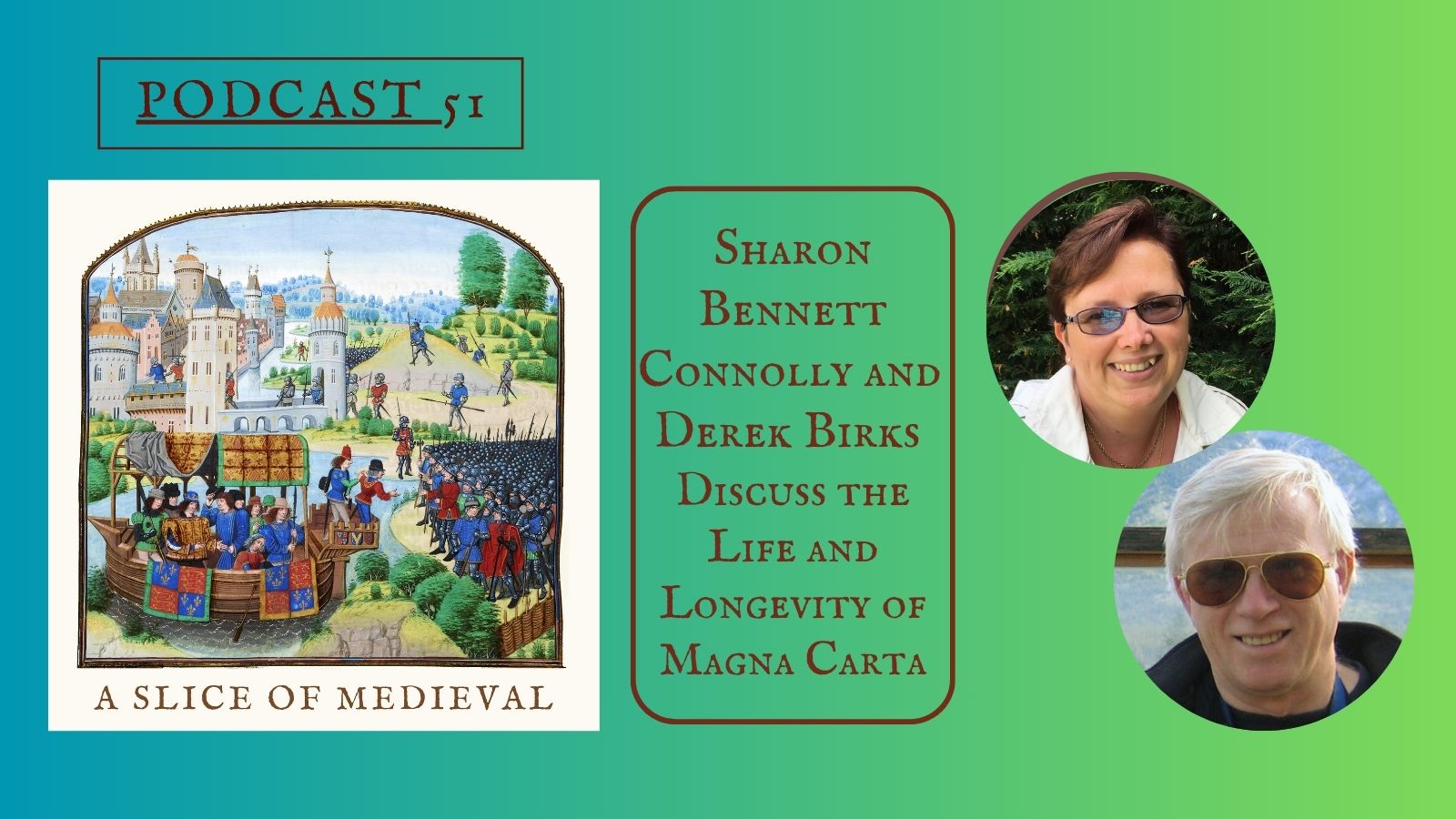
    Have a listen to the A Slice of Medieval podcast, which I co-host with Historical fiction novelist Derek Birks. Derek and I welcome guests, such as Bernard Cornwell, and discuss a wide range of topics in medieval history, from significant events to the personalities involved.

    *

    Don’t forget! Signed and dedicated copies of all my books are available through my online bookshop.

    For forthcoming online and in-person talks, please check out my Events Page.

    You can be the first to read new articles by clicking the ‘Follow’ button, liking our Facebook page or joining me on TwitterThreadsBluesky and Instagram.

    ©2024 Sharon Bennett Connolly FRHistS
    10 Facts about Nicholaa de la Haye that you may not know…

    King John’s Right Hand Lady: The Story of Nicholaa de la Haye
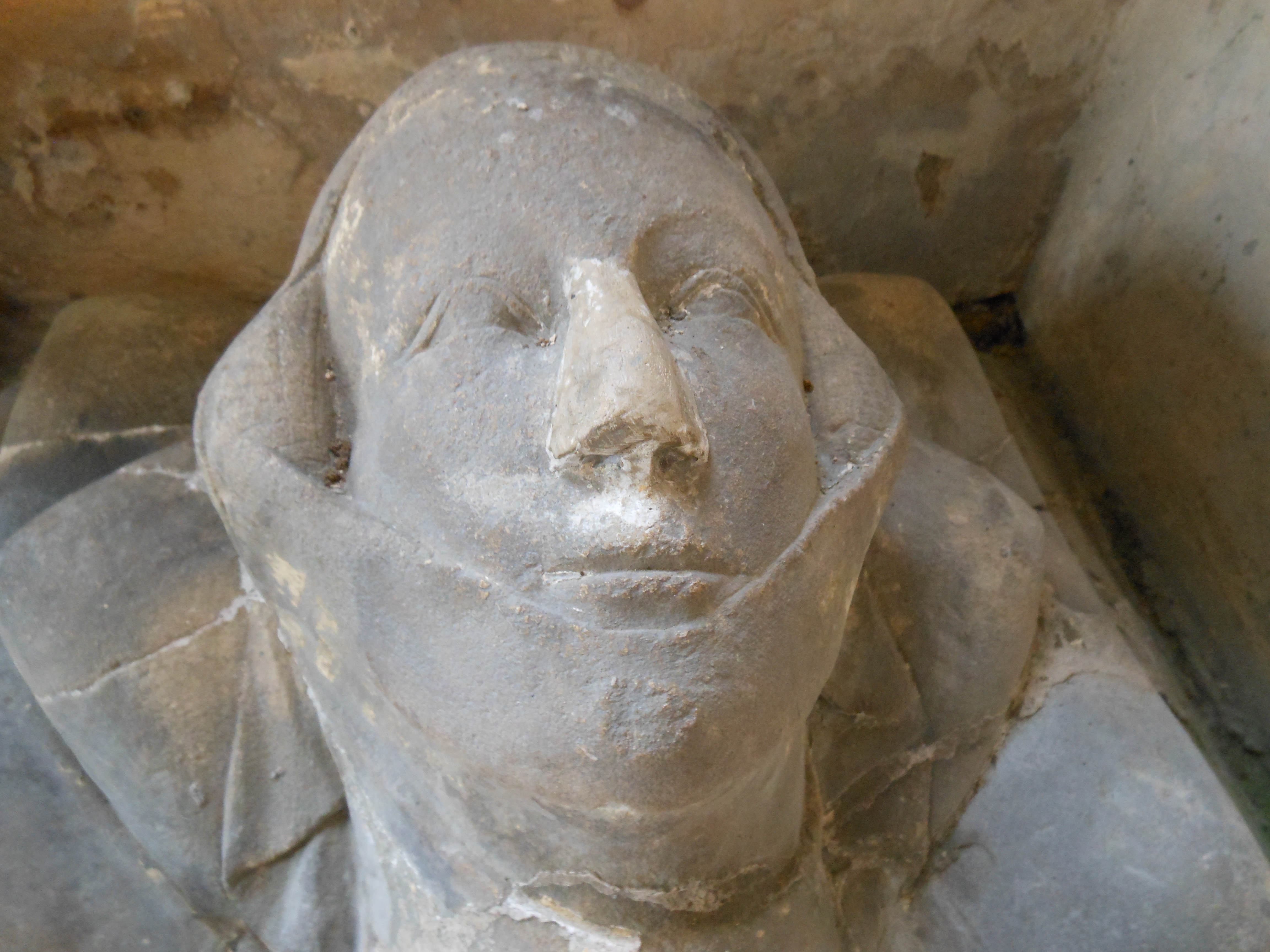
    Tomb effigy of Nicholaa de la Haye, St Michael’s Church, Swaton

    As you may have noticed, Nicholaa de la Haye is a favourite of mine. She is the subject of my 5th book, King John’s Right Hand Lady: The Story of Nicholaa de la Haye. She was one of King John’s most stalwart supporters. She held Lincoln Castle against all-comers during the First Barons’ War which followed the sealing of Magna Carta in 1215. Her career is the more remarkable because Nicholaa was a woman in command of a castle in her own right. And she masterminded its defence against the might of the rebel barons and their French allies, even though the city of Lincoln was also against her.

    So, who was she?

    10 Things about Nicholaa de la Haye that you may not know…

    1. Nicholaa had both English and Norman ancestry. Unlike many Normans, Nicholaa could trace her Lincolnshire roots, through her paternal grandmother, Muriel, to before the Norman Conquest; her grandmother’s grandfather was Colswein of Lincoln, an Englishman who had found favour with William the Conqueror in the years after the Conquest. Nicholaa’s father was Richard de la Haye, whose family originated from La Haye-du-Puits in Normandy, and was distantly related, through marriage, to William the Conqueror. Nicholaa’s mother was Matilda de Vernon, a niece of Baldwin de Redvers, Earl of Devon, the first magnate to rebel against King Stephen when he stole the throne from Empress Matilda.

    2. Nicholaa was hereditary constable of Lincoln Castle. Just like her father and grandfather before her, Nicholaa held Lincoln Castle for the king. A charter dated between 1155 and 1158, issued by Henry II, confirmed the succession of Richard de la Haye to his father in all of his father’s lands in Lincolnshire, including the constableship of Lincoln Castle.

    King John’s Right Hand Lady: The Story of Nicholaa de la Haye
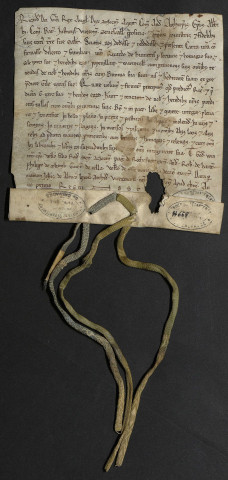
    The Charte aux lacs d’Amour

    3. Nicholaa was the oldest of three sisters. Her sister Gila (or Julia) married Richard du Hommet, the grandson and son of successive constables of Normandy. In 1191 a charter was issued to Gila and Richard, known as the charte aux lacs d’amour (the charter of the laces of love), which had laces attached to the seal on which was written a love poem: ‘I am a pledge of love. Do not give me away. May whoever separates our love receive death’. Nicholaa’s other sister, Isabel de la Haye married William de Rollos, who was probably from Bourne, in Lincolnshire. The Rollos family returned to Normandy during the reign of King John.

    4. Nicholaa’s first husband was William Fitz Erneis, who may have been a younger son of Robert Fitz Erneis, a minor Lincolnshire lord. Nicholaa and William had one surviving child, a daughter named Matilda, before William died in 1178. Nicholaa would later pay a fine of 300 marks to King Richard I so that she could marry her daughter to whomever she wished except, of course, to an enemy of the king. Nicholaa was still accounting for this debt until 1212. In 1201, she still owed 40 marks and a palfrey (a horse).

    5. Before 1185, Nicholaa had remarried, this time to Gerard de Camville, son of Richard de Camville, lord of Middleton Stoney in Oxfordshire. A family with an impressive record of royal service, Richard had died in Italy in 1176 while escorting the king’s daughter, Joanna, to her wedding with King William of Sicily. Gerard’s half-brother, also called Richard, accompanied Richard the Lionheart on Crusade; this Richard de Camville was made governor of Cyprus before dying at Acre in 1191. Gerard himself served the kings Henry II, Richard the Lionheart and John. He was Constable of Lincoln Castle by right of his wife and sheriff of Lincolnshire on two occasions.

    6. Nicholaa first comes to the attention of the chroniclers in 1191, when Prince John led the opposition to, William Longchamp, the man left in charge of England during Richard the Lionheart’s absence on crusade. Longchamp wanted Lincoln Castle for one of his friends and determined to take it. Gerard sought the help of Prince John swearing fealty to him at Nottingham, leaving to Nicholaa to hold the castle. William Longchamp hired a force of mercenaries and laid siege to the castle in Gerard’s absence. The formidable Nicholaa refused to yield, holding out for 40 days before Longchamp gave up and went home. Amusingly, Richard of Devizes said of this defence of Lincoln Castle, that she did it ‘without thinking of anything womanly’.

    King John’s Right Hand Lady: The Story of Nicholaa de la Haye
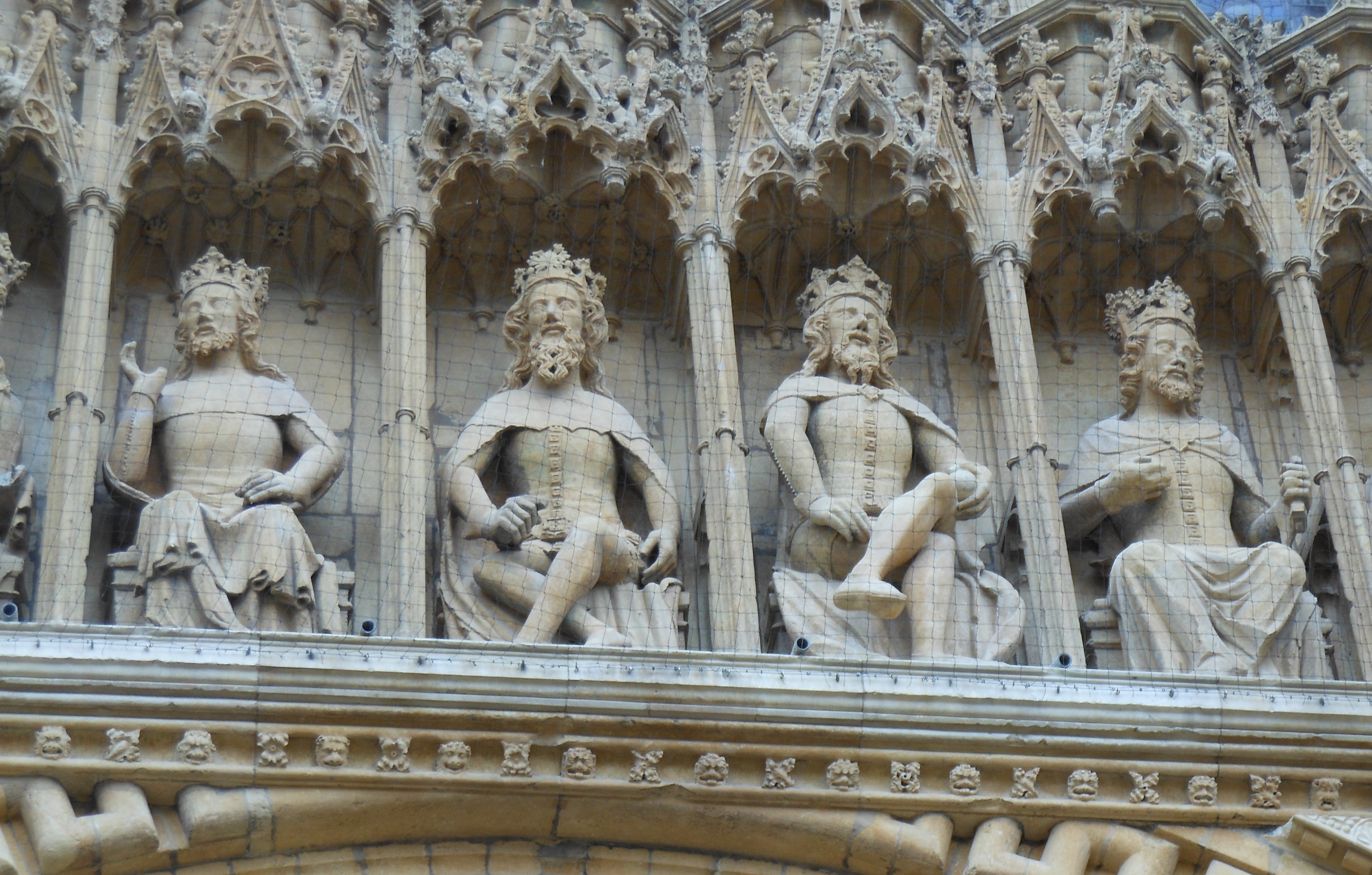
    The kings Nicholaa served: Henry II, Richard I King John and Henry III, Lincoln Cathedral

    7. By the time the king arrived home in 1194, John had fled to France, leaving his supporters to face the music. On 31 March 1194, on the first day of his council at Nottingham, King Richard dispossessed Gerard de Camville of the castle and shrievalty of Lincoln. And on 2 April, Gerard was charged with harbouring outlaws (wonder if they mean Robin Hood?), treason for failing to answer the king’s justices’ summons over the harbouring of the said outlaws, and for taking up arms and aiding John in taking the castles of Tickhill and Nottingham. The outcome of the proceedings is not recorded, but given that Gerard was fined 2,000 marks to recover the king’s good will and his lands, we can assume that the judges did not find in his favour.

    8. When Richard the Lionheart died on 6 April 1199 and was succeeded by his brother, John, Nicholaa and Gerard de Camville were restored to favour and to Lincoln Castle. Gerard was also appointed sheriff of Lincolnshire and served in that office for the next six years, becoming ‘a greater man than ever.’ In November 1200, Nicholaa and Gerard welcomed the kings of England and Scotland to Lincoln, where King William the Lion paid homage to King John outside the city walls.

    King John’s Right Hand Lady: The Story of Nicholaa de la Haye
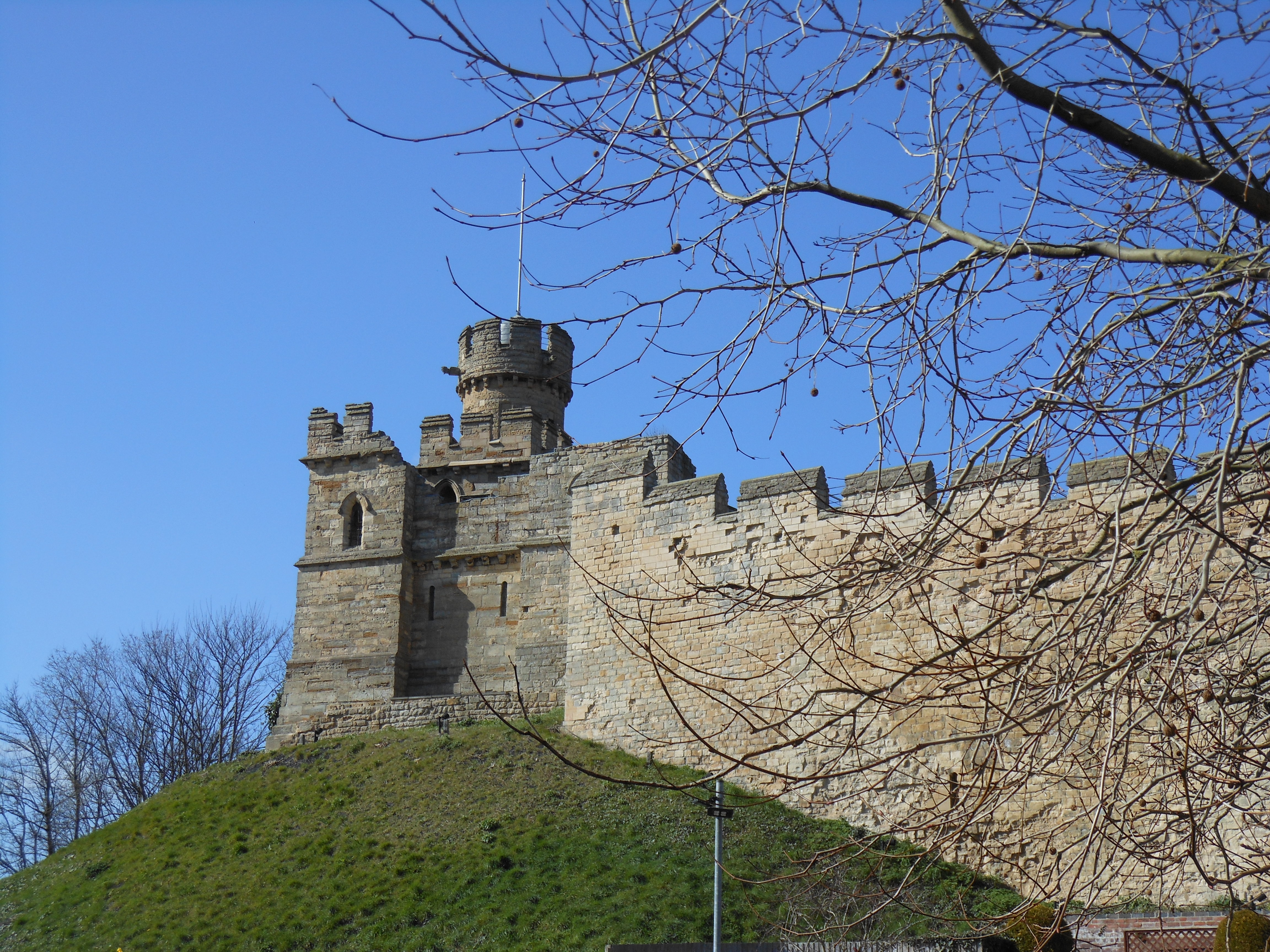
    The Observatory Tower, Lincoln Castle

    9. Gerard died in December 1214, leaving Nicholaa in command of Lincoln Castle. In 1216, she was besieged by a force of rebel barons who had taken up arms against King John in the aftermath of the issuing of Magna Carta. Nicholaa paid them off – they stopped attacking the castle but remained in the city. In the same year, Nicholaa met King John at the East Gate of Lincoln Castle, with the castle’s keys in her hand, offering to resign her position as constable, citing her weariness and great age (she was in her 60s). John refused, telling her to remain in post until he ordered otherwise.

    10. On 18 October 1216, at Newark Castle, in one of his final acts and just hours before his death, King John appointed Nicholaa de la Haye as sheriff of Lincolnshire. She was the first woman in English history to be appointed to the office of sheriff in her own right – but she would not be the last.

    King John’s Right Hand Lady: The Story of Nicholaa de la Haye
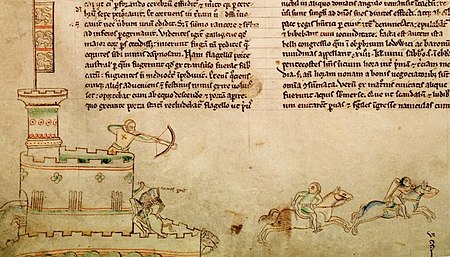
    Depiction of the 1217 Battle of Lincoln from Matthew Paris

    11. (Oops!) For 7 months, from October 1216 to May 1217, Lincoln Castle was once again under siege by a force of English rebel barons and their French allies under the command of the Comte de Perche. Nicholaa directed the castle’s defence until royalist forces could come to her aid. On 20 May 1217, William Marshal and the royalist army came to her relief, fighting the Battle of Lincoln through the city’s streets.

    12. (double oops!) There was a rise in the number of baby girls named Nicholaa, in Lincolnshire, in the 13th century.

    13. Have a listen to the A Slice of Medieval episode dedicated to Nicholaa de la Haye, where Derek Birks and I discuss the ins and outs – and highs and lows – of Nicholaa’s career.

    Sources:

    Richard of Devizes, The Chronicle of Richard of Devizes; Roger of Howden (Hoveden), The Annals of Roger of HowdenThe Plantagenet Chronicles edited by Elizabeth Hallam; Brassey’s Battles by John Laffin; 1215 The Year of Magna Carta by Danny Danziger & John Gillingham; The Life and times of King John by Maurice Ashley; The Plantagenets, the Kings Who Made England by Dan Jones; England Under the Norman and Angevin Kings  by Robert Bartlett; lincolnshirelife.co.uk; catherinehanley.co.uk; magnacarta800th.com; lothene.org; lincolncastle.com; The Sheriff: The Man and His Office by Irene Gladwin; Louise Wilkinson, Women in Thirteenth Century Lincolnshire; Richard Huscraft, Tales from the Long Twelfth Century; J.W.F. Hill, Medieval Lincoln; swaton.org.uk; oxforddnb.com; Ingulph, Ingulph’ Chronicle of the Abbey of Croyland; Stephen Church, King John: England, Magna Carta and the Making of a Tyrant; Marc Morris, King John; Pipe Rolls; Red Book of the Exchequer

    *

    My Books

    Signed, dedicated copies of all my books are available through my online store.

    Out now: Scotland’s Medieval Queens

    Books by Sharon Bennett Connolly

    Scotland’s history is dramatic, violent and bloody. Being England’s northern neighbour has never been easy. Scotland’s queens have had to deal with war, murder, imprisonment, political rivalries and open betrayal. They have loved and lost, raised kings and queens, ruled and died for Scotland. From St Margaret, who became one of the patron saints of Scotland, to Elizabeth de Burgh and the dramatic story of the Scottish Wars of Independence, to the love story and tragedy of Joan Beaufort, to Margaret of Denmark and the dawn of the Renaissance, Scotland’s Medieval Queens have seen it all. This is the story of Scotland through their eyes.

    Scotland’s Medieval Queens gives a thorough grounding in the history of the women who ruled Scotland at the side of its kings, often in the shadows, but just as interesting in their lives beyond the spotlight. It’s not a subject that has been widely covered, and Sharon is a pioneer in bringing that information into accessible history.’ Elizabeth Chadwick (New York Times bestselling author)

    Available now from Amazon and Pen and Sword Books

    Also by Sharon Bennett Connolly:

    Books by Sharon Bennett Connolly

    Heroines of the Tudor World tells the stories of the most remarkable women from European history in the time of the Tudor dynasty, 1485-1603. These are the women who ruled, the women who founded dynasties, the women who fought for religious freedom, their families and love. Heroines of the Tudor World is now available for pre-order from Amberley Publishing and Amazon UK. Women of the Anarchy demonstrates how Empress Matilda and Matilda of Boulogne, unable to wield a sword themselves, were prime movers in this time of conflict and lawlessness. It shows how their strengths, weaknesses, and personal ambitions swung the fortunes of war one way – and then the other. Available from Bookshop.orgAmberley Publishing and Amazon UKKing John’s Right-Hand Lady: The Story of Nicholaa de la Haye is the story of a truly remarkable lady, the hereditary constable of Lincoln Castle and the first woman in England to be appointed sheriff in her own right. Available from all good bookshops Pen & Sword Booksbookshop.org and Amazon

    Royal Historical Society

    Defenders of the Norman Crown: The Rise and Fall of the Warenne Earls of Surrey tells the fascinating story of the Warenne dynasty, from its origins in Normandy, through the Conquest, Magna Carta, the wars and marriages that led to its ultimate demise in the reign of Edward III. Available from Pen & Sword BooksAmazon in the UK and US, and Bookshop.orgLadies of Magna Carta: Women of Influence in Thirteenth Century England looks into the relationships of the various noble families of the 13th century, and how they were affected by the Barons’ Wars, Magna Carta and its aftermath; the bonds that were formed and those that were broken. It is now available in paperback and hardback from Pen & SwordAmazon, and Bookshop.orgHeroines of the Medieval World tells the stories of some of the most remarkable women from Medieval history, from Eleanor of Aquitaine to Julian of Norwich. Available now from Amberley Publishing and Amazon, and Bookshop.orgSilk and the Sword: The Women of the Norman Conquest traces the fortunes of the women who had a significant role to play in the momentous events of 1066. Available now from Amazon,  Amberley Publishing, and Bookshop.org.

    Alternate Endings: An anthology of historical fiction short stories including Long Live the King… which is my take what might have happened had King John not died in October 1216. Available in paperback and kindle from Amazon.

    Podcast:

    Have a listen to the A Slice of Medieval podcast, which I co-host with Historical fiction novelist Derek Birks. Derek and I welcome guests, such as Bernard Cornwell and Elizabeth Chadwick, and discuss a wide range of topics in medieval history, from significant events to the personalities involved.

    Every episode is also now available on YouTube.

    *

    Signed and dedicated copies of all my books are available through my online store.

    For forthcoming online and in-person talks, please check out my Events Page.

    You can be the first to read new articles by clicking the ‘Follow’ button, liking our Facebook page or joining me on TwitterThreadsBluesky and Instagram.

    ©2023 Sharon Bennett Connolly FRHistS
    Hubert de Burgh Part 2: The Minority of Henry III

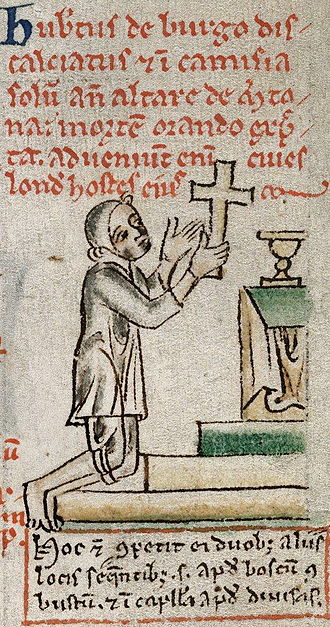
    Hubert de Burgh seeking sanctuary in 1234, from Matthew Paris’s Historia Anglorum

    As we have already seen, Hubert de Burgh was a key ally of King John during the Magna Carta crisis. Having risen from the ranks of minor land owner to one of the most senior positions in the land, King’s Justiciar, de Burgh was indispensable to King John. As justiciar, in the Magna Carta, Hubert de Burgh is mentioned as being the one to hold ultimate responsibility in the realm whenever the king was abroad; this was a considerable change to the role of justiciar in former reigns, when he was primarily responsible as president of the exchequer and chief justice. He was, essentially, the most powerful man in the land after the king himself.

    After sealing Magna Carta at Runnymede on 15 June 1215, John was soon writing to the pope to have Magna Carta annulled. England was plunged into civil war. The barons invited the French dauphin, Prince Louis, to join them and make a play for the throne. Louis was the son of John’s erstwhile friend Philip II Augustus, King of France, and the husband of his niece Blanche, who was the daughter of his sister Eleanor, Queen of Castile.

    Louis and his men had landed on the Isle of Thanet on 14 May 1216. The dauphin advanced through Kent and took Canterbury before moving onto Winchester. Louis was hailed as King of England in London in June of 1216. John seems to have been undecided as to how to act; he sent his oldest son Henry to safety at Devizes Castle in Wiltshire. Dover Castle, under the command of Hubert de Burgh, held out against the French and rebel forces, as did Windsor and Lincoln, under the formidable Nicholaa de la Haye. Despite the death of King John, at Newark on the night of 18/19 October 1216, William Longespée, Earl of Salisbury, John’s illegitimate half-brother, had remained with Louis and it was he who called for Hubert de Burgh to surrender Dover to the French. De Burgh was besieged at Dover Castle, the gateway to England from the Continent, from 22 July 1216 until King John’s death in October of the same year, when the Dauphin Louis abandoned the siege.

    Ten days after his father’s death, on 28 October, 9-year-old Henry III was crowned at Gloucester and William Marshal was appointed as the young king’s regent. Hubert de Burgh attended a council of the new king, Henry III, at Bristol on 11 November 1216, when Magna Carta was reissued; he appears as justiciar at the head of the list of lay barons on the witness list. In the spring of 1217, he was back at Dover, having reprovisioned it, and from April he was once again under siege. The Battle of Lincoln , on 20 May 1217 saw the allied French and rebel forces defeated by William Marshal, causing Louis to lift the siege at Dover and retire to London and await reinforcements.

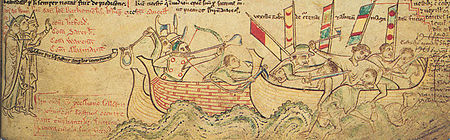
    Hubert de Burgh then commanded an English fleet in a naval battle off Sandwich on 24 August 1217, which saw the English ships under defeat the French fleet and capture their flagship. The English naval forces had intercepted the French bringing equipment and supplies to Prince Louis, the dauphin of France;

    The Battle of Sandwich, 1217

    ‘On 24 August, the whole enemy fleet joined battle with the king’s men, not far from the Isle of Thanet. Many of their ships and some of the leaders of the French party were captured, but the rest were able to evade capture by flight; many of the lesser men were killed. Scattered in confusion, the enemy could not regroup.’

    The Barnwell Annalist

    King John’s illegitimate son, Richard of Chilham, is said to have played a significant part in the battle. Richard brought his own ship alongside the French flagship, the most formidable of the enemy’s vessels, commanded by Eustace the Monk. Richard and his men boarded the ship. Roger of Wendover suggests that it was Richard himself who beheaded Eustace the Monk after his capture. Although other sources disagree with this, none deny that Richard’s actions in the battle were significant.

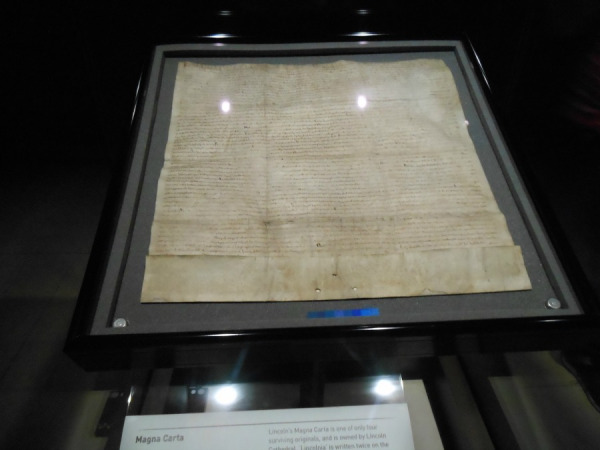
    Lincoln Cathedral’s Magna Carta, held at Lincoln Castle

    The Battle of Sandwich thus consolidated the Royalist victory over the rebels and their French allies. As a consequence, the English were able to dictate terms to Louis; Louis agreed to a settlement of £10,000 as an inducement to go home. Peace was signed at Kingston Upon Thames on 12 September and the French left England shortly afterwards. Magna Carta was issued a third time, along with a new charter, the Charter of the Forest, issued for the first time.

    On the personal front, Hubert de Burgh’s first wife, Beatrice de Warenne, had died sometime before 18 December 1214. De Burgh retained Beatrice’s lands at Wormegay throughout his lifetime and they only passed to her eldest son, William Bardolf, on de Burgh’s death in May 1243. William Bardolf’s inheritance of Portslade and Harthill, both held from the honour of Warenne, serve to demonstrate the continued connections that this junior branch of the family held with the powerful Warenne earls throughout the thirteenth century.

    In September 1217, de Burgh married Isabella of Gloucester, King John’s discarded first wife. On 13 October 1217 the sheriffs of nine counties were ordered to relinquish custody of Isabella’s lands to de Burgh. This was Isabella’s third and final marriage – she had previously married to John, before he became king, and Geoffrey de Mandeville, Earl of Essex, one of the rebel barons; he had died in 1216 whilst still in rebellion against the king. This final marriage for Isabella was, sadly, very short-lived and Isabella was dead within a month, possibly only a few weeks, of her wedding day and almost exactly a year after the death of her first husband, King John.

    Isabella died on 14 October 1217, probably at Keynsham Abbey near Bristol, and was buried at the cathedral of Christ Church, Canterbury. Shortly before her death, Isabella made a grant to the monks of Canterbury, of £10 of land in her manor of Petersfield, Hampshire, which was witnessed by Hubert de Burgh and other members of his household.

    Two years later, following the death of William Marshal in 1219, Hubert de Burgh took over the reins of government, alongside the young king’s tutor, Peter des Roches, Bishop of Winchester, and the papal legate, Pandulf. This central government, however, was weakened by the fact the castles, manors and sheriffdoms of the realm were held by those who had served King John, and who claimed they could not be removed from their positions until the king reached his majority. These same lords were siphoning off revenue that should have gone to the treasury, further weakening the authority of the crown. It was only when the king reached his majority at the end of 1223 that de Burgh could dismiss many of the sheriffs and castellans. However, this resulted in a bitter power struggle that was to last for the next decade, and would eventually lead to Hubert de Burgh’s political downfall, arrest and imprisonment.

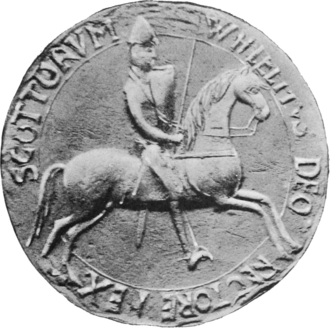
    Seal of William the Lion, King of Scots

    In June 1221, Alexander II, King of Scots, married Henry III’s sister Joan, at York. It was probably at this event, when the Scottish and English royal families came together in celebration, that the future of Alexander’s sister Margaret, a hostage in England since the treaty of Norham in 1209, was finally resolved. Margaret was the eldest daughter of William I the Lion, King of Scots, and a granddaughter of Ada de Warenne; she was therefore a second cousin of de Burgh’s first wife, Beatrice de Warenne.

    It was decided that Margaret would be married to Hubert de Burgh. They ceremony took place in London on 3 October 1221, with King Henry himself giving the bride away. Each of his previous marriages had given de Burgh social and political advancement, and valuable familial connections. Marrying Margaret of Scotland was no less an impressive match, but would later be used against him by his enemies, who accused de Burgh of marrying Margaret while the king was still too young to decide if he might want to marry the Scottish princess himself, as his father had proposed. Hubert de Burgh did, after all, have far humbler origins than one would expect for the spouse of a princess. The Scottish preferred to view Hubert de Burgh as the royal justiciar he had become, rather than the member of the minor noble family into which he had been born.

    Margaret was at least 26 years of age when she married Hubert de Burgh and may even have been over 30. De Burgh was in his early fifties. Due to Margaret’s high status as a Scottish princess, many of the grants of lands and privileges were made to the couple jointly, rather than solely to Hubert de Burgh. De Burgh was made earl of Kent in 1227, with the title specifically entailed on his children by Margaret, rather than on his children by his first marriage to Beatrice de Warenne. Hubert de Burgh and Margaret, had one child, a girl named Margaret but known as Megotta, who was probably born in the early 1220s. There were rumours that de Burgh was planning to divorce Margaret in 1232, but he fell from royal favour before such a move could be pursued.

    Hubert de Burgh was at the height of his power throughout the 1220s. In 1224, he arranged for the marriage of William (II) Marshal, 2nd Earl of Pembroke, to the king’s youngest sister, Eleanor. The bride was no more than 9 years old on her wedding day, whereas Marshal was about 30. The marriage was agreed at the behest of de Burgh,and the papal legate, Pandulf, as a way of guaranteeing Marshal remained firmly in the justiciar’s camp, and to prevent him making a foreign marriage. The match put an end to three years of indecision, as to whether Eleanor should marry a foreign prince or an English magnate. The king settled ten manors, confiscated from a French nobleman and already administered by Marshal, on his sister as her marriage portion.

    When it was thought that William Longspée, Earl of Salisbury, was dead following a shipwreck off the Brittany coast, in 1225, Hubert de Burgh sought to take advantage of the earl’s death to further his own family connections. While Salisbury spent months recovering at the island monastery of Ré in France, Hubert de Burgh proposed a marriage between Salisbury’s wife, Ela, and his own nephew, Reimund. Ela, however, would not even consider it, insisting that she knew William was alive and that, even if he were dead, she would never presume to marry below her status, a right provided in Magna Carta. However, as it turned out, William Longespée was, indeed, still alive and he eventually returned to England and his wife, landing in Cornwall and then making his way to Salisbury. From Salisbury he went to Marlborough to complain to the king that Reimund had tried to marry Ela whilst he was still alive. According to the Annals and Antiquities of Lacock Abbey Reimund was present at Longespée’s audience with the king, confessed his wrongdoing and offered to make reparations, thus restoring peace. Unfortunately, Longespée never seems to have recovered fully from his injuries and died at the royal castle at Salisbury shortly after his return home, on 7 March 1226, amid rumours of being poisoned by Hubert de Burgh or his nephew.

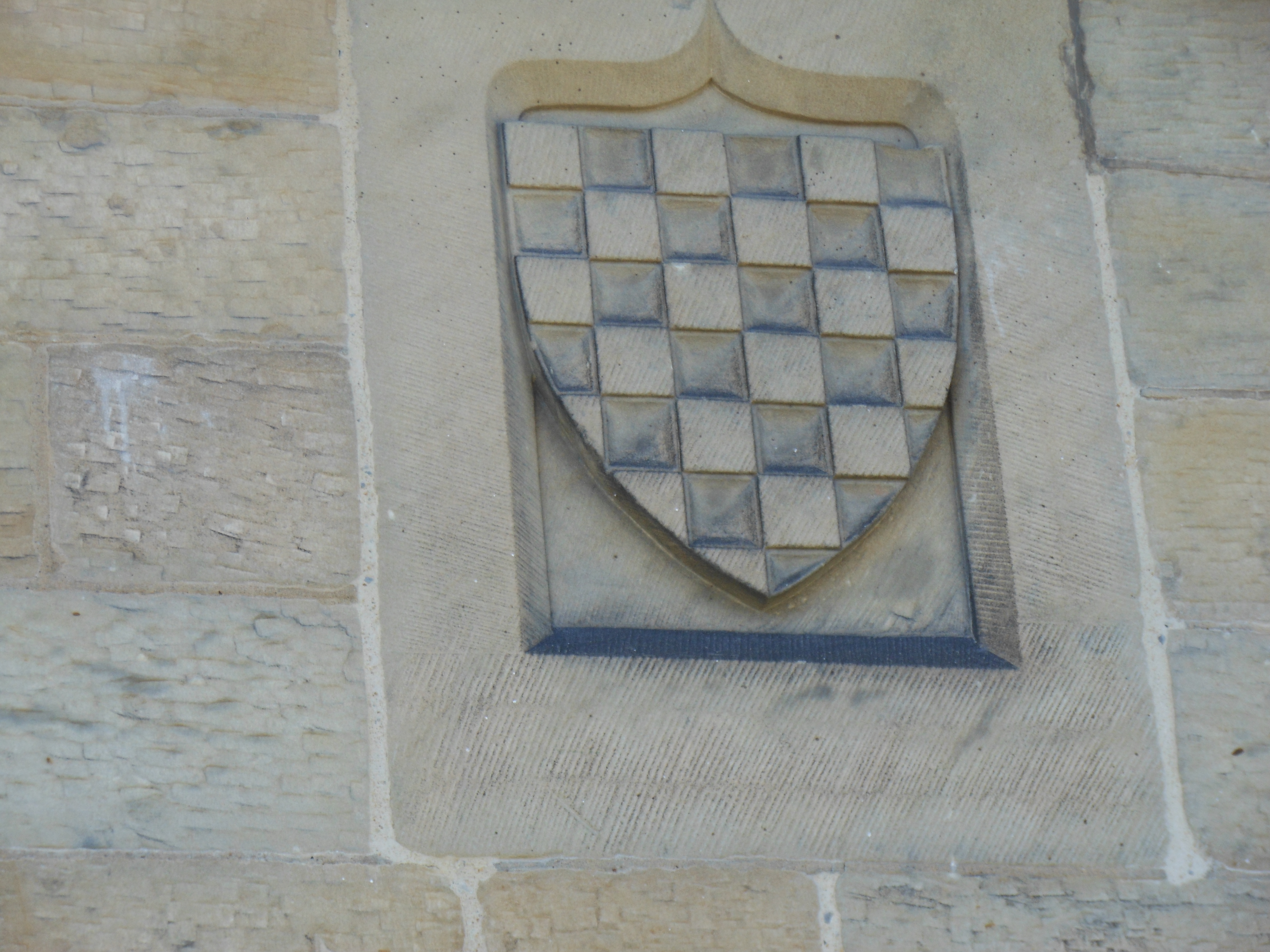
    Arms of William de Warenne, Conisbrough Castle

    William de Warenne, 5th Earl of Warenne and Surrey, was a staunch ally of the justiciar, Hubert de Burgh, who had been married to his cousin Beatrice de Warenne, the daughter and heir of William de Warenne of Wormegay. He had supported de Burgh in 1223–4, when the justiciar’s position was threatened by rivals at court. However, with the king attaining his majority and fully taking up the reins of government in 1227, Hubert de Burgh’s hold on power weakened. The king’s administration was divided by powerful factions and de Burgh fell from favour; he was stripped of his offices and imprisoned. William de Warenne was drawn into the downfall of his former patron, when de Burgh was imprisoned in 1232. Warenne was one of the four earls tasked with keeping de Burgh in custody at Devizes Castle and when de Burgh’s enemies themselves fell in 1234, Warenne was the earl to accept the surrender of de Burgh’s castles at Bramber and Knepp, which had been taken by the former justiciar’s enemies.

    With her husband’s downfall, Princess Margaret, Countess of Kent, and her daughter, were deprived of all their belongings. They sought sanctuary at Bury St Edmunds, from where they were forbidden to leave by the king’s own order. Margaret humbled herself before the king when he visited Bury St Edmunds, perhaps softening Henry III somewhat as the king then allowed her to visit her husband so they could discuss their situation. Relations between the king and de Burgh thawed slightly in 1234. In February Margaret was given possession of Hubert de Burgh’s hereditary lands and in May of the same year de Burgh was finally pardoned and the king ‘undertook to do what grace he will.’

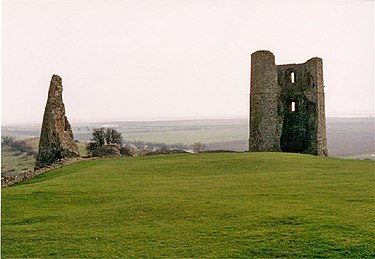
    Hubert de Burgh’s castle of Hadleigh, Essex

    Whilst in sanctuary Margaret secretly arranged the marriage of Megotta to Richard de Clare, Earl of Hertford and Gloucester, the son of Isabel Marshal and Gilbert de Clare, who was of similar age to Megotta. The young couple may have known each other as Richard was a ward of Hubert de Burgh until the justiciar’s disgrace in 1232. Hubert de Burgh may not have known of his wife’s activities and the discovery of the arrangement in 1236 reignited tensions between the king and his former justiciar, who was attempting to regain the king’s trust.

    The discovery of the marriage was a devastating blow to de Burgh; he had lost the king’s confidence completely and retired from public life. The death of Megotta in 1237 was a further blow but did not ease the tensions with the king. Hubert de Burgh and Margaret were finally pardoned for the marriage in October 1239, de Burgh surrendering his three castles in Upper Gwent and Hadleigh Castle in Essex as part of the agreement. De Burgh did not return to office, despite the pardon, and remained in retirement until his death. He died at his Surrey manor of Banstead in May 1243 and was buried at the Blackfriars in London, a monastery of which he was a benefactor, and where Margaret would be buried when she died in 1259.

    *

    Images:

    Courtesy of Wikipedia except the Magna Carta and the Warenne arms, which are ©Sharon Bennett Connolly.

    Sources:

    finerollshenry3.org.uk; Oxforddnb.com; magnacarta800th.com; Church, Stephen, King John: England, Magna Carta and the Making of a Tyrant; Danziger, Danny and John Gillingham, 1215: The Year of Magna Carta; Crouch, David, William Marshal; Matthew Paris, Robert de Reading and others, Flores Historiarum, volume III; Robert Bartlett England Under the Norman and Angevin Kings 1075-1225; Dan Jones The Plantagenets; the Kings who Made England; Maurice Ashley The Life and Times of King John; Roy Strong The Story of BritainOxford Companion to British History; Mike Ashley British Kings & Queens; David Williamson Brewer’s British Royalty; Rich Price King John’s Letters Facebook page; Elizabeth Hallam, editor, The Plantagenet Chronicles; Donald Matthew, King Stephen; Medieval Lands Project on the Earls of Surrey, Conisbrough Castle; Farrer, William and Charles Travis Clay, editors, Early Yorkshire Charters, Volume 8: The Honour of Warenne; Rev. John Watson, Memoirs of the Ancient Earls of Warren and Surrey and their Descendants to the Present Time; Morris, Marc King John: Treachery, Tyranny and the Road to Magna Carta; doncasterhistory.co.uk.

    *

    My books

    Signed, dedicated copies of all my books are available, please get in touch by completing the contact me form.

    Coming 30 May 2023!

    King John’s Right-Hand Lady: The Story of Nicholaa de la Haye is now available for pre-order as a hardback and Kindle from Pen & Sword Booksbookshop.org and Amazon (UK and US).

    In a time when men fought and women stayed home, Nicholaa de la Haye held Lincoln Castle against all-comers. Not once, but three times, earning herself the ironic praise that she acted ‘manfully’. Nicholaa gained prominence in the First Baron’s War, the civil war that followed the sealing of Magna Carta in 1215.

    A truly remarkable lady, Nicholaa was the first woman to be appointed sheriff in her own right. Her strength and tenacity saved England at one of the lowest points in its history. Nicholaa de la Haye is one woman in English history whose story needs to be told…

    Also by Sharon Bennett Connolly:

    Defenders of the Norman Crown: The Rise and Fall of the Warenne Earls of Surrey tells the fascinating story of the Warenne dynasty, of the successes and failures of one of the most powerful families in England, from its origins in Normandy, through the Conquest, Magna Carta, the wars and marriages that led to its ultimate demise in the reign of Edward III. Defenders of the Norman Crown: Rise and Fall of the Warenne Earls of Surrey is now available from Pen & Sword BooksAmazon in the UK and US, and  Bookshop.org.

    Ladies of Magna Carta: Women of Influence in Thirteenth Century England looks into the relationships of the various noble families of the 13th century, and how they were affected by the Barons’ Wars, Magna Carta and its aftermath; the bonds that were formed and those that were broken. It is now available in paperback and hardback from Pen & Sword,  Amazon, and Bookshop.org.

    Heroines of the Medieval World tells the stories of some of the most remarkable women from Medieval history, from Eleanor of Aquitaine to Julian of Norwich. Available now from Amberley Publishing and Amazon, and Bookshop.org.

    Silk and the Sword: The Women of the Norman Conquest traces the fortunes of the women who had a significant role to play in the momentous events of 1066. Available now from Amazon,  Amberley Publishing, and Bookshop.org.

    Alternate Endings: An anthology of historical fiction short stories including Long Live the King… which is my take what might have happened had King John not died in October 1216. Available in paperback and kindle from Amazon.

    *

    For forthcoming online and in-person talks, please check out my Events Page.

    You can be the first to read new articles by clicking the ‘Follow’ button, liking our Facebook page or joining me on Twitter and Instagram.

    ©2021 Sharon Bennett Connolly, FRHistS