Mary Tudor has always been known as ‘Bloody Mary’, the name given to her by later Protestant chroniclers who vilified her for attempting to re-impose Roman Catholicism in England. Although a more nuanced picture of the first queen regnant has since emerged, she is still stereotyped, depicted as a tragic and lonely figure, personally and politically isolated after the annulment of her parents’ marriage and rescued from obscurity only through the good offices of Katherine Parr.
Although Henry doted on Mary as a child and called her his ‘pearl of the world’, her determination to side with her mother over the annulment both hurt him as a father and damaged perceptions of him as a monarch commanding unhesitating obedience. However, once Mary had finally been pressured into compliance, Henry reverted to being a loving father and Mary played an important role in court life.
As Melita Thomas points out, Mary was a gambler – and not just with cards. Later, she would risk all, including her life, to gain the throne. As a young girl of just seventeen she made the first throw of the dice, defiantly maintaining her claim to be Henry’s legitimate daughter against the determined attempts of Anne Boleyn and the king to break her spirit.
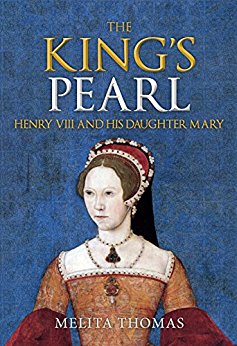
Following the 500th anniversary of Mary’s birth, The King’s Pearl re-examines Mary’s life during the reign of Henry VIII and her complex, dramatic relationship with her father.
The King’s Pearl: Henry VIII and his Daughter Mary by Melita Thomas is an in-depth look into the life of Mary I, in her formative years. It tells the story of England’s first queen regnant, during the life and reign of her father, Henry VIII.
This is a wonderful book, giving an insight into the years of Mary’s life which are rarely considered, when she went from being a pampered princess of two adoring parents to an adolescent declared a bastard by her own father. The author paints the picture of a young woman who had gone through more trials and emotions imposed by her father than any daughter should have to bear. The King’s Pearl: Henry VIII and his Daughter Mary evokes sympathy and understanding for the extremes of life experiences that Mary I had to endure, once her parents’ marriage had broken down. From being denied the company of her mother, the attention of her father to being bullied and belittled, in fear of imprisonment, and worse.
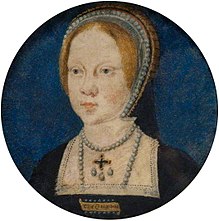
Mary at the time of her engagement to Charles V. She is wearing a rectangular brooch inscribed with “The Emperour”
On St George’s Day 1527, the French ambassadors went to see Mary at Greenwich. After dinner, Henry led them into a hall in which Mary, Katharine and the French queen were present, with a large comapny of ladies and gentlemen. The proud father told the ambassadors to speak to his daughter in Latin, French and Italian, and she was able to respond in all three languages. She also wrote in French for them, before performing on the spinet. The ambassadors agreed the young lady was very accomplished for her age, which was eleven years and two months. Contrary to the previous description of her as tall, Turenne thought although she was very pretty, she was so ‘thin, spare, and small’, that she could not possibly be married for another three years. From the opposing descriptions of her, we can perhaps infer that none of them is terribly accurate – those who wanted her to be considered ready for marriage described her as tall and robust, while those who wished to delay matters spoke of her as small.
Every aspect of Mary’s early life is examined in detail, from her pampered childhood, surrounded by courtiers and loving parents, to the loneliness of an out-of-favour, illegitimate daughter. Her various marriage prospects are a constant theme throughout the book, demonstrating how Mary was used as a bargaining chip in Henry VIII’s constant diplomatic wranglings between Francis I of France and Charles V, Holy Roman Emperor.
Melita Thomas’ research is impeccable, her arguments and theories are backed up by primary sources, including memoirs, letters and treaties. The focus is entirely on Mary, her relationships with her family and courtiers and the way her father’s policies and marriages affected her life. It examines every aspect of Mary’s life in impeccable detail; her education, court life, her relationships, health and daily routine. It is a sad tale, of a father who demanded absolute obedience, and never considered the consequences of his actions on the mental well-being of his children.
Well-written and beautifully presented, The King’s Pearl: Henry VIII and his Daughter Mary, is a perfect and essential addition to any Tudor library.
*
About the author
Melita Thomas is a co-founder and editor of Tudor Times, a website devoted to Tudor and Stewart history. Her articles have appeared in BBC History Extra an Britain magazine. The King’s Pearl is available from Amberley Publishing and Amazon UK. and will be available from Amazon US from 1st June 2018.
My Book:
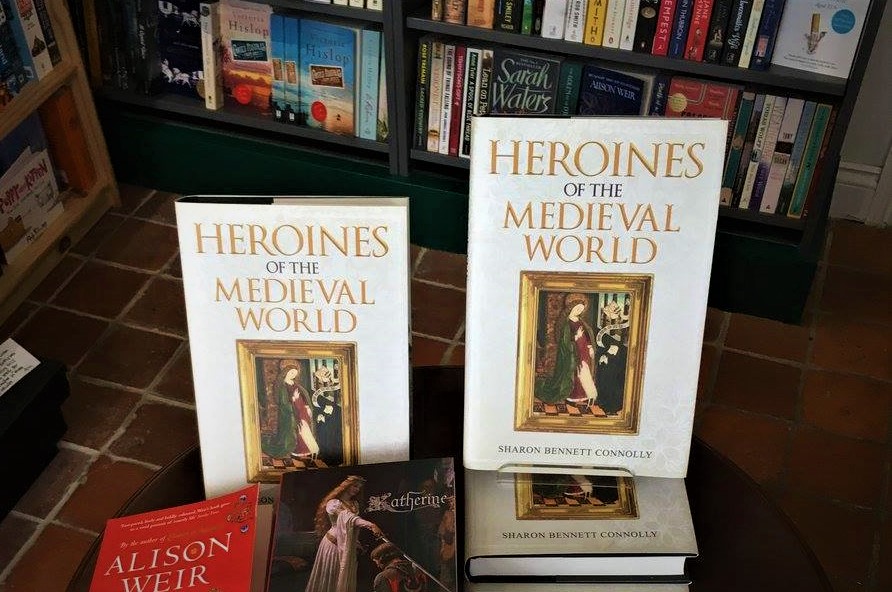
Heroines of the Medieval World, is now available in hardback in the UK from both Amberley Publishing and Amazon UK. It is also available on Kindle in both the UK and USA and will be available in Hardback from Amazon US from 1 May 2018. It can also be ordered worldwide from Book Depository.
You can be the first to read new articles by clicking the ‘Follow’ button, liking our Facebook page or joining me on Twitter.
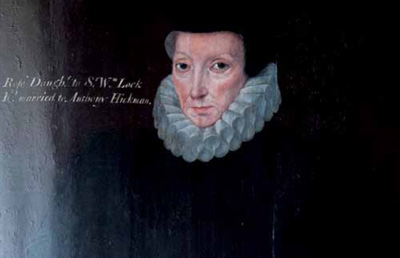
Rose Locke was born in London on 26 December 1526. She was the daughter of Sir William Locke and his 2nd wife, Katherine. The 3rd of 11 children, her family were some of the earliest Protestants in England, and staunch supporters of Henry VIII’s divorce from Catherine of Aragon. The family lived in Cheapside in the 1530s, with Rose’s father and several brothers serving as agents of the king in France and Flanders during the 1540s. A mercer and alderman of London, Rose’s father was a gentleman usher of the chamber to Henry VIII and was appointed sheriff of London in 1548; he was knighted by Edward VI in 1549.
According to Rose her father, Sir William Locke, a merchant with strong links to Antwerp, had smuggled ‘herectic’ Protestant writings from abroad for Queen Anne Boleyne herself. Rose had long been familiar with the new learning and wrote in 1610: “My mother in the dayes of King Henry the 8th came to some light of the gospel by means of some English books sent privately to her by my father’s factor from beyond the sea: where upon she used to call me with my 2 sisters into her chamber to read to us out of these same good books very privately for feare of troble because these good books were then accepted hereticall…”¹
On 28 November 1543, just a month short of her 17th birthday, Rose married London merchant Anthony Hickman. They had as many as 7 children together and their eldest daughter, Mary, was born in 1547 and a son, William, was born in 1549. Sons Walter and Anthony were born in 1553 and 1560 respectively. Another son, Eleazar, born in 1562, was named after John Knox’s son, and the last, Matthew, was born in 1563. There were two other daughters, Frances and Rose, though their birth dates are unclear.
Anthony Hickman owned several ships, including the Great Christopher, given to Queen Elizabeth I’s navy in 1560 and renamed Victory; and had property in London, Essex and Antwerp. He had a business partnership with Rose’s brother, Thomas Locke, and both were favourites of Henry VIII and Edward VI, growing rich through their mercantile endeavours. The Hickmans entertained such eminent clergymen as John Foxe and John Knox; Rose’s sister-in-law Anne Locke was a correspondent of John Knox and he mentioned the family a number of times in his letters to her between 1556 and 1560.
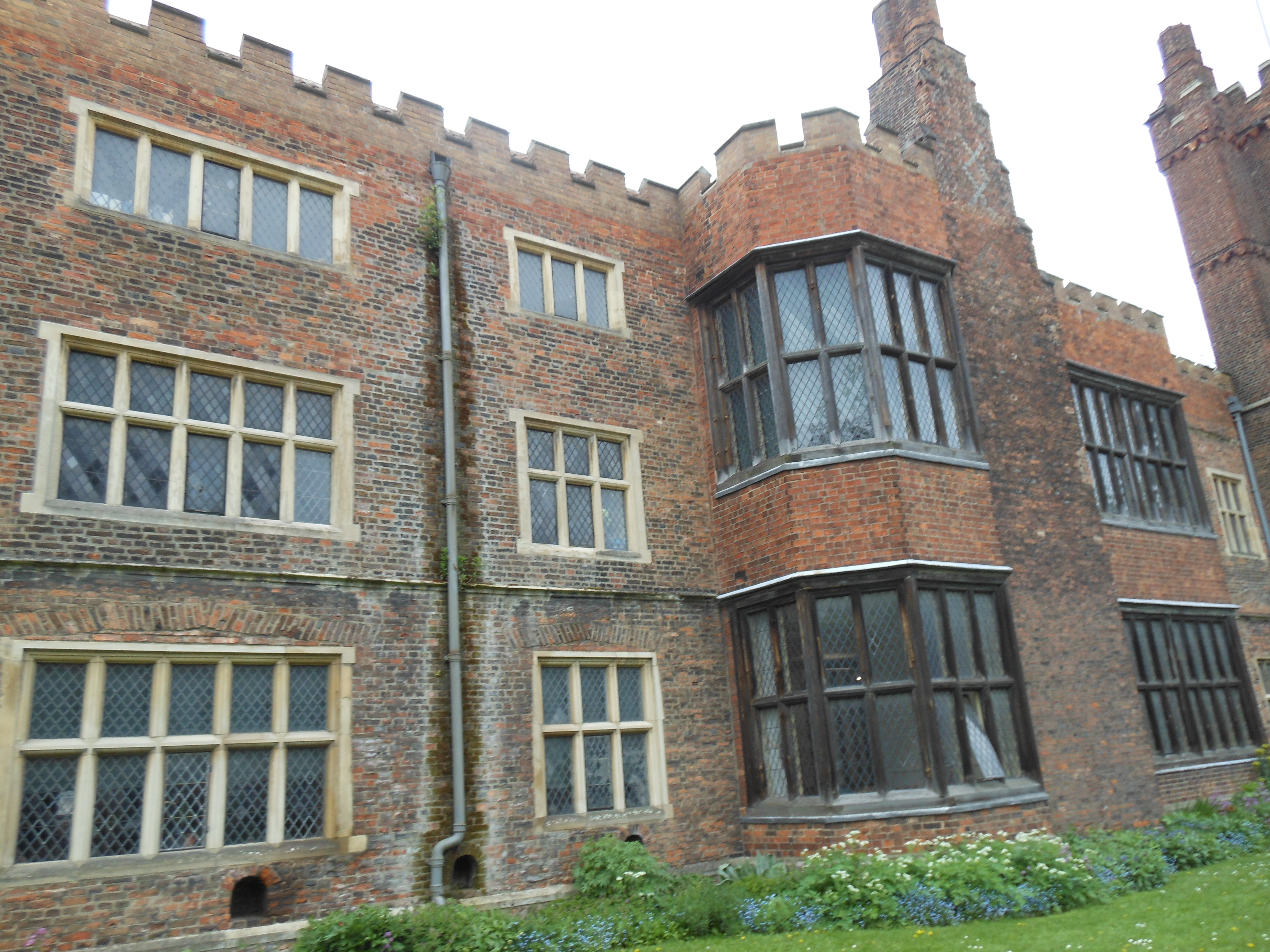
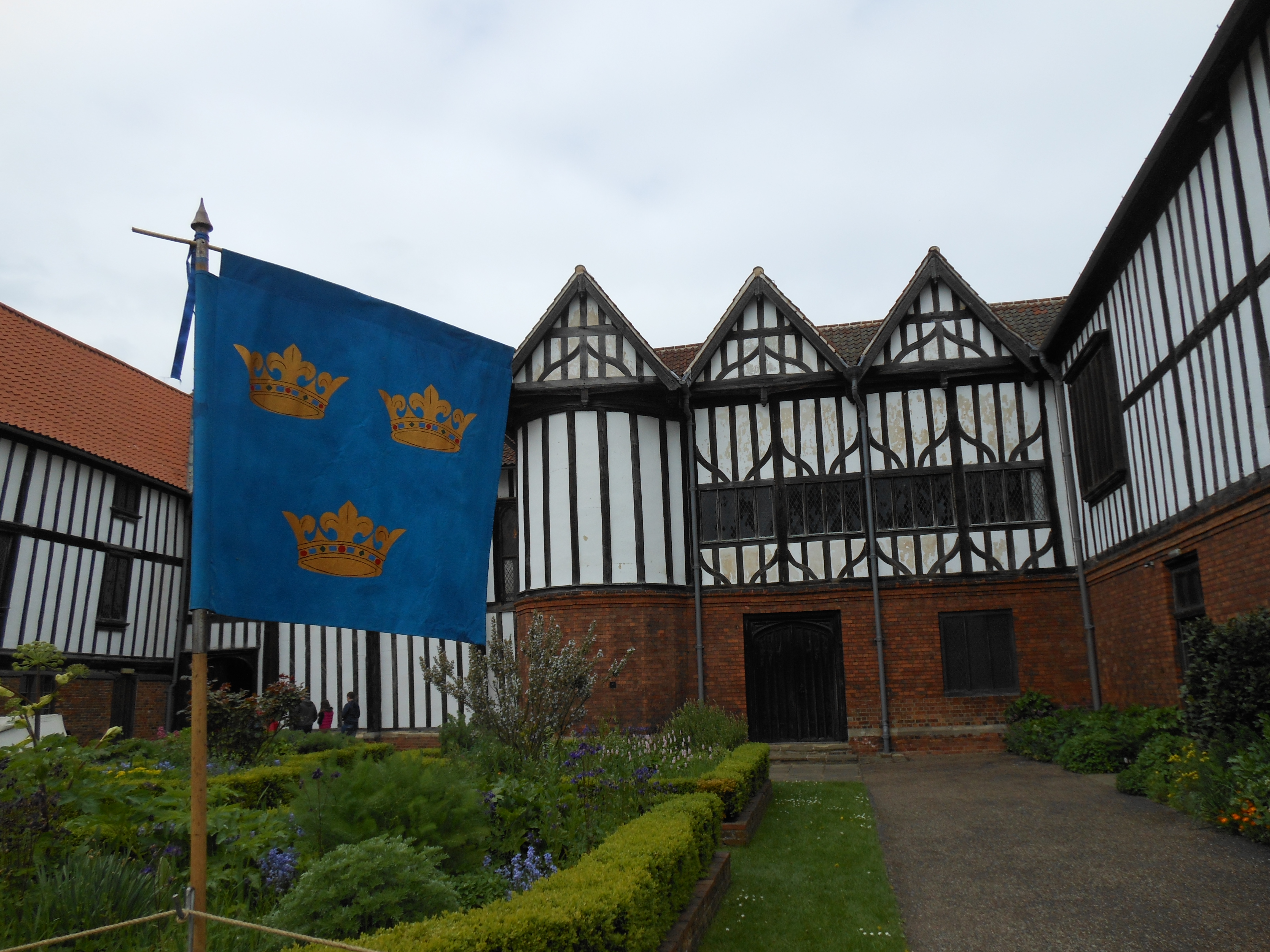
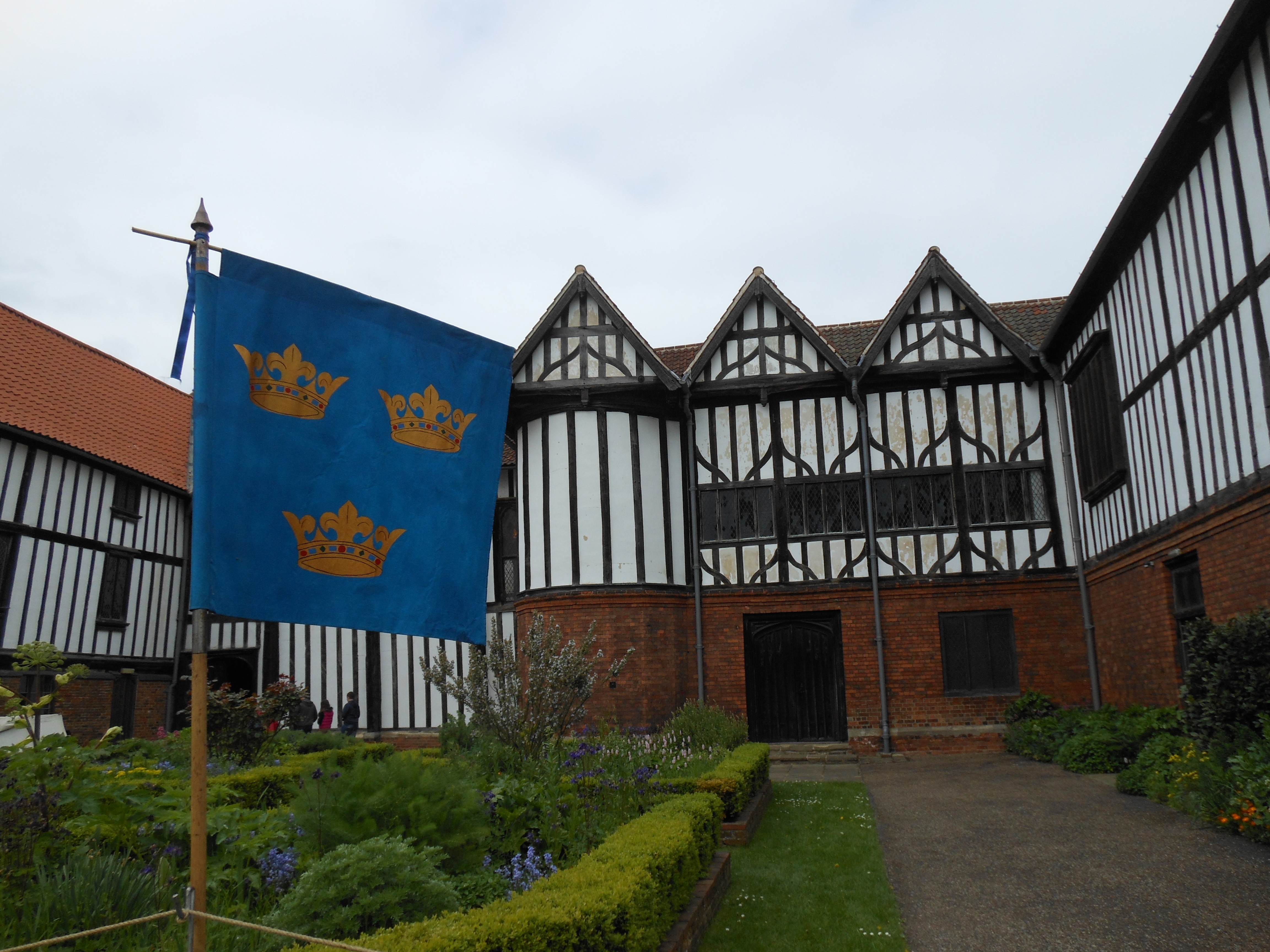
Gainsborough Old Hall
However, the advent of the reign of Mary I, and the resurgence of the Catholic faith in England, meant that the staunchly Protestant family fell out of favour with the catholic queen. They defied Mary by holding private religious services in their homes. Anthony and Thomas were both arrested and held in the Fleet prison for a time, before being released to house arrest. Anthony eventually escaped to Antwerp, with Rose and the children following him shortly after; the family would remain on the continent until after Queen Mary’s death.
They returned to England shortly after the accession of Elizabeth I. However, religious divisions were becoming more pronounced as Queen Elizabeth’s reign advanced, not only between Catholicism and Protestantism, but within Protestantism itself.
After Anthony’s death in 1573, Rose married again. Her 2nd husband was a widower, Simon Throckmorton of Brampton, who died in 1585. Rose rarely used the Throckmorton surname, possibly because of its association with plots to rescue Mary Queen of Scots by disaffected Catholics; the Throckmorton Plot being led by Sir Francis Throckmorton, a cousin of Queen Elizabeth’s lady in waiting, Bess Throckmorton.
The Hickman family had become known for their Puritan leanings; Puritans were those who wanted the ‘purer’ church as envisaged in the reign of Edward VI, rather than the compromise established by Elizabeth I. In 1593, in order to curb the activities of such religious dissidents, Elizabeth I’s government had approved the ‘Act Against Puritans’, whereby it became illegal to become a Puritan or encourage others to that tendency.
Gainsborough Old Hall
As a result, official appointments at court, for those known to have Puritan connections, suddenly dried up. Rose’s son Walter, deeply entrenched in court circles and an old hand at brokering appointments for friends and family (usually with a financial incentive) discovered the implications of the new stance in 1594. The Cecil Papers show that Walter was refused when he applied for the position of Receiver of the Court of Wards for his brother William, despite offering an inducement of £1,000.² The increasing hostility towards Puritans, and the possibility of escalating religious persecution, may well have persuaded William to move his family north; away from the prying eyes of the authorities and into Lincolnshire.
With the encouragement of Katherine Willoughby, Duchess of Suffolk, ministers with Puritan leanings had been appointed to various churches throughout Lincolnshire. Several of the Pilgrim Fathers, who sailed to America on the Mayflower, would come from the region, including William Brewster and William Bradford. Families with strong ties to service at the Tudor court, such as the Burghs of Gainsborough, were moving south, closer to London and the person of the Queen, while other families were moving north.
In 1596 William Hickman bought the Old Hall at Gainsborough, which provided the merchant with his very own port on the River Trent. The move to Gainsborough was not without its challenges. With the Burgh family having essentially left the town to its own devices for the last 30 years, Hickman’s attempts to collect market revenues and port tolls met with opposition, including the apparent murder of one of his servants, who was stabbed to death. It may well have been that William’s puritan leanings exacerbated the situation, but the main unrest seems to have stemmed from relatives and retainers of the outgoing Burgh family. A Mr Topliff, who tried to stop William obtaining justice for his servant, was the son-in-law of Thomas Burgh III (himself the father-in-law of Henry VIII’s last queen, Katherine Parr).
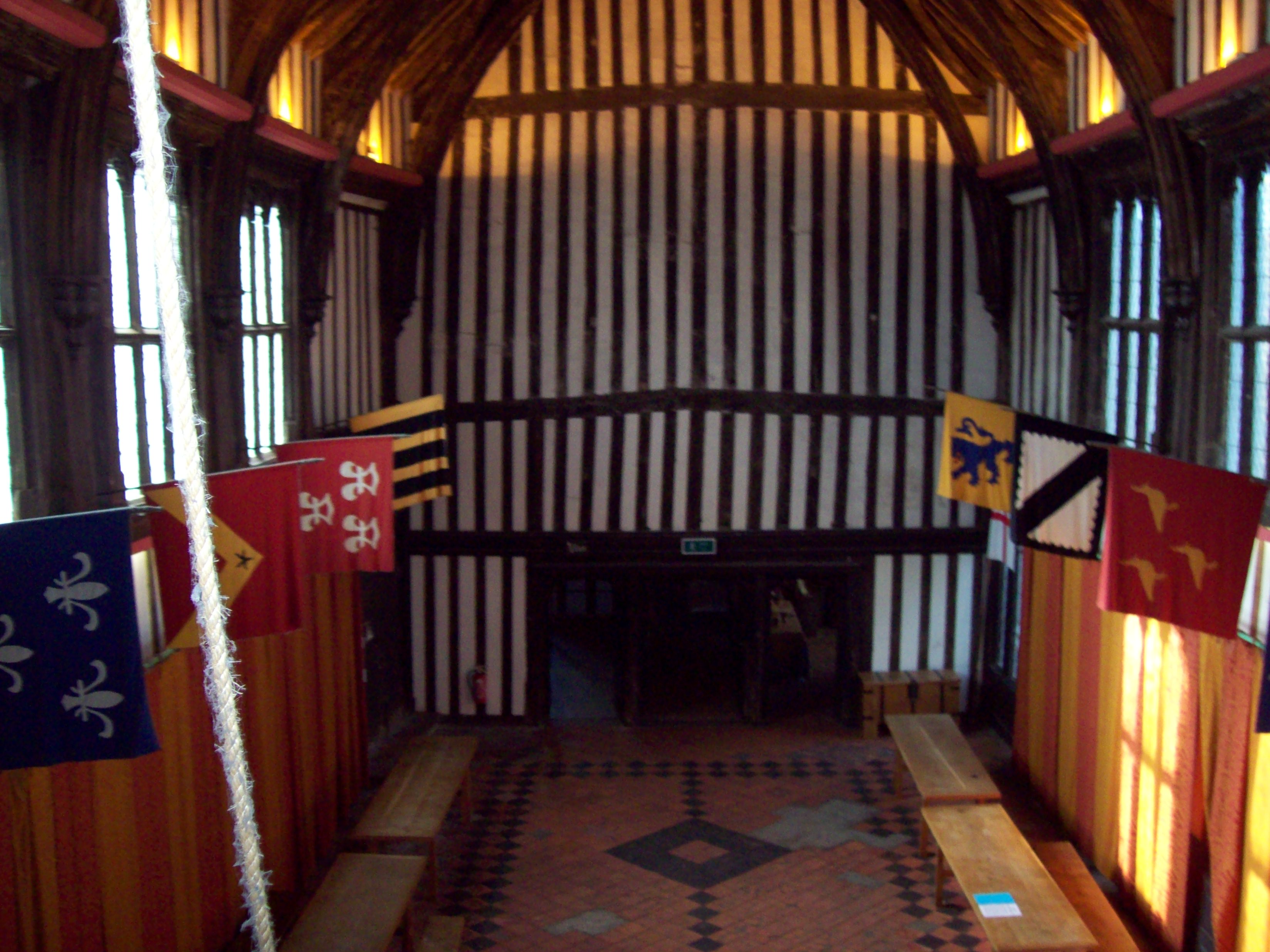
The great hall of Gainsborough Old Hall viewed from the solar
Now approaching her 80s, Rose moved to Gainsborough with her eldest son. In 1610, at the age of 84, she wrote an account of her early life, from 1534, when her father removed the papal bull, which had been posted in Dunkirk, against Henry VIII. Her recollections ended in 1558, with the death of Mary I and her family’s return to England on the accession of Elizabeth.
Lady Rose Hickman died on 21 November 1613, a month short of her 87th birthday. She was buried in the Hickman Quire of the former Burgh chantry chapel in the parish church of All Saints in Gainsborough, just across the road from her home, Gainsborough Old Hall. Her epitaph was written in 1637 and reads:
God gave unto this matron in her days
Such pledges firm of his affliction dear
Such happy blessings as the psalmist says
They shall receive as serve the Lord in fear
Herself in wedlock as the fruitful vine
Her children like the olive plants to be
And of her issues in descendant line
She did her childrens childrens children see
And freed from the Babylonish awe
Peace permanent on Isreal saw
Now having fought a good and Christian fight
Against the spiritual common enemy
And exercis’d herself both day and night
In oracles divine continually.
And kept the sacred faith with constancy
Even in the midst of persecutions rage
Express’d by worthy works of peity
From time to time as well in youth as age
She finished her course and doth possess in heavenly bliss the crown of righteousness”³
*
Footnotes:
¹A Guide to Gainsborough Old Hall by Sue Allan; ²ibid; ³MS C Folio 7, deposited in the British Museum in 1935, quoted by gainsborougholdhall.co.uk/throckmorton
John Leland Leland’s Itinerary in England and Wales 1535-43 edited by L Toulmin Smith (1906-10); Letters and Papers, Foreign and Domestic, of the Reign of Henry VIII 1509-47 edited by JS Brewer, James Gairdner and RH Brodie, HMSO London 1862-1932; Privy Purse Expenses of King Henry VIII from November MDXIX to December MDXXXII edited by Sir Nicholas Harris Nicolas 1827; Religion and politics in mid-Tudor England through the eyes of an English Protestant Woman: the Recollections of Rose Hickman edited by Maria Dowling and Joy Shakespeare; Bulletin of the Institute of Historical Research, 1980 & 1982; A Guide to Gainsborough Old Hall by Sue Allan; Elizabeth’s Women by Tracy Borman; England Under the Tudors by Arthur D Innes; Henry VIII: King and Court by Alison Weir; In Bed with the Tudors by Amy Licence; In the Footsteps of the Six Wives of Henry VIII by Sarah Morris and Natalie Grueninger; Ladies-in-Waiting: Women who Served at the Tudor Court by Victoria Sylvia Evans; The Six Wives and Many Mistresses of Henry VIII: The Women’s Stories by Amy Licence; Oxforddnb.com; Tudorplace.com; gainsborougholdhall.com.
Lady Rose also features in Marie McPherson’s novel on the life of John Knox, The Second Blast of the Trumpet.
*
My books
Signed, dedicated copies of all my books are available, please get in touch by completing the contact me form.
Defenders of the Norman Crown: The Rise and Fall of the Warenne Earls of Surrey tells the fascinating story of the Warenne dynasty, of the successes and failures of one of the most powerful families in England, from its origins in Normandy, through the Conquest, Magna Carta, the wars and marriages that led to its ultimate demise in the reign of Edward III. Defenders of the Norman Crown: Rise and Fall of the Warenne Earls of Surrey is now available from Pen & Sword Books, Amazon in the UK and US,Bookshop.org and Book Depository.
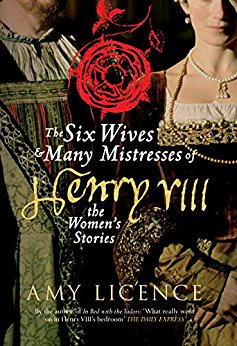
For a King renowned for his love life, Henry VIII has traditionally been depicted as something of a prude, but the story may have been different for the women who shared his bed. How did they take the leap from courtier to lover, to wife? What was Henry really like as a lover? Henry’s women were uniquely placed to experience the tension between his chivalric ideals and the lusts of the handsome, tall, athletic king; his first marriage, to Catherine of Aragon, was on one level a fairy-tale romance, but his affairs with Anne Stafford, Elizabeth Carew and Jane Popincourt undermined it early on. Later, his more established mistresses, Bessie Blount and Mary Boleyn, risked their good names by bearing him illegitimate children. Typical of his time, Henry did not see that casual liaisons might threaten his marriage, until he met the one woman who held him at arm’s length. The arrival of Anne Boleyn changed everything. Her seductive eyes helped rewrite history. After their passionate marriage turned sour, the king rapidly remarried to Jane Seymour. Henry was a man of great appetites, ready to move heaven and earth for a woman he desired; Licence readdresses the experiences of his wives and mistresses in this frank, modern take on the affairs of his heart. What was it really like to be Mrs Henry VIII?
I love the writing style of Amy Licence, she makes history enjoyable and accessible; so much so that when The Six Wives and Many Mistresses of Henry VIII dropped on my doormat I put down what I was reading and jump straight in. And I was not disappointed. A thoroughly fun and entertaining read, this is a book that examines every aspect of Henry VIII’s love life, with particular focus on the women, rather than the king.
No stone remains unturned in Amy Licence’s hunt for the women in Henry’s life. Each rumour is examined in great detail, with comprehensive arguments for or against their actual relationship with Henry. As you would expect, Anne Boleyn and Catherine of Aragon, and the other 4 wives, all find their place within the pages of this book. Bessie Blount and Mary Boleyn are also discussed in detail. Amy Licence does not judge, she tells their stories, the highs and lows, with great sympathy and compassion. The Six Wives and Many Mistresses of Henry VIII also brings to the fore the less well-known women who have been linked to this most controversial of kings. Etiennette de la Baume, Jane Popincourt and several other, even more obscure, women have their relationships with Henry examined.
Investigations are also made into the claims of the illegitimate children, not only those of the children of Mary Boleyn, but also those less well-known, such as Thomas Stukley and John Perrot. Amy Licence expertly investigates their claims and convincingly argues the truth – or not – of their parentage.
The watchwords for Mary’s relationship with the king were secrecy and discretion. Yet history has tarnished her with scandal and rumour, insults and aspersions, leaving her with a reputation worthiest of the greatest whore at Henry’s court. Just like so many of the facts of Mary’s life, her real personality and appearance elude us. Historians and novelists have deduced various things from the known dates of her service in France, particularly her comparative lack of education and the circumstances of her marriage, yet these have often raised more questions than they have answered. Mary is illuminated in history by the light that fell upon her sister and she has suffered from the comparison ever since. Sadly her light will always be dimmer, her biography more nebulous.
Amy Licence has a reputation as an excellent researcher and writer, she shines a light into the deepest, darkest corners of the Tudors and, indeed, history itself. In The Six Wives and Many Mistresses of Henry VIII she brings women into the limelight whose fifteen minutes of fame have long since been extinguished. And that is what is truly amazing about this book, not only are the famous and infamous discussed, but the author also highlights those women who have become footnotes in Henry’s life. Every woman who has been linked to Henry, before and after his death, is examined, as is the veracity of their interractions with the king. She tells their stories, examines their relationship with Henry, the rumours and the truth to them.
Through looking into the women involved, Amy Licence also paints a picture of Henry that is rarely seen; Henry the man and lover, rather than Henry the king. Her diligent research and well-thought out arguments demonstrate Henry’s continual search, not only for an heir, but for love itself. We discover a complex man, a king who can have whatever he wants in material possessions, but who is continually searching for the immaterial, a son and true love.
The text is supported by over 30 gorgeous, colourful images, photographs and reproductions of paintings which help give the reader an impression of the life and times in which Henry VIII, and the women associated with him, lived. Written in a relaxed narrative, the book is as easy to read as any novel, and as exciting as enjoyable as the best of them. Accessible, engaging and brimming with original research, it would be difficult for anyone to not learn something new when reading this wonderful book.
The Six Wives and Many Mistresses of Henry VIII is a wonderful, exquisitely written investigation into the lives of the women in Henry VIII’s life.
*
Amy Licence has been a teacher for over a decade. She has an MA in Medieval and Tudor Studies and has published several scholarly articles on the Tudors. She is an author and historian of women’s lives in the medieval and Tudor period.
The Six Wives and Many Mistresses of Henry VIII is available on Amazon in the UK and in the US.
*
My book, Heroines of the Medieval World, is now available in hardback in the UK from both Amberley Publishing and Amazon UK and worldwide from Book Depository. It is also available on Kindle in both the UK and USA and will be available in Hardback from Amazon US from 1 May 2018.
You can be the first to read new articles by clicking the ‘Follow’ button, liking our Facebook page or joining me on Twitter.
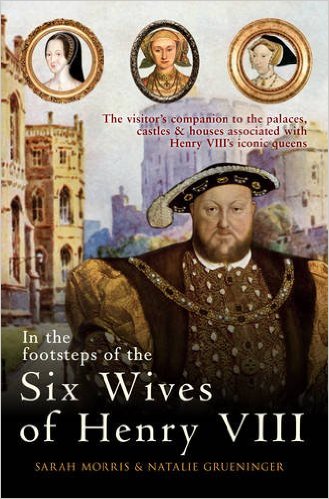
This book provides a fresh perspective on the lives of Henry VIII’s six wives by embarking on a journey through the manors, castles and palaces in which their lives were played out.
Each location is described in a fascinating narrative that unearths the queens’ lives in documents and artefacts, as well as providing practical visitor information based on the authors’ first-hand knowledge of each site. Accompanied by an extensive range of images including timelines, maps, photographs and sketches, this book brings us closer than ever to the women behind the legends, providing a personal and illuminating journey in the footsteps of the six wives of Henry VIII.
In the Footsteps of the Six Wives of HenryVIII, by Sarah Morris and Natalie Grueninger, is an absolute treasure trove of pictures and information of the many historic locations associated with Henry VIII’s 6 wives. The book is divided into 7 easy-to-follow sections; the 1st covers the principal Royal residences of the period and the 6 subsequent portions are each dedicated to one of the 6 wives, in chronological order.
The book examines each of Henry’s queens in turn, looking at the locations associated with them, not only when they were queen, but also from their childhood and early life. In each section, we are treated to the queen’s story, her triumphs and failures, told through the palaces in which she experienced them.
In the Footsteps of the Six Wives of HenryVIII takes you on a visit of each location, whether it’s a palace or manor house, the authors give vivid tours, telling you what to look out for, what is still extant – and what is lost to history. In one location, they guide you to a housing estate and point out the walls which once made up the exterior of a Henry VIII’s now-lost palace. You are also provided with a practical guide to the locations covered, giving you visitor information, parking suggestions, details on refreshments and facilities.
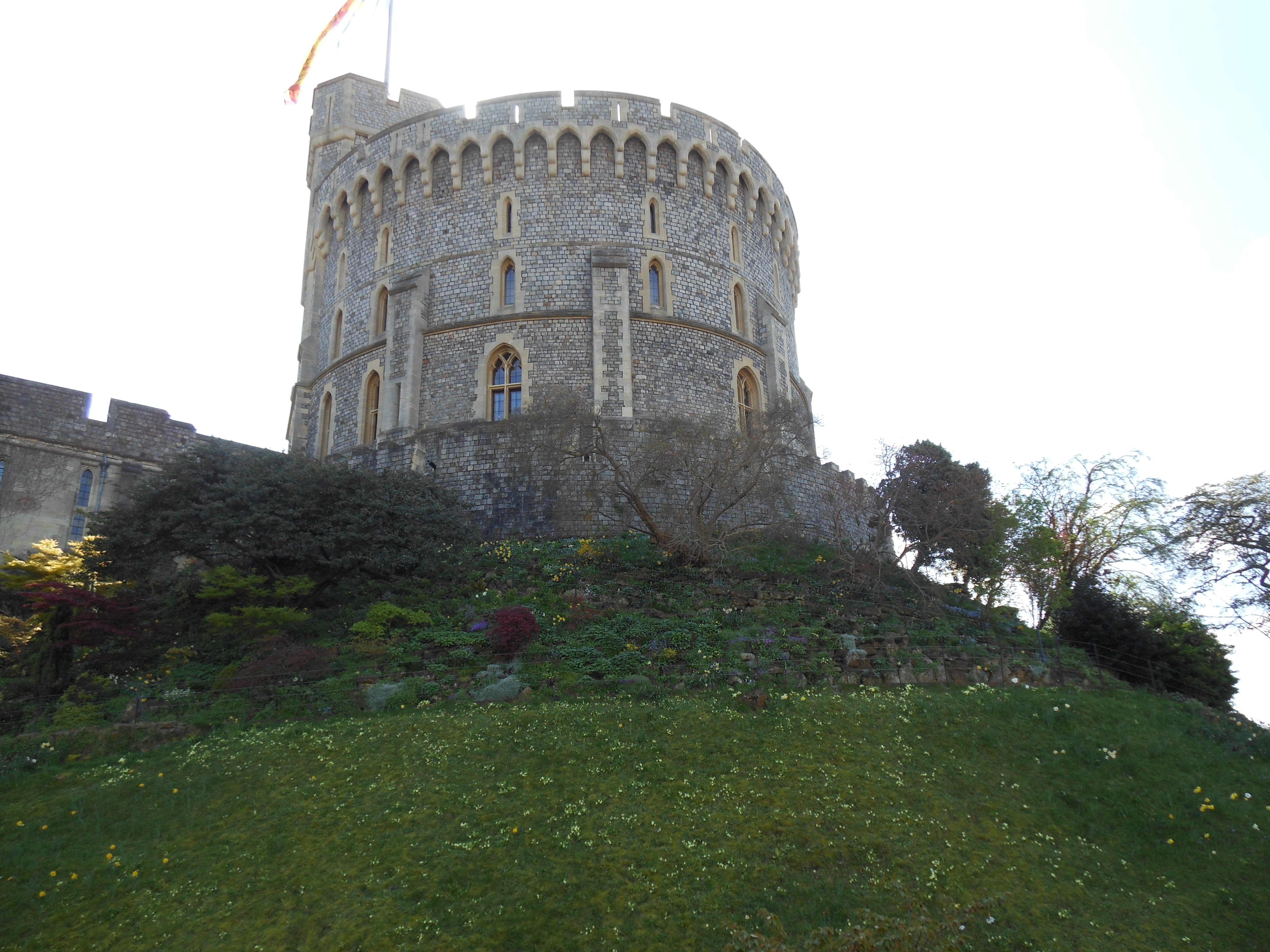
Windsor Castle
With Katherine of Aragon, we visit the magnificent palaces of Spain, while Anne Boleyn takes us from Burgundy to the Loire Valley. Jane Seymour allows us to investigate the renowned Wolf Hall and Anne of Cleves gives us a fascinating glimpse into Germany’s wonderful castles. Jane Seymour The tragic story of Katherine Howard allows us to join Henry’s great progress of 1541, through Lincolnshire and Yorkshire, before the tragic last months of imprisonment at Syon House. Which finally brings us to Katherine Parr, investigating the locations associated with her first 2 marriages, her life with Henry and then her final years with Thomas Seymour.To walk the grounds and corridors of Hampton Court Palace is to walk in the footsteps of all the Tudor kings and queens. Within the Tudor palace’s russet-coloured walls, the present fades into the brickwork and the past emerges to greet us. Although mush of the Tudor palace has, over the years, been modified or demolished and replaced with William III’s and Mary II’s baroque palace, the buildings that survive propel us back through the years to a time when Hampton Court was one of Henry VIII’s most beloved palaces, at the centre of court life and politics.
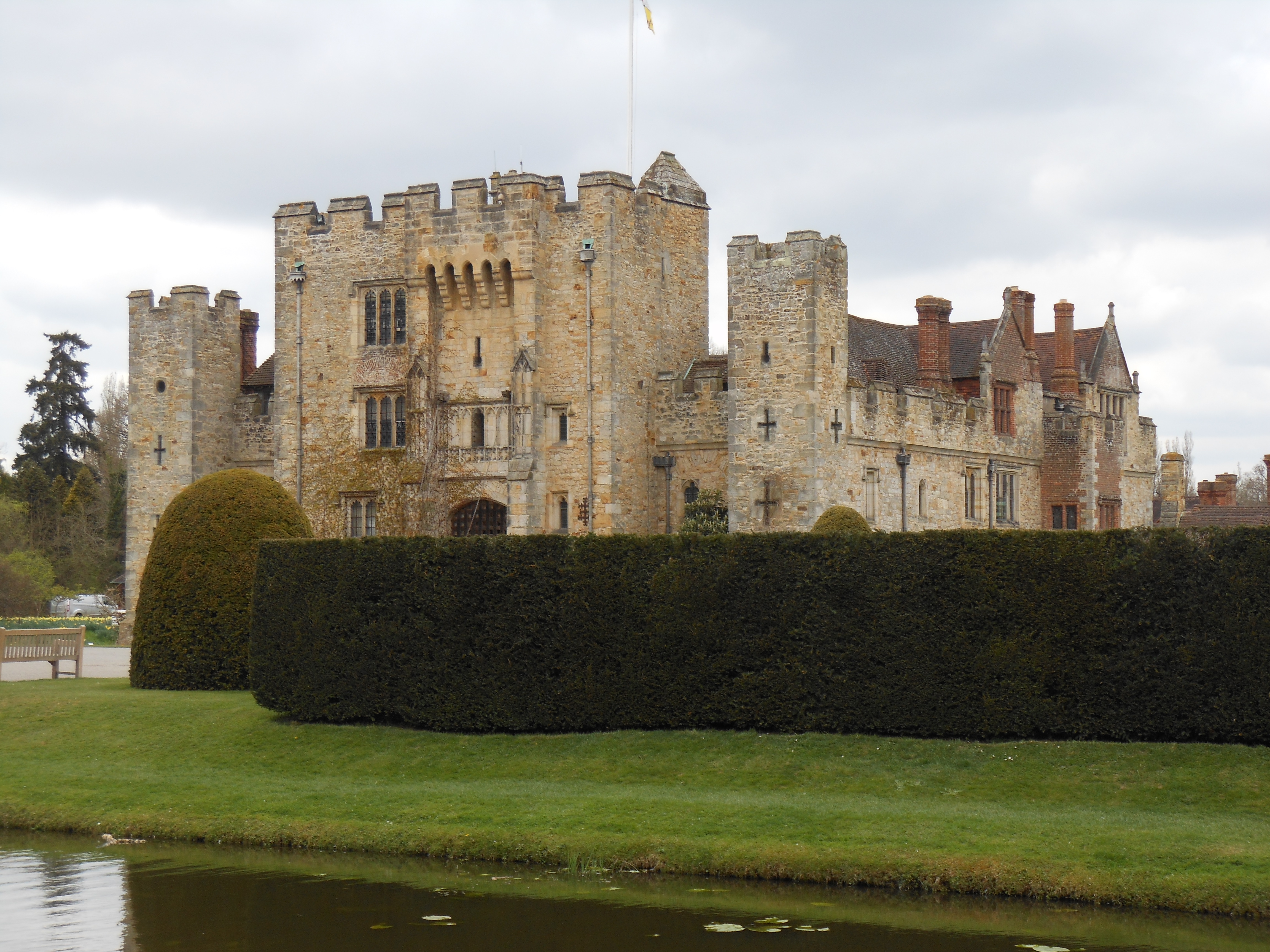
Hever Castle, Kent
If nothing else, it is worth reading In the Footsteps of the Six Wives of HenryVIII for the research the Sarah Morris and Natalie Grueninger have conducted into the Anne of Cleves panels. These wonderful wood carvings are discussed and investigated in detail; their fascinating story told for the first time in its entirety. It is not hard to imagine the feelings of curiosity and, sometimes, disappointment the authors must have felt as they tried to uncover the provenance of these panels, and their associations with Henry VIII’s 4th wife. Their eventual success and discoveries are a testament to the author’s persistence and tenacity.
This book is amply supported by quotes from primary sources, describing the locations as they were at the time the queens lived. The authors have a wonderful habit of discussing the difficulties involved in locating and identifying some of the less famous sites, making you feel part of their investigations.
An abundance of photographs and illustrations are included in the book. These include colourful photos of the sites as they are now, black and white floor plans from the Tudor period and artwork painted through the ages.
Sarah Morris and Natalie Grueninger have created a wonderful book, which is a combination of history book and travel guide. They have worked so well together it is impossible to see the join; they speak with one voice in this stunning collaboration. The book is produced in a way to make it easy to dip in and out of, making it possible to read only about the locations you are currently touring, or to read from beginning to end in a couple of sittings. But be careful, in just looking up one specific location you may find that you lose an entire hour without noticing.
The only criticism I would have is that there are no footnotes to clarify the source of quotations, which makes it harder to use as a research tool, but not impossible. This fault is partly offset, moreover, by an extensive bibliography of primary and secondary sources, and in no way detracts from the enjoyment of the book as a whole.
Remarkably, the authors give equal empathy to each of Henry’s wives. It is impossible to discern a bias for Katherine of Aragon or Anne Boleyn (a remarkable achievement). Each property is subject to the same attention to detail, whether it was a frequently occupied palace, or a manor house visited for just a few days while on progress.
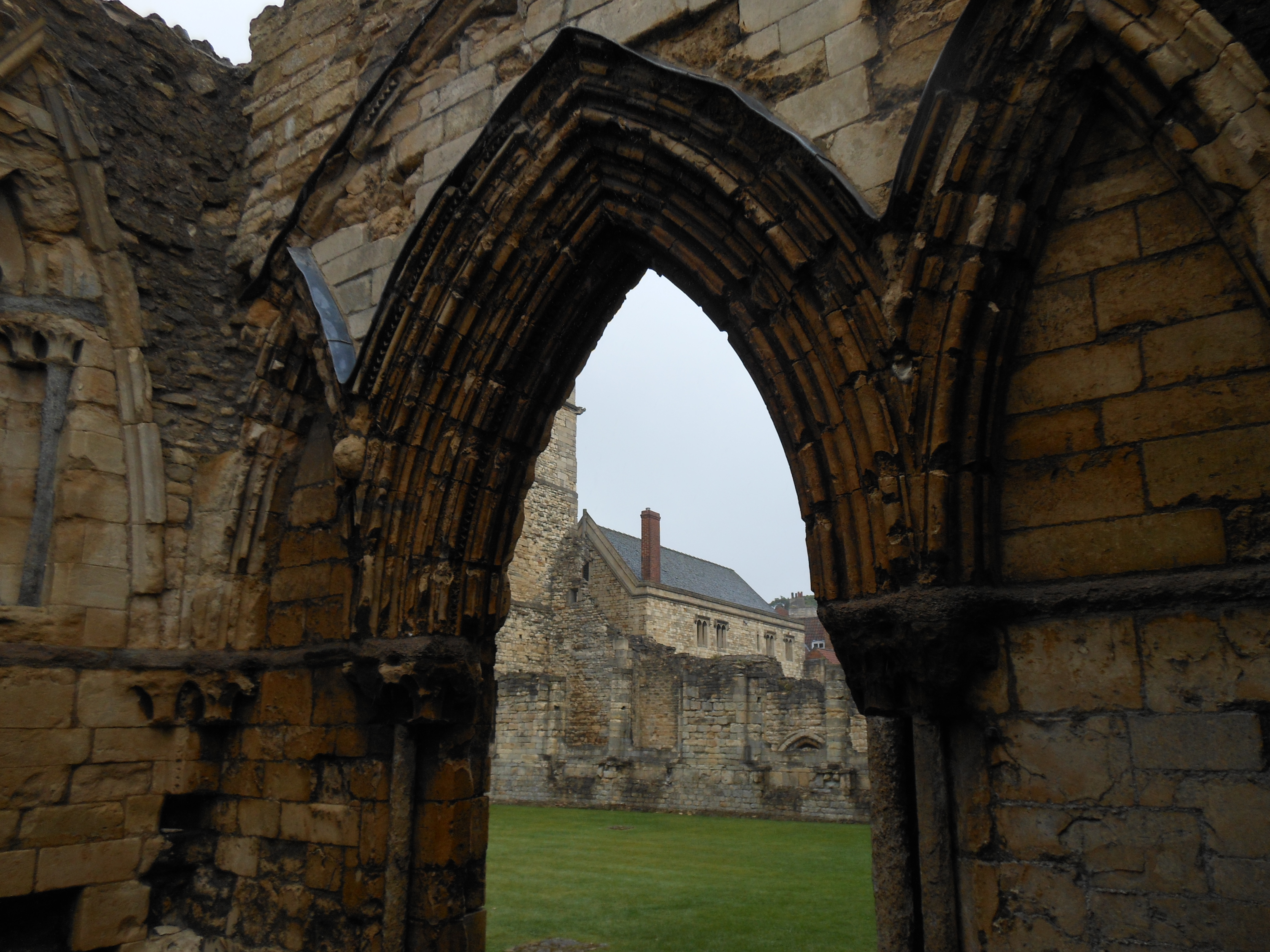
Gainsborough Old Hall, Lincolnshire
In the Footsteps of the Six Wives of HenryVIII is beautifully written and thoroughly engaging. You can practically hear, see and smell the Tudors. The book is a detailed, enjoyable and enlightening read, no matter whether you are intending to travel to the palaces, or visiting them through the book, you are in for a real treat. The authors have an incredible ability to invoke the past and recreate the sumptuous, lavish lives of England’s most fascinating queen consorts. It will be a valued addition to anyone’s Tudor library.
*
My book, Heroines of the Medieval World, is now available in hardback in the UK from both Amberley Publishing and Amazon UK and worldwide from Book Depository. It is also available on Kindle in both the UK and USA and will be available in Hardback from Amazon US from 1 May 2018.
Be the first to read new articles by clicking the ‘Follow’ button, liking our Facebook page or joining me on Twitter.
Mary Tudor has always been known as ‘Bloody Mary’, the name given to her by later Protestant chroniclers who vilified her for attempting to re-impose Roman Catholicism in England. Although a more nuanced picture of the first queen regnant has since emerged, she is still stereotyped, depicted as a tragic and lonely figure, personally and politically isolated after the annulment of her parents’ marriage and rescued from obscurity only through the good offices of Katherine Parr.


 Amy Licence

 History... the interesting bits!