Margaret of Scotland was the eldest daughter of James I, King of Scots, and his wife, Joan Beaufort. James had been king since the age of 12, though the first 18 years of his reign had been spent in English captivity, where he had fallen in love with Joan, the granddaughter of John of Gaunt and Katherine Swynford. James’s release had been successfully negotiated in 1423 and the marriage was politically favourable to the English, who saw it as an opportunity to improve relations with Scotland while, at the same time, drawing Scotland away from France, their traditional ally.
James I returned to Scotland in April 1424, with his new bride – and queen– at his side. Margaret was born in the royal apartments at the Dominican Friary in Perth, on Christmas Day in 1424. She was joined in the nursery by five sisters during the next ten years, Isabella, Eleanor, Joan, Mary and Annabella. Twin brothers were born in 1430, Alexander and James, but only James survived past the first few months.
In 1425, an embassy arrived from France, seeking little Margaret’s hand in marriage for Louis, son and heir of Charles VII:
Margaret’s mother, Joan Beaufort
The king [of Scots] was pleased to respond favourably to so distinguished an embassy, and forthwith sent as a solemn embassy to the king of France with a specific brief and commission the venerable men sir Henry Lychton bishop of Aberdeen, sir Edward Lauder archdeacon of Lothian, and Sir Patrick Ogilvie knight (the sheriff of Angus and justiciar of Scotland). Whereupon there was an agreement on both sides; and five years later, when each was of marriageable age, there came as envoys from the king of France La Hire the king’s maitre d’hôtel along with the distinguished cleric Master Aymer; and in terms of their commission they arranged the betrothal of the said eldest daughter of the king. The girl was sent to France by her father a little later, namely 1436, surrounded by a distinguished following of attendants, and in the following year she was married.1
The marriage proposal was to accompany the renewal the Franco-Scottish alliance. France’s king, Charles VII had given his ambassadors the task of asking for Margaret’s hand in marriage for his son, Louis, the dauphin. Born in July 1423, Louis was just 18 months older than his future bride. However, James I hesitated, reluctant to give the French the army of 6,000 men that they wanted as part of the alliance. Charles VII was in a precarious position in France at the time. The Hundred Years War was raging and, despite the fact his father had died in 1422, he would not actually be crowned king until July 1429. In fact, Henry VI of England had already been crowned King of France and it was only due to the efforts of Joan of Arc that Charles VII’s fortunes would change. James, therefore, held off from agreeing to the alliance, and used it to strengthen his position in negotiations with the English.
Margaret arrives in Tours for her wedding, from a 15th-century work by Jean Chartier.
In 1435, the marriage of Margaret and the dauphin was finally agreed and the young bride, still only eleven years old, set out for France the following year. The princess only narrowly escaped her father’s fate when the English fleet attempted to capture her en route:
the dauphiness luckily made her escape and landed at La Rochelle. She rested at Nieul Priory which is two leagues from La Rochelle without notice being taken of her until such time as the [arch-] bishop of Rheims, with the bishops of Poitiers and Saintes and the worthy sires de Graville, Gaucourt and ‘Pontissey’ welcomed her and lodged her honourably in a splendid place for more than two months until the marriage was celebrated at Tours in Touraine. This was performed there by the archbishop of Rheims with the greatest possible ceremony, in the presence of the king and queen and also of the queen of Sicily (the mother of the queen of France). Once the wedding had been formally celebrated, the Scots (except the few who remained with the dauphiness) were much gratified with various presents and after a safe voyage arrived home.2
She left by ship from Dumbarton in March 1436, with an entourage worthy of a princess; she was escorted by several of the leading lords of the realm, a household of 140 persons in royal livery and more than 1,000 troops. The French fleet in which she sailed landed on the Île de Ré, near La Rochelle, on 17 April and made a formal progress to Tours. On 24 June she met her future husband for the first time, in the great hall of the castle at Tours, and the young couple embraced formally. They were married the next day, in the castle’s chapel.
Margaret’s father, James I, King of Scots
Celebrated by the Archbishop of Reims, it was a rather subdued affair, for a royal wedding. The continuing state of warfare with England had stretched the French royal finances to the limit. The reception was not as lavish as the Scottish guests might have expected and was cut short to preserve funds, the scandalised Scots being quickly ushered out. And almost immediately after the wedding celebrations, most of Margaret’s Scottish household was sent home, with just a handful of her native attendants allowed to stay with the new dauphine. Owing to the tender age of the young couple, they were not expected to consummate the marriage for another few years, so Margaret was given into the guardianship of Queen Marie, Charles VII’s wife, and continued her education under the queen’s supervision. Petite, pretty and delicate, Margaret soon became the darling of the French King and Queen.
Louis, on the other hand, had a strained relationship with his father, one that would eventually be expressed in open rebellion; as a result, he was rarely at court. When Louis asked the king for an allowance with which to set up a household for himself and his young wife, his father refused, despite being happy to give Margaret money to indulge herself. At one time, Charles VII gave Margaret 2,000 livres to buy herself furs and silks, and yet he refused to pay off Louis’ debts. Margaret also received grants directly from the king, rather than her husband, as might have been expected.
Margaret’s husband, the future King Louis XI
In 1437 the marriage was consummated and Margaret, now approaching her thirteenth birthday, was given her own household. Relations between the dauphin and dauphine were not helped by Louis’ strained relationship with his father and it seems that comparisons were made between Louis’ unimpressive looks and Margaret’s beauty – although malicious English chroniclers would insist that Louis was repelled by Margaret’s ‘evil soured breath’.
Margaret was allowed no part in court politics. The dauphine’s role in France was limited to formal occasions and court ceremonials, such as the celebrations for the marriage of the king’s niece, Margaret of Anjou, to Henry VI of England, which Margaret attended in 1445. As with her father before her, Margaret had a passion and talent for writing poetry and, although she enjoyed court life, she became increasingly bored with it. She retreated more and more to her own chambers with her ladies and spent her days and evenings writing and reading poetry. Her evenings were so taken up in this style, that she often retired to bed long after Louis had fallen asleep.
Margaret was also renowned as a patroness of literature. She had several poets in her household, including Jehanne Filleul, whose works have survived to this day, and the Viscount de Blosseville. De Blosseville wrote one of the three laments to the dauphine, written before her death. Another such lament was possibly written by her sister Isabella, it was certainly in her possession.
As the years passed and the couple remained childless, Margaret’s lifestyle caused further discontent within the marriage, and more unhappiness for the young princess as her husband expressed his displeasure. There is some suggestion that Margaret deliberately prevented herself from falling pregnant by drinking vinegar, and by tightly lacing her bodices – although this may also have been for vanity, and to keep her svelte figure. There were also followed accusations of impropriety within Margaret’s rooms when, at Christmas 1444, Jamet de Tillay, a member of the king’s household, entered her chamber during one of her private poetry evenings and subsequently spread rumours about ‘wanton princesses’.
Margaret perceived it as a personal attack and became increasingly distressed, complaining that Jamet had turned the king and dauphin against her. Although Jamet tried to apologise, Margaret would not hear of it. By the summer of 1445 the dauphine was very ill.
Tomb of Margaret Stewart in the Saint-Laon Church, Thouars
Having accompanied the court on pilgrimage she fell ill on 7 August and by the next day she was feverish and suffering from fits of coughing. Her doctors diagnosed an inflammation of the lungs. In her delirium, she blamed Jamet de Tillay for her impending demise and swore she had never done Louis any wrong. As she approached death, Margaret calmed down and forgave Jamet, on her ladies’ instigation. Having received the last rites, Margaret died on 16 August 1445, at Châlons-sur-Marne; she was just twenty years old. The dauphine was laid to rest in the Cathedral of St Étienne in Châlons; in 1479 her body was moved by her husband, now Louis XI, to the chapel of the Holy Sepulchre in the Abbey Church of Saint-Laon in Thouars, where Margaret had founded a chaplaincy.
Following her death, Louis destroyed every piece of poetry and writing that Margaret had ever produced. None of her work survived her husband’s purge. However, her patronage of poets has at least ensured she had a worthy legacy. Louis went on to marry Charlotte of Savoy and was the father of Anne de Beaujeu, regent of France for her brother King Charles VIII.
Notes:
1. Bower, Scotichronicon, V 8, p. 249; 2. ibid, p. 251
Sources:
Calendar of documents relating to Scotland, Vol. 4; M. H. Brown, ‘Joan [née Joan Beaufort]’, oxforddnb.com; Amy Licence, Red Roses: Blanche of Gaunt to Margaret Beaufort; Nigel Tranter, The Story of Scotland; John of Fordun’s Chronicle of the Scottish Nation; Walter Bower, Scotichronicon; Andrew Wyntoun, The orygynale cronykil of Scotland; Richard Oram, editor, The Kings and Queens of Scotland; Rosalind K. Marshall, Scottish Queens 1034–1714; Nigel Tranter, The Story of Scotland; David Ross Scotland, History of a Nation; Liber pluscardensis, edited by Felix James Henry Skene; James I, King of Scots, The Kingis Quair, edited by James, William MacKean, Walter W. Skeat, Alexander Gardner
Images:
Courtesy of Wikipedia
*
My books
Signed, dedicated copies of all my books are available through my online store.
Out now: Scotland’s Medieval Queens
Scotland’s history is dramatic, violent and bloody. Being England’s northern neighbour has never been easy. Scotland’s queens have had to deal with war, murder, imprisonment, political rivalries and open betrayal. They have loved and lost, raised kings and queens, ruled and died for Scotland. From St Margaret, who became one of the patron saints of Scotland, to Elizabeth de Burgh and the dramatic story of the Scottish Wars of Independence, to the love story and tragedy of Joan Beaufort, to Margaret of Denmark and the dawn of the Renaissance, Scotland’s Medieval Queens have seen it all. This is the story of Scotland through their eyes.
‘Scotland’s Medieval Queens gives a thorough grounding in the history of the women who ruled Scotland at the side of its kings, often in the shadows, but just as interesting in their lives beyond the spotlight. It’s not a subject that has been widely covered, and Sharon is a pioneer in bringing that information into accessible history.’ Elizabeth Chadwick (New York Times bestselling author)
Heroines of the Tudor World tells the stories of the most remarkable women from European history in the time of the Tudor dynasty, 1485-1603. These are the women who ruled, the women who founded dynasties, the women who fought for religious freedom, their families and love. Heroines of the Tudor World is now available from Amberley Publishing and Amazon UK.Women of the Anarchy demonstrates how Empress Matilda and Matilda of Boulogne, unable to wield a sword themselves, were prime movers in this time of conflict and lawlessness. It shows how their strengths, weaknesses, and personal ambitions swung the fortunes of war one way – and then the other. Available from Bookshop.org, Amberley Publishing and Amazon UK. King John’s Right-Hand Lady: The Story of Nicholaa de la Haye is the story of a truly remarkable lady, the hereditary constable of Lincoln Castle and the first woman in England to be appointed sheriff in her own right. Available from all good bookshops Pen & Sword Books, bookshop.org and Amazon.
Alternate Endings: An anthology of historical fiction short stories including Long Live the King… which is my take what might have happened had King John not died in October 1216. Available in paperback and kindle from Amazon.
Podcast:
Have a listen to theA Slice of Medieval podcast, which I co-host with Historical fiction novelist Derek Birks. Derek and I welcome guests, such as Bernard Cornwell and Michael Jecks, and discuss a wide range of topics in medieval history, from significant events to the personalities involved. Every episode is also now available on YouTube.
*
Don’t forget!Signed and dedicated copies of all my books are available through my online store.
For forthcoming online and in-person talks, please check out my Events Page.
Christine de Pisan (sitting) lecturing to a group of men
Christine de Pisan was the first woman in history to make a living from writing.
Christine de Pisan was born around 1364 in Venice, Italy; the family was from the village of Pizzano, just outside Bologna. Her father, Tommaso di Benvenuto da Pizzano, was a graduate of the University of Bologna and was a lecturer in astrology at the university, but moved to Venice in 1357. In the late 1360s Tommaso was invited to join both the Hungarian and the French royal courts. He chose France and moved his family, including Christine and her two brothers Paolo and Aghinolfo, to Paris, in December 1368, becoming royal physician and astrologer to Charles V. Christine’s father paid particular attention to his daughter’s education, allowing her to be taught to the same standards as a boy of her age, although her mother disapproved. She was tutored in history, literature, religion and the classical languages.1
In 1380, at the age of fifteen, Tommaso arranged a marriage for Christine with Etienne de Castel. Ten years older than Christine, Etienne was a graduate of the University of Paris and became a royal secretary in the year they married. The position of royal secretary was a lifetime appointment and only open to the intellectual elite, as they were often involved in diplomatic events. In the same year, on 16 September, Tommaso’s patron Charles V died, leaving the family in a precarious financial position. Christine was further challenged by a series of tragedies toward the end of the decade. Her father, Tommaso, died in 1387, leaving Christine’s mother and niece in his daughter’s care. Around the same time, Christine lost a child, his name unknown; although two children, Marie and Jean, survived infancy. In 1390 her husband Etienne passed away at Beauvais and Christine was left with the responsibility of providing for herself and her young children, as well as her mother and niece.
Christine explained herself, in her book Mutation of Fortune, how she had to take on the mantle of the man of the house,
Let me summarise this moment,
Just who I am, what all this meant.
How I, a woman, became a man by a flick of Fortune’s hand
How she changed my body’s form
To the perfect masculine norm.2
Illumination from The Book of the City of Ladies
Etienne had taken care of all the family’s financial dealings and it was a steep learning curve for Christine to learn to manage the accounts and pay off the family’s debts. Shortly after Etienne’s death, Christine found work as a copyist for a number of Parisian manuscript workshops. Eventually, around 1399, she began to compose her own prose and poetry as a means of supporting her family, and it was the grief of losing Etienne that informed Christine’s early works of poetry. Initially, she would send her works to members of the court, who sent her money in gratitude, with patrons eventually including Louis, Duke of Orléans, the Duke de Berry and France’s queen, Isabella of Bavaria. And as Christine’s fame spread beyond France, she could also count Philip II the Bold, Duke of Burgundy, and Thomas Montagu, 4th Earl of Salisbury, among her patrons. Writing in ballads and lais (poetry put to music), Christine could express her love and grief for Etienne and the sense of loss and loneliness she now felt,
Like the mourning dove I’m now alone,
And like a shepherdless sheep gone astray,
For death has long ago taken away
My loved one whom I constantly mourn…3
Christine de Pisan’s poems, amounted to ten volumes of verses, including L’Épistre au Dieu d’Amours (Letter to the God of Loves) which was published in 1399. In the early 1400s she also published Letters on the Debate of the Romance of the Rose, a response to Jean de Meun’s Le Roman de la Rose (The Romance of the Rose) attacking the traditional view of women causing the sins of men. Christine is, above all, remembered and revered for her work, Le Livre de la Cité des Dames (The Book of the City of Ladies), published in 1405. Well received in France, even in her own lifetime, it was later translated into Flemish and English. The book tells of the lives of past and present heroines, including pagan, Hebrew and Christian ladies who were renowned for being examples of exemplary womankind, famed for their chastity, loyalty and devotion. It included the lives of female saints who remained steadfast in their devotion to God in the face of martyrdom. City of Ladies was Christine’s response to the misogynistic portrait of womankind that was present in many works of the era, in which women were blamed for the misery in which men found themselves. The book suggests that women were capable of being anything, from warriors to artists and teachers, but stops short of suggesting that her contemporaries should pursue such careers.4
A page from Christine de Pisan’s The Book of the Three Virtues
In the same year, 1405, the sequel to City of Ladies, entitled Le Livre des Trois Vertus (The Book of the Three Virtues) was also published. This text was more of an instructional treatise, showing women how they should behave and how they could make a significant contribution to society from their various social spheres. In it Christine recommends that women should be modest and obedient as virgins, tolerant and humble as wives, and courageous and dignified as widows. It is possible that Le Livre des Trois Vertus was written as a book of instruction for eleven-year-old Marguerite de Nevers, the daughter of the Duke of Burgundy and bride of Louis of Guyenne, the heir to the throne of France. Although the book appears to be a contradiction of Christine’s own life, when she was making a name for herself as a writer to support her family, it has to be remembered that Christine was living in a male-dominated era, rather than the 21st century. She has often been advanced as the first feminist, but while she wanted to correct the negative view of women and improve the conditions of women, advancing arguments for better education and a role beyond the home, she was not intending to be revolutionary.
Christine’s writing proved so successful that she managed to pull herself out of debt and make a living at it; she was the first woman to ever become a professional writer. Her ability to write for varied audiences meant her work was often sought after. She eventually started receiving commissions to write specific items for her noble patrons, including political and moral works. A biography of Charles V, Le Livre des Fais et des Bonnes Meurs du Sage Roy Charles V (The Book of the Deeds and Good Character of the Wise King Charles V), which Christine wrote in 1404, was commissioned by the late king’s brother Philip, Duke of Burgundy. Her other works included The Book of the Body Politic and Feats of Arms and Chivalry. The latter was published anonymously as Christine doubted it would be taking seriously if a woman was identified as the author.
As Charles VI increasingly slipped into bouts of madness in the early 15th century, and France found itself on the verge of civil war, Christine would write about peace and the necessity of stable government. However, as France was dragged back into the Hundred Years War against England, she became increasingly marginalised. She retired from public life and retreated to the convent at Poissy, where her daughter was a nun. Her last work, in 1429, Le Ditié de Jehanne d’Arc (The Poem of Joan of Arc), extolled the virtues of Joan, the Maid of Orléans, as valiant and brave, chaste and pure; it was the only work written about Joan during her own lifetime. Writing at the height of Joan’s success. It portrayed the Maid, the leader of the revival of French fortunes in the war against the English, as the embodiment of the women Christine had written of in City of Ladies. However, Christine does not appear to have lived long enough to see the final chapters, and the tragedy, of Joan’s life – her imprisonment and death at the hands of the English. Christine probably died in 1430, the year before Joan.
Christine de Pisan presents her book to Isabeau of Bavaria, Queen of France
Christine de Pisan was one of the most remarkable women of her age. In her world, women were denied their own voice and independence. There were strictures placed on every aspect of their lives, by tradition and society. And yet she circumvented these strictures, not only by writing, but by writing to make a living, and by giving a voice and identity to women everywhere. She was not a feminist; the notion of feminism simply did not exist. However, she was a forerunner for the feminist movement, and a sign of the independence that women would eventually achieve.
The poet, political and social observer Christine de Pisan was the culmination of a series of remarkable female trailblazers, including Hildegard of Bingen, Heloise (of Heloise and Abelard fame) and Marie de France. She proved that women were just as capable as men of making successful careers as writers.
*
Notes:
1. The Life and Triumphs of Christine de Pizan (article), faculty.msmc.edu; 2. The Writing of Christine de Pizan translated by Nadia Margolis, edited by Charity Cannon Willard; 3. ibid; 4. The Book of the City of Ladies by Christine de Pisan, translated by Rosalind Brown-Grant
*
My Books:
Signed, dedicated copies of all my books are available through my online bookshop.
Coming 30 January 2025: Scotland’s Medieval Queens
Scotland’s history is dramatic, violent and bloody. Being England’s northern neighbour has never been easy. Scotland’s queens have had to deal with war, murder, imprisonment, political rivalries and open betrayal. They have loved and lost, raised kings and queens, ruled and died for Scotland. From St Margaret, who became one of the patron saints of Scotland, to Elizabeth de Burgh and the dramatic story of the Scottish Wars of Independence, to the love story and tragedy of Joan Beaufort, to Margaret of Denmark and the dawn of the Renaissance, Scotland’s Medieval Queens have seen it all. This is the story of Scotland through their eyes.
Heroines of the Tudor World tells the stories of the most remarkable women from European history in the time of the Tudor dynasty, 1485-1603. These are the women who ruled, the women who founded dynasties, the women who fought for religious freedom, their families and love. Heroines of the Tudor World is now available for pre-order from Amberley Publishing and Amazon UK.Women of the Anarchy demonstrates how Empress Matilda and Matilda of Boulogne, unable to wield a sword themselves, were prime movers in this time of conflict and lawlessness. It shows how their strengths, weaknesses, and personal ambitions swung the fortunes of war one way – and then the other. Available from Bookshop.org, Amberley Publishing and Amazon UK. King John’s Right-Hand Lady: The Story of Nicholaa de la Haye is the story of a truly remarkable lady, the hereditary constable of Lincoln Castle and the first woman in England to be appointed sheriff in her own right. Available from all good bookshops Pen & Sword Books, bookshop.org and Amazon.
Alternate Endings: An anthology of historical fiction short stories including Long Live the King… which is my take what might have happened had King John not died in October 1216. Available in paperback and kindle from Amazon.
Podcast:
Have a listen to theA Slice of Medieval podcast, which I co-host with Historical fiction novelist Derek Birks. Derek and I welcome guests, such as Bernard Cornwell and Ian Mortimer, and discuss a wide range of topics in medieval history, from significant events to the personalities involved.
*
Don’t forget!Signed and dedicated copies of all my books are available through my online bookshop.
For forthcoming online and in-person talks, please check out my Events Page.
Today it is my pleasure to welcome author Nathen Amin to the blog. Nathen has stopped by on the last day of his blog tour with an extract from his wonderful new book, House of Beaufort, focusing on the Siege of Rouen which took place between July 1418 and January 1419 as part of Henry V’s attempt to conquer Normandy, and ultimately claim the French throne.
The Siege of Rouen (Extract from House of Beaufort by Nathen Amin)
By the summer of 1418, the king’s army was camped outside the gates of Rouen, the final obstacle in reconquering the duchy. Although the city was the second largest in France, it had suffered from the intermittent civil war between the Armagnac and Burgundian factions and had been brutally occupied by both forces. Now, it was to be harassed once more, this time by the English.
In mid-July, King Henry dispatched his uncle Thomas Beaufort to seek the city’s surrender, accompanied by ‘a fayre manye of men of arms and archers’. The duke of Exeter had spent the first few months of the year in England but on 3 March received a summons from his nephew requesting his services once again in France. By May, the duke was back on Norman soil, attended by a force of 500 men-at-arms and 1,500 archers, and on 1 July was appointed Count of Harcourt after capturing the town’s castle. He was also given custody of Lillebonne Castle, situated halfway between Harfleur and Rouen and timely motivation for the exhausting task that lay ahead.
According to the Brut Chronicle, upon arriving outside Rouen, Exeter set up camp and ‘displayed his banner’ before sending ‘herodes into the toun, and bade them to yeld it’. If they chose not to submit, then the duke promised they would ‘deie an harde and sharped deth, and withoute eny mercy or grace’. A small skirmish occurred when ‘a grete meny of men at arms, both on horsbak and eke on foot’ emerged from the town, although Exeter’s resilient force managed to ‘ovirthew an hep of them’, capturing thirty prisoners in the process . It was clear the Rouennais were not going to yield to the duke, who promptly departed south to Pont-de-l’Arche to inform his king. An unimpressed Henry V swiftly mobilised the remainder of his troops and returned to Rouen alongside his uncle.
The siege began in earnest on 29 July 1418, with the city well defended by large numbers of crossbowmen and artillery weaponry. English siege equipment, which had proved effective throughout the campaign, was rendered useless as Henry’s soldiers could not get within range of the city walls to create any discernible damage. Since brute force was not an option, the king resolved to starve the citizens into surrender. Henry spread his commanders around the city to block any attempts by French relief forces bringing supplies, with himself based in the east and his brother Clarence in the west. Exeter was positioned ‘on the north syde, before the Port Denys’, and the three chief commanders were capably supported by John Mowbray, earl of Norfolk, James Butler, earl of Ormond, the lords Harrington, Talbot, Roos, Willoughby and Fitzhugh, and Sir John Cornwallis.
King Henry V
The English expected the Rouennais to surrender after a token resistance, whilst those within the walls stubbornly awaited the arrival of a French army to come to their rescue. Neither occurred. Although outbreaks of dysentery and disease afflicted both Rouen and the English camp, commanders of both sides refused to back down. At one stage, an Englishman known as Sir John le Blanc, Governor of Harfleur and a member of Exeter’s retinue, challenged a French captain named Langnon, the bastard of D’Arly, to a jousting duel. Langnon agreed to the contest and emerged from the beyond the walls with around thirty companions. Although the intention of both men was to run the joust three times, Langnon ferociously unhorsed his adversary at the first attempt, who was then dragged into the city where he succumbed to his injuries. The Frenchman was urged by the English to return le Blanc’s lifeless body, for which he was begrudgingly paid four hundred nobles, possibly from the purse of a presumably demoralised Exeter himself.
By December, the citizens of Rouen were feeling the effect of the siege, having consumed most of their provisions. By Christmas they had ‘nothir bred, ale, nor wyne’ and were forced to survive on horsemeat and the flesh of dogs, mice, rats and cats. The city’s despairing commanders ordered all women and children, along with any old or sick men, to be evicted from Rouen at once as they were deemed to be of no military value. Considering many of those expelled were related to soldiers left behind, it seems likely the commanders intended for them to be honourably received into English hands as prisoners of war, to be fed and watered until the siege was over. They had not counted on the ruthless disposition of the English king.
Although several of King Henry’s soldiers initially endeavoured to feed the evictees from their own rations, he dispatched orders that no assistance was to be provided to the pleading masses. His command was adhered to, and the beleaguered citizens were left to starve in ditches halfway between the English and the city walls, slowly perishing in full view of both camps. It was an utterly brutal decision and intended to demotivate the watching garrison of Rouen, who could only look on shamefacedly as those they had expelled screamed for help that was not forthcoming.
A chilling insight into the horrors of the siege is found in a lengthy poem written by John Page, an English soldier present during the sustained attack. Page’s compassionate poem barely conceals the anguish he experienced during the winter of 1418, or the significant pity he felt for the innocent women and children of Rouen. In one resonating couplet, Page records how he witnessed a starving, orphaned ‘chylde of two yere or three, go a boute to begge hyt brede, fadyr and modyr bothe were dede’, whilst he also came across ‘women holdyn in hyr armys, dede chyldryn in hyr barmys (bosoms)’. After the citizens were expelled, a despondent Page noted how ‘women with their children in their arms’ were begging the soldiers to ‘have marcy uppon us, ye Englysche men’.
Arms of Thomas Beaufort, 1st Duke of Exeter
There could be no mercy until the English king was placated, and as Rouen could not withstand the tenacious monarch indefinitely, dialogue was finally opened between the two parties after Christmas. The city accepted terms of surrender on 19 January 1419 when, after six months of ‘toilsome siege and many assaults’, Thomas Beaufort was handed the keys to Rouen. The duke galloped into the city, ‘a valiant captain mounted on a goodly courser’, to formally seek the submission of the council. Trumpets, clarions and pipes heralded the duke’s arrival, with his English soldiers, perhaps charged with adrenaline, provocatively shouting ‘St George! St George!’ as they passed through the gates. Page reported the inhabitants were but ‘bonys and skyn’ and beheld their conquerors with great fear, prompting some of the residents to nervously ransom their lives ‘for fifty thousand pounds in gold’. Money was not enough to save a commander named Alain Blanchard; he was promptly executed for having hanged English prisoners from the walls in preceding months.
One can only wonder at the horror which greeted the duke as he rode through the disease-plagued, death-infested streets. Rotting corpses littered the roads, with Page confirming ‘in everyche strete lay dede’ whilst those who had only just survived the ordeal, ‘dyde faster than cartys myght cary away’. The stench alone must have overwhelmed Exeter and his men, forced to navigate their way through grim pandemonium. Even so, Thomas had a duty to perform, and so the duke ‘to the castelle fyrste he roode’ and ‘ryche baners up he set’, including those of St George and the arms of France and England. As the flags fluttered in the wind, their presence above the city represented not only a hard-fought English victory over Rouen, but also the duchy of Normandy.
With Exeter having secured the city, the king followed his uncle into Rouen the following afternoon, and whilst ‘the bells of all the churches were rung’, the surviving ecclesiastical figures emerged to greet the intimidating figure that had reduced their places of worship to rubble. Alongside his commanders, Henry offered thanksgiving in the cathedral before settling into his new lodgings within the castle. His nobles dispersed into the city to find accommodation in any buildings English cannons had failed to destroy.
Exeter finally had the opportunity to rest his weary body, and to reflect on events of previous months, particularly the waste of life that had occurred on both sides of Rouen’s walls. Tragic losses had not been limited to the Normans, for death had also struck at the heart of the Beaufort family. Accompanying his stepfather Clarence on the campaign had been the seventeen-year-old Henry Beaufort, 2nd Earl of Somerset, heir of John Beaufort, and Exeter’s nephew. Information about the youngster’s life is scarce, although his upbringing was overseen by Clarence and partly funded by his namesake uncle, the bishop of Winchester.
Likewise, young Henry’s death is also poorly documented, although later inquisitions in the summer of 1425 place the date of his demise to 25 November 1418, just as the siege of Rouen reached its climax. It’s unclear whether the cause was warfare or disease, or if his uncle Exeter was present at the time having been posted near to the Clarence forces in which the teenage earl served. There is no record of what happened to Henry’s body, whilst his earldom passed to his brother John who became the third Beaufort to hold the Somerset title within a decade. At what point Bishop Beaufort, or the boy’s mother Margaret Holland, became aware of his demise is also uncertain, as is his final resting place. This Henry Beaufort remains an enigma, something of a lost Beaufort, and his death was a sad consequence of the fall of Rouen.
*
Nathen Amin grew up in the heart of Carmarthenshire and has long had an interest in history. He has a degree in Business and Journalism and runs the Henry Tudor Society. He has an active social media presence promoting historical sites in Wales. He now lives in York.
My book, Heroines of the Medieval World, is now available in hardback in the UK from both Amberley Publishing and Amazon UK and worldwide from Book Depository. It is also available on Kindle in both the UK and USA and will be available in Hardback from Amazon US from 1 May 2018.
You can be the first to read new articles by clicking the ‘Follow’ button, liking our Facebook page or joining me on Twitter.
As a child he was given his own suit of armour; in 1346, at the age of 16, he helped defeat the French at Crécy; and in 1356 he captured the King of France at Poitiers. For the chronicler Jean Froissart, ‘He was the flower of all chivalry’; for the Chandos Herald, who fought with him, he was ‘the embodiment of all valour’. Edward of Woodstock, eldest son and heir of Edward III of England, better known as ‘the Black Prince’, was England’s pre-eminent military leader during the first phase of the Hundred Years War.
Michael Jones uses contemporary chronicles and documentary material, including the Prince’s own letters and those of his closest followers, to tell the tale of an authentic English hero and to paint a memorable portrait of warfare and society in the tumultuous fourteenth century.
The Black Prince by Michael Jones is a wonderful, comprehensive biography of one of the most controversial chivalric figures of history. At first sight Edward of Woodstock, oldest son of Edward III, appears to have been born for war. His childhood, education and experience were all geared to him following in his father’s footsteps and waging war on France. Michael Jones, however, looks deeper into this enigmatic prince; and finds a prince who did, in fact, build his household, his career, indeed almost every aspect of his life, around success on the battlefield; but he was also a pleasure-loving Prince and one of the few from his time who married for love.
Tomb of the Black Prince, Canterbury Cathedral
This biography is a fascinating read from the very first words. Michael Jones has a knack of drawing the reader in. He is so invested in his subject and has such a natural enthusiasm that it is impossible to put the book down. Every aspect of the Black Prince’s life is discussed, explained and analysed, revealing the Prince, the son, the husband, father and the soldier behind the armour.
The Prince’s martial exploits were the stuff of legend in his own lifetime. On 26 August 1346, at the age of sixteen, he fought heroically with his father in an army that crushed the French at Crécy. Ten years later, on 19 September 1356, by now a commander in his own right, he turned the tales on his numerically superior opponent, capturing King John II of France in battle at Poitiers, one of the great English victories of the Hundred Years War. In 1362, he became prince of Aquitaine, holding a magnificent court at Bordeaux that mesmerised the brave but unruly Gascon nobility and drew them like moths to the flame of his cause.
Michael Jones has an easy way of writing and addressing his readers without being condescending or too high brow. He presents his subject in a balanced, analytical manner but it is hard not to admire this English prince who became one of his country’s greatest heroes – even in his own lifetime. The author does not shy away, however, from the controversial aspects of the Black Prince’s military career, placing the chevauchée across France firmly in its historical context and presenting the true facts to the sack of Limoges, where he is accused of killing 3,000 citizens, a crime that has been highly exaggerated and which the Black Prince certainly does not deserve to have attached to his name.
The Black Prince is a fascinating insight into the greatest king England never had. It is also a portrait of the times in which he lived. Michael Jones does not present the Prince as living in a bubble and makes certain of highlighting the influences and people around him. These are discussed in great detail, from his loyal retainers, soldiers who were pardoned for crimes in England so they could fight abroad, to his extravagances and money woes. An interesting aspect of the book deals with the extent of his father’s influence on his career and decisions. The Black Prince’s life was, as with most Princes of royal blood, to a great extent dictated by the king, Edward III and the greater needs of England. Thus painting a portrait of a man who was guided by duty and responsibility throughout his life and career.
… in his prime, the Black Prince created a world of heroic enchantment for those around him, one that did not simply depend on personal charm and bravery. He won over the tough and independent-minded, both in Cheshire and in Gascony, not so much by living a chivalric life as by fully embodying it.
Making use of primary sources, Michael Jones has recreated every aspect of the Black Prince’s life – and death – from his early childhood, through his martial training and experiences, his marriage to Joan of Kent, to his not-always-successful rule in Aquitaine, the birth of his sons and campaigns on behalf of Pedro the Cruel in Spain and finally to his tragic early death. This very personal account of the Black Prince’s life and achievements, successes and failures, draws from the great chroniclers of the day, from the likes of Froissart and the Chandos Herald; giving the reader a full and accurate picture of the Prince and the man, from friends and enemies alike.
The achievements of Edward, the lLack Prince, suspended above his tomb in Canterbury Cathedral
The Black Prince is at its best when presenting the Prince as a man, discussing his reputation as an exemplar of chivalry, a general without peer and, alongside his wife, the most glamorous couple of their time. It paints a picture of a prince who appreciates the value of pomp and ceremony as a diplomatic tool.
In short, this book is a must for any lover of the era or the man. A thorough account of the Black Prince’s life, Michael Jones does not shy away from criticising his subject, but does not attempt to impose 21st century values on a 14th century prince. Enjoyable, entertaining and engaging, this new biography is a wonderful insight into a world now lost and a man who never achieved his destiny – to be king.
“This Prince was one of the greatest and best knights ever seen.”
*
The Black Prince by Michael Jones is available from Amazon.
Michael Jones is a fellow of the Royal Historical Society and member of the British Commission for Military History. He works as a writer, battlefield tour guide and media presenter. He is the author of Bosworth 1485: Psychology of a Battle, 24 Hours at Agincourt and co-author, with Philippa Gregory and David Baldwin, of The Women of the Cousins’ War; and, with Philippa Langley, of The King’s Grave: The Search for Richard III. He lives in South London.
My book, Heroines of the Medieval World, is now available in hardback in the UK from both Amberley Publishing and Amazon UK and worldwide from Book Depository. It is also available on Kindle in both the UK and USA and will be available in Hardback from Amazon US from 1 May 2018.
You can be the first to read new articles by clicking the ‘Follow’ button, liking our Facebook page or joining me on Twitter.
After writing about Yolande de Dreux a few weeks back, I became intrigued with the story of her grandson, John de Montfort.
John was the only son of John, count of Montfort, and Joan of Flanders. He was probably born in November or December of 1339. His great-grandmother was Beatrice of England, a daughter of Henry III, who was the mother of his grandfather, Arthur, duke of Brittany. John is first mention in 1341 when his childless uncle, John III, duke of Brittany, provided him with 20,000 livres from his patrimony. However, when the duke died on 30 April 1341, the duchy was thrown into turmoil. Civil war erupted when John’s father and uncle-by-marriage, Charles de Blois, both laid claim to the duchy.
John de Montfort the elder was the son of Arthur, duke of Brittany, by his 2nd wife, Yolande. Charles de Blois was married to Jeanne de Penthièvre, daughter of Arthur’s second son by his first wife; Guy of Brittany. The bitter conflict was to be absorbed into the much greater struggle, between France and England, that became known as the Hundred Years’ War. Edward III of England supported young John’s father, while Philip VI of France backed Charles de Blois.
In November 1341 John’s father was captured and it was up to his mother to assume the de Montfort cause. Edward III sent troops to secure various strongholds, but by late 1342, after an unproductive campaign, he had minimised his military involvement, leaving a lieutenant in charge as he headed back to England, accompanied by John, who was about 3 years old at the time, his mother and his sister, Joan.
John’s mother was imprisoned in Tickhill Castle, Yorkshire, supposedly after succumbing to a mental illness, though more likely for political reasons. As a result, John was raised in the household of the queen, Philippa of Hainault. Their fortunes revived briefly when John’s father arrived in England 1345, paying homage to Edward III at Easter, having broken his parole and escaped the duchy. He led a small force back to Brittany, but died suddenly in September of the same year, leaving 6-year-old John in the guardianship of Edward III.
Mary of England, John’s first wife
Sir Thomas Dagworth captured Charles de Blois at Le Roche Derrien in June 1347, giving the English the opportunity to discuss the succession issue. It looked for a time, that Edward would sacrifice; in 1353 a treaty was actually drafted that was heavily in de Blois’ favour, depriving John of most of his rights. Luckily, for John, it was never implemented and de Blois was eventually released, in return for a huge ransom, in 1356.
Edward resolved now to back young John’s claims. Around 17-years-old, John experienced his first military campaign when he fought alongside Henry, duke of Lancaster, in the siege of Rennes, from October 1356 to July 1357, and later taking part in the Rheims campaign of 1359-60. In March, 1361, John married Edward III’s daughter, Mary, at Woodstock. The marriage would end in tragedy as Mary, still only 17, died of plague in September of the same year. Discussions throughout the early 1360s offered no lasting political solution and, now having attained his majority, John returned to Brittany in the summer of 1362.
Further discussions hosted by the Black Prince, including plans to partition the duchy, failed. However, when Charles de Blois was eventually defeated killed in battle at Auray on 29th September 1364 Jeanne de Penthièvre was forced to come to terms with John de Montfort and the Treaty of Guérande was signed on 12th April 1365. John was recognised as John IV duke of Brittany by Charles V of France, to whom he performed homage for his duchy in December 1366.
Initially, as duke of Brittany, John’s ties to England continued to be strong, his financial debts and other obligations ensuring this. In 1366 he married Joan Holland, step-daughter of Edward, the Black Prince. However, when a lull in the fighting ended in 1369 and France and England were at loggerheads once again, John was caught in a dilemma. As his overlord Charles V was expecting John to fight for France, while Edward III was his old ally and mentor and obviously felt deserving of his loyalty. His prevarications meant his Breton subjects grew restive and when John sided with Edward III, after receiving the earldom of Richmond in 1372 as a sweetener, they openly rebelled.
Joan of Navarre, John’s 3rd wife
By April 1373 John had lost everything; he fled to England as his duchy was overrun by French troops. And yet, worse was to follow. After participating in John of Gaunt’s chevauchée from Calais to Bordeaux, John was tried for treason in the Paris parlement in December 1378. In total, John spent 6 years in exile, living on his English estates and attending court and parliament; he was the 1st foreign prince to be made a Knight of the Garter, in 1374.
John was invited to Brittany in 1379 by his Breton subjects, who were beginning to become suspicious of Charles V’s intentions; realising that his attempts to bring Brittany into the French royal demesne would threaten her traditional privileges and independence. The Breton constable of France, Bertrand de Guesclin, deliberately failed to oppose the duke’s landing. After Charles V died in September 1380 a peace was negotiated with the aid of the count of Flanders and Louis, duke of Anjou, which was ratified in the 2nd Treaty of Guérande in April 1381.
A consequence of the treaty was that John de Montfort now opposed his former allies in England and Navarre. With Edward III dying in 1377, his young grandson was now King Richard II. The English still occupied Brest, and John was having difficulties in collecting revenues from his English estates. John’s wife, Duchess Joan, had been staying in England during the troubles but, after much wrangling, was finally returned to her husband in 1382, only to die in November 1384. Her death removed an important connection to the English court and Richard II, her half-brother.
The 1380s saw John consolidating his position in Brittany, making alliances with other French princes, such as the dukes of Berry and Burgundy and the king of Navarre. He developed the duchy’s institutions, encouraged trade, devised new taxes and exploited minting rights. On a cultural level, John expanded his court and encouraged the arts by extensive patronage. He also encouraged loyalty to his family and dynasty, which was helped greatly by his marriage to Joan of Navarre in 1386 and the birth of his long-awaited heir in 1389.
John V, duke of Brittany
As Anglo-French diplomatic relations thawed in the 1390s, John was able to make a marriage alliance with John of Gaunt, whereby one of his daughters would marry a son of Gaunt’s heir, the earl of Derby. John de Montfort attended the wedding of Richard II and Isabella of France in 1396 and Brest was returned to him in 1397.
Joan and John had an affectionate relationship, producing 8 children, 7 of whom survived to adulthood. John and a second son, Arthur, each became duke of Brittany; Arthur was also constable of France and succeeded his nephew, John’s son Peter, as duke. He died in 1458 and was succeeded by his nephew, Francis, son of his younger brother, Richard, count of Étampes, who had died in 1439. A fourth son, Gilles, died in 1412. Joan and John also had 3 daughters: Marie, countess of Alençon; Blanche, countess of Armagnac and Marguerite, vicomtess de Rohan.
John de Montfort paid one last visit to England in 1398, when he took formal possession of Richmond, attended a Garter ceremony at Windsor and spent some time on progress with Richard II before returning home. He died at Nantes on 1st November 1399, where he was buried. In 1402 his widow, now the wife of Henry IV of England, erected an English-made alabaster tomb over his grave; it was destroyed during the French Revolution. Joan acted as regent for her 10-year-old son, John, until her marriage to Henry; when she entrusted the regency and custody of her Breton children, to the Duke of Burgundy.
Brittany remained an independent duchy within France for another 100 years.
*
Pictures courtesy of Wikipedia.
*
Sources: Ian Mortimer The Perfect King; Marc Morris Edward I: A Great and Terrible King by Marc Morris; Brewer’s BritishRoyalty by David Williamson; The Mammoth Book of British kings & Queens by Mike Ashley; Britain’s Royal Families by Alison Weir; The Oxford Companion to British History edited by John Cannon; The History Today Companion to British History Edited by Juliet Gardiner and Neil Wenborn; The Story of Scotland by Nigel Tranter; Scotland, History of a Nation by David Ross; oxforddnb.com; britannica.com; W.M. Ormrod The Reign of Edward III.
*
My books
Signed, dedicated copies of all my books are available through my online bookshop.
Out now: Scotland’s Medieval Queens
Scotland’s history is dramatic, violent and bloody. Being England’s northern neighbour has never been easy. Scotland’s queens have had to deal with war, murder, imprisonment, political rivalries and open betrayal. They have loved and lost, raised kings and queens, ruled and died for Scotland. From St Margaret, who became one of the patron saints of Scotland, to Elizabeth de Burgh and the dramatic story of the Scottish Wars of Independence, to the love story and tragedy of Joan Beaufort, to Margaret of Denmark and the dawn of the Renaissance, Scotland’s Medieval Queens have seen it all. This is the story of Scotland through their eyes.
Heroines of the Tudor World tells the stories of the most remarkable women from European history in the time of the Tudor dynasty, 1485-1603. These are the women who ruled, the women who founded dynasties, the women who fought for religious freedom, their families and love. Heroines of the Tudor World is now available for pre-order from Amberley Publishing and Amazon UK.Women of the Anarchy demonstrates how Empress Matilda and Matilda of Boulogne, unable to wield a sword themselves, were prime movers in this time of conflict and lawlessness. It shows how their strengths, weaknesses, and personal ambitions swung the fortunes of war one way – and then the other. Available from Bookshop.org, Amberley Publishing and Amazon UK. King John’s Right-Hand Lady: The Story of Nicholaa de la Haye is the story of a truly remarkable lady, the hereditary constable of Lincoln Castle and the first woman in England to be appointed sheriff in her own right. Available from all good bookshops Pen & Sword Books, bookshop.org and Amazon.
Alternate Endings: An anthology of historical fiction short stories including Long Live the King… which is my take what might have happened had King John not died in October 1216. Available in paperback and kindle from Amazon.
Podcast:
Have a listen to theA Slice of Medieval podcast, which I co-host with Historical fiction novelist Derek Birks. Derek and I welcome guests, such as Bernard Cornwell and Michael Jecks, and discuss a wide range of topics in medieval history, from significant events to the personalities involved. Every episode is also now available on YouTube.
*
Don’t forget!Signed and dedicated copies of all my books are available through my online bookshop.
For forthcoming online and in-person talks, please check out my Events Page.
Born on the 28th June, 1328, at Donyatt in Somerset, William Montagu – or Montacute – was the son of William Montagu, 1st Earl of Salisbury and Katherine Grandison (died 1349), 3rd daughter of William Lord Grandison. Young William was the eldest of the couple’s 2 sons and 4 daughters.
William Montagu was a friend and contemporary of Edward, the Black Prince, son and heir of Edward III, who was raised alongside William in the Salisbury household. Also among the young aristocrats in the care of the Earl of Salisbury was Joan of Kent, daughter and heir of Edmund, Earl of Kent.
Before 10th February, 1341, young Montagu and Joan were married; a union arranged by the couple’s parents and the King, Edward III, seeing as they were both only 12 years old at the time. It is unlikely that Montagu and Joan lived together as husband and wife from the moment of their marriage, they were still very young and may well have delayed consummating the marriage for at least another year or two. It is more than likely that they carried on with their education, much the same as before, with Lady Joan learning how to manage a noble household and Montagu continuing his knightly training.
On 30th January 1344, still only 15, Montagu became the 2nd Earl of Salisbury when his father died after receiving heavy bruising in the Windsor jousts. The new earl was knighted at La Hogue, during the 1346 expedition to France, though whether this was by the King or the Prince of Wales seems to be in question. During the hostilities Montagu assisted in the Siege of Caen and may have been at the Battle of Crécy.
Joan of Kent
Following the successes of the French campaign, Montagu became one of the Founders of the Order of the Garter when it was created by Edward III in April 1348. However, in the following month poor Montagu became embroiled in the biggest bigamy scandal to hit medieval England, when Thomas Holland, Montagu’s steward, recently returned from crusading in Eastern Europe, petitioned the pope for the nullification of the marriage between Montagu and Joan, on the grounds of his prior marriage to Joan.
William contested the annulment; after all, Joan was only 12 when he married her and Holland was claiming that his marriage to Joan had been consummated about 2 years earlier, making Joan 9 or 10 at the time. However, when it came time for Joan to testify, she supported Holland’s claims; the annulment was granted on 17th November 1349 and Joan returned to her first husband.
Montagu wasted little time in finding himself another wife and married Elizabeth de Mohun shortly after the annulment had been granted. Elizabeth was the daughter of John, Lord Mohun of Dunster and, given that she was born around 1343, was only 6 or 7 at the time of the marriage. They would have one child, a son, William, who was born in 1361.
No longer a minor, in 1349 William Montagu had made proof of his age and was given the livery of his lands, as Earl of Salisbury. His mother passed away in the same year and he succeeded to her dower lands.
Battle of Poitiers
The 1350s saw Montagu pursuing a highly successful military career. In 1350 he had served at Winchelsea, which saw the defeat of the Castilian fleet. In 1356 he distinguished himself serving as commander of the rearguard, alongside the Earl of Suffolk, in the Black Prince’s march through southern France; however, it was Montagu alone who commanded the rearguard during the English victory at the battle of Poitiers. Some sources credit Montagu with having chosen the English defensive position, along the gap of a hedge, which proved invaluable to the Black Prince’s forces. He defeated the first major French attack, led by the marshals, Clermont and d’Audenham; Clermont was killed and the other leaders captured.
William Montagu saw more fighting with the king, Edward III, in his expedition of 1359, before taking part in the negotiations for the Treaty of Brétigny in 1360.
Coat of Arms of Sir William Montagu, 2nd Earl of Salisbury
During the relative peace of the 1360s Montagu served as a justice of the peace, at various times, in Hampshire, Somerset and Devon; and he served on a number of commissions in Somerset and Devon. He was also embroiled in a legal dispute with the Mortimer earls of March over Denbigh, which had originally been a Mortimer possession, but was given to Montagu’s father for his part in the overthrow of Roger Mortimer in 1330. Montagu had done homage for it in 1353, but by 1355, due to his gaining royal favour, it was back in the hands of the Mortimer heir, Roger.
The dispute rumbled on during the minority of the next Mortimer heir, Edmund, earl of March. Resolution was delayed even after Mortimer came of age, due to technicalities and Mortimer’s subsequent departure for duties in Ireland; where he died, and the Mortimer lands fell subject to yet another minority. By 1396 the earl of Salisbury was prepared to give the Mortimer’s a quitclaim, but this remained undelivered at William’s death and was left to his heir to resolve.
By the late 1360s war had resumed and William Montagu was sent to Calais with the earl of Warwick, in a futile raid commanded by John of Gaunt, Duke of Lancaster. He was part of the king’s 1372 expedition to the relief of Thouars, which was forced to return to England due to unfavourable winds. In 1373 after commanding the English fleet which destroyed 7 Spanish ships in the harbour of St Malo, he relieved Brest; which had promised to yield if not relieved within 40 days. Negotiations ensued, thus avoiding a battle but enabling Montagu to resupply Brest and prevent its capture.
Still fighting the French, in 1377 Montagu served alongside the Earl of Arundel in a raid around la Rochelle, but was beaten off by local forces. By 1379, following the accession of Richard II, he was serving as Captain of Calais when he captured and burned the French fortified monastery of Beaulieu.
Montagu must have wondered at the strange twist of fate that had him serving a king, Richard II, who just happened to be the son of his first wife, Joan of Kent, and his childhood companion, Edward, the Black Prince.
On a personal front, 1378 had seen the marriage of Montagu’s son and heir, another William, to Elizabeth Fitzalan, daughter of the earl’s companion in arms Richard, Earl of Arundel. Their happiness was short-lived, however, when William died after only 4 years of marriage. In a tragedy that must have rocked Montagu to the core, on 6th August 1382 at Windsor, young William was killed in a tilting match by his own father, the earl. It must have been a horrendous scene to behold.
In the same year, 1382, Montagu had become involved in a legal dispute with his younger brother, John, concerning a statute merchant whose conditions were violated by John. The proceedings would rumble on and on; although a court of chivalry was established, with John Montagu being steward of the king’s household, no one was in a hurry to pronounce judgement on him. The case was not settled until after John’s death in 1390 and John’s son surrendered the disputed statute merchant in 1391.
The family disputes appear to have prevented Montagu from playing a major role in the reign of Richard II, as you might expect from the earl of Salisbury. He is thought to have stayed with the king throughout the Peasants Revolt of June 1381, and advised Richard II to show mercy to the rebels. Loyalty to the crown was a family tradition, but he seems to have been well-regarded by the Lords Apellant who opposed Richard’s favourites from the late 1380s onwards. And when Richard II resumed power on a more moderate basis, Montagu cooperated with him. He served in various commissions during the 1390s, but appears only on the periphery of national politics.
Bisham Abbey Berkshire
Unfortunately the court case had served to alienate William Montagu from his brother and nephew – both called John – who were also his heirs. As a result, Montagu started selling off substantial parts of his property, in order to keep them out of his brother’s hands. In 1393 he sold the Isle of Man to William Scrope and in his will, he left half of his goods to his wife and the rest to servants and the church, leaving nothing of his disposable property to his nephew, the new earl. John Montagu was left to inherit the title and landed estates not mentioned in the will.
Montagu had lived through the worst years of plague and the resultant Peasants’ Revolt; he had survived war with France on numerous occasions and suffered the personal tragedy of accidentally killing his only child. The last survivor of Edward III’s great captains of the Hundred Years War, William Montagu died on 3rd June 1397, just shy of his 69th birthday. He was buried at Montacute Priory at Bisham in Berkshire; unfortunately nothing remains of his tomb. His wife, Elizabeth, survived him by 18 years, later becoming a nun; she was received into the sisterhood of the convent of St Albans on 10th October. Having made her will in 1414, leaving her sister, Philippa, Duchess of York, and her nephew Richard, Lord Strange of Knockyn, as her heirs, she died on 14th January 1415.
*
Pictures taken from Wikipedia.
*
Sources: The Perfect King, the Life of Edward III by Ian Mortimer; The Life and Time of Edward III by Paul Johnson; The Reign of Edward III by WM Ormrod; The Mammoth Book of British kings & Queens by Mike Ashley; Britain’s’ Royal Families, the Complete Genealogy by Alison Weir; Brewer’s British Royalty by David Williamson; The Plantagenets, the Kings Who Made Britain by Dan Jones; englishmonarchs.co.uk; The Oxford Companion to British History edited by John Cannon; Chronicles of the Age of Chivalry Edited by Elizabeth Hallam; oxforddnb.com; britannia.com; themcs.org.
*
My Books
Signed, dedicated copies of all my books are available through my online bookshop.
Coming on 15 June 2024: Heroines of the Tudor World
Heroines of the Tudor World tells the stories of the most remarkable women from European history in the time of the Tudor dynasty, 1485-1603. These are the women who ruled, the women who founded dynasties, the women who fought for religious freedom, their families and love. These are the women who made a difference, who influenced countries, kings and the Reformation. In the era dominated by the Renaissance and Reformation, Heroines of the Tudor World examines the threats and challenges faced by the women of the era, and how they overcame them. From writers to regents, from nuns to queens, Heroines of the Tudor World shines the spotlight on the women helped to shape Early Modern Europe.
Two cousins. On the one side is Empress Matilda, or Maud. The sole surviving legitimate child of Henry I, she is fighting for her birthright and that of her children. On the other side is her cousin, Queen Matilda, supporting her husband, King Stephen, and fighting to see her own son inherit the English crown. Women of the Anarchy demonstrates how these women, unable to wield a sword, were prime movers in this time of conflict and lawlessness. It show how their strengths, weaknesses, and personal ambitions swung the fortunes of war one way – and then the other.
King John’s Right-Hand Lady: The Story of Nicholaa de la Haye is the story of a truly remarkable lady, the hereditary constable of Lincoln Castle and the first woman in England to be appointed sheriff in her own right. It is is available from King John’s Right-Hand Lady: The Story of Nicholaa de la Haye is the story of a truly remarkable lady, the hereditary constable of Lincoln Castle and the first woman in England to be appointed sheriff in her own right. Available from all good bookshops or direct from Pen & Sword Books, bookshop.org and Amazon. Defenders of the Norman Crown: The Rise and Fall of the Warenne Earls of Surrey tells the fascinating story of the Warenne dynasty, from its origins in Normandy, through the Conquest, Magna Carta, the wars and marriages that led to its ultimate demise in the reign of Edward III. Available from Pen & Sword Books, Amazon in the UK and US, and Bookshop.org.
Alternate Endings: An anthology of historical fiction short stories including Long Live the King… which is my take what might have happened had King John not died in October 1216. Available in paperback and kindle from Amazon.
Podcast:
Have a listen to theA Slice of Medieval podcast, which I co-host with Historical fiction novelist Derek Birks. Derek and I welcome guests, such as Bernard Cornwell and discuss a wide range of topics in medieval history, from significant events to the personalities involved.
*
Don’t forget!Signed and dedicated copies of all my books are available through my online bookshop.
For forthcoming online and in-person talks, please check out my Events Page.
You can be the first to read new articles by clicking the ‘Follow’ button, liking our Facebook page or joining me on Twitterand Instagram.
Agincourt was an astonishing clash of arms, a pivotal moment in the Hundred Years War and the history of warfare in general.
In August 1415, King Henry V claimed the throne of France and landed an army in Normandy. Two months later, outside the small village of Agincourt in Picardy, he was preparing for certain defeat. On 25 October his exhausted, starving and ailing troops faced a far larger French army, whose soldiers were fresh for combat and determined to destroy their opponents. But what was to take place in the following 24 hours, it seemed only the miraculous intervention of God could explain.
Interlacing eyewitness accounts, background chronicle and documentary sources with a new interpretation of the battle’s onset, acclaimed military historian Michael Jones takes the reader into the heart of this extraordinary feat of arms. He brings the longbowmen and knights to life, portrays the dilemmas of the commanders and shows the brutal reality on the ground, as archers seized swords, daggers and even mallets to beat their opponents, and heavily armoured men-at-arms sank into knee-deep mud in a bloody fight that astounded the courts of Europe.
Last October, at the Harrogate History Festival, I watched a panel entitled ‘600 Years of Beating the French’. Although it concentrated on the Battle of Waterloo – which was commemorating its 200th anniversary – there was one lone voice talking about Agincourt.
I have to admit, I’ve never really read much about Agincourt until last year. I wrote a blog post to commemorate the battle’s 600th anniversary and it piqued my interest. I managed to corner the ‘lone voice’ in the book shop afterwards and told him I had little love for the Lancastrian king and didn’t understand the reverence held for him and his victory at Agincourt.
Myself and Michael Jones
I asked Dr Jones what was so special about Agincourt and Henry V in particular. Michael Jones was passionate and intensely knowledgeable on the subject and, luckily, was more than happy to try to persuade me of the merits of Henry V.
As a result of the conversation I bought his book (which he very kindly signed), which turned out to be a fascinating read.
24 Hours at Agincourt: 25th October 1415provides a detailed analysis of the battle, focussing on the immediate pre-battle preparations and on the action itself. The book covers all aspects of the campaign – and of campaigning in the early 15th century in general.
24 Hours at Agincourt is a full and frank account of Henry V’s 1415 campaign. Dr Jones analyses not only the leadership but also the propaganda, business transactions, the men themselves and even the religious undertones of the day. He discusses the requirements for a successful military campaign, such as good supply lines, leadership and reconnaissance and analyses the effects of what happens when one or more of these goes wrong.
Morning of the Battle of Agincourt
Michael Jones leads us through the story of Agincourt, from the launch of the campaign in England, through the Siege of Harfleur and the march to Agincourt to the battle itself and the aftermath. He discusses at length the value and quality of both the English and French commanders, and of their decisions of the day, analysing their weapons and tactics – and their overall effectiveness.
Henry’s own battle experience at Shrewsbury in 1405 demonstrated to him the terrible effectiveness of the English longbow, and it is likely that on the Agincourt campaign he wished to forge these bowmen into a formidable fighting force…
The book draws heavily on the primary sources from both sides of the battle. Dr Jones carefully evaluates these sources, analysing them for bias and discussing their proximity to the action. He also uses the examples of earlier battles of the Hundred Years’ War and the wars against Scotland to demonstrate and discuss the development of battle strategies.
The book offers a new interpretation of the battle which attempts to explain some of the confusion and ambiguity in the contemporary sources, providing new insights into the planning and prosecution of the battle. Dr Jones gives credit to Henry V’s impressive group of captains, his ‘Band of Brothers’, discussing the abilities of each and their contributions to the campaign and the battle itself.
Agincourt
A major strength of the book is that Michael Jones looks at the battle from both sides, analysing the French contribution to its outcome as thoroughly as he does the English. The French tactics are explained and discussed, as are the strength and qualities of France’s allies, and the divisions among the commanders.
24 Hours at Agincourt is a lively, descriptive book which demonstrates Dr Jones’ passion and enthusiasm for his subject. The narrative is engaging and entertaining. Michael Jones is passionate about Henry V and the significance of his victory at Agincourt, and this shines through when talking to him and in his writing. He convincingly argues of Henry V’s qualities as a general and also rehabilitates Edward Duke of York as a key figure at the centre of the battle’s history. He explains how it was these two men, working together, who were pivotal to the success of the campaign.
I have to admit, for anyone interested in knowing more about Agincourt, I cannot recommend this book highly enough. Dr Jones’ writing style is so easy and engaging – it was an absolute pleasure to read. I have a new-found admiration for Henry V – even if I still don’t like his father.
I did my history PhD at the University of Bristol and subsequently taught at the University of South West England, Glasgow University and Winchester College. I am a fellow of the Royal Historical Society and a member of the British Commission for Military History and now work freelance as a writer, tour guide and presenter.
Among my history titles I have written on the battles of Agincourt, Bosworth, Stalingrad and Leningrad, and in After Hitler, provided an account of the last days of the Second World War in Europe. I am also the author, with Malcolm Underwood, of The King’s Mother (a biography of Margaret Beaufort, mother of Henry VII), with Philippa Langley, The King’s Grave: the Search for Richard III and with Philippa Gregory and David Baldwin, The Women of the Cousins’ War.
I have been a consultant to a number of TV programmes, including Channel 4’s Richard III: Fact or Fiction, the History Channel’s Warriors series, the National Geographic’s Mystery Files and Russia Today’s The Children of Stalingrad. I have also been interviewed on the BBC’s Today programme and appeared on Melvyn Bragg’s In Our Time.
I am fascinated by timeless themes of military history: leadership, morale and motivation at moments of crisis – and how people respond to challenges against the odds. I have worked closely with veterans of the battle of Stalingrad and siege of Leningrad – and their stories of fortitude and resolve in desperate circumstances remain deeply moving. In my medieval titles, most recently my biography of the Black Prince, I am drawn to the age of chivalry, and the remarkable esprit de corps and camaraderie that bound together its foremost fighters.
“The year is 1346 and King Edward III is restless. Despite earlier victories his army has still not achieved a major breakthrough and the French crown remains intact. Determined to bring France under English rule and the French army to its knees he has regrouped and planned a new route of attack.
And on the beaches of Normandy his men now mass, ready to march through France to victory. But the French are nowhere to be seen. Edward knows that the worst thing he could do would be to take the battle to the French, where they will have the advantage and so he sets up camp near a small hill at Crécy and waits.
The Battle of Crécy will be a decisive turning point in the Hundred Years’ Wars. This is the story of that battle and the men who won it.”
A masterpiece!
Fields of Glory follows the English army from their landing on the beaches of Normandy, through the devastating destruction of the chevauchée through Northern France and to the gates of Paris itself, before the retreat ever north in search of a crossing of the River Somme, and the final confrontation with the French army.
We experience the sieges, the skirmishes, the looting and death through the eyes of one of Edward I’s captains and his vintaine (company) of 20 men; hardened soldiers who all have their own secrets, fears and superstitions.
We are also given snippets behind the decision-making of the great King Edward III and his 16-year-old son Edward, the future Black Prince. The army’s leaders are vivid, but distant, characters as the story concentrates on the experiences of the fighting men
The Vintaine’s captain, Berenger, leads his men through the armies skirmishes and their own personal battles and conflicts. Rescuing a French girl from the Welsh contingent brings its own problems, dividing the opinions and conflicts of the men while showing the humanity that still existed among the devastation.
Berenger is a seasoned soldier and experienced captain, who needs his men as much as – if not more than – they need him. His men are real characters; Clip, with his prophecies of doom becomes a sort mascot of the company – only if he predicts their deaths are they confident of survival; and Geoff, who projects his own demons onto others in order to avoid their reality. And then there’s young Ed, just a boy wanting revenge on the french for all the ills of the world, and learning the realities of war through this small band of soldiers.
And then there is Archibald, the King’s gynour, a strange loner of a man who incites fear and loathing even from his own side. He is in charge of the king’s gonnes, the cannon which are slowly becoming part of the modern battlefield, but which are still distrusted by the common soldier.
One scene in particular leaves the reader cold and thoughtful. I don’t want to give too much away, but the king’s justice, meted out to his own men following the plundering of a monastery, left me with a sleepless night, so vivid was the imagery invoked by the scene:
“Ed listened to the king’s words with breathless disbelief.
When the men had all been marched back to the army he had thought that there would be a court, an opportunity to explain – and yet here he was, with the sentence of death on him!”
How the scene plays out – well, I’ll leave that for you to discover, but it is thought-provoking, indeed.
Micheal Jecks’ treatment of the book’s climax – the Battle of Crécy itself – is gripping and masterful in its telling. While getting glimpses of the battle’s bigger picture, you are treated to the personal battles of Berenger’s men, the vicious hand-to-hand combat, the losses and victories. The devastation and risks wrought by the new battlefield science – gunpowder – are wonderfully described in great detail.
This is story-telling at its best.
The research is, as always, impeccable and the story of the Crécy campaign is told in all its devastation and glory. The interaction of the characters leaves the reader eager to know them better, to read on. The fight scenes are well though out and realistic, the narrative of the Battle of Crecy itself being the highlight of the book.
Michael Jecks‘s Knights Templar Mysteries have been entertaining readers for many years. I have been reading and enjoying his books since The Last Templar started it all. The knowledge and detail of the early 14th century judicial system has fascinated many.
Fields of Glory takes Michael Jecks in a whole new direction and I can’t say I’m disappointed. The story-telling is masterful – and has taken on a frenetic energy of its own. It is hard to believe he could write anything better, but Book 2 of this Hundred Years’ War series, Blood on the Sand, is already in the bookshops and promises to be just as exciting and action-filled as the first.
*
My book, Heroines of the Medieval World, is now available in hardback in the UK from both Amberley Publishing and Amazon UK and worldwide from Book Depository. It is also available on Kindle in both the UK and USA and will be available in Hardback from Amazon US from 1 May 2018.
Be the first to read new articles by clicking the ‘Follow’ button, liking our Facebook page or joining me on Twitter.
It has always amazed me that so little is known of the princesses of England, daughters of the kings. The lives of their fathers and brothers are, in the most part, well documented; but the Princesses are often shadowy figures, hidden in the background.
Palace of Woodstock
Many of these ladies were married off to foreign courts or dedicated to convents, their lives and futures decided by the king, their father.
Isabella of Woodstock is, to some extent, an exception. She appears to have been very close to her parents, and spent most of her life at the English court. The eldest daughter and second child of Edward III and his queen, Philippa of Hainault, Isabella was born on 16 June 1332 at the royal Palace of Woodstock. As a child, Isabella shared a household with her older brother, Edward, later to be known as the Black Prince, and sister Joan, who was a year younger than her. The royal children’s household was governed by William of St Omer and his wife, Elizabeth.
Edward and Philippa had a large family, with at least 12 children (possibly more) of whom 9 survived infancy. They maintained a close relationship with their children often travelling with them; the older children, including Isabella, were with Philippa, in Antwerp, when their baby brother, Lionel, was born in 1338.
Edward III and Philippa of Hainault
From her infancy, Edward was making plans for Isabella’s marriage: in 1335 negotiations were opened for her to marry Pedro the Cruel, the eldest son of the king of Castile, but Joan was sent in her place. Two of Pedro’s daughters, Constance and Isabella, would later marry Isabella’s brothers, John of Gaunt and Edmund of Langley, respectively. In 1338, plans were in motion for Isabella to marry the son of the Count of Flanders, in place of her sister Joan, now promised to Pedro; however, the count’s allegiance to the French Valois dynasty, added to English support for Flemish rebels, meant the proposals came to nought. In 1344 the proposed groom was a son of the Duke of Brabant, though as he was a descendant of Edward I, a papal dispensation was required.
Whilst awaiting the dispensation, however, the proposed marriage with the count of Flanders’ son, Louis de Male, was revived. The count’s death at Crecy in 1346 meant Louis was even less inclined to the match than his father, but he was facing increasing pressure from his subjects, who saw great advantage in an English alliance. The couple met in March 1347, where Louis promised to marry Isabella within a fortnight of Easter. Louis fled just days before the wedding was due to take place and instead married Marguerite de Brabant. In 1349 Isabella was offered in marriage to Charles IV of Bohemia, King of the Romans. But these plans came to nothing.
In 1351, aged 19, Edward III gave his consent for Isabella to marry Bernard, heir to the Lord Albret. Five ships were prepared to escort Isabella to Gascony and her new husband, but the English princess pointedly refused to embark and the marriage plans were abandoned. Edward III does not seem to have been too ‘put out’ by this. He continued to support Isabella and described her as ‘our very dear eldest daughter, whom we have loved with special affection.’ Edward indulged Isabella, she was with him almost constantly – more than any of his other children. In 1348, during a tournament in Lichfield, she was one of the ladies given blue and white robes – to match those of the knights – by the King. In 1354 Edward paid for a new balcony to be built outside Isabella’s suite of rooms at Woodstock, so that she would have a better view of the park. In 1358 King Edward gave her an annuity of 1,000 marks and in 1364 she was give the valuable wardship of Edmund (III) Mortimer, Earl of March and Ulster.
Marie de Coucy, Countess of Soissons
By late 1361 Isabella was her parents’ last surviving daughter. Her sister, Joan, 18 months her junior, had died of plague in France in 1348 whilst on her way to her marriage in Castile. And her younger sisters Mary and Margaret, just teenagers, died within a short time of each other in 1361; Mary had only been married for 2 months. Though there is no evidence that she exerted any political influence, Isabella was a regular at court, participating in the feasts for the Order of the Garter and in hunts; she was a frequent spectator at tournaments and was present at the Siege of Calais of 1346-7.
Isabella finally married in 1365, at Windsor, at the rather late age of 33, in what appears to have been a love match. Her husband, Enguerrand VII Lord of Coucy, was 7 years her junior, and a hostage for the fulfilment of the Treaty of Bretigny. On marrying Isabella he was released, without ransom, and created a knight of the Garter. In the hope that Enguerrand and Isabella would remain in England, Edward made Enguerrand Earl of Bedford in 1366 and, later, Count of Soissons.
Philippa de Coucy and her husband, Robert de Vere, 9th Earl of Oxford and Duke of Ireland
Two daughters followed quickly, in 1366 and 1367. Mary was born at the Chateau of Coucy, France, and would later marry Henry of Bar; and Philippa, who was born at Eltham and made a lady of the Garter in 1379, and would later marry Robert de Vere, Earl of Oxford and Duke of Ireland; de Vere, a favourite of Richard II, would cause a great scandal in 1387 when he rejected poor Philippa for a Bohemian woman.
As England and France moved towards war, Enguerrand left England for the continent and went on to fight in Italy. Isabella appears to have returned to England and remained at her father’s court, with her daughters. Edward’s will gave to his ‘very dear daughter’ Isabella, an income of 300 marks per year, until her daughters were married. Isabella and Enguerrand were briefly reunited in France in 1374, but Isabella then returned to England while Enguerrand pursued his claims to lands in Aargau and Alsace, as a grandson of Leopold I, duke of Austria. After another reunion in 1376, Isabella again returned to England, remaining there with her daughter Philippa. Mary remained in France with her father, becoming heir to her father’s French possessions. Enguerrand was now totally committed to France, his loyalty firmly with the Valois’.
On 26 August 1377, he renounced all his English honours in order to serve France.
Isabella received robes of the Order of the Garter in 1376. In 1379, she did so again, after her husband’s resignation of his English lands and titles, under the style ‘countess of Bedford’. Isabella had had a greater control over her own life than most English princesses, before and after her marriage, maintaining a great deal of independence, even within it. She was always a figure in her own right. She died before 4 May 1379 – although 1382 also has been suggested – and was laid to rest at the Greyfriars Church in Newgate, London. Isabella was one of the figures that graced her father’s tomb in Westminster Abbey, though the statuette has not survived. Neither has the statue that Enguerrand de Coucy erected, alongside his own, in the Celestine church at Soissons.
*
Further reading: Ian Mortimer The Perfect King: The Life of Edward III; Alison Weir Britain’s Royal Families; WM Ormrod The Reign of Edward III; Paul Johnson The Life and Times of Edward III; Roy Strong The Story of Britain.; Oxforddnb.com; The Oxford Companion to British History Edited by John Cannon; The Plantagenets, the Kings who Made England by Dan Jones; History Today Companion to British History Edited by Juliet Gardiner and Neil Wenborn; Brewer’s British Royalty by David Williamson; The Chronicles of Chivalry Edited by Elizabeth Hallam; The Mammoth Book of British Kings and Queens by Mike Ashley; The Plantagenets, the Kings that made Britain by Derek Wilson; Heroines of the Medieval World by Sharon Bennett Connolly.
Pictures: courtesy of Wikipedia.
*
My Books
Signed, dedicated copies of all my books are available through my online store.
OUT NOW! Scotland’s Medieval Queens
Scotland’s history is dramatic, violent and bloody. Being England’s northern neighbour has never been easy. Scotland’s queens have had to deal with war, murder, imprisonment, political rivalries and open betrayal. They have loved and lost, raised kings and queens, ruled and died for Scotland. From St Margaret, who became one of the patron saints of Scotland, to Elizabeth de Burgh and the dramatic story of the Scottish Wars of Independence, to the love story and tragedy of Joan Beaufort, to Margaret of Denmark and the dawn of the Renaissance, Scotland’s Medieval Queens have seen it all. This is the story of Scotland through their eyes.
‘Scotland’s Medieval Queens gives a thorough grounding in the history of the women who ruled Scotland at the side of its kings, often in the shadows, but just as interesting in their lives beyond the spotlight. It’s not a subject that has been widely covered, and Sharon is a pioneer in bringing that information into accessible history.’ Elizabeth Chadwick (New York Times bestselling author)
Heroines of the Tudor World tells the stories of the most remarkable women from European history in the time of the Tudor dynasty, 1485-1603. These are the women who ruled, the women who founded dynasties, the women who fought for religious freedom, their families and love. Heroines of the Tudor World is now available for pre-order from Amberley Publishing and Amazon UK.Women of the Anarchy demonstrates how Empress Matilda and Matilda of Boulogne, unable to wield a sword themselves, were prime movers in this time of conflict and lawlessness. It shows how their strengths, weaknesses, and personal ambitions swung the fortunes of war one way – and then the other. Available from Bookshop.org, Amberley Publishing and Amazon UK. King John’s Right-Hand Lady: The Story of Nicholaa de la Haye is the story of a truly remarkable lady, the hereditary constable of Lincoln Castle and the first woman in England to be appointed sheriff in her own right. Available from all good bookshops Pen & Sword Books, bookshop.org and Amazon.
Alternate Endings: An anthology of historical fiction short stories including Long Live the King… which is my take what might have happened had King John not died in October 1216. Available in paperback and kindle from Amazon.
Podcast:
Have a listen to theA Slice of Medieval podcast, which I co-host with Historical fiction novelist Derek Birks. Derek and I welcome guests, such as Bernard Cornwell, and discuss a wide range of topics in medieval history, from significant events to the personalities involved.
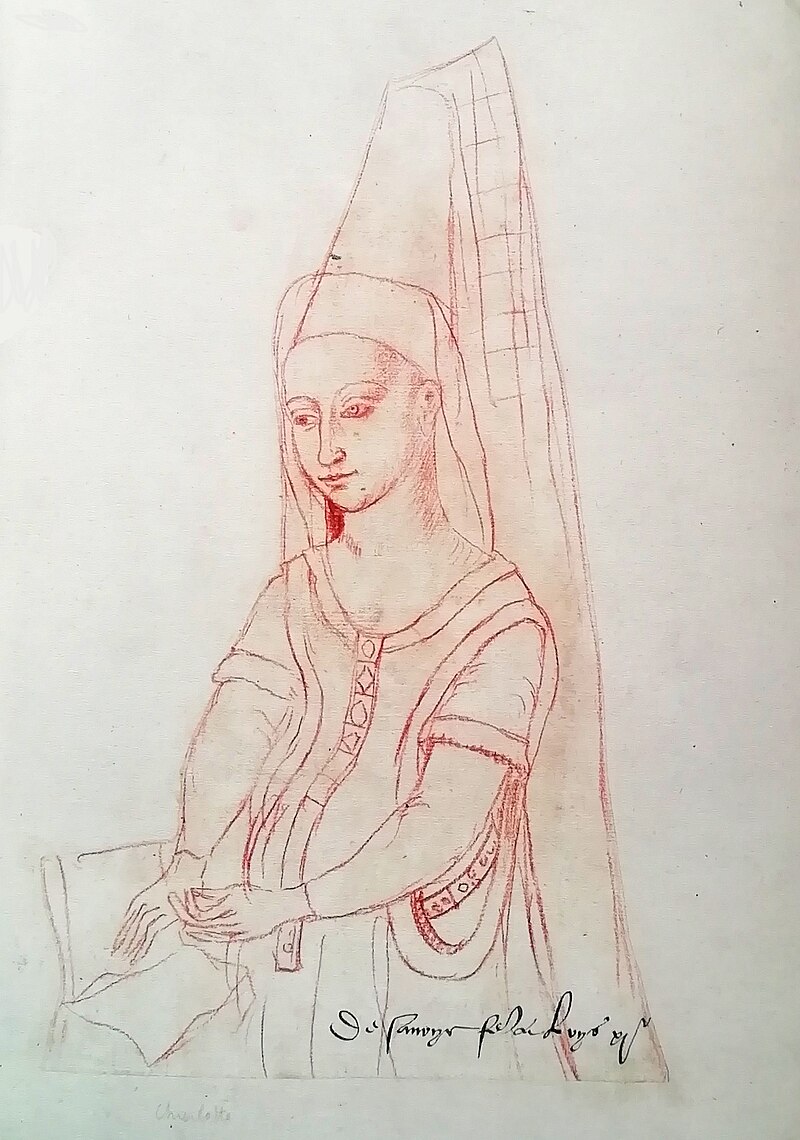
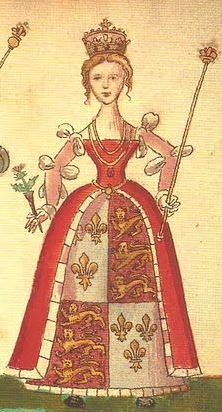
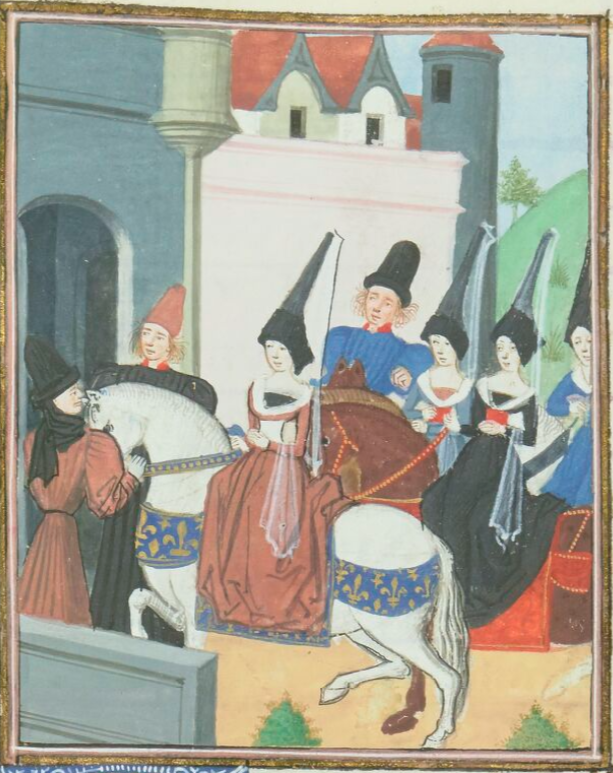
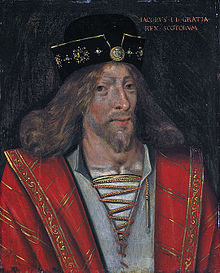
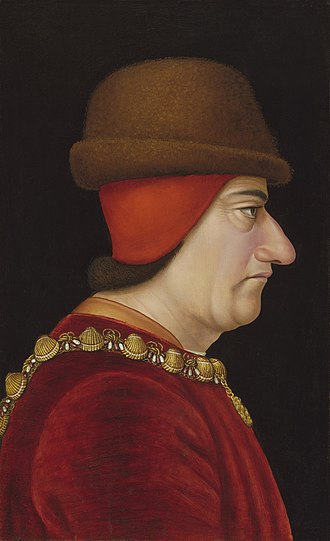
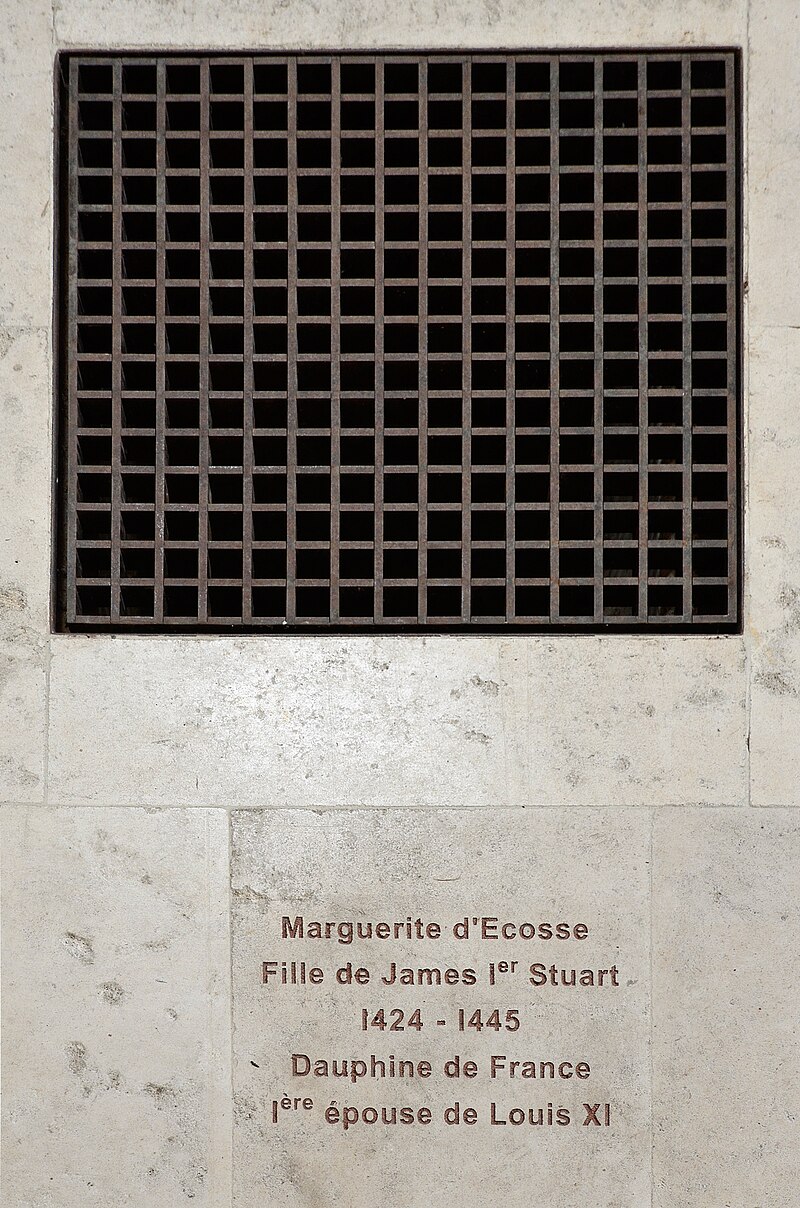



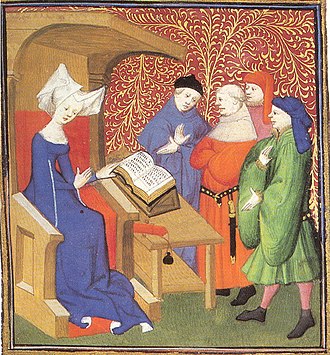
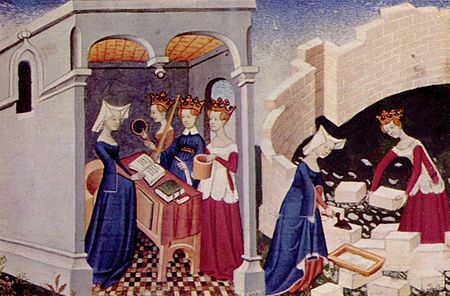
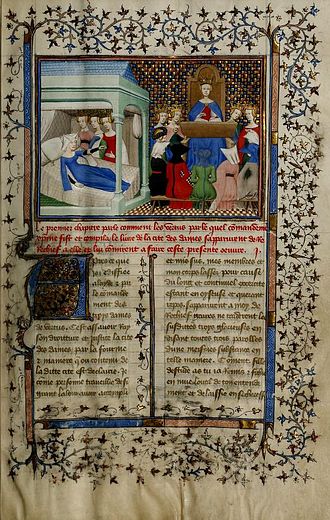
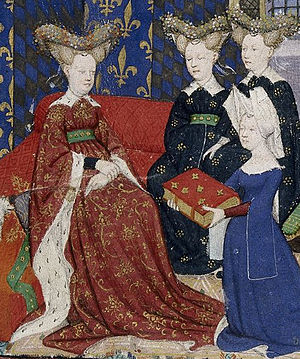
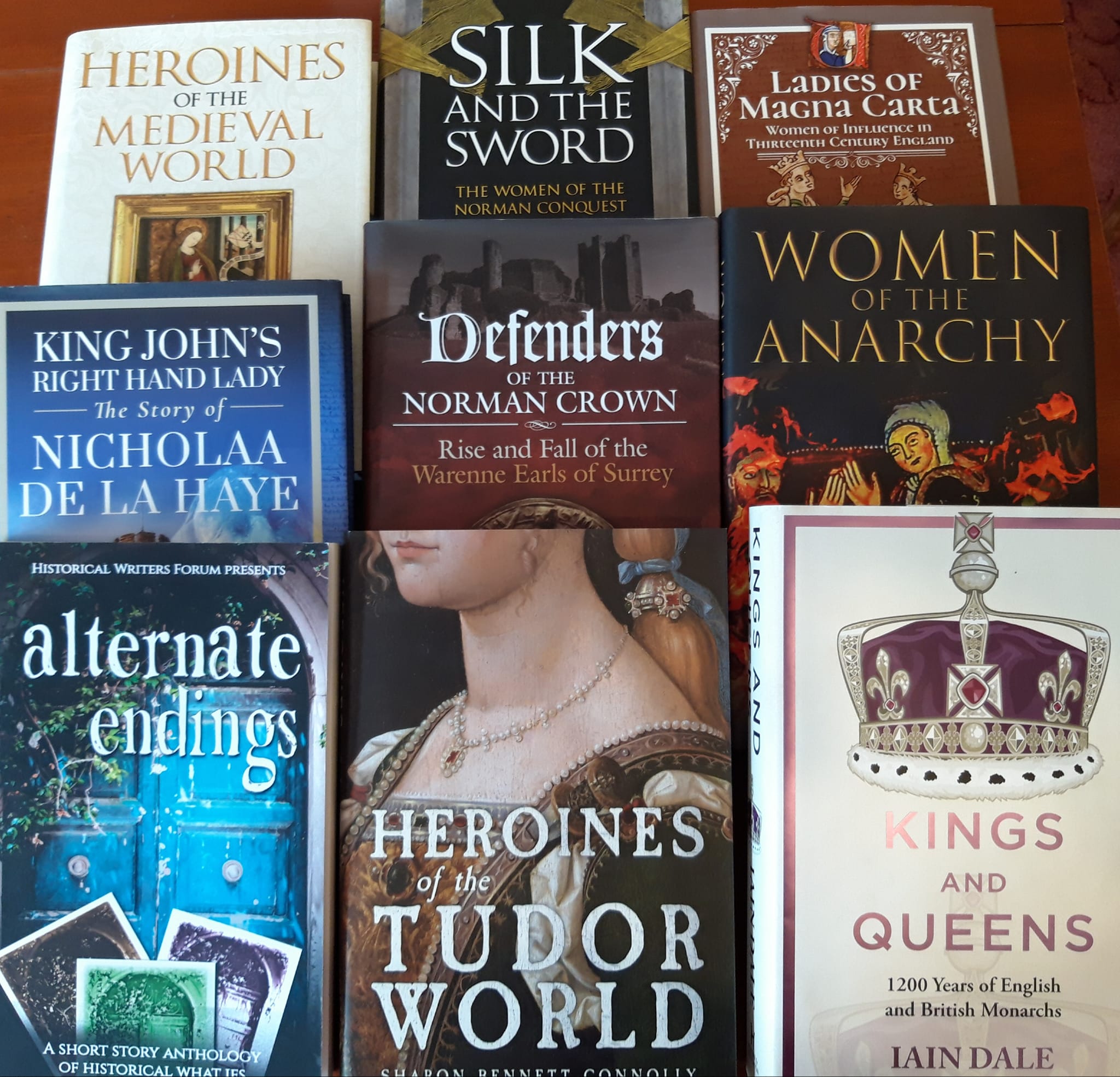

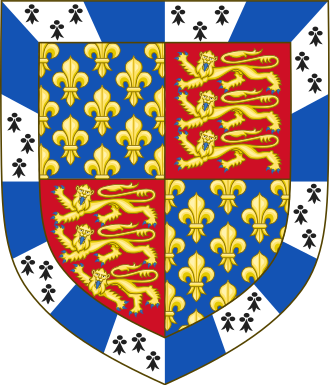

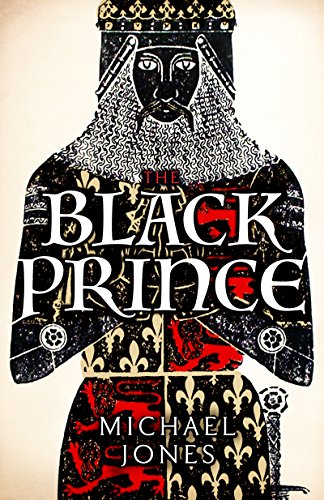
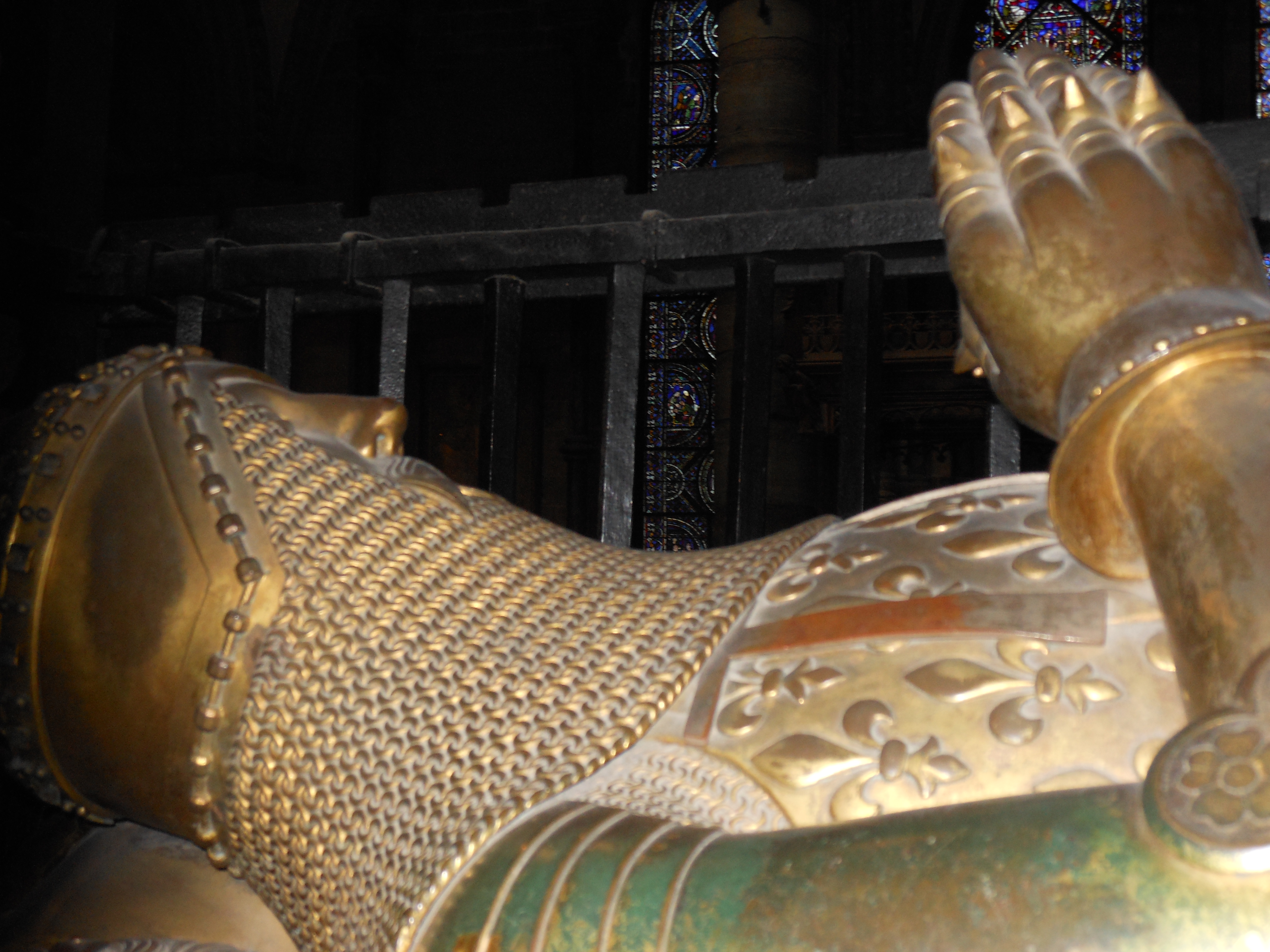
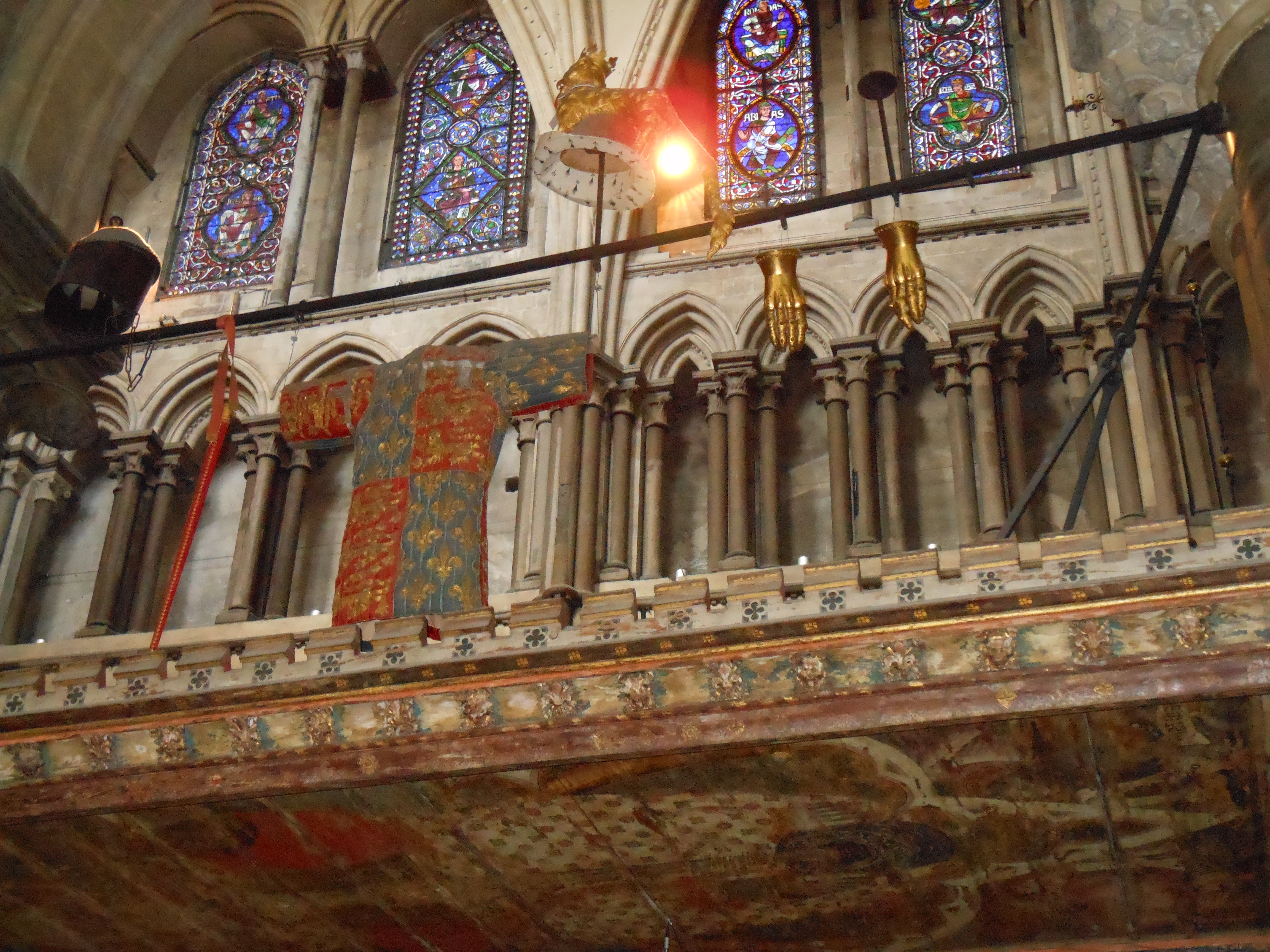
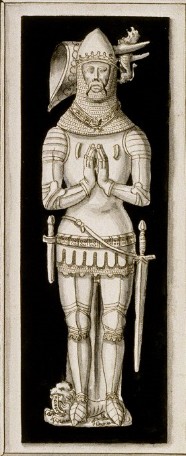
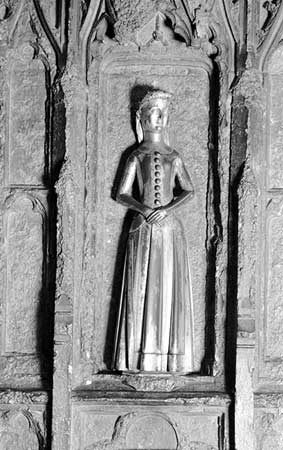


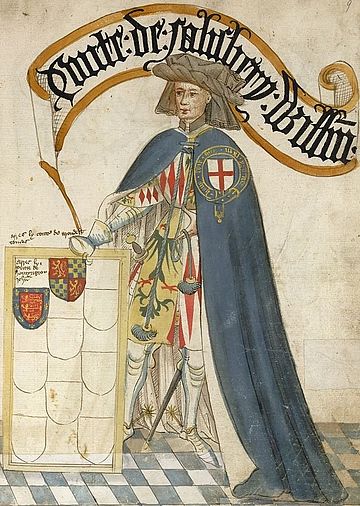
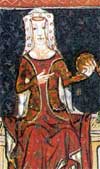
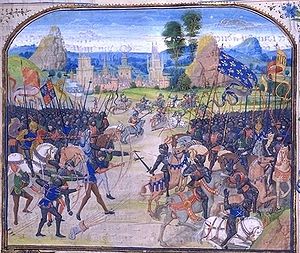
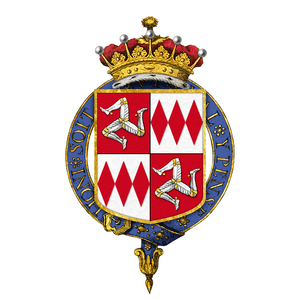
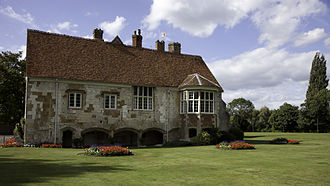
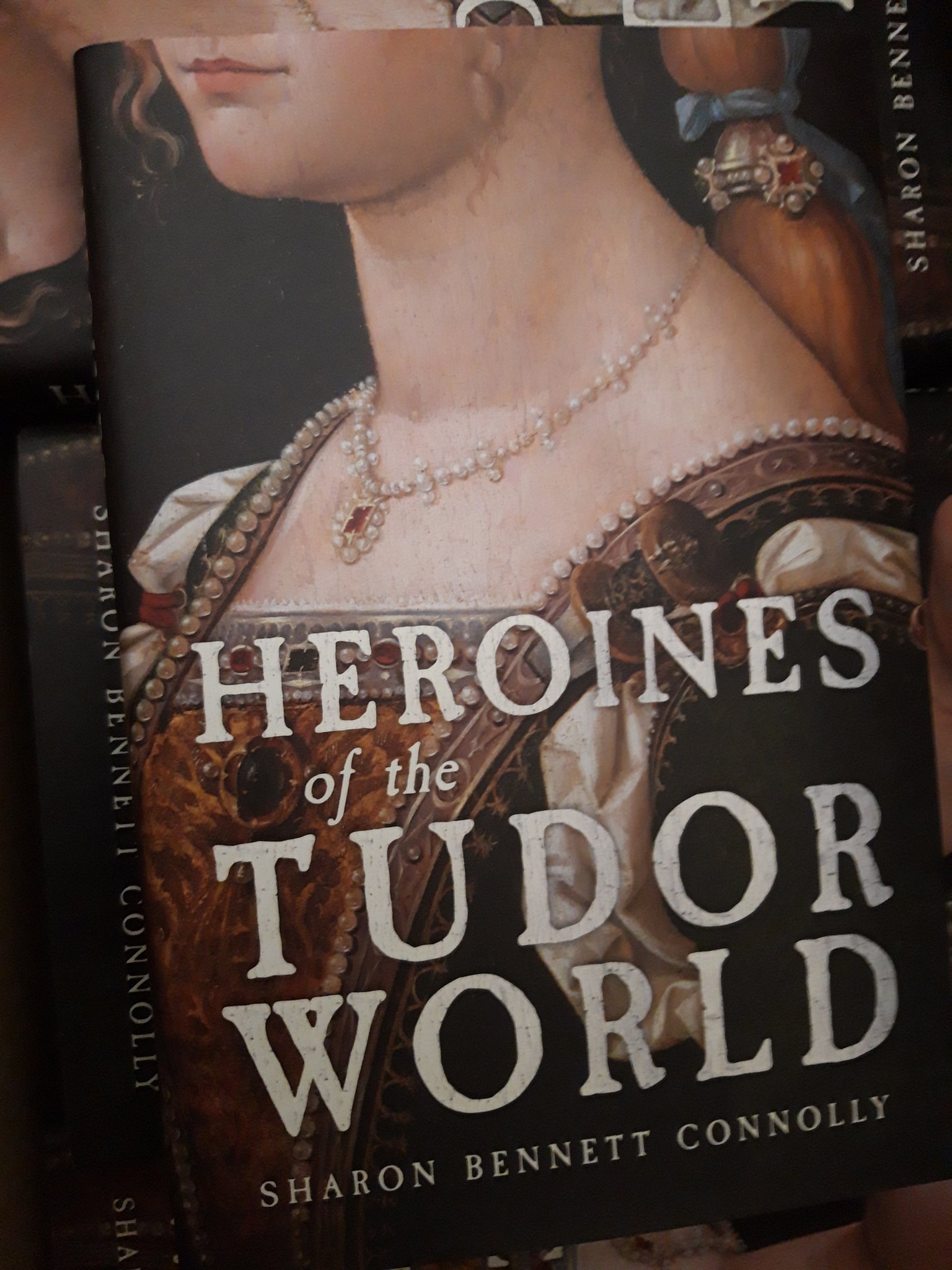
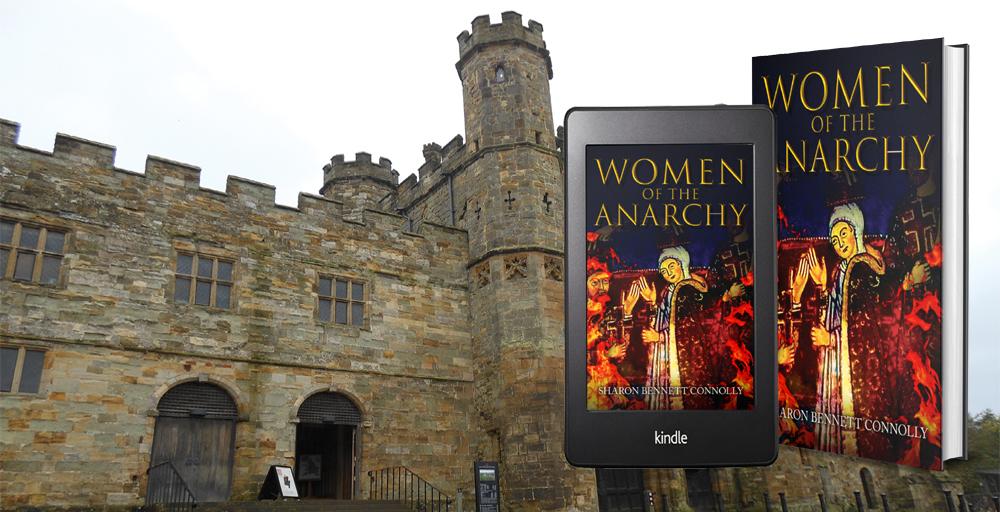

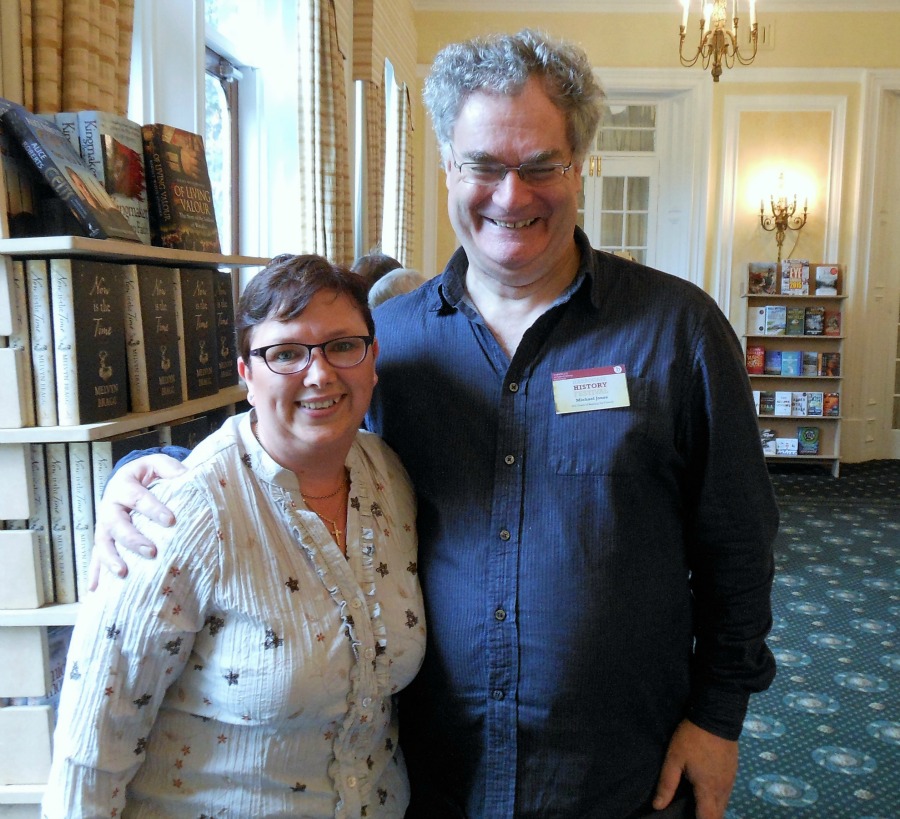
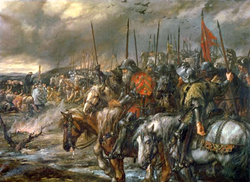




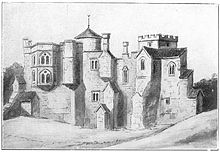
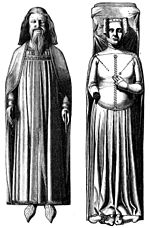
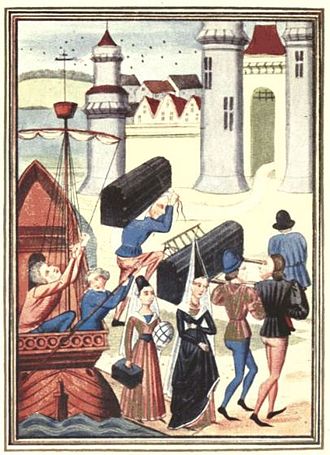
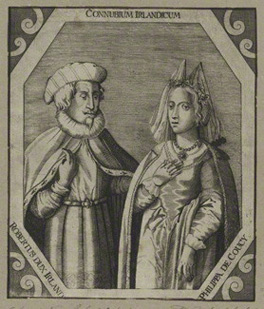

 History... the interesting bits!