Wordly Women: Catherine Hanley

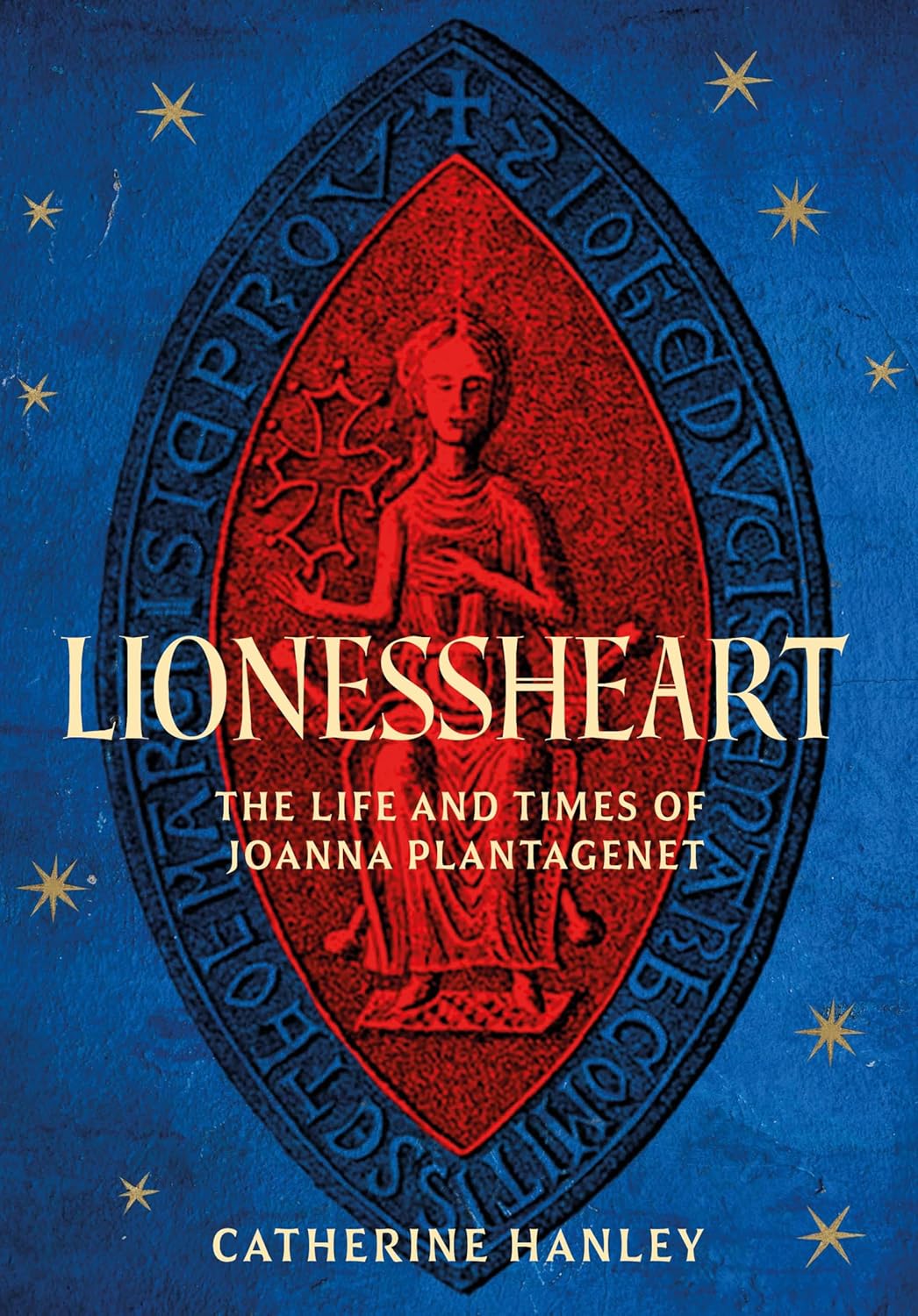
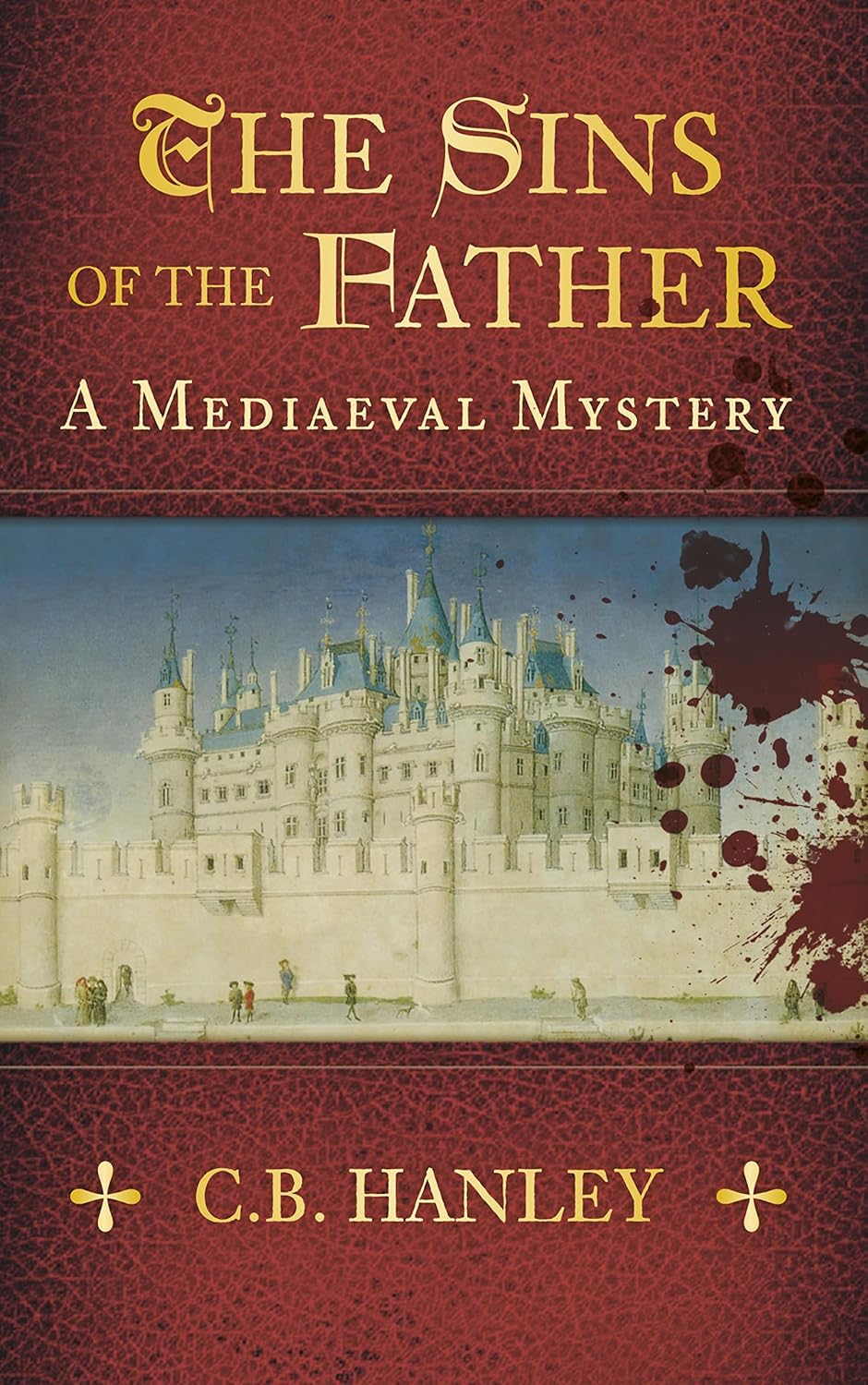
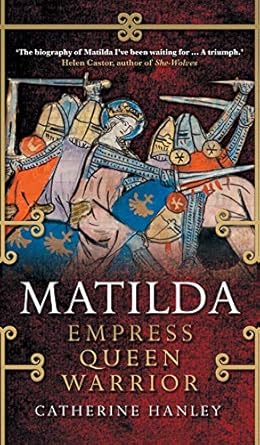
I am very happy today to welcome historian Catherine Hanley to History…the Interesting Bits in a new instalment of my Author Spotlight series, Wordly Women. Catherine is the author of Matilda, 1217 and her latest book, Lionessheart, about Joanna, the sister of Richard the Lionheart. Catherine also writes a historical fiction A Medieval Mystery series under the name C.B. Hanley, following the adventures of Edwin Weaver, bailiff of Conisbrough Castle and its lord, William de Warenne, 5th Earl of Warenne and Surrey. It is a fabulous series that I can highly recommend!

Sharon: So, Catherine, what got you into writing?

Catherine: Oddly, that question is kind of the wrong way round for me. When I did my PhD I was reading and writing all day every day for years; after it was finished and I got a full-time job that didn’t involve writing, I missed it so much that I just had to take it up on top of work. As the cliché goes, I write because I simply can’t *not* write. Eventually, over the years, it came to replace the day job rather than being an add-on.
Sharon: You write both fiction and non-fiction – is one harder than the other?

Catherine: On a day when I’m writing fiction, I’d say non-fiction was easier, and vice versa …

Sharon: Tell us about your books.

Catherine: My non-fiction mainly explores different facets of war and politics in the twelfth and thirteenth centuries – sometimes via biographies of individuals, and sometimes in the form of more wide-ranging surveys.

My fiction is a series of murder mysteries set during the early thirteenth century, during and just after the French invasion that followed the Magna Carta wars. My main characters are fictional, but the stories are set against a factual backdrop, with some real people in the background. It all started because, during some academic research, I discovered that a certain high-profile individual had changed sides twice during that war, but nobody knew why. So I decided to make up a (plausible!) story about why this had happened, and then once I’d started I just kept going.

Sharon: What attracts you to the 13th century?

Catherine: It is the best century, and I will be taking no further questions and entering into no arguments on this subject. (Sharon: no argument from me! I totally agree with this analysis!)

Sharon: Who is your favourite 13th century personality and why?
Catherine: OK, so this is very niche, but it’s Philip of Dreux, a member of a cadet branch of the Capetian royal house, who was the bishop of Beauvais in France. He was a younger son, so he’d been ‘donated’ to the Church by his family early in life. Unfortunately for him this had been done purely on the basis of birth order rather than aptitude or inclination, and he was one of the most bellicose men you could imagine. He fought in the Third Crusade, during which he travelled to Cyprus to tell Richard the Lionheart to his face that he should stop ‘arrogantly persecuting innocent Christians when close by there were still so many thousands of Saracens whom he should be attacking’, which went down about as well as you might expect. He was still going decades later, and fought in battle of Bouvines when aged in his sixties; there he battered the much younger earl of Salisbury to the ground with a mace ‘that he happened to have in his hand’, which is one of the best primary-source lines you’ll ever read.

If I ever decide to write a new series of novels when my current one is finished, the bishop of Beauvais and his mace are going to have starring roles …

Sharon: Who is your least favourite 13th century personality and why?

Catherine: It’s unfortunate for the purposes of this question that Richard the Lionheart died in 1199, thus making him a personality of the twelfth century, so I can’t nominate him! I also think that William Marshal has been vastly overrated.

Sharon: How do you approach researching your topic?

Catherine: I read A LOT, making sure that I’m consulting a wide range of primary sources rather than merely relying on what other people have said in secondary sources.

Sharon: Tell us your ‘favourite’ medieval story you have come across in your research.
Catherine: Basically the entire career of Philip Augustus of France, but I can’t give you too many spoilers on that just now …

Sharon: Tell us your least ‘favourite’ medieval story you have come across in your research.

Catherine: It’s always difficult reading about the many atrocities that took place in the past. One that got to me quite recently was the sad tale of Owain ap Dafydd, the son of Welsh prince Dafydd ap Gruffudd. Dafydd was captured by Edward I and then hanged, drawn and quartered, and his two sons were sentenced to harsh imprisonment. The elder of them died not long afterwards, but Owain, who was 7 when he was incarcerated, lived on for more than 40 years. He was kept in solitary confinement (and, as an adult, actually in a cage), and this stunted his mental as well as his physical development. A sad letter was later sent on his behalf asking if he could please have more adequate food and clothing, and whether he might be allowed out of his cell occasionally ‘to play’. He was at that point 37.

Sharon: Are there any other eras you would like to write about?

Catherine: Not really. There’s still so much to be discovered and said about the twelfth and thirteenth centuries that I can happily spend the rest of my career there, although I do venture occasionally into the fourteenth. The thought of writing about anything post-medieval gives me a nosebleed.

Sharon: What are you working on now?
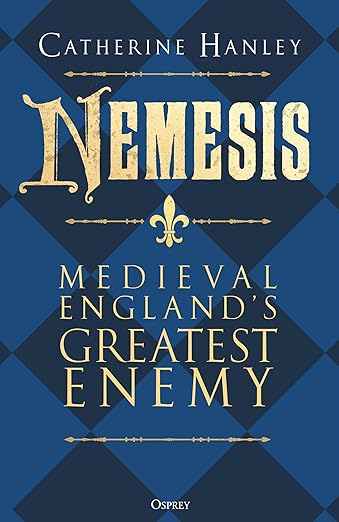
Catherine: *Takes a deep breath* As ever, I have several projects on the go, all at different stages. In non-fiction, I’m at page-proof stage for Nemesis: Medieval England’s Greatest Enemy (about the French king Philip Augustus), for publication in September 2025; almost at manuscript delivery stage for Women in Medieval Families (for 2026 publication) and in the early stages of a whopping volume called The English at War in the Middle Ages for 2027.

In fiction, A Pale Horse, number 9 in my series of medieval mysteries, is due out in June 2025, and I’m having some initial thoughts about book 10.

That’s probably enough to be getting on with!

Sharon: And finally, what is the best thing about being a writer?

Catherine: Being able to sit in a roomful of books by myself all day and lose myself in the Middle Ages. It’s such a privilege that I can still hardly believe it’s happening.

About the Author:

Dr Catherine Hanley holds a PhD in Medieval Studies and is a Fellow of the Royal Historical Society. After producing several scholarly publications she decided to write something more interesting, and she now splits her time between writing popular history and historical fiction.

Catherine: I have no social media (anyone who wants to contact me may do so by writing in ink on parchment and then sending it via a messenger on a fast horse).

Bookshop link: https://uk.bookshop.org/shop/catherinehanley

*

My books

Signed, dedicated copies of all my books are available through my online store.

Out now: Scotland’s Medieval Queens

Scotland’s history is dramatic, violent and bloody. Being England’s northern neighbour has never been easy. Scotland’s queens have had to deal with war, murder, imprisonment, political rivalries and open betrayal. They have loved and lost, raised kings and queens, ruled and died for Scotland. From St Margaret, who became one of the patron saints of Scotland, to Elizabeth de Burgh and the dramatic story of the Scottish Wars of Independence, to the love story and tragedy of Joan Beaufort, to Margaret of Denmark and the dawn of the Renaissance, Scotland’s Medieval Queens have seen it all. This is the story of Scotland through their eyes.

Scotland’s Medieval Queens gives a thorough grounding in the history of the women who ruled Scotland at the side of its kings, often in the shadows, but just as interesting in their lives beyond the spotlight. It’s not a subject that has been widely covered, and Sharon is a pioneer in bringing that information into accessible history.’ Elizabeth Chadwick (New York Times bestselling author)

Available now from Amazon and Pen and Sword Books

Also by Sharon Bennett Connolly:
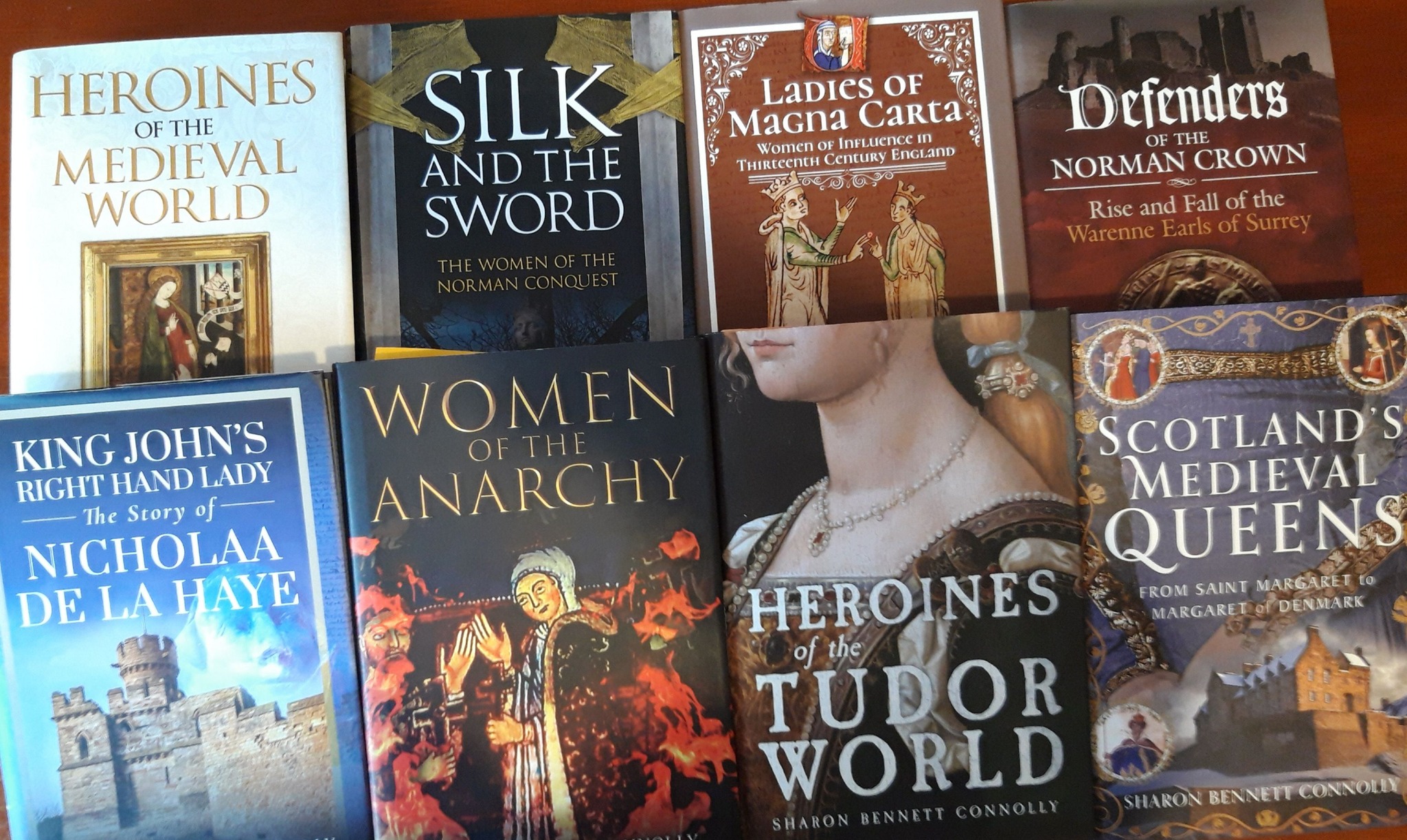
Heroines of the Tudor World tells the stories of the most remarkable women from European history in the time of the Tudor dynasty, 1485-1603. These are the women who ruled, the women who founded dynasties, the women who fought for religious freedom, their families and love. Heroines of the Tudor World is now available for pre-order from Amberley Publishing and Amazon UK. Women of the Anarchy demonstrates how Empress Matilda and Matilda of Boulogne, unable to wield a sword themselves, were prime movers in this time of conflict and lawlessness. It shows how their strengths, weaknesses, and personal ambitions swung the fortunes of war one way – and then the other. Available from Bookshop.orgAmberley Publishing and Amazon UKKing John’s Right-Hand Lady: The Story of Nicholaa de la Haye is the story of a truly remarkable lady, the hereditary constable of Lincoln Castle and the first woman in England to be appointed sheriff in her own right. Available from all good bookshops Pen & Sword Booksbookshop.org and Amazon

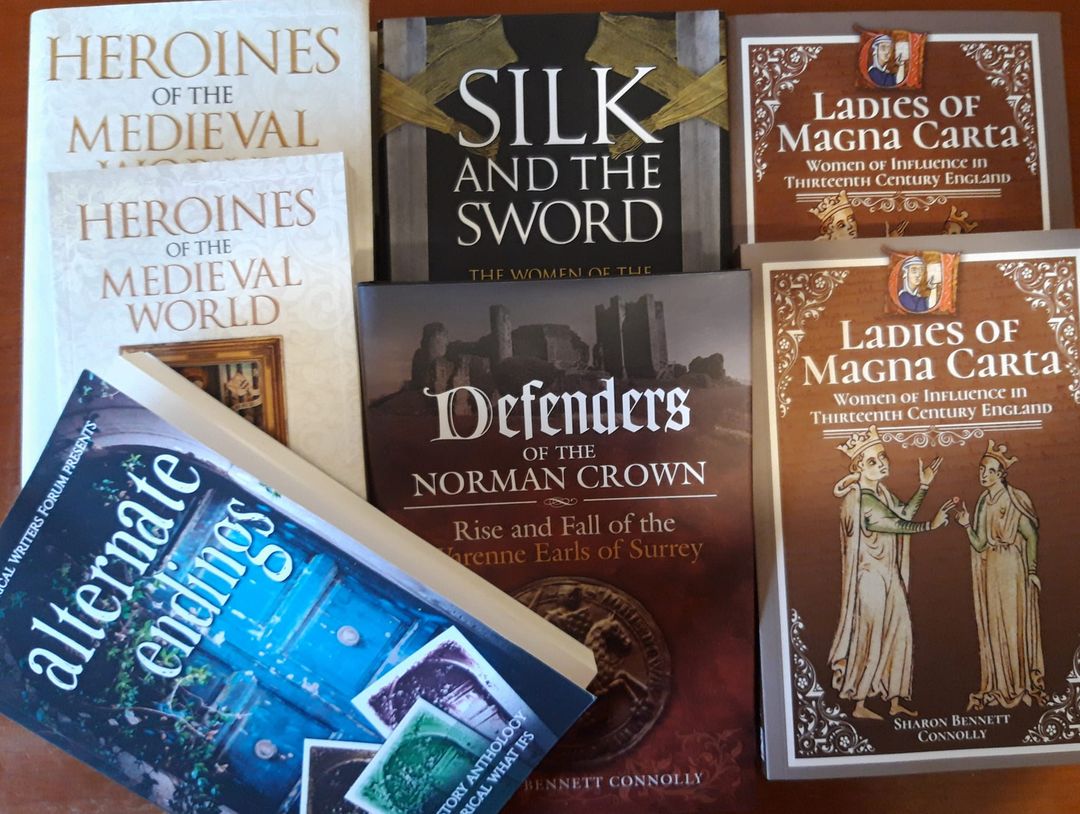
Defenders of the Norman Crown: The Rise and Fall of the Warenne Earls of Surrey tells the fascinating story of the Warenne dynasty, from its origins in Normandy, through the Conquest, Magna Carta, the wars and marriages that led to its ultimate demise in the reign of Edward III. Available from Pen & Sword BooksAmazon in the UK and US, and Bookshop.orgLadies of Magna Carta: Women of Influence in Thirteenth Century England looks into the relationships of the various noble families of the 13th century, and how they were affected by the Barons’ Wars, Magna Carta and its aftermath; the bonds that were formed and those that were broken. It is now available in paperback and hardback from Pen & SwordAmazon, and Bookshop.orgHeroines of the Medieval World tells the stories of some of the most remarkable women from Medieval history, from Eleanor of Aquitaine to Julian of Norwich. Available now from Amberley Publishing and Amazon, and Bookshop.orgSilk and the Sword: The Women of the Norman Conquest traces the fortunes of the women who had a significant role to play in the momentous events of 1066. Available now from Amazon,  Amberley Publishing, and Bookshop.org.

Alternate Endings: An anthology of historical fiction short stories including Long Live the King… which is my take what might have happened had King John not died in October 1216. Available in paperback and kindle from Amazon.

Podcast:

Have a listen to the A Slice of Medieval podcast, which I co-host with Historical fiction novelist Derek Birks. Derek and I welcome guests, such as Bernard Cornwell and Michael Jecks, and discuss a wide range of topics in medieval history, from significant events to the personalities involved. Every episode is also now available on YouTube.

And we will be chatting with Catherine Hanley about Joanna Plantagenet, Lionessheart, in a couple of months!

*

Don’t forget! Signed and dedicated copies of all my books are available through my online store.

For forthcoming online and in-person talks, please check out my Events Page.

You can be the first to read new articles by clicking the ‘Follow’ button, liking our Facebook page or joining me on TwitterThreadsBluesky and Instagram.

*

©2025 Sharon Bennett Connolly, FRHistS and Dr Catherine Hanley, FRHistS
Alternate Endings: Long Live the King…

With the release of King John’s Right Hand Lady: The Story of Nicholaa de la Haye, I just wanted to share a short extract from the short story I wrote, which was inspired by Nicholaa‘s relationship with King John. The story culminates at the 1217 Battle of Lincoln but it opens as John has arrived at Newark Castle in October 1216, when he should have died…

Long Live the King…

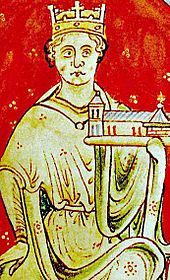
King John

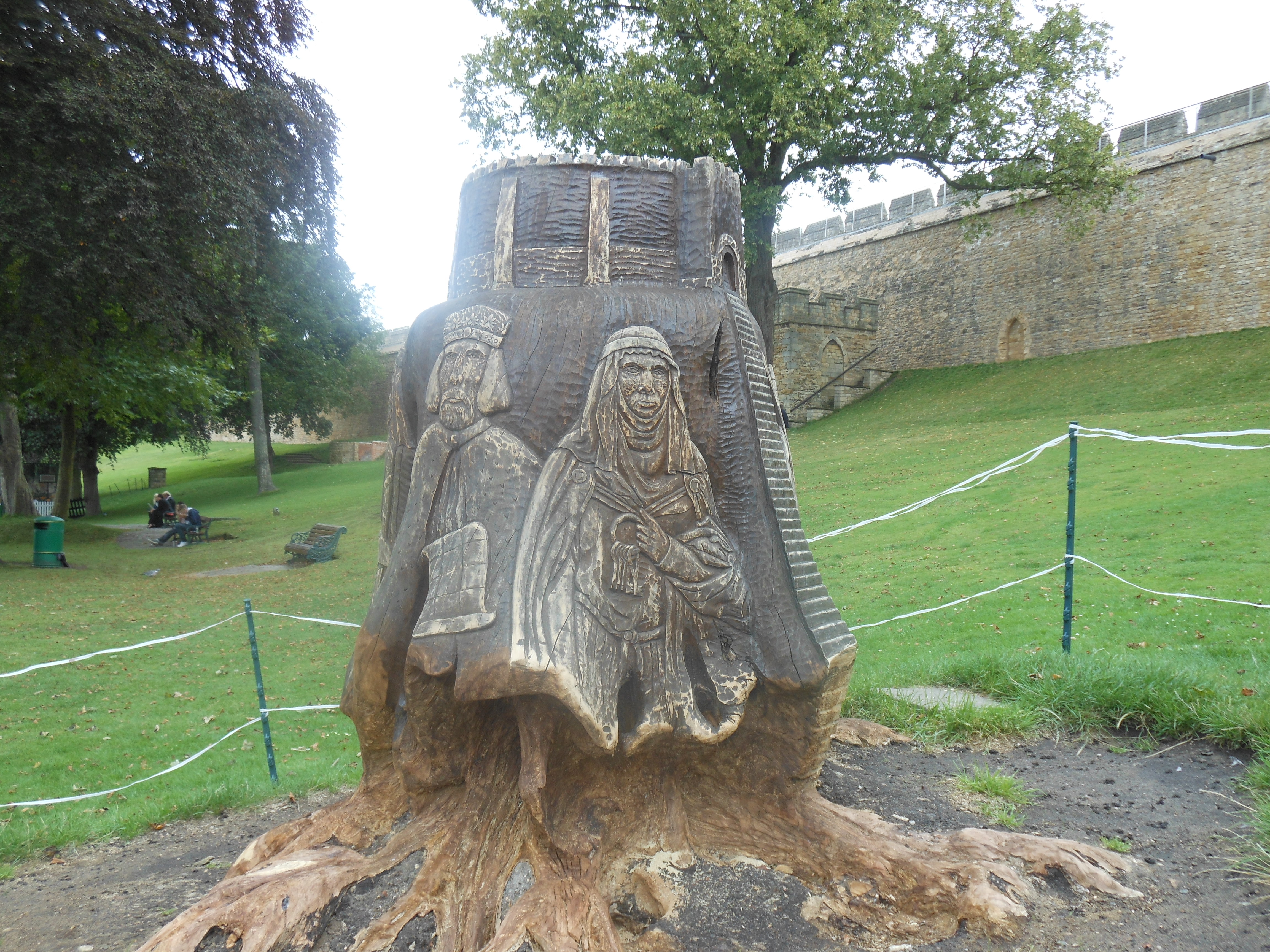
During one of his visits to Lincoln in 1216, either in February or September, King John made a public demonstration of his support for Nicholaa de la Haye, hereditary constable of Lincoln Castle – and a woman! The dramatic scenes as related in the Hundred Rolls, commissioned by Edward I and written down about 60 years after the event, were played out. Nicholaa is said to have met the king at the eastern gate of the castle. A widow since the death of her husband, Gerard de Camville, in January 1215, Nicholaa met King John at the gates of her mighty fortress, Lincoln Castle.

She offered the keys of the castle to the king, the Hundred Rolls told the story:

‘And once it happened that after the war King John came to Lincoln and the said Lady Nicholaa went out of the eastern gate of the castle carrying the keys of the castle in her hand and met the king and offered the keys to him as her lord and said she was a woman of great age and was unable to bear such fatigue any longer and he besought her saying, “My beloved Nicholaa, I will that you keep the castle as hitherto until I shall order otherwise.” And she retained it as long as King John lived and after his decease she still kept it under King Henry, father of the king that now is.’

When Nicholaa spoke of her ‘great age’ she was not exaggerating. She was probably approaching sixty years of age at the time, a good age for anyone in those days, but John still had great confidence in her. Whether Nicholaa ever intended to resign Lincoln Castle at this point is open to debate. It is just as likely that the event was orchestrated as a public demonstration of John’s continuing trust in Nicholaa’s ability to hold and command the royal stronghold. John had been at war with his barons since the summer of 1215 and the failure of Magna Carta in its aim to ward off war. He had few allies left and those he did have, he needed to hold on to. Nicholaa had held Lincoln Castle for him before, in 1191, when John had led the rebellion against Richard I’s hated justiciar, William Longchamp.

In 1216, she had held it again, against the rebel forces led by her fellow Lincolnshire baron, Gilbert de Gant – that time, she paid Gant to lift the siege of the castle while allowing him to hold the city. King John had then raced to Lincoln, chased the rebels from the city and into the marshes of the Isle of Axholme, with ‘fire and sword,’ before returning to Lincoln and Nicholaa. During the visit to Lincoln, the business of government proceeded apace, with John sending out orders throughout the realm.

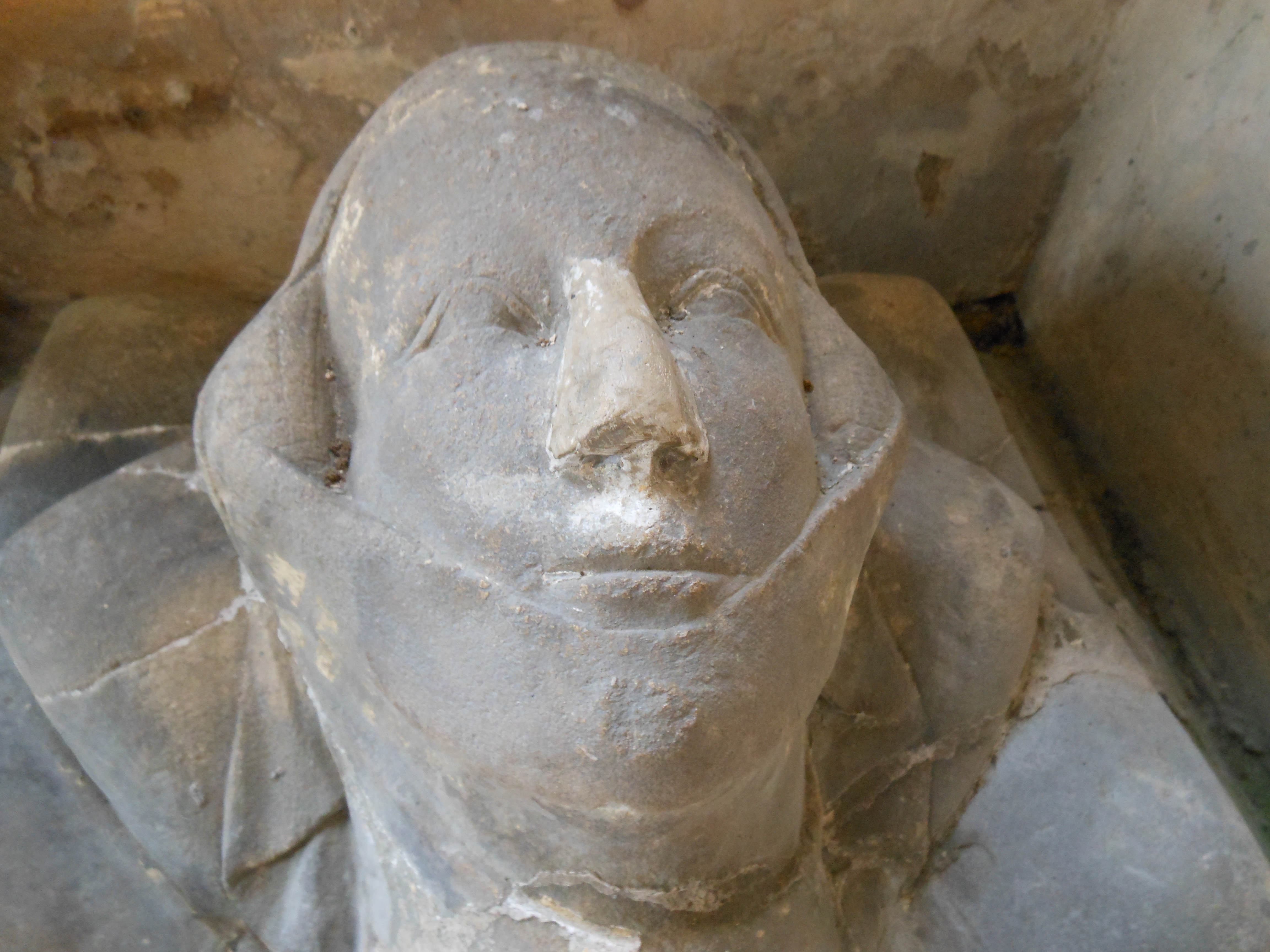
Effigy of Nicholaa de la Haye

There was no rest for the wicked – literally in John’s case – and he was soon back in the field. It was as John was campaigning in the south of Lindsey (Lincolnshire) that ‘grim misfortune struck him, for it was in those parts that the grievous sickness of which he died took hold, gripping him so dreadfully that he was incapable of moving.’ Moving south, just two weeks after leaving Lincoln, the king’s baggage train was lost as he crossed the Wash estuary and within a few more days John was desperately ill.

John was at Lynn when, on the evening of 9 October, John suffered an attack of dysentery. His health deteriorated as he made his way west until he reached Newark on 16 October, from where ‘he could go no further and that was that.’ He died at Newark Castle on the night of 18–19 October 1216 and was buried at Worcester Cathedral, ‘not because he had asked to be buried there but because that place at that time seemed a safe one where his supporters could gather to deliberate on what was to be done next.’

And this is where my short story for Alternate Endings starts:

Newark Castle

23 October 1216

John awoke to hear mumbling around him. He turned his head to the right to see three white-clad monks. Cistercians from Swineshead Abbey, John assumed. He had stayed there briefly a few days after falling ill and could vaguely recall the abbot insisting the monks accompany the king to tend to his spiritual needs. John had scoffed at the idea, but the monks had ignored him and attached themselves to his entourage. Now, the three of them were stood side by side, hovering over the bed, praying. He tried to make sense of the Latin words, but his mind seemed to be shrouded in fog. Even listening took a great deal of effort.

John tried once more. Was that the Pater Noster? Yes, and now they have moved on to more prayers. For his soul? Or his eternal damnation?

He had always had a rather fractious relationship with the Church, so either possibility carried weight. John’s mind wandered back to his childhood at Fontevraud, the great abbey so loved by his mother. He had been sent there with his sister, Joanna, to gain an education. He couldn’t recall enjoying being forced to study, but he remembered fondly running through the fields with Joanna, or riding abroad in their free time. Had his parents really thought him suitable for the church? He tried to laugh, but only a weak groan emitted from his dry, cracked lips.

Instantly, all conversation in the room ceased. The monks looked at him expectantly. What exactly they were expecting, John could not surmise. When he made no further sounds, the three tonsured clerics resumed their prayers.

Other conversations in the room were taken up again. Few seemed too concerned with the state of the patient. With great effort, John rolled his head to the other side. The slight movement caused a wave of pain through his head. He closed his eyes briefly, waiting for the worst of the discomfort to recede. As he opened them again, he perceived William Marshal standing by the window, talking to a knight whose back was turned to him. The knight said something to Marshal, turning briefly to the bed to indicate John. They were talking about him. Not such a surprise, given he was the king and even he could sense the spectre of death lurking about the room.

John was startled when the knight looked straight at him, and the king realised he was staring into the eyes of his cousin and enemy, the Earl of Surrey, William de Warenne. The man had sworn allegiance to Louis of France at Winchester, months ago. So, what was he doing here? Now? Was he here to ensure John breathed his last? To take the news back to Louis, so there would be no room for doubt for the French invader. Or were John’s eyes and mind deceiving him, was he still in a pain induced delirium?

The man turned back to Marshal, his face now obscured, and the shape of his back gave John no clues as to the man’s identity. Maybe he had been wrong? The light in the room was fading. Was the night drawing in? No, he just could not keep his eyes open any longer. Merely observing the room had exhausted him and he drifted into a deep, dreamless sleep.

What would have happened if King John had not died in October 1216…?

Would England have been lost?

Find out in ‘Long Live the King…

I was not sure about trying my hand at fiction, but there are so many ‘What ifs’ in history that it was hard to resist. Having spent the last two years writing Nicholaa de la Haye’s biography – which will be published in May 2023, I thought it would be quite fun to take one event in Nicholaa’s life and see what might change if that event didn’t happen.

About the Book:

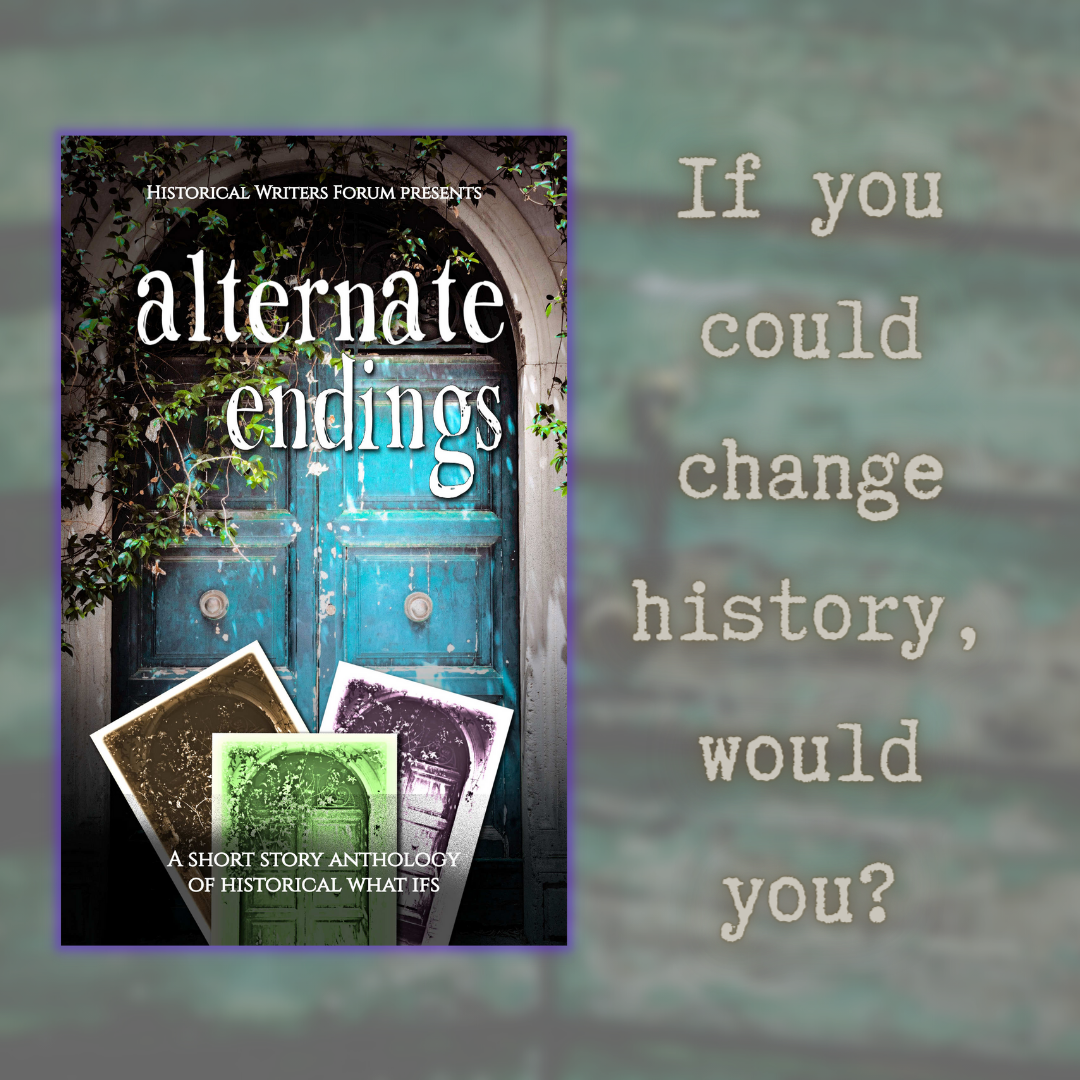
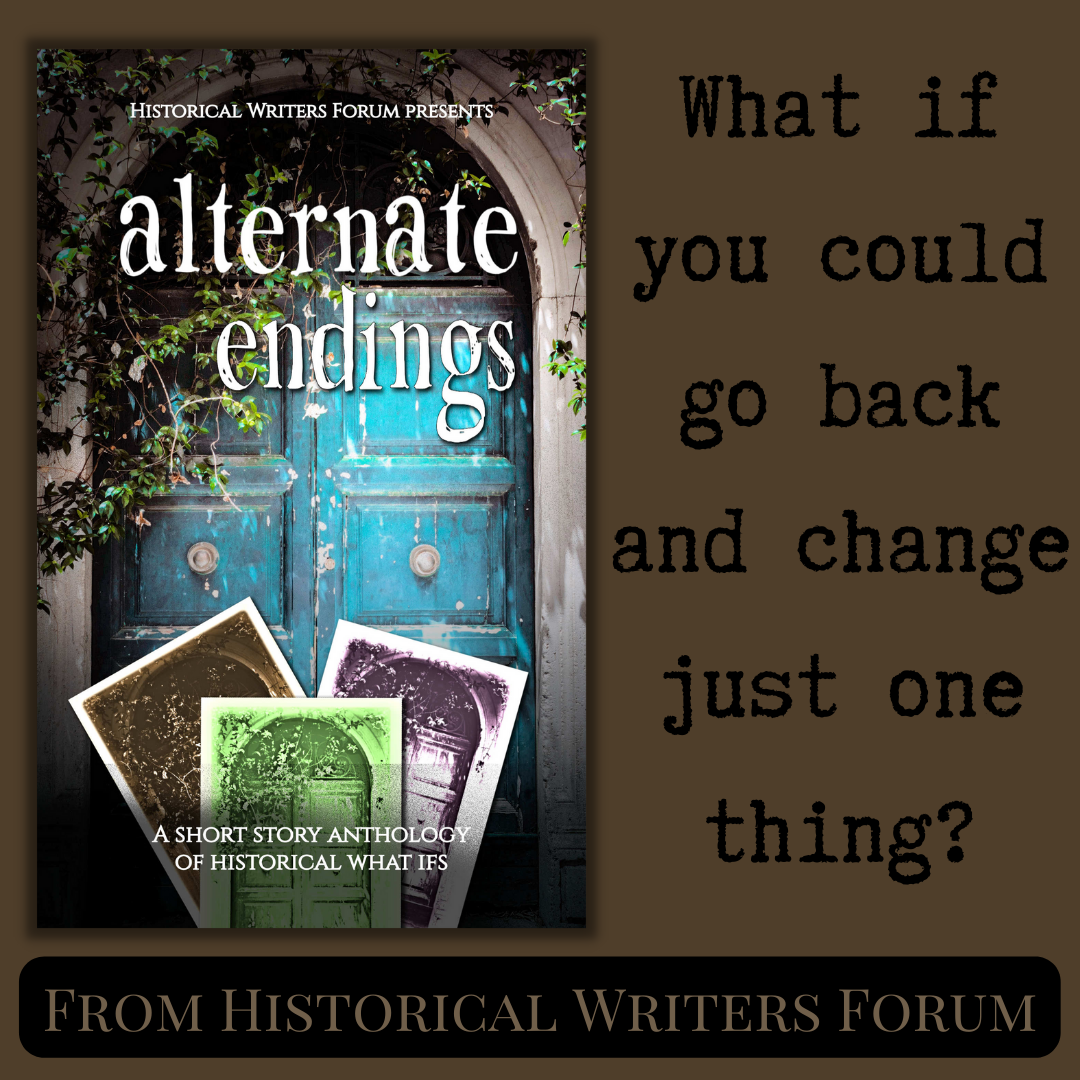
Alternate Endings is a compilation of short stories published by the Historical Writers Forum.

We all know the past is the past, but what if you could change history?We asked eight historical authors to set aside the facts and rewrite the history they love. The results couldn’t be more tantalizing.

  • What if Julius Caesar never conquered Gaul?
  • What if Arthur Tudor lived and his little brother never became King Henry VIII?
  • What if Abigail Adams persuaded the Continental Congress in 1776 to give women the right to vote and to own property?

Dive into our collection of eight short stories as we explore the alternate endings of events set in ancient Rome, Britain, the United States, and France.

Alternate Endings is now available worldwide from Amazon.

My Books:

Signed, dedicated copies of all my books are available, please get in touch by completing the contact me form.

Out now!

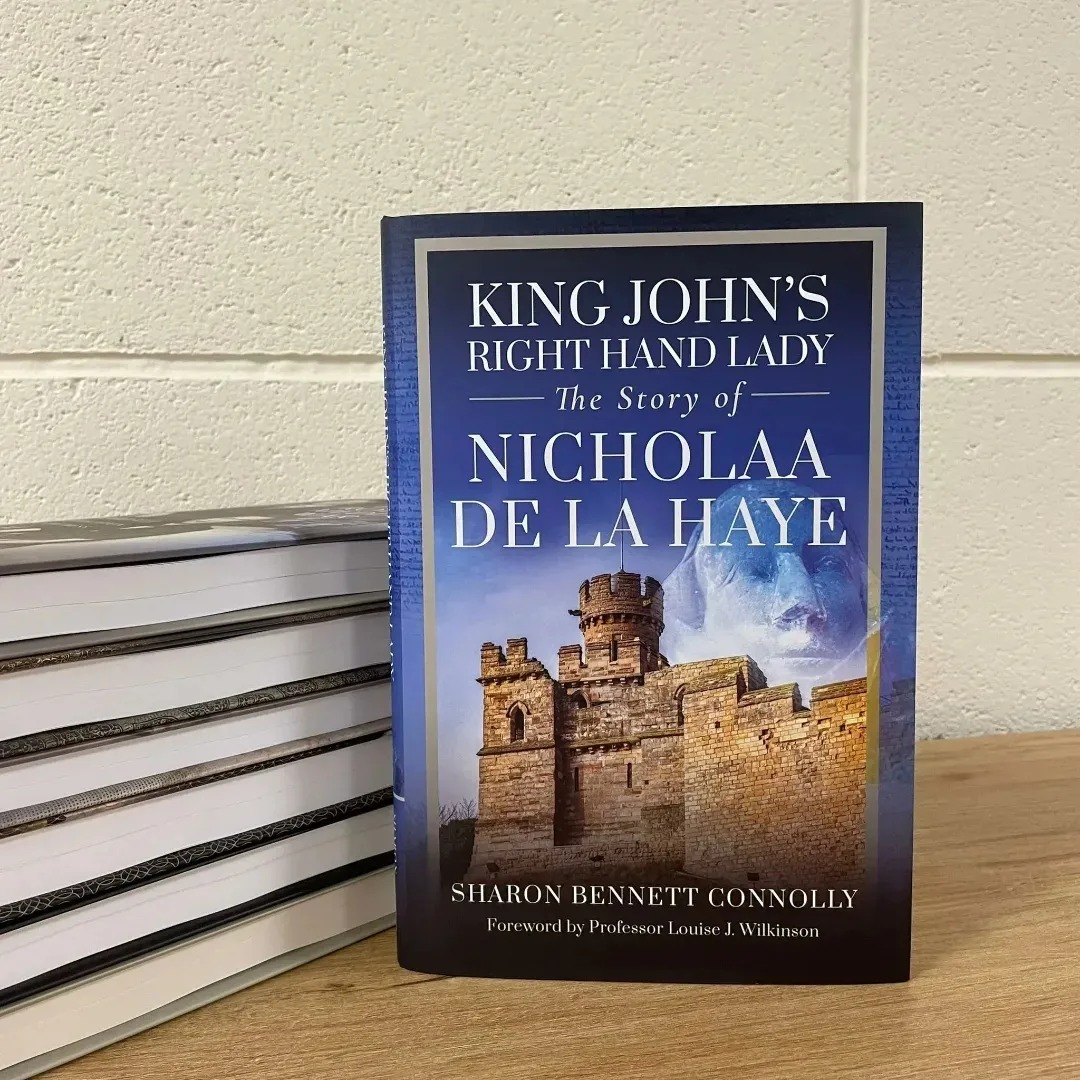
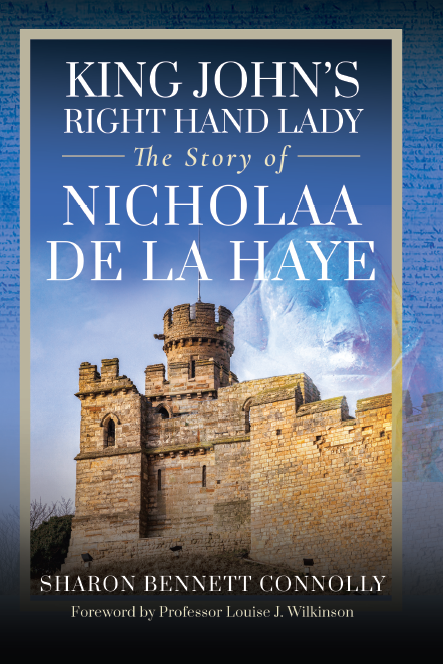
King John’s Right-Hand Lady: The Story of Nicholaa de la Haye is now available for pre-order as a hardback and Kindle from Pen & Sword Booksbookshop.org and Amazon (UK and US).

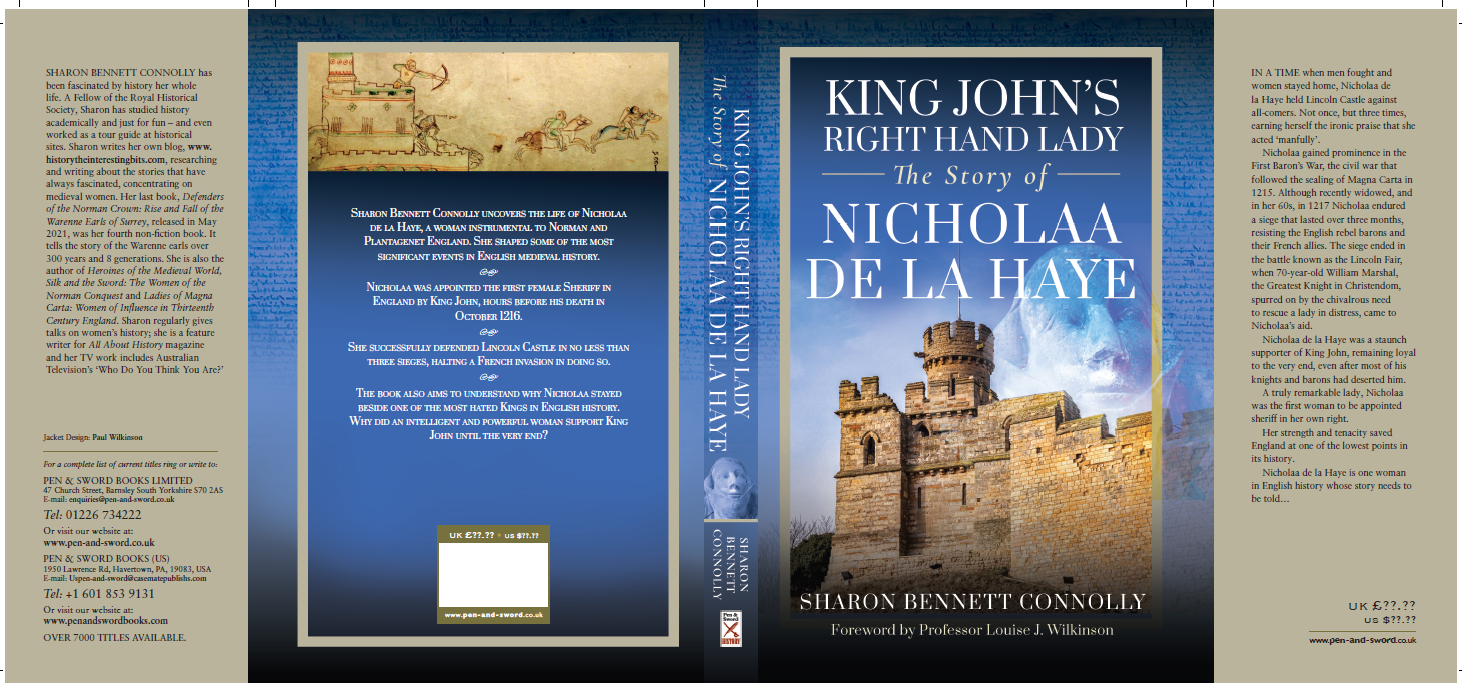
In a time when men fought and women stayed home, Nicholaa de la Haye held Lincoln Castle against all-comers. Not once, but three times, earning herself the ironic praise that she acted ‘manfully’. Nicholaa gained prominence in the First Baron’s War, the civil war that followed the sealing of Magna Carta in 1215.

A truly remarkable lady, Nicholaa was the first woman to be appointed sheriff in her own right. Her strength and tenacity saved England at one of the lowest points in its history. Nicholaa de la Haye is one woman in English history whose story needs to be told…

Also by Sharon Bennett Connolly:

Defenders of the Norman Crown: The Rise and Fall of the Warenne Earls of Surrey tells the fascinating story of the Warenne dynasty, of the successes and failures of one of the most powerful families in England, from its origins in Normandy, through the Conquest, Magna Carta, the wars and marriages that led to its ultimate demise in the reign of Edward III. Defenders of the Norman Crown: Rise and Fall of the Warenne Earls of Surrey is now available from Pen & Sword BooksAmazon in the UK and US, and  Bookshop.org.

Ladies of Magna Carta: Women of Influence in Thirteenth Century England looks into the relationships of the various noble families of the 13th century, and how they were affected by the Barons’ Wars, Magna Carta and its aftermath; the bonds that were formed and those that were broken. It is now available in paperback and hardback from Pen & Sword,  Amazon, and Bookshop.org.

Heroines of the Medieval World tells the stories of some of the most remarkable women from Medieval history, from Eleanor of Aquitaine to Julian of Norwich. Available now from Amberley Publishing and Amazon, and Bookshop.org.

Silk and the Sword: The Women of the Norman Conquest traces the fortunes of the women who had a significant role to play in the momentous events of 1066. Available now from Amazon,  Amberley Publishing, and Bookshop.org.

Alternate Endings: An anthology of historical fiction short stories including Long Live the King… which is my take what might have happened had King John not died in October 1216. Available in paperback and kindle from Amazon.

*

For forthcoming online and in-person talks, please check out my Events Page.

You can be the first to read new articles by clicking the ‘Follow’ button, liking our Facebook page or joining me on Twitter and Instagram.

©2023 Sharon Bennett Connolly FRHistS

Cover Reveal: King John’s Right-Hand Lady

I am so excited!

It’s finally here!

King John’s Right-Hand Lady: the Story of Nicholaa de la Haye is now available for pre-order on Amazon in the UK (I will hopefully have a US release date shortly)

So, here is the stunning cover, designed by the fabulous cover design team at Pen & Sword.

And what a cover!

About the Book;

In a time when men fought and women stayed home, Nicholaa de la Haye held Lincoln Castle against all-comers. Not once, but three times, earning herself the ironic praise that she acted ‘manfully’. Nicholaa gained prominence in the First Baron’s War, the civil war that followed the sealing of Magna Carta in 1215.

Although recently widowed, and in her 60s, in 1217 Nicholaa endured a siege that lasted over three months, resisting the English rebel barons and their French allies. The siege ended in the battle known as the Lincoln Fair, when 70-year-old William Marshal, the Greatest Knight in Christendom, spurred on by the chivalrous need to rescue a lady in distress, came to Nicholaa’s aid.

Nicholaa de la Haye was a staunch supporter of King John, remaining loyal to the very end, even after most of his knights and barons had deserted him. A truly remarkable lady, Nicholaa was the first woman to be appointed sheriff in her own right. Her strength and tenacity saved England at one of the lowest points in its history. Nicholaa de la Haye is one woman in English history whose story needs to be told…

About me:

Sharon Bennett Connolly has been fascinated by history her whole life. A Fellow of the Royal Historical Society, Sharon has studied history academically and just for fun – and even worked as a tour guide at historical sites. Sharon writes her own blog, http://www.historytheinterestingbits.com, researching and writing about the stories that have always fascinated, concentrating on medieval women. Her last book, Defenders of the Norman Crown: Rise and Fall of the Warenne Earls of Surrey, was released in May 2021, is her fourth non-fiction book. It tells the story of the Warenne earls over 300 years and 8 generations. She is also the author of Heroines of the Medieval World, Silk and the Sword: The Women of the Norman Conquest and Ladies of Magna Carta: Women of Influence in Thirteenth Century England. Sharon regularly gives talks on women’s history; she is a feature writer for All About History magazine and her TV work includes Australian Television’s ‘Who Do You Think You Are?’

To pre-order:

King John’s Right-Hand Lady: The Story of Nicholaa de la Haye is now available for pre-order from Amazon UK.

My Books:

Signed, dedicated copies of all my books are available, please get in touch by completing the contact me form.

Defenders of the Norman Crown: The Rise and Fall of the Warenne Earls of Surrey tells the fascinating story of the Warenne dynasty, of the successes and failures of one of the most powerful families in England, from its origins in Normandy, through the Conquest, Magna Carta, the wars and marriages that led to its ultimate demise in the reign of Edward III. Defenders of the Norman Crown: Rise and Fall of the Warenne Earls of Surrey is now available from Pen & Sword BooksAmazon in the UK and US, Bookshop.org and Book Depository.

1 family. 8 earls. 300 years of English history!

Also by Sharon Bennett Connolly:

Ladies of Magna Carta: Women of Influence in Thirteenth Century England looks into the relationships of the various noble families of the 13th century, and how they were affected by the Barons’ Wars, Magna Carta and its aftermath; the bonds that were formed and those that were broken. It is now available in paperback and hardback from Pen & Sword,  AmazonBookshop.org and from Book Depository worldwide.

Heroines of the Medieval World tells the stories of some of the most remarkable women from Medieval history, from Eleanor of Aquitaine to Julian of Norwich. Available now from Amberley Publishing and Amazon, Bookshop.org and from Book Depository worldwide.

Silk and the Sword: The Women of the Norman Conquest traces the fortunes of the women who had a significant role to play in the momentous events of 1066. Available now from Amazon,  Amberley Publishing, Bookshop.org and Book Depository.

Alternate Endings: An anthology of historical fiction short stories including Long Live the King… which is my take what might have happened had King John not died in October 1216. Available in paperback and kindle from Amazon.

*

You can be the first to read new articles by clicking the ‘Follow’ button, liking our Facebook page or joining me on Twitter and Instagram.

©2023 Sharon Bennett Connolly

Long Live the King….

What would have happened if King John had not died in October 1216…?

Would England have been lost?

Find out in ‘Long Live the King…

I have finally done it!

I’ve written a fictional short story, and it’s out this week.

Alternate Endings is a compilation of short stories published by the Historical Writers Forum. I wasn’t sure about trying my hand at fiction, but there are so many What ifs in history that it was hard to resist. Having spent the last two years writing Nicholaa de la Haye’s biography – which will be published in May 2023, I thought it would be quite fun to take one event in Nicholaa’s life and see what might change if that event didn’t happen.

Nicholaa’s greatest benefactor and – dare I say? – friend was King John. He had been an ally since at least the early 1190s, but his death on the night of 18/19 October 1216 was a godsend for England. John’s reign had been plagued by unrest, civil war and the paranoia of the king himself. He had murdered his nephew, Arthur, starved Matilda de Braose to death in a dungeon and stolen the lands of those he was meant to protect. His reputation for underhand dealing, seducing the daughters of nobles and reneging on Magna Carta has seen him go down in history as Bad King John. He is a strong candidate for England’s worst ever king.

It has often been said that John’s death saved England.

I have to admit, I have a soft spot for King John. Not because he was such a warm, cuddly human being – he really wasn’t! But because his reign was full of so much drama. It was a time of transition, when England was losing its continental positions, when the barons were flexing their muscles and when the relationship between king and baron was in flux.

It is a fascinating period of history. So, when I was asked if I wanted to write a short story, I immediately thought of King John, of Nicholaa de la Haye and the upheaval that was Magna Carta and the First Barons’ War. Nicholaa’s involvement culminated in her defending Lincoln Castle through a prolonged siege that ended with the Second Battle of Lincoln. And I wondered… Would events have played out as they did if John had lived?

So… what would have happened if he had survived his illness in October 1216.

Well, you will have to wait and see…

But here’s a teaser….

Newark Castle

28 October 1216

John opened his eyes to a black, empty void.

   Is this it? Is this Hell?

   Has death finally claimed me?

He had been hovering on the brink for so long now. For exactly how long, he did not know. He could barely remember anything beyond the excruciating pain in his gut and head. Lying there in the dark, John took a mental inventory of his body. His head felt clearer than it had in days. The feeling that it was held in a vice had gone, replaced by a dull ache. The stabbing pains in his abdomen had also receded and now there was just a gentle throbbing.

  This could be death…

A groan slipped from between his lips. There was movement, the striking of flint and suddenly a flash of light. The candle’s flame illuminated the features of William Marshal. The Marshal leaned in to examine him, then turned to a lad curled up on bedding in the far corner, just lifting his head, looking groggy from sleep.

‘Godfrey, fetch the doctor. The king is awake.’ Marshal ordered.

‘He’s awake? He’s alive?’ asked a voice from the dark. It was heavily accented. Italian. Cardinal Guala, the papal legate.

‘Aye, your grace, he’s awake. At last!’ Marshal replied.

‘Praise be!’ exclaimed Guala, approaching the bed.

John tried to speak, but barely a croak came out. His mouth was so dry. Marshal signalled Guala to aid the king from the far side of the bed and between them, they lifted John and adjusted his pillows so that he was sitting up. He felt as useless as a new-born baby, he had not the strength to resist, even if he wanted to. Marshal turned to the table beside the bed and poured out a cup of water from the pewter jug. He held the cup to John’s lips, so that he could take a long, thirst-quenching draught. Nothing had ever tasted so wonderful!

John sank back into the pillows, exhausted, as the door opened and his physician entered, striding over to the bed.

I don’t want to give anything away, but the biggest challenge was to consider whether John’s survival would be a blessing or curse for England. And at least William Marshal and Nicholaa de la Haye are there to steady the boat – what could possibly go wrong?

About the book:

We all know the past is the past, but what if you could change history?

We asked eight historical authors to set aside the facts and rewrite the history they love. The results couldn’t be more tantalizing.

  • What if Julius Caesar never conquered Gaul?
  • What if Arthur Tudor lived and his little brother never became King Henry VIII?
  • What if Abigail Adams persuaded the Continental Congress in 1776 to give women the right to vote and to own property?

Dive in to our collection of eight short stories as we explore the alternate endings of events set in ancient Rome, Britain, the United States, and France.

An anthology of the Historical Writers Forum.

Alternate Endings is now available worldwide from Amazon.

*

My Books:

Signed, dedicated copies of all my books are available, please get in touch by completing the contact me form.

Defenders of the Norman Crown: The Rise and Fall of the Warenne Earls of Surrey tells the fascinating story of the Warenne dynasty, of the successes and failures of one of the most powerful families in England, from its origins in Normandy, through the Conquest, Magna Carta, the wars and marriages that led to its ultimate demise in the reign of Edward III. Defenders of the Norman Crown: Rise and Fall of the Warenne Earls of Surrey is now available from Pen & Sword BooksAmazon in the UK and US, Bookshop.org and Book Depository.

1 family. 8 earls. 300 years of English history!

Also by Sharon Bennett Connolly:

Ladies of Magna Carta: Women of Influence in Thirteenth Century England looks into the relationships of the various noble families of the 13th century, and how they were affected by the Barons’ Wars, Magna Carta and its aftermath; the bonds that were formed and those that were broken. It is now available in paperback and hardback from Pen & Sword, AmazonBookshop.org and from Book Depository worldwide.

Heroines of the Medieval World tells the stories of some of the most remarkable women from Medieval history, from Eleanor of Aquitaine to Julian of Norwich. Available now from Amberley Publishing and Amazon, Bookshop.org and Book Depository.

Silk and the Sword: The Women of the Norman Conquest traces the fortunes of the women who had a significant role to play in the momentous events of 1066.  Available now from Amazon,  Amberley Publishing, Bookshop.org and Book Depository.

*

You can be the first to read new articles by clicking the ‘Follow’ button, liking our Facebook page or joining me on Twitter and Instagram.

*

©2022 Sharon Bennett Connolly FRHistS.

“The Lincoln Fair” – the Battle that Saved England

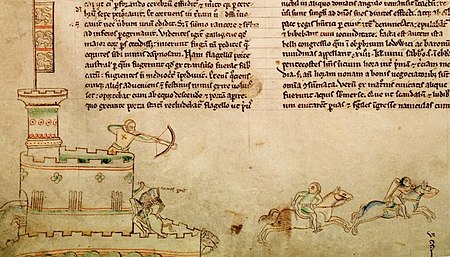
The Battle of Lincoln by Matthew Paris

Saturday 20th May, 2017, marked the 800th anniversary of one of Medieval England’s most decisive battles. The Second Battle of Lincoln, also known as “The Lincoln Fair”, rescued England from the clutches of Louis, Dauphin of France and future King Louis VIII.

England had been in turmoil during the last years of the reign of King John, with the barons trying to curtail the worst of his excesses. It had been hoped that the 1215 issuing of Magna Carta would prevent war, but when John reneged on the Great Charter, war was inevitable. England’s disgruntled barons even went so far as to write to Philip II, King of France, and invite his son, Louis, to come and claim the throne. Louis jumped at the chance and landed on England’s shores in 1216.

Strategically placed in the centre of the country, Lincoln was a target for the rebel barons and their French allies. An important Royalist stronghold, it was held by the redoubtable hereditary castellan, Lady Nicholaa de la Haye, who had been widowed in the early months of 1215. Lincoln Castle had already been under siege in 1216, when the northern rebels had been paid to go away. The rebels – including the King of Scotland – then fled north as John’s army advanced on the city. It was probably after the 1216 siege that Nicholaa made a show of relinquishing her post as castellan; however, John had other ideas:

And once it happened that after the war King John came to Lincoln and the said Lady Nicholaa went out of the eastern gate of the castle carrying the keys of the castle in her hand and met the king and offered the keys to him as her lord and said she was a woman of great age and was unable to bear such fatigue any longer and he besought her saying, “My beloved Nicholaa, I will that you keep the castle as hitherto until I shall order otherwise”.¹

John went even further to show his trust in Nicholaa, who was a long-time supporter of the unpopular king. As Louis consolidated his position in the south, John made an inspection of Lincoln castle in September 1216. He then moved south, losing his baggage as he crossed the Wash and falling ill as he travelled. After a brief stay at Swineshead Abbey, he made his way to Newark, where he died on the night of 18/19 October. Mere hours earlier, John had made history by appointing Nicholaa to the post of Sheriff of Lincolnshire. She was the first woman to ever be appointed sheriff in her own right. .

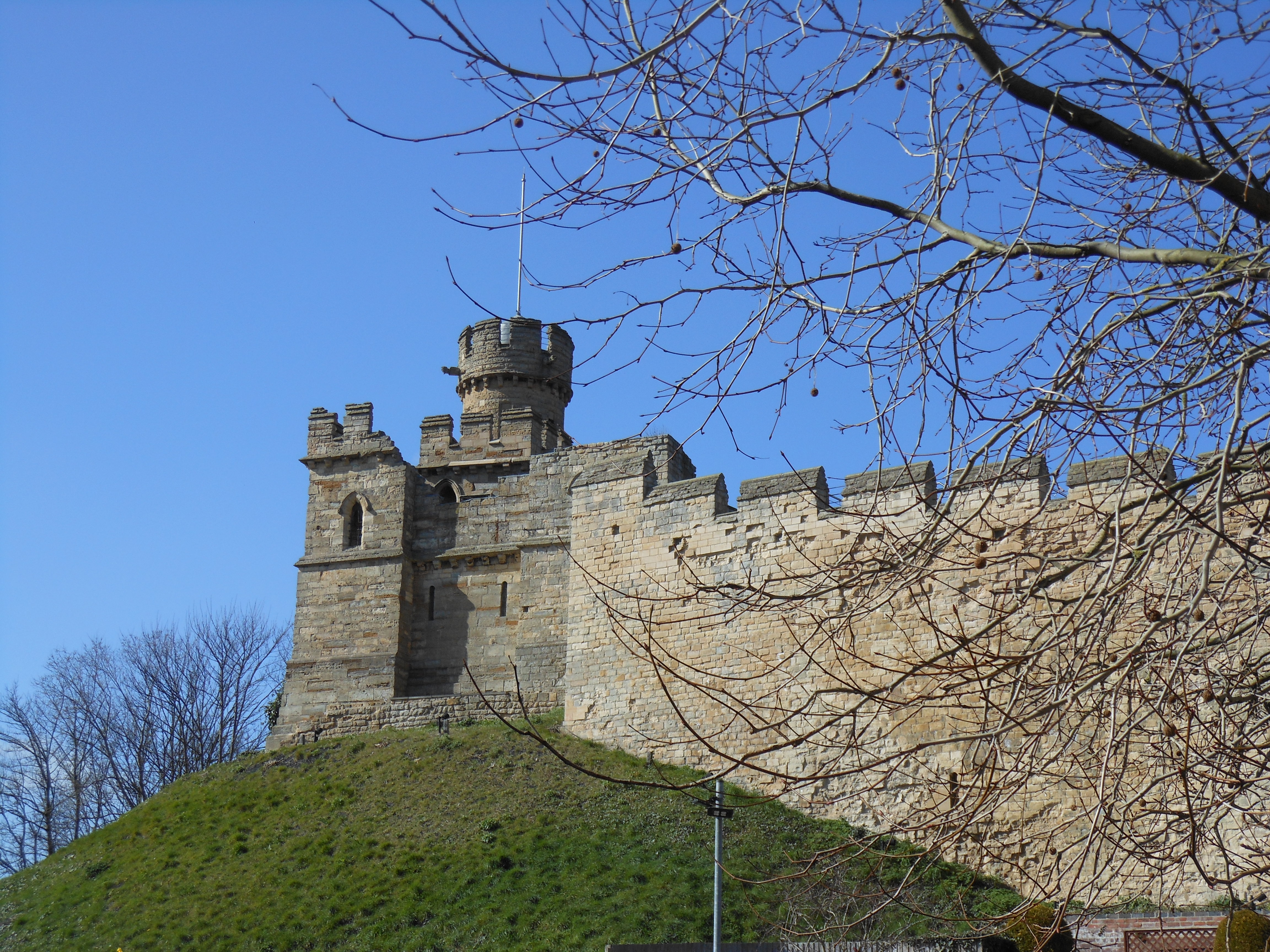
The Observatory Tower, Lincoln Castle

When John died, half of his country was occupied by a foreign invader and his throne now occupied by his 9-year-old son, Henry III. The only royal castles still in royalist hands were Windsor, Dover – and Lincoln. The elder statesman and notable soldier William Marshal, Earl of Pembroke was appointed Regent and set out to save the kingdom.

Following the coronation of young Henry, Magna Carta was reissued and some of the rebel barons returned to the fold, not wanting to make war on a 9-year-old king. However, Louis still had powerful supporters and did not seem keen to give up on his dream to rule England.

Louis’ forces, under the Comte de Perche, along with leading rebels Saher de Quincy, Earl of Wonchester, and Robert FitzWalter, marched north intending to relieve Mountsorel Castle, which was being besieged by the Earl of Chester. Fearing he was facing the entire French invading force, Chester had withdrawn as the French arrived and Perche’s forces diverted to Lincoln. Gilbert de Gant, on hearing news of John’s death, had occupied the city in late 1216 with a small force. He was now reinforced by Perche’s army and in early 1217, they laid siege to the castle. Now in her 60s, Nicholaa de la Haye took charge of the defences, with the help of her lieutenant, Sir Geoffrey de Serland.

For almost 3 months – from March to mid-May – siege machinery continuously bombarded the south and east walls of the castle. When the allied force proved insufficient to force a surrender, the French had to send for reinforcements. This meant that half of Louis’ entire army was now outside the gates of Lincoln Castle and provided William Marshal with an opportunity; one decisive battle against Louis’ forces at Lincoln could destroy the hopes of Louis and the rebel barons, once and for all.

DSCN5225
Nicholaa de la Haye, Lincoln Castle

Risking all on one battle was a gamble, but one that Marshal was determined to take. Spurred on by the chivalrous need to rescue a lady in distress – the formidable Lady Nicholaa – Marshal ordered his forces to muster at Newark by 17th May. While the young king, Henry III, waited at Nottingham, Marshal’s army prepared for war. The papal legate, Guala Bicchieri, absolved the Royalist army of all their sins – of all the sins they had committed since their birth – and excommunicated the French and rebel forces, before riding to join the king at Nottingham.

While at Newark, Marshal set out the order of battle, although not without some argument. The Norman contingent and Ranulf, earl of Chester, both claimed the right to lead the vanguard. However, when Ranulf threatened to withdraw his men, it was decided to acquiesce to his demands.

Lincoln is an unusual city; its castle and cathedral sit at the top of a hill, with the rest of the city to the south, at the hill’s base. In the 12th century it was enclosed in a rectangular wall, which had stood since Roman times,  with 5 gates, and the castle abutting the wall at the north-west corner. William Marshal decided not to attack Lincoln from the south, which would have meant heading up the Fosse Way (the old Roman road) and forcing a crossing of the River Witham, before climbing the steep slope to the castle and cathedral (so steep, the road going up is called Steep Hill to this day). Instead he chose to take a circuitous route, so he could come at the city from the north-west and attack close to the castle and cathedral, directly where the enemy troops were concentrated.

On the 19th May Marshal’s forces rode from Newark alongside the the River Trent and set up camp at Torksey, about 8 miles to the north of Lincoln, or Stow, depending on the source you read. Or, perhaps, both.

Coronation of Louis VIII and Blanche of Castile. Louis’ claim to England was through his wife, a granddaughter of Henry II

The English commanders included William Marshal, earl of Pembroke, his son, Young William Marshal, and nephew, John Marshal, in addition to Ranulf, Earl of Chester, William Longspée, Earl of Salisbury, Peter des Roches, Bishop of Winchester, and Faulkes de Breauté, King John’s mercenary captain. They led 406 knights, 317 crossbowmen and a large number of sergeants-at-arms, foot soldiers and camp followers.

Although Louis was in charge of the French forces in England, those in Lincoln were led by Thomas, Comte de Perche, himself a grandson of Henry II’s daughter Matilda, and therefore a cousin of King Henry III. Perche was also related to William Marshal; both were descended from sisters of Patrick, 1st earl of Salisbury. The commanders of the English rebels in the city included Robert FitzWalter and Saer de Quincey, Earl of Winchester. They led over 600 knights and several thousand infantry.

At various points in the lead up to the battle, William Marshal is known to have made some stirring speeches. When battle was imminent, he made one more;

Now listen, my lords! There is honour and glory to be won here, and I know that here we have the chance to free our land. It is true that you can win this battle. Our lands and our possessions those men have taken and seized by force. Shame be upon the man who does not strive, this very day, to put up a challenge, and may the Lord our God decide the matter. You see them here in your power. So much do I fully guarantee, that they are ours for the taking, whatever happens. If courage and bravery are not found wanting.

Coat of arms of William Marshal

And, if we die …, God, who knows who are his loyal servants, will place us today in paradise, of that I am completely certain. And, if we beat them, it is no lie to say that we will have won eternal glory for the rest of our lives and for our kin. And I shall tell you another fact which works very badly against them: they are excommunicated and for that reason all the more trapped. I can tell you that they will come to a sticky end as they descend into hell. There you see men who have started a war on God and the Holy Church. I can fully guarantee you this, that God has surrendered them into our hands.

Let us make haste and attack them, for it is truly time to do so!²

As with all battles, the information gets confusing as the fighting commences, timings get distorted and facts mixed. No two sources give exactly the same information. So the story of a battle is a matter of putting the pieces together and making sense of various snippets of information – much as it would have been for the commanders on the day.

In the dawn of 20th May the English Royalist army marched south towards Lincoln, probably climbing to the ridge at Stow so as not to have that climb nearer to Lincoln, with the enemy in sight. Marshal had hoped that, on reaching the plain in front of the city walls, the French and rebels would come out and meet him and a pitched battle would be fought outside of the city. Marshal was resting everything – the very future of England – on the outcome of that one battle. However, it seems that, although the allied leaders did come out and take a look at the forces arrayed before them, they then chose to stay inside the city walls and wait for the Royalists to come to them.

The West Gate of Lincoln Castle

William Marshal’s nephew, John Marshal was sent to the castle, to ascertain the situation within the city, but as he approached, Nicholaa’s deputy, Geoffrey de Serland, was making his way out to report to the English commanders that the castle was still in Nicholaa’s hands. It is not hard to imagine Nicholaa or her deputy climbing the tallest towers of the castle – perhaps the one now known as the Observatory Tower, used in Matthew Paris’s illustration – to watch out for an approaching relief force. Seeing the Marshal’s banners appearing in the north must have been an amazing feeling.

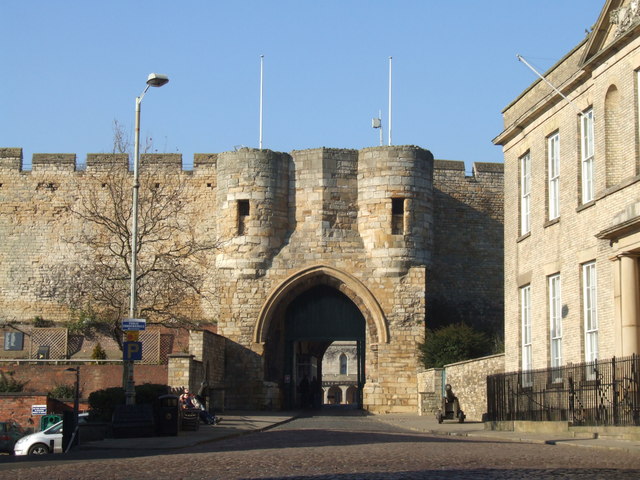
The castle itself had two main gates, one in the eastern wall and one in the west, with postern gates in the Lucy Tower to the south-east of the castle, the tower known as Cobb Hall to the north-east corner and another in the northern wall. On ascertaining that the castle still held, Peter des Roches then made his way inside, most likely by either the postern gate in Cobb Hall, or the one in the northern wall. Having met with Nicholaa de la Haye in the Lucy Tower, it seems he then made his way into the town via its postern gate, to check the defences and try to find a way into the city.

According to the Histoire, des Roches’ reconnaissance proved successful and he reported to Marshal that there was a gate within the north-west wall of the city, which, although blockaded, could be cleared. As Marshal set men to clearing the blockaded gate, the earl of Chester was sent to attack the North Gate as a diversion and Faulkes de Breauté took his crossbowmen into the castle via a postern gate and set them on the ramparts above the East Gate, so their bolts could fire down on the besiegers.

De Breauté fell into disgrace in 1224 and so the major source for the Battle of Lincoln – the Histoire de Guillaume le Maréschale – plays down his role in the battle. However, his crossbowmen managed to keep the French forces focussed on the castle, rather than Marshal’s forces outside the city. De Breauté did make a sortie out of the East Gate, to attack the besiegers, but was taken prisoner and had to be rescued by his own men; although at what stage of the battle this happened is uncertain.

The Histoire tells how it took several hours, it seems, for Marshal’s men to break through the gate. The 70-year-old William Marshal was so eager to lead the charge that he had to be reminded to don his helmet. Once safely helmeted, he led his men through the city gates and down Bailgate to approach the castle from the north, his men spilling into the space between castle and cathedral, where the main force of the besiegers were still firing missiles at the castle.

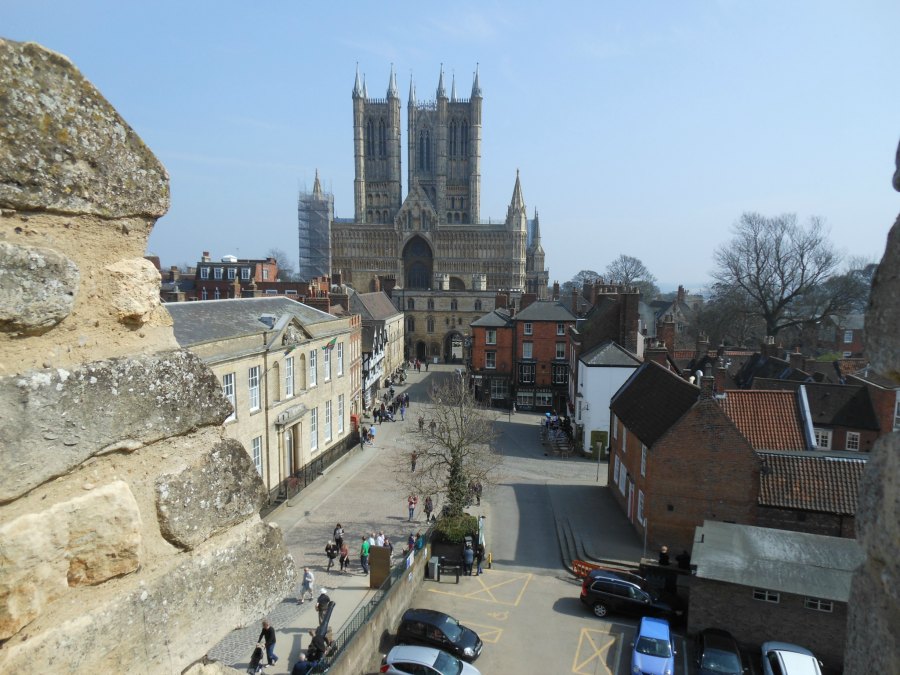
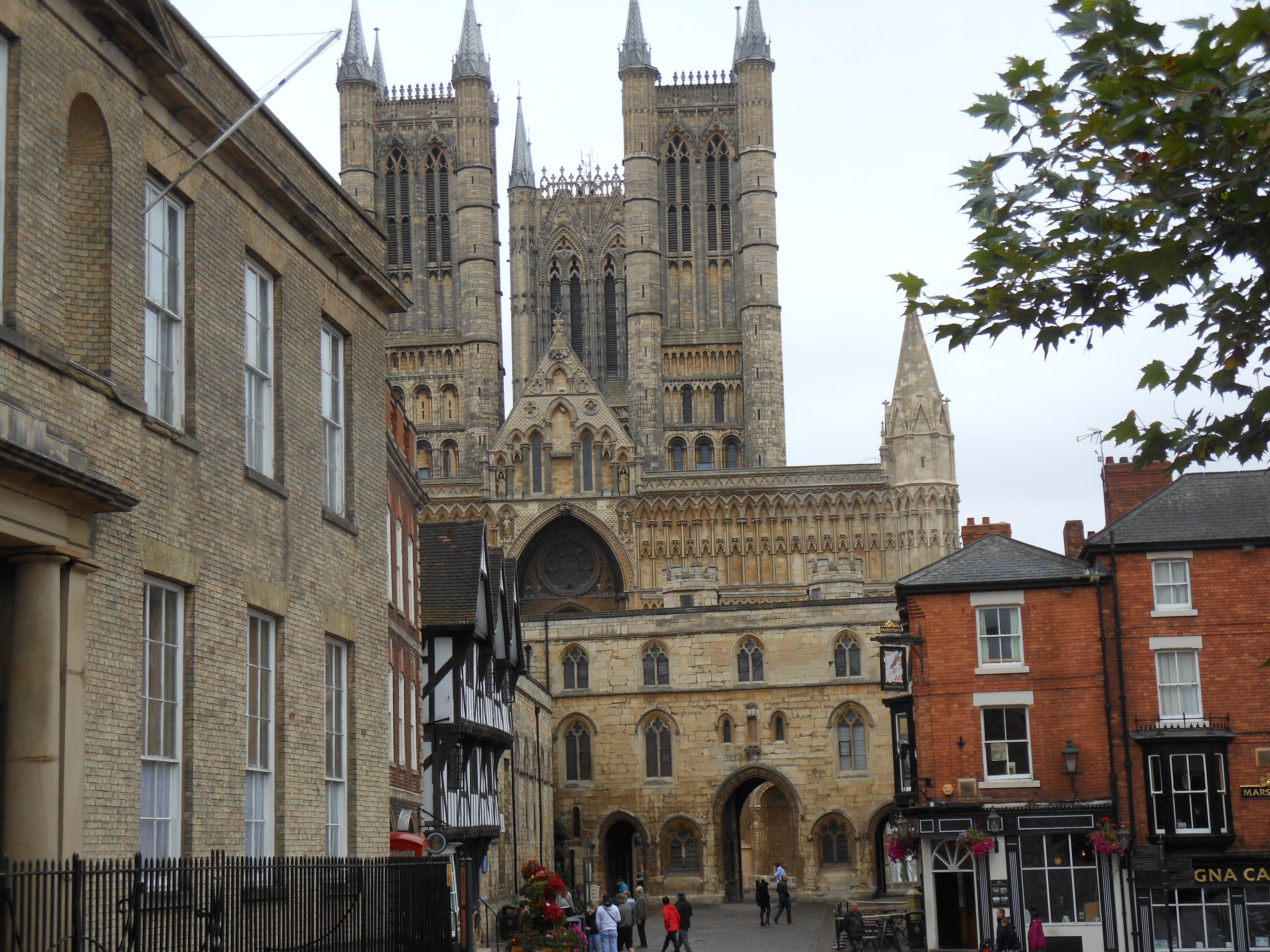
Lincoln Cathedral viewed from the Castle. The fiercest fighting was between the 2 great buildings

The English forces took the enemy so totally by surprise that one man – according to the Histoire he was the enemy’s ‘most expert stonethrower’² – thought they were allies and continued loading the siege machinery, only to have his head struck from his shoulders.

Almost simultaneously, it seems, the earl of Chester had broken through a gate to the northeast and arrived from behind the cathedral. Battle was joined on all sides. Vicious, close-quarter combat had erupted in the narrow streets, but the fiercest fighting was in front of the cathedral. In the midst of the melee, William Longspée took a blow from Robert of Roppesley, whose  lance broke against the earl. The aged Marshal dealt a blow to Roppesley that the knight who, having crawled to a nearby house ‘out of fear, [he] went to hide in an upper room as quickly as he could’.³

The Comte de Perche made his stand in front of the cathedral, rallying his troops; and it was there he took a blow from Reginald Croc which breached the eye slit of his helmet. Croc himself was badly wounded and died the same day. The Comte continued to fight, striking several blows to the Marshal’s helmet (the one he had almost forgotten to don), before falling from his horse. It was thought the Comte was merely stunned until someone tried to remove his helmet and it was discovered that the point of Croc’s sword had pierced the count’s eye and continued into his brain, killing him.

With the death of their leader,  the French and rebel barons lost heart and started pulling back. They fled downhill, to the south of the city. Although they briefly rallied, making an uphill assault, the battle was lost. There was a bottleneck as the defeated soldiers tried to escape through the city gates, made worse by a cow stuck in the South Gate and the bridge across the Witham as the enemy forces fled. The cow could not be moved and so the rebels butchered it – only to discover a dead cow was even harder to move. The rebel leaders, Saher de Quincey and Robert FitzWalter were both taken prisoner, as were many others. In total, about half of the enemy knights surrendered.

The battle had lasted no more than 6 hours.

The East Gate of Lincoln Castle

Sadly, in the aftermath of the battle, women took to the river with their children, in small boats, to escape the unwanted attentions of the victorious army. However, not knowing how to control the overloaded craft, many capsized and the women and children drowned.

The city, which had supported the rebels, was sacked, churches included; the excommunication seen as permission that everything was fair game. Although, one does wonder how much choice the citizens had in siding with the rebels and their French allies – survive or die would have been the reality. The battle earned the name ‘The Lincoln Fair,’ possibly because of the amount of plunder gained by the victorious English army.

Immediately the battle was won, William Marshal, earl of Pembroke, rode to Nottingham to inform the king of the victory. The Battle of Lincoln turned the tide of the war. On hearing of the battle, Louis immediately lifted his siege of Dover Castle and withdrew to London. His situation became desperate, his English allies were bristling against the idea of Louis giving English land as reward to his French commanders and were beginning to see the young Henry III as rightful king – after all, the son couldn’t be blamed for the actions of the father. In August of the same year Louis was soundly defeated at sea in the Battle of Sandwich, off the Kent coast. By September he had sued for peace and returned to France.

Lincoln Cathedral

In an incredible demonstration of ingratitude, within 4 days of the relief of the Castle, Nicholaa de la Haye’s position of Sheriff of Lincolnshire was given to the king’s uncle William Longspée, Earl of Salisbury, who took control of the city and seized the castle. Salisbury was the father-in-law of Nicholaa’s granddaughter – and heir – Idonea de Camville. However, not one to give up easily, Nicholaa travelled to court to remind the king’s regents of her services, and request her rights be restored to her. A compromise was eventually reached whereby Salisbury remained as Sheriff of the County, while Nicholaa held the city and the castle. Although Salisbury never gave hope of acquiring the castle, it was still in Nicholaa’s hands when he died in 1226.

The battle had been a magnificent victory for the 70-year-old regent, William Marshal, Earl of Pembroke, and is a testament to his claim to the title ‘The Greatest Knight’. He staked the fate of the country on this one battle and pulled off a decisive victory, saving his king and country. Although, he could not have achieved it, had Nicholaa not so stubbornly held onto Lincoln Castle.

*

Footnotes: ¹Irene Gladwin: The Sheriff; The Man and His Office; ²Histoire de Guillaume le Maréschal translated by Stewart Gregory; ³ Quoted in Thomas Asbridge’s The greatest Knight

All photos from Lincoln – Castle, Cathedral, Nicholaa de la Haye and Magna Carta, © Sharon Bennett Connolly 2015. All other pictures are courtesy of Wikipedia.

*

You can read more on the story of the 1217 Battle of Lincoln – and Nicholaa de la Haye in particular – in my book, King John’s Right Hand Lady: The Story of Nicholaa de la Haye. Or listen to the episode on Nicholaa de la Haye in our A Slice of Medieval podcast

*

Sources: King John by Marc Morris; Henry III The Son of Magna Carta by Matthew Lewis; The Demon’s Brood by Desmond Seward; The Greatest Knight by Thomas Asbridge; The Knight Who Saved England by Richard Brooks; The Plantagenet Chronicles edited by Elizabeth Hallam; Brassey’s Battles by John Laffin; 1215 The Year of Magna Carta by Danny Danziger & John Gillingham; The Life and times of King John by Maurice Ashley; The Story of Britain by Roy Strong; The Plantagenets, the Kings Who Made England by Dan Jones; England Under the Norman and Angevin Kings  by Robert Bartlett; lincolnshirelife.co.uk; catherinehanley.co.uk; magnacarta800th.com; lothene.org; lincolncastle.com; Nick Buckingham; The Sheriff: The Man and His Office by Irene Gladwin; Elizabeth Chadwick; swaton.org.uk; Histoire de Guillaume le Mareschal translated by Stewart Gregory, usna.edu.

*

My Books

Signed, dedicated copies of all my books are available through my online bookshop.

Out now: Scotland’s Medieval Queens

Scotland’s history is dramatic, violent and bloody. Being England’s northern neighbour has never been easy. Scotland’s queens have had to deal with war, murder, imprisonment, political rivalries and open betrayal. They have loved and lost, raised kings and queens, ruled and died for Scotland. From St Margaret, who became one of the patron saints of Scotland, to Elizabeth de Burgh and the dramatic story of the Scottish Wars of Independence, to the love story and tragedy of Joan Beaufort, to Margaret of Denmark and the dawn of the Renaissance, Scotland’s Medieval Queens have seen it all. This is the story of Scotland through their eyes.

Scotland’s Medieval Queens gives a thorough grounding in the history of the women who ruled Scotland at the side of its kings, often in the shadows, but just as interesting in their lives beyond the spotlight. It’s not a subject that has been widely covered, and Sharon is a pioneer in bringing that information into accessible history.’ Elizabeth Chadwick (New York Times bestselling author)

Available now from Amazon and Pen and Sword Books

Also by Sharon Bennett Connolly:

Heroines of the Tudor World tells the stories of the most remarkable women from European history in the time of the Tudor dynasty, 1485-1603. These are the women who ruled, the women who founded dynasties, the women who fought for religious freedom, their families and love. Heroines of the Tudor World is now available from Amberley Publishing and Amazon UK. Women of the Anarchy demonstrates how Empress Matilda and Matilda of Boulogne, unable to wield a sword themselves, were prime movers in this time of conflict and lawlessness. It shows how their strengths, weaknesses, and personal ambitions swung the fortunes of war one way – and then the other. Available from Bookshop.orgAmberley Publishing and Amazon UKKing John’s Right-Hand Lady: The Story of Nicholaa de la Haye is the story of a truly remarkable lady, the hereditary constable of Lincoln Castle and the first woman in England to be appointed sheriff in her own right. Available from all good bookshops Pen & Sword Booksbookshop.org and Amazon

Defenders of the Norman Crown: The Rise and Fall of the Warenne Earls of Surrey tells the fascinating story of the Warenne dynasty, from its origins in Normandy, through the Conquest, Magna Carta, the wars and marriages that led to its ultimate demise in the reign of Edward III. Available from Pen & Sword BooksAmazon in the UK and US, and Bookshop.orgLadies of Magna Carta: Women of Influence in Thirteenth Century England looks into the relationships of the various noble families of the 13th century, and how they were affected by the Barons’ Wars, Magna Carta and its aftermath; the bonds that were formed and those that were broken. It is now available in paperback and hardback from Pen & SwordAmazon, and Bookshop.orgHeroines of the Medieval World tells the stories of some of the most remarkable women from Medieval history, from Eleanor of Aquitaine to Julian of Norwich. Available now from Amberley Publishing and Amazon, and Bookshop.orgSilk and the Sword: The Women of the Norman Conquest traces the fortunes of the women who had a significant role to play in the momentous events of 1066. Available now from Amazon,  Amberley Publishing, and Bookshop.org.

Alternate Endings: An anthology of historical fiction short stories including Long Live the King… which is my take what might have happened had King John not died in October 1216. Available in paperback and kindle from Amazon.

Podcast:

Have a listen to the A Slice of Medieval podcast, which I co-host with Historical fiction novelist Derek Birks. Derek and I welcome guests, such as Bernard Cornwell and Michael Jecks, and discuss a wide range of topics in medieval history, from significant events to the personalities involved. Every episode is also now available on YouTube.

*

Don’t forget! Signed and dedicated copies of all my books are available through my online bookshop.

For forthcoming online and in-person talks, please check out my Events Page.

You can be the first to read new articles by clicking the ‘Follow’ button, liking our Facebook page or joining me on TwitterThreadsBluesky and Instagram.

©2017 Sharon Bennett Connolly FRHistS