Betrayed by his kinsmen, his forces overrun by Danes, King Alfred of Wessex has retreated deep into the marshes of his homeland, lying in wait for his chance at redemption.
The scourge of the heathen horde that has ravaged the kingdom for decades is at its peak. Led by the fearsome Viking warlord Guthrum, the fate of the men, women, and children at their mercy appears all but sealed. But underestimate the great king at your peril…
Gathering allies and bannermen to his cause, and building a strategy that will hopefully ensure victory, Alfred sets out to undermine the strength of the complacent invaders, and establish Wessex as the greatest territory in the British Isles.
A final showdown awaits. Not only with Guthrum and his savage warriors, but with destiny. As the battle lines are drawn, the destiny of not just Wessex, but of every Anglo-Saxon in Britain, rests firmly on Alfred’s shoulders.
An utterly ferocious and gripping adventure, covering the fascinating middle years of Alfred the Great’s reign, one of Britain’s most influential monarchs.
War is coming!
At last! the second book in Steven A McKay’s new Alfred the Great series has arrived. To be fair to Steven, we haven’t had long to wait, even though it felt like an age. The problem was, we left King Alfred at the end of The Heathen Horde, rather down on his luck and looking like things could only get even worse. So it has been agony, waiting for Sword of the Saxons, to see how Steven would get Alfred out of it. We all know the history, Alfred is defeated and seeks shelter in the marshes of Athelney, burns some cakes in order to learn patience and then comes back with a vengeance. So we did know that Alfred’s defeat was not the end of the matter. However, when you get caught up in the story, you need more!
And leaving Alfred, defeated and a fugitive, was a difficult pill to swallow.
King Alfred is the hero who fought to defeat the Danish and Norse invaders – collectively known as the Vikings by many – and unite the disparate kingdoms of England under one king. The kingdom of England would not come to pass in his lifetime, but he started the fight that would be continued by his son and daughter – Edward the Elder and Æthelflæd, Lady of the Mercians – and completed by his grandson, Athelstan, the first King of England.
Sword of the Saxons picks up where The Heathen Horde left off and takes us on Alfred’s journey to not only survive in the marshes, but rebuild his army, renew alliances and begin the fight back. In Sword of the Saxons, King Alfred becomes the leader that England needed, and demonstrates the abilities, both martial and political, that justify his epithet of ‘the Great’.
‘I can almost – almost! – understand Ealdorman Wealdmar giving in to the Danes without a fight,’ Wulfric said to Alfred as they rode towards the little coastal village of Bryn on the outskirts of the Somerset marshes. ‘But his son, Diuma? Refusing to let us into the town when he knew the Danes were hunting us? Gods, I was starting to like the an, and I believed he was a fiercely loyal thane to you, my lord.’
Alfred cleared his throat and spat into the bushes on the side of the road, disgust twisting his features at the memory of the night Wulfric was referring to. ‘So did I,’ he growled. ‘But it seems Diuma was only ever loyal to himself.’ He shook his head and made a cutting motion with his hand. ‘I might possibly be able to forgive some of the men who’ve betrayed me, like Ealdorman Wulfhere. Perhaps they felt like they had no choice. But Diuma? I treated him like a friend. And Brycgstow? That was far enough away from any of Guthrum’s forces to be a target for them! No, Diuma has no excuse for what he’s done. I hope the sea-wolves bleed him and his father dry, and then, eventually, I’ll come face to face with them and hear their excuses before…’ He trailed off, jaw clenched, knuckles white as he gripped his horse’s reins.
There were only two other men with them that morning, for they were merely riding to collect a few supplies but, more importantly, to make sure the good people of Bryn knew that Alfred was still very much alive and hadn’t abandoned his kingdom despite Guthrum’s invasion. The king believed it did the people good to see him in person, rather than his hearth-warriors simply carrying word of his survival to the towns and villages located around Athelney’s marshes. He was a man, after all, not a myth.
‘When are we going to send out word to gather the fyrd, lord?’ The question came from one of the other riders who’d accompanied them, a small but sturdily built warrior called Dunstan. He’d been thane of a village in the north of Wessex which had been utterly destroyed six years earlier, by a party of Northmen led by Jarl Ubba. After that, Dunstan pledged himself to Alfred and now served as one of his fiercest hearth-warriors.
The fourth man in the small group was the sentry from the previous night, Aedan, and he too looked with interest at Alfred, wondering what his reply would be to Dunstan’s question.
The king shook his head slowly. ‘In truth, I don’t know,’ he admitted. ‘I’d like to make sure we have the support of as many people as possible in these nearby settlements. We need to know we can call upon a decent sized fyrd from the lands around Athelney before we look at enlisting people in towns further away.’ He noticed Dunstan and Aedan sharing uncertain glances. ‘I know you two are desperate to take the fight to Guthrum, but we can’t afford to act rashly. First, we build our foundation here in Sumosaete, and then we move on from there.’
With The Heathen Horde, it took me a few chapters to get into the story, to stop comparing Steven A. McKay’s version of King Alfred with the Alfred of Bernard Cornwell – and it took me a while to stop expected Uhtred of Bebbanburg to turn up and save the day, but in Sword of the Saxons Steven has made King Alfred his own. He portrays the great battles his way, has created a hero in Alfred that the reader can get behind wholeheartedly. He is much more likeable than Bernard Cornwell’s King Alfred! Less judgmental…
Alongside Alfred the Great and his family, Steven A. McKay has created a wealth of characters with varying degrees of loyalty to the king. All must be moulded together to fight Guthrum and his men. I have to admit, I love the portrayal of Æthelflæd, Alfred’s oldest daughter and soon to be the Lady of the Mercians. She is a young woman who knows her duty – but also knows her worth and her abilities. She is very much the Æthelflæd I imagine.
Sword of the Saxons is the beginning of the fight back against the invaders. It shows King Alfred coming into his own, becoming the great leader who we know today. He has setbacks, he has doubts, and he has to overcome illness. But this is the Alfred who will lead the reconquest of England that will be completed by his grandson. Steven A. Mckay achieves a wonderful balance, between telling the personal stories of his characters and presenting the great history that they are living through.
It is a gripping read. The fast-paced story leaves the reader breathless – and reading into the early hours! I have no hesitation in recommending Sword of the Saxons to anyone and everyone. Read it! you will not be disappointed.
Steven A. McKay was born in Scotland in 1977 and always enjoyed studying history. He decided to write his Forest Lord novels after seeing a house called “Sherwood” when he was out at work one day. Since then he’s started a new series, the Warrior Druid of Britain Chronicles. In 2021 the Xbox game HOOD: Outlaws and Legends was released, featuring his writing, which Steven says was just a fantastic experience. Steven used to be in a heavy metal band although he tends to just play guitar in his study these days. He did use those guitars to write the theme song for the podcast he co-host, Rock, Paper, Swords! with Matthew Harffy, though.
*
My Books
Signed, dedicated copies of all my books are available through my online bookshop.
OUT NOW! Heroines of the Tudor World
Heroines of the Tudor World tells the stories of the most remarkable women from European history in the time of the Tudor dynasty, 1485-1603. These are the women who ruled, the women who founded dynasties, the women who fought for religious freedom, their families and love. These are the women who made a difference, who influenced countries, kings and the Reformation. In the era dominated by the Renaissance and Reformation, Heroines of the Tudor World examines the threats and challenges faced by the women of the era, and how they overcame them. From writers to regents, from nuns to queens, Heroines of the Tudor World shines the spotlight on the women helped to shape Early Modern Europe.
Alternate Endings: An anthology of historical fiction short stories including Long Live the King… which is my take what might have happened had King John not died in October 1216. Available in paperback and kindle from Amazon.
Podcast:
Have a listen to theA Slice of Medieval podcast, which I co-host with Historical fiction novelist Derek Birks. Derek and I welcome guests, such as Bernard Cornwell and discuss a wide range of topics in medieval history, from significant events to the personalities involved. There’s even an episode on Robin Hood from Steven A. McKay. There are now over 40 episodes to listen to!
*
Don’t forget!Signed and dedicated copies of all my books are available through my online bookshop.
For forthcoming online and in-person talks, please check out my Events Page.
You can be the first to read new articles by clicking the ‘Follow’ button, liking our Facebook page or joining me on Twitterand Instagram.
Born in 1499, Diane de Poitiers was the widow of Louis de Brézé, Grand-Sénéschal of Normandy, 39 years her senior and a grandson of King Charles VII by his mistress, Agnes Sorèl; he was also reputedly the ugliest man in France. Diane de Poitiers had joined the court at the age of 14 and had married to Louis de Brézé, a rich and powerful widower, the following year. An attractive young woman, Diane had a natural elegance and was careful of her looks. She never used make-up to enhance her appearance, using only cold water on her face and body; she went to bed early and took regular outdoor exercise, avoiding excesses of any sort. When she came to court, Diane was a lady-in-waiting to Queen Claude of France. When Claude died, she served Francis I’s mother, Louise de Savoie and the Queen Eleanor of Austria, King Francis’ second wife. Widowed in 1531, Diane wore black and white – the colour of mourning – for the rest of her life, and she retained control of her husband’s finances, the king allowing her to manage all her inherited estates without the supervision of a male guardian or relative, thus allowing Diane to be financially independent.
The younger son of Francis I and Queen Claude, Henri had spent 4 years in captivity in Spain from the age of 7. Following Francis I’s defeat at the Battle of Pavia in 1525, in order to obtain his own freedom, the French king had agreed to give up his 2 sons, Henri and his older brother, Francis, as hostages and had them despatched to captivity in Madrid. It was, perhaps, not surprising that Henri had returned from his four years in Spain at the age of eleven ‘an unpolished and silent boy.’1 The king asked Diane de Poitiers to become his son’s tutor. She and the prince developed a strong bond which would eventually develop into a romantic relationship, despite the fact she was 19 years older than Henri.
In 1533, Henri was married to Catherine de Medici and a year later, Diane became one of his mistresses. And in 1536, at the age of 18, Henri’s older brother, Francis, died suddenly, making the young prince dauphin of France. Two years later, Henri fathered a daughter on another mistress, Filipa Duci, who was the sister of one of his Piedmontese grooms. The baby girl was named Diane de France, in tribute to Henri’s favourite mistress. With his marriage to Catherine de Medici still childless, the birth of an illegitimate daughter was proof, as far as Henri was concerned, that the fault did not lay with him. It was, however, a humiliation for Catherine.
Henri II, King of France
Once Henri became dauphin, the apparent barrenness of the prince and his wife became a serious concern. Talk at court began to centre around the possible repudiation of Catherine. Diane and Catherine, mistress and wife, formed a truce in order to ward off any attempts to force Henri and Catherine to divorce; concerned that Catherine was failing in her duty to produce an heir and that, although Henri liked Catherine well enough, he was not passionate with her. Aware that her own position would be threatened by the arrival of a new bride for Henri, Diane determined to help Catherine. To resolve the situation, Diane offered the dauphine advice on Henri’s preferred sexual positions and how to arouse the prince’s passion. Awkward! When this did not work, Catherine had spy holes made in her chamber floor so that she could watch Henri, in the chamber below, with Diane. Historian Estelle Paranque explains that; ‘the sight of their intimate encounter only succeeded in deeply hurting the dauphine, however, who realised that Henri did not perform the sexual act the same way with her as he did with his mistress.’2
Diane continued to offer advice to Catherine, before eventually offering to stimulate the prince before sending him to his wife’s bedchamber. However awkward this must have been for both women, it apparently worked, with Catherine herself admitting to Henri showing more passion in their lovemaking. And by June 1543, Catherine was pregnant. A baby boy arrived on 19 January 1544, named Francis after his grandfather. And a year later, a baby girl named Elisabeth joined the little prince in the nursery. Catherine was finally able to feel safe from being discarded and abandoned. Ten children eventually filled the royal nursery, seven of whom reached adulthood.
In the autumn of 1544, probably somewhat to Catherine’s satisfaction, King Francis’ mistress, the duchesse d’Étampes, with whom Diane had a bitter rivalry, succeeded in arranging her banishment from court, after Henri had replaced one of the duchess’s protégés while campaigning against the English in Picardy. Diane retreated to her château at Anet, closely followed by a sulking Henri. She received permission to return to court the following year.
Catherine de Medicis, Queen of France
In spite of this, Catherine would remain in the shadow of Henri and Diane’s love throughout their marriage, with Henri continuing to shower his favourite mistress with patronage. He even had a monogram designed, interlacing the H and D of their names, and placed them everywhere he could. King Francis I died in 1547, and Henri was now King Henri II of France. But, while Catherine was now queen of France, she wielded little political influence and it was Diane’s star that rose still higher. She was made maitresse en titre and a permanent member of Henri’s privy council.She was showered with jewels and offices, as well as estates and other honours. The Venetian ambassador, Marino Cavalli noted Diane’s influence over the new king, stating that ‘this lady has made sure to indoctrinate, to correct, and counsel’ Henri.3 Wherever the king and queen were found, so too was Diane de Poitiers, walking right behind Catherine. In Paris, Diane was named in the same rank as the princesses of France, while in Rouen the aldermen brought her jewels and gifts made of gold and laid them at her feet. King Henri gave her the royal Château of Chenonceau, despite the protestations of Catherine, who thought it should be hers. Henri ignored Catherine’s pleas. Yet another slight the young queen had to endure due to her husband’s infatuation with Diane de Poitiers.
And it was to Diane that the responsibility of impressing foreign ambassadors fell. In 1550 the English ambassador, William Pickering, was staying at the French court, at that time at Diane’s Château of Anet. After his audience with the king, Diane entertained the ambassador, showing him the magnificence of her château. And in 1552, Venetian ambassador Lorenzo Contarini remarked on Diane’s influence at court; ‘she knows about everything and every single day, after dinner, the king looks for her and spends an hour and a half with her to discuss everything that has happened.’4 At tournaments, it was Diane’s colours that the king displayed, not those of his queen. Created Duchess of Valentinois by Henri II, she was, quite literally, the love of his life. Although the king never had children with his maitresse en titre, he did have children with other mistresses and, of course, his wife.
As Henri’s reign progressed, he began to show greater confidence in his queen, but Diane still managed to thwart the Catherine achieving significant power. In 1548 and in 1552, when Henri was out of the country on campaign, he entrusted Catherine with the regency of France. However, in 1548 Diane managed to persuade Henri to appoint Anne de Montmorency (a man) as co-regent and in 1552, she had Chancellor Bertrandi named as co-regent, effectively forcing Catherine to answer to him.
Château of Chenonceau, France
Catherine would, eventually get the upper hand.
The rivalry between Catherine de Medici and Diane de Poitiers would come to an abrupt end in the summer of 1559. In the March of that year, Henri had turned 40. He had spent the last 26 years of his life married to Catherine de Medici; for 25 of those years, he had been in love with Diane de Poitiers. On 22 June, Catherine and Henri’s daughter, Elisabeth, was married to Philip II, King of Spain, by proxy in Notre Dame Cathedral in Paris. The wedding was followed by a series of celebratory tournaments. In 1552, Catherine had been warned by Simeoni, the famous astrologer, that Henri would die in a duel in his 40th year, and that the wound would first blind him. This knowledge made a superstitious Catherine quite anxious as the jousts started. However, the king was always eager to impress his mistress with his prowess in the lists, wearing her colours of black and white. The king performed admirably against his first opponent, winning when he hit his brother-in-law, the duke of Savoy, in the chest and unhorsed him. The second bout was a draw, and it was after this that Catherine asked him to retire, but Diane de Poitiers encouraged the king to continue and in the next joust, though unhurt, Henri fell off his horse. The king insisted on going again, against the same opponent, Gabriel de Montgomery, and it was at this moment that King Henri II’s luck ran out.
Montgomery’s lance struck the king’s helmet, a fragment of the splintered lance having pierced Henri’s eye. Henri had fallen from his horse, and as his squires removed his helmet they revealed a face covered in blood. The mortally wounded king was carried to his chambers and placed in his bed, joined by Diane and Catherine, one at either side, both sobbing. Catherine called the renowned surgeon Ambroise Paré to attend the king, but after practicing the required surgery on executed prisoners, Paré had to tell the queen that the king could not be saved. Henri II lingered for 10 days, in agonising pain, before dying on 10 July 1559. He had been attended throughout by his queen. Henri is said to have called out for Diane, but she was not allowed to see him, nor attend the funeral. Diane was banished from court. Her influence ended with the king’s death and power now rested firmly in the hands of Queen Catherine, mother and regent to the new king, Francis II.
Diane’s tomb in the chapel at the Château d’Anet
On hearing of Henri’s death, Diane wrote to Catherine asking for ‘pardon for my past offences against your person’ and signing the letter ‘your most obedient and loyal subject.’5 Diane sent back some crown jewels, items that had been gifted to her by Henri, in the hope that the queen would be compassionate. Diane de Poitiers knew that without the king’s protection, she was vulnerable to Catherine’s malice. The queen was not spiteful, however, and allowed Diane to keep all that she had acquired in her years at court. Except for the Château of Chenonceau. Diane retreated to her château at Anet, where she had once entertained ambassadors and lived there, a virtual exile. She would die there in 1566, following a fall from her horse the year before. For a quarter of a century, Diane de Poitiers had enjoyed more influence as the king’s mistress than any other woman in France, including the queen. Henri II had showered affection, riches and power on the woman who had held his heart, choosing to ignore the humiliations that he was heaping upon his wife.
The scandalous ménage-a-trois only ended with the king’s death.
*
Images:
Courtesy of Wikipedia
Notes:
1. Leonie Frieda, Catherine de Medici; 2. Estelle Paranque, Blood, Fire & Gold; 3. ibid; 4. ibid; 5. ibid
Select Bibliography:
Leonie Frieda, Catherine de Medici: A Biography; Estelle Paranque, Blood, Fire & Gold: The Story of Elizabeth I and Catherine de Medici; Jill Armitage, Four Queens and a Countess: Mary Queen of Scots, Elizabeth I, Mary I, Lady Jane Grey and Bess of Hardwick; Amy Licence, In Bed with the Tudors; Amy Licence, The Sixteenth Century in 100 Women; Erin Lawless, Forgotten Royal Women: The King and I; Estelle Paranque, ‘The French Royal Mistresses who made it about more than sex’, historyextra.com; Susan Abernethy, ‘Claude de Valois, Queen of France,’ thefreelancehistorywriter.com; ‘Queen Claude of France’ Royal Armouries.org; Sylvia Barbara Soberton, ‘Claude de France: Anne Boleyn’s Mistress,’ onthetudortrail.com; Goldstone, Nancy, The Rival Queens: Catherine de Medici, Her Daughter Marguerite de Valois and the Betrayal that Ignited a Kingdom
*
My Books
Signed, dedicated copies of all my books are available through my online bookshop.
OUT NOW! Heroines of the Tudor World
Heroines of the Tudor World tells the stories of the most remarkable women from European history in the time of the Tudor dynasty, 1485-1603. These are the women who ruled, the women who founded dynasties, the women who fought for religious freedom, their families and love. These are the women who made a difference, who influenced countries, kings and the Reformation. In the era dominated by the Renaissance and Reformation, Heroines of the Tudor World examines the threats and challenges faced by the women of the era, and how they overcame them. From writers to regents, from nuns to queens, Heroines of the Tudor World shines the spotlight on the women helped to shape Early Modern Europe.
Alternate Endings: An anthology of historical fiction short stories including Long Live the King… which is my take what might have happened had King John not died in October 1216. Available in paperback and kindle from Amazon.
Podcast:
Have a listen to theA Slice of Medieval podcast, which I co-host with Historical fiction novelist Derek Birks. Derek and I welcome guests, such as Bernard Cornwell and discuss a wide range of topics in medieval history, from significant events to the personalities involved. There are now over 40 episodes to listen to!
*
Don’t forget!Signed and dedicated copies of all my books are available through my online bookshop.
For forthcoming online and in-person talks, please check out my Events Page.
You can be the first to read new articles by clicking the ‘Follow’ button, liking our Facebook page or joining me on Twitterand Instagram.
Today, it is a pleasure to welcome my dear friend, Carol Ann Lloyd, to History… the Interesting Bits, with an article on the love life of Queen Elizabeth I. Carol Ann’s new book Courting the Virgin Queen: Queen Elizabeth I and Her Suitors is due to be released on 30 July by Pen and Sword. If it is anything like her first book, The Tudors By Numbers: The Stories and Statistics Behind England’s Most Infamous Royal Dynasty, it will be a fabulous read!
“All the Queen’s Men: The Courtships of the Virgin Queen”
Carol Ann Lloyd
Elizabeth I, aged 14
It’s ironic that the child of the most-married English monarch ever is the only English monarch to rule as an adult and never marry! Elizabeth I, daughter of the famous (infamous?) Henry VIII never married. But it was not for lack of options.
The big question is “Why?” Did Elizabeth really want to marry anyone? What kept her from marrying? Did she ever intend to marry, or was she just keeping all her options open as she navigated the perilous landscape of European politics on her own?
I think there are many ways on answering this question. Let’s start at the beginning of her reign. Elizabeth was the least likely of Henry VIII’s children to come to the throne, and when she did everyone had the same question on their mind. As the Spanish Ambassador, the Count of Feria, reflected in the early days of the reign, “The more I think over this business the more certain I am that everything depends upon the husband this woman may take.” Elizabeth was questioned about her choice of husband by her council, ambassadors, and parliament. It was considered a public not a private matter, and the queen was repeatedly encouraged and counseled to get married and produce an heir for the good of the kingdom.
So, if everything depended on the husband her would take, what realistically were her options?
Some people might be surprised to learn that one of her first suitors was the husband of her recently deceased sister. Philip of Spain had been married to Mary I until her death, and the couple had no children. Still committed to bringing England back into the Catholic fold, Philip believed he could marry and control Elizabeth. I was surprised as I read his correspondence how convinced Philip was that Elizabeth was desperate for a husband and eager for his offer. Many Catholics never accepted the validity of the marriage between Henry VIII and Anne Boleyn, so Elizabeth’s hold on the throne was possibly tenuous. Philip believed he was the answer to Elizabeth’s problem. He thought she would jump at the chance.
Robert Dudley, Earl of Leicester
Philip could not have been more wrong. Elizabeth knew very well that Philip would seek to involve England in Spain’s wars, as he had during Mary I’s reign. Using her skills in language, Elizabeth dallied with Feria and postponed giving a firm answer until it suited her. That answer was a definite “no.”
The offer from Philip was only the beginning. I discovered in my research that Elizabeth used the many marriage possibilities as a way of strengthening her position with the international community. She managed to keep several foreign leaders eager for an alliance with England and a marriage with her. Over the years, the king of Sweden, European dukes and archdukes, and even all three of Catherine de Medici’s sons in France were offered as possible husband. And that doesn’t take into account the Scottish and English nobles who wanted to marry the queen.
Speaking of men in England, was it really Robert Dudley who kept Elizabeth from marrying? He most likely was the love of her life, perhaps the only man she might have married if she had not been the queen. He was at the center of her life, from the day she learned Mary I had died, and she was queen. He became Elizabeth’s Master of the Horse, which meant he was always with her when she went riding, one of her favorite activities. And he was the only man in the kingdom with permission to touch the queen as he helped her onto and off horse.
Queen Elizabeth I
Even with Dudley’s favored position, there were a few problems in the way. For one thing, he was married. And then his wife died in very suspicious circumstances, making a future marriage potentially devastating for Elizabeth’s reputation. Dudley was unpopular among the council. And ultimately, I believe Elizabeth meant what she is reported to have shouted at him in anger: “I will have but one mistress here and no master.”
So, did everything depend upon the husband Elizabeth took? Yes, it turns out it did. I realized through the research that the one suitor that Elizabeth courted throughout her reign was the husband she had declared herself wed to when she became queen: her country and her people. Early in her reign, Elizabeth had responded to parliament’s request that she marry by responding that she was “already bound unto a husband which is the kingdom of England.” From the time she became queen, Elizabeth wooed her nation and her people, seeking their approval, favor, and love. That was the husband she took, and it meant everything to her.
About the book:
The many courtships of the woman who became Elizabeth I began when she was an infant, displayed before foreign ambassadors who considered her as a possible clause of a contract between England and France. From such an unromantic beginning, Elizabeth grew to see her father marry multiple times and experienced frequent changes in stepmothers and status in the family. Eventually, she became the most eligible woman in Europe. From start to finish, her marriage prospects were as much political as they were personal.
When she came to the throne in 1558, the primary question facing everyone from foreign monarchs to English nobles and ministers was which of her many suitors would finally win her hand. Through the longest Tudor reign, Elizabeth used courtship as a tool to consider foreign alliances, hold ambitious English courtiers in check, and navigate her role as a woman ruler in a world that considered her unnatural without a man at her side.
Elizabeth was, in fact, always the ‘Virgin Queen’, from the early days as a twenty-five-year-old presenting herself as a potential royal bride to her final years as an ageing and unmarried woman who was destined to end the Tudor dynasty. Ultimately, she became the only monarch in England to rule as an adult and never marry. Through it all, as friends and potential lovers faded away, she clung to the one true love of her life: England.
Courting the Virgin Queen: Queen Elizabeth I and Her Suitors is available from Pen and Sword and Amazon.
About the author:
Carol Ann Lloyd turned an obsession with the Tudors into a speaking and writing career. She shares her love of history with Smithsonian Associates, Royal Oak Foundation, Agecroft Hall, Folger Shakespeare Library and other organizations. She holds degrees in Literature and Education and hosts a popular podcast, _British History: Royals, Rebels, and Romantics_. She also offers workshops about using Shakespeare strategies to improve communication skills and is a member of National Speakers Association.
*
My Books
Signed, dedicated copies of all my books are available through my online bookshop.
OUT NOW! Heroines of the Tudor World
Heroines of the Tudor World tells the stories of the most remarkable women from European history in the time of the Tudor dynasty, 1485-1603. These are the women who ruled, the women who founded dynasties, the women who fought for religious freedom, their families and love. These are the women who made a difference, who influenced countries, kings and the Reformation. In the era dominated by the Renaissance and Reformation, Heroines of the Tudor World examines the threats and challenges faced by the women of the era, and how they overcame them. From writers to regents, from nuns to queens, Heroines of the Tudor World shines the spotlight on the women helped to shape Early Modern Europe.
Alternate Endings: An anthology of historical fiction short stories including Long Live the King… which is my take what might have happened had King John not died in October 1216. Available in paperback and kindle from Amazon.
Podcast:
Have a listen to theA Slice of Medieval podcast, which I co-host with Historical fiction novelist Derek Birks. Derek and I welcome guests, such as Bernard Cornwell and discuss a wide range of topics in medieval history, from significant events to the personalities involved. There are now over 40 episodes to listen to!
*
Don’t forget!Signed and dedicated copies of all my books are available through my online bookshop.
For forthcoming online and in-person talks, please check out my Events Page.
You can be the first to read new articles by clicking the ‘Follow’ button, liking our Facebook page or joining me on Twitterand Instagram.
It is 1191 and King Richard the Lionheart is on crusade to pitch battle against Saladin and liberate the city of Jerusalem and her lands. His mother, the formidable Eleanor of Aquitaine and his promised bride, Princess Berengaria of Navarre, make a perilous journey over the Alps in midwinter. They are to rendezvous with Richard in the Sicilian port of Messina.
There are hazards along the way – vicious assassins, marauding pirates, violent storms and a shipwreck. Berengaria is as feisty as her foes and, surviving it all, she and Richard marry in Cyprus and continue to the Holy Land. England needs an heir. But first, Richard and his Queen must return home . . .
The Lost Queen is a thrilling medieval story of high adventure, survival, friendship and the enduring love of a Queen for her King.
At last! Attention is being paid to Berengaria of Navarre, wife and queen of King Richard I (the Lionheart. There is an excellent new biography out, by my good friend Dr Gabrielle Story, entitled Berengaria of Navarre: Queen of England and Lord of Le Mans. And now there is a wonderful novel, The Lost Queen by Carol McGrath.
Carol expertly weaves fact and fiction together to bring us am engaging, entertaining and informative story on the life of the one queen of England who is said to have never set foot in the country (actually, it seems that she did, but only after Richard’s death).
The Lost Queen follows Berengaria from the moment she is collected by her future mother-in-law, Eleanor of Aquitaine, on her journey through the Alps and Italy, to her first meeting with her husband Richard I. She is then drawn into the grand enterprise that was the Third Crusade, with the conquest of Cyprus along the way.
Food tasters sampled every dish before offering Queen Eleanor the best of everything, placing small morsels on her plate when she inclined her head in assent. Don Sancho never took any chances in case a dish was spoiled – or worse, might contain poison. Only once the Dowager and Don Sancho were served was Berengaria able to make selections for her own plate. As she ate, carefully making sure not to appear greedy, she noticed that Queen Eleanor had a hearty appetite, sampling everything and complimenting Don Sancho on his well-presented feast. Lifting a goblet to her mouth and sipping daintily, she praised the Gascon wine served in her honour.
Over custard tarts, a speciality of the palace pastry cooks, the Dowager broached plans for their journey. She tapped the table with an impatient gesture. ‘Don Sancho, may I assume Berengaria will be ready by this week’s end with her baggage mules packed? She will need suitable clothing for travel to Sicily, along with her confessor and her ladies.’
‘Indeed. We shall provide a well-armed guard under Sancho’s command for the first part of the journey,’ Don Sancho said. ‘Berengaria and her ladies will ride. They are all of them fine horsewomen.’
‘We will need stout covered wagons and apothecaries in case of illness, though I expect none,’ the Dowager responded. Berengaria wondered if Queen Eleanor had ever been in need of apothecaries in her whole life, other than for childbirth. Suddenly she grew nervous at the thought that the arrangements thay had made for her wedding in Sicily might not be good enough.
Don Sancho nodded in assent, then added, ‘All is ready, including priests and two bishops who will travel with your train as far as Rome.’ He gave Eleanor a broad smile.
Berengaria looked at her father with a confidence she did not feel. ‘So my brother and his knights will escort us through French territories?’ she asked.
‘Not France, but the county of Toulouse. And indeed, my daughter, Sancho will ride with you as far as Les Baux. Arrangements have been made. travel passes have been granted.’
Her brother nodded. ‘My dear sister, I have business in Aragon, but I intend guarding you to the very borders of the German Empire.’
Berengaria loved her bear-like brother. ‘I am glad of your escort, dear Sancho.’
She looked over to see Eleanor’s reaction, but the Dowager simply thanked Sancho for his care of them. Her expression remained composed as she added, ‘We hope to have Philip of Flanders as our escort through the Alps and on to Sicily. The Count is intent on joining the Crusade.’
Carol McGrath recreates the world of the late 12th century, from medieval England to the Holy Land – you can almost feel that sand between your toes and the burning sun on your face. Neither does the author shy away from the more unpleasant episodes of the Crusades. Richard I’s execution of 3,000 prisoners is depicted through Berengaria’s eyes, and with the understanding of the constraints and political wranglings of the time. I love the depiction of Richard I’s relationship with his mother, Eleanor of Aquitaine, and Carol McGrath’s exploration of how this may have affected Richard and Berengaria’s marriage.
My favourite part of the book is Berengaria’s relationship with her sister-in-law, Joanna, dowager queen of Sicily and sister of Richard the Lionheart. Joanna is, as any regular reader will know, one of my favourite medieval women. And I love how Carol McGrath portrays the developing friendship between the two women, thrown together by necessity, but appreciating each other’s strengths and character.
Whilst the attention of the book is very firmly on Berengaria of Navarre, a more intimate, fictional story, of a young lady named Avelina, travelling to the Holy Land in search of her husband, offers the reader a more intimate experience of the non-royal crusaders and the lives of them and their families. As well as the dangers inherent in women travelling to far-off places. Carol McGrath uses Avelina’s story, and the stories of those around her, to demonstrate the different people and events – and personal tragedies – associated with the Crusades. It also serves to remind the modern-day reader that news travelled slowly in medieval times and that letters that were lost or waylaid could have a huge impact on people’s lives.
The characters portrayed in The Lost Queen by Carol McGrath are rich and vivid. They come to life on the page.
This is a must-read book for anyone interested in the Plantagenets!
Following a first degree in English and History, Carol McGrath completed an MA in Creative Writing from The Seamus Heaney Centre, Queens University Belfast, followed by an MPhil in English from University of London.The Handfasted Wife, first in a trilogy about the royal women of1066 was shortlisted for the RoNAS in 2014.The Swan-Daughter and The Betrothed Sister complete this highly acclaimed trilogy.Mistress Cromwell, a best-selling historical novel about Elizabeth Cromwell, wife of Henry VIII’s statesman, Thomas Cromwell, was republished by Headline in 2020.The Silken Rose,first in a medieval She-Wolf Queens Trilogy, featuring Ailenor of Provence, saw publication in April 2020. This was followed by The Damask Rose.The Stone Rose was published April2022. Carol is writing Historical non-fiction as well as fiction.Sex and Sexuality in Tudor England waspublished in February 2022.The Stolen Crown2023 and The Lost Queen will be published 18thJuly2024. Carol lives in Oxfordshire, England and in Greece.Find Carol on her website:www.carolcmcgrath.co.uk.
Signed, dedicated copies of all my books are available through my online bookshop.
OUT NOW! Heroines of the Tudor World
Heroines of the Tudor World tells the stories of the most remarkable women from European history in the time of the Tudor dynasty, 1485-1603. These are the women who ruled, the women who founded dynasties, the women who fought for religious freedom, their families and love. These are the women who made a difference, who influenced countries, kings and the Reformation. In the era dominated by the Renaissance and Reformation, Heroines of the Tudor World examines the threats and challenges faced by the women of the era, and how they overcame them. From writers to regents, from nuns to queens, Heroines of the Tudor World shines the spotlight on the women helped to shape Early Modern Europe.
Women of the Anarchy demonstrates how Empress Matilda and Matilda of Boulogne, unable to wield a sword themselves, were prime movers in this time of conflict and lawlessness. It shows how their strengths, weaknesses, and personal ambitions swung the fortunes of war one way – and then the other. Available from Bookshop.org, Amberley Publishing and Amazon UK. King John’s Right-Hand Lady: The Story of Nicholaa de la Haye is the story of a truly remarkable lady, the hereditary constable of Lincoln Castle and the first woman in England to be appointed sheriff in her own right. Available from all good bookshops Pen & Sword Books, bookshop.org and Amazon. Defenders of the Norman Crown: The Rise and Fall of the Warenne Earls of Surrey tells the fascinating story of the Warenne dynasty, from its origins in Normandy, through the Conquest, Magna Carta, the wars and marriages that led to its ultimate demise in the reign of Edward III. Available from Pen & Sword Books, Amazon in the UK and US, and Bookshop.org.
Alternate Endings: An anthology of historical fiction short stories including Long Live the King… which is my take what might have happened had King John not died in October 1216. Available in paperback and kindle from Amazon.
Podcast:
Have a listen theA Slice of Medieval podcast, which I co-host with Historical fiction novelist Derek Birks. Derek and I welcome guests, such as Bernard Cornwell and discuss a wide range of topics in medieval history, from significant events to the personalities involved. In episode #43, Derek and I chat with Carol about Berengaria of Navarre and The Lost Queen.
*
Don’t forget!Signed and dedicated copies of all my books are available through my online bookshop.
For forthcoming online and in-person talks, please check out my Events Page.
You can be the first to read new articles by clicking the ‘Follow’ button, liking our Facebook page or joining me on Twitterand Instagram.
A thrilling historical western set in 1890s Oregon, from the author of the critically acclaimed Bernicia Chronicles. An English soldier turned policeman escapes to the American West for anew future, but life on the frontier proves far harder than he ever imagined…
A man can flee from everything but his own nature.
1890. Lieutenant Gabriel Stokes of the British Army left behind the horrors of war in Afghanistan for a role in the Metropolitan Police.Though he rose quickly through the ranks, the squalid violence of London’s East End proved just as dark and oppressive as the battlefield.
With his life falling apart, and longing for peace and meaning, Gabriel leaves the grime of London behind and heads for the wilderness and wide open spaces of the American West.
He soon realises that the wilds of Oregon are far from the idyll he has yearned for. The Blue Mountains may be beautiful, but with the frontier a complex patchwork of feuds and felonies,and ranchers as vicious as any back alley cut-throat in London, Gabriel finds himself unable to escape his past and the demons that drive him. Can he find a place for himself on the far edge of the New World?
I have to confess, I haven’t read a Western in years, but Dark Frontier by Matthew Harffy has certainly got me in the mood for more. And for an author used to writing about warfare with guns and axes in the early medieval period, he certainly knows his way around a six-shooter. Though he does manage to get a sword into the action at one point, which was pretty impressive!
Dark Frontier is the story of a man heading west to escape his past, and his demons, only to find his demons are not that easy to avoid. He also finds that trouble is just as present in the American West as it was on the streets of London. And, a policeman at heart, trouble is not something he seems to be able to walk away from. Dark Frontier is a fascinating adventure based around a ranch war between a sheep farmer and a cattle baron. The cattle baron wants more land – the sheep farmer doesn’t want to oblige.
Things turn nasty.
The man might be old, but Stokes had witnessed how deadly he was. As the boy ranted and screamed, the grey-haired man had watched, hand resting lightly on the butt of his holstered pistol. He didn’t move and had said nothing for a time until he uttered a few words that had sent the boy into such a blind rage that he had jerked his revolver out of its holster and fired wildly. The old man had not flinched, though there had been less than ten feet separating them. An instant later, his revolver, a gleaming Remington, had appeared to leap into his hand. It had barked once, silencing the boy and his frantic shooting forever.
“You son of a bitch!” shouted a long-faced man with pox scars on his cheeks who had followed the boy out of the billiard hall. “You killed Wyc.” His face was growing redder by the second. “You didn’t need to kill him.” His hand dropped to the dark wooden butt of the revolver he wore in a black leather holster on his right hip.
“Done a lot of things I didn’t need to,” said the old man who had shot the boy called Wyc. “Killing your friend ain’t one of ’em.” The barrle of his Remington did not waver as he pulled the hammer back with his thumb. He had fired only one shot, but the bullet had caught Wyc in the chin and exited from the back of his head, leaving a hole the size of a teacup saucer.
Several men came out of the billiard hall with Wyc, voices raised and joining in his brash insults, but Stokes noticed that none of them had been foolish enough to reach for their own guns. Most had already fled, running off as the shots were fired. The few that remained now edged away from the angry man who vented his ire at the calm, grey-haired shooter.
The pock-cheeked man swallowed, perhaps suddenly aware of his predicament. He was staring into the smoking barrel of a revolver in the sure hands of a proven killer. His fingers trembled above the butt of his handgun.
“Halt,” Stokes said, his voice cutting through the hubbub. “Both of you.” Everybody turned to look at him. Everybody except the old man with the Remington. HIs hand did not move and his gun remained trained on the red-faced cowhand. Stokes was used to having his voice listened to, but nobody here seemed inclined to obey him. He took a step closer and snapped his fingers.
With the West becoming more accessible with the expansion of the railroad, cattle barons are greedy for more land so they can fulfill government contracts. JT’s, the ranch belonging to Gabe’s best friend, John Thornford, is in the way of progress, as far one cattle baron is concerned. Throw in a murder mystery, budding friendships, violent attacks and a good fist fight or two – along with the odd pistol whipping and shoot-outs and you have the ingredients for a perfect Western novel.
What makes Dark Frontier such an incredible story is the breadth and range of characters. Gabe Stokes is the quintessential, broken Englishman who finds that the rules are few and far-between when it comes to the wide open plains of frontier America. Mary Ann Thornford is a widow, with 2 young children, left alone to take on the oily, powerful and determined cattle baron, Tom Grant. She has a handful of farmhands to help out, and Her husband’s old friend, Gabe Stokes.
With a fast-paced, engrossing story and characters the reader can get behind, Dark Frontier has all the ingredients for an exciting adventure. And it doesn’t disappoint. Matthew Harffy has certainly made the switch from early medieval historical fiction to the Wild Wild West with great aplomb.
About the author Matthew Harffy grew up in Northumberland where the rugged terrain, ruined castles and rocky coastline had a huge impact on him. He now lives in Wiltshire, England, with his wife and their two daughters.Matthew is the author of the critically acclaimed Bernicia Chronicles and A Time for Swords series, and he also presents the popular podcast,Rock, Paper, Swords!, with fellow author Steven A. McKay.
Matthew Harffy Social Handles: Twitter:@MatthewHarffy Instagram:@beobrand Website:matthewharffy.com
Aries/Head of Zeus Social Handles: Twitter:@AriesFiction Facebook:Aries Fiction Instagram:@headofzeus TikTok:@headofzeus Website:http://www.headofzeus.com
Blog Tour Hashtag: #DarkFrontier
*
My Books
Signed, dedicated copies of all my books are available through my online bookshop.
OUT NOW! Heroines of the Tudor World
Heroines of the Tudor World tells the stories of the most remarkable women from European history in the time of the Tudor dynasty, 1485-1603. These are the women who ruled, the women who founded dynasties, the women who fought for religious freedom, their families and love. These are the women who made a difference, who influenced countries, kings and the Reformation. In the era dominated by the Renaissance and Reformation, Heroines of the Tudor World examines the threats and challenges faced by the women of the era, and how they overcame them. From writers to regents, from nuns to queens, Heroines of the Tudor World shines the spotlight on the women helped to shape Early Modern Europe.
Women of the Anarchy demonstrates how Empress Matilda and Matilda of Boulogne, unable to wield a sword themselves, were prime movers in this time of conflict and lawlessness. It shows how their strengths, weaknesses, and personal ambitions swung the fortunes of war one way – and then the other. Available from Bookshop.org, Amberley Publishing and Amazon UK. King John’s Right-Hand Lady: The Story of Nicholaa de la Haye is the story of a truly remarkable lady, the hereditary constable of Lincoln Castle and the first woman in England to be appointed sheriff in her own right. Available from all good bookshops Pen & Sword Books, bookshop.org and Amazon. Defenders of the Norman Crown: The Rise and Fall of the Warenne Earls of Surrey tells the fascinating story of the Warenne dynasty, from its origins in Normandy, through the Conquest, Magna Carta, the wars and marriages that led to its ultimate demise in the reign of Edward III. Available from Pen & Sword Books, Amazon in the UK and US, and Bookshop.org.
Alternate Endings: An anthology of historical fiction short stories including Long Live the King… which is my take what might have happened had King John not died in October 1216. Available in paperback and kindle from Amazon.
Podcast:
Have a listen to theA Slice of Medieval podcast, which I co-host with Historical fiction novelist Derek Birks. Derek and I welcome guests, such as Bernard Cornwell and discuss a wide range of topics in medieval history, from significant events to the personalities involved.
*
Don’t forget!Signed and dedicated copies of all my books are available through my online bookshop.
For forthcoming online and in-person talks, please check out my Events Page.
You can be the first to read new articles by clicking the ‘Follow’ button, liking our Facebook page or joining me on Twitterand Instagram.
Frances and Henry Grey were married in 1533, at her parent’s residence of Suffolk Place in Southwark. As the eldest surviving child of Mary Tudor, dowager Queen of France and Duchess of Suffolk, Frances was fourth in line to the throne after the children of Henry VIII, Edward, Mary and Elizabeth. When settling the succession, the king had instructed that his younger sister Mary’s line should be preferred over that of his older sister, Margaret. As a consequence, Frances was frequently at court.
The couple’s first child, a son, died young. They had three surviving daughters. The eldest, Jane, was born in October 1537, about the same time as her cousin Edward, the future King Edward VI; with the birth of the longed-for heir to the throne, Jane’s own birth went almost unnoticed. Jane would have been named after Henry VIII’s tragic queen, Jane Seymour, who died within two weeks of Edward’s birth.
Jane Grey would be known to history as the Nine Days’ Queen.
She was raised at the family home of Bradgate Park, near Leicester. Frances and Henry Grey are said to have been very strict parents who were not prone to expressions of love and affection; the children were used to sarcasm, cuffs and criticism. In her teenage years, Jane herself is said to have complained to the visiting scholar Roger Ascham:
‘When I am in the presence either of father or mother, whether I speak, keep silence, sit, stand or go, eat, drink, be merry or sad, be sewing, playing, dancing, or doing anything else, I must do it as it were in such weight, measure and number, even so perfectly as God made the world; or else I am so sharply taunted, so cruelly threatened, yea presently sometimes with pinches, nips and bobs and other ways (which I will not name for the honour I bear them) … that I think myself in hell.’1
Mary Tudor and Charles Brandon, Jane’s maternal grandparents
Jane enjoyed study and excelled in all fields, including Greek and philosophy. She was afforded a first-class education and from 1545 her tutor was John Aylmer. Aylmer had been sponsored through his studies at Cambridge by Jane’s father, the Marquess of Dorset, and was a brilliant academic. As a future courtier, Jane was given lessons in dance and music; probably including the popular instruments, the lute, spinet and virginal. In religion, Jane and her sisters were raised as ‘evangelicals’, the common word in the first half of the sixteenth century for Protestants. From the age of nine, Jane’s mother would have taken her to court from time to time, to familiarise her daughter with the court and her future duties as a Maid of Honour. Frances was at the time serving as a Lady of the Privy Chamber to the king’s sixth wife, Kateryn Parr, Henry VIII’s 6th and final wife.
In January 1547, King Henry VIII died and was succeeded by his 9-year-old son, Edward VI. Jane and Edward were first cousins, once removed,and it is entirely possible – even likely – that Frances and Henry harboured hopes that Jane would marry the young king. It was Henry VIII’s will that shaped and dominated Jane’s future. More than ten years before his death, Parliament had granted Henry the right to bequeath the crown where he desired, rather than by strict primogeniture. In his final will, dated 26 December 1546, Henry excluded the Stuart line of his elder sister Margaret and settled the succession, should his children die without heirs, on the descendants of his younger sister, Mary, Duchess of Suffolk. Should Edward, Mary and Elizabeth all die without producing a child of their own, Jane would be queen; although Henry probably still held out hope that Frances would produce a son who could inherit ahead of the sisters.
Henry Grey, Marquess of Dorset
The government of England was now in the hands of the boy-king’s uncle Edward Seymour, Earl of Somerset – soon to become duke of Somerset. Somerset and Henry Grey did not get along well and Grey, though he was the only marquess in England he was not appointed to the new king’s privy council. The younger brother of Somerset, Thomas Seymour, the Lord High Admiral of England and first Baron Seymour of Sudeley, having recently – and rather scandalously – married the king’s widow, proposed that he take on the wardship of Lady Jane. Henry Grey was reluctant, given the scandal attached to the hasty marriage of Queen Kateryn and Seymour just four months after the king’s death. However, Princess Elizabeth had already joined the dowager queen’s household and Seymour hinted at arranging a marriage between Jane and the young king when they were old enough, sweetening the deal with the offer of a payment of £2,000 for Jane’s wardship.
Joining the household of the dowager queen was a great opportunity for Jane, which would provide her with connections that would benefit herself and her family. And so, at ten years-old, Jane was given into the custody of Thomas Seymour and from then on was frequently in the household of Kateryn Parr, at Chelsea and later at Sudeley Castle. This was one of the happiest periods of Jane’s short life.
During her time in the dowager queen’s household, Jane got to know her cousin, Princess Elizabeth, better, though they never grew close. At thirteen, Elizabeth was too old to pay much attention to ten-year-old Jane. And despite her tender years, Elizabeth was rather self-contained and distant; she had already experienced the highs and lows of royal life, from being lauded as her father’s heir to being declared a bastard and knowing her mother was executed as a traitor. The princess had learned not to trust easily and to keep her own counsel. That Jane was, technically, Elizabeth’s heir, must have made the relationship more fractious in a world where one’s inheritance could be erased by an act of parliament.
Frances Brandon, Duchess of Suffolk
Jane must have enjoyed living in a household of well educated, inquisitive women. One wonders, though, if she was aware of other goings-on in the household, as Thomas Seymour paid excessive attention to Princess Elizabeth. This caused tensions within the household, especially after the queen fell pregnant and began to fear that Seymour saw Elizabeth as a suitable replacement should she die in childbirth. Fearful for the princess’s reputation – and of her husband’s intentions – Elizabeth was sent away by Kateryn. Jane was now the most senior lady in the queen dowager’s household. And when Kateryn died a week after giving birth to her only child, Lady Mary Seymour, it was 11-year-old Jane who acted as chief mourner at her funeral, walking behind the queen’s coffin from the house to the chapel at Sudeley.
After the funeral, the queen’s household was broken up and Jane sent home to her parents. Within a few weeks, however, Thomas Seymour, now over the first stages of grief at losing his wife, given the blow to his finances and status the queen’s death had caused, realised that he could yet regain some standing if he resumed his guardianship of Jane. It took some persuading, but Seymour assured Henry and Frances that Jane would be well cared for and under the supervision of his mother. Although the late dowager queen’s women were still in Seymour’s household, the atmosphere had changed; and as Seymour’s ambitions came under suspicion from the Privy Council, it must have been an uncomfortable place for Jane to be. Amid rumours that Thomas Seymour was intending to marry Princess Elizabeth, he was arrested, as were Elizabeth’s servants. Elizabeth herself continued to insist that she would never agree to marry anyone without the Council’s permission.
Seymour was condemned for high treason by Act of Attainder and executed on 20 March 1549. On Seymour’s arrest, Jane had returned to Dorset House, her family’s London residence. Henry Grey may have seen his own hopes of advancement and Jane’s marriage to Edward VI disappear at Seymour’s arrest, but he must have been relieved that at least he had survived the affair with his head still on his shoulders. Besides, the wheel of fortune was about to turn his way. People were becoming increasingly disenchanted with Somerset’s rule and in the wake of Kett’s Rebellion in Norfolk, by 14 October it was Edward Seymour, Duke of Somerset, who was lodged in the Tower under arrest. John Dudley, Earl of Warwick and future Duke of Northumberland, took the reins of government. Henry Grey was finally appointed to the Privy Council and received numerous rewards of office and grants of lands and lordships.
King Edward VI
Jane’s marriage was never far from the minds of those in power. Edward Seymour, Duke of Somerset had wanted to marry Jane to his oldest son and heir, the earl of Hertford, also called Edward. Nothing had come of this plan by the time of Somerset’s fall. Before that, as early as 1541, the French Ambassador had proposed that she marry Charles, Duke of Orléans, third son of King Francis I, but the boy died in 1545. John Dudley initially favoured a marriage between Jane and the king. The children born of such a marriage would secure the succession and guarantee the continuance of the new religion within England’s borders. It would also resolve the problems associated with the succession of Mary or Elizabeth. Jane and Edward were good friends and corresponded regularly, but neither Jane nor Edward appeared enthusiastic about the suggestion and the idea was dropped, for the time being.
By February of 1553, the point was moot.
The young king was ill again, and it was becoming apparent that he was dying. Those around him started looking to the problem of the succession. The next in line was Princess Mary, a committed Catholic who would undo all the work Edward had done in advancing the Reformation. Edward could not pass over Mary’s claim to the crown in favour of Elizabeth, so chose to exclude all females from the succession and his ‘Device’ would leave the crown to ‘the Lady Jane’s heirs male’. As his health failed him, in June King Edward changed the wording of the Device to ‘The Lady Jane and her heirs male.’ Further arguments for excluding Mary and Elizabeth centred on their legitimacy – open to question after Henry VIII had, at various times, declared them both illegitimate – and the fear that they would marry outside of England.
Jane, on the other hand, was married to Lord Guildford Dudley, the fifteen-year-old son of John Dudley, now Duke of Northumberland and Lord President of the Council. Their parents saw the young couple as an alternative, Protestant king and queen to the Catholic Mary. The wedding had taken place in May 1553 in Dudley’s London home, Durham House. The young couple had been reluctant to marry and were bullied into it by their parents.
Edward VI’s ‘Devise for the Succession’
Aged just fifteen, King Edward VI died at Greenwich Palace on 6 July 1553. He was unmarried and left no heir. As the king lay dying Mary was summoned to the council, but instead rode to Kenninghall in Norfolk, with Robert Dudley despatched to intercept her with orders to take the princess to a place of safety. On 8 July, Mary heard the news of the king’s death and the following day proclaimed herself queen, despatching a letter to the Privy Council, ordering them to endorse her claim. She then moved to the formidable fortress of Framlingham Castle, where thousands flocked to her standard. Princess Elizabeth initially stayed away, pleading illness, watching and waiting to see how events played out. On 9 July the Privy Council summoned Lady Jane, recuperating from an illness at Chelsea, to appear before them. Dudley’s daughter, Mary Sidney, was sent to escort Jane by barge to Syon House, where she was greeted by two nobles who knelt before her, kissed her and informed her that Edward had nominated her as his successor. John Dudley, Duke of Northumberland and now father-in-law of the new queen, gave a lengthy speech, informing all present that King Edward’s wish had been for Jane to succeed him. Jane was left trembling and speechless before she fell to the ground, crying and declaring
I am insufficient to fill the role.2
Jane’s reaction to the proclamation of her accession to the throne suggests that she was not aware of the plans of Edward, Dudley and her father to make her queen. Though she was a clever girl and may well have suspected what was afoot. The next morning, dressed in the green and white of the Tudors and accompanied by her husband Guildford dressed equally splendidly in white and gold, Jane was escorted to the Tower in a procession of barges. There were no flags being waved, and no crowds lining the river to get a glimpse of their new queen. London was only just learning of the king’s death. Jane was greeted at the Tower by the Marquess of Winchester and Sir John Bridges, Lieutenant of the Tower, and various other civilian and military officials. Winchester knelt before the young queen and presented the keys to the fortress. John Dudley stepped forward and took them. Jane then made her ceremonial entrance into the White Tower and, with flags flying, a fanfare of trumpets and guns firing in salute, was seated under the canopy of state. The crown was brought to her, but she initially refused to wear it, only putting it on when Winchester persuaded her that he wished to see how it suited her.
Mary I
On one matter, Jane was adamant. She refused to make Guildford king: ‘If the crown belongs to me, I would be content to make my husband a duke. But I will never consent to make him king.’3 Royal blood flowed through Jane’s veins, not her husband’s. Apparently, Guildford fled the room in tears, but his parents were hopeful that Jane could be persuaded to change her mind. After all, they lived in a patriarchal society and no one expected that a woman could actually rule in her own right.
The Privy Council and leading judges declared Jane the new Queen of England.
That Sunday, at St Paul’s Cross, Bishop Ridley preached that as bastards, Mary and Elizabeth were unfit for the crown and that Mary’s Catholicism was a particular threat to the country, exposing it to foreign influence. A devout Protestant, Jane was seen as the symbol of continuity for the Protestant faith, untainted by any previous declarations of illegitimacy. However, there was no rejoicing and only the herald could be heard to shout ‘Long live the Queen!’
For 9 days, Jane was England’s first female monarch.
By 12 July, Mary and her supporters had gathered at Framlingham, Suffolk. Within days, the duke of Northumberland rode out of London with 3,000 men, promising to capture or kill Mary. Jane ordered the gates to the Tower be locked and the keys given to her. On 18 July, Jane began raising troops to be led against rebels in Buckinghamshire. But as Northumberland left London, everything began to fall apart. Rumours circulated that Mary had a force of 30,000. Londoners refused to rally to the duke’s army.
Northumberland’s coup collapsed.
On 19 July, Henry Grey, Duke of Suffolk, declared in favour of Mary. He entered his daughter’s chamber, where she sat at dinner under a canopy of state, and dramatically tore down the hangings. The next day, the Privy Council proclaimed Mary as Queen of England. And Jane went from being queen to a prisoner in the Tower of London; she was taken from the royal apartments to the Gentleman Gaoler’s lodgings. Her mother and ladies-in-waiting were allowed to return home, which they did without delay.
Mary was crowned on 1 October 1533, and Jane’s younger sisters Katherine and Mary became maids of honour to the new queen. Frances, too, was welcomed at court. John Dudley, Duke of Northumberland, Jane’s father-in-law, had been tried and convicted of high treason and executed on 22 August 1553. After just a few days in the Tower, Henry Grey, Duke of Suffolk, was pardoned and allowed to go home to his wife.
As for Jane, in November, she, her husband and two of his brothers were tried and convicted of high treason. Mary was willing to be merciful and spared their lives, for the moment. Jane was kept in comfortable confinement and may have hoped that she would eventually be released, had her father not involved himself in yet another plot…
Princess Elizabeth, the future Queen Elizabeth I
Opposed to Mary’s proposed marriage to Philip of Spain, the Wyatt rebellion, led by Sir Thomas Wyatt, the son of the poet who was an admirer of Anne Boleyn, aimed to overthrow Mary. The intent was to marry Princess Elizabeth to Edward Courtney, Earl of Devon and a descendant of Edward IV, and put Elizabeth on the throne. As Wyatt raised an army in Kent, Grey was raising forces in the Midlands. However, Wyatt’s forces were overwhelmed as London closed its gates to them and Grey was arrested at his manor of Astley. He was taken prisoner, arraigned for his treason, condemned, and executed at the Tower on 23 February 1554, less than a month after his brief rebellion began.
Though she was in no way implicated in the rebellion, her father’s actions had already sealed Jane’s fate; her very existence as a possible figurehead for Protestant discontent made her an unacceptable danger to the state. The queen could no longer afford to be merciful, and Mary signed the death warrant for Jane and Guildford; the sentence for Jane was commuted from burning to beheading. She received a few days’ stay of execution while Mary sent the dean of St Paul’s, John Feckenham, to her to try and persuade Jane to accept the Catholic faith. But Jane remained steadfast, writing ‘Lord, thou God and father of my life, hear me poor and desolute woman, arm me, I beseech thee, with thy armour, that I may stand fast.’4
The night before her execution, aware that her father, by now also imprisoned in the Tower, was in great distress over her fate, Jane wrote a final letter to him:
‘Father, although it pleases God to hasten my death by one by whom my life should rather have been lengthened; yet can I so patiently take it, that I yield God more hearty thanks for shortening my woeful days, than if all the world had been given into my possession, with life lengthened at my own will. And albeit I am assured for your impatient dolours redoubled manifold ways, both in bewailing your own woe, and especially, as I hear, my unfortunate state; yet, dear father (if I may without offence rejoice in my own mishaps), herein I may account myself blessed, that washing my hands with the innocence of my fact, my guiltless blood may cry before the Lord, ‘Mercy to the innocent!’5
The Execution of Lady Jane Grey by Paul Delaroche
At ten the next morning Guildford Dudley was taken from the Tower and escorted to Tower Hill for his execution. Jane watched him leave from her window. As Jane walked to her own execution, Guildford’s body was carried into the Tower’s chapel, St Peter Ad Vincula, for burial. Dressed in black, Jane mounted the scaffold by the White Tower. Speaking to the assembled crowd, she performed the traditional admission of guilt, saying that she had acted against the queen’s highness, though qualified it with:
‘Touching the procurement and desire thereof by me or on my behalf, I do wash my hands thereof in innocence.’6
Having said her piece, and her prayers, Jane gave her gloves and handkerchief to Elizabeth Tilney and her prayer book to Thomas Bridges, the brother of the Lieutenant of the Tower. Jane then removed her gown, headdress and neckerchief as the executioner knelt to ask her forgiveness, which Jane gave willingly.
Jane knelt and, with her handkerchief tied over her eyes, she had to feel for the block and cried out ‘What shall I do? Where is it?’ when she couldn’t find it.7 One of those close by guided her to the block.
Her final words were ‘Lord, into thy hands I commend my spirit!’8
She was despatched with one stroke of the axe.
Notes:
1 .Lady jane Grey quoted in Jill Armitage, Four Queens and a Countess: Mary Queen of Scots, Elizabeth I, Mary I, Lady Jane Grey and Bess of Hardwick, p. 54; 2. Jill Armitage, Four Queens and a Countess: Mary Queen of Scots, Elizabeth I, Mary I, Lady Jane Grey and Bess of Hardwick, p. 68; 3. ibid; 4. Leanda de Lisle, The Sisters Who Would Be Queen, p. 146; 5. ibid, p. 148; 6. ibid, p. 150; 7. ibid, p. 151; 8. ibid, p. 152
Images:
Courtesy of Wikipedia
Sources:
Jill Armitage, Four Queens and a Countess: Mary Queen of Scots, Elizabeth I, Mary I, Lady Jane Grey and Bess of Hardwick; Leanda de Lisle, The Sisters Who Would Be Queen; Amy Licence, Tudor Roses; Amy Licence, The Sixteenth Century in 100 Women; Haynes (ed.), State papers, Vol. VI; Amy Licence, In Bed with the Tudors; Erin Lawless, Forgotten Royal Women: The King and I; David Loades, editor, Chronicles of the Tudor Kings: The Tudor Dynasty from 1485 to 1553: Henry VII, Henry VIII and Edward VI in the Words of their Contemporaries; ODNB.com; Tracy Borman, The Private Lives of the Tudors; Sarah Gristwood, The Tudors in Love: The Courtly Code Behind the Last Medieval Dynasty; John Cannon, editor, The Oxford Companion to British History; Arthur D. Innes, A History of England Under the Tudors; J.D. Mackie, The Earlier Tudors 1485-1558
*
My Books
Signed, dedicated copies of all my books are available through my online bookshop.
OUT NOW! Heroines of the Tudor World
Heroines of the Tudor World tells the stories of the most remarkable women from European history in the time of the Tudor dynasty, 1485-1603. These are the women who ruled, the women who founded dynasties, the women who fought for religious freedom, their families and love. These are the women who made a difference, who influenced countries, kings and the Reformation. In the era dominated by the Renaissance and Reformation, Heroines of the Tudor World examines the threats and challenges faced by the women of the era, and how they overcame them. From writers to regents, from nuns to queens, Heroines of the Tudor World shines the spotlight on the women helped to shape Early Modern Europe.
Two cousins. On the one side is Empress Matilda, or Maud. The sole surviving legitimate child of Henry I, she is fighting for her birthright and that of her children. On the other side is her cousin, Queen Matilda, supporting her husband, King Stephen, and fighting to see her own son inherit the English crown. Women of the Anarchy demonstrates how these women, unable to wield a sword, were prime movers in this time of conflict and lawlessness. It show how their strengths, weaknesses, and personal ambitions swung the fortunes of war one way – and then the other.
King John’s Right-Hand Lady: The Story of Nicholaa de la Haye is the story of a truly remarkable lady, the hereditary constable of Lincoln Castle and the first woman in England to be appointed sheriff in her own right. Available from all good bookshops Pen & Sword Books, bookshop.org and Amazon. Defenders of the Norman Crown: The Rise and Fall of the Warenne Earls of Surrey tells the fascinating story of the Warenne dynasty, from its origins in Normandy, through the Conquest, Magna Carta, the wars and marriages that led to its ultimate demise in the reign of Edward III. Available from Pen & Sword Books, Amazon in the UK and US, and Bookshop.org.
Alternate Endings: An anthology of historical fiction short stories including Long Live the King… which is my take what might have happened had King John not died in October 1216. Available in paperback and kindle from Amazon.
Podcast:
Have a listen to theA Slice of Medieval podcast, which I co-host with Historical fiction novelist Derek Birks. Derek and I welcome guests, such as Bernard Cornwell – and Tony Riches. We discuss a wide range of topics in medieval history, from significant events to the personalities involved.
*
Don’t forget!Signed and dedicated copies of all my books are available through my online bookshop.
For forthcoming online and in-person talks, please check out my Events Page.
You can be the first to read new articles by clicking the ‘Follow’ button, liking our Facebook page or joining me on Twitterand Instagram.
The Two Princes Edward and Richard in the Tower, 1483 by Sir John Everett Millais
I don’t usually start my articles with a disclaimer, but with this one, I think I will. The Princes in the Tower is always a hot topic, after all. So, I will warn you. Here, I am going to look into the life of Lady Katherine Gordon, rather than the veracity of the claim of her husband, Perkin Warbeck/Prince Richard, to being the younger of the two lost Princes. I am giving you the information and evidence that Katherine would have been presented with at the time, and not making any actual judgements. I will leave that to others who have spent much more time on the study of the Princes than I.
Lady Katherine Gordon was, by all accounts, a beautiful woman, with connections, though distant, to the Scottish royal family. She was the daughter of George Gordon, second Earl of Huntly, and his third wife, Elizabeth Hay. George Gordon had previously been married to Annabella Stewart, a great-aunt of James IV, meaning that Katherine was distantly related to the king by marriage.
Katherine first came to prominence in 1496, when she was given as a bride to Richard, Duke of York, the younger son of Edward IV and one of the Princes in the Tower. ‘Richard’ had recently emerged from hiding to claim the English throne, and after having spent some years on the Continent had been welcomed at the Scottish court in the autumn of 1495, probably simply to antagonise the English king, Henry VII, rather than in a genuine belief in his claim to be one of the lost princes. It would later be revealed that Richard was actually an impostor named Perkin Warbeck, from the Flemish city of Tournai. But that was by no means clear when he was residing at the Scottish court and several Continental royals, including the lost prince’s aunt Margaret of York, Duchess of Burgundy, had supported his claim to be Richard, Duke of York.
King James IV was probably hedging his bets as to Richard’s real identity when he offered Katherine Gordon in marriage. Katherine had just enough royal credentials to be a suitable bride for an English prince but was not too royal that King James would be embarrassed should Richard prove to be an impostor. And if Richard was successful in overthrowing Henry VII and claiming the English throne, James would have a friend as his neighbour in England. For James, it was worth the gamble and for Richard, it meant that he could count on Scottish support. The Scots king welcomed Richard to court with all honours due to an English prince. He treated Richard like an honoured royal guest, dressed him like a king, gave him a pension and took him on a progress through the kingdom. There is a letter purportedly written by Prince Richard to Lady Katherine in December 1495, just weeks before their wedding, which suggests he is highly enthusiastic about the match:
King Edward V and the Duke of York in the Tower of London by Paul Delaroche.
Most noble lady, it is not without reason that all turn their eyes to you; that all admire, love, and obey you. For they see your two-fold virtues by which you are so much distinguished above all other morals. Whilst, on the one hand, they admire your riches and immutable prosperity, which secure to you the nobility of your lineage and the loftiness of your rank, they are, on the other hand, struck by your rather divine than human beauty, and believe that you are not born in our days, but descended from Heaven.
All look at your face, so bright and serene that it gives splendour to the cloudy sky; all look at your eyes as brilliant as stars, which makes all pain to be forgotten, and turn despair into delight; all look at your neck, which outshines pearls; all look at your fine forehead, your purple light of youth, your fair hair; in one word, at the splendid perfection of your person; and looking at, they cannot choose but admire you; admiring, they cannot choose but love you; loving, they cannot choose but obey you.
I shall, perhaps, be the happiest of all your admirers, and the happiest man on earth, since I have reason to hope you will think me worthy of your love. If I represent to my mind all your perfections, I am not only compelled to love, to adore, and to worship you, but love makes me your slave. Whether waking or sleeping, I cannot find rest or happiness except in your affection. All my hopes rest in you, and in you alone.
Most noble lady, my soul, look mercifully down upon me your slave, who has ever been devoted to you from the first hour he saw you. Love is not an earthly thing, it is heaven born. Do not think it below yourself to obey love’s dictates. Not only kings, but also gods and goddesses have bent their necks beneath its yoke.
I beseech you, most noble lady, to accept for ever one who in all things will cheerfully do your will as long as his days shall last. Farewell, my soul and my consolation. You, the brightest ornament of Scotland, farewell, farewell.1
James IV, copy by Daniël Mijtens of a lost contemporary portrait
The marriage between the man claiming to be Richard of York and Katherine Gordon was celebrated on 13 January 1496. Richard was given a white damask ‘spousing’ gown for the occasion. Other gifts included a purple damask-covered suit of armour, six servants, two trumpeters and a French armourer. Richard was also awarded an annual pension of £1, 344.2 The ceremony was followed by a series of jousts in which the king of Scots himself participated, though there is no evidence that Prince Richard did; he probably watched the jousts in the company of his bride. Katherine was now referred to as duchess of York. The newlyweds then travelled with the king to the palace at Falkland in Fife to wait out the winter in anticipation of the campaigning season and Richard’s invasion of England to claim the throne.
James, too, was intent on invading England, despite pressure from both the Spanish and French monarchs. James insisted that the English had started the conflict by destroying his ships and cattle. In September 1496, James invaded Northumberland but returned to Scotland after only three days – no one in England had risen in support of Richard, Duke of York. As the year 1496 ended, Richard was no closer to invading England and was spending less time with King James, instead staying with his wife Katherine at Falkland Palace. In the meantime, King Henry VII’s spies had been at work on the Continent, discovering the true identity of Prince Richard.
King James IV’s priorities now changed. He was seeking peace with Henry VII, and a bride. In July 1497, James was negotiating with Henry to marry the English king’s eldest daughter, Margaret, though she was only eight years old at the time. Henry VII made one of the conditions of the peace that James ‘delyvere unto us Perkyn Werbek’.3 Although the Scots king was amenable to the suggestion, Warbeck was not available to be handed over to the English.
On 6 July, he and his wife set sail from Ayr after 19 months in Scotland. He left behind a brown horse, to be used to settle any debts that may still be outstanding. The ship, a French merchant vessel known as the Cukow, carried Warbeck, Katherine and 30 of Warbeck’s followers. Its hold was stocked with provisions including wine, bread, salt beef, mutton, cheese and fish. Although the king had not been present to bid them farewell, he had provided Katherine with some cloth to make a gown suitable for wearing aboard ship. What had spurred Warbeck to leave Scotland at this particular time is unclear. It may have been the burgeoning peace between James IV and Henry VII, or it may have been news of the Cornish uprising, which had erupted after King Henry had implemented a tax to raise funds for war against Scotland. It may be that Warbeck thought to join this rebellion.
Henry VII painted by an unknown artist
Katherine and her pretender-prince sailed first for Ireland, arriving in Cork on 25 July 1497. After spending a month in Ireland trying to raise troops to their cause, they sailed for Cornwall, making landfall at Whitesand Bay on 7 September with a small flotilla with just a hundred or so people on board. Warbeck’s first action after landing was to make his way to the parish of St Buryan, four miles inland, where he left Katherine to await news of his military campaign. He then headed further into Cornwall, recruiting along the way. It is estimated that by the time he reached Bodmin, Warbeck had an army of between three and five thousand men. After failing to take Exeter from the earl of Devon, Warbeck and his forces marched towards Taunton. The earl of Devon then set off in pursuit and cut off his line of retreat back into Cornwall.
Another royal army moved down from Oxfordshire into Somerset, reaching Glastonbury on 19 September, the same day Warbeck had reached Taunton – just twenty miles away. Warbeck was cornered and, losing his nerve, attempted to flee in the dead of night. With only sixty men, Warbeck sought sanctuary at Beaulieu Abbey in Hampshire on 22 September. Where most religious houses that offered sanctuary could only provide it for a limited period of forty days, Beaulieu was one of those with an exemption, which meant those seeking it could remain in sanctuary there for the remainder of their lives. By early October, Warbeck had been persuaded to surrender and under strong guard was taken to face the king, who was now at Taunton.
16th-century copy by Jacques Le Boucq of the only known contemporary portrait of Warbeck, Library of Arras
The king and his prisoner then proceeded to Exeter where Perkin Warbeck was reunited with his wife. Katherine had been retrieved from St Buryan’s by a force sent by King Henry. When she was found, she was dressed in robes of mourning, which may suggest that she had already been apprised of her husband’s failure, or that she had recently lost a child. We do not know. As the young woman was presented to Henry VII, she was ‘ashamed and tearful’.4 The chronicler Polydore Vergil described the meeting: ‘When the king saw the woman’s beauty he promptly judged her worthy to be among the captive hostages of a general rather than a common soldier.’5 The king perceived Katherine’s nobility and resolved to afford her a more honourable status than he had previously planned. This meant, inevitably, that she would be separated from Warbeck.
Warbeck had been promised his life, but in the same interview the king insisted that Perkin Warbeck publicly admit, in front of his wife, the extent of his deception; that he was not, in fact, the duke of York, and that he was an impostor from Tournai. It may well be that Katherine was not wholly surprised by the confession. She must have heard the stories and accusations, but to hear the confession from her husband’s lips must have been hard to take. She was not duchess of York, she was Mrs Perkin Warbeck. The revelation put their very marriage in doubt. He had married her under a false identity, as Richard, Duke of York. Katherine put herself into the hands of the king.
Henry VII treated Katherine kindly, though he would not send her back home to Scotland. Instead, she was sent to London to serve in the household of Queen Elizabeth. The king purchased horses and saddles for her journey and presented Katherine with new clothes, including a satin gown and a black velvet bonnet. Katherine arrived at Sheen on 21 October and was presented to the queen, the woman she had believed to be her sister-in-law until Warbeck had made his confession. Katherine was given a position in the queen’s household and a pension, not as the wife of the pretender, but in her own right as a high-ranking Scottish noblewoman. When the king returned to London, bringing Warbeck with him, the two lived separately within the royal household. They were well treated but not permitted to sleep together. Katherine also resumed her maiden name.
Tower of London
In June 1498, in spite of the lenient treatment he had received from the king, Perkin Warbeck chose to abscond from Westminster Palace. He was recaptured within a couple of days, having only reached the Carthusian priory at Sheen, just seven miles from Westminster. Although he still escaped the executioner’s axe, the king was no longer minded to be so lenient and sent Warbeck, after a spell in the stocks, to close confinement within the Tower of London.
Katherine’s own situation does not appear to have been threatened by Warbeck’s recklessness and in June 1499 she accompanied the king and queen to Calais for a meeting with Archduke Philip and his wife Juana of Castile, the sister of their future daughter-in-law Catherine of Aragon. Later in the same year Perkin Warbeck, having tried to escape with fellow prisoner Edward, Earl of Warwick, was accused of conspiring against the king. And this time he was not going to get away with it. As it had been established that he was not noble, Warbeck was executed by hanging, not beheading, at Tyburn on 23 November 1499. Warwick was beheaded on Tower Hill five days later.
Katherine’s marital status had been ambiguous since the discovery of Warbeck’s deception, but she was now definitively free to remarry. We know not whether she was saddened or relieved at the execution of Warbeck. She may have felt nostalgic for the short time they had been together, or grateful that the man who betrayed her was no longer able to cast a shadow over her life and future; or both. We will never know. Katherine remained at court and as one of the queen’s ladies was present at the betrothal ceremony of James IV and Margaret Tudor, held at Richmond in January 1502. When the queen, Elizabeth of York, died in February 1503 Katherine was one of the chief mourners at her funeral, accompanying the procession from the Tower of London to Westminster Abbey behind the queen’s sisters. And at the Abbey, she laid her pall on the coffin, again, after the queen’s sisters. After the queen’s death, Katherine remained at court, keeping the king company: she played cards with him, acquired medicines for him when he was ill and painted cloths and religious scenes to be held before him as he lay dying.
Fyfield Manor, Berkshire, Katherine’s home with her last husband
After Warbeck’s fall, Katherine Gordon had been taken prisoner, but her noble status had allowed her to be accepted at court as one of the queen’s ladies. Katherine never remarried in the lifetime of either Elizabeth of York or Henry VII. She was no longer a prisoner, but still not entirely free. Shortly before Henry VII’s death, Katherine was granted land in Berkshire, on the condition that she would not leave England. Following Henry VII’s death, sometime between 1510 and 1512 Katherine married James Strangeways, a Gentleman Usher of the King’s Chamber, but he died in 1516, leaving all his property to Katherine. The following year, Katherine married Matthew Craddock, a Welsh knight from Glamorganshire, obtaining permission to live with him in Wales; her promise to never leave England making such a request necessary. From 1525 to 1530, Katherine was employed in the household of Henry VIII’s daughter Mary as Chief Lady of the Privy Chamber. Katherine was widowed once again in 1531, with Craddock making her executor of his will and leaving her income from some of his Welsh properties in addition to 500 marks. Sometime before 1536 Katherine married for a fourth and final time. Her husband, Christopher Ashton, was a Gentleman Usher of the Privy Chamber. Katherine spent the last years of her life on her lands in Berkshire, at Fyfield Manor.
St Nicholas Church, Fyfield, where Katherine was buried
Survived by her last husband, she died on 14 October 1537, forty years almost to the day after Perkin Warbeck had been captured at Beaulieu Abbey. In her will she refers to all of her husbands, save Warbeck. She leaves bequests to Margaret Kyme, the daughter of Elizabeth of York’s sister, Cecily, to her servant, Philippa Hulls and to Alice Smyth, whom Katherine refers to as her sister.6 Perhaps she was a sister of one of Katherine’s husbands. There is no mention of any children and although there has been speculation that Katherine and Warbeck had a child, there is no evidence of this beyond a report by the Venetian ambassador Adrian Trevisano from September 1497,in which he says Warbeck had arrived in Cornwall ‘leaving behind his wife and children’.7 This may well have been a misunderstanding as there is no further mention of children from Trevisano or any other sources. Katherine was buried in the chancel of the church of St Nicholas at Fyfield. A tomb there, missing its brasses, is still referred to as Lady Gordon’s Monument.
Lady Katherine Gordon had survived the fallout from her first husband’s rebellions and conspiracies and made a life for herself at the English court. She appears to have been considered a dupe to Warbeck’s plotting, rather than a co-conspirator. Her position as the daughter of a Scottish earl and a distant relative of the king of Scots afforded her the chance to make a new life for herself as one of the queen of England’s ladies and she grabbed the opportunity in both hands. She went from being a royal captive to a trusted and loved member of the English court. Not all female prisoners would be so fortunate.
Notes:
1. ‘December 1494’ in CSPM pp. 72-79 quoted in Nathen Amin, Henry VII and the Tudor Pretenders, p. 219; Nathen Amin, Henry VII and the Tudor Pretenders, p. 220; 3. ibid; 4. Bernard André quoted in ibid, p. 269; Polydore Vergil quoted in ibid, p. 269; 6. Susan Abernethy, ‘The Life of Lady Katherine Gordon’; 7. Nathen Amin, Henry VII and the Tudor Pretenders, p. 327
Nathen Amin, Henry VII and the Tudor Pretenders; Susan Abernethy, ‘The Life of Lady Katherine Gordon’; Amy Licence, The Sixteenth Century in 100 Women; Amy Licence, In Bed with the Tudors; Erin Lawless, Forgotten Royal Women: The King and I; David Loades, editor, Chronicles of the Tudor Kings: The Tudor Dynasty from 1485 to 1553: Henry VII, Henry VIII and Edward VI in the Words of their Contemporaries; David Ross, Scotland: History of a Nation; ODNB.com; Tracy Borman, The Private Lives of the Tudors; Sarah Gristwood, The Tudors in Love: The Courtly Code Behind the Last Medieval Dynasty; John Cannon, editor, The Oxford Companion to British History; Arthur D. Innes, A History of England Under the Tudors; J.D. Mackie, The Earlier Tudors 1485-1558.
*
My Books
Signed, dedicated copies of all my books are available through my online bookshop.
OUT NOW! Heroines of the Tudor World
Heroines of the Tudor World tells the stories of the most remarkable women from European history in the time of the Tudor dynasty, 1485-1603. These are the women who ruled, the women who founded dynasties, the women who fought for religious freedom, their families and love. These are the women who made a difference, who influenced countries, kings and the Reformation. In the era dominated by the Renaissance and Reformation, Heroines of the Tudor World examines the threats and challenges faced by the women of the era, and how they overcame them. From writers to regents, from nuns to queens, Heroines of the Tudor World shines the spotlight on the women helped to shape Early Modern Europe.
Two cousins. On the one side is Empress Matilda, or Maud. The sole surviving legitimate child of Henry I, she is fighting for her birthright and that of her children. On the other side is her cousin, Queen Matilda, supporting her husband, King Stephen, and fighting to see her own son inherit the English crown. Women of the Anarchy demonstrates how these women, unable to wield a sword, were prime movers in this time of conflict and lawlessness. It show how their strengths, weaknesses, and personal ambitions swung the fortunes of war one way – and then the other.
King John’s Right-Hand Lady: The Story of Nicholaa de la Haye is the story of a truly remarkable lady, the hereditary constable of Lincoln Castle and the first woman in England to be appointed sheriff in her own right. Available from all good bookshops Pen & Sword Books, bookshop.org and Amazon. Defenders of the Norman Crown: The Rise and Fall of the Warenne Earls of Surrey tells the fascinating story of the Warenne dynasty, from its origins in Normandy, through the Conquest, Magna Carta, the wars and marriages that led to its ultimate demise in the reign of Edward III. Available from Pen & Sword Books, Amazon in the UK and US, and Bookshop.org.
Alternate Endings: An anthology of historical fiction short stories including Long Live the King… which is my take what might have happened had King John not died in October 1216. Available in paperback and kindle from Amazon.
Podcast:
Have a listen to theA Slice of Medieval podcast, which I co-host with Historical fiction novelist Derek Birks. Derek and I welcome guests, such as Bernard Cornwell – and Tony Riches. We discuss a wide range of topics in medieval history, from significant events to the personalities involved.
*
Don’t forget!Signed and dedicated copies of all my books are available through my online bookshop.
For forthcoming online and in-person talks, please check out my Events Page.
You can be the first to read new articles by clicking the ‘Follow’ button, liking our Facebook page or joining me on Twitterand Instagram.
In 2017, when I published Heroines of the Medieval World, it was a dream come true – to actually write and publish a book! I never imagined, then, that I would still be writing books 7 years later, nor that I would get the opportunity to write a sequel!
But here it is!
Continue reading for a chance to win a signed copy of Heroines of the Tudor World in my Publication Day GIVEAWAY!
Heroines of the Tudor World tells the stories of the most remarkable women from European history in the time of the Tudor dynasty, 1485-1603.
These are the women who ruled, the women who founded dynasties, the women who fought for religious freedom, their families and love.
These are the women who made a difference, who influenced countries, kings and the Reformation. In the era dominated by the Renaissance and Reformation, Heroines of the Tudor World examines the threats and challenges faced by the women of the era, and how they overcame them. Some famous, some infamous, some less well known, including Anne Boleyn, Elizabeth Barton, Catherine de Medici, Bess of Hardwick and Elizabeth I.
From writers to regents, from nuns to queens, Heroines of the Tudor World shines the spotlight on the women helped to shape Early Modern Europe.
I am so excited to be able to announce that Heroines of the Tudor World is now available from – everywhere! Including Amberley Publishing, Bookshop.org and Amazon UK.
Publication Day GIVEAWAY!
For the chance to win a signed copy of Heroines of the Tudor World simply leave a comment below.
The draw fro the winner will be made at noon Friday 21 June 2024.
Competition Closed: and the winner is Andria van Buskirk!
Book Launch
Do join me for the Heroines of the Tudor World book launch, including a talk and book signing will be held at the gorgeous historic venue, The Lincoln County Assembly Rooms, Monday 24 June, 2024, at 7pm.
Tickets in-store or online from £7 – ticket with book deals available.
To reserve your ticket, call in at Lindum Books on Bailgate, Lincoln, or click here!
Reviews:
And the first reviews are in – and amazing!
Tony Riches was the first to give his views:
Heroines of the Tudor World is “is perfect for ‘dipping in’ at a random page or section – where you can be sure of discovering something interesting. I also liked the way some Tudor women pop up in several categories, highlighting the complexity of their lives. As with her medieval heroines, some of the categories are thought provoking, such as the idea of heroic mistresses and scandalous heroines, but this makes for a lively and engaging read.” Read the whole 5* review over at The Writing Desk.
And Medieval Madame, on Instagram, also gave Heroines of the Tudor World 5 stars:
“Automatically, when we think of the Tudor woman we tend to think of King Henry VIII’s wives, ladies in waiting or mistresses like Lady Jane Parker and Mary Boleyn. Yet so many women played a vital role, and they are lesser known but those who are more widely known don’t get enough recognition. Women, the weaker, frailer, gentler sex who should have a purpose: ‘stay at home, do embroidery, bear children – hope to survive!’ Not forgetting obey your Husband!
This book centres around women who, either by chance or decision, step out of the mould society cast upon them, even if it meant death. Remember, the Tudor World was one of the most vicious times in English history.
In this 12 chapter book, Sharon Bennett Connolly looks at many women from different backgrounds, and placed into chapters that’s what made their names live on. Take for example chapter 11 we see, “Literary Heroines,” here you can read about Margaret Roper, daughter of Sir Thomas More. Religious reformist, published, Queen Katherine Parr. Then French royalty who could well handle a quill!
Other heroines include: Caterina Sforza, Elizabeth Barton, Katherine Willoughby, Mary Queen of Scots, Anne de Vere and so many more – the list is vast! That is what makes an interesting read. Whether by religion, royalty, nobility or scandal.
Sharon has achieved another piece of thought provoking literature by shining a light on this enjoyable and contemporary read. As a sequel to her “Heroines of the Medieval World,” this certainly does not disappoint, and I enjoyed it equally.
For an in-depth view on many resilient, defiant and warrior women, who could very well be the first step to what we know in modern times as feminism. This is it! This is an excellent read, most certainly in the top three reads of the year. Sharon has crafted her creative writing once more for our educational enjoyment.
[Gifted] To Be Released 15 June 2024″
All About History
All About History magazine gave Heroines of the Tudor World 4 stars, highlighting that the book ‘reminds readers that the lot of women in this era was not an easy one, but in these fascinating stories she reminds us too that there have always been women who dared to challenge the status quo. Whether standing up for country, crown, family or love, the women who spring to life in these pages are richly deserving of their place in history.’
The first review on Amazon was from Helen Musson. It was short but oh so very, very sweet:
Brilliant!
And what an incredible review of Heroines of the Tudor World from Heidi Malagisi at Adventures of a Tudor Nerd:
“Connolly gave her readers a thrilling look into the 16th century….my only complaint is that it was not a longer book…”If you have enjoyed Sharon Bennett Connolly’s previous books and you are a Tudor nerd, I highly suggest you read, ‘Heroines of the Tudor World.'”
Interviews, podcasts and YouTube
You can find me talking about my choice of Heroines of the Tudor World on some of the best Tudor podcasts:
On Tudors Dynasty I may have mentioned to Rebecca Larsen that I don’t think much of Henry VIII. And I had a fabulous time, chatting with Natalie Grueninger over at On the Tudor Trail.
And I am on Books & Brews, over on You Tube, talking about my favourite Heroines of the Past. You can even watch the outtakes!
To Buy Heroines of the Tudor World
You can order signed, dedicated copies of Women of the Anarchy through my online bookshop. Heroines of the Tudor World is now available from – everywhere! Including Amberley Publishing, Bookshop.org and Amazon UK.
*
Also by Sharon Bennett Connolly:
Women of the Anarchy demonstrates how Empress Matilda and Matilda of Boulogne, unable to wield a sword, were prime movers in this time of conflict and lawlessness. It show how their strengths, weaknesses, and personal ambitions swung the fortunes of war one way – and then the other. Available from Bookshop.org, Amberley Publishing and Amazon UK. King John’s Right-Hand Lady: The Story of Nicholaa de la Haye is the story of a truly remarkable lady, the hereditary constable of Lincoln Castle and the first woman in England to be appointed sheriff in her own right. It is is available from Pen & Sword Books, bookshop.org and Amazon. Defenders of the Norman Crown: The Rise and Fall of the Warenne Earls of Surrey tells the fascinating story of the Warenne dynasty, from its origins in Normandy, through the Conquest, Magna Carta, the wars and marriages that led to its ultimate demise in the reign of Edward III. Available from Pen & Sword Books, Amazon in the UK and US, and Bookshop.org.
Alternate Endings: An anthology of historical fiction short stories including Long Live the King… which is my take what might have happened had King John not died in October 1216. Available in paperback and kindle from Amazon.
Podcast:
Have a listen to theA Slice of Medieval podcast, which I co-host with Historical fiction novelist Derek Birks. Derek and I welcome guests, such as Bernard Cornwell and discuss a wide range of topics in medieval history, from significant events to the personalities involved.
*
Don’t forget!Signed and dedicated copies of all my books are available through my online bookshop.
For forthcoming online and in-person talks, please check out my Events Page.
*You can be the first to read new articles by clicking the ‘Follow’ button, liking our Facebook page or joining me on Twitterand Instagram.
Today, it is a pleasure to welcome Tony Riches back to History…the Interesting Bits, with an article about the story behind his new novel, Frances: Tudor Countess. Frances Walsingham was the daughter of Queen Elizabeth’s spymaster, Francis Walsingham who married three times, including the soldier-poet, Sir Philip Sidney and, later, Robert Devereux, Earl of Essex
So, over to Tony…
Frances – Tudor Countess: The History Behind the Book
The origins of my latest book can be traced to my birth in Pembroke, Wales, close to the medieval castle where Henry Tudor was born. I couldn’t find any books which brought his story to life, and was inspired to write the Tudor Trilogy, where Henry is born in the first book, comes of age in the second, and becomes King of England in the third.
The success of the Tudor Trilogy led to the idea of following the dynasty in a continuous thread to the end, with the death of Queen Elizabeth I. I enjoy studying the real history to understand the social, political and economic context, and like to offer readers an historically authentic ‘immersive’ experience.
Over the past ten years I’ve built an extensive reference collection of books on everything Tudor and Elizabethan, from medicine to recipes, childbirth to government, as well as numerous biographies of key players in the story of the Tudors. All this research provides the backdrop within which the real lives and relationships of my chosen subjects develop and evolve.
For my second trilogy I decided to write about the reign of Henry VIII as the ‘Brandon Trilogy’, from the perspective of his youngest sister, Mary, his best friend, Charles Brandon, and the woman who some say could have become his seventh wife, Katherine Willoughby.
This took me to the Elizabethan era, and the decision to explore the enigmatic queen through three of her favourite men, Drake, Essex and Raleigh. Each saw her very differently, as Drake was in awe of her, Essex was like the son she never had, and Raleigh became captain of her guard.
I found that most of what I thought I knew about these men was wrong or missing vital details. I discovered Drake strived to understand and help liberate enslaved people. The heroic failure of the Essex rebellion was more about his lack of emotional intelligence than political ambition, and Raleigh’s colonisation of the New World was conducted from the comfort of his home through the courageous sacrifices of others.
I also realised I would need to make the Elizabethan books a series of six, rather than a trilogy, and explore the complexity of Queen Elizabeth through the eyes of three of her ladies. I had plenty to choose from, but found the most interesting were Penelope, eldest daughter of the queen’s nemesis, Lady Lettice Knollys, Frances, the only surviving child of the queen’s spymaster, Walsingham, and one of her ‘Gentlewomen’, Bess Raleigh.
One of my favourite historical sources for the Elizabethan series is “The Elizabethan Court Day by Day” by Marion E. Colthorpe. A rich and varied collection of research, this is where I discovered such details as the queen’s chambers being infested with fleas, which accumulated at the windows, the lists of participants in Accession Day jousts, and actual menus for royal banquets. Most importantly, this resource enabled me to cross-check events on any day at the Elizabethan court with other sources to ensure historical accuracy.
Of the many biographies I’ve studied, an unexpected source I found useful was Daphne du Maurier’s work on Francis and Anthony Bacon, who became important advisors to Frances in her struggle to understand and influence events at court. I also collected the works of the late Professor David Loades, particularly on the lives of William and Robert Cecil, who provide a connection between the books of the Elizabethan series.
To anyone looking for a deeper understanding of the Elizabethan world, I also recommend Liza Picard’s Elizabeth’s London: Everyday Life in Elizabethan London and The Time Traveller’s Guide to Elizabethan England by Ian Mortimer. There are plenty of well-researched books about the great events of the period, such as the Spanish Armada, but I was keen to develop a sense of how my subjects lived from day to day, what they wore, what they ate, and most importantly, how they thought about their world.
When I set out on this ‘journey’ to tell the story of the Tudors I had no idea how much I would learn about fascinating women such as Frances Walsingham, who witnessed the key events of the Elizabethan era first-hand, yet is so little known – until now.
To Buy the book:
Frances – Tudor Countess is new from Amazon in the United Kingdom and United States in eBook and Paperback, and an audiobook edition will be produced this year:
About the Author:
Tony Riches is a full-time UK author of best-selling Tudor historical fiction. He lives in Pembrokeshire, West Wales and is a specialist in the history of the Wars of the Roses and the lives of the Tudors. For more information about Tony’s books please visit his website tonyriches.com and his blog, The Writing Desk and find him on Facebook, Twitter @tonyriches and Bluesky: https://bsky.app/profile/tonyriches.bsky.social. You can find out more about his research on his popular podcast series, ‘Stories of the Tudors’
Signed, dedicated copies of all my books are available through my online bookshop.
Coming on 15 June 2024: Heroines of the Tudor World
Heroines of the Tudor World tells the stories of the most remarkable women from European history in the time of the Tudor dynasty, 1485-1603. These are the women who ruled, the women who founded dynasties, the women who fought for religious freedom, their families and love. These are the women who made a difference, who influenced countries, kings and the Reformation. In the era dominated by the Renaissance and Reformation, Heroines of the Tudor World examines the threats and challenges faced by the women of the era, and how they overcame them. From writers to regents, from nuns to queens, Heroines of the Tudor World shines the spotlight on the women helped to shape Early Modern Europe.
Two cousins. On the one side is Empress Matilda, or Maud. The sole surviving legitimate child of Henry I, she is fighting for her birthright and that of her children. On the other side is her cousin, Queen Matilda, supporting her husband, King Stephen, and fighting to see her own son inherit the English crown. Women of the Anarchy demonstrates how these women, unable to wield a sword, were prime movers in this time of conflict and lawlessness. It show how their strengths, weaknesses, and personal ambitions swung the fortunes of war one way – and then the other.
King John’s Right-Hand Lady: The Story of Nicholaa de la Haye is the story of a truly remarkable lady, the hereditary constable of Lincoln Castle and the first woman in England to be appointed sheriff in her own right. Available from all good bookshops or direct from Pen & Sword Books, bookshop.org and Amazon. Defenders of the Norman Crown: The Rise and Fall of the Warenne Earls of Surrey tells the fascinating story of the Warenne dynasty, from its origins in Normandy, through the Conquest, Magna Carta, the wars and marriages that led to its ultimate demise in the reign of Edward III. Available from Pen & Sword Books, Amazon in the UK and US, and Bookshop.org.
Alternate Endings: An anthology of historical fiction short stories including Long Live the King… which is my take what might have happened had King John not died in October 1216. Available in paperback and kindle from Amazon.
Podcast:
Have a listen to theA Slice of Medieval podcast, which I co-host with Historical fiction novelist Derek Birks. Derek and I welcome guests, such as Bernard Cornwell – and Tony Riches. We discuss a wide range of topics in medieval history, from significant events to the personalities involved.
*
Don’t forget!Signed and dedicated copies of all my books are available through my online bookshop.
For forthcoming online and in-person talks, please check out my Events Page.
You can be the first to read new articles by clicking the ‘Follow’ button, liking our Facebook page or joining me on Twitterand Instagram.
As many of my readers will know, one of my favourite all-time writers is the brilliant Alexandre Dumas, the author of The Three Musketeers. Dumas also wrote of Marguerite de Valois, La Reine Margot, who appears in my latest book, Heroines of the Tudor World.
Marguerite was the youngest surviving daughter of King Henri II of France and his queen, Catherine de Medici. She was born at the Château of St Germaine-en-Laye on 14 May 1553. She was her parents’ seventh child; their third daughter. She was raised alongside her two older sisters, Elisabeth (born in 1545) and Claude (born in 1547). Her brothers closest in age to her were Charles (born in 1550), Henri (born in 1551) and her younger brother Hercules (born in 1555), who would change his name to François when he was confirmed. Her brother, Henri, only two years older than her, was Marguerite’s closest family friendship as a child, though this did not last into adulthood. Henri would eventually rule France as King Henri III, succeeding to the throne on the death of his older brother Charles IX. Marguerite’s oldest brother was Francis – the future Francis II – who was born in 1544 and would go on to marry Mary, Queen of Scots. Another brother, Louis, died in 1550 at the age of just eighteen months.
Marguerite experienced tragedy at an early age, when her father, Henri II, died in July 1559, ten days after a jousting accident in which a lance had pierced his eye. Marguerite was only six years old. The princess was well educated and studied literature, classics, history, and a number of ancient and contemporary languages. She was also taught the complexities and dangers of sixteenth century politics and saw her mother acting as regent for her brother, Charles IX, becoming the most powerful person in France and a woman of international importance.
As a teenager, Marguerite fell in love with Henry of Guise. He was a duke from a prominent family, but when they were found out, Henry was exiled from court and Marguerite was beaten so badly by her mother and brother, Charles IX, that her clothes were torn and ruined. The Guises might be a powerful family, and the most powerful Catholic faction at court, but their influence and popularity were a threat to the government of Catherine de Medici and the queen was not about to increase their prestige further by allowing the duke to marry her daughter.
Marguerite was a princess of France and not free to follow her heart.
Catherine de Medici with her children in 1561: Francis, Charles IX, Margaret and Henry III
The family had other plans for her marriage. Queen Catherine arranged with Jeanne d’Albret, Queen of Navarre, that Marguerite would marry her son, the Huguenot prince, Henri of Navarre. Although he had grown up at the French court, Henri’s mother had insisted that he be raised a Protestant. Henri was from the Bourbon branch of the French royal family and was the closest male relative to the throne after Marguerite’s brothers, he was the ‘First Prince of the Blood.’ Should her brothers die without producing heirs of their own, Henri of Navarre, though a Protestant, would be next in line to the throne. In 1572, when Marguerite and Henri married, Henri’s succession would have been only a distant possibility, with the twenty-two-year-old king, Charles IX, recently married himself and hoping for an heir; and two younger brothers to follow him should he not provide a son of his own.
The marriage of Henri and Marguerite was intended to rebuild family ties and broker peace between the French Catholics and the Huguenots, the French Protestants. Since 1560, France had been riven by factions, with the powerful Guise family championing the prospect of eradicating Protestantism within France, backed by Spain and the papacy. The Bourbons, led by Henri of Navarre’s mother, Jeanne d’Albret, led the Huguenots, French Calvinists. As queen, Catherine de Medici tried for compromise, wanting France to be independent of foreign powers, such as Spain and the papacy. Tens of thousands of French had died in the religious wars, despite the signing of a number a peace treaties, which never held. The 1572 Peace of St Germain-en-Laye was to seal the treaty with a wedding.
Of Marguerite, her future daughter-in-law, Jeanne d’Albret wrote:
‘As for her beauty, I agree she has a good figure but she holds herself in too much. As for her face, she uses so much help, it does irritate me, because she will ruin herself. But in this court make-up is normal just like in Spain.’1
Henry of Navarre and Margaret of Valois
Marguerite was a pawn in the midst of this political dispute. Born in December 1553, Henri was seven months younger than his bride. He and Marguerite were second cousins, both being the great-grandchildren of Charles, Count of Angoulême and his wife, Louise de Savoie. Marguerite descended from their son, Francis I, King of France, while Henri was descended from Francis’s sister, Marguerite d’Angoulême, Queen of Navarre. The young couple was betrothed in April 1572 and appeared to like each other at first, though it soon became evident that there was no chemistry between them, no physical attraction. It would be the first royal marriage between a Catholic and a Protestant. Henri’s mother, Jeanne d’Albret died before the wedding could take place, in June 1572, making Henri the new king of Navarre.
The wedding ceremony took place at the cathedral of Notre-Dame in Paris, atop a platform that had been erected on the western façade of the church and hung with cloth of gold, so that everyone could watch; Protestant Henri refused to be married within the Catholic cathedral and so the wedding would be conducted outside. At three o’clock in the afternoon, the king of Navarre and his entourage made a stately procession to the church. Henri was dressed in a doublet and cape of rich yellow satin, embroidered with diamonds and pearls. He was escorted by two of the bride’s brothers, the dukes of Anjou and Alençon.
The vast crowds were there to see Marguerite, described as ‘the greatest beauty in the world’ by a Neapolitan ambassador.She was led from the archbishop’s palace, close to the cathedral, by her brother, King Charles IX. The princess was wearing an ermine-trimmed gown of royal blue silk. Her fifteen-foot train was carried by three ladies-in-waiting. The ceremony was officiated by the Cardinal de Bourbon and when he asked Marguerite if she would take Henri as her husband, she refused to answer; her brother pushed her head so that she appeared to nod, and the cardinal took this to be her assent. The vows concluded, Marguerite and her party went inside the church to hear Mass, while Henri and his entourage waited outside.
Henri III, King of Navarre, later to become King Henri IV of France
There were three days of feasting to celebrate the marriage of Henri and Marguerite, the King and Queen of Navarre, before the peace was shattered by an assassination attempt on the Huguenot leader Gaspard de Coligny. Coligny was shot in the shoulder by the Sieur de Marevert. Firing from a house belonging to the duke de Guise, he had been aiming to kill. Coligny survived and was taken back to his lodgings, where the bullet was removed, the king sending his own physician to assist in Coligny’s treatment. Tensions were running high and Henri of Navarre and his attendants, staying at the Hôtel de Navarre, were nervous. On the morning of 24 August, Marguerite was woken by banging on her door, at which a blood-stained soldier staggered in, shouting ‘Navarre! Navarre!,’ pursued by two more men, armed with bows and arrows.
The St Bartholomew’s Day Massacre was proceeding through the streets of Paris. Maurevert’s attempted assassination of Coligny, probably at the orders of Henry of Guise, had caused the King and his mother to fear that they would be blamed. In order to prevent reprisals, they chose to strike first, sending their soldiers against the Huguenot leadership. Coligny was among those killed, his body thrown out of the window of his lodgings and burned by the crowd. As other Huguenots were cut down, the Catholic Parisians joined in the bloodbath, slaughtering their Huguenot neighbours. Marguerite and her husband both made it to safety at the Louvre Palace, where they were protected by royal troops. Henri’s friends and attendants were not so lucky and were butchered within earshot of the newlyweds.As the violence spread to more cities in the following days and weeks, over 5,000 were killed.
The leadership of the Huguenot faction had been dealt a serious blow. The older leaders were dead, murdered, and the younger leaders, Henri of Navarre and his cousin, Henri de Condé, were virtual prisoners, confined to the royal court and on 26 September 1572, Henri of Navarre renounced Protestantism. Four years later, he finally managed to flee the court, leaving his wife behind. Returning to the Protestant faith, he was now twenty-two and assumed the leadership of the Huguenots. Marguerite had remained at the French court following her husband’s flight. There’s was a rather liberal marriage, with neither one concerned if the other took lovers. Politically though, Marguerite worked in support of her husband, despite him being a Protestant and she being Catholic.
The St Bartholomew’s Day massacre painted by François Dubois, a Huguenot painter
In 1578, Marguerite and her mother made a journey south, with Catherine de Medici hoping to build some bridges with the king of Navarre by delivering his wife to him. For the next five years, until 1583, Marguerite and Henri lived as husband and wife at Nérac, 100km south-east of Bordeaux. Initially, the marriage appeared to be experiencing a revival, but then Henri had an affair with on of Marguerite’s ladies, known as La Fosseuse, before moving onto a more serious relationship with Corisande de’Andouins, Countess of Guiche. In 1582 Henri III, King of France, summoned Marguerite back to court, with the hope that her husband would follow. Marguerite came but Henri did not.
While back at the French court, Marguerite had an affair with Jacques de Harlay, Sieur de Champvallon, and there were rumours that she was pregnant by him. Marguerite was ordered to leave court by her brother and left Paris on 8 August. As she travelled south, her party was stopped by a troop of royal archers, who insulted Marguerite and arrested two of her ladies. They were questioned about Marguerite’s baby, if there was one. All trace of the child, whether she was pregnant or not, had disappeared. On 13 April, Marguerite was reunited with her husband at Port St Marie, just north of Nérac. Just two months later, they heard of the death of Marguerite’s youngest brother, Francis, Duke of Anjou, who was a close ally of Henri of Navarre.
Francis’s death was a pivotal moment for the king of Navarre. He had been the heir of his brother Henri III and now, the heir was Henri of Navarre himself, at least until Henri III were to have a son of his own. The Holy Catholic League, however, funded by the king of Spain and the papacy, recognised the ageing and childless Cardinal de Bourbon as the heir to the throne. On 31 March 1585, the cardinal issued a proclamation promising to restore France to Catholicism and declaring that ‘subjects are not required to recognise or sustain the domination of a prince who has parted from the Catholic faith…’ On 9 September 1585 Pope Sixtus V excommunicated both Henri of Navarre and his cousin Condé – even though they were Protestants – and deprived them of their hereditary rights. He even declared that Henri had no right to the kingdom of Navarre. Henry of Guise was manoeuvring to promote his own candidacy for the throne of France by excluding Henri of Navarre.
Marguerite de Valois painted by Nicholas Hilliard
After the death of his brother Francis, Henri III was forced to make war on Navarre by Henry of Guise, thus starting the War of the Three Henries. It was at this point that Marguerite took her life and future into her own hands. Having realised that she could not be content living with Henri, she left his court and moved to Agen, claiming she wanted to devote herself to the celebration of Easter. She joined the Holy Catholic League and with 2,000 soldiers she took Agen and held it in the name of the League. But after a bout of plague was seen as the punishment of God for Marguerite rebelling against her husband and brother, and the destruction of the garrison gunpowder left the city indefensible, she was forced to abandon Agen and moved further inland to another of her fortresses at Carlat.
As she left for Carlat, Marguerite was arrested by her brother’s forces under the command of the Marquis de Canillac, who escorted her to the great fortress at Usson. Marguerite charmed Canillac and within a year she was no longer a prisoner, but the sovereign lady of the territory, in the heart of the Auvergne. Marguerite spent the next 19 years living in Usson, as the Wars of Religion ground to their conclusion with a succession of deaths. The duke of Guise died in 1588, killed on the king’s orders. Catherine de Medici died in January 1589, just a few months before her 70th birthday. And in August 1589, King Henri III was assassinated by a Catholic enthusiast.
This left Henri of Navarre as the victor, though the war continued for 4 more years, as the Catholic League refused to accept a Protestant king. In 1593 Henri’s conversion to Catholicism, supposedly with the words ‘Paris is worth a Mass,’ Henri of Navarre became King Henri IV of France, his coronation taking place in Chartres Cathedral in February 1594. The Edict of Nantes finally ended the Wars of Religion in 1598, establishing Catholicism as the state religion in France, but allowing Huguenots to worship freely in many parts of France (excluding Paris). Though she was no longer living with Henri, Marguerite, the last surviving child of Henri II and Catherine de Medici, was now Queen of France and Navarre, and she and Henri were back on good terms. She established her court at Usson, writing her memoirs and poetry and building a library.
Henri IV, King of France and Navarre
In 1593 Marguerite made an agreement with Henri whereby he would give her 50,000 francs a year and pay her debts of 200,000 écus in return for her applying for the annulment of their marriage; she cited her barrenness, consanguinity and that she was forced to marry against her will as grounds for the annulment. Though the annulment was not granted by the pope until 1599, it did eventually leave Henri free to marry again, to Marie de Medici, and produce the all-important heir – the future King Louis XIII. Although she had been a pawn to the political manoeuvrings of her mother on her marriage to Henri of Navarre, Marguerite had, to all intents and purposes, managed to forge her own path in her later years. Her agreement to the annulment of her marriage meant the continuation of the line of Henri IV and secured the future of France. Marguerite returned to Paris in 1605 and lived there until her death in 1615.
Footnotes:
1. Dominic Pierce, ‘The Unique Career of Marguerite de Valois, Queen of Navarre’, tudortimes.co.uk
Images:
Courtesy of Wikipedia
Sources:
Dominic Pierce, ‘The Unique Career of Marguerite de Valois, Queen of Navarre’, tudortimes.co.uk; Nancy Goldstone, The Rival Queens: Catherine de Medici, Her Daughter Marguerite de Valois and the Betrayal that Ignited a Kingdom; Frieda Leonie, Catherine de Medici: A Biography; Pierre Groubert, The Course of French History; Estelle Paranque, Blood, Fire & Gold: The Story of Elizabeth I and Catherine de Medici; Amanda Prahl, ‘Biography of Margaret of Valois, France’s Slandered Queen’, thoughtco.com; François Bayrou, Henri IV: Le Roi Libre; Alexandre Dumas, La Reine Margot.
*
My Books
Signed, dedicated copies of all my books are available through my online bookshop.
Coming on 15 June 2024: Heroines of the Tudor World
Heroines of the Tudor World tells the stories of the most remarkable women from European history in the time of the Tudor dynasty, 1485-1603. These are the women who ruled, the women who founded dynasties, the women who fought for religious freedom, their families and love. These are the women who made a difference, who influenced countries, kings and the Reformation. In the era dominated by the Renaissance and Reformation, Heroines of the Tudor World examines the threats and challenges faced by the women of the era, and how they overcame them. From writers to regents, from nuns to queens, Heroines of the Tudor World shines the spotlight on the women helped to shape Early Modern Europe.
Two cousins. On the one side is Empress Matilda, or Maud. The sole surviving legitimate child of Henry I, she is fighting for her birthright and that of her children. On the other side is her cousin, Queen Matilda, supporting her husband, King Stephen, and fighting to see her own son inherit the English crown. Women of the Anarchy demonstrates how these women, unable to wield a sword, were prime movers in this time of conflict and lawlessness. It show how their strengths, weaknesses, and personal ambitions swung the fortunes of war one way – and then the other.
King John’s Right-Hand Lady: The Story of Nicholaa de la Haye is the story of a truly remarkable lady, the hereditary constable of Lincoln Castle and the first woman in England to be appointed sheriff in her own right. Available from all good bookshops or direct from Pen & Sword Books, bookshop.org and Amazon. Defenders of the Norman Crown: The Rise and Fall of the Warenne Earls of Surrey tells the fascinating story of the Warenne dynasty, from its origins in Normandy, through the Conquest, Magna Carta, the wars and marriages that led to its ultimate demise in the reign of Edward III. Available from Pen & Sword Books, Amazon in the UK and US, and Bookshop.org.
Alternate Endings: An anthology of historical fiction short stories including Long Live the King… which is my take what might have happened had King John not died in October 1216. Available in paperback and kindle from Amazon.
Podcast:
Have a listen to theA Slice of Medieval podcast, which I co-host with Historical fiction novelist Derek Birks. Derek and I welcome guests, such as Bernard Cornwell and discuss a wide range of topics in medieval history, from significant events to the personalities involved.
*
Don’t forget!Signed and dedicated copies of all my books are available through my online bookshop.
For forthcoming online and in-person talks, please check out my Events Page.
You can be the first to read new articles by clicking the ‘Follow’ button, liking our Facebook page or joining me on Twitterand Instagram.
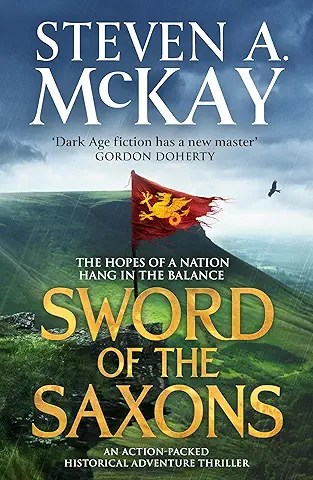

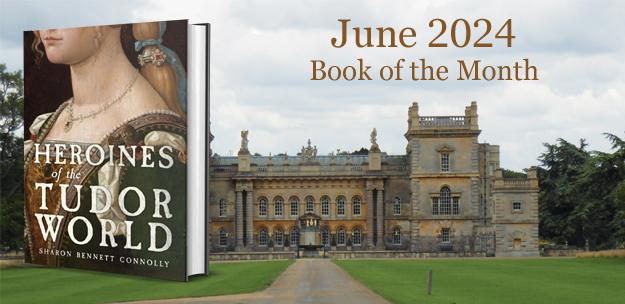
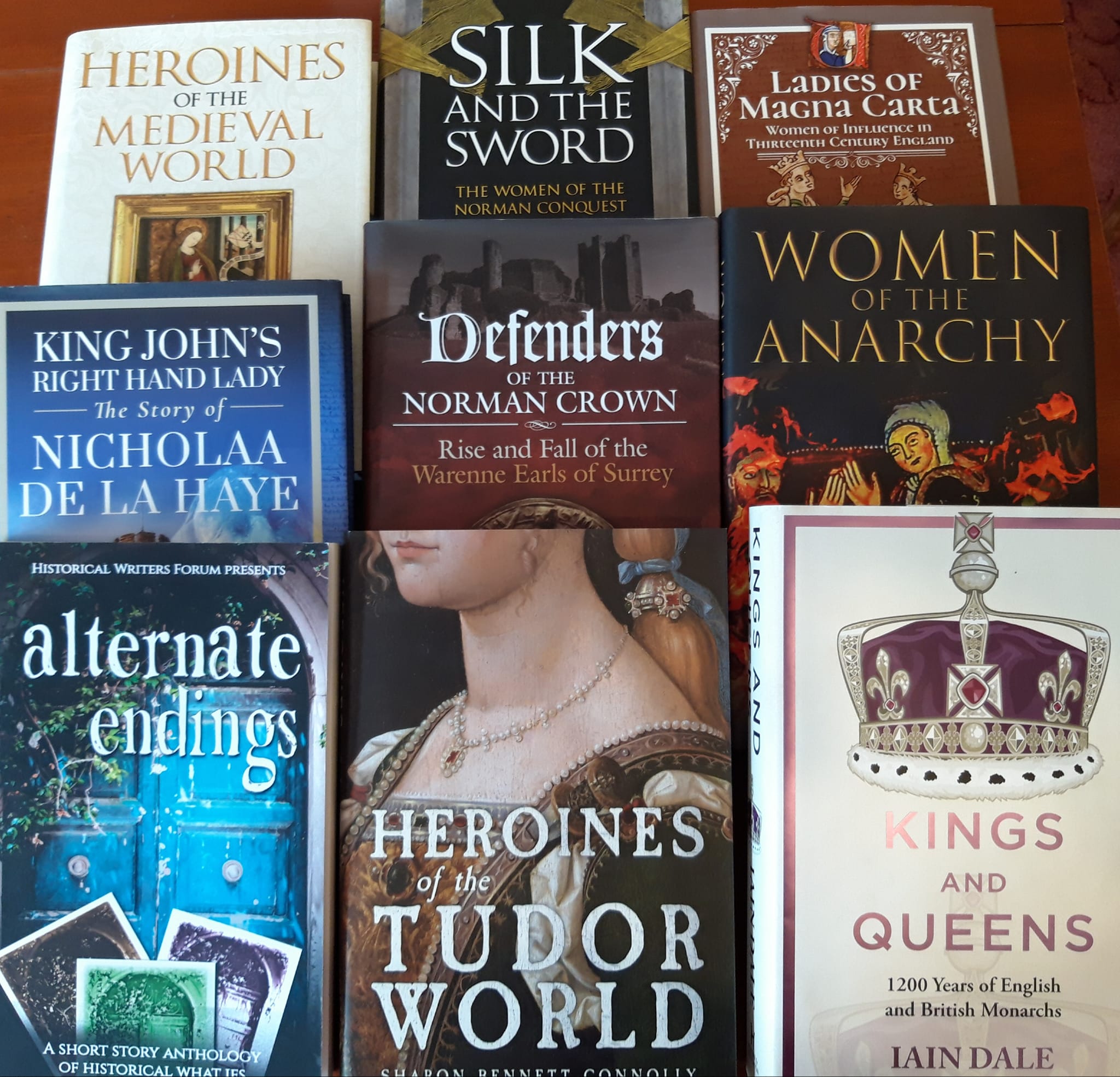



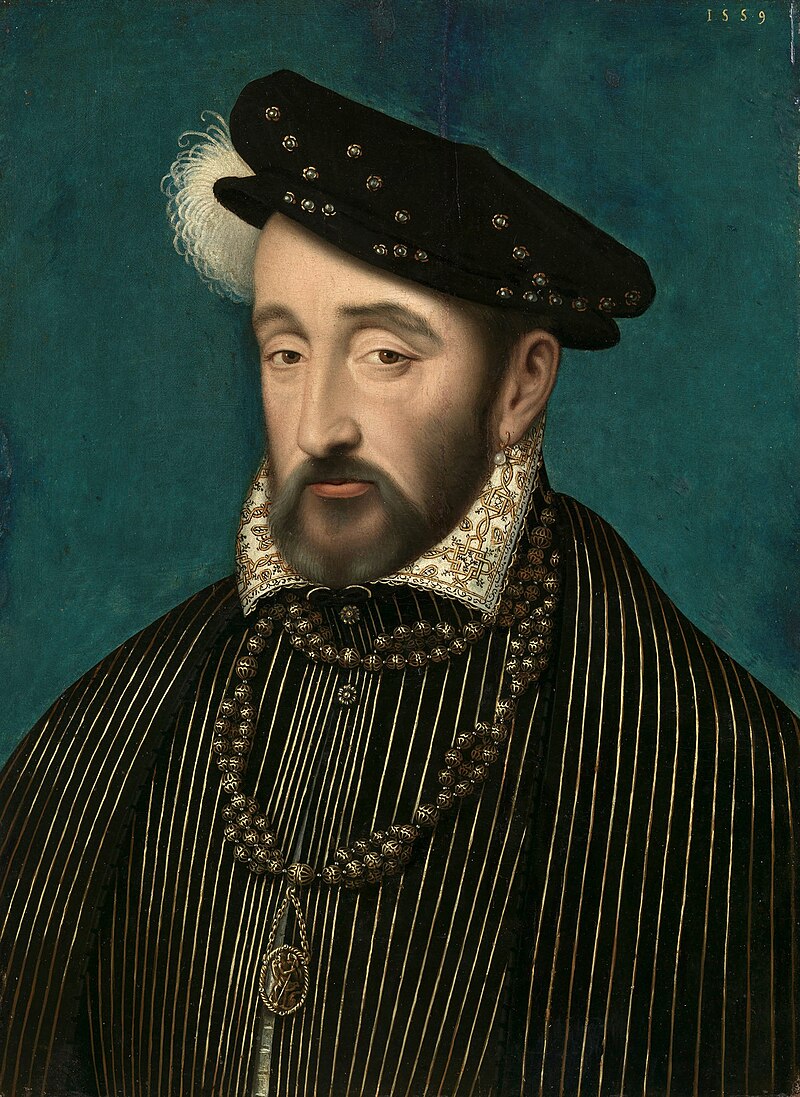
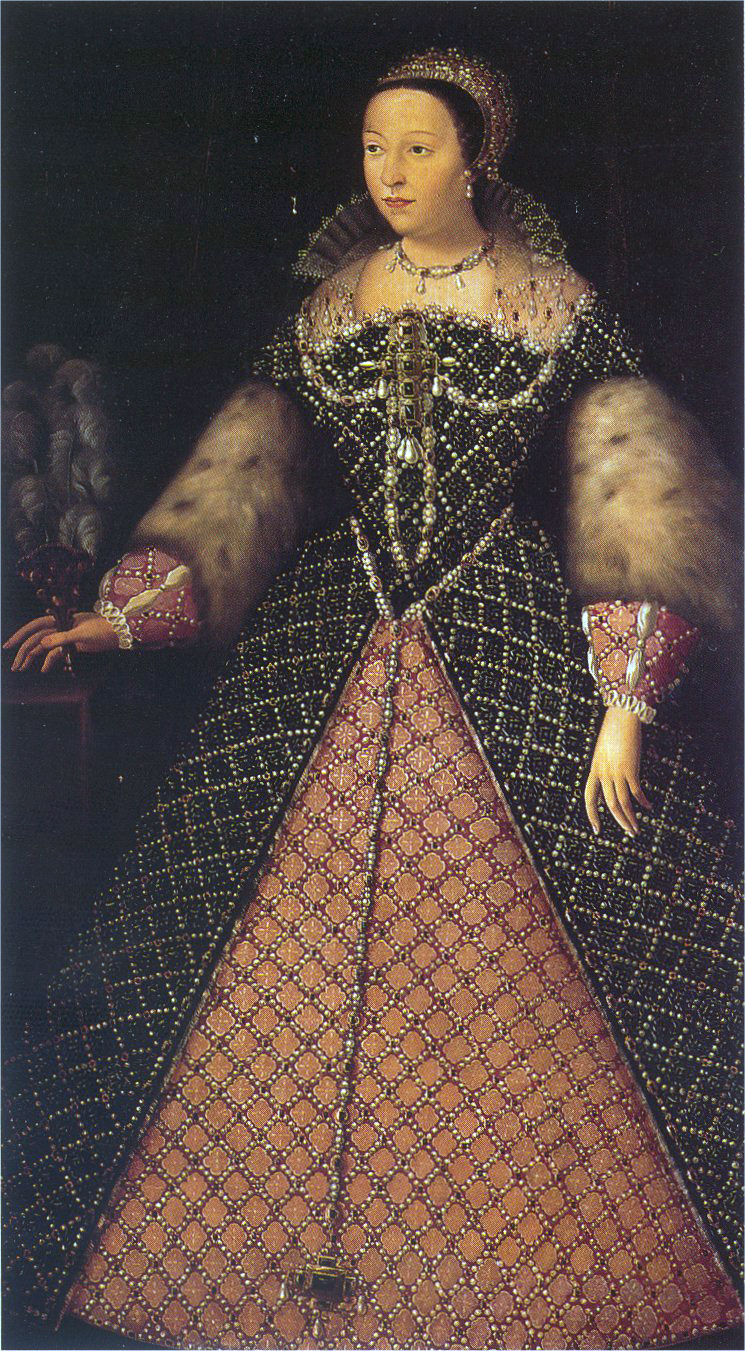
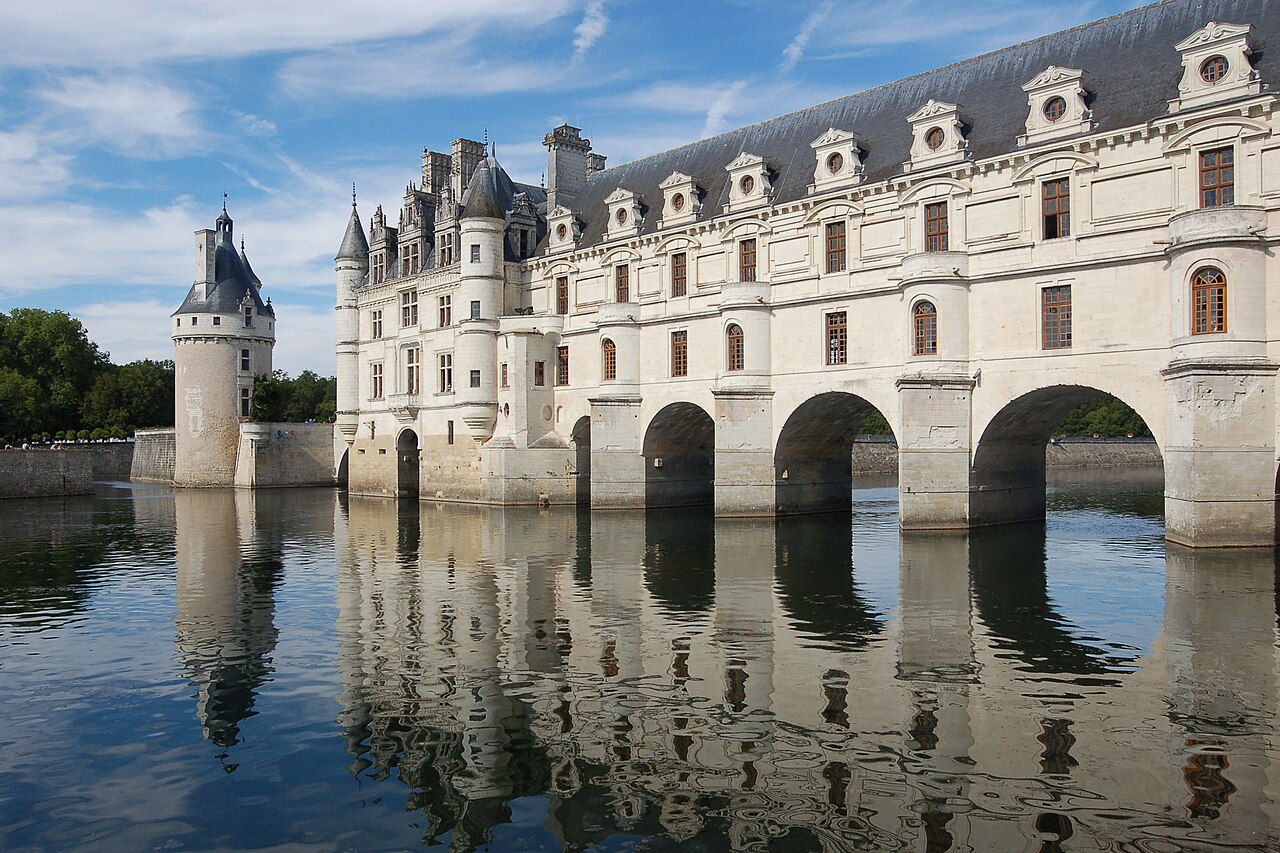


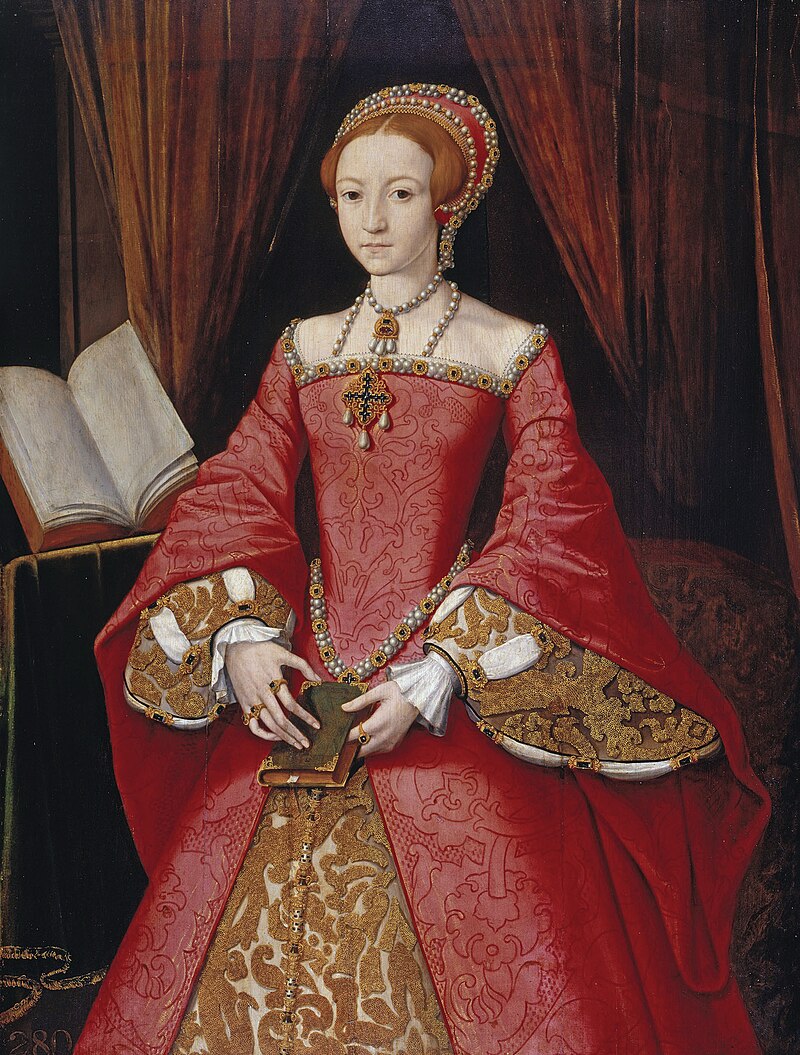

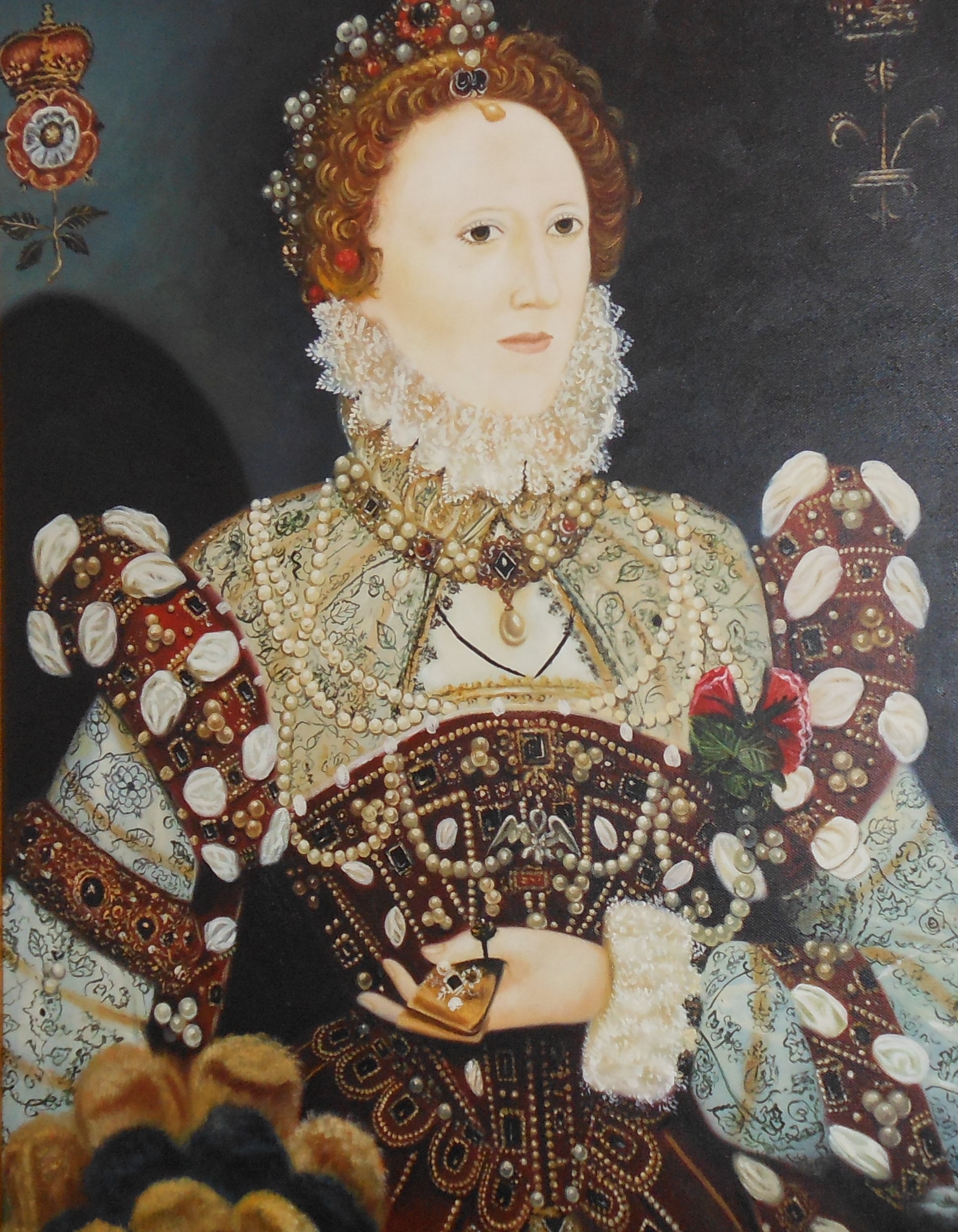
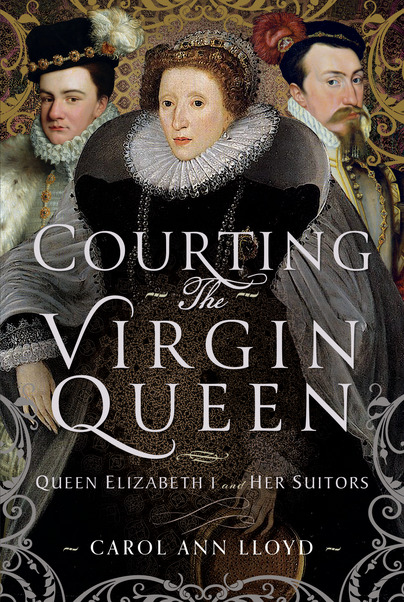
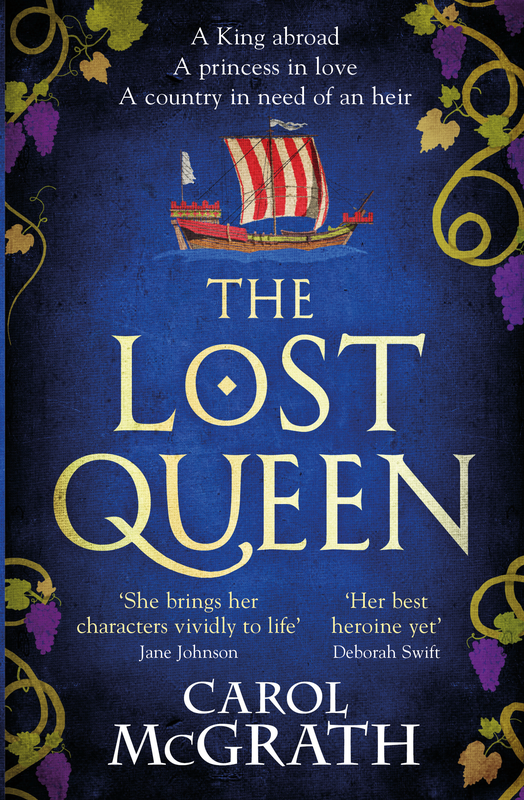





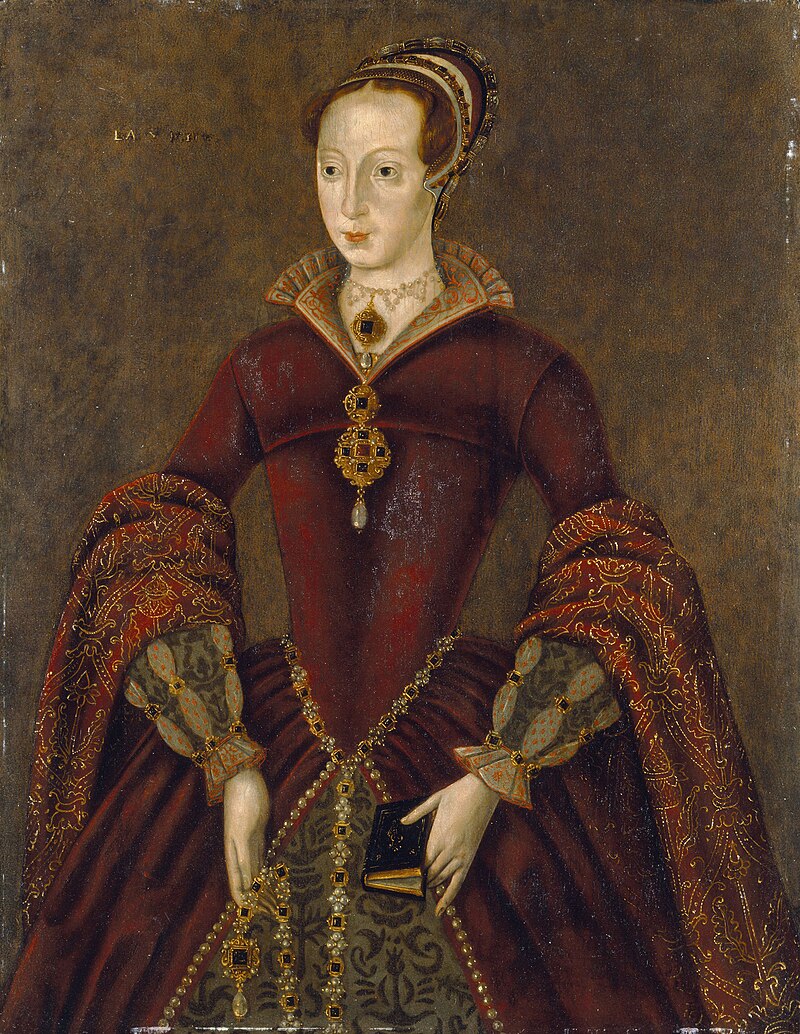
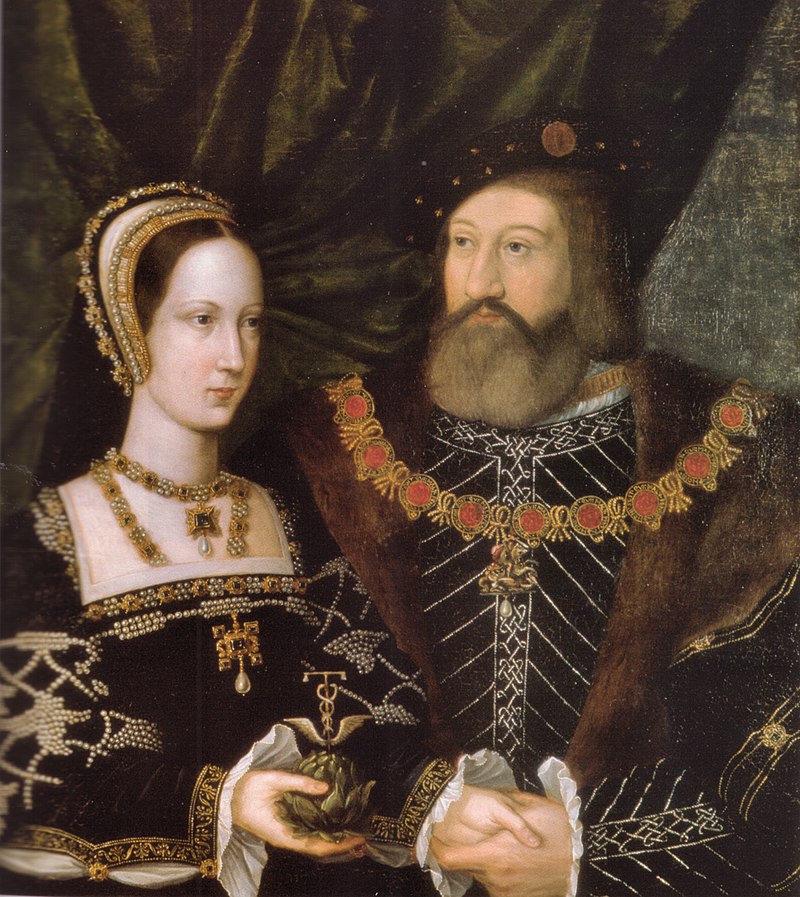
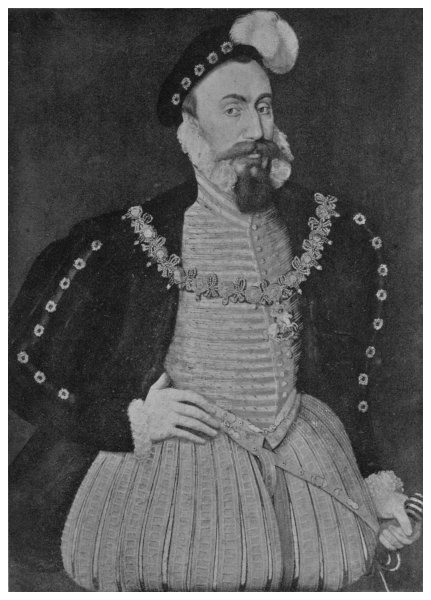
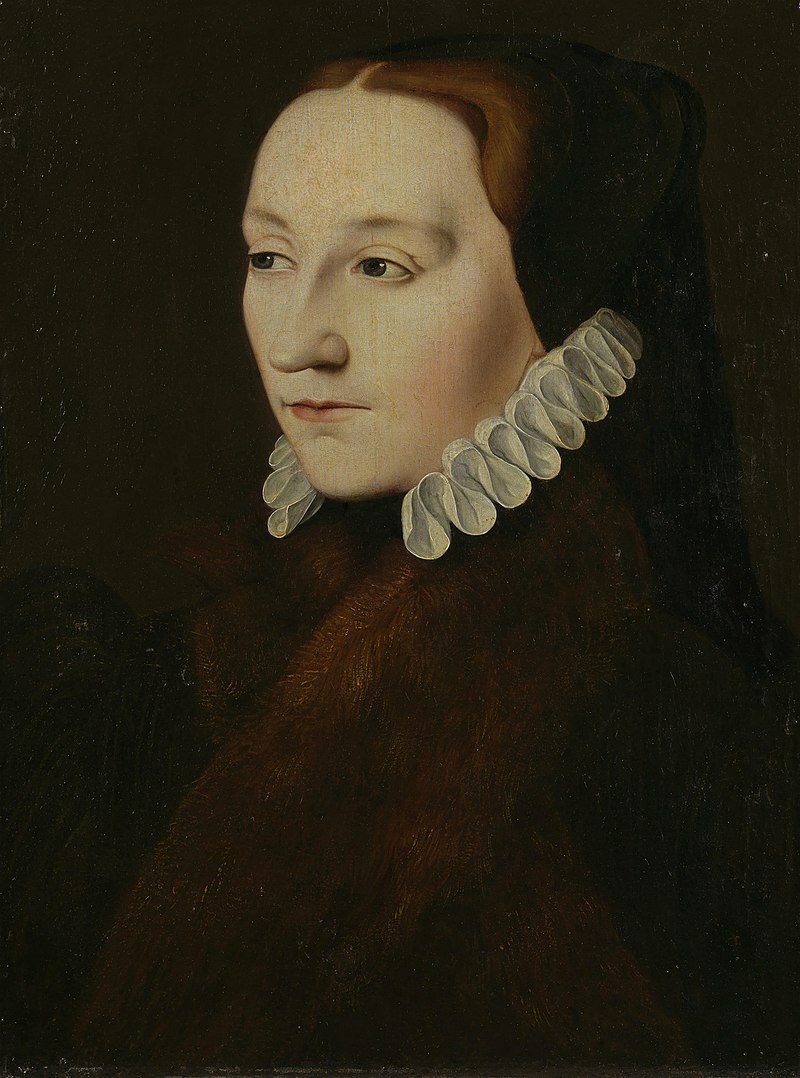
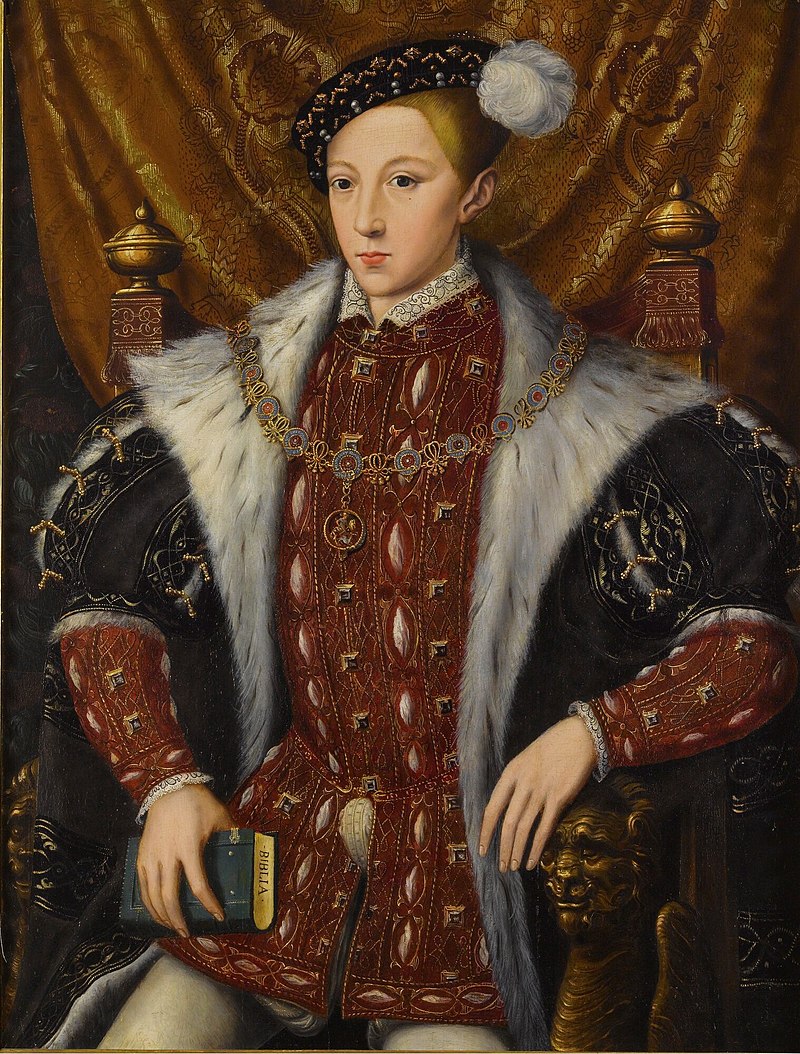
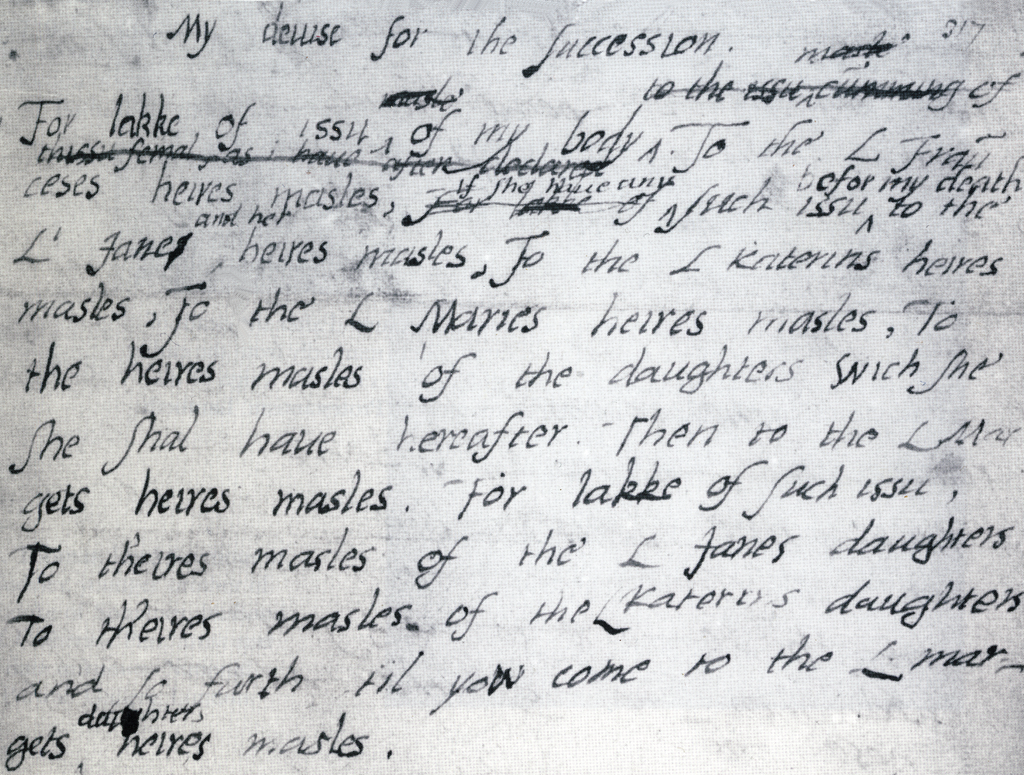
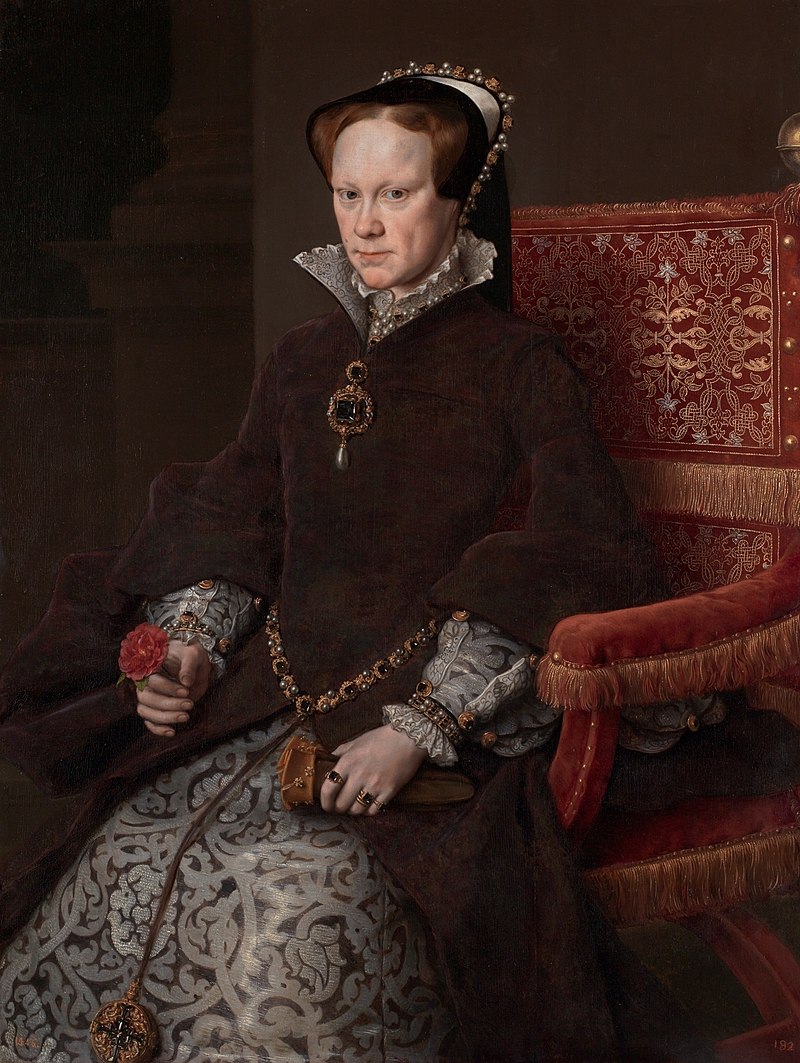
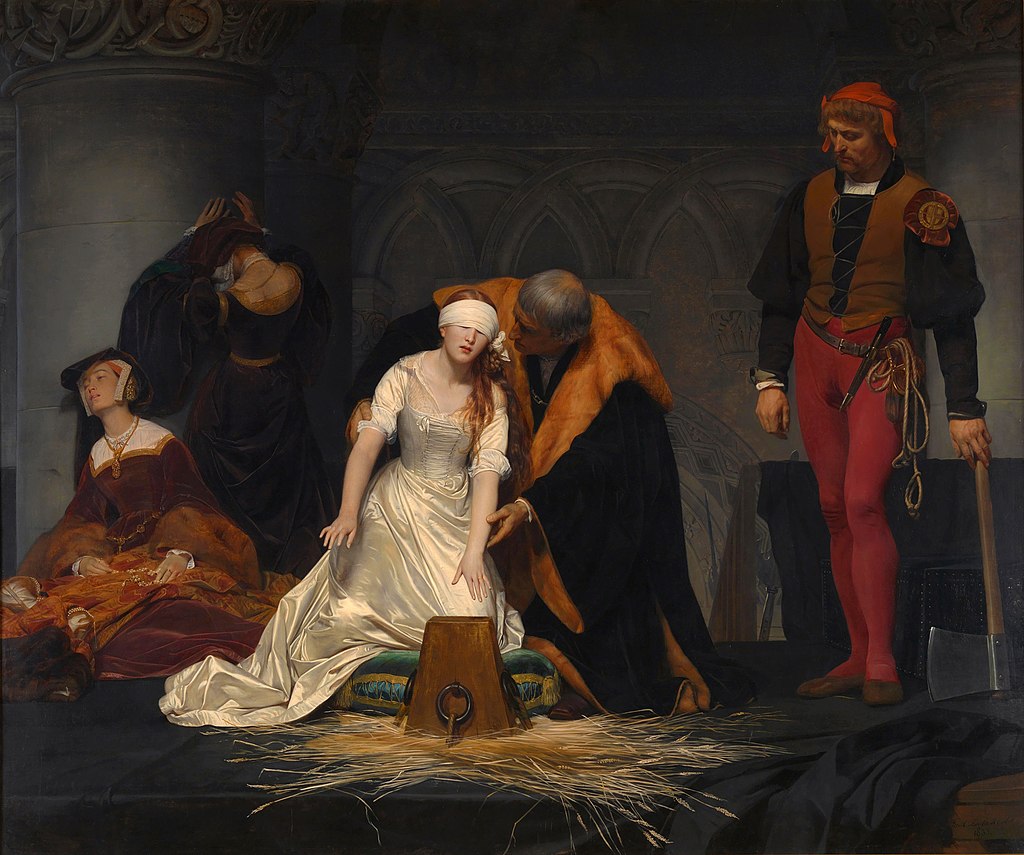
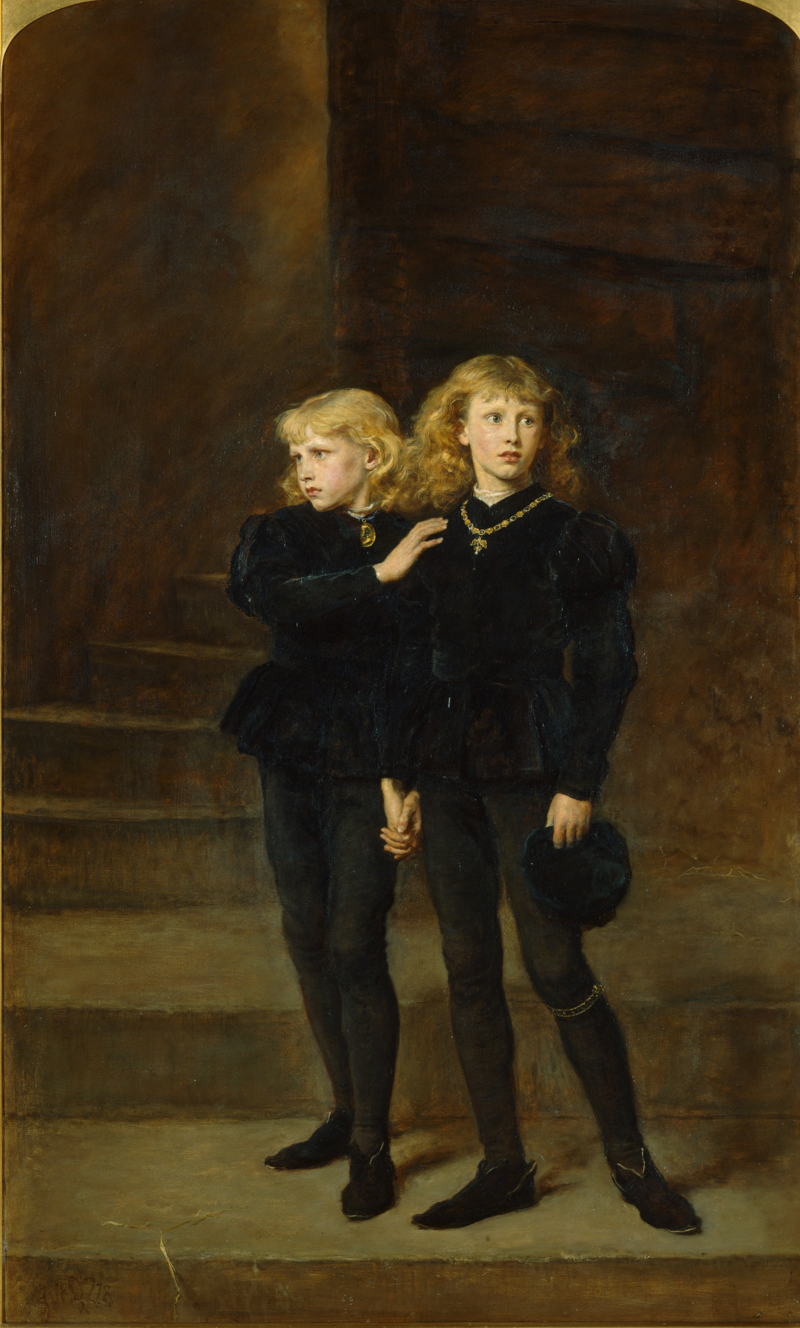


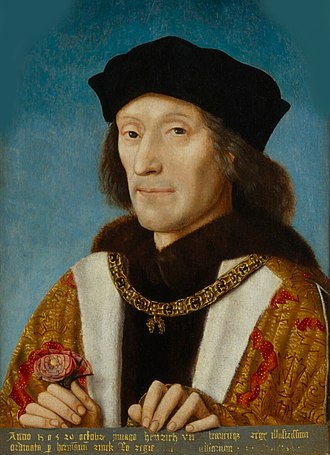
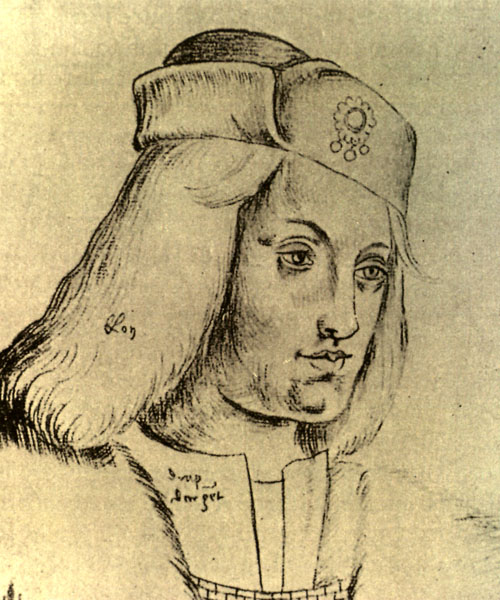
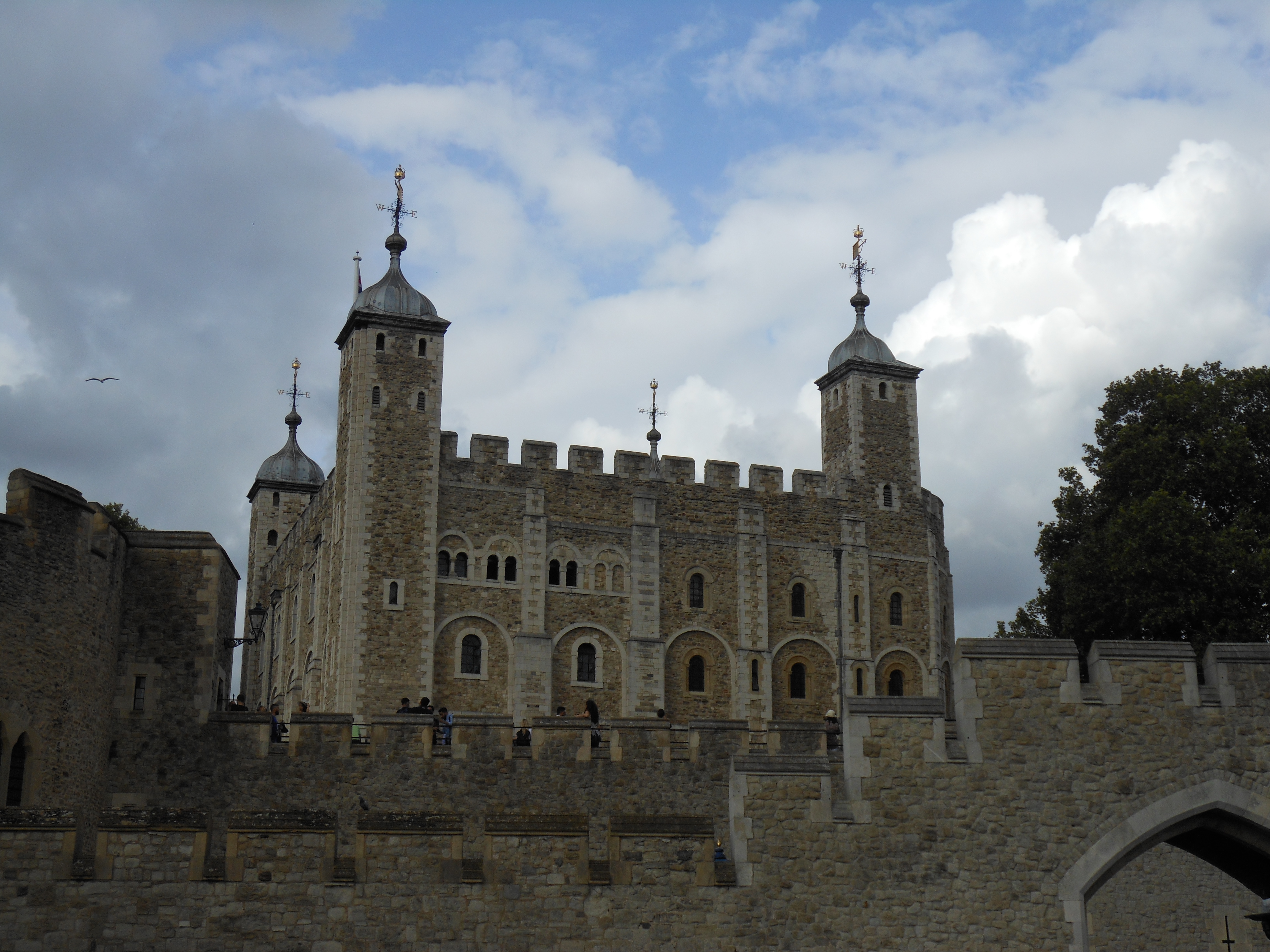







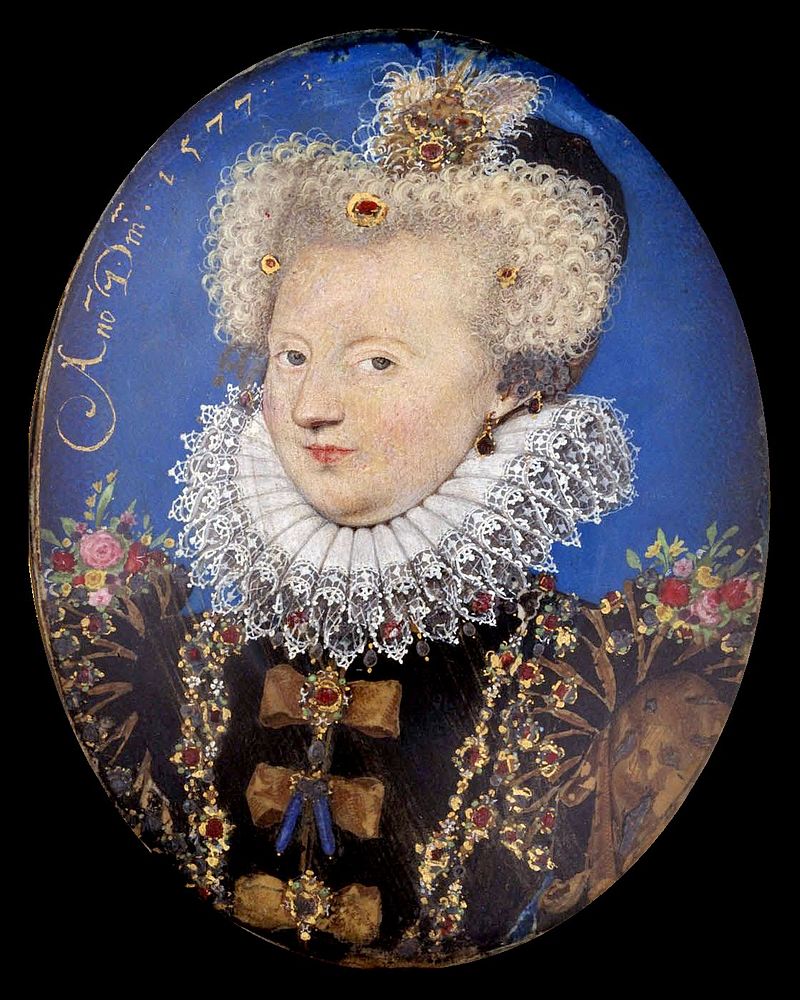

 History... the interesting bits!