
Throughout my writing career, I have been very lucky to have enjoyed the friendship of Elizabeth Chadwick. A truly generous person, Elizabeth and I shared a stage at the Newark Book Festival in July 2018. I had only published my first book, Heroines of the Medieval World the previous September, and I was a nervous wreck. Elizabeth was the star of the show, I was the newcomer, and she could have easily dominated the conversation – no one would have blamed her. Everyone was there to see her, not me. But Elizabeth was calm, encouraging and made sure I had my say. I will never forget that.
So, it is an honour and a pleasure to welcome Elizabeth to History … the Interesting Bits as part of my Wordly Women series, to discuss her writing career and her love of history – and William Marshal, of course!
Sharon: Hi, Elizabeth. So, what got you into writing?

Elizabeth: I came into the world as a storyteller. I can remember very clearly telling myself stories with beginnings, middles and ends at the age of three. Throughout my childhood I made up stories, inspired from illustrations I liked in books. I’d invent whole tales around pieces of artwork, say from the wonderful pages of Ladybird books. Even at a young age I was asking myself ‘What if this happened?’ Who, where, what why? I learned the art of story telling just by having fun – and reading a lot obviously. I didn’t write anything down until my mid-teens by which time I decided that I wanted to bring some posterity to my verbal stories and so began writing them down. I was fifteen when I wrote my first historical novel, purely for fun, and enjoyed the experience so much that I decided that I wanted to do this for my career. Eight unpublished novels later I finally got there.
Sharon: Tell us about your books.
Elizabeth: I write historical fiction set in the Middle Ages, mostly covering England and France with a bit of the Middle East thrown in. I began writing my stories with imaginary protagonists but then moved on to biographical fiction. They are character-driven stories of the life and times of the people, focussing on their family lives interwoven with political and emotional drama. I research the period meticulously and blend fact and fiction with an emphasis on telling an engrossing story without depriving the facts of their integrity. I have award winning novels and New York Times bestsellers among my published novels to date.
Sharon: What attracts you to the medieval period?

Elizabeth: It was actually chance that brought me to the Middle Ages. As I’ve mentioned above, I told myself stories throughout my childhood. I enjoyed historical TV dramas and became quite hooked on The Six Wives of Henry VIII starring Keith Michell. That led me to write down my first ever story over the summer holidays when I was fourteen. I enjoyed the exercise, but ran out of steam, however, I’d laid the groundwork. I became very enamoured of a knight in a children’s TV program put out by the BBC and dubbed from the French. It was called Desert Crusader, In French it was Thibaud ou les Croisades. My weekly doses of Desert Crusader led me to take up my pen again, and this time I didn’t run out of steam. This time I wrote a whole novel. It started out as a piece of fan fiction I guess, but within two chapters had taken on a life of its own – rather like me making up brand new stories to the Ladybird books of my childhood. Once I had the basic visual inspiration I was off. Since I knew nothing about the Holy Land and very little about the Middle Ages I had to begin researching because I wanted my story to have veracity and feel real. However if I hadn’t fallen for actor Andre Lawrence as Thibaud, ‘Le Chevalier Blanc’ I might never have taken to the Medieval period the way I did. Such are moments of chance in our lives.
Sharon: Who is your favourite medieval character and why?

Elizabeth: It would have to be the great William Marshal. You don’t get many of his kind to the pound. He had an amazing life and great integrity. He rose from the ranks of the ordinary jobbing nobility and a life in the military, and by using his charisma, intelligence, physical abilities and sheer personality, came to the attention of the Angevin royal family. Having saved the life of Eleanor of Aquitaine, he was taken into royal service. He was a champion of the tourneys, a far-travelled pilgrim, a counsellor of kings. He had his ups and downs and he wasn’t perfect by any manner of means, but the Angevins trusted him enough to give him a fantastic marriage to a great heiress (and they appear to have been very compatible despite a more than 20 year age gap). He became earl of Pembroke under King John and involved in the development of Magna Carta. When King John died, William took over the rule of England on behalf of John’s 9 year old son Henry III. He dealt with the volatile political situation in a way that showed he had a firm grasp of the politics and a practical knowledge of what to do. And at the battle of Lincoln in 1217, aged approx. 71, he saw off the French and got the country back on an even keel.
Sharon: Who is your least favourite medieval character and why?
Elizabeth: I don’t have a least favourite. Even the villains are interesting. I have some very least favourite modern politicians, but that’s because they’re in my face and I am having to deal with emotions engendered as consequences of their actions rather than being more objective. I do find it fascinating how people almost come to blows over Richard III and Henry VII and hold such passionate loyalties over a pair of men who are now bones. The War of the Roses is fought over and over and over again all day online! Having said that, I do admit I have a huge fondness for William Marshal which is certainly not dispassionate. I don’t however, get in a lather about King John!
Sharon: How do you approach researching your topic?
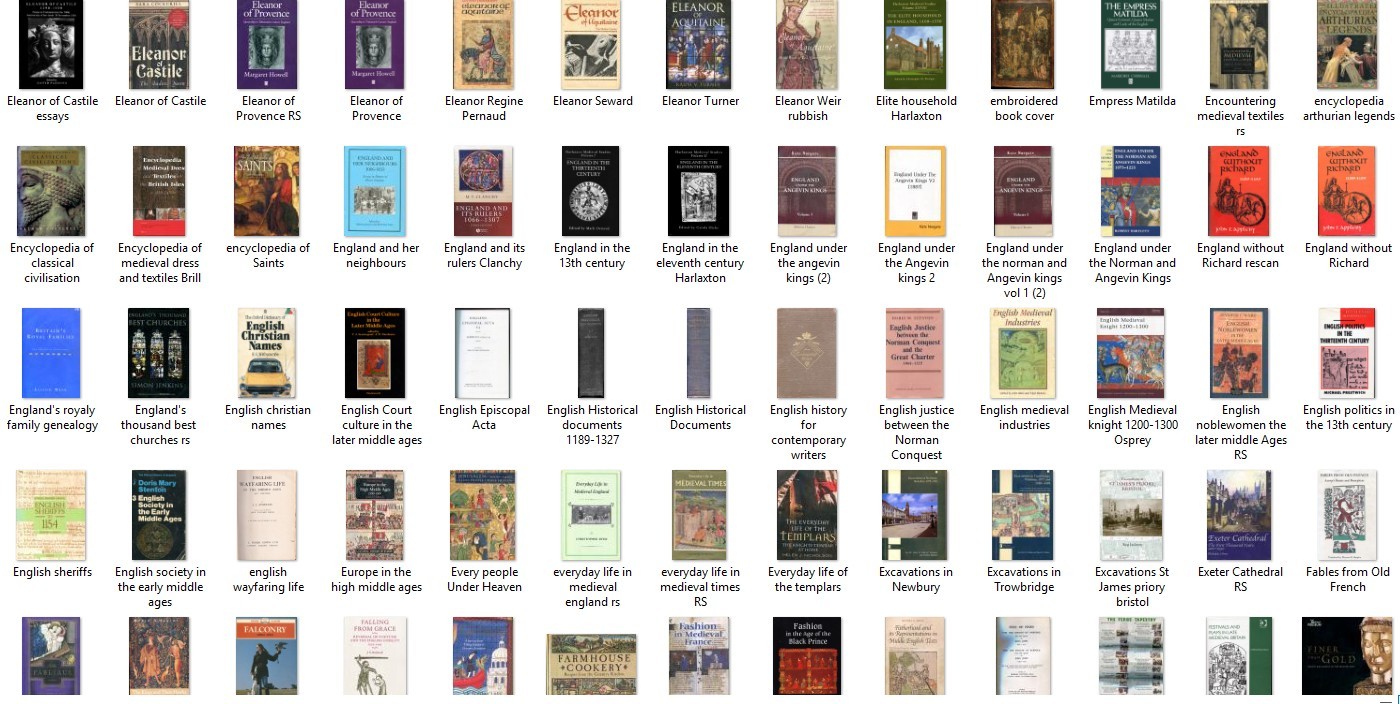
Elizabeth: I’ve been studying the Middle Ages since I was fifteen years old and I am a few decades older now, so I have a good grounding in the general research of the period. I don’t have to start from scratch. I research using academic and specialist books of which I have a wide-ranging library – in several rooms of my house! I research online these days – when I began my career that wasn’t an option, but now it is, and it’s more a case of limiting the information and knowing which are the bona fide sites. While there’s a great deal of marvellous research resources out there, it has to be said that sadly copious amounts of rubbish exist too and one has to become an expert at sifting. I might do bits of experimental living history. I used to re-enact before I ran out of time and I still have all the kit and friends in the business toward whom I can direct questions. I also have friends in the academic community who are very helpful.
Sharon: Tell us your ‘favourite’ medieval story you have come across in your research.
Elizabeth: I think that would have to be the great William Marshal who attended a tournament with his lord the Young King, eldest son of Henry II. During the tournament they captured another knight for ransom and brought him back to their own camp sitting on his horse with a lead rein. However, on the way there they had to pass some buildings and the captured knight lifted himself off his horse and shimmied up a gutter pipe and clambered onto a house gallery (upstairs veranda sort of thing). Meanwhile, William Marshal was riding along, holding the reins of a riderless horse and not realising his captive had absconded until the Young King, doubled up with laughter, let him know – he’d been in on the joke for a while!
Sharon: Tell us your least ‘favourite’ medieval story you have come across in your research.
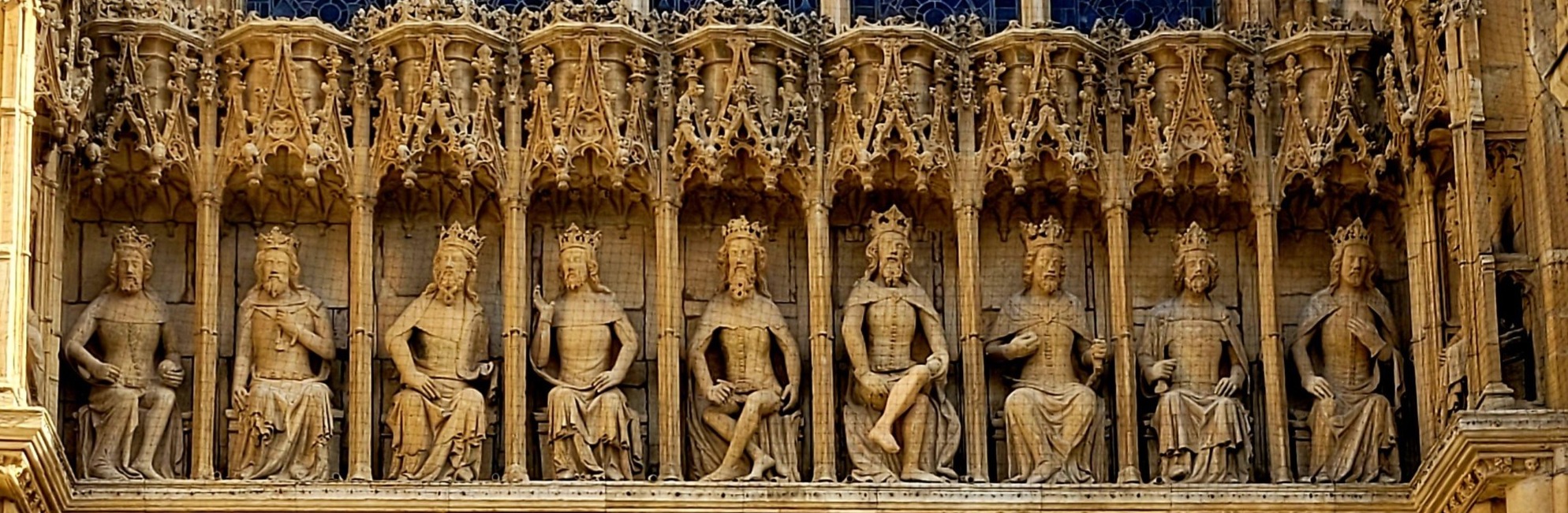
Elizabeth: There are quite a few, but here’s a typical one. It would be in a work I was reading on criminal cases in Medieval Coventry. Someone stole a horse and was put in the stocks for it by the bailiff. But it was a very, very cold night and the criminal got frost bite which resulted in his lower legs perishing and then dropping off! He died, and the bailiff was arrested for murder – pretty gruesome!
Sharon: Are there any other eras you would like to write about?
Elizabeth: Arthurian might be interesting, although I’d need to do a lot of reading up because history has changed a lot since I became a fan of that era via various novels. When I first began writing as a teen, I almost wrote a Regency novel, but Medieval pipped Regency at the post. It might still be interesting to do, but again, I’d need to get stuck into the research so probably not.
Sharon: What are you working on now?
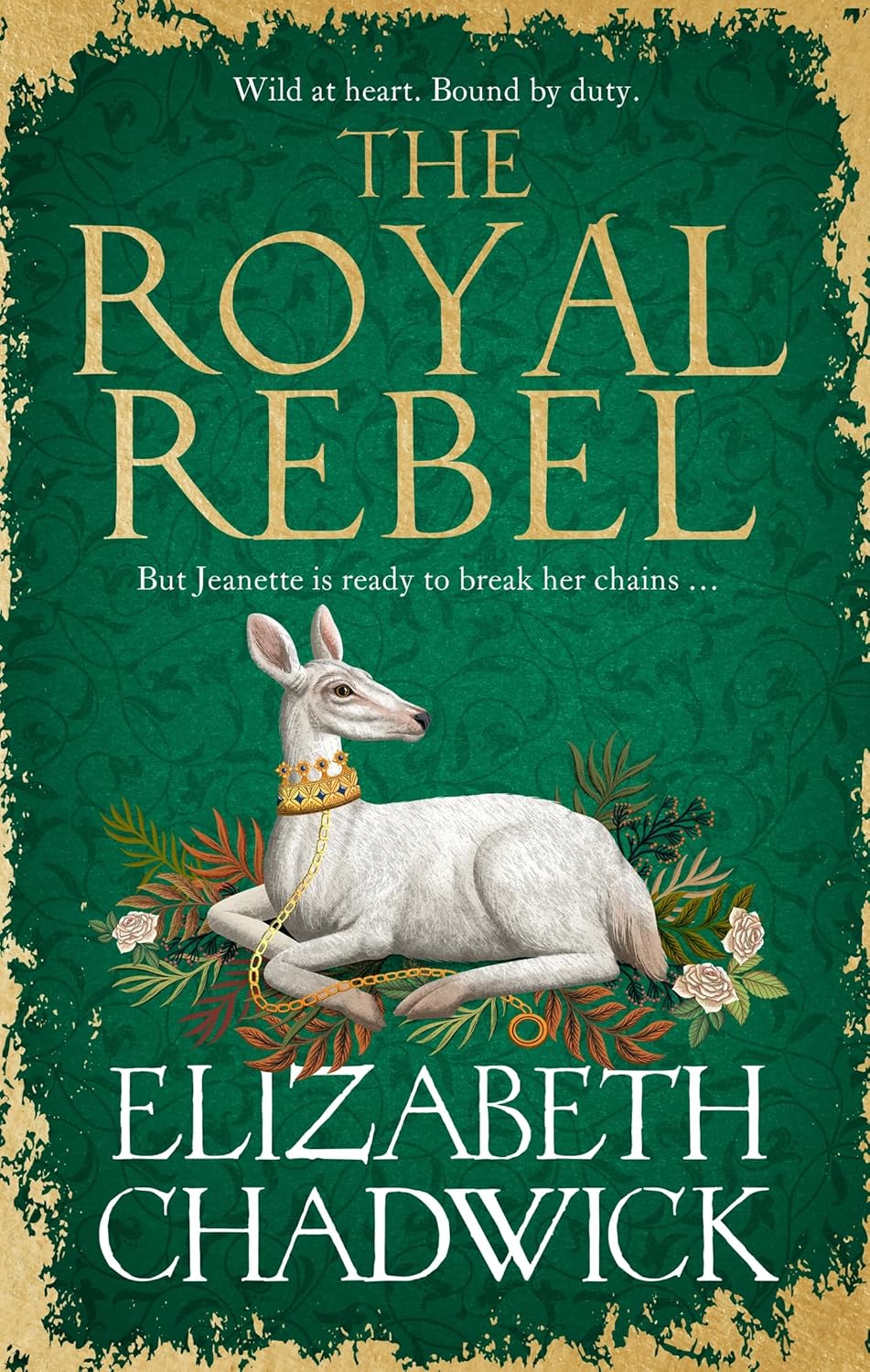
Elizabeth: I’ve just completed The Uncrowned Queen, the second part of Joan of Kent’s amazing story and I am now working on an untitled novel about Katherine Swynford and her two husbands – Hugh Swynford and John of Gaunt. I am finding it fascinating, especially the way research has moved on and changed datelines, nuances and our understanding of the period and the protagonists. It goes to show that so much of the time what we think we know is actually what we don’t know. Actually, if we are prepared to swallow long-cherished beliefs and re-learn, it’s immensely exciting and rewarding!
Sharon: And finally, what is the best thing about being a writer?
Elizabeth: Being your own boss to an extent. As long as I put in the word count, I can get up as I please and go to bed as I please. Equal with that are the many good friends I have made over my career, both the readers and the historians – and I’ve learned a lot of cool things too!
About the Author:
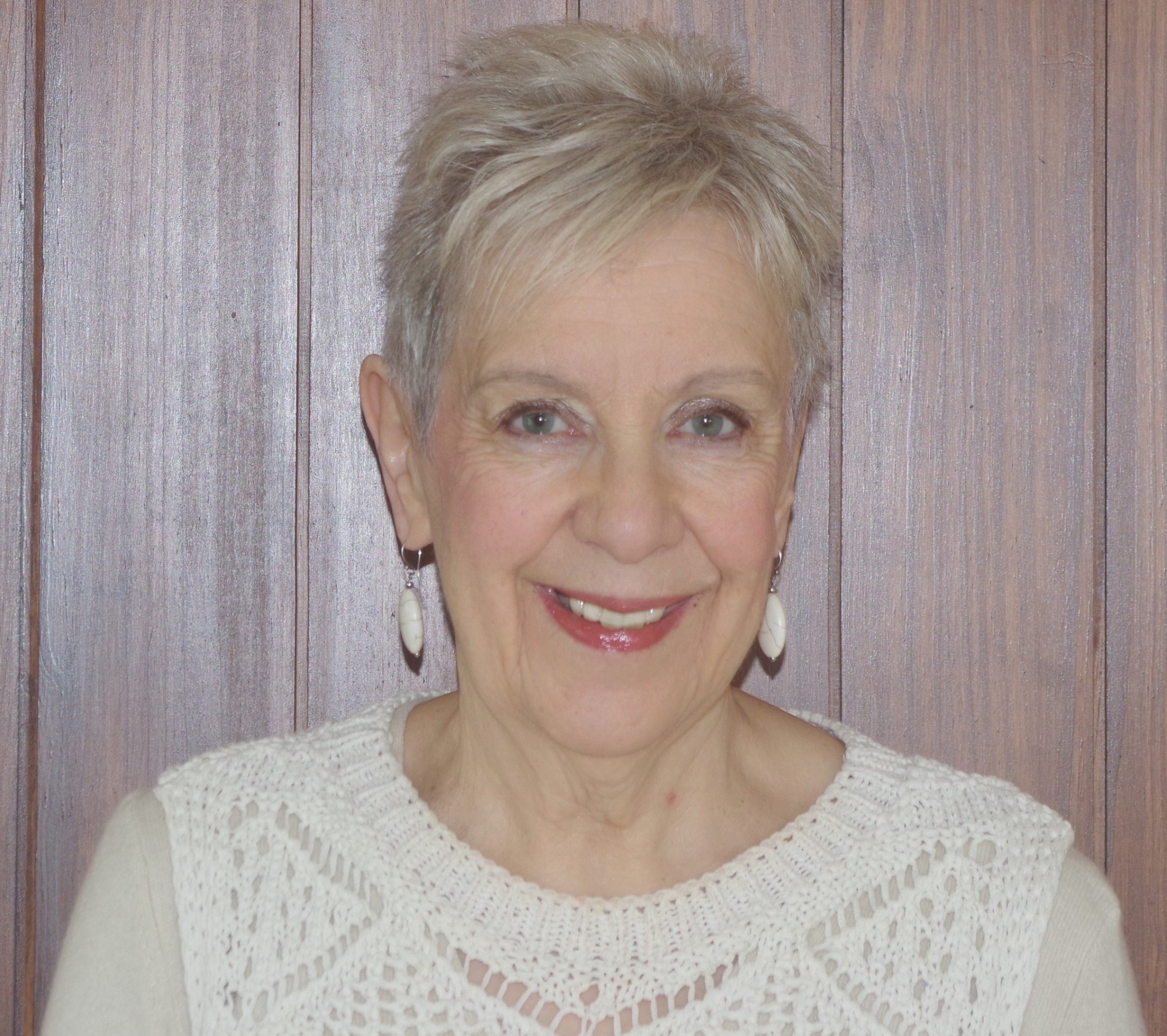
Elizabeth Chadwick is a UK million selling historical novelist whose works are based in the medieval period. She won a Betty Trask award for her first published novel The Wild Hunt and the RNA prize for Historical fiction in 2011 with To Defy A King. Her novel The Greatest Knight is a New York Times bestseller and has been optioned for film and TV together with several others in the same series. Specialising in the Middle Ages, with a particular interest in the life and times of William Marshal and the Angevin court, she occasionally lectures on the academic circuit and gives talks on historical tours. Elizabeth is also a member of The Royal Historical Society. When not writing, Elizabeth enjoys chatting to readers on all sorts of subjects but with a strong emphasis on reading and medieval history.
*
My books
Signed, dedicated copies of all my books are available through my online store.
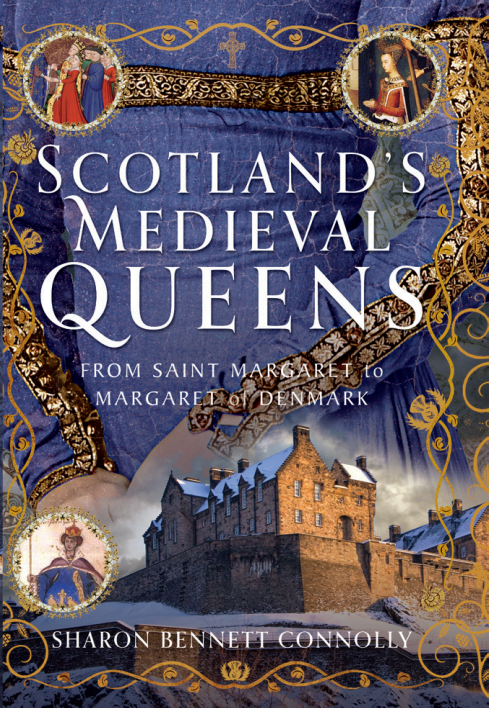
Out now: Scotland’s Medieval Queens

Scotland’s history is dramatic, violent and bloody. Being England’s northern neighbour has never been easy. Scotland’s queens have had to deal with war, murder, imprisonment, political rivalries and open betrayal. They have loved and lost, raised kings and queens, ruled and died for Scotland. From St Margaret, who became one of the patron saints of Scotland, to Elizabeth de Burgh and the dramatic story of the Scottish Wars of Independence, to the love story and tragedy of Joan Beaufort, to Margaret of Denmark and the dawn of the Renaissance, Scotland’s Medieval Queens have seen it all. This is the story of Scotland through their eyes.
‘Scotland’s Medieval Queens gives a thorough grounding in the history of the women who ruled Scotland at the side of its kings, often in the shadows, but just as interesting in their lives beyond the spotlight. It’s not a subject that has been widely covered, and Sharon is a pioneer in bringing that information into accessible history.’ Elizabeth Chadwick (New York Times bestselling author)
Available now from Amazon and Pen and Sword Books
Also by Sharon Bennett Connolly:

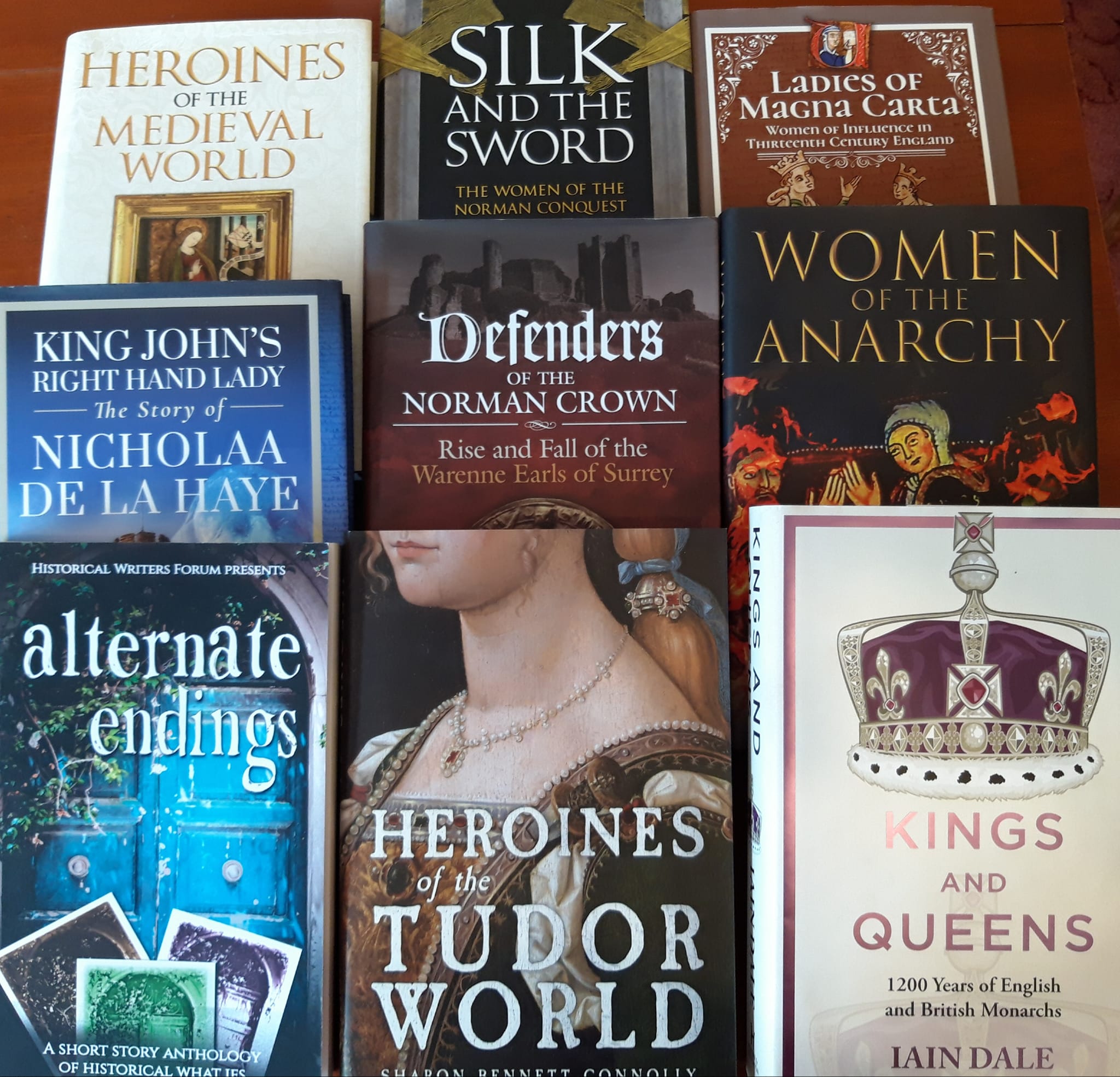
Heroines of the Tudor World tells the stories of the most remarkable women from European history in the time of the Tudor dynasty, 1485-1603. These are the women who ruled, the women who founded dynasties, the women who fought for religious freedom, their families and love. Heroines of the Tudor World is now available for pre-order from Amberley Publishing and Amazon UK. Women of the Anarchy demonstrates how Empress Matilda and Matilda of Boulogne, unable to wield a sword themselves, were prime movers in this time of conflict and lawlessness. It shows how their strengths, weaknesses, and personal ambitions swung the fortunes of war one way – and then the other. Available from Bookshop.org, Amberley Publishing and Amazon UK. King John’s Right-Hand Lady: The Story of Nicholaa de la Haye is the story of a truly remarkable lady, the hereditary constable of Lincoln Castle and the first woman in England to be appointed sheriff in her own right. Available from all good bookshops Pen & Sword Books, bookshop.org and Amazon.
Defenders of the Norman Crown: The Rise and Fall of the Warenne Earls of Surrey tells the fascinating story of the Warenne dynasty, from its origins in Normandy, through the Conquest, Magna Carta, the wars and marriages that led to its ultimate demise in the reign of Edward III. Available from Pen & Sword Books, Amazon in the UK and US, and Bookshop.org. Ladies of Magna Carta: Women of Influence in Thirteenth Century England looks into the relationships of the various noble families of the 13th century, and how they were affected by the Barons’ Wars, Magna Carta and its aftermath; the bonds that were formed and those that were broken. It is now available in paperback and hardback from Pen & Sword, Amazon, and Bookshop.org. Heroines of the Medieval World tells the stories of some of the most remarkable women from Medieval history, from Eleanor of Aquitaine to Julian of Norwich. Available now from Amberley Publishing and Amazon, and Bookshop.org. Silk and the Sword: The Women of the Norman Conquest traces the fortunes of the women who had a significant role to play in the momentous events of 1066. Available now from Amazon, Amberley Publishing, and Bookshop.org.
Alternate Endings: An anthology of historical fiction short stories including Long Live the King… which is my take what might have happened had King John not died in October 1216. Available in paperback and kindle from Amazon.
Podcast:
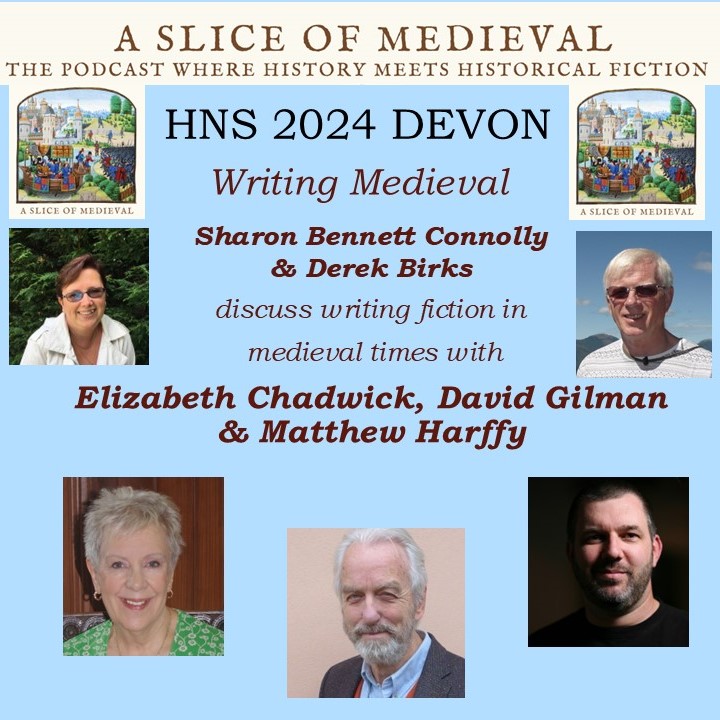
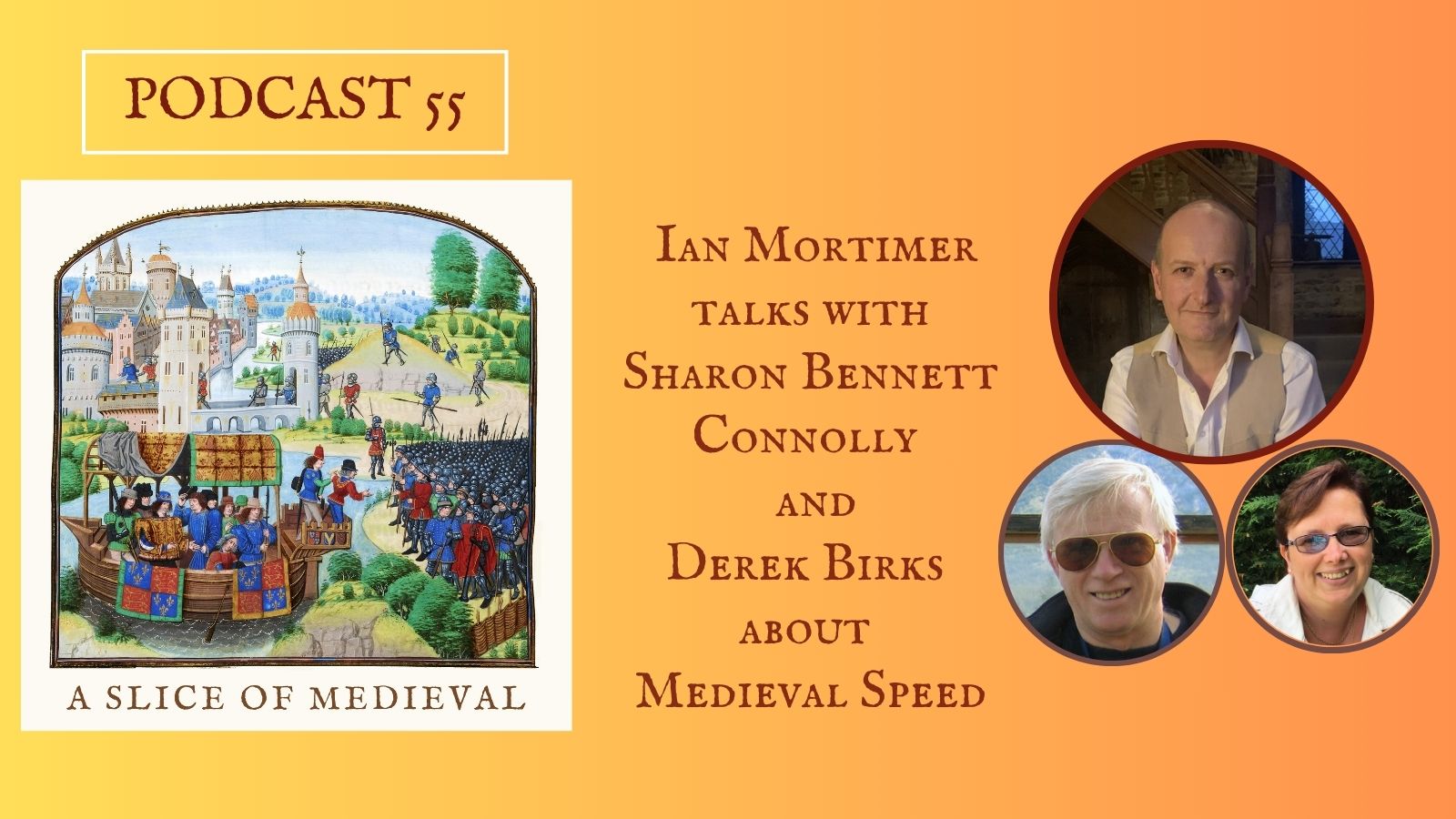
Have a listen to the A Slice of Medieval podcast, which I co-host with Historical fiction novelist Derek Birks. Derek and I welcome guests, such as Elizabeth Chadwick and Bernard Cornwell and discuss a wide range of topics in medieval history, from significant events to the personalities involved.
Every episode is also now available on YouTube.
*
Don’t forget! Signed and dedicated copies of all my books are available through my online bookshop.
For forthcoming online and in-person talks, please check out my Events Page.
You can be the first to read new articles by clicking the ‘Follow’ button, liking our Facebook page or joining me on Twitter, Threads, Bluesky and Instagram.
*
©2025 Sharon Bennett Connolly, FRHistS and Elizabeth Chadwick



 History... the interesting bits!