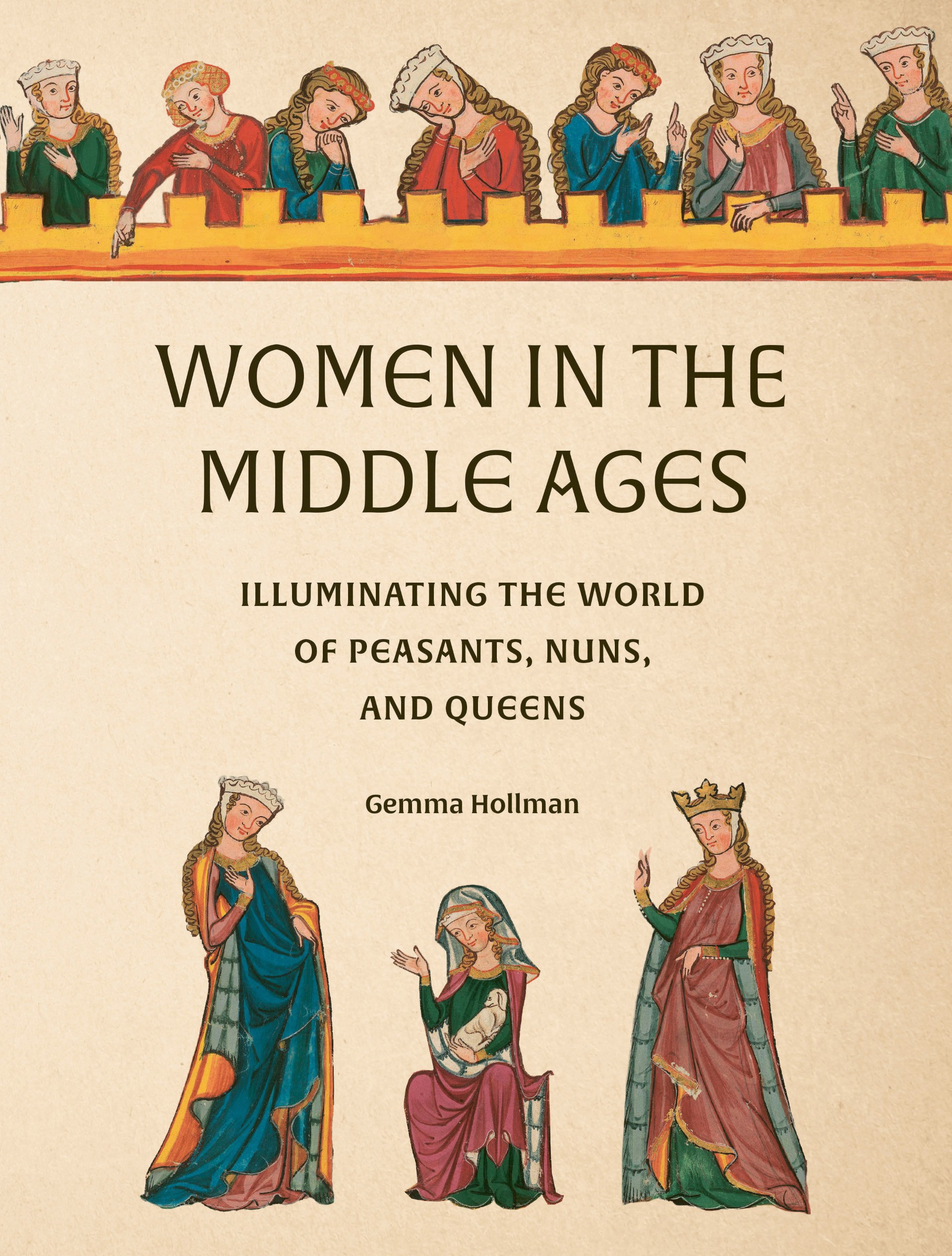
Today I am continuing my Wordly Women series with a historian who, just like me, concentrates on bringing the women to the fore. Gemma Hollman has written about Royal Witches, queens and mistresses. Her last book, Women in the Middle Ages: Illuminating the World of Peasants, Nuns, and Queens came out at the end of 2024, and is gorgeous! It was lovely to get the chance to have a chat with Gemma about her writing journey.
Sharon: So, Gemma, what got you into writing?
Gemma: It’s kind of a mix of completely by accident, and something I’ve always enjoyed doing. Whilst at school and university I would write bits of fiction for fun, never for anyone to look at, so I’ve always had a bit of a writing bug. But when I finished university, it felt so weird to go from four years of researching and writing history to quitting cold turkey. At this time, it seemed like everyone was making blogs, including loads of my friends, so I decided to join the trend and establish my blog, Just History Posts.
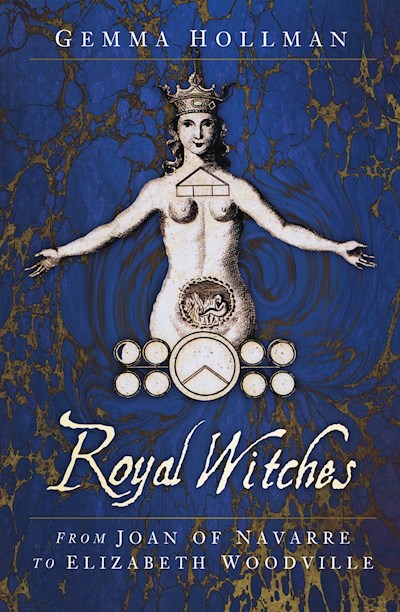
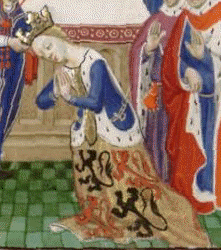
I loved writing there, and by the second year I was gathering a load of steam. One of my most popular posts was about Joan of Navarre, a fifteenth-century Queen of England who was accused of using witchcraft against the king – and one of the focuses of my Masters dissertation. That, combined with lots of people I knew in real life saying my dissertation would make an amazing book, made me think maybe people would like to learn about these women and their stories which are not that well-known. I pitched the book to The History Press and it eventually turned into my debut non-fiction book, Royal Witches. The rest, as they say, is history.
Sharon: Tell us about your books.
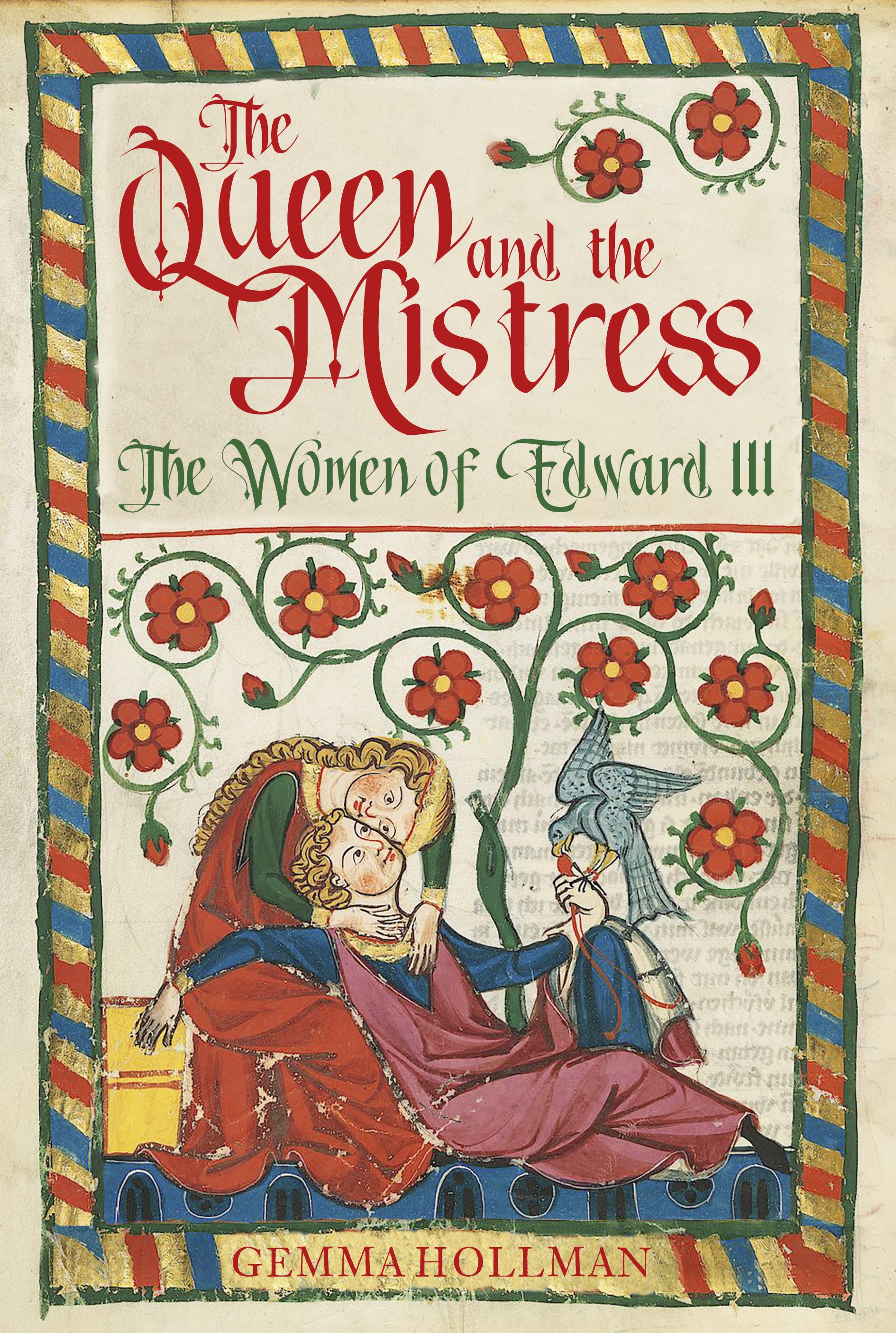
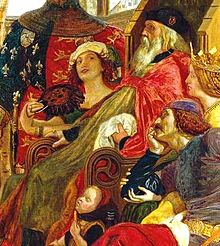
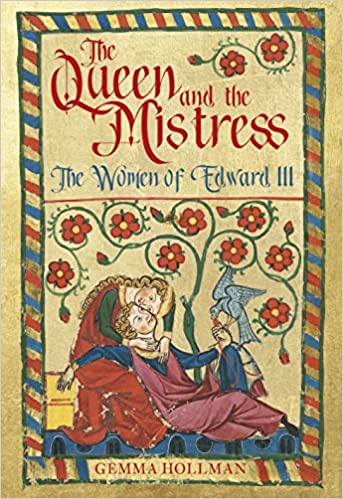
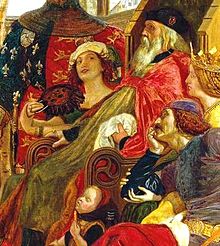
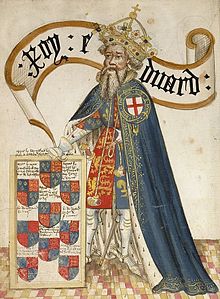
Gemma: Well, I already gave you a little bit of a taster about Royal Witches (the other three women, beyond Joan, are Eleanor Cobham, Jacquetta of Luxembourg and Elizabeth Woodville), about fifteenth-century women in the English Royal Family who were all accused of witchcraft. My second book goes back to the previous century and the court of Edward III of England, and is a dual biography of the two women who dominated his court and his heart – his queen, Philippa of Hainault, and his mistress, Alice Perrers. Both women are absolutely fascinating in their own right, but by looking at them together I think you can understand them, Edward, and the fourteenth century a lot better.
My final book came out at the end of last year, and is called Women in the Middle Ages. A slight departure from my first two books, which were both focused biographies, this is a much broader look at women across much of Europe from roughly 1000-1500. The best thing about it, though, is that it is an illustrated history, featuring just shy of 200 images of artwork and artefacts from the medieval period. I explore how these objects can illuminate the real lives of these women in far more detail than written records alone. It is a beautiful, full-colour experience which was so special to pull together.
Sharon: What attracts you to the medieval period?
Gemma: I’ve always loved all periods of history, and studied a huge range of history at university, but I found that I enjoyed writing medieval history much more than I did modern history. I enjoyed acting almost like a detective and trying to extract bits about people’s lives and personalities with such limited sources. And the more I researched and wrote it, the more I fell in love with it. The medieval world was so incredibly different from today in every aspect, that it can sometimes feel like another world. But, at the same time, people themselves are so similar to today. I always love reading stories that connects us through the centuries, feeling that human connection to someone so far removed from myself today. Although it was a time of huge strife, poverty, and difficulty, there is something intrinsically magical about it – it’s no coincidence so much of our fantasy media today has medieval vibes!
Sharon: Who is your favourite 14th century person and why?
Gemma: Oh gosh, that is such a difficult question! Of course there is no one favourite, as that would be impossible, but someone who has grabbed my attention ever since I first learnt about her is Isabella of France, the queen of Edward II of England. She was so self-assured of her lineage, her rights, the respect due to her by virtue of her position, and she was not going to let anyone tell her otherwise. She was loved and sympathised with whilst the neglected spouse, then inspired the entire country to stand with her and overthrow her husband, and went on to pretty much rule England with her lover for several years. Even after her son, Edward III, forcibly took control of the kingdom again, she continued to wield significant influence at court. I think she is just so utterly fascinating – and she of course perfectly sets the scene for the start of my second book, The Queen and the Mistress!
Sharon: Who is your least favourite 14th century and why?
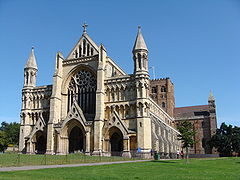
Gemma: Ooh. I don’t know that there’s really anyone I actively dislike, but for playfulness I will put forward Thomas Walsingham, chronicler and monk at St Albans Abbey in Hertfordshire. His chronicles are invaluable for our knowledge of the late fourteenth century, but he is a bit of a villain in my second book for his treatment of Alice Perrers. As a religious man, Alice’s position as a mistress at the heart of the court was unconscionable (and it didn’t help that she was embroiled in legal conflicts with his abbey for many years). He is responsible for a lot of the negative propaganda against Alice which lasted for centuries, including the baseless accusation that she stole the rings from Edward’s fingers after he died. Even today, the way he spoke about her is the main way people approach her and assume how she really was. Talk about negative PR.
Sharon: How do you approach researching your topic?
Gemma: Mostly I already have a theme or a person in mind for what I want to research, and generally I already have an amount of knowledge about the topic. But I always find it most helpful to start with secondary sources, ie by reading a load of books and journal articles on the subject. I write copious notes, start creating timelines where necessary, and jot down the names of other books and sources from the footnotes. I then go to the original sources and make a load of notes on those, too, and I then dive in to writing. I always find once I start writing I then become aware of areas where my notes might be lacking, like missing any information about what someone was doing in a particular year of their life, and so I then go back to the sources and secondary material to fill in these gaps. I also find that it’s only by starting to write do I truly know which direction my piece is going in, and thus am able to tailor my research much more specifically, rather than reading about anything in the hope it might be useful, but finding that I don’t use it at all (as happens with much of my early research).
Sharon: Tell us your ‘favourite’ medieval story you have come across in your research.
Gemma: One of my favourites definitely comes from a story I read in a chronicle at university, and which I recounted in one of my very first blog posts. This is a story from the court of Henry II of England, and is one that very much exemplifies what I said earlier about people never changing. The king’s steward, a man named Thurston, came to him and complained that another man, Adam of Yarmouth, refused to seal a writ for him free of charge (something which was to be expected amongst people working in the government). After some investigation, it was revealed that Adam was upset at Thurstan because at a party Thurstan had been hosting, he refused to allow Adam to eat two cakes! Such a petty squabble had disrupted the king’s business, and he settled the squabble by having Adam seal the writ in return for Thurstan serving him two cakes on bended knee. It sounds like something out of fiction rather than reality!
Sharon: Are there any other eras you would like to write about?
Gemma: I definitely have found my comfort zone in the medieval era, but I do think from time to time about writing about other periods, as I think is only natural. I know of some amazing women from the Georgian and Victorian periods that I’ve been drawn to writing about several times, so maybe that’s something I can set my sights on one day.
Sharon: What are you working on now?
Gemma: At the moment, I am in the midst of my fourth book which is set in the court of Richard II. The book is largely a biography about Richard, but it also aims to take a look at his wider court, too, particularly some of the other large and important figures – and, particularly, women. It’s due next year, so wish me luck with getting it done in time!
Sharon: And finally, what is the best thing about being a writer?
Gemma: This question is definitely easy for me – spreading the knowledge I have and seeing people enjoy it and learn something new. Every time I get a review, or speak to a person at a talk I am giving, where the person said they’ve loved what I’ve written/how I’ve spoken, and that they’ve learnt something is just as special as the last. I love writing, and I love that I get to learn so many interesting things myself in the process, but the whole point of me writing is to share all the things I’ve learnt with other people. Each time I hear that I’ve done that, and done it well, makes all of the late nights researching after a full day’s work, or the times I can’t see my friends and family because I have a deadline worth it.
About the author:
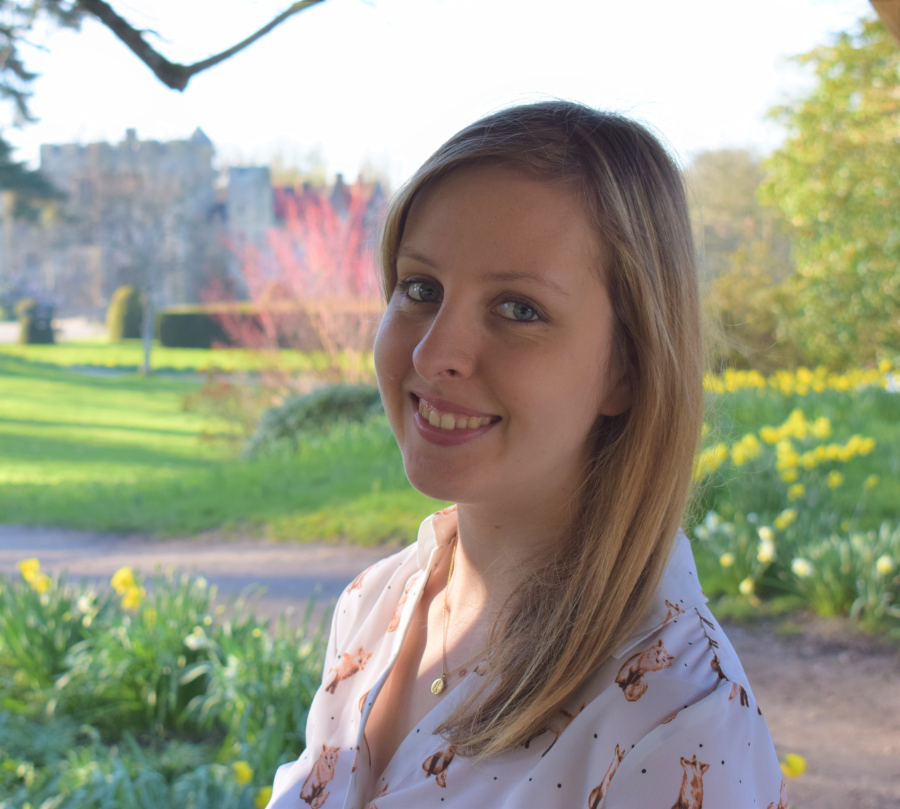
Author bio: Gemma Hollman is a historian and author who specialises in late medieval English history. A Fellow of the Royal Historical Society, she has a particular interest in the plethora of strong, intriguing and complicated women from the medieval period, a time she had always been taught was dominated by men. Gemma also works full-time in the heritage industry whilst running her historical blog, Just History Posts, which explores all periods of history in more depth. Gemma’s first book, Royal Witches, was a bestseller, and two more books have since followed: The Queen and the Mistress, and Women in the Middle Ages.
Where to find Gemma:
Website: https://justhistoryposts.com/; Link for books: https://lnk.bio/GemmaHAuthor; Social media: Bluesky https://bsky.app/profile/gemmahauthor.bsky.social.
*
My books
Signed, dedicated copies of all my books are available through my online store.
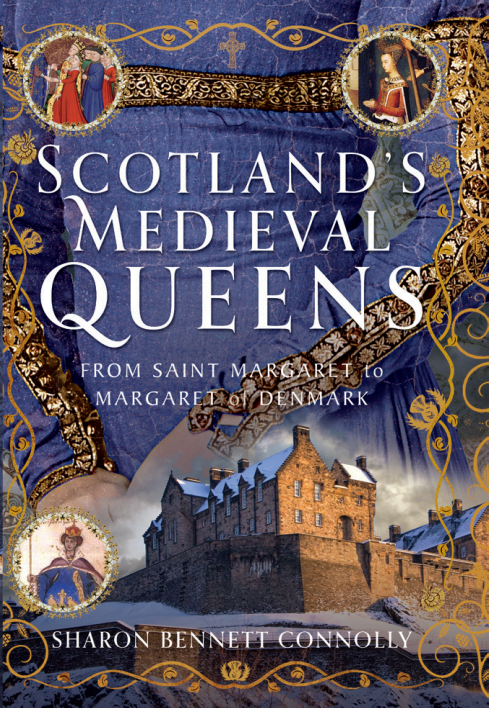
Out now: Scotland’s Medieval Queens

Scotland’s history is dramatic, violent and bloody. Being England’s northern neighbour has never been easy. Scotland’s queens have had to deal with war, murder, imprisonment, political rivalries and open betrayal. They have loved and lost, raised kings and queens, ruled and died for Scotland. From St Margaret, who became one of the patron saints of Scotland, to Elizabeth de Burgh and the dramatic story of the Scottish Wars of Independence, to the love story and tragedy of Joan Beaufort, to Margaret of Denmark and the dawn of the Renaissance, Scotland’s Medieval Queens have seen it all. This is the story of Scotland through their eyes.
‘Scotland’s Medieval Queens gives a thorough grounding in the history of the women who ruled Scotland at the side of its kings, often in the shadows, but just as interesting in their lives beyond the spotlight. It’s not a subject that has been widely covered, and Sharon is a pioneer in bringing that information into accessible history.’ Elizabeth Chadwick (New York Times bestselling author)
Available now from Amazon and Pen and Sword Books
Also by Sharon Bennett Connolly:
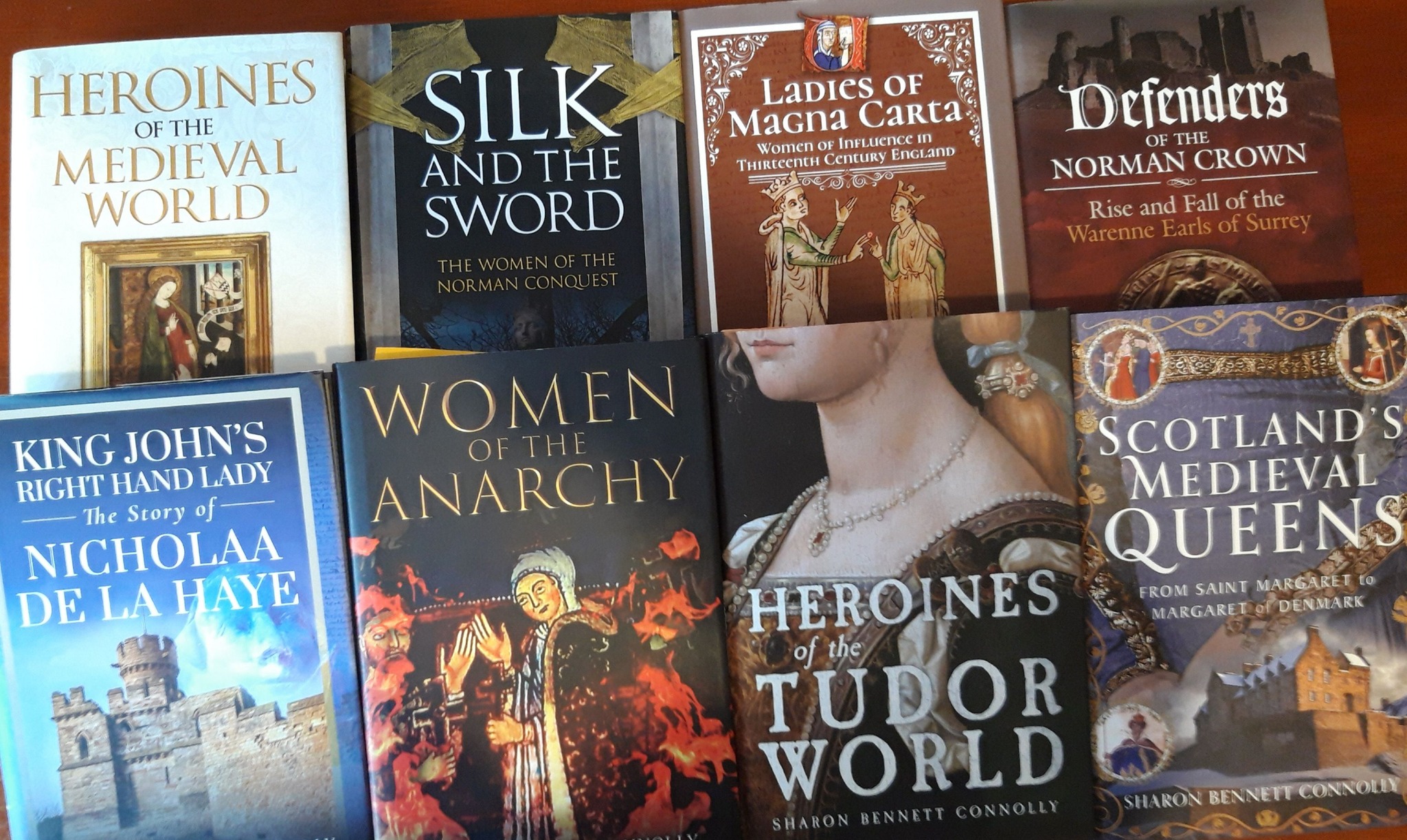
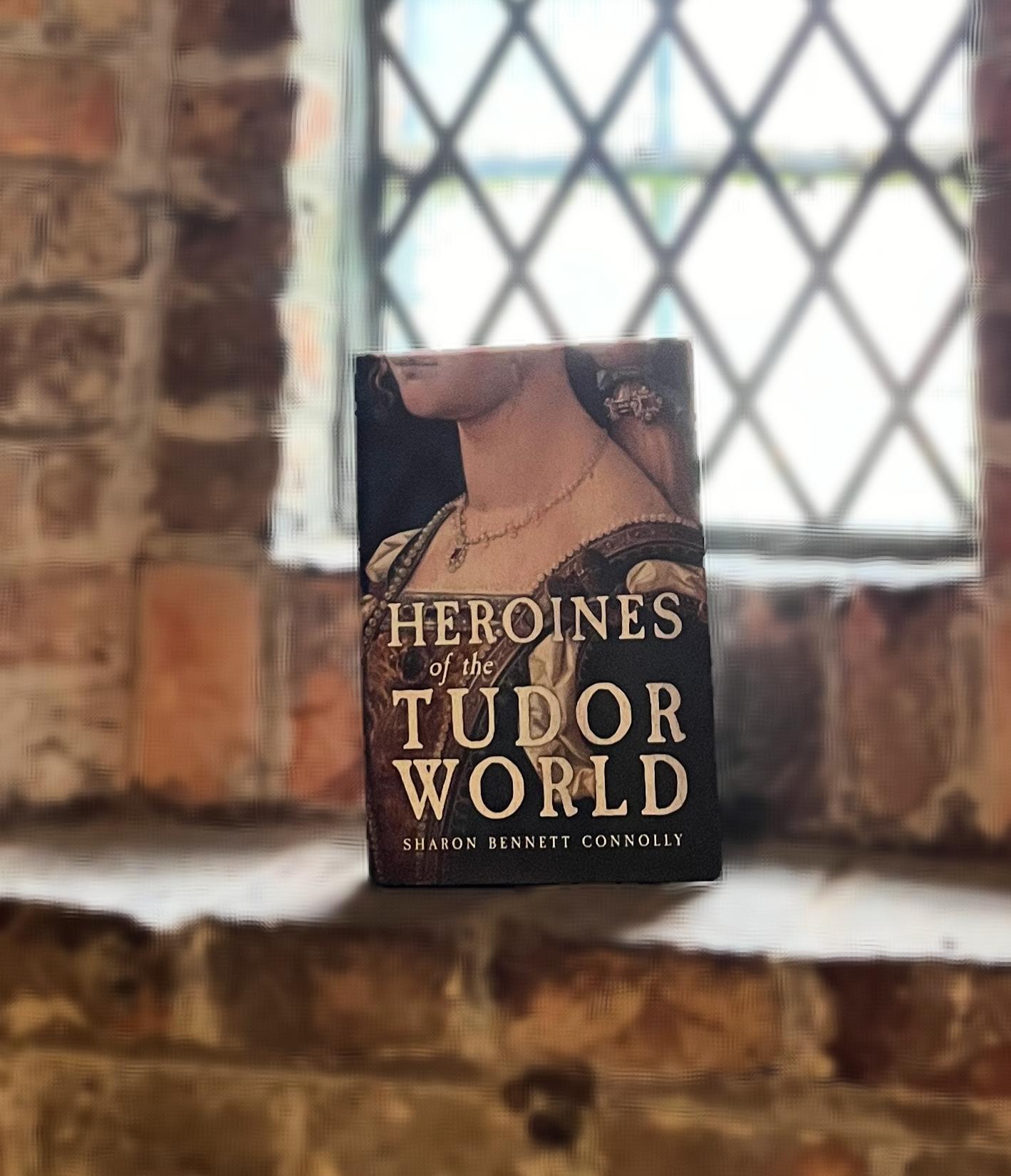
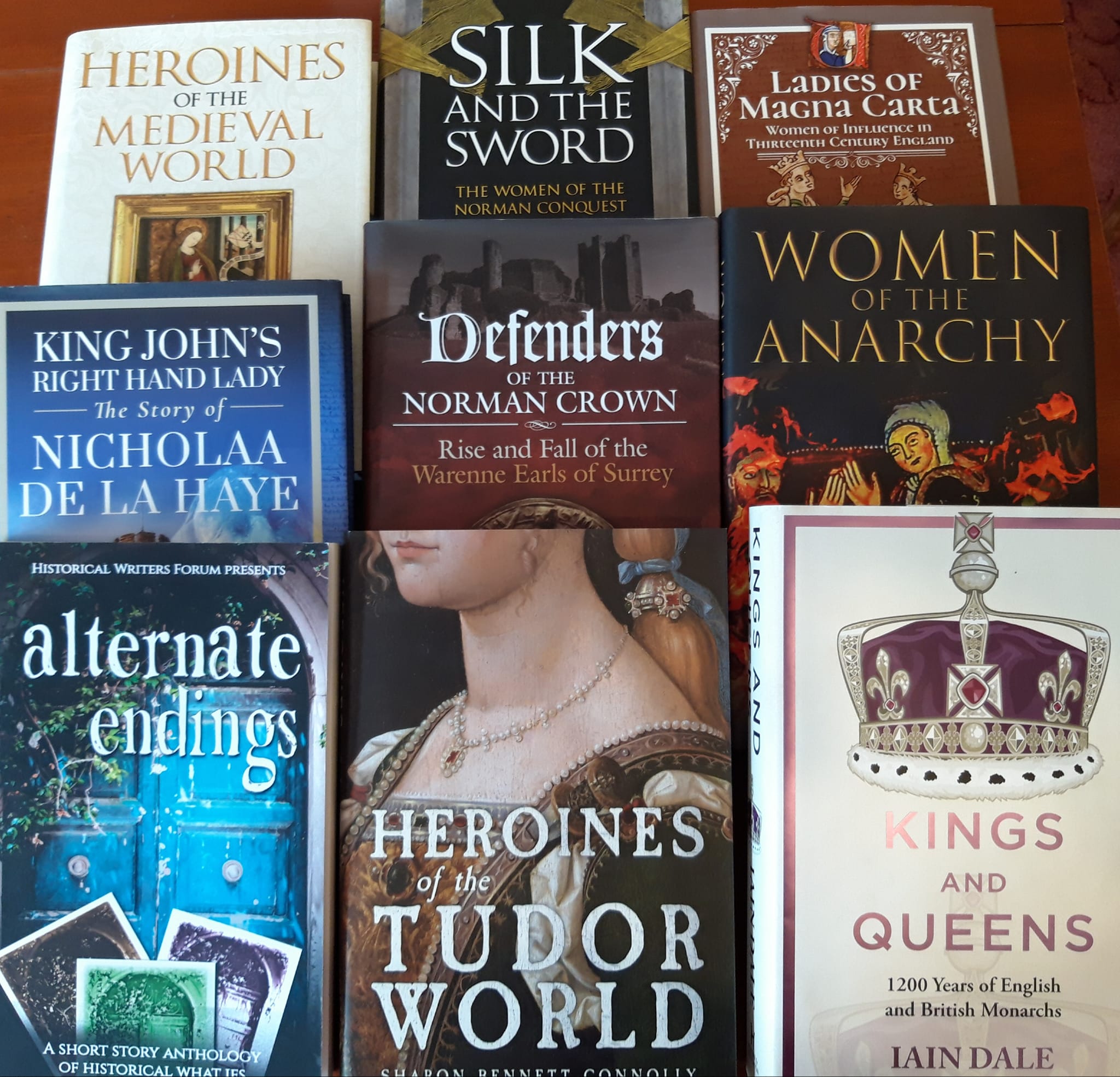
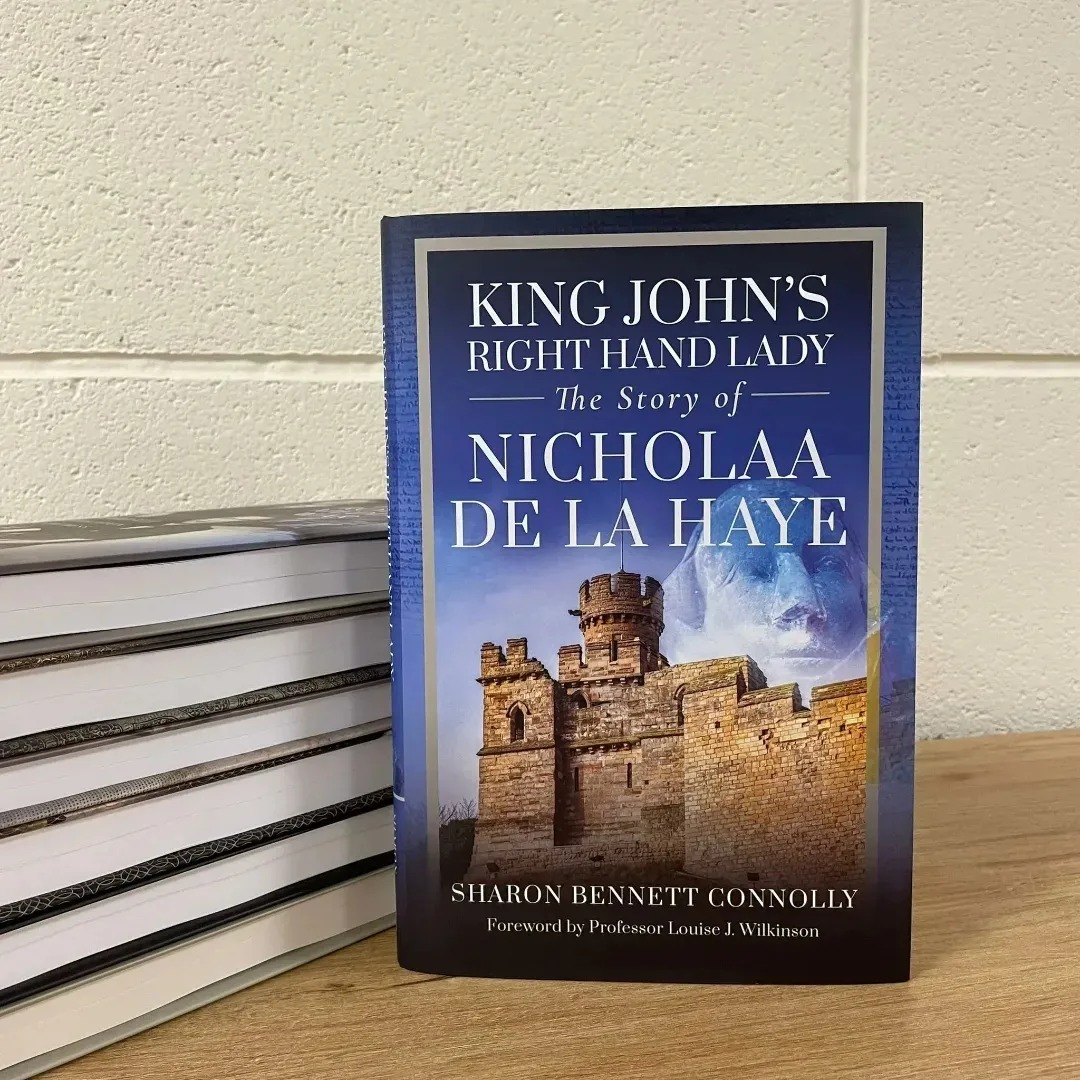
Heroines of the Tudor World tells the stories of the most remarkable women from European history in the time of the Tudor dynasty, 1485-1603. These are the women who ruled, the women who founded dynasties, the women who fought for religious freedom, their families and love. Heroines of the Tudor World is now available from Amberley Publishing and Amazon UK. Women of the Anarchy demonstrates how Empress Matilda and Matilda of Boulogne, unable to wield a sword themselves, were prime movers in this time of conflict and lawlessness. It shows how their strengths, weaknesses, and personal ambitions swung the fortunes of war one way – and then the other. Available from Bookshop.org, Amberley Publishing and Amazon UK. King John’s Right-Hand Lady: The Story of Nicholaa de la Haye is the story of a truly remarkable lady, the hereditary constable of Lincoln Castle and the first woman in England to be appointed sheriff in her own right. Available from all good bookshops Pen & Sword Books, bookshop.org and Amazon.
Defenders of the Norman Crown: The Rise and Fall of the Warenne Earls of Surrey tells the fascinating story of the Warenne dynasty, from its origins in Normandy, through the Conquest, Magna Carta, the wars and marriages that led to its ultimate demise in the reign of Edward III. Available from Pen & Sword Books, Amazon in the UK and US, and Bookshop.org. Ladies of Magna Carta: Women of Influence in Thirteenth Century England looks into the relationships of the various noble families of the 13th century, and how they were affected by the Barons’ Wars, Magna Carta and its aftermath; the bonds that were formed and those that were broken. It is now available in paperback and hardback from Pen & Sword, Amazon, and Bookshop.org. Heroines of the Medieval World tells the stories of some of the most remarkable women from Medieval history, from Eleanor of Aquitaine to Julian of Norwich. Available now from Amberley Publishing and Amazon, and Bookshop.org. Silk and the Sword: The Women of the Norman Conquest traces the fortunes of the women who had a significant role to play in the momentous events of 1066. Available now from Amazon, Amberley Publishing, and Bookshop.org.
Alternate Endings: An anthology of historical fiction short stories including Long Live the King… which is my take what might have happened had King John not died in October 1216. Available in paperback and kindle from Amazon.
Podcast:

Have a listen to the A Slice of Medieval podcast, which I co-host with Historical fiction novelist Derek Birks. Derek and I welcome guests, such as Bernard Cornwell and Michael Jecks, and discuss a wide range of topics in medieval history, from significant events to the personalities involved. Every episode is also now available on YouTube.
*
Don’t forget! Signed and dedicated copies of all my books are available through my online store.
For forthcoming online and in-person talks, please check out my Events Page.
You can be the first to read new articles by clicking the ‘Follow’ button, liking our Facebook page or joining me on Twitter, Threads, Bluesky and Instagram.
*
©2025 Sharon Bennett Connolly, FRHistS and Gemma Hollman, FRHistS






 History... the interesting bits!