The Remarkable Courage of Anne Askew

Portrait of Henry VIII after Hans Holbein the Younger

When Henry VIII decided to break with Rome, he was making that decision not just for himself but for his entire nation. But Henry was still a conservative Catholic and while others embraced the Reformation and the tenets of Calvinism or Lutheranism, Henry remained Catholic to his dying day, just not Roman Catholic. His break with Rome led to the Dissolution of the Monasteries, where monastic institutions and communities were broken up and sold off.

This, in turn led to the Pilgrimage of Grace, a popular revolt in Yorkshire in October 1536, led by Robert Aske, which spread to other parts of northern England. The rebellion was inspired by the failed Lincolnshire Rising, which had started on 1 October 1536 and it was said 22,000 people followed a monk and shoemaker, the vicar of Louth and Nicholas Melton (known as Captain Cobbler) to protest against the closing of the monasteries and the seizure of church land and plate. The figure was probably much smaller, perhaps some 3,000 rebels. However, by the time they marched on Lincoln and occupied Lincoln Cathedral, some 40,000 rebels were demanding the right to worship as Roman Catholics and protection for the treasures of Lincolnshire’s churches. The Rising was all but over by 4 October, when Henry sent word that the protesters should disperse or face retribution at the hands of Charles Brandon, Duke of Suffolk, who had mobilised his troops to put down the revolt.

By 14 October, most of the host had returned home. The two ringleaders were hanged at Tyburn, while other leading rebels were executed in the following days. It was against this background and the fear that the Rising must have invoked throughout Lincolnshire, that Anne Askew came to the fore. Anne Askew, also spelt Ayscough or Ainscough, was born around 1521, probably at the family home at Stallingborough, near Grimsby in Lincolnshire. She was the daughter of Sir William Askew and his first wife, Elizabeth Wrottesley.

Portrait of Anne Askew by Hans Eworth

Anne was the second oldest of five children, with an older sister Martha, a younger sister Jane, and two younger brothers, Francis and Edward. Her father, a landowner in Lincolnshire and Nottinghamshire, was knighted in 1513. He attended the king at the Field of the Cloth of Gold in France in 1520 and in 1521 he was appointed High Sheriff of Lincolnshire. From 1529, he was a member of Parliament for Grimsby. After the death of Anne’s mother, he married twice more. He married the daughter of a Struxley or Streichley of Nottinghamshire, whose name is sadly now lost to history and married again in 1522 to Elizabeth, the daughter of John Hutton of Tudhoe, Co. Durham and the widow of Sir William Hansard of South Kelsey, Lincolnshire, with whom he had two more sons, Christopher and Thomas.

By about 1523, the family had moved to South Kelsey, just 20 miles from Lincoln. Anne was well educated, possibly by tutors, though we do not know the specifics of her education. Anne’s writings were published posthumously by reformist scholar John Bale, and it is from these that we get most of her story.

Anne’s future was decided following the tragic early death of her older sister, Martha. Sir William had arranged for Martha to marry Thomas Kyme of Friskney, the son and heir of a neighbouring landowner. Sadly, Martha died before the wedding could take place. Rather than suffer a financial loss with the failure of the arrangement, Sir William offered 15-year-old Anne as a replacement bride, ‘so that in the ende she was compelled against her will or fre consent to marrye with hym,’ and, as John Bale put it, Anne ‘demeaned her selfe lyke a Christen wife’.1 Anne and Thomas had two children together.

It was about the time that Anne was preparing for her wedding, in 1536, that the Lincolnshire Rising erupted, starting in Louth and making its way towards Lincoln. Her father Sir William was one of the commissioners for the king’s tax subsidy who were due to sit in Caistor as the rebels arrived in the town. Sir William attempted to ride for home, ahead of the rebellious host. He was soon captured, aware that his own servants who were accompanying him supported the rebels. Anne’s brothers were also arrested by the rebels and their house watched. Sir William was then forced to write to the king to inform him of what had happened, with the complaint that ‘the common voice and fame was that all jewels and goods of the churches of the country should be taken from them and brought to Your Grace’s Council, and also that your said loving and faithful subjects should be put off new enhancements and other importunate charges.’2

With the failure of the rebellion, Sir William and his sons returned home. One wonders if the treatment of her menfolk, at the hands of those who were defending Roman Catholicism, was not a factor in Anne turning to the reformed faith. However the transformation came about, and in spite of her husband’s devout Catholicism, Anne did become a committed Protestant. She acquired a copy of an English Bible and began reading aloud from it, though her husband and brother had both forbidden her to do so. Anne explained that ‘in processe of tyme by oft reading of the sacred Bible, she fell clerelye from all olde superstycyons of papystrye, to a perfyght believe in Jhesus Christ.’3
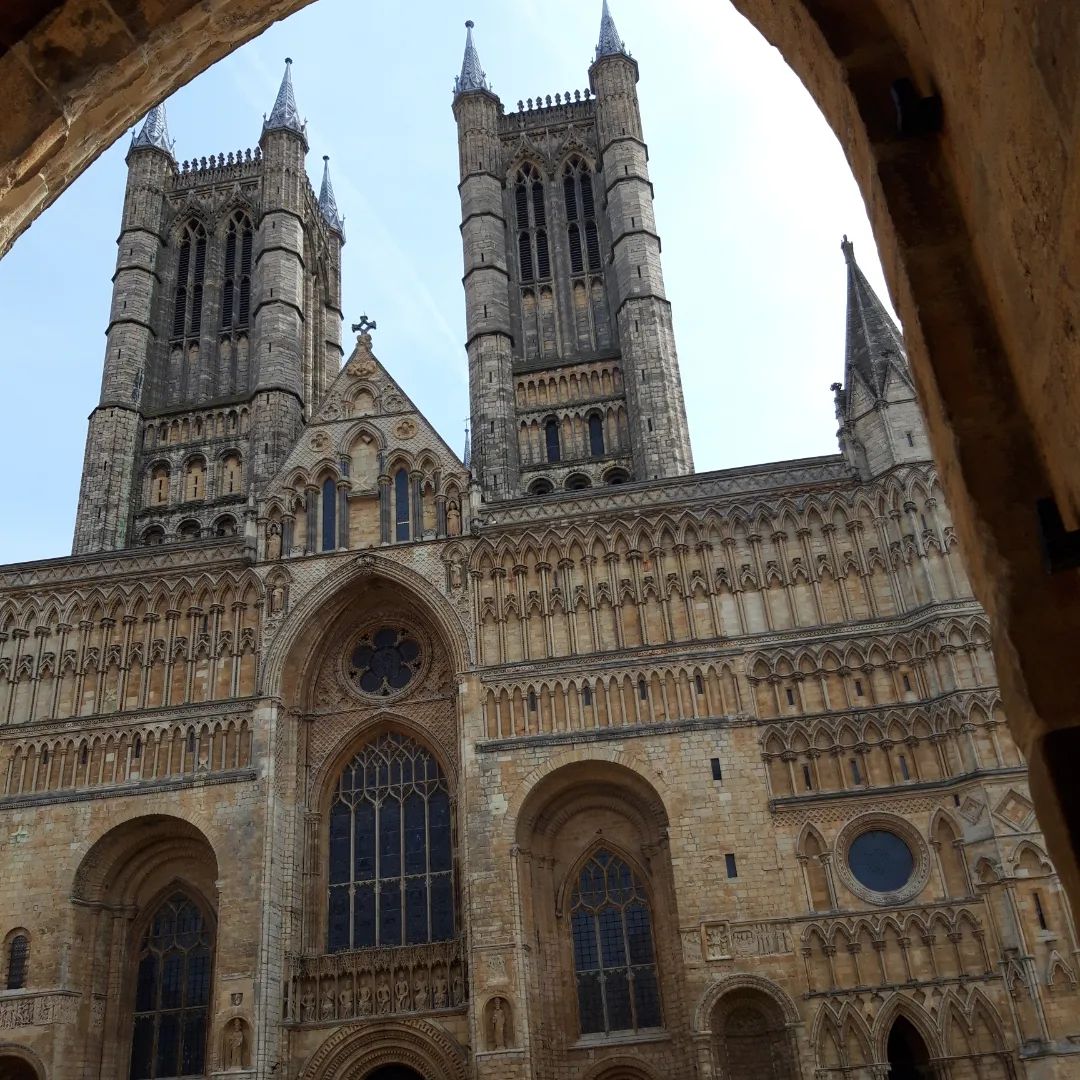
Lincoln Cathedral

In May 1543, the Act for the Advancement of True Religion was passed, forbidding any woman below the rank of noblewoman or gentlewoman from reading the Bible; and forbidding any woman, of any rank, from reading the Bible aloud. Anne was a gentlewoman and therefore still permitted to read the Bible, but only in private. She wanted to travel to Lincoln to see the cathedral’s Bible, but Kyme forbade it. Anne had been apprised of the hostility this would engender: ‘For my fryndes told me, if I ded come to Lyncolne, the prestes wolde assault me and put me to great trouble, as thereof they had made their boast.’4 Anne did travel to Lincoln and stayed there for about six days, reading her Bible in the cathedral. She said that one man confronted her, but he had said so little of significance that she could not recall his words.

This incident, and the fact that Anne continued to read aloud to whoever would listen, to such an extent that the local priest complained to her husband, infuriated Thomas Kyme. Angry and embarrassed at his wife’s actions, Kyme drove her from the house, with some violence. Driven from hearth and home – and from her children, Anne resumed her maiden name and sought a divorce. In late 1544 she travelled to London, accompanied by only a maid, in order to obtain a legal separation in the court of chancery. Two of her brothers were already in London. Edward, who had previously been in the service of Archbishop Thomas Cranmer, was cup-bearer to Henry VIII and her half-brother, Christopher, who died around this time, was a Gentleman of the Privy Chamber.

Her cousin, Christopher Brittayn, was a lawyer at the Temple and Anne’s sister Jane was married to George St Poll, a lawyer in the service of the duke and duchess of Suffolk. Anne lodged in a house close to the Temple, London’s legal centre, and soon met others with like-minded religious views, many with connections. Several gentlewomen gave Anne money, including the countess of Hertford and the wife of Sir Anthony Denny. They both sent messengers to Anne with money.

Queen Kateryn Parr

Anne found herself moving in exalted circles, these ladies were close friends of Henry VIII’s new queen, Kateryn Parr, though whether the queen and Anne ever met is uncertain. Anne made other connections in the city, including her religious advisor John Lascels and the chronicler Edward Hall. She was also close to the Kentish Anabaptist Joan Bocher, who would be executed in 1550.

After preaching publicly in the streets of the capital, Anne came to the attention of the authorities. According to Anne’s nephew, writing after her death, she was arrested following the interception of a letter she was trying to send, while attempting to communicate with the queen. She was detained on 10 March 1545, under the Six Articles Act, which made deviation from the official tenets of the English church a civil offence. Anne was brought before Sir Martin Bowes, Lord Mayor of London, and the bishop of London’s chancellor, and interrogated as to her beliefs. She was told that St Paul forbade women from talking of the word of God, but Anne countered that St Paul only barred women from instructing a congregation.

Still only 24 years of age, Anne was confident, fearless and bold in dealing with the great men of the city of London. Women were not meant to behave in such a way, they were supposed to be contrite and accept the superior intellect and authority of the men in charge. As a consequence, the Lord Mayor ordered her imprisonment. She spent 12 days in prison, visited daily by a priest sent by Edmund Bonner, Bishop of London. Her cousin, Brittayn, failed in his petition to have her released on bail, but succeeded in having her examined before the bishop himself, on 25 March. She was accused of subscribing to reformist beliefs concerning transubstantiation and the other sacraments and the dominion of the priesthood and asked to sign a declaration of orthodox faith.

Anne took the paper and wrote ‘I, Anne Askewe do beleve all maner thynges contayned in the faythe of the Catholyck churche.’5 Bishop Bonner flew into a fury, but her cousin, Brittayn, persuaded him that she acted from her ‘weak woman’s wit’ and with the added voices of her friends, Hall, Hugh Weston and Francis Spilman, Anne was returned to prison for one more night before being freed on bail the next day. Whether or not Anne abjured is open to interpretation; the authorities say she did, Anne denied it.

The torture of Anne Askew

Once freed, Anne continued to pursue her divorce from Thomas Kyme. The Privy Council became involved and ordered both Anne and Thomas to appear before them within ten days. Anne and Kyme were brought before the Council at Greenwich and were questioned about their relationship. The questioning, under the direction of Stephen Gardiner, Bishop of Winchester, turned to the matter of Anne’s views in the sacrament and after an exchange of words whereby Anne evaded Gardiner’s questions, she was again committed to prison for the night, this time to Newgate, a harrowing place. Kyme returned home. Anne was brought before the Council the next day and questioned further by Bishop Gardiner, who declared that she should be burnt.

According to Anne herself, they charged her ‘upon my obedience to show them if I knew any man or woman of my sect. Answered that I knew none. Then they asked me of my lady of Suffolk, my lady of Sussex, my lady of Hertford, my lady Denny and my lady Fitzwilliam.’6 These women were close associates of the queen, Kateryn Parr. The queen’s chambers were searched for heretical texts, though none were found.

On 28 June 1546, Anne Askew was arraigned for heresy at the Guildhall in London, alongside Nicholas Shaxton, former Bishop of Salisbury, and two other men. Shaxton abjured but Anne was condemned ‘without any triall of a jurie’.7

The next day, Anne was sent to the Tower and subjected to further questioning. It was hoped that this would force Anne to reveal her associates at court and, by extension, their husbands. When she refused to name anyone, her interrogators, Thomas Wriothesley and Richard Rich, took the exceptional step of having her undress to her shift and fastened to the rack. In Anne’s own words:
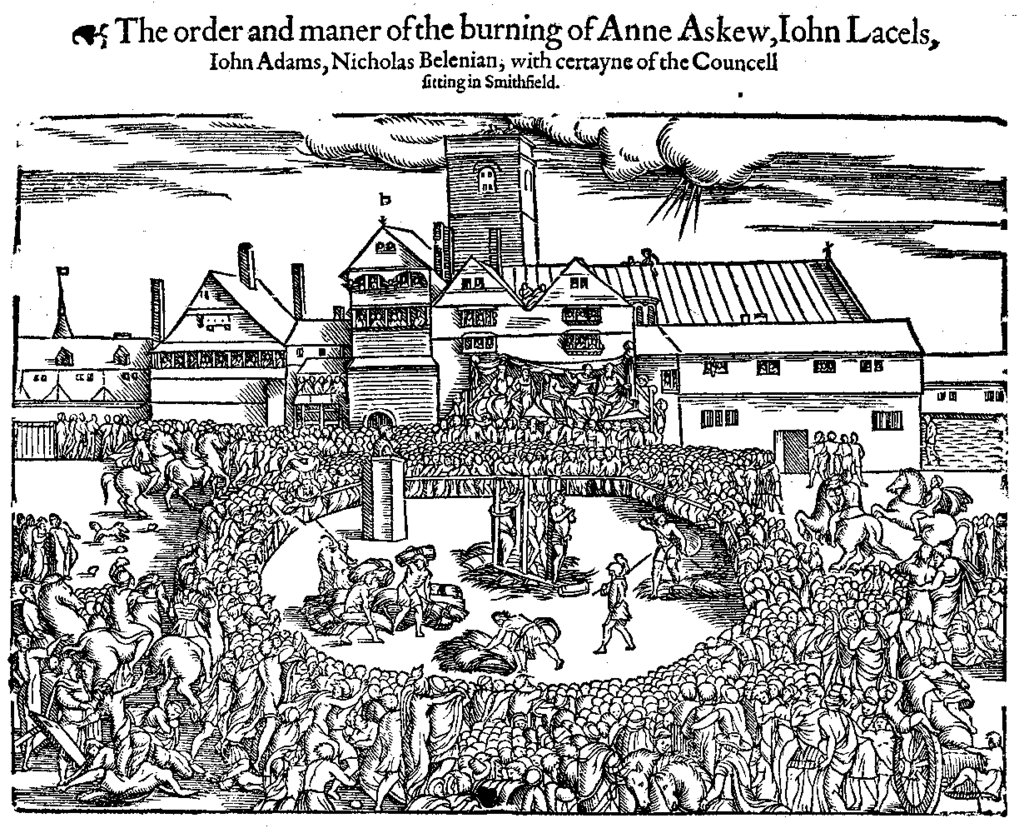
Woodcut of the burning of Anne Askew

Then they put me on the rack because I confessed no ladies or gentlewomen to be of my opinion; and there they kept me a long time, and because I lay still and did not cry, my lord chancellor and Master Rich took pains to rack me with their own hands till I was nigh dead. Then the lieutenant (of the Tower) caused me to be loosed from the rack. Immediately, I swooned away, and then they recovered me again. After that I sat two long hours reasoning with my lord chancellor upon the bare floor.8

As a woman, gently born and already condemned, Anne should have been exempt from such treatment. Anne was so severely tortured that by the end of it her body was broken, all four limbs were dislocated and she was unable to stand. She was eventually returned to Newgate from where, on 16 July 1546, Anne was carried to the site of her execution at Smithfield, sat on a chair in a cart, every movement causing her more pain. She was tied to another chair at the stake, where she was given one more chance to recant and receive a pardon.

She refused.

She died alongside three other Protestants, John Lascels, John Hadlam, who was a tailor, and John Hemley, formerly an Observant friar.
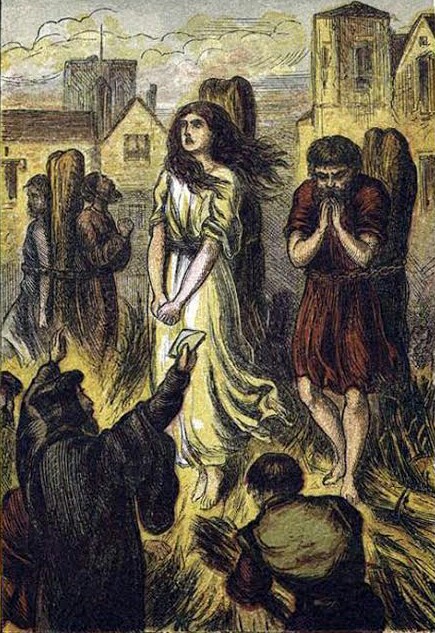
The Martyrdom of Anne Askew

Anne Askew holds the terrible distinction of being one of only two women to have ever been tortured in the Tower of London, the other being Margaret Cheyne, who had been involved in the Pilgrimage of Grace and was also burnt for heresy. Anne died bravely, never revealing her connections at court, thus, perhaps, saving a queen of England from the same fate. She was 25 years old.

On a national level, her death was a consequence of the growing fear that accompanied Henry’s failing health. On a personal level, although Anne’s journey to London had arisen from her marriage troubles, these troubles were always entwined within her own spiritual journey. Anne’s supreme confidence in her faith and her courage under torture deservedly earned her a place in the Protestant martyrology. Her own, first-hand account of her story was edited and published by John Bale and reprinted in John Foxe’s Book of Martyrs, ensuring her legacy would pass down through the generations.

*

Notes:

1. The examinations of Anne Askew, edited by E. V. Beilin, quoted in Diane Watt, ‘Askew [married name Kyme], Anne’, Oxforddnb.com; 2. & P, Vol XI, p. 534, quoted in Elizabeth Norton, The Lives of Tudor Women; 3. The examinations of Anne Askew, edited by E. V. Beilin, quoted in Diane Watt, ‘Askew [married name Kyme], Anne’; 4. ibid; 5. ibid; 6. The examinations of Anne Askew, quoted in Amy Licence, The Sixteenth Century in 100 Women; 7. Thomas Wriothesley quoted in Diane Watt, ‘Askew [married name Kyme], Anne’; 8. Mickey Mayhew, House of Tudor: A Grisly History

Sources:

Diane Watt, ‘Askew [married name Kyme], Anne’, Oxforddnb.com; Amy Licence, The Sixteenth Century in 100 Women; The examinations of Anne Askew, edited by E. V. Beilin; Elizabeth Norton, The Lives of Tudor Women; Don Matzat, Katherine Parr: Opportunist, Queen, Reformer; Mickey Mayhew, House of Tudor: A Grisly History; J.D. Mackie, The Earlier Tudors 1485-1558; Arthur D. Innes, A History of England Under the Tudors; Sarah Bryson, The Brandon Men: In the Shadow of Kings; Steven Gunn, Charles Brandon: Henry VIII’s Closest Friend; Sarah Bryson, La Reine Blanche: Mary Tudor, A Life in Letters; John Paul Davis, A Hidden History of the Tower of London: England’s Most; Robert Lacey, The Life and Times of Henry VIII; David Loades, editor, Chronicles of the Tudor Kings: The Tudor Dynasty from 1485 to 1553: Henry VII, Henry VIII and Edward VI in the Words of their Contemporaries.

Images:

Courtesy of Wikipedia except Lincoln Cathedral which is ©2024 Sharon Bennett Connolly FRHistS

*

My Books

Signed, dedicated copies of all my books are available through my online bookshop.

Out now: Scotland’s Medieval Queens

Books by Sharon Bennett Connolly

Scotland’s history is dramatic, violent and bloody. Being England’s northern neighbour has never been easy. Scotland’s queens have had to deal with war, murder, imprisonment, political rivalries and open betrayal. They have loved and lost, raised kings and queens, ruled and died for Scotland. From St Margaret, who became one of the patron saints of Scotland, to Elizabeth de Burgh and the dramatic story of the Scottish Wars of Independence, to the love story and tragedy of Joan Beaufort, to Margaret of Denmark and the dawn of the Renaissance, Scotland’s Medieval Queens have seen it all. This is the story of Scotland through their eyes.

Scotland’s Medieval Queens gives a thorough grounding in the history of the women who ruled Scotland at the side of its kings, often in the shadows, but just as interesting in their lives beyond the spotlight. It’s not a subject that has been widely covered, and Sharon is a pioneer in bringing that information into accessible history.’ Elizabeth Chadwick (New York Times bestselling author)

Available now from Amazon and Pen and Sword Books

Also by Sharon Bennett Connolly:

Books by Sharon Bennett Connolly

Heroines of the Tudor World tells the stories of the most remarkable women from European history in the time of the Tudor dynasty, 1485-1603. These are the women who ruled, the women who founded dynasties, the women who fought for religious freedom, their families and love. Heroines of the Tudor World is now available for pre-order from Amberley Publishing and Amazon UK. Women of the Anarchy demonstrates how Empress Matilda and Matilda of Boulogne, unable to wield a sword themselves, were prime movers in this time of conflict and lawlessness. It shows how their strengths, weaknesses, and personal ambitions swung the fortunes of war one way – and then the other. Available from Bookshop.orgAmberley Publishing and Amazon UKKing John’s Right-Hand Lady: The Story of Nicholaa de la Haye is the story of a truly remarkable lady, the hereditary constable of Lincoln Castle and the first woman in England to be appointed sheriff in her own right. Available from all good bookshops Pen & Sword Booksbookshop.org and Amazon

Defenders of the Norman Crown: The Rise and Fall of the Warenne Earls of Surrey tells the fascinating story of the Warenne dynasty, from its origins in Normandy, through the Conquest, Magna Carta, the wars and marriages that led to its ultimate demise in the reign of Edward III. Available from Pen & Sword BooksAmazon in the UK and US, and Bookshop.orgLadies of Magna Carta: Women of Influence in Thirteenth Century England looks into the relationships of the various noble families of the 13th century, and how they were affected by the Barons’ Wars, Magna Carta and its aftermath; the bonds that were formed and those that were broken. It is now available in paperback and hardback from Pen & SwordAmazon, and Bookshop.orgHeroines of the Medieval World tells the stories of some of the most remarkable women from Medieval history, from Eleanor of Aquitaine to Julian of Norwich. Available now from Amberley Publishing and Amazon, and Bookshop.orgSilk and the Sword: The Women of the Norman Conquest traces the fortunes of the women who had a significant role to play in the momentous events of 1066. Available now from Amazon,  Amberley Publishing, and Bookshop.org.

Alternate Endings: An anthology of historical fiction short stories including Long Live the King… which is my take what might have happened had King John not died in October 1216. Available in paperback and kindle from Amazon.

Podcast:

Have a listen to the A Slice of Medieval podcast, which I co-host with Historical fiction novelist Derek Birks. Derek and I welcome guests, such as Bernard Cornwell and Elizabeth Chadwick, and discuss a wide range of topics in medieval history, from significant events to the personalities involved.

There are now over 70 episodes to listen to!

Every episode is also now available on YouTube.

*

Don’t forget! Signed and dedicated copies of all my books are available through my online bookshop.

For forthcoming online and in-person talks, please check out my Events Page.

You can be the first to read new articles by clicking the ‘Follow’ button, liking our Facebook page or joining me on TwitterThreadsBluesky and Instagram.

©2024 Sharon Bennett Connolly FRHistS
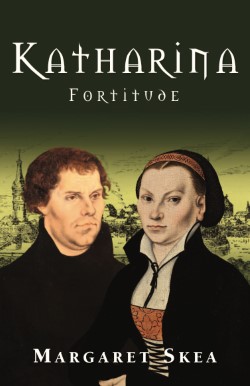

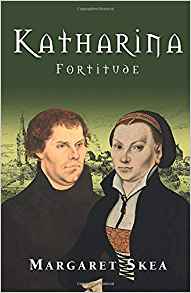
Guest Post: Katharina by Margaret Skea

It is with great pleasure that I welcome author Margaret Skea to the blog today, talking about her latest book, Katharina: Fortitude, the history behind it and giving you a little teaser from the book itself.

As crazy ideas go, thinking of writing what could best be described as a fictionalized biography of Katharina von Bora, the escaped nun who married the reformer Martin Luther, ranked highly.  It had popped into my head, seemingly from nowhere, but once there, as crazy ideas so often do, it burrowed its way in so far no amount of rational thinking would dislodge it.

There were plenty of good reasons not to write her story.

Reason 1. I knew almost nothing about her, and it seemed that nobody else knew much about her either.

I did find a slim volume, of some 89 pages, written by a native German within the Luther Foundation, Martin Treu, well placed to have found any information there was to find. But the opening words were hardly encouraging.

It is impossible to write a biography of Katharina von Bora. The scanty and often enough fragmentary nature of the evidence allows for only a biographical sketch…’ Hmm.

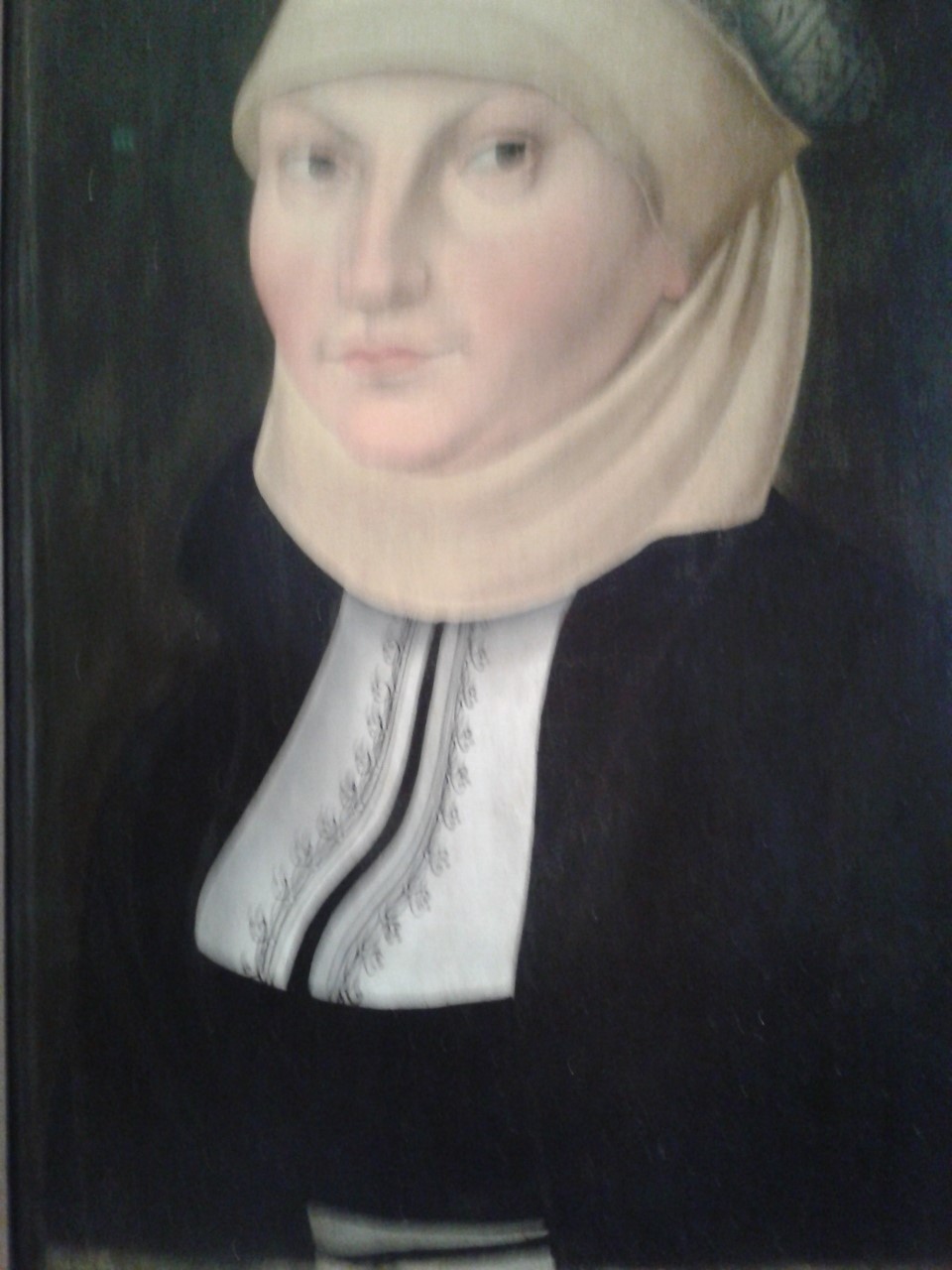
Katharina

Reason 2.  I didn’t speak or read German, so whatever ‘fragmentary evidence’ existed, I couldn’t even read it for myself. Not the best start.

Reason 3. I was in the middle of writing my third Scottish novel, and there was a publisher waiting for it to be delivered, so the timing wasn’t exactly ideal. However, the Luther 500 anniversary was only just over one year away, so I knew if I was going to write about her it had to be immediately.

And there she was, hovering at my shoulder, shadowy and insubstantial, but refusing to go away. So the Scottish book set aside, I began to plan how I could make this crazy idea a reality. I read and re-read the 89 pages of the little book until I knew them almost by heart and scoured every other source I could find (in English) that made any reference to her at all.  Treu had also set me a challenge – he wrote: 

The lacunae in the sources have tempted authors and authoresses to fill in the gaps with their own imagination.’

Well, yes, that is, after all,  what historical fiction writers do. But he went on:

The result is frequently a picture that says more about the writer and their time than about the person and journey through life of Katharina von Bora.’

Ah, that was different – I didn’t want to write about my time, or me, I wanted to write about her time and about her.

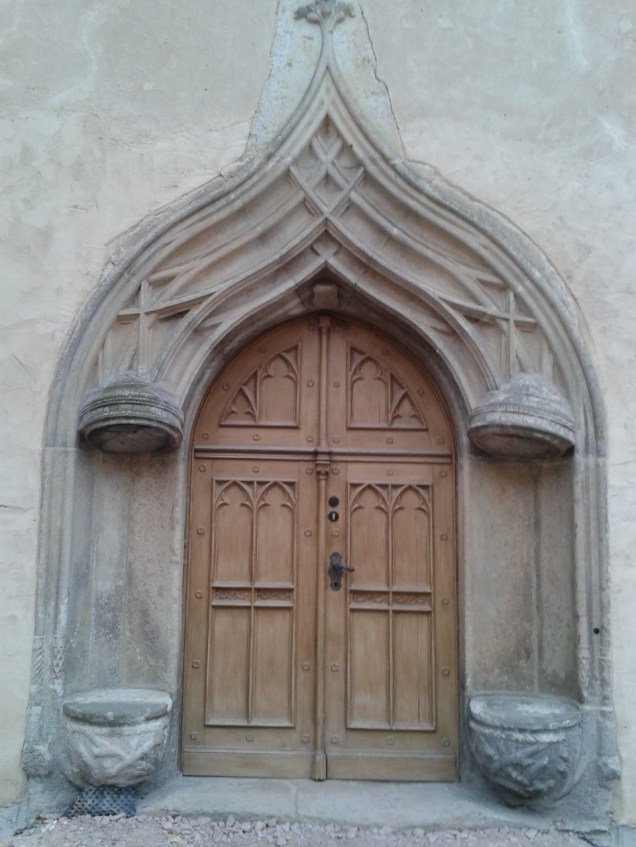
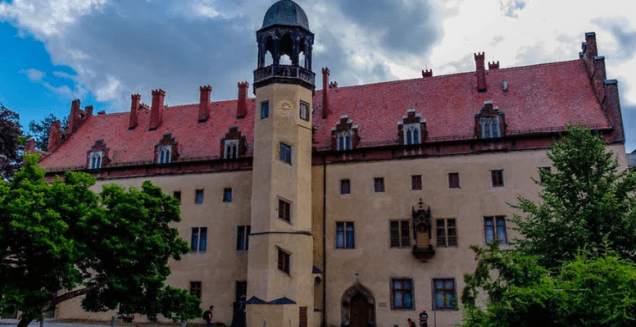
The Lutherhaus portal commissioned by Luther as a gift for Katharina

But pessimistic as he was about anyone’s chances, I did find some wee nuggets in his book, and in others, that gave me a starting point, despite that there is dispute over her parentage, her birthplace, the circumstances surrounding her admission to two different convents, and little direct evidence of her character.  Retracing her steps  in Saxony, which involved driving over 1000 miles, gave me a real sense of her environment, including the terrain she travelled, the architecture, and artefacts, and many aspects of her life and times.  There were some surprises, too, particularly in relation to Martin Luther and his almost modern attitude towards her, as well as the discovery of many myths that needed to be dispelled. But perhaps the biggest challenge was finding a ‘voice’ for her and so I began to write snippets in 1st person present tense. And what started as a preliminary experiment continued throughout both books and the story truly became Katharina’s.

I hope I have done her justice and that readers will get as much enjoyment in reading as I found in writing it. 

Here is the opening section as a wee taster:

Chapter One

Wittenberg June 1525.

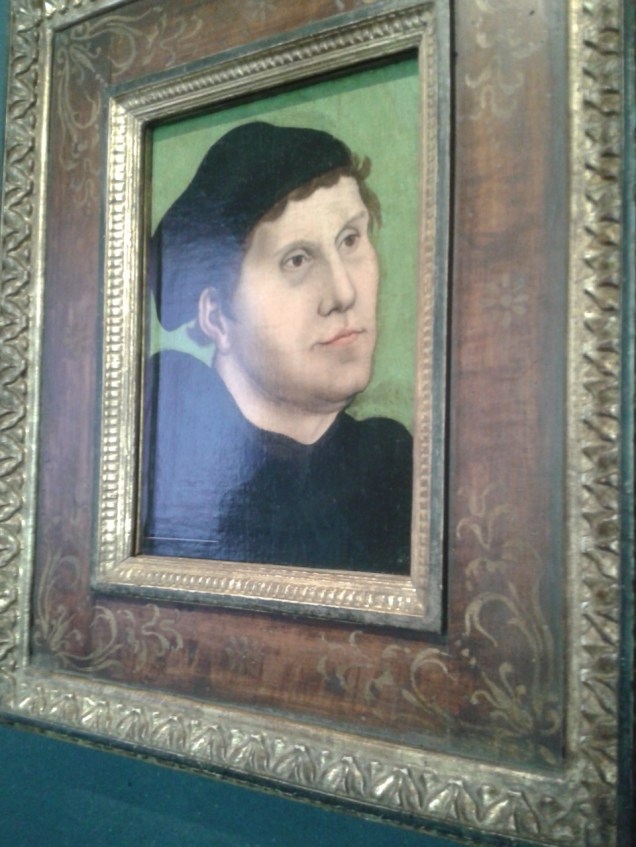
Martin Luther

The music stops, the sound of the fiddle dying away, the piper trailing a fraction behind, as he has done all evening. I cannot help but smile as I curtsy to Justus Jonas, his answering twinkle suggesting he shares my amusement.

‘Thank you, Frau Luther,’ and then, his smile wider, so that even before he continues I suspicion it isn’t the piping amuses him, ‘For a renegade nun, you dance well.’

It is on the tip of my tongue to respond with ‘ For a cleric, so do you,’ but I stop myself, aware that should I be overheard it would likely be considered inappropriate for any woman, far less a newly married one, to speak so to an older man, however good a friend he has been. And on this day of all days, I do not wish to invite censure. Instead I say, ‘I have been well taught. Barbara saw to that. She did not wish me to disgrace myself or her, and there is a pair of slippers with the soles worn through to testify to the hours of practice she insisted upon.’

‘She succeeded admirably then.’

All around us there is the buzz of laughter and chatter, an air of goodwill evident in every flushed face. Martin is waiting at the foot of the dais, and as we turn towards him, his smile of thanks to Justus is evidence he too is grateful for the seal of approval, of me and of the marriage, our shared dance a tangible sign to the whole town that Justus Jonas at least has no reservations regarding our union. Over his shoulder I catch Barbara’s eye and she nods also. I nod back, but am unable to suppress altogether the inner voice, tonight there is drink taken, tomorrow some may feel differently.

As if he can read my mind, Justus says, a new seriousness in his tone, ‘You have not made a mistake, either of you.’ He waves his hand at the folk clustered in groups along the length of the room. ‘Look around. When the difficult times come, as no doubt they will, remember tonight and the number of those who came to wish you well.’

                             *                            *                       *

The first challenge is not long in coming. We stroll home in the moonlight, accompanied by those guests who will spend the night in the cloister with us, adding their acceptance to our union.  Among them are Martin’s parents, and three councillors from Mansfeld, snatches of their conversation penetrating my thoughts.

Hans Luder’s tone, though gruff, cannot mask his satisfaction. ‘It is a good day’s work, and glad I am to see it, however long the wait.’

Martin’s mother’s voice is sweet and low, but bubbles with amusement, like a sparkling wine as it is poured into a glass. ‘Old you may be, but I trust your end is not yet nigh.’

There is an answering chuckle from one of the councillors,  ‘Indeed,’ Frau Luder, ‘So do we all.’

Lutherhaus

Hearing him, I tuck my arm into Martin’s, the momentary disagreement regarding Cardinal Albert’s gift forgotten, and look up at the myriad stars: pin-pricks of light in an ink-flooded sky, and my heart swells.  Frau Luther – the spelling may be different, but the status is the same and a title to be proud of, and though our marriage is already two weeks old, it is the first time I have felt it truly mine. The music still rings in my ears, memory of the dancing, the coin in the chest: all symbols of the regard in which the doctor is held and in which I now share, spreading a warmth through me from the top of my head to the tip of my toes. Jusuts is right. This is not a mistake, or not on my part at least. And, pray God, he is right about Martin also. We part from the company at the door of our chamber, and the light from the oil lamp flickers on the bedspread Barbara Cranach gifted to us. It is the last thing I see before sleep, the first when I wake, a talisman-harbinger of good things to come.

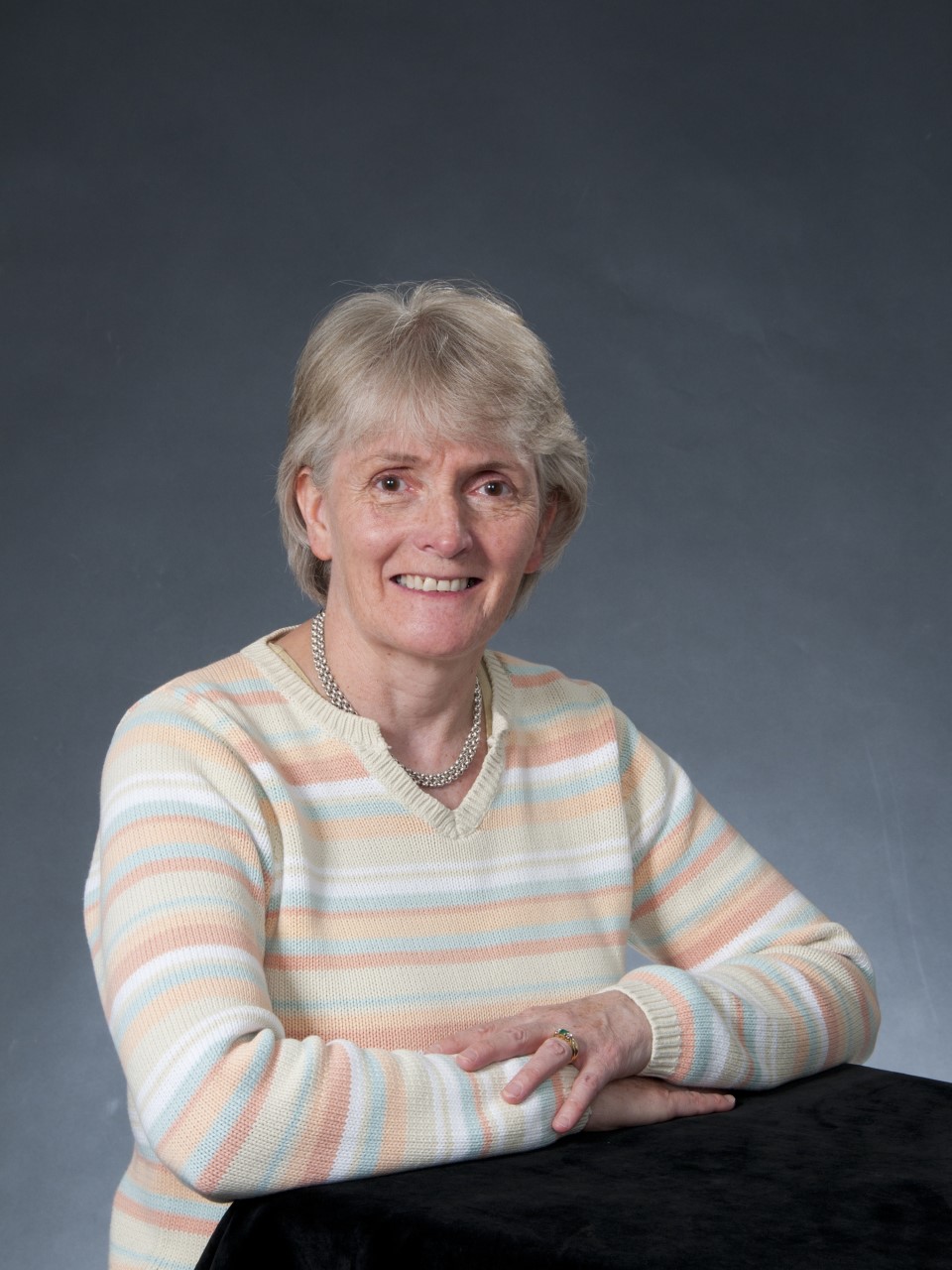
About the author

Margaret Skea is an award-winning novelist and short story writer. Short story credits include Neil GunnFish, the Historical Novel Society and Mslexia.

Growing up during the ‘Troubles in Northern Ireland it is perhaps inevitable that her writing often focuses on the pressures of living within conflict. Her debut novel Turn of the Tide, was the Historical Fiction winner in an Harper Collins-sponsored competition. It also gained her the Beryl Bainbridge Award for ‘Best First-Time Novelist 2014’.

Katharina: Deliverance, a fictionalised biography based on the early life of the reformer Martin Luther’s wife, was placed 2nd in the Historical Novel Society New Novel Award 2018.

The newly released, Katharina: Fortitude, is the powerful conclusion to Katharina’s story, but both books can easily be read as a stand-alone.

In an attempt to embrace the digital age she now has her own website at www.margaretskea.com and you can also follow her on Twitter at @margaretskea1 or on FB https://www.facebook.com/MargaretSkeaAuthor.Novels/

Book link: https://books2read.com/u/4j11BX

I would like to say a HUGE thank you to Margaret for such a fabulous post and wish her every success with Kathariana: Fortitude .

Kathariana: Fortitude came out 2 weeks ago and has been entered into the Kindle Storyteller Award. The competition opened in May, and yet Katharina is already at #65 out of over 5,000 entries. To be in with a chance of winning it needs to get into top 10. The book is currently on sale at 99p, so why not give it a go? I have! Just follow the link: https://books2read.com/u/4j11BX

*

My books

Silk and the Sword: The Women of the Norman Conquest

From Emma of Normandy, wife of both King Cnut and Æthelred II to Saint Margaret, a descendant of Alfred the Great himself, Silk and the Sword: the Women of the Norman Conquest traces the fortunes of the women who had a significant role to play in the momentous events of 1066.  Available now from Amazon UK,  Amberley Publishing, Book Depository and Amazon US.

Heroines of the Medieval World

Telling the stories of some of the most remarkable women from Medieval history, from Eleanor of Aquitaine to Julian of Norwich, Heroines of the Medieval World,  is available now on kindle and in paperback in the UK from from both Amberley Publishing and Amazon, in the US from Amazon and worldwide from Book Depository.

*

You can be the first to read new articles by clicking the ‘Follow’ button, liking our Facebook page or joining me on Twitter and Instagram.

*

©2019 Sharon Bennett Connolly and Margaret Skea

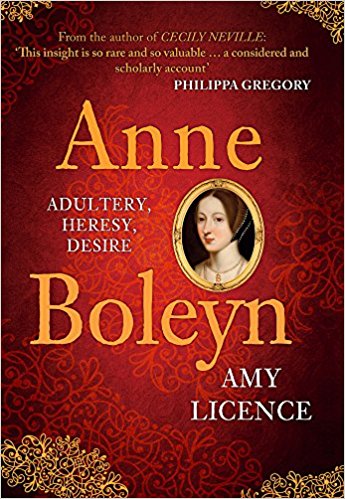
Book Corner – Anne Boleyn: Adultery, Heresy, Desire by Amy Licence

Anne Boleyn’s unconventional beauty inspired poets ‒ and she so entranced Henry VIII with her wit, allure and style that he was prepared to set aside his wife of over twenty years and risk his immortal soul. Her sister had already been the king’s mistress, but the other Boleyn girl followed a different path. For years the lovers waited; did they really remain chaste? Did Anne love Henry, or was she a calculating femme fatale?

Eventually replacing the long-suffering Catherine of Aragon, Anne enjoyed a magnificent coronation and gave birth to the future Queen Elizabeth, but her triumph was short-lived. Why did she go from beloved consort to adulteress and traitor within a matter of weeks? What role did Thomas Cromwell and Jane Seymour of Wolf Hall play in Anne’s demise? Was her fall one of the biggest sex scandals of her era, or the result of a political coup?

With her usual eye for the telling detail, Amy Licence explores the nuances of this explosive and ultimately deadly relationship to answer an often neglected question: what choice did Anne really have? When she writes to Henry during their protracted courtship, is she addressing a suitor, or her divinely ordained king? This book follows Anne from cradle to grave and beyond. Anne is vividly brought to life amid the colour, drama and unforgiving politics of the Tudor court.


Reviewing such a book as Anne Boleyn: Adultery, Heresy, Desire by Amy Licence is a daunting prospect. How can one do justice to a book which may well be the definitive biography of Anne Boleyn? Well, I suppose Amy had the same issue when writing it – how to do justice to Anne Boleyn’s story while avoiding falling into the bias of having a favourite between Anne and her rival, Catherine of Aragon? Having already produced a stunning account of the life of Catherine of Aragon, this is the second in a series which will hopefully include all 6 of Henry VIII’s wives, and presents Anne Boleyn as she was; a woman like any other, with loves, hopes and fears, rather than as the foil and ruin of the married bliss of Catherine and Henry.

220px-Anne_boleyn

However she did it, Amy Licence has managed to produce a balanced, fair assessment of this much hated/loved (depending on which side of the fence you are on) queen. Telling the story from the very beginning, from the rise of Anne’s predecessors through the guilds of London, through her childhood and early years in the courts of Burgundy and France to her dominance of Henry VIII’s court. The book strips away the veil of malice and rumour surrounding her, providing a new and in-depth analysis of Anne the woman and Anne the queen. It shows her as a growing and developing individual, reacting and responding to the forces around her, rather than the historical fiction view of a scheming harridan out to displace Catherine and take the throne for herself. It demonstrates that the Tudor world and Anne’s life, was constantly fluid, developing and responding to situations as they present themselves.

Amy Licence is a wonderful writer and historian – her books are always accessible and enjoyable reads, bringing back to life some of the most fascinating characters of history. And Anne Boleyn: Adultery, Heresy, Desire is no exception. Beautifully written, it presents Anne’s story as never before seen, with a balance rarely achieved when it comes to telling Anne Boleyn’s story. Anne is presented neither as a tragic victim, nor a scheming temptress. Her story unfolds as it does for all of us, with events and actions influencing her decisions and demonstrating that her life was a long winding road; the direction neither predetermined nor inevitable. It shows how Anne’s experiences, both in England and the continent, helped to shape Anne the woman,  her outlook and her destiny.

Amy Licence achieves a balance between presenting the everyday domesticity of Henry VIII’s life and court and the national and international politics of the day. I  love the little snippets of domestic life interspersed in the deeper issues, such as Henry’s dog, Ball, getting lost in Waltham Forest. She demonstrates the influences of the Reformation on Anne and Henry, and on the country at large, but also highlights the reactionary nature of the Reformation against church abuses. Rather than presenting it as ‘Henry wanted a divorce so he broke with Rome’, but as one cog in a very complex wheel of reactionism and Reformation; showing it in its wider context, not only in England but across Europe, and how both Henry’s and Anne’s attitudes were changed and shaped by the wider European movement of reform.

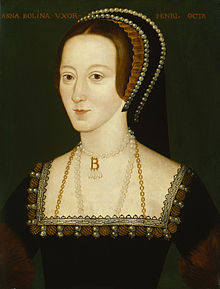
Anne Boleyn by Hans Holbein the Younger

At twelve years old, Anne Boleyn left her home at Hever, travelled to Dover and embarked for Calais. It was to be the start of the education that gave her the air of sophistication and poise that would attract Henry, a unique edge, and the cultural polish and confidence to hold her own in the courts of Burgundy,, France and, eventually, England.  in fairy-tale castles that outstripped any buildings she knew from home, hung with the most exquisite Flemish tapestries, in libraries housing the best illuminated manuscripts, where leading artists worked and musicians played, Anne absorbed the latest and best of the northern European Renaissance. Her exposure to its religious and cultural thinking made her something of a ‘new’ woman, part of a generation who would question the old ways and faiths, emboldened to reject centuries of Catholic ritual, the efficacy of saints and the pope, a different world to the England in which she spent her early years.

Amy Licence has managed to write a book about Anne Boleyn, giving us the character of the woman and showing how she grew into her role as queen, but showing her as human, a woman who made not only loyal friends and achieved a position she was never born to, but also a woman who made enemies and mistakes and whose downfall was one of the most tragic, staged events in English history. With the use of primary sources, including letters, court documents and accounts, Amy not only recreates the world of Anne and Henry VIII, but also the personalities and politics of the people and countries surrounding them. Where there is disagreement or controversy , she presents all sides of the argument, using her excellent analytical skills to dissect the story, present the facts and explain her own theories, reasoning and conclusions.

Not only does Amy Licence expertly dissect the character of Anne, but also the personalities associated with her story, from her own family to Henry, Catherine and Cardinal Wolsey. She provides a deep analysis of Anne Boleyn, her character, strengths and weaknesses, successes and failures. She does not shy away from the negatives in Anne’s character, such as her pettiness towards Catherine of Aragon, but manages to convey how Henry’s pursuit of her, the lengthy divorce proceedings and long years of waiting must have affected her.

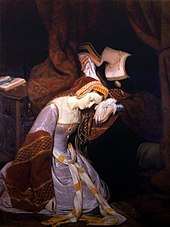
Anne Boleyn in the Tower by Edouard Cibot

Amy Licence’s unique, intimate writing style draws the reader in and provides an engaging, perceptive analysis of one of the most enigmatic women of the Renaissance period. Whether you love or hate Anne Boleyn, Anne Boleyn: Adultery, Heresy, Desire will give you new perspectives of this polarising, iconic woman and help to demonstrate the complexities of Anne’s life and career. While being sympathetic to Anne Boleyn the woman, but not afraid to criticise, Amy Licence provides a balanced analysis of Anne Boleyn’s life, influence and legacy.

*

Amy Licence is an historian of women’s lives in the medieval and early modern period, from Queens to commoners. Her particular interest lies in the late fifteenth and early sixteenth century, in gender relations, Queenship and identity, rites of passage, pilgrimage, female orthodoxy and rebellion, superstition, magic, fertility and childbirth. She is also interested in Modernism, specifically Woolf and the Bloomsbury Group, Picasso and Post-Impressionism.

Amy has written for The Guardian, The TLS, The New Statesman, BBC History, The English Review, The Huffington Post, The London Magazine and other places. She has been interviewed regularly for BBC radio, including Woman’s Hour, and made her TV debut in “The Real White Queen and her Rivals” documentary, for BBC2, in 2013. She also writes historical and literary fiction and has been shortlisted twice for the Asham Award.

Her website can be found at amylicence.weebly.com.

Anne Boleyn: Adultery, Heresy, Desire is available from Amberley Publishing and Amazon. It will be available in the US from Amazon on 1st April 2018.

*

Heroines of the Medieval World:

Heroines of the Medieval World,  is now available in hardback in the UK from both Amberley Publishing and Amazon UK and worldwide from Book Depository. It is also available on Kindle in both the UK and USA and will be available in Hardback from Amazon US from 1 May 2018.

You can be the first to read new articles by clicking the ‘Follow’ button, liking our Facebook page or joining me on Twitter.

*

©2017 Sharon Bennett Connolly

Lady Rose

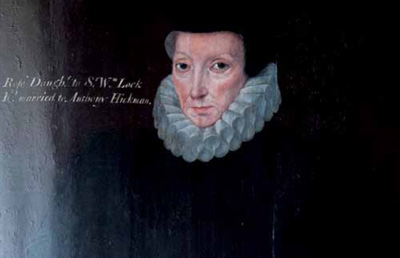
Rose Hickman, A Tudor Lady

Lady Rose

Rose Locke was born in London on 26 December 1526. She was the daughter of Sir William Locke and his 2nd wife, Katherine. The 3rd of 11 children, her family were some of the earliest Protestants in England, and staunch supporters of Henry VIII’s divorce from Catherine of Aragon. The family lived in Cheapside in the 1530s, with Rose’s father and several brothers serving as agents of the king in France and Flanders during the 1540s. A mercer and alderman of London, Rose’s father was a gentleman usher of the chamber to Henry VIII and was appointed sheriff of London in 1548; he was knighted by Edward VI in 1549.

According to Rose her father, Sir William Locke, a merchant with strong links to Antwerp, had smuggled ‘herectic’ Protestant writings from abroad for Queen Anne Boleyne herself. Rose had long been familiar with the new learning and wrote in 1610: “My mother in the dayes of King Henry the 8th came to some light of the gospel by means of some English books sent privately to her by my father’s factor from beyond the sea: where upon she used to call me with my 2 sisters into her chamber to read to us out of these same good books very privately for feare of troble because these good books were then accepted hereticall…”¹

On 28 November 1543, just a month short of her 17th birthday, Rose married London merchant Anthony Hickman. They had as many as 7 children together and their eldest daughter, Mary, was born in 1547 and a son, William, was born in 1549. Sons Walter and Anthony were born in 1553 and 1560 respectively. Another son, Eleazar, born in 1562, was named after John Knox’s son, and the last, Matthew, was born in 1563. There were two other daughters, Frances and Rose, though their birth dates are unclear.

Anthony Hickman owned several ships, including the Great Christopher, given to Queen Elizabeth I’s navy in 1560 and renamed Victory; and had property in London, Essex and Antwerp. He had a business partnership with Rose’s brother, Thomas Locke, and both were favourites of Henry VIII and Edward VI, growing rich through their mercantile endeavours. The Hickmans entertained such eminent clergymen as John Foxe and John Knox; Rose’s sister-in-law Anne Locke was a correspondent of John Knox and he mentioned the family a number of times in his letters to her between 1556 and 1560.

044
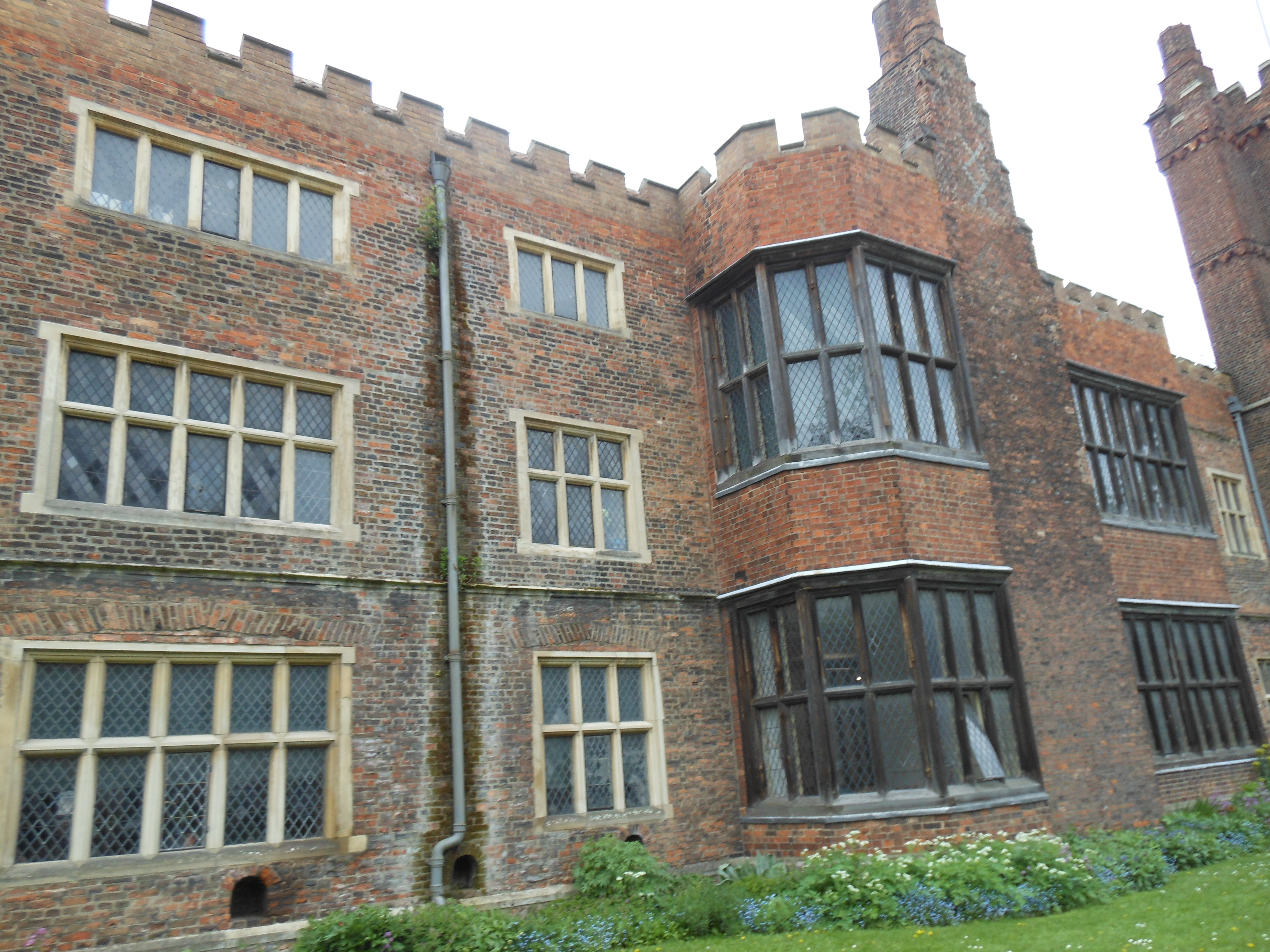
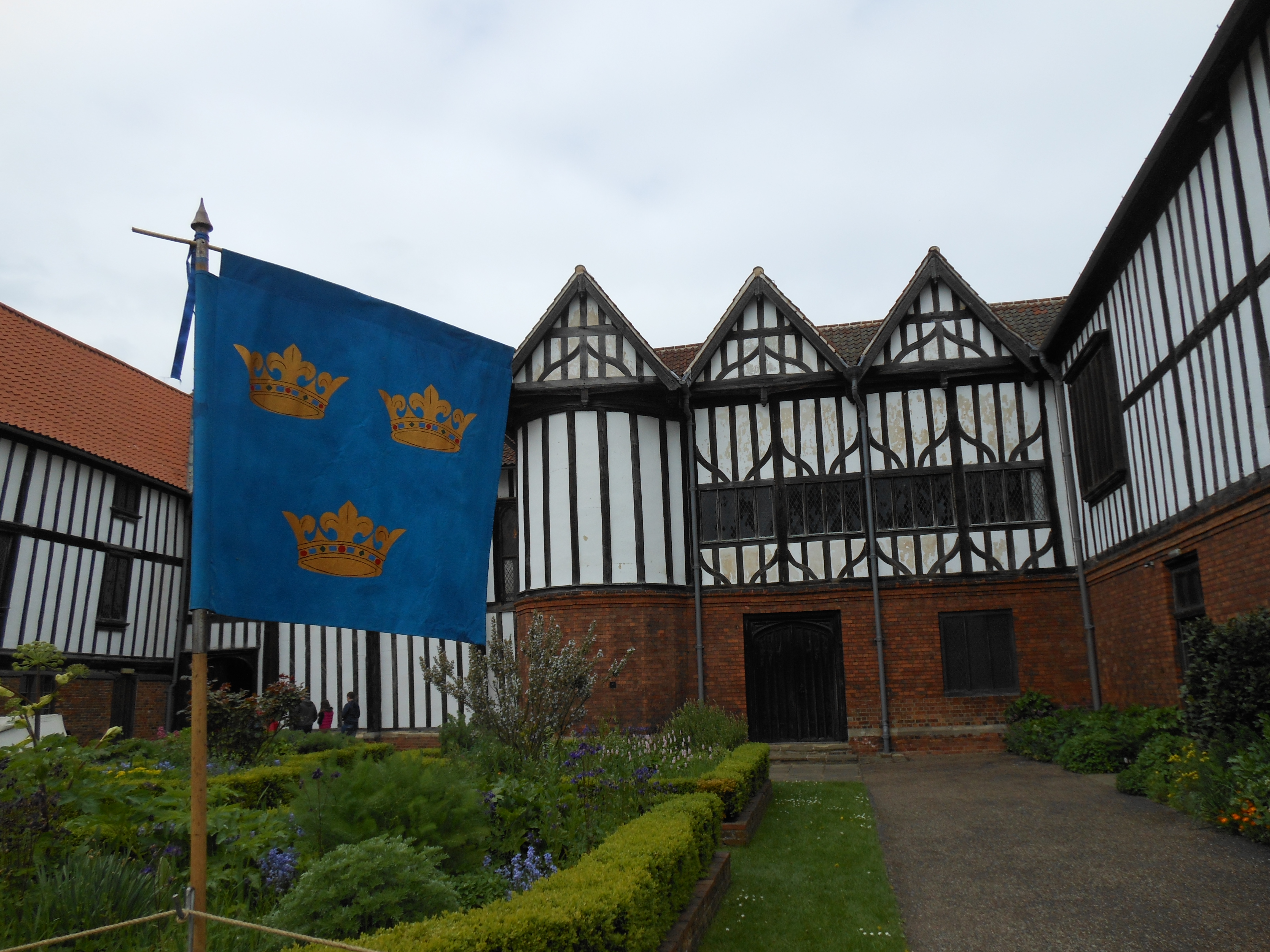
Gainsborough Old Hall

However, the advent of the reign of Mary I, and the resurgence of the Catholic faith in England, meant that the staunchly Protestant family fell out of favour with the catholic queen. They defied Mary by holding private religious services in their homes.  Anthony and Thomas were both arrested and held in the Fleet prison for a time, before being released to house arrest. Anthony eventually escaped to Antwerp, with Rose and the children following him shortly after; the family would remain on the continent until after Queen Mary’s death.

They returned to England shortly after the accession of Elizabeth I. However, religious divisions were becoming more pronounced as Queen Elizabeth’s reign advanced, not only between Catholicism and Protestantism, but within Protestantism itself.

After Anthony’s death in 1573, Rose married again. Her 2nd husband was a widower, Simon Throckmorton of Brampton, who died in 1585. Rose rarely used the Throckmorton surname, possibly because of its association with plots to rescue Mary Queen of Scots by disaffected Catholics; the Throckmorton Plot being led by Sir Francis Throckmorton, a cousin of Queen Elizabeth’s lady in waiting, Bess Throckmorton.

The Hickman family had become known for their Puritan leanings; Puritans were those who wanted the ‘purer’ church as envisaged in the reign of Edward VI, rather than the compromise established by Elizabeth I. In 1593, in order to curb the activities of such religious dissidents, Elizabeth I’s government had approved the ‘Act Against Puritans’, whereby it became illegal to become a Puritan or encourage others to that tendency.

052
Gainsborough Old Hall

As a result, official appointments at court, for those known to have Puritan connections, suddenly dried up. Rose’s son Walter, deeply entrenched in court circles and an old hand at brokering appointments for friends and family (usually with a financial incentive) discovered the implications of the new stance in 1594. The Cecil Papers show that Walter was refused when he applied for the position of Receiver of the Court of Wards for his brother William, despite offering an inducement of £1,000.² The increasing hostility towards Puritans, and the possibility of escalating religious persecution, may well have persuaded William to move his family north; away from the prying eyes of the authorities and into Lincolnshire.

With the encouragement of Katherine Willoughby, Duchess of Suffolk, ministers with Puritan leanings had been appointed to various churches throughout Lincolnshire. Several of the Pilgrim Fathers, who sailed to America on the Mayflower, would come from the region, including William Brewster and William Bradford. Families with strong ties to service at the Tudor court, such as the Burghs of Gainsborough, were moving south, closer to London and the person of the Queen, while other families were moving north.

In 1596 William Hickman bought the Old Hall at Gainsborough, which provided the merchant with his very own port on the River Trent. The move to Gainsborough was not without its challenges. With the Burgh family having essentially left the town to its own devices for the last 30 years, Hickman’s attempts to collect market revenues and port tolls met with opposition, including the apparent murder of one of his servants, who was stabbed to death. It may well have been that William’s puritan leanings exacerbated the situation, but the main unrest seems to have stemmed from relatives and retainers of the outgoing Burgh family. A Mr Topliff, who tried to stop William obtaining justice for his servant, was the son-in-law of Thomas Burgh III (himself the father-in-law of Henry VIII’s last queen, Katherine Parr).

028
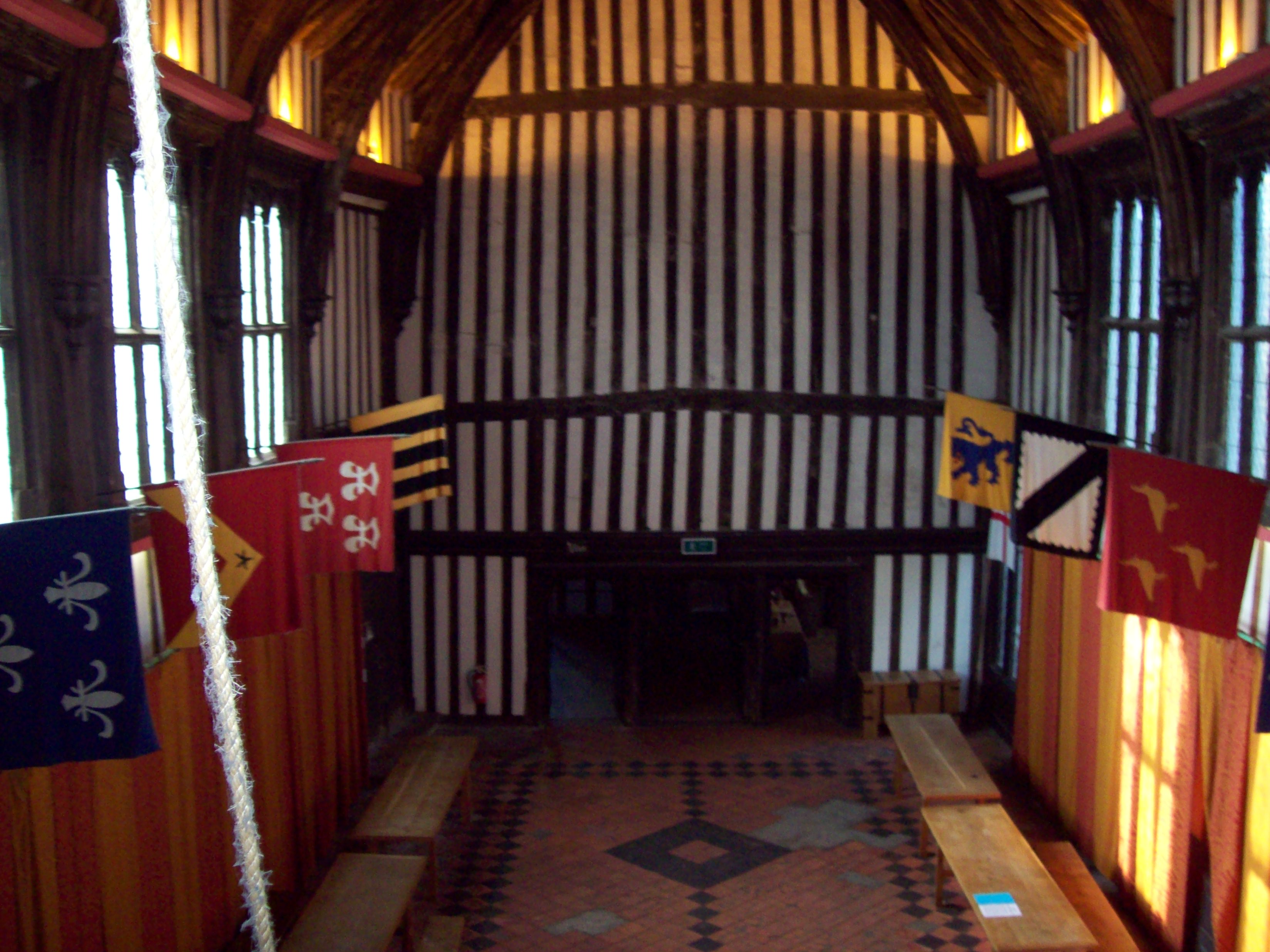
The great hall of Gainsborough Old Hall viewed from the solar

Now approaching her 80s, Rose moved to Gainsborough with her eldest son. In 1610, at the age of 84, she wrote an account of her early life, from 1534, when her father removed the papal bull, which had been posted in Dunkirk, against Henry VIII. Her recollections ended in 1558, with the death of Mary I and her family’s return to England on the accession of Elizabeth.

Lady Rose Hickman died on 21 November 1613, a month short of her 87th birthday. She was buried in the Hickman Quire of the former Burgh chantry chapel in the parish church of All Saints in Gainsborough, just across the road from her home, Gainsborough Old Hall. Her epitaph was written in 1637 and reads:

God gave unto this matron in her days

Such pledges firm of his affliction dear

Such happy blessings as the psalmist says

They shall receive as serve the Lord in fear

Herself in wedlock as the fruitful vine

Her children like the olive plants to be

And of her issues in descendant line

She did her childrens childrens children see

And freed from the Babylonish awe

Peace permanent on Isreal saw

Now having fought a good and Christian fight

Against the spiritual common enemy

And exercis’d herself both day and night

In oracles divine continually.

And kept the sacred faith with constancy

Even in the midst of persecutions rage

Express’d by worthy works of peity

From time to time as well in youth as age

She finished her course and doth possess in heavenly bliss the crown of righteousness”³

*

Footnotes:

¹A Guide to Gainsborough Old Hall by Sue Allan; ²ibid; ³MS C Folio 7, deposited in the British Museum in 1935, quoted by gainsborougholdhall.co.uk/throckmorton

Images:

Rose Hickman from gainsborougholdhall.com; Gainsborough Old Hall photos ©SharonBennettConnolly 2017

Bibliography:

John Leland Leland’s Itinerary in England and Wales 1535-43 edited by L Toulmin Smith (1906-10); Letters and Papers, Foreign and Domestic, of the Reign of Henry VIII 1509-47 edited by JS Brewer, James Gairdner and RH Brodie, HMSO London 1862-1932; Privy Purse Expenses of King Henry VIII from November MDXIX to December MDXXXII edited by Sir Nicholas Harris Nicolas 1827; Religion and politics in mid-Tudor England through the eyes of an English Protestant Woman: the Recollections of Rose Hickman edited by Maria Dowling and Joy Shakespeare; Bulletin of the Institute of Historical Research, 1980 & 1982; A Guide to Gainsborough Old Hall by Sue Allan; Elizabeth’s Women by Tracy Borman; England Under the Tudors by Arthur D Innes; Henry VIII: King and Court by Alison Weir; In Bed with the Tudors by Amy Licence; In the Footsteps of the Six Wives of Henry VIII by Sarah Morris and Natalie Grueninger; Ladies-in-Waiting: Women who Served at the Tudor Court by Victoria Sylvia Evans; The Six Wives and Many Mistresses of Henry VIII: The Women’s Stories by Amy Licence; Oxforddnb.com; Tudorplace.com; gainsborougholdhall.com.

Lady Rose also features in Marie McPherson’s novel on the life of John Knox, The Second Blast of the Trumpet.

*

My books

Signed, dedicated copies of all my books are available, please get in touch by completing the contact me form.

Defenders of the Norman Crown: The Rise and Fall of the Warenne Earls of Surrey tells the fascinating story of the Warenne dynasty, of the successes and failures of one of the most powerful families in England, from its origins in Normandy, through the Conquest, Magna Carta, the wars and marriages that led to its ultimate demise in the reign of Edward III. Defenders of the Norman Crown: Rise and Fall of the Warenne Earls of Surrey is now available from Pen & Sword BooksAmazon in the UK and US, Bookshop.org and Book Depository.

1 family. 8 earls. 300 years of English history!

Also by Sharon Bennett Connolly:

Ladies of Magna Carta: Women of Influence in Thirteenth Century England looks into the relationships of the various noble families of the 13th century, and how they were affected by the Barons’ Wars, Magna Carta and its aftermath; the bonds that were formed and those that were broken. It is now available in paperback and hardback from Pen & Sword,  AmazonBookshop.org and from Book Depository worldwide.

Heroines of the Medieval World tells the stories of some of the most remarkable women from Medieval history, from Eleanor of Aquitaine to Julian of Norwich. Available now from Amberley Publishing and Amazon, Bookshop.org and Book Depository.

Silk and the Sword: The Women of the Norman Conquest traces the fortunes of the women who had a significant role to play in the momentous events of 1066.  Available now from Amazon,  Amberley Publishing, Bookshop.org and Book Depository.

*

You can be the first to read new articles by clicking the ‘Follow’ button, liking our Facebook page or joining me on Twitter and Instagram.

*

©2017 Sharon Bennett Connolly

Book Corner: A Guest Post from Amy Licence

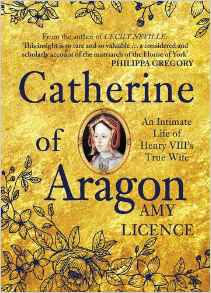
indexToday, it is my pleasure to welcome Amy Licence on the final leg of her Blog Tour. A few weeks ago, I had the pleasure of reviewing Amy’s latest book, Catherine of Aragon, an Intimate Life of Henry VIII’s True Wife and today she is back with an extract from this fabulous look into the life and struggles of Henry VIII’s first queen.

This extract is taken from the end of 1529, just before the Reformation parliament meet, illustrating how the marriage was under tension but Catherine was still fighting back.

Catherine was permitted to return for the Christmas season, which was traditionally presided over by the King and Queen together. And Henry was not quite ready to dispense with traditions, either religious or marital; he would need a couple more years for that. Hall related that the season was observed “in great triumph… with great plenty of viands and diverse disguisings and interludes, to the great rejoicing of his people” but it was definitely not a triumph for Catherine. To observers, it seemed that Henry was being pleasant to Catherine, showing his wife “more consideration than was his wont,” and with Anne not making an appearance. However, all was less than harmonious behind the scenes. On Christmas Eve, after her return, Henry had told Catherine that even if the Pope declared their marriage lawful, he still intended to divorce her and he would get his way, as the Church of Canterbury was more important than Rome and he would declare the Pope a heretic. Something must have broken in Catherine to hear this. She had, related Chapuys “lost all hope of bringing him to a sense of right and duty” never could think that her affairs would fall so low as they are at present. She always fancied that the King, after pursuing his course for some time, would turn away, and yielding to his conscience, would change his purpose as he had done at other times, and return to reason.” She had been wrong.

thumbnail_c
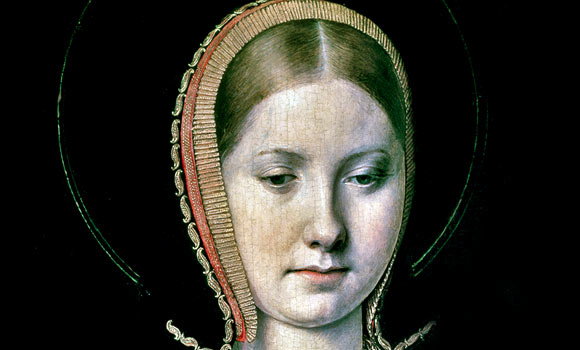
Portrait of Catherine of Aragon by Michel Sittow

Yet the Queen had also been working behind the scenes. She might have been down but Catherine was nothing if not an indefatigable fighter, so she was not yet out. In the knowledge that Henry was hoping for the French and Italian universities to confirm his view of his marriage, Catherine set out to counter his efforts. She was more than a match for him intellectually and in terms of character, but in her present restricted circumstances, there was little she could do, being excluded from the political process as the Reformation Parliament met for the first time. Appealing to the universities was something positive that she hoped might influence the Council. The same Edward Lee, Henry’s almoner, had informed the king that nobody in Spain apart from the Emperor, “cared a straw” whether or not the marriage was dissolved, so Catherine asked Charles to ask the Spanish Universities to write in her defence, along with her niece, Empress Isabella. She hoped that if the Archbishop of Toledo could gather their responses, “her case might be considerably improved.” She also wrote to Margaret of Savoy with the same request, and “wherever else it may be considered expedient” as it was the only thing now she thought might “stop the King in his course.”

thumbnail_pom
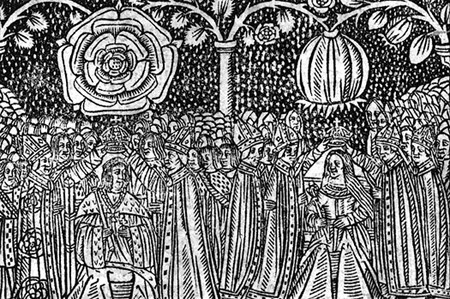
Woodcut of Henry and Catherine’s joint coronation

Catherine feared that her husband was “so blind as passionate in these matters, that it is much to be feared that one of these days he will take steps which may perhaps induce his people and the Commons… to consent to the divorce.” She begged Henry for permission to consult her Council of advisers, and was granted permission for them to attend her at Richmond. However, this kindness may have only been conferred “in order to discover whether she had received a recent dispatch from Rome.” In fact, Henry’s new Parliament would not yet discuss Catherine and her marriage in its coming session, instead they were setting about the process of undermining the ties that bound England to Rome.

I would like to congratulate Amy on a fabulous Blog Tour, and thank her for asking History…the Interesting Bits to be a part of it. You can find out more about Amy Licence on her website, and this amazing, definitive, biography of Catherine of Aragon is available from Amazon.

If you’d like to catch up with the previous stops on Amy’s Blog Tour, simply click on the day: Monday; Tuesday; Wednesday; Thursday.

*

My book, Heroines of the Medieval World,  is now available in hardback in the UK from both Amberley Publishing and Amazon UK and worldwide from Book Depository. It is also available on Kindle in both the UK and USA and will be available in Hardback from Amazon US from 1 May 2018.

Be the first to read new articles by clicking the ‘Follow’ button, liking our Facebook page or joining me on Twitter.

*

Pictures courtesy of Amy Licence

©Sharon Bennett Connolly 2016 & Amy Licence 2016