Lady Mary Seymour, the Queen’s Orphan Daughter

Katherine Parr by an unknown artist, NPG

Little Lady Mary Seymour was the daughter of dowager Queen Kateryn Parr and her fourth, and final, husband, Thomas Seymour, Baron Seymour of Sudeley. Kateryn Parr was widowed for a third time with the death of Henry VIII in January 1547. By May of the same year, Queen Kateryn was married to the new king Edward VI’s uncle, Thomas Seymour, Lord High Admiral of England and Baron Seymour of Sudeley. This was said to be a love match and within months Kateryn found herself pregnant for what may have been the first time in her life. In the months before the birth, the queen had fitted out a nursery for her baby, decorated in Kateryn’s favourite colours of crimson and gold: the nursery had views of the gardens and the castle’s chapel. The queen’s joy was tempered by the scandal that had arisen from her husband’s attentions towards Kateryn’s stepdaughter, Elizabeth.

She wrote to Thomas Seymour of how active the unborn child was:

I gave your little knave your blessing, who like an honest man stirred apace after and before. For Mary Odell [one of her ladies] being abed with me had laid her hand upon my belly to feel it stir. It hath stirred these three days every morning and evening so that I trust when you come it will make you some pastime. And thus I end bidding my sweetheart and loving husband better to fare than myself.1

Kateryn gave birth to her only child, Mary, named after the dowager queen’s stepdaughter, Princess Mary, on 30 August 1548. At the age of 37, Kateryn was old to be having her first child, but both she and the baby had come through the labour safely and there doesn’t appear to have been any disappointment that the child was a girl rather than a boy.
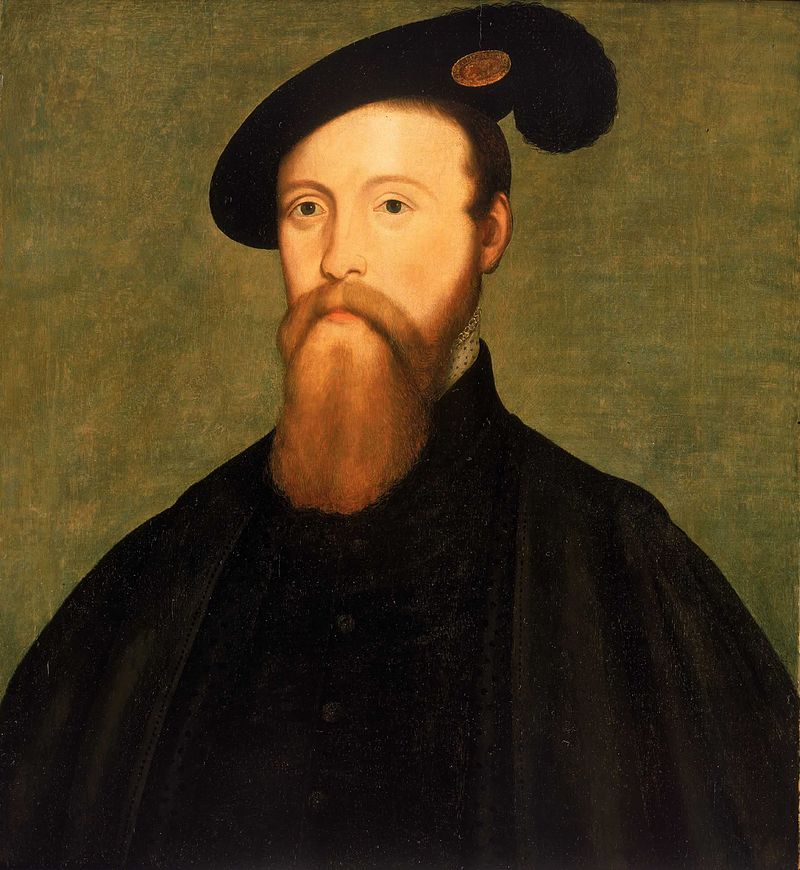
Thomas Seymour painted by Nicolas Denisot

Within just a few days of the birth, Kateryn was showing signs of puerperal fever, a bacterial complication of childbirth that was very dangerous in the centuries before antibiotics. As her condition worsened, Kateryn suffered bouts of delirium and moments of calm, when she appeared to rally. In her delirium, Kateryn railed against her husband, saying

‘I am not well handled, for those that be about me careth not for me but standith laughing at my grief and the more good I will to them, the less good they will to me.’2

Strongly denying her accusations, Seymour replied

‘Why, sweetheart, I would you no hurt.’3

Whether Kateryn truly believed Seymour wanted her dead, or was still smarting from how close he had got to the Princess Elizabeth, or the words, reported by Lady Tyrwitt, who was not a friend of Seymour’s, were misinterpreted, we will never know. Her pain, delirium and suspicion of her husband made Kateryn’s last days even more wretched.

Kateryn Parr died 6 days after little Mary’s birth, on 5 September 1548, at Sudeley Castle. She was laid to rest beneath the floor of St Mary’s Chapel in the castle grounds, with Lady Jane Grey acting as her chief mourner. Despite her fears that her husband had poisoned her, in her will, dictated as she was close to death, she left everything to Seymour, making him a very wealthy man.

Thomas Seymour was stunned by Kateryn’s death and grieved deeply. He abandoned Sudeley Castle and returned to London, seeking refuge at Syon House, the home of his brother, Edward Seymour, Duke of Somerset and his wife. Little Lady Mary was placed in the care of his mother, Margery Seymour.

St Mary’s Chapel, Sudeley Castle

Mary was eventually taken into the care of Edward Seymour and his wife, Duchess Anne. Anne had herself given birth to a little boy shortly before Mary’s birth and had a house full of children, little Mary’s cousins. However, when her father was arrested for treason, having plotted to marry the Princess Elizabeth, and was being held in the Tower awaiting execution, he asked that his daughter should be given into the care of Katherine Willoughby (now Brandon), Duchess of Suffolk. Katherine had been a good friend of Kateryn Parr. She had herself been widowed in 1545 and was the mother of 2 teenage boys, Henry and Charles Brandon.

Mary could have been given into the care of Kateryn Parr’s brother, William Parr, Marquess of Northampton, but he had recently found himself out of favour with Edward Seymour, the Lord Protector, as he had tried to divorce his wife, Anne Bourchier, in order to marry Elisabeth Brooks, who had served Seymour’s sister Jane when she was queen. This remarriage was considered illegal and outrageous and so, with such a scandal attached to him, Parr was not a suitable guardian to his niece; not that he appears to have paid any attention to Mary, nor expressed any desire to play a part in her life. Neither did Kateryn’s sister, Anne Herbert, Countess of Pembroke, show any interest in taking care of her niece, despite her own children being close in age to Mary.

With Thomas Seymour’s execution on 20 March 1549, Lady Mary Seymour, at just short of 7 months old, was a dispossessed orphan. Three days before her father’s death, whilst she was still in the custody of her uncle at Syon House, Mary had been granted £500 a year by the Privy Council. The money was for ‘dyettes, wages and lyvereyes of the household of Mistres Mary Seymour for a yere and a half ended at the Feast of the annunciation of Our Lady next cummyng [25 March].’4 However, that income was not transferred to Katherine Willoughby when the baby was moved to her residence at Grimsthorpe Castle in Lincolnshire. This left the duchess short of funds. The daughter of a queen, though not royal, was expected to be maintained to a certain standard. The little orphan arrived at Grimsthorpe Castle with her own household; her full complement of staff included her governess, a nurse and two maids. And it was left to Katherine, Duchess of Suffolk, to pay their wages.

Katherine Willoughby, Duchess of Suffolk, Mary Seymour’s guardian

By 24 July 1549, Katherine was writing to William Cecil, a secretary in Edward Seymour’s household at the time, in the hope that he may assist her in recovering payment for her expenses. She wrote:

‘It is said that the best means of remedy to the sick is first plainly to confess and disclose the disease, wherefore, both for remedy and again for that my disease is so strong that it will not be hidden. … All the world knoweth … what a very beggar I am.’5

Katherine said that her finances were worsening for numerous reasons but,

‘amongst others … if you will understand, not least the queen’s child hath layen, and still doth lie at my house, with her company about her, wholly at my charges. I have written to my lady of Somerset at large, that there be some pension allotted unto her according to my lord grace’s promise. Now, good Cecil, help at a pinch all that you may help.’6

The duchess included a list of items that Duchess Anne had promised to send on, including the plate and other items that had been intended for Mary’s nursery at Sudeley Castle. The duchess also complained that the baby’s governess, ‘with the maid’s nurse and others, daily call for their wages, whose voices my ears can hardly bear, but my coffers much worse.’7

It is saddening to read how little affection is given to this child who was so wanted by her parents. That she went from being the centre of Kateryn Parr’s world to being an unwanted burden on the late queen’s good friend. It seems that Katherine Willoughby’s pleas did eventually have an effect. In January 1550, application was made to the House of Commons for the restitution of Lady Mary Seymour, ‘daughter of Thomas Seymour, knight, late Lord Seymour of Sudeley and late High Admiral of England, begotten of the body of Queen Katherine, late queen of England’.8

Grimsthorpe Castle, Lincolnshire

By this act, the little girl, now 16 months old, was permitted to inherit any remaining property that had not been returned to the crown by her father’s attainder. This did not particularly improve Mary’s situation, as most of the property she would be allowed to inherit had already passed into the hands of others. This Act of Parliament is the last mention we have of Lady Mary Seymour in the historical record. The grant was not renewed when it became due in September 1550 and Lady Mary never claimed any of the remaining portion of her father’s estate.

It seems likely that the little orphan had died at Grimsthorpe Castle before her second birthday, her burial place now unknown. There are traditions that she survived. One such has her raised by her governess, eventually marrying Sir Edward Bushell, while a family in Sussex also claims to be descended from her. While neither of these scenarios are impossible, there is no historical record to substantiate the claims.

That we cannot say for certain is one more sad note in the life of a little girl whose birth was met with such joy by both her parents, but whose short life was replete with tragedy. She was a little pawn in the machinations of her elders.

Images:

Courtesy of Wikipedia except Grimsthorpe Castle which is ©2024 Sharon Bennett Connolly FRHistS

Notes:

1. Linda Porter, Katherine the Queen: The Remarkable Life of Katherine Parr, the Last Wife of Henry VIII, p. 318; 2. ibid, p. 322; 3. ibid, p. 323; 4. Rebecca Larson, ‘The Disappearance of Lady Mary Seymour’, tudorsdynasty.com; 5. Linda Porter, Katherine the Queen, p. 341; 6. ibid, pp. 341-342; 7. ibid, p. 342; 8. ibid

Sources:

Linda Porter, Katherine the Queen: The Remarkable Life of Katherine Parr, the Last Wife of Henry VIII; Rebecca Larson, ‘The Disappearance of Lady Mary Seymour’, tudorsdynasty.com; Don Matzat, Katherine Parr: Opportunist, Queen, Reformer; Amy Licence, The Sixteenth Century in 100 Women; Anne Crawford, editor, Letters of the Queens of England; Oxforddnb.com; Elizabeth Norton, Catherine Parr; Elizabeth Norton, The Lives of Tudor Women; Sarah Morris and Natalie Grueninger, In the Footsteps of the Six Wives of Henry VIII.

*

My Books:

Signed, dedicated copies of all my books are available through my online store.

OUT NOW! Heroines of the Tudor World
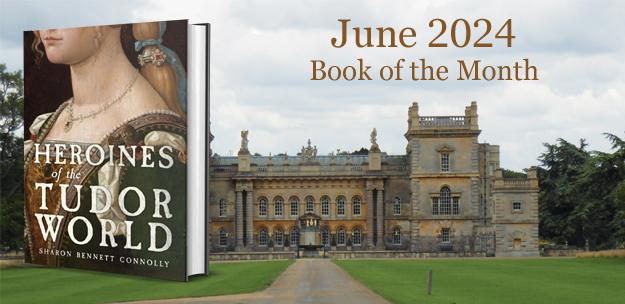
Heroines of the Tudor World tells the stories of the most remarkable women from European history in the time of the Tudor dynasty, 1485-1603. These are the women who ruled, the women who founded dynasties, the women who fought for religious freedom, their families and love. These are the women who made a difference, who influenced countries, kings and the Reformation. In the era dominated by the Renaissance and Reformation, Heroines of the Tudor World examines the threats and challenges faced by the women of the era, and how they overcame them. From writers to regents, from nuns to queens, Heroines of the Tudor World shines the spotlight on the women helped to shape Early Modern Europe.

Heroines of the Tudor World is now available for pre-order from Amberley Publishing and Amazon UK.

Coming 30 January 2025: Scotland’s Medieval Queens
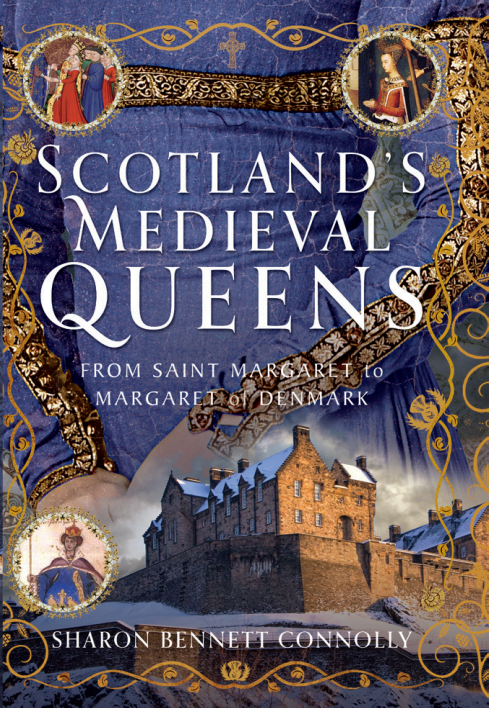
Scotland’s history is dramatic, violent and bloody. Being England’s northern neighbour has never been easy. Scotland’s queens have had to deal with war, murder, imprisonment, political rivalries and open betrayal. They have loved and lost, raised kings and queens, ruled and died for Scotland. From St Margaret, who became one of the patron saints of Scotland, to Elizabeth de Burgh and the dramatic story of the Scottish Wars of Independence, to the love story and tragedy of Joan Beaufort, to Margaret of Denmark and the dawn of the Renaissance, Scotland’s Medieval Queens have seen it all. This is the story of Scotland through their eyes.

Available for pre-order now.

Also by Sharon Bennett Connolly:
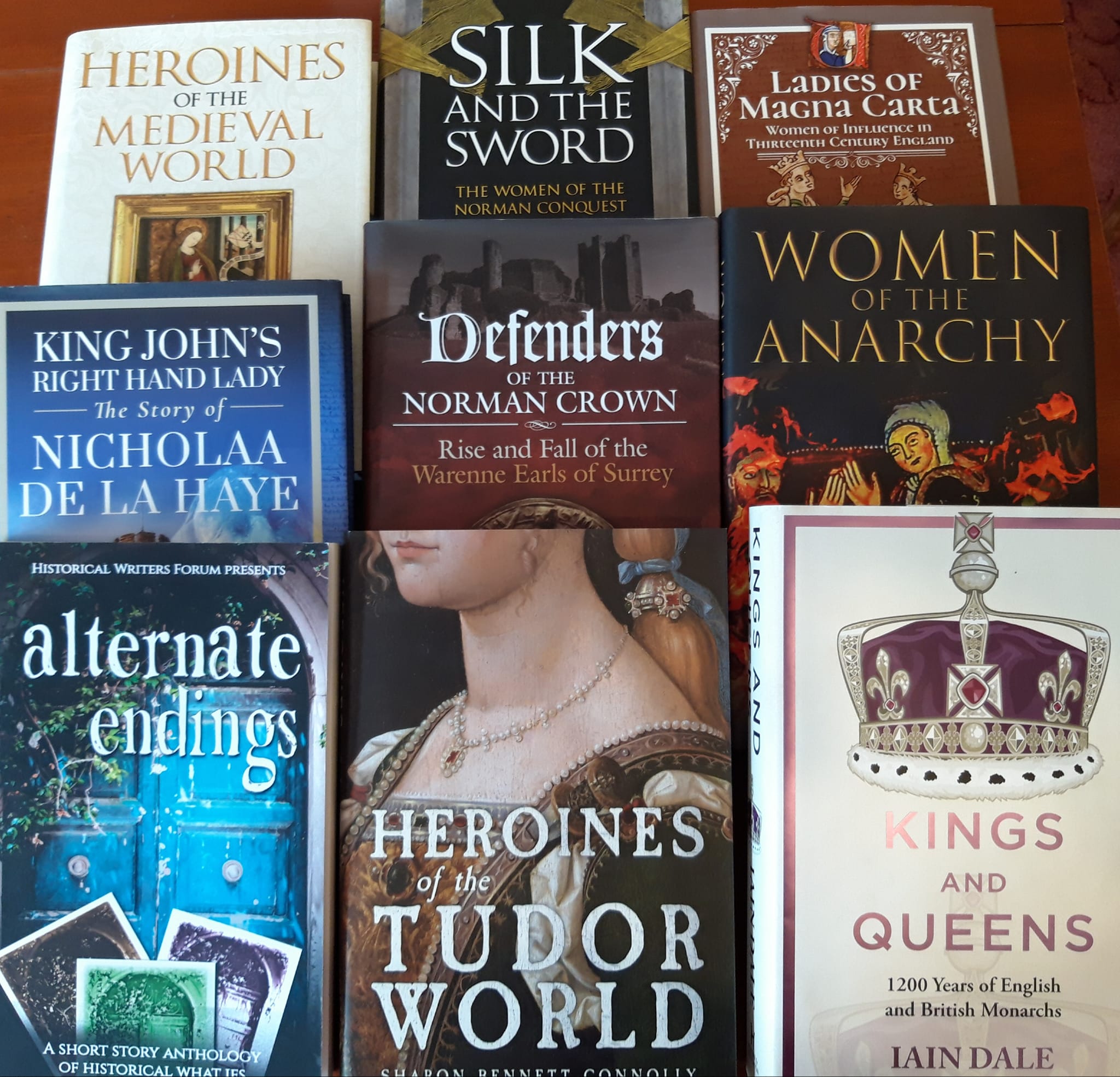
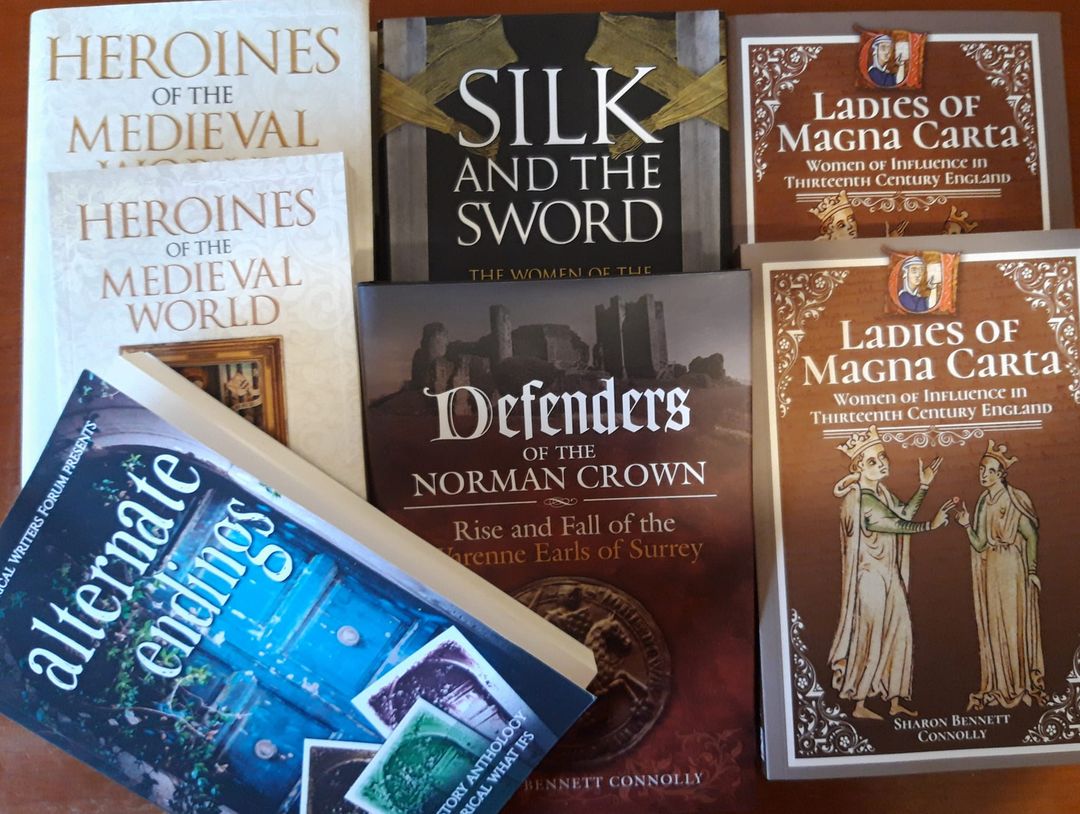
Women of the Anarchy demonstrates how Empress Matilda and Matilda of Boulogne, unable to wield a sword themselves, were prime movers in this time of conflict and lawlessness. It shows how their strengths, weaknesses, and personal ambitions swung the fortunes of war one way – and then the other. Available from Bookshop.orgAmberley Publishing and Amazon UKKing John’s Right-Hand Lady: The Story of Nicholaa de la Haye is the story of a truly remarkable lady, the hereditary constable of Lincoln Castle and the first woman in England to be appointed sheriff in her own right. Available from all good bookshops Pen & Sword Booksbookshop.org and AmazonDefenders of the Norman Crown: The Rise and Fall of the Warenne Earls of Surrey tells the fascinating story of the Warenne dynasty, from its origins in Normandy, through the Conquest, Magna Carta, the wars and marriages that led to its ultimate demise in the reign of Edward III. Available from Pen & Sword BooksAmazon in the UK and US, and Bookshop.org

Ladies of Magna Carta: Women of Influence in Thirteenth Century England looks into the relationships of the various noble families of the 13th century, and how they were affected by the Barons’ Wars, Magna Carta and its aftermath; the bonds that were formed and those that were broken. It is now available in paperback and hardback from Pen & Sword,  Amazon, and Bookshop.orgHeroines of the Medieval World tells the stories of some of the most remarkable women from Medieval history, from Eleanor of Aquitaine to Julian of Norwich. Available now from Amberley Publishing and Amazon, and Bookshop.orgSilk and the Sword: The Women of the Norman Conquest traces the fortunes of the women who had a significant role to play in the momentous events of 1066. Available now from Amazon,  Amberley Publishing, and Bookshop.org.

Alternate Endings: An anthology of historical fiction short stories including Long Live the King… which is my take what might have happened had King John not died in October 1216. Available in paperback and kindle from Amazon.

Podcast:

Have a listen to the A Slice of Medieval podcast, which I co-host with Historical fiction novelist Derek Birks. Derek and I welcome guests, such as Bernard Cornwell, and discuss a wide range of topics in medieval history, from significant events to the personalities involved.

*

Don’t forget! Signed and dedicated copies of all my books are available through my online store.

For forthcoming online and in-person talks, please check out my Events Page.

You can be the first to read new articles by clicking the ‘Follow’ button, liking our Facebook page or joining me on TwitterThreads and Instagram.

*

©2024 Sharon Bennett Connolly FRHistS.

Guest Post: Fabric as Power by Judith Arnopp

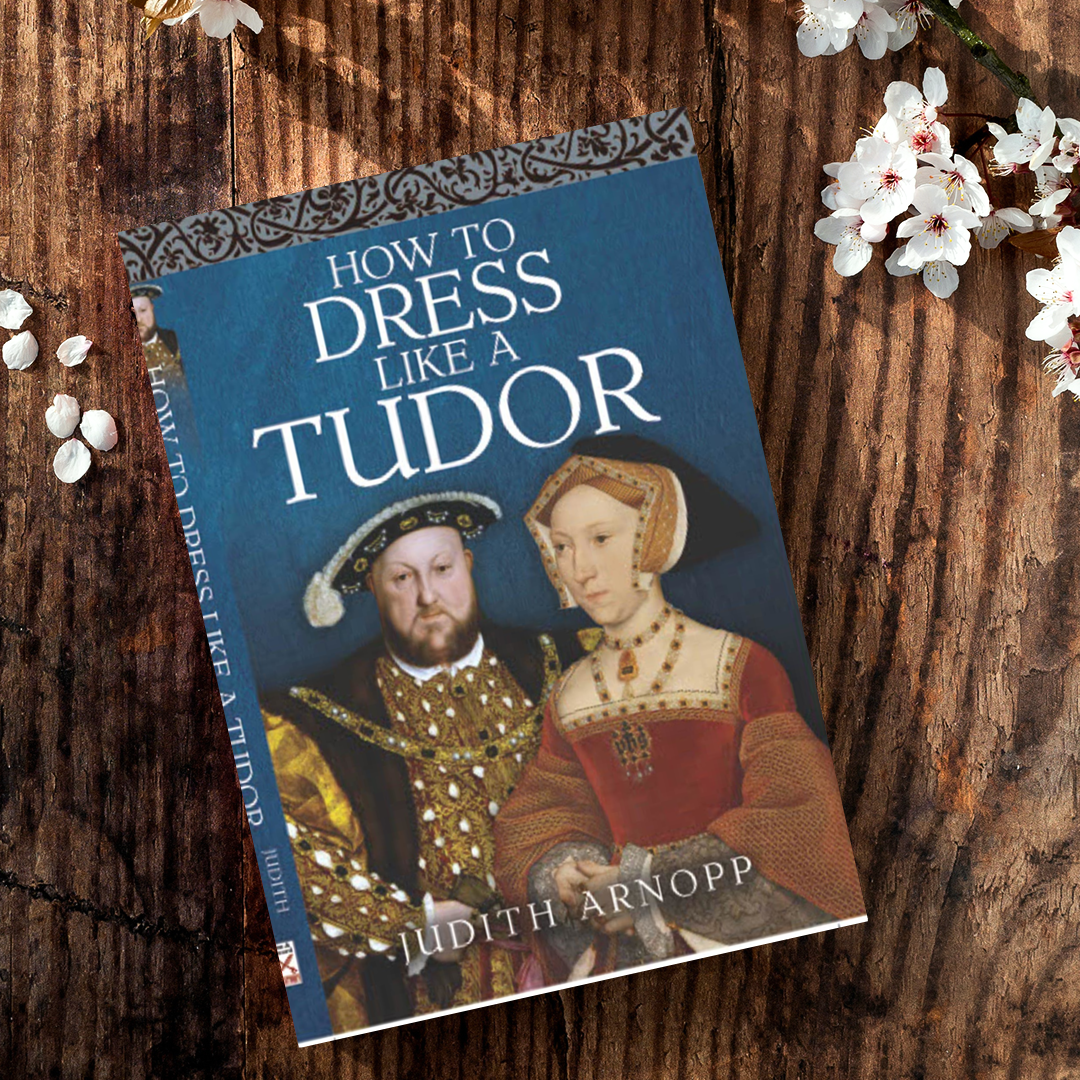
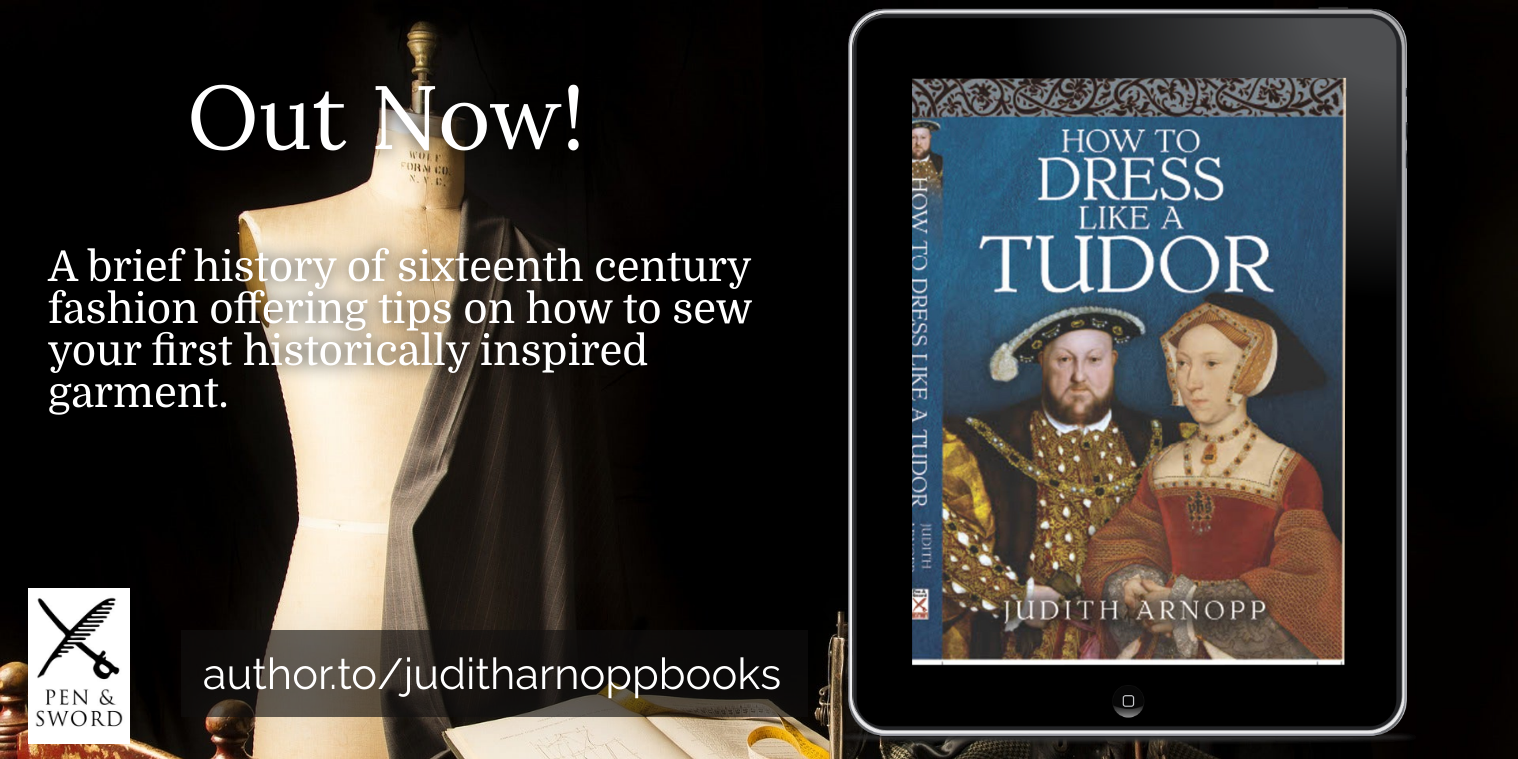
It is an absolute pleasure to welcome novelist and historian Judith Arnopp to History…the Interesting Bits today. Judith’s new book, How to Dress Like a Tudor, is one I have been excited to get my hands on ever since I heard she was writing it. The Tudors had a special talent for sumptuous gowns and bright, vibrant colours. They knew how to steal the show!

So, here’s Judith to give you a little taster of her research.

The Evolving Tudor Image: fabric as power

We have all become so familiar with royal Tudor images that we no longer really see them. One glance tells us who they are. We think we know them. They exude power, majesty and the iron fist of mastery.

Earlier portraits of the Plantagenet kings, and even the early portraits of Henry VII are very different to that of his son and grandchildren. But it was Henry VII, the first ‘Tudor’ king who began to develop the ‘Tudor’ brand.

The Tudors were the new kids on the block; nobody could foresee what sort of King Henry would make and his popularity depended very much on that of his wife, Elizabeth of York. Yorkist propaganda demeaned his claim to the throne, declaring that his mother’s line was illegitimate; that Lancaster had stolen the crown in 1399.

Henry, realising he needed to reinforce his hold on the country, embellished his family history to create an impressive Tudor dynasty. He stressed the royal connection of his mother, Margaret Beaufort, and her descent from John of Gaunt and, to strengthen his claim further, he legally removed the stigma of bastardy from the family. He reiterated the royal descent of his grandmother, Katherine of Valois and, more surprisingly, claimed descent from the ancient Welsh King Cadwaladr, and King Arthur. To further cement his link to Arthur he named his first-born son in his honour and embellished the round table at Winchester with the Tudor rose.

With the blood of both York and Lancaster flowing in the veins of his two sons and several daughters, the Tudor line looked set to continue but Arthur’s sudden death in 1502 taught Henry that a king can never have too many sons. He lost no time in teaching his remaining son, later to become Henry VIII, the finer points of kingship. He stressed the importance of his role, the unreliability of the fickle populace, and the crucial need for strong male heirs to perpetuate the dynasty. The importance of heirs was a lesson young Henry never forgot, and one he fought hard to achieve for the rest of his life.

The blooming of the Renaissance and the introduction of men like Holbein to the royal court helped to reinforce this new Tudor image and during Henry VIII’s reign new style of royal portraiture began.

I think of them as ‘power portraits’ that were loud declarations of Tudor permanence and dominance.

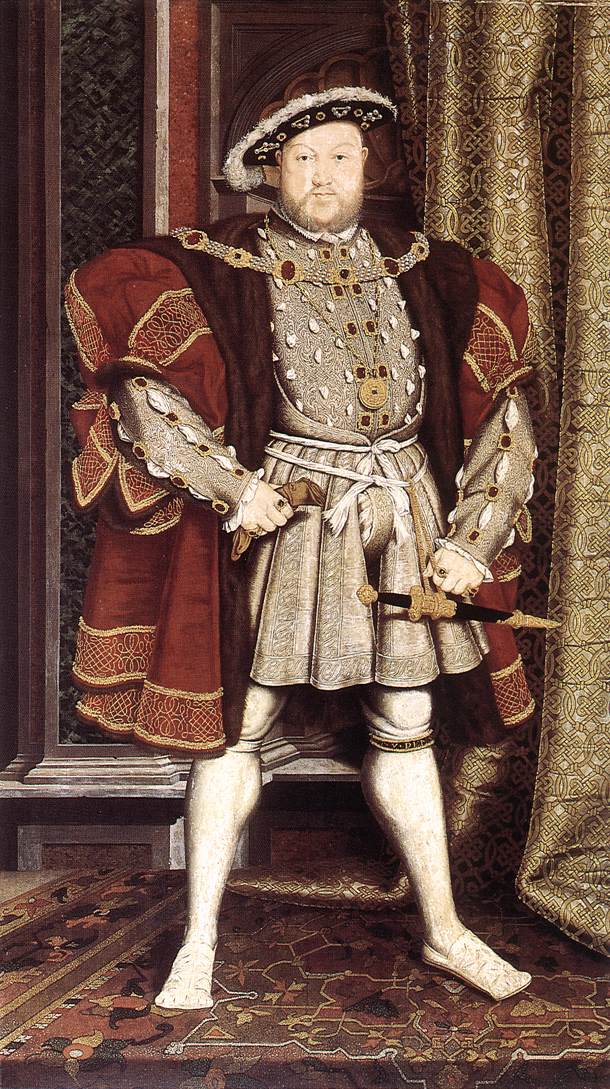
The one with which we are most familiar was painted by Holbein the younger after 1537, at a time when Henry was at the height of his power. He had freed himself from Anne Boleyn, and the Pope, and Jane Seymour had finally provided the son and heir he’d been craving.

Everything in this portrait is designed to impress and I certainly succeeds; we cannot take our eyes from the breadth of shoulder, the sumptuous quality of his clothes, his immovable stance, the potent codpiece, and the unflinching expression in his eye. The portrait exudes wealth, power and uncompromising control. It is an unspoken challenge.

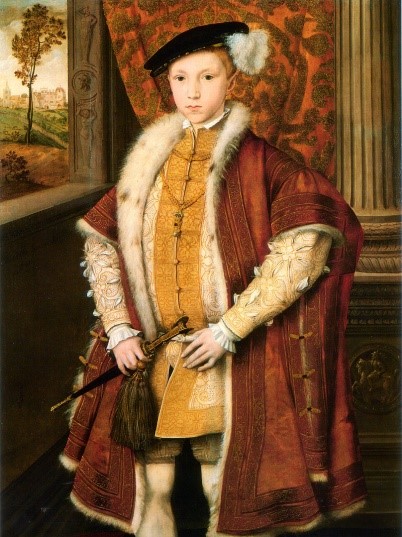
Edward VI, and Mary I also used art to illustrate their power but it was Elizabeth, arguably the greatest Tudor of them all, who exploited royal portraiture to the full. The queen was very aware of the power of image and iconography. Encouraged by her adviser, John Dee, her portraits became more and more extreme. In every image she is majestic and fabulously dressed, her tiny frame all but

obliterated by satin, velvet, lace and jewels. In looks, Elizabeth resembled her great grandmother, Margaret Beaufort and her grandfather, Henry VII but by nature she was very much like her father.

Elizabeth’s portraits are perfect examples of Renaissance iconography. Every item represents a characteristic, not of the woman within but of the nature of her reign. It is all there; virginity, wisdom, power, world domination, military genius, and the all-seeing eye of queenship.

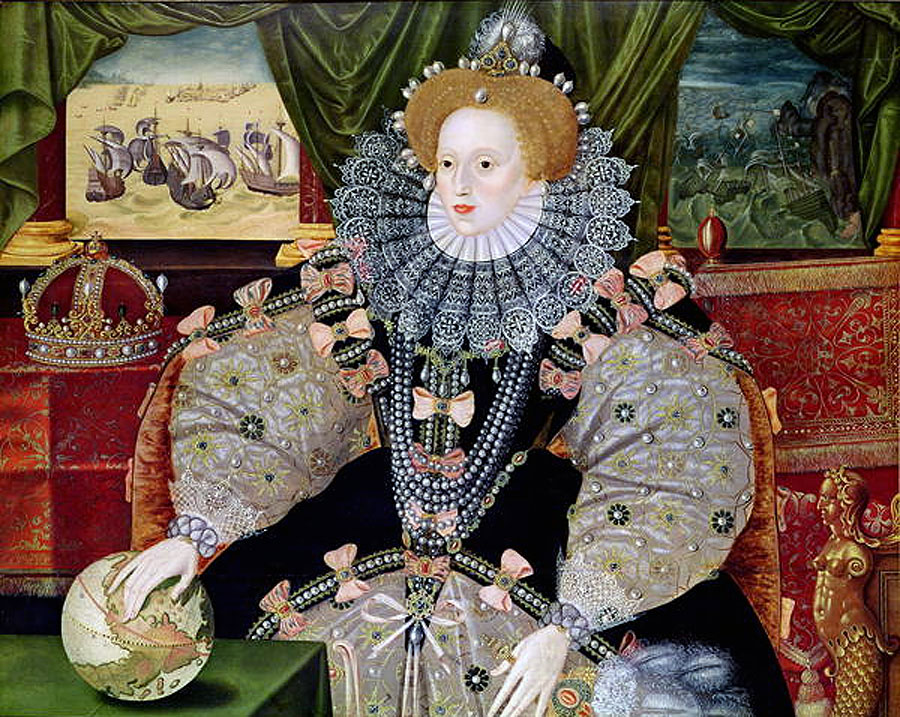
In The Armada Portrait c.1588 Elizabeth’s femininity is eclipsed by her magnificent clothing. She has so much padding, she appears every bit as broad and powerful as her father.

If Elizabeth’s grandfather and father had coveted England and parts of France, Elizabeth cast her ambitious eye farther – to the New World. Her hand rests on a globe and just in case the viewer should forget who wears it, the crown of England is just above. If you look closely her famously long white fingers are covering the Americas and, behind her are commemorations of the Spanish fleet being driven onto a rocky shore by a storm that became known as the ‘Protestant wind,’ inferring God’s approval in England’s victory over Spain. Elizabeth is proclaiming herself as the saviour of her people; the mother of her expanding empire; a victorious, virgin queen, blessed by God.

These are the things she wanted the world to see and believe. Her private, inner feelings were none of our concern and so they turned their faces into masks – a blank page, devoid of personality yet replete with majesty.

The portraits of the Tudors reveal so much about that far off world. Holbein in particular is invaluable to anyone studying the period. It is solely due to Holbein’s sketches taken at the court that we know exactly what was going on behind the gabled hoods of Catherine of Aragon and Jane Seymour. A particular favourite sketch of mine is of a woman on a settle which shows her sons dressed in replica garments of adult men. His sketches provide a behind the scenes glimpse of life at court, something the formality of the finished portraits don’t convey.

One of the best parts of writing How to dress like a Tudor for Pen and Sword books was the chance to closely examine the court portraits, and the informal sketches of the royal painters and trace the evolving fashions, styles, fabrics of the era. The Tudors were the new icons, monarchs to be worshipped, feared and respected and their portraits a shield, concealing every vestige of human frailty from common view.

How to Dress like a Tudor doesn’t just examine the clothing of royalty but of courtiers, commoners, children, monks and fools.

About the Author:

Judith Arnopp writes historical fiction set during the late medieval and Tudor period. Her usual focus is on the women who lived close to the monarch, women like Margaret Beaufort, Elizabeth of York and Mary Tudor but more recently has been writing from the perspective of Henry VIII himself. Her books are on Kindle, Audible and Paperback. You can find her fiction books here: http://author.to/juditharnoppbooks

She also writes non-fiction, her work featuring in many anthologies and online magazines. Her latest non-fiction, How to Dress like a Tudor published by Pen & Sword Books is available now. http://mybook.to/howtodress

Judith is a founder member of a reenactment group The Fyne Company of Cambria, and began making Tudor costumes for herself, her husband, John, and other members of the group. It was this that inspired How to Dress like a Tudor and she hopes to write more non-fiction Tudor history in the future. You can find Judith on Facebook, Twitter, Linked-in, Goodreads, Bluesky, Instagram, webpage

Illustrations

Eliz I The Armada Portrait Wikimedia commons [[File:Elizabeth I (Armada Portrait).jpg|Elizabeth I (Armada Portrait)]]

Henry VIII After Hans Holbein the Younger, Public domain, via Wikimedia Commons

Edward VI Attributed to William Scrots (active 1537-1553) [1], Public domain, via Wikimedia Commons

*

My Books

Christmas is coming!

Signed, dedicated copies of all my books are available through my online bookshop.

Coming 15 January 2024: Women of the Anarchy

On the one side is Empress Matilda, or Maud. The sole surviving legitimate child of Henry I, she is fighting for her birthright and that of her children. On the other side is her cousin, Queen Matilda, supporting her husband, King Stephen, and fighting to see her own son inherit the English crown. Both women are granddaughters of St Margaret, Queen of Scotland and descendants of Alfred the Great of Wessex. Women of the Anarchy demonstrates how these women, unable to wield a sword, were prime movers in this time of conflict and lawlessness. It show how their strengths, weaknesses, and personal ambitions swung the fortunes of war one way – and then the other.

Available for pre-order from Amberley Publishing and Amazon UK.

Also by Sharon Bennett Connolly:

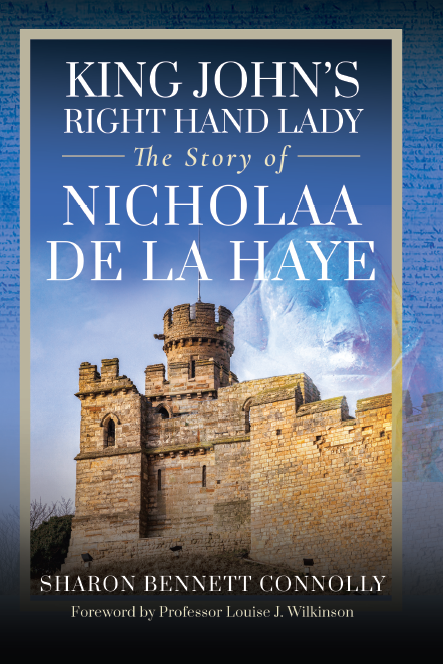
Out nowKing John’s Right-Hand Lady: The Story of Nicholaa de la Haye is the story of a truly remarkable lady. Nicholaa de la Haye was the hereditary constable of Lincoln Castle and the first woman in England to be appointed sheriff in her own right. Her strength and tenacity saved England at one of the lowest points in its history. Nicholaa de la Haye is one woman in English history whose story needs to be told…

King John’s Right-Hand Lady: The Story of Nicholaa de la Haye is now available from Pen & Sword Booksbookshop.org and Amazon.

Defenders of the Norman Crown: The Rise and Fall of the Warenne Earls of Surrey tells the fascinating story of the Warenne dynasty, of the successes and failures of one of the most powerful families in England, from its origins in Normandy, through the Conquest, Magna Carta, the wars and marriages that led to its ultimate demise in the reign of Edward III. Defenders of the Norman Crown: Rise and Fall of the Warenne Earls of Surrey is now available from Pen & Sword BooksAmazon in the UK and US, and Bookshop.org.

Ladies of Magna Carta: Women of Influence in Thirteenth Century England looks into the relationships of the various noble families of the 13th century, and how they were affected by the Barons’ Wars, Magna Carta and its aftermath; the bonds that were formed and those that were broken. It is now available in paperback and hardback from Pen & Sword,  Amazon, and Bookshop.org.

Heroines of the Medieval World tells the stories of some of the most remarkable women from Medieval history, from Eleanor of Aquitaine to Julian of Norwich. Available now from Amberley Publishing and Amazon, and Bookshop.org.

Silk and the Sword: The Women of the Norman Conquest traces the fortunes of the women who had a significant role to play in the momentous events of 1066. Available now from Amazon,  Amberley Publishing, and Bookshop.org.

Alternate Endings: An anthology of historical fiction short stories including Long Live the King… which is my take what might have happened had King John not died in October 1216. Available in paperback and kindle from Amazon.

Podcast:

Have a listen to the A Slice of Medieval podcast, which I co-host with Historical fiction novelist Derek Birks. Derek and I welcome guests, such as Bernard Cornwell, and discuss a wide range of topics in medieval history, from significant events to the personalities involved.

*

Don’t forget! Signed and dedicated copies of all my books are available through my online bookshop.

For forthcoming online and in-person talks, please check out my Events Page.

You can be the first to read new articles by clicking the ‘Follow’ button, liking our Facebook page or joining me on Twitter and Instagram.

*

©2023 Judith Arnopp and Sharon Bennett Connolly FRHistS

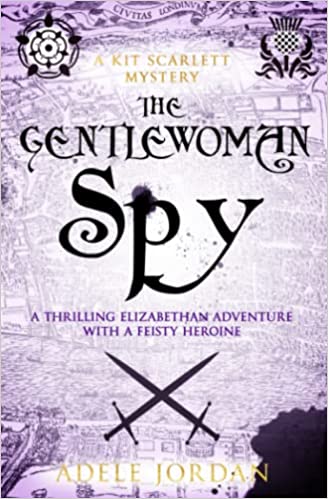
Book Corner: The Gentlewoman Spy by Adele Jordan

What happens when the spymaster’s right-hand man turns out to be a woman…?

1584, London

Sir Francis Walsingham, spymaster to the Tudor Queen Elizabeth has trained Kit Scarlett since she was a girl. Aware that she is able to infiltrate places that his male agents cannot, he sees her as an invaluable member of his team.

When Walsingham discovers that a rebel alliance is planning to overthrow Queen Elizabeth and put Mary, Queen of Scots on the English throne, he summons Kit immediately.

Together with loyal Scottish agent Iomhar Blackwood, Kit is tasked with finding out the full details of the treasonous plot.

Both used to working alone, Kit and Iomhar struggle to get along, but they must come together if they are to have any chance of stopping the deadly conspiracy against the queen.

Can Kit secure her place in a man’s world? Will she save Queen Elizabeth?

Or will her daring ultimately be her downfall…?

THE GENTLEWOMAN SPY is the first book in the Kit Scarlett Tudor Mysteries Series. It is a thrilling historical espionage adventure set in Elizabethan London with a feisty female lead.

What a fabulously entertaining adventure!

The Gentlewoman Spy by Adele Jordan follows a young woman, Kit Scarlett, as she attempts to uncover the secrets of Queen Elizabeth I’s enemies. Kit has been raised – and trained – by Elizabeth’s spymaster, Sir Francis Walsingham, to become a talented young agent with the ability to decrypt most cyphers. Forced to work with a partner, Iomahar, the story follows both their investigation and the burgeoning friendship between the two agents.

The Gentlewoman Spy is a lively, clever story set against the background of Mary Queen of Scots imprisonment and the plots associated with her, both the free the captive queen and to assassinate Elizabeth. The plot has several twists and turns at the most unexpected moments. And the two leading characters are not without their secrets, which adds to the mystery.

Kit launched for the figure. Without hesitation she reached up and wrapped one arm around his neck, with the other hand holding the dagger, she placed the tip at the top of his throat. It was the perfect threat, and her intruder fell still, his chin tilted up for if he moved at all, the blade could pierce him.

“Do not move,” she ordered.

“Ye’ve already wounded me once this week, do ye really have to do it again?” Iomhar’s distinctive deep voice rang out.

Startled, she released him, watching as he stumbled away from her, into the streams of light from teh windows above.

“You broke in,” Kit accused, gesturing to her door.

“Not exactly.” With a hand on his throat, he rubbed the sore spot she had created. “There was nay answer when I knocked so I found a way to open the door.”

“That’s called breaking in,” she warned, still holding the dagger out in his direction.

“Please do not use that again,” he said tartly, pulling back the sleeve of his doublet to reveal a bandage on his forearm. “Once was enough.”

“I had to find a way to make you release me back in Edinburgh, it was the simplest way.” She placed the dagger back into her belt. “You shouldn’t go sneaking around other people’s lodgings if you don’t want to get hurt.”

“This is where ye live?” he asked, looking around.

“Yes, why?” She followed him as he began to examine the place.

“Hmm…”

Kit Scarlett is a refreshing change in historical fiction detective stories. A wonderful, unique character, young Kit prefers the freedoms afforded by boys’ clothing, rather than the bulky cumbersome, dresses women have to wear. She is clever, brave and highly entertaining. Her mysterious origins are a theme, I’m sure, that will run through the series. I can’t wait to discover who she really is. Iomhar, her partner and a Scot, has his own secrets – and his own reasons for working working with Walsingham against his fellow countrymen. It all adds to the drama.

Adele Jordan takes the reader on a journey of discovery, through the dark streets of Tudor London and into the fashionable townhouses of the nobility, weaving a story of mystery and intrigue that draws the reader in from the very start.

The action and plot twists will keep you gripped!

The Gentlewoman Spy by Adele Jordan is now available on kindle and in paperback from Amazon.

About the author:

Adele Jordan is a writer with a fascination for history. Her focus is fiction in the Tudor era, telling the stories of women and adventure. Whether it’s inspired by true events or created purely from imagination, she desires to write stories from this captivating era that haven’t been written before of those on the edges of society, the paupers, the spies, the workers and those who have not had a voice.

Adele studied English at the University of Exeter before moving into an eclectic career of publishing and marketing. Having worked with the National Trust’s photography department for two years, Adele travelled the country to visit the landscapes and historical places that have carved England and Wales’ heritage. When Covid struck, the job disappeared overnight, and Adele committed her time to ghost writing and authoring her own stories, returning to her childhood dream job. Since then, she has had over twenty successful books published as a ghost writer and hopes to turn that success into stories now written in her own name.

*

My Books:

Signed, dedicated copies of all my books are available, please get in touch by completing the contact me form.

Coming 30 May 2023!

King John’s Right-Hand Lady: The Story of Nicholaa de la Haye is now available for pre-order from Amazon UK and Pen and Sword Books. (I will hopefully have a US release date shortly)

In a time when men fought and women stayed home, Nicholaa de la Haye held Lincoln Castle against all-comers. Not once, but three times, earning herself the ironic praise that she acted ‘manfully’. Nicholaa gained prominence in the First Baron’s War, the civil war that followed the sealing of Magna Carta in 1215.

A truly remarkable lady, Nicholaa was the first woman to be appointed sheriff in her own right. Her strength and tenacity saved England at one of the lowest points in its history. Nicholaa de la Haye is one woman in English history whose story needs to be told…

Also by Sharon Bennett Connolly:

Defenders of the Norman Crown: The Rise and Fall of the Warenne Earls of Surrey tells the fascinating story of the Warenne dynasty, of the successes and failures of one of the most powerful families in England, from its origins in Normandy, through the Conquest, Magna Carta, the wars and marriages that led to its ultimate demise in the reign of Edward III. Defenders of the Norman Crown: Rise and Fall of the Warenne Earls of Surrey is now available from Pen & Sword BooksAmazon in the UK and US, Bookshop.org and Book Depository.

Ladies of Magna Carta: Women of Influence in Thirteenth Century England looks into the relationships of the various noble families of the 13th century, and how they were affected by the Barons’ Wars, Magna Carta and its aftermath; the bonds that were formed and those that were broken. It is now available in paperback and hardback from Pen & Sword,  AmazonBookshop.org and from Book Depository worldwide.

Heroines of the Medieval World tells the stories of some of the most remarkable women from Medieval history, from Eleanor of Aquitaine to Julian of Norwich. Available now from Amberley Publishing and Amazon, Bookshop.org and from Book Depository worldwide.

Silk and the Sword: The Women of the Norman Conquest traces the fortunes of the women who had a significant role to play in the momentous events of 1066. Available now from Amazon,  Amberley Publishing, Bookshop.org and Book Depository.

Alternate Endings: An anthology of historical fiction short stories including Long Live the King… which is my take what might have happened had King John not died in October 1216. Available in paperback and kindle from Amazon.

*

You can be the first to read new articles by clicking the ‘Follow’ button, liking our Facebook page or joining me on Twitter and Instagram.

©2023 Sharon Bennett Connolly FRHistS

Book Corner: Drake – Tudor Corsair by Tony Riches

1564: Devon sailor Francis Drake sets out on a journey of adventure.

Drake learns of routes used to transport Spanish silver and gold, and risks his life in an audacious plan to steal a fortune.

Queen Elizabeth is intrigued by Drake and secretly encourages his piracy. Her unlikely champion becomes a national hero, sailing around the world in the Golden Hind and attacking the Spanish fleet.

King Philip of Spain has enough of Drake’s plunder and orders an armada to threaten the future of England.

I have read practically everything Tony Riches has ever written and I have to say, this is one of his best!

Drake – Tudor Corsair, is the first in a new Elizabethan Series. It follows the career of Sir Francis Drake from his first days as a sailor on a slave ship, to becoming captain of his own ship captain, to his raid on Cadiz and the Spanish Armada and to his final voyage as one of the greatest sailors England has ever produced. It is a life full of danger and adventure – and ambition.

As I have come to expect from Tony Riches, the book is meticulously researched and draws on primary sources to recreate Drake’s life as a novel. The result is a stunning, detailed story that draws the reader onto every aspect of Elizabethan naval life.

I confess, I knew nothing of Francis Drake beyond his participation in defeating the Spanish Armada. Tony Riches paints the portrait of a fascinating character, adventurous, ambitious, caring of his family and his crews. Drake pushed the boundaries of navigation, seamanship and – oftentimes – the law. He was a thorn in the side of the Spanish, preying on their colonies and treasure ships – they must have hated him.

I’d grown tired of remaining on the ship and wanted to experience something of Africa. I armed myself with an old sword, and found a leather bag to carry anything of value I discovered. For years I’d dreamed of searching for gold in this wild country, and now I had my chance.

Morgan cursed as the dark mud at the landing place chosen by our guide clung like glue to his boots. We walked in single file down the narrow path and I hacked at the undergrowth with my sword, mindful of stories of poisonous spiders, deadly snakes and dangerous animals.

The village came into view, in a clearing surrounded by thick forest. I was surprised by the silence; it seemed the villages had learned of our approach and fled. We’d been ordered to keep together, but the men began rushing from hut to hut, their discipline lost in the search for gold.

The first arrow flashed through the air and struck the man ahead of me in the throat. He fell with bright blood gushing from a deep wound. More arrows flew from the forest, finding their targets with deadly accuracy.

I froze in panic. We’d walked into a trap and were a long way from the boats. An arrow thudded deep into a tree close to where I stood, and Master Gilbert yelled in pain as another hit him in the shoulder.

A native ran towards me, his spear raised high in the air. Painted with red earth, he wore a necklace of curved white fangs. His muscular arm drew back, ready to put all his strength into the throw.

I turned and ran back the way we’d come, the yells and cries of pain urging me on as my heart pounded and I ran for my life. The low branch of a thorn tree scratched across my face, drawing blood, and I expected an arrow to strike my back at any moment.

Drake – Tudor Corsair is a thoroughly enjoyable read. Rich in detail and characters, it depicts the good and bad of Tudor history, delicately dealing with sensitive issues such as the slave trade, while not ignoring the brutality nor immorality of it. Tony Riches depicts the drama and danger of life at sea in a Tudor warship – fighting against not only the Spanish and the often violent natives, but also the elements themselves; the weather and the dangerous, uncharted coastlines.

Tony Riches’ characters are always rich and full of life. Sir Francis Drake himself is a likable character, he has some flaws, but comes across as someone who knows what he wants, who he wants to be and naturally takes command of every situation.

Drake – Tudor Corsair is a fabulous, entertaining read. It takes the reader on a journey full of adventure and fraught with danger, to the West Indies, Africa, South America and the Spanish coast. The various voyages and natives they encounter leave Drake – and the reader – in suspense as to whether they are friend and foe.

Tony Riches highlights the dangers faced by Drake and the brave adventurers of his era, who pushed their ships further and for longer in the name of discovery and of Elizabeth I. These were men who pushed the boundaries and often paid the ultimate price. As a result, Drake – Tudor Corsair is also a story of friendship, companionship and survival, with a twist of betrayal when ambition outweighs friendship.

And what’s more, Tony Riches is telling an epic, real-life story!

Drake – Tudor Corsair is out now and available from Amazon.

About the author:

Tony Riches is a full-time writer and lives with his wife in Pembrokeshire, West Wales, UK. A specialist in the history of the early Tudors, Tony is best known for his Tudor Trilogy. His other international best-sellers include Mary – Tudor Princess, Brandon – Tudor Knight and Katherine – Tudor Duchess.

For more information visit Tony’s author website http://www.tonyriches.com and his blog at http://www.tonyriches.co.uk. He can also be found at Tony Riches Author on Facebook and Twitter @tonyriches.

*

My Books

Ladies of Magna Carta: Women of Influence in Thirteenth Century England  looks into the relationships of the various noble families of the 13th century, and how they were affected by the Barons’ Wars, Magna Carta and its aftermath; the bonds that were formed and those that were broken. It is now available from Pen & SwordAmazon and from Book Depository worldwide.

Also by Sharon Bennett Connolly:

Silk and the Sword: The Women of the Norman Conquest traces the fortunes of the women who had a significant role to play in the momentous events of 1066.  Available now from Amazon,  Amberley Publishing, Book Depository.

Heroines of the Medieval World tells the stories of some of the most remarkable women from Medieval history, from Eleanor of Aquitaine to Julian of Norwich. Available now from Amberley Publishing and Amazon and Book Depository.

*

You can be the first to read new articles by clicking the ‘Follow’ button, liking our Facebook page or joining me on Twitter and Instagram.

©2020 Sharon Bennett Connolly