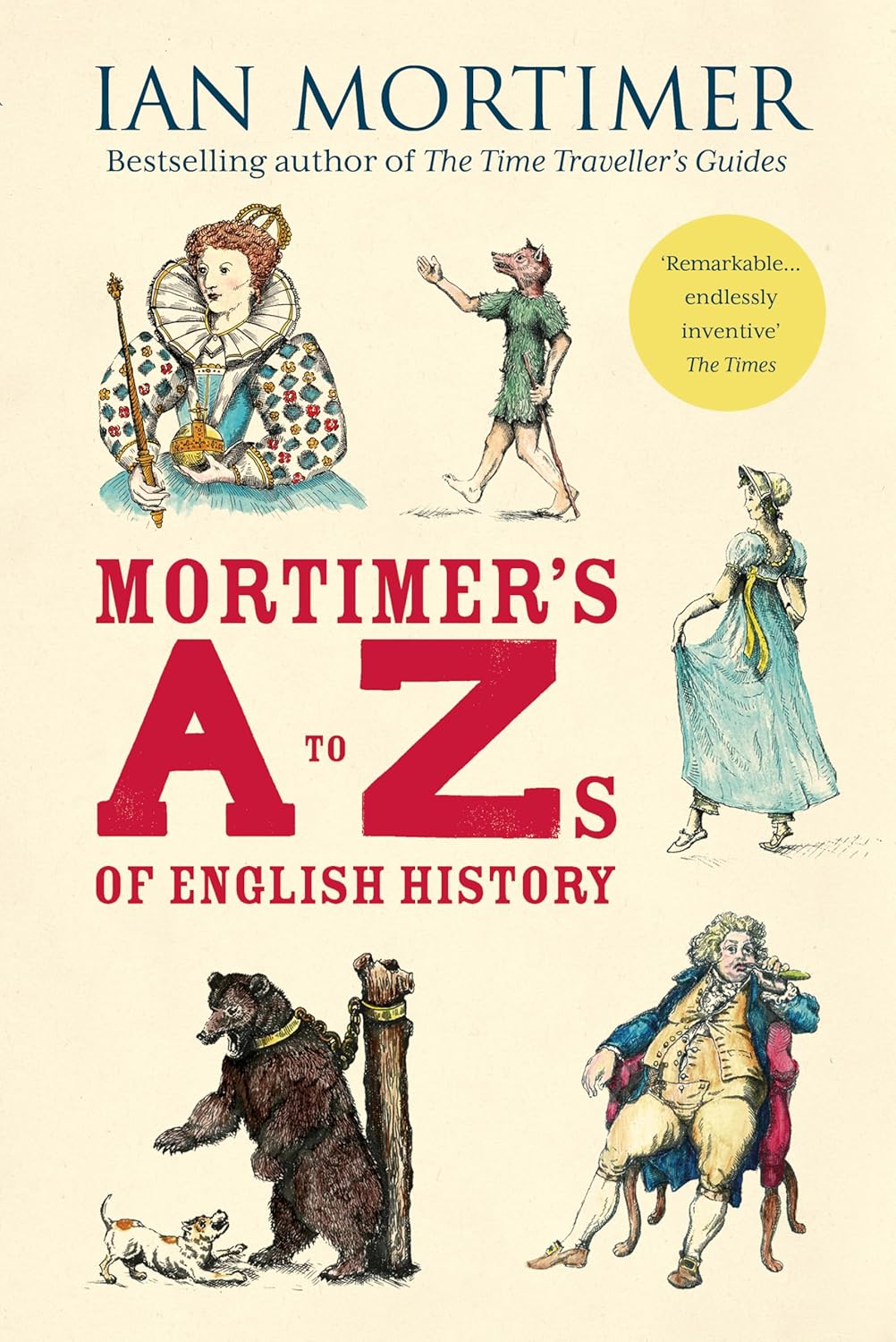
From the bestselling author of the Time Traveller’s Guides
In these sparkling A to Zs, time-travelling historian Ian Mortimer visits four classic periods of English history: the fourteenth century, the Elizabethan age, the Restoration and the Regency.
As he ranges from the Great Plague to the Great Freeze, from Armada to Austen, and from tobacco to toenails, he shines a light into corners of history we never knew were so fascinating — or so revealing of the whole.
How did the button change life in the Middle Ages? If you found yourself at a smart Elizabethan party, should you kiss your hostess on the lips? Why were pistols safer than swords in a duel? And how come Regency Londoners quaffed so much port?
This is Mortimer at his accessible and witty best. As ever, his aim is not only to bring the past to life but also to illuminate our own times.
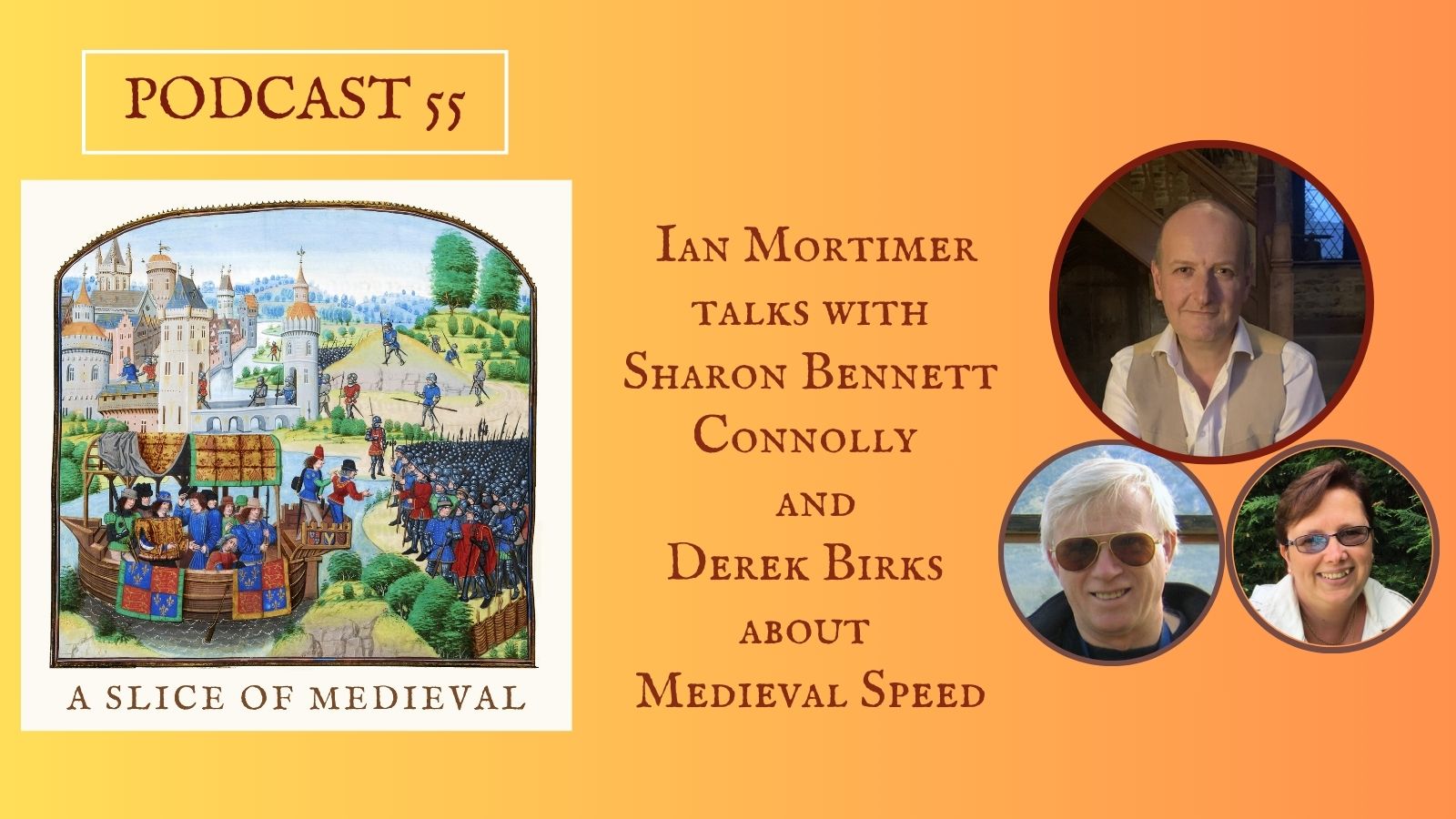
A couple of weeks ago, Derek Birks and I had the pleasure of chatting with Ian Mortimer on our podcast, A Slice of Medieval, and we talked about THIS book. You can listen to the episode when it goes live on New Years’ Eve. And if this review doesn’t persuade you to have a read, Ian’s interview certainly will. Ian Mortimer has a refreshing outlook on History – he not only wants to make it accessible to everyone, he wants to make it enjoyable. And he wants you to look at History from different angles, even sideways. Because then, you see things differently.
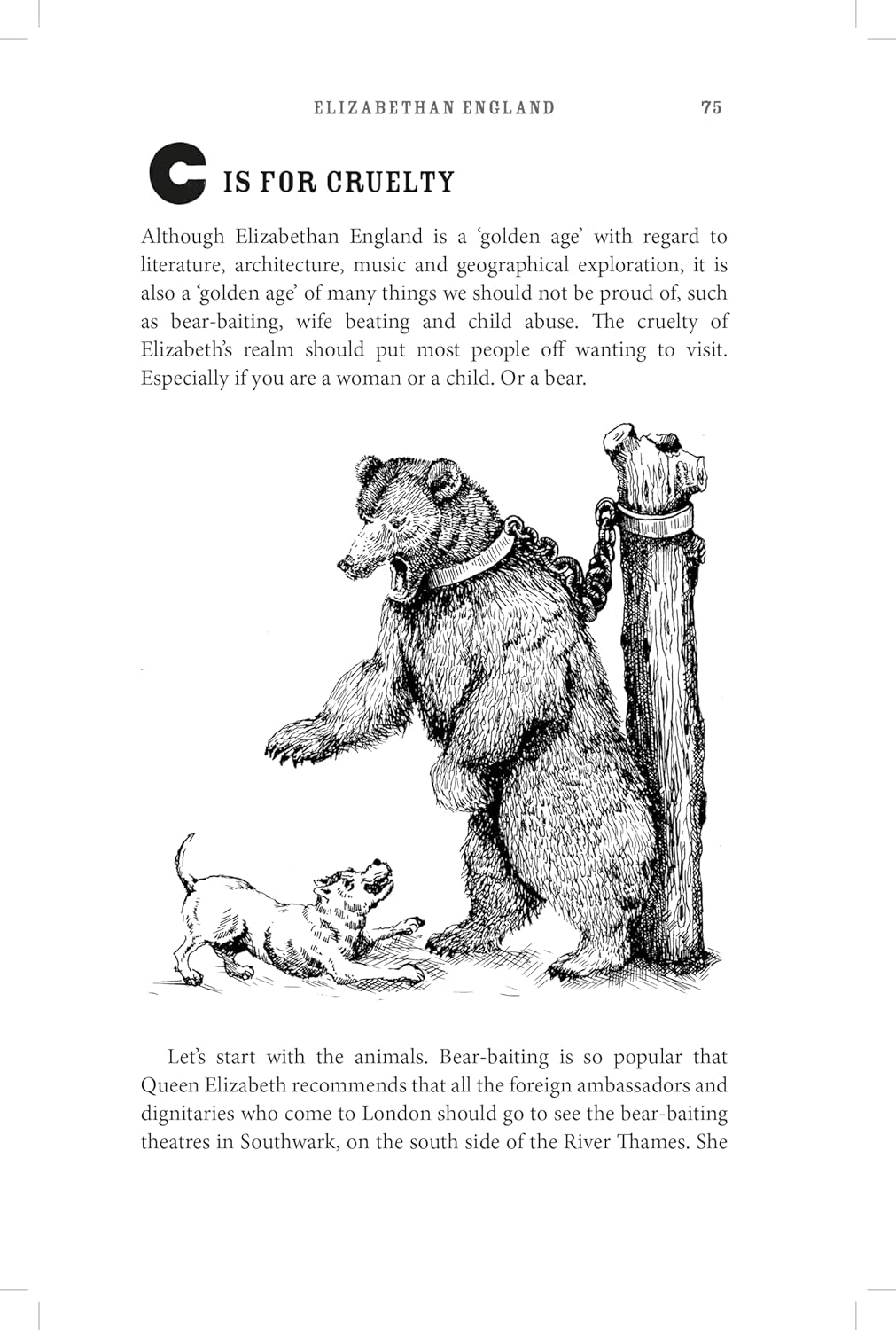
Mortimer’s A to Zs of English History is split into 5 sections and focuses on 4 main periods; 14th century, Elizabeth, Restoration and Regency, with a 5th section, the envoi, an A to Z of reflections on those themes history that cross periods. This is a stunning book and a thoroughly enjoyable read.
Many History fans look down on general History books, saying they already know the basics. But this isn’t basic. It is not as much about the facts as it is about changing the way you look at the facts. It is about making you think and making you look differently at the facts, at what we know and how we know it. It makes you wonder how inventions came about, how innovations developed. It makes you consider how diet, environment, opportunities – and the weather – affected society and drove change.
And the envoi of Mortimer’s A to Zs of English History highlights what doesn’t change, considering the values, good and bad, that transect eras and generations. Xenophobia, for instance, rears its ugly head in every generation. Speed, also, is a consideration throughout the eras; the speed of travel, of communication and of progress.
Q is for Queenship
What are medieval queens for? Obviously, they are the partners of kings and their primary duty is to produce the next generation of the royal family. In medieval times it is essential to have a line of succession: political stability depends on it. But it is worth asking what queens are for other than childbirth. After all, they are not like other aristocratic women. When Lord So-and-so goes off to court, he leaves Lady So-and-so behind to look after the household in his absence, with staff to carry out her instructions, just as in countless other private households in the country. But when the king travels, the court goes with him. His queen might remain in one of the palaces or castles or she might accompany him, but even if she remains, her role is limited. Officials are left in charge of the royal residences. Childcare is normally passed over to other women – wetnurses and guardians. When a fourteenth-century king goes abroad, he entrusts the guardianship of the realm to his heir or a near male relative, not his queen. (In this respect, the fourteenth-century is more sexist than earlier ones.) So it is fair to ask, what other purpose do queens serve?
There are several interesting ways to answer this question. For a start, no fourteenth-century English king marries an Englishwoman. Edward I marries Eleanor of Castile and then Margaret of France. Edward II marries Isabella of France. Edward III marries Philippa of Hainault. Richard II first marries Anne of Bohemia and later Isabella of France. Henry IV is married to an Englishwoman, Mary de Bohun, before becoming king but she dies five years before his accession. The same pattern applies to the previous century: King John annuls his marriage to Isabella of Gloucester almost immediately on becoming king and marries a French heiress, Isabella of Angoulême, very shortly afterwards. Queens are a diplomatic link with other kings and kingdoms. They bring with them foreign attendants and a large number of foreign relations – this is an age when third and fourth cousins are an important source of trust, information and support. Edward II’s queen, Isabella of France, is given the task of negotiating a peace treaty with her brother, Charles IV of France, on her husband’s behalf. Queens thus tie England into an international diplomatic network.
Mortimer’s A to Zs of English History will make you think, question – and want to know more. It is a fabulous resource of facts that you didn’t even know you didn’t know – and didn’t know you needed to know.
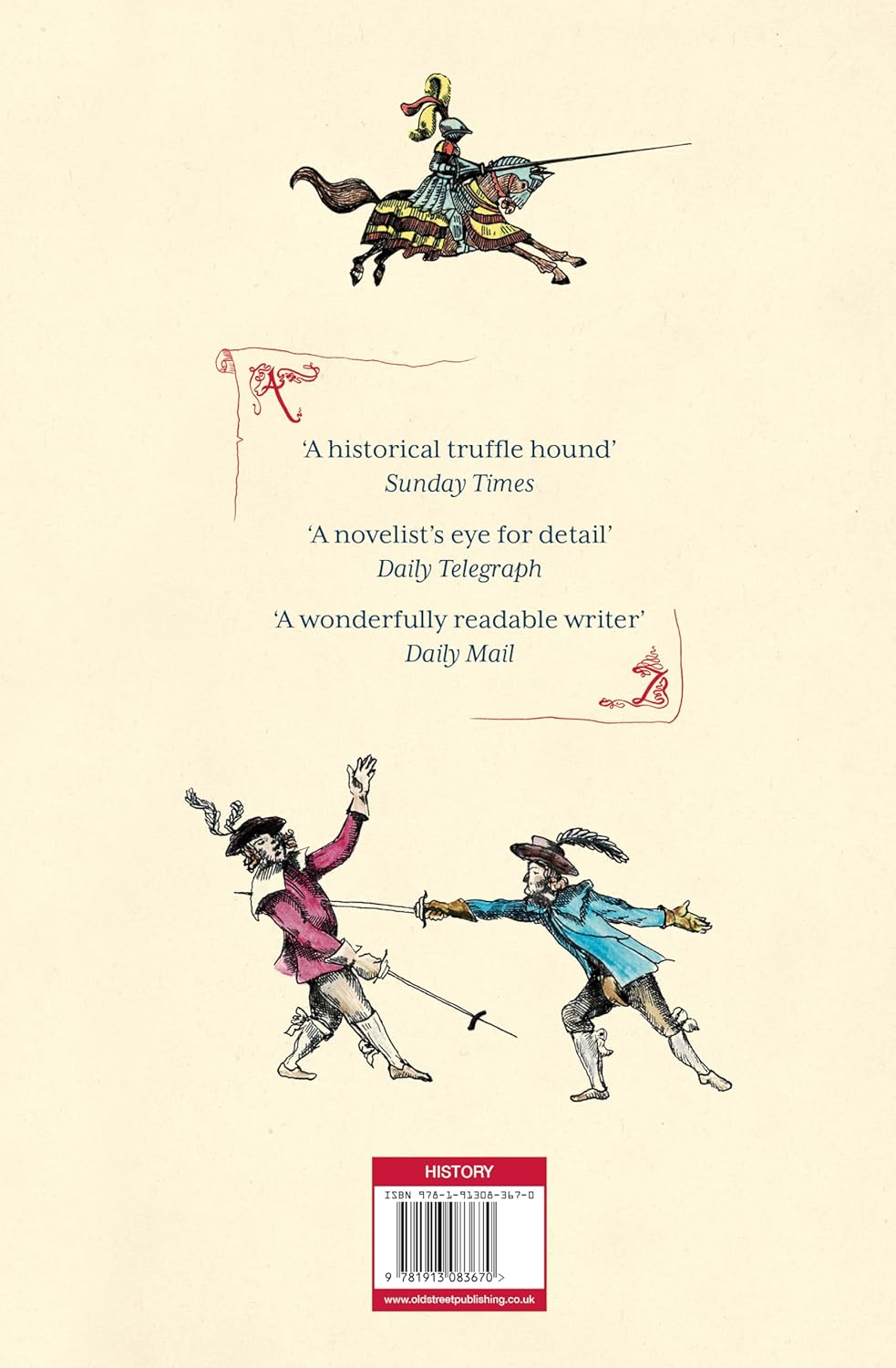
Who would have thought of buttons as causing a revolution in fashion? Did you know cows and sheep were smaller in medieval times? Ian Mortimer takes a look at the History we do not always consider: the everyday, the quirky, the mundane. He’s insightful; how much more would we have known about medieval women if they had been taught to write, allowed to tell their own stories?
If you have a History fan in your family, you should get them Mortimer’s A to Zs of English History for Christmas.
It is educational.
It is entertaining.
It is amusing.
It is revelatory.
It is a ‘must read’.
You will not look at History in the same way ever again. Get it. Read it. Devour it. And gift a copy to a friend. It is a fabulous resource for anyone with a love of History – and an amazing introduction for anyone you want to get hooked on History.
Buy Mortimer’s A to Zs of English History
About the author:
Ian Mortimer is the bestselling author of the Time Traveller’s Guides series, as well as Medieval Horizons: Why the Middle Ages Matter and four critically acclaimed biographies. He was elected a Fellow of the Royal Historical Society in 1998 and a Fellow of the Society of Antiquaries in 2015. His work on the social history of medicine won the Alexander Prize in 2004 and was published by the Royal Historical Society in 2009. He lives with his wife on the edge of Dartmoor.
*
My Books
Signed, dedicated copies of all my books are available through my online bookshop.
Out now: Scotland’s Medieval Queens

Scotland’s history is dramatic, violent and bloody. Being England’s northern neighbour has never been easy. Scotland’s queens have had to deal with war, murder, imprisonment, political rivalries and open betrayal. They have loved and lost, raised kings and queens, ruled and died for Scotland. From St Margaret, who became one of the patron saints of Scotland, to Elizabeth de Burgh and the dramatic story of the Scottish Wars of Independence, to the love story and tragedy of Joan Beaufort, to Margaret of Denmark and the dawn of the Renaissance, Scotland’s Medieval Queens have seen it all. This is the story of Scotland through their eyes.
‘Scotland’s Medieval Queens gives a thorough grounding in the history of the women who ruled Scotland at the side of its kings, often in the shadows, but just as interesting in their lives beyond the spotlight. It’s not a subject that has been widely covered, and Sharon is a pioneer in bringing that information into accessible history.’ Elizabeth Chadwick (New York Times bestselling author)
Available now from Amazon and Pen and Sword Books
Coming 30 March 2026: Princesses of the Early Middle Ages
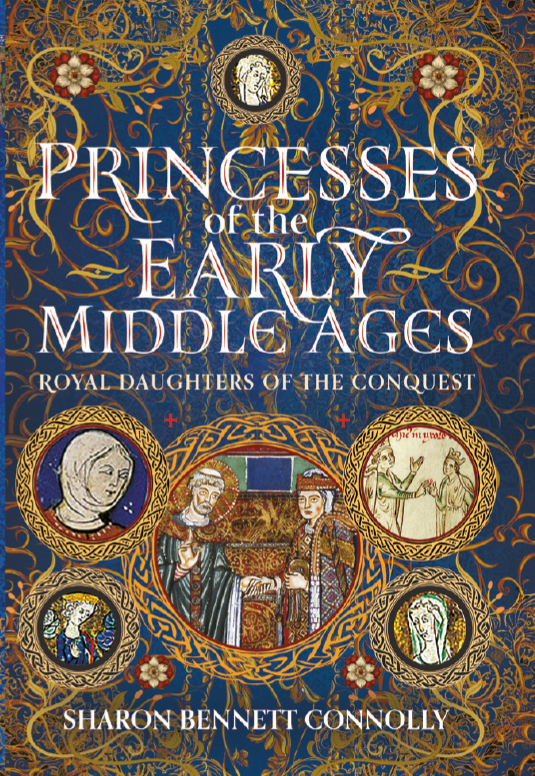
Daughters of kings were often used to seal treaty alliances and forge peace with England’s enemies. Princesses of the Early Middle Ages: Royal Daughters of the Conquest explores the lives of these young women, how they followed the stereotype, and how they sometimes managed to escape it. It will look at the world they lived in, and how their lives and marriages were affected by political necessity and the events of the time. Princesses of the Early Middle Ages will also examine how these girls, who were often political pawns, were able to control their own lives and fates. Whilst they were expected to obey their parents in their marriage choices, several princesses were able to exert their own influence on these choices, with some outright refusing the husbands offered to them.
Their stories are touching, inspiring and, at times, heartbreaking.
Princesses of the Early Middle Ages: Royal Daughters of the Conquest is now available for pre-order.
Also by Sharon Bennett Connolly:

Heroines of the Tudor World tells the stories of the most remarkable women from European history in the time of the Tudor dynasty, 1485-1603. These are the women who ruled, the women who founded dynasties, the women who fought for religious freedom, their families and love. Heroines of the Tudor World is now available from Amberley Publishing and Amazon UK. Women of the Anarchy demonstrates how Empress Matilda and Matilda of Boulogne, unable to wield a sword themselves, were prime movers in this time of conflict and lawlessness. It shows how their strengths, weaknesses, and personal ambitions swung the fortunes of war one way – and then the other. Available from Bookshop.org, Amberley Publishing and Amazon UK. King John’s Right-Hand Lady: The Story of Nicholaa de la Haye is the story of a truly remarkable lady, the hereditary constable of Lincoln Castle and the first woman in England to be appointed sheriff in her own right. Available from all good bookshops Pen & Sword Books, bookshop.org and Amazon.

Defenders of the Norman Crown: The Rise and Fall of the Warenne Earls of Surrey tells the fascinating story of the Warenne dynasty, from its origins in Normandy, through the Conquest, Magna Carta, the wars and marriages that led to its ultimate demise in the reign of Edward III. Available from Pen & Sword Books, Amazon in the UK and US, and Bookshop.org. Ladies of Magna Carta: Women of Influence in Thirteenth Century England looks into the relationships of the various noble families of the 13th century, and how they were affected by the Barons’ Wars, Magna Carta and its aftermath; the bonds that were formed and those that were broken. It is now available in paperback and hardback from Pen & Sword, Amazon, and Bookshop.org. Heroines of the Medieval World tells the stories of some of the most remarkable women from Medieval history, from Eleanor of Aquitaine to Julian of Norwich. Available now from Amberley Publishing and Amazon, and Bookshop.org. Silk and the Sword: The Women of the Norman Conquest traces the fortunes of the women who had a significant role to play in the momentous events of 1066. Available now from Amazon, Amberley Publishing, and Bookshop.org.
Alternate Endings: An anthology of historical fiction short stories including Long Live the King… which is my take what might have happened had King John not died in October 1216. Available in paperback and kindle from Amazon.
Podcast:
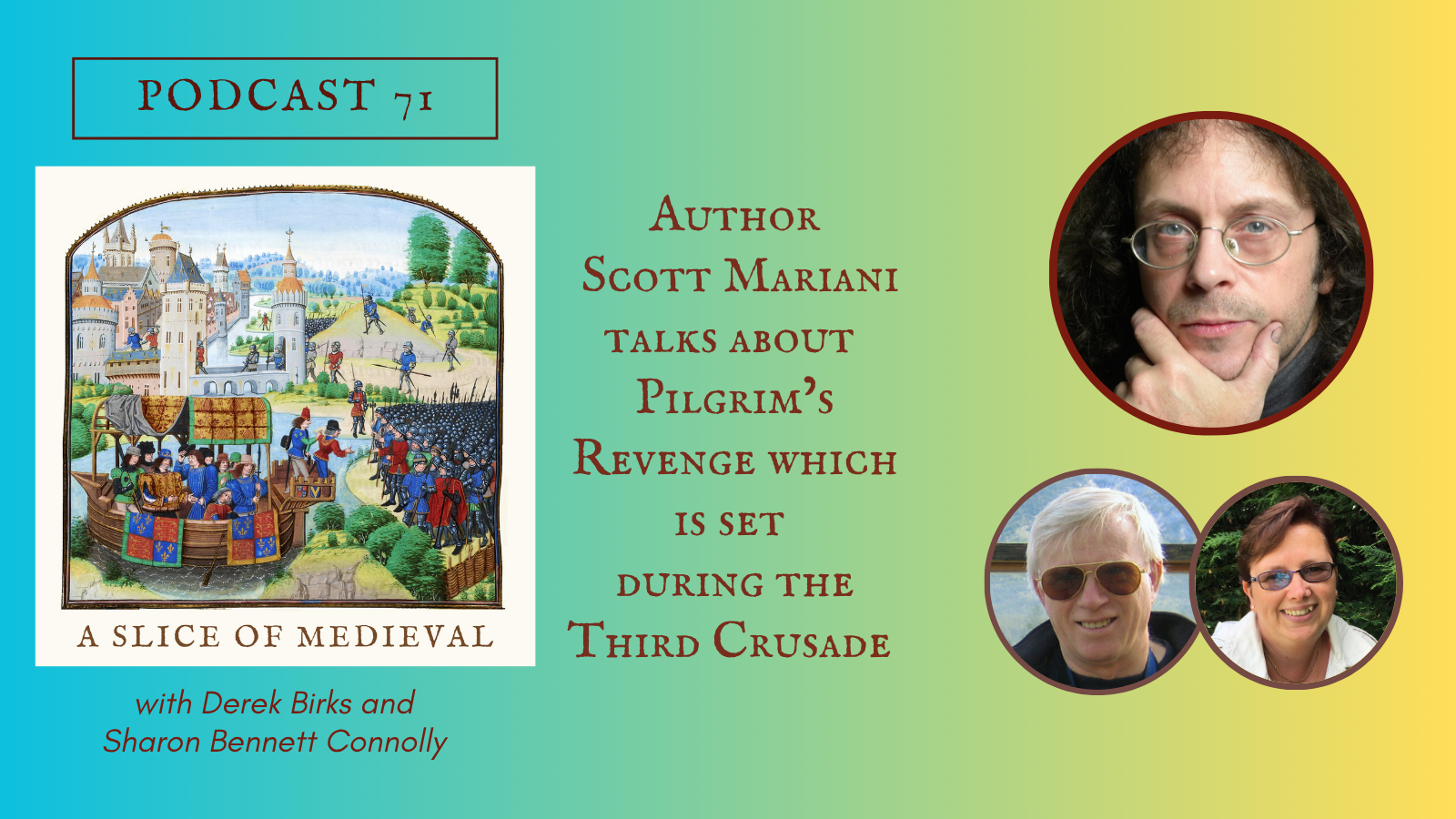
Have a listen to the A Slice of Medieval podcast, which I co-host with Historical fiction novelist Derek Birks. Derek and I welcome guests, such as Ian Mortimer, Bernard Cornwell, Elizabeth Chadwick and Scott Mariani, and discuss a wide range of topics in medieval history, from significant events to the personalities involved.
There are now over 80 episodes to listen to!
Every episode is also now available on YouTube.
*
Don’t forget! Signed and dedicated copies of all my books are available through my online bookshop.
For forthcoming online and in-person talks, please check out my Events Page.
You can be the first to read new articles by clicking the ‘Follow’ button, liking our Facebook page or joining me on Twitter, Threads, Bluesky and Instagram.
*
©2025 Sharon Bennett Connolly FRHistS
 History... the interesting bits!