Today, it is an absolute pleasure to welcome my friend and fellow author Tony Riches to History…the Interesting Bits to talk about the research behind his latest book Penelope – Tudor Baroness, the fourth book in his Elizabethan series.
Researching the Elizabethan Court, by Tony Riches
I’ve spent the past five years immersed in the strange world of the court of Queen Elizabeth I researching my Elizabethan series. I wanted to keep the books as historically accurate and consistent as possible. My favourite source is Marion E. Colthorpe’s fascinating website, ‘The Elizabethan Court Day by Day’. This is the result of her decades of research, and includes details of other useful sources.
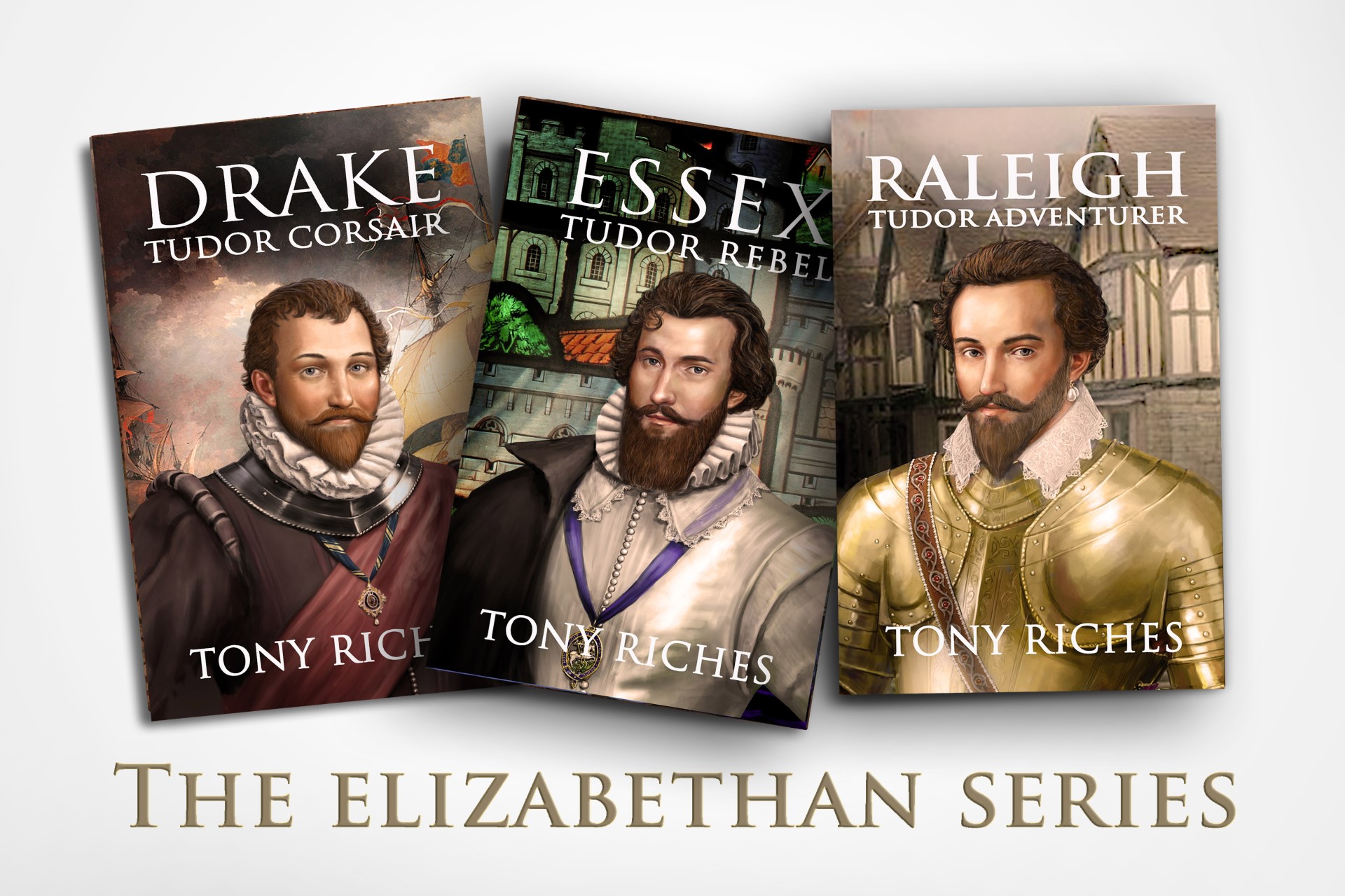
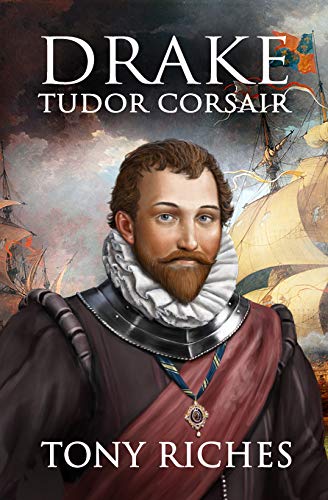
To show the many complex facets of the last Tudor queen, I decided the first three books of the series would see her through the eyes of three of her favourites, Drake, Essex, and Raleigh – each of whom knew a different side of their queen. Drake was in awe of her, and showered her with (looted) jewels, Essex was like the son she never had, and Raleigh was the captain of her guard.
These are to be followed by books about three of Queen Elizabeth’s ladies. Less well known, they all had close contact with her, a certain amount of influence with her advisors, and the opportunity to see behind the queen’s carefully contrived façade.
I chose the life of Lady Penelope Devereux as the fourth book in Elizabethan series. Penelope’s great-grandmother was Queen Elizabeth I’s aunt, Mary Boleyn. Her father was Sir Walter Devereux, 1st Earl of Essex, and her mother was Lady Lettice Knollys, banished from court for her secret marriage to the queen’s great favourite, Sir Robert Dudley.
A famous beauty, Penelope was well educated, an accomplished dancer and musician. Fluent in Italian, French and Spanish. Penelope became a prominent figure in the courts of Queen Elizabeth I and King James I. She was also involved in political intrigue, influencing the succession and her brother’s ill-fated Essex rebellion.
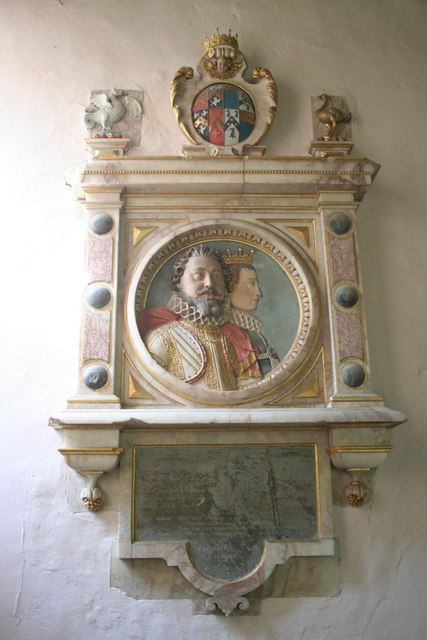
A measure of the challenges in researching Elizabethan ladies is the range and number of primary sources, such as letters. When I researched Penelope’s brother Robert for my book Essex – Tudor Rebel, I had Walter Bourchier Devereux’s ‘Lives and Letters of the Devereux, Earls of Essex’ – a two volume collection of his letters and papers, complete with detailed analysis and context.
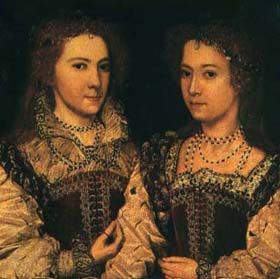
In Penelope’s case, I managed to track down only twenty-seven letters in English, six in French and seven letters in Spanish. Interestingly, many use code words or are deliberately obscure, although analysis of them all reveal an invaluable sense of Penelope’s character, and how she related to others.
I began my research expecting Penelope to have been greatly disadvantaged by her mother’s banishment from court, yet she became a Maid of Honour to Queen Elizabeth until her stepfather, Sir Robert Dudley arranged her marriage to Baron Rich. (An unlikely choice of husband for her, he was the grandson of Richard Rich, Thomas Cromwell’s right hand man in the Dissolution of the monasteries.)
Another surprise was the inconsistent records of Penelope’s many children. Some biographers have them in the wrong order and others omit some entirely. The situation is not helped by the question of who their fathers were, and several premature or stillbirths with no baptism. My solution was to create my own list from the best information I could find, (and I updated her Wikipedia page accordingly.)
To avoid too many spoilers, I shall not say here what I made of her brother accusing Penelope of encouraging his rebellion, or her relationship with Queen Elizabeth after he was executed for treason. Her story does take readers past the end of the Tudors with the death of Elizabeth, and how she became a lady of the bedchamber to Queen Anne.
Lord Byron’s saying ‘Tis strange — but true; for truth is always strange; Stranger than fiction; if it could be told.’ is proven right by my research. Although historical fiction, I have only had to ‘fill in the gaps’, and believe my new book is therefore one of the most comprehensive accounts of Penelope’s amazing story.
Tony Riches
About the book:
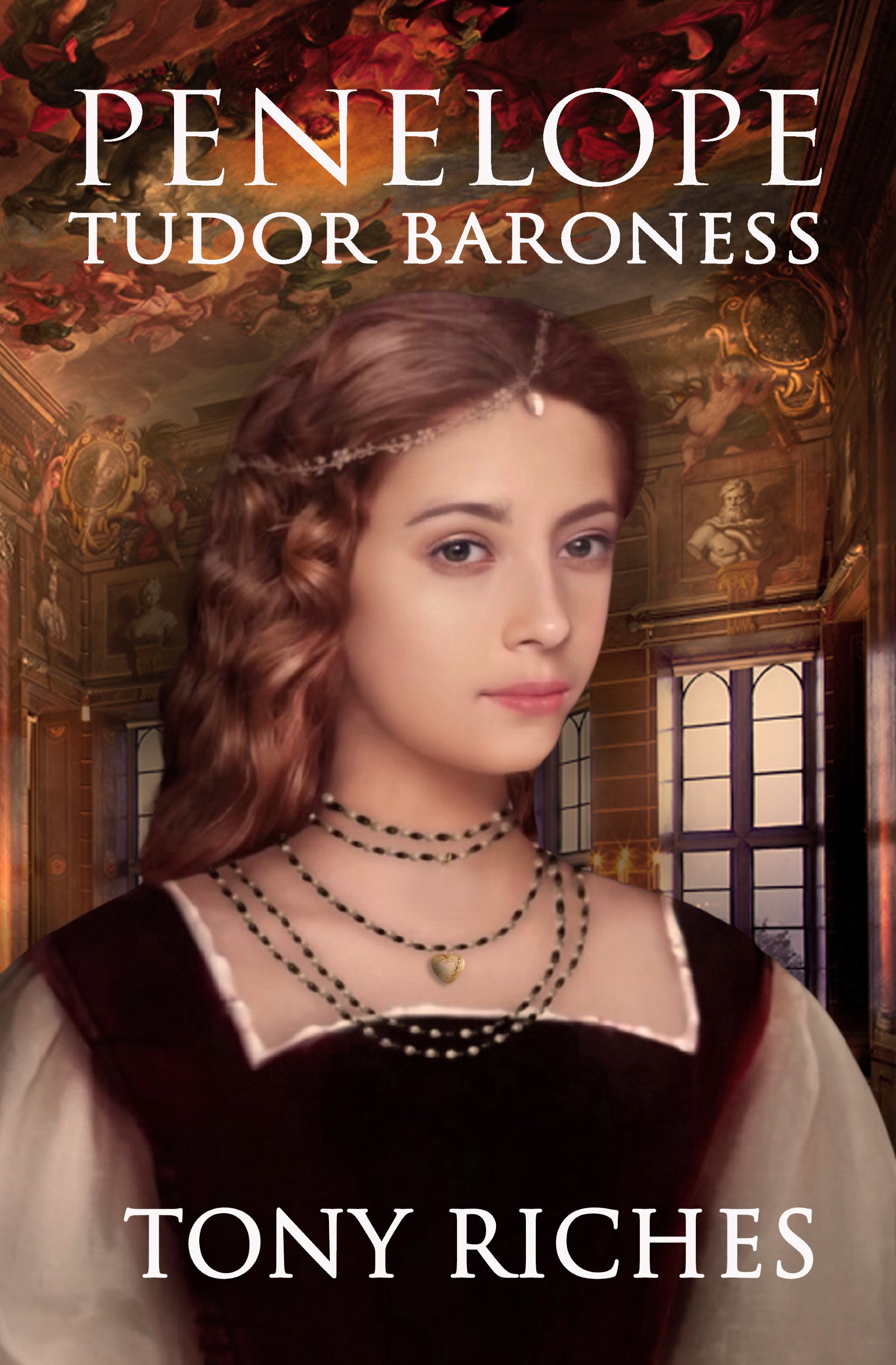
Penelope – Tudor Baroness (Book Four of The Elizabethan Series)
Penelope’s life is full of love and scandal. The inspiration for Sir Philip Sidney’s sonnet Astrophel and Stella, she is inevitably caught up in her brother Robert’s fateful rebellion.
A complex and fascinating woman, her life is a story of love, betrayal, and tragedy. Discover how Penelope charms her way out of serious charges of treason, adultery, and forgery, and becomes one of the last truly great ladies of the Tudor court.
A maid of honour to Queen Elizabeth, Penelope outlives the end of the Tudors with the death of the old queen and the arrival of King James, becoming a favourite lady-in-waiting to the new queen, Anne of Denmark.
“This is the story of a woman who lived life on her own terms, and one that will stay with you long after you finish reading it.”
To Buy the Book:
Amazon US: https://www.amazon.com/dp/B0C78KDRK3
Amazon UK: https://www.amazon.co.uk/dp/B0C78KDRK3
Amazon CA: https://www.amazon.ca/dp/B0C78KDRK3
Amazon AU: https://www.amazon.com.au/dp/B0C78KDRK3
About the Author:

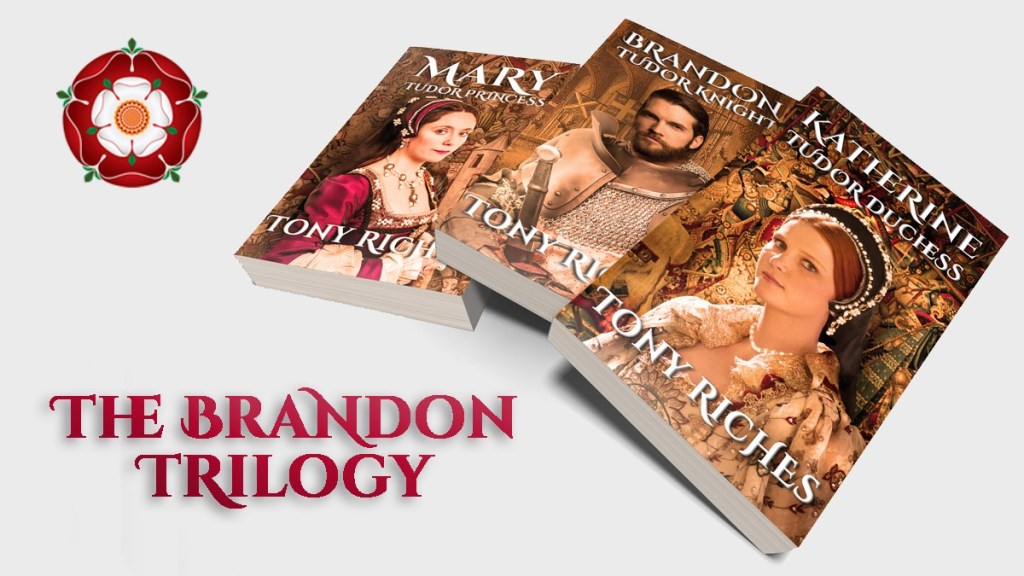
Tony Riches is a full-time UK author of Tudor historical fiction. He lives with his wife in Pembrokeshire, West Wales and is a specialist in the lives of the early Tudors. As well as his new Elizabethan series, Tony’s historical fiction novels include the best-selling Tudor trilogy and his Brandon trilogy, (about Charles Brandon and his wives). For more information about Tony’s books please visit his website tonyriches.com and his blog, The Writing Desk and find him on Facebook and Twitter @tonyriches.
Find Tony at: Amazon UK: https://www.amazon.co.uk/Tony-Riches/e/B006UZWOXA Amazon US: https://www.amazon.com/Tony-Riches/e/B006UZWOXA Website: https://www.tonyriches.com/ Writing blog: https://tonyriches.blogspot.com/ Twitter: https://twitter.com/tonyriches Facebook: https://www.facebook.com/tonyriches.author Instagram: https://www.instagram.com/tonyriches.author/ TikTok: https://www.tiktok.com/@tonyriches.author Podcasts: https://tonyriches.podbean.com/ Goodreads: https://www.goodreads.com/author/show/5604088.Tony_Riches
*
My Books:
Signed, dedicated copies of all my books are available, please get in touch by completing the contact me form.
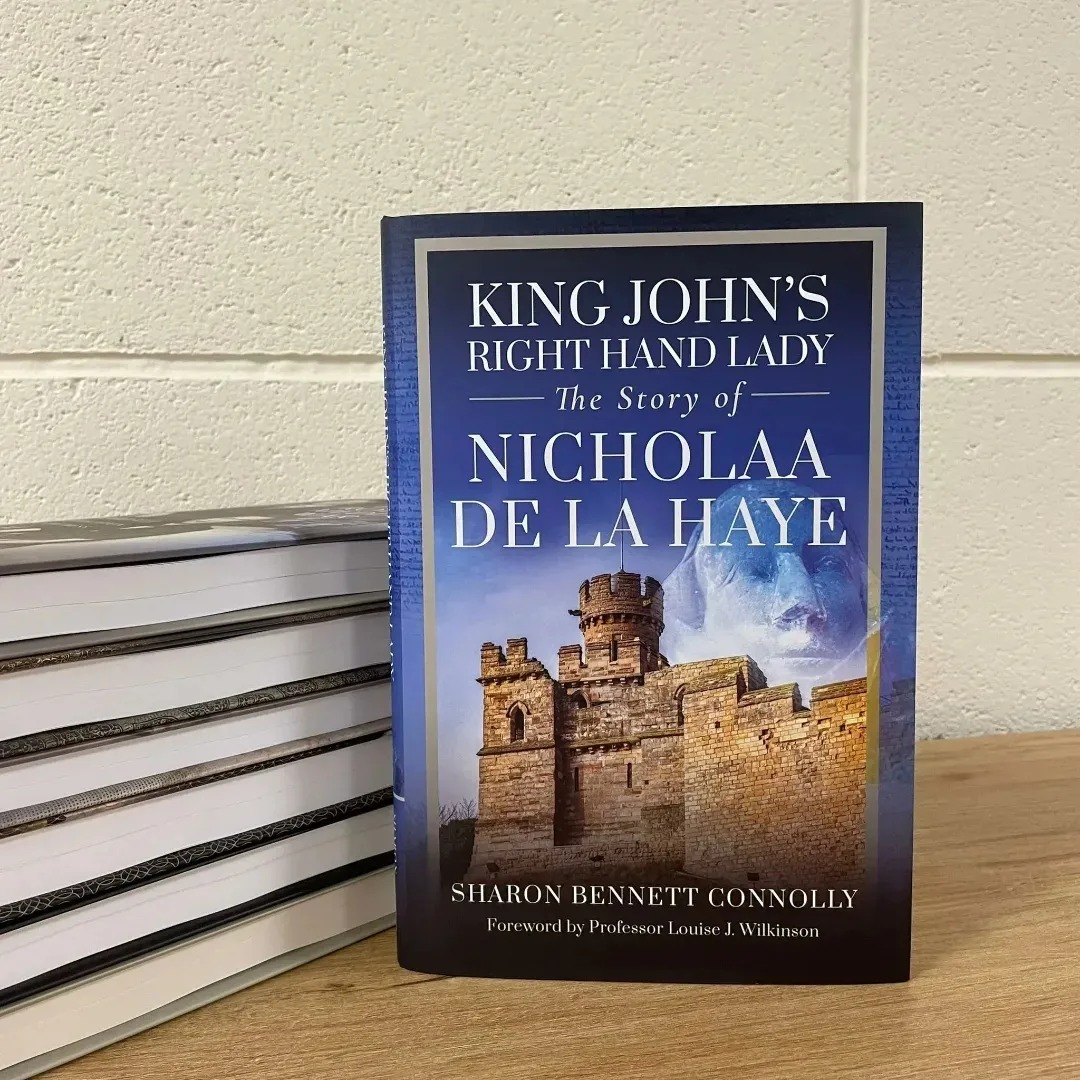
King John’s Right-Hand Lady: The Story of Nicholaa de la Haye is now available for pre-order from Pen & Sword Books, bookshop.org and Amazon UK. (I will hopefully have a US release date shortly)
In a time when men fought and women stayed home, Nicholaa de la Haye held Lincoln Castle against all-comers. Not once, but three times, earning herself the ironic praise that she acted ‘manfully.’ Nicholaa gained prominence in the First Baron’s War, the civil war that followed the sealing of Magna Carta in 1215.
A truly remarkable lady, Nicholaa was the first woman to be appointed sheriff in her own right. Her strength and tenacity saved England at one of the lowest points in its history. Nicholaa de la Haye is one woman in English history whose story needs to be told…
Also by me:

Defenders of the Norman Crown: The Rise and Fall of the Warenne Earls of Surrey tells the fascinating story of the Warenne dynasty, of the successes and failures of one of the most powerful families in England, from its origins in Normandy, through the Conquest, Magna Carta, the wars and marriages that led to its ultimate demise in the reign of Edward III. Defenders of the Norman Crown: Rise and Fall of the Warenne Earls of Surrey is now available from Pen & Sword Books, Amazon in the UK and US, and Bookshop.org.
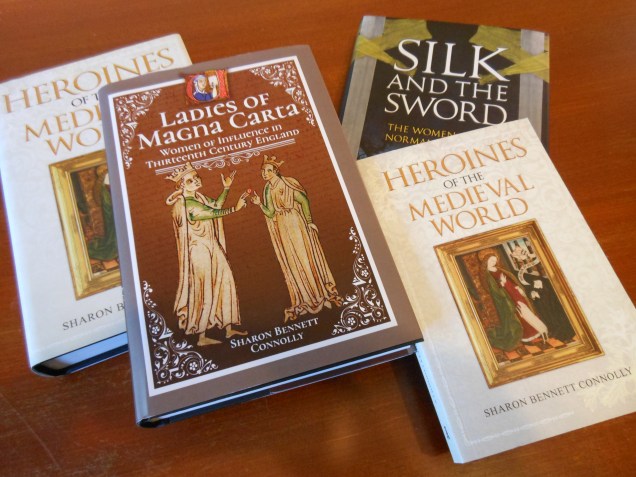
Ladies of Magna Carta: Women of Influence in Thirteenth Century England looks into the relationships of the various noble families of the 13th century, and how they were affected by the Barons’ Wars, Magna Carta and its aftermath; the bonds that were formed and those that were broken. It is now available in paperback and hardback from Pen & Sword, Amazon, and Bookshop.org.

Heroines of the Medieval World tells the stories of some of the most remarkable women from Medieval history, from Eleanor of Aquitaine to Julian of Norwich. Available now from Amberley Publishing and Amazon, and Bookshop.org.
Silk and the Sword: The Women of the Norman Conquest traces the fortunes of the women who had a significant role to play in the momentous events of 1066. Available now from Amazon, Amberley Publishing, and Bookshop.org.
Alternate Endings: An anthology of historical fiction short stories including Long Live the King… which is my take what might have happened had King John not died in October 1216. Available in paperback and kindle from Amazon.
*
Podcast:
Have a listen to my A Slice of Medieval podcast
For forthcoming online and in-person talks, please check out my Events Page.
You can be the first to read new articles by clicking the ‘Follow’ button, liking our Facebook page or joining me on Twitter and Instagram.
*
©2023 Tony Riches and Sharon Bennett Connolly FRHistS




 History... the interesting bits!