I am stepping out of my medieval comfort zone today to chat with Catherine Hokin. It is always nice to stray into other eras and see what they have to offer; Catherine is a historical fiction author who focuses on the twentieth century. Her new book, The Girl Who Told The Truth, hits the shops this week and I have included the synopsis at the end of the interview, as a little teaser for you all.
Sharon: Hi Catherine, welcome! What got you into writing?
Catherine: Like most people who become writers, I’ve always loved stories but I’ve also always been a very visual person and, when I was younger, I originally wanted to be a fashion designer. I used to spend hours drawing fabulous dresses and, I realise with hindsight, spinning stories about who would wear them. I’m still a fashion buff now, which is why my novel What Only We Know is set in the haute couture world of 1930s and 1940s Berlin and Christian Dior’s gorgeous Bar Suit makes an appearance in my new book, The Girl Who Told the Truth. Actual writing was a long burning itch for me because the demands of life made the reality of doing it impossible. I started with short stories and had some success with those and then the bug truly bit. I think it’s only since I began writing full time that I’ve realised how much I always wanted to do it. (Sharon: I know that feeling!)
Sharon: Tell us about your books.
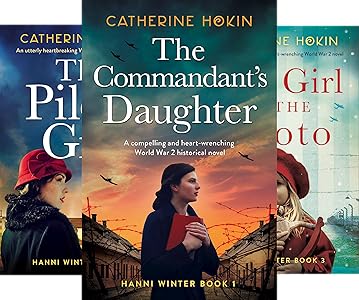
Catherine: I write historical fiction set between 1930 and 1990, so World War Two and Cold War, and set primarily in Berlin and Eastern Europe. That sounds rather niche when I write it down! My novels are about the long shadows cast by war and the impact of terrible events on ordinary people. They ask a lot of questions about the way people act, or don’t act, about where courage comes from and how we define evil. They usually have a secret or two, sometimes they are dual timeline and they frequently have a very bad character in them because they are great fun to write. Most of the twelve published to date by Bookouture (number 13, The Girl Who Told the Truth, comes out in January 2026) are stand-alones, but there is also the Hanni Winter series: four books about a young photographer and a detective, set in Berlin between 1930 and the 1950s. It’s got so many twists and it was brilliant to be able to write over such a long arc. And exhausting!
Sharon: What attracts you to the period you write in?
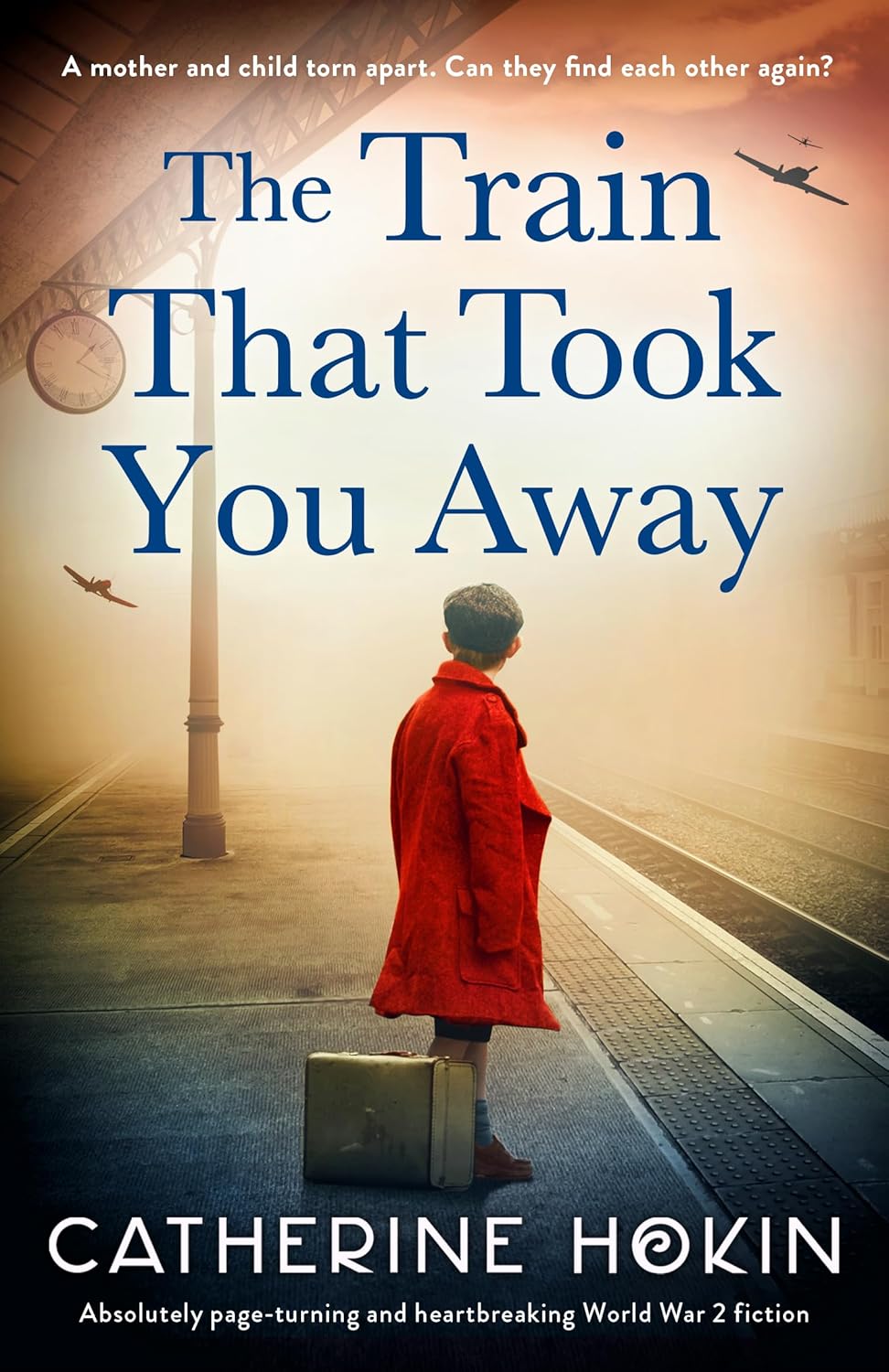
Catherine: So many reasons. With World War Two I think it’s perhaps because my parents (who were very small children in 1939) were so marked by their experiences of the blitz in Liverpool and the difficult post war years, and I grew up in that shadow. War is also such a testing time: it brings out the best and the worst in people, and so many of those involved only talk about their experiences as they draw towards the end of their life, so we are constantly learning about it. There is also a personal element for me when it comes to the Cold War, and the Berlin Wall which features in my novels a lot. I was born in 1961, the year it went up, and my daughter was born in 1990, the year it came down. If we had lived in East Germany, our experiences would have poles apart from each other which fascinates me. Germany was also the first country I visited outside the UK and seeing the Wall when I was seventeen made a huge impression. I’ve never forgotten talking to a woman who hadn’t seen her sister for almost twenty years. They were physically less than two miles apart, but the Wall lay across that two miles and made contact impossible.
Sharon: Who is your favourite 20th century person and why?
Catherine: Oh that is a hard question as we know so much about everyone’s flaws nowadays! At the moment I would probably have to say Frieda Kahlo as I’ve recently got back from an incredible two week stay in Mexico City and I visited her house. Her courage in the face of dreadful pain was remarkable, as is her art.
Sharon: Who is your least favourite 20th century person and why?
Catherine: Another hard one with so many contenders. All the dictators aside, I think it’s the people who follow blindly and have no compassion that fall into that category for me. Again, thinking about people I’ve encountered more recently, in the research for The Girl Who Told the Truth, I would say Magda Goebbels was high on the list. Reading the accounts of her murdering her children in the bunker was tough. I’m also no fan of Diana Mosley who also appears in the novel: I find the way some of the Mitford sisters (of which she was one) have been romanticised over the years a little disturbing.
Sharon: How do you approach researching your topic?
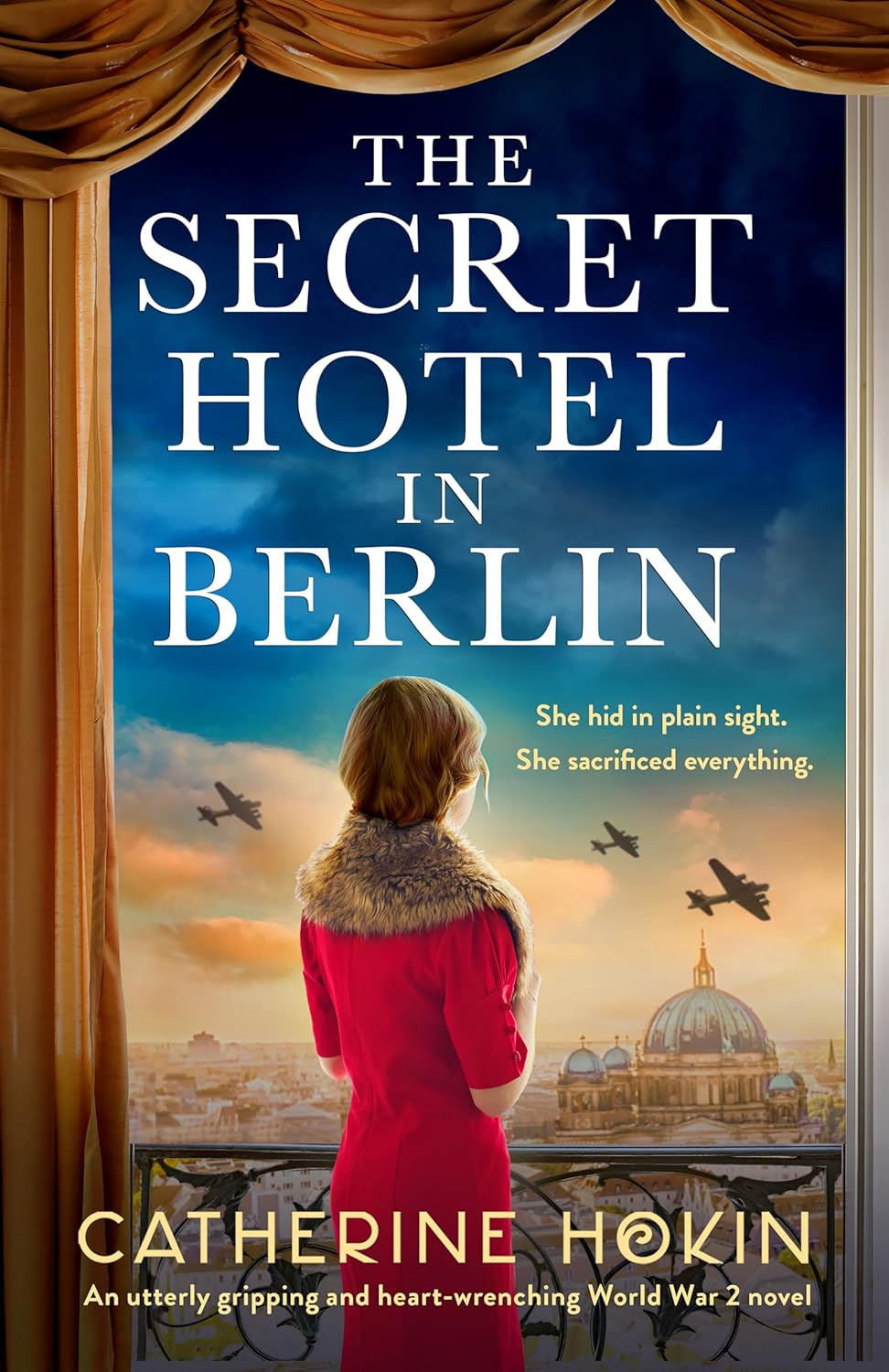
Catherine: With great joy! I love the research part, it is very varied, and I did a history degree so I feel I know what I’m doing – the skills learned then have helped me to be very disciplined so I don’t lose days down rabbit holes. In terms of time, there’s at least three solid months of nothing but research and then more ongoing bits while I’m writing. Once I have my initial idea, I do a huge resource search which includes primary and secondary sources in English and German, and also films and artworks and music, whatever is relevant. I keep detailed notes and cross-reference these to characters and plot points. I am also lucky enough to be able to visit the places I write about, so I walk in my characters’ footsteps and do a lot of photography. And I draw a lot of maps. For The Secret Hotel in Berlin, I also drew the interiors. It’s a very immersive process. And about 70% never gets used, because it’s what I need to know, not the reader…
Sharon: Tell us your ‘favourite’ 20th century story you have come across in your research.
Catherine: That has to be the story of Else Krüger, which I used as the basis for Margarete in The Girl Who Told The Truth. I first came across her via historian Mark Felton’s YouTube video, which is well worth a watch. Krüger was Martin Bormann’s secretary, and she escaped from the Berlin bunker after Hitler’s death, allegedly carrying a copy of his final testament and a bag of diamonds. She was arrested in Hamburg, taken to Nuremberg and married her interrogator before she settled in England, where she passed herself off as a Danish war bride. It’s an amazing story, but that’s where it ends – unlike the other secretaries and survivors of the bunker, Else never wrote a memoir or discussed her experiences, and the truth about the documents and the diamonds died with her. My character Margarete is, of course, fictional, but how could any writer walk away from a nugget like that?
Sharon: Tell us your least ‘favourite’ 20th century story you have come across in your research.
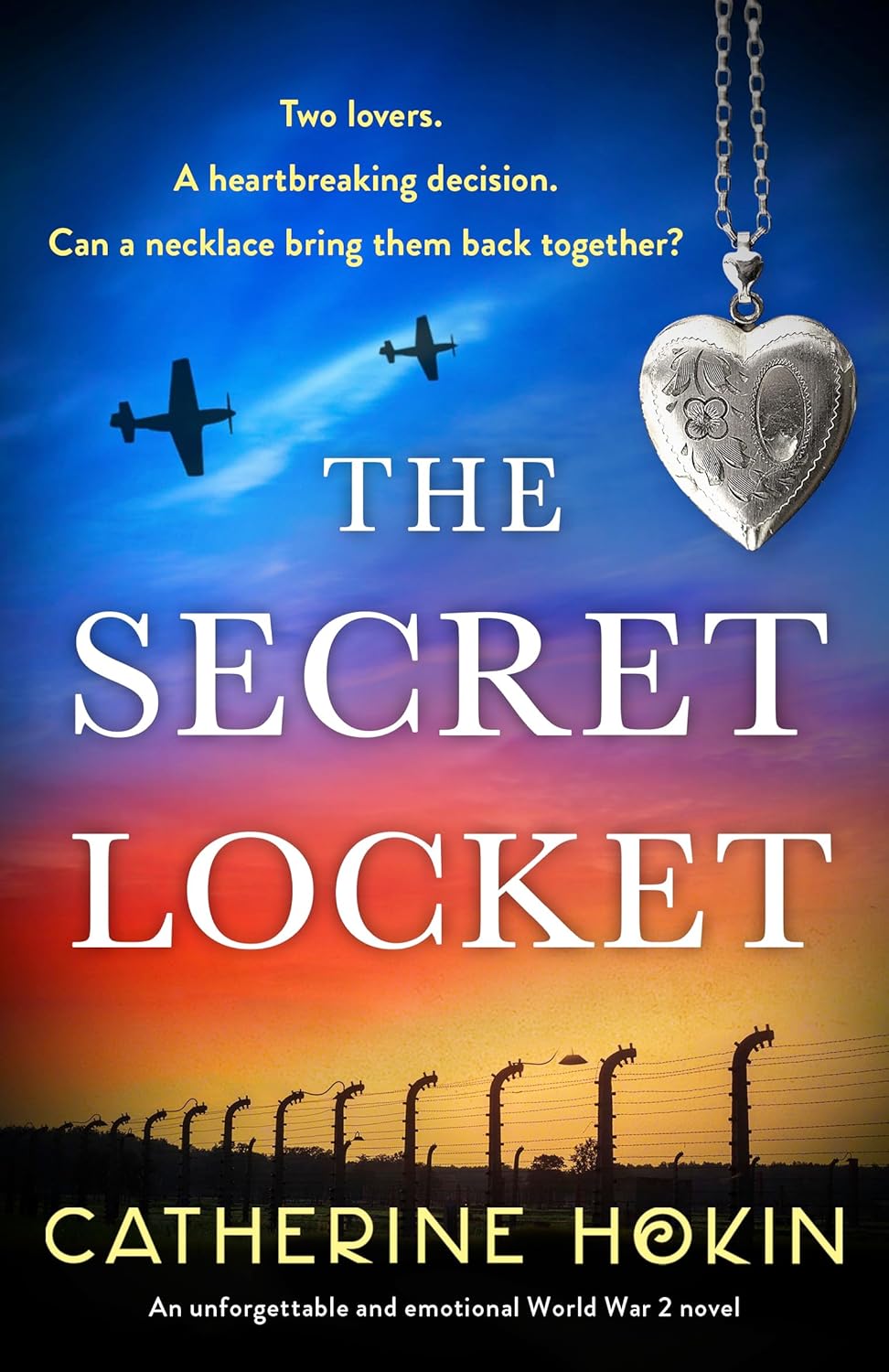
Catherine: So much of what I read and reference is deeply tragic. The experiments on female prisoners at Ravensbrook plays a part in the background to What Only We Know, the terrible fate of Warsaw and its ghetto is a key component in The Secret Locket and the T4 Euthanasia programme is part of the Hanni Winter series. All my stories have the Holocaust and the dreadful carnage of WW2 looming behind them, so I can’t choose one but I do have a cardinal rule when writing about the atrocities and that is, get in late and leave early. I don’t want to dwell on suffering, or take advantage of that to write a book. It’s better to tread lightly.
Sharon: Are there any other eras you would like to write about?
Catherine: There are! My next two novels, after The Girl Who Told the Truth, are set against the background of German involvement in the Spanish Civil War which I’ve been obsessed with for years. I’m really excited about that. And I am also fascinated by the Vietnam War, so who knows. There’s still a mass of books to be written about my current area though and I’ve plenty of new ideas.
Sharon: What are you working on now?
Catherine: My current WIP is a two part series, set in Berlin and Spain between 1934 and 1948 and due to be published in July 2026 and January 2027. It’s set against the Spanish Civil War and Germany’s involvement in that, World War Two and the story of the Nazis who fled to Spain after 1945. And it’s about a brother and a sister, a lot of lies and a terrible choice…
Sharon: And finally, what is the best thing about being a writer?
Catherine: So many things. I love that I get to spend my days weaving stories. I love the reader engagement and the fact that I can make a living out of what is essentially a dream job. I am very lucky, and happy!
About the book:
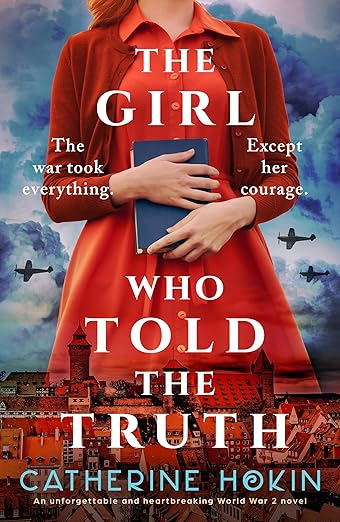
The Girl Who Told The Truth: Blood surges through Annie’s veins as she stares into the cold eyes of the Nazi who hurt her mother. She knows she must finally make it right… Germany, 1946. Annie draws a deep breath, trying to stop her hands shaking as she takes notes at the Nuremberg Trials. She isn’t just here to expose the horrors the Nazis committed, she also has a personal stake. And as soon as she lays eyes on Margarete, the Nazi who destroyed her family, a flame burns bright in her to deliver justice for her mother too. Only Annie knows how dangerous Margarete truly is. Not only was she one of the last people inside Hitler’s bunker, she left there with a mission to continue his work. A mission that almost led to the murder of Annie’s mother. Now Annie must make a choice. Revealing Margarete’s true identity will also mean exposing her father’s secret relationship with the German woman. In telling the world the truth, can Annie show the world who Margarete really is? Or will speaking out betray her father and destroy her family forever? An achingly emotional page-turner about risking everything to protect those you love. Perfect for fans of Kristin Hannah, Roberta Kagan and Ellie Midwood.
Buy The Girl Who Told the Truth
About the Author:
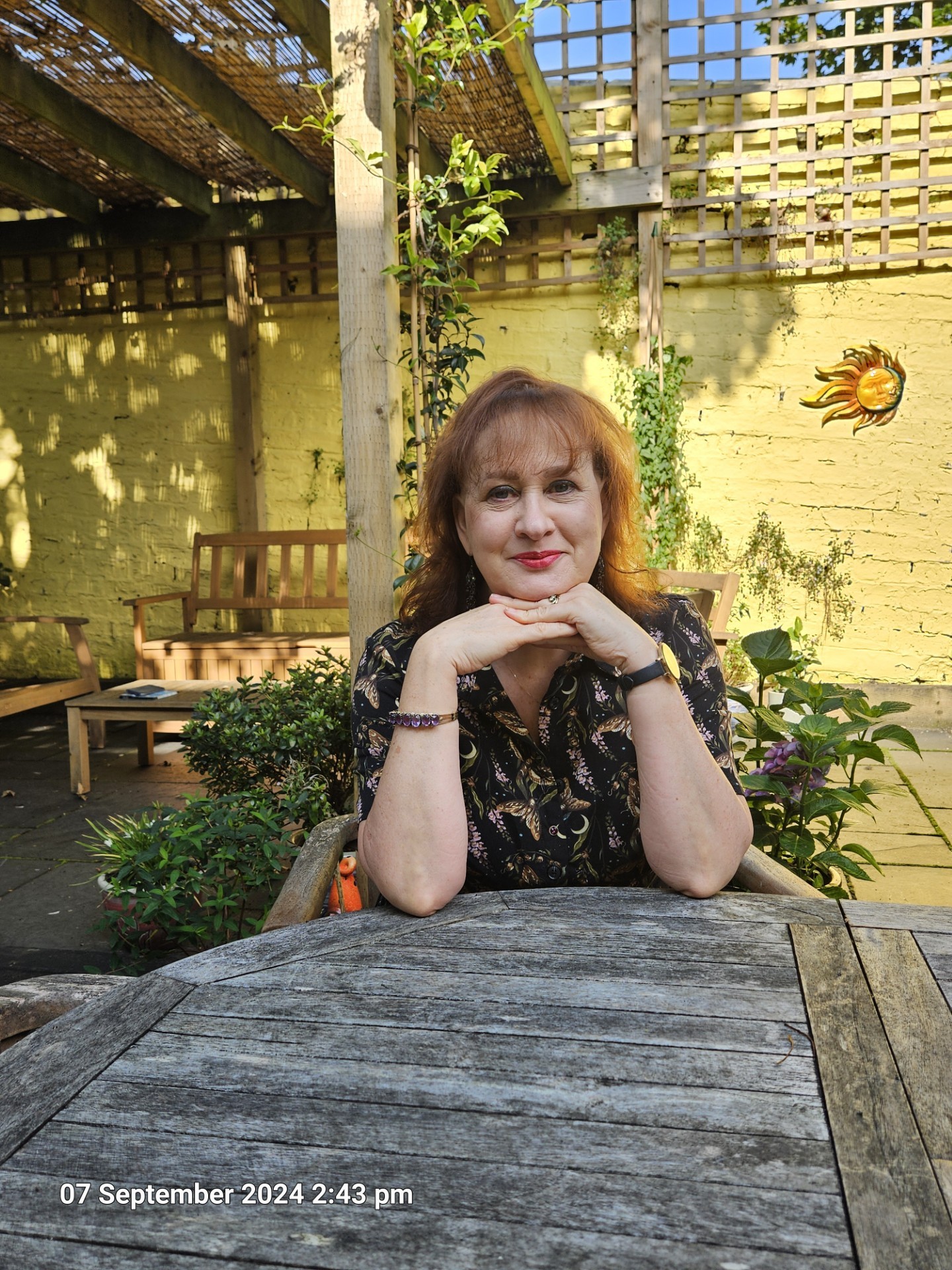
Catherine writes historical fiction set primarily in Berlin, covering the period from the 1930s up to the fall of the Berlin Wall and dealing with the long shadows left by war. The Secret Locket will be her twelfth novel with Bookouture and there are more to come. Her books have been published by Grand Central Publishing in the USA and translated into a number of languages including French, Italian and, most recently, German. She has a degree in History from Manchester University and has worked in a variety of roles from the fashion business via politics and teaching to the world of climate technology before happily becoming a full-time writer.
She is from the North of England but now lives in Glasgow with her American husband. She loves to travel and spends as much time as she can in Berlin, where her son also lives. If she’s not at her desk, you’ll find her at the cinema or just follow the sound of very loud music.
Details of all her books can be found on her Amazon page or at her website.
Social Media Links: Facebook; Instagram; bookouture (Sign up here and get a free WW2 short story, The Last Casualty)
*
My Books
Signed, dedicated copies of all my books are available through my online bookshop. or by contacting me.
Coming 30 March: Princesses of the Early Middle Ages
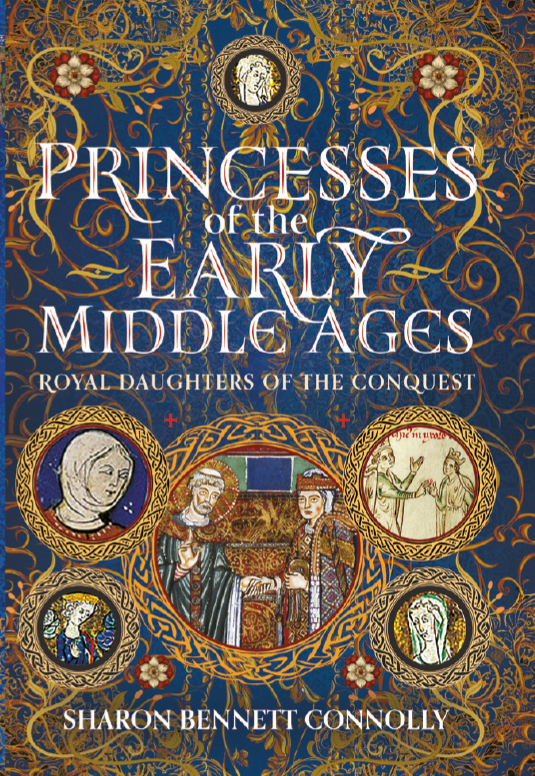
Daughters of kings were often used to seal treaty alliances and forge peace with England’s enemies. Princesses of the Early Middle Ages: Royal Daughters of the Conquest explores the lives of these young women, how they followed the stereotype, and how they sometimes managed to escape it. It will look at the world they lived in, and how their lives and marriages were affected by political necessity and the events of the time. Princesses of the Early Middle Ages will also examine how these girls, who were often political pawns, were able to control their own lives and fates. Whilst they were expected to obey their parents in their marriage choices, several princesses were able to exert their own influence on these choices, with some outright refusing the husbands offered to them.
Their stories are touching, inspiring and, at times, heartbreaking.
Princesses of the Early Middle Ages: Royal Daughters of the Conquest is now available for pre-order from Pen & Sword and Amazon.
Also by Sharon Bennett Connolly:

Scotland’s history is dramatic, violent and bloody and Scotland’s Medieval Queens have seen it all. This is the story of Scotland through their eyes. Available now from Amazon and Pen and Sword Books. Heroines of the Tudor World tells the stories of the most remarkable women from European history in the time of the Tudor dynasty, 1485-1603. These are the women who ruled, the women who founded dynasties, the women who fought for religious freedom, their families and love. Heroines of the Tudor World is now available from Amberley Publishing and Amazon UK. Women of the Anarchy demonstrates how Empress Matilda and Matilda of Boulogne, unable to wield a sword themselves, were prime movers in this time of conflict and lawlessness. It shows how their strengths, weaknesses, and personal ambitions swung the fortunes of war one way – and then the other. Available from Bookshop.org, Amberley Publishing and Amazon UK. King John’s Right-Hand Lady: The Story of Nicholaa de la Haye is the story of a truly remarkable lady, the hereditary constable of Lincoln Castle and the first woman in England to be appointed sheriff in her own right. Available from all good bookshops Pen & Sword Books, bookshop.org and Amazon.
Defenders of the Norman Crown: The Rise and Fall of the Warenne Earls of Surrey tells the fascinating story of the Warenne dynasty, from its origins in Normandy, through the Conquest, Magna Carta, the wars and marriages that led to its ultimate demise in the reign of Edward III. Available from Pen & Sword Books, Amazon in the UK and US, and Bookshop.org. Ladies of Magna Carta: Women of Influence in Thirteenth Century England looks into the relationships of the various noble families of the 13th century, and how they were affected by the Barons’ Wars, Magna Carta and its aftermath; the bonds that were formed and those that were broken. It is now available in paperback and hardback from Pen & Sword, Amazon, and Bookshop.org. Heroines of the Medieval World tells the stories of some of the most remarkable women from Medieval history, from Eleanor of Aquitaine to Julian of Norwich. Available now from Amberley Publishing and Amazon, and Bookshop.org. Silk and the Sword: The Women of the Norman Conquest traces the fortunes of the women who had a significant role to play in the momentous events of 1066. Available now from Amazon, Amberley Publishing, and Bookshop.org.
Alternate Endings: An anthology of historical fiction short stories including Long Live the King… which is my take what might have happened had King John not died in October 1216. Available in paperback and kindle from Amazon.
Podcast:

Have a listen to the A Slice of Medieval podcast, which I co-host with Historical fiction novelist Derek Birks. Derek and I welcome guests, such as Ian Mortimer, Bernard Cornwell, Elizabeth Chadwick and Scott Mariani, and discuss a wide range of topics in medieval history, from significant events to the personalities involved.
Every episode is also now available on YouTube.
*
Don’t forget! Signed and dedicated copies of all my books are available through my online bookshop.
For forthcoming online and in-person talks, please check out my Events Page.
You can be the first to read new articles by clicking the ‘Follow’ button, liking our Facebook page or joining me on Twitter, Threads, Bluesky and Instagram.
*
©2026 Sharon Bennett Connolly FRHistS and Catherine Hokin
 History... the interesting bits!