Wordly Women: Samantha Wilcoxson

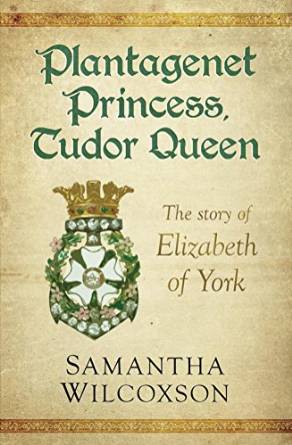
Today we are hopping across the pond for the next chat in my Wordly Women series. Joining me is Samantha Wilcoxson. Author of fiction novels mainly based in the late medieval and Tudor eras and and non-fiction books on the American Revolution, Samantha’s books – literally – span the Atlantic divide. Samantha has a knack for getting into the heads of the people she is writing about. Her book, Plantagenet Princess, Tudor Queen, about Elizabeth of York, is still one of the most insightful novels I have ever read.

Sharon: What got you into writing?

Samantha: What got you into writing? I have always loved reading and used to write dozens of book reviews every year. Many of those books were historical fiction and nonfiction. When I was considering ways to earn money while a stay-at-home mom, my husband suggested I write a book. I had never considered taking this step, so the first obstacle was deciding what I would want to write about. It didn’t take me long to settle on Elizabeth of York, and I quickly became passionate about the project. That novel turned into a series, and I’ve ventured into other historical eras since then.

Sharon: Tell us about your books.
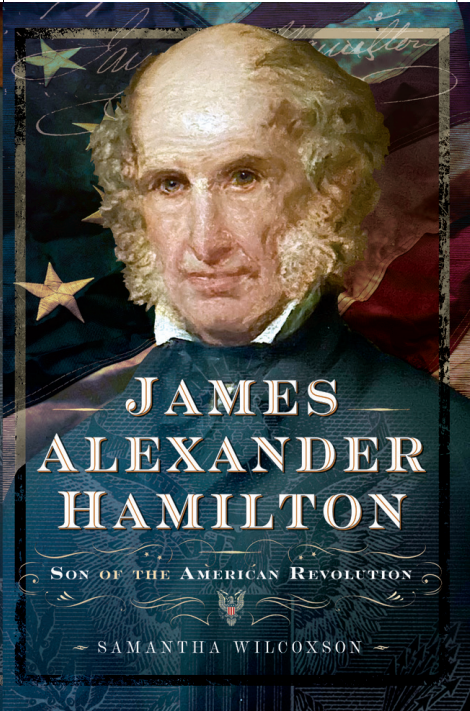
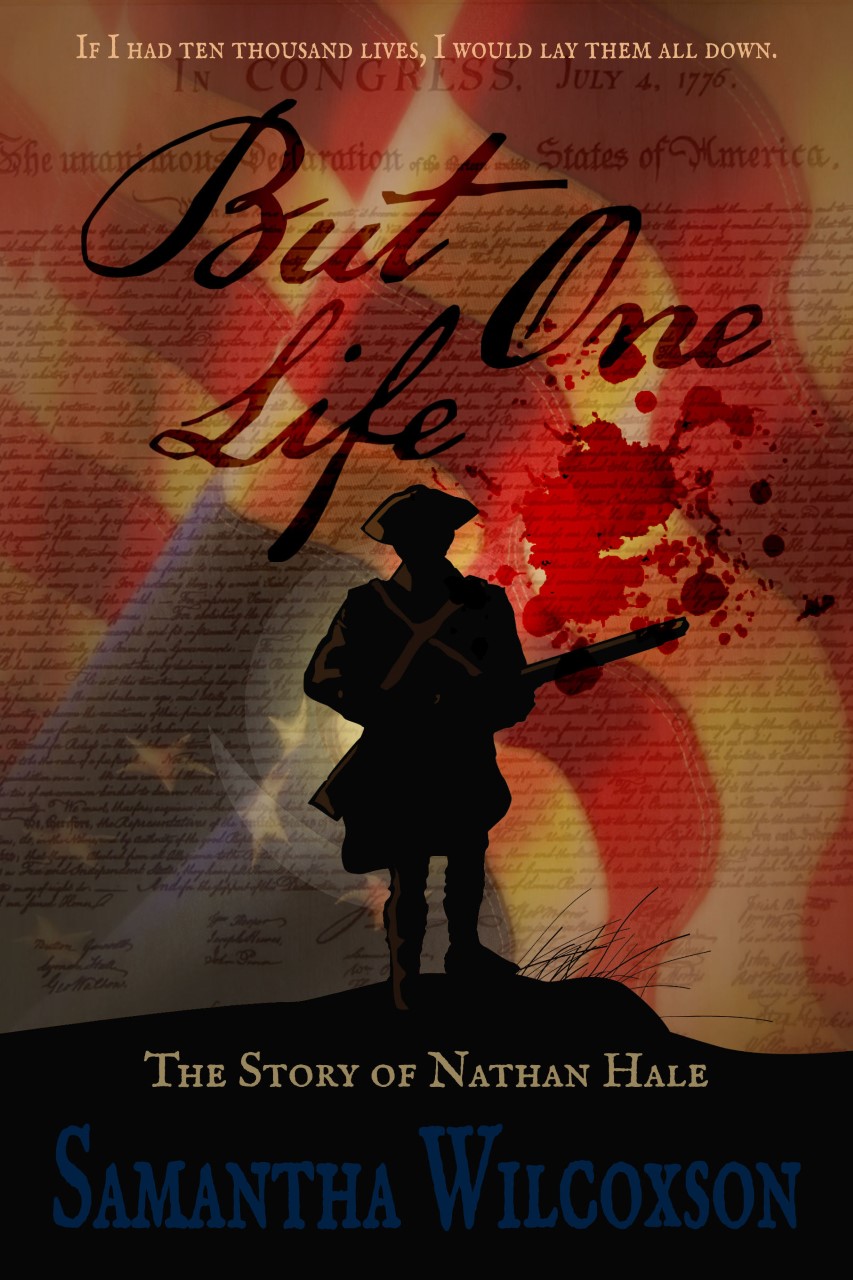
Samantha: Each of my novels explores the life of a real historical figure in a way that helps readers connect with them on a personal level. My Plantagenet Embers series includes three novels featuring Elizabeth of York, Margaret Pole, and Mary I. It also has three novellas that offer new points of view of the same events by focusing on Margaret Beaufort, Elizabeth Woodville, and Reginald Pole. Then I moved into US history with my next two novels. Luminous is biographical fiction of real life radium girl Catherine Wolfe Donohue, and But One Life explores the life of American Revolution soldier Nathan Hale. My nonfiction books are Women of the American Revolution and a newly released biography of James Alexander Hamilton.

Sharon: What attracted you to the Tudors?

Samantha: When I started writing the series that ended up covering the early Tudor era, I was actually obsessed with the Wars of the Roses. I thought Elizabeth of York was an unsung heroine, so I started with her with no real intention of writing about the Tudors! This is actually a great insight into my writing. I never know what is coming next.

Sharon: So, what is coming next?

Samantha: I am currently writing a trilogy set during the Wars of the Roses for Sapere Books. It includes multiple women’s points of view. For example, book one has chapters featuring Marguerite of Anjou, Cecily Neville, and Anne Beauchamp. That one is in editing, and I’m working on book two, which will add the perspective of Elizabeth Woodville and others.

Sharon: How do you approach researching your topic?
Samantha: This depends a lot on whether I’m writing fiction or nonfiction. For novels, I largely depend on biographies already written, but for nonfiction I look for more primary resources like personal letters and diaries. For either, I like to visit locations important to the people I’m writing about so that I can include details about the places they experienced.

Sharon: You also write US history non-fiction.

Samantha: Tell us your ‘favourite’ story you have come across in your research? My research into James Alexander Hamilton uncovered loads of interesting discoveries, partly because nobody else has really written about him. I held letters written between James and Andrew Jackson, Martin Van Buren, John Quincy Adams, and so many others. (Gotta admit, it was tempting to try sneak that JQA letter into my bag!) I think the most fun story I came across, besides John Quincy writing about being too old to stay up all night at a lively Hamilton party, was learning that James was part of the crew of the schooner America for which the America’s Cup is named.

Sharon: Tell us your least ‘favourite’ US history story you have come across in your research?

Samantha: I don’t know if I would call it a least favorite, but I decided to write a novel about Nathan Hale because I often came across quotes attributed to him such as, “I only regret that I have but one life to give for my country” but very little else about who Hale was. What happened in this young man’s life to create such bravery and patriotism? Few references to him offered much, so I decided to dig in and reveal the story of Nathan Hale before his famous execution during the American Revolution.

Sharon: Are there any other eras you would like to write about?
Samantha: I always have a few ideas brewing but am committed to the next couple of books on the Wars of the Roses right now. I have started a bit of research into a historical event that occurred near my home in Michigan in 1847 that I would like to consider for a future project. I’m not one of those writers who has the next five years planned out and I tend to impetuously strike out in new directions, so we’ll see what happens.

Sharon: And finally, what is the best thing about being a writer?

Samantha: Besides spending my day reading, writing, and learning about history, I love the flexibility of being a writer. I began as a stay-at-home mom, and I still appreciate the ability to easily set my work aside for a few days if one of my adult children needs anything. I’ve also made many friends in the writing community who make me feel less alone as a history nerd and have provided amazing support and encouragement for each of my book projects.

About the Author:
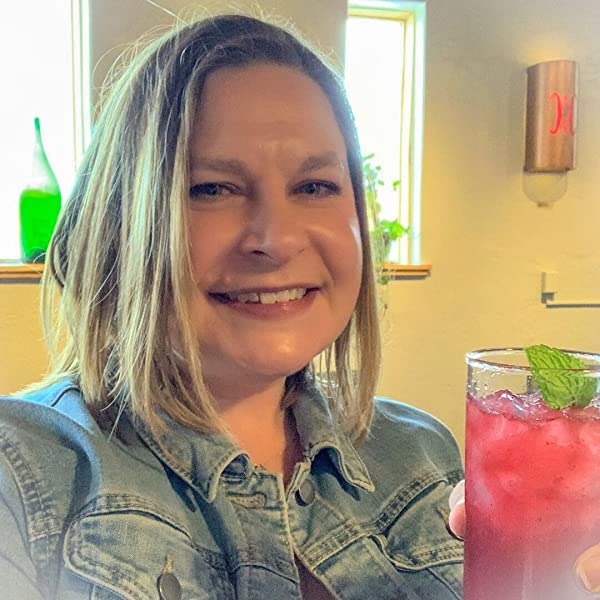
Samantha Wilcoxson is an author of emotive biographical fiction and nonfiction featuring history’s unsung heroes. Her novel Luminous has been named Book of the Year by Ruins & Reading and Yarde Book Reviews. Samantha’s most recent work is the first biography of James Alexander Hamilton, published by Pen & Sword History. She is currently writing a Wars of the Roses trilogy for Sapere Books. When not reading or writing, Samantha loves sharing trips to historic places with her family and spending time by the lake with a glass of wine.

Where to find Samantha Wilcoxson:

Website; Instagram; Amazon Author Page; Newsletter Signup; Goodreads; Pinterest; Twitter; Shop Direct; Audible

*

My books

Signed, dedicated copies of all my books are available through my online store.

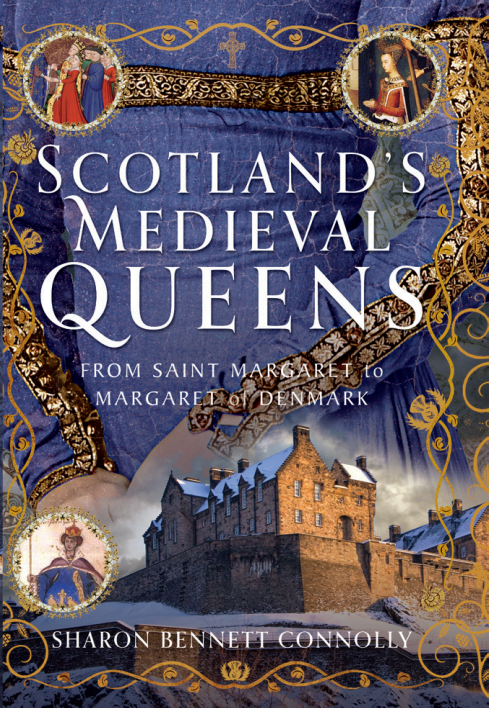
Out now: Scotland’s Medieval Queens

Scotland’s history is dramatic, violent and bloody. Being England’s northern neighbour has never been easy. Scotland’s queens have had to deal with war, murder, imprisonment, political rivalries and open betrayal. They have loved and lost, raised kings and queens, ruled and died for Scotland. From St Margaret, who became one of the patron saints of Scotland, to Elizabeth de Burgh and the dramatic story of the Scottish Wars of Independence, to the love story and tragedy of Joan Beaufort, to Margaret of Denmark and the dawn of the Renaissance, Scotland’s Medieval Queens have seen it all. This is the story of Scotland through their eyes.

Scotland’s Medieval Queens gives a thorough grounding in the history of the women who ruled Scotland at the side of its kings, often in the shadows, but just as interesting in their lives beyond the spotlight. It’s not a subject that has been widely covered, and Sharon is a pioneer in bringing that information into accessible history.’ Elizabeth Chadwick (New York Times bestselling author)

Available now from Amazon and Pen and Sword Books

Also by Sharon Bennett Connolly:
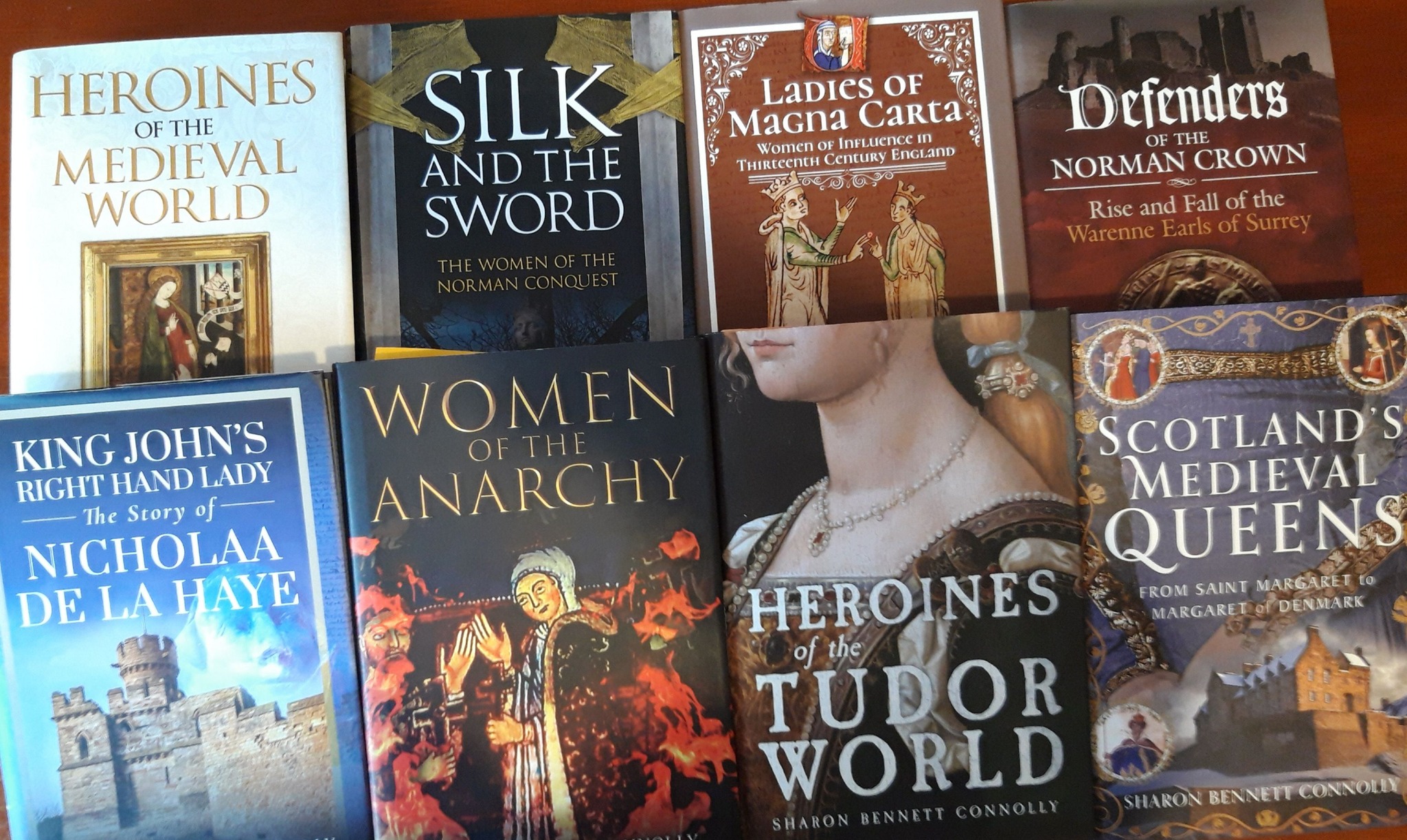
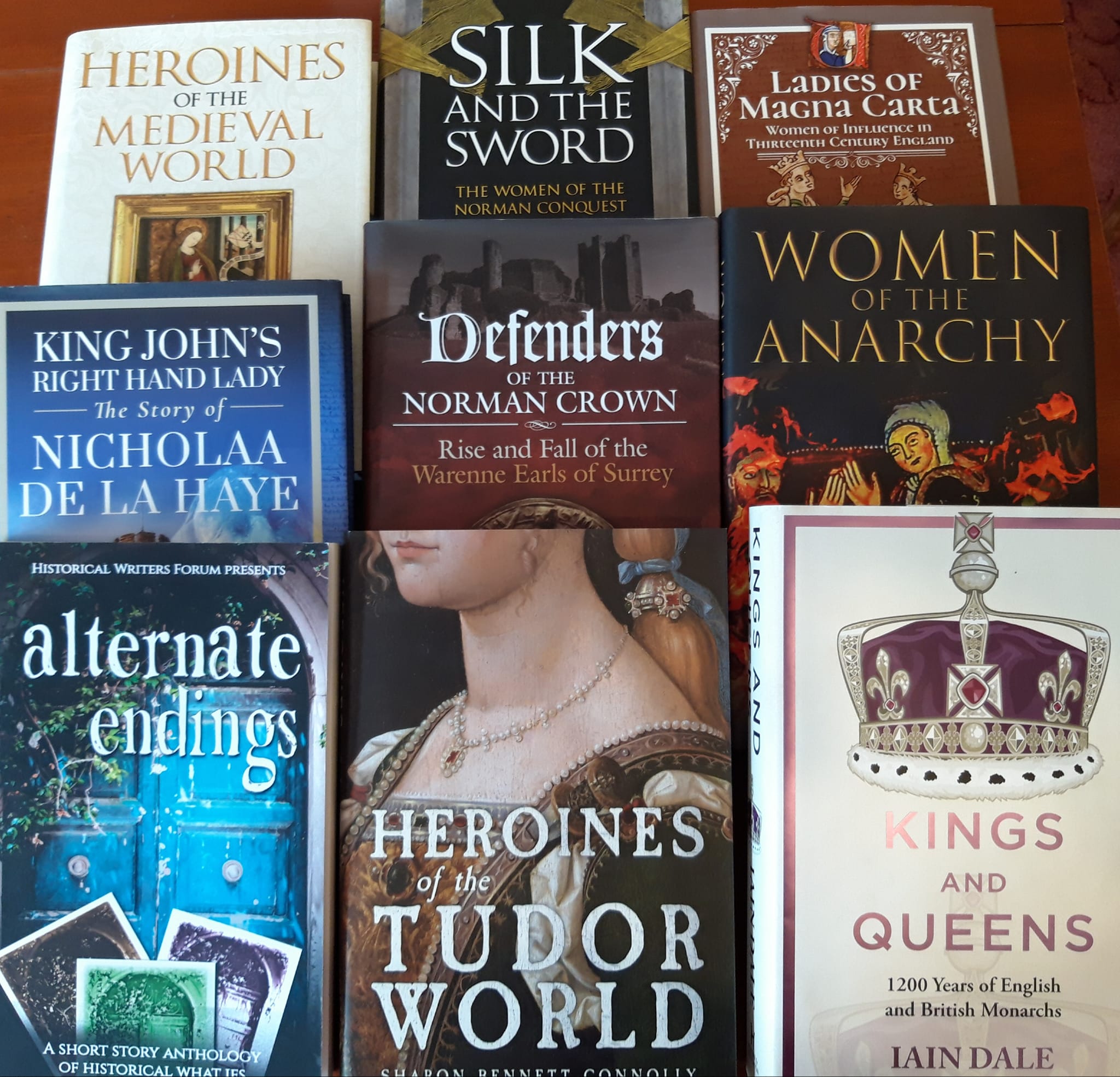
Heroines of the Tudor World tells the stories of the most remarkable women from European history in the time of the Tudor dynasty, 1485-1603. These are the women who ruled, the women who founded dynasties, the women who fought for religious freedom, their families and love. Heroines of the Tudor World is now available from Amberley Publishing and Amazon UK. Women of the Anarchy demonstrates how Empress Matilda and Matilda of Boulogne, unable to wield a sword themselves, were prime movers in this time of conflict and lawlessness. It shows how their strengths, weaknesses, and personal ambitions swung the fortunes of war one way – and then the other. Available from Bookshop.orgAmberley Publishing and Amazon UKKing John’s Right-Hand Lady: The Story of Nicholaa de la Haye is the story of a truly remarkable lady, the hereditary constable of Lincoln Castle and the first woman in England to be appointed sheriff in her own right. Available from all good bookshops Pen & Sword Booksbookshop.org and Amazon

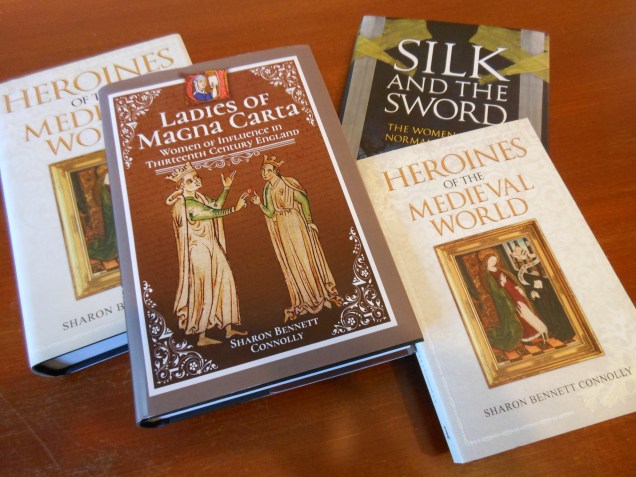
Defenders of the Norman Crown: The Rise and Fall of the Warenne Earls of Surrey tells the fascinating story of the Warenne dynasty, from its origins in Normandy, through the Conquest, Magna Carta, the wars and marriages that led to its ultimate demise in the reign of Edward III. Available from Pen & Sword BooksAmazon in the UK and US, and Bookshop.orgLadies of Magna Carta: Women of Influence in Thirteenth Century England looks into the relationships of the various noble families of the 13th century, and how they were affected by the Barons’ Wars, Magna Carta and its aftermath; the bonds that were formed and those that were broken. It is now available in paperback and hardback from Pen & SwordAmazon, and Bookshop.orgHeroines of the Medieval World tells the stories of some of the most remarkable women from Medieval history, from Eleanor of Aquitaine to Julian of Norwich. Available now from Amberley Publishing and Amazon, and Bookshop.orgSilk and the Sword: The Women of the Norman Conquest traces the fortunes of the women who had a significant role to play in the momentous events of 1066. Available now from Amazon,  Amberley Publishing, and Bookshop.org.

Alternate Endings: An anthology of historical fiction short stories including Long Live the King… which is my take what might have happened had King John not died in October 1216. Available in paperback and kindle from Amazon.

Podcast:

Have a listen to the A Slice of Medieval podcast, which I co-host with Historical fiction novelist Derek Birks. Derek and I welcome guests, such as Bernard Cornwell and Michael Jecks, and discuss a wide range of topics in medieval history, from significant events to the personalities involved. Every episode is also now available on YouTube.

*

Don’t forget! Signed and dedicated copies of all my books are available through my online store.

For forthcoming online and in-person talks, please check out my Events Page.

You can be the first to read new articles by clicking the ‘Follow’ button, liking our Facebook page or joining me on TwitterThreadsBluesky and Instagram.

*

©2025 Sharon Bennett Connolly, FRHistS and Samantha Wilcoxson
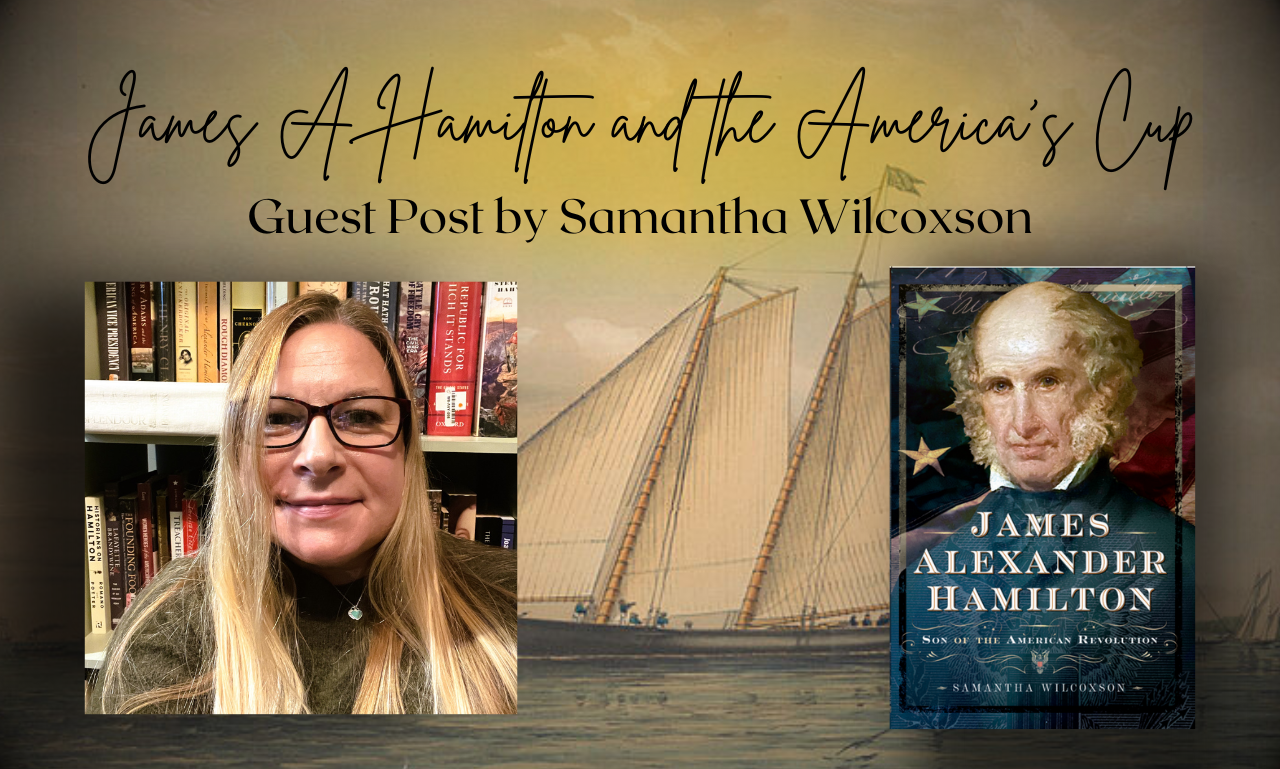
Guest Post: James A. Hamilton and the Americas Cup by Samantha Wilcoxson

Today, it is a pleasure to welcome Samantha Wilcoxson to History…the Interesting Bits with an article on James A. Hamilton. Samantha’s biography of Hamilton, James Alexander Hamilton: Son of the American Revolution.

James A. Hamilton and the Americas Cup

The America’s Cup has not always been called by that name. In 1851, an invitation came to the New York Yacht Club, the only yacht club in the United States at that time, from the Royal Yacht Squadron “to test the relative merits of the ships.” The British challengers did not anticipate any real contest from the Americans, given their relative inexperience in an arena long dominated by England’s seamen.

It was the same year as England’s Great Exhibition with its Crystal Palace, and national pride was running high. The New York Yacht Club decided to send a schooner named America. One of the ship’s owners was George Lee Schuyler, son-in-law to James Alexander Hamilton.

Schuyler was confident of the schooner’s capabilities and looked forward to seeing it compete against the British ships. Unfortunately, personal issues kept him at home, and he asked his father-in-law to join the crew of the America in his place.

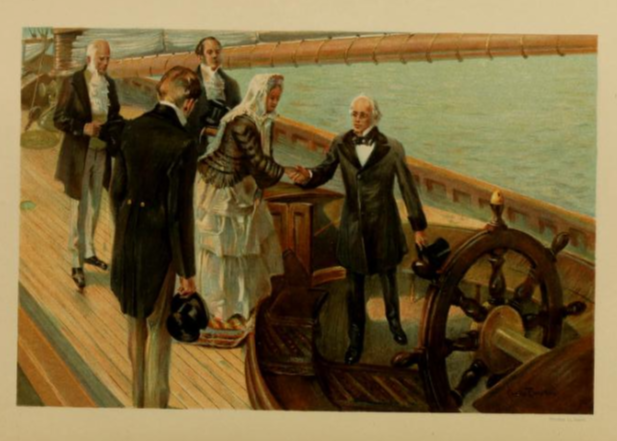
The crew greeting Queen Victoria and Prince Albert, James is the man on the far left

James was the third son of Alexander Hamilton, who had served as the first US treasury secretary and created the national bank. When traveling in Europe, James would often have official letters of introduction from presidents or cabinet members, but he recorded that he rarely used them. “My father’s name alone was my best passport to society.” In this case, it was his son-in-law’s boat that put him in the middle of historic events.

Among a field of sixteen ships, the America took off in a light wind on 22 August 1851. James compared them to race-horses breaking away from the starting line. Shockingly, the America quickly jumped into the lead. When Queen Victoria was informed that the US schooner was in the lead, she asked which was second. The response? “Your Majesty, there is no second.” The America had left all competition far behind.

The American schooner yacht

Following the victory, the Queen and Prince Albert boarded the America to offer their congratulations and were greeted by four crew members, including James A Hamilton. The Royal Yacht Squadron Cup, which the US team was awarded, became known as the America’s Cup, as did the annual regatta.

Read more about the 1851 America’s Cup and other James Alexander Hamilton adventures in my new biography, available through Pen & Sword and your favorite bookstore!

About the book:

Born in the year of the Constitutional Convention, James Alexander Hamilton was uniquely positioned to observe the early republic era and the formation of the experimental United States government. His father, Alexander Hamilton, had been the first US Treasury Secretary, an outspoken and controversial character who was killed in a duel when James was a teenager. With a lifelong devotion to his father’s memory, James advised men from Andrew Jackson and Martin Van Buren to Abraham Lincoln and Salmon P Chase on banking and constitutional matters.

Through his own talents and with the advantage of his father’s name, James served as temporary Secretary of State and District Attorney of New York. James enjoyed a close-knit family life with his wife, Mary Morris, at his Hudson River home named Nevis for his father’s birthplace. He was part of the crew of the yacht America, for which the America’s Cup is named, and on the committee for New York’s Crystal Palace in 1853. More importantly, he served his country through the War of 1812, Western Expansion, and the bloody Civil War. His first-hand account of these transformative events gives readers a priceless look at America’s past. James supported the abolition of slavery and wrote a draft of the Emancipation Proclamation before settling down to write his own Reminiscences that cover the first seventy-five years of US history. 

This biography makes James A Hamilton’s life and observations accessible to the modern reader and will leave you with a new appreciation for the Founders’ heirs who inherited the difficult work of building a nation.

To Buy the book:

James Alexander Hamilton: Son of the American Revolution.   

About the author:

Samantha Wilcoxson is an author of emotive biographical fiction and nonfiction featuring history’s unsung heroes. She loves sharing trips to historic places with her family and spending time by the lake with a glass of wine. Her most recent work is a biography of James Alexander Hamilton published by Pen & Sword History. Samantha is currently writing a Wars of the Roses trilogy for Sapere Books.

Social media:

Websitehttps://samanthawilcoxson.com
Instagramhttps://www.instagram.com/samantha_wilcoxson
Facebookhttps://www.facebook.com/PlantagenetEmbers/
Amazon Author Pagehttps://amazon.com/author/samanthawilcoxson
Newsletter Signuphttps://dashboard.mailerlite.com/forms/668153/107384163504489521/share

*

My Books

Signed, dedicated copies of all my books are available through my online store.

Out now: Scotland’s Medieval Queens

Scotland’s history is dramatic, violent and bloody. Being England’s northern neighbour has never been easy. Scotland’s queens have had to deal with war, murder, imprisonment, political rivalries and open betrayal. They have loved and lost, raised kings and queens, ruled and died for Scotland. From St Margaret, who became one of the patron saints of Scotland, to Elizabeth de Burgh and the dramatic story of the Scottish Wars of Independence, to the love story and tragedy of Joan Beaufort, to Margaret of Denmark and the dawn of the Renaissance, Scotland’s Medieval Queens have seen it all. This is the story of Scotland through their eyes.

Available now from Amazon and Pen and Sword Books

Also by Sharon Bennett Connolly:

Heroines of the Tudor World tells the stories of the most remarkable women from European history in the time of the Tudor dynasty, 1485-1603. These are the women who ruled, the women who founded dynasties, the women who fought for religious freedom, their families and love. Heroines of the Tudor World is now available for pre-order from Amberley Publishing and Amazon UK. Women of the Anarchy demonstrates how Empress Matilda and Matilda of Boulogne, unable to wield a sword themselves, were prime movers in this time of conflict and lawlessness. It shows how their strengths, weaknesses, and personal ambitions swung the fortunes of war one way – and then the other. Available from Bookshop.orgAmberley Publishing and Amazon UKKing John’s Right-Hand Lady: The Story of Nicholaa de la Haye is the story of a truly remarkable lady, the hereditary constable of Lincoln Castle and the first woman in England to be appointed sheriff in her own right. Available from all good bookshops Pen & Sword Booksbookshop.org and Amazon

Defenders of the Norman Crown: The Rise and Fall of the Warenne Earls of Surrey tells the fascinating story of the Warenne dynasty, from its origins in Normandy, through the Conquest, Magna Carta, the wars and marriages that led to its ultimate demise in the reign of Edward III. Available from Pen & Sword BooksAmazon in the UK and US, and Bookshop.orgLadies of Magna Carta: Women of Influence in Thirteenth Century England looks into the relationships of the various noble families of the 13th century, and how they were affected by the Barons’ Wars, Magna Carta and its aftermath; the bonds that were formed and those that were broken. It is now available in paperback and hardback from Pen & SwordAmazon, and Bookshop.orgHeroines of the Medieval World tells the stories of some of the most remarkable women from Medieval history, from Eleanor of Aquitaine to Julian of Norwich. Available now from Amberley Publishing and Amazon, and Bookshop.orgSilk and the Sword: The Women of the Norman Conquest traces the fortunes of the women who had a significant role to play in the momentous events of 1066. Available now from Amazon,  Amberley Publishing, and Bookshop.org.

Alternate Endings: An anthology of historical fiction short stories including Long Live the King… which is my take what might have happened had King John not died in October 1216. Available in paperback and kindle from Amazon.

Podcast:

Have a listen to the A Slice of Medieval podcast, which I co-host with Historical fiction novelist Derek Birks. Derek and I welcome guests, such as Bernard Cornwell and Michael Jecks, and discuss a wide range of topics in medieval history, from significant events to the personalities involved. Every episode is also now available on YouTube.

*

Don’t forget! Signed and dedicated copies of all my books are available through my online store.

For forthcoming online and in-person talks, please check out my Events Page.

You can be the first to read new articles by clicking the ‘Follow’ button, liking our Facebook page or joining me on TwitterThreadsBluesky and Instagram.

*

©2025 Sharon Bennett Connolly FRHistS and Samantha Wilcoxson
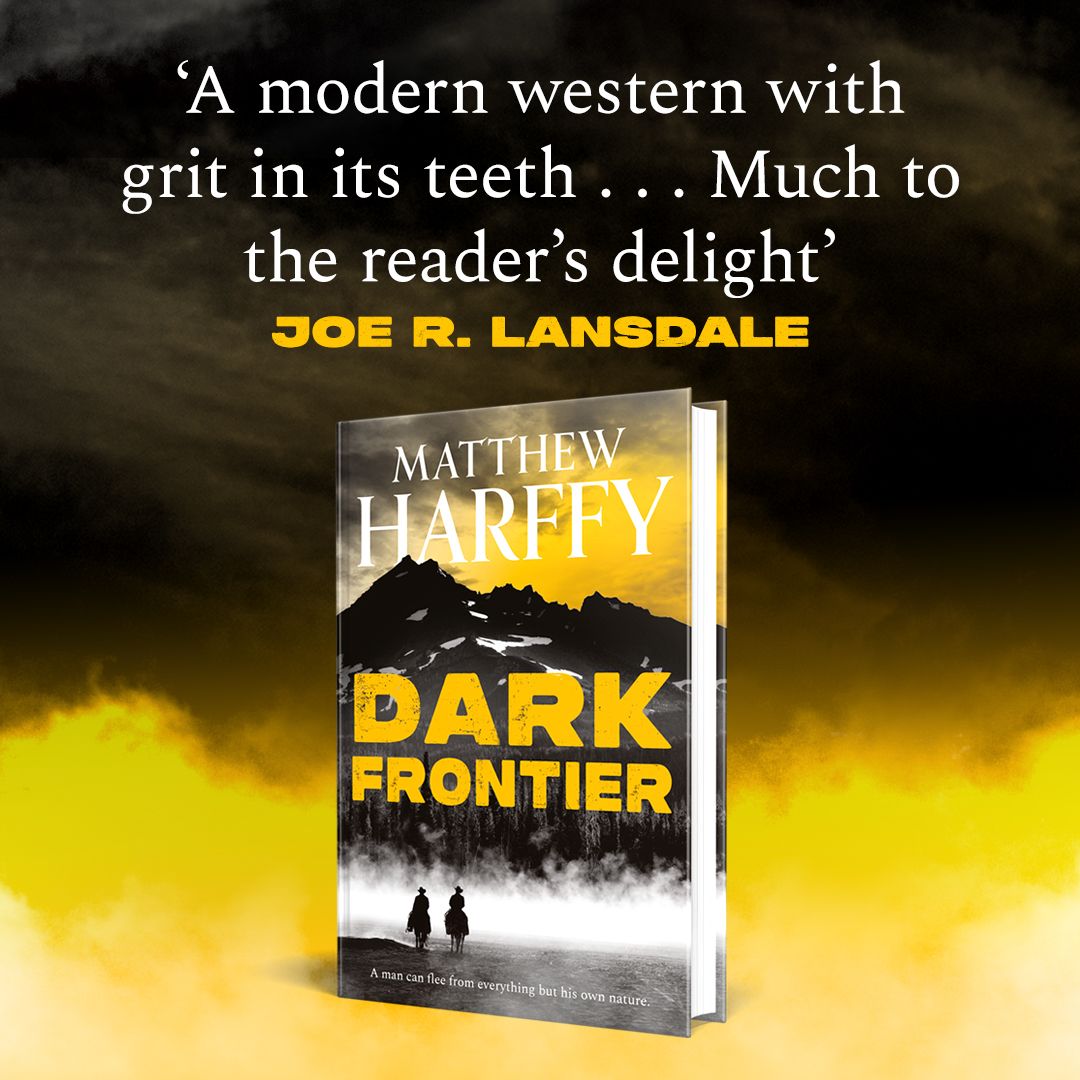


Book Corner: Dark Frontier by Matthew Harffy

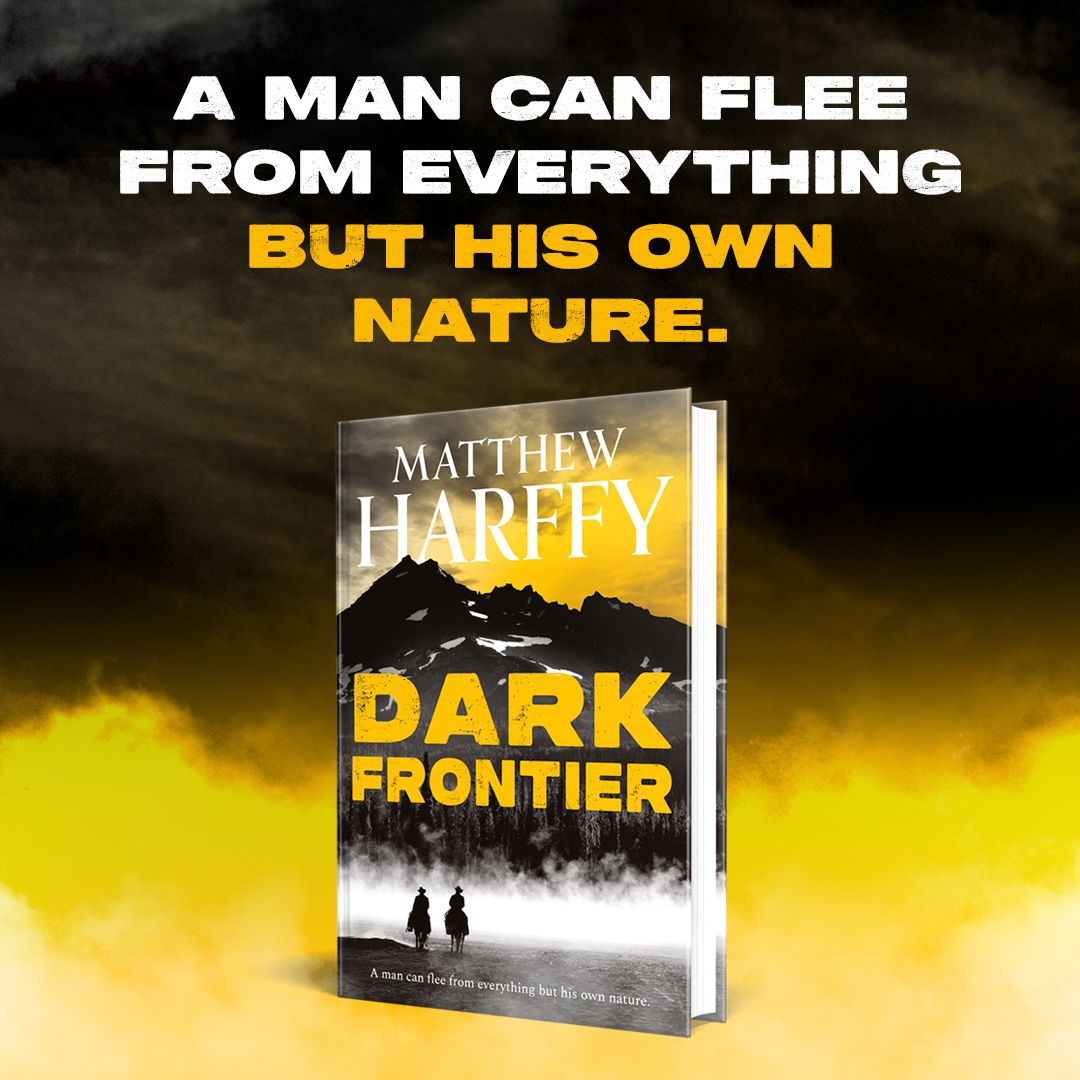
A thrilling historical western set in 1890s Oregon, from the author of the critically acclaimed Bernicia Chronicles. An English soldier turned policeman escapes to the American West for anew future, but life on the frontier proves far harder than he ever imagined…

A man can flee from everything but his own nature.

1890. Lieutenant Gabriel Stokes of the British Army left behind the horrors of war in Afghanistan for a role in the Metropolitan Police.Though he rose quickly through the ranks, the squalid violence of London’s East End proved just as dark and oppressive as the battlefield.

With his life falling apart, and longing for peace and meaning, Gabriel leaves the grime of London behind and heads for the wilderness and wide open spaces of the American West.

He soon realises that the wilds of Oregon are far from the idyll he has yearned for. The Blue Mountains may be beautiful, but with the frontier a complex patchwork of feuds and felonies,and ranchers as vicious as any back alley cut-throat in London, Gabriel finds himself unable to escape his past and the demons that drive him. Can he find a place for himself on the far edge of the New World?

I have to confess, I haven’t read a Western in years, but Dark Frontier by Matthew Harffy has certainly got me in the mood for more. And for an author used to writing about warfare with guns and axes in the early medieval period, he certainly knows his way around a six-shooter. Though he does manage to get a sword into the action at one point, which was pretty impressive!

Dark Frontier is the story of a man heading west to escape his past, and his demons, only to find his demons are not that easy to avoid. He also finds that trouble is just as present in the American West as it was on the streets of London. And, a policeman at heart, trouble is not something he seems to be able to walk away from. Dark Frontier is a fascinating adventure based around a ranch war between a sheep farmer and a cattle baron. The cattle baron wants more land – the sheep farmer doesn’t want to oblige.

Things turn nasty.

The man might be old, but Stokes had witnessed how deadly he was. As the boy ranted and screamed, the grey-haired man had watched, hand resting lightly on the butt of his holstered pistol. He didn’t move and had said nothing for a time until he uttered a few words that had sent the boy into such a blind rage that he had jerked his revolver out of its holster and fired wildly. The old man had not flinched, though there had been less than ten feet separating them. An instant later, his revolver, a gleaming Remington, had appeared to leap into his hand. It had barked once, silencing the boy and his frantic shooting forever.

“You son of a bitch!” shouted a long-faced man with pox scars on his cheeks who had followed the boy out of the billiard hall. “You killed Wyc.” His face was growing redder by the second. “You didn’t need to kill him.” His hand dropped to the dark wooden butt of the revolver he wore in a black leather holster on his right hip.

“Done a lot of things I didn’t need to,” said the old man who had shot the boy called Wyc. “Killing your friend ain’t one of ’em.” The barrle of his Remington did not waver as he pulled the hammer back with his thumb. He had fired only one shot, but the bullet had caught Wyc in the chin and exited from the back of his head, leaving a hole the size of a teacup saucer.

Several men came out of the billiard hall with Wyc, voices raised and joining in his brash insults, but Stokes noticed that none of them had been foolish enough to reach for their own guns. Most had already fled, running off as the shots were fired. The few that remained now edged away from the angry man who vented his ire at the calm, grey-haired shooter.

The pock-cheeked man swallowed, perhaps suddenly aware of his predicament. He was staring into the smoking barrel of a revolver in the sure hands of a proven killer. His fingers trembled above the butt of his handgun.

“Halt,” Stokes said, his voice cutting through the hubbub. “Both of you.” Everybody turned to look at him. Everybody except the old man with the Remington. HIs hand did not move and his gun remained trained on the red-faced cowhand. Stokes was used to having his voice listened to, but nobody here seemed inclined to obey him. He took a step closer and snapped his fingers.

With the West becoming more accessible with the expansion of the railroad, cattle barons are greedy for more land so they can fulfill government contracts. JT’s, the ranch belonging to Gabe’s best friend, John Thornford, is in the way of progress, as far one cattle baron is concerned. Throw in a murder mystery, budding friendships, violent attacks and a good fist fight or two – along with the odd pistol whipping and shoot-outs and you have the ingredients for a perfect Western novel.

What makes Dark Frontier such an incredible story is the breadth and range of characters. Gabe Stokes is the quintessential, broken Englishman who finds that the rules are few and far-between when it comes to the wide open plains of frontier America. Mary Ann Thornford is a widow, with 2 young children, left alone to take on the oily, powerful and determined cattle baron, Tom Grant. She has a handful of farmhands to help out, and Her husband’s old friend, Gabe Stokes.

With a fast-paced, engrossing story and characters the reader can get behind, Dark Frontier has all the ingredients for an exciting adventure. And it doesn’t disappoint. Matthew Harffy has certainly made the switch from early medieval historical fiction to the Wild Wild West with great aplomb.

Enjoyed it immensely!

I do hope there are more Westerns to come!

To Buy A Dark Frontier:

Amazon:https://geni.us/DarkFrontierBlogTour

About the Author:

About the author Matthew Harffy grew up in Northumberland where the rugged terrain, ruined castles and rocky coastline had a huge impact on him. He now lives in Wiltshire, England, with his wife and their two daughters.Matthew is the author of the critically acclaimed Bernicia Chronicles and A Time for Swords series, and he also presents the popular podcast,Rock, Paper, Swords!, with fellow author Steven A. McKay.

Matthew Harffy Social Handles: Twitter:@MatthewHarffy Instagram:@beobrand Website:matthewharffy.com

Aries/Head of Zeus Social Handles: Twitter:@AriesFiction Facebook:Aries Fiction Instagram:@headofzeus TikTok:@headofzeus Website:http://www.headofzeus.com

Blog Tour Hashtag: #DarkFrontier

*

My Books

Signed, dedicated copies of all my books are available through my online bookshop.

OUT NOW! Heroines of the Tudor World

Heroines of the Tudor World tells the stories of the most remarkable women from European history in the time of the Tudor dynasty, 1485-1603. These are the women who ruled, the women who founded dynasties, the women who fought for religious freedom, their families and love. These are the women who made a difference, who influenced countries, kings and the Reformation. In the era dominated by the Renaissance and Reformation, Heroines of the Tudor World examines the threats and challenges faced by the women of the era, and how they overcame them. From writers to regents, from nuns to queens, Heroines of the Tudor World shines the spotlight on the women helped to shape Early Modern Europe.

Heroines of the Tudor World is now available for pre-order from Amberley Publishing and Amazon UK.

Also by Sharon Bennett Connolly:

Women of the Anarchy demonstrates how Empress Matilda and Matilda of Boulogne, unable to wield a sword themselves, were prime movers in this time of conflict and lawlessness. It shows how their strengths, weaknesses, and personal ambitions swung the fortunes of war one way – and then the other. Available from Bookshop.orgAmberley Publishing and Amazon UKKing John’s Right-Hand Lady: The Story of Nicholaa de la Haye is the story of a truly remarkable lady, the hereditary constable of Lincoln Castle and the first woman in England to be appointed sheriff in her own right. Available from all good bookshops Pen & Sword Booksbookshop.org and AmazonDefenders of the Norman Crown: The Rise and Fall of the Warenne Earls of Surrey tells the fascinating story of the Warenne dynasty, from its origins in Normandy, through the Conquest, Magna Carta, the wars and marriages that led to its ultimate demise in the reign of Edward III. Available from Pen & Sword BooksAmazon in the UK and US, and Bookshop.org

Ladies of Magna Carta: Women of Influence in Thirteenth Century England looks into the relationships of the various noble families of the 13th century, and how they were affected by the Barons’ Wars, Magna Carta and its aftermath; the bonds that were formed and those that were broken. It is now available in paperback and hardback from Pen & Sword,  Amazon, and Bookshop.orgHeroines of the Medieval World tells the stories of some of the most remarkable women from Medieval history, from Eleanor of Aquitaine to Julian of Norwich. Available now from Amberley Publishing and Amazon, and Bookshop.orgSilk and the Sword: The Women of the Norman Conquest traces the fortunes of the women who had a significant role to play in the momentous events of 1066. Available now from Amazon,  Amberley Publishing, and Bookshop.org.

Alternate Endings: An anthology of historical fiction short stories including Long Live the King… which is my take what might have happened had King John not died in October 1216. Available in paperback and kindle from Amazon.

Podcast:

Have a listen to the A Slice of Medieval podcast, which I co-host with Historical fiction novelist Derek Birks. Derek and I welcome guests, such as Bernard Cornwell and discuss a wide range of topics in medieval history, from significant events to the personalities involved.

*

Don’t forget! Signed and dedicated copies of all my books are available through my online bookshop.

For forthcoming online and in-person talks, please check out my Events Page.

You can be the first to read new articles by clicking the ‘Follow’ button, liking our Facebook page or joining me on Twitter and Instagram.

©2024 Sharon Bennett Connolly FRHistS

Book Corner: Women of the American Revolution

Women of the American Revolution will explore the trials of war and daily life for women in the United States during the War for Independence. What challenges were caused by the division within communities as some stayed loyal to the king and others became patriots? How much choice did women have as their loyalties were assumed to be that of their husbands or fathers? The lives of women of the American Revolution will be examined through an intimate look at some significant women of the era. Some names will be familiar, such as Martha Washington who travelled to winter camps to care for her husband and rally the troops or Abigail Adams who ran the family’s farms and raised children during John’s long absences. Elizabeth Schuyler Hamilton is popular for her role in Hamilton the musical, but did you know she was also an early activist working tirelessly for multiple social causes? Decide for yourself if the espionage of Agent 355 or the ride of Sybil Ludington are history or myth. Not all American women served the side of the revolutionaries. Peggy Shippen gambled on the loyalist side and paid severe consequences. From early historian Mercy Otis Warren to Dolley Madison, who defined what it means to be a US First Lady, women of the American Revolution strived to do more than they had previously thought possible during a time of hardship and civil war.

I have to admit, I stepped right out of my comfort zone with Women of the American Revolution by Samantha Wilcoxson. And I know very little about the period – except there was something to do with tea and Boston Harbour – Boston, Massachusetts rather than Boston, Lincolnshire (I am definitely more familiar with the latter!). There was some chap called George Washington, too…

So I was going into this book with a very open mind, eager to learn all I could about the women who helped – or sometimes hindered – in the creation of the United States of America. Women of the American Revolution will certainly give readers a greater understanding of the American Revolution and War of Independence; it fills a gap in the study of the period and is long overdue.

Most books on the American Revolution concentrate on the politics or the military actions, but Samantha Wilcoxson has approached the familiar story from an under represented angle; the women. And what incredible women they were. Some are well known, such as Martha Washington Abigail Adams and Dolley Madison. Others less so famous, such as the mysterious Agent 355. And there is the story of Margaret Shippen Arnold, who was considered incapable of being complicit in her husband’s defection to the British – because she was a woman.

In addition to her household skills, Martha [Washington] was taught to be a lady while confined in corsets that helped form her figure and correct her posture. Virginia ladies of Martha’s time were trained to mimic British aristocracy in their manners and decorum. Simply walking and sitting could be a challenge in the full skirts that were the fashion. Martha apparently learned these skills well, because she flawlessly played the role of hostess as a married woman, even when thrust into the public world as America’s original First Lady (although that title was not used during her husband’s time in office). Her parents ensured that she could ride elegantly in a sidesaddle while maintaining perfect posture. Physical control and poise were also vital when learning to dance, a skill not to be underestimated in its importance in eighteenth century Virginia.

The objective would have been for her to eventually obtain a satisfactory husband, and in this Martha most certainly made her parents proud. Daniel Parke Custis belonged to the closest America had to an aristocracy. Rich and possessing thousands of acres of land, the Custis family was such a step up for Martha that Daniel’s father initially forbade his son to marry her. This is where one gains the first insight into the woman Martha would become. Though only eighteen years old, Martha courageously stood up to her future father-in-law. He had threatened to disinherit Daniel and throw the family silver into the street rather than allow Martha to use it, but she managed to charm him into giving his reluctant blessing. The couple was married when Martha was nineteen years old and her bridegroom was twenty years her senior. This age difference was not uncommon or a barrier to their happiness. The skills Martha had learned at the Dandridge home made her a competent manager of the larger Custis plantation, prophetically named White House.

A large enslaved population made it possible for Daniel and Martha to profitably run the Custis estate. Ne evidence exists that Martha believed owning slaves was immoral or wrong in any way. While she did not support cruel treatment or sales that broke up families, Martha also could not understand when enslaved people ran away from what she felt was a comfortable home. It was a lifestyle she had been born into and never questioned, even as the colonies strived toward their freedom.

Women of the American Revolution is a wonderful collection of the stories of the most remarkable women of the era. Through the historical record and their own letters Samantha Wilcoxson has brought these women back to life, their stories as vivid as they must have been over 200 years ago. The books combines the women’s involvement in the national and international politics and events of the day with their day-to-day lives as wives and mothers. It is an illuminating and informative book on so many levels.

Women of the American Revolution tells the story of these remarkable women, warts and all, but does not try to attach modern-day morals on people who lived so many generations ago. In this way, Samantha Wilcoxson does not ignore the women’s attitude to slavery, or to female emancipation, but explains them in the context of the time. The abundance of letters written by some of the women provide a unique insight into their minds, and into the times they lived in.

And I have to say Samantha Wilcoxson has written an eminently accessible book, whether you are knowledgeable of the era or not. Her research is thorough and impeccable and presented in a beautifully written volume that will stand proud in any library. By focusing on the women, Women of the American Revolution fills a gap in the history and study of the American Revolution. Without a study of the women of the time, no history of any period is complete.

This is Samantha Wilcoxson’s first foray into non-fiction but I truly hope she will write more!

Women of the American Revolution by Samantha Wilcoxson is an informative and entertaining read. I loved this book! And I learned so much! I cannot recommend it highly enough.

To Buy the Book:

Women of the American Revolution by Samantha Wilcoxson is available now from Amazon and Pen and Sword in the UK. It is available for pre-order on Amazon in the US and is now available worldwide from Book Depository.

About the Author:

Samantha Wilcoxson is an author of historical fiction and administrator of a history blog. She has written four full-length novels, three novellas, and two middle grade chapter books. Topics of her writing have ranged from the Wars of the Roses to America’s Civil Rights Movement. Samantha is passionate about history and exploring the personal side of events. In her writing, she urges the reader to truly experience what it might have felt like to live through a moment in history. Samantha’s most recent novel is biographical fiction featuring Catherine Donohue, one of America’s “radium girls.” She is currently working on a novelization of the life of Nathan Hale, and features in Hauntings, an anthology published by the Historical Writers Forum.

*

My books:

Signed, dedicated copies of all my books are available, please get in touch by completing the contact me form.

Defenders of the Norman Crown: The Rise and Fall of the Warenne Earls of Surrey tells the fascinating story of the Warenne dynasty, of the successes and failures of one of the most powerful families in England, from its origins in Normandy, through the Conquest, Magna Carta, the wars and marriages that led to its ultimate demise in the reign of Edward III. Defenders of the Norman Crown: Rise and Fall of the Warenne Earls of Surrey is now available from Pen & Sword BooksAmazon in the UK and US, Bookshop.org and Book Depository.

1 family. 8 earls. 300 years of English history!

Also by Sharon Bennett Connolly:

Ladies of Magna Carta: Women of Influence in Thirteenth Century England looks into the relationships of the various noble families of the 13th century, and how they were affected by the Barons’ Wars, Magna Carta and its aftermath; the bonds that were formed and those that were broken. It is now available in paperback and hardback from Pen & Sword,  AmazonBookshop.org and from Book Depository worldwide.

Heroines of the Medieval World tells the stories of some of the most remarkable women from Medieval history, from Eleanor of Aquitaine to Julian of Norwich. Available now from Amberley Publishing and Amazon, Bookshop.org and Book Depository.

Silk and the Sword: The Women of the Norman Conquest traces the fortunes of the women who had a significant role to play in the momentous events of 1066.  Available now from Amazon,  Amberley Publishing, Bookshop.org and Book Depository.

Alternate endings: An anthology of historical fiction short stories including Long Live the King… which is my stake what might have happened had King John not died in October 1216. Available in paperback and kindle from Amazon.

*

You can be the first to read new articles by clicking the ‘Follow’ button, liking our Facebook page or joining me on Twitter and Instagram.

*

©2022 Sharon Bennett Connolly FRHistS.

Guest Post: Revolutionary Female Friends by Samantha Wilcoxson

Today it is a pleasure to welcome Samantha Wilcoxson to History the Interesting Bits…. with an article about Mercy Otis Warren and her friend Catharine Macauley. Samantha’s new book Women of the American Revolution – her first non-fiction – provides a fabulous insight into the often-overlooked and severely underestimated women of the period. It is truly illuminating!

Revolutionary Female Friends: Mercy Otis Warren and Catharine Macaulay

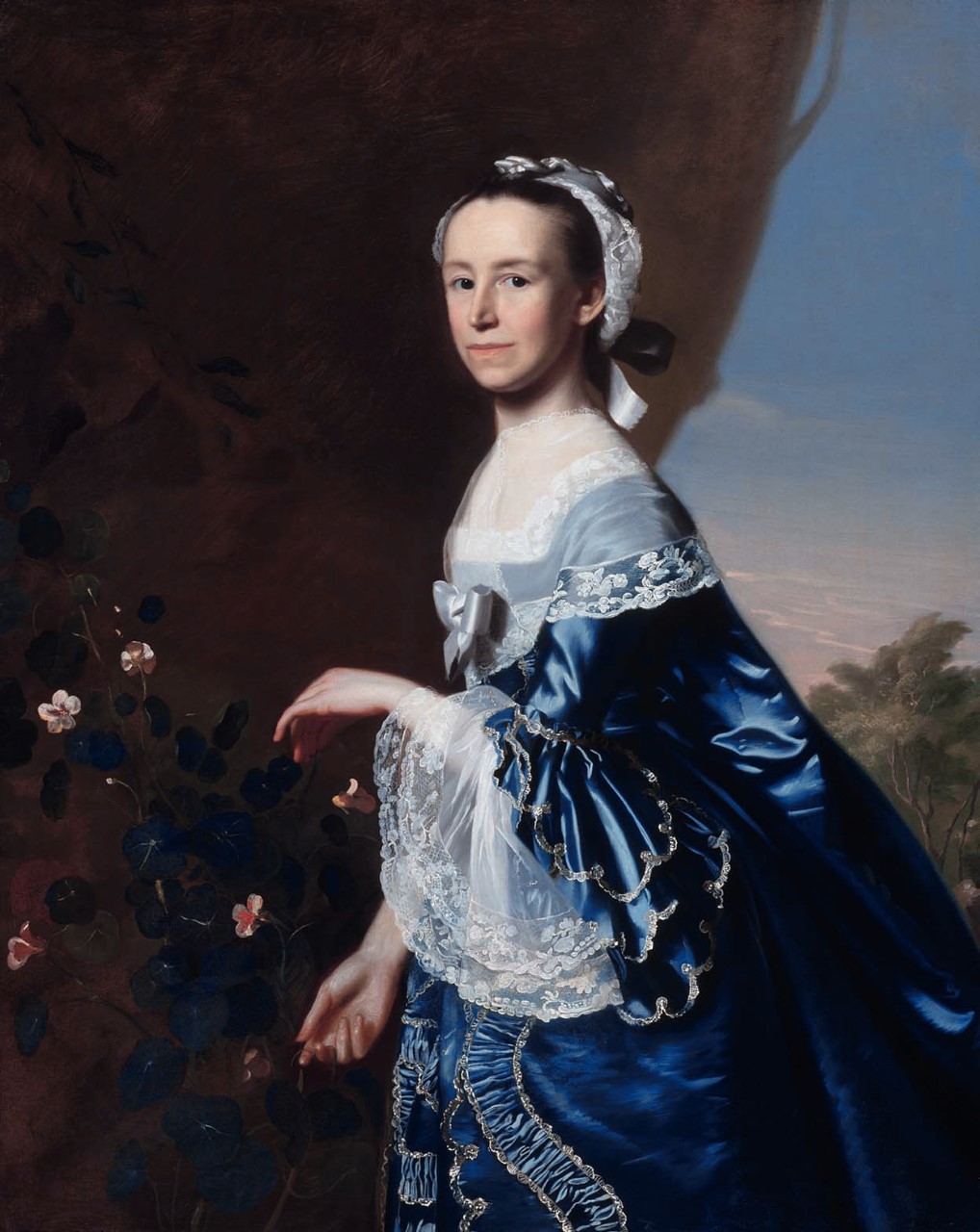
Mercy Otis Warren by John Singleton Copley

In July 1784, Catharine Macaulay arrived in America where she visited Mercy Otis Warren. One wonders if those around them appreciated the historic value of this meeting between two early female historians. Catharine in England and Mercy in America had each written multiple works responding to events of the day in an era when women were not expected to discuss politics let alone write about it. Finally meeting after years of letter writing, it must have been an exciting introduction.

Catharine was outspoken and published in her own name, while Mercy’s satirical plays had been published anonymously. Boldly writing to American patriots to offer her support, Catharine initially corresponded with Mercy’s brother, James Otis Jr, who Catharine wrote was ‘the great guardian of American liberty.’

When James suffered from mental instability following a beating by British customs agents, Mercy took over the correspondence. Both women made astute observations on the evolving political situation. In 1767, Macaulay prophetically wrote that a democratic republic was the ‘only form of government….capable of preserving dominion and freedom to the people.’ The following year, Mercy foresaw that when British soldiers arrived in Boston ‘The American War may be dated from the hostile parade of this day.’

Catharine watched the Revolution from a distance, supporting the American colonies and encouraging members of parliament to consider their position and negotiate rather than losing them altogether. The opposite course was taken with British troops sent to Boston in 1768 and the Coercive Acts passed in 1774. Mercy had an insider’s view of the Revolution. Her husband, another James, served as Paymaster-General, was appointed to the Continental Congress, and sat on the Continental Navy Board. While Mercy was a patriot, she worried about her five sons ‘who must buckle on the harness. And perhaps fall a sacrifice to the manes of liberty.’

Catharine Macauley

When Mercy met Catharine in person for the first time in 1784, she had lost no sons to war, though one had been severely wounded. Perhaps it was not until this meeting that the women realized how different they were. Through letters which focused on their shared political ideas and observations, they may have been convinced that they held more in common that they did.

Catharine arrived in America with a new, young husband. William Graham was twenty-one when he married the forty-seven-year-old Catharine six years earlier. Mercy, who frequently gave her sons moral lectures in her letters, would have been shocked by this relationship and the rumors that Catherine also had an affair with her brother-in-law. The values of simplicity and frugality held by Mercy were not as closely held by Catharine, who patronized the Sans Souci, a fashionable club that Mercy believed was the sort of establishment that would lead the new nation into a rapid decline.

Despite a falling out over their differences on morality, Mercy and Catharine salvaged their friendship before Catharine left America. They continued their correspondence, debating the strengths and weaknesses of the proposed US Constitution as fervently as the men in congress.

Mercy opposed the ratification of the Constitution and attempted to influence state leaders with a pamphlet titled Observations on the New Constitution, and on the Federal and State Conventions by a Columbian Patriot. She was concerned that individual rights were not established in the Constitution. While some states requested the addition of a Bill of Rights, none made their ratification dependent upon it. In a moment of frustration over the course the country was taking, Mercy wrote to Catharine in 1789, ‘we are too poor for Monarchy, too wise for Despotism, and too dissipated, selfish, and extravagant for Republicanism.’

Mercy’s History

Catharine wrote a letter to George Washington, who she had met during her year in America, congratulating him ‘on the event which placed you at the head of the American government.’ She was also not afraid to share her opinions with him warning of growing inequality between two houses of legislature and the possibility of the ‘evils of Aristocracy’ which America had thus far been ‘exempt from.’

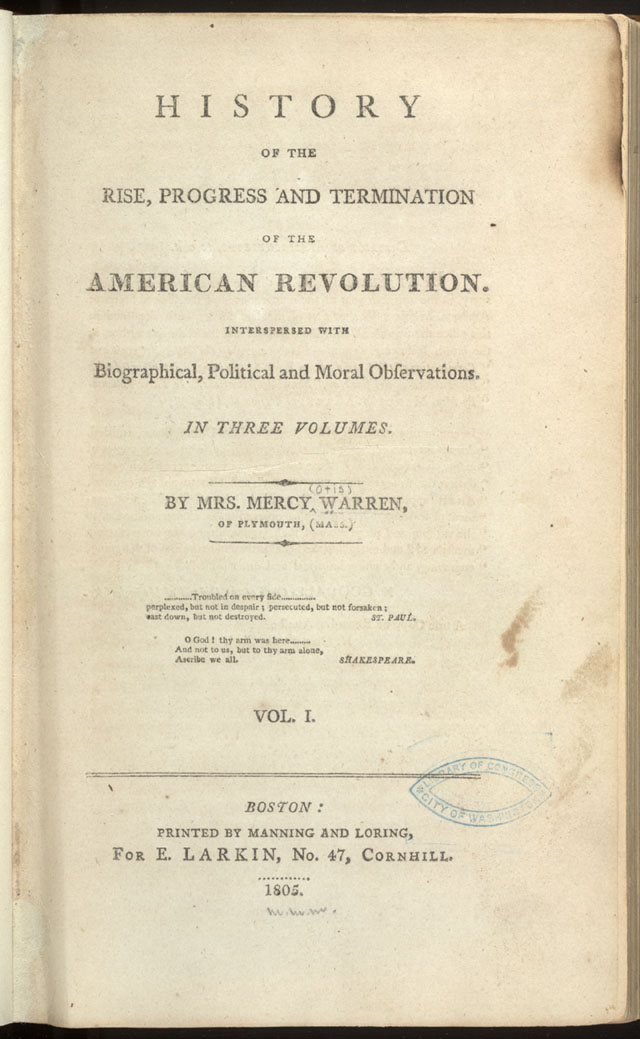
Mercy and Catharine, through their epistolatory relationship, discussed the French Revolution, the writing of Edmund Burke, women’s rights, and any number of topics that 18th century women were not meant to discuss. Their civil discourse came to an end with Catharine’s death on 22 June 1791. Mercy finally published her History of the Rise, Progress, and Termination of the American Revolution at age seventy-seven in 1805. She died on 19 October 1814 during the War of 1812, which solidified the independent status of the United States of America.

Sources:

The Muse of the Revolution: The Secret Pen of Mercy Otis Warren and the Founding of a Nation by Nancy Rubin Stuart https://www.mountvernon.org/library/digitalhistory/digital-encyclopedia/article/catharine-sawbridge-macaulay-graham-1731-1791/ https://allthingsliberty.com/2019/10/catharine-macaulay-her-final-gifts-to-america-and-france-1787-1791

To Buy the Book:

Women of the American Revolution by Samantha Wilcoxson is available now from Amazon and Pen and Sword in the UK. It is available for pre-order on Amazon in the US and is now available worldwide from Book Depository.

About the book:

Women of the American Revolution will explore the trials of war and daily life for women in the United States during the War for Independence. What challenges were caused by the division within communities as some stayed loyal to the king and others became patriots? How much choice did women have as their loyalties were assumed to be that of their husbands or fathers? The lives of women of the American Revolution will be examined through an intimate look at some significant women of the era.

Some names will be familiar, such as Martha Washington who travelled to winter camps to care for her husband and rally the troops or Abigail Adams who ran the family’s farms and raised children during John’s long absences. Elizabeth Schuyler Hamilton is popular for her role in Hamilton the musical, but did you know she was also an early activist working tirelessly for multiple social causes? Decide for yourself if the espionage of Agent 355 or the ride of Sybil Ludington are history or myth. Not all American women served the side of the revolutionaries. Peggy Shippen gambled on the loyalist side and paid severe consequences. From early historian Mercy Otis Warren to Dolley Madison, who defined what it means to be a US First Lady, women of the American Revolution strived to do more than they had previously thought possible during a time of hardship and civil war.

About the Author:

Samantha Wilcoxson is an author of historical fiction and administrator of a history blog. She has written four full-length novels, three novellas, and two middle grade chapter books. Topics of her writing have ranged from the Wars of the Roses to America’s Civil Rights Movement. Samantha is passionate about history and exploring the personal side of events. In her writing, she urges the reader to truly experience what it might have felt like to live through a moment in history. Samantha’s most recent novel is biographical fiction featuring Catherine Donohue, one of America’s “radium girls.” She is currently working on a novelization of the life of Nathan Hale, and features in Hauntings, an anthology published by the Historical Writers Forum.

*

My books:

Signed, dedicated copies of all my books are available, please get in touch by completing the contact me form.

Defenders of the Norman Crown: The Rise and Fall of the Warenne Earls of Surrey tells the fascinating story of the Warenne dynasty, of the successes and failures of one of the most powerful families in England, from its origins in Normandy, through the Conquest, Magna Carta, the wars and marriages that led to its ultimate demise in the reign of Edward III. Defenders of the Norman Crown: Rise and Fall of the Warenne Earls of Surrey is now available from Pen & Sword BooksAmazon in the UK and US, Bookshop.org and Book Depository.

1 family. 8 earls. 300 years of English history!

Also by Sharon Bennett Connolly:

Ladies of Magna Carta: Women of Influence in Thirteenth Century England looks into the relationships of the various noble families of the 13th century, and how they were affected by the Barons’ Wars, Magna Carta and its aftermath; the bonds that were formed and those that were broken. It is now available in paperback and hardback from Pen & Sword,  AmazonBookshop.org and from Book Depository worldwide.

Heroines of the Medieval World tells the stories of some of the most remarkable women from Medieval history, from Eleanor of Aquitaine to Julian of Norwich. Available now from Amberley Publishing and Amazon, Bookshop.org and Book Depository.

Silk and the Sword: The Women of the Norman Conquest traces the fortunes of the women who had a significant role to play in the momentous events of 1066.  Available now from Amazon,  Amberley Publishing, Bookshop.org and Book Depository.

*

You can be the first to read new articles by clicking the ‘Follow’ button, liking our Facebook page or joining me on Twitter and Instagram.

©2022 Sharon Bennett Connolly

Guest Post: Failed Spies: Hale and André by Samantha Wilcoxson

Today, is is a pleasure to welcome Samantha Wilcoxson to History … the Interesting Bits, with an article about the research into her latest novel, But One Life, set during the American Revolution.

Failed Spies: Hale and André

Espionage played an important role during the American Revolution, with both sides in the conflict experiencing some victories and tragic defeats in this area. British spymasters had the advantages of experience and expertise, while Americans benefited from working in their native land with a better idea of who could be trusted and who could not. Very early in the conflict, General George Washington stated his desperate need for knowledge of the enemy.

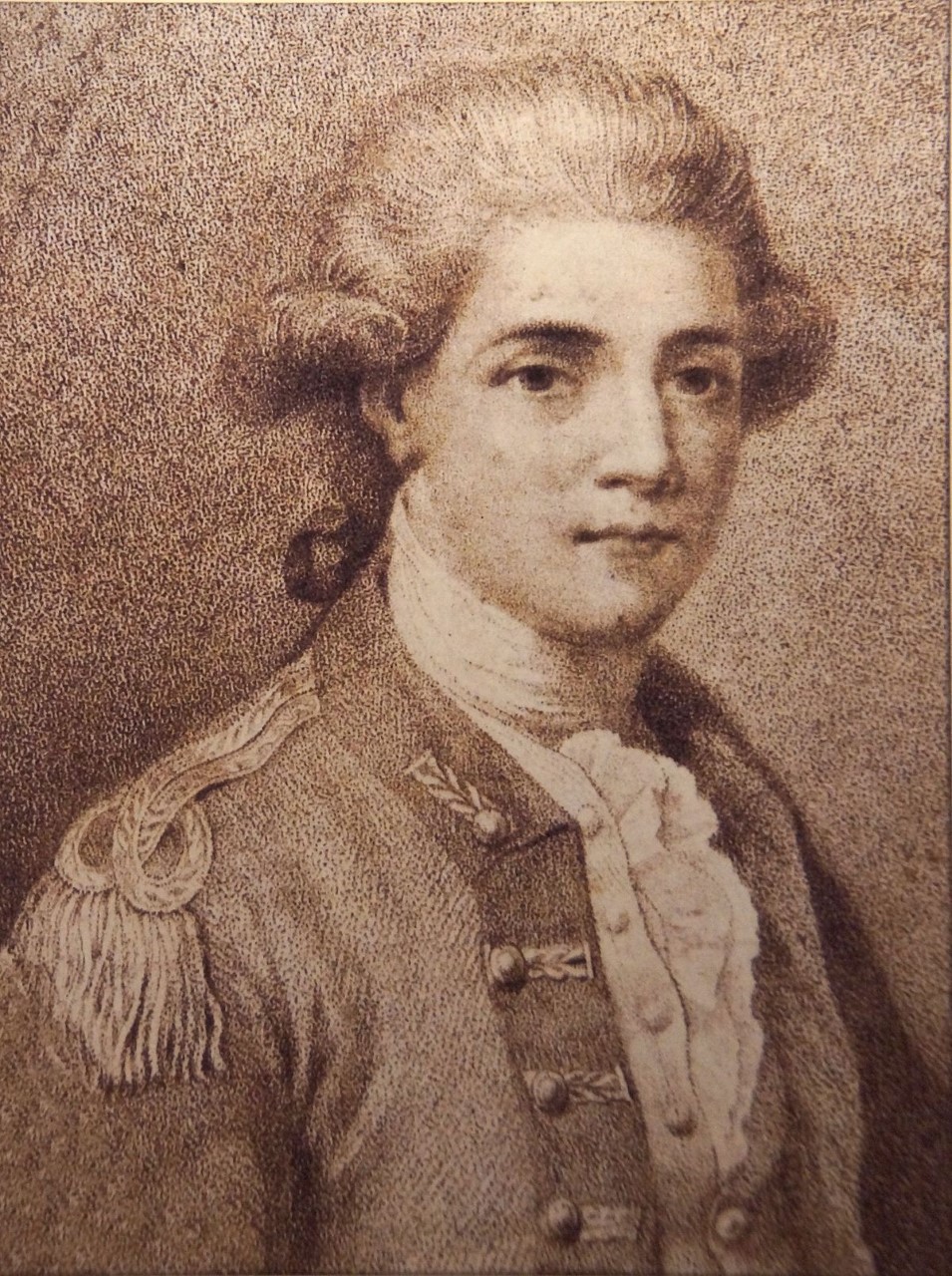
Major John André

‘I do most earnestly entreat you and General Clinton to exert yourselves to accomplish this most desirable end. Leave no stone unturned, nor do not stick at expense, to bring this to pass, as I was never more uneasy than on account of my want of knowledge on this score,’ Washington wrote to General William Heath seventeen days before Captain Nathan Hale was hanged as a rebel spy on 22 September 1776.

Today, Nathan Hale is remembered as the quintessential patriot. He was recently graduated from Yale when he joined the Continental Army with many other young men of his acquaintance. When he learned that a volunteer was needed to discover the information needed by Washington, he did not hesitate, despite the advice of many friends who insisted he was not well-suited to the mission.

It was not only because of his open, honest personality that they attempted to dissuade him. Spywork was considered a low, dishonorable duty. One friend, who tried to talk Hale out of his mission, reported later that Hale had insisted, ‘I wish to be useful, and every kind of service, necessary to the public good, becomes honorable by being necessary.’

Whether due to pride or excessive patriotism, Hale set forth upon a mission to Long Island, New York, his Yale diploma in hand to support his disguise as a Latin tutor. Hale had briefly served as a schoolmaster between graduation and army service, so his ruse should have come naturally to him. However, he was a trusting and friendly man, unlike the clever spy-catchers employed by the British. Within days of leaving his regiment, Hale was captured and executed, possibly with a paraphrase of Cato on his lips that his only regret was that he had but one life to give for his country. His body was left hanging for days to warn other would-be spies.

In the meantime, Major John André was making a name for himself in the British ranks as one who had connections and could get information. He was, like Hale, young, erudite, and eager to serve his country. André believed he had found the key to securing his future when he received correspondence from American General Benedict Arnold. The hero of Saratoga was willing to turn his coat for the right price.

Continental Commission for Nathan Hale

Arnold had married Peggy Shippen a month earlier, and she was friends, or possibly more, with André. Together, they convinced the general that the British would show him greater appreciation and compensation, and they were bound to win the war anyway. In the spring of 1780, Arnold informed André that he was expecting to gain command of West Point, an important series of forts that controlled traffic on the Hudson River. He was willing to turn it over to the British in return for cash and a position in British command.

On 21 September 1780, almost precisely four years after the death of Nathan Hale, John André was captured after a secret meeting with General Benedict Arnold to finalize their plan. He begged that Washington treat him as an officer rather than a spy.

‘Let me hope, Sir, that if aught in my character impresses you with esteem towards me, if aught in my misfortune marks me as the victim of policy and not resentment, I shall experience the operation of these feelings in your breast by being informed that I am not to die on a gibbet.’ Washington refused his request, and André was hanged on 2 October 1780.

Other American espionage efforts were more successful than Hale’s, most notably the Culper Spy Ring, managed by Hale’s good friend and Yale classmate, Benjamin Tallmadge. The names of those involved in this successful ring were not revealed until over a century after the war had ended. Tallmadge also played a part in John André’s capture. One can imagine he had a sense of justice served as Hale’s British counterpart shared his fate.

But One Life by Samantha Wilcoxson is now available from Amazon.

Sources:

Spies, Patriots, and Traitors: American Intelligence in the Revolutionary War by Kenneth A Daigler

Documentary Life of Nathan Hale by George D Seymour

The Life of John André: The Redcoat who Turned Benedict Arnold by DAB Ronald

To Buy the book:

But One Life is now available from Amazon

About the author:

Writer of historical fiction and sufferer of wanderlust, Samantha enjoys exploring the lives of historical figures through research and visiting historic places. Certain that no person is ever purely good or evil, she strives to reveal the deep emotions and motivations of historical figures, enabling readers to connect with them in a unique way. Samantha is an American writer with British roots and proud mother of three amazing young adults. She can frequently be found lakeside with a book in one hand and glass of wine in the other.

Samantha’s next project will take readers into the lives of women of the American Revolution – stay tuned!

*

My Books

Signed, dedicated copies of all my books are available, please get in touch by completing the contact me form.

Defenders of the Norman Crown: The Rise and Fall of the Warenne Earls of Surrey tells the fascinating story of the Warenne dynasty, of the successes and failures of one of the most powerful families in England, from its origins in Normandy, through the Conquest, Magna Carta, the wars and marriages that led to its ultimate demise in the reign of Edward III. Defenders of the Norman Crown: Rise and Fall of the Warenne Earls of Surrey is now available from Pen & Sword BooksAmazon in the UK and US, Bookshop.org and Book Depository.

1 family. 8 earls. 300 years of English history!

Also by Sharon Bennett Connolly:

Ladies of Magna Carta: Women of Influence in Thirteenth Century England looks into the relationships of the various noble families of the 13th century, and how they were affected by the Barons’ Wars, Magna Carta and its aftermath; the bonds that were formed and those that were broken. It is now available in paperback and hardback from Pen & Sword,  AmazonBookshop.org and from Book Depository worldwide.

Heroines of the Medieval World tells the stories of some of the most remarkable women from Medieval history, from Eleanor of Aquitaine to Julian of Norwich. Available now from Amberley Publishing and Amazon, Bookshop.org and Book Depository.

Silk and the Sword: The Women of the Norman Conquest traces the fortunes of the women who had a significant role to play in the momentous events of 1066.  Available now from Amazon,  Amberley Publishing, Bookshop.org and Book Depository.

*

You can be the first to read new articles by clicking the ‘Follow’ button, liking our Facebook page or joining me on Twitter and Instagram.

©2022 Sharon Bennett Connolly and Samantha Wilcoxson
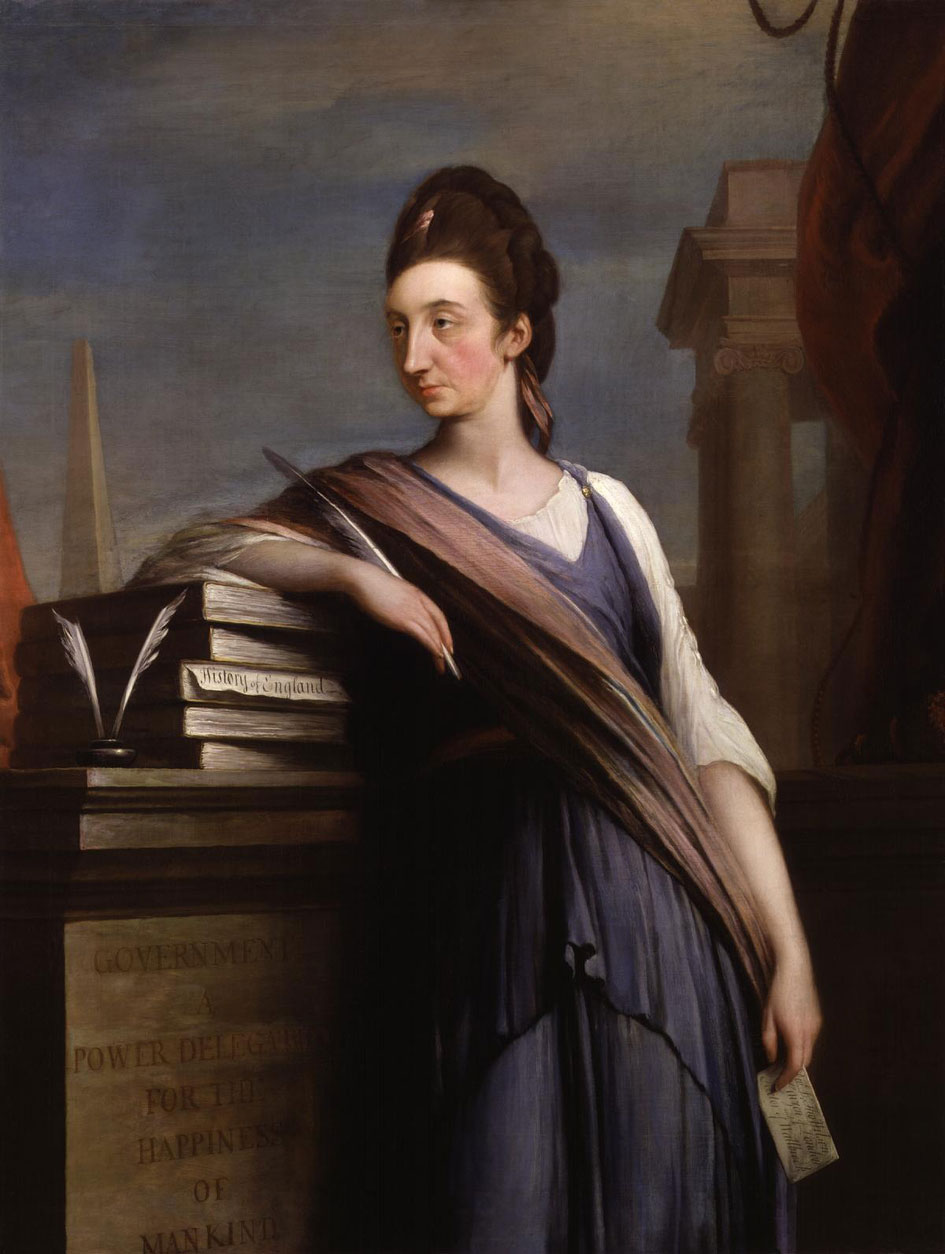
Book Corner: John Brown’s Women: A Novel by Susan Higginbotham

As the United States wrestles with its besetting sin-slavery-abolitionist John Brown is growing tired of talk. He takes actions that will propel the nation toward civil war and thrust three courageous women into history.

Wealthy Brown, married to John Brown’s oldest son, eagerly falls in with her husband’s plan to settle in Kansas. Amid clashes between pro-slavery and anti-slavery settlers, Wealthy’s adventure turns into madness, mayhem, and murder.

Fifteen-year-old Annie Brown is thrilled when her father summons her to the farm he has rented in preparation for his raid. There, she guards her father’s secrets while risking her heart.

Mary Brown never expected to be the wife of John Brown, much less the wife of a martyr. When her husband’s daring plan fails, Mary must travel into hostile territory, where she finds the eyes of the nation riveted upon John-and upon her.

Spanning three decades, John Brown’s Women is a tale of love and sacrifice, and of the ongoing struggle for America to achieve its promise of liberty and justice for all.

I have to confess, I knew little about John Brown beyond the song when I started this novel. It demonstrated to me how much my knowledge of American history is seriously lacking. All I knew of John Brown comes from the song about his body ‘a-mouldering in its grave’. I knew he had something to do with abolitionism, but to what extent and what he did to merit the song about him, I was sadly unaware. I had heard of Harper’s Ferry, but hadn’t realised how significant an incident it was,, nor what spark it ignited that would burn into the American Civil War.

John Brown’s Women: A Novel by Susan Higginbotham tells the story of John Brown and his family through the eyes of three women; his second wife, Mary, his daughter-in-law Wealthy and his daughter Annie. Not merely spectators, these three women played active roles in the family’s mixed fortunes and endeavours against slavery. This is the story of a family living in an emerging nation, trying to build a family and farm whilst also fighting against that most abhorrent of practices, slavery. John Brown appears to have been one of those men who was steadfast in his beliefs and managed to draw in those around him.

John’s family, with his first wife and then with Mary, was large and at times disparate, often living in different states, but they were always close. And it is this closeness, often facilitated by Mary, that draws them into the conflicts in Kansas, and later at Harper’s Ferry, that saw the family devastated by loss. John Brown’s Women: A Novel tells their story in a sensitive, thought-provoking manner, that will draw the reader in from the very beginning. Mary’s compassion and John Brown’s quirks provide a fascinating insight into this famous family.

Mary heard someone unbolt a door, then a face appeared, lit by a skylight in the room. It belonged to a girl who was probably about Mary’s age and, to her immense surprise, not all that far off from her color. There were no shackles, and the girl’s calico dress, though too thin for a Pennsylvania winter, was perfectly ordinary, even pretty. “This is Miss Day, ”Johnny said to her. “And this is Josie.”

“Pleased to meet you, ma’am.”

“Johnny said you needed a warmer dress.” Mary displayed the one under her arm. “If you let me try this on you, I can cut it down and have it ready by the morning.”

“That’s kind of you, missus. But ain’t no need for you to do the work. I’ve been sewing since I was a little bit of a thing. Sewed for my mistress, and she was right particular. If you bring me a needle and thread and shears, I’ll whip this out in no time. It’ll pass the time here too.”

“All right.”Mary looked around the room. It was small but adequately ventilated and supplied with a feather bed and heaps of warm blankets. Clearly, this space had been the result of careful planning. “How long have you been  .  .  . escaping?”

“Lord, miss, I’ve lost all track of time. Been a good two months, I guess. Started out in Maryland.”

“What made you decide to run?”

Josie looked in John Jr.’s direction and shook her head.

“John, could you get my sewing things so I don’t have to go up and down this ladder again? You know where I keep them all.” John Jr. obeyed. When she and Mary heard the sound of his feet descending the ladder, Josie said, “Master was looking at me the way he looked at all of us girls when we started getting a shape to us, miss. I knew he’d be doing more than looking soon. So I lit out to a place I’d heard about, and here I am.”

“It must have been hard leaving your family.”

“Ma died years ago.”

“Your father?”

“You might say Master is my father, miss.”

There were so many layers of awfulness here, Mary could hardly unpack them. Josie shrugged. “That’s the way it is, miss. At least in my place. Some masters leave us girls alone, but others don’t. If a girl complains, if she’s fool enough, she gets beaten or sold to someone even worse. Or both.”

Mary tried to imagine what “even worse” might be and decided to stop trying.

Over the next day or so, Mary visited Josie as often as she could without being too conspicuous about it. Josie redid her dress so wonderfully it almost looked pretty—indeed, she put Mary’s sewing to shame—and it was a good thing she was quick about it, for Mr. Brown came home shortly afterward. The next evening, he left on another trip, with Josie—as John Jr. told Mary later—concealed beneath some hay, bound for Ohio. Mary had sent her off with her warmest shawl, knowing she could soon knit herself a new one.

A few days later, Mr. Brown returned from his journey. The morning after his arrival, he caught Mary alone at her spinning wheel. “Miss Day, John told me that you helped with the delivery the other day, and you gave away your shawl and dress.”

Beautifully written and thoroughly researched, John Brown’s Women: A Novel shows America’s struggled with its identity and ethos in the mid- nineteenth century. And the extent of the research undertaken by Susan Higginbotham to produce such a novel is evident in every page. From the methods of farming, to new medical treatments and the historical events themselves, the author’s descriptions are replete with detail and serve to transport the reader back in time.

John Brown’s Women: A Novel is an endearing read, giving the reader an insight into the lives, loves and tragic losses that the family Brown had to endure. Susan Higginbotham allows you be a fly on the wall, watching the tragedies and hardships, that the family had to go through, but also showing you their strength and resilience, and how much of each they took from each other. The strength of John Brown’s convictions resonate throughout the family and its generations.

John Brown’s Women: A Novel by Susan Higginbotham takes you on an emotional rollercoaster – you will need tissues, I can guarantee it. I read the last few chapters through eyes streaming with tears.

For anyone interested in life in 19th century American, whether on a social, political or simply entertaining level, I cannot recommend John Brown’s Women: A Novel highly enough.

To buy the book:

John Brown’s Women: A Novel is available on Amazon in the UK and US.

About the author:

Susan Higginbotham’s meticulously researched historical fiction brought to life by her heartfelt writing delights readers. Higginbotham runs her own historical fiction/history blog, History Refreshed by Susan Higginbotham. She has worked as an editor and an attorney and lives in Maryland with her family.

Website: www.susanhigginbotham.com

My Books

Signed, dedicated copies of all my books are available, please get in touch by completing the contact me form.

Defenders of the Norman Crown: The Rise and Fall of the Warenne Earls of Surrey tells the fascinating story of the Warenne dynasty, of the successes and failures of one of the most powerful families in England, from its origins in Normandy, through the Conquest, Magna Carta, the wars and marriages that led to its ultimate demise in the reign of Edward III. Defenders of the Norman Crown: Rise and Fall of the Warenne Earls of Surrey is now available from Pen & Sword BooksAmazon in the UK and US and Book Depository.

1 family. 8 earls. 300 years of English history!

Also by Sharon Bennett Connolly:

Ladies of Magna Carta: Women of Influence in Thirteenth Century England looks into the relationships of the various noble families of the 13th century, and how they were affected by the Barons’ Wars, Magna Carta and its aftermath; the bonds that were formed and those that were broken. It is now available in paperback and hardback from Pen & Sword,  Amazon and from Book Depository worldwide.

Heroines of the Medieval World tells the stories of some of the most remarkable women from Medieval history, from Eleanor of Aquitaine to Julian of Norwich. Available now from Amberley Publishing and Amazon and Book Depository.

Silk and the Sword: The Women of the Norman Conquest traces the fortunes of the women who had a significant role to play in the momentous events of 1066.  Available now from Amazon,  Amberley Publishing, Book Depository.

*

You can be the first to read new articles by clicking the ‘Follow’ button, liking our Facebook page or joining me on Twitter and Instagram.

©2021 Sharon Bennett Connolly

Book Corner: Inspiration for Hauntings by Samantha Wilcoxson
Inspiration for Among the Lost

By Samantha Wilcoxson
My family and I took a trip to Traverse City, Michigan last autumn. While this trip had nothing to do with anything I was writing, my youngest son would be quick to tell you that I always find some sort of historic site to visit anywhere we go. In Traverse City, that place ended up being the former Northern Michigan Asylum, now reinvented as The Village at Grand Traverse Commons.
The Northern Michigan Asylum was built in 1883-1885, including Building 50, the main structure which is almost a quarter of a mile long. More buildings were added over the years to serve patients that were sent from around the state of Michigan. Men, women, and children were segregated in addition to patients being separated according to condition. ‘Beauty is therapy’ was a famous slogan, referring to founding Medical Superintendent Dr James Munson’s belief that the gorgeous natural surroundings of the area would help the patients heal.

Traverse City is gorgeous with the beautiful blue waters of the bay in the summer and an extraordinary kaleidoscope of trees in the autumn. Certainly, some did find healing in the natural surroundings. The buildings of the asylum were carefully crafted with high ceilings, transom windows, and rounded corners to create a bright, safe atmosphere. The grounds include a grove of trees where no two are alike. The variety was collected by Dr James Munson during his travels. One can envision what the place was like when it was new and filled with hopeful nurses and their charges.

However, as we toured the abandoned, dilapidated structures, it was just as easy to imagine that darker things had taken place as well. Old lead paint is peeling from the walls, and the lack of electricity forced us to light our way with flashlights. Shattered windows and graffiti brought to mind broken souls and nefarious deeds that might have taken place within those walls.

I had not planned on writing anything about the asylum, but when the suggestion of an anthology of historical ghost stories was put forward, I knew just where mine would take place. The mysterious steam tunnels and creamy stone structures topped by red spires suddenly seemed the perfect setting for a young nurse to encounter strange happenings. A ghost may not be the worst being she discovers.

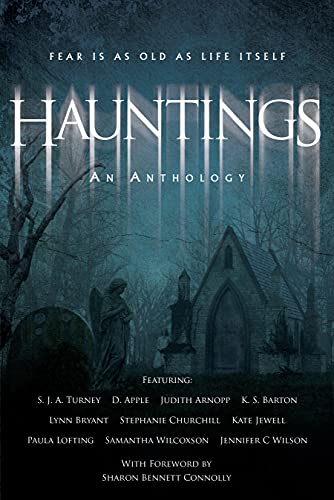
Hauntings

FEAR IS AS OLD AS TIME ITSELF
Chilling Tales that will take you through a labyrinth of historical horror.
You will encounter a tormented Roman general.
A Norse woman who must confront her terrifying destiny.
Meet a troubled Saxon brother, searching for his twin’s murderer.
A young nurse tries to solve the mysteries of an asylum for the insane.Down the passages of time, Henry VIII and Anne Boleyn wander through a haunted garden and elsewhere,
a lost slave girl is the soul survivor of a mass slaughter.

These are just a few of the eerie tales which ensure that Hauntings is not for the faint-hearted.

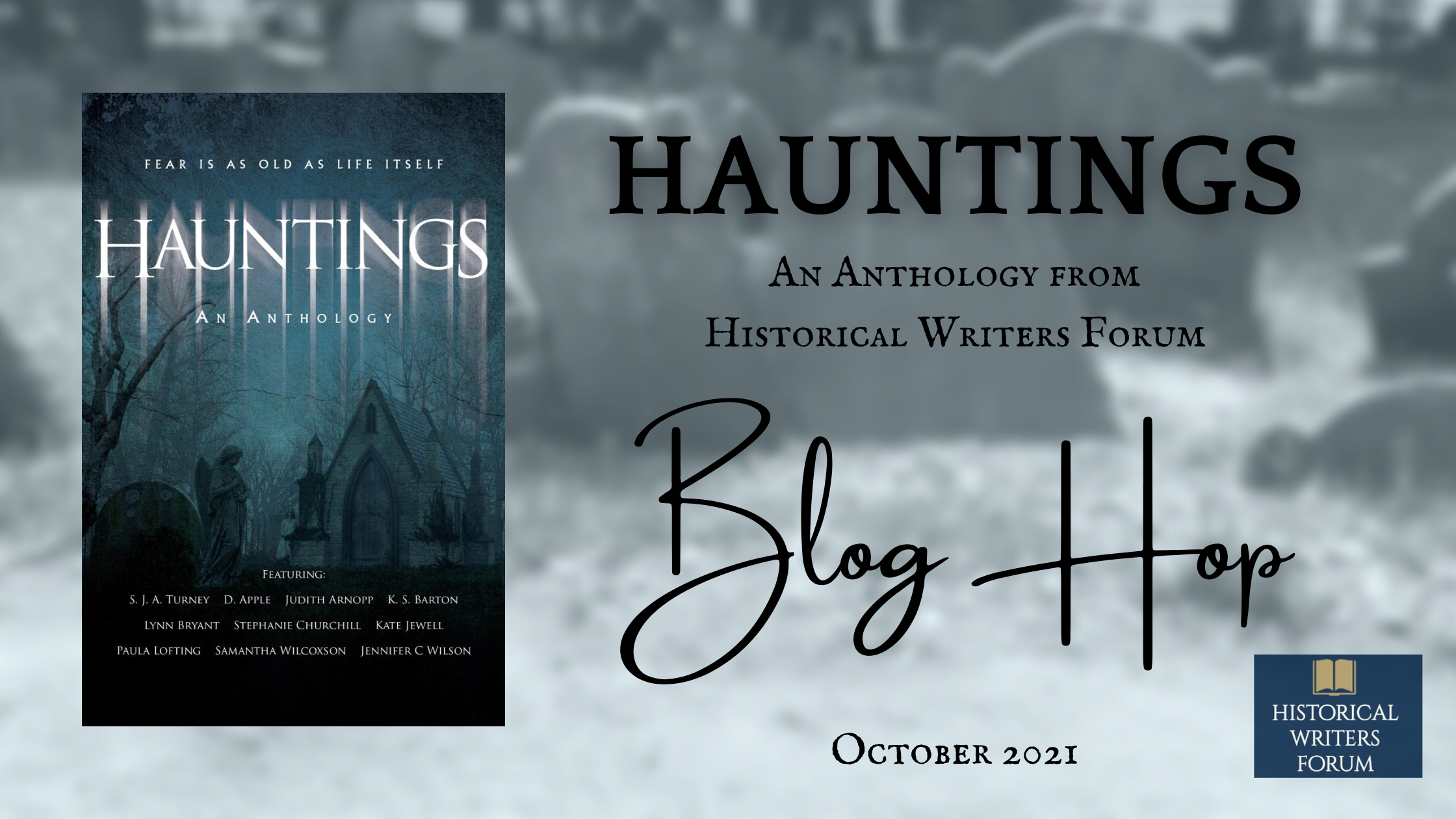
Hauntings is an anthology of stories that span 2,000 years of history. Featuring short stories by S.J.A. Turney, D. Apple, Judith Arnopp, K.S. Barton, Lynn Bryant, Paula Lofting, Stephanie Churchill, Samantha Wilcoxson, Jennifer C. Wilson and Kate Jewell, and with a foreword by yours truly!

now available as an ebook from Amazon in the UK and the US and will be available in paperback shortly.

Hauntings Launch Party!

And we’re having a launch party over Zoom.

Meet the authors and hear the stories behind the stories. It’s free. Come and join us!

It’s on Saturday 23 October at 7pm (UK time) – 2 pm if you’re in New York! Book here!

My Books

Signed, dedicated copies of all my books are available, please get in touch by completing the contact me form.

Defenders of the Norman Crown: The Rise and Fall of the Warenne Earls of Surrey tells the fascinating story of the Warenne dynasty, of the successes and failures of one of the most powerful families in England, from its origins in Normandy, through the Conquest, Magna Carta, the wars and marriages that led to its ultimate demise in the reign of Edward III. Defenders of the Norman Crown: Rise and Fall of the Warenne Earls of Surrey is now available from Pen & Sword BooksAmazon in the UK and US and Book Depository.

1 family. 8 earls. 300 years of English history!

Also by Sharon Bennett Connolly:

Ladies of Magna Carta: Women of Influence in Thirteenth Century England looks into the relationships of the various noble families of the 13th century, and how they were affected by the Barons’ Wars, Magna Carta and its aftermath; the bonds that were formed and those that were broken. It is now available in paperback and hardback from Pen & Sword,  Amazon and from Book Depository worldwide.

Heroines of the Medieval World tells the stories of some of the most remarkable women from Medieval history, from Eleanor of Aquitaine to Julian of Norwich. Available now from Amberley Publishing and Amazon and Book Depository.

Silk and the Sword: The Women of the Norman Conquest traces the fortunes of the women who had a significant role to play in the momentous events of 1066.  Available now from Amazon,  Amberley Publishing, Book Depository.

*

You can be the first to read new articles by clicking the ‘Follow’ button, liking our Facebook page or joining me on Twitter and Instagram.

©2021 Sharon Bennett Connolly

Guest Post: The Mallory Saga – Books 1-3

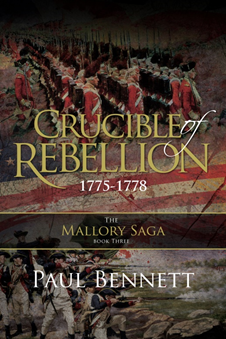
Today, it is a pleasure to welcome fellow author (and Bennett – wonder if we’re related?) Paul Bennett to History … The Interesting Bits. Paul is the author of the popular historical fiction series The Mallory Saga, of which the latest book, and third in the series, Crucible of Rebellion, has just hit the shops.

So, it’s over to Paul Bennett to tell us a little about the books and the inspiration behind them:

The Mallory Saga – Books 1-3

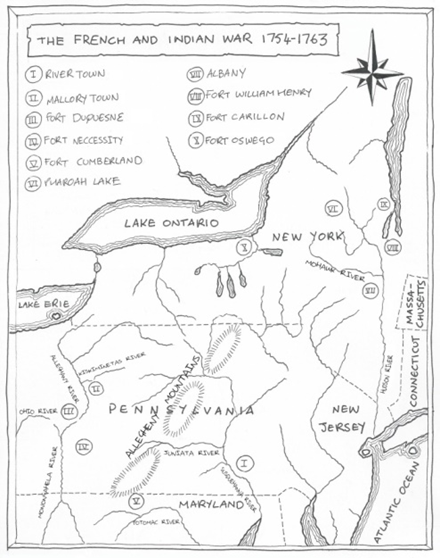
The inspiration to write was, in the beginning, merely to see if I could do it.  I had written short pieces over the years but to tackle a full blown novel was a daunting prospect.  Once the seed was planted I came up with a rough idea of telling the story of three siblings living somewhere in colonial America.  Choosing that general locale was a natural fit for me as I’ve been a lifelong student of American history and I felt that if I was going to write a historical fiction novel, it might be prudent to choose a subject I knew a little about. I picked The French and Indian War as the starting point for what was now becoming a possible series of books that would follow the Mallory clan through the years.  That war intrigued me and I saw a chance to tell the story through the eyes of the Mallory family.  It also provided me with the opportunity to tell the plight of the Native Americans caught up in this conflict.  The French and Indian War paved the way for the colonies to push further west into the Ohio River area.  It also set the stage for the events of the 1770’s.  Britain incurred a huge debt winning that war and looked to the colonies for reimbursement in the form of new taxes and tariffs.  Well, we all know how those ungrateful colonists responded. 

As to the name Mallory – I have a photo hanging on my living room wall of my great grandfather, Harry Mallory.  I got to know him when I was a young boy and was always glad when we visited him.  He lived a good portion of his life in western Pennsylvania which is where much of Clash of Empires takes place.  So, as a gesture to my forebears, Mallory became the name of the family. 

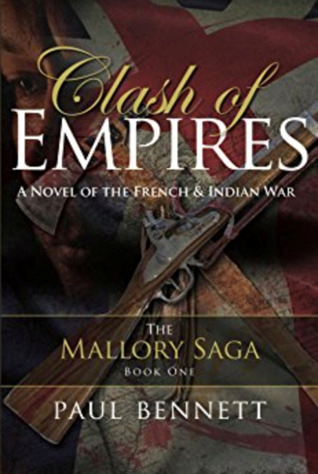
Clash of Empires

In 1756, Britain and France are on a collision course for control of the North American continent that will turn into what can be described as the 1st world war, known as The Seven Year’s War in Europe and The French and Indian War in the colonies.  The Mallory family uproots from eastern PA and moves to the western frontier and find themselves in the middle of the war. It is a tale of the three Mallory siblings, Daniel. Liza and Liam and their involvement in the conflict; the emotional trauma of lost loved ones, the bravery they exhibit in battle situations.  The story focuses on historical events, such as, the two expeditions to seize Fort Duquesne from the French and the fighting around Forts Carillon and William Henry and includes the historical characters George Washington, Generals Braddock, Forbes and Amherst.  The book also includes the event known as Pontiac’s Rebellion in which the protagonists play important roles.  Clash of Empires is an exciting look at the precursor to the events of July 1776; events that will be chronicled in the second book, Paths to Freedom, as I follow the exploits and fate of the Mallory clan.

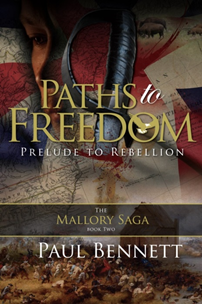
Paths to Freedom

In Paths to Freedom the children of the three Mallory siblings begin to make their presence known, especially Thomas, the oldest child of Liza and Henry Clarke (see right there, already another family line to follow), but Jack and Caleb, the twin sons of Liam and Rebecca along with Bowie, the son of Daniel and Deborah are beginning to get involved as well. The French and Indian War, the historical setting for book 1, was over, and the Mallory/Clarke clan is looking forward to settling and expanding their trading post village, Mallory Town, now that the frontier is at peace. And for a time they had peace, but the increasing discontent in the East, not so much toward the increasing rise in taxes, but the fact that Parliament was making these decisions without any input from the colonies, slowly made its way west to the frontier. Once again the Mallory/Clarke clan would be embroiled in another conflict.

Another facet of my saga is that the main characters are not always together in the same place or even the same event. In Paths my characters are spread out; some have gone East, some have gone West, some are sticking close to Mallory Town, so in effect there are three stories being told, and that means more plots, subplots, twists and surprises.

One of the aspects of the lead up to The Revolutionary War was the attempt by the British to ensure cooperation with the Native Americans, especially the Iroquois Confederation. The British had proclaimed that they would keep the colonies from encroaching on tribal lands, a strong inducement indeed. However, some tribes, like The Oneida, had established a good relationship with the colonists. I knew right away when I started book 2 that the relationship between the Mallory’s and the tribes would be part of it. Among the historical Native Americans who take part in Paths are the Shawnee Chiefs; Catecahassa (Black Hoof), Hokoleskwa (Cornstalk), Pucksinwah (father of Tecumseh), and the Mingo leader Soyechtowa (Logan).

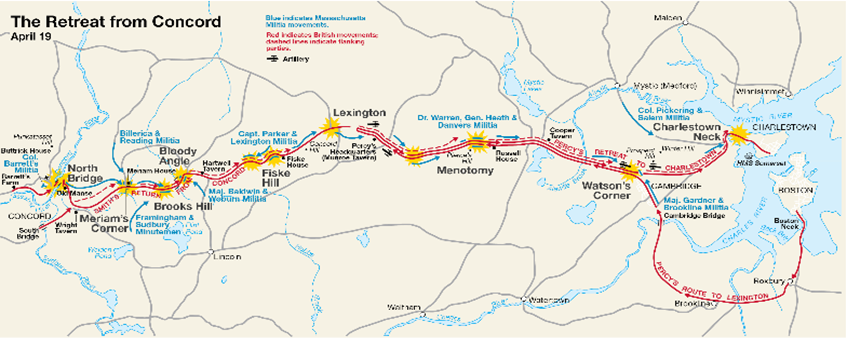
I also realized that I needed to get someone to Boston, and the Sons of Liberty. Thomas Clarke, the eighteen year old son of Liza and Henry, was the perfect choice for the assignment (mainly because he was the only child old enough at the time). J Through him we meet the luminaries of the Boston contingent of rebels, Paul Revere, Dr. Joseph Warren, John Hancock, and the firebrand of the bunch, Sam Adams. Plenty of history fodder to be had…British raid in Salem…Tea Party…the famous midnight rides…culminating with the Battle of Lexington and Concord. Oh yes, plenty of opportunities for Thomas.

An untenable situation arises in Mallory Town resulting in Liam and his two companions, Wahta and Mulhern, finding themselves on a journey to the shores of Lake Michigan and beyond. Driven by his restless buffalo spirit, Liam has his share of adventures; encountering a duplicitous British commander, meeting many new native tribes, some friendly, some not so much. A spiritual journey in a land not seen by many white men.

I ended Paths with the Battle of Lexington and Concord, the first shots of The Revolutionary War. The flint has been struck; the tinder has taken the spark. Soon the flames of war will engulf the land, and the Mallory clan will feel the heat in the third book, Crucible of Rebellion.

Crucible of Rebellion

The timeline for Crucible is 1775 – 1778. I decided to split the Revolutionary War into two books, mainly because there is so much more action as opposed to The French & Indian War…and because as I was writing, my characters insisted on some scenes I hadn’t previously thought of. J Book 4 of the saga is in the planning stages. Tentative title – A Nation Born.

The three Mallory siblings, Daniel, Liza, and Liam play important parts in CoR, but it is their children who begin to make their marks on the saga. Their youngest son, Ethan, and their daughter Abigail, of Daniel and Deborah travel with their parents to Boonesborough, and reside there with Daniel Boone. The war reaches even this remote frontier, prompting Daniel and Deborah to move further west in search of peace. However, the banks of The Wabash River prove not to be immune to conflict.

Their eldest son, Bo accompanies Liam’s twins, Jack and Cal, first to Fort Ticonderoga, then to Boston with a load of cannon for General Washington’s siege of Boston (the Noble Train of Artillery with Colonel/General Henry Knox). In Boston they meet up with Liza and Henry’s son Thomas, who is no longer a prisoner (can’t say more than that) J, Marguerite, and Samuel Webb.

General Washington has plans for the Mallory boys…plans which see some of them in a few of the more important battles of the war… the escape from Long Island, the surprise attack at Trenton, the turning point battles at Saratoga NY, as well as taking part in numerous guerilla type skirmishes.

A long ways away from the conflict Liam, with Wahta, are living with the Crow along the Bighorn River. Liza and Henry made the trip to Boonesborough with Daniel and Deborah, but do not go with them to The Wabash….they have their own adventures.

Although I write fiction tales, the historical aspect of the saga provides the backdrop. History is often overlooked, or is taught with a certain amount of nationalistic pride, whitewashing controversial events, much to the detriment of humankind. So I hope that what I write might help broaden the reader’s horizon a bit, that what they learned in school isn’t necessarily the whole story. Two main historical topics in the story of America that frequent The Mallory Saga are slavery, and the plight of the indigenous people who have lived here since before the founding of Rome; two historical topics that linger still in America’s story. Entertainment and elucidation; lofty goals for a humble scribe telling a tale.

Many thanks to Paul Bennett for a truly fascinating post and my best wishes for the success of Crucible of Rebellion.

The Humble Scribe

I am a retired (recently) data center professional. Not that I started out thinking I would spend nearly 50 years working in mainframe computer environments. My major interests, scholastically, in high school, and college were history, and anthropology. The Cuban missile crisis, Bay of Pigs, assassinations, Vietnam, Watergate, etc., were some of the events that shaped me, forming the basis for my cynical view of government. One of the results of this “hippie attitude” was that I quit school, and my job, taking a year and a half off to travel a bit, and enjoy life. During that period I began composing the odd poem or song lyric, but I knew in my heart, and from experience writing school term papers, final exams, and the like, that I was a prose writer. My favorite fantasy for my future at the time was to become a forest ranger sitting in some fire watch tower writing the great American novel. Life intervened, however, and I put that dream aside to marry, and raise a family, which meant I needed to be employed, thus decades of staring at computer screens ensued. As time went on, I began writing about the golf trips I took with my buddies. At first they were humor laced travelogues, but now they are fictional tales of my friends; the golf becoming a vehicle for creating a story. Then in 2013, I started writing book reviews, and communicating with authors about the process of writing a novel. My dream to write the great American novel returned.

Well I hope I’ve piqued your interest in American historical fiction, and in particular The Mallory Saga. If so moved, the buy links are below. Crucible of Rebellion paperback will be out soon. Follow the progress of The Mallory Saga here:

Facebook Page; Mallory Saga WordPress Blog.

To buy Paul’s books, simply click on the images below:

Paperback

Paths buy links

Kindle

Paperback

Crucible buy links

Kindle

My Books

Ladies of Magna Carta: Women of Influence in Thirteenth Century England  looks into the relationships of the various noble families of the 13th century, and how they were affected by the Barons’ Wars, Magna Carta and its aftermath; the bonds that were formed and those that were broken. It is now available from Pen & SwordAmazon and from Book Depository worldwide.

Also by Sharon Bennett Connolly:

Silk and the Sword: The Women of the Norman Conquest traces the fortunes of the women who had a significant role to play in the momentous events of 1066.  Available now from Amazon,  Amberley Publishing, Book Depository.

Heroines of the Medieval World tells the stories of some of the most remarkable women from Medieval history, from Eleanor of Aquitaine to Julian of Norwich. Available now from Amberley Publishing and Amazon and Book Depository.

*

You can be the first to read new articles by clicking the ‘Follow’ button, liking our Facebook page or joining me on Twitter and Instagram.

©2020 Sharon Bennett Connolly and Paul Bennett

Book Corner: Interview with Paul Fraser Collard

One of the best things about being an author with a blog is that I get to chat with some of the best writers out there, about their books, writing, social media and anything else they are happy to talk about. It is a distinct pleasure, here at History … the Interesting Bits, to welcome Paul Fraser Collard, best-selling author of the Jack Lark books. Paul’s latest book, Fugitive, hits the shops today and it is awesome!

I last chatted to Paul about his writing 4 years ago, after the release of The Last Legionnaire, book no. 5 in the series. And time has moved on, Fugitive is the 9th book! In that time, an awful lot has happened. So, without further ado, it’s over to Paul…

Hi Paul, thanks so much for agreeing to do an interview. And congratulations on the release of Fugitive.

1. So, first question, have you always wanted to be a writer?

The short and simple answer is no! I never even contemplated writing anything at all until I was in my thirties. I was commuting into London at the time, and I was devouring books at a tremendous rate. I began to think about what it would be like to write something of my own. I made a start, but it took years to get anything finished. That first project died a death, but I had caught the writing bug and I was enjoying using my commuting time to try to write. So, I persevered and a few years later, THE SCARLET THIEF, was done.

2. Who are your writing influences?

It should be no surprise that I was inspired by the great Bernard Cornwell. I first read a Sharpe novel when I was 11 or 12 (Sharpe’s Honour) and I was hooked. My parents got me the rest of the series that year for Christmas and I worked my way through them all. I have read pretty much everything Mr Cornwell has written since. My other great inspiration was George MacDonald Fraser’s peerless Flashman books. I discovered the books quite late, I think in my twenties, and I tore through the whole series utterly mesmerised by the writing. I cannot think of another writer who writes with the same sheer panache. I would never try to mimic such a bold style, but it was the Flashman series that first gave me the idea of setting each book in a new location and against a new campaign or period.

3. What do you love about writing?

For me, it’s the planning and the research. I love learning about the period, and by moving Jack around the globe I’ve been able to learn so much about the different events that he experiences. I also find coming up with the plot and then planning it out a huge amount of fun. Maybe it’s the power, or just the thrill of constructing the story and imagining the trials Jack will have to endure, but I enjoy it immensely.

4. What do you hate about writing?

That first draft! When I have finished researching and plotting, I have a good outline of the whole story that runs to about 20,000 to 30,000 words. All the fun stuff is done and I have to plough through that long first draft that always takes me months. I do enjoy the feeling of getting it done though, and generally I love the next stage of going over and over the story trying to add the magic and make it as good as I can.

5. Social media – do you love it or hate it?

To be honest, its somewhere in between the two. I don’t find it easy to promote my books and I worry a lot about how I come across and what people must think of me. But at the same time, I have met some absolutely wonderful people through social media. I know that’s become something of a cliché, but I don’t care as its absolutely true. I am constantly gobsmacked at the help and the support I receive from a wide range of people all around the world. It is both humbling and delightful at the same time.

6. What advice would you give to someone starting on their writing career?

Just sit down and do it. I get this question a lot and I always say the same thing. Just start writing. It doesn’t matter if its good or if it’s absolutely bloody awful. Just get words down, build the story, get the characters going then write and write and write. You can always go back and make it better, but you can do nothing with a blank page.

7. What attracted you to setting your stories in the 19th century?

I have to blame Sharpe and Zulu. Both captivated me at an impressionable age. The choice of the Crimea for the first book in the series was more pragmatic. At the time, few writers had tackled the Battle of the Alma or the Crimean War and I had a feeling I had to start with something a little different. It was also the perfect jumping off point for the next adventures.

8. Did you ever expect to be still writing about Jack Lark 9 books later?

Honestly, no. It seems pretty incredible to me, especially as there must be over 1 million printed words that I have written now. I always think back to an English exam I took when I was about 14 or 15. I got some awfully low mark, and for a while it quite put me off reading and writing. Yet now here I am, with nine novels and four short stories to my name. It just shows, you really never know what you can do.

9. Jack Lark has become one of my favourite literary characters, how did you create such a complex character development?

That is very kind of you! I think my aim all along was to create a character that was both believable and relatable. When I started writing Jack’s stories, it seemed to me that a lot of other heroes in historical fiction were really rather good chaps, who generally did the right thing and although they had a tough time, their experiences never really seemed to linger with them. I have always read as many first-hand accounts as I can, covering any period of warfare, and I want to convey something of that universal experience of war through Jack. If I have done a half-decent job of that then I am truly happy.

10. Jack Lark is a bit of a globetrotter, how do you research the various societies and lands he has visited?

Thankfully, most of the campaigns and battles in the Jack Lark books are well-covered (sometimes too well covered!) I always start by reaching for the relevant Osprey books first and there is no better way to begin a new project. From there, I search for as many first-hand accounts as I can find, so that I can get the view of the ordinary soldier on the field of battle. That is what I find fascinating. Grand strategy and the calculated movement of troops are certainly interesting, but I want to know what it was like to stand on the front line and trade vollies with the enemy, or how men felt as they were ordered to charge directly into the fire of a well dug in defender.

11. What comes first, the research or the story?

Research for sure. It is only when I have a pretty good idea of the event or battle that I plan to cover, that I can start to work out how to weave Jack’s story into that timeline. More often than not, the research inspires me, and for quite a few of the books, the half-baked notions I had for the story before I started, get completely forgotten when I learn what really happened and how it happened.

12. How do you decide where Jack goes next?

This is the tricky bit. A lot was happening in the world in the mid to late 19th century, and it has often been really difficult to decide where Jack goes, especially as I can look globally. Usually something jumps out at me, and I definitely prefer something less well known to a famous battle or campaign.

13. With Bernard Cornwell’s Last Kingdom series, we’ve known, almost from the beginning, that the books will end at the famous Battle of Brunanburh, does Jack Lark similarly have a final battle that will be his swansong?

To be honest, I have no idea where or how the Jack Lark series will end. I think that’s rather exciting. If I have no idea, then neither will a reader!

14. Will Jack ever find love and settle down, or will he always be a drifter?

Never say never. I think Jack may well find someone he wants to settle down with. I just don’t know if I will let him! There is something of The Littlest Hobo in Jack (if you remember that kid’s TV programme!). It’s his lot to always be moving on to where he is needed next. I certainly don’t see Jack settling down to become a farmer or something equally innocuous.

15. What will come after Jack Lark, do you have other projects on the horizon?

I have so many ideas! I have two outlines for books set in London in WW2, as well as a fully completed manuscript that tells the story of an SOE agent in the middle of the war. I also have some half-formed thoughts for a serial killer book and another for a story set in a dystopian future. The recent events have also given me a terrific idea for a pandemic novel (well, I think it’s terrific). The problem is how to fit everything in, as I still work full-time. I don’t know when I will get to some of these ideas, but perhaps at least I will have an interesting and busy retirement when I eventually get there!

Paul, thank you so much for taking the time to talk to me. Such wonderful answers. And now I can’t get the theme tune to The Littlest Hobo out of my head! I wish you every success with Fugitive. Jack Lark is such a wonderful character and I urge everyone to take a look at his latest adventures. Look out for my review of Fugitive sometime next week!

About the Author:

Paul Fraser Collard’s love of military history started at an early age. A childhood spent watching films like Waterloo and Zulu whilst reading Sharpe, Flashman and the occasional Commando comic, gave him a desire to know more of the men who fought in the great wars of the Nineteenth and Twentieth Centuries. This fascination led to a desire to write and his series of novels featuring the brutally courageous Victorian rogue and imposter Jack Lark burst into life in 2013. Since then Paul has continued to write, developing the Jack Lark series to great acclaim. To find out more about Paul and his novels visit www.paulfrasercollard.com or find him on twitter @pfcollard.

To buy the book: Amazon UK; Amazon US.

*

My Books

Ladies of Magna Carta: Women of Influence in Thirteenth Century England  looks into the relationships of the various noble families of the 13th century, and how they were affected by the Barons’ Wars, Magna Carta and its aftermath; the bonds that were formed and those that were broken. It is now available from Pen & SwordAmazon and from Book Depository worldwide.

Also by Sharon Bennett Connolly:

Silk and the Sword: The Women of the Norman Conquest traces the fortunes of the women who had a significant role to play in the momentous events of 1066.  Available now from Amazon,  Amberley Publishing, Book Depository.

Heroines of the Medieval World tells the stories of some of the most remarkable women from Medieval history, from Eleanor of Aquitaine to Julian of Norwich. Available now from Amberley Publishing and Amazon and Book Depository.

*

You can be the first to read new articles by clicking the ‘Follow’ button, liking our Facebook page or joining me on Twitter and Instagram.

©2020 Sharon Bennett Connolly