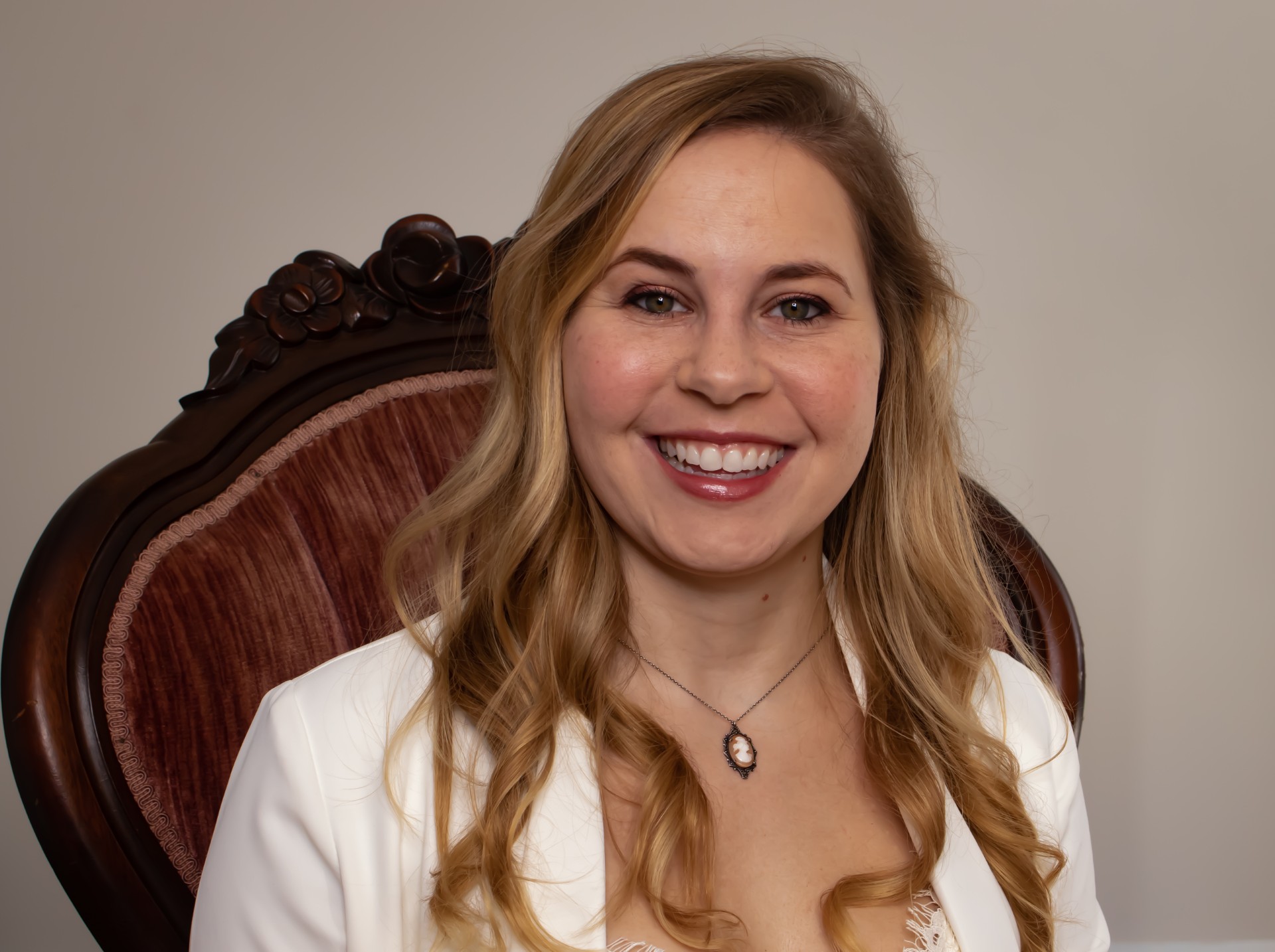
Wordly Women: Gemma Hollman

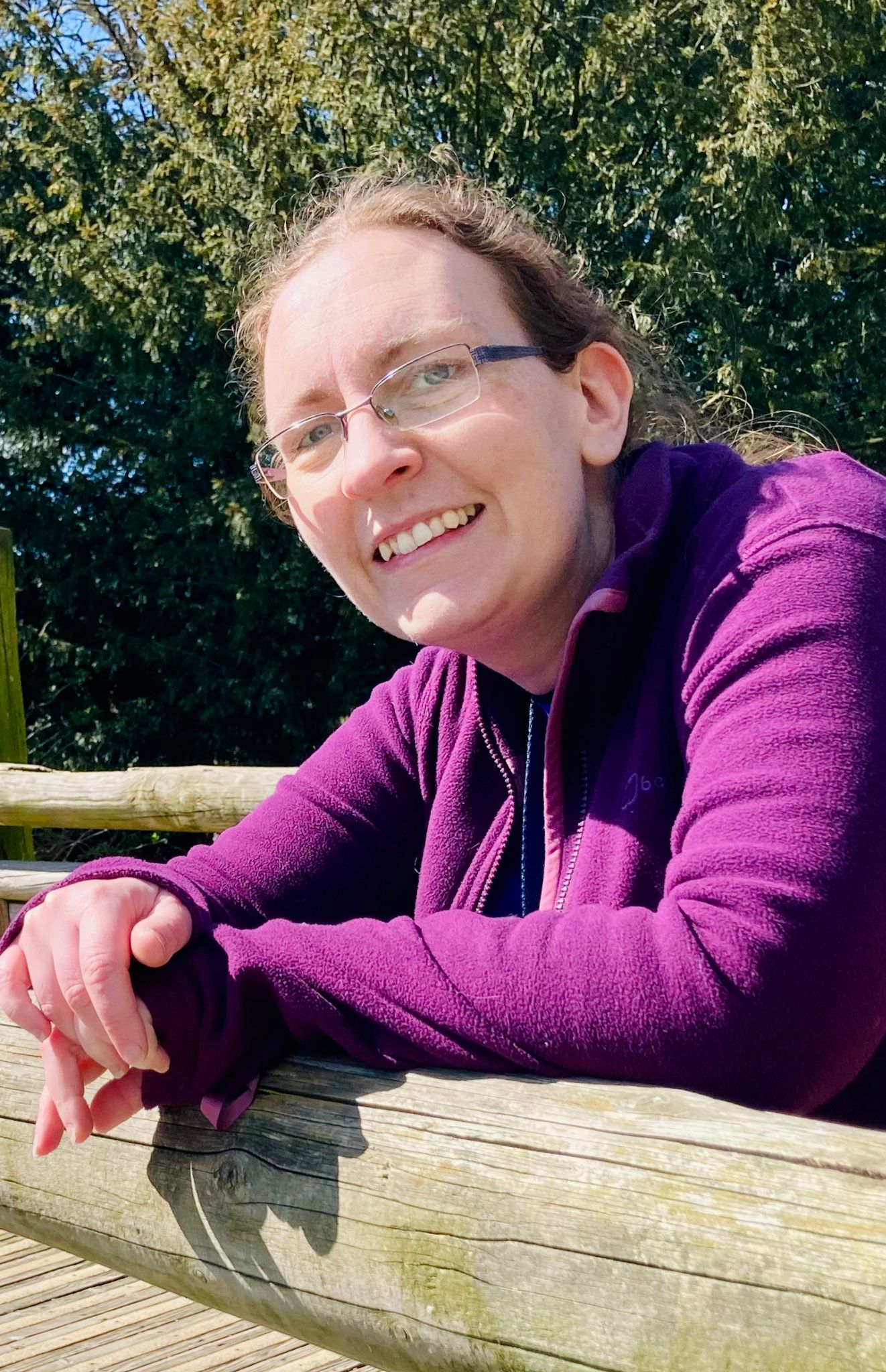
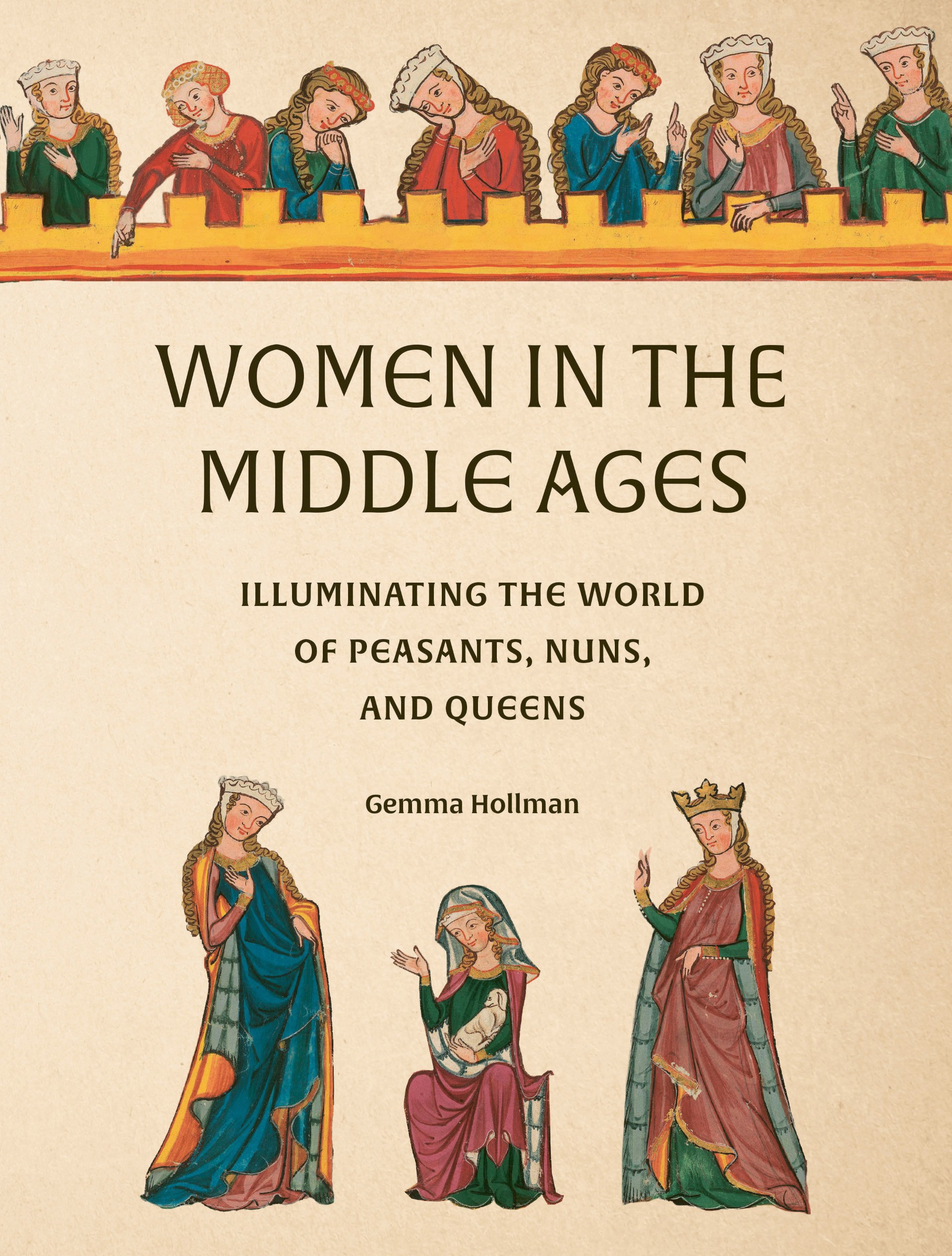
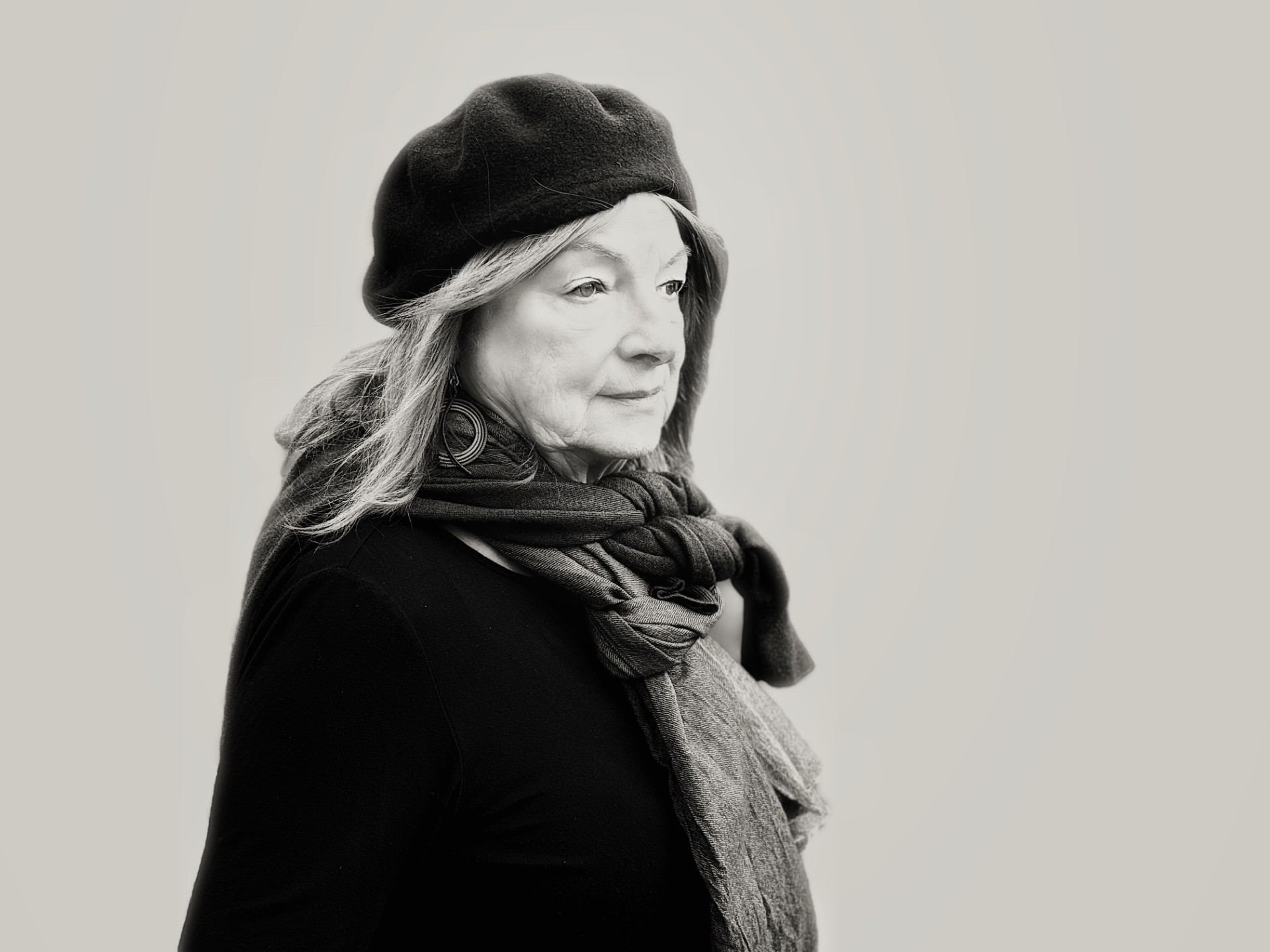
Today I am continuing my Wordly Women series with a historian who, just like me, concentrates on bringing the women to the fore. Gemma Hollman has written about Royal Witches, queens and mistresses. Her last book, Women in the Middle Ages: Illuminating the World of Peasants, Nuns, and Queens came out at the end of 2024, and is gorgeous! It was lovely to get the chance to have a chat with Gemma about her writing journey.

Sharon: So, Gemma, what got you into writing?

Gemma: It’s kind of a mix of completely by accident, and something I’ve always enjoyed doing. Whilst at school and university I would write bits of fiction for fun, never for anyone to look at, so I’ve always had a bit of a writing bug. But when I finished university, it felt so weird to go from four years of researching and writing history to quitting cold turkey. At this time, it seemed like everyone was making blogs, including loads of my friends, so I decided to join the trend and establish my blog, Just History Posts.

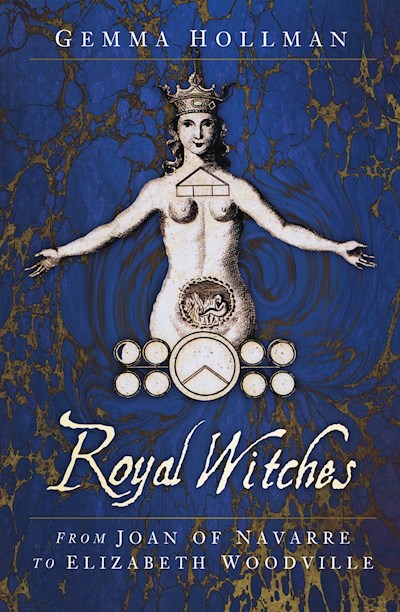
I loved writing there, and by the second year I was gathering a load of steam. One of my most popular posts was about Joan of Navarre, a fifteenth-century Queen of England who was accused of using witchcraft against the king – and one of the focuses of my Masters dissertation. That, combined with lots of people I knew in real life saying my dissertation would make an amazing book, made me think maybe people would like to learn about these women and their stories which are not that well-known. I pitched the book to The History Press and it eventually turned into my debut non-fiction book, Royal Witches. The rest, as they say, is history.

Sharon: Tell us about your books.

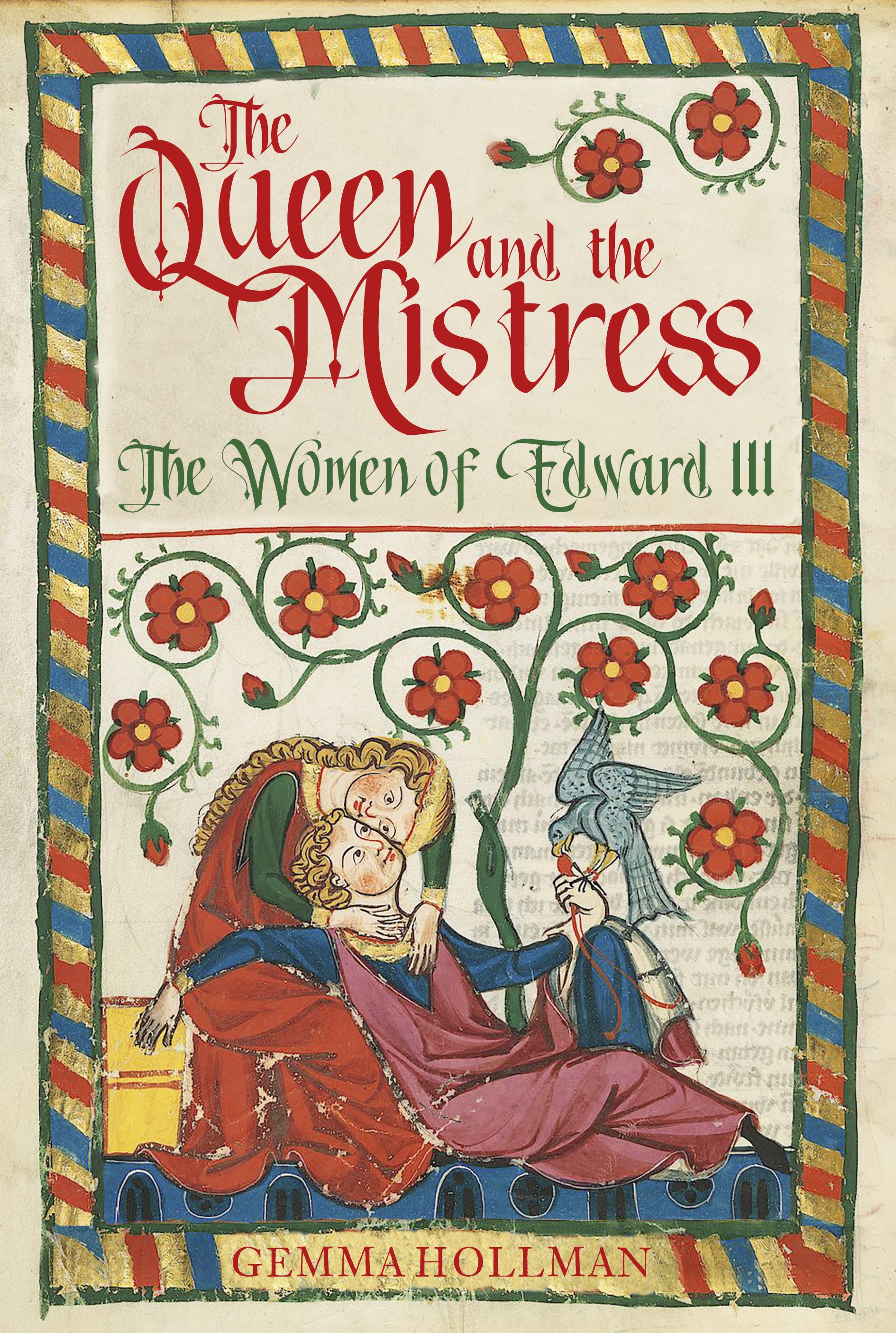
Gemma: Well, I already gave you a little bit of a taster about Royal Witches (the other three women, beyond Joan, are Eleanor Cobham, Jacquetta of Luxembourg and Elizabeth Woodville), about fifteenth-century women in the English Royal Family who were all accused of witchcraft. My second book goes back to the previous century and the court of Edward III of England, and is a dual biography of the two women who dominated his court and his heart – his queen, Philippa of Hainault, and his mistress, Alice Perrers. Both women are absolutely fascinating in their own right, but by looking at them together I think you can understand them, Edward, and the fourteenth century a lot better.

My final book came out at the end of last year, and is called Women in the Middle Ages. A slight departure from my first two books, which were both focused biographies, this is a much broader look at women across much of Europe from roughly 1000-1500. The best thing about it, though, is that it is an illustrated history, featuring just shy of 200 images of artwork and artefacts from the medieval period. I explore how these objects can illuminate the real lives of these women in far more detail than written records alone. It is a beautiful, full-colour experience which was so special to pull together.

Sharon: What attracts you to the medieval period?

Gemma: I’ve always loved all periods of history, and studied a huge range of history at university, but I found that I enjoyed writing medieval history much more than I did modern history. I enjoyed acting almost like a detective and trying to extract bits about people’s lives and personalities with such limited sources. And the more I researched and wrote it, the more I fell in love with it. The medieval world was so incredibly different from today in every aspect, that it can sometimes feel like another world. But, at the same time, people themselves are so similar to today. I always love reading stories that connects us through the centuries, feeling that human connection to someone so far removed from myself today. Although it was a time of huge strife, poverty, and difficulty, there is something intrinsically magical about it – it’s no coincidence so much of our fantasy media today has medieval vibes!

Sharon: Who is your favourite 14th century person and why?

Gemma: Oh gosh, that is such a difficult question! Of course there is no one favourite, as that would be impossible, but someone who has grabbed my attention ever since I first learnt about her is Isabella of France, the queen of Edward II of England. She was so self-assured of her lineage, her rights, the respect due to her by virtue of her position, and she was not going to let anyone tell her otherwise. She was loved and sympathised with whilst the neglected spouse, then inspired the entire country to stand with her and overthrow her husband, and went on to pretty much rule England with her lover for several years. Even after her son, Edward III, forcibly took control of the kingdom again, she continued to wield significant influence at court. I think she is just so utterly fascinating – and she of course perfectly sets the scene for the start of my second book, The Queen and the Mistress!

Sharon: Who is your least favourite 14th century and why?

Gemma: Ooh. I don’t know that there’s really anyone I actively dislike, but for playfulness I will put forward Thomas Walsingham, chronicler and monk at St Albans Abbey in Hertfordshire. His chronicles are invaluable for our knowledge of the late fourteenth century, but he is a bit of a villain in my second book for his treatment of Alice Perrers. As a religious man, Alice’s position as a mistress at the heart of the court was unconscionable (and it didn’t help that she was embroiled in legal conflicts with his abbey for many years). He is responsible for a lot of the negative propaganda against Alice which lasted for centuries, including the baseless accusation that she stole the rings from Edward’s fingers after he died. Even today, the way he spoke about her is the main way people approach her and assume how she really was. Talk about negative PR.

Sharon: How do you approach researching your topic?

Gemma: Mostly I already have a theme or a person in mind for what I want to research, and generally I already have an amount of knowledge about the topic. But I always find it most helpful to start with secondary sources, ie by reading a load of books and journal articles on the subject. I write copious notes, start creating timelines where necessary, and jot down the names of other books and sources from the footnotes. I then go to the original sources and make a load of notes on those, too, and I then dive in to writing. I always find once I start writing I then become aware of areas where my notes might be lacking, like missing any information about what someone was doing in a particular year of their life, and so I then go back to the sources and secondary material to fill in these gaps. I also find that it’s only by starting to write do I truly know which direction my piece is going in, and thus am able to tailor my research much more specifically, rather than reading about anything in the hope it might be useful, but finding that I don’t use it at all (as happens with much of my early research).

Sharon: Tell us your ‘favourite’ medieval story you have come across in your research.

Gemma: One of my favourites definitely comes from a story I read in a chronicle at university, and which I recounted in one of my very first blog posts. This is a story from the court of Henry II of England, and is one that very much exemplifies what I said earlier about people never changing. The king’s steward, a man named Thurston, came to him and complained that another man, Adam of Yarmouth, refused to seal a writ for him free of charge (something which was to be expected amongst people working in the government). After some investigation, it was revealed that Adam was upset at Thurstan because at a party Thurstan had been hosting, he refused to allow Adam to eat two cakes! Such a petty squabble had disrupted the king’s business, and he settled the squabble by having Adam seal the writ in return for Thurstan serving him two cakes on bended knee. It sounds like something out of fiction rather than reality!

Sharon: Are there any other eras you would like to write about?

Gemma: I definitely have found my comfort zone in the medieval era, but I do think from time to time about writing about other periods, as I think is only natural. I know of some amazing women from the Georgian and Victorian periods that I’ve been drawn to writing about several times, so maybe that’s something I can set my sights on one day.

Sharon: What are you working on now?

Gemma: At the moment, I am in the midst of my fourth book which is set in the court of Richard II. The book is largely a biography about Richard, but it also aims to take a look at his wider court, too, particularly some of the other large and important figures – and, particularly, women. It’s due next year, so wish me luck with getting it done in time!

Sharon: And finally, what is the best thing about being a writer?

Gemma: This question is definitely easy for me – spreading the knowledge I have and seeing people enjoy it and learn something new. Every time I get a review, or speak to a person at a talk I am giving, where the person said they’ve loved what I’ve written/how I’ve spoken, and that they’ve learnt something is just as special as the last. I love writing, and I love that I get to learn so many interesting things myself in the process, but the whole point of me writing is to share all the things I’ve learnt with other people. Each time I hear that I’ve done that, and done it well, makes all of the late nights researching after a full day’s work, or the times I can’t see my friends and family because I have a deadline worth it.

About the author:

Author bio: Gemma Hollman is a historian and author who specialises in late medieval English history. A Fellow of the Royal Historical Society, she has a particular interest in the plethora of strong, intriguing and complicated women from the medieval period, a time she had always been taught was dominated by men. Gemma also works full-time in the heritage industry whilst running her historical blog, Just History Posts, which explores all periods of history in more depth. Gemma’s first book, Royal Witches, was a bestseller, and two more books have since followed: The Queen and the Mistress, and Women in the Middle Ages.

Where to find Gemma:

Website: https://justhistoryposts.com/; Link for books: https://lnk.bio/GemmaHAuthor; Social media: Bluesky https://bsky.app/profile/gemmahauthor.bsky.social.

*

My books

Signed, dedicated copies of all my books are available through my online store.

Out now: Scotland’s Medieval Queens

Books by Sharon Bennett Connolly

Scotland’s history is dramatic, violent and bloody. Being England’s northern neighbour has never been easy. Scotland’s queens have had to deal with war, murder, imprisonment, political rivalries and open betrayal. They have loved and lost, raised kings and queens, ruled and died for Scotland. From St Margaret, who became one of the patron saints of Scotland, to Elizabeth de Burgh and the dramatic story of the Scottish Wars of Independence, to the love story and tragedy of Joan Beaufort, to Margaret of Denmark and the dawn of the Renaissance, Scotland’s Medieval Queens have seen it all. This is the story of Scotland through their eyes.

Scotland’s Medieval Queens gives a thorough grounding in the history of the women who ruled Scotland at the side of its kings, often in the shadows, but just as interesting in their lives beyond the spotlight. It’s not a subject that has been widely covered, and Sharon is a pioneer in bringing that information into accessible history.’ Elizabeth Chadwick (New York Times bestselling author)

Available now from Amazon and Pen and Sword Books

Also by Sharon Bennett Connolly:

Books by Sharon Bennett Connolly

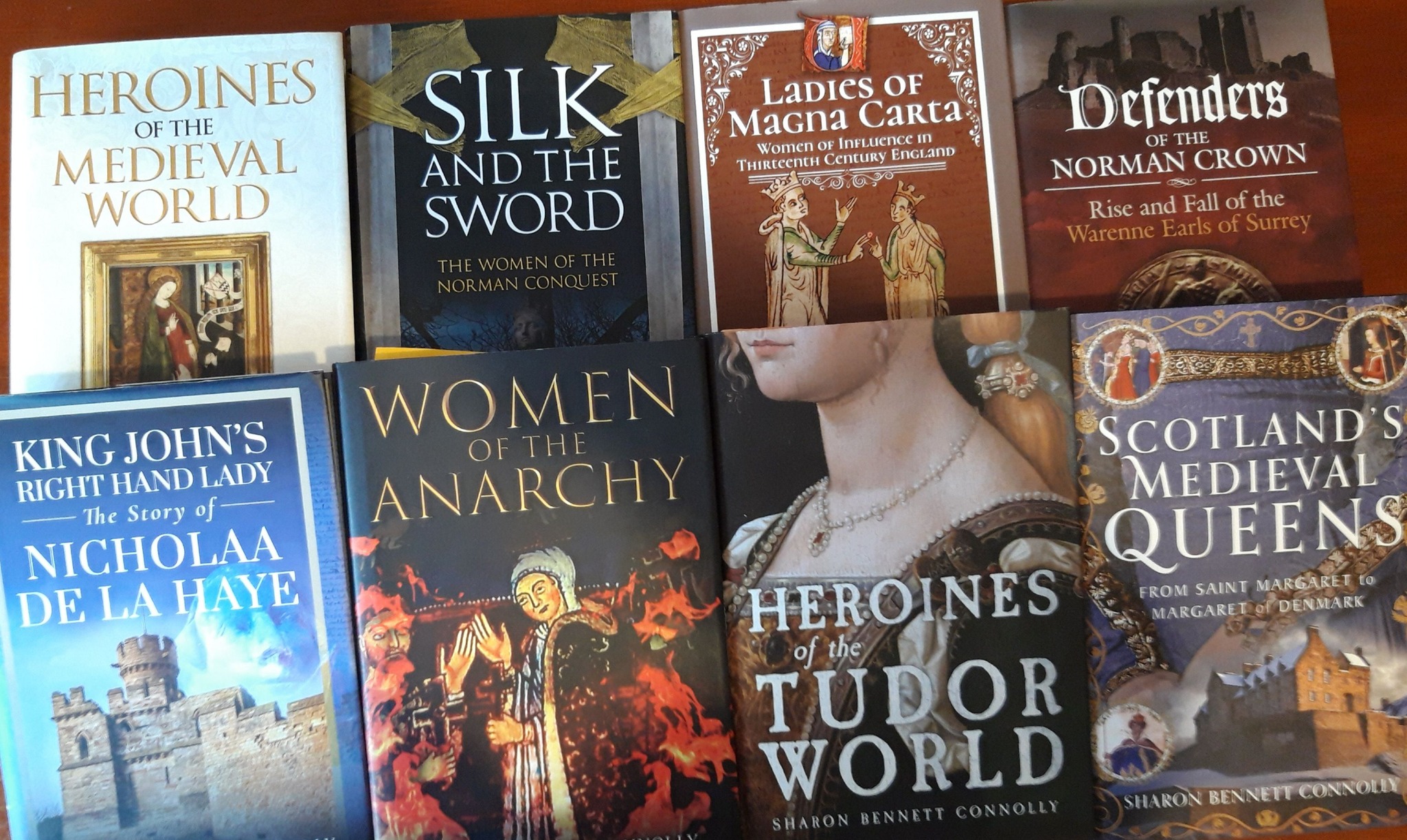
Heroines of the Tudor World tells the stories of the most remarkable women from European history in the time of the Tudor dynasty, 1485-1603. These are the women who ruled, the women who founded dynasties, the women who fought for religious freedom, their families and love. Heroines of the Tudor World is now available from Amberley Publishing and Amazon UK. Women of the Anarchy demonstrates how Empress Matilda and Matilda of Boulogne, unable to wield a sword themselves, were prime movers in this time of conflict and lawlessness. It shows how their strengths, weaknesses, and personal ambitions swung the fortunes of war one way – and then the other. Available from Bookshop.orgAmberley Publishing and Amazon UKKing John’s Right-Hand Lady: The Story of Nicholaa de la Haye is the story of a truly remarkable lady, the hereditary constable of Lincoln Castle and the first woman in England to be appointed sheriff in her own right. Available from all good bookshops Pen & Sword Booksbookshop.org and Amazon

Books by Sharon Bennett Connolly

Defenders of the Norman Crown: The Rise and Fall of the Warenne Earls of Surrey tells the fascinating story of the Warenne dynasty, from its origins in Normandy, through the Conquest, Magna Carta, the wars and marriages that led to its ultimate demise in the reign of Edward III. Available from Pen & Sword BooksAmazon in the UK and US, and Bookshop.orgLadies of Magna Carta: Women of Influence in Thirteenth Century England looks into the relationships of the various noble families of the 13th century, and how they were affected by the Barons’ Wars, Magna Carta and its aftermath; the bonds that were formed and those that were broken. It is now available in paperback and hardback from Pen & SwordAmazon, and Bookshop.orgHeroines of the Medieval World tells the stories of some of the most remarkable women from Medieval history, from Eleanor of Aquitaine to Julian of Norwich. Available now from Amberley Publishing and Amazon, and Bookshop.orgSilk and the Sword: The Women of the Norman Conquest traces the fortunes of the women who had a significant role to play in the momentous events of 1066. Available now from Amazon,  Amberley Publishing, and Bookshop.org.

Alternate Endings: An anthology of historical fiction short stories including Long Live the King… which is my take what might have happened had King John not died in October 1216. Available in paperback and kindle from Amazon.

Podcast:

A Slice of Medieval

Have a listen to the A Slice of Medieval podcast, which I co-host with Historical fiction novelist Derek Birks. Derek and I welcome guests, such as Bernard Cornwell and Michael Jecks, and discuss a wide range of topics in medieval history, from significant events to the personalities involved. Every episode is also now available on YouTube.

*

Don’t forget! Signed and dedicated copies of all my books are available through my online store.

For forthcoming online and in-person talks, please check out my Events Page.

You can be the first to read new articles by clicking the ‘Follow’ button, liking our Facebook page or joining me on TwitterThreadsBluesky and Instagram.

*

©2025 Sharon Bennett Connolly, FRHistS and Gemma Hollman, FRHistS

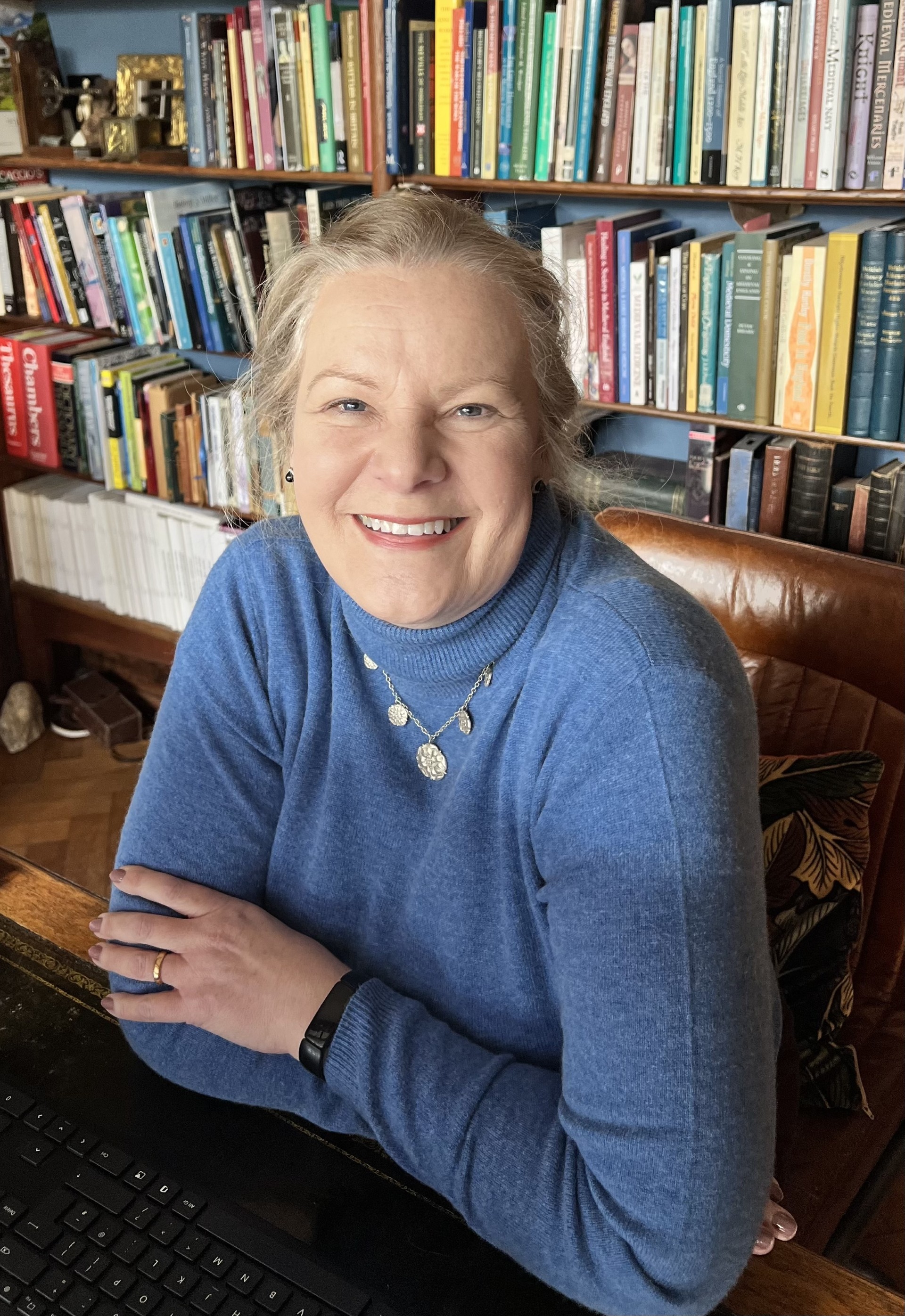
Wordly Women: C.F. Dunn

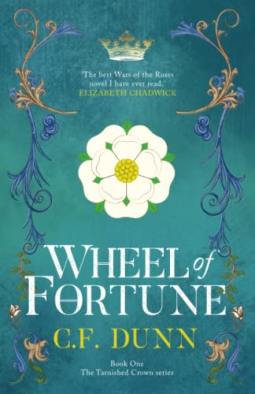
Last year, I discovered two novels by an author who was previously unknown to me, Wheel of Fortune and Sun Ascendant and I read them one after the other. I loved them. Set just down the road from me in Tickhill, I loved the details of the countryside I had grown up in. Then, in September, I had the pleasure of meeting the author Claire Dunn, writing as C.F. Dunn, at the Historical Novel Society conference. Claire joined our dinner party, which also included Derek Birks, Elizabeth Chadwick, Matthew Harffy and Steven A. McKay. As you can imagine, the talk was all about history! But I did also get the chance to chat with Claire on her own, and grill her about her characters and her love of the Wars of the Roses. So, I had to ask her to take part in my Wordly Women author interviews.

Welcome Claire!

Sharon: What got you into writing?

Claire: I can’t remember a time when I didn’t write. Even before I learned how to commit thoughts to paper, I wrote stories in my head. I devoured books as soon as I learned, late, how to read, so it wasn’t ever a question of whether I would write one day, but rather when. There were obstacles to that ambition, however, the major one being dyslexia. It was more a problem of other people’s perceptions than my own limitations. Growing up when I did, a career immersed in history and literature for someone who had initially struggled to read and write, was considered untenable. I wasn’t deterred; the stories were in my head and it was only a matter of time before one escaped onto paper.

Sharon: Tell us about your books.

Claire: As a child and young adult, I loved books with historical action and a mystery at their core, whatever the period in which they were set. I also enjoyed cold war thrillers and, later, classic 19th century British and European literature. It was the combination of a strong story, believable characters and powerfully evocative language that was all important. So, when I came to write my own books, I suppose all those years of being drip fed such fiction found its way into my work. I didn’t start committing ideas to paper until much later and during one of the busiest times of my life running a school. In 2009, in Avila cathedral, I told my daughter about an idea I had for a story. That became my debut novel Mortal Fire (published by Lion Fiction) which went on to win a gold medal for Best Adult Romance in 2012. That was the first of five books in my contemporary gothic Secret of the Journal series, featuring a young historian, a hidden 17th century journal, and a historic anomaly that needed solving.

Almost as soon as I started the Secret of the Journal series, I also began work on my current historical series The Tarnished Crown. It took over a decade of research before Wheel of Fortune was ready for publication. The new edition of the second book – Sun Ascendant – is out in April 2025. There are going to be about 8 books in the series. I like writing longer stories and enjoy establishing characters that grow and develop throughout the series. This is especially the case when dealing with highly involved periods. I don’t see the Wars of the Roses as a succession of battles and memorable names, but a complex web of relationships affecting the highest to the lowest in the land, and stretching across the country and to the realms beyond.

By bringing fictional characters into real events with historical individuals, I’m able to explore different scenarios and outcomes while always keeping as close to what is known as possible. I don’t play fast and loose with facts and I won’t change something that has been established for the sake of the story. Sometimes, though, I have to take a fair stab at it if details are a bit sketchy, but that’s just part of the territory a fiction writer has to negotiate.

Sharon: What attracts you to the Wars of the Roses?

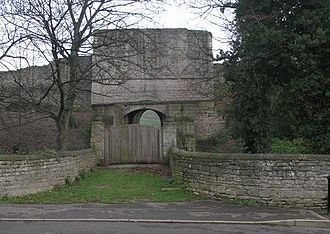
Tickhill Castle gatehouse

Claire: It’s fair to say that I am slightly obsessed. The last decades of the Plantagenet dynasty have been the bedrock of my historical interest. It has led to a degree in Medieval History and a lifetime of research. It’s a period packed with contention – both then and now – and individuals whose personalities spring from the page. Intense loyalties, treachery, ambiguous allegiances – as a writer, what more could anyone want?

Sharon: Who is your favourite 15th century person and why?

Claire: It has always been Richard III. I first became aware of the controversy surrounding him when about 8 or 9 and was hooked on history from then on. There have been brief flirtations with other people and periods along the way, but he has remained the reason for my fascination with the Wars of the Roses and the focus of my research. I wish I could say why; it’s not as if there isn’t an abundance of enigmatic figures dotted throughout history; but it was he who caught my imagination as a child, and so it has remained. It isn’t the controversy that I find interesting, however, but the complex personality and the weaving of relationships that I mentioned before. Richard’s life as Duke of Gloucester is far more revealing of the man than his few years as king.

Sharon: Who is your least favourite 15th century person and why?

Claire: Without a doubt it’s Henry VII. I have never forgiven him for winning Bosworth and even less so for almost succeeding in destroying Richard III’s reputation.

Sharon: How do you approach researching your topic?

Claire: I do acres of research, and then research the research just to make sure. I have a real thing about doing justice to the people of the past – they were just people after all – but a stroke of a pen can make or break a reputation. I believe I have a responsibility to represent them as accurately and fairly as possible, and try to do so while keeping the story gripping. Depending upon the period I’m researching, I’ll start with the historical record and delve into as many contemporary accounts as I can. If they are thin on the ground, as they often are in earlier periods or where written records have been destroyed, then I’ll look at archaeological reports. Here, geography and topography can play their role, as an understanding of the land and human interaction with it can speak volumes.

Primary physical and pictorial sources are also important – sculpture, buildings, paintings, and made artefacts such as jewellery, ceramics, textiles, represent the cultures that created them. There’s a place for ‘living’ history as well, something re-enactors understand, because nothing beats living in the past for understanding the practicalities of life in another era. How do you collect water, make fire, survive a harsh winter? Sometimes I’ll run my own experiments. I’ve been growing saffron for the past 5 years (saffron crops up – pun intended – in one of my future books). I didn’t know that mice could be a problem until a few days ago when I discovered that nearly all my corms have been eaten. Imagine that happening to someone whose livelihood depended upon bringing in a decent harvest. My corm-munching mice might very well feature in a future book.

Sharon: Are there any other eras in History you would like to write about?

Claire: My first series – a contemporary gothic mystery – had a 17th century twist, a period I find interesting and which I would like to explore further. Otherwise, it’s back to the fifteenth century and other people and themes that are begging to be explored.

Sharon: What are you working on now?

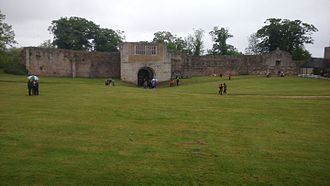
The bailey of Tickhill Castle

Claire: I’m currently writing the first book in a Victorian Gothic series, an eerie tale set in Scotland where not everything is as it seems. It’s one of those stories which has me checking the shadows and keeping the lights on in the evening. I am really enjoying researching all sorts of aspects of life in the later part of the nineteenth century, although I sometimes have to take stock when I remember that my Scottish grandfather was born in 1880. The past is not so very far away.

Sharon: And finally, what is the best thing about being a writer?

Claire: I’ve spent my life in a sort of nether world of betwixt and between. On the one hand I’ve been rooted in reality, running a school for neurodiverse children and young adults. On the other, I’m attached to a past that at times has felt more real than reality. No longer running the school, I now explore all manner of themes, topics, people and places, and get to call it work.

About the author:

CF Dunn is an award-winning novelist of history, mystery and suspense.

Acutely aware of the impact of the past, Claire’s vibrant characters and meticulous research weave threads of history to bring an authenticity to her suspenseful stories of love, treachery and loyalty.

She is currently writing The Tarnished Crown series, the first of which, Wheel of Fortune, is described by renowned historical novelist, Elizabeth Chadwick as ‘The best Wars of the Roses novel I have ever read. ’

Now living in the South West of England, Claire frequently tries out new plot ideas on her clutch of chickens. Her love of history is equaled only by her delight in the natural world and the unruly sea by which she lives with her family, assorted animals, and overworked coffee machine.

The Tarnished Crown series:

Wheel of Fortune – ‘Dunn’s world is utterly believable, the research meticulous, the characters deep and rich. A triumph.’ Matthew Lewis. To buy Wheel of Fortune.  

Sun Ascendant. – ‘Vivid, engaging and so incredibly captivating.’ The Book Magnet. To buy Sun Ascendant

Degrees of Affinity – (October 2025)

Where to find C.F. Dunn:

You can find Claire on Instagram at @claire.f.dunn, on Facebook at CF Dunn and sign up for her quarterly newsletter on her website.

Tickhill Castle images are ©Sharon Bennett Connolly 2025

*

My books

Signed, dedicated copies of all my books are available through my online store.

Out now: Scotland’s Medieval Queens

Scotland’s history is dramatic, violent and bloody. Being England’s northern neighbour has never been easy. Scotland’s queens have had to deal with war, murder, imprisonment, political rivalries and open betrayal. They have loved and lost, raised kings and queens, ruled and died for Scotland. From St Margaret, who became one of the patron saints of Scotland, to Elizabeth de Burgh and the dramatic story of the Scottish Wars of Independence, to the love story and tragedy of Joan Beaufort, to Margaret of Denmark and the dawn of the Renaissance, Scotland’s Medieval Queens have seen it all. This is the story of Scotland through their eyes.

Scotland’s Medieval Queens gives a thorough grounding in the history of the women who ruled Scotland at the side of its kings, often in the shadows, but just as interesting in their lives beyond the spotlight. It’s not a subject that has been widely covered, and Sharon is a pioneer in bringing that information into accessible history.’ Elizabeth Chadwick (New York Times bestselling author)

Available now from Amazon and Pen and Sword Books

Also by Sharon Bennett Connolly:

Heroines of the Tudor World tells the stories of the most remarkable women from European history in the time of the Tudor dynasty, 1485-1603. These are the women who ruled, the women who founded dynasties, the women who fought for religious freedom, their families and love. Heroines of the Tudor World is now available from Amberley Publishing and Amazon UK. Women of the Anarchy demonstrates how Empress Matilda and Matilda of Boulogne, unable to wield a sword themselves, were prime movers in this time of conflict and lawlessness. It shows how their strengths, weaknesses, and personal ambitions swung the fortunes of war one way – and then the other. Available from Bookshop.orgAmberley Publishing and Amazon UKKing John’s Right-Hand Lady: The Story of Nicholaa de la Haye is the story of a truly remarkable lady, the hereditary constable of Lincoln Castle and the first woman in England to be appointed sheriff in her own right. Available from all good bookshops Pen & Sword Booksbookshop.org and Amazon

Defenders of the Norman Crown: The Rise and Fall of the Warenne Earls of Surrey tells the fascinating story of the Warenne dynasty, from its origins in Normandy, through the Conquest, Magna Carta, the wars and marriages that led to its ultimate demise in the reign of Edward III. Available from Pen & Sword BooksAmazon in the UK and US, and Bookshop.orgLadies of Magna Carta: Women of Influence in Thirteenth Century England looks into the relationships of the various noble families of the 13th century, and how they were affected by the Barons’ Wars, Magna Carta and its aftermath; the bonds that were formed and those that were broken. It is now available in paperback and hardback from Pen & SwordAmazon, and Bookshop.orgHeroines of the Medieval World tells the stories of some of the most remarkable women from Medieval history, from Eleanor of Aquitaine to Julian of Norwich. Available now from Amberley Publishing and Amazon, and Bookshop.orgSilk and the Sword: The Women of the Norman Conquest traces the fortunes of the women who had a significant role to play in the momentous events of 1066. Available now from Amazon,  Amberley Publishing, and Bookshop.org.

Alternate Endings: An anthology of historical fiction short stories including Long Live the King… which is my take what might have happened had King John not died in October 1216. Available in paperback and kindle from Amazon.

Podcast:

Have a listen to the A Slice of Medieval podcast, which I co-host with Historical fiction novelist Derek Birks. Derek and I welcome guests, such as Bernard Cornwell and Michael Jecks, and discuss a wide range of topics in medieval history, from significant events to the personalities involved. Every episode is also now available on YouTube.

*

Don’t forget! Signed and dedicated copies of all my books are available through my online store.

For forthcoming online and in-person talks, please check out my Events Page.

You can be the first to read new articles by clicking the ‘Follow’ button, liking our Facebook page or joining me on TwitterThreadsBluesky and Instagram.

*

©2025 Sharon Bennett Connolly, FRHistS and C.F. Dunn

Wordly Women: Carol McGrath

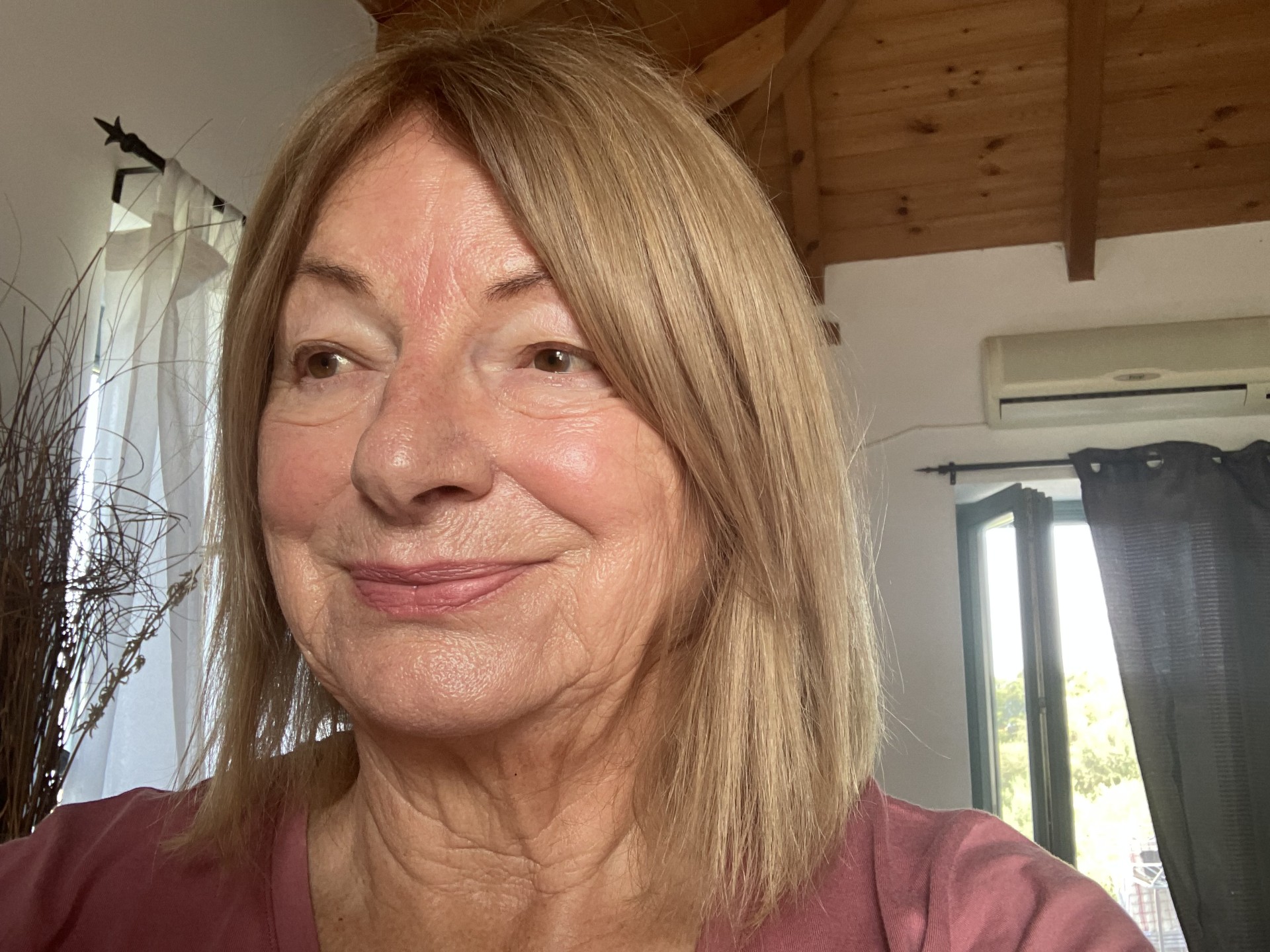
Today in my Wordly Women, author spotlight series, I have a chat with Carol McGrath. Carol is one of those people I can spend a day with, just discussing history from dawn to dusk. Indeed, we have done on a couple of occasions.

So, it was wonderful to get the chance to talk with Carol about her writing, both fiction and non-fiction.

Over to Carol…

Sharon: Carol, what got you into writing?

Carol: I loved writing as a child and even made my own little books, mostly mysteries. Originally loving art, I wanted to be a book illustrator. However, I came to be passionate about the stories of the past and, as a child, was very influenced by writers such as Rosemary Sutcliff and Geoffrey Treece. Later, of course, Jean Plaidy took over and, after her, Anya Seton. It was an honour when at the age of thirteen I was asked to present my own story about the Children’s Crusade to an English inspector at my school. I wrote poetry as well. So, I guess my own reading and interest in History inspired me to write. As it can do, life got in the way and I became a teacher and loved it. I was even Head of a History Department for a time so there was no time to pursue writing. In those days teaching was a wonderful career and all consuming. Family, too, was all consuming. From the 1990s onwards, I began to take evening courses to keep up my interest in writing. There was a two year certificate in creative writing at Oxford, an MA in creative writing from Queens University Belfast and finally a Phd programme at Royal Holloway. It’s not for everyone to go an academic route but it was wonderful for me and helped me find my voice as well as specific writing interests and genres. The MA and Phd courses focused me. They enhanced what I hope was always there, the ability and love of writing.

Sharon: You write both fiction and non-fiction-is one harder than the other?

Carol: That’s a great question. I studied English, Medieval History and interestingly Russian History and politics at University, Q.U.B. I enjoy both kinds of writing. They are different disciplines. I feel the Phd programme helped me with writing non-fiction because of thesis work. When I research and write it’s all consuming for me, whether for fiction or non-fiction. What I do find hard is to research and write both disciplines at the same time. I am currently in contract for Headline for two Tudor novels. After this, maybe another non-fiction. Pen & Sword still approach me with wonderful suggestions but since these books do take time, a lot of time, the non-fiction is on hold. To answer your question, I guess for me fiction is easier although I like writing both. I adore the research and am a member of the Bodleian Library Oxford which is fabulous.

Sharon: Tell us about your books

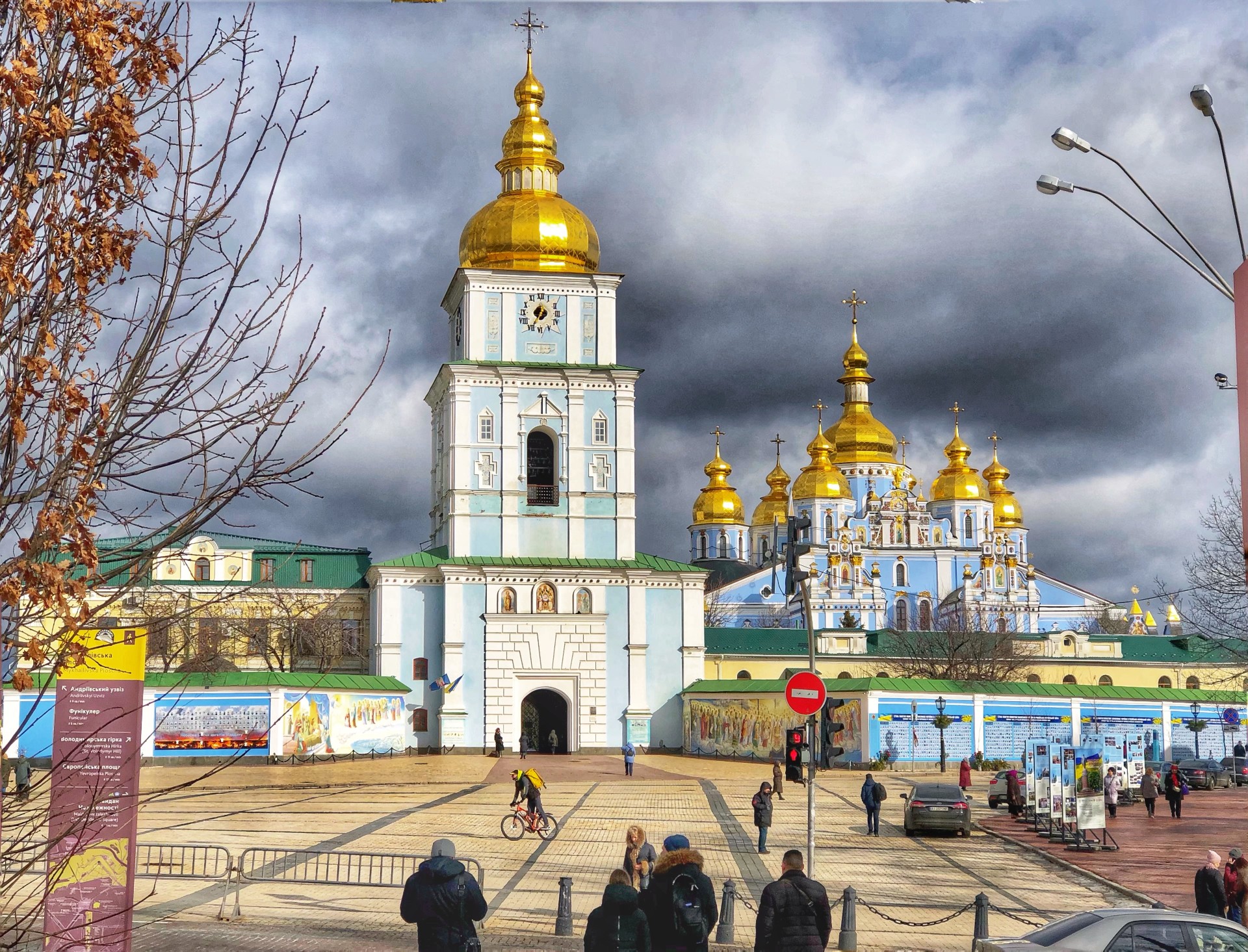
St Sophia, Kyiv

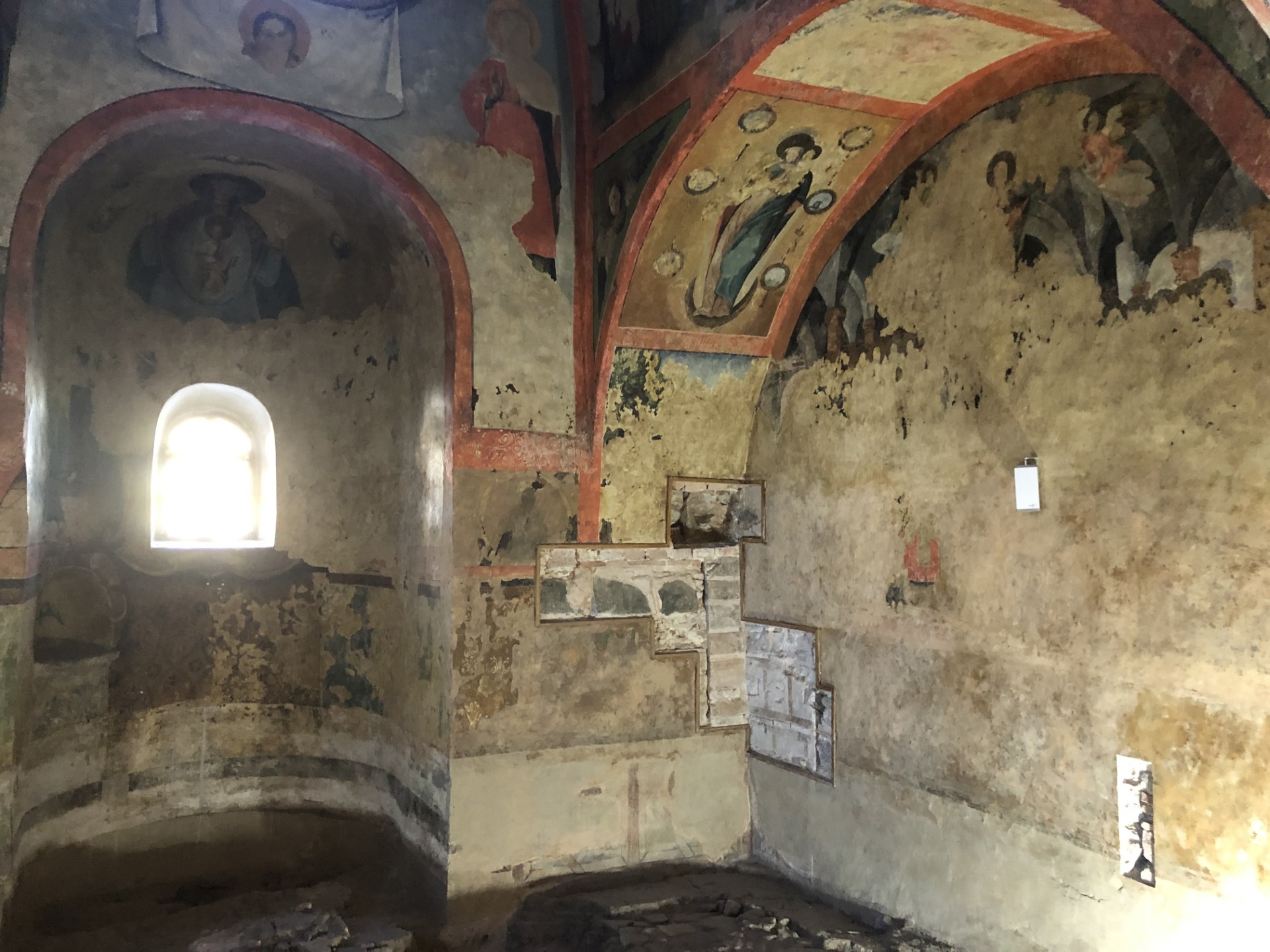
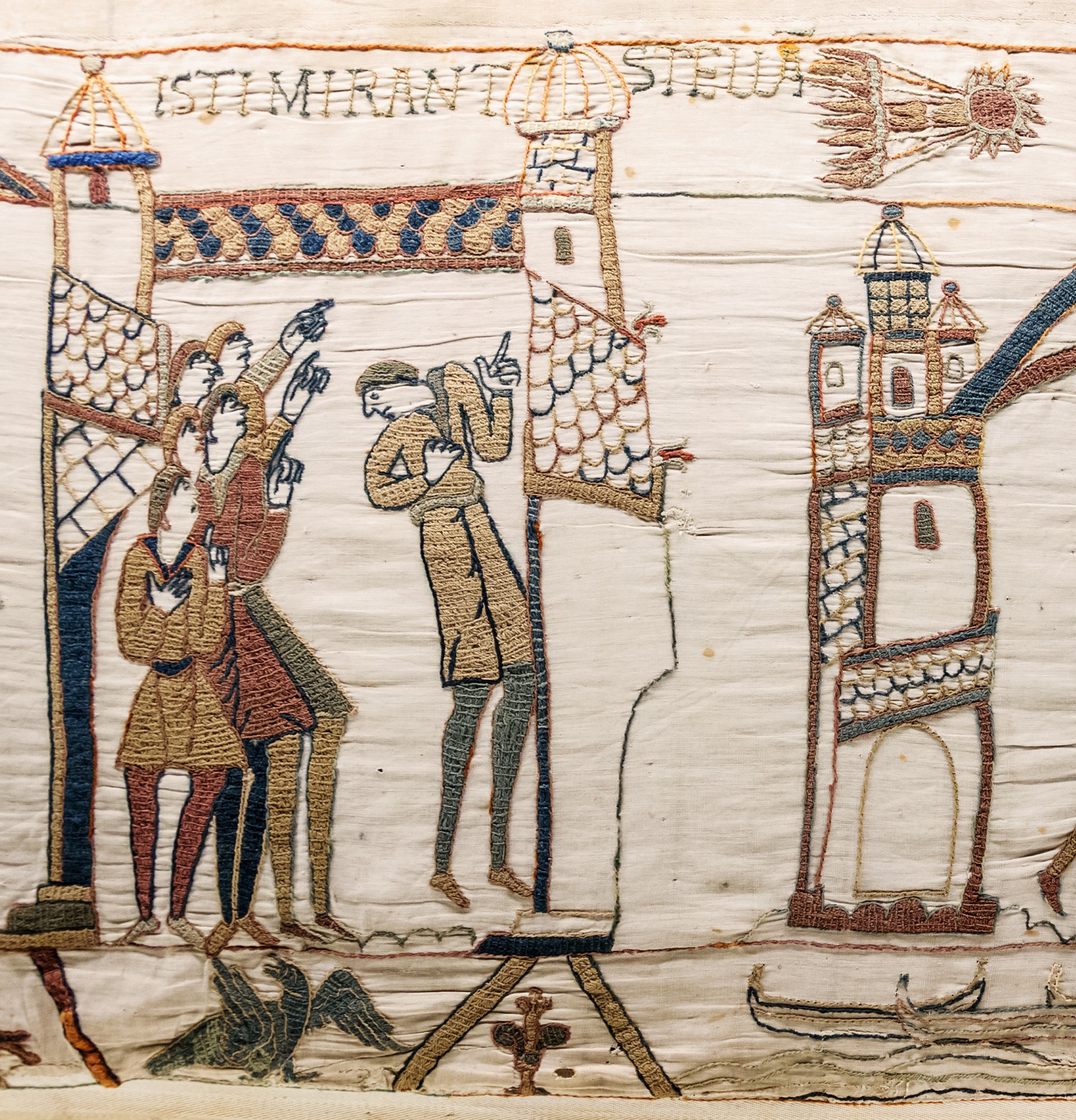
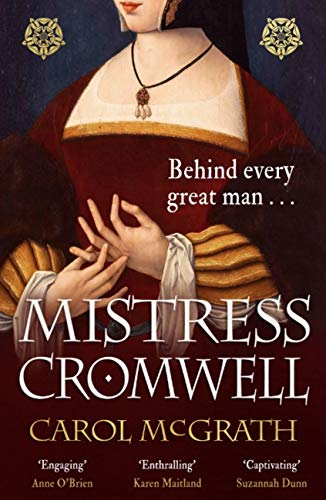
Carol: I write both Medieval and Tudor novels currently. I wrote my debut novel that was easily published on the PhD programme. The Handfasted Wife was inspired by the Bayeaux Tapestry, specifically the image of The Burning House. I believe it represents Edith Swan-Neck and her son fleeing from the Normans probably from Harold’s estate at Crowhurst. Some Historians think this too. This novel is about Edith Swanneck and what happened to her after the Battle of Hastings. It was followed by novels about Harold’s daughters, The Swan-Daughter and The Betrothed Sister. I researched them carefully but for The Betrothed Sister about his elder daughter , Gytha, I had much knowledge about the medieval Rus, Kyiv and life in the region of Rus lands now known as Ukraine. I have spent time seeking Gytha out in Kyiv, especially The Church of St Sophia. The Swan-Daughter about Gunnhild, Harold’s second daughter is my favourite of all my books. Creatively, I linked it to the story of Tristram and Iseult. Gunnhild eloped from Wilton Abbey with Alan of Richmond, a cousin of William of Normandy. Talk about ‘sleeping with the enemy’. Again, these books were closely researched and they all follow the Historical record where it exists. The Hastings Trilogy was followed by a Tudor novel Mistress Cromwell, looking at Thomas Cromwell through his wife’s eyes. By the way, it’s on an Amazon kindle offer for April. I am currently writing the sequel, The Queen’s Sister, to be published May 2026. I have also written The Rose Trilogy about three high medieval queens and a novel called The Stolen Crown about Stephen and Matilda but really it is mostly Matilda’s story. In non-fiction Tudor Sex and Sexuality is my great debut. It’s published by Pen & Sword. It’s simply a great fun look at this topic.

Sharon: What Attracts you to the Period?

Harold’s daughter’s burial place in St Sophia Kyiv

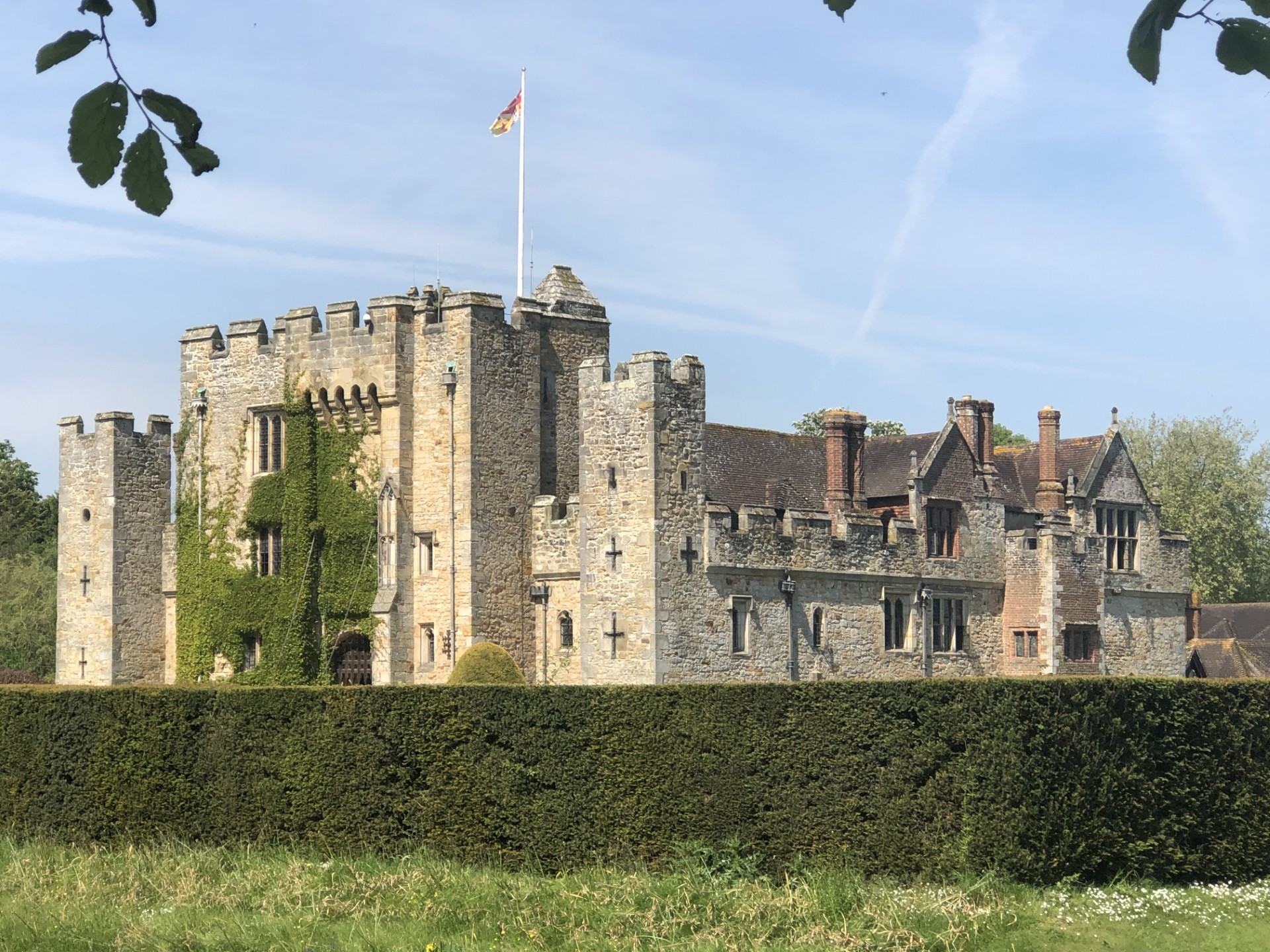
Carol: I studied Medieval History and enjoy researching it. It’s not as brutal a time as one might think. I find I can lose myself in this era especially the twelfth century. As for the Tudors, they are absolutely fascinating with many interesting female stories to write. Besides, it’s an excuse to visit great Tudor houses such as Hever Castle. I love the portraiture from this era. Holbein is a character in my current work. As for Henry VIII, he’s larger than life. I am interested in Historical landscape and attracted to a less populated time with its villages and towns. The crafts from both eras are fabulous. I love to include crafts persons in my medieval novels.

Sharon: Who is your favourite Tudor and Why?

Carol: I am about to write Margaret Douglas’s story. It will be called The Tudor Rebel. At the moment she is my favourite Tudor because she had a clandestine love affair and was involved with fascinating Devonshire Manuscript. Ladies of Queen Anne Bullen’s court wrote poems and shared them in a similar way as we did with Twitter now X. They commented and added to each other’s verses. Meg Douglas was right in the thick of it , as was her suitor, young Tom Howard. What’s not to love about a Courtly Romance and clandestine love affair that caused terrible consequences for this pair of love birds. I studied Renaissance poetry so another favourite Tudor of mine is Sir Thomas Wyatt. He, too, has an interesting story.

Sharon: Who is your least favourite Tudor

Hever Castle

Carol: My least favourite Tudor is the sleezy, snobbish Duke of Norfolk. He was incredibly underhand to get what he wanted. And the mean, creepy Duke was an infamous wife beater although not alone in that. Very ambitious and manipulative. I’m not too keen on Stephen Gardiner either. However, I need to research that particular man further. Motivation always interests me, that and the atmosphere in which these people lived.

Sharon: How do you approach researching your topic

Carol: I read everything I can find on it in primary and secondary source material. I love notebooks so I am a great pen and paper writer. I adore burying myself in the Bodleian Library. I find great original source material there. Mind you I occasionally wonder about translations. When you come across boats that serviced King Richard’s march south from Acre on the third crusade translated as ‘snacks’ you have to smile. A misprint? I have never found out. I visit houses and castles, museums and enactments. When writing about stone masons, I learned how to carve in stone myself. I work hard at understanding an Historical mindset but I do believe a writer of fiction is always there in her novels too. It’s all about point of views and voice.

Sharon: What is your favourite Medieval or Tudor Story found in Research

Carol: Has to be the fact that Harold’s youngest son Ulf, a young hostage at the time of The Norman Conquest who was raised at the Norman Court by Robert Curthose and as a knight he likely went on the First Crusade. I found a reference in a chronicle (John of Worcester) to Ulf’s fate. I am going to write his story someday in fiction. I like the Crusades and I love tidbits about personalities that can inspire elaboration.

Sharon: What is your least Favourite Story

Carol: I could say it is how Thomas Cromwell set up Anne Bullen. When you examine this closely it has to have been a ghastly, rather complete conspiracy. Thomas Cromwell is a mixed bag as a character. He’s redeemed by Hilary Mantel and to some extent by Dermot McCullagh whose book on Cromwell is excellent. However, even if sincere, Cromwell’s reformist opinions grew completely suspect when he fell out with Anne Bullen over what to do with monastic lands. He, himself, by the way, benefited greatly. You will find out more about this in The Queen’s Sister when it is published. So, the story of Anne Bullen’s downfall is utterly horrendous. Even worse, were the accusations against the men who died with her. By the way, she was no paragon of virtue either. She was hideous to Catherine of Aragon and Lady Mary, motivated, I believe, by fear of their supporters undoing her.

Sharon: Are there any other eras you would like to write about?

Carol: Absolutely The English Civil War. I have a novel that’s unfinished called The Queen’s Tulip so watch this space. I also have a bottom drawer novel I may polish up that’s set in Edwardian Ireland. To my credit, Andrew Motion, my MA outside examiner, praised the first five chapters of The Damask Maker and it won me, along with short stories, a distinction on my MA.

Sharon: What are you working on now?

Carol: I am editing The Queen’s Sister about Elizabeth Seymour who married Gregory Cromwell. It’s her story but also covers Thomas Cromwell’s downfall. It’s due in to my editor at Headline on May 1st. My agent beta read it and says she loves it so that’s encouraging. I am now researching and planning The Tudor Rebel about Meg Douglas, Henry VIII’s errant niece.

Sharon: What do you love most about being a writer

Carol: It is the opportunity to express myself creatively. I feel very privileged to be busily doing something I thoroughly love. I never expected to be published and I am fortunate because it just happened for me, initially with a small publisher who was bought out by Headline in 2019.

About the Author

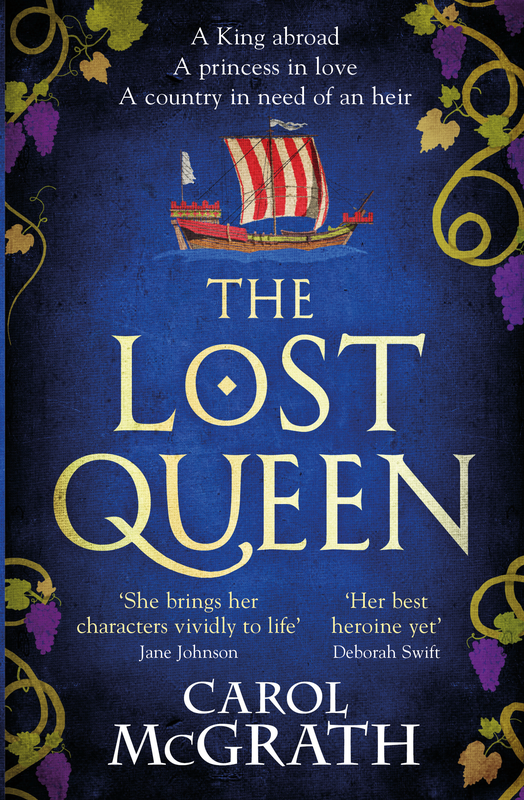
Following a first degree in English and History, Carol McGrath completed an MA in Creative Writing from The Seamus Heaney Centre, Queens University Belfast, followed by an MPhil in English from University of London. She is published by Headline. The Handfasted Wife, first in a trilogy about the royal women of 1066 was shortlisted for the RoNAS in 2014. The Swan-Daughter and The Betrothed Sister complete this highly acclaimed trilogy. Mistress Cromwell, a best-selling historical novel about Elizabeth Cromwell, wife of Henry VIII’s statesman, Thomas Cromwell, was republished by Headline in 2020. The Silken Rose, first in a Medieval She-Wolf Queens Trilogy, featuring Ailenor of Provence, saw publication in April 2020. This was followed by The Damask Rose. The Stone Rose was published April 2022. The Stolen Crown 2023 and July 2024 The Lost Queen about Berengaria of Navarre and The Third Crusade. Carol writes Historical non-fiction as well as fiction. Sex and Sexuality in Tudor England was published in February 2022 by Pen & Sword. She speaks at Conferences and gives interviews. Her new novel The Queen’s Sister will be published in May 2026. She lives in Oxfordshire and in the Mani, Greece.

Where to find Carol

Website (Subscribe to her newsletter via the drop down menu on the web-site Home Page); Amazon; The Stolen Crown

*

My books

Signed, dedicated copies of all my books are available through my online store.

Out now: Scotland’s Medieval Queens

Scotland’s history is dramatic, violent and bloody. Being England’s northern neighbour has never been easy. Scotland’s queens have had to deal with war, murder, imprisonment, political rivalries and open betrayal. They have loved and lost, raised kings and queens, ruled and died for Scotland. From St Margaret, who became one of the patron saints of Scotland, to Elizabeth de Burgh and the dramatic story of the Scottish Wars of Independence, to the love story and tragedy of Joan Beaufort, to Margaret of Denmark and the dawn of the Renaissance, Scotland’s Medieval Queens have seen it all. This is the story of Scotland through their eyes.

Scotland’s Medieval Queens gives a thorough grounding in the history of the women who ruled Scotland at the side of its kings, often in the shadows, but just as interesting in their lives beyond the spotlight. It’s not a subject that has been widely covered, and Sharon is a pioneer in bringing that information into accessible history.’ Elizabeth Chadwick (New York Times bestselling author)

Available now from Amazon and Pen and Sword Books

Also by Sharon Bennett Connolly:

Heroines of the Tudor World tells the stories of the most remarkable women from European history in the time of the Tudor dynasty, 1485-1603. These are the women who ruled, the women who founded dynasties, the women who fought for religious freedom, their families and love. Heroines of the Tudor World is now available from Amberley Publishing and Amazon UK. Women of the Anarchy demonstrates how Empress Matilda and Matilda of Boulogne, unable to wield a sword themselves, were prime movers in this time of conflict and lawlessness. It shows how their strengths, weaknesses, and personal ambitions swung the fortunes of war one way – and then the other. Available from Bookshop.orgAmberley Publishing and Amazon UKKing John’s Right-Hand Lady: The Story of Nicholaa de la Haye is the story of a truly remarkable lady, the hereditary constable of Lincoln Castle and the first woman in England to be appointed sheriff in her own right. Available from all good bookshops Pen & Sword Booksbookshop.org and Amazon

Defenders of the Norman Crown: The Rise and Fall of the Warenne Earls of Surrey tells the fascinating story of the Warenne dynasty, from its origins in Normandy, through the Conquest, Magna Carta, the wars and marriages that led to its ultimate demise in the reign of Edward III. Available from Pen & Sword BooksAmazon in the UK and US, and Bookshop.orgLadies of Magna Carta: Women of Influence in Thirteenth Century England looks into the relationships of the various noble families of the 13th century, and how they were affected by the Barons’ Wars, Magna Carta and its aftermath; the bonds that were formed and those that were broken. It is now available in paperback and hardback from Pen & SwordAmazon, and Bookshop.orgHeroines of the Medieval World tells the stories of some of the most remarkable women from Medieval history, from Eleanor of Aquitaine to Julian of Norwich. Available now from Amberley Publishing and Amazon, and Bookshop.orgSilk and the Sword: The Women of the Norman Conquest traces the fortunes of the women who had a significant role to play in the momentous events of 1066. Available now from Amazon,  Amberley Publishing, and Bookshop.org.

Alternate Endings: An anthology of historical fiction short stories including Long Live the King… which is my take what might have happened had King John not died in October 1216. Available in paperback and kindle from Amazon.

Podcast:

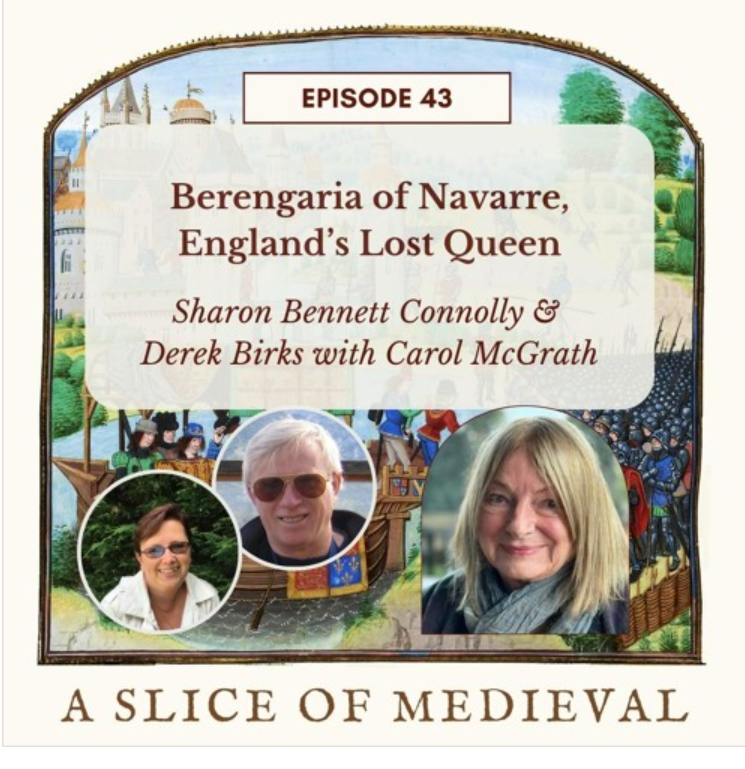
Have a listen the A Slice of Medieval podcast, which I co-host with Historical fiction novelist Derek Birks. Derek and I welcome guests, such as Bernard Cornwell and discuss a wide range of topics in medieval history, from significant events to the personalities involved. In episode #43, Derek and I chat with Carol about Berengaria of Navarre and The Lost Queen. 

Every episode is also now available on YouTube.

*

Don’t forget! Signed and dedicated copies of all my books are available through my online store.

For forthcoming online and in-person talks, please check out my Events Page.

You can be the first to read new articles by clicking the ‘Follow’ button, liking our Facebook page or joining me on TwitterThreadsBluesky and Instagram.

*

©2025 Sharon Bennett Connolly, FRHistS and CarolMcGrath

Wordly Women: Samantha Wilcoxson

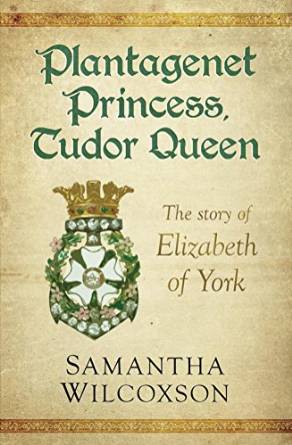
Today we are hopping across the pond for the next chat in my Wordly Women series. Joining me is Samantha Wilcoxson. Author of fiction novels mainly based in the late medieval and Tudor eras and and non-fiction books on the American Revolution, Samantha’s books – literally – span the Atlantic divide. Samantha has a knack for getting into the heads of the people she is writing about. Her book, Plantagenet Princess, Tudor Queen, about Elizabeth of York, is still one of the most insightful novels I have ever read.

Sharon: What got you into writing?

Samantha: What got you into writing? I have always loved reading and used to write dozens of book reviews every year. Many of those books were historical fiction and nonfiction. When I was considering ways to earn money while a stay-at-home mom, my husband suggested I write a book. I had never considered taking this step, so the first obstacle was deciding what I would want to write about. It didn’t take me long to settle on Elizabeth of York, and I quickly became passionate about the project. That novel turned into a series, and I’ve ventured into other historical eras since then.

Sharon: Tell us about your books.

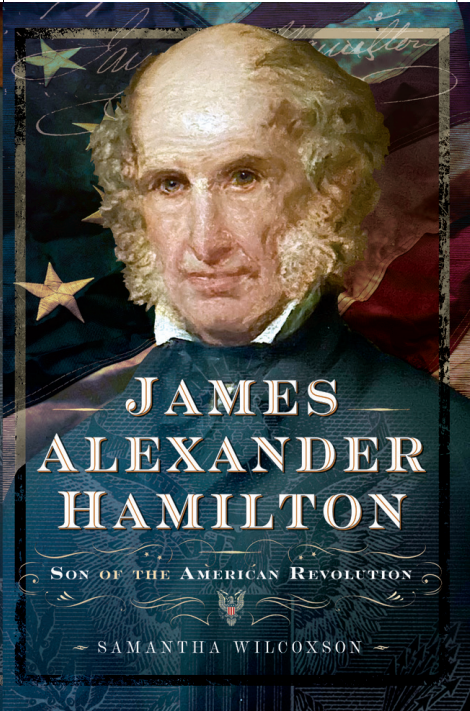
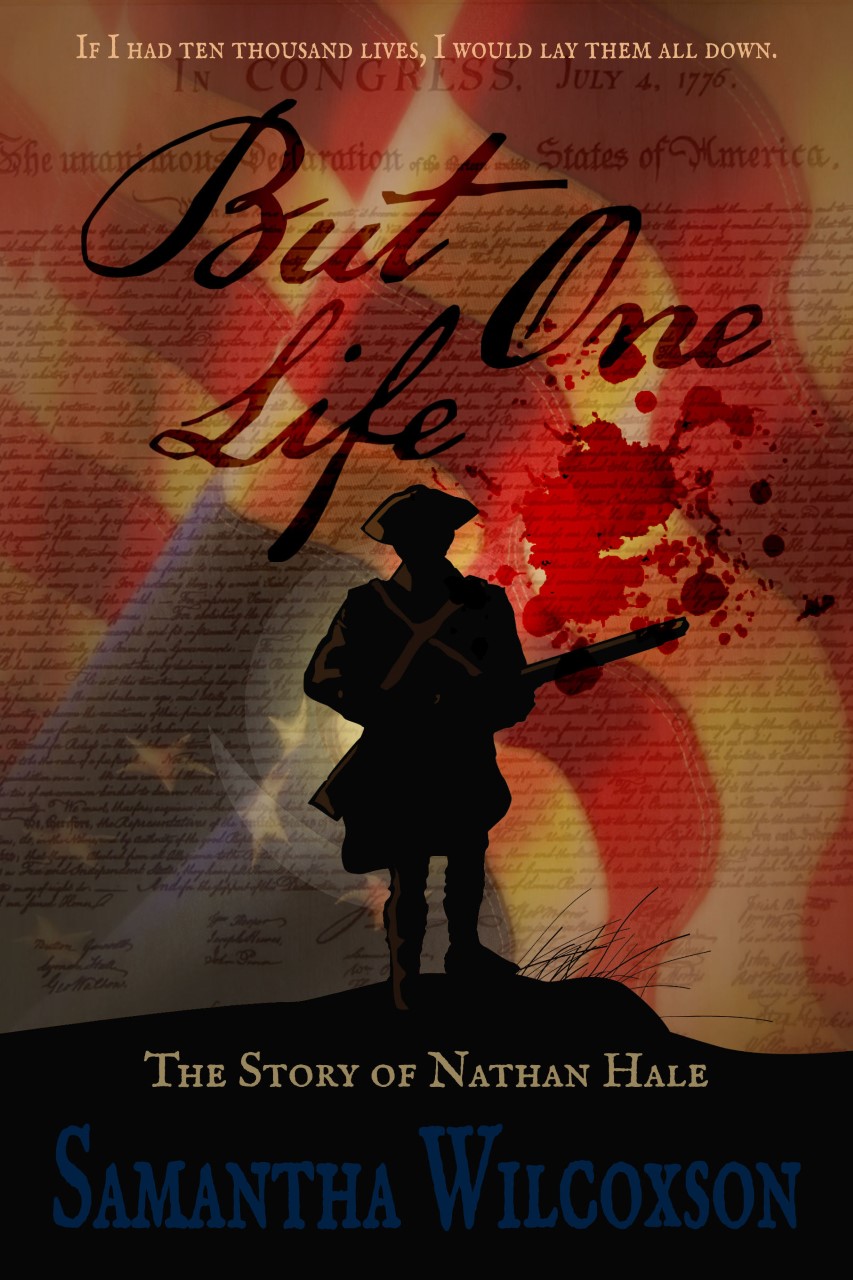
Samantha: Each of my novels explores the life of a real historical figure in a way that helps readers connect with them on a personal level. My Plantagenet Embers series includes three novels featuring Elizabeth of York, Margaret Pole, and Mary I. It also has three novellas that offer new points of view of the same events by focusing on Margaret Beaufort, Elizabeth Woodville, and Reginald Pole. Then I moved into US history with my next two novels. Luminous is biographical fiction of real life radium girl Catherine Wolfe Donohue, and But One Life explores the life of American Revolution soldier Nathan Hale. My nonfiction books are Women of the American Revolution and a newly released biography of James Alexander Hamilton.

Sharon: What attracted you to the Tudors?

Samantha: When I started writing the series that ended up covering the early Tudor era, I was actually obsessed with the Wars of the Roses. I thought Elizabeth of York was an unsung heroine, so I started with her with no real intention of writing about the Tudors! This is actually a great insight into my writing. I never know what is coming next.

Sharon: So, what is coming next?

Samantha: I am currently writing a trilogy set during the Wars of the Roses for Sapere Books. It includes multiple women’s points of view. For example, book one has chapters featuring Marguerite of Anjou, Cecily Neville, and Anne Beauchamp. That one is in editing, and I’m working on book two, which will add the perspective of Elizabeth Woodville and others.

Sharon: How do you approach researching your topic?

Samantha: This depends a lot on whether I’m writing fiction or nonfiction. For novels, I largely depend on biographies already written, but for nonfiction I look for more primary resources like personal letters and diaries. For either, I like to visit locations important to the people I’m writing about so that I can include details about the places they experienced.

Sharon: You also write US history non-fiction.

Samantha: Tell us your ‘favourite’ story you have come across in your research? My research into James Alexander Hamilton uncovered loads of interesting discoveries, partly because nobody else has really written about him. I held letters written between James and Andrew Jackson, Martin Van Buren, John Quincy Adams, and so many others. (Gotta admit, it was tempting to try sneak that JQA letter into my bag!) I think the most fun story I came across, besides John Quincy writing about being too old to stay up all night at a lively Hamilton party, was learning that James was part of the crew of the schooner America for which the America’s Cup is named.

Sharon: Tell us your least ‘favourite’ US history story you have come across in your research?

Samantha: I don’t know if I would call it a least favorite, but I decided to write a novel about Nathan Hale because I often came across quotes attributed to him such as, “I only regret that I have but one life to give for my country” but very little else about who Hale was. What happened in this young man’s life to create such bravery and patriotism? Few references to him offered much, so I decided to dig in and reveal the story of Nathan Hale before his famous execution during the American Revolution.

Sharon: Are there any other eras you would like to write about?

Samantha: I always have a few ideas brewing but am committed to the next couple of books on the Wars of the Roses right now. I have started a bit of research into a historical event that occurred near my home in Michigan in 1847 that I would like to consider for a future project. I’m not one of those writers who has the next five years planned out and I tend to impetuously strike out in new directions, so we’ll see what happens.

Sharon: And finally, what is the best thing about being a writer?

Samantha: Besides spending my day reading, writing, and learning about history, I love the flexibility of being a writer. I began as a stay-at-home mom, and I still appreciate the ability to easily set my work aside for a few days if one of my adult children needs anything. I’ve also made many friends in the writing community who make me feel less alone as a history nerd and have provided amazing support and encouragement for each of my book projects.

About the Author:

Samantha Wilcoxson is an author of emotive biographical fiction and nonfiction featuring history’s unsung heroes. Her novel Luminous has been named Book of the Year by Ruins & Reading and Yarde Book Reviews. Samantha’s most recent work is the first biography of James Alexander Hamilton, published by Pen & Sword History. She is currently writing a Wars of the Roses trilogy for Sapere Books. When not reading or writing, Samantha loves sharing trips to historic places with her family and spending time by the lake with a glass of wine.

Where to find Samantha Wilcoxson:

Website; Instagram; Amazon Author Page; Newsletter Signup; Goodreads; Pinterest; Twitter; Shop Direct; Audible

*

My books

Signed, dedicated copies of all my books are available through my online store.

Out now: Scotland’s Medieval Queens

Scotland’s history is dramatic, violent and bloody. Being England’s northern neighbour has never been easy. Scotland’s queens have had to deal with war, murder, imprisonment, political rivalries and open betrayal. They have loved and lost, raised kings and queens, ruled and died for Scotland. From St Margaret, who became one of the patron saints of Scotland, to Elizabeth de Burgh and the dramatic story of the Scottish Wars of Independence, to the love story and tragedy of Joan Beaufort, to Margaret of Denmark and the dawn of the Renaissance, Scotland’s Medieval Queens have seen it all. This is the story of Scotland through their eyes.

Scotland’s Medieval Queens gives a thorough grounding in the history of the women who ruled Scotland at the side of its kings, often in the shadows, but just as interesting in their lives beyond the spotlight. It’s not a subject that has been widely covered, and Sharon is a pioneer in bringing that information into accessible history.’ Elizabeth Chadwick (New York Times bestselling author)

Available now from Amazon and Pen and Sword Books

Also by Sharon Bennett Connolly:

Heroines of the Tudor World tells the stories of the most remarkable women from European history in the time of the Tudor dynasty, 1485-1603. These are the women who ruled, the women who founded dynasties, the women who fought for religious freedom, their families and love. Heroines of the Tudor World is now available from Amberley Publishing and Amazon UK. Women of the Anarchy demonstrates how Empress Matilda and Matilda of Boulogne, unable to wield a sword themselves, were prime movers in this time of conflict and lawlessness. It shows how their strengths, weaknesses, and personal ambitions swung the fortunes of war one way – and then the other. Available from Bookshop.orgAmberley Publishing and Amazon UKKing John’s Right-Hand Lady: The Story of Nicholaa de la Haye is the story of a truly remarkable lady, the hereditary constable of Lincoln Castle and the first woman in England to be appointed sheriff in her own right. Available from all good bookshops Pen & Sword Booksbookshop.org and Amazon

Defenders of the Norman Crown: The Rise and Fall of the Warenne Earls of Surrey tells the fascinating story of the Warenne dynasty, from its origins in Normandy, through the Conquest, Magna Carta, the wars and marriages that led to its ultimate demise in the reign of Edward III. Available from Pen & Sword BooksAmazon in the UK and US, and Bookshop.orgLadies of Magna Carta: Women of Influence in Thirteenth Century England looks into the relationships of the various noble families of the 13th century, and how they were affected by the Barons’ Wars, Magna Carta and its aftermath; the bonds that were formed and those that were broken. It is now available in paperback and hardback from Pen & SwordAmazon, and Bookshop.orgHeroines of the Medieval World tells the stories of some of the most remarkable women from Medieval history, from Eleanor of Aquitaine to Julian of Norwich. Available now from Amberley Publishing and Amazon, and Bookshop.orgSilk and the Sword: The Women of the Norman Conquest traces the fortunes of the women who had a significant role to play in the momentous events of 1066. Available now from Amazon,  Amberley Publishing, and Bookshop.org.

Alternate Endings: An anthology of historical fiction short stories including Long Live the King… which is my take what might have happened had King John not died in October 1216. Available in paperback and kindle from Amazon.

Podcast:

Have a listen to the A Slice of Medieval podcast, which I co-host with Historical fiction novelist Derek Birks. Derek and I welcome guests, such as Bernard Cornwell and Michael Jecks, and discuss a wide range of topics in medieval history, from significant events to the personalities involved. Every episode is also now available on YouTube.

*

Don’t forget! Signed and dedicated copies of all my books are available through my online store.

For forthcoming online and in-person talks, please check out my Events Page.

You can be the first to read new articles by clicking the ‘Follow’ button, liking our Facebook page or joining me on TwitterThreadsBluesky and Instagram.

*

©2025 Sharon Bennett Connolly, FRHistS and Samantha Wilcoxson

Wordly Women: Heather R. Darsie

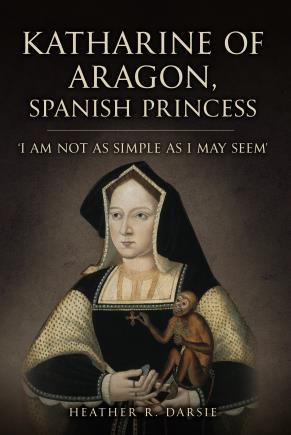
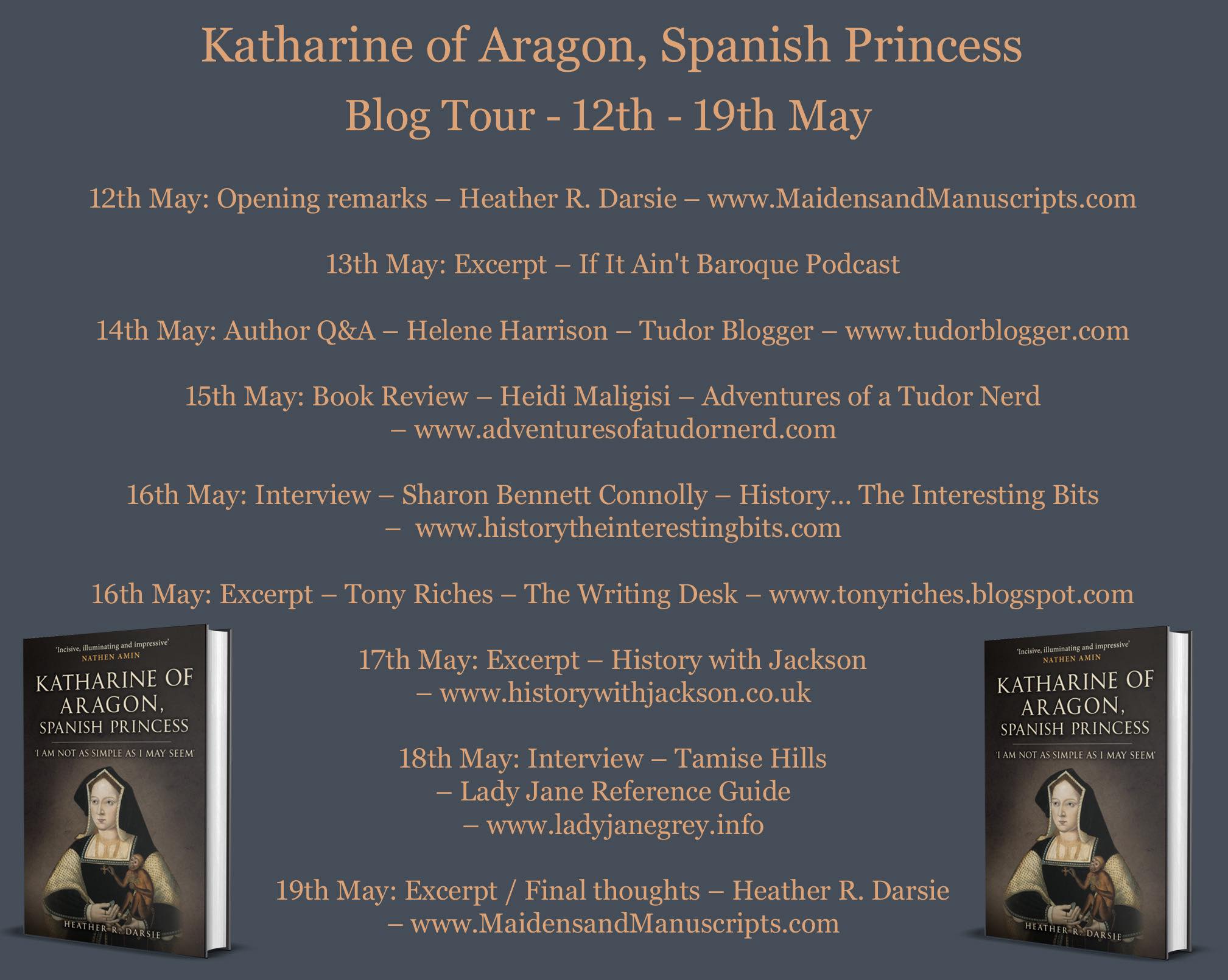
In a special episode of my Wordly Women interview series, Heather R. Darsie drops by on her blog tour celebrating the publication of her new book, Katharine of Aragon, Spanish Princess: ‘I am Not as Simple as I May Seem’. Do have a look at the other stops on the tour to geta taste of this wonderful new biography.

So, Heather, What got you into writing?

Heather: As silly as this sounds, I can’t remember originally. My dad had an electric typewriter that he let me use to write stories beginning when I was probably eight years old. I continued writing stories and poems through high school (14 to 18 years old in the USA), which culminated in a play based off Edgar Allen Poe’s “Annabel Lee” when I was in my final year of high school. My play was called Annalise, wherein the wife was dying of amyotrophic lateral sclerosis of which my paternal grandfather passed away. The husband slowly went mad, to the point where the wife’s had to intervene. The theme of the play was tragedy. My high school put on the play, I was in the local newspaper, and invited to host a workshop at the statewide high school theatre festival.

After graduating from high school, I went to university and majored in German Languages and Literature, then pursued my Juris Doctorate in American Jurisprudence. Along the way, I studied abroad in Costa Rica and France, learning Spanish and French, too. I have had numerous opportunities to travel to France, Spain, Germany, and various countries in Central America, which have all contributed to keeping my language skills sharp.

I became heavily interested in Tudor history in around 2010. By early 2015, I grew tired of reading the same-old, same-old about Anna of Cleves, a German woman. I asked Claire Ridgeway of the Anne Boleyn Files if I could contribute a post on Anna to her website, to which Claire kindly agreed. Thereafter encouraged and emboldened, I sent a letter in my very best German to the mayor of the current City of Cleves, and my research took off from there. The combination of a life-long interest in writing, linguistic education, research and analytical skills from my juris doctorate, combined with the history community’s encouragement is how I arrived here, ten years on.

Sharon: Tell us about your books.

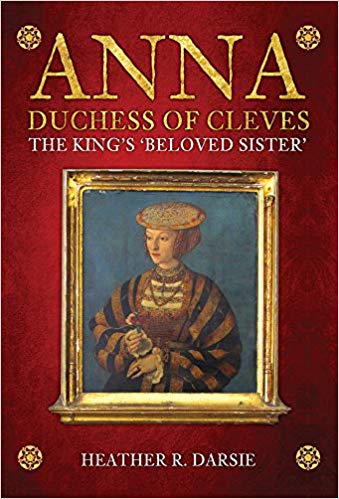
Heather: I view myself as a Tudor-adjacent historian. The persons and events I choose to focus on should be recognizable am most interested in the Holy Roman Empire of the German Nation, which began recognizing itself that way in the early 16th century. Specifically, anyone or anything connected to the von der Marks, which is Anna of Cleves’ family (she was “of Cleves” much like Princess Mary Tudor would be “Mary of England” in another country) or the Habsburgs. My first two nonfiction books, Anna, Duchess of Cleves: The King’s Beloved Sister and Children of the House of Cleves: Anna and Her Siblings are effectively German history books. My third nonfiction book, Stuart Spouses: A Compendium of Consorts from James I of Scotland to Queen Anne of Great Britain looks at just that, the husbands and wives of the Scottish-to-English Stuart dynasty. The dynastic intermingling with continental European families is fascinating. I wrote a novella during the pandemic, Diary of a Plague Doctor’s Wife, set during the last outbreak of the Black Death in 1720s Marseille. The parallels to our own experiences 300 years later with Covid-19 were eerie to me at the time of writing.

Sharon: What attracts you to the Catherine of Aragon?

Heather: Like Anna of Cleves, I felt there was more to her than the end of her marriage with Henry VIII. Specifically, I wanted to know more about Katharine’s family dynasty and Katharine’s early time in England, and share that with readers.

Sharon: Who is your favourite Tudor and why?
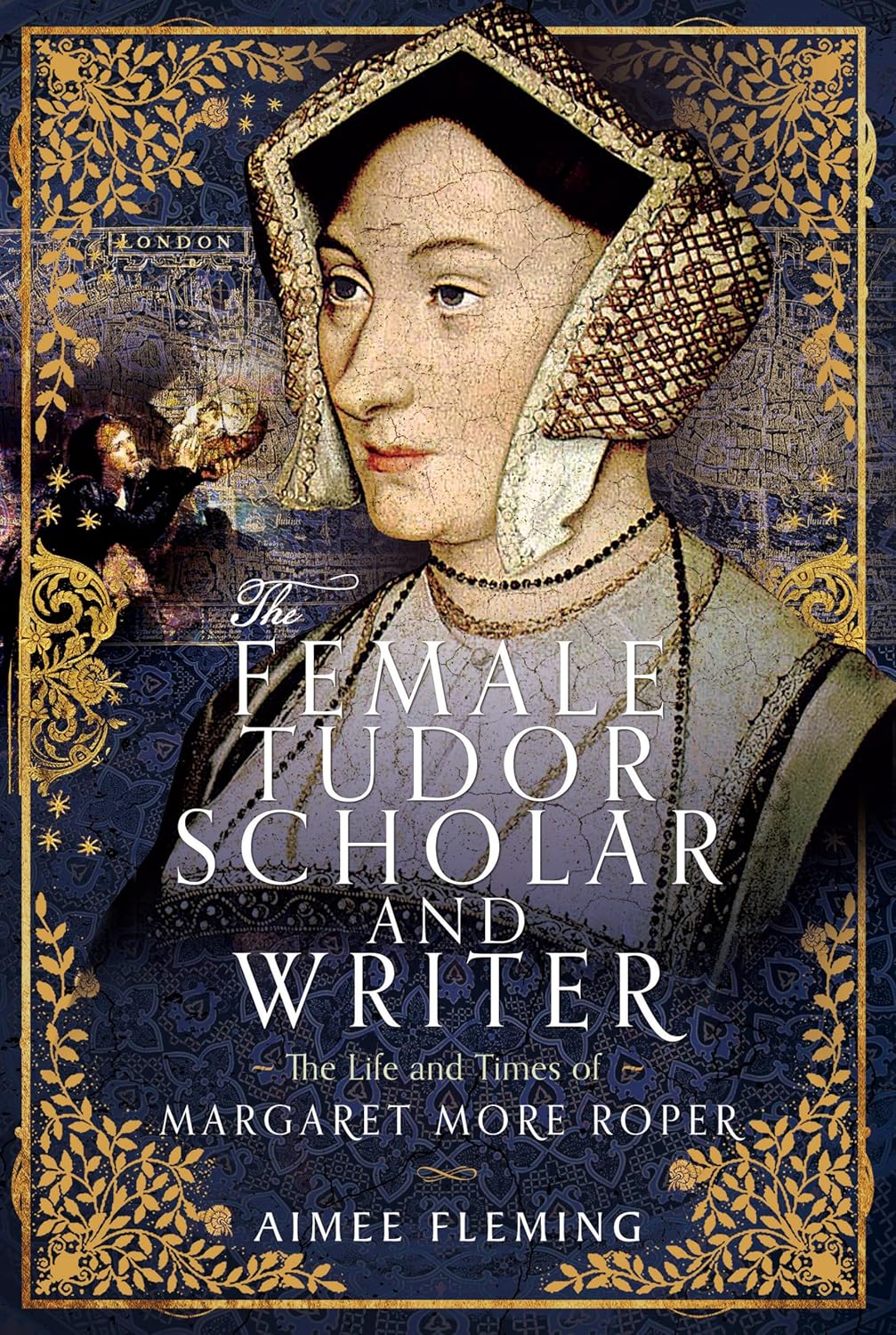
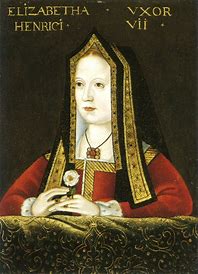
Heather: For queens, I am drawn to Catherine Parr. She seemed the most savvy when it came to navigating Henry VIII and the dangerous politics of the Tudor court. I am very intrigued by Thomas Cromwell in his position as a lawyer. He was very clever; I hope to write about him someday.

Sharon: Who is your least favourite Tudor and why?

Heather: I do not have a least favorite, but I do think the most tragic was Anne Boleyn, who was foisted by her own petard. I am finding that more and more as I work on my next book, If any Person will Meddle with My Cause: The Judicial Murder of Anne Boleyn.

Sharon: How do you approach researching your topic, especially when most of the sources are Spanish?

Heather: I start with finding articles on JSTOR, then checking the footnotes for sources. From there, I go to Google Play, Archive.org, the Spanish library websites, etc. for old manuscripts. Like many English books, several of the old, out-of-copyright ones are available for free. The Spanish language is not a barrier for me, since I hear or read it most days a week at work.

Sharon: Tell us your ‘favourite’ Catherine of Aragon story you have come across in your research.

Heather: I really enjoyed reading about all of the pageants she viewed during her formal entry into London. It must have been quite the time for her.

Sharon: Tell us your least ‘favourite’ Catherine of Aragon story you have come across in your research.
Heather: Katharine was having a difficult time with Spanish grammar in her letters toward the very late 1520s and early 1530s. This could be indicative of the extreme stress that she was under during that time, or the isolation she was experiencing and being unable to speak Spanish with anyone, or both. I found it tragic and poignant. I don’t believe I remarked on that in my book.

Sharon: Are there any other eras you would like to write about?

Heather: I am interested in doing a little more on the late 16th to early 17th century. Otherwise, I am fairly happy with the time frame that I work in now, but exploring more individuals and courts.

Sharon: What are you working on now?

Heather: I am finishing up the aforementioned book, If any Person will Meddle with My Cause: The Judicial Murder of Anne Boleyn. I am completing an epic as well, which I will self publish likely later this year, that has heavy Greek mythology themes. Our heroes go on a quest to bring back the Olympians and restore justice to the human world. The epic is clocking in at about 3, 600 lines right now. I suppose it makes me a poet along with an author.

Sharon: And finally, what is the best thing about being a writer?

Heather: Sharing knowledge.

About the book:

Katharine of Aragon is more in the public consciousness now due to the TV show ‘Spanish Princess’. Katharine has of course been an interesting historical figure for quite some time because she is the first wife of the infamous Henry VIII. This book provides a new perspective on Katharine because it includes far more background on her Spanish upbringing, Spanish culture, and how that continued to define her in England during her first fifteen years in the country. Additionally, Heather uses rich primary sources, such as ‘The Receyt of Ladie Kateryne’, which have either not been sourced or infrequently referred to in other biographies about Katharine. In this, Heather’s multilingual abilities – especially her fluent Spanish – are put to good use. No one, for example, has considered he rippling impact of terminating Katharine’s marriage on the Trastamara and Habsburg dynasties in Europe. Katherine was as important abroad as she was in England.

Buy Katharine of Aragon, Spanish Princess: ‘I am Not as Simple as I May Seem’

About the author:

Heather R. Darsie, J. D. is an independent researcher specializing in early modern history. She describes herself as a “Tudor-adjacent” historian, focusing on the Holy Roman Empire and England in the early 16th century. She is the author of four nonfiction books: Anna, Duchess of Cleves: The King’s Beloved Sister, Children of the House of Cleves: Anna and Her Siblings, Stuart Spouses: A Compendium of Consorts from James I of Scotland to Queen Anne of Great Britain, and Katharine of Aragon, Spanish Princess: I am not as Simple as I May Seem. She self-published the novella Diary of a Plague Doctor’s Wife. Her primary career is as an attorney. Heather lives in Illinois with her loving husband, wonderful stepchildren, and three raucous parrots.

Where to find Heather:

Website: MaidensAndManuscripts.com; Instagram: @hdarsiehistory; X: @hrdarsiehistory; Threads: hdarsiehistory; Facebook: Heather R. Darsie, Historian; BlueSky: @hrdarsiehistory.bsky.social

*

My books

Signed, dedicated copies of all my books are available through my online store.

Out now: Scotland’s Medieval Queens

Scotland’s history is dramatic, violent and bloody. Being England’s northern neighbour has never been easy. Scotland’s queens have had to deal with war, murder, imprisonment, political rivalries and open betrayal. They have loved and lost, raised kings and queens, ruled and died for Scotland. From St Margaret, who became one of the patron saints of Scotland, to Elizabeth de Burgh and the dramatic story of the Scottish Wars of Independence, to the love story and tragedy of Joan Beaufort, to Margaret of Denmark and the dawn of the Renaissance, Scotland’s Medieval Queens have seen it all. This is the story of Scotland through their eyes.

Scotland’s Medieval Queens gives a thorough grounding in the history of the women who ruled Scotland at the side of its kings, often in the shadows, but just as interesting in their lives beyond the spotlight. It’s not a subject that has been widely covered, and Sharon is a pioneer in bringing that information into accessible history.’ Elizabeth Chadwick (New York Times bestselling author)

Available now from Amazon and Pen and Sword Books

Also by Sharon Bennett Connolly:

Heroines of the Tudor World tells the stories of the most remarkable women from European history in the time of the Tudor dynasty, 1485-1603. These are the women who ruled, the women who founded dynasties, the women who fought for religious freedom, their families and love. Heroines of the Tudor World is now available from Amberley Publishing and Amazon UK. Women of the Anarchy demonstrates how Empress Matilda and Matilda of Boulogne, unable to wield a sword themselves, were prime movers in this time of conflict and lawlessness. It shows how their strengths, weaknesses, and personal ambitions swung the fortunes of war one way – and then the other. Available from Bookshop.orgAmberley Publishing and Amazon UKKing John’s Right-Hand Lady: The Story of Nicholaa de la Haye is the story of a truly remarkable lady, the hereditary constable of Lincoln Castle and the first woman in England to be appointed sheriff in her own right. Available from all good bookshops Pen & Sword Booksbookshop.org and Amazon

Defenders of the Norman Crown: The Rise and Fall of the Warenne Earls of Surrey tells the fascinating story of the Warenne dynasty, from its origins in Normandy, through the Conquest, Magna Carta, the wars and marriages that led to its ultimate demise in the reign of Edward III. Available from Pen & Sword BooksAmazon in the UK and US, and Bookshop.orgLadies of Magna Carta: Women of Influence in Thirteenth Century England looks into the relationships of the various noble families of the 13th century, and how they were affected by the Barons’ Wars, Magna Carta and its aftermath; the bonds that were formed and those that were broken. It is now available in paperback and hardback from Pen & SwordAmazon, and Bookshop.orgHeroines of the Medieval World tells the stories of some of the most remarkable women from Medieval history, from Eleanor of Aquitaine to Julian of Norwich. Available now from Amberley Publishing and Amazon, and Bookshop.orgSilk and the Sword: The Women of the Norman Conquest traces the fortunes of the women who had a significant role to play in the momentous events of 1066. Available now from Amazon,  Amberley Publishing, and Bookshop.org.

Alternate Endings: An anthology of historical fiction short stories including Long Live the King… which is my take what might have happened had King John not died in October 1216. Available in paperback and kindle from Amazon.

Podcast:

Have a listen to the A Slice of Medieval podcast, which I co-host with Historical fiction novelist Derek Birks. Derek and I welcome guests, such as Bernard Cornwell and Michael Jecks, and discuss a wide range of topics in medieval history, from significant events to the personalities involved. Every episode is also now available on YouTube.

*

Don’t forget! Signed and dedicated copies of all my books are available through my online store.

For forthcoming online and in-person talks, please check out my Events Page.

You can be the first to read new articles by clicking the ‘Follow’ button, liking our Facebook page or joining me on TwitterThreadsBluesky and Instagram.

*

©2025 Sharon Bennett Connolly, FRHistS and Heather R. Darsie

Wordly Women: Amy McElroy

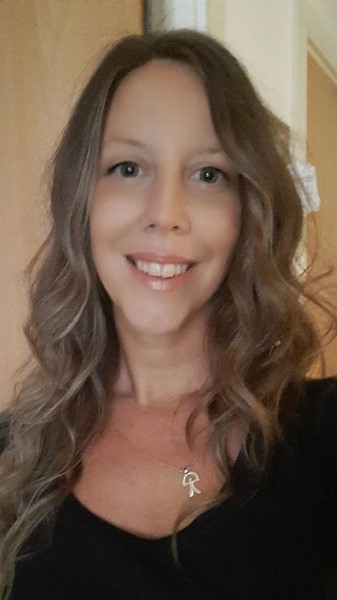
After sharing the interview with Helene Harrison a couple of weeks ago and introducing my Author Spotlight series, Wordly Women, I was surprised and grateful for the amazing response from readers and writers alike. So, I am going to carry it on, hopefully for a whole year – or at least until I run out of astounding female authors – which could take a while! In the second of my Wordly Women interviews, I welcome Amy McElroy to History…the Interesting Bits to talk about her writing journey.

Hello Amy!

Sharon: What got you into writing non-fiction?

Amy: I had started a blog as a place to jot down my thoughts on books I had read, I did not really expect people to read it, I just wanted to be able to keep track of my reading and the books I had enjoyed. I often read other peoples blogs to find recommendations so thought it would be a good way to record my own thoughts. I ended up joining NetGalley where 99% of the books I requested were non-fiction, and many were published by Pen and Sword and continued to publish my reviews on my blog. Eventually I was approached by Pen and Sword and asked if I had ever considered writing my own book. I had absolutely not thought about it at that point despite my love of history and writing so it came as a complete surprise! After working my way through many thoughts of doubt and imposter syndrome I decided to go for it, why not? I was given an incredible opportunity that I will always be grateful for.

Sharon: Tell us about your books…

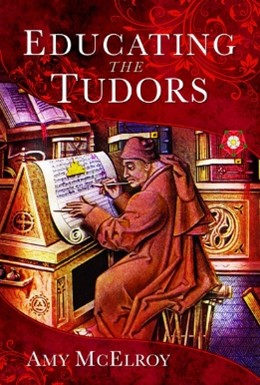
Amy: My first book Educating the Tudors was published in January 2023 and looks at the education of those well-known Tudor individuals we all know and love (or dislike), including Henry and his siblings, as well as his children. It also covers the education of the general public and the different opportunities available such as apprenticeships. Finally there is a little on who the tutors of the royal household were, and what people did for fun when they weren’t learning!

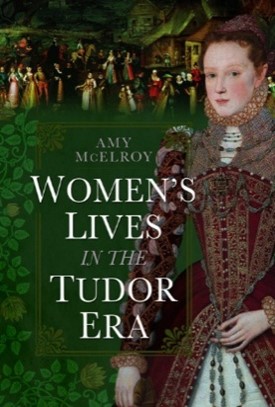
My second, Women’s Lives in the Tudor Era, was published in February 2024, the title pretty much gives everything away but it essentially discusses the milestones in the lives of Tudor women; childhood, courtship and marriage, motherhood, employment, widowhood, and death. I loved researching this book, although not all women left behind a Will, those that remain are fascinating!

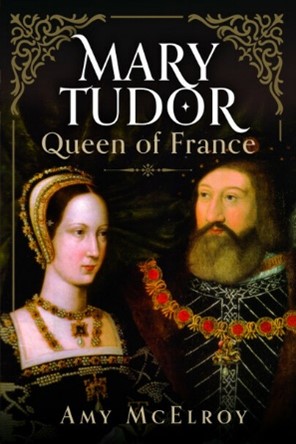
My most recent publication is Mary Tudor, Queen of France, which was due to be published 28 February 2025 but came out a little early on 30 January, so you and I now have a shared book birthday! Mary was the younger sister of Henry VIII, and aunt of Mary I. She began to interest me when I was researching my first book and I could not help but keep digging and rushing down rabbit-holes. I do hope I have done Mary justice as she was much more than just a sister to a king.

Sharon: What attracts you to the Tudor period?

Amy: There are so many events it is hard not to be interested! Not only are there many fascinating individuals but we have lots of marriages, executions, the Reformation, and events such as the Field of the Cloth of Gold, there is lots for people to read and research. I am also attracted to the Tudor period as it was at the centre of huge changes to education, the Renaissance was in full swing and how it impacted education in England continues to intrigue me.

Sharon: Who is your favourite Tudor and why?

Amy: Oh this is a difficult one! If we are referring to monarchs I would have to say Henry VIII. I know, I know, he was a tyrant, but he wasn’t always and he accomplished a lot as king. I am also a little biased in that I enjoy researching his education and continued learning as an adult. If we are referring to any individual in the Tudor era, then that would be Mary, I really enjoyed writing about her and found she is often overshadowed by her brother and whenever someone reads ‘Mary Tudor’ many will assume it to be Mary I. Hopefully my book and those of others will help in bringing Mary out of the shadows.

Sharon: Who is your least favourite Tudor and why?

Amy: Haha, Henry Grey, Duke of Suffolk, husband to Frances Brandon and father of Lady Jane, Lady Katherine, and Lady Mary Grey. I will just never understand his actions, especially once Jane was held in the Tower, you would think he would do everything he could to stay out of trouble but no!

Sharon: How do you approach researching your topic?

Amy: I generally write a rough chapter plan detailing what I want to cover. When I say rough, I really do mean that but it gives me a start on my research. I then look at what resources do I already have and what do I need. I live in the Midlands so I try to plan my research so that if I need to travel somewhere for a source e.g. National Archives or British Library then I have a clear plan of everything I need from there so I can try and make the most of my time there but giving myself enough time that I can go for another visit if I miss something or find something else I need. I am old school so I write most of my notes by hand which can then take me forever to type up, therefore I try to ensure I have everything I need before I start typing.

Sharon: Tell us your ‘favourite’ Tudor story.

Amy: I love the story of Thomas More and Erasmus visiting the royal children at Eltham. Erasmus did not know that was the plan so he was very surprised when they arrived at Eltham Palace and found Margaret, Henry, Mary and Edmund all there. Thomas More had prepared some writing for Henry but Erasmus had come unprepared so was not happy with More! They stayed for dinner and Henry actually challenged Erasmus to write something for him. Erasmus spent 3 days writing a poem which became Prosopopӕia Britanniӕ and praises Henry VII, the princes, and England. He dedicated the poem to  Prince Henry and it was printed in the first edition of Adages in 1500. I think this was both a surprising yet memorable event for Erasmus and was the beginning of his friendship with Henry.

Sharon: Tell us your ‘least favourite’ Tudor story.

Amy: I think I would have to say that I really dislike the stories that Henry VII was a miser. The records and accounts show he more than willing to spend a great deal of money when he wished to. He made gifts to his children, spent money on building and was certainly not afraid to show his wealth when it came to impressing ambassadors and visitors to the royal court. Yes, he was very intelligent when it came to money but I think it is unfair for him to have the reputation of a miser.

Sharon: Are there any other eras you would like to write about?

Amy: I think if I were to ever write about another era it would likely be the Plantagenets but I’m not sure if I ever will!

Sharon: What are you working on now?

Amy: I am finishing up writing a book on Desiderius Erasmus which is due to be published early 2026 then I will be moving on to my 5th book, Teaching the Tudors. This will expand on my first book and focus on some of the tutors we know so well and others that were extremely influential on education during the Tudor era but are maybe not so well known.

Sharon: And finally, what is the best thing about being a writer?

Amy: Another hard one! Firstly, getting to know so many incredible historians, I have been made to feel so welcome in the history community by historians I greatly admire such as yourself, Nathen Amin, and Estelle Paranque and others but I can’t name everyone or this may be a very long answer. I have made some wonderful friends including Rebecca Batley, Rebecca Larson, and Helene Harrison and had fantastic opportunities to appear on podcasts like Talking Tudors and Royals, Rebels, and Romantics. But overall, I love history, so I am doing something I love, does it get better than that?

About the Author:

Amy McElroy is the author of Educating the Tudors (2023), Women’s Lives in the Tudor Era (2024), and Mary Tudor, Queen of France (2025). Amy has long had an interest in history, beginning with a blog where she shared her love of books before culminating in her own book, Educating the Tudors. Amy is currently writing her fourth book, Desiderius Erasmus and has a fifth in the pipeline with many more ideas for the future. Amy co-hosts the blog, The Tudor Notebook on Substack. She has appeared on numerous podcasts including Talking Tudors, Royals, Rebels, and Romantics, and Tudors Dynasty. Amy has also spoken at events including the Wolves Literature Festival and After Hours at Shakespeare Birthplace Trust.

Where to find Amy:

Facebook – Amy McElroy; Instagram – @amymcelroy_author; Blue Sky – AmyMcElroy; Threads – amymcelroy_books; Twitter/X – @AmyMc_Books; Substack – The Tudor Notebook; Blog – website.

To Buy Amy’s Books:

Educating the Tudors: Pen and Sword Books: Educating the Tudors – Hardback. Women’s Lives in the Tudor Era: Pen and Sword Books: Women’s Lives in the Tudor Era – Hardback, and is also available to order with a signed bookplate at Fox Lane Books. Mary Tudor, Queen of France: Pen and Sword Books: Mary Tudor – Hardback and is also available to order with a signed and dedicated bookplate at Fox Lane Books

*

My books

Signed, dedicated copies of all my books are available through my online store.

Out now: Scotland’s Medieval Queens

Scotland’s history is dramatic, violent and bloody. Being England’s northern neighbour has never been easy. Scotland’s queens have had to deal with war, murder, imprisonment, political rivalries and open betrayal. They have loved and lost, raised kings and queens, ruled and died for Scotland. From St Margaret, who became one of the patron saints of Scotland, to Elizabeth de Burgh and the dramatic story of the Scottish Wars of Independence, to the love story and tragedy of Joan Beaufort, to Margaret of Denmark and the dawn of the Renaissance, Scotland’s Medieval Queens have seen it all. This is the story of Scotland through their eyes.

Available now from Amazon and Pen and Sword Books

Also by Sharon Bennett Connolly:

Heroines of the Tudor World tells the stories of the most remarkable women from European history in the time of the Tudor dynasty, 1485-1603. These are the women who ruled, the women who founded dynasties, the women who fought for religious freedom, their families and love. Heroines of the Tudor World is now available for pre-order from Amberley Publishing and Amazon UK. Women of the Anarchy demonstrates how Empress Matilda and Matilda of Boulogne, unable to wield a sword themselves, were prime movers in this time of conflict and lawlessness. It shows how their strengths, weaknesses, and personal ambitions swung the fortunes of war one way – and then the other. Available from Bookshop.orgAmberley Publishing and Amazon UKKing John’s Right-Hand Lady: The Story of Nicholaa de la Haye is the story of a truly remarkable lady, the hereditary constable of Lincoln Castle and the first woman in England to be appointed sheriff in her own right. Available from all good bookshops Pen & Sword Booksbookshop.org and Amazon

Defenders of the Norman Crown: The Rise and Fall of the Warenne Earls of Surrey tells the fascinating story of the Warenne dynasty, from its origins in Normandy, through the Conquest, Magna Carta, the wars and marriages that led to its ultimate demise in the reign of Edward III. Available from Pen & Sword BooksAmazon in the UK and US, and Bookshop.orgLadies of Magna Carta: Women of Influence in Thirteenth Century England looks into the relationships of the various noble families of the 13th century, and how they were affected by the Barons’ Wars, Magna Carta and its aftermath; the bonds that were formed and those that were broken. It is now available in paperback and hardback from Pen & SwordAmazon, and Bookshop.orgHeroines of the Medieval World tells the stories of some of the most remarkable women from Medieval history, from Eleanor of Aquitaine to Julian of Norwich. Available now from Amberley Publishing and Amazon, and Bookshop.orgSilk and the Sword: The Women of the Norman Conquest traces the fortunes of the women who had a significant role to play in the momentous events of 1066. Available now from Amazon,  Amberley Publishing, and Bookshop.org.

Alternate Endings: An anthology of historical fiction short stories including Long Live the King… which is my take what might have happened had King John not died in October 1216. Available in paperback and kindle from Amazon.

Podcast:

Have a listen to the A Slice of Medieval podcast, which I co-host with Historical fiction novelist Derek Birks. Derek and I welcome guests, such as Bernard Cornwell and Michael Jecks, and discuss a wide range of topics in medieval history, from significant events to the personalities involved. Every episode is also now available on YouTube.

*

Don’t forget! Signed and dedicated copies of all my books are available through my online store.

For forthcoming online and in-person talks, please check out my Events Page.

You can be the first to read new articles by clicking the ‘Follow’ button, liking our Facebook page or joining me on TwitterThreadsBluesky and Instagram.

*

©2025 Sharon Bennett Connolly, FRHistS and Amy McElroy