Guest Post: Othon and the Templars by John Marshall

Today, it is a pleasure to welcome John Marshall to History…the Interesting Bits with an article about a very intriguing chap, Othon de Grandson. Othon was a very good friend of Edward I and one who could arguably challenge William Marshal for the title, Greatest Knight. John’s new book is a biography of this remarkable man.

So, over to John…

Othon and the Templars
History  the Interesting Bits
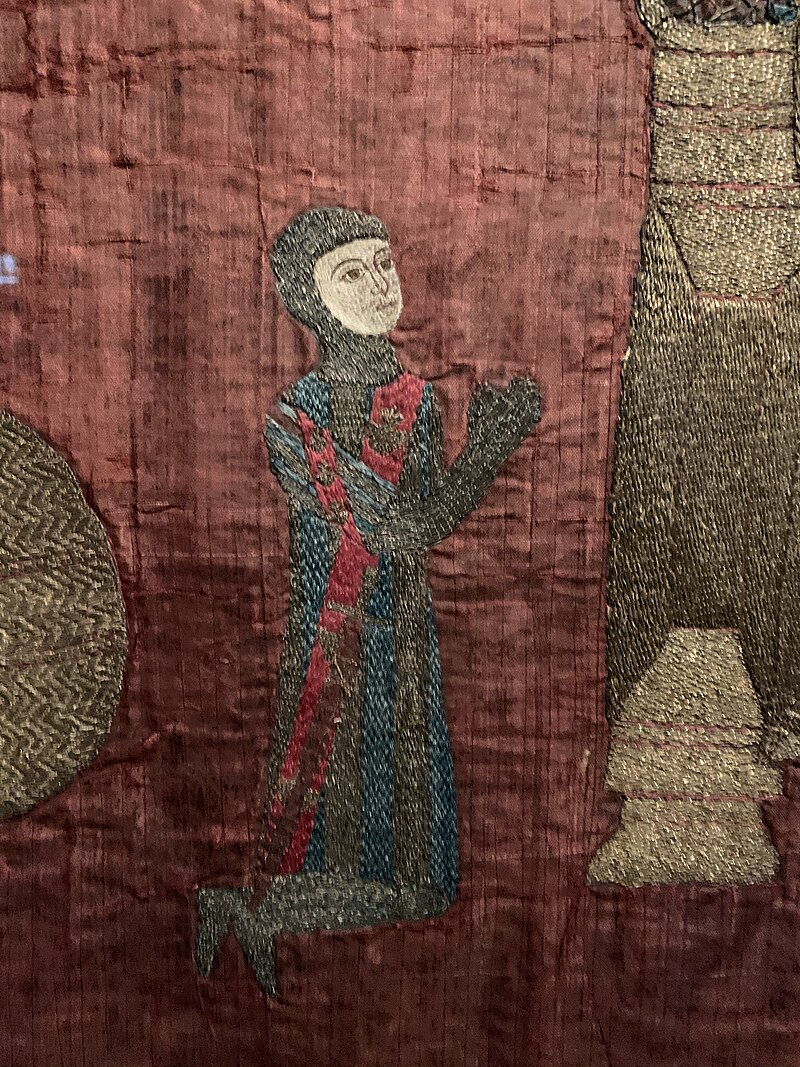
Othon de Grandson from an altar screen from the Cathedral in Lausanne now displayed in the Bern Historic Museum.

A question I asked myself in writing Othon de Grandson: Edward I’s Loyal Knight of Renown was exactly what was the Savoyard knight’s relationship with the Knights Templar? The relationship of Edward’s friend and envoy with the Poor Fellow Soldiers of Christ and of the Temple of Solomon is a long one and indeed began over a century before he was born.

Othon’s ancestor Barthélémy de Jura, treasurer of Reims, then Bishop of Laon in Picardy, was there at the very beginning of the crusader order. Barthélémy was at the 1128 Council of Troyes, chaired by Bernard of Clairvaulx which ratified the rule of the the Templars. He was a kinsman, through his mother, of Bernard of Clairvaulx, and would later retire as a monk to the Cistercian abbey he helped found at Foigny. Another ancestor was another Barthélémy who took up the cross and joined the Second Crusade. He is reported to have departed this life in Jerusalem in 1158.

So, when Othon de Grandson accompanied his liege the Lord Edward on the ninth crusade in 1271 his family was no stranger to crusading.

But the story of Othon de Grandson’s close association with the Templars begins in earnest with his flight from Acre accompanying Templar knight Jacques de Molay in 1291. Grandson had likely been sent to Acre in 1290 as preparation for a crusade by King Edward I that never came to pass. They were all overtaken by Al Ashraf Khalil, the sultan of Egypt who successfully led a Mamluk assault on the last crusader outpost in Outremer. King Henry II of Cyprus, the gravely wounded Master of the Hospitallers Jean de Villiers, the soon-to-be Master of the Templars, Jacques de Molay and Othon de Grandson washed up on the shore of Cyprus as refugees from Acre. The Templars were in need of a new Grand Master, and it is said that Othon de Grandson was “involved” in the election of Jacques de Molay.
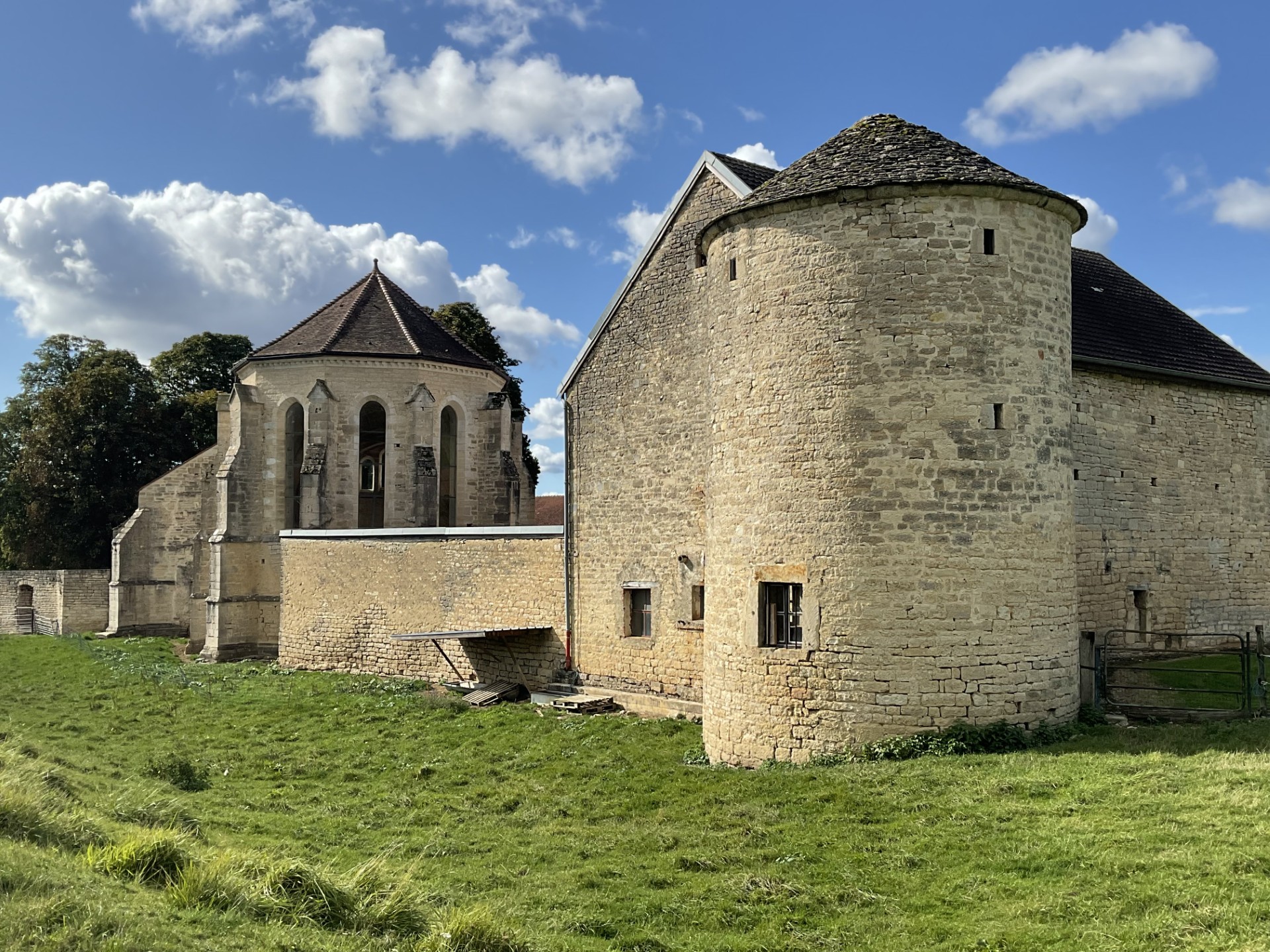
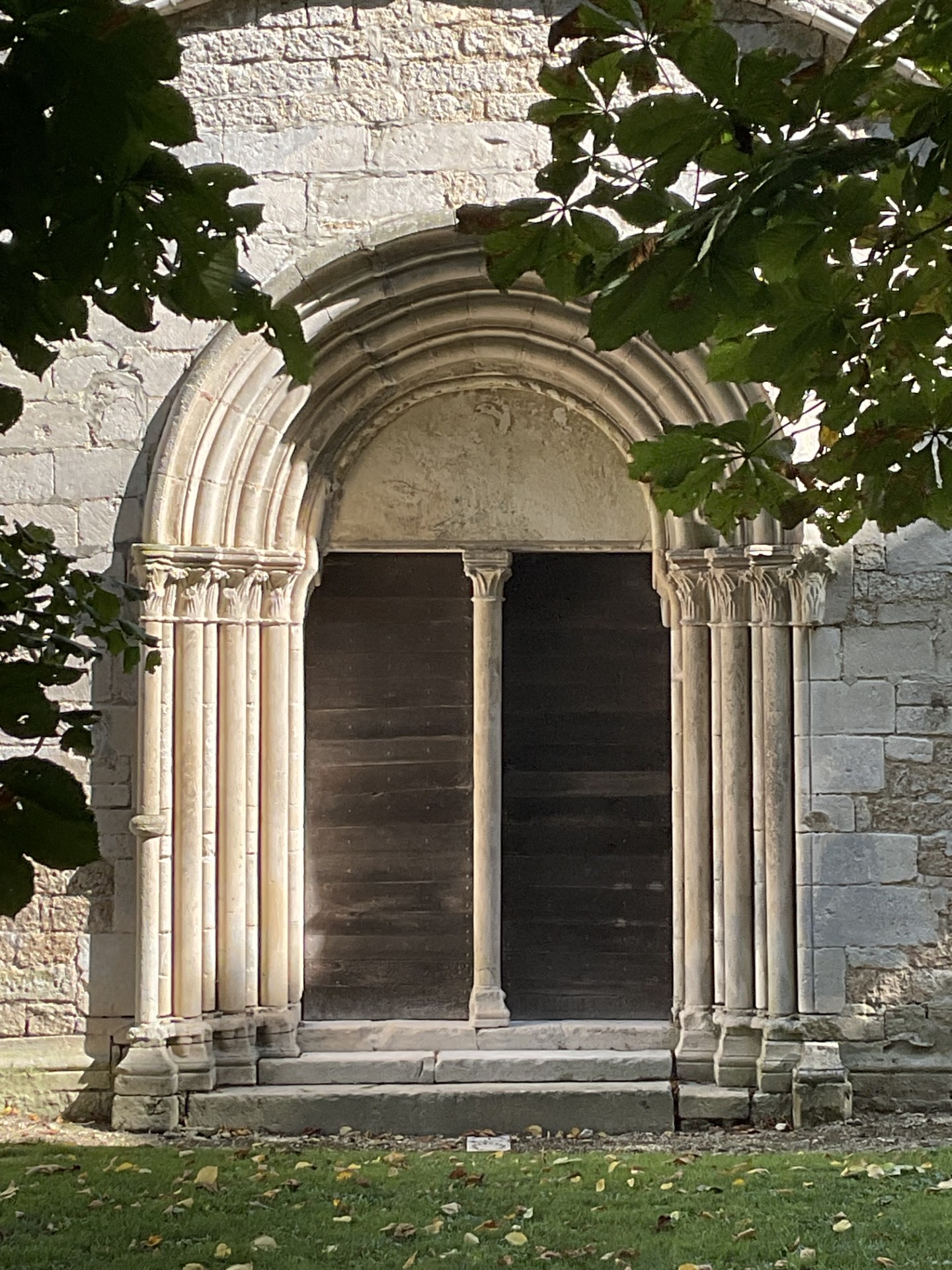
The former Templar Commanderie at Épailly in Burgundy which passed to Othon on the Templars suppression.

The idea of being ‘involved’ came from a declaration given later during the suppression of the order; a Templar, Hugh de Fauro, gave testimony that Jacques de Molay had sworn before the Master of the Hospital and ‘coram domino Odone de Grandisono milite’ that is ‘before the knight Sir Othon de Grandson.’ We then hear from Hethum of Corycus that Grandson and Jacques de Molay, had had a hand in affairs and the better reordering of the kingdom of Cillician Armenia to meet the Mamluk threat and preserve it as a base for ongoing crusading ventures. Grandson’s relationship with Molay and the Templars does seem to stem from this time at Acre, on Cyprus and in Armenian Cilicia between 1291 and 1294.

We then meet the financial entanglement of grandson with the Templars. Evidence of this comes not only from payments from the Templars to Grandson but also grants in the other direction. When both Molay and Grandson were back in the west, on 14 July 1296, Othon would grant the Templars 200 Livres from his salt revenues at Salins-les-Bains in the Franche Comté, a source of revenue he had used to similarly grant the monks of Saint-Jean Baptiste in Grandson before he had left for the

Holy Land. The first grant was in essence for prayers of safe return; the second grant looks like thanks for a safe return. The great salt works of Salins belonged to the Count of Burgundy; they were also known as the Seigneurs de Salins, and the works and its grander enlightenment era equivalent today enjoy UNESCO-listed status. The grant to the Templars was in consideration of the great help Othon had received from ‘mes chiers amis en dieu freres Jaques de Molai’, that is, ‘my dear friend in God brother Jacques de Molay’ and he referred to the help which ‘li freres du celle meismes Relegion ont fait a mes accessors, e a moi deca mer et de la mer en la sainte terre e ne cesse encore de faire’ or ‘the brethren of that same order have given to my ancestors and to myself in the West and in the East in the Holy Land, and still continue to give’. His reference to his anccessurs is likely to mean Barthélémy de Grandson who had, as we saw, died in 1158 in Jerusalem.
History the Interesting Bits
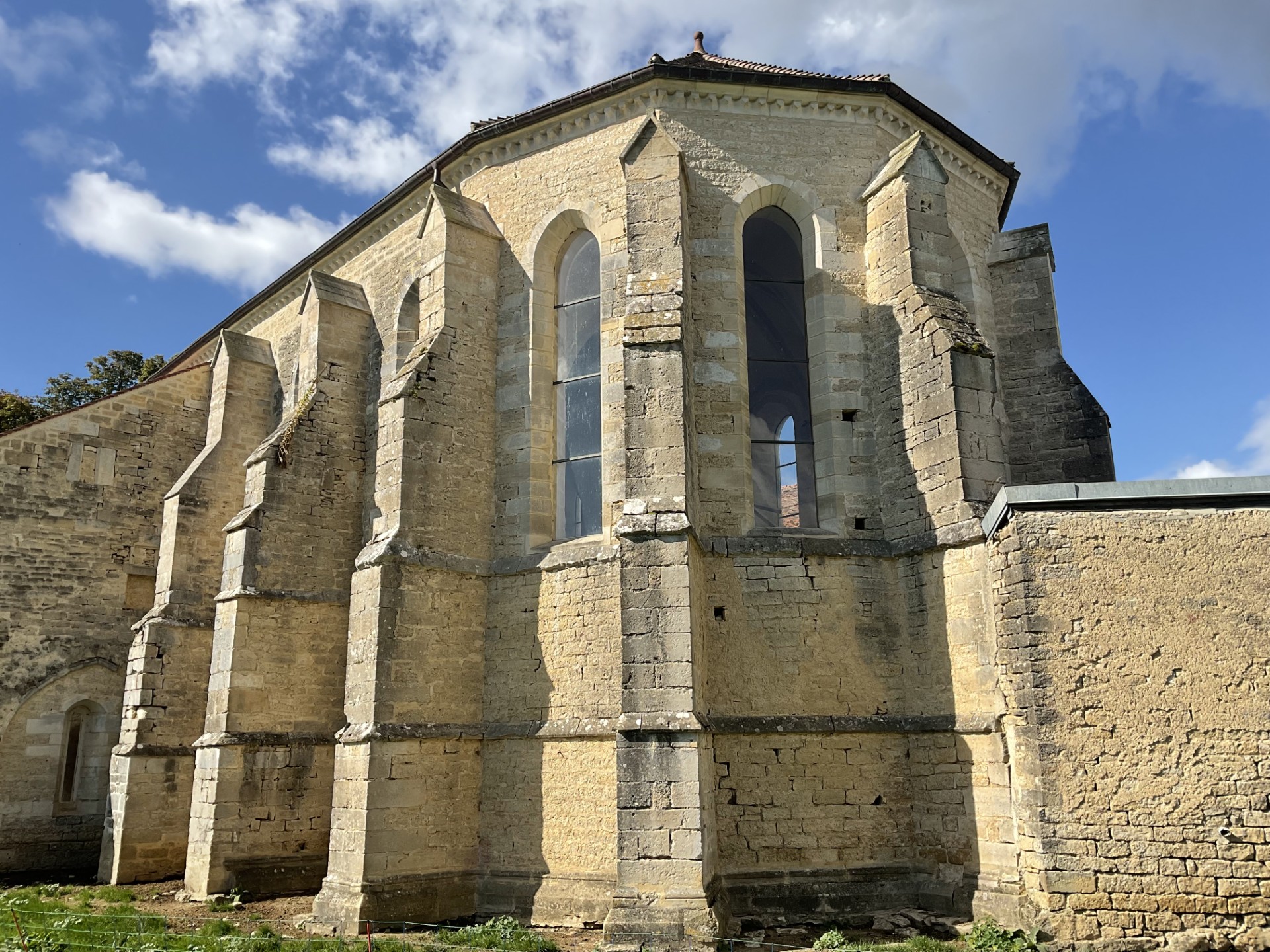
Templar Commanderie at Épailly in Burgundy

The reverse Templar ongoing and enormous financial commitment to Grandson is confirmed to us in a papal confirmation of 17 August 1308 by Pope Clement V. Upon suppression of the order Grandson was keen, obviously, that Templar payments continue, since they were the tremendous annual sum of 2,000 Livres Tournois, equating to £500 at the time, and over £350,000 in today’s money. The pension arrangement was made by a Grand Master, named as Jacques de Molay, and variously dated to 1277, 1287 or 1296–97. French Templar historian Alain Demurger wrote: ‘Fault lay with the editor of Clement V’s records … The editor put the date 1277, while M. L. Bulst-Thiele transcribed it as 1297, whereas the original, very clearly and without abbreviations or deletions says 1287.’ In his notes to this assertion, he cites the Vatican Archives date as ‘Anno millesimo duecentesimo octuagesimo septimo’ or ‘In the year one thousand two hundred and eighty-seven.’

Now of course Molay did not succeed Beaujeu until 1292, which renders the dating of the award problematic. Demurger suggested that it was not Molay who made the award despite specific reference to him ‘Jacobus de Mollay’, but his predecessor Beaujeu – in short, that the date was correct but the master’s name incorrect. Alan Forey argued the contrary, writing that it was: ‘more likely that the grant was made by James of Molay and that the date was wrongly copied’. Given, Molay’s 1292 election as Grand Master this would suggest 1296–97 – in short, the date was incorrect, but the master’s name correct. Demurger acknowledged in his notes that ‘a new problem arose … Grandson and the Temple were already connected in 1287: where, how and for what reason?’ Indeed, Demurger’s dating would create such questions, while Forey’s dating would place them squarely in the context of the Fall of Acre and his time in the east with Molay. This ‘compensare’ was given by the The Templars for ‘operibus virtuosis’ or ‘virtuous actions’ rendered by Othon in support of the order, but surely more likely post-Fall of Acre than before.
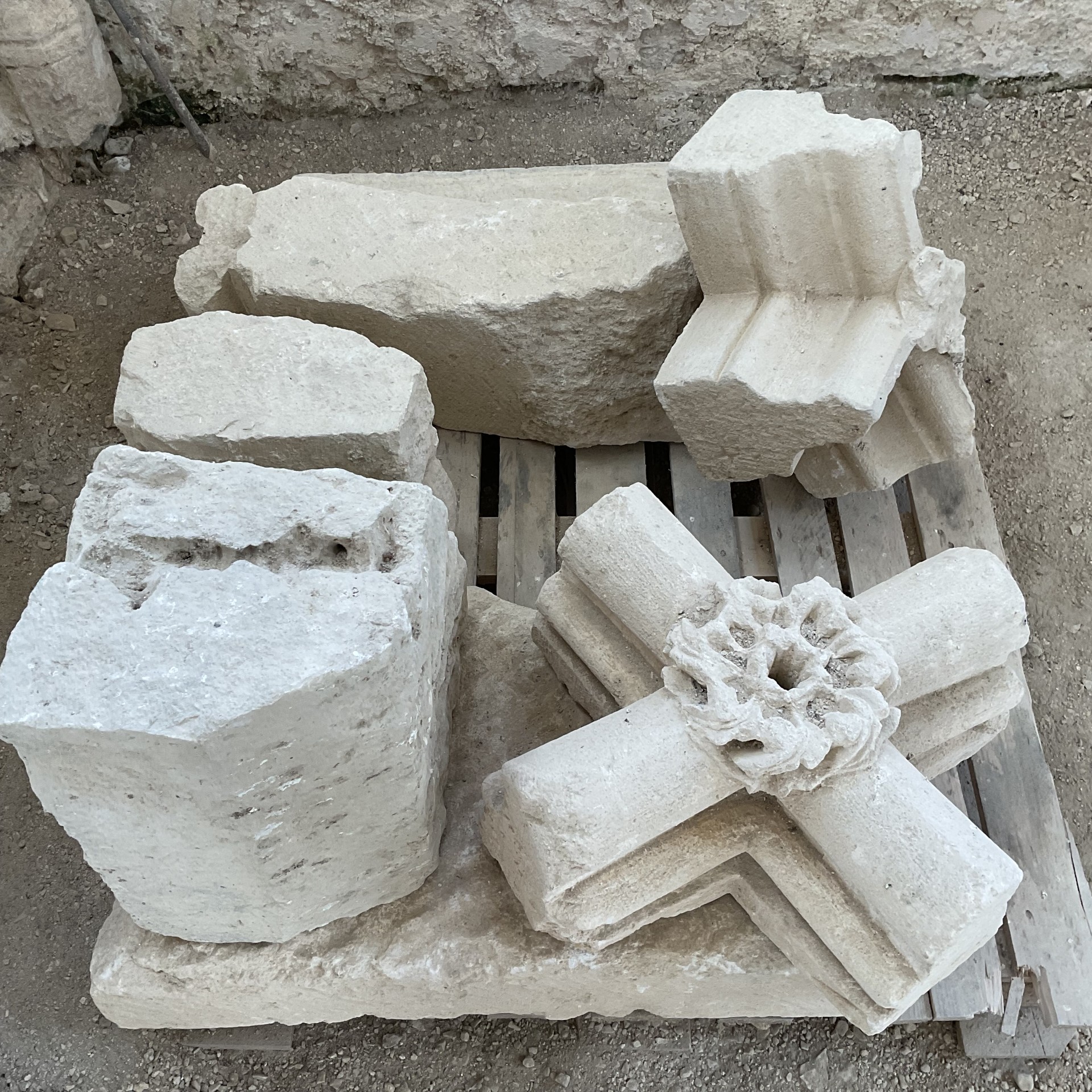
Templar Commanderie at Épailly in Burgundy

In confirmation of the pension, Clement V granted Othon three former Templar houses in France as a part of the continuing settlement, those at Thors, Épailly and Coulours, an act unlikely to have been undertaken at the time in favour of a knight of the order. And so, the ‘virtuous works’ referred to by Pope Clement would appear to date from Grandson’s time in Acre in 1291. So, the date of 1277 attached to the payments by the transcription of them is certainly mistaken, and for the 1287 dating of the original 1308 manuscript we should read 1296–97. Demurger gives 1296 clearly as the date for Molay meeting with Grandson in Paris and the Salins grant. Othon de Grandson’s intimate links with the Templars continue to intrigue, but in Cyprus and Armenia 1292-4, as at Acre in 1291, and here with his pension payments they point to a significant and close ally in matters Outremer rather than a member of the order itself, of which there is no mention.

Grandson, was a close friend of the Templars, having fought alongside them at Acre in 1291, been there in Cyprus as a part of Molay’s election as Grand Master, and in receipt of a handsome annual pension from the order. So, at Philippe ke Bel’s suppression of the order and Molay’s arrest and the rumours swirling around France, the scandal would have touched directly upon him. But at no point can we find Grandson implicated in events, other than petitioning Pope Clement for the maintenance of his pension. But nowhere too can we find him leaping to the defence of Molay, his former friend and ally, at least not in a way that has left any trace. As Demurger said in conversation with the author of this book, Grandson did not try to defend Molay. A character flaw? Demurger went to affirm that one cannot speculate about possible motives, Grandson was by now seventy years of age, had discretion become the greater part of valour?
History the Interesting Bits
Templar Commanderie at Épailly in Burgundy

It is because of his avoidance of implication in the suppression of the Templars, that despite his Templar connections, we can be as certain as certain can be that Othon de Grandson was a friend, ally, indeed fellow traveller of the Templars, but not actually a member of the doomed order, As Alain Demurger said unequivocally to the question, was Grandson a Templar? – Non. What were the enormous payments from the Templars to Othon de Grandson for? What were the “operibus virtuosis”? It’s only speculation but what did Grandson have that might be valuable to the Order? – access better than anyone to Edward I’s ear and access to the English court.

*

About the Book:
History  the Interesting Bits

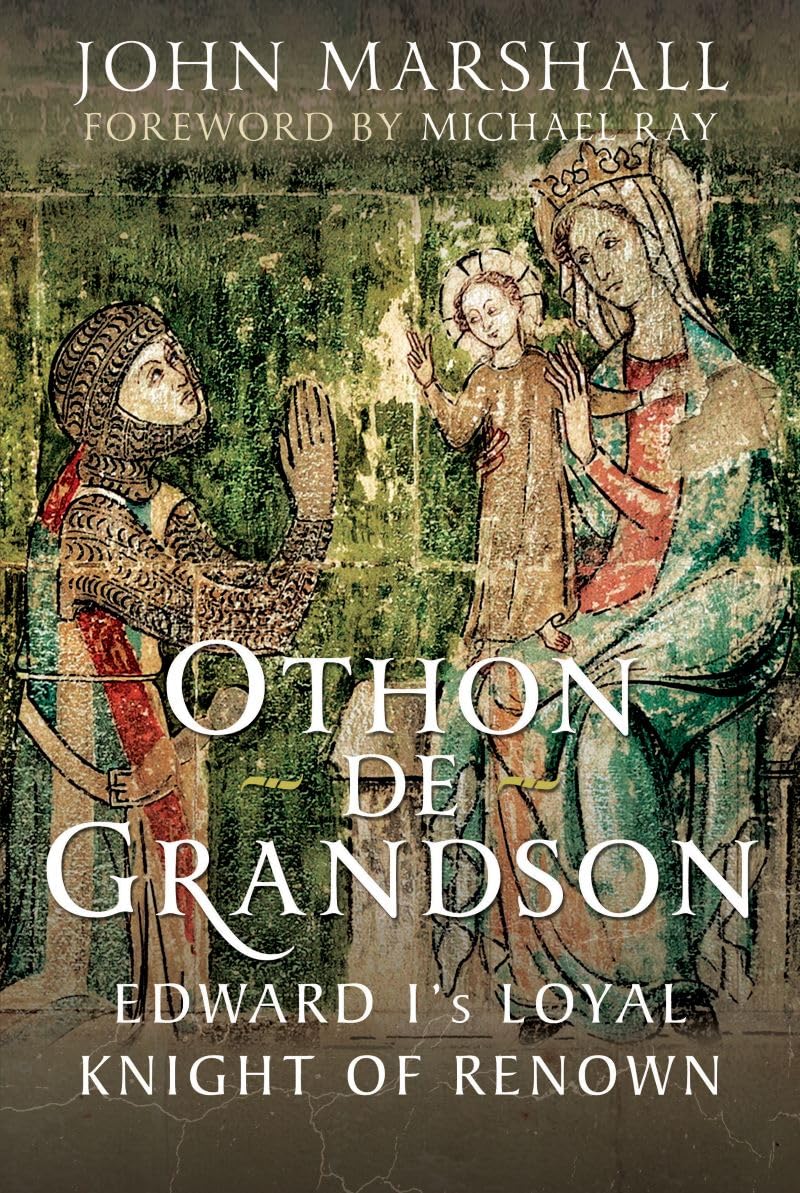
There were once two little boys – they met when they were both quite young; one was born in what’s now Switzerland, by Lake de Neuchâtel, his name Othon de Grandson, and the other was born in London, his name Prince Edward, son of King Henry the third of that name. Othon was probably born in 1238, and Edward, we know, in June 1239. These two little boys grew up and had adventures together. They took the cross together, the ninth crusade in 1271 and 1272. Othon reputedly sucking poison from Edward when the latter was attacked by an assassin. In 1277 and 1278, they fought the First Welsh War against the House of Gwynedd, Othon doing much to negotiate the Treaty of Aberconwy in 1278, which ended hostilities. When war broke out again in 1282 they fought the Second Welsh War together. Othon led Edward’s army across the Bridge of Boats from Anglesey and was the first to sight the future sites of castles at Caernarfon and Harlech. Edward made his friend the first Justiciar (Viceroy) of North Wales. When Edward and Othon went to Gascony in 1287, Othon stayed in Zaragoza as a hostage for Edward’s good intentions between Gascony and Castille.  Later, in 1291, when Acre was threatened by the Mamluks, Edward sent Othon as head of the English delegation of knights. When Acre finally fell to the Mamluks bringing the Crusades to a close, who was the last knight onto the boats? Othon de Grandson, helping his old friend, the wounded Jean de Grailly onto the boat. When Othon returned from the East, he found England at war with Scotland and France; he would spend his last years in Edward’s service building alliances and negotiating peace before retiring to his home in what is now Switzerland after the king’s death in 1307. Grandson lived in the time of Marco Polo, Giotto, Dante, Robert the Bruce, and the last Templars. He was right there at the centre of the action in two crusades: war with Wales, Scotland, and France, the Sicilian Vespers, and suppression of the Templars; he walked with a succession of kings and popes, a knight of great renown. This is his story.

Othon de Grandson: Edward I’s Loyal Knight of Renown is available now from Amazon.

About the Author:

History  the Interesting Bits

Having moved to Switzerland, and qualified as a historian (Masters, Northumbria University, 2016), the author came across the story of the Savoyards in England and engaged in this important history research project. He founded the Association pour l’histoire médiévale Anglo Savoyards. Writer of Welsh Castle Builders: The Savoyard Style and Peter of Savoy: The Little Charlemagne both available from Pen and Sword Books Ltd. Member of the Henry III Roundtable with Darren Baker, Huw Ridgeway and Michael Ray.

*

My Books

Signed, dedicated copies of all my books are available through my online bookshop.

Out now: Scotland’s Medieval Queens

Books by Sharon Bennett Connolly

Scotland’s history is dramatic, violent and bloody. Being England’s northern neighbour has never been easy. Scotland’s queens have had to deal with war, murder, imprisonment, political rivalries and open betrayal. They have loved and lost, raised kings and queens, ruled and died for Scotland. From St Margaret, who became one of the patron saints of Scotland, to Elizabeth de Burgh and the dramatic story of the Scottish Wars of Independence, to the love story and tragedy of Joan Beaufort, to Margaret of Denmark and the dawn of the Renaissance, Scotland’s Medieval Queens have seen it all. This is the story of Scotland through their eyes.

Scotland’s Medieval Queens gives a thorough grounding in the history of the women who ruled Scotland at the side of its kings, often in the shadows, but just as interesting in their lives beyond the spotlight. It’s not a subject that has been widely covered, and Sharon is a pioneer in bringing that information into accessible history.’ Elizabeth Chadwick (New York Times bestselling author)

Available now from Amazon and Pen and Sword Books

Also by Sharon Bennett Connolly:

Books by Sharon Bennett Connolly

Heroines of the Tudor World tells the stories of the most remarkable women from European history in the time of the Tudor dynasty, 1485-1603. These are the women who ruled, the women who founded dynasties, the women who fought for religious freedom, their families and love. Heroines of the Tudor World is now available for pre-order from Amberley Publishing and Amazon UK. Women of the Anarchy demonstrates how Empress Matilda and Matilda of Boulogne, unable to wield a sword themselves, were prime movers in this time of conflict and lawlessness. It shows how their strengths, weaknesses, and personal ambitions swung the fortunes of war one way – and then the other. Available from Bookshop.orgAmberley Publishing and Amazon UKKing John’s Right-Hand Lady: The Story of Nicholaa de la Haye is the story of a truly remarkable lady, the hereditary constable of Lincoln Castle and the first woman in England to be appointed sheriff in her own right. Available from all good bookshops Pen & Sword Booksbookshop.org and Amazon

Royal Historical Society

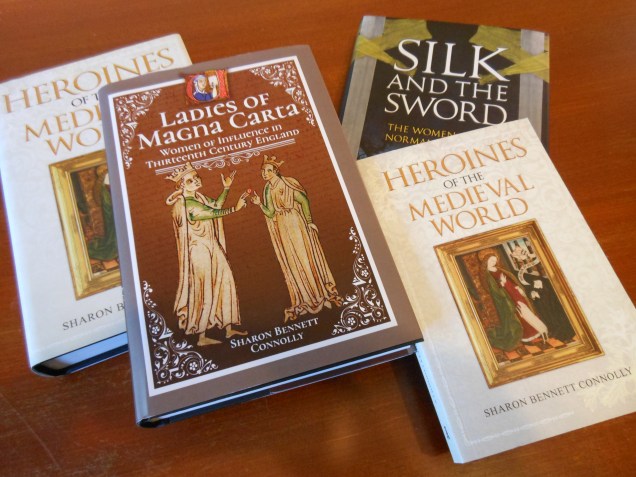
Defenders of the Norman Crown: The Rise and Fall of the Warenne Earls of Surrey tells the fascinating story of the Warenne dynasty, from its origins in Normandy, through the Conquest, Magna Carta, the wars and marriages that led to its ultimate demise in the reign of Edward III. Available from Pen & Sword BooksAmazon in the UK and US, and Bookshop.orgLadies of Magna Carta: Women of Influence in Thirteenth Century England looks into the relationships of the various noble families of the 13th century, and how they were affected by the Barons’ Wars, Magna Carta and its aftermath; the bonds that were formed and those that were broken. It is now available in paperback and hardback from Pen & SwordAmazon, and Bookshop.orgHeroines of the Medieval World tells the stories of some of the most remarkable women from Medieval history, from Eleanor of Aquitaine to Julian of Norwich. Available now from Amberley Publishing and Amazon, and Bookshop.orgSilk and the Sword: The Women of the Norman Conquest traces the fortunes of the women who had a significant role to play in the momentous events of 1066. Available now from Amazon,  Amberley Publishing, and Bookshop.org.

Alternate Endings: An anthology of historical fiction short stories including Long Live the King… which is my take what might have happened had King John not died in October 1216. Available in paperback and kindle from Amazon.

Podcast:

A Slice of Medieval

Have a listen to the A Slice of Medieval podcast, which I co-host with Historical fiction novelist Derek Birks. Derek and I welcome guests, such as Bernard Cornwell and discuss a wide range of topics in medieval history, from significant events to the personalities involved.

Every episode is also now available on YouTube.

*

Don’t forget! Signed and dedicated copies of all my books are available through my online bookshop.

For forthcoming online and in-person talks, please check out my Events Page.

You can be the first to read new articles by clicking the ‘Follow’ button, liking our Facebook page or joining me on TwitterThreadsBluesky and Instagram.

*

©2025 Sharon Bennett Connolly, FRHistS and John Marshall
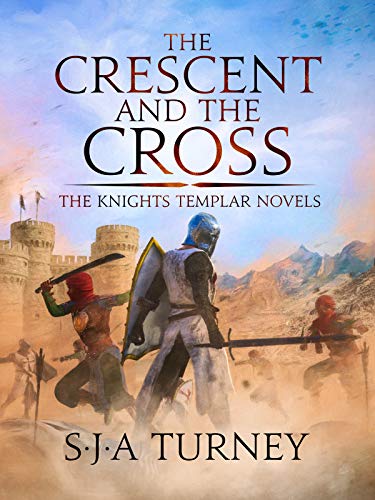
Book Corner: The Crescent and the Cross by SJA Turney

An epic battle of the Reconquista; a personal struggle to survive; a fight for glory.

War is brewing, and the Pope has summoned a crusade. The nations of Christendom are rallying to fight the Almohad caliphate, but they are a formidable foe.

Meanwhile, behind Moorish lines, a fortress held by Castile is under siege. As the siege falls, a knight is lost. Arnau leaves on a dangerous, near-suicidal quest to save him, a new squire in tow.

In the heat of the sierras though, things are not as they seem. War is coming to Iberia and all will be tested. Arnau’s sword arm will need practice, as will his mind.

A riveting and brutal historical adventure, the latest instalment of S.J.A Turney’s Knights Templar series, perfect for fans of Bernard Cornwell and Conn Iggulden.

The Crescent and the Cross is book number 5 in SJA Turney’s wonderful Knights Templar series and is as good as, if not better than the rest. Unlike the usual Templar novels Turney has chosen to set his stories against the backdrop of the Muslim invasion of Spain, rather than the Holy Land. What may be seen as an intriguing move has proved to be a hit with me. Having studied the Crusades at university, and read up as much as I could find on the foundation of the Templar order, for some reason, I have always associated the Templars with the Holy Land. The reconquest of Spain is unfamiliar territory, and absolutely fascinating.

You could write in just a few words the amount I know about the Reconquista; basically, that Jamie Douglas took Robert the Bruce’s heart to Spain and threw it into the heat of the battle against the Muslim ruler of Grenada. Douglas was killed in the action; his body and King Robert’s heart were both retrieved and returned to Scotland. The story of the Reconquista is also that of El Cid, and of Ferdinand and Isabella, the parents of Henry VIII’s first wife, Katherine of Aragon.

But it is also the story of the Knights Templar, who fought alongside other knightly orders, such as the knights of Calatrava, to recover Spain from the Muslims. SJA Turney therefore has an area of history that has been virtually ignored by novelists before, and it is such a fertile area of untapped and undiscovered stories which keep the reader gripped to the very end.

At a gesture from the preceptrix, Balthesar closed the door behind them, deepening the gloom further. The three knights walked halfway across the room and then fell into line, standing before the preceptrix like a white-clad parody of the three magi. ‘You sent for us, Mother Superior?’

The silence that filled the room as Balthesar’s words died away was tense, uncomfortable.

‘I did. I am faced with a problem, Brothers, and I fear there is little time in current circumstances to convene a full convent or to send for instructions from the mother house. I need the advice of my knights. This man is Amal.’ Her hand reached out, indicating the Moor. ‘Amal has come to us from within the lands of our great enemy bearing a letter, at great personal risk.

‘A letter, mother Superior?’

‘A personal missive. It would appear that out dear sister Joana’s former suitor, the knight Martin Calderon, is not dead as was believed.’

Arnau frowned. ‘I am unfamiliar with his story, Mother. He was presumed dead?’

The preceptrix nodded, her gaze slipping sideways towards the puffy-eyed Joana. ‘The reason for Joana’s predicament has been somewhat difficult and beyond our moral judgement, despite the damage done to our sister. Sir Calderon heard the calling of the Lord and regretfully parted from our sister, taking his vows with the Order of the knights of Calatrava. While Joana has heard nothing from her former betrothed since the day of their departure, however, I have sufficient contacts in that Order and took it upon myself to remain informed as to Brother Calderon’s activities. Last autumn, he was one of the knights who carried out the heroic defence of Salvatierra against the caliph’s army. While the bulk of the defenders were given safe passage to Aragon upon their surrender, Calderon’s name appears on the roster of the fallen.’

That rather explained the state of poor sister Joana, Arnau realised. His gaze flicked once more to the Moor. Calderon was apparently not dead, though.

Balthesar frowned. ‘Respectfully, Mother Superior, why would you concern yourself woth the an? Quite apart from his treatment of Sister Joana and the gulf now between them, of what interest might such a man be when we have the crusade looming?’

Every writer has his or her own strengths, for SJA Turney, it is that he can write and entire series of books – this is the 5th and there is at least one more to come – where every story in the series is not only a standalone, but is a unique intriguing story that takes the reader – and the protagonist – in a different direction every time. The first book in the series, Daughter of War, told the unlikely – but true – story of a woman in charge of the Templar preceptory at Rourell. Book 2, The Last Emir, took two of the Rourell knights on a quest to Majorca in search of a holy relic, while book 3, City of God saw the series’ hero, Arnau de Vallbona, caught up in the epic siege of Constantinople and book 4, The Winter Knight, was an intriguing murder mystery set in a German castle!

Each story has proved to be unique, edge of the seat action and The Crescent and the Cross is no different. Set in the heart of Spain, Arnau is given the task of recovering a knight held captive by the Almohad caliphate, only to find all is not as it seems. SJA Turney expertly recreates the Iberian landscape; the scorching heat, soaring mountains and vast plains. He builds the Christian army just as the leaders must have done at the time, introducing the alliance of kings, church leaders and knightly orders who have to face their enemies on the Spanish plains.

The Crescent and the Cross is a marvellous story, wonderfully told and gripping to the very end. I can’t wait for the next book! SJA Turney is a first class storyteller who draws the reader in from the very first page, the action frenetic from the first page to the last. The Crescent and the Cross is a truly excellent read, with a wonderful author note at the end, giving the reader a comprehensive background to the fight to reconquer Spain that lasted 9 centuries.

The Crescent and the Cross is available from Amazon UK.

About the author:

Simon lives with his wife, children, rabbits and dog in rural North Yorkshire. Having spent much of his childhood visiting historic sites with his grandfather, a local photographer, Simon fell in love with the Roman heritage of the region, beginning with the world famous Hadrian’s Wall. His fascination with the ancient world snowballed from there with great interest in Egypt, Greece and Byzantium, though his focus has always been Rome. A born and bred Yorkshireman with a love of country, history and architecture, Simon spends most of his rare free time travelling the world visiting historic sites, writing, researching the ancient world and reading voraciously.

Simon’s early career meandered along an arcane and eclectic path of everything from the Ministry of Agriculture to computer network management before finally settling back into the ancient world. During those varied years, Simon returned to university study to complete an honours degree in classical history through the Open University. With what spare time he had available and a rekindled love of all things Roman, he set off on an epic journey to turn Caesar’s Gallic War diaries into a novel accessible to all. The first volume of Marius’ Mules was completed in 2003 and has garnered international success, bestseller status and rave reviews, spawning numerous sequels. Marius’ Mules is still one of Simon’s core series and although Roman fiction features highly he now has Byzantine, Fantasy and Medieval series, too, as well as several collaborations and short stories in other genres.

Now with in excess of 30 novels available and, Simon is a prolific writer, spanning genres and eras and releasing novels both independently and through renowned publishers including Canelo and Orion. Simon writes full time and is represented by MMB Creative literary agents.

Look out for Roman military novels featuring Caesar’s Gallic Wars in the form of the bestselling Marius’ Mules series, Roman thrillers in the Praetorian series, set during the troubled reign of Commodus, epics of the Knights Templar, adventures around the 15th century Mediterranean world in the Ottoman Cycle, and a series of Historical Fantasy novels with a Roman flavour called the Tales of the Empire.

*

My Books

Ladies of Magna Carta: Women of Influence in Thirteenth Century England  looks into the relationships of the various noble families of the 13th century, and how they were affected by the Barons’ Wars, Magna Carta and its aftermath; the bonds that were formed and those that were broken. It is now available from Pen & SwordAmazon and from Book Depository worldwide.

Also by Sharon Bennett Connolly:

Silk and the Sword: The Women of the Norman Conquest traces the fortunes of the women who had a significant role to play in the momentous events of 1066.  Available now from Amazon,  Amberley Publishing, Book Depository.

Heroines of the Medieval World tells the stories of some of the most remarkable women from Medieval history, from Eleanor of Aquitaine to Julian of Norwich. Available now from Amberley Publishing and Amazon and Book Depository.

*

You can be the first to read new articles by clicking the ‘Follow’ button, liking our Facebook page or joining me on Twitter and Instagram.

©2020 Sharon Bennett Connolly

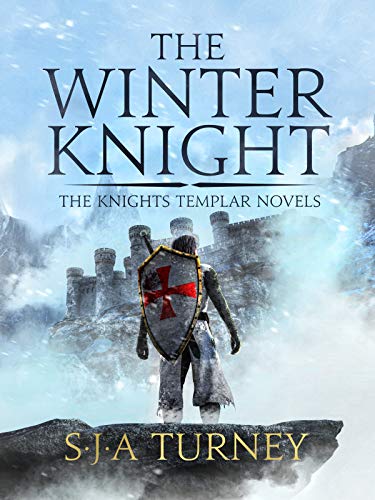
Book Corner: The Winter Knight by SJA Turney

A murder in a far off castle. A deadly struggle to survive… An intense and gripping Medieval thriller.

In the depths of winter at an ancient German castle, high up in the mountains, a noble is found dead under mysterious circumstances.

Back at Rourell, Arnau is taking on the responsibilities of a full Templar Knight. But when he is tasked with returning Brother Lütolf’s papers to settle a legal dispute between his family and the Order, Arnau is unexpectedly drawn into the killing at the castle. Here he enters a dark game of knives and double-crosses.

Trapped in the ice-bound fortress, mastery of the sword is no longer enough. This is a different kind of war: one of shadows and whispered threats. Arnau must use all the guile he possesses, or risk succumbing to an icy tomb.

The Winter Knight is the fourth adventure of Arnaud Vallbona in SJA Turney‘s wonderful Knights Templar series. Each story in this series is unique and focuses on the experiences or life of the individual brothers of the preceptory at Rourell in Spain. The first book, Daughter of War, dealt with the very survival of the preceptory itself and its indomitable ruler, Ermengarde; a female preceptrix of the Knights Templar. And while the second book, The Last Emir, saw Arnaud hunting for relics, the third sent him east, to Byzantium and the Fourth Crusade.

The Winter Knight once more sends Arnaud on his travels, this time to the home of his former mentor, Brother Lutolf, in Germany. And to an altogether different adventure. Rather than a tale of war and destruction, The Winter Knight is a totally gripping murder mystery set among the chilly atmosphere of a German castle, or schloss, in the depths of winter.

‘”But if thou doest evil, dread thou; for not without cause he beareth the sword, for he is the minister of God, venger into wrath to him that doeth evil.” Romans thirteen. The Lord reminds us that the ministers of God are the agents of his vengeance, bringing the sword to evildoers.’

Felipe frowned. ‘You don’t mean …’

Arnau sighed. ‘It is, in one very important way, none of our business. But as warriors of His Church, it is in another way our business above all others. The word of the Book should always take precedence over temporal matters, Felipe.’

‘Interference might not be popular, Brother Arnau. I do not think they like us.’

‘They do not have to like us. Just to respect our authority within the Church. It might be a matter of duty that we apprehend the evildoer and visit divine judgement upon him.’

Felipe joined in the shivers now. ‘Be careful, Brother Arnau.’ He tapped his precious book of the Rule. ‘”Every brother of the Temple should be believed to the benefit of the Temple and our house, and the brother should be careful what he takes upon himself, for if the thing is not as he says, he should be judged to have committed a fault.” Rule 150.’

Arnau turned back to the window. Beneath that canopy and the ever-present snow, the dark circle of the well seemed to be taunting him, sneering that it had eaten the young lord who was the very reason for their visit. He clenched his teeth. ‘I can live with committing a fault, but whoever cut an innocent man’s throat and attempted to hide the body in such a despicable way? He deserves the vengeance of the Lord.’

His eyes rose to the apartments opposite, just in time to see a hooded figure in one of the windows looking straight across the courtyard at him, then disappearing within and slamming the shutters tight.

SJA Turney fills each page with an atmosphere of suspense and intrigue that is hard to escape, even after the book is finished. The clever plot, beautiful and desolate snowy countryside and wonderful, diverse characters have the reader intrigued from the very first page – the opening scenes being the grisly murder itself!

As I have come to expect with SJA Turney, the research is impeccable. From the Templar Rule, through the German weather and the bleak and imposing castle, down to the language and customs of the time, the author has recreated medieval Germany in great detail, even down to the German mindset, their distrust of foreign military orders and the political machinations of the time.

Arnau de Vallbona is a wonderful lead character, and it has been a pleasure to watch him grow and mature over the 4 books, from an immature novice to a full-fledged knight of the Order, having grown in confidence and ability. However, he is no knightly paragon and it is fascinating to watch his struggles with his Order’s rules, with a little flirtation with Brother Lutolf’s sister, and his responsibilities, in searching for the murderer, supervising his squire and looking after Templar interests in the face of a grieving family.

As a murder mystery, The Winter Knight is impressive. Even looking at it with a critical eye, the plot is cleverly woven into the story, drawing on legend, human emotions and the worst of humanity to leave the reader guessing at the identity of the murder until the full extent of his crimes is revealed to the reader.

Despite being the fourth book in a series, The Winter Knight has a unique quality in that it is entirely readable and entertaining as a standalone. At no point does the reader feel that they are missing a part of the story as a result of not having read the previous 3 books. Although, as someone who has read and devoured them all, I highly recommend the entire series.

With The Winter Knight, SJA Turney has again shown his versatility as a writer in this thoroughly absorbing and entertaining novel. I can’t wait for the next instalment!

About the Author:

Simon lives with his wife, children and dogs in rural North Yorkshire. Having spent much of his childhood visiting historic sites with his grandfather, a local photographer, Simon fell in love with the Roman heritage of the region, beginning with the world famous Hadrian’s Wall. His fascination with the ancient world snowballed from there with great interest in Egypt, Greece and Byzantium, though his focus has always been Rome. A born and bred Yorkshireman with a love of country, history and architecture, Simon spends most of his rare free time travelling the world visiting historic sites, writing, researching the ancient world and reading voraciously.

Simon’s early career meandered along an arcane and eclectic path of everything from the Ministry of Agriculture to computer network management before finally settling back into the ancient world. During those varied years, Simon returned to university study to complete an honours degree in classical history through the Open University. With what spare time he had available and a rekindled love of all things Roman, he set off on an epic journey to turn Caesar’s Gallic War diaries into a novel accessible to all. The first volume of Marius’ Mules was completed in 2003 and has garnered international success, bestseller status and rave reviews, spawning numerous sequels. Marius’ Mules is still one of Simon’s core series and although Roman fiction features highly he now has Byzantine, Fantasy and Medieval series, too, as well as several collaborations and short stories in other genres.

Now, with in excess of 25 novels available and 5 awaiting release, Simon is a prolific writer, spanning genres and eras and releasing novels both independently and through renowned publishers including Canelo and Orion. Simon writes full time and is represented by MMB Creative literary agents.

Look out for Roman military novels featuring Caesar’s Gallic Wars in the form of the bestselling Marius’ Mules series, Roman thrillers in the Praetorian series, set during the troubled reign of Commodus, adventures around the 15th century Mediterranean world in the Ottoman Cycle, and a series of Historical Fantasy novels with a Roman flavour called the Tales of the Empire.

*

My Books

Silk and the Sword: The Women of the Norman Conquest

From Emma of Normandy, wife of both King Cnut and Æthelred II to Saint Margaret, a descendant of Alfred the Great himself, Silk and the Sword: the Women of the Norman Conquest traces the fortunes of the women who had a significant role to play in the momentous events of 1066.  Available now from Amazon UK,  Amberley Publishing, Book Depository and Amazon US.

Heroines of the Medieval World

Telling the stories of some of the most remarkable women from Medieval history, from Eleanor of Aquitaine to Julian of Norwich, Heroines of the Medieval World,  is available now on kindle and in paperback in the UK from from both Amberley Publishing and Amazon, in the US from Amazon and worldwide from Book Depository.

*

You can be the first to read new articles by clicking the ‘Follow’ button, liking our Facebook page or joining me on Twitter and Instagram.

©2019 Sharon Bennett Connolly

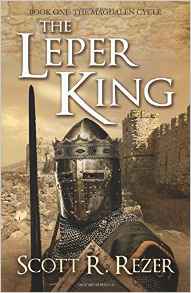
Book Corner: The Leper King by Scott R Rezer

srrKing of Jherusalem and Defender of the Holy Sepulcher, Baldwin walks the sword’s edge between the quarreling barons of his Court and the jihad of Islam. Between the two, however, a sinister presence lurks—a cabal of heretics who will stop at nothing to see its dark designs come to fruition. Baldwin is young, courageous, and a leper. In the midst of mounting political tensions and war, a beautiful woman befriends the lonely sick king—a woman who claims she is an immortal saint.

The Leper King is the 1st in Scott R. Rezer’s The Magdalen Cycle series of novels. Last year I read The Pawns of Sion, the sequel to The Leper King, for The Review, and thoroughly enjoyed it. So, when I was given the opportunity to read the story from the beginning, I jumped at the chance – and was far from disappointed. Luckily both books work well as standalone stories; they have the common theme running through the series, but you certainly do not have to read them in order. They are fantastic stories set around the Crusader Kingdom of the 12th century, combining fabulous adventure, war and intrigue with a wonderful touch of the mystic and magic.

Coronation_Baldwin_IV
Coronation of Baldwin IV

The Leper King has everything; love, betrayal, the Knights Templar, heroes and heroines, Mary Magdalen ….. and the mysterious, dangerous Order of Sion which has its own personal agenda and is determined to bend the Kingdom of Jerusalem to its own will.

The fight for good versus evil is cleverly woven into the historical story of the survival of the western Crusader kingdoms against the Muslim onslaught. The individual stories of love and ambition within the royal family are set against the needs of the kingdom and the machinations of the great nobles. Murder and revenge, love and betrayal, magic and history; all go into making this novel a unique and enthralling story.

William sensed her before he saw her: a prickling of the sense like a cool draft through a chink in the chancellery door….The chapel lay dimly lit. She stood in the midst of it, all in white and gold, bathed in the soft glow of the candlelight.

“When you pray, do not use vain repetitions as the heathen  do: for they think they will be heard for their many words,” she said, throwing the words of the Christ in his face with a sly, wicked smile.

She was often that way with him: taunting and playful, annoyingly forthright. “You told him you were the Magdalen.” he said, ignoring her acerbic remark.

She laughed suddenly, musically. “You make it sound as though I were lying.”

He narrowed his gaze. He was in no mood for her playfulness. “Did you tell him all of it?”

Amaurydeath-BaldwinIVcrowned-full
Death of King Amaury and Coronation of Baldwin

Her levity dissipated like a vapor. In her anger, she was a fearful presence, terrible to behold. Candlelight and shadows were unkind to her unnatural beauty. “He is a boy, even if he is a king,” she said, taking a menacing step towards him. “I will tell him when he can best handle it – when he decides that what I’ve already told him is true.”

The hero of the novel is Baldwin IV, King of Jerusalem; he was only 13 on his accession to the throne and already suffering from the effects of leprosy. Baldwin struggles to keep his lords united while fighting against the mystical forces of evil. His strength of character and determination hold his kingdom together while he is faced with 2 implacable foes; the secret cabal that is the Order of Sion from within and the man who was, arguably, the Muslim’s greatest ever warrior – Salah ad-Din – from without.

Scott R Rezer’s characters are well researched and brought to life in wonderfully vivid; they are exciting, glamorous and mysterious. He demonstrates an understanding of the needs, desires and mentality of the major players in 12th century Outremer. The story of magic, Mary Magdalen and the fight between good and evil slip easily into the great landscape of the Holy Land and serves to highlight that the actions of the individual protagonists come together to make the greater story of the Crusader Kingdoms, and the fight for survival.

the descriptions of Biblical locations, of battles fought and sumptuous, exotic palaces, bring the 12th century Holy Land to life.

British Library - Yt 12 152v
The discovery of Baldwin’s leprosy

There are some very nice little touches in the book, which help to give it an individuality, such as the use of native names for locations, depending on who is talking. To the Muslims, Jerusalem is known as Urshalim, while to the Crusaders, it is known as Jherusalem. In much the same way as the language, the author looks at the struggle in the Holy Land from both sides, Muslim and Christian, even demonstrating how both rulers, Baldwin and Saladin, are faced with advisers bent on revenge or peace, depending on their personal experiences with their foes.

The many strands of the story are brought together for a thrilling climax of action and magic, that leaves you elated and bereft at the same time. It is a wonderful blend of history and fiction, drawing you into Baldwin’s world and the tensions with which the Holy Land was beset. The dual story of the eternal battle of good versus evil cleverly mirrors the history of the  Crusades themselves and the battle of Christian against Muslim.

The novel keeps you entertained and on the edge of your seat throughout. It is unique, thought-provoking, fascinating and intriguing; evoking a multitude of emotions. In short, it is a great read and I look forward to reading and reviewing Book 3.

*

My book, Heroines of the Medieval World,  is now available in hardback in the UK from both Amberley Publishing and Amazon UK and worldwide from Book Depository. It is also available on Kindle in both the UK and USA and will be available in Hardback from Amazon US from 1 May 2018.

Be the first to read new articles by clicking the ‘Follow’ button, liking our Facebook page or joining me on Twitter.