Wordly Women: Carol McGrath

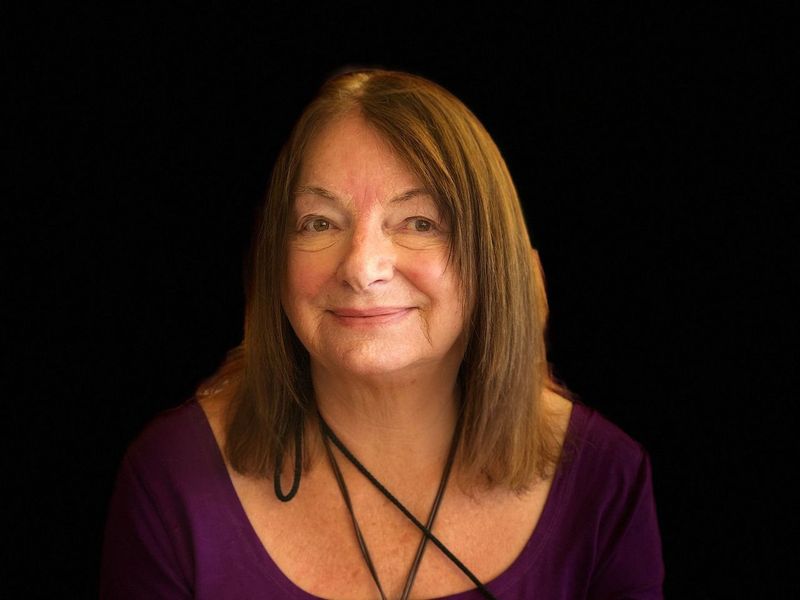
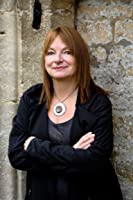
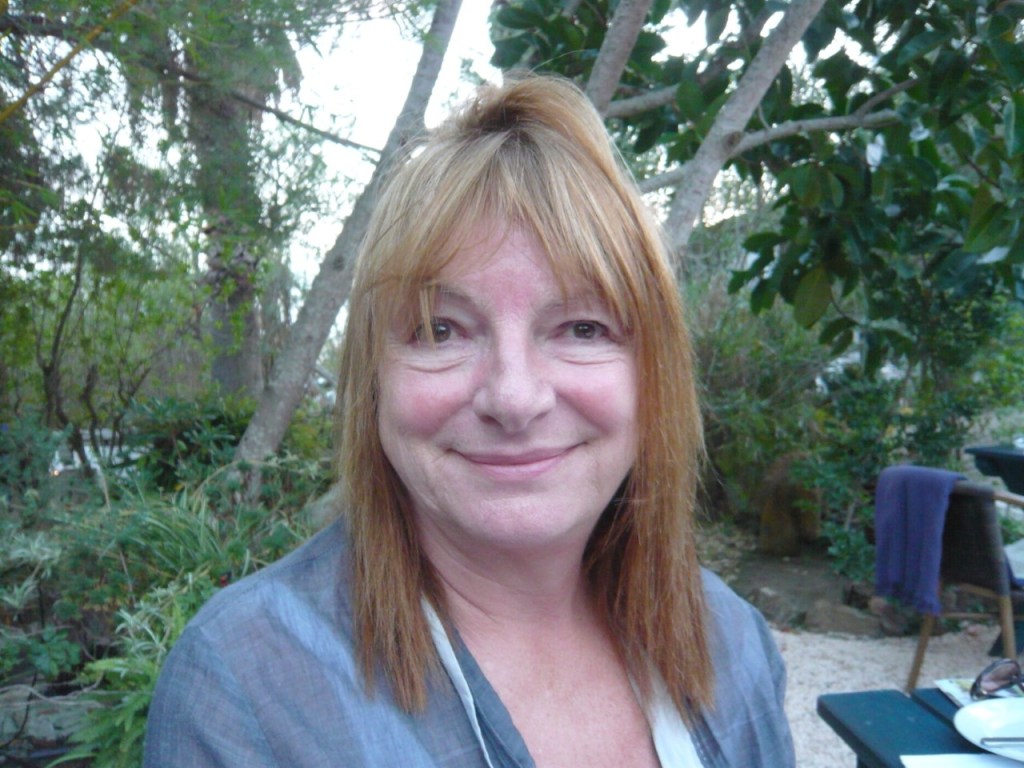
Today in my Wordly Women, author spotlight series, I have a chat with Carol McGrath. Carol is one of those people I can spend a day with, just discussing history from dawn to dusk. Indeed, we have done on a couple of occasions.

So, it was wonderful to get the chance to talk with Carol about her writing, both fiction and non-fiction.

Over to Carol…

Sharon: Carol, what got you into writing?
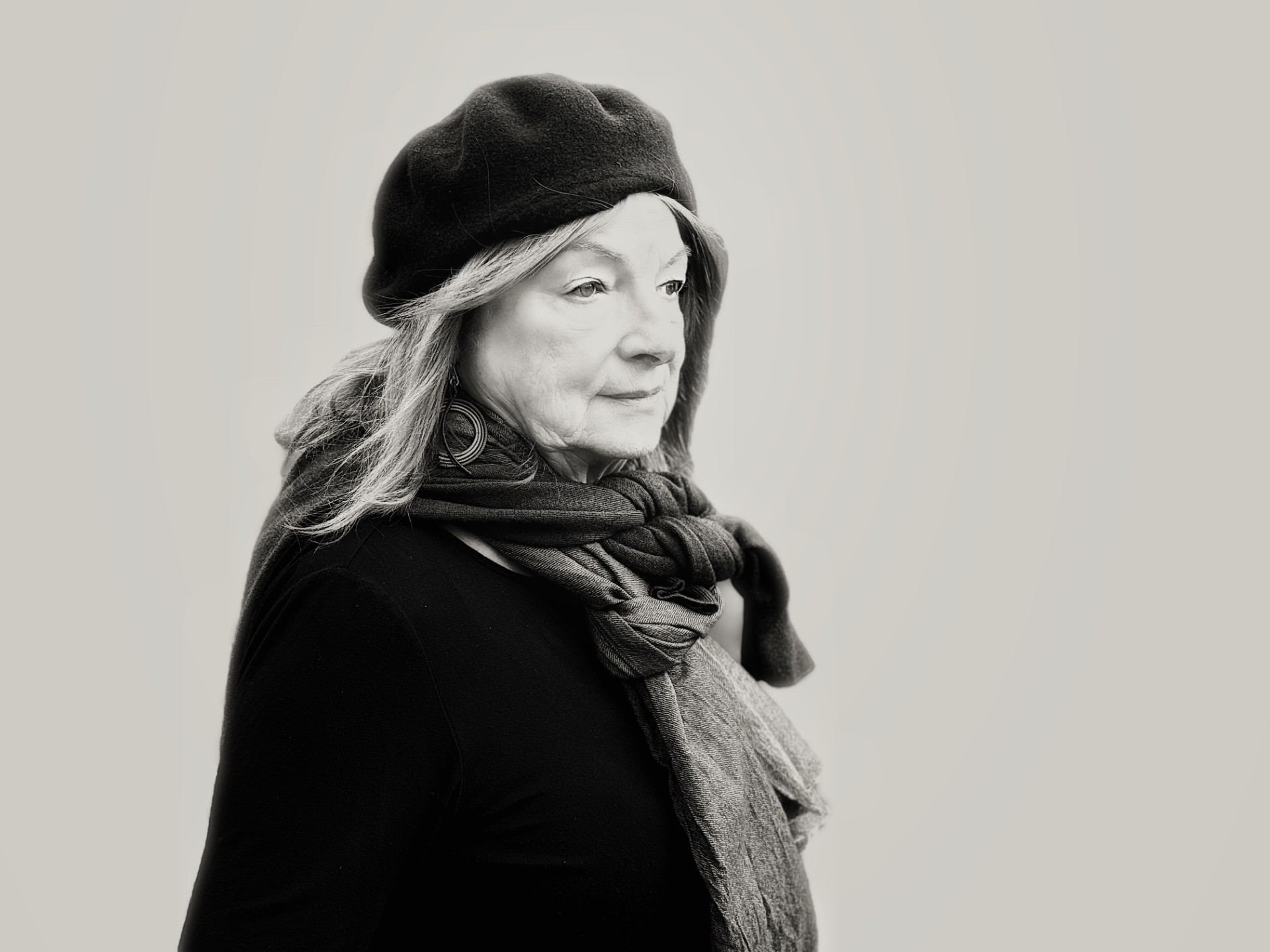
Carol: I loved writing as a child and even made my own little books, mostly mysteries. Originally loving art, I wanted to be a book illustrator. However, I came to be passionate about the stories of the past and, as a child, was very influenced by writers such as Rosemary Sutcliff and Geoffrey Treece. Later, of course, Jean Plaidy took over and, after her, Anya Seton. It was an honour when at the age of thirteen I was asked to present my own story about the Children’s Crusade to an English inspector at my school. I wrote poetry as well. So, I guess my own reading and interest in History inspired me to write. As it can do, life got in the way and I became a teacher and loved it. I was even Head of a History Department for a time so there was no time to pursue writing. In those days teaching was a wonderful career and all consuming. Family, too, was all consuming. From the 1990s onwards, I began to take evening courses to keep up my interest in writing. There was a two year certificate in creative writing at Oxford, an MA in creative writing from Queens University Belfast and finally a Phd programme at Royal Holloway. It’s not for everyone to go an academic route but it was wonderful for me and helped me find my voice as well as specific writing interests and genres. The MA and Phd courses focused me. They enhanced what I hope was always there, the ability and love of writing.

Sharon: You write both fiction and non-fiction-is one harder than the other?
Carol: That’s a great question. I studied English, Medieval History and interestingly Russian History and politics at University, Q.U.B. I enjoy both kinds of writing. They are different disciplines. I feel the Phd programme helped me with writing non-fiction because of thesis work. When I research and write it’s all consuming for me, whether for fiction or non-fiction. What I do find hard is to research and write both disciplines at the same time. I am currently in contract for Headline for two Tudor novels. After this, maybe another non-fiction. Pen & Sword still approach me with wonderful suggestions but since these books do take time, a lot of time, the non-fiction is on hold. To answer your question, I guess for me fiction is easier although I like writing both. I adore the research and am a member of the Bodleian Library Oxford which is fabulous.

Sharon: Tell us about your books
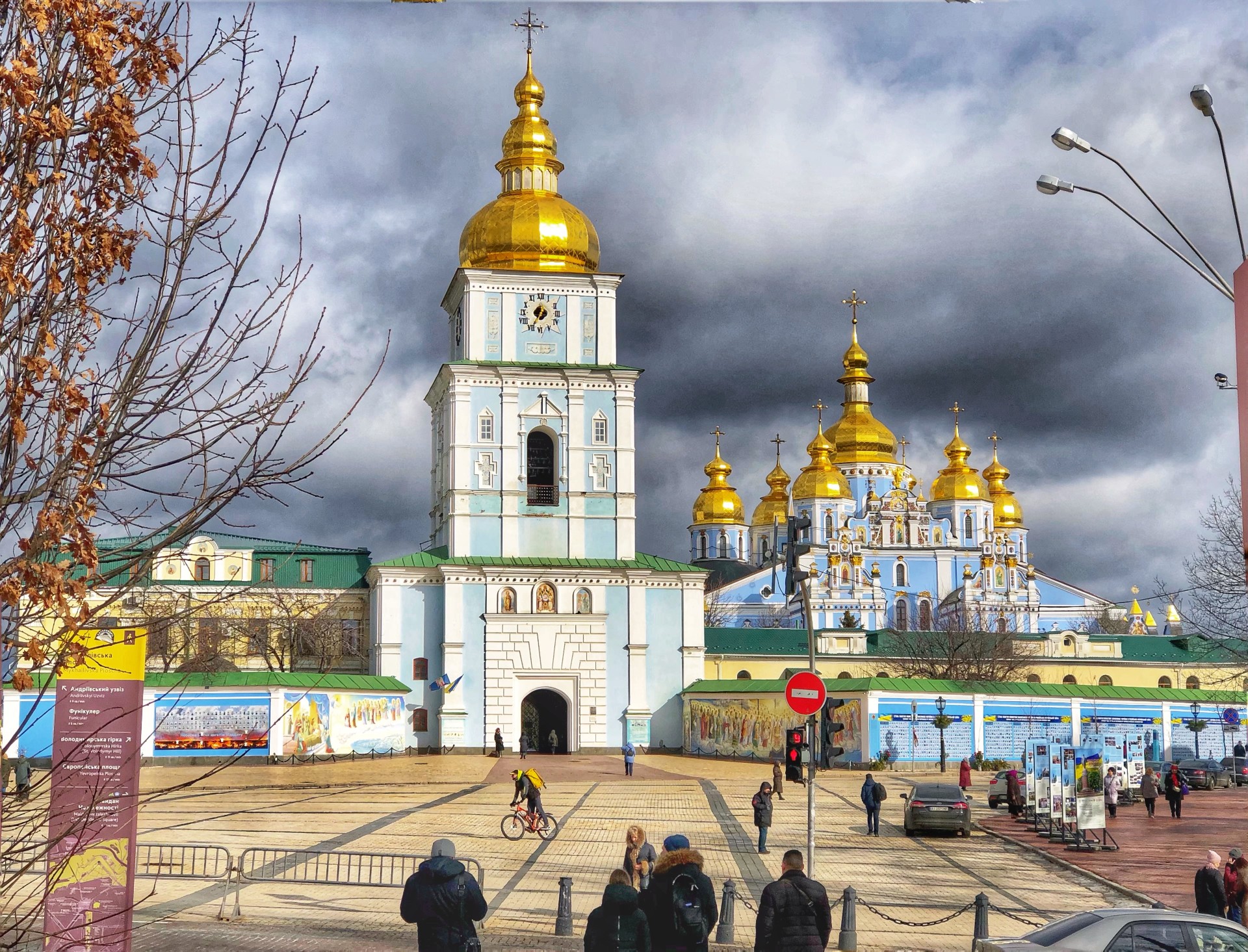
St Sophia, Kyiv

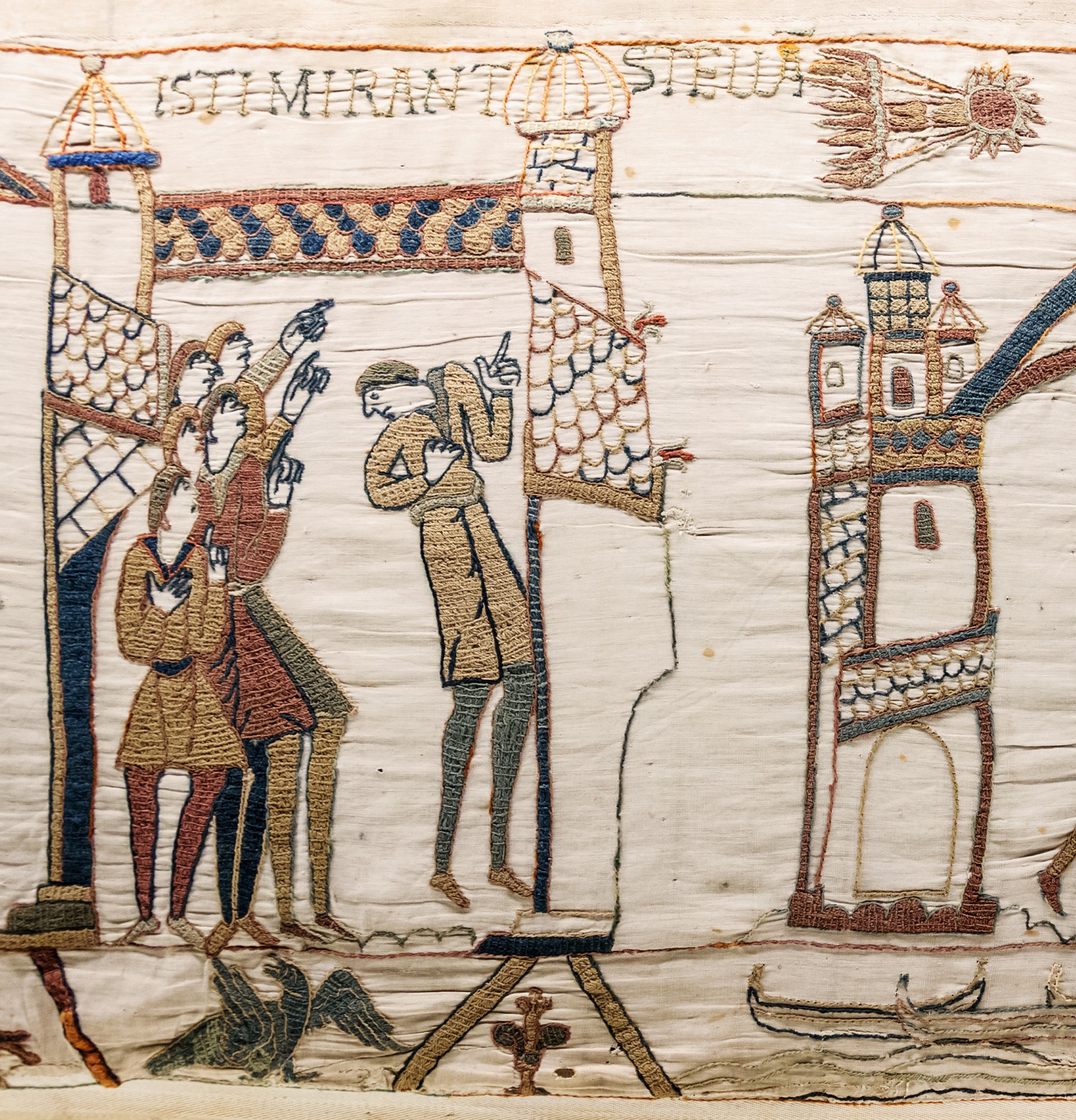
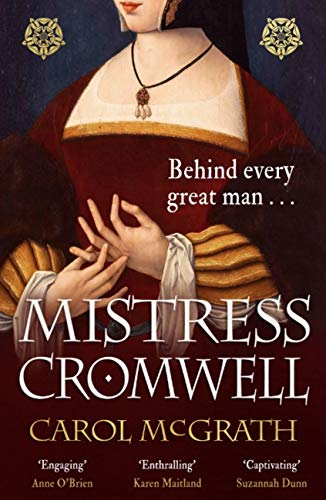
Carol: I write both Medieval and Tudor novels currently. I wrote my debut novel that was easily published on the PhD programme. The Handfasted Wife was inspired by the Bayeaux Tapestry, specifically the image of The Burning House. I believe it represents Edith Swan-Neck and her son fleeing from the Normans probably from Harold’s estate at Crowhurst. Some Historians think this too. This novel is about Edith Swanneck and what happened to her after the Battle of Hastings. It was followed by novels about Harold’s daughters, The Swan-Daughter and The Betrothed Sister. I researched them carefully but for The Betrothed Sister about his elder daughter , Gytha, I had much knowledge about the medieval Rus, Kyiv and life in the region of Rus lands now known as Ukraine. I have spent time seeking Gytha out in Kyiv, especially The Church of St Sophia. The Swan-Daughter about Gunnhild, Harold’s second daughter is my favourite of all my books. Creatively, I linked it to the story of Tristram and Iseult. Gunnhild eloped from Wilton Abbey with Alan of Richmond, a cousin of William of Normandy. Talk about ‘sleeping with the enemy’. Again, these books were closely researched and they all follow the Historical record where it exists. The Hastings Trilogy was followed by a Tudor novel Mistress Cromwell, looking at Thomas Cromwell through his wife’s eyes. By the way, it’s on an Amazon kindle offer for April. I am currently writing the sequel, The Queen’s Sister, to be published May 2026. I have also written The Rose Trilogy about three high medieval queens and a novel called The Stolen Crown about Stephen and Matilda but really it is mostly Matilda’s story. In non-fiction Tudor Sex and Sexuality is my great debut. It’s published by Pen & Sword. It’s simply a great fun look at this topic.

Sharon: What Attracts you to the Period?
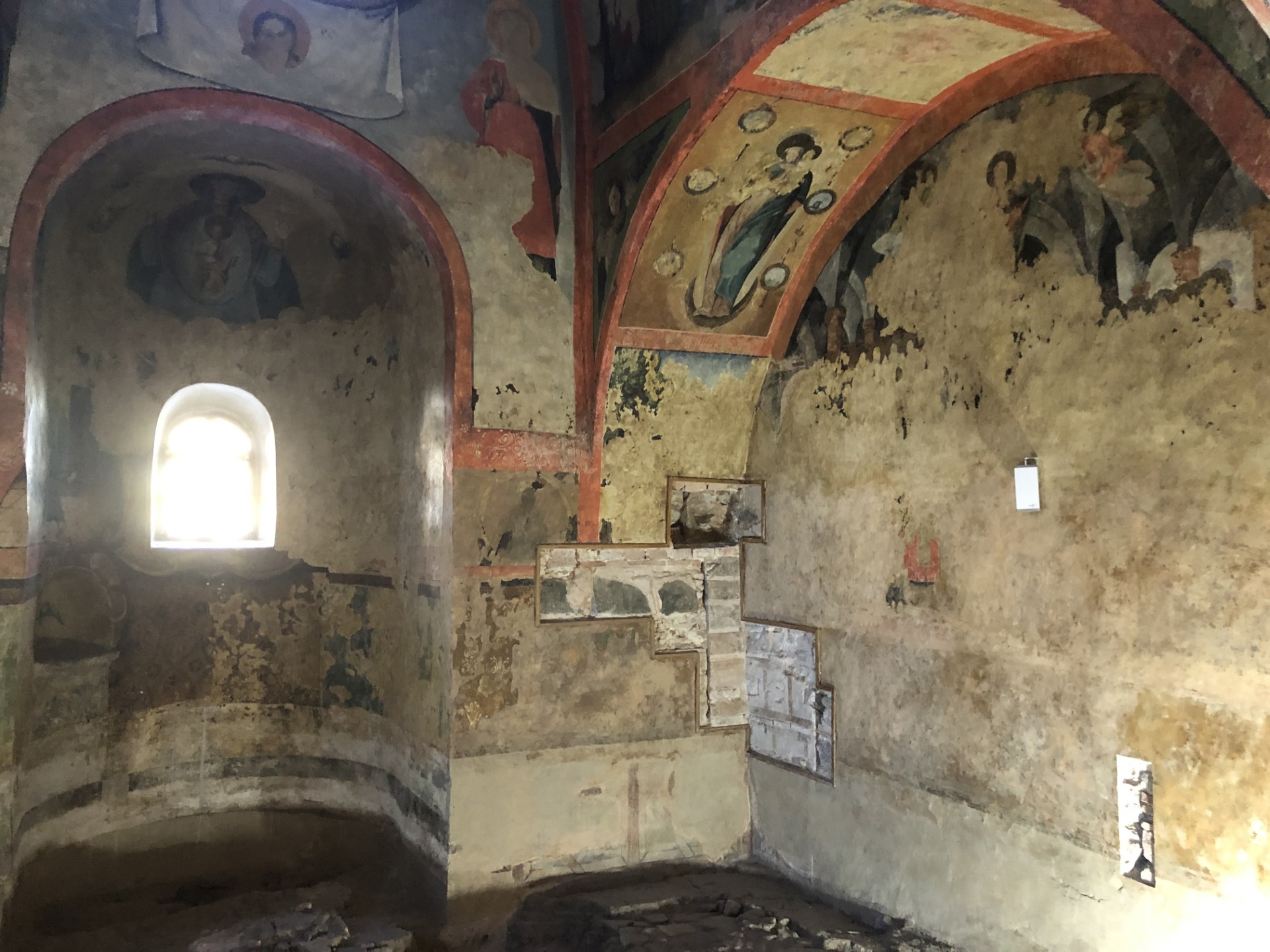
Harold’s daughter’s burial place in St Sophia Kyiv

Carol: I studied Medieval History and enjoy researching it. It’s not as brutal a time as one might think. I find I can lose myself in this era especially the twelfth century. As for the Tudors, they are absolutely fascinating with many interesting female stories to write. Besides, it’s an excuse to visit great Tudor houses such as Hever Castle. I love the portraiture from this era. Holbein is a character in my current work. As for Henry VIII, he’s larger than life. I am interested in Historical landscape and attracted to a less populated time with its villages and towns. The crafts from both eras are fabulous. I love to include crafts persons in my medieval novels.

Sharon: Who is your favourite Tudor and Why?

Carol: I am about to write Margaret Douglas’s story. It will be called The Tudor Rebel. At the moment she is my favourite Tudor because she had a clandestine love affair and was involved with fascinating Devonshire Manuscript. Ladies of Queen Anne Bullen’s court wrote poems and shared them in a similar way as we did with Twitter now X. They commented and added to each other’s verses. Meg Douglas was right in the thick of it , as was her suitor, young Tom Howard. What’s not to love about a Courtly Romance and clandestine love affair that caused terrible consequences for this pair of love birds. I studied Renaissance poetry so another favourite Tudor of mine is Sir Thomas Wyatt. He, too, has an interesting story.

Sharon: Who is your least favourite Tudor
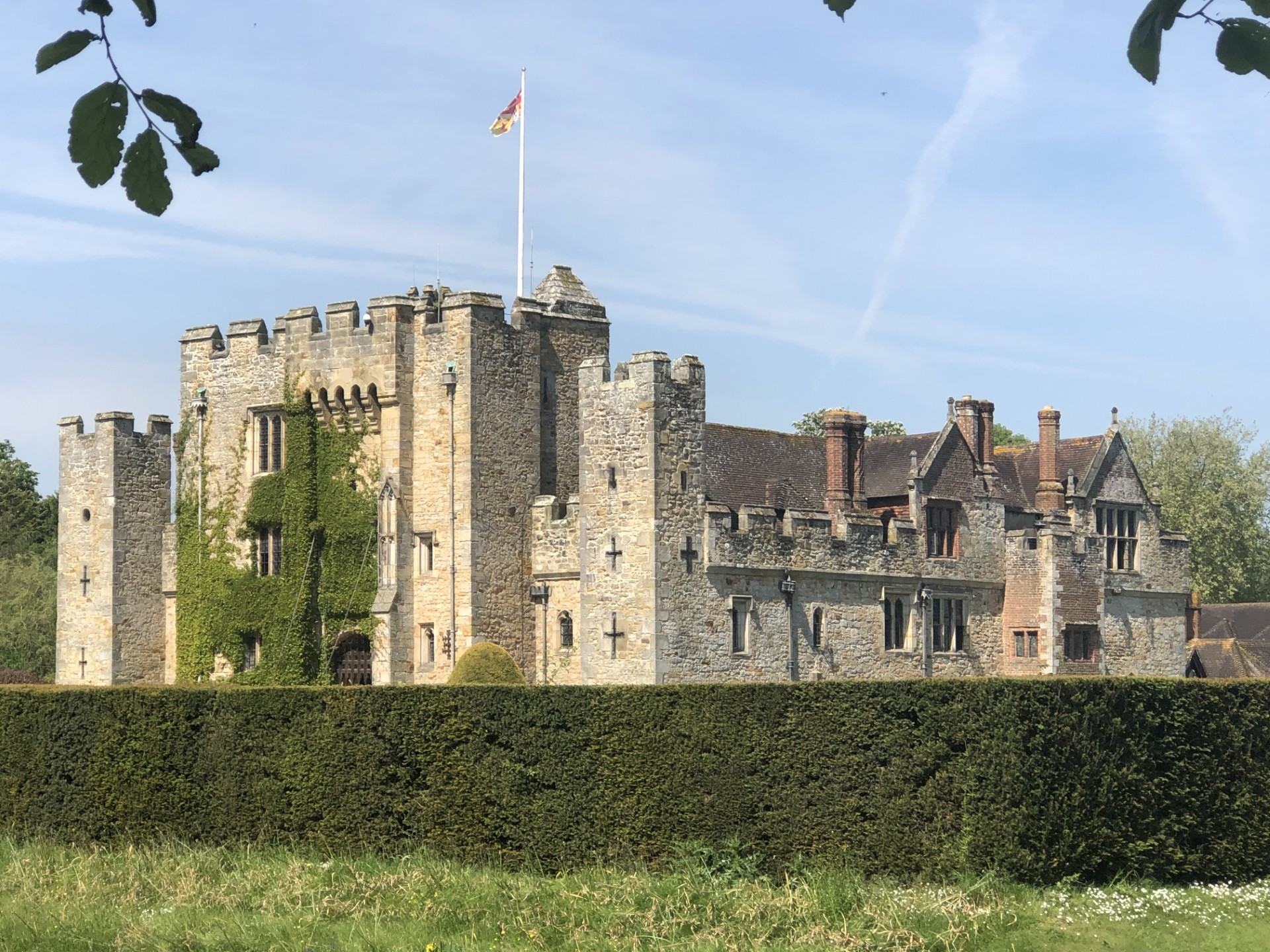
Hever Castle

Carol: My least favourite Tudor is the sleezy, snobbish Duke of Norfolk. He was incredibly underhand to get what he wanted. And the mean, creepy Duke was an infamous wife beater although not alone in that. Very ambitious and manipulative. I’m not too keen on Stephen Gardiner either. However, I need to research that particular man further. Motivation always interests me, that and the atmosphere in which these people lived.

Sharon: How do you approach researching your topic

Carol: I read everything I can find on it in primary and secondary source material. I love notebooks so I am a great pen and paper writer. I adore burying myself in the Bodleian Library. I find great original source material there. Mind you I occasionally wonder about translations. When you come across boats that serviced King Richard’s march south from Acre on the third crusade translated as ‘snacks’ you have to smile. A misprint? I have never found out. I visit houses and castles, museums and enactments. When writing about stone masons, I learned how to carve in stone myself. I work hard at understanding an Historical mindset but I do believe a writer of fiction is always there in her novels too. It’s all about point of views and voice.

Sharon: What is your favourite Medieval or Tudor Story found in Research
Carol: Has to be the fact that Harold’s youngest son Ulf, a young hostage at the time of The Norman Conquest who was raised at the Norman Court by Robert Curthose and as a knight he likely went on the First Crusade. I found a reference in a chronicle (John of Worcester) to Ulf’s fate. I am going to write his story someday in fiction. I like the Crusades and I love tidbits about personalities that can inspire elaboration.

Sharon: What is your least Favourite Story

Carol: I could say it is how Thomas Cromwell set up Anne Bullen. When you examine this closely it has to have been a ghastly, rather complete conspiracy. Thomas Cromwell is a mixed bag as a character. He’s redeemed by Hilary Mantel and to some extent by Dermot McCullagh whose book on Cromwell is excellent. However, even if sincere, Cromwell’s reformist opinions grew completely suspect when he fell out with Anne Bullen over what to do with monastic lands. He, himself, by the way, benefited greatly. You will find out more about this in The Queen’s Sister when it is published. So, the story of Anne Bullen’s downfall is utterly horrendous. Even worse, were the accusations against the men who died with her. By the way, she was no paragon of virtue either. She was hideous to Catherine of Aragon and Lady Mary, motivated, I believe, by fear of their supporters undoing her.

Sharon: Are there any other eras you would like to write about?
Carol: Absolutely The English Civil War. I have a novel that’s unfinished called The Queen’s Tulip so watch this space. I also have a bottom drawer novel I may polish up that’s set in Edwardian Ireland. To my credit, Andrew Motion, my MA outside examiner, praised the first five chapters of The Damask Maker and it won me, along with short stories, a distinction on my MA.

Sharon: What are you working on now?

Carol: I am editing The Queen’s Sister about Elizabeth Seymour who married Gregory Cromwell. It’s her story but also covers Thomas Cromwell’s downfall. It’s due in to my editor at Headline on May 1st. My agent beta read it and says she loves it so that’s encouraging. I am now researching and planning The Tudor Rebel about Meg Douglas, Henry VIII’s errant niece.

Sharon: What do you love most about being a writer

Carol: It is the opportunity to express myself creatively. I feel very privileged to be busily doing something I thoroughly love. I never expected to be published and I am fortunate because it just happened for me, initially with a small publisher who was bought out by Headline in 2019.

About the Author
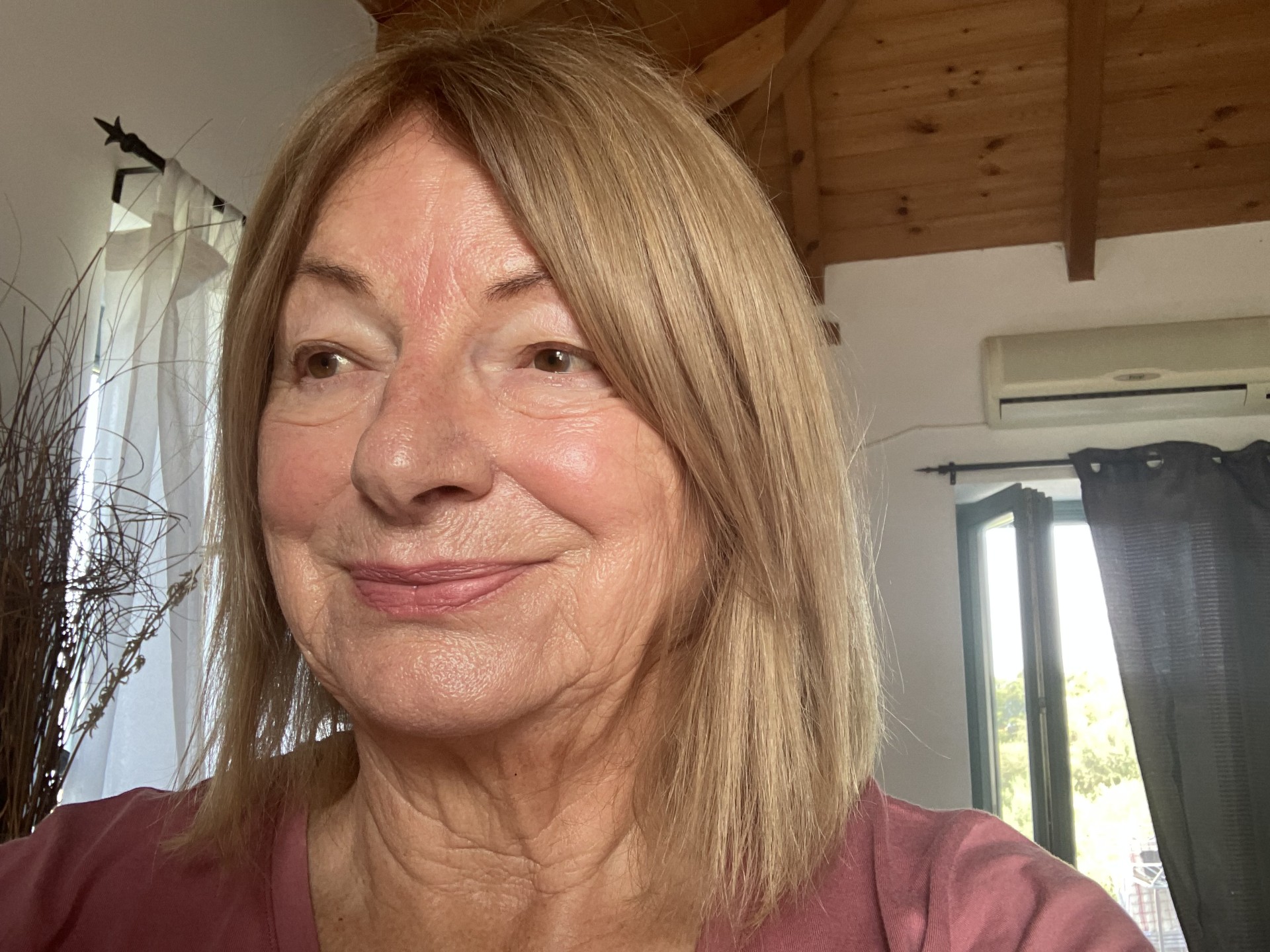
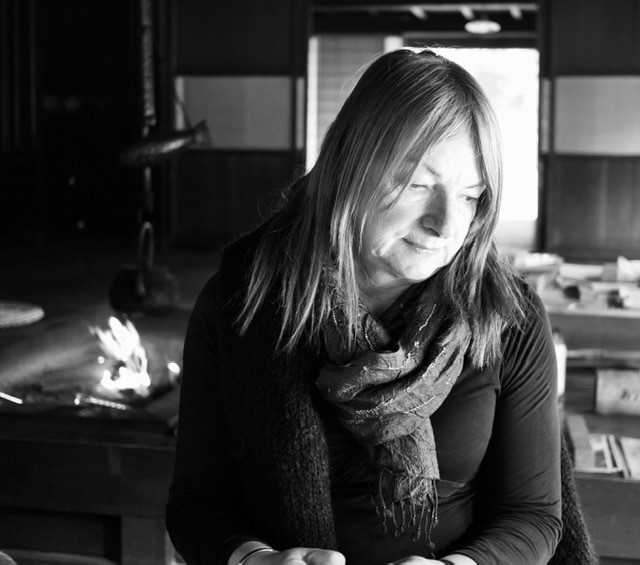
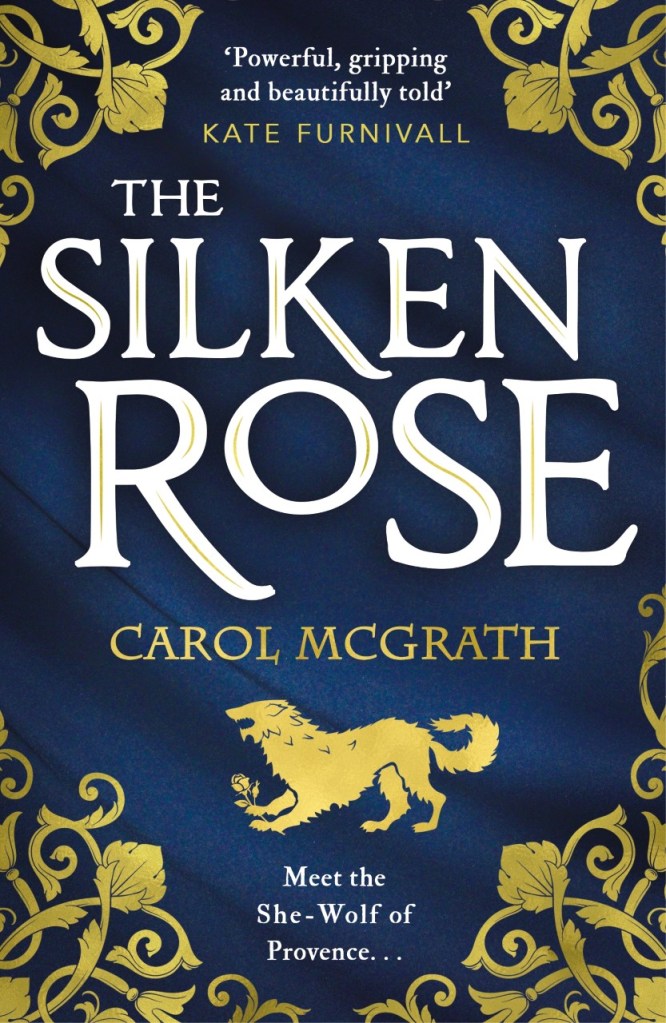
Following a first degree in English and History, Carol McGrath completed an MA in Creative Writing from The Seamus Heaney Centre, Queens University Belfast, followed by an MPhil in English from University of London. She is published by Headline. The Handfasted Wife, first in a trilogy about the royal women of 1066 was shortlisted for the RoNAS in 2014. The Swan-Daughter and The Betrothed Sister complete this highly acclaimed trilogy. Mistress Cromwell, a best-selling historical novel about Elizabeth Cromwell, wife of Henry VIII’s statesman, Thomas Cromwell, was republished by Headline in 2020. The Silken Rose, first in a Medieval She-Wolf Queens Trilogy, featuring Ailenor of Provence, saw publication in April 2020. This was followed by The Damask Rose. The Stone Rose was published April 2022. The Stolen Crown 2023 and July 2024 The Lost Queen about Berengaria of Navarre and The Third Crusade. Carol writes Historical non-fiction as well as fiction. Sex and Sexuality in Tudor England was published in February 2022 by Pen & Sword. She speaks at Conferences and gives interviews. Her new novel The Queen’s Sister will be published in May 2026. She lives in Oxfordshire and in the Mani, Greece.

Where to find Carol

Website (Subscribe to her newsletter via the drop down menu on the web-site Home Page); Amazon; The Stolen Crown

*

My books

Signed, dedicated copies of all my books are available through my online store.

Out now: Scotland’s Medieval Queens

Scotland’s history is dramatic, violent and bloody. Being England’s northern neighbour has never been easy. Scotland’s queens have had to deal with war, murder, imprisonment, political rivalries and open betrayal. They have loved and lost, raised kings and queens, ruled and died for Scotland. From St Margaret, who became one of the patron saints of Scotland, to Elizabeth de Burgh and the dramatic story of the Scottish Wars of Independence, to the love story and tragedy of Joan Beaufort, to Margaret of Denmark and the dawn of the Renaissance, Scotland’s Medieval Queens have seen it all. This is the story of Scotland through their eyes.

Scotland’s Medieval Queens gives a thorough grounding in the history of the women who ruled Scotland at the side of its kings, often in the shadows, but just as interesting in their lives beyond the spotlight. It’s not a subject that has been widely covered, and Sharon is a pioneer in bringing that information into accessible history.’ Elizabeth Chadwick (New York Times bestselling author)

Available now from Amazon and Pen and Sword Books

Also by Sharon Bennett Connolly:

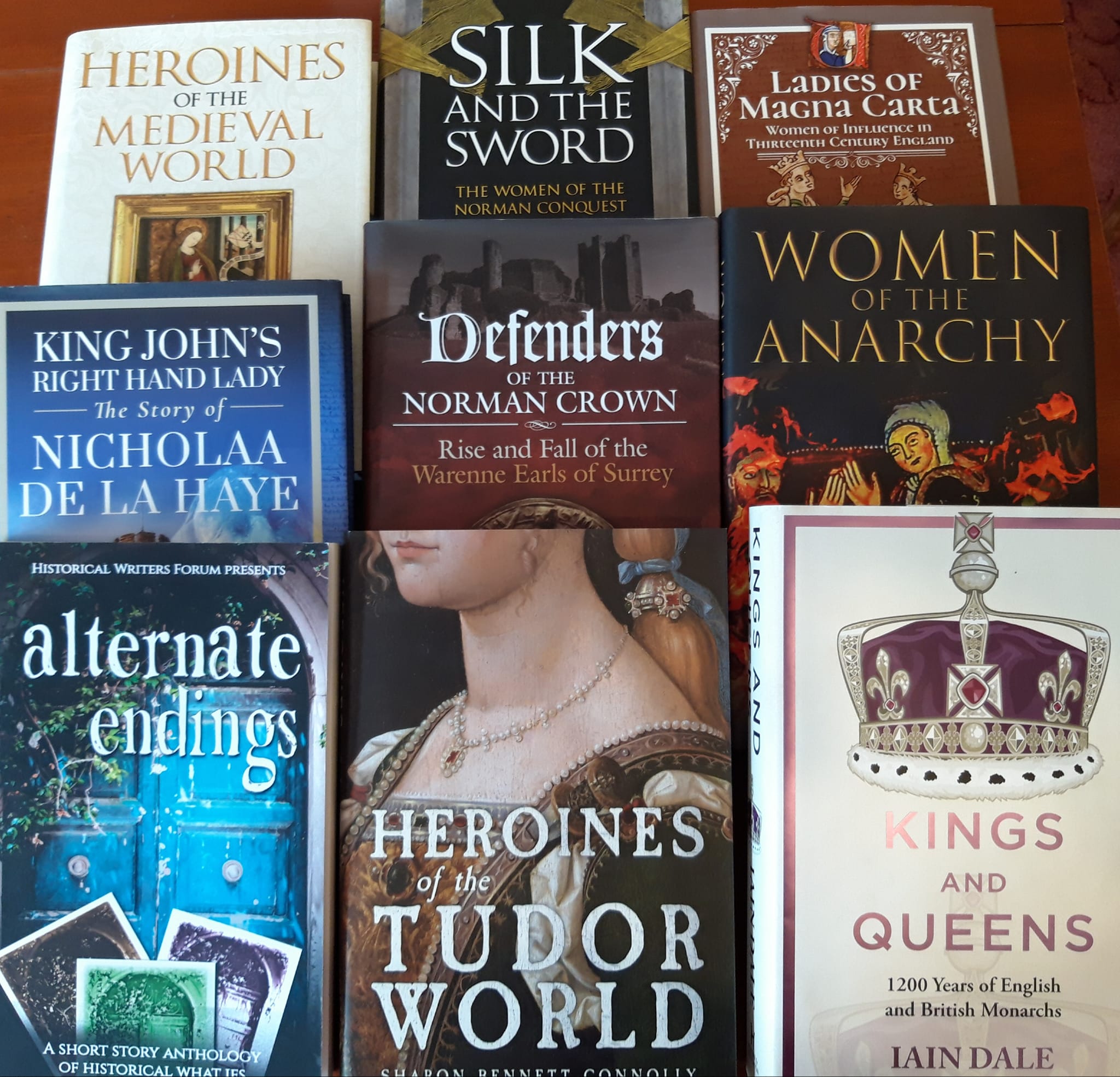
Heroines of the Tudor World tells the stories of the most remarkable women from European history in the time of the Tudor dynasty, 1485-1603. These are the women who ruled, the women who founded dynasties, the women who fought for religious freedom, their families and love. Heroines of the Tudor World is now available from Amberley Publishing and Amazon UK. Women of the Anarchy demonstrates how Empress Matilda and Matilda of Boulogne, unable to wield a sword themselves, were prime movers in this time of conflict and lawlessness. It shows how their strengths, weaknesses, and personal ambitions swung the fortunes of war one way – and then the other. Available from Bookshop.orgAmberley Publishing and Amazon UKKing John’s Right-Hand Lady: The Story of Nicholaa de la Haye is the story of a truly remarkable lady, the hereditary constable of Lincoln Castle and the first woman in England to be appointed sheriff in her own right. Available from all good bookshops Pen & Sword Booksbookshop.org and Amazon

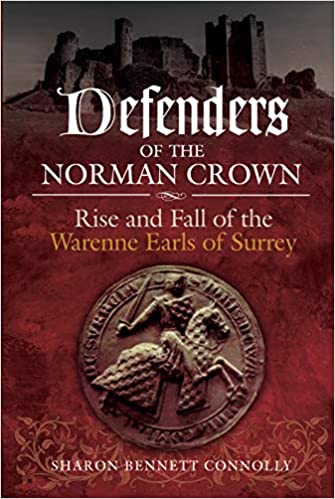
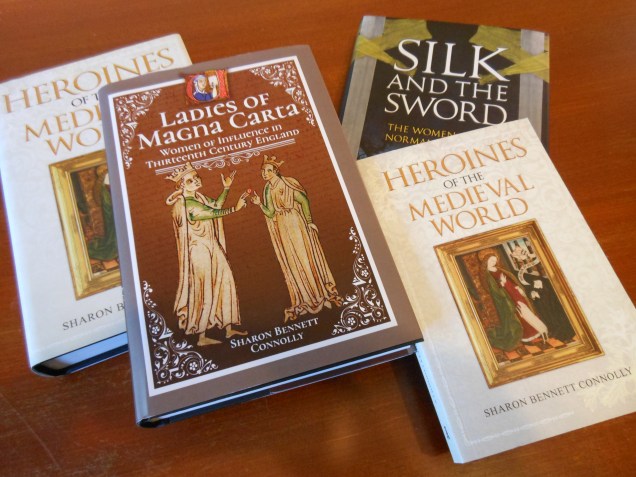
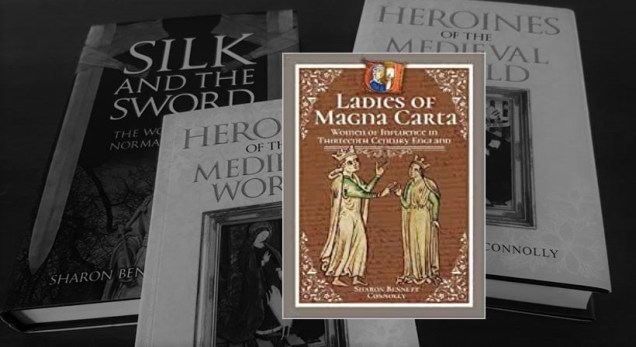
Defenders of the Norman Crown: The Rise and Fall of the Warenne Earls of Surrey tells the fascinating story of the Warenne dynasty, from its origins in Normandy, through the Conquest, Magna Carta, the wars and marriages that led to its ultimate demise in the reign of Edward III. Available from Pen & Sword BooksAmazon in the UK and US, and Bookshop.orgLadies of Magna Carta: Women of Influence in Thirteenth Century England looks into the relationships of the various noble families of the 13th century, and how they were affected by the Barons’ Wars, Magna Carta and its aftermath; the bonds that were formed and those that were broken. It is now available in paperback and hardback from Pen & SwordAmazon, and Bookshop.orgHeroines of the Medieval World tells the stories of some of the most remarkable women from Medieval history, from Eleanor of Aquitaine to Julian of Norwich. Available now from Amberley Publishing and Amazon, and Bookshop.orgSilk and the Sword: The Women of the Norman Conquest traces the fortunes of the women who had a significant role to play in the momentous events of 1066. Available now from Amazon,  Amberley Publishing, and Bookshop.org.

Alternate Endings: An anthology of historical fiction short stories including Long Live the King… which is my take what might have happened had King John not died in October 1216. Available in paperback and kindle from Amazon.

Podcast:
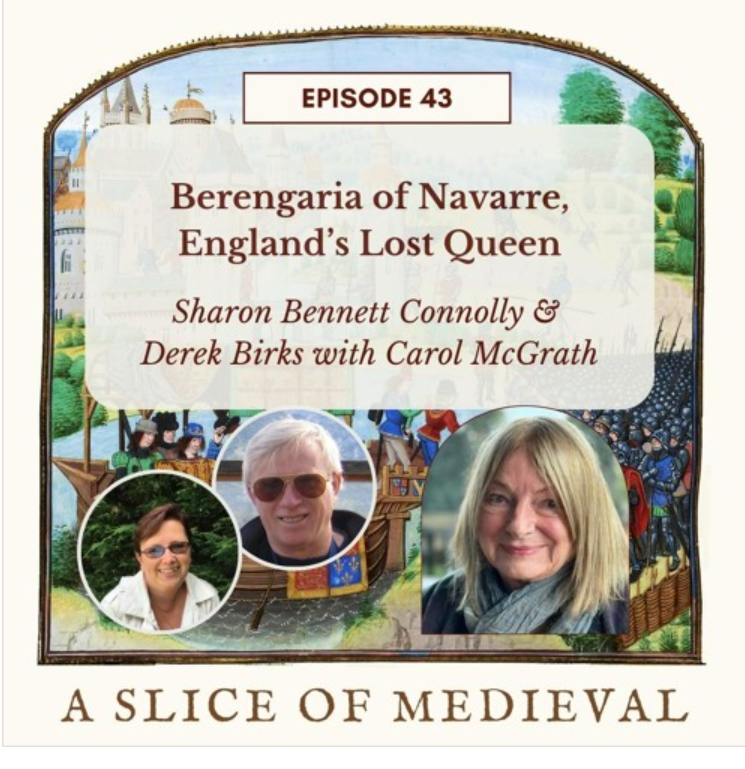
Have a listen the A Slice of Medieval podcast, which I co-host with Historical fiction novelist Derek Birks. Derek and I welcome guests, such as Bernard Cornwell and discuss a wide range of topics in medieval history, from significant events to the personalities involved. In episode #43, Derek and I chat with Carol about Berengaria of Navarre and The Lost Queen. 

Every episode is also now available on YouTube.

*

Don’t forget! Signed and dedicated copies of all my books are available through my online store.

For forthcoming online and in-person talks, please check out my Events Page.

You can be the first to read new articles by clicking the ‘Follow’ button, liking our Facebook page or joining me on TwitterThreadsBluesky and Instagram.

*

©2025 Sharon Bennett Connolly, FRHistS and CarolMcGrath
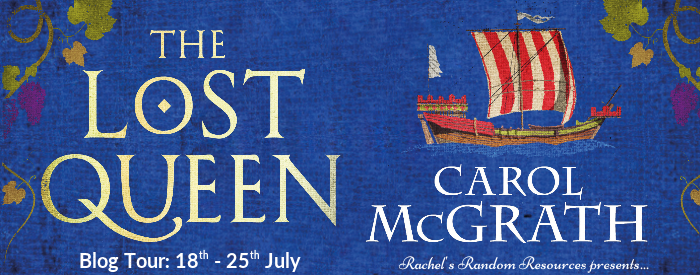
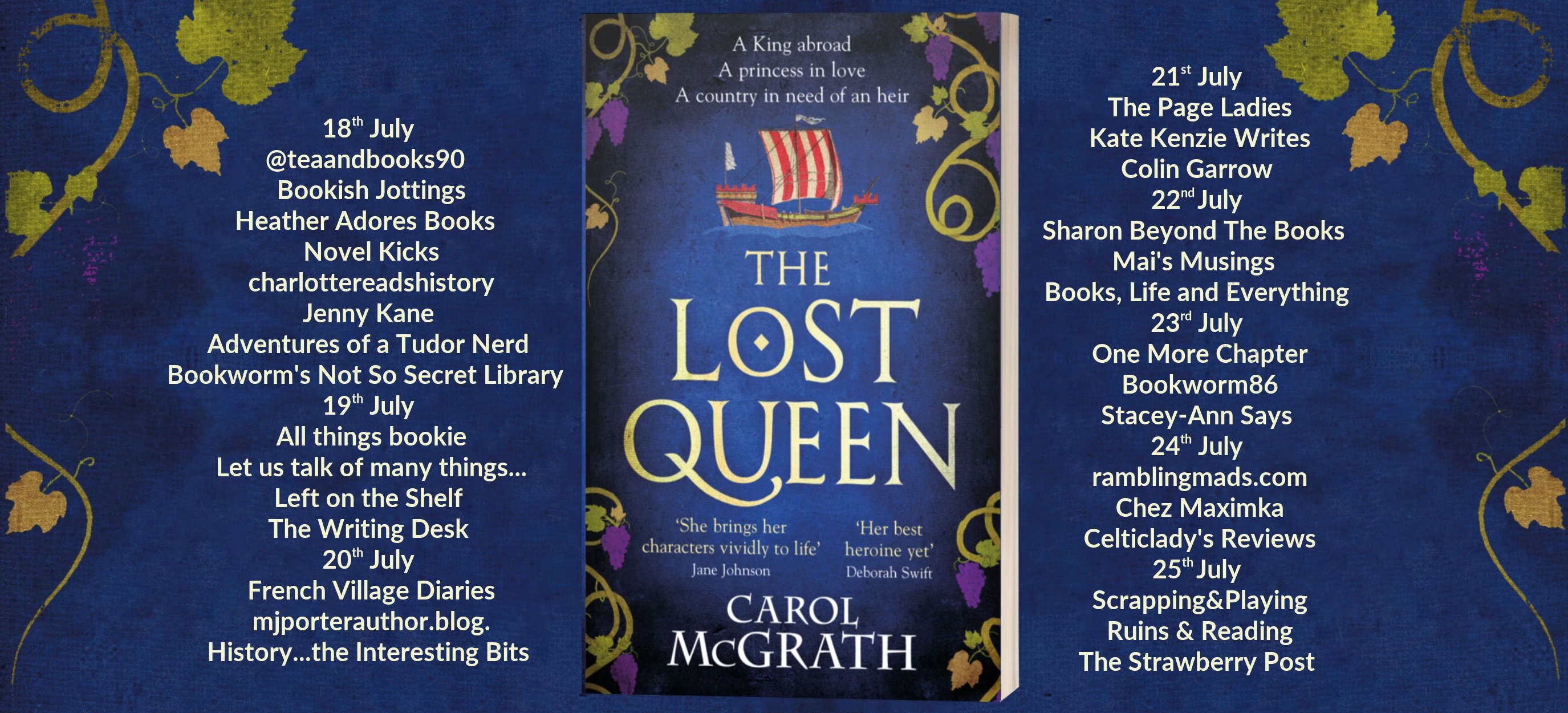
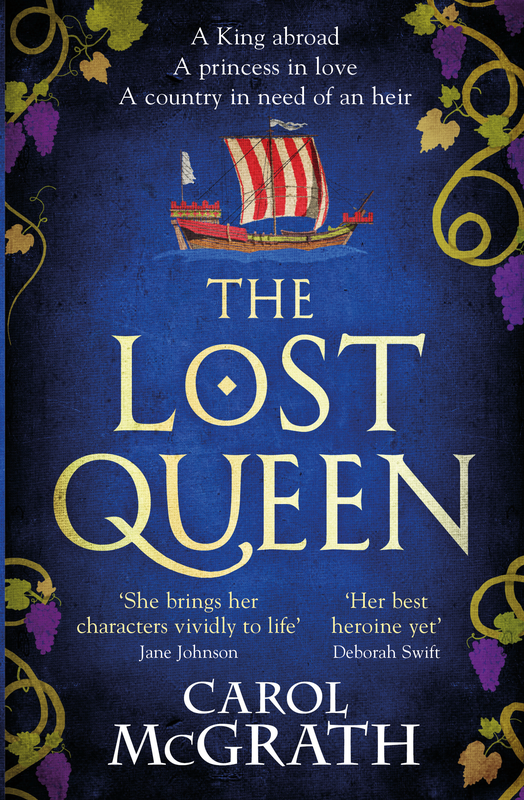
Book Corner: The Lost Queen by Carol McGrath

1191 and the Third Crusade is underway . . .

It is 1191 and King Richard the Lionheart is on crusade to pitch battle against Saladin and liberate the city of Jerusalem and her lands. His mother, the formidable Eleanor of Aquitaine and his promised bride, Princess Berengaria of Navarre, make a perilous journey over the Alps in midwinter. They are to rendezvous with Richard in the Sicilian port of Messina.

There are hazards along the way – vicious assassins, marauding pirates, violent storms and a shipwreck. Berengaria is as feisty as her foes and, surviving it all, she and Richard marry in Cyprus and continue to the Holy Land. England needs an heir. But first, Richard and his Queen must return home . . .

The Lost Queen is a thrilling medieval story of high adventure, survival, friendship and the enduring love of a Queen for her King.

At last! Attention is being paid to Berengaria of Navarre, wife and queen of King Richard I (the Lionheart. There is an excellent new biography out, by my good friend Dr Gabrielle Story, entitled Berengaria of Navarre: Queen of England and Lord of Le Mans. And now there is a wonderful novel, The Lost Queen by Carol McGrath.

Carol expertly weaves fact and fiction together to bring us am engaging, entertaining and informative story on the life of the one queen of England who is said to have never set foot in the country (actually, it seems that she did, but only after Richard’s death).

The Lost Queen follows Berengaria from the moment she is collected by her future mother-in-law, Eleanor of Aquitaine, on her journey through the Alps and Italy, to her first meeting with her husband Richard I. She is then drawn into the grand enterprise that was the Third Crusade, with the conquest of Cyprus along the way.

Food tasters sampled every dish before offering Queen Eleanor the best of everything, placing small morsels on her plate when she inclined her head in assent. Don Sancho never took any chances in case a dish was spoiled – or worse, might contain poison. Only once the Dowager and Don Sancho were served was Berengaria able to make selections for her own plate. As she ate, carefully making sure not to appear greedy, she noticed that Queen Eleanor had a hearty appetite, sampling everything and complimenting Don Sancho on his well-presented feast. Lifting a goblet to her mouth and sipping daintily, she praised the Gascon wine served in her honour.

Over custard tarts, a speciality of the palace pastry cooks, the Dowager broached plans for their journey. She tapped the table with an impatient gesture. ‘Don Sancho, may I assume Berengaria will be ready by this week’s end with her baggage mules packed? She will need suitable clothing for travel to Sicily, along with her confessor and her ladies.’

‘Indeed. We shall provide a well-armed guard under Sancho’s command for the first part of the journey,’ Don Sancho said. ‘Berengaria and her ladies will ride. They are all of them fine horsewomen.’

‘We will need stout covered wagons and apothecaries in case of illness, though I expect none,’ the Dowager responded. Berengaria wondered if Queen Eleanor had ever been in need of apothecaries in her whole life, other than for childbirth. Suddenly she grew nervous at the thought that the arrangements thay had made for her wedding in Sicily might not be good enough.

Don Sancho nodded in assent, then added, ‘All is ready, including priests and two bishops who will travel with your train as far as Rome.’ He gave Eleanor a broad smile.

Berengaria looked at her father with a confidence she did not feel. ‘So my brother and his knights will escort us through French territories?’ she asked.

‘Not France, but the county of Toulouse. And indeed, my daughter, Sancho will ride with you as far as Les Baux. Arrangements have been made. travel passes have been granted.’

Her brother nodded. ‘My dear sister, I have business in Aragon, but I intend guarding you to the very borders of the German Empire.’

Berengaria loved her bear-like brother. ‘I am glad of your escort, dear Sancho.’

She looked over to see Eleanor’s reaction, but the Dowager simply thanked Sancho for his care of them. Her expression remained composed as she added, ‘We hope to have Philip of Flanders as our escort through the Alps and on to Sicily. The Count is intent on joining the Crusade.’

Carol McGrath recreates the world of the late 12th century, from medieval England to the Holy Land – you can almost feel that sand between your toes and the burning sun on your face. Neither does the author shy away from the more unpleasant episodes of the Crusades. Richard I’s execution of 3,000 prisoners is depicted through Berengaria’s eyes, and with the understanding of the constraints and political wranglings of the time. I love the depiction of Richard I’s relationship with his mother, Eleanor of Aquitaine, and Carol McGrath’s exploration of how this may have affected Richard and Berengaria’s marriage.

My favourite part of the book is Berengaria’s relationship with her sister-in-law, Joanna, dowager queen of Sicily and sister of Richard the Lionheart. Joanna is, as any regular reader will know, one of my favourite medieval women. And I love how Carol McGrath portrays the developing friendship between the two women, thrown together by necessity, but appreciating each other’s strengths and character.

Whilst the attention of the book is very firmly on Berengaria of Navarre, a more intimate, fictional story, of a young lady named Avelina, travelling to the Holy Land in search of her husband, offers the reader a more intimate experience of the non-royal crusaders and the lives of them and their families. As well as the dangers inherent in women travelling to far-off places. Carol McGrath uses Avelina’s story, and the stories of those around her, to demonstrate the different people and events – and personal tragedies – associated with the Crusades. It also serves to remind the modern-day reader that news travelled slowly in medieval times and that letters that were lost or waylaid could have a huge impact on people’s lives.

The characters portrayed in The Lost Queen by Carol McGrath are rich and vivid. They come to life on the page.

This is a must-read book for anyone interested in the Plantagenets!

To Buy The Lost Queen

About the Author:

Following a first degree in English and History, Carol McGrath completed an MA in Creative Writing from The Seamus Heaney Centre, Queens University Belfast, followed by an MPhil in English from University of London.The Handfasted Wife, first in a trilogy about the royal women of1066 was shortlisted for the RoNAS in 2014.The Swan-Daughter and The Betrothed Sister complete this highly acclaimed trilogy.Mistress Cromwell, a best-selling historical novel about Elizabeth Cromwell, wife of Henry VIII’s statesman, Thomas Cromwell, was republished by Headline in 2020.The Silken Rose,first in a medieval She-Wolf Queens Trilogy, featuring Ailenor of Provence, saw publication in April 2020. This was followed by The Damask Rose.The Stone Rose was published April2022. Carol is writing Historical non-fiction as well as fiction.Sex and Sexuality in Tudor England waspublished in February 2022.The Stolen Crown2023 and The Lost Queen will be published 18thJuly2024. Carol lives in Oxfordshire, England and in Greece.Find Carol on her website:www.carolcmcgrath.co.uk.

Follow Carol on:

Amazon: @CarolMcGrath, Facebook: https://www.facebook.com/CarolMcGrathAuthor1, Pinterest: http://www.pinterest.co.uk/carol0275/the-handfasted-wife/ Twitter: twitter.com/carolmcgrath, website: scribbling-inthemargins.blogspot.com/ LinkedIn: https://www.linkedin.com/in/carol-mcgrath-906723a

*

My Books

Signed, dedicated copies of all my books are available through my online bookshop.

OUT NOW! Heroines of the Tudor World

Heroines of the Tudor World tells the stories of the most remarkable women from European history in the time of the Tudor dynasty, 1485-1603. These are the women who ruled, the women who founded dynasties, the women who fought for religious freedom, their families and love. These are the women who made a difference, who influenced countries, kings and the Reformation. In the era dominated by the Renaissance and Reformation, Heroines of the Tudor World examines the threats and challenges faced by the women of the era, and how they overcame them. From writers to regents, from nuns to queens, Heroines of the Tudor World shines the spotlight on the women helped to shape Early Modern Europe.

Heroines of the Tudor World is now available for pre-order from Amberley Publishing and Amazon UK.

Also by Sharon Bennett Connolly:

Women of the Anarchy demonstrates how Empress Matilda and Matilda of Boulogne, unable to wield a sword themselves, were prime movers in this time of conflict and lawlessness. It shows how their strengths, weaknesses, and personal ambitions swung the fortunes of war one way – and then the other. Available from Bookshop.orgAmberley Publishing and Amazon UKKing John’s Right-Hand Lady: The Story of Nicholaa de la Haye is the story of a truly remarkable lady, the hereditary constable of Lincoln Castle and the first woman in England to be appointed sheriff in her own right. Available from all good bookshops Pen & Sword Booksbookshop.org and AmazonDefenders of the Norman Crown: The Rise and Fall of the Warenne Earls of Surrey tells the fascinating story of the Warenne dynasty, from its origins in Normandy, through the Conquest, Magna Carta, the wars and marriages that led to its ultimate demise in the reign of Edward III. Available from Pen & Sword BooksAmazon in the UK and US, and Bookshop.org

Ladies of Magna Carta: Women of Influence in Thirteenth Century England looks into the relationships of the various noble families of the 13th century, and how they were affected by the Barons’ Wars, Magna Carta and its aftermath; the bonds that were formed and those that were broken. It is now available in paperback and hardback from Pen & Sword,  Amazon, and Bookshop.orgHeroines of the Medieval World tells the stories of some of the most remarkable women from Medieval history, from Eleanor of Aquitaine to Julian of Norwich. Available now from Amberley Publishing and Amazon, and Bookshop.orgSilk and the Sword: The Women of the Norman Conquest traces the fortunes of the women who had a significant role to play in the momentous events of 1066. Available now from Amazon,  Amberley Publishing, and Bookshop.org.

Alternate Endings: An anthology of historical fiction short stories including Long Live the King… which is my take what might have happened had King John not died in October 1216. Available in paperback and kindle from Amazon.

Podcast:

Have a listen the A Slice of Medieval podcast, which I co-host with Historical fiction novelist Derek Birks. Derek and I welcome guests, such as Bernard Cornwell and discuss a wide range of topics in medieval history, from significant events to the personalities involved. In episode #43, Derek and I chat with Carol about Berengaria of Navarre and The Lost Queen.

*

Don’t forget! Signed and dedicated copies of all my books are available through my online bookshop.

For forthcoming online and in-person talks, please check out my Events Page.

You can be the first to read new articles by clicking the ‘Follow’ button, liking our Facebook page or joining me on Twitter and Instagram.

©2024 Sharon Bennett Connolly FRHistS

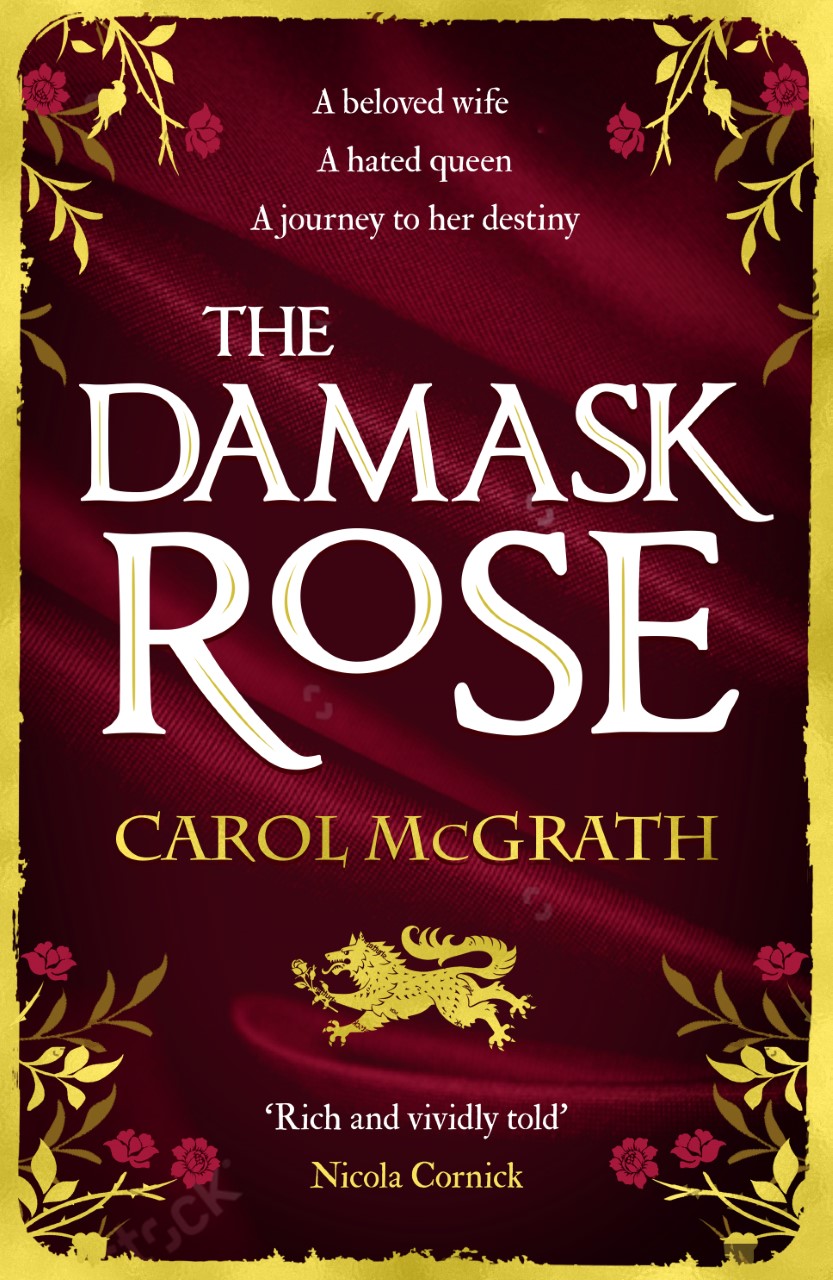
Book Corner: The Damask Rose by Carol McGrath

1266. Eleanor of Castile, adored wife of the Crown Prince of England, is still only a princess when she is held hostage in the brutal Baron’s Rebellion, and her baby daughter dies. Scarred by privation, a bitter Eleanor swears revenge on those who would harm her family – and vows never to let herself be vulnerable again.

As she rises to become Queen, Eleanor keeps Olwen – a trusted herbalist, who tried to save her daughter – by her side. But it is dangerous to be friendless in a royal household, and as the court sets out on crusade, Olwen and Eleanor discover that the true battle for Europe may not be a matter of swords and lances, but one fanned by whispers and spies . . .

The Damask Rose is the second book in historian and novelist Carol McGrath’s She-Wolves trilogy, giving a refreshing new appraisal of the lives of Eleanor of Provence, Eleanor of Castile and – still to come – Isabella of France. The first in the series, The Silken Rose, followed the story of Eleanor of Provence through the early years of the reign of her husband, Henry III and his struggle with Simon de Montfort. The Damask Rose continues the story through Eleanor’s daughter-in-law, Eleanor of Castile. Though each book can definitely be read as a standalone, the two novels certainly complement each other.

Carol McGrath has a wonderful, engaging writing style that draws the reader in. The Damask Rose is a pleasure to read from start to finish and really gets into the mind of Eleanor of Castile, giving a new interpretation of the queen, her experiences, her emotions and motivations.

It shows the woman behind the crown and follows the life of Eleanor from the young Castilian princess, newly arrived in England to the height of her powers as queen and landowner.

And it is a thoroughly entertaining story.

In this fantastic novel, Carol McGrath explores every aspect of Eleanor’s life and explains how the Barons’ War and Simon de Montfort’s rebellion left a lasting impression on her, so much so that she never wanted to be so vulnerable and helpless ever again.

Eleanor scanned the courtyard where her frightened people had begun to gather in family groups. A priest hurried through them clutching a large cross, his habit flapping in a sudden breeze. He crossed himself and shouted in a voice as clear as reliquary crystal, ‘You, Gilbert of Gloucester, mark this, you are excommunicate by order of our Father, the Pope. You’ll burn Hell’s fire and you’ll deserve your fate.’

Earl Gilbert turned his head away from him. Pushing Eleanor forward again, he said, ‘UP you go, my lady.’ In a heartbeat, he had hoisted her onto his horse as if she were light as a feather, and jumped up behind her. He said into her pained ear, ‘Tell them they are to obey Hugh Bigod when he enters the castle this evening. He’ll arrange an escort for your ladies and household.’

‘We have no choice,’ she called down as she managed to wriggle an arm free from Gilbert’s grip. She pointed at the crumpled scroll still lying on the earth, and shouted to her shocked steward, ‘Take it. Read it to my people. Tell them the king has been forced to sign it.’

Master Thomas ran forward and scooped up the King’s letter. He picked her veil up from the ground and handed it up to her.

‘See the King’s order is obeyed,’ she said in a grudging tone as she took possession of her veil. Gilbert thrust her sword into an empty scabbard hanging from his saddle, and slowly walked his horse forward onto the drawbridge.

She could not let this seizure of her royal person go without another protest. ‘Gilbert of Gloucester, I shall have my revenge on you,’ she barked. ‘No one treats a future queen in such a manner.’ She knew she was making a formidable enemy but she didn’t care. Her temper could be foul but she did not care about this either.

‘Lady Eleanor, when you behave as a queen should, with suitable decorum, I shall treat you as a queen,’ he quipped. ‘Until then you are no better than a harridan.’

‘Arrogant bastard,’ she said under her breath as they rode into the trees, followed by the trotting horse ridden by the squire with the ridiculous name and carrying young Simon, the Devil’s son.

That evening, she peered from her heavily guarded tent, incandescent, watching as Hgh Bigod, Earl of Norfolk, rode to take possession of Windsor Castle. Her child and ladies would be loaded like cattle into wagons the next day to begin the journey to Canterbury. Her close friend and lady-in-waiting, Joanna de Valence, married to King Henry’s own half-brother William of Pembroke, was pregnant and she, herself, had missed her courses twice.

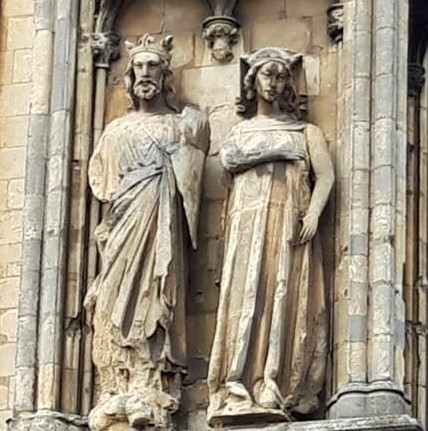
Statues of Edward I and Eleanor of Castile, Lincoln Cathedral ©2021 Sharon Bennett Connolly 

The leading characters of the story are a wonderful, rich collection of historical personages, from Edward and Eleanor themselves to the distasteful Gilbert de Clare, and the various lords, barons and ladies who made up their court, including my very own John de Warenne, Earl of Surrey. The fictional foil to the story is a young woman, Olwen, who helps the queen with her vast knowledge of herbs and their medicinal properties. Olwen is the perfect observer to Eleanor’s life, able to watch and listen whilst escaping notice – for the most part.

Carol McGrath weaves together the known story of Eleanor’s life, through the great events that shaped it, with the fictional creation of Eleanor’s world and emotions, allowing the reader to be a fly on the wall, watching events unfold and marvelling at the sights, smells and emotions of this long lost world.

And it will play on your own emotions.

In The Damask Rose, Carol McGrath not only tells Eleanor of Castile’s story, but also looks deep into the queen’s heart, offering a scenario that would explain Eleanor’s apparent lack of maternal instinct, her need to remain at Edward’s side no matter how far he travelled, and the inter-family relationships that shaped her life. It is a window into the life of a medieval princess and queen that is hard to forget.

Carol McGrath’s portrayal of the Spanish queen is the best depiction of Eleanor of Castile that I have ever read. Beautifully written, it is so touching that it had me in tears in several places – always the sign of a good book.

To buy The Damask Rose: tinyurl.com/dk2att32

About the Author:

Carol McGrath is the author of the acclaimed She-Wolves Trilogy, which began with the hugely successful The Silken Rose and continues with the brand new The Damask Rose. Born in Northern Ireland, she fell in love with historical fiction at a young age, when exploring local castles, such as Carrickfergus, and nearby archaeological digs – and discovering some ancient bones herself. While completing a degree in history, she became fascinated by the strong women who were silenced in record, and was inspired to start exploring their lives. Her first novel, The Handfasted Wife, was shortlisted for the Romantic Novelists’ Association Awards, and Mistress Cromwell was widely praised as a timely feminist retelling of Tudor court life. Her novels are known for their intricacy, depth of research and powerful stories.

For more news, exclusive content and competitions, sign up to Carol’s newsletter at: http://www.carolcmcgrath.co.uk

Follow her on Facebook: /CarolMcGrathAuthor1

And Twitter: @CarolMcGrath

*

My books

Coming 31st May:

Defenders of the Norman Crown: The Rise and Fall of the Warenne Earls of Surrey tells the fascinating story of the Warenne dynasty, of the successes and failures of one of the most powerful families in England, from its origins in Normandy, through the Conquest, Magna Carta, the wars and marriages that led to its ultimate demise in the reign of Edward III.

Defenders of the Norman Crown: Rise and Fall of the Warenne Earls of Surrey will be released in the UK on 31 May and in the US on 6 August. And it is now available for pre-order from Pen & Sword BooksAmazon in the UK and US and Book Depository.

Also by Sharon Bennett Connolly:

Ladies of Magna Carta: Women of Influence in Thirteenth Century England looks into the relationships of the various noble families of the 13th century, and how they were affected by the Barons’ Wars, Magna Carta and its aftermath; the bonds that were formed and those that were broken. It is now available from Pen & Sword,  Amazon and from Book Depository worldwide.

Heroines of the Medieval World tells the stories of some of the most remarkable women from Medieval history, from Eleanor of Aquitaine to Julian of Norwich. Available now from Amberley Publishing and Amazon and Book Depository.

Silk and the Sword: The Women of the Norman Conquest traces the fortunes of the women who had a significant role to play in the momentous events of 1066.  Available now from Amazon,  Amberley Publishing, Book Depository.

You can be the first to read new articles by clicking the ‘Follow’ button, liking our Facebook page or joining me on Twitter and Instagram.

©2021 Sharon Bennett Connolly 

Guest Post: Female Crusaders by Carol McGrath

It is a pleasure to welcome to History…the Interesting Bits, author Carol McGrath. Carol’s latest novel, The Damask Rose, is out this month and tells the story of Eleanor of Castile and her devoted husband, King Edward I. Eleanor of Castile led an adventurous life, to say the least, even accompanying her husband on Crusade to the Holy Land.

Carol McGrath tells us more…

Female Crusaders

Eleanor of Castile (1241-1290) is placed at the centre of my new publication The Damask Rose. She was married to Edward I at only twelve years old when he was fifteen and was his father Henry III’s heir. It is always thought that, throughout her life, Eleanor was devoted to Edward and him to her. They certainly supported each other throughout her life, almost always together. They even journeyed on Crusade together. She was not the first royal spouse to Crusade. Eleanor of Aquitaine and Marguerite of France had crusaded before her.

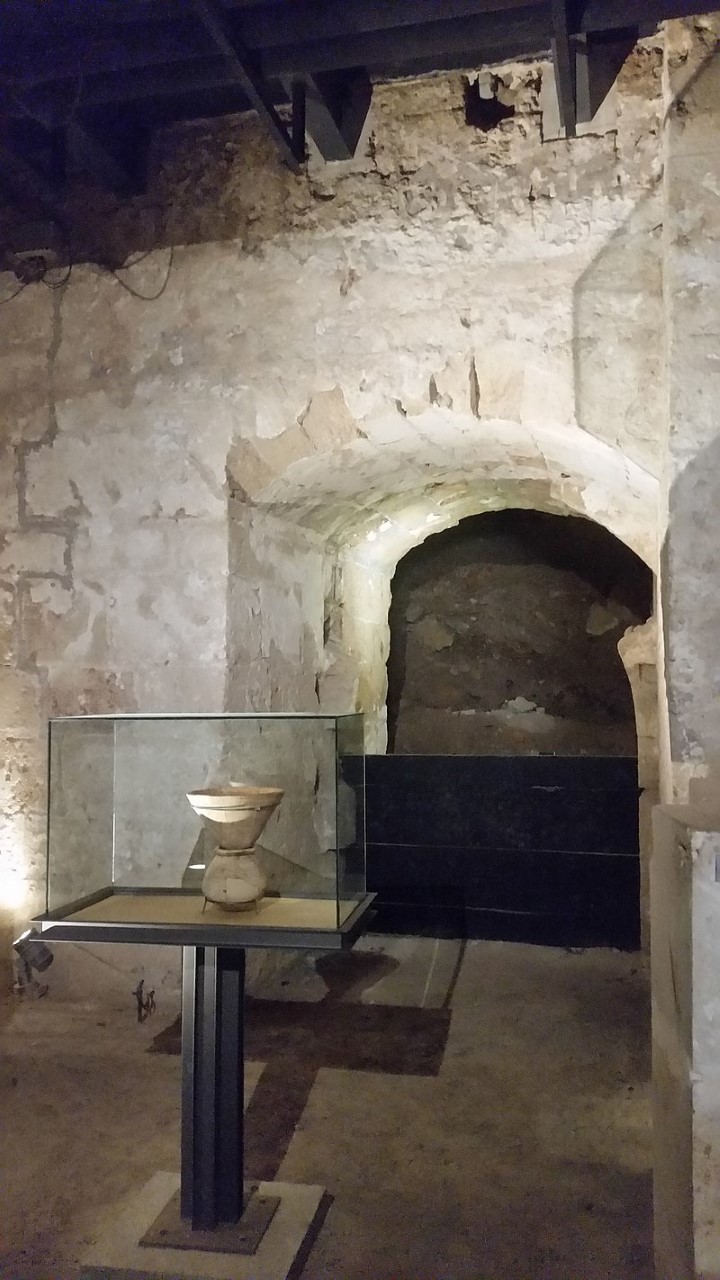
Sugar Storage Jar

In 1270 they set off on Crusade but they never reached Jerusalem. Acre was the royal couple’s home for more than a year. Edward was an able and courageous leader but the Crusade was militarily unsuccessful. They established their crusading court in Acre after the death of the original Crusade leader, the saintly Louis IX, at Carthage, and Edward became the eighth Crusade’s figure head. A legend says that Eleanor was so dutiful and committed to Edward, her only love, she saved his life in June 1272 when an assassin struck Edward down with a poisoned dagger. Edward apparently wrestled the knife from his assailant and killed him but not before he took injury to his arm.

The story relates that Eleanor sucked out the poison. This is not entirely true. Bartolemo Fiadoni known as the Ptolemy of Lucca is responsible for the popular tradition that Eleanor ‘showed great faithfulness; for with her tongue she licked his open wounds all the day, and sucked out the humour, and thus by her virtue drew out all the poisonous material.’ It is a story from the period’s High Romantic Tradition thus expressing Eleanor’s heroism. Read The Damask Rose to discover what most likely really did happen and how Edward survived the attack.

The story illustrates how the Crusades claimed both ecclesiastical and chivalric ideas linking Church and Court, how at the time, the Crusades became romanticised. Courtly literature was linked to women in Historical Romances, many of which were associated with crusading and the Holy Grail. In fact, many ordinary women went on Crusade as well as queens and noble women. These ordinary women were almost always described in sources in relation to men as daughters, wives, mothers, aunts, sisters and even more distant kin. However, sometimes we find widows or women, well past child bearing age and referred to as ‘in old age’, on Crusade.

Toilets in Acre

Individual female crusaders mentioned in sources were predominantly well to do. Even so, others exist such as the woman who followed a goose on Crusade because she believed it was filled with the Holy Spirit. Women generally were accompanied male relatives but some, like the goose lady, travelled without a guardian. A passenger list surviving from the Saint Viktor, a Crusade ship of 1250 records forty two of the 342 common people travelling to the Holy Land were women. Twenty-two of these women had no male chaperone. Securing a suitable male escort was apparently a huge problem. Large groups of widows might travel together as pilgrims. Pilgrims were not supposed to carry arms and even if women had travelled with pilgrim guards, they were still vulnerable. Women Crusaders were utterly courageous and determined. For example, in her mid-sixties, Ermeongarde, Countess of Brittany, who had taken the veil in Dijon in 1130, visited her half-brother, King Fulke of Jerusalem, and passed some years in the nunnery of St Anne in the Holy City. She safely return to Brittany in 1135 to tell her tale.

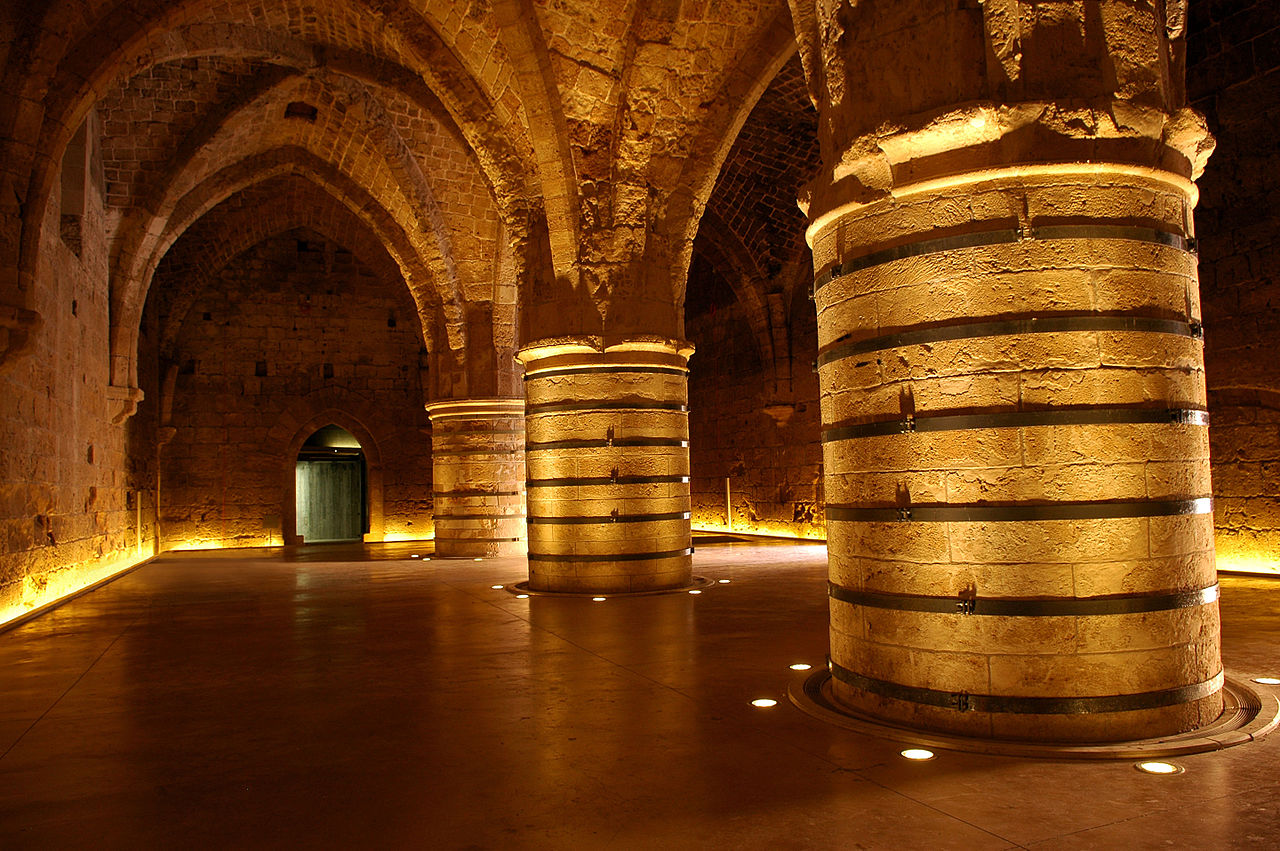
 The Dining Hall, Hospitaller Palace, Acre

Piety was the main reason for taking the cross. Women sometimes took the cross in public ceremonies alongside men. Jerusalem was naturally the goal. The two fold nature of armed pilgrimage to rescue the Holy Land by force and to pray at shrines gave women a ‘canonical loophole’ to participate. Also, Crusading affected women’s lives whether they stayed in Europe, took the cross or lived abroad in settler territories. Although women are recorded as present since the First Crusade, it was only during the thirteenth century that they were granted legal status as crucesignatae. Spiritual rewards such as the remittance of sins were indeed as attractive to women as men.

Women fulfilled practical functions during siege warfare on Crusade often undertaking jobs such as clearing rubble and filling ditches. They are recorded as bringing refreshments to the first Crusaders at the Battle of Dorylaeum. They are known to have transported materials to weave the panels in a siege engine in 1099 at the Siege of Jerusalem. This I found fascinating. They washed clothing and picked lice out of body linen. By the fourth Crusade, women were entitled to a share of the booty. They ground corn and maintained markets. They tended to the wounded and the sick.

A Parisian woman called Hosenda tended Louis IX when he was ill from dysentery in 1250. It was dangerous too. If a woman was captured her captivity held a sexual slur which devalued them regarding ransom. A woman was valued at a third the price of a man. Power in the settlements was, however, often transferred through widows and heiresses. Aristocratic marriages were extremely important to Crusader settler society. They cemented political alliances between Latins from the West, the Levant, Greeks, Armenians and Syrians. Some women even became feudal lords thus contributing to the defence of the Holy Land and women who stayed behind acted as regents and organised financing the Crusaders.

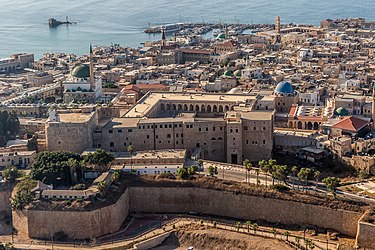
The Hospitaller Palace Acre

As for Eleanor of Castile, nothing quite so amazing. She was a child bearer during her Crusade experience, pregnant for most of the campaign. It is thought she suffered a still birth early on; her daughter, Joan of Acre, was born on Crusade; her son Alfonso was born on the long journey home. It is unlikely Eleanor actually saw much of Acre where prostitution was rife, a city called ‘a sinful city and one filled with all uncleanness’ by Oliver of Poderborn. It is likely that after the excitement of their arrival, Acre soon palled on her accompanying noble women and their ladies. At least, Eleanor, a true blue-stocking, could find escape in her beautiful books and the lovely gardens of the Citadel of the Knights Hospitaller, a substantial building complex of five thousand square miles, three times that of the Tower of London, her home for the duration. To discover more do read my new novel The Damask Rose.

Many thanks to Carol McGrath for her wonderful insight and research into female crusaders.

To buy The Damask Rose: tinyurl.com/dk2att32

Look out for my review of The Damask Rose, which will go live in a few days…

Catch up on Carol’s blog tour so far – and follow the last few stops with the bloggers.

About the author:

Carol McGrath is the author of the acclaimed She-Wolves Trilogy, which began with the hugely successful The Silken Rose and continues with the brand new The Damask Rose. Born in Northern Ireland, she fell in love with historical fiction at a young age, when exploring local castles, such as Carrickfergus, and nearby archaeological digs – and discovering some ancient bones herself. While completing a degree in history, she became fascinated by the strong women who were silenced in record, and was inspired to start exploring their lives. Her first novel, The Handfasted Wife, was shortlisted for the Romantic Novelists’ Association Awards, and Mistress Cromwell was widely praised as a timely feminist retelling of Tudor court life. Her novels are known for their intricacy, depth of research and powerful stories.

For more news, exclusive content and competitions, sign up to Carol’s newsletter at: http://www.carolcmcgrath.co.uk

Follow her on Facebook: /CarolMcGrathAuthor1

And Twitter: @CarolMcGrath

*

My books

Coming 31st May:

Defenders of the Norman Crown: The Rise and Fall of the Warenne Earls of Surrey tells the fascinating story of the Warenne dynasty, of the successes and failures of one of the most powerful families in England, from its origins in Normandy, through the Conquest, Magna Carta, the wars and marriages that led to its ultimate demise in the reign of Edward III.

Defenders of the Norman Crown: Rise and Fall of the Warenne Earls of Surrey will be released in the UK on 31 May and in the US on 6 August. And it is now available for pre-order from Pen & Sword BooksAmazon in the UK and US and Book Depository.

Also by Sharon Bennett Connolly:

Ladies of Magna Carta: Women of Influence in Thirteenth Century England looks into the relationships of the various noble families of the 13th century, and how they were affected by the Barons’ Wars, Magna Carta and its aftermath; the bonds that were formed and those that were broken. It is now available from Pen & Sword,  Amazon and from Book Depository worldwide.

Heroines of the Medieval World tells the stories of some of the most remarkable women from Medieval history, from Eleanor of Aquitaine to Julian of Norwich. Available now from Amberley Publishing and Amazon and Book Depository.

Silk and the Sword: The Women of the Norman Conquest traces the fortunes of the women who had a significant role to play in the momentous events of 1066.  Available now from Amazon,  Amberley Publishing, Book Depository.

You can be the first to read new articles by clicking the ‘Follow’ button, liking our Facebook page or joining me on Twitter and Instagram.

©2021 Sharon Bennett Connolly 

Book Corner: Mistress Cromwell by Carol McGrath

MISTRESS CROMWELL presents the rise of Tudor England’s most powerful courtier, Thomas Cromwell, through the eyes of the most important – and little known – woman in his life . . .

When beautiful cloth merchant’s daughter Elizabeth Williams is widowed at the age of twenty-two, she is determined to make a success of the business she inherited from her father. But there are those who oppose a woman making her own way in the world, and soon Elizabeth realises she may have some powerful enemies – enemies who know the dark truth about her dead husband.

Happiness arrives when Elizabeth meets ambitious young lawyer, Thomas Cromwell. Their marriage begins in mutual love and respect – but it isn’t always easy being the wife of an independent, headstrong man in Henry VIII’s London. The city is both merciless and filled with temptation, and Elizabeth soon realises she must take care in the life she has chosen . . . or risk losing everything.

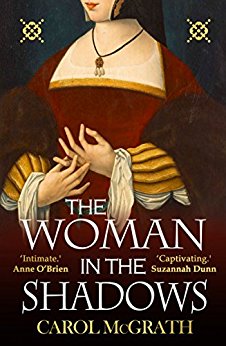
Mistress Cromwell was first published as The Woman in the Shadows. What a treat of a book it is! Mistress Cromwell is a fabulous fictional account of the life and times of Elizabeth Cromwell, wife of Henry VIII’s famous – some would say notorious – adviser.  It is an enjoyable, thoughtful story which gives the reader an insight into life in Tudor London, in general, and in a Tudor household in particular. Following Elizabeth from the funeral of her first husband, through her widowhood and new love and marriage with Thomas Cromwell, this is not the story of Henry VIII and the Tudor court, but of the ‘ordinary’ people without whom the Tudors would not have been able to sustain their glamorous court.

Written in colourful, vivid language that draws you in from the first page, Mistress Cromwell is a wonderful novel, full of life and imagery. And, of course, the fact I could find no picture of Elizabeth Cromwell – only ones of Thomas – serves to highlight how little information we have about the ordinary Tudor woman. Carol McGrath’s novel gives us a rarely seen insight into everyday life of the non-aristocratic family in Tudor London. However, if you were expecting melodrama, this book is not it; adventure and mystery are given equal billing, with murder, arson and secrets, ambushes in dark corners and some strange, scary personalities making this an exciting story which is not to be missed.

Cromwell’s rise to power at the Tudor court runs parallel with his family concerns, with the arrival of children and Elizabeth’s own business adventures. His mysterious past – as a soldier and adventurer in Italy – is alluded to and even comes in useful. Carol McGrath does an excellent job of portraying the enigma that is Thomas Cromwell; the courtier, soldier and statesman who is also merchant, husband and father. The characters are brought to life in vivid, vibrant detail, creating a tableau that is hard to forget even once the last page has been read.

For several hours, I spoke little and ate sparingly. Father went about the hall speaking with merchants. I wondered how I would manage but knew I must and would. A chair scraped beside me, jolting me out of my thoughts. I felt a light touch on my elbow and glanced up. The feast was ending. My merchant had left his place. Gone to the privy, no doubt. Instead, Father stood by my chair, with Master Cromwell by his side.

‘Lizzy, Master Cromwell is my new cloth middle-man. He would like you to show him your bombazine cloth. He has admired your mourning gown.’

I started. This was nothing new. Father always employed different cloth middlemen to sell his fabrics to Flanders, thinking each one better than the last but today, at my husband’s funeral it was not seemly. Master Cromwell was watching me through eyes of an unusual shade, not quite blue or grey.

He bowed and said, ‘Forgive me for staring, Mistress Williams, but you see I knew you as a child. Your father used our fulling mill in Putney.’ He smiled at Father.

That was why he was familiar. I stared back, and in a moment or two I had recollected a tough, wicked little boy, some years older than I, who taught me to fish in the river with a string and a hook with a wriggling worm at the end of it.

‘I do recollect you, Master Cromwell. We played together as children,’ I said, feeling my mouth widen into a smile. ‘Father sent your father our cloth to be washed, beaten, prepared and softened for sale. I remember climbing trees and stealing apples. You led me astray.’

Elizabeth Cromwell herself is a wonderful, strong character, facing the prejudices of the merchant class and her own family in order to take some control over her life. And Mistress Cromwell will make you want to know more Although a history buff would know what is to become of Cromwell and Elizabeth, the author cleverly manages to avoid inserting any hindsight into the story. If you don’t know what becomes of the characters, you will soon be scouring the history books for the true story.

Carol McGrath’s wonderful novel transports you through time and space to the streets of London and Northampton at the height of Henry VIII’s magnificent reign. With colourful, vivid imagery she recreates a world and its people which has been otherwise lost through the centuries. The city, the characters and the lifestyle have been brought back to life, recreating the vibrant world in which Thomas Cromwell would eventually rise to be the king’s chief statesman. The story follows Elizabeth’s life; her family, her business and her husband, cleverly demonstrating how these are affected and changed by her husband’s inexorable rise to power.

The attention to detail is phenomenal, showing many of the social conventions of the time, while not detracting from the story, nor making the reader feel like they’re in a lecture on social history. It paints a fascinating tableau of merchant life in Tudor London, portraying the struggles and successes facing a widow trying to keep her business going in a man’s world. Rich in detail in every aspect, Carol McGrath’s meticulous research has produced a novel which plunges the reader into the middle of Elizabeth’s household in Tudor London. From funeral and marriage arrangements, births and christenings, to the contents of a Tudor garden and the conduct of the cloth trade, Mistress Cromwell acts as a window into Tudor merchant society.

If you liked Hilary Mantel’s Wolf Hall you will love Mistress Cromwell by Carol McGrath. It shows the human side of the Cromwell family and is a treat for any lover of historical fiction, and especially for a fan of Tudor history. It is a novel not to be missed, and which must be devoured for both the meticulous detail and the wonderful story – especially the story.

This review first appeared on The Review.

About the author:

Based in England, Carol McGrath writes Historical Fiction and Non-Fiction. She studied History at Queens University Belfast, has an MA in Creative Writing from the Seamus Heaney Centre, Queens University Belfast and an English MPhil from Royal Holloway, University of London. The Handfasted Wife, first in a trilogy about the royal women of 1066 was shortlisted for the RoNAS in 2014. The Swan-Daughter and The Betrothed Sister complete this highly acclaimed trilogy. Mistress Cromwell, a best-selling historical novel about Elizabeth Cromwell, wife of Henry VIII’s statesman, Thomas Cromwell, is republished by Headline. The Silken Rose, first in a Medieval She-Wolf Queens Trilogy, featuring Ailenor of Provence, was published 2nd April 2020 and comes out 23rd July 2020 as a PB. also published by the Headline Group. Tudor Sex & Sexuality will be published in 2022. Carol speaks at events and conferences. She was the co-ordinator of the Historical Novels’ Society Conference, Oxford in September 2016 and is an avid reader and reviewer, in particular, for the Historical Novel Society. She is a member of the Romantic Novelists’ Association and Historical Writers Association. Carol lives in Oxfordshire with her husband. Website: http://www.carolcmcgrath.co.uk. Newsletter: bit.ly/39eUgKl for the signup page. Amazon.

*

My Books

Out Now!

Ladies of Magna Carta: Women of Influence in Thirteenth Century England  looks into the relationships of the various noble families of the 13th century, and how they were affected by the Barons’ Wars, Magna Carta and its aftermath; the bonds that were formed and those that were broken. It is now available from Pen & SwordAmazon and from Book Depository worldwide.

Also by Sharon Bennett Connolly:

Silk and the Sword: The Women of the Norman Conquest traces the fortunes of the women who had a significant role to play in the momentous events of 1066.  Available now from Amazon,  Amberley Publishing, Book Depository.

Heroines of the Medieval World tells the stories of some of the most remarkable women from Medieval history, from Eleanor of Aquitaine to Julian of Norwich. Available now from Amberley Publishing and Amazon and Book Depository.

*

You can be the first to read new articles by clicking the ‘Follow’ button, liking our Facebook page or joining me on Twitter and Instagram.

©2020 Sharon Bennett Connolly

Guest Post: Why was Ailenor of Provence called a She Wolf Queen? by Carol McGrath

Alienor of Provence

Given my recent articles on She Wolves, it is a distinct pleasure to welcome Carol McGrath to History…the Interesting Bits with an article about Eleanor of Provence, another queen labelled a ‘she-wolf’.

Why was Ailenor of Provence called a She Wolf Queen?

The first novel, in The She Wolf Queens Trilogy, The Silken Rose was published as an ebook on Thursday 2nd April. The Silken Rose features Ailenor of Provence, who married Henry III in 1236 at only twelve or thirteen years of age. He was already old at twenty-nine years old. The term She Wolf Queen was initially used for Margaret of Anjou by William Shakespeare.

Later, the Victorian Historian, Agnes Strickland, used it for Ailenor of Provence, although Ailenor had, without doubt, made enemies during own her life time. Why label Ailenor of Provence a she wolf queen. Did she deserve this sobriquet?

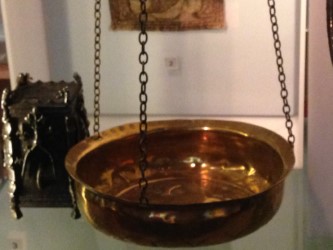
Alms dish (photograph courtesy of Carol McGrath)

In many ways beautiful Ailenor was the perfect queen who generously gave alms to the poor, was devoted to her husband and endowed abbeys. She was a good mother, protective of her children. Exemplary you might think. However, Ailenor was foreign at a time when English Continental territories had been reduced to Gascony and Aquitaine and ‘Englishness’ was becoming a national identity.

Ailenor of Provence never brought Henry a dowry. She was not even from the top-drawer of European nobility. After her marriage, she introduced a collection of penniless Savoyard and Provençal relatives to England.  The English barons who had become inward looking, after the loss of estates in Normandy during the previous reign, were furious. They disliked top positions being parcelled out to the queen’s relatives, particularly to her uncles from Savoy.

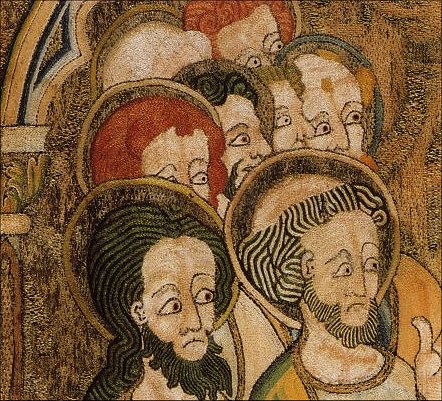
Opus Anglicanum

It probably seemed natural to Ailenor to advance her own relatives. Uncle William of Savoy who had accompanied Ailenor to England became one of King Henry’s chief counsellors. Henry even attempted to make him Bishop of Winchester.

Uncle Peter, reportedly charming and clever, became an advisor and received the Honour of Richmond, in Yorkshire. Peter built the Savoy Palace in London. Thomas of Savoy acted as an envoy when Ailenor attempted to buy the Sicilian crown for her second son, Edmund. An unpopular foolish move. It was costly and fell apart when Thomas was captured and imprisoned in Turin and Ailenor had to raise a ransom. The handsome, reforming Uncle Boniface became Archbishop of Canterbury.

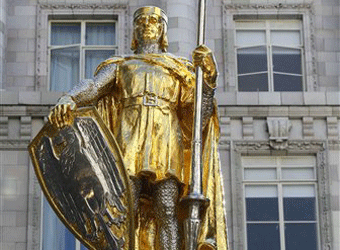
Peter of Savoy

In addition, talented clerks came to England from Provence and Savoy. They took over running the treasury as well as other areas of government. This did not please the English barons who felt such jobs were theirs to distribute and control. Henry loved pageants and parties. He spent money on magnificent, expensive building works such as Westminster Abbey. She adored fashion and rich embroidery.  I off set her point of view in the novel with that of a court embroiderer. Extravagant spending and nepotism would lead to conflict between King and Barons. She was blamed as a bad influence on the King.

English marriages were arranged for her relations, including that of Ailenor’s younger sister, Sanchia, to Henry’s brother, Richard of Cornwall. This limited English heirs and heiresses available for English barons’ own sons and daughters. After the disgrace and death of Henry’s mother, his hated Lusignan half-brothers arrived in England seeking patronage. Incensed,

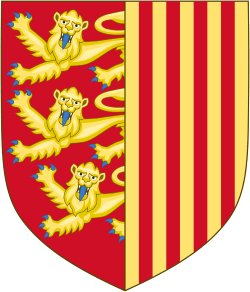
Coat of arms of Alienor of Provence

Ailenor’s opposition to the unpopular Lusignans gave her momentarily a stronger political position at court. However, she recognised she would have to tolerate them if she was to preserve good will within her marriage. Henry made her joint regent when he campaigned in Gascony during the 1250s but she levied new taxes, an unpopular move.

At the outbreak of the Baron’s war in 1263, Ailenor was pelted with offal from London Bridge as she attempted to take a boat from The Tower upriver. After that, she sailed for France to raise mercenaries for the royalist cause.

Ailenor was a force to be reckoned with. No wonder during the Victorian era she earned the title of she wolf queen. Nowadays, I suspect, we admire her loyalty, intelligence, love of culture and personal strength.

I would like to extend huge thanks to Carol for a fabulous post and wish her every success with The Silken Rose.

About the author:

Carol McGrath

Following her first degree in English and History, Carol McGrath completed an MA in Creative Writing at The Seamus Heaney Centre, Belfast, followed by an MPhil from University of London. Her fifth historical novel, The Silken Rose, first in The Rose Trilogy, published by the Headline Group, is set during the High Middle Ages. It features Ailenor of Provence and will be published on April 2nd 2020. Carol was the co-ordinator of the Historical Novels’ Society Conference, Oxford in September 2016. Visit her website: http://www.carolcmcgrath.co.uk.

Carol’s latest novel, The Silken Rose, telling the remarkable story of Alienor of Provence is available now. To purchase The Silken Rose ebook click here

To watch the trailer click here https://youtu.be/EOPKFBhpa0I

To subscribe to my newsletter click here   bit.ly/39eUgKl

*

My Books

Coming soon! 

Ladies of Magna Carta: Women of Influence in Thirteenth Century England will be released in the UK on 30 May 2020 and is now available for pre-order from Pen & SwordAmazon UK and from Book Depository worldwide. It will be released in the US on 2 September and is available for pre-order from Amazon US.

Also by Sharon Bennett Connolly:

Silk and the Sword: The Women of the Norman Conquest traces the fortunes of the women who had a significant role to play in the momentous events of 1066.  Available now from Amazon UK,  Amberley Publishing, Book Depository and Amazon US.

Heroines of the Medieval World tells the stories of some of the most remarkable women from Medieval history, from Eleanor of Aquitaine to Julian of Norwich. Available now from Amberley Publishing and Amazon UK, Amazon US and Book Depository.

*

You can be the first to read new articles by clicking the ‘Follow’ button, liking our Facebook page or joining me on Twitter and Instagram.

©2020 Sharon Bennett Connolly and Carol McGrath

Book Corner: The Woman in the Shadows by Carol McGrath

Today over at The Review, you can read my thoughts on Carol McGrath’s latest novel – out this week – The Woman in the Shadows, a fabulous look into the Tudor world of Thomas Cromwell’s wife Elizabeth.

And there’s a fabulous giveaway –  a paperback copy of this new release.

Here’s a taster:

What a treat!

Carol McGrath’s latest book, The Woman in the Shadows is a fabulous fictional account of the life and times of Elizabeth Cromwell, wife of Henry VIII’s famous – some would say notorious – adviser.  It is an enjoyable, thoughtful story which gives the reader an insight into life in Tudor London, in general, and in a Tudor household in particular. Following Elizabeth from the funeral of her first husband, through her widowhood and new love and marriage with Thomas Cromwell, this is not the story of Henry VIII and the Tudor court, but of the ‘ordinary’ people without whom the Tudors would not have been able to sustain their glamorous court.

Written in colourful, vivid language that draws you in from the first page, The Woman in the Shadows is a wonderful novel, full of life and imagery. …


To read the full review of this fantastic novel – and to enter the prize draw and be in with a chance in this fantastic giveaway, simply visit The Review and leave a comment.

Good luck!

*

My book, Heroines of the Medieval World,  is now available in hardback in the UK from both Amberley Publishing and Amazon UK and worldwide from Book Depository. It is also available on Kindle in both the UK and USA and will be available in Hardback from Amazon US from 1 May 2018.

You can be the first to read new articles by clicking the ‘Follow’ button, liking our Facebook page or joining me on Twitter.

*

©2017 Sharon Bennett Connolly