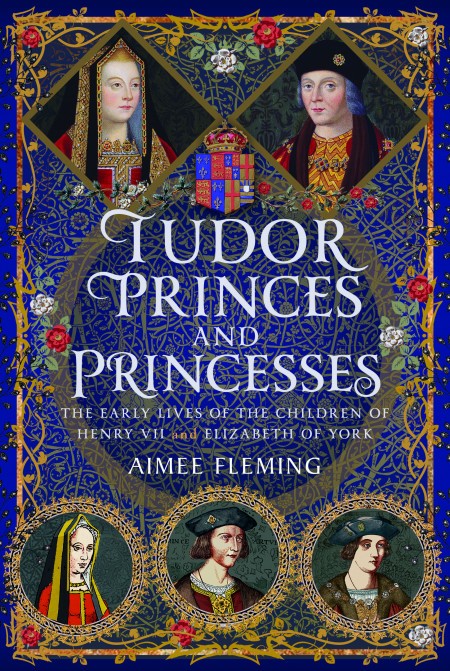
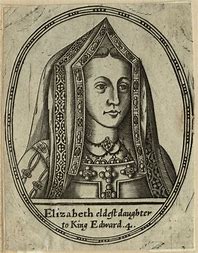
In today’s episode of my Wordly Women, author spotlight series, I have a chat with Tudor historian Aimee Fleming. I have followed Aimee’s career from the very beginning. Her first book, The Female Tudor Scholar and Writer: The Life and Times of Margaret More Roper came out last year and just last month Aimee published her second book, Tudor Princes and Princesses: The Early Lives of the Children of Henry VII and Elizabeth of York.
So, it was wonderful to get the chance to talk with Aimee about her writing…
Sharon: Hi Aimee. First question, what got you into writing?
Aimee: I have always enjoyed writing as a process, but it was really during secondary school I was encouraged to write poetry by my English teacher. I did English Literature A Level and loved studying the classics, but it was History that really sparked my interest. After I finished my BA I remember I wanted to keep going and write more, but I didn’t begin properly until after my MA when I decided to really put pen to paper properly. I loved to read work by Alison Weir and Tracey Borman (amongst lots of others) and think that I could perhaps do something like that!
Sharon: Tell us about your books.
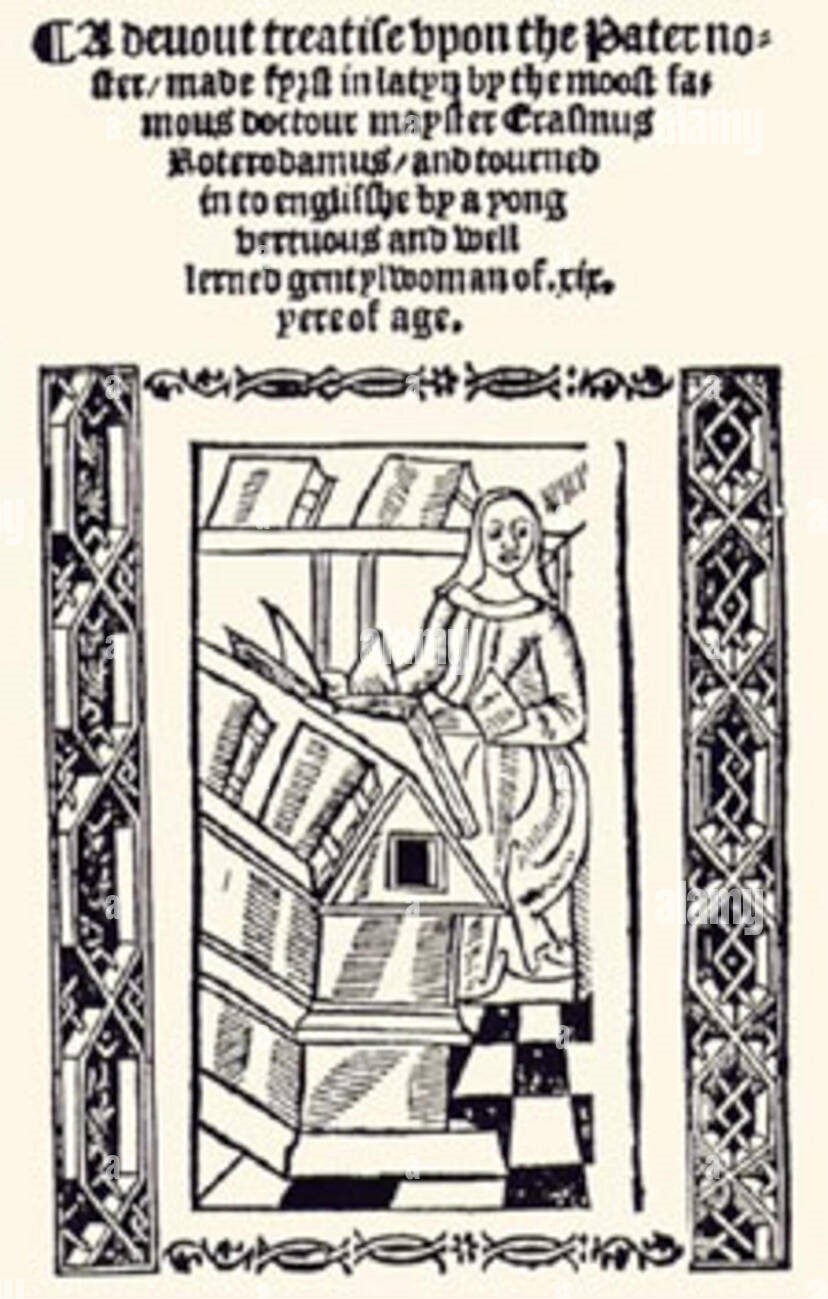
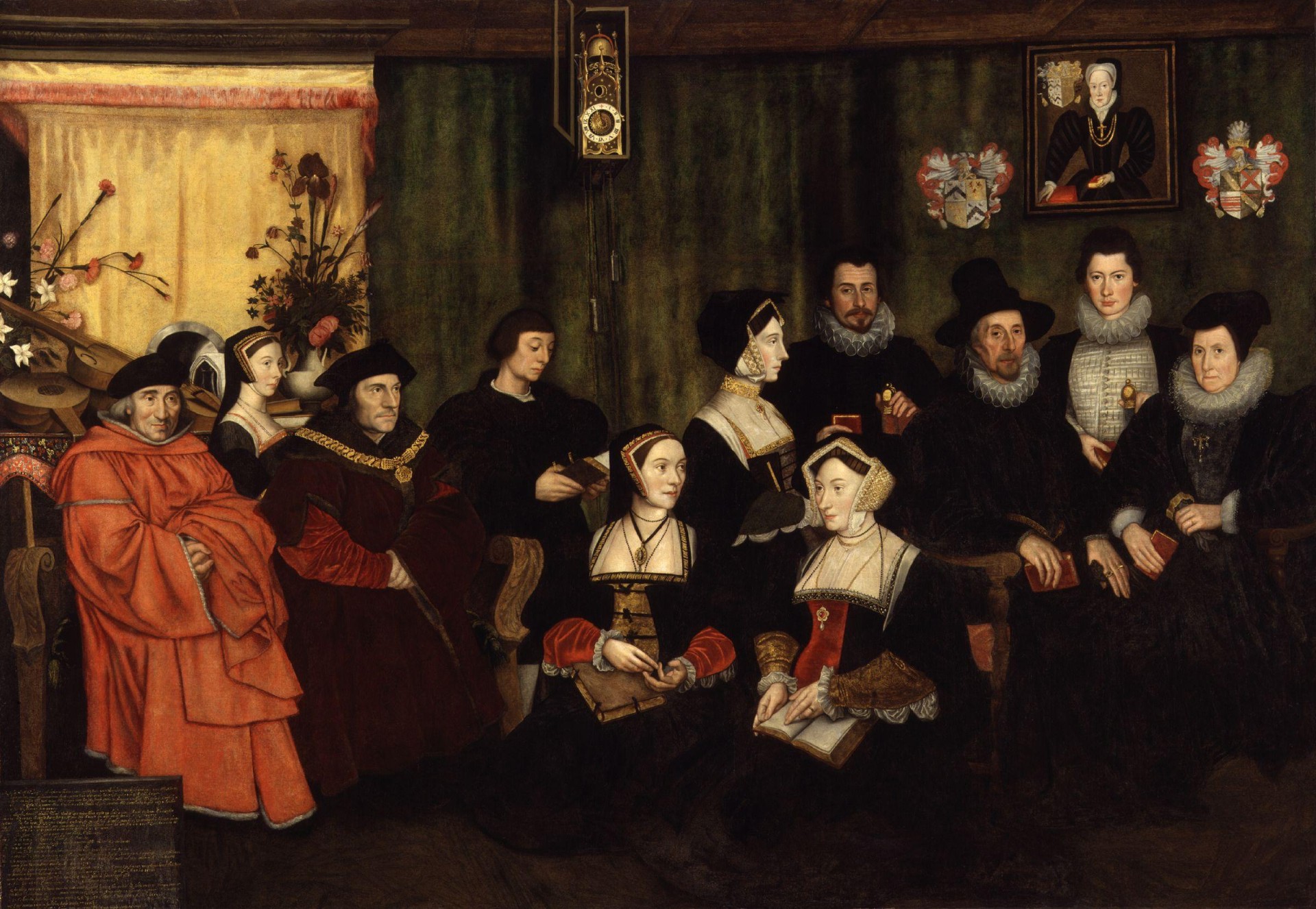
Aimee: My books are all non-fiction books about the Tudor period. My first book came out in summer 2024 and was a biography of Margaret More Roper, the eldest daughter of Sir Thomas More, called ‘The Female Tudor Scholar and Writer’. I also have a study of the early lives of the children of Henry VII coming out soon, called ‘Tudor Princes and Princesses.’ It is available for pre-order now and is due to be released at the end of June.
Sharon: What attracts you to the Tudor period?
Aimee: I think the Tudor and Early Modern period generally is fascinating. There are such larger-than-life characters, the artwork and portraits bring those characters into such clear detail, dramatic events just keep on coming, and the clothing is so flamboyant and over the top. I do love other periods too, the medieval period and the later periods of the Stuarts and Georgians are also very interesting, but I am always drawn back to the tempestuous Tudors.
Sharon: Who is your favourite Tudor and why?
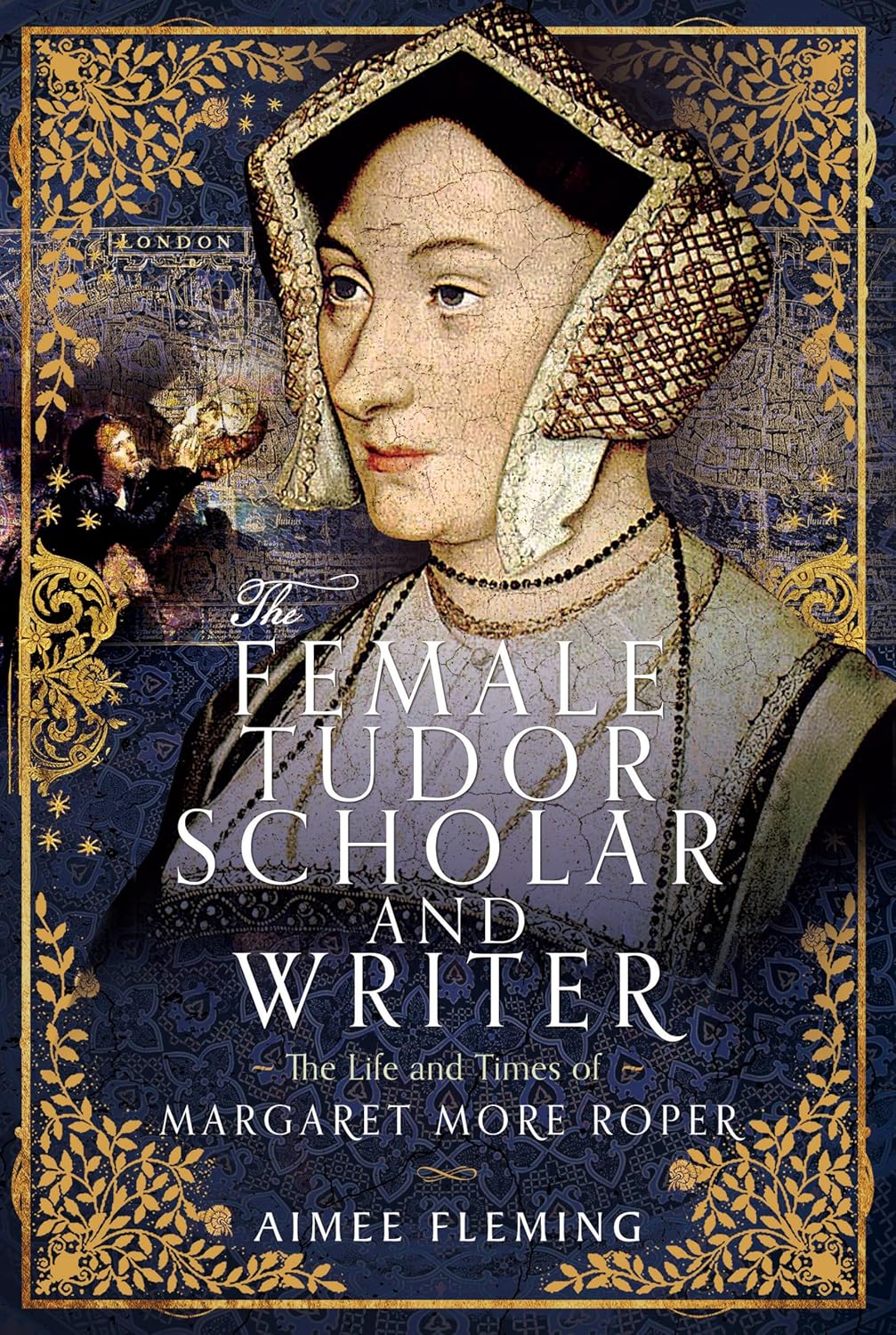
Aimee: Do I have to pick just one? I obviously have a soft spot for Margaret More Roper. She is such an inspirational woman, and I genuinely believe that we all owe her a debt; if it wasn’t for her taking that first step of getting her work published, we may not even be doing what we do today!
Sharon: Who is your least favourite Tudor and why?
Before I wrote my most recent book, I probably would have said Henry VIII. I was always a bit of a critic of his, but my writing and research has actually made me a lot more sympathetic. I think now my hatred properly ends up at Thomas Howard, the Duke of Norfolk’s door – an all-round unpleasant creature if ever there was one.
Sharon: Howard was horrible, but I will have to read your book to see if I can find any sympathy for Henry VIII!
Sharon: How do you approach researching your topic?
Aimee: I start quite broad and work my way in. I think we all have out go-to textbooks on subjects and for me it’s always my old copy of John Guy’s ‘Tudor England’. I start by looking up whatever I’m researching up in that, and then other books that may be on my shelf. I’m lucky enough to live close to York and I do try to make full use of the University library and their archives too for those all-important primary sources. If it’s possible I also like to try to take a trip to see some places and experience the surroundings that my subjects would have known.
Sharon: Tell us your ‘favourite’ Tudor story you have come across in your research.

Aimee: I have a few favourites, but I think the one that I particularly love is the ‘shipwreck’ of Archduke Phillip, heir to the Holy Roman Emperor, and his wife Queen Joanna of Castile. The Archduke had led his fleet from Flanders intent on taking the throne of Spain for himself, but the weather turned against him, and he, Queen Joanna, and the rest of the fleet had to take refuge in the harbour at Weymouth. They came ashore at Melcombe Regis in Dorset – about as far from London and civilisation as you can get, and in November too! Henry VII of course welcomed them and invited them to London, even sending carriages for them and their luggage, but the Queen was too shaken and took refuge at Wolfeton Hall near Dorchester. A welcoming party was sent to greet them, led by fourteen-year-old Henry, the royals did eventually meet up and they held all sorts of talks, agreeing marriages seemingly for everyone…but none of them came to fruition.
I have spent many a family holiday in Dorset, especially Weymouth, and it makes me smile that Queen Joanna may have walked up that beach on a cold November afternoon.
Sharon: Tell us your least ‘favourite’ Tudor story you have come across in your research.
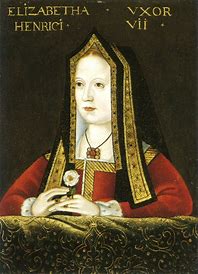
Aimee: The worst bit of writing history is the sad stories that you have to read and write about. In Tudor Princes and Princesses, I had to research about Elizabeth of York’s pregnancies and the deaths of the Tudor children who did not survive until adulthood. The arrangements made for the funerals, particularly of little Elizabeth really brought home just how much these children were loved in their short lives.
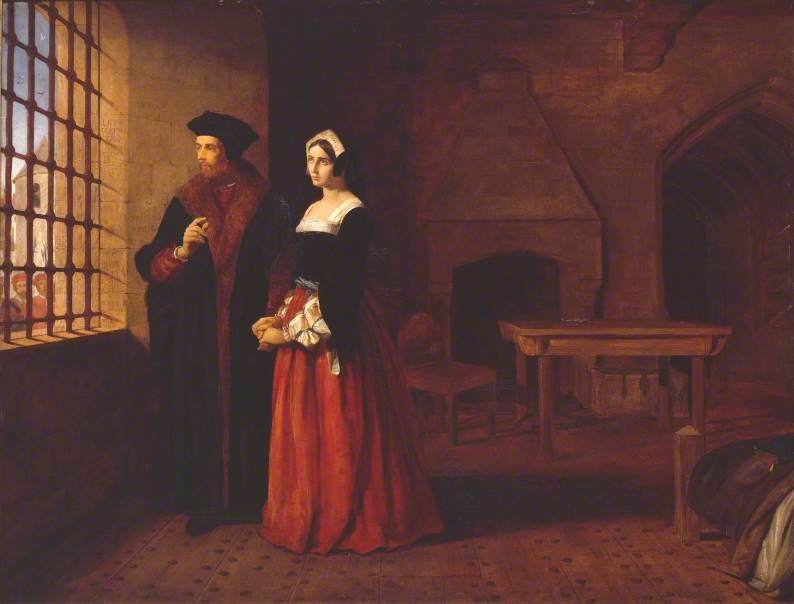
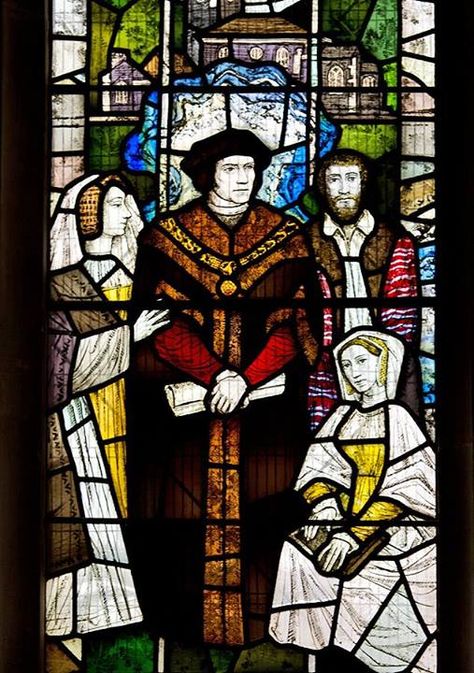
On the other side, writing about the death of Thomas More’s first wife, Joanna, was particularly heart-rending. She died when Margaret was only 5 years old, but Margaret would have been expected to play a full role in her mother’s funeral, reading a prayer in front of the whole congregation. That in itself was bad enough, but reading further it was commonplace for people who weren’t connected to the family to still attend the funeral. I was in bits writing about Margaret standing up and reading the prayers, imagining her fear as she looked out on all those strangers’ faces.
Sharon: Are there any other eras you would like to write about?
Aimee: I am doing a lot of research into Stuart Scotland at the moment, and it has made me want to go deeper into Stuart England and the English Civil War. I would love to learn more about the people as well as the politics of the period, but it’s not something I’ve ever really looked at in depth.
Sharon: What are you working on now?
Aimee: My current project is a period study of Tudor England and Stuart Scotland, looking at the relationship between the two countries while the Tudors were on the throne in England and what brought us to 1603 and the succession of James VI and I. It’s a lot of work but I am thoroughly enjoying it, and I’m loving looking at Scottish history in more detail. That manuscript is due for submission in the Autumn, and then after that I have another book lined up to write, about Elizabeth Barton, the Holy Maid of Kent.
Sharon: And finally, what is the best thing about being a writer?
Aimee: I enjoy the freedom it gives me to explore things I find interesting. No two days are the same, and it’s never boring. Losing myself in documents at the library really is a dream come true.
About Aimee:
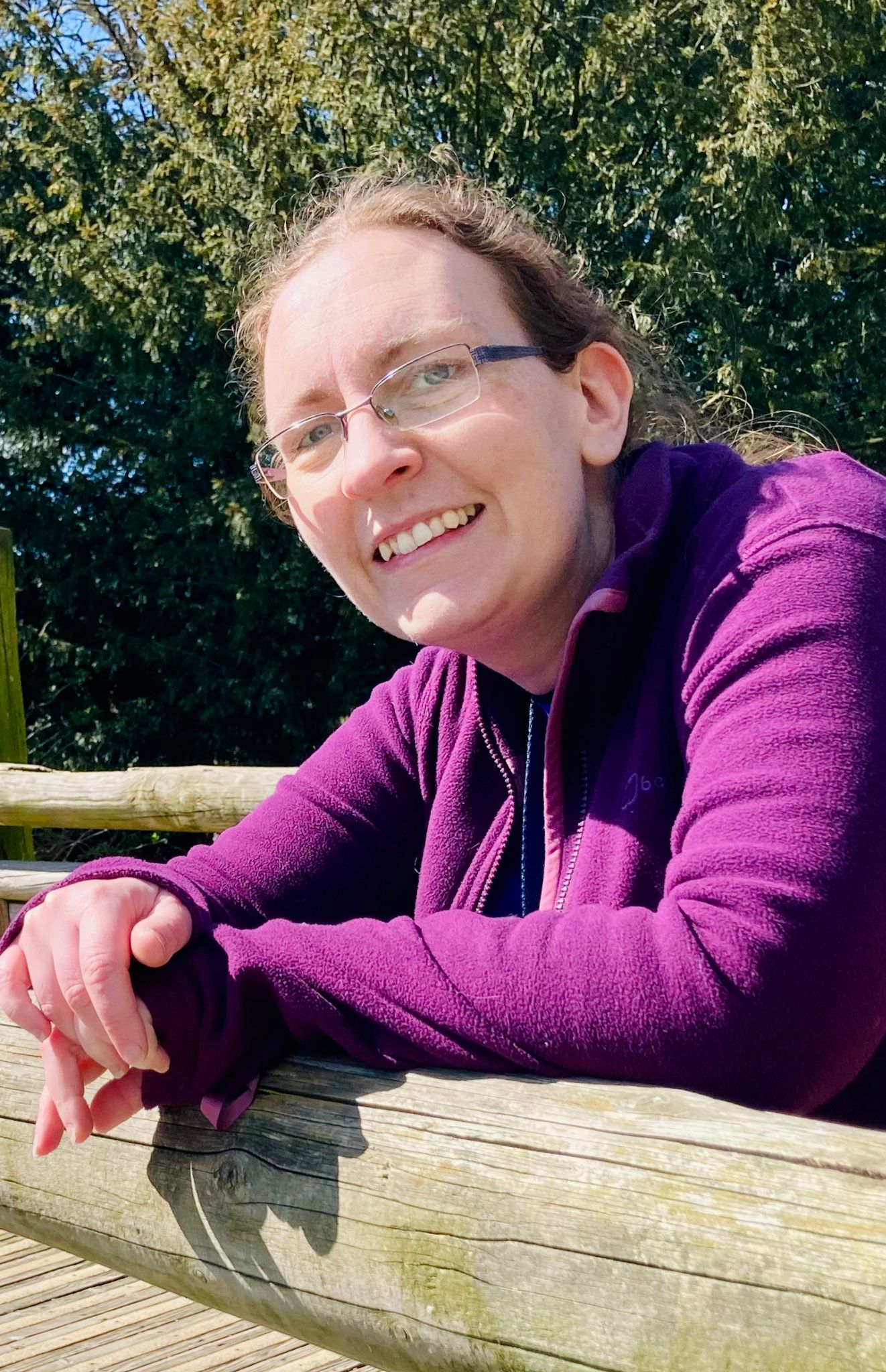
Aimee Fleming is a historian and author from North Yorkshire. She is happily married, with three growing boys and a whole host of pets. She studied history at the University of Wales, Bangor and then later completed a masters in Early Modern History at the University of York as a mature student. She has a passion for history, particularly the Tudors, and worked for over a decade in the heritage industry in a wide variety of roles and historic places.
Books by Aimee Fleming:
The Female Tudor Scholar and Writer: The Life and Times of Margaret More Roper
Tudor Princes and Princesses: The Early Lives of the Children of Henry VII and Elizabeth of York
Where to find Aimee:
Website; Facebook; Threads and Instagram: @historyaimee; Substack.
*
My books
Signed, dedicated copies of all my books are available through my online store.
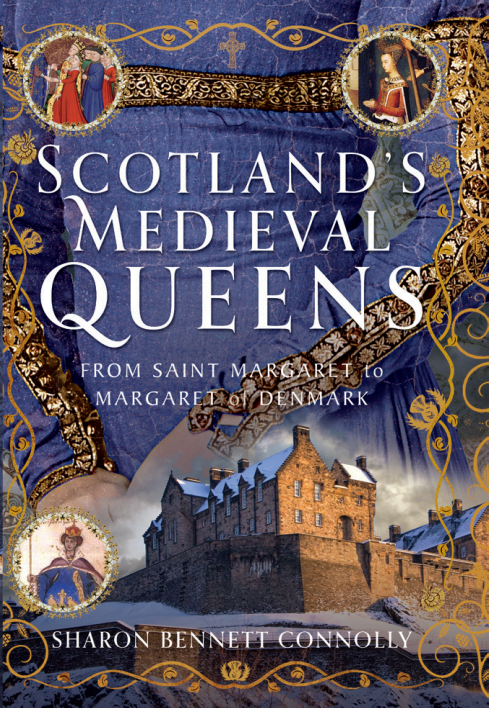
Out now: Scotland’s Medieval Queens

Scotland’s history is dramatic, violent and bloody. Being England’s northern neighbour has never been easy. Scotland’s queens have had to deal with war, murder, imprisonment, political rivalries and open betrayal. They have loved and lost, raised kings and queens, ruled and died for Scotland. From St Margaret, who became one of the patron saints of Scotland, to Elizabeth de Burgh and the dramatic story of the Scottish Wars of Independence, to the love story and tragedy of Joan Beaufort, to Margaret of Denmark and the dawn of the Renaissance, Scotland’s Medieval Queens have seen it all. This is the story of Scotland through their eyes.
‘Scotland’s Medieval Queens gives a thorough grounding in the history of the women who ruled Scotland at the side of its kings, often in the shadows, but just as interesting in their lives beyond the spotlight. It’s not a subject that has been widely covered, and Sharon is a pioneer in bringing that information into accessible history.’ Elizabeth Chadwick (New York Times bestselling author)
Available now from Amazon and Pen and Sword Books
Also by Sharon Bennett Connolly:

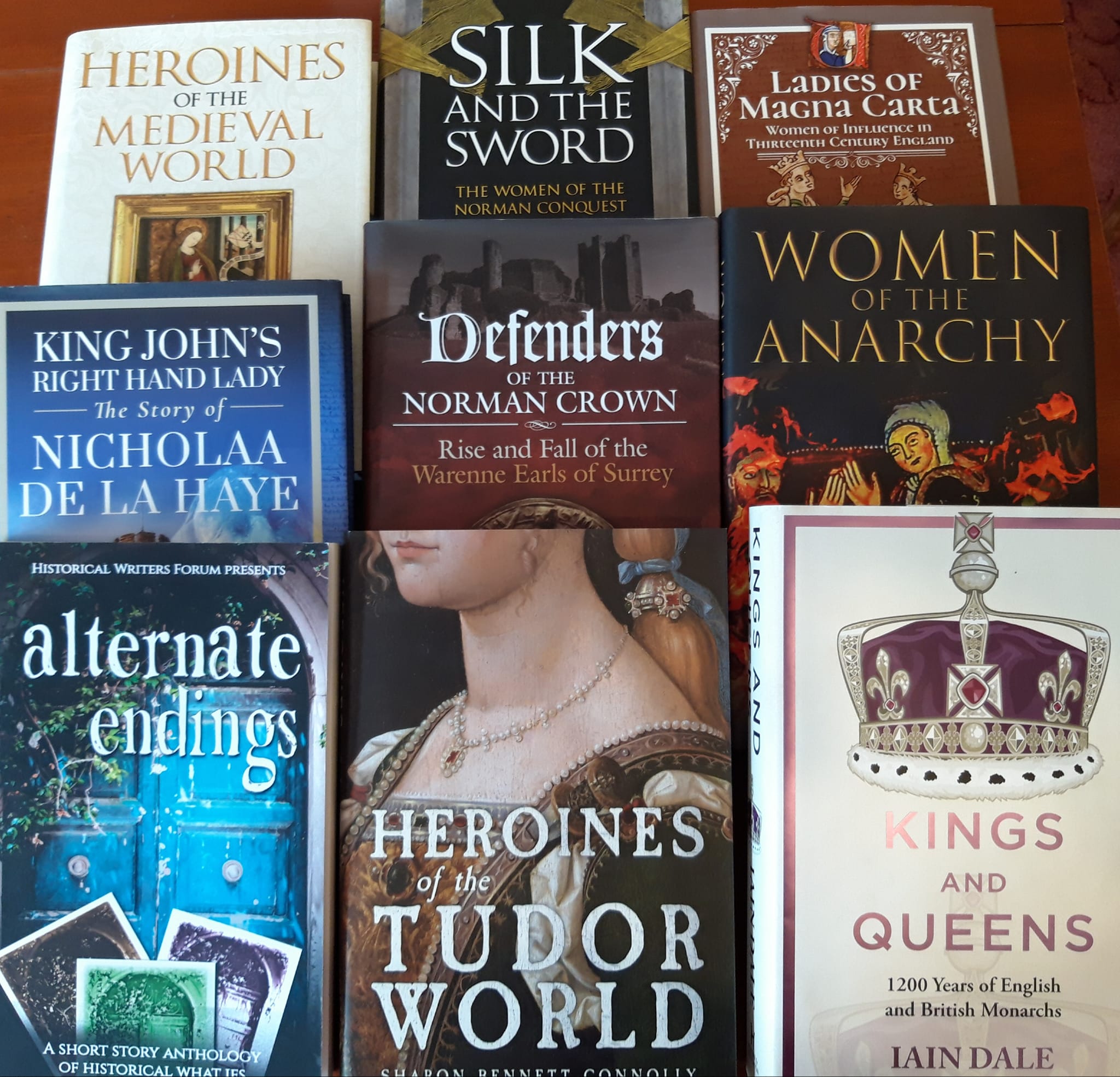
Heroines of the Tudor World tells the stories of the most remarkable women from European history in the time of the Tudor dynasty, 1485-1603. These are the women who ruled, the women who founded dynasties, the women who fought for religious freedom, their families and love. Heroines of the Tudor World is now available from Amberley Publishing and Amazon UK. Women of the Anarchy demonstrates how Empress Matilda and Matilda of Boulogne, unable to wield a sword themselves, were prime movers in this time of conflict and lawlessness. It shows how their strengths, weaknesses, and personal ambitions swung the fortunes of war one way – and then the other. Available from Bookshop.org, Amberley Publishing and Amazon UK. King John’s Right-Hand Lady: The Story of Nicholaa de la Haye is the story of a truly remarkable lady, the hereditary constable of Lincoln Castle and the first woman in England to be appointed sheriff in her own right. Available from all good bookshops Pen & Sword Books, bookshop.org and Amazon.
Defenders of the Norman Crown: The Rise and Fall of the Warenne Earls of Surrey tells the fascinating story of the Warenne dynasty, from its origins in Normandy, through the Conquest, Magna Carta, the wars and marriages that led to its ultimate demise in the reign of Edward III. Available from Pen & Sword Books, Amazon in the UK and US, and Bookshop.org. Ladies of Magna Carta: Women of Influence in Thirteenth Century England looks into the relationships of the various noble families of the 13th century, and how they were affected by the Barons’ Wars, Magna Carta and its aftermath; the bonds that were formed and those that were broken. It is now available in paperback and hardback from Pen & Sword, Amazon, and Bookshop.org. Heroines of the Medieval World tells the stories of some of the most remarkable women from Medieval history, from Eleanor of Aquitaine to Julian of Norwich. Available now from Amberley Publishing and Amazon, and Bookshop.org. Silk and the Sword: The Women of the Norman Conquest traces the fortunes of the women who had a significant role to play in the momentous events of 1066. Available now from Amazon, Amberley Publishing, and Bookshop.org.
Alternate Endings: An anthology of historical fiction short stories including Long Live the King… which is my take what might have happened had King John not died in October 1216. Available in paperback and kindle from Amazon.
Podcast:

Have a listen to the A Slice of Medieval podcast, which I co-host with Historical fiction novelist Derek Birks. Derek and I welcome guests, such as Bernard Cornwell and Michael Jecks, and discuss a wide range of topics in medieval history, from significant events to the personalities involved.
Every episode is also now available on YouTube.
*
Don’t forget! Signed and dedicated copies of all my books are available through my online store.
For forthcoming online and in-person talks, please check out my Events Page.
You can be the first to read new articles by clicking the ‘Follow’ button, liking our Facebook page or joining me on Twitter, Threads, Bluesky and Instagram.
*
©2025 Sharon Bennett Connolly, FRHistS and Aimee Fleming
 History... the interesting bits!